




As any Precalculus Honors (PCH) student will tell you, the PCH Transformations Project is a longtime favorite of Mrs. Acerra’s classes. Students create a unique design— anything from an eye to a spaceship—using graphs! With a quota of parent functions (like y=x, y=x2, etc.) to reach, they graph, transform, and shade functions to bring their artistic vision to life. Angel Saravanan Babu ‘26 and Alex Cox ‘26 both completed the project and had a lot of fun. Here are our opinions:
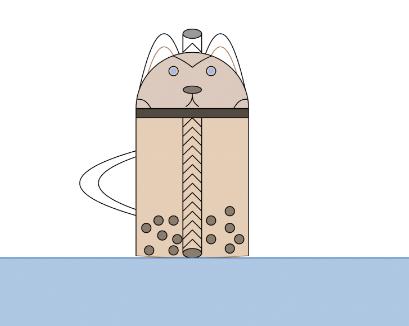
Angel said, “In my opinion, the project was a great opportunity to apply my creativity to concepts we have learned in math. As someone who is not as artistically inclined, I found the project a way to think outside the box and get out of my comfort zone. I made a dog boba cup on top of a blue table!” Here is Angel’s project below:
Alex stated, “I thought the project was an amazing way to take a break from the more formulaic aspects of PCH and get creative! I made a spooky Halloween scene with a ghost, and although it was a little difficult to fit all of the required functions in, I thought it was so cool to blend math and art in this project.” Alex’s project is below:

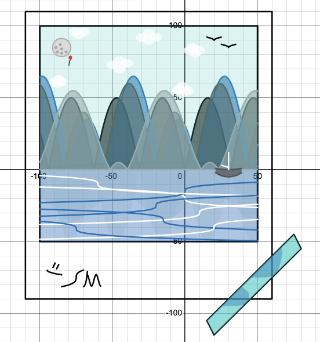
We also interviewed other PCH students to get their feedback. Sunshine Mitchell ‘26 graphed a tranquil landscape with mountains and a lake. She loved the project, stating that she “easily stayed on top of the work” and “got to exercise [her] creativity.” Check out Sunshine’s project here:
Lily Rogers ‘26 created a beautiful replication of the Gherkin and the Shard, two striking skyscrapers located beside each other in London. She agreed that the process was enjoyable and that Desmos was a useful software for completing the project. Lily added that she would amend the project for future classes by “making the requirements six to seven different types of functions, but not specifying what types.”
Lily thought it would be easier for many students to fill the function quota if they didn’t have to force in graphs that didn’t fit with their design. Here’s Lily’s project:
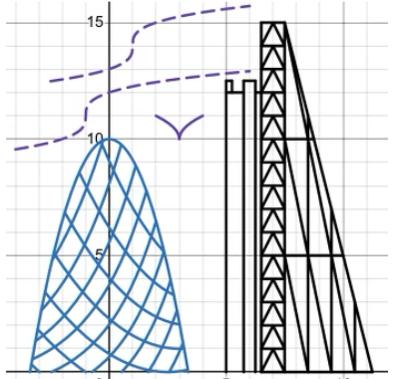
The Gherkin and the Shard by Lily
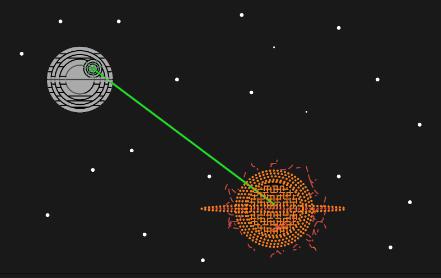
Hannah Wiseman ‘26, an avid Star Wars fan, depicted one of the franchise’s iconic scenes: the Death Star blowing up Alderaan. She loved the creation process because she was able to “apply the transformation rules [she] learned in class while having fun.” She also appreciated being able to express her interests freely within the project. However, she did wish that students were given more time to complete the project. Here is Hannah’s project below:
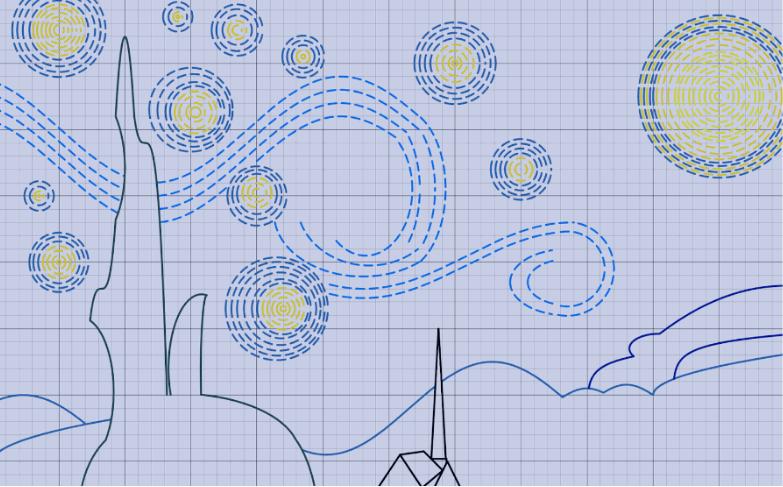
Betty Rose Bean ‘26 took the “Desmos art” prompt literally and recreated Vincent van Gogh’s famous painting Starry Night.
She said she loved “playing around with the colors and shapes” and “really enjoyed the process,” although she also wished that the project guidelines had been clearer. Here’s Betty Rose’s project, complete with a whopping 300 distinct functions:
To get some more perspective on the topic, Angel and Alex talked with Grace Xiao ‘26, a current Calculus I & II student who took PCH last year. She made a tea kettle, and she remembered the project being “so fun.” When asked what advice she had about the project as a PCH alumna, she encouraged students to “make sure to enjoy it,” which we certainly did! Check out Grace’s project:
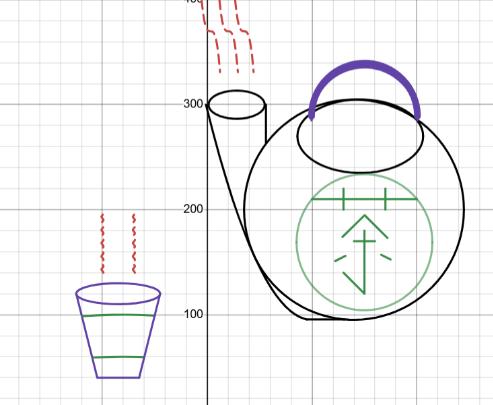
Tea Kettle by Grace
Angel and Alex also conducted an exclusive interview with none other than Ms. Acerra, everyone’s favorite PCH teacher. According to Ms. Acerra, Ms. Takis might have introduced the project to Precalculus in 2014, with Ms. King potentially conducting the project even earlier.
The main purpose of this interdisciplinary project is to allow students to express their creativity while teaching them how to manipulate functions in a variety of ways. When asked why she likes this project, Ms. Acerra shared a personal connection as she double majored in math and studio art while in college. In addition, since the project is at the beginning of the year, she notes the project serves as a “window” into a student’s personality and allows her to get to know her students better. Finally, the project gives students the freedom to create and play with their creations. Her advice to future PCH students is to “let loose and let your imagination run wild!”
So, what’s the verdict on the PCH Transformations Project? Students loved taking time for creativity. Though they had a few criticisms on the project’s guidelines, clarity, and timeline, the overwhelming opinion is that the PCH project was a huge success! We hope this article inspires you to go beyond the logical aspects of math and get creative like PCH students did!

Laurie Kurtz ‘27
Memory: a fundamental function to how we perceive and remember information in our lives. But how does our memory really work?
Memory is defined as the result of perception, attention, and learning, coming from information that has been encoded into the brain through repetition. Repeatedly seeing an action, skill, or image helps the brain store information. For example, when you first saw a banana, it was meaningless to you because you had never seen one before. However, as you grew up and repeatedly saw people eating bananas, your brain assigned value to them and recognized a pattern. It pieced together first that they are a yellow fruit that people eat, and later that they are bananas.
Memory is accessed through 3 ways: recall, recognition, and relearning. The hippocampus, neocortex, and the amygdala are the parts of the brain in which memory processes occur. In short, recall is the retrieval of information, recognition is identifying previously learned memories, and relearning is learning previously learned knowledge again. There are 3 different stages of memory: sensory memory, short term memory, and long-term memory. Things that we want to remember but we forget quickly are called sensory memories. Information that we can remember for a brief amount of time is stored in short term memory. Information can be stored in short term memory through rehearsal. Rehearsal consists of repeating information until it sticks in the brain (although only for a short while). Without rehearsal, information will only stay in the brain for under 30 seconds. These memories either fade or are converted to long-term memory. Long-term memory is where information is stored and able to be retrieved for an extended period of time.
Implicit memories, memories that we are not aware of, get transferred to longterm memory. Implicit memory is a type of memory that we don’t consciously store or use, but it subconsciously helps us remember how to do things such as simple tasks. On the flip side, explicit memory is information that we store consciously and purposefully.
Because it is the process of storing memories that we can consciously recall, explicit memory helps with tasks like studying. Brushing teeth requires implicit memory because it is a task that the brain has unconsciously incorporated into daily life, and remembering a timeline of events in history for a test requires explicit memory.
The effects of viruses which damage the nervous system can be very harmful to the brain and the processes of memory. In 1985, a pianist named Clive Wearing contracted a rare disease called herpes encephalitis, which affected his long-term memory. He lost the ability to remember new experiences or ones from his past. However, Wearing’s procedural memory was not affected. This means he was still able to remember how to play the piano and do other simple daily tasks. The fact that his procedural memory was damaged but his episodic memory was not is evidence of how different types of memory can be damaged differently and separately.
The depth of processing affects how well we remember information. There are two different levels of processing: shallow and deep. Shallow processing encodes information on basic visual and auditory levels, relating to short term memory, but deep processing helps store information with a more personal method. Connecting and associating pieces of information to a personal experience can help with easier retrieval of information. An example of deep processing is remembering an encounter or lab experience you’ve had with a certain compound and using that experience to remember the formula for the compound. Shallow processing looks more like rehearsal: memorizing without a deep or personal connection.
So what can this information mean in your daily life? With the understanding of the processes of memory, you can use tactics to help improve your memory for tests or assessments. A well-known strategy is called mnemonics. Mnemonic devices are specific measures of information that are broken down for easier memorization. They help organize pieces of information into easily digestible chunks. One that you may have heard of is King Henry Died By Drinking Chocolate Milk. The first letter of each word represents the first letter of a prefix used with units of measurement (kilo, hecta, deca, base unit, deci, centi, milli). Memorizing these acronyms can be a simple way to retrieve desired information more easily. Using deep processing is also a great way to remember information.
The brain works in amazing ways when it comes to memorization and many other abilities. Understanding how and why different processes of memory work can help create a better understanding of the brain’s strengths and skills.


Lucia Noto ‘25
Can you imagine suiting up in PPE from head to toe, stepping into a university lab, and working to improve health outcomes for individuals facing medical challenges such as concussions or cancer? If this sounds intriguing, Holton’s Science Research Program (SRP) might be for you!
The SRP is designed for students passionate about STEM, offering them hands-on experience in professional labs, where they work under real life scientists, undergraduates, and graduate students. Each year, eight sophomores are selected from Holton through a competitive application process. Students choose a focus area in either engineering or life sciences and participate in an eight-week summer internship with mentors. This experience will allow you to gain valuable insight and skills. The internship culminates in a scientific poster session, where students present their findings to the Upper School.
Dr. Hannah Krug, SRP Director, remarked, “The Science Research students this summer did exceptional work and received high praise from their mentors. They worked in labs at institutions such as the University of Maryland, Georgetown University, and the Uniformed Services University of the Health Sciences (USUHS). I am so proud of their hard work and dedication and can’t wait to see what they’ll accomplish in their future STEM careers.”
This past summer, I had the opportunity to work at Georgetown University’s Paranjape Lab, which specializes in Nanotechnology and Biomedical Engineering. My project involved developing a medical patch prototype to detect mild traumatic brain injuries (mTBI), commonly known as concussions, which can cause long-term brain damage if untreated.
The lab aims to create a non-invasive diagnostic tool that can rapidly detect mTBI within minutes by measuring biomarkers directly through the skin.
My research centered on the biomarker UCH-L1, an enzyme linked to brain injuries. The project’s goal was to create a patch that could detect UCH-L1 in the bloodstream. My research took place in the GNμ 2 lab, where I conducted synthesis and characterization, and the GNμLab “cleanroom,” a specially controlled lab space where pollutants are filtered out, requiring all researchers to wear full PPE, including lab suits, gloves, and goggles.
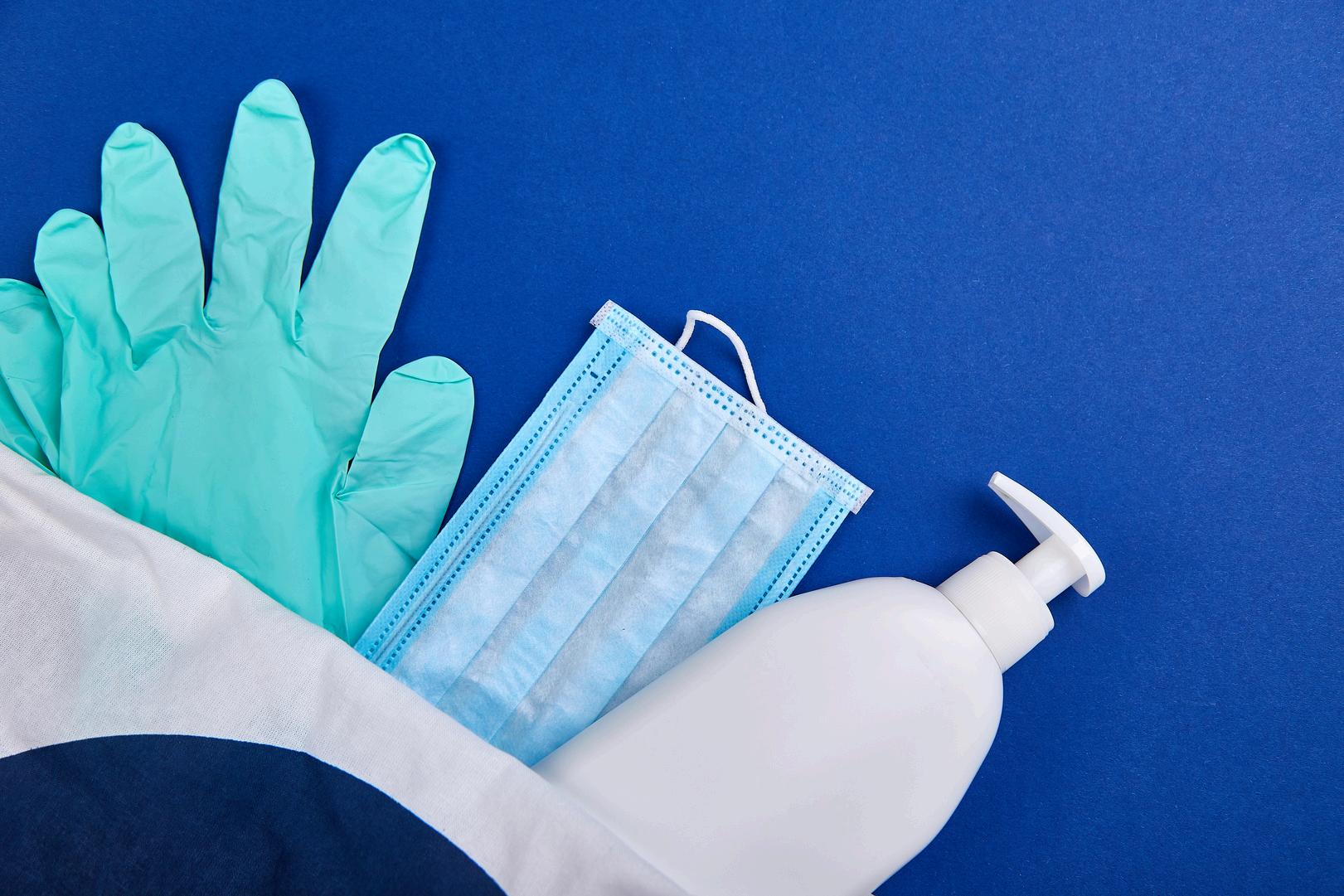
The project involved three major steps:
1. Fabrication of a Test Device: I began by fabricating a device to test our target biomarker’s attachment to a gold surface. Using piranha solution, a highly reactive cleaning agent, I prepped the surface for protein attachment. After cleaning, I immobilized streptavidin on a gold surface as a binding agent for biotin, a molecule that mimics UCH-L1 behavior.
2. Characterization and Measurement: I confirmed the binding of biotin using Raman and fluorescence spectroscopy. Raman spectroscopy allowed me to assess the chemical structure, while fluorescence spectrophotometry detected biotin binding via fluorescent tags. These methods helped ensure the binding process was successful and reliable.
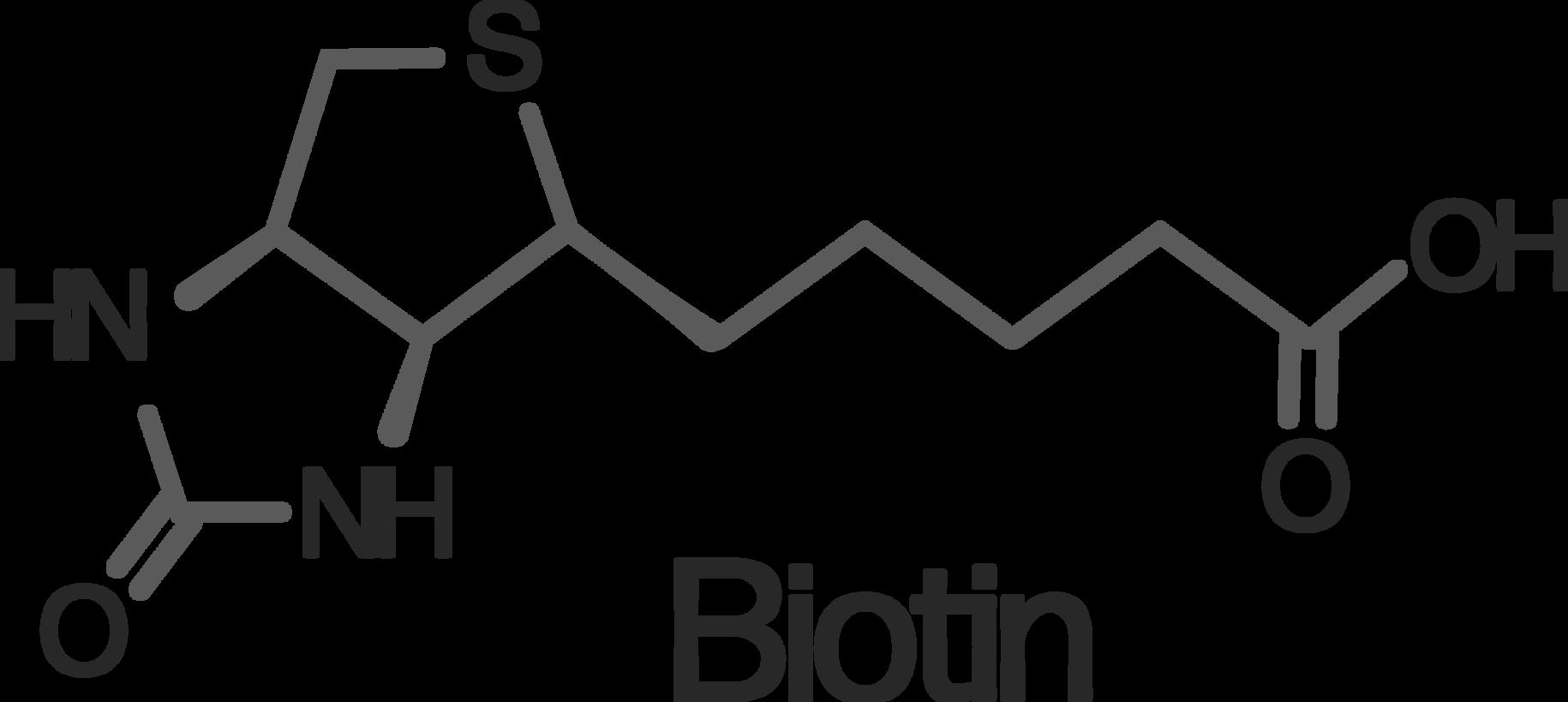
3. Electrochemical Impedance Spectroscopy (EIS): EIS measured the impedance, or resistance to electrical flow, on the gold surface to confirm that our device could successfully detect biotin binding. This was a critical step in verifying that the patch could ultimately detect mTBI.
The ultimate goal is to integrate this technology into a field-deployable patch that can rapidly determine if someone, such as an athlete or soldier, has sustained an mTBI. This tool could enable real-time assessment on sports sidelines, ensuring timely medical intervention.
Participating in a science internship through the Science Research Program is an amazing experience that goes beyond the technical skills essential for conducting scientific research like resilience, adaptability, and collaboration. Working with experienced researchers allows you to handle specialized lab equipment and conduct experiments that bring textbook concepts to life, giving you a head start in mastering hands-on techniques. Setbacks in the lab—such as inconclusive results or unexpected variables—help you develop a problem-solving mindset, turning challenges into opportunities to refine methods and build patience. Collaboration with mentors and lab teams will enhance your scientific communication skills, as you will learn to present findings, seek feedback, and simplify complex ideas. The SRP internship also instills an appreciation for the persistence required in STEM, as you will experience firsthand the dedication involved in scientific discovery. Ultimately, the program will equip you with the tools and confidence necessary to thrive in all of your future STEM pursuits!

Alisha Agha ‘27
Let’s start from the beginning, the pumpkin seeds! They are actually rich in vitamins and are very good for you. Pumpkin seeds contain Copper, Magnesium, Phosphorus, Zinc, and Iron. After you plant this healthy little seed, it typically takes 90 to 120 days to grow.
Now on to the next stage: uncarved pumpkins typically take about 10-12 weeks to rot. But once you make your fun carvings, it will only last about three to five days before it starts rotting.
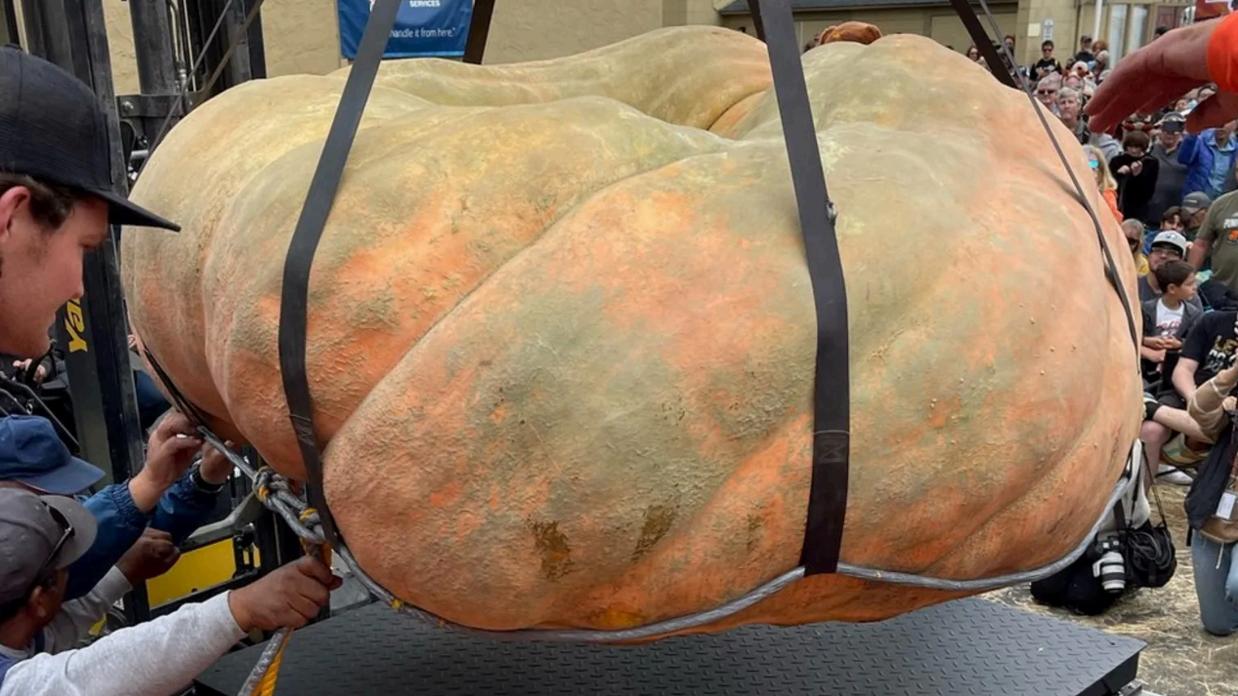
But interestingly enough, pumpkins are actually botanically classified as a fruit! It’s even the state fruit of New Hampshire. The world record for the largest pumpkin ever is 2,749 lb.


Sophie Delonis-Vigier ‘27
For as long as I can remember, I’ve dreamed of having two-way conversations with my dog. Now, thanks to exciting new research, that dream is starting, very slowly, to come true! Scientists have been slowly cracking the code of different animal languages using AI machine learning models, and have discovered fascinating things that reveal how complex animal intelligence really is.
First, a little AI machine learning 101. Machine learning algorithms take data, whether labeled or unlabeled, and try to classify it, or make predictions based upon it, by examining certain variables in the data and finding patterns between them. There are multiple types of machine learning algorithms, but I’ll focus on supervised learning models as they are most relevant to this type of research.
Supervised learning AI models are trained on manually-labeled data, and then predict patterns and label new data in a requested format. These are some of the most common models in this field of research. For example, when collecting the data in the field, researchers use a combination of recordings, observations, and sometimes playback. Recordings often have many animals’ voices speaking at once, but supervised learning models can be trained to pick out specific voices and calls from a group. Next, the scientist notes specificities of the call, such as the caller, receiver, context, and physical reaction. This data is entered into the model which slowly finds patterns between each variable. These models have a significant disadvantage over other models, like a self-supervised learning model which takes unlabeled data and finds patterns by itself, because the manuallylabeled data is limited by the knowledge of the scientist labeling it. However they are a lot easier to create and manage, which is why they are used so frequently.
In one study, researchers fed calls from a group of elephants to a supervised learning algorithm. The algorithm was able to predict the receiver of a new call at a higher rate than just pure chance, indicating that elephants might have names for each other! This is particularly special because we already know of other animals, such as bottlenose dolphins and some types of parrots, that seem to use a system of naming by imitation. A good example of this phenomenon is a zipper, which is named after its “zipp” sound when used. These animals seem to do the same thing for each other, based upon their specific calls. However, evidence seems to suggest that elephants have specific names that are not based on the sounds they make. This would make elephants the first known mammal to use names like humans do! Researchers even played these calls back to the elephants, and each elephant responded to the call intended for them considerably faster and with more effort than others.
In another study, a group of researchers trained a supervised learning model on 15,000 bat calls. The model was able to detect the emitter, the context of the call, the behavior response to the call, and the call’s addressee.
The beautiful thing about this field of study is that it highlights just how intelligent animals are, and how similar in some ways they are to humans. Through their use of names, or the fact that the same species of whale have different regional dialects/calls/songs for the same thing, the evidence that animals are more complex than previously thought helps everyone appreciate nature and try to conserve its beauty.
Further Reading:
African elephants address one another by unique name-like calls, new study suggests | PBS News



Colorful leaves and early chill settle on the sports fields and homely brick lobby of the Holton-Arms School. Students returned to school in September with some big changes: besides the library under construction, new large gray “phone jails” are nailed next to each grade’s rows of mailboxes. Accompanying this development is a new Upper School Cell Phone Policy: students are prohibited from using personal electronic devices from 8 a.m. to 3:30p.m. Violations result in “progressive disciplinary actions, ranging from detention to possible suspension.” To gauge opinions on the policy, Holton Upper School students responded to anonymous form with multiple choice questions and an open response section for feedback on the policy. The form covered academic use, communication challenges, policy fairness, and productivity impacts. With responses from 141 out of 342 students, the survey revealed mixed opinions on the phone policy.
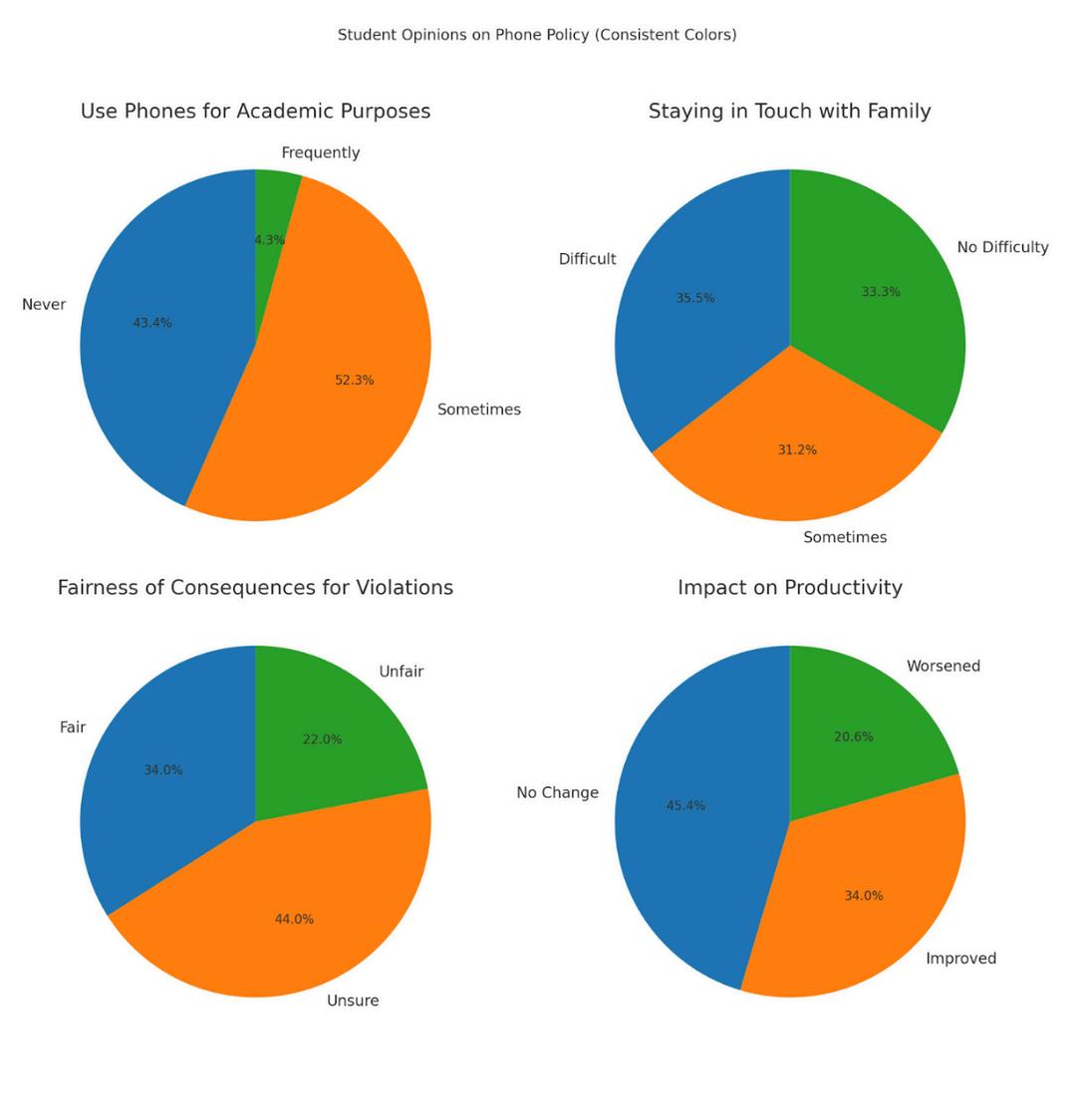
When asked about how frequently students ask permission to use their phone for “academic purposes,” 43.4% said “Never” while 4.3% said “Frequently.” The rest fell in between. On staying in touch with family, 35.5% reported difficulties, 31.2% said “Sometimes,” and 33.3% said “No.” Regarding the fairness of consequences for policy violations, 34% agreed they were fair, 44% were unsure, and 22% said the consequences were unfair. Finally, 45.4% felt the policy did not change their productivity, while 34% saw improvement, and 20.6% felt it worsened.
Phone in hand or locked away – students are split on how much it matters. Some students feel more ‘present,’ while others face communication obstacles.
The last question in the form was an optional free-response, allowing students to explain their feelings or reasoning. The 39 thorough responses showed feelings as mixed as the rest of the survey. On the one hand, students reacted to the phone policy positively. Some mentioned not having their phone made them less “tempted to go on it,” also citing feeling more “present,” having “less distractions,” and not feeling too impacted by the new restrictions.
Unexpected challenges and frustrations emerge from daily life without phones.
On the other hand, the majority of the responses to the optional free-response were more negative (it’s worth nothing this may be due to a statistical bias named voluntary response, which is when people voluntarily choose to participate in a survey and thus the survey results may reflect a stronger opinion than actually represents the population). One common theme was challenges with communication, such as not being able to “contact…parents to manage [their] mental health struggles,” being “hard to communicate with friends,” having a difficult time reaching their “parents during the day if there are any issues about pick-up,” and not having phones making it “harder… to find people even for group projects.”
In line with that, many found it hard to not have their schedules a tap away, not always knowing what time it is (when clocks aren’t present), and not having their phones in case an emergency happens. Others found that not having their phone during the school day had the counterintuitive effect of making them less productive or not bettering their productivity. A couple people responded that their “productivity after school has decreased,” “having [their] phone after school now feels like… a break from [their] earlier day,” or that “taking away the phones doesn’t immediately make [them] want to get work done.”
Finally, some students gave unique insights on the phone policy. One student commented on how the policy was making “Ms. P’s job a lot harder” when dealing with students who have early out. Another suggested having the same rules as middle school: putting phones in lockers and then taking them out with teacher permission.
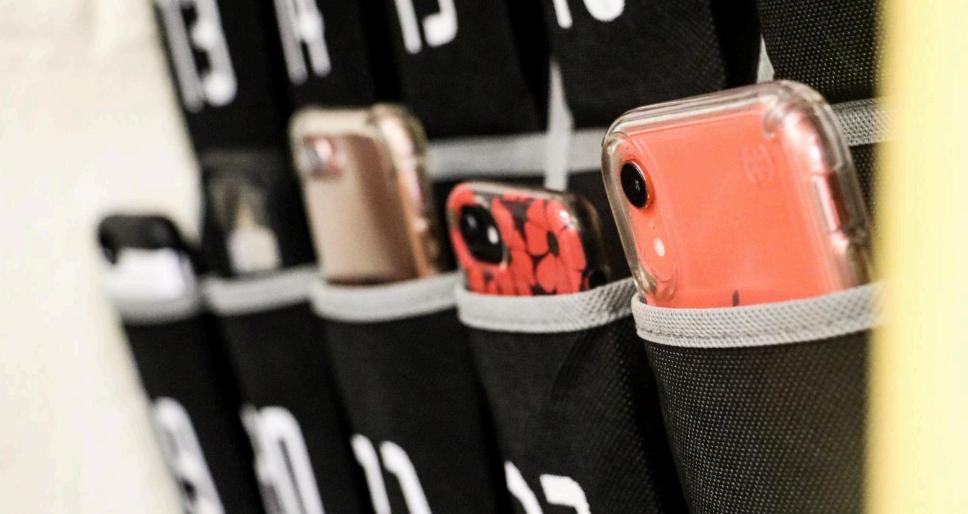
Some students feel disconnected– from their friends, their family, even their own lives after school.
The final categorization of student responses was the stronger dislikers. Often characterized by longer paragraphs, these responses portrayed heavily critical opinions of the phone policy. In one such response, the student felt more “disconnected” from the rest of the grade and felt memories would be lost if they were not captured by videos. Another student stated how unsafe they believed the phone jails were as they were worried about their phone being mistakenly taken or put in a different slot by a teacher turning their phone off: “I'm not a risk to your internet speed I promise! Please do not take my phone to needlessly turn it off and stick it back in the wrong slot!”
In summary, there was a wide range of responses in the student community. While this article is not meant to demean the phone policy– rather, it’s to provide a report from students speaking honestly– it’s useful for administrators to take into account student opinions and concerns, especially with a school comprising of such a strong and active student body. According to students, the phone policy may not seem to have the immediate effect of improving productivity. The long term effect is to be seen (future article!). It’s difficult to create an ideal phone policy that balances productivity and accessibility perfectly. However, as this year comes, there may be a need for student-administration discussions about policy


On October 10th, the Aurora Borealis, or Northern Lights, was visible from the DMV area! This phenomenon is most commonly observed in high latitude regions near the poles, including Alaska and Nordic countries like Finland, Norway, and Sweden, but occasionally, can also be seen from other locations if the conditions are right, such as during periods of extremely high solar activity.
Here’s an overview of some of the science behind the Northern Lights:
Solar storms, like solar flares and coronal mass ejections, on the sun expel large clouds of electrically charged particles (electrons!), some of which can head towards and collide with the Earth
The particles that do collide are accelerated towards Earth’s poles because of our planet’s magnetic field
These electrons then encounter the mainly neutral molecules and atoms in Earth’s atmosphere, leading to excitation of the neutral molecules’/atoms’ electrons
After excitation, photons, or particles of light, are released as the neutral atoms’/molecules’ electrons return to their initial lower energy state; these photons are what make the Aurora Borealis so vibrant and colorful!
The wavelength of the photon determines its color, and wavelength is inversely proportional to energy - a higher energy photon will have a smaller wavelength
The exact color of the light emitted is different depending on the type of gas, altitude, and energy levels
Oxygen will produce a greenish-yellow color while nitrogen causes blue, red, or pink lights
This same process of electron excitation emitting colors can also be observed in neon lights and in fireworks, though fireworks use metal salts instead of atmospheric gasses
Why can’t you see the Northern Lights very well with the naked eye?
Urban light pollution plays a big role! Street lamps or lights on buildings can appear stronger to us than the light being emitted in the Aurora Borealis, so our eyes can’t detect it very well
This is also why it’s easier to see the Northern Lights in less densely populated areas, like the North Pole, Iceland, or even rural areas in lower latitudes
Cameras are often able to capture light from the Aurora better because their lenses are more sensitive to light than the naked human eye
Long exposure on a camera will also result in a more richly colored photo, as more light will enter the lens in a longer period of time!




Enaya Mohsin ‘28
There are six Nobel Prizes awarded every year, each recognizing an individual’s impact in a specific field. Since 1901, the Norwegian Nobel Committee has selected winners in physics, chemistry, physiology/medicine, literature, peace work, and economic sciences. They are widely regarded as the “most prestigious awards given for intellectual achievement in the world.” The laureates receive a diploma, a medal, and a document detailing the prize amount, which this year is set to be 11 million Swedish kronor, or about $1.07 million in current exchange rates.
There were 286 candidates for the Nobel Peace Prize this year — 197 individuals and 89 organizations – according to the Nobel committee. The Peace Prize was awarded on October 11th to Nihon Hidankyo, a Japanese grassroots organization of atomic bomb survivors, in recognition of its work toward a world free of nuclear weapons.
The Nobel Committee awarded the prize in Physics to John Hopfield “for foundational discoveries and inventions that enable machine learning with artificial neural networks” and Geoffrey Hinton “for foundational discoveries and inventions that enable machine learning with artificial neural networks.”
The scientists used physics tools in order to construct methods that help enforce the foundation for today’s powerful machine learning. Hopfield created a structure that can store and remake information. Hinton developed a strategy that can independently discover properties of data; this has become more important for the large artificial neural networks we use today.
The Nobel Committee awarded the prize in Chemistry to David Baker “for computational protein design,” Demis Hassabis “for protein structure prediction,” and John Jumper “for protein structure prediction.”
As you can see, this prize was all about proteins, the molecules that control and drive chemical reactions within cells. Baker succeeded in the seemingly impossible feat of building an entirely new kind of protein. Hassabis and Jumper created an AI model to predict proteins’ complex structures.
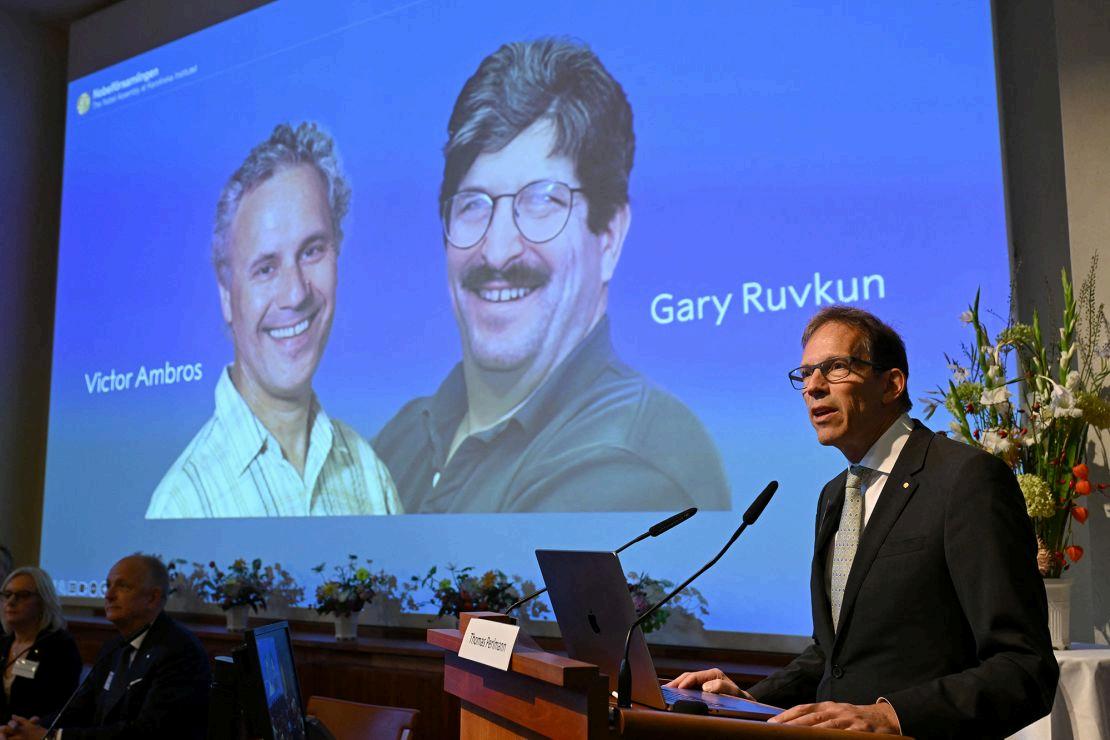
This year, Victor Ambros and Gary Ruvkun won the Nobel Prize in medicine “for the discovery of microRNA and its role in post-transcriptional gene regulation.”
These two both discovered a new class of RNA molecules, microRNA, which plays an important role in gene regulation. Their C. elegans discovery revealed a new principle in gene regulation. This was an essential principle for multicellular organisms, like humans, in how they develop and function.
Literature
The Nobel Committee awarded the prize in Literature to Han Kang “for her intense poetic prose that confronts historical traumas and exposes the fragility of human life.”
In her body of work, Kang explores historical traumas and the unseen frameworks that shape our lives, revealing the delicate nature of human existence in each piece. With a profound understanding of the interplay between body and soul, as well as the living and the deceased, she employs a poetic and experimental style that positions her as a trailblazer in modern literature.
The Nobel Committee awarded the prize in Economics to Daron Acemoglu “for studies of how institutions are formed and affect prosperity,” Simon Johnson “for studies of how institutions are formed and affect prosperity,” and James Robinson “for studies of how institutions are formed and affect prosperity”
This year’s award winners have shed light on the significant disparities in wealth among nations. A key factor behind these differences is the enduring variation in societal institutions. Through an analysis of the political and economic systems established by European colonizers, Acemoglu, Johnson, and Robinson illustrate the connection between institutions and prosperity. They have also created theoretical frameworks that elucidate why institutional differences endure and how they can evolve.


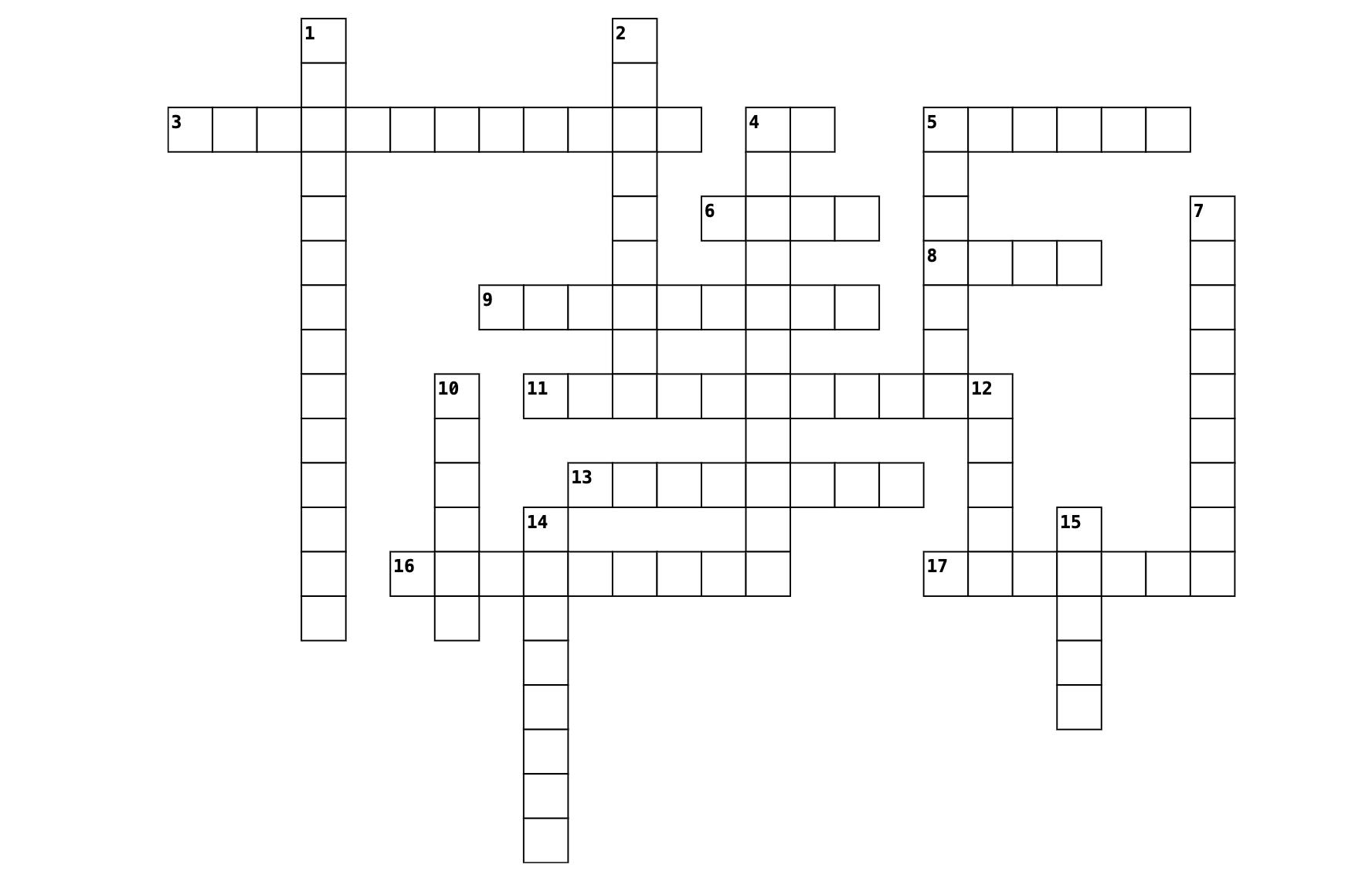
3. second derivative of position
4. 3.141592653589793238...
5. ___of equations
6. smallest unit of matter
8. number of chambers in the heart
9. Lucia '25 worked in Georgetown University's ___ Lab
11. cell organelle for photosynthesis
13. aka liquid paper
16. polygon with 12 sides
17. ___are paw-sitive
1. Holton's favorite STEAM newsletter
2. place Holton US students go to start their day
4. theorem for right triangles
5. important for precision in science!
7. 365 possibilities of these
10. speed is a scalar, velocity is a ____
12. inventor and car brand
14. first derivative of position
15. smallest element of digital photograph