Sales Director, HK & International (+852) 9437 2779
sales@harvest-info com
Chua Chew Huat
Sales Director, Asia Pacific (+65) 9863 7382 sales-sg@harvest-info com
Happy New Year, and welcome to our first issue of the year.
EDITORIAL/PUBLISHER
Keen Whye Lee Publisher
Cath Isabedra Editor editor-afj@harvest-info.com
Danico Acosta Layout and Design OPERATIONS
SALES
Simon Lee Hong Kong, U.S.A. sales@harvest-info.com
Chua Chew Huat Asia Pacific sales-sg@harvest-info.com
Erhardt Eisenacher Europe info@eisanacher-medien.de
MARKETING
Lali Singson mktg@harvest-info.com
TECHNICAL SUPPORT
Michael Magsalin tech@harvest-info.com
Harvest Information Pte. Ltd. 531 Upper Cross Street,#04-16, Singapore 050531
AsiaFoodJournal
AsiaFoodJourna1
asia-food-journal-magazine
Ingredients News
Packaging News
Industry News
AutomationNews
Processing News
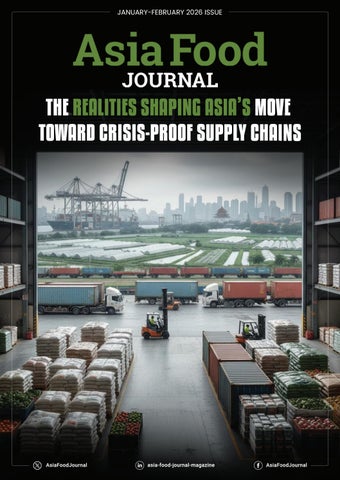
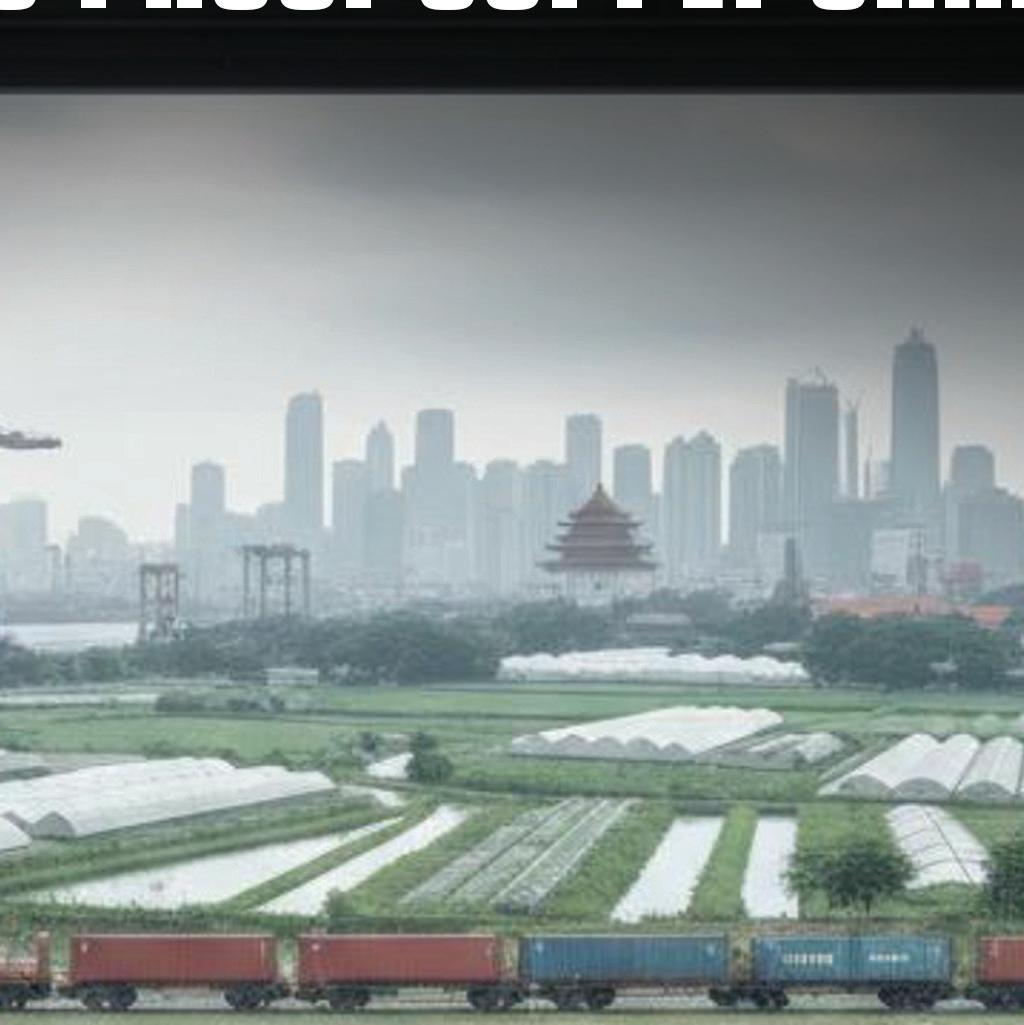
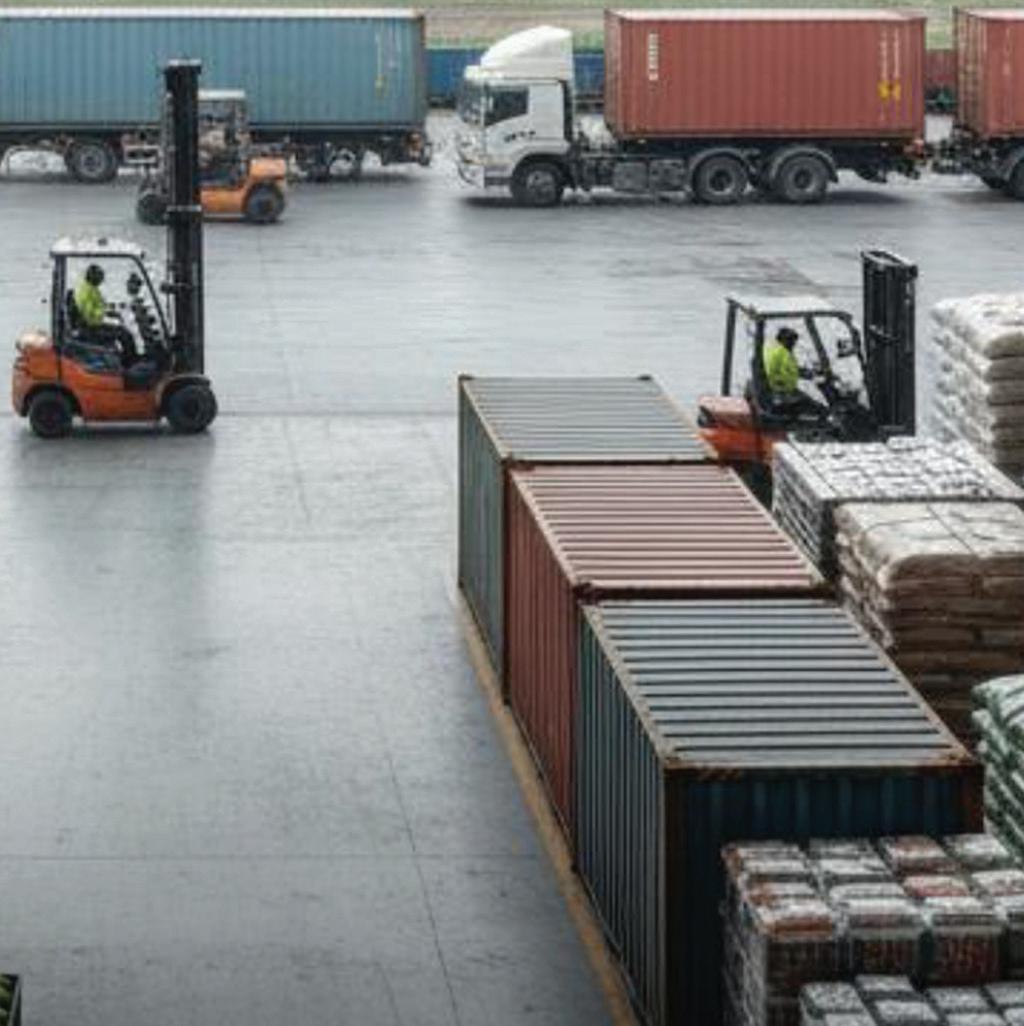
Cover Story: Inside the breakdown of Asia’s food supply chains
Feature Story: How the Philippines can build a more resilient and responsible food supply chain
Feature Story: Why rice sustainability is no longer optional for Asia’s food system
Feature Story: The hidden signals reshaping food supply chains in Southeast Asia
Feature Story: Closing AsiaPacific’s agrifood investment gap to strengthen supply-chain resilience
Feature Story: Closing AsiaPacific’s agrifood investment gap to strengthen supply-chain resilience
Feature Story: Building a stronger juice supply chain for Asia: What LDC’s integrated model reveals about future resilience
Feature Story: Why food resilience wins only with engineering discipline
Feature Story: The hidden triggers of Indonesia’s food crises
NEWS | Ingredients
Exclusive agreement strengthens Brenntag’s supply position for nitric acid and nitrate derivatives in Australia and New Zealand
Supports Brenntag’s strategy by enhancing supply security, expanding product offerings, and deepening partnerships in key industrial, agriculture, and mining sectors
Brenntag, the global leader in chemicals and ingredients distribution, has signed an exclusive distribution agreement with Henan Yongchang Nitro Fertilizer Co., Ltd. for nitric acid, covering the markets of Australia and New Zealand.
Henan Yongchang is a longestablished chemical producer based in Huixian City in Henan Province, located in central China. The company operates significant production facilities capable of manufacturing both dilute and concentrated nitric acid, along with a broad range of nitrate and nitrite derivatives used in agriculture, fertilizers, mining, metal treatment,
water treatment, and other industrial applications. As one of China’s leading nitric acid exporters, Henan Yongchang combines scale, product expertise, and an established production base, making it a strong and dependable partner for nitric acid supply.
Through this agreement, Brenntag enhances its supply access and strengthens its competitiveness in Australia and New Zealand. The collaboration also supports Brenntag’s growth strategy by expanding access to Henan Yongchang’s nitrate derivatives portfolio, including potassium nitrate, sodium nitrate, and aluminum nitrate, creating additional opportunities to support customers across essential industries.
Chan Huan Yong, President, Brenntag Essentials Asia Pacific, said, “This agreement strengthens our ability to support customers in Australia and New Zealand. Henan Yongchang’s strong technical capabilities and high-quality portfolio make them
a valuable partner as we continue expanding our offerings in key sectors such as agriculture, mining, water treatment, and industrial manufacturing.”
Dr. Claire Wang, Regional President, Brenntag Essentials Southeast Asia, said, “This collaboration is an important first step toward a broader partnership, and we see strong potential to extend our cooperation across Southeast Asia. Henan Yongchang’s purified grade nitric acid will further strengthen our support for customers in the electronics industry, and we look forward to building on this momentum together.”
Guo Peidong, General Manager, Henan Yongchang Nitro Fertilizer Co., Ltd., said, “We are pleased to collaborate with Brenntag, the global leader in chemical distribution, to bring our nitric acid and nitrate derivatives to more customers in Australia and New Zealand. Brenntag’s strong market presence and technical expertise will support our growth and help us deliver dependable, high-quality solutions to industries that depend on stable and consistent supply.”
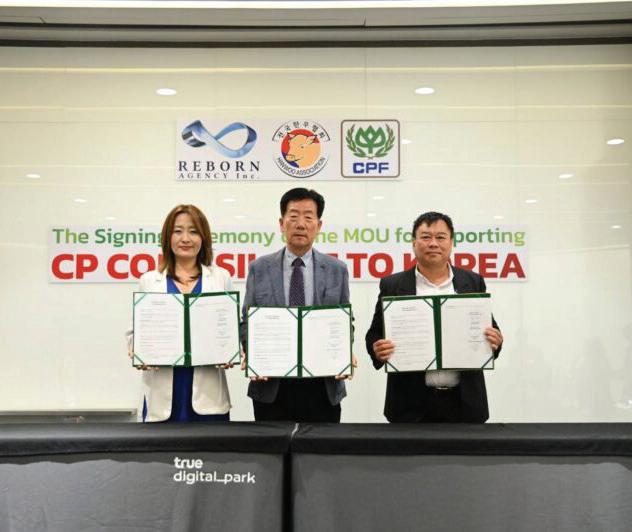
CPF signs partnership with the National Hanwoo Association and Reborn Agency to promote premium corn silage and elevate South Korea’s Hanwoo beef industry
Charoen Pokphand Foods Public Company Limited (CPF) has signed a Memorandum of Understanding (MOU) for exporting premiumquality CP corn silage to South Korea, in partnership with the National Hanwoo Association and Reborn Agency Inc. The signing ceremony was held on 3 December at True Digital Park, Thailand. The collaboration aims to enhance the quality of Hanwoo beef cattle farming, open international opportunities for Thailand’s highquality corn silage, and strengthen the sustainability of the livestock industries in both South Korea and Thailand.
Under this collaboration, CPF will serve as the producer and supplier of premium corn silage, with development spanning from corn variety selection, cultivation methods, harvesting, and
The cultivation process is conducted under strict safety standards, with harvesting carefully controlled at optimal maturity stages featuring a high milk line and appropriate moisture levels. The silage is packed in airtight, UV-protective packaging to ensure optimal fermentation. Produced from whole-plant corn including ears, CP Corn Silage is a premium-grade product that delivers consistent nutritional value and is suitable for both dairy and beef cattle, supporting improved feeding efficiency and sustainable livestock performance.
Mr. Min Gyeong-cheon, President of the National Hanwoo Association, stated :
fermentation, all supported by the company’s research and advanced feed production technologies. CPF is also committed to ensuring a sufficient and consistent supply that meets the demands of the South Korean market.
The National Hanwoo Association, as the end user, will utilize CPF’s premium corn silage in Hanwoo beef cattle farming to enhance meat quality, consistency, and overall production efficiency. The Association will also cooperate in monitoring, data collection, and performance evaluation, with the goal of further improving and developing corn silage products in the future.
Meanwhile, Reborn Agency Inc. will act as the import and distribution partner, responsible for importing corn silage from Thailand and distributing it to beef and dairy cattle farmers across South Korea, ensuring efficient logistics and broad coverage of target user groups.
Regarding the key strengths of CP Corn Silage, CPF has selected and developed special corn varieties specifically suited for animal feed.
“Hanwoo cattle are a breed with a long heritage of more than 5,000 years. The Association aims to continuously enhance their nutritional value, as well as improve quality and taste, in order to build global recognition for Hanwoo beef. After personally visiting and observing CPF’s corn silage production process, we gained strong confidence in this partnership and decided to sign the MOU, as CP Corn Silage is safe and truly well suited for Hanwoo cattle. When Hanwoo cattle are fed with highquality corn silage, it naturally leads to high-quality Hanwoo beef.”
Reflecting strong confidence in the quality and potential of CP Corn Silage, the National Hanwoo Association has indicated an initial annual demand of approximately 4,000 tons, with plans to increase procurement volumes continuously each year to support the growth of the Hanwoo beef industry and the rising demand for high-quality animal feed in South Korea.
This three-party collaboration underscores a shared commitment to integrating expertise in feed production, technology, and market management to advance the Hanwoo beef industry through high-quality feed solutions at the upstream level, while fostering sustainable agricultural and economic cooperation between Thailand and South Korea.
NEWS | Packaging
Filled by co-packer Mori Milk, the debut of LIKE MILK represents Asahi’s first commercial product in partnership with SIG. “Through LIKE MILK, we aim to help realize a society that embraces food diversity, where everyone can freely enjoy food regardless of physical conditions such as allergies, ethical beliefs, or preferences for non-dairy or healthconscious choices. Unlike traditional dairy alternatives made from soy, oats, or nuts, LIKE MILK is yeast-based and developed using Asahi Group’s proprietary yeast technology. The result is a beverage containing filling technology
Asahi Group Japan has launched LIKE MILK, the country’s first yeastbased beverage with milk-like characteristics. The product is packaged in SIG SmallBloc aseptic cartons and filled using the SIG Small 12 Aseptic filling machine, a highoutput, flexible filling solution from SIG. LIKE MILK is currently in test sales in selected Japanese supermarkets and e-commerce channels, with plans to expand distribution by 2026. The launch marks the first step of the partnership between Asahi Group Japan and SIG.
levels of protein and calcium comparable to cow milk, yet free from milk components and the 28 specified allergenic ingredients. This makes it ideal for health-conscious consumers and people dealing with dietary restrictions,” said Tomohiro Hata, Senior Manager, Future Creation Headquarters Department at Asahi Group Japan.
“Our LIKE MILK product was brought to market quickly and with the highest quality thanks to SIG’s flexible filling technology and co-packing network. As consumer demands continue to diversify, including growing health consciousness and sustainability awareness, agility in product development and packaging has become critically important.”
Central to the launch is the SIG Small 12 Aseptic – a highly flexible filling machine capable of supporting two carton formats, SIG SmallBloc and SIG SmallFit, and handling up to 16 aseptic carton variants, including various volumes plus closure and straw solutions on a single filling system. With an output of 12,000 packs per hour, the filling line
enables beverage manufacturers to accelerate product development, speed up time-to-market, and respond quickly to consumer trends. Its ability to switch between volumes and formats in just a few minutes while maintaining high output enables brands to keep pace with consumer preferences and reduce time-to-market.
“LIKE MILK is a perfect example of how to leverage the flexibility and speed that our filling technology provides,” said Angela Lu, President & General Manager, Asia Pacific at SIG. “The SIG Small 12 Aseptic offers brands such as Asahi the flexibility to prototype new ideas and commercialize them quickly and at scale. This launch showcases how SIG packaging and filling technology can unlock entirely new product categories in competitive markets.” As Japanese consumer demand continues to diversify, manufacturers are turning to partners like SIG to streamline production and support rapid innovation.
With the launch of LIKE MILK, Asahi Group Japan and SIG are demonstrating agile, purposedriven beverage development in convenient packaging solutions, driven by real-world needs.
Packaging
Tetra Pak launches world-first paper-based barrier for juice packaging with García Carrión and advances new packaging material development
Tetra Pak, in collaboration with García Carrión, today unveiled the firstever use of its paper-based barrier technology for juice packaging. This innovation in sustainable food packaging solutions marks a significant step towards reducing reliance on fossil-based materials, with the new packaging material now being rolled out across multiple markets.
World-first aseptic carton with paper-based barrier for the juice category
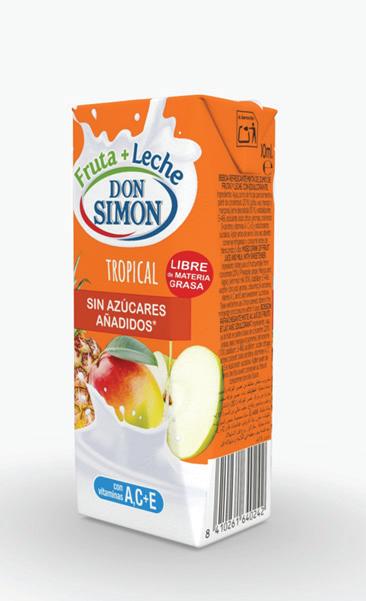
Tetra Pak, together with leading Spanish beverage producer García Carrión, has launched the Tetra Brik® Aseptic 200 ml Slim Leaf carton featuring a paper-based barrier for juice, under the flagship Don Simón brand. This is the first juice portion pack globally to use the innovative barrier and the first such package available in Spain.
Made with up to 80% paper, the packaging reinforces its sustainability credentials. The combination of the paper-based barrier with plant-based polymers used in the packaging material coatings pushes the renewable content to a remarkable 92%, while reducing the carbon footprint by 43% compared with an aseptic package that uses an aluminium foil layer and fossil-based polymers, as verified by the Carbon Trust1.
“We are proud to lead the way in sustainable packaging for the juice category. For more than 135 years, García Carrión has been committed to responsible innovation and respect for the environment,” said Don José García Carrión, President of García Carrión. “This innovation supports our mission to reduce environmental impact while offering high-quality products to our consumers”, added Fala Corujo, Vice President of García Carrión.
For García Carrión, this packaging solution represents a new industrial application of its 360° Sustainability Strategy, recognised with the Factories of the Future Award 2024 for Excellence in Sustainability and Circular Economy.
Tatiana Liceti, Executive Vice President, Packaging Solutions at Tetra Pak, commented: “This launch represents a significant step in our journey towards fully renewable and recyclable packaging. By working closely with our customers, we’re proving that sustainable innovation can scale across markets and categories, while ensuring packaging retains its functionality and quality.”
What is the paper-based barrier?
Tetra Pak’s paper-based barrier is a breakthrough in aseptic carton design. It replaces the traditional aluminium foil layer with a renewable, paper-based barrier, promoting the shift from a fossil-based material to a low-carbon, renewable alternative and reducing the package’s carbon footprint. Together with other layers in the packaging, the paper-based barrier protects against oxygen, light,
moisture, and bacteria, ensuring food safety is not compromised, and shelf life is comparable to packages with the aluminium foil layer. Aseptic cartons with a new paper-based barrier can be collected, sorted, and recycled where recycling infrastructure is in place, at scale. The new paper-based barrier is expected to deliver additional benefits downstream for recycling infrastructure efficiency. These include maximising the recovery of paper content from the recycling process of carton packages, while ensuring high-quality fibre and nonfibre fractions.
Tetra Pak’s paper-based barrier technology is part of its broader ambition to create the world’s most sustainable food package – one that is paper-based, made solely from responsibly sourced renewable or recycled materials, has the lowest possible carbon footprint, and is fully recyclable.
Tetra Pak’s aseptic beverage carton with a paper-based barrier was launched in collaboration with a dairy company in Portugal in 2023. It was recognised as a groundbreaking innovation in sustainable packaging, receiving the “Resource Efficiency” award at the Sustainable Packaging News Awards 2024.
Source: Carbon Trust™ - verified Tetra Pak ‘Carton CO2 Calculator’ model version 11 (valid from 2025-01-01). Scope: cradle-to-grave measurement of a Tetra Brik® Aseptic 200 Slim Leaf carton with plant-based polymers in coating and paper-based barrier compared to a Tetra Brik® Aseptic 200 Slim Leaf package with aluminium foil layer and fossil-based polymers. Geography: EU Industry data.
This means creating cartons that are fully made of renewable or recycled materials, that are responsibly sourced, therefore helping to protect and restore our planet’s climate, resources, and biodiversity; contributing towards low-carbon production and distribution; are convenient and safe, therefore helping to enable a resilient food system; and are fully recyclable.
The Anam Foundation delivers urgent support to flood-ravaged communities
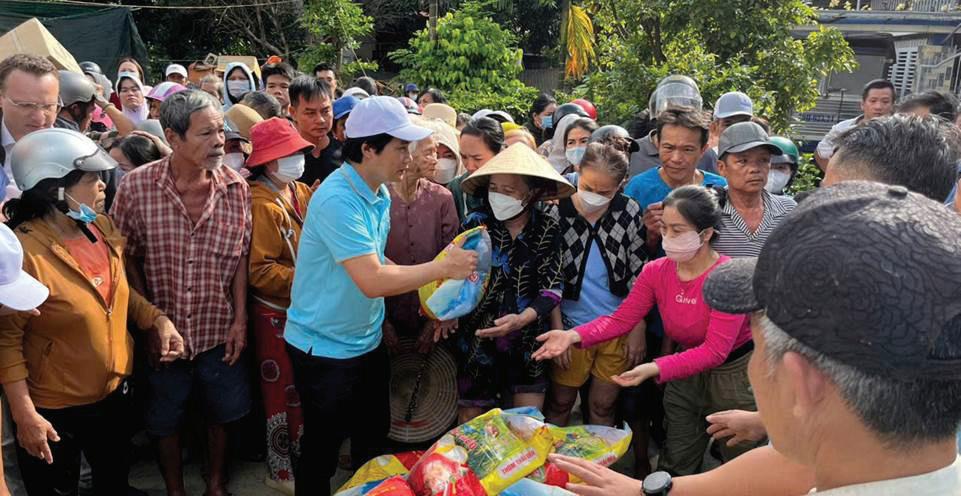
The Anam Group has mobilized humanitarian support for families devastated by severe flooding across south central Vietnam, delivering hundreds of packages with essential goods and financial assistance to some of the region’s most vulnerable households.
The Anam Foundation, established by The Anam Group’s founder and chairman, Mr. Pham Van Hien, this week presented some 700 relief packages to residents in Khanh Hoa and Dak Lak provinces, shattered by the deluge.
A delegation of volunteers led by Mr. Hien, alongside members of The Anam Group’s management team, visited affected families in Phu Vinh 1 village (Tay Nha Trang ward) in Khanh Hoa, offering words of encouragement and personally delivering gifts.
The volunteers handed out 200 relief packages, including 10kg of essential household items such as rice, cooking oil, and tinned food.
The initiative was carried out with the support of the local authorities, the Fatherland Front Committee of Tay Nha Trang ward. Additional financial support, of two million VND per household was provided to particularly disadvantaged families.
As part of its ongoing program, the foundation’s volunteers also travelled to nearby Dak Lak province to deliver 500 additional relief packages to devastated communities. The Anam Foundation also provided financial assistance to those whose houses collapsed in the floods. These activities followed earlier relief efforts in Cam Lam Commune, where The Anam Foundation also distributed aid to flood-affected households.
Meanwhile, The Anam Foundation has also provided financial assistance to the staff of The Anam Cam Ranh impacted by the floods. Many staff come from affected areas and have suffered financial setbacks, property damage, and the challenges that come with starting again.
Mr Hien said he was “humbled and inspired by the community’s remarkable resilience despite difficult times”, with “neighbours looking after one another and volunteers working side by side”.
“Our efforts are modest compared to what the region will need in the weeks ahead, but we believe that every gesture of support, every shared resource and every helping hand contributes to the collective recovery,” Mr Hien said.
“We remain committed to standing with our staff and the people of south central Vietnam as they rebuild their homes and restore their livelihoods. Our deepest respect goes to our local communities, the volunteers and our own staff who continue to show strength, compassion and unity during these tough times.”
The value of distributed support so far exceeds 500 million VND. The Anam Foundation has further volunteer efforts planned for the weeks ahead, including major clean-up efforts.
In a meaningful initiative to support people in need, The Anam Group, the umbrella company of The Anam Cam Ranh, sister resort The Anam Mui Ne, and multi-purpose convention centre Axi Plaza, sets aside a percentage of its profits annually for The Anam Foundation. This provides a consistent and impactful flow of resources towards a range of initiatives. The Anam Foundation recently built safe and stable houses for families facing hardship near The Anam Mui Ne.
NEWS | Industry
GNT expands Middle East operations with new application laboratory for plantbased EXBERRY® colors
GNT has opened an application laboratory in Dubai to provide handson support for manufacturers using its plant-based EXBERRY® colors in the Middle East, North Africa, and the Indian subcontinent.
Located alongside GNT’s commercial and marketing teams in the UAE, it marks a significant milestone in the company’s commitment to delivering localized technical assistance and faster turnaround.
The facility features state-of-theart instrumentation and local formulation expertise, with services including color matching and stability testing. The laboratory also serves as a hub for product
demonstrations, training programs, and technical consultations.
Santhosh Thankappan, Sales Director at GNT Middle East, said: “Our goal is to empower food and drink manufacturers with local access to global expertise – giving them a space for innovation where ideas, technology, and people come together. Our new Dubai laboratory was created to help our customers perfect their processes and ensure exceptional results with plant-based EXBERRY® colors.”
GNT – which also has multiple application centers in Europe,
Asia, and North America – creates EXBERRY® colors from non-GMO fruit, vegetables, and plants.
They are available in a complete spectrum of shades and can be used to replace synthetic dyes in almost any type of food and drink.
Santhosh Thankappan added: “The demand for natural, plant-based colors is increasing all over the world – and this region is no exception. This expansion reinforces our dedication to helping manufacturers achieve vibrant, stable shades while maintaining completely natural ingredient lists.”
NEWS | Automation
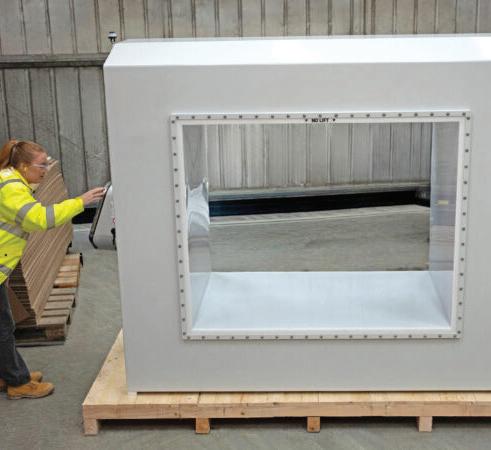
Eriez® builds largest X8 metal detector in company’s history
Eriez® has manufactured the largest X8 Metal Detector in the company’s history, marking a major milestone for the X8 platform worldwide.
The detector, produced at the Eriez facility in Caerphilly, is one of a pair and features a 1,200 x 1,200 mm (47 x 47 inches) aperture. This landmark build expands the capabilities of the X8 line while maintaining the precision, sensitivity, and reliability
that define Eriez inspection technology.
Tom Pickwick, Product Specialist at Eriez-Europe, explains, “Whether a customer needs a standard compact unit or a large custom build, the X8 delivers the same uncompromising accuracy across the product range.” He adds, “Our global team is fully equipped to support every system in our comprehensive inspection portfolio.”
Engineered for leading-edge sensitivity, intuitive operation, and broad application versatility, the X8 Metal Detector series is designed to perform in food, packaging, plastics, recycling, and other processing environments. All X8 systems are built to the same rigorous performance standards, ensuring superb detection capability regardless of product size or industry application.
Automation |NEWS
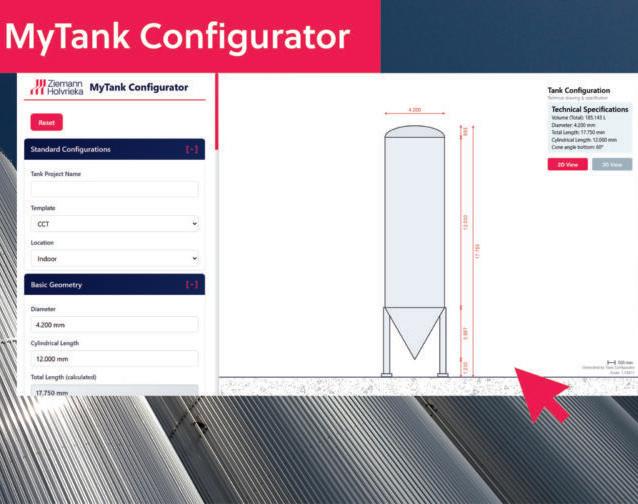
A digital tool for browser-based tank design
With MyTank Configurator, Ziemann Holvrieka has launched a new, browser-based tool that considerably simplifies and optimizes the planning and design of tanks. The application is aimed at companies in the beverage, liquid food, and biotech industries, ranging from independent companies and corporations to planning offices and research institutes.
The tool enables users to define their individual tank requirements directly online. Using an intuitive user interface, they can enter basic
geometric data and add other design parameters such as thermal treatment, pressure ratios, material selection, and design standards. One special highlight is the automatically generated dynamic tank display in real time. It not only shows all the relevant dimensions, but also the total and usable. A 3D view that’s ideal for initial layout planning and simple 3D models is also generated.
More clarity, faster inquiries, better offers
During all project phases, MyTank Configurator helps planners and managers to make solidly-founded decisions – and especially at the outset. The generated data can
be transferred directly into the user’s preliminary planning and forwarded to Ziemann Holvrieka for a specific request. This provides the tank experts with a lot of relevant information that enables them to create a quick and precise offer.
The new tool is suitable for anyone who needs tanks – regardless of industry or company size. This particularly includes breweries, producers of spirits, dairy products, and edible oils, as well as companies from the juice logistics, new food, precision fermentation, and pharmaceutical sectors. Planning and engineering offices, university chairs, and technical universities also benefit from MyTank Configurator.
NEWS | Processing
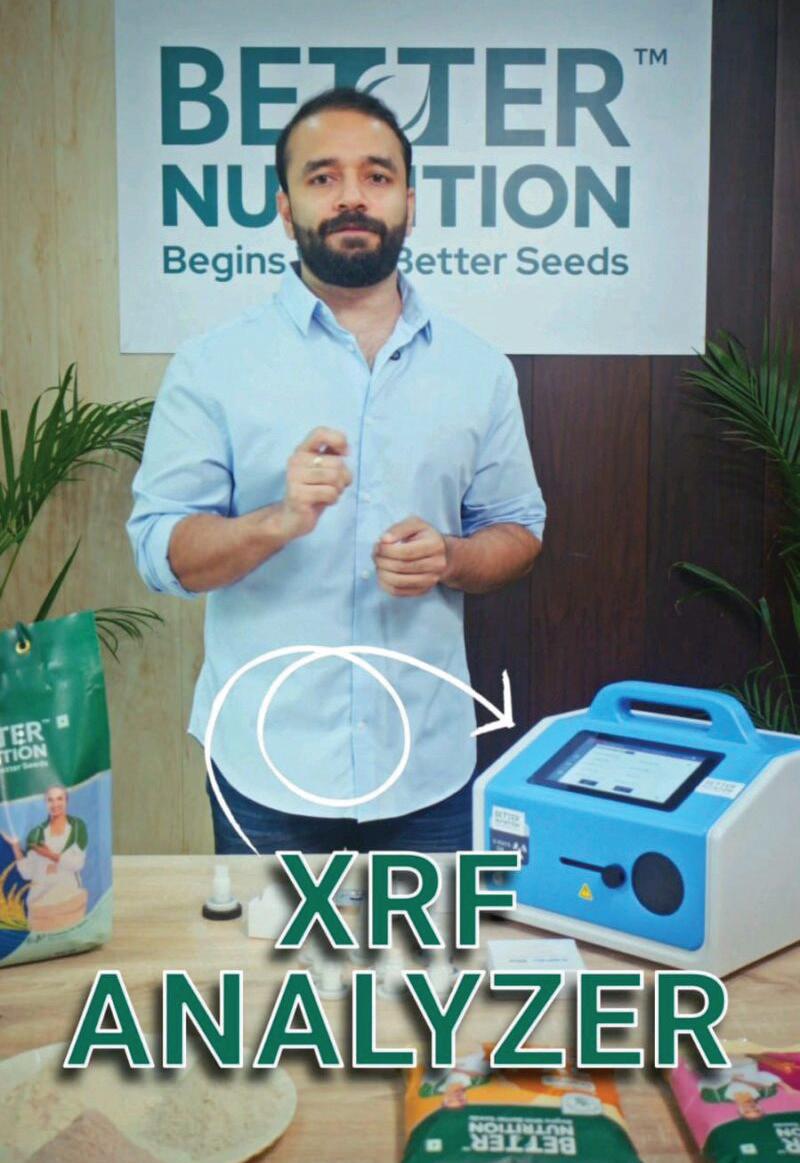
Better Nutrition launches India’s first XRFbacked soil-to-food nutrient verification system
In a major milestone for India’s food and agri-tech ecosystem, Better Nutrition, the country’s first biofortified food brand, has unveiled its advanced XRF Analyzer, bringing unprecedented scientific validation, safety, and transparency to everyday nutrition. With this breakthrough, Better Nutrition becomes the only private organization in India, and among a handful globally, to deploy
advanced X-Ray Fluorescence (XRF) technology for real-time nutrient and heavy-metal profiling across every batch of food it produces.
This system now powers India’s first complete soil-to-food nutrient verification model, ensuring that nutrition is not merely claimed, but grown, measured, and proven.
The advanced XRF Analyzer can capture a complete nutrient scorecard within just 100 seconds, enabling the measurement of over 20+ essential nutrients, including iron, zinc, calcium, magnesium, manganese, and boron, while simultaneously screening for 10+ harmful heavy metals, such as lead, cadmium, and mercury.
“Almost every batch of food that we make is tested using this advanced technology, and in under 100 seconds, we can capture a perfect nutrient scorecard. We precisely ascertain levels of zinc, iron, calcium, manganese, boron, and also ensure harmful heavy metals like mercury, cadmium, and lead are absent. In India, we are the only private organization to have this capability today. Going forward, we’ll be showcasing these results to all our consumers, building unmatched trust and transparency,” said Prateek Rastogi, Co-founder, Better Nutrition.
This capability, currently found only in a few advanced research institutions globally, enables Better Nutrition to validate what most brands can only claim.
Unlike standard packaged foods that rely on broad claims such as “source of iron” or “rich in nutrients,” Better Nutrition can now prove the nutrient density of every batch before it reaches the customer.
“We’ve built India’s first soil-tofood nutrient system that can both increase and validate nutrients inside everyday staples. Nutrition is no longer assumed; it’s verified. Eating these staples daily allows consumers to meet a meaningful portion of their essential nutrient requirements without artificial fortification or supplements. This is a new, science-backed standard for everyday food in India,” said Aishwarya Bhatnagar, Co-founder, Better Nutrition.
This innovation directly addresses India’s “hidden hunger” challenge, nutrient deficiencies that persist despite adequate food availability.
Yeastup AG celebrates launch of industrial-scale production
Start-up creates innovative eggreplacement and functional sports nutrition ingredients from brewer’s yeast
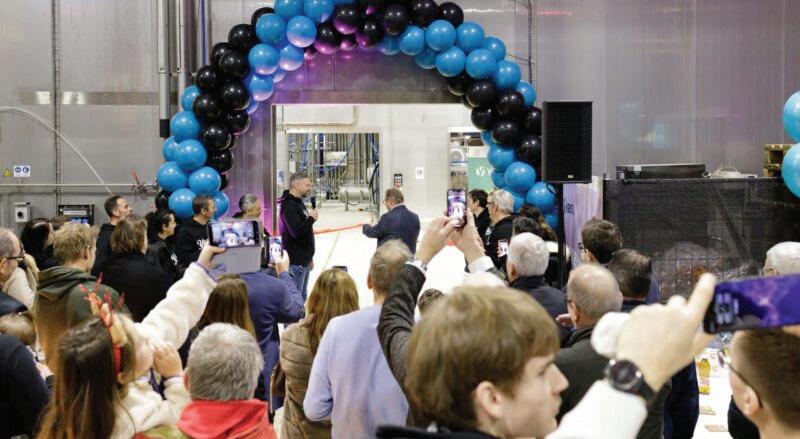
This year, St. Nicholas Day in the canton of Bern was extra special for multi-award-winning start-up Yeastup. That’s because it coincided with the opening of its state-of-theart production plant in Lyss. The facility can process 40 hectolitres of spent brewer’s yeast per hour for the creation of valuable new functional, vegan-friendly ingredients. Yeastup is currently preparing Series A financing for further scale-up.
The team, led by Yeastup founder Daniel Gnos, invested 10 million Swiss francs in venture capital and several years of intensive research in cooperation with the University of Applied Sciences and Arts Northwestern Switzerland (FHNW) to develop the patented process used by Yeastup to extract the functional yeast protein Yeastin® and dietary fibre ingredient UpFiber® BetaGlucan from spent brewer’s yeast.
Versatile, vegan, and sustainable
The first vegan protein bars produced with Yeastin® were sampled by staff and guests on the facility’s opening day. The yeast proteins perform similar functional tasks to collagen hydrolysate, which is used in many conventional recipes to improve texture, moisture retention, and mouthfeel.
“Our Yeastin® NUTRA enables the development of bars with a soft, candy bar-like consistency, without any animal ingredients,” explains Gnos. “This application showcases the technological potential and versatility of our protein fractions. Samples are available on request.”
Yeastin® offers an excellent alternative to animal and plant proteins due to its significantly lower ecological footprint and outstanding nutritional properties. It can also be used as an emulsifier and egg substitute, for example, in baked goods.
Processing more than 40 hectolitres per hour
At its Lyss site, Yeastup now has a fully equipped food production facility
covering approximately 1,700 m² and with 16 employees. Following the start of production for initial samples and pilot batches this year, capacity has been expanded from 1,600 to 4,000 litres of yeast per hour. Regular production at an industrial level will start at the beginning of 2026, with a view to becoming a round-the-clock operation.
Yeastup is still in its growth phase and is currently preparing another Series A financing round. The aim is to ramp up production following the successful capacity expansion and accelerate international market development.
“Following the completion of Innosuisse funding and technology financing in 2025, we are now focusing on scaling, product development and building longterm strategic partnerships,” says Gnos. He is highly confident about the next round, adding: “With industrial readiness achieved and initial customer projects underway, now is a very good time for investors to get involved with Yeastup and help shape the next stage of growth.”
COVER STORY
Inside the breakdown of Asia’s food supply chains
By Cath Isabedra
For much of Asia, food supply chains are no longer strained only at moments of crisis. They are operating under permanent pressure.
Since 2022, the region’s food and beverage system has absorbed one shock after another. Pandemic aftershocks. Climate extremes. Export bans. Shipping disruptions. Domestic bottlenecks that had long been ignored suddenly became impossible to overlook.
In 2023, India removed tomatoes from fast-food menus as shortages sent prices soaring. In the Philippines, the government imposed emergency rice price caps amid
public anger over food inflation. In Japan, supermarket shelves briefly ran out of rice, exposing policy blind spots in one of Asia’s most tightly managed food systems. These were not isolated incidents. They were symptoms of a deeper structural fragility across Asia’s food supply chains.
What follows is a regional assessment of how Asia’s food and beverage supply chains have arrived at this point. What governments and the private sector are doing to stabilise them. And where critical gaps remain unresolved.
External shocks that never fully cleared Domestic bottlenecks under pressure
The past three years have confirmed a hard truth for Asia. Food supply chains are deeply exposed to events far beyond the region’s borders.
The war in Ukraine triggered one of the most severe global food price spikes in modern history. Grain, fertiliser, and fuel costs surged simultaneously. It hit import-dependent Asian economies with particular force. It’s true that global prices have somehow eased from the peak in 2022. However, volatility still persists and is, in fact, amplified by more geopolitical instability and trade restrictions.
What was notiuceable is the export controls. India, for example, imposed sweeping restrictions on rice import in mid-2023. They also put a limit on sugar shipments. Indonesia, for their part, halted (while temporarily) palm oil exports. Malaysia froze poultry exports. For many, these moves were rational to put a stop to domestic inflation. If you look at the bigger picture, this reduced available supply across Asia. Plus, it also intensified competition among importers.
Shipping disruptions compounded the problem. Attacks on vessels transiting key maritime routes in late 2023 and 2024 drove up insurance costs and extended delivery times. Although global logistics have stabilised compared to pandemic peaks, shipping lead times remain longer and more unpredictable than pre-2020 norms. For food manufacturers who rely on just-in-time delivery, they lose the buffer they used to have.
The result has been a regional food system that remains vulnerable to distant shocks, even as the immediate crises fade from headlines.
External shocks explain only part of the disruption. In several Asian markets, food supply chains were already stretched before global pressures hit. Systems built for speed and low cost struggled when conditions changed.
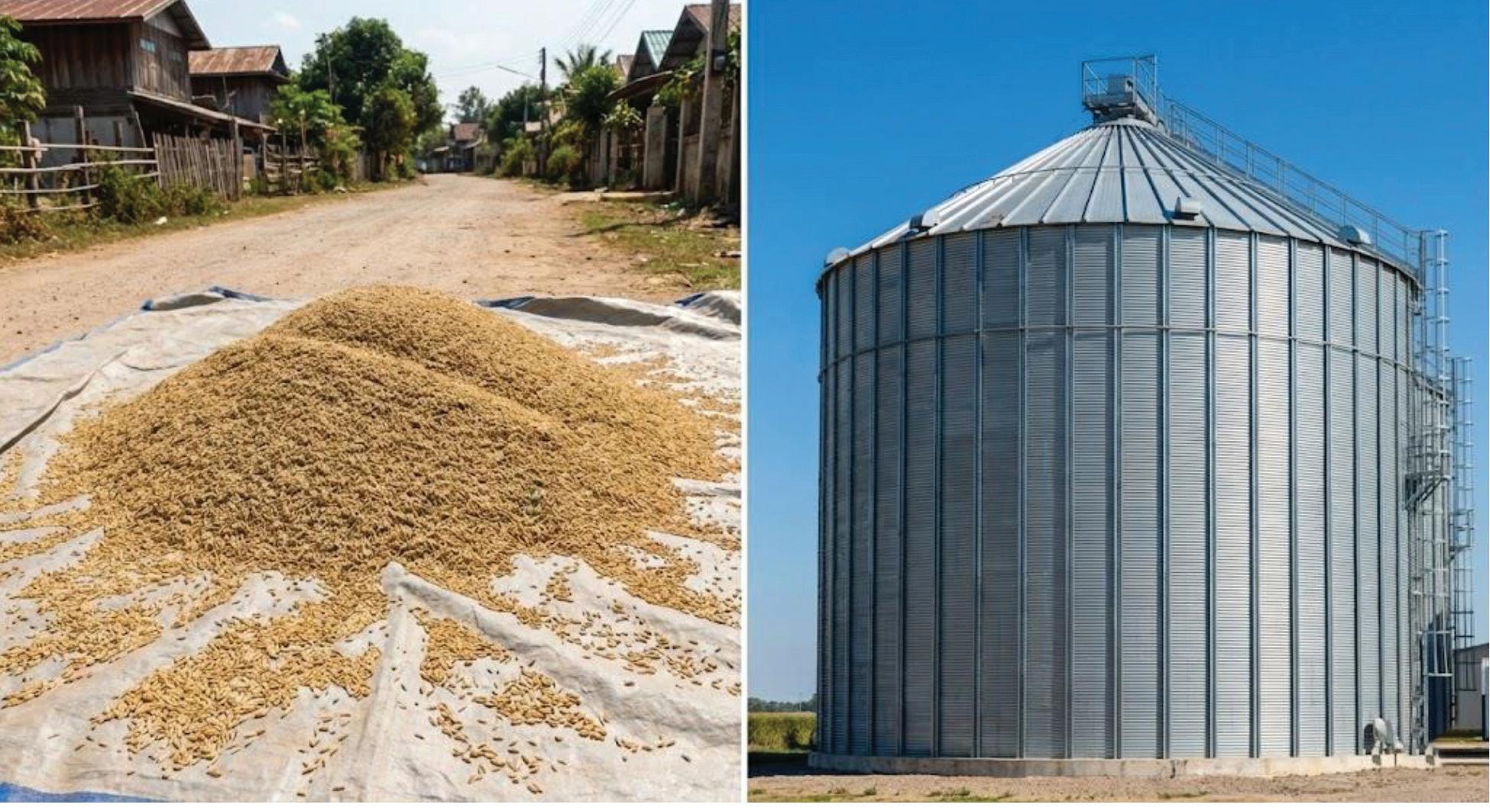
Post-harvest loss remains a persistent drain. Across South and Southeast Asia, weak cold-chain coverage, limited storage, and poor road access leave large volumes of food unusable before sale. In parts of Southeast Asia, losses reach as high as 50% for some crops between harvest and retail. Supply shrinks even when farms produce enough.
Climate stress has compounded these weaknesses. Flooding in Pakistan wiped out crops and severed transport routes. Unseasonal rainfall in China damaged wheat quality at harvest. In India, heatwaves and erratic monsoons reduced yields and disrupted distribution at the same time. Production fell as logistics slowed, leaving little space to recover.
Japan’s rice shortage in 2024 showed how policy choices can deepen disruption. Harvest volumes held steady, but lower-grade rice reduced usable supply. We saw how demand rose faster than expected. Emergency reserves remained untouched. When authorities intervened, prices had already doubled. The episode exposed limits in food security policies designed for stable demand and consistent crop quality.
Once disruption begins upstream, recovery takes time. Delays compound. Gaps widen. Prices stay elevated long after the initial shock has passed.
Cover Story
By mid-2023, food inflation in India had climbed into double digits, driven by sharp rises in rice, wheat, vegetables, and sugar. The government responded across the entire supply chain. It released millions of tonnes of wheat and rice from public stocks through the Public Distribution System and open market sales. It expanded food subsidies to protect low-income households. These moves slowed domestic price growth within months.
Trade policy followed. In July 2023, India restricted exports of non-basmati white rice, which accounts for roughly 40% of global rice trade by volume. Later measures extended to broken rice and sugar. For importing countries across Southeast Asia, the impact was immediate. Buyers shifted to Vietnam and Thailand. Prices rose across regional markets. Freight routes adjusted almost overnight.
The intervention did not stop at short-term controls. India also pushed structural fixes. A national grain storage programme expanded steel silos and cooperativerun warehouses to reduce post-harvest losses, which remain high in several producing states. The goal was to hold grain closer to farms, preserve quality, and reduce reliance on emergency releases during price spikes. Capacity has increased, but demand continues to outpace progress during periods of stress.
India’s actions exposed a wider regional pattern. Governments moved fast to protect domestic supply. Coordination across borders remained limited. Emergency grain reserve mechanisms existed, but volumes were small and rarely mobilised. When pressure rose, national priorities took precedence over shared stability.
India showed how much leverage a single producer holds in Asia’s food system. It also showed the cost. Measures that stabilise one market can tighten supply across many others. Without stronger regional coordination, similar responses will continue to shift pressure rather than reduce it.
How companies rewired supply chains for survival, not efficiency
For food and beverage companies, the past three years have rewritten supply chain priorities.
Efficiency has given way to resilience. Manufacturers and retailers are diversifying suppliers, holding larger safety stocks, and qualifying alternative ingredients to reduce exposure to single points of failure. Many have moved away from tightly optimised sourcing models that left little margin for disruption.
Digital tools are now central to supply chain management. Companies are deploying advanced forecasting systems to anticipate demand shifts and climate risks. Real-time inventory tracking, sensorbased cold-chain monitoring, and traceability platforms are improving visibility across complex networks. These technologies do not prevent disruption, but they shorten response times and reduce losses.
Logistics automation has expanded rapidly, particularly in large urban hubs. Automated warehouses, data-driven route planning, and last-mile delivery innovations are helping companies work around infrastructure constraints. At the same time, agritech solutions are gaining traction upstream, connecting farmers directly to buyers and reducing reliance on intermediaries.
Collaboration has also increased. Companies are sharing data with suppliers, coordinating procurement, and working with governments on contingency planning. In a volatile environment, resilience is increasingly viewed as a shared responsibility rather than a competitive advantage.
Where the pressure still holds What resilience will really require
Recent interventions have reduced some immediate risks, but the underlying weaknesses remain.
Infrastructure gaps continue to limit recovery. Rural areas still lack reliable cold storage and temperaturecontrolled transport. Food production has grown faster than logistics capacity. When floods or heatwaves hit, roads fail, storage fills up, and food quality drops before it reaches market. High-output regions feel these constraints first and longest.
Policy responses still lean toward reaction. Governments juggle farmer incomes and consumer prices under public pressure. Export bans and price controls bring short-term relief at home. They also disrupt trade flows and raise prices elsewhere. The absence of clear, predictable rules leaves markets exposed to sudden shifts driven by political timing rather than supply conditions.
Regional coordination remains thin. Countries collect data on stocks and harvests, but rarely share it in real time. Emergency grain reserves exist, but volumes are small and release mechanisms remain slow. During recent shocks, most governments acted alone. The pattern suggests the next disruption will follow the same path.
Climate risk cuts across every weakness. Extreme weather now affects yields, quality, and transport at once. Supply chains built around stable seasons no longer match current conditions. Crop planning, water use, storage design, and insurance coverage all need adjustment. Progress has started, but change has not kept pace with the speed of disruption.
Until these gaps close, Asia’s food supply chains will remain vulnerable. Each shock will test the system again, often in the same places, with the same consequences.
Asia’s food supply chains no longer face short-term disruption. They face ongoing strain.
The past three years showed the limits of emergency action. Release of stockpiles, export bans, and price caps slowed price spikes, but they did not fix weak links. Governments now need to invest where failure begins. Storage near farms. Reliable cold-chain networks. Roads and ports built to withstand flooding and heat. These steps reduce losses before food enters the market.
Better information must follow. Many governments track crop output and reserves, but data often stays siloed. Sharing stock levels, harvest forecasts, and logistics capacity across agencies and borders would reduce sudden policy shifts. Markets respond faster to clarity than to control.
The private sector has a role beyond managing risk. Companies need to diversify sourcing, hold realistic buffer stocks, and invest in traceability across suppliers. Firms that mapped their supply chains after export bans adjusted faster and lost less volume than those relying on single suppliers.
Climate risk now shapes every decision. Farmers need access to heat-tolerant seeds and reliable irrigation. Insurers and lenders must price climate exposure into credit and coverage. Governments must align crop planning with water availability, not historical patterns.
Resilience depends on design, not reaction. Systems built to absorb stress protect consumers, support farmers, and reduce the need for crisis intervention. The choices made now will determine whether food security in Asia stabilises or continues to lurch from shock to shock.
PHILIPPINE SUSTAINABILITY
How the Philippines can build a more resilient and responsible food supply chain
By Cath Isabedra
The Philippines is entering a defining period for food security and supply chain stability. Climate volatility is disrupting harvests across Asia. Import dependence continues to expose manufacturers to geopolitical risk, currency shocks, and fragile global commodity flows. Logistics costs remain unpredictable.
From 2026, mandatory ESG reporting for listed and large corporations will raise expectations around transparency, responsible sourcing, and data integrity. Together, these pressures are no longer theoretical. They shape day-to-day risk for producers, processors, retailers, and foodservice operators navigating disruptions that increasingly overlap rather than occur in isolation.
These pressures make one thing clear: crisis-proofing the country’s food supply chain is an immediate requirement for producers, processors, retailers, and foodservice operators. They must navigate risks that now overlap instead of occurring in isolation.
To understand how the Philippines can move from vulnerability to resilience, Christian Schmidradner, founder of Sustainable Seafood Week and the Philippine Sustainability Movement, offers a practical, long-range view. With more than two decades of international experience in sustainable seafood, traceability, supply chain transformation, and ESG consulting, he helped establish early multi-stakeholder platforms in the country and advises organisations across the food sector. His work spans direct engagement with farmers and fishers, collaboration with government and NGOs, and advisory roles with global standard setters such as Naturland. His experience reflects both the potential and the obstacles of building a modern, resilient Philippine food system.
His insights reveal where the country has made meaningful progress—and what must shift in the decade ahead.
Why the early movement still matters
Seafood became the initial anchor. Overfishing, illegal gear, juvenile catch, traceability, and certifications such as ASC, MSC, and BAP helped establish shared standards. “From there, the movement expanded into plastic reduction, animal welfare, organic farming, food production, and eventually ESG reporting.”
A decade on, he sees tangible shifts in how sustainability is understood and applied. “What gives me hope is how many of these topics have matured.” Fisheries and traceability projects have taken root. Plastic reduction campaigns, such as the Quezon City programme with Greenpeace, have demonstrated measurable results. Pilot initiatives in electric vehicles, organic production, and responsible aquaculture have gained traction. Several provinces now show leadership in environmental protection, fisheries management, renewable energy, and organic farming.
Consumers, particularly younger urban segments, are actively seeking cleaner, healthier, and betterdocumented products. Traceability is no longer only about sustainability. It is demanded to protect health and prevent fraud. ESG adoption in the private sector, reinforced by mandatory reporting, signals that some businesses are beginning to integrate sustainability into core operations rather than treating it as a side activity.
Yet persistent gaps remain. “Many environmental laws still lack consistent enforcement across the country,” he notes. “Plastic pollution and single-use plastics remain rampant, and too many initiatives fail to scale beyond early-stage implementation.” Affordability continues to limit access to responsible products and technologies, preventing sustainability from reaching beyond select segments of society.
“The hope comes from how far we have come,” he says. “The frustration lies in inconsistency.”
Defining a crisis-proof supply chain
For an archipelago dependent on imported food, resilience must become a strategic capability rather than a reactive response.
“A truly crisis-proof food supply chain is shorter, smarter, and far less dependent on fragile sourcing influences,” Schmidradner explains. It prioritises local sourcing where viable, full traceability, supplier redundancy, and long-term relationships that distribute risk more fairly.
It also depends on visibility. “Transparency around vulnerabilities and fast, reliable information...allows businesses to react before disruptions become crises.”
Cold-chain expansion, farmer training, and “farm to table” and “sea to plate” initiatives are becoming more common. At the same time, many sectors remain tied to long, complex import pathways that magnify exposure.
“We are moving in the right direction,” he says, “but resilience will only be achieved when companies treat it as a strategic imperative rather than an emergency plan.”
In practice, crisis-proofing is about knowing where exposure sits, building buffers early, and sharing responsibility across the chain.
Why traceability has become the currency of trust
Traceability now underpins both consumer confidence and operational resilience. “There are encouraging signs in the Philippines,” Schmidradner notes. Retailers and hospitality stakeholders increasingly require traceability records. Producers are improving documentation. Certification uptake is rising, and with certification comes built-in traceability.
Government support through fisheries management plans and organic standards is also growing.
Still, structural challenges persist. “The highly fragmented, small-scale structure of farming and fisheries makes consistent documentation difficult. Weak logistics, limited cold-chain capacity, and incomplete data systems hinder reliability.”
As traceability expectations rise globally, international benchmarks offer a clear reference point. “The European Union… has the world’s strongest traceability framework because of strict EU laws and rapid-alert systems.” Countries such as Ireland, Canada, the UK, New Zealand, and Norway demonstrate how regulation, infrastructure, technology, and enforcement can work together at scale.
This is where certification bodies such as Naturland become relevant for markets like the Philippines. Their standards require robust traceability while offering training, templates, and cooperative certification models that help smallholders build workable documentation systems. By strengthening recordkeeping at the source, these frameworks support producers aiming to supply markets that increasingly expect full visibility from origin to retail.
“These countries show what becomes possible when regulation, infrastructure, technology, and enforcement work together,” he says.
How does one bridge global standards with local realities?
“The key is to make standards accessible,” Schmidradner emphasises. International frameworks offer structure, but they often assume resources smallholders do not have.
Bridging that gap requires practical adjustments: simplified documentation, phased requirements, group certifications to lower cost, and digital tools that reduce administrative burden. “Sustainability only becomes meaningful when the work is doable and affordable for the people at the start of the chain.”
As ESG reporting becomes mandatory, many companies are preparing data systems and disclosure templates. But reporting is not the same as integration.
“Companies that live sustainability embed it into their decisions, not just their communications,” he says. This shows up in procurement, product development, operational planning, governance, and continuous monitoring of ESG indicators.
“Those that only report sustainability focus on appearances; those that live it focus on improvement. The difference is ownership and sincerity.”
Resilience strengthened by relationships
“Companies increasingly understand that resilience is built through relationships as much as logistics.” This includes assessing supplier capacity to withstand climate stress, verifying certifications and ESG practices,
and evaluating pricing structures to ensure longterm sustainability. Many organisations are beginning to invest in producers directly through training, diversification support, and multi-year contracts.
International hotels have pioneered some of these approaches, building partnerships that improve both livelihood stability and traceability. “The shift from transactional to relational supply chains… can be more transformative than any infrastructure upgrade.”
But, how does one know if the collaboration is authentic?
“Our multi-stakeholder work succeeds when everyone contributes according to their strengths,” he explains. NGOs offer campaign and technical expertise. The government provides policy direction. The private sector delivers sourcing scale and implementation capacity. Schools develop future talent.
The success came from alignment rather than forced cooperation.
“What continues to energise me is seeing so many people and organisations come together… with a shared commitment to sustainability.” He adds, “Some of the most promising collaborations involve codesigning Philippine-appropriate standards between retailers, certification bodies, and producers.”
When developed collaboratively, standards remain credible but practical. Technology companies working with the government can harmonise data flows. Chefs can accelerate consumer understanding. Hotels and restaurants can reshape procurement by committing to responsible, stable sourcing.
“Real progress in the Philippines has always come from true multi-stakeholder alliances.”
When asked what will define the next decade, his answer is clear. “Radical transparency and consistent enforcement.” He furthers, “Transparency builds trust, reveals gaps, and creates accountability… we cannot manage what we cannot see.”
But that’s not all. Navigating uncertainty boils down to one thing the Philippines has long struggled with.
“The Philippines doesn’t need perfect systems to start meaningful change,” he
says.
“What we need now is consistency, the discipline to turn pilots into everyday practice.”
If that consistency takes root, he believes the next decade can deliver progress that once felt out of reach.
With insights from Christian Schmidradner. Schmidradner is a sustainability and supply chain leader with 20+ years of international management and consulting experience. He is Co-Founder, Board Member & Advisor of SeaTrace International, the leading sustainable seafood distributor in Manila. As Founding Partner & Managing Consultant of Pristine Solutions, he introduced plant-based food brands, advised Naturland, USAID and The Meloy Fund and is doing ESG consulting.
He initiated the Sustainable Seafood Week (2015) and the Philippine Sustainability Movement (2018), both multi-stakeholder platforms for sustainable food systems.
From 2013–2018, he was General Manager of Meliomar Inc. (Blueyou Group), overseeing tuna exports under the ARTESMAR® initiative. Earlier, he built a consulting career with ifb Group, Capgemini, Ernst & Young, Coopers & Lybrand, and his own firm in Austria/CEE and the Philippines, leading large-scale projects in banking, risk management, outsourcing, and business strategy. His expertise spans general management, project leadership, change management, and sustainability-driven entrepreneurship, like ESG consulting.
He has worked across Europe, Asia, and Africa with a strong focus on sustainable seafood, food supply chains, and financial services.
OLAM AGRI
Why rice sustainability is no longer optional for Asia’s food system
By Cath Isabedra
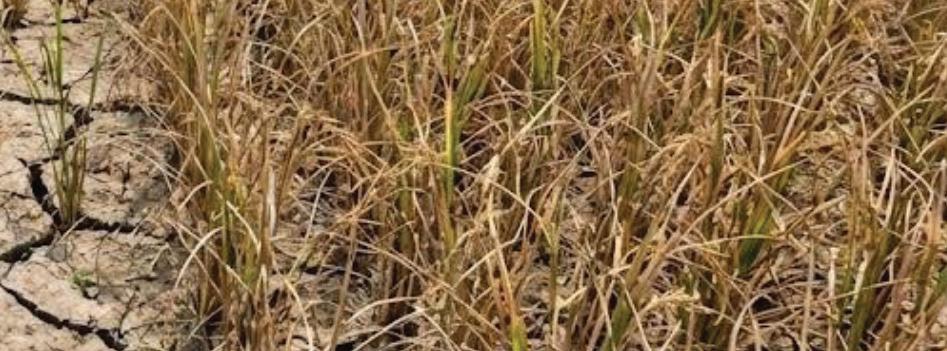
Rice rarely makes headlines until it breaks. A drought tightens supply. Floods delay planting. An export ban ripples across borders. Between shocks, rice is treated as a constant–– a protected staple that governments will always step in to secure.
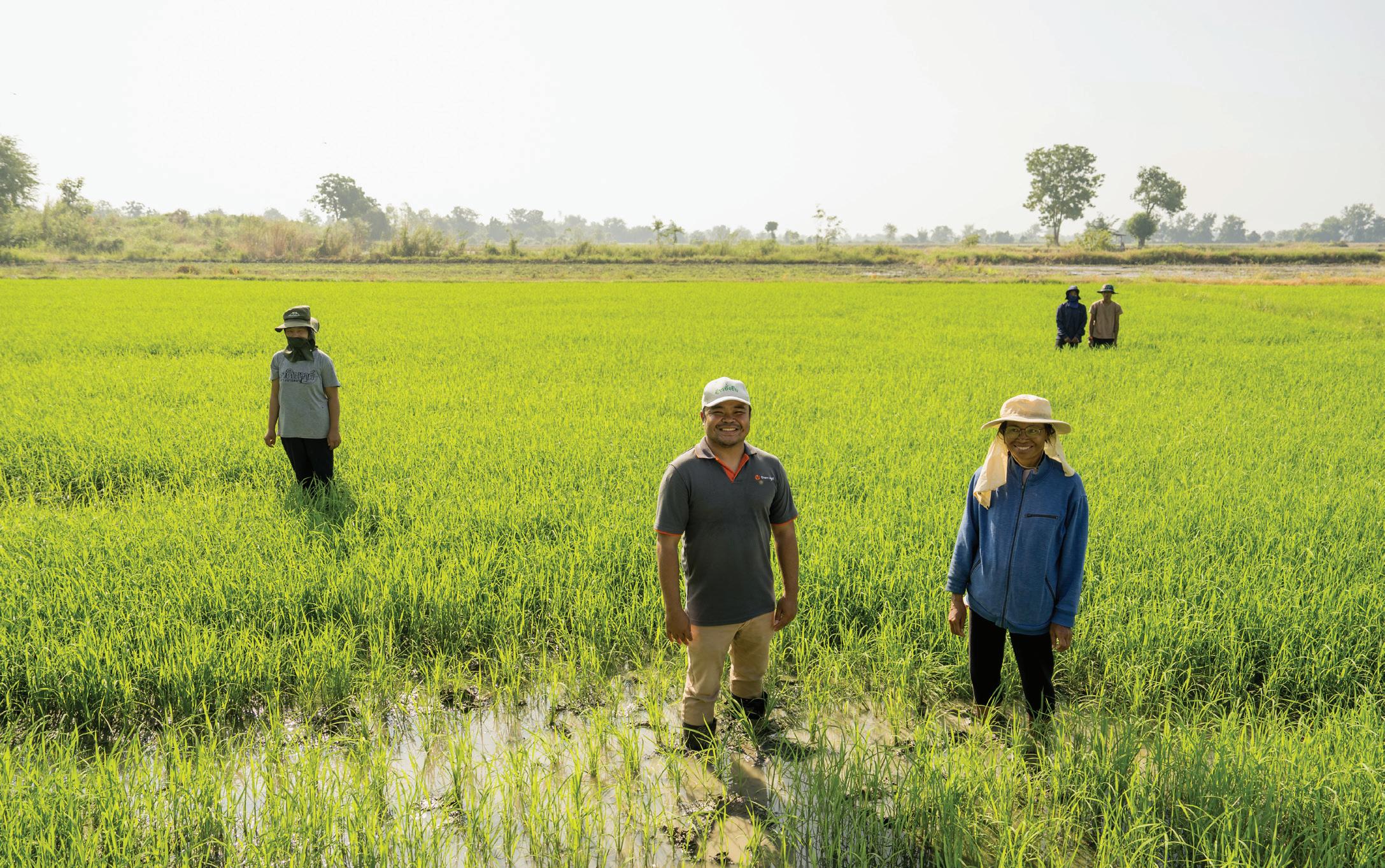
That assumption is becoming increasingly risky. More than 90% of the world’s rice is produced and consumed in Asia, yet less than 10% enters global trade. Unlike wheat or maize, there is little buffer when production falters. When climate stress hits, whether through drought, floods, or heatwaves, the system has limited capacity to compensate. What appears stable at the market level often masks fragility upstream.
Paul Nicholson sees this erosion from close range. As Vice President and Head of Rice Research and
Sustainability at Olam Agri, he works at the intersection of agronomy, farmer livelihoods, and global sourcing. His remit spans research, field programmes, and commercial supply chains across some of Asia’s most climate-exposed rice regions. From that vantage point, rice no longer looks secure. It looks increasingly brittle.
“You’ve got two things going on with rice that you don’t necessarily see in other environmental social issues, and that’s food security.”
That dual role, as both a climate liability and a political necessity, shapes every decision around rice. It explains why sustainability in rice can no longer be treated as a reputational add-on. It is fast becoming a structural requirement for food security and supply continuity.
A crop with little room for failure
Rice’s vulnerability is structural. Since most rice is consumed where it is grown, production shocks quickly become political. Governments respond fast, often through stockpiling or export controls, to protect domestic supply. Recent restrictions by major producers have shown how quickly these measures can reshape regional trade flows. While they may stabilise local markets, they can amplify volatility across borders, especially for import-dependent countries.
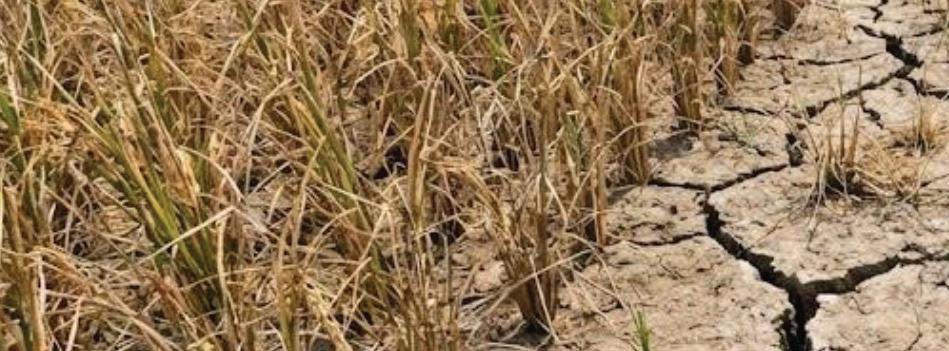
Climate change intensifies these pressures. Rice production depends on predictable water availability and timing. Floods delay planting and harvesting. Drought forces competition between agriculture, cities, and industry. Heat stress affects crop development, pest pressure, and labour productivity. Increasingly, these stresses overlap rather than arrive in isolation.
This is why rice disruptions often feel sudden. The system weakens upstream, season by season, before the impact becomes visible downstream. By the time markets react, recovery is already slow and costly.
Sustainability enters through
emissions, but resilience is the
real test
Rice has drawn global attention because flooded paddy systems emit methane, a potent greenhouse gas. As disclosure requirements tighten and Scope 3 emissions come under scrutiny, rice is increasingly pulled into sustainability frameworks, procurement criteria, and corporate climate targets.
But emissions are only part of the story. Rice cannot be approached like other climate-sensitive crops. Its central role in food security limits how aggressively production systems can be disrupted or redesigned. Sustainability interventions must reduce environmental impact without destabilising supply. That tension makes rice a revealing stress test for crisis-proof supply chains. It forces companies to confront trade-offs rather than assuming sustainability gains automatically align with resilience.
Water management is where those trade-offs become tangible. Among sustainable rice practices, alternate wetting and drying (AWD) has attracted significant attention. Instead of keeping paddies continuously flooded, fields are allowed to dry at controlled intervals.
Nicholson explains the mechanism in practical terms. “So, first thing then is the water production. Through AWD, assuming you have the irrigation controls, then, we can introduce drying events. And it’s in that environment that you get the methane, basically producing the swamp. So as we dry it down, then the methane goes away.”
From a resilience perspective, AWD matters for more than emissions reduction. It requires better irrigation control and closer field-level monitoring. In waterstressed regions, this can extend production viability during drought periods. It also strengthens operational discipline, supporting faster recovery after extreme weather events.
However, AWD is not a universal solution. “There is a trade-off in some soils where we’re picking up nitrous oxide,” Nicholson notes, “so we need to be sure upfront that the methane savings are substantial to do that.”
That caveat is critical. It underscores why sustainable rice cannot be reduced to a single practice or headline metric. Local conditions matter. Measurement matters. Without rigorous assessment, sustainability efforts risk shifting environmental and operational risk rather than reducing it.
Feature Story
Farmer livelihoods are the weakest link
The most underestimated vulnerability in rice supply chains is farmer viability. Across Asia, rice remains largely a smallholder crop. Input costs are volatile. Climate risks are rising. Margins are thin. When shocks hit, farmers absorb the impact first.
“The first thing you’re going to have to do is focus on livelihoods,” Nicholson says. “Rice has an unfortunate consequence, which is that it has a high correlation of poverty.”
That correlation has direct implications for supply continuity.
When farming does not pay, investment stalls. Inputs are reduced. Maintenance is deferred. Debt accumulates. Over time, farmers exit production altogether. In several Asian countries, ageing farmer populations and declining youth participation are already reshaping rural landscapes. The system may continue delivering volume in the short term, but it becomes increasingly brittle. Each season starts from a weaker position.
From a crisis-proofing perspective, sustainable rice farming is as much about retaining farmers as it is about reducing emissions. Practices that stabilise income, lower risk, or improve predictability strengthen resilience more effectively than compliance-driven mandates.
Measurement is changing how rice is sourced
Sustainability in rice is becoming more structured. Frameworks such as the Sustainable Rice Platform translate broad sustainability goals into measurable indicators, from water use and emissions to labour conditions. Once sustainability becomes measurable, it becomes a procurement variable.
Supplier qualification tightens. Data becomes part of the product. Traceability and verification increasingly influence financing, contracting, and long-term sourcing decisions.
For buyers, this creates a clear dividing line. Companies that invest in farmer capability, practical measurement systems, and long-term relationships gain earlier visibility into risk. They are better positioned to intervene before disruptions escalate.
Those that impose requirements without support risk shrinking their supplier base. In a crop with limited global slack, that approach undermines resilience rather than strengthening it.
Recovery, not perfection, defines resilience
Crisis-proof supply chains are not built on ideal conditions. They are built on recovery.
How quickly can production resume after floods or drought? How fast can quality stabilise? How much damage carries into the next season?
In rice, recovery depends on water access, agronomic capacity, farmer confidence, and trust across the value chain. Sustainable practices, when designed around these realities, can strengthen all four.
But only if they reflect how rice is actually grown and who carries the risk. Pilot projects that never scale do little. Reporting frameworks that overwhelm smallholders erode participation. Climate targets that ignore livelihoods weaken the very systems they aim to protect.
A resilient rice strategy cannot rely on diversification alone. There are simply not enough alternative sources. Instead, it requires strengthening production where it already exists. That means investing in climate-smart practices that improve water efficiency and yield stability. It means building measurement systems that are credible but workable at the smallholder level. It means aligning incentives so farmers see tangible benefits, not just additional obligations.
Most importantly, it requires recognising that sustainability programmes fail when farmers are treated as implementation units rather than economic actors.
The conversation Asia can no longer delay
Rice is no longer a background commodity. Climate pressure, water scarcity, and sustainability scrutiny are converging on a crop that underpins Asia’s food system.
The question is no longer whether rice needs to become more sustainable. It is whether the region is prepared to pay for continuity. Who funds adoption? Who carries the cost of measurement? How does value flow back to the farm?
When rice fails, it rarely does so overnight. It weakens quietly, season by season, until recovery becomes slow, expensive, and politically charged.
Sustainable rice farming, approached with these realities in mind, is not about perfection. It is one of the few levers the industry has to shorten recovery time and stabilise supply before the next shock arrives.
With insights from Paul Nicholson, Head of Rice Research and Sustainability, OLAM AGRI, USA Paul began his career with the International Monetary Fund, where he worked as the Senior Commodities Analyst, then Executive Director of the Texas Pension Review Board, overseeing the actuarial health of 400 Pension plans worth US$200 billion. Kraft Foods (including Mondelez) appointed him as the Head of Global Commodity Research in the risk function, where he forecast prices and partnered on purchasing strategy for US$17 billion of commodities. At Olam Agri for the last 10 years, Paul has overseen research into rice market price developments and established sustainability projects in Asia, training more than 35,000 farmers. He now oversees outgrower projects with more than 70,000 farmers in Latin America, Africa, and Asia on behalf of Rice, Sesame, Pulses, Quinoa, and Chia for Olam Agri and is the Olam Agri lead for AtSource (AtSource.io). Paul has been a Board Member of the Sustainable Rice Platform and served on various Carbon Advisory Committees, most recently with Verra on their Scope 3 transformation.
RICE SUSTAINABILITY AT A GLANCE
• Over 90% of global rice is produced and consumed in Asia, leaving little global slack when supply falters
• Less than 10% of rice enters international trade, compared with more than 20% for wheat
• Flooded rice paddies are a significant source of agricultural methane emissions
• Alternate wetting and drying (AWD) can reduce methane emissions while improving water efficiency, but outcomes depend on soil and local conditions
• Smallholder farmers dominate rice production across Asia, operating on thin margins with high climate exposure
• Ageing farmer populations and low youth participation are emerging risks to long-term supply continuity
• Sustainability frameworks such as the Sustainable Rice Platform are increasingly influencing procurement and financing decisions
The hidden signals reshaping food supply chains in Southeast Asia
By Laurent Hochet, Managing Director, Sodexo Malaysia-Singapore
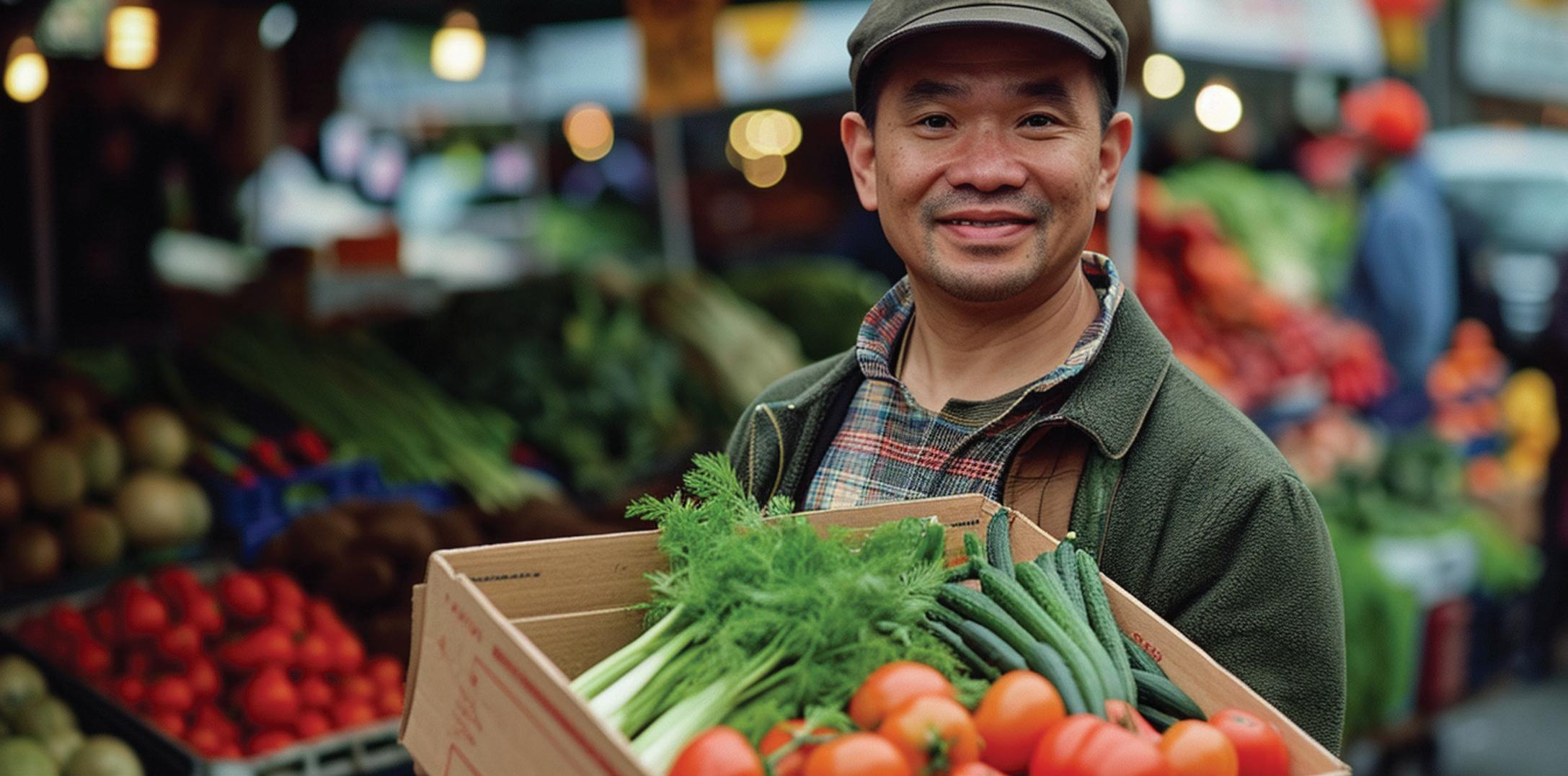
For millions across Southeast Asia, the food supply chain’s hidden pressures are surfacing in the cost of an everyday staple: a plate of chicken rice. A few years ago, this meal cost under S$4 in Singapore; today, seeing it priced above S$5 has become commonplace. The difference, while small, speaks volumes. As one economist’s Chicken Rice Index suggests, even our most familiar dishes are beginning to reflect pressures that once sat much further upstream.
These pressures are increasingly shaped by climate variability, logistics constraints, and shifts in global demand, where minor disruptions surface quickly in everyday food prices. For food service organisations like Sodexo, which serve large and diverse communities, this underscores a fundamental responsibility: supply chains must be re-engineered for agility and resilience to ensure continuity and quality for the thousands who rely on us every day.
A regional landscape shaped by reliance and volatility
Singapore and Malaysia demonstrate how quickly supply conditions can shift. Singapore imports more than 90 percent of its food, which means even small movements in global supply can influence availability, quality, and cost almost immediately.
Malaysia, while supported by domestic agriculture, still depends on imports for staples such as beef, mutton, and certain vegetables. This reliance means price movements and shifting market conditions are felt more quickly across the country
For food service providers, these dynamics point to the same conclusion. Resilience can no longer rely solely on global sourcing routes. It requires a more localised, transparent, and collaborative model that balances efficiency with security.
Strengthening local sourcing and capacity building
Bringing supply chains closer to home remains one of the most effective ways to reduce exposure to distant shocks. In Singapore, local producers are playing an increasingly important role in broadening the nation’s food base. Vertical farming models such as GroBrix and the growth of local aquaculture are early signs of how production models are adapting to land scarcity and shifting climate patterns.
Malaysia offers a complementary pathway. Its agriculture sector is supported by networks of smallholder farmers, cooperatives, and regional suppliers across key growing areas. Closer engagement with these producers helps stabilise availability and reduce exposure to global price swings. Based on Sodexo’s experience in Malaysia, sourcing 100 percent of fresh produce locally for many years has strengthened continuity and built the trust needed for long-term resilience.
This commitment extends to proactive support for local small and medium-sized enterprises (SMEs), particularly those run by women or social entrepreneurs. Sodexo uses the same rigorous onboarding process for all vendors, but takes a partnership approach with smaller players. This includes offering pilot programs, crucial feedback loops, and exposure through internal events like the annual supplier innovation showcase, Innovax, to help them grow and succeed.
Across both markets, local sourcing improves visibility across the chain, supports community development, and encourages more sustainable practices. It also depends on consistent health, safety, and environmental (HSE) standards. Rigorous assessments and ongoing reviews help ensure that partners can operate safely and reliably as conditions evolve.
Embedding traceability and ethical procurement
Traceable and ethical sourcing is now essential to risk management. This makes it easier to ensure quality, anticipate risks, and meet rising expectations from regulators, clients, and consumers.
Across the region, responsible procurement frameworks play a central role in protecting ecosystems and supporting fair value chains. This includes standards such as certified sustainable seafood, Fairtrade coffee, and Roundtable on Sustainable Palm Oil (RSPO)certified oils. These frameworks give organisations confidence that their sourcing aligns with environmental stewardship and social responsibility.
Traceability is no longer a back-office requirement. It has become a practical tool for anticipating disruption and supporting long-term supply stability — and increasingly, a standard expectation from clients who view supply chain transparency as essential to their own operations.
Collaboration and circular innovation
Resilient supply chains depend on collaboration across the ecosystem. Working closely with innovative suppliers and emerging vendors allows operators to test new ideas, co-develop solutions, and respond more quickly to changing conditions.
Circular initiatives also make a difference. Working with partners like Ugly Duck allows imperfect produce to be used productively. For Sodexo, these partnerships help reduce waste and create value for farmers who might otherwise be unable to sell cosmetically imperfect crops. Technology-enabled tools also support resource efficiency. Waste tracking, like our WasteWatch platform and smart-oil monitoring tools, for instance, helps teams identify where consumption can be reduced in real time.
Together, these solutions show how innovation across the ecosystem can reduce waste and strengthen supplier viability. They also help build systems that can better withstand continual uncertainty.
Lessons for a more resilient food future
Recent disruptions underline a few practical lessons that can help organisations strengthen supply systems before the next shock arrives. These are to:
• Diversify food sources to avoid over-reliance on any single import route or producer.
• Strengthen local capacity by investing in farms, fisheries, and small producers that anchor supply closer to home.
• Embed sustainability into procurement as a core element.
• Leverage technology to monitor supply conditions, optimise resources, and anticipate pressure points early.
• Build resilience continuously through ongoing collaboration and adaptation rather than reactive responses.
Towards a stronger, more sustainable food system
Strengthening Southeast Asia’s food systems will require shared foresight and responsible sourcing grounded in sustainability, local production, and the region’s longer-term net zero ambitions. These choices help buffer the region from upstream pressures that now surface in the cost of everyday staples, including a humble plate of chicken rice.
Ultimately, building resilience remains a collective effort, achieved only when partners across the value chain move with the same purpose and direction.
Laurent Hochet, currently the Managing Director of Sodexo Malaysia & Singapore, has built a distinguished career at Sodexo over the last 26 years, holding diverse leadership roles across France, APAC and the Middle East. He began his journey in Operations before moving into an Internal Auditor role and later into Sales and Client Retention, where he developed a reputation for strategic thinking, business acumen and a drive for growth through operational excellence and innovation.
From 2015, Laurent served as Segment Director for Schools and Universities in Southeast Asia,leading the segment to achieve a remarkable 75% revenue growth in just three years. In 2021, he moved to Dubai as Vice President of Sales, Marketing and Client Retention for the Middle East & Africa, where he helped strengthen Sodexo’s commercial momentum in the region.
As of September 2025, Laurent took on the role of Managing Director of Sodexo Malaysia & Singapore. He was additionally appointed as the French Foreign Trade Adviser (Conseiller du Commerce Extérieur de la France – CCEF) in August, enabling Laurent to lend a depth of expertise to Sodexo’s business in Malaysia and Singapore.
FURTHER
Closing Asia-Pacific’s agrifood investment gap to strengthen supply-chain resilience
By Cath Isabedra
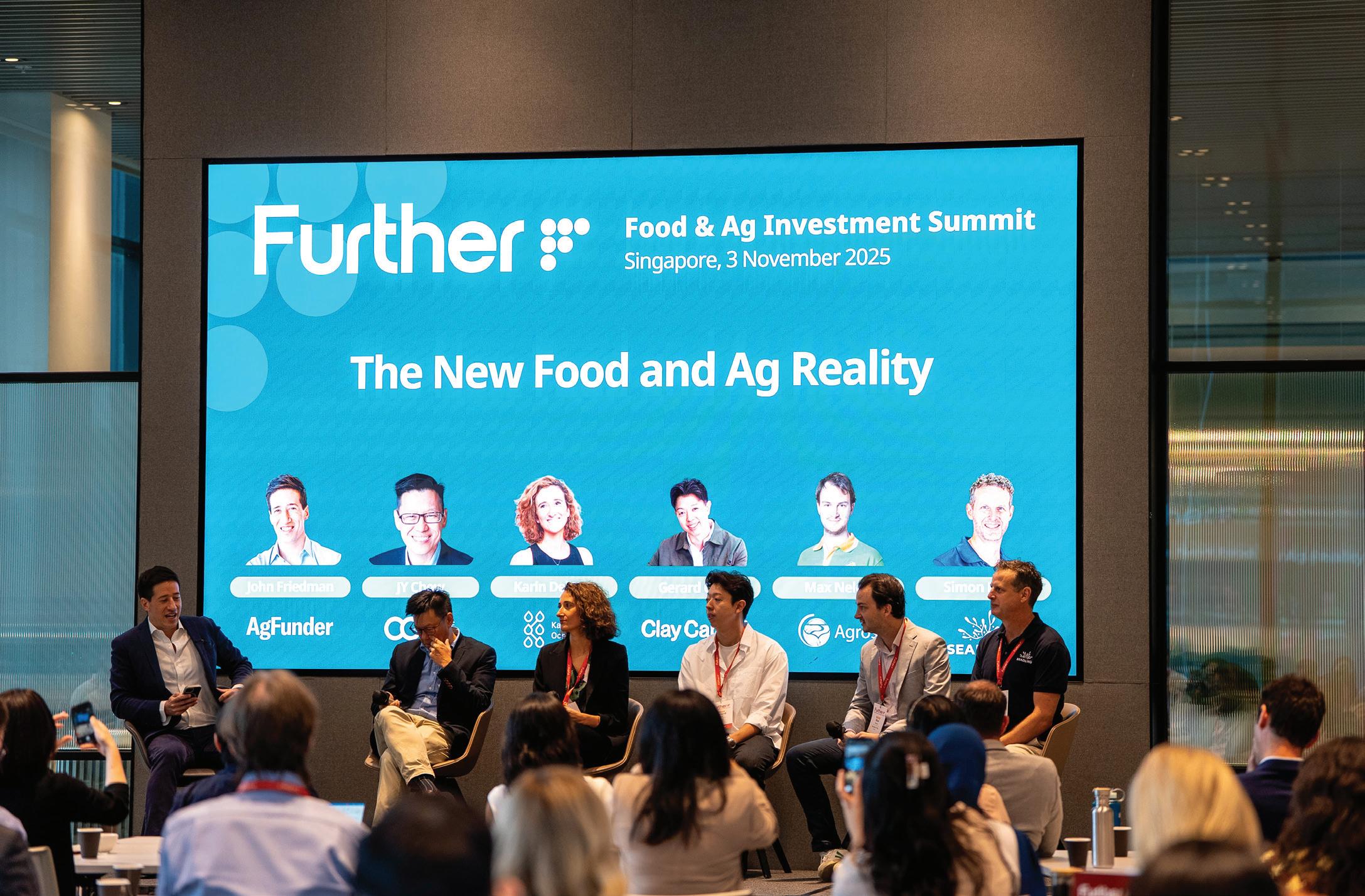
Asia-Pacific feeds more than half the world’s population. It also sits at the centre of escalating climate shocks, logistics disruptions, and price volatility. Yet the region receives only around a quarter of global agrifood investment. According to Jennifer Yuen, Co-Founder of Further, this imbalance has created structural fragility across food systems, particularly upstream production and mid-chain logistics.
The Further Summit was launched to directly address the Asia-Pacific agrifood investment gap and
strengthen supply-chain resilience by connecting capital with growth-ready innovators, aiming to accelerate deployment rather than prolong discussion.
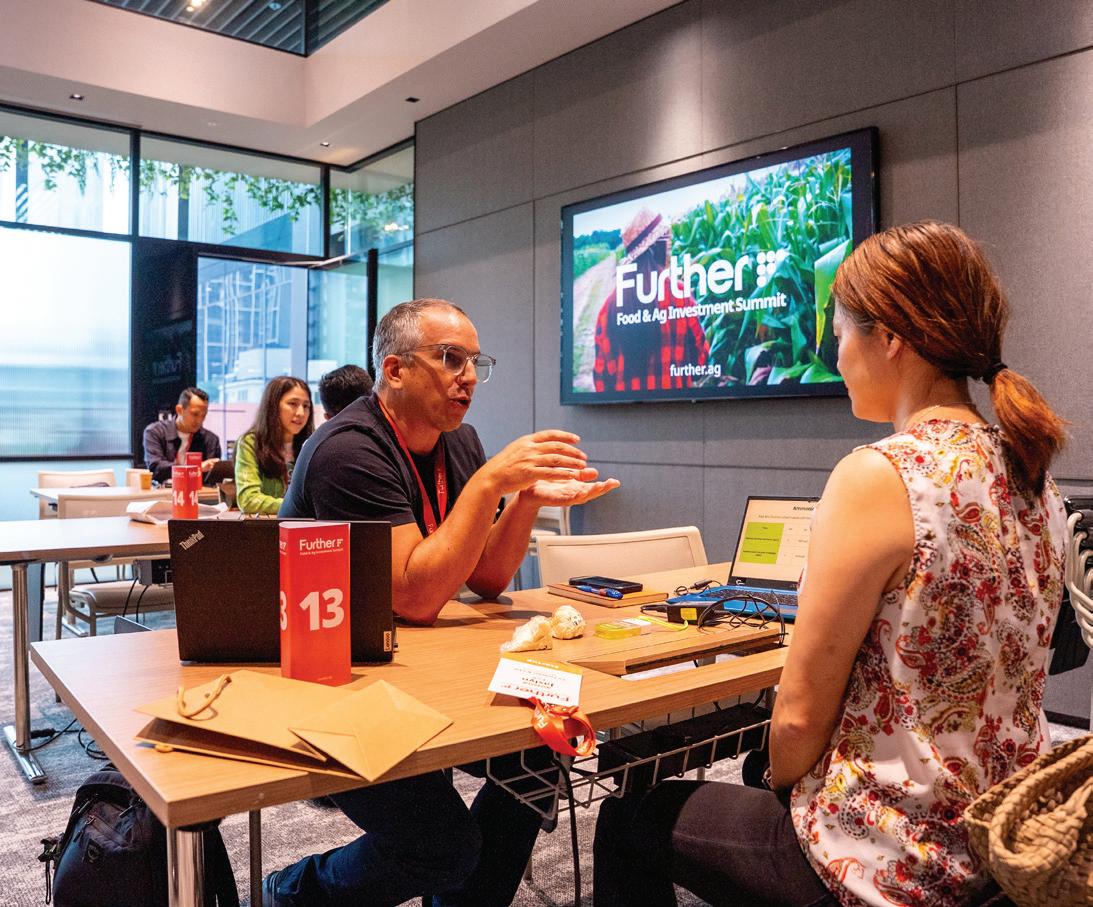
“We saw founders spending months trying to access the right investors and buyers, while investors were struggling to identify credible, growth-ready companies,” Yuen says. “Instead of another conference, the region needs ways to accelerate capital deployment.”
Why the Asia-Pacific region requires a different investment approach
Yuen points out that Asia-Pacific’s food systems operate under conditions that differ sharply from Western markets. Smallholder farmers dominate production. Supply chains remain fragmented. Coldchain and midstream infrastructure vary widely by country. Climate volatility continues to intensify across South and Southeast Asia.
These realities raise perceived risk for investors and slow adoption of technologies that improve forecasting, reduce waste, and stabilise supply. Over time, chronic underinvestment has reinforced these weaknesses.
“Asia-Pacific is the right place to focus,” Yuen explains. “Climate pressures, fragmented farming, logistics bottlenecks, and fast-growing demand all converge here. Governments and corporates are pragmatic and ready to scale food security and climate solutions.”
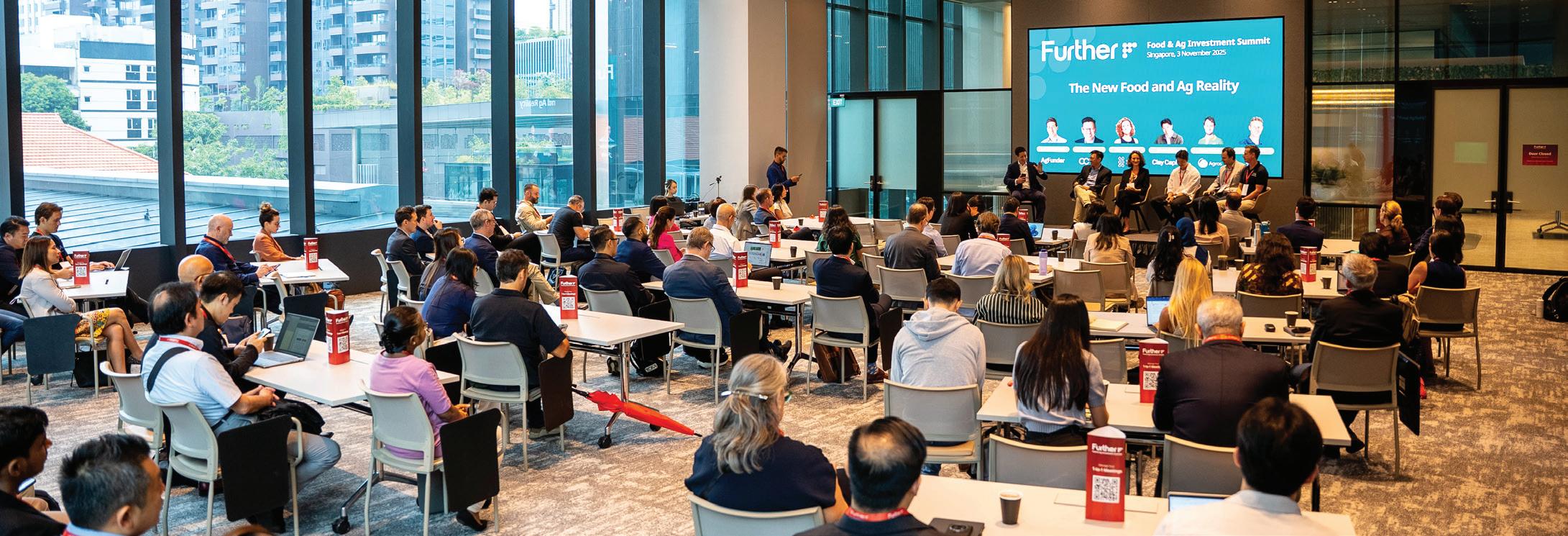
The Further Summit was designed to compress months of investor outreach and deal sourcing into a single day, bringing aligned capital and commercial partners into the same room.
Founder selection at the Summit reflects this emphasis on execution. Yuen says the focus is on entrepreneurs already delivering tangible results across Asia’s food systems.
“When we say dynamic entrepreneurs, we mean operators demonstrating measurable progress,” she says. “That includes better yields, lower waste, stronger traceability, breakthrough technologies, or more resilient production systems.”
Each startup, investor, and corporate participant is curated for commercial readiness and regional relevance. This reflects a broader shift in Asia-Pacific capital markets toward discipline, data, and scalability.
According to Yuen, the Summit concentrates on three investment verticals that offer the most immediate resilience gains for the region.
• AI and digitisation address visibility gaps across fragmented supply chains. These tools improve forecasting, optimise routing, reduce losses, and support real-time responses to weather and logistics disruptions.
• Regenerative agriculture and nature-based solutions respond to soil degradation and climate stress at the farm level. Biological inputs and regenerative practices improve soil health, reduce dependency on chemical fertilisers, and strengthen yield stability under droughts, floods, and pest pressure.
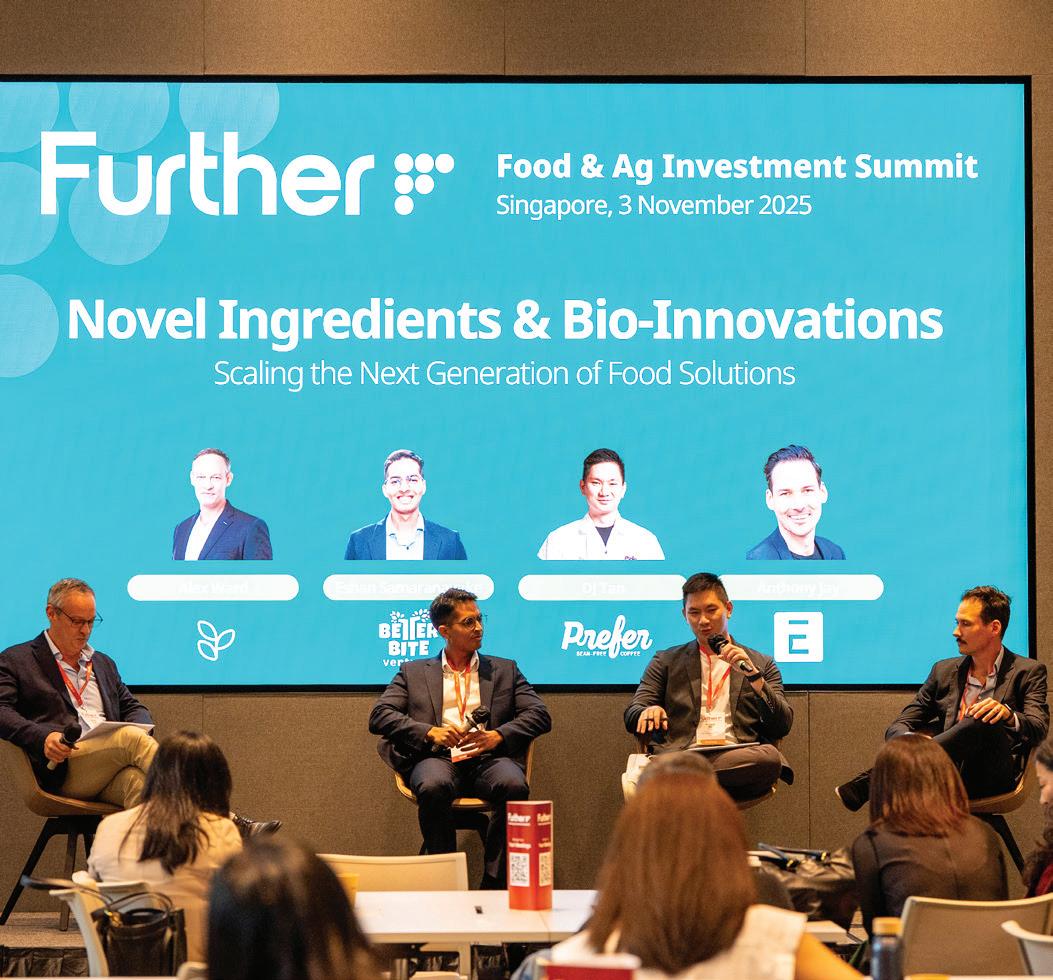
• Novel ingredients and bio-innovations diversify the region’s ingredient base. Alternative proteins and decentralised production models reduce reliance on imports and single-source supply chains.
“These are the areas where we consistently see both investor interest and growth-ready companies emerging,” Yuen says.
Yuen stresses that the funding gap has direct consequences for resilience. Weak midstream infrastructure limits cold-chain coverage. Limited digitisation reduces forecasting accuracy. Slow adoption of regenerative practices leaves farms exposed to climate extremes.
“A region that feeds half the world cannot rely on a quarter of global agrifood investment,” she says. “This underinvestment makes supply chains more vulnerable to price spikes, extreme weather, labour shortages, and trade disruptions.” Highlighting this urgency encourages stakeholders to feel compelled to act now for long-term stability.
Closing the gap is critical for food security and for maintaining the region’s long-term competitiveness.
Innovations already strengthening resilience
Yuen highlights Living Roots as an example of how targeted investment delivers rapid resilience gains. The company develops regenerative biological fertilisers that restore soil biodiversity and have delivered yield increases of at least 30% in early cycles. These tangible results should make stakeholders feel optimistic about the impact of their investments.
“Stronger soils mean more resilient farms,” she explains. “They are better able to withstand climate stress.”
On the digital side, she points to platforms such as Farmio, which support producers in monitoring midstream and downstream operations. These tools improve forecasting, reduce post-harvest losses, and strengthen traceability.
Together, these examples show how regenerative and digital solutions reinforce each other across the supply chain.
Where the region remains most exposed
Yuen identifies upstream cultivation and mid-chain logistics as the most vulnerable segments.
Upstream systems face degraded soils, ageing smallholder farmers, and erratic weather. Investment in regenerative inputs, biologicals, climate-resilient seeds, and tech-enabled advisory services can stabilise yields and incomes.
Mid-chain logistics struggle with fragmentation, inconsistent cold-chain capacity, and limited visibility. Investment in sensors, routing optimisation, decentralised processing, and digital traceability can reduce losses and bottlenecks.
Downstream processing continues to improve, but its reliability depends on strengthening these earlier stages.
Yuen observes that investors across the Asia-Pacific are becoming more selective. They are backing ventures with real traction, measurable outcomes, and clear pathways to scale across smallholder-heavy markets.
“This shift pushes founders to focus on core operational and climate-driven challenges,” she says. “It also requires better coordination across venture capital, catalytic funding, debt, and corporate capital.”
This maturity is accelerating innovations that directly strengthen supply-chain resilience.
How corporates can act now
rom the corporate perspective, Yuen says the Summit is designed to surface solutions that can be adopted quickly.
Corporations can run pilots with growth-stage innovators, integrate digital tools to improve forecasting and reduce waste, source regenerative or bio-based inputs, co-invest in supply-stabilising technologies, or form long-term commercial agreements with ventures ready to scale.
Since participation is curated, these engagements move faster from meeting to deployment.
But it’s easier said than done.
Yuen outlines four persistent barriers. Infrastructure gaps limit logistics efficiency. Regulatory fragmentation slows cross-border scaling. Data scarcity weakens forecasting. Capital constraints leave early-stage ventures stuck between pilot and commercial scale.
“This is why we bring venture investors, catalytic funders, corporates, and debt providers into one room,” she says. “Supply-chain resilience requires coordinated capital, not siloed funding.”
Timelines and expectations
Yuen notes that early benefits are already visible within 12 to 24 months, where regenerative inputs, digital tools, and decentralised production deploy at scale. Yield gains, reduced losses, and better forecasting compound quickly.
More structural shifts, including midstream infrastructure and diversified ingredient systems, require longer horizons of five to seven years.
“The next decade is decisive,” she says. “The investments made today will determine whether the region stays ahead of climate and supply-chain shocks.”
Yuen’s advice to investors and corporates is direct. Back solutions designed for Asia-Pacific realities. Engage early with growth-stage innovators through pilots, procurement pathways, and catalytic capital. Prioritise measurable outcomes such as soil health, yield stability, farmer livelihoods, emissions reduction, traceability, and logistics efficiency.
“Asia does not lack innovation,” Yuen says. “It needs aligned capital, committed corporate partners, and a more coordinated approach to scale.”
For a region central to global food supply, resilience will depend less on ambition and more on execution.
With insights from Jennifer Yuen. Jennifer Yuen is the Co-Founder of Further, a purpose-driven company focused on reimagining how people live and work through sustainable, regenerative, and socially responsible innovation. With over 20 years of international experience, she is a seasoned brand, marketing, and global expansion leader who has held senior roles at world-class companies, including Airbnb and Facebook.
Jennifer has lived and worked across the United States, Asia (Hong Kong and Singapore), and Australia, leading global and regional teams spanning the Americas, Asia Pacific, Europe, and the Middle East. Her expertise spans brand and marketing strategy, global and regional expansion, product and service launches, customer experience, and strategic partnerships, with a unique background bridging B2B and B2C marketing, service design, and interior design.
Originally from Sydney, Australia, Jennifer combines startup and multinational experience with a deep commitment to sustainability, social justice, and regenerative business. She holds a Bachelor of Commerce in Marketing and is a Terra.do Climate Fellow, and has an Advanced Diploma in Interior Design.
TETRA PAK
Building resilient food systems: The key to ASEAN’s food security
Words By Aidil Razeek, Director of Corporate Affairs, ASEAN, Tetra Pak
Ensuring that every child in ASEAN has access to safe, nutritious food remains one of the region’s defining challenges — and its greatest opportunity. Despite
economic progress, more than half of all children under five in Asia are affected by stunting.
The issue is not a lack of food; it is that food does not always reach those who need it most.
Food loss and unequal distribution are major obstacles. Gaps in infrastructure, logistics, and storage continue to limit distribution and raise costs. Bridging the gap between supply and access requires smarter technologies, resilient logistics, and collaboration across every stage of the food chain — from how food is processed and packaged to how it is stored, transported, and distributed.
If ASEAN can strengthen these links, it can transform a persistent challenge into a shared success story.
This need for coordination and innovation was reinforced at the recent EU–ASEAN Business Summit 2025, where regional leaders called for greater collaboration between governments, industry, and communities to build food systems that are safe, sustainable, and accessible for every child.
The real barriers to ASEAN’s food security
Food insecurity in ASEAN is driven less by how much the region produces and more by how effectively it distributes and preserves what it grows.
As a region, ASEAN produces sufficient food, but operational efficiency across the supply chain has not kept pace with growing demand and changing diets. Post-harvest losses remain high, and smallholder farmers often lack access to modern processing and storage. These inefficiencies limit the availability of safe, affordable food for many communities.
The region’s geography, from vast archipelagos to remote mountainous areas, also makes it difficult to deliver safe, nutritious food consistently. Milk and fresh produce spoil before they reach schools or markets, due to limited cold storage, uneven transport networks, and inconsistent handling facilities
Food insecurity continues to affect less developed ASEAN Member States most acutely. This underscores that while economies may advance, access to proper nutrition doesn’t always keep pace. It is also a matter of equity, where children in underserved or remote communities face limited access to safe nutrition compared with their urban peers. When these gaps persist, their impact extends beyond health - influencing learning outcomes, shaping human potential, and limiting economic opportunities over time.
From innovation to integration
Technology and innovation have the potential to redefine food security in ASEAN, but progress depends on how well they connect the entire system. True transformation happens when innovation is guided by collaboration.
Governments play a critical role in creating enabling frameworks that align policy, production, processing, and distribution. NGOs and development partners bridge those policies to communities on the ground. Producers maintain quality and safety, while the private sector contributes technology, logistics, and expertise to keep the system running efficiently.
This kind of coordination is already taking shape. In the Philippines, in 2022, Tetra Pak worked with the Department of Education and local dairy partners to deliver milk to over 350,000 schoolchildren across Bicol, Davao, and Soccsksargen, as part of the first launch phase. The initiative combined safe, long-shelf-life packaging with technical support and environmental education, helping students and communities access consistent nutrition while learning about sustainable food practices.
Meanwhile, innovations like plant-based polymers and paper-based barriers make packaging renewable and shelf-stable, proving that sustainability and access can go hand in hand.
When policy, innovation, and community action move together, progress becomes scalable. Technology may provide the tools, but coordination ensures they reach the people who need them most.
Packaging as system enabler
Among the most practical enablers of progress is packaging innovation. It determines whether food stays safe long enough to reach children and families across diverse geographies.
Aseptic packaging technology allows milk, juices, and other nutrient-rich products to remain safe for months without refrigeration, as it reduces spoilage and logistical pressure. In regions where cold storage is limited, this technology enables access that would otherwise be impossible while reducing costs.
In Malaysia, Tetra Pak works together with local producers like Farm Fresh to deliver UHT milk to more than 800,000 students nationwide. In Indonesia, Tetra Pak is also involved in initiatives such as the Free Nutritious Meal program, helping to support the local dairy industry while ensuring schoolchildren receive safe, reliable nutrition.
These initiatives show that packaging is more than a vessel. It is a system enabler. It extends shelf life, reduces waste, and stabilises supply chains. By maintaining hygiene and preserving nutritional value, it ensures that food safety standards remain consistent from production to consumption. In doing so, it connects innovation in manufacturing with better health outcomes for communities.
Building resilience for the long term
Long-term resilience in ASEAN’s food systems will depend on how effectively each part of the value chain connects. Sustainable farming must complement efficient processing, intelligent packaging, and coordinated distribution. Stronger data and monitoring systems can further reduce losses and strengthen traceability.
Countries investing in integrated food chains are already seeing tangible improvements — from reduced post-harvest losses among smallholder farmers to more consistent nutrition outcomes in schools and communities
When the system functions as one network, its impact multiplies. Farmers gain stable markets and predictable income, allowing them to reinvest in quality and sustainability. Communities benefit from consistent access to safe, nutritious food that supports health and learning. Governments build stronger capacity to manage shocks and maintain food security even under pressure.
Shared responsibility, shared reward
The challenge of food security cannot wait. Resilience cannot be built by any one actor alone. Feeding ASEAN’s future is a shared responsibility — one that calls for immediate, coordinated action.
Governments must enable progress through policy and infrastructure. Educators and NGOs must drive awareness and inclusion. The private sector must continue to innovate, invest, and scale solutions that meet local needs.
When innovation connects with collaboration, food systems become stronger, fairer, and more sustainable. Safe nutrition is not a privilege; it is a foundation for health, education, and opportunity.
When every child can depend on safe, nutritious food, the benefits extend far beyond the table. Stronger nutrition supports learning. Stable livelihoods strengthen communities. And together, they secure ASEAN’s shared future.
As Director of Corporate Affairs for ASEAN & India at Tetra Pak, Aidil Razeek leads the regional engagement with policymakers, industry players and development partners to help improve how food is produced, processed, and distributed across diverse markets. He focuses on working across different levels of government, industry and international organisations to balance ambition with feasibility — ensuring that food systems improvements are scalable, commercially viable and aligned with national priorities.
About the Author
LOUIS DREYFUS COMPANY
Building a stronger juice supply chain for Asia: What LDC’s integrated model reveals about future resilience
By Cath Isabedra
Asia’s juice market is growing, but the supply base behind it is under pressure. Weather shifts in Brazil, disease cycles in citrus regions, higher logistics costs and rising expectations around transparency are changing how F&B manufacturers think about sourcing. These pressures are pushing the industry to look more closely at models that offer stability and verifiable information from the grove to the final product.
Louis Dreyfus Company’s juice business is one of the few
that controls the entire chain from farming to bottling. The company’s integrated model gives a clear view of how supply chains can stay reliable when disruption becomes more frequent. In this interview, GeorgesEdouard Duriez, Global Head of Ingredients and Downstream Market for Juice at LDC, explains how integration works in practice and what actions Asian manufacturers should take to prepare for a tighter operating environment.
Why vertical integration reduces risk for juice brands
Countries that supply citrus are facing more frequent crop stress. In Brazil, Fundecitrus reported a projected orange crop decline of about 24 per cent for 2024 to 2025 due to heat and greening disease. Similar yield swings have affected grapefruit and lemon production in parts of China and Mexico.
In this environment, businesses with fragmented supply chains face more interruptions. LDC takes a different approach. Duriez notes, “Our juice business is built on a fully integrated model, from grove to glass, which has become a strategic advantage, especially in today’s environment of overlapping climate, geopolitical and market disruptions that increasingly strain agri-food supply chains.”
LDC manages about 30,000 hectares of citrus groves in Brazil. Because farming, processing, storage, transport and merchandising sit under one structure, the company can shift fruit, rebalance production and keep supply flowing. With this strategy, customers can access predictable volumes and stable quality when conditions change.
Duriez explains, “Our integrated model also enables traceability from grove to bottle, giving partners, and ultimately consumers, transparency on, and confidence in, product origin.” This level of information is becoming essential in markets where retailers and regulators want proof of responsible sourcing.
For Asia’s manufacturers, the key insight is simple. Integration does not remove risk, but it shortens the response time. When a crop fails or logistics slow down, integrated players adjust internally. Fragmented chains wait for each partner to react.
How integrated supply improves quality and planning
Asian manufacturers who create juice products or use juice as an ingredient want consistency across seasons. Flavour shifts, colour changes and Brix variations can affect both finished products and consumer expectations.
He highlights how integration supports quality, stating, “For beverage and food manufacturers, LDC’s vertical integration helps ensure predictable volumes and consistent quality, in addition to providing end-toend supply chain solutions that include storage, transportation and customised blending.”
This helps manufacturers plan production schedules with fewer adjustments and reduces formulation risks. In markets like the Philippines and Vietnam, where inflation
has raised sensitivity toward price and quality shifts, stable inputs reduce downstream fluctuations.
In practical terms, this gives manufacturers a clearer outlook for twelve to twenty-four months. Instead of reacting to market swings, they can work with supply partners who maintain visibility over farms, processing lines and inventory.
How integrated supply improves quality and planning
Brazil’s citrus belt has experienced temperature spikes, below-average rainfall and disease pressure. These conditions affected yields across several regions.
Duriez shares a recent example. “In recent seasons, the citrus belt in Brazil has faced significant disruptions from various climate and agricultural challenges that have affected yields across several regions in the country. To address this, our integrated operations allowed us to reallocate fruit across farms, optimise use of our processing facilities, and adjust logistics to keep production and delivery schedules on track.”
This provides an operational lesson for Asian brands. Supply security depends on the ability to move assets quickly. When part of a region produces less fruit, companies with multiple farms and processing facilities can protect global customers from shortages.
Manufacturers evaluating suppliers should ask whether their partners have similar flexibility or whether they rely heavily on spot buying and single-region sourcing.
markets for juice. Statista reports that Indonesia’s juice market was valued at about USD 579 million in 2024, with annual growth of about 6.3 per cent. The shift to NFC products is driven by demand for natural and premium beverages.
Duriez explains, “Indonesia represents a strategic entry point into Asia for Montebelo Brasil for three key reasons.” He points to rising demand for natural and premium products, growing interest in NFC juices and LDC’s long-standing presence in the country since 1999.
Indonesia’s consumers are also paying closer attention to label clarity. He notes, “Indonesian consumers define ‘natural’ as clean labels free from artificial colours or flavours and made with natural ingredients. ‘Premium’ is closely associated with the Not From Concentrate process.”
This behaviour aligns with broader ASEAN trends. Surveys by FMCG Gurus show that 64 per cent of Indonesian consumers read ingredient labels before buying juice, and a growing number expect proof of freshness or origin.
Manufacturers selling into Indonesia can use these findings to refine packaging and claims. Clear origin information and closer alignment with NFC standards can strengthen brand trust in modern retail and convenience channels.
How traceability is changing the consumer purchase process
Traceability is becoming a standard expectation in Asia. In Singapore, GS1 reported that about 77 per cent of consumers would switch brands if a competitor offers better visibility into product origin.
Duriez describes how traceability works for Montebelo Brasil. He says, “We use QR codes on every bottle, not only to provide traceability with batch numbers, processing dates and the complete journey from grove to bottle, but also to inform consumers.”
This level of detail supports both brand confidence and regulatory compliance. Several ASEAN markets are moving towards stronger source verification requirements. Vietnam’s Decree 13 on Personal Data Protection has also encouraged companies to tighten data accuracy in supply chain systems. Thailand is preparing broader EPR rules that cover packaging and recycled content.
Asian manufacturers building new SKUs should prepare for more structured data reporting. This includes batch IDs, origin records, sustainability data and packaging information.
Packaging and product development trends that affect sourcing decisions
Consumers in Indonesia, Thailand and Vietnam are choosing products that align with health and convenience goals. He notes, “Consumers want juice that’s fresh, natural and ready to drink, and available in convenient formats that fit busy lifestyles.”
In 2025, LDC launched four signature Montebelo Brasil juices in Indonesia to match local flavour preferences. The brand also uses bottles that contain 40 per cent rPET content.
Recycled PET adoption is increasing in Southeast Asia due to EPR commitments and stronger demand for circular packaging. For manufacturers planning new product lines, securing a stable supply of rPET is becoming as important as sourcing juice inputs.
Why multi-fruit blends are becoming a tool for supply stability
More brands in Asia are reformulating products to manage supply pressures. Multi-fruit blends reduce exposure to a single crop or region. They can also help manage input costs when the price of one fruit rises.
Duriez confirms this trend. He states, “Yes, diversification is a growing trend as a hedge against climate risks. We see brands increasingly moving toward multifruit recipes to spread risk across different crops and production regions.”
However, blends require careful taste profiling. He adds, “The trade-off is often between cost and consistency; while blends help manage input costs, they require careful sensory management to maintain high consumer acceptance.”
For manufacturers, the most practical approach is to conduct early sensory panels when planning blends. Clear communication to consumers is also important, especially when introducing new profiles.
What Asian brands should ask their suppliers today
Duriez gives clear direction. He recommends three steps for companies that want stronger sourcing strategies.
First, “prioritising asset-backed partnerships”. Second, “investing in digital traceability as a strategic imperative”. Third, “building long-term strategic partnerships instead of transactional relationships.”
These actions apply to all juice applications, including drinks, bakery fillings, confectionery and dairy blends.
How logistics planning supports supply reliability
Asia’s supply chains still face longer transit times and occasional delays, especially during port congestion or weather interruptions. He says, “Logistics and inventory planning are fundamental to supply reliability in today’s volatile environment.” He adds, “We maintain integrated visibility across our supply chain, allowing us to anticipate disruptions and adjust inventory positioning quickly.”
Real-time visibility helps producers plan around demand spikes in markets like the Philippines, Thailand and Indonesia. It also reduces the risk of late shipments during peak seasons.
Manufacturers should speak with suppliers about their inventory visibility, their contingency routes and their ability to adjust shipping schedules.
Consumers across Asia want lower-impact products. Duriez notes a major challenge. He says, “The biggest gap lies in the speed of long-term climate adaptation. Consumers want immediate zero-impact products, but transitioning landscapes to regenerative practices takes time and sustained investment.”
Citrus takes years to respond to soil and climate improvements. LDC works to reduce waste, capture soil carbon and lower emissions in transport.
Manufacturers should recognise that sustainability outcomes depend on long-term investment at the farm level. This includes soil restoration, water management, renewable energy and improved processing efficiency.
Shared investment will shape the next five to
ten years
Duriez states, “We need ‘farm-to-fork’ strategic alignment, rather than transactional relationships.” Long-term supply stability will depend on shared investment across farming, processing and logistics.
This includes:
• multi-year contracts
• joint sustainability projects
• co-development of traceability systems
• early planning for capacity needs
These structures give both suppliers and manufacturers stronger visibility and long-term stability.
What Asian F&B innovators should do now
“Integrate supply chain thinking into your product innovation process.” Duriez advises.
ASIA-PACIFIC AGRI-FOOD INNOVATION SUMMIT,
SINGAPORE
SINGAPORE NOVEMBER 4 - NOVEMBER 6
These steps help brands move from reactive decisions to long-term planning. He concludes, “The decisions you make today about supply partners will determine whether in five years you are responding to crisis or operating from resilience.”
This guidance is relevant across all juice categories in Asia. Brands that invest early in origin visibility, transparent data and strong partnerships will be better positioned as climate and market pressures grow.
With insights from Georges-Edouard Duriez. Duriez is Global Head of Ingredients & Downstream for the Juice Platform at Louis Dreyfus Company (LDC), overseeing the development of value-added product lines and downstream growth initiatives. He joined LDC in 2014 within the Corporate Finance team in Geneva, before moving in 2017 to Biosev (previously LDC’s sister company) in São Paulo, as Head of Corporate Development. In 2021, he returned to LDC to assume successive strategic leadership roles within the Juice business, building on more than a decade of experience across finance, strategy and industrial transformation.
KESHET
Why food resilience wins only with engineering discipline
By Cath Isabedra
Across Asia, food supply discussions still default to yields, prices, or technology adoption. Yet recent disruptions, from climate extremes to labour shortages and logistics breakdowns, point to a deeper issue. Food systems fail when the infrastructure that supports them was never designed for volatility. Inputs fluctuate. Labour disappears. Energy costs rise. The system bends until it breaks.
Singapore exposes this reality more starkly than most markets. With limited land, high dependence on imports, and some of the world’s highest utility costs, food production here operates under constant stress. Policy ambition alone does not close this gap. What matters is whether food production is engineered to function as critical infrastructure, relevant for all urban cities in the world.
This is the context in which Keshet Agritech has developed its platform. Rather than treating farming as a biological process supported by technology, Keshet Agritech reverses the logic. It treats food production as an engineered system, governed by industrial design, control architecture, and operational discipline.
According to Serene Lim, Co-Founder & CEO of Keshet Agritech, this framing is deliberate. “Our value chain starts long before crops are grown. It starts with industrial design, manufacturing, and construction. If the infrastructure is unsuitable, nothing downstream compensates for it.”
That premise matters for food and beverage leaders assessing their own food supply resilience. It shifts the question from how much a system can produce to how reliably it can operate under pressure.
Engineering predictability into food production
Keshet Agritech’s fully enclosed greenhouse operates as a sealed, stainless-steel environment. External weather, air quality, and temperature fluctuations have no direct impact on growing conditions. At the core sits an integrated AI Control Suite that monitors and adjusts environmental parameters in sub-seconds.
This precision control logic reflects practices more commonly associated with data centres or pharmaceutical manufacturing than agriculture. Both stability and responsiveness are primary goals.
Two subsystems illustrate how this approach translates into operational resilience.
The first is nutrient delivery. Keshet Agritech operates an autonomous fertiliser system based on quantum AI computation. Nutrient formulations adjust continuously according to plant genotype, growth stage, and realtime physiological feedback. Instead of applying standard fertilisers on fixed schedules, the system generates custom blends on demand according to each plant genome requirements.
These blends contain molecules with higher bioavailability than conventional inputs and are microinjected directly into the water stream. This ensures efficient root uptake while reducing waste and runoff. Machine learning loops compare predicted outcomes
against actual growth indicators such as leaf density and crop yield, refining nutrient profiles over time.
Lim describes the difference bluntly. “Most farms cannot respond to in-season data. Inputs stay fixed even when conditions demand for change. Our system treats fertilisation as a dynamic process tied to measurable crop performance.”
The second subsystem is post-harvest handling. Keshet Agritech eliminates manual harvesting. Robotic systems equipped with depth cameras and machine vision manage harvesting, sorting, weighing, and packaging. Crops will move through internal, climate-sealed tunnels into sterile packing areas designed to meet Ready-toEat standards.
This configuration delivers several outcomes that matter for crisis-proofing:
• Removal of labour variability and overtime exposure
• Reduced contamination risk through minimal human contact
• Consistent grading based on objective metrics
• Full traceability at the unit level
• Continuous 24/7 operation
In regional supply chains where labour unavailability and hygiene risks remain persistent vulnerabilities, these characteristics reduce operational uncertainty rather than chasing marginal efficiency gains.
What resilient supply chains share across sectors
Keshet Agritech’s system offers lessons that extend beyond agriculture, but only if applied with discipline. Lim stresses that resilience does not come from copying nor procuring third party technologies or systems. It comes from understanding where failure occurs, and where innovation can be applied to creatively resolve the challenges effectively and conclusively.
“Each industry needs its full value chain broken down first,” she says. “Then, you identify vulnerabilities stage by stage, and design systems that remove or control them.”
Several principles recur.
Resilient supply chains:
• Begin with infrastructure that stabilises core conditions.
• Integrate systems vertically to reduce dependency on fragmented suppliers.
• Replace fixed schedules with real-time feedback loops.
• Automate stages where variability introduces risk.
• Design for cost discipline, not subsidy dependence.
These principles already underpin sectors such as semiconductor manufacturing and digital infrastructure. Data centres, for example, rely on precise climate control, energy efficiency, and uninterrupted operations. Keshet Agritech’s climate and lighting systems reflect similar priorities, including fibre-optic daylight harvesting and passive cooling that delivers high thermal isolation without the need for continuous active air-conditioning.
Localisation plays a key role in attaining a nation’s food security, but only when paired with automation and control. Local production without system discipline simply relocates risk rather than reducing it.
Governance and energy economics
Digital control introduces new exposures. Keshet Agritech maintains a dedicated information management and cybersecurity team that monitors hardware and software systems continuously. The objective is operational continuity rather than compliance alone.
“Our systems are monitored 24/7, and we adapt quickly to any sign of compromise,” Lim says. In highly automated environments, digital integrity becomes inseparable from physical resilience.
Regulatory engagement represents another layer. Rather than accepting status quo, Keshet Agritech
breaks new grounds and collaborates with regulators to establish new standards.
It has worked with close to ten different government agencies to secure all the necessary approvals for its farm on government-awarded land. Engagements included the Singapore Food Agency (SFA), Building and Construction Authority (BCA), Public Utilities Board (PUB), Singapore Civil Defence Force (SCDF) etc.
One pivotal outcome of a discussion with Urban Redevelopment Authority (URA), and Jurong Town Corporation (JTC), was the introduction of Agri-GFA, enabling enclosed rooftop farming under updated planning frameworks.
“Government partnership is critical,” Lim notes. “Singapore leads in many sectors, but agriculture still remains a nascent industry, lagging other countries in institutional experience. True progress requires innovation, persistence, without compromising on quality nor trading excellence for speed to show.”
Environmental performance remains tightly linked to resilience economics. Singapore’s high utility costs force innovation and efficiency by necessity. Keshet Agritech integrates fibre-optic daylight harvesting at minimal energy cost, passive cooling that maintains internal temperatures at approximately 25°C, and atmospheric water extraction with water recycling rates of up to 90%.
“These systems keep operating costs under control,” Lim says. “Commercial viability depends on selfsufficiency.”
Operational metrics such as energy use, water efficiency, and yield per square metre will be validated as each farm unit come online. Nutritional outcomes will be assessed through clinical trials, linking production choices directly to health outcomes for consumers.
Crop choice and human resilience
This health dimension anchors Keshet’s crop strategy. Selection balances nutritional profile, market demand, availability, affordability, accessibility and taste. The goal is not novelty produce but scalable outputs that support healthier populations.
“Our crops are chosen for how they improve national health,” Lim says. “An active, healthy population supports economic and social resilience.”
Rather than producing commodities that are easy to import, Keshet Agritech deliberately focuses on nutrientdense crops that are difficult or impractical to bring into Singapore due to regulatory constraints, freshness requirements, and food safety standards. Protein is the most critical category within this gap.
Keshet Agritech has set its eyes on a particular super plant, which represents a new class of strategic protein. It is highly nutritious, extremely sensitive to handling, and tightly regulated. These characteristics make largescale imports inefficient and unreliable, while strongly favouring controlled, local production. By prioritizing protein within Singapore’s food basket, Keshet Agritech transforms an open-import market into a competitive moat.
Crops are produced in multiple formats, including fresh, dried, and cold-processed applications, enabling integration into food manufacturing, ingredient supply, and foodservice channels. The company aims to partner with food producers, ingredient firms, and HORECA leaders aligned with this mission.
This strategy also positions Singapore beyond selfsufficiency. Keshet Agritech is, in fact, building the capability for Singapore to become a net exporter of advanced plant protein to surrounding Asian markets, reinforcing regional food resilience while strengthening Singapore’s role as a protein and food innovation hub.
Most importantly, this approach demonstrates organizational maturity. Keshet Agritech is not locked into a single crop or trend. It has the infrastructure, engineering discipline, and strategic clarity to change direction as market demands, regulations, and competition evolve - without compromising operational stability.
Behind the technology and systems stands a deliberately designed organisation. Keshet Agritech invests in cross-disciplinary teams, global talent, shared protocol, and learnings that allow the organization to operate under pressure and adapt to new and uncertain situations quickly. The robust system is built so it continues to function even if individual parts fail or require change. Even when mistakes arise, these are not treated as failures, but as inputs for system refinement and long-term strengthening.
“We train the heart, mind, and hands to be strong,” Lim says.
In an industry marked by past failures, this approach reframes resilience as a practice rather than a promise. For food and beverage leaders navigating Asia’s volatile supply landscape, the lesson is clear. Crisis-resilience begins with astute infrastructure choices made long before disruption arrives.
FOUNDRY COLLECTIVE
The hidden triggers of Indonesia’s food crises
By Cath Isabedra
Indonesia’s food supply disruptions are often framed as price problems or production shortfalls. The evidence suggests something more structural. When shocks hit, whether from El Niño, floods, logistics breakdowns, or input volatility, failure begins upstream and cascades forward. By the time consumers feel the impact, the system has already broken in places that are slow and costly to repair.
This diagnosis is central to Food Resilience through Innovation and Technology. Pathways for a Nourished Future. Case Study: Indonesia, a white paper developed by Foundry Collective in collaboration with DailySocial and Stellarist, and presented at the Indonesia Food
Resilience Forum. One of the contributors to the paper is Rama Mamuaya, a technology entrepreneur and digital transformation specialist who works closely with agribusinesses, investors, and policymakers on operating models rather than pilots. His value in this discussion is not optimism about innovation, but clarity about where systems fail.
“In crises, Indonesia’s food system does not fail evenly,” Mamuaya says. “It fails sequentially.”
That sequence matters. It explains why interventions that look sensible on paper often arrive too late in practice.
Water
stress is the first systemic failure
The most consistent trigger of supply disruption in Indonesia is water.
According to the World Bank, agriculture accounts for roughly 80% of Indonesia’s freshwater withdrawals, while almost half of the country’s irrigation infrastructure is assessed to be in poor or damaged condition. This creates an acute exposure to climate variability, particularly El Niño–driven droughts.
• 46% of irrigation infrastructure in poor condition
• 80% of freshwater withdrawals used by agriculture
• Rice remains the highest systemic-risk commodity
FAO assessments of Southeast Asian food systems show that irrigation reliability is one of the strongest predictors of yield stability under climate stress, especially for ricedominant systems like Indonesia’s.
Rice remains Indonesia’s highest-risk commodity, not because other foods are unimportant, but because rice anchors calorie intake, price stability, and political response. BPS and Bulog data consistently show that even modest disruptions in rice planting or harvesting trigger market interventions.
“When water access fails, production drops instantly, making this the first point of systemic failure,” Mamuaya notes.
This aligns with recent experience. During the 2023–2024 El Niño period, delayed rains and low reservoir levels reduced planting windows in key rice-producing regions. The result was not just lower output, but earlier and more aggressive imports to stabilise stocks.
The policy implication is clear. Productivity gains cannot compensate for unreliable water systems. Irrigation rehabilitation delivers resilience faster than most yieldenhancement programmes.
Post-harvest losses turn disruption into shortage
The second failure point is not production, but what happens after harvest.
FAO estimates that between one-third and 40% of food produced in parts of Southeast Asia is lost or wasted before consumption, with post-harvest handling and storage as major contributors. Indonesia fits this pattern.
The Foundry white paper highlights food loss rates of 30–40% in parts of Indonesia’s system, driven by inadequate storage, limited cold chain rollout, and weak post-harvest standards.
Cold storage capacity in Indonesia is heavily concentrated in Java and around major urban centres. Outside these hubs, especially in eastern Indonesia, access to temperature-controlled storage is limited and often constrained by energy reliability.
“When production is disrupted or transport is delayed, Indonesia’s limited post-harvest and cold-chain capacity causes rapid spoilage,” Mamuaya says.
For food manufacturers and traders, this reframes exposure. Supply risk is not only about sourcing volume. It is about whether food can survive delays during abnormal conditions.
Archipelagic logistics magnify every upstream weakness
Indonesia’s geography amplifies failures that begin at the farm or storage level.
Studies on the Sea Toll programme show that while it has reduced baseline price disparities, logistics performance remains vulnerable to weather disruption, port congestion, and limited last-mile connectivity, particularly in Papua, Maluku, and East Nusa Tenggara.
The Foundry paper identifies these regions as recurrent stress points where physical bottlenecks isolate local markets even when national supply exists.
This is where digitalisation often gets overstated.
“Digital tools cannot substitute for blocked roads, disabled ports, or fuel shortages,” Mamuaya says.
Independent logistics research supports this. Information platforms improve coordination only when physical assets remain functional. When ports close or roads flood, data does not move food.
Smallholder fragmentation becomes a national risk during crises
Indonesia’s agricultural structure compounds these vulnerabilities. FAO country profiles confirm that smallholder farmers dominate staple production. The 2023 Agricultural Census from BPS shows that around 62% of farmers cultivate less than 0.5 hectares. The average farmer age is over 50, and younger farmers remain a minority.
• 62% of farmers cultivate <0.5 ha
• Average farmer age: ~55 years
• Only ~20–22% of farmers aged 19–39
Fragmentation matters most during disruption. Coordinated planting schedules, unified operating standards, and rapid input mobilisation are difficult across millions of micro-plots.
“With the majority of farmers operating on plots smaller than 0.5 hectares, scaling resilient practices becomes slow and inconsistent,” Mamuaya explains.
Finance deepens the problem. World Bank and FAO data indicate that access to formal credit and insurance among Indonesian smallholders remains low. The Foundry paper places formal access at roughly 15%.
Without working capital, farmers cannot absorb shocks. They reduce inputs, delay replanting, or exit production altogether. Shocks persist across seasons.
Market structure amplifies volatility instead of dampening it
Another underappreciated risk is how price signals move through the system.
Indonesia’s rice market, in particular, shows that availability does not automatically translate into affordability. Recent reporting has highlighted periods where Bulog stocks were historically high, yet retail prices remained elevated due to procurement rules, quality standards, and milling behaviour.
The points to middlemen-driven, opaque markets as a volatility amplifier. During disruption, costs and risks are passed directly to farmers and consumers rather than absorbed.
“Shocks do not remain temporary,” Mamuaya says. “They trigger multi-season production declines.”
Feature Story
The 3R framework exposes where preparedness is weakest
The white paper uses the 3R framework. Robustness, Recovery, Reorientation.
Indonesia performs relatively well on robustness. Reserves, subsidies, and price controls can blunt initial shocks. Recovery mechanisms exist through imports and market intervention, but they are often slow and uneven.
Reorientation remains weakest.
Structural dependence on rice, water-intensive systems, imported fertilisers and feed, and volume-based incentives persists. Diversification and circular economy initiatives exist, but they are not yet mainstream.
“The system tends to restore the status quo after crises rather than reducing future vulnerability,” Mamuaya observes.
That assessment aligns with historical patterns. Similar risks resurface after each climate cycle because the underlying design does not change.
External evidence shows that most agri-tech improves efficiency in stable conditions. Few technologies materially reduce crisis impact.
The Foundry paper highlights Chickin as a rare example where technology, finance, and market structure combine to stabilise production. During the 2022–2023 poultry price collapse, Chickin-linked farmers continued operating while many independent farms exited. Mortality fell by about 50%, and demand was locked in through guaranteed off-take.
“This is not merely about efficiency,” Mamuaya says. “It reduces farmer exit during volatility.”
The distinction matters. Resilience technology absorbs downside risk. Efficiency tools do not.
Five interventions with the highest near-term impact
I asked Mamuaya–If Indonesia had to implement only five high-impact interventions today to meaningfully reduce supply chain risk in the next five years, what would they be, and who must lead each one?
Mamuaya argues that reducing supply chain risk over the next five years requires fixing first-failure points and shortening recovery time, not chasing yield gains alone. The following five interventions target where the collapse actually begins and who must act.
1. Rehabilitate irrigation and water management in climate-exposed basins
Water failure is the earliest trigger of production collapse under climate stress. Priority should be given to repairing degraded irrigation, improving water efficiency, and focusing investment on climate-vulnerable regions.
Lead: Central government, particularly Public Works and Agriculture, working with provincial governments.
2. Scale decentralised post-harvest and cold chain infrastructure beyond Java
High post-harvest losses turn moderate disruptions into shortages. Investment is needed in cold storage, drying, and storage hubs near production zones and ports, especially outside Java.
Lead: Private sector and SOEs, supported by government incentives and blended finance.
3. Strengthen inter-island logistics and regional food corridors
Physical bottlenecks isolate regions during shocks, even when food is available nationally. Reliability, not just capacity, should be the core KPI. Upgrades are needed across ports, roads, Sea Toll routes, and last-mile distribution in eastern Indonesia.
Lead: Central government and logistics SOEs, in coordination with local governments.
4. Expand off-taker-linked agri-finance for smallholders
Lack of working capital turns shocks into multi-season production declines. Financing models tied to guaranteed offtake and input access can protect continuity during disruptions.
Lead: Agri-fintech firms, off-takers, and state banks, with policy support.
5. Operationalise a national early-warning and response system
Delayed response allows localised shocks to escalate into national crises. Real-time monitoring of climate, stocks, prices, and logistics must be linked to automatic response triggers.
Lead: National Food Agency and central government, working with regional authorities and the private sector.
Each targets a first-failure node. None relies on yield growth alone.
Resilience starts by fixing what fails first
Indonesia’s food resilience challenge is often framed as ambition. Self-sufficiency targets. Output growth. Technology adoption.
The evidence suggests a different priority. Fix what fails first. Shorten recovery time. Then redesign for the future.
That shift is less visible than announcing production targets. It is also far more likely to prevent the next shock from becoming another crisis.
With insights from Rama Mamuaya. He is a technology entrepreneur, digital transformation specialist, and investor with deep expertise in corporate strategy, product development, business development, and operations. He has worked with hundreds of local and multinational corporations for their digital transformation and corporate innovation programs.
Actively involved in Indonesia’s technology ecosystem through key associations, including AMVESINDO (Association for Venture Capital & Startups) and IDA (Indonesia Digital Association), Rama works closely with government agencies and regulators to shape policies that grow the industry.
EVENT CALENDAR
JANUARY 26 - JANUARY 30 DUBAI
FEBRUARY 10 - FEBRUARY 11 SINGAPORE
APRIL 27 - APRIL 29 HANGZHOU INTERNATIONAL EXPO
EVENT CALENDAR
VITAFOODS EUROPE
MAY 5, 2026 - MAY 7, 2026 FIRA BARCELONA GRAN VIA
FI VIETNAM
MAY 13, 2026 - MAY 15, 2026 SAIGON EXHIBITION & CONVENTION CENTRE (SECC)
BIOFACH CHINA 2026 & NATURAL EXPO CHINA 2026
MAY 18 - MAY 20 SHANGHAI NEW INTERNATIONAL EXPO CENTER
A D V E R T I S E A N D R E A C H
Y O U R A U D I E N C E T H R O U G H
O U R D I G I T A L C H A N N E L S
F o r a d v e r t i s i n g n e e d s e m a i l u s a t : m k t g @ h a r v e s t - i n f o . c o m
A s i a F o o d J o u r n a l
A s i a F o o d J o u r n a l a s i a - f o o d - j o u r n a l - m a g a z i n e
Content Usage Disclaimer
All content in Asia Food Journal is subject to copyright. Unauthorized downloading, reproduction, reprinting, or republication without prior written permission is strictly prohibited. For inquiries, please contact editor-afj@harvest-info.com.