

GULF OF MEXICO SHARK LORE AND LAW
Asharkisnotasimplething.Sharklawisnolesscomplex.Sharkscanbedefinedbroadlyasanymemberoftheelasmobranchiisubclassofcartilaginousfish.Thedescriptionisn’ttoousefulforthecasual sharkfanasitincludesfishthatmostofusdonotthinkofassharks–suchasraysandskates.Allof thesecreatureshavecartilage,ratherthanbones,andallhaveteeth,mostofthempointy.Thus,some thingswethinkweknowaboutsharksareuntrue,andsomethingsaboutsharksareunknown.Thisarticlewillexplainsomeofboth,focusingonsharksintheGulfofMexico.
Some Shark Facts
Onewidelyhelduntruthisthat all sharkshavetoswimconstantlytobreathe.Whilemostdo,somedo not.Forexample,theAtlanticangelshark(Squatina dumeril)buriesitselftocatchprey.Tocorrectanotheruntruth–notallsharksaresolitary;someswiminschools.Andifyouthinkofsharksashavingbig pointyteeth,you’renotthinkingabouttheduskysmoothhoundshark(Mustelus canis)whoseblunt teethgrinditsfood.
Speakingofteeth,itistruethatyouaremuchmore likelytobebittenbyasharkifyougonearashark (suchastryingtofeedone,orremovingonefroma fishingline)thanifyou’reswimmingorsurfing.But itisalsotruethatyouaremuchmorelikelytodie fromahospitalinfection(1in38chanceduringyour lifetime)comparedtodyingfromasharkbite(1in 4,332,817).1 Notably,althoughthingsarebiggerin Texas,thesharksinTexasarelessbite-y,atleast comparedtoFloridawhichhas44%ofAmerica’s unprovokedsharkbitesand23%oftheworld’s.2 Texasreportedzerosharkbitesin2023,but2024is adifferentstory.

Sharkonsharkviolencemayfallintotheunknowncategory.Forexample,scientistscanidentifythe genderofmaturebluesharks(Prionace glauca)bythescarredbitemarksonthebacksoffemales.Itis believedthemalesbitethefemalestoindicateinterest.Notunlikefemalesofotherspecies,blueshark femalesdevelopthickskins–aboutthreetimesthickerthanmales.3
1 Florida Museum of Natural History, International Shark Attack File.
2 Florida Museum of Natural History, Yearly Worldwide Shark Attack Summary (2023). Florida’s shoreline (1,350 miles) is the longest in the lower 48 states, with California’s being shorter by more than 500 miles.
3 Sharks of the World, p. 523 (1984).
Dusky smoothhound shark. Credit: NOAA.

Anotherexampleofsharksattackingsharksisinutero.Whilesomesharkslayeggs,most–60percent–givebirthtolivepups.Thepupsarefedindifferentwaysbeforebirth.Atleastoneshark–thesand tiger(Carcharhinus taurus)–developsembryosthateattheotherdevelopingpupswiththewinnergettingborn.
Shark Names
Otherconfusingfactsaboutsharksincludetheircommonnames,whichiswhyscientificnamesaregiventhefirsttimeasharkisnamedinthisarticle.Forexample,thesandtigersharkisnotasandbar shark(Carcharhinus plumbeus)andisnotcloselyrelatedtothetigershark(Galeocerdo cuvier).Itisalso knownasthegraynurseshark,butitisnotcloselyrelatedtothenurseshark(Ginglymostoma cirratum).Afinetoothshark(Carcharhinus isodon)isnotthenarrowtoothshark(Carcharhinus brachyurus). Itisobviousthatthelemon(Negaprion brevirostris),bull(Carcharhinus leucas)andwhale(Rhincodon typus)sharksarenoneoftheabove.However,thevoteisstilloutwhetherthegoblinshark(Misukurina Owstoni)isactuallyagoblin(see image).(It’sfoundinthedeepestwatersoftheGulfandnightmares.)

Speakingofunknowns,whilethewhale sharkisthelargest,theNationalMarine FisheryService(NMFS),thefederal agencywhichmanagessharks,doesnot knowhowbigitgets,sayingthewhale shark’s“maximumsizeisnotknown,” butitcanbe“upto”46feet.Maybethe smallestsharkintheGulfistheroughtailcatshark(Galeus arae),whichtops outatabout13inchesandisa“ground shark”,thelargestfamilyofsharks.(A groundsharkisverydifferentfrom groundbeef;itmeansiteatsandlives nearthebottomofthesea.)
ThesesharksarejustsomeofthespeciesthatcalltheGulfofMexicohome.Oneoftheknownunknownsaboutsharksisthatitisn’tclearjusthowmanysharkspeciesliveintheGulf.Onegroupsays “atleast24,”anothersays25,4 andresearchforthisarticleturnedupmorethan40species.However, therelikelyusedtobemore.Forexample,somesourcessaythesmalleyehammerheadshark(Sphyrna tudes)doesnotoccurintheGulfofMexico,butaccordingtotheStateofTexas,arecord-settingsmalleyehammerheadwascaughtinOctober1986,weighing151pounds.
Thespinydogfish(Squalus acanthias)isaspeciesthatfallsintomanyofthesecontradictorycategories. Itswimsinschools,foronething.Itshabitatisallovertheplace–NMFSsaysitcanbefoundbothinshoreandoffshore“usuallynearthebottombutalsoinmid-waterandatthesurface.”ItdoesnotappearthespinydogfishisfoundintheGulfofMexico,accordingtoseveralsources.However,don’ttell thattoVickiKusey,whoinOctober1986settheTexasrecordcatchofaspinydogfishat21lb.
4 See The Pew Charitable Trusts; Mother Earth Travel (Oct. 7, 2023), respectively.
Goblin shark. Credit: U.S. Fish and Wildlife Service.
Habitat Issues
Warmingoceanswillpresentachallengetosharks,althoughperhapslesssoforthosewhomigrateand canmovetocoolerwaters.Thesignificanceofhabitatlossisthat,unlikefishingpressureorlackofregulatoryprotection,itcannotbechangedbyNMFS Thiscouldmeanthattherearefewersharkstofish
NMFSassessedtheclimatevulnerabilityofcertainsharkspeciesintheGulfofMexicobasedonthespecies’roleintheecosystemorifitwasbeingexploited.NMFSfoundthat20%oftheassessedelasmobranchshadhighorveryhighoverallvulnerabilitytoenvironmentalfactors.5 Thatlistincluded thescallopedhammerhead(Sphyrna lewini)(very high),greathammerhead(Sphyrna mokarran) (veryhigh),sandbar(high),tiger(high),andthe dusky(Carcharhinus obscurus)(high).Forexample,inavulnerabilityrankofthesandtiger,NMFS foundthatthetwobiggeststressorsontheshark werekeyclimatechangeissuesofseasurfacetemperatureandoceanacidification.6 Incontrast, sharkswithahighclimatevulnerability(duetosea surfacetemperature,oceanacidification,andhigh salinity)yethavingalowvulnerabilityoverall were:theAtlanticsharpnose (Rhizoprionodon terraenovae);blacknose(Carcharhinus acronotus);bonnethead(Sphyrna tiburo);andnursesharks.
Shark Laws
Therearenotasmanylawsastherearesharks,buttherearequiteafew.LawsaboutsharksintheGulf ofMexicoincludestate,federal,andinternationalacts.NMFS,whichiswithintheNationalOceanicand AtmosphericAdministration(NOAA)intheDepartmentofCommerce,administerstheseactsasthey applytosharksinfederalwaters.
Differentlawsprotectsharksindifferentways.Somelawsregulatesharkfishing,ensuringsharksare fishedatsuchlevelstosustainoptimumpopulations.Theprimaryfederallawsinthatcategoryarethe Magnuson-StevensFisheryConservationandManagementAct(Magnuson-StevensAct)andtheInternationalConventionfortheConservationofAtlanticTunas.TheU.S.HighSeasDriftnetMoratorium ProtectionActtriestolimitillegalsharkfishingininternationalwaters,amongotherthings.Statefishinglawsalsoseektobalance fishinginterestwithsustainablelongtermpopulations.
Threefederallawsrestrictsharkfinning:theSharkFinningProhibitionActof2000,theSharkConservationActof2010(bothamendedtheMagnuson-StevensAct),andtheSharkFinSalesEliminationAct in2022.Statesalsohavelawsbanningsharkfinninginstatewaters.Eachlaw’spurposeistoendthe
5 See JohnQuinlanetal., Results from the Gulf of Mexico climate vulnerability analysis for fishes and invertebrates (NOAATechnicalMemoNMFS-SEFSC-767)(2023).AnassessmentfortheAtlanticHMSstockwasnotfound.
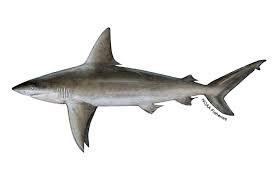
6See,NOAA, Sand Tiger Climate Vulnerability Rank. Sandbar shark. Credit: NOAA Fisheries
practiceofsharkfinningwhichiscatchingsharks,removingjusttheirfins(whichcanincludethetails), anddroppingthesharkbackintothewater,sometimesstillalive,todiebybleedingtodeathorsuffocationasitcannolongerswimtopushwateracrossitsgillstobreathe.
Otherlawsprotectonlythosespeciesofsharkswithsuchreducedpopulationsthattheycouldbecome extinct.ThatcategoryincludestheEndangeredSpeciesAct,theConventiononInternationalTradein EndangeredSpeciesofFaunaandFlora(CITES),andtheProtocolforSpeciallyProtectedAreasand Wildlife(theSPAWProtocol).
Anoutlierfromthesegeneralgroupsarelawstryingtoprotecthumansfromsharkattack.In2002,for example,itbecameillegaltofeedmarinelifeinFloridawaters.7 WhiletheMagnuson-StevensActwas amendedin2007tomakeitillegaltofeedorotherwiseattractsharksinfederalwaters,thatamendmentappliesonlytothefederalwaterssurroundingU.S.islandsinthePacificOcean,suchasHawai’i.
Bringing It All Together: The Scalloped Hammerhead
Thescallopedhammerheadisagoodillustrationofthecomplexityofsharkmanagementunderallthese laws.Aswillbeexplainedfurther,thescallopedhammerheadisanoverfishedspecies,anditisalsoconsideredacriticallyendangeredspeciesbyaninternationalbody.However,youcanstillfishforscallopedhammerheads,dependingonwhereyouare,whatgearyouuse,andhowmanyyoucatchwithout breakingtheEndangeredSpeciesActortheMagnuson-StevensAct.Youcan’tfishforscallopedhammerheadsinFloridastatewatersbutyoucaninTexasstatewaters,butit’dbetterbe99inchesormore. However,ifyoukeeponlyitsfins,youhavebrokenallsortsoflaws.Keepreadingtofigureallthisout.
Shark Finning
Sharkfinsarethemostvaluablepartofashark–sellingforasmuchas$500apound–driventothat pricebythedemandforChinesesharkfinsoupforwhichthefinisboiledfordays.8 Allthatremainsto eatisthecookedcartilagewhichreportedlyaddsaninterestingtextureandanunprovenaphrodisiac. Accordingtoonesource,asmanyas73,000,000 sharksarekilledannuallyfortheirfins.9
OvertheyearsU.S.lawsandtreatieshaveattempted tolimittheharvestingofsharksfortheirfins,describingthepracticeas“wastefulandunsportsmanlike.”10 Congressenactedlawsthattargetedthe
7 Fla. Admin. Code r. 68B-5.005. The then-President of the Florida Association of Dive Operators compared the ban to the attacks of September 11, saying “both acts have made changes in American’s daily lives in a very negative and lasting way.” See Florida Shark Feeding Ban Is Final … Maybe, Undercurrent.org, Vol. 28, No. 1 (Jan. 2002).
8 See Caty Fairclough, Shark Finning: Sharks Turned Prey, Smithsonian Ocean (Aug. 2013).
9 Humane Society of the United States, The Shark Fin Trade: The Cruelest Cuts (date unknown).
10 See Shark Finning Prohibition Act, Pub. L. 106-557 (2000).

Jace Tunnell of HRI with a scalloped hammerhead shark
practice,includingtheSharkFinningProhibitionActof2000,theSharkConservationActof2010,and theSharkFinSalesEliminationActin2022.ThefirsttwolawsrevisedfishingpracticesundertheMagnuson-StevensAct,andthethirdaddressedtrade.Thatmadeitillegaltopossess,buy,orsellasharkfin.
TheSharkFinningProhibitionAct(SFPA)waschallengedincourtaboutwhethertheUnitedStates couldseizesharkfinsfoundonaU.S.flaggedvessel250milesoffthecoastofGuatemala.TheU.S.Coast Guardfound64,695poundsofsharkfinsonboardbutnosharkcarcasses.TheHongKongownerofthe cargoclaimedthevesselpurchasedsharkswiththeirfinsstillattachedfromothervesselsatseabut threwthecarcassesoverboardwhenitsfreezersbroke.WhilethetrialcourtgavethewintotheUnited States,theCourtofAppealsreversed.11 Itheldthatthevessel’sownersdidnothavefairnoticethatits activitiesviolatedtheSFPAbecauseareasonablepersonwouldnotthinktheboatthatwasbuyingfish wasafishingvessel.Also,thelawappliedtofishingvesselslandingatU.S.ports,andthisvessel’sdestinationwasGuatemala.Thesharkfinswere returnedtotheownerandsoldfor$619,958.

Inadditiontofederallaws,TexasandFlorida alsoprohibitshark-finning.In2016Texasbeganprohibitingremovingthefinsandtail fromashark,andin2023thestatemadeit illegaltosellorpurchasesharkfins,requiring destructionoffinssotheyareinedible.12 Floridarequiressharkstobewholewhenlanded, anditisillegaltopossessasharkonFlorida watersorfishingareasthatischoppedinbits, otherthanbygutting.13 In2020Floridamadeitillegaltopossessorlandasharkfinthatisseparated fromashark.
Fishing for Sharks: The Magnuson-Stevens Act
AgoaloftheMagnuson-StevensActistohavesustainableharvestsofsharksandotherfish–itisnot alwaystruethatthereareplentyoffishinthesea.TheMagnuson-StevensActdirectsfisherymanagementinfederalwaters14 byassessingtheenvironmentandtheeconomicimpactsoffishing.
Afisherymanagementplansetslimitsonwhichspeciesandhowmanymaybecaughtduringspecified seasons,amongotherthings.Theplanssetquantitiesforcommercial(meaningfisharecaughtforsale ratherthanforconsumptionorrelease)andrecreationalfishers(whichcategoryincludessportfishing), withcommerciallimitstypicallybasedonweight,andrecreationalfishinglimitsmoregenerallybased onquantity,eitherperpersonorpervessel,withminimumsizelimits.
11United States v. Approximately 64,695 Pounds of Shark Fins, 353 F. Supp. 2d 1095 (S.D. Cal. 2005), rev’d 520 F.3d 976 (9th Cir. 2008).
12 Tex. Parks & Wildlife Code §§ 66.216(b), 66.2161.
13 Fla. Admin. Code r. 68B-44.003(2).
14 U.S. waters, also called federal waters or the EEZ, begin where state waters end. For most states, that is 3 nautical miles (roughly 3.45 miles) from the mean low tide line on shore. For Texas and Florida’s Gulf coast, however, that is 9 nm.
Shortfin mako. Credit: NOAA Fisheries
Commercial Shark Fishing
Itmaybesurprisingtolearnthatcommercialsharkfishingisabigbusiness.Morethanamillion poundsofsharksareharvestedcommerciallyeveryyearintheGulfofMexico.Worldwidesome1.98 billionpoundswerecaughtin2003(atleastthat’stheamountreported).15 Accordingtosome,thatrate isdeclining;otherssaythatisbecausetherejustarenotenoughsharkstocatchanymore.TheUnited NationsFoodandAgriculturalOrganizationreportsthatsharksarefishedcommerciallyforhuman food,catfood,fishoil,fishmeal,squalene(usedincosmetics),andtheirskins,calledleather.16 Sowhile sharksareassociatedwithbitinghumans,thereverseismorelikely.Forexample,NMFSreportsthe spinydogfishshark“iscommonlyusedinEuropeasthefishin‘fishandchips.’”17 Astudypublishedin 2022usedDNAbarcodingtoidentifythatat-risksharkspecies,suchasthescallopedhammerhead oceanfish.”18

Atlantic Highly Migratory Fish Management
Almostallsharkspeciesharvestedin theGulfaremanagedundertheconsoldatedAtlantichighlymigratoryspecies (HMS)fisherymanagementplan.19 That’sright,sharksmigrate.CommercialfishinglimitsforHMSsharksare basedonpoundsaftertheguts,fins, tail,andheadhavebeenremoved,describedasdressedweight:“lbdw.” Theremayalsobeasharkpervessel pertriplimit,knownasaretentionlimit,sothatonevesselcannotfishthe wholequotaonitsown.
Asanexampleofhowthisworks,the westernGulfofMexicolargecoastal sharks(LCS)fisheryhasamaximumsharkretentionlimitof45sharkspervesselpertrip,andtheplan capstheseasonalquotaat148,724lbdwforallcommercialvesselsinthewesternGulf.Therefore,on thefirstdayoftheseason,forexample,avesselcouldnotlandmorethan45largecoastalsharkseven thoughthepoundagequotawasnotexceeded.Similarly,oncethepoundagequotaismet,thesharkretentionlimitendstoo.
15 International Union of Concerned Scientists, Frequently Asked Questions: Sharks Rays, and chimaeras (as calculated by the UN Food and Agriculture Organization in 2008).
16Leonard J.V. Compagno, Sharks of the World: an annotated and illustrated catalogue of shark species known to date, Vol. II, p. 446 (1984). So-called shark skin suits are made of wool having a little shine.
17NMFS, Atlantic Spiny Dogfish
18 Ian French and Benjamin J. Wainwright, DNA Barcoding Identifies Endangered Sharks in Pet Food Sold in Singapore, Frontiers in Marine Science, Vol. 9 (March 4, 2022).
Shortfin mako migration Pico is blue, Harvey is red Credit HRI and CCA
Shark Population Estimates
Fisherymanagementisbasedonknowinghowhealthysharkpopulationsare.NMFSperformsstockassessmentstomakemanagementdeterminations,suchasfishinglimits.Forexample,ina2006stockassessmentofduskysharks,NMFSfoundthatallthemethodsusedtoassessitspopulationshowedthat “thestockhasbeenheavilyexploited,”andthat“themostoptimisticresults indicate[]thatthedusky sharkpopulationhasbeendepletedby62to80percent.”20 Roughlyput,whereonceyouwouldexpect tofind100duskysharks,you’dnowsee20to40.
UndertheMagnuson-StevensAct,onceitisknownthataspeciesisoverfishedandundergoingoverfishing(meaningtoomanyfishareharvestedtoreachasustainableyieldandthatrateofharvestiscontinuing)overfishingmustend immediately.Thegoal,underthelaw,istohaveaplan thatwillrebuildthestock withintenyears.

Tousetheexamplesofthe duskysharkandsandbar shark,in2011NMFSfound thatifallfishingforthe duskysharkwerestopped, itwouldtake48yearsto rebuildthepopulation,and itwouldtake35yearsto
rebuildthesandbarsharkiffishing werestopped.
NMFSassesses506fishstocksbut doesnotknowtheoverfishingstatusof142ofthosestocks.
20 71 Fed. Reg. 30123 (May 25, 2006).
*It is unlikely that this shark is found in the Gulf of Mexico
2023 Overfished HMS Sharks
Dusky shark. Credit: NOAA Fisheries
Prohibited Sharks
AnothertooltomanagesharkpopulationsislistingAtlanticHMSspeciesasa“ProhibitedShark,”meaningpossessingandlandingthatspeciesinfederalwatersareillegal.Twentysharksspeciesareprohibitedasofthiswriting.Speciesareeligibleforlistingbasedonfourcriteria,when:
Biologicalinformationindicatesthestockneedsprotection;
Thespeciesisrarelyencounteredorseencaught;
Thespeciesnotcommonlyencounteredorseencaughtasbycatch;and/or
Thespeciesresemblesasharkwhosestockisatrisk.
Whentwoormoreofthosefourcriteriaaremet,NMFSmay,butdoesnothaveto,putaspeciesonthe ProhibitedSharklist.21 Onceonthelist,theprohibitionaffectsallfisherymanagementplans,andifany ofthelistedsharksarehooked,theymustbereleasedimmediatelywithoutremovingthemfromthe waternotevenforaphoto.
Nationwide List of Prohibited Sharks as of June 2024
Atlantic angel
Caribbean sharpnose (Rhizoprionodon porosus)
Basking (Cetorhinus maximus) Dusky
Bigeye sand tiger (Odontaspis noronhai)
Bigeye sixgill (Hexanchus nakamurai)
Bigeye thresher (Alopias superciliosus)
Bignose (Carcharhinus altimus)
Caribbean reef (Carcharhinus perezii)
Galapagos (Carcharhinus galapaensis)
Longfin mako (Isurus paucus)
Narrowtooth
Night (Carcharhinus signatus)
Oceanic whitetip (Carcharhinus longimanus)
Source: 50 C.F.R. § 635.34 Appx. A, Table 1.D.
State Shark Fishing Laws
Sand tiger
Sevengill (Heptranchias perlo)
Sixgill (Hexanchus griseus)
Smalltail (Carcharhinus porosus)
Whale
White (Carcharodon carcharias)
Statelawsalsosetlimitsonsharkfishing,reflectingthestate’smanagementschemeandincorporating federalmanagementlaws.ThisarticlelooksatstatelawsforsharkfishinginFloridaandTexas,the stateswiththebiggestcoastlinesintheGulf.
21 See, e.g. Humane Society of the United States v. Pritzker, 2014 WL 12803134 (D.D.C. Jan. 31, 2014) (holding in part that although the porbeagle shark met two of the four criteria, NMFS still has discretion whether to make it a prohibited shark).
Forbothrecreationalandcommercialfishing,FloridaandTexasplacebaglimitsofonesharkperday perperson,althoughFloridafurtherrestrictsthisbyputtingatwosharkpervesseldailylimitregardlessofthenumberofpeopleontheboat.22 Bothstatesalsohaveaminimumsizeforcertainsharks,althoughtheymeasuresharksdifferently.Floridameasureswhatiscalledforklength–thelengthfrom thesnouttotheforkofthetail(theinset).Texasmeasuresfromthesnouttothe“extremetip”ofthe tail,fullystretchedout.TAC§57.971(18).Thusa54”sharkinTexasissmallerthana54”forklength sharkinFlorida.
State Minimum Sizes
Atlantic sharpnose No min.
Blacknose No min.
Blacktip No min.
Bonnethead No min.
Great hammerhead Prohibited
Scalloped hammerhead Prohibited 99”
Smooth hammerhead (Sphyrna zygaena) Prohibited
All others 54”
State Prohibited Lists

Texashas22speciesonitsprohibited specieslist,addingsandbar,shortfinmako,andsilkytothefederallist.Florida’s listof28prohibitedsharksaddsthefollowingspeciestothefederallist:bluntnosesixgill(Hexanchus griseus),great hammerhead,lemon,sandbar,scalloped hammerhead,smoothhammerhead, spinydogfish,andtiger.Neitherstate’s listincludestheoceanicwhitetip,which wasnamedafederalprohibitedsharkin January2024.Whenaprohibitedshark speciesiscaughtinfederalorstatewaters,itmustnotbetakenoutofthewater,andmustbeimmediatelyandsafelyfreedfromthehookorline.Notsurewhoisreachingintoashark’smouthtoremovea hook(see dataonsharkbites,above),butmostfisherscuttheline,whichisacceptable.
22 Fl. Admin. Code r. 68B-44.004(2). Florida has a special rule for shortfin mako recreational fishing (Isurus oxyrinchus). The regulations allow the possibility of a recreational harvest of a shortfin mako in Florida waters, but only if the federal limit for the adjoining waters allows catching shortfin mako. (Right now the federal catch limit is zero.) When allowed, the minimum fork length is 83 inches, almost twice the length of other permitted sharks. Fl. Admin. Code r. 68B-44.003(1)(a).
Oceanic whitetip shark. Credit: NOAA Fisheries
The Endangered Species Act
TheEndangeredSpeciesAct(ESA)istheUnitedState’spremierwildlifeprotectionlawbutdidnotprotectasharkspeciesuntil2014whensomepopulationsofthescallopedhammerheadwerelisted.It protectsspeciesbasedsolelyonthebestscientificinformationavailable.Speciescanbecategorizedas “endangered”meaningtheyarelikelytobecomeextinctintheforeseeablefuture,or“threatened” meaningthespeciesislikelytobecomeendangeredintheforeseeablefuture.Thelistingdeterminationsarebasedonwhetherspeciesareatriskfromfivecauses:
Lossofhabitat(includingduetoclimatechange);
Overuseforcommercial,scientific,oreducationalpurposes;
Disease;
Lackofotherregulatoryprotection;or Othernaturalormanmadefactors.
Itisillegaltoharmorkillalistedspecies.Harmingisdefinedbroadlytoincludedisruptingaspecies’ mating,eating,orshelteringbehavior.23 Itisalsoillegaltopossess,sell,ortransportaspeciesifitwas takeninviolationoftheact.NMFSistheleadagencyforESA-listedmarinespecies.
Thescallopedhammerheadcanbeendangered,threatened,ornotlisted(asisthecaseintheGulf)dependingonwhereitis.TheonlyotherESA-listedU.S.sharkspeciesistheoceanicwhitetipwhichwas listedasthreatenedthroughoutitsrangein2018.(Note:itwasaddedasaProhibitedSharkin2024.)
Conservationgroupshavesoughttoaddmoresharks,butNMFSdeniedalmostallofthepetitions.In 2016NMFSfoundtheporbeaglesharkwasnotlikelytobecomeendangeredintheforeseeablefuture despitefindingsomepopulationshaddeclinedbyupto90%.NMFSrejectedlistingthegreathammerhead(consideredbytheIUCNtobe“criticallyendangered”)in2014and2022.

Furthermore,apetitiontolistthewhalesharkwasdeniedin2013inlargepartbecauseNMFSattributedtothedeclineintheshark’spopulationtoformercommercialfisheriesinTaiwanandthe Philippines,yetnotingatthesametimethatcommercialfishingofwhalesharksbyChina“maybe emerging.”However,NMFSfoundsufficientscientificbasisina2022petitiontoevaluatewhether listingiswarrantedforthesmalltailsharkbecauseofoverfishingandalsoduetohabitatloss.
The Convention on Trade in Endangered Species of Fauna and Flora (CITES)
LiketheESA,CITES(pronouncedsigh-tees)protectsspeciesthatareatriskofextinction,butCITES onlyprotectsspecieswherethatriskiscausedbytrade(asopposedtolossofhabitatordisease,for
23 50 C.F.R. § 17.3 (see definitions for harass, harm, and take).
Smalltail shark. Credit: NOAA Fisheries
example).Tradeincludesthepracticeofsellingsharkfinsforuseinapriceysoup.Specieswiththe greatestneedforprotectionarelistedonAppendixIofthetreaty,makingitillegaltoimportorexport thosespecieswithoutpermits.NosharksareonAppendixI.However,severalspeciesofsharksare foundonAppendixIIofCITES,alsolimitingtrade.IfanAppendixIIspeciesisimportedillegally,itbecomesillegaltobuy,sell,orpossessthespecies.24
TheGulfofMexicoAppendixIIsharkspeciesatriskofdepletionduetotradeare:
Basking
Whale
Makofamily(Isurus)
Hammerheadfamily(Sphyrmidae)
Thresherfamily(Alopias) Requiemfamily(Carcharhinidae).

Sharks Identified by the International Union of Conservation Scientists (IUCN)
TheIUCNmakeswhatitcallsaRedListtobringattentiontospeciesaroundtheworldthatareatrisk ofextinction.Whileitcallsspeciesendangered,itranksthemdifferentlythantheESA.Notably,itisnot aregulatorybody,meaningitdoesnotissuerulestoprotectspecies.
Itssixrankingsrangefromspeciesmostatrisk–categorizedas“criticallyendangered”–tothoseof “leastconcern,”andtheIUCNalsodescribeswhetherapopulationisincreasing,decreasing,orisstable worldwide.Ithas482sharkspeciesonitsworldwidelistwith10criticallyendangered,20endangered, and150ofleastconcern,butitalsoidentified198specieswithtoomanyunknownstorank.
Cartagena Convention on Specially Protected Areas and Wildife (SPAW Protocol)
JustwhenyouthinkyouknowwhereyoustandregardingGulfofMexicosharks,anothertreatypops up.TheCartagenaConventiononSpeciallyProtectedAreasandWildlife(theSPAWProtocol)couldenhanceprotectionsofsharksintheGulforreducefishingopportunities,dependingonhowyoulookat it.
TheSPAWProtocolhastwolevelsofprotectionbasedonAnnexes.WhenanimalspeciesareputonAnnexIIofthetreaty,thehighestlevelofprotection,countriestotheagreementwillbankillingthespecies,includingunintentionaltakes,andwillprohibittradeandlimitdisturbanceoftheanimals.
24 16 U.S.C. § 3372. This is a provision of the Lacey Act, which, roughly speaking, makes it illegal to violate a state, federal, tribal, or international law related to natural resource protection.
Smooth hammerhead. Credit: NOAA Fisheries
Risk Status of Gulf Sharks under Three Systems
IUCN Critically Endangered
IUCN Endangered ESA Listed: Endangered (E) or Threatened (T)
Scalloped hammerhead Basking
Oceanic whitetip Blacknose
Great hammerhead Dusky
Smalleye hammerhead Bonnethead
Smalltail Caribbean reef
Whale
Shortfin mako
Longfin mako
Sandbar
Common smoothhound Night
Scalloped hammerhead (E, T, or not at all depending on location of
Oceanic whitetip (T)
In2023theUnitedStatesconsideredmovingthe scalloped,great,andsmoothhammerheads,the whaleshark,andtheoceanicwhitetipfromAnnexIII toAnnexII.Thatwouldmakeitillegaltofishfor whalesharksandthosehammerheadspeciesinfederalwatersoftheGulfforthefirsttime.However, eventhoughothercountriesagreedtothoseprotections,theUnitedStatesissued“reservations”,meaningitdidnotagreetothoseterms,althoughitstill participatesinthetreatyonothermatters.
Conclusion
SPAW Protocol: Annex III
Scalloped hammerhead
Oceanic whitetip
Great hammerhead
Smooth hammerhead
Caribbean reef
Whale

Thecleanestsummaryisthatlawsaboutsharkshave differentmanagementgoals.Ideally,commercial fishing,biologicalconservation,andsustainableand sportfishinggoalscanallbemetfairly.Thatisharderinpractice.
Forexample,thewhalesharkisonfederal,Texas,andFloridaprohibitedsharklists.ItisaCITESAppendixIIspeciessince2002.ItsincidentaltakeisregulatedundertheAtlanticTunasConventionAct. ItsIUCNpopulationhasgonefrom“vulnerable”in2005to“endangered.”Yetin2024theUnitedStates didnotagreetoplacethewhalesharkonAnnexIIoftheSPAWProtocol,whichwouldhavecommitted theUnitedStatesto“totalprotectionandrecovery”ofthespeciesintheCaribbeanandGulfofMexico. TheUnitedStatessaiditneededmoretimetostudy.However,itmaybethatAnnexIIlistingwould notensuregreaterprotectionthanalreadyisprovidedunderthishostoflawsandtreaties.Illegalfishing,notinadequatelaws,maybethetruedangertosharks.
Whale shark. Credit: NOAA Fisheries