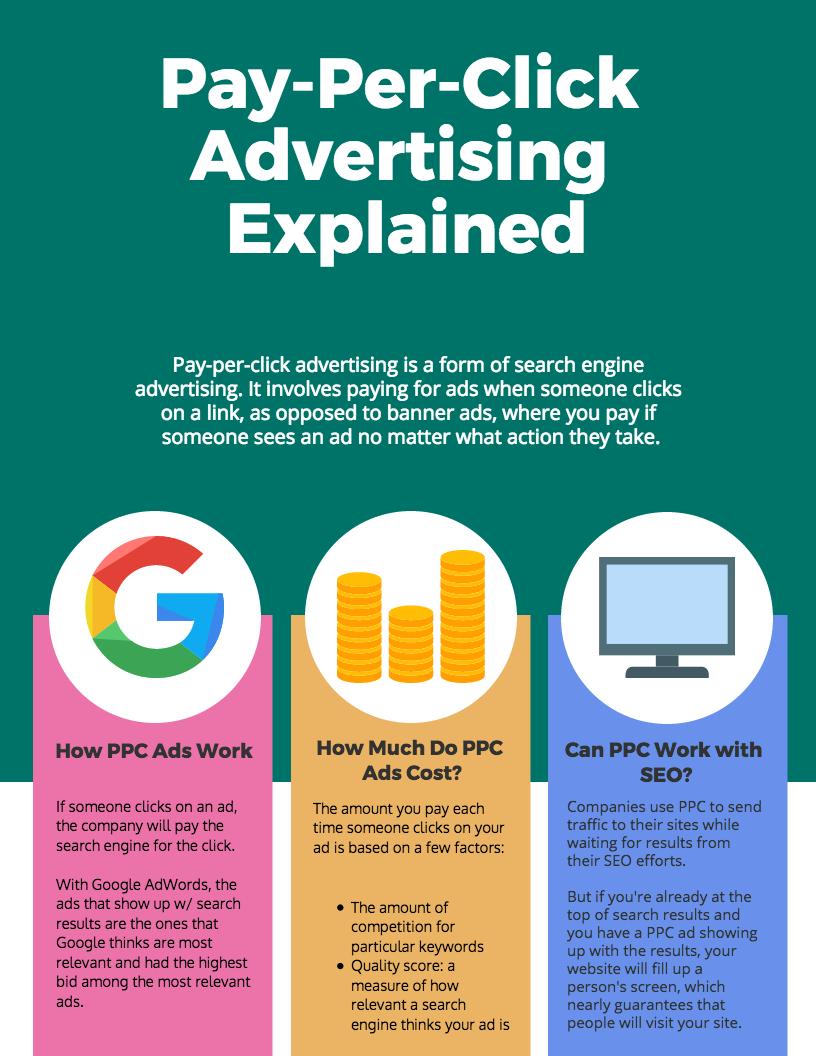
PPC (Pay-Per-Click) is a digital marketing strategy where advertisers pay a fee each time their ad is clicked. Instead of earning traffic organically, PPC allows businesses to buy targeted traffic to their website through paid ads on search engines, social media platforms, and other digital channels.
How Does PPC Work? (Detailed Explanation)
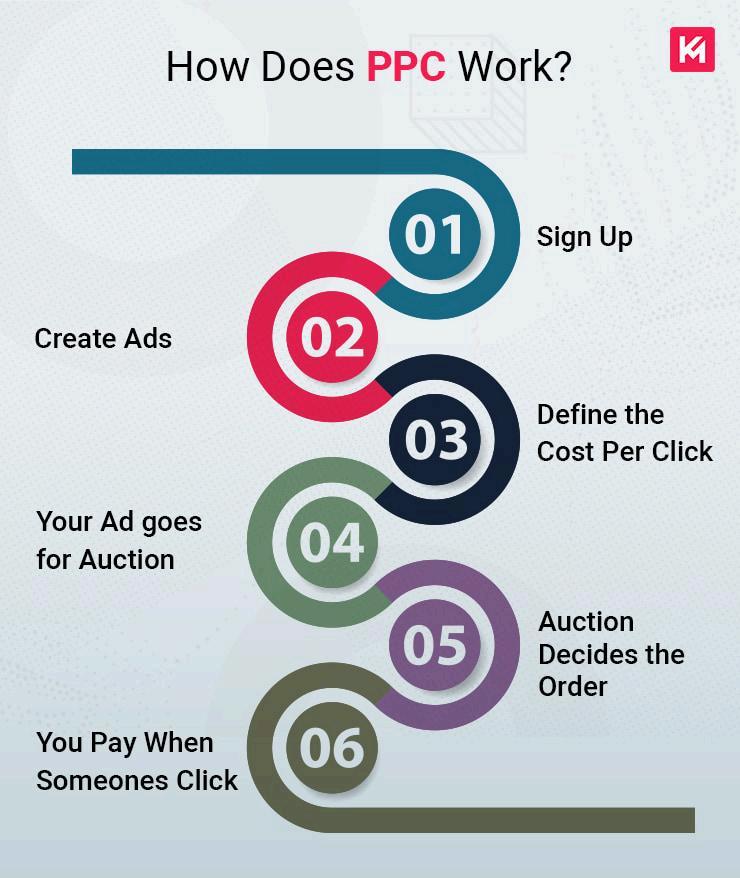
PPC (Pay-Per-Click) works by allowing businesses to display ads online and pay only when someone clicks on them It is a fast and effective way to drive targeted traffic to a website
Keyword Research
Keyword research is the foundation of PPC Advertisers identify the words and phrases people use when searching for products or services online. These keywords can be:
● Short keywords (e g , “digital marketing”)
● Long-tail keywords (e.g., “affordable digital marketing services for small businesses”)
Choosing the right keywords helps ads reach users who are genuinely interested, increasing the chances of clicks and conversions.
2. Ad Creation
After selecting keywords, advertisers create engaging ads Each ad typically includes:
● A strong headline
● A clear description
● A compelling call-to-action (CTA) like “Buy Now,” “Get a Free Quote,” or “Contact Us”
Well-written ads attract attention, communicate value quickly, and encourage users to click
3. Bidding on Keywords
In PPC, advertisers set a maximum bid, which is the highest amount they are willing to pay for one click Bidding depends on:
● Keyword competition
● Industry
● Campaign goals
Higher bids may increase visibility, but smart bidding strategies focus on maximizing results while controlling costs
4. Ad Auction Process
Whenever a user searches for a keyword, an instant auction occurs Search engines decide which ads to show based on:
● Bid amount
● Ad relevance
● Quality Score (landing page quality, ad relevance, and expected CTR)
This means even advertisers with lower bids can rank higher if their ads are more relevant and useful.
5. Ad Placement and Display
Once the auction is complete, ads appear in selected locations such as:
● Top of search engine results pages
● Social media feeds
● Websites and mobile apps
Ads are shown only to the target audience based on location, device, interests, and search intent.
6. User Clicks the Ad
When a user finds the ad relevant and clicks on it, they are directed to a landing page or website. The advertiser is charged only for the click, not for ad views.
PPC in details
PPC (Pay-Per-Click) Explained in Detail
1. What Is PPC?
PPC (Pay-Per-Click) is a digital advertising model where advertisers pay a fee each time a user clicks on their ad Instead of earning traffic organically, businesses use PPC to buy targeted traffic from search engines, social media platforms, and other websites
2. How PPC Advertising Works
PPC works through an automated system where advertisers bid on keywords related to their business. When users search for those keywords, ads appear in prominent positions. The advertiser pays only when someone clicks the ad and visits their website
3. Keyword Research
Keyword research is the most important step in PPC. Advertisers select keywords that potential customers are actively searching for
● Short keywords attract more traffic but are competitive
● Long-tail keywords are more specific and often cheaper
Choosing the right keywords helps reach users with high purchase intent
4. Ad Creation
Advertisers create text, image, or video ads that include:
● A strong headline
● Relevant description
● Clear call-to-action (CTA)
Well-written ads increase click-through rate (CTR) and improve campaign performance.
5. Bidding System
In PPC, advertisers set a maximum bid, which is the highest amount they are willing to pay per click Bids depend on:
● Keyword competition
● Industry
● Campaign goals
Higher bids can increase ad visibility, but success also depends on ad quality.
6. Ad Auction Process
Every time a user searches for a keyword, an ad auction takes place. Search engines evaluate:
● Bid amount
● Ad relevance
● Quality Score
● Expected click-through rate
Ads with the best overall score appear at the top of the page
7. Quality Score
Quality Score is a rating given by platforms like Google Ads It is based on:
● Keyword relevance
● Ad relevance
● Landing page experience
A higher Quality Score lowers cost-per-click and improves ad ranking
8. Ad Placement
PPC ads can appear in different locations, such as:
● Top of search engine results pages
● Social media feeds
● Websites and mobile apps
● YouTube and video platforms
Placement depends on the campaign type and targeting settings
9. Targeting Options
PPC allows advanced targeting to reach the right audience, including:
● Location
● Language
● Device
● Age and gender
● Interests and behavior
This ensures ads are shown only to relevant users
10. User Click and Cost
When a user clicks on the ad, they are redirected to a landing page The advertiser is charged only for the click, not for impressions.
11. Landing Page Experience
The landing page is where users arrive after clicking an ad. A good landing page:
● Matches the ad message
● Loads quickly
● Is easy to navigate
● Encourages action
A strong landing page increases conversions and ROI.