Planning for Urban Biodiversity Surge
After the Pandemic
Location: Shanghai, China
Individual Project
2024.7-2024.11
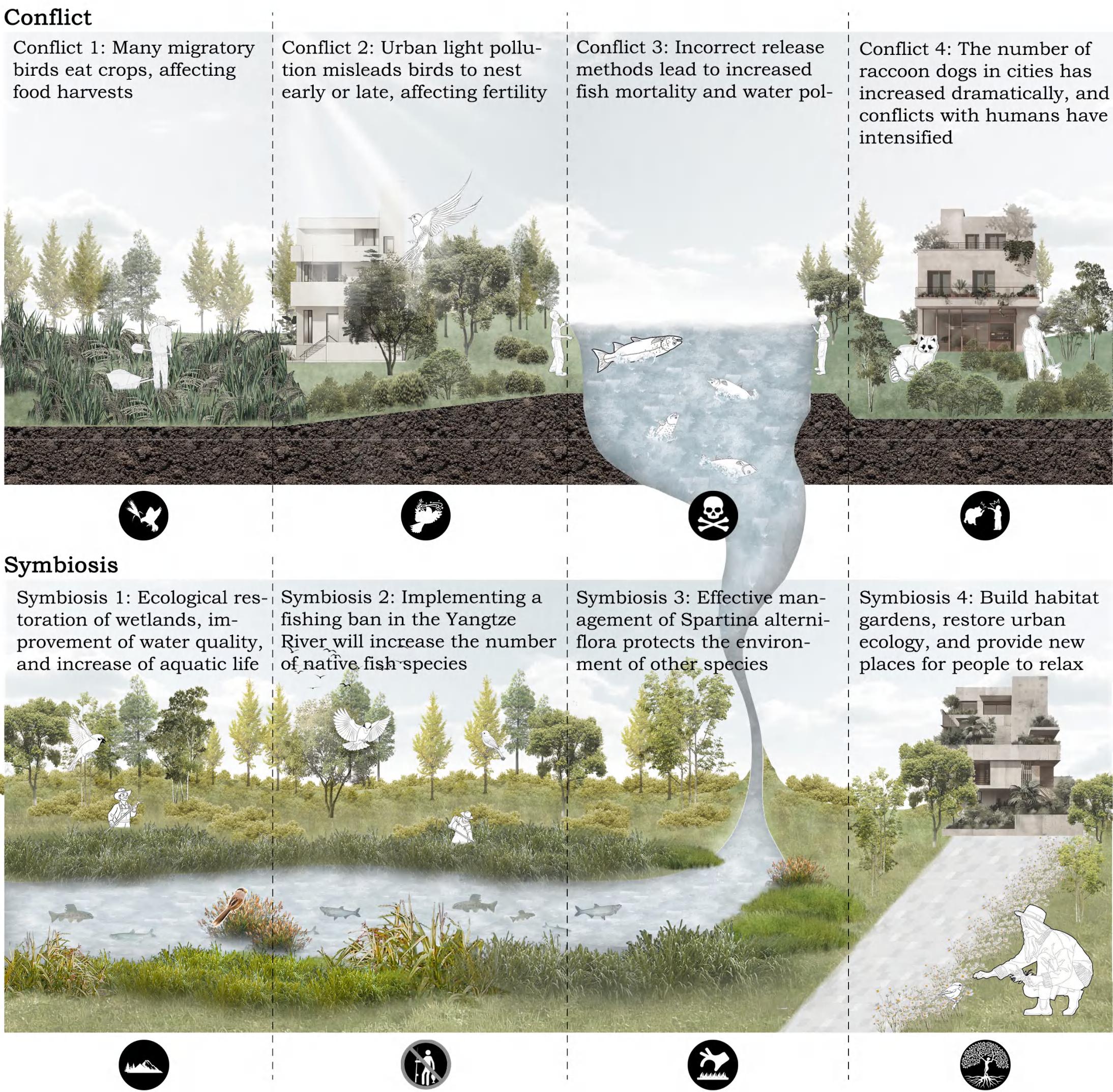
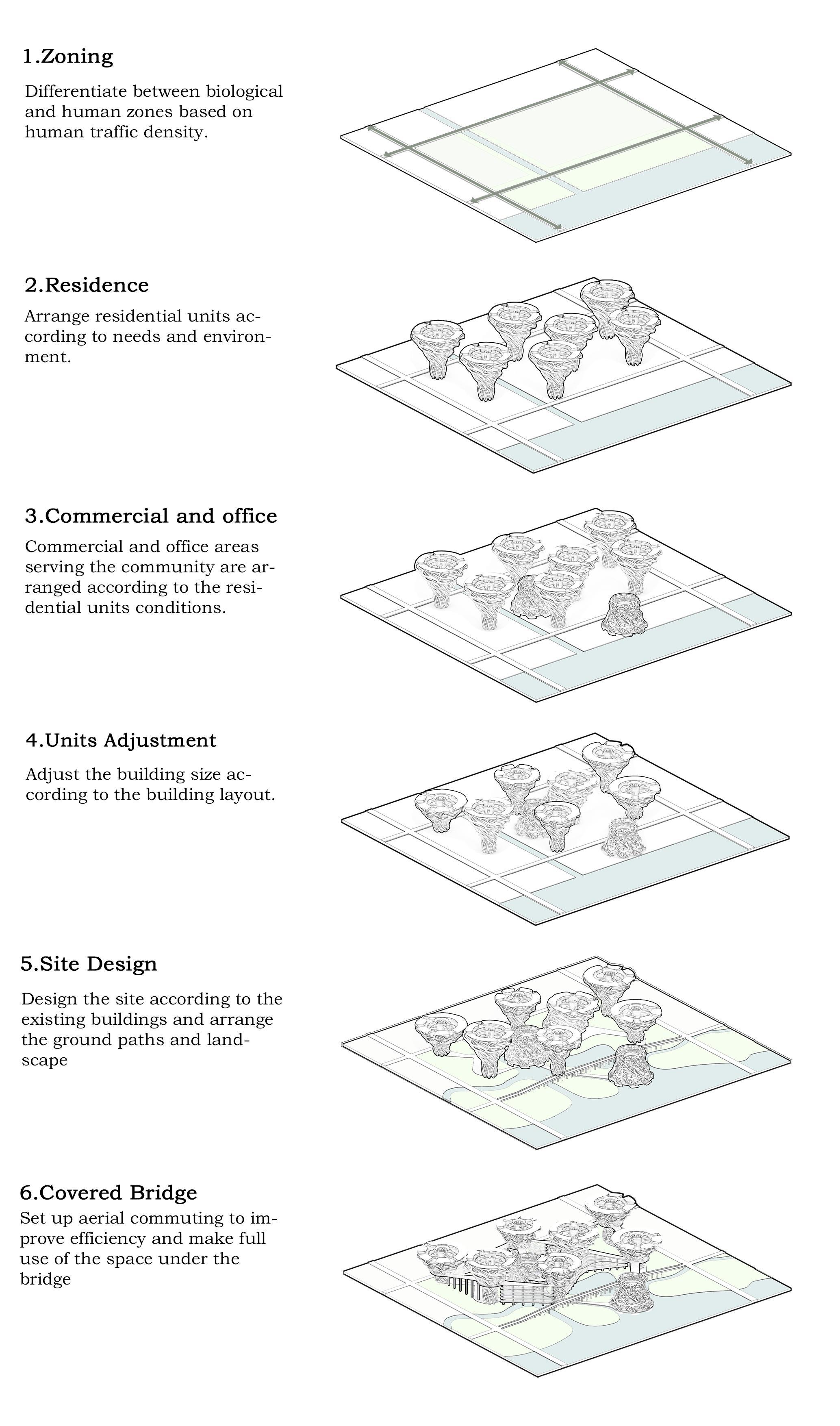
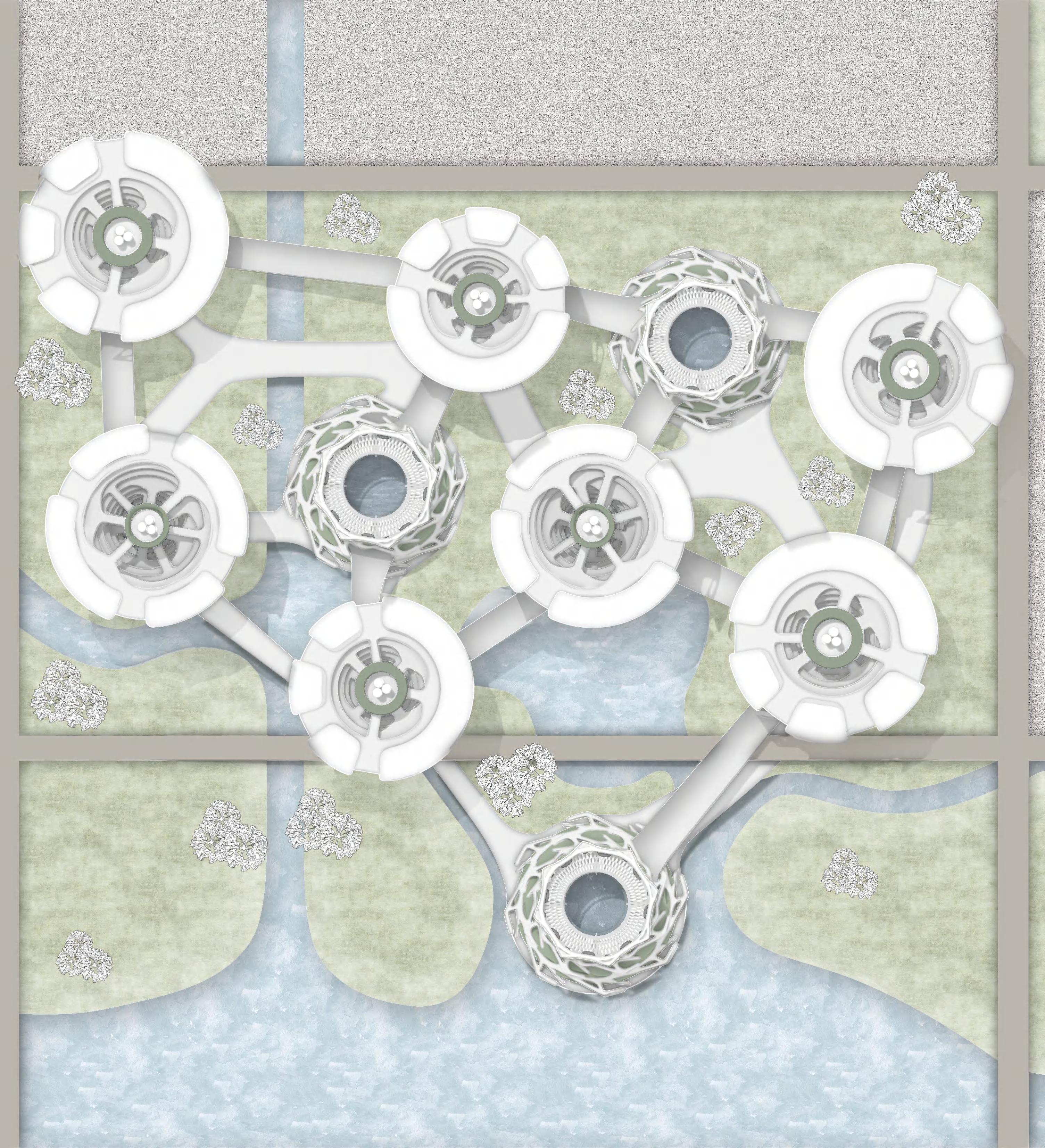
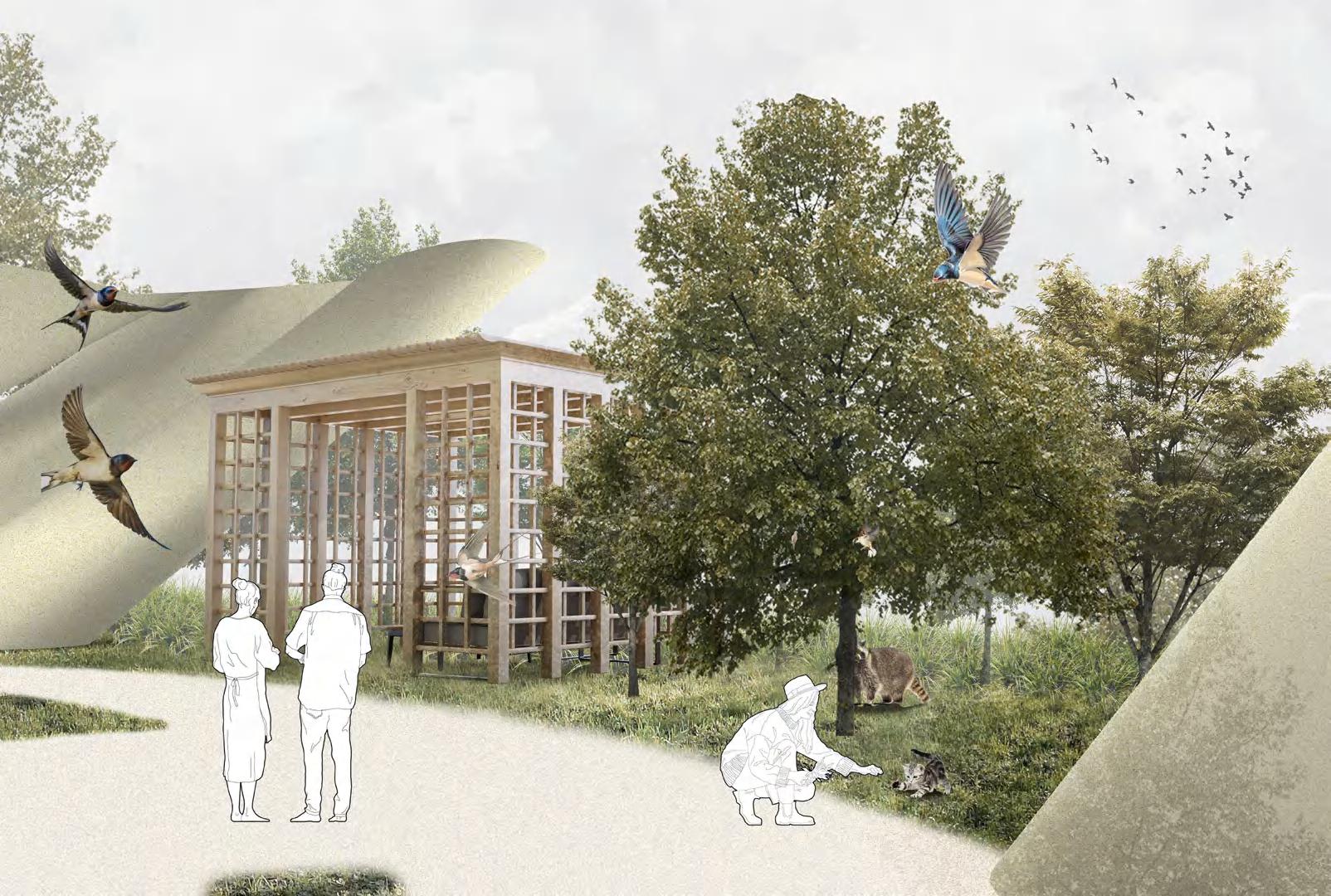
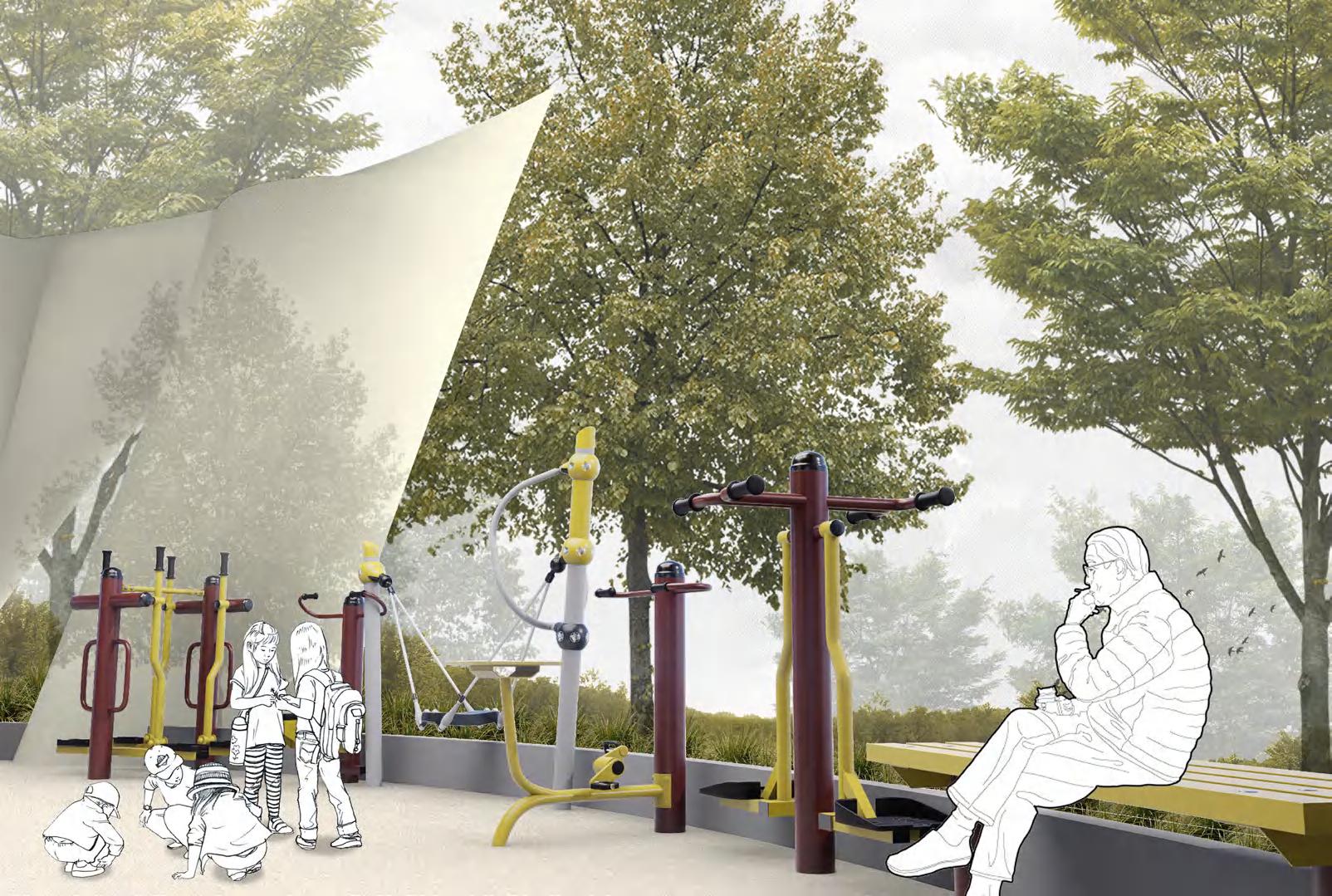
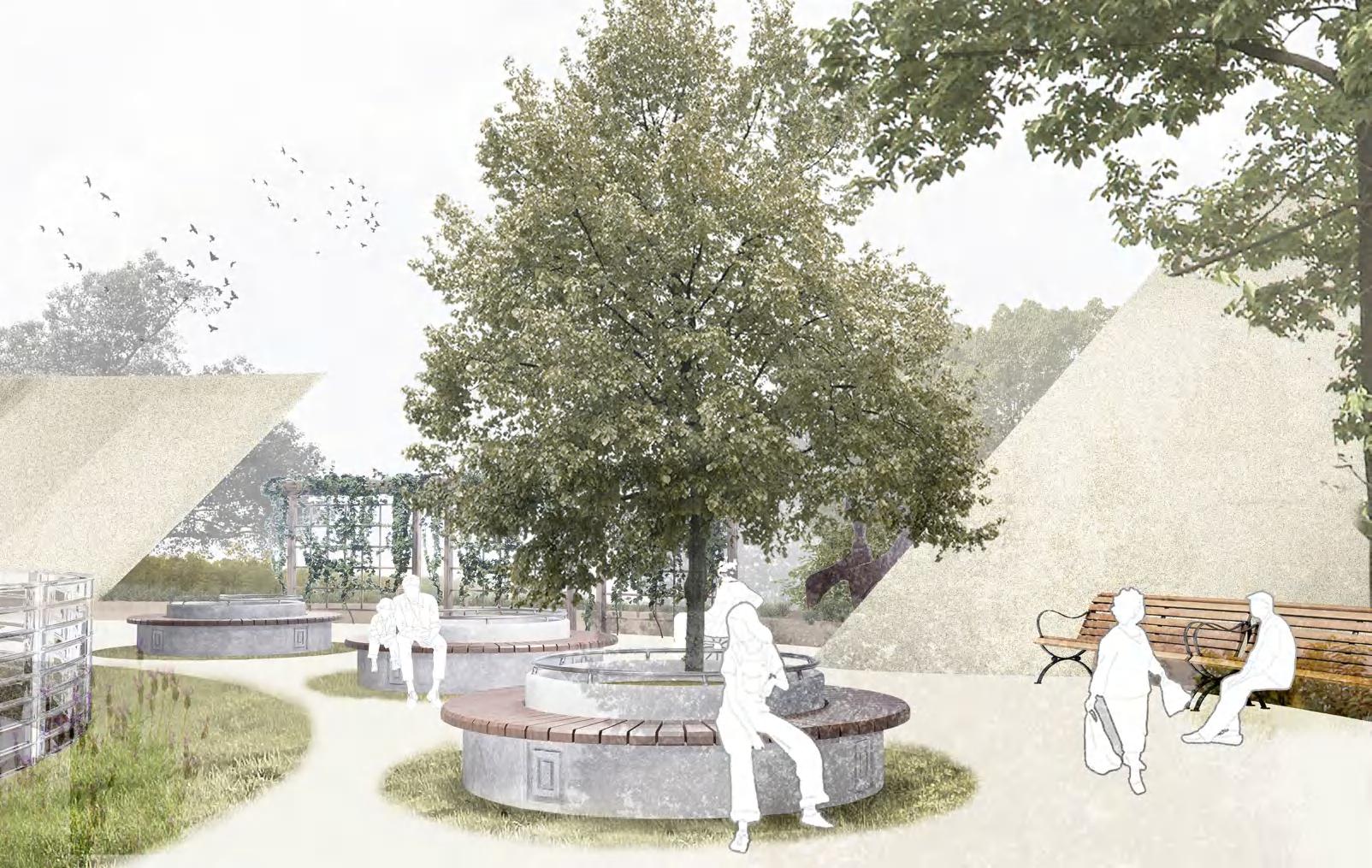
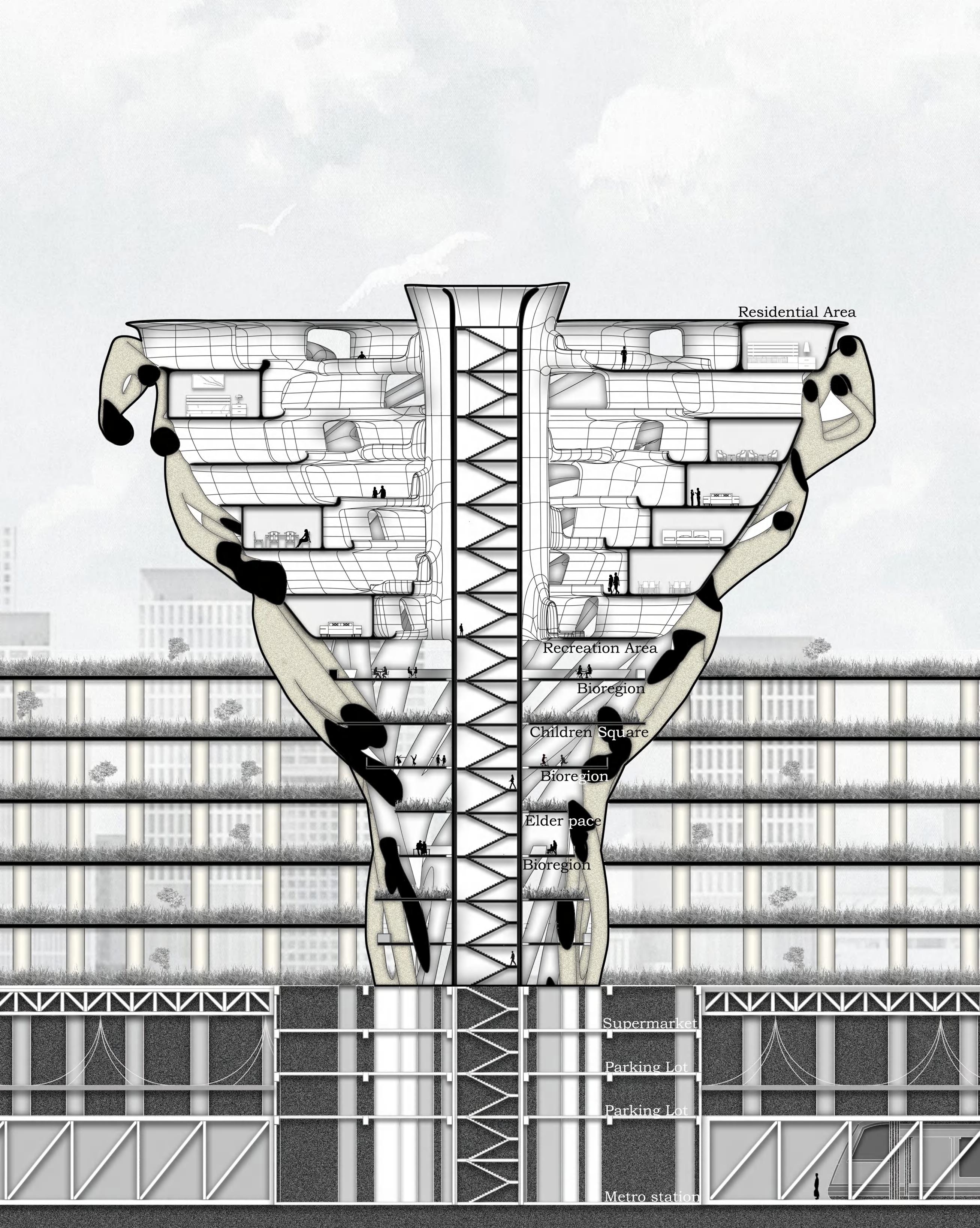
The epidemic has affected various human-related activities, which in turn has affected the natural world. Animals have begun to reproduce, life has begun to recover, and many animals that are not seen in the city have appeared. This makes us rethink the relationship between humans and nature: are cities only for humans? In the face of animals entering the city, should we blindly drive them away?
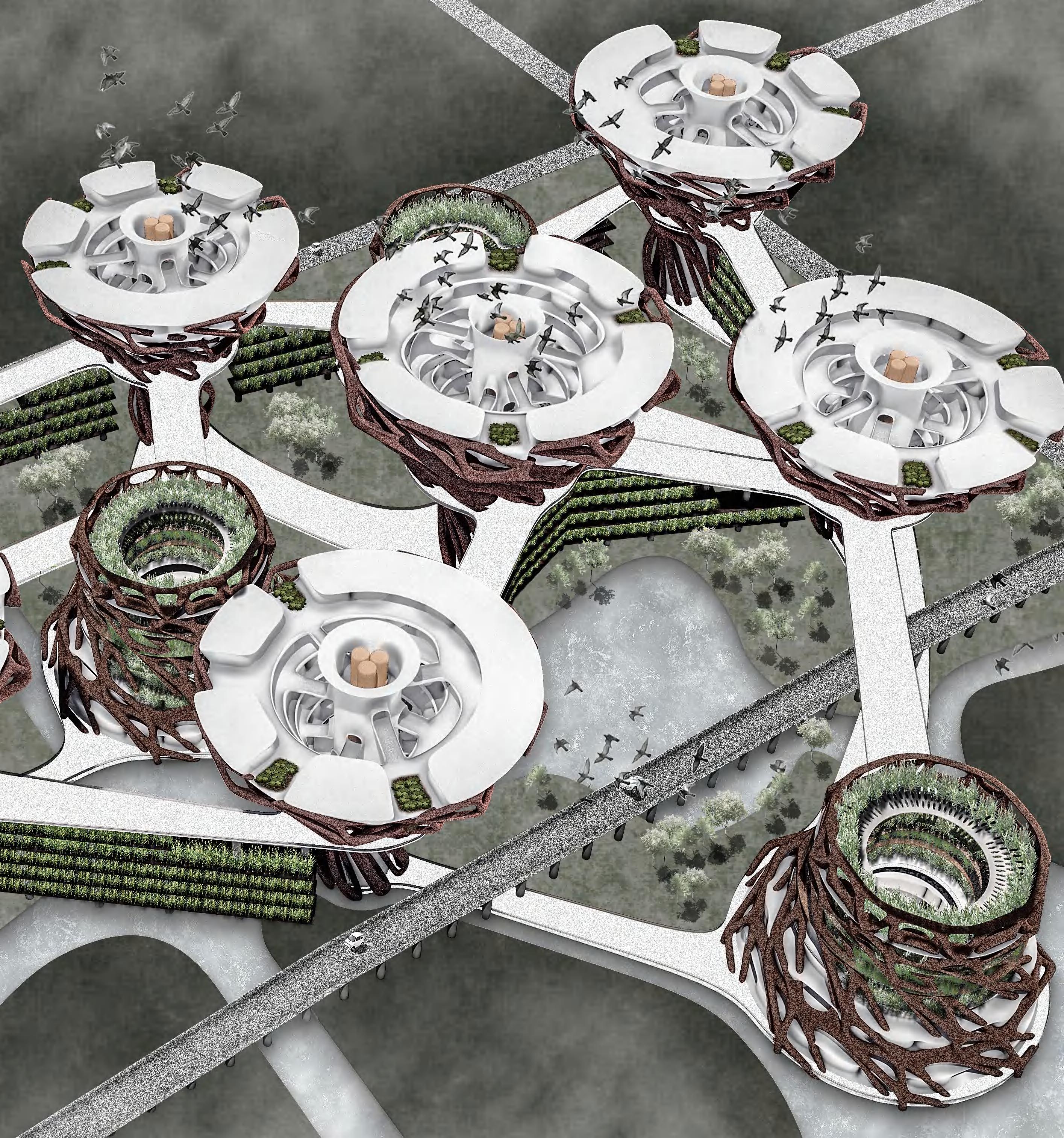
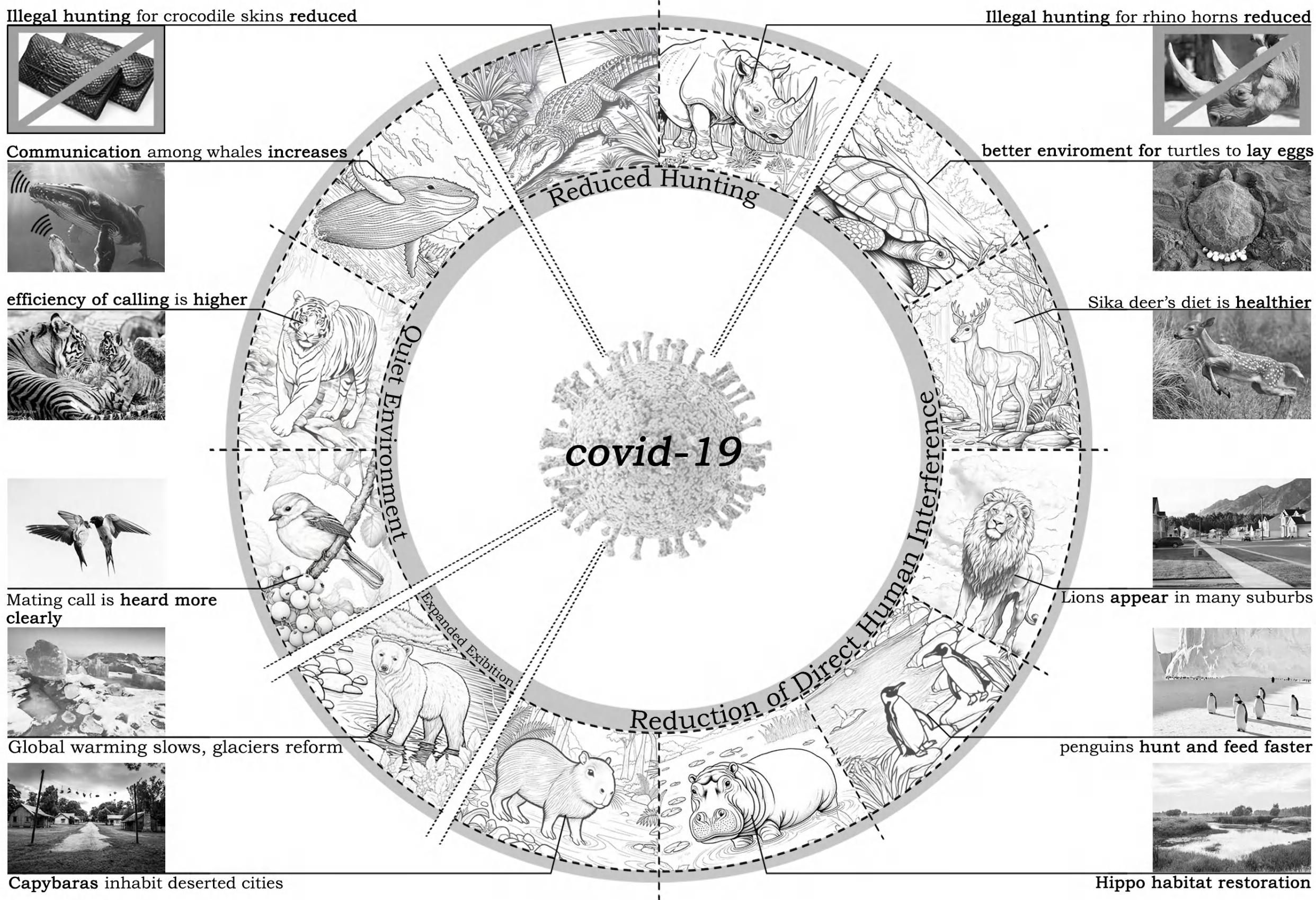
Animal resuscitation
The reduction of human activities has had an impact on nature in many ways. The impact of noise pollution on biological activities has been reduced, illegal hunting has dropped sharply, creatures that fear humans have more living space, and the improvement of the natural environment has reduced the destruction of biological habitats.
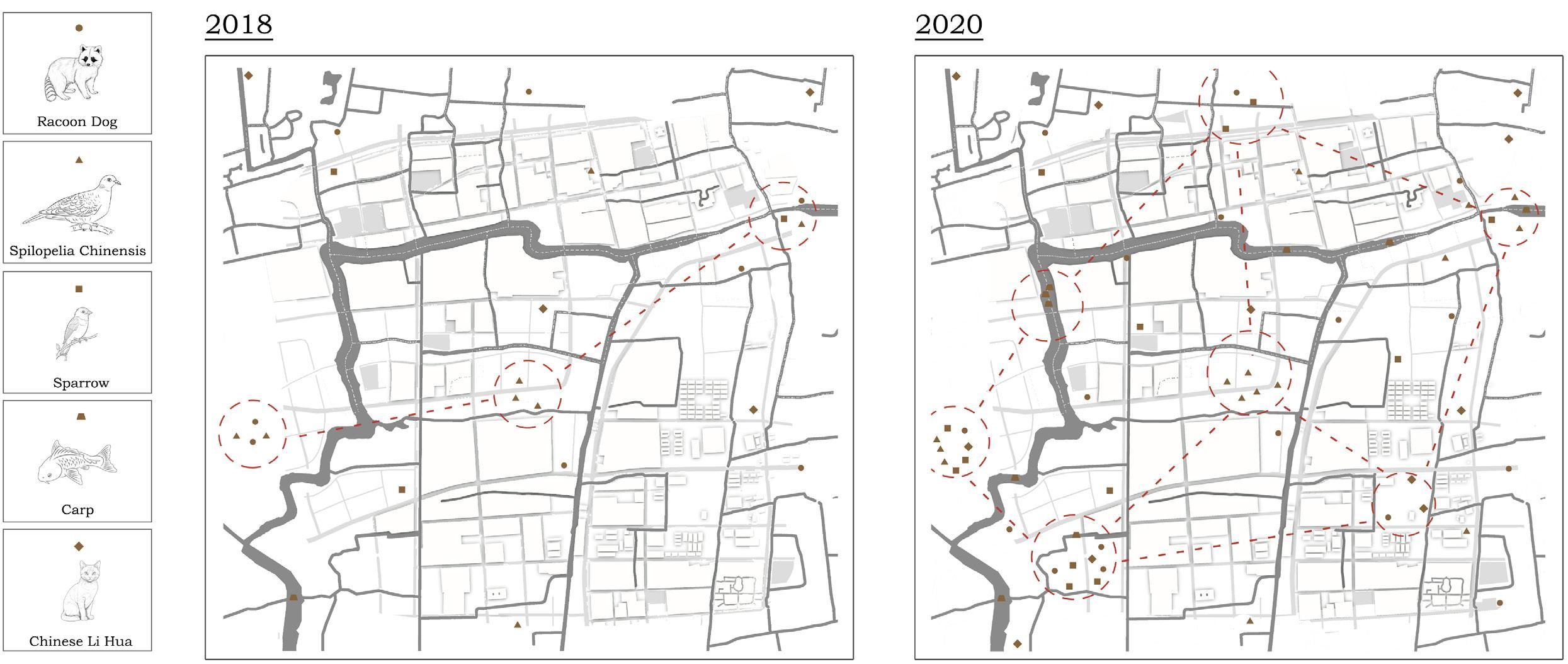
Density Change
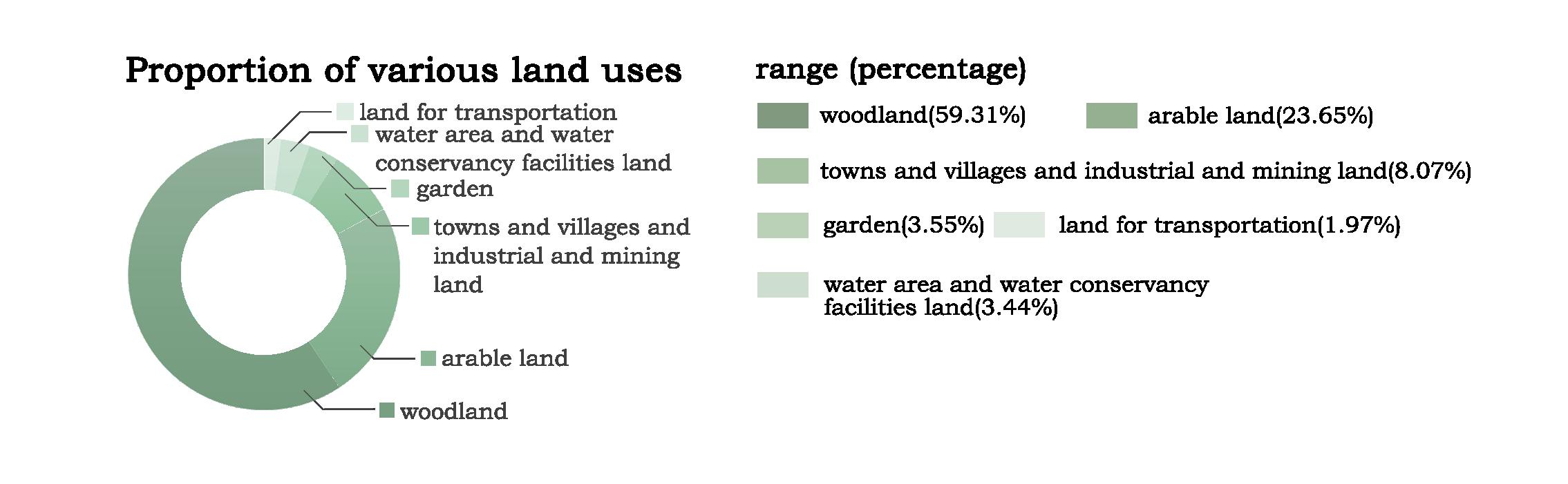
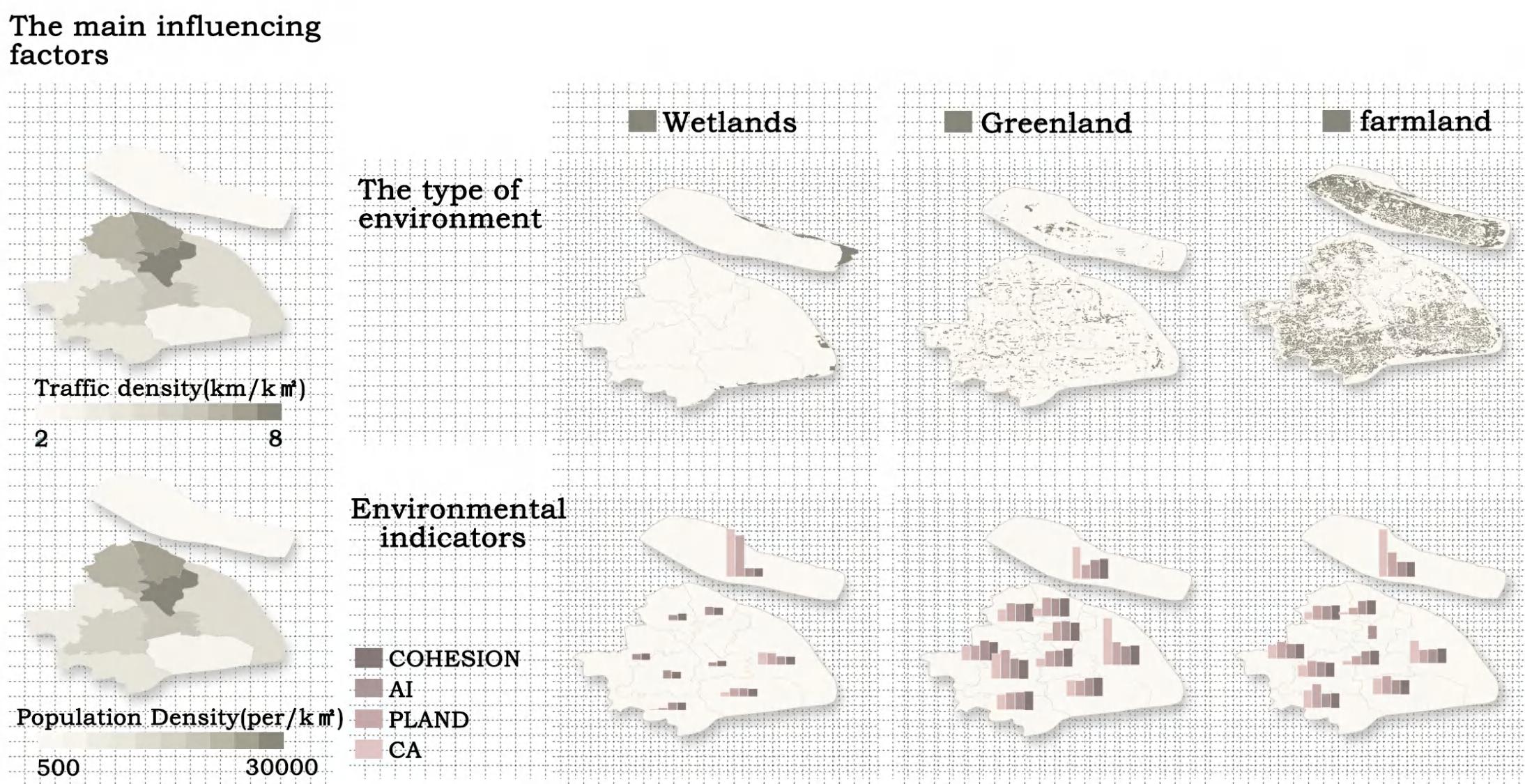
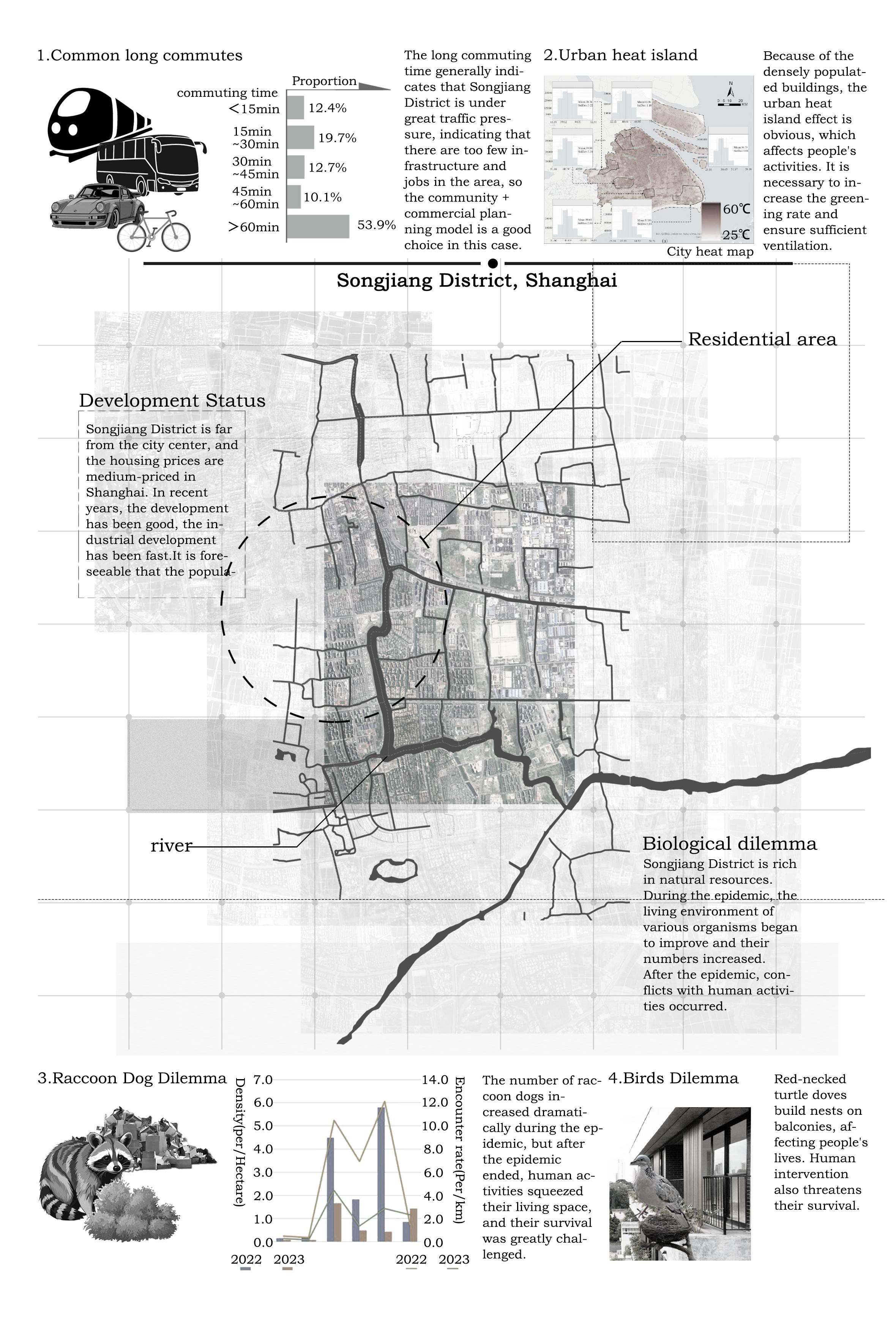
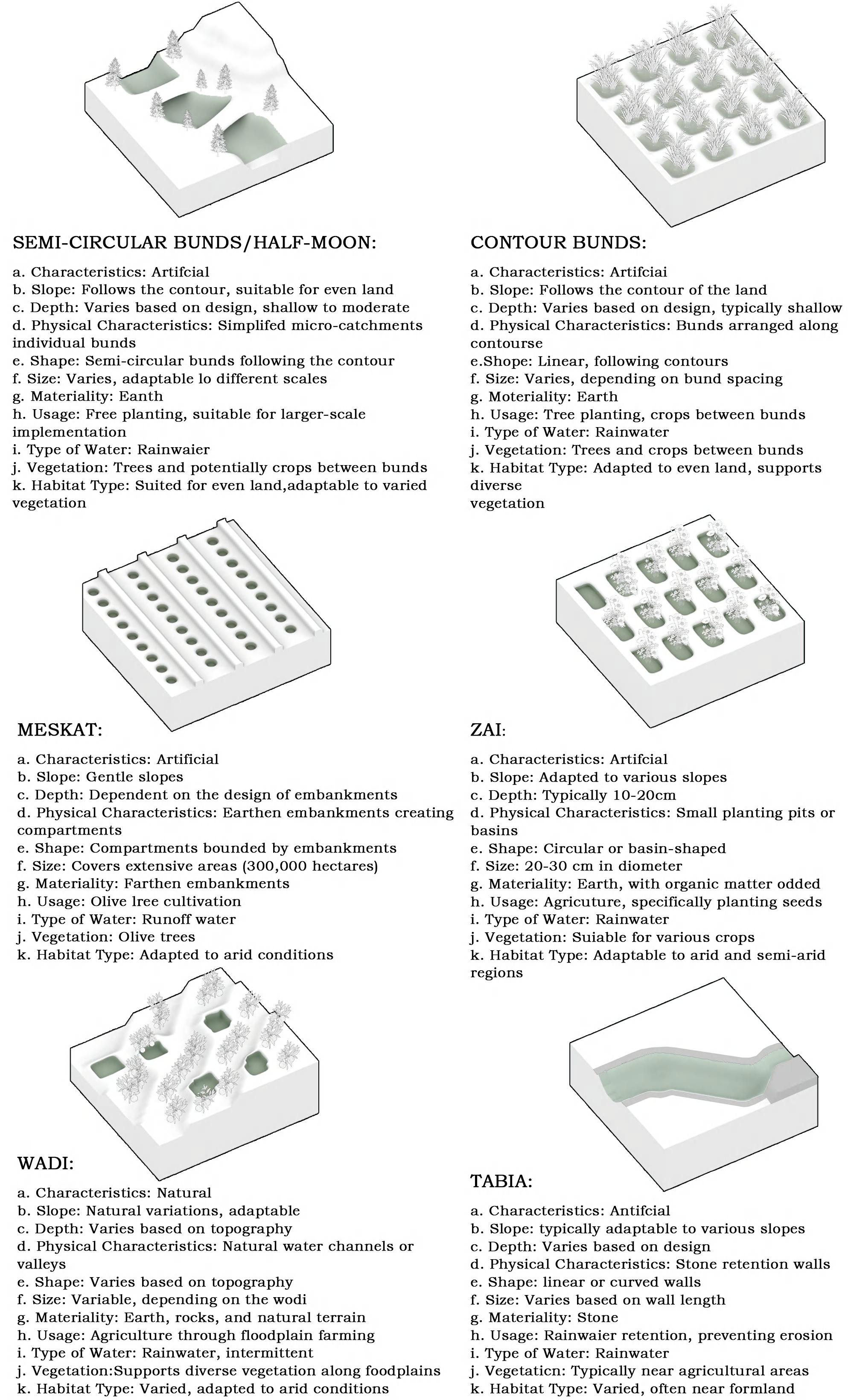
A similar situation has occurred in Shanghai. The number of raccoon dogs has increased dramatically, and certain fish species with high environmental requirements have also begun to increase. In 2018, there were few animal-dense areas with low density. After the outbreak, the number of animal-dense areas increased and the density became higher.
02 EYES OF NUJIANG RIVER
China's First and Second Tier Adhesives
Location: Xizang, China
Individual Project 2023.11-2024.2
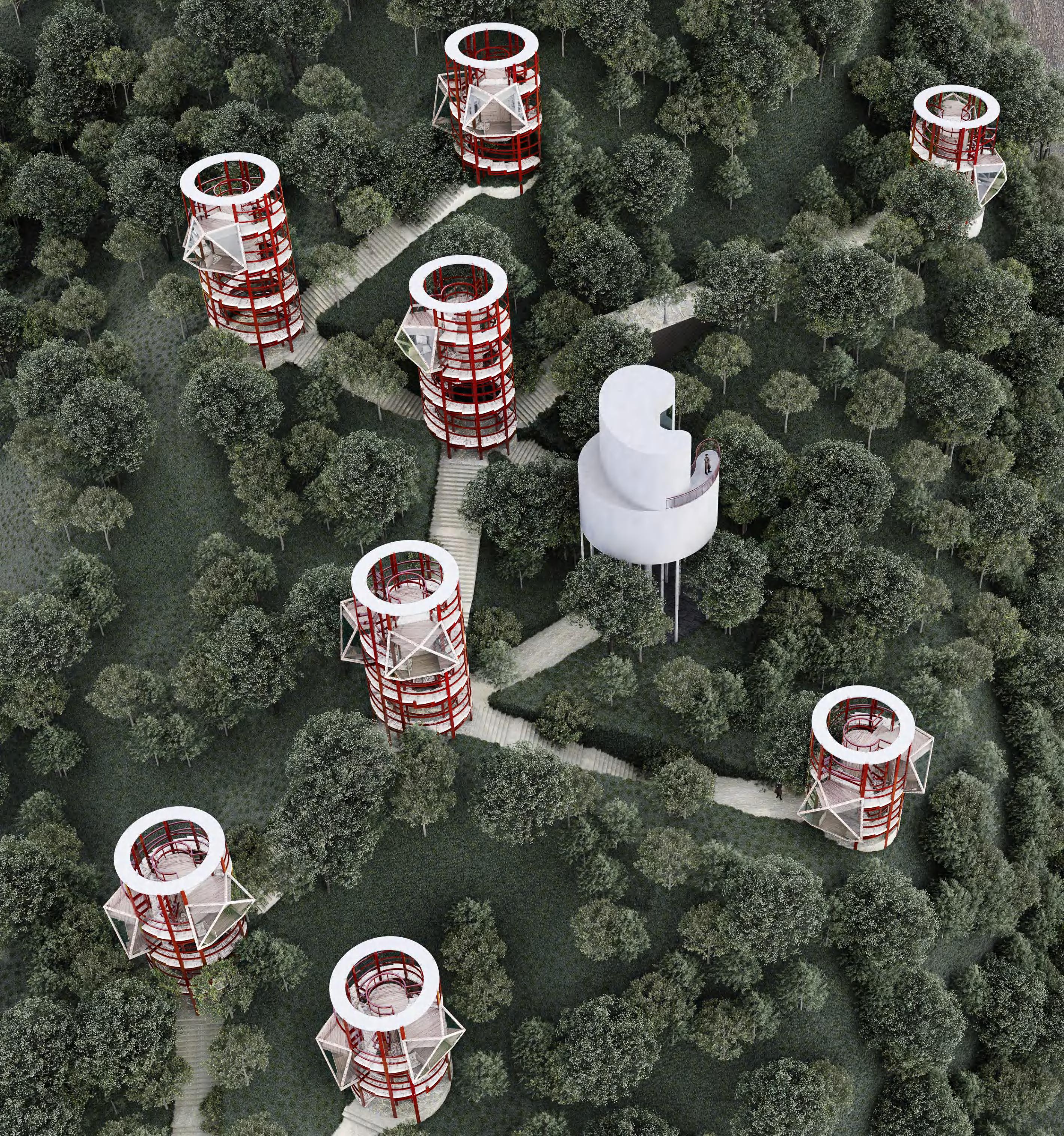
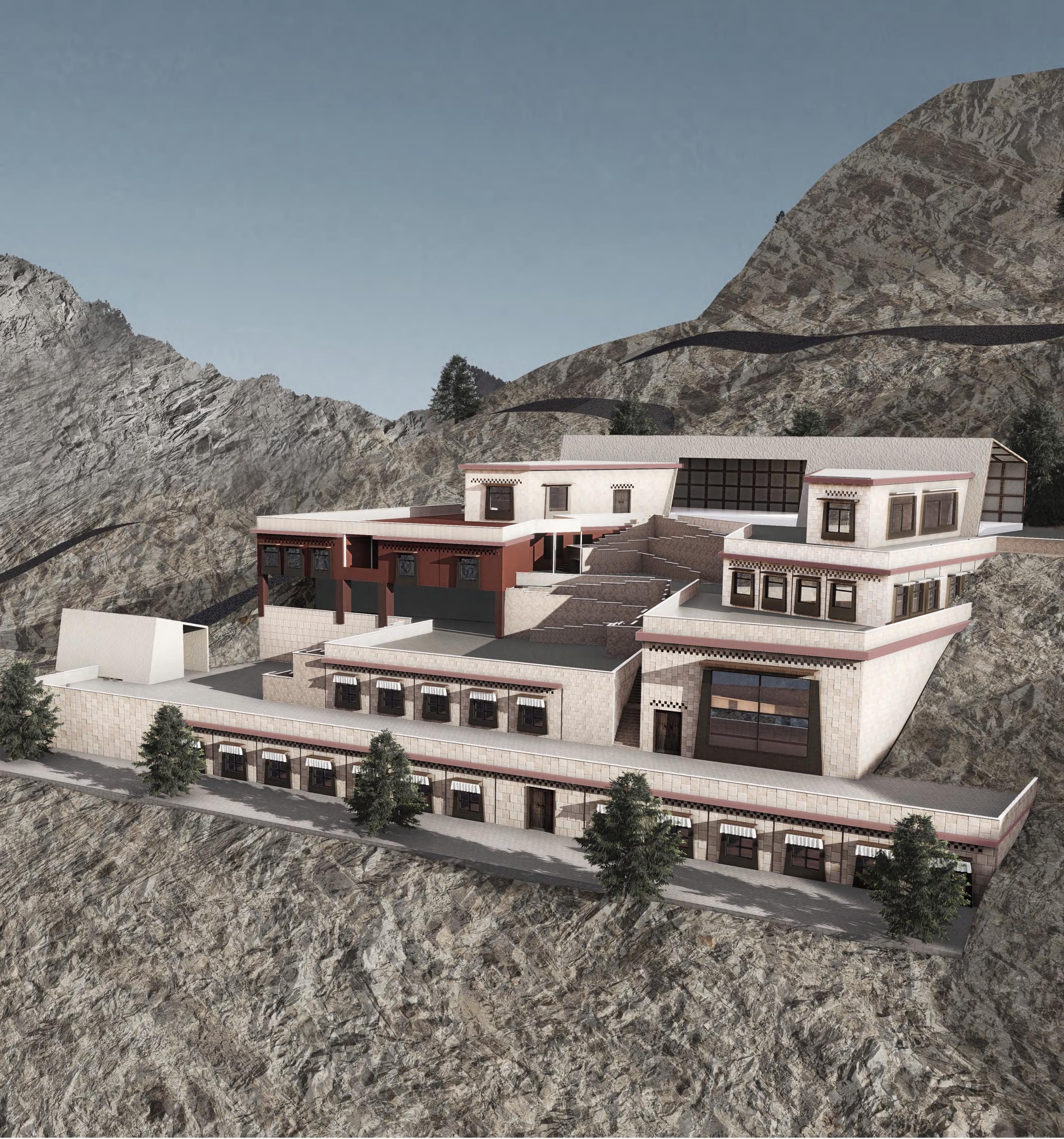
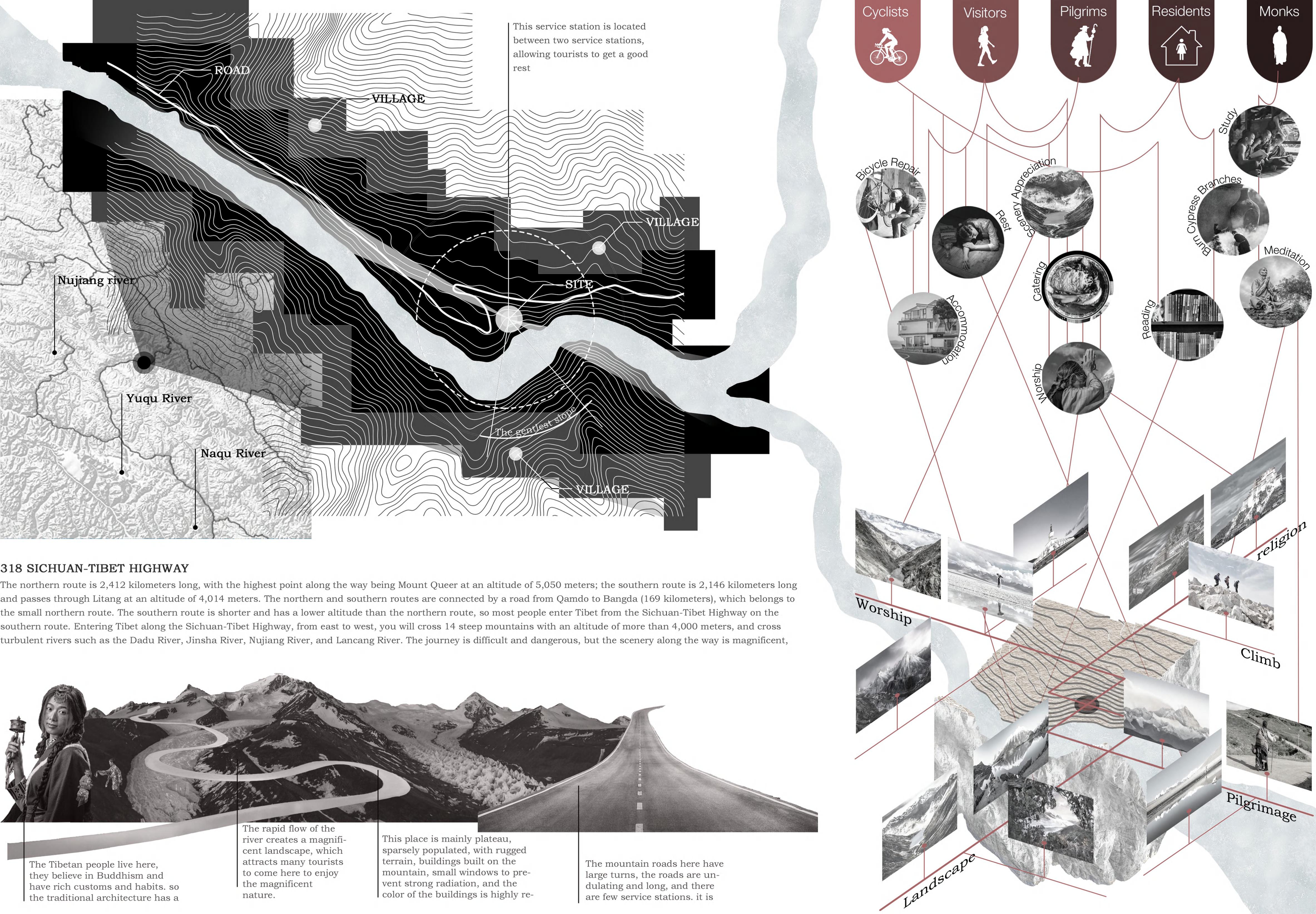
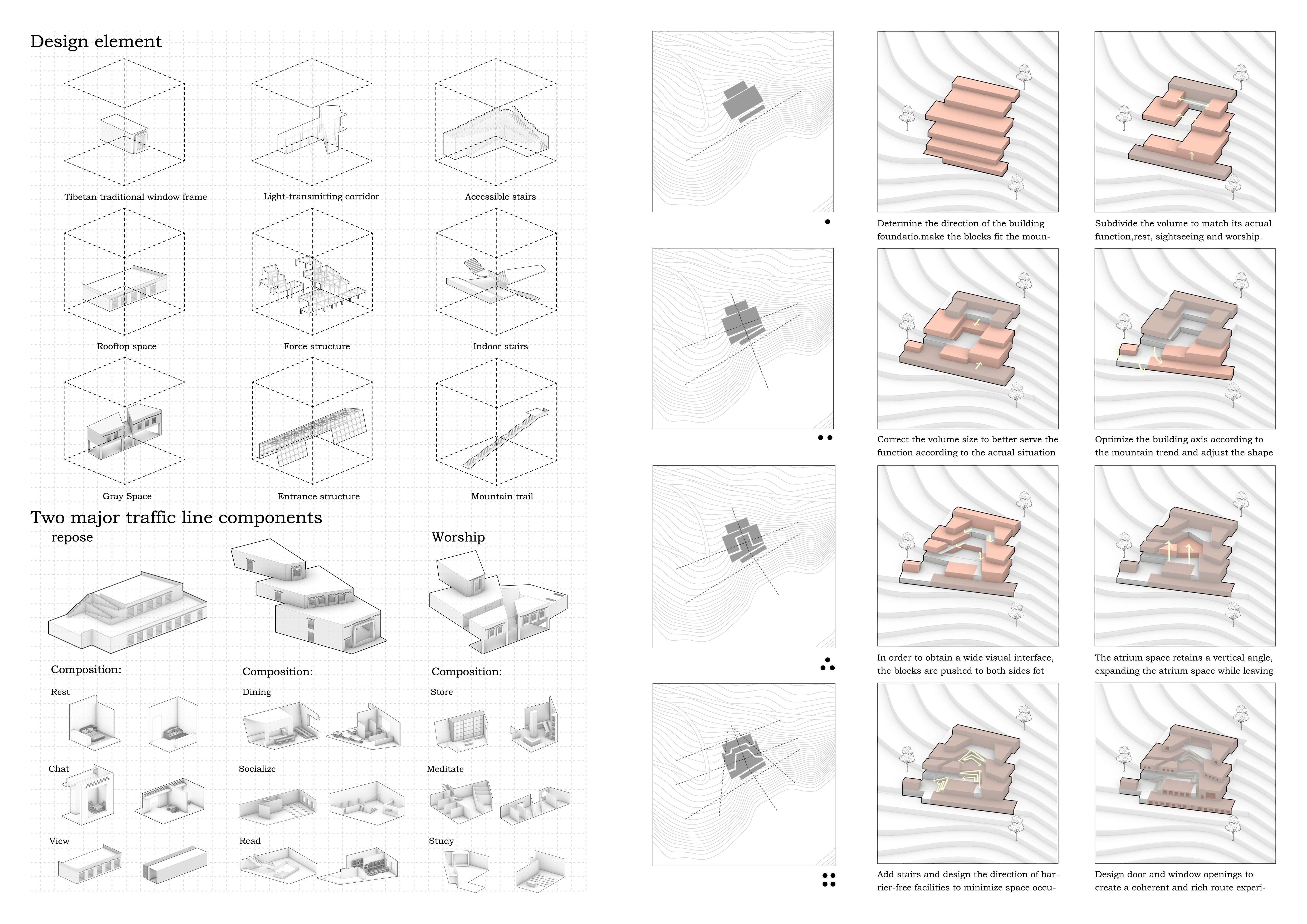
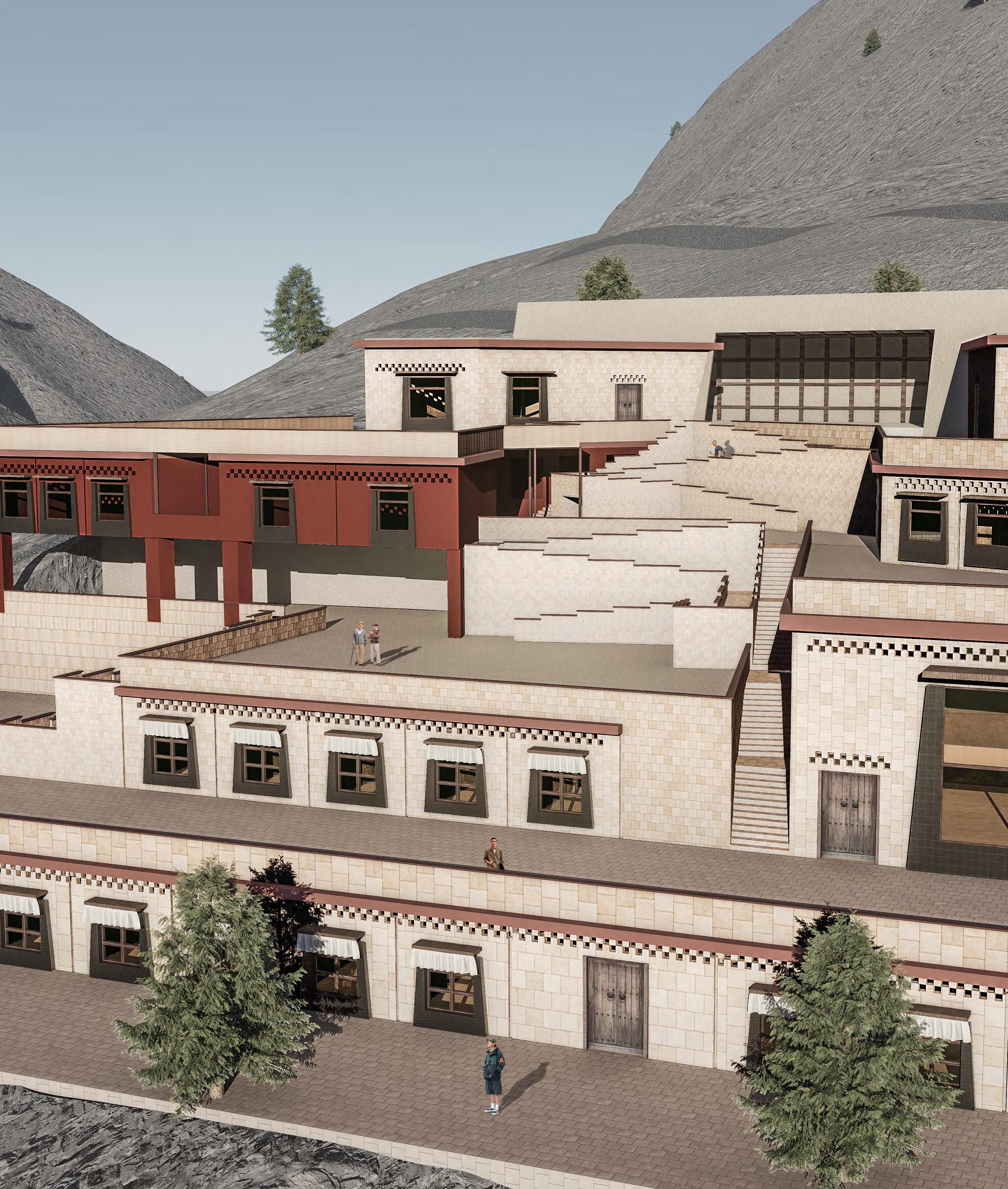
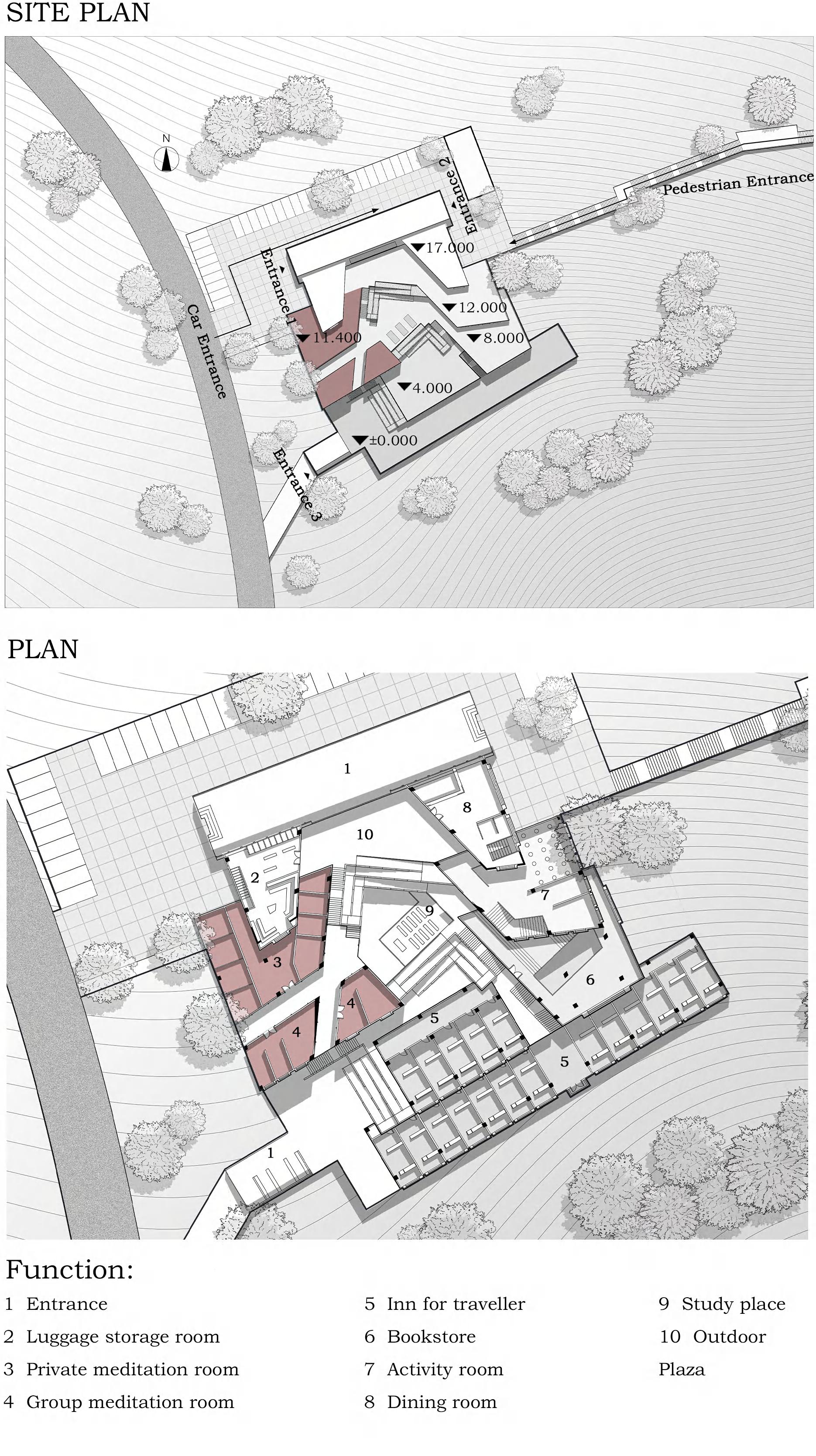
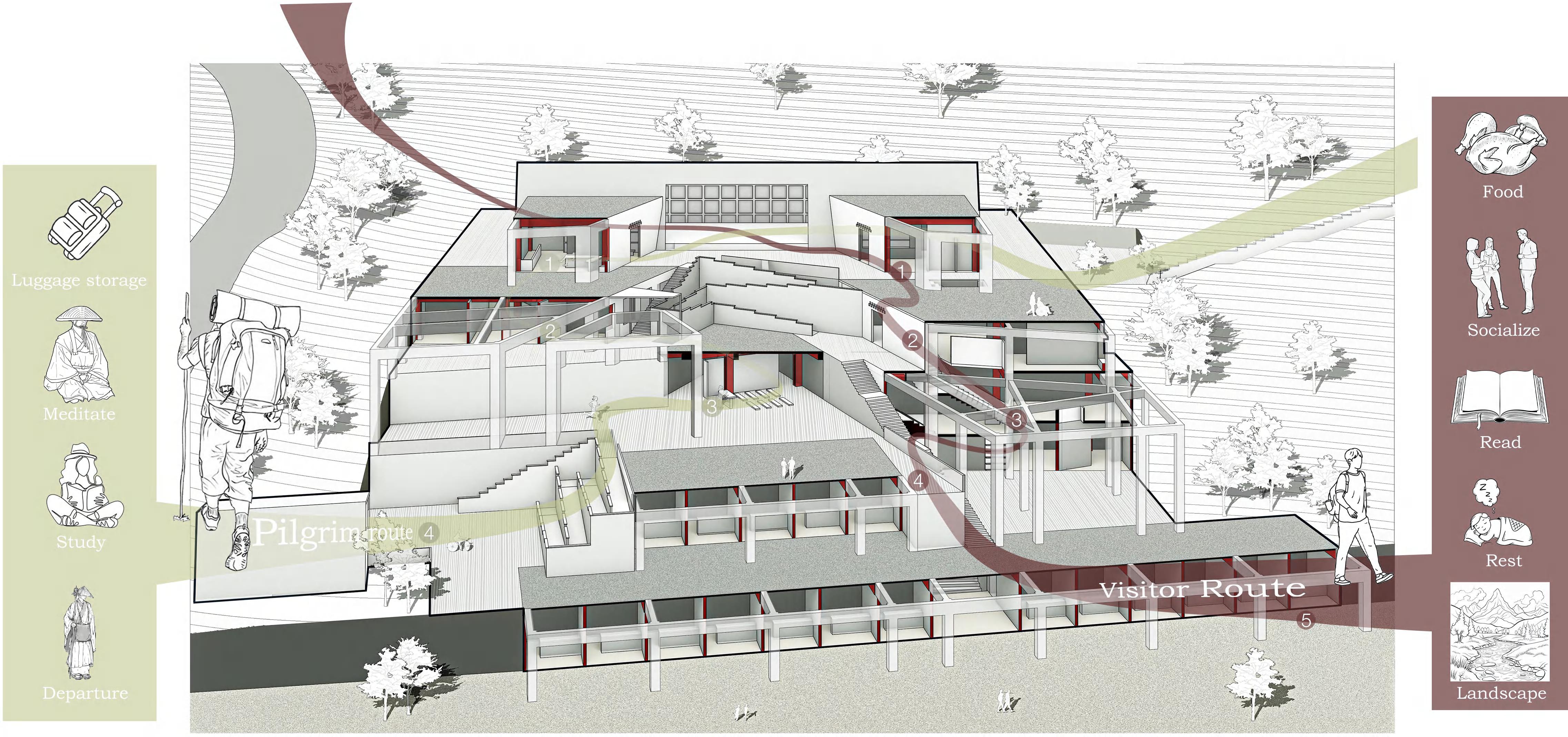
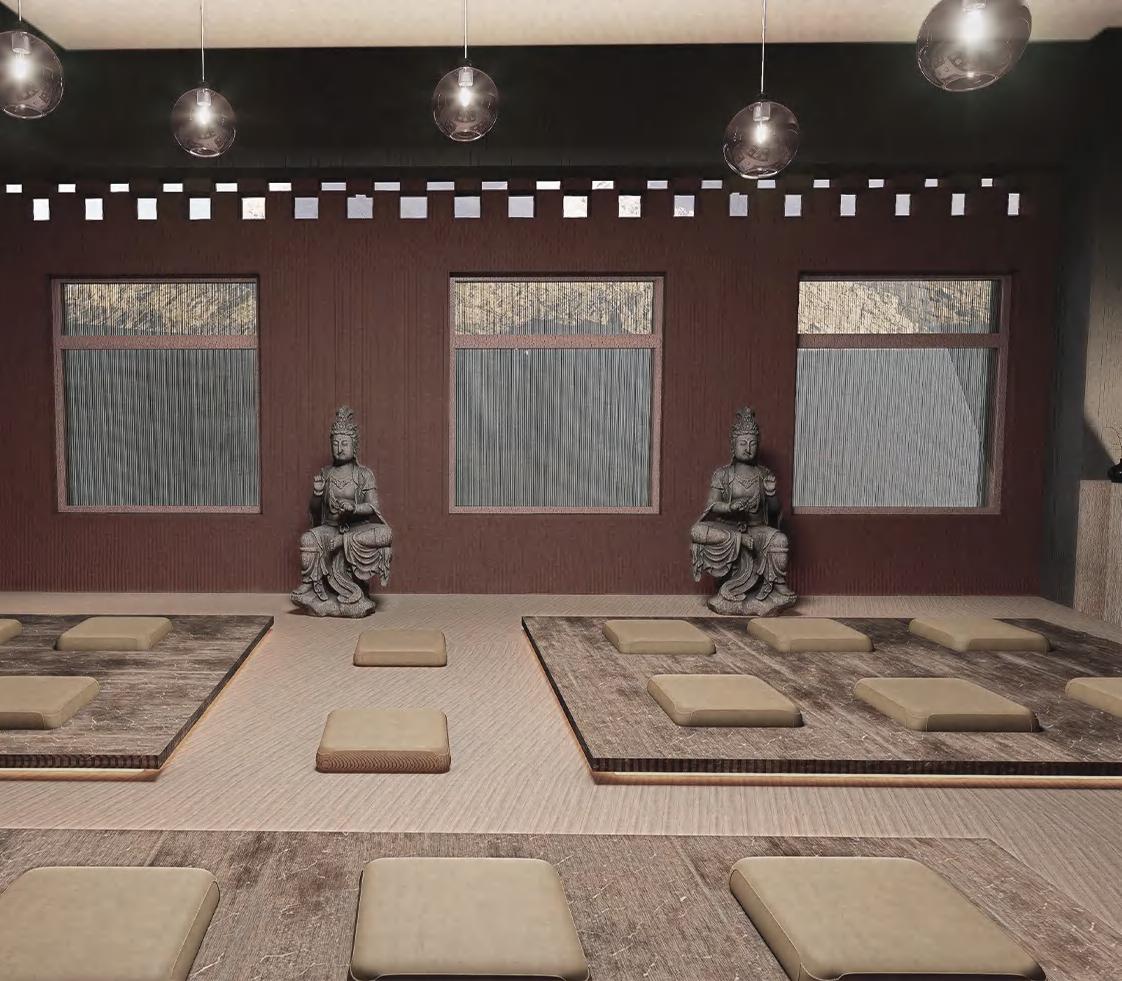
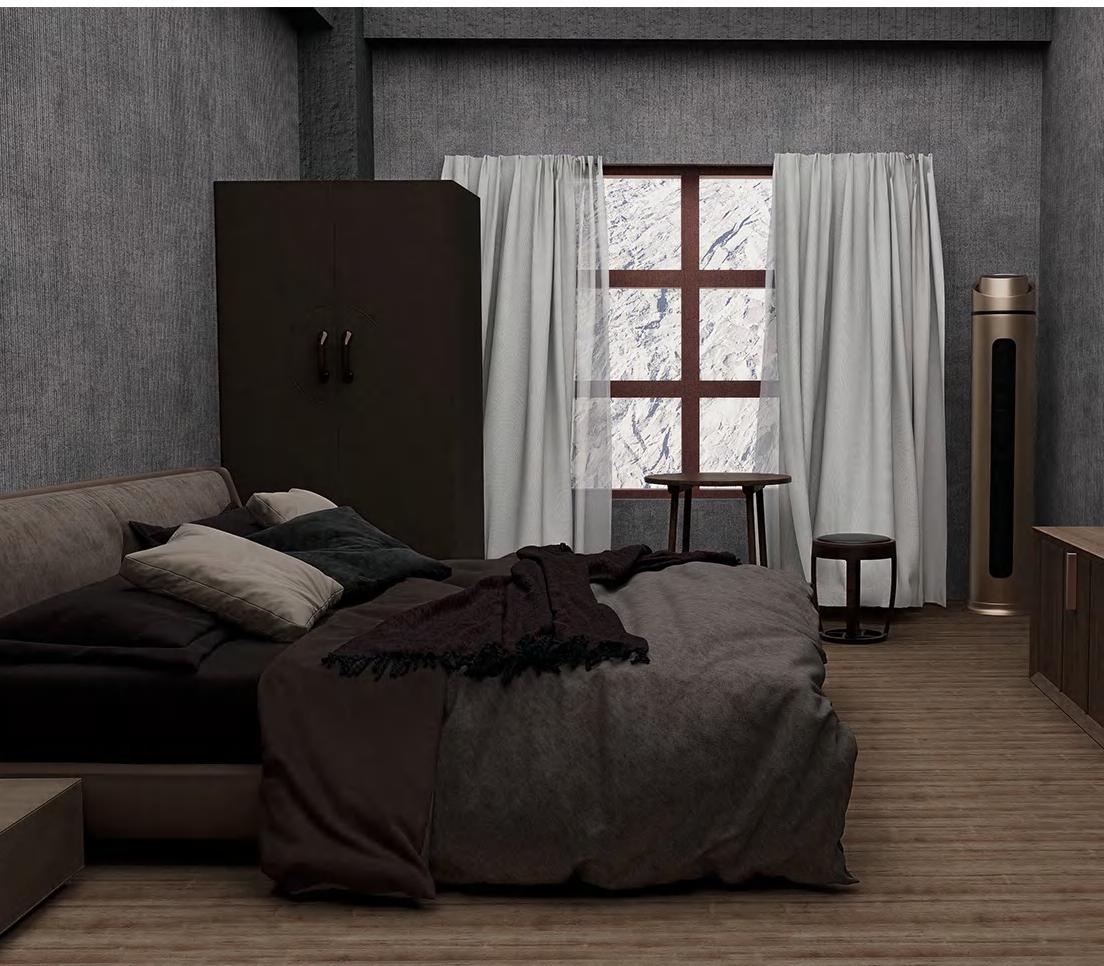
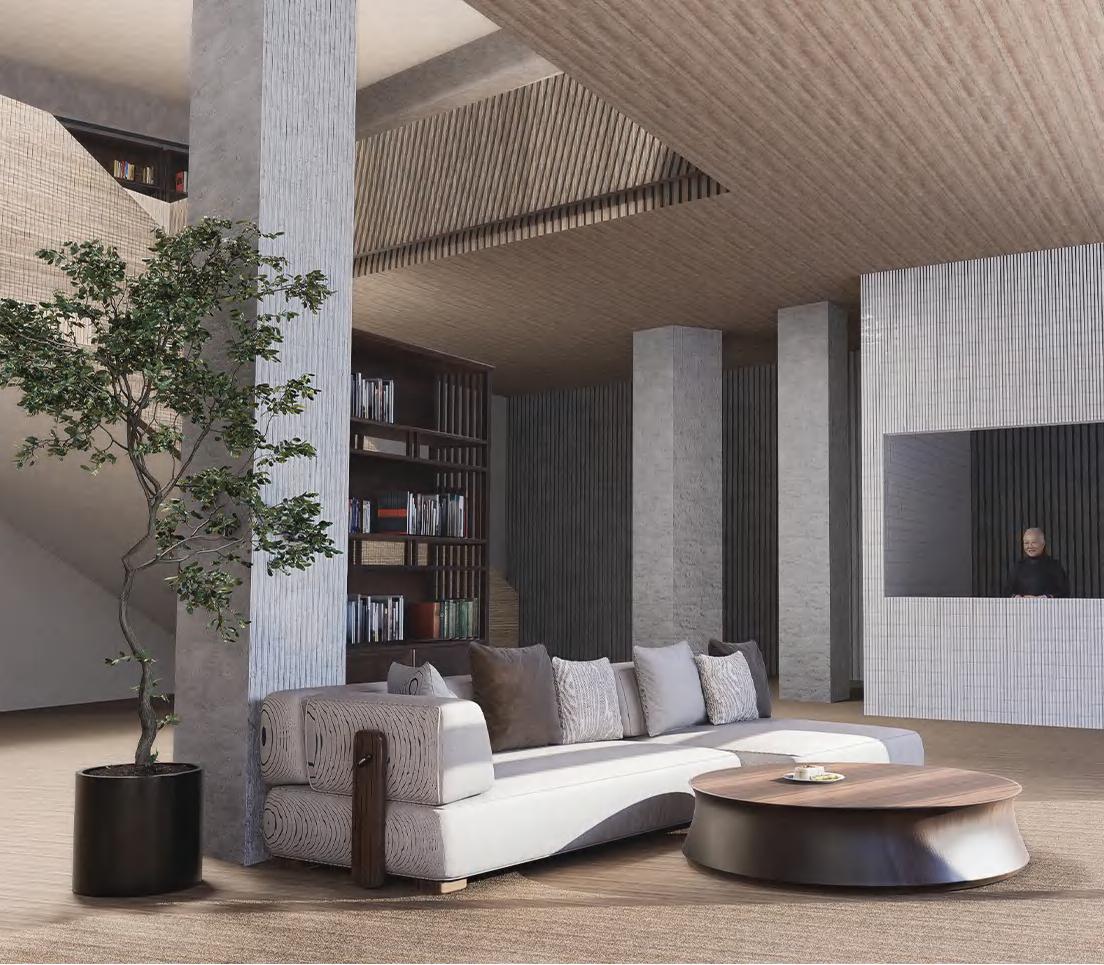
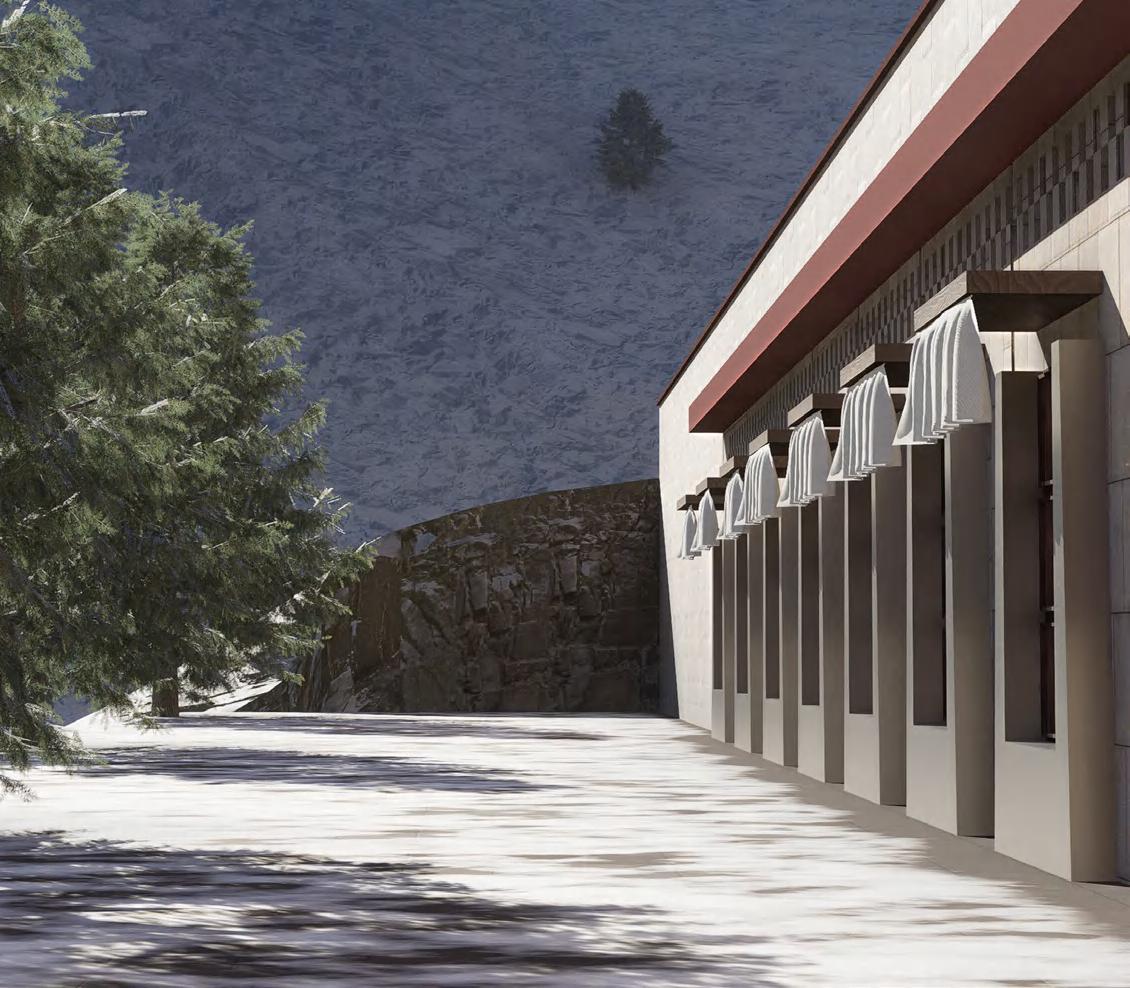
This is the Sichuan-Tibet Highway 318, which spans across China's first and second steps. Therefore, the height difference is large, and it is a road that requires extremely high driving skills. It is close to the Nujiang River and the scenery is magnificent. Most pilgrims and tourists will stop to watch, so it is necessary to build a comprehensive service station here. It can provide a supply station for tourists, a shelter for pilgrims, and at the same time, it is a "watchtower" for the beautiful scenery of Nujiang River.
03 BADGE OF SELF
Rediscovering Lost Local Culture
Location: Tokyo, Japan
Group Project
(Responsible for: Team leader, concept design, functiondesign,traffic flow design, site design, visual effects design)
2024.6-2024.9
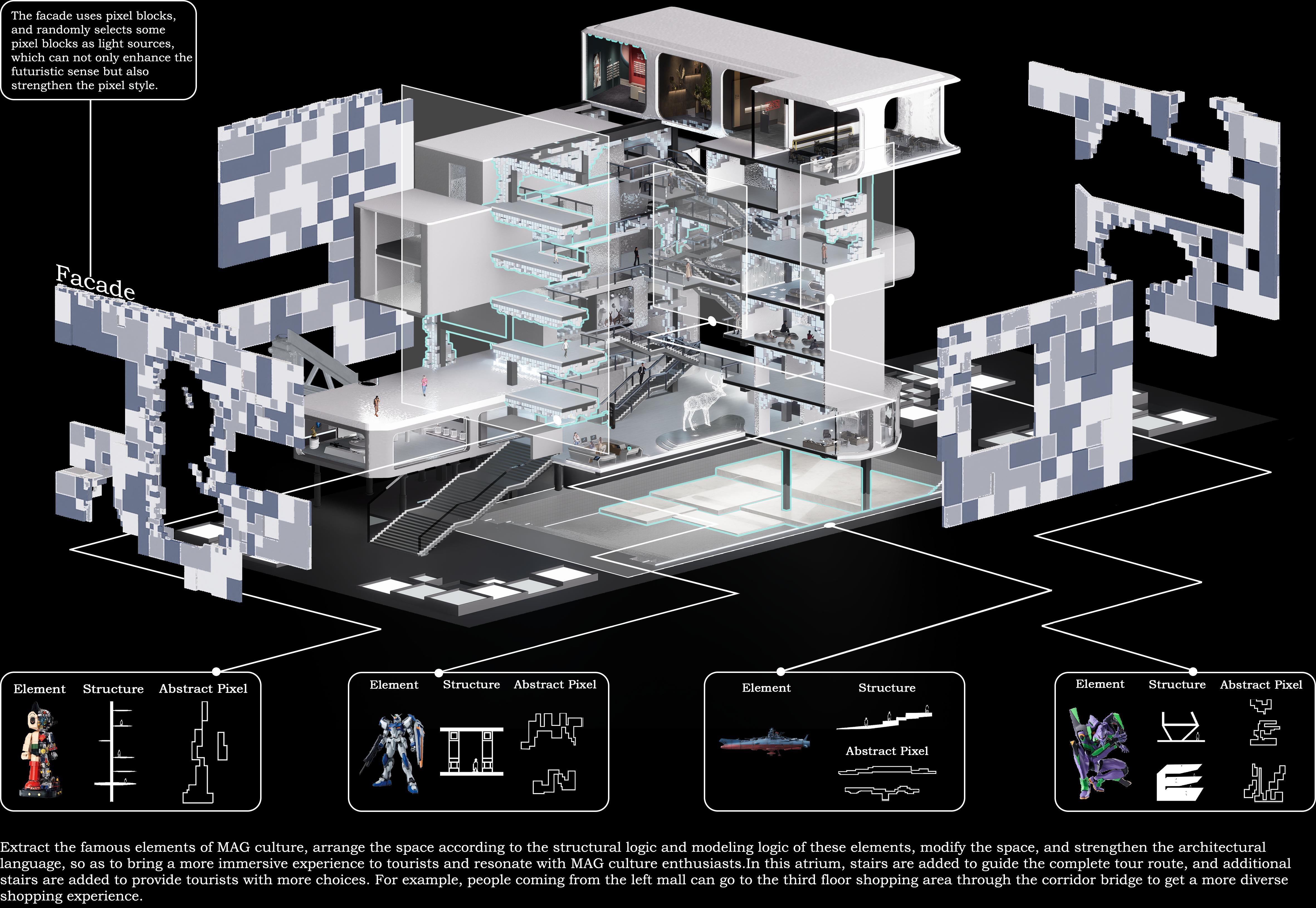
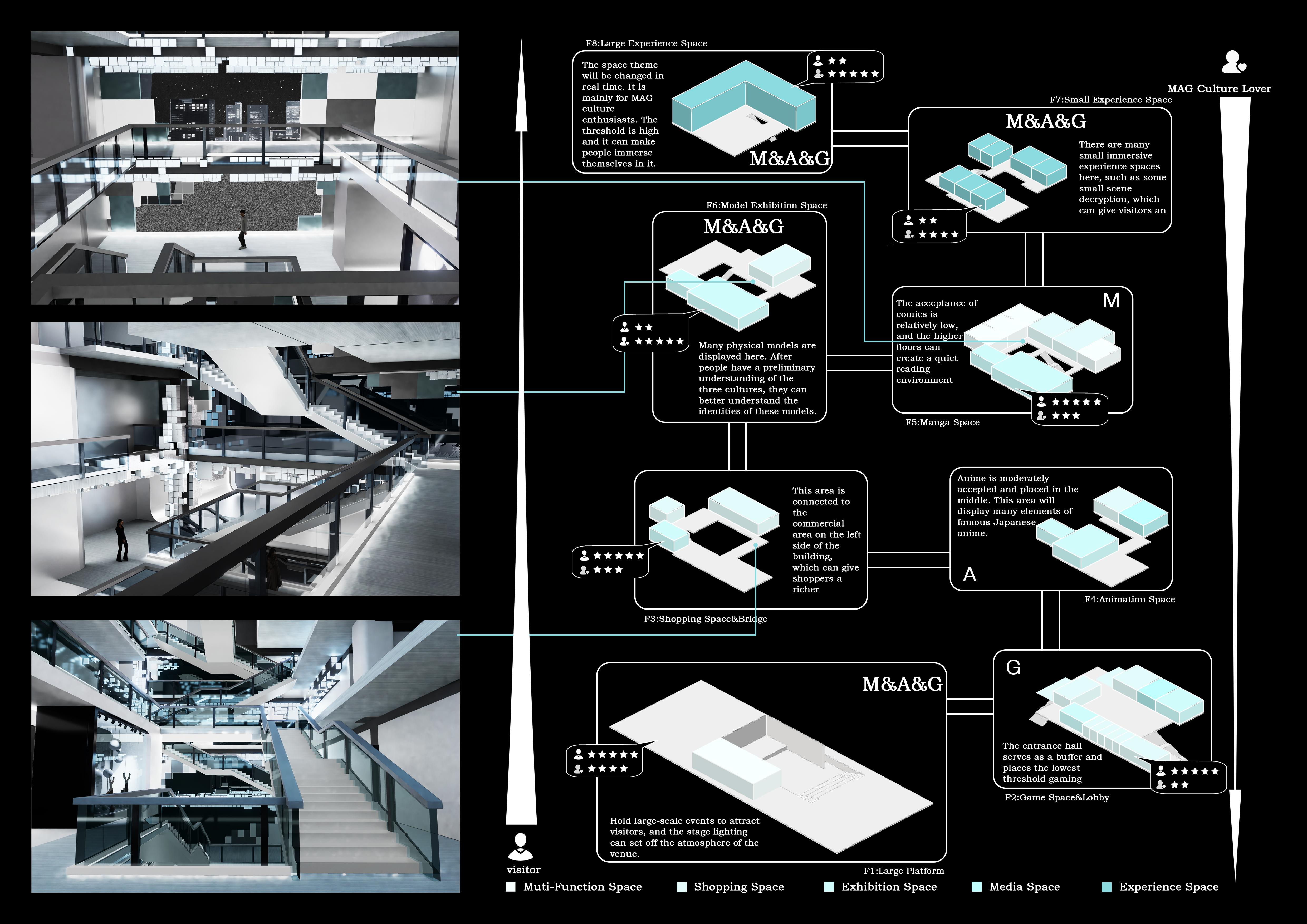
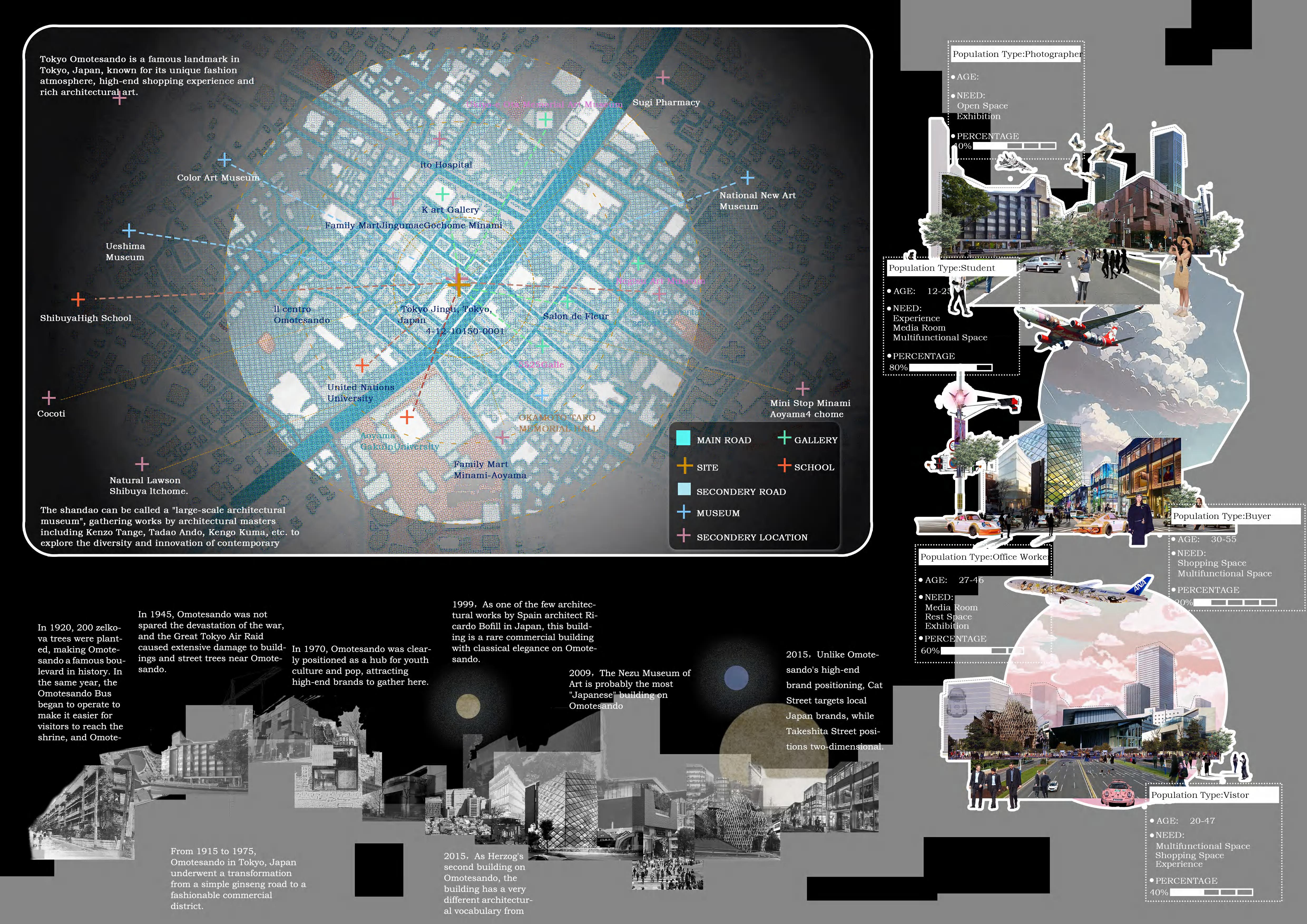
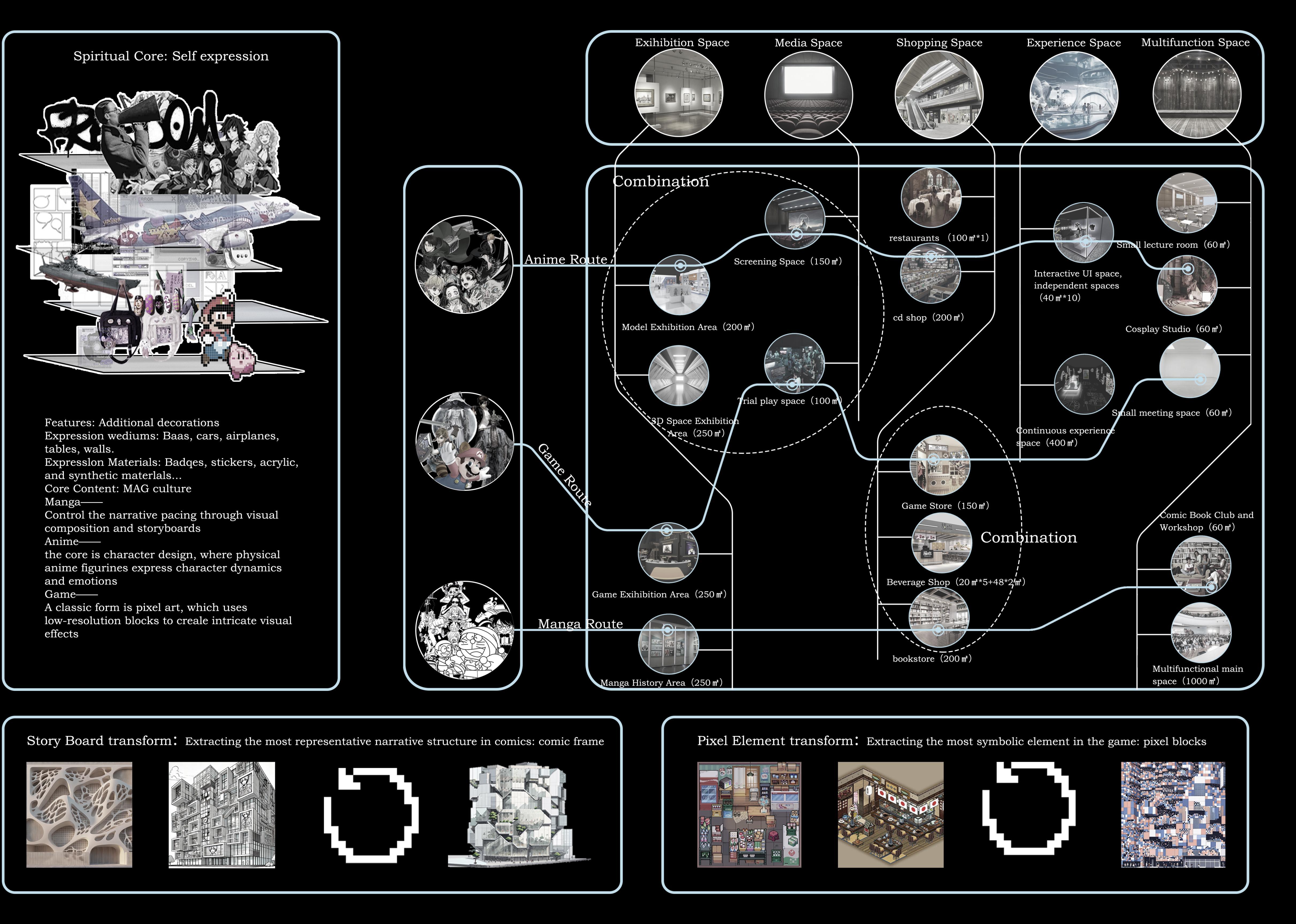
The street culture of Omotesando was formed under the influence of European and American fashion elements in the new century, but the local culture of this street was gradually replaced. As the most representative commercial street in Japan, it should have functional buildings of Japanese culture, and at the same time, it should be in line with the new era and increase the public's acceptance. Therefore, I designed this MAG Cultural Center with elements that are futuristic and MAG cultural characteristics.
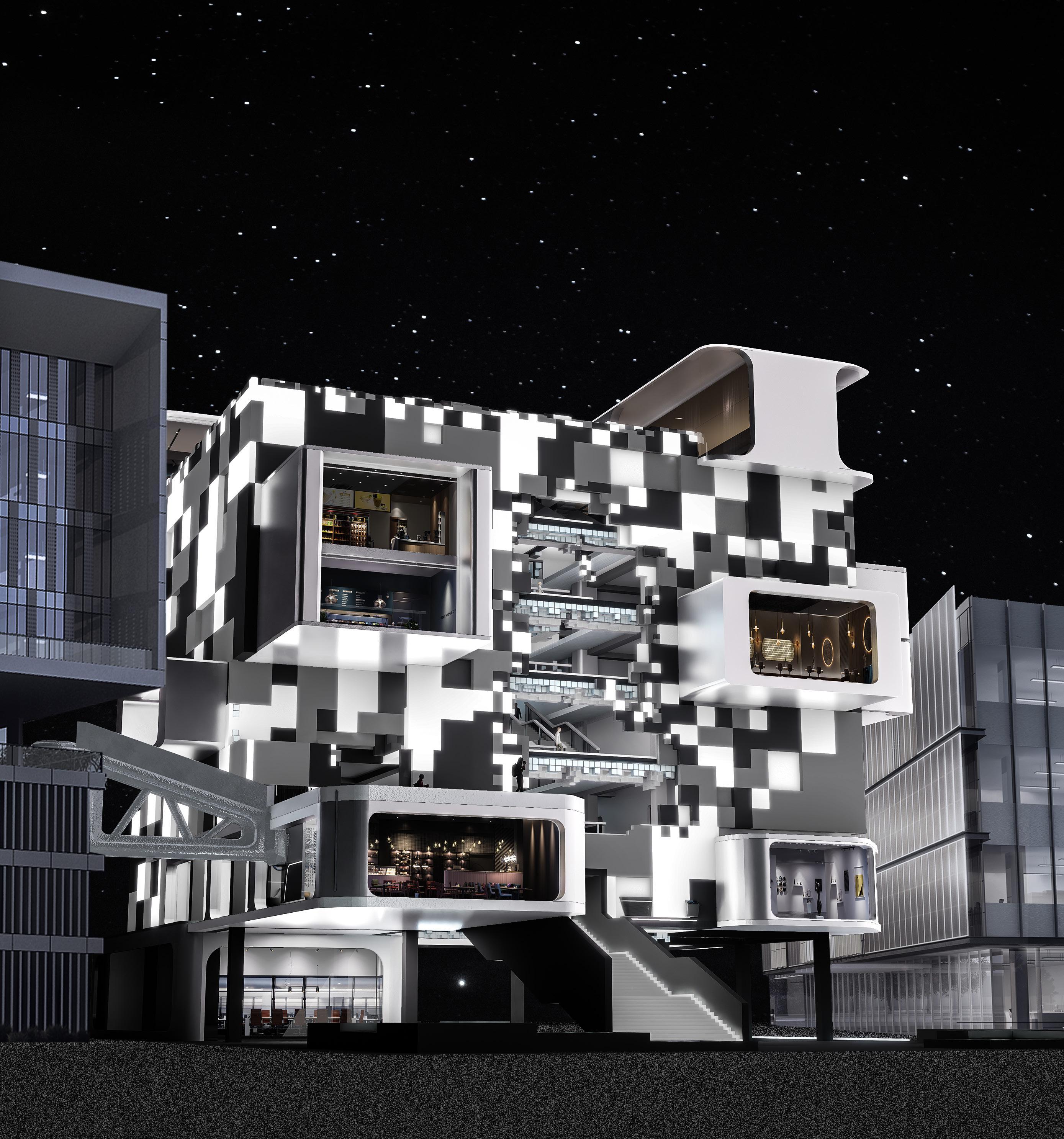
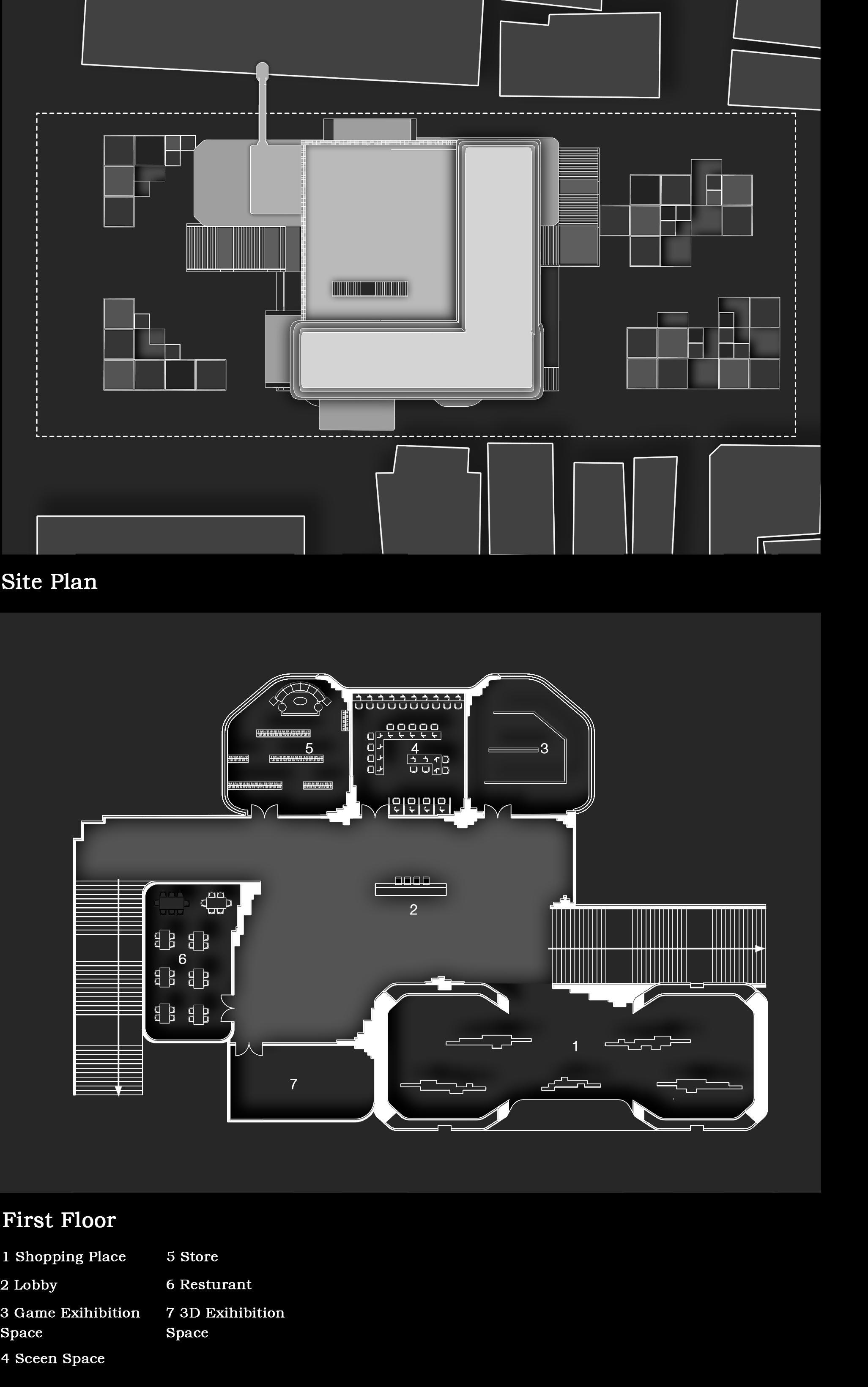
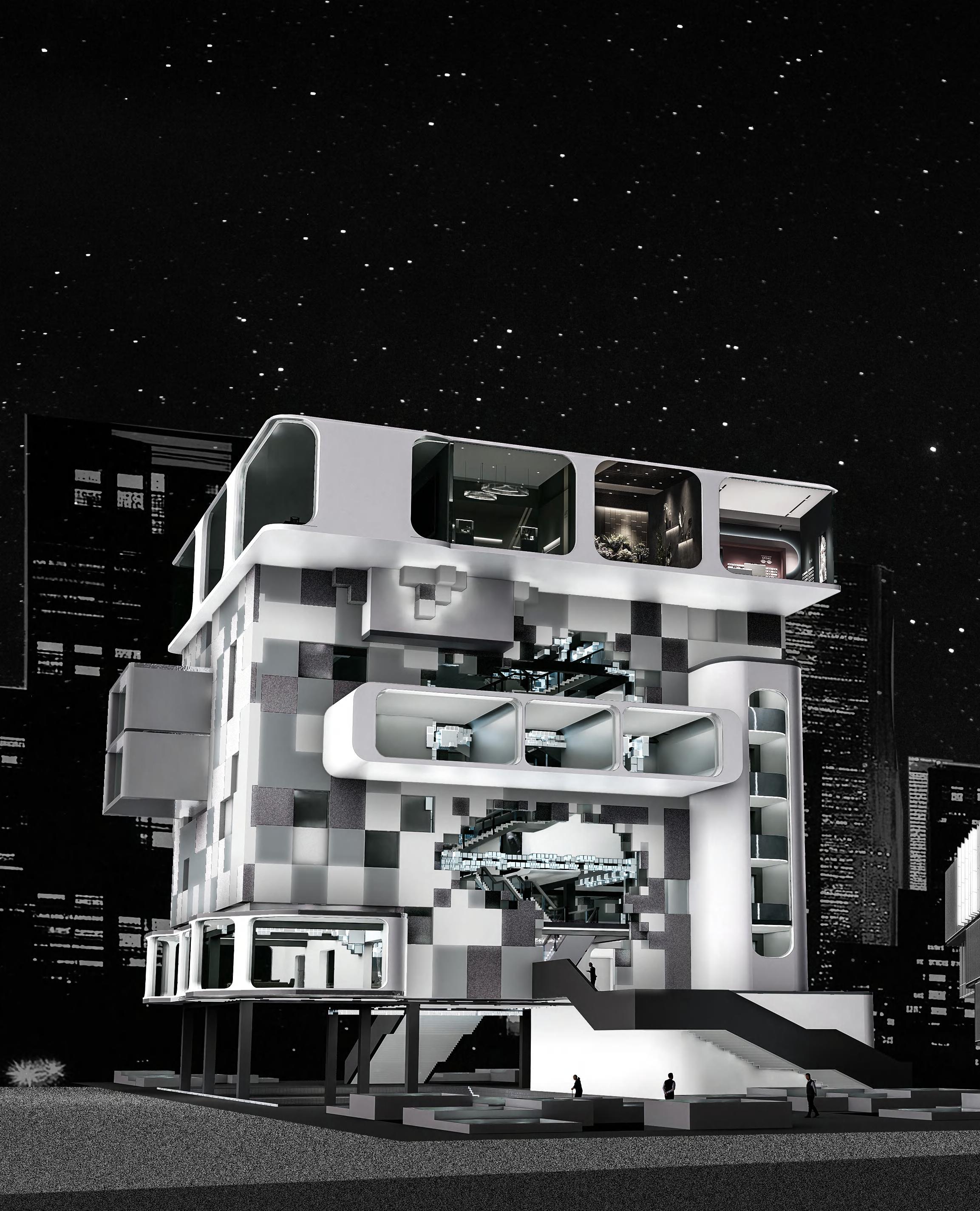
This is the back of the building, providing a buffer area for tourists coming from the back to rest and have fun, reducing the sense of oppression caused by the close proximity of the rear buildings. At the same time, the larger buffer area provides an area with a wide field of vision, allowing people in the back to directly see the facade. So that they can "read the content of the storyboard"