
THE 2025 HOLIDAY GIFT GUIDE
TAMALADA (Cha-cha-cha!)
ta·ma·le
/təˈmälē/ • noun a traditional Mesoamerican dish made of masa, a dough made from nixtamalized corn, which is steamed in a corn husk or banana leaves.
BY KENT BLACK
Sure, there are fancier items on the menu like flor de calabaza (squash blossom) and mole manchamanteles (a sauce/stew), but the tamale remains the heart and soul of Latin American cuisine.
In the 1990s, I lived in a quaint little adobe at the top of Upper Canyon Road in Santa Fe, New Mexico. I became friends with my immediate neighbors; one was
a Cuban folk singer of some repute. One winter, maybe in ’96, there was an historic snowfall between Thanksgiving and Christmas. So, most days, after I shoveled the front porch and driveway, I was content to burn piñon and cedar in a kiva and kick back with a thick book.
One day, my neighbor stopped by and chuckled at my indolence. “Come over to my house,” she commanded. “I’ll put you to work.” When I entered her kitchen, I found a hive of activity and steaming pots plus a dizzying aroma of competing smells – intense spices, both savory and sweet. She was hosting a tamalada (tamale making party). Four women were in the kitchen, excluding my neighbor –though many people of all ages and genders came and went during the afternoon. Two of the women were ancient, but they were clearly running the show. They were my neighbor’s local abuelas – not literally, but for all intents and purposes. Tina was the older sister, and Ezzie (probably a mere 88 years old) was younger. They eyed me with extreme skepticism.
I’d never attended a tamalada, and this was the local version of an international tradition of making tamales for the holidays. The women made savory and sweet tamales to distribute to family and friends, who would eat them throughout the winter. I offered to help, but the ancient sisters laughed so hard that I was afraid I’d murdered them with hilarity.
I didn’t do much except stir some pots. They contained savory tamale fillings like turkey stewed with red mole and pork with green chiles. Sweet fillings like cinnamon with raisins and cream cheese with chocolate
chips were mixed in more pots. I was teased mercilessly, and occasionally Tina hit me with a long wooden spoon due to my never-explained culinary infractions. I caught only snippets of the jabs the sisters sent my direction, most of which seemed to be prurient and demeaning of my manhood.
“The tamale might not differ much from what ancient people made with maize throughout the Americas, starting around 8000 BCE.”
Everyone in the kitchen laughed continuously; if my purpose at the tamalada was to be the butt of jokes and boost morale, I was fine with that. So, I laughed, too. And, honestly, it was one of the best afternoons of my life. Tina and Ezzie let me try to shape a few masa (dough) balls into tamales. Most of their critiques ranged from muy malo to comida para perros. I heard no está mal once or twice, and that made my heart soar.
I wasn’t a complete stranger to tamales, as they were served often in my family. My father’s grandparents were dairy farmers in Echo Park; he told stories about taking dairy products and produce to a wholesaler in downtown Los Angeles. In the days when Olvera Street was a center of Hispanic life in LA, my great-grandfather would trade cheese and vegetables for tamales.
My father remembered that during the Great Depression, a man with a push cart would stop along LA streets and sell tamales. The man worked for XLNT Foods, which was founded in 1894. It’s the oldest Mexican-American food company in Southern California. My father said there were always fresh tamales in the house – especially during the Depression years – despite the fact that he lived in a mostly Irish household. The tamales were cheap, filling, and delicious. And so it was with my childhood. My mother was in graduate school during most of my youth, so it was up to my father to feed the kids when he got home from work. Many nights, that involved steaming up XLNT tamales. He covered them with Hormel Chile con Carne and a dollop of sour cream. The tamales were served with a wedge of iceberg lettuce doused with Bob’s Big Boy Bleu Cheese Dressing. We kids thought we were living large.
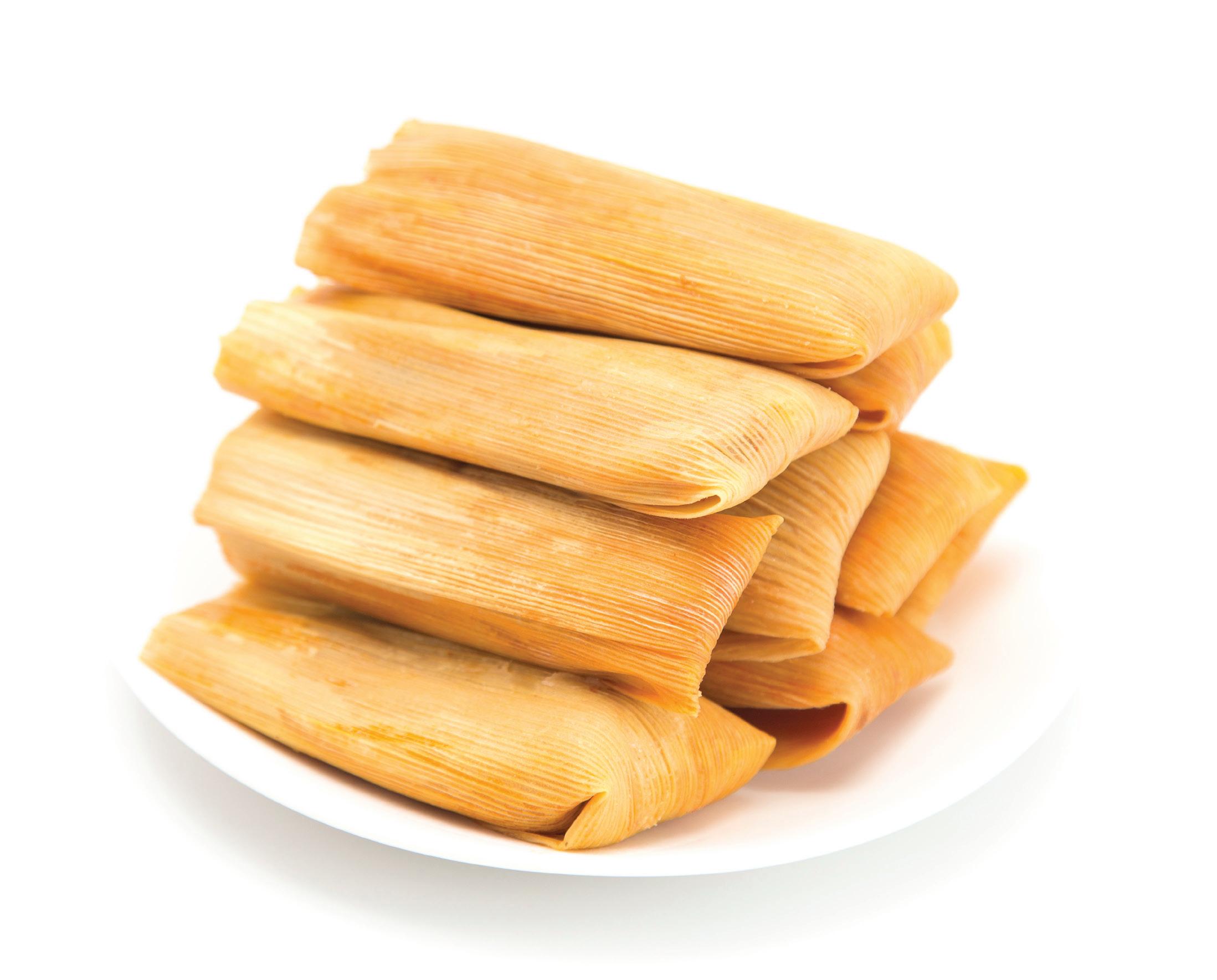
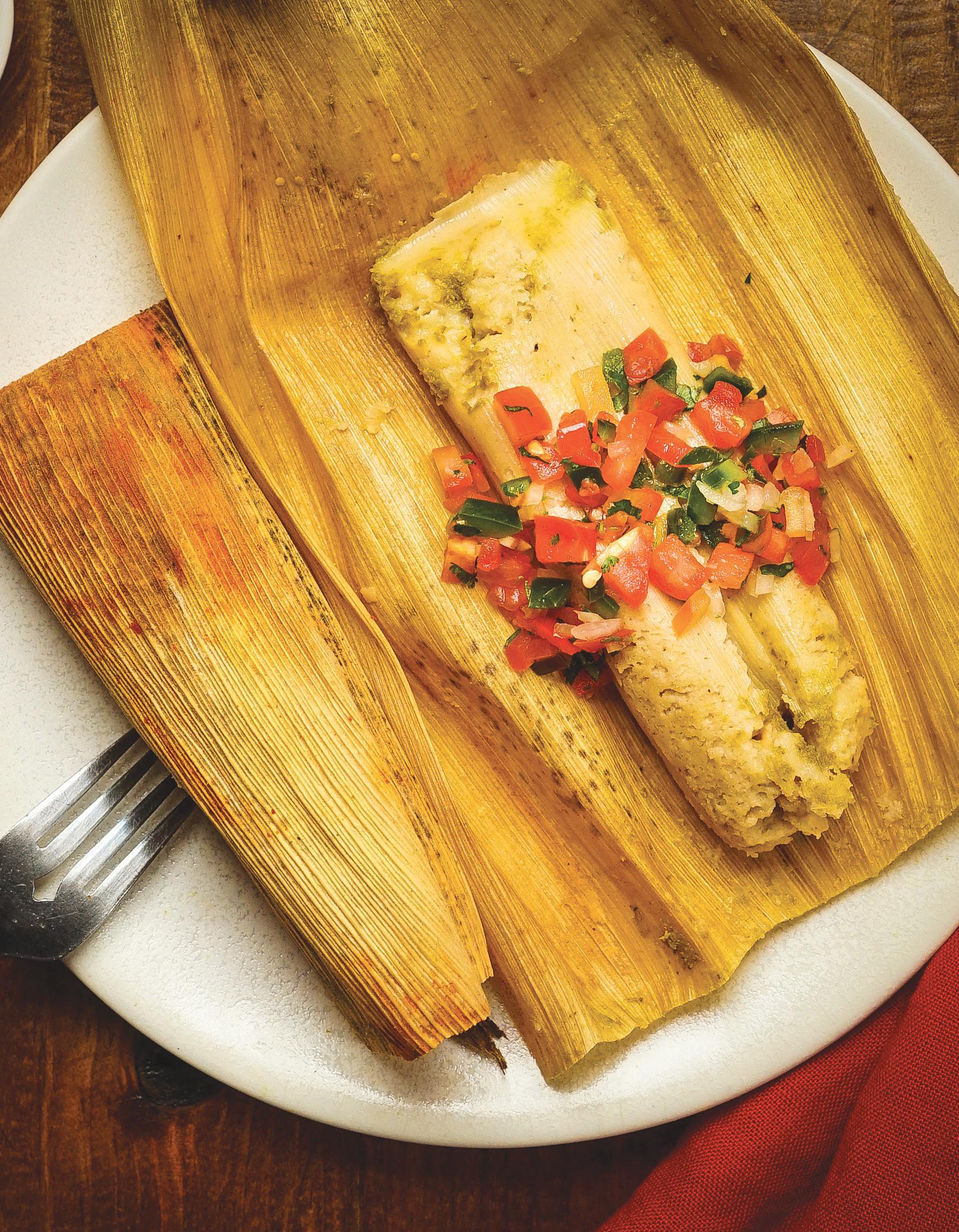
I have, on rare occasions, valiantly attempted to make tamales in my own kitchen. (Tina and Ezzie were somewhere above, moaning qué lástima!) There really isn’t any DIY satisfaction when you can go to Arriola’s Tortilleria in Indio and buy a few dozen tamales for less than the cost of gas to get there. It’s a labor-intensive operation; so, tamaladas were created. It makes more sense to put that kind of effort into making a hundred tamales rather than a mere dozen. The only reason I attempt to make them is the indescribable feeling of being connected to a tradition that is over 10,000 years old.
The tamale might not differ much from what ancient people made with maize throughout the Americas, starting around 8000 BCE. So, it’s one of the oldest dishes in history, along with pancakes, lamb stew, and nettle pudding. The method for making tamales hasn’t changed much: grind corn into flour and add some lard or fat for taste and elasticity. Then, take a portion of the mixture and spread it over a wellsoaked corn husk. Add some stewed fruit or meat, preferably with chiles, then wrap it up and tie it off with string made from a corn husk. After you steam or bake it, you’ve got the perfect portable snack. Ancient hunters took tamales along when they went out after game. Mayan kings included them in feasts for religious holidays, and I filled my backpack with them when I went fishing in the High Sierra.
While tamales are generally associated with Mexican cuisine, they appear in different forms all over Latin America. You’ll likely find tamales made with banana leaves in the southern states of Mexico. I prefer Oaxacan tamales made with mole negro (black sauce) and steamed in banana leaves. They are flatter than tamales from the central and northern Mexican states; as I recall, the masa is sweeter. Sweet Oaxacan breakfast tamales, made with pineapple and berries, make most North American pastries seem like sugar-flavored clay. A guanime (cornmeal dumpling) is a Puerto Rican dish similar to a tamale; it’s made with made with cassava (yuca) or green plantains and filled with meat or seafood. And the Quechua-speaking people of South
America make a tamale-like dish called humita
All tamales were created by Indigenous peoples, but Spanish explorers introduced the food to the Philippines during the country’s colonization, which resulted in a similar but different dish. Supposedly, in the 1920s, there was a lot of movement between Mexico and Cuba, and tamales became popular on the island. Cubans deconstructed tamales into tamal en cazuela (a cornmeal and tomato-based stew with pork). The dish became so popular in Cuba that a cha-cha-chá song called “Los Tamalitos de Olga” was written about it. And tamales were so ubiquitous in the American South during the 1920s and ’30s that the great blues guitarist Robert Johnson wrote a song called “They’re Red Hot” about them in 1936. When Spain occupied present-day Louisiana, its explorers established a settlement in a village named Robeline in 1721. Tamale makers have fed people so-called robelinos for centuries. One of the first and longest-running tamale festivals in North America occurs every October in nearby Zwolle, Louisiana.
Speaking of festivals, the 33rd annual Indio International Tamale Festival will occur from Dec. 6 to Dec. 7 at Miles Avenue Park in Indio. It is recognized by Guinness World Records as the largest tamale festival in the world. I know the Coachella and Stagecoach music festivals and Modernism Week are popular events for Instagram influencers. But frankly, the Indio tamale fest is the bomb. I look forward to nearly non-stop mariachi music at the festival. Some of the greatest tamale makers on the planet are in attendance, including The Original Tamale Co, Los Afortunados de Nayarit Restaurant, Mama Notas, Casa de Silvia, Toñita’s Tamales, and Smokey Lips Catering; the list is endless. The only problem is getting full too fast while eating. A reasonable approach is to stand in line for a tamale, find a place to enjoy it, then stroll around and enjoy the party for a halfhour or more before getting another. My alternate strategy is to take a bunch of Ziploc bags. I take a bite of a tamale and put the rest in a Ziploc,
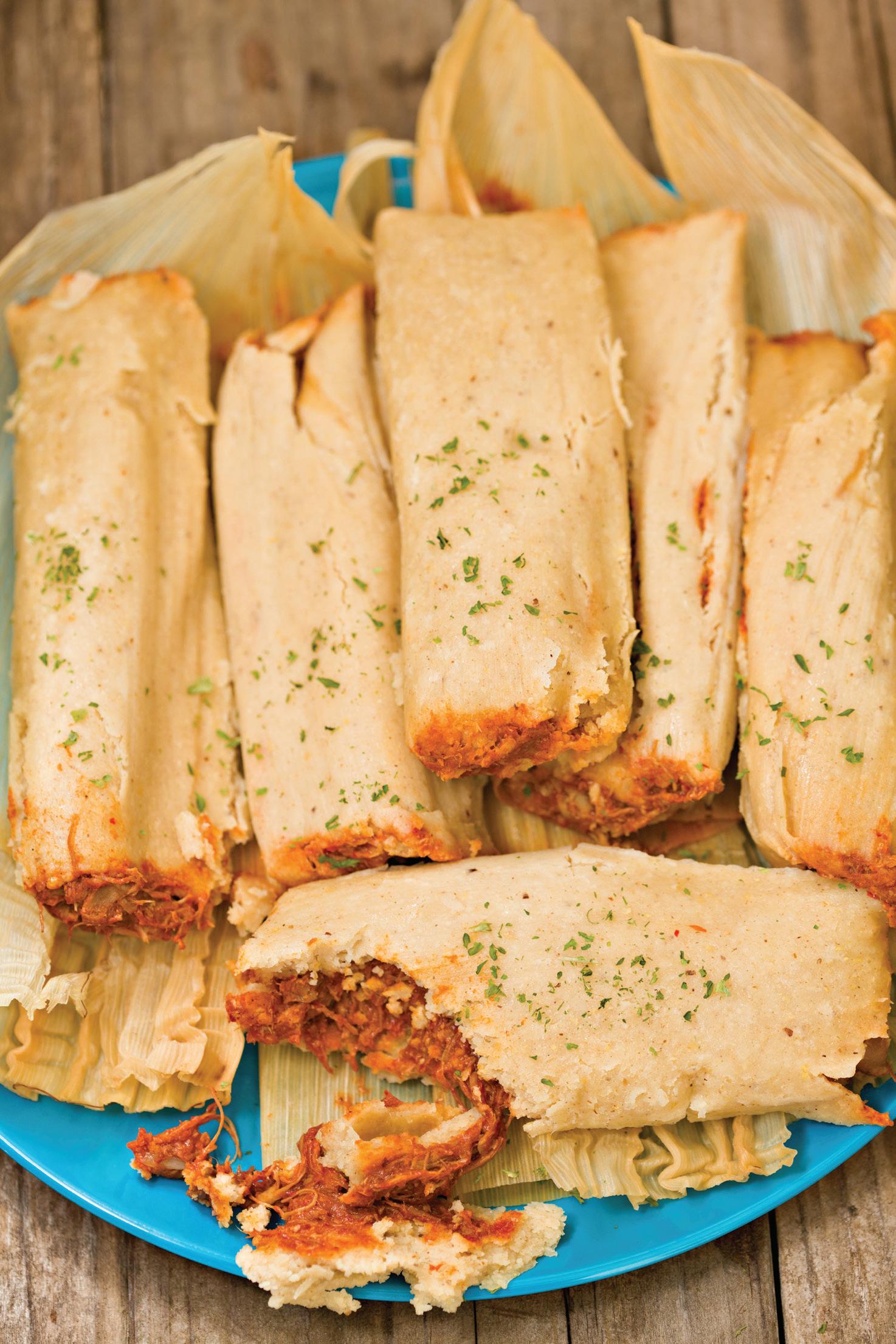
then put it in my shopping bag for consumption the following week. You might be able to try a dozen or so tamales – or more if you go to the festival both days. Pace yourself. If the festival doesn’t satisfy your craving, you can try these local spots: Arriola’s Tortilleria, Indio: This unassuming bakery in downtown Indio has served fresh tortillas, burritos, and, especially, tamales for generations. Their tamale boat is a top dish, but be sure to pick up a dozen pork tamales for $37 (price might vary) and store them in a freezer.
Diana’s Bakery, Coachella: This traditional Mexican bakery in Coachella offers sweet favorites like pan dulce and empanada crema. But, don’t get full before you try their tamales de elote (sweet corn tamales).
Panaderia del Pueblo, Indio: This Mexican bakery offers a dozen tamales for $25 (price might vary), which might be the best deal in the East Valley. The chicharrón , elote , and cheese with jalapeño tamales are all excellent.
Clandestino, Palm Springs: If you’re in the mood for something a little more
comida nueva in the West Valley, try the vegan tamale at this upscale restaurant. It’s made with carrots, chayotes, potatoes, cauliflower, and sweet corn and topped with a roasted red sauce. Pair a few with the fried, stuffed squash blossoms, and you’ll be in vegetarian heaven.
Cardenas Markets, Cathedral City: This is one of my absolute favorite places for grocery shopping in the Valley. The produce section puts most Valley supermarkets to shame. I go for their freshly made corn tortillas, fresh salsas, and tamales. After filling my basket, I pick up a warm tamale bursting with shredded pork and pour chile verde (green chili) over it. Best snack ever.
Carniceria Rancho Grande Super Market, Desert Hot Springs: I stopped there on a whim while picking up my daughter from a play date. I was dying for a horchata, but then I saw the tamales and had to try a couple. The masa was tender, and the meat filling was so flavorful that I bought a mixed dozen to put in the fridge. You must try these tamales if you’re anywhere in the vicinity.


“The 33rd annual Indio International Tamale Festival will occur from Dec. 6 to Dec. 7 at Miles Avenue Park in Indio. It is recognized by Guinness World Records as the largest tamale festival in the world.”






















































Presented by