Architecture student and designer focused on the intersection between spatial experience, technology, and human behavior. My work explores how architecture can respond to emerging conditions — from immersive digital environments and adaptive structural systems to sensitive spaces that support different social and cognitive needs. I am interested in architecture as a framework that connects people, context, and evolving tools, combining analytical thinking with experimentation through physical and digital media.
+972534258353
mohamed.j332002@gmail.com
Muhammad Abed ElRahman
Education
2021 - present +
2021 - 2021 + B.Sc. Architecture and Town Planning
Technion – Israel Institute of Technology
Expected Graduation: 2026
Tectutra Studio
Experience
2025 - Present Diarco.io Startup - Co-Founder
2023 - present + Tecura Studio - Chief Tutor
2021 - 2023
2021 - present
2024 - One Time +
2026 - One Time +
Skills
Tecura Studio - Assistant Tutor
Ranad Architects - Intern
1936 Film Set - Assistant Set Dresser
Elias Khoury Architects - Collab. Competetion Co-Designer
2020 - present + Public Speaking
Software
Ai Tools + + +
Teaching
Technical
2020 - present + Rhino, Grasshoper * Sketchup
Unreal Engine
CAD
Adobe Tools - photoshop, illustrator, ecs..
AQUA BELLA CASTLE
3rd yr/1 2024
Location : Herzilya
Renovation Details
Supervisor : Daniel Cahana
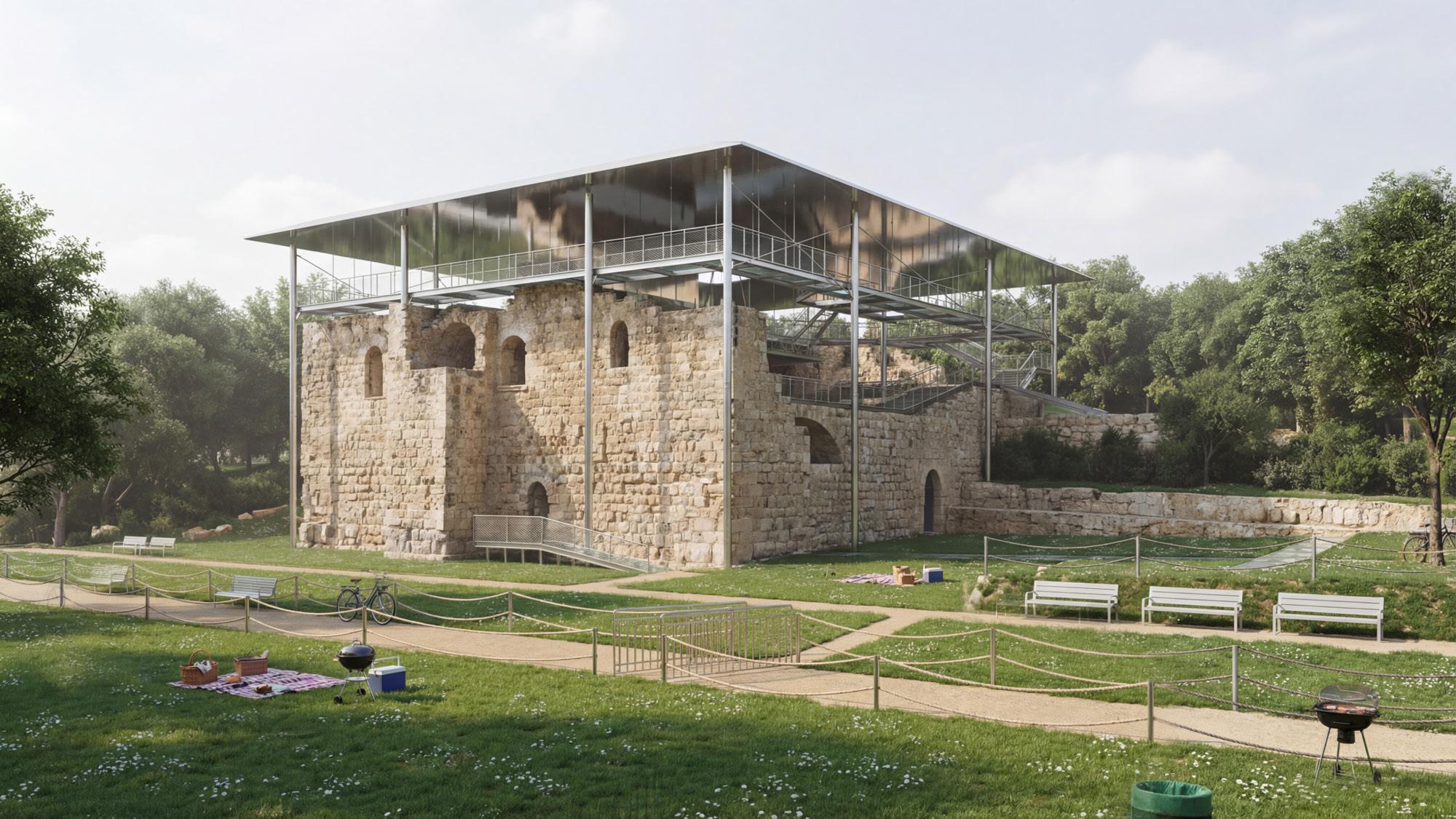
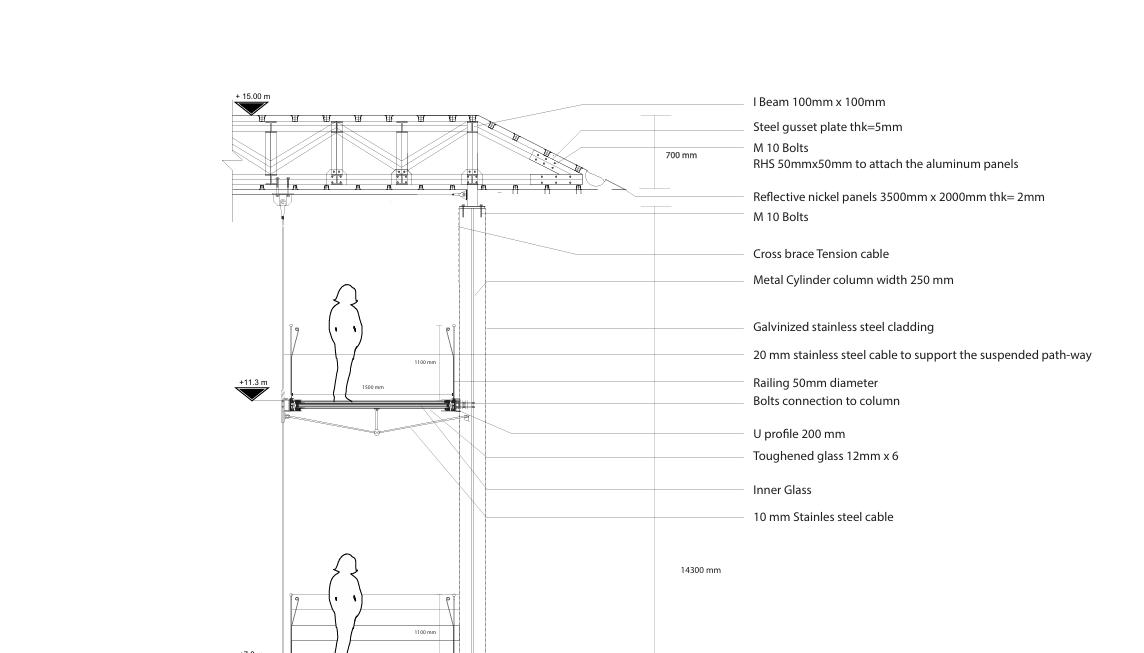
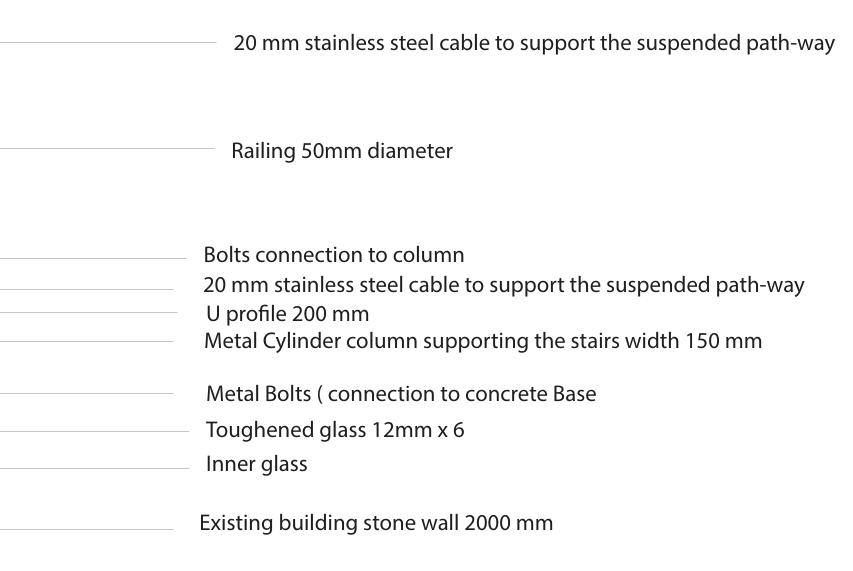
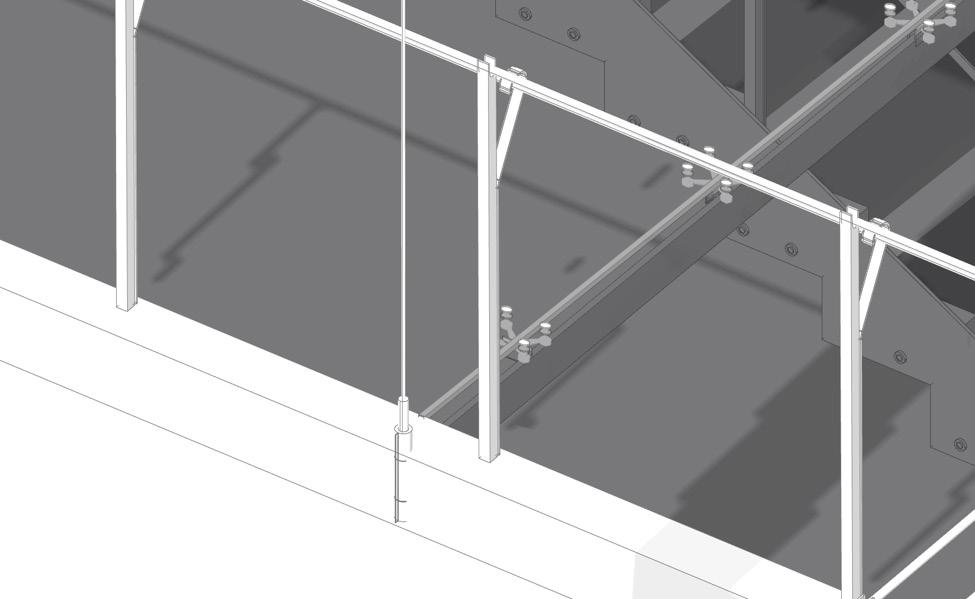
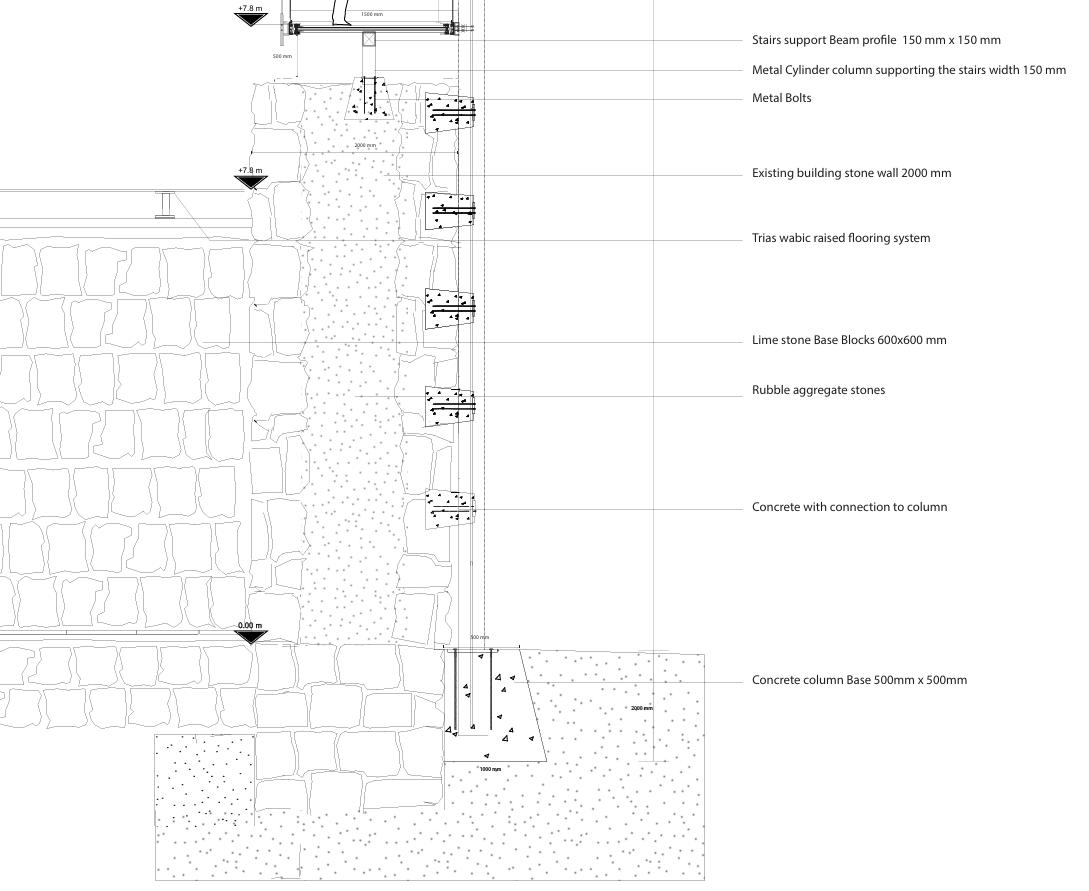
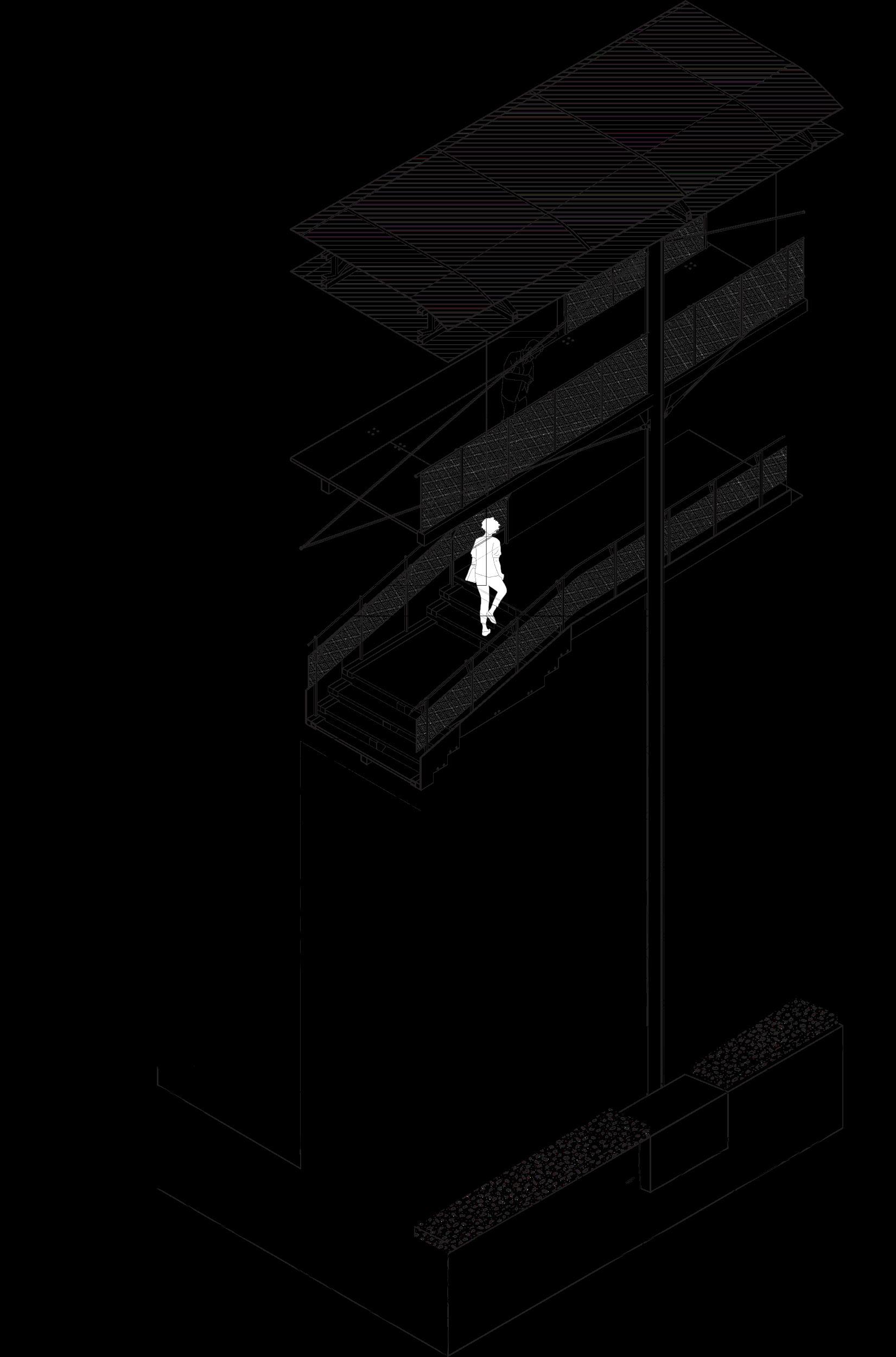
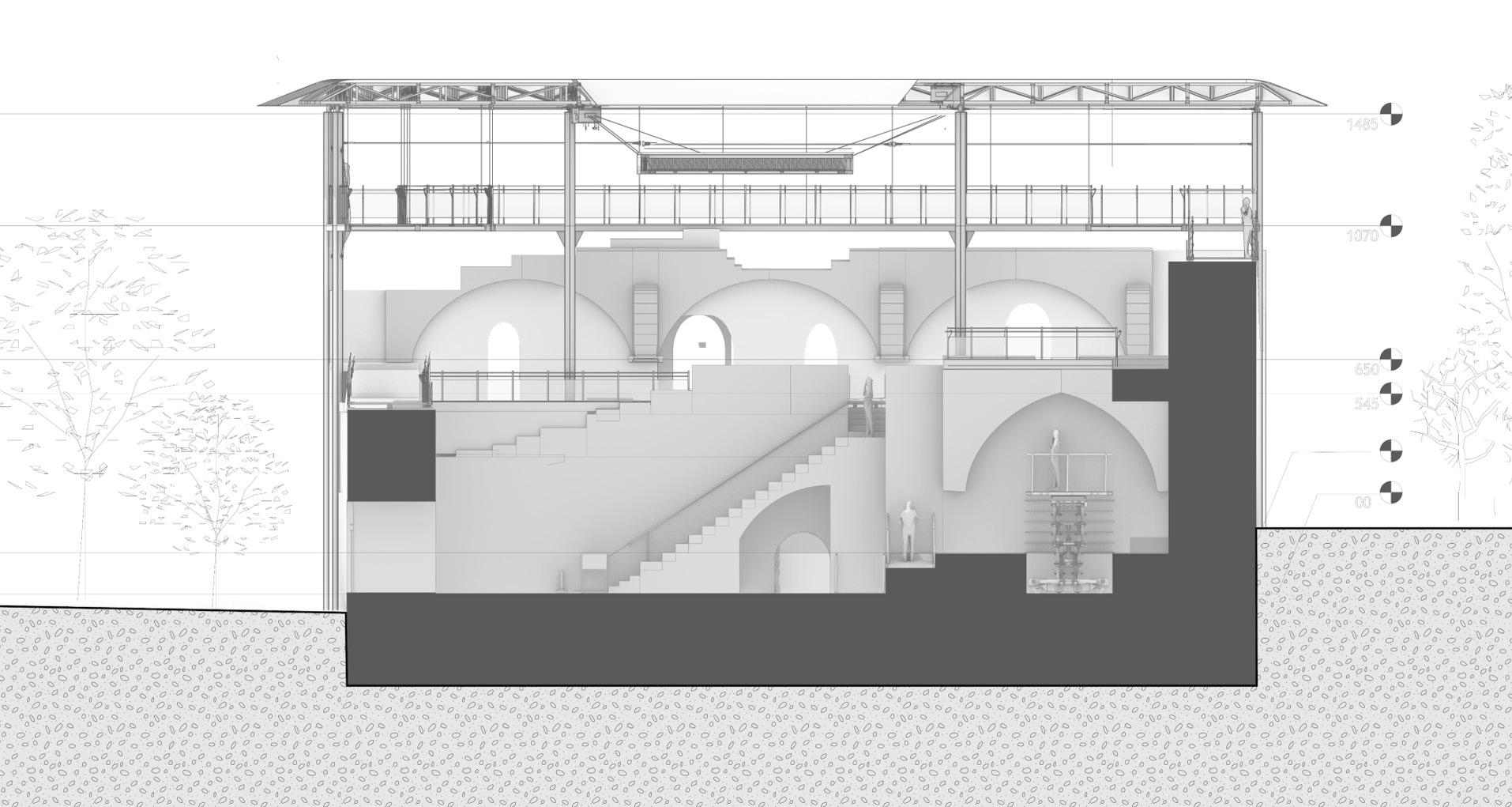
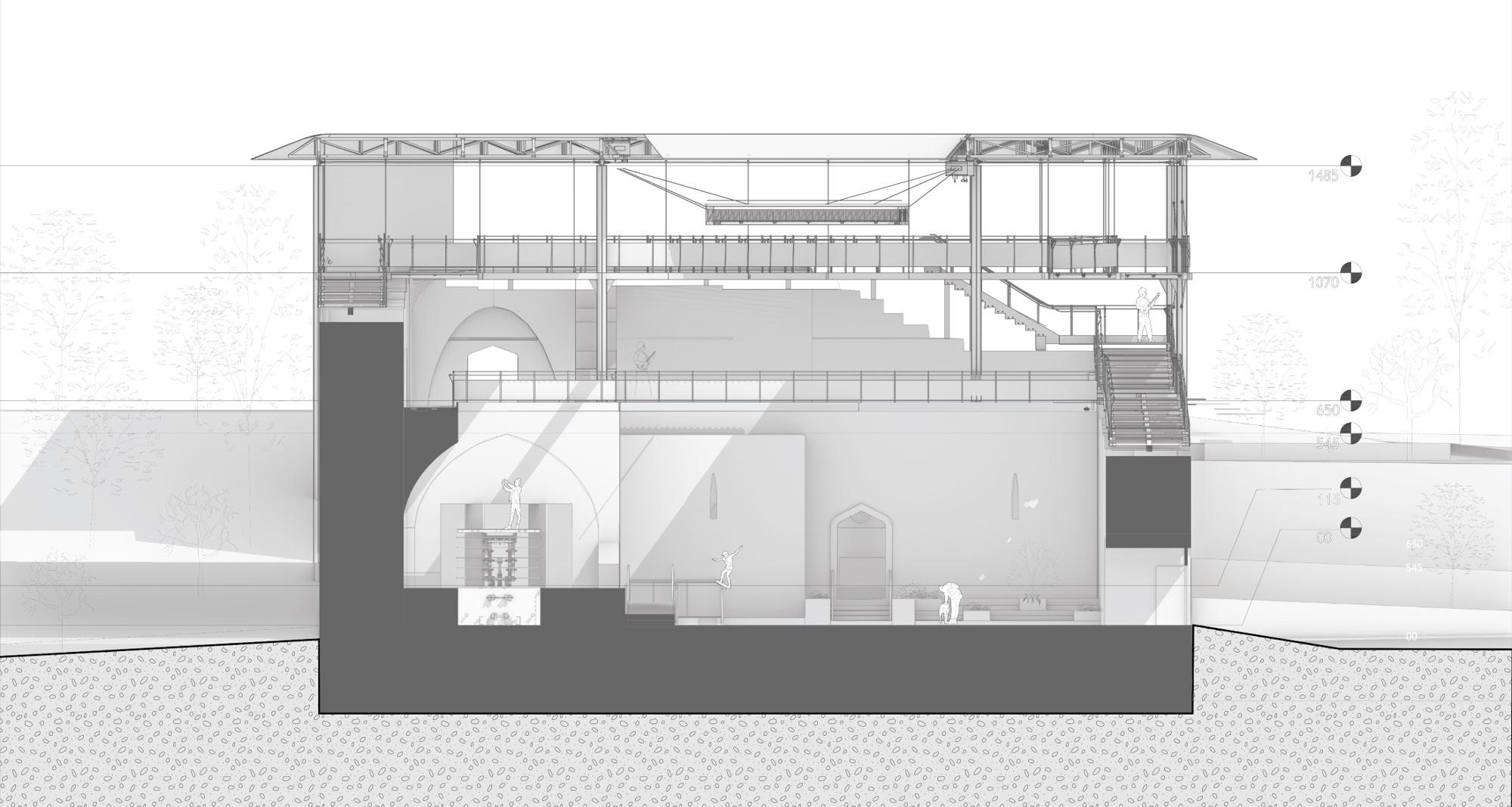
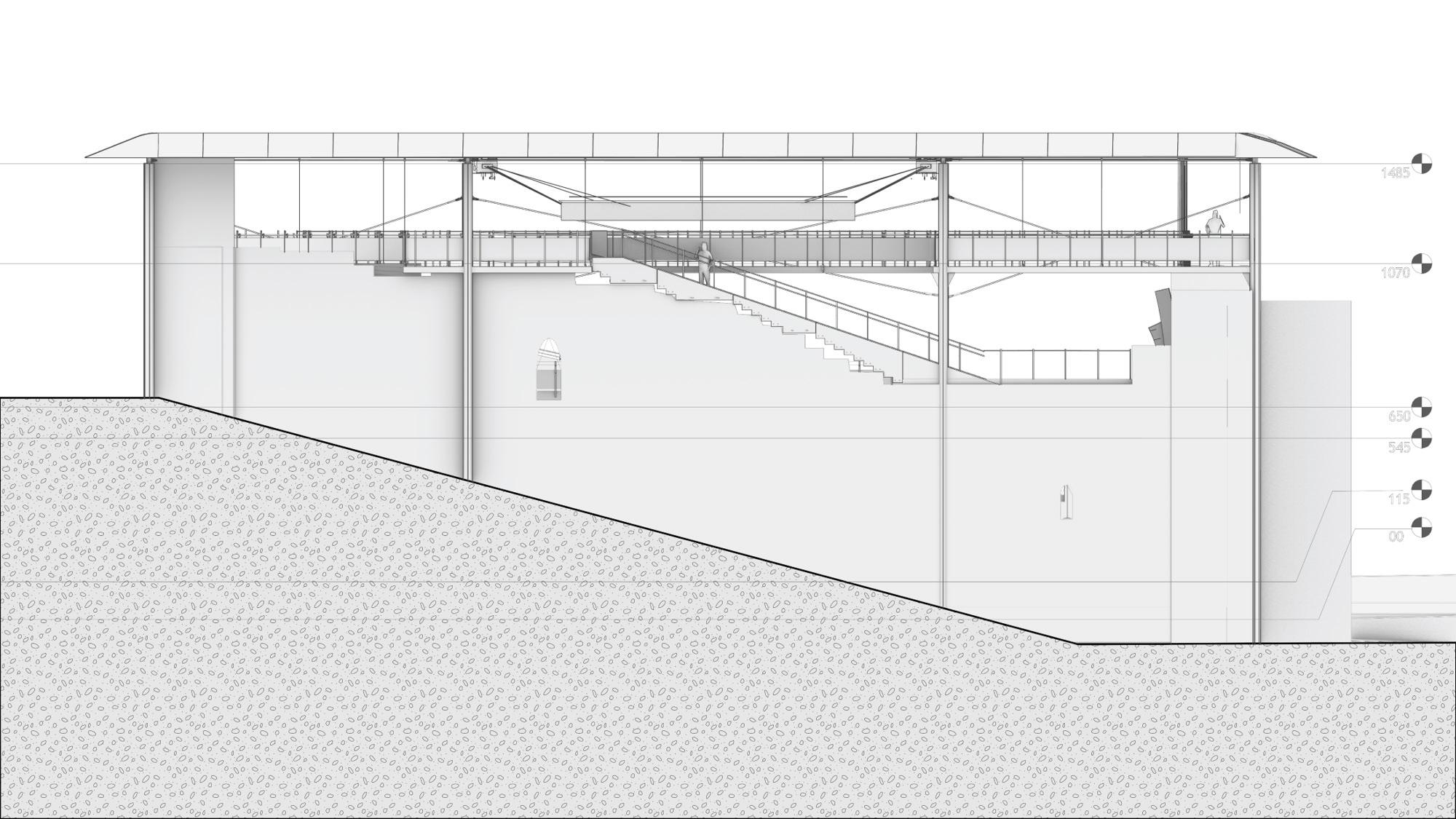
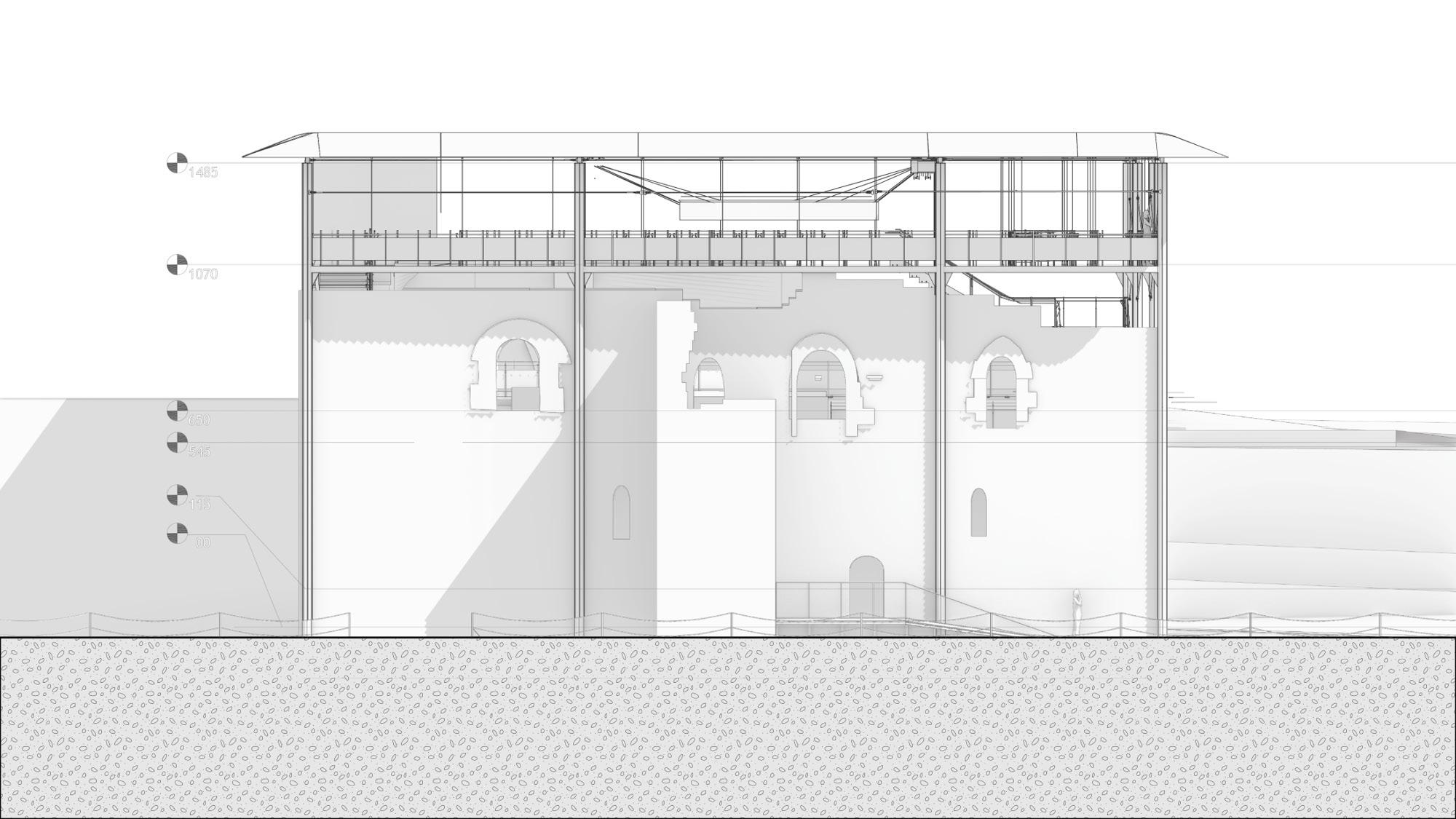
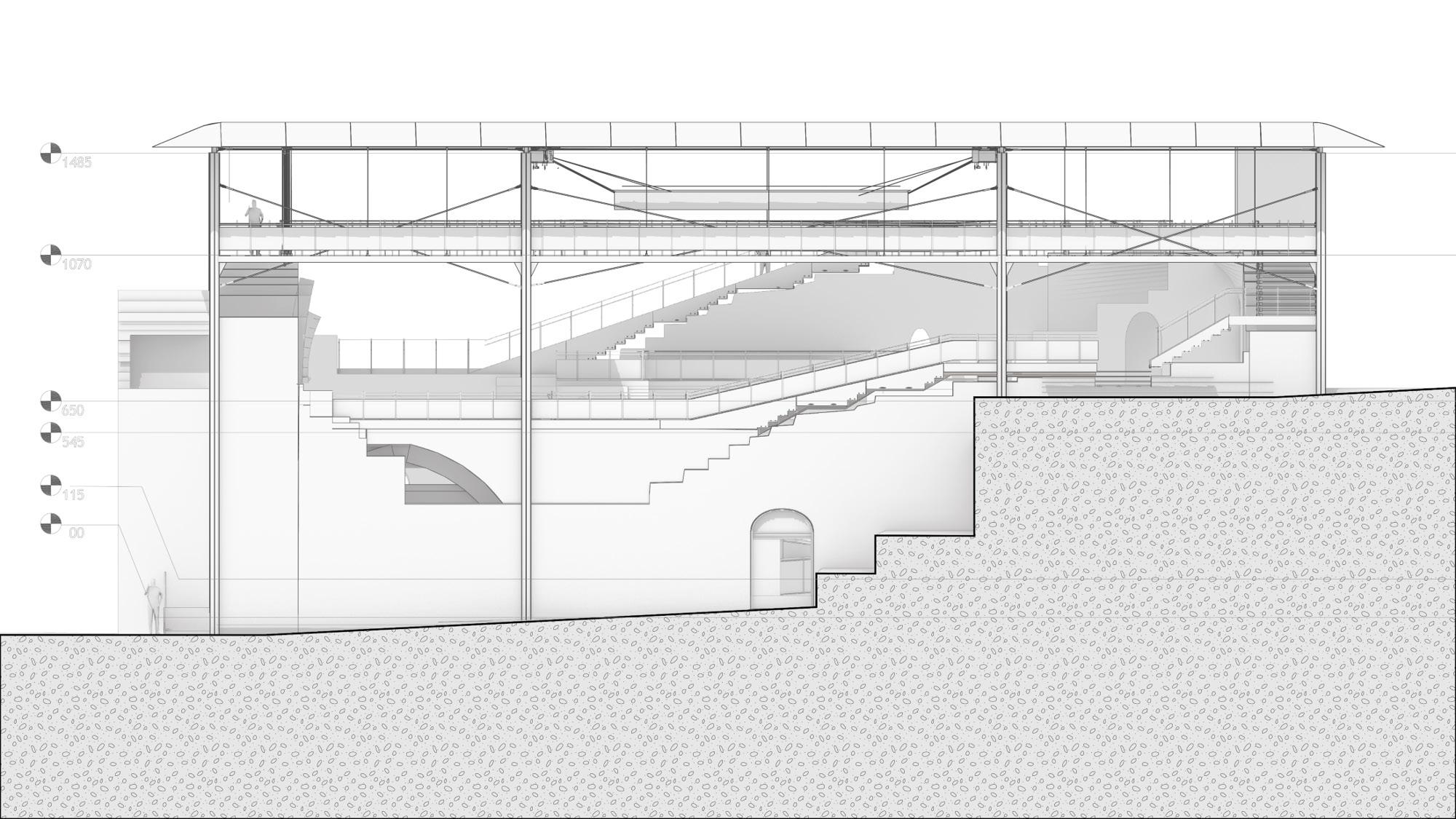
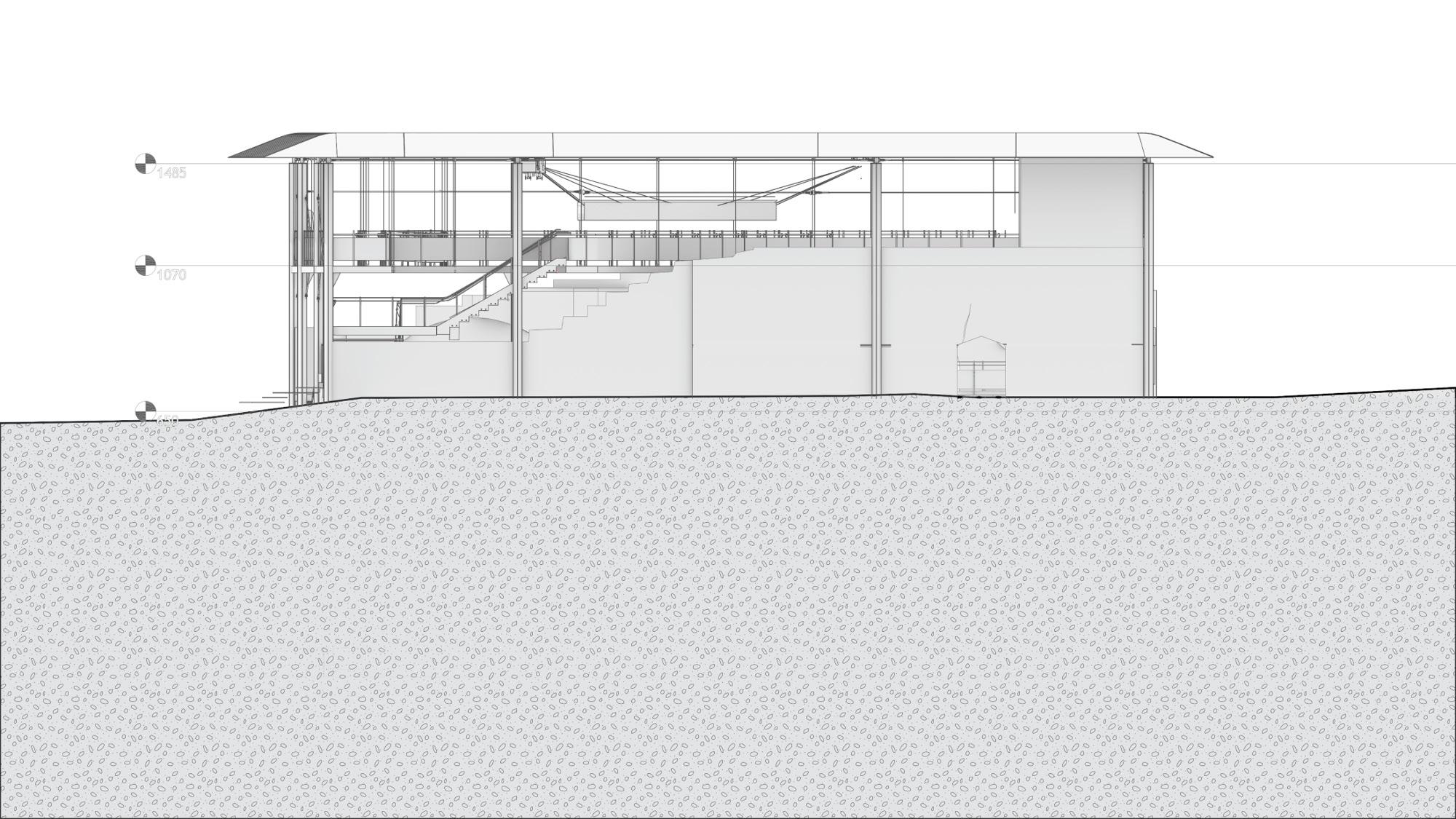
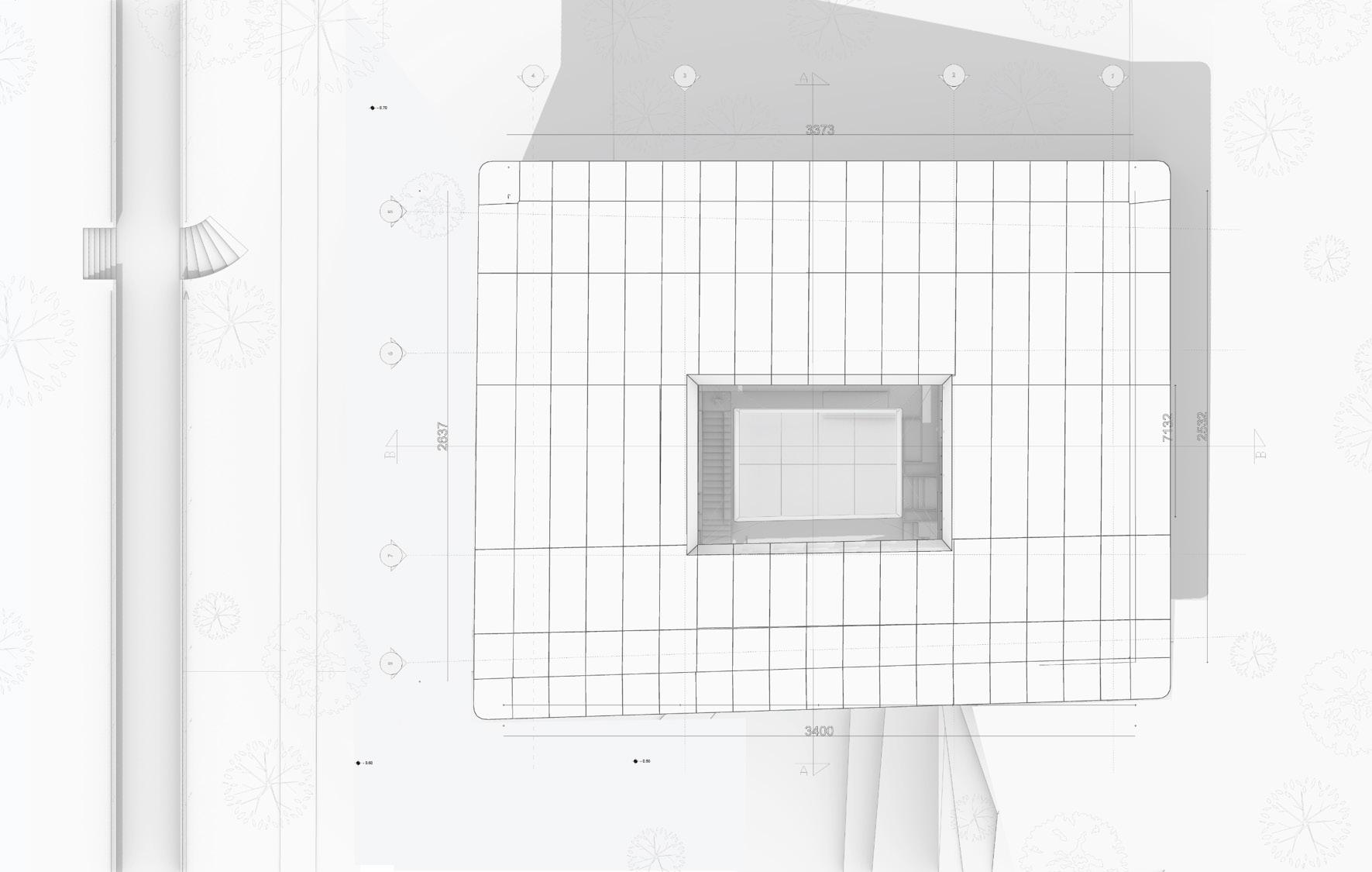
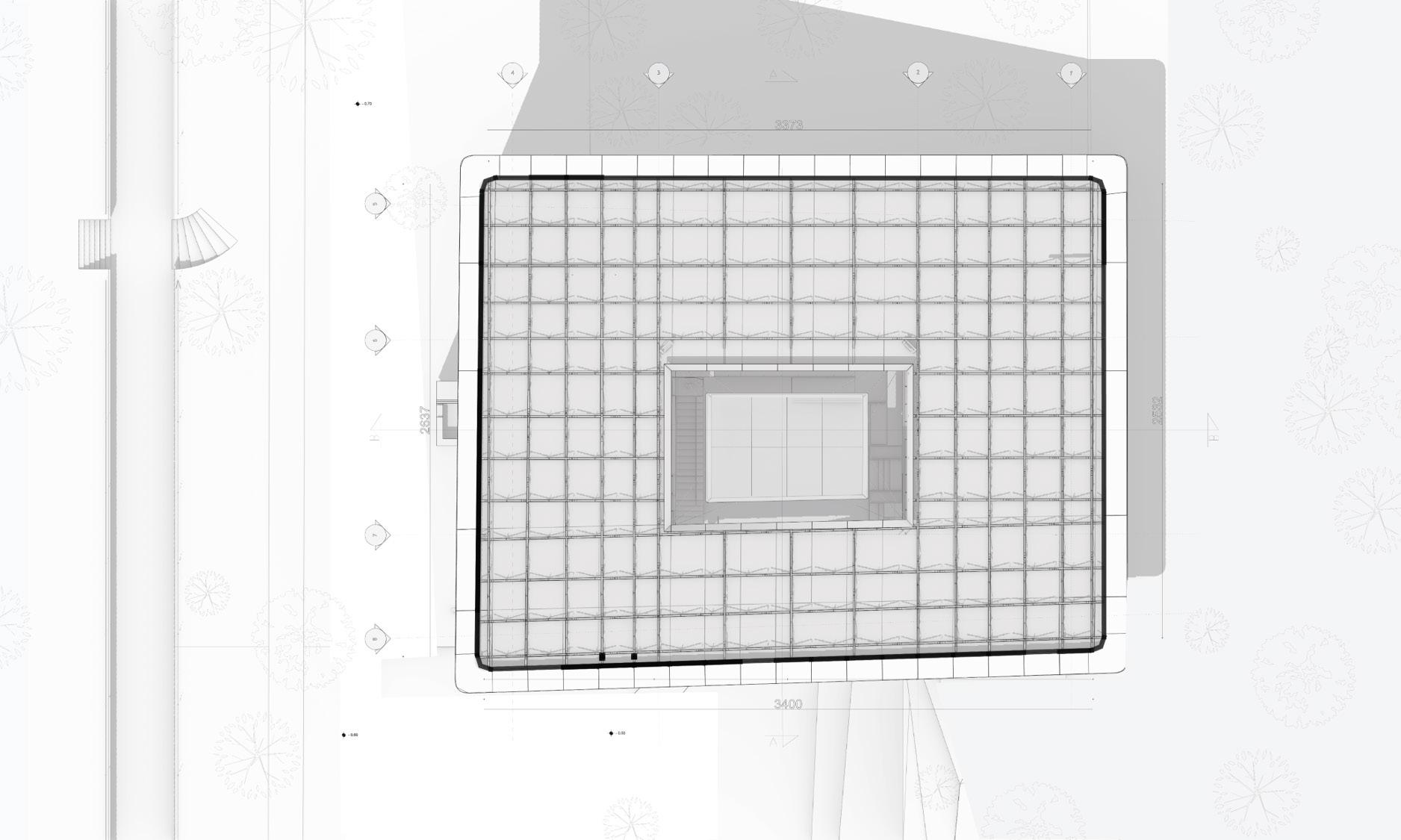
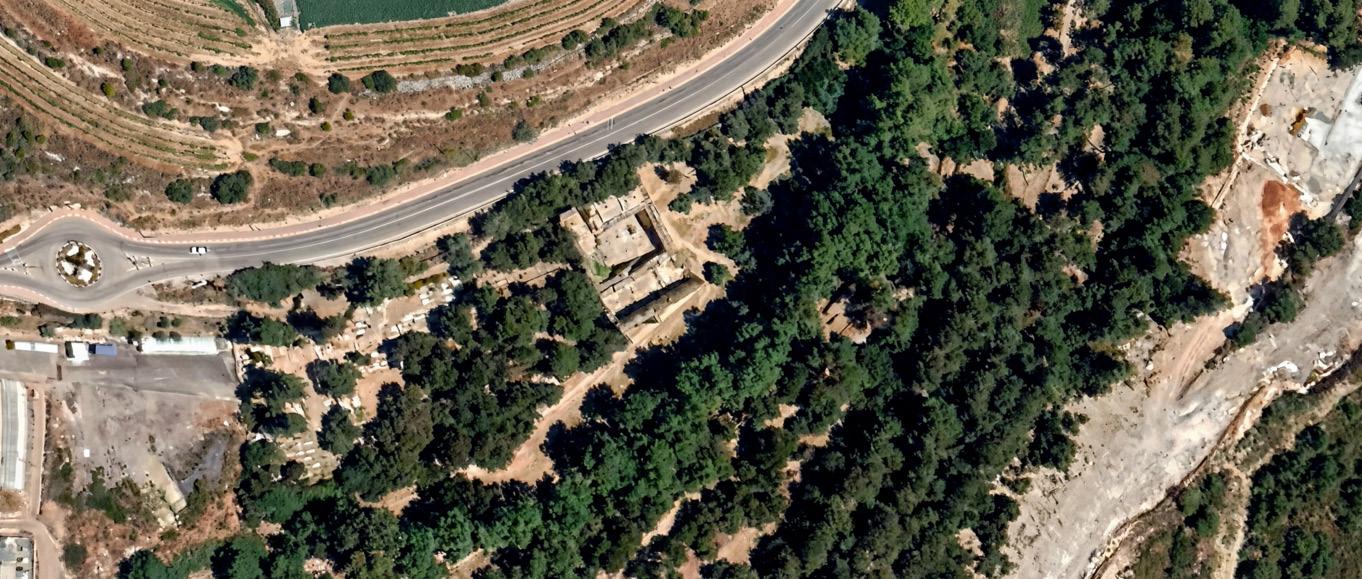
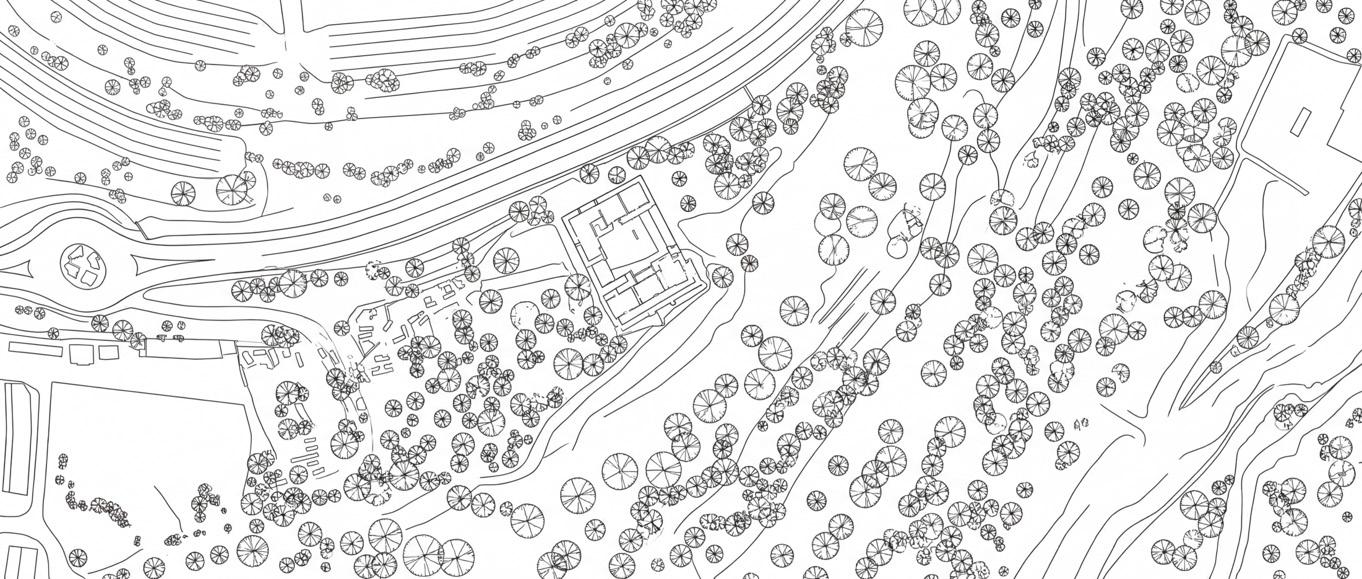
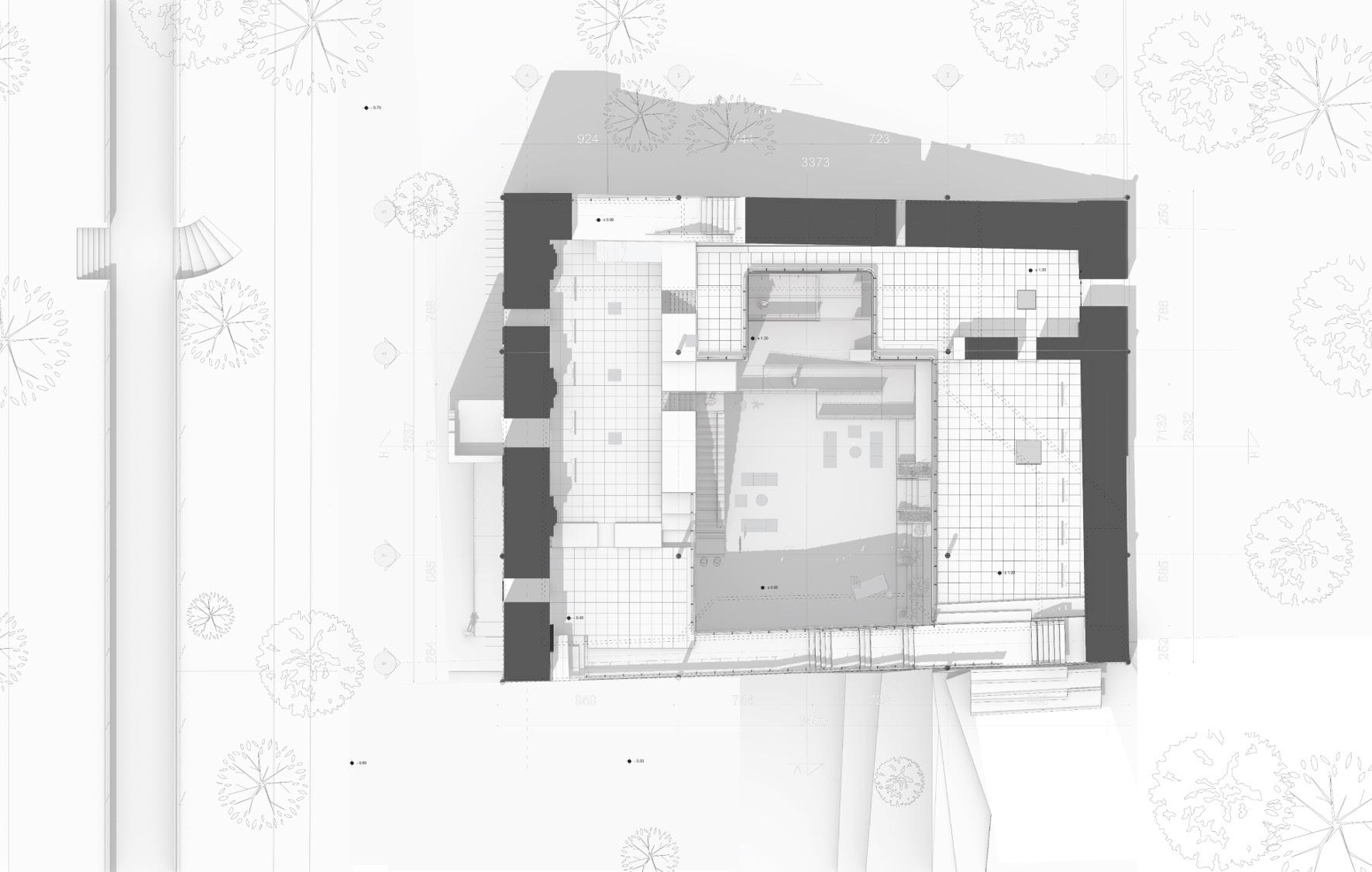
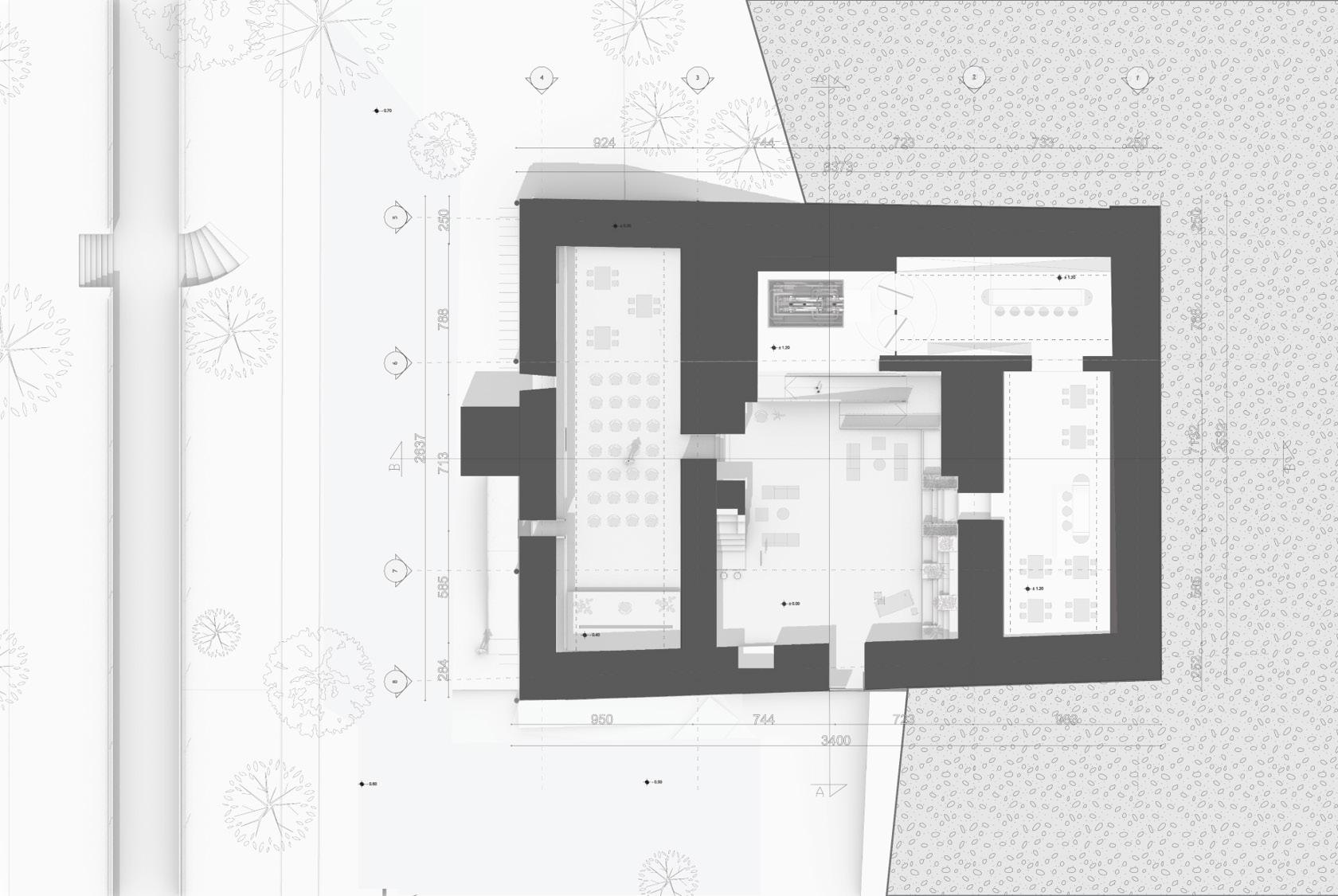
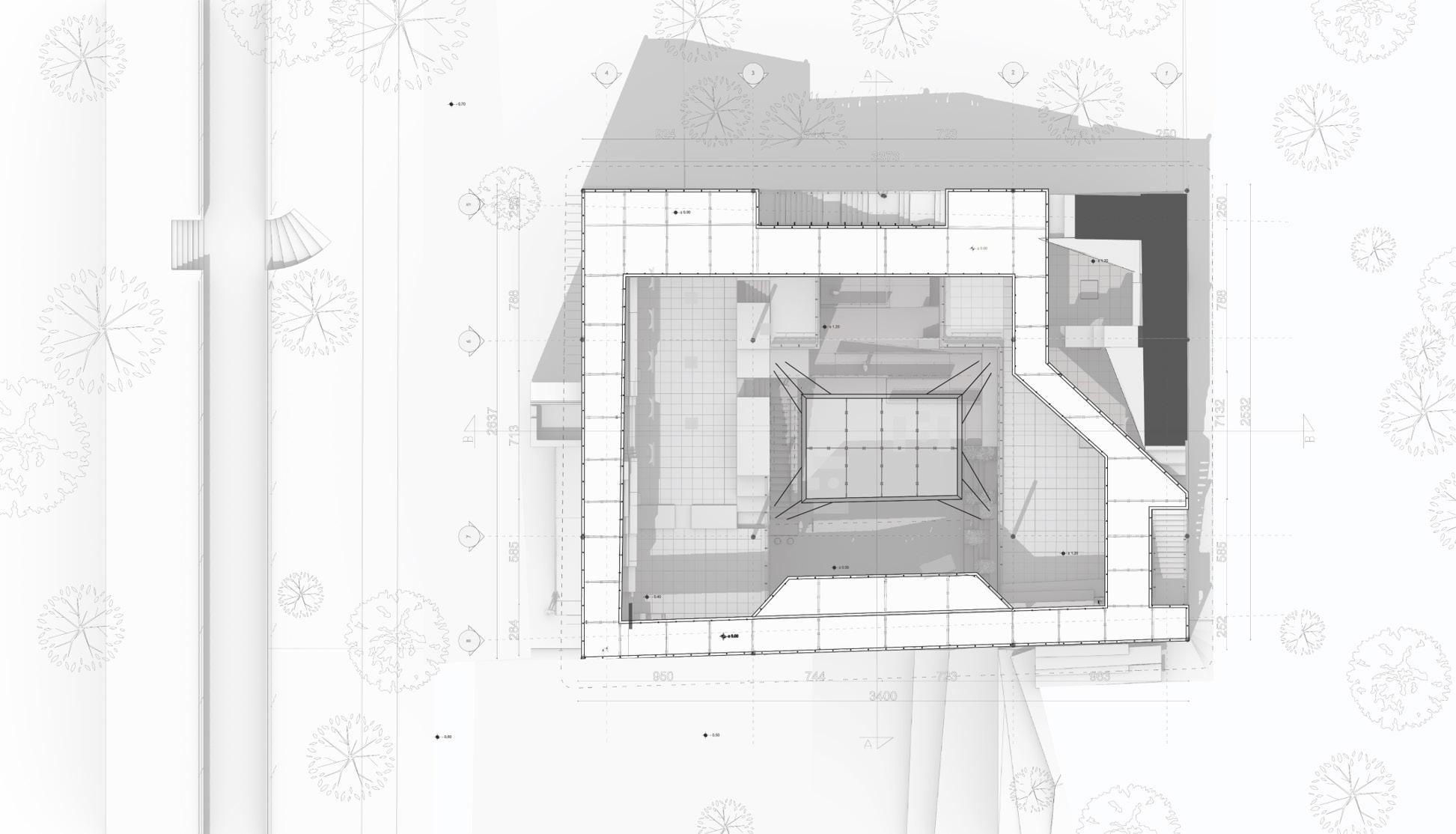
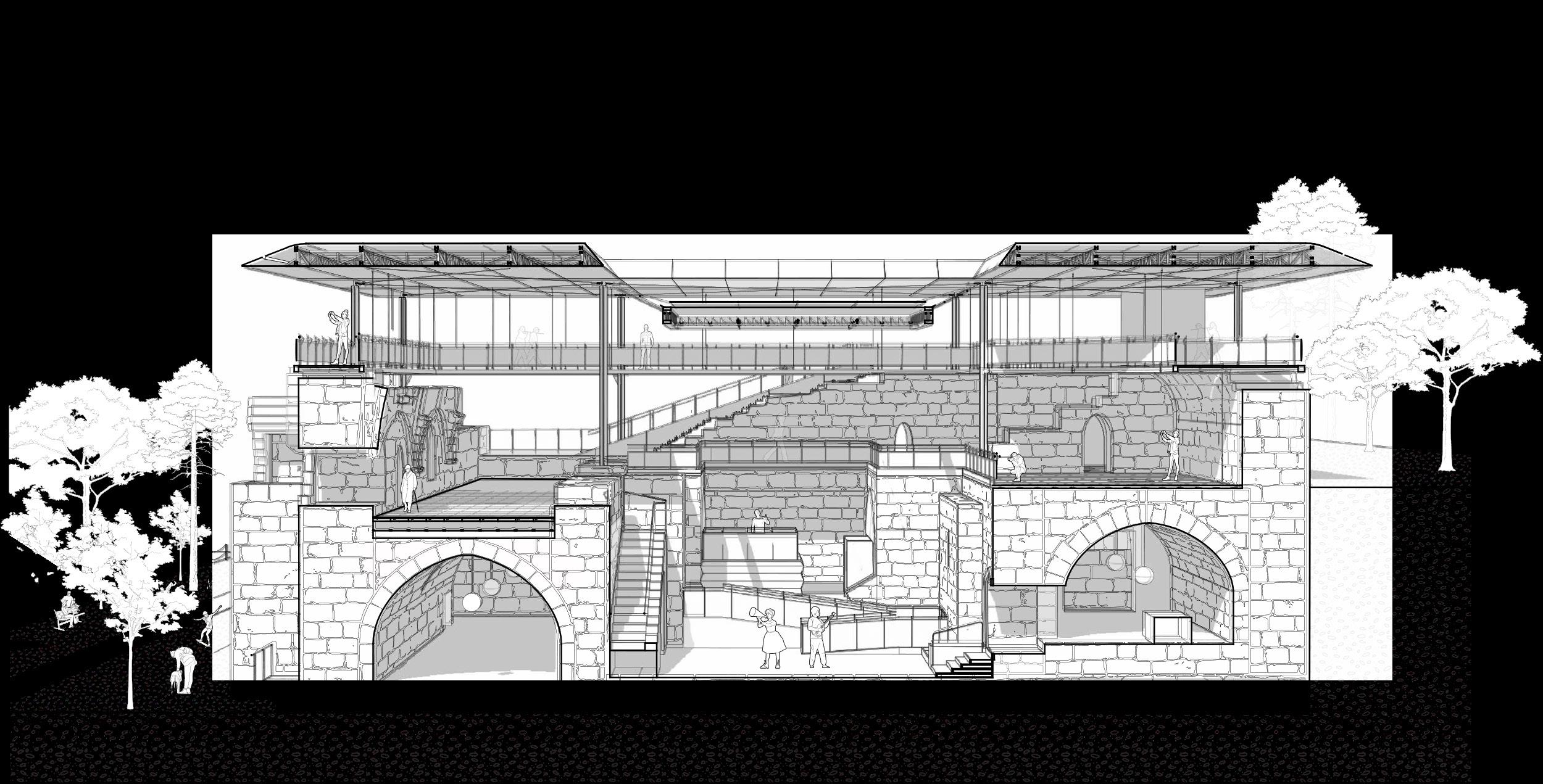
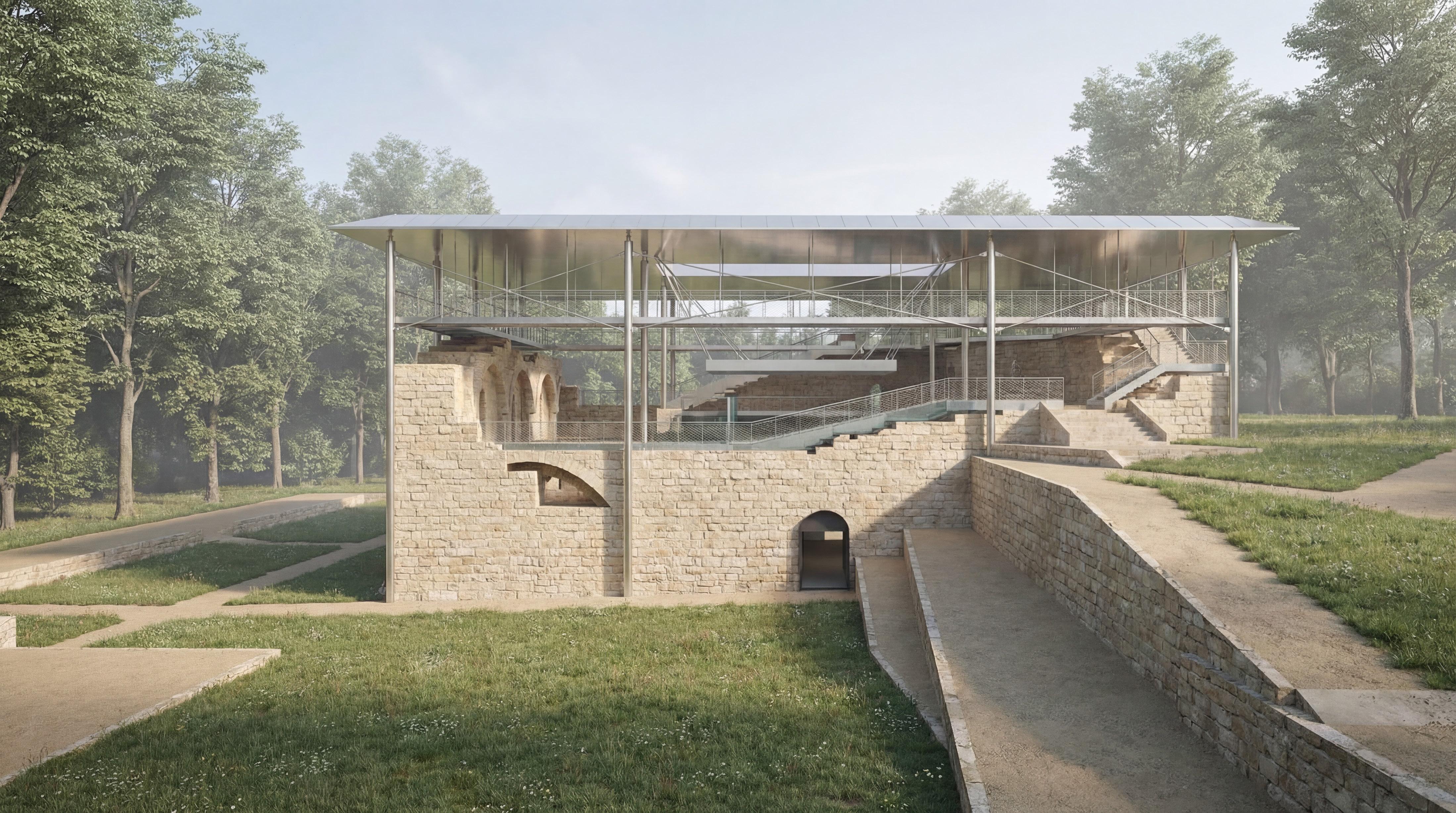
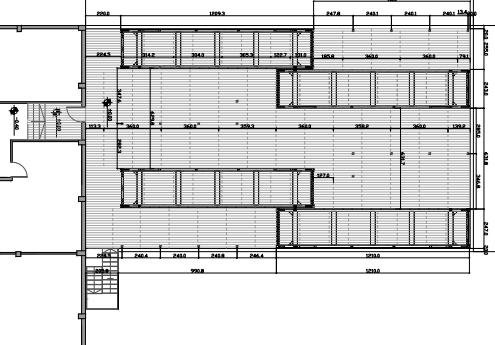
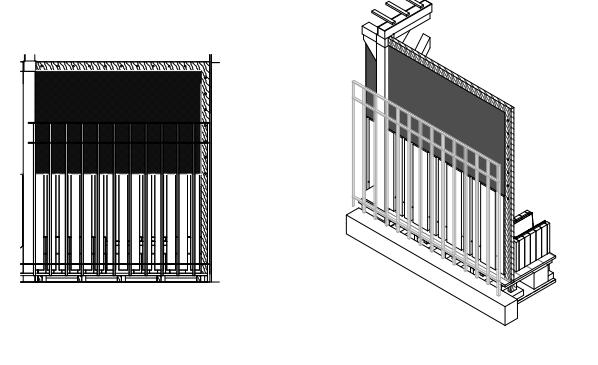
Aqua Bella Castle explores the relationship between architecture, landscape, and sensory experience through the reinterpretation of the historical site of Ein Hemed National Park (Aqua Bella). The project investigates how architectural intervention can engage with heritage not only as preservation, but as a spatial dialogue between water, material, light, and time.
Details
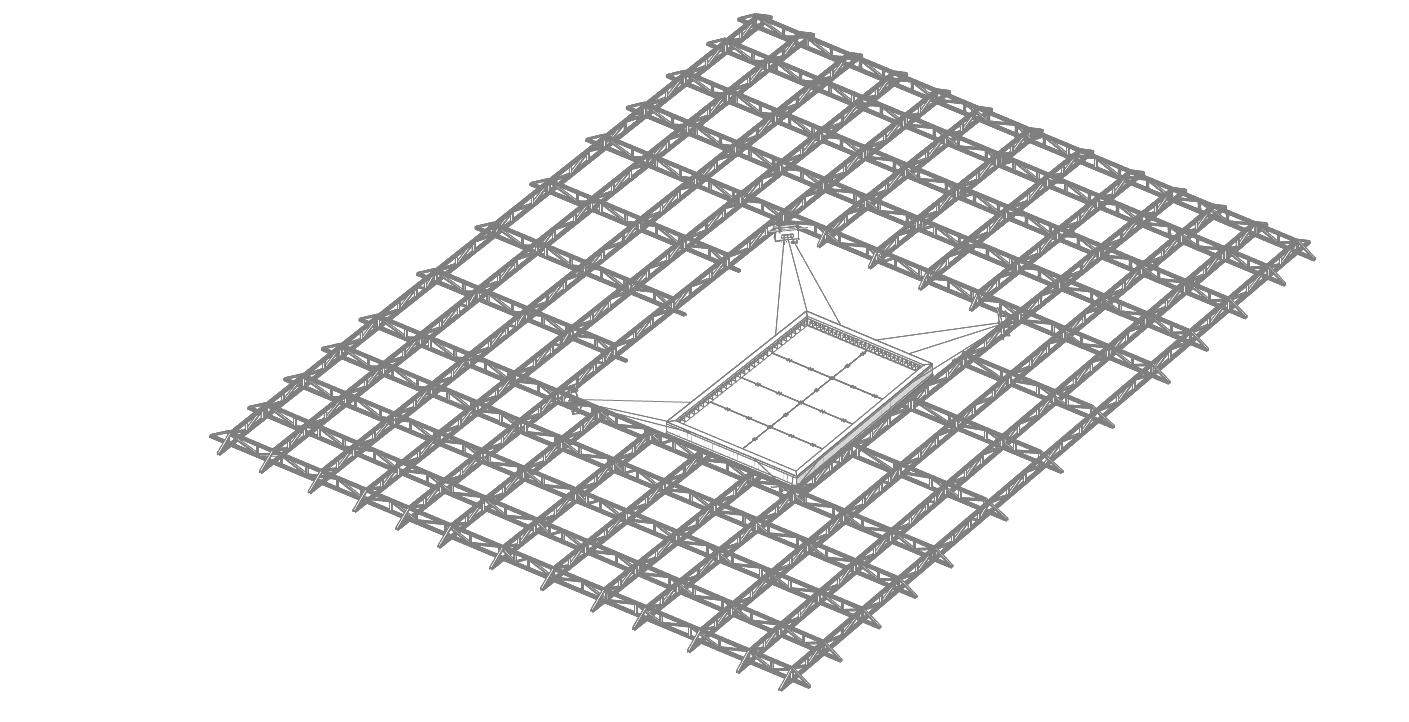
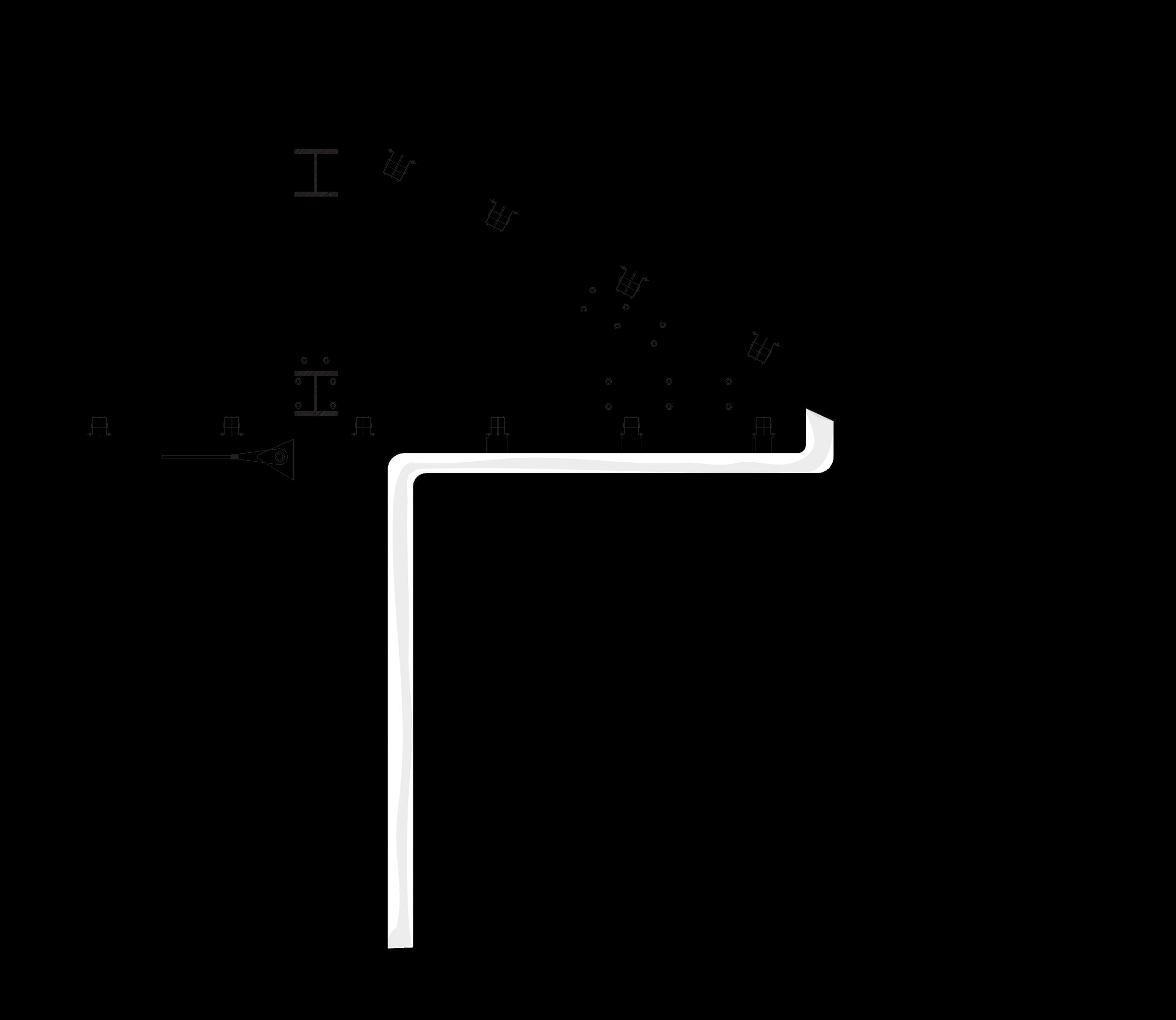
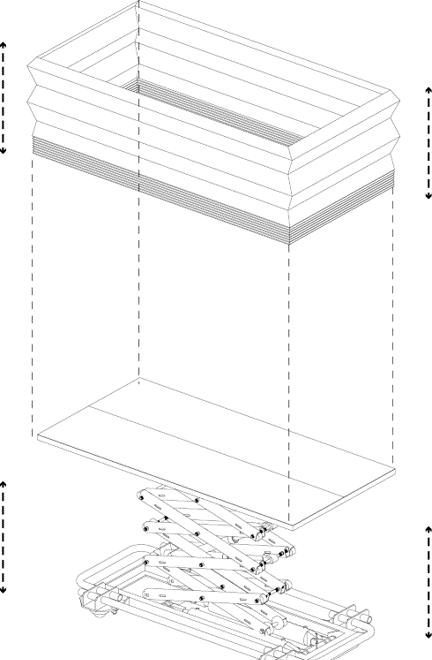
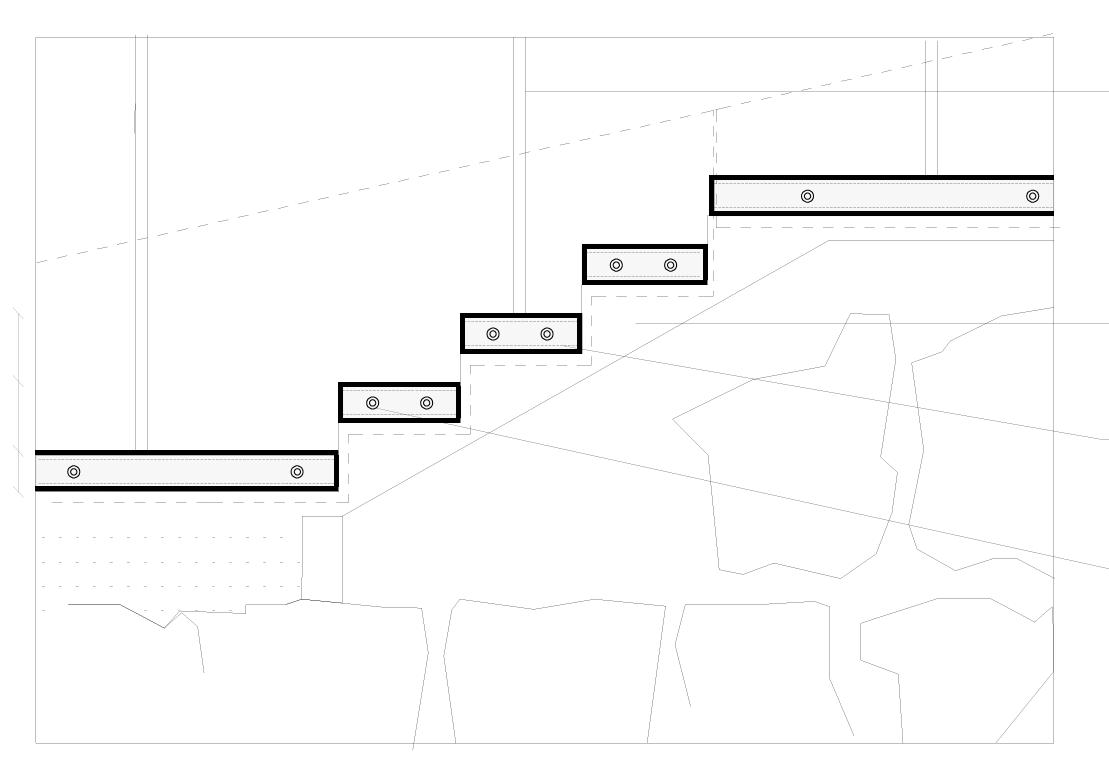
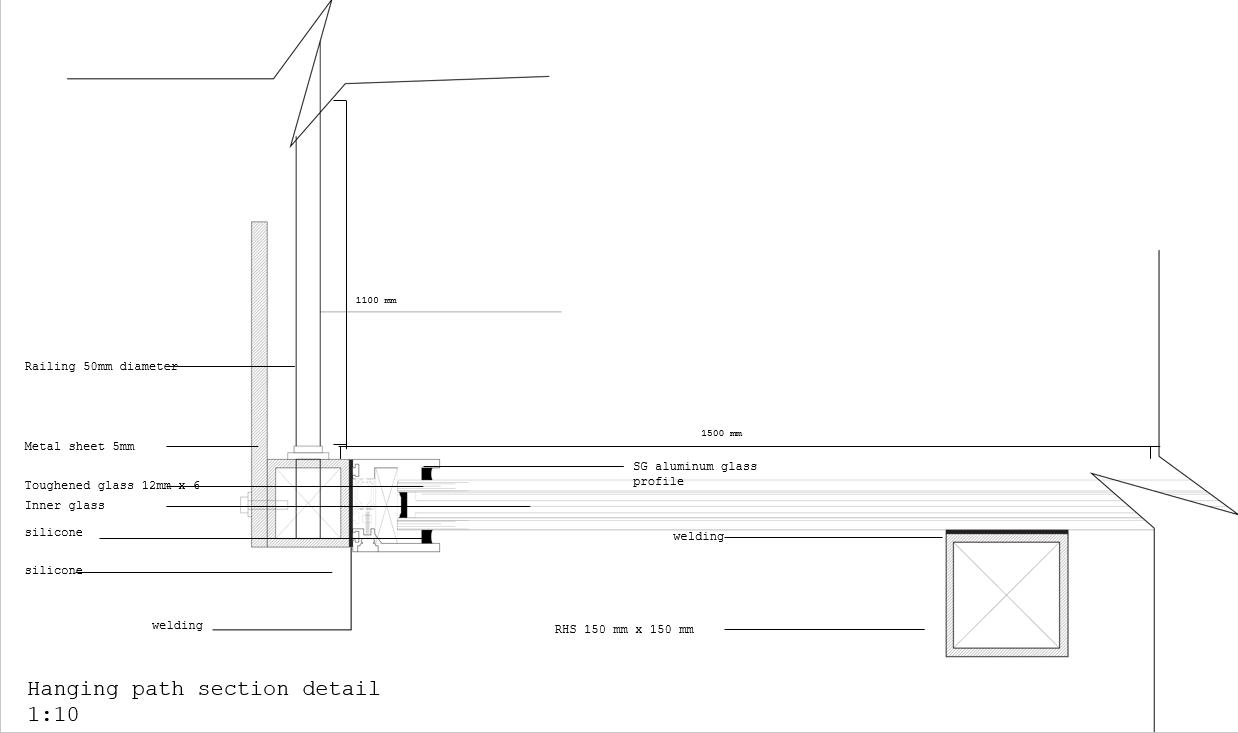
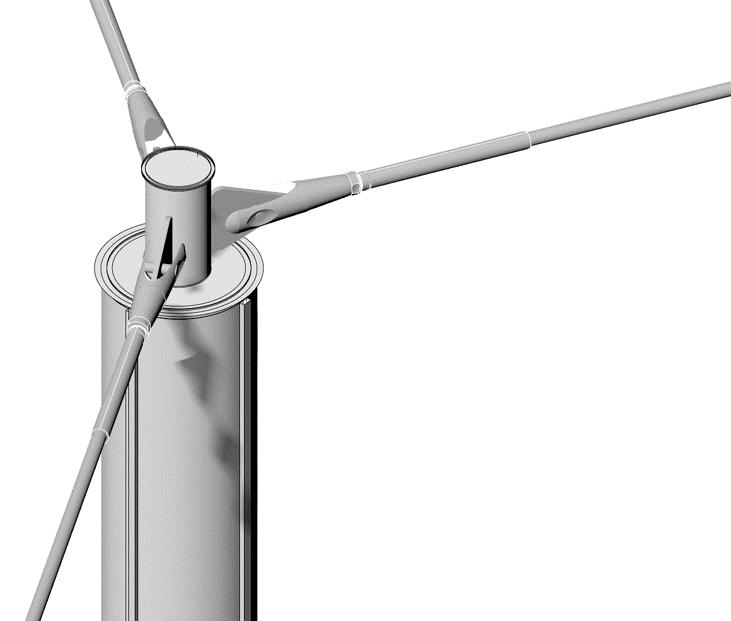
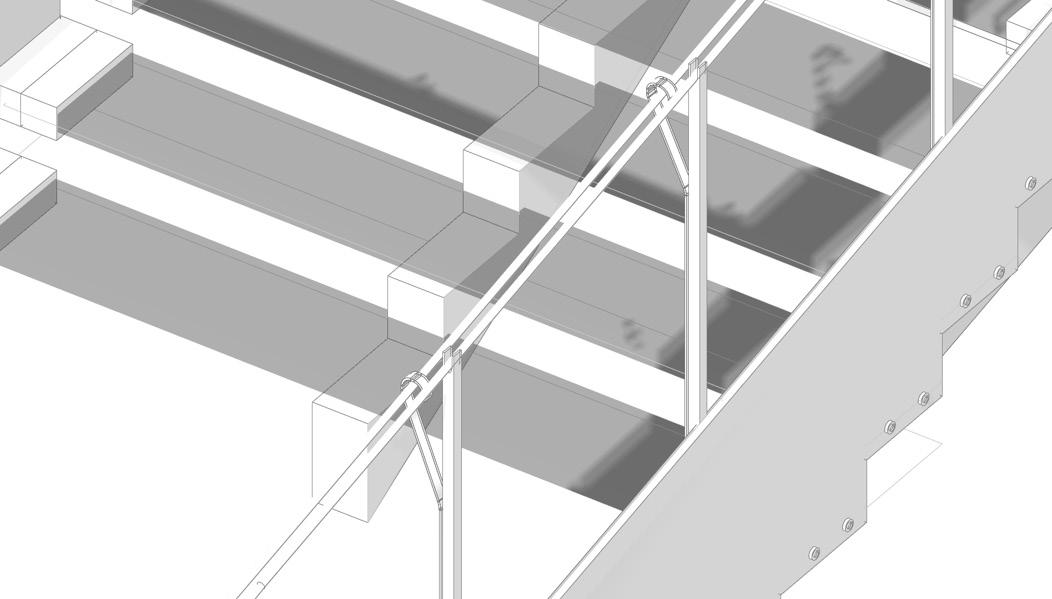
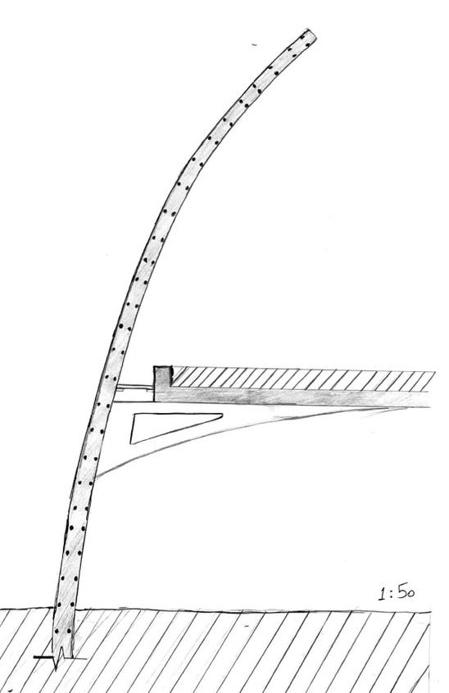
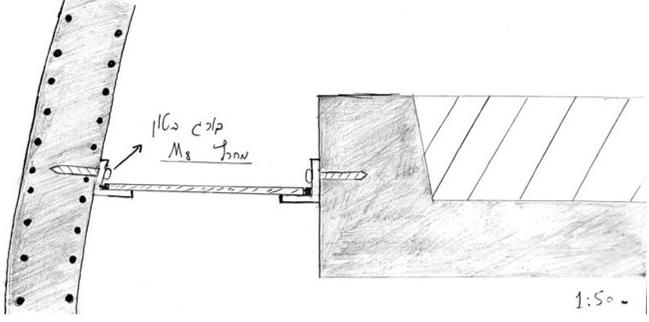
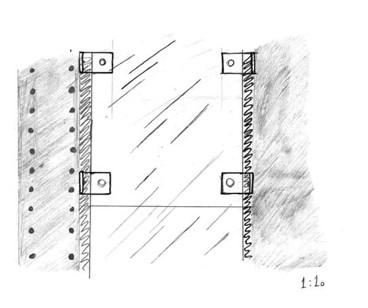
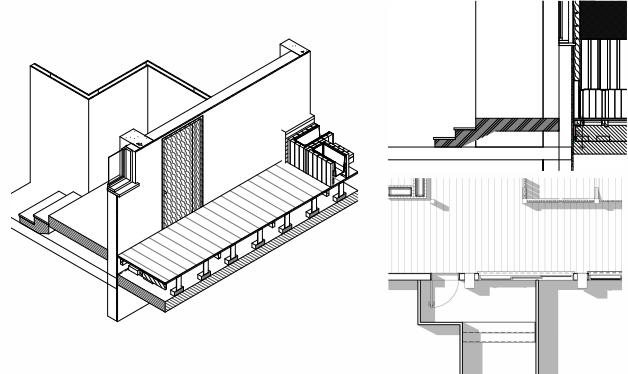
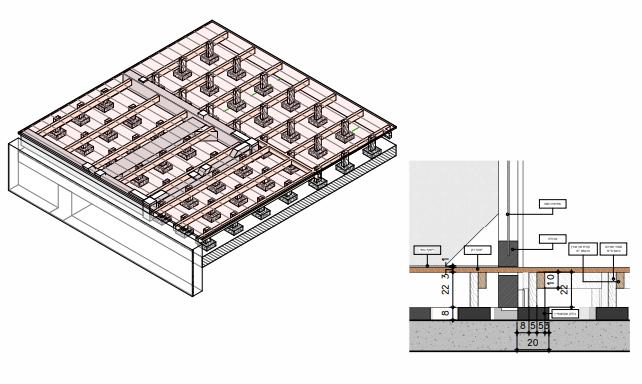
Isometric Section detail 1:25
Concrete
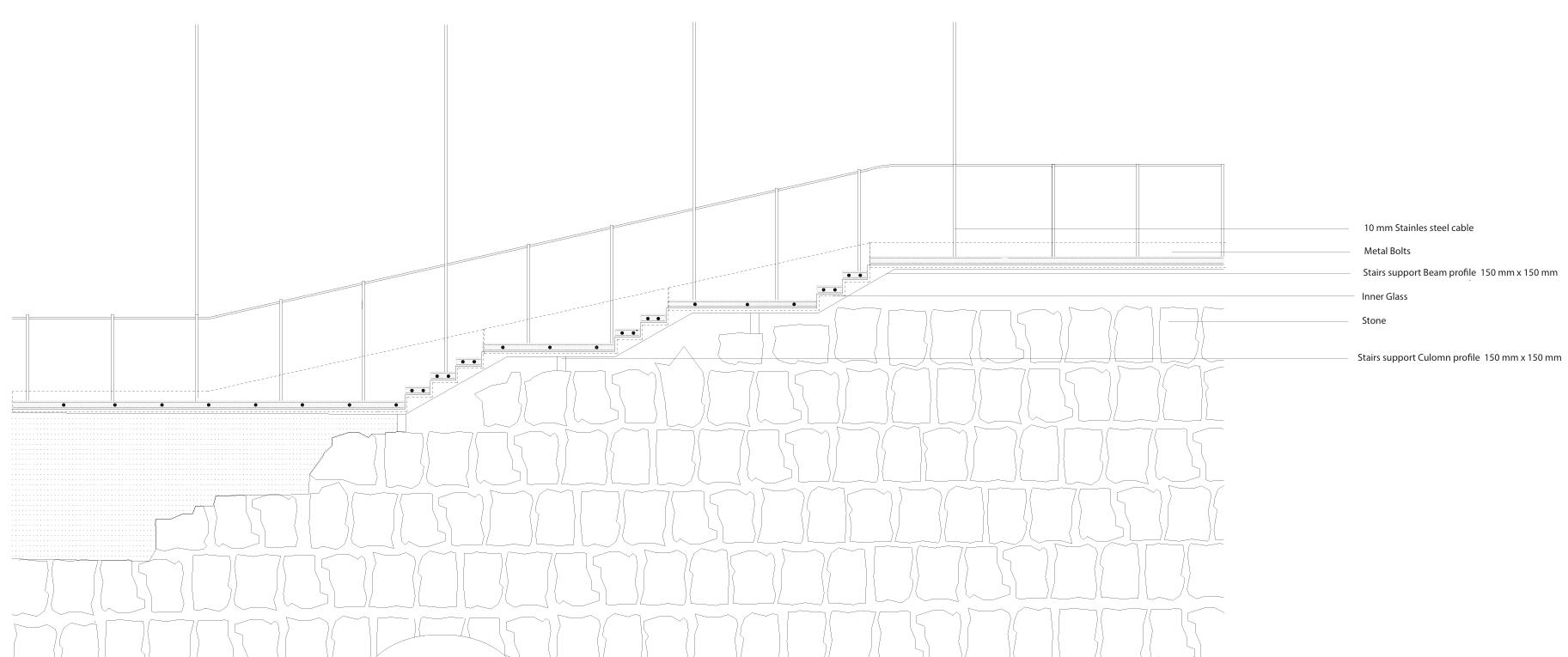
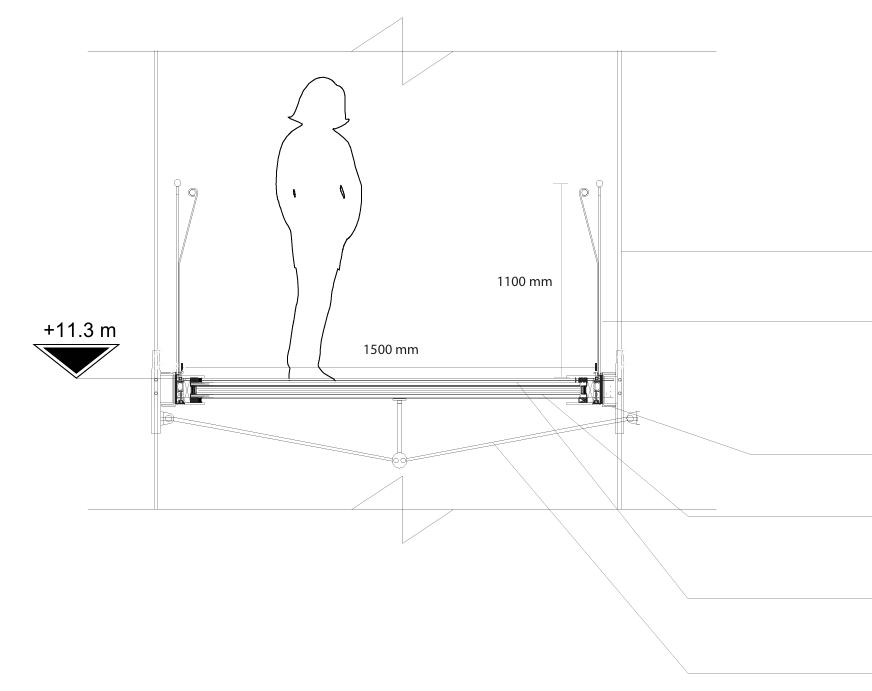
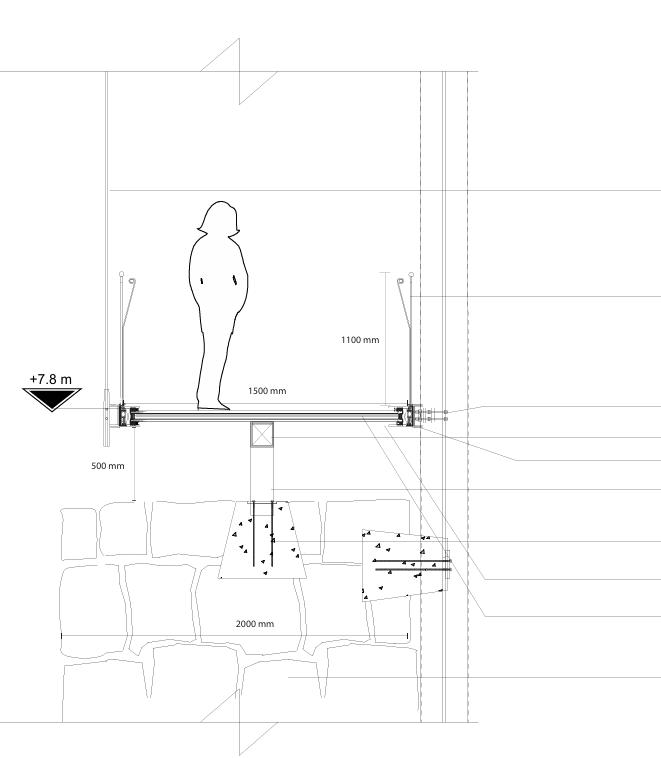
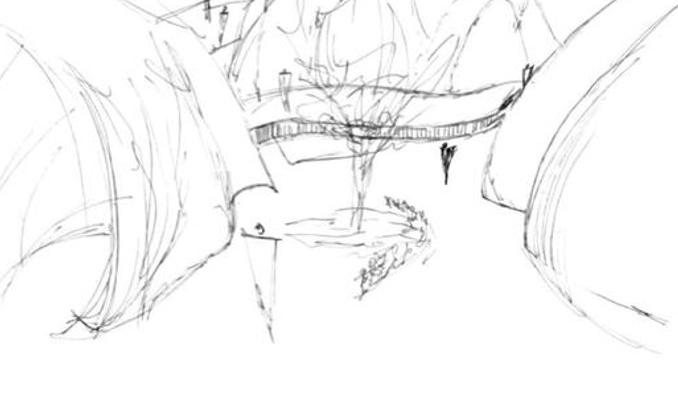
Perspective Section 1:100
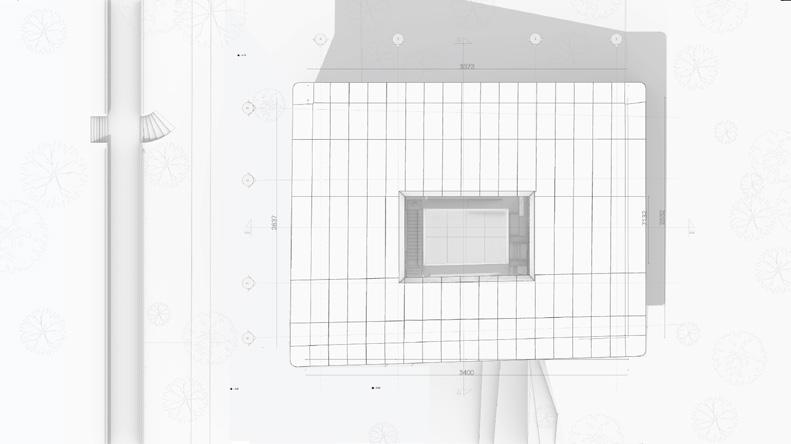
The medieval stone structure and its surrounding landscape form a layered environment shaped by natural topography, flowing water systems, and historical construction techniques. Through on-site documentation, analysis, and digital reconstruction methods, the project studies how the existing geometry and material logic can inform a contemporary spatial strategy. Special emphasis was placed on translating physical observations into accurate architectural drawings through the use of accessible 3D scanning tools, converting captured mesh data into precise plans and spatial representations.
The proposal interprets the castle as an atmospheric system, where spatial sequences are defined by gradients of light, humidity, enclosure, and openness. Water becomes an active architectural element that reinforces continuity between interior and exterior conditions. The intervention aims to reveal hidden spatial qualities within the historic structure while maintaining respect for its material authenticity.
Rather than imposing a contrasting form, the project develops a subtle architectural language that amplifies the sensory presence of the site. Through careful calibration of surfaces, openings, and spatial transitions, Aqua Bella Castle proposes an architectural experience that connects historical memory with contemporary methods of representation and spatial interpretation.
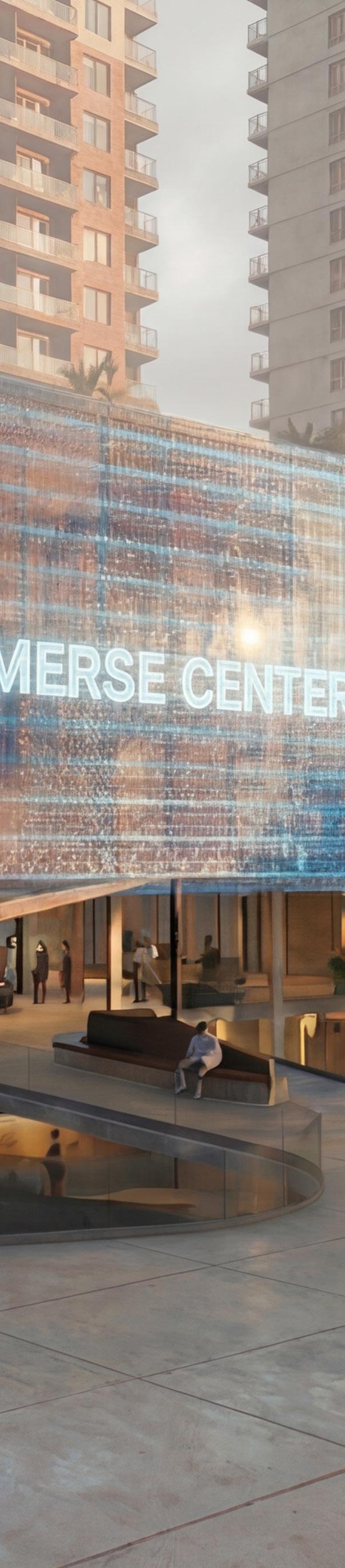
IMMERSE CENTER
3rd yr/1 2025
Location : Herzilya
Urban Innovation
Supervisor : Aynav Ziev
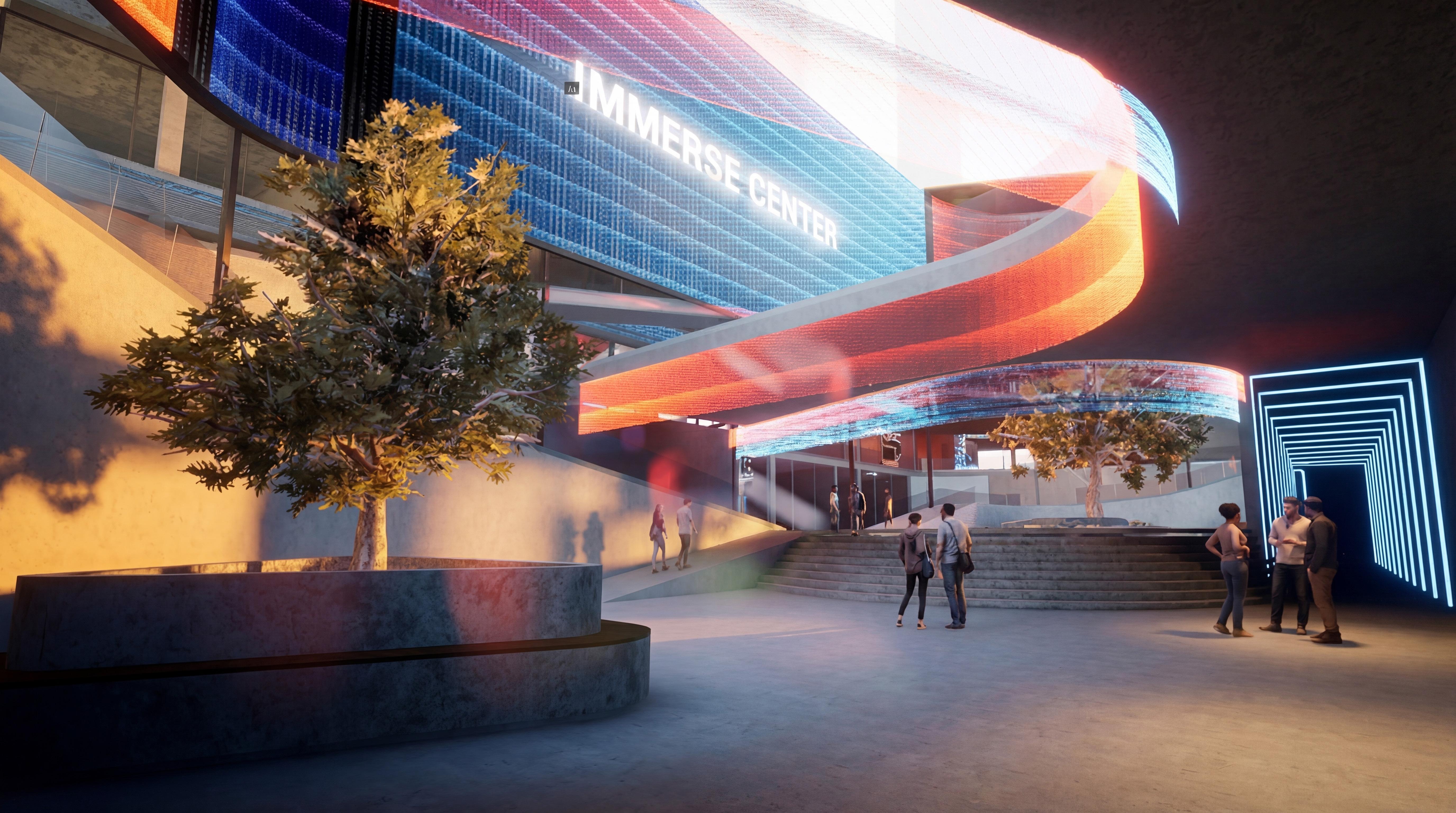
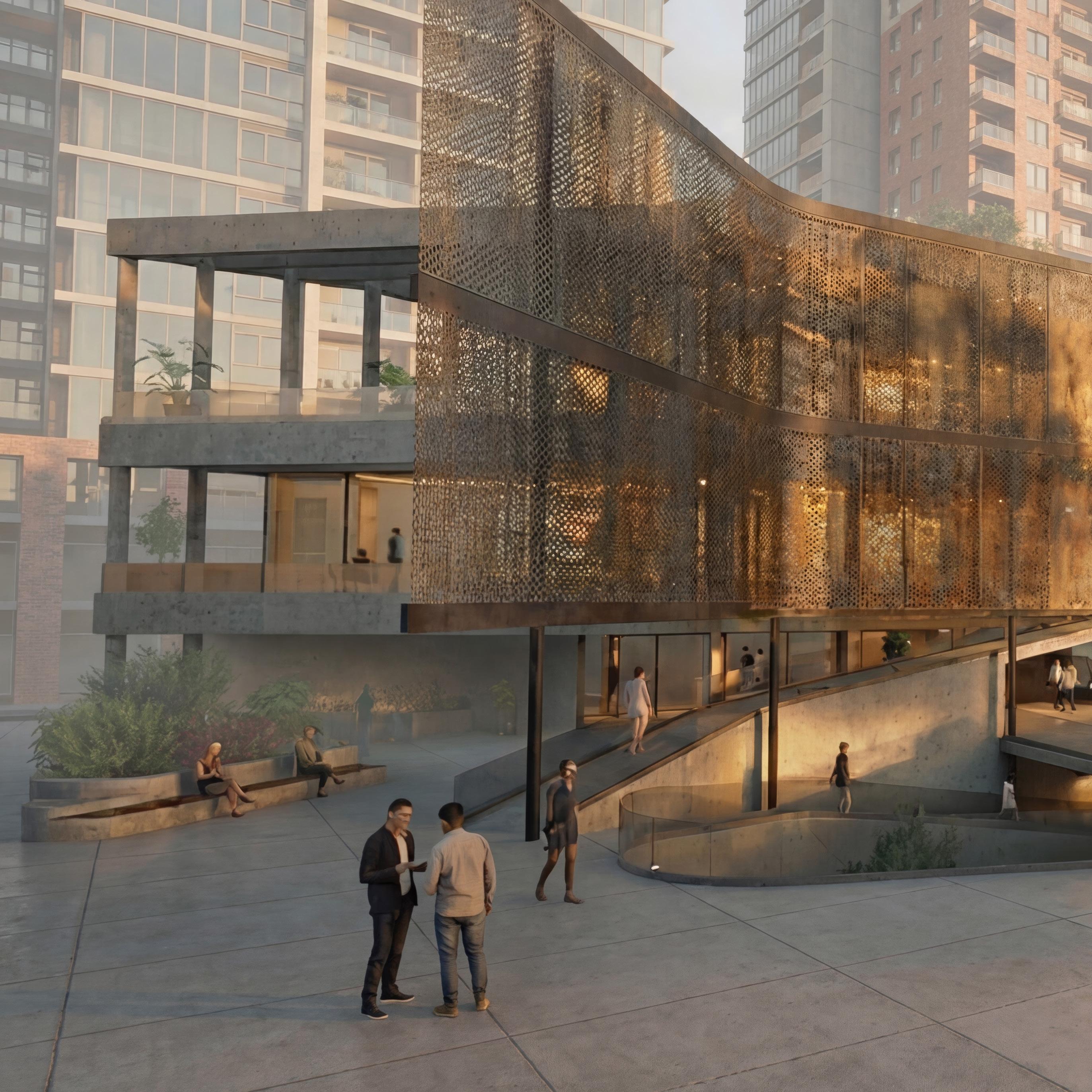
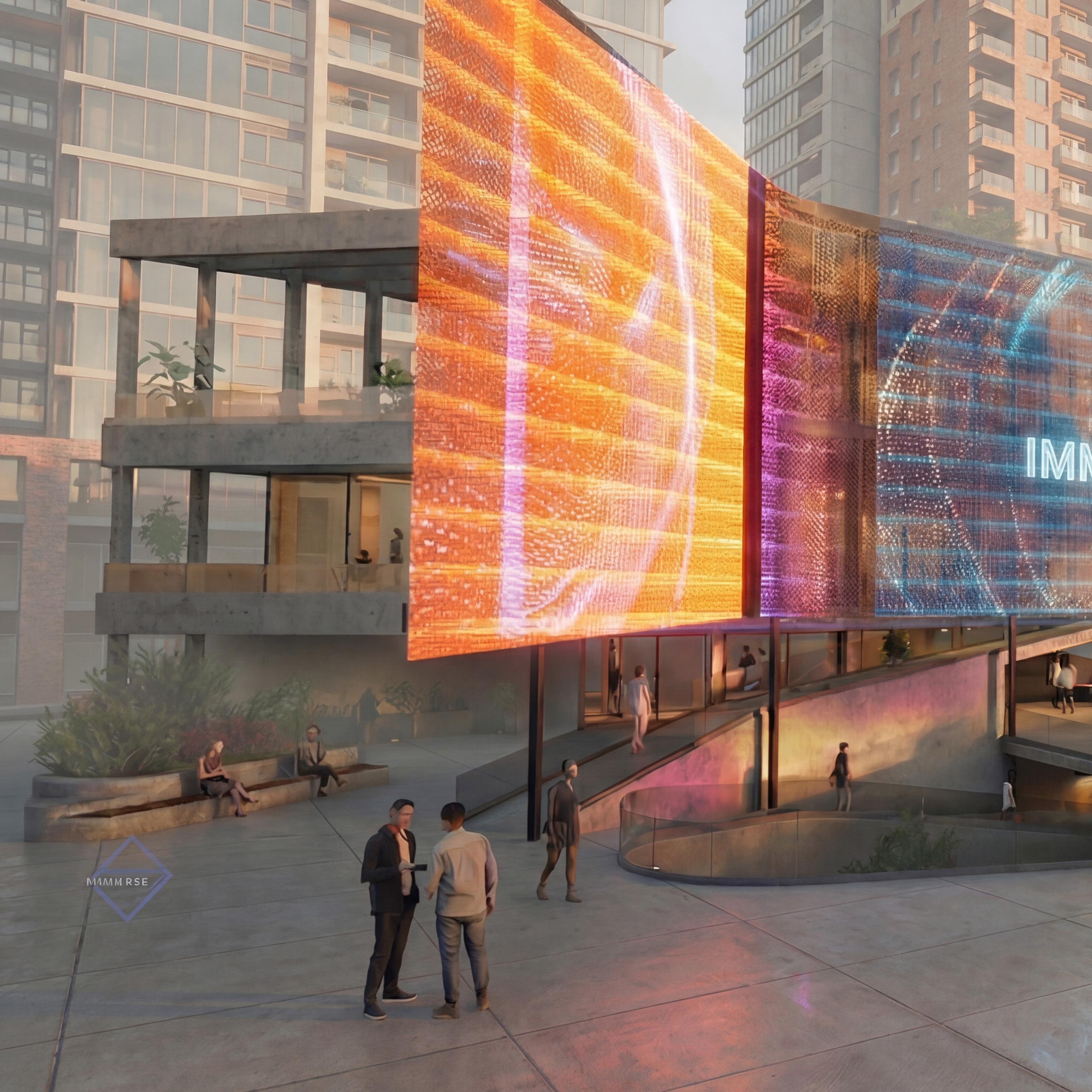
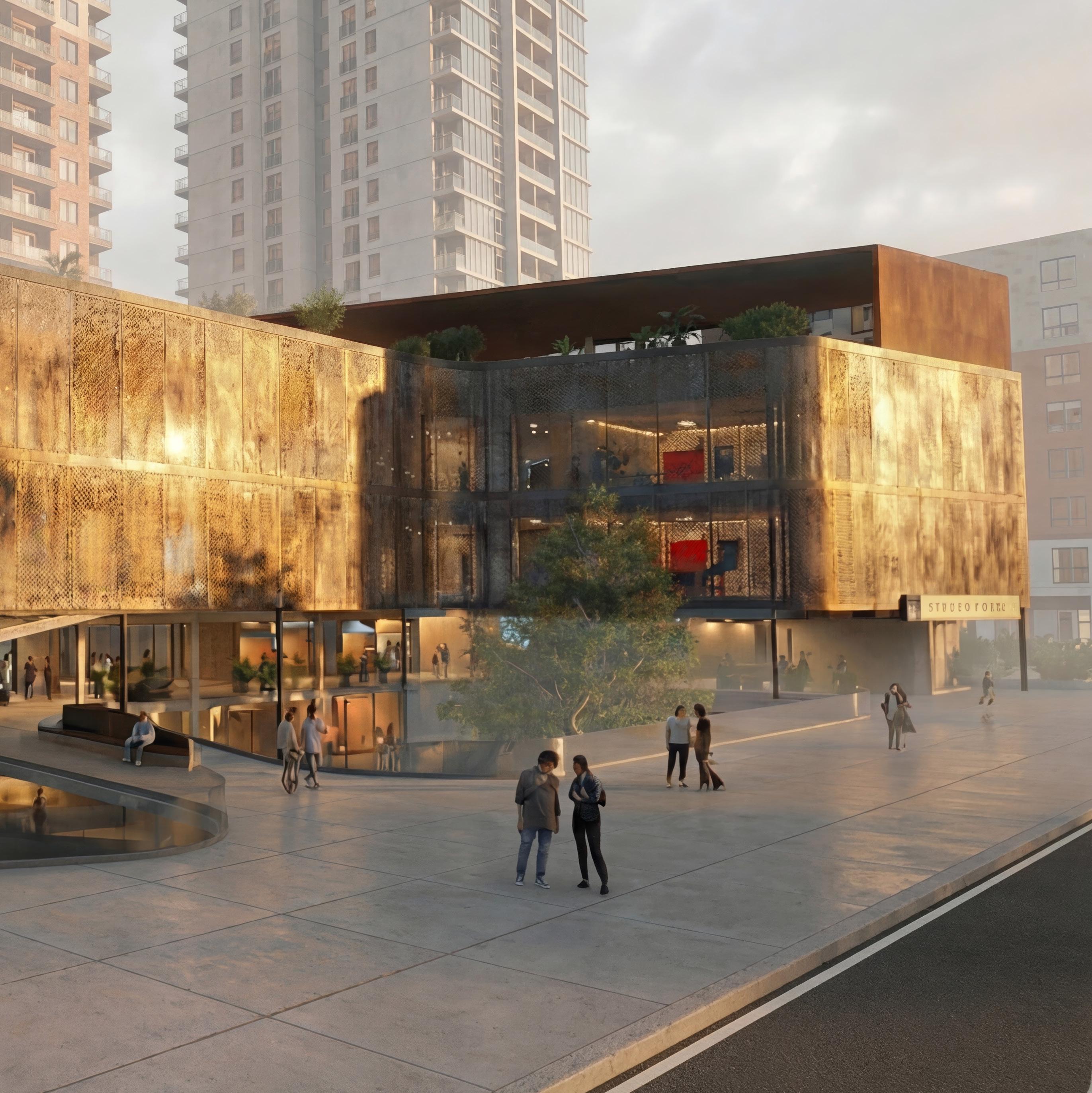
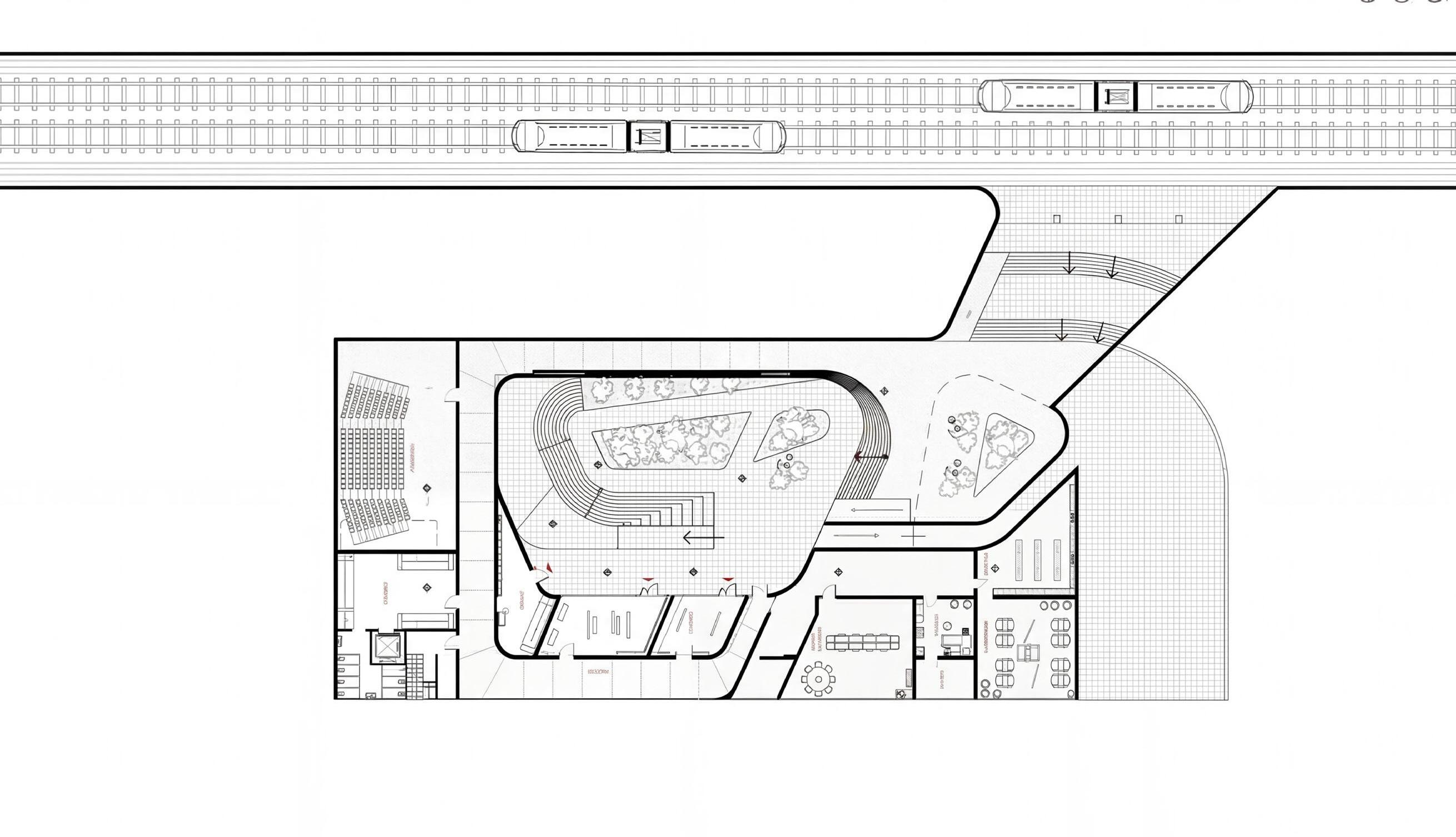
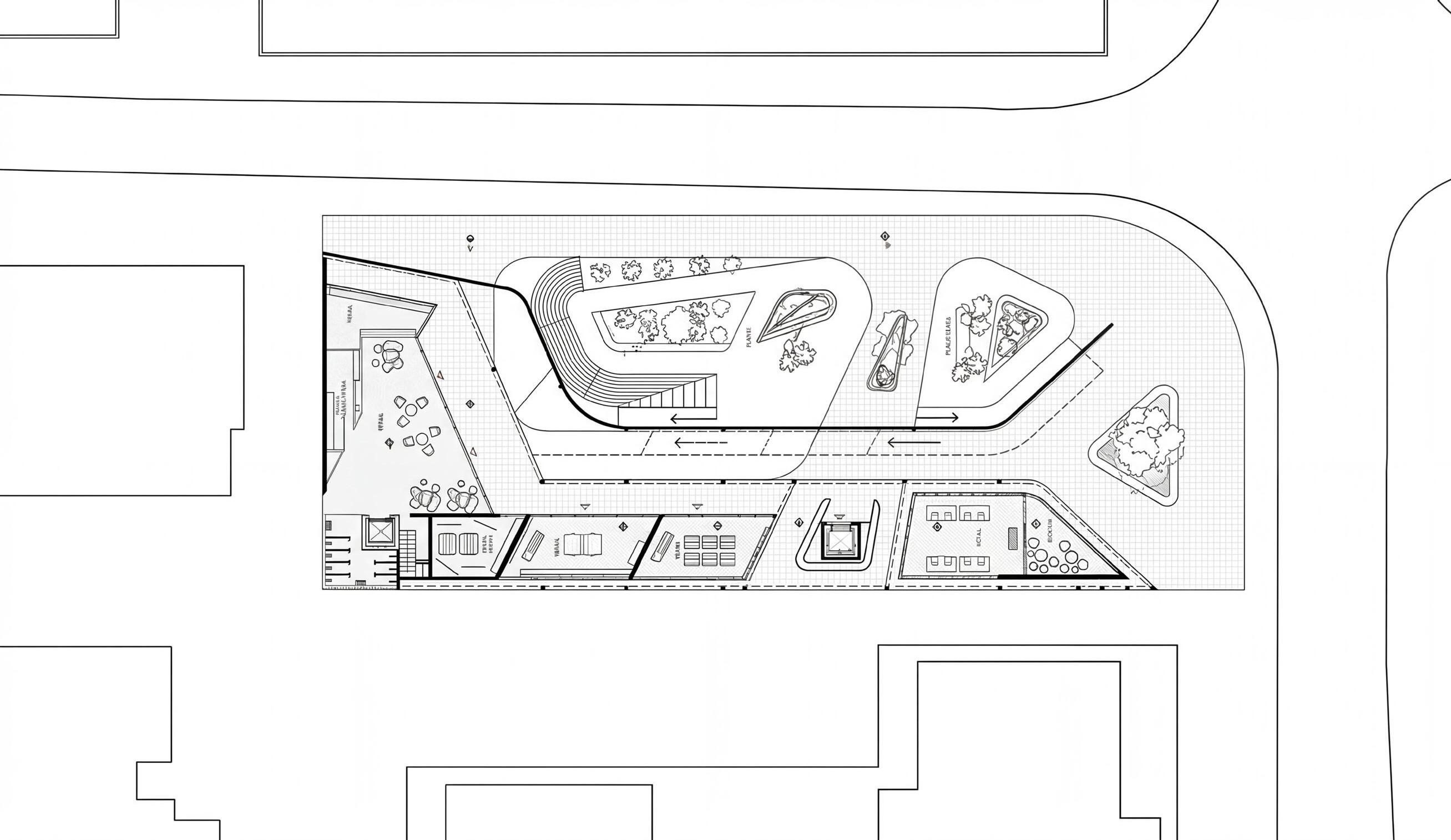
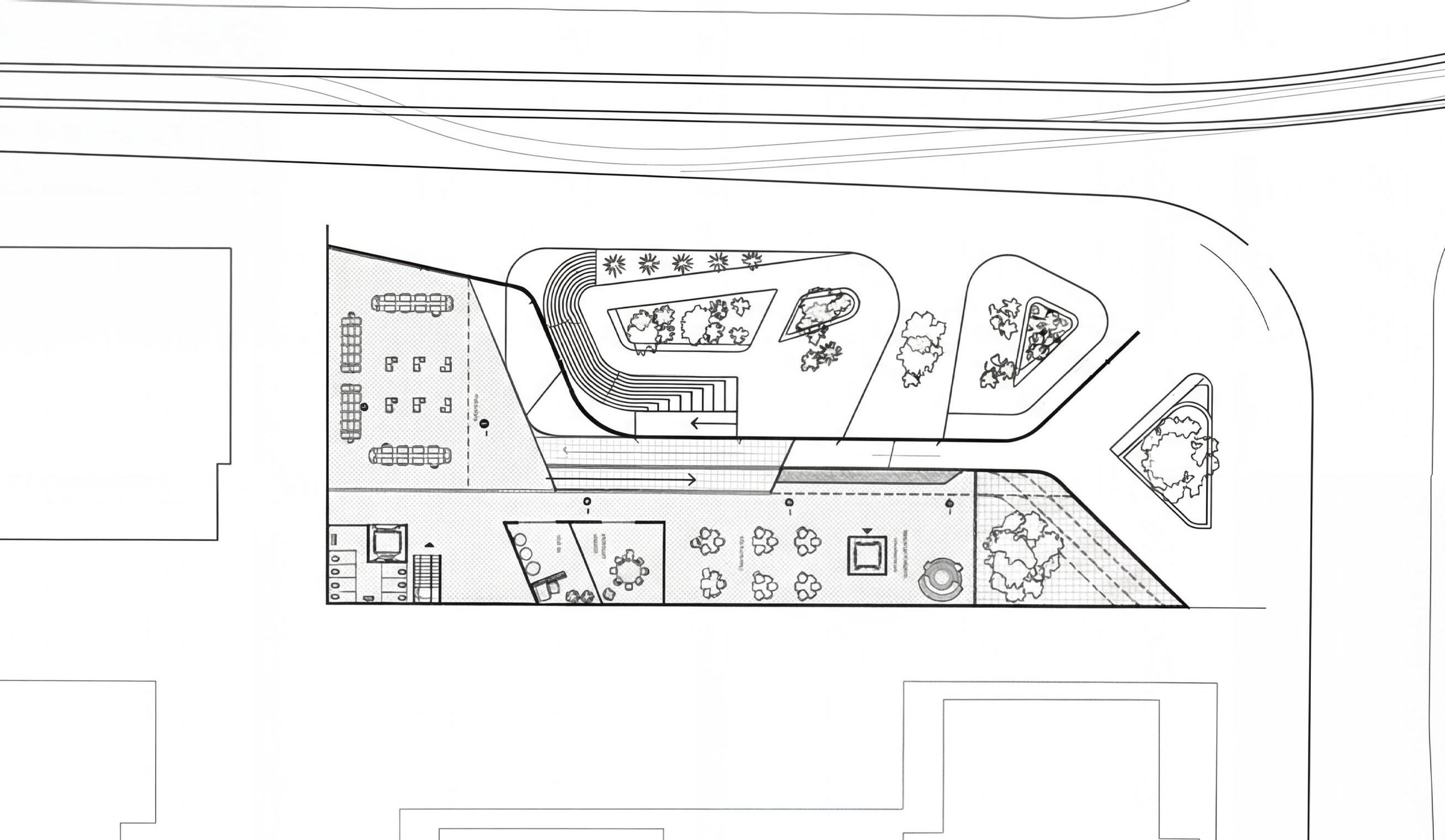
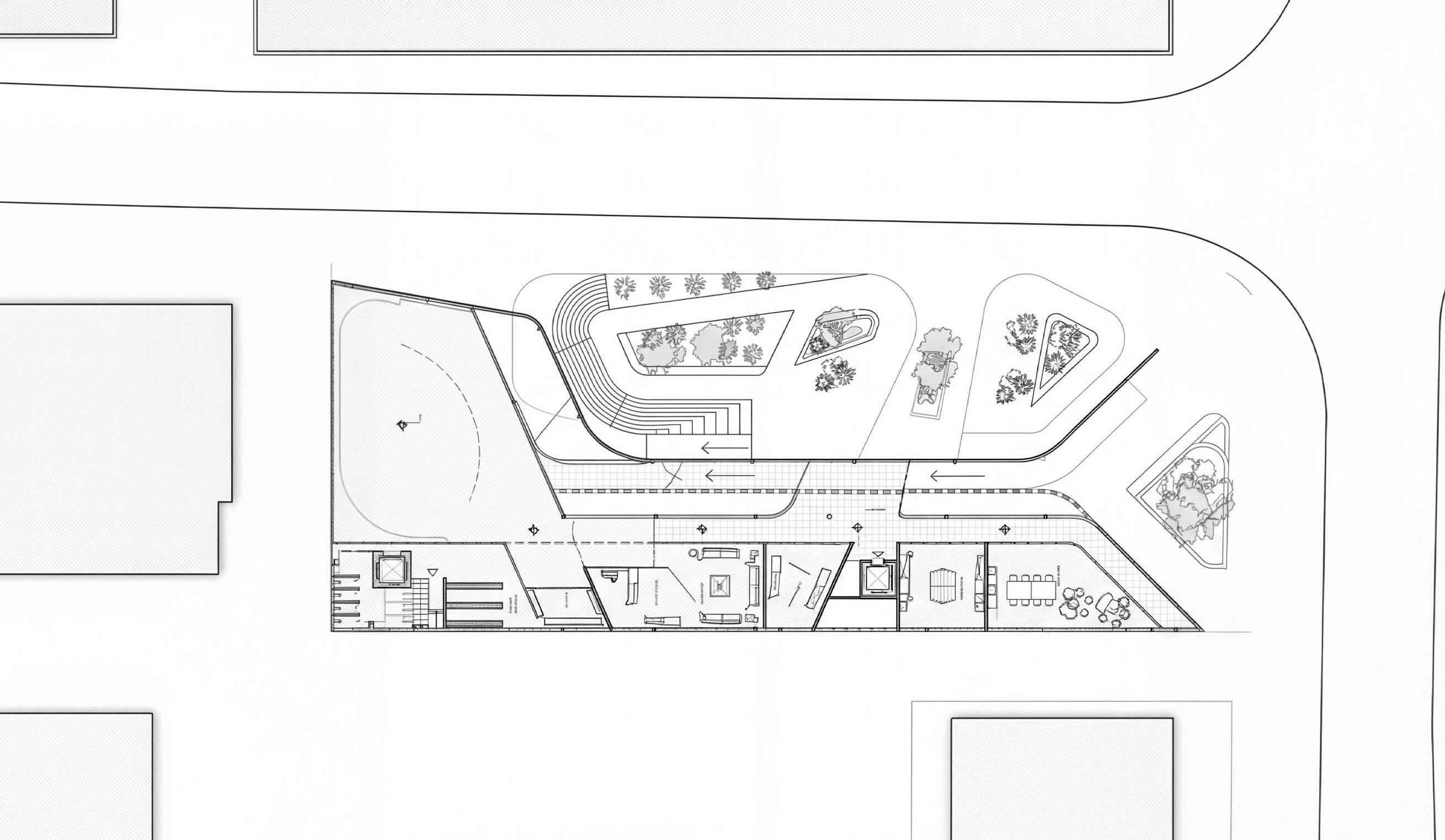
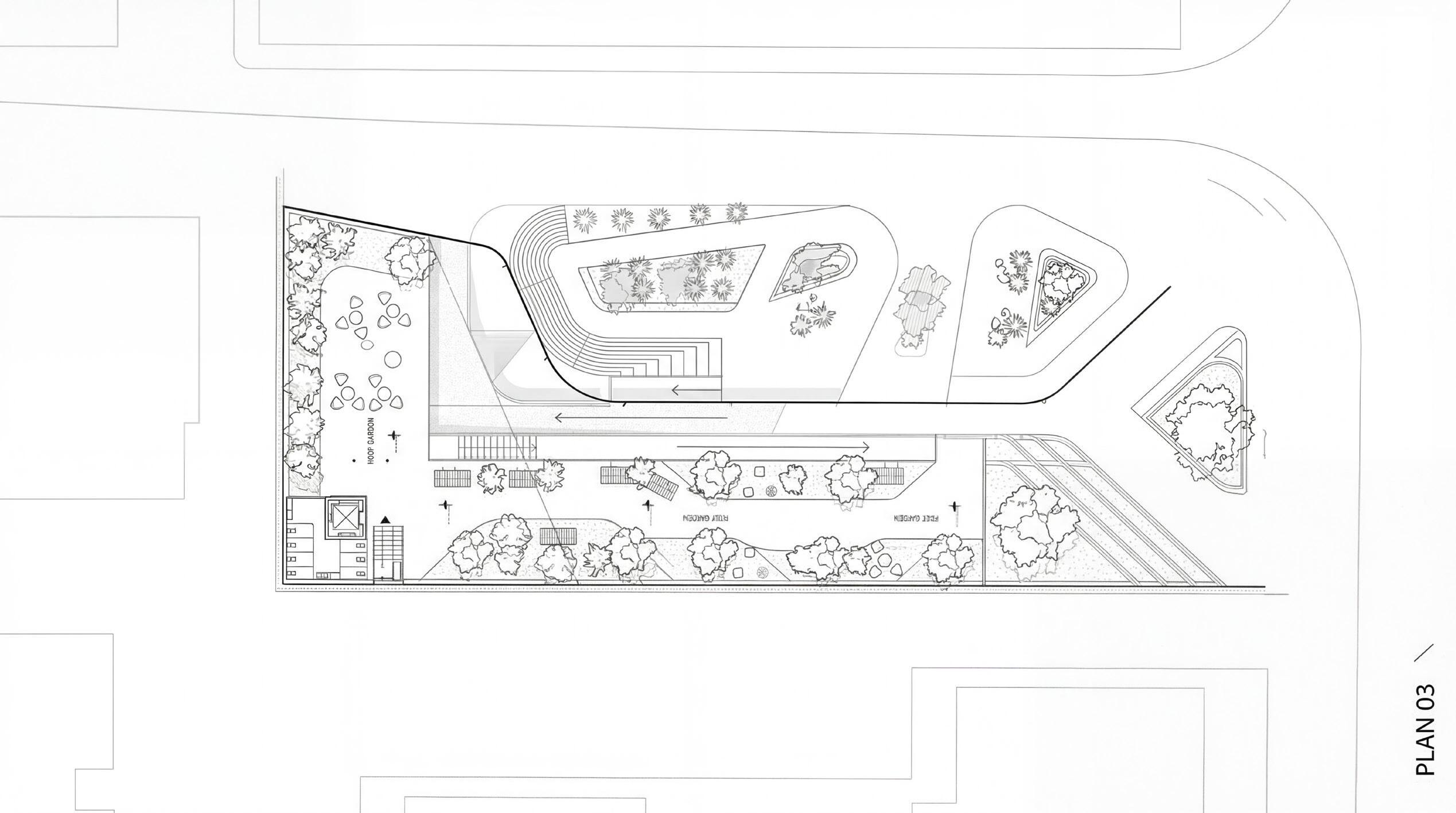
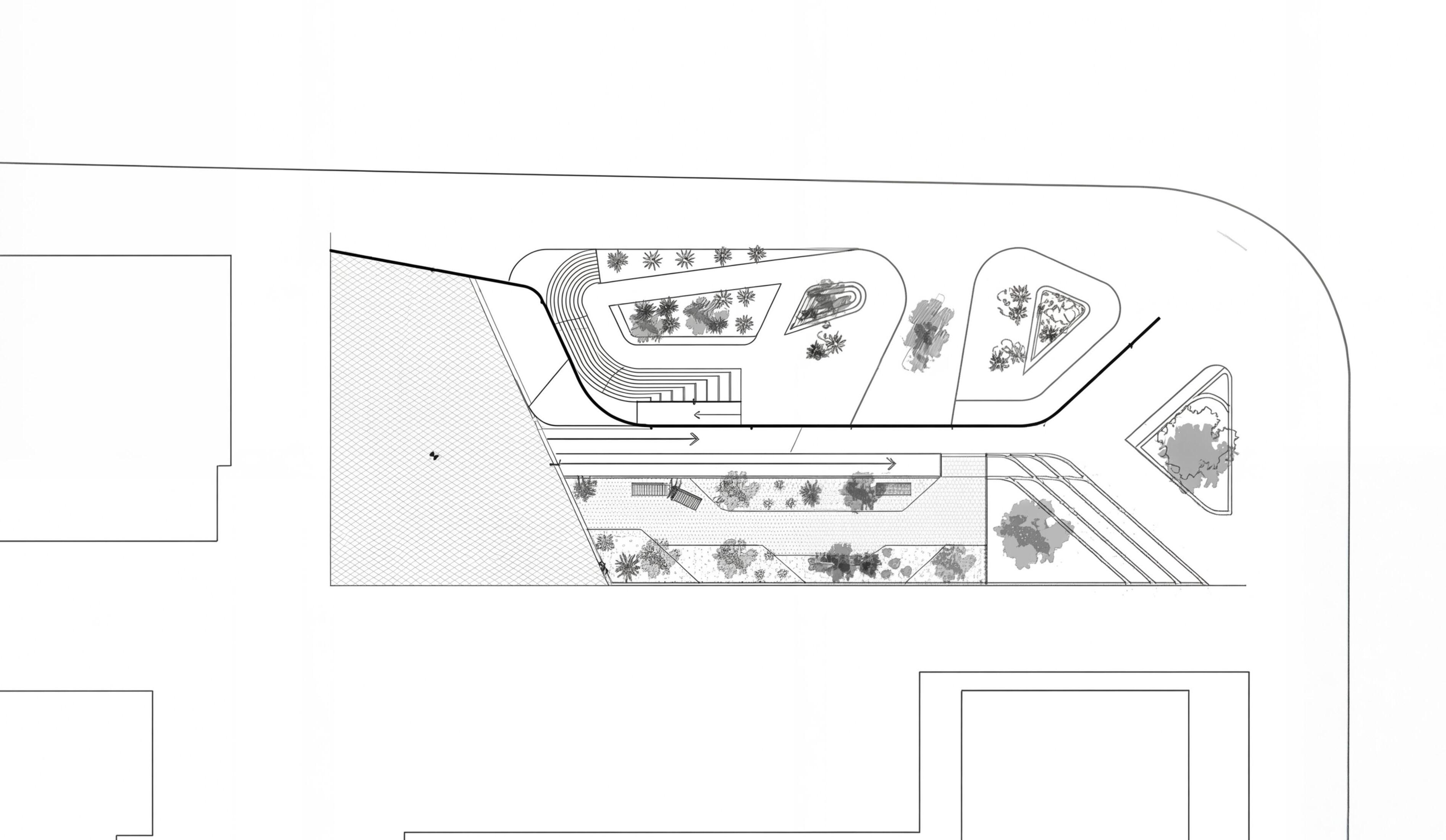
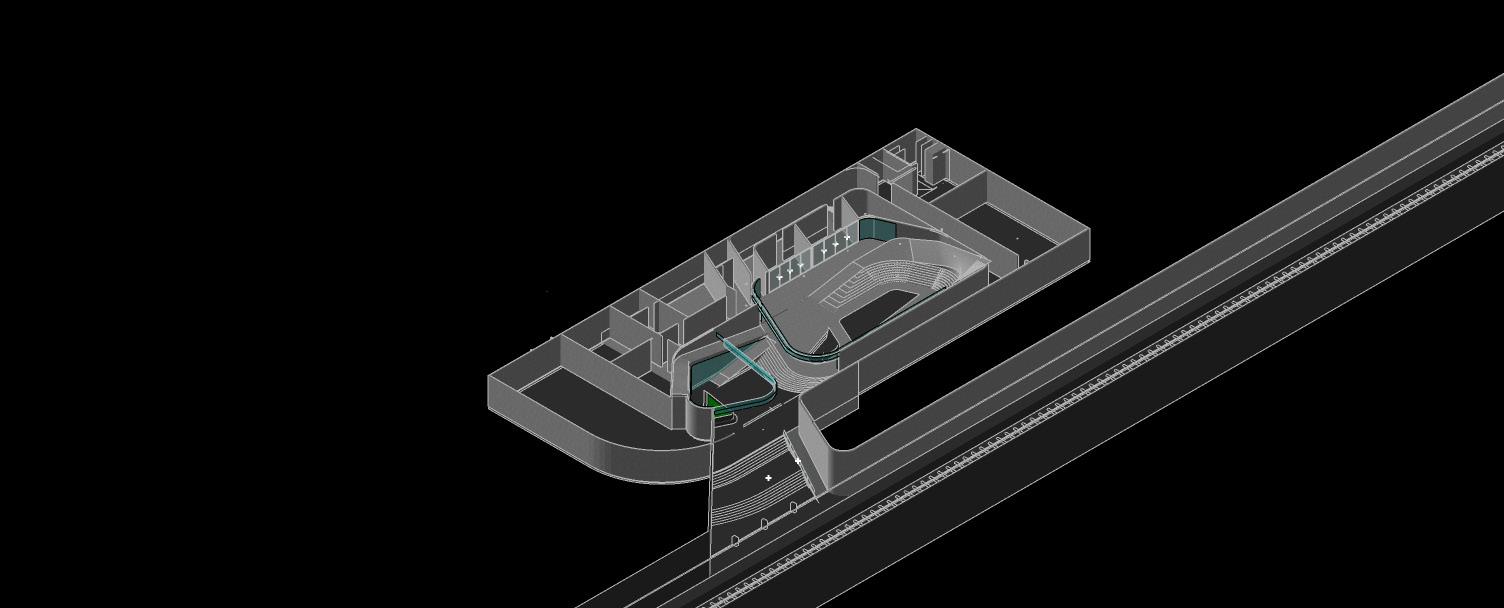
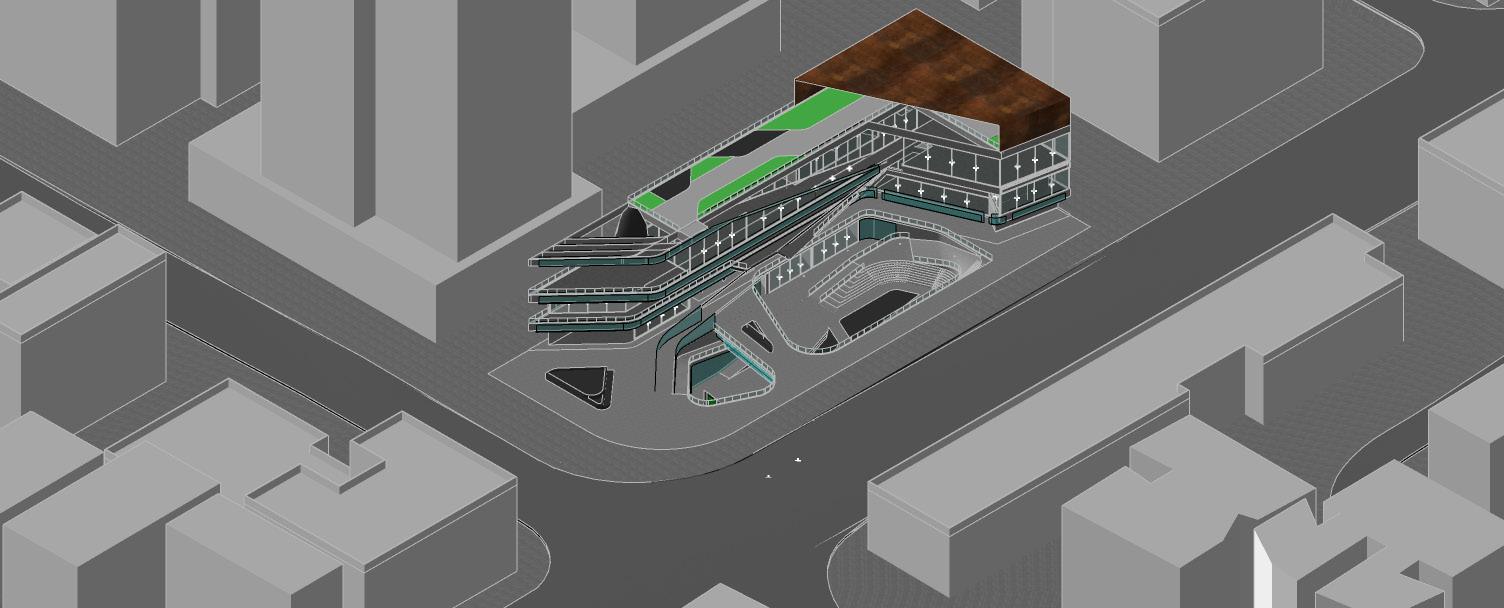
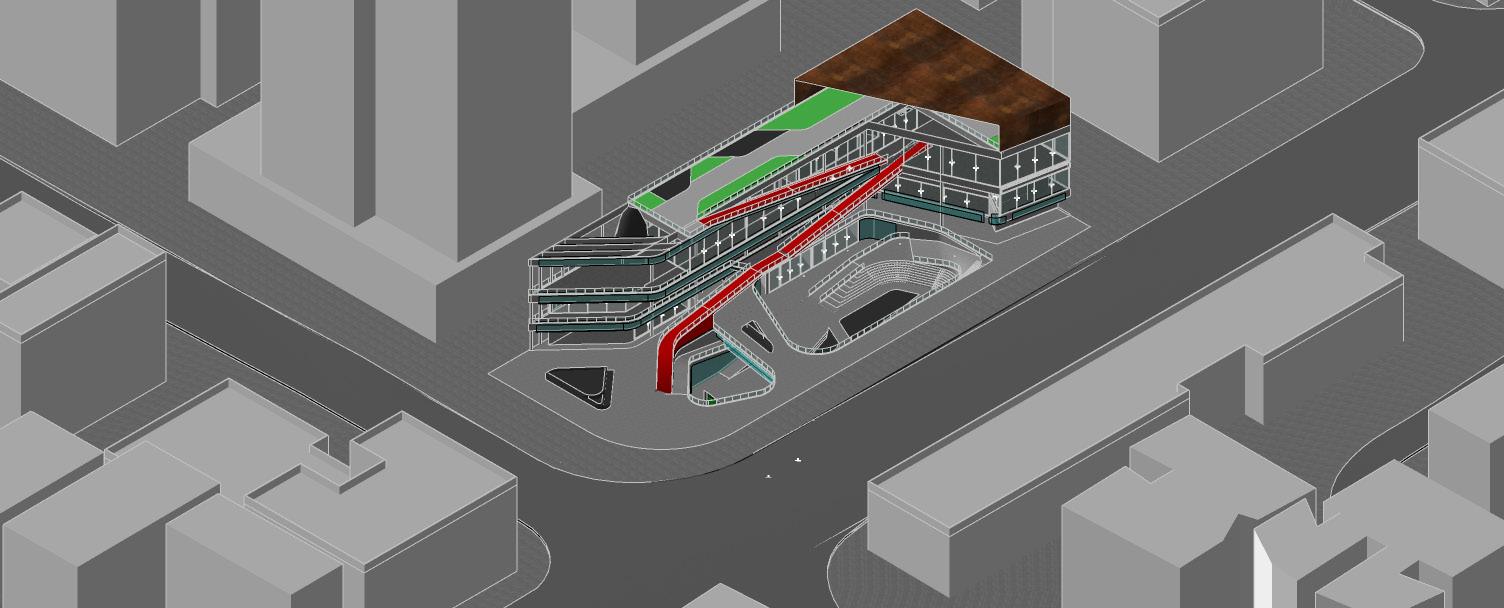
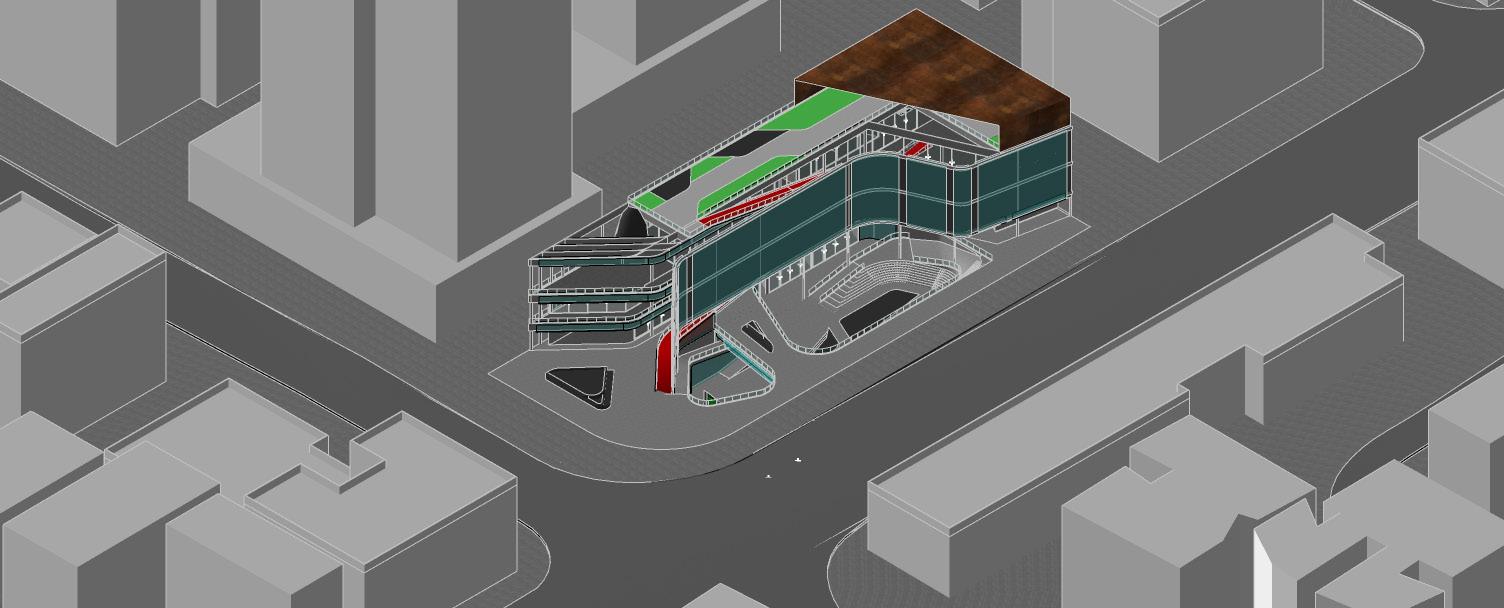
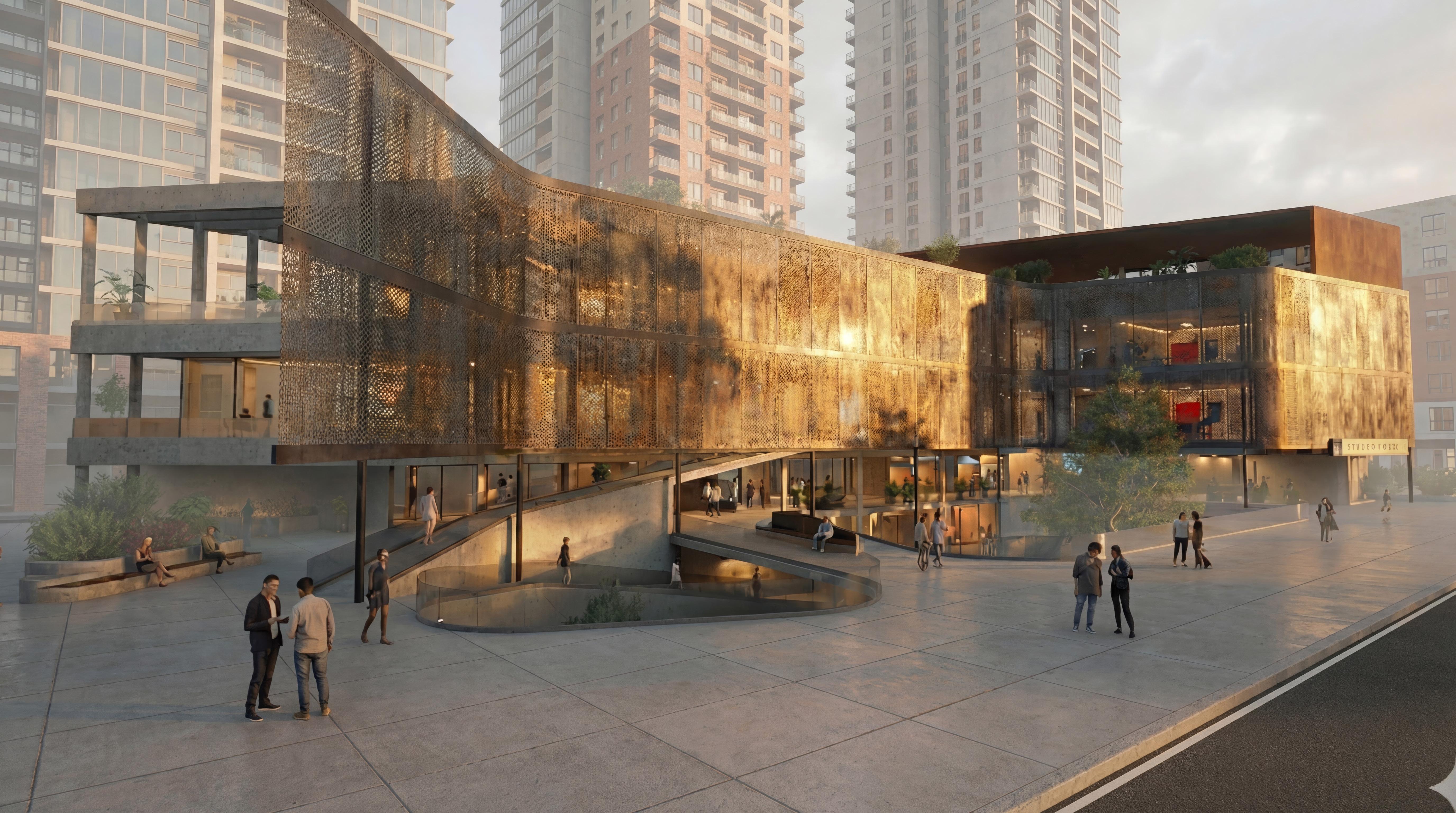
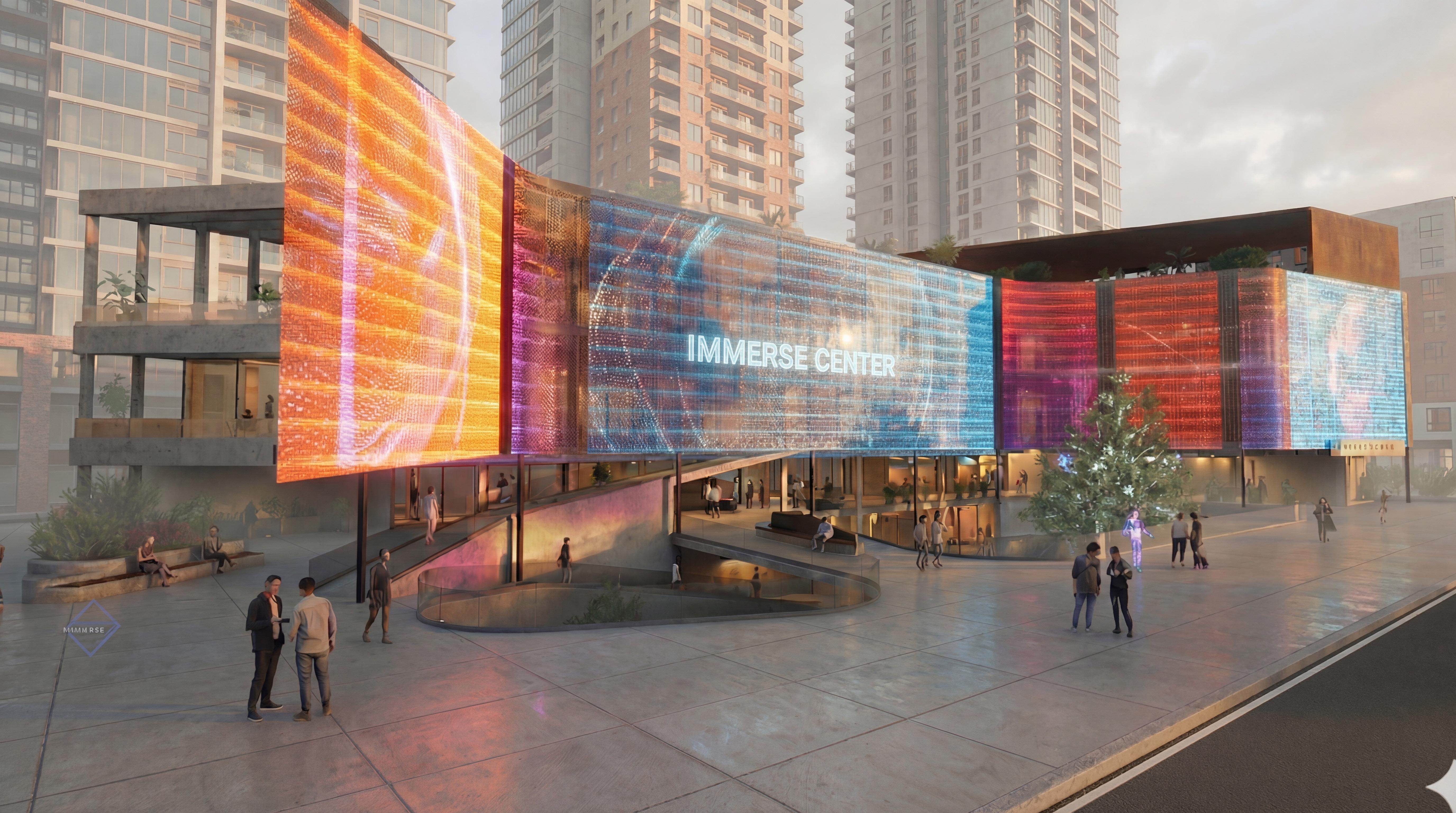
The Immersive Center proposes a new architectural typology that responds to the growing integration of digital environments within physical space. Located on Ben Gurion Street in Herzliya, near a future metro station planned for 2035, the project positions architecture as an interface between users, information, and emerging technologies such as virtual reality (VR), augmented reality (AR), and interactive media.
Studio 6
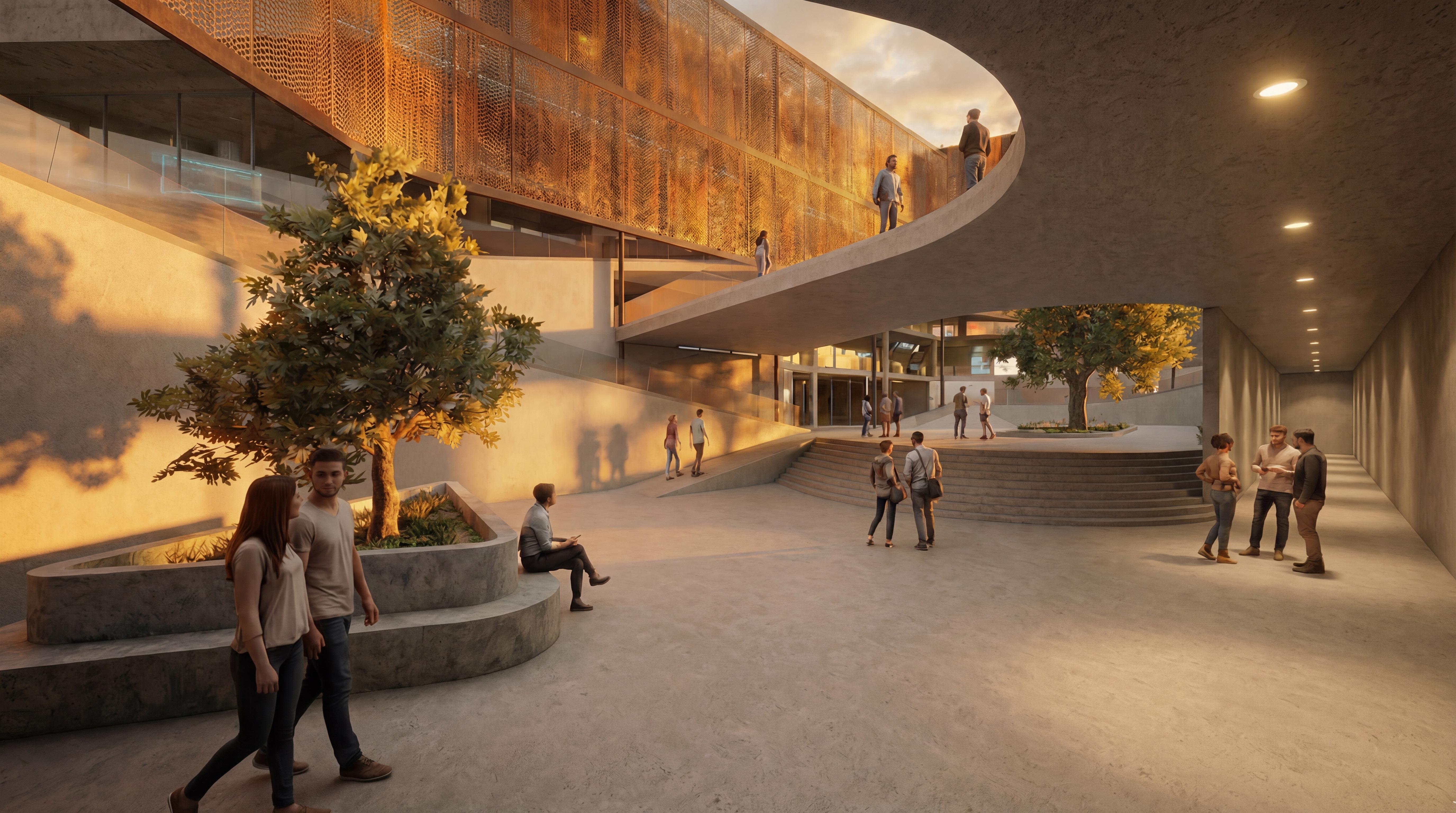
The project explores how spatial design can anticipate a future in which digital layers become embedded within everyday environments. The building is conceived as a platform for experimentation, learning, and collective experience, combining exhibition spaces, immersive rooms, research environments, educational programs, and public urban areas. The architectural strategy focuses on moments of transition between physical and virtual perception, creating spatial sequences that enhance awareness, curiosity, and interaction.
Surfaces, circulation paths, and gathering zones are designed as potential carriers of digital content, allowing the building to operate both as physical infrastructure and as a canvas for evolving media experiences. Public spaces at the ground level strengthen the relationship between the building and the city, encouraging accessibility and social engagement.
The project suggests that architecture is no longer only the design of physical form, but also the design of spatial experiences shaped by information, interaction, and technology. By integrating immersive environments into an urban context, the proposal explores how future architecture can expand perception, redefine spatial boundaries, and create new forms of connection between people, place, and digital space.
SKELETAL IMPROV.
2nd yr/1 2024
Location : Herzilya
Urban Innovation
Supervisor : Odi Cohen
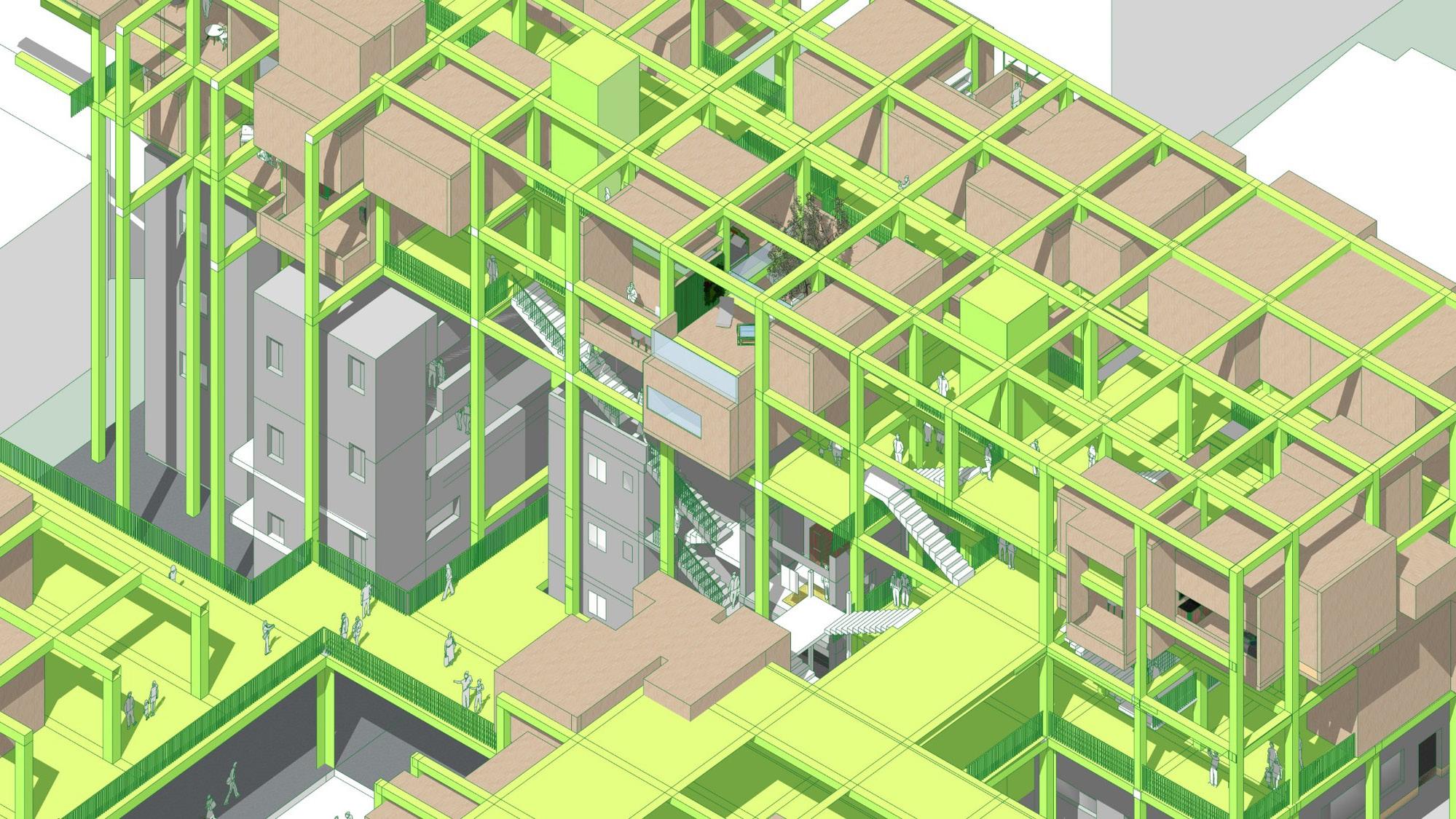
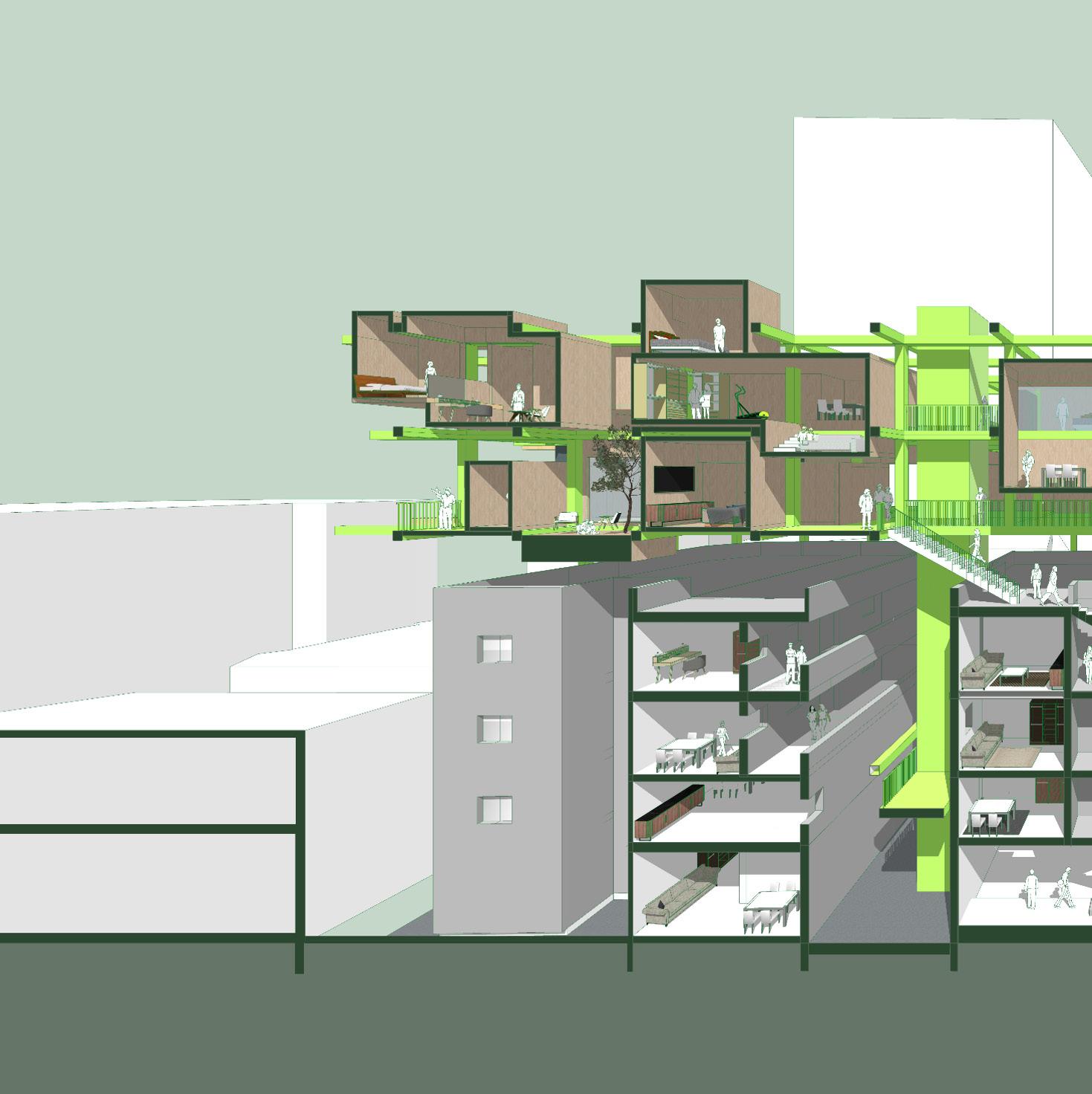
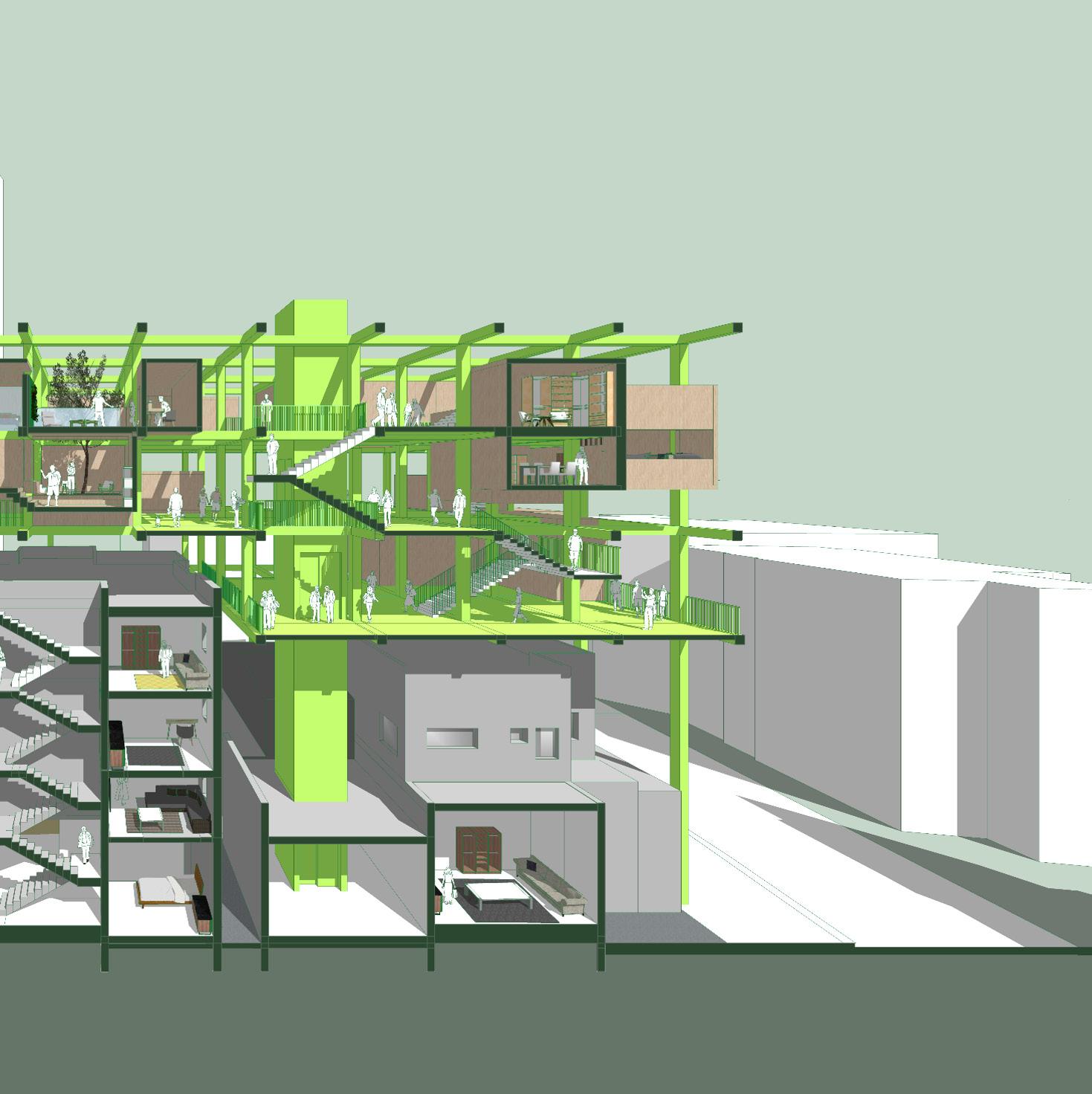
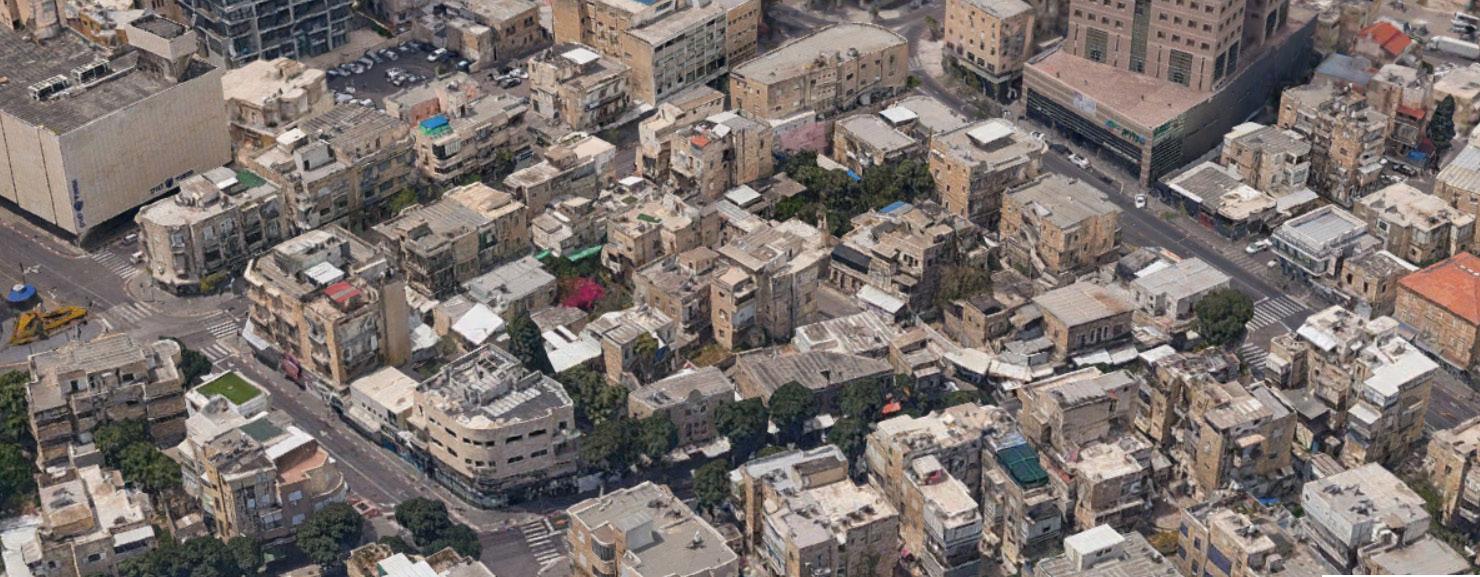
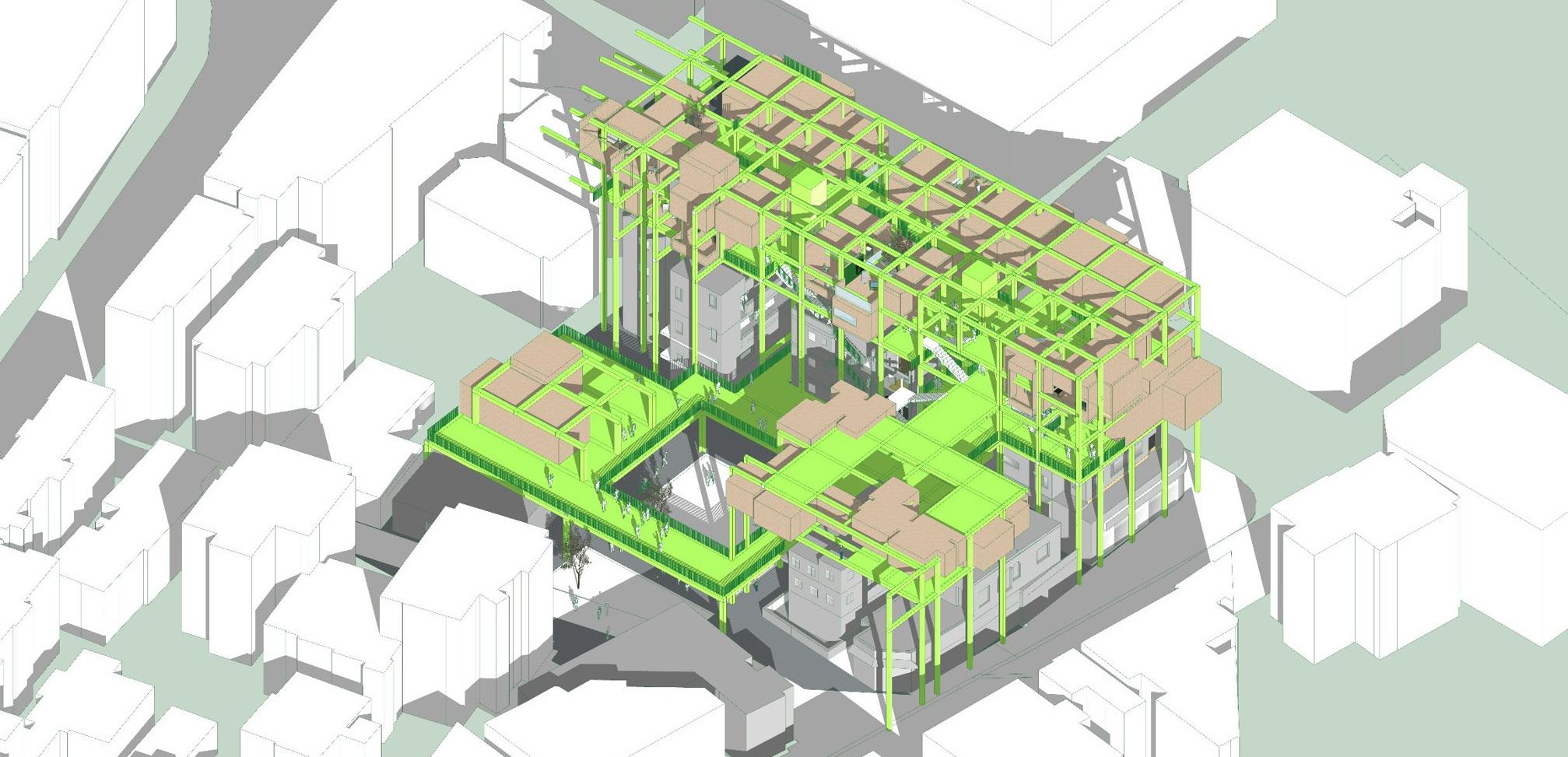
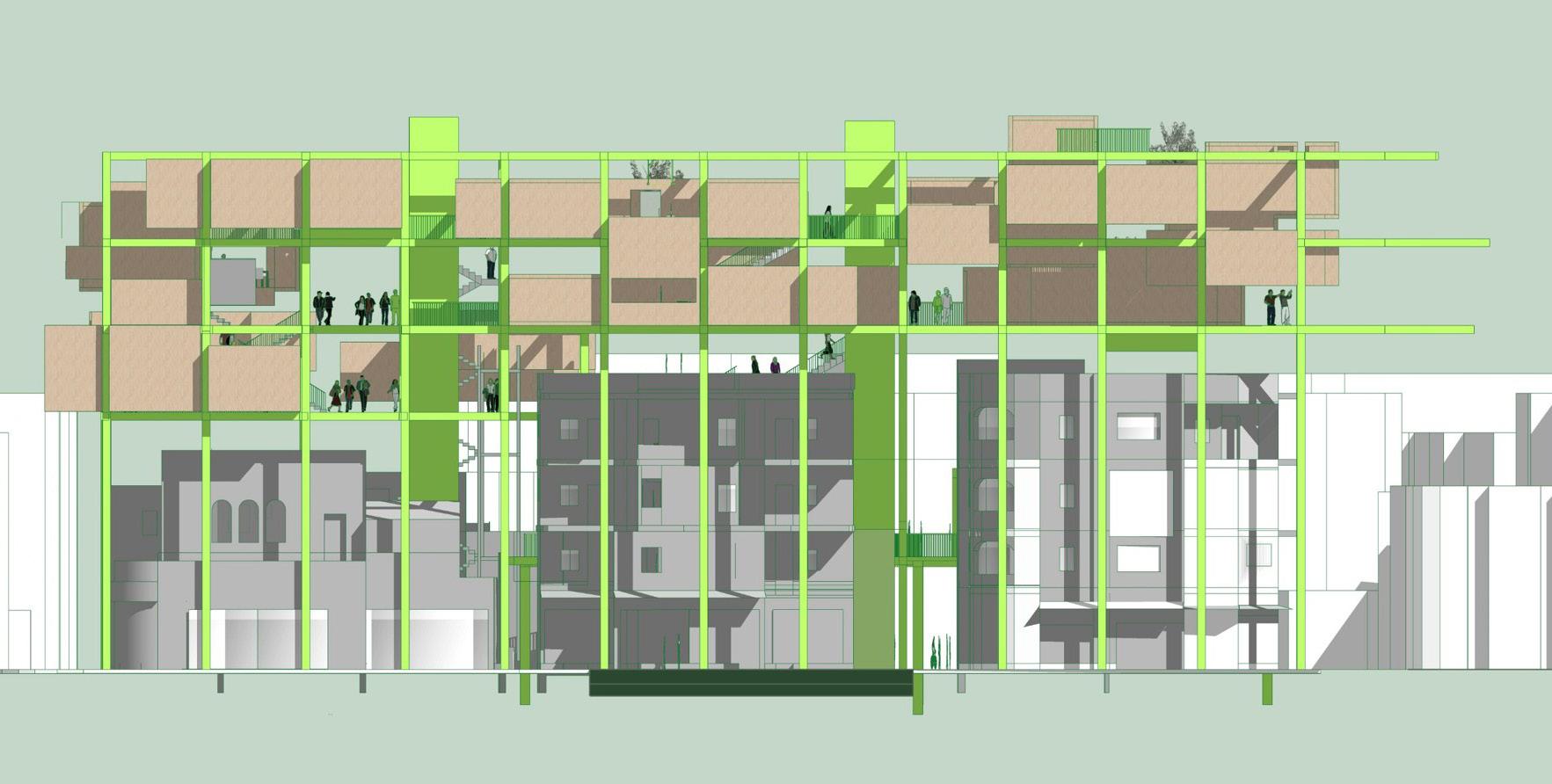
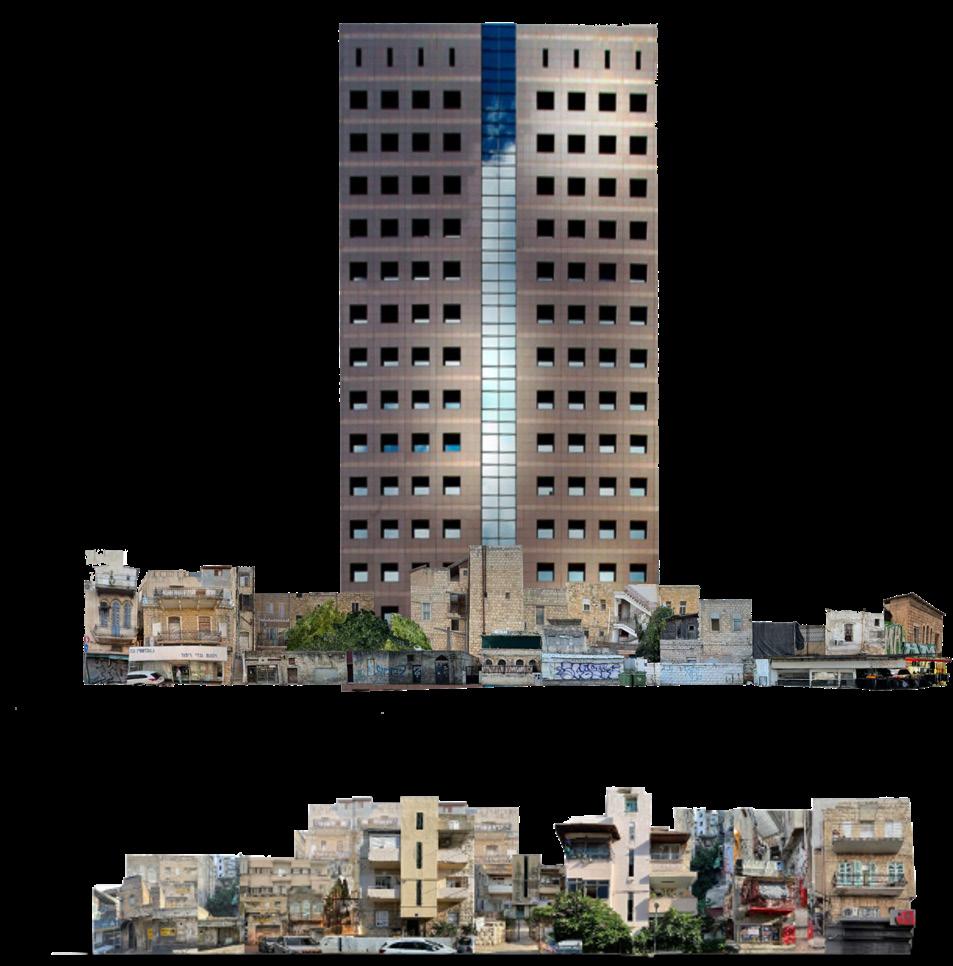
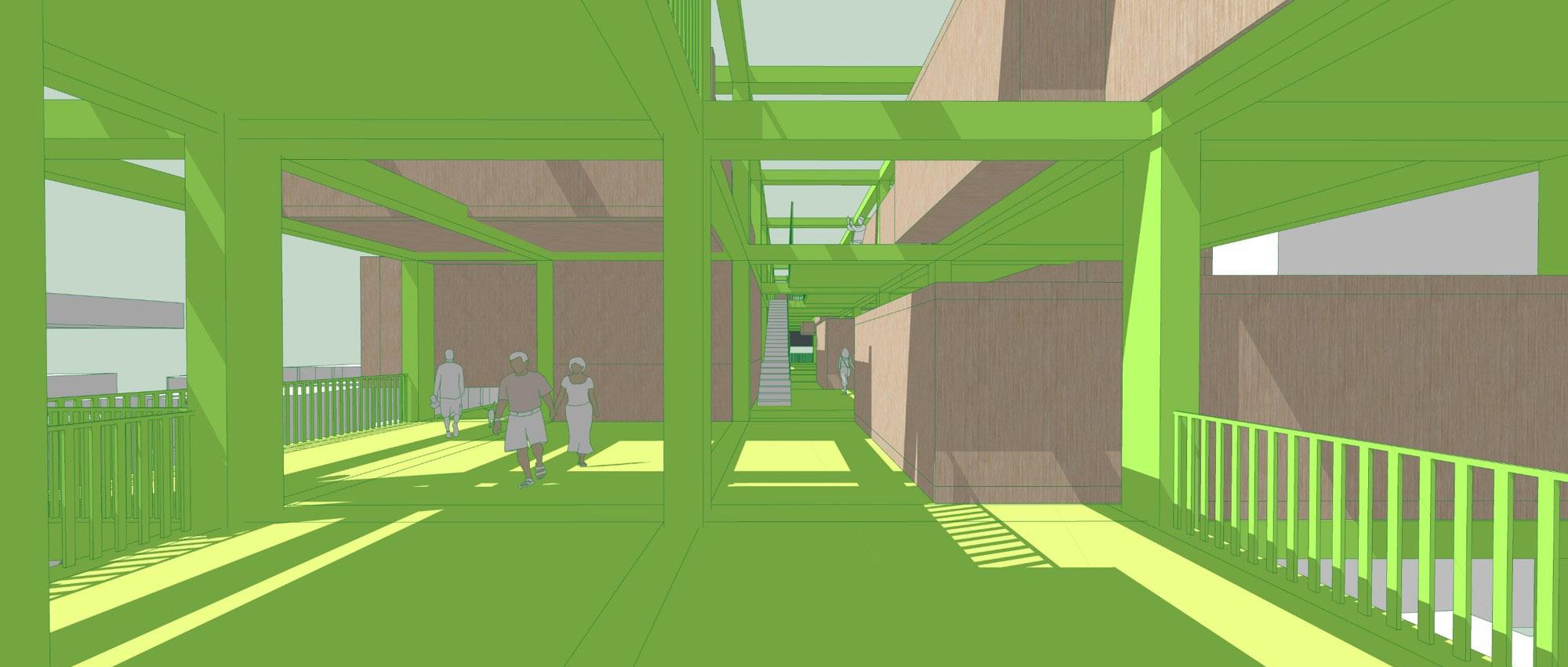
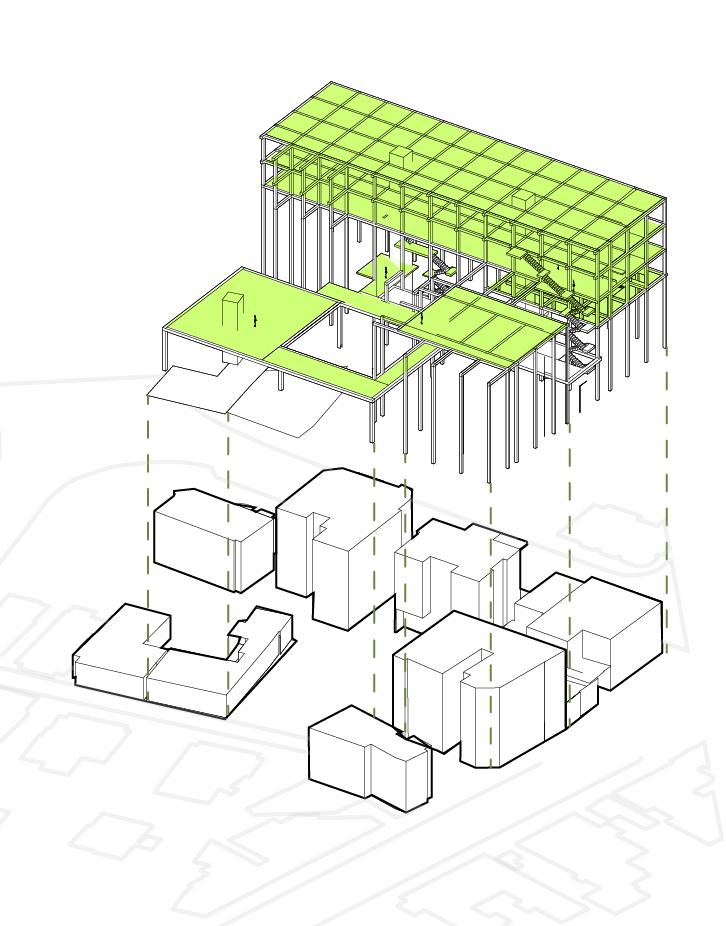
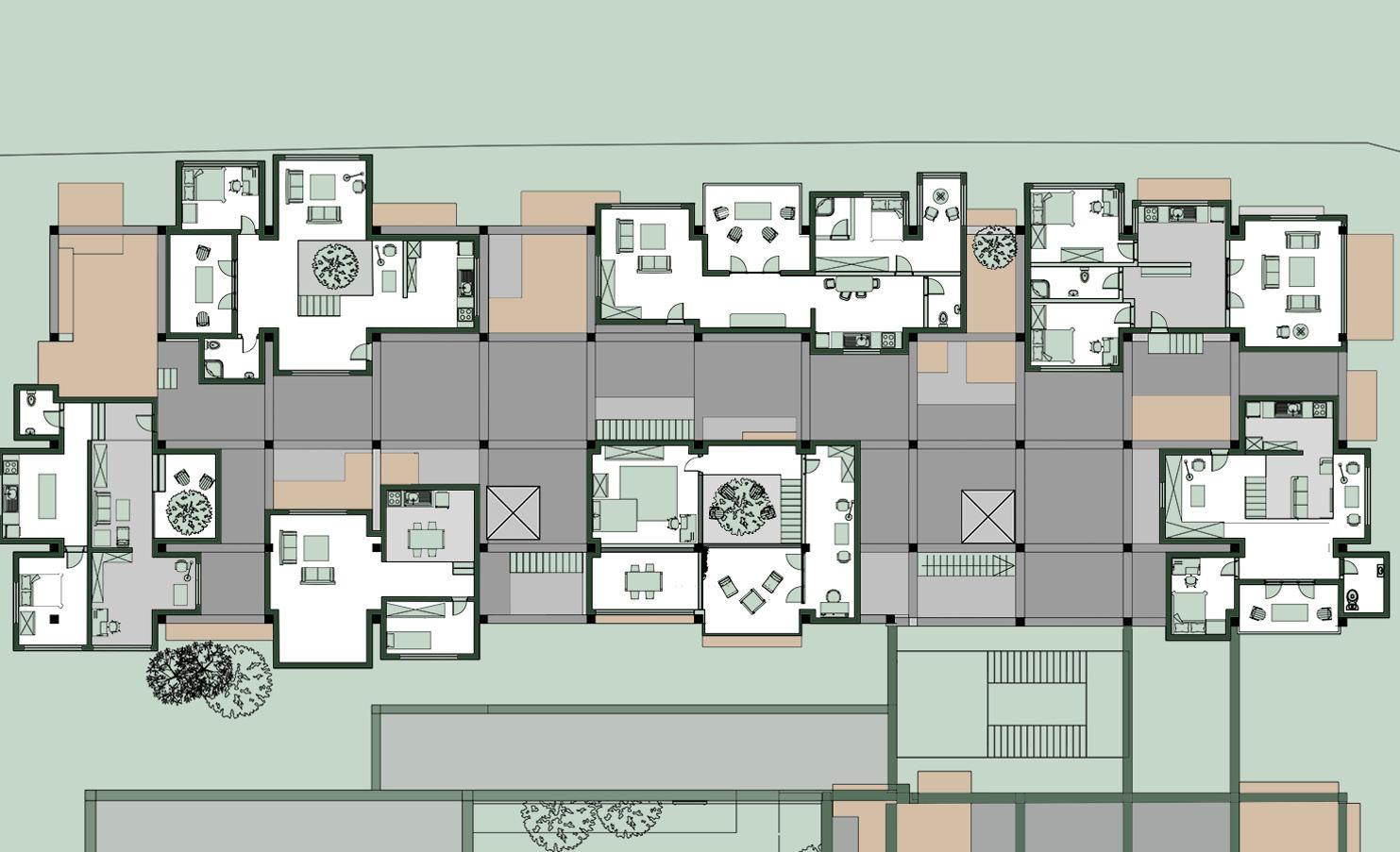
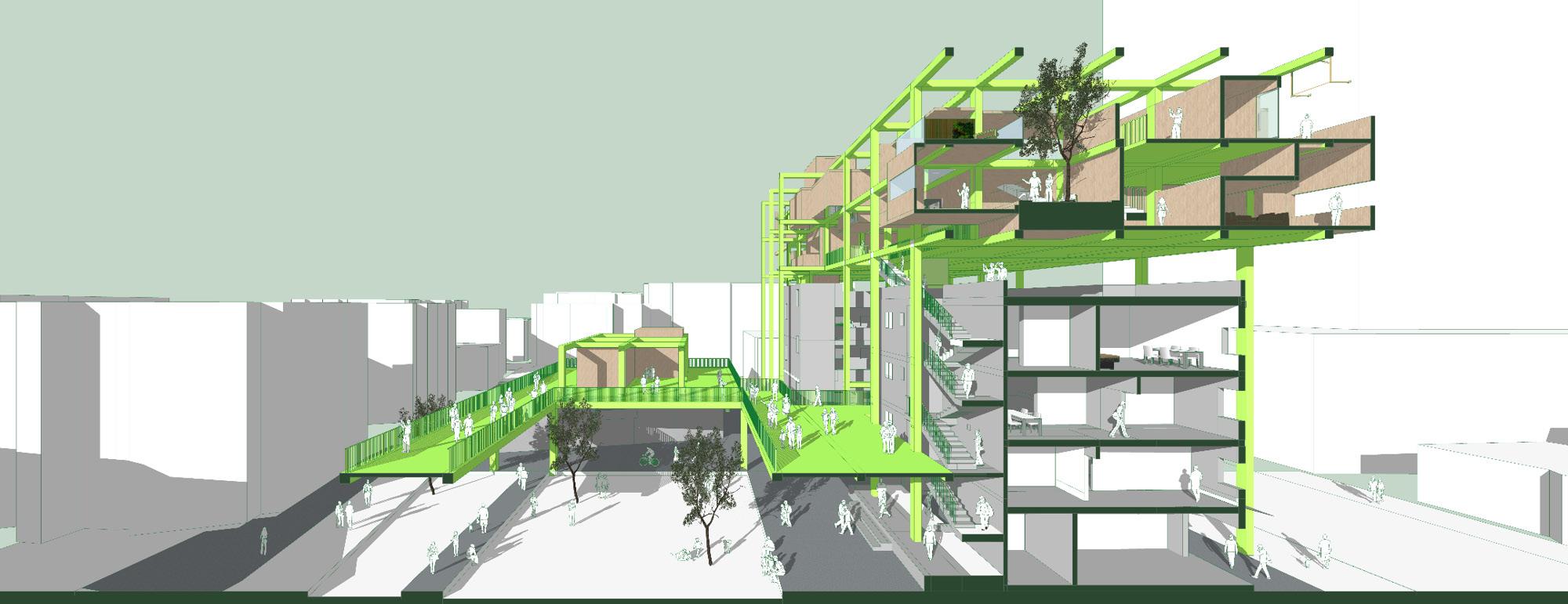
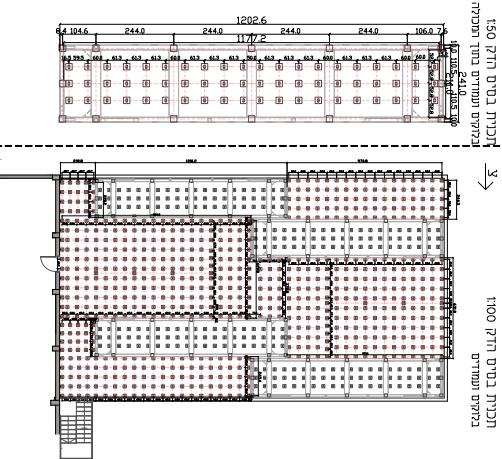
Improvised Skeleton proposes a new approach to housing within historic urban fabric by introducing an adaptive structural framework that mediates between preservation and transformation. Located in the Hadar neighborhood of Haifa, the project responds to a dense block characterized by 1930s residential buildings, narrow alleys, and fragmented open spaces that have gradually lost spatial continuity and public life. While many of the existing structures are partially abandoned, their facades maintain a strong architectural presence, forming a valuable urban memory that should not be erased but reinterpreted.
3
Studio
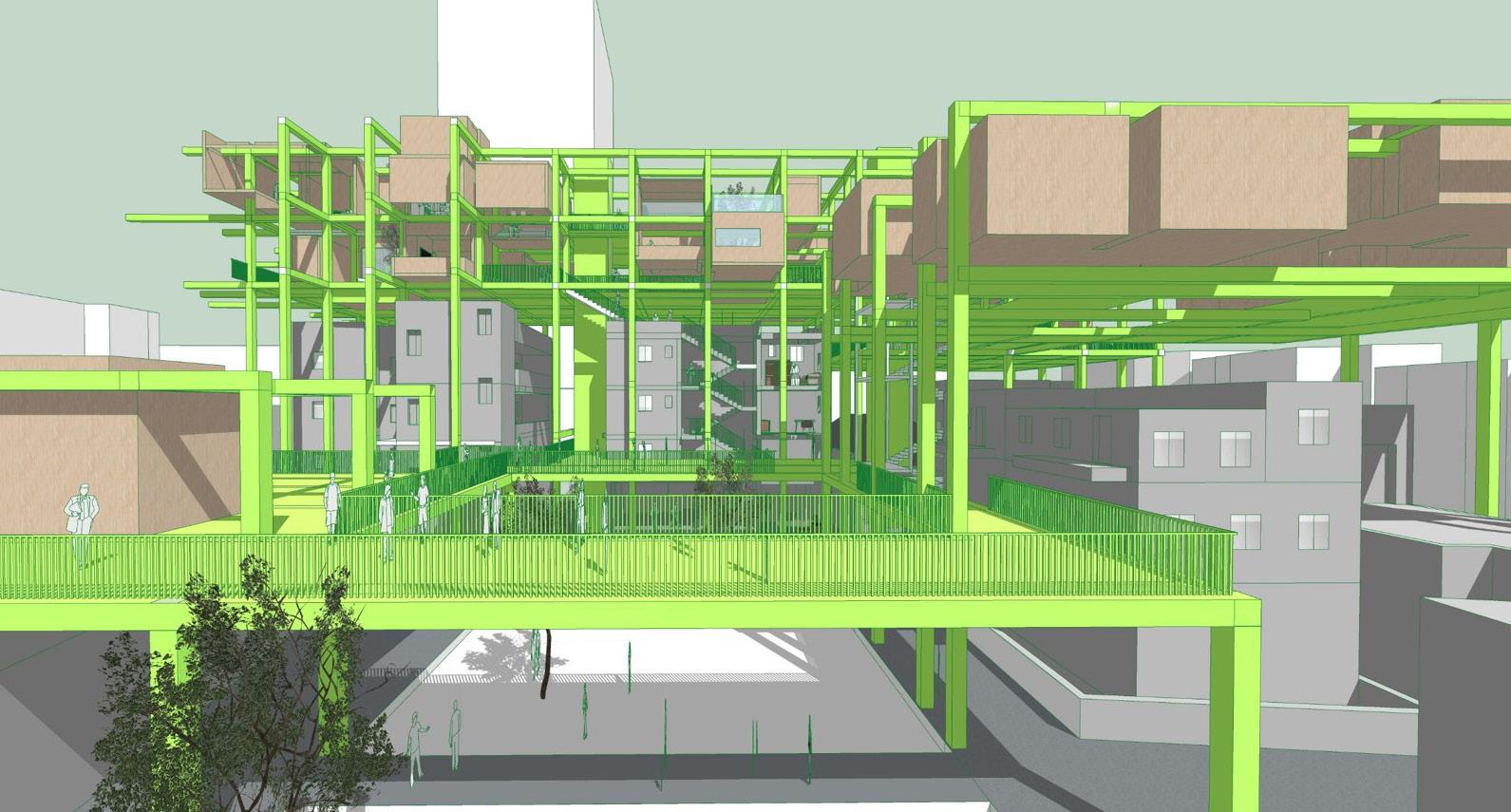
The project addresses residential architecture within a regenerating urban fabric in the Hadar neighborhood of Haifa. Through site visits, documentation, and spatial analysis, the proposal questions how housing can become more flexible, open, and connected to the city while challenging the rigid, repetitive typologies of large residential blocks developed in past decades.
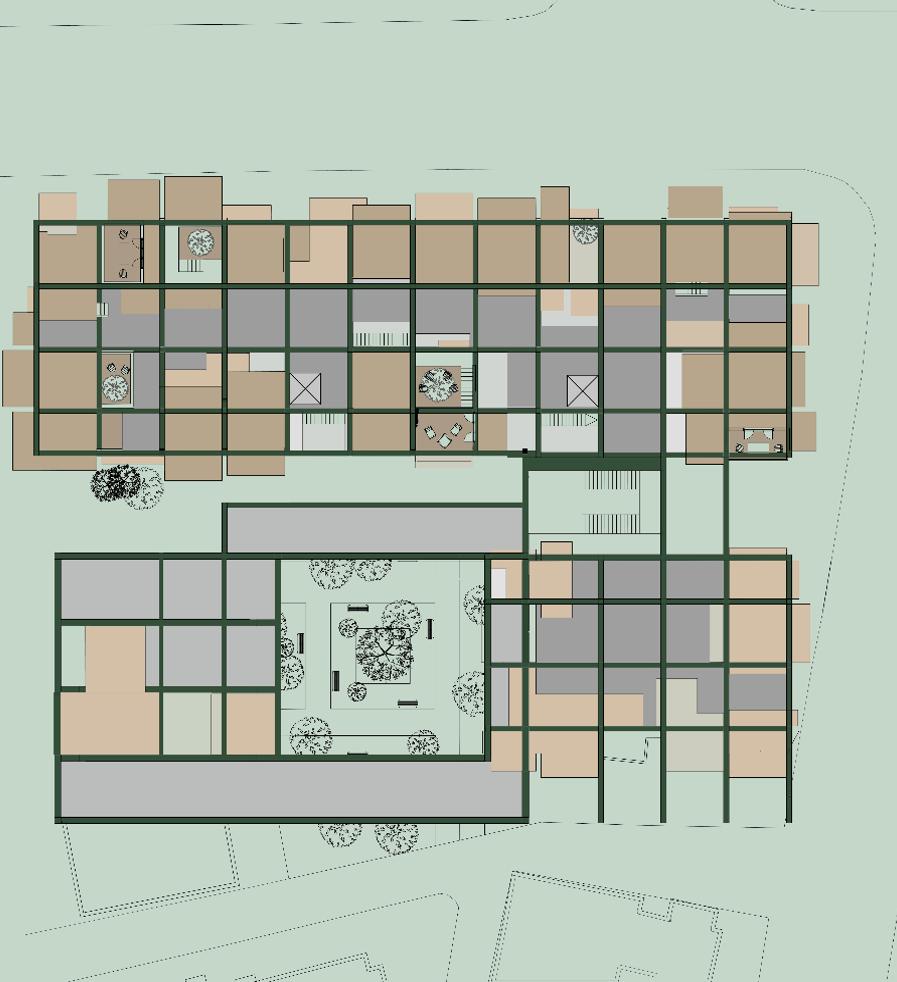
Located on a corner block between Hanaviim and Halutz streets, the site is characterized by historic buildings from the 1930s, narrow alleys, and fragmented urban spaces, many of which have become partially abandoned. While some structures lack active use, their facades maintain a strong presence within the streetscape, offering an opportunity to reactivate and reinterpret the existing urban tissue.
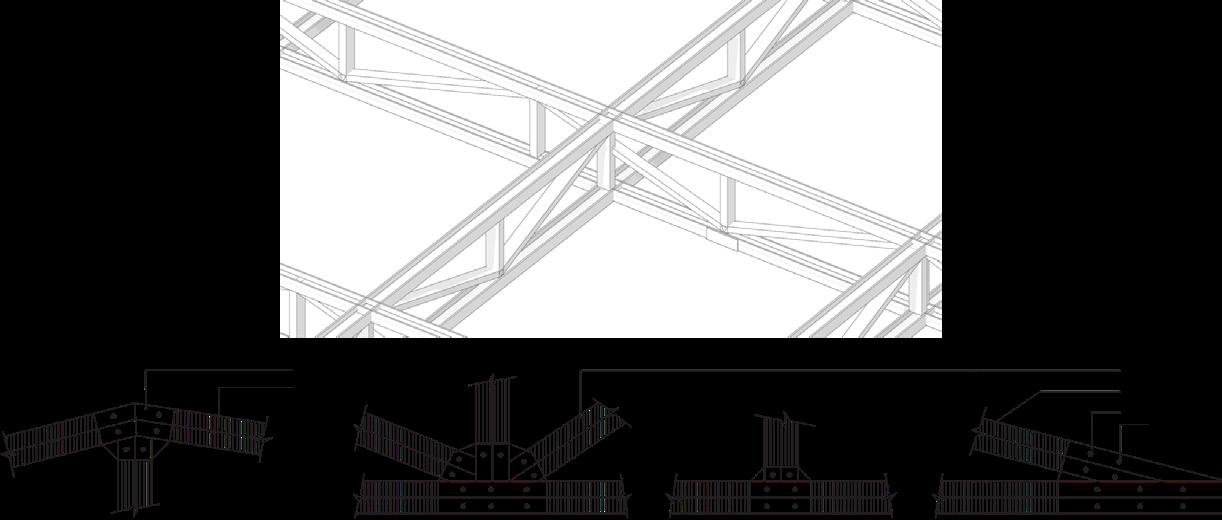
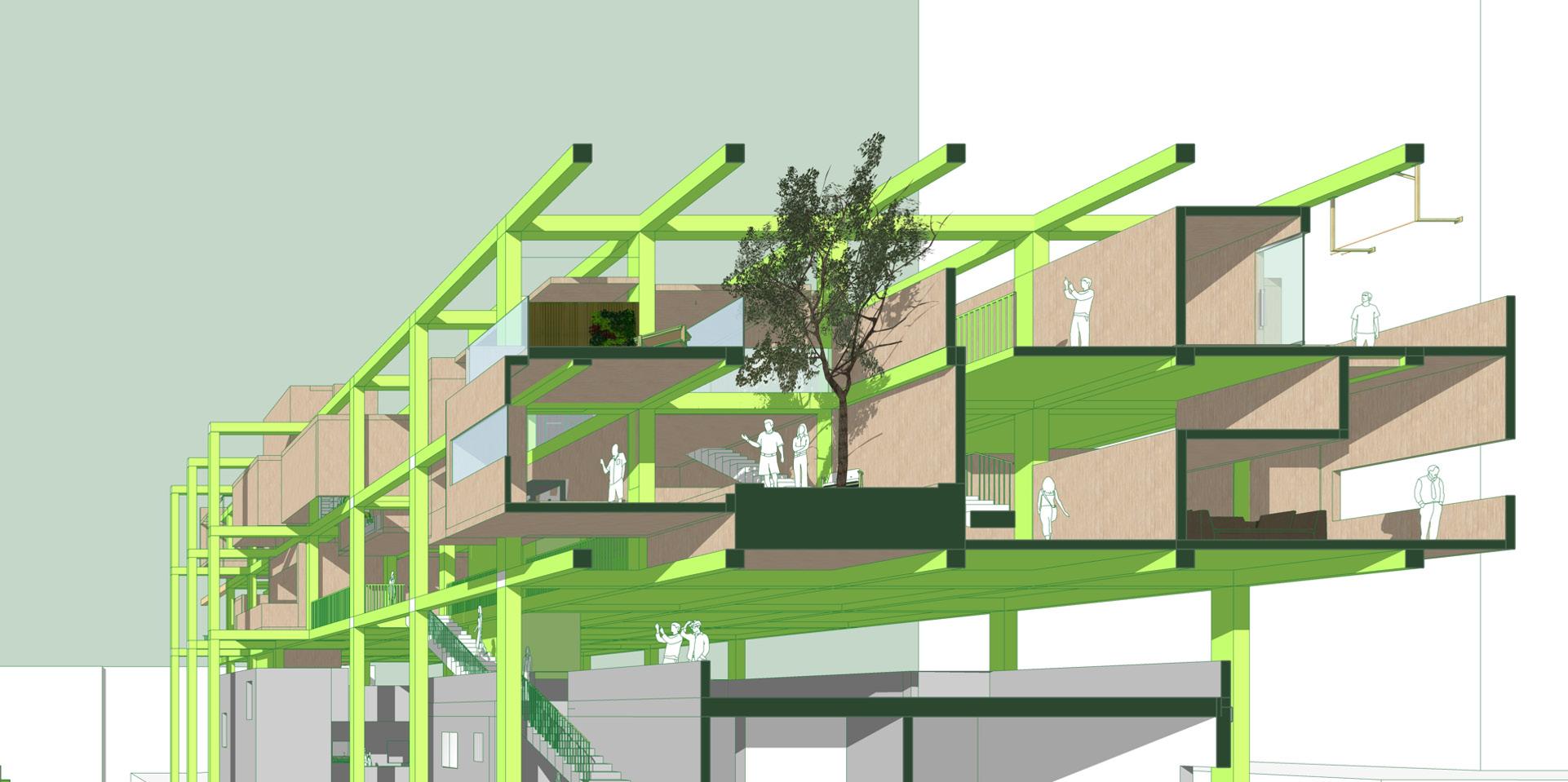
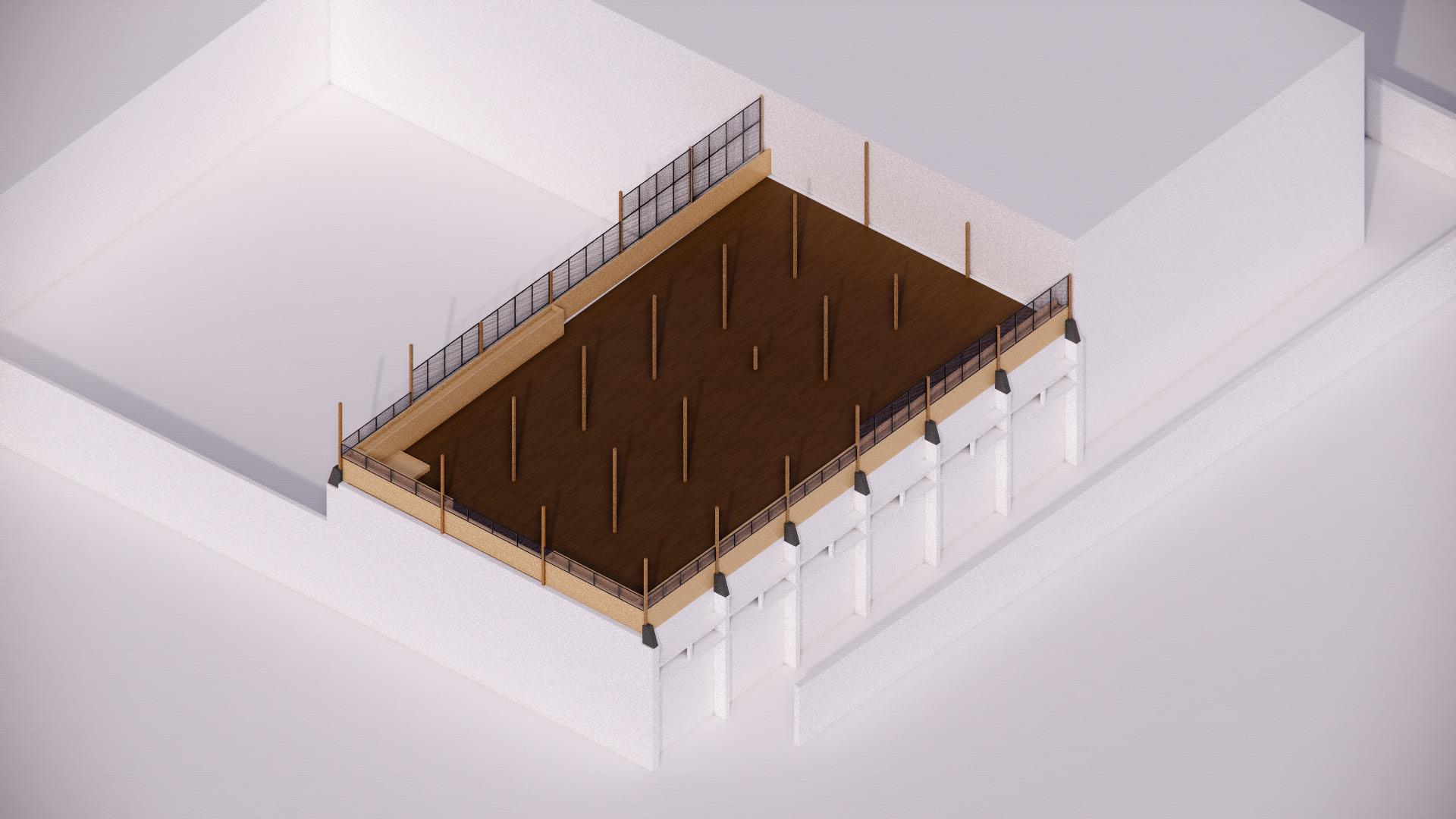
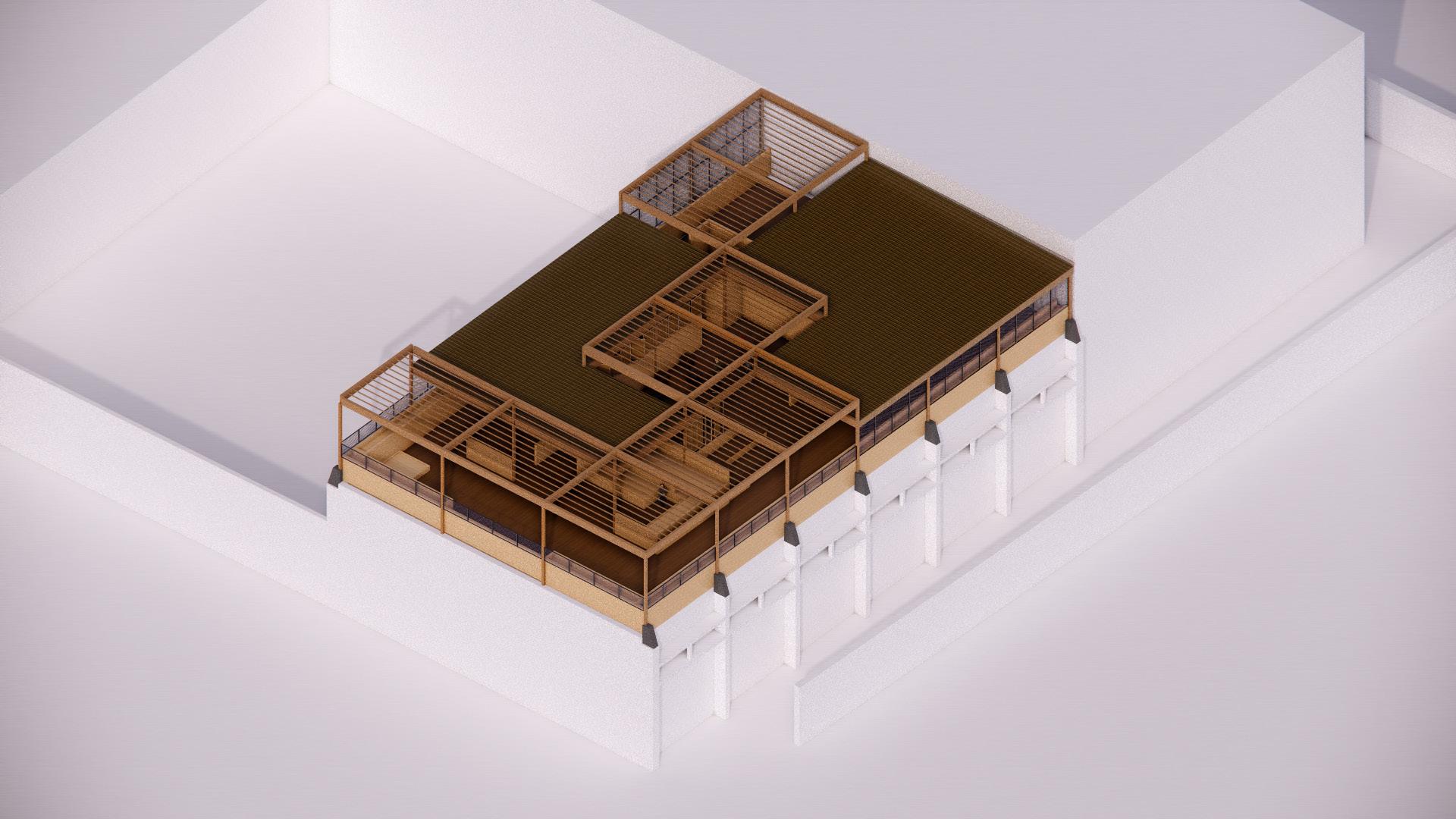
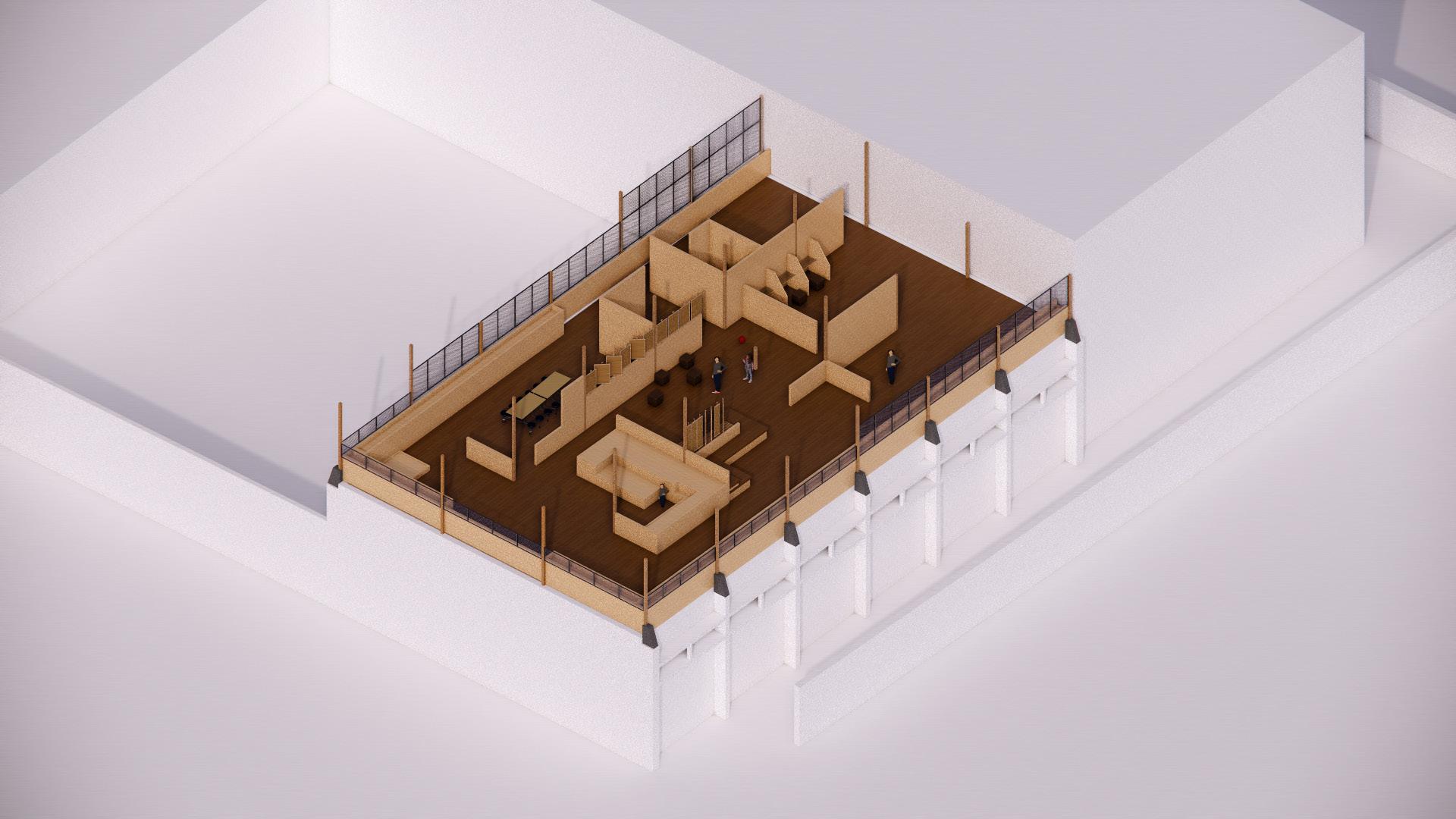
The project proposes a structural grid system that operates as an adaptive framework for new construction above and between the existing buildings. This structural “skeleton” organizes spatial relationships across three conditions: between old and new buildings, within transitional public passages connecting the urban block, and inside the housing units themselves. The flexible arrangement of columns generates diverse apartment typologies, encouraging spatial openness, cross-ventilation, and stronger connections between private living environments and the surrounding city.
1std yr/1 2021
Location : Herzilya
Community Center
Supervisor : Guy Margalit
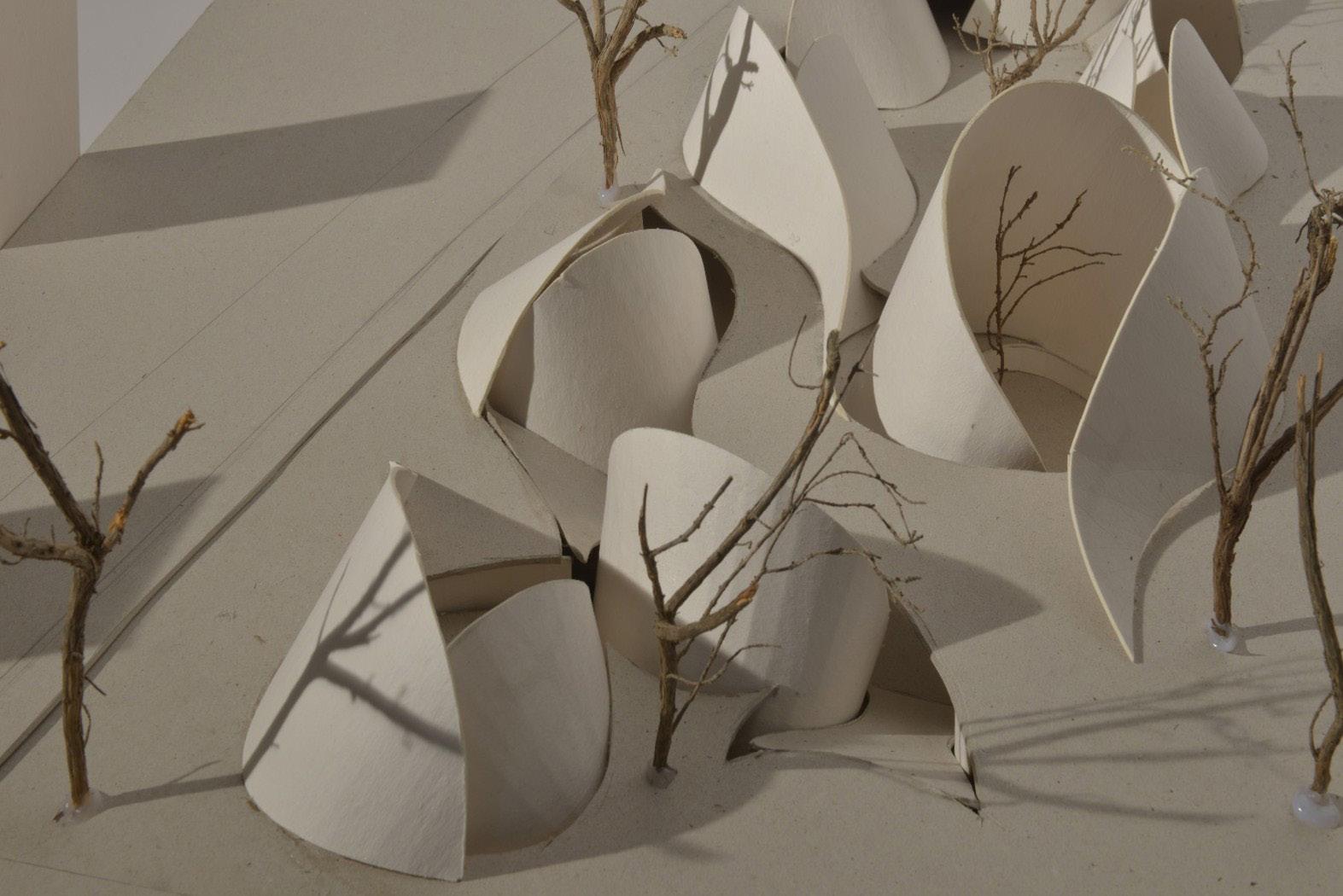
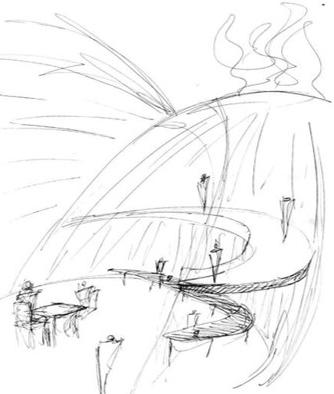
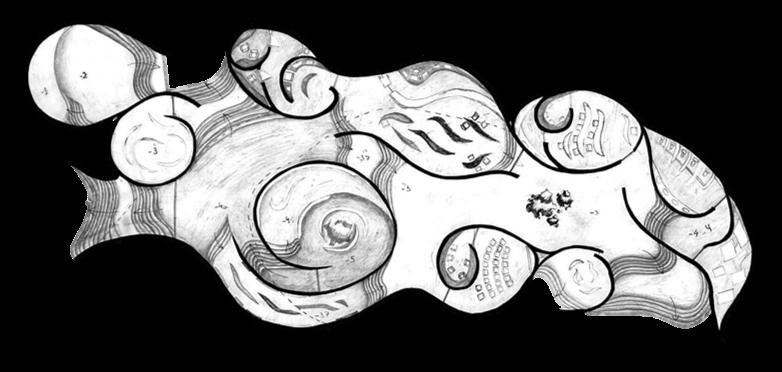
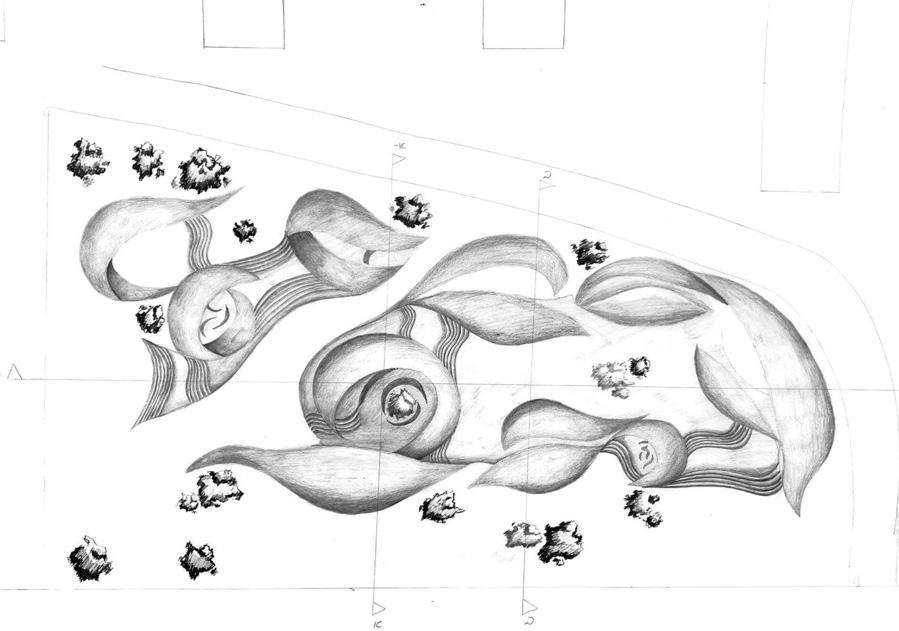
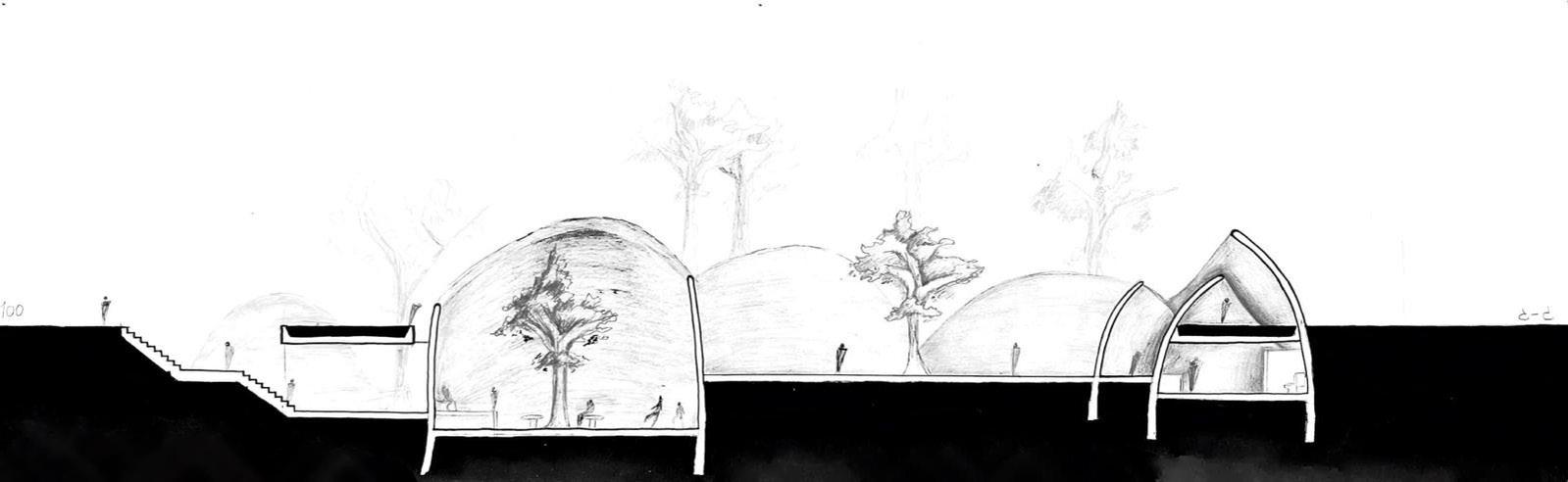
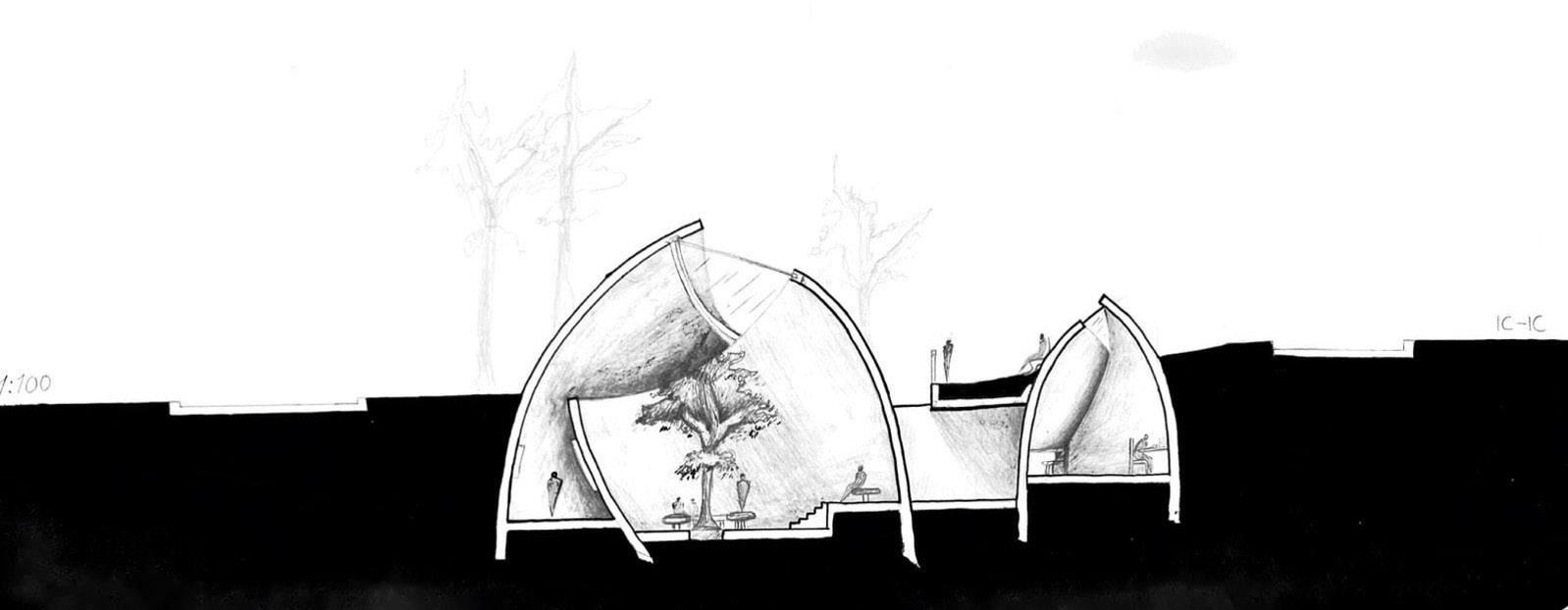
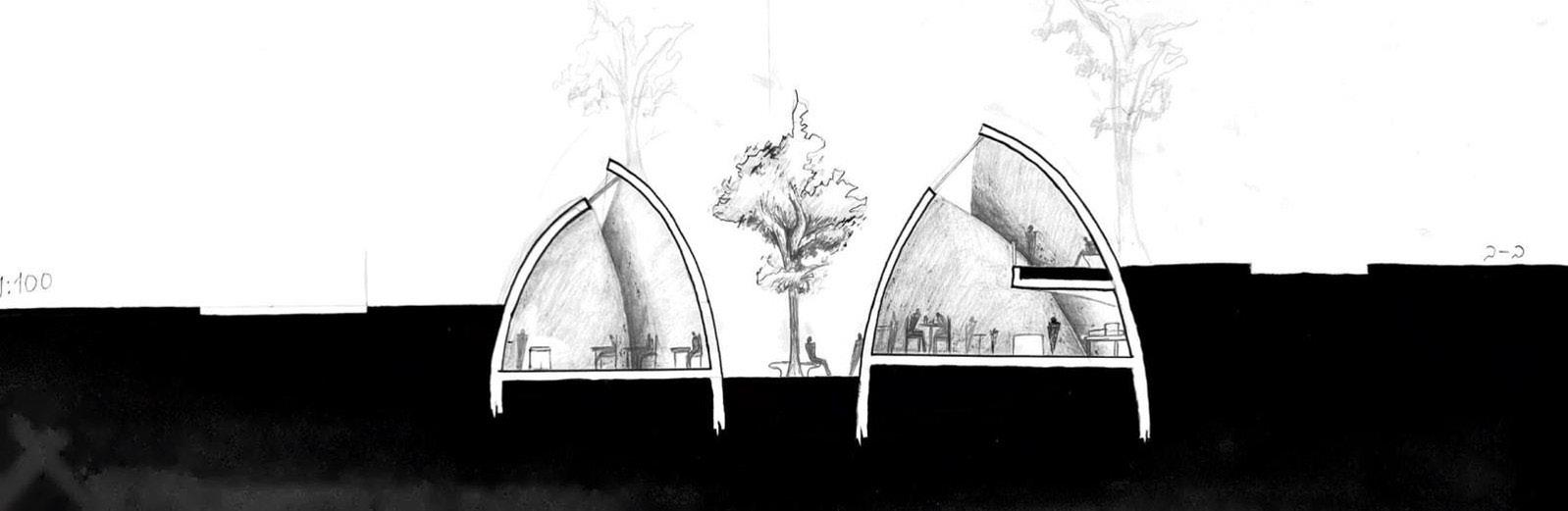
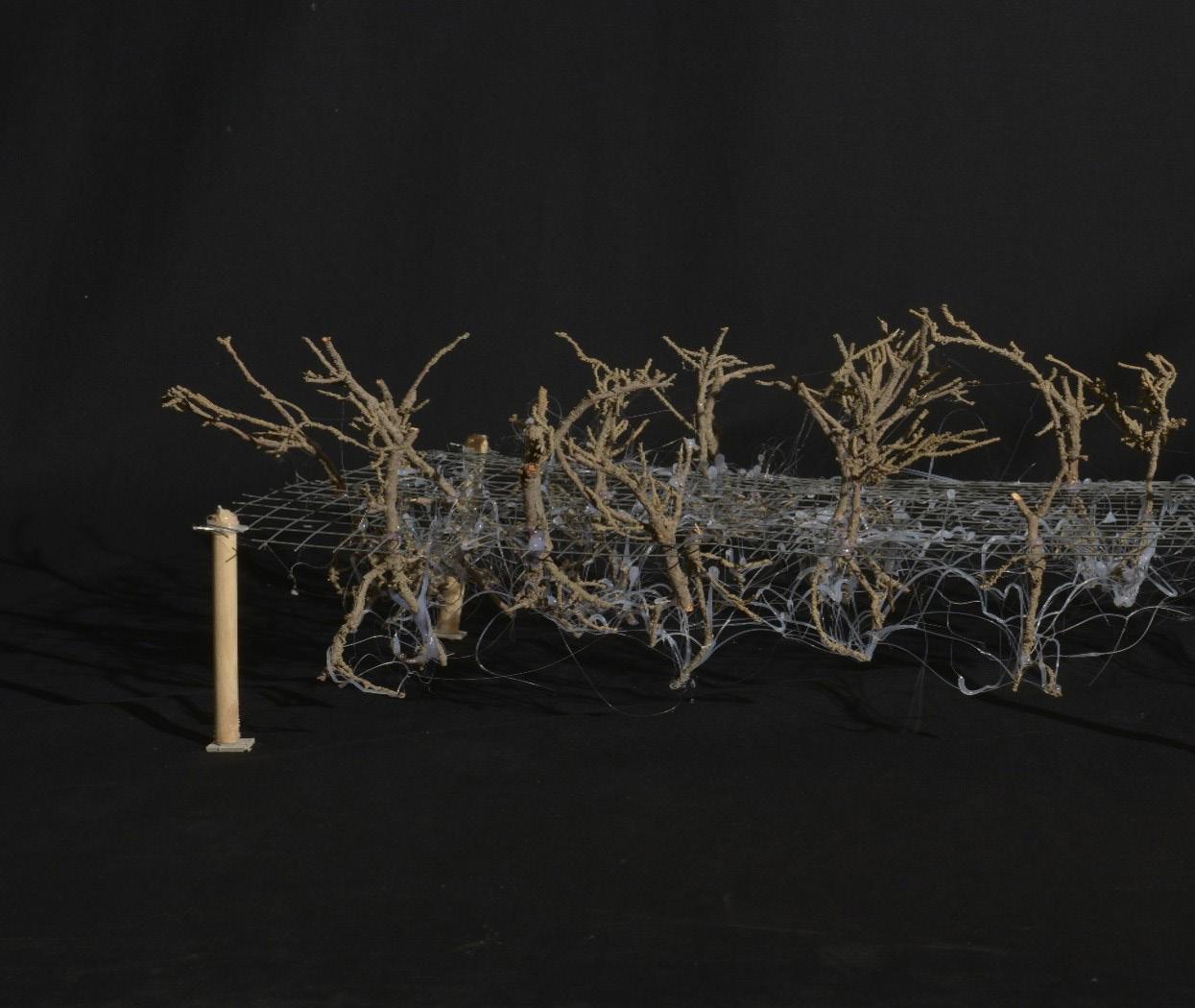
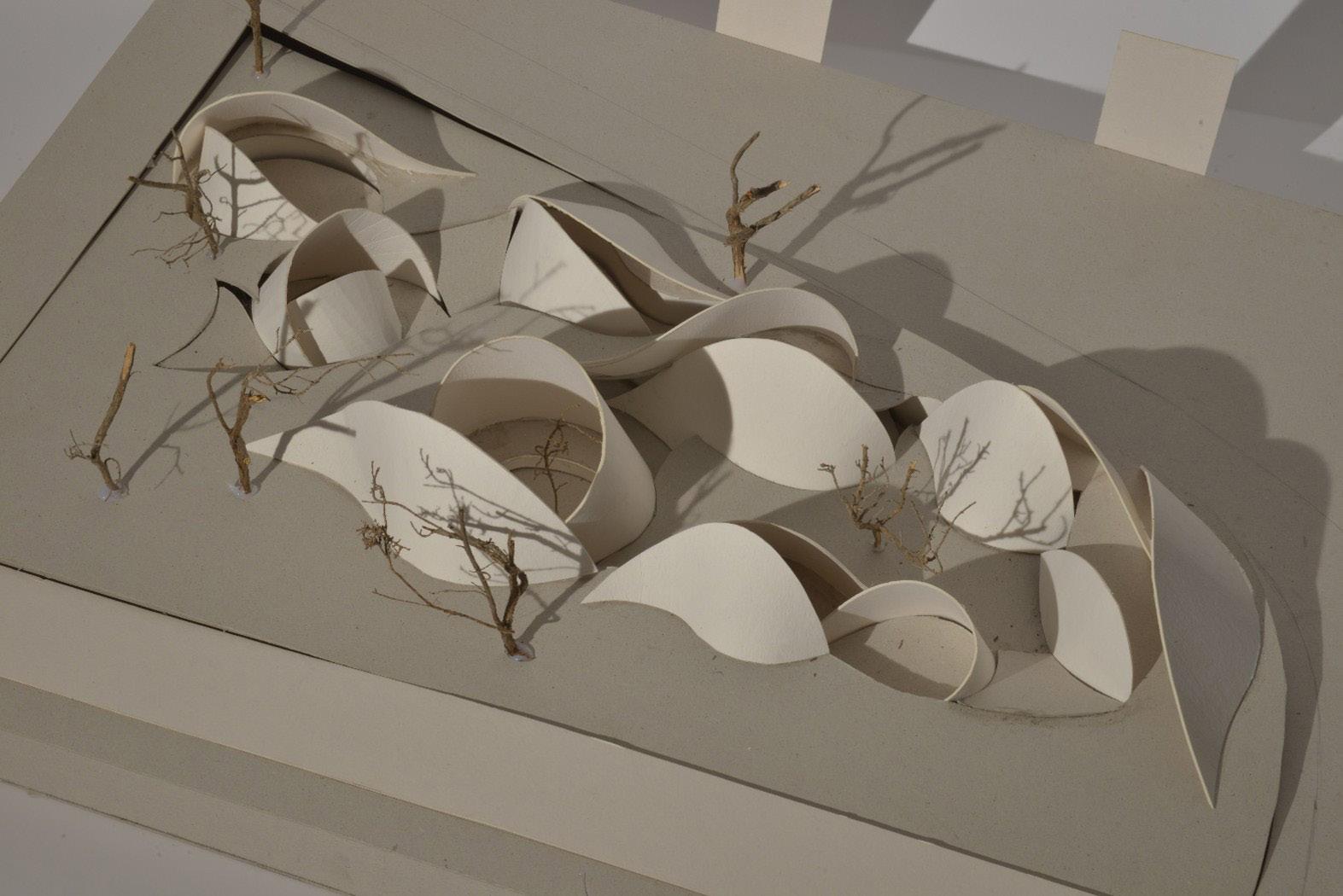
Located in Ezer Park, a quiet residential neighborhood characterized by mature vegetation and a calm community atmosphere, this project proposes a community center that develops its architectural language directly from the natural conditions of the site. Instead of imposing rigid geometry, the design approach allows the building to adapt itself to the existing trees, using them as spatial anchors that shape circulation, structure, and enclosure.
2
Studio
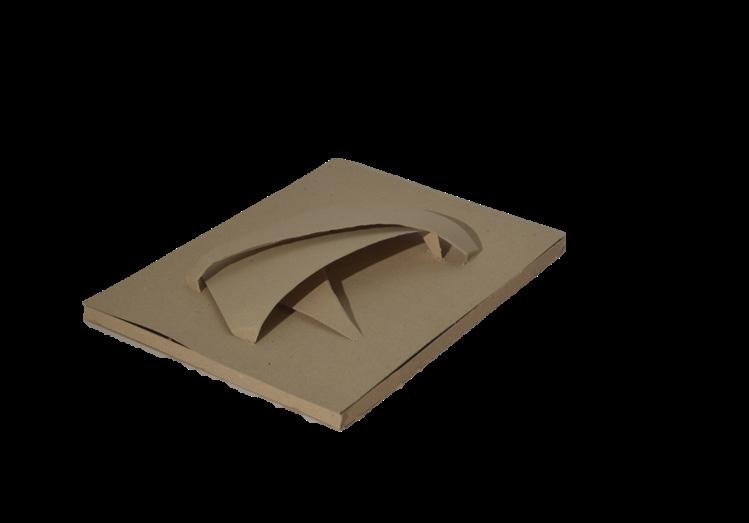
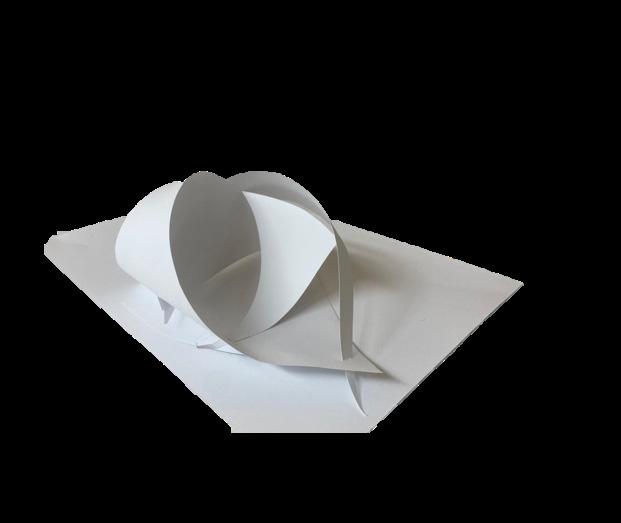
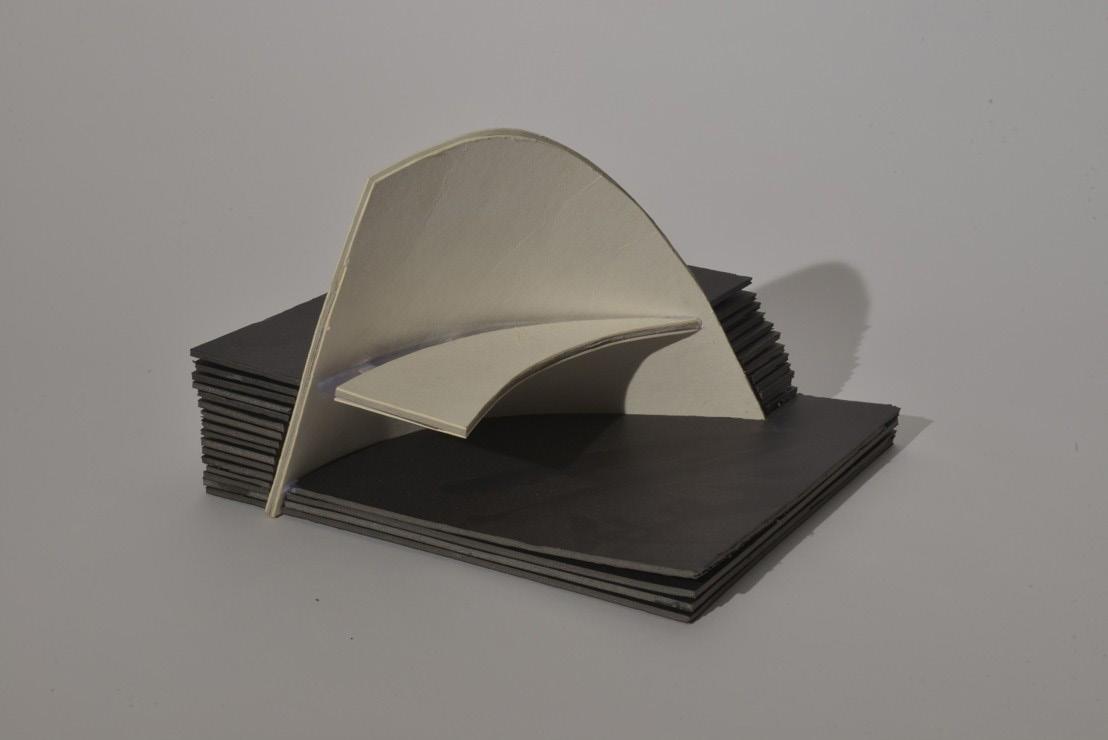
The project explores architecture as a responsive system that grows around its environmental constraints. The geometry avoids straight lines and orthogonal organization, favoring continuous curves and organic transitions that preserve the natural landscape while defining new communal spaces. The building’s form emerges from the negotiation between built structure and existing vegetation, creating an environment where architecture and nature coexist rather than compete.
Spatial sequences are designed to support meditative and contemplative experiences, encouraging slower movement and visual connection to the surrounding greenery. Interior and exterior boundaries remain fluid, producing shaded Josefin Sans
Through its organic morphology and site-sensitive strategy, the project proposes a community architecture that promotes calmness, reflection, and collective presence. The result is a spatial system that integrates environmental awareness with social function, transforming the community center into an extension of the park itself.
3Rd yr/1 2024
Location : Herzilya
Education
Supervisor : Dan Price
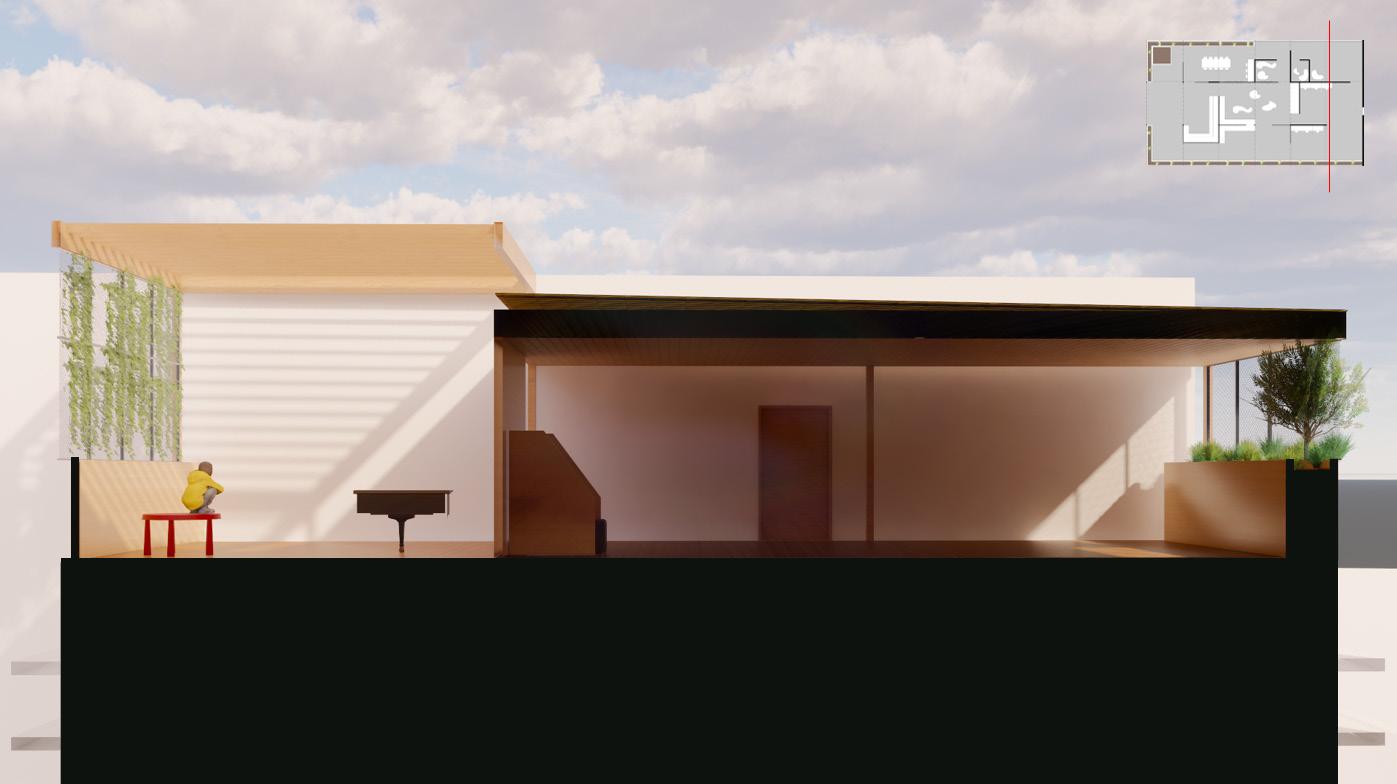
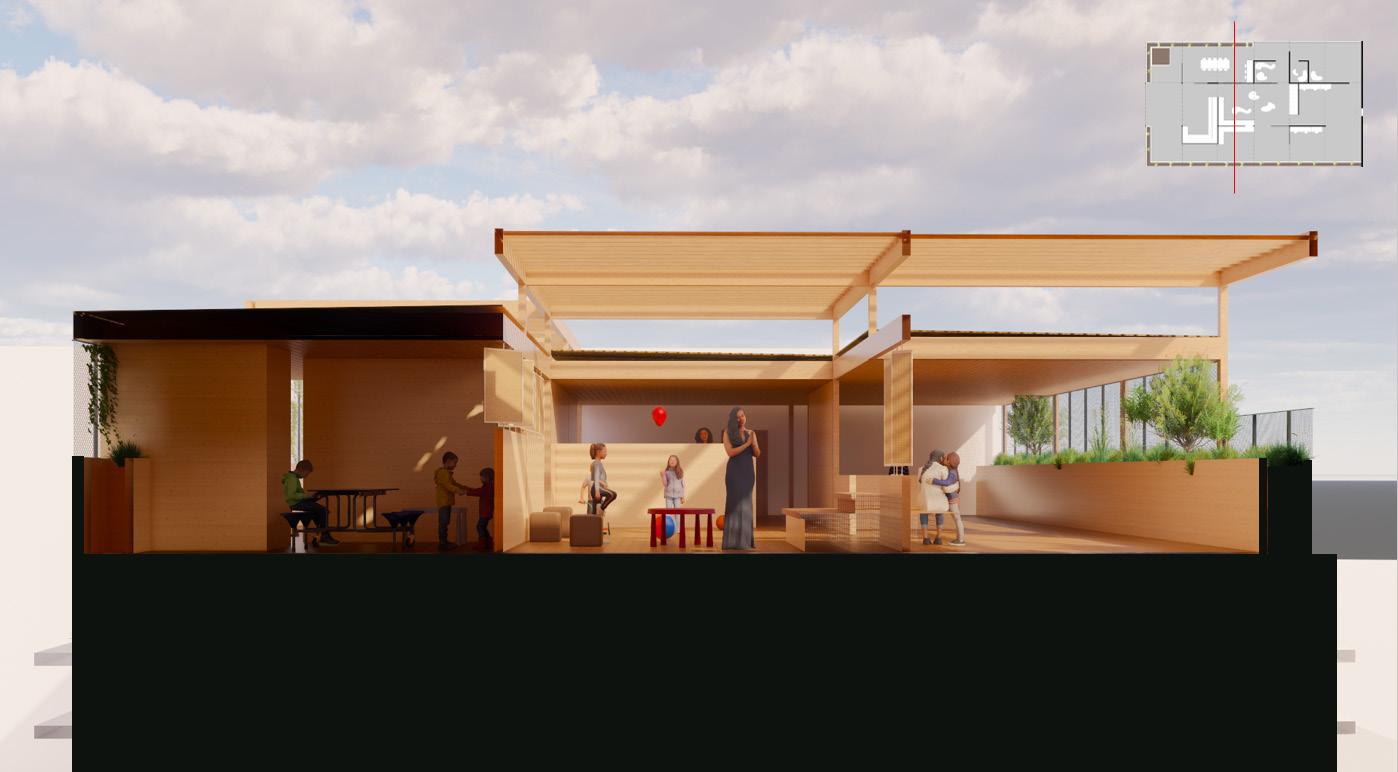
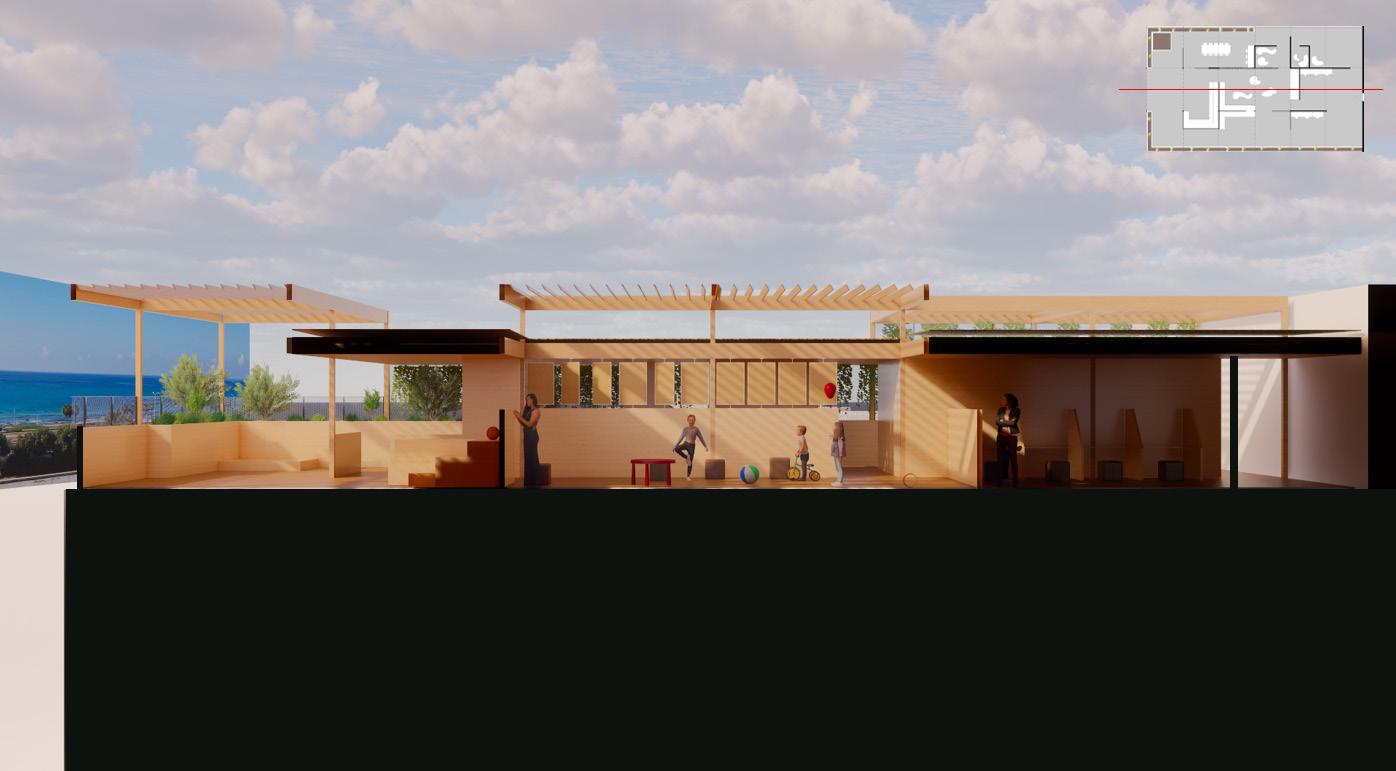
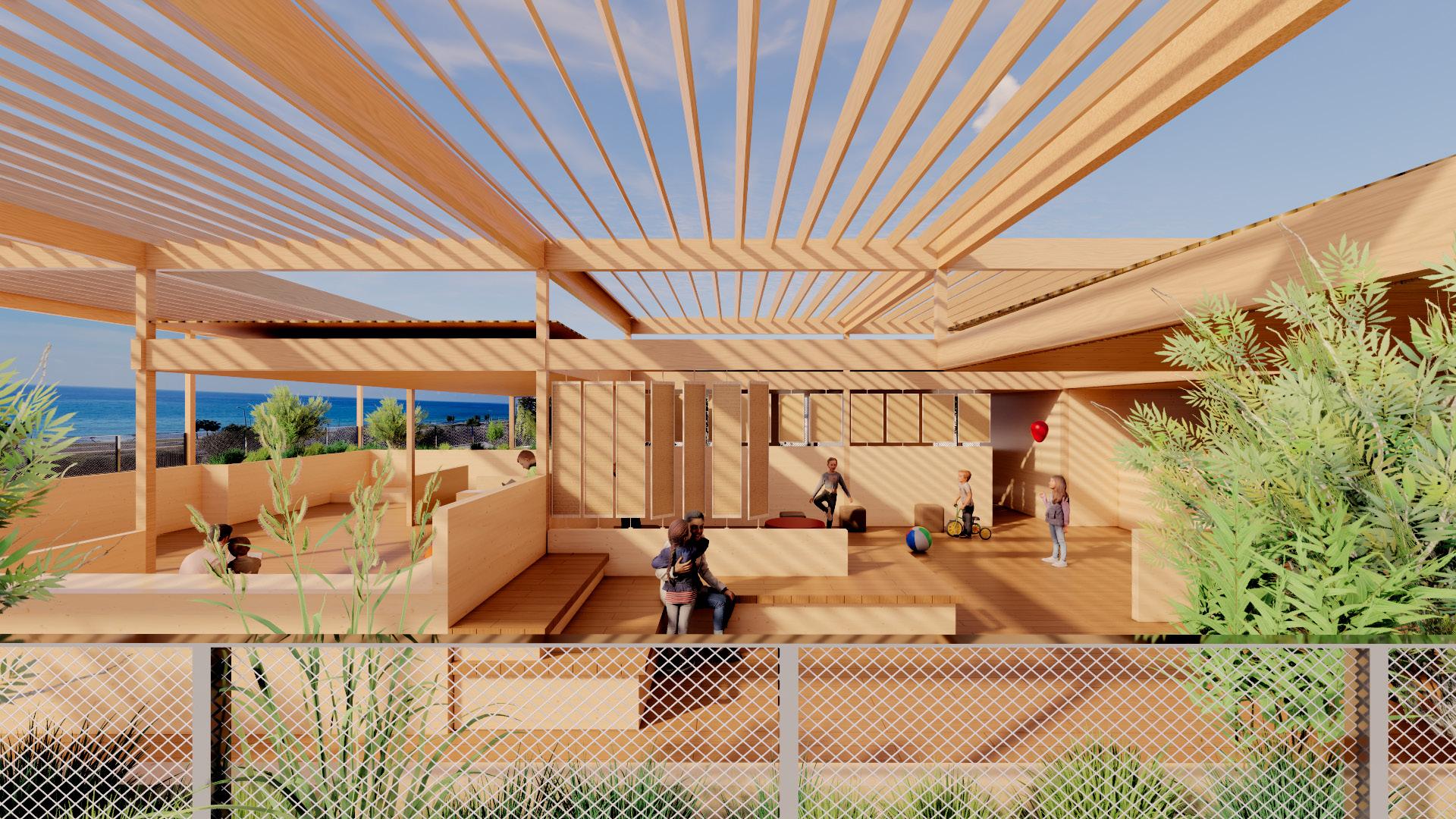
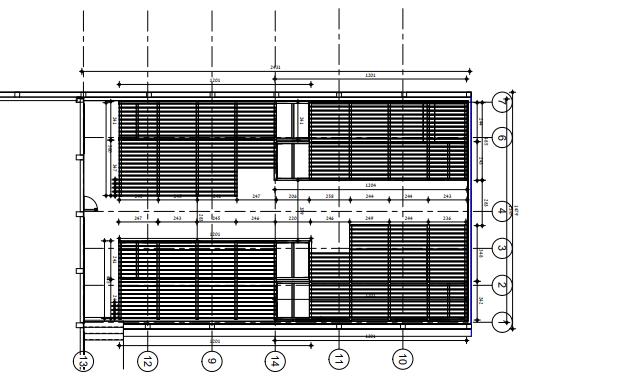
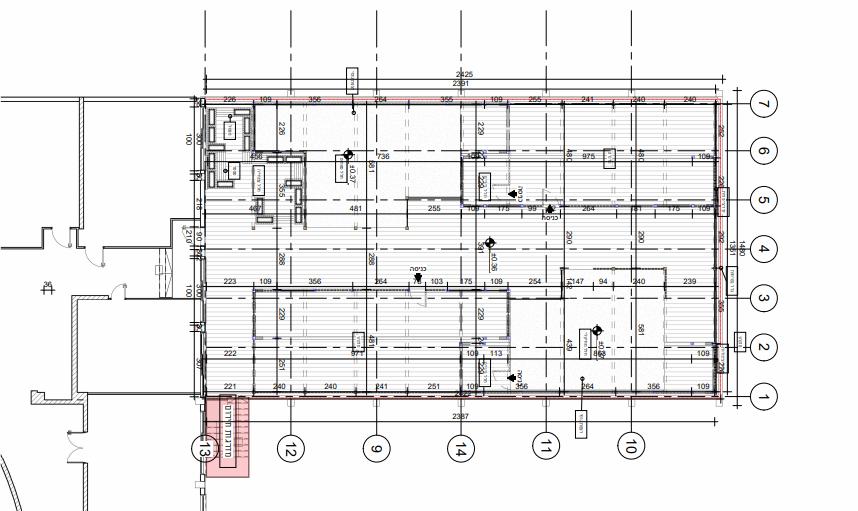
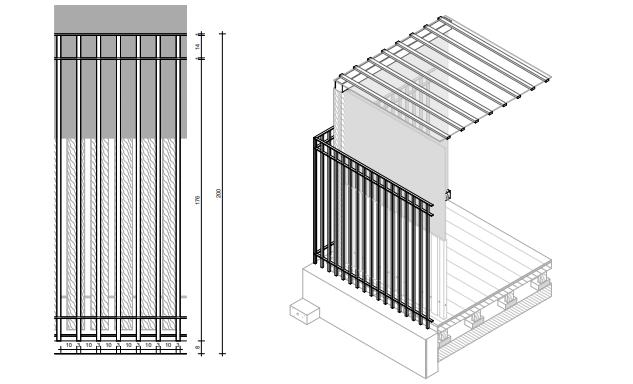
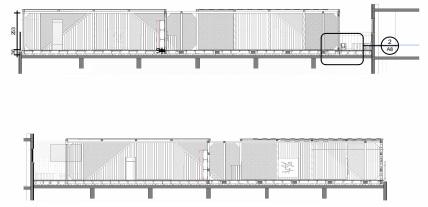
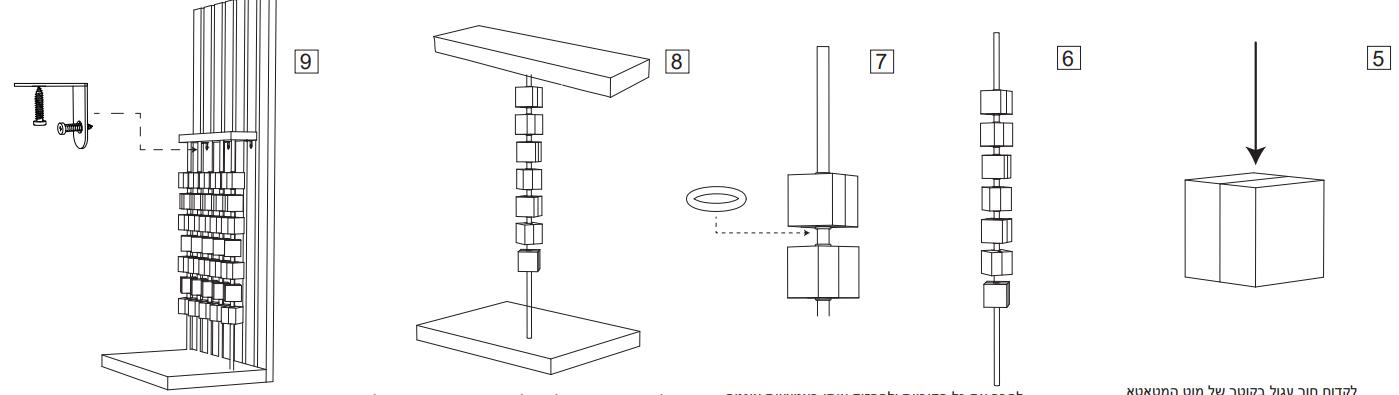
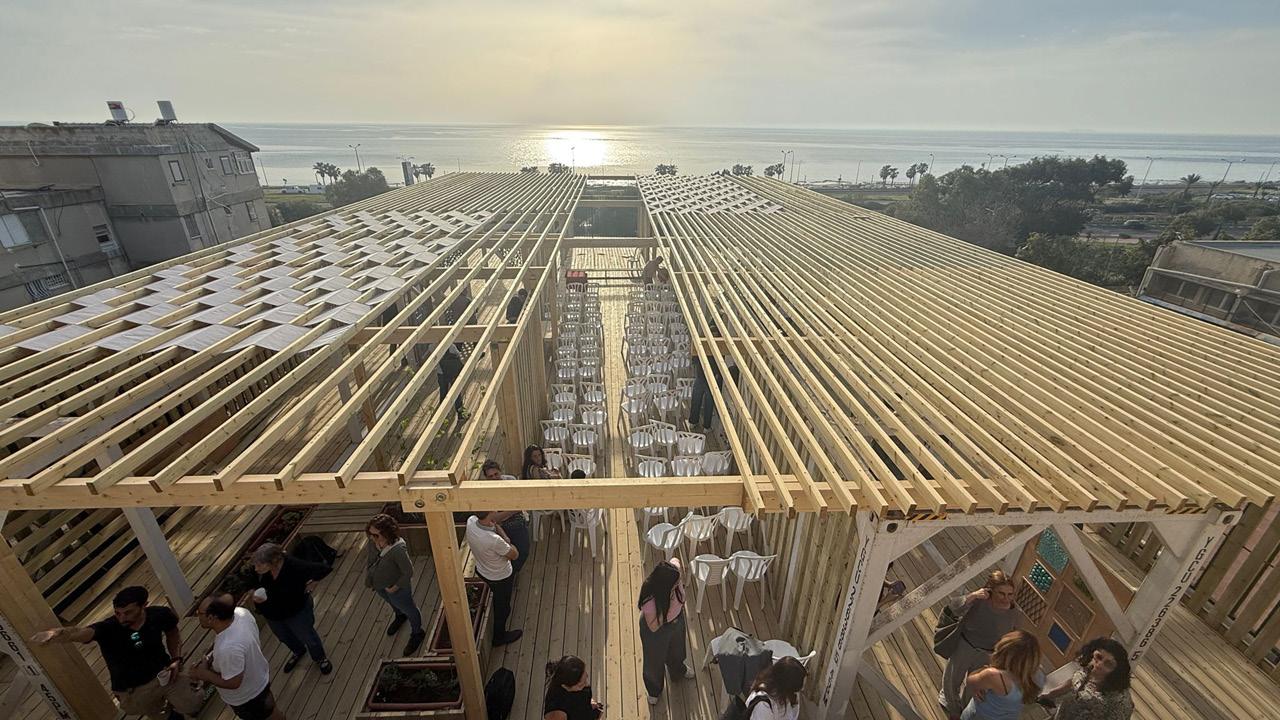
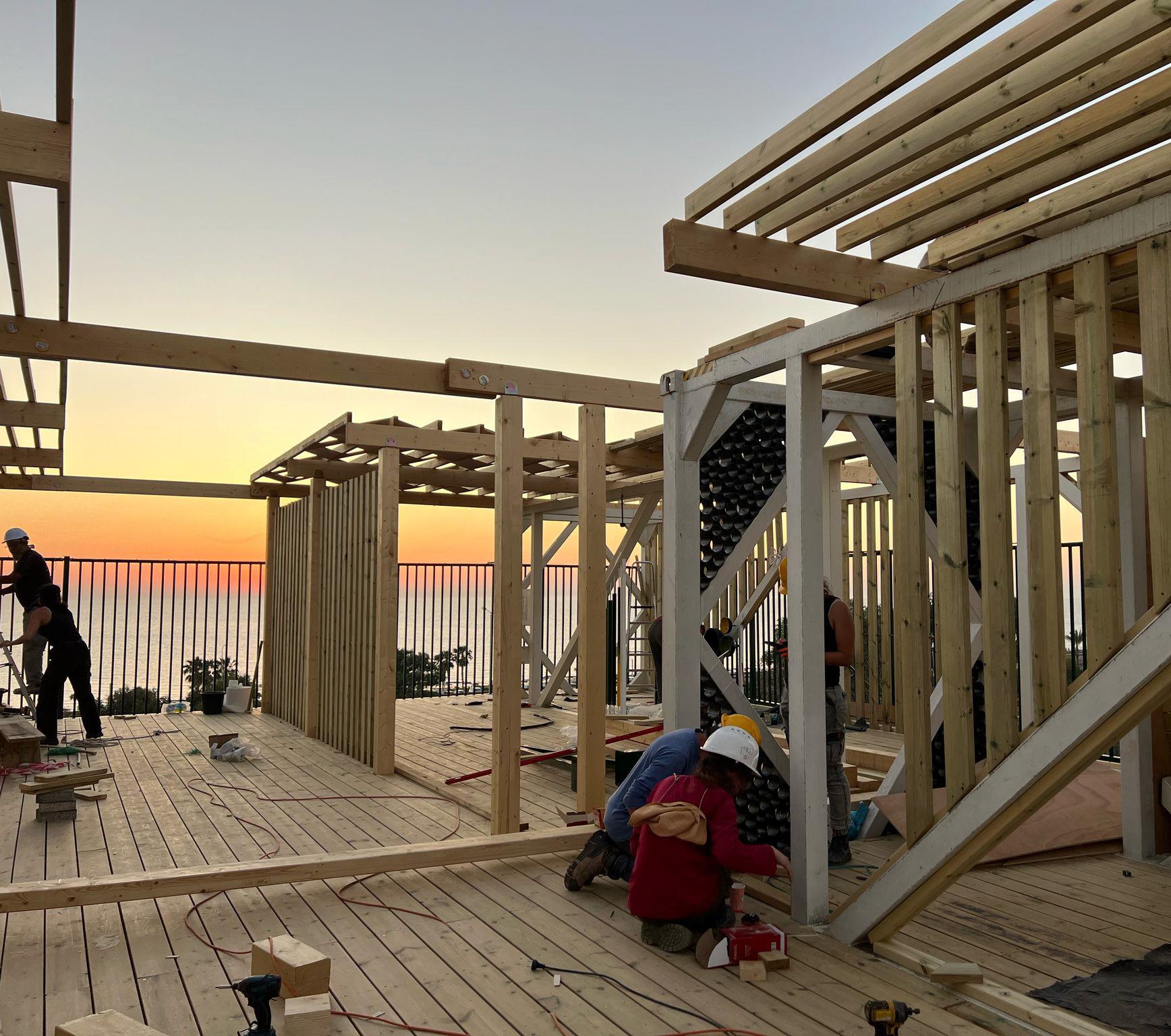
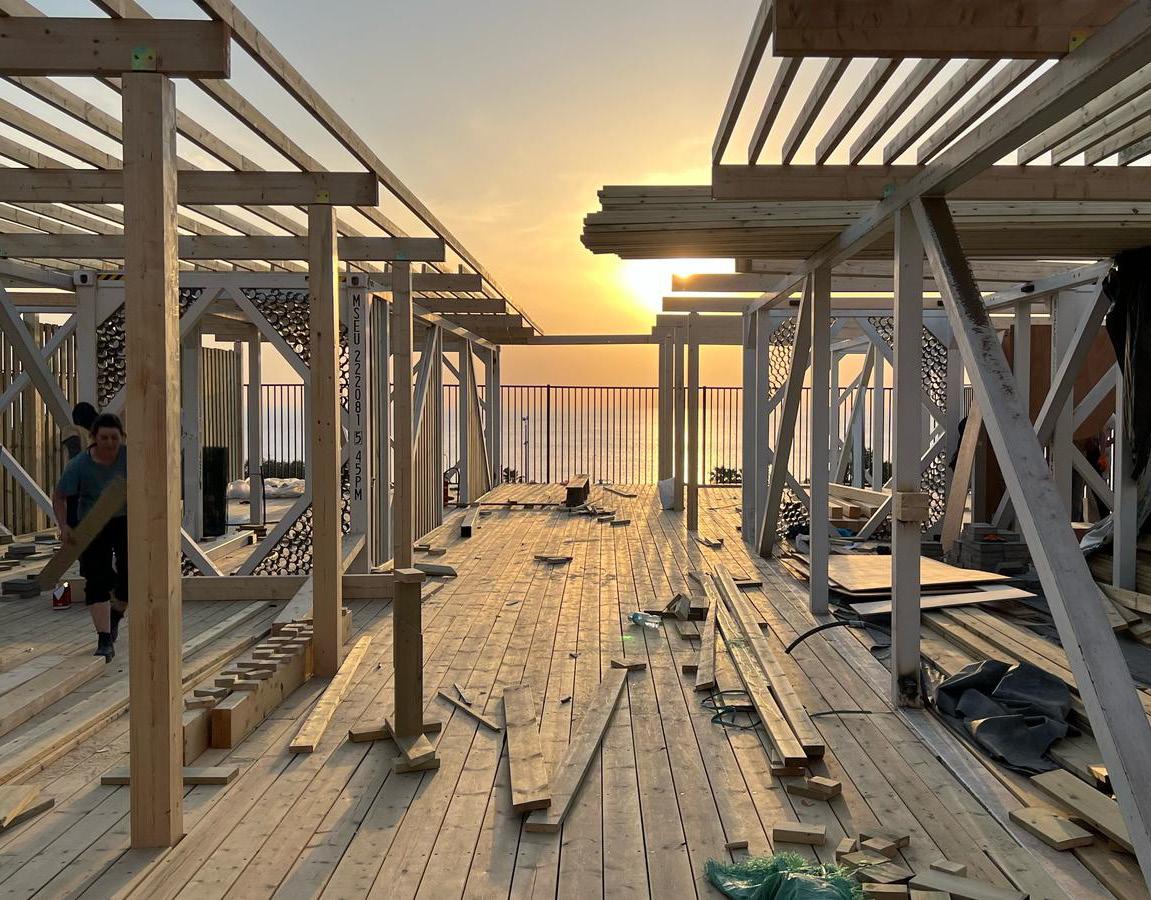
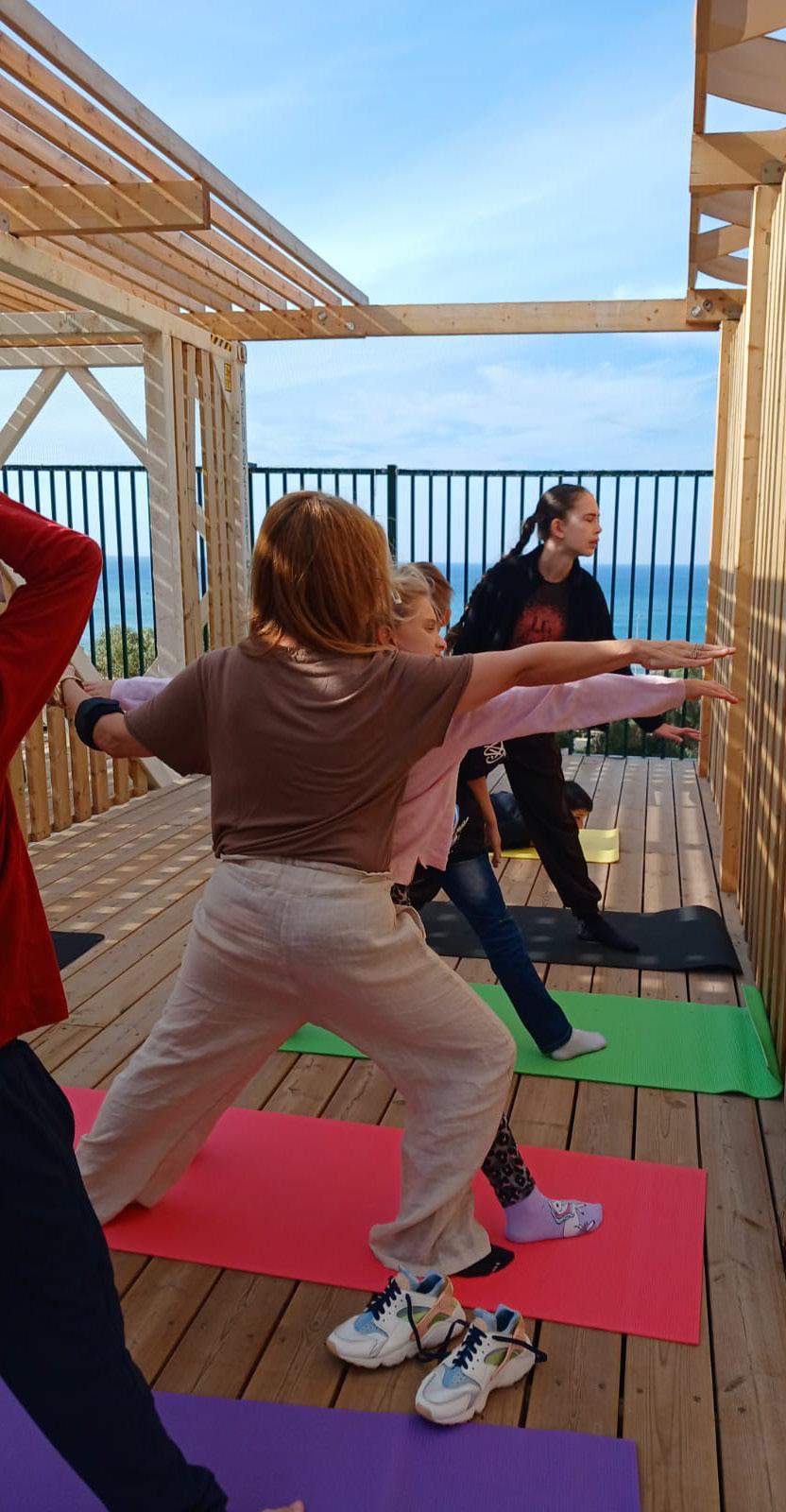
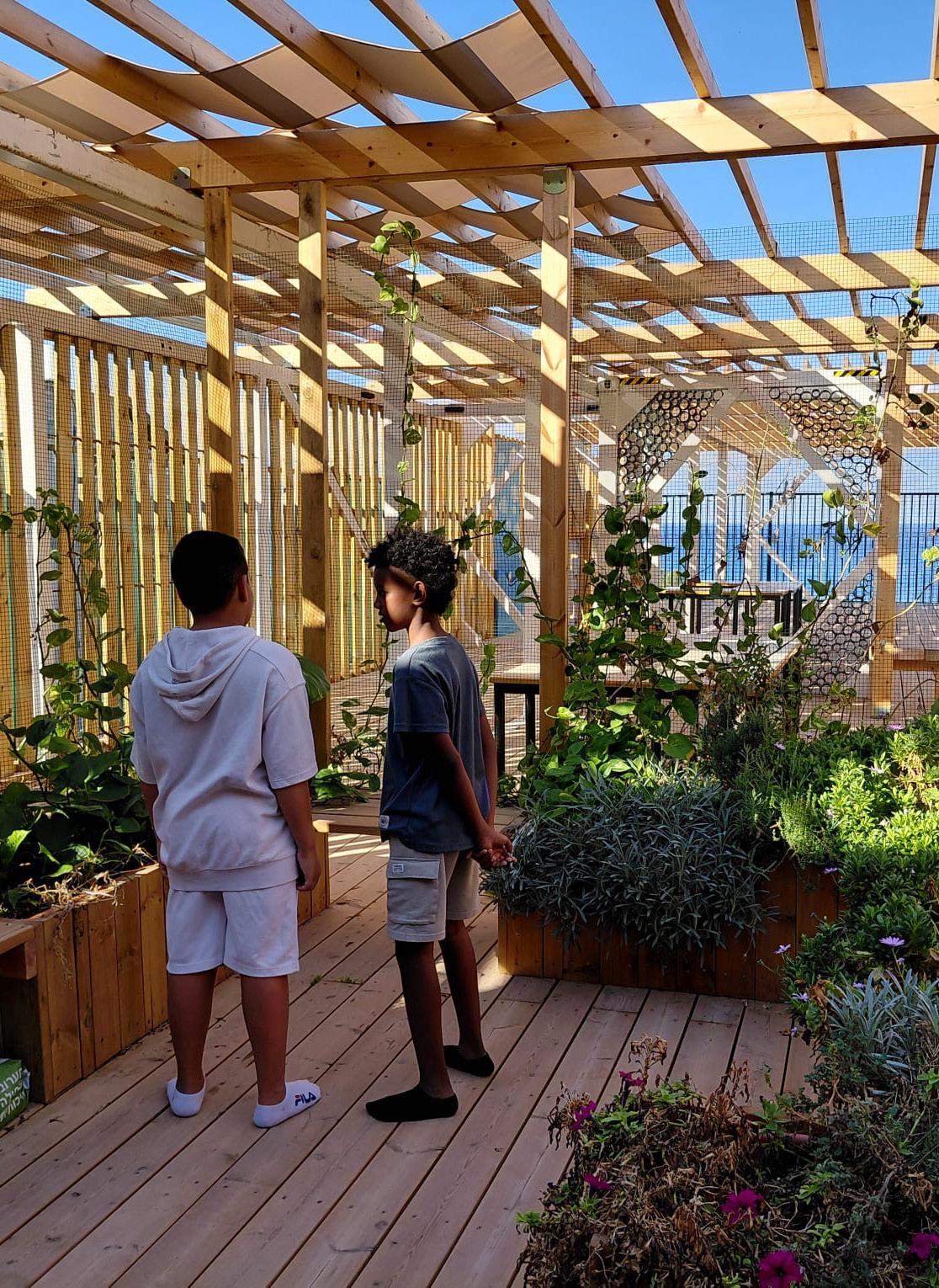
The Oranim School for Autism project is a full-scale (1:1) architectural intervention developed and constructed as a dynamic spatial addition to an existing educational environment. The project responds to the specific sensory, emotional, and behavioral needs of children on the autism spectrum, based on research into autism-friendly spatial design principles and direct engagement with the school community.
Studio 2
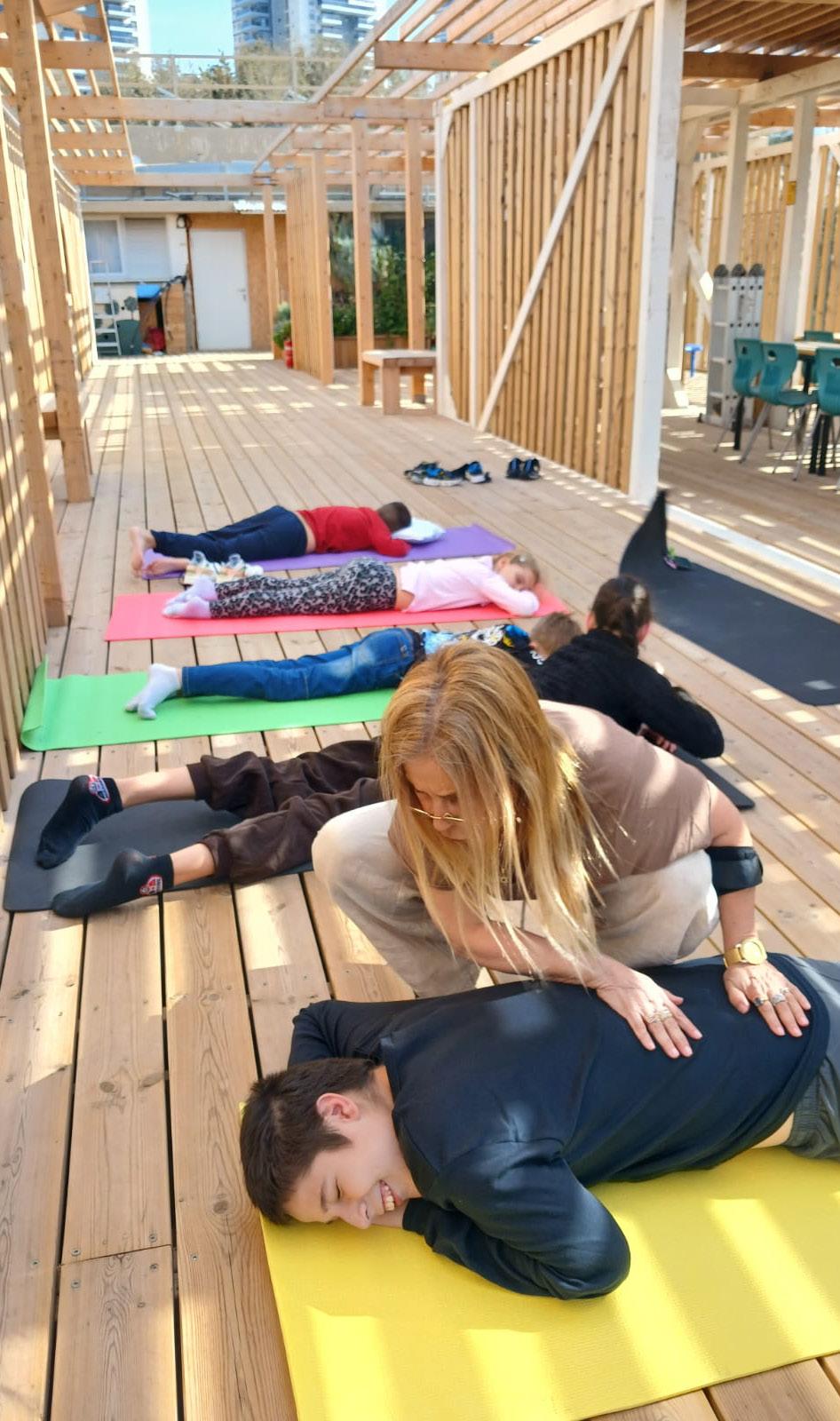
Through meetings with educators, therapists, and staff, the team identified the need for spaces that support different levels of stimulation, movement, and retreat. The architectural proposal introduces a sequence of flexible environments that allow gradual transitions between activity and calmness, helping students regulate sensory input while maintaining spatial clarity and comfort.
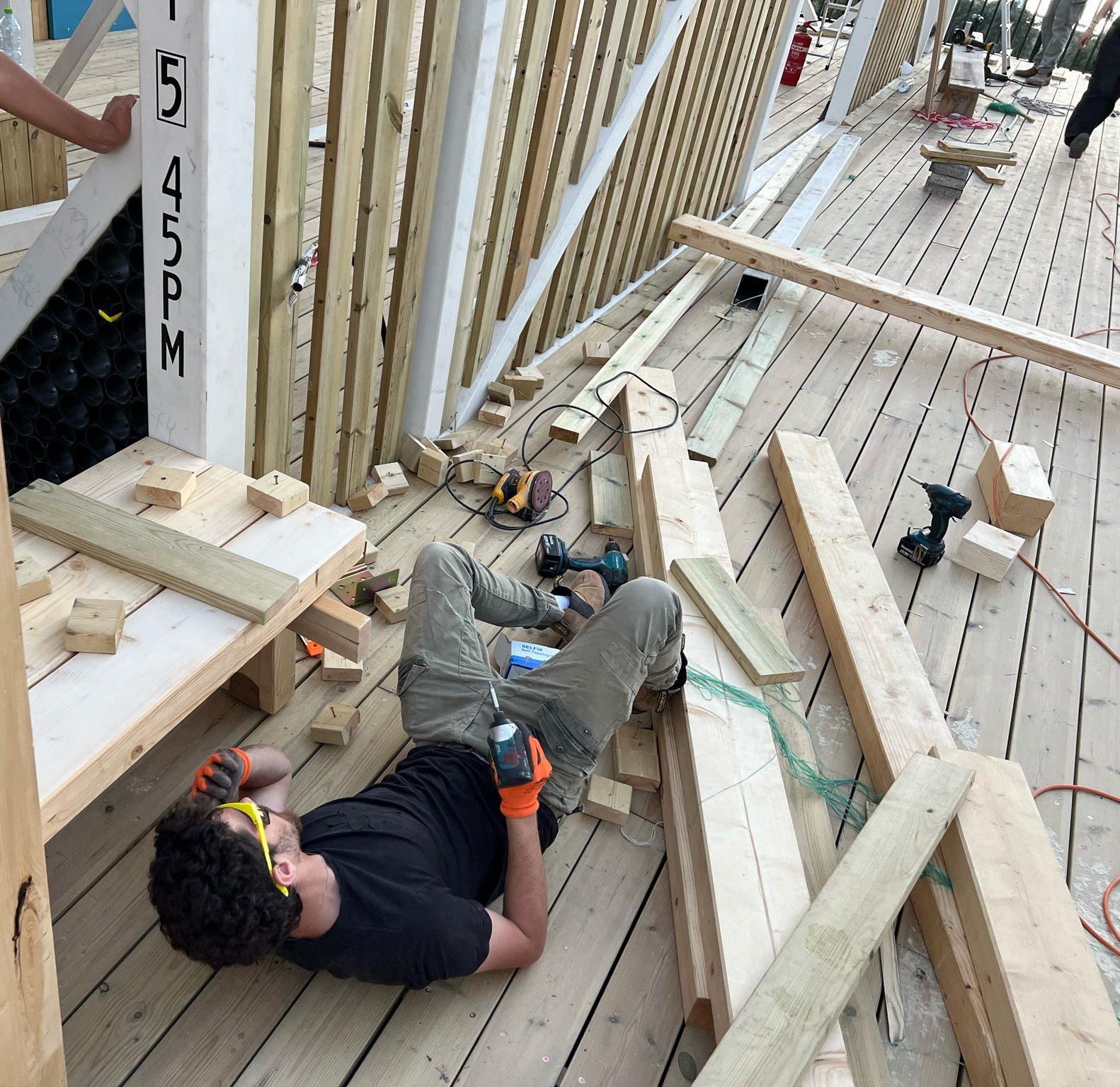
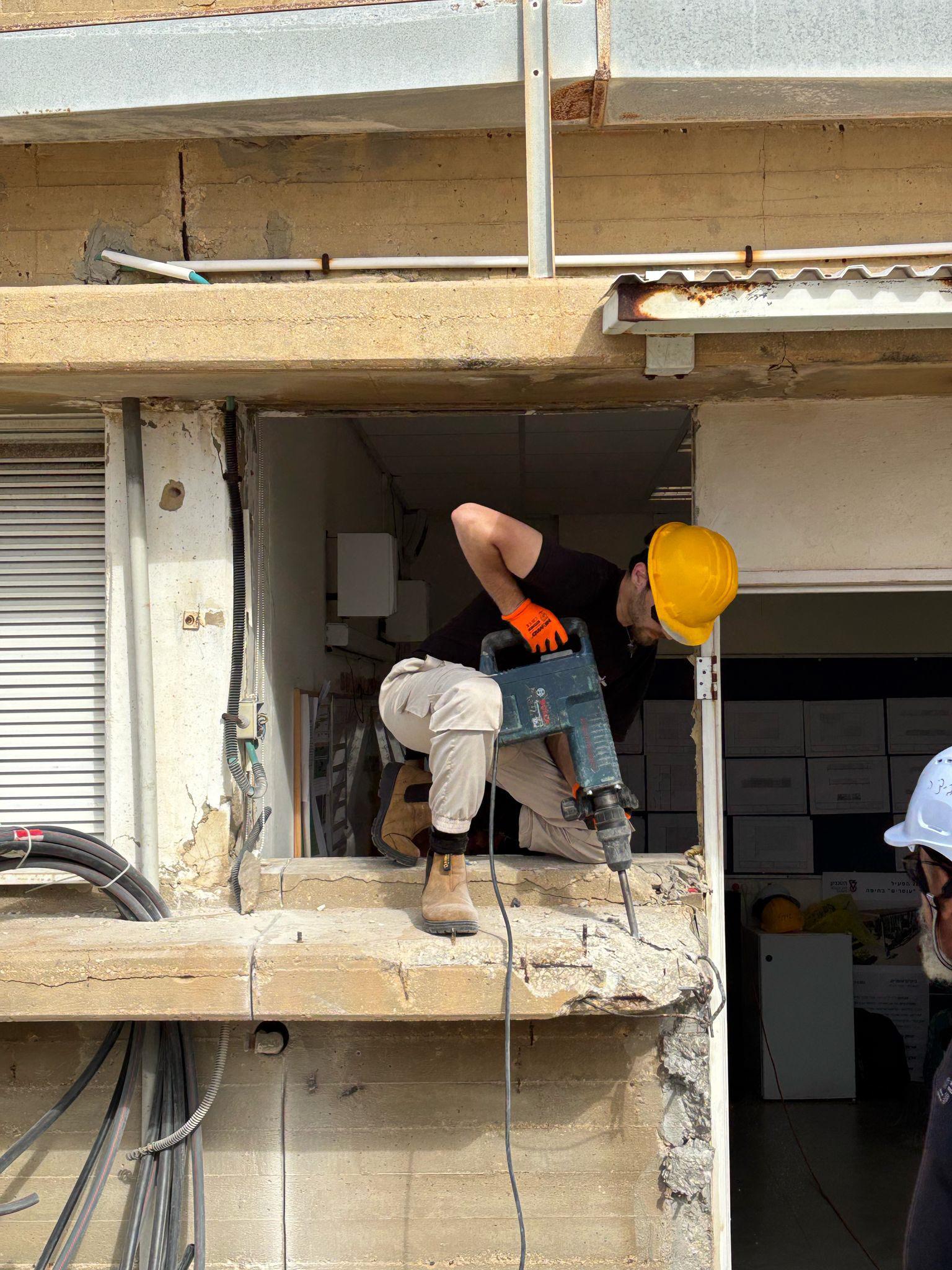
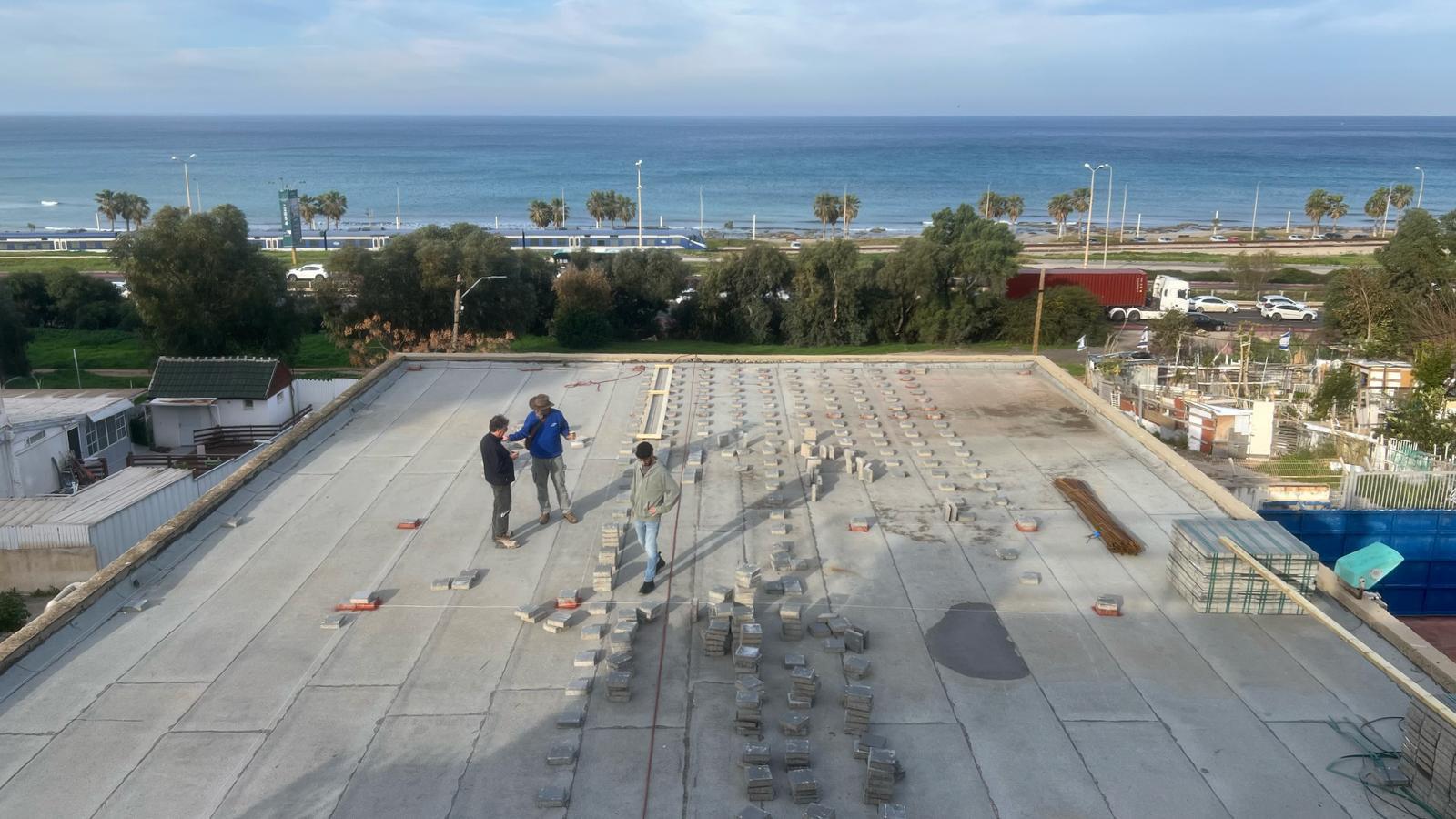
Within the team structure, responsibilities included developing architectural plans, supervising 2D drawings, and participating in logistics coordination and on-site construction. The project required continuous decision-making during the building phase, adapting design intentions to real material conditions and technical constraints. Several concepts developed during the individual design stage were implemented in the final built structure.
As part of a 1:1 design-build process, the project moved beyond representation and became a real, functioning environment now actively used by the children. The built outcome demonstrates how architecture can directly contribute to inclusive education by creating supportive spaces grounded in empathy, research, and collaboration.