










General Superintendent
Max Edwards & Judy


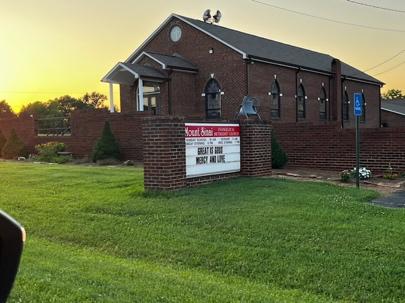
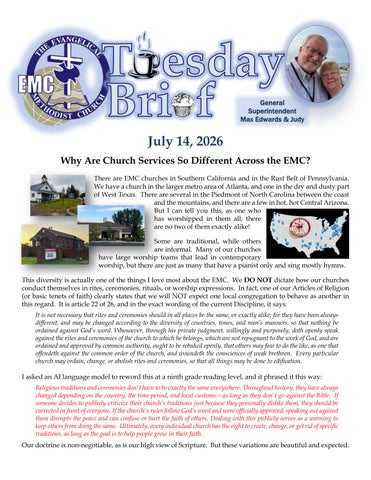
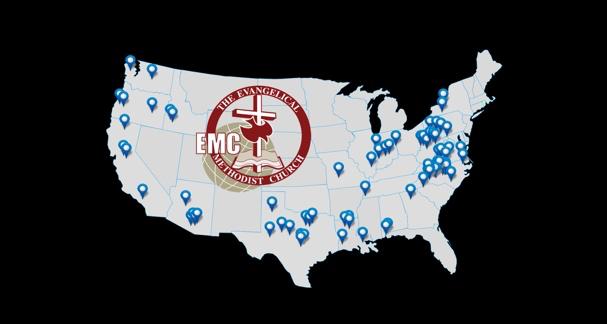
There are EMC churches in Southern California and in the Rust Belt of Pennsylvania. We have a church in the larger metro area of Atlanta, and one in the dry and dusty part of West Texas. There are several in the Piedmont of North Carolina between the coast and the mountains, and there are a few in hot, hot Central Arizona. But I can tell you this, as one who has worshipped in them all, there are no two of them exactly alike!

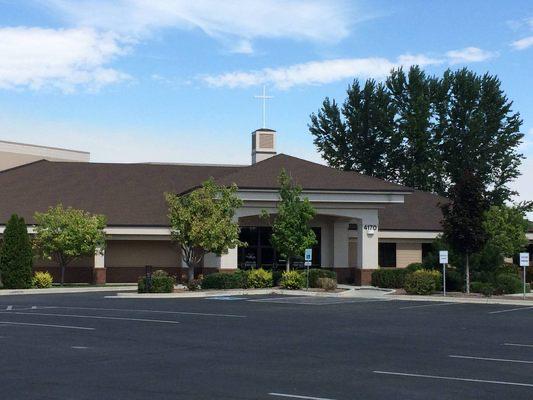
ome are traditional, while others are informal. Many of our churches have large worship teams that lead in contemporary worship, but there are just as many that have a pianist only and sing mostly hymns.
one of the things I love most about the EMC. We DO NOT dictate how our churches conduct themselves in rites, ceremonies, rituals, or worship expressions. In fact, one of our Articles of Religion (or basic tenets of faith) clearly states that we will NOT expect one local congregation to behave as another in this regard. It is article 22 of 26, and in the exact wording of the current Discipline, it says:
It is not necessary that rites and ceremonies should in all places be the same, or exactly alike; for they have been always different, and may be changed according to the diversity of countries, times, and men’s manners, so that nothing be ordained against God’s word. Whosoever, through his private judgment, willingly and purposely, doth openly speak against the rites and ceremonies of the church to which he belongs, which are not repugnant to the work of God, and are ordained and approved by common authority, ought to be rebuked openly, that others may fear to do the like, as one that offendeth against the common order of the church, and woundeth the consciences of weak brethren. Every particular church may ordain, change, or abolish rites and ceremonies, so that all things may be done to edification.
I asked an AI language model to reword this at a ninth grade reading level, and it phrased it this way:
Religious traditions and ceremonies don't have to be exactly the same everywhere. Throughout history, they have always changed depending on the country, the time period, and local customs as long as they don't go against the Bible. If someone decides to publicly criticize their church’s traditions just because they personally dislike them, they should be corrected in front of everyone. If the church's rules follow God’s word and were officially approved, speaking out against them disrupts the peace and can confuse or hurt the faith of others. Dealing with this publicly serves as a warning to keep others from doing the same. Ultimately, every individual church has the right to create, change, or get rid of specific traditions, as long as the goal is to help people grow in their faith.
Our doctrine is non-negotiable, as is our high view of Scripture. But these variations are beautiful and expected.