Longer days, warmer nights and that unmistakable energy in the air summer’s almost here, and the valley is buzzing. It’s my favourite time of year: the soft evening light, the smell of freshly cut grass and that easy feeling that time has finally slowed down enough to savour it.
Life in Matcham and Holgate shifts gear in summer. The mornings start earlier, the afternoons linger longer and suddenly every weekend seems full barbecues, Pony Club days, bushwalks, catch-ups that stretch well past sunset.
This Summer edition is all about those good summer vibes lazy afternoons in the garden, bushwalks worth dusting off your hat for, and a look at the backyard pizza-oven trend taking over the valley. We’ve also got a few tips on staying firesmart when things heat up, plus a peek at the creatures we share our backyards with (some more welcome than others).
So pour yourself something cold, find a shady spot and enjoy the read. Here’s to sunshine, shared stories and another golden valley summer. Have a wonderful Festive season.
AT THE HALL WITH...
Hall President Ingrid
As the days warm up and the grass begins its manic growth, take a moment to relax and appreciate what a special place Matcham and Holgate is to live. Enjoy the fragrance of your gardens, the sound of birds, and our incredible sunsets Drop into The Bamboo Buddha or Fires Creek Winery to savour the local goodness these businesses bring to our valley.
As Neil details in his report, the Hall recently underwent a major internal upgrade, with part of the floor and supporting infrastructure replaced. The old saying, “They don’t make them like they used to,” proved true the original construction had a few surprises! A huge thank you to the local businesses that provided goods and services at cost or for free, and to everyone who contributed to our GoFundMe campaign. This project couldn’t have happened without generosity.
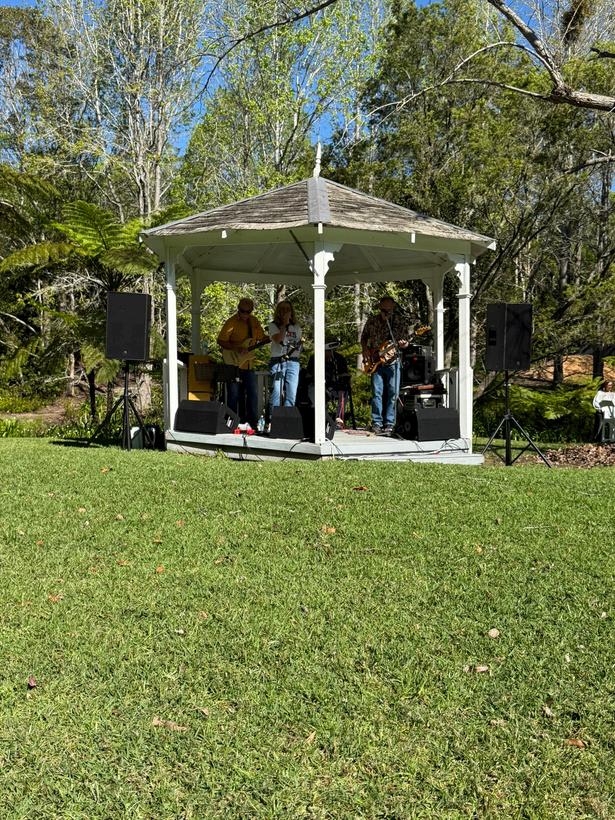
In place of our usual live band night, w held two garden concerts at Fires C Winery, with the winery and local b Giraffe generously donating proceed the Hall. If you haven’t been yet, m sure you catch the next one!
As word spreads about our wonde venue, we’ve continued impro facilities adding air condition regular professional cleaning, and, th to local plumber Pat Brennan, a water filtration system. Ongoing th also to Norm Roberts from PestMac keeping everything pest-free. Pl support these local businesses who support us!
MATCHAM HALL FLOOR RENOVATIONS
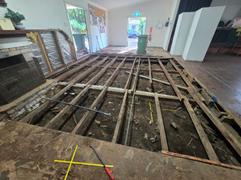
As many of you will have been aware – the right-hand side hall floor had a ‘lot of spring in it’. Investigations indicated that the beams holding the floor up were pretty much rotten or eaten! Not helping was that those beams in many instances were just balanced on top of sandstone rocks! The previous fixes to these problems was to keep adding further layers of flooring on top of the failing structure. The time had come when we had to fix it properly or risk the floor collapsing.
The call went out and the valley stepped up! We managed to raise almost $15k through the Gofundme, direct donations and Graham King and his band Giraffe putting on a couple of great performances
We look forward to seeing everyone at the Family Community Christmas Party — with Santa photos, face painting, games, and of course, a visit from Santa himself. It’s the perfect time to reconnect with neighbours and make new friends.
Until next time, Ingrid
Work commenced demolishing the existing floor and stumps. It was worse than we thought - significant termite damage in both the floor and wall plates. It would not have lasted another year!
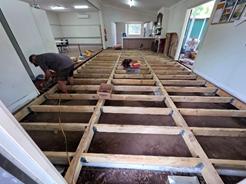
New footings were dug, concrete poured, new frame constructed, new wall plates installed and full termite protection applied to everything!
Local companies stepped up with the following providing either materials or their services for free or massively discounted:
North Shore Timber – all the timber for the floor frames
Graham Sharp Carpet Court – the laminate flooring
Max Rae – plumbing support
Matt Smith – electrical support
Norm from Pest Mac - pest support
Two weeks was a tall challenge to complete the job. With some late nights and weekend work, Ken was able to pull it off!! The new floor is fully installed – zero bounce, zero termites, zero worries!! It should comfortably outlast the rest of the hall!!
Massive thankyou to the community for supporting this project. You may not know but each of the 680 (ish) houses in the vvalley own a small part of this hall. It has been in the valley for 110 years this year and now gets to hopefully go for another century Please reach out if you want to book the hall for an event, celebration or party. We also now have aircon installed so perfect for both the middle of winter and summer!!
Neil – Matcham Hall Treasurer
TO OUR LOCAL ADVERTISERS
Every edition of Hall News is made possible thanks to our generous advertisers local people, small business owners, & former residents who continue to give back to the community they love.
Advertising funds go directly to maintaining Matcham Hall covering essentials like council rates, electricity, insurance, and general upkeep. With no regular funding, every ad truly helps keep our doors open and lights on.
So when you need a plumber, landscaper, café, or real estate advice, please choose the people who support Hall News and our events.
Supporting them helps sustain Matcham Hall — the heart of our community for generations to come.
Printing the Hall News for 10 years!
A shout out to Peter from Kwik Kopy at Gosford - Peter has been printing the Hall News for 10 years!! Peter and his team do a great job giving us great rates and every year they sponsor the colour section of our Xmas Edition Thanks Peter
HOLIDAY AT HOME
Finding adventure in your own backyard
Why travel far when the perfect holiday is right here in the valley or very close by? From bushwalks and hidden swimming spots to great cafés and family time, summer at home has everything you need for a memorable escape.
Explore Local Nature
Our valley is blessed with bushland reserves that rival national parks. Learn all about Katandra Reserve walks in this edition. Plus the Central Coast is home to five national parks, making it easy to rediscover nature without travelling far.
Support Local Food & Drinks
Discover a new beach with 41 beaches on the coast, 15 of them patrolled, set yourself a challenge this summer: how many can you visit?
A big part of any holiday is treating yourself to meals you didn’t cook. We’re lucky to have a growing list of cafés, restaurants, and breweries celebrating local produce. Take a Local Spirits and Sips Trail
�� Distillery Botanica (Erina): Awardwinning gins and liqueurs, tasting experiences all set in fragrant gardens.
�� Firescreek Winery (Holgate): Boutique fruit wines with botanical twists, set in beautiful gardens. They have a whole host of experiences to try from cocktail making to foraging.
�� Hawkesbury Brewing Co. (Lisarow): Just at the end of The Ridgeway fresh craft beers brewed on site - best enjoyed with their burgers and afternoon tunes
Add in a stop at Bamboo Buddha Café in Holgate a tropical-style retreat with great vegetarian food, artworks, and a small nursery and you’ve got the makings of a perfect day out
As one local put it: “Over Christmas, the money we save by not travelling we spend indulging ourselves in our own backyard fresh seafood, fancy bubbles, and way too much cheese. It feels just like going on holidays.”
Backyard camp-out pitch a tent, roast marshmallows, and stargaze. Download the free app ISS Spotter and it will tell you when the International Space Station comes over the valleys it’s incredible!
Cycling day explore one of the region’s cycleways. For something more adventurous, head to Ourimbah Mountain Bike Park with 18km of authorised trails, or keep it simple at the safe, familyfriendly Duffy’s Road Bike Track in Terrigal.
Cultural outing stop at that gallery you usually drive past. Nearby you’ll find Ken Duncan Gallery at Erina Heights, showcasing iconic Australian landscape photography, and Gosford Regional Gallery, the Coast’s largest, with its serene Japanese garden. Both have great cafés.
Family Fun
Some options really close to home Smash You Central Coast — the region’s first smash and splatter room, with paint, throw, and smash sessions.
Erina Ice Arena a fun way to escape the heat while gliding across the ice.
Hole in Fun indoor mini golf with a playful twist at Lisarow.
So this summer, when the urge to escape strikes, remember: sometimes the best holiday isn’t about where you go, but how you see the place you already are.
SUMMER DAYS, SCHOOL DAYS:
Holgate Public School in Full Swing
As summer arrives, Holgate Public School is buzzing with end-of-year energy concerts, excursions, art shows and the much-loved Christmas Carols picnic. Rooted in community spirit since 1928, the school continues to thrive as a place where learning, belonging and tradition meet, with its centenary now just a few summers away. Here they share the past, present and future happenings.
Dear Families & Friends of our beautiful valley,
Holgate Public School was founded by the valley community. Three acres of land was resumed from Mr Bill Friend and then the Progress Association cleared the land for building. Mr Sam Hufton Junior, his ‘stump puller’ and horse were part of the clearing committee. Mr E Webber was appointed to supervise the operations, and all helpers were requested to ‘bring your own tools’.
Starting at the end of January 1927 this was a regular Saturday working bee with the ladies providing afternoon teas. In October 1927 the tender for the building of the classroom was awarded to Mr Simpson of Earlwood Sydney. He boarded with Mrs Walter Patterson at her home in Wattle Tree Road during the building of the school. The cost of the building was £800.
Holgate Public School opened on 21 January 1928. The first teacher appointed at our school was Miss Jeffreys with a cohort of 24 students. Today we are a cohort of 95 students With this brief history of our school, we look towards our 100th year celebrations in 2028.
Our core value mission is that every learner receives a high-quality education where all students learn, grow and feel a
sense of belonging. Being a small school, each child is known personally by all staff. Older students play with and protect younger students. Over the years we have had many ex-students enrol their own children at Holgate Public School.
This year our students have been involved in many wonderful programs including: Book Week; Peer Mediation Training; League Tag Gala Days; AFL Sporting Schools program; Education Week Grandparents and Carers Day; Father’s Day BBQ Breakfast; High Potential Gifted Education (HPGE) Year 6 Leadership and Workshops; HPGE Creative and Performing Arts; HPGE STEM - Science, Technology, Engineering & Mathematics; Harmony Day; Central Coast Dance Festival; School Band; NSW Premier’s Spelling Bee Regional Finals and Digi Ed Claymation Digital Animation Workshops.
Our Art Show in Term 3 was an incredible success and showcased our students’ incredible artwork. Our students’ clay models were included in the long weekend Sculptures @ Fires Creek.
At Holgate Public School we have a strong sense of environment. During Term 4 our students will be experiencing ‘from farm to plate’ as they plant vegetables which they will harvest and use to create sample meals at the end of the term. Our Year 5 and 6 students will attend their Canberra Excursion and our Year 3 and 4 students will spend the day in Sydney. Our final rewards day this year will be an Inflatable Obstacle Course with a Water Slide which the students are very excited about.
Our final community event for the year will be the Helpers Breakfast at 8:00am on Thursday 1th December and then between 5:00 and 7:00pm we invite all members of our school community past and present to join us for our annual Christmas Carols and Picnic Dinner in the school grounds.
Please check out our recently updated webpage at Holgate Public School. We hope you all enjoy the remainder of the year.
Holgate Public School
THE HEAT IS ON Finding the Right Pizza Oven for Your Backyard
romantic idea of building a traditional brick oven in the garden turned into a pragmatic decision driven by space, budget, and how we actually cook.
From our journey, here’s a detailed guide for anyone in the valley considering making the leap.
For those of us lucky enough to live on acreage, the backyard is more than just a patch of grass it’s a gathering place, a celebration space, a slice of paradise. And when it comes to celebrating good times, a backyard pizza oven is the perfect centrepiece. Whether it’s friends arriving for a casual Friday night cook-up or the whole family getting hands-on with flour and fire, pizza ovens offer a unique way to share food and fun. In fact, they’re fast becoming the must-have feature for those making the most of their outdoor living.
This summer edition of Hall News is all about embracing the good life here in the valley and for our family, that meant finally diving into the world of backyard pizza ovens. Deciding on which pizza oven to go for wasn’t as easy as I first thought. It really was a minefield finding the right type of pizza oven, and what began as a
1. Start with your lifestyle
Before diving into materials or models, think about how you’ll use your pizza oven:
Are you planning to cook only pizzas, or roasts, bread, or slow-cooked meals?
Will it be a centrepiece for entertaining or something compact for personal use?
Do you want instant convenience, or do you enjoy the process of firing up and tending a flame?
Are you after a permanent fixture or a portable setup?
Your answers to these questions will help narrow your choices and determine how much you should spend and where to start. Entry-level ovens can cost as little as $300, while custom-built brick ovens can run into the thousands.
2. Know your Oven types
To achieve that blistered, charred crust and bubbling cheese that pizza dreams are made of, you need serious heat about 400–500ºC to be precise. Traditionally, that kind of intensity came from large, stone-built wood-fired ovens that were generally permanently fixed. Today, modern technology has levelled the playing field with gas-powered and electric pizza ovens that bring high-heat cooking into backyards and benchtops. For purists, outdoor pizza ovens are no longer exclusive to restaurants they’re appearing in homes with increasing frequency, due to the availability of kit forms and pre-made ovens.
Gas Pizza Ovens
These are great for those who want quick, hassle-free pizza with consistent results. Gas ovens heat up fast (in around 15 minutes) and are easy to control ideal
or weeknight use or impromptu pizza parties. Some can be connected to your mains gas, while others run on LPG bottles. The two leading brands for gas in Australia are Gozney and Ooni, and they are both worth a look. Gas ovens also tend to be portable so you can move them around or take some models camping.
Wood-Fired Ovens
The traditional choice, a wood-fired oven gives you that rustic, charred crust and deep flavour you can’t replicate elsewhere. But it’s about more than just cooking it’s about creating an experience. The crackle of the fire, the aroma of wood smoke, and the theatre of flame turn every meal into a gathering. Whether you build your own, assemble a DIY kit, or invest in a readymade model, the result is the same: blistered crusts, deep flavour, and a sense of connection that only comes from cooking with fire. Yes, it requires a bit of skill and effort to manage the fire, but that’s part of the appeal. It’s not just a pizza oven it’s the heart of your backyard.
Dual-Fuel Ovens
A dual-fuel pizza oven is designed to run on both gas and wood, giving you the flexibility to switch between fuel types depending on your mood, occasion, or how much time you’ve got. They really offer the best of both worlds. Use gas when you're short on time gas heats up quickly (in 15–20 minutes), with consistent, controllable heat. Switch to wood when you want theatre, smokiness, and that rustic flavour only firewood can deliver. Gozney and Ooni are the most common dual-fuel ovens on the market
3. Wood-Fired Ovens: DIY, PreAssembled, or Build from Scratch?
Option 1: Build Your Own from Scratch
This is for the hands-on home cook who loves a project. Building from scratch means sourcing your own fire bricks, insulation, render, and other materials, and constructing everything yourself. There are countless YouTube tutorials, blogs, and books to guide you. Building from scratch can be more cost-effective and rewarding, but it is time-consuming and you can’t just wing it, as mistakes impact the heat retention—which is key.
Option 2: Buy a DIY Kit
Building your own oven from scratch is much easier than it used to be, with many great DIY kits available but it’s still a big job. After a lot of research, I discovered a really valuable resource the Wood-fire Pizza Oven Society of Australia on Facebook with users offering honest and helpful info. It was here I came across several Australian brands offering great solutions, including DIY kits and preassembled ovens. One standout was
The Alfresco Company an Australianmade company based in Perth offering kits from $2,000 and preassembled ovens from $3,500. They are well-priced even though the product comes from Perth. Their reviews were excellent, and the staff were really helpful in my research phase, sending me lots of helpful info to see if it was right for us. Other companies offer similar setups, so it’s worth comparing based on support, materials, and ease of installation.
If you’re handy, DIY kits are cost-effective and well-supported. The biggest issue is lifting them into position you’ll need a couple of friends or an engine hoist usually does the job. Or you can outsource the actual installation and build of the kit to a local tradesperson. Most people say it takes a couple of weekends to complete.
Option 3: Pre-Assembled Oven
If you'd prefer to skip the build and get straight to cooking, a pre-assembled oven might be the answer. These arrive ready to install, usually on a concrete slab base, and can be set up on a stand or benchtop. They are ready to go instantly, but they are heavy to install. Pre-assembled ovens can weigh hundreds of kilos. Plan ahead for delivery and setup. One caution with pre-made wood fire ovens is that on review sites, a common comment is that they just don’t retain the heat unless you really splurge on a very expensive oven—you definitely pay for higher quality and performance.
4. Other things to consider
Size & space: How many pizzas do you really want to cook at once? We’ve found that one or two at a time is more than enough and part of the fun is everyone crafting their own pizza and waiting for their turn to cook it. I love to linger the whole night long making pizzas and conversation.
Placement: If you want to create a truly social atmosphere, it’s important to place your pizza oven close to where people naturally gather. If it’s tucked away in a far corner of the yard, the person tending the fire and pizzas can end up isolated from the action.
Weatherproofing matters: If your oven isn’t under cover, invest in a proper cover or plan for moisture protection. Heat retention depends on a dry dome.
The Verdict: What Did We Buy?
After a lot of research, we settled on a dual-fuel Gozney Dome. It was the perfect size to integrate into our existing BBQ area and keep close to the heart of our entertaining space. It handles 1-2 pizzas at a time, which is ideal for our needs. A year in, we’ve cooked about 90% of the time on wood, simply because we love the flavour
and the ritual. That said, the gas function is incredibly handy when we’re pressed for time. The Dome is around $2,999, and they’ve since launched a larger version. They have decent Black Friday sales.
The choice to go dual-fuel actually surprised us. We originally envisioned a traditional, permanent wood-fired oven, a centrepiece we’d fire up all weekend to feed a crowd. But as we weighed up space, lifestyle and flexibility, the Dome just made more sense. And we love it.
Whichever oven you choose, the real joy of pizza-making lies in the process the smoky aromas, the trial and error, and yes, the occasional wonky base. Once you’ve mastered your setup, a whole new adventure begins: dough - it’s a delicious minefield all on its own. All the effort is worth it as it’s more than just a pizza!
THE PIZZA EQUATION
3. Cheese: The Melt Matters
Dough + Sauce + Cheese + Toppings = deliziosa
Once you’ve got the oven sorted, the next question is: what do you put in it? We asked Selector Food and Wine magazine publisher Paul Diamond for his take on crafting the perfect pizza.
1. Dough: The Foundation of It All
If pizza is an art, then dough is its canvas. The basic formula flour, water, yeast, salt —is deceptively simple, but the variations are endless. High-protein flours are favoured for that classic Neapolitan stretch and chew. Cold fermentation, autolyse, and even sourdough starters are common among home pizza makers seeking depth of flavour and digestibility.
A popular technique is to mix your dough the day before, rest it in the fridge overnight, then bring it to room temperature a few hours before cooking. This develops flavour and texture. Paul says: “Great dough is about patience. Give it time, and it rewards you tenfold.”
2. Sauce: Keep It Simple
The soul of a pizza is its tomato base. “Don’t overdo the sauce. Use quality tomatoes, maybe a pinch of salt and a dash of olive oil. No sugar, no herbs. Let the tomato speak.” Some great supermarket brands include Mutti and Pomi.
Mozzarella remains king, but not all mozz is created equal. Fior di latte (cow’s milk mozzarella) is mild and creamy. Buffalo mozzarella is richer and softer. Then there are luxe options like burrata and stracciatella for an indulgent finish Want to mix it up? Try provolone for a smoky twist, gorgonzola for a salty punch, or taleggio for an oozy, funky melt.
4. Toppings: Tradition Meets Personality
Here’s where things get personal. Some swear by minimalist margheritas. Others pile it on. In Australia, we love to experiment. And while pineapple on pizza remains controversial, it’s a hill some will happily die on Paul’s advice? “Restraint is your friend. Let each ingredient shine. That’s what makes a pizza memorable.”
Vegetables should be pre-cooked to release moisture, meats should be thinly sliced or cured, and garnishes (rocket, chilli oil, lemon zest) add post-bake.
SADDLE UP FOR SUMMER
The Spirit of Matcham Valley Pony Club
As summer brings longer days and a chance to enjoy the outdoors, there’s no better time to celebrate one of our valley’s most enduring community clubs — the Matcham Valley Pony Club. President Ame shares what makes the Pony Club such a special part of valley life for over 50 years and how to get involved.
A Proud History
Matcham Valley Pony Club was founded in 1974 to provide a local place for riders in the Matcham/Holgate area. Initially meeting on Clyde Road, with 77 members, led by President David Neill, Captain Lee Clifton, and Chief Instructor Bob Thompson.
In 1976, the club moved to its current Wattle Tree Road grounds, a beautiful five-acre site with hillside views and lush vegetation. With the help of members and volunteers, a brick clubhouse opened debt-free, followed by a toilet and shower block in 1982, also funded entirely by fundraising efforts.
For over 50 years, Matcham Valley Pony Club has focused on teaching riders to ride safely and confidently, combining skilled instruction with fun and engaging activities. The club remains a friendly, welcoming community for riders of all ages, nurturing a lifelong love of horses.
A special place and spirit
What really sets Matcham Valley Pony Club apart is its strong sense of community. For over 50 years, the club has brought together riders of all ages from young children just starting out to adults along with dedicated volunteers, families, and neighbours, all working together to create a welcoming, supportive environment.
Our members ride and learn in a beautiful, well-maintained facility, including an allweather Ebb & Flow arena and expansive grassed areas for rallies and events. The club thrives thanks to volunteers who help with instruction, maintenance, fundraising, and committee roles across generations of riders.
It’s a place where horses and riders grow together, friendships are built, and everyone contributes to keeping a longstanding community tradition alive. The combination of skilled instruction, engaging activities, and a passionate, inclusive community is what truly makes Matcham Valley Pony Club special.
Our Facilities
Matcham Valley Pony Club is a not-forprofit community organisation run entirely by volunteers. The Club leases its grounds from Gosford Council and, as the lessee, is responsible for maintaining the property and ensuring it provides a safe environment for our riders
Six years ago, we were fortunate to receive a grant that enabled us to upgrade our previously poor-quality arena surface. We now have an Ebb & Flow all-weather
arena, which offers safety and comfort for both horses and riders. In addition, our beautiful grassed area provides the perfect space for rally days and events.
Over the years, the grounds have been maintained by our dedicated committee members. In the past two years, our neighbouring residents have also generously volunteered countless hours to maintain and enhance the property keeping it in the excellent condition.
Activities & Membership
We’re proud to have around 80 members at Matcham Valley Pony Club — from our youngest riders, just four years old, through to teens, young adults, and adult riders. We’re also lucky to have some wonderful long-time members who’ve become Life Members, recognised for their years of dedication and support to our club community.
All of our members have their own horses. It’s a common misconception that we provide ponies or riding lessons — but we’re not a riding school. We’re a sporting
club, just like many others, where members come together to learn, ride, and have fun with their own horses. We also offer grounds memberships for riders who wish to enjoy our beautiful facilities but may not want to participate in comps.
We hold a rally day on the first Sunday of every month. We run lots of fun activities that focus on the kids learning horse care and different disciplines. We try to keep it interesting, fun and offer a great variation to show the children what disciplines they can continue on with outside of pony club. Such as Dressage, Showriding, Show Jumping, Eventing, Polo, Camp Drafting, Sporting- Barrels, Bending, Stockman’s Challenge etc.
Pony club provides the grass roots for many young riders to then continue on at professional level in competition. Over the years Matcham has helped guideriders onto Pony Club state and National level, Sydney Royal Easter Show, show riding at Grand Nationals, Interschools, Grand Prix Dressage, and Junior Championships for showjumping.
A day at Pony Club
A typical Club Rally day begins with a gear check to make sure all horses have safe, comfortable tack and that riders are wearing approved helmets and full uniform. We then start with a troop line drill before heading into the day’s activities. Riders usually rotate through four different activities in the morning. We’re fortunate to have amazing instructors, including former members who grew up with the club as well as wellknown competitive athletes.
We break for morning tea and lunch, with a great canteen to keep everyone fuelled, and finish the day with sporting activities, which are fun, fast-paced riding games that everyone enjoys.
Watch, volunteer or saddle up
Locals are always welcome to drop by on any Rally day, grab a coffee and a bacon & egg roll from our canteen, and watch the action from our clubhouse. It’s a great way to see what we do, meet our friendly community, and experience the fun of Pony Club firsthand!
Our club can only thrive with the support of both riding members and volunteers
Matcham Valley Pony Club has proudly survived for over 50 years, and with the dedication of our community, we hope to continue for many decades to come. Every new member, every volunteer, and every supporter helps keep our wonderful club alive and we would love for you to be part of it!
There are so many ways to get involved and support our club! Locals can help through sponsorship of the club. This year, Ingrid from Gittoes, among other local businesses, has sponsored us. Or donations of goods for our raffles or pop by on Rally days to enjoy a coffee, cake, or sausage sizzle from our canteen.
We also hold working bees throughout the year to maintain the grounds. There’s always something to do, and many hands make light work! Working bees are usually held on the first Sunday of every month, and anyone interested in helping can reach out to us via email. Every bit of support helps keep Matcham Valley Pony Club thriving for riders and the whole community!
If you are interested in joining contact us at mvpc.secretary@gmail.com.
Memberships for 2026 open on November 1st, and new members who join then can enjoy the last two months of the year for free a perfect way to start riding and get a feel for our friendly, welcoming club!
SHARING THE ROAD WITH HORSES & RIDERS
Please slow down and drive carefully when you see a horse and rider Avoid speeding up as soon as you’ve passed, as sudden acceleration and noise can startle a horse. Horses can be easily spooked by vehicles, trailers, and motorbikes, so your patience helps keep our riders and their horses safe. Thank you for looking out for our community!
KATANDRA RESERVE A Summer Escape in Our Backyard
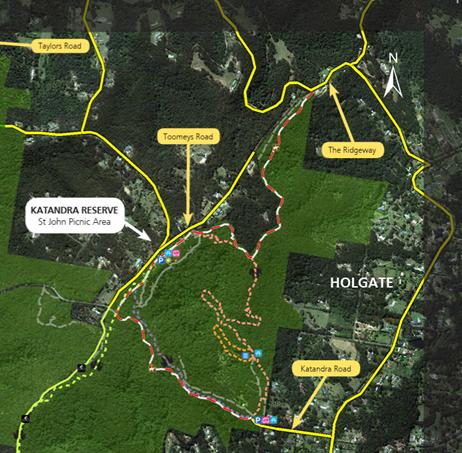
Accessing Katandra Reserve
At the top - St John’s Lookout
As summer arrives, with its long days and the promise of school holidays, Katandra Reserve becomes the perfect backdrop for family walks, picnics with friends, and those quiet moments of connection with nature that many of us crave. Best of all it’s right here on our doorstep.
Nestled in the foothills of Mount Elliott, Katandra Reserve is a haven of natural beauty, offering a peaceful retreat for locals and visitors alike. Whether you’re an avid bushwalker, a birdwatching enthusiast, or someone who simply enjoys a scenic escape, Katandra is a place worth exploring.
Katandra means “song of birds,” and once you step inside the reserve, the name makes perfect sense. The air is alive with the calls of whipbirds, kookaburras, and the occasional soaring cry of a black cockatoo. Katandra Reserve is less than five square kilometres but it connected to a series of reserves as part of the Coastal Open Space System set up by Gosford Council in 1984 to protect the most interesting natural locations in the Central Coast. The Katandra route is part of the The Railway to Rainforest Walk from Gosford railway station to Seymour Pond within Katandra Reserve.
This is an extensive 11 kilometre return walk (22km all up) that allows views of some of the most spectacular landscapes in the Coastal Open Space System. There are also a number of shorter loop walks available within Katandra Reserve.
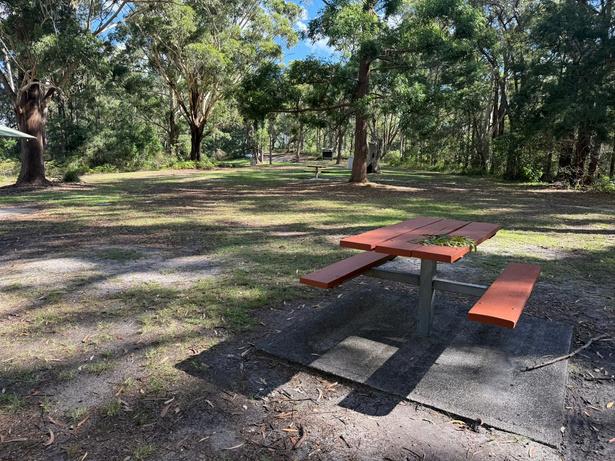
St Johns Lookout picnic area is a large open area found at the top of Katandra Reserve on Toomeys Rd. The picnic area provides wheelchair accessible toilets, picnic tables, free electric BBQ's, parking areas and information boards. There is plenty of open space with some natural shade provided by the surrounding trees There are garbage bins provided but no drinking water
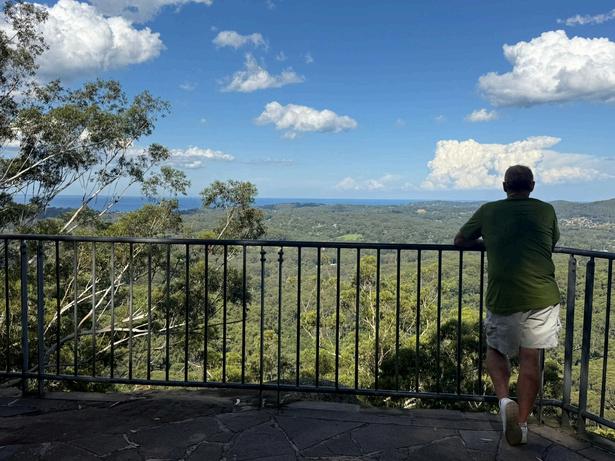
This fenced lookout is found at the top of Katandra Reserve. From the lookout, there are extensive views south-east over Matcham, Erina Heights and Terrigal, out to the ocean.
At the bottom - Katandra Rd Picnic Area
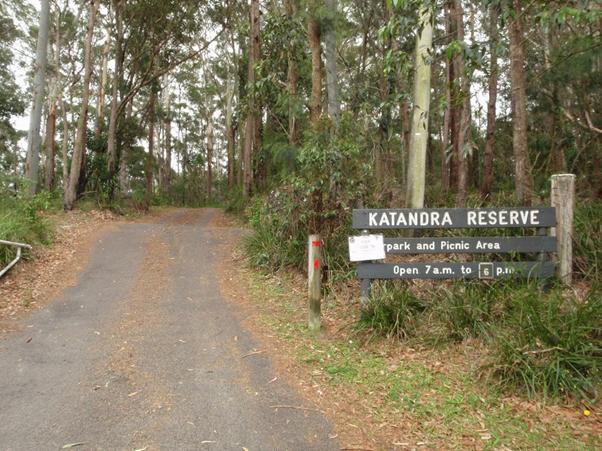
The Katandra Road Picnic Area is found at the end of a short driveway at cnr Katandra Rd and Croton Ave, Holgate. The picnic area is in front of the ranger's residence and is open from 7am to 6pm daily. The picnic area provides some toilets, garbage bins, two picnic tables, parking and an information sign.
SUMMER BUSHWALKS & PICNICS
Thanks to information provided by Wildwalks we take you though the main highlights of the Katandra reserve bushwalks.
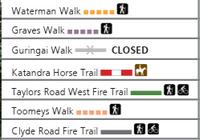
Toomeys Walk
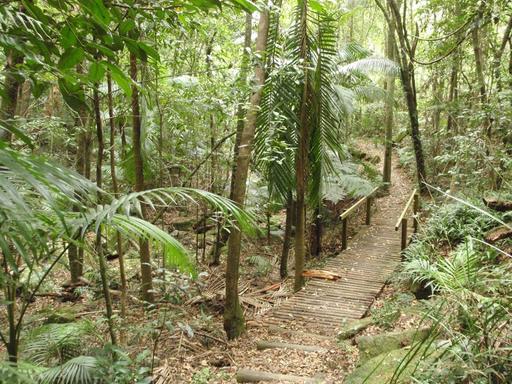
This walk is a great way to explore the diverse forests of Katandra Reserve. Starting with the views from St Johns Lookout, this walk heads through the open forest, past many mossy rocks, then heads into the valley and rainforest. On the valley floor, the walk gently meanders past some great examples of Strangler Figs on the way to Seymour Pond. From the pond, you walk through another palmfilled valley and then open forest, before arriving at Katandra Rd
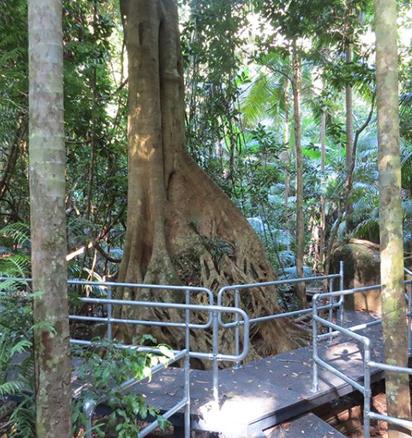
Starting from the Katandra Rd Picnic Area, you will head past Seymour Pond and along Toomey Walk to the Strangler Fig platform. You will see two magnificent examples of Strangler Fig trees – one growing on a large rock and the other forming a knotted tubular structure.
The Strangler Fig platform on Toomey Walk has been built to help walkers better appreciate this amazing feat of survival of the strangler fig. The tree is formally know as Ficus obliqua and is listed on the Significant tree Register this tree has an amazing root structure that grasps onto a large mossy boulder before heading underground. The platform is in a lovely shaded spot on the valley floor and the bench seat makes an inviting offer to sit whilst you soak up the surroundings.
Graves Walk
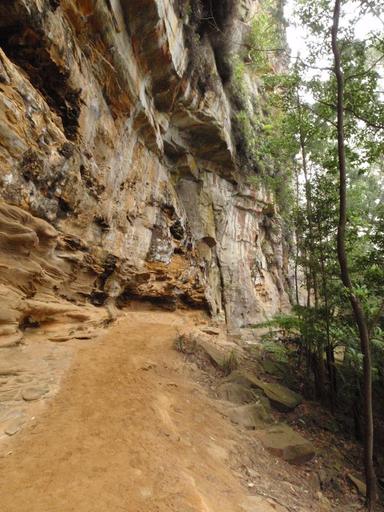
On this walk, you follow the signposted Graves Walk between the two main picnic area in Katandra Reserve. Starting near St Johns Lookout, this walk follows Graves Walking track down the ridge. You will see some valley views, open drier forest, some faint Aboriginal markings and plenty of interesting rock formations. This is the most direct walking route between the two picnic areas.
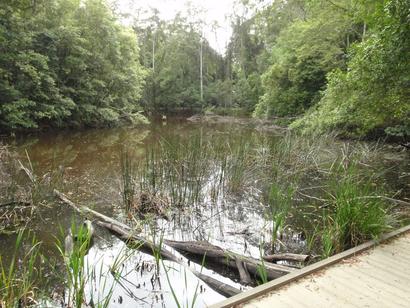
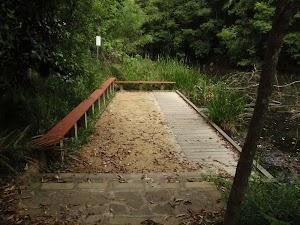
This short walk takes you from the Katandra Rd Picnic Area to Seymour Pond. The pond was made to support a farm that was once in the area, and now the pond supports many water birds. There is a simple picnic area and plenty of shady spots at the pond, making a nice place to sit and enjoy the birds.
This lovely walk starts from the Katandra Rd Picnic Area and circumnavigates Seymour Pond. On this walk, you will head through a few palm-filled valleys, discover a Strangler Fig Tube (on a side trip) and are likely to see a few water birds. This walk is well-signposted and follows a clear track.
This walk follows a series of tracks and management trails along the top of the ridge between Katandra and Rumbalara Reserves. You will at times think you are a million miles from anywhere and other times enjoy views across the suburbs of the Central Coast and out to sea. In spring and early summer, you will discover many wildflowers. There are a few picnic tables with views, great spots for a snack and a rest on your walk.
For something more adventurous
The Railway to Rainforest Walk from Gosford to Seymour Pond is an 11km return walk. Here you can view some of the most spectacular landscapes in the COSS. Enter Rumbalara at Henry Wheeler Place and follow the Casuarina, Flannel Flower, Red Gum and Mouat tracks to St Johns Picnic Area. Continue on to Seymour Pond via Toomeys and Waterman Walks. The return route is along Graves Walk back to Mouat Trail and then to Rumbalara. Only parts suitable for bikes.
BE PREPARED
While the reserve is well shaded, summer walking is thirsty work. Bring plenty of water, your hat and start early to avoid the heat of the day.
Carry out everything you bring in. The reserve has minimal facilities to keep it as natural as possible.
Summer also brings snakes and insects, so sturdy shoes and a watchful eye are recommended.
In summer, check local fire danger ratings and council advisories some tracks may be closed or restricted.
It’s important we help protect native wildlife and keep pets safe by not bringing our dogs or cats (even on a leash). You can also help reduce your impact by always keeping to formal tracks especially when mountain biking.
So this summer pack your water bottle, grab a hat, and head to Katandra. You’ll return home with dusty shoes, a lighter heart, and perhaps a renewed appreciation for the natural beauty that surrounds our valley.
312 Entrance Rd Erina Gosford 378 Manns Rd West Gosford
02 4367 4066 Mon-Fri 9-5pm Sat 9-1pm
02 4321 0990 Mon-Fri 9-5pm Sat 9-1pm
LOCALLY OWNED & OPERATED BY RESIDENTS IN THE MATCHAM VALLEY
It’s time to get ready for Bushfire Season
“Many households do not have a bushfire survival plan that all family members understand, including when and how to act during a fire event”
Ian Goodman Captain
In this edition Ian Goodman Captain of the Matcham-Holgate Rural Fire Brigade shares how to get a plan in place for Summer.
Bush fire is a part of life in Australia, so we all need to live bush fire ready. That means knowing your risk and having a plan for what to do during a fire. We encourage everyone to sit down with your household and discuss what you will do in the event of bushfire using our guide to making a bush fire survival plan. A plan can be made in as little as five minutes using our online guide at www.myfireplan.com.au. There are four simple steps to get ready for a bush fire:
Step 1 - Discuss what to do if a Bushfire threatens your home
Many households find having a discussion about what to do in the event of fire helps them be prepared. It's also about making sure you consider your physical, mental and emotional preparedness
A bush fire can be a terrifying situation. Strong gusty winds, intense heat and flames will make you tired quickly. Thick heavy smoke will sting your eyes and choke your lungs. It will be difficult to see and breathe. The roaring sound of the fire approaching could be frightening. Embers will rain down, causing spots fires all around you. Power and water may be cut off. You may be isolated, and it will be dark, noisy and extremely demanding both mentally and physically
If you have any doubts about your ability to cope, you should plan to leave early, well before a fire reaches your area and well before you are under threat. People who are at higher risk, such as children, elderly, disabled or with medical problems, should always leave early. Leaving early is always your safest option.
Step 2 - Prepare your home and get it ready for Bushfire season
Many households find having a discussion about what to do in the event of fire helps them be prepared. It's also about making sure you consider your physical, mental and emotional preparedness.
There are a number of things you can do to prepare for the season ahead:
�� Clean your gutters of leaves and twigs
�� Install metal gutter guards
�� Repair damaged or missing tiles on the roof
�� Install fine metal mesh screens on windows & doors
�� Fit seals around doors & windows to eliminate gaps
�� Enclose the areas under the house
�� Repair or cover gaps in external walls
�� Keep lawns short and gardens well maintained
✂ Cut back trees and shrubs overhanging buildings
�� Clean up fallen leaves, twigs & debris around the property
�� Have hoses long enough to reach around your house
�� Check and maintain adequate levels of home and contents insurance and make sure it’s up to date
Step 3 - Know the bushfire alert levels
Bushfire Alert levels advise what you should do if there is an active fire in your area. Alert levels for active Bushfires are updated in real time on the NSW RFS website and on the ‘Hazards Near Me’ phone app. There are three levels of Bush Fire Alerts:
Advice - A fire has started. There is no immediate danger. Stay up to date in case the situation changes
Watch And Act - There is a heightened level of threat Conditions are changing and you need to start taking action now to protect you and your family
Emergency Warning - This is the highest level of Bush Fire Alert. You may be in danger & need to take action immediately. Any delay now puts your life at risk
Step 4 - Keep up to date with all Bushfire information numbers, websites and mobile apps
Online: NSW Rural Fire Service Website: rfs.nsw.gov.au
Fire Danger Ratings: rfs.nsw.gov.au/fdr
Mobile App: Download "Hazards Near Me"
Free smartphone app & set your local watch zone
Phone: In an emergency call Triple Zero (000). For information on bush fire, call the Bush Fire Information Line 1800 NSW RFS (1800 679 737)
Radio: Local ABC/emergency broadcaster
frequency FM 92.5
Fire Danger Ratings Explained Daily Fire Danger Ratings give you an indication of the potential consequences of a fire, if one was to start. The higher the fire danger rating, the more dangerous the conditions. You can use the Fire Danger Ratings as a trigger for action in your bush fire survival plan, such as leaving bush fire risk areas on days of Extreme or Catastrophic fire danger.
Stay up to date and be ready to act if there is a fire.
High - Be ready to act.
There’s a heightened risk. Be alert for fires in your area.
Decide what you will do if a fire starts
If a fire starts, your life and property may be at risk.
The safest option is to avoid bush fire risk areas.
Extreme - Take action now to protect your life and property.
Check your bush fire plan and ensure that your property is fire ready.
If a fire starts, take immediate action.
If you and your property are not prepared to the highest level, go to a safer location well before the fire impacts.
Reconsider travel through bush fire risk areas. Catastrophic - For your survival, leave bush fire risk areas. These are the most dangerous conditions for a fire. Your life may depend on the decisions you make, even before there is a fire.
Stay safe by going to a safer location early in the morning or the night before Homes cannot withstand fires in these conditions. You may not be able to leave and help may not be available.
A Total Fire Ban Explained
No fires out in the open. During a Total Fire Ban you cannot light, maintain or use a fire in the open, or carry out any activity in the open that causes, or is likely to cause, a fire. General purpose hot works (such as welding, grinding or gas cutting or any activity that produces a spark or flame) are not to be done in the open.
Can I use an electric barbeque?
Yes under the direct control of a responsible adult, who is present at all times and no combustible material is allowed within 2m at any time it is operating.
Can I use a gas barbeque?
Yes if under the direct control of a responsible adult, who is present at all times while it is operating; No combustible material is allowed within 2m at any time it is operating; You have an immediate & continuous supply of water; and The barbeque is within 20m of a permanent private dwelling such as a home; or the barbeque is within a designated picnic area and the appliance is approved by Council, National Parks or State Forest.
Can I use a barbeque or pizza oven which burns solid fuel (e.g. wood, charcoal or heat beads)?
No. A barbeque or wood fire pizza oven which uses solid fuel, such as wood, charcoal or heat beads, cannot be used outside during a Total Fire Ban.
Can I use fire during a Total Fire Ban if I have a fire permit?
Permits are suspended on days of total fire ban. Permits may resume after the total fire ban is lifted, as long as the permit hasn't expired.
IN THE WILD WITH... Fireflies
(Family Lampyridae)
This is the next in a series exploring some of our more special local wildlife residents, and what we can do to ensure they flourish in this wonderful area by Matt Barnett, local wildlife enthusiast.
Who are we, and why do we light up?
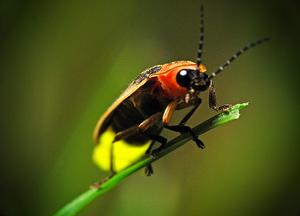
Across the globe there are over 2,000 species of fireflies, which unlike the name suggests are actually bioluminescent beetles. In Australia, about 25 species are known, and in Matcham we likely host one or more of the Atyphella fireflies - either the Atyphella lychnus - otherwise known as the Blue mountains firefly, and / or A. ellioti.
Firefly light is a mating signal. Males fly and flash patterns to attract receptive females, who often remain more stationary on the ground or foliage and emit response flashes. The flashes are created via a chemical reaction (luciferin + luciferase) in their light organs, which is highly efficient, only a tiny fraction of energy is lost as heat.
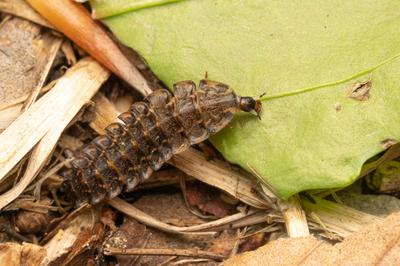
bark, where they hunt snails, worms, slugs or other small invertebrates. The larvae are voracious predators, and their glow may also act as a warning signal to predators.
Larvae favour damp forest floor habitats, creek banks, mossy wood, or decaying logs, places with constant moisture and protection from drying out. The adults emerge after pupation, flying low in the vegetation near waterways, forest edges or shaded gullies.
How can I protect and encourage them near me?
Fireflies are delicate creatures, highly sensitive to habitat change, pollution and light interference. Here’s how you can help:
Keep creeklines and riparian zones intact. Maintain natural forest or vegetation buffers along streams, avoid clearing undergrowth, and preserve leaf‑litter and decaying logs.
Avoid pesticides and herbicides
Chemicals that run off into forest floors or waterways can kill larvae and eliminate food prey.
Minimise artificial light at night. Use warm or shielded lighting, turn off lights during the glow season, and avoid shining torches directly on fireflies, they respond poorly to bright disturbance.
Observe quietly and patiently. Arrive before dusk, stay still, and let your eyes adjust. The show often lasts only 30–60 minutes.
Record your sightings. Submit observations (time, location, number of flashes) to citizen science platforms like iNaturalist or local entomology groups.
Restore habitat corridors. Connect remnant patches of bush so firefly larvae can disperse and colonise more widely.
If you walk near creeklines or bush edges in mid October, with humid, still air, keep your eyes peeled for tiny pulsing yellow flashes dancing through the dusk. Seeing them is witnessing one of nature’s most enchanting light shows, and if we look after their night habitats carefully, we should continue to enjoy them in the Matcham valley for years to come
CO-OPERATE WITH NATURE THIS SUMMER
Meg’s Permaculture
Permaculture is sometimes desc “lazy gardening” because we alwa to get the best outcome for th amount of energy. I prefer to thin as being energy efficient, because gardening acreage knows that very little opportunity to be la achieve this efficiency by working of nature instead of apart from it.
When people ask me for gardening advice, my short answe do what you must do”. There’s time in the morning and the eveni I’m out in the garden, usually ha food or doing the occasional judicious watering, but for the m I’m enjoying one of the great be permaculture design: the garden, a forest, mostly takes care of it time of year.
When Autumn comes I’ll be busy p and winter is perfect for prun looking at the bones of the system. Winter is usually our driest season and the cooler weather makes it perfect for renovation or construction. It’s also when we do our major fire prevention activities. Late winter and early spring are all about mulching and planting for summer abundance, as well as pruning down overgrowth in the forest garden and leaving it on the ground to form habitat for tiny creatures.
balance. It can take a couple of anxiety filled years to achieve this, but the end result is a garden full of tiny birds, dragonflies, hoverflies and butterflies.
Summer is a time for days by the pool, barbeques with friends and evening walks on the beach. We have replaced most of the lawn with forest garden, and that means only one hour of mowing every fortnight or so. The local wallabies help to keep the lawn trimmed and fertilised and the bandicoots do a great job of dethatching and aerating, with their little holes quickly becoming tiny compost systems as they fill with organic matter.
Choosing the right plants for the right locations means healthy growth with little in the way of “pests”, and we know any turning up will quickly be predated by
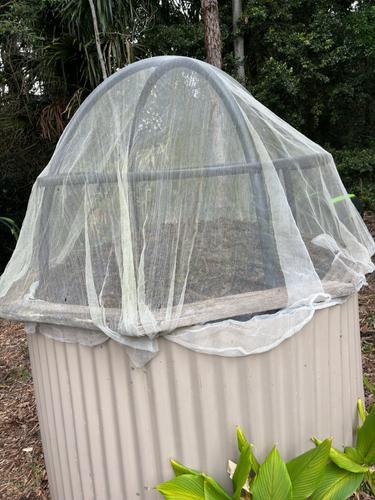
We have also designed our food growing areas to be resistant to the larger creatures, like wallabies, possums, and native mice (thanks to the diamond pythons, we haven’t seen feral rats here in years). We made cupcake beds from roofing metal we sourced via the local community Facebook page. They are much higher than your typical raised bed from Bunnings, and nothing can climb them By filling the base with logs (untreated timber only), and any other organic matter we can get our hands on we create giant compost systems that only need to be topped with a thick layer of mulch and some soil or compost. We mound these up as high as possible because they will sink over time. This is an advantage, because the level of any root intrusion also recedes, and that makes room at the top for some home-made compost where we will grow the next harvest.
They are much higher than your typical raised bed from Bunnings, and nothing can climb them. By filling the base with logs (untreated timber only), and any other organic matter we can get our hands on we create giant compost systems that only need to be topped with a thick layer of mulch and some soil or compost. We mound these up as high as possible because they will sink over time. This is an advantage, because the level of any root intrusion also recedes, and that makes room at the top for some homemade compost where we will grow the next harvest.
Our gathering circle is protected from wallabies and possums by a floppy-top wire mesh fence, thanks to Jeff Patterson, and while we can’t put anything in here that brush turkeys enjoy, it’s still a highly productive space.
Both systems support plenty of annual food plants but the main focus in permaculture is on perennials. They require much less in the way of maintenance, giving us plenty of time to put our feet up in summer. Avocados, citrus and macadamias are obvious choices, and we also grow several varieties of banana in a circle watered by our septic outflow. The bananas take up the extra water and process any remaining. We also have loquats, mulberries, guavas,
tamarillos, passionfruit, four varieties of grapes and carefully managed thornless blackberries and raspberries. Many of these perennials also have edible leaves.
None of these were planted during summer. Autumn, late winter and early spring are the best times to plant, so give yourself a lovely summer break, take time to observe and learn from your garden and make plans for what you might change when the weather is milder. For more on cupcake beds, head to our Permacoach page on Facebook.
SUMMER IN THE GARDEN Landscaping tips
Creating spaces that invite us to spend time outside doesn’t happen by accident it’s the result of thoughtful landscaping and design. Done well, landscaping transforms not only how our homes look, but how we live in them. We sat down with Simon from Simply Foliage, a local landscape company to talk summer gardens, tips, and why the outdoors matter so much in the valley.
The thing I love the most about working on gardens and outdoor spaces in the valley is that it reminds me so much of growing up in the Valley. I get to spend time in one of the most beautiful unique parts of the Central Coast creating and maintaining spaces for people to enjoy
The Valley has many things that are unique compared to other parts of the Coast but most of the Valley is on Tank water and don’t have the surplus water to use to maintain the gardens and Landscape. This makes it extremely hard to establish and maintain the landscape once installed.
My top three tips for creating a garden that thrives in summer
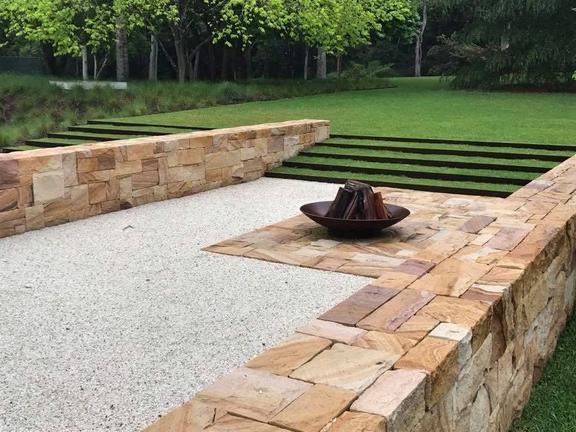
I feel the biggest change I have noticed since starting landscaping 33yrs ago is that people want to use their outdoor spaces all year round. Things like outdoor kitchens and fire pit areas are a common addition.
Some trends that I would say suit the valley lifestyle are using outdoor alfresco spaces that can be used all year round, and vegetable gardens to grow your own produce which I feel people want fresh organic produce that they know where it has come from.
If you want to make a simple change to your own backyard, a start would be to make sure there is somewhere to spend extended time outdoors whether it be the addition of an arbour or pergola or a seat under a shade tree. These are a really easy but effective way to add enjoyment to your backyard.
Choosing the correct plants to thrive well in the Valley conditions. Preparing the gardens and soil correctly by improving the structure with composts and organic matter to improve the water-holding capacity and a good layer of mulch to keep the moisture in.
If you have another water source like a bore or dam installing a well designed drip irrigation system will ensure that gardens thrive through the hot and dry summers
Be Bushfire Smart
Designing gardens to be bushfire smart is all about choosing the right materials and plants. Choosing low-combustable plants and pebble mulch around the house lowers the chance of embers igniting. In regards to structures like decking and pergolas it is a must that you use the correct materials that are rated for your bushfire zoning.
Summer Lawn Care
To keep lawns healthy it is a good idea to keep them mown a little higher to stop the sun drying the soil out. Using things like a wetting agent to help water permeate into the soil when it does rain.
Getting Started
I recommend getting in touch and working out if you have ideas for the space or you need a design done for your area. A consultation is a great idea to get ideas flowing and determining what can be achieved with ideas and budget in mind. We offer landscape design service to help create your dream landscape
Simply Foliage Landscaping
My favourite way to enjoy a summer evening is to have a barbecue outside with a few drinks with the family and friends.
My Perfect Summer Afternoon
Summer’s Unwanted Guests
Armyworm facts and fixes
I see it come up regularly on Facebook. Every season community members check in to question / express concern about the inevitable death patches from these critters. The article on our website is written for a community like ours that's environmentally conscious and wants to explore more eco friendly options. That said — results can also come from soliciting a service from professionals with access to a wide range of options. - Norm from Pestmac
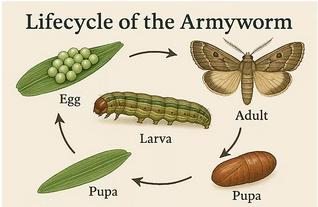
Lawn Caterpilars are commonly referred to as armyworms, especially when they appear in large numbers and behave in a coordinated way that resembles an invading army. The term "armyworm" refers to their feeding behaviour. They march across turf and crops in large numbers, striping foliage as they go. Their movement is highly destructive and often appears sudden, which can look like a coordinated "invasion".
Armyworms are found across Australia, particularly during late summer or early autumn, when conditions are warm and humid. They are most active at night and hide during the day in thatch or soil. In the lush expanse of a well-manicured lawn, a silent invasion often goes unnoticed until it's too late. Lawn caterpillars have voracious appetites. They can transform a vibrant green carpet into a patchwork of brown and bare spots almost overnight. These pests feed on leaves and stems. This results in reduced yield and can even kill young plants.
The fall armyworm, first detected in Australia in 2020, has become a significant concern. Its rapid spread and resistance to many insecticides make it particularly troublesome. In urban and recreational areas, people refer to them as lawn grubs or lawn caterpillars. They are known for damaging grass by chewing leaves down to the crown.
For pest control understanding the lifecycle and behavior of these stealthy
pests is critical. By identifying the early signs of infestation and implementing timely control measures, you can protect your lawns. This helps maintain their pristine appearance.
Lifecycle and Behavior
These caterpillars are most active from late spring to autumn (October to April on the Eastern Coast of Australia). Moth activity increases after rainfall or irrigation, which can then trigger egglaying. Lawn caterpillars feast on grass, leading to brown patches and thinning lawns.
It's essential to note that, despite their potential for damage, lawn caterpillars play a vital role in the ecosystem. They serve as a food source for various predators, including birds, beneficial insects, and small mammals. This predation helps maintain a balanced ecosystem, supporting biodiversity.
When Armyworms Become a Pest
Lawn caterpillars can transition from a minor presence in your lawn to a significant concern under specific conditions. Understanding when they become problematic & how to address them is crucial for keeping a healthy lawn.
Warmer temperatures and elevated humidity levels, typical of the subtropical regions along Australia’s eastern coast, can accelerate the development and reproduction of lawn caterpillars. Their eggs hatch within just a few days, and the caterpillars feed voraciously, particularly in late summer. These climatic conditions .
create an ideal environment for their rapid growth. This often results in more frequent and severe infestations. The damage not only leaves lawns looking unsightly but also makes them more vulnerable to other pests and diseases. The economic impact of the damage caused by lawn caterpillars can be significant.
Strategies to Detect Armyworms
Visual Inspection: Look for chewed grass blades, bare patches, or scalloped edges in your lawn. Caterpillars are most active at dusk or early morning, often hiding during the day.
Easy and effective soap-flush: Mix 2 tablespoons of dish soap in 4 liters of water. Pour the mixture over a small area (1 m²) of the affected lawn. Wait 5-10 minutes If lawn caterpillars are present, they will surface quickly.
Prevention
Maintain a Healthy Lawn: Mowing regularly, but not too short. Longer grass can tolerate more feeding. Water deeply but infrequently to encourage strong roots. Fertilize appropriately, especially in spring and early summer.
Monitor Caterpillar Activity: especially during warmer and wetter months when
infestations are more likely. Implementing strategies that consider climatic conditions can enhance pest control efforts. Check for signs of moth activity; they flutter low over the grass and lay eggs. Use a light trap or monitor bird activity, as they feed on the caterpillars.
Biological Control: Birds such as magpies, mynas, robins, and starlings can act as natural biological controls for armyworms.
When to Call a Professional
If the infestation is widespread, recurring, or causing severe damage. If you prefer organic or targeted pest control strategies with minimal environmental impact. When uncertain about the correct pesticide application.
Summary of Key Strategies
Ultimately, research findings support the development of sustainable pest management strategies to control armyworm infestations. The implications of such studies extend beyond agriculture and offer valuable insights for urban pest control strategies that prioritise maintaining ecological balance.
Being proactive is key to managing armyworms, and given the right approach, your lawn will thrive despite the potential of these pesky invaders.
0438 277 421
We offer an extensive range of residential pest control services and/or packaged programs for all common household pests & rodents
Timber pest inspection services, termite removal and prevention strategies
A WET WET WET 2025
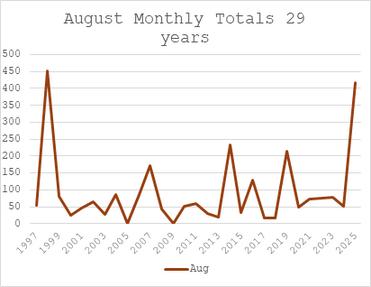
Rainfall for the 9 months to September 2025 have been the second wettest in the last 29 years of rainfall records specifically for the Valley. The chart below shows the recordings back to 1997 and the average of 1139mm. The trend is increasing rainfall and volatility.
Thechart across shows the impact of August 2025 on the current year’s total to September. There have only been 13 months in the last 28 years with a total of more than 400mm.
What are the big meteorological systems affecting our weather?
Southern Oscillation Index (SOI/ENSO), Indian Ocean Dipole Index (IOD), Antarctic Oscillation (Sothern Annular Mode Index/SAM) and Sudden Stratospheric Warming Index (SSW) (in relation to events occurring high above in the skies in Antarctica). In late August/ early September the first three indices indicated that we (greater Sydney region) were likely to have a very wet Christmas. Then in the last week of September, the temperatures high in the skies above Antarctica saw temperatures at an altitude of 30kms suddenly shoot from their normal range of -45C/ -55C up to +5C. The impact of this event is causing our early summer in the first weeks of October … and the wet Christmas is now open for discussion. JDW
HALL CONTACTS
SATURDAY 29 NOVEMBER TH 4-6PM
SANTA - PHOTOS - FUNFACE PAINTING
BYO DRINKS & BRING A PLATE TO SHARE BYO DRINKS & BRING A PLATE TO SHARE