HH
Welcome back to the sixth edition of Backyard Briefings! Earlier this month I spent the morning in my garden pruning back some lettuce and spinach leaves and it got me thinking about plant spacing. I planted 12 lettuce starts in one planter box which is approximately four feet long. Maybe it was too many to plant in there, maybe not, but I did have to move some of my onions to another box because I didn’t space them out enough. Because of that, I figured I would mention a little bit about plant spacing this month. Now, I ‘ m sure most of you have already done your transplanting by now but as plants grow they need more space so be cautious how close you put them.

I am the kind of person to ignore spacing requirements but also this is the first year I have not used pots for my veggies. If you are trying to grow enough food to feed your family, pots aren’t the most practical approach to gardening.
Pots do have their benefits, however I can fit more plants in a box and get them to grow bigger because the roots can spread more. I find that this helps to get full size crops from your plant if you take the right measures. That being said, space is a big thing. If you plant too many plants in close proximity you may find that you cannot get a good harvest. That’s because the roots can’t breathe. So watch your spacing guides closely!

Certain crops can be sensitive to transplanting and if you ’ve ever had to deal with transplant shock, then you know just how fragile a small plant can be. Avoid transplanting in the heat of the day. Usually when you plant your crops, you want to fertilize them at the same time, but if you fertilize on hot days, you can actually harm your plant. This is because the roots are having to consume extra energy to get used to the new environment and food + heat is a bad combo for plants as they use too much energy from both tasks that they become “shocked.’ If you plant new crops into a bigger pot or box, try to do it in the morning or in shade so they have time to adjust.
Have you ever read the back of a seed packet and it says plant in full sun or partial shade? Depending on the plant, they need certain lighting conditions in order to thrive. Give them too much sun and they can burn or wilt from the sunlight. Give them too much shade and they may not grow or produce much past their current stage. But if you want a plant to thrive, you have to make sure that they have the right conditions they need to work for you.
What time of day the sunlight hits is also a major factor in plant health as some plants cannot tolerate afternoon sun in warmer climates. So plant accordingly and set up your garden for ideal growing conditions. And remember, DIRECTION MATTERS!
Audrey Hepburn
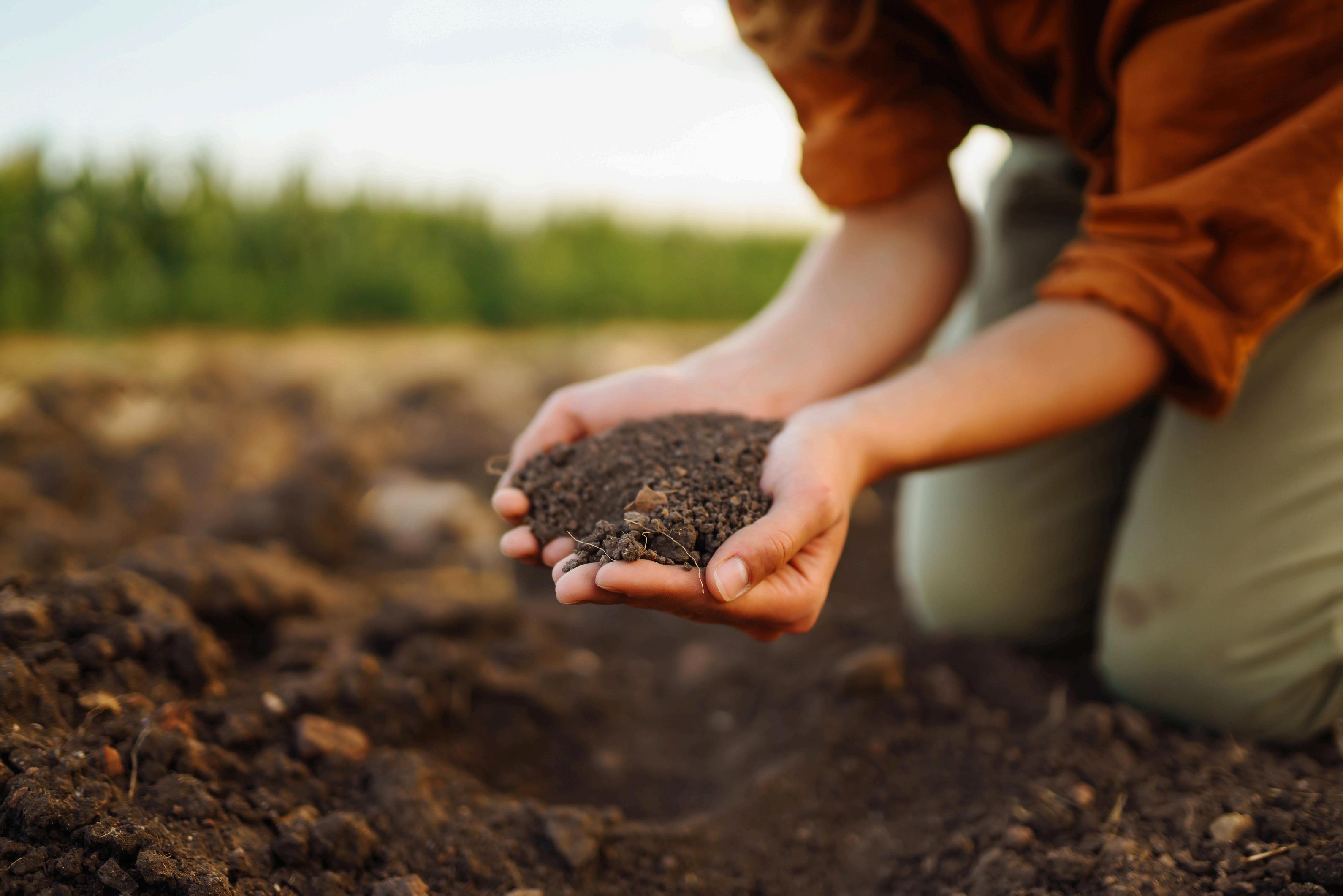
Believe it or not what you feed your plants makes a difference. You can go to a nursery or garden store and find all kinds of different plant food; including all-purpose plant food. However, I will tell you now, it is not all purpose. Just because it is labeled all-purpose doesn’t mean you should feed it to all of your plants. Different types have different needs and some require more phosphorus or more nitrogen while others may not.
Because of this, most garden stores offers specialized plant food for tomatoes or citrus and the all-purpose stuff just doesn’t contain the right amount of each nutrient.

You want to know how to save money in the garden without having to buy all those expensive products? Honestly, it’s not a complicated process. One way I save money on plant treatment and nutrients is by using household items I already own.
Phosphorus is a common plant nutrient as is nitrogen. And they both can be found in your kitchen or backyard. Nitrogen is found in coffee grounds and chicken poop, so if you own chickens you can throw it in your compost. Duck poop is good too and it can be applied directly to the soil. Calcium is found in eggshells and is a great way to add calcium to your compost.
Phosphorus is found in wood ash, so if you have a fireplace, you can throw the ashes into your soil for added nutrients for your plants.
Alexis is passionate about self-sufficiency and the opportunities that come with being self-sufficient. She has been gardening for about 4 years; often experimenting with growing different kinds of food and propagating healthy cuttings for her small nursery.
In addition to homesteading, her experience expands over a variety of marketing skills including graphic design, web development, social media and email marketing, PR, and publishing. She’s also writing a book!