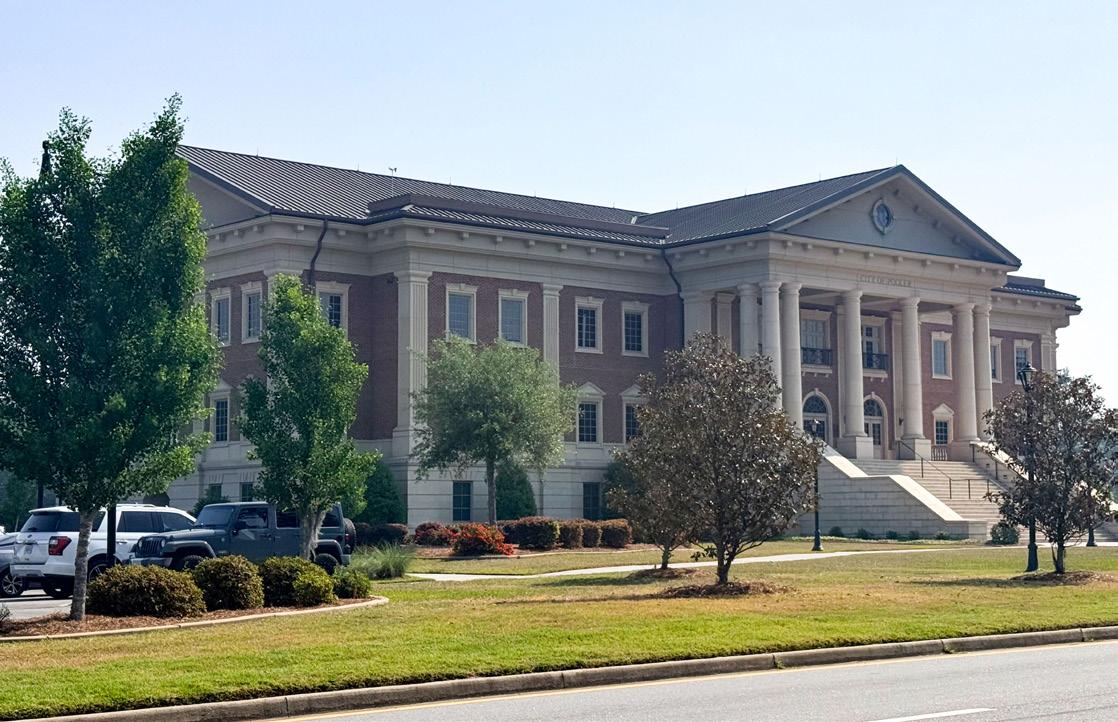
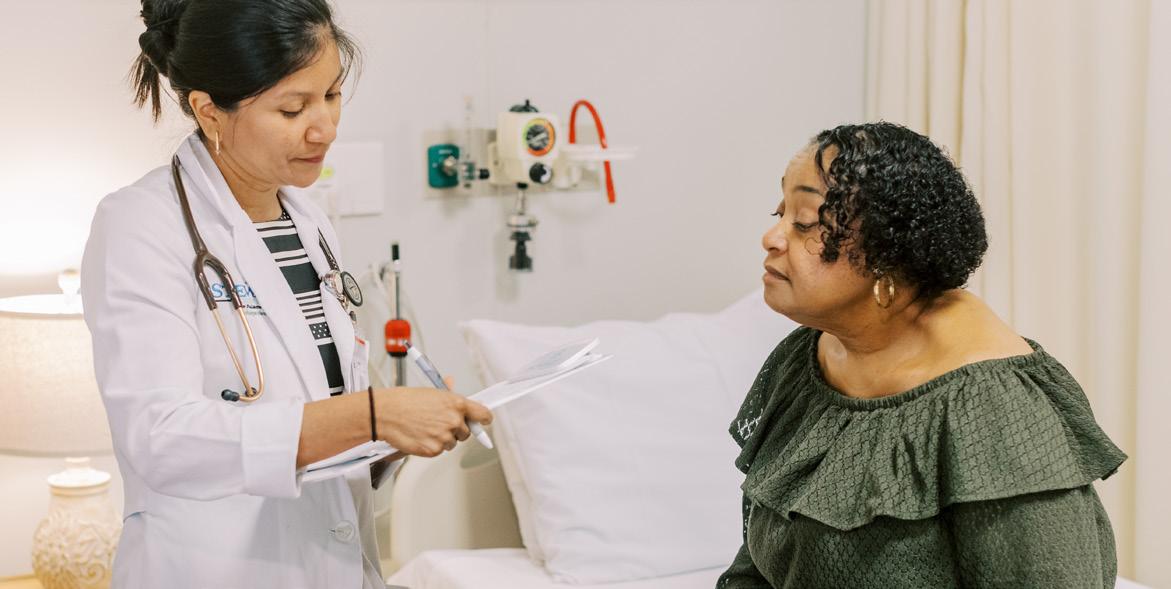
St. Joseph’s/Candler’s 84,000 square-foot campus, located on Pooler Parkway and I-16, combines hightech, digital technology and a high-touch friendly atmosphere for an unparalleled customer experience that completely re-imagines healthcare.
• Specialty Care Physicians (Bone, Joint & Muscle Care, Cardiology, Adult and Pediatric ENT, Neurology, OB/GYN, Podiatry, Vascular Surgery)
• Independent Physician Practices (Gastroenterology Consultants of Savannah, Metro Surgical, Neurological Institute of Savannah, Most Plastic Surgery)
• Physical Therapy
• Occupational Therapy
• Lab Draw Station
Based on high-tech innovations, convenience and the high-quality compassionate care that one has come to expect from St. Joseph’s/Candler, the Pooler campus redefines the patient experience and takes smart medicine to a whole new level. Visit us online at sjchs.org/pooler-campus.
CONTRIBUTORS
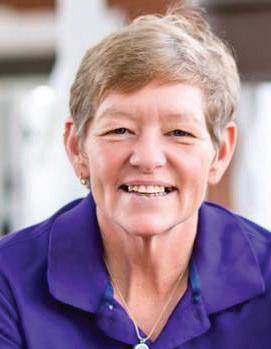
1. Alycia Calderin is a Florida native who moved to Georgia in 2013, where she planted roots with her husband of 16 years. When she’s not balancing the whirlwind of activities for her four kids, she escapes into the world of books.
2. Leidy Lester is a freelance photographer, originally from Bogota, Colombia. One of her proudest achievements was working with models and highly experienced photographers in Las Vegas.
3. Gail Mihalik lives in Rincon with Scott, her high school sweetheart, and their two rescue dogs. Chef by trade with over 50 years of experience, she spends most of her time living, loving, and sharing the history and culture of the area.
4. Scott Douglas Miller is a broadcaster celebrating 50 years in radio as an air personality, news director, event DJ and content provider several publications. He Originally from Mississippi, Scott shares a home in Rincon with his high school sweetheart, Gail.
5. Gail Parsons has more than 30 years experience writing for magazines and newspapers. She most enjoys feature writing because it allows her to share the stories of interesting and inspiring people. She is also an artist and enjoys traveling and spending time at the beach.
6. Stephen Prudhomme is a native of New Jersey who lived in Savannah and Rincon for 25 years before moving to Pikeville, TN, with his wife and son. He’s written sports, features, news and business for a number of newspapers and magazines over nearly 40 years and likes table tennis, Frisbee and running.
7. Claire Sandow is a marketing professional who lives in Savannah with her husband, daughter and cat. In her spare time, she enjoys pursuing her many hobbies, including knitting, crocheting, quilting and running.
8. Laura Zielinski is a freelance graphic designer specializing in print design. When she’s not working, she loves spending time with her husband Keith and their three beautiful children.
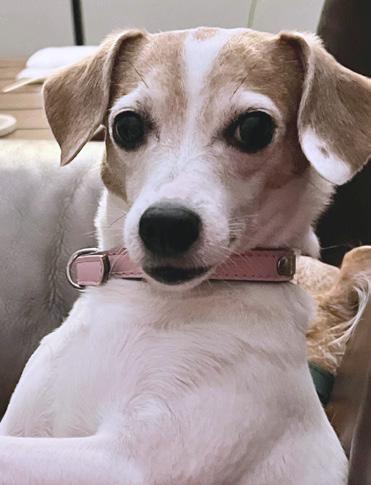
9. Mabel, morale officer, enjoys roaming the backyard at home, sitting for hours on the back porch and coming to the office to greet visitors and encourage the staff. Mabel loves getting treats and taking long naps in her mommy’s office in the afternoons.
Southern, DPA CEO/Publisher
Chris Antonio Office Manager
Penny Redmond Distribution
Christie Wilson Director of Advertising
Kelsey Harrison Account Executive
PUBLISHER’S THOUGHTS
Home & Garden Issue
PUBLISHER
Jan Southern Jan@JDelSURMarketing.com 912-318-8645
CLIENT SERVICES
Christie Wilson, Director of Advertising Christie@JDelSURMarketing.com
135 Goshen Rd Ext., Suite 251, Rincon, GA 31326 (912) 295-5406 PoolerMagazine.com
J. DelSUR Marketing Group is the publisher of Effingham Magazine, Pooler Magazine and Bryan County Magazine in South Georgia. We are a full service marketing agency with products that include print, digital and social media marketing.
LETTERS TO THE EDITOR
Write and tell us what you think. Pooler Magazine welcomes all letters to the editor. Please send letters to Jan Southern at Jan@JDelSURMarketing.com. Letters to the editor must have a phone number and name of contact. Phone numbers will not be published.
ARTICLE SUBMISSIONS
Pooler Magazine welcomes story ideas from our readers. If you have a story idea or photos to share, please submit ideas and material to Jan Southern at Jan@JDelSURMarketing.com. Stories or ideas for stories must be submitted by email. Only feature stories and photo essays about people, places or things in the Pooler area will be considered.
CIRCULATION: Pooler Magazine is published bi-monthly and distributed to hundreds of locations throughout the area, as well as mailed to thousands of homes. The full magazine is available online at PoolerMagazine.com.
Views expressed in editorial or advertising do not imply endorsement by J. DelSUR Marketing Group.
Reproduction in whole or in part in any manner without the written permission of the publisher is strictly prohibited.
There’s something about this time of year that makes all of us look at our surroundings a little differently.
Maybe it’s the longer days, the warmer weather, or just that natural pull to refresh and reset—but this is the season where we start thinking about home in a deeper way. Not just the space we live in, but the community we’re part of.
As we created this year’s Home & Garden issue, I kept coming back to one idea: growth.
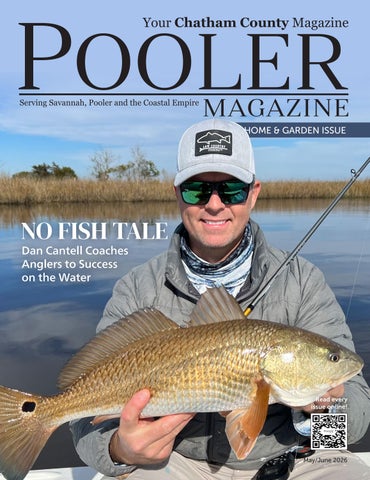
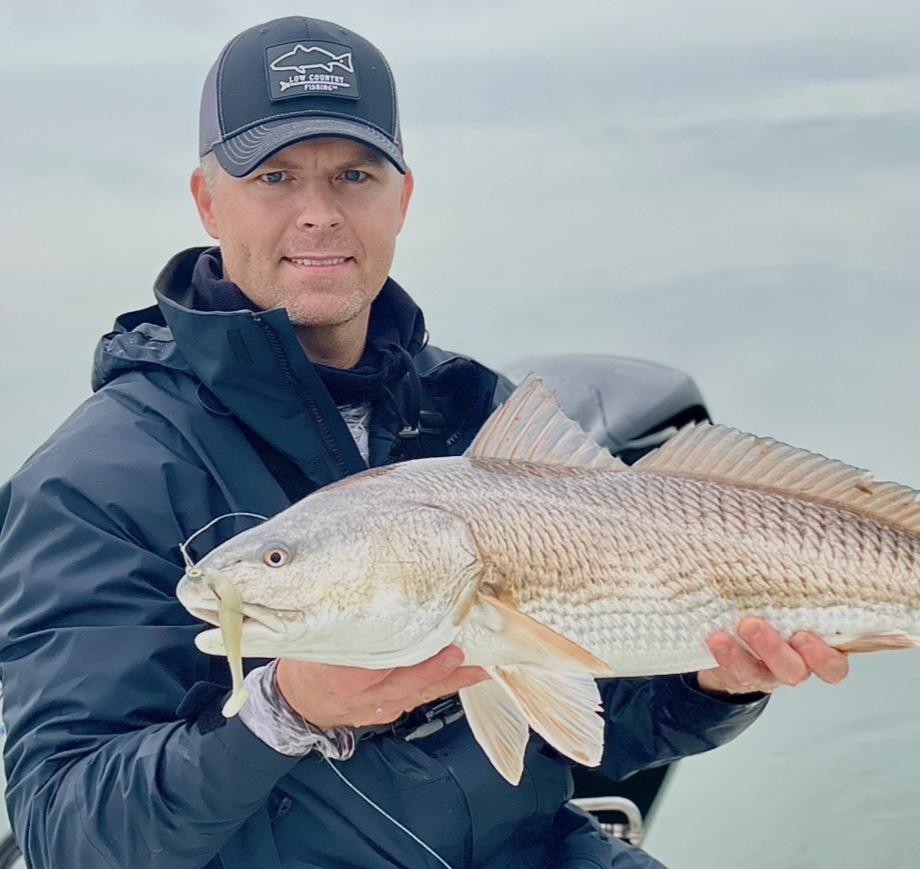
You’ll see it in so many of the stories in this issue. In our feature on Dan Cantell, a local fishing coach who has built more than a business, he’s built a community rooted in shared experiences and connection on the water.
You’ll see it in the vision for Highway 80, where leaders are working to transform a pass-through corridor into something that feels like a true downtown—walkable, inviting, and full of life.
And you’ll even see it in the kitchen, where simple, fresh ingredients remind us that sometimes the best transformations are the ones that start small and grow over time.
That’s what home and garden mean to me.
It’s not just about the house itself. It’s about what we’re building around us, our relationships, our businesses, our neighborhoods, and the experiences that make this area feel like ours.
At J. DelSUR Marketing Group, we have the privilege of working with so many local businesses who are investing in this kind of growth every day. They’re not just improving their spaces. They’re helping shape the future of Pooler and the surrounding communities.
And that’s what makes this issue special.
It’s a reminder that growth doesn’t happen all at once. It happens through small, intentional steps, refreshing a space, starting something new, investing in an idea, or simply taking the time to connect with the people around you.
As you flip through these pages, I hope you find inspiration— whether it’s for your home, your business, or your next chapter.
Because here in Pooler, growth isn’t just happening… we’re building it together.
CEO/Publisher Pooler Magazine
Pooler
Jan Southern
Coming October 2026
NO FISH TALE
Richmond Hill Man
Coaches Anglers to Success on the Water in a Relaxing Atmosphere
Story by Stephen Prudhomme
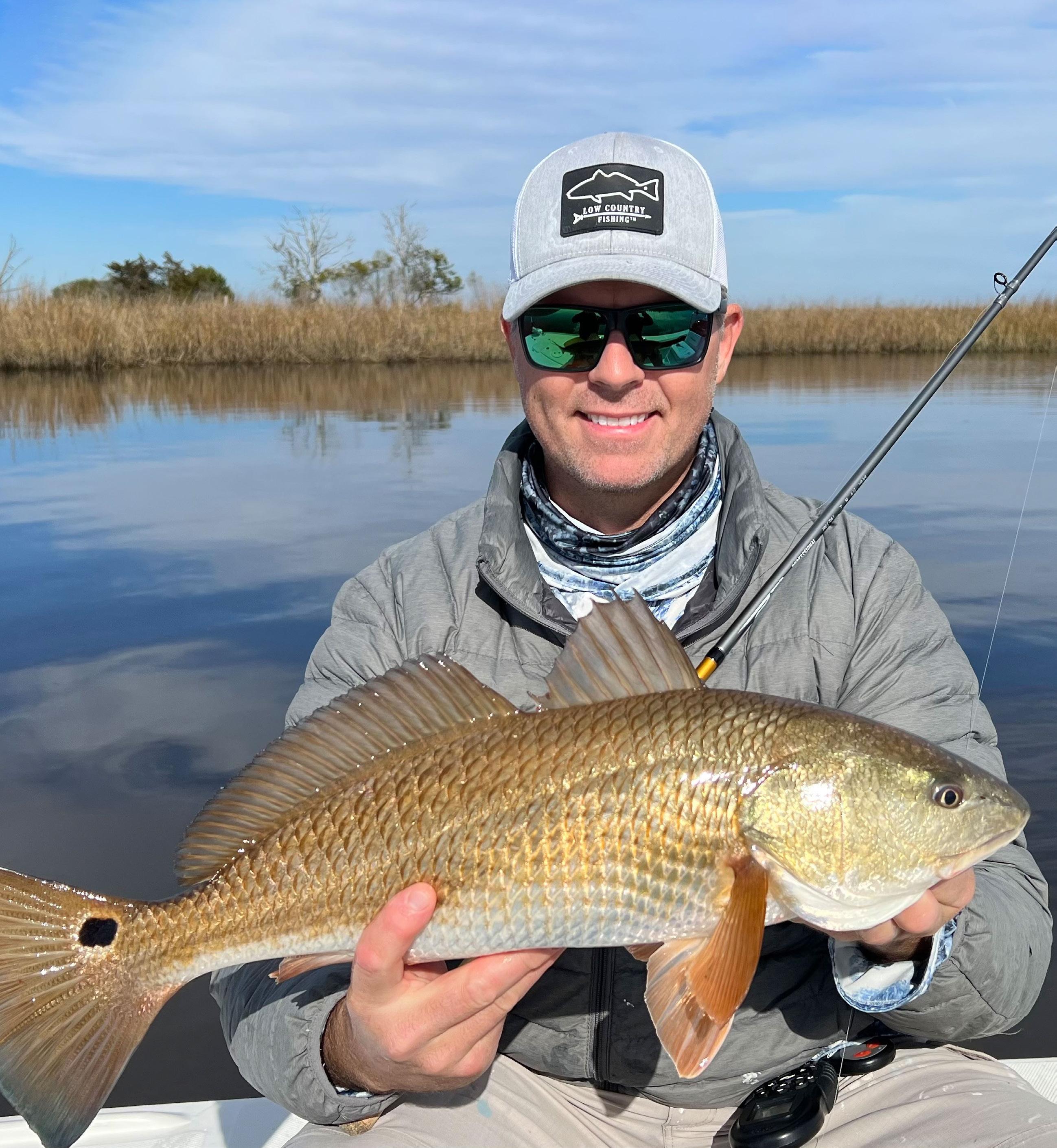
Water is crucial for survival, and it’s especially important to Dan Cantell. As a full-time firefighter, he relies on pressurized water to put out blazes in what are frequently life and death situations.
Cantrell seeks calmer waters as a fishing coach, firing up a passion for the sport among his clientele by imparting knowledge gained through a lifetime of angling and offering a bonding experience and escape from the stress of daily living.
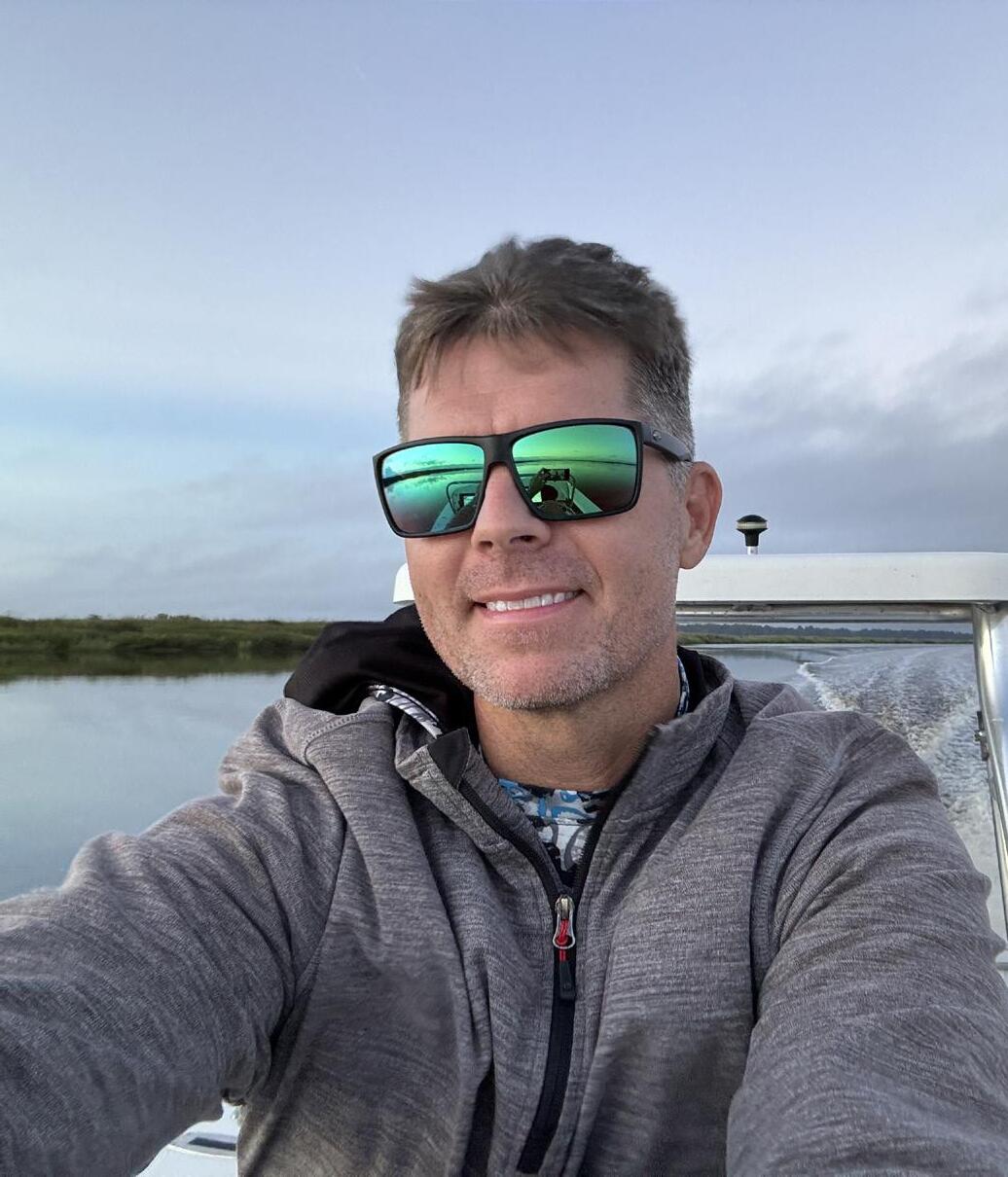
Cantrell, 44, is a Richmond Hill resident and lieutenant with the US. Army Fire Department at Hunter Army Airfield. A former member of the Air Force, he’s been with the department for a dozen years.
Putting out fires is Cantrell’s vocation. His avocation is fishing coach, which developed out of fishing videos he posted on YouTube during the pandemic and a Patreon page. What started out as a hobby provides Cantrell with his greatest source of income.
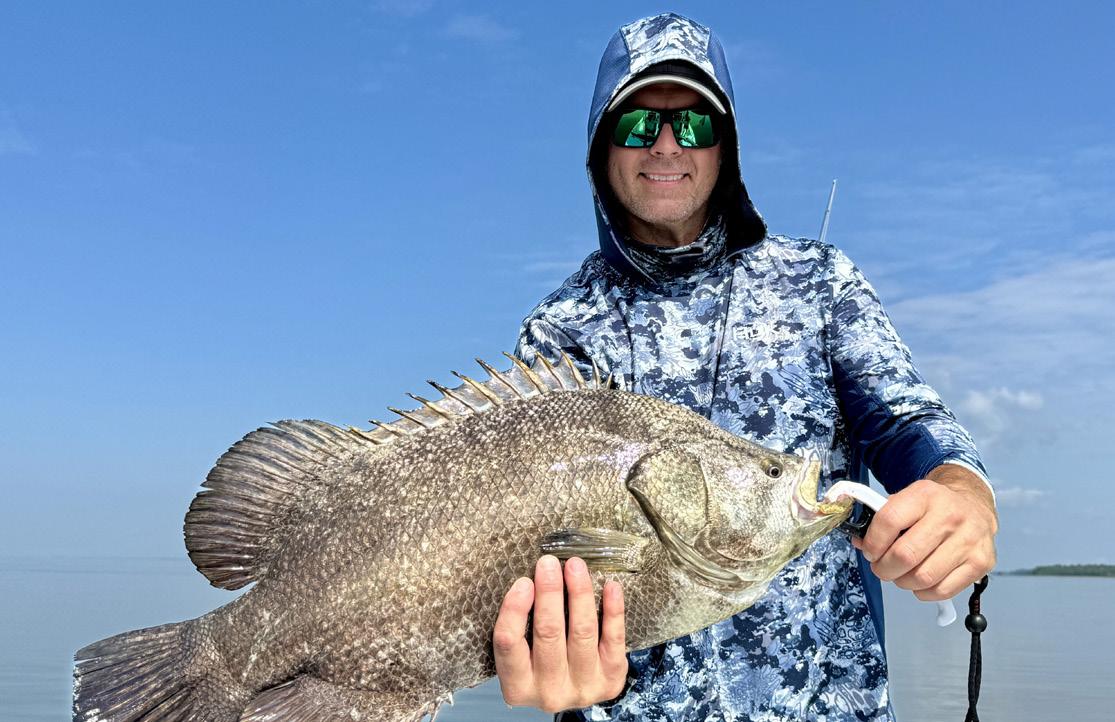
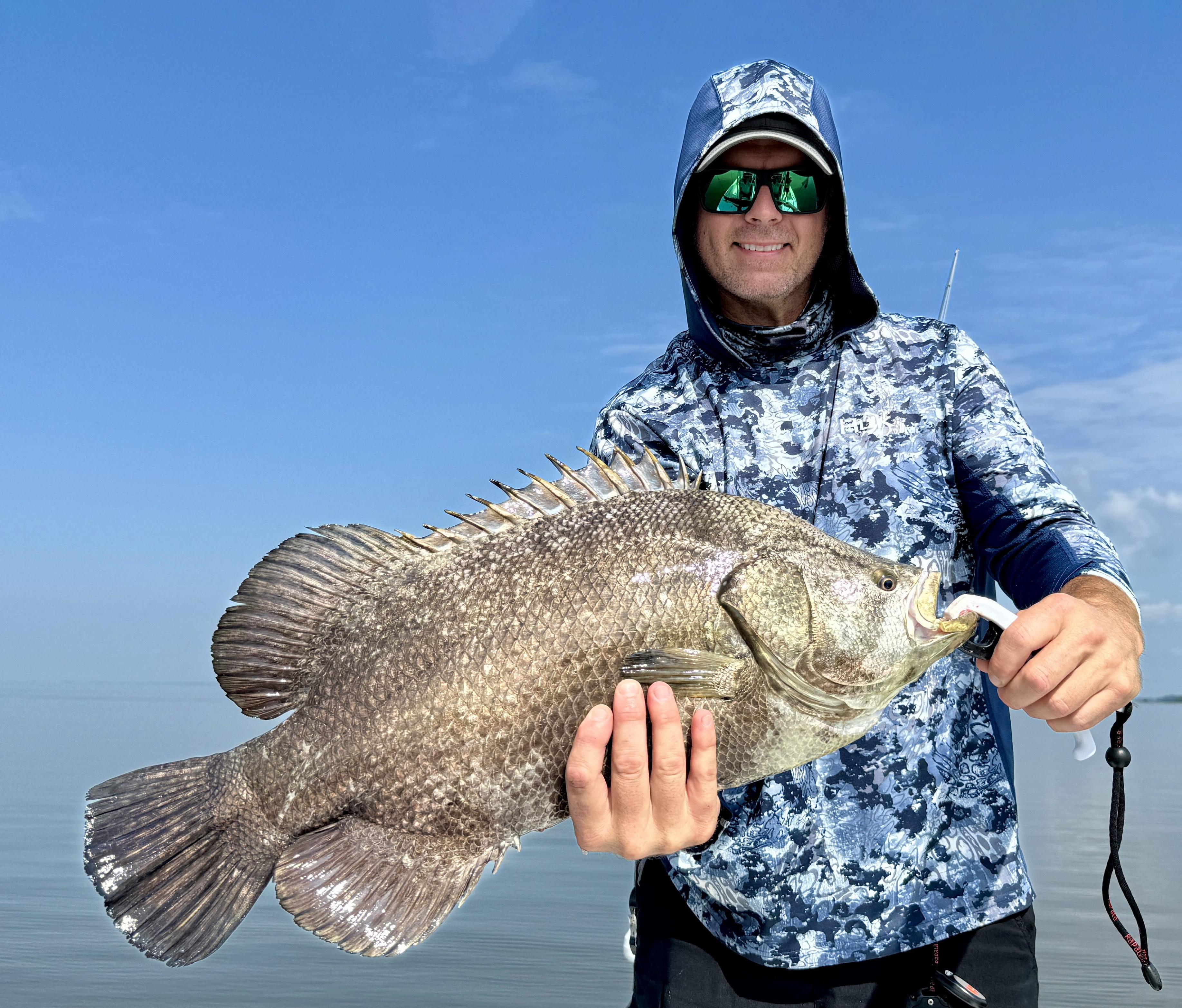
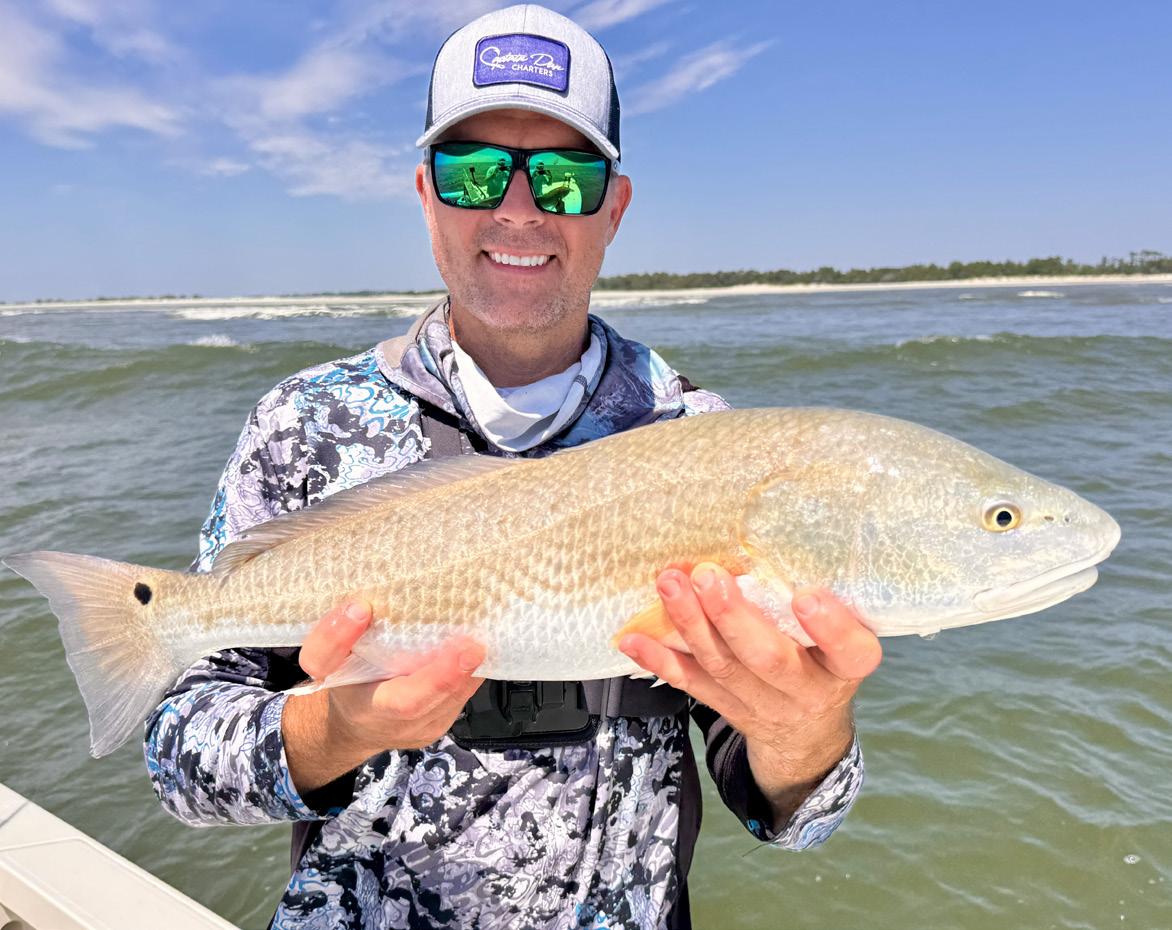
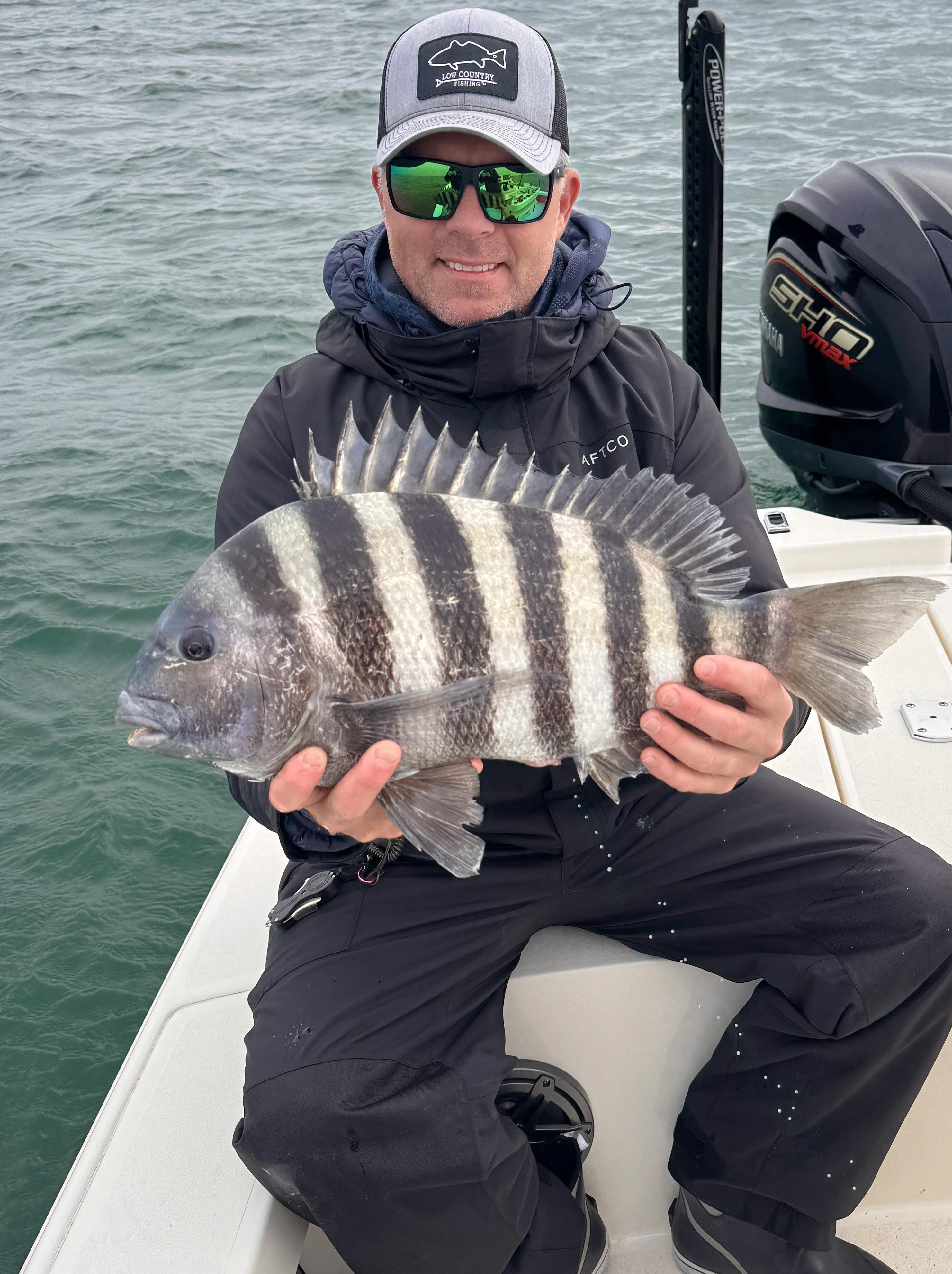
Cantrell operates Low Country Fishing, taking an average of three to four anglers on 4-hour fishing trips in his 24-foot Pathfinder boat. He travels to creeks and sounds and does primarily inshore fishing in Georgia and catches redfish, flounder, trout, sheepshead and black drum.
Cantrell offers not only fishing tips and strategy but an opportunity to relax in nature and connect with fellow anglers.
“We have a fun, good time in God’s creation,” Cantrell said. “It’s a chance to share testimony with fellow Christians. It’s therapy for these guys. I don’t even want their money. I enjoy the conversation so much. We become fishing buddies.”
One of those buddies is A.J. Balbo, a Richmond Hill attorney. The 49-year-old has fished since the age of 2 and in coastal Georgia for 20 years. He’s followed Cantrell’s Patreon page for the past three years and watched his fishing skills improve.
“He does an excellent job of actually coaching anglers what trends and habits to look for while out on the water,” Balbo said. “He’s a great fisherman and an even better teacher.”
Although he mostly fishes alone, Balbo said Cantrell has created a group of anglers that share results and observations online and meet up every few months to attend instructional lessons led by Cantrell. “It’s a great opportunity to not only hone fishing techniques but also to make new friends who enjoy the same hobby,” Balbo said.
He also welcomes the opportunity to relax in a setting other than one involving litigation. “I find fishing is a great time to mentally recharge and escape the stresses of everyday life,” Balbo said. “Even if I have a slow day on the water, it’s still rewarding to experience the beauty of the natural world. Catching fish is an added benefit.”
Cantrell grew up in Florida and discovered fishing at an early age. He fished with his dad but said he didn’t acquire a passion for it until he was a young adult.
In 2014, Cantrell found a new fishing home near the coast when he moved to Richmond Hill. When the pandemic limited social interaction, Cantrell found a welcome retreat on the water and engaging in one of his favorite pastimes. Noting the lack of fishing trips in the area, his wife suggested he take a GoPro the next time he went out and offer angling tips and strategy. That led to regular postings on YouTube and the introduction of a website on Patreon.
“It exploded fast,” Cantrell said. “We had 400 to 500 members about four years ago. We have over 800 nowadays.” He added he has an 80 percent retention rate of members who pay an annual fee of $20.
“It’s an investment in getting better out there,” Cantrell said. “My members love the information I put on the site, but they equally love the community feel that they get through communicating directly with each other, communicating directly with me, as well as the meetups and tournament that I host. I’m not just a guy on a webpage. I’m a living, breathing person and my members get that. And I truly think that is what sets me apart from these other giant companies.”
Using his YouTube channel as a marketing tool, Cantrell, having earned his charter boat captain license, introduced fishing trips and coaching. He set up a website, icoachfishing. com., and watched the business take off.
“Dan has built a community of fishermen grounded in shared values, confidence earned through experience, and a spirit of mentorship that extends well beyond fishing.”
“God kept on blessing me by being booked,” said Cantrell, noting he loves his job as a firefighter and a schedule that allows him to balance work, being with his family and casting a line out on the water. “I’m booked three to four months in advance. I like to be known as a fishing coach. I’ve figured out where to fish and what works. They’re learning the why rather than the where of fishing. They can take what they learn and go anywhere with it.”
Greg Ositko is just such an individual. A resident of Dublin, Ga., the Penn State graduate worked in the water treatment industry for a number of years. He also was around water during his spare time. Ositko said boating, fishing and time spent on the water shaped his downtime and sustained him beyond work.
In retirement, Ositko, 74, was drawn to the Georgia coast and took a spring fishing trip he said rekindled something essential. That led him to eventually connect with Cantrell.
“His enthusiastic, transparent approach to teachingcombined with integrity, generosity and respect for the water - stood apart,” Ositko said. “Dan has built a community of fishermen grounded in shared values, confidence earned through experience, and a spirit of mentorship that extends well beyond fishing.”
Fishing can test even the most eager novice, Ositko noted, adding that passion for the sport, paired with a genuine desire to learn, has a way of guiding you to the right people such as Cantrell.
“Capt. Dan Cantrell is one of those rare guides in Georgia’s Low Country,” Ositko said. “His character, experience, and steady presence on the water create the conditions every angler hopes for: confidence, learning, and plenty of tight lines for all ages.”
Ositko said Cantrell helped him gain a new appreciation for time spent in the waters off the Georgia coast. “At 74, I find myself learning again, with humility, joy, and gratitude,” Ositko said. “Georgia’s coastal waters, and the people who steward them well, have reawakened a passion I once feared I had lost. Some journeys return us not to who we were, but to who we still have time to become.”
days given current trends and conditions. He also cited Cantrell’s development of a wonderful local community with charitable events that bring anglers together and give back. Each year, Cantrell holds a fishing tournament featuring 25 boats. The event benefits the Savannah River Keeper.
For Cantrell, one of the most enjoyable aspects of his job as fishing coach is helping strengthen family bonds, especially between fathers and sons.
Cantrell has also helped Hurtig increase his chances of landing the big one. “The impact on my fishing has been significant,” Hurtig said. “I understand the waters much better and feel like I can navigate safer. My confidence and success rate have improved dramatically. Being new to saltwater fishing from a boat about six years ago, Dan has significantly sped up my learning curve in ways I couldn’t have achieved on my own. Perhaps most importantly, it’s made the experience much more enjoyable when I take my kids out now.”
Victor Hurtig is another satisfied customer. An emergency room doctor, he’s been a serious fisherman for over 30 years and began saltwater fishing from a boat six years ago. Connecting with Cantrell has enhanced his fishing experience.
“Dan runs an exceptional service through his Patreon called Lowcountry Fishing, and I’ve benefited tremendously from his coaching, guide trips and online community,” said the Savannah physician. “What sets Dan apart is his very detailed and advanced approach to fishing combined with a unique ability to take a very complicated fishery and explain it to the layperson while keeping things light and upbeat. Our local waters present significant challenges with large tide swings and seasonal challenges. Dan is an outstanding guide with a deep understanding of how to navigate and teach these complexities.”
Hurtig added that Cantrell’s Patreon has been invaluable for gear tips, preparation advice, and planning out fishing
For Cantrell, one of the most enjoyable aspects of his job as fishing coach is helping strengthen family bonds, especially between fathers and sons.
“The coaching strengthens bonds with fathers and sons because it takes the dad to hero status,” Cantrell said. “The mindset of a kid was my dad doesn’t know what he’s doing but now he puts us on fish.”
The coaching also evokes a simpler time when communication was more face-to-face rather than through a phone or computer. “It allows a unique bond in the outdoors you cannot get inside with technology,” Cantrell said. “These days there are so many distractions going on that it’s hard for parents to connect with kids due to the fast-evolving technology. But with fishing it puts the ball in the other court where a father can teach his son the importance of patience, attention to detail, as well as that one on one, undistracted time that is so valuable.” ■
Your Partner in Health is Close to Home.
Budget-Friendly Ideas to BOOST CURB APPEAL
Your home’s first big impression is its curb appeal, so if your place is in need of some sprucing up, you may wonder how you can make some updates without breaking the bank.
These 10 ideas are easy on budgets, but they can also make a big impact on your home’s exterior image. Find more affordable ideas for upgrading your home and garden at eLivingtoday.com.
PAINT YOUR FRONT DOOR. As long as your front door is in good condition, there’s no need to replace it completely. A fresh coat of paint can instantly update your home’s
PRESSURE WASH THE DRIVE AND WALK. Over time, driveways and sidewalks collect an incredible amount of grime. Pressure washing not only eliminates the filth, but
What Professional Locksmiths Say Homeowners Get Wrong About Security
You have locks on your doors and windows, and you make sure they’re secure before you leave the house or head to bed each night. You may even have a security system with an alarm or cameras to protect your home. Some locksmiths say that may not be enough.
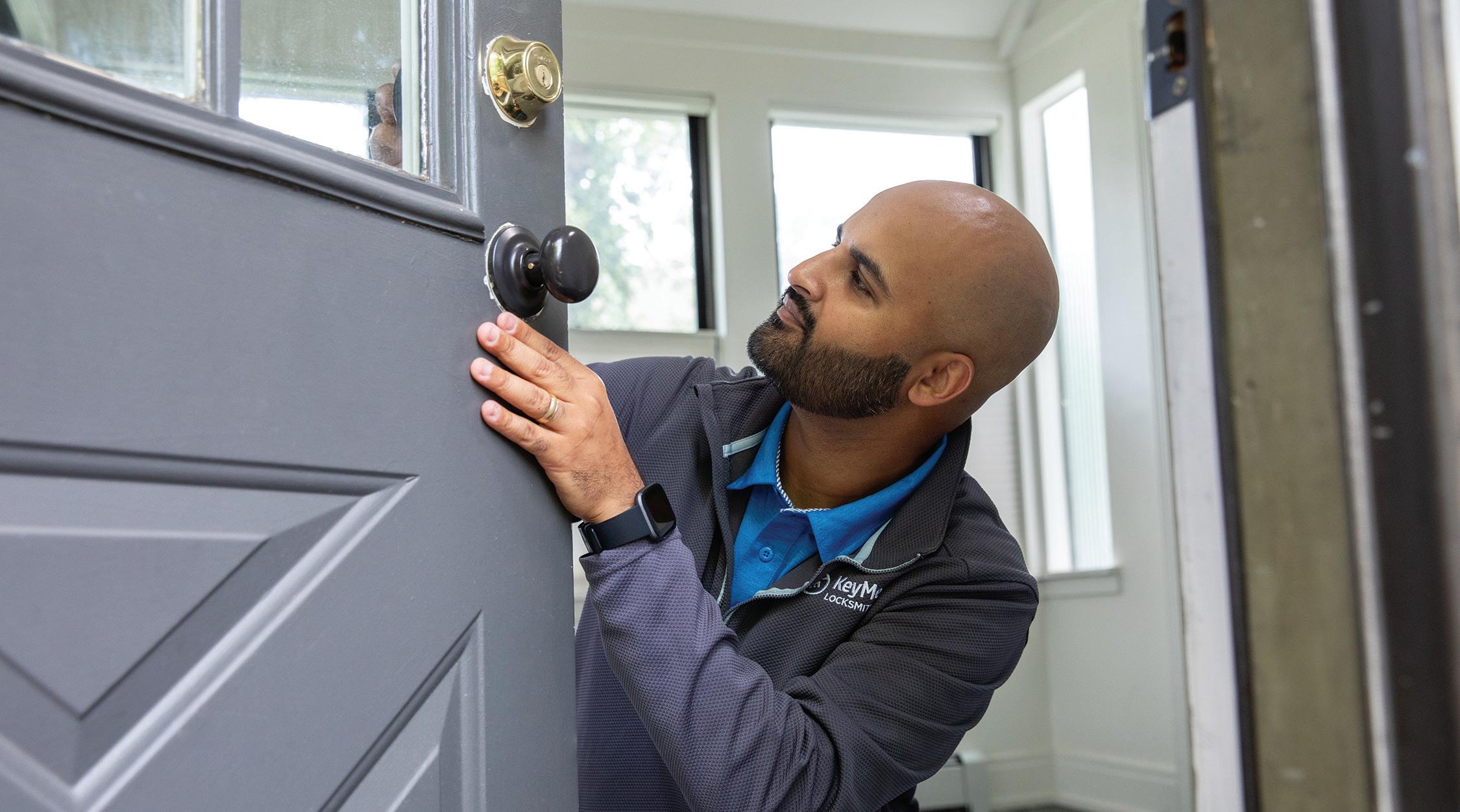
Bryan McCabe, director of locksmith operations with KeyMe Locksmiths, the nation’s leading provider of local locksmith services and No. 1 provider of key duplication kiosks, said homeowners should be mindful of common security vulnerabilities, many of which go unnoticed until it’s too late.
A thief who wants to gain access to your home may do so by any means possible, including breaking windows or kicking in doors. However, those methods are loud and may attract attention. Instead, thieves will look to find the easiest house to enter. Consider these small changes you can make to deter thieves from your home.
Close the Garage
Leaving your garage door open may seem harmless, but it can signal easy access to thieves. An open garage suggests relaxed security habits and can make burglars assume doors or windows might also be unlocked. Keeping it closed is a simple step that instantly makes your home more secure.
Make Your Home Look Lived-In
Burglars often target homes that appear empty. Dark houses – especially after nightfall – can stand out as easy opportunities. Leaving a light or two on helps create the impression someone is home. If you want to level up, use light timers or smart bulbs to automatically turn lights on and off, even when you’re away.
Keep Your Home Visible from the Street
Thieves prefer to work unnoticed. Overgrown trees, tall bushes, or dense landscaping near entrances can provide cover for someone trying to break in. Trimming greenery and maintaining clear sightlines from the street makes your home less appealing and more exposed – exactly what burglars want to avoid.
Upgrade Entry Points to Improve Security
Some relatively minor updates can make a big impact toward protecting your home. Start by assessing all home entry points, including secondary points like sliding doors, garage entries and basement doors. In addition to checking door frames, homeowners should examine strike plates, hinge security and whether existing locks are outdated.
Add Eyes to Your Front Door with a Doorbell Camera
Doorbell cameras are an affordable way to boost your home’s security. Visible cameras can stop many would-be thieves as they don’t want to be seen or recorded. Beyond deterrence, doorbell cameras let you see who’s at your door, receive alerts and check on your home anytime, whether you’re home or away.
Install Smart Locks for Control and Peace of Mind
Smart locks are another smart investment in home safety. They allow you to track who enters your home and when by assigning unique access codes. You can even lock (or unlock) the door remotely from your phone. With the ability to monitor, control and limit access, smart locks offer convenience and security. A local locksmith can help you choose the right option and handle installation, making the upgrade simple and stress-free.
Connecting customers with professional locksmiths in their area, KeyMe Locksmiths provides comprehensive home security and lockout services – from key replacement to lock installation or repair – with more than 7,500 kiosks nationwide. These self-service machines utilize advanced technology for fast, accurate and “one-stop-shop” key copying, including home and office keys, car keys and fobs, mailboxes, padlocks and RFID access cards.
Find more advice to help protect your home and belongings, and a locksmith or kiosk near you, by visiting key.me.
May 2026
June 2026
POOLER EVENTS
5/2: 48th Annual Savannah Scottish Games and Celtic Festival Bynuh’s Field. Bethesda Academy
5/5: Apollo 1
National Museum of the Mighty Eighth
5/6: Chair Yoga for Cancer Survivors Lewis Cancer & Research Pavilion
5/9: Stamp Out Hunger Food Drive 1380 Chatham Pkwy, Savannah
5/16: Motors For Mom’s Car Show and Wing Fest Tanger Outlets
5/23: Alee Mobile Unit Classics Summer Heat Car and Bike Show Savannah Harley-Davidson
5/25: Memorial Day Remembrance Ceremony
National Museum of the Mighty Eighth
5/29-5/31: Foodees Fest Tanger Outlets
6/5: Anime Ink Con Savannah 1 International Dr, Savannah
6/6 and 6/8: 9th Annual Love and Soul Family Festival Tanger Outlets
6/20: Annual Juneteenth Festival 200 Tanger Outlets Blvd, Pooler
6/27: City of Pooler Independence Day Celebration Recreation Complex, 200 Preston Stokes
Rebranding Myself MOM 2.0
by Alycia Calderin
There’s this quiet, uncomfortable moment in motherhood that no one really warns you about. And it’s not the first day of kindergarten, or the first sleepover, or even the first time you have to Google what “six seven” means because apparently middle schoolers now communicate exclusively in coded slang.
It’s the moment you look around your house and suddenly realize…They don’t need you like they used to.
And now you’re standing there, holding a cup of coffee that went cold thirty minutes ago, wondering who you are without a diaper bag, a preschool pickup line, or a tiny human physically attached to your body demanding snacks shaped like dinosaurs.
Welcome to Mom 2.0, the identity update nobody told us we’d need.
Version 1.0: The Baby Years
I had Brooklyn, my daughter, at 19 which means she didn’t just grow up with me, she grew up alongside me. We figured life out together. I learned how to be a mom while she learned how to be a human.
Those early years were a blur of survival mode: diapers, drive thru dinners, school parties, and Googling every rash at 2 a.m. Motherhood wasn’t just something I did, it was my entire identity. Every decision, every schedule, every ounce of energy revolved around keeping my kids fed, safe, and relatively well adjusted.
Then came Sofia and Mikey, and with each child, motherhood layered itself deeper into who I was:
✓ Snack packer.
✓ Homework helper.
✓ Permission slip signer.
✓ Carpool coordinator.
✓ Finder of the one shoe that somehow disappeared overnight.
My twenties were spent fully immersed in motherhoodexhausted, overstimulated, and fiercely in love with the life we were building.
Back then, I thought the hardest part would be the sleepless nights or the toddler meltdowns. I didn’t realize the real emotional gut punch would come later, when the noise quieted and the constant need faded.
Version 2.0: The Tween & Teen Era Now?
Brooklyn is 16 and got her license in June, a sentence I still don’t fully believe. She’s independent, confident, and moving toward a life that doesn’t always include me in the center of it. Sofi is 13 and in her final year of middle school, standing right on the edge of becoming someone entirely new. And Mikey, my baby, is 11 and just entered his first year of middle school, at the same school as Sofia, which somehow feels both comforting and completely illegal.
Now, I’m standing in a season where I’m no longer consumed by survival, instead I’m faced with space.
✓ Space to think.
✓ Space to feel.
✓ Space to ask myself questions I’ve put off for years. Who am I outside of motherhood?
What do I enjoy when I’m not managing someone else’s schedule?
What parts of me have been waiting quietly underneath all of this?
It’s disorienting, like meeting yourself again after being too busy to look up.
The Awkward Beauty of Mom 2.0
Mom 2.0 feels unfamiliar. There’s no manual for this version.
She’s proud and heartbroken at the same time.
She’s grateful, but grieving.
mom-ing UN FILTERED
Finding Magic in the Madness of Motherhood
They still need me, just not in the same ways.
✓ They need rides.
✓ They need money.
✓ They need reminders that were apparently mentioned “five minutes ago” but don’t count unless repeated three times.
But emotionally and physically? They’re pulling away in small, bittersweet increments. Doors close more often. Conversations happen on their terms. Affection looks quieter, like a quick hug, a shared joke, a hand brushing mine when no one’s watching.
And here’s the part no one prepares you for: When your kids grow, you have to grow too.
So Who Am I Now?
For years, my identity was rooted in being needed. In the physicality of motherhood. In the constant presence. The “Mom, watch this.” The bedtime routines. The sticky kisses and tiny hands reaching for mine.
She misses the little years while loving the people her kids are becoming.
She laughs more with them now, has real conversations, shared humor, moments of connection that feel deeper and more intentional. But she also feels the weight of time in a way she never did before.
And she’s learning something important: She’s allowed to exist beyond motherhood. Not instead of it, but alongside it.
The Truth No One Says Out Loud
Just because you’re done having babies doesn’t mean you stop mourning the idea of them. Just because your kids grow up doesn’t mean you stop being needed, you’re just needed differently. And just because this season feels uncomfortable doesn’t mean it isn’t sacred.
Mom 2.0 Isn’t the End — She’s the Upgrade
This stage of motherhood is quieter, deeper, and somehow more emotional than the early years.
It’s the season of rediscovery.
Of remembering what you love.
Of finding joy outside of carpools and class parties.
Of realizing that the woman you are now exists because of everything you poured into your kids.
And maybe that’s the point of Mom 2.0. Not to replace who you were, but to finally make space for her again. ■
by Gail Mihalik
After a long winter of slowly braised meats and cozy stews, spring arrives like a bright-eyed intern barging into the kitchen with his new recipes. Suddenly, the earth starts doing its own mise en place — pushing up green shoots, tossing color back into the palette, and filling kitchens with ingredients that practically cook themselves. If winter food hugs you, spring food wakes you up and says, “Let’s do something fun.”
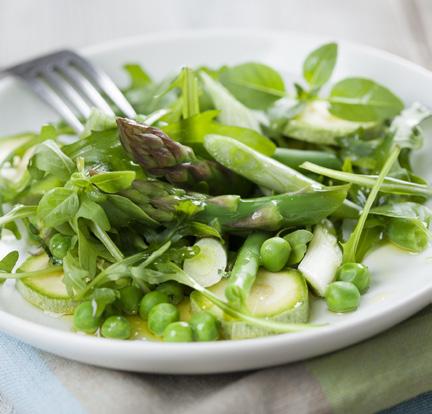
Let’s talk about the stars of the season. After almost three years waiting to harvest asparagus, it shows up first, as if it got the VIP backstage pass from Mother Nature. To ensure the best flavor, look for firm, bright green stalks with tight tips. Peas — the sweethearts of spring — should be plump and tender, with bright pods. Spring onions should be firm and crisp, and radishes should be firm, smooth, and brightly colored.
Choosing fresh vegetables makes your recipes taste their best and boosts your confidence in seasonal cooking.
Many of these vegetables have a globe-trotting past. Peas came to America with English gardeners; carrots arrived in shades of purple, yellow, and red long before the Dutch bred them into orange; and radishes have been around for over 3,000 years.
Asparagus, meanwhile, was beloved in ancient Greece and prescribed as everything from a delicacy to a medicinal tonic. I’m not saying asparagus is magic, but I’m not not saying that either.
Spring vegetables aren’t merely something we cook — they’re little green declarations of revival, resilience, and the optimism that comes with a new beginning. In the kitchen, that translates to freshness, lightness, and the pleasure of letting ingredients speak for themselves. If winter is the season of garlic and butter, spring is the season of lemon and herbs—time to celebrate that new beginning.
You don’t need acres of farmland to enjoy the season’s bounty — a little dirt and enthusiasm can spark confidence and make seasonal cooking feel achievable for everyone.
Container Gardens
Container gardens are the easy-going, commitment-light option. Perfect for:
Give your container garden good potting mix, sunshine, and a little water, and it will reward you with bountiful rewards.
Raised Beds
Raised beds, on the other hand, are for folks who mean business. These are ideal for:
• carrots (they need depth)
• asparagus (a perennial diva that likes a permanent home)
• larger greens
• bigger yields
Raised beds are like the walk-in refrigerator of gardening: more space, better organization, giving us the maximum potential.
From a nutritional standpoint, spring vegetables are the body’s gentle reset button. Asparagus, peas, radishes, and greens stay freshest when stored properly: keep asparagus upright in a jar with water, store peas in a breathable bag in the fridge, and radishes in a damp cloth. Now, greens need a little more TLC; they need to be washed thoroughly, dried completely, then placed in an air-tight container with a dry paper towel to absorb any moisture. Proper storage preserves their crispness and flavor, so your dishes remain vibrant and delicious, encouraging you to cook seasonally and enjoy peak freshness.
Now — let’s cook, here are a few fresh dishes you can try.
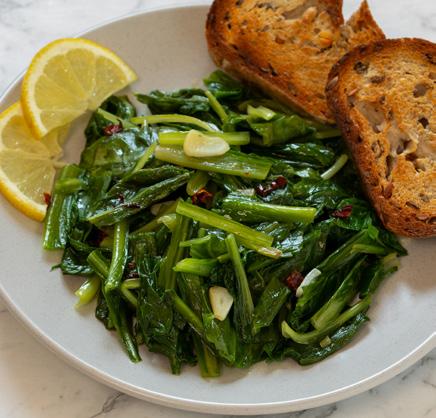
SAUTÉED SPRING GREENS WITH GARLIC & LEMON
Pick your green: spinach, young kale, mustard greens, swiss chard
The Vibe: light, bright, chef-classic
What you need: Spring greens (your choice), olive oil, minced garlic, lemon juice, salt, pepper
What to do: Heat olive oil, gently sauté garlic until fragrant (not brown!). Toss in greens and let them wilt just to tenderness. Finish with a squeeze of fresh lemon, a pinch of salt, and a crack of pepper.
The perfect finish: clean, bright, uplifting — like spring in a skillet.
ASPARAGUS WITH BROWN BUTTER & TOASTED BREADCRUMBS
The Vibe: restaurant-level, elegant, indulgent
What you need: asparagus, butter, breadcrumbs, lemon zest, salt, pepper
What to do: Blanch asparagus till crisp-tender. Separately, melt the butter until it is lightly browned and has a nutty aroma. Toss asparagus in and finish with lemon zest + salt. Top with toasted bread crumbs.
The perfect finish: This one is a symphony on your dish.
GLAZED BABY CARROTS WITH HONEY & THYME
The Vibe: sweet, aromatic, spring-like, and comforting
What you need: Baby carrots, butter or olive oil, honey, fresh thyme sprigs, salt
What to do: Sauté carrots until almost tender. Add honey and thyme, letting it form a light glaze, and season with salt.
The perfect finish: Serve this up as a sign of a spring dinner with a spark of sunshine.
SHAVED SPRING SALAD (RAW & CRISP)
The Vibe: fresh, raw, beautiful textures
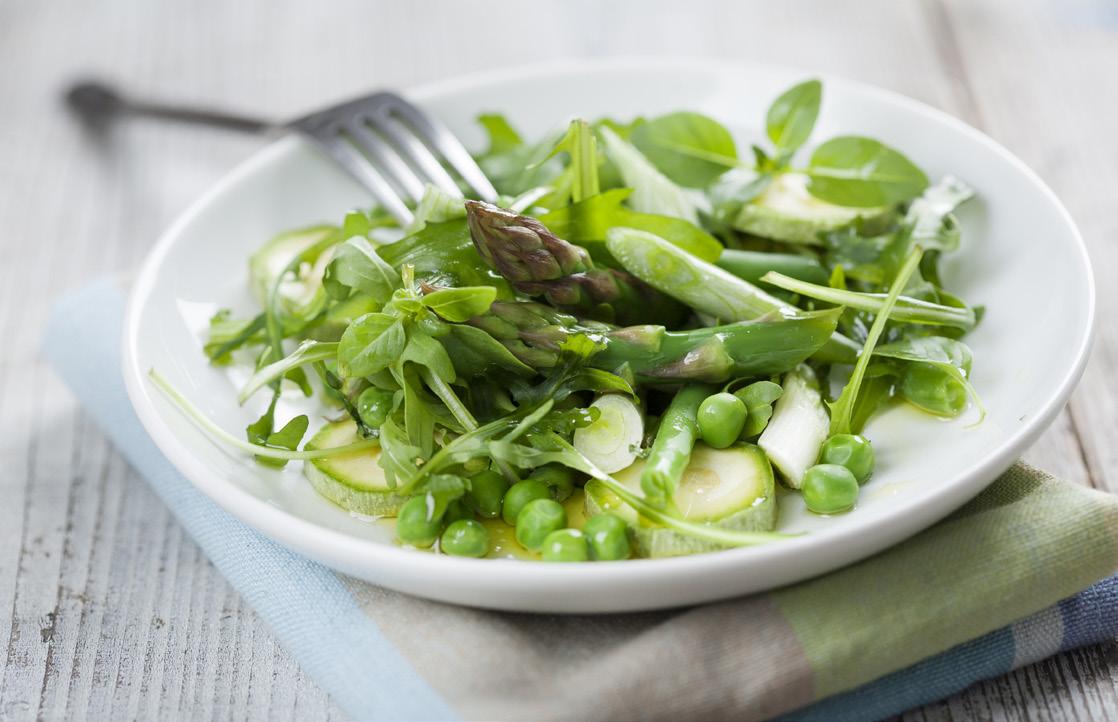
What you need: raw asparagus (shaved), thinly sliced radishes, pea shoots, zucchini, carrots, parmesan curls, lemon vinaigrette (lemon juice, oil, mustard, garlic salt, and pepper)
What to do: Toss everything lightly with vinaigrette. Serve immediately.
The perfect finish: This dish is spring on a plate — crunchy, grassy, and fragrant.
CREAMY SPRING ONION & HERB DIP
The Vibe: casual, fun, market-snack energy
What you need: spring onions, sour cream or Greek yogurt, dill, parsley, lemon juice, salt
What to do: Chop onions and herbs finely. Mix into the cream base with lemon and salt. Let it sit 1–2 hours so flavors settle in.
The perfect finish: cucumbers, radishes, snap peas — raw and lively.
Spring is a season that brings life back into our kitchens. We crave for the young ingredients, for healthier plates, which reminds us that every year the world wakes up again. If you’re out in your garden, at the farmers market, or paroozing the produce aisle in the grocery store, you’re searching for the simple truth. Fresh things bring joy.
Now get out there — and let spring back into your kitchen. (And don’t worry — I’ll remind winter it’s had its turn.) Oh, by the way, if anyone asks why everything suddenly tastes better, tell them, “It’s spring. I finally have real ingredients again.” ■
REIMAGINING MAIN STREET: Pooler’s Push to Transform Highway 80
Story by Gail Parsons
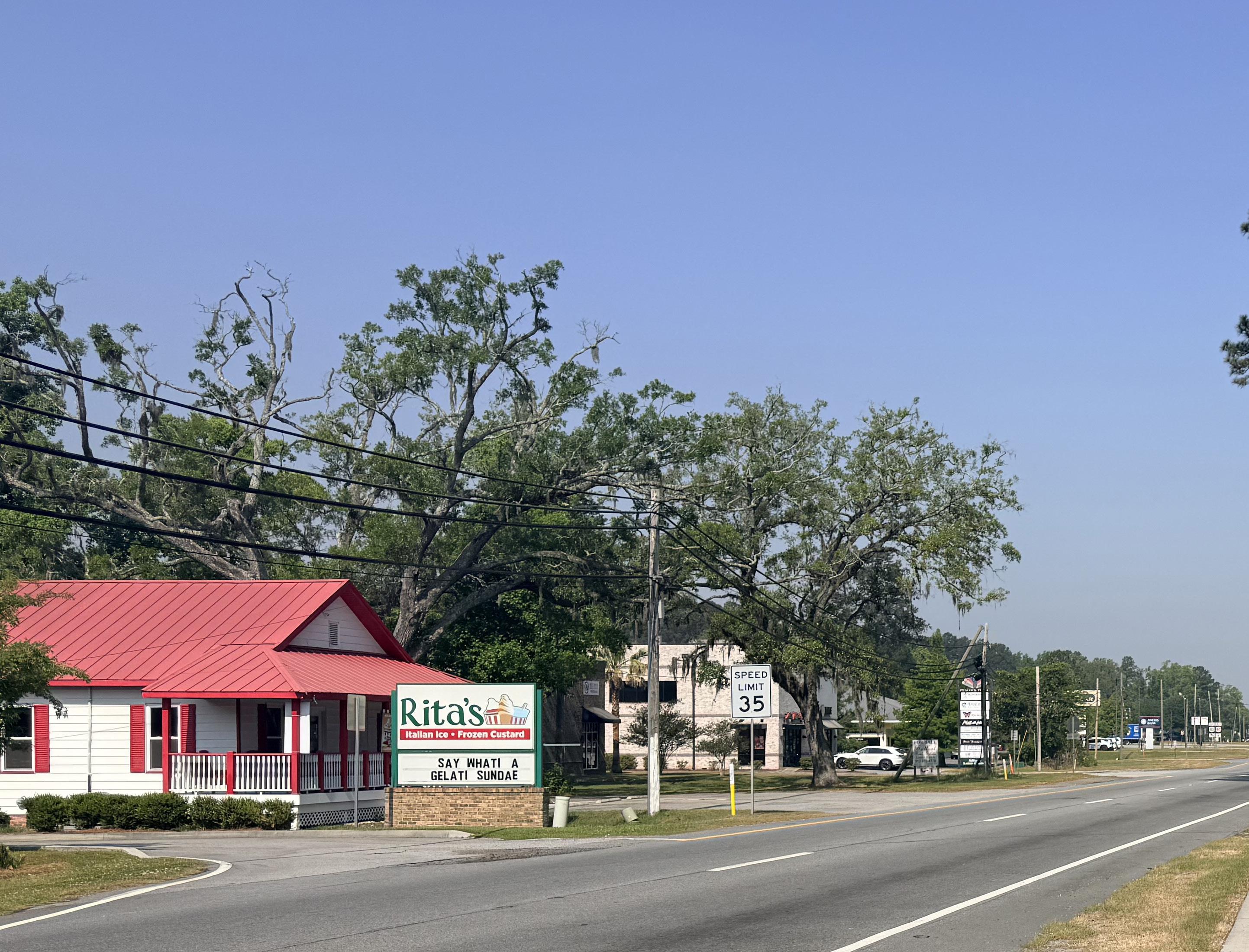
On any given day, the stretch of Highway 80 Frontage through Pooler tells a familiar story. A story of aging storefronts, scattered businesses, and untapped potential. It’s a corridor many pass through without stopping, and barely noticing.
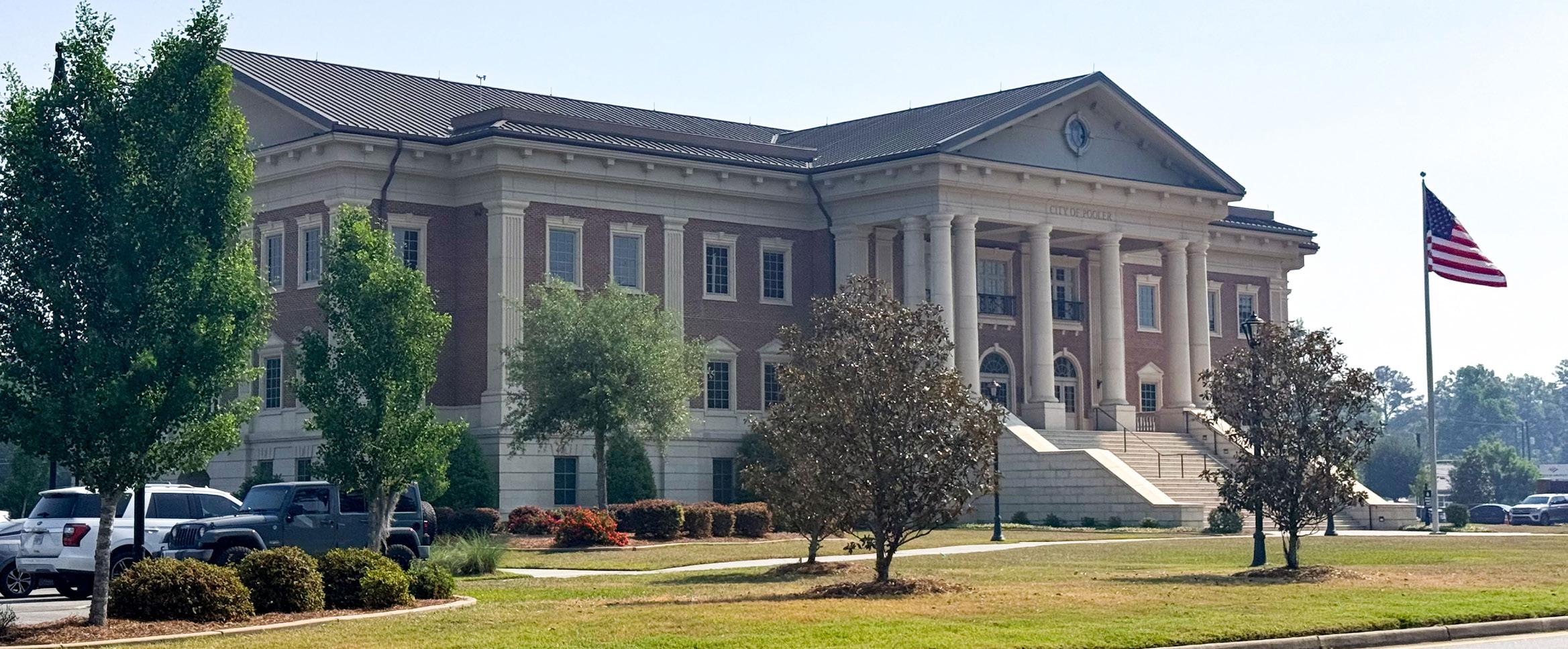
But for Nicole Johnson, that view is a starting point. Johnson, Director of Planning and Development, is helping lead a quiet but ambitious effort to reshape the area into something more inviting, more cohesive, something that feels like a downtown.
At the center of that effort is a relatively new initiative: a façade grant program designed to help local businesses refresh their exteriors and, in turn, spark broader revitalization.
“We’re looking for ways to encourage businesses in our Highway 80 corridor to improve the exterior appearance of their buildings and storefronts,” Johnson said.
The goal isn’t just cosmetic. City leaders are trying to create a sense of place—one that invites people to linger, explore, and connect.
“We’re trying to kind of encourage more of a main street or downtown type of development along Highway 80,” she said, “and we’re hoping that this type of program would encourage
and initiate some of these businesses to strengthen the aesthetics of their business in our corridor, and hopefully … enhance the economic vitality along our Main Street.”
A Corridor in Transition
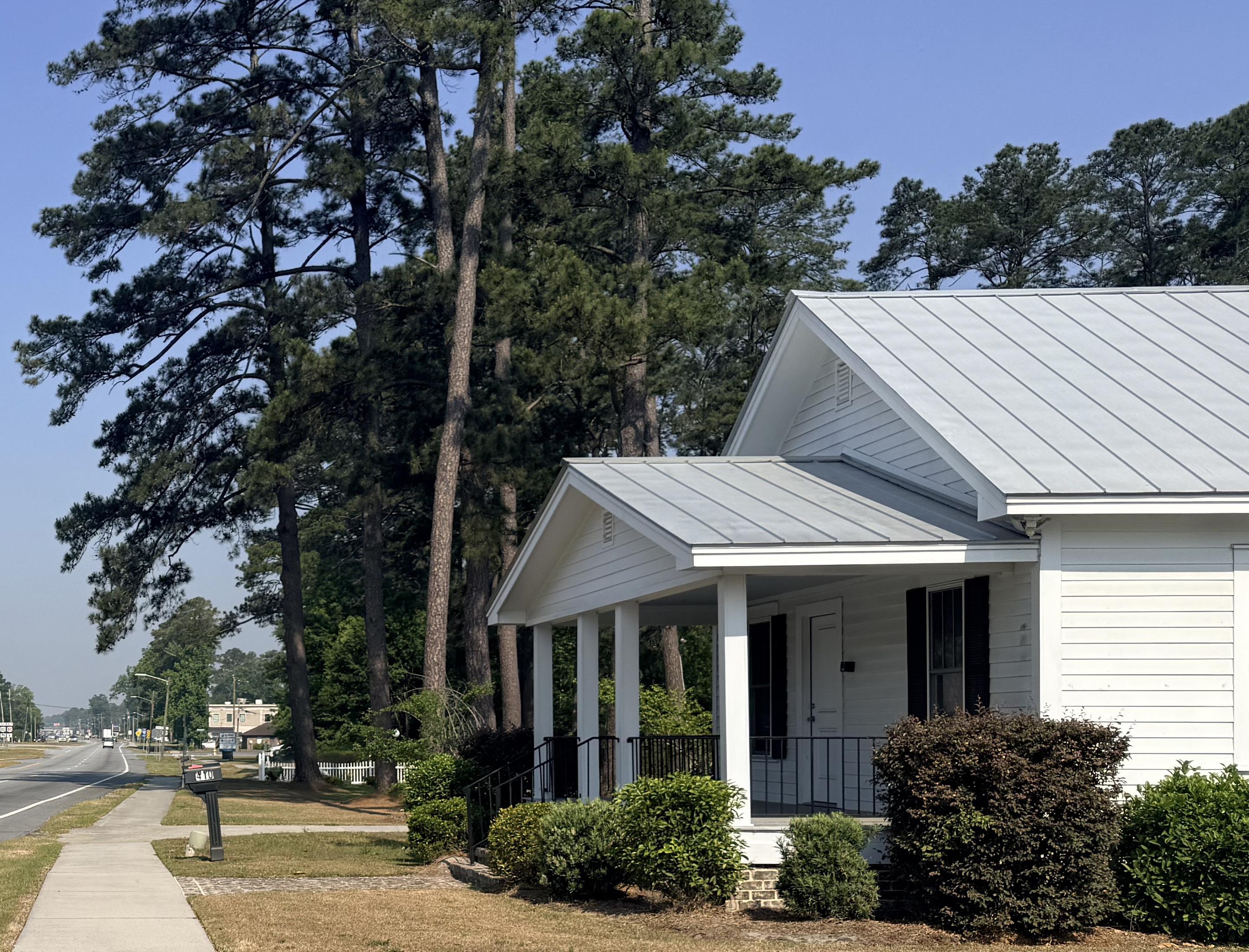
Right now, the corridor is a patchwork, a hodgepodge of gas stations, empty spaces, and car shops, with some retail outlets sprinkled in.
“It’s a combination of different types of businesses and uses,” Johnson said. “There’s a lot of older … maybe not as well-kept businesses.”
It’s not broken—but it’s not cohesive either.
A drive down the corridor reveals that contrast in real time. Storefronts shift quickly from freshly painted facades to aging signage, from busy parking lots to quiet, half-empty buildings.
Traffic moves steadily through, but rarely slows. Sidewalks appear in stretches, then disappear, making it difficult to imagine the kind of easy, walkable experience city leaders envision.
There’s little rhythm tying one business to the next, no clear sense that you’ve arrived somewhere, rather than simply passing through. And yet, beneath that inconsistency,
Johnson sees the potential — the kind of potential that doesn’t require starting over, but instead rethinking what’s already there.
City planners envision something walkable, a visually connected district with small-scale retail, outdoor spaces, and a sense of rhythm that invites pedestrians as much as drivers.
“We’re really looking to encourage some kind of redevelopment and make it more of a downtown where … it’s more pedestrian friendly and allows people to walk around, grab lunch, and maybe go buy a book at a bookstore or something like that.”
The Incentive to Invest
Projects could include such things as adding new signs, or replacing existing old signage, and exterior facade modifications like painting, landscaping, and outdoor lighting upgrades.
Importantly, the grant is flexible. Businesses don’t have to take on massive renovations to participate.
City planners envision something walkable, a visually connected district with small-scale retail, outdoor spaces, and a sense of rhythm that invites pedestrians as much as drivers.
The façade grant program is a practical step toward that vision. It offers business owners up to $10,000 to improve their property exteriors, with a required 50 percent match.
“It’s up to $10,000,” Johnson said. “If the costs are only $5,000, they would just have to provide $2,500.”
Still, participation has been slow.
“We launched this program last year and did not have any takers,” Johnson said. “We understand that … the economy is a little tight right now, and people don’t really have the money to spend that extra money to do it.”
Even so, there are early signs of movement. A couple of applications are now under review, small steps that could build momentum if approved. Beyond aesthetics, Johnson said, the
improvements can have a practical payoff for business owners, helping storefronts stand out along a busy corridor where visibility can make a significant difference.
“I think once we get a few projects under our belt, when people can really see how effective it is, hopefully it will encourage more businesses to take advantage of it.”
Initially limited to the city’s Main Street Overlay District, the program has recently been expanded.
“The façade grants initially started just for the main street overlay, which the boundaries are along Highway 80, from I-95 west to the extent of the Pooler city limits,” Johnson said. “Because we did not get any applicants, we just recently relaunched it and extended it to include all business properties on Highway 80 within the city limits.”
Building Toward a Vision
The façade grants are just one piece of a larger puzzle. The Development Authority itself is still in a rebuilding phase, having been reactivated only a few years ago after a long dormancy.
In that vision, the corridor becomes more than a pass-through; it becomes a destination. The kind of place where people arrive without a specific errand, where they linger instead of leaving. Parents push strollers past storefronts with shaded windows. Couples pause under a string of lights outside a café. Small details, benches, planters, and lighting begin to shape not just how the area looks, but how it feels. It’s a slower pace, a more intentional space, and one that invites connection in a way the current landscape simply doesn’t.
A Long Road Ahead
Transforming an already-developed corridor won’t happen overnight. Johnson acknowledges that progress may be gradual and uncertain.
The façade grant program offers business owners up to $10,000 to improve their property exteriors, with a required 50 percent match.
“It’s just been a few years that we kind of reactivated it,” Johnson said. “This façade grant program was its first initiative.”
Funding remains a challenge. For now, the program relies on limited existing resources.
“We don’t really have a funding source right now,” she said. “So, the money that we do have is what we’d be using to fund this grants program. But we don’t have a funding source. So once that money is gone, it’s gone.”
Even with those constraints, the long-term vision is clear.
“I would really like to see the pedestrian activity,” Johnson said. “Park benches, people just really taking advantage of just walking around and being a community … sitting, having lunch outside.”
It’s a vision rooted not just in development, but in experience.
“Making it more of a downtown,” she adds, “because Pooler doesn’t really have a downtown.”
“This is an older area … so it may take a very long time to achieve that, and we may not get there,” she said. “But that is one of our visions for this area.”
Even small changes can begin to shift perception.
One improved storefront can influence the next, creating a ripple effect that’s less about mandates and more about momentum. In that way, the façade grant program isn’t just about buildings. It’s about fostering confidence, and giving business owners a reason to invest, and giving the community a reason to believe in what the corridor could become.
For now, the façade grant program represents a starting point: a modest investment with the potential to shift perception, inspire confidence, and gradually reshape a corridor.
Whether it succeeds will depend on participation, persistence, and time.
The idea is simple and compelling: change the look, and you might just change the future. ■
The Façade Improvement Program
ELIGIBLE ACTIVITIES for funding include, but are not limited to, the following:
• Exterior replacement of existing signage
• Installation of new signage (site or building)
• Exterior façade modifications, replacements, or repairs, including painting
• Landscaping and plantings
• Outdoor lighting upgrade or installation
• Other activities as determined by the Development Authority to be eligible
INELIGIBLE ACTIVITIES that shall not be eligible for funding include, but are not limited to:
• General maintenance
• Any interior building work
• Demolition of existing structures
• New construction/building additions to existing property
• Parking lot striping, resurfacing, or other similar work
• Equipment and/or furnishings
• Vinyl letter signage (windows)
• Portable signs or A-frame signs, or other such signage
• Any non-program related expense
• Other activities as determined by the Development Authority to be ineligible
REQUIRED APPLICATION DOCUMENTATION: For more information visit: www.pooler-ga. gov/government/development-authority/; Email: developmentauthority@pooler-ga.gov; or call 912-748-7261
The façade improvement program application shall include, but is not limited to, the following items for a complete submittal:
• Completed Façade Improvement Program application
• A detailed project narrative of the proposed improvement activities
o Include any plans, drawings, concepts, sketches, or other visual renderings
o Include a proposed timeline to execute and complete the improvements
o Include cost estimates for the proposed improvements, including quotes, scope of work, contractor, etc.
o Include detailed description of the impact of the project in relation to the Highway 80 corridor and the Main Street Master Plan, if applicable (address the review criteria)
• Matching funds certification, including source of funds and proof of funding availability
• At least five (5) photographs of the current property conditions (these must be related directly to the proposed improvements)
• Detailed business plan or proposal for property re-use, as applicable
• Copy of affidavit certifying non-receipt of national-brand funding for improvements, as applicable
• Copy of the deed for the property demonstrating current ownership
• Copy of any lease authorizing the tenant to make exterior improvements or letter from the property owner authorizing the improvements to be made (Tenant only)
• All other documents as required by the Façade Improvement Program application
POOLER
The Big Bash Car Show @ Tanger Outlets
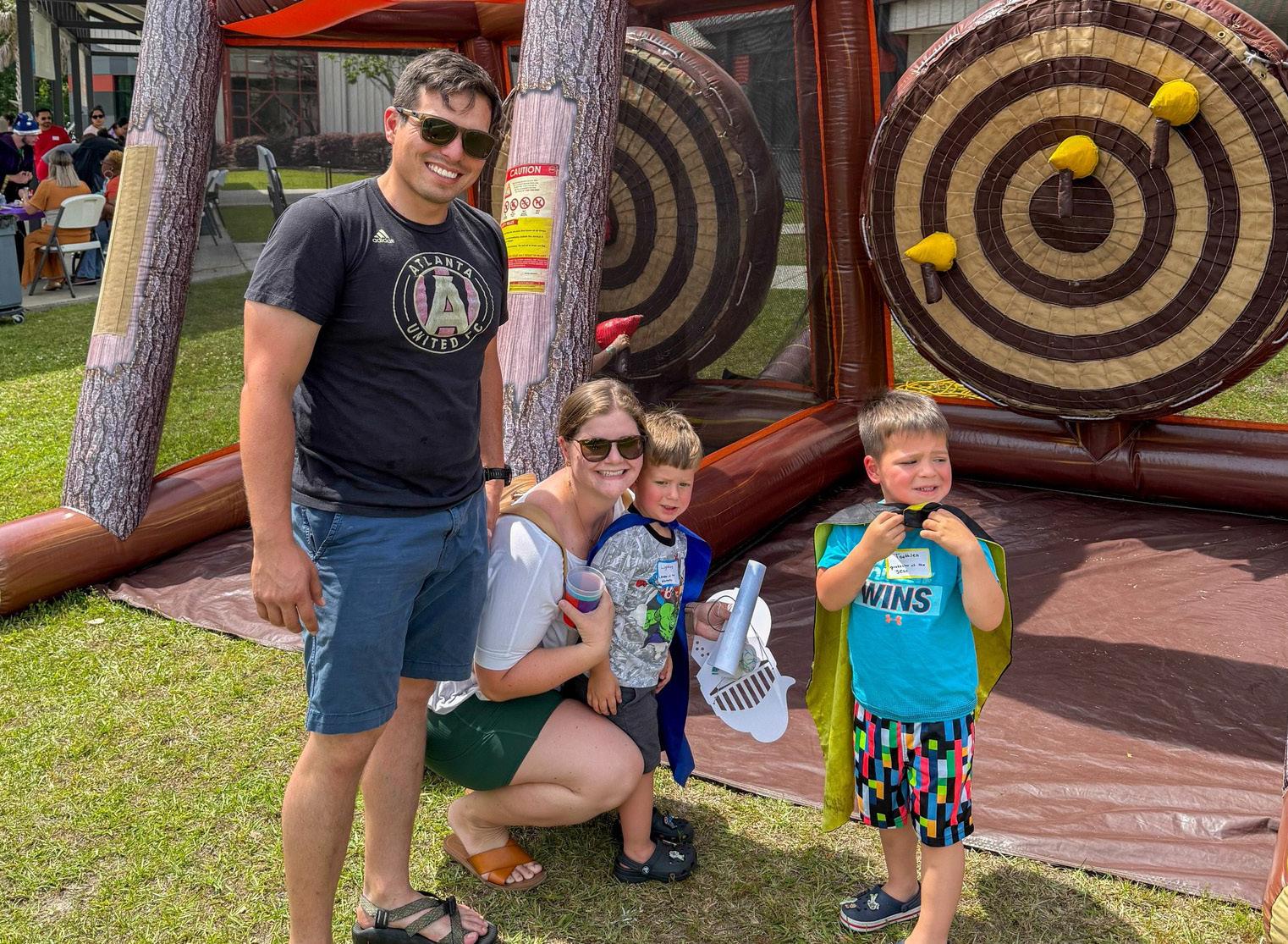
Healthy Kids Day at YMCA of Coastal GA West Chatham Branch
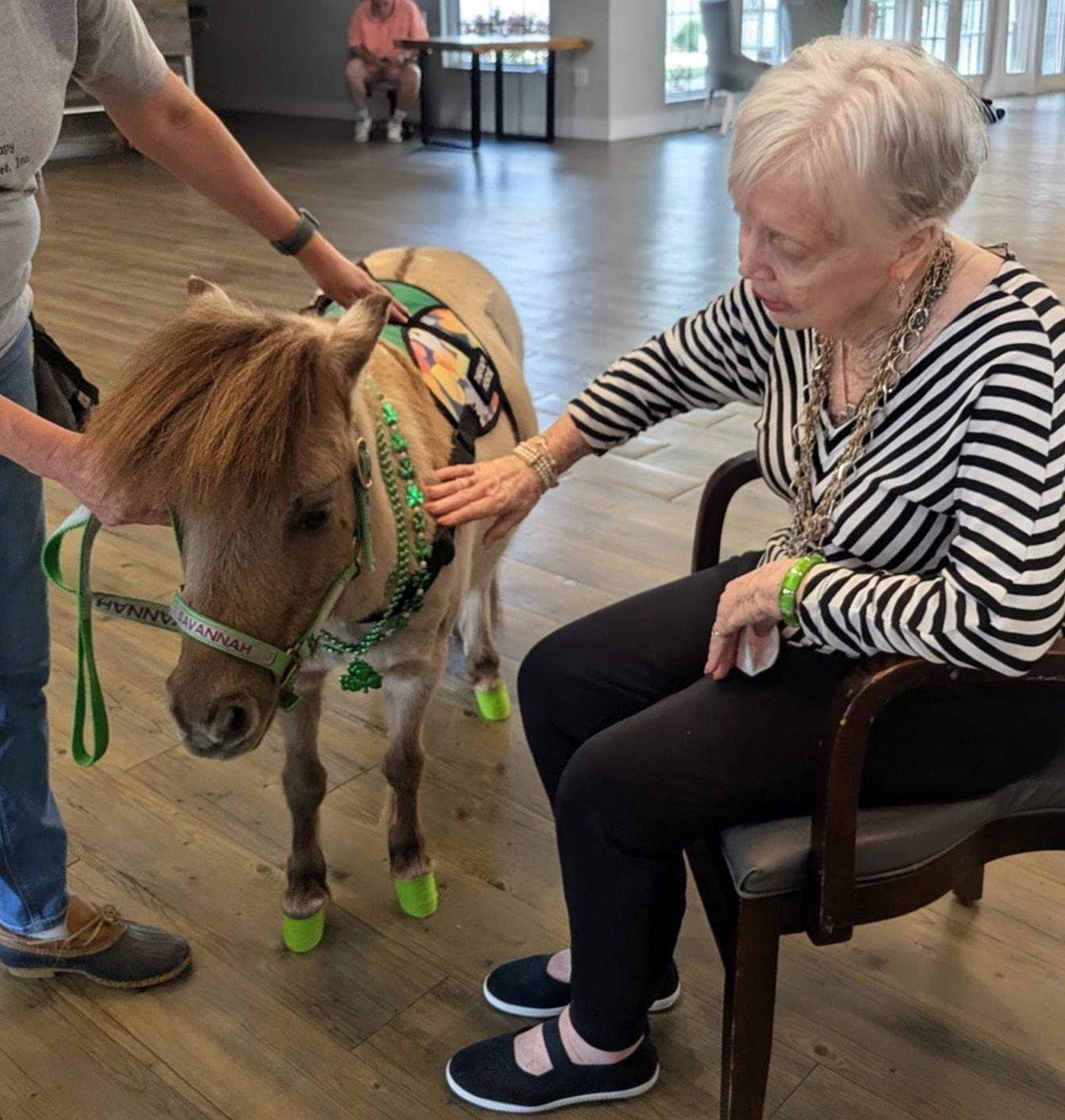
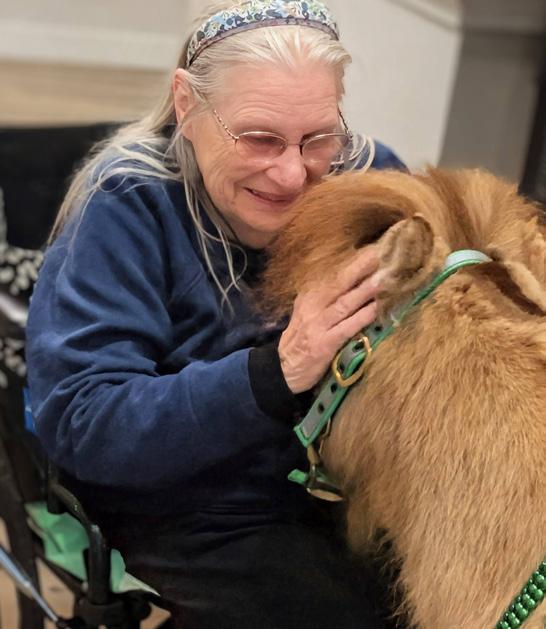
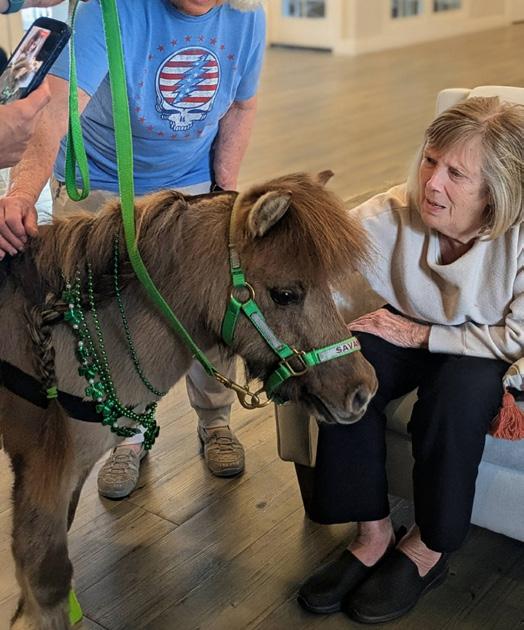
Little Miss Savannah trotted into Legacy at Savannah Quarters
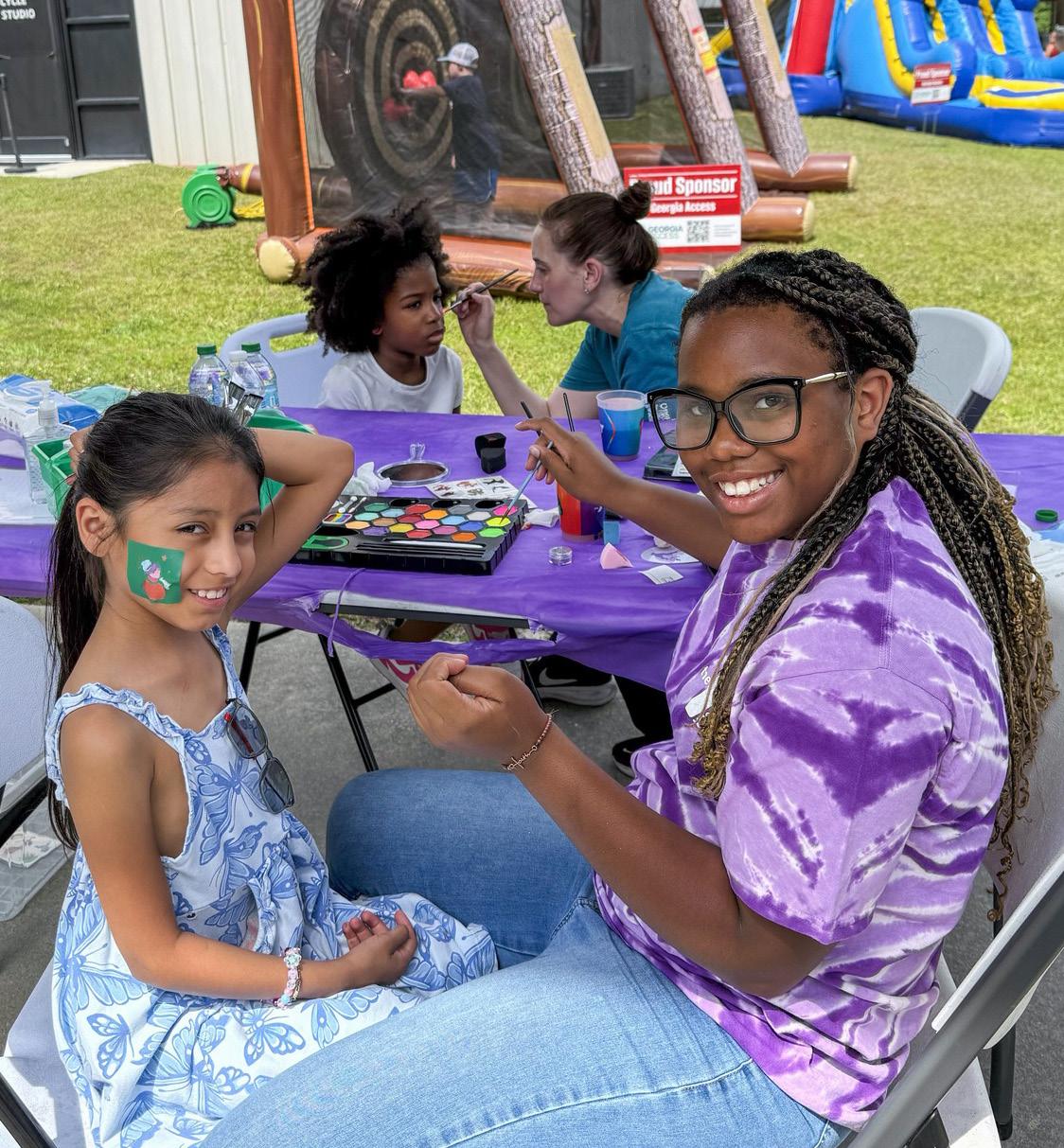
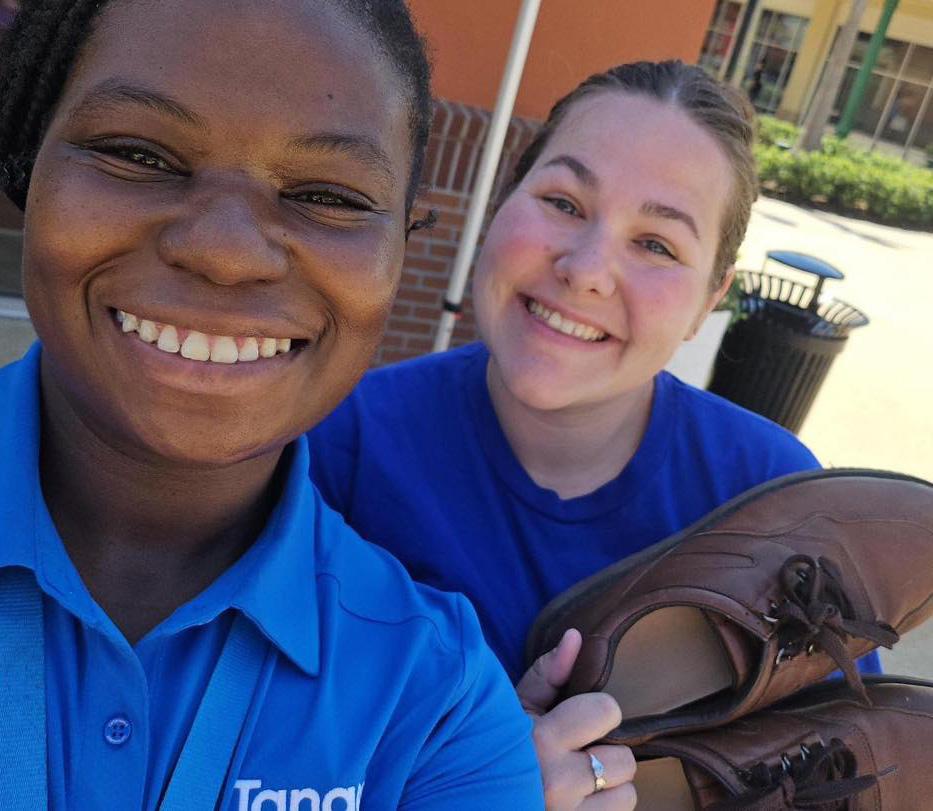
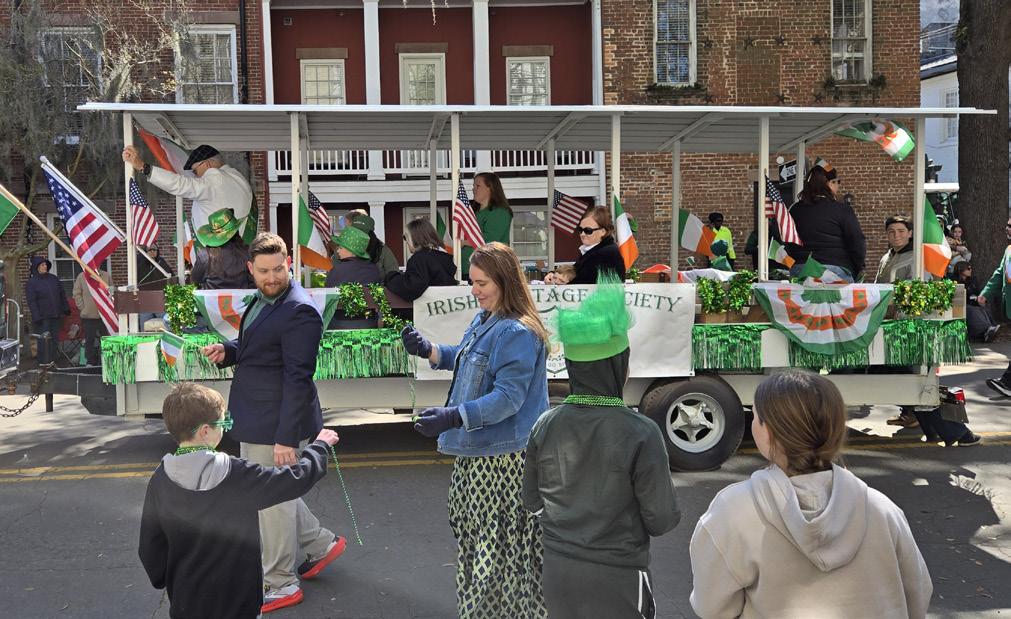
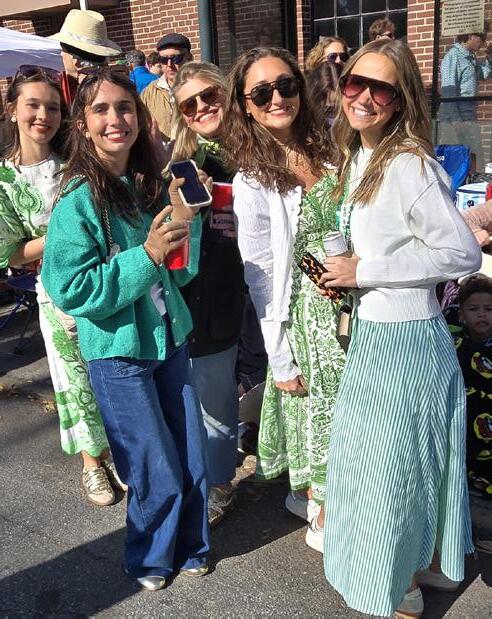
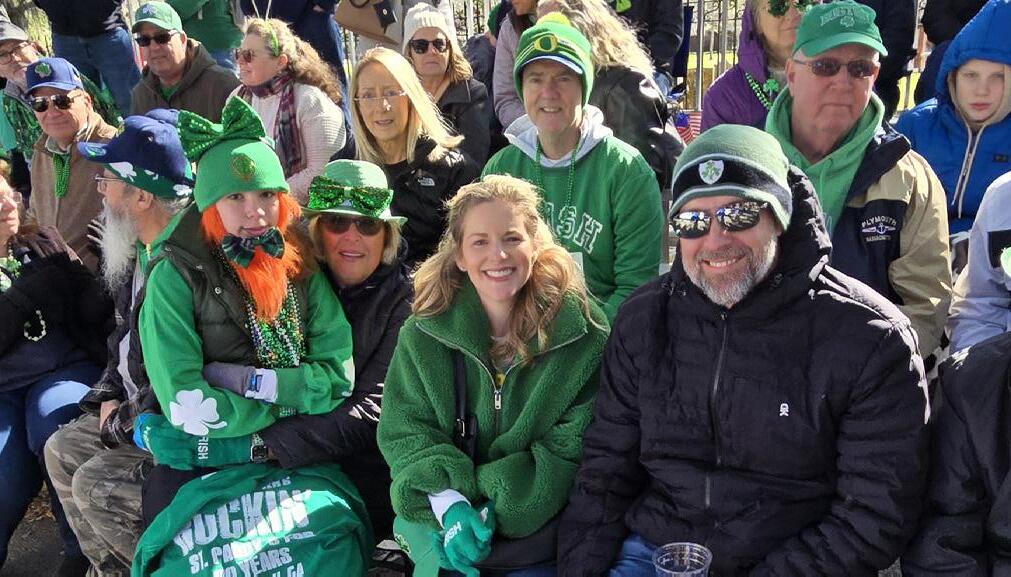
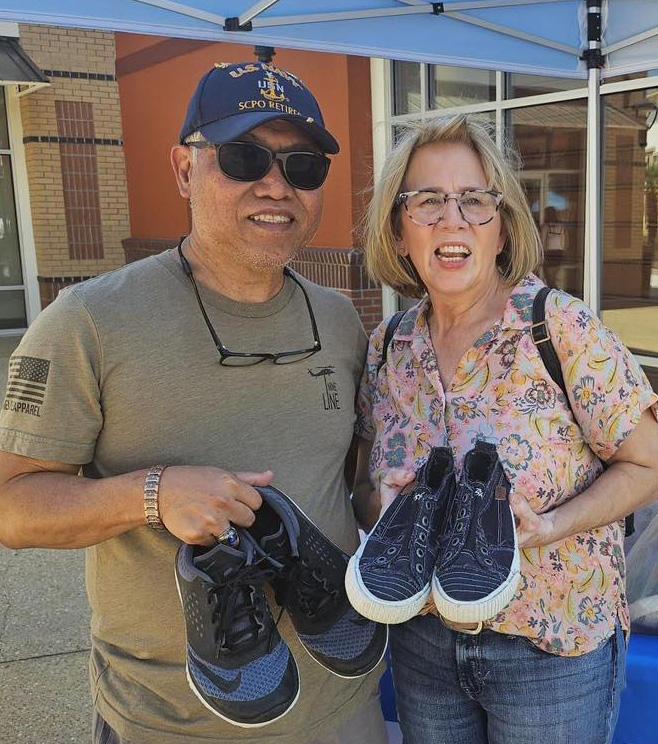
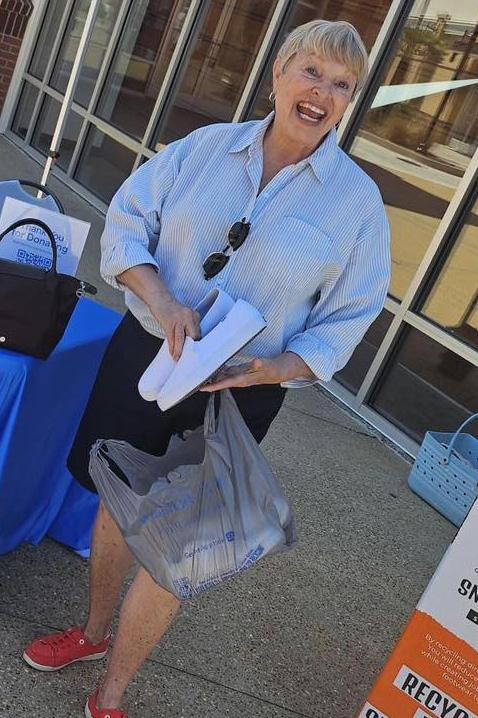
Sneaker Impact @Tangers Outlets where old kicks will be transformed into new materials like playground surfaces athletic equipment and even event shoes 2026 Savannah Saint Patrick’s Parade
A New Chapter in Pembroke The Arts Take Center Stage
Story by Gail Parsons
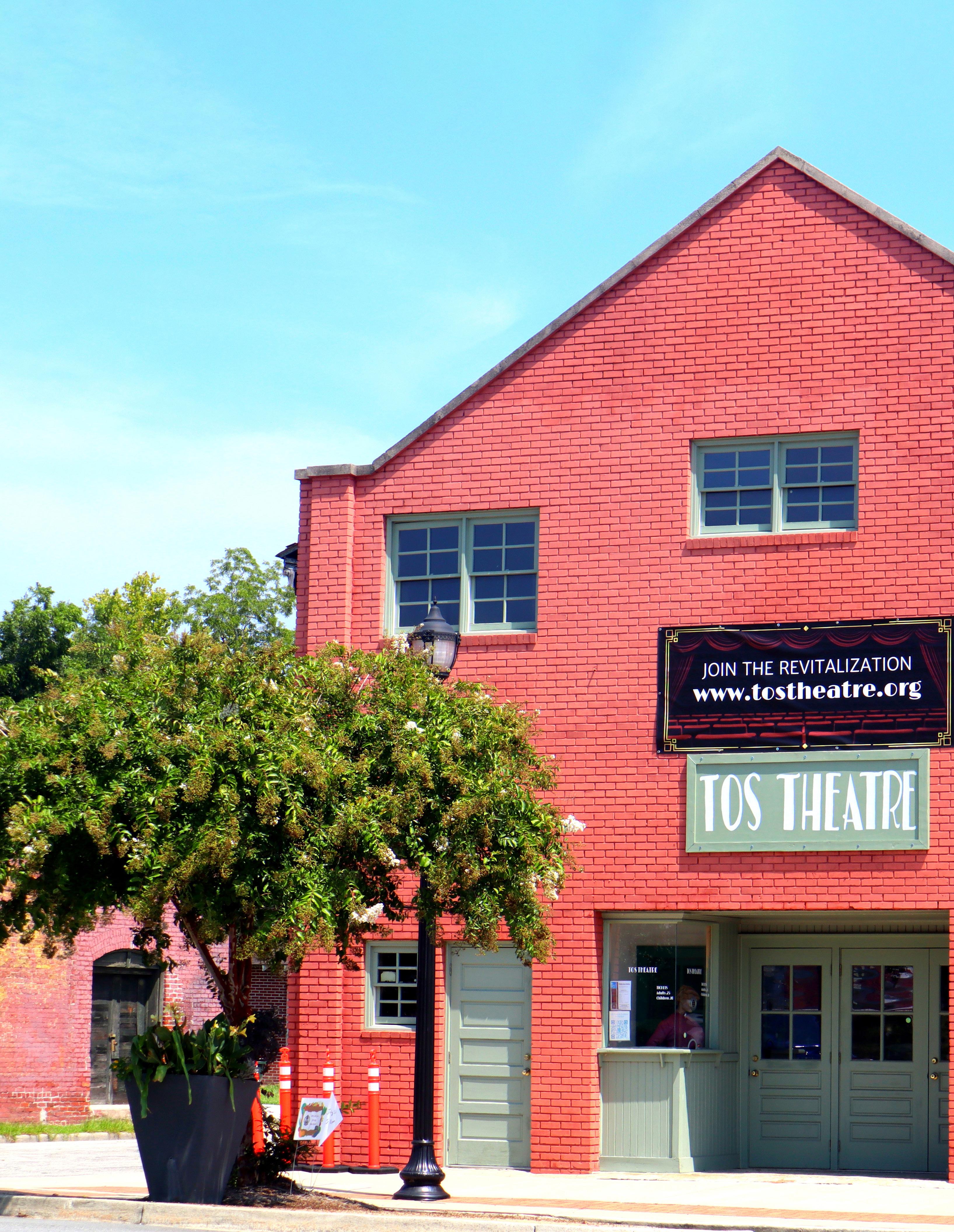
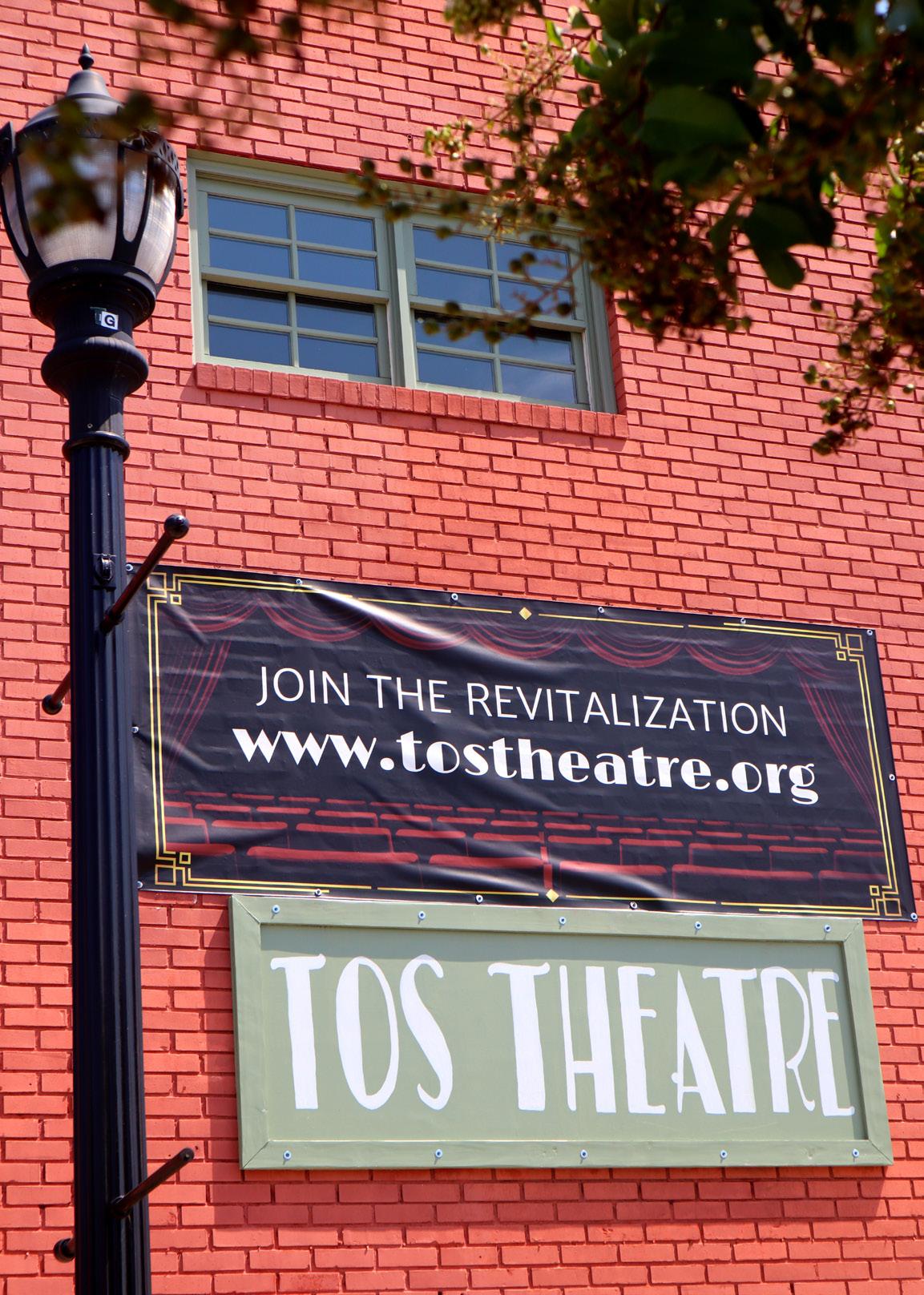
Nestled along the quiet streets of Pembroke, Georgia, a long-forgotten marquee is flickering back to life. Once the center of downtown bustle, the town’s heartbeat has slowed over the decades, storefronts sit empty, and the echoes of community gatherings have grown faint. But now, the historic Tos Theatre is poised to reclaim its place as the soul of Pembroke, promising not just films and performances, but a renewed sense of connection, creativity, and civic pride.
Fernanda Camacho Hauser, Pembroke’s Director of Downtown and Economic Development, has been leading the charge to breathe life back into a town whose downtown had grown dormant over time.
“The goal for downtown isn’t just to bring back commerce,” Fernanda explained. “Every bit of the revitalization we’re building is rooted in our community’s history. At one point, we had to fit three car dealerships downtown. But as generations moved on, the area became quiet. We’re turning that around.”
Fernanda’s approach isn’t just about buildings or budgets; it’s about people. The path to revival, she said, lies in what she calls a “mainstream community approach,” an asset-based development strategy. Instead of focusing solely on what the town lacks, it leverages the resources, connections, and cultural heritage already present.
“We start by asking, what do we already have, and what do people want to see?” she said. “There’s been a lot of interest in theater and movie events downtown. We want something that draws visitors while supporting all our local businesses and becoming a true community hub.”
At the heart of this vision is the historic Tos Theatre, a building whose story is inseparable from Pembroke itself.
A Legacy of Vision and Community
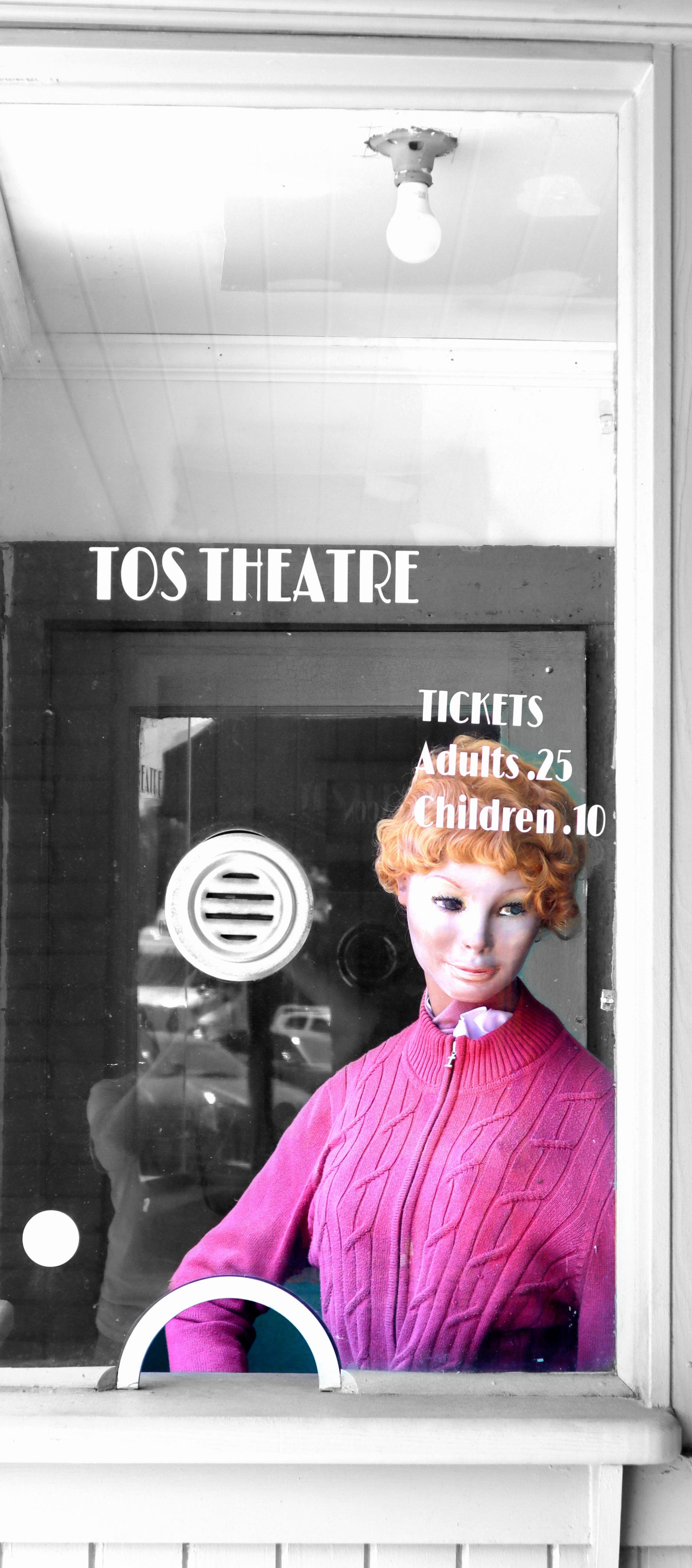
The theater owes its origins to Savino Tos, an Italian immigrant who settled in Claxton in the early 20th century. Savino opened a bakery in 1910, followed by his first movie theater in 1927, and by 1938, he broke ground on the Pembroke Tos Theatre. The theater premiered its first film in April 1939, boasting state-of-the-art seating and a partnership with the neighboring pharmacy that provided concessions for ticket holders. Its two-sided ticket booth, a reflection of the segregation era, stands as a reminder of the town’s complex history.
“Pembroke’s Tos Theatre wasn’t just a film house,” Fernanda said. “It was where the community came together for education, entertainment, and shared experiences.”
The theater closed its doors in the 1970s, leaving a void in the town’s cultural life. In 2001, the City of Pembroke acquired the building and adjacent pharmacy from long-time owner Billy Miles, hoping to one day reopen it. But like many historic preservation efforts in small towns, the project stalled due to national financial pressures and the need to prioritize other community needs.
It wasn’t until 2022 that the project found new momentum, thanks to a collaboration between the City of Pembroke, Downtown Development, and the nonprofit Friends of Tos Theatre. Grants from Fox Gives, the philanthropic arm of Atlanta’s Fox Theatre, architectural planning by Savannah-based Lott & Naugle, and construction management from Garbutt Construction finally set the stage for the Tos Theatre’s next chapter.
Reimagining a Community Hub
The vision for the theater extends beyond its walls. Fernanda envisions a space that becomes self-sustaining, a “living, breathing environment” where the city checks in occasionally, but the theater thrives on its own programs and community engagement.
Adjacent storefronts, once home to the senior center, are slated to reopen as commercial spaces, potentially housing restaurants, boutiques, and galleries that complement the theater experience.
Elizabeth Norman, a board member of Friends of Tos Theatre, is equally optimistic about the theater’s role in cultivating local arts.
“We have talented community members whose work is known only locally,” she said. Once the theater is open, it will provide permanent display space for visual arts, opportunities for live theater, spoken word performances, and musical concerts.”
Elizabeth envisions a local theater group emerging, summer camps for kids exploring writing, acting, and set design, and even smallscale film festivals that celebrate rural life.
“Right now, the schools only have a gym with a stage and no lighting,” she notes. “This theater could provide a proper venue for kids who aren’t sports-focused, giving them a chance to shine.”
Arts as an Engine of Community Growth
For Pembroke, the theater is more than bricks and mortar; it is a catalyst for downtown revitalization.
“It’s not just about the shows or the movies,” Fernanda said. “It’s about what happens around it, people shopping, dining, connecting. Downtown comes alive again.”
Beyond restoring a historic building, the Tos Theatre is poised to reshape the cultural landscape of Pembroke. Elizabeth emphasizes that the theater will be more than a venue — it will be a springboard for local talent and creativity.
“We’re hoping local theater groups will emerge here, giving residents a space to perform,” Elizabeth said. “We’ll also have display space for visual arts, which is something Pembroke has never had. Spoken word, music, small festivals— it’s all possible. This theater can provide an outlet for creativity that doesn’t currently exist in our community.”
She imagines a summer theater camp that could change the lives of local youth. For three weeks, kids would explore all aspects of theater— from writing and directing to set design and acting—culminating in performances for the community.
“It’s perfect for kids who aren’t into sports but want to explore the arts,” she explains. “This
could give them a sense of purpose and accomplishment that’s unique to performance arts.”
The theater’s impact will ripple through downtown. Fernanda points to empty storefronts along Main Street and sees opportunity.
“Once the theater reopens, these spaces could become restaurants, boutiques, or galleries,” she said. “We’ve seen in other towns that a theater can spark a nightlife, drawing people downtown and creating vibrancy where there was dormancy before.”
She notes that historic tax credits could help entrepreneurs renovate properties, further supporting downtown revitalization.
“It’s not just about the shows. It’s about what happens around them. People come downtown, they shop, they eat, they connect. The theater can be the heart of that revival.”
A Living History
Part of the theater’s magic lies in its past. For Fernanda, who grew up in metro Atlanta before moving to Pembroke, the project has offered a personal connection to local history.
“I’ve been able to collaborate with statewide preservation efforts, digitizing historic newspapers and documenting the stories of our town,” she said. “Walking downtown, you can see history in every corner, and that informs how we revitalize the space responsibly.”
Even before renovations began, the building inspired awe. Fernanda recalls her first visit:
“It was worn and a little rough around the edges, but you could feel the excitement, the energy of all the people who had come through its doors over the years. That’s what makes revitalization so compelling—the history is alive.”
Looking Ahead
With construction underway, the community is invited to stay involved. Fernanda notes biweekly updates on progress and encourages residents to provide input or simply follow the journey. The goal is a theater that not only preserves history but also cultivates creativity, engagement, and economic growth.
Elizabeth is equally optimistic about the broader arts scene. Beyond theater, the facility could host local music performances, small film festivals, and exhibitions of visual arts. She hopes the theater will become a platform for emerging talent across disciplines.
“Right now, Pembroke has limited outlets for the arts,” Elizabeth said. This theater changes that. It gives local artists, performers, and writers a place to share their work, to learn, and to grow. That’s transformative for a small town.”
opportunity. From youth programs to downtown revitalization, the theater’s reopening is a statement: the town values creativity, history, and community.
“Every revitalized theater has a ripple effect,” Fernanda said. “It’s not just about what happens on the stage. It’s about how the community grows around it, how downtown thrives, and how residents find new ways to connect.”
“It’s not just about the shows. It’s about what happens around them. People come downtown, they shop, they eat, they connect. The theater can be the heart of that revival.”
A Catalyst for Change
For the people of Pembroke, the revival of the Tos Theatre represents more than entertainment—it represents
Elizabeth sums it up succinctly: “This isn’t just a building. It’s a place for people to gather, create, and celebrate. The arts can transform a town, and we’re hoping that’s exactly what happens here in Pembroke.”
As the lights of the Tos Theatre prepare to shine once more, the story of Pembroke is being rewritten, one performance, one exhibit, and one community event at a time. From a dormant downtown to a vibrant cultural hub, the theater stands as a testament to the power of vision, collaboration, and the enduring human desire to gather, create, and celebrate together. ■
INDEX OF ADVERTISERS
We’re
a rare moment here in South Georgia. Are you Ready?
2026 is about real growth.
New neighborhoods are going up. New families are moving in. New businesses are opening their doors. Every single month, people are making decisions about where to eat, where to shop, who to trust with their home, their health, their finances, and their families.
Those decisions are happening right now.
And here’s the part many business leaders miss:
Most of these new residents don’t have brand loyalty yet. They’re forming habits. They’re choosing favorites. They’re deciding who feels familiar, credible, and trustworthy in a place that’s still new to them.
That creates a real opportunity for business growth.
It also creates a real risk of being overlooked.
Most local businesses aren’t struggling because they’re bad at what they do. They’re struggling because when it comes to marketing, they’re winging it.
• They post when they remember.
• They boost a few ads.
• They sponsor an event here and there.
• They hope it all adds up to growth.
Hope is not a strategy.
At J. DelSUR Marketing Group, we look at businesses through a big-picture lens. We don’t believe in one-size-fits-all packages, and we don’t believe more tactics automatically equal better results.
We believe strategy comes first.
2026 is the year to move from random acts of marketing to a strategy-first approach that:
• Reaches the right people at the right time
• Builds trust with newcomers and long-time residents
• Turns first-time buyers into loyal advocates
• Uses your budget wisely instead of spreading it thin
In the months ahead, we’ll be sharing what’s working right now for local businesses in our region — from strategy and local visibility to content, email, paid media, and of course AI.
You’ll see one theme come up again and again: Real growth doesn’t come from doing MORE marketing.
It comes from doing the right marketing, consistently, with a clear strategy behind every move.
If you’d like a partner to help you build and execute a real plan, that’s exactly what we do.