THERISEOF INFLUENCER CULTURE:
How Gen z’s consumptioninfluenced traditional advertisement?






Paul Luke Hahn
Paul Luke Hahn
Our media landscape has changed a lot since we all got used to fast media. Our everyday life is shaped by the way the internet shows us news. Have you ever wondered what this rather rapid change in media landscape has produced? One of those products are influencers. Their entire life is dedicated to documenting their lifestyle or highlight their unique qualities. It is called content creation and suddenly became a huge market as it was linked to consumer culture and terms like “product placement” or “sponsors” became common vernacular. Big corporations identified this change early on and adapted to the new way of marketing. They started to use this very selected group of society to advertise their products to the broader public. Partnerships between influencers and major companies became a very common thing of the marketing world. These products can be as diverse as one could imagine. From conditioner to consulting firms, everything is possible.
The thriving trend of using influencers as marketing strategy has been around for just about a decade now. Through the increasing popularity of platforms like Instagram, TikTok and YouTube more and more users – not only of Generation Z but other age groups as well are more familiar with its usage. Influencers are more popular among Gen Z though as they target the same age group through mostly being relatable and trendsetters in either subcultures or popular culture as well. These influencers make their content relatable through being authentic and up to date with latest trends that attract the masses. Consumers take their best share out of it. Advice on lifestyle or entertainment, beauty or sports related content are some examples. When understanding what it means to be an influencer one must understand that it exists a difference between media designed for perfection (such as news channels or documentaries) and the content creation of influencers. The latter is far from perfect –often short videos recorded only with a smartphone and ad hoc somewhere in the field. This attracts such a large audience due to the appeal for authenticity. There is no set or script to follow, it sounds less robotic when influencers talk about their interesting life. This adds to their popularity and the effectiveness of advertising online. In fact, it is research suggests that.
When looking at conventional advertisement such as TV or before a movie in a cinema or within a break between two talk shows one can see the difference to social media clearly. Those mostly longer ads are addressing a wider range of the population – which often constitutes older generations, millennials or even grandparents. It lacks the needs of Gen Z which makes it ineffective to those who interact with social media the most. Authenticity is what influencers deliver as they take over the media landscape and become the prime trusted source for Gen Z. On top of that one must understand the statistics for online ad blockers. In fact, almost one third of consumers report using this feature to reduce the time spent online looking at ads. What influencers do is incorporate their advertisement into their content which is mostly not affected as one uses ad blockers.
When asking a member of Generation Z if they regularly watch TV or radio the responses largely reflect a hard NO. This generation prefers faster, short duration, digital media. Due to the short duration of these online media, the ads presented in within must be equally short. It is therefore of high importance to make the ads extremely catchy and precise, adding fast paced melody or highlighting only some very few objects to attract the short attention span of its viewers. Since there is so much content available online, its most effective to place those ads effectively. Therefore, the marketing departments are reaching out to influencers to join collaborations. Vice versa, newly rising influencers reach out to big corporations and ask them to be sponsored. These new influencers which are just rising in popularity (measured through their followers and viewers) have a more intimate connection to their audience. This is very attractive to the brands as they seek to promote their products through this third person credibility strategy. What companies look for is authenticity and time effectiveness. They are not trying to sneak their products onto the viewers by clandestine product placement. They make it obvious but aim to adapt to the changing media environment.
As brands adapt to the changing market and audience, their budget for marketing has changed too. According to the figures, it shows a shift away from sticking to only traditional advertising but a shift toward working with influencers too. As Gen Z starts to join the workforce now, this demographic starts to become a big percentage of consumers in society. That obviously sparks the companies to invest into influencers working for their marketing departments. When opening influencers content and taking a closer look, many of them pride themselves as having that role within specific companies. They call it ambassador positions which is something everyone should aspire to.
Not only does the shift from traditional advertising to influencer culture shape the media landscape but it also changes our consumer habits. While we previously diverted our attention away from conventional ads in TV and radio, we can now hardly escape them. They creep into our daily media consumption in such a cunning way that tricks our brains to even visit the company’s websites with one click only. The market is booming for short term entertainment and so is marketing department’s budget ever increasing. However, one must note that this trend will not stay forever, even this new marketing strategy involving influencers will eventually change. Hence it is important to generally always be flexible and adapt to further changes as our consumerism never sleeps.
One pinch away from everything you can be!





ByHalaMaher
Intoday’sdynamicmarketinglandscape,influencersplayapivotalrolein bridgingbrandsandconsumers,leveragingtheircredibilityandreachto driveawareness,engagement,andsales.Frommega-influencerswith millionsoffollowerstonichemicro-andnano-influencers,eachtype caterstodiverseaudiencesandindustries Whilemega-influencersamplify brandvisibilityonaglobalscale,micro-andnano-influencersexcelat fosteringtrustandauthenticitywithinspecificcommunities Whetherit’s promotingbeautyproducts,advocatingforsustainability,orshowcasing techinnovations,influencerstailortheircontenttoalignwithaudience interests,makingtheminvaluableassetsintargetedandeffective marketingstrategies
Micro Influencers Macro Influencers
Aninfluencerwitha followercountwithin therangeof10,000–100,000followers
Highlyengaged audience
Niche-specific content
Oftenmore relatableand authentic
Aninfluencerwitha followercountwithin therangeof100,000–1,000,000followers
Broaderreach withadiverse audience
Professional contentcreation

Aninfluencerwitha followercountover 1,000,000followers
Significantreach andvisibility
Highproduction valueincontent
NARASMITH,10.9MFOLLOWERSON TIKTOK
IsaviralfoodinfluencerknownforherTikTok contentwhereshecookselaboratemealswhile dressedindesigneroutfits,ofteninspiredby familyrequests,withasoft-spokennarrationstyle Thisuniqueapproachhasearnedhera substantialfollowingonplatformslikeTikTokand Instagram
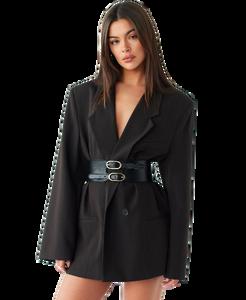

OliviaPhillipsisanAustralianmodelandsocial mediainfluencerSheisknownforshowcasing chicfashionlooks,HerTikTokcontentoften highlightshermodelingexpertise,featuring stylishoutfitsandcreativefashion-focusedvideos
Influencer Type AverageEngagement
Impact
GeraldHodgesisprimarilyknownforhisfitness expertiseandforbeingtheco-founderofHodges FitnessGeraldcombinesfitnesscoachingwitha strongfocusoncustomerexperience,positioning himasanotableinfluencerinthegymandfitness space
Microinfluencer
Macroinfluencer
Megainfluencer
Choosing the right type of influencer is essential for the success of any marketing campaign. Different influencers cater to distinct audiences, making it crucial to match the influencer’s reach and style with the campaign’s objectives Whether a brand aims to build broad awareness, establish trust with a specific community, or target a niche market, understanding the influencer's audience and content type ensures that the message resonates effectively
Higher engagement ratescompared tolarger influencers. Cost-effectivefor brands;often morewillingto collaboratefor freeproducts
Effectivefor brandvisibility andreach Idealfor campaigns aimingformass appeal
Cancreate immediatebrand awareness. Expensiveto collaboratewith, butcandrive massivetraffic andsales
Brands should carefully evaluate their marketing goals and target demographic before embarking on influencer collaborations. By exploring partnerships with influencers of varying sizes such as micro, macro, or even nano influencers brands can strategically maximize their reach and engagement. This thoughtful approach not only enhances the campaign’s impact but also helps build authentic connections with the right audience, ultimately driving greater success
-> They are fun to watch
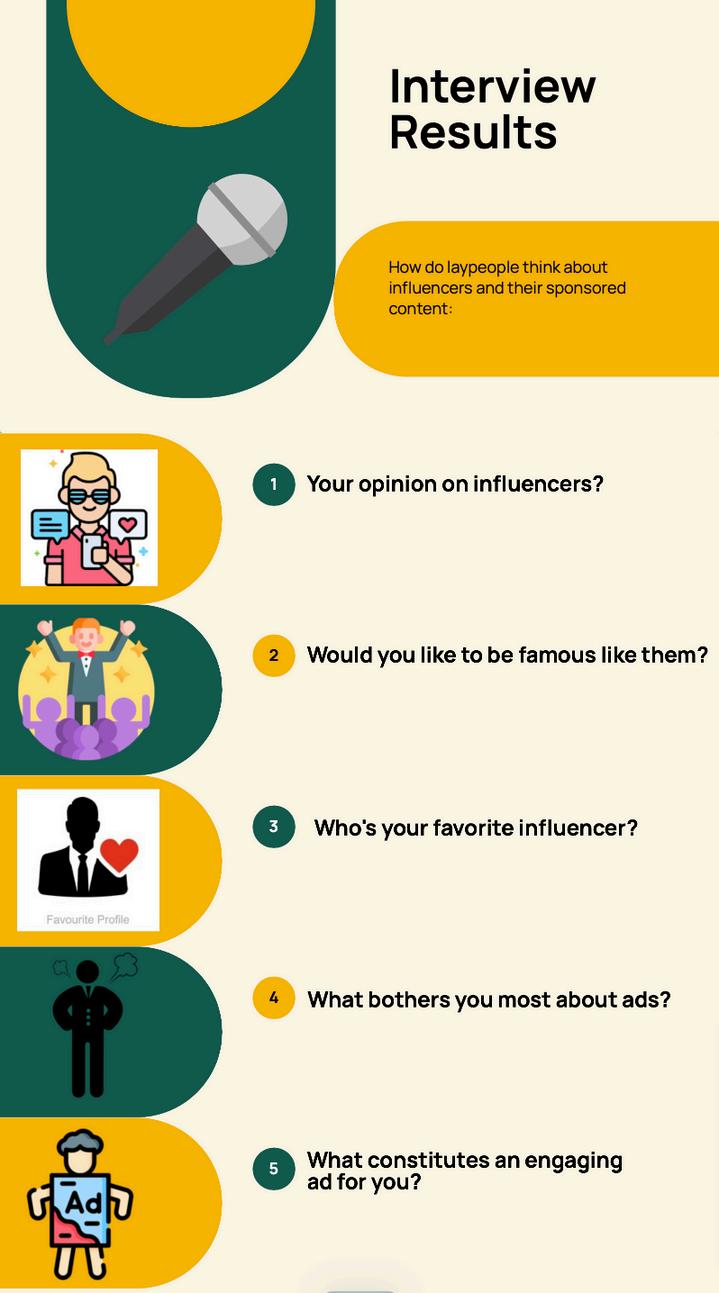
-> Yes i would like to be famous because i like sharing my stories
-> Her name is Clare Siobhan but she stopped posting
-> When they are unrealistic, unauthentic, artificial
-> Creativity, sophistication, well throught through
The most important approach on the topic of social media is to look at the perspective of Gen Z themselves What do they think about influencers, what are their encounters with this demographic How does advertisement impact them and how do they react to the exposure of influencers on product placement and partnerships with companies?
Maher is a 17-year-old university student in Egypt He grew up in the age of social media and is familiar with all the popular outlets like TikTok and Instagram etc While taking a gap year he was spending a lot of time online, hence he makes for the perfect interviewee to answer questions about influencer culture
One important question was to understand his general opinion on influencers before moving forward This was important because without consumption of influencer content, one would not be able to speak about it appropriately When answering he stressed that sometimes when he wants to unwind after a stressful day, he would watch influencers lifestyle videos One of his most watched youtubers used to be Claire Soabhán who used to film vlogs of her life. Eventually he stopped watching her content as she discontinued her channel about one year ago
The main reason why interviewee Maher liked the Claire was that she was sharing her life online She was creating some sort of community which extends over several continents As someone who grew up in a relatively small town in Yemen, he was not exposed to a lot of Western lifestyle influence. As he grew up watching those influencers, he felt like there was a sort of longing to share his life too Hence, he would not mind becoming famous one day, to be able to do the same thing online Something influencers manage to do is to set lifestyle examples and make for role models for its viewers. This was what ultimately lead to the credibility appeal
When being asked about ads he said he does not really mind the presence of them They have become an everyday encounter on almost every platform. These ads do not really bother or spark particular interest in Maher It has become something of the ordinary which he feels like they almost belong to his daily content consumption
According to his opinion a good ad is constituted by creativity Being a graphic design major undergraduate student, he knows what it means to design something that is appealing for the eye Since ads are mostly displayed in short duration or must be designed to be striking, he had some critique on some of the ads he encounters daily. Not only are the colors used often way too dull, or the font size is too small They are also very often just unsophisticated. A proper advertisement would deliver a clear message to the right audience. It should be eye catching and concise as well as it should engage logos, pathos, and ethos to make it effective
While talking to Maher as he explained these opinions about ads it became clear that many ads actually fail to engage these points. That’s what makes them annoying, because we as viewers do not actually feel triggered or engaged and view the ad as an unnecessary waste of time In the end he pointed out that often times the credibility of the item or thing advertised is determined through its marketing Meaning that if the company puts a lot of effort into its marketing it could generally be worth looking into While this may seem very straight forward it still determines our everyday consumption and its quality

West,Chloe“22InfluencerMarketingStatisticsto GuideYourBrand’sStrategyin2023”SproutSocial,26 Oct2023,sproutsocialcom/insights/influencermarketing-statistics/
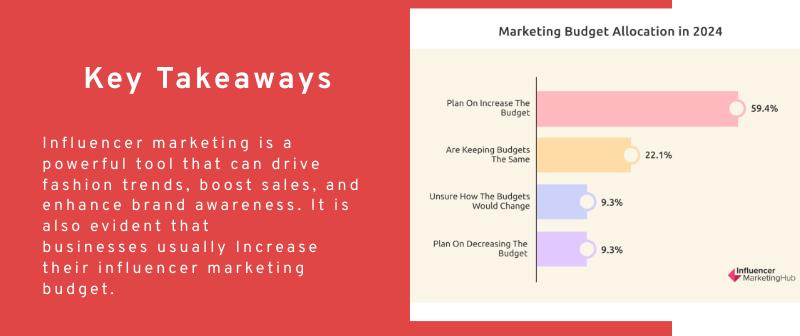
InfluencerMarketingHub “TheStateofInfluencerMarketing2024: BenchmarkReport”InfluencerMarketingHub,16Sept 2024, influencermarketinghubcom/influencer-marketing-benchmark-report/
ByAbdullahAfifi
Influencer culture is everywhere in our social media connected world. Even Instagram, TikTok, and YouTube have turned ordinary people into global celebrities who tell us how to think, what to consume, and how to live. To most of us and especially to Gen Z, influencers are no longer just trendsetters but also role models and entertainers-and sometimes even sources of motivation. But as much as these changes inspire, they also come up with challenges that affect how we view ourselves and our associates in life.
Icons such as Cristiano Ronaldo, Logan Paul, and KSI are so much more than a name; they're a brand. Cristiano Ronaldo isn't just known for being one of the best football players of all time; his Instagram account alone speaks more than his football career. Anything he promotes is an overnight trend. Similarly, Logan Paul and KSI have moved far beyond YouTube, using their fame into boxing, energy drink brands like Prime, and massive social media campaigns. These influencers don't just promote products; they start movements. Prime, thanks to KSI and Logan's incredible skills in connecting their fans together into one mass, became a phenomenon. That is an indication of the way social media personalities can drive sales in ways oldschool advertising only dreamed of. While that is great to see such ambition on the part of the influencer, sometimes the very success sets the bar too high to reach for their followers. This puts a huge pressure on all their followers looking up to them.
The most stressful thing about following influencers might be the pressure they give, even subconsciously, through their lives, most expensive cars in the world, and top collaborations that make one feel like they are not doing enough. We know that most of those lifestyles are scripted and fake, but it's hard not to feel the urge to be as good as they are with millions backing them up. But in particular, for guys, there's often an added layer of pressure included in fitness, money, and social status. Follow along in fitness with popular influencers like David Laid or in selling a high-income, hypersuccessful lifestyle with Andrew Tate, and you will easily be made to think you are lacking behind without a six-pack, a missing fancy car, or even a millionaire mindset. It is so easy to get feelings of not measuring up to those images of " success " or "alpha" because most of those representations are greatly exaggerated. This constant comparison creates consequences for self-esteem and mental health. A lot of men get hooked into compulsive workouts or financial success without really wanting to, simply because they feel they have to keep up with what they see on social media. It's exhausting, and in most cases unreachable. Such a pressure might even lead to depression as multiple people might see that impossible goal and decide they will never be able to reach it and that might lead to serious consequences such as committing suicide.

Usher,Tom “TheStrangeAllureofExtremeAlphaMaleInfluencers”VICE,17Aug 2022,wwwvicecom/en/article/the-strange-allure-of-extremealpha-male-influencers/
However, it’s not entirely bad. Amongst all that difficulty, there's actually so much that can be good, in the influencer culture some can really inspire self-improvement among their followers and help in fostering growth. One perfect example would be The Rock, actually Dwayne Johnson, who spreads inspiration across an enormous following list from engaging work-out challenges to inspiring speeches. In addition, there's MrBeast, who simply redefined what it means to be an influencer by being able to be truly generous and affect communities: planting trees, giving away huge sums of money. MrBeast is among those influencing people who prove that through their platforms, good things can be done to the world. These examples remind us that not all influencers are about trivial lifestyles; some really want to make a difference in this world.
Such an influencer culture can create more good than bad for example through the creation of positive campaigns and movements such as motivating individuals to start providing back to their communities through donations, volunteering and much more. All these acts help benefit the world and spread positivity.
Even with positive examples, what we finally see on the internet differs so much from what happens in real life. We see an influencer on social media at his very best. Behind these huge wins are struggles that we barely see. For men, this disconnect can create unrealistic expectations about what success and happiness look like. The constant feed of highlight reels can make it seem like everyone else has it figured out while you ’ re still working things out. It’s important to remember that influencers are human, too. They have their flaws and failures they just don’t always post about them. So, how to get through this world of strong influence? Well, first of all, it is perspective.

“LocalExpertsPointtoSocialMedia’sNegativeImpactonToledoYouth”TheBlade,12Feb2023,wwwtoledobladecom/health-well-being/2023/02/12/expertssocial-media-accountable-teens-mental-health/stories/20230205132
Social media is great for entertainment, at times even for inspiration, but it isn't everything. Comparing our accomplishment to people that have teams and resources is a game lost. Follow those people that add some value to your life-be it fitness goals, career goals, or even those fun moments; pay attention to what makes you good and not bad about yourself. And that real success is not in trying to live somebody's life, but real success is in creating your own. Having your own experiences and success is what makes you whole and contempt with yourself but following someone else’s life will never be enough as it is a never-ending cycle.
The influencer culture is strong, and nowhere to go. That's the way it shapes our thinking, emotions, and ways of interaction with the world that is for concern. Meanwhile, participating in this culture, we also have to have both our feet on the ground. Social media are for inspiration, not pressure.
After all, our value isn't in the number of likes we get nor in how much we look like some influencer we look up to. Real life is lived on places other than the internet: in the choices we make and the relationships that we build. It's all about balance; influencer culture can be appreciated without it having to define who we are.
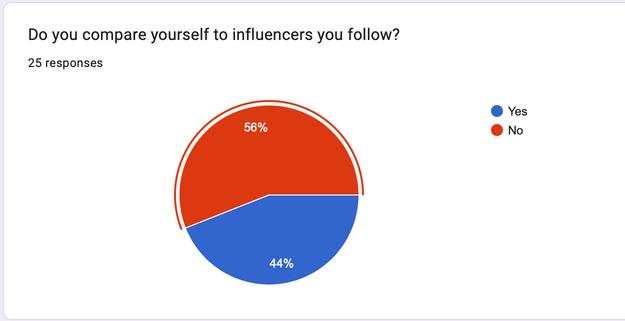
It was found that around 44% percent of surveyed people that they do compare themselves with Influencers.
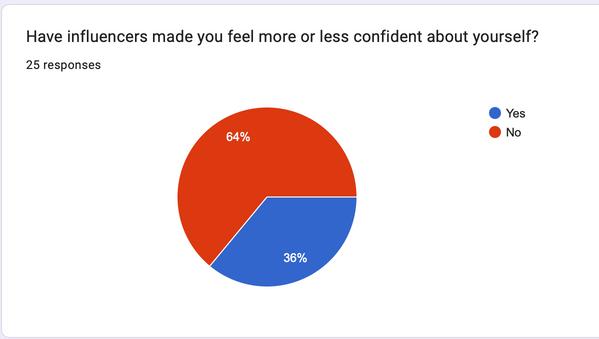
36 percent state that Influencers do affect their feeling of confidence whether more or less.
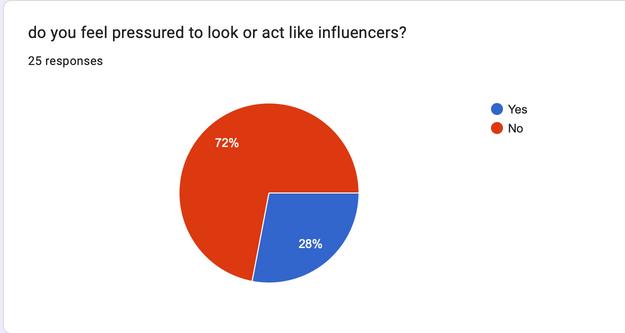
28% Percent state that they do feel pressured to look or act like influencers.
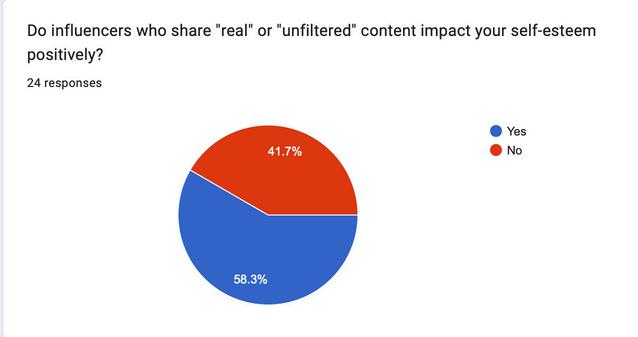
In the survey it was evident that when Influencers shared their real “unfiltered content” , It had an impact on followers self-esteem by 58 percent.
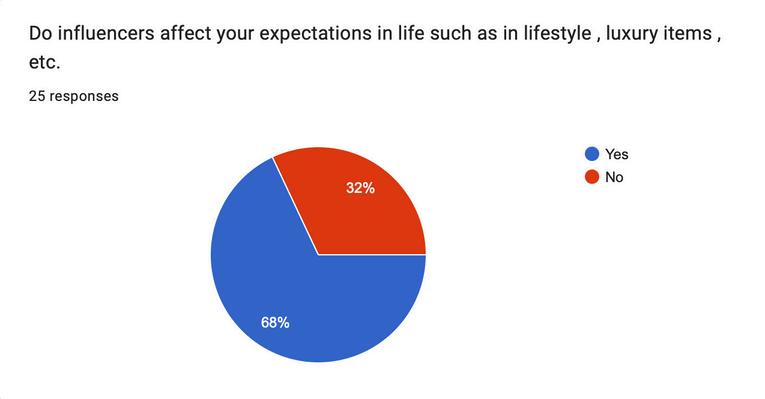
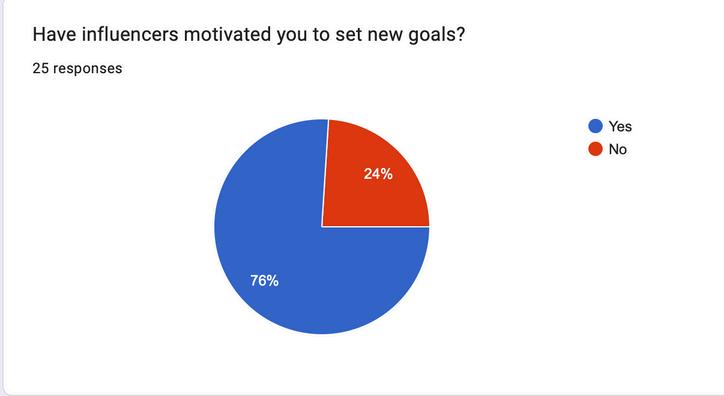
68 percent answered that Influencers do affect their expectations in life. It was found that Influencers do provoke motivation according to 76 percent of surveyed audience.
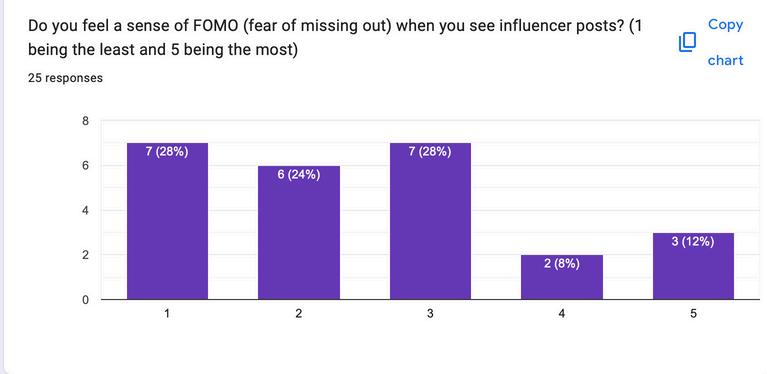
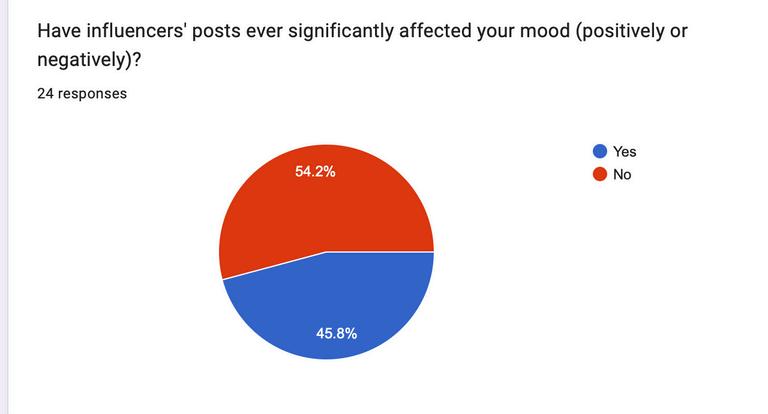
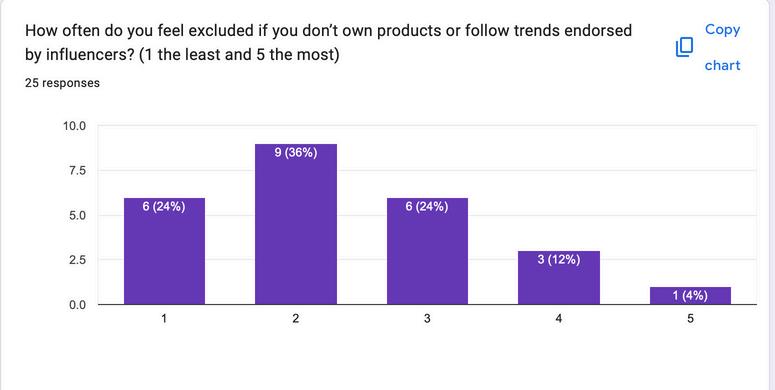
Morethan45 percentstated thatInfluencers’ postsdoaffect theirmood. Theaudience statedthatthey don’tfeelahuge feelingof exclusionwhen theydon’town productsor followtrendsby

Aging skin? Not a problem
Introducing the Estée Lauder advanced night repair An Age-Defying Seru specially formulated to combat the signs of aging skin! Infused with powe antioxidants and peptides, this serum deeply hydrates, reduces fine lines, a improves elasticity. Reveal a firmer, more radiant complexion with every drop. Embrace your beauty at any age and let your skin shine!
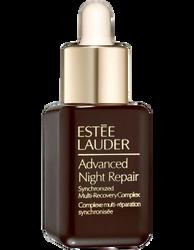
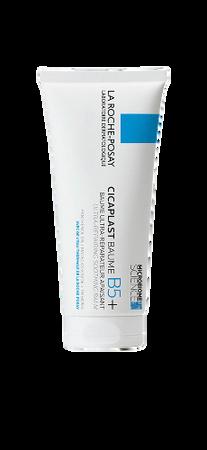
This magical product is everything you are looking for in a bottle, a product that repairs your skin barrier, hydrates and locks in moisture and will have your skin glowing overnight
Our mirrors are to keep look medicube col skin look as cle Y
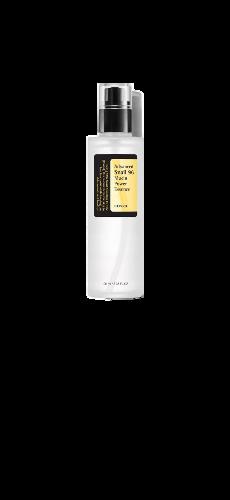
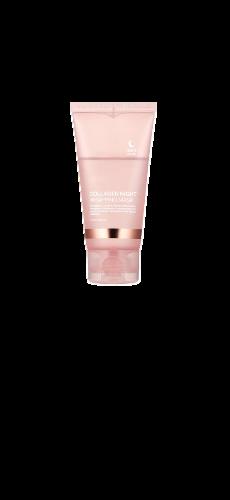
Korean skincare is the new It girl! This cosrx snail mucin will help soothe your damaged skin, reduce dark spots and boost collagon production, all while improving your skin barrier

Everyone wants youthful and fresh skin but not everyone wants to spend thousands on Botox Instead, transform your skin with the ordinary agireline 10 solution, the cheaper botox alternative.
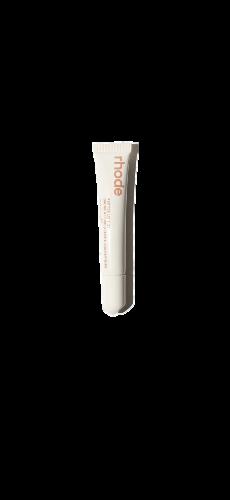
Food is not the only thing we want to look tasty. Hailey Bieber’s new Rhode cinnabon peptide lip treatment will leave your lips hydrated and delicious.
Want to be an influencer? We’ve got you! This quiz is designed to tell you what kind of influencer you are!
How to Determine Your Category:
At the end of the quiz, l tally the letters you’ve selected for each question. 1. The letter that appears most frequently will indicate your influencer category. 2.
In case of a tie (e.g., equal A's and B's), you can choose the category you feel resonates more with you, or create a blended category (e.g., The Trendy Traveler for a tie between A and B).
When you see a sponsored post, what do you think?
A) "I trust their opinion."
B) "I wonder if it's authentic."
C) "I usually ignore it."
D) "I want to check it out if it looks interesting."
If you could only eat one food for the rest of your life, what would it be?
A) A turkey/salmon bagel with a side of matcha
B) Street food from around the world
C) A protein-packed smoothie
D) Homemade pizza with all the toppings
What’s your dream vacation destination?
A) A fashion capital like Paris or Milan
B) A backpacking trip through Southeast Asia
C) A wellness retreat in Bali
D) A culinary tour of Italy
3. How do you usually discover new products?
A) Through influencer recommendations
B) Social media ads
C) Friends and family
D) Online reviews and blogs
What’s your preferred way to engage with brands?
A) Directly through their social media
B) Watching influencer unboxings
C) Reading articles or reviews
D) Participating in giveaways or contests
What’s your go-to form of self-care?
A) A shopping spree for the latest trends
B) Exploring a new hiking trail or city
C) A yoga session followed by a green smoothie
D) Trying out a new recipe or baking something sweet
Which emoji best represents your vibe?
A) ��
B) ✈
C)
D) ��
What kind of music gets you in the mood?
A) Pop hits
B) Indie or world music
C) Upbeat workout playlists
D) Chill playlists or podcasts
Which social media platform do you spend the most time on?
A) Instagram
B) TikTok
C) YouTube
D) Pinterest FIND OUT WHICH INFLUENCER YOU ARE ON THE NEXT PAGE!
OUT WHICH INFLUENCER YOU ARE BELOW!
Mostly A's: The Fashionista
You love keeping up with trends and sharing your stylish outfits. Your influence is all about aesthetics and beauty.
Mostly B's: The Adventurer
You're passionate about travel and exploring new cultures. You inspire others with your adventurous spirit and experiences.
Mostly C's: The Health Guru
Your focus is on wellness and fitness. You motivate others with your health tips and lifestyle choices.
Mostly D's: The Foodie
You thrive in the kitchen and love sharing recipes. Your culinary adventures and food reviews attract others to your content.
USE THE HASHTAG #INFLUENCERQUIZ AND TELL US WHICH INFLUENCER YOU ARE!
Understanding Gen Z's preferences and trust in influencers vs. traditional marketing
We’ve conducted a survey and sent it to 75 participants, all of which are Gen-Z, and asked them a couple of questions about their preferences in influencers vs traditional marketing
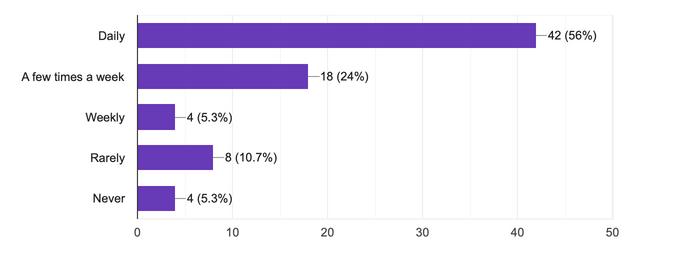
How often do you engage with influencer content on social media?
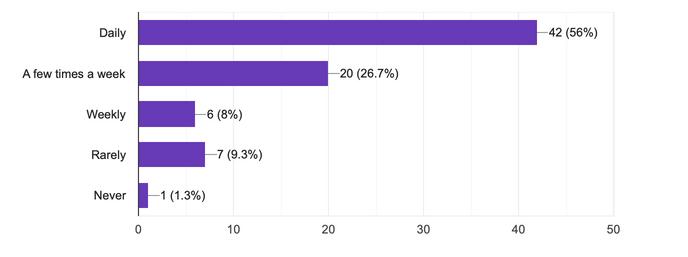
How often do you encounter traditional advertisements (TV, print, billboards, etc.)?
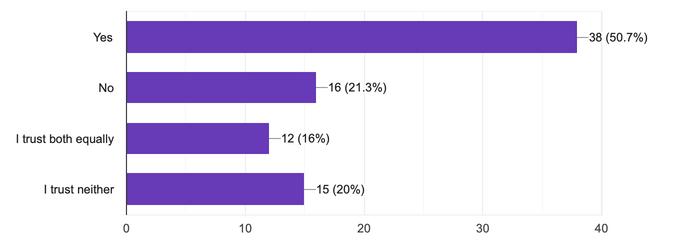
Do you trust product recommendations from influencers more than traditional advertisements?
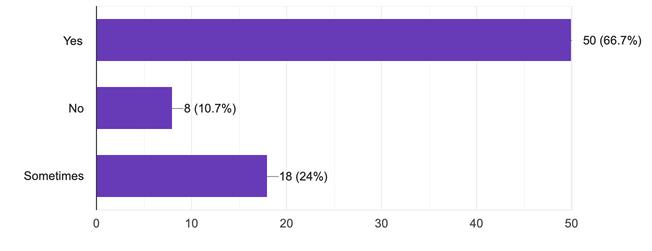
Do you feel influencers provide more relatable content than traditional ads?
More than half of the participants (56%) said they engage with content from social media influencers every day. This shows just how much influencers are woven into Gen Z's daily lives, becoming a regular part of how they spend their time, find inspiration, and connect with trends and ideas.
More than half of the participants (56%) said they engage with traditional ads every day. This proves that traditional advertising remains a significant part of daily life, even in the digital age, as it maintains visibility through public spaces and routine activities like commuting and watching TV.
The responses highlight a shift toward trusting influencers over traditional advertisements, likely driven by the perceived authenticity and relatability of influencer content. However, the mixed trust levels suggest that some audiences still value the credibility of established advertising or remain skeptical of both, emphasizing the need for transparency and genuine connections in marketing.
The responses suggest that influencers are often seen as more relatable than traditional advertisements, likely due to their personalized and approachable content. However, the significant "sometimes" response indicates that relatability depends on factors like the influencer's authenticity, audience alignment, and the type of content shared.
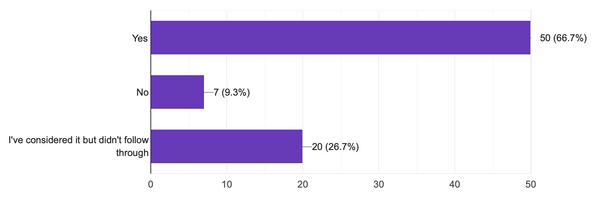
Have you ever made a purchase decision based on an influencer's recommendation?
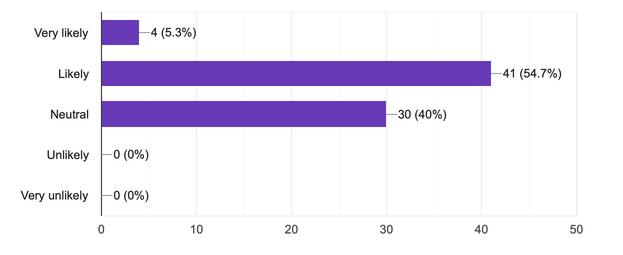
How likely are you to follow an influencer's recommendation versus a traditional advertisement when considering a new product
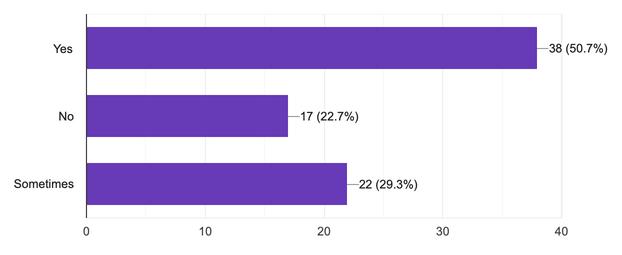
Do you follow any influencers because you trust their opinions on products/services?
Do you think influencer marketing will replace traditional advertising in the future?
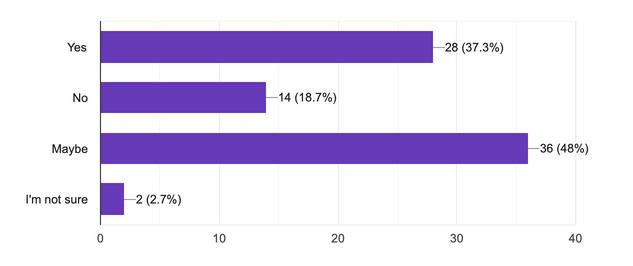
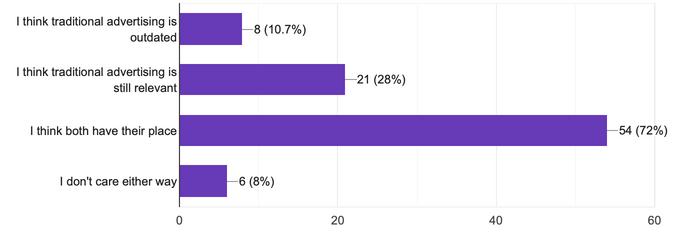
How do you feel about traditional advertisements in the age of influencers?
The results indicate that influencers significantly impact purchasing decisions, with most respondents admitting to acting on their recommendations. However, the considerable percentage of those who considered but didn’t follow through suggests that while influencers can spark interest, other factors like price, need, or trust ultimately determine the purchase.
The responses suggest a strong inclination toward following influencer recommendations over traditional advertisements, with the majority leaning "likely" or "very likely." The absence of "unlikely" responses indicates that influencers hold considerable sway, though the 40% "neutral" suggests some hesitation, potentially influenced by factors like product relevance or the influencer’s credibility.
The responses show that trust is a key factor in why many follow influencers, with over half explicitly doing so for their opinions on products or services. However, the significant "sometimes" response suggests that trust can vary depending on the influencer or product, highlighting the importance of authenticity and credibility in building lasting relationships with audiences.
The responses indicate uncertainty about the future of advertising, with "maybe" being the most common answer. While 37.3% believe influencer marketing could replace traditional advertising, the mixed opinions suggest that many see potential for both to coexist, each serving unique roles depending on audience preferences and marketing goals.
The responses suggest a balanced perspective on traditional advertising in the influencer age. While some view it as outdated, most respondents recognize its continued relevance, with 72% believing both traditional and influencer marketing have their place. This highlights the value of integrating both strategies to effectively reach diverse audiences.
By Khadija El-Sisi
How many times have you bought a product blindly just based on an influencer's recommendation? An influencer you do not even know in real life, a person you randomly follow on social media that has claimed that buying this product will absolutely change your life. Day after day, post after post and purchase after purchase Why does social media influence our decisions to purchase anything so much, and why is it getting out of control and most importantly why is no one stopping it?
Why does shopping make us happy?
In simple terms shopping makes us happy, but scientifically speaking “ Dopamine, serotonin and endorphins are just a few of the chemicals our brain releases when we engage in behaviors like shopping This response is the reward center of the brain’s way of urging us to keep doing things it sees as necessary for our survival and the survival of our species.” Since the part of our brain that reacts to reward systems is activated when we shop, our brain keeps us wanting more and more until we lose perspective and can not seem to get enough of it, turning a fun hobby into an addiction. But just like you can not power a car with no fuel, overconsumption and indulging in extreme shopping is motored by social media and how social media affects us.
According to the national library of medicine “ Increased social media engagement (also known as “social media intensity”), increases an individual’s consumption of conspicuous products. The more time someone spends on social media, the more likely they are to make indulgent purchases” We often purchase a product, not because of what we think this product will achieve but because of the lifestyle surrounding the product Moreso, how it is marketed to us as the audience When a social media influencer markets a brand, they do not only talk about how this product has impacted its certain goal or achieved its purpose, they talk about how having that product changed parts of their lives and therefore how it made them happier They sell you happiness attached to the product and not just that singular product Leaning on the audience's emotions, who are merely in need of a small item to provide them the emotional high that comes from opening a fresh package and getting something they've been longing for This is how influencers and social media ensure that you will continue to purchase the
the goods they promote, and with that knowledge, social media drives our continued overconsumption "Research suggests that these individuals are less happy and more unsatisfied, facing a greater risk of psychological disorders like depression and neuroticism compared with less materialistic individuals " Overconsumption has detrimental impacts on more than only mental health.
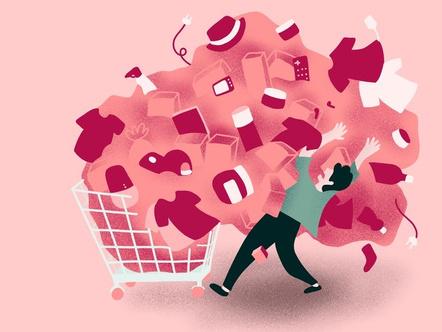
How influencers have us wrapped around their fingers
But why are we too quick to buy a product marketed, the simplest answer is the need to fit in A human nature that has taken over so much of our lives. Wanting to become a part of something, a group of certain people that might own this product Nowadays social media influencers market personalities, for instance a girl who owns certain products and dresses a certain way is called an “IT GIRL” and so you would want to buy more than product, change the way you dress, eat and sleep just because you want to become the next it girl.
By Khadija El-Sisi
Exclusion anxiety
You want to fit in, comply with a certain group and not have to feel left out. This can also be referred to as FOMO ( Fear of missing out). Social media platforms are curated spaces, and most of the time, people share idealized versions of their lives. The constant exposure to images of what others have or are doing whether it be the latest gadgets, fashion trends, or experiences drives Gen Z users, particularly those active on platforms like Instagram, TikTok, and YouTube, to keep up the pace with their peers or celebrities This fuels social comparison. This "I need to have what everybody else has" mentality can induce overconsumption because Generation Z may feel that they just have to buy or consume to keep up with their peers and status. Once again the constant need to conform to a certain group of people.
Social media has acted as a catalyst that motors Gen z’s consumption ever since its beginning. Some might believe that the one purpose of social media is to create this illusionary lifestyle that people would kill to have Especially because of how Gen z are easily influenced because most of the generation are so eager to fit in and belong to a certain group A two step equation, the seller and the consumer. A two step equation that when powered by social media, the need to fit, and the obligation to indulge and consume, this equation equals to nothing but overconsumption
This overconsumption then leads to anxiety, depression, dissatisfaction with who you are, and where you belong In order to stop the social media from continuously fueling our desires, we have to learn to control ourselves and most importantly our purchases. Understanding what we need versus what we want, and eliminating the deeply rooted idea that everything we want is a need. Understanding ourselves is one of the first and main steps in recognizing how our surroundings impact us and how people might affect us
In conclusion, Social media plays a significant role in fueling overconsumption among Gen Z, acting as a catalyst that amplifies desire and accessibility to products. The constant exposure to curated lifestyles and influencer endorsements creates a culture where material possessions are equated with self-worth and social status. Platforms like Instagram and TikTok showcase trends that spread rapidly, encouraging impulsive buying behaviors as users strive to keep up with their peers Additionally, the interactive nature of social media allows brands to engage with Gen Z in real-time, making shopping experiences more immediate and enticing. This environment fosters a sense of urgency, as limited-time offers and viral products prompt quick purchasing decisions. Ultimately, social media not only influences what Gen Z consumes but also shapes their perceptions of necessity and value, leading to patterns of overconsumption that have significant implications for personal finances and environmental sustainability
It is with no doubt, that everyone, especially Gen-Z, is aware of the boycott movement and the reasons behind it. According to Brittanica, a boycott can be a form of consumer activism, sometimes called moral purchasing. It is also a collective and organized form of rejection applied in labor, economic, political, or social relations to protest practices that are regarded as unfair. Making informed choices as a consumer is crucial in today’s market, where our purchase decisions affect companies and their way of working. Therefore, it is important to understand the potential impact of our buying behavior with increased awareness of social, environmental, and ethical issues. We can support sustainability, fair labor practices, and social justice by researching and choosing a brand that reflects some of our values. Informed choices put us in a position to support companies that take social responsibility seriously and hold accountable those that do not. The following article will guide how to boycott in a complicated world and make sure your work responsibly creates change.
Boycotting is a powerful form of activism, whereby individuals or groups refrain from buying goods or services from a company on purpose to protest their practices or policies. Throughout history, boycotts have been instrumental in social movementsfrom the Montgomery Bus Boycott in the 1950s to recent campaigns against brands with unethical labor practices.
Social media in today's digital age magnifies these efforts, allowing information about companies' misdeeds to spread quickly and rally supporters. However, there's a need to understand the fine details of boycotting; it's not a question of merely halting purchases but one of raising awareness and demanding accountability from brands. This requires educating ourselves about the issues so that we may participate meaningfully in such movements and bring about change that will last.
For Gen Z, boycotting is not some trend but is instead a profound way to show them what they stand for and what they believe in. This generation is defined by social justice, sustainability, and ethical consumerism. A lot of people in Gen Z make it a point to research brands that align with their values and consciously decide where to spend their money.Recent studies indicate that an impressive percentage of Gen Z consumers are willing to alter their spending
behavior or boycotts due to concerns on issues that range from environmental protection and fair labor practices to racial equality. This generation's readiness to use consumerism as a means to demand change makes education on informed consumer behavior extremely important. Besides, the rise of social media makes their voices louder to raise concerns and mobilize others for common action, which is a powerful tool in boycotting social change.
To boycott responsibly, follow these key steps: First, research the issue;this means looking into the practices of the company through trusted sources such as NGOs, news articles, and reports from organizations like the Human Rights Campaign and Greenpeace. Understanding a company ' s labor practices, its environmental impact, and the way it treats marginalized communities informs decisions about which brands to support or avoid. Lastly, bear in mind the possible consequences of a boycott, both for the company and its employees. Yes, the aim is to pressure the company to change its practices, but consideration of how such an action may affect the workers-especially those who do not have any say in the corporate policies-is warranted. Also, look at alternative brands that share your values and can strengthen the boycott message and foster ethical choices. Engaging with the community is critical in this regard: seek out allies and utilize social media for information dissemination and calls for support. his can multiply the effectiveness of the boycott as more people will get on board. Be prepared for an evolution in your approach given a company ' s response, possibly new information, where your boycott changes to support through corporate social responsibility after real change has taken place through corporate social responsibility after real change has taken place. It is an adaptive way to make sure your actions are effective and congruent with values, serving for an ethical marketplace.
Responsible boycotting has been a successful tool in implementing change; there have been many case studies that highlight how to effectively and ethically boycott. One example is the Starbucks boycott, which became popular during the Israeli-Palestinian conflict. Over the past decade, several activist groups have initiated boycotts against Starbucks, citing that the company indirectly supports Israeli military efforts through its CEO's political donations.
Consequently, many consumers decided to stop patronizing Starbucks, advocating for a reassessment of the company ' s political affiliations and what its business practices imply. This pressure has prompted Starbucks to clarify its positions and reaffirm its commitment to ethical sourcing and corporate responsibility. The boycott well underpins how informed consumer actions result in positive outcomes, driving brands into being more open with regard to their operational elements and considering the social relevance of their business decisions. Gen Z activists have emerged as leading voices in the movement for responsible boycotting, sharing personal stories and testimonials about the impact of informed consumer practices, particularly regarding the Israeli-Palestinian conflict. Activists on TikTok and Instagram have spoken out about their decisions to boycott Starbucks, sharing the reasons behind their actions and the importance of supporting Palestinian rights. Activists on TikTok and Instagram have spoken out about their decisions to boycott Starbucks, sharing the reasons behind their actions and the importance of supporting Palestinian rights. These personal stories really relate to audiences who also strongly support the cause of social justice and take immediate action on the smallest perceived injustices. This has also led the activists to raise awareness on simple decisions, such as product consumption, which might further the cause by reaching for brands that make positive affirmations of thics and corporate social responsibility. Through the amplification of their oices, these young
activists inspire a collective action that shows how individual choices can be part of broader movements for justice and accountability.
Boycotting definitely can be an effective means to bring some change, but in its process, there are many common pitfalls against which a watch should be kept. The most significant danger is making decisions based on misinformation. Social media today spreads unsubstantiated claims incredibly fast. This often makes consumers get into boycotting business companies without clear evidence of their actions or what happened with the company. For example, there has been some misinformation about the real role of Starbucks in the conflict, which can mislead consumers and even undermine the credibility of the boycott. Besides, emotional appeals, rather than fact-based ones, resulting impulsive decisions that may run counter to the goals a boycott is intended to achieve. It is very important that boycotting should be done based on complete knowledge of the issues involved, and decisions must be based on well-researched information. Also, excluding alternative products and ethical brands might not allow better changes to occur. This opens up more avenues for supporting those companies that embrace social and environmental responsibility, thereby reinforcing the impact of their collective actions.
In conclusion, responsible boycotting is a vital practice that empowers consumers to advocate for change and uphold ethical standards in the marketplace. The Starbucks case illustrates how informed choices related to social justice issues, like the Israeli-Palestinian conflict, can compel companies to reassess their practices and affiliations. Consumers are encouraged to actively research brands, choose ethical
alternatives, and engage in community activities that raise awareness of important social issues. Staying informed about social and environmental matters is essential, as it enables consumers to make choices that align with their values. Through responsible boycotting, individuals can contribute to a future grounded in corporate accountability and social responsibility, fostering a marketplace that reflects justice and equality.
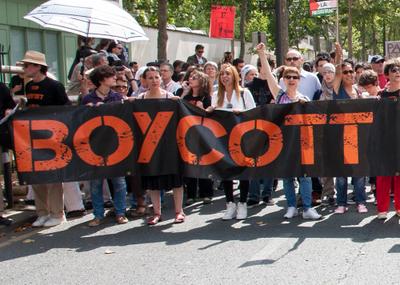
We want to hear from you! What are your experiences with responsible boycotting? Have you taken part in any recent campaigns or have insights to share? Share your story with us by using the hashtag
#InformedBoycotting on social media! We’d love to feature some of your posts in our next issue. And don’t forget to follow us on Instagram, Twitter, and Facebook for updates and more discussions about ethical consumerism.
A survey was conducted and got 90 responses in order to understand how marketing strategies shape consumers ’ attitudes toward the product, brand loyalty, and purchasing behavior.
“The role of social media platforms in shaping Gen Z's attitudes toward brand loyalty and their purchasing behavior.”
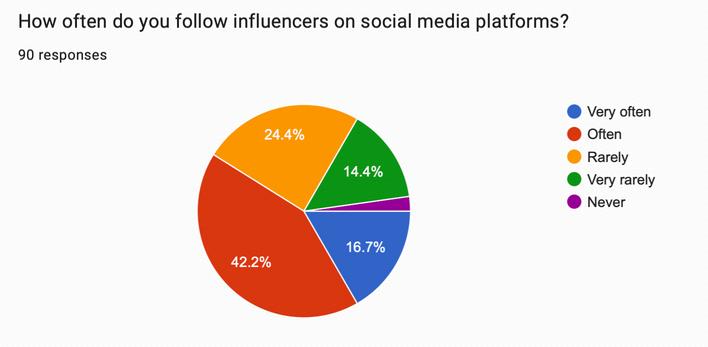
More than 42.2% of the participants admitted to often following influencers on social media platforms, and 16.7% answered very often. Thus, the majority of participants show that they engage with influencers on social media platforms, meaning that they encounter them on a day-to-day basis.
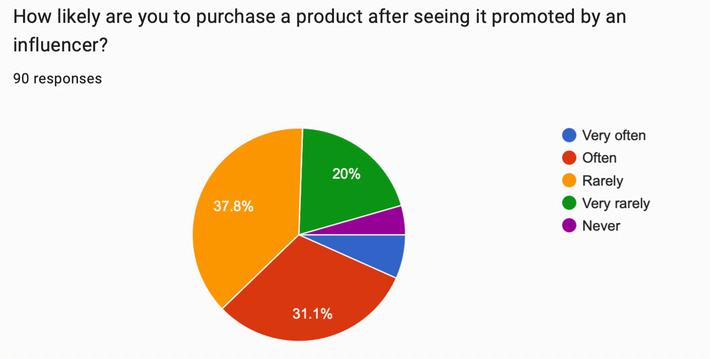
This graph shows that 37% of people are likely to purchase a product after seeing it promoted by an influencer, which gives influencers an almost 40% chance to guarantee that consumers will buy a product.
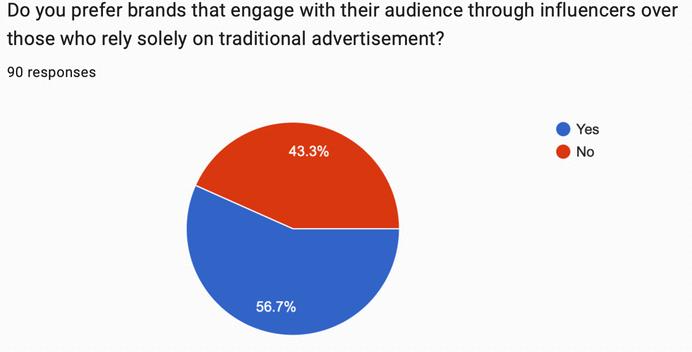
More than half of the participants voted yes on preferred brands that recruit influencers, other than traditional advertisement meaning that new marketing strategies are paving the way for higher consumption.
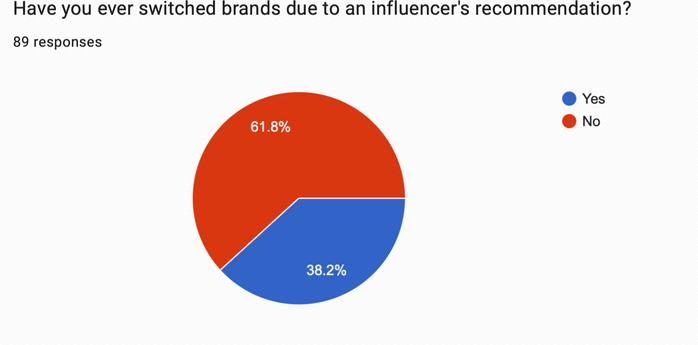
The results of this question show that more than half of the participants are somewhat loyal to the first product they purchased and are not changing it, but also almost 40% of participants have switched brands due to an influencer recommendation meaning that influencers and social media Branding are still affective even of not to the majority.
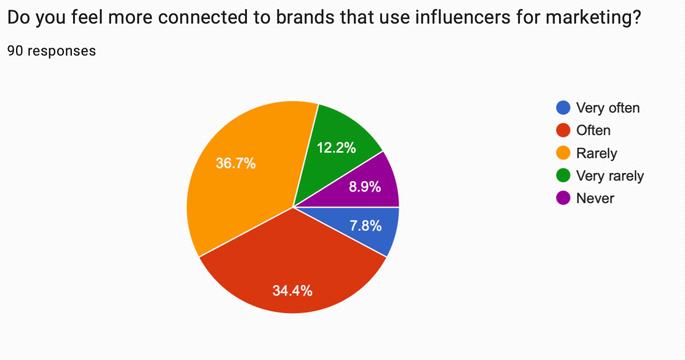
42.2% of participants believe that they are more connected to brands that use influencers for marketing. This means that again new means of advertising are gaining popularity.
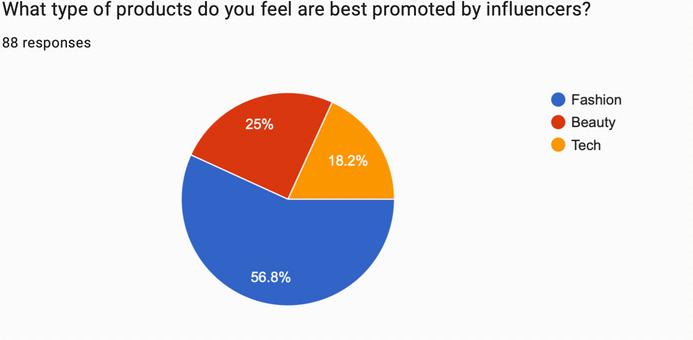
Social media marketing mostly focuses on the beauty and fashion industry, and so it correlates that more than 75% of people agree that beauty and fashion are better represented by the media, Meaning that influencers are well representing their products.
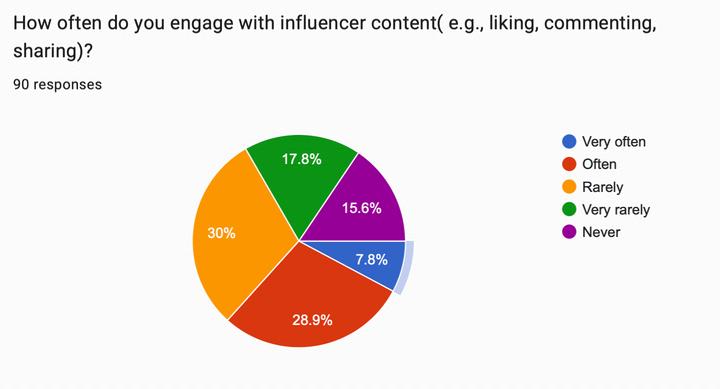
36.7% of the participants have answered that they very often or often engage with influencer content, meaning that on a larger scale, approximately 40% of people on social media engage with influencers and therefore help the content reach a greater audience, targetting higher sales and products being sold.
Fady Lasheen
Adam Wael is a 20-year-old finance student at The American University in Cairo, yet he takes equal interest in the digital trends that have been setting the pace in modern consumer behavior Belonging to Gen-Z, he has directly felt the change in how brands appeal to our generation With platforms like Instagram and TikTok changing the way advertising works, Adam is particularly engaged with how influencer culture is influencing this shift His active involvement in social media, coupled with his studies in finance, made him the perfect choice for this interview His unique perspective on the intersection of marketing, social media, and finance offers valuable insights into how brands are adapting to these changes.
Adam explained that one of the most drastic changes in marketing in recent years has been the move away from traditional forms of advertising. He remembered how, growing up, TV commercials and billboards were everywhere. These were the primary means of brand communication. But today, things are very different. Adam indicated that now, marketing is no longer about brands yelling their messages at consumers. Instead, it's about connection through relatable, authentic content.
"Traditional ads aren't working as well anymore, especially for Gen Z," Adam said. "What we ' re responding to now is content that feels real whether it's influencers on TikTok or people we follow on Instagram. It's no longer about polished commercials or big-budget campaigns. We want to hear from real people, not just brands.
According to Adam, this is a shift not only in format but also in the kind of content that resonates. This is a generation that grew up in the digital era and has since developed a keen sense of what feels authentic and what feels like a hard sell. Trust means everything to them, and that's where influencer marketing has thrived He then chimed in, adding that either influencers-for finances, lifestyle bloggers, and even micro-influencers-have that special power of creating trust with their audience that traditional ads will just never have "It's not just about being sold something anymore, " Adam continued "It's about seeing someone you trust genuinely recommend a product or service It feels more like a friend giving you advice than a brand pushing their product That's why influencer marketing works-it's built on trust, not just the product itself "
According to Adam, it has been particularly marked in verticals like finance, "where brands traditionally have drawn consumer confidence from authority and trustworthiness." However, he added that the shift now is against corporatelooking ads that appear distant and impersonal to younger, budding consumers who are taking charge of their finances for the first time. Instead, they want to hear from real people: people who have had similar experiences and can offer advice on things like investing, budgeting, and saving.
The point illustrated by Adam was how platforms like TikTok have risen, where it is easy for influencers to provide quick, bite-sized tips and advice in a nonthreatening way He told the story of how multiple influencers with no formal education or training in finance have built huge followings sharing their personal experiences managing money, investing, and even talking about financial apps such as Robinhood or Acorns
“The way people consume content has shifted completely,” Adam said “On TikTok, you’ll see someone talking about how they started investing with just $50 That’s relatable, and that resonates with people my age It’s not just about the app; it’s about the story behind it ”
What all that has meant for brands, until now, is a paradigm shift in the way companies approach advertising. Big-name celebrities and slick ad agency marketing campaigns are being supplanted by companies seeking partnerships with microinfluencers, people who may not have millions of followers, per se, but enjoy loyal, engaged audiences of consumers willing to heed their words.
Adam said micro-influencers are considered to be more relatable and trustworthy by their followers "The cool thing about micro-influencers is that their followers feel like they know them," he explained "They're not just selling something they're part of the community. That's a huge selling point for brands, especially in the financial sector, where trust is everything
This shift in influencer partnerships has had a rather great effect on traditional marketing While in the past, finance companies would have to use big-name celebrities or other authority figures to hock their products, today's brands are embracing a much more grassroots approach: rather than broadcasting to the masses, they are creating relationships with smaller, more niche groups of consumers Adam believes this shift is here to stay. "Social media isn't a fad it's the future," he said "Brands that want to remain relevant are going to have to adapt to this new way of doing things "
Besides influencers, Adam mentioned how UGC has become part and parcel of this new landscape. UGC refers to any content created by consumers, whether it be a review, a blog post, or even a TikTok video This kind of content allows consumers to share their experiences with a brand or product in a way that feels even more authentic and personal than an influencer's endorsement.
He mentioned the #ShareaCoke campaign by CocaCola, one of the first really successful UGC campaigns What started as a traditional marketing campaign for Coca-Cola very quickly went viral when consumers were encouraged to share images of themselves with personalized bottles "It's about getting people to be part of the story," Adam said "When you make your customers feel like they're part of the brand, they'll promote it for you And that's incredibly powerful."
As Adam sees it, the rise of user-generated content and influencer marketing isn't just about a shift in how products are advertised; it's about a deeper, more fundamental change in how brands and consumers interact. "Marketing is no longer a one-way street," Adam pointed out. "Brands used to tell you what you should buy, but now they're listening to what consumers want and working with them to create content that resonates.
This shift is very important for the financial industry, which has always had to be based on building trust and credibility According to Adam, Gen Z isn't interested in the impersonal, corporate ads of the past Instead, they want to see real people-whether influencers or regular consumers-talking about financial products in a way that feels authentic and grounded in real-life experiences Going forward, the future of this new wave of marketing, according to Adam, is continuous development "The future of advertising is all about relationships," he said "It's not enough to sell a product anymore You have to create a community around it And if brands can do that, they'll win "
In the digital age, marketing is no longer about bigbudget commercials and glossy print ads The world of advertising has undergone a radical transformation, driven by the rise of social media influencers, user-generated content, and the growing influence of platforms like TikTok and Instagram These changes have been particularly impactful among Gen Z, the generation born between 1997 and 2012, who are reshaping the way brands connect with consumers
While traditional advertising still plays a role, the shift toward influencer-driven content has become one of the key defining features of marketing campaigns aimed at younger audiences For brands, knowing how to interact with this digitally natives is no longer an option; it is an imperative This article talks about how social media influencers shape Gen Z's consumption, how brands are responding, and the consequences it has upon traditional methods of advertising, especially when it comes to finance
Generation Z is often referred to as "digital natives"a generation of people who have grown up with technology, be it smartphones, social media, or streaming platforms According to a 2023 report by Pew Research, 95% of teens aged 13 to 17 have access to a smartphone, and nearly half of them say they are online "almost constantly " This constant connection to digital content makes social media platforms like TikTok and Instagram the primary spaces where Gen Z consumes content, interacts with friends, and makes purchasing decisions
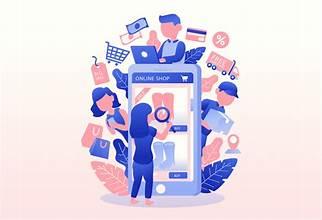
Unlike past generations, Gen Z is not swayed in the same way by traditional advertisements They grew up with ad-blockers, skipping commercials, and avoiding banner ads In fact, a 2022 study by HubSpot found that 70% of Gen Z consumers prefer content that feels authentic, and 60% say they trust online reviews and recommendations from influencers more than brand advertisements
The rise of influencers is one of the major factors contributing to this shift in consumer behavior. Instagram, TikTok, and YouTube have given birth to a new kind of celebrity: the influencer. Unlike traditional celebrities who are paid to endorse products in commercials, influencers build their following by creating relatable content that resonates with their audience. Whether they're sharing skincare routines, fashion hauls, or personal finance tips, these influencers interact with their followers in a manner almost indistinguishable from conversations rather than marketing pitches.
Influencers for Generation Z are way more reliable and sincere than traditional celebrities or companies. "Influencers are like friends or mentors to us," said Adam Wael, a 20-year-old finance student at The American University in Cairo "We trust them because they seem real They show us their struggles, their successes, and they're often just people like us " That is what makes them so influential in shaping purchasing decisions
Adam, highly active on platforms like TikTok and Instagram, explained that the influencers he follows are those that show how they experience the products or services in personal ways "I trust the influencers who tell me exactly how they feel about a product; it's not just the sell-it kind of thing, actually it's creating a conversation " This, in turn, is something that brands are increasingly trying to replicate within their advertising efforts
For brands, this shift toward influencer-driven marketing represents a significant departure from traditional advertising methods In the past, marketing relied on high-budget campaigns TV spots, billboards, and print ads that broadcast a message to a wide audience However, this approach no longer resonates with Gen Z "We don’t want to feel like we’re being sold to," says Adam "We want to be part of the conversation."
That's where user-generated content comes in. UGC refers to any content, be it a review, a social media post, or a TikTok video, that is created by users rather than the brands themselves. UGC is innately more authentic because it emanates from real people sharing their actual experiences. For brands, leveraging UGC means engaging directly with consumers in a way that feels more organic and less like a commercial pitch.
Several brands today collaborate with influencers in creating not only an awareness of the products but also a community of active users Take the rising #ad campaigns on Instagram and TikTok, for instance, where creators are making seamless integrations of branded content into regular posts What they don't do is interrupt their audience with an ad; instead, they fit the product into their lifestyle and how they apply it in their daily lives This kind of approach feels far less intrusive and more natural to Gen Z consumers
The impact of influencer-driven marketing is not just limited to fashion, beauty, and lifestyle brands. Even the finance industry, known for its conservative ways of marketing, has opened its arms to the influencer model Everything in financial products and services, from budgeting apps to investment platforms, is now getting marketed through influencers who share quick tips and tutorials on personal finance
Adam, a finance major, said many of his friends take their cues from influencers on how to handle their money, invest, and save "A lot of my friends follow influencers who break down complex financial concepts in simple terms It's way easier than reading a book or listening to a podcast," he said For brands like Robinhood, Acorns, and even established banks, partnerships with influencers have become a key means through which to build trust and educate younger consumers about financial products in a relatable, digestible way
This shift toward influencer marketing has also brought about the growth of micro-influencers-those individuals with smaller but highly engaged followings And such influencers usually have a more personal feeling for their audience, which can be particularly effective in sectors such as finance, where trust and reliability are so important "I trust microinfluencers more because they seem more genuine," Adam said. "They're not just promoting a product-they're talking about it because they actually believe in it."
As Gen Z continues to mature into a significant consumer group, the influence of social media and influencers is expected to grow even stronger. For brands, the challenge will be maintaining authenticity and transparency while still trying to sell products. As Adam emphasized, "It’s all about trust. If a brand feels fake or too sales-driven, we’ll just ignore it But if they engage with us authentically, we’re much more likely to buy from them "
So here is what brands need to know when trying to win over the heart of Generation Z: it's time to be authentic Influencers aren't just instruments of marketing but part of the broader shift in culture that increasingly means the consumers interact with a brand through meaningful, clear ways As content, advertising, and personal expression are increasingly tangled, companies would have to continue seeking ways of engaging audiences authentically, laying the authenticity right in the center of marketing strategy



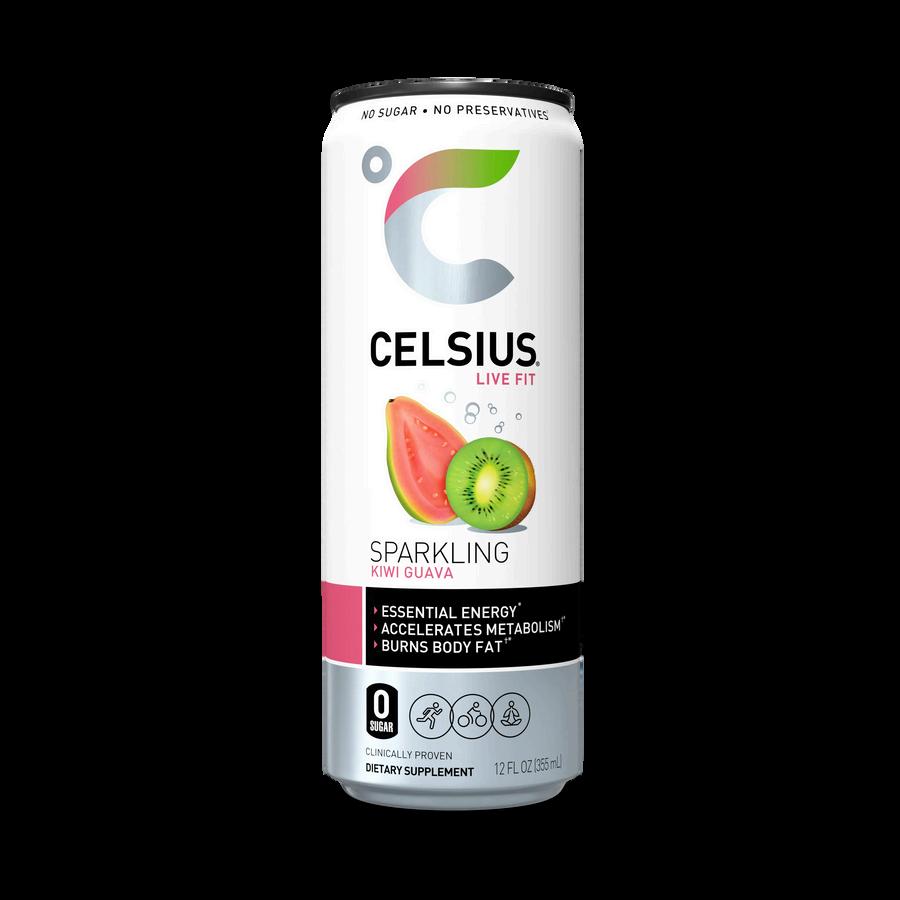
PACKED WITH A UNIQUE BLEND OF VITAMINS, CAFFEINE, AND ELECTROLYTES, CELSIUS GIVES YOU THE BOOST YOU NEED TO STAY AHEAD. TASTE THE DIFFERENCE. FEEL THE RUSH. POWER UP NOW!