Psychology
Subject Guide
Psychology is a dynamic and engaging discipline that explores the science behind how we think, feel and behave. It combines the study of human behaviour with real-world applications, helping students better understand themselves, others and the world around them.
Students develop their Key Science Skills across Units 1–4 by investigating real psychological problems through methods such as controlled experiments, case studies, correlational studies, simulations and literature reviews.
VCE Psychology provides students with a framework for exploring the complex interactions between biological, psychological and social factors that influence human thought, emotions and behaviour. In undertaking this study, students gain insight into a number of psychological health issues in society.
Studying VCE Psychology opens pathways to a wide range of careers across diverse settings, including research, healthcare, education, business and sport. From counselling and clinical practice to neuropsychology, social psychology, sport psychology and developmental psychology, it offers exciting opportunities to make a real impact in people’s lives.
Unit focus areas
Unit 1 – How are behavioural and mental processes shaped?
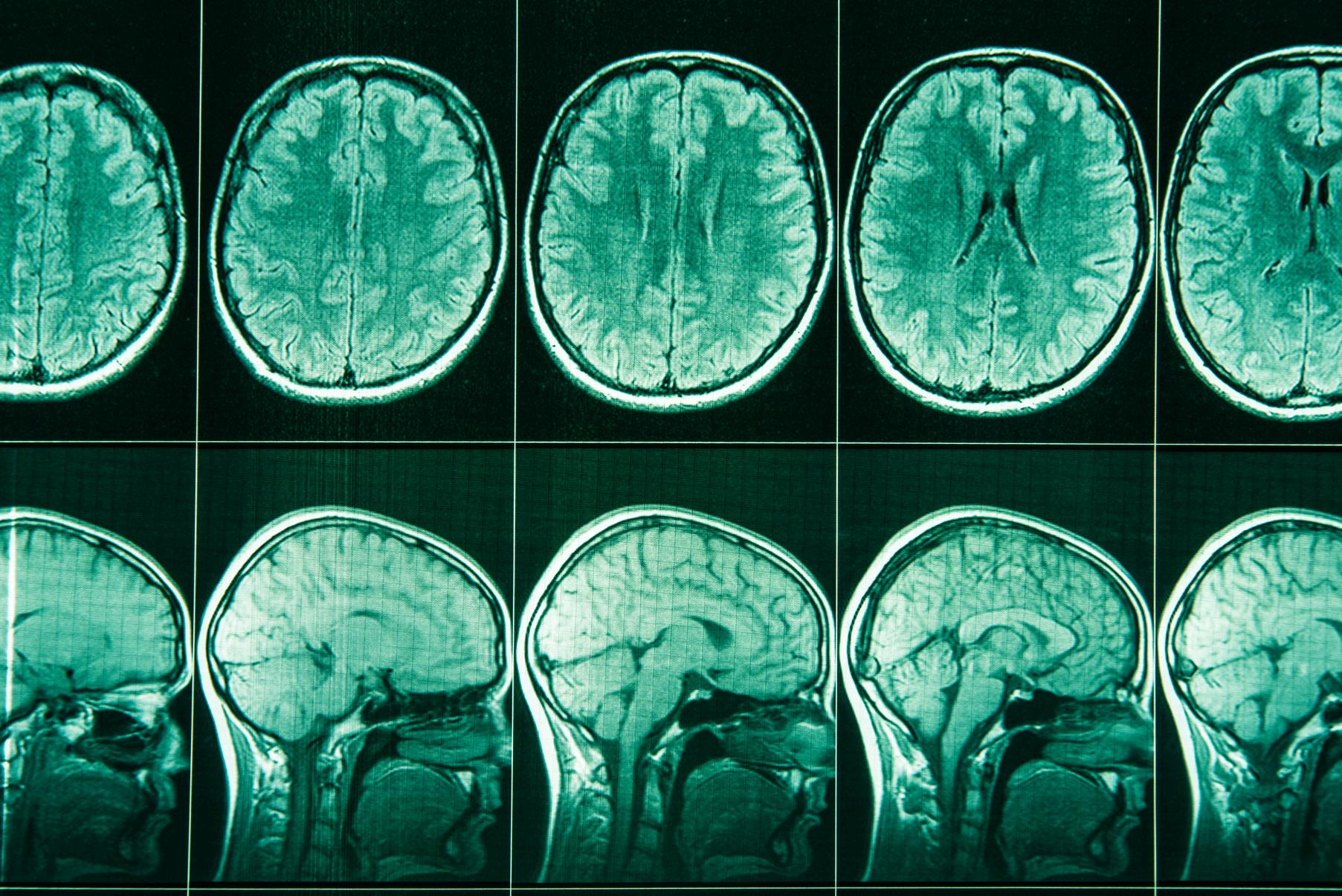
In this unit, students investigate the complex nature of psychological development as well as the role the human brain plays in mental processes and behaviour.
This includes: the interaction between hereditary and environmental factors on a person’s psychological development the process of psychological development (emotional, cognitive and social development) over the lifespan the concepts of normality, neurotypicality and neurodiversity including ADHD and autism spectrum disorder the structure and function of the brain the impact of brain injuries and neurological disorders on an individual’s functioning.
Unit 2 – How do internal and external factors influence behaviour and mental processes?
In this unit, students investigate the role social cognition plays in the formation of a person’s attitudes, perception of themselves and relationships with others.
This includes: the impact of social influence, including attitudes, stereotypes, prejudice and discrimination, on group and individual behaviour the influence of status and power in groups, as well as the concept of obedience and conformity the influence of biological, psychological and social factors on visual perception and gustatory perception the fallibility of human perception systems, including taste distortions and visual illusions.
Unit focus areas continued
Unit 3 – How does experience affect behaviour and mental processes?
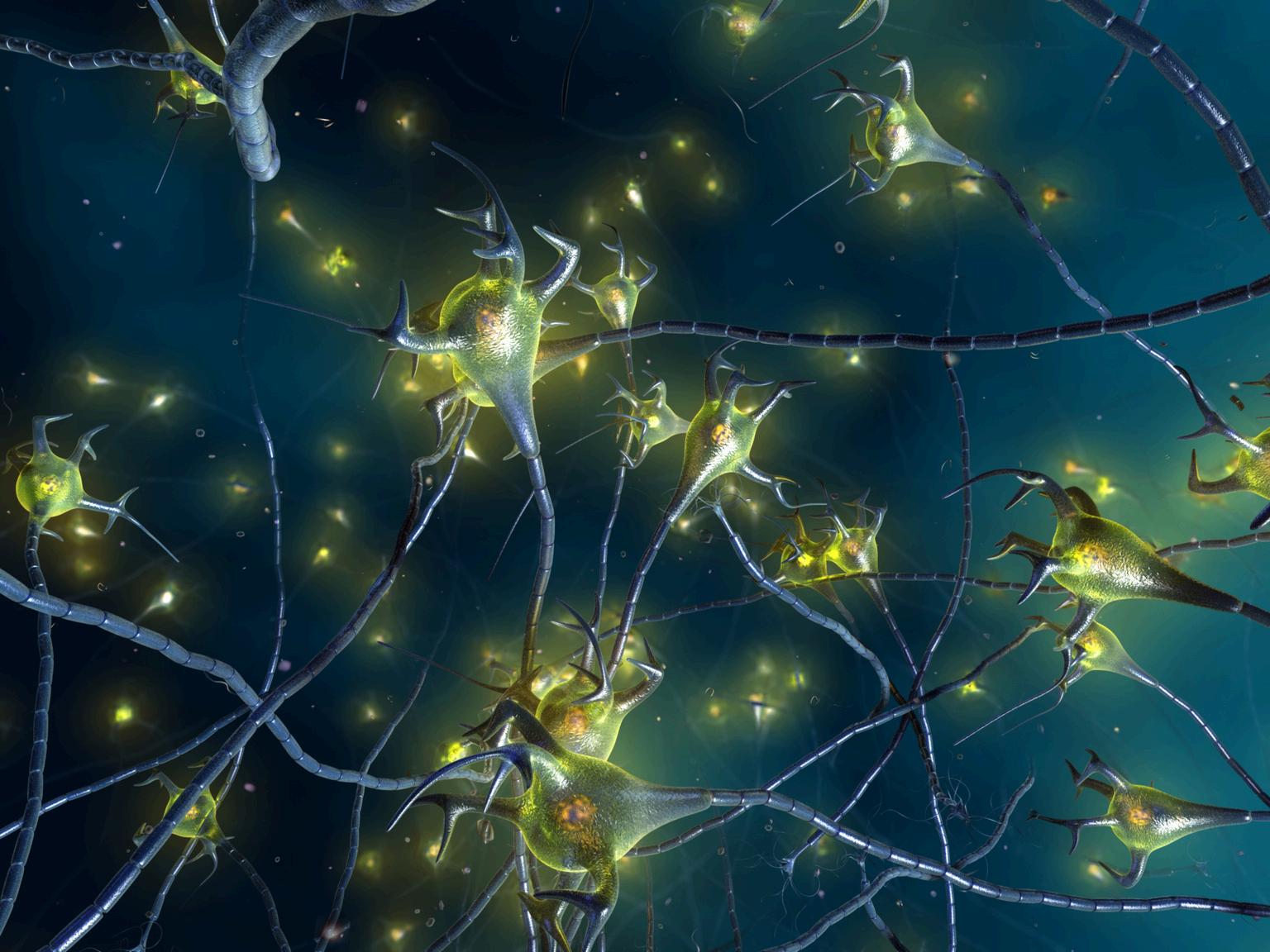
In this unit, students examine the structure and function of the nervous system and evaluate different ways stress can affect psychobiological functioning. They will explore models to explain learning as well as the way memories are formed and retrieved.
This includes:
the structure and function of the nervous system, including neural transmission and synaptic plasticity psychological and biological models that explain stress responses the use of strategies for coping with stress and improving wellbeing processes involved in the formation and retrieval of memory the use of mnemonics in written and oral cultures different models used to explain learning analysing how memory and learning are linked to synaptic plasticity and the neurological changes that occur within neural pathways.
Unit 4 – How is mental wellbeing supported and maintained?
In this unit, students examine the demand for sleep and the influences of sleep on mental wellbeing. They will explore the concept of mental wellbeing on a continuum and apply a biopsychosocial approach to understand specific phobia.
This includes: the regulation of sleep-wake patterns with reference to biological rhythms and the role of melatonin effects of sleep deprivation and sleep disorders on wellbeing, and strategies to improve sleep hygiene perspectives on mental wellbeing, including the social and emotional wellbeing framework for Aboriginal and Torres Strait Islander peoples application of the biopsychosocial model to explain specific phobia biological, psychological, social and cultural factors that contribute to mental wellbeing.
Pre-requisites
Students undertaking Units 1 and 2 Psychology need to have completed Year 10 Science (or equivalent).
Students undertaking Units 3 and 4 Psychology need to have completed Units 1 and 2 Psychology.
Assessment
Unit 1 and 2 outcomes are assessed by media analyses, evaluations of research, a logbook of practical activities, research investigations, extended practical investigations and more.
For Units 3 and 4, School-Assessed Coursework contributes 50% to the study score and the end-of-year examination (2.5 hours) contributes the remaining 50%.