Unit focus areas
Unit 1 - Hazards and disasters
Students undertake an overview of hazards before investigating two contrasting types of hazards and the responses to them by people.
As a result of fieldwork in the regional context, students examine the processes involved with hazards and hazard events, including their causes and impacts, human responses to hazard events and interconnections between human activities and natural phenomena. This unit investigates how people have responded to specific types of hazards, including attempts to reduce vulnerability to, and the impact of hazard events. Students may study hazards and disasters such as bushfires and biological hazards such as malaria.
Unit 2 - Tourism
Students investigate the characteristics of tourism, with particular emphasis on where it has developed, its various forms, how it has changed (and continues to change) and its impacts on people, places and environments.
The study of tourism at local, regional and global scales emphasises the interconnection within and between places. There is an interconnection between places tourists originate from and their destinations through the development of communication and transport infrastructure, as well as employment, together with cultural preservation and acculturation. The growth of tourism at all scales requires careful management to ensure environmentally sustainable and economically viable tourism. Students undertake fieldwork in this unit and report on fieldwork using the structure provided.
The study of Geography helps students make sense of an increasingly complex world through investigation of the earth’s human and natural environments. Field trips reinforce theory undertaken in class, giving students a hands-on experience in the real world, while observational, analytical and evaluative skills are developed through the study of the ever-increasing global accumulation and availability of data.
Unit focus areas continued Pre-requisites
Unit 3 - Changing the land
This unit focuses on two investigations of geographical change: change to land cover and change to land use.
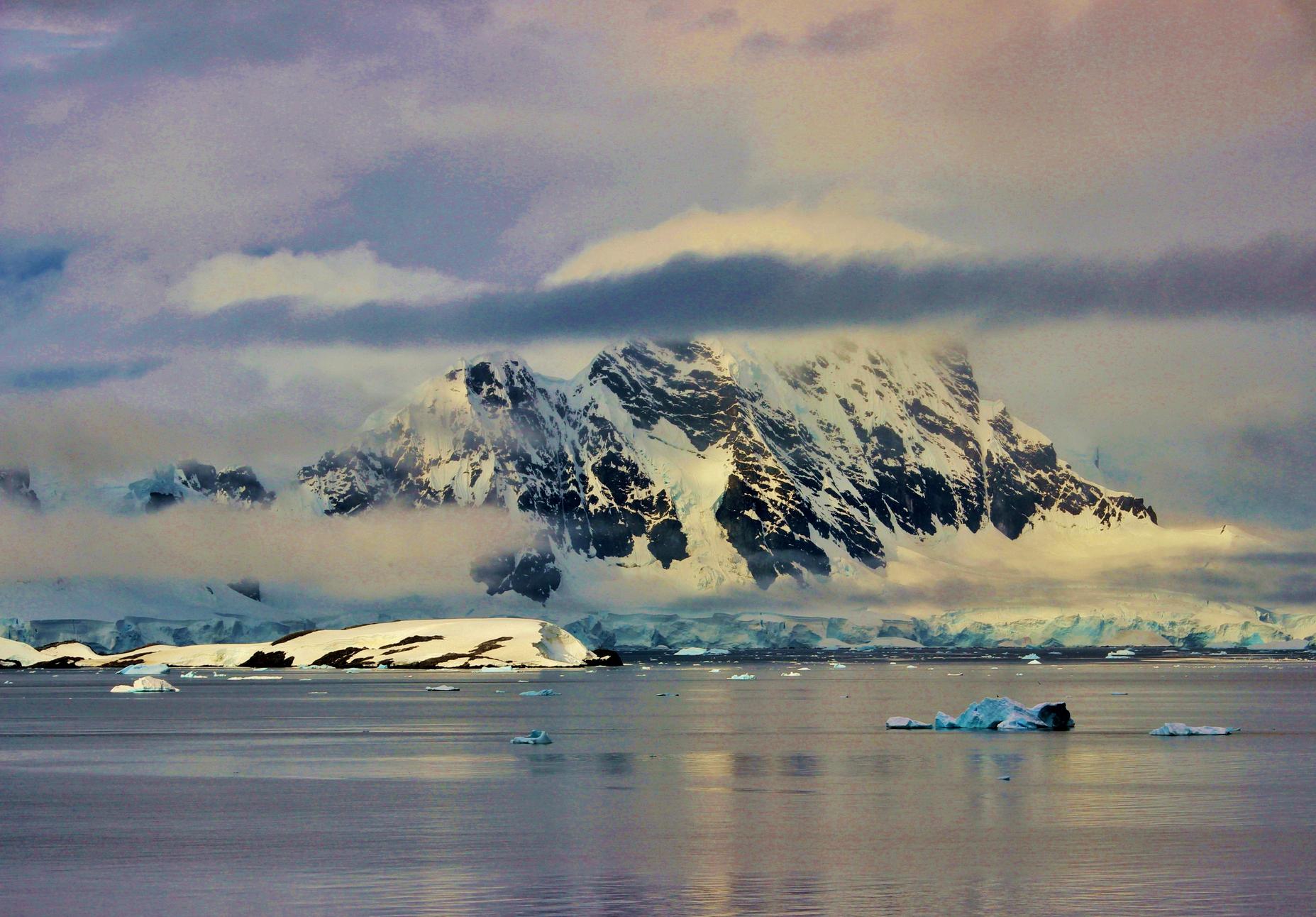
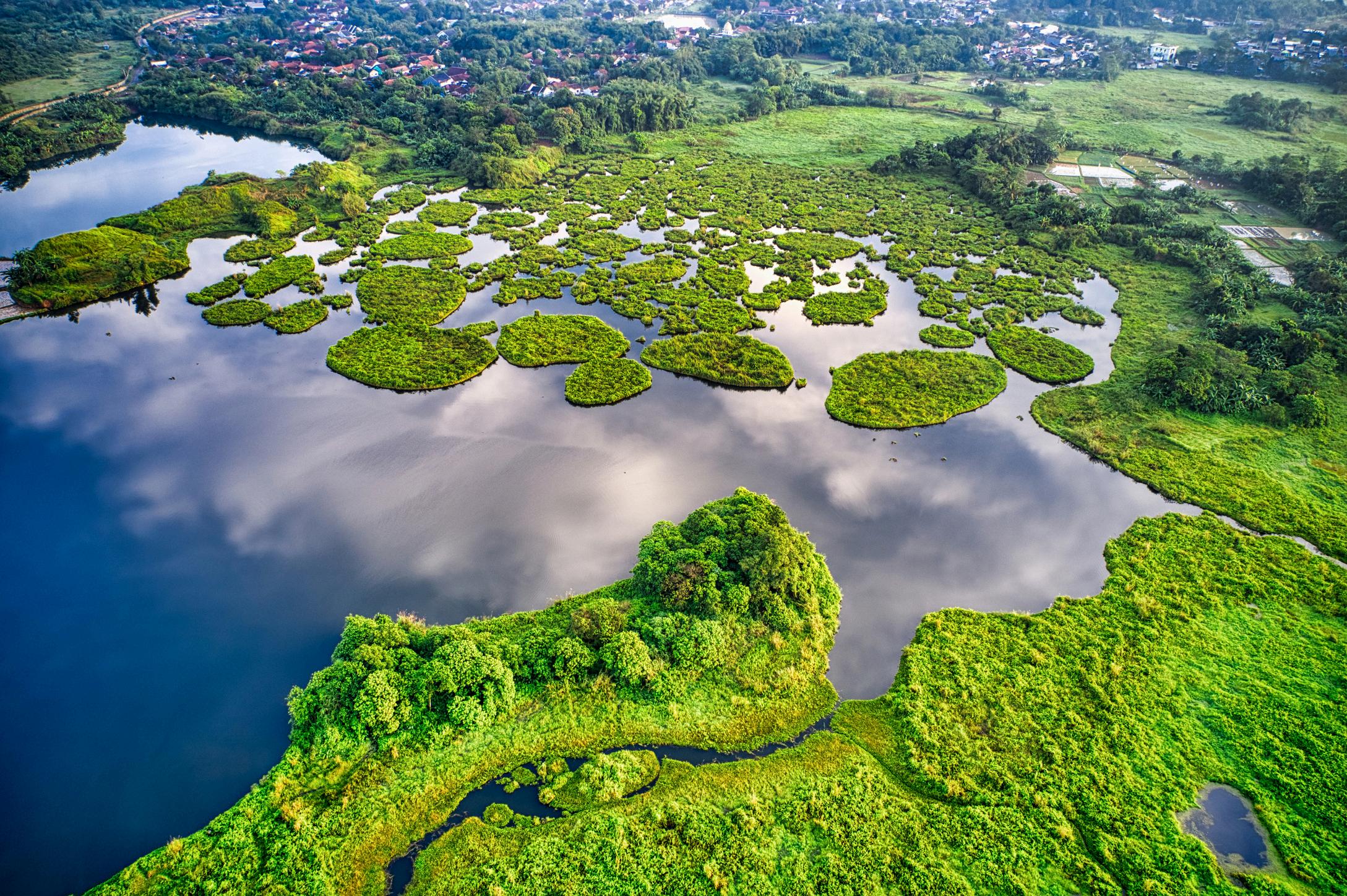
Students investigate two major processes that are changing land cover in many regions of the world, such as deforestation and melting ice and glaciers. Students analyse the distribution and causes of these three processes At a local scale, students investigate land use change using appropriate fieldwork techniques and secondary sources. They investigate the scale of change, the reasons for change and the impacts of change. Students undertake fieldwork and produce a fieldwork report using the structure provided.
Unit 4 - Human population: Trends and issues
Students investigate the geography of human populations. They explore the patterns of population change, movement and distribution, and how governments, organisations and individuals have responded to those changes in different parts of the world. For example, students may study rapid population growth in less economically developed countries and ageing populations in highly economically developed countries.
Population movements such as voluntary and forced movements over long or short terms add further complexity to population structures and to economic, social, political and environmental conditions.
Students can take any Units 3 and 4 pathways without taking Units 1 and 2, although Units 1 and 2 give good preparation for Units 3 and 4 in the same area. See the Humanities Pathways card for more details.
Assessment
Students will complete several case studies for each area of study, as well as a field work report.
Regular formal assessment, including the use of unseen data, will reflect the nature of the final exam at the end of the academic year