SALMERINI ARTICI DELLA GROENLANDIA / LO CHARM DELLA PESCA AL SALMONE ATLANTICO / INTERVISTA:
Direttore Responsabile Sara Ballotta
Direttore Editoriale Giorgio Cavatorti Redazione
Giorgio Cavatorti Via Verdi, 30 42027 Montecchio Emilia (RE) e-mail: info@cavatortigiorgio.it
FOTO COPERTINA ALBERTO ZANGHIERI
Hanno collaborato a questo numero: Omar Gade, Jan Nachtigal, Fernando Garcia, Aleksandar Vrtaric, Riccardo De Stabile, Bruce Mellin, Francesco Benelli, Jim Klug
Art Director E GRAFICA: OMAR GADE, VALENTINA SCARABELLI, ANGLINGCONSULTING.ONE
Stampa: “Tipografifia Bertani” Cavriago (RE)
Fotografi di Redazione: Alessandro Seletti, ALBERTO ZANGHIERI
Social Media Manager: Fulvio Oliva
Traduzioni: Rossella Catellani, Elisabetta Longhi
Autorizzazione Tribunale di Bologna
n°8157 del 01/02/2011 Poste Italiane spa- Spedizione in Abbonamento Postale - 70% - aut. Roc N°20825 del 10/03/2011 - DCB Bologna
Per qualsiasi informazione inerente i viaggi trattati nel magazine, vi invitiamo a contattare la Redazione: INFO@ h2oflyfishing.com info@cavatortigiorgio.it
let's keep in touch: www.h2oflyfishing.com info@h2oflyfishing.com • info@cavatortigiorgio.it
Editor note
La primavera è il momento ideale per armare le canne da pesca, o, per chi non si è mai fermato, per prepararsi a nuove avventure. Apriamo questo numero primaverile con un articolo sulla Patagonia, nella regione del Chubut, per parlare di un’estancia davvero interessante sotto ogni punto di vista, dove torneremo a novembre 2027.
Proseguiamo poi con destinazioni europee: dalla Groenlandia, dove saremo il prossimo luglio, all’Irlanda e all’Islanda, terre in cui ormai ci sentiamo di casa. In Italia, segnaliamo una splendida destinazione in Liguria, dove abbiamo incontrato Guido e Fulvio, prima di approfondire un po’ di cultura sulla pesca al salmone atlantico.
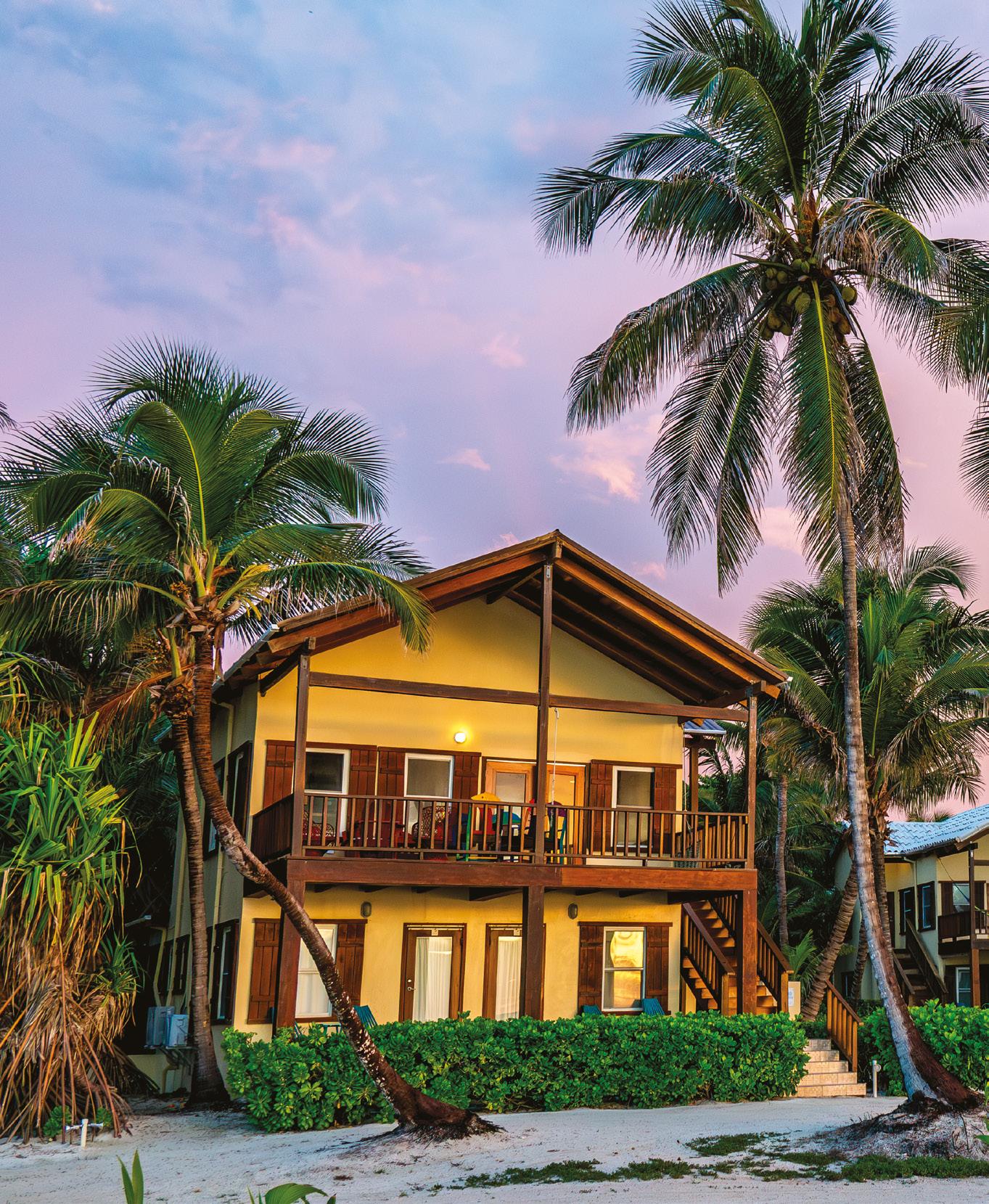
Chiudiamo il numero con un articolo su un lodge molto famoso in Belize, ad Ambergris Caye – El Pescador.
Questo è un periodo ricco di fiere della pesca e, in Europa, ci troverete nei principali eventi specializzati nel fly fishing con un nostro stand.
Vi aspettiamo per un saluto.
Spring is the perfect time to rig your fishing rods, or for those who never stop, to get ready for new adventures. We open this spring issue with an article on Patagonia, in the Chubut region, featuring an estancia that is truly remarkable in every aspect, and where we will return in November 2027.
We then move on to European destinations: from Greenland, where we will be next July, to Ireland and Iceland, places where we now feel at home. In Italy, we highlight a wonderful destination in Liguria, where we spoke with Guido and Fulvio, before diving into some culture on Atlantic salmon fishing.
We close the issue with an article on a very famous lodge in Belize, on Ambergris Caye – El Pescador.
This is a busy season for fishing fairs, and in Europe, you’ll find us at the main events dedicated to fly fishing with our own booth. We look forward to seeing you and saying hello.
Giorgio
8... EL ENCUENTRO
......EL ENCUENTRO
20
SALMERINI ARTICI DELLA GROENLANDIA
GREENLAND ARCTIC CHAR
32
LO CHARM DELLA PESCA AL SALMONE ATLANTICO THE CHARM OF ATLANTIC SALMON FISHING
40
INTERVISTA: IN LIGURIA CON FULVIO E GUIDO
INTERVIEW: IN LIGURIA WITH FULVIO E GUIDO
50 QUALITÀ ISLANDESE ICELANDIC QUALITY
60..ALEKSANDAR VRTARIC ALEKSANDAR VRTARIC
70
JOHN BROWN MOSCROP E DAVID SLATER - DUE GRANDI COSTRUTTORI DI MULINELLI
JOHN BROWN MOSCROP AND DAVID SLATER - TWO GREAT REEL MAKERS
76 PESCARE IN IRLANDA FLY FISHING IN IRELAND
88 BELIZE DI SERIE A TOP-TIER BELIZE
EncuentroEl
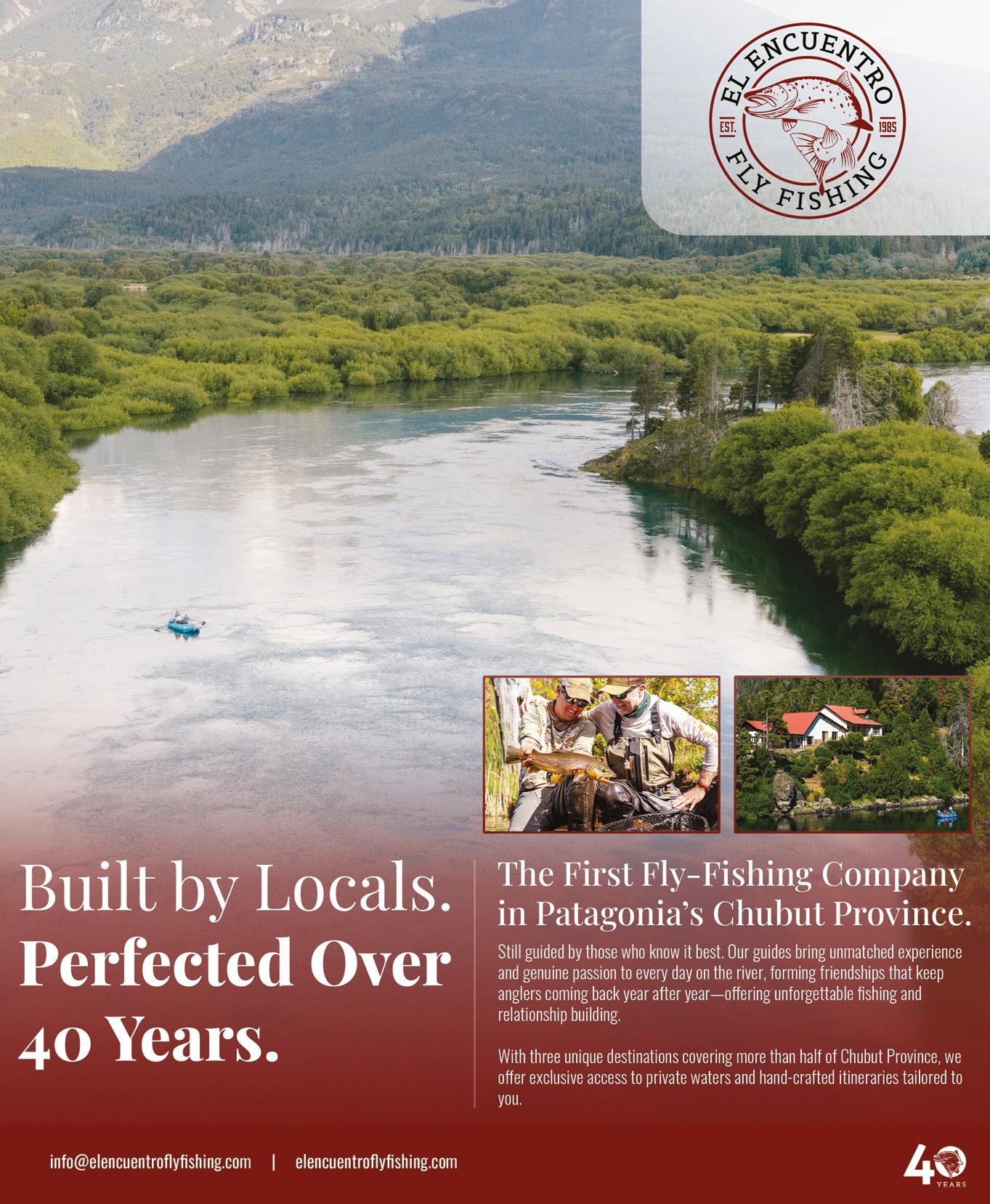
Nonostante una quarantina di viaggi in Argentina, questo splendido paese continua a stupire per la sua bellezza e per i nuovi luoghi in cui pescare. Nell’ultimo viaggio, infatti, siamo stati in una proprietà spettacolare nella regione del Chubut.
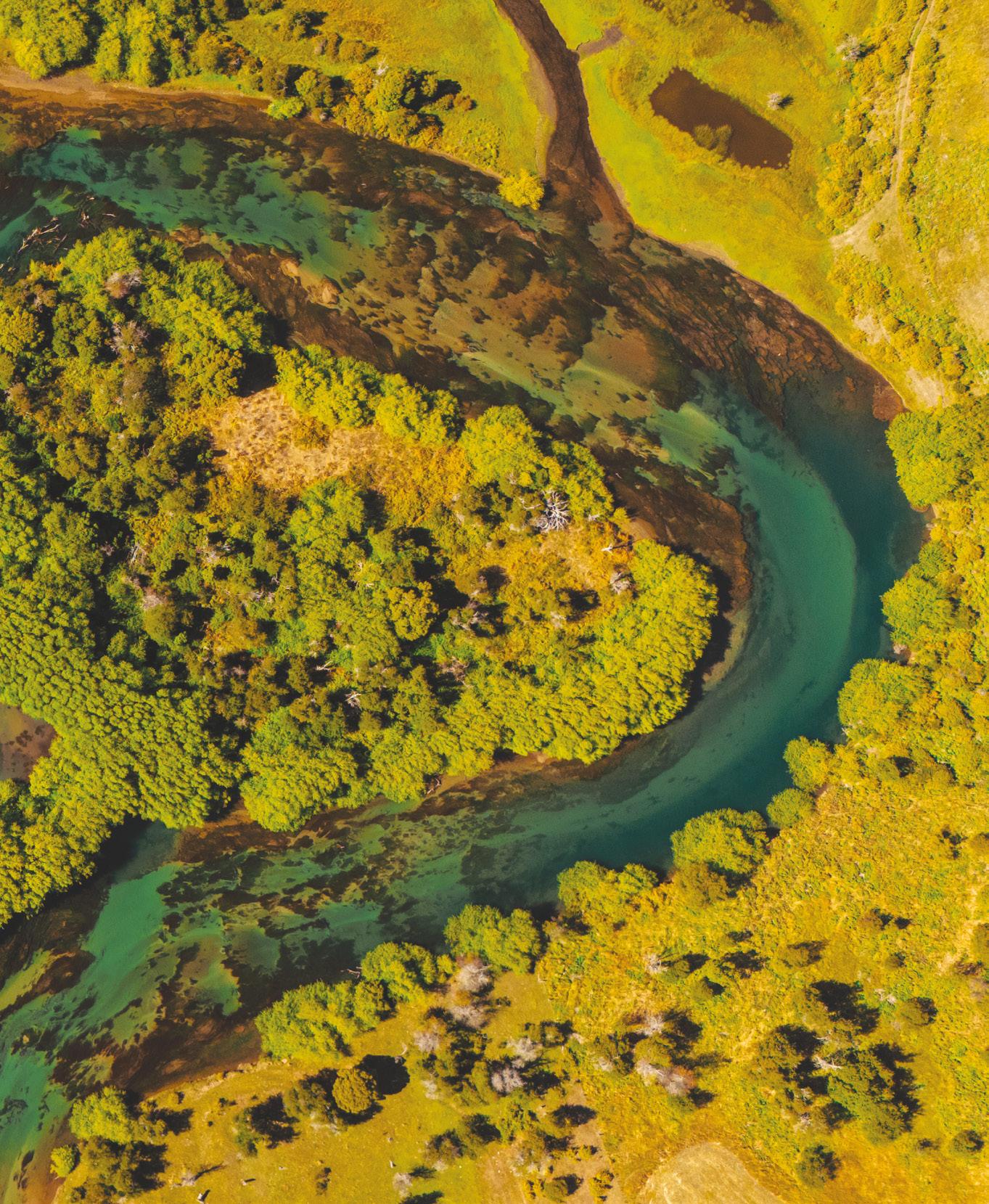
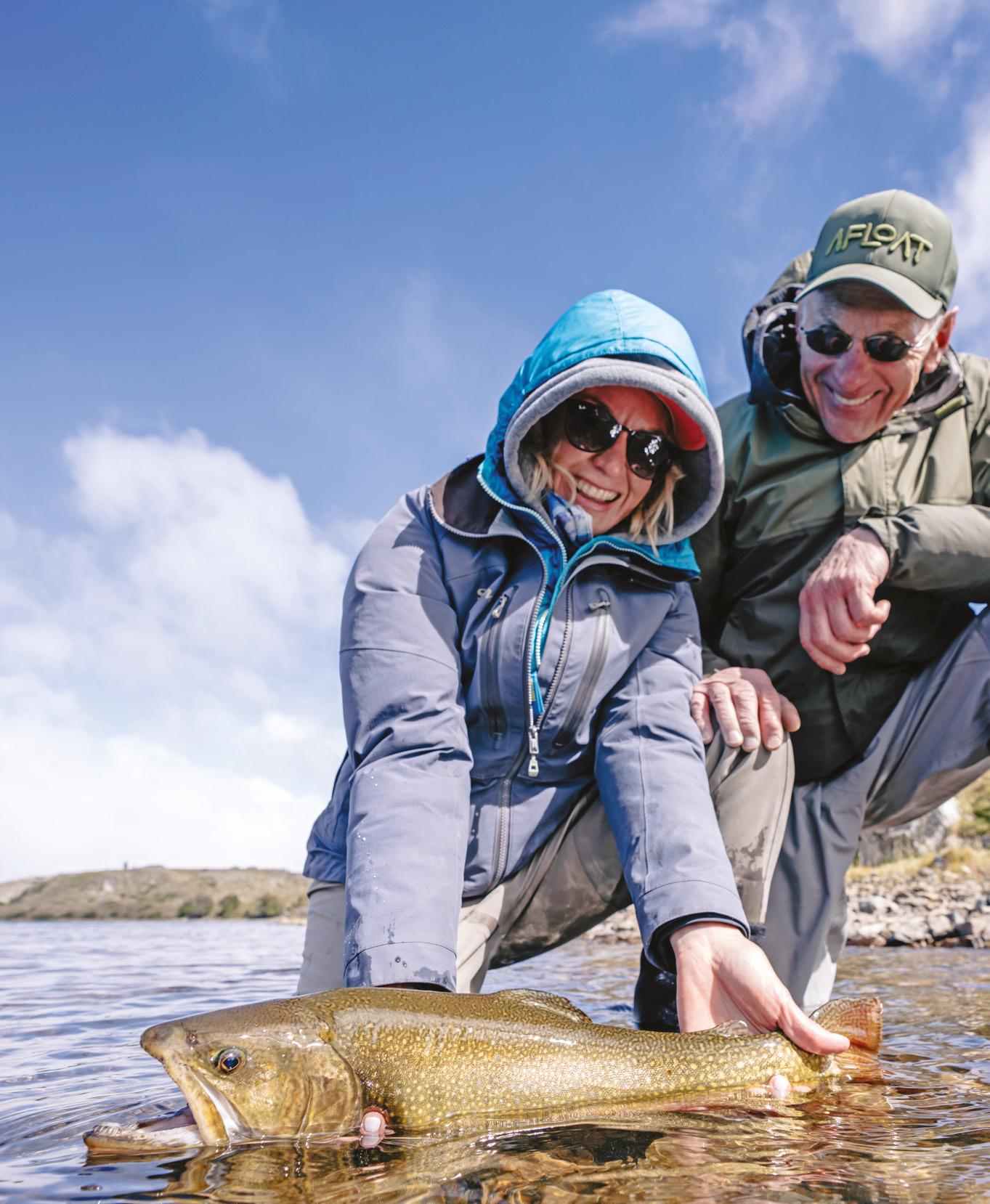
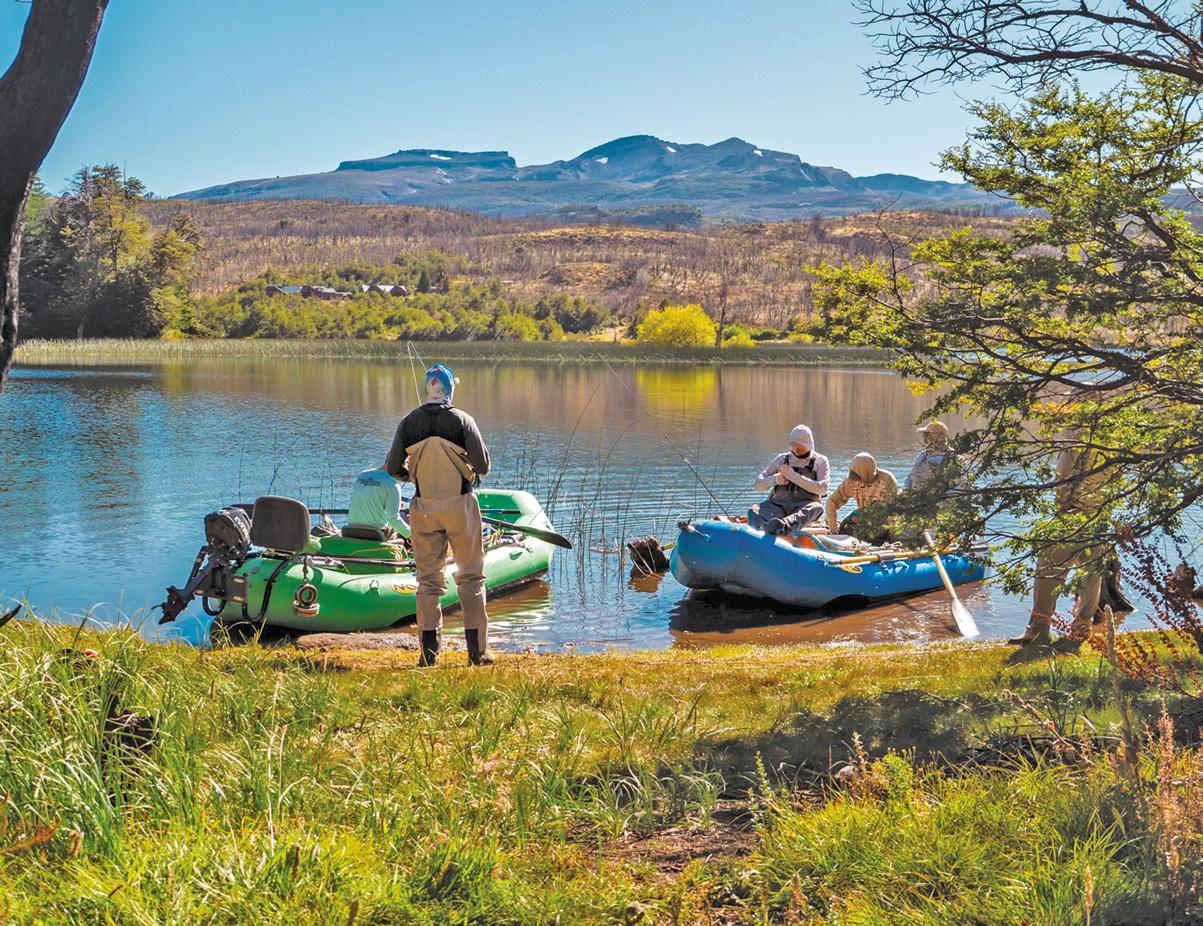
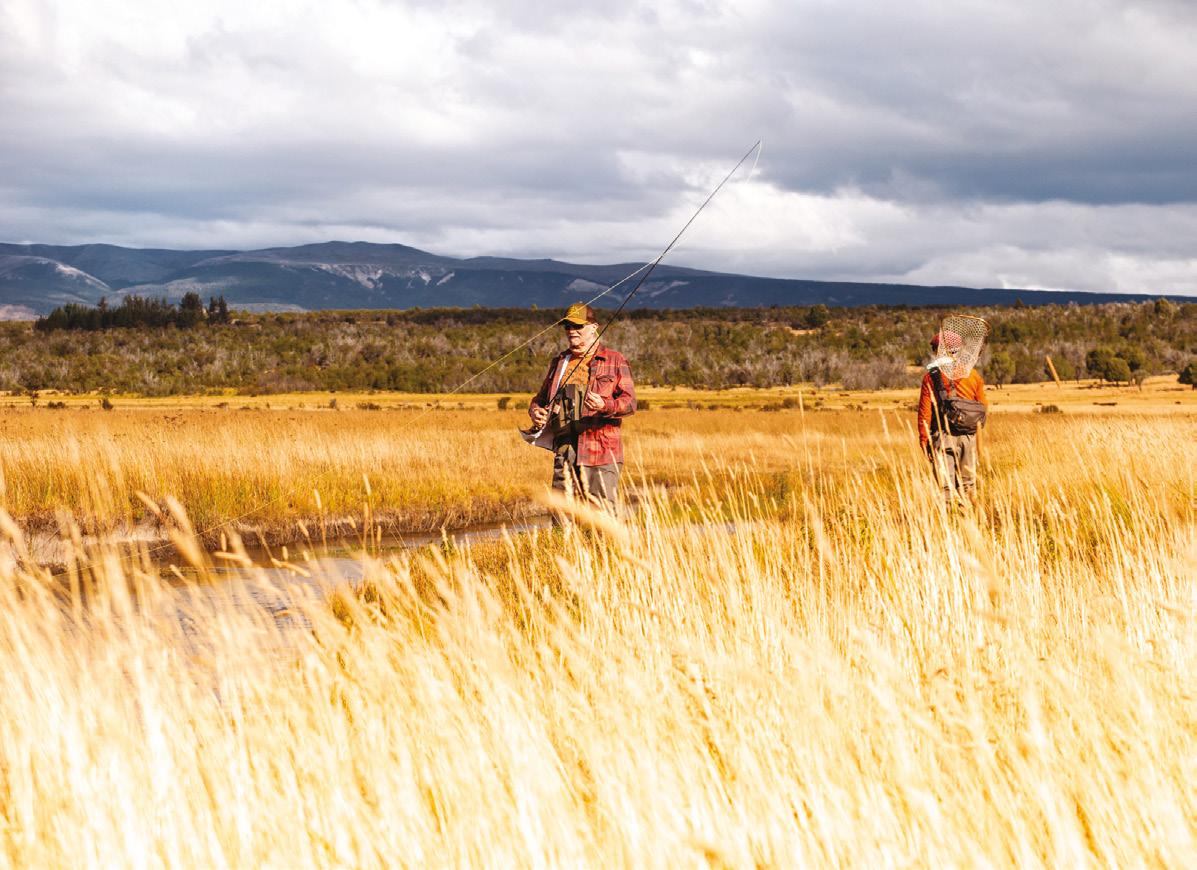
Questa provincia è un gioiello un po’ nascosto, che ultimamente attira maggiormente l’attenzione dei pescatori più esperti. Qui si registra molta meno pressione di pesca, più varietà di opzioni (scendere sul grande fiume con la barca, guadare ruscelli più piccoli, pescare nei laghi e nelle lagune) e scenari favolosi.
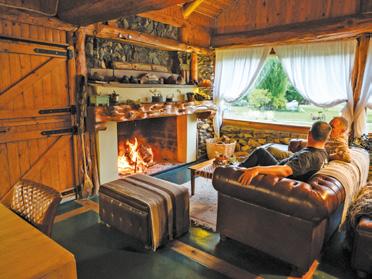
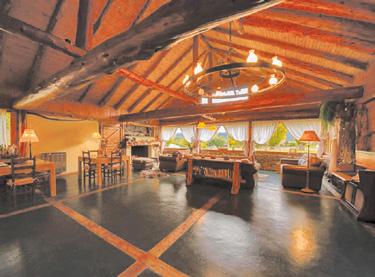
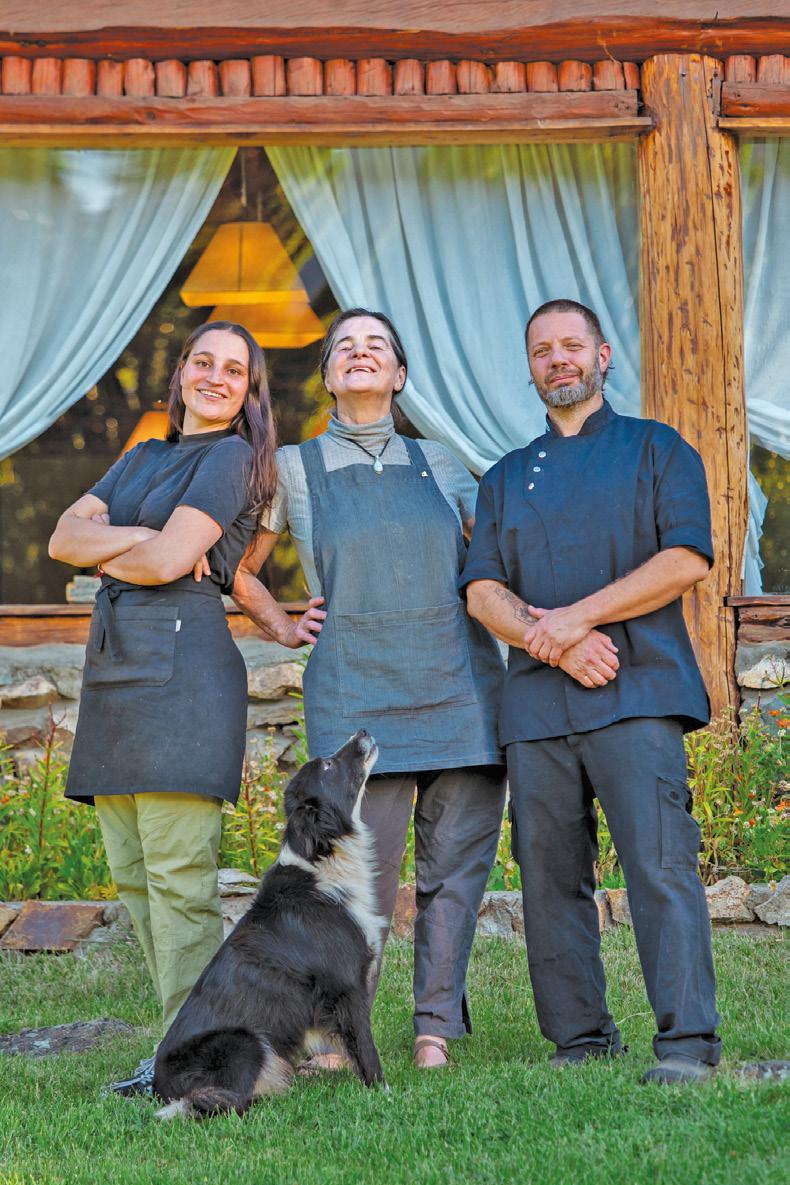
Per quanto riguarda il lodge, la nostra scelta è stata quella di affidarci alla famiglia Beales, proprietaria di Estancia El Encuentro, con una grande operazione di pesca alla trota. Vista l’estensione della proprietà, abbiamo optato per 10 giorni di pesca con spostamenti nei tre lodge dell’estancia, così da poter pescare in tutte le acque della zona.
La famiglia Beales ha creato il primo lodge di pesca a mosca nel 1985 nella provincia di Chubut, a metà della Patagonia e quasi al
Despite having traveled to Argentina around forty times, this stunning country continues to amaze with its beauty and the countless new fishing destinations it offers. On our most recent trip, we visited a spectacular property in the Chubut region.
This province is a hidden gem, increasingly attracting the attention of experienced anglers. Here, fishing pressure is much lower, there are more options (fishing the big river by boat, wading smaller streams, or fishing in lakes and lagoons), and the scenery is simply breathtaking.
For our lodge stay, we chose to trust the Beales family, owners of Estancia El Encuentro, renowned for their extensive trout fishing operations. Given the size of the estancia, we opted for a 10-day fishing program, moving among the three lodges on the property to access all the waters in the area.
The Beales family opened the first fly-fishing lodge in 1985 in Chubut, in the heart of
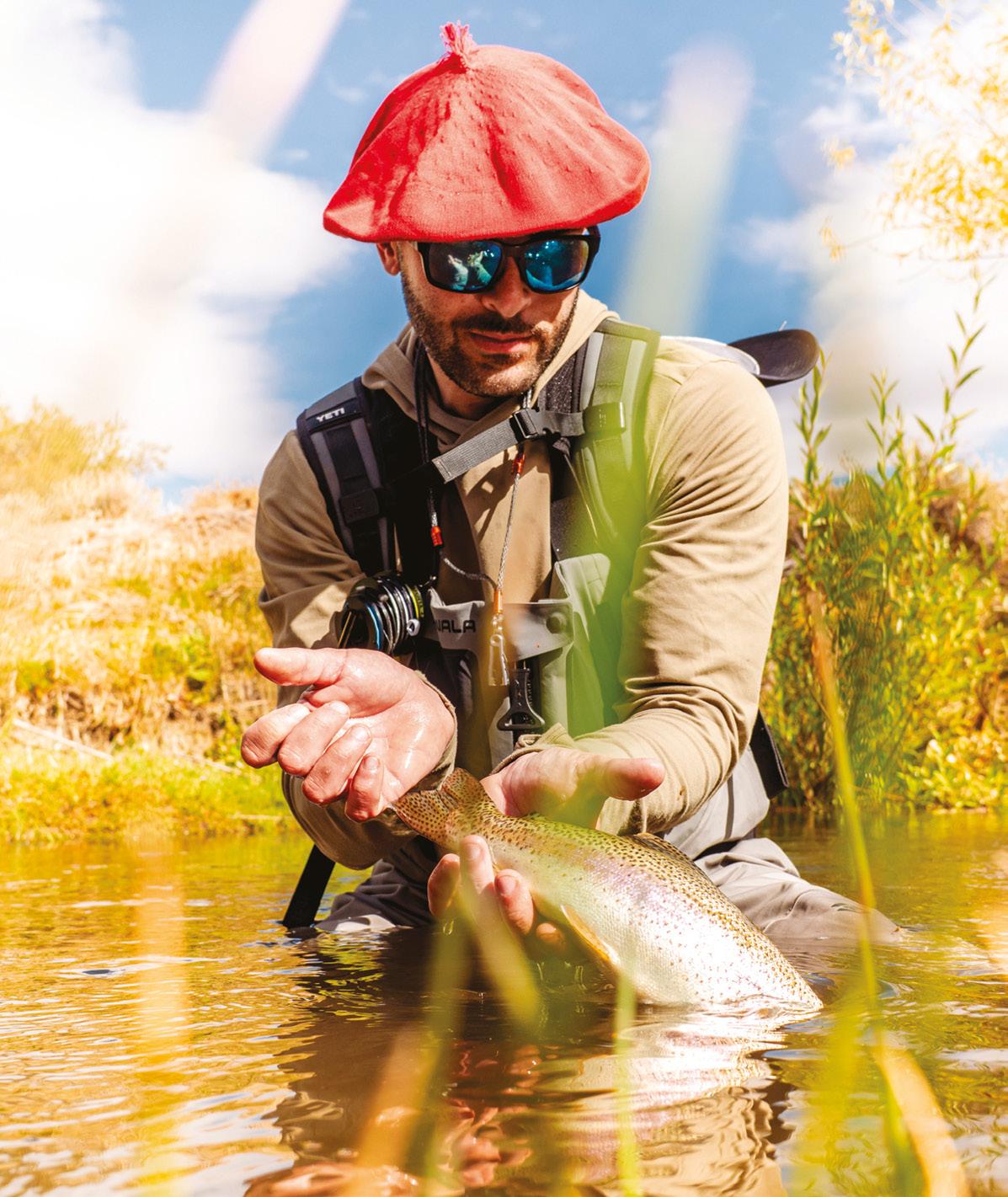
confine con il Cile, proprio ai piedi delle Ande, di fronte al Parco Nazionale Los Alerces. Qui si possono sentire le acque turchesi del fiume Futaleufú incresparsi sotto la finestra delle camere del lodge e vedere le trote che bollano. Il Futaleufú è un grande fiume con uno scenario spettacolare e un sacco di trote, principalmente di dimensioni tra 40 e 55 cm, ma molte superano i 60 cm. È un fiume ideale per discese in barca, confortevole e adatto a tutti i livelli di esperienza nella pesca.
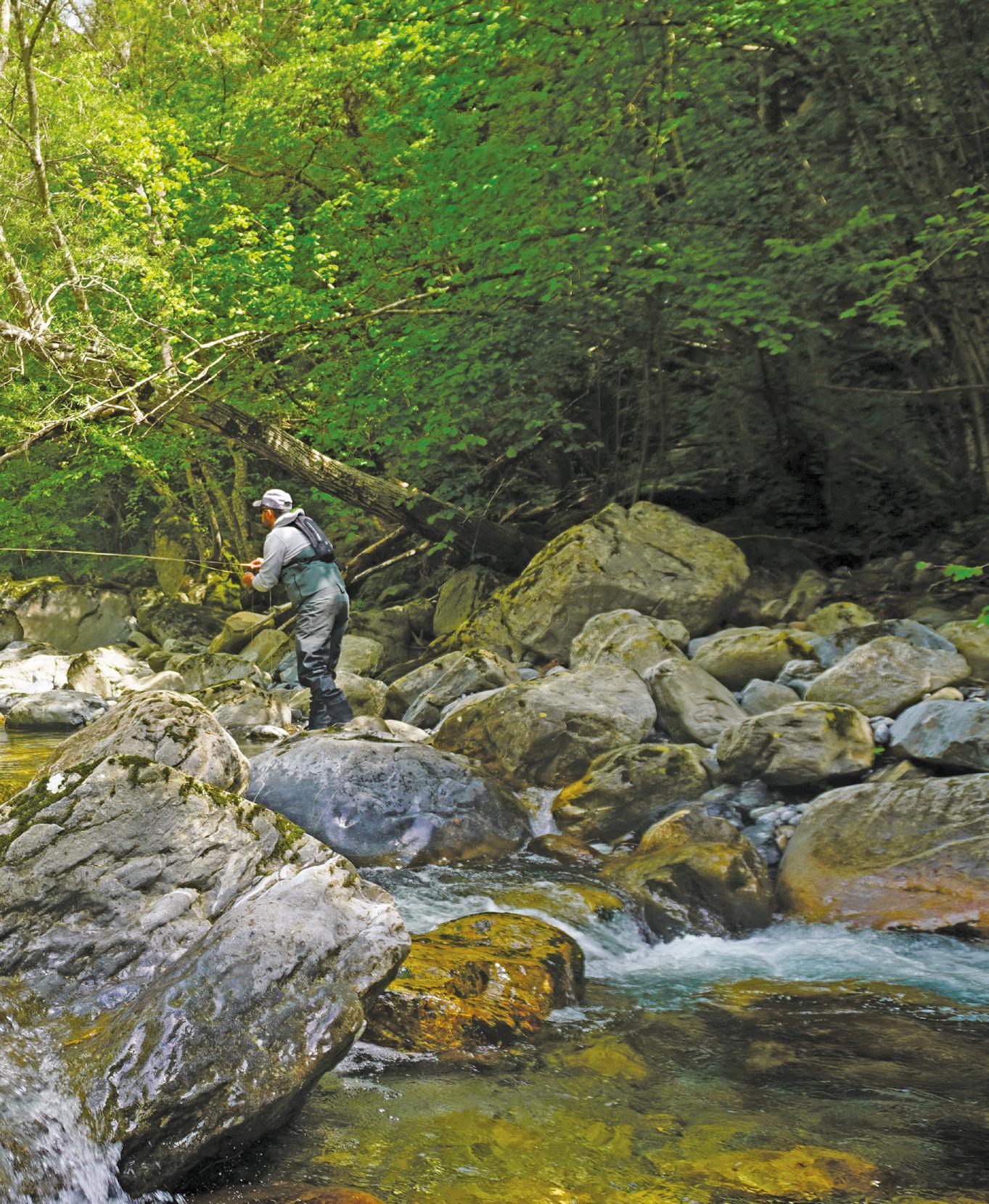
Spiegare tutte le possibilità di pesca nei vari lodge della proprietà è impossibile: si passa dal piccolo torrente alla risorgiva larga non più di due metri, ma con grosse trote fario,
fino al grande fiume da discendere con i gommoni. Una menzione a parte va fatta per i numerosi laghi della zona e le svariate lagune, raggiungibili a piedi o in barca.
La grande esperienza della famiglia Beales nel settore fa sì che nulla sia lasciato al caso: la professionalità delle guide e di tutto lo staff è eccellente.
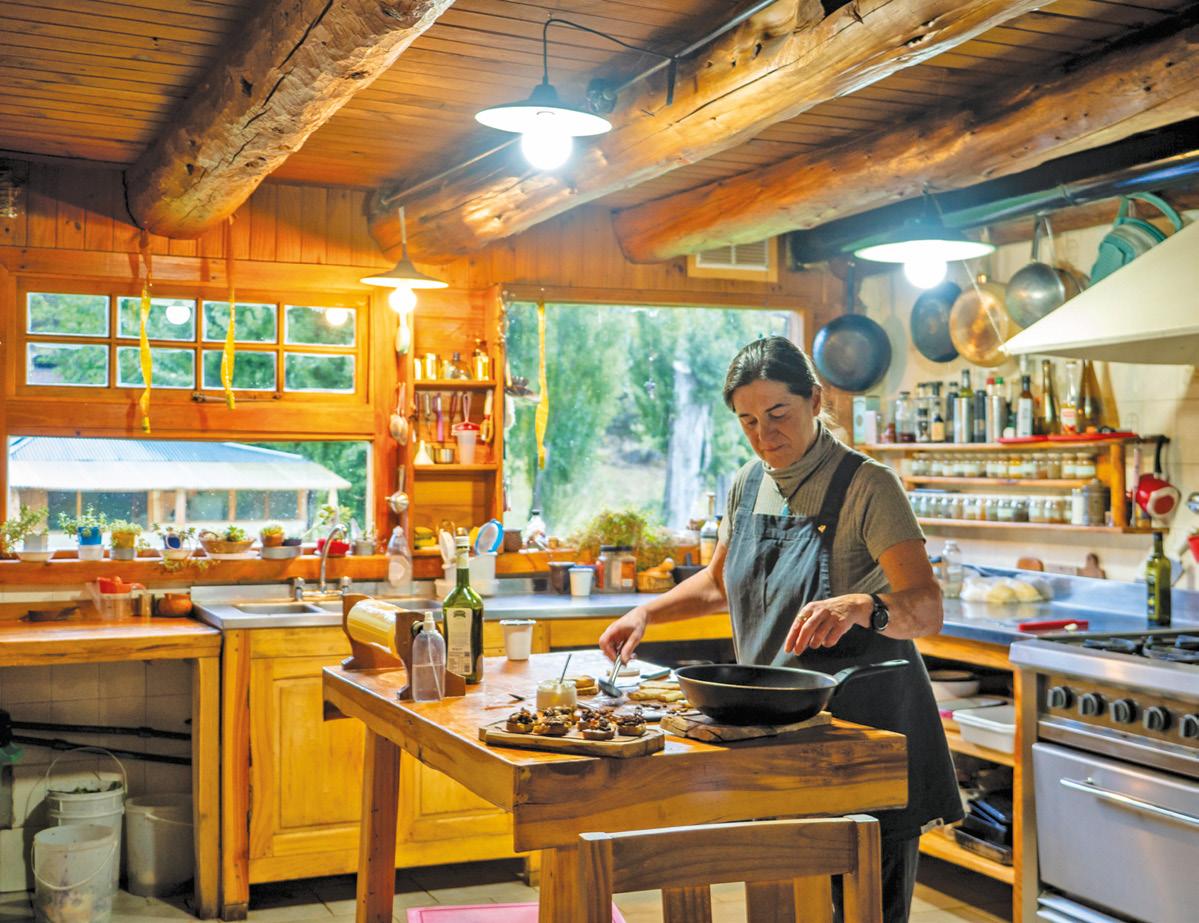
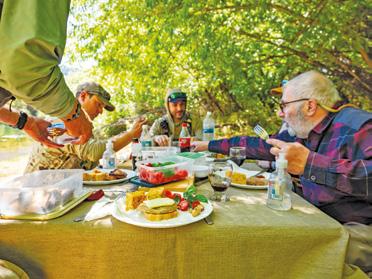
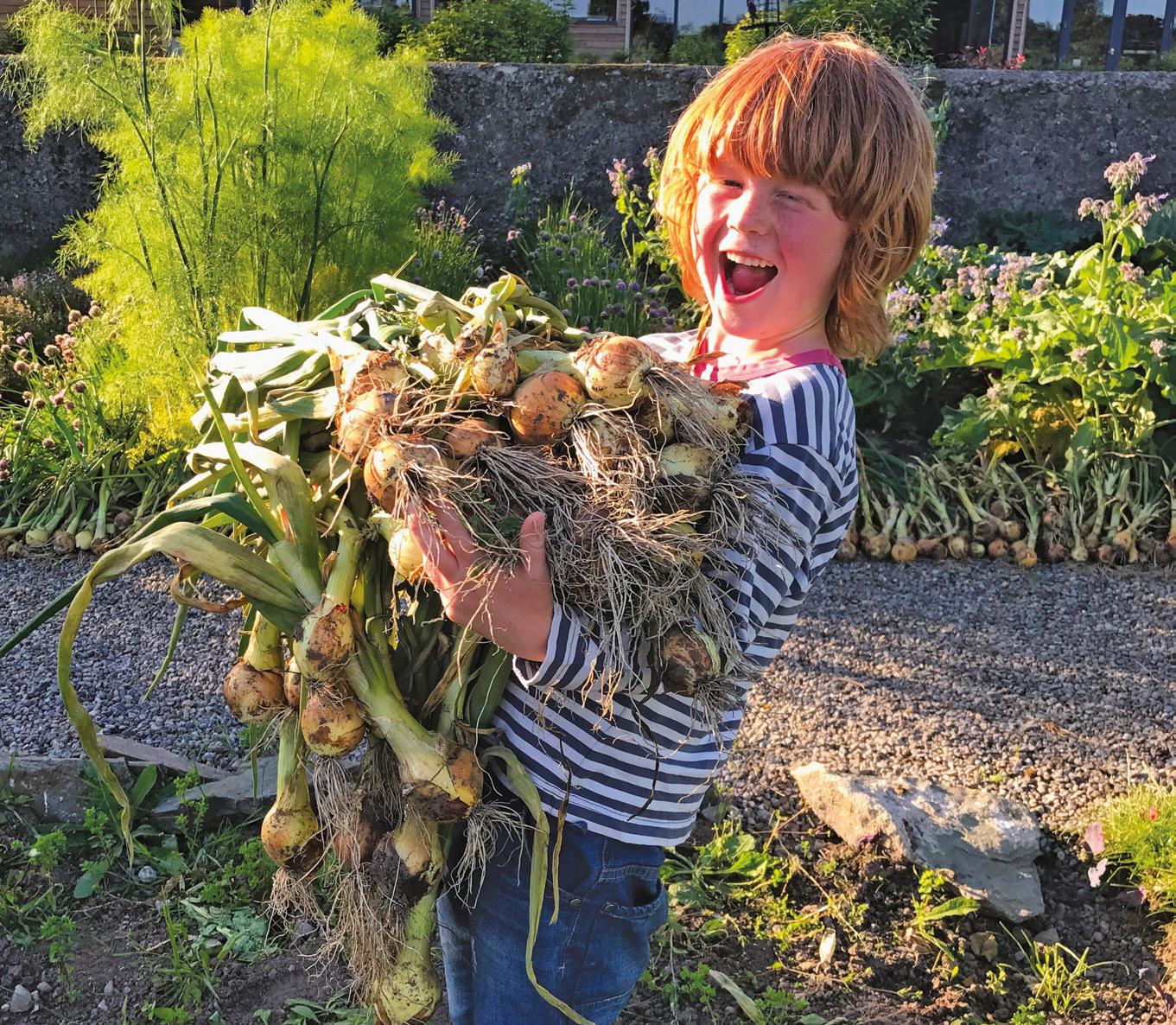
Per quanto riguarda il cibo, i proprietari coltivano con orgoglio la maggior parte delle verdure biologiche nell’orto di un acro. Agnello, manzo e altri prodotti provengono da mercati familiari locali a km zero. Il pane viene sfornato ogni giorno al lodge. Non va dimenticato che a pranzo e a cena vengono serviti ottimi vini
argentini, anche quando si pranza sul fiume. Agli ospiti viene offerto un tradizionale “asado” della Patagonia insieme alla famiglia
El Encuentro e a tutte le guide: un’esperienza culinaria memorabile!
Un’importante opportunità di questa struttura è che, oltre ai diversi programmi di pesca, El Encuentro propone un esclusivo programma di avventure in Patagonia per gli ospiti che non pescano, come ad esempio:
• Equitazione con un gaucho locale, per una breve cavalcata lungo il fiume o per un’intera giornata sulle montagne circostanti fino al Lago Baguilt;
• Escursionismo e birdwatching guidati da
Patagonia, near the Chilean border, at the foot of the Andes, facing Los Alerces National Park. Here, guests can watch the turquoise waters of the Futaleufú River ripple just outside their lodge windows and see trout rising to the surface.
The Futaleufú is a large river with spectacular scenery and plenty of trout, mostly between 40 and 55 cm, with many exceeding 60 cm. It is ideal for boat fishing, comfortable, and suitable for anglers of all experience levels.
Describing all the fishing possibilities across the lodges is nearly impossible: from small streams and spring-fed rivers no wider than two meters, yet full of large brown trout, to the big river
navigable by raft. A special mention goes to the numerous lakes and lagoons in the area, accessible on foot or by boat.
The Beales family’s extensive experience ensures that nothing is left to chance: the professionalism of the guides and all lodge staff is outstanding.
As for the food, the owners proudly grow most of their organic vegetables in a oneacre garden. Lamb, beef, and other products come from local, family-run, zero-kilometer markets. Bread is baked fresh at the lodge every day. Lunches and dinners are accompanied by excellent Argentine wines, even when dining by the river.
Guests are also treated to a traditional Patagonian asado with the Beales family and all the guides—a truly memorable culinary experience!
One of the key advantages of this lodge is that, in addition to its various fishing programs, El Encuentro offers an exclusive Patagonia adventure program for non-angling guests, including:
• Horseback riding with a local gaucho, for a short ride along the river or a full-day excursion through the surrounding mountains to Lake Baguilt;
• Guided hiking and birdwatching tours, providing insights into the local forests, birds,
esperti, con informazioni su foreste, uccelli e fauna selvatica locali;
• Kayak su laghi e/o fiumi vicino al lodge o nel Parco Nazionale Los Alerces;
• Tour culturali e storici.
Questo angolo della Patagonia, conosciuto
come “Patagonia gallese” fin dai coloni della metà del XIX secolo, ha una cultura e una storia molto interessanti. Per viverla appieno, bisogna andare oltre i tipici percorsi turistici ed entrare in contatto con la popolazione locale, per apprezzare ciò che distingue questa regione
dagli altri luoghi della Patagonia argentina. Considerando tutti questi aspetti, credo che questa struttura sia estremamente consigliabile anche per un viaggio in famiglia. La grande ospitalità argentina farà il resto, garantendo che questo viaggio rimanga nel cuore.
and wildlife;
• Kayaking on nearby lakes and rivers or in Los Alerces National Park;
• Cultural and historical tours.
This part of Patagonia, known as “Welsh Patagonia” since the mid-19th century colonization, has a fascinating culture and
history. To truly experience it, visitors need to go beyond typical tourist routes and connect with the local population to appreciate what makes this region unique within Argentine Patagonia.
Considering all these aspects, I believe this property is highly recommended even for
family trips. The warmth and hospitality of the Argentine people ensure that this journey will remain in your heart forever.
“La grande ospitalità argentina farà il resto, garantendo che questo viaggio rimanga nel cuore..."
GREENLAND ARCTIC CHAR
SALMERINI ARTICI DELLA GROENLANDIA
Esperienza e affidabilità nella pesca a mosca
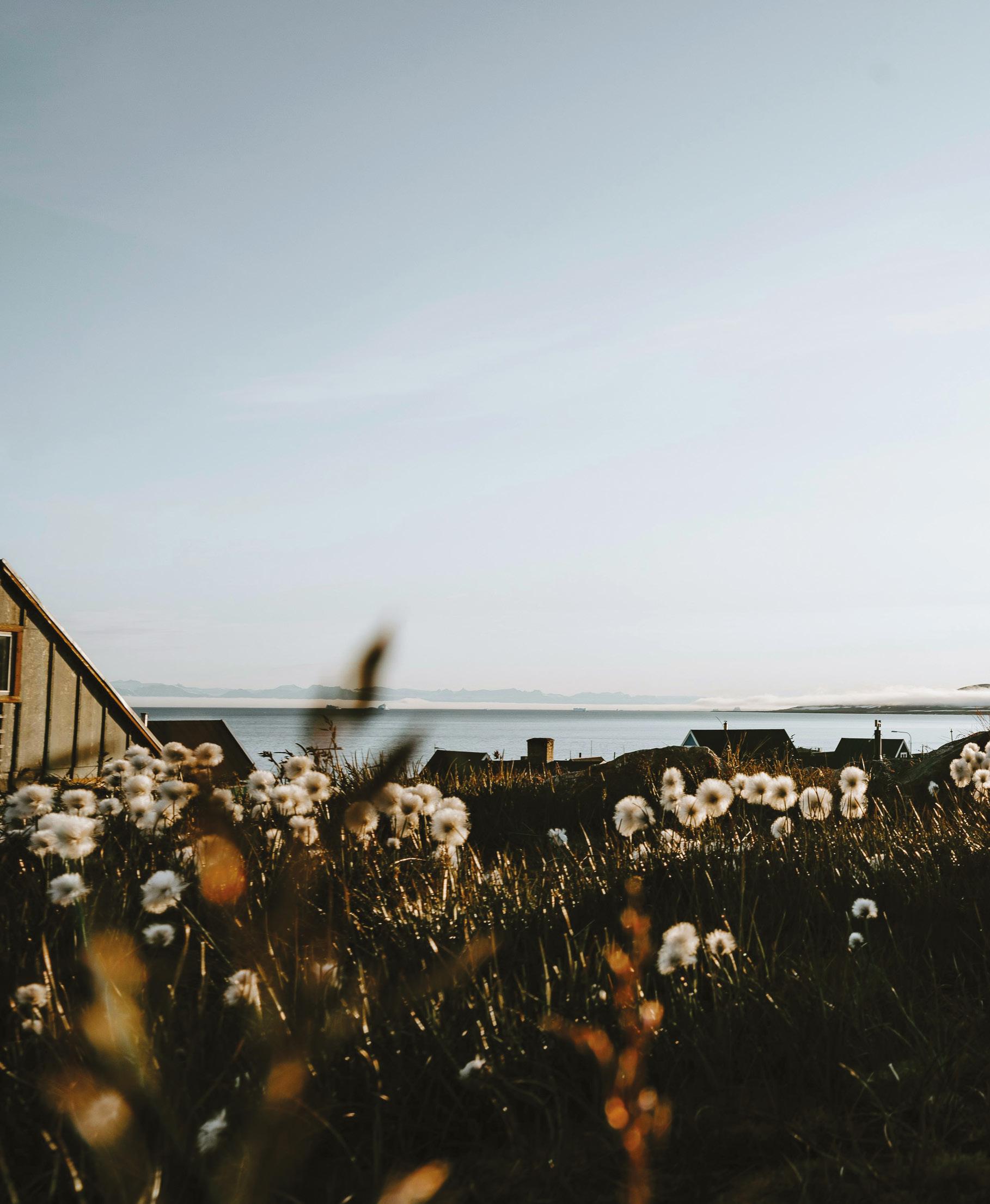
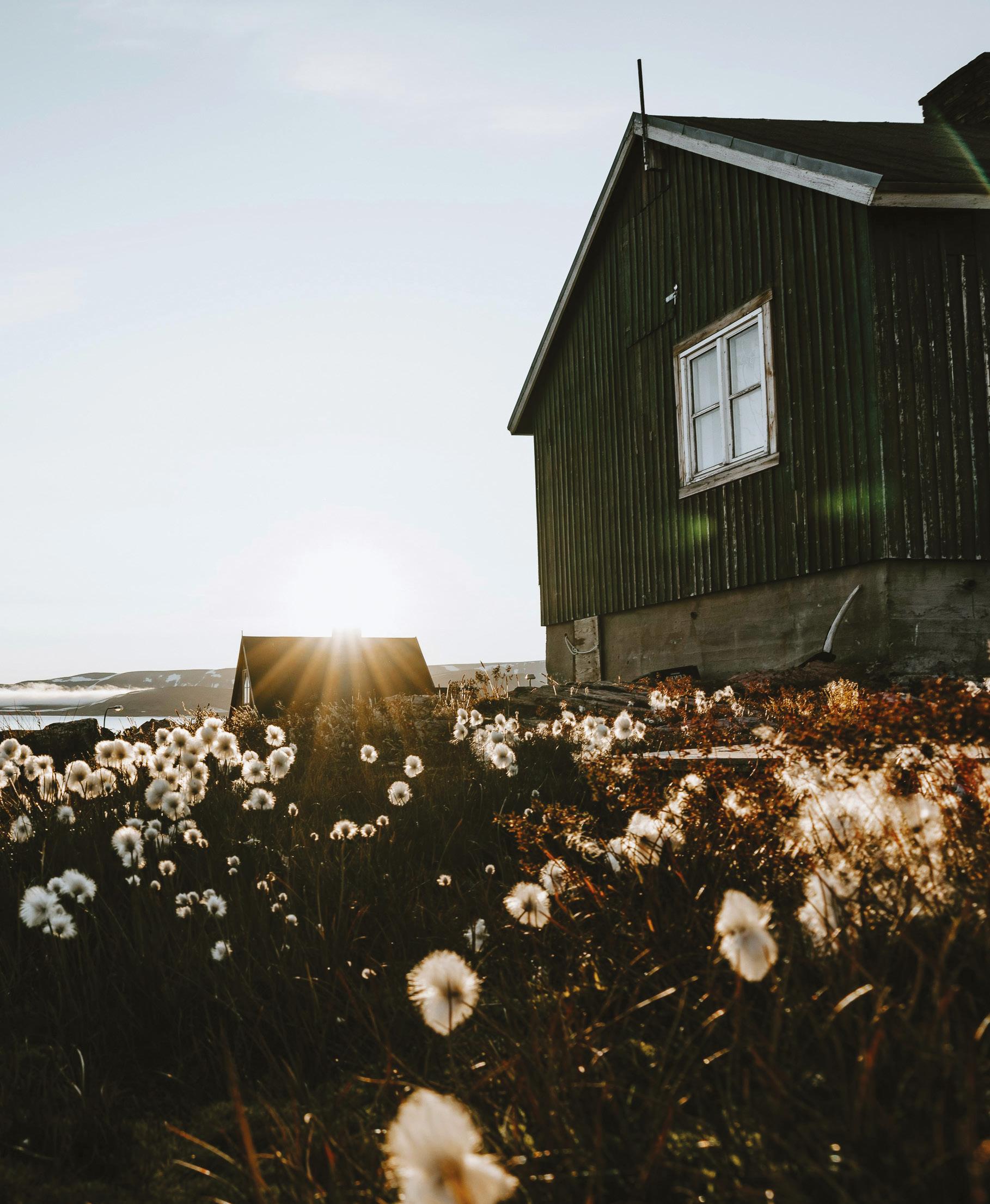
Ci sono luoghi nel mondo che sembrano intatti dal tempo, dove il silenzio sembra vivo e il paesaggio si estende all’infinito. La Groenlandia è uno di questi: la più grande isola del pianeta e ancora una delle ultime frontiere. Per il pescatore a mosca, è un luogo da sogno, vasto, selvaggio e puro. Tra i suoi fiordi infiniti e le valli ghiacciate, c’è un fiume che chiamerò semplicemente Fiume X: un tratto di acqua artica che racchiude l’essenza della wilderness.
La Groenlandia è più di quattro volte la dimensione dell’Europa, eppure la maggior parte dei suoi fiumi non ha mai visto una lenza da mosca. Questa è parte della magia: la sensazione di entrare in uno spazio ancora vergine sulla mappa. Perfino chiamarlo Fiume X conserva un po’ di mistero. Non si tratta di
nascondere segreti, ma di proteggere lo spirito di un luogo che ancora appare selvaggio e inesplorato.
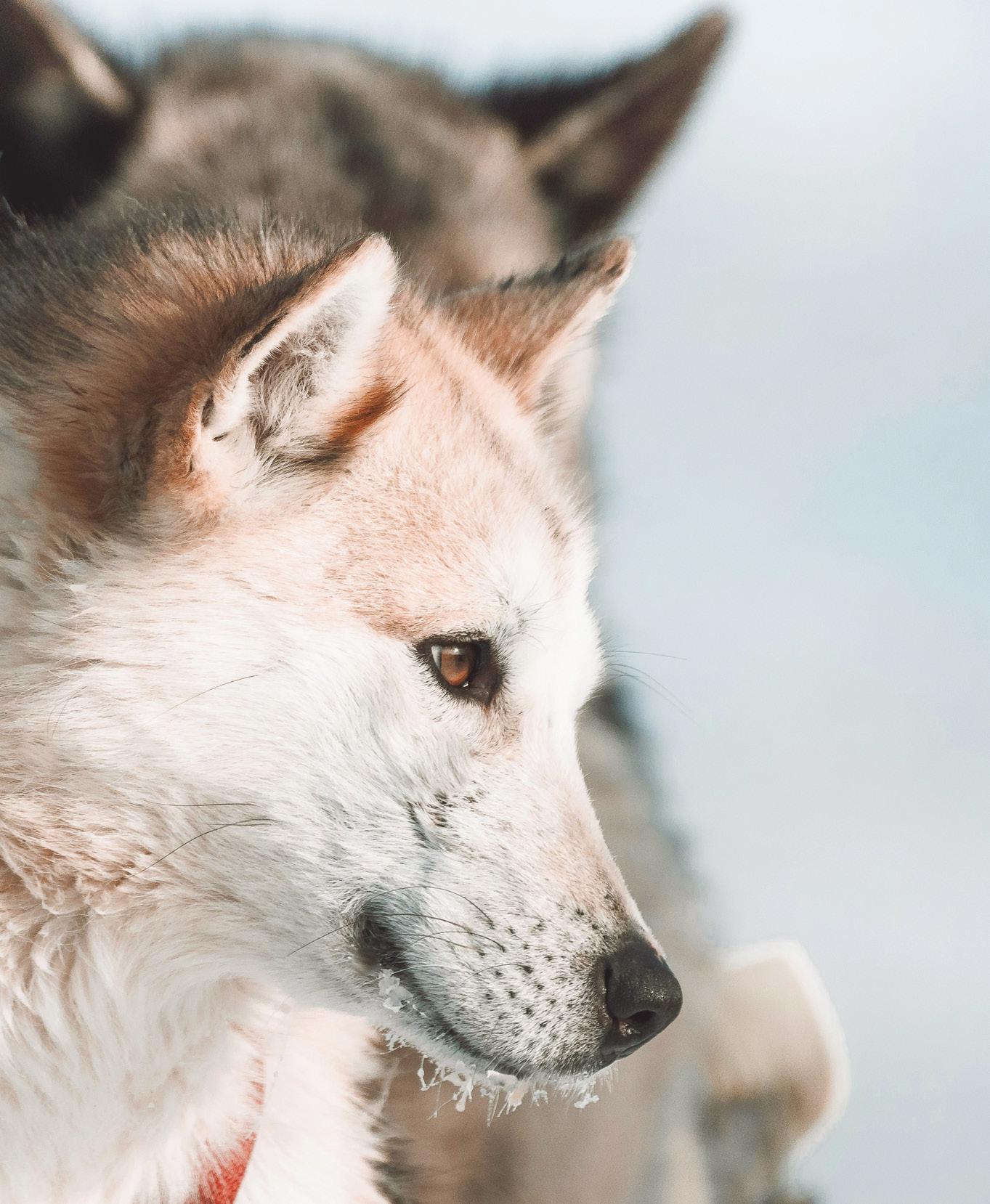
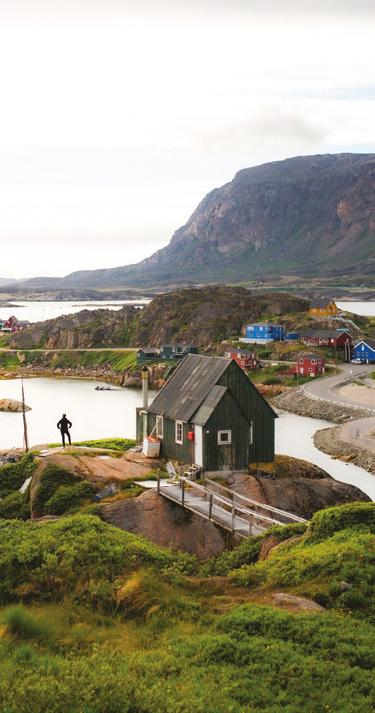
Il nostro viaggio inizia a Sisimiut, una colorata cittadina di pescatori sulla costa occidentale della Groenlandia, l’ultimo avamposto prima che la natura selvaggia prenda il sopravvento. Il paese pulsa di vita silenziosa: cani da slitta che abbaiano in lontananza, pescatori che scaricano il loro pescato, bambini che corrono lungo strade ghiaiose fiancheggiate da case rosse e gialle. Il cuore della città batte con la cultura Inuit, e il calore della gente del posto è reale quanto il gelo artico. Si possono trascorrere ore passeggiando nel piccolo porto o visitando il museo, che racconta storie di cacciatori, kayaker ed esploratori che affrontarono questa terra armati solo di coraggio.
Fly Fishing with Experience You Can Trust
There are places in the world that seem untouched by time, where the silence feels alive and the landscape stretches into infinity. Greenland is one of them the planet’s largest island and still one of its last frontiers. For the fly fisherman, it’s a place of dreams: vast, raw, and pure. Among its endless fjords and ice-choked valleys, there’s a river I’ll call simply River X: a stretch of Arctic water that embodies the soul of wilderness itself. Greenland is more than four times the size of Europe, and yet most of its rivers have never seen a fly line. That’s part of the magic: the feeling that you’re walking into a blank space on the map. Even naming it River X preserves a bit of that mystery. It’s not about keeping secrets; it’s about protecting the spirit of a place that still feels wild and undiscovered. Our journey begins in Sisimiut, a colorful fishing town on Greenland’s west coast - the last outpost before the wild takes over. The place hums quietly with life: sled dogs barking in the
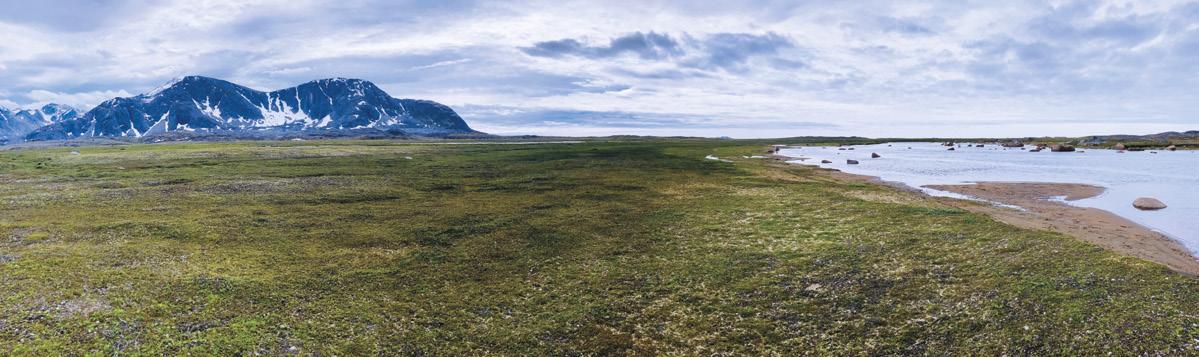
distance, fishermen unloading their catch, kids racing down gravel streets lined with bright red and yellow houses. The town’s heart beats with Inuit culture, and the warmth of the locals is as real as the Arctic chill. You can spend hours wandering its small harbor or visiting the museum, which tells stories of hunters, kayakers, and explorers who once faced this land with nothing but courage. The next morning, we load the boat. The two-hour ride along the coast feels like a slow reveal - granite cliffs rising straight from the sea, chunks of ice drifting by, the air sharp and clean. Occasionally a seal watches us glide past. When the boat slows and River X appears, the feeling is electric. No roads, no buildings, no noise …just water tumbling through rock and tundra under a huge northern sky.
“Ci sono luoghi nel mondo che sembrano intatti dal tempo..."
La mattina successiva, saliamo sulla barca. Il viaggio di due ore lungo la costa è come una rivelazione lenta: scogliere di granito che si ergono dal mare, blocchi di ghiaccio che fluttuano, aria limpida e pungente. Ogni tanto una foca ci osserva scivolare sull’acqua. Quando la barca rallenta e appare il Fiume X, la sensazione è elettrica. Nessuna strada, nessun edificio, nessun rumore… solo acqua che scorre tra roccia e tundra sotto un cielo artico immenso.
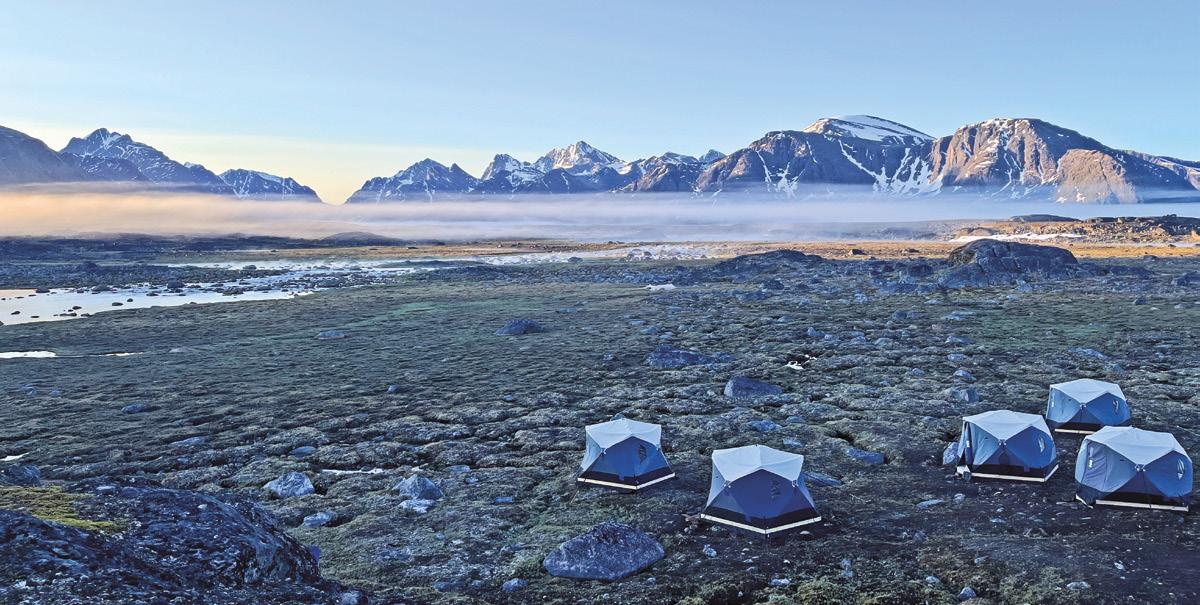
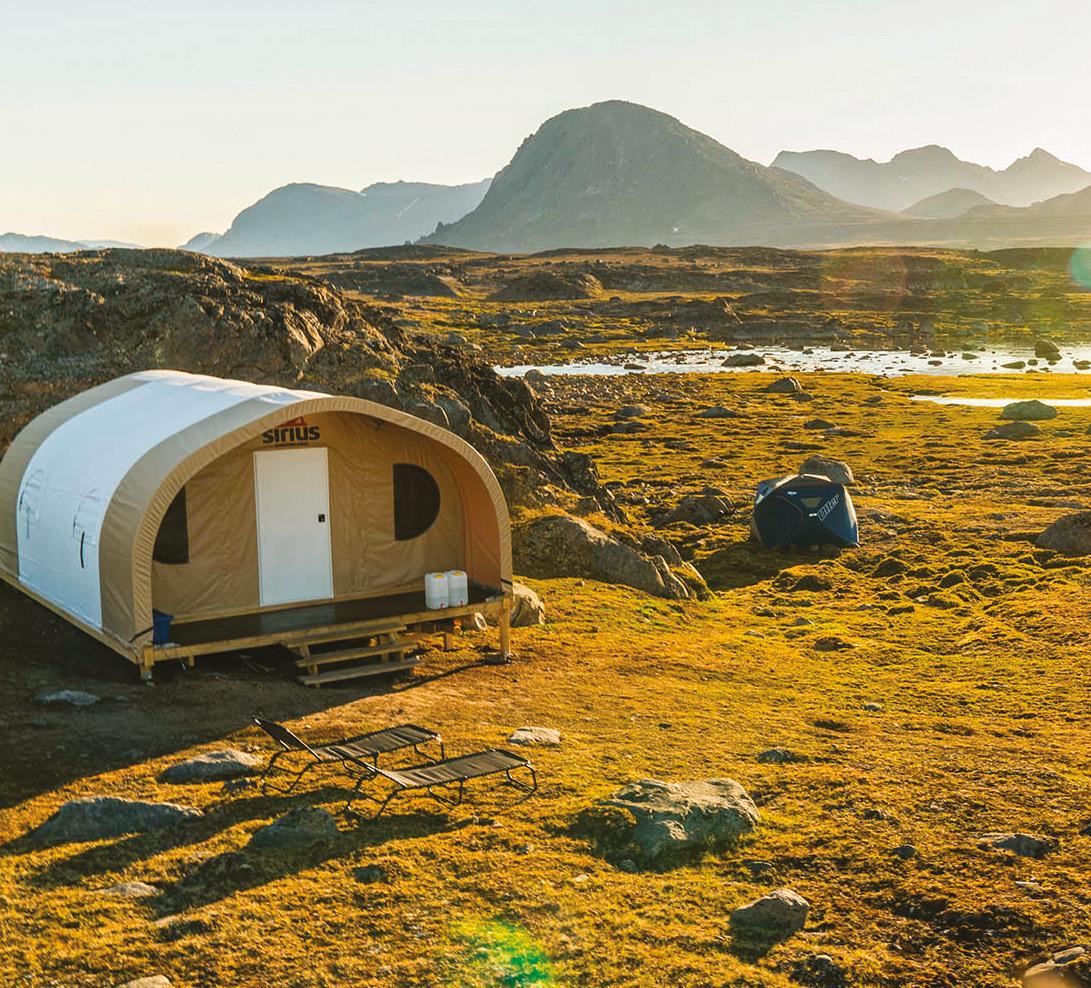
Il campo da pesca è semplice ma confortevole: tende in stile igloo con pavimento in legno, sacchi a pelo caldi e una piccola stufa. Lo chef prepara pasti abbondanti, e le guide conoscono ogni curva del fiume. Dopo cena, quando il sole rifiuta di tramontare, ci sediamo fuori con caffè o birra, osservando la luce muoversi lentamente nella valle. Questo è il tipo di silenzio che resta con te.
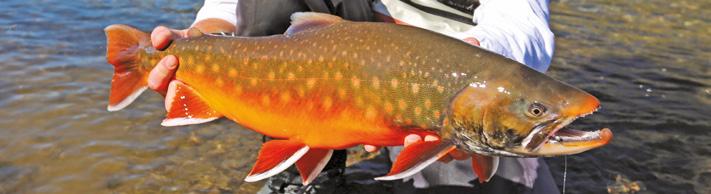
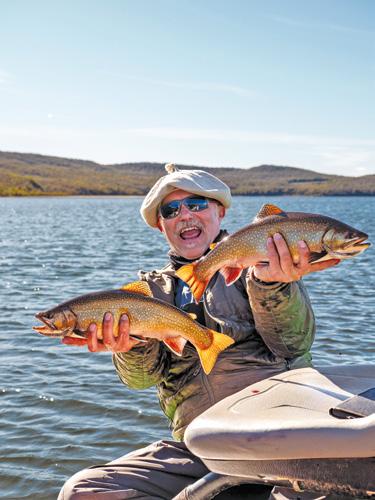
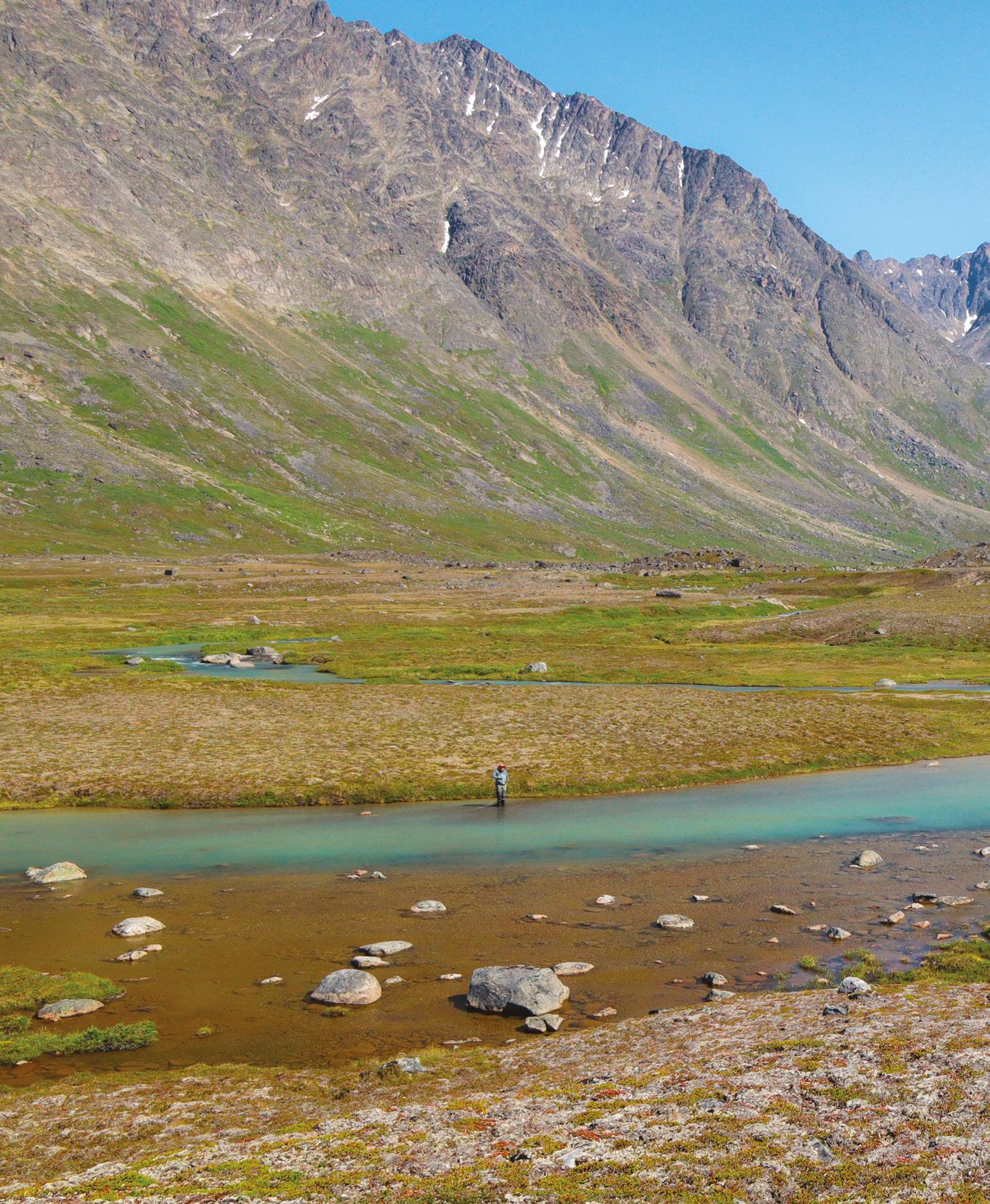
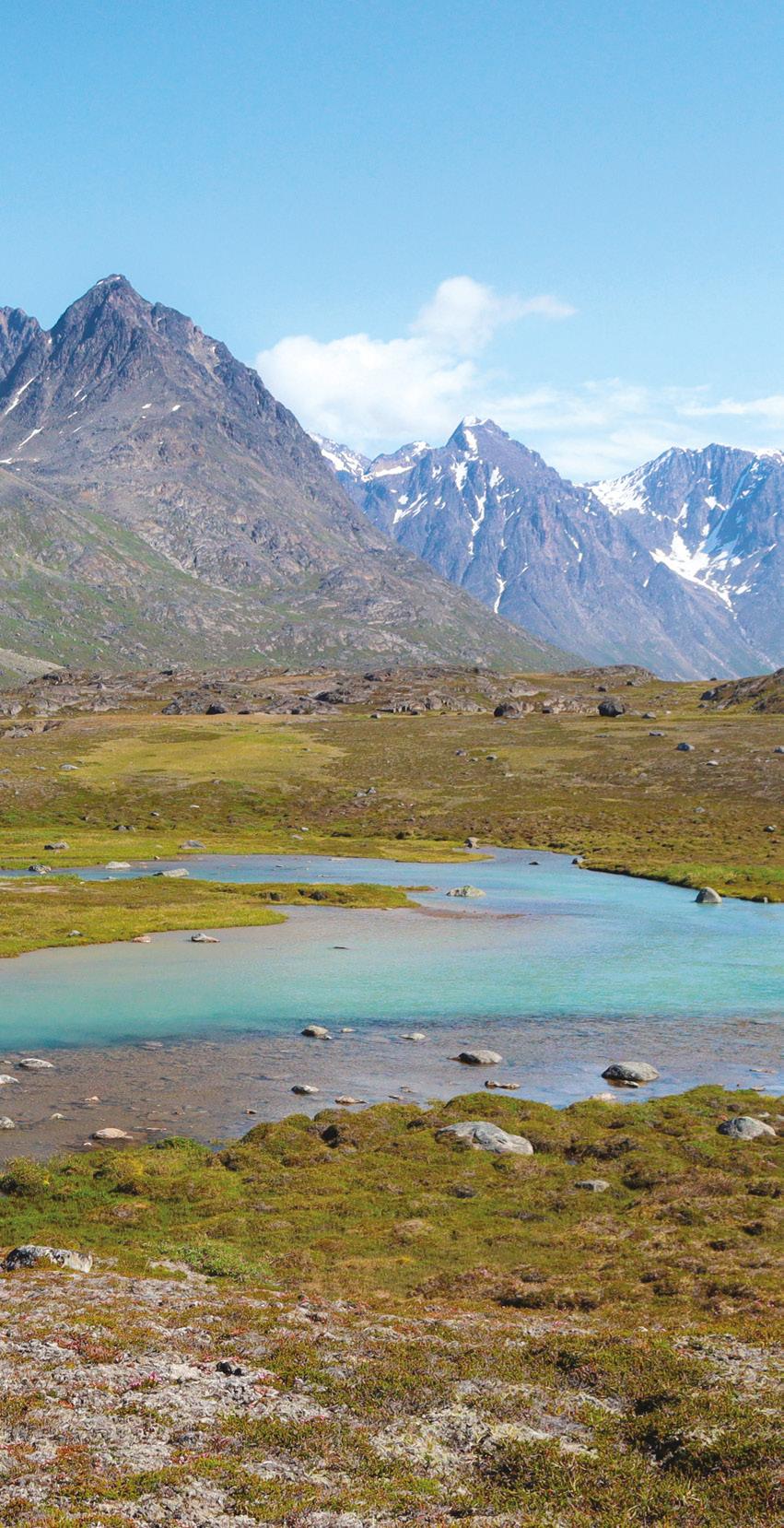
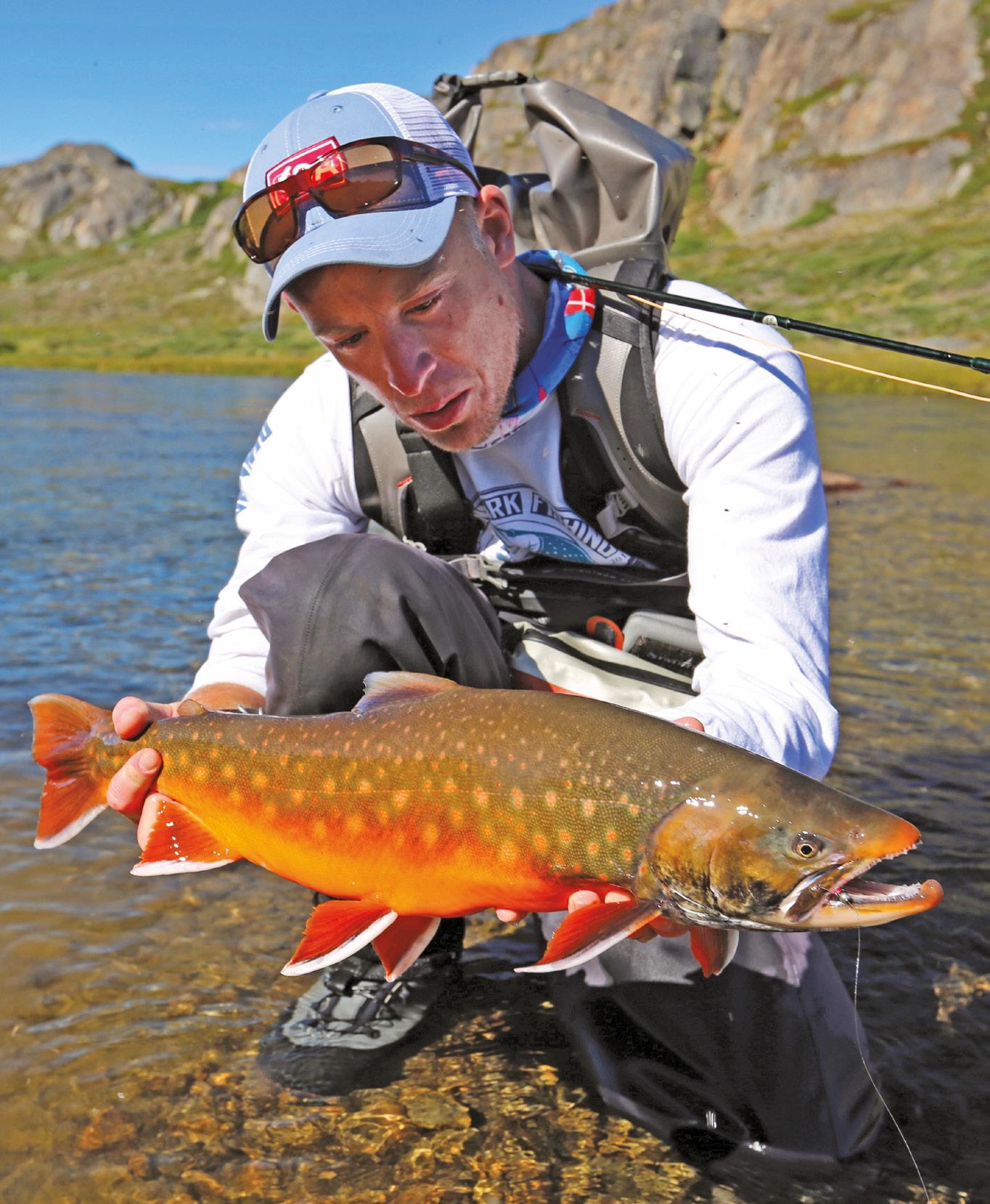
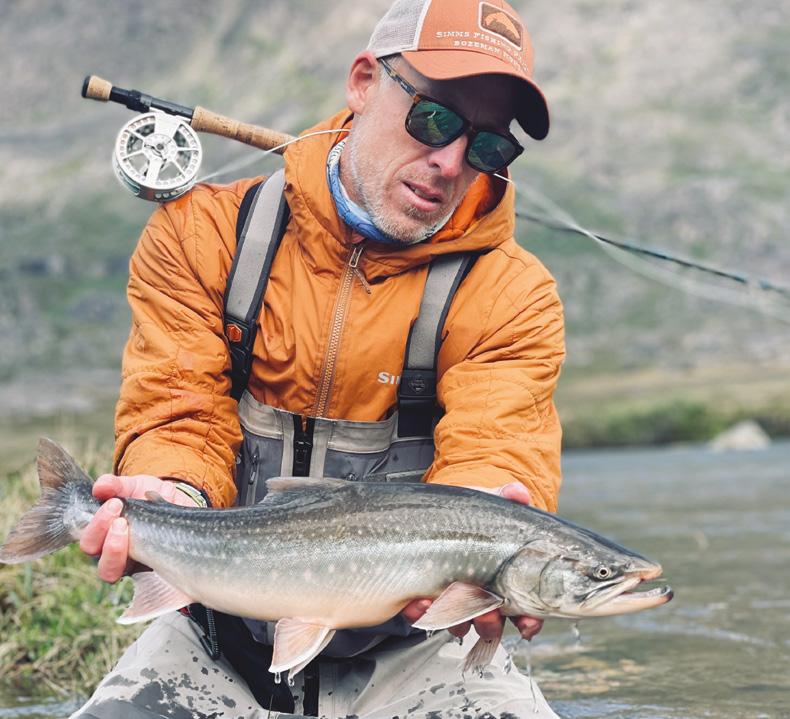
Il fiume stesso è un vero paradiso per il pescatore a mosca: dieci chilometri di acqua cristallina alimentata dai ghiacciai, che attraversa tre laghi e due cascate prima di sfociare nel mare. Nei tratti inferiori si trovano salmerini argentati freschi dal mare, mentre più a monte i pesci diventano di un arancione intenso.
The fishing camp is simple but comfortable: igloo-style tents with wooden floors, a warm sleeping bag, and a small stove. The chef cooks hearty meals, and the guides know every bend in the river. After dinner, when the sun refuses to set, we sit outside with coffee or a beer, watching light move slowly across the valley. This is the kind of silence that stays with you.
The river itself is a fly fisherman’s playground: ten kilometers of crystal-clear, glacier-fed water flowing through three lakes and two waterfalls before it meets the sea. The lower sections hold silver-bright chars fresh from the salt, while higher up the fish burn in deep orange and crimson. Catch-and-release is standard practice here, ensuring the river remains as wild as it looks.
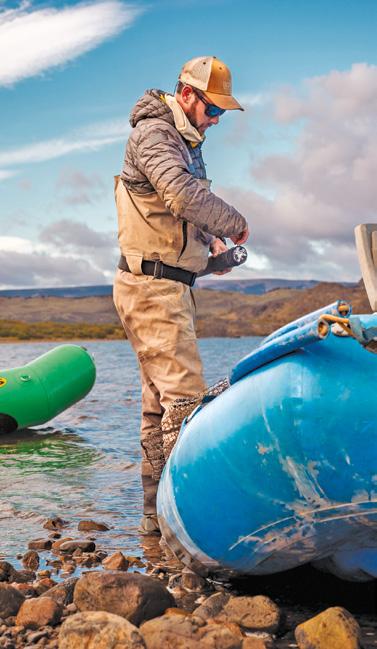
A 6- or 7-weight rod is perfect, paired with a floating line and a strong fluorocarbon tippet : I’d say never thinner than 0.28 or even up to 0.32 mm to be on the safe side. Arctic char are strong fish, built for current and cold water. They hit hard, fight deep, and run fast.
Il catch-and-release è la norma qui, garantendo che il fiume rimanga selvaggio come appare.
Una canna coda 6 o 7 è ideale, abbinata a una lenza galleggiante e a un terminale in fluorocarbon resistente: suggerirei di non scendere mai sotto 0,28 mm, e fino a 0,32 mm per sicurezza. I salmerini artici sono pesci forti, nati per correnti e acque fredde. Colpiscono con forza, combattono in profondità e corrono veloci. Funzionano streamers, ninfe pesanti e foam gurglers; nella sera giusta, una mosca che scivola sulla superficie provoca strike feroci che non dimenticherai mai!
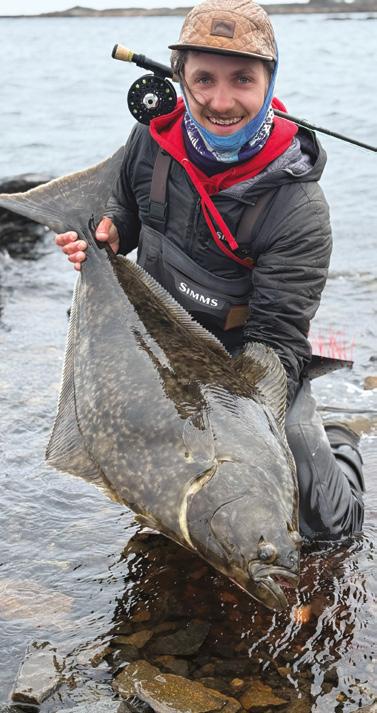
Proprio sotto il campo, dove il fiume si allarga nel fiordo, l’acqua salata riserva le sue sorprese. Durante le maree di luna piena, si può pescare dalla riva il merluzzo o, con un po’ di fortuna, l’halibut. La scorsa stagione, un pescatore ha catturato un halibut di 105 cm con una canna da sette pesi pensata per i salmerini. Trenta minuti dopo tremava per il freddo e l’adrenalina, sorridendo come un bambino — tutto su una canna da mosca coda 6!
Le serate sul Fiume X sono pura poesia. Cammina venti minuti a monte fino a una profonda pozza sotto una cascata e troverai
Streamers, heavy nymphs, and foam gurglers all work; on the right evening, skating a fly across the surface brings savage takes that you’ll never forget!
Just below camp, where the river widens into the fjord, the saltwater offers its own surprises. During full-moon tides, you can cast from the shore for cod or, if you’re lucky, halibut. Last season, one angler landed a 105 cm halibut on a seven-weight rod meant for char. Thirty minutes later, he was shaking with cold and adrenaline, grinning like a kid. This as on a 6 weight fly rod!
pesci che salgono mentre la luce diventa dorata. L’estate artica sembra infinita: luce morbida e argentea che si estende sulla tundra, riflessi che danzano sull’acqua. Lancia, aggiusta, fai scivolare, recupera… e quando la superficie esplode, tutto il resto scompare. Tra un lancio e l’altro, sorseggi caffè dalla tazza di latta e osservi il vapore alzarsi nell’aria fredda. A volte un caribù ("tuttu" in groenlandese) attraversa la cresta, o una volpe artica passa curiosa ma senza paura. È difficile non sentirsi piccoli, e fortunati, nel essere qui.
Il ritmo della settimana diventa semplice: mangiare, pescare, riposare, ripetere. Con ogni giorno che passa, il mondo esterno si allontana sempre più. Nessuna connessione telefonica, nessuno che disturbi. Quando smonti il campo, il suono del fiume si è già inciso nella memoria. Di ritorno a Sisimiut, circondati di nuovo da colori e rumori, è difficile credere che il Fiume X e la sua bellissima valle siano reali. Ma l’odore dell’acqua fredda, la forza di un salmerino, la luce artica... queste cose restano con te. Oggi solo alcuni operatori offrono viaggi
di pesca a mosca in Groenlandia, ciascuno in aree diverse della costa occidentale. Avendo trascorso gli ultimi quindici anni come tour leader, guidando, esplorando e promuovendo questa destinazione, ho acquisito una profonda conoscenza non solo dei fiumi e delle stagioni, ma anche delle numerose sfide che il territorio può presentare.
Qui l’esperienza conta davvero: la Groenlandia non è un posto per improvvisazioni.
Le distanze sono vaste, il tempo può cambiare in pochi minuti e un piccolo errore può diventare serio in fretta. Negli anni ho imparato che la pianificazione attenta e la conoscenza locale fanno la differenza tra un buon viaggio e un viaggio straordinario.
La natura remota e selvaggia della Groenlandia premia la preparazione, e avere l’organizzazione giusta alle spalle non solo rende il viaggio più semplice… lo rende possibile.
Perché in Groenlandia, quando finalmente ti trovi con le ginocchia nell’acqua di un fiume come questo, a lanciare sotto il cielo artico senza fine, realizzi qualcosa di semplice e puro:
questa è la pesca a mosca come dovrebbe sempre essere.
Per quanto riguarda il Fiume X, il campo è un’esperienza solo su invito, personalmente coordinata e supervisionata da me. Aperto solo 4–6 settimane l’anno, a luglio e all’inizio di agosto, ogni settimana ospita 7-9 pescatori.
Per gruppi più grandi — come club di pesca a mosca o negozi di articoli da pesca — è possibile organizzare una settimana privata su richiesta. Situato in una valle remota nella regione di Napiarrisat, il campo si trova vicino alla riva del fiume. Il campo stesso è semplice ma ben attrezzato, offrendo tutto il necessario per una settimana sostenibile e confortevole nella wilderness artica. È un luogo che unisce praticità, atmosfera e il lusso discreto di essere lontano da tutto il resto.
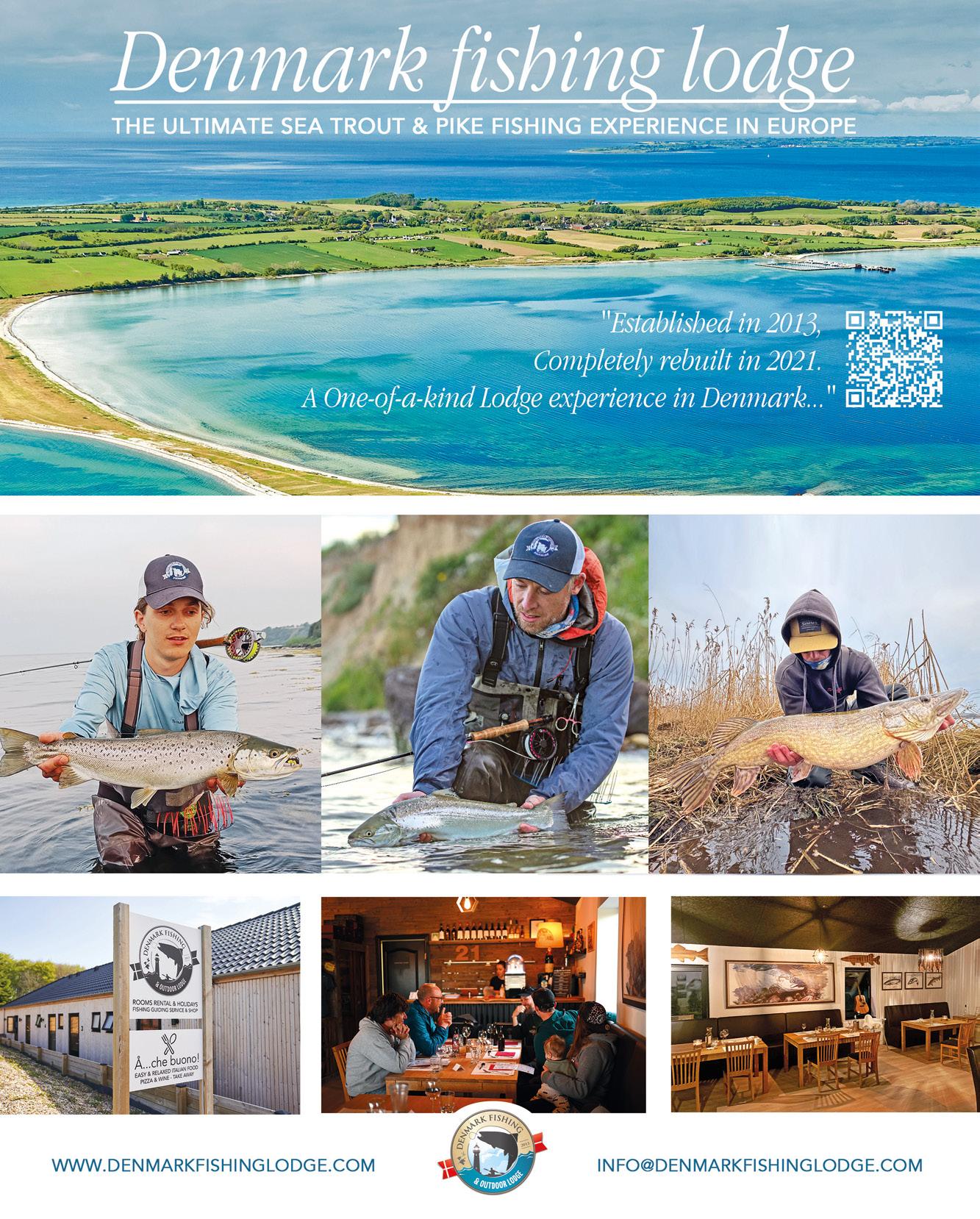
Le prenotazioni per questo campo sono solo su invito e gestite esclusivamente da Omar su www.denmarkfishinglodge.com info@denmarkfishinglodge.com
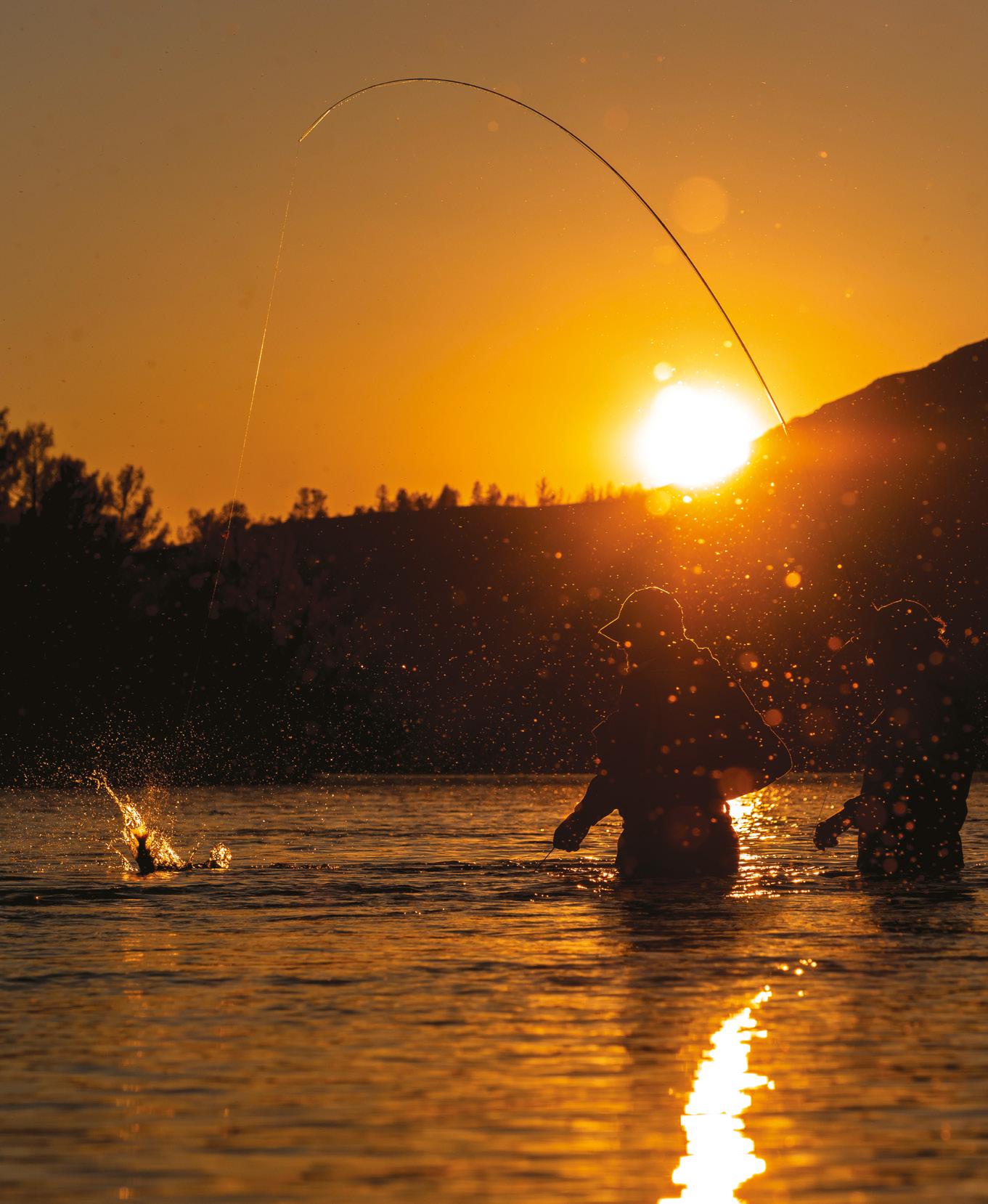
Evenings on River X are pure poetry. Walk twenty minutes upstream to a deep pool below a waterfall and you’ll find rising fish as the light turns gold. The Arctic summer seems endless: soft, silver light stretching over the tundra, reflections dancing on the water. Cast, mend, swing, strip… and when the surface explodes, everything else disappears. Between takes, you sip coffee from your tin cup and watch steam rise into the cool air. Sometimes a caribou — tuttu in Greenlandic — moves across the ridge, or an Arctic fox slips by, curious but unafraid. It’s hard not to feel small, and lucky, to be here. The rhythm of the week becomes simple: eat, fish, rest, repeat. With each day, the outside world fades further away. No phone connection here, nobody disturbing. By the time you break camp, the sound of the river has carved itself into your memory.
Back in Sisimiut, surrounded again by color and noise, it’s hard to believe River X and it’s beautiful valley was real. But the smell of cold water, the pull of a strong char, the Arctic light — those things stay with you.
There are today few outfitters offering fly fishing trips in Greenland, each operating in different areas of the west coast. Having spent the past fifteen years working as tour leader, guiding, exploring and promoting this destination, I’ve gained a deep understanding not only its rivers, its seasons, but the many challenges it can present. Experience truly matters here: Greenland is not a place for improvisation. Distances are vast, weather can change in minutes, and small mistakes can quickly become serious. Over the years, I’ve learned that careful planning and local knowledge are what make the difference between a good trip and a great one. Greenland’s remote, untamed nature rewards preparation, and having the right organization behind you doesn’t just make your journey easier…it makes it possible. Because in Greenland, when you finally stand knee-deep in a river like this, casting under the endless Arctic sky, you realize something simple and pure: this is what fly fishing was always meant to be.
In regards to River X, the camp is an invitation-
only experience, personally coordinated and supervised by myself. Open just 4-6 weeks each year in July and early August, each week hosts 7 to 9 fishermen. For larger groups (such as fly fishing clubs or tackle shops), a private week can also be arranged upon request. Set in a remote valley in the Napiarrisat region, the camp lies close to the banks. The camp itself is simple yet thoughtfully equipped, offering everything needed for a sustainable and comfortable week stay in the Arctic wilderness. It’s a place that blends practicality with atmosphere and the quiet luxury of being far from everything else.
Reservations for this specific camp are on invitation and managed exclusively through Omar of www.denmarkfishinglodge.com info@denmarkfishinglodge.com
THE CHARM OF ATLANTIC SALMON FISHING
LO CHARM DELLA PESCA AL SALMONE ATLANTICO
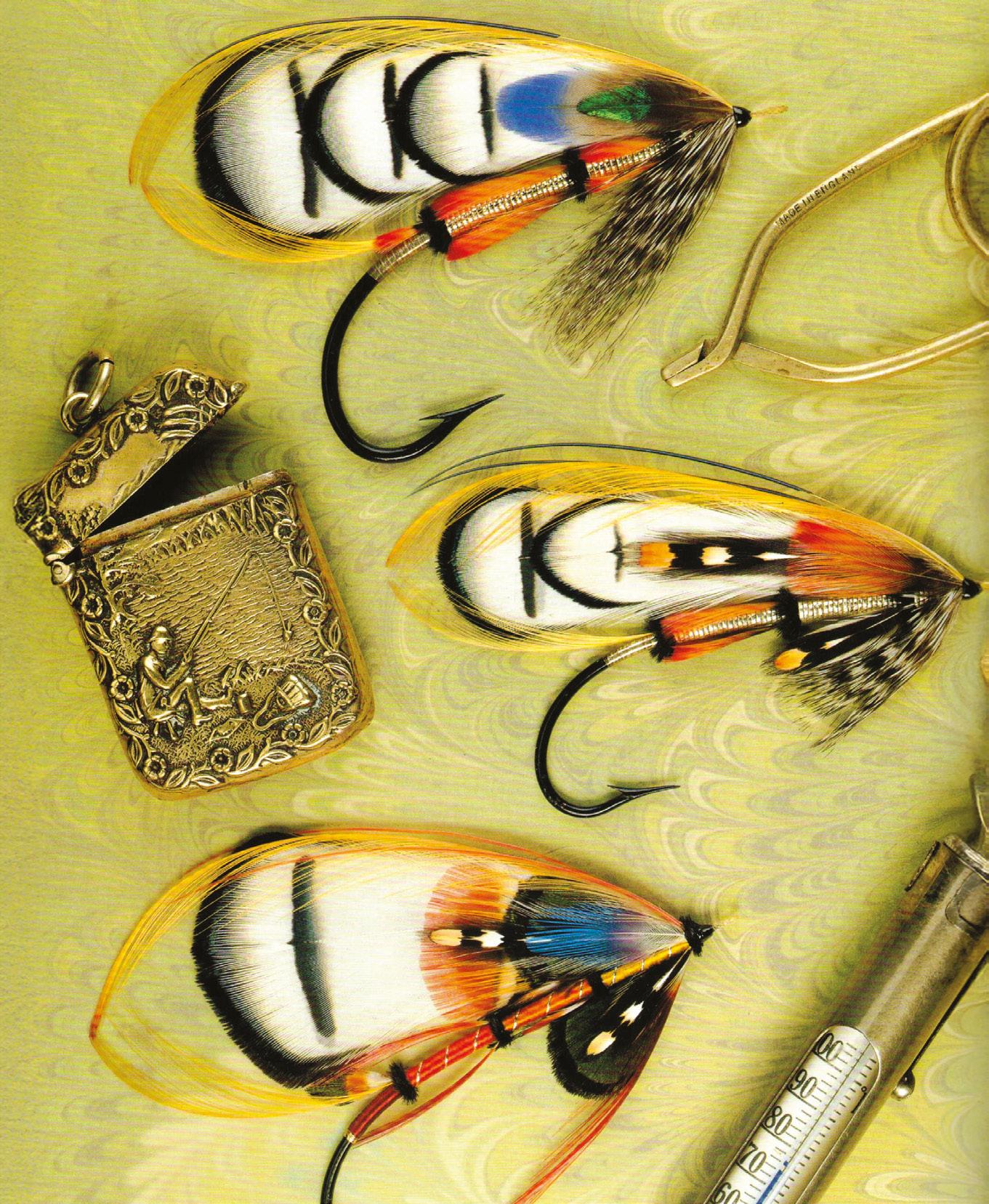
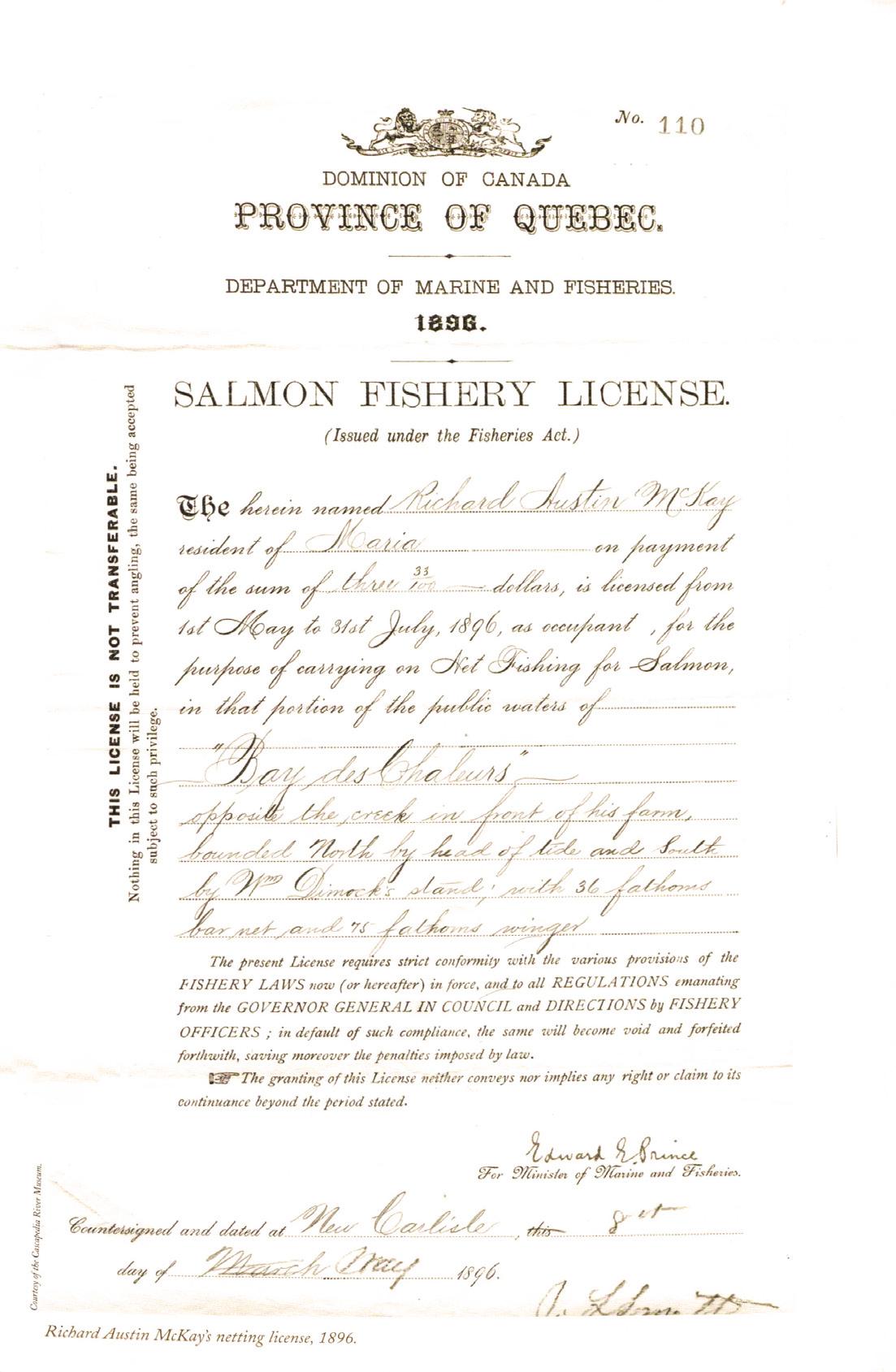
Apartire dalla fine del XIX secolo, per i pescatori di mosca americani che potevano permetterselo, la grande avventura era pescare il salmone atlantico in Canada. Il Canada era la loro Norvegia. Gli americani affittarono tratti di fiumi canadesi e costruirono numerose strutture per la pesca. C’erano fiumi favolosi per il salmone nel Labrador, a Terranova, nel Quebec e nelle Province Marittime. Tra questi, il Restigouche (conosciuto in Francia come Ristigouche),
che scorre per 120 miglia dagli Appalachi settentrionali, nel New Brunswick, fino alla Baia di Chaleur nel Golfo di San Lorenzo, nel Quebec; e la Grand e Petit Cascapédia, nel Quebec. Tutti questi corsi d’acqua sono ancora considerati tra i fiumi più importanti al mondo per la pesca del salmone atlantico. Nel 1875, Genio C. Scott, nel suo trattato enciclopedico Fishing in American Waters, scrisse della pesca in Canada: «I pesci sono anche molto più grandi da questo lato del confine. Il
sulla rivista Scribner's Monthly, osservava che il fiume Restigouche era ancora frequentato principalmente dai britannici, come era stato fin dai tempi in cui soldati britannici erano presenti in Canada. L’articolo raccomandava diversi altri fiumi per la pesca al salmone, come il Laval, il Godbout nel Quebec, il Moisie sulla costa del Labrador e il Margaree sull’isola di Cape Breton. Si notava inoltre che alcuni dei migliori fiumi in Canada si trovavano nella penisola di Gaspé, nel
Quebec, ma che l’area era così remota da essere una «terra incognita, da cui le informazioni arrivavano solo intermittentemente tramite piccoli vascelli commerciali o attraverso lunghi e faticosi percorsi postali via terra». In Canada, la canoa conquistò un posto speciale nel mondo della pesca a mosca. Dean Sage, nel suo classico The Ristigouche and Its Salmon Fishing del 1888, scrisse: «La canoa di corteccia è la più elegante e pittoresca di tutte le imbarcazioni
paesaggio è prevalentemente più maestoso e i fiumi più grandiosi». Nell’Ottocento, un abitante del New England impiegava almeno un mese per raggiungere un buon punto di pesca al salmone in Canada. Il percorso prevedeva un lungo viaggio in treno o in barca, seguito da una considerevole distanza da percorrere in canoa. Era questa la pesca a mosca per quei pochi che avevano tempo e denaro da spendere.
Nell’ottobre del 1876, un lungo articolo intitolato Non sulla pesca al salmone, pubblicato
galleggianti. Gruppi etnici come i Micmac pescavano il salmone con la canoa, e questa imbarcazione è diventata indispensabile nella pesca canadese». I nativi americani consideravano la loro abilità nella costruzione di canoe un dono degli dèi e credevano che le loro canoe fatte a mano fossero copie esatte della prima canoa mai costruita.
Sebbene pescare da una barca possa sembrare un passo indietro rispetto a pescare direttamente
Starting from the late 19th century, for American fly fishermen who could afford it, the ultimate adventure was fishing for Atlantic salmon in Canada. Canada was their Norway. Americans leased stretches of Canadian rivers and built numerous fishing facilities. There were fabulous salmon rivers in Labrador, Newfoundland, Quebec, and the Maritime Provinces. Among them, the Restigouche (known in France as Ristigouche), which runs for 120 miles from the northern
Appalachians in New Brunswick to Chaleur Bay in the Gulf of St. Lawrence, Quebec; and the Grand and Petit Cascapédia, in Quebec. All these waterways are still considered among the most important rivers in the world for Atlantic salmon fishing.
In 1875, Genio C. Scott, in his encyclopedic treatise Fishing in American Waters, wrote about fishing in Canada: “The fish are also much larger on this side of the border. The landscape is generally more majestic, and the rivers more
it had been since British soldiers were present in Canada. The article recommended several other rivers for salmon fishing, such as the Laval, the Godbout in Quebec, the Moisie on the Labrador coast, and the Margaree on Cape Breton Island. It also noted that some of the best rivers in Canada were on the Gaspé Peninsula, Quebec, but the area was so remote that it was a “terra incognita, with information arriving only intermittently via small commercial vessels or
long and arduous postal routes overland.”
In Canada, the canoe earned a special place in the world of fly fishing. Dean Sage, in his classic
The Ristigouche and Its Salmon Fishing (1888), wrote: “The birchbark canoe is the most elegant and picturesque of all floating craft. Ethnic groups such as the Mi’kmaq fished salmon using the canoe, and this vessel became indispensable in Canadian fishing.” Native Americans considered their canoe-building skills a gift from the gods
grand.” In the 19th century, a New Englander would spend at least a month to reach a good salmon fishing spot in Canada. The journey involved a long trip by train or boat, followed by a considerable distance to be traveled by canoe. This was fly fishing for the few who had the time and money to spare.
In October 1876, a long article titled Not on Salmon Fishing, published in Scribner’s Monthly, noted that the Restigouche River was still mainly frequented by the British, as
and believed their handmade canoes were exact replicas of the very first canoe ever built. Although fishing from a boat might seem like a step back compared to fishing directly in the river, maneuvering a canoe can make the angler feel fully part of the current. In The River Why, David James Duncan describes the canoe as “a silent water creature that responds to every wave and curve of the current, gliding like a finger over a naked green body.”
nelle acque del fiume, manovrare una canoa può far sentire il pescatore come parte integrante della corrente. In The River Why, David James Duncan descrive la canoa come «una creatura acquatica silenziosa che risponde a ogni onda e curva della corrente, scivolando come un dito su un corpo nudo e verde».
Sui grandi fiumi del salmone dell’Est del Canada, le tradizionali canoe di corteccia sono estremamente
delicate e richiedono una manutenzione accurata, diventando così parte integrante e radicata dell’arte della pesca a mosca. Alcuni pescatori esitano a usarle perché richiedono di sviluppare un secondo insieme di abilità, tanto impegnative quanto la pesca stessa. Fiumi come la Grand Cascapédia o la Bonaventure in Canada hanno sponde rocciose sporgenti, ombreggiate da fitte foreste, che li rendono difficili da raggiungere
On the great salmon rivers of Eastern Canada, traditional birchbark canoes are extremely delicate and require careful maintenance, becoming an integral and rooted part of the art of fly fishing. Some anglers hesitate to use them because they demand a second set of skills, as challenging as fly fishing itself. Rivers like
the Grand Cascapédia or the Bonaventure in Canada have overhanging rocky banks, shaded by dense forests, making them difficult to access and complicating casting, with few points of interest.
Hence the great attention and interest in canoe navigation; as a friend says, with these canoes
e complicano il lancio, offrendo pochi punti di interesse.
Da qui nasce una grande attenzione e interesse per lo spostamento in canoa; come dice un amico, con queste canoe è talmente facile rovesciarsi che occorre sempre tenere la lingua nella parte centrale della bocca.
it’s so easy to capsize that you must always keep your tongue in the middle of your mouth.
IN LIGURIA
con Fulvio e Guido
Oggi voglio parlarvi di due ragazzi, Fulvio e Guido, che vivono nel cuore delle Alpi Liguri, in una valle magica e ancora profondamente incontaminata:
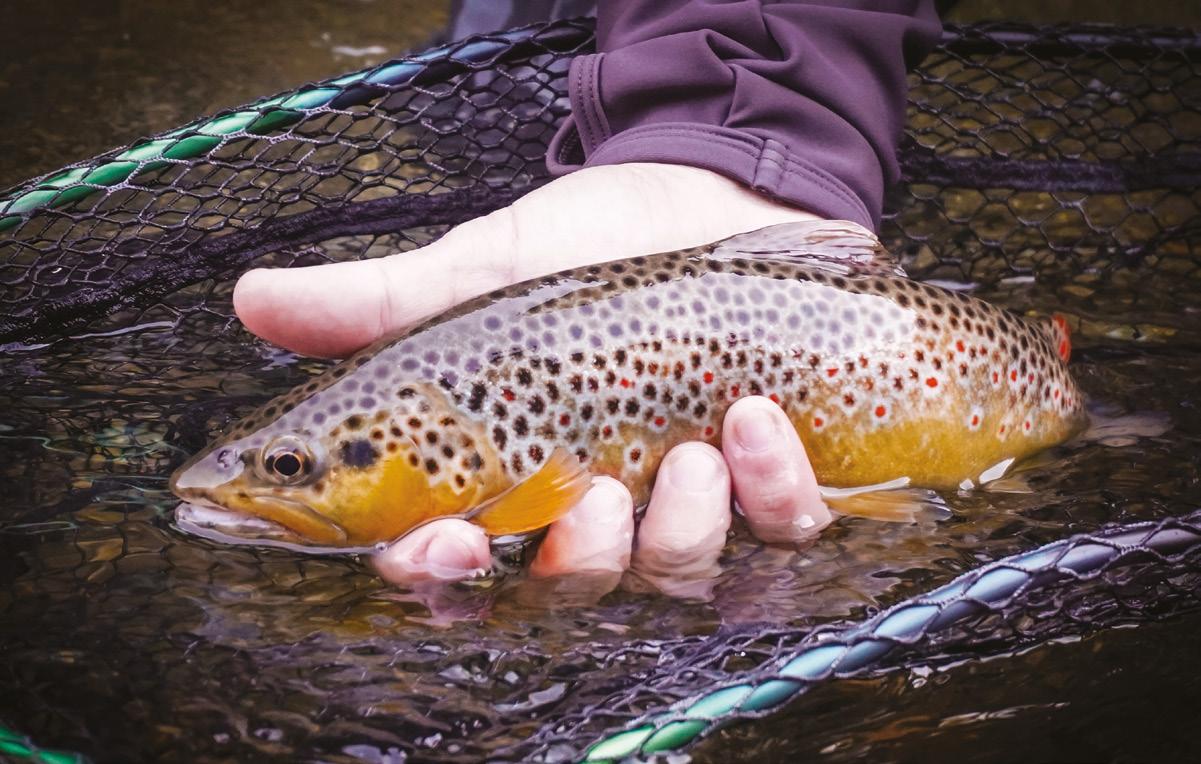
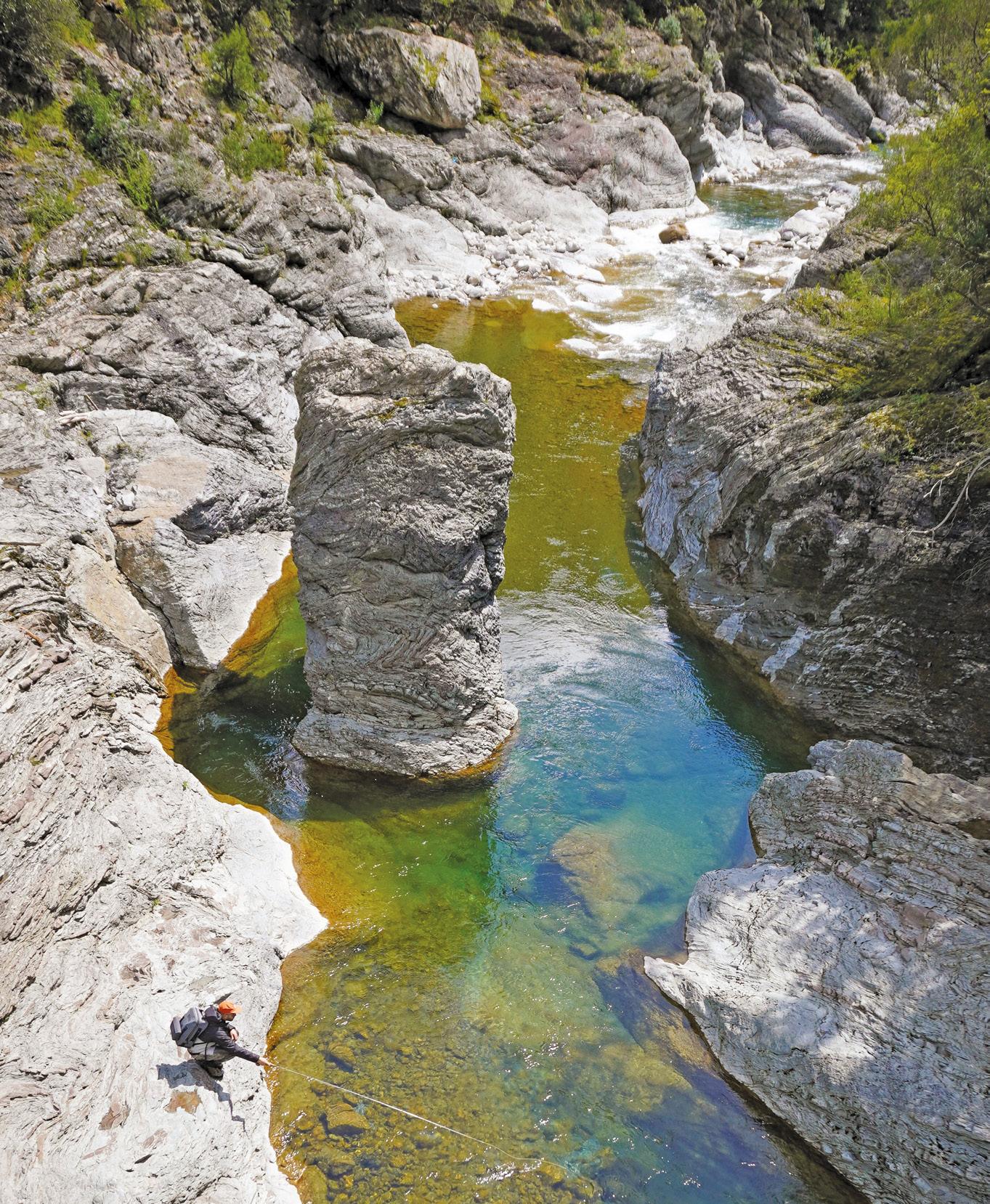
l’Alta Valle Argentina. Qui scorre l’omonimo torrente Argentina, famoso per le sue acque cristalline che scendono dal Monte Saccarello e per le splendide trote fario naturali, talmente perfette da sembrare dipinte a mano.
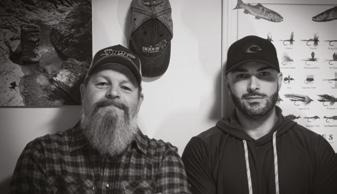
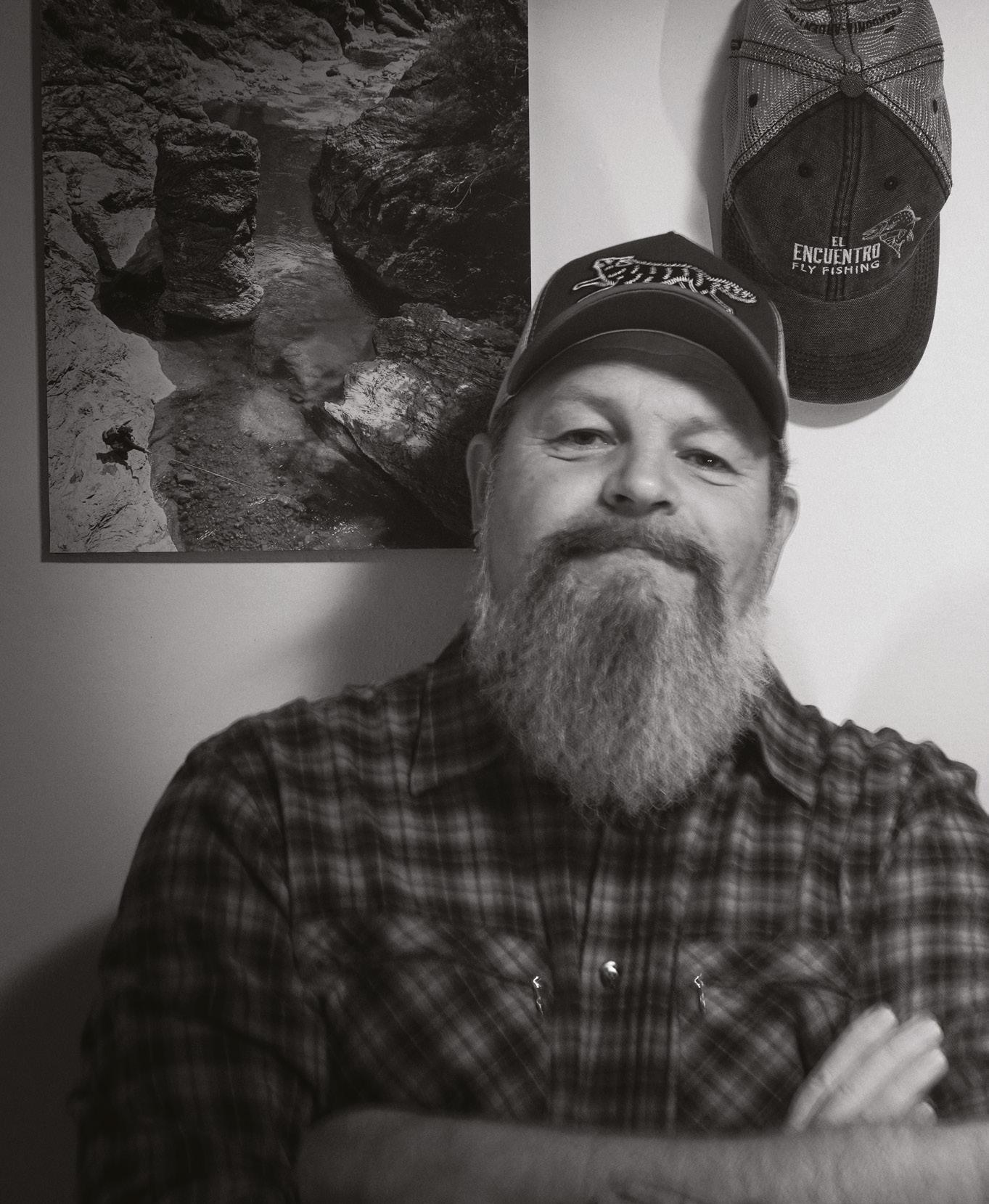
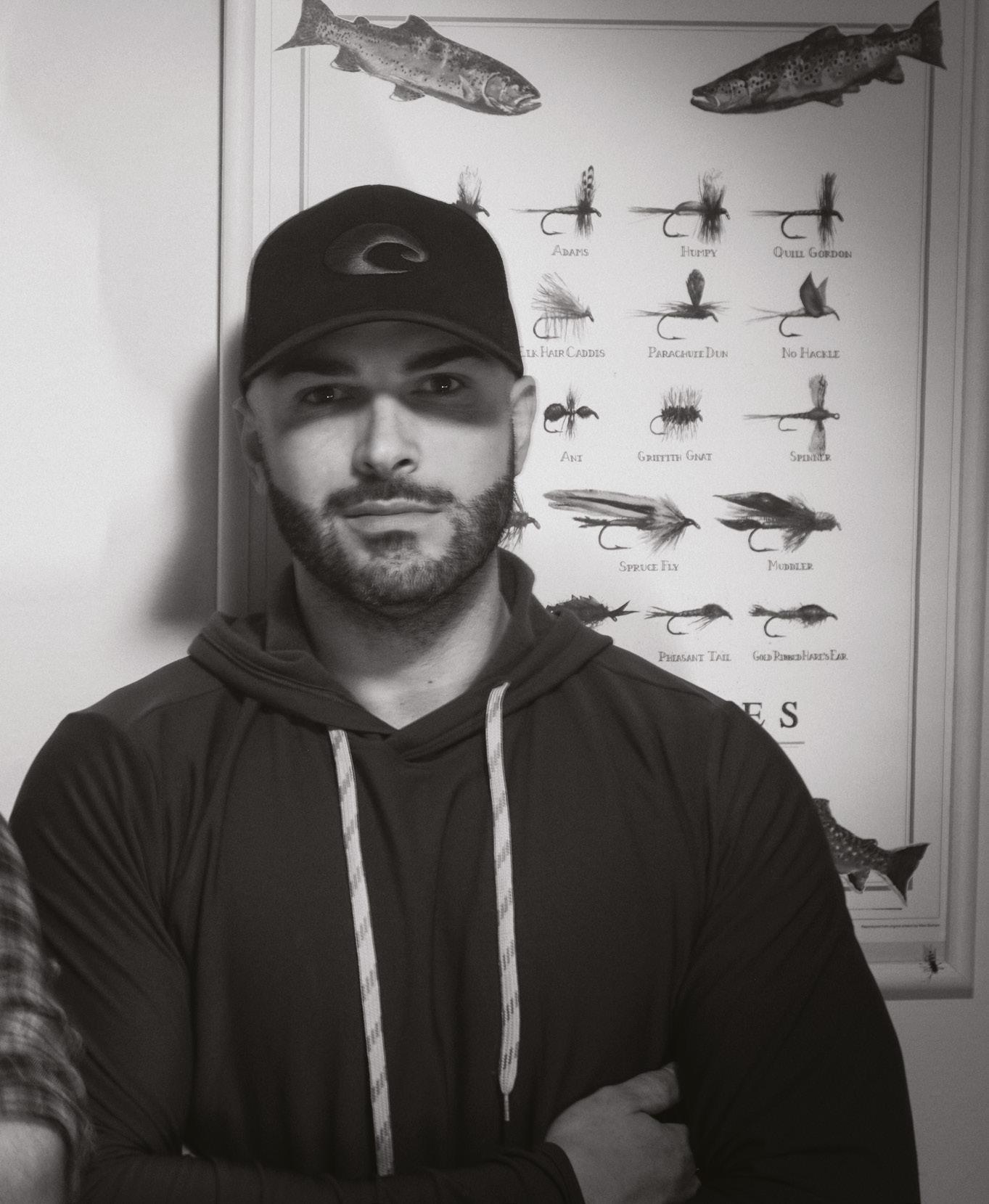
Fulvio è nato e cresciuto nel piccolo paese
di Agaggio Inferiore, situato poco prima del celebre “Borgo delle Streghe”, Triora. Appassionato di pesca fin dall’età di sei anni — forse proprio grazie al torrente che gli scorre sotto casa — a soli tredici anni rimane affascinato dalla pesca a mosca, che in breve diventa il suo vero stile di vita.
Guido, anch’egli cresciuto in questa splendida valle, è un coltivatore di zafferano di eccellenza. Ha iniziato a pescare molto giovane e, da più di
dieci anni, si dedica con passione al fly fishing. Chi li conosce sa bene che, per i loro continui battibecchi, sembrano quasi marito e moglie; in realtà sono uniti da una grande amicizia e da un profondo amore per la loro terra. Un amore così forte da spingerli a credere nel valore del fly fishing nella loro zona e a investire il loro tempo per farlo crescere e farlo conoscere.
Today I want to tell you about two young men, Fulvio and Guido, who live in the heart of the Ligurian Alps, in a magical and still largely unspoiled valley: the Upper Argentina Valley. Here flows the Argentina River, famous for its crystal-clear waters coming down from Monte Saccarello and its beautiful wild brown trout, so perfect they seem hand-painted. Fulvio was born and raised in the small village
of Agaggio Inferiore, located just before the famous “Village of the Witches,” Triora. Passionate about fishing since the age of six — perhaps thanks to the river flowing near his home — he became fascinated with fly fishing at just thirteen, which soon became his true way of life.
Guido, also raised in this stunning valley, is an excellent saffron cultivator. He started fishing at a young age and, for more than ten years,
has devoted himself passionately to fly fishing. Those who know them well say that, because of their constant bickering, they almost seem like husband and wife; in reality, they are united by a strong friendship and a deep love for their land. A love so strong that it drives them to believe in the value of fly fishing in their area and to invest their time in developing it and raising awareness.
Alloraragazzi,lapescaturisticainLiguria è abbastanza nuova come attività nella vostra regione,giusto?
«La pesca turistica in Liguria è un’attività relativamente nuova, soprattutto se parliamo di una pesca di eccellenza legata al fly fishing nelle Alpi Liguri. Possiamo dire che siamo stati tra i primi a credere davvero nel potenziale della
pesca a mosca nel nostro territorio e i primi a intraprendere seriamente il lavoro di guide di pesca. Il nostro territorio è molto turistico e importante per le attività outdoor: è famoso in tutto il mondo per mountain bike, trekking e arrampicata. Crediamo che la pesca a mosca abbia un forte potenziale anche nel nostro piccolo e che possa diventare un nuovo punto
di forza per valorizzare e far conoscere ancora di più la nostra valle.»
Quali sono le caratteristiche dei vostri fiumi?
I nostri corsi d’acqua sono molto caratteristici e naturali, grazie alla conformazione delle nostre vallate. Il torrente Argentina è un fiume molto
So, guys, tourist fishing in Liguria is a relatively new activity in your region, right?
“Tourist fishing in Liguria is indeed relatively new, especially when we talk about high-level fly fishing in the Ligurian Alps. We can say that we were among the first to truly believe in the
potential of fly fishing in our territory and the first to seriously pursue work as fishing guides. Our area is very popular with tourists and important for outdoor activities: it is famous worldwide for mountain biking, trekking, and climbing. We believe that fly fishing also has strong potential here and could become a new
strength to enhance and promote our valley even more.”
Whatarethecharacteristicsofyourrivers?
Our waterways are very unique and natural, thanks to the layout of our valleys.
tecnico, soprattutto perché i pesci sono selvatici, ma le gole e i boschi attraverso cui scorre lo rendono davvero magico. Chi viene a pescare rimane sempre incantato. Il fiume Tanaro, invece, risulta più semplice, anche grazie alla famosa Riserva San Carlo Fly Fishing, con la quale collaboriamo, conosciuta per i suoi pesci di taglia.
Con quale tecnica di pesca a mosca preferiteaccompagnareivostriclienti?
Sicuramente la tecnica di eccellenza per i nostri corsi d’acqua è la mosca secca, che soprattutto nei mesi primaverili e nelle calde sere estive regala sempre belle sorprese. Ovviamente bisogna adattarsi alle condizioni e ai livelli dell’acqua: in caso di pioggia o di scioglimento
della neve, la ninfa fa davvero la differenza.
Quanti fiumi avete a disposizione per i vostri clienti?
Abbiamo diversi corsi d’acqua a disposizione: in base alle preferenze del cliente e, naturalmente, alle condizioni dei fiumi, possiamo iniziare dal fiume Tanaro, per poi spostarci sul torrente
The Argentina River is very technical, mainly because the fish are wild, but the gorges and forests it flows through make it truly magical. Anyone who comes to fish is always enchanted. The Tanaro River, on the other hand, is easier, also thanks to the famous San Carlo Fly Fishing Reserve, with which we collaborate, known for
For our rivers, the technique of choice is definitely dry-fly fishing, which, especially in spring and on warm summer evenings,
always offers pleasant surprises. Of course, it is important to adapt to water levels and conditions: in case of rain or snowmelt, nymph fishing really makes the difference.
Howmanyriversdoyouhaveavailablefor yourclients?
Argentina e concludere il weekend pescando su un piccolo affluente, quasi a 1.600 metri di quota.
Qualisonoivostriprogettiperilfuturo?
Siamo sempre molto attivi! Per il futuro, quest’anno saremo presenti a molti Fly Fishing Show per promuovere il nostro servizio e siamo anche impegnati nell’organizzazione di un importante evento outdoor nella nostra zona, il Festivalle, dove stiamo preparando una sezione dedicata al fly fishing, con ospiti costruttori e dimostrazioni di lancio.
Dove si possono trovare tutte le informazioni?
Potete trovarci sui nostri canali social: flyfishingligurianalps_ e fulvio_oliva_fly Oppure scriverci a: fulvioolivafly@libero.it
We have several waterways available: depending on the client’s preferences and, of course, the river conditions, we may start with the Tanaro River, then move to the Argentina River, and conclude the weekend fishing on a small tributary at nearly 1,600 meters above sea level.
Whatareyourplansforthefuture?
We are always very active! This year, we will participate in several Fly Fishing Shows to promote our service, and we are also heavily involved in organizing a major outdoor event in our area, the Festivalle, where we are preparing a section dedicated to fly fishing, with guest fly-tier workshops and casting demonstrations.
Wherecanalltheinformationbefound?
You can find us on our social channels: flyfishingligurianalps_ and fulvio_oliva_fly. Alternatively, you can email us at: fulvioolivafly@libero.it.
ISLANDESE QUALITÀ
Fernando Garcia
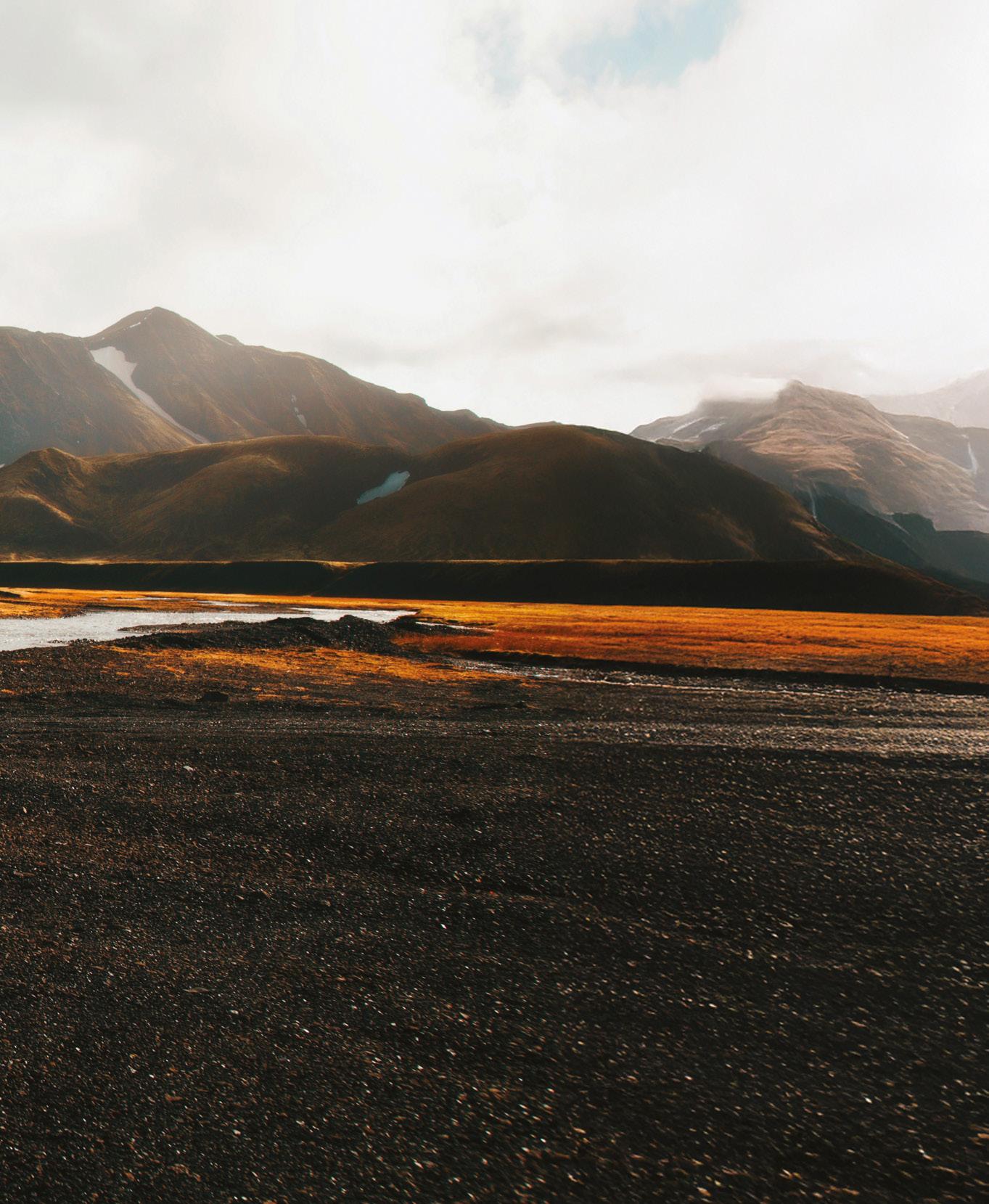
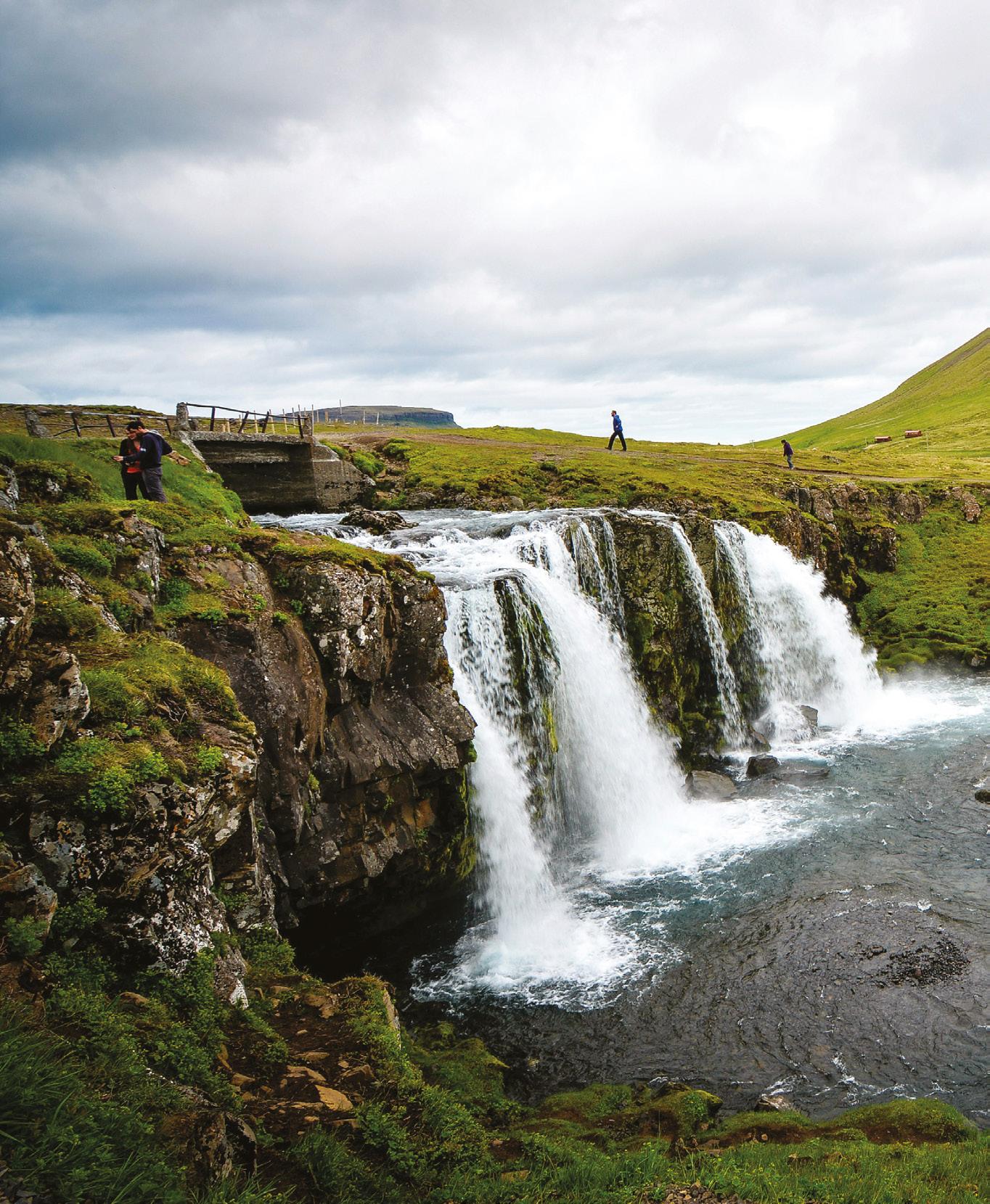
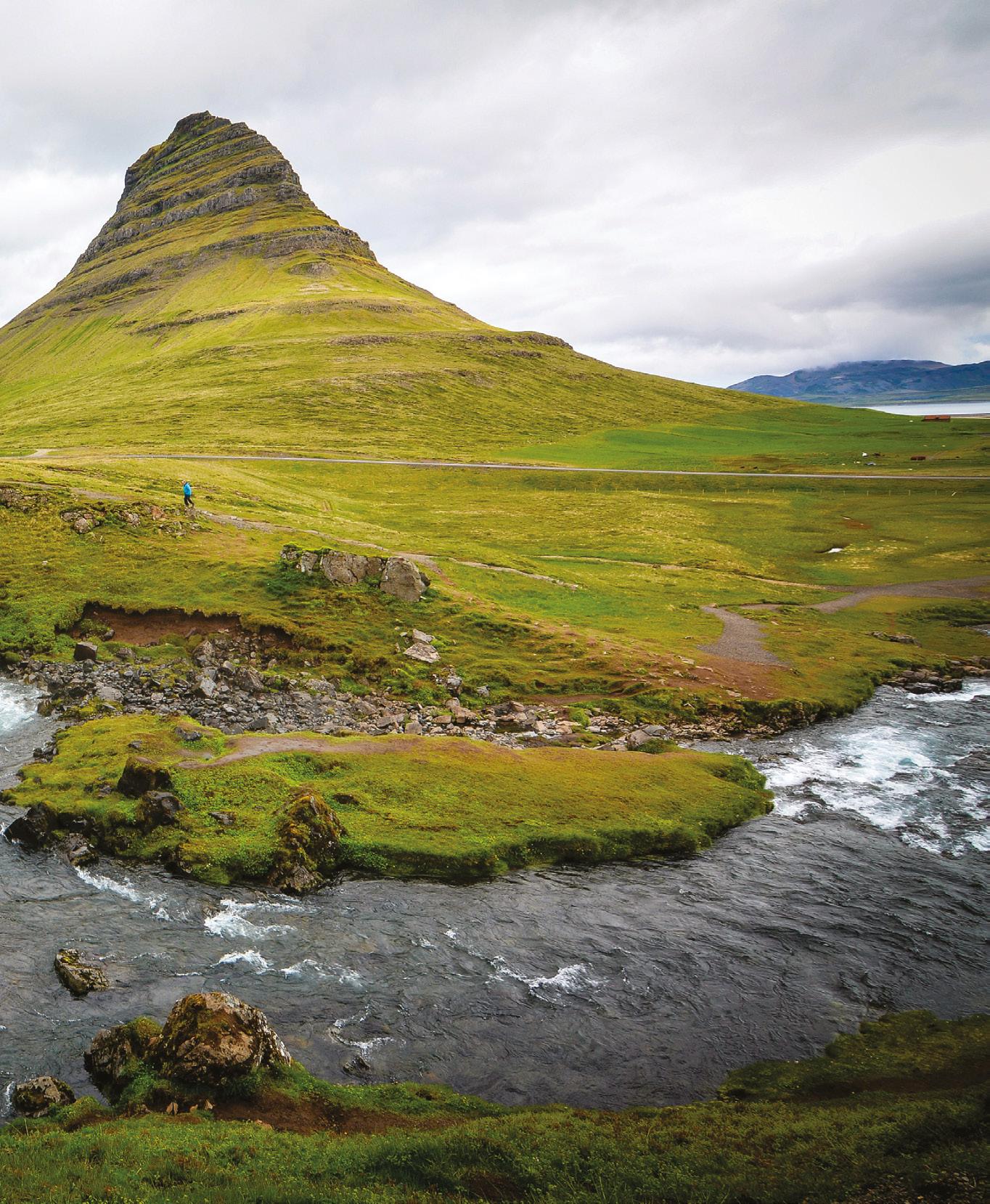
La pesca in Islanda ha pochi concorrenti commerciali: la bellezza dei luoghi, unita a una buona gestione delle risorse idriche, fa sì che, nonostante la pressione di pesca e il cambiamento climatico, la qualità rimanga pressoché invariata. La zona di cui parliamo si trova a sud, a circa due ore dalla capitale.
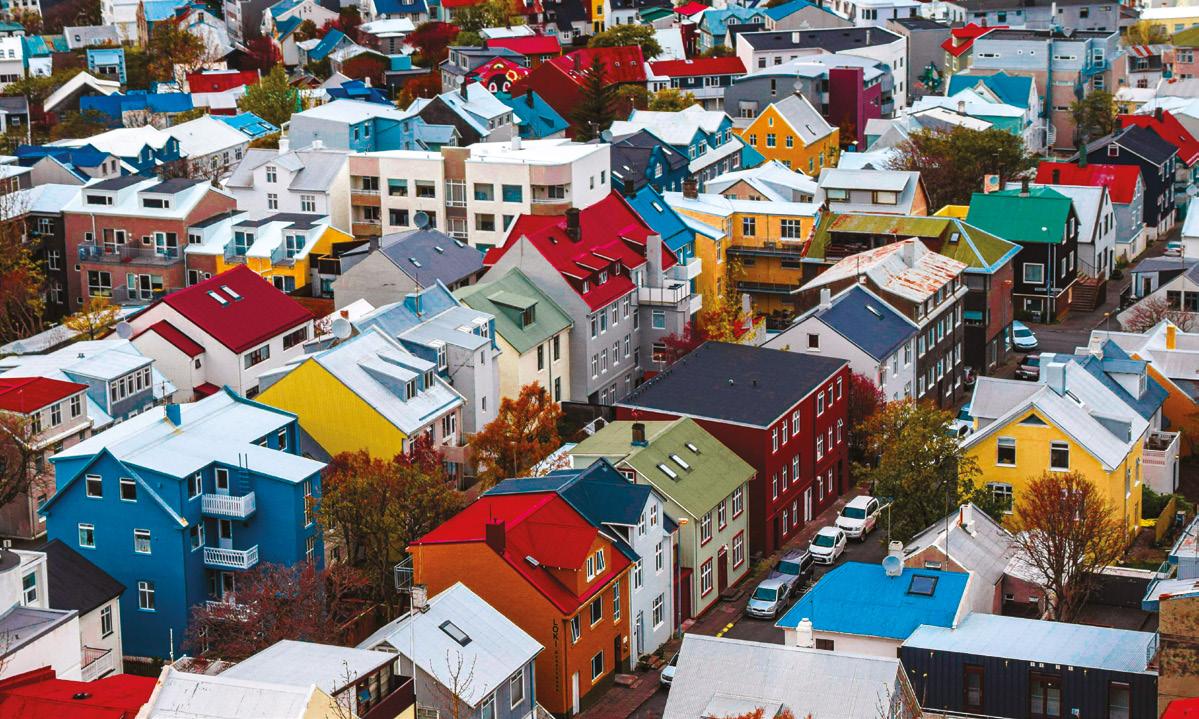
Reykjavík, capitale dell’Islanda, è una delle città più settentrionali del mondo e rappresenta un connubio perfetto tra natura selvaggia e
modernità. Pur essendo una capitale, mantiene dimensioni contenute e un’atmosfera rilassata, con un centro storico vivace, strade colorate e un lungomare affascinante. Tra le sue icone spiccano la chiesa Hallgrímskirkja, visibile da ogni punto della città, e la sala concerti Harpa, simbolo dell’architettura contemporanea islandese.
A Reykjavík si respira una cultura dinamica: musei, gallerie, locali con musica dal vivo e festival animano la città tutto l’anno. I suoi
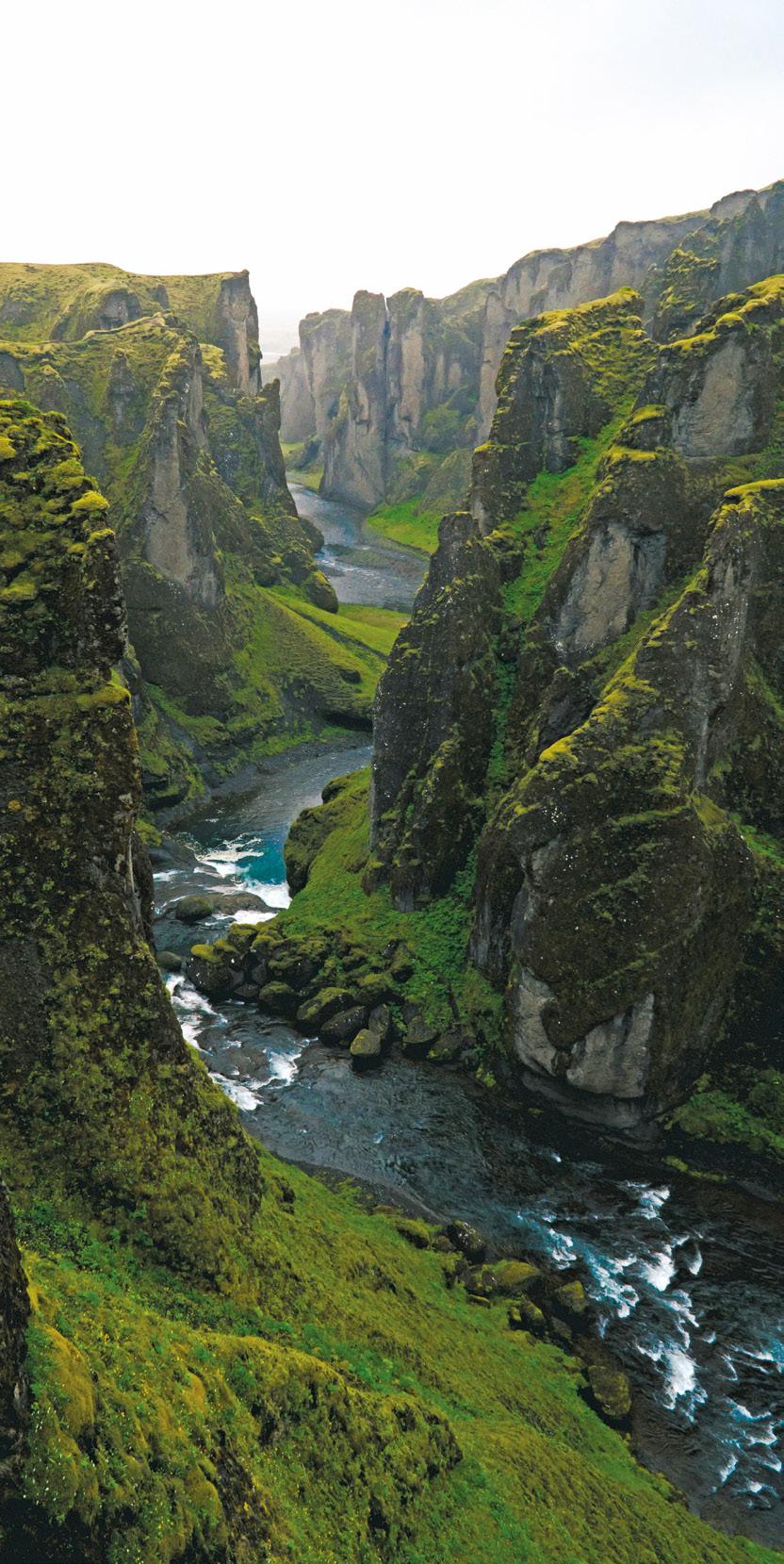
abitanti sono noti per l’ospitalità e l’amore per la natura, che si riflette anche nella vita quotidiana: le piscine geotermiche all’aperto sono luoghi di ritrovo anche in pieno inverno. Reykjavík è anche la base perfetta per partire alla scoperta delle meraviglie naturali dell’isola: geyser, cascate, fiordi e vulcani sono facilmente raggiungibili. L’Islanda è una terra di straordinaria bellezza naturale, un’isola vulcanica sospesa tra fuoco e ghiaccio, che offre esperienze uniche in ogni stagione. Le attività
Fishing in Iceland faces little commercial competition: the natural beauty of the locations, combined with good water resource management, ensures that despite fishing pressure and climate change, the quality remains almost unchanged. The area we are discussing is in the south, about two hours from the capital.
Reykjavík, the capital of Iceland, is one of the northernmost cities in the world and represents
a perfect blend of wild nature and modernity. Despite being a capital, it retains a smalltown feel and a relaxed atmosphere, with a lively historic center, colorful streets, and a charming waterfront. Iconic landmarks include Hallgrímskirkja church, visible from anywhere in the city, and the Harpa concert hall, a symbol of contemporary Icelandic architecture.
Reykjavík has a vibrant cultural life: museums, galleries, live music venues, and festivals animate
disponibili sono numerose e adatte a ogni tipo di viaggiatore, dagli amanti della natura agli appassionati di avventura.
Tra le esperienze imperdibili c’è il Golden Circle, un itinerario che include il Parco Nazionale di Þingvellir, la spettacolare cascata Gullfoss e l’area geotermica di Geysir, dove i getti d’acqua bollente esplodono regolarmente
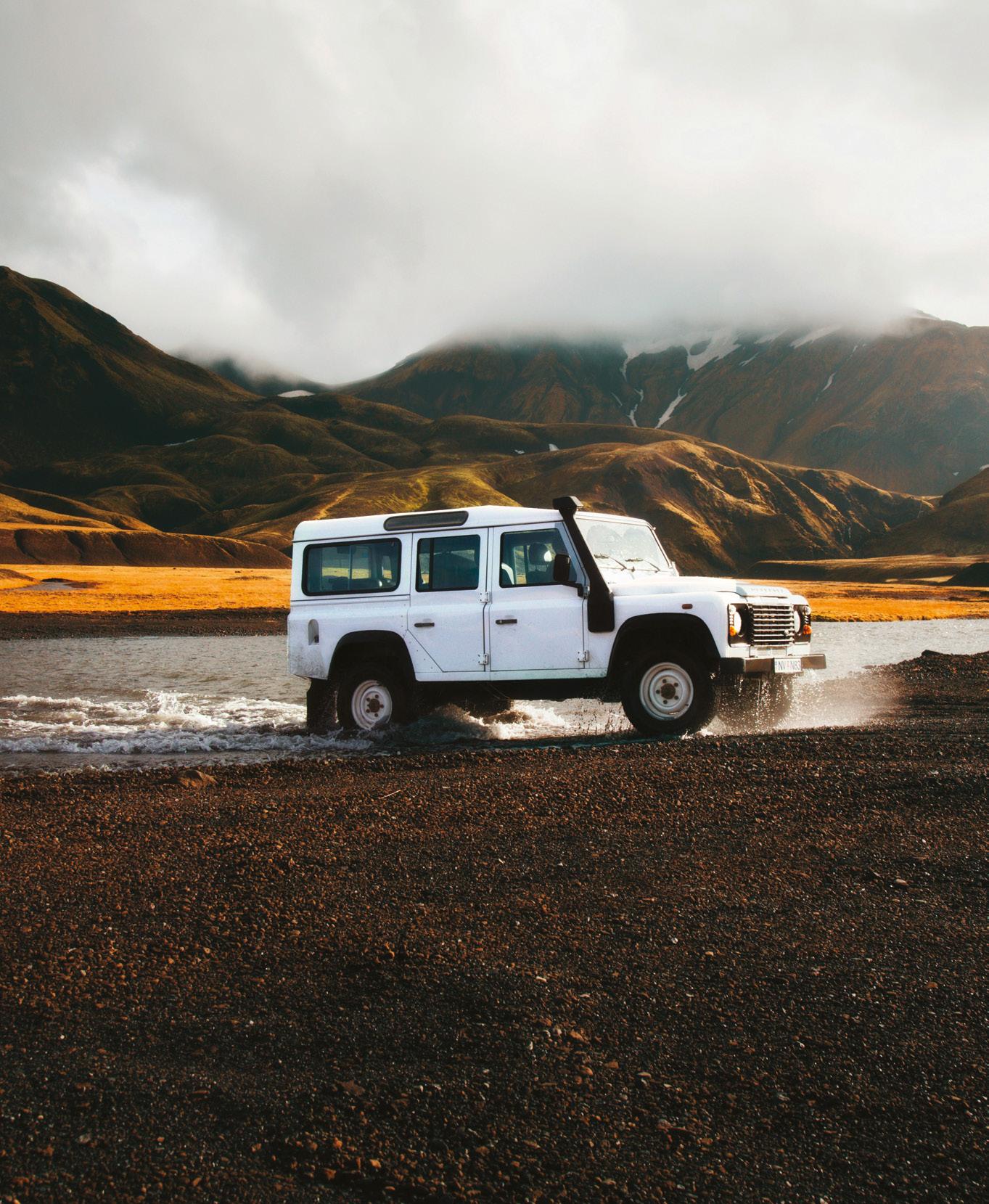
dal terreno. Gli amanti dei paesaggi lunari non possono perdersi la Laguna Blu, una spa geotermica immersa in un campo lavico, perfetta per rilassarsi in acque calde e lattiginose. Per chi cerca l’adrenalina, l’Islanda offre escursioni su ghiacciai, trekking nei territori vulcanici del Landmannalaugar, tour in motoslitta o viaggi in super jeep attraverso
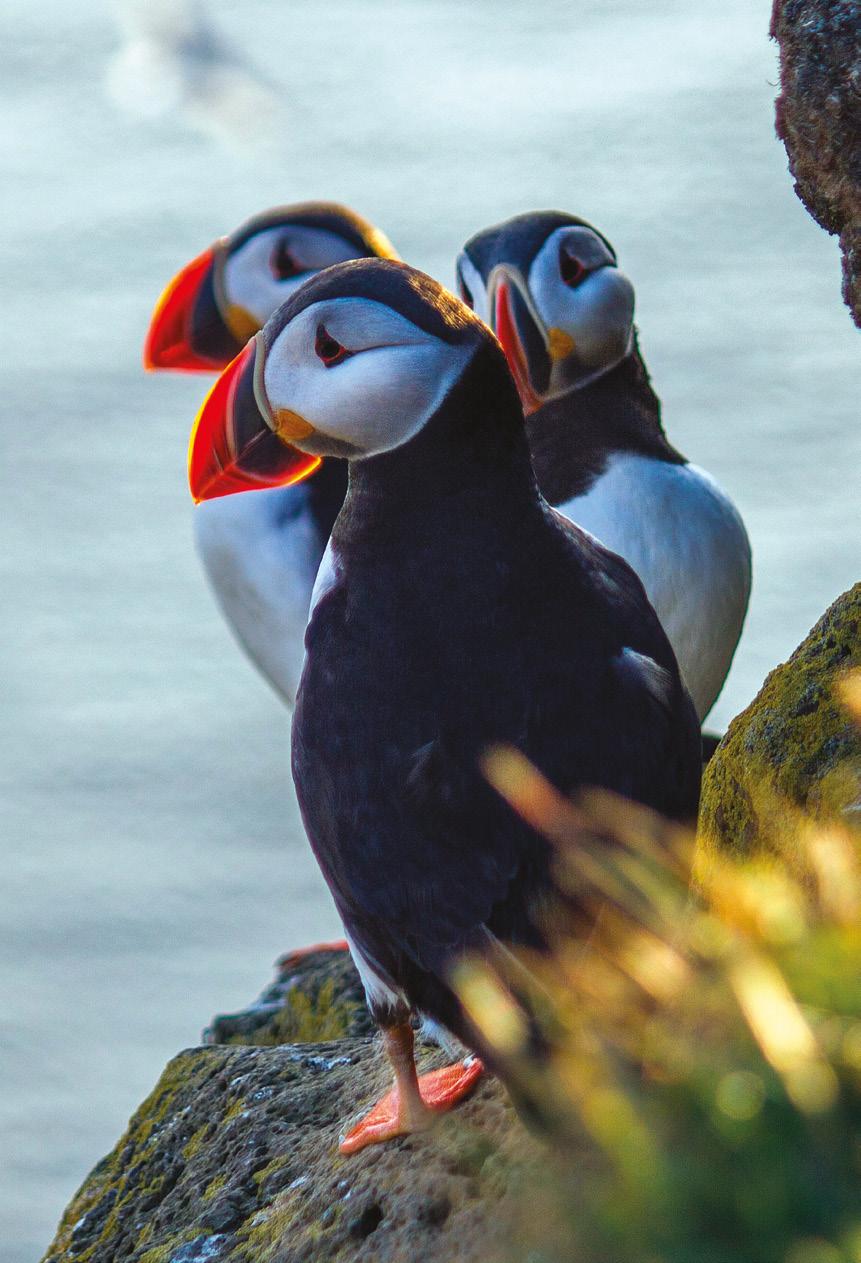
l’interno disabitato. In estate si può praticare il whale watching da Husavík o Akureyri, osservando balene megattere, delfini e pulcinelle di mare. L’inverno regala invece l’esperienza magica dell’aurora boreale, visibile nei cieli scuri e limpidi delle zone rurali, mentre le grotte di ghiaccio e i tunnel sotto i ghiacciai offrono esplorazioni spettacolari. Gli amanti del
the city throughout the year. Its residents are known for their hospitality and love of nature, which is reflected in everyday life: outdoor geothermal pools serve as meeting places even in the depths of winter. Reykjavík is also the perfect base for exploring the island’s natural wonders: geysers, waterfalls, fjords, and volcanoes are all easily accessible.
Iceland is a land of extraordinary natural beauty, a volcanic island suspended between fire and ice, offering unique experiences in every season. The range of activities is vast, catering to nature lovers as well as adventure enthusiasts. Among the must-do experiences is the Golden Circle, an itinerary that includes Þingvellir National Park, the spectacular Gullfoss
waterfall, and the Geysir geothermal area, where boiling water erupts regularly from the ground. For lovers of lunar-like landscapes, the Blue Lagoon—a geothermal spa set in a lava field—is perfect for relaxing in warm, milky waters.
For thrill-seekers, Iceland offers glacier hikes, trekking in the volcanic Landmannalaugar
“quest’isola meravigliosa offre sicuramente la migliore qualità in Europa..."
silenzio troveranno pace nelle piscine termali naturali, sparse ovunque sull’isola. La gestione della pesca è affidata a professionisti in giacca e cravatta e, forse anche perché in Islanda l’attività della pesca è redditizia, le cose funzionano meglio che in molti altri Paesi. Si può criticare il prezzo, ma la gestione controllata ha fatto sì che si sviluppasse un business interessante in questo settore, con la sostenibilità chiaramente fra le priorità.
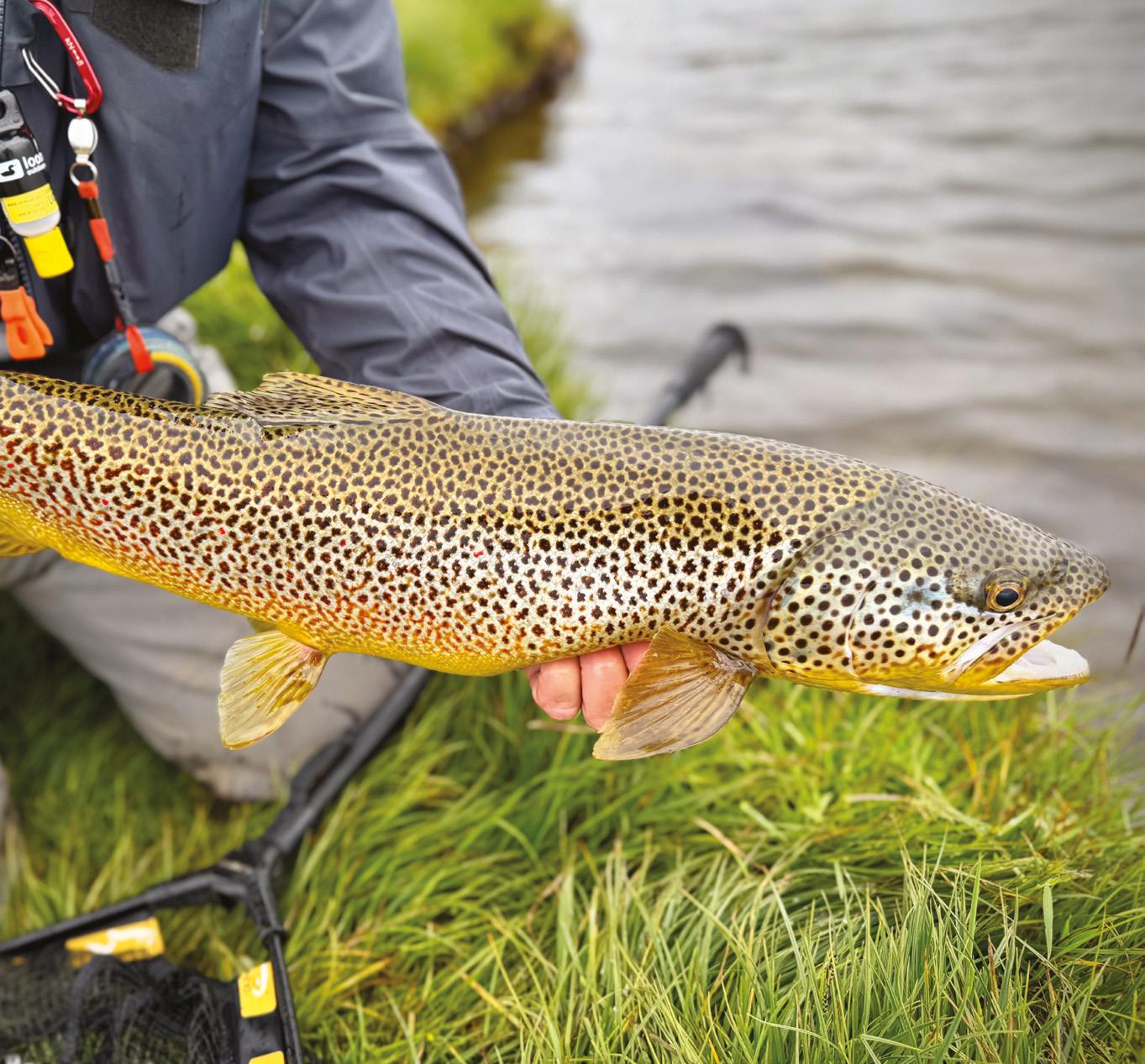
Noi frequentiamo spesso la zona a sud-est della capitale e, per quanto riguarda la pesca della trota, credo che in Europa non ci sia luogo migliore per questa attività. Che si peschi a mosca secca o con lo streamer, quest’isola meravigliosa offre sicuramente la migliore qualità in Europa.
region, snowmobiling tours, and super-jeep trips through the uninhabited interior. In summer, whale watching is possible from Husavík or Akureyri, spotting humpback whales, dolphins, and puffins. Winter brings the magical experience of the Northern Lights, visible in the dark, clear skies of rural areas, while ice caves and glacier tunnels provide spectacular exploration opportunities. Those seeking silence and serenity will find peace in the natural hot springs scattered across the island.
Fishing in Iceland is managed by professionals in suits and ties, and perhaps because fishing is profitable here, the system works better than in many other countries. While prices may seem high, careful management has allowed the development of a thriving and sustainable business in this sector.
We often fish in the southeast area of the capital, and as far as trout fishing is concerned, I believe there is no better place in Europe for this activity. Whether fishing with dry flies or streamers, this magnificent island undoubtedly offers the highest quality trout fishing in Europe.
ANYTHING WORTH DOING IS WORTH DOING WELL
QUALSIASI COSA VALGA LA PENA
DI ESSERE FATTA, VALE LA PENA
DI ESSERE FATTA BENE
Aleksandar Vrtaric
Ricordo ancora le mani di mio nonno. Erano segnate da anni di lavoro con il legno, le dita callose ma precise. Era un artigiano, anche se non si sarebbe mai definito tale. Per lui, modellare qualcosa con le proprie mani—che fosse intagliare un semplice cucchiaio o riparare una sedia—non riguardava solo il risultato finale. Riguardava il processo, il ritmo della creazione. Nelle sere d’estate sedevo sul portico a guardarlo lavorare. «È così che trovi il tuo equilibrio», diceva mentre levigava un pezzo di legno fino a renderlo liscio. «Il mondo là fuori può essere rumoroso e caotico, ma qui…» Picchiettava leggermente il legno. «Qui puoi creare qualcosa con cura. Qualcosa che duri.»
Non ha mai praticato la pesca a mosca in vita sua, ma quelle sere sono rimaste con me. Anni dopo, quando presi in mano il mio primo morsetto da fly tying, capii di aver ereditato il suo amore per la creazione. Come la sua lavorazione del legno, il fly tying divenne il mio modo di trovare equilibrio in un mondo caotico—un modo per prendere i fili sciolti della vita e intrecciarli in qualcosa di significativo.
I FILI DELLA SOLITUDINE
C’è una certa bellezza nella solitudine, uno spazio silenzioso che non tutti sanno trovare. Io l’ho sempre cercata, fin da bambino. Mentre altri riempivano le loro giornate di giochi e folla, io trovavo conforto in attività più tranquille— leggere, disegnare, pescare.
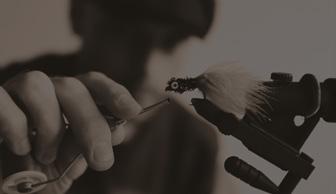
La pesca a mosca, naturalmente, ha portato quella solitudine a un livello superiore. Non c’è niente di paragonabile allo stare in mezzo a un fiume, circondati solo dal suono dell’acqua che scorre, dagli uccelli e talvolta dalla pioggia o dal vento. È come se il mondo si restringesse, lasciando solo la connessione tra te, la mosca e il pesce. Ma è al banco di montaggio che la solitudine diventa qualcosa di ancora più profondo. Quando mi siedo a montare, non si tratta solo di riempire la mia scatola di mosche. È una pratica, una meditazione. Sono solo, ma non mi sento solo. I materiali davanti a me—ami, piume, filo e perline—diventano una tavolozza, e ogni mosca una piccola opera d’arte. È in questa solitudine che trovo chiarezza, una sensazione di calma che assomiglia allo stare nel fiume anche quando sono lontano dall’acqua.
LA CREAZIONE COME GUARIGIONE
Il fly tying è più di una semplice abilità; è un’arte che invita alla consapevolezza. L’atto di scegliere un amo, infilare il filo nel bobbin e selezionare i materiali giusti è un esercizio di concentrazione. Ma è anche profondamente personale. Ogni mosca porta con sé una storia—il ricordo di una bella giornata sull’acqua, la speranza per la prossima cattura, o un momento di ispirazione nato dai colori di una piuma. Ci sono stati momenti nella mia vita in cui il mondo sembrava opprimente—giorni in cui le responsabilità si accumulavano e l’incertezza incombeva. In quei periodi, il banco di montaggio diventava il mio rifugio. Mi sedevo, infilavo il filo nel bobbin e iniziavo. Ogni giro di filo era una piccola vittoria, un promemoria del fatto che potevo ancora creare ordine nel caos. Una volta trascorsi un intero fine settimana a montare solo soft hackles. Decine di mosche, ognuna realizzata con cura fino a sembrare perfetta. Alla fine, la mia scatola era piena, ma non erano le mosche ciò che contava. Era il processo—le ore silenziose trascorse a creare qualcosa con attenzione, il senso di soddisfazione in ogni mosca completata.
E quando finalmente entrai nel fiume, quelle mosche divennero un ponte verso qualcosa di più grande. Ogni lancio era un filo che mi collegava al ritmo dell’acqua, al canto della corrente e alle vite nascoste sotto la superficie. Il fly tying e la pesca a mosca sono inseparabili, due parti di un tutto—una danza delicata tra preparazione e possibilità, tra l’ingegno umano e la meraviglia della natura. C’è una magia nel vedere un pesce salire per prendere qualcosa che hai creato tu, come se la mosca portasse con sé i sussurri del tuo tempo e del tuo spirito.
CONSAPEVOLEZZA IN OGNI GIRO DI FILO
C’è un ritmo nel fly tying che ti cattura—il ronzio del bobbin, il taglio preciso delle forbici, la delicata torsione del filo attorno all’amo. È facile perdersi in tutto questo, lasciare che il mondo esterno svanisca sullo sfondo. Ma montare non significa solo perdersi—significa ritrovarsi. Ogni passaggio richiede attenzione: scegliere i materiali giusti, misurare le proporzioni, contare i giri di filo. Quando ti immergi completamente nel processo, accade qualcosa di straordinario. Il respiro rallenta. I pensieri si placano. Diventi presente, pienamente consapevole del momento
e di nient’altro. Questa consapevolezza si estende oltre il banco di montaggio. Cambia il modo in cui affronti la vita. Inizi a notare i dettagli—il modo in cui la luce filtra tra gli alberi, il suono dell’acqua contro la pietra, il riflesso iridescente delle squame di una trota. Ti rendi conto che la vita, come il fly tying, è fatta di piccole cose. Dei momenti silenziosi. Della cura che metti in ogni singolo passaggio.
L’ARTE DI UNA VITA BEN INTRECCIATA
Mio nonno diceva sempre: «Qualsiasi cosa valga la pena di essere fatta, vale la pena di essere fatta bene». Non parlava di perfezione—intendeva mettere il cuore in ciò che si crea. Il fly tying mi ha insegnato la stessa lezione. Non si tratta solo di realizzare mosche che catturano pesci. Si tratta del percorso, dell’intenzione dietro ogni giro di filo, ogni scelta di materiale. Quando affronti il montaggio con questa mentalità, diventa più di un passatempo. Diventa uno stile di vita. Impari la pazienza, la perseveranza e il valore del rallentare. Scopri che l’atto di creare—che sia una mosca, un ricordo o un momento di pace—è ciò che conta davvero. La vita avrà sempre le sue sfide. Ci saranno giorni in cui il fiume sembrerà troppo lontano, in cui il peso del mondo sembrerà troppo grande. Ma al banco di montaggio c’è sempre una via d’uscita. Un giro di filo alla volta, una mosca alla volta, puoi creare qualcosa di bello.
LEGAMI CHE UNISCONO: UN VIAGGIO DI CREAZIONE
Alla fine, il fly tying non riguarda solo la pesca. Riguarda il trovare equilibrio, l’abbracciare la solitudine e il creare qualcosa di significativo nel mezzo del caos della vita. Riguarda il rallentare, prestare attenzione e riversare il proprio cuore in ogni piccolo atto di creazione.
Quindi, la prossima volta che ti siedi al tuo banco di montaggio, ricordalo: non stai solo montando mosche. Stai intrecciando fili di pazienza, concentrazione e cura nel tessuto della tua vita. Ogni mosca è un passo avanti, un promemoria che anche nei gesti più piccoli esistono bellezza e significato. E quando arriverà il momento di lanciare quelle mosche sull’acqua, saprai che non portano con sé solo la speranza di un pesce, ma la storia di una vita ben intrecciata.
“...non si tratta solo di riempire la mia scatola di mosche. È una pratica, una meditazione..."
Ican still remember my grandfather’s hands. They were worn from years of working with wood, his fingers calloused but precise. He was a craftsman, though he’d never have called himself that. To him, shaping something with his hands—whether carving a simple spoon or repairing a chair—wasn’t just about the end result. It was about the process, the rhythm of creation.
On summer evenings, I’d sit on the porch and watch him work. “This is how you find your balance,” he’d say as he sanded a piece of wood smooth. “The world out there might be loud and messy, but here…” He’d tap the wood lightly. “Here, you can make something with care. Something that lasts.”
He never fly-fished a day in his life, but those evenings stayed with me. Years later, when I picked up my first fly-tying vise, I realized I had inherited his love for creating. Like his woodworking, fly tying became my way of finding balance in a chaotic world—a way to take life’s loose threads and weave them into something meaningful.
THE THREADS OF SOLITUDE
There’s a certain beauty in solitude, a quiet space that not everyone knows how to find. I’ve always sought it, even as a child. While others filled their days with games and crowds, I found comfort in quieter pursuits—reading, drawing, fishing. Fly fishing, of course, took that solitude to another level. There’s nothing quite like standing in the middle of a river, surrounded by nothing but the sounds of moving water, birds, and sometimes rain or wind. It’s as if the world narrows, leaving only the connection between you, the fly, and the fish.
But it’s at the tying desk where solitude becomes something more profound. When I sit down to tie, it’s not just about filling my fly box. It’s a practice, a meditation. I’m alone, but not lonely. The materials in front of me—hooks, feathers, thread, and beads—become a palette, and each fly a small masterpiece. It’s in this solitude that I find clarity, a sense of calm that feels like standing in the river even when I’m far from the water.
CREATION AS HEALING
Fly tying is more than a skill; it’s a craft that invites mindfulness. The act of selecting a hook, threading a bobbin, and choosing the right materials is an exercise in focus. But it’s also deeply personal. Each fly carries a story—a memory of a good day on the water, a hope for the next catch, or a moment of inspiration sparked by the colors of a feather.
There have been times in my life when the world felt overwhelming—days when responsibilities piled up, when uncertainty loomed. During those times, the tying desk became my refuge. I’d sit down, thread the bobbin, and begin. Each wrap of thread was a small victory, a reminder that I could still create order in the chaos.
Once, I spent an entire weekend tying nothing but soft hackles. Dozens of them, each one carefully crafted to look just right. By the end, my fly box was full, but it wasn’t the flies that mattered. It was the process—the quiet hours spent creating something with care, the sense of accomplishment in every finished fly.
And when I finally stepped into the river, those flies became a bridge to something greater. Each cast was a thread connecting me to the rhythm of the water, the song of the current, and the hidden lives beneath the surface. Fly tying and fly fishing are inseparable, two parts of a whole—a delicate dance between preparation and possibility, between human ingenuity and nature’s wonder. There’s magic in watching a fish rise to take something you’ve created, as if the fly itself carries the whispers of your time and spirit.
MINDFULNESS IN EVERY WRAP
There’s a rhythm to fly tying that draws you in— the hum of the bobbin, the precise snip of scissors, the delicate twist of thread around the hook. It’s easy to lose yourself in it, to let the world outside fade into the background. But tying isn’t just about losing yourself—it’s about finding yourself. Each step requires focus: selecting the right materials, measuring proportions, counting wraps of thread. When you immerse yourself fully in the process, something remarkable happens. Your breathing slows. Your thoughts quiet. You become present, fully aware of the moment and nothing else.
This mindfulness extends beyond the tying desk. It changes the way you approach life. You start to notice the details—the way light filters through the trees, the sound of water against stone, the iridescent shimmer of a trout’s scales. You realize that life, like tying, is about the small things. The quiet moments. The care you put into each step.
THE ART OF A WELL-TIED LIFE
My grandfather used to say, “Anything worth doing is worth doing well.” He wasn’t talking about perfection—he meant putting your heart into the things you create. Fly tying has taught me the same lesson. It’s not just about making flies that catch fish. It’s about the journey, the intention behind every wrap of thread, every choice of material.
When you approach tying with this mindset, it becomes more than a pastime. It becomes a way of life. You learn patience, persistence, and the value of slowing down. You discover that the act of creating—whether it’s a fly, a memory, or a moment of peace—is what truly matters. Life will always have its challenges. There will be days when the river feels too far away, when the weight of the world feels too heavy. But at the tying desk, there’s always a way forward. One wrap at a time, one fly at a time, you can create something beautiful.
TIES THAT BIND: A JOURNEY OF CREATION
In the end, fly tying isn’t just about fishing. It’s about finding balance, embracing solitude, and creating something meaningful in the midst of life’s chaos. It’s about slowing down, paying attention, and pouring your heart into every small act of creation.
So, the next time you sit at your tying desk, remember: you’re not just tying flies. You’re weaving threads of patience, focus, and care into the fabric of your life. Each fly is a step forward, a reminder that even in the smallest acts, there is beauty and purpose. And when the time comes to cast those flies on the water, you’ll know that they carry not just the hope of a fish, but the story of a life well tied.
“è un’arte che invita alla consapevolezza..."
“Non parlava di perfezione— intendeva mettere il cuore in ciò che si crea..."
JOHN BROWN MOSCROP E DAVID SLATER
Due grandi costruttori di mulinelli
Two Great Reel Makers
JOHN BROWN MOSCROP AND DAVID SLATER
Riccardo De Stabile
John Brown Moscrop nacque nel 1830 a Bury, vicino a Manchester, nella contea del Lancashire.
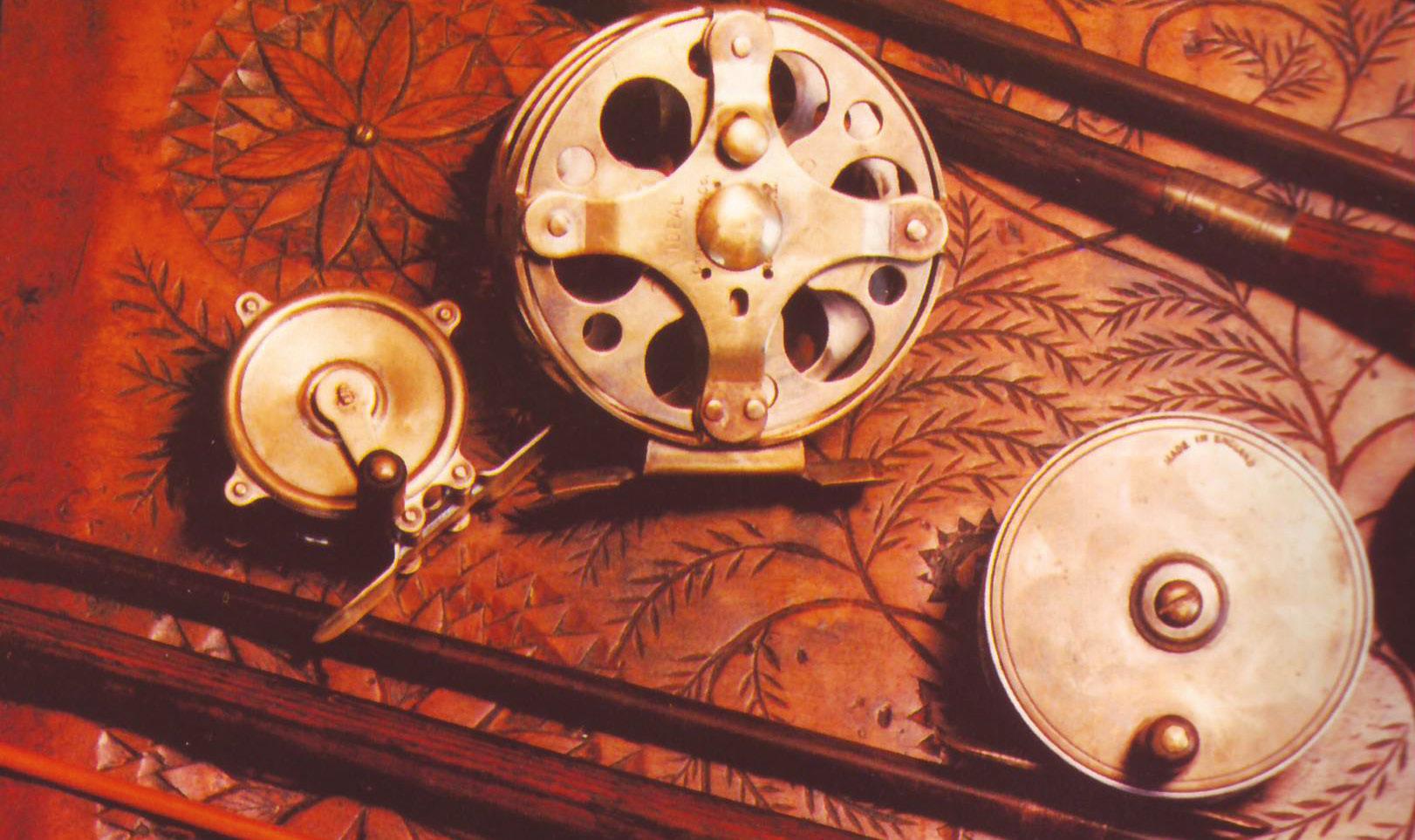
Dopo aver iniziato la sua carriera come praticante in uno studio di architetti, si rese conto che quella professione non faceva per lui e decise di cambiare strada, scegliendo la professione di filatore di cotone. Inventò e brevettò il registratore di vapore e di velocità per le macchine da filare, poi adottato da tutti gli stabilimenti tessili dell’Inghilterra. Seguirono altri brevetti, e non molto tempo dopo decise di dedicarsi al suo hobby, la pesca, diventando assiduo frequentatore del vecchio e consolidato club “Manchester Angling Society”. La sua prima domanda di brevetto per un mulinello da pesca risale a febbraio 1888;
John Brown Moscrop was born in 1830 in Bury, near Manchester, in Lancashire. After beginning his career as an apprentice in an architectural firm, he realized that this profession was not for him and decided to change path, choosing to work as a cotton spinner. He invented and patented a steam and speed recorder for spinning machines, which was soon adopted by textile factories across England. Other patents followed, and not long after, he decided to devote himself to his hobby—fishing—becoming a regular at the
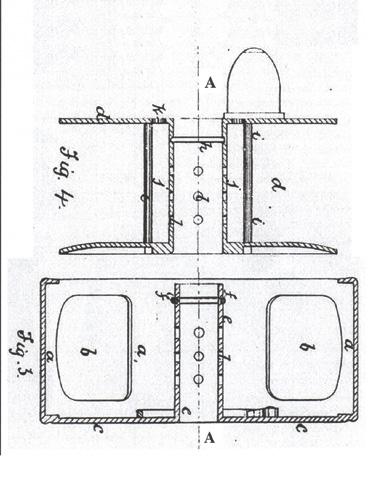
l’innovazione venne accettata dall’ufficio brevetti il 6 aprile 1888, ma già il 4 giugno dello stesso anno (solo tre mesi dopo) tornò per aggiungere un miglioramento. Furono due le migliorie proposte: la prima consisteva in due dischi della frizione per tenere unite la cassa e la bobina, funzionando anche da meccanismo di resistenza; la seconda riguardava la costruzione della manovella, e qui si presenta una sorta di mistero. Si sospetta che il mulinello originale già possedesse questa modifica, ma che non fosse stata inclusa nella richiesta originale di brevetto, o forse la costruzione non era ancora perfezionata.
Comunque, quando venne presentata la specificazione completa il 2 marzo 1880, Moscrop si concentrò solo sulla disposizione del
established “Manchester Angling Society.”
His first patent application for a fishing reel dates back to February 1888. The innovation was accepted by the patent office on April 6, 1888, but just three months later, on June 4, he returned to file an improvement.
Two enhancements were proposed: the first involved two friction discs to hold the reel body and spool together, while also serving as a resistance mechanism; the second concerned the construction of the handle. Here, a certain mystery arises. It is suspected that the original
disco della frizione e, riguardo alla manovella, affermò: “Non desidero comprendere la stessa nella presente specificazione”; e ci si chiede il perché. Il mulinello in questione era costruito in “bronzo duro”, in realtà un tipo specifico di ottone, e possedeva un meccanismo di arresto fisso. Non riportava alcun nome ed era prodotto nel laboratorio di Manchester.
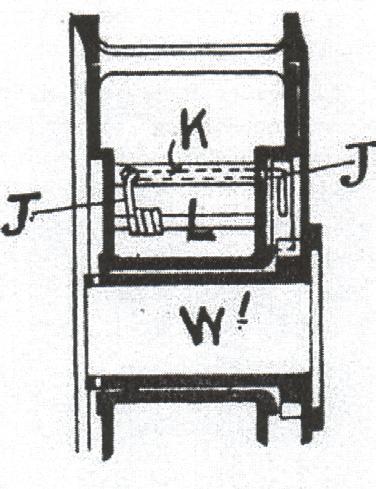
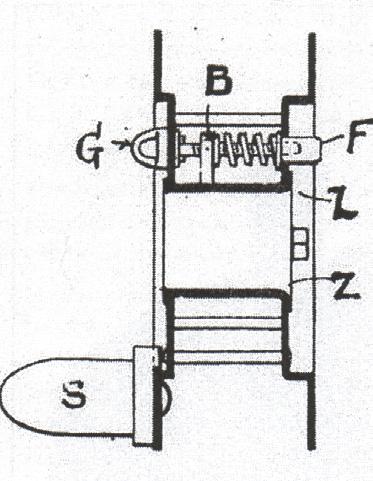
Nell’ottobre del 1891 Moscrop tornò all’ufficio brevetti con ulteriori migliorie, che differivano radicalmente dal secondo modello e costituivano un’innovazione importante nella linea dei mulinelli. Nel frattempo, si era trasferito in una zona più prestigiosa di Manchester, Platt Lane, nel sobborgo alberato di Rusholme. Il brevetto n. 17501 venne accettato nell’agosto 1892, quasi dieci mesi dopo la domanda iniziale.
reel already had this modification, but it was not included in the original patent application, or perhaps it had not been perfected yet. When the full specification was submitted on March 2, 1880, Moscrop focused solely on the arrangement of the friction disc and specifically stated regarding the handle: “I do not wish to include it in the present specification”; the reason for this remains unclear. The reel in question was made of “hard bronze,” a specific type of brass, and had a fixed stop mechanism. It bore no name and was produced in Moscrop’s
Nel preambolo Moscrop affermava che le migliorie si riferivano ai due precedenti brevetti e che avrebbero reso il mulinello più efficiente. Un miglioramento riguardava il meccanismo della frizione, insieme a un importante cambiamento nel design del recupero. In sostanza, Moscrop adattò un dente d’arresto sulla bobina e un altro al telaio interno posteriore del mulinello.
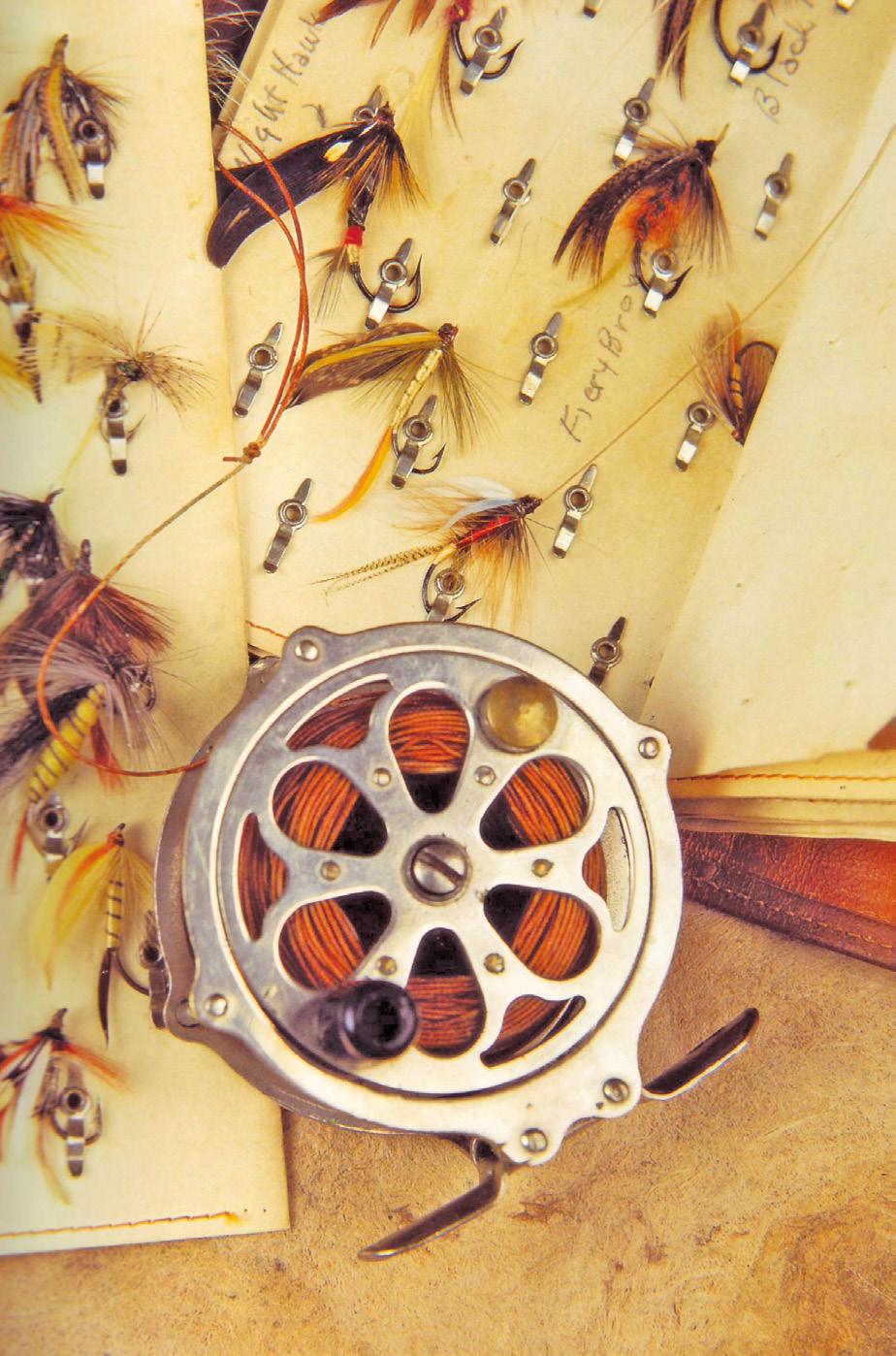
I primi mulinelli venivano prodotti dai meccanici che lavoravano i suoi prodotti non legati alla pesca e messi in vendita nel negozio di utensili di Will Chambers al n. 25 di Market Place, Manchester, sebbene Chambers non fosse citato negli annunci pubblicitari. S. Allcock era elencato come agente grossista e negli anni a venire avrebbe svolto un ruolo di primaria importanza nella storia del mulinello. I mulinelli erano offerti in cinque dimensioni: 2 5/8, 3, 3 ½, 4 e 4 ½ pollici. In seguito venne aggiunto il modello imponente da 5 ¼ pollici, con parti in nickel e argento. Si può immaginare quanto fosse impegnativo usarlo, poiché pesava due libbre senza filo.
Nel 1894 la seconda esposizione di pesca si tenne all’acquario della Casa Reale. Moscrop condivideva lo stand con l’azienda Ogden & Scotford di Cheltenham e presentava l’intera gamma di mulinelli, compreso il modello più recente. Probabilmente i problemi produttivi divennero eccessivi, e Moscrop decise di nominare Allcock suo agente grossista, vendendogli tutti i modelli e i diritti di brevetto. Il mulinello ricevette il numero di modello 4106. Allcock aggiunse il proprio nome al medaglione sul retro, rimuovendo l’incisione “J.B. MOSCROP MANCHESTER” dal piede, e iniziò a migliorare la meccanica e l’estetica del mulinello.
Il numero di modello fu cambiato in 4107 nel catalogo del 1910, e venne introdotto il mulinello in alluminio con arresto migliorato, il 4107A, disponibile in tutte le dimensioni nella versione in bronzo duro. Il vantaggio principale era la riduzione del peso. Nel 1928 fu aggiunto l’ultimo modello, il 4107AM, molto raro e ricercato dai collezionisti, disponibile solo in alluminio da 5 ¼ pollici, concepito per la pesca del Mahseer. Il mulinello aveva due manovelle
e poteva contenere 200 iarde di lenza angloindiana Allcock in seta resistente all’acqua. Entro il 1932, l’intera gamma scomparve dai cataloghi.
Durante la produzione di Allcock, i dettaglianti venivano avvisati di diffidare dalle imitazioni; l’unico modo per riconoscere un mulinello originale era il medaglione sul retro. Una volta osservai alcuni mulinelli di un collezionista, convinto fossero prototipi: all’epoca ero incerto, ma oggi penso fossero copie dei mulinelli Moscrop.
Un altro personaggio fondamentale nell’evoluzione dei mulinelli da pesca fu David Slater. Nel 1869 produsse la sua prima canna da pesca, un modello da viaggio in sei pezzi. Lavorava nella fabbricazione di carrozze e nel tempo libero costruiva canne in tre, quattro e cinque pezzi, note come “le canne di David”. Queste divennero così richieste che aprì un negozio come fabbricante di canne al n. 9 di
Portland St., a Newark, nel Nottinghamshire. Nel 1881 estese l’attività alla produzione di mulinelli in legno tipo Nottingham e introdusse il modello “Perfect Combination Centre Pin”. Brevettò un importante guidafilo in ebanite il 22 maggio 1883, n. 2551. In quell’anno, i suoi locali occupavano i numeri 8, 9 e 10 di Portland St. Molti mulinelli Combination erano prodotti con retro a stella in ebanite e ottone, bordino in nickel e argento, e bobina in ebanite.
Slater partecipò regolarmente a esposizioni di attrezzatura da pesca, vincendo la sua prima medaglia con il Perfect Combination Centre Pin, e successivamente ottenne la Medaglia di Prima Classe in bronzo al Cornwall Polytechnic Show. La Fishing Gazette del 22 dicembre 1883 recensì la manovella “Combination” del nuovo brevetto, descrivendola con un meccanismo di arresto graduato silenzioso, costruita con il miglior mogano stagionato e struttura in ottone leggero.
La stessa rivista organizzò un torneo di lancio nel giugno 1886: Slater batté diciannove concorrenti, vincendo una coppa e 5 ghinee con un lancio di 177 piedi e 8 pollici. Conseguì altre vittorie, tra cui un Diploma d’Onore a Glasgow nel 1888 e cinque diplomi e medaglie per mulinelli alla Bolton Piscatorial Society
nel 1889. Fondò inoltre la Newark Piscatorial Society.
Slater fece domanda per diversi brevetti, mai registrati perché non completati o siglati; tra questi lo “Slater Latch”, una piccola chiusura a scatto per rimuovere la bobina velocemente, adottata poi da altri costruttori. Un brevetto completato insieme all’ingegnere Arthur Thomas Allcock fu il n. 14803, concesso nel 1888 per una piccola rete pieghevole a mano. Nel 1892 Slater vendette la sua attività e si ritirò; l’azienda divenne David Slater & Co.
Probabilmente mantenne contatti con l’azienda, poiché la gamma fu ampliata con mulinelli in bronzo duro per acqua dolce, pesca leggera in mare, Mahseer e salmone.
Nel 1894 l’azienda si trasferì al 60 Harcourt St., vicino a un altro produttore di attrezzatura, Charles Smith & Co., in Lombard St. Il 29 giugno 1895 apparve sulla Fishing Gazette un annuncio che offriva l’attività di David Slater & Co. a 3.000 sterline per cattive condizioni di salute del titolare. Poco dopo, Slater riacquistò l’attività e tornò a commerciare sotto il proprio nome.
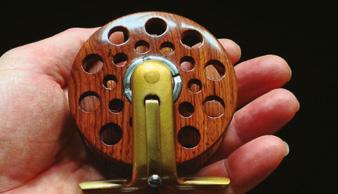
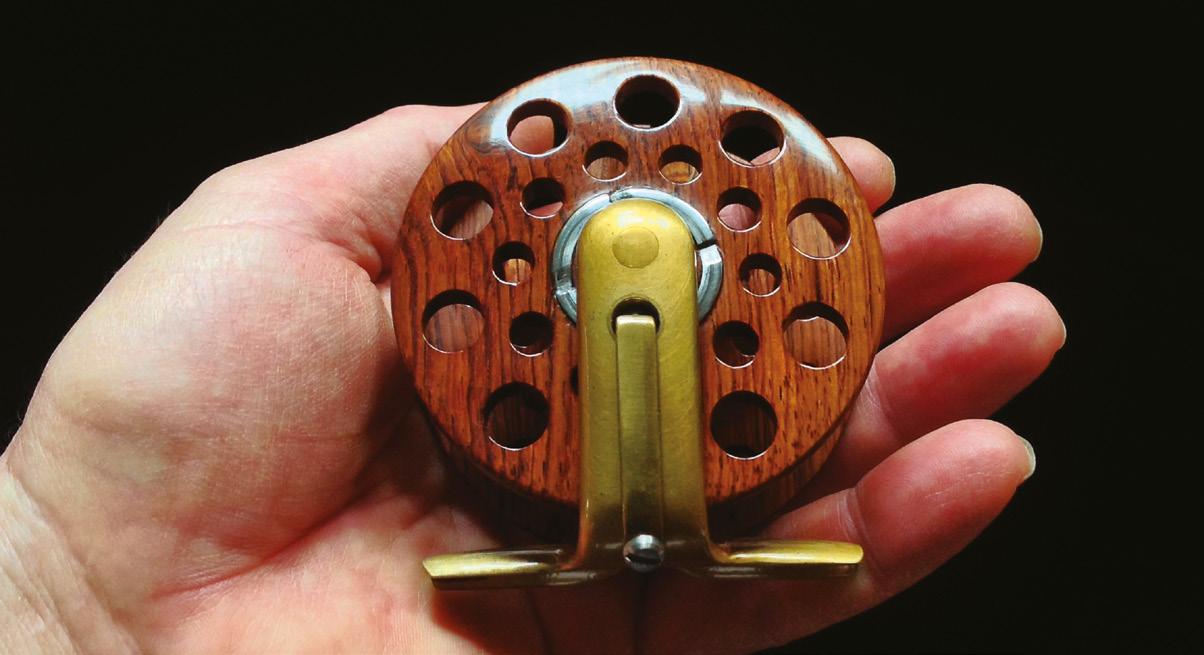
Furono sviluppati nuovi mulinelli, tra cui il famoso “Zephir”, con bobina stretta e parte frontale in legno e retro in alluminio, e nel 1898 il mulinello senza manovella “Jeffrey Jardine”, progettato da Jas Jeffrey e Alfred Jardine, con cinque grandi flange perforate per il controllo con le dita. Nel 1912 Slater si trasferì negli edifici della ditta Smith in Lombard St., dove operò fino al 1920 circa. I mulinelli da lui prodotti furono tra i migliori mai realizzati in Gran Bretagna.
Manchester workshop.
In October 1891, Moscrop returned to the patent office with further improvements, which differed radically from the second model and represented a significant innovation in the reel line. Meanwhile, he had moved to a more prestigious area of Manchester—Platt Lane, in the leafy suburb of Rusholme. Patent no. 17501 was granted in August 1892, nearly ten months after his initial application.
In the preamble, Moscrop stated that the improvements referred to his two previous patents and would result in a more efficient reel. One enhancement concerned the friction mechanism, along with a significant redesign of the retrieve system. Essentially, Moscrop adapted a pawl on the reel spool and another on the rear inner frame of the reel.
The first reels were produced by mechanics who worked on his non-fishing products and were sold at Will Chambers’ tool shop at 25 Market Place, Manchester, although Chambers was not mentioned in advertisements. S. Allcock was listed as the wholesale agent and would later play a key role in the history of the reel.
Reels were initially offered in five sizes: 2 5/8, 3, 3 ½, 4, and 4 ½ inches. Later, the massive 5 ¼ inch model was added, with nickel and silver parts. It must have been quite an undertaking to use, as it weighed two pounds without line. In 1894, the second fishing exhibition was held at the Royal Aquarium. Moscrop shared the stand with Ogden & Scotford of Cheltenham and displayed his full reel range, including his latest model. Production problems likely became overwhelming, so Moscrop appointed Allcock as his wholesale agent, selling him all models and patent rights. The reel was catalogued as model 4106. Allcock added his name to the medallion on the back, removing “J.B. MOSCROP MANCHESTER” from the foot, and began improving both the mechanics and aesthetics of the reel.
The model number was changed to 4107 in the 1910 catalog. An aluminum reel with an
improved stop, the 4107A, was also introduced, available in all sizes in hard bronze. The main advantage was reduced weight. In 1928, the final model, the 4107AM, was added—a very rare and highly sought-after collector’s item, available only in aluminum at 5 ¼ inches, designed for Mahseer fishing. The reel featured two handles and could hold 200 yards of Allcock Anglo-Indian waterproof silk line. By 1932, the entire range had disappeared from catalogs.
During Allcock’s production, retailers were warned to beware of imitations; the only way to verify authenticity was by checking the medallion on the back. I once saw reels from a collector who believed they were prototypes; at the time, I was unsure, but now I think they were copies of Moscrop reels.
Another key figure in the evolution of fishing reels was David Slater. In 1869, he produced his first fishing rod—a six-piece travel model. He worked in carriage manufacturing and made three-, four-, and five-piece rods in his spare time, known as “David’s rods.” These became so popular that he eventually opened a rod-making shop at 9 Portland St., Newark, Nottinghamshire.
In 1881, he expanded into reel production, creating wooden Nottingham-style reels and introducing the “Perfect Combination Centre Pin.” He patented an important ebonite line guide on May 22, 1883 (patent no. 2551). His premises then occupied 8, 9, and 10 Portland St.
Many Combination reels were also made with a star-back in ebonite and brass, nickel and silver trim, and an ebonite spool.
Slater regularly participated in fishing equipment exhibitions, winning his first medal for the Perfect Combination Centre Pin, and later receiving a First-Class Bronze Medal at the Cornwall Polytechnic Show. Fishing Gazette on December 22, 1883, reviewed Slater’s “Combination” handle, highlighting its silent graduated stop mechanism, built from the finest seasoned mahogany and lightweight brass.
The same publication organized a casting
competition in June 1886: Slater outperformed nineteen competitors, winning a cup and 5 guineas with a 177-foot 8-inch cast. He achieved further victories, including an Honorary Diploma in Glasgow (1888) and five diplomas and medals for reels at the Bolton Piscatorial Society (1889). He also founded the Newark Piscatorial Society.
Slater applied for several patents that were never registered because he did not complete or sign them, including the “Slater Latch,” a small snap closure allowing instant spool removal, later adopted by other manufacturers. A patent he completed with engineer Arthur Thomas Allcock was no. 14803, granted in 1888 for a small folding hand net.
In 1892, Slater sold his business and retired; the company became David Slater & Co. He likely maintained connections, as the range was expanded with hard-bronze reels for freshwater, light sea fishing, Mahseer, and salmon.
In 1894, the business moved to 60 Harcourt St., near another tackle maker, Charles Smith & Co., in Lombard St. On June 29, 1895, Fishing Gazette announced the sale of David Slater & Co. for £3,000 due to the owner’s poor health. Shortly after, Slater reacquired the business and resumed trading under his own name.
New reels were developed, including the famous “Zephir,” with a narrow spool and wooden front and aluminum back for bottom fishing, and by 1898 the handleless “Jeffrey Jardine” reel, designed by Jas Jeffrey and Alfred Jardine, featuring five large perforated flanges for fingertip control. In 1912, Slater moved into the buildings previously owned by Smith in Lombard St., where he continued until around 1920. The reels he produced were among the finest ever made in Great Britain.
PESCARE IN Irlanda
FLY FISHING IN IRELAND
Poche esperienze sanno unire tecnica, pazienza e contemplazione come la pesca a mosca. E in nessun luogo questa antica arte trova forse un contesto tanto perfetto quanto in Irlanda, terra di fiumi limpidi, brughiere ventose e laghi che riflettono cieli sempre mutevoli. Qui la pesca non è soltanto uno sport, ma un rito antico, un modo di vivere in sintonia con la natura e con una tradizione che affonda le radici nei secoli.
La pesca a mosca in Irlanda vanta una storia secolare. I primi riferimenti scritti risalgono al Medioevo, ma è nel XIX secolo che questa pratica assume la forma moderna, diventando popolare tra aristocratici britannici e locali. Tuttavia, in Irlanda la pesca non è mai stata solo un passatempo d’élite: è parte dell’identità rurale, un’arte tramandata di generazione in generazione e un modo per conoscere fiumi, venti e stagioni.
Le mosche artificiali irlandesi sono famose in
tutto il mondo, vere e proprie piccole opere d’arte che combinano piume, fili di seta e creatività. Ogni mosca racconta un legame profondo con il territorio, riproducendo gli insetti tipici dei corsi d’acqua locali e adattandosi ai comportamenti dei pesci.
L’isola è costellata di fiumi e laghi ideali per la pesca, ognuno con caratteristiche e difficoltà diverse. Ecco alcune delle mete più apprezzate dai pescatori di tutto il mondo:
Il fiume Moy (Contea di Mayo)
Probabilmente il fiume più famoso d’Irlanda per la pesca al salmone. Con oltre 14.000 catture registrate ogni anno, il Moy è un punto di riferimento internazionale. Le acque scorrono lente e ampie, adatte anche ai pescatori meno esperti, e molti tratti sono facilmente accessibili.
Il Lough Corrib (Contea di Galway)
Uno dei laghi più grandi e belli del Paese,
celebre per la trota fario. Qui la pesca a mosca si pratica soprattutto dalla barca, seguendo il ritmo del vento e delle onde. Nei mesi primaverili, durante le schiuse degli insetti, le acque si animano di trote che emergono in superficie per catturare le mosche di maggio.
Il fiume Blackwater (Contea di Cork)
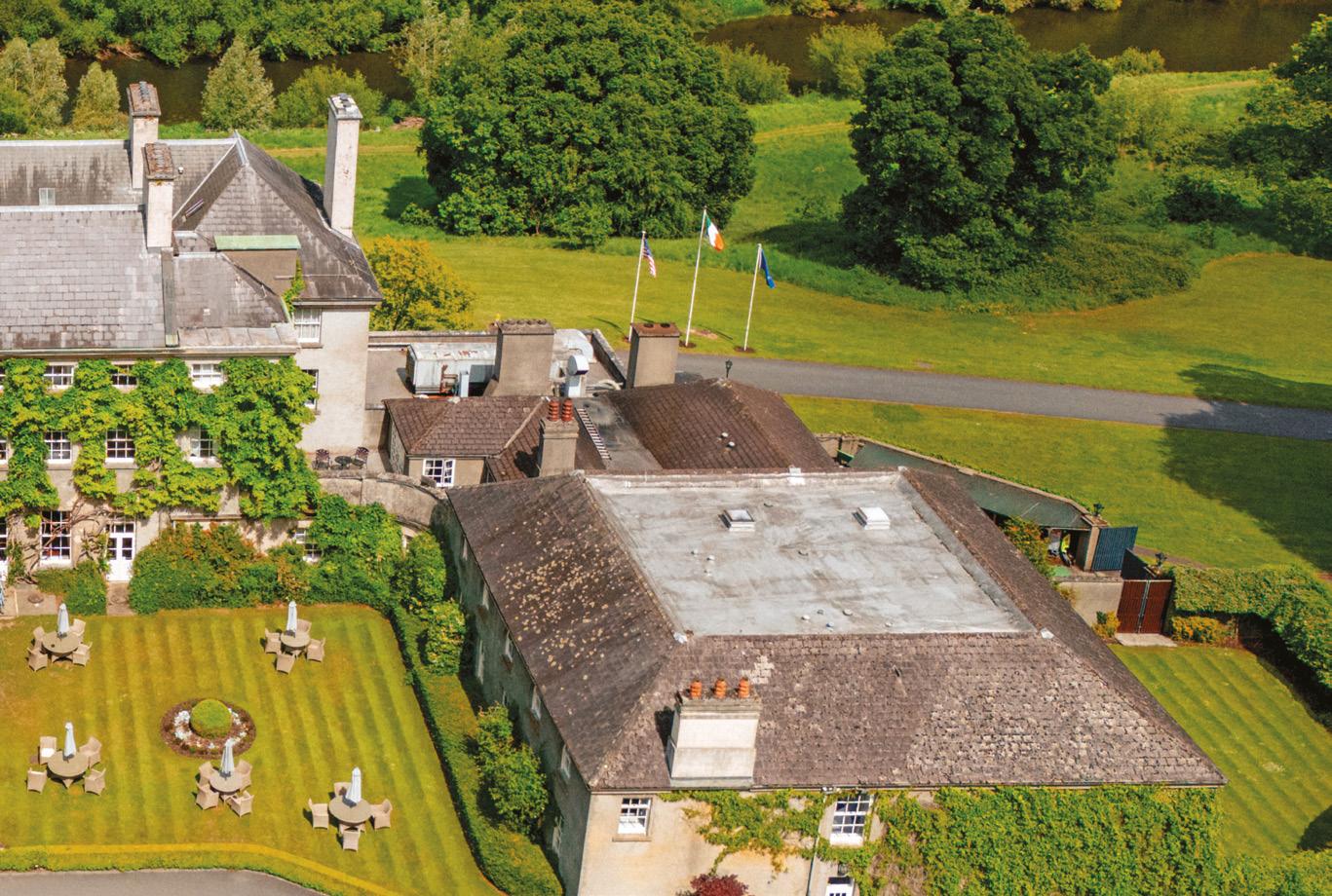
Un fiume romantico, circondato da castelli, boschi e piccoli villaggi. Oltre a essere ottimo per il salmone, il Blackwater offre un’esperienza autentica per chi vuole coniugare pesca e turismo culturale. Lungo le sue sponde sorgono antichi lodge e dimore storiche, riconvertite in accoglienti B&B per pescatori.
Il Lough Sheelin (Contea di Cavan)
Amato dai pescatori più esperti, questo lago è noto per le trote di grandi dimensioni. Le acque sono più difficili da leggere, ma le ricompense possono essere straordinarie. La stagione
"... Qui la pesca non è soltanto uno sport, ma un rito antico......"
Few experiences combine technique, patience, and contemplation like fly fishing. And perhaps nowhere does this ancient art find a more perfect setting than in Ireland, a land of clear rivers, windswept moors, and lakes reflecting ever-changing skies. Here, fishing is not merely a sport but an ancient ritual, a way of living in harmony with nature and a tradition that spans centuries.
Fly fishing in Ireland boasts a long history. The earliest written references date back to the Middle Ages, but it was in the 19th century that the practice took its modern form, becoming popular among British aristocrats and locals alike. Yet in Ireland, fishing has never been just an elite pastime: it is part of rural identity, an art passed down from generation to generation, a way to understand rivers, winds, and seasons. Irish artificial flies are famous worldwide— true little works of art combining feathers, silk threads, and creativity. Each fly tells a story of
deep connection to the land, replicating the insects native to local waters and adapting to the behavior of Irish fish.
The island is dotted with rivers and lakes ideal for fishing, each with its own characteristics and challenges. Here are some of the most popular destinations for anglers from around the world:
River Moy (County Mayo)
Probably Ireland’s most famous river for salmon fishing. With over 14,000 catches recorded annually, the Moy is an international reference point. The waters flow slow and wide, suitable even for less experienced anglers, and many stretches are easily accessible.
Lough Corrib (County Galway)
One of the largest and most beautiful lakes in the country, renowned for brown trout. Fly fishing here is mostly done from a boat, following the rhythm of the wind and waves.
In spring, during insect hatches, the waters come alive with trout rising to take Mayflies.
River Blackwater (County Cork)
A romantic river, surrounded by castles, forests, and small villages. Besides being excellent for salmon, the Blackwater offers an authentic experience for those who want to combine fishing with cultural tourism. Ancient lodges and historic homes along its banks have been converted into welcoming B&Bs for anglers.
Lough Sheelin (County Cavan)
Beloved by experienced anglers, this lake is known for its large trout. The waters are more challenging to read, but the rewards can be extraordinary. The best season is late spring, when Mayflies dance on the surface. Ireland’s weather is famously changeable, but it is precisely this variability that makes the landscapes so alive and the fish so active.
migliore è la tarda primavera, quando le mosche di maggio danzano sull’acqua.
Il clima irlandese è notoriamente variabile, ma proprio questa instabilità rende i paesaggi così vivi e i pesci così attivi.
• Per la trota fario, la stagione va da aprile a ottobre, con un picco tra maggio e giugno.
• Per il salmone atlantico, il periodo migliore è tra febbraio e settembre, a seconda del fiume.
• Le trote di mare offrono ottime opportunità lungo le coste occidentali, soprattutto in estate.
Nonostante le frequenti piogge, i pescatori più esperti sanno che un cielo coperto e una leggera brezza possono essere condizioni ideali: il pesce si muove di più e le mosche diventano irresistibili.
La pesca a mosca in Irlanda non si limita all’atto tecnico: è un viaggio esperienziale. Molti lodge e agriturismi offrono pacchetti completi che comprendono:
• Permessi di pesca giornalieri o settimanali;
• Guide locali certificate, spesso pescatori con lunga tradizione familiare;
• Lezioni di lancio e costruzione delle mosche;
• Gite in barca e pranzi sul fiume.
Un esempio è la regione del Connemara, dove alcuni lodge storici permettono di vivere la pesca come una vera immersione nella cultura irlandese: mattine sul fiume, pomeriggi davanti al camino, serate nei pub tra musica tradizionale e racconti di pesca.
In Irlanda la pesca è regolata da norme precise, ma è facile ottenere i permessi necessari.
• Per la pesca al salmone e alla trota di mare serve una licenza nazionale (disponibile online o presso i rivenditori locali).
• Per la trota fario, in molti laghi e fiumi basta un permesso locale, acquistabile direttamente sul posto.
È obbligatorio rispettare i limiti di cattura e i periodi di divieto, e in molte zone è promossa la pratica del catch and release (rilascio del pesce dopo la cattura), in linea con la filosofia di rispetto dell’ambiente.
Ciò che rende unica la pesca a mosca in Irlanda è il connubio tra uomo e natura. Lanciando la coda sullo sfondo delle colline verdi o ai piedi di un castello normanno, il pescatore si trova immerso in un silenzio che non è assenza di suoni, ma musica di vento, acqua e lontani richiami d’uccello. Molti appassionati
• For brown trout, the season runs from April to October, peaking in May and June.
• For Atlantic salmon, the best period is from February to September, depending on the river.
• Sea trout offer excellent opportunities along the west coast, particularly in summer.
Despite frequent rain, experienced anglers know that overcast skies and a light breeze can create ideal conditions: fish move more, and flies become irresistible.
Fly fishing in Ireland is not just a technical act; it is an experiential journey. Many lodges and farmhouses offer complete packages including:
• Daily or weekly fishing permits;
• Certified local guides, often from families with long fishing traditions;
• Casting and fly-tying lessons;
• Boat trips and riverside lunches.
An example is the Connemara region, where historic lodges allow anglers to experience fishing as a full immersion into Irish culture: mornings on the river, afternoons by the fireplace, evenings in pubs with traditional music and fishing stories.
Fishing in Ireland is regulated by specific laws, but obtaining the necessary permits is straightforward.
• For salmon and sea trout fishing, a national license is required (available online or from local vendors).
• For brown trout, many lakes and rivers require only a local permit, purchasable on site. It is mandatory to respect catch limits and closed seasons, and in many areas, catch and release is promoted, in line with environmental respect principles.
What makes fly fishing in Ireland unique is the harmony between human and nature. Casting against a backdrop of green hills or at the foot of a Norman castle, the angler finds themselves immersed in a silence that is not absence of sound but a music of wind, water, and distant bird calls. Many enthusiasts say that even after hours without a catch, the experience remains fulfilling.
It is an exercise in patience, harmony, and observation, a way to slow down and reconnect with the natural rhythm of breathing. Ireland is more than a destination for anglers: it is a land of stories, wind, and water, where fly fishing
raccontano che, anche dopo ore senza una cattura, l’esperienza resta appagante. È un esercizio di pazienza, armonia e osservazione, un modo per rallentare e ritrovare il ritmo naturale del respiro. L’Irlanda è più di una destinazione per pescatori: è una terra di
becomes a near-spiritual experience. Each river has its own character, each lake a mystery to uncover, each fly a secret to reveal.
storie, vento e acqua, dove la pesca a mosca diventa un’esperienza quasi spirituale. Ogni fiume ha un carattere diverso, ogni lago un mistero da scoprire, ogni mosca un segreto da svelare.
Che siate principianti curiosi o pescatori esperti in cerca di nuove sfide, gettare una lenza nelle acque irlandesi significa entrare in un mondo dove il tempo scorre lento e ogni lancio è una preghiera silenziosa alla natura.
Whether you are a curious beginner or an experienced angler seeking new challenges, casting a line into Irish waters means entering a
world where time flows slowly and every cast is a silent prayer to nature.
DI SERIE A Belize
Francesco Benelli Jim Klug
Da oltre cinque decenni, El Pescador Lodge accoglie pescatori, subacquei e viaggiatori da tutto il mondo nella sua struttura fronte mare ad Ambergris Caye. Affacciato sul Mar dei Caraibi e situato a pochi minuti dalla Barriera Corallina del Belize — la
seconda più grande del pianeta — El Pescador unisce la tradizione storica della pesca sportiva al comfort moderno e a un’ampia gamma di avventure, dall’isola fino all’entroterra. El Pescador è riconosciuto a
For over five decades, El Pescador Lodge has welcomed anglers, divers, and travelers from around the world to its beachfront property on Ambergris Caye. Overlooking the
Caribbean Sea and located just minutes from the Belize Barrier Reef—the second-largest reef system on the planet—El Pescador blends the rich tradition of sport fishing with modern comfort and a wide range of adventures, from island life to inland
"... pescatori più esperti tornano per la sfida; i principianti, perché l’esperienza diventa indimenticabile...."
livello internazionale come uno dei principali lodge di pesca a mosca in acqua salata dei Caraibi. Qui le flats si estendono per chilometri e le specie da “Grand Slam” — permit, bonefish e tarpon — sono presenti tutto l’anno. I pescatori più esperti tornano per la sfida; i principianti, perché l’esperienza diventa indimenticabile.
A pochi passi dalla costa si trova la Barriera Corallina del Belize, riconosciuta dall’UNESCO: un caleidoscopio di vita marina e uno dei sistemi corallini di alta qualità più accessibili al mondo. Il partner diving di El Pescador offre immersioni certificate PADI, corsi di aggiornamento ed escursioni personalizzate verso siti di livello mondiale —
exploration.
El Pescador is internationally recognized as one of the Caribbean’s premier saltwater flyfishing lodges. Here, the flats stretch for miles, and Grand Slam species—permit, bonefish, and tarpon—are present year-round. Experienced anglers return for the challenge; beginners return because the experience becomes unforgettable.
Just offshore lies the UNESCO-listed Belize Barrier Reef, a kaleidoscope of marine life and one of the most accessible high-quality coral reef systems in the world.
dai canyon della Riserva Marina di Hol Chan allo spettacolare Shark Ray Alley. Gli amanti dello snorkeling possono esplorare giardini di corallo, tartarughe marine, razze e vivaci banchi di pesci a pochi minuti di navigazione dal molo.
A seguito delle recenti ristrutturazioni delle camere e delle ville private, le sistemazioni riflettono oggi un luminoso stile caraibico, comfort moderni ed un’eleganza discreta. Gli ospiti possono godere di interni curati,
El Pescador’s dive partner offers PADIcertified diving, refresher courses, and customized excursions to worldclass sites—from the canyons of the Hol Chan Marine Reserve
to the spectacular Shark Ray Alley. Snorkeling enthusiasts can explore coral gardens, sea turtles, rays, and vibrant schools of fish just minutes by boat from the dock.
Following recent renovations to its guest rooms
brezze oceaniche e accesso immediato a tutti i servizi della struttura. Sebbene il mare sia il protagonista, le esperienze vanno ben oltre la costa. Gli ospiti possono visitare siti archeologici Maya come Lamanai, Altun Ha e Xunantunich, partecipare a escursioni fluviali nella foresta pluviale e a molte altre attività. Queste escursioni giornaliere offrono un forte contrasto con l’ambiente marino e attirano viaggiatori internazionali in cerca di un’immersione naturale e culturale completa.
Raggiungere El Pescador è sorprendentemente semplice. Gli ospiti volano fino all’Aeroporto Internazionale del Belize e proseguono con un
and private villas, accommodations now reflect a bright Caribbean style, modern comforts, and understated elegance. Guests enjoy thoughtfully designed interiors, ocean breezes, and immediate access to all lodge amenities. While the sea is the main attraction, experiences extend far beyond the coastline. Guests can visit ancient Maya archaeological sites such as Lamanai, Altun Ha, and Xunantunich, take river excursions through the rainforest, and enjoy many other activities. These day trips provide a striking contrast to the marine environment and appeal to international travelers seeking a
breve volo per San Pedro, dove lo staff del lodge li accoglie per un trasferimento panoramico in barca di circa 10 minuti direttamente alla struttura. Grazie alla sua posizione privilegiata, è possibile passare dalla pista di atterraggio a un cocktail fronte oceano più velocemente rispetto alla maggior parte dei lodge in località remote. La capienza del lodge è di circa 15 ospiti,
distribuiti in diverse tipologie di sistemazione, e l’attività di pesca è gestita da guide veterane che conoscono queste flats alla perfezione. El Pescador è senza dubbio un’istituzione nella pesca sulle flats del Belize: qui sono passati alcuni dei pescatori più famosi e i clienti più esigenti, contribuendo alla reputazione e alla fama internazionale di questa struttura.
complete natural and cultural immersion. Reaching El Pescador is surprisingly easy. Guests fly into Philip S. W. Goldson International Airport and continue with a short domestic flight to San Pedro, where lodge staff greet them for a scenic 10-minute boat transfer directly to the property. Thanks to its prime
location, it’s possible to go from runway to an oceanfront cocktail faster than at most remote fishing lodges.
The lodge accommodates approximately 15 guests across various lodging options, and fishing operations are led by veteran guides with intimate knowledge of these flats. El
Pescador is truly an institution in Belize flats fishing; over the years, it has hosted some of the world’s most renowned anglers and the most discerning clients, helping build the lodge’s outstanding international reputation.