












The Berbice Bridge will be closed to vehicular traffic on: Wednesday, May 20 –06:25h–07:55h and Thursday, May 21 – 07:20h–08:50h


Parika and Supenaam departure times – 05:00h, 10:00h-12:00h, 16:00h, 18:30h daily.




Early morning light showers are expected to develop into thundery showers, continuing into the night.. Temperatures are expected to range between 24 degrees Celsius and 28 degrees Celsius.
Winds: East-North-Easterly to Easterly between 3.12 metres and 4.47 metres.
High Tide: 06:48h and 19:29h reaching maximum heights of 2.63 metres and 2.39 metres.
Low Tide: 12:57h reaching a minimum height of 0.60 metre.










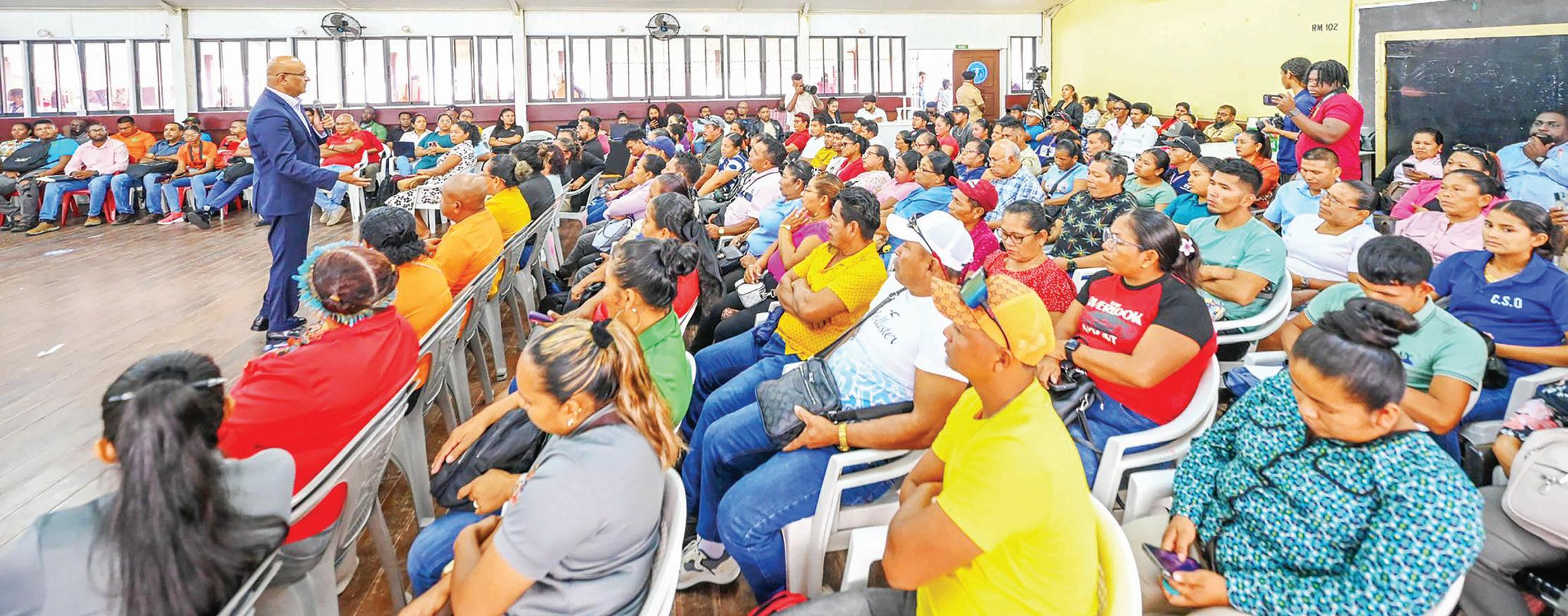
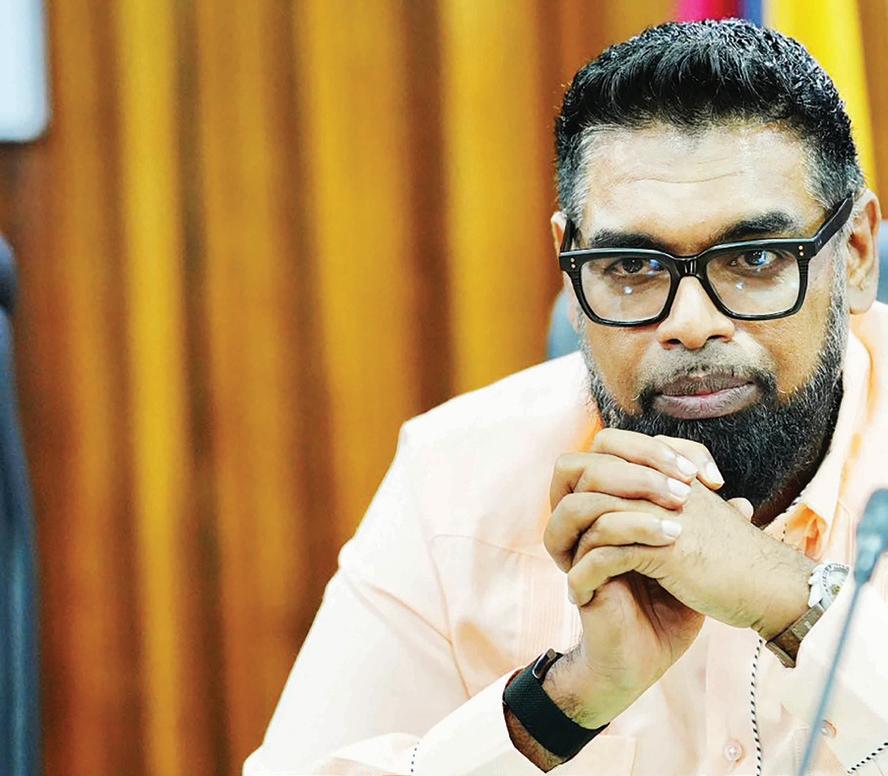
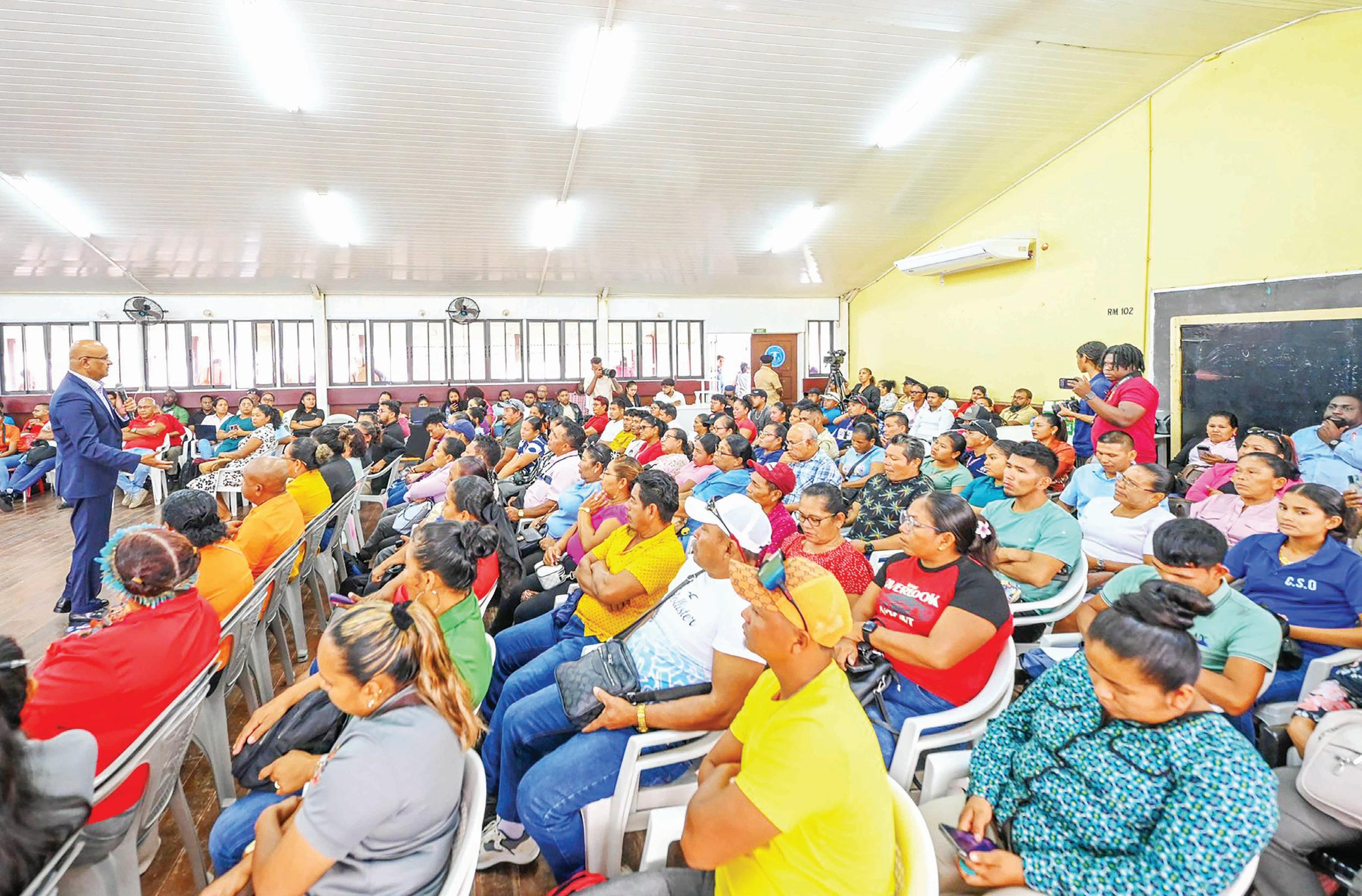
Residents of Region Two (PomeroonSupenaam) were assured that the Government is aggressively moving to address housing challenges, with Vice President (VP) Dr Bharrat Jagdeo announcing that all eligible applicants are expected to receive house lots within the next 18 months.
The commitment was made during a Public Day event held on Tuesday at the Essequibo Technical Institute (ETI), where the
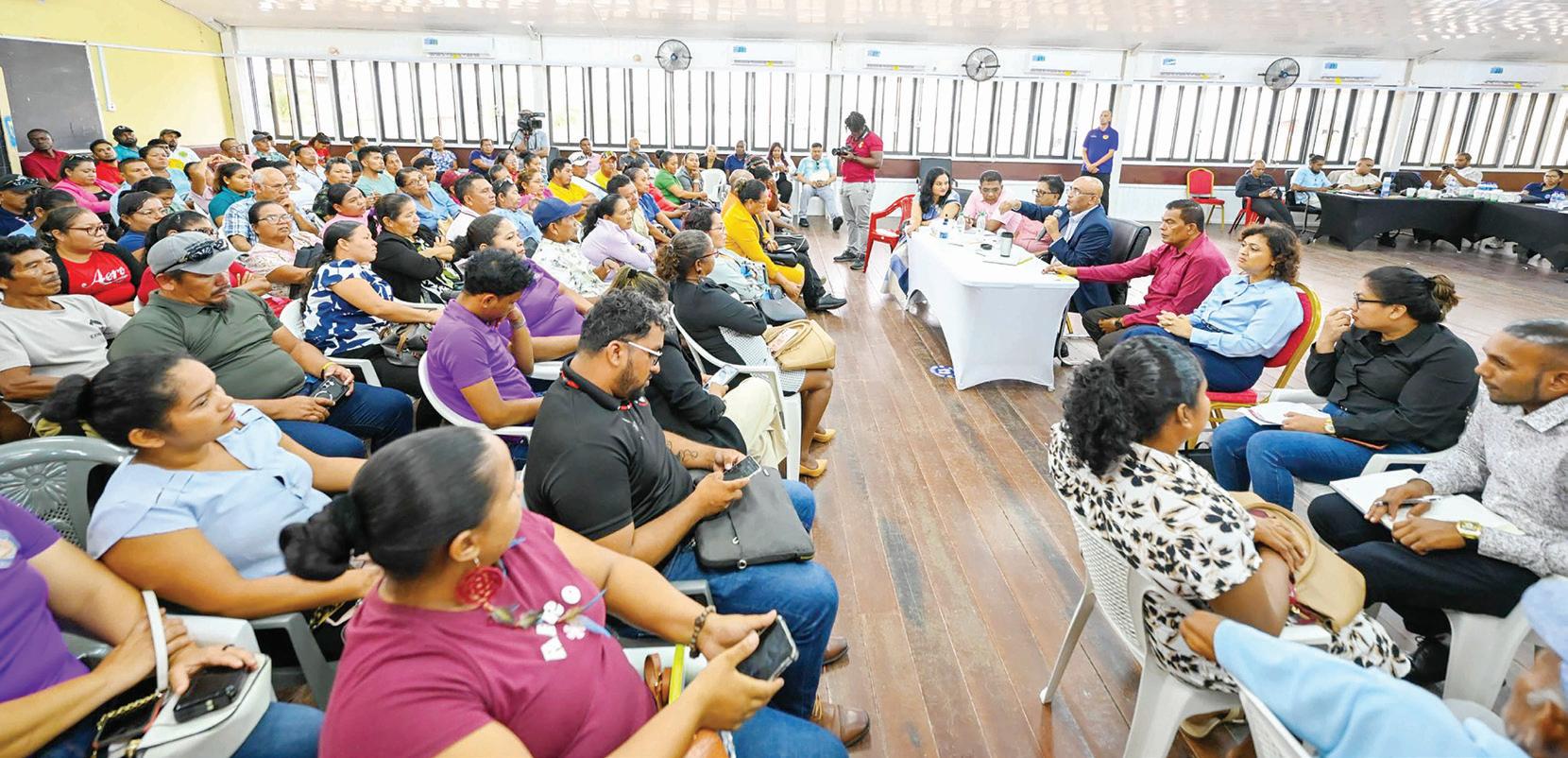
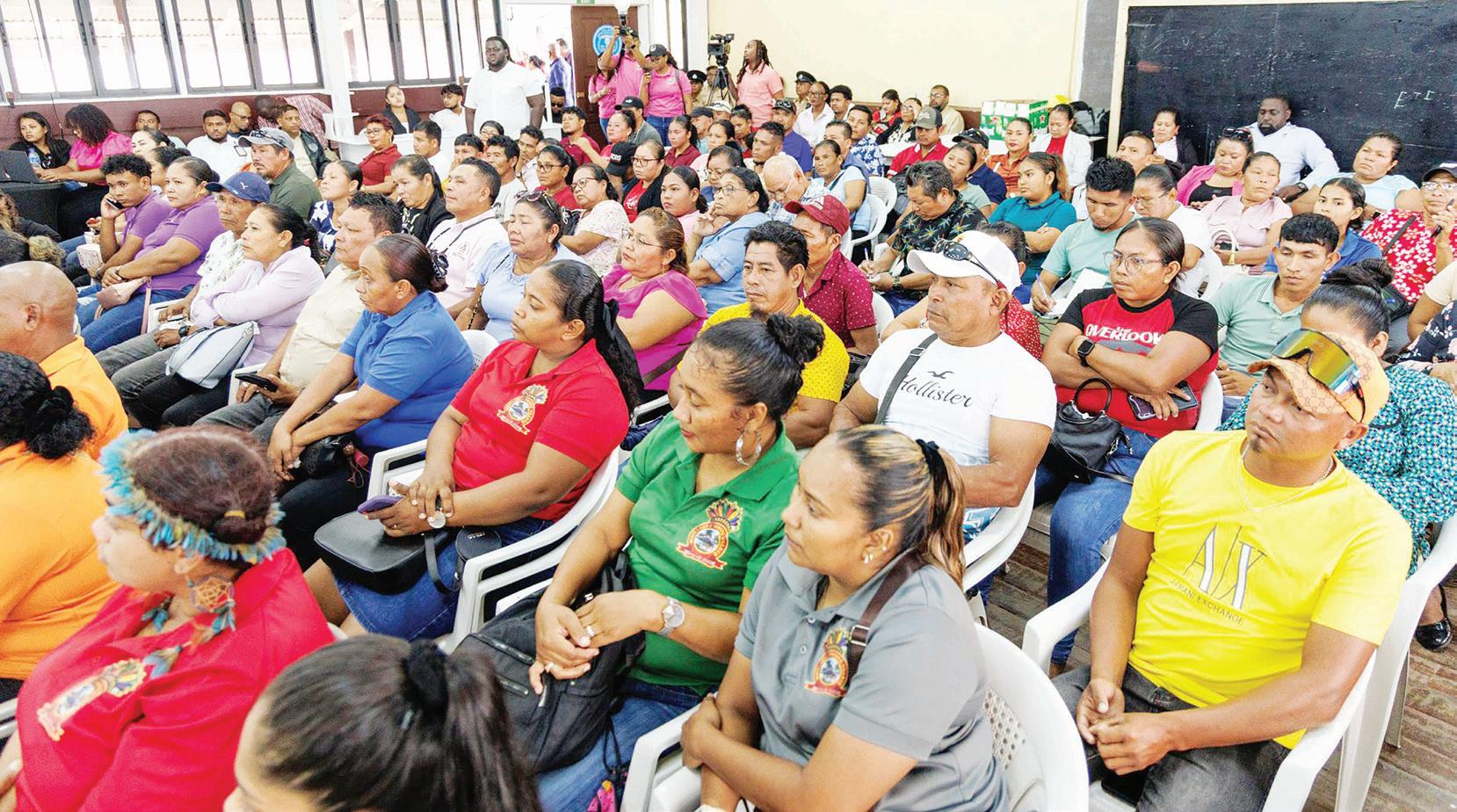
VP and members of Cabinet engaged residents directly as part of ongoing efforts to bring Government services closer to citizens and address concerns across sectors.
During a meeting with residents raising housing issues, Jagdeo explained that one of the major challenges currently facing the housing sector is the limited availability of land. However, he noted that the Government has already taken steps to address this constraint by actively purchasing additional lands to facilitate expansion.
According to the VP, these newly acquired lands will be used to develop the necessary infrastructure, including roads and utilities, to support the establishment of new housing schemes. This, he said, will ensure that more Guyanese can benefit from house lot allocations in a timely manner.
Jagdeo emphasised that within approximately 18 months, the Government anticipates significant progress, with all persons who have applied for house lots,
including those from previous years, expected to receive allocations. He further indicated that some applicants could begin receiving their house lots immediately, even as work continues to expand and develop new areas.
“Right now, we have to buy the land because we don’t have land now... The Government is buying land to do the additional infrastructure, so within another 18 months everybody who applied, even from previous years, will get their lands. “ VP Jagdeo explained to the residents.



Editor: Tusika Martin
News Hotline: 231-8063 Editorial: 231-0544, 223-7230, 223-7231, 225-7761
Marketing: 231-8064 Accounts: 225-6707
Mailing address: Queens Atlantic Industrial Estate Industrial Site, Ruimveldt, Georgetown
Email: news@guyanatimesgy.com, marketing@guyanatimesgy.com
The call on Tuesday by President Dr Irfaan Ali for greater fairness among transport operators and private sector actors benefiting from Government fuel subsidies underscores a fundamental economic reality: policy support, no matter how substantial, must be matched by equitable transmission of benefits to the public if it is to achieve its intended social impact.
Guyana’s transport and fuel pricing environment is currently shaped by a complex intersection of global volatility and domestic structural constraints. The escalation of geopolitical tensions in key energy corridors has tightened global supply, pushing up the cost of crude oil and refined petroleum products. For a small, import-dependent refining market, the effects are immediate and unavoidable. Despite Guyana’s status as a crude oil producer, the absence of domestic refining capacity means that local fuel prices remain tethered to international benchmarks.
Against this backdrop, the Government has deployed significant fiscal measures to shield citizens and businesses from the worst effects of global price surges. The removal of excise taxes on fuel imports represents a substantial and sustained revenue sacrifice by the state, amounting to billions in forgone earnings annually. In parallel, targeted subsidies on diesel and gasoline have further softened the domestic impact, narrowing the gap between international cost pressures and local affordability.
These interventions, however, are not without limits, and fiscal policy space is finite, and the recent decision to fully exhaust available tax levers reflects a Government operating within the bounds of responsible macroeconomic management. Once such tools are maximised, the burden of adjustment inevitably shifts across the broader economic ecosystem. It is within this context that the President’s appeal for shared responsibility among transport operators and other beneficiaries must be understood.
The transport sector occupies a particularly sensitive position within the national cost structure. Minibus operators, taxi services, and freight transporters are both direct consumers of fuel and critical intermediaries in determining the cost of living for households. When fuel-relief measures are introduced, their effects are expected to cascade downward through reduced fares and moderated freight charges. However, evidence of asymmetric benefit transmission, where cost savings are retained rather than passed on, undermines the policy’s broader intent.
For high-usage operators, daily operational cost reductions translate into meaningful profit margins. While profitability is a legitimate objective of private enterprise, it must be balanced against the broader social contract that underpins public support measures. Where state intervention reduces input costs, the expectation of proportional relief to consumers is neither arbitrary nor optional; it is a central mechanism through which fiscal policy achieves distributive fairness.
The reaffirmation that no official approval has been granted for increases in public transportation fares is a necessary safeguard against opportunistic pricing behaviour. In regulated or semiregulated transport environments, adherence to approved fare structures is critical to maintaining affordability and preventing systemic price distortions that disproportionately affect low- and middle-income households.
The public concern surrounding fare volatility, inconsistent pricing, and service reliability reflects deeper structural tensions within the transport sector. These issues point not only to cost pressures but also to governance gaps in enforcement, standards, and accountability. Strengthening regulatory oversight and ensuring compliance with licensing conditions are therefore indispensable to maintaining order and fairness in the system.
Ultimately, the current moment demands a recalibration of expectations across all stakeholders. Government has demonstrated willingness to deploy fiscal instruments at considerable cost to the national treasury. The limits of those instruments, however, necessitate complementary action from the private sector, particularly those entities that have directly benefited from policy relief measures.
The principle advanced by the Head of State is therefore grounded in economic pragmatism rather than political appeal. In a constrained and volatile global environment, the sustainability of relief measures depends also on responsible conduct within the market. Fairness to the consuming public must remain the guiding benchmark by which all actors are measured.
A stable and equitable transport and fuel pricing system cannot rest solely on Government intervention, as it requires coordinated discipline and transparent pricing behaviour.

First Lady Arya Ali was on Monday evening presented with the Maritime Ambassador Award by WiMAC Guyana in recognition of her office’s contribution to Guyana’s maritime and blue economy sectors. Through a partnership with Tidewater Inc, scholarships were awarded to 10 female cadets for specialised training in ship navigation and engineering, while an additional 60 young women from Regions One, Seven and Nine have already completed basic safety and ship security awareness training, with a further 40 scheduled to participate (Office of the First Lady)
Ebola in the DRC needs the world’s attention now – if your neighbour’s house is on fire, you don’t wait and watch
By Devi SriDhar
Over the weekend the World Health Organization (WHO) declared an outbreak of Ebola in the Democratic Republic of the Congo (DRC) a “public health emergency of international concern”. This designation is the highest alarm level the WHO has to notify its member states about a health crisis that is considered extraordinary, has multi-country risk and requires a coordinated international response. Usually, the director general, Dr Tedros Adhanom Ghebreyesus, would convene a meeting of international health experts to discuss whether an outbreak meets the legal criteria, but for the first time in the agency’s history, he went ahead and declared it after consulting the Governments of the DRC and Uganda and analysing the data presented.
So what is happening now and why are health experts so concerned? We recently learned that there are several hundred suspected cases and 131 suspected deaths from Ebola in the eastern part of the DRC and possibly neighbouring Uganda. Ebola is one of the world’s most deadly infectious diseases, with symptoms progressing from fever and vomiting to internal bleeding and organ failure.
Most of the 16 previous outbreaks of Ebola in the DRC have been caused by the Zaire variant. For Zaire, we have a highly ef-
fective vaccine, targeted therapeutics and rapid diagnostics. Unfortunately, this latest outbreak is of the Bundibugyo variant, which does not have any medical countermeasures. Part of the reason that Ebola has been spreading for weeks undetected in communities and into hospitals is because rapid diagnostics for Zaire failed to identify the Bundibugyo variant. Without specific drugs, the treatment for Bundibugyo is general medical support, with death rates estimated at between 30 per cent and 40 per cent of those infected.
Ebola spreads through the body fluids of infected people: think saliva, blood, sweat, vaginal fluid or semen. Those most at risk are healthcare workers and family members taking care of sick patients, as well as those involved with the burial and treatment of dead bodies. Stopping the spread requires ensuring those caring for Ebola patients have adequate personal protective equipment (PPE) to protect themselves, as well as tracing contacts and ensuring they isolate before further transmission can occur. Ebola outbreaks have been controlled in the past, so it’s less a knowledge gap and more one of having enough staff, PPE, lab capacity and logistics.
A couple of other factors make the situation in the DRC difficult. The outbreak is in a conflict-affected, high-traffic mining region where communities have little trust in Government or
external aid agencies. This makes even routine healthcare such as vaccination campaigns difficult, given the political instability and violence. Public health officials are considering using a combination of the existing approved vaccines for the Zaire and Sudan variants. Doses are available, but there are concerns that, if it isn’t as effective as hoped in reducing severity or transmission, trust in future vaccination campaigns may be undermined. Also, the outbreak is in the province of Ituri, close to the border with Uganda, so there are concerns about community spread to urban Kampala (a major regional hub), which would make it much more difficult to stop. Uganda has closed certain land crossings, but given a 950 km (590-mile) border and mobile populations, it’s very difficult to stop cross-border spread.
In addition, foreign aid cuts mean we are less prepared than we were even several years ago. The 2014 West Africa Ebola outbreak relied on US leadership from USAID, the Centers for Disease Control and Prevention (CDC) and the US military. Since then, the USAID team dedicated to Ebola-like diseases was cut by Elon Musk (he says accidentally) and then partly restored (the team going from about 30 members to just a few). The CDC funding given to the lab networks operating in low-income settings to quickly identify specific pathogens and outbreaks was also cut. With
the US Government withdrawing from the WHO, the budget for the WHO’s emergency-response programme has also been cut by 37 per cent since 2024. UK foreign aid funding has fallen to its lowest level in two decades.
The concern is less about this becoming a global pandemic, which is unlikely given how the Ebola virus spreads, and more about the devastation it can cause in the lives lost and to the already fragile healthcare systems in the DRC and neighbouring countries. During the West Africa Ebola outbreak (which I worked on), hundreds of healthcare workers died due to treating patients without having adequate PPE. Healthcare workers are a scarce and precious resource, and the knock-on effect was increased maternal and infant mortality due to lack of trained staff and a rise in child mortality from disrupted standard vaccination campaigns.
Right now, the DRC and Ugandan Governments need the world’s attention, cooperation and support to get the necessary resources to stop this outbreak. If your neighbour’s house is on fire, you don’t wait and watch. You help to put it out before the fire spreads to yours. That’s the interconnected world we live in and an important lesson for all politicians watching the crisis unfold.
Prof Devi Sridhar is chair of global public health at the University of Edinburgh and the author of How Not to Die (Too Soon)
The ruling delivered yesterday in the matter involving entertainer Baby Skello and his offensive lyrics directed against a Hindu deity raises profound legal, moral, and national concerns for all religious communities in Guyana.
Magistrate Wanda Fortune dismissed the charges on the ground that the existing legislation governing blasphemous libel applies specifically to Christianity and, therefore, cannot legally support charges of insulting Hindu religious symbols. Although the Magistrate relied on the wording of an archaic statute, the implications of this ruling are deeply troubling in a modern, multi-religious, and multicultural so-
ciety such as Guyana.
This decision reveals a dangerous legal contradiction in our justice system: Christian symbols may receive statutory protection, while the sacred figures, beliefs, and symbols of other recognised religions remain vulnerable to ridicule, desecration, and public abuse without legal consequence.
Such an outcome cannot be considered just, equitable, or consistent with the constitutional spirit of equality that underpins our democratic society.
As a Muslim, I view this ruling with grave concern – not merely because of its immediate implications for the Hindu community, but because it could place every non-Christian faith tra-
dition in Guyana outside the protective scope of the law. If the interpretation advanced in this case is accepted without challenge, it would effectively create a hierarchy of religious protection under the law.
The issue before the nation is therefore larger than any single entertainer, song, or religious community. It concerns whether Guyana’s laws will be interpreted and applied in a manner consistent with fairness, inclusivity, and equal respect for all faith traditions.
One must also ask an uncomfortable but necessary question: Would the outcome have been the same if the alleged blasphemy had been directed
at Christianity, Christian symbols, or central Christian figures? Many citizens may reasonably conclude otherwise.
The silence from major national Hindu and Muslim organisations after this ruling is equally concerning. At a moment requiring principled, united moral leadership, the lack of strong public engagement risks signalling either resignation or acceptance of a flawed legal interpretation that marginalises non-Christian religions.
This ruling should therefore be challenged.
The Director of Public Prosecutions (DPP) ought to seriously consider filing an appeal to ensure that higher judicial scrutiny can
clarify whether the legislation should continue to be interpreted in such a narrow and exclusionary manner.
At the same time, Hindu and Muslim organisations, along with broader civil society groups, should advocate for urgent legislative reform. The law must be repealed or amended to ensure that all religions recognised in Guyana are afforded equal dignity and protection under the law.
Guyana’s religious diversity is one of its greatest strengths. Laws inherited from the colonial era should not undermine national harmony by privileging one faith tradition over others.
It is also expected that this matter will attract the
attention of the honourable Attorney General, whose pronouncement on the broader constitutional and legal implications of this ruling is eagerly awaited. Ultimately, justice must not merely follow the letter of outdated laws; it must also reflect the principles of fairness, equality, and social cohesion on which modern Guyana is built.
The old saying that “the law is an ass” becomes most dangerous when rigid interpretation produces outcomes that offend common justice and erode public confidence in equality before the law.
Yours sincerely, Wazir Baksh Guyana Islamic Trust
Dear Editor,
Please allow me space in your column to help Gobind Harbhajan, MP, understand what “diversification” means and how it can help people – not only farmers.
Over the past few weeks, Harbhajan has been using his social media platform, particularly Facebook, to attack the Minister of Agriculture, Hon Zulfikar Mustapha MP, following the Minister’s call for farmers, especially those in the rice industry, to use a few acres of their lands to diversify into other crops so they can create alternative sources of income.
I believe the Minister made that recommendation not because he wants farmers to abandon rice cultivation, but because the world is currently facing serious economic challenges. With ongoing conflicts in the Middle East and rising global fuel prices, the cost of production and essential commodities continues to increase.
But perhaps Harbhajan does not fully understand the global economic situation, so I will not dwell too much on that. Unfortunately, all he seems interested in is creating confusion and spreading misinformation for attention among his small cir-
cle of followers – many of whom appear to be fake profiles.
Mr Harbhajan, diversification simply means spreading resources and investments across different areas so that if one business suffers losses, another can help sustain income.
The Minister never said farmers should stop planting rice. What he encouraged was that farmers should not depend solely on rice farming for survival. By planting crops such as peppers, tomatoes, cabbage, lettuce, or celery, or even engaging in livestock rearing, farmers can create additional streams of income to cushion themselves during difficult periods.
Ironically, Mr Harbhajan himself practises diversification. He claims to be a rice farmer, yet he does not depend only on rice farming for income. He has diversified into other ventures, including visa application services; politics, serving previously as a regional councillor; working with Government; and now serving as a Member of Parliament.
So why deny farmers the same opportunity to strengthen their financial stability?
Those additional crops are in demand daily and

can provide farmers with regular income instead of waiting months for rice to be harvested and sold.
Diversification is not limited to agriculture. It applies across every sector. For example, if a businessman owns a lumber yard and notices sales declining because of new competition, he may decide to start selling nails and paint as well. That
does not mean he is shutting down his lumber business; it simply means he is expanding his income opportunities.
Mr Harbhajan is also attempting to use this issue to falsely claim that the rice industry is collapsing and that the Minister’s recommendation is proof of failure. That is far from the truth.
The reality is that ris-

ing global fuel prices and increased costs for machinery, equipment, fertilisers, chemicals, and transportation have pushed up production costs worldwide. Sometimes farmers operate at a loss because of these international pressures.
The Government of Guyana cannot control global fuel prices or international market conditions
caused by geopolitical conflicts and economic instability.
Therefore, Harbhajan needs to properly educate himself before misleading people on social media. He should also stop depending on others to write articles for him in the print media.
Best regards, Abel Seetaram

WEDNESDAY, MAY 20, 2026
1. Triangle P has two angles which measure 59⁰ and 31⁰. What kind of triangle is P?
(A) Obtuse-angled
(B) Acute-angled
(C) Right-angled
Question 2 refers to the following table.
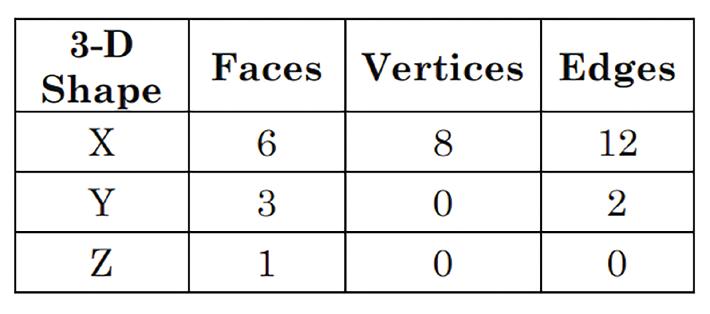
2. The three-dimensional (3-D) shapes, X, Y and Z, represent respectively
(A) cuboid, cube, cylinder (B) cuboid, cylinder, sphere (C) cylinder, cube, sphere
3. A square is BEST described as a shape with (A) four equal angles and two lines of symmetry (B) two pairs of parallel sides and two lines of symmetry (C) four lines of symmetry and two pairs of parallel sides
Question 4 refers to the following diagram.
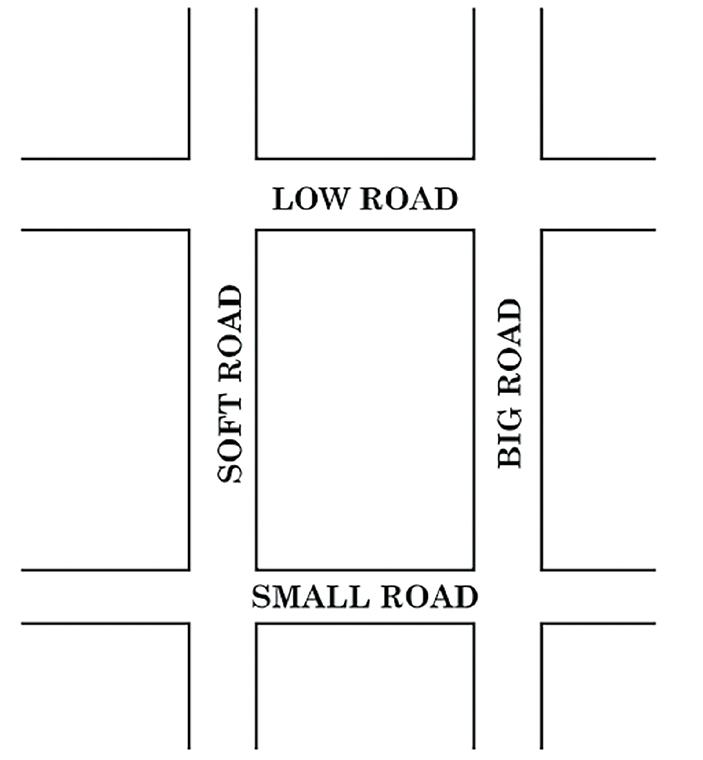
4. Which two roads are perpendicular?
(A) Soft Road and Big Road
(B) Low Road and Small Road
(C) Soft Road and Low Road
Questions 5–6 refer to the following diagram which shows an object made up of a number of cubes.

5. Which of the diagrams below shows a top view of the object?
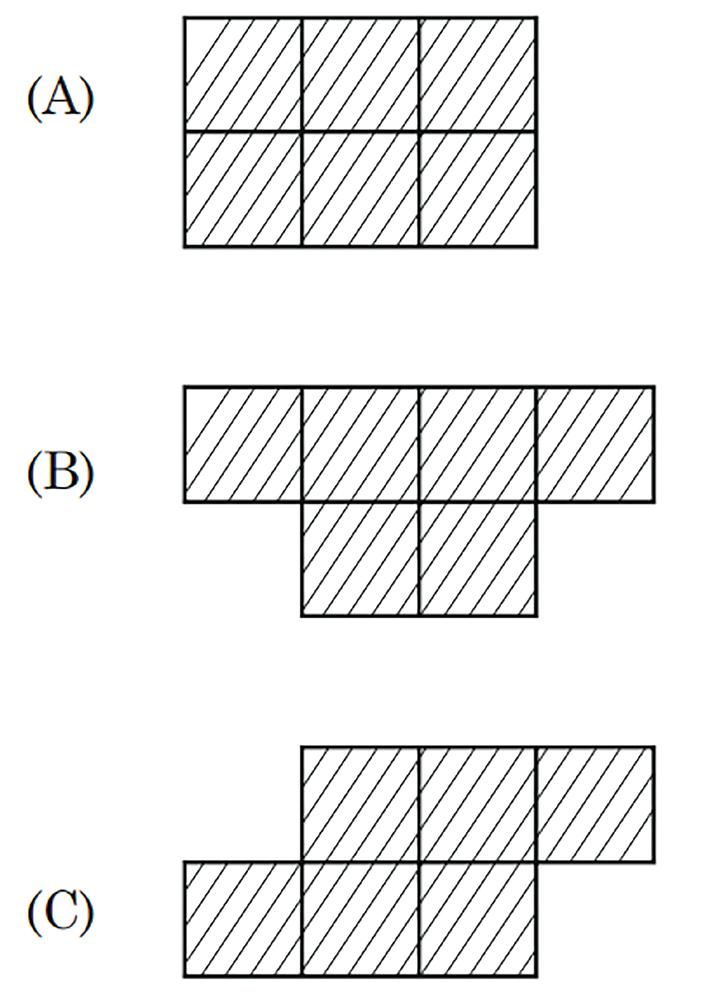
6. How many MORE cubes are needed to make the object look like a cuboid?
(A) 4 (B) 5 (C) 6
7. Jack’s scores in five matches were 30, 70, 40, 0 and 60. What is his average (mean) score?
(A) 40 (B) 50


(C) 200
Questions 8–9 refer to the graph below which shows the marks earned by four students in a Mathematics test.
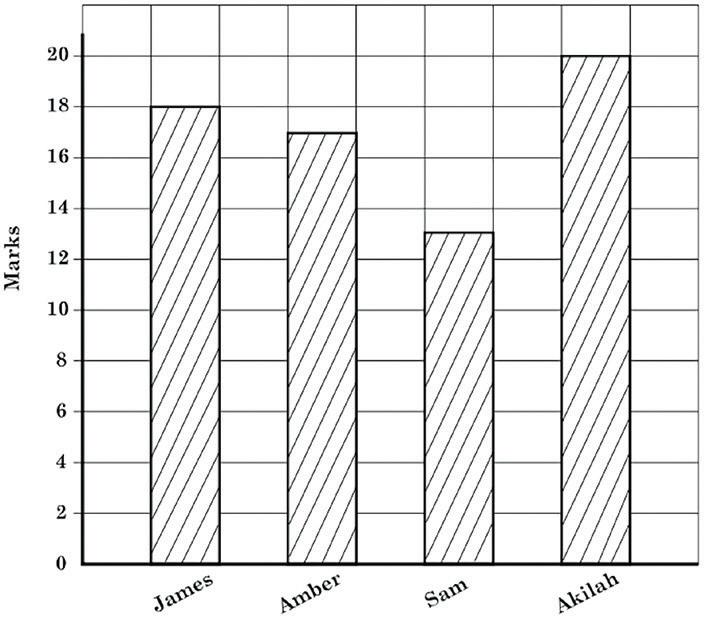
8. How many more marks did Akilah earn than Sam?
(A) 7 (B) 8 (C) 12
9. What was the average (mean) mark earned?
(A) 14 (B) 17 (C) 20
By Wesley McNair
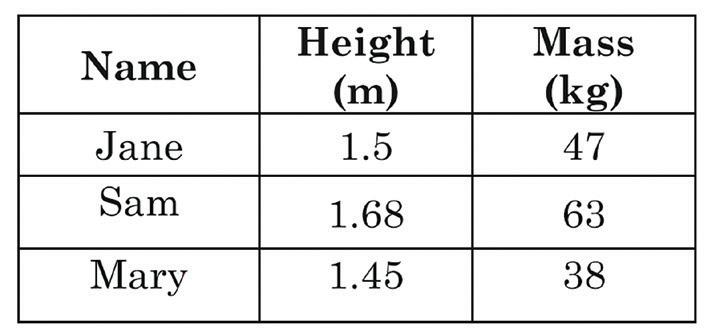
Question 10 refers to the table below which shows the height and mass of three children who visited a clinic.
10. Which of the following statements can be made by studying the data in the table?
(A) A child’s height is more than its mass.
(B) The youngest child has the smallest mass.
(C) A child’s mass increases as its height increases

Beyond the curtainless bay windows of his room on the sidestreet, he kneels among old radios, left from a time of belief in radios, some dangling fat tails of cord from end tables, some in darkening corners sprouting hairs of wire from their great backs, and this strange one he has chosen, standing on the paws of an African cat. The man with the radios is so far away in his gaze you would swear he hears nothing, so still you might miss how he concentrates on not moving his hand. Slowly, slowly he turns its ridged knob in the dark, listening for the sound he has prepared it for, watching with his absent eyes the film that clears from a green eye.
(Source: Poetry [October/ November 1987])

List 10 things you hope to have accomplished 10 years from now. Which of these is most important to you?



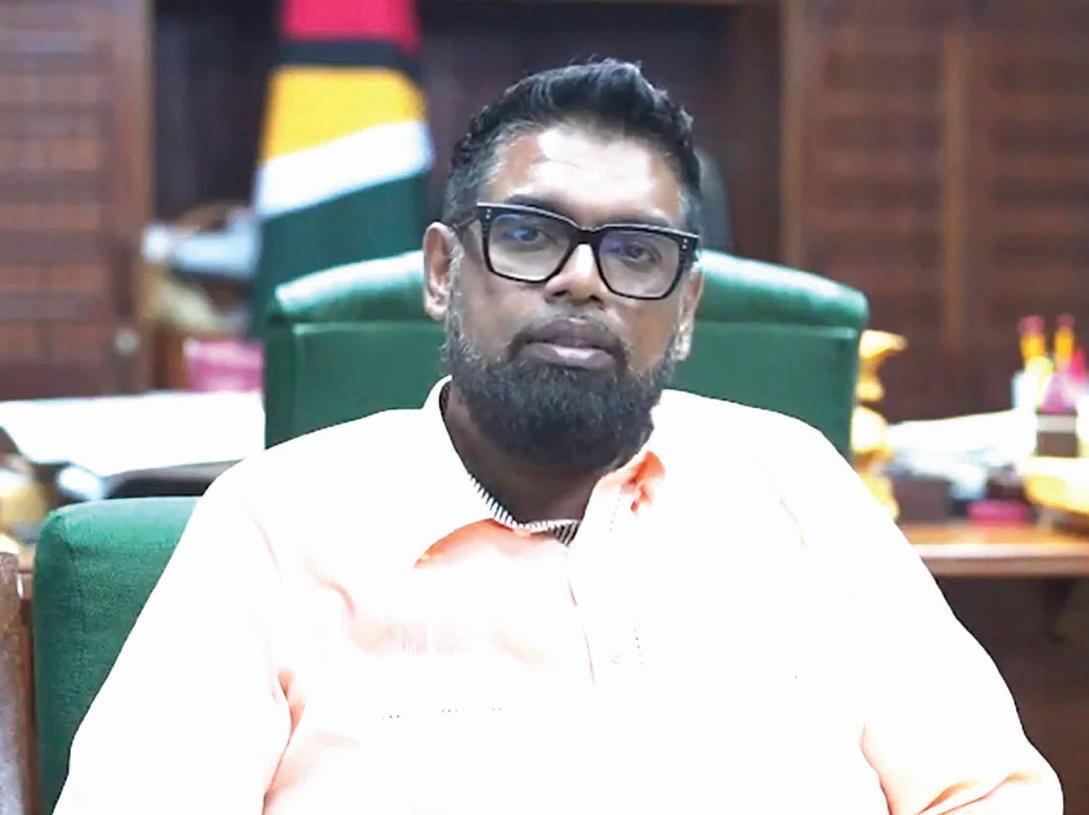
President Dr Irfaan Ali on Tuesday urged transport operators and other Private Sector stakeholders benefiting from Government fuel subsidies to “be fair to the public”, arguing that many have not passed on the savings to consumers despite billions of dollars in tax relief and subsidies aimed at cushioning the impact of rising global fuel prices.
The Head of State also called on the Private Sector to share the burden of rising fuel prices, as the Government has maxed out direct fuel subsidies, and assured that exploring plans for ports and a refinery here continue as key to this country’s long-term energy stability amid global disruptions.
“We were able to take excise tax to zero. What that did is that it gives us now no room to adjust the excise tax. And now that the price has increased at the national market, we are asking those, all the stakeholders who would have benefited from the zero per cent excise tax, to be nationalistic in their approach,” Ali said in an address on his Facebook platform.
Although Guyana is a significant crude oil producer, he reminded readers that it lacks refining capacity. As a result, all refined products are imported at world market prices. To cushion citizens, the Government removed excise taxes on fuel imports, a measure that has cost the treasury more than $100
billion Guyanese dollars annually. The Government has also directly subsidised diesel and gasoline since March of this year, further reducing profit margins to stabilise the market.
With private-sector transportation, especially by minibus operators, increasing by over 100 per cent recently, the Government’s balancing act between fiscal responsibility and consumer protection, Ali reasoned, underscored the urgent need for shared sacrifice in a volatile global energy market, given the operators benefited significantly from fuel subsidies.
“In practical terms, when we took off the zero per cent, when we took excise tax to zero per cent, that translated to approximately $500 savings for citizens on every gallon of diesel or gasoline purchase. It was a $500 saving, providing substantial relief to households, businesses, and the wider economy. For minibuses operating in Georgetown and consuming an average of, let us say, more than 12 gallons of fuel per day, which is 50 litres, the policy delivers savings of about $6000 per day, directly improving, of course, profitability and helping to keep fares affordable,” he said.
“Now that we have this challenge and we have fully utilised that tool, this tool that was available to us, I think the minibus operators, the taxi and speedboat operators, and of course, truckers, and all stakehold-
ers within this framework now have to play their role. Because this is something that is affecting us at the national level,” he added.
Supply shock of historic proportions
The president explained that global energy markets are reeling as one of the most critical arteries of global trade, the Strait of Hormuz in the Middle East, has been nearly sealed off by escalating conflict and naval blockades. The closure has triggered a supply shock of historic proportions, pushing Brent crude repeatedly above $120 per barrel in 2026 and unleashing ripple effects across economies large and small.
“A challenge that the world is faced with today… has to do with the ongoing crisis in the Middle East, but more importantly, the rising costs for energy, international transport, and, of course, refined products…” he said.
Ali explained that his Government is one that plans with continuous measures, and this is why, looking ahead, the country is exploring long-term solutions such as its own refinery and upgraded ports. However, in those plans, challenges are noted, and one major obstacle is that in the Demerara River, the channel draught is not sufficient to accommodate large vessels.
“So, we have to use smaller transhipment vessels, which also affect the cost,” the President explained. Plans are underway to dredge rivers and expand facilities to allow larger ships, reducing freight costs.
Additionally, the Government is actively seeking partners to invest in a local refinery. “The oth-
er thing we are doing is that we are actively looking at partners who want to invest in a refinery here in Guyana so that we can have that security of supply and we can also have more price stability, given the fact that we are also producing our own crude,” he said.
The president said that while the Government can explain all it is doing, unity requires action from both the Private Sector and the Public Sector. “As a Government, we have demonstrated the full policy tool available to us. We now ask stakeholders to be fair to the consuming public,” he pleaded.
No approval given
The Government has reaffirmed that no fare increases have been approved for any form of public transportation, including minibuses, taxis, hire cars, speedboats, and airport services. Public Works Minister Juan Edghill on Tuesday restated that existing fares remain in effect and warned that passengers must not be subjected to any unauthorised price hikes.
Government officials emphasised that transport operators have no authority to impose increased fares and that passengers who are forced to pay higher rates or face harassment
are encouraged to report such incidents to the Public Utilities Commission for investigation and action. At a stakeholder meeting involving transport regulators and enforcement agencies, the Government also addressed complaints of arbitrary pricing and poor service, noting that operating licences are conditional on compliance with regulations. Operators has been warned that if found engaging in price gouging or passenger mistreatment could face suspension or revocation of licences.
Only recently, persons utilising public transportation called for the introduction of a structured, and possibly state-run, public transportation system, citing rising fares, inconsistent pricing, and safety concerns within the current privately operated transport system. Many passengers reported overcrowding, reckless driving, and a lack of accountability among operators, with fares also fluctuating significantly depending on time and demand.
Several commuters, including teachers, students, nurses, and other citizens, said the rising cost of transportation is placing a heavy burden on household incomes and affecting daily routines, with some reporting spending substantial amounts on travel each day.

An illegal firearm was discovered on Monday during an intelligence-led operation conducted in Regional Division Nine (Upper Takutu/Upper Essequibo), resulting in the arrest of a 19-yearold. Reports are that the operation took place between 15:45h and 16:45h at a ranch located along the Hiawa Access Road, Central Rupununi. According to Police, ranks acted on intelligence received and proceeded to the location where three males were contacted and subjected to searches. During the exer-

cise, a hammock in which one of the men was lying was searched, leading to the discovery of a firearm.
“One Glock 26 9mm pistol, along with one empty magazine, was found,” Police stated. The 19-year-old suspect, a mechanic/ porter of South Amelia’s Ward, Linden, was arrested. He was escorted to the Lethem Police Station along with the firearm, which was lodged as evidence pending further investigation.
The suspect remains in Police custody as investigations continue.


The world is all agog over the claims and counterclaims about whether computers – originally made to “compute”! – have now become sentient like we humans!! Surely you haven’t been able to avoid articles and arguments of the artificial intelligence (AI) “bots” (no more “robots”). ChatGPT, Claude and Deepseek? This question, of course, has been posed in science fiction for decades. Of recent, movies – going back at least to the 1930s – have offered lurid narratives of what’s gonna happen when they actually do. In the present, think of “The Terminator” and “The Matrix” franchises!! The first thing they’ll do – we’re assured – will be to take over the world and rule us under their jackboots!!
And why not? No matter how you slice it or dice it, if the bots are being programmed like our human neural networks, isn’t that what we’d do if we had the wherewithal to do so? Think Genghis Khan through Stalin and Hitler!! The wherewithal would come from their superior ability “to go where no man has gone before” in the thinking department!! And this ain’t just about beating us at chess – accomplished decades ago – but to “think” outside the box – the “box” of our brains!!
The computers are taught by an AI algorithm known as a “large language model”, or LLM. This uses “deep learning” and large data sets like millions of books and the entire Wikipedia to digest and generate new content. Recently, claims have been made that they’ve reached sentience – but those have been trenchantly challenged. There are doubts that the bots can actually go beyond the algorithms and come up with something entirely new!! The old Turing test for sentience seems to’ve become obsolete: these bots can convince a human interlocutor that they’re sentient hands down!!
Anyhow, to save us from sentient machines, the sci writer Isaac Asimov, in the 1950s, had devised his “three laws of robotics”: A robot may not injure a human being or, through inaction, allow a human being to come to harm; they must obey orders given it by human beings except where such orders would conflict with the First Law. And must protect its own existence as long as such protection does not conflict with the First or Second Law.
But what’s gonna ensure AI achieves sentience is that it’s driven by that concept at the centre of all present human activity – profits!! Elon Musk just lost his case against OpenAI, which created ChatGPT, for breaking their promise for his early investment of US$38M to remain a non-profit!! They’re worth US$900B and had revenues of $25 billion – compared to Claude’s Anthropic, which is worth US$1 trillion and profits of $50 billion!!
Yep…money will even make the new AI world go round!!
…leaders?
In the West’s evolution of political participation there’s been a distinctive pattern. First, the nobles flexed their muscles against the king who ruled absolutely; then the emerging business bourgeoisie flexed theirs against the nobles, and finally the plebes, or “commoners”, did their thing against the bourgeoisie. In Guyana, workers first rose up for better conditions through riots and then trade unions – and some unionists entered politics.
So, the trade unions begat political parties – which duked it out to control the Government and political power. There was now a division between their fields of activity: political parties vied for political power, and trade unions agitated against employers for better working conditions and wages. In the present neoliberal dispensation, however, labour’s been the one bearing the pressure for profits.
So, you’d think unions would be taking on employers something fierce, no?? Not in Guyana!! The TUC – aligned with the PNC – has gone full-blown political: sounding tougher on issues outside of labour than the PNC!!
And further emasculating the latter’s leader!!
…gold rush
We knew there was gold in those hills in the Guyana Shield since the 1890s!! But with the metal pushing past US$5000/oz, there’s a new gold rush!!
Sadly, there’s no place for our traditional pork knockers!!


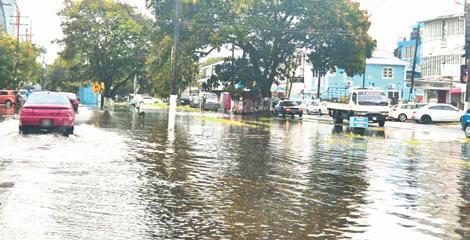
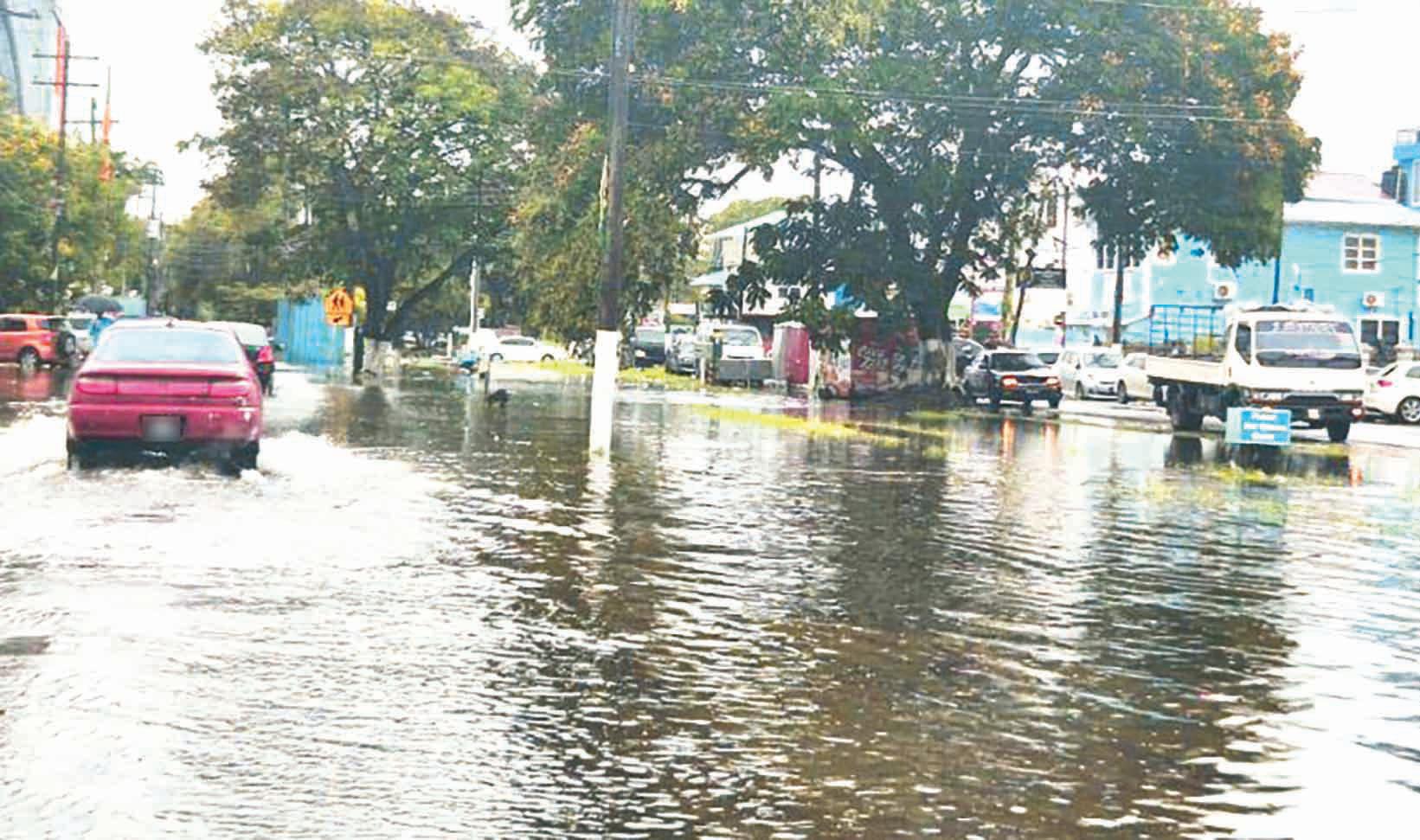
Police are urging motorists to reduce their speed and exercise greater caution on the nation’s roadways during the rainy season, warning that wet surfaces significantly increase the risk of hydro-
planing and serious accidents.
The warning was issued during the latest edition of the programme Road Safety and You, where traffic ranks highlighted several dangerous driving practices com-
monly observed during periods of heavy rainfall.
During the programme, Sergeant Hemerding of Regional Division 4C (East Coast Demerara), who is attached to the Mahaica Police Station Traffic Department,
stressed that motorists must reduce their speed whenever roads are wet since tyre traction decreases during rainfall.
He explained that drivers should maintain a greater following distance between


vehicles to avoid collisions in the event of sudden braking or swerving.
The programme also focused heavily on the dangers of hydroplaning, a situation where a vehicle’s tyres lose contact with the road surface due to a layer of water.
According to the Chairman of the National Road Safety Council, Earl Lambert, in the road safety manual, hydroplaning can begin at speeds of approximately 55 kilometres per hour and becomes increasingly dangerous as speed increases.
“When the hydroplane starts, you lose traction. You cannot brake or accelerate or turn,” he explained while discussing the dangers associated with excessive speed during heavy rainfall.
Motorists were advised that the correct response during hydroplaning is to keep the wheels straight, gradually reduce speed, and avoid slamming on the brakes.
Traffic officers also warned drivers against operating vehicles with bald or badly worn tyres, noting that defective tyres are especially dangerous during
rainy conditions because they are unable to properly disperse water from the roadway.
The ranks reminded motorists that tyres should have adequate tread and proper air pressure to ensure safer driving conditions.
Sergeant Hemerding further cautioned drivers against using cruise control during rainy weather, explaining that vehicles can automatically accelerate if traction is lost, potentially causing motorists to lose control.
The programme additionally highlighted several other road safety concerns, including the misuse of high-beam headlights during rainfall, defective tail and brake lights, speeding, driver fatigue, and distracted driving.
Motorists were encouraged to ensure their vehicles are properly maintained before travelling, including checking brakes, headlights, tyres, steering systems, and windscreen visibility. The officers also urged drivers to wear seatbelts properly, noting that the shoulder strap must remain across the chest at all times.
He also assured residents that by the end of next year, the housing situation will see marked improvement, as the Government continues to respond to the growing demand and work towards ensuring that every eligible applicant has access to land for housing.
This is the VP’s second outreach over the past few weeks. The outreaches are part of the Administration’s plan to maintain direct engagement with citizens, allowing residents to raise concerns and receive updates on Government programmes impacting their communities.
Also attending the outreach were Finance Minister, Dr Ashni Singh; Local Government and Regional Development Minister, Priya Manickchand; Human Services and Social Security, Dr Vindhya Persaud; Agriculture Minister, Zulfikar Mustapha; Minister within the Ministry of Public Works Mandalall Ramraj; Regional Chairman Devin Mohan; Director General of the Amerindian Affairs Ministry, Sonia Latchman; and representatives from the Ministry of Housing, among other regional officials and representatives.


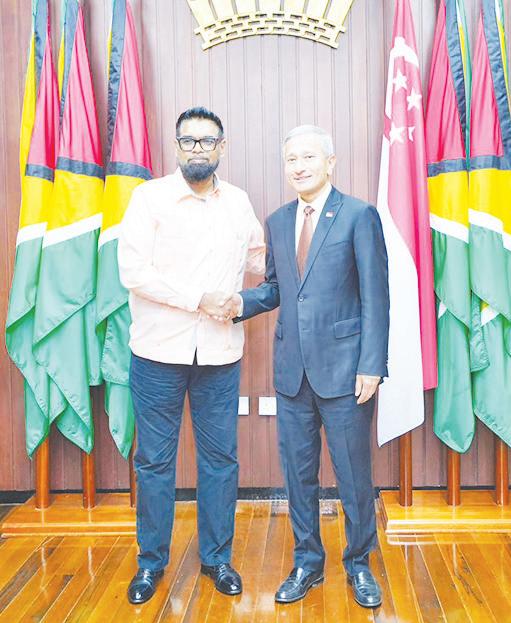
Guyana and Singapore have agreed to advance discussions aimed at strengthening cooperation in energy, climate initiatives, digital transformation, and food security following bilateral talks between President Dr Irfaan Ali and Singapore’s Foreign Minister, Vivian Balakrishnan.
In a social media post on Tuesday evening, President Ali said he held bilateral discussions with Singapore’s Foreign Minister to develop a framework for closer partnership between the two countries. He noted that both sides are working toward collaboration in ener-
gy, climate action, technical support for artificial intelligence (AI) and digitisation, as well as expanding opportunities in food security.
He also encouraged Singapore to join the Global Biodiversity Alliance. In his own statement on social media, Balakrishnan said both Guyana and Singapore
share similarities as small, multicultural states that support multilateralism, openness, free trade and international law. He also highlighted Guyana’s role as host of CARICOM, noting its growing importance in regional economic development across the Caribbean and South America.
Balakrishnan said he met President Ali, Foreign Minister Hugh Todd, and other Cabinet members during his visit to Georgetown. Discussions, he added, focused on expanding cooperation in trade and investment, energy, sustainability, food security and human capital development, as well as strengthening ties between Singapore and CARICOM.
He also met Singaporean nationals living and working in Guyana, saying their contributions are helping to build informal links between the two countries.


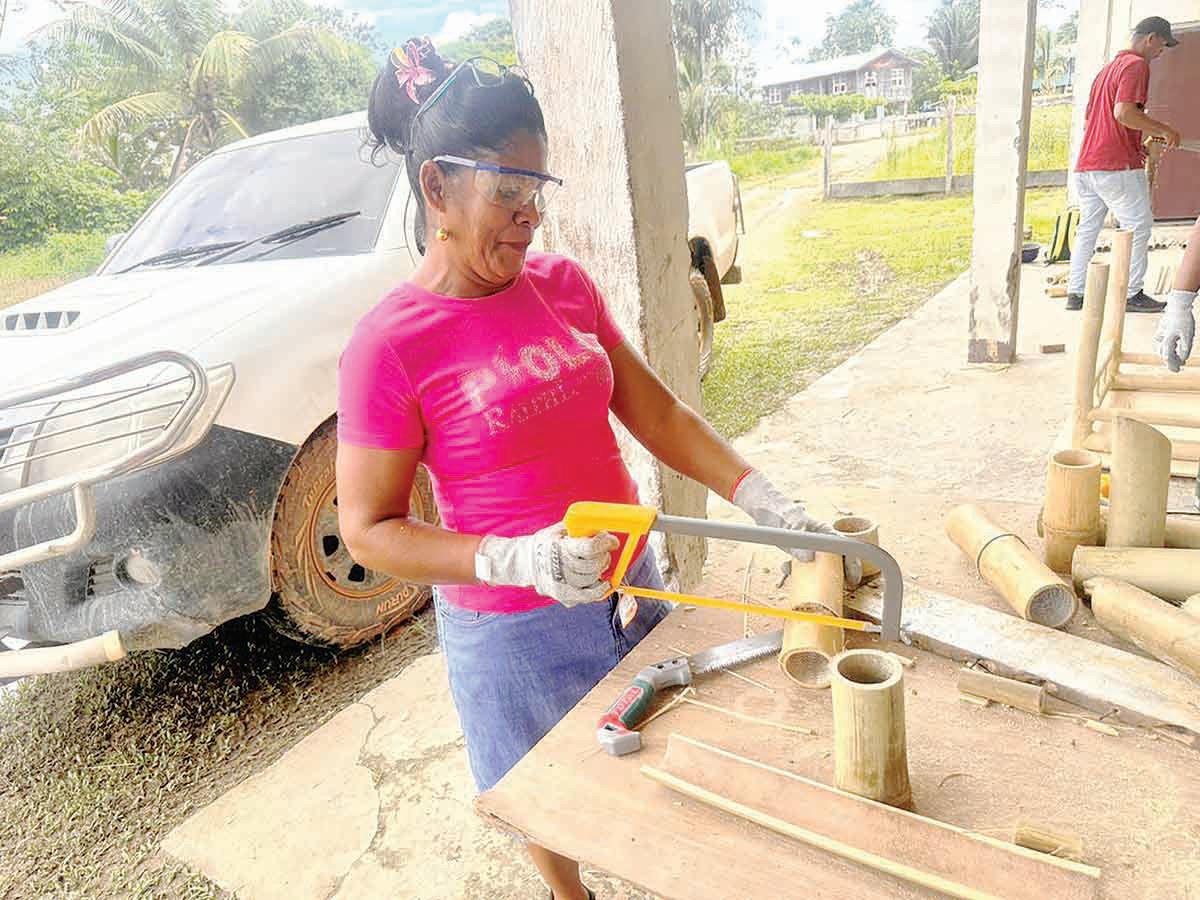
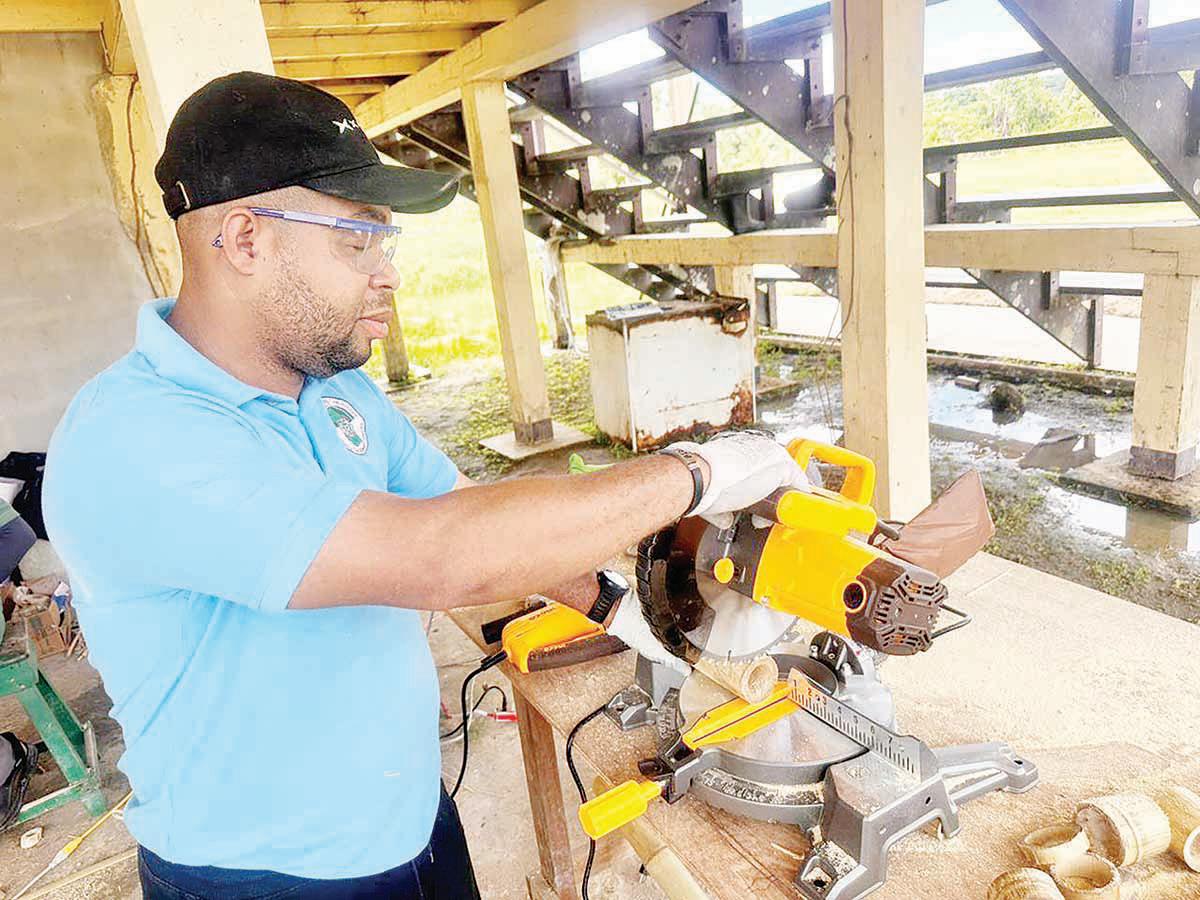
Ten residents of Maria Elizabeth/ Three Friends and Nottinghamshire, Region Ten (Upper DemeraraBerbice), have benefitted from a five-day bamboo furniture-making training session.
In Budget 2026, the Government announced plans to pilot bamboo furniture manufacturing across the country.
“In 2026, the forestry sector will pilot bamboo furniture manufacturing using existing inventories while cultivating 50 acres to expand bamboo supplies in support of sustainable diversification,” Finance Minister
According to the Ministry of Natural Resources, the training was conducted under the Euroclima Bamboo Project from May 13 to 17. It was facilitated by the Guyana Forestry Commission (GFC), in collaboration with project partners from the European Union (EU), Expertise France, and Beijingheadquartered International Network for Bamboo and Rattan (INBAR).
Dr Ashni Singh had said.
Dr Singh also noted that the Government will establish a registry of furniture manufacturers and identify beneficiaries for training to help grow supply to meet the needs of residential and commercial consumers.
Consequently, in April, the GFC launched a national bamboo pilot project funded by the EU under the Euroclima programme, with technical assistance from Expertise France and INBAR.
Through the initia-

tive, 500 bamboo plants were planted at Coomacka, Region 10. The Ministry of Natural Resources had noted that this exercise will be replicated in other areas throughout the country.
Bamboo plants of the species Bambusa vulgaris var. vulgaris are being trialled for the restoration of a mined-out bauxite site in the old Coomacka mines area, close to the Maria Elizabeth/ Three Friends community, with the technical guidance of INBAR.
The Ministry had noted that this flagship project continues to focus on actionable and tangible targets not only for bamboo trials but also for building knowledge and capacity at all levels. The Ministry added that it also sets the stage for dynamic partnerships in a new industry based in nature and sustainability.
This intervention comes at a time when imported fur-
niture continues to dominate Guyana’s domestic market, supplying an estimated 70 per cent of demand.
This is according to the 2025 Annual Report of the Guyana Manufacturing and Services Association (GMSA), which found that “the domestic furniture market remains largely import-dependent, with imports estimated to meet around 70 per cent of demand, while local producers supply the remaining 30 per cent”.
The report identifies the imbalance as a key structural issue within the value-added wood manufacturing sector.
Data contained in the report shows that furniture imports have grown significantly over the past several years, highlighting the expanding reliance on foreign goods.
“Import data indicate that furniture imports in-
creased from about US$10 million in 2020 to over US$20 million in 2023,” the report noted, pointing to a doubling of import expenditure within a relatively short period.
When combined with local production, “total annual demand for furniture is estimated at approximately US$32 million”, illustrating the size of the domestic market and the potential opportunity for local manufacturers.
The surge in furniture demand is closely linked to Guyana’s ongoing housing and infrastructure expansion. Beyond housing, the report highlights demand generated by commercial and hospitality developments, noting that “the hospitality sector is expected to add over 2500 hotel rooms”, further increasing the need for contract furniture, office fittings, and interior décor.



As Guyana prepares to celebrate its 60th anniversary, its political landscape is undergoing a seismic change. The People’s National Congress (PNC) is fighting for survival. The party that was in Government when Guyana became an independent country on May 26, 1966, is truly on life support. The PNC has been a major political party long before independence. Known as Forbes Burnham’s party, the PNC has been the major opponent of the People’s Progressive Party (PPP) for most of Guyana’s modern political history. In fact, the PNC arose out of the belly of the PPP.
It is sad to see what has become of Forbes Burnham’s party. This past week, several persons who served in senior capacities and/ or as Members of Parliament for the PNC switched to the PPP. But the exodus started post-2020, with a trickle. It became a tsunami in the months preceding Elections 2025 on September 1, 2025. Since Elections 2025, it has continued.
The exodus is not limited to those who serve as senior activists, as MPs or as senior members of the party. Grassroots, staunch supporters, persons who have never voted for any other political party, and persons who made sacrifices for the party also joined in the exodus. Many of these supporters switched sides, opting to join the PPP. It is true that not all who have abandoned the PNC have chosen the PPP. Many PNC supporters still cannot bring themselves to support the PPP. But they have given up on the PNC. In Elections 2025, some chose to stay home, and many deposited their votes in a new party which they knew could not win Elections 2025. The PNC supporters, however, wanted to send a message to the PNC: get your act together, or we are not coming back.
Since Elections 2025, the fear that PNC supporters had that their party had abandoned them, that their party was clueless and that their party no longer serves the interest of the citizens who have sustained it for more than 60 years has heightened. The hope that some supporters had that the party will recalibrate and will realign with the interests of its supporters has all but evaporated.
It is going down the road of the Working People’s Alliance (WPA) and the AFC. The WPA and the AFC are not even political parties anymore. They are merely paper configurations. The irony is that the WPA grafted itself onto the PNC as “clutching at a straw to avoid drowning”. The PNC became the only hope that the WPA had to survive even as a paper entity. Now the PNC is going down the same road, rapidly disintegrating, with no hope left for survival. The AFC had the presence of mind that their only way of surviving was to delink from the PNC. But their supporters will never forgive them for the Elections 2020 “hustle”.
The PNC cannot even come up with any semblance of a plan to reinvigorate itself. A few weeks ago, it decided in its desperation for a survival plan to begin holding “street Parliaments”. But in these “street Parliaments”, they found themselves screaming at themselves. The party that has made walking out of Parliament its weapon to oppose the Government found itself with the people walking away from it. Actually, the people are not even showing up anymore. Quietly, the much-touted “street Parliaments” initiative has died. The prophesy that “everything the PNC touches is blighted” has come through.
Nobody knows today who really is the leader of the PNC. Aubrey Norton, who was chosen by a PNC Congress as the leader, is barely seen these days. His designated Parliamentary leader, Terrance Campbell, is confused and clueless and has never been accepted by the party’s rank and file or the party’s senior leaders. To his credit, Ganesh Mahipaul, who was a small player during the PNC-led APNU/ AFC period in Government between 2015 and 2020 and who is not considered a possible leader now or ever, has emerged as the only one who is trying to stay politically relevant.
Mahipaul has stated he is not worried about the latest group of party leaders and MPs who have fled the camp. He reasoned that none of the latest members who have fled were in any way important to the PNC. Putting it in my words, they were mere hangers-on. While he conceded that anytime people leave a political party, it has the potential to hurt, he contended that he does not see the PNC as any weaker than they were before this last bunch left. He might be right because the PNC is so weak that it is incapable of even competing in a community that was its strongest and most loyal stronghold. For example, even in Linden they might have become incapable of competing with other political parties.
Of course, that was Mahipaul putting forward the best face he could. Shurwayne Holder was the chairman of the PNC before he walked. He occupied a higher position in the PNC executive than Mahipaul himself did. He was no “small fish”. There were also persons who served as MPs in the last Parliament who walked. Does Mahipaul believe that the PNC chose “small fish” to put in Parliament? And is Mahipaul a “small fish”?
If diehard PNC supporters believed before Elections 2025 that they needed to temporarily abandon the PNC to send them a message, the months since Elections 2025 ended have cleared their eyes to the stark reality that their party is on the verge of dying.
As Guyana celebrates its 60th independence anniversary, some are now preparing for the funeral of the PNC. I am hoping that somehow they survive.
An unidentified female pedestrian died following a fatal accident on Monday, on the Beterverwagting Public Road, East Coast Demerara.
The accident involved the motor car, HD 5540, driven by a 45-year-old of Great Diamond, East Bank Demerara, and the woman, seemingly of Chinese descent.
Police said initial investigations revealed that the vehicle was proceeding west along the northern driving lane of the southern carriageway of the public road at about 18:45h when the collision occurred.
It is alleged that the motor car was travelling at a fast rate of speed at the time, while the pedestrian was crossing the roadway.
“As a result of the collision, the pedestrian fell onto the road surface and sustained injuries to her body,” Police stated.
Following the impact, the driver reportedly lost control of the vehicle, which then mounted the concrete median before coming to a halt.
Emergency medical tech-

nicians were summoned to the scene, and the woman was examined by a doctor, who pronounced her dead at the scene.
The body was later escorted to the Memorial Gardens Funeral Home, where it awaits identification and a post-mortem examination. A breathalyser
test conducted on the driver indicated that no alcohol was detected.
The vehicle has been lodged for examination, while the driver remains in Police custody, assisting with investigations.
An eyewitness who arrived shortly after the crash posted on Facebook describ-
ing the scene as deeply distressing, noting the need for greater road discipline.
The witness added that although emergency responders attempted to assist, the victim was already dead.
The eyewitness also used the incident to issue an appeal for safer road use and behavioural change among road users.
“I keep saying that we have to change how we use the road, all of us. Our roads have always been challenging, and I have seen many accidents, even as a child. But our roadways are becoming faster, busier, and more complex every day, while at the same time we are becoming more reckless, less patient, and more hostile toward one another,” the eyewitness stated.
“We have to change the culture of how we drive, walk, ride, enforce laws, and interact on the road. Cultural shifts are difficult, but they are necessary. A moment of impatience, distraction, aggression, or carelessness can alter lives forever,” the eyewitness added.
Senior Minister in the Office of the President with Responsibility for Finance, Dr Ashni Singh, on Tuesday convened a follow-up meeting with Regional Executive Officers (REOs), Permanent Secretaries (PS) and other Government accounting officers to reinforce stricter accountability measures for contractors executing Government projects and services.
According to the Finance Minister, accounting officers were reminded that all contracts must be executed strictly in accordance with agreed terms, including the quantity, quality and timelines specified in the contracts.
“The first is the Cabinet’s expectations that all contracts for the provision of goods and services to Government will be implemented to the letter of the contract – and by that I
Providing details of the engagement in a video statement, Dr Singh said the discussions focused heavily on tighter contract management and improved oversight of contractors responsible for supplying goods and services to the Government.
mean that the goods and services that are contracted to be supplied will be supplied at the quantity indicated in the contract, and the quality indicated in the contract, and within the timeline specified by the contract – and that message was reinforced, and we had a considerable discussion on wrong measures to ensure full start of contractual obligations by those persons contracted by Government to provide goods and services,” Dr Singh noted.
He explained that significant emphasis was placed on ensuring contractors meet
agreed deadlines, noting that PS were instructed to actively enforce contractual timelines. Dr Singh further stated that where contractors fail to complete works or deliver services within the agreed timeframe, accounting officers were directed to impose liquidated damages, a financial penalty commonly included in Government contracts for delays.
“The Government expects timely implementation of contracts. Meaning every contract has a timeline or deadline by which the services are to be supplied… All instruc-

tions are very clear that those contracted timelines must be honoured. The PSs in this regard were instructed to en-
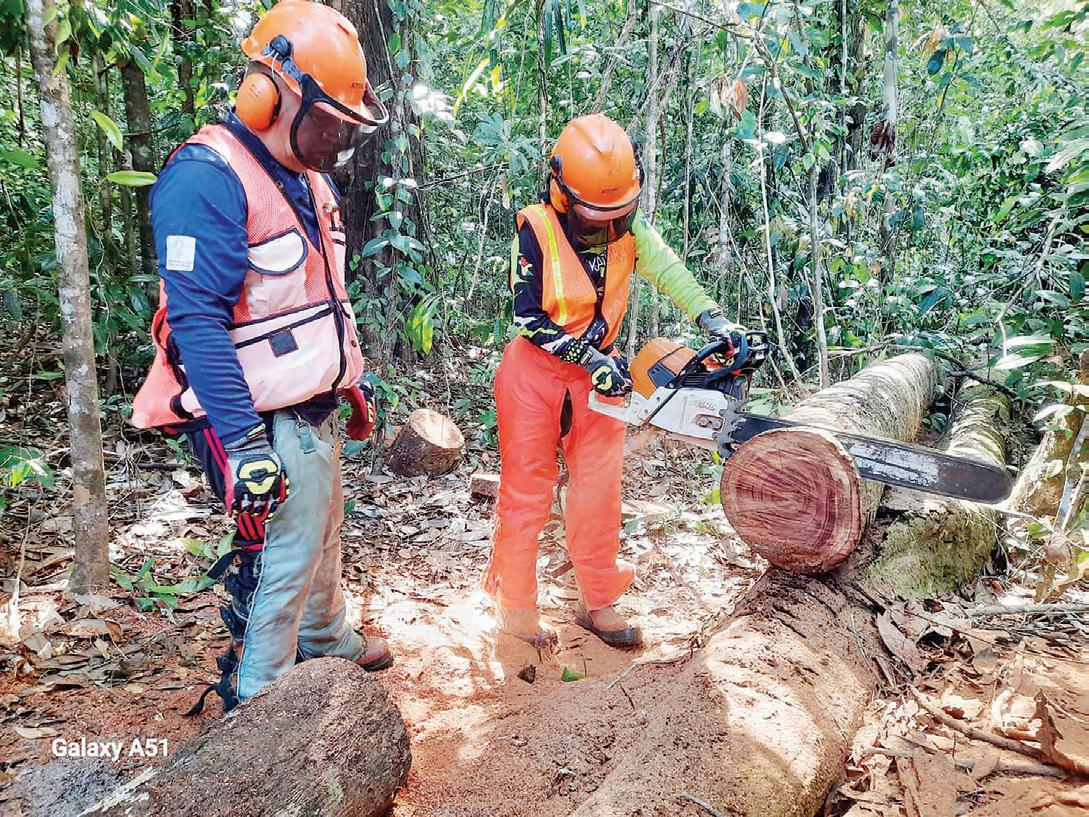
Emphasising the need for Guyana to sustain its forestry sector, Natural Resources Minister, Vickram Bharrat on Monday revealed that authorities are expanding ways in which the country can continue generating revenue from its forests without increasing tree harvesting. He made the disclosure during the 30th anniversary celebration marking the passage of the Iwokrama Act, held at the Guyana Marriott Hotel in Georgetown. According to Bharrat, he has already made it clear to the team at the Guyana Forestry Commission (GFC) that “we cannot stop logging; we cannot stop the harvesting of trees.”
“We have almost 25,000 Guyanese, mostly from indigenous and riverine communities, that depend on the logging sector in this country. That is a figure, a number, that will never be employed by the oil and gas sector, even if we produce two million or three mil-
lion barrels of oil, because the sector is not designed in such a way. So, we really, as a country, need to keep our forestry sector alive,” he explained.
The Minister noted, however, that the challenge lies in maintaining low deforestation rates while supporting the industry. “How do we do that and keep our forest standing? And the answer to that is the forest economy. The answer to that is value-added. And that is the direction we’ve been heading as a country,” he outlined.
“Today we see many communities engage in ecotourism, in honey production, and in agroforestry, which is a new concept that we’re trying to get a buy-in from communities across the country, because it has proven to be a successful model across the world, among forested countries, to earn from the forest without cutting more trees,” he added. Agroforestry is the intentional integration of trees and shrubs into crop
and animal farming systems to create environmental, economic, and social benefits. It combines agriculture and forestry to create more sustainable, diverse and productive land-use systems, rather than treating them as separate practices. According to the Natural Resources Minister, the Iwokrama International Centre for Rain Forest Conservation and Development (IIC) has a key role to play in this journey.
“I think the next step forward is for Dane (Gobin, CEO of IIC) and his team to truly examine how we continue earning from the forest without cutting more trees. Or as a matter of fact, how do we continue earning from the forest by cutting fewer trees but making the sector more viable and profitable and expanding opportunities for stakeholders in the sector and employment, whether directly or indirectly? I think that is the way forward,” he said.
According to the Ministry of Natural Resources, Guyana has an estimated 85 per cent forest cover with one of the lowest deforestation rates in the world. In fact, it said the country has maintained the second-highest percentage of forest cover on earth, with more than 99 per cent of the forest’s 18 million hectares remaining.
According to the GFC, deforestation between January 1, 2023 and December 31, 2023 is 9353 hectares; this equates to an annualised deforestation rate of 0.053 per cent.
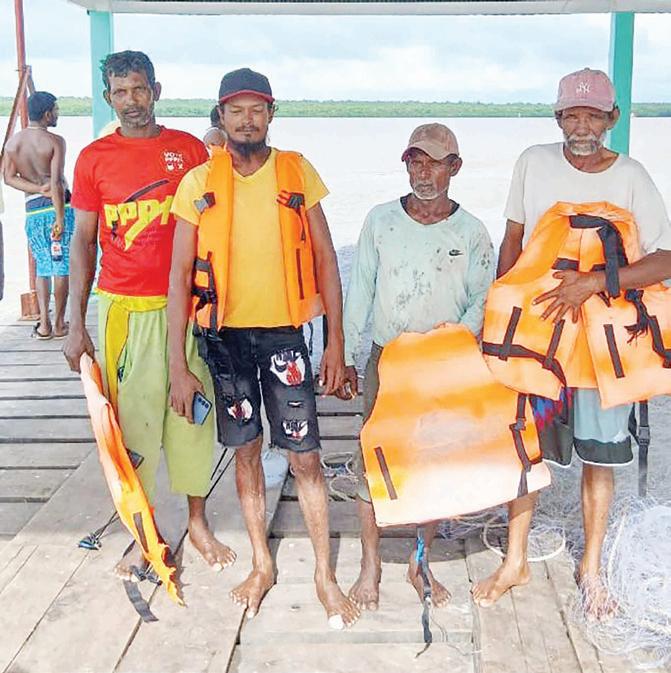
Four fishermen are now safely back with their families after surviving a harrowing ordeal at sea when their vessel sank along the Atlantic Coast while they were engaged in fishing activities. The fishermen were rescued through what has been described as a coordinated effort involving Chairman of the Rosignol Fishermen’s Co-op Society Ltd, Hardat Malchan, and ranks of the Guyana Defence Force (GDF) Coast Guard, along with volunteers who joined the search and rescue operation.
Reports are that the men had departed on a five-day fishing trip aboard a 45-foot drift seine boat when they encountered difficulties at sea on Friday afternoon. During the incident, the vessel reportedly experienced turbulence before eventually sinking. The men were able to keep themselves
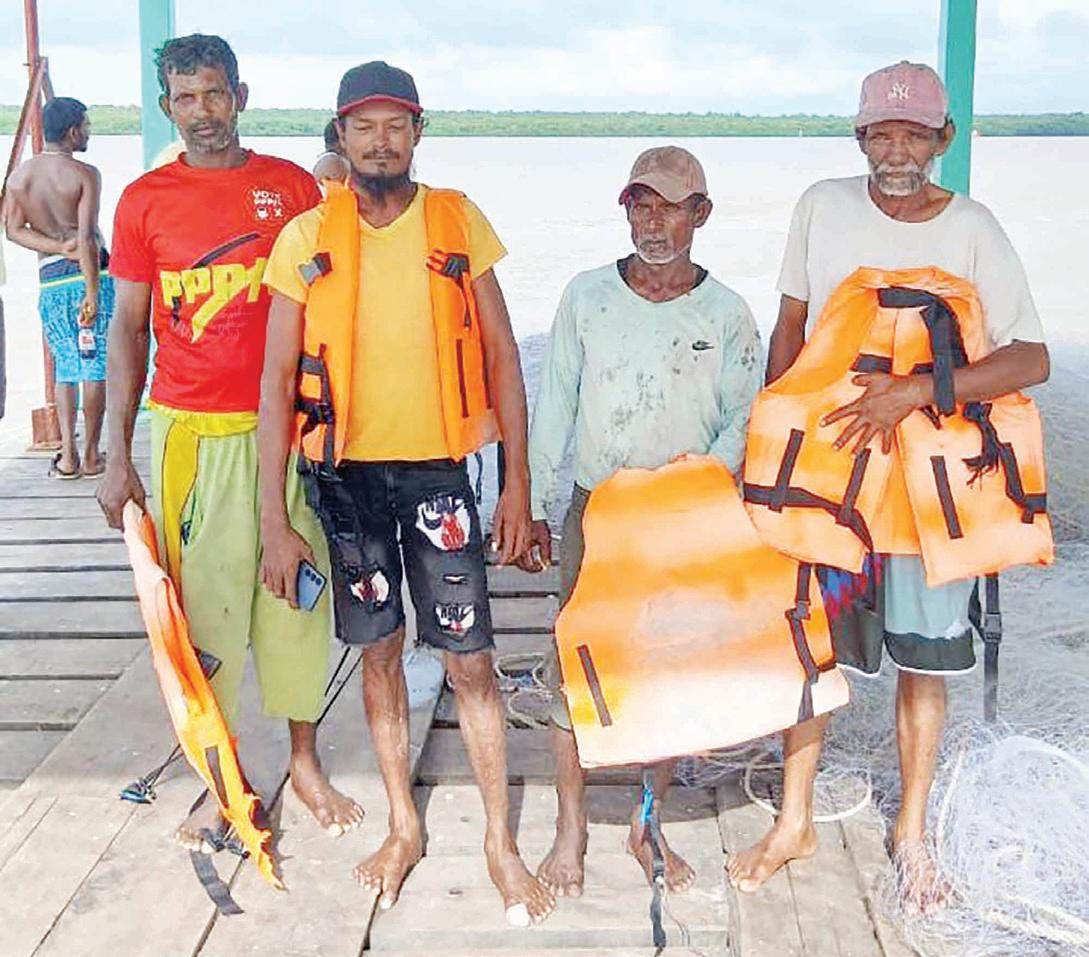
afloat using the icebox until help came.
All four crew members were rescued safely and reunited with their relatives.
The owner of the vessel, Alex Ramoutar, expressed gratitude to the Coast Guard and the volunteers who assisted in the operation. Ramoutar said he was pleased with the rescue efforts but noted that the incident resulted in the total loss of the vessel, engine and fishing gear.
The losses are estimated at approximately $12 million.

As stakeholders gathered at the Marriott Hotel on Monday evening to commemorate the 30th anniversary of the passage of the Iwokrama Act, President Dr Irfaan Ali challenged the Iwokrama International Centre for Rain Forest Conservation and Development (IIC) to deepen its scientific footprint, open its data to the world, and expand ecotourism. The call was made by the Minister of natural resources, Vickram Bharrat, who presented the feature address and also delivered remarks on behalf of the President.
“His Excellency would like to throw the challenge to Iwokrama to establish a national biodiversity research expansion programme, anchored at Iwokrama, of course, to consolidate longterm ecological research, species mapping, and climate resilience studies into a structured national platform. This should make Iwokrama the undisputed hub of Guyana’s biodiversity science,” Minister Bharrat said.
Secondly, he said President Ali is encouraging the creation of an Iwokrama Biodiversity Data Platform that would make high-quality environmental data openly accessible to researchers, policymakers and students, noting that “knowledge must not only be generated; it must be shared.” Lastly, he said the Guyanese leader envisions the development of a low-impact ecotourism expansion strategy, enabling sustainable tourism that creates jobs while preserving ecological integrity.
“These are the three challenges that His Excellency has asked me to convey to you…and the President, if you listen to him carefully, recently you’ve been seeing that a President in his final term is very impatient… So obviously, he would like to see this happen in the near future, and with the support of his Government as well,” Minister Bharrat expressed.
“More Iwokramas”
Meanwhile, the natural resources Minister, in his remarks at the event, noted that this celebration is also a recognition of 30 years of
Guyana showing the world that development can be balanced with environmental stewardship.
“Iwokrama is a practical example of how you can keep the world alive. Iwokrama is a practical example of conservation, of what is needed especially by forest countries, forested countries. So, as we join many others at COP and many other conferences around the world, we, as Guyanese and Guyana, must be proud that we can point to an example such as Iwokrama and say that we have done this in Guyana. And the people who have been behind this for the last 30 years must be commended for what we are celebrating here this evening,” he noted.
In fact, Minister Bharrat reflected on the bold and selfless act made by Guyana when it designated the Iwokrama Forest for conservation. “And this was actually a selfless act by a country that was in great depression in 1989. Imagine a country in that kind of state in 1989 setting aside 371,000 hectares of forest for conservation. That shows commitment, it shows dedication, and it shows responsibility of a small nation making its contribution to the fight against climate change at a time when many disputed climate change, at a time when many believed that climate change was not real in 1989, at a time when we could have cut down our forests like many other countries and become wealthy too,” he contended.
“But we decided, even though our economy was in tatters at that time, that we were going to set aside 371,000 hectares, almost 1 million acres of forest that will be set aside for conservation. And that is the example that we have set as a country, a small country…30 years of showing the world that we can balance development with environmental stewardship,” he emphasised. Against this backdrop, the natural resources Minister declared that Iwokrama is a model that should be emulated by all forested countries around the world – a message also supported by Commonwealth SecretaryGeneral Shirley Botchwey.
In delivering virtual remarks at the event, she noted that Iwokrama shows how governments, indigenous communities, researchers, the private sector, and international partners can work together for the common good. “Three decades ago, Guyana made a bold and generous choice in offering the Iwokrama Forest to the Commonwealth and to the world as a living laboratory – a place where humanity could prove that conservation and development are mutually reinforcing,” she expressed, noting that the vision was “ahead of its time”.
“Across our planet, forests are under pressure, biodiversity is being lost, land is being degraded, communities are facing floods, heat, food insecurity and climate shocks with growing frequency and intensity. Iwokrama shows us that another path is possible. For three decades, it has shown that forests can be protected, valued and sustainably used. It has demonstrated the power of science, good governance, partnership, enterprise and, above all, the leadership and knowledge of indigenous peoples and local communities who have cared for these landscapes for generations. “Iwokrama is both a forest and a model, showing us that nature is the foundation of resilience, prosperity and life itself,” the Secretary General emphasised, noting that Iwokrama is considered one of the CW’s “great centres of excellence”. Moreover, she went on to highlight that the next decade will be decisive, noting that the world does not need more speeches about the value of nature. “It needs more action to protect nature while creating opportunity and hope. Iwokrama is proof of that…the world needs more Iwokramas, and the next 30 years must be even bolder than the last,” she added.
Meanwhile, British High Commissioner to Guyana, Joseph Fisher, delivered remarks on behalf of His Royal Highness King Charles III, who continues to serve as the patron of the IIC. “By protecting nearly one million acres of intact rainforest, developing avenues for sustainable ecotourism, and expanding your living laboratory to study a greater breadth of wildlife and ecosystems, and through this innovative partnership with the Commonwealth, the Centre has played a vital role in the preservation of a remarkable asset crucial to international efforts to ensure climate stability,” he noted. The British High Commissioner went on to express that he eagerly looks forward to seeing what further progress there will be in the decades to come. King Charles III has maintained a long-standing commit-

ment to the IIC, serving as its patron since 2000. He renewed his patronage in June 2024 and again in 2025, supporting the centre’s focus on sustainable forestry, biodiversity and climate change resilience.
Hundreds of Species
The IIC is an international not-for-profit organisation governed by an International Board of Trustees and managed by a professional team of around seventy permanent staff in Georgetown and at the Iwokrama River Lodge and Research Centre at Kurupukari. It was established in 1996 under a joint mandate from the Government of Guyana and the Commonwealth Secretariat to manage the Iwokrama forest, a unique reserve of 371,000 hectares of rainforest, in a manner that will lead to lasting ecological, economic and so-
cial benefits to the people of Guyana and to the world in general.
Delivering remarks at the commemorative event was the chief executive officer (CEO) of the IIC, Dane Gobin, who reflected on the organisation’s achievements over the years as he underscored its global significance. “Iwokrama Forest is rich in biodiversity; its natural assets include 130 species of mammals, 500 species of birds, 150 species of reptiles, 420 species of fish, 86 species of bats and counting. There are also the Giants of El Dorado, including the Giant Otter, the Caiman, the Anteater, the Arapaima, the Jaguar, and the River Turtle, to name a few. In terms of flora, there are nine distinct forest types and 1250 plant species…” he told the gathering. Speaking about its achievements, Gobin highlighted that Iwokrama was
the first institution to acquire and maintain Forest Stewardship Council (FSC) certification in Guyana – a major feat. FSC certification for the Iwokrama Forest means it is managed to the highest international standards for environmental, social, and economic sustainability. The Iwokrama Forest remains the only forest area in Guyana and the Caribbean to achieve this accolade. In recent years, many international buyers and consumers have increased demands for proof of forest products being sourced from well-managed forests. Currently, many of the major global markets require some sort of certification for wood imports to provide assurance to buyers that wood comes from forests managed according to strict social, economic, and environmental standards.
Where contracted timelines are exceeded, the PS were instructed to ensure the imposition of liquidated damages,” Dr Singh noted.
He added that if contractors continue to default even after liquidated damages are applied, immediate steps should be taken to terminate those contracts. He stressed that the Government’s expectation is that non-performing contractors be removed where necessary.
The Finance Minister also underscored the importance of performance bonds, which are financial guarantees intended to protect the Government in cases where contractors fail to fulfil contractual obligations.
He warned that accounting officers must ensure those performance bonds remain valid throughout the duration of contracts and are not allowed to expire before obligations are completed.
Additionally, Singh announced stricter controls over contract variations and the use of contingencies within
contracts. He said accounting officers were instructed that contingencies should no longer be used to create flexibility in contractual pricing without approval.
Under the revised approach, any variation to an agreed contract price must be returned to the original approving authority for review and authorisation.
Singh said the measures form part of a broader administrative framework aimed at ensuring contractors deliver projects and services efficiently and on time while improving the overall quality of services provided to citizens.
“Together, these measures constitute a comprehensive set of arrangements that have one objective in mind: that the citizens of Guyana get goods and services in a more timely manner from contractors who provide goods and services to the Government,” he said.
The meeting followed an engagement last Wednesday led by President Dr Irfaan Ali, where incoming REOs,
PS, officials from the National Procurement and Tender Administration Board (NPTAB), and accounting officers from all administrative regions were urged to strengthen transparency, accountability and fiscal discipline across the public sector.
During that earlier meeting, President Ali stressed that public office carries a “sacred trust” and emphasised that all public spending must directly benefit citizens and contribute to national development. He also highlighted the Government’s intention to use technology, including artificial intelligence, to improve oversight of procurement systems, detect irregularities and enhance efficiency in the management of public contracts.
The Head of State warned that breaches of procurement and financial regulations, including improper involvement with multiple companies, could result in severe penalties, including dismissal from office.


Oil prices settled lower on Tuesday after Vice President JD Vance said the US and Iran had made progress in talks, with neither side wanting to see a resumption of military action.
”We think that we’ve made a lot of progress. We think the Iranians want to make a deal,” Vance told reporters at a White House briefing.
On Monday, Trump posted on social media that he was holding off on a military attack that had been scheduled for Tuesday. Efforts to reach a deal with Iran continued, though he added the US were ready to resume attacks if a deal was not reached.
Brent futures for July settled down 82 cents, or 0.73 per cent, at US$111.28 a barrel. The US West Texas Intermediate crude contract for June delivery, which expired on Tuesday, settled down 89 cents, or 0.82 per cent, at US$107.77. The more-active July contract settled down 23 cents at US$104.15.
Even with Tuesday’s dip, prices remained elevated. On Monday, Brent hit its highest since May 5, and WTI its highest since April 30.
”We continue to have significant amounts of oil offline, and with the regional infrastructure being in the crosshairs, we are just holding our breath here until either we get a deal or another round of military action, so a pretty significant binary outcome awaits,” said John Kilduff, partner at Again Capital. (Excerpt from Reuters)

Haiti marked the 223rd anniversary of its blue-and-red flag on May 18 with celebrations across the country as officials, schoolchildren, marching bands and community groups gathered in cities including Port-au-Prince, CapHaitien and Leogane for official ceremonies, parades, cultural activities and public tribute honouring Haiti’s independence history.
The commemoration honours the creation of the national flag at the Congress of Arcahaie in 1803 and serves as a reminder of the sacrifices made in Haiti’s struggle for independence.
May 18 also marks Youth and University Day, a tradition that recognises the role of students and young people in shaping the country’s future and preserving its national identity.
In the capital, the celebration was marked by official ceremonies held at the National Palace, art exhibitions and demonstrations calling for peace while de-
nouncing corruption and foreign interference. For a second consecutive year in Port-au-Prince, the Government avoided traditional street parades featuring marching bands, students and members of the armed forces, opting instead for activities inside the National Palace because of insecurity and gang violence. Authorities also cancelled the customary trip to Arcahaie – the birthplace of Haiti’s flag – because gangs control key roads leading to the city.
This year’s Flag and University Day was celebrated under the theme “Together with the Grenadiers, let’s make the flag fly higher,” translated from the Haitian Creole slogan “Ansanm ak grenadye yo, ann fè drapo a flote pi wo!”
For many Haitians, the annual celebration remains a symbol of pride and unity despite the country’s deepening political and security crisis. (Excerpt from The Haitian Times)
US President Donald Trump says Chinese leader Xi Jinping has assured him that Beijing would not send weapons to Iran during the ongoing war.
The statement on Tuesday came after Trump returned from his three-day visit to China last week, after which the US President hailed several trade agreements but made no major breakthrough on the US-
Israel war on Iran. It also came as Russian President Vladimir Putin arrived for his own visit to China, continuing a longstanding strategic partnership with Beijing that has long caused disquiet in Washington. Moscow has also, for years, provided weapons to Iran.
“President Xi has promised me that he’s not sending any weapons to Iran.
That’s a beautiful promise. I take him at his word,” Trump told reporters during an event at the White House ballroom construction site.
He added that Xi wants the Strait of Hormuz open “like me”.
Trump and his top officials had sent contradictory messages before the President’s visit to China, suggesting that they hoped Beijing would use its
influence over Iran to help reach a more lasting ceasefire while simultaneously playing down the idea that the war would be a major topic of discussion with Xi. There has been little indication since the meeting that China, which has largely avoided more involvement, would take a more active role. (Excerpt from Al Jazeera)
Iranian authorities held mass public weddings in Tehran for couples said to have signed up to a state-sponsored scheme declaring their readiness to sacrifice their lives in the war with the US and Israel.
The ceremonies conducted late on Monday involved hundreds of couples in several major squares in the capital, including more than 100 in the vast Imam Hossein square in central Tehran, according to reports in Iranian media.
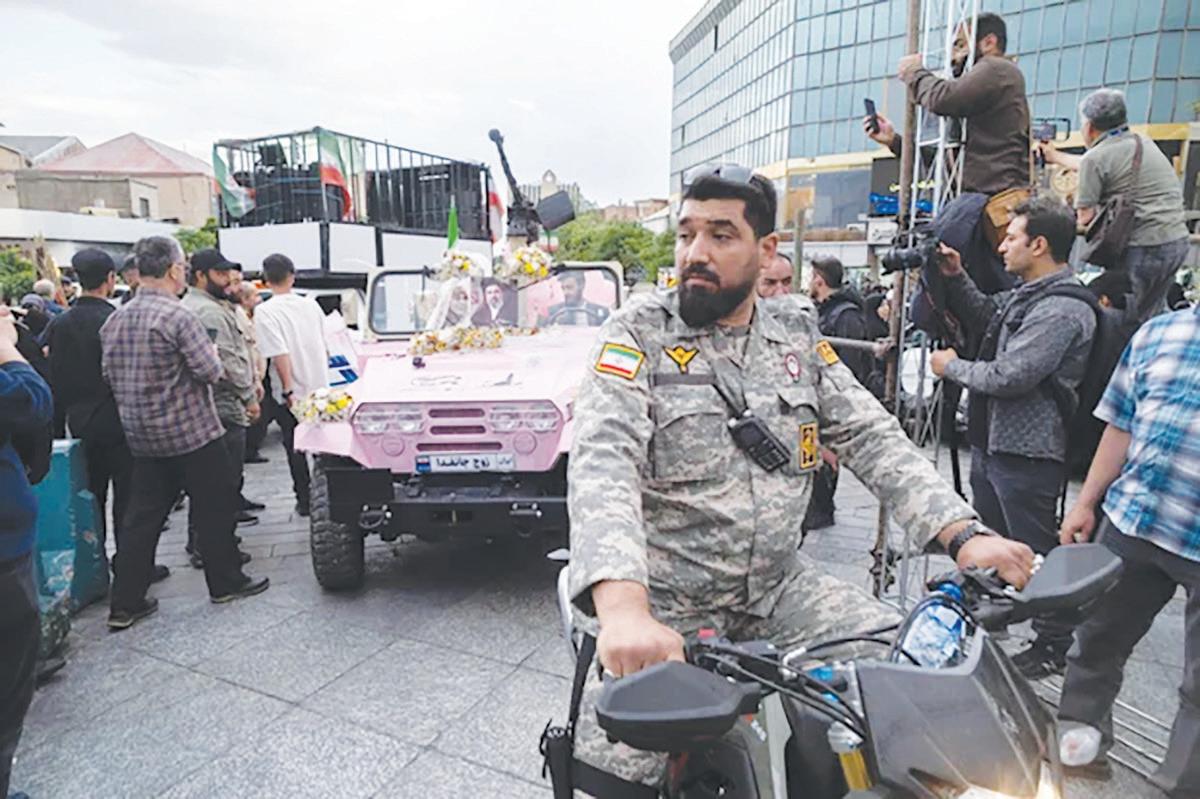
They were broadcast on state TV in a bid to boost wartime morale, with President Trump repeatedly threatening new military action against Iran amid a shaky ceasefire which halted the fighting that began with a massive wave of joint US-Israeli strikes on February 28.
Those involved had signed up, according to Iranian state media, for the so-called ”self-sacrifice” scheme, for which people pledged to put their lives on the line in the war by, for example, for-
ming human chains outside power stations.
Iranian authorities say millions of people, including top figures such as speaker of Parliament Mohammad Bagher Ghalibaf and President Masoud
Pezeshkian, have put their names forward.
It is part of a wider campaign by the regime to show national unity and readiness, and Monday also saw tents pop up on various Tehran squares where members of the military were offering tutorials on basic firearms use.
For the wedding, couples arrived at Imam Hossein Square in military jeeps with mounted machine guns and were married on a stage in a ceremony presided over by a cleric.
A man in a dark suit, beside his bride-to-be, said they were happy the occasion marked the anniversary of the marriage of the daughter of the Prophet Muhammad. (Excerpt from CBS News)
Venezuela’s Foreign Affairs Minister Yván Gil is demanding information from Trinidad and Tobago (T&T) about the recent oil spill that his Government insists originated from Trinidad, as well as compensation for the fallout from it.
Venezuela’s state-run media VTV yesterday reported that Gil said the spill, which emanated from a Heritage Petroleum field, is “extremely serious”, as is “the lack of information”
from T&T’s Government.
“Trinidad and Tobago has an obligation, first and foremost, to immediately report to the Venezuelan Government any spill or environmental incident. Secondly, we must have information on the type of product that was spilt and the measures taken to mitigate it,” Gil stated.
The Foreign Affairs Minister demanded “responsibility for this type of event” and asserted that his country has sent various types of
communication statements to the T&T Government to assess the impact.
Gil showed satellite images recorded since April 28 that show the spill from Trinidad, warning of an impact to 1625 square kilometres in 12 strategic wetland systems in his country, as well as on the activity of more than 500 fishermen.
In addition, Gil pointed out that four Venezuelan national parks are at risk.
He also claimed that this was not the first oil spill
from T&T that has affected Venezuela. Contacted for comment on the claim yesterday, T&T Energy and Energy Industries Minister Dr Roodal Moonilal said, “We are arranging to have discussions with our Venezuelan counterparts later this week and will sort out all these matters re the small oil spill. We have been busy doing the technical and scientific work.” (Excerpt from Trinidad Guardian)
In observance of Caribbean Mosquito Awareness Week 2026, Antigua and Barbuda (A&B)’s Ministry of Health, through the Central Board of Health (CBH), has intensified its public education efforts aimed at reducing mosquito breeding and protecting public health across the nation.
As part of this year’s activities, teams from the
CBH have been visiting schools throughout A&B to educate students on mosquito awareness, prevention, and environmental responsibility. During the sessions, students are being taught about the dangers associated with mosquitoes, including the various diseases that can be spread through mosquito bites, such as dengue, chikungunya, and the Zika virus.
The educational outreach also focuses on helping children identify common mosquito breeding sites found around homes and communities.
To further reinforce the message in an engaging and child-friendly manner, the CBH has developed an interactive activity book that highlights mosquito prevention practices, environmental cleanliness, and
personal responsibility. The initiative forms part of the broader regional observance of Caribbean Mosquito Awareness Week, which seeks to raise awareness throughout the Caribbean about the impact of mosquitoes on public health and the importance of prevention and environmental management. (Excerpt from Antigua Newsroom)







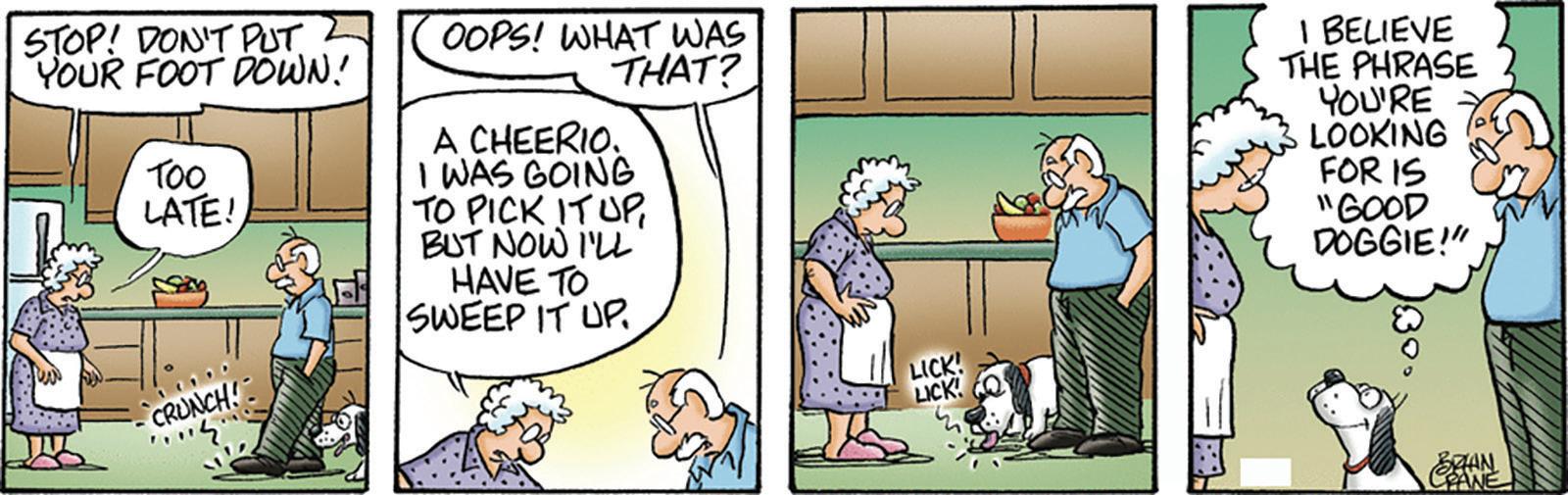

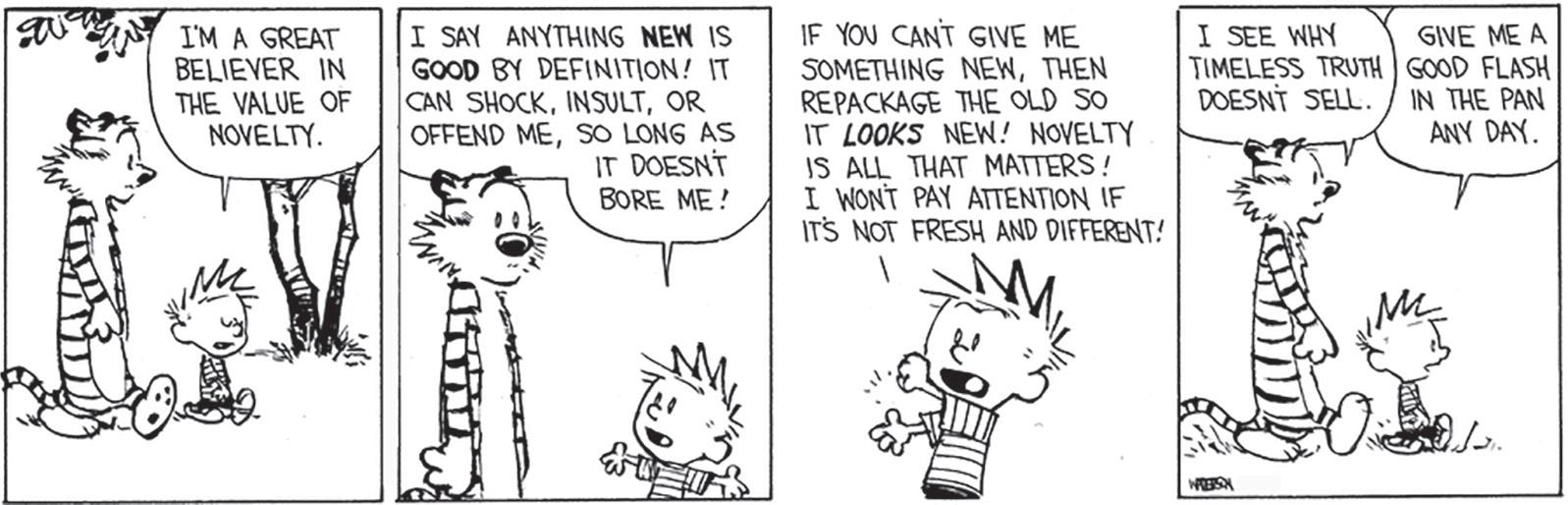
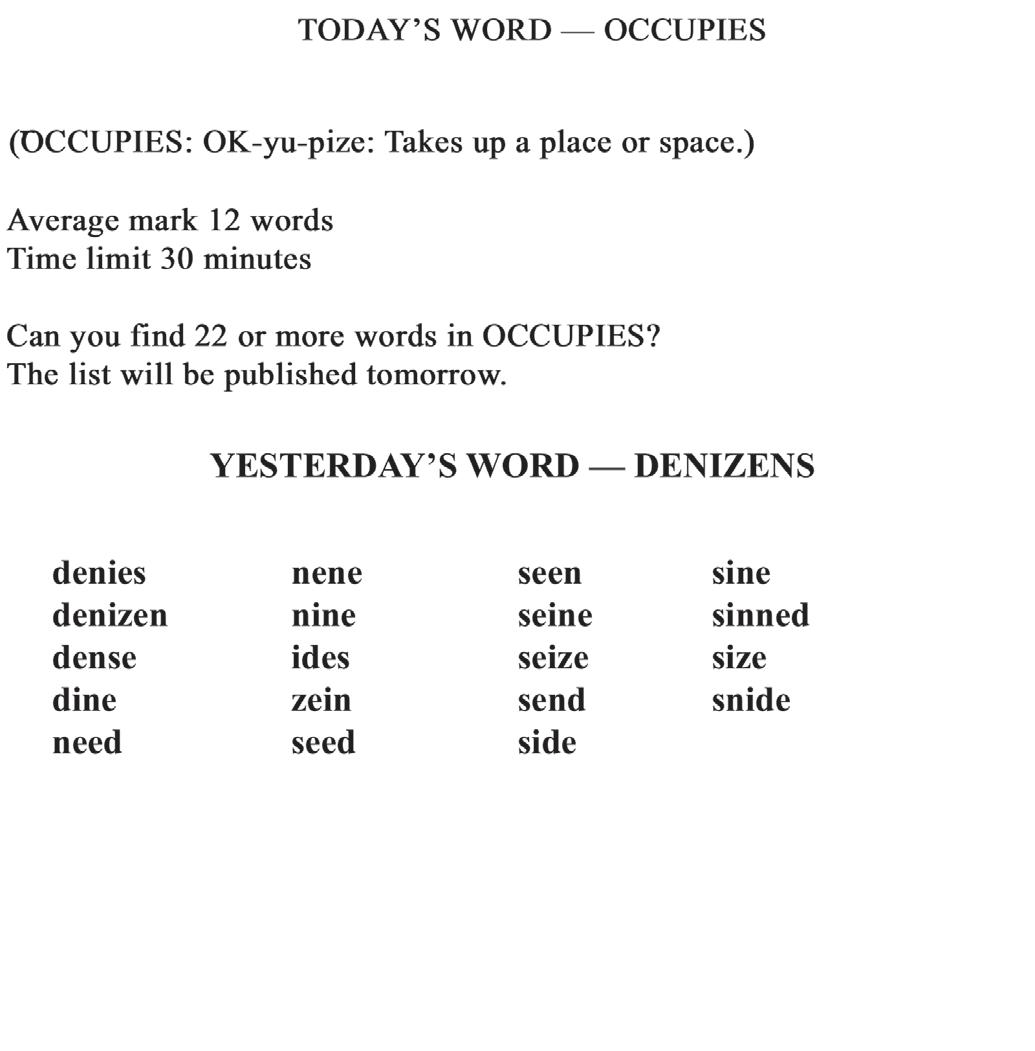





Take time to listen, evaluate, and question. Misinformation or direction will be prominent and require your undivided attention to avoid a scam or someone trying to hide something from you. Be bold, direct, and leave nothing to chance. If something doesn’t feel right, act quickly to remove yourself from the situation. Protect your money, possessions, and your job.



Be open to suggestions, but only do what fits your schedule and budget. Travel about and take care of odds and ends that are weighing heavily on your mind. The relief you get from putting things behind you will lead to new beginnings and personal gain. Physical fitness, updating your appearance, and love are on the rise.











Choose to act. Taking care of business, your needs, and gaining access to the knowledge and experiences you wish to engage in will lead to growth and the confidence to overcome obstacles that get in your way. Your ability to flip from one thing to another instantaneously will give you the edge you need to excel.
Pay attention to how you look, feel, and present yourself to others. Take it upon yourself to explore what’s available to you through groups, organizations, and agencies that can help you keep up or adjust to changes you face professionally, personally, or financially. An emotional issue is best dealt with quickly to avoid unnecessary frustration and worry.
Assess your situation, devise a plan that addresses your concerns. Whether you’re worried about yourself or others, taking the initiative to do something will have an impact on how you see yourself moving forward. Your generosity and desire to make a difference will grow, but be prepared to say no to temptation and those asking for too much.
Choose to observe, do background checks, and to find the best way to navigate your way through the ups and downs and chaos going on around you. Intelligence alone will not be enough to outmaneuver any adversary you encounter today. Use your insight and experience to ensure you have all angles covered. Trust your instincts.
Keep your expectations in check and your budget in place. Taking on more than you can handle personally, professionally, or financially will cause emotional stress. Focus on a plan that encourages you to learn something new and apply it to what you want to pursue. Mixing the old with the new will elevate your chances to advance.
Be cautious. What you think is coming down the pipeline and what transpires will perplex you. Keep an open mind and be on alert to make a sudden change if necessary. It’s your inability to execute what needs to unfold that will mess with your plans. Choose to take better care of your health and your emotional well-being.


A positive shift is falling into place at home and within your relationships. The time to set sail on an adventure, or to make positive or creative changes to your lifestyle, or how you earn your living, is sizzling with anticipation and the potential of what’s next. Question the past, consider the present, and embrace the future.



Put your energy, backbone, and drive into comfort, convenience, and a lifestyle that offers gratitude and peace of mind. Show passion in all that you choose to do and look for opportunities that make you feel alive. Trust your instincts, verify facts, and show discipline when dealing with people who try to tempt you or lead you astray.



You can make a deal, a move, and a job change with confidence. Set your sights on something that interests you and use your intelligence to make an impression. A financial opportunity looks promising, but don’t let anyone talk you into more than you need or want. Let go of the past and embrace what makes you happy.
Say less, listen more. Don’t expect everyone to be upfront or honest about who they are, what they do, or what they want from you. Focus inward, on personal growth, home, and how you use your skills to earn a living. Consider exploring the possibility of starting a creative sideline for additional income. Romance is in the stars.




Wauna Primary Top emerged as champions of the Region One Sub-District-Mabaruma segment of the Blue Water Girls Under-15 InterSecondary School Football Competition after securing two victories when play continued on Saturday.
Wauna opened their campaign in dominant fashion with a commanding 6-0 win
West Secondary in the final game of the day. Robinson once again proved deci sive, converting from the penalty spot to score the lone goal of the encounter.
North West
Secondary had earlier started the competition strongly with a 3-0 victory against Hosororo Secondary. Delisa Chilcot pro duced an outstanding individ
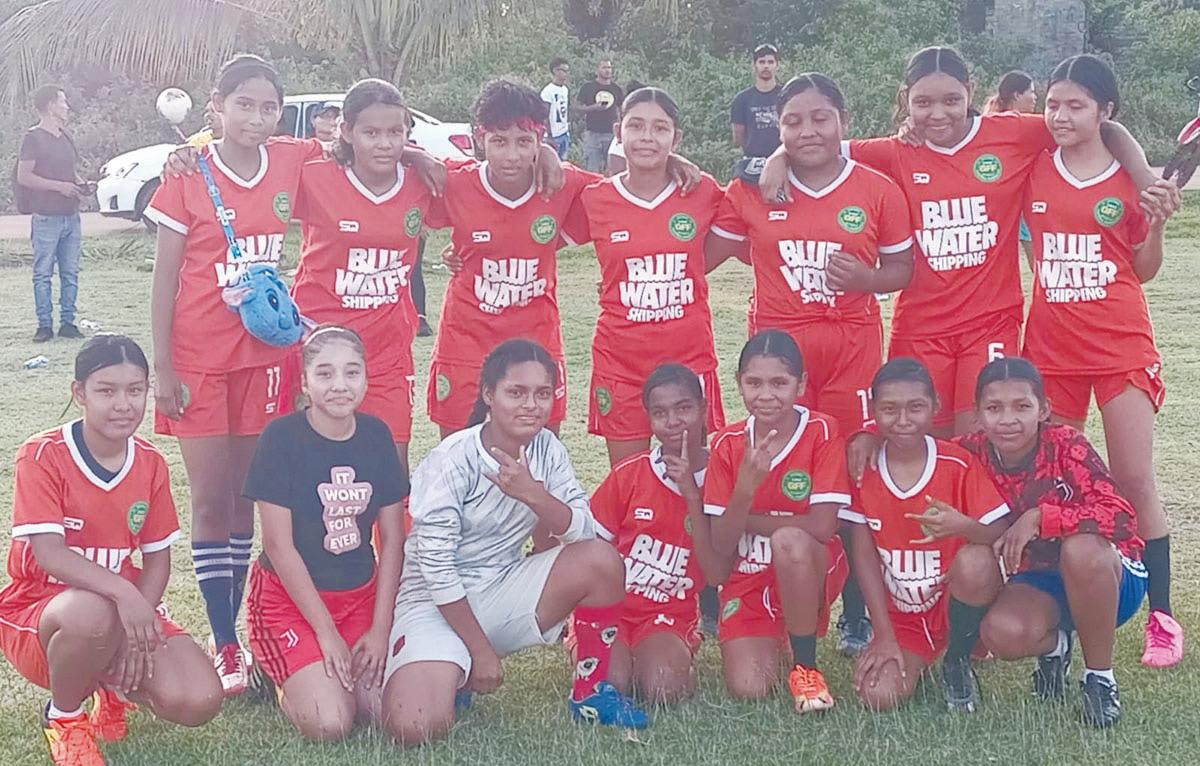
over Hosororo Secondary.
Melina Robinson led the attack with four goals, while Angelie Fitzpatrick supported with a brace to complete the one-sided result.
They then sealed the sub-district title with a hardfought 1-0 victory over North
ual display, netting all three goals to register the tourna ment’s first hat-trick in the sub-district competition.

Despite North West Secondary falling short in the decisive fixture, Chilcott’s performances across the day earned her the Most
Player award.
Hosororo Secondary endured a difficult outing, suffering defeats in both of their matches without finding the back of the net.
Hand-in-Hand Insurance has noted their pride in being able to support the continued development of Guyana’s young sporting talent through its recent sponsorship of promising junior squash player Emily Fung-A-Fat.
As part of this commitment, the company contributed half of Emily’s coaching fees to assist with her ongoing training and development in the sport. A cheque was officially handed over during a simple presentation.
Emily has distinguished herself as one of Guyana’s most promising junior athletes, recently contributing to Guyana’s success at the Caribbean Area Squash Association (CASA) Championships 2025. Her discipline, dedication, and strong work ethic continue to position her for success both regionally and internationally.

Hand-in-Hand Insurance recognises the importance of investing in youth development and creating opportunities for young people to excel. The company is honoured to play a



he Ministry of Culture, Youth and Sports (MCYS) and the National Sports Commission (NSC), in collaboration with the Guyana Table Tennis Association (GTTA), have announced the staging of the 2026 MCYS/NSC Independence Table Tennis Tournament later this week at the National Gymnasium on According to the GTTA, the tournament is sched -
uled to be played across five days, beginning on Friday, May 22, before continuing on Sunday, May 24, and then resuming on Friday, May 29; Saturday, May 30; and Sunday, May 31.
In a tournament announcement, the MCYS/ NSC and the GTTA extended an invitation to all players and affiliates to participate in the competition as part of Guyana’s 60th Independence Anniversary celebrations.
The event is expected to attract a number of the country’s leading table tennis players while also providing a platform for emerging talents to compete in a national setting.
The Independence tournament forms part of a wider calendar of sporting activities being hosted nationwide to commemorate Guyana’s Diamond Jubilee celebrations.

Despite the incon - Guyana always has it sup - Sometimes 18 hours per day, trying to get ready for Guyana. We are trying our best to be prepared for the Guyana Cup,” Sripal said.
While the main aim in sport is to win, having horses return home healthy and safe is the top priority for Sripal and his team.
“We are very proud. We didn’t win every race, but I am proud of the work. I don’t expect to win everything. Once the horse went out and perform, and return healthy that’s a good thing. We at J’s Racing Stables always try to do our best.”
The Guyana Cup is set for August 23, and all eyes will be on the J’s Racing Stables, who once placed second at their maiden Guyana Cup feature entry. It will be a dream if the J’s team goes one step further and claims the crown. (Brandon Corlette)

Guyana’s 60th Independence Diamond Jubilee sports programme kicked off in the past week with four disciplines, and three of those disciplines saw the finals being contested over the weekend at separate venues.
Softball Cricket, held under the auspices of the Georgetown Softball Cricket League Inc, culminated at the Police Sports Club Ground, Eve Leary, with 4R Lioness claiming the female title after defeating Supreme Stars of Linden by 16 runs.
The Over-40 title was won by Regal, which trounced Parika by 74 runs, while emerging as the Over50 champions was Parika Legends by a whopping 99 runs over Regal.
Women’s Final
In the female final, a 15over contest, 4R Lioness took first strike and posted 1595, led by Player of the Final, Guyana and West Indies player Sherry-Ann Fraser, who smashed 88 (5x4, 9x6). Fraser’s fellow Windies teammate Shabika Gajnabi, who smashed a hundred in their semi-final against #64, supported with 26 (3x4), and Abigail Scott, 18 (3x4).
In reply, Supreme Stars made a valiant effort but fell short of the winning total as they ended on 143-7 when the overs ran out. Joyann Richards was the top scorer with 39; Merissa Rodney contributed 19.
Over-40 Final Regal took to the crease first and rattled up 257-3 from
their 20 overs, led by Player of the Final, Keith Fraser, who fell short of what would have been a well-deserved ton by a single run. He blasted seven sixes and nine boundaries after facing 42 balls.
Great support came from Patrick Rooplall with a 58ball 95, clearing the bound ary ropes 10 times along with three fours. Assif Ali made 49 (3x4, 5x6) from 22 balls. Parika in reply was dismissed for 183 off 18.4 overs.
Their top scorer was Ravi Beharry with 44 (3x4, 4x6); Thakur Samlall, 33; Yaseer Mohanie, 26; Latchman Rohit, 20; and Eshwar Singh, 19.
Parika Legends were pi loted to the title on account of a classy century from the bat of Unis Yusuf, who blasted

The Demerara Volleyball Association (DVA) female playoffs continued in thrilling fashion at the National Gymnasium on Mandela Avenue, Georgetown, with four decisive matches played in a best-of-three-sets format. Fans were treated to commanding performances as teams battled for supremacy and valuable standing points in the competition.
In the opening encounter, Vanguard set the tone for the evening with a confident straight-sets victory over Glasgow Rangers. Displaying strong serves and cohesive teamwork, Vanguard secured the
match 2-0, denying Glasgow Rangers any opportunity to gain momentum. The win immediately positioned Vanguard as serious contenders in the play-off race.
The second match saw Classic Ball Blasters (CBB) assert their dominance against the Premier Eagles. CBB executed a disciplined and energetic performance, sealing a 2-0 victory to continue their impressive run. Their consistency on both offence and defence proved too much for the Premier Eagles, who struggled to contain CBB’s attacking rhythm.
However, the Premier Eagles quickly regrouped in
the third game, where they faced Glasgow Rangers. Determined to rebound from their earlier loss, the Premier Eagles delivered a commanding 2-0 win. Their improved coordination and sharp finishing ensured Glasgow Rangers endured their second defeat of the play-offs.
The final match of the evening featured CBB against Vanguard in what many anticipated would be a closely contested showdown. Instead, CBB reinforced their dominance with anoth er straight-sets triumph, de feating Vanguard 2-0. The victory solidified CBB’s posi tion at the top of the standings and underscored their status as the team to beat.
124 off 64 balls spiced up with nine fours and 11 maximums as his team racked up a challenging 210-9 from their 20 overs. Usil Armstrong made 21. Regal’s Suresh Ramdeen was the leading bowler with 4-25 with Roy Persaud taking 3-54.
They could not come anywhere close to the winning total as they were limited to 111-9 from their allocation of 20 overs. Ramdeen returned with the bat to lead with 36 (3x4, 2x6); Lloyd Rooplall, 16; Micael Ifill, 13; and Suresh Mangal, 12, were the next best scorers as they fell short by 99 runs.
Armstrong capped a good all-round performance for Parika Legends, snaring 4-18 with support from Kabish Persaud and Jagmohan Singh, who took two wickets each for the winners.
A total of 12 teams were involved in the three categories of the competition, including teams from Essequibo, Berbice and Demerara; matches were also played in Essequibo and the East Coast. The sponsor of the tournament was the Ministry of Culture, Youth and Sport in observance of Guyana’s 60th Independence Diamond Jubilee celebrations.
Squash and badminton also wrapped up their tournaments on Sunday after four days each of pulsating rivalry at the National Racquet Centre and the National Gymnasium.
Tennis was served on Sunday at the National Park Courts and will conclude on May 24th. Athletics, Basketball, Dominoes, Hockey, Table Tennis, Volleyball, Cycling and Golf would also be contested during this month, part and parcel of Guyana’s Diamond Independence Jubilee Sports Programme.

At the close of play, Classic Ball Blasters lead the table, followed by Vanguard in second place, the Premier Eagles in third, and Glasgow Rangers in fourth. With the playoffs intensifying, supporters can expect even more competitive action as the Demerara Volleyball Association’s female teams continue their quest for championship honours.
ing tied on net 71 with Fazil Hanif, who claimed third place.
Patrick Prashad also finished strongly with a net 71 to secure additional league points, while veteran competitor Chet Bowling rounded out the points standings with a net 72.
Following Round Two, the updated NTFGL standings are:
Danny Mangra – 10 points
Videsh Persaud – 8
League
tion is becoming increasingly competitive, with every point carrying significant importance in the race for the season title. Consistency and composure are already emerging as key factors as players continue to battle for position on the leader board.
With momentum building after another successful round, the National Top Flight Golf League continues to strengthen its reputation as a premier platform for competitive amateur golf in Guyana.
T
he Republic Bank
Caribbean Premier League (CPL), in partnership with the University of the West Indies (UWI) Faculty of Sport, has announced the return of its acclaimed internship programme for the 2026 tournament. Now in its tenth year, the initiative continues to offer a unique blend of academic instruction and hands-on professional experience in one of the region’s most dynamic sporting events.

Running from July to September 2026, the programme will accept 21 students who will have the option to undertake a fully accredited three-credit Sports Marketing course offered by UWI. Delivered online by UWI lecturers, the course provides a strong ac- ademic foundation in sports marketing, which students will then apply in real-time

The Guyana Football Federation (GFF) has officially confirmed the establishment of an Interim Management Committee (IMC) to oversee football administration in Berbice, with the body set to assume responsibility for the operations of the Berbice Football Association (BFA) effective today.
In official correspondence dated May 18 and seen by this publication, the federation informed Congress members that “an Interim Management Committee (IMC) has been established for Berbice for governance and administration of football in the region”.
According to the document, the IMC was identified and appointed on May 16 and will comprise Sean McDonald as chairperson, along with Shauna Hutson and Quason Liverpool as committee members.
The correspondence, signed by GFF General Secretary Pushpargha Chattopadhyay, stated, “Effective 18th May 2026, the BFA IMC shall assume responsibility for the daily operations and administration of the Berbice Football
as members of the CPL’s marketing team during the tournament.
Interns will gain direct experience at CPL matches held across seven host nations: Antigua & Barbuda, Barbados, Guyana, Jamaica, St Kitts & Nevis, Saint Lucia, and Trinidad & Tobago. This immersive exposure gives participants a front-row seat to the operations of an international sporting event while contributing meaningfully to CPL’s promotional efforts on the ground.
Over the years, the programme has empowered dozens of young professionals from across the Caribbean, many of whom have gone on to secure paid roles with CPL and other organisations in the sports and entertainment industries.
Pete Russell, CEO of the Republic Bank Caribbean Premier League, said, “As we enter the tenth year of this programme, it is incredibly rewarding to see how many young Caribbean professionals have used this opportunity as a launchpad for their careers. The internship gives students genuine hands-on experience in a fast-paced international sporting environment, and every year they make an important contribution to the CPL team. With the addition of Jamaica as a host venue for 2026, this year’s programme promises to be our biggest and most exciting yet.” Applications are now open for those who are interested in taking part in the programme.
Committee meeting minutes, activity reports, financial statements, and the MFAP funding report.
The GFF had maintained that the situation created operational instability and affected football activities in the region, prompting the federation to invoke Article 51 of its statutes to install an
According to the BFA, these actions represented “explicit and ongoing recognition of the BFA as a functioning and legitimate member association.
The association further claimed that all documents related to the 2024 Berbice Senior Men’s League had al-
ready been submitted directly to the GFF President for the release of MFAP funding.
The BFA had also called on the GFF to reconsider the appointment of the IMC, engage in dialogue with the association’s officers and stakeholders, and provide what it described as “clear, evi-
dence-based justification” if the decision is to remain in place.
The association also indicated that it reserves the right to pursue further review and escalation through the appropriate channels if the matter is not resolved.
commit -
ment to strengthening football administration and ensuring the continued development and effective management of football within the Berbice region,” the correspondence added.
The GFF also called on Congress members to support the committee as it begins carrying out its responsibilities.
“The GFF kindly asks for the full cooperation and support of all congress members as the IMC undertakes its responsibilities in the best interest of football development in Berbice,” the letter stated.
The latest development follows earlier correspondence issued by the GFF late last year, in which it indicated that the BFA had failed to demonstrate that it possessed “a functioning, duly elected Executive Committee administering the affairs of the association”.
According to that correspondence dated November 25, 2025, the GFF cited governance and administrative deficiencies within the BFA, including the alleged failure to submit mandatory statutory and financial documents such as Executive
The federation had also outlined that the IMC would be responsible for administering the day-to-day affairs of the association, aligning the BFA’s governance framework with GFF requirements, regularising club structures and administrative processes, and eventually organising elections for a new executive committee.
However, the decision has been strongly challenged by the BFA.
In a response signed by BFA General Secretary Heathcliff Peters, the association questioned the legal and procedural basis of the federation’s intervention and accused the GFF of selectively enforcing its statutes.
The BFA argued that the GFF had previously taken no action during periods of what it described as “more severe governance instability” between 2021 and 2023, when multiple Executive Committee members resigned and only a limited number of officials remained active within the association.
The association also maintained that the GFF’s own conduct contradicted claims that the BFA was non-functional, pointing to the federation’s continued engagement with BFA officials, participation of the BFA President at GFF Congress meetings, involvement in development programmes, and acceptance of Berbice league champions into national competitions.

With several infrastructural and programme-based projects in the works, it’s always a busy season at the Ministry of Culture, Youth and Sport.
In fact, Minister within the Sport Ministry Steven Jacobs recently divulged the massive spread of infrastructural projects his Ministry is currently overseeing as they work to provide and enhance facilities across Guyana’s 10 administrative regions.
“Added to that, we’re building out the infrastructure to develop these talents, and these infrastructures are spread across regions. So, you’ll have in Region One a multipurpose hall that will give persons in Region One an opportunity; in Region Two, the Anna Regina Stadium; and in Region Three, the Leonora Track and also a multipur-
“Best time for sports” – Jacobs discusses development initiatives
pose hall. In Region Four, you have Providence, and we can go on. In Region Five, which is close to Region Six, you have Palmyra, which will open very soon; in Region Seven, Eight, and Nin, you’ll have multipurpose halls; Region 10, you’ll have McKenzie and Bayrock stadiums,” Jacobs revealed.
He added, “It’s just to give you an idea of all the infrastructure we’re putting in place, and that is for the development of our athletes.”
During his sit-down with the Starting Point Podcast on Sunday last, the Minister went into detail about several development projects, foremost of which will be the establishment of a high-performance facility.
The Minister disclosed, “One of the most transformative pieces of infrastructure that is coming on stream is a high-performance centre at Good Hope, where you’ll have open fields, but you’ll have a performance lab. Because
we understand that it has moved from natural ability and raw talent to the biomechanics of whatever sport discipline you’re attached to. We want to break that down in detail, and the recovery and nutrition will accompany all these things at the high-performance centre. So, we understand how sport is and how we need to develop our talent.”
As such, the former cricketer declared that Guyanese are witnessing the best time for sports in the country’s history.
“This is the best time for sports. This is clear; it’s the best time for sport, as a former athlete. Through the leadership of His Excellency, you know how he feels about sport; he’s very enthusiastic and energetic about sports, and he wants to see the development of sport right across the country,” Jacobs declared.
The Minister went on to share, “All of these initiatives and plans and so forth, is led by His Excellency and how he wants to see sport here, not just as development for athletes but in sports tourism.”




TRepublic Bank Caribbean Premier League (CPL) tickets for matches in Antigua & Barbuda, Jamaica, St Kitts & Nevis and Saint Lucia are set to go on sale on Friday May 22, giving fans the opportunity to secure their seats for the biggest party in sport.
From May 20 to 21, online ticket sales for these venues will be exclusively available to Visa card holders as part of a special priority access window.
Fans are encouraged to act quickly to secure the best available seats for what promises to be another thrilling season of CPL action featuring the biggest stars from across the Caribbean and around the world.
Season passes for Barbados Tridents home matches are already on sale, giving supporters the chance to guarantee their place at every league stage fixture at Kensington Oval throughout the tournament.
Tickets are also currently available for matches taking place in St Vincent, where fans can enjoy the incredible atmosphere and entertainment that make the Republic Bank CPL one of the region’s premier sporting events for the first time in that beautiful country.
Online ticket sales for Trinidad & Tobago matches will be launching soon.
The 2026 Republic Bank CPL promises world-class cricket, unforgettable entertainment and an electric atmosphere across the Caribbean as teams battle for the coveted CPL title.
Fans can purchase tickets online at www.cplt20.com.

he Trinidad and Tobago Red Force tightened their grip on the contest at the close of Day Three, reaching 265 for eight and stretching their lead to 278 runs over the Guyana Harpy Eagles (GHE) at stumps.
The day began with GHE striking early and raising hopes of a dramatic turnaround. Keemo Paul set the tone by removing Cephas Cooper for just three, while
Shamar Joseph followed up swiftly, dismiss-ing Jyd Goolie for one. With two quick wickets in the morning session, the Red Force suddenly found themselves under pressure. However, the experienced pairing of Evin Lewis and Jason Mohammed steadied the innings with composure and patience. The duo absorbed the early blows and gradually shifted the momentum back to their side’s favour. By the lunch interval, Red Force had progressed to 104 for two, extending their overall lead to 117 runs and regaining control of the match.
Shortly after the resumption, Paul broke through once more, trapping Mohammed leg before wicket for a well-compiled 37. Yet the Red Force continued to frustrate the Eagles’ bowling attack. Lewis found another dependable partner in Amir Jangoo, and together they carried the score to 159 for three in 49.4
overs at tea.
The partnership proved pivotal. Lewis, resolute and disciplined, an chored the innings while Jangoo played fluently in support. Joseph eventually broke the stand when Jangoo fell for a brisk 48 off 66 de-liveries, an innings that main tained the Red Force’s momentum heading into the final session.
Lewis pressed on to a magnif icent century, crafting 122 from 246 balls in a knock decorated with 16 fours and two sixes. His innings was the backbone of the Red Force’s dominance, even as wickets tumbled around him in the closing stages.

Veteran left-arm spinner Veerasammy Permaul injected late drama into the day, claiming three wickets for just 13 runs to give GHE a glimmer of hope. Paul finished with impressive figures of three for 47, while Joseph supported him well with two scalps.
Despite the late breakthroughs, the
Veerasammy Permaul grabbed 3 late wickets
Red Force remain firmly in command. With two wickets in hand and a commanding 278-run advantage, they will look to extend their lead further on the final morn-ing. GHE, meanwhile, face an uphill task but will draw encouragement from their spirited bowling ef-fort late in the day as they seek to keep the contest alive.