








WEDNESDAY, JUNE 10, 2026 | GUYANATIMESGY.COM




WEDNESDAY, JUNE 10, 2026 | GUYANATIMESGY.COM
The Berbice Bridge will be closed to vehicular traffic on: Wednesday, June 10 –12:00h–13:30h and Thursday, June 11 – 13:15h–14:45h


Parika and Supenaam departure times – 05:00h, 10:00h-12:00h, 16:00h, 18:30h daily.




Thundery showers are expected during the day, easing to cloudy skies at night. Temperatures are expected to range between 23 degrees Celsius and 29 degrees Celsius.
Winds: East-North-Easterly to East-South-Easterly between 1.78 metres and 3.57 metres.
High Tide: 12:23h reaching a maximum height of 2.36 metres.
Low Tide: 18:17h reaching a minimum height of 0.84 metre.










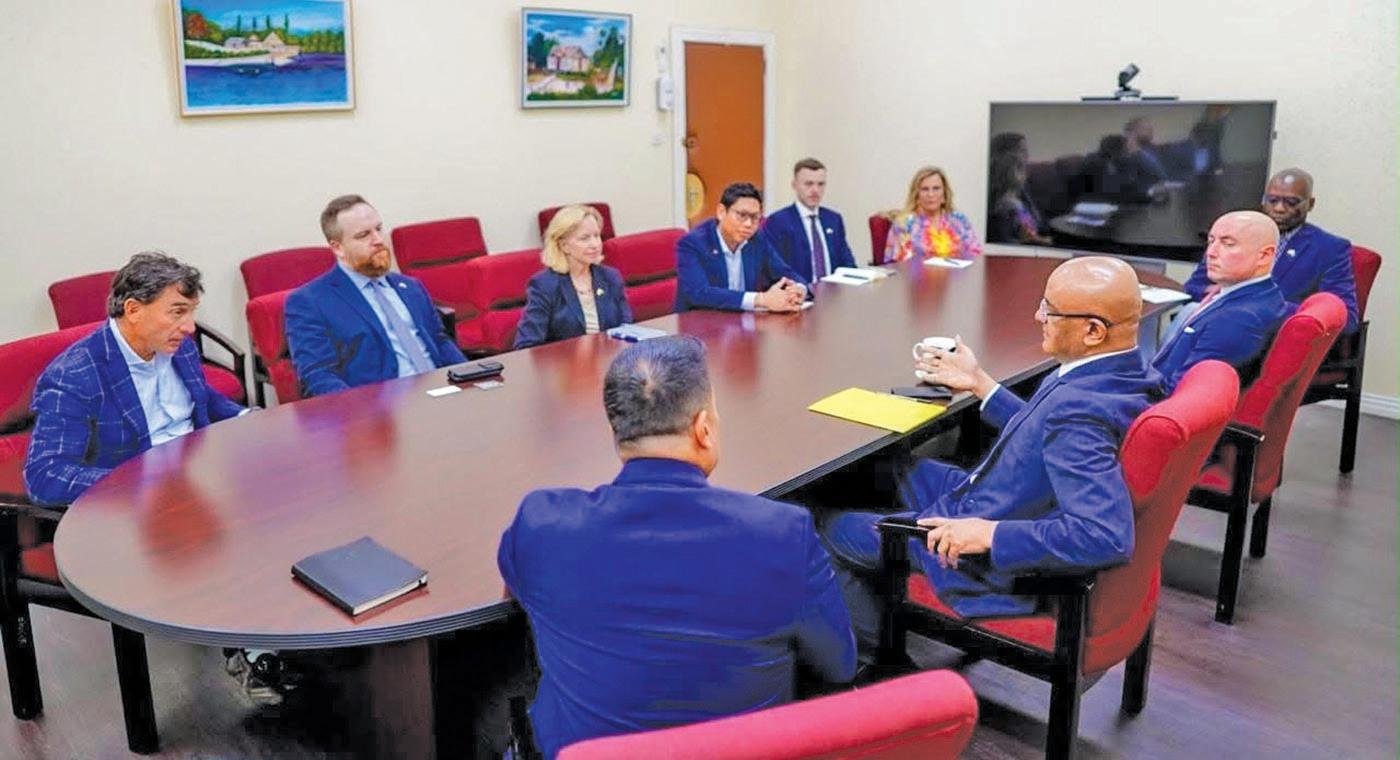
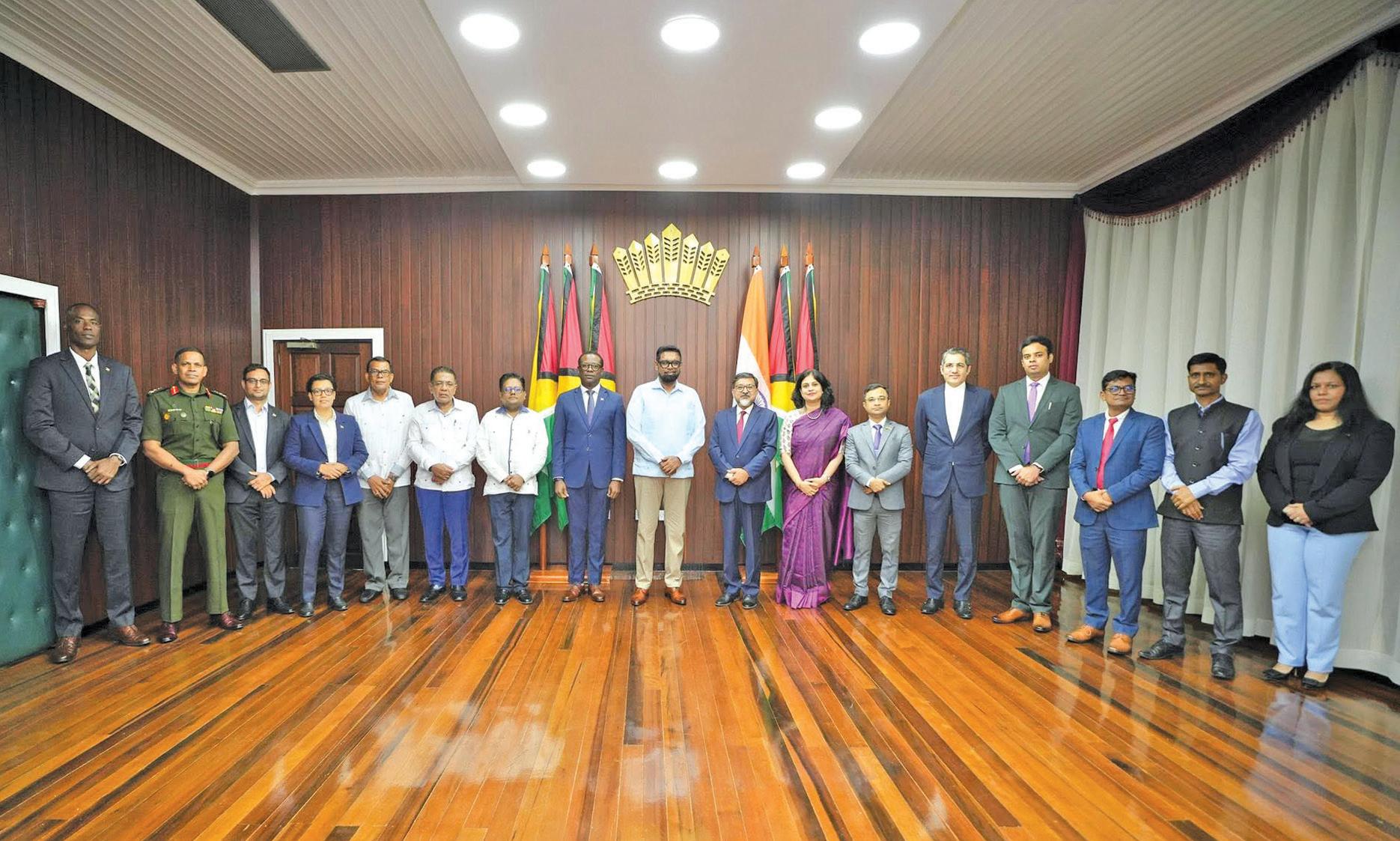
resident Dr Irfaan Ali and Vice President (VP) Dr Bharrat Jagdeo on Tuesday held separate engagements with visiting delegations from the United States and India as Guyana continues to strengthen international partnerships across key sectors.
VP Jagdeo met with a United States delegation comprising leaders from the fields of diplomacy, investment, technology, security, aviation, housing and logistics. The discussions are part of ongoing efforts to deepen cooperation and explore opportunities for collaboration in areas of mutual interest.
Meanwhile, President Ali received an advance delegation from India at the Office of the President ahead of the scheduled visit of India’s Minister of External Affairs, Dr Subrahmanyam Jaishankar.
During the meeting, which was attended by members of the Cabinet, President Ali underscored the importance of advancing bilateral relations between Guyana and India. He highlighted several priority areas for expanded cooperation, including energy, agriculture, Government efficiency, trade and finance.
The Indian delegation was led by Sudhakar Dalela, Secretary of Economic Relations in India’s Ministry of External Affairs.
In a separate engagement, VP Jagdeo also met with the Indian delegation led by Dalela. Other members of the delegation included Suja K. Menon, Dr Amit Telang, Sarath Sankar and Aman Puri.
The delegation is currently in Guyana as preparations continue for the proposed visit of India’s External Affairs Minister.



Editor: Tusika Martin
News Hotline: 231-8063 Editorial: 231-0544, 223-7230, 223-7231, 225-7761
Marketing: 231-8064 Accounts: 225-6707
Mailing address: Queens Atlantic Industrial Estate Industrial Site, Ruimveldt, Georgetown
Email: news@guyanatimesgy.com, marketing@guyanatimesgy.com
The announcement to the UN that Guyana will establish its first specialised school for children with autism is a significant milestone in the country’s ongoing efforts to build a more inclusive society. While much attention is often given to economic development and infrastructure expansion, the measure of national progress is also reflected in the extent to which vulnerable groups are supported, protected, and given meaningful opportunities to thrive. In this regard, the planned institution is an important advancement in the education sector and in the broader national commitment to equality.
Autism Spectrum Disorder (ASD) is a developmental condition that affects communication, social interaction, behaviour, and learning in varying ways. No two children with autism experience the condition in exactly the same manner. Some require minimal support, while others need intensive and highly specialised interventions to help them navigate everyday activities and educational settings. This diversity of needs presents challenges that traditional school systems are not always equipped to address effectively.
Across many countries, including Guyana, children with autism often face significant barriers within mainstream educational environments. Conventional classrooms are designed to serve large groups of students following standardised teaching methods and routines. For many children with autism, however, sensory sensitivities, communication difficulties, and challenges with social interaction can make these environments overwhelming and difficult to navigate.
Bright lights, loud noises, crowded spaces, and rapidly changing routines can create anxiety and distress. In some cases, children may struggle to express their needs, regulate emotions, or engage with instructional methods that are not tailored to their learning styles. Teachers, despite their dedication and commitment, frequently face difficulties in providing the level of individualised attention and specialised support required without adequate training and resources.
The result is often frustration for students, parents, and educators alike. Children with autism may experience social isolation, academic setbacks, and reduced confidence. Families may face the burden of seeking private interventions or specialised services that are not readily available or affordable. Schools, meanwhile, may find themselves attempting to meet complex needs without the necessary tools and expertise.
The establishment of a specialised school therefore addresses a longstanding gap within the education system. Such institutions provide structured learning environments specifically designed to accommodate the unique needs of children on the autism spectrum. Specially trained educators, therapists, and support staff can work collaboratively to deliver personalised programmes that promote communication skills, social development, independence, and academic achievement.
Importantly, specialised schools should not be viewed as a replacement for inclusive education but as part of a continuum of support. Effective educational systems recognise that different children require different approaches. While some students with autism thrive in mainstream classrooms with appropriate accommodations, others benefit significantly from specialised environments that offer targeted interventions and support services.
The significance of this initiative extends beyond education. Early intervention and specialised learning opportunities can have a profound impact on long-term outcomes for children with autism. Enhanced communication skills, greater independence, improved social interaction, and stronger vocational readiness can contribute to more meaningful participation in community life and future employment opportunities.
For many years, disabilities and developmental conditions have been surrounded by misunderstanding, stigma, and inadequate public awareness. The creation of a dedicated institution acknowledges the realities faced by children with autism and affirms their right to receive an education that meets their specific needs.
Guyana’s efforts to expand specialised educational services reveal a growing awareness of the importance of addressing diverse learning requirements. The opening of a school dedicated to children with hearing impairments and the forthcoming autism-focused institution reflect a deliberate move towards a more responsive and equitable education system.
The establishment of Guyana’s first specialised school for children with autism deserves recognition as a progressive and commendable achievement. It reflects a commitment to ensuring that children who have historically faced barriers are given opportunities to learn, develop, and realise their full potential.

By Patrice Quesada coordinator, ioM cariBBean
The last few weeks have been particularly rich for migration dialogues in the Caribbean. Moving between global, regional and national spaces, I’m encouraged by how they point in the same direction: migration is now firmly recognised as a development issue as the region is getting ready to move from commitment to action.
At the International Migration Review Forum (IMRF), held at the UN General Assembly in New York from May 5 to 8, the strong presence of Caribbean delegations was noticeable, with 10 countries attending, including ministerial representation from Barbados and Belize. This result is also thanks to the leadership of the CARICOM Secretariat in motivating Member States’ engagement in the IMRF.
We believe this is more than symbolic. It reflects a growing regional consensus that well-managed migration matters. Through their statements at the IMRF, we can now see how Caribbean states want to shape the agenda on migration, reminding us that while migration realities are national, many solutions are regional and global.
I retain two messages from the IMRF that resonate most for the
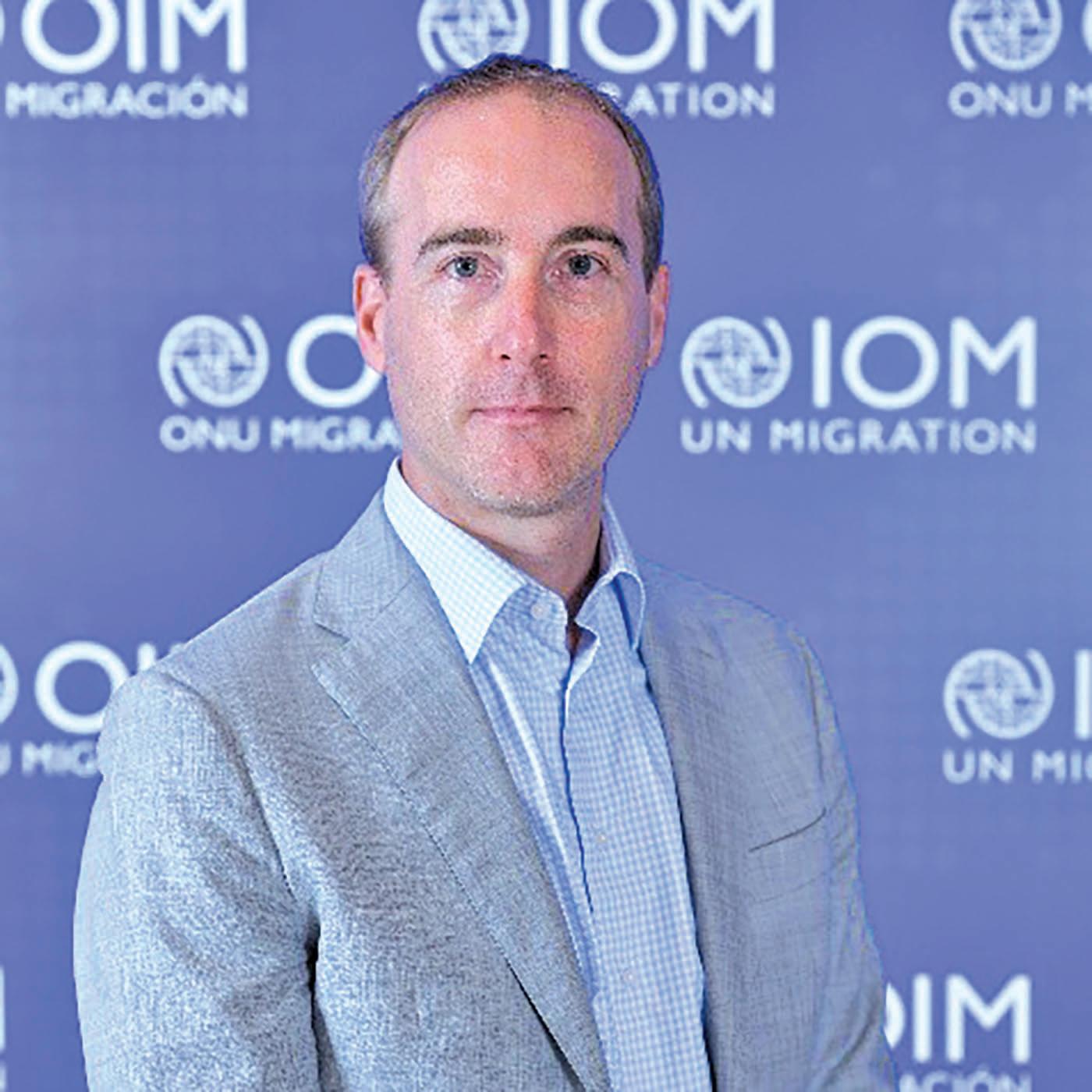
Patrice Quesada
Caribbean. First, that migration governance must be grounded in national realities and reflected in concrete pledges and follow-up. Second, that migration cannot be addressed in isolation: it is deeply interconnected with labour markets, demographic change, climate vulnerability, and development planning.
This was evident in several national and local engagements across the Caribbean.
In Saint Lucia, discussions on May 18 at the launch of the country’s draft migration policy took place against a backdrop of falling birth rates, skills shortages and sustained emigration. The na-
tional conversation has been nuanced, acknowledging both the pressures and the opportunities migration brings. What stood out most was the recognition that a migration policy must link labour needs, diaspora engagement, remittances, return and reintegration, and protection as parts of a single, coherent response to demographic change and climate vulnerabilities.
In Jamaica, on May 4, Clarendon became the first parish to formally integrate migration considerations into its long-term development planning. This is encouraging as migration governance does not begin and end at the national capital.
Parish councils, municipalities, and local authorities are on the front line. They deliver services preserving social cohesion, and their leadership is critical for migration policies to be grounded in the everyday realities of Caribbean citizens.
Guyana, too, offered a compelling illustration of context-specific policymaking. On May 20, discussions led by the Ministry of Labour highlighted how migration is being approached in the context of rapid economic transformation, labour demand, and skills development. Here, the focus has been on balancing opportunity with protection, ensuring that migration supports national growth while safeguarding workers’ rights and promoting orderly systems.
These country contexts differ, but one shared opportunity kept resurfacing: the diaspora as a strategic development partner – not just a source of remittances. Caribbean ties remain strong despite distance, rooted in identity and solidarity. Whether through investment, skills transfer, temporary or permanent return, or advocacy abroad, the diaspora remains one of the region’s greatest assets. The challenge now is to engage more deliberately and inclusively.
Dear Editor,
At a time when political tensions in Guyana remain high, the Caribbean Court of Justice must protect its credibility at all costs. That is why Justice Arif Bulkan should recuse himself from matters involving the PPP/C Government.
This is not a personal attack. It is a matter of ethics, optics, and public confidence.
Guyana is deeply politically divided. In such an environment, Judges connected, directly or indirectly, to active political figures must appreciate how their involvement in politi-
cally sensitive cases will be viewed by the public.
Justice Bulkan’s immediate family is heavily intertwined with Opposition politics. His sister, Janette Bulkan, has for years been one of the PPP/C’s most outspoken critics and has openly supported political opponents of the Government. His brother, Ronald Bulkan, was a senior Minister in the APNU+AFC coalition Administration and remains a prominent PNCR figure, now linked with Amanza Walton-Desir’s Forward Guyana initiative. Whether Justice Bulkan
himself is capable of being impartial is not even the central issue. The larger issue is perception. Can the average Guyanese citizen reasonably be expected to believe there is absolutely no risk of political predisposition when such close relatives are deeply embedded in anti-PPP political activism and opposition politics? That question alone is sufficient to justify recusal.
Across the democratic world, Judges routinely step aside from matters where there is even a reasonable appearance of conflict. They do so to preserve confidence in the judiciary
and to protect the integrity of the courts themselves.
The CCJ should not wait for controversy or accusations before acting prudently. The court’s authority depends on public trust, and public trust depends on visible neutrality.
In a country as politically polarised as Guyana, even the appearance of bias can damage confidence in the judicial process. Recusal would therefore be the responsible, ethical, and statesmanlike decision.
Yours sincerely,
Quincy Anderson
The Closed Registry Model within the Sexual Offences (Amendment) Bill is the direct product of public consultations and it aligns with international models
The Sexual Offences (Amendment) Bill 2026 marks a historic milestone as Guyana introduces its first-ever Sex Offenders Registry, joining dozens of nations globally in deploying this critical public safety tool. Arriving more than 15 years after the principal 2010 Sexual Offences Act, these comprehensive amendments are designed to systematically correct the statutory gaps and operational deficiencies that existed in the previous legislation. The bill benefits from multiple amendments, of which the Sex Offenders Registry is only one. Overall, the amendments seek to strengthen protection for victims of sexual offences, harmonise the procedures, making it easier for cases of sexual offences to be addressed by the courts, and significantly provide for “no statute of limitations”, meaning no time limit to charge someone with this crime.
This landmark bill is the product of a proactive and inclusive national consultation. To ensure total transparency and maximum civic participation, the draft legislation was subjected to widespread in-person consultations and was hosted publicly on the official website of the Ministry of Legal Affairs for two years to facilitate public input and recommendations. The resulting framework deeply reflects the diverse perspectives of the public, including over 60 civil society bodies; the judiciary; legal professionals; prosecutors; police; and faith-based organisations, honouring our citizenry’s overwhelming demand for a registry and a stronger law while maintaining a balanced, evidence-backed approach to risk management.
Crucially, on the question of the model of the registry to be used in the legislative framework, it is the widespread consultation that overwhelmingly advocated for the establishment of a closed model registry. As such, Guyana has adopted a closed registry model, an architecture that mirrors
the legislative standard utilised by a majority of countries. In fact, numerous international jurisdictions have actively closed their previously open registries and transitioned to this exact model to eliminate the counterproductive impacts of public databases, such as driving offenders into hiding, inciting vigilantism, and causing damage to innocent family members, including children who may bear the devastating consequences like bullying, physical harm, and ostracism because of someone else’s actions.
Should family members, especially children, face these dire consequences simply because of their relation?
It is to guard against these unintended consequences that a penalty is imposed on those who make unauthorised disclosures.
Contrary to the misinformation that is circulating, this registry is accessible to the public through a procedure outlined in the legislation which requires an application to be made for the information on persons who are subjects of the registry.
Under the 2026 amendments, the registry is merely one component of a proactive tracking system: it establishes strict, lawful channels for stakeholders, such as parents, guardians, and care-adjacent employers, to formally apply for and access vital safety information, while simultaneously imposing rigorous legal obligations on offenders to routinely check in with police and report all movements into and out of communities.
While this modernised legislation remains open to future refinement as society evolves, it represents a decisive advancement in protecting Guyanese communities and strengthening the rule of law.
Ministry of Human Services and Social Security
Important technical discussions also took place in May, moving political commitments towards implementation. On May 21 and 22, CARICOM, with support from ILO and IDB, convened a regional technical meeting on labour migration. It was encouraging to hear labour practitioners from across CARICOM exploring the core question: how can migration help address labour shortag-
es while ensuring decent work and fair recruitment for all workers? At the national level, in Barbados, on May 27-28, strategic planning on the national population policy, supported by UNFPA, echoed this message. Addressing demographic decline and ageing requires forward-looking planning, including managed migration across all sectors, since health, labour, education, social pro-
tection, planning authorities, and economic actors all have a role to play.
In The Bahamas also, various government sectors came together on May 26 at the invitation of IOM and the Disaster Risk Management (DRM) Authority to assess national frameworks for the management of inter-island and cross-border mobility in the event of disasters. This collaboration across sectors
Dear Editor, There appears to be a misunderstanding in the public discussion of the bill concerning benefits for former Presidents. The key legal point is straightforward: laws do not take effect retroactively unless expressly stated. Therefore, when the APNU Administration amended the law in 2015 to curtail benefits provided under the 2009 legislation, that change did not affect former President Bharrat Jagdeo, former President Donald Ramotar, or former Prime Minister Samuel Hinds. They remained entitled to the benefits under the 2009 law and, to this day, continue to enjoy them.
In practical terms, the 2015 amendment would have applied to persons leaving office after it was enacted, which means the former President who would have been adversely affected by that law was David Granger. It would be interesting for the public to now learn that Mr Granger is enjoying the same benefits as Dr Bharrat Jagdeo, Mr Donald Ramotar and
Mr Samuel Hinds under the 2009 law, notwithstanding the 2015 amendment passed under his own Administration. That fact alone confirms that the practical treatment of former Presidents has already moved beyond the narrow confines of the APNU law, such that all former Presidents currently enjoy the same standard benefits, including the President who signed the 2015 law.
The present bill should therefore be understood for what it is: not the creation of any novel privilege, but an effort to align the law with the standard of dignity that former Presidents have in practice continued to receive under the 2009 framework. If even the former President whose own 2015 law would have adversely affected him is now enjoying the same benefits, then the sensible course is to make the law clear, consistent, and applicable to current and future Presidents alike.
Yours faithfully, Joel Bhagwandin
seeks to ensure that those who must move in times of disaster can do so without fear, as their basic human rights and dignity will be protected.
Taken together, these engagements demonstrate that the Caribbean is ready to step forward. Migration is now firmly on the policy agenda. The next phase must be about widening the conversation and deepening ownership.


Multiplying Fractions
To multiply fractions, we multiply the numerators together, and multiply the denominators together.
In order to multiply with fractions: For example
Multiply the numerators together:
1×1=1
Multiply the denominators together:
2×3=6
Write your answer:
In order to multiply a fraction by a whole number: For example
4×
Put the whole number over 1:
Multiply the numerators together:
1×3=3
Write your answer:
In order to multiply two mixed number fractions: For example
Change the mixed fractions into improper fractions:
Multiply the numerators together: 3×9=27
Multiply the denominators together: 2×4=8 Write your answer:

il and water do not mix.
OOil spills can affect oceans, rivers, lakes, wetlands, and coastlines. Oil can coat feathers and fur, making it harder for animals to stay warm, float, or move. It can also block sunlight and oxygen exchange at the water’s surface.
This experiment shows how oil spills spread on water and why cleaning them up can be difficult.
Materials
• 2 shallow pans or trays
• Water
• Vegetable oil
• Dish soap
• Dropper or spoon
• Paper towels
• Cotton balls
• Sponge
• Cheesecloth
Instructions
Step 1: Make the “oil spill”
a) Fill a pan about halfway with water.
b) Add a small amount of vegetable oil to the water’s surface.
c) Watch how the oil spreads out.
What do you notice? Does the oil sink or float?
Step 2: Try oil spill clean-up methods
Set out clean-up tools and test them one at a time:
a) Cotton balls/sponge: Do they soak up the oil?
b) Paper towels: How much oil can they absorb?
c) Dropper/spoon: Can you scoop the oil off the water?
d) Strainer/cheesecloth: Does it help remove the oil?
Which tool worked best?
Step 3: Add dish soap
Add a few drops of dish soap to the oily


water.
What happens to the oil?
Step 4: Try cleaning up again
Now, try using the same clean-up tools again.
What do you notice?
•Is the oil easier or harder to remove?
•Which tool works best now?
•Was it easier to clean up the oil before or after adding the soap?
What’s Happening?
Oil floats on water because it is less dense. Dish soap helps break the oil into tiny droplets that spread through the water. This is why soap is often used to help clean oily messes.
Safety Note
Do not pour the oily water down the sink. Instead, wipe up the oil with paper towels and throw it in the trash.
(Adapted from littlebinsforlittlehands.com)

By Stuart DyBek

it traces the irregularities of pavement, fills cracks, floods the gaps planned for expansion in the heat, eddies into a sticky ring beneath a pop bottle before pooling in the gutter the way the socket of an eye is pooled until every aspect of the street is soaked in a stretch of shade noon can't erase, winedark like a birthmark the chalked outline of a body can't contain. It fades as it flowed, gradually, but in the bleaching summer brightness, beneath outcries of sparrows, children, though moving in time to the beat of the outraged boombox they shoulder, still drop their voices as they pass through the shadow, and the ball trotting beside them refuses to cross the border of the stain.
(Source: Poetry [April 1999])

Centre your story around someone who has been working for years toward something others have stopped believing in.

Despite increased oil production following the start-up of the Yellowtail Project in the Stabroek Block, ExxonMobil Guyana Limited (EMGL) reported $982.5 billion in profit after tax for the 2025 financial year. This figure is slightly below the previous year and was largely driven by lower global crude oil prices.
In its 2025 income statement, EMGL reported revenues of $1.71 trillion. Operating expenses totaled $498.5 billion, while income tax expenses amounted to $231.6 billion, resulting in a comprehensive income of $982.5 billion for the year.
This reflects a slight reduction when compared to 2024, when the United States oil major reported
$995.1 billion in profits and $1.73 trillion in revenues.
This reflects a slight decline compared to 2024, when the US oil major reported $995.1 billion in profit and $1.73 trillion in revenue.
EMGL Vice President and Business Services Manager John Colling explained during a press conference on Tuesday morning that the reduction was mainly due to lower oil prices, along with increased production costs associated with the start-up of the ONE GUYANA Floating Production, Storage and Offloading (FPSO) vessel last August.
“The revenue…in 2025 was largely consistent with 2024, although slightly less. That was driven by higher
production with the startup ONE GUYANA, offset by lower crude prices with the realisation of crude being… US$68 a barrel in 2025 versus US$82 a barrel in 2024,” Colling stated.
With the start-up of the ONE GUYANA FPSO, Exxon’s oil production increased significantly towards the end of last year by an additional 250,000 barrels per day (bpd), bringing total output from the four Stabroek Block developments to over 900,000 bpd.
With this increase, EMGL’s oil lifts from the Stabroek Block rose to 102 in 2025, compared to 82 the previous year. However, the gains were dampened by the decline in global oil prices.
However, given the current surge in global oil pric-
Close to two months after 28-year-old Curtis Bengochea, also called “Buckboy”, of Eight Street, Ivan Road, Soesdyke, East Bank Demerara, was stabbed to death during a drinking spree, the Police on Tuesday issued a wanted bulletin for Norbert Sutherland, also called “Quaky”.
Police stated that the stabbing incident occurred on April 18, 2026, at Ivan Road, Soesdyke, EBD.
It was reported that the 35-year-old wanted man and the now deceased were consuming alcohol in the company of others when a heated argument broke out between them, during which the suspect allegedly armed himself with a knife and attacked Bengochea.
The situation quickly escalated, with both men ending up in a nearby drain where the confrontation continued. Persons at

the scene reportedly intervened and separated the two men. However, shortly after, Bengochea was pulled from the drain with a visible stab wound to his side.
The suspect reportedly fled the scene on foot immediately after the incident and went into hiding. The injured man was rushed to the Diamond Regional Hospital, where he was pro-

nounced dead on arrival.
It was later reported that the confrontation stemmed from a dispute involving $1000 while the group was drinking.
The Police are asking anyone with information that can lead to the arrest of Norbert Sutherland to contact them at telephone numbers 227-1611, 2682329, 911, or the nearest Police station.

es due to the Middle East conflict, Colling suggested that higher prices could boost the company’s revenues this year.
“We don’t project the price of oil, but clearly higher oil prices result in higher revenues and higher earnings for EMGL as well as higher earnings and higher revenues for the government… What you will see is a reflection of how high oil prices are ] in the financials as we move forward, but we can’t predict what those will be as we look beyond current events,” the EMGL’s Vice President and Business Services Manager indicated.
The conflict in the Middle East over the past few months has driven up global oil prices. The Strait of Hormuz, a critical shipping route for oil and gas from the region, has been effectively disrupted since the start of the US-Israel-Iran war more than 100 days ago.
In March, EMGL President Alistair Routledge told reporters that Guyana was already seeing increased revenues from crude sales due to the surge in global oil prices.
If prices are sustained, which Routledge has indicated is likely, Guyana could receive a larger share of oil profits as historical investment costs in the Stabroek Block are fully recovered.
ExxonMobil and its co-venturers, Hess and CNOOC, had committed US$60 billion in the Stabroek Block operations, of which Routledge said approximately US$40 billion has been spent.
Under the 2016 Production Sharing Agreement (PSA), Stabroek Block partners can recov-
er costs – including historical expenditures – from up to 75 per cent of gross revenues from offshore oil sales. The remaining 25 per cent is shared between ExxonMobil, Hess, CNOOC, and the Government of Guyana. In addition to its roughly 12.5 per cent share of profits, the government also receives a two per cent royalty on total revenues.
Routledge had told reporters they have managed to bring down the cost bank to approximately US$5 billion, which could be fully recovered this year rather than in 2027, as was initially anticipated.
Meanwhile, the ongoing Iran war has seen massive disruptions to oil supply from the Gulf region, which supplies about 20 per cent of the global oil – nearly 60 per cent of which goes to Asia. As such, there has been a surge in oil demand from Asian countries.
According to the ExxonMobil Guyana president, “The signal that we’re seeing is there’s a perceived shortage of supply. It’s becoming a real shortage of supply, and hence prices are going up. And what that’s intended to do in any market is say, ‘Okay, let’s try and reduce demand, but also signal if there is any other supply available in the world, then we’d really like to have it.’ And so, I wouldn’t say that we’re specifically being asked to send our individual cargoes anywhere, but our traders are in the market, and they’re addressing where that demand is… It’s very dynamic… What we are seeing is clearly, as… most of the flows from the Gulf went to the east, there is more growing demand from the east –from Asia.”

Already, ExxonMobil has recorded a strong start to 2026 with production in the prolific Stabroek Block offshore Guyana, peaking in January with 916,000 bpd. Against this backdrop, Routledge had pointed out that in selling Guyana’s oil, the traders will have to ascertain which market they can maximise the value for in the country in the face of the rising global demand.
“Our trading organisations based in Houston, in the States…they’re handling that, but what it typically does is there will be a lot of people calling because they’re seeing all price going up, and they’re all scrambling to secure volumes. So, the traders will be super busy, and then what they’re trying to do is match up ‘Okay, we have these cargos coming available. Who is it spending the highest price when you factor in shipping costs and availability of vessels, which is another factor in all of this…? At the end of the day, you know, that’s the business. We want to maximise the revenue for Guyana,” the EMGL head had explained.

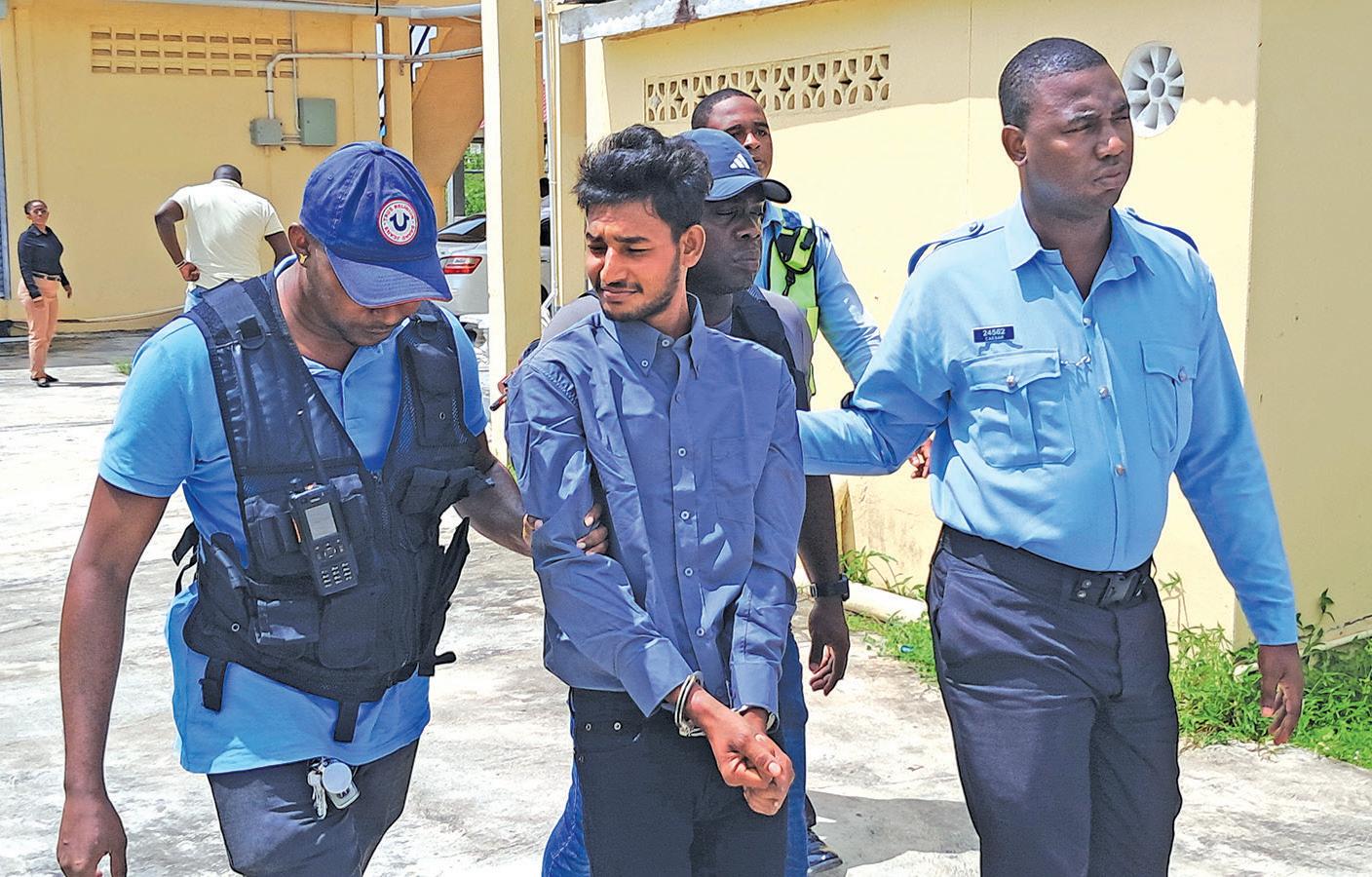
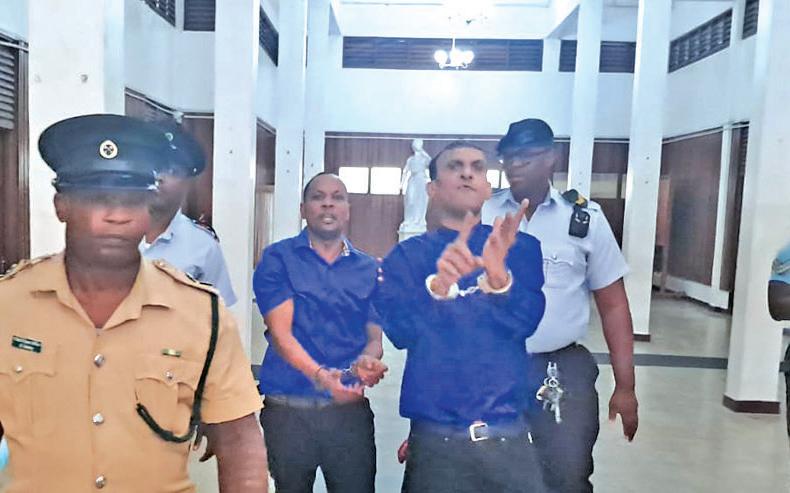
Hours after the Director of Public Prosecutions (DPP) advised that Shaeed Mohammed, called “Max”, be charged for the brutal murder of seven-year-old Adriel Aftab Mohamed, he was escorted by police to the Leonora Magistrate’s Court and arraigned.
The 23-year-old farmer from Providence, East Bank Essequibo (EBE), who also has links to Zeelugt, EBE, appeared before Magistrate Alisha George at the Leonora Magistrate’s Court. He was not required to plead to the indictable charge and was remanded to prison. The case will continue on July 20.
However, while making his way into the courthouse, the suspect hinted that he is being accused
without evidence despite confessing to the crime on Sunday after he was confronted with compelling digital evidence linking him to the crime scene.
It was reported that after the confession, he provided investigators with a detailed account of how he entered the home and the events that followed.
The knife recovered at the scene was identified by the suspect as the weapon used to kill the child and attack the 72-year-old woman.
At the time of the brutal attack, the accused was reportedly under the influence of alcohol, as he was seen imbibing at a nearby shop prior to committing the crime.
During interrogation, he admitted that before entering the victims’ home,
he had gone into a nearby yard but abandoned any attempts to enter the residence after realising that someone was awake.
In a haste to flee before an alarm could be raised, he left behind a pair of slippers and a music player, both of which he later identified as his property. Additionally, detectives recovered blood-stained clothing believed to have been worn by the suspect during the attack.
After committing the act, the accused reportedly went to his workplace, where it was observed that he had a visible wound on his hand, an injury that had not been present the previous day.
He later admitted that he had sustained the injury while carrying out the attack.


After collecting the evidence, the Police file was sent for legal advice and was returned with a recommendation for murder charges to be instituted.
The accused was arrested one day after the lifeless body of the child was found lying in a pool of blood with his throat slashed, while his great-grandmother was found stabbed in the neck and lying on the ground of their Phase Three, Zeelugt New Housing Scheme, EBE home.
Following the gruesome discovery, the child’s uncle, Naseeb Mohamed, said he was at home when he received a telephone call informing him that someone was inside his mother’s house.
Upon arriving at the residence, he pushed open the door and entered. After switching on the lights, he discovered his mother lying on the floor.
He said he could not explain what happened but noted that the two adults who usually stay in the home with his mother and the child had travelled to Essequibo for work.
The lad’s father, Altaf Mohamed, expressed deep regret that he was not present to protect him while explaining that his son had been left at home with his great-grandmother since he had to work.
He added that he had previously taken his son away from his mother because he did not want him raised by a stepfather. Mohamed had related that he had intended to collect his son the very day he was murdered.
Meanwhile, on Tuesday, the uncle of the deceased child told reporters that despite having the same surname as the family, the young man charged with the lad’s murder is not related to his family and wished that he would face the full brunt of the law.

Well…well…well!! As the world turns, history repeats itself – but hopefully not as Marx predicted – as farce!! The Stabber, which shuttered last month, had been launched 40 years ago (in 1966) with a (for then) HUGE A US$100,000 grant from the US Government-funded National Endowment for Democracy (NED)!! It was supposed to be a softer, gentler face for the CIA – which used to fund newspapers and other propaganda outfits to fulfil its mission “to keep the world safe for democracy”!! The Yanks under Reagan wanted to ensure Desmond Hoyte didn’t continue with Burnham’s “socialist” adventurism!!
The Stabber’s Editor and some of his staff just announced that they’d be doing a Lazarus and raising the Stabber from the dead, under a new name – the Kiskadee Watch!! The Editor had become quite visible – and voluble!! – after the closing on social media, which he’d earlier blamed as the cause of the Stabber’s demise!! Your Eyewitness figures the fella’s following the hoary –and sometimes whorey!! – principle of “If you can’t beat them, you might as well join them!!” He’d continued the Stabber’s unrelentingly hostile attacks on the PPP Government, which he’d facilitated through a coterie of “woke” know-it-alls!!
The funding, however, is different this time around, maybe because Musk’s DODGE had put the brakes on the NED’s activities?? In a statement issued under what looks like the new rag’s Board of Directors (all part of the aforementioned woke coterie) we’re told a hard copy gonna soon follow the social media platform, and they’ll adopt the “Guardian” funding model!! That is, there ain’t gonna be any paywall as the Stabber had imposed – but which clearly was unsurmountable!! They’ll instead count on handouts from well-wishers who like their output!! And that output?? In their statement – which reinforces their insistence of being a superior lot to the great Guyanese unwashed – they smirked: “The vision for Kiskadee Watch is the re-establishing in Guyana of a trusted, independent, fact-based news institution that safeguards editorial freedom and strengthens democratic discourse!!” They offered a tedious analogy of their “mission” to the life of the Kisskadee.
Well, your Eyewitness learnt about that bird since he was a little tyke in short pants in Lil’ ABC!! “Hey, little kiskadee, where have you been?/Up in a mango tree,/ or in the village green??/Hey little kiskadee, what did you see?/A monkey apple/or a star apple tree??/Good morning little Kiskadee, what will you do today?/Will you search the pepper tree,/to pick the worms away??” But sadly, the Kiskadee seemed to’ve disappeared along with the afore-mentioned fruit trees that gave it sustenance –because all yards are now concreted over!!
Hope Kiskadee Watch doesn’t suffer the same fate!!
…of the development bank
With the Government announcing the launch of a development bank, the Opposition spokespersons are crawling out of the woodwork to condemn the initiative for one reason or another. Your Eyewitness ain’t surprised!! After all, the abysmal failure of the PNC with the Guyana National Co-operative Bank (GNCB) – created in 1970 as a development bank - had to’ve left scars they just cannot get rid of. And so they’re actually “projecting” their failures onto the PPP!! As we Guyanese say, they’re taking their doody and rubbing it on the PPP’s bamsie!!
The loan portfolio dictates the profitability of any bank, and the demise of GNCB was due mainly to the huge amount of bad debts since massive loans were extended to “party hacks”. The latter’s political line overrode the principles of banking – since the party was defined as paramount over all other institutions – and by definition knew better!!
The PPP has hedged its exposure – and risk of failure –by making the individual loans quite modest!!
…of Opera?
The EU Ambassador launched a “Euro-Guyanese Classical Music and Opera Association” with classical music and opera Monday evening at St George’s Cathedral!
Your Eyewitness figures Europe’s “civilising mission” is never complete!! How lucky we natives are!!

The First Lady of Guyana has championed the establishment of the country’s first specialised school for children with autism, announcing that the institution will be opened this year during her address to the 19th Conference of States Parties to the Convention on the Rights of Persons with Disabilities (CRPD) on Tuesday.
She delivered the statement under the theme “CRPD at 20: Celebrating and Consolidating Achievements and Shaping the Next Phase of Implementation in a Changing World”.
According to the First Lady, the 20th anniversary of the Convention provides an opportunity to reflect on both the progress made and the work that remains to be done.
“The adoption of the Convention marked a transformative step forward, driving efforts to dismantle institutional and societal barriers and empower persons with disabilities to participate fully and equally in society,” she said.
She noted that in Guyana, the principles of the convention continue to guide national efforts to create a more inclusive society.
“Through legislative reforms, policy development, and targeted programmes, Guyana has adopted a multifaceted approach to ensuring that persons with disabilities enjoy equal treatment, expanded opportunities, and greater participation in national life,” she stated.
Highlighting recent achievements, the First Lady noted that Guyana opened its first school offering specialised services for children with hearing impairments in 2025.
“In 2025, we opened the
country’s first school that offers specialised services for children with hearing impairments. This year, we will establish Guyana’s first specialised school for children with autism. While these achievements are encouraging, significant challenges remain, not only in Guyana but across many countries,” she said.
The First Lady also pointed to the Government’s continued expansion of financial support for persons with disabilities, including increases in the permanent disability grant, monthly public assistance, and periodic cash grants.
She further noted that Guyana continues to invest in initiatives aimed at improving workforce participation and financial inclusion through skills development programmes, zero-interest financing, and public-private partnerships that create pathways for employment and entrepreneurship.
Business Centre for Persons with Disabilities
Additionally, she highlighted the work of the Business Centre for Persons with Disabilities, which was established last year to pro-

vide specialised skills training and employment opportunities.
“The Centre currently employs more than one hundred persons with disabilities,” she said.
The First Lady emphasised that developing coun-
tries require greater access to modern disability-support technologies to ensure that persons with disabilities benefit from advances in innovation and rehabilitation.
“Guyana looks forward to the continued implemen-
tation of the convention, underscored by stronger partnerships and collaboration among Governments, persons with disabilities, international organisations, and technology stakeholders,” she added.
The Education Ministry is currently designing an autism school, as a rise in diagnoses for children with autism and intellectual disabilities have been recorded in the last four years.
Guyana’s first specialised public facility for children with autism is the YAS School of Inspiration, established through a collaboration between the Government of Guyana, the Office of the First Lady, and the UAE. Additionally, specialised services and diagnostic programmes are provided through the Regional Special Education Needs Disability and Diagnostic Treatment Centre at the Cyril Potter College of Education (CPCE) com-
pound.
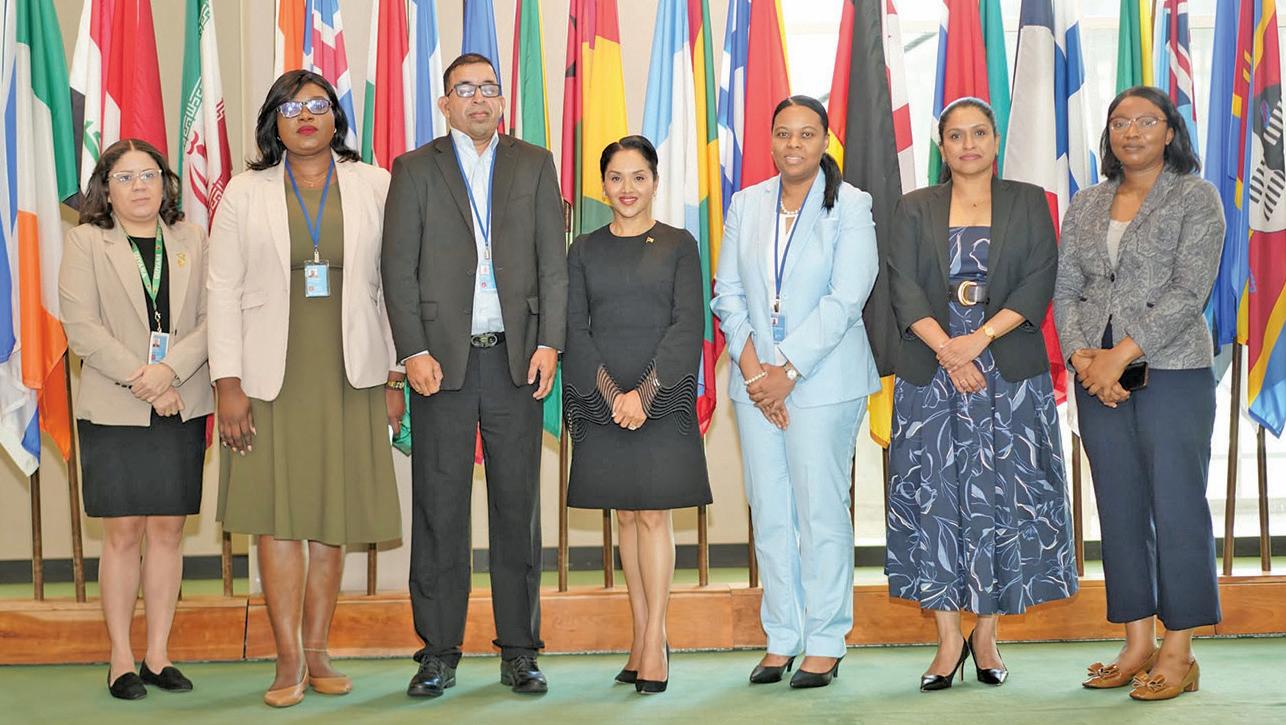
The first lady of Guyana is currently leading Guyana’s delegation at the 19th Session of the Conference of State Parties to the Convention on the Rights of Persons with Disabilities.
The delegation comprises Programme Manager Ganesh Singh, Guyana Council of Organisations for Persons with Disabilities; and Alicia Jerome-Reece, Special Projects Officer, Ministry of Parliamentary Affairs and Governance.
The team from Guyana’s Permanent Mission to the UN comprises Permanent Representative of Guyana to the United Nations, Carolyn Rodrigues-Birkett; Deputy Permanent Representative, Ambassador Trishala Persaud; Minister Counsellor, Stephanie Savoury; First Secretary, Marissa Edwards; and Second Secretary, Abosede Hazlewood.
The Guyana Government and ExxonMobil Guyana Limited (EMGL) have yet to agree on a mutually acceptable sole expert to determine the US$214.4 million cost oil claim flagged during an audit of the company's expenses incurred between 1999 and 2017.
“We have not yet landed on a sole expert but have discussed the process to ultimately arrive at one,” Vice President and Business Services Manager of EMGL,
John Colling, told reporters at a press conference held at the company’s Ogle, East Coast Demerara, headquarters on Tuesday morning.
In 2019, British firm IHS Markit conducted an audit of EMGL's oil cost expenses incurred between 1999 and 2017 from its operations in Guyana and flagged US$214.4 million as questionable costs.
Following its own review, the Guyana Revenue Authority (GRA) – the technical body tasked with advising the
Government on audited oil expenses – issued a no-objection in 2023 to the British firm's recommendation that the cost bank be adjusted by US$214.4 million, a position supported by the Government.
Section 1.5(b) of Annex C to the 2016 Stabroek Block Petroleum Agreement, signed between ExxonMobil and the then A Partnership for National Unity/Alliance For Change (APNU/AFC) Government, allows for the submission of disputes con-
cerning the audit to expert determination within sixty days of being informed of the final position.
Since last year, the Government had indicated that it would initiate the process to recover the disputed cost oil claim. Both sides subsequently agreed to activate the provision for a sole expert, as enshrined in the PSA. A sole expert is an established dispute-resolution mechanism used to resolve disagreements over cost recovery claims.
According to reports, the Government and ExxonMobil are unable to decide on a sole expert to mediate and make a determination on the possible repayment of the sum. Both sides have proposed candidates for the role but have rejected each other's nominee.
Reports indicate that ExxonMobil's preferred candidate previously carried out contractual assignments for the company, raising concerns about a potential conflict of interest – something which

Colling opted not to comment on.
Instead, he related that “What I can tell you is that as sole experts are considered, they must meet a number of qualifications that are acceptable to both parties, and certainly, objectivity is one of them. So, that is one criterion that we are discussing with the Government as well as relevant experience, which is another key factor… Both parties have comments on each other’s proposals, but I really don’t want to get ahead of the outcome of that process while we’re engaged in those discussions with the Government.”
In March, EMGL President Alistair Routledge indicated that if negotiations to select a sole expert proved unsuccessful, the parties would have to approach the ICC's International Court of Arbitration to appoint a third-party expert. The International Court of Arbitration, which was established by the International Chamber of Commerce (ICC), is an institution for the resolution of international commercial and business disputes.
According to the EMGL VP and Business Services Manager on Tuesday, “ExxonMobil Guyana Limited and the Government have looked at different sole experts for potential selection. If we’re unable to arrive at a mutual selection, that can be referred to the ICC to make the selection, which very well may be the next step in the process.”
“I can assure that ExxonMobil Guyana Limited as well as the Government are diligently working to find a sole expert which is acceptable to both parties… We are willing to work with the Government as long as it takes to bring this matter to resolution. I think ultimately all parties would like to move forward.”
Meanwhile, even as the two sides are attempting to settle this first audit, there are two more oil audits of Exxon’s expenses in Guyana.
In the second audit, conducted by a consortium of local and international firms led by VHE Consulting, US$7.2 billion in expenses incurred between 2018 and 2020 was examined. Of this amount, US$65.1 million was not accepted by the Government. Moreover, the third cost oil audit, also done by VHE Consulting, covering the period 2021 to 2023, was completed and submitted to the Government.

The distribution of the “Because We Care” cash grant, the transportation grant, and the uniform grant, all of which amount to $85,000, will commence from June 29.
Education Minister Sonia Parag on Tuesday made the announcement as she delivered remarks during the regional consultation in Region Five (Mahaica-Berbice) on anti-bullying and anti-violence policies for schools.
“The Ministry of Education through the Government of Guyana is ensuring that children have all the resources they need. And beginning on the 29th of June, every parent who has a child registered in the school system, private or


public, will be receiving the Because We Care cash grant across the country,” Parag said.
“You’re going to be getting $85,000 per child. That’s moving the Because We Care cash grant from $50,000, where it was at, to now $60,000, plus the $5000 for uniforms, plus a new grant of $20,000 for transportation for these children.”
This year will mark the seventh consecutive year that the grant has been distributed by the Government, where over 200,000 are scheduled to benefit from the grants. This year’s total grant marks a $30,000 increase over the $55,000 that the grants amounted to last year when approximately 205,000 students from both the public and private school systems benefited from the grants.
Earlier this year the Government allocated an estimated $12.4 billion in the 2026 National Budget to the “Because We Care” cash
grant programme, after increasing the grant to $60,000 per child. The $20,000 transportation grant is a new feature that was added to the benefits allocated to parents after it was a promise made by the People’s Progressive Party/Civic (PPP/C) during the 2025 campaign trail.
A brainchild of the PPPC Government, the “Because We Care” project was initially introduced in 2014 when it issued cash grants of $10,000 per child in the public school system. The programme was implemented with the aim of providing support to parents with school-age children and increasing their disposable income, with a view to raising enrolment and attendance rates. The programme was discontinued from 2015 to 2020 during the tenure of the APNU/AFC time in office. However, when the PPP/C resumed office in 2020, the grant was returned and saw incremental increases over the years.

NThe verdicts were returned after more than two hours of deliberations by a 12-member jury following a month-long trial before Justice Simone Morris.
Following the verdicts, the Judge ordered psychiatric evaluations and probation re-
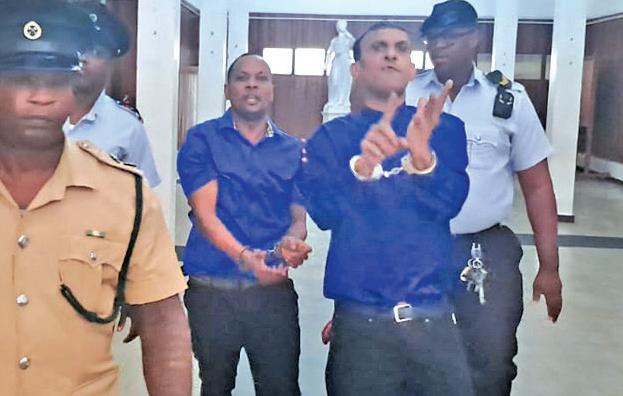
early six years after the brutal murders of West Coast Berbice, Region Five (MahaicaBerbice) cousins Isaiah and Joel Henry shocked the nation and triggered widespread protests demanding justice, a Berbice High Court jury on Tuesday unanimously found Anil Sancharra and Vinod Gopaul guilty on two counts of murder.
ports for both convicted men and adjourned the matter to June 26 for a sentencing hearing.
The trial, which opened on May 7 and concluded on June 9, heard evidence from 16 prosecution witnesses, the testimony of both accused men, extensive cross-examination by defence attorneys


Dexter Todd and Chandra Sohan, and detailed legal directions from the trial Judge before the matter was handed to the jury.
For many Guyanese, Tuesday’s verdict represented the conclusion of one chapter in a case that has remained etched in the country’s memory since September 2020.
Isaiah Henry, 16, and Joel Henry, 19, disappeared on September 5, 2020, after heading into the Cotton Tree backlands, West Coast Berbice.
The following day, their mutilated bodies were discovered, sending shockwaves throughout Guyana and attracting international attention.
The killings sparked days of protests and unrest across West Coast Berbice as residents demanded answers and justice for the two cousins.
Those demands culminated on Tuesday when jurors unanimously convicted Sancharra and Gopaul of both murders.
The State’s case, led by State Counsel Marisa Edwards, was built around the testimony of Akash Singh, who became the prosecution’s principal witness.
Singh was initially considered a suspect during the investigation but later emerged as the state’s key witness and the only person who claimed to have been present when the killings occurred.
According to Singh, he travelled into the Cotton Tree backlands with Sancharra and Gopaul, where the men maintained a marijuana farm.
He testified that the group had established a makeshift camp in the backlands using branches, bushes and cut manure bags and spent time there tending crops.
Singh told the court that on a later occasion, they returned to the area and discovered that marijuana plants and nearby crops had been damaged or destroyed.
According to his testimony, discussions were taking place about the destruction when Isaiah and Joel Henry approached.
The witness said an exchange followed, and one of the teenagers laughed.
What happened next formed the foundation of the state’s case.
Singh testified that Gopaul attacked one of the
cousins with a cutlass while Sancharra attacked the other.
“Plenty chops”
He told jurors that both teenagers attempted to flee but were overtaken.
The witness described seeing repeated blows being inflicted and memorably told the court there were “plenty chops.”
According to Singh, the attack was relentless.
His evidence was that both cousins suffered multiple injuries before collapsing. The witness further testified that after the killings, the bodies were tied onto horses and removed from the area.
He alleged that Gopaul instructed him to mark an “X” on the foreheads of the victims before the bodies were transported away.
“I don’t know what the ‘X’ was for,” he also informed the court.
Singh also described what he claimed occurred after the killings.
According to his evidence, he later disposed of cutlasses and bloody clothing by throwing them into a canal before changing his own clothes.
TURN TO PAGE 16

The United States Embassy in Guyana has announced continued support for the Guyana Defence Force (GDF) through a communications enhancement project aimed at strengthening the country’s defence capabilities.
In a social media post, the Embassy said the initiative will introduce advanced technology to improve the GDF's communication systems across land, maritime and air operations. It also seeks to enhance the operational capabilities of the force’s command centres and improve overall situational awareness.
According to the post,
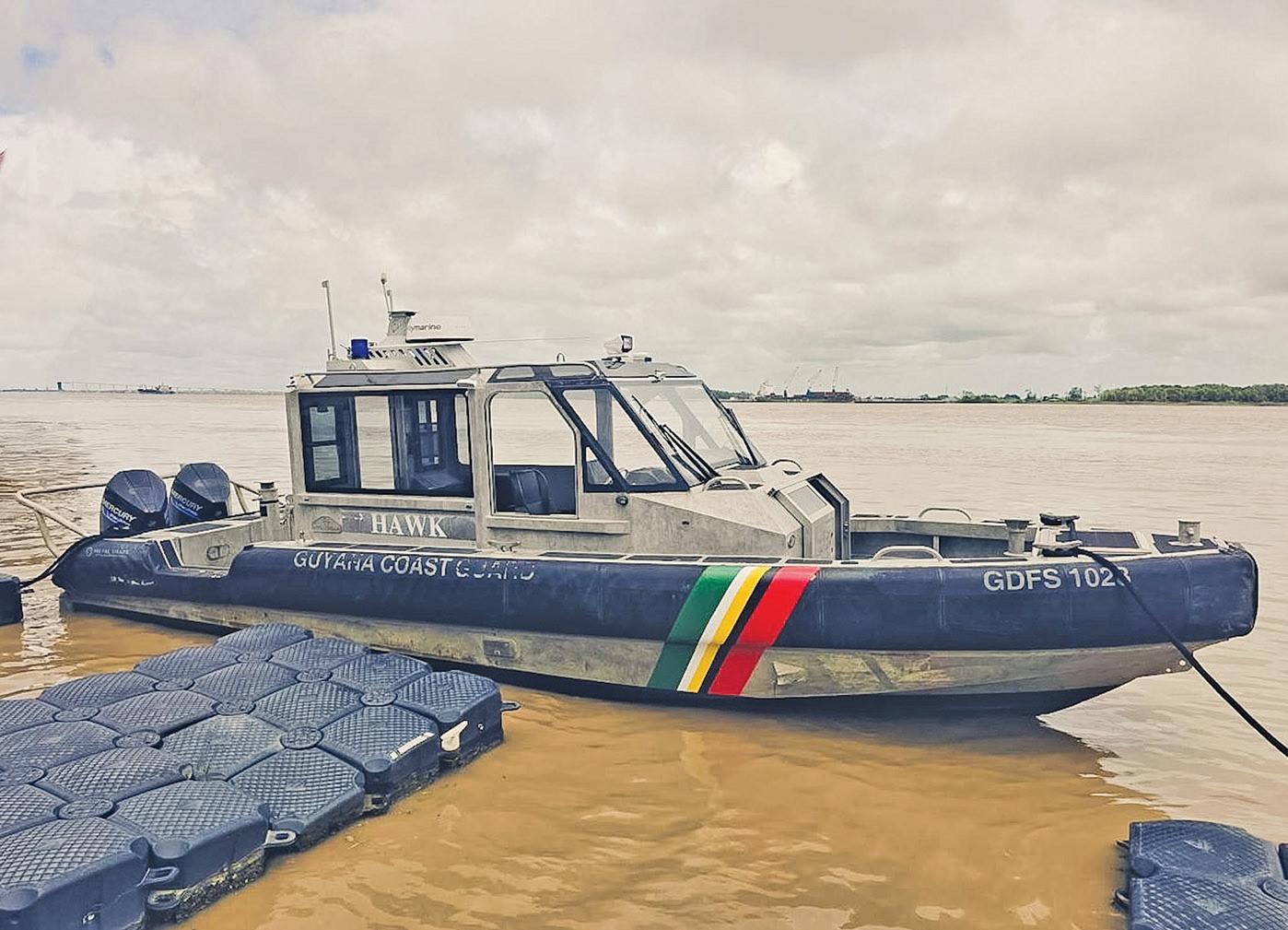

the upgraded systems are intended to support efforts to proactively address and mitigate emerging security threats. The equipment, once fully integrated, is expected to improve coordination and response capacity within the GDF.
The US Embassy further stated that the partnership reflects its ongoing commitment to supporting Guyana’s defence readiness and contributing to regional security. It added that the collaboration aims to help ensure the long-term safety and security of the Guyanese population and promote a stable and secure future for the wider region.

The University of Guyana (UG) has secured accreditation for its Bachelor of Accountancy Degree Programme from the Association of Chartered Certified Accountants (ACCA), marking a significant achievement for the institution and its accounting education offerings.
According to the university, the accreditation is valid from January 1, 2026, to December 31, 2030, and formally recognises the quality and international comparability of the programme.
While UG graduates have previously received ACCA exemptions on an individual basis, this is the first time the Bachelor of Accountancy programme itself has been accredited by the global professional accounting body.
Vice-Chancellor Professor Paloma Mohamed-Martin said the accreditation represents another step in the university’s efforts to strengthen its international standing.

“We are delighted to celebrate another step towards making the University of Guyana into a world-class university. Dr Aaron and SEBI are working with local partners and ACCA on several other products which will add value to our students and accelerate their certifications for quicker entry into professional practice.
This is a big win for our students,” she said.
The accreditation was secured by the university’s School of Entrepreneurship and Business Innovation (SEBI). Dr Alfred Aaron, Head of the Department of Accountancy and Finance,

described the development as a landmark achievement.
“This accreditation confirms that our Bachelor of Accountancy programme meets internationally recognised standards and reflects the quality of teaching, curriculum design, and
assessment within the department. It is a significant achievement for the university and a major advantage for our students, who will now have a more direct pathway towards global professional certification,” Dr Aaron said.
Under the accreditation arrangement, graduates of the Bachelor of Accountancy programme from 2026 onwards who pursue the ACCA qualification will be eligible for exemptions from four papers: Business and Technology (BT), Management Accounting (MA), Financial Accounting (FA), and Corporate and Business Law (LW).
As a result, graduates will be required to complete nine remaining ACCA papers to obtain the professional qualification.
The university said the accreditation was made possible through the efforts of faculty, administrators, and professional staff. The accreditation process was led by Dr Aaron, who coordinated the submission and documentation requirements.
UG also acknowl-
edged the support provided by the ACCA Trinidad team, including Senior Business Relationship Manager Anouska Sammy and Business Relationship Manager Aisha McKenna.
The university said the accreditation reflects its commitment to academic excellence and the development of graduates who can compete internationally and contribute to Guyana’s growing economy.
The achievement comes as SEBI continues to expand its specialised programmes, including the recent introduction of an associate degree in oil and gas accounting/taxation/audit and a graduate executive diploma in oil and gas accounting/taxation/audit.
In 2025, UG also attained institutional accreditation from the National Accreditation Council (NAC) for the first time since its establishment in 1963, further strengthening confidence in the quality of its academic programmes and student support systems.

The Bharrat Jagdeo Demerara River Bridge, the various new highways around Georgetown connecting the East Coast and the East Bank of Demerara, the new highway from Linden to Mabura, the six new regional hospitals, the soon-to-be commissioned gas-toenergy plant in Wales, etc, are truly transformative projects, bringing our infrastructure closer to that of a high middle-income country. The widely anticipated development bank to support micro-, small- and mediumsized businesses has similar potential to further transform Guyana’s economic development.
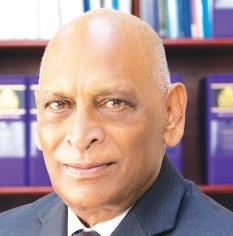
During the Elections 2025 campaign, President Irfaan Ali and the PPP articulated a policy priority for the development of small and medium enterprises (SMEs), providing avenues for persons to become engaged in small business development and adding to family incomes. Indeed, the General Secretary of the PPP and the Vice President of Guyana, Dr Bharrat Jagdeo, ensured that this policy priority was highlighted in the PPP Manifesto 2025. The specific policy priority that was the development of the Guyana Development Bank (GDB).
Ensuring another of its manifesto promises is kept, the PPP Government introduced the GDB bill for its first reading in Parliament last week. The GDB, a state-backed financial institution slated for launch this year, will provide zero-collateral, zero-interest loans to businesses, youth, women, and persons with disabilities. This initiative, as President Irfaan Ali and VP Bharrat Jagdeo have previously noted, forms part of the Administration’s broader vision to empower local entrepreneurs, stimulate innovation, and dismantle longstanding barriers for SME entrepreneurs to financing.
SMEs are pivotal in driving economic growth and employment in developing countries and emerging economies, contributing significantly to GDP and job creation. However, across the board, SMEs face a major challenge – a persistent financing gap. SMEs usually are unable to compete with Big Business for access to essential capital for growth and innovation. This stifles their efficiency and growth and reflects a broader market inefficiency in allocating resources to where they can be most impactful. The World Bank Group estimates that about 40 per cent of formal SMEs in developing countries cannot get credit, for an unmet financing need of $5.2 trillion every year, which is equivalent to about 19 per cent of these countries’ GDP.
This is true for Guyana, despite the efforts of organisations such as the Institute of Private Enterprise Development (IPED) and various other instruments operated by Government and private banks. In response to the finance gap challenge that SMEs, particularly the micro-enterprises, face, the PPP Government has now moved forward with the legislation and the commitment to initiate the development bank. The legislation sets the authorised capital of the bank at $40 billion while also granting the Minister authority, “by order subject to negative resolution of the National Assembly”, to amend the capital amount. The bank shall be exempt from the payment of tax on the profits and income.
In terms of lending, the bill imposes a ceiling stating that “the bank shall not provide loans exceeding three million dollars to any person or enterprise”, although this limit may also be adjusted through Ministerial order subject to parliamentary scrutiny. For this amount, there will be zero interest and no collateral requirement, and the bank will provide training, mentorship and business support. The bank prioritizes support for first-time entrepreneurs, youth and young professionals, women-owned businesses, persons with disabilities, farmers, agro-processors, creative and service providers.
With this legislation soon to be enacted into the laws, Guyana now stands as one of just a handful of countries with a dedicated development bank for SMEs. Other countries include Malaysia, Saudi Arabia, Qatar, Bahrain, Lithuania, and Singapore. At one time, we had the famous Younis SME bank in Bangladesh. But the SME development bank which Guyana is establishing will offer financing to micro-, small- and medium-sized enterprises with zero interest rates. It will also not require collateral for small loans.
SMEs are the backbone of most economies, representing around 90 percent of all businesses and accounting for more than half of global employment. In developing countries, SMEs are central to economic diversification, productivity, and poverty reduction. According to the World Trade Organization (WTO), SMEs are responsible for about 70 per cent of all jobs and about 35 per cent of GDP in developing countries.
When I was Minister of agriculture, I was puzzled why one of Guyana’s leading manufacturers was importing raw turmeric to process turmeric powder because farmers in Region One were producing high-quality turmeric. I found that it was cheaper for the manufacturer to import because the transportation cost from Region One to Georgetown was prohibitive. With the help of FAO and IICA, we procured equipment, installed it at Hosororo and permitted no-cost semi-processing of turmeric that allowed reduction of weight from eight to one pound, thus reducing transportation cost by seven-eighths. This programme collapsed between 2015 and 2020 under the PNC-led APNU/AFC Government.
Turmeric semi-processing for SMEs involves transforming raw rhizomes into value-added products like dried slices, powders, or extracted oleoresins/curcumin. This helps farmers and small businesses bypass heavy transportation costs, reduce post-harvest losses, and access higher-margin export or food-additive markets. We had instructed the Guyana Shop to purchase the semi-processed products from Hosororo and made it available at cost-recovery prices to the manufacturer. The same can be done for ginger. Recently, President Irfaan Ali, working with the GDF and the people of Lethem, made an arrangement for mangoes to be shipped to Georgetown during the mango season in Lethem. But we can do even better by nurturing SMEs to produce value-added mango products.
Guyana has taken a huge step forward in transforming our economy. While big companies and entrepreneurs now have unlimited possibility in the new Guyana economy, President Irfaan Ali and the PPP are creating an empowering milieu to ensure the full integration of micro-, small and medium size enterprises into the new Guyana economy. We must find a way not only for local content, but for families and small businesses to integrate into big companies, local or international.

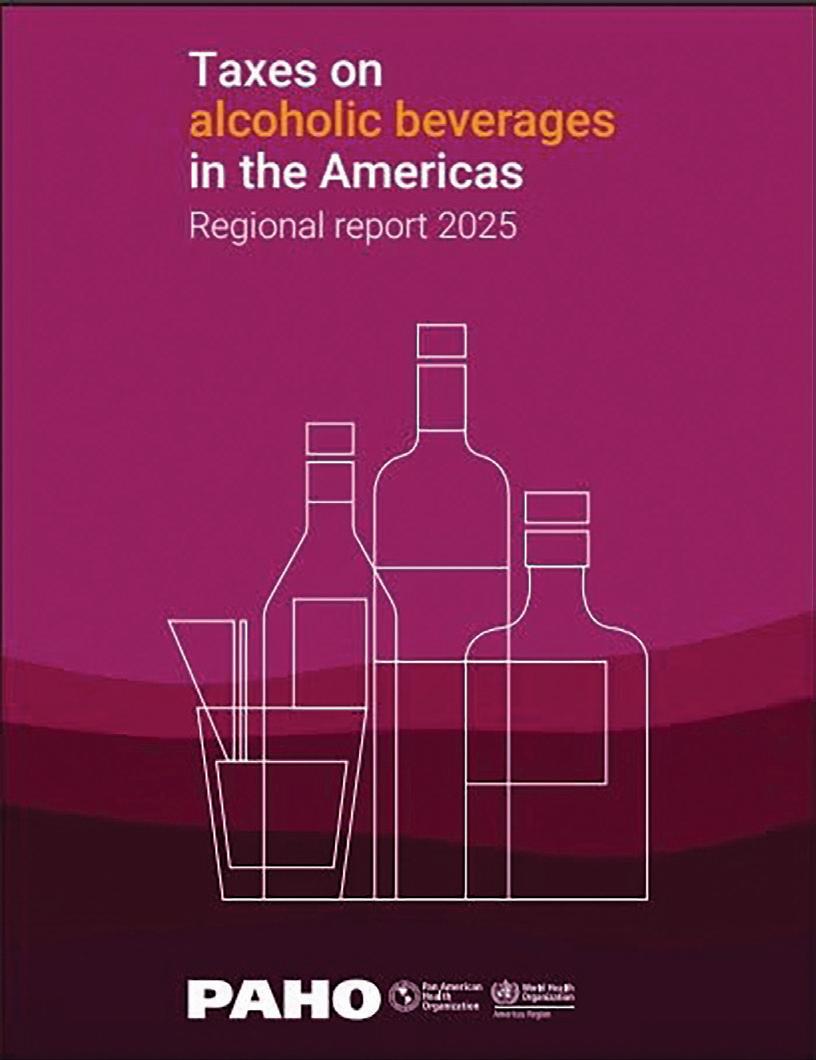
Health taxes on alcohol and sugar-sweetened beverages in the Americas remain too low to significantly reduce consumption and prevent noncommunicable diseases (NCDs), even as the region records some of the highest consumption levels globally, according to two reports released by the Pan American Health Organization (PAHO).
The reports, Taxes on alcoholic beverages in the Americas and Taxes on sweetened beverages in the Americas, show that tax levels across the Americas remain below global averages, limiting the effectiveness of one of the most cost-effective public health interventions available.
According to PAHO on Tuesday, the median total tax burden on beer in the region stands at 25.5 per cent, compared to a global median of 29.4 per cent. Taxes on spirits average 31.5 per cent, below the global median of 38.7 per cent. For sugar-sweetened beverages, the median tax burden in the Americas represents just 17.1 per cent of the final retail price, slightly below the global median of 17.8 per cent. One-third of countries in the Americas still do not apply any tax on these products.
PAHO’s reports highlight that the Americas, particularly Latin America and the Caribbean, face some of the highest consumption levels globally for both sugary drinks and alcohol. Adults in the region drink an average of 7.8 servings of sugar-sweetened beverages per week, significantly higher than the global average of 2.7 servings.
The increased consumption of these products is associated with major health risks, including overweight and obesity (affecting 67.5 per cent of adults), diabetes, cardiovascular disease, cancer, liver disease, and other noncommunicable diseases, as well as injuries and violence linked to harmful alcohol use.
Health taxes are not only designed to reduce the consumption of products that are harmful to health, but they also generate revenue that Governments can invest in health and social priorities. Well-designed taxes can help delay the initiation of alcohol use among young people, re-
duce harmful drinking, and lower consumption of sugary drinks linked to obesity and chronic disease.
However, the reports note that many countries in the region continue to apply low tax rates, narrow tax bases, or fail to regularly adjust taxes to account for inflation, weakening the long term impact of these measures. In addition, certain products that pose health risks, such as sugar sweetened dairy beverages and fruit juices, are often not taxed, which can shift consumption toward these un-
taxed alternatives and reduce the effectiveness of tax policies aimed at improving health.
Several countries have made progress in recent years. Barbados and Colombia introduced new taxes on unhealthy products, while Dominica increased taxes on tobacco, alcohol, and sugary drinks.
“In many countries of the Americas, existing taxes have not been designed in line with international best practices and remain too low to meaningfully influence consumption patterns, reduce ex-
posure to health risks, or generate the level of health and fiscal gains that effective health taxes can deliver,” said Dr Anselm Hennis, Director of PAHO’s Department of Noncommunicable Diseases.
To maximise both health impact and fiscal benefits, PAHO recommends that countries strengthen health tax policies through well-designed tax structures, appropriate tax rates, broad product coverage, and regular adjustments for inflation. There is also a need for robust implementation of tax policies, ongoing monitoring and evidence-based reforms to ensure that taxes effectively reduce harmful consumption and contribute to improving population health.
“PAHO is committed to providing technical support to Member States to strengthen the implementation of health taxes, an evidence-based measure that contributes to reducing risk factors and protecting population health,” Dr Hennis said.
The reports were presented in May during a webinar organised by PAHO in collaboration with Johns Hopkins University, and contribute to ongoing regional and global efforts to monitor fiscal policies that support public health goals.

The witness said both accused threatened to kill him if he revealed what had happened.
He explained that fear caused him to remain silent for months.
Singh told jurors that he eventually informed his sister and two other persons about the incident, although they reportedly did not believe him.
After his arrest in January 2021, Singh provided information to Police investigators and later accompanied officers into the backlands.
According to his evidence, he directed investigators to locations connected to the killings.
The prosecution argued that Singh’s testimony provided jurors with a direct account of what happened in the Cotton Tree backlands.
However, prosecutors did not ask the jury to rely solely on Singh.
Instead, the state contended that his evidence was supported by medical findings, Police testimony and other witnesses who testified throughout the trial.
Among those witnesses was Government pathologist Dr Nehaul Singh, whose testimony provided the medical foundation of the prosecution’s case.
The pathologist described in graphic detail the injuries suffered by both teenagers.
He testified that Isaiah Henry sustained multiple chop wounds to the head, neck and face.
Among the injuries was one so severe that it severed the spine. The doctor also described extensive trauma to Isaiah’s upper body.
Joel Henry likewise suffered numerous chop wounds.
According to the pathologist, the injuries affected the head, neck, arms and hands.
Several wounds to Joel’s hands and fingers were described as defensive injuries, indicating attempts to ward off the attack.
Dr Singh concluded that both cousins died from haemorrhage and shock caused by multiple incised wounds inflicted by a sharp instrument.
The prosecution argued that those findings were entirely consistent with Akash Singh’s account of a violent cutlass attack involving repeated blows.
Jurors also heard evidence from several relatives and community witnesses.
Laurce Fullington testified about the cousins’ familiarity with the backlands and aspects of their daily activities.
Gladstone Henry, Isaiah’s father, described joining search efforts after the teenagers failed to return home.

The court heard how relatives and residents searched for the missing cousins before their bodies were discovered.
Winston Henry and Leon King also testified concerning events surrounding the discovery and identification of the bodies.
The witness spoke about an encounter involving Akash Singh after newspaper photographs of the slain cousins had been published.
The prosecution later relied on that evidence as part of its argument that Singh’s account was supported by independent circumstances.
A series of Police witnesses then outlined the investigation that ultimately led to the charges against Sancharra and Gopaul.
Sergeant Nelci White described the crime scene and the condition of the bodies when they were discovered in the backlands.
Crime-scene photographs were shown during the proceedings.
Sergeant Demond John testified that investigators recovered blood-stained leaves, strands of hair and a cigarette butt from the area.
However, under cross-examination, the officer acknowledged that investigators had not taken measurements to establish the exact positions of the bodies and had not marked their precise locations.
Those admissions later formed part of the defence’s attack on the investigation.
Rural Constable Devindra Paradat testified that he arrested Vinod Gopaul and Akash Singh at Yakusari, Black Bush Polder, on September 6, 2020.
Importantly, he told the court those arrests were not connected to the murders of Isaiah and Joel Henry.
Inspector Shane James testified that he arrested Sancharra on the Essequibo Coast in January 2021 and denied suggestions that investigators assaulted or mistreated the accused.
Detective Sergeant Alexie Anys and Sergeant Sheldon Harvey gave evidence regarding interviews and confrontations conducted during the investigation.
According to their testimony, Akash Singh iden-
linking the accused to the crime scene.
Particular attention was paid to Singh’s claim that cutlasses and clothing had been discarded in a canal.
Jurors heard that despite searches, those items were never recovered.
The defence also challenged aspects of the routes travelled by investigators and locations identified by Singh.
Police, what he later told the court, and whether portions of his testimony had evolved during the investigation and trial.
The defence also challenged the quality of the Police investigation, pointing to missing records, unrecovered weapons and shortcomings acknowledged by investigators during cross-examination.
the jury on the law relating to accomplice evidence. She cautioned jurors that such evidence should be approached carefully while explaining that persons involved in criminal activity are often in a position to provide direct evidence about what occurred.
tified both accused during those confrontations and repeated allegations concerning their involvement in the killings.
Jurors also heard evidence relating to recorded interviews and video footage, although technical difficulties reportedly prevented complete recordings from being played in court.
One of the most significant Police witnesses was Superintendent Rodwell Sarrabo, who oversaw major aspects of the investigation.
Sarrabo testified that Akash Singh became a suspect after Police received information they considered credible.
Sarrabo maintained that investigators pursued numerous leads before eventually developing the case against the accused.
After the prosecution closed its case following the testimony of 16 witnesses, both accused elected to testify.
Denied involvement in murders
Sancharra denied any involvement in the murders.
He told jurors that between September 1 and September 6, 2020, he was living at Tain Village with a Spanish woman and working as a labourer in the Black Bush Polder backlands.
He denied being with Akash Singh, denied travelling to a marijuana farm and denied knowledge of Cotton
At the close of evidence, Justice Simone Morris spent considerable time reviewing the testimony and explaining the law to jurors.
The Judge reminded them that they were the sole Judges of the facts and that their verdicts must be based solely on the evidence presented in court.
A substantial portion of the summing up focused on Akash Singh’s evidence.
Justice Morris reviewed inconsistencies identified during cross-examination and instructed jurors to determine whether those issues affected the reliability of his testimony.
Among the matters highlighted were differences concerning what happened to a shirt allegedly connected to the incident.
He described how investigators followed up on leads, interviewed witnesses and conducted enquiries in the Cotton Tree backlands.
The superintendent also testified that investigators later contacted persons whom Singh allegedly spoke to about the killings and conducted visits to locations identified during the investigation.
According to his evidence, Singh accompanied investigators into the backlands and directed them to areas he said were connected to the events surrounding the murders.
The defence, however, subjected Sarrabo to extensive cross-examination.
Questions were raised about the various theories pursued during the investigation, missing records, investigative decisions and the absence of physical evidence
During his testimony, Sancharra told the court, “I have no idea what I am in jail for.”
Gopaul likewise denied participating in the killings.
He rejected Akash Singh’s allegations, denied instructing anyone to dispose of weapons and maintained that he had been wrongfully implicated.
He also alleged that he had been assaulted while in Police custody and pressured during the investigation.
Throughout the trial, defence attorneys Dr Dexter Todd and Chandra Sohan mounted a sustained attack on Akash Singh’s credibility.
The defence highlighted inconsistencies in his statements and questioned why aspects of his account changed over time.
Questions were raised about what Singh told
Jurors were reminded that Singh at one stage spoke about burying a shirt but later said it was thrown away.
The Judge also pointed to differences in descriptions of clothing and colour variations between Singh’s earlier statements and his testimony before the High Court.
Another major issue concerned omissions.
Justice Morris-Ramlall reminded jurors that there were matters Singh mentioned during his testimony that were not included in earlier Police statements.
The Judge noted Singh’s explanation that investigators had not asked him about some of those matters.
Jurors were instructed that it was entirely their responsibility to determine whether those omissions undermined his credibility.
The Judge also directed
Ultimately, she said, the jury had to decide whether Singh was truthful and reliable.
Justice Morris also reviewed evidence that the prosecution said supported Singh’s account.
This included Winston Henry’s testimony concerning the newspaper incident and evidence relating to investigative visits to the backlands.
The Judge revisited Superintendent Sarrabo’s testimony concerning those visits and the locations identified by Singh.
She also carefully reviewed the medical evidence of Dr Nehaul Singh, including testimony that Isaiah Henry’s spine had been severed and that both cousins sustained extensive chop wounds.
A key issue addressed by the Judge was intention.
Jurors were instructed that if they accepted evidence that the accused had chopped the victims, they had to determine whether there was an intention to kill or cause serious bodily harm.
Justice Morris also directed the jury on common purpose, explaining that where individuals act together in pursuit of a common objective, each may be held responsible for the actions of the other.
The prosecution’s case, she reminded them, was that Sancharra and Gopaul acted together during the attack.
The Judge ultimately instructed jurors to carefully weigh all of the evidence, including what witnesses remembered and what they omitted, before reaching their verdicts.
After receiving those directions, the jury retired to deliberate.
More than two hours later, jurors returned unanimous guilty verdicts against both accused on each of the two murder charges.
The verdicts marked the end of a trial that began on May 7 and concluded on June 9, but they did not bring the matter entirely to a close.
Following the convictions, Justice Simone Morris ordered psychiatric evaluations and probation reports for both men and adjourned the matter to June 26 for a sentencing hearing.
At that hearing, the court is expected to also hear submissions from both the prosecution and defence.
Brazil’s Deputy Minister of Agriculture and Livestock, Cleber Soares, joined Guyana’s Agriculture Minister, Zulfikar Mustapha; IICA Director General Muhammad Ibrahim; and Inter-American Institute for Cooperation on Agriculture (IICA) Guyana Representative Wilmott Garnett on Monday to sign a Letter of Intent launching the Brazilian Agricultural Research Corporation (EMBRAPA)’s Science, Technology and Innovation Hub in Guyana and establishing the Regional Hub for Innovation and Sustainable Agriculture in Georgetown.
The hub is envisioned as a centre of excellence for innovation, technology transfer, and agricultural training, aimed at making tangible contributions to increasing the productivity and resilience of regional agrifood systems.
It will provide researchers and farmers with easier access to climate-smart planting materials, improved seed varieties, and innovative agricultural technologies.
The initiative makes agriculture smarter and more innovative, placing farmers at the centre of knowledge and technology transfer by providing access to information and practices that have been tested and proven in other settings.
Speaking at the launch, Director General of the IICA, Muhammad Ibrahim, championed the establishment of the hub.
“We are in a tropical region, a tropicalised region in which climate change is a threat, with rising tem-
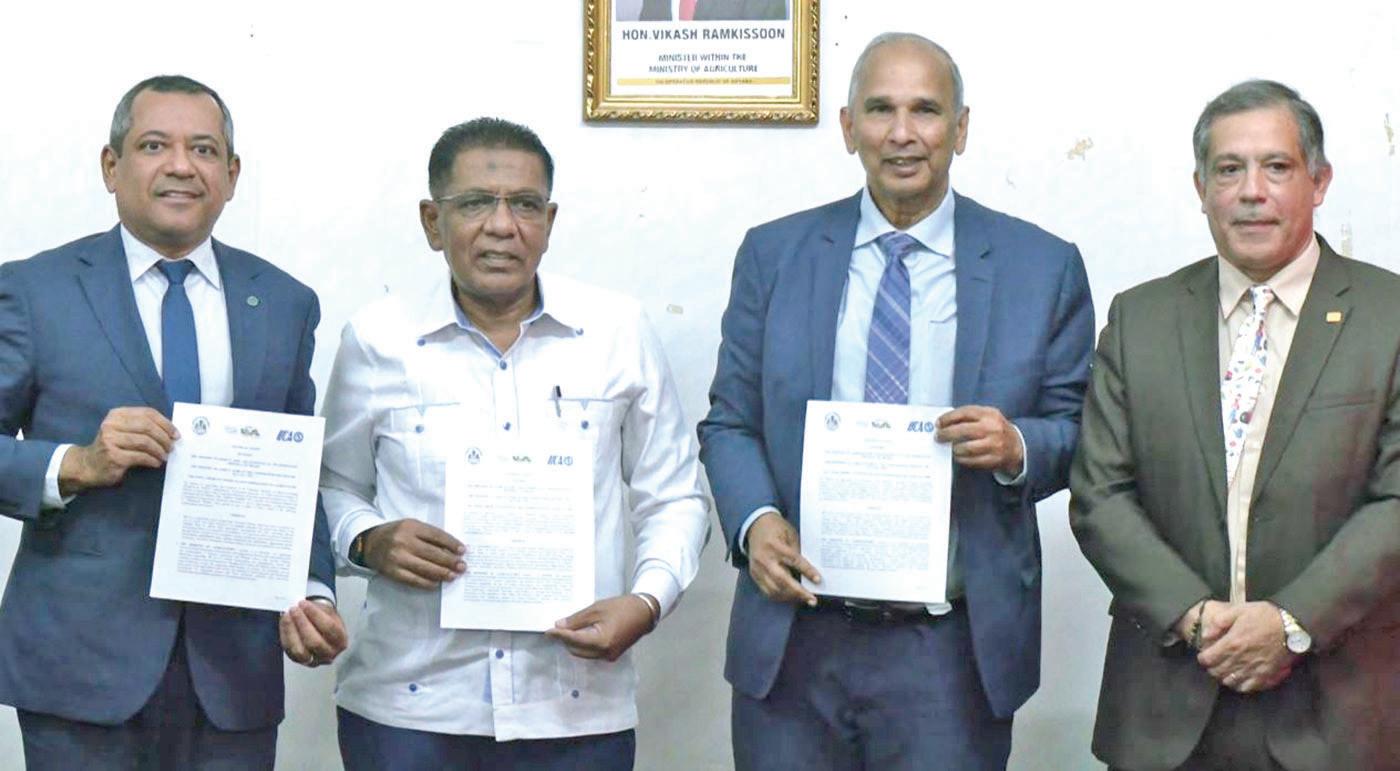
peratures, increased stress, heat, and changes in water distribution. EMBRAPA has laboratories and tools that are very advanced, and it has developed methodologies that are very applicable. EMBRAPA can make the poorest soil produce large quantities of soybeans as well as corn in a low-input mixed-system approach.
He also noted that while there has been significant advancement in innovation and technology, discussions with other officials have focused on facilitating opportunities for young scientists from Guyana and the Caribbean region to receive training at EMBRAPA. He added that the initiative also aims to support the adoption of these technologies within the region, enabling
complementary practices to be scaled up effectively. He further emphasised the need to explore blended finance mechanisms to assist farmers in overcoming existing challenges.
Guyana continues to champion the agricultural agenda within the Caribbean region, driving efforts toward sustainable food security targets. Ibrahim highlighted consistent dedication to the nations’ and region’s farmers, with responsibility for overseeing the country’s rapid agricultural expansion programme and spearheading CARICOM’s 25 by 2025 Plus Five food security agenda.
Transcend borders Meanwhile, Agriculture Minister Zulfikar Mustapha

noted that the hub allows Guyana’s agriculture sector to transcend borders and strengthen key areas, including regional research networks and collaborative partnerships.
“Hosting this hub is a natural extension of that leadership. Our institutions, such as the National Agricultural Research and Extension Institute (NAREI) and the Caribbean Agricultural Research and Development Institute (CARDI), are ready to collaborate as we seek to validate technologies for tropical crops and livestock, strengthen climate-smart
agriculture, improve natural resources management, enhance regional research networks, and build a pipeline of innovations ready for scaling across CARICOM.”
Whilst speaking, he underlined that the Private Sector will also be a key beneficiary and partner in this initiative, stating that the technologies validated through the Hub will enable agribusiness expansion, improve productivity, and unlock new investment opportunities across the region.”
Looking ahead, he outlined plans for Brazilian and Guyanese technical teams to begin preparato-
ry arrangements during the second half of this year. He also underscored the importance of the hub to Guyana and its partners, particularly in advancing climate resilience and sustainable agricultural development.
“In the coming months, technical teams from the Ministry of Agriculture of Guyana and Brazil, EMBRAPA, and IICA will finalise the institutional, operational, and financial arrangements required to commence operations in the second half of this year. [this hub] It will ensure that our farmers have access to the technologies, knowledge, and innovations they need to thrive in a changing climate. Many of you are being affected by climate change; not only as farmers, but even people living in the city are experiencing its impacts. This system will enable us to build regional scientific capacity so that Caribbean countries can generate, adapt, and scale solutions suited to our own tropical realities.”
He added that the initiative traces its roots to agreements reached during Brazilian President Luiz Inácio Lula da Silva’s visit to Guyana, when both countries signed an MoU aimed at expanding cooperation in science, innovation, and technology. He noted that the hub represents the fulfilment of that commitment and is expected to serve Guyana and the wider Caribbean.

UN human rights leader calls for Cuba sanctions to be “lifted immediately”
Volker Turk, the High Commissioner for human rights at the United Nations, has issued some of his harshest criticism yet of the recent sanctions the United States has imposed on Cuba.
On Monday, Turk drew a line between the increasing restrictions on the Cuban economy and reports of heightened death rates, particularly among children.
“Children are dying because doctors lack access to essential medical supplies and medicines. This is unacceptable.” Turk said in a statement.
Such “severe sanctions”, he added, run contrary to the “basic principles of international human rights law”. He called for them to be “lifted immediately”.
Turk’s comments are a direct response to the suite of actions taken under US President Donald Trump to tighten pressure on Cuba, a
Caribbean island that has already weathered a decades-long US trade embargo.
Starting in January, the Trump Administration moved to cut off Cuba’s foreign oil supply, a linchpin for its ageing energy grid. First, it severed supplies of oil and funds from Venezuela. Then, on January 29, Trump issued an executive order declaring Cuba to be an “unusual and extraordinary threat” to US national security.
In the months since, the Trump Administration has continued to layer sanctions on Cuba. In May, for instance, penalties were announced against Cuba’s Interior Ministry, its National Police and its Directorate of Intelligence.
Trump has repeatedly suggested that he is considering military action in Cuba to remove its leadership after the US-Israel war on Iran reaches an end.
(Excerpt from Al Jazeera)
Brazil’s cheap, abundant land has long helped the country’s farmers create vast, low-cost farms, allowing them to wrest export markets from US farmers hurt when China began switching suppliers during President Donald Trump’s tariff wars.
While US farm acreage has not grown this century, Brazil’s has soared about 50 per cent, making it an agricultural powerhouse. But the South American country’s edge is being tested as the US-Israeli war with Iran
sends fertiliser prices soaring.
About a third of the world’s fertiliser flows have been bottled up inside the Strait of Hormuz since the war began. The US produces much of its own fertilisers, but Brazil relies heavily on imports, so many of its farmers have cut back on fertiliser purchases.
Even if the conflict ends tomorrow, industry experts say Brazil’s farmers are in trouble. Already, they are saddled with thousands of acres of farmland producing diminishing returns or even
losses. Many are starting to accumulate significant debt.
In addition, many US farmers have land rich enough to produce decent yields, even if they skip some fertiliser applications for a year. Few Brazilian farmers can do that.
Varying growing seasons are also an issue. Brazil’s spring planting starts in September, so its farmers are currently exposed to soaring fertiliser prices. US farmers were mostly done with their purchases when the war began. (Excerpt from Reuters)
Four Caribbean Community (CARICOM) nationals are among 17 foreigners against whom the Department of Justice (DOJ) says it has filed denaturalisation actions in various US district courts, accusing them of serious offences, including sexual abuse of a minor, wire and bank fraud and distributing drugs wholesale without a licence.
According to the DOJ, the Caribbean nationals are from Jamaica, Trinidad and Tobago (T&T) and Haiti.
US justice officials claim that before his naturalisation in 2016, 30-year-old Ronnie Price of T&T had sexual intercourse with a female who was under 16, a statutory rape crime to which he eventually pleaded guilty.
US authorities also claim
that prior to his naturalisation in 2011, Rodger George Gurdon, a native of Jamaica, engaged in a conspiracy to steal and resell medical products from military hospitals operated by the Department of Defence.
Another Jamaican national, 49-year-old Talman Harris, is accused of conspiring to manipulate the price and volume of shares of stock in publicly traded companies, causing more than US$54 million to be invested in artificially controlled shares and an ultimate loss to investors of approximately US$39 million from the scheme. The charges cover an eight-year period, including during his 2012-2014 naturalisation proceedings.
With respect to Jean Claude Alfred, a native of Haiti, the Justice Department
said that he was naturalised as a US citizen in 1994. Beginning in September 1993, approximately one month before filing his naturalisation application, Alfred repeatedly sexually abused his minor daughter and continued that conduct during the pendency of his naturalisation proceedings. In 1996 a Florida jury convicted Alfred of attempted sexual battery upon a child in a familial or custodial relationship and for committing lewd, lascivious and indecent assault upon a child under the age of 16.
Commenting on the matter, Acting Attorney General Todd Blanche said when criminal aliens exploit the naturalisation process by breaking the law, there are consequences. (Excerpt from Trinidad Guardian)
St Lucia updates Ebola preparedness plan, strengthens border screening
St Lucia is stepping up its Ebola preparedness efforts as regional health authorities enhance screening measures at ports of entry and establish new laboratory testing capacity closer to home.
The Ministry of Health, Wellness and Nutrition said in a statement on Monday that the country is strengthening national surveillance and response systems amid the ongoing Ebola Virus Disease (EVD) outbreak affecting parts of Africa, which the World Health Organization (WHO) has declared a public health emergency of international con-
cern. Among the latest measures is the reactivation of an enhanced travel history screening system across the Caribbean. The Caribbean Public Health Agency (CARPHA), has resumed risk-based screening at ports of entry using the Advanced Passenger Information System (APIS), which flags travellers arriving from or transiting through Ebolaaffected areas.
Health officials said the system is designed to improve the early detection of potential travel-related cases while minimising disruption to travel and trade.
Saint Lucia is also reviewing and updating its national Ebola response plans in collaboration with hospitals and other health stakeholders. Authorities are compiling a comprehensive assessment of the country’s needs to support future procurement and emergency response efforts if required.
The Ministry said training and sensitisation sessions have already been conducted for healthcare workers and representatives from the education, tourism and business sectors as part of broader preparedness activities. (Excerpt from St Lucia Times)
Elon Musk “showing interest” in attending Commonwealth Heads Conference in A&B
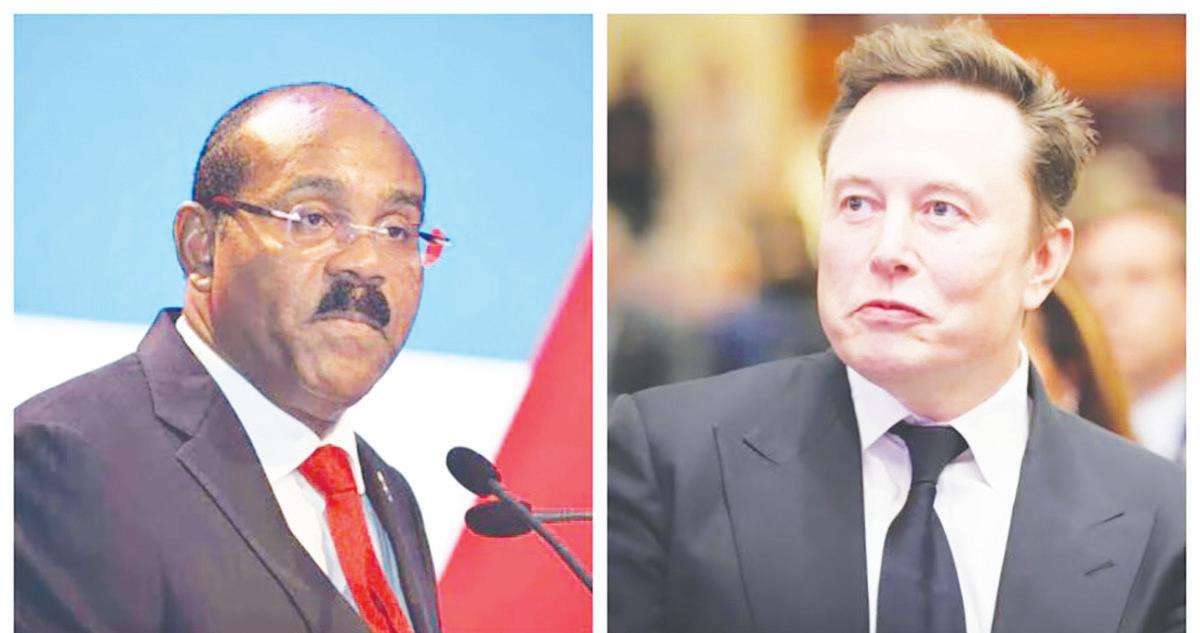
Antigua and Barbuda’s (A&B) Prime Minister Gaston Browne says billionaire entrepreneur Elon Musk has expressed interest in attending the Commonwealth Business Forum (CBF), one of the flagship events scheduled alongside the 2026 Commonwealth Heads of Government Meeting (CHOGM) in A&B.
Speaking recently, Browne said Musk’s participation has not been confirmed but noted that discussions are ongoing.
“I’m told too that Elon Musk is showing some interest in attending the conference as well,” Browne said. “And if we’re able to
get Elon here. Elon, obviously, when it comes to creativity and innovation, I mean, he is a global leader.”
A&B will host CHOGM from November 1 to 4, 2026, under the theme “Accelerating Partnerships and Investment for a Prosperous Commonwealth”. The summit is expected to bring together leaders from the Commonwealth’s 56 member nations, along with Ministers, business leaders, civil society representatives and youth delegates.
Organisers say discussions will focus on climate resilience, trade, innovation, equality and sustainable development, with an
emphasis on strengthening partnerships and attracting investment across the Commonwealth.
The Commonwealth Business Forum, traditionally held on the margins of CHOGM, serves as a platform for Government leaders, investors and private-sector executives to explore investment opportunities and economic cooperation.
Browne suggested that the attendance of globally recognised figures such as Musk could further elevate the profile of the meeting and its business-focused discussions. (Antigua Newsroom)
Power outages were reported across a number of parishes on Tuesday morning, marking the second major electricity failure in a matter of days.
In a release, electricity provider Jamaica Public Service Company (JPS) said customers lost service due to a loss of gas supply to the generating units operat-
ed by South Jamaica Power Company (SJPC).
According to the company, power supply was restored to most affected customers within 30 minutes, and all customers impacted by the outage have since had their service restored.
Observer Online received reports of outages in at least eight parishes, name-
ly Kingston, St Andrew, St Catherine, St James, Clarendon, Manchester, St Mary and St Ann.
The widespread disruption comes less than a week after a rare island-wide blackout left the entire country without power on Friday night. (Excerpt from Jamaica Observer)



Oil stockpiles in the world’s largest economies are headed toward the lowest levels since at least 2003 as inventories are drawn down at a record pace due to the lost output from the Iran war, the US Energy Information Administration said on Tuesday.
Total oil inventories in the members of the Organization for Economic Cooperation and Development will fall to just under 2.3 billion barrels by December, the EIA said, based on its current assumption that marine traffic through the Strait of Hormuz is unlikely to return to pre-conflict levels until early 2027. The OECD stockpile has not been this low since the EIA began keeping records in 2003, the agency said in its monthly Short-Term Energy Outlook report.
The rapid inventory drawdown, which is needed to make up for 11 million barrels a day of lost Middle Eastern output, creates the foundation for a sharp increase in oil prices in the months ahead, the agency said.
Prices for global benchmark Brent crude oil is expected to average around US$105 a barrel in June and July in the spot market, the EIA said, well above the US$91.60 a barrel in the futures market on Tuesday. (Excerpt from Reuters)
Researchers have discovered dozens of ancient human skeletons, with nearly all of their heads severed, in a ditch in central Europe, according to an announcement from Germany’s Kiel University.
Although the 78 skeletons found piled atop one another in Vráble could suggest some kind of massacre took place, the researchers said their analyses so far indicate they were deliberately interred that way, potentially as part of a Neolithic cultural tradition.
The excavation site encompasses what researchers believe were once the locations of 300 houses in three different neighbourhoods during the Neolithic era, one of which was surrounded by the ditch where the skeletal remains were found.
The skeletons were discovered in seemingly random positions, both on top of and
President Donald Trump has authorised a fresh round of attacks against Iran after he accused the country of shooting down a United States military helicopter over the Strait of Hormuz.
“I have just been informed by our great military that last night the Iranians shot down one of our highly sophisticated Apache he-
licopters while patrolling over the Strait of Hormuz,” Trump wrote in a social media post on Tuesday.
“There were two pilots involved; both are safe and uninjured. Nevertheless, the United States must, of necessity, respond to this attack.”
Within hours of Trump’s post, US Central Command (CENTCOM), which over-
sees US military operations in the Middle East, announced it had resumed attacks on Iran, calling them “self-defence strikes”.
Explosions were reported in the southern Iranian port city of Sirik, as well as other sites around the Strait of Hormuz. The US military confirmed it had launched an attack around 17:00h US Eastern time (21:00 GMT).
“The soldiers were safely rescued within approximately two hours and are in stable condition,” CENTCOM said. Iran has not confirmed or denied downing the helicopter, but in an apparent response to Trump’s claim, Foreign Minister Abbas Araghchi called on US forces to withdraw from the region.
(Excerpt from Al Jazeera)
Kenyan Police have shot dead a man during a protest against a proposed Ebola quarantine facility for US citizens.
Patrick Wahome, who has organised protests in Nanyuki against the centre, told Reuters on Tuesday the man died from a gunshot wound to the head. Reporters from the agency saw his body lying motionless in a Police van with a large head wound.
A Police spokesperson said he did not have information about the incident.
Dozens of people had gathered near Laikipia Airbase, the proposed site of the centre in Nanyuki, 120 miles from the capital, Nairobi, some wearing protective equipment
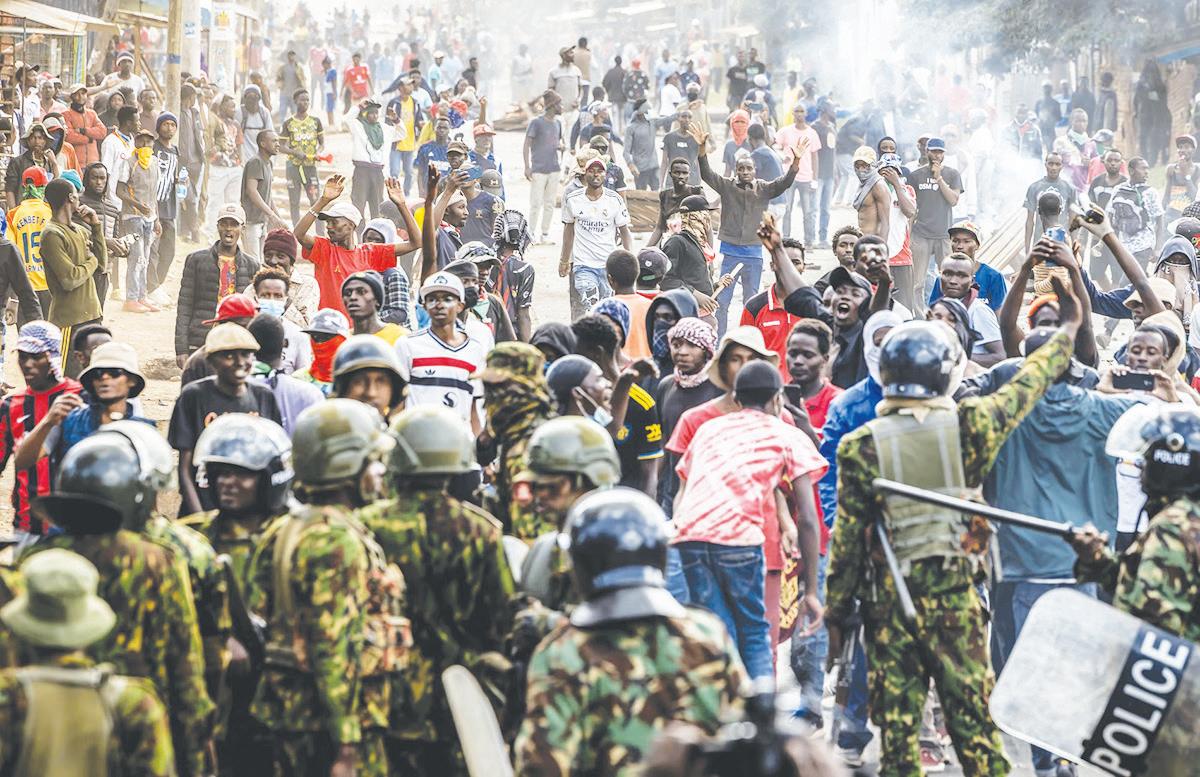
and carrying a coffin with “Ebola” written on it. Several people were arrested, and Police used tear gas to disperse the small crowds.
The non-profit Kenya Human Rights Commission said, X: “Hooded Police officers ... fired live bullets and arbitrarily arrested 19 protesters.”
Protesters have said they
oppose the centre partly on the grounds that they did not want potential carriers of the highly contagious disease on Kenyan soil. There has been rising nationwide anger in recent weeks. Two people were killed during a protest in the town on Monday last week.
The US Government plans to send 30 medical personnel to staff the Nanyuki facility, which, if completed, will have 50 beds.
After a petition by the Kenyan non-profit Katiba Institute, a Nairobi court late last month temporarily blocked the establishment of the facility and the admission into the country of people exposed to Ebola. (Excerpt from The Guardian)
Taliban Police used live fire to disperse a rare protest against the detention of women accused of violating strict Islamic dress codes in the western Afghan city of Herat, witnesses and protesters said.
Medics told the BBC two people died, but did not specify how. A number of others at the protest were injured.
beside one another, and all but one were found headless. Researchers said just one skeleton of a child was uncovered with its skull intact.
They believe the people to whom the remains once belonged were buried shortly after their deaths. It is not clear what happened to the heads, although researchers hypothesised that they could have been kept somewhere separate from the burial site.
Katharina Fuchs, a co-author of the study, said evidence does not suggest that violent decapitations took place. Instead, the skulls appeared to be removed skilfully from the bodies after death. That sets these findings apart from other instances where skeletal remains of prehistoric societies were found to be physically manipulated in similar ways. (Excerpt from CBS News)
Both men and women had taken to the streets days af-
ter local Taliban Government officials reportedly began arresting women perceived to be ”improperly wearing the hijab”.
Police in Herat denied there had been any deaths but have acknowledged they responded to the protest.
It is unclear what methods Police used to break up the protest. Witnesses say the Police opened fire, but the Police did not confirm this when asked di-
rectly by the BBC.
One protester told AFP that the security forces ”used sticks, whips and firearms to disperse the crowd. They even fired shots into the air”.
”Based on what I personally witnessed, a significant number of people were injured,” the photographer said.
The BBC could not independently verify the accounts.
Protests against the Taliban, especially by women,
have been rare in Afghanistan since they retook power in August 2021.
Initial attempts by women to defy the strict new rules brought in to control everything from their clothes to their education petered out, with women telling the BBC they were cowed by officials’ response to their protests – including being beaten, abused, jailed and even threatened with death by stoning. (Excerpt from BBC News)
Alongstanding political stalemate in the US Congress over money for immigration enforcement ended on Tuesday, when the Republican-controlled House of Representatives passed a US$70 billion bill to fund US Immigration and Customs Enforcement and Border Patrol through the remainder of President Donald Trump’s Administration.
The 214-212 vote, which was roughly along party lines, sends the partisan legislation to the White House for Trump’s signature. Representative Kevin Kiley, a former Republican who has recently become an independent, joined Democrats to oppose the measure.
The Republican-led Senate passed the same bill late last week after a marathon voting session. Republicans used a fast-track process known as reconciliation, which allowed
them to circumvent opposition from Senate Democrats. Policy disagreements between Republicans and Democrats over reforms for immigration agents led to a
76-day partial Government shutdown of the Department of Homeland Security earlier this year. The shutdown largely ended in April, after Trump signed a bipartisan bill funding DHS agencies that are not involved in the President’s immigration crackdown through September 30, the end of the fiscal year. Trump repeatedly upended Republicans’ efforts to pass the legislation in the Senate with his support for $1 billion toward security for his White House ballroom and a $1.8 billion ”anti-weaponisation” fund that could compensate his political allies for allegations that the Government mistreated them. (Excerpt from Reuters)








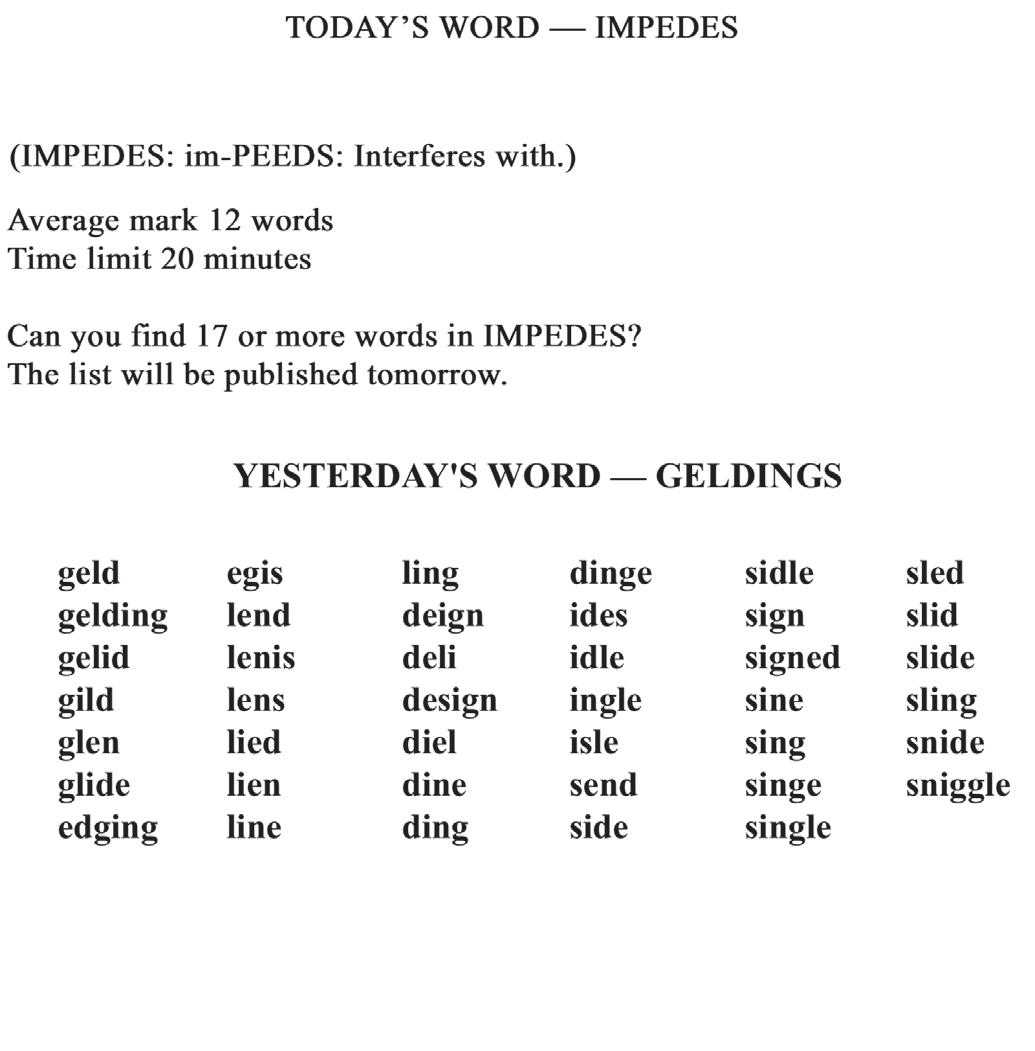





Verify information before passing it along. Someone will give you an overrated opinion that can cost you if you don’t do your homework. Lead the way; when you follow, it always ends in disappointment. Trust your instincts and your attributes to get you where you want to go. Stand your ground and focus on positive change.



You can hide, but you can’t ignore responsibilities. The longer you leave matters unfinished, the more difficult it will be to turn things around. Size up and act accordingly, and you’ll not only feel good about yourself, but you’ll make an impression, gain respect and find a path forward that excites you. A domestic improvement looks promising.











Align yourself with people who share your concerns. Success comes when joint effort and great minds work in conjunction to get the best outcome. The information you gather will change how you feel about some of the people and pastimes you engage in. Let go of what no longer serves a purpose, and free up time for what does.
Work behind the scenes. If you make yourself too readily available, others will take advantage of your skills, eating up your time and ability to do the best job possible. Maintaining your reputation is dependent on how you handle others, uncomfortable situations and your responsibilities. A financial gain or self-improvement is favored.
Plant your feet firmly on the ground and think twice before you jump into anything you know little about. Research is your ticket forward, so don’t scrimp when it comes to positioning yourself for victory. A steady pace will far exceed cutting corners or giving your all. Observe, learn as you go and turn your experience into a work in progress.
Reach out, ask questions and offer solutions. Your input will help you win favors and encourage others to be a help, not a hindrance. Don’t buy into what others do — or pay for their mistakes. Offer a solution and send them on their way. Your strength comes from telling it like it is and taking care of your responsibilities.
Distance yourself from trouble and those who are eager to pick a fight or alter your plans. Pay attention to the changes happening around you and take advantage of the information you gather from reliable sources. Partnerships require monitoring to avoid a misunderstanding or a manipulative situation. Say no to temptation and taking risks.
Push forward with enthusiasm. Do your own thing and gain experience in areas that help you add to your qualifications and skills. An encounter with someone special will change your perspective regarding relationships, lifestyles and how you want to move forward. Personal growth and selfimprovement are favored, and love and romance are on the rise.








Consider the changes you want to make at home or to yourself, and set a strict budget. Refuse to buy into someone else’s vision or lavish attitude. Use your imagination to devise a plan that’s within your means and that will impress those trying to get you to take unnecessarily expensive alternatives. Do the work yourself where applicable.
Opportunities are apparent, but if you let outsiders interfere with your plans, you’ll end up redoing what you don’t like at a high cost. Put your time and energy into hands-on projects that offer both a learning experience and a chance to upgrade your lifestyle. A conversation with someone close to you will change the dynamics of your relationship.
Tidy up loose ends and give yourself a pat on the back. Refuse to let what others do anger you when your energy is best used to satisfy your needs and add to your comfort and convenience. A work-from-home idea will help you branch out in a diverse direction. Keeping up with what’s trending is in your best interest.
A networking event will give you plenty to consider. Someone you encounter will grab your attention personally and professionally, but before you engage in talks that lead to joint ventures, listen, ask questions and consider if you can do better moving forward alone. Don’t pay for what you don’t need. Focus more on self-improvement than on improving others.







Nahid Rana and Mosaddek Hossain combined brilliantly to secure Bangladesh a huge win against Aus-tralia in the first One Day International (ODI) in Dhaka. The 86-run victory, which eventually came via Duckworth-Lewis-
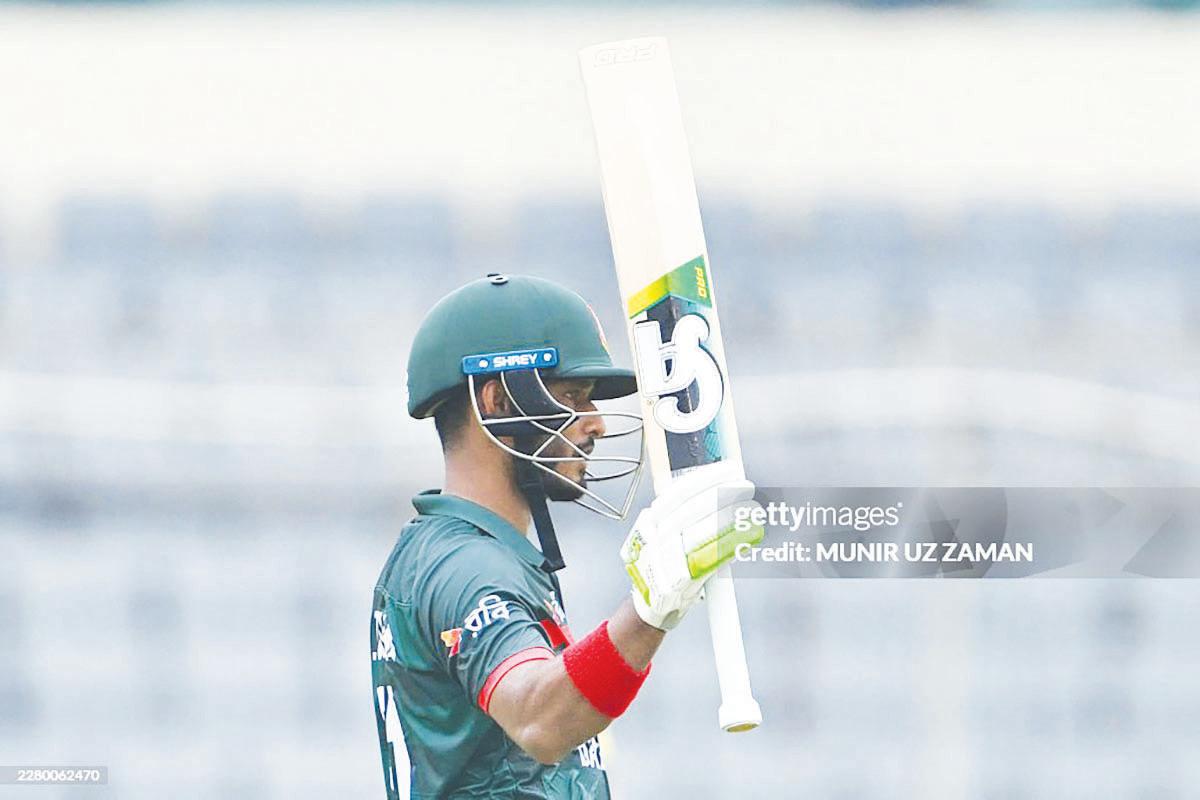
Stern (DLS) due to a thun derstorm, was only the sec ond time that Bangladesh had defeated Australia in this format; their previ ous win was in June 2005, known as the Cardiff Miracle. However, this win 21 years later was far from an up set as Bangladesh continued their impressive home form by completely dominating proceedings.
Mosaddek celebrated his return to the team after four years with an all-round show ing that included an unbeat en career-best 86 and two wickets. Rana, who had tak en three five-wicket hauls in the last three months, claimed four for 41 in a fiery performance where he was clocked at over 150kph.
Australia had a forgetta ble day at the Shere Bangla National Stadium. They dropped four catches and looked unlike themselves in the field. Then they couldn’t
146kph.
Mosaddek’s fine day continued when he removed Cooper Connolly in the 20th over with a delivery from around the wicket which slid into leg stump. Connolly, opening for just the second time in his ODI career, made 35 off 50 balls. Alex Carey was the next to go, nicking Rana to the keeper for 47 when he looked beaten for pace. In the 29th over, Rana bowled one delivery that reached 150kph.
Rana also removed debutant Liam Scott and Xavier Bartlett in the space of two overs. Scott fended off a rising delivery to Tawhid Hridoy, who took a diving catch in front of him at gully, and


Australian seamers. Tanzid played mostly from his crease, as he crashed the ball down the ground whenever it was pitched up. However, they were unable to push on, falling shortly after reaching their first milestones. Tanzid holed out to Bartlett at midon, followed by Shanto chipping to long-off nine overs later. In be-tween, Renshaw had taken a superb caught-andbowled to remove Litton for
Mosaddek and Hridoy batted positively while rotating the strike
Bangladesh (50 ovs maximum)
Saif Hassan c Labuschagne b Ellis 5 Tanzid Hasan c Bartlett b Ellis 54
Najmul Hossain Shanto c Connolly b Renshaw 67
Litton Das †c & b Renshaw 7 Towhid Hridoy c Ellis b Bartlett 31 Mosaddek Hossain not out 86
Mehidy Hasan Miraz (c)lbw b Scott 3 Tanvir Islam c Scott b Ellis 5 Taskin Ahmed c Ellis b Scott 20 (w 6) 6 50 Ov (RR: 5.68, 244 Mins) 284/8
Fall of wickets: 1-10 (Saif Hassan, 1.2 ov), 2-106 (Tanzid Hasan, 16.3 ov), 3-125 (Litton Das, 21.4 ov), 4-140 (Najmul Hossain Shanto, 25.3 ov), 5-215 (Towhid Hridoy, 40.3 ov), 6-219 (Mehidy Hasan Miraz, 42.4 ov), 7-239 (Tanvir Islam, 44.3 ov), 8-284 (Taskin Ahmed, 49.6 ov) Bowling O-M-R-W Xavier Bartlett 10-0-62-1
Nathan Ellis 10-1-38-3
Liam Scott 8-0-57-2
Cameron Green 4-0-31-0
Matthew Short 3-0-14-0
Matt Renshaw 8-0-35-2
Adam Zampa 7-0-47-0
Australia (T: 278 runs from 42.2 ovs)
during their fifth-wicket stand, con-tinuing their impressive form from the DPL. Mosaddek’s first boundary was a straight six off Adam Zampa, although he was lucky, too, surviving dropped catches on 21, 38 and 73. In between, he struck the ball hard down the ground. When he lost Hridoy and Mehidy in quick suc-cession, Mosaddek didn’t panic, adding 65 with the lower order. Taskin supported him with a six and two fours while Mosaddek raced between the wickets whenever there was an opportunity to take a second run. (ESPNcricinfo)
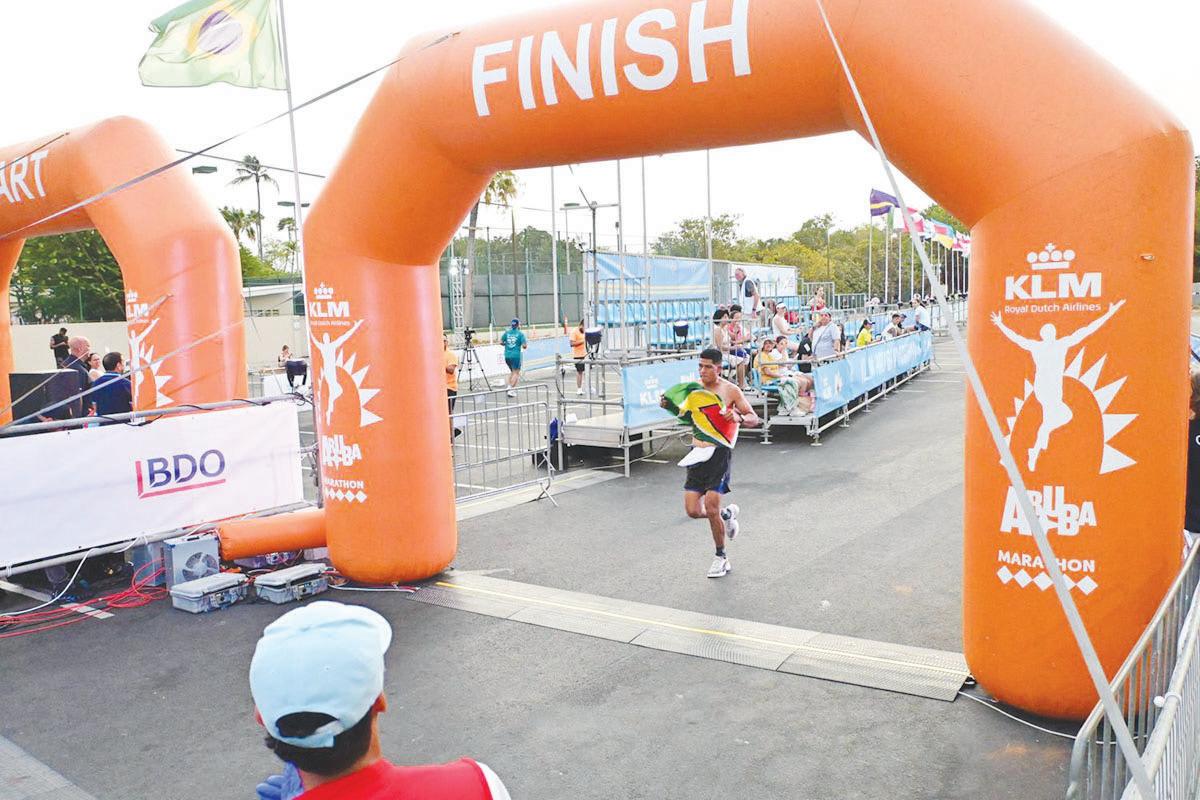
Guyana’s Hicks Mittelholzer produced an impressive performance at the 2026 KLM Aruba Marathon, winning the men’s 25-29 age category and finishing fifth overall among male competitors in the full marathon event.
Competing in the 42.2-kilometre race on Sunday, June 7, in Oranjestad, Aruba, Mittelholzer completed the challenging
course in a time of 3 hours, 18 minutes and 14 seconds. His effort earned him first place in the men’s 25-29 division ahead of Aruba’s Nino Fonville, who clocked 3:20:28, and Niek Nijsink, who finished third in 3:33:52.
Mittelholzer’s time also placed him fifth overall in the men’s standings in a race won by Colombia’s Yhon Rodolfo Escamilla Quitian. Escamilla crossed the fin-
ish line in 2:35:25 to establish a new course record and claim the US$2500 winner’s prize. Jord Broers was second in 2:55:17, Mathias Connan third in 3:13:45 and Sebastian Jaramillo fourth in 3:15:17.
The women’s marathon title was won by American runner Emily Nelson, who completed the course in 3:42:02.
This year’s event attracted a record 3000 registered participants from 42 countries, making it the largest edition of the KLM Aruba Marathon to date.
The full marathon featured a demanding two-loop format. The first loop began in darkness at 03:15h, while the second was completed in daylight alongside runners participating in the shorter race distances. The course followed a tropical coastal route that started and finished near the parking area between the Hilton Aruba Caribbean Resort and the Barceló Aruba Hotel on J
E Irausquin Boulevard in Noord.
Speaking with Guyana Times Sport after the race, Mittelholzer said he was grateful for the result de spite not achieving his tar get time.
“I believe I did well. I’m grateful for the results and grateful for completing the marathon even though the time I got wasn’t what I ex pected,” Mittelholzer said.
He described the race as one of the toughest he has contested, citing the heat and the climb to the light house as significant chal lenges.
“This definitely was a challenging one, especial ly with the heat and the altitude going up to the lighthouse. It was a great ex perience and a strong learn ing opportunity to build my self more and make myself better. I was able to push through, stay focused and stay strong,” he explained.
Mittelholzer noted that pacing and increased mile

Golf has long been viewed as a sport that brings people of all ages and backgrounds together, and at the Lusignan Golf Club (LGC), significant efforts continue to be made to ensure that women have every opportunity to learn, play, and excel in the game.
The club is home to some of Guyana’s most accomplished female golfers, whose achievements have helped inspire a new generation of women and girls to pick up a golf club and discover the many benefits the sport has to offer.
Leading the way is Christine Sukhram, widely regarded as Guyana’s most suc-
cessful female golfer. Playing off a handicap of 10, Sukhram has captured the Guyana Open title an incredible 14 times. Her success has extended beyond Guyana’s borders, with victories in tournaments across Barbados, Trinidad and Tobago, Suriname, New York, and Florida.
The West Indies Academy produced
ting performance on Day
Two of the first four-day match against Sri Lanka Emerging, reaching 273 for five at stumps and trail runs cour sponse first-innings total.
Resuming the day on 302 for eight, Sri Lanka Emerging added a further 54 runs before being dismissed for 356 in 90.2 overs. Wicketkeeperbatsman Anjala Bandara extended his overnight century into a superb 163, struck from 217 de liveries and decorat ed with 19 boundaries.
West Indies Academy’s bowlers shared the spoils, with Johann Layne and Ryan Bandoo claiming three wickets each to prevent the hosts from posting an even larger total.
In reply, the Academy batsmen showed positive in tent throughout the day, with sever al players mak-ing valuable contri butions. Opener Damel Evelyn provided an
aggressive start, scoring 35 from just 29 deliver -

Shaqkere Parris continued the good work in the middle order with a composed 55, ensuring the visi-tors maintained momentum as they chipped away at Sri Lanka’s total. Captain Rivaldo Clarke then took control during the latter stages of the day, producing an unbeaten 72 to keep West Indies Academy
firmly in contention heading into day three. Clarke found useful sup-port from Amari Goodridge, who remained not out on 14 as the pair guided the visitors
For Sri Lanka Emerging, Shakthi Udara was the most successful bowler with three wickets, while Nisa-la Abeyratne and Chamod Battage picked up one
With five wickets still in hand and only 83 runs separating the teams, West Indies Academy will enter day three in a strong position to secure a first-innings lead and put pressure on
Throughout her career, Sukhram has demonstrated that dedication, discipline, and perseverance can lead to success at the highest levels. Her achievements continue to motivate aspiring golfers, particularly young women who may be considering taking up the sport for the first time.
Another standout figure is Dr Joaan Deo; with a handicap of 14, Dr Deo has enjoyed success both locally and internationally, including Guyana Open victories in 2014 and 2016 and the Suriname Open Championship in 2018, where she captured both the Gross and Net titles.
She also etched her name in local golfing history by recording a hole-in-one during the 2008 Ansa McAl Tournament, becoming the only female golfer to achieve that feat in the event’s history. Her accomplishments across numerous prestigious tournaments have earned her widespread respect throughout the golfing community.
Adding to Guyana’s growing list of female golfing stars is Shanella London, who currently plays off a handicap of 10. London has established herself as one of the country’s leading competitors, winning the Guyana Open four times.
Her achievements in Suriname have also been noteworthy. She became the first Guyanese woman to win the A-Flight Championship in 2016 and has gone on to secure multiple Suriname Open victories. Most recently, she delivered an outstanding performance at the 2025 Suriname Open, earning Best Gross Female honours and capturing the Longest Drive title on both tournament days.
While these golfers have reached impressive heights, Lusignan Golf Club believes that golf is not reserved for elite athletes. The club is actively encouraging more women

and girls to get involved in the sport, emphasising that golf is a game that can be learnt and enjoyed by anyone, regardless of age or experience.
Unlike many sports that require intense physical contact or years of training before participation, golf is a sport that beginners can start learning almost immediately. With basic instruction and regular practice, new players can quickly develop the skills needed to enjoy the game recreationally or competitively.
The club offers a welcoming environment where newcomers can learn the fundamentals, build confidence, and develop at their own pace. Experienced players are often willing to share their knowledge, creating an atmosphere that is supportive, inclusive, and encouraging for beginners.
Beyond competition, golf provides numerous benefits, including exercise, mental focus, discipline, social interaction, and opportunities to build lasting friendships and professional networks. These qualities make it an ideal sport for women and girls seeking both personal development and recreation.
The success of Christine Sukhram, Dr Joaan Deo, and Shanella London demonstrates
what is possible when talent is nurtured and opportunities are provided. Their achievements serve as powerful examples that women can excel at every level of the game.
As Lusignan Golf Club continues its mission of growing the sport in Guyana, it remains committed to creating opportunities for women to learn, participate, and compete. The club welcomes women and girls who have never played before and encourages them to take the first step into a sport that is rewarding, enjoyable, and accessible to all.
With role models such as Sukhram, Deo, and London leading the way, the future of women’s golf in Guyana has never looked brighter.

Guyana’s Under-19
Head Coach Kumar
Bishundial has outlined fitness, mental preparation, and team unity as key priorities as the national youth squad gears up for the Cricket West Indies (CWI) Regional Under-19 Tournament in Antigua from July 7–23, 2026.
Speaking on the team’s ongoing preparations in Essequibo, Bishundial said the primary objective of the training camps is to ensure the players are in peak condition both physically and mentally while fostering strong camaraderie among them.
“Our primary objective is basically to get the guys in shape both mentally and physically, while also building good team cohesion and camaraderie among the squad,” Bishundial explained.
However, the coach admitted that preparations have been hampered by unfavourable weather condi-tions, which have disrupted the initial training sessions.

“It has been badly affected so far, as the weather hasn’t been favourable. The first encampment started this weekend, and it’s not looking good at the moment. We’re hop-
ing for some good weather to prevail in the future encampments,” he said.
Despite the challenges, Bishundial expressed confidence in the talent available
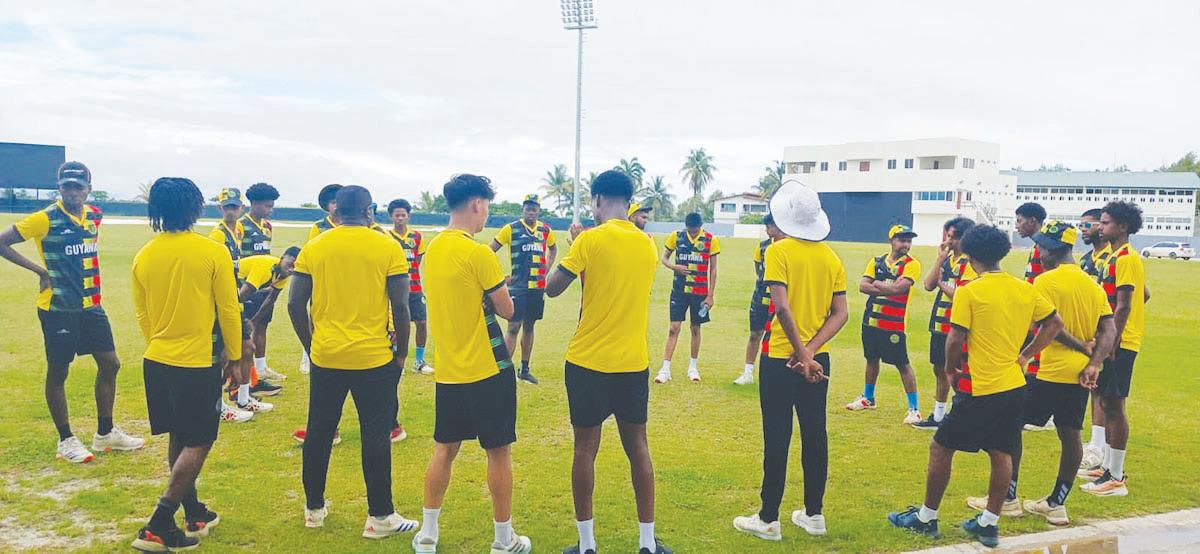
within the squad, not-ing that many of the players have developed strong relationships through years of competing together at the youth level.
Bishundial told this publication, “Oh yes, most definitely. I’m pleased with the talent and skillset these guys have. It is just for us to sharpen them and get them prepared ahead of the tournament. It’s a re-ally good bunch of guys, and most of them have been play-
ing together for a while now at the youth level, so that’s an added boost.”
Looking ahead to the regional competition, Bishundial emphasised the importance of teamwork, dis-cipline, and adaptability if Guyana is to achieve success in Antigua.
“For us to be successful, we have to stick together as a team and express ourselves in the games while showing good discipline, determination,
and dedication. We also have to adapt to the conditions in Antigua as early as possible,” he reasoned.
Guyana will be aiming to make a strong impression at the regional tournament, with the coaching staff hopeful that continued preparation and improved weather conditions will allow the team to finetune its skills before departing for Antigua.
Queens College (QC)
captured the Youth Basketball Guyana (YBG) Geo City Regional title on Sunday after de -
feating Tutorial High 3728 in the championship game at the Cliff Anderson Sports Hall (CASH). The final was a close -
ly contested affair, but QC produced a disciplined performance on both ends of the court to secure the regional crown. Darren

The One Day International (ODI) series between the West Indies and Sri Lanka saw only one match being completed. Rain abandoned the remaining two, and Shai Hope and his team had little to reflect on.
According to the West Indies white-ball Captain, Hope, it is time for the West Indies to look forward to the T20I series and put in some solid performances.
“It’s quite frustrating for the series to end this way. There are certain things you can’t control. You can’t control Mother Nature and the weather. We still have to look at the learnings from that first game. You al-
ways want to be on the winning side because you can’t control what happened in the last two games. I must say the guys played well in patches, but there are still areas we can improve on. In a situation where only one game is played, it’s always difficult to get back into the series when you’re 1-0 down.”
“Credit must be given to the Sri Lankan team for the way they played in that first game. Unfortunately, we couldn’t get the other two games in,” Hope said.
Hope noted that it is important for the team to adapt and conquer conditions in Jamaica.
“We just have to look
ahead and focus on what’s in front of us now. We need to understand the conditions as best as we can. We got a taste of it in the first game. Adaptability is going to be very key for us, especially in these conditions here in Jamaica.”
“The guys have been playing for quite some time now, so it’s about understanding what we need to do to get over the line against the Sri Lankan team. Hopefully, we can bounce back in this series and make it a winning one for us,” the West Indi’s skipper said.
The first T20I bowls off on Thursday, June 11, at Sabina Park, Jamaica, from 20:30h local time.
Dublin led the champions and was rewarded with the tournament’s Most Valuable Player award after contributing 12 points and three rebounds in the final.
He received support from Deshaun Garrick, who finished with eight points and seven rebounds, while Liam Bart also scored eight points to help QC maintain control of the contest.
Tutorial High fought hard throughout the game but was unable to overturn the deficit. Keion Lynch led their scoring with 10 points, while Julian Charles added nine points. Xavier Scott made a strong defensive contribution with five rebounds and an impressive eight blocks.
Earlier in the day, St Rose’s High secured third place with a convincing 57-29 victory over The Bishops’ High School A team.
Shaquan Callender produced an outstanding allround display for St Rose’s High, finishing with 16 points, three rebounds and five steals to earn the Player of the Game award. Christian Williams also scored 16 points in the winning effort.



For The Bishops’ High A, Kemol Pickering recorded a double-double with 12 points and 10 rebounds despite the defeat.
The regional competition was sponsored by Edward B Beharry Ltd, G-Boats Inc, the National Sports Commission, the Ministry of Education, and Banks DIH Ltd.


Flexibility and consistency proved to be the winning formula for Ashley Khalil as she overcame a disrupted training schedule to se -

cure the 2026 Women’s National Squash Championship at the National Racquet Centre on
While many athletes rely on months of uninterrupted preparation heading into a national championship, Khalil revealed that her path to victory was far from ideal.
“Preparation for the championships was a little different this year due to personal commitments requiring me to adjust my training schedule,” she disclosed.
The experienced campaigner admitted that her court time was limited compared to previous years, but she found other ways to remain competitive.
“This time, I wasn’t able to spend as much time as I would have preferred on court, but my focus on staying consis -
tent with my fitness routine and daily activity kept me in the game.”
Khalil credited years of dedication to the sport for helping her navigate the challenges.
“I made the most of the time I had available and fell back on the work I had put in over the years.”
The national title was especially meaningful given the circumstances surrounding her preparation.
“I’m incredibly grateful to have won the 2026 nation al title. For me, every cham pionship follows unique hurdles that make the win special.”
She also paid tribute to the support network that has played a major role throughout her career.
podium once again, Khalil remains focused on the future rather than dwelling on the accomplishment.
“I’m very proud of the result but still mindful that there is more work to be done ahead.”
That work, she says, will be geared
tinuing to improve in the sport and represent Guyana to the


“This title reminds me how grate ful I am for my community of constant support, my family, coaches, physios, training partners and everyone who gives words of encouragement along the way.”
Despite standing atop the national

ness, movement, and consistency will be pares for her next chapter on the international month, the