
















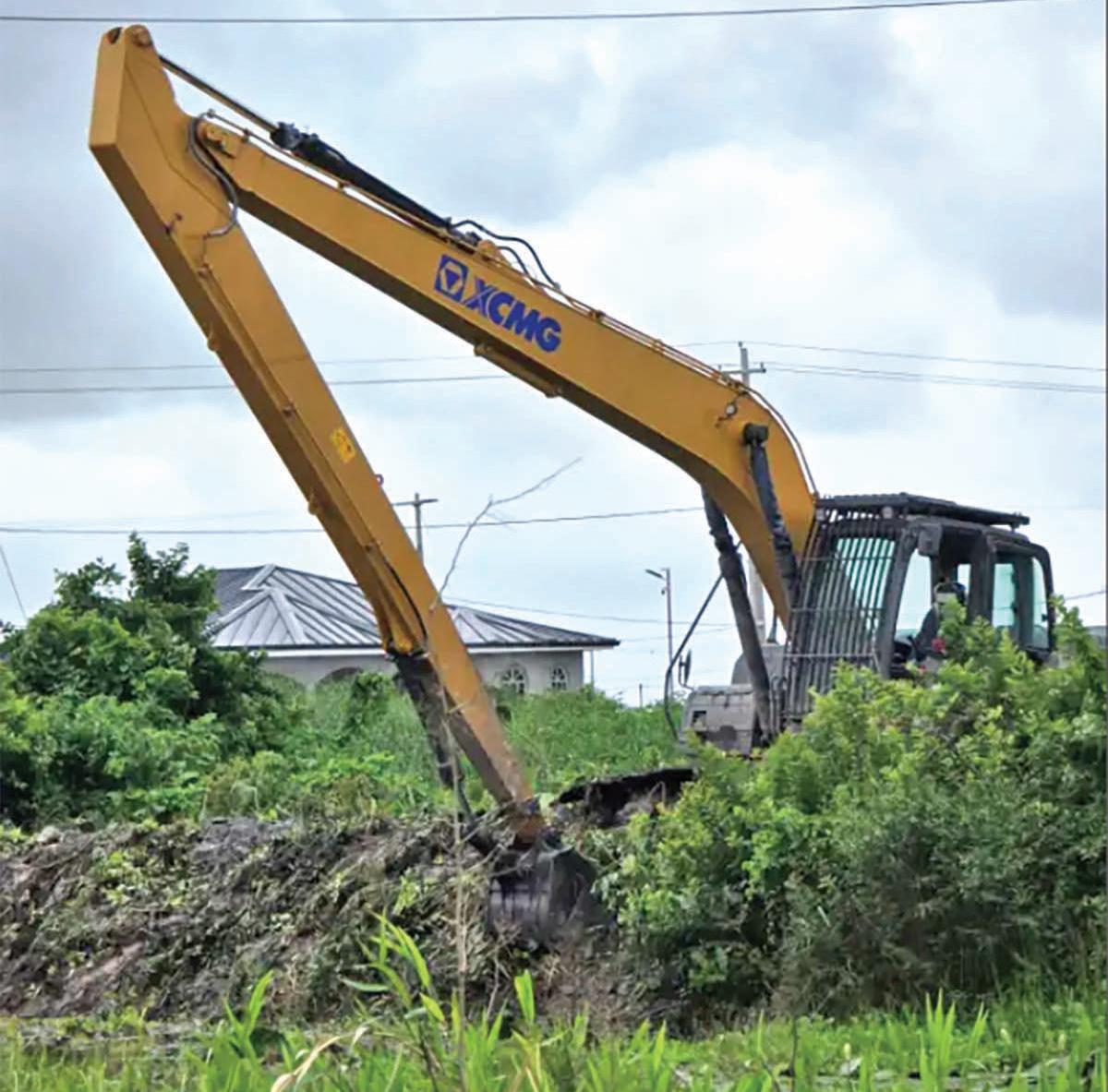
The Guyana Power and Light Inc (GPL) will be pursuing costs from S. Joseph Transportation and Machinery Rentals, after one of its excavators damaged a transmission line, causing widespread power outage on Monday.
According to a statement from the power company, at around 10:17h, the L1 Transmission Line, which interconnects the Garden of Eden and Grove Substations, experienced a system disturbance. The disturbance resulted in the Garden of Eden and Grove Substations going offline, creating an estimated 37-megawatt deficit on the network. This led to widespread service interruptions across sections of Demerara and Berbice, leaving thousands of customers without electricity supply.
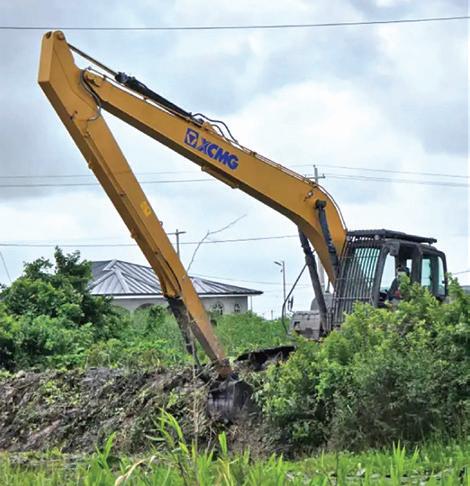
Following a line inspection, GPL’s technical teams determined that an excavator operating at Grove, East
Bank Demerara, came into contact with the transmission line, causing damage to critical transmission infrastructure and triggering the disturbance.
The excavator was being operated by Garfield Hinds at the time of the incident.
According to GPL, repowering efforts commenced immediately following the disturbance, with teams working diligently to safely restore electricity supply to affected customers. Restoration progressed incrementally until the final affected area was successfully repowered at approximately 11:37h, the company said.
Compensation
GPL said it has since commenced a formal investigation into the disturbance and the circumstances surrounding the incident. Additionally, it noted that the contractor responsible will be pursued for compensation to recover the costs
associated with damages caused to the transmission infrastructure.
In its statement, GPL reminded contractors and members of the public that any excavation, construc-
tion, or heavy-duty operations near the company’s transmission and distribution infrastructure must be properly coordinated to ensure safety and protect the reliability of the electricity
network.
“Unauthorized or unsafe activities near GPL’s infrastructure can result in significant service disruptions, damage to critical assets, and pose serious risks to public safety,” the power company cautioned.
Just last month, GPL said it was seeking over $30 million from construction company, China Railway First Group (Guyana) Incorporated, after it caused damages to a transmission line whilst conducting works at Sophia, Greater Georgetown.
That incident had also resulted in widespread power outage countrywide.
GPL’s investigations confirmed that an excavator came into direct contact with the L10 Transmission Line linking the New Georgetown and Sophia Substations, resulting in a significant disruption of electricity supply
to tens of thousands of customers across multiple communities.
GPL had given the company 14 days to make the payment. Up to press time, it is unclear if the sums were paid.
In recent years, there have been mounting concerns about the repeated damage to utility infrastructure, especially by road construction works as well as by vehicular accidents.
In March, during a hearing before the Public Utilities Commission (PUC) Chairman Dr Nanda Gopaul had called for those responsible to be held financially accountable for the damages they caused.
In response, GPL’s team leader, Kesh Nandlall, had explained that the power company has been working with the Police force to ensure those offenders face legal action.









The Berbice Bridge will be closed to vehicular traffic on: Tuesday, May 19 –05:30h-07:00h and Wednesday, May 20 – 06:25h-07:55h.
Parika and Supenaam departure times – 05:00h, 10:00h-12:00h, 16:00h, 18:30h daily.
Thundery showers are expected during the day and at night. Temperatures are expected to range between 23 degrees Celsius and 28 degrees Celsius.
Winds: North-Easterly to East-North-Easterly between 3.13 metres and 4.92 metres.
High
Low










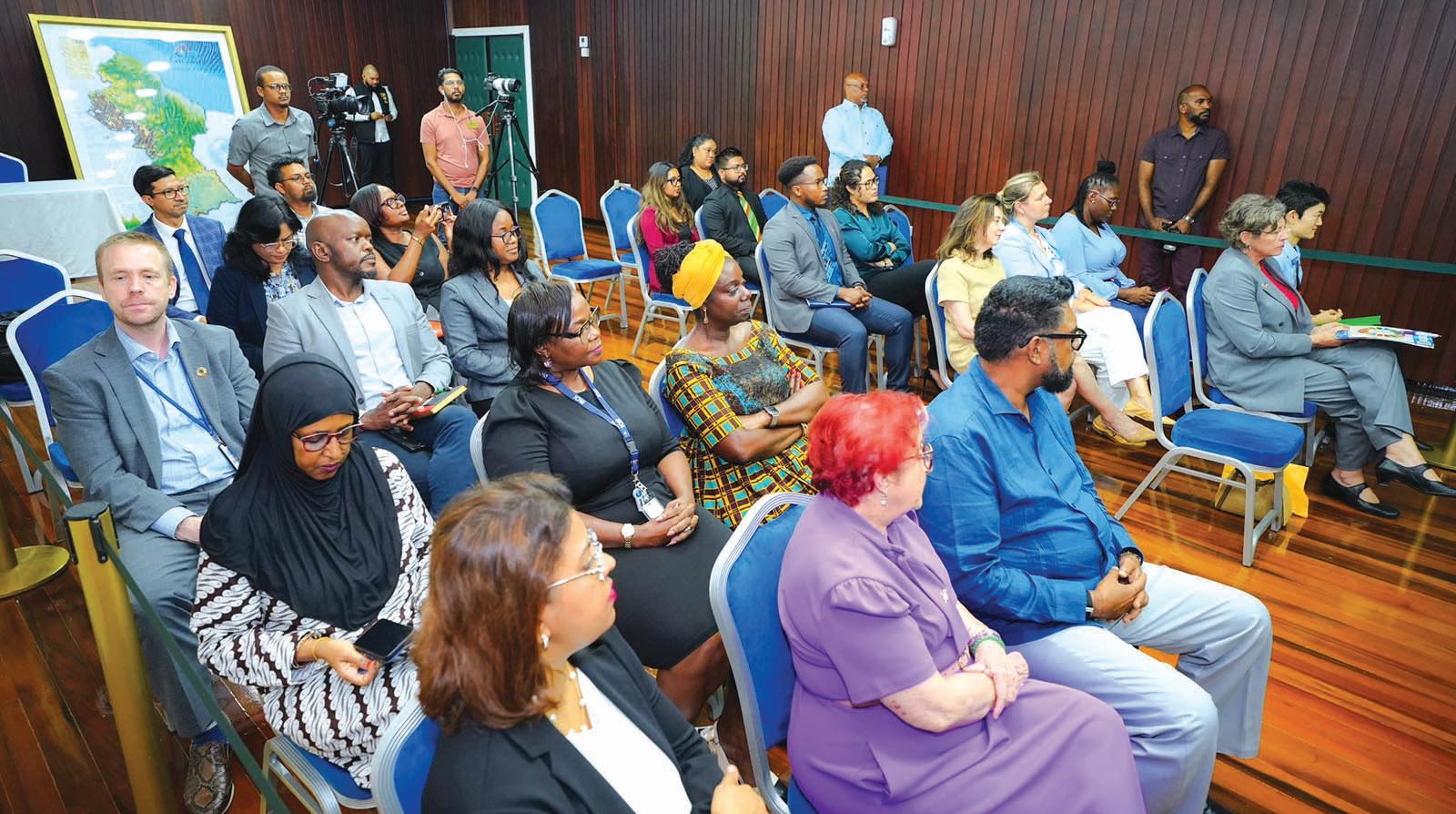
he Government of Guyana and the United Nations in Guyana have signed a Declaration of Intent (DOI) to formalize the United Nations’ participation in the Global Biodiversity Alliance, strengthening cooperation on biodiversity conservation, sustainable development, climate resilience, and global knowledge exchange.
The DOI is a formal agreement between the Government of Guyana and the United Nations that officially brings the UN into the Guyana-led Global Biodiversity Alliance. It serves as a framework to integrate biodiversity into national planning, enhance global data-sharing, and protect ecosystems.
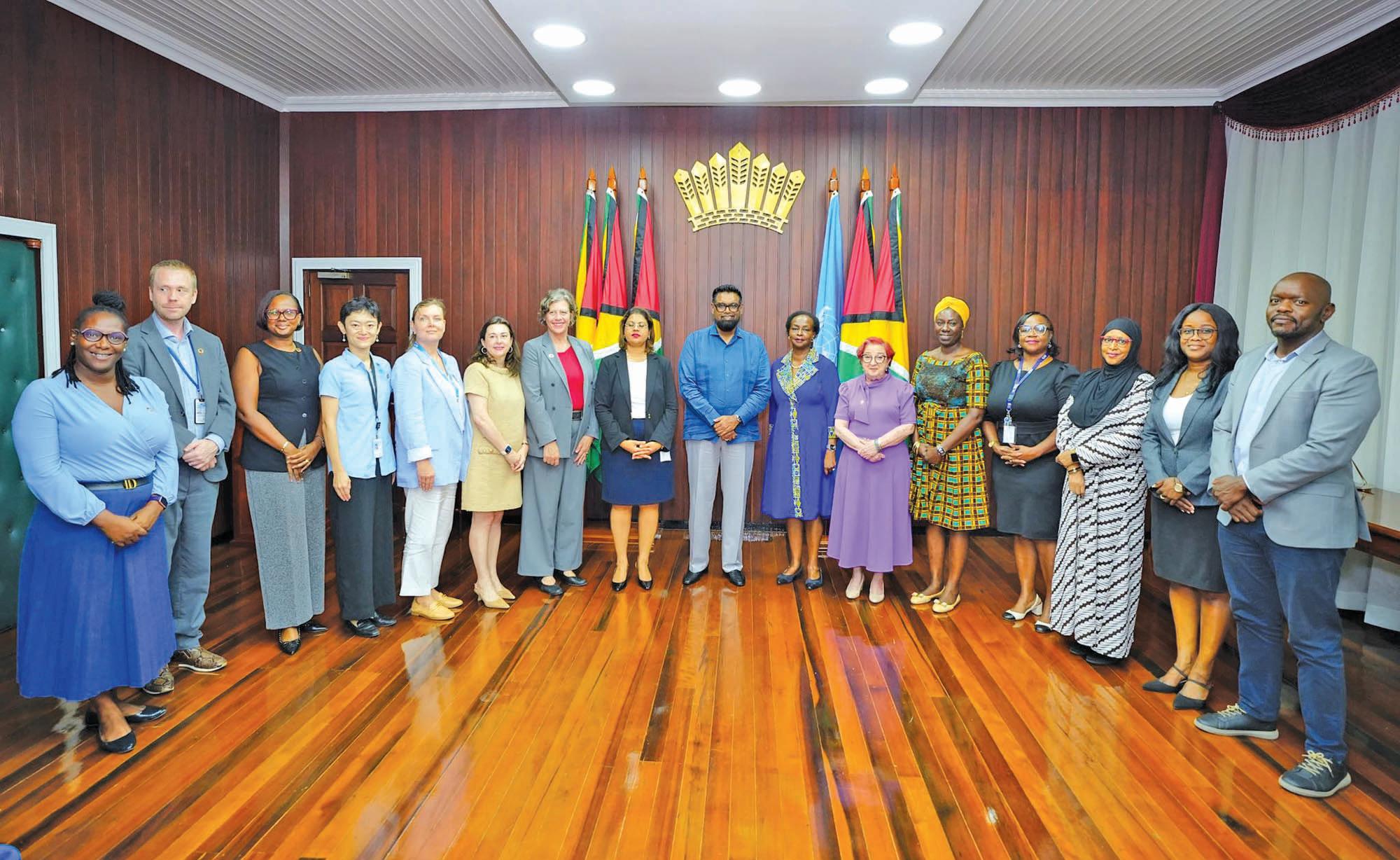
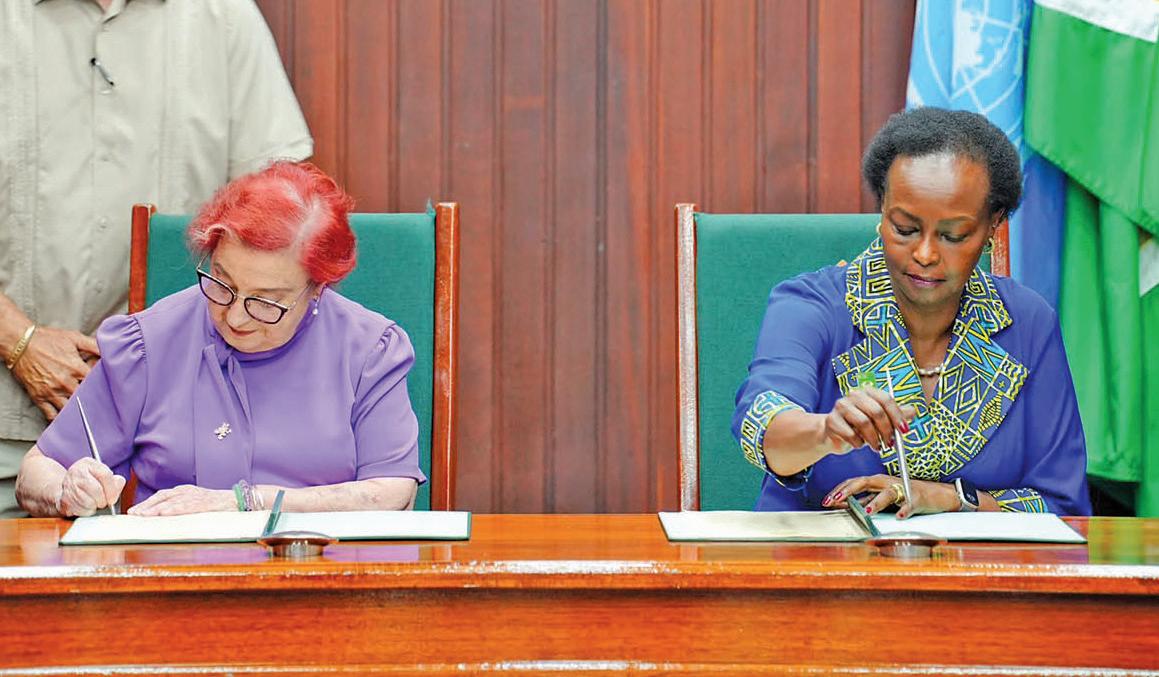
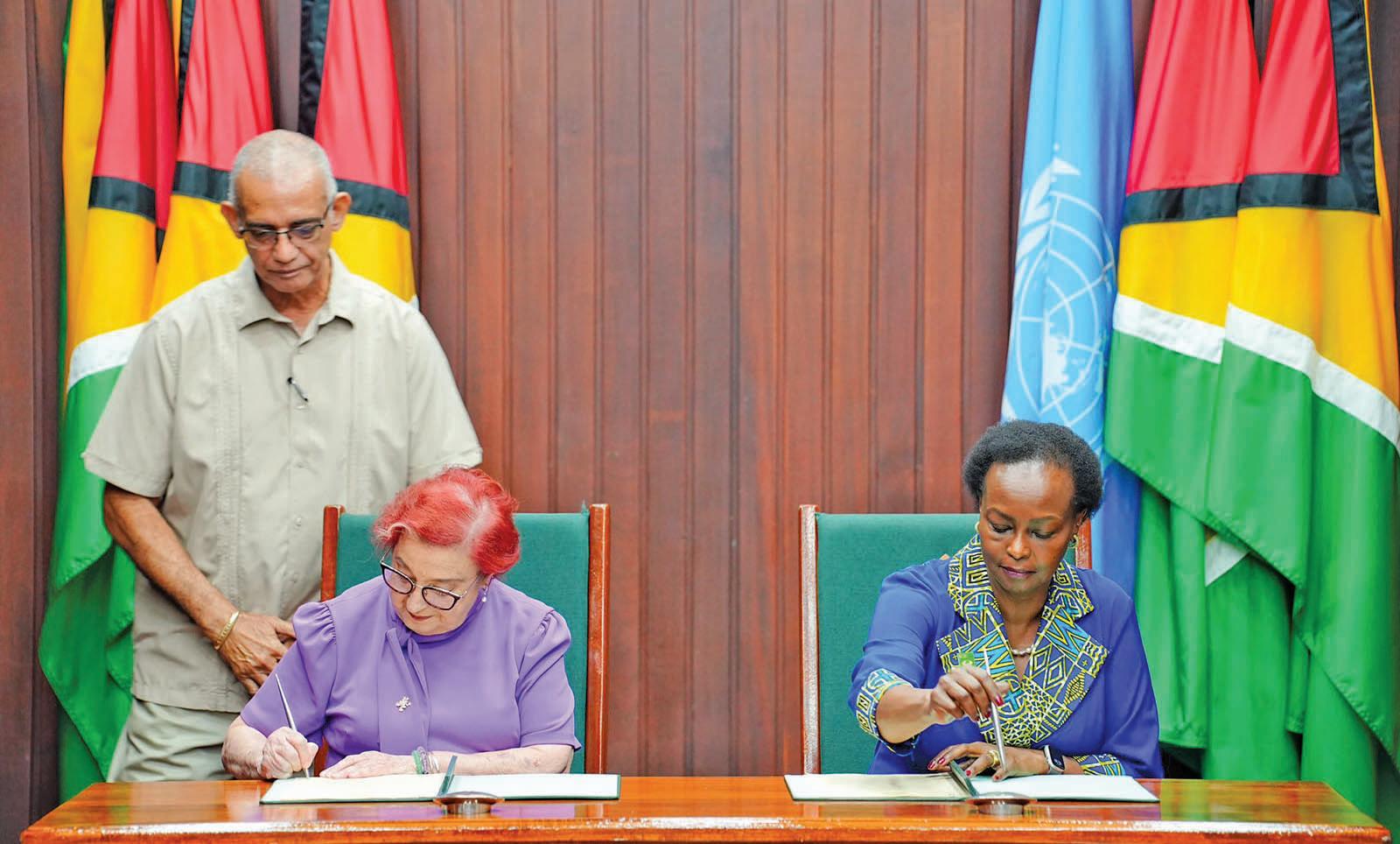
Parliamentary Affairs and Governance Minister, Gail Teixeira and UN Resident Coordinator, Jean Kamau signed the agreement on Monday at a ceremony, hosted by President Dr Irfaan Ali at the Office of the President.
Expressing satisfaction with the growing number of nations joining the alliance, President Ali said he foresees even greater participation at the next summit.
“We are very pleased that some of the very large nations are joining, and also that some of the smallest nations are embracing this initiative. We hope that by the time we get to the second summit in the third quarter of this year in Guyana, we will have at least 150 members joining the Global Biodiversity Alliance,” he stated.
During his address, the Head of State referenced remarks made by António Guterres, who warned that biodiversity is collapsing at a rate unprecedented in human history.
“With up to one million species now at risk of extinction, the rapid loss of the world’s biodiversity is a direct threat to food security, water systems, public health, and the global economy. We hope that we will continue to work together with the right data sets and the right priorities in advancing the goals of the United Nations, and
of course what we want to achieve as a country together with you. Humanity is
“Biodiversity protection must therefore be integrated into agriculture, infra-
which seeks to move biodiversity from the margins of policy into the mainstream of global development decision-making,” he noted.
It was on this basis that President Ali said the participation of the United Nations strengthens the institutional depth of the Global Biodiversity Alliance and affirms that the initiative is not regional or thematic, but part of a broader global movement to reshape humanity’s relationship with nature.
However, while the alliance is continuing to gain significant traction and international endorsement, reflecting growing recognition that biodiversity loss is one of the defining challeng-
waging a war on nature,” the President said.
The Head of State also championed the integration of biodiversity protection into multiple sectors.
structure, energy, tourism, urban planning, and national economic policy. This approach aligns directly with the core philosophy of the Global Biodiversity Alliance,
es of modern times, equal in urgency to climate change, the president stressed that much more still needs to be done.



Editor: Tusika Martin
News Hotline: 231-8063 Editorial: 231-0544, 223-7230, 223-7231, 225-7761
Marketing: 231-8064 Accounts: 225-6707
Mailing address: Queens Atlantic Industrial Estate Industrial Site, Ruimveldt, Georgetown
Email: news@guyanatimesgy.com, marketing@guyanatimesgy.com
The question of youth engagement in Guyana has moved beyond the traditional concern of access to opportunity and now firmly rests on the equally critical issue of effective communication, absorption and sustained participation. While a wide spectrum of programmes exists across Government sectors aimed at empowering young people, the central challenge is no longer the absence of initiatives but the extent to which these initiatives are understood, internalised, and acted upon by the intended beneficiaries.
Minister within the Culture, Youth and Sport Ministry, Steven Jacobs has drawn attention to this evolving reality, underscoring that youth across Guyana remain active participants in various sectors, yet often remain insufficiently engaged with the full range of opportunities available to them. This distinction is important. It signals a shift from supply-side policy delivery to demand-side information uptake, where the effectiveness of governance is increasingly measured not only by programme creation but by outreach precision and public responsiveness.
At the heart of the issue lies a modern communication dilemma and, in an era, defined by rapid digital consumption, fragmented attention spans, and constant informational overload, the challenge is not merely dissemination but absorption. Government Ministries may publish, promote, and circulate opportunities across multiple platforms, yet visibility does not automatically translate into comprehension or participation. The Minister s observation that young people themselves contribute to the circulation of information is valid, but it does not fully resolve the deeper concern of selective engagement, where only portions of available opportunities reach different segments of the youth population.
The Government s ongoing investment in youth development programmes across agriculture, labour, education, and digital learning reflects a comprehensive and multi-sectoral approach to empowerment. Initiatives that encourage youth participation in agriculture and entrepreneurship, alongside expanded access to education and skills training, demonstrate a sustained policy commitment to equipping young people with tools for economic and social advancement. However, even the most robust policy framework can be undermined if communication strategies fail to match the behavioural realities of the target audience.
The Minister s recognition that distraction plays a defining role in limiting youth engagement is particularly salient. Contemporary youth culture is shaped by competing narratives, ranging from entertainmentdriven content to misinformation and social media noise. Within this environment, structured opportunities often struggle to maintain prominence unless delivered through equally-compelling formats. The challenge, therefore, is informational competitiveness.
In this context, the Government s consideration of more creative methods of engagement represents a necessary and timely policy evolution. Traditional dissemination models, while still relevant, are increasingly insufficient on their own. Interactive platforms, visual storytelling, peer-led communication, and experiential learning environments offer more effective avenues for capturing attention and sustaining interest. The proposal to leverage youth conferences as engagement platforms is especially noteworthy, as such forums allow for direct dialogue, peer interaction, and multi-sector exposure in a consolidated setting.
Youth conferences can serve as more than informational sessions. They can function as mobilisation hubs where policy meets participation, and where abstract opportunities are translated into tangible pathways. Breakout sessions, skills demonstrations, and direct engagement with Government Ministries can bridge the gap between awareness and action. More importantly, such spaces can foster ownership among young people, ensuring that development programmes are not perceived as external interventions but as participatory national projects.
The emphasis on cross-sector ministerial communication within these engagements also reflects sound administrative logic. When education, labour, agriculture, and cultural development initiatives are presented in a coordinated manner, the interconnectedness of national development becomes clearer to youth audiences. This integrated approach reduces fragmentation and allows for a more coherent understanding of how individual opportunities contribute to broader national progress.
However, there is also a role for civil society, educational institutions, and Private Sector actors in reinforcing youth engagement strategies. Schools, community organisations, and media platforms must function as amplification channels that reinforce, contextualise, and sustain Government messaging. Without this ecosystem of reinforcement, even the most innovative outreach strategies risk limited reach and short-lived impact.
The implication of the Minister s position is that youth engagement in Guyana is entering a new phase, one defined by the complexity of communication. As the country continues to experience economic expansion and social transformation, ensuring that young people are active participants becomes essential for long-term national stability and productivity.
Ultimately, the Government s exploration of creative communication strategies is pragmatic. It acknowledges that policy success is increasingly dependent on behavioural engagement as much as structural provision. By adapting outreach methods to align with contemporary youth behaviour, there is greater potential to transform awareness into action, and participation into sustained development outcomes.
By Ange-DAviD BAïmey AnD mónicA vArgAs collAzos
More than two months into the US-Israel war on Iran, it appears we are veering towards another global food crisis. The conflict is driving up the costs of fuel, fertilisers, plastics and transport, resulting in higher food prices for communities from Manila to Quito. And now food production is at risk, with upwards of 20 per cent of global fertiliser exports unable to move through the Strait of Hormuz and shipments of natural gas and sulphur, vital to the production of fertilisers elsewhere, blocked.
International agencies are particularly concerned about the implications for Africa, where hundreds of millions face food shortages and where many countries are highly dependent on food imports. Now, some high-level officials at development banks are calling for urgent actions to secure more fertilisers for African countries in order to deal with the looming crisis.
We have been here before. During the global food crisis of 2008, the same development banks and many African Governments pushed through a wave of programmes that handed vast areas of Africa’s lands to agribusiness companies and subsidised chemical fertilisers, for both small and big farmers.
Some of these large-scale projects failed spectacularly, leaving a trail of destruction that communities have yet to recover from. But so, too, did subsidised fertiliser schemes. In many cases, they were unable to significantly increase fertiliser use per farmer or reduce hunger, and left Governments drowning in debt. Malawi, for example, spent so much on subsidising
fertilisers at the time that it had to cut its budget for public infrastructure and education.
The dilemma for these fertiliser programmes, time and again, is price. Fertilisers are not just expensive in Africa; they are more expensive than in most other places. The corporations and traders that control the fertiliser market make profit margins of 30-80 per cent across the continent. When global prices rise, they jack their prices up even further and then keep them there as prices fall back elsewhere. Farmers, even at subsidised prices, struggle to meet their costs of production. To avoid debt, they have to use less fertiliser or none at all.
Africa’s high dependence on fertiliser imports makes the situation worse, depleting scarce foreign reserves to pay an overseas fertiliser cartel. And when global supply shocks hit, like today, African countries may be unable to even access any fertiliser from the international market.
Efforts to boost production on the continent bring their own challenges. Billionaire Aliko Dangote runs Africa’s largest urea fertiliser factory in his home country, Nigeria. It ships most of its urea to the United States and Brazil, and what it sells on the domestic market, or in other African countries, reflects the prices it can get internationally. In early March, just one week after the US and Israel began their assault on Iran, Dangote’s company hiked its urea prices by 40 per cent.
Building more fertiliser factories in Africa will also mean more toxic pollution for local communities. People living near the phosphate factories of the Groupe Chimique Tunisien in Gabes, Tunisia, have been fighting for years to shut it down because of how
the pollution is damaging people’s health, land, and waters. And the impacts are not just local. Chemical fertilisers are one of the leading contributors to climate change, responsible for more global greenhouse gas emissions than air travel.
We must look at this moment in an entirely different way. Rather than boosting African fertiliser production to replace what’s blocked in the Gulf, Governments across the region should urgently redirect subsidies and policy initiatives to support agroecology.
The fact is that, for much of Africa, local foods are produced without chemical inputs. Farmers don’t use them for traditional crops like cassava in West Africa, sorghum in the Sahel, or banana around the Great Lakes. They are often reserved instead for cash crops, for export.
Furthermore, across West and North Africa, farmers’ organisations are advancing agroecological methods that avoid chemical fertilisers. Groups such as Beo-neere, the Convergence des Femmes Rurales pour la Souverainete Alimentaire, and the Nous Sommes la Solution movement support tens of thousands of farmers across several countries. In Tunisia, the Network for Agroecological Transition and the Tunisian Association of Permaculture promote fertiliser-free food systems, including the “Nourriture Citoyenne” (citizen food) label for produce grown without chemical inputs.
Evidence shows that agroecology can increase food production on farms, strengthen farmer livelihoods and provide multiple ecosystem benefits. A series of studies conducted in the 2000s of 208 agricultural projects across 52
countries, involving 9 million farmers, found yield increases of 50-100 per cent for various food staples, including cassava, sweet potato, millet, maize and sorghum, when environmentally-sensitive agricultural techniques were applied.
In Senegal, researchers found that farmers using agroecology had 17 per cent higher yields and 36 per cent higher incomes than their conventional counterparts; in Brazil, these numbers were respectively 49 and 177 per cent. Yet, for agroecology to reach its full potential, the economic cycle that keeps farmers tied to monocropping and export markets at the expense of feeding their own communities must be broken.
Agroecology is the most appropriate way forward to bring sustainability back into our food systems. It’s also perfectly in line with the determined call coming from 60 Governments gathered in Colombia last month to phase out fossil fuels in order to truly fight climate change.
What better argument do we need to prioritise local food systems and the empowerment they offer, instead of fossil fuel-based fertilisers that just reinforce corporate control and climate dystopia? (Al Jazeera)
Ange-David Baïmey is a researcher at GRAIN and passionate advocate for social and environmental justice in rural areas. He works closely with GRAIN’s partners across Africa. His main focus is on land grabbing and climate issues
Mónica Vargas Collazos is a researcher at GRAIN. Her main focus has been on the impacts of transnational corporations and free trade agreements, ecological debt and food sovereignty in the Global South
Relatives of Andrew Christopher Bradford, a 54-yearold man who died following a river collision near Buckhall Landing, Essequibo River, are hoping investigators conduct a thorough probe into the incident as the captain involved has reportedly been released on bail while investigations continue.
Bradford, called “Chris”, of De Willem, West Coast Demerara (WCD) and Caria Caria, Essequibo River, lost his life after the small wooden boat he was operating allegedly collided with a speedboat on Saturday night. According to Police,
the incident occurred at about 20:00h in the vicinity of Buckhall Landing. Investigators said the speedboat, operated by a 41-year-old captain from Springfield, Essequibo Coast, was carrying five passengers when the collision occurred.
The impact reportedly caused Bradford’s boat to capsize, throwing him into the river. Several searches were conducted Saturday night, but he was not found.
On Sunday morning, police ranks, members of the Guyana Defence Force Coast Guard and relatives resumed their search in the area, and Bradford’s
body was recovered around 11:48h.
He was later pronounced dead at the De Kinderen Regional Hospital. His body is currently at the Ezekiel Funeral Home awaiting a post-mortem examination.
Bradford’s eldest daughter, Nikisha Bradford told Guyana Times the family was devastated and was hoping the authorities “do the right thing”.
“I would like to see things go right,” she said, expressing hope that justice would be served in the matter.
She also disclosed that the speedboat operator was released on bail after cooperating with investigators.
“The driver is out on bail. I don’t know how much bail, but he had to go to the Police Station to do a video interview, and after the interview, he was released,” she related.
Overwhelming
Nikisha said she received news of her father’s disappearance while attending a baby shower.
“His wife called and said she got a message that he had an accident and they can’t find him,” she recalled. “Immediately I started crying, because I know boat accidents are not something nice. Most times it ends badly.”
Dear Editor, I can fully attest that “Press freedom (is) a ‘tangible reality’ in Guyana”. So, for sure, Minister within the Office of the Prime Minister, Kwame McCoy, was quite in order, when he “… clearly asserted that Press Freedom in Guyana is neither theoretical nor rhetorical. Rather, it is a tangible reality.” This came out at the at the closing session of the 2026 World Press Freedom Day Conference, hosted at the Mulungushi International Conference Centre in Lusaka, Zambia. On this said occasion, McCoy poignantly “… emphasized that Guyana’s governance framework supports the free, responsible and diverse nature of Media in every form; a support that aligns perfectly with global democratic principles recognising a free Press as essential to transparency, accountability and sustainable development.”
This pronouncement was in sharp contrast to what ‘used to obtain’ pre1992, particularly up to the LFS Burnham presidency, which was cut short in 1985. Under the late Burnham, ‘Press Freedom’ was in utter obsolescence. I recall the infamous State Monopoly on Newsprint and Printing Equipment, as a diabolical Burnham, at his bru-
tal best, but not via ‘direct red-inking of articles’ but by the controlling of raw materials. For example, still fresh in the memory was that distasteful Newsprint Blockade, as the then People’s National Congress (PNC) Government refused to grant import licenses for newsprint, and thus the Mirror (the newspaper of the opposition People’s Progressive Party) and the Catholic Standard (a prominent critical religious publication) were forced to drastically reduce their page counts, print on cheap scrap paper, or suspend operations entirely because the state refused to sell them paper.
I think also of Physical Intimidation and Violence that led to the 1979 killing of Father Bernard Darke, a photographer and journalist for the Catholic Standard, who was publicly stabbed to death by members of the House of Israel, a religious cult operating as a pro-Burnham paramilitary group. The killer was ‘well-taken care of’ in a Kangaroo court with a ‘joke’ sentence, which according to many, allowed him civilian privileges.
This kind of milieu. post 1992, then was at the heart of McCoy’s presentation, as he implored that relationships, reciprocity and mutuality between any government

and all media must be fostered in an ambience of cordiality. I intimated already, and McCoy’s supported that “… that suspicion has frequently characterized this relationship … However, he called on both sides to transition away from doubt and toward mutual transparency and accountability.”
Editor, “Freedom of the
She described the situation as overwhelming, noting that the family had already been dealing with another emergency just before hearing the news.
“About 10 minutes before, another cousin fainted and we had to rush her to the hospital, and then I got the news that my dad was missing,” she said.
The woman also clarified father’s occupation, noting that he was involved in several trades.
“He’s not just a pork-knocker,” she said. “He hunts, he does construction work, fishing, and he’s also a gold miner.”
According to Nikisha,
her father had recently returned to Caria Caria, where he was born and raised, because he was rebuilding his home with plans to settle there permanently.
She added that based on information relayed to the family, Bradford had been travelling by boat in search of a man called “Shawn”.
“From what I heard, he was following another boat to look for someone called Shawn. He went to one landing and didn’t find him, so he was going to another landing,” she explained. Investigations into the fatal river mishap are ongoing.
press gives individuals and organizations the right to express, publish, and share information, ideas, and opinions without fear of censorship or government interference.” This is a reality in Guyana, and I did mention that in my preamble. However, this not mean that there can be ‘free course’ to defamation, hate speech,

and incitement to violence. Modern technologies and the rise of AI then must have a concomitant caveat, and the Minister’s ‘word to the wise was that “While acknowledging the opportunities presented by these technologies, several grave risks including mis-information/dis-information and
erosion of editorial standards…” must be confined to good ethics and legal prohibitions. My dream to be able to speak with authenticity is now here and hopefully we treasure this in Guyana.
Yours truly, Raymond Anderson

TUESDAY, MAY 19, 2026





By Lehua M TaiTano
The Seneca carry stories in satchels.
They are made of pounded corn and a grandmother’s throat.
The right boy will approach the dampness of a forest with a sling, a modest twining wreath for the bodies of birds. A liquid eye.
When ruffed from leaves, the breath of flight is dissolute.
What else, the moment of weightlessness before a great plunge?
In a lost place, a stone will find the boy.
Give me your birds, she will say, and I will tell you a story.
A stone, too, admits hunger.
The boy is willing. Loses all his beaks. What necklace will his grandmother make now.
The sun has given the stone a mouth. With it, she sings of what has been lost.
She sings and sings and sings.
The boy listens, forgets, remembers. Becomes distracted.
The necklace will be heavy, impossible to wear.
(Source: Poetry [July/ August 2016])

Guyana continues to maintain a high Human Development Index (HDI) and low debt pressure, according to the United Nations Development Programme (UNDP) Democracy and Development Report 2026, which highlighted the country’s improving economic and social indicators amid broader regional challenges.
The report noted that Guyana remains within the Caribbean’s “High HDI” grouping, while also recording the best debt-to-GDP ratio among Caribbean nations. The HDI is a composite measure developed by the UNDP that evaluates countries based on life expectancy, education and income levels.
The High HDI group includes: Belize (0.721), Cuba (0.762), Dominica (0.761), Dominican Republic (0.776), Grenada (0.791), Guyana (0.776), Jamaica (0.72), Saint Lucia (0.748), Saint Vincent and the Grenadines (0.798) and Suriname (0.722).
“Overall, the Caribbean’s record invites optimism, according to the most recent HDI data for 2023, which show that 93 percent of the countries evaluated show high or very high human development, with the exception of Haiti, which is in the medium range,” the report noted.
Further adding, “In parallel with its process of democratic consolidation since the early 1990s - and notwithstanding heterogeneity and persistent challenges - LAC has achieved remarkable progress in terms of human development over the past three decades.”
It added that between 1990 and 2023, “the overall HDI value for LAC increased from 0.648 to 0.783,” enabling the region to move from a medium to a high level of human development.
The UNDP also linked these gains to economic expansion and social policy reforms across the region.
“HDI trends are consistent with sustained im-
Meanwhile, Caribbean countries in the very high HDI group include Antigua and Barbuda (0.851), The Bahamas (0.82), Barbados (0.811), St. Kitts and Nevis (0.84) and Trinidad and Tobago (0.807).”

provements in income levels across the region,” the report stated, noting that much of the progress was driven by “the strong economic growth experienced during the commodity boom.”
The report further observed that: ““The commodity-driven cycle of economic dynamism coincided with democratic expansion and the strengthening of welfare and social protection systems.”
Despite these gains, the UNDP warned of inequalities and vulnerabilities remain across Latin America and the Caribbean.
“Although substantial progress has been made in reducing poverty, deep territorial inequalities re-
main,” the report said, noting that poverty rates in rural areas continue to exceed those in urban centres,” the report said.
It also emphasized the importance of resilience, stating that “the Report emphasizes the importance of advancing toward resilient human development in LAC. This entails not only expanding capabilities and opportunities, but strengthening the ability of individuals, communities and institutions to withstand, adapt to, and recover from economic, social, climate or security shocks.”
On governance and democracy, the report found that “countries with higher HDI tended to report slightly higher satisfaction with democracy.”
The report also highlighted the challenge of public debt in the Caribbean, particularly among countries with high poverty levels and limited fiscal space.
Under the section titled “The fiscal pressure of debt,” the UNDP stated: “Some of the countries with the highest rates of poverty and unsatisfied basic needs are, simultaneously, those with the largest and most suffocating public debts.”
It noted that debt service has imposed heavy burdens on Caribbean governments, with “debt-toGDP ratios sometimes exceeding 100 percent, a situation that tended to worsen with the COVID-19 crisis.”
However, Guyana continued to emerge as a notable exception in the region.
A graph in the report comparing government debt as a percentage of GDP in 2019 and 2023 showed Guyana’s debt burden falling sharply over the period.
In 2019, Guyana’s debt stood at approximately 44 to 45 percent of GDP. By 2023, the figure had declined to around 20 percent, giving the country the lowest debt-to-GDP ratio among Caribbean states assessed in the report.
The decline reflects the rapid expansion of Guyana’s economy in recent years, driven largely by oil production and broader economic growth, which significantly increased GDP relative to public debt levels.
The report concluded that fiscal governance remains critical for the region, stating that “this section also highlights the importance of governance frameworks in addressing the challenges arising from fiscal constraints, paving the way for the State to advance its development agenda.”
“But much more remains to be done. We therefore use this moment to extend a strong invitation to other international organizations, development partners, multilateral institutions, and sovereign states to join the Global Biodiversity Alliance,” he urged.
President Ali posited that the biodiversity crisis is too large, complex, and interconnected for any single country or institution to tackle alone, emphasizing the need for collective action on an unprecedented scale.
“We need to bring together governments, international organizations, civil society, indigenous peoples, the private sector, and the scientific community in a unified effort. The Global Biodiversity Alliance offers precisely such a platform — one that is inclusive, action-oriented, and grounded in the principle that protecting nature is not only an environmental duty, but an economic and moral imperative,” he stated.
“We invite all who are committed to safeguarding the planet’s biological heritage to become part of this growing movement. With the United Nations now on
board, we take a significant step forward. But we also recognize that this is only the beginning,” the president added.
He also conveyed that the partnership reflects Guyana’s long-standing commitment to responsible stewardship of its forests, biodiversity and natural resources. He expressed that the signing by the United Nations on to the Global Biodiversity Alliance, led by Guyana, is a powerful affirmation that biodiversity protection and the sustainable management of natural resources must remain central to global development. He underscored that Guyana’s leadership in climate and biodiversity, has shown that innovative partnerships can support environmental stewardship, and Guyana remains committed to sharing experiences and lessons with the international community.
“The United Nations is pleased to join this important initiative, which closely aligns with the world’s shared objectives of sustainable development goals (SDGs) while championing South-South cooperation,” the UN Resident
Coordinator said.
Through the Declaration of Intent, the Government of Guyana and the United Nations reaffirmed their shared commitments to integrating biodiversity considerations into national development planning and sustainable investment frameworks, in line with Guyana’s vision of pursuing development that is inclusive, low-carbon, and climate-resilient. The Declaration further underscores the importance of inclusive participation and the meaningful engagement of Indigenous Peoples and local communities, whose knowledge, stewardship and lived experience are essential to biodiversity conservation.
The Partnership is expected to contribute to stronger coordination, data-sharing and information exchange on biodiversity action within the United Nations Multi-Country Sustainable Development Cooperation Frameworks and the Kunming-Montreal Global Biodiversity Framework, while supporting Guyana’s ongoing leadership in climate and biodiversity diplomacy.

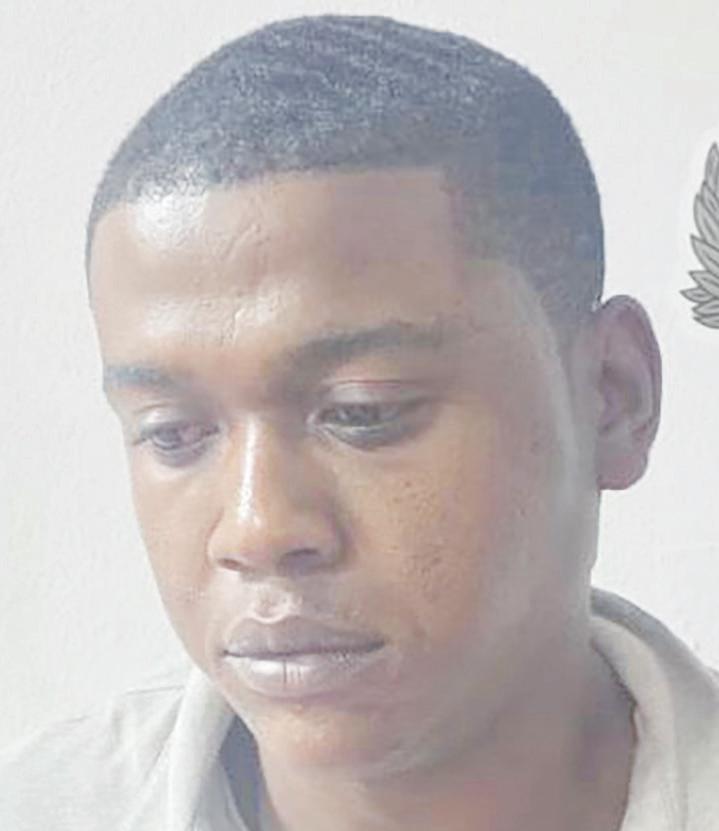
A25-year-old taxi driver of Five Miles Housing Scheme, Bartica, Region Seven (Cuyuni-Mazaruni) has been granted bail in the sum of $200,000 after being charged with posses -
sion of narcotics for the purpose of trafficking.
Reon Speede, called “Pooh,” was charged in connection with a police operation that led to the discovery of suspected cocaine at Two Miles Bartica, Potaro Road, Essequibo River.
Speede appeared on Monday before Magistrate Teriq Mohamed at the Bartica Magistrate’s Court, where the charge under Section 5(1)(a)(i) of the Narcotic Drugs and Psychotropic Substances (Control) Act, Chapter 10:10, was formally read to him.
He pleaded not guilty to the allegation and the case

was adjourned to July 2.
Police reports revealed that the charge stems from an operation conducted on Saturday, between 21:00h and 22:00h, during which police ranks carried out an
anti-narcotics exercise in the Bartica area.
During the operation, ranks reportedly observed Speede driving a motorcar and moved in to intercept the vehicle. It is alleged that he exited the car and attempted to flee the scene, but was pursued and apprehended.
A subsequent search of his person allegedly uncovered a small transparent bag containing 18 zip-lock bags with a whitish powdery substance suspected to be cocaine.
The narcotics were weighed in his presence and amounted to 12.2 grams.


We’ve spent the last few years aggressively auditioning to become the Dubai of the Caribbean. The evidence is everywhere, innit?? Branded hotels sprouting from swampy lots, luxury SUVs breeding at alarming rates, endless construction with the requisite loads of sand blocking our roadways!! But every true new Dubai needs one more ingredient before graduation: exploited migrant labour!! And now – thanks to the recent disclosure involving 38 Indian workers allegedly abused by an Indian company in Guyana, including the death of one worker — we may finally have completed the oil-boom starter pack!! Hurray!! The vision is becoming reality.
But of course, Guyana’s version comes with historical irony so thick you can spread it on bake and saltfish!! Our Mudland was literally built on indentureship after slavery ended and the Brits imported Indian indentureds under brutal working conditions, debt, confinement, and exploitation dressed up in legal paperwork!! Generations later we silence their history by commemorating “Arrival Day” – NOT Indian Arrival Day!!
Now, in a stunning act of historical method acting, we appear to be recreating the indentureship system in high definition!! The only thing missing are the sailing ships crossing the kala pani!! Everything else is apparently back in fashion: Impoverished Indians recruited with promises? Check. Dependency on employer for housing and survival? Check. Abysmal living conditions and abuse? Check. A dead labourer quietly folded into the machinery of “development”? Tragically, check.
Now before anyone gets their bucktas in a knot, this ain’t no attack on development itself. Countries need infrastructure – roads, hotels, ports, hospitals, and housing. But there’s something sick about a nation born from the trauma of indentured labour sleepwalking into a system where vulnerable imported workers once again become disposable inputs in an economic boom!!
We gotta move beyond the expected Opposition’s response to score points to any Dubai-like response: “We’re investigating…This is an isolated incident…Guyana remains committed to labour standards”, etc!! Then everyone returns to arguing about who got the latest billion-dollar contract. Truth is, rapid wealth changes countries faster than institutions can adapt. Dubai learned this. Qatar learned this. Every petro-state gotta learn the lesson eventually: when you’re racing to build faster than your domestic labour force can sustain, migrant workers become the scaffolding holding up the dream. And when profits, deadlines, and prestige projects collide with weak oversight, exploitation becomes not an accident, but a feature. We’re now discovering this in real time. For years we mocked Gulf States for constructing futuristic skylines on the backs of desperate South Asian workers. Yet here we are, importing labour under questionable conditions while congratulating ourselves on becoming a global investment destination. Turns out creating a “Dubai” ain’t just about skyscrapers and oil money. It also meant reviving indentureship with airconditioning!!
…responsive?
The Regional System was introduced by Burnham in his 1980 Constitution supposedly to devolve powers downwards!! But in practice it was like telling a hyena to share its carcasses with foxes!! It was all a pappy show to tick off boxes in his claim of advancing democracy!! And of course, create a new layer of bureaucracy to provide “jobs for the boys”!!
Well, while the PPP is committed to encouraging democracy at the grassroots, the inherited entrenched lethargy and distortions have proven quite a challenge for them to change. But with Local Government Elections coming up, in addition to throwing the energetic Priya into the Local Government Ministry job, they’ve just done a complete “cancel and replace” operation with the ten Regional Executive Officers!!
Now, rather than taking it as a signal that the Government might be looking at root-and-branch reform in the local government system, the Opposition’s focusing on taking potshots at the rationales for change!!
Just shows that oppositions just gotta oppose for opposition sake!!
…a puppet
Continuing her courting the favours of US Pres Trump, Devious Delcy just had Mad Maduro’s bagman Saab deported to the US!! She wants him to annul the upcoming ICJ unfavourable verdict to Venezuela on the Border Dispute!!

Trial in the 2020 elections fraud case continued on Monday at the Georgetown Magistrates’ Courts before Acting Chief Magistrate Faith McGusty, with the continuation of the cross examination of prosecution witness Bibi Aneishaw Mohamed.
Following the explosive cross examination by defense attorney Nigel Hughes, during her last appearance, this time Mohamed was cross examined by defense attorney Dexter Todd. Much of Todd’s questioning of Mohamed focused on the authentication and verification of the Statement of Polls (SOPs) from the 2020 General and Regional Elections (GRE), which Mohamed had gathered and
used to tabulation votes from the GRE.
An elections agent for the People’s Progressive Party Civic (PPPC) during the 2020 elections, Mohamed used the SOPs gathered by the PPPC to compare against the numbers released when chaos broke out over the the votes that were allocated during the tabulation of the Region Four votes.
Mohamed sought to explain to the court how she was able to verify that the numbers on the SOPs in her possession were authentic, and directly sourced from staff of the Guyana Elections Commission (GECOM).
“There is a process for election, if you read up about the process you would understand why i could verify
those are indeed the [authentic SOP] documents based on the sequence of the serial number because every single one is unique number based on what was explained to us by GECOM,” Mohamed explained.
“If I authenticate a piece of paper in front of you then by virtue the information on that said piece of paper which is the subject we are discussing will be able to be verified. I was given an opportunity to compare the two during the recount which validates the elections.”
The witness noted that 2020 was not her first time in a role in monitoring elections. Mohamed was also scheduled to be cross examined by defense attorneys Darren Wade and Eusi Anderson

when the court was hit by a power outage that hampered the Attorneys.
Mohamed has been a key witness in the case where nine persons are charged with conspiracy to commit
electoral fraud in relation to the tabulation of votes for Region Four in the 2020 GRE.
Those charged include former Chief Elections Officer Keith Lowefield, former Deputy CEO Roxanne Myers, former Region Four Returning Officer, Clairmont Mingo, former A Partnership for National Unity + Alliance for Change (APNU+AFC)
Minister Volda Lawrence, former APNU+AFC Chief Scrutineer, Carol SMith-
Joseph, and former Guyana Elections Commission (GECOM) employees Enrique Livan, Sheffern February, Michelle Miller, and Denise Bobb-Cummings.
Mohamed’s testimony has been fraught with tension over the past few months, including a heated exchange with the defense and accusations of threats against her from one of the co-defendants.
Trial in the case continues today.

The Labour and Manpower Planning
Ministry has launched an investigation into the suspected trafficking of Indian nationals to work at a quarry operation in Batavia, Region Seven (Cuyuni-Mazaruni). The Indian nationals were reportedly employed by Ekaa Hrim Earth Resources for the past three years, where their passports were allegedly withheld by the company’s management. Over the weekend, the issue was highlighted including poor working conditions at quarry. In a statement on Monday, the Ministry said it has noted the allegations with “serious concern” and based on information received, it immediately launched an investigation into potential labour and occupational safety and health (OSH) violations at the worksite. In fact, the statement said subject Minister Keoma Griffith on Monday morning engaged the acting Indian High Commissioner to Guyana Manoj Kumar on
the issue and subsequently met with the 38 workers.
This meeting held between the Ministry, aggrieved workers and management of the company provided an opportunity for the workers’ complaints to be made, the statement noted. “The issue of passports was raised and as a result of the intervention made by Minister Griffith, that matter has already been rectified and the passports have been returned to the workers,” the Ministry noted. Trafficking in Persons (TIP) in Guyana is governed by the Combating of Trafficking in Persons Act. It states that “any person who for the purpose of trafficking in persons, and acting or purporting to act as another person’s employer, manager, supervisor, contractor, employment agent, or solicitor of clients such as a pimp, knowingly procures, destroys, conceals, removes, confiscates, or possesses any travel document, or other Government identification document, whether actual
or purported, belonging to another person commits an offence and is liable on summary conviction to a fine or one million dollars together with imprisonment for five years”.
Other allegations
Meanwhile, in addition to these concerns, the Ministry said allegations of poor working conditions and unfair treatment were leveled against the employer. As such, the Ministry said it has given the company a period of twenty-four hours to issue a response. Moreover, the Ministry said its investigation will continue and allegations relating to wages, working conditions and the general welfare of the workers will be addressed.
According to a Demerara Waves report, though the workers were paid, they never received overtime or a payslip. The report also alleges that workers desirous of resigning were required to pay the company US$5000. These issues were brought to light fol-
lowing the death of an employee, another Indian national, at the worksite on May 12, 2026. The Ministry said it is aware of this fatality and is also probing the circumstances surrounding the incident. “A joint team of officers from the Ministry of Labour and Manpower Planning, Guyana Police Force (GPF), Trafficking in Persons Unit under the Ministry of Home Affairs and other relevant authorities has been mobilised to conduct inquiries and as-
sess the situation,” the statement outlined.
“The Ministry is actively monitoring the matter and will continue to take all necessary steps to ensure compliance with the laws of Guyana. Further updates will be provided as investigations progress,” it added. Up to news time, efforts to get a comment from the Indian High Commission in Georgetown on the matter proved futile. In January 2023, the Amerindian Affairs Ministry facilitated
the US$20 million quarrying project undertaken by Ekaa Hrim Earth Resource Management. According to a Department of Public Information (DPI) report, under this agreement, 1,089 acres of land were leased to the company; 13 acres will be used for mining while the remaining will be a buffer zone. It was also reported that 40 per cent of the labour workforce at the site would have been sourced from Batavia.
Rising costs of rice production, Govt’s $3B support discussed at Region 5 meeting
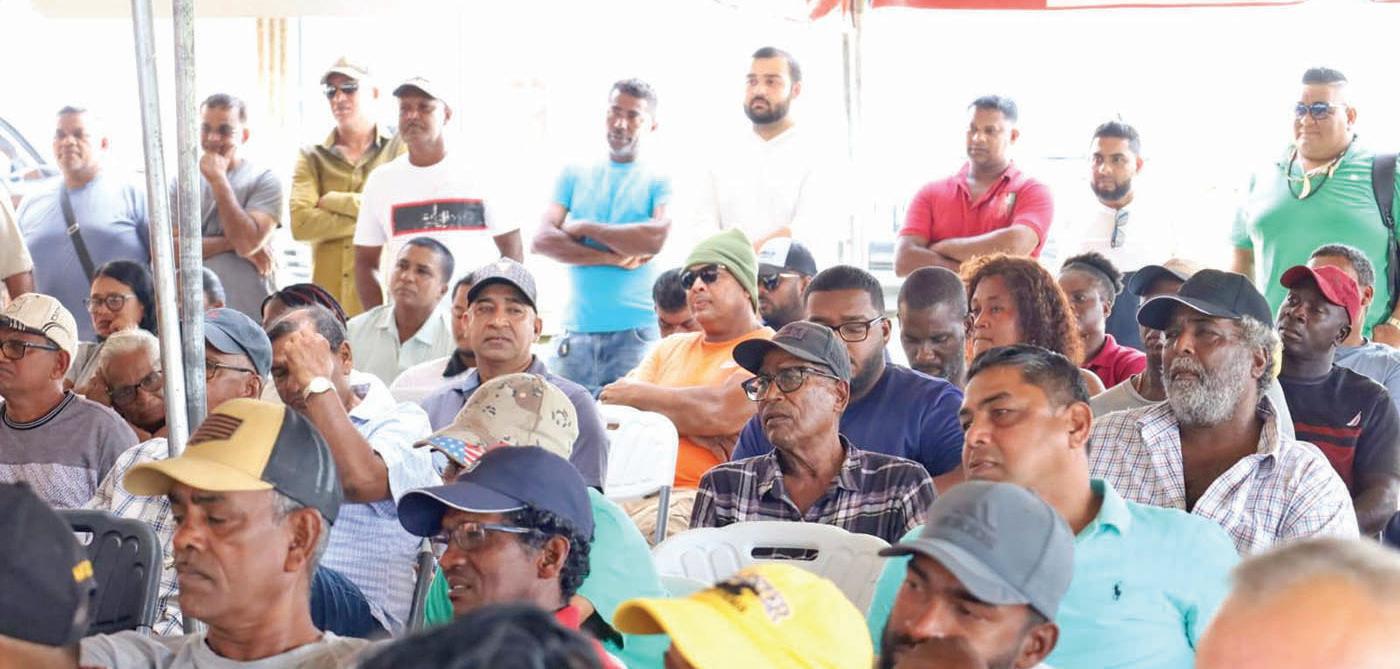
Rice farmers in Region Five (Mahaica-Berbice) on Saturday raised concerns over increasing combine harvesting charges, rising fertiliser prices and low yields during an outreach at Onverwagt hosted by Agriculture Minister, Zulfikar Mustapha as Government moves ahead with its recently announced rice support programme.
Several farmers used the meeting to question whether the financial assistance being offered by Government would be enough to offset rising production costs and losses being experienced during the current crop. One farmer, Muhammad Ali, questioned the structure of the Government’s payout system, noting that farmers cultivating 50 acres and below are expected to receive $15,000 per acre, while those cultivating more than 50 acres will receive $10,000 per acre. Ali said it is an unfair system and suggested that Government instead pay $15,000 per acre for the first 50 acres cultivated by all farmers, with the lower $10,000 rate applying only to acreage above that threshold. However, responding to the concern, Mustapha said the formula had already been finalised by President Dr Irfaan Ali and could not be changed. “The President already pronounced on the matter,” the Minister told the gathering while explaining that Government had to establish a fixed structure for the assistance programme. He pointed out that farmers had given their support for that payment system when they met with the head of State when he outlined the Government’s planned support for the rice industry. The Agriculture Minister maintained that the support was part of a wider effort by Government to assist rice farmers amid declining global rice prices and increasing production costs.
Meanwhile, another farmer, Alicia Shephard of

Farmer
Mahaicony Branch Road, raised concerns that combine operators had increased harvesting charges by as much as $10,000 per acre, significantly reducing the benefit farmers would receive from the Government support. However, farmers and operators explained to this publication that combine operators were also facing mounting operational challenges because of poor yields and rising fuel prices. During the previous crop, many farmers reported harvesting more than 30 bags of paddy per acre, with combine operators commonly charging about $300 to $400 per bag harvested. Because of the higher yields, farmers were often already paying in excess of $10,000 per acre for harvesting. This crop, however, prolonged rainfall and early flooding in several farming areas have reportedly reduced yields in some fields to between 12 and 18 bags per acre. Farmers explained that if combine operators continued charging solely on a per-bag basis under the present conditions, operators would struggle to earn enough to cover operational expenses, particularly with fuel prices increasing sharply. As a result, operators reportedly moved towards charging a flat rate of about $10,000 per acre in an effort to offset the lower yields and maintain operations. Additionally, another farmer, Joseph Ramlall, also questioned whether Government would inter-
vene to help reduce fertiliser prices, which farmers say have risen sharply over the past year. The concern comes amid continued increases in global fertiliser prices linked to higher energy costs, supply disruptions and geopolitical tensions affecting international markets. In response, Mustapha said Government was already engaging fertiliser suppliers and examining ways to reduce costs for farmers while also encouraging the use of alternatives such as nano fertilisers. The Minister also defended Government’s interventions in the rice sector, pointing to measures implemented over the past two years, including the $300 per bag assistance, fertiliser support, and reductions in drainage and irrigation as well as land rental charges. According to Mustapha, Government remains committed to reducing production costs and increasing profitability within the sector. He also urged farmers to diversify into livestock and high-value crops, noting that Government was investing heavily in drainage infrastructure, canals, roads and the opening of new agricultural lands within the MMA Scheme. Government recently announced a $3 billion support package for rice farmers for the first crop of 2026, with farmers cultivating 50 acres or less set to receive $15,000 per acre, while those cultivating more than 50 acres will receive $10,000 per acre.
Amanhunt is currently underway for the recapture of Adrian Damder, who escaped from Lusignan Prison on Sunday.
The escapee, from Graham Street, Better Hope, East Coast Demerara, was remanded to prison on January 14 on two counts of threatening language. He reportedly threatened to harm his father. The Guyana Times understands that on Sunday, Damder had finished taking a bath and requested permission from one of the prison of-

ficers to hang his towel in the sun. He was allowed into the compound unsupervised.
He nevertheless took the opportunity to scale one of the fences, made his way behind the new female prison that is currently under construction, and scaled another fence, which took him to the dump site where he made his escape.
However, authorities only became aware of the prisoner’s disappearance during a roll call later on Sunday evening. As such, the prison service has launched an investi-
gation into the incident.
This publication further understands that several prison officers were placed under close arrest and are assisting with the probe.
Back in April 2024, 31-year-old Keon Webster and Kareem Douglas escaped while being transported to Lusignan Prison. Webster was later recaptured while walking around the Stabroek Market area.
Douglas was recaptured by a rank from Brickdam Police Station at the Stabroek Market Bazaar on Water
Street, Georgetown. It was reported that on February 19, 2024, the duo escaped while being reportedly handcuffed together during the journey to the prison.
As the vehicle arrived, it reportedly reversed to the ‘Reception Gate’ of the prison. One prisoner reportedly walked in, but Webster and Douglas jumped out of the prison van and began running towards the public road.
In addition, in April 2022, 40-year-old Keanon Harry and Kevin Velladares escaped from a Guyana Prison
Service (GPS) van while being transported to Lusignan Prison from Linden in Region 10.
Velladares later flagged down a taxi and turned himself in at the Brickdam Police Station, while Harry later turned himself in at the Leonora Police Station on the West Coast of Demerara one day after the incident.
Meanwhile, the Guyana Prison Service is asking anyone with information that may lead to the recapture of Damder to contact them at 613-6616 or 623-7156.
The government will soon be implementing noise monitoring and public warning systems across the country as the Peoples Progressive Party Civic (PPP/C) administration advances efforts to improve citizens’ quality of life.
This announcement was made by President Dr Irfaan Ali on Saturday whilst addressing the 190th Anniversary Gala for the Guyana Bank for Trade and Industry (GBTI). He was at the time commenting on the Environmental Protection Agency’s (EPA) pilot of the project at the Kitty Seawall,
noting that “this will be placed all over the country.”
Over the weekend, the EPA in in collaboration with the National Data Management Authority (NDMA) launched the pilot project, which uses smart technology to support real-time detection and monitoring of excessive noise lev-
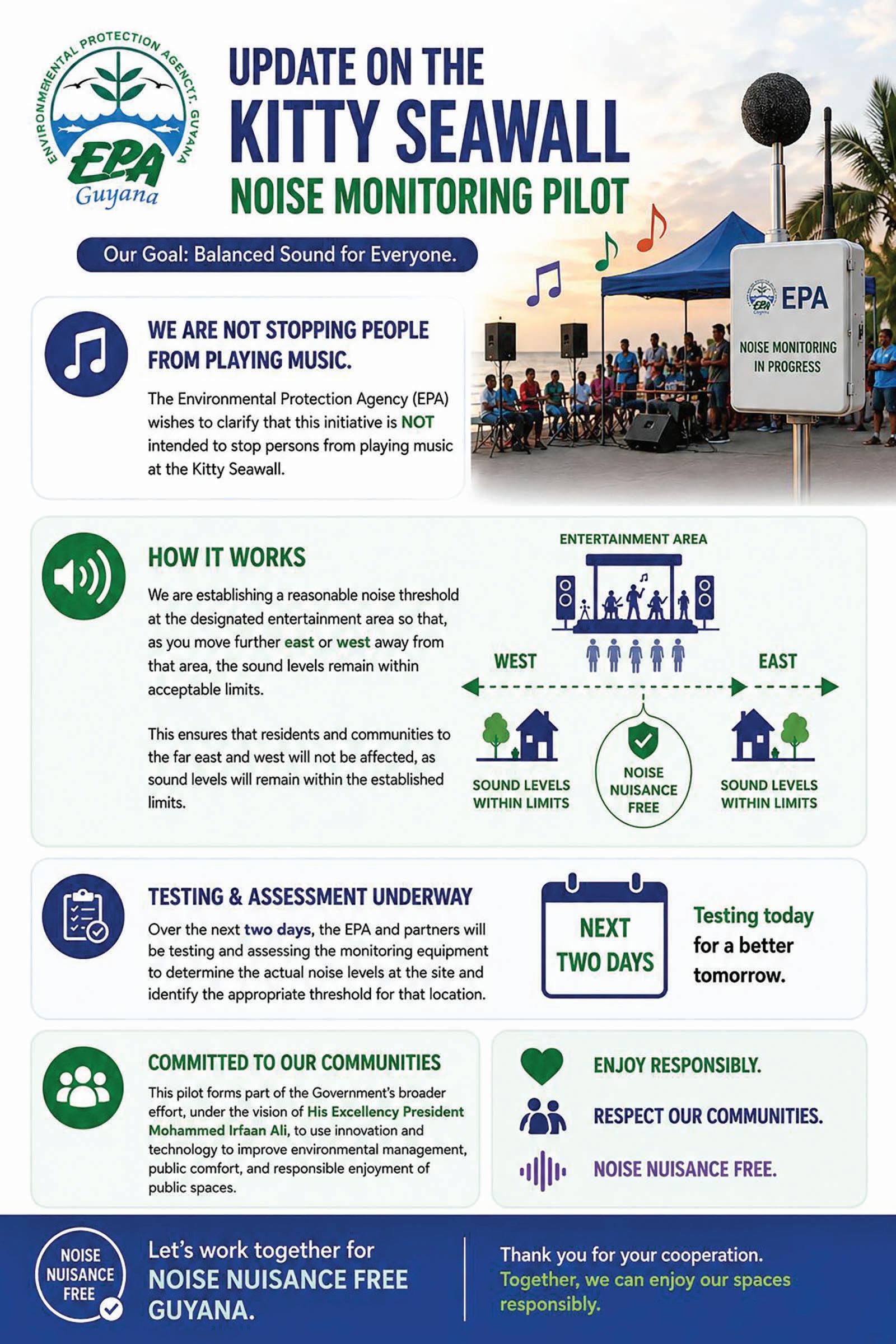
els in public spaces, helping both the public and law enforcement authorities identify and respond to noise nuisance more effectively.
The digital warning display will alert persons when noise levels exceed acceptable limits, encouraging greater public awareness, responsible behaviour, and respect for shared public spaces.
According to President Ali, “the sound alarm is not meant to stop the music and celebration on the seawall” but to guarantee better quality of life for families and communities.
“Because of the numerous complaint families would have made, they are now testing the see the level that is acceptable that will allow the entertainment whilst not disturbing the peace of families and communities and when that testing is completed, that level
will be set and those who are entertaining customers on the seawall, will see the levels for themselves and make the adjustment,” he noted.
According to the EPA, this pilot project is another innovative step to strengthen enforcement of noise regulations and improve environmental governance through technology and data-driven solutions.
The EPA noted that it will roll out this system to additional public locations across Guyana as part of a wider effort to address noise nuisance, support law enforcement, and improve the quality of life for all citizens.
The government has signalled its intention to holistically address the issue of noise nuisance across the country, with the Attorney General Chambers currently working on amendments to existing legislation.
According to the Environmental Protection Act, noise nuisance means any unwanted sound including vibration that annoys, disturbs or perturbs normal persons with reasonable sensitivities: or any unwanted sound which reasonably may be perceived to injure or endanger the comfort, repose, health, peace or safety of any humans or animals, or endangers or injures movable or immovable property. Fines range from $300,000 to $750,000 and imprisonment for a month for those found liable on a summary conviction. Under the Environmental protection regulations, fines range from $75,000 to $500,000 and imprisonment for 6 months.
Former Assistant Commissioner of Police
Calvin Brutus has been unsuccessful in his latest bid to regain access to his passport, even as separate rulings continue to go against him in ongoing fraud-related proceedings before the Georgetown Magistrates’ Courts.
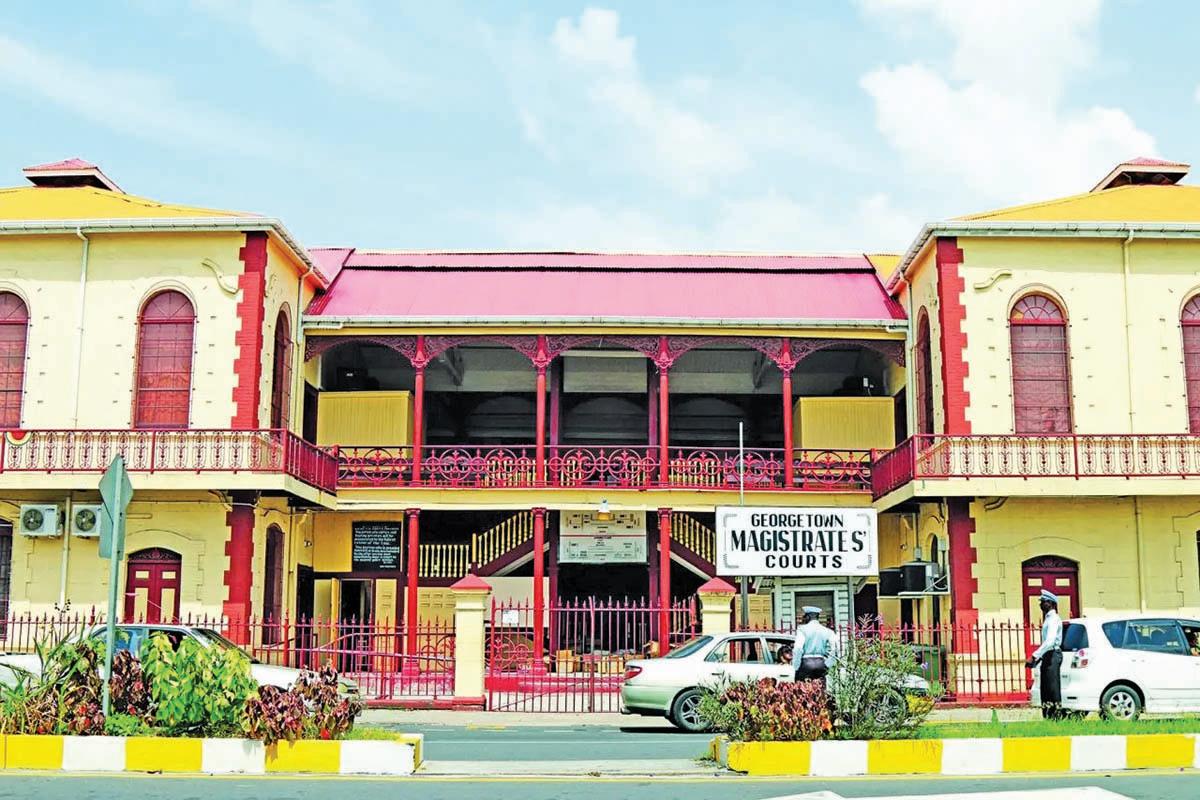
The renewed application for the release of the passport was heard on Monday before acting Chief Magistrate Faith McGusty, where defence attorneys Glen Hanoman and Asif Zafar Ali again urged the court to return the travel document to their client.
The lawyers submitted that Brutus requires the passport for both travel purposes and as an additional form of identification in connection with his current business activities. The court was told that Brutus is earning an income through the sale of truck parts and that the document is at times necessary for conducting business transactions.
However, the prosecution opposed the renewed request, and the magistrate indicat-

ed that the issue had already been fully ventilated before the court in earlier proceedings. She signalled that she was not inclined to revisit the application and stated that the matter would instead be left for determination by the High Court.
Brutus’ legal team maintained that their client was not attempting to avoid the judicial process, stressing that the application was made strictly for legitimate personal and business reasons.
Despite these submissions, the court did not alter its position.
The matter was subsequently adjourned to May 25.
Just two months ago, acting Chief Magistrate McGusty dismissed an abuse of process application filed by Brutus in relation to his fraud charges.
According to the Special Organised Crime Unit (SOCU), the court ruled that the current criminal charges, “when compared to the previously determined disciplinary
charges were different in scope, nature, and penalty,” and therefore could not be considered an abuse of the court’s process.
SOCU outlined that Brutus had argued through his legal team that the criminal proceedings amounted to an abuse of process on the basis that they were rooted in the same facts as earlier disciplinary charges brought under Section 4(z) of the Police (Discipline) Act, Cap 17:01. Those disciplinary proceedings had resulted in his dismissal from the Guyana Police Force.
The defence further contended that because disci-
Prosecutors further argued that courts are required to exercise their inherent jurisdiction to stay proceedings for abuse of process only in exceptional circumstances, and that no such circumstances existed in this case.
The prosecution also submitted that the defence had failed to demonstrate any real prejudice, oppression, or abuse on the part of the State in instituting and maintaining the charges. It described the application as “ill-founded, misconceived, unmeritorious, and ought to be dismissed in its entirety.”
The court agreed with the prosecution’s position and dis-
plinary action had already been taken, the continuation of criminal proceedings would be unfair and oppressive, and should therefore be stayed.
However, the prosecution opposed the application, arguing that disciplinary and criminal proceedings are fundamentally separate in nature, purpose, and legal consequence. The State maintained that disciplinary proceedings are administrative, while criminal charges are brought in personam on behalf of the State, and therefore one does not preclude the other.
missed the application.
SOCU further confirmed that the two indictable counts of money laundering against Brutus and his wife, Adonika Aulder, will proceed via paper committal, meaning the matter will move forward on documentary evidence to determine whether it should be committed to the High Court for trial.
The prosecution team in the matter includes Attorneys-at-Law David Brathwaite, Darin Chan, Muntaz Ali, and Natasha Backer, while Brutus is being
represented by defence counsel Eusi Anderson, Yuborn Allicock, Earl Daniels, among others.
Brutus is currently before the Georgetown Magistrates’ Courts facing a large and complex fraud and financial crime prosecution involving more than 200 charges. These include allegations of money laundering, misconduct in public office, larceny by a public officer, conspiracy, and obtaining money by false pretence.
The case originated in late 2024 when the Special Organised Crime Unit (SOCU) charged Brutus in connection with alleged misuse of Police Force funds and related financial transactions. He was initially granted bail on multiple sets of charges, with the total bail conditions eventually exceeding GY$10 million as additional indictments were added.
As part of his bail conditions, Brutus was required to surrender his passport to the court. Since then, he has made several applications requesting temporary or full release of the passport, arguing that he needs it for business-related identification and livelihood purposes.
There have also been related developments in the broader case, including multiple increases in charges over time, now totalling well over 200 counts, bail variations and scrutiny over alleged breaches of bail conditions, including an attempted movement toward the Brazil border in 2024, as well as ongoing parallel proceedings involving co-accused persons, including his wife, in related money laundering allegations.

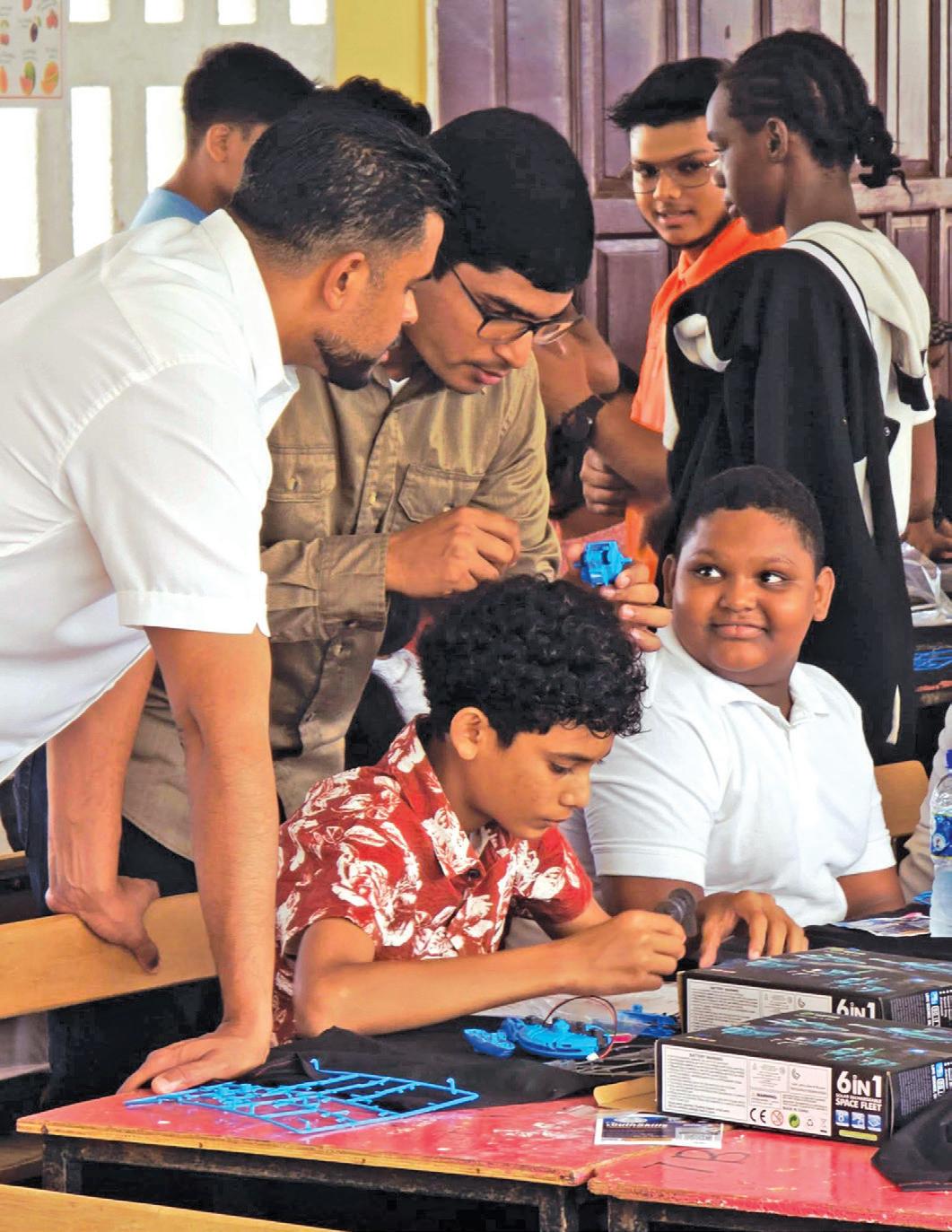
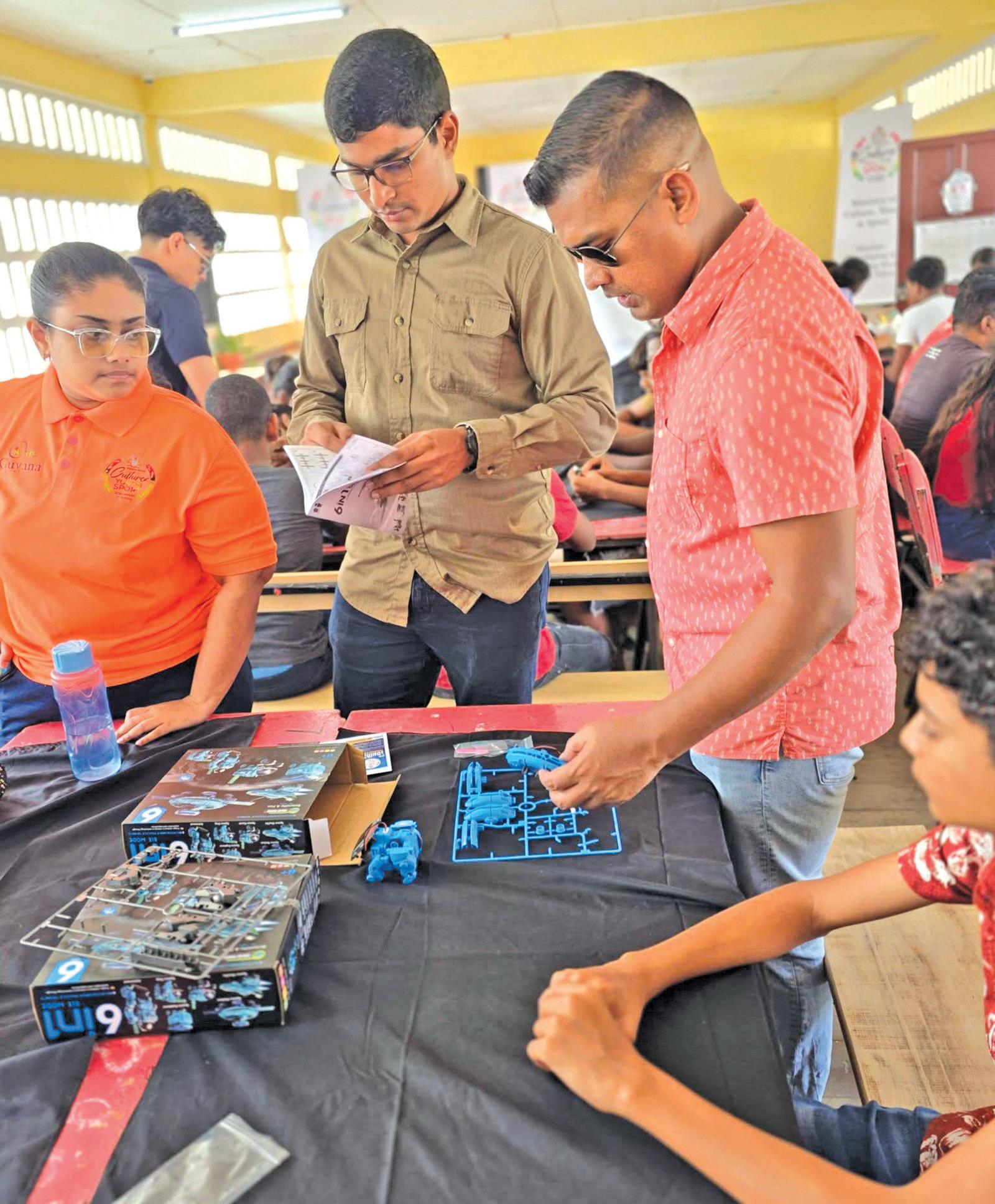
Although young people are active across every sector in Guyana, the real challenge is ensuring they are informed about and engaged with available opportunities and, according to Minister within the Culture, Youth and Sport Ministry, Steven Jacobs, the government is now exploring more creative ways to connect with them.
The Minister made the statement during an episode of the Starting Point Podcast on Sunday while responding to questions surrounding youth engagement and awareness of opportunities available across the country.

He contended that young people are actively involved in various sectors and that the government has a wide range of youth development opportunities available to them. According to him, the information is already available and widely shared, as young people themselves also circulate it. He noted that government ministries consistently disseminate updates on opportunities, programmes, and policies.
“We're focused heavily on young people. If you look at the agriculture initiative that the President introduced, it brought together a whole host of youths so they can develop business models and so forth. We want them to be involved in agriculture and growing
their own food. You look at Minister Keoma’s Ministry of Labour and the big programmes they are implementing there, along with the expansion of education, more schools, universal secondary education, digital learning and all of these things which are geared towards developing our young people,” he stated. However, he said there is still a need to continue educating, guiding, and directing young people to ensure they fully engage with the information, especially in a world filled with distractions. He emphasized that providing this guidance is important to help them stay focused and benefit from available opportunities he said the challenge lies in ensuring young people are fully aware of the opportunities available to them.
“So the youth aspect of this country is really spread across each sector, but the challenge now seems to be ensuring that these young people know what's happening and that they are actually reading and taking in all of these programmes and opportunities. We are looking at creative ways to give them information because of their short attention span, so they can really understand what we're doing. That is why we are exploring creative ways of putting information out there… once we get the opportunity to meet a young group, whether it be in sports or voluntary service groups,” he explained.
He noted that youth conferences can play a major role in this process by bringing together young people from across Guyana for breakout sessions and
direct engagement with various arms of the government.
Distractions Meanwhile, he said that distractions play a significant role in preventing young people from fully recognizing the opportunities available to them, while noting that plans are also being developed and implemented to address this challenge.
“We can have the different ministers talk about what they’re doing in their sectors and the opportunities available. That is what we want to do in a world of distractions, and I say that again because people can be distracted very easily during this time by negative things and gossip. We want young people to really understand where this country is heading,” he added.
“We must never lose sight of who we are as a people”– Tourism Minister
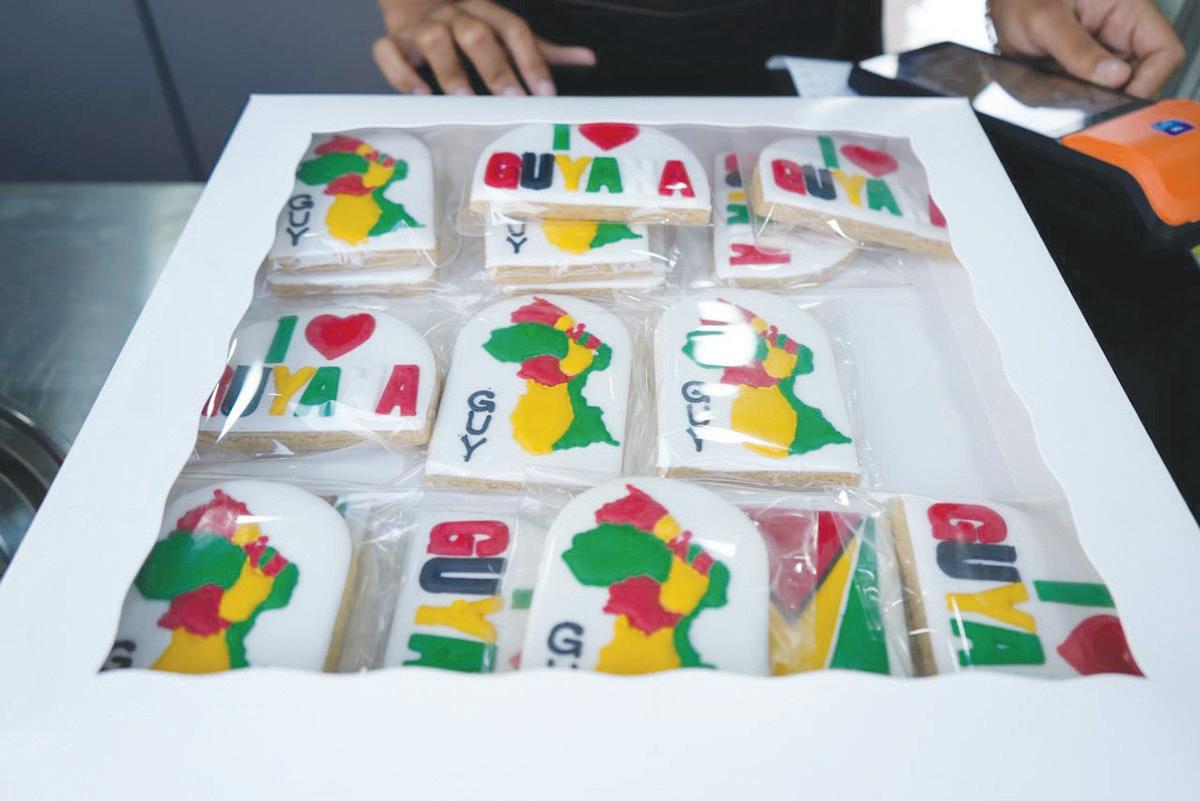
Tourism, Industry and Commerce Minister Susan Rodrigues posited that Guyana must remain grounded in its identity even as the country continues to experience rapid economic growth and international attention, ahead of Guyana’s 60th Independence celebrations and the return of the Guyana Festival under the theme Sound, Soul and Taste. In the midst of the jam-packed activities at the just concluded Guyana Festival, the Minister reminded Guyanese that the country is currently in a defining moment in its history and that people must remain anchored to their identity. She made the remarks at the launch of the event on Friday.
“After 12 years, the Guyana Festival has returned under the theme Sound, Soul and Taste.
The Guyana Festival occurs during a period of unprecedented transformation in Guyana — a period in which our country is attracting global attention, expanding economi-
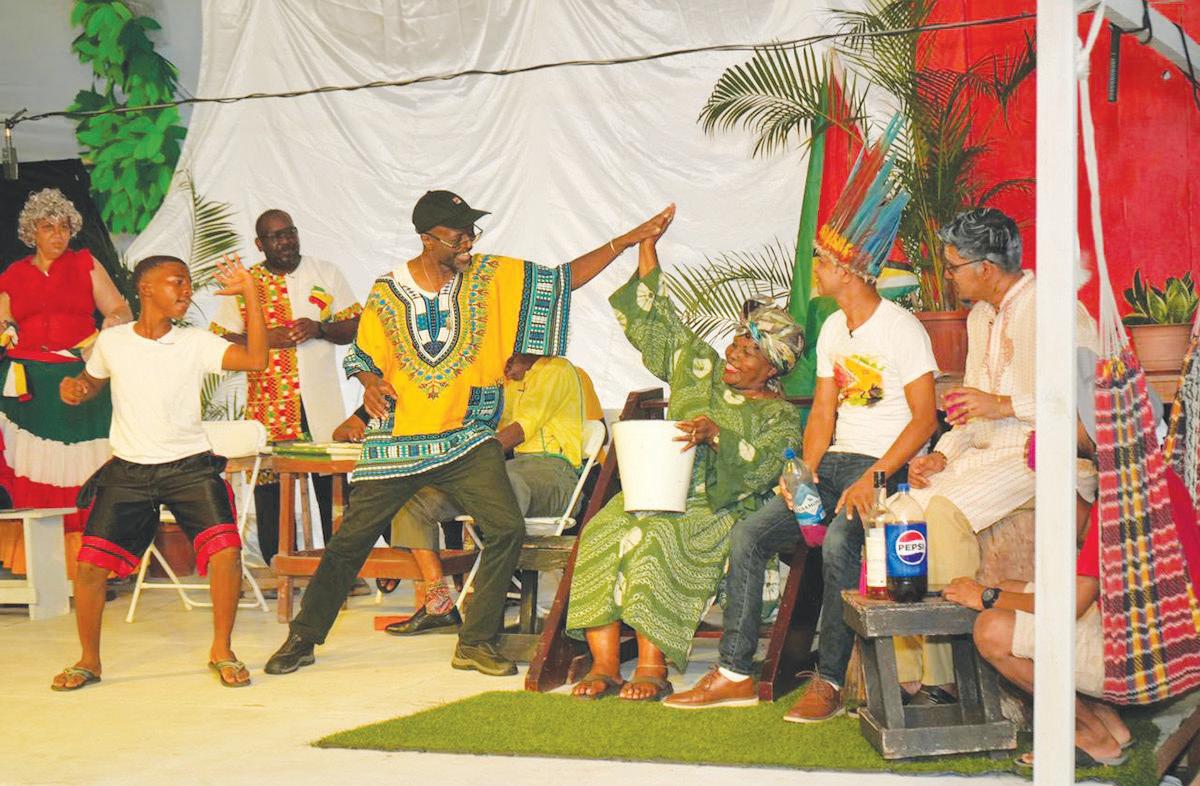
cally, strengthening internationally, and redefining its place in the world. But even as Guyana grows and modernises, there is something we must never lose sight of — who we are as a people. That is why this festival matters. This festival is about identity, national pride, and preserving and celebrating everything that defines us as Guyanese,” she stated. On that note, she revealed that the Guyana Festival fits perfectly within the vision of cultural identity and oneness.
“This festival creates an opportunity for our dias-
pora to reconnect not only with family and friends, but with a nation that is entering a new era of growth and possibility. At the same time, Guyana Festival is also a direct invitation to the international community — to travellers, investors, cultural explorers, and the global tourism industry. We are inviting the world to come and experience Guyana, and increasingly, the world is responding,” she noted. Meanwhile, the Minister highlighted findings from the event, noting that it also played a significant role in bringing Guyanese back home to re-
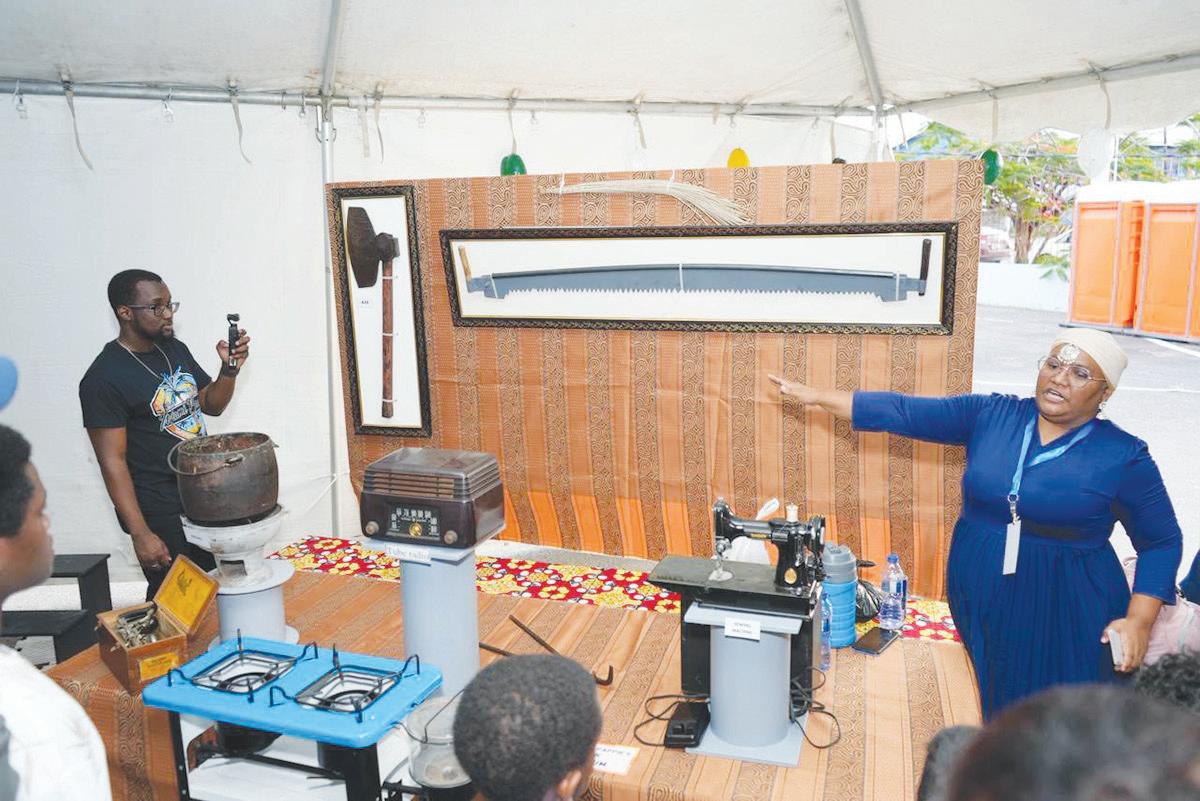

connect with their culture and heritage.
“The vision was strategic. It recognised that tourism is not only about landscapes and attractions. Tourism is about people, culture, experiences, and identity. It recognised that Guyana’s diversity is one of our greatest strengths, and it recognised that culture has economic value. This is more than a festival. This is a national statement — a declaration that Guyana is proud of its people, its culture, and its identity,” she expressed. She added that at the centre of the initiative is a very clear message
to Guyanese everywhere — that Guyana is transforming. According to her, for many Guyanese abroad, Guyana remains the place that shaped their values, memories and identity. Meanwhile, Rodrigues revealed that Guyana recorded its highest-ever visitor arrivals in 2025, welcoming more than 453,000 visitors, representing a 22 per cent increase over the previous year.
She noted that the momentum has continued strongly into 2026, with record-breaking visitor arrivals recorded in March alone. According to the
Minister, Guyana welcomed nearly 40,000 visitors during March 2026, reflecting a 13.3 per cent increase compared to the same period last year. The Minister explained that the figures are significant as they demonstrate growing international confidence in Destination Guyana, its tourism product, infrastructure, hospitality sector, and overall future. She further highlighted that Guyana continues to gain international recognition, with global publications such as Bloomberg, Time, and The New York Times naming Guyana among the world’s emerging tourism destinations.
Additionally, she noted that the Cheddi Jagan International Airport (CJIA) was recognised as a premier aviation hub in the Caribbean, reflecting ongoing improvements in service standards, infrastructure, and visitor experience, while reinforcing Guyana’s growing reputation for quality, efficiency, and service excellence.
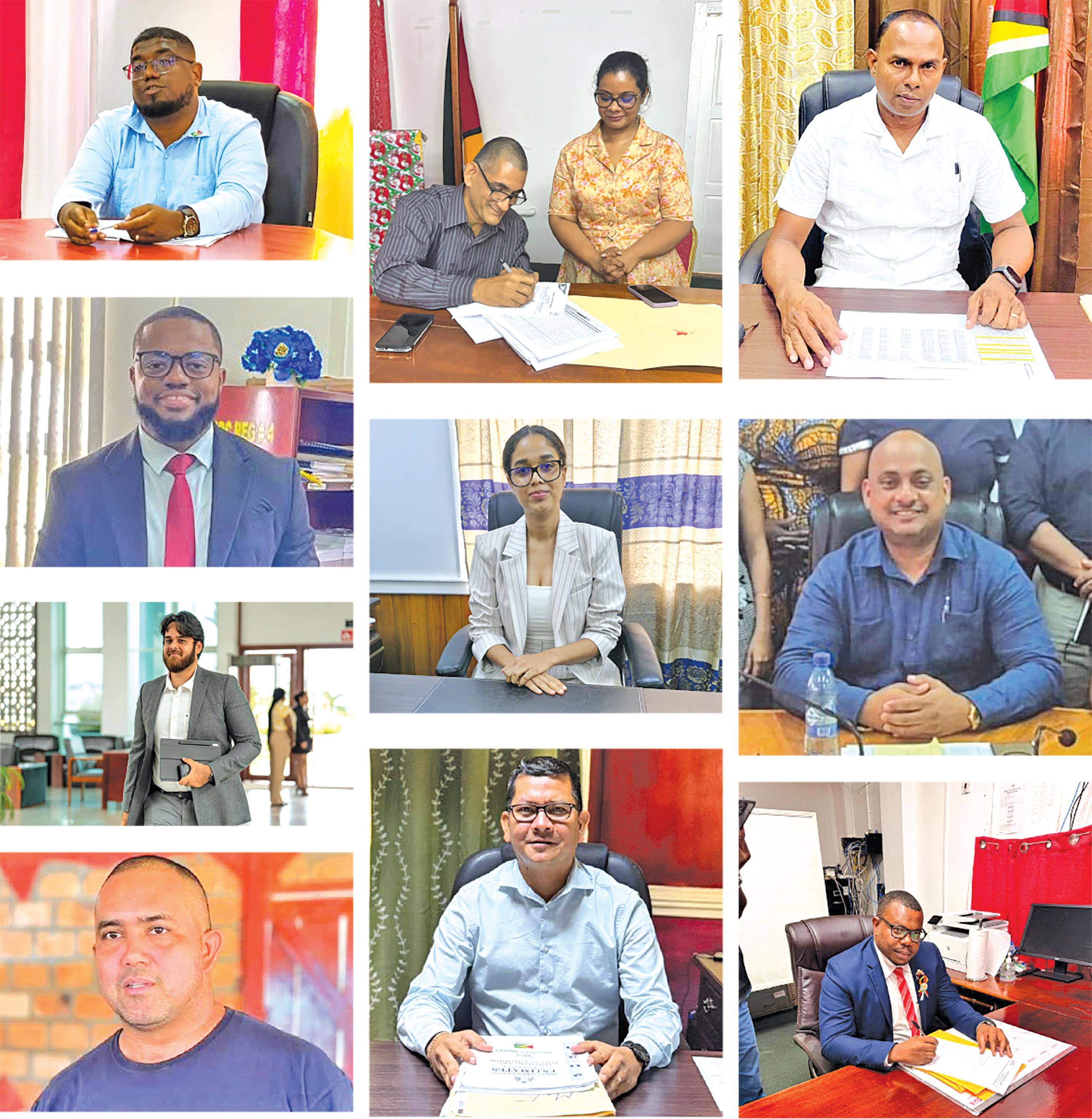
Newly-appointed Regional Executive Officers (REOs) have officially assumed office in Regions One through Eight and Region Ten, marking a new phase in regional administration and public service delivery across Guyana.
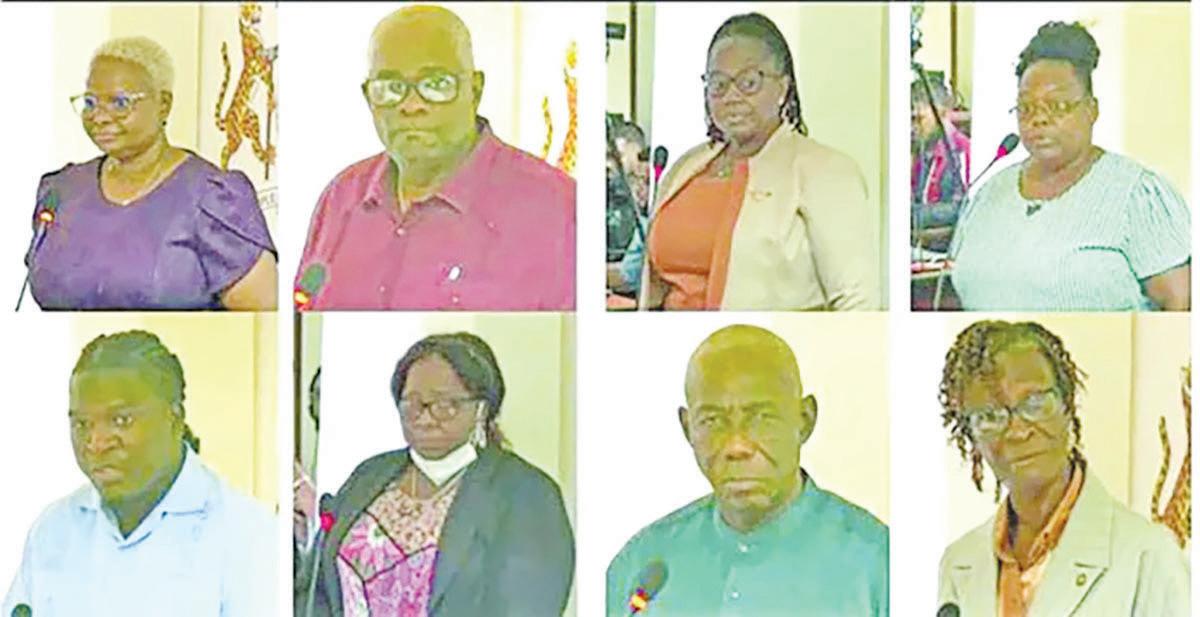
The officers who have taken up their posts are Dr Steven Cheefoon, Region One; Deolall Rooplall, Region Two; Surendra Khayyam, Region Three; Juan Edghill Jr, Region Four; Mary Samaroo, Region Five; Ronald Harsaywack, Region Six; Dr. Josh Kanhai, Region Seven; Marti DeSouza
Region Eight and Dr. Gregory Harris, Region Ten.
Karl Singh will continue to serve as Regional Executive Officer for Region Nine.
REOs are responsible for overseeing the day-to-day administration of Regional Democratic Councils (RDCs), ensuring the implementation of government policies and programmes, and supporting regional development initiatives across their respective jurisdictions. Their role includes coordinating technical and administrative functions and working with local democratic organs and communi-
ty stakeholders.
Upon assuming office, the officers are expected to collaborate with regional administrations, technical staff, and local leaders to strengthen governance structures, improve accountability, and enhance the delivery of public services.
The appointments come as the Government continues to implement investments in infrastructure, healthcare, education, agriculture, public works, and broader community development across all administrative regions. REOs are expected to play a key role
in coordinating and monitoring these initiatives at the regional level.
Only last week, President Dr Irfaan Ali and Vice President (VP) Dr Bharrat Jagdeo met with Cabinet members, incoming REOs, Permanent Secretaries (PS), officers of the National Procurement and Tender Administration Board (NPTAB) and accounting officers from all administrative regions. During the May 13 meeting, President Ali stressed the importance of accountability, transparency and fiscal discipline in public administration, warning that pub-
lic office carries a “sacred trust.”
He told officials that all public spending must serve the welfare of citizens and contribute to national development. According to a statement from the Office of the President published by the Guyana Times, the Government also reaffirmed its commitment to ensuring that procurement systems, including regional tender boards, operate transparently and in compliance with the law.
President Ali further outlined plans for the use of technology, including artificial intelligence (AI), to
strengthen oversight of procurement systems, improve efficiency and identify irregularities in the award and management of contracts. He warned that breaches of financial and procurement procedures, including involvement with multiple companies in violation of regulations, could lead to severe consequences, including dismissal from office.
VP Jagdeo also addressed the meeting, emphasising that State spending must always be assessed based on its contribution to citizens’ welfare and the country’s development.
AGeorgetown man accused of threatening his father and breaching a protection order was granted bail on Monday when he appeared before the Georgetown Magistrates’ Courts, while a 21-year-old labourer was also placed on bail on a separate simple larceny charge. Fazil Mohammed appeared before Magistrate Fabyo Azore to answer three charges stemming from an incident allegedly committed on May 15 at West Ruimveldt Housing Scheme, Georgetown. It is alleged that Mohammed used threatening language toward Arak Mohammed, who is his father. He was further accused of breaching a protection order twice that had been issued against him. The court heard that the order restrained him from making threats and required him to remain at least 100 yards away from the virtual complainant. Mohammed pleaded not guilty to all three charges. During proceedings, he told the court that tensions between himself and his father had existed for years, despite them living in the same yard. He denied threatening his father and explained that he currently survives on disability assistance after suffering a serious workplace injury in 2021 while employed as a security of -

ficer. He further stated that on the day in question, he had only gone outside to collect clothes from the line before returning indoors to lie down, when police later arrived and arrested him. After hearing his explanation, Magistrate Azore granted him $10,000 bail on the threatening language charge and an additional $10,000 bail on one of the breach of protection order charges. The second breach allegation was reprimanded by the court after consideration was given to his explanation regarding retrieving his clothing. Mohammed was placed on a total of $20,000 bail and is scheduled to return to court on June 1.
In a separate matter before the same court, 21-year-old labourer Malachi Waddle of Soesdyke, East Bank Demerara (EBD) was granted $50,000 bail after being charged with simple larceny.
Waddle, who was arrested on April 15. The charge alleges that on March 26 at North Road, Georgetown, he stole property belonging to Anthony Banfield, contrary to Section 164 of the Criminal Law (Offences) Act, Chapter 8:01.
He pleaded not guilty. Following the arraignment, Magistrate Azore granted bail in the sum of $50,000 and adjourned the matter to June 1.
Residents of Bethany on the Supenaam River, Region Two, are celebrating a major milestone in education with the construction of the village’s first nursery school valued at $26.5 million.
The new facility is funded by the Government and expected to significantly improve early childhood education in the riverine community by providing a dedicated learning space for nursery pupils.
During an interview with the Department of Public Information (DPI) on Monday, Bethany Toshao Sonia Latchman,, who is also the Director General of the Ministry of Amerindian Affairs, described the project as a significant achievement for the village.
Before the construction of the new building, nursery classes were held at
Bethany Primary School, resulting in overcrowding and limited space for students.
“This project means a great deal to the people of Bethany because we have never had a nursery school in the village before. It shows that the Government is committed to developing education not only along the coastland, but also in riverine and hinterland communities,” Toshao Latchman said.
The Member of Parliament explained that the new school will now provide nursery children with their own classrooms, recreational space and a more comfortable learning environment.
The school currently accommodates approximately 20 pupils and is already being used, although it has not yet been officially commissioned.
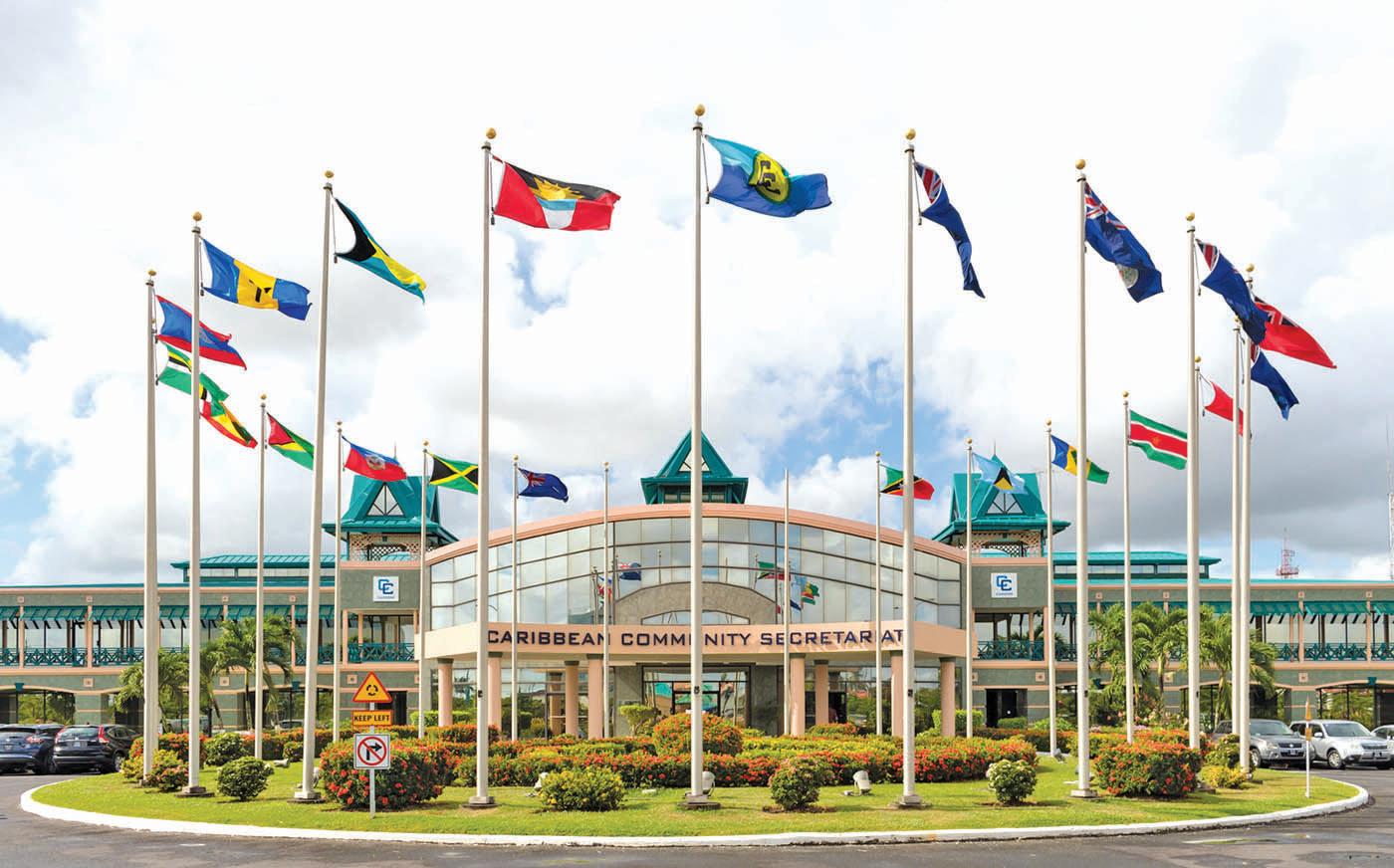
The Caribbean Community (CARICOM) has raised concern over continued hostilities in the Middle East, particularly military activity affecting the Strait of Hormuz, warning of wider implications for global stability, trade, and maritime security.
In a statement, CARICOM noted its alarm at the reported loss of life, risks to civilian infrastructure, and increasing instability in global markets linked to the ongoing conflict. The Community highlighted that recent developments have significantly disrupted maritime trans -
port through the Strait of Hormuz, a key international shipping route.
The Strait of Hormuz is governed by the right of transit passage under the United Nations Convention on the Law of the Sea (UNCLOS).
CARICOM stressed that disruption of this passage has far-reaching consequences for global energy markets, supply chains, and freight costs, with particular impact on small, import-dependent States.
The regional grouping also reaffirmed that all CARICOM Member States are parties to UNCLOS and reiterated their commitment to up -
holding its principles. It noted that the rights under the convention are also recognised under customary international law and are binding on all States. CARICOM further stated that transit passage should not be subject to restrictions such as licensing, levies, or other forms of authorisation, and that coastal States must not obstruct or suspend the right of passage.
CARICOM has called on all parties involved to respect and uphold transit passage rights, comply with international legal obligations, and restore safe and uninterrupted navigation through the Strait of Hormuz. It also urged an immediate cessation of hostilities and called for restraint and de-escalation.
The Community said it would continue to monitor developments closely and reiterated its support for diplomatic efforts aimed at achieving sustainable peace and global stability.
Latchman explained that some minor interior work was still ongoing, but would not interrupt learning or affect those occupying the facility.
The Toshao also praised the Government for funding the project and working closely with the Village Council and regional officials throughout the planning process.
According to Latchman, consultations were held with the Village Council, Head Teacher and regional engineers before the decision was made to construct the nursery school adjacent to the primary school.
The initiative forms part of the Government’s continued efforts to strengthen access to quality education across Guyana’s hinterland and riverine communities, in keeping with its national development agenda.
(DPI)

ANSA McAL has launched its “Ariel & Downy Bring the Freshness Home” promotion, a nationwide campaign aimed at rewarding shoppers while promoting the combined use of the two household brands.
gets consumers purchasing Ariel powdered detergent and Downy fabric enhancer products.
According to Divisional Head for the Procter & Gamble business at ANSA McAL, Shawna Kidd the initiative is intended to im-
offered by Downy.
Kidd said the promotion is part of the company’s ongoing effort to provide value to consumers while strengthening customer engagement.
“For 33 years, ANSA McAL has been invited into

The promotion, which runs from April 17 to June 5, 2026, is being rolled out across Guyana and tar-
prove the household laundry experience by combining the cleaning power of Ariel with the freshness and fabric care
the homes of Guyanese families, and we take that responsibility seriously. This promotion is our way of en-

suring that our customers receive the best performance and the best value through the combined power of Ariel and Downy,” Kidd stated.
She explained that the campaign focuses on the “Perfect Duo” concept because both products complement each other during the laundry process.
“One provides the deep clean, while the other preserves the fabric and locks in the fresh scent. By driving this synergy, we aren’t
just selling products, we are providing a superior solution for our shoppers,” Kidd added.
The company also highlighted the regional reach of the promotion, noting that draws will be held in Berbice, Bartica, Essequibo and Linden to encourage participation across the country.
Kidd said the regional approach was designed to maximize the promotion’s impact and ensure consum-
ers nationwide have an opportunity to participate.
As part of the promotion, entry boxes have been placed in more than 70 supermarkets and retail outlets across Guyana.
To qualify, shoppers must purchase any two packs of Ariel powdered detergent along with one bottle of Downy in the 700mL, 1400mL or 2800mL sizes.
Eligible participants will then be entered into regional prize draws.
Guyana’s Minister of Agriculture
Zulfikar Mustapha told an international forum in Paris on Monday that his Government is committed to the cause of treating animal health as a strategic investment for stability, prosperity and sustainability. He made the remarks whilst delivering a virtual presentation at the 93rd General Session
of the World Organisation for Animal Health in Paris, France. This event positions animal health as a frontline defence against pandemics, food insecurity and economic shocks and brings together leaders from across the world. This year’s forum is being held under the theme “Investing in Animal Health to Secure Everyone’s Future”, which, according to Minister
Mustapha, captures the essence of what nations must do. In Guyana, he outlined the Government’s investments to enhance animal health policies, accelerate pandemic preparedness and strengthening biosecurity laboratory framework to mitigate and wherever possible, reduce the spread of diseases of economic importance within the region.
“Guyana has invested

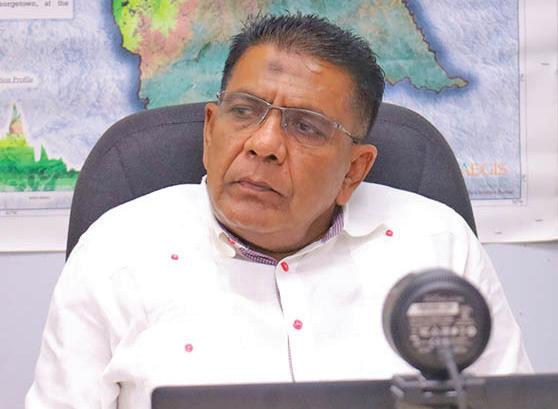
heavily in animal health with the expansion of our monolayer diagnostic capacity with new polymerase chain reaction (PCR) systems, strengthening laboratory networks and ensuring bilateral partnership for applying this approach to vaccine development. Our capability system now integrates digital data management, positioning Guyana as a regional reference point for modern, evidence-based animal health governance,” he highlighted.
“Guyana is also strengthening its legislative and institutional framework through the Animal Health Amendment Act, which enhances enforcement and introduces a fixed penalty for regulatory breaches on modernised compliance mechanisms. This reform ensures that our veterinary services operate with greater efficiency, transparency, and accountability, key pillars of the world standard,” he added. At the regional
level, Minister Mustapha noted that Guyana leads the Caribbean Community (CARICOM) Ministerial Task Force on Food Production and Food Security, explaining that “within this framework, we are transforming priority sectors such as meat and poultry, and building independent groups and animal health systems such as disease governance, biosecurity, and veterinary capacity to ensure safe trade and sustainable growth”.
He emphasised that “as a region, we are working to establish a CARICOM Animal Health Corridor, harmonising standards and building trust to expand inter-regional trade in livestock and livestock products.” According to Mustapha, regional self-reliance, animal health security, and production resilience are not a matter of aspiration but of a national and regional survival. In this regard, he expressed that Guyana lends its voice
to the call for animal health to be an important focus within national policy agendas. This, he said, means strengthening sustainable financing and preventative measures including vaccine research and deployment, accelerating digital transformation in surveillance and diagnostics, and investing in youth and innovation to build the next generation of veterinary professionals. “Guyana stands ready to be a partner in this path because investing in animal health is investing in a secure future for everyone,” Mustapha emphasised.
Just last month, officials gathered in Georgetown for the 52nd Ordinary Meeting of the South American Commission for the Fight against Foot-and-Mouth Disease (COSALFA), where they warned against complacency and the risks the region faces in the event of an outbreak. With the exception of Venezuela, all countries in South America are closer to eradicating foot-and-mouth disease, while subregions such as Central America, North America and the Caribbean are considered free of footand-mouth disease without vaccination.
Mustapha had told the forum then that this extraordinary progress was built on strong surveillance systems, coordinated vaccination strategies, and the tireless work of veterinary services backed by decades of investments across the region.

Cuba’s leader warned Monday of a “bloodbath” in the event of an American attack, and the United States Treasury issued sanctions targeting Cuba’s main intelligence agency and top leaders as tensions spiked between the longtime rivals.
President Miguel DiazCanel stressed the island’s right to defend itself a day after US news site Axios reported that Havana had obtained over 300 military drones from Russia and Iran and is mulling using them against a US base at Guantanamo Bay in eastern Cuba, among other targets.
The report, which quoted US intelligence officials, came amid grow -
ing speculation that the United States is weighing military action to topple Cuba’s communist Government.
It said that US military vessels and possibly even Florida could be targeted in Cuban drone strikes, which an unnamed US official presented as proof of the “growing threat” posed by Cuba to the United States.
Writing on X, DiazCanel repeated that Cuba “poses no threat” to the United States or any other country and warned that a US attack would “trigger a bloodbath with incalculable consequences”.
He did not directly address the alleged stockpiling of drones ,but said Cuba had “the absolute
and legitimate right to defend itself against a military onslaught”.
“Yet that cannot be wielded, logically or honestly, as an excuse for imposing war on the noble Cuban people,” he wrote.
Washington on Monday ramped up pressure on the Caribbean island nation by announcing sanctions on its intelligence agency and nine Cuban nationals, including the country’s Ministers for Communications, Energy and Justice.
Several top Communist Party officials and at least three generals were also among those sanctioned, according to a statement from the Treasury’s Office of Foreign Assets Control.
(Excerpt from AFP)
U S Prosecutors charged Alex Saab, known as the “bag man” for former Venezuelan President Nicolás Maduro, with money laundering over his alleged exploitation of a Venezuelan welfare plan, according to court filings unsealed on Monday.
Saab, a top ally of Maduro’s, was deported by Venezuelan interim President Delcy Rodríguez over the weekend to the US in a move that she said was “justified by national interests”.
The deportation signalled a new level of coordination between the Trump administration and Rodríguez, Maduro’s former Vice President.
Saab, the 55-yearold former Venezuelan Minister of Industry, conspired to bribe Venezuelan officials and transferred money through US bank accounts to enrich himself, Prosecutors alleged. He made his initial court appearance on Monday afternoon in a Miami federal court.
The charges come as the Administration of President Donald Trump prepares to try Maduro, who was captured by US special forces in Caracas earlier this year.
Saab could provide US authorities with information to strengthen their criminal case against Maduro, Reuters previously reported.
Its Barbados-based Operations are feeling the impact as ANSA McAL Limited sharpens the focus on core “growth engines” and tries to maximise shareholder value as part of a 2X strategy to double its size by next year.
This comes as the Trinidad and Tobago conglomerate’s financial reports show that revenue generated from the Barbados market has declined by about Bds$59 million, or 23 per cent, since 2022.
Revenue from subsidiaries here was about Bds$197 million in 2025, down from approximately Bds$217 million in 2024, Bds$252 million in 2023, and Bds$256 million in 2022, ANSA McAL’s annual reports, in-
cluding the one for 2025, show.
Based on the financials, the steepest single-year drop occurred between 2023 and 2024, when revenue fell by Bds$35 million.
The group has been selling off some of its Barbados businesses, and closing some, in recent times, as it has also been doing in the twin-island republic.
Group Chief Executive Officer (CEO) Anthony N Sabga III said: “In line with our commitment to sharpen focus and maximise shareholder value, we also executed a series of divestments: ANSA Technologies (Trinidad), Standard Distributors (Trinidad and Barbados) and Brydens Xpress and
Retail (Barbados).
“These actions were deliberate steps to streamline the portfolio, redeploy capital, and intensify investment in our core growth engines. Simply put, we chose to focus and reduce complexity so we can deliver 2X with greater clarity, discipline, and impact,” he explained.
The 2025 annual report said ANSA Technologies was sold for Bds$5.3 million, the holding in Brydens Retail Inc and Brydens Express Inc in Barbados was divested for Bds$3.2 million, while Standards Distributors Limited and its subsidiary Standard Distribution and Sales (Barbados) Limited were sold for Bds$5.3 million. (Excerpt from Nation News)
Supporters of Bolivia’s former leftist president Evo Morales marched through La Paz on Monday, widening unrest that has blocked roads for nearly two weeks and triggered shortages of food, fuel and medical supplies across the country.
The disruptions have stranded trucks on highways and left patients un -
able to reach hospitals, authorities said. Argentina has sent a military aircraft with food supplies at Bolivia’s request.
Demonstrations that began with strikes in early May have grown into a nationwide movement involving labour unions, miners, transport workers and rural groups. Protesters are pressing President Rodrigo
Paz’s Government to roll back austerity measures and address rising living costs, with some calling for his resignation.
Analysts say the unrest has broadened from local grievances to wider anti-government sentiment over the country’s economic direction.
(Excerpt from Reuters)
The University of the West Indies (UWI) is mourning the passing of Emeritus Professor Baldwin Mootoo, a pioneering academic whose career was deeply woven into the institution’s history and growth.
In the court filings, Prosecutors describe a sprawling scheme that began in 2015 in which Saab and others used fake companies, shipping records and invoices to pilfer hundreds of millions of dollars earmarked to buy food for Venezuelans.
Starting in 2019, Saab and his alleged co-conspirators used their access to the Venezuelan Government, which was struggling to pay foreign debts amid US economic sanctions, to sell billions of dollars of oil under false pretences, prosecutors wrote, alleging that money from those sales was also transferred through US bank accounts. (Excerpt from Reuters)
Mootoo’s journey with UWI began in 1956 when he enrolled at the University College of the West Indies in Mona, Jamaica. That same year, he achieved a milestone by becoming the first recipient of a PhD from the newly-independent UWI, marking a defining moment in the university’s transition from its affiliation with the University of London.
In 1971, Mootoo joined the Department of Chemistry at the St Augustine campus. Over the next 25 years, he held several leadership roles, including Head of Department, Campus Dean of the Faculty of Natural Sciences, Pro ViceChancellor for Research, and Deputy Campus Principal. His tenure coincided with the expansion of UWI into a regional
institution with multiple campuses, and he played a central role in advancing collaborative research in natural products chemistry across the Caribbean and internationally. Vice-Chancellor Professor Sir Hilary Beckles reflected on Mootoo’s impact, describing him as “a remarkable colleague and comrade”. Beckles recalled their shared commitment to academic disciplines and their bond over cricket, noting that their time together was “like a precious gift from above.”
Acting Campus Principal Professor Derek Chadee emphasised Mootoo’s enduring influence, stating that “the thousands of students, the researchers with whom he interacted globally, and others who continue to benefit from his published body of work – we all owe him an immeasurable debt.” Chadee added that it was fitting for Mootoo to have his final resting place in the UWI cemetery at St Augustine.
Mootoo retired in 1996 and was conferred the title of Professor Emeritus in 2000. His legacy remains a testament to his loyalty, passion, and dedication to shaping the future of Caribbean education and research.
The UWI community has extended its deepest condolences to Mootoo’s family and friends, honouring the life of a scholar who embodied the spirit of the university. He died at his home in Lopinot, Trinidad on Tuesday, May 12, surrounded by family. He was 89. (Trinidad Guardian)


Oil prices fell more than two per cent in early Asian trade today after US President Donald Trump said he had paused a planned attack on Iran to allow for negotiations to end the war in the Middle East.
Brent futures for July delivery fell US$3.01, or 2.7 per cent, to US$109.09 a barrel as of 0001 GMT, while US West Texas Intermediate (WTI) crude for June delivery fell US$1.38, or 1.3 per cent, to US$107.28. The two benchmarks had hit their highest levels since May 5 and April 30, respectively, in the previous session.
The June WTI contract expires today, while the most active July contract fell $US2.06, or two per cent, to US$102.32 per barrel.
Trump said on Monday there was a “very good chance” the United States could reach an agreement with Iran to prevent Tehran from obtaining a nuclear weapon, hours after announcing the pause in military action to allow talks.
“While Trump’s signal has eased some immediate pressure, the fundamental risks persist ... The market is now watching whether Trump’s comments represent a genuine shift toward de-escalation or just a tactical pause,” said Tim Waterer, chief market analyst at KCM Trade.
“Also, how Iran responds to the latest developments, and what’s actually happening on the water with tanker movements through the Strait of Hormuz are key determinants of where oil prices head to from here.”
The Middle East conflict has effectively closed the Strait of Hormuz, a critical waterway that carries about a fifth of global oil supply, raising concerns over supply disruptions.
Iranian Foreign Ministry spokesperson Esmaeil Baghaei confirmed on Monday that Tehran’s position had been conveyed to the US via Pakistan, but provided no further details.
A Pakistani official, speaking on condition of anonymity, said Islamabad had relayed a new proposal between the two sides, but noted slow progress.
Meanwhile, Iran’s semi-official Tasnim news agency reported that Washington had agreed to waive sanctions on Tehran’s oil exports during negotiations, but a US official denied the claim.
Separately, US Treasury Secretary Scott Bessent extended a sanctions waiver by 30 days to allow “energy-vulnerable” countries to continue purchasing Russian seaborne oil.
In the US, a record 9.9 million barrels were drawn from the Strategic Petroleum Reserve last week, Energy Department data showed, bringing stockpiles down to about 374 million barrels, the lowest since July 2024.
International Energy Agency Head Fatih Birol said commercial oil inventories were falling rapidly, with only a few weeks of supply left owing to the conflict and disruption to shipping.
(Reuters)
Aluxury liner at the centre of an outbreak of hantavirus docked at the Dutch port of Rotterdam on Monday, where authorities were disembarking the remaining 25 crew members and two medical staff and planned to cremate a German woman who died.
The Dutch-flagged MV Hondius cruise was to be disinfected.
It had been carrying around 150 passengers and crew from 23 countries when a cluster of severe respiratory illnesses was first reported to the World Health Organisation (WHO) on May 2.
Three persons have died. The bodies of a Dutch couple have been repatriated, while a German victim was to be cremated in the Netherlands with her ashes then sent home. Including the three
deaths, there have been eight confirmed and two probable cases on board, according to WHO.
Hantavirus is primarily spread by rodents but can be transmitted between people in rare cases and after prolonged, close contact. Incubation can last about six weeks.
There is no specific treatment for infection.
The Dutch National Institute for Public Health and the Environment (RIVM) said that none of the people coming off the boat were showing symptoms.
“Upon arrival in Rotterdam, these people disembark in a phased and controlled manner,” it said.
The WHO insists the wider threat to public health remains low and there is no comparison with the COVID epidemic. (Excerpt from Reuters)
United States President Donald Trump has said he is holding off a military attack on Iran planned for today at the request of Gulf States as “serious negotiations are now taking place”.
In a post on Truth Social, he said he had been asked to do so by the leaders of Qatar, Saudi Arabia and the United Arab Emirates (UAE).
He said he had been informed a deal would be made that is “very acceptable” to the US, adding there would be “NO NUCLEAR WEAPONS FOR IRAN!”
But he warned the US would be ready to “go forward with a full, large scale assault of Iran, on a moment’s notice” if there was no acceptable deal.
A senior Iranian military commander said the US should not make “strategic mistakes and miscalculations again”.
Trump’s latest announcement on Iran comes amid a drop in his approval rating and as polls show the war is increasingly unpopular at home.
Some 64 per cent of voters believe it was the wrong de-

cision to go to war with Iran, according to a New York Times/Siena poll published on Monday.
The survey also found that just 37 per cent of voters approve of Trump’s job performance as president. The polling underscores the challenge Republicans face in the midterm elections, in a moment of growing public frustration with the war and Trump’s handling of the economy and immigration, among other issues.
Talking to reporters later, Trump called it “a very positive development, but we’ll see whether or not it amounts to anything”.
(Excerpt from Reuters)
Authorities in the United States say three persons have been killed at a complex housing a mosque and an Islamic school in San Diego in a suspected hate-motivated attack.
San Diego Police Chief Scott Wahl said the two shooters in the incident at the Islamic Centre of San Diego (ICSD) in southern California on Monday were also found dead of apparent self-inflict-
ed gunshot wounds.
“Because of the Islamic centre location, we are considering this a hate crime until it’s not,” Wahl told reporters.
The suspects were two males, believed to be aged 17 and 19, according to the Police Chief.
Wahl said one of the victims was a security guard at the Islamic centre, who played a “pivotal role” in ensuring that the incident did
not become far worse.
He added that authorities are investigating and working “figure out and piece together exactly what led to this moment”.
All three victims were adults. Children at the school were not physically harmed, according to authorities.
The San Diego Police Department had reported an active shooter incident at the ICSD before saying that the threat was “neutralised”.
Taha Hassane, the imam of the mosque, described the ICSD as a place for people — including non-Muslims — to come together and pray, learn and celebrate.
“It is extremely outrageous to target a place of worship. Our Islamic Center is a place of worship,” Hassane said.
San Diego Mayor Todd Gloria stressed that “hate has no place” in the city.(Excerpt from Al Jazeera)
ACalifornia jury has tossed out Elon Musk’s high-profile lawsuit against OpenAI and its boss, Sam Altman.
In a unanimous verdict, the jury agreed that Musk had waited too long to file his lawsuit, leaving all of his claims essentially expired.
Musk had accused Altman of breaching a non-profit contract by shifting the ChatGPTmaker to a for-profit company after Musk donated US$38 million early in OpenAI’s his-
tory.
Musk claimed Altman had deceived him by accepting his money and then reneging on OpenAI’s original non-profit mission to develop Artificial Intelligence (AI) technology for the benefit of humanity.
Jurors spent just about two hours on Monday deliberating on the case, but they had spent three weeks viewing internal correspondence and hearing testimony from Musk, Altman and other tech industry executives, such as
Microsoft’s chief executive Satya Nadella.
Musk had accused Microsoft of aiding and abetting OpenAI in its allegedly improper transition to a more for-profit company.
Musk’s other claims against Microsoft were dismissed as a matter of law given the jury’s findings on the two claims against OpenAI.
A spokesperson for Microsoft said of the verdict: “The facts and the timeline in this case have long been clear.”
The company added that it remained committed to its work with OpenAI. The jury’s decision adds to a string of recent losses and settlements for Musk in court. Within a few hours of the verdict, Musk criticised the decision against him in the OpenAI case, writing on X that it created “a free license to loot charities if you can keep the looting quiet for a few years!”
(Excerpt from BBC News)
Greenland’s Government said on Monday that progress has been made in high-stakes talks with the United States over the territory’s future, but that the giant island sought by President Donald Trump will never be for sale.
US special envoy Jeff Landry, appointed by Trump last year to push for American control of Greenland, arrived in Nuuk on Sunday and met on Monday with Prime Minister Jens-Frederik Nielsen and Foreign Minister Mute Egede.
“We believe there is progress, and from Greenland’s side we are focused on finding a solution that is good for us all, and
most importantly that threats of annexation, takeover or a purchase of Greenland and the Greenlandic people does not occur,” Nielsen told reporters after meeting with Landry.
There was no immediate statement from Landry who told local media on Sunday he was there to “listen and learn”. Trump’s assertion that the US must acquire or control
Greenland, a semi-autonomous Danish territory, has sparked tension between Washington and Copenhagen, both founding NATO members, and more broadly across Europe.
“They asked for a meeting, and we’ve explained our situation and standpoint, and that we have some red lines – we will not sell Greenland, we will own Greenland for all time,” Egede said.
Seeking to calm tensions, Greenland, Denmark and the US earlier this year agreed to hold high-level diplomatic negotiations to resolve the crisis, although the outcome of those ongoing talks has yet to be presented.
(Excerpt from Reuters)







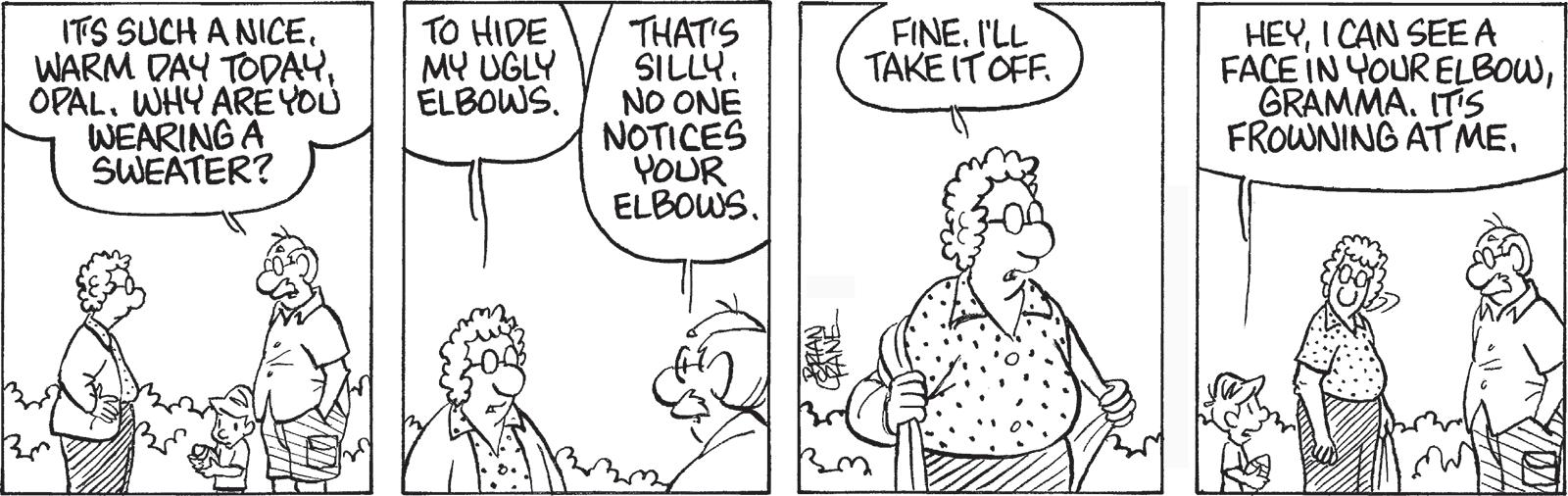

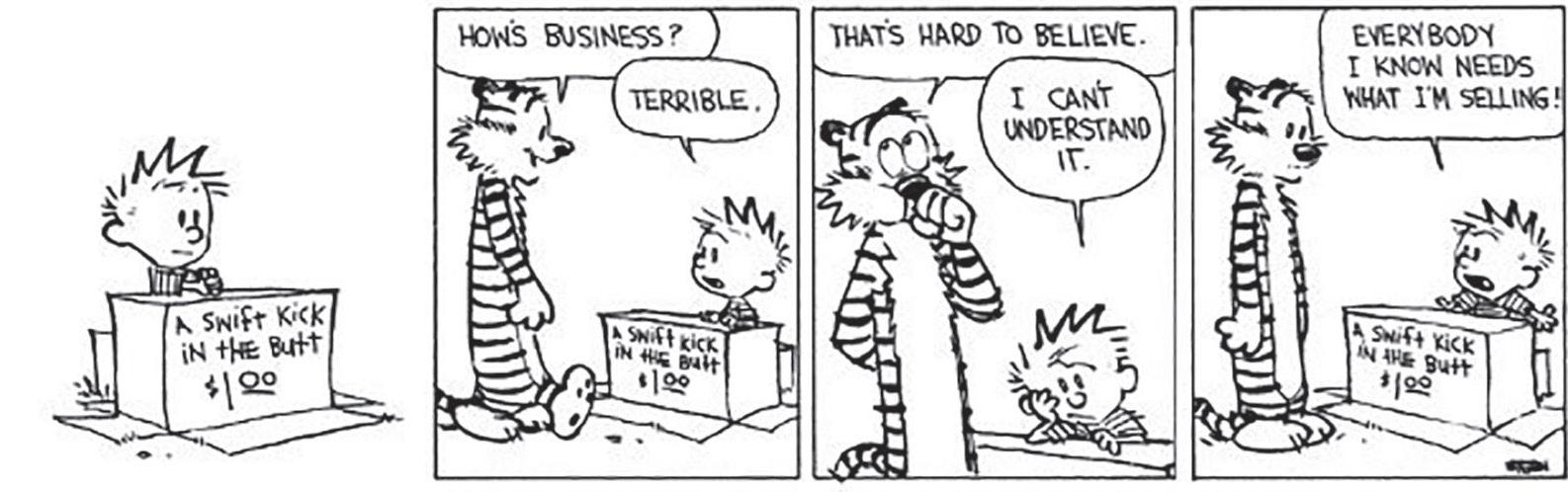






Let the creativity flow, but when communicating, stick to the facts and keep your emotions in check. A hostile gesture will have ramifications that will be hard to reverse.
21-April 19)

20-May 20)

Focus on what you are trying to accomplish, not bickering over something you have no control over. Stick to the people you know you can trust and depend on for backup, support and good advice.


21-June 20)


21-July 22)


23-Aug. 22)


23-Sept. 22)




24-Nov. 22)
Change your words to meet demands. Read the room, and articulate what you can do to help. The art of reframing your skills and experience will put you in the upper tier of your competitive group.
Whether you decide to update your look, venture into a pastime that offers social interaction or broaden your horizons through educational pursuits, the likelihood of personal growth and satisfaction looks good.
Plant your feet firmly on the ground, and put your time and effort into gaining experience, learning and being open to unique alternatives. Distance yourself from rigidity and conflict.
Stop worrying about what others are doing. Follow your instincts and do what you do best. Challenge yourself, and you’ll come out on top. Don’t let a change of attitude someone displays dismantle your thoughts and actions.
Network, learn something new, associate with people who share your interests and take the initiative to tidy up loose ends. Protect your reputation and ideas.
See what’s available, and focus on budget, truthfulness and the best way to fill your heart with joy and your soul with peace. Expand your relationship with someone who touches your heart.


23-Dec. 21)
Stick to your budget, control your emotions and focus on healthy living and being kind. Use your intelligence to bring about positive changes, and talk to those you want to get to know better.




Stick to what’s important to you. Look for the truth, and stand by your word. Refuse to let what others do play with your mind or tempt you to get involved in something you shouldn’t.
It’s up to you to build the foundation that pleases you and allows you to follow your heart, your interests and to find the peace and joy of doing what’s best for yourself.


Listen, but don’t believe everything you hear. Distance yourself from anyone pushing their views on you. Don’t give control to someone else; be the master of your destiny.







SRH allowed only two boundaries in the five overs from nine to 13. CSK needed something from their star boy and finally he delivered. Hitting Nitish Reddy for a four and a six in the 14th over set him on his way to make 44 off 27. Confident in his cross-bat shots, he set himself up for the slow short ball and kept cutting

Kulkarni in the game against Royal Challengers Bengaluru (RCB) on May 7. It doesn’t appear as if Gaikwad is out of form. He is CSK’s second-high est run-getter. Just that he seems to be in denial about the way runs are scored in the power play in this IPL. With the field up, other open ers are thinking boundaries

lip-reading suggested they

A straight-bat push nearly resulted in Klaasen’s wicket, but the ball dropped short of Hosein. He responded to that with a reverse sweep for four. Noor Ahmad saw the change in stance and pulled out at the start of his next over. The next ball, Klaasen could have been dismissed for 18, had Johnson held on to a tough catch at deep square leg. Once again, shrugging away the near-miss, Klaasen clattered Noor to the boundary. Klaasen dominated spin and finished with 47 off 26. He had a strike rate of 181 and was in control of 81 per cent of the balls he faced. Those numbers should not have been possible on a pitch
that was slow and a bit low. The impact he had on the game was apparent when Samson and Urvil had sendoffs for Klaasen.
Kishan’s guiding hand Batting in Klaasen’s slipstream was fun for Kishan. He brought up fifty off 37 balls. It wasn’t a fluent innings and that almost made it more special. He was so determined not to give it away and so alert when the bad ball came. Any time he had the chance to use his fast hands and whip stuff off his pads, he took them. He played the kind of innings that is important in the context of a season; a performance that says he may not be at his best but is still a threat. (ESPNcricinfo)
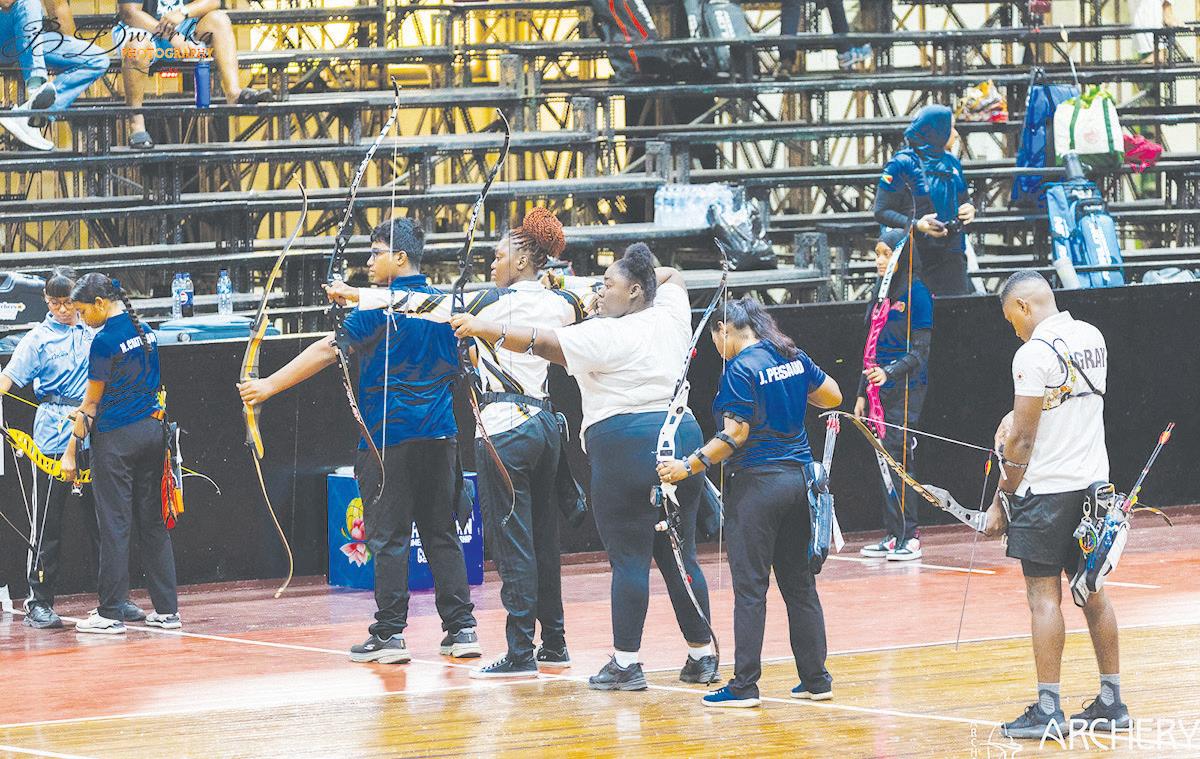
The nation’s top archers delivered a weekend of precision, poise and pulsating finishes when the National Indoor Archery Championship 2026 concluded at the Cliff Anderson Sports Hall on Sunday.
Across two days of competition, seasoned champions and rising juniors battled through qualification rounds and head-to-head eliminations in recurve, compound and barebow divisions, with several top seeds living up to expectations and a few dramatic moments along the way.
Bow Nation emerged as the overall champions of the National Indoor Archery Championship 2026 after topping the medal standings at the Cliff Anderson Sports Hall. The club secured an impressive 13 medals in the individual category, comprising five gold, four silver and four bronze, to finish first over-
all. Pro Archers followed in second place with 10 medals (three gold, three silver and four bronze), while Golden League Archery claimed third with seven medals, including two gold, three silver, and two bronze.
Top seed Trevaughn Waldron of Bow Nation underlined his dominance in the Recurve Men’s Division, securing gold with a composed victory over clubmate Mehandra Chatargum in Sunday’s final.
Waldron took control early in the gold-medal match, edging the opening set 2726 before trading sets with Chatargum. The turning point came in the fourth set, where Waldron fired a near-perfect 29 to seal the contest and confirm his status as the country’s premier recurve archer.
Chatargum, who had earlier dispatched Golden League’s Jeewanram Persaud in the semi-final, settled for silver af-

ter a strong showing throughout the elimination rounds.
The bronze-medal match produced one of the day’s most gripping finishes. Golden League’s Persaud edged Pro Archers’ Purshotam Sharma in a shoot-off after the match ended level on set points. Persaud held his nerve in the one-arrow decider to clinch third place.
In the Recurve Women’s Division, Bow Nation’s Eslyne Gomes delivered a commanding performance to take gold over Golden League’s top seed Karin Onica Toppin.
Gomes won the match in straight sets, displaying steady accuracy and composure under pressure. Her semi-final clash with teammate Roshini Boodhoo had been far more demanding,

Waramuri Secondary continued their impressive run in the Blue Water Girls Under-15 Inter Secondary School Football Competition after securing the Region One (Moruca) sub-region title following a series of commanding performances on Saturday, May 16.
Waramuri stamped their authority on the competition with back-to-back victories to clinch the championship and advance to the next stage of the tournament. In their opening encounter, Waramuri defeated
Kwebanna Secondary 3-0 behind a double from Shenesa Thomas, while Breanna Henry added the other goal. They followed up with another dominant display, defeating Santa Rosa Secondary 2-0 to confirm their place as regional champions. Breanna Henry and Darwina Boyal each found the back of the net in the victory. Earlier in the tournament, Kwebanna Secondary edged Kamwatta Primary Top via penalty kicks following an entertaining 2-2 draw at the end of regula-
tion time. Kaziah Peters and Ishana Sampson scored for Kwebanna, while Chaney Wilson netted both goals for Kamwatta.
Santa Rosa Secondary also tasted victory in the next round of matches after defeating St Nicholas Primary Top 2-0. Leah Rodrigues and Alia Cyprian scored one goal each in the win.
Waramuri Secondary will represent the Region One sub-region of Moruca in the next stage of the Blue Water Girls U15 Inter Secondary School Football Competition.
but Gomes recovered from a dropped set to close out the contest and advance to the final.
Toppin, who entered as the number one seed, was unable to match Gomes’ consistency in the gold-medal match and had to settle for silver.
The compound men’s final produced a razor-thin finish
between Pro Archers teammates Gerard Mekdeci and Anand Mangra.
In a high-scoring affair decided by cumulative points, Mekdeci prevailed 133-132 after five ends. Both archers shot consistently in the high 20s per end, but Mekdeci’s strong closing arrows proved decisive.
Earlier, Mekdeci had overcome Independent’s Matthew Phang in the semi-final, while Mangra secured his place in the final with equally steady shooting.
Phang rebounded to claim bronze after defeating Pro Archers’ Errol Toppin in another tightly-contested match.
Bow Nation’s Saifullah Gani captured the Recurve Under-18 Men’s gold medal with a dominant straightsets victory over Golden League’s Keziah Archer. Gani had earlier overcome Nathan Fredericks in a competitive semifinal, showing both resilience and consistency.
In the Recurve Under-18 Women’s final, Pro Archers’
Samiyyah La Cruez rallied strongly to defeat Bow Nation’s Fatima Gani. After splitting the early sets, La Cruez found her rhythm and closed out the match to secure gold.
In the Barebow division, Nolan Gray of Golden League Archery topped the men’s qualification round with an impressive 491 after 60 arrows, finishing well ahead of his nearest rival.
Among the women, Shianne Affonso-Simon of Bow Nation led the field with 456, narrowly ahead of Jo-Lee Zammet.
In Under-18 Barebow, Ezekiel Hernandez (men) and Neepa Chatargum (women) produced the highest qualification scores in their respective divisions.
Held on May 16-17 at the Cliff Anderson Sports Hall, the championship once again highlighted the depth of talent across clubs, including Bow Nation, Golden League Archery, Pro Archers and Independent.
The opening round of the East Demerara Football Association (EDFA) Youth Ensemble Under-15 tournament kicked off in exciting fashion on Sunday, May 17, 2026, at the Victoria Ground, with fans treated to a thrilling display of youth football talent.
In the tournament’s opening match, home side Victoria Kings FC battled to a 1-1 draw with Haslington FC in a closely-contested encounter. Jayden Adams found the back of the net for Haslington, while Brandon Glasgow responded for Victoria Kings to ensure both teams shared the points.
Game two saw a dominant performance from Buxton All Stars, who defeated Mahaica Determinators FC 4-1. Joel Stephen led the charge with a clinical hat-trick, while Malachi Jarvis add-
ed another to seal the vic tory. Nathan Daw scored the lone goal for Mahaica Determinators in an effort to keep his side in conten tion.
Ann’s Grove United FC delivered one of the most emphatic performances of the day, brushing aside Plaisance Football Club 5-0 in game three. Quashaun Campbell was in scintillat ing form, netting four goals, while Ronoko Morris added one to complete the rout.
In game four, Melanie Football Club edged Golden Stars Football Club 1-0 in a tightly-fought contest. LeBron Semple proved to be the difference-maker, scor ing the lone goal to secure all three points for Melanie.
The final match of the day featured an im pressive showing from Beterverwagting-Triumph, who defeated Mahaicony Western Lions 4-1. Devon Williams opened the scor


twice, and Eric Nero added another to complete the tally. Colwin Thomas scored the consolation goal for Mahaicony Western Lions.
The opening round sets the stage for what promises to be a competitive and entertaining Youth Ensemble Under-15 tournament, as emerging talents across the East Coast continue to showcase their skills and passion for the game.

The National Racquet Center, Woolford Avenue was buzzing with excitement over the weekend as the country’s top squash players got in on the 60th Independence Jubilee action.
Nicolette Fernandes, Alex Arjoon, Ashley and Jason Ray Khalil, Ethan Bulkan and
Kaylee Lowe were among the outstanding performers over the weekend.
Veteran ace Fernandes cruised to victory in the Women’s Singles event. Fernandes had earlier defeated Mary Fung-A-Fat 11-9, 118, 11-4 in the semi-finals to set up a date with Ashley Khalil in the championship match.
Khalil booked her final ticket with a 2-11, 11-6, 8-11, 5-11 victory over Kirsten Gomes. In the final, experience trumped youth in a 11-8, 11-2, 11-8 win for Fernandes.
In the third-place playoff, Fung-A-Fat outplayed Gomes 11-1, 11-5, 11-6.
An exhilarating, lengthy battle between Alex Arjoon and Jason Ray Khalil was witnessed for the men’s championship as the former prevailed 6-11, 11-7, 6-11, 11-8, 7-11. Arjoon earlier got the better of Ashante Smith 5-11, 6-11, 6-11 to book his spot in the final while Khalil had overcome Nicholas Verwey in another hard-fought battle 11-7, 10-12, 11-7, 9-11, 14-12.
Battling for the third-place spot, Smith went the distance with Verwey and came out on top 11-2, 9-11, 3-11, 3-11.
The Khalil siblings later had their moment in the sun, romping to a 11-4, 11-7 win over Alex Arjoon and FungA-Fat in the senior Mixed Doubles category.

Ashley Khalil added another gold to her tally, this time teaming up with FungA-Fat for a 11-8, 11-1 win over Abosaide Cadogan and Kirsten Gomes in the women’s doubles division.
In the men’s version of that event, Jason Ray Khalil and Nicholas Verwey tasted victory in a 11-7, 9-11, 11-4 thumping of Louis Da Silva
and Ashante Smith.
In the junior categories, Ethan Bulkan rose to the summit of the Junior Boys’ division with a gruelling 10-12, 12-10, 11-9, 11-7 victory over Joshua Verwey in the final.
Both finalists had a tough road to the championship match. Bulkan overcame Justin Ten Pow 11-7, 11-9, 5-11, 5-11, 11-8 in the first
semifinal while Verwey got the better of Egan Bulkan 3-11, 11-5, 11-9, 9-11, 11-8. Ten Pow later had his redemption with a 11-4, 7-11, 11-5, 11-8 win over Bulkan in the third-place playoff.
Another marathon of a match resulted in Kaylee Lowe winning the Junior Girls’ division after defeating Emily Fung-A-Fat 11-9, 9-11, 8-11, 11-6, 7-11 in the final.
Fung-A-Fat had earlier overcame Paige Mendonca 114, 11-4, 11-7 for a spot in the final while Lowe punched her ticket with a 9-11, 5-11, 9-11 win over Malia Maikoo.
Maikoo claimed the remaining podium position, getting the better of Mendonca 11-9, 9-11, 1-11, 6-11 in the playoff.
Lowe brought home a second gold, teaming up with Louis Da Silva for a 11-5, 11-4 win in the Junior Mixed Doubles over Ethan Bulkan and Emily Fung-A-Fat.
…badminton facility to be commissioned soon

Ted its 60th Independence Anniversary Badminton Tournament on Sunday at the National Gymnasium, with several of the country’s top players producing standout performances across the se nior and junior categories as part of Guyana’s diamond ju bilee Independence celebra tions.
biggest performers were Akili Haynes and Mishka Beharry, who each secured two gold medals during the compe tition. Haynes dominated the Men’s Doubles and Mixed Doubles cate gories through a se ries of composed and consistent performances, while Beharry emerged as one of the event’s most success ful players after cap turing titles in the
According to the GBA, the competition attracted many of the country’s leading senior and junior athletes and highlighted the continued development of badminton locally, with several closely-contested matches entertaining spectators throughout the tournament.

Following the completion of the finals, the presentation ceremony was held at the venue, officially bringing the tournament to a close. Vice President of the Guyana Badminton Association, Ayanna Watson, used the occasion to inform athletes and officials of an upcoming international change to badminton’s
According to the official announcement, the Badminton World Federation has approved a new scoring format consisting of two out of three games played to 15 points, which is scheduled to come into effect internationally from January 2027. The change follows trials and discussions aimed at making matches faster paced and more appealing to players, spectators and Clubs across Guyana were encouraged to begin familiarising themselves with the new format ahead of its gradual introduction at international tournaments before its official Minister of Culture, Youth and Sport, Charles Ramson Jr commended the Guyana Badminton Association for successfully staging the tournament and noted that several sporting disciplines across the country were simultaneously hosting activities in celebration of Guyana’s jubilee Independence anniversary.

Ramson Jr also highlighted the upcoming commissioning of the new badminton facility at the National Racquet Centre, describing it as an Independence gift to the badminton fraternity and an important investment in the continued development of sports infrastructure in Guyana. Medals and cash prizes
Winners:
Under-23 Men’s Singles
1st Place – Frank Waddell
2nd Place – Christopher Jordan
3rd Place – Yonneil Benjamin - Caleb Tan
Under-23 Women’s Singles
1st Place – Mishka Beharry
2nd Place – Alimah Eastman
3rd Place – Menishki Jaikissoon - Anya Manickchand
Men’s Singles
1st Place – Sheraz Nabbie
2nd Place – Akili Haynes
3rd Place – Frank Waddell - Tyrese Jeffrey
Women’s Singles
1st Place – Ashley Khalil
2nd Place – Mishka Beharry
3rd Place – Alimah Eastman
Asiyah Eastman
Men’s Doubles 1st Place – Akili Haynes

were presented by Ramson Jr, National Sports Commission (NSC) Chairman Kashif Mohamed, and Assistant Director of Sport Melissa DowRichardson during the closing ceremony.
Special awards were also presented to the oldest and youngest registered participants in the tournament.
+ Tyrese Jeffery
2nd Place – Daniel Tan + Nkosi Beaton
3rd Place – Percival Chester + Ronit Gulchand
Troxley Cutting
+ Grandison Robinson
Women’s Doubles
1st Place – Mishka Beharry
+ Leshaunte Berkley
2nd Place – Asiyan Eastman + Menishki Jaikissoon
3rd Place – Abosadie Cadogan + Ashley Khalil
Amande LowLewis + Anna Perrerria
Mixed Doubles
1st Place – Akili Haynes
+ Asiyah Eastman
2nd Place – Nkosi Beaton + Mishka Beharry
3rd Place – Frank Waddell
+ Leshaunte Berkley - Amande Low-Lewis
+ Grandison Robinson

During the West Indies Four-Day Championship final at the Sir Vivian Richards Stadium in Antigua and Barbuda, bowlers dominated proceedings on Day Two as Trinidad and Tobago Red Force secured a slender 15-run first-innings lead over Guyana Harpy Eagles (GHE) in a gripping contest.
Resuming the morning on their overnight score, Red Force managed to add just 20 runs before being bowled out for 260 in 73.5 overs. The lower order offered resistance, with Jayden Seales playing a defiant knock of 70 not out to push his side to a competitive total.

Tickets for the highly anticipated Guyana Grand Prix have gone on sale online, ahead of the July 11 and 12 event at the South Dakota Circuit.
Following last week’s launch at the behest of President Dr. Mohamed Irfaan Ali, online ticket presales have begun via the guyanago.org website.
A spokesman for the local organizing arm, the Guyana Motor Racing and Sports Club (GMR&SC), contended that the event, which has redefined local motorsport, is being treated as more than a regular racing event.
“The Guyana Grand Prix is more than just a day of racing. We have an entire weekend of events planned. In the coming days, we will release more information as we confirm it, but as it
relates to ticket sales, we wanted to get that out of the way early.”
“It’s a two-fold approach, the releasing of presale tickets this early. Firstly, we know a lot of people in the diaspora are planning their vacations around that July period, and we wanted to take advantage of that and ensure that we give people options if they want to come back home and witness high-quality racing.”
And we also know there are people interested in getting their tickets early and setting them aside, and we opted to give them an incentive for being among the first; that is, a discounted price on tickets.”
The spokesman noted that the current $ 39 USD per ticket for the Sunday grandstand is a limited-time
offer, with prices expected to rise as the event nears.
“A lot of people have been asking about the VIP ticket packages, and those will go on presale next week. We are just trying to iron out a few small details regarding that before we release, but fans and enthusiasts can rest assured there are provisions being made.”
The Guyana Grand Prix, which is the third round of the GT3 De Las Americas series that travels through Latin America, will make its inaugural Caribbean and South American stop on July 11-12.
The two-day event will feature a mix of local and international races at the newly redeveloped South Dakota Circuit, the home of motorsport.
In reply, the Harpy Eagles endured an ear ly setback when Matthew Nandu nicked off to Seales without scoring.
Tagenarine Chanderpaul looked composed during his innings of 33, but he too fell to the impressive Seales as wickets tum bled steadily. At lunch, Guyana was wobbling at 46 for 2, with the Red Force bowlers maintain ing disciplined lines.
Captain Tevin Imlach and Kemol Savory both contributed 17, but nei ther could convert their starts. Kevlon Anderson’s lean run continued when he was dismissed for 9, as Terrance Hinds struck key blows to leave the Harpy Eagles reeling at 93 for 5.
The innings was revived by a crucial 82-run part nership between Jonathan Van Lange and Keemo Paul. Van Lange counterattacked with a fluent 46 from 64 balls, striking five boundaries before Seales returned to break the stand. Paul continued to anchor the innings, bringing up a fighting half-century before he was bowled by Joshua James for 51 off

69.4 overs, falling just short of the Red Force’s total. Seales was the standout performer with the ball, finishing with figures of 4 for 55 to complement his unbeaten half-century. Hinds supported well with 3 for 46, while Anderson Phillip chipped in with two wickets.

Minister within the Sport Ministry, Steven Jacobs on Sunday discussed renewed efforts to ensure the upgrades and maintenance of Community grounds around the Country.
During a sit down with the Starting Point Podcast, the Cricketer turned Politician divulged details on the new system, which includes documentation, oversight and collaboration with their fellow Ministries.
Jacobs explained, “So, what we’ve done, based on the President’s directive, we’ve mapped every single ground in the entire country, photographed every piece of infrastructure in each one of these grounds and then what we’ve also set out to do is to create ground committees. Not just for only persons who are living in the communities, we
With Guyana trailing by 15 runs on first innings, the stage is set for a decisive Day Three. Play is scheduled to resume at 10:00hrs, with both teams eyeing the upper hand in what promises to be a tense finish to the regional showpiece.
want to extend. So, what we’ve done, we’ve added somebody from the RDC, NDC, somebody from the three main religions in the country, somebody from Office of the President, someone from the Ministry of culture youth and sport.”
Referencing the varied personnel on the Committees, the Minister described how it can be for residents to make reports about their community grounds.
As such, the Minister went on to note, “So, that is how we formulate the plan to fix any community ground issue and we’re rolling that out extensively. Added to that also, we’re working very close with the ministry of Local Government so that we could have a maintenance programme in place, of which we’re near finalizing.”
The Minister also took the opportunity to rap the APNU/
AFC controlled Mayor and City Council of Georgetown for neglecting those facilities for years.
“Open spaces in Georgetown, it’s under their management, not control. So, we’ve known for years that the Mayor and City Council, they’ve neglected all of these facilities, grounds, open spaces, also drainage, garbage collection, everything basically is not where it should be. So, His Excellency and the Government, we said that we’re going to make sure that we take the responsibility of which we’ve started extensively,” Jacobs expressed.
The Minister further assured, “We are taking the role and the lead in making sure that these community facilities are something that every single person can be proud of and that families can go and relax and have quality family time.”