


$54.9B

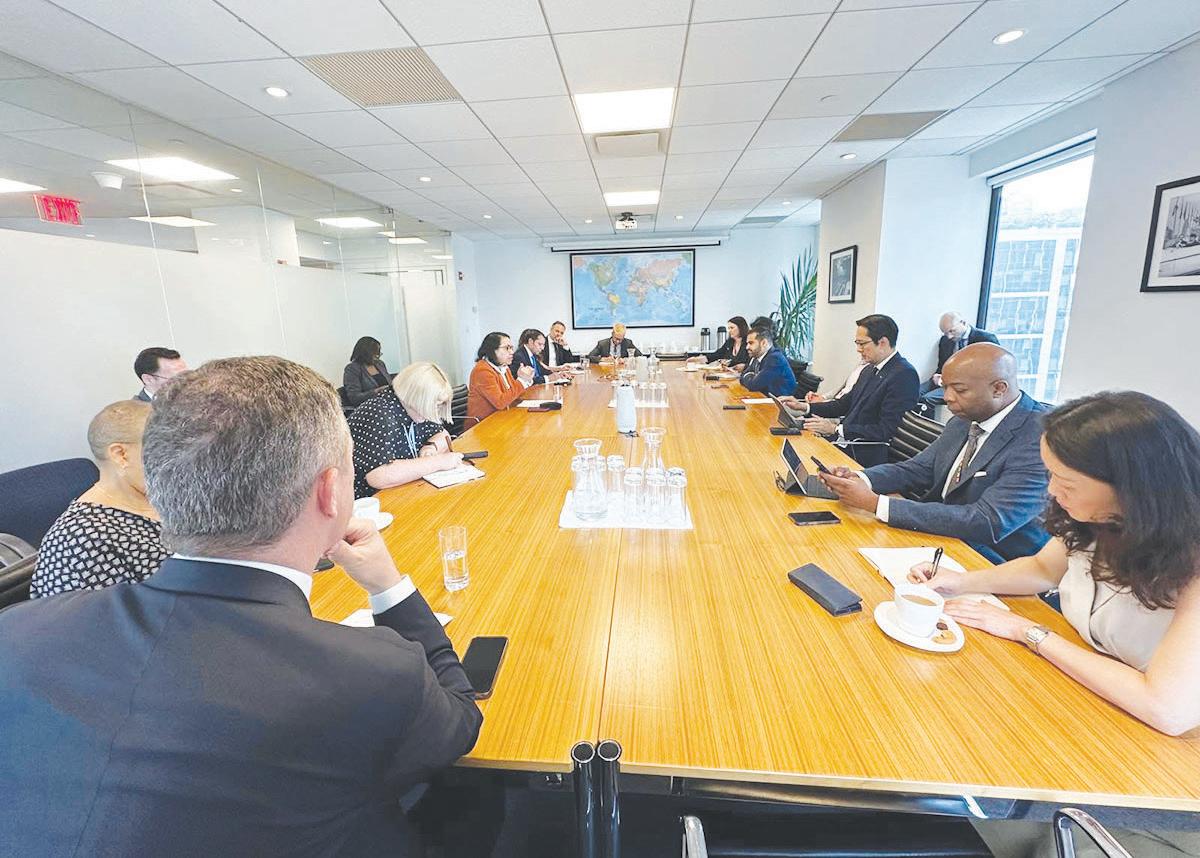



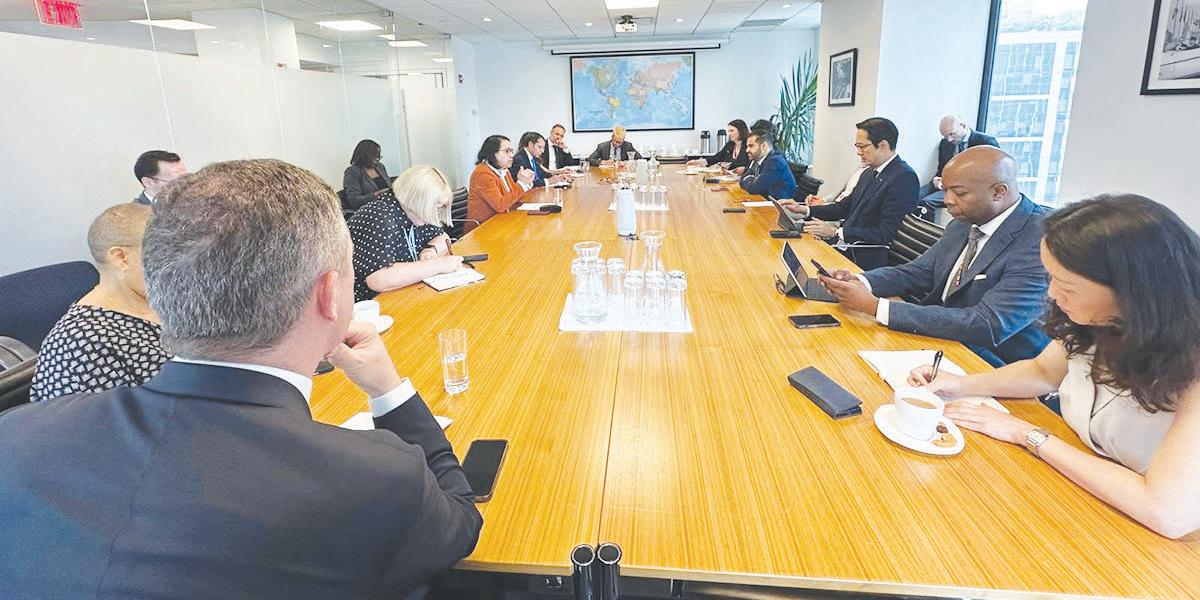
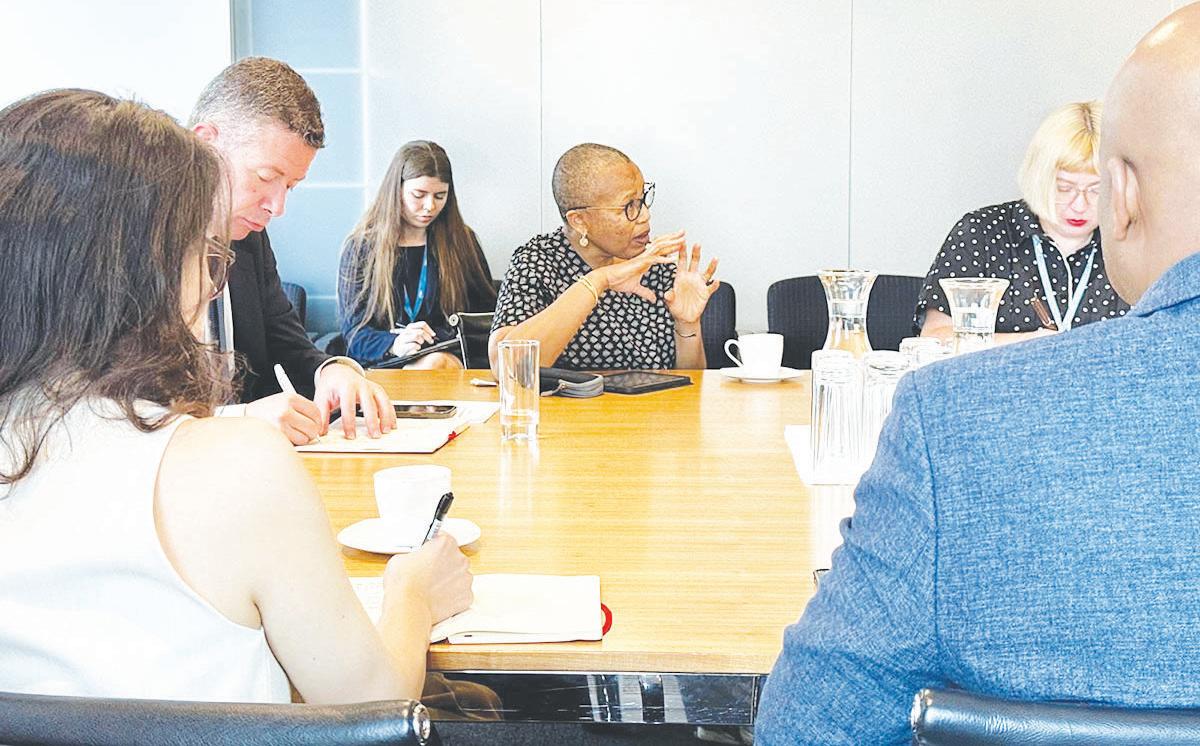
Ambassador Carolyn Rodrigues-Birkett on Monday engaged members of the Princeton Group on the United Nations (UN80) reform process, where she outlined her vision for implementing reforms if elected the next United Nations SecretaryGeneral (UNSG). During the engagement, RodriguesBirkett said she would focus on ensuring that the UN becomes more agile, effective and efficient while remaining responsive to the needs of member states and fit for purpose in an evolving global landscape. She welcomed
the opportunity to discuss her approach to implementing decisions arising from the UN80 reform process, noting that the organisation must adapt to meet emerging global challenges while continuing to serve its core mandate. Rodrigues-Birkett also thanked Ambassador Christian Wenaweser, Permanent Representative of Liechtenstein to the UN, and members of the Princeton Group for organising the engagement. She expressed appreciation to participants for their questions and perspectives, saying they contributed to a constructive dialogue
on the future direction of the organisation. RodriguesBirkett is among five official nominees seeking to succeed António Guterres as the next UNSG when his second term ends on December 31, 2026. Last week, she outlined a five-pronged agenda for her first 100 days in office should she be elected, centred on humanitarian action, support for vulnerable countries, institutional reform, conflict prevention and financing. She also pledged to appoint a senior leadership team that reflects competence, geographical balance and gender balance. The other can-
didates are María Fernanda Espinosa Garcés, nominated by Antigua and Barbuda; Rafael Mariano Grossi, nominated by Argentina; Rebeca Grynspan Mayufis, nominated by Costa Rica; and former Senegalese President Macky Sall, nominated by Burundi. The SG is appointed by the 193-member United Nations General Assembly (UNGA) on the recommendation of the Security Council. While the Council, particularly its five permanent members with veto power, plays a decisive role in recommending a candidate, the final appointment is made by the General Assembly. If elected, Rodrigues-Birkett would become the first woman to serve as UNSG since the organisation was established in 1945, as well as the first Caribbean national to hold the post.
Rodrigues-Birkett has served as Guyana’s Permanent Representative to the UN since 2020. She previously served as Director of the Food and Agriculture Organisation (FAO) Liaison Office in Geneva from 2017 to 2020, Minister of Foreign Affairs from 2008 to 2015, and Minister of Amerindian Affairs from 2001 to 2008.


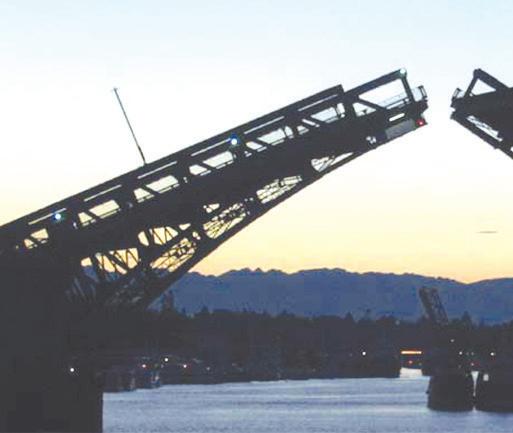
The Berbice Bridge will be closed to vehicular traffic on: Tuesday, July 28 –16:00h–17:30h and Wednesday, July 29 – 16:35h–18:05h.


Parika and Supenaam departure times – 05:00h, 10:00h-12:00h, 16:00h, 18:30h daily.




Thundery to light showers are expected during the day, with sunny conditions in the earlymorning and late-afternoon hours. Clear skies are expected at night. Temperatures are expected to range between 23 degrees Celsius and 30 degrees Celsius.
Winds: East North-Easterly to South-Easterly between 1.34 metres and 4.02 metres.
High Tide: 16:05h reaching a maximum height of 2.33 metres.
Low Tide: 09:38h and 21:50h reaching minimum heights of 0.80 metre and 0.88 metre.










resident Dr Irfaan Ali on Monday declared that his Government would “leave no stone unturned” in determining the circumstances surrounding the MV Barima Tragedy that has left this country in mourning, as he called for unity and support. Invoking Article 67(2) of the Constitution, in a message delivered to the National Assembly yesterday by Attorney General (AG) and Minister of Legal Affairs Anil Nandlall, the President lamented on the trauma the nation has faced and reminded that he remains committed to sup-
that the inquiry establishes the facts necessary to strengthen Guyana’s maritime safety framework. “To these families, this does not end with the recovery operation. It will continue for as long as necessary. We shall walk with them through their grief, assist them in rebuilding their lives and ensure that they never face this burden alone,” Ali expressed. The message of unity was underscored to screams from the opposition, “I appeal to every Member of this Honourable House, and indeed to every citizen, not to allow this tragedy to become a source
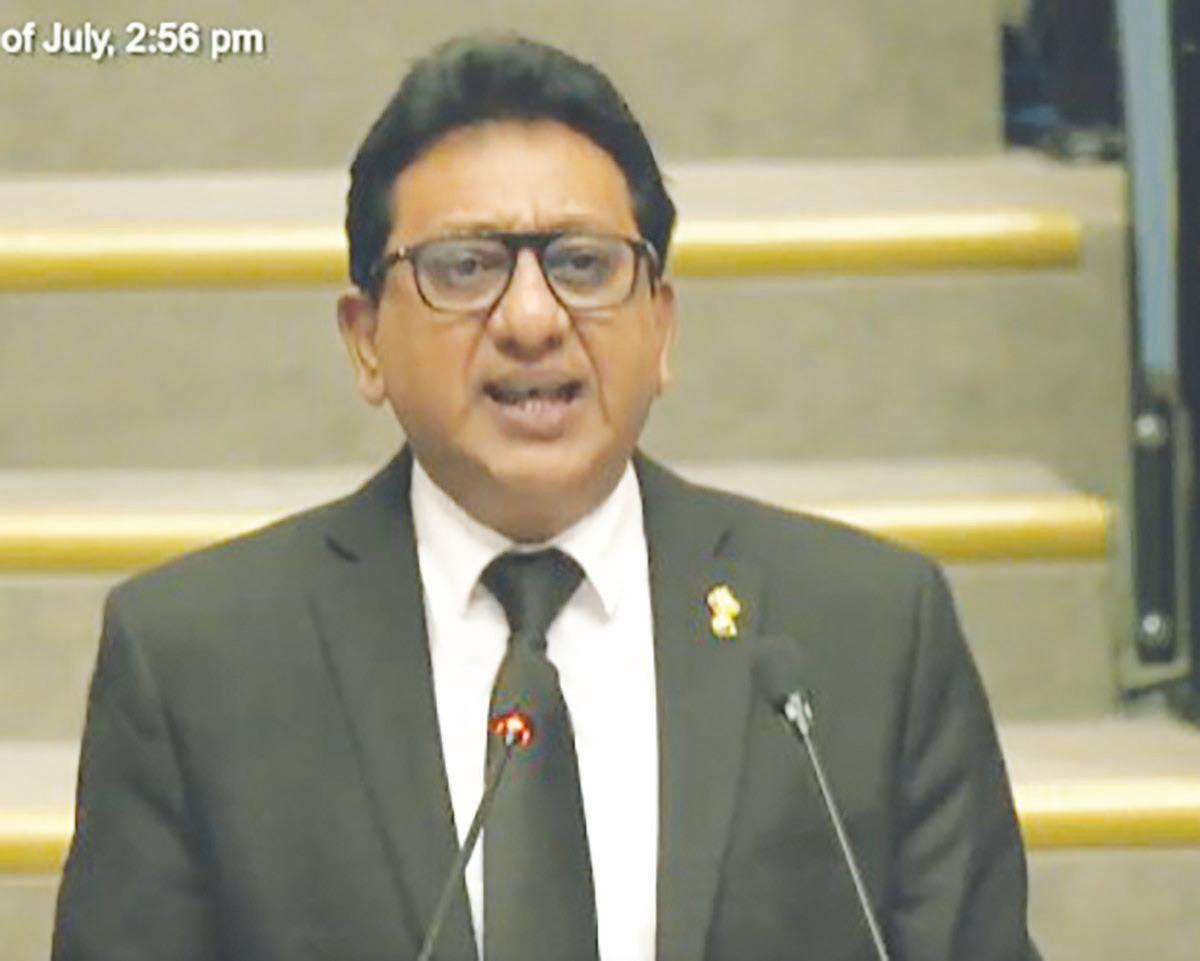
port. Nandlall’s task was not made easy, as when he rose to speak most of the Opposition parliaments descended on the floor with disruptive chants, as they protested Government’s handling of the disaster. Every word Nandlall read saw an attempted drowning out through protest chants, in unison, of “Who must go? Edghill and Indar!” But the AG was indomitable in his stance, as he read on the from the message where President Ali committed to providing the nation with the support systems needed to cope and heal from the tragedy. “I therefore assure this Honourable House and the nation that the Government will leave no stone unturned in determining the full circumstances that gave rise to this catastrophe. This will be done not only to answer the many questions weighing heavily on the minds and hearts of our people, but also to ensure that such a tragedy is never repeated,” a seemingly unfazed Nadlall read.
The President also reiterated his stance since the disaster struck last Saturday, that the country’s immediate priority remained supporting affected families while ensuring
of division among us. Let it instead become a moment that forges a stronger, more compassionate and united Guyana,” Nandlall
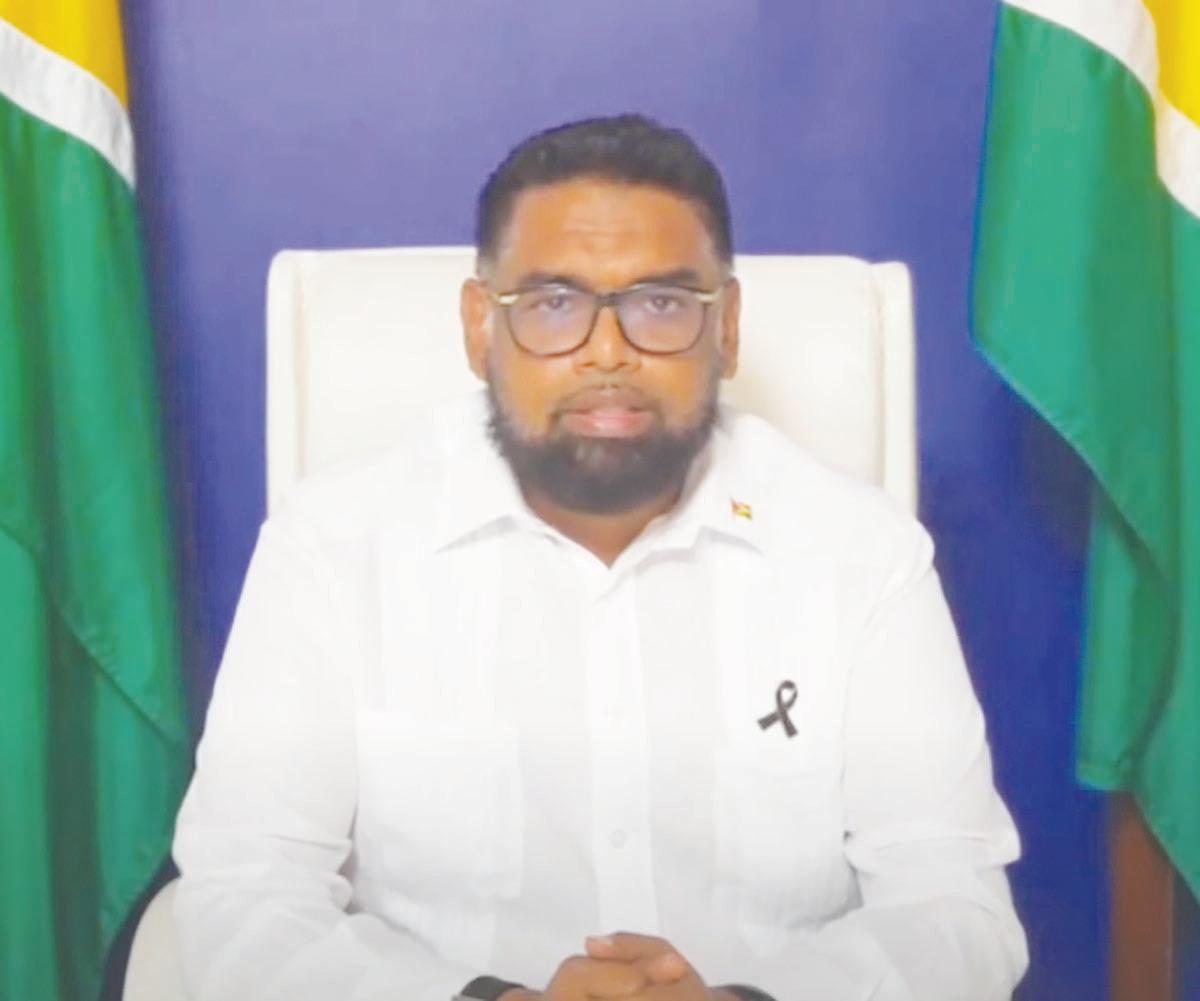
said. “In responding to this tragedy, we must therefore look beyond the immediate pain and recognise the deeper test before us—not only of our institutions, but of our collective spirit as a people,” he added. The President stated that on the night of July 18, the Barima, en route from Georgetown to Port Kaituma, capsized suddenly at sea and “By every account presently available, the vessel went under very quickly, leaving little time for crew and passengers to adopt life-saving measures.” The death and survival toll has been staggering; seventy-six rescued, seventy-three bodies recovered, and several passengers still unaccounted for, as the President noted that “A tragedy of unimaginable
proportions ensued. Our nation today bleeds from the calamitous loss of many of its sons and daughters. No words can truly capture the depth of grief that has descended upon our country. This tragedy has shaken our Republic to its very foundations. It has left an ache in every community, in every home, and in every heart. It is a wound that we will carry together, and one that history will forever record among the greatest sorrows of our nation. The President’s address also reiterated his announcements of an independent Commission of Inquiry (COI) that will investigate the events leading up to and surrounding the sinking of the vessel.



Editor: Tusika Martin
News Hotline: 231-8063 Editorial: 231-0544, 223-7230, 223-7231, 225-7761
Marketing: 231-8064 Accounts: 225-6707
Mailing address: Queens Atlantic Industrial Estate Industrial Site, Ruimveldt, Georgetown
Email: news@guyanatimesgy.com, marketing@guyanatimesgy.com
The passage of the Guyana Development Bank Bill marks a significant policy shift in the country’s approach to economic inclusion. For decades, access to affordable financing has remained one of the greatest barriers facing small entrepreneurs, farmers, agro-processors and countless aspiring business owners. While commercial banks have played an essential role in supporting economic activity, their lending models have naturally prioritised risk management, often leaving those without sufficient collateral or established credit histories unable to secure financing.
The creation of the Guyana Development Bank will bridge that long-standing gap and rather than competing directly with traditional financial institutions, the new bank has been designed to serve a segment of the population that has historically struggled to access capital despite possessing viable business ideas and the determination to succeed. In doing so, the legislation has the potential to transform not only individual livelihoods but also the structure of the national economy.
Economic growth is most meaningful when opportunities are widely shared and Guyana’s rapid expansion has generated investment, employment and new commercial prospects across multiple sectors. However, sustained development requires more than impressive macroeconomic indicators. It demands mechanisms that allow ordinary citizens to participate directly in the country’s prosperity through entrepreneurship, innovation and enterprise development.
Access to finance remains one of the most decisive factors separating a business idea from a functioning enterprise. Many small entrepreneurs possess technical skills, market knowledge and strong work ethic but lack the collateral demanded by conventional lending institutions. Land titles, substantial assets and lengthy financial records are often prerequisites for commercial borrowing, creating barriers for young entrepreneurs, women, small-scale farmers, fisherfolk and residents of rural and hinterland communities.
These realities have limited economic participation for many capable Guyanese because of structural constraints within traditional financing systems. Addressing those constraints through targeted development finance is, therefore, a logical and necessary complement to commercial banking rather than a replacement for it.
The Development Bank’s zero-interest, collateral-free micro-credit facility offers a practical response to this challenge. By extending financing of up to $3 million to eligible small businesses and entrepreneurs, the institution seeks to reduce one of the most persistent obstacles preventing enterprise creation and expansion. For many applicants, the absence of collateral has represented an insurmountable hurdle regardless of the quality of a business proposal. Removing that barrier could unlock significant entrepreneurial activity across the country.
The benefits extend well beyond individual borrowers as small and medium-sized enterprises are widely recognised as engines of economic growth. They generate employment, stimulate local production, encourage innovation and strengthen community economies. When financing becomes more accessible, new businesses can purchase equipment, expand operations, hire additional workers and increase productivity. Those developments create multiplier effects that benefit suppliers, consumers and entire communities.
The agricultural sector stands to gain considerably from this initiative, with small farmers frequently possessing land, experience and market opportunities but remain constrained by limited access to affordable capital. Financing is often needed for machinery, irrigation, livestock, transportation, storage facilities or value-added processing. Improved access to credit could enable greater agricultural output while supporting national food security objectives and strengthening Guyana’s contribution to regional food production.
Likewise, hinterland communities, women entrepreneurs and young innovators could benefit from financing tailored to their unique circumstances. Expanding access to capital in these areas encourages balanced national development by ensuring that economic opportunities are not confined to established commercial centres. Inclusive growth requires deliberate policies that extend opportunity across every region and demographic.
Equally important is the emphasis on measuring success beyond the volume of loans disbursed. A development bank should ultimately be judged by the sustainability of the businesses it supports, the employment opportunities it generates and the contribution it makes to expanding the productive capacity of the economy. Strong governance, prudent lending standards and effective monitoring will, therefore, be critical to ensuring that public investment delivers lasting returns.
The passage of the legislation, therefore, reflects the recognition that economic transformation must include mechanisms that empower those traditionally excluded from formal credit markets. By reducing financing barriers, supporting entrepreneurship and encouraging wider participation in national development, the Guyana Development Bank has the potential to become an important pillar of inclusive economic growth.
As Guyana continues its remarkable economic journey, policies that widen access to opportunity will prove just as important as those that attract investment.

By MáxiMo Torero
Hunger is falling across most of Latin America and the Caribbean. The region’s next challenge is harder: ensuring that everyone can afford a healthy diet, not merely enough calories to survive.
The regional hunger rate fell for a fifth consecutive year in 2025, reaching a record low of 4.8 per cent, down from the pandemic peak of 6.1 per cent in 2020. About 32 million people faced hunger, more than one million fewer than in 2024 and 7.5 million fewer than in 2020. Moderate or severe food insecurity, which includes people forced to skip meals or eat less, also fell to 22.9 per cent, below its 2015 level of 23.4 per cent. The region’s share of the world’s hungry has remained at about 5 per cent for 15 years.
This progress was not accidental. It reflects sustained investment in agricultural productivity and stronger social protection, including the cash transfer and school feeding programmes developed by Brazil and Mexico.
The countries recording the largest gains differ greatly, but their policies reveal a consistent pattern. Brazil, Chile, Costa Rica, the Dominican Republic, Guyana and Uruguay have reduced hunger below 2.5 per cent, the level below which the Food and Agriculture Organisation of the United Nations reports the estimate simply as “less than 2.5 percent”. Since the mid-2000s, Peru has cut its rate from 17.9 to 5.7 per cent; Bolivia, from 27.6 to 19.5 per cent; Colombia, from 11.0 to 4.1 per cent; and Panama, from 14.8 to 4.7 per cent.
These findings, from the 2026 edition of <<<The State of Food Security and Nutrition in the World>>>,
show that hunger falls when agricultural, economic and social policies reinforce one another. Social protection preserves purchasing power. Agricultural investment raises productivity. Rural infrastructure connects farmers to markets. School meals and cash transfers protect vulnerable families while creating demand for locally-produced food.
The gains, however, remain fragile and uneven.
The 2026 Middle East crisis poses a less uniform threat here than in Africa or Asia. Latin America and the Caribbean produces more crude oil than it consumes, and some energy exporters could benefit from higher prices. But this regional average conceals the exposure of many Central American and Caribbean economies that depend heavily on imported fuels and remain vulnerable to rising energy, fertiliser, transportation and food import costs. The crisis will create winners and losers within the region, not leave it untouched.
The sharpest divide is in the Caribbean. Its hunger rate edged up to 16.6 per cent in 2025, nearly five times the rate in South America, while moderate or severe food insecurity reached 52 per cent, the highest of any subregion.
Haiti is the most extreme case. Its hunger rate rose from 47.7 to 51.4 per cent, and more than half the population faces acute food insecurity. Haiti is the only country in the Americas, and one of five globally, where people face catastrophic levels of hunger. Armed violence, institutional breakdown, economic decline and climate shocks are erasing years of development, even without a formally-declared war.
But hunger captures only one dimension of deprivation. The cost of a healthy
diet reveals a larger structural problem.
Latin America and the Caribbean has the world’s most expensive healthy diet. In 2025, it cost an average of 4.91 purchasing power parity dollars per person per day, compared with 4.35 in Africa, 4.33 in Asia and 3.64 in Northern America and Europe. In the Caribbean, the cost reached 6.04 purchasing power parity dollars, the highest of any subregion, compared with 4.66 in Central America.
Because regional incomes are higher on average, the share of people unable to afford a healthy diet, 25.7 per cent, remains far below Africa’s 66.1 per cent and has been declining since 2021. But averages again conceal severe deprivation. In Haiti, 88.9 per cent of people cannot afford a healthy diet.
Latin America and the Caribbean has, therefore, made genuine progress against calorie deprivation. But sufficient calories are no longer its only, or even its largest, food challenge. A diet that prevents hunger does not necessarily prevent anaemia, child stunting, obesity, diabetes, and other forms of malnutrition.
A healthy diet requires adequate fruits, vegetables, and animal source foods, yet that diet costs more here than anywhere else.
The region’s high diet costs are driven particularly by vegetables and by what happens after food leaves the farm. Poor roads, limited rail networks, inadequate cold storage, unreliable energy, inefficient markets and post-harvest losses raise costs as nutritious food moves through storage, processing, transportation, wholesale, and retail. This is not simply a production problem. It is a midstream problem.
The policy response must, therefore, be more precise than simply spending more on agriculture. Broad farm subsidies will not repair broken supply chains. Governments should invest in horticultural productivity, rural roads, rail connections, cold chains, storage, packhouses, reliable energy, wholesale markets, and competitive transportation. These investments would reduce losses, expand supply and lower the price of fruits, vegetables, and other nutrient-rich foods.
Sequencing also matters. Expanding school meals, cash transfers or food vouchers before supply can respond may raise local prices and exclude the consumers these programmes are intended to support. Investment in production and supply chains must precede, or at least accompany, measures that stimulate demand.
A decade ago, Brazil, Peru, the Dominican Republic and Colombia might have appeared to be unrelated success stories. We now know that their gains came from deliberate investments in social protection and agricultural productivity.
Making healthy diets affordable will require the same determination, directed this time toward the infrastructure, logistics and markets that move nutritious food to consumers. The immediate priority is to extend the region’s progress to the Caribbean and, most urgently, to Haiti.
Latin America and the Caribbean has shown that hunger can fall. It must now prove that a healthy diet need not remain a privilege.
(Máximo Torero is the Chief Economist of the Food and Agriculture Organisation of the United Nations)
Dear Editor,
The recent MV Barima tragedy is a heartbreaking event that has left our nation mourning. Families have lost loved ones, and every Guyanese deserves answers based on facts, evidence, and a fair investigation.
It is therefore disappointing to witness the conduct of some opposition political parties. Rather than allowing the Commission of Inquiry to carry out its mandate, they have already sought to discredit the pro -
cess before the first witness has even been heard.
This rush to judgment serves no one, least of all the grieving families who deserve the truth.
The Government of Guyana has appointed experienced and internationally respected professionals to serve on the Commission of Inquiry.
These individuals possess the qualifications and independence necessary to examine the circumstances surrounding this tragedy objectively and to make rec -
ommendations based on the evidence presented.
Equally troubling was the despicable disruption and protest in Parliament. Parliament is the nation’s highest legislative forum, where representatives should engage in reasoned debate and demonstrate leadership. While every parliamentary party has the right to express disagreement, repeated disruptions and protests before the Commission has even begun its work risk undermining public con -
fidence in a process that should be allowed to proceed without political interference.
Unfortunately, this has become a familiar pattern. No matter what action the Government takes, some in the opposition appear determined to oppose it. One is left with the impression that even if Jesus Christ and His twelve disciples were appointed to the Commission of Inquiry, there would still be cries of conflict of interest and demands for a different panel.
That mindset is not constructive and does little to advance justice or national unity.
A Commission of Inquiry exists to establish the facts, hear witnesses, review evidence, and produce findings and recommendations.
It should be judged on the quality of its work not on political assumptions made before the process has even started.
The families affected by this tragedy deserve truth, accountability and closure. They do not deserve to
see their pain turned into another political battleground.
Let the Commission do its work. Once its report is completed, every Guyanese will have the opportunity to examine its findings and recommendations. Until then, all responsible leaders should place the national interest above political expediency and allow due process to take its course.
Yours respectfully, Quincy Anderson
Dear Editor,
I want join our people to offer some words to all the first responders, be they members of the joint services, the local fishermen, and all who used their private boats to go out on the high seas to search for survivors and, in the process, retrieved bodies out of the water. Thank you. Every single one of you stepped up when this country needed you the most. Thank you!
But I have a special word of thanks for the divers, the lone Guyanese diver and the
French dive team. I applaud you.
In a moment of profound national grief and desperate hope, you divers have done something remarkably brave, not just by diving into those perfidious waters, but by speaking your discovered truth with clarity, honesty, and restraint. I watched the press conference and I listened carefully to your words dear divers. You didn’t sugarcoat anything. You didn’t make promises you couldn’t keep. You told the families and this nation
exactly what you faced and the unvarnished truth.
Let’s be honest, you arrived at that site on a mission of mercy. In just days, you completed 15 dives in conditions that I cannot even begin to imagine: pitch-black darkness, crushing currents, blinding mud, and a tangled labyrinth of ropes that turn every movement underwater into a contest at surviving safely. I listened to you divers describe your lived experience as you felt your way through that wreck like blind people, and
it sent chills down my spine. No one above water can easily image your effort, even if we try.
And here is what struck me most, you did not exaggerate. Your humility in service to humanity shined through at all times. You did not make false promises. You told the families and this nation exactly what you faced, and in doing so, you honored the bodies that are still under the water with the one thing they deserve most at this time: the unvarnished truth and the digni-
“We’ll leave no stone unturned”...
He said the commission would include experts in maritime safety, disaster investigations, marine engineering, admiralty law and maritime security.
The inquiry will be chaired by Justice Godfrey Smith of Belize, the CARICOM High-Level Representative for Law and Criminal Justice and an ad hoc Justice of the Eastern Caribbean Court of Appeal. Other members include Polish naval architect Dr Andrzej Jasionowski, Jamaican maritime surveyor Captain Hamada Fouda, Trinidadian Maritime Attorney Nyree Dawn Alfonso and retired Trinidad and Tobago Rear Admiral Hayden Pritchard.
The President said the composition of the body reflected the need for specialised expertise and public confidence in the investigation.
The inquiry, he noted, is expected to examine several areas, including passenger capacity and boarding procedures, vessel maintenance records, compliance with maritime regulations, emergency preparedness, search and rescue operations, weather conditions, possible overcrowding and
whether any negligence or misconduct contributed to the disaster, as accountability would be a major objective of the process.
“The truth must be established”
“The truth must be established. The lessons must be learned. The reforms must be implemented. And where failures, negligence or wrongdoing are identified, accountability must follow,” he said. The HEART (Hope, Empathy, Aid, Resilience and Trust) Initiative, a Government programme designed to provide long-term support to survivors and families affected by the tragedy and announced on Sunday, was also highlighted, with the President saying that the response would extend beyond immediate relief efforts and would include financial, psychological, emotional, and social assistance. The Government, he pledged, remains fully committed to providing sustained material, financial, psychological and emotional support to the families of those who perished and to those who survived.
During the sitting, Speaker of the National Assembly Manzoor Nadir offered Opposition representatives an opportunity to speak on the tragedy and address the grieving families, but they declined. Opposition Leader Azruddin Mohamed, who has been sanctioned by the United States (US) and indicted, was allocated five minutes to express his views on the tragedy, while Leader of the Opposition parliamentary group, A Partnership for National Unity (APNU), Terrence Campbell, was allocated two minutes.
However, both declined to use the allotted speaking time to say anything.
FROM PAGE 3
Instead, the Opposition members pressed on with their protest proceedings in the House, resulting in disruption that saw the Speaker many times calling for order and cautioning against inappropriate behaviour. It is unclear if any of the opposition members heard the President’s appeal to Guyanese, to find strength in faith. “It is my prayer that the Creator of the Universe will continue to surround every grieving family with His comforting presence.” He called for unity, warning against division: “Let this tragedy not become a moment that pulls us apart, but rather one that brings us closer.”

ty that goes along with the truth.
Because of your honest assessment (and I could have see it in your body language too and, the way you chose your words carefully), this nation can now better weigh the reality of this tragedy. Because of you, all who are evaluating this situation are in a better place to start making decisions. Difficult, painful, but necessary decisions about the next steps.
So today, France and our lone Guyanese diver, we sa-
lute you. Not just for lending us your skills, but for your integrity. You came to help, and you have helped, not by recovering every soul, but by recovering reality from the depths. That is a gift beyond measure.
Merci. Chapeau bas.
To the families and survivors, on behalf of our families, we wish you our deepest sympathies. May all the dearly departed souls, rest in peace.
Sincerely, Sasenarine Singh

TUESDAY, JULY 28, 2026
00:00 Sign Off 06:00 Islam for Guyana
06:30 TVG Devotional Hour 07:00 Evening News (RB) 08:00 HGTV 10:00 Stop Suffering 11:00
Documentary: Nat Geo Animals 12:00 Movie - A Dash of Love (2017) 13:30 Movie - Adventures of Dally & Spanky (2019) 15:00 Cartoons
16:00 Indian Soaps 17:00 The Young & The Restless 18:00 TVG Music Break
18:30 Teaching the Truth in Love
19:00 The Evening News
20:00 Stop Suffering
20:30 Indigenous Herbal Life Clinic with Sister Lynn (RB)
21:30 TVG Music Break 22:00 Movie - The Dig (2021)
How to use cube numbers and cube roots
1. Identify whether you need to cube or cube root the number/variable
2. Perform the operation
3. Clearly state the answer within the context of the question e.g. including units
Now you will focus on solving problems using your knowledge of cube numbers and cube roots.
Example 1: knowledge of cube numbers
Danny says 2 cubed is 6. Why is Danny wrong? What mistake did he make?
1. Identify whether you need to cube or cube root the number/variable
The question focus is on cubing 2 or “2 cubed”
2. Perform the operation
2×2×2=23=8
3. Clearly state the answer within the context of the question
Danny is wrong because 2 cubed is 8 not 6.
The mistake Danny made was he did ‘2 × 3’ not ‘23’.
Example 2: problem solving with cube roots
Ava says the cube root of an integer is always smaller than the original number. Prove Ava is incorrect.
You are looking for a relationship between the cube root of an integer and the original number. It will help to write down your cube numbers and their cube roots.
Ava is incorrect because
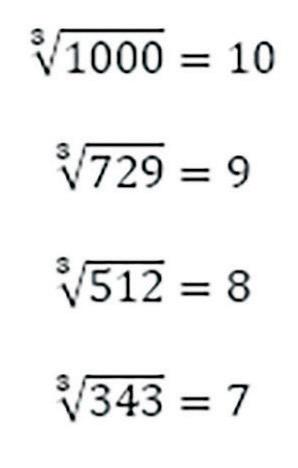
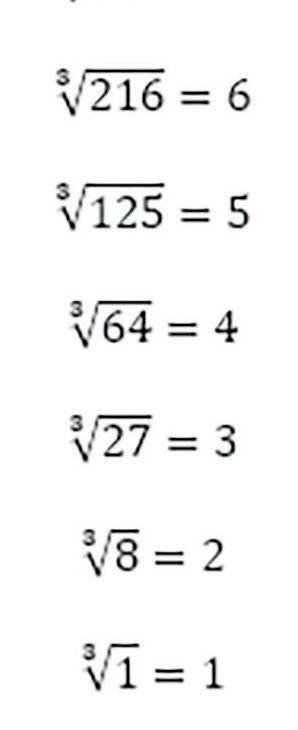
√1=1
The answer here is not smaller than the original number.
Example 3: solving problems involving cube numbers
The sum of two cube numbers is 72. Find the two cube numbers.
Remember sum means add. Therefore you are looking for two cube numbers that add together to make 72.
It will help here to list the cube numbers up to 72
The Cube Numbers: 1 8 27 64
You now need to pick two of these numbers that when added together make 72
The two cube numbers are 64 and 8.
Example 4: cube numbers within a 3D polygon
A cube has a volume of 125mm3. What is the length of one side?
The volume of a cube is found by multiplying the length, width and height together. For a cube the length, width and height are the same length.
Therefore you are looking for a number that when multiplied by itself three times (or cubed) is equal to 125.
Therefore you need to find the cube root of 125

√125=5
Therefore the length of the cube is 5mm.
Example 5: cube numbers within a 3D polygon
Length of one side of a cube is 4mm. What is the volume of the cube?
The volume of a cube is found by multiplying the length, width and height together. For a cube the length, width and height are the same length.
Therefore you are are going to multiply the side length by itself three or ‘cube’ the length.
Therefore you need to cube 4 43 = 64
Therefore the volume of the cube is 64mm3.
Example 6

odd.” Is Lexi right? Explain your answer.
To prove Lexi wrong we only need to find one example where she is incorrect, this is sometimes known as proof by contradiction.
Therefore we are looking for 3 consecutive cube numbers that when added together are even. It will be helpful here to list the ‘main’ cube numbers.
The cube numbers:
1, 8, 27, 64, 125, 216, 343, 512, 729, 1000
You are now looking for one example where three of these numbers when added together make an even number.
For example: 1 + 8 + 27 = 36
Lexi is wrong because 1 + 8 + 27 = 36 a
Lexi says “when you add three consecutive cube numbers, the answer is always
With this delightful craft, you can transform natural shells into beautiful butterflies, each one as unique as the shells themselves. Using simple materials and your imagination, you can explore the beauty of nature while creating stunning works of art.
What you'll need
Large painting canvas
Hessian roll Assorted shells
Glue gun sticks
Hot glue gun Scissors
How to make
Top tip: Work on one side of the butterfly at a time.
1. To start, create a butterfly template in the
centre of the canvas.
2. Next, stick the hessian on top. You should be able to see the template through the hessian.
3. Stick the shells within the butterfly template. Be sure to place a turret shell in the middle.
4. To finish, repeat the same shell pattern on the other side of the butterfly. (Adapted from bakerross. co.uk)

By Nick Makoha
I believe that James McAvoy is a type of Caesar. But he never stays in character long enough to make it hold. Now when pirates had Caesar caught in a trap off the coast of Rhodes, he demanded that they ask for more than double the ransom. When Caesar says, do this, it is performed. These fishermen, his kidnappers (is “kidnapped” too strong?), accepted his request as he recited poetry to them on a throne of flour. Two months after paying the ransom, with the aid of a private army, he squeezed the yolk out of these men. We’re doomed. I know we can’t all be Moses but have you noticed that superstars always want to play our parts. There’s this dialogue where Nicholas Garrigan, played by McAvoy, is rebuked by Idi Amin—You promised to me you would help me build a new Uganda. McAvoy doesn’t answer. Don’t you know that that’s how they take us? It is Bura’s Desperado Sacrifice. Forcing the Black king to h8 doesn’t seem to accomplish much, but it makes all of the difference in just two moves. (1. Qxh8 2. Xxa1 Qd4). Crossing a runway is not like crossing the street, especially when your Black king is a counterfeit played by Forest Whitaker and his lazy eye. Planes have been hiding in the air. This duty-free gin is a useless placebo. But rumour has it Miss America Tawny Godin from Yonkers has a smile you want all to yourself. The thing about my country is that there is always somebody ready to say —You’re mine. Maybe I should have led with that. Anyway, it’s your move.
(Source: Poetry [December 2024])

An old friend you have not heard from in years calls. What’s the news?



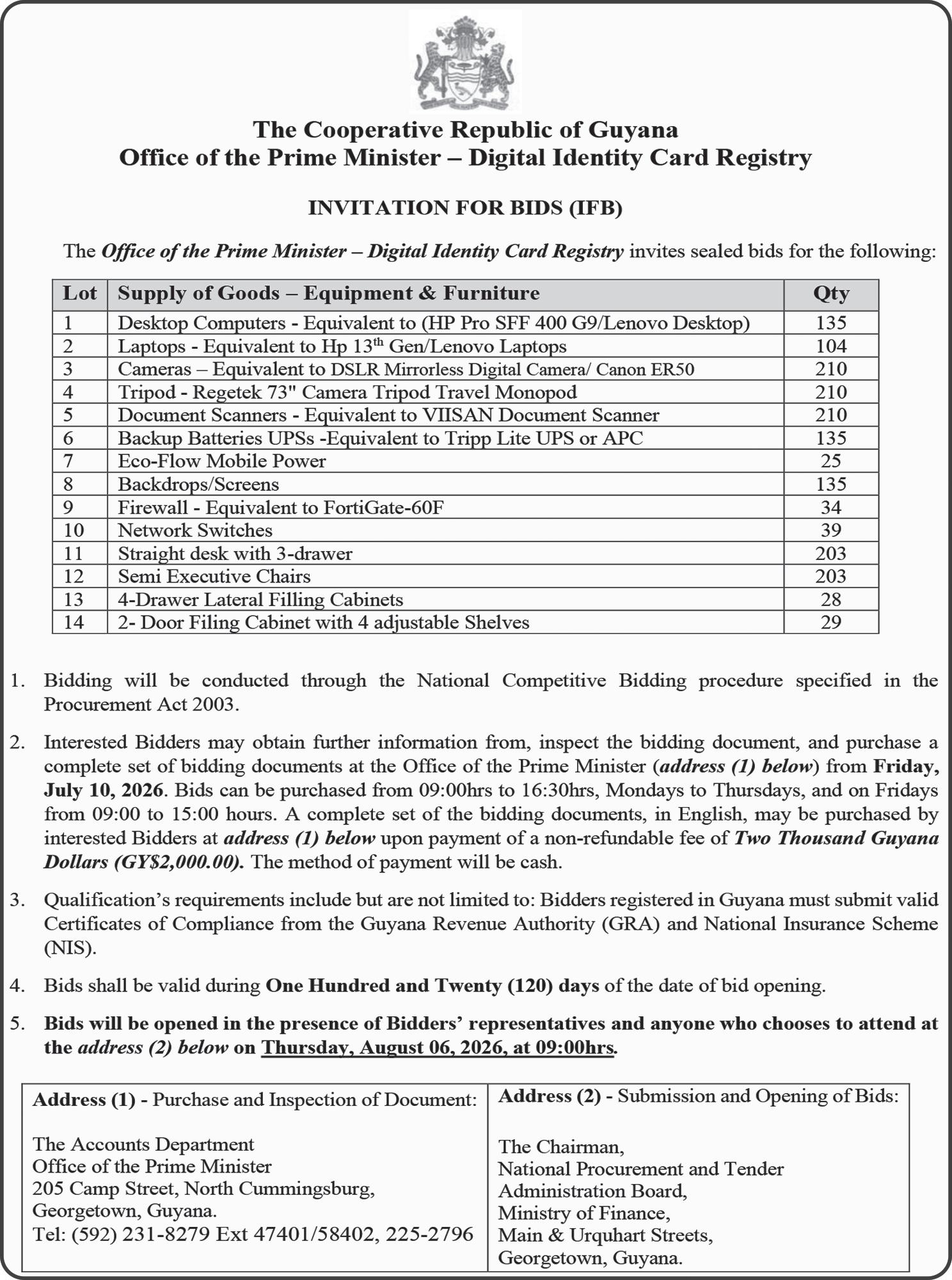
The National Assembly on Thursday gave the green light to a supplementary budget amounting to $54.9 billion, a move Minister with the Officer of the President Responsible for Finance Dr Ashni Sign said underscores his Government’s determination to accelerate priority projects across housing, infrastructure, agriculture, energy, and public utilities. Monday’s passage came without opposition support the sitting did not see any contribution from the Opposition on any of the items on the Order Paper and instead, they attempted to drown out the proceedings with chants and the drumming of tables. When the House changed to the Committee of Supply to determine the estimates for both current and capital projects, the Opposition’s stance did not change, even as Dr Singh explained that the sums include $4.7 bil-
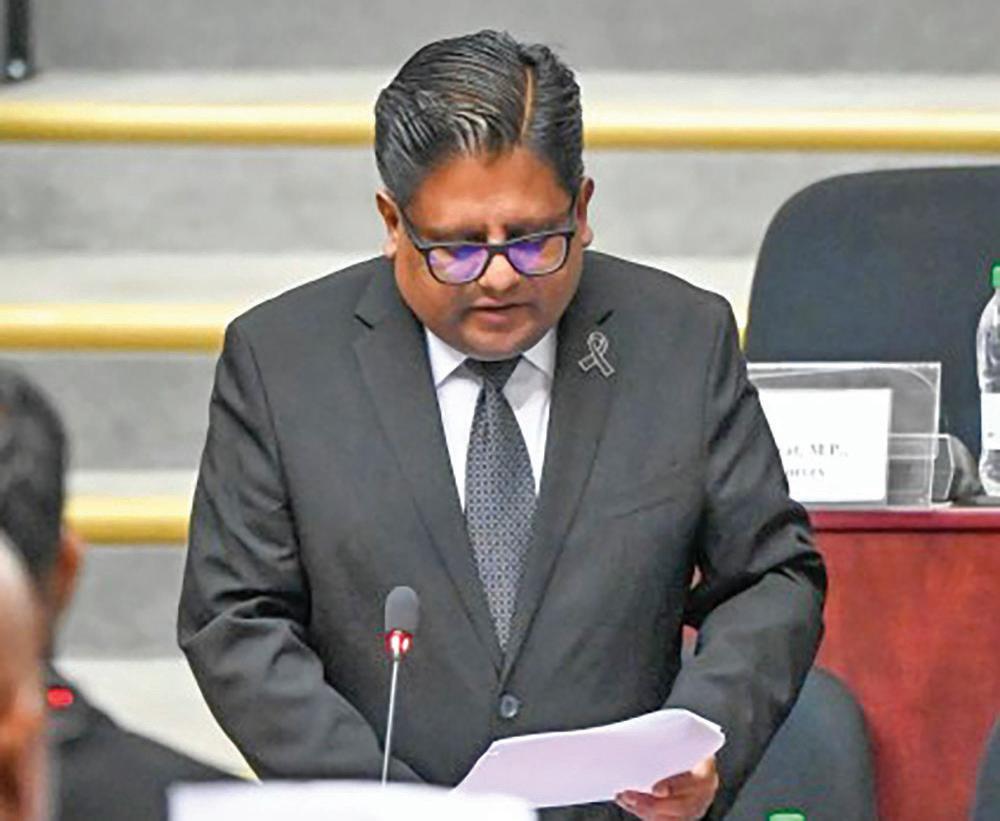
lion in current expenditure and $50.14 billion in capital expenditure. According to Singh, the additional resources are essential to ensure that projects already in motion are completed on schedule and without disruption with the largest allocations, some $17.5 billion and 19 B, being earmarked for the Housing and the Gas to Energy
(GtE) Project respectively. Reelecting the administration’s continued prioritisation of housing as a cornerstone of national development, he said that this injection of funds supplement the $159 billion already allocated to the Ministry, and will sustain the rapid expansion of the Government’s housing programme, designed
to deliver serviced lots, modern communities, and improved water access nationwide.
Under Ministers of Housing Colin Croal and Vanessa Benn, the Housing Ministry has consistently been positioned as one of the Government’s flagship sectors, with authorities emphasising its role in creating livable communities, stimulating construction activity and supporting Guyana’s broader urbanisation strategy.
Gas‑to‑Energy Project
With regards to other sums in the supplementary budget, the Office of the Prime Minister (PM) secured $19.1 billion with much of which directed towards the GtE Project in Region Three (Essequibo Islands-West Demerara) and has been touted as critical to lowering electricity prices, diversifying Guyana’s energy mix and reducing reliance on imported fuels. While the
supplementary allocation provides additional resources, the estimates note that the project is expected to become operational months from now. The Ministry of Public Works has been allocated $8.5 billion to advance its work programme with miscellaneous roads and drainage getting $6 billion to finance upgrades across communities. Hinterland roads will see $2.5 billion dedicated to these projects that aims at improving transportation links in remote regions, reducing travel times, enhancing access to markets, healthcare, and education. Agriculture also features prominently in the supplementary estimates, with the sector receiving an additional $8.3 billion. Included in that allocation is $3 billion for the Guyana Sugar Corporation (GuySuCo) with the document stating that part of the funding will provide for retroactive payments to workers employed by
the corporation. The supplementary estimates also provide $600 million for the Ministry of Public Utilities and Aviation, targeted at maintaining coastal airstrips, facilities that are critical lifelines for hinterland communities, enabling passenger travel, medical evacuations and cargo transport.
Water interventions
Additionally, $496.3 million has been allocated for water interventions, including the establishment of water filling stations to improve access to potable water. The Ministry of Home Affairs received supplementary funding to bolster the Customs Anti-Narcotics Unit (CANU). Overall, the supplementary budget channels resources into the Government’s major investment programmes, with housing, infrastructure, agriculture and energy accounting for the largest shares.
…path now cleared for “unlocking a wave of entrepreneurial activity” – Ashni Singh
The establishment of Government’s promised zero interest bank for small entrepreneurs is closer as the National Assembly on Monday passed the Guyana Development Bank (GDB) Bill number 5 of 2026, paving way for the establishment of a new state-backed financial institution that the Government says will expand access to financing for small businesses, farmers, youth, women entrepreneurs and hinterland communities among others. Brought in the name of Minister within the Office of the President with Responsibility for Finance Dr Ashni Singh, the Bill was quickly approved as the opposition bypassed participating in the debate and instead protested while Government parliamentarian argued that the new institution would help bridge long-standing financing gaps that have prevented many Guyanese from fully participating in the country’s unprecedented economic expansion. The bill was later considered clause by clause in committee and passed without amendment, before receiving its third reading. Throughout the debate, Government Members described the proposed Development Bank as a key instrument for ensuring that Guyana’s economic growth translates into greater opportunities for ordinary citizens rather than remaining concentrated among larger businesses with easier access to commercial financing. Culture Youth and
Sports Minister Charles Ramson said the legislation represented more than the creation of another financial institution. “What we are doing today is more than just a discussion about banking. It is a discussion about how we as a Government... ensure that the promise of economic growth reaches every Guyanese.”
He explained that the proposed bank was intended to support a wide cross-section of Guyanese, including entrepreneurs investing their savings in new ventures, single parents seeking to expand businesses, young innovators, farmers entering agro-processing, persons with disabilities and families seeking to establish enterprises of their own. According to Parliamentarian Alistair Charlie Guyana’s rapid economic transformation has created unprecedented opportunities but has also highlighted significant barriers to financing, particularly for smaller businesses that often struggle to satisfy the lending requirements of commercial banks.
No sign of slowing down
That Guyana continues to attract major investments, undertake largescale infrastructure projects and witness the emergence of new industries was highlighted by Minister of Public Service and Efficiency Zulfikar Ally who lamented that, however, access to affordable financing remains uneven. “The fact is our
economy shows no sign of slowing down under a PPP/C (People’s Progressive Party/ Civic) Government and as we continue to grow and expand, it is our duty as a Government to be intentional about making sure that this growth is inclusive, productive and broad-based,” he said. He also underscored that the effectiveness of the Development Bank should not be measured simply by the value of loans approved, but by the broader economic impact generated through increased entrepreneurship, job creation and regional development.
“The Guyana Development Bank should not be judged only by how much money it disburses, but rather... how many jobs are created, how much lending has reached businesses operating outside of the traditional coastal communities [and] how many businesses are still thriving after receiving support.” Ally maintained that the legislation comes at a critical stage in Guyana’s development. “Guyana has the physical space, it has the infrastructure agenda, it has rising household income, it has tens of thousands of newly registered businesses... but it also has a financing gap that, if left unresolved, will limit who participates in the country’s transformation.”
Government also contends that the proposed institution will specifically target underserved borrowers, including women, young entrepreneurs, rural producers and
hinterland communities.
“The purpose of this bill is not simply to create a bank. It is to create a disciplined, accountable development finance platform that allows Guyana’s enterprises to participate in the next stage of national growth,” Ally said.
Game changer Agriculture Miniter,
Zulfikar Mustapha also threw his support behind the legislation, arguing that access to financing has remained one of the greatest obstacles facing small farmers despite their willingness to expand production. “Over the years we have seen farmers have ideas, they have land, but more importantly, they are short of finance.
Many times when they go to commercial banks, they hardly can get collateral as securities,” Mustapha said. He noted that the Development Bank would provide farmers with opportunities to increase production and contribute to Guyana’s food security ambitions.

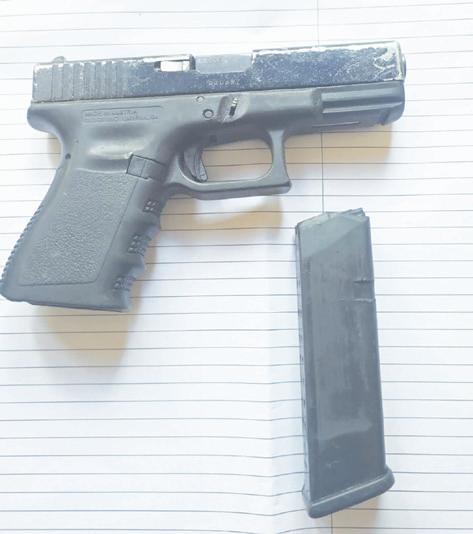
The gun that was found in the boat
A33-year-old boat captain from Long Dam, Vergenoegen, East Bank Essequibo (EBE) was arrested on Sunday following the discovery of a firearm during a police operation at Issano Landing, Middle Mazaruni River, Region Seven (Cuyuni-Mazaruni).
Police stated that they conducted an operation in the area during which a boat operated
by the suspect was intercepted and searched, during which one black Glock 19 pistol, fitted with one magazine, was found beneath a cardboard box next to the captain’s seat. No ammunition was found. The captain, who does not hold a firearm licence, was arrested and escorted to the Issano Police Station, where he remains in custody pending charges.

A33-year-old businesswoman of Peters Hall, East Bank Demerara (EBD) was on Thursday relieved of over $7 million in items after she was held at gunpoint by three masked men who were armed with handguns. Police stated that on the day in question, at about 14:00h, the victim was at her business when she was confronted by the three men. One of the suspects reportedly held her at gunpoint and demanded mon-
ey. She was later bound, after which she was relieved of three Samsung cellular phones, an Acer laptop computer, six Movado watches, a quantity of gold jewellery, $5 million in cash, and US$7,000 in cash.
The suspects then escaped in an older -model white Toyota Raum, bearing registration number PLL 1323. The CCTV cameras in the area were retrieved by police and are currently being reviewed.

Now that President Irfaan Ali has appointed the fivemember Commission of Inquiry into the MV Barima tragedy – all from foreign!! – your Eyewitness ain’t surprised the Opposition’s objections have become more strident!! Right off the bat, they’d implicitly insisted the Commission couldn’t be independent unless they had a hand in appointing it!! By that standard, Judges should be nominated by litigants, auditors selected by the companies they audit, and cricket umpires appointed alternately by the batting and bowling sides!!
Under our law, the appointment of CoIs rests with the President – period!! Parliament enacted the legislation that gives him that authority. Yes…broader consultation sounded reasonable – but from the virulent attacks on the President and immediately on the Commissioners, it’s clear that option would’ve been an exercise in political grandstanding!! In the meantime, the nation was demanding answers!!
The President has exercised the authority Parliament entrusted to HIS office. The proper question therefore ain’t, “Who picked the Commissioners?” but “Are they capable of finding the truth?”!! One searches the Opposition’s statements in vain for a principled critique of the Commissioners themselves. Do they lack the legal, investigative or maritime expertise required? Have they shown themselves incapable of conducting an independent inquiry?
The victims’ families deserve better than constitutional improvisation masquerading as principle. There’s an irony here. If the President had packed the Commission with party loyalists, they would’ve had every reason to protest. Ditto if he’d selected obscure figures of doubtful competence!! But if the appointees are persons of recognised standing and professional accomplishment, then their credentials – not the Opposition’s exclusion from the selection process – should dominate the national conversation!!
A Commission of Inquiry ain’t a coalition government in miniature nor are Commissioners delegates representing political constituencies!! They’re appointed to follow evidence, test testimony, and arrive at findings based on facts rather than partisan preference. Then there’s the question of accountability. Because the President alone appointed the Commission, the responsibility for its credibility rests squarely with him. If the inquiry proves biased or incompetent, he can’t hide behind a parliamentary committee or claim collective ownership of the appointments. The political responsibility is his. That’s precisely how executive accountability works.
The Opposition is, of course, perfectly entitled to scrutinise every witness, every procedural ruling, and every conclusion the Commission eventually reaches. Indeed, it should. Vigorous oversight is an essential feature of democratic life. But rejecting the Commission primarily, because the President exercised the legal authority vested in him is rather like refusing to board a lifeboat because you were not consulted on the colour of the paint.
The nation owes the victims of the Barima tragedy something more serious than that – not by whether every political party managed to autograph the appointment letters!!
Let the CoI begin!!
Ian McDonald’s passing reminds your Eyewitness of his effortless prose, impeccable literary references, and his love for Guyana’s landscape. Yet for most ordinary Guyanese, his weekly columns often felt like dispatches from a hilltop where the view was magnificent – but folks below were barely visible.
There was an unmistakable patrician air about his writing. Politics was often reduced to a lament over the decline of civility, while the rough-and-tumble realities of race, poverty and class conflict appeared as unfortunate interruptions to a more refined vision of society. The sugar worker, the market vendor, and the minibus conductor rarely entered his essays as protagonists; they were scenery in a landscape painted with exquisite restraint.
McDonald’s Guyana was frequently populated by poets, cricketers, naturalists and philosophers rather than by citizens wrestling with the country’s harsher political contradictions. His columns celebrated beauty, moderation and good manners –sometimes at the expense of confronting uncomfortable truths. That doesn’t diminish his literary achievements – just explains why ordinary readers skipped his columns, RIP.
…bodily trauma
A positive outcome coming out of the Barima tragedy is a wider acceptance that traumas in accidents impact the psyche as well as the body. Almost immediately, the Ministry of Human Services started providing counselling – which was accepted.

With more than 40 victims of the MV Barima tragedy laid to rest in recent days and families across the country continuing to mourn their loved ones, the Government of Guyana will provide financial support to survivors of the disaster and the families of those who lost their lives.
President Dr Irfaan Ali announced that the assistance is part of a national response aimed at providing long-term care and compassion rather than compensation for those affected by the tragedy. The announcement was made during a social media briefing, where the President stressed that the support is intended to assist affected families and does not constitute compensation. “I wish to announce that I have asked Mr Iman Harrison Courtenay of Belize to assist in working out the modalities relating to financial assistance for the survi-
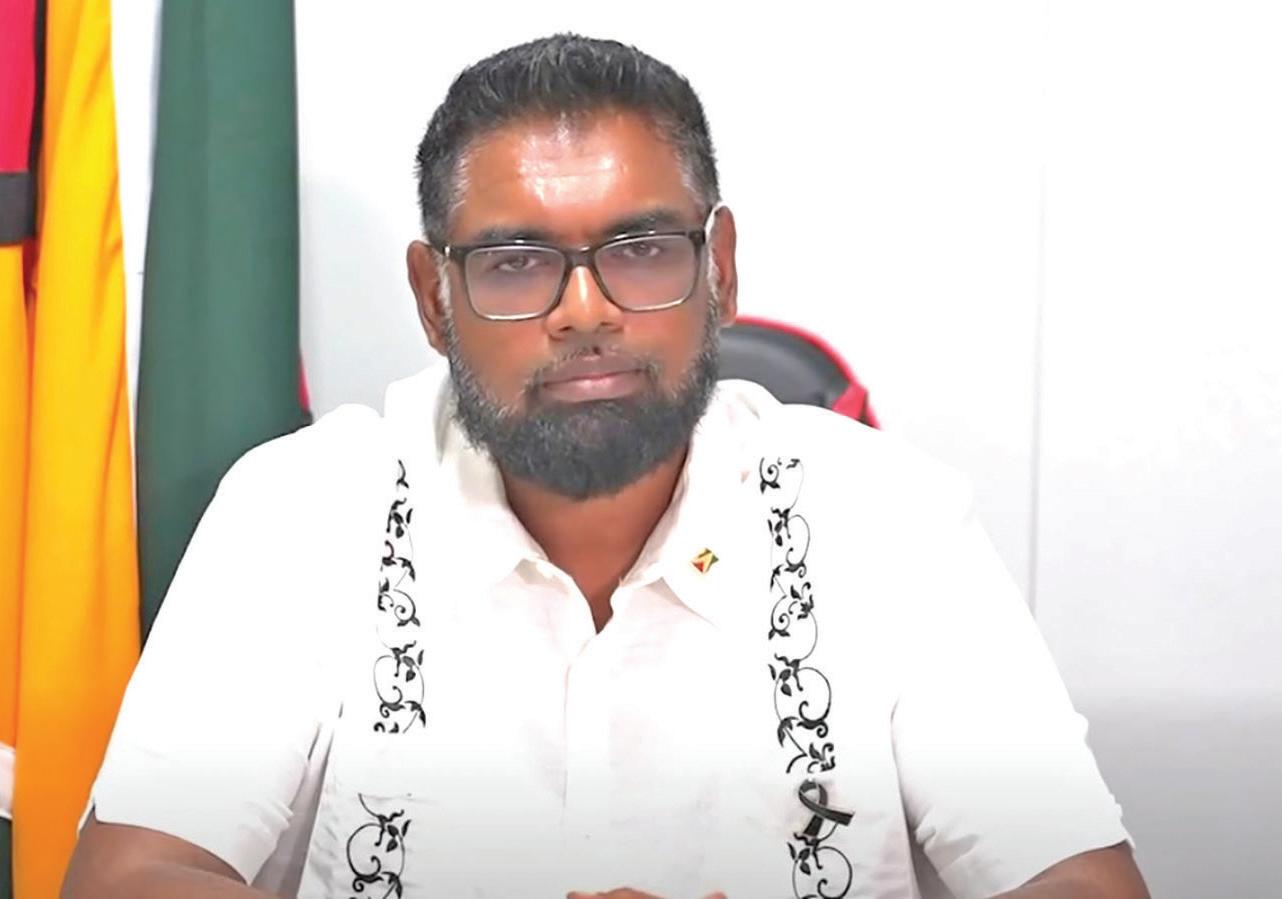
vors and the victims’ families. Mr Courtenay brings to this process a wealth of experience as a practitioner of law, as a former Minister of Foreign Affairs, former Attorney General (AG) and Minister of Investment and Foreign Trade of his country.
“I wish to make it clear that this assistance does not constitute compensation for survivors and bereaved families. These measures
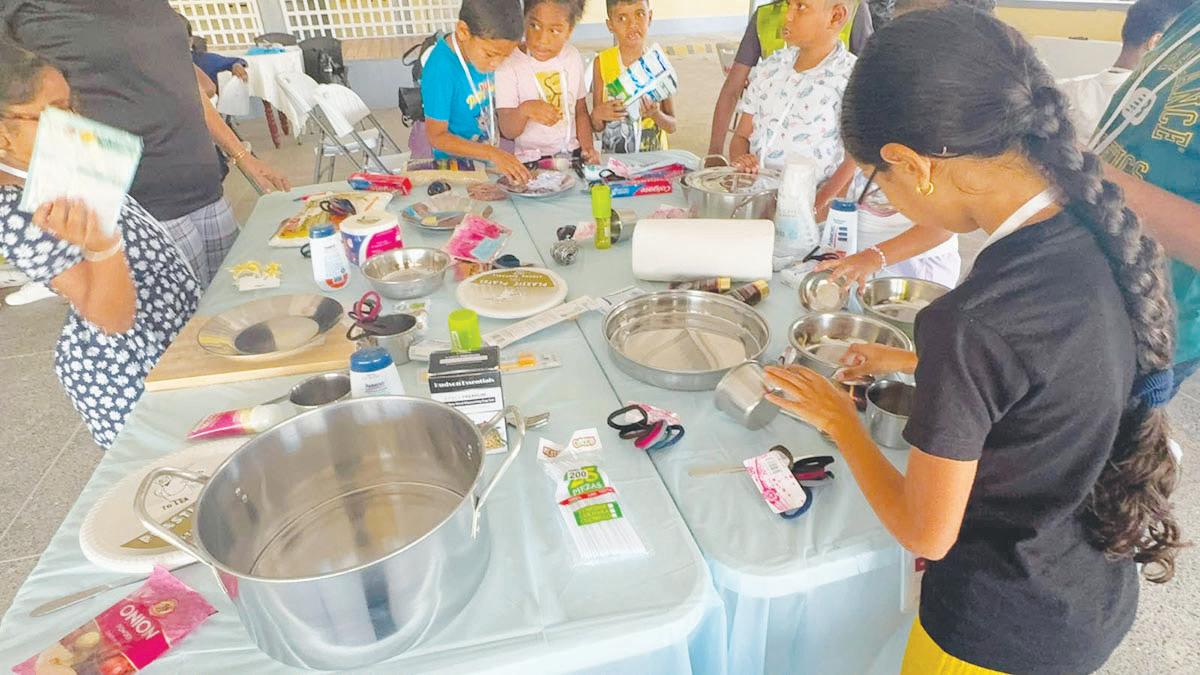
Twenty-four children who are blind and visually impaired have been equipped with practical life skills through the 2026 Independent Living Skills Camp, hosted by the Guyana Council of Organisations for Persons with Disabilities (GCOPD) in partnership with the Education Ministry. The three-day camp, held from July 22 to 24, was organised through the Ministry’s Office of the Assistant Chief Education Officer (ACEO) for Special Education Needs (SEN)/Disability. It was supported by the United Women for Special Children and ExxonMobil Guyana. Participants from Regions Three and Four were selected by their respective Special Education Needs Officers in collaboration with their teachers. The initiative was
designed to help children develop confidence, independence and self-reliance by providing practical skills that support everyday living. Organisers said the programme aimed to prepare participants to lead productive and independent lives. During the camp, the children took part in a range of hands-on activities, including organisation and personal management, orientation and mobility training, home management, tactile and sensory development exercises, financial literacy sessions through buying and selling activities, Science, Technology, Engineering, and Mathematics (STEM) and robotics projects, simple science experiments, and adaptive sports such as blind cricket and golf.
embody a commitment that every survivor will be supported and every bereaved family will be treated with dignity.”
Meanwhile, while calling on all Guyanese to stand together during this
period of national mourning and to never abandon those affected by the tragedy, President Ali urged citizens to unite in support of the survivors and bereaved families. “It is in that spirit that I ask every Guyanese to stand together as one people. Let this, therefore, be our declaration: We are Guyanese. We do not abandon our own. We rise from the ashes of sorrow with arms wide open. We carry the memory of every soul lost, not as a weight that crushes, but as a light that guides us towards a future forged in kindness, unity, and love.”
HEART initiative
President Ali also announced the launch of the HEART Initiative; a national programme aimed
at coordinating long-term support for survivors and the families of the victims. “Therefore, to ensure that this support - material, moral, and spiritual - is sustained, I am establishing a national body to coordinate, mobilise and foster this necessary work of healing. It shall be known as the HEART Initiative: H-E-AR-T - Hope, Empathy, Aid, Resilience and Trust.
“Hope for the grieving. Empathy for the broken. Aid for the hurting. Resilience for the journey ahead. Trust that will never be forgotten. This initiative will be overseen by trusted and respected religious and civil society persons drawn from across Guyana. Led by Mr Carl Stewart, we will carry the prayers of every faith, the hopes of every
heart, and the sacred traditions that bind us, whether spoken in the quiet of a church, sung in a temple, or whispered in a mosque.” “We will offer the practical hands of service and provide a safety net of support and compassion so that no family affected by this tragedy will slip through.” Ali expressed gratitude to the Guyanese people and called on all stakeholders to support the establishment of the HEART Initiative, which is aimed at assisting survivors of the MV Barima tragedy and the families of those affected.
The MV Barima disaster is one of Guyana’s deadliest maritime tragedies, involving a passenger and cargo ferry that capsized off the Essequibo Coast on July 18, 2026.

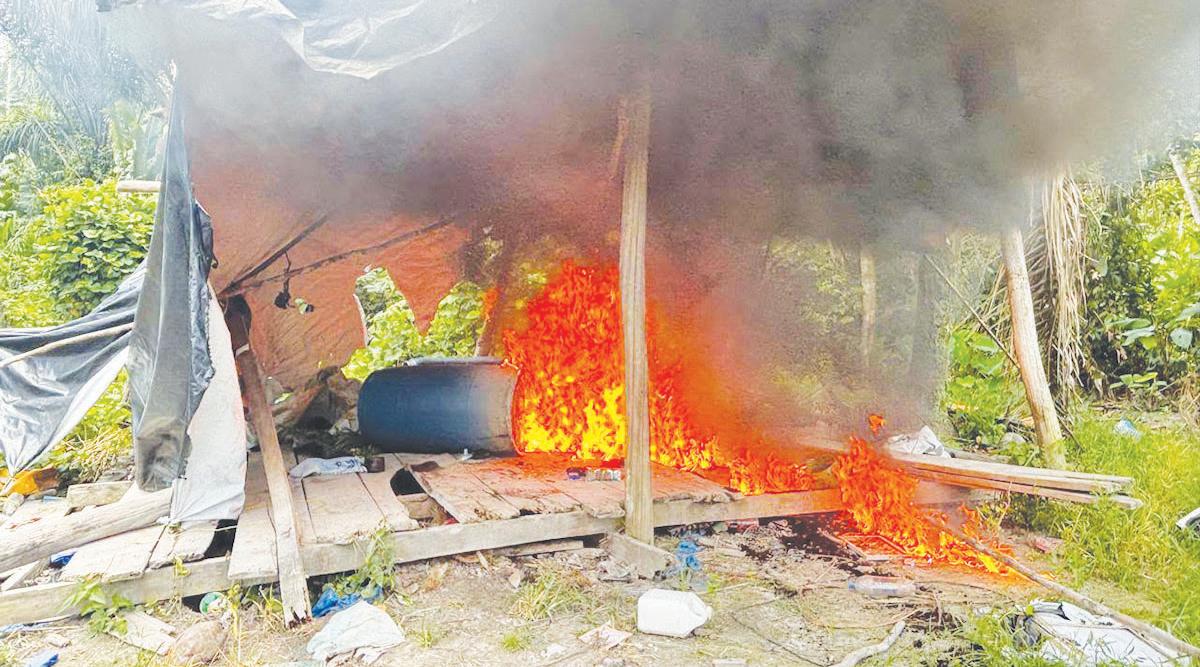
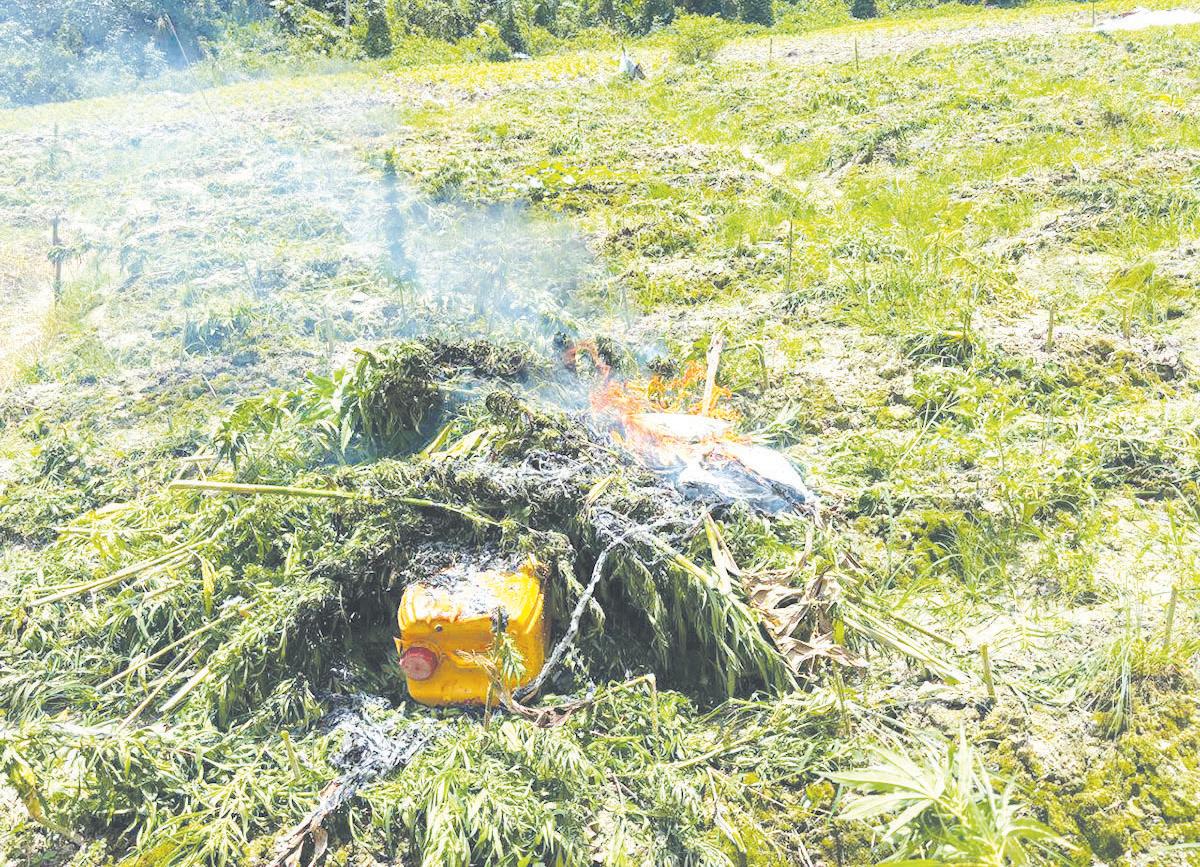
As police continue their drug eradication exercise along the Berbice River, an operation on Sunday at Gaetroy Savannah, Upper Berbice River, has led to the destruction of over $11 million worth of marijuana.
Police stated that three farms with a combined area of approximately five acres were located, on which approximately 35,000 cannabis plants ranging from two inches to five feet in height were discovered during the ninehour-long exercise.
In addition, one makeshift camp was also discovered. The cannabis plants
were uprooted and destroyed by fire, along with the makeshift camp.
The estimated value of
the narcotics destroyed is $11,519,200. At the time of the exercise, no one was arrested.

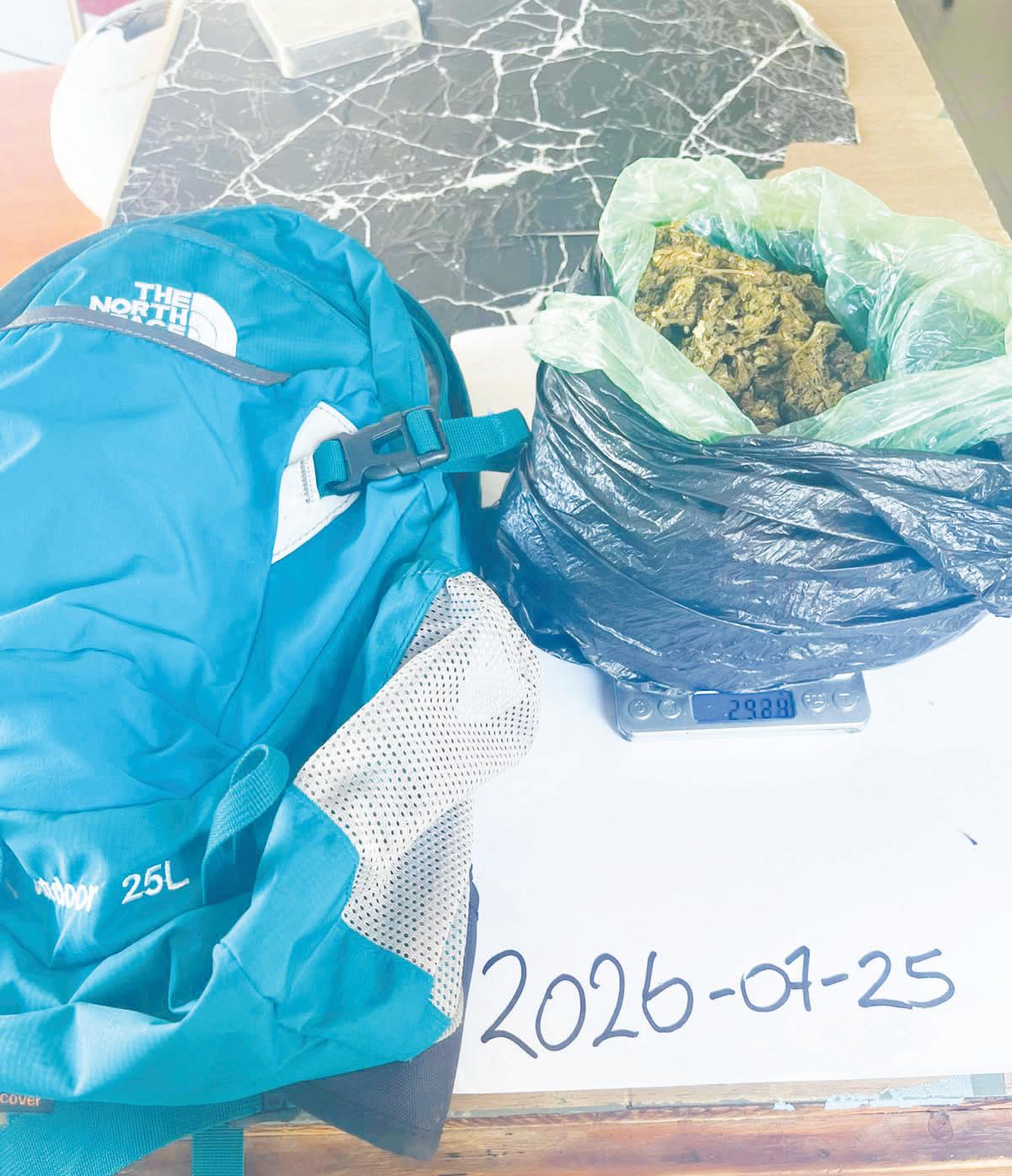
A43-year-old man from Sisters Village, West Bank Demerara (WBD), was arrested on Saturday after he was found to be in possession of a quantity of ganja.
Police stated that they were conducting an exercise at Murphy Street, Wales, WBD, when they observed the suspect standing on the street with a haversack on his back. Upon seeing the Police vehicle approaching, the man reportedly ran, and ranks gave chase. He was subsequently caught and a search of the haversack revealed a quantity of cannabis. He was taken to the Vreed-en-Hoop Police Station along with the cannabis, which was weighed and amounted to 292.8 grams. The suspect remains in custody pending further investigations and charges.
The

Senior Minister in the Office of the President with Responsibility for Finance, Dr Ashni Singh, on Monday presented the Natural Resource Fund (NRF) Annual Report for the 2025 fiscal year to the National Assembly, in keeping with the requirements of the Natural Resource Fund Act 2021. The report was tabled under Section 32(4) of the Act, alongside the Public Accountability and Oversight Committee’s 2025 Annual Report and notifications of petroleum revenues paid into the Fund during the period April 1 to June 30, 2026. According to the Finance Ministry, the
submissions is part of the Government’s statutory reporting obligations for the management of the country’s oil revenues. During the presentation, Dr Singh acknowledged the work of the NRF Board of Directors, the Public Accountability and Oversight Committee, and the Investment Committee in carrying out their responsibilities. The current NRF Board, reappointed on August 31, 2024, is chaired by Major General (Ret’d) Joseph Singh and includes Dunstan Barrow, Ramesh Dookhoo, Carolyn Rodrigues-Birkett and Professor Compton Bourne. The Speaker of the National
Assembly also circulated the Public Accountability and Oversight Committee’s Annual Report for 2025, as required under Section 6(6) of the NRF Act.
The committee, which was also reappointed on August 31, 2024, is chaired by Clement Sealey and comprises representatives from the National Assembly, the religious community, the private sector, organised labour and the professions. According to the Ministry, the nine-member committee is responsible for pro-

viding non-governmental oversight of the operations of the Fund, replacing the 22-member committee established under the previous NRF Act of 2019. Dr Singh also presented notifications to the National
Assembly detailing all petroleum revenues paid into the Fund between April 1 and June 30, 2026, in accordance with Section 33(2) of the Act. The Ministry reported that the balance of the Natural Resource Fund stood at just under US$4 billion at the end of May 2026. The Ministry also highlighted findings from the International Monetary Fund’s (IMF) 2025 Article IV Mission, which noted progress in strengthening the governance of the Fund and improving fiscal transparency. In its staff con-
cluding statement, the IMF had said that the authorities had advanced governance of the NRF through the presentation of annual reports to Parliament, regular publication and parliamentary notification of petroleum revenue receipts, and the Bank of Guyana’s monthly and quarterly reports on the Fund’s financial performance. The Government said it will continue to manage the country’s oil revenues in accordance with the provisions of the NRF Act and direct the Fund’s resources toward investments intended to benefit both current and future generations.
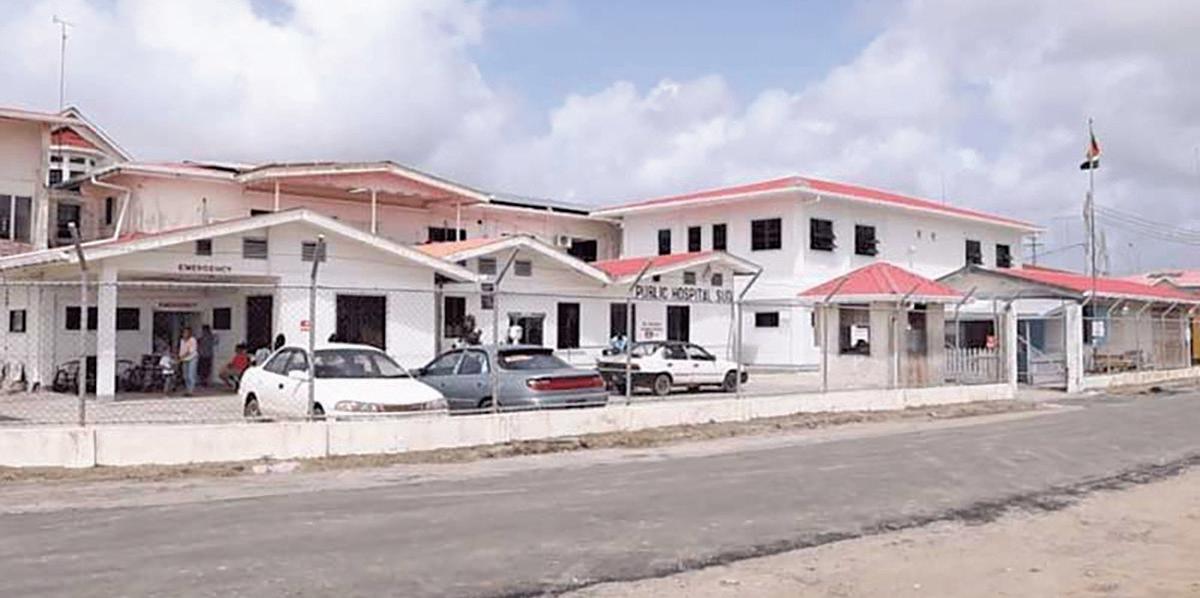
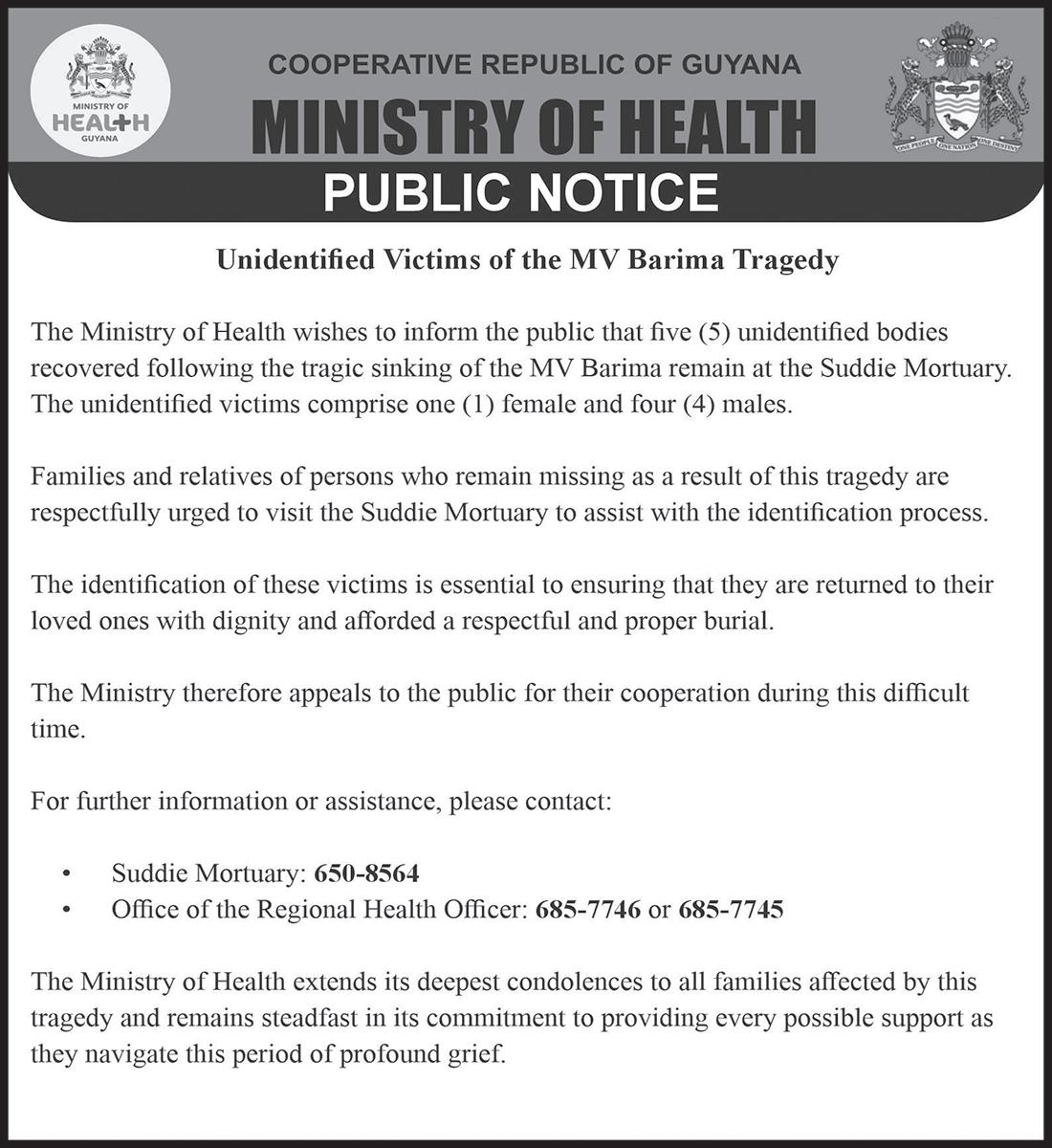
Five bodies recovered following the tragic capsizing of the MV Barima remain unidentified at the Suddie Mortuary. On Monday, the Health Ministry urged relatives of persons still missing following the sinking of the MV Barima to visit the Suddie Mortuary to assist in identifying five victims whose bodies remain unidentified.
In a statement on Monday, the Ministry said the unidentified victims comprise one female and four males who were recovered following the maritime tragedy.
The Ministry appealed to families and relatives of those who remain missing to assist with the identification process, noting that confirming the identities of the victims is necessary to ensure they are returned to their loved ones and laid to rest with dignity.
The Ministry said public cooperation is critical during this process and encouraged anyone requiring further information or assistance to contact the Suddie Mortuary on 6508564 or the Office of the Regional Health Officer on 685-7746 or 685-7745.
The MV Barima departed the Georgetown stelling at about 15:00 on Saturday on its scheduled voyage to Port Kaituma, carrying 179 persons, including 18 crew members and cargo. According to officials, the vessel encountered rough sea conditions off the Essequibo Coast near the mouth of the Pomeroon River late that night.
Following the incident, 76 persons were rescued, 73 bodies have been recovered and 30 people remain unaccounted for as search and recovery operations continue.
Survivors have recounted that the ferry began tilting to one side before capsizing, throwing passengers into the water in less than a minute. A distress signal transmitted at approximately 23:01h was received by aviation authorities, triggering a large-scale multi-agency emergency response that continues. Addressing concerns raised in the aftermath of the disaster, blood samples were taken from the captain and crew members for testing.
Authorities released the results, showing positive tests for cannabis
and subsequently arrested the captain and two crew members. Another official from the Transport and Harbours Department (T&HD), which manages ferry services, was also detained as part of the police investigation. Subsequently, the Government, in its initial probe into the issue, uncovered that more people were aboard the vessel than had been recorded on the original passenger manifest. That information, along with the manifest, was immediately made public and resulted in several managers at the T&HD being sent off on suspension.
Meanwhile, President Dr Irfaan Ali has announced and named a high-level five-member panel to lead a Commission of Inquiry (CoI) into the MV Barima tragedy. The appointment of this distinguished team of regional and international legal and maritime experts was made under Section 2(1) of the Commissions of Inquiry (COI) Act and is in keeping with an earlier commitment by the Guyanese Head of State for an independent probe into horrific ferry accident.
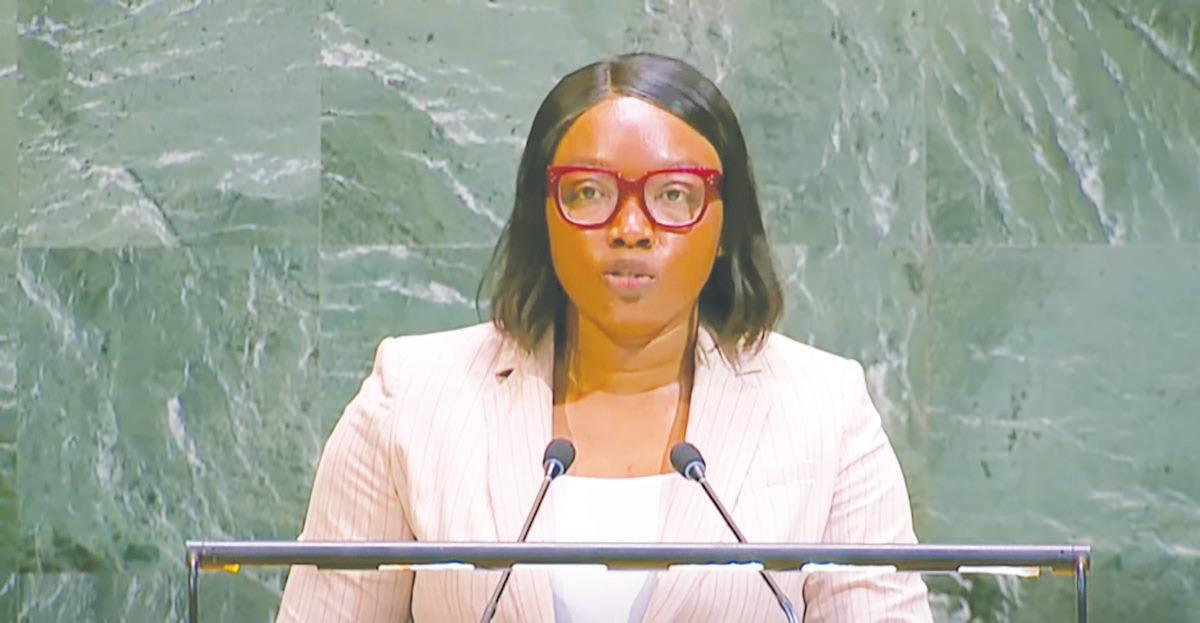
Minister Counsellor at the Permanent Mission of Guyana to the United Nations (UN) Marissa Edwards, has informed a High-Level Meeting on Improving Global Road Safety, that the country aims to curb its annual road fatalities by over 60 per cent by 2030. The Guyana Police Force (GPF) had reported that 137 persons were killed in 124 fatal accidents from January 1 to December 31, 2025. In 2024, 132 deaths were recorded from 124 fatal accidents. By midyear this year, the GPF noted that road accidents decreased by 24 per cent compared to the corresponding period in 2025. Addressing the UN forum, Edwards noted that Guyana has employed a number of initiatives aimed at making the country’s roadways safer.
“As a result of these interventions, we have seen a consistent reduction in road accidents, even though the number of fatalities remain concerningly high. Guyana’s efforts are anchored towards a clear national target of curbing annual road fatalities by over 60 per cent from cur-
rent levels by 2030,” she noted. Edwards emphasised that Guyana welcomes the adoption of the Progress Declaration on Road Safety and reaffirms its commitment to the global target of halving road traffic deaths and injuries by 2030. “The Declaration reflects our shared recognition that road safety is integral to sustainable development and contributes to progress across economic, social, environmental and public health dimensions. No death or serious injury on our roads is an acceptable cost of mobility,” she said. According to Edwards, addressing road safety in a holistic manner across the health, infrastructure, law enforcement and education sectors is critical to reducing the number of road accidents. She outlined that as part of efforts to improve road safety, the Government of Guyana has expanded its budgetary allocations in key areas, including through strengthened enforcement measures and technological interventions. “Other measures include the introduction of the Safe Road Intelligence System (SRIS)
with automated speed cameras paired with e-ticketing and a demerit point system, alongside expanded road infrastructure with enhanced safety features, school-based road safety education, a strengthened National Road Safety Council, and the annual observance of a National Road Safety Month during which communities and stakeholders are engaged nationwide,” Edwards highlighted. “We underscore the importance of continued multilateral cooperation towards strengthening national data systems, building the capacity of road safety agencies and supporting the development of sustainable, cost-effective transport systems, including safe public trans-
port along with walking and cycling infrastructure that advance both road safety, public health and climate goals,” she added. In June, Commissioner of Police Clifton Hicken told the Department of Public Information (DPI) that “while we are encouraged by the reduction in accidents, we are not satisfied. Our goal is to save lives, and every road user has a responsibility to obey the traffic laws and exercise greater caution”. In fact, he had noted that for the year so far, 27,337 electronic tickets were issued, resulting in the suspension of 22 driver’s licences. Hicken also emphasised that the GPF has intensified road safety awareness cam-
paigns targeting schoolchildren, bus operators, commercial drivers and patrons of entertainment establishments. Traffic ranks continue to be deployed at accident-prone locations to conduct speed enforcement exercises, drunk-driving operations and high-visibility patrols. The Top Cop added that the Force will continue to utilise technology and intelligence-led policing to improve compliance and reduce fatalities on the nation’s roadways. Among the priority areas are the regulation of e-bikes, stricter enforcement against danger-
ous driving practices and measures to reduce accidents involving heavy-duty vehicles. In fact, the Government has also announced the introduction speed governors to limit trucks and other heavy vehicles to a maximum speed of 80 kilometres per hour (km/h).
Some 400 heavy-duty vehicle clamps were procured for the GPF to target errant drivers who continue to disregard the Government’s continuous appeals to desist from transporting overweight material and cargo.


“I
started
cry”
A55-year-old woman
fled her home at Lot
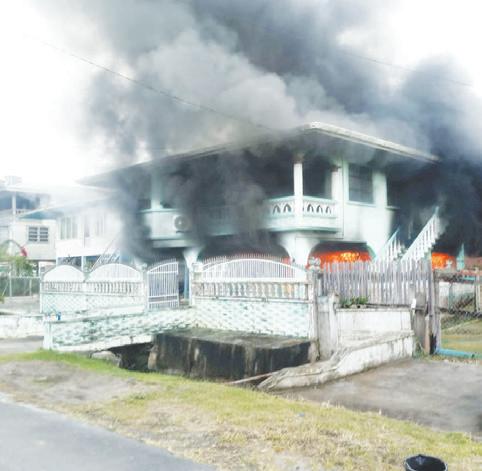
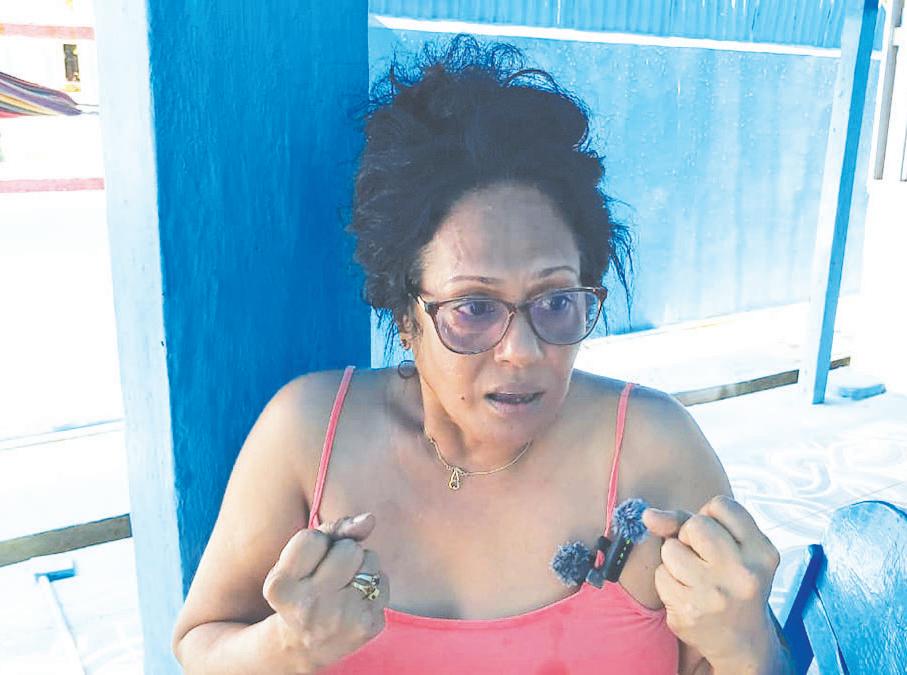
1 Edinburgh, East Bank Berbice (EBB), on Monday morning after waking to noise outside and discovering smoke pouring into the upper flat of the two-storey building. Zalima Ally was alone upstairs in her home when the fire broke out in the lower flat of the building, which was occupied by another woman who was away at the time. Within minutes, what Ally initially thought might have been someone burning garbage nearby developed into a major fire, sending thick smoke through the building and leaving her with little time to escape. The New Amsterdam Fire Service re-
burn. It's probably somebody throwing garbage or whatever, but I didn't contact anything. I didn't really realise I'm thinking that something
something inside her apartment was burning. “…but before I could have come out of the bed, I see smoke start coming,” she recalled.
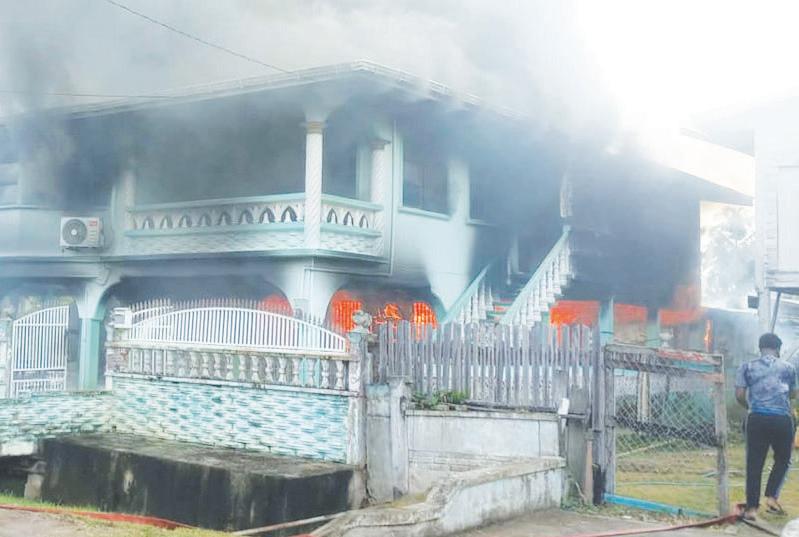
sponded with two units and managed to contain the blaze to the building. Ally recalled that before becoming aware of the fire, she had detected a slight burning smell but did not initially consider it unusual.
“I did smell a little like a
happening downstairs,” she related. She subsequently returned to bed, but sometime later began hearing people outside making noise. By the time she got up, smoke had already begun entering the upper flat.
Ally said her first reaction was to determine whether
She rushed to the kitchen but found nothing there that could account for the smoke. It was then that she realised the problem was downstairs. With smoke rapidly filling the upper flat, Ally returned to the bedroom, hurriedly put on clothing and made her way out of the

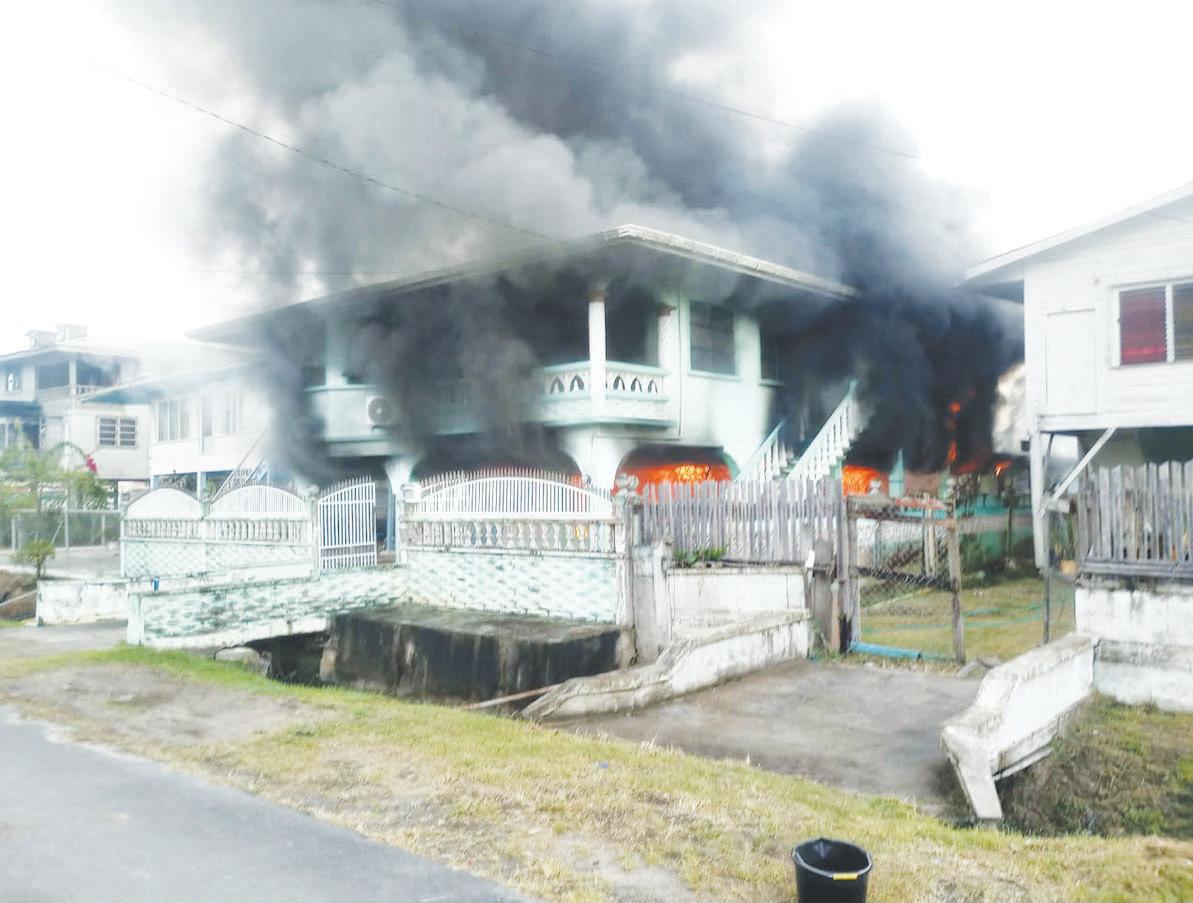
house. By then, she said, flames had begun spreading heavily through the lower section of the building. Outside, neighbours were already raising an alarm and attempting to assist.
She said the situation unfolded so rapidly that there was little opportunity to think about saving anything from the four-bedroom upper flat she shared with the building's owner, Affis Ali.
“Everything happened so fast, like, I really couldn't grab anything,” she said, adding, “to be honest, like, I started, like, I get, I don't know, I get so weak. I started to scream, I started to cry, I started to pick up, I tried to
grab the phone to start making calls, but, like, I don't know what happened.” Ally nevertheless attempted to return upstairs for the keys to a vehicle that was parked near the burning house.
Concerned that she could become trapped, neighbours prevented her from re-entering. Unable to retrieve the keys, residents instead pulled the vehicle away from the burning building.
Residents also reportedly attempted to tackle the fire during its early stages but said their efforts to gain access to the lower flat were hampered by heavy metal grills fitted to the windows.
The New Amsterdam Fire Service subsequent-
ly arrived with two fire tenders and brought the blaze under control. The cause of the blaze was not immediately known. Although the upper flat was not where the fire reportedly originated, the heat, flames and smoke caused damage. Ally described the four-bedroom upper flat as a well-furnished home and said clothing, documents, cash and numerous other possessions were among the losses.
She said Monday's fire was an experience unlike anything she had encountered before. Persons wishing to make contact with Ally to offer assistance can do so on (592) 621-8408.
“This will be a game-changer for the small farmers, it will be a game-changer for the farmers in the hinterland, it will be a game-changer for the fisher-folks, and it will be a game-changer for the agro-processors.” He further argued that easier access to financing would strengthen Guyana’s efforts to become a leading food producer within the Caribbean while helping small manufacturers and agro-processors expand their operations.
Remove barriers Tourism, Industry and Commerce Miniter, Susan Rodrigues also endorsed the legislation, describing it as a measure that would remove barriers preventing ordinary Guyanese from accessing capital. “Today we are not merely debating the creation of another financial institution. We are debating the creation of opportunity. We are debating the empowerment of ordinary Guyanese,” she said. Rodrigues posited that
affordable financing has remained one of the greatest obstacles confronting small and medium-sized enterprises (SMEs), despite previous Government initiatives to improve access to credit. “We have listened to the young entrepreneur with a promising business idea but no collateral. We’ve listened to the woman seeking to expand her small business and the farmer seeking to increase production. This bill is our response,” she said. She added that the legislation was designed to unlock productive potential in communities across Guyana by enabling more citizens to become business owners, employers and innovators. At the end of the contributions, the Senior Minister in the Office of the President with responsibility for Finance, thanked Government members for what he described as their passionate defence of the legislation. He said the Development Bank would primarily serve entrepreneurs who have traditional -
ly experienced difficulty obtaining financing through commercial institutions.
“What this bill seeks to do... is to facilitate our smallest and most vulnerable businesses being able to access financing for good business opportunities, unlocking therefore a wave of entrepreneurial activities.” The Guyana Development Bill caters for the establishment of the GDB, which will promote the development and expansion of Small and Medium Enterprises and entrepreneurs countrywide. The Development Bank will provide SMEs with access to up to $3 million in collateral-free micro-credit loans to persons and enterprises at zero-interest rate. The Guyana Government has pledged some $40 billion (US$200 million) for this financial institution with provisions for more capital to be injected in the future. Already, approximately $20 billion (US$100 million) was set aside in Budget 2026 for the bank for when it comes into operation.
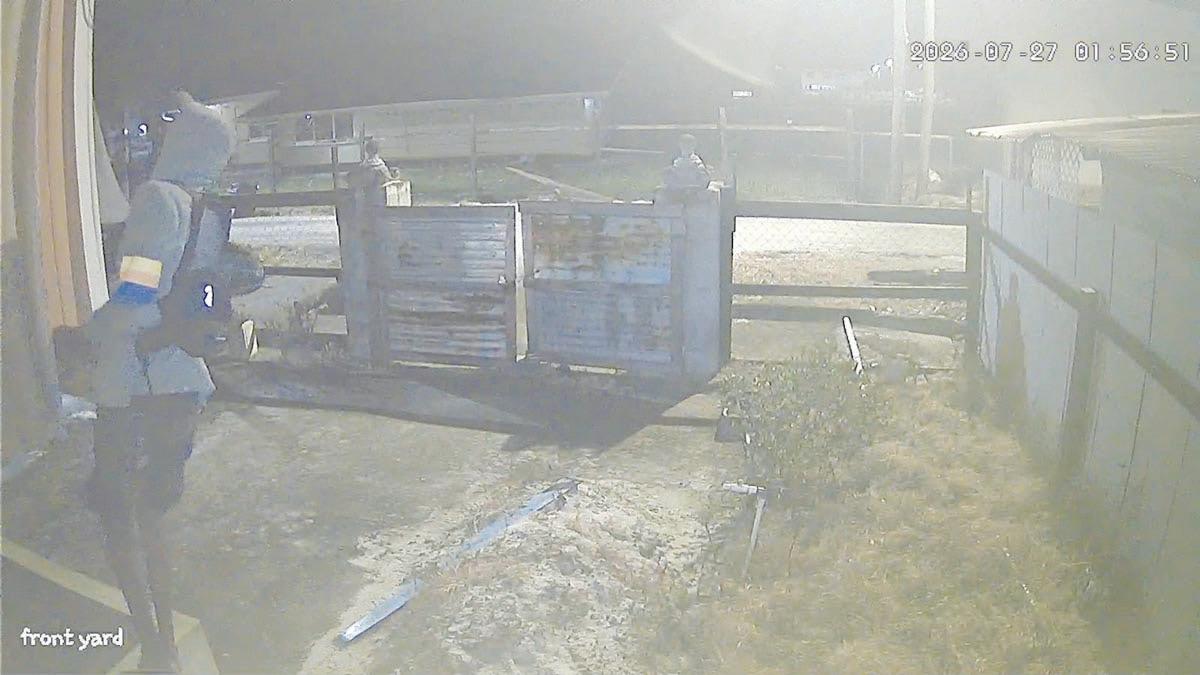
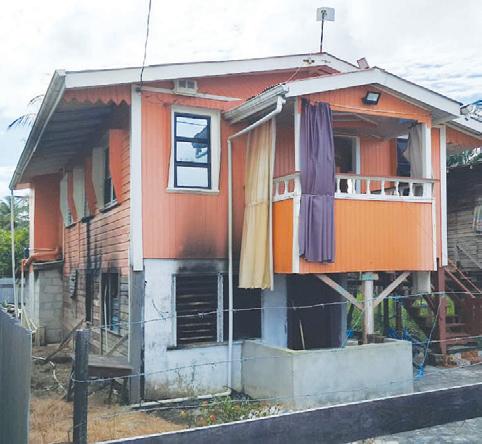
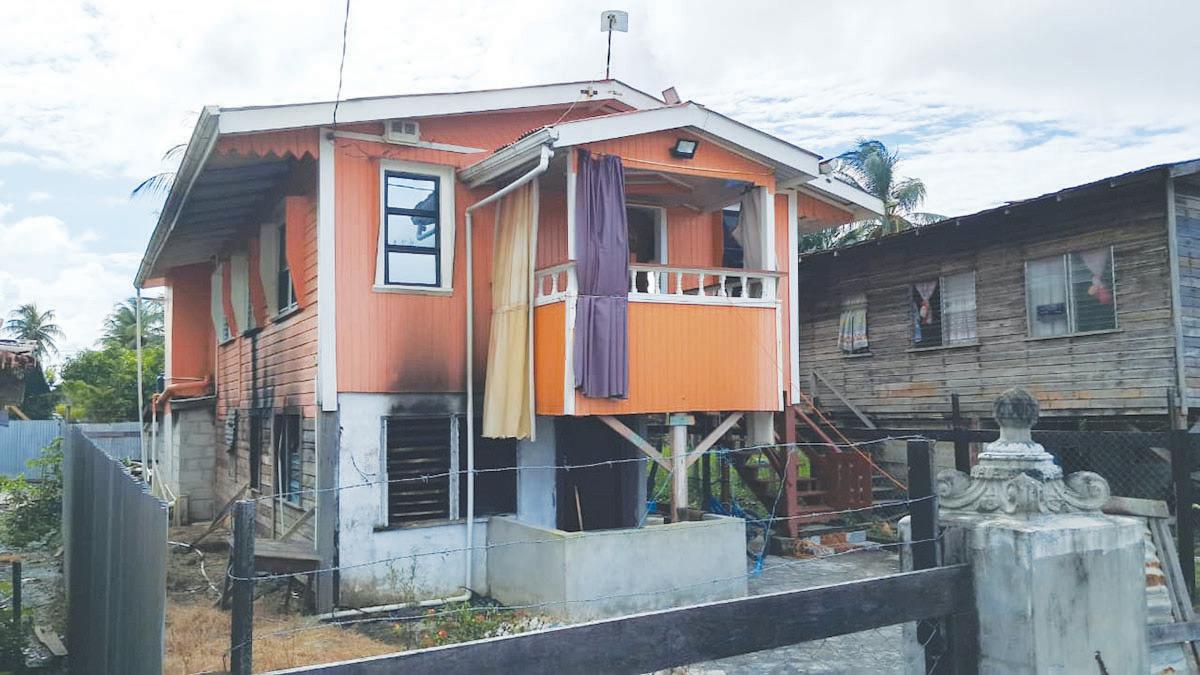
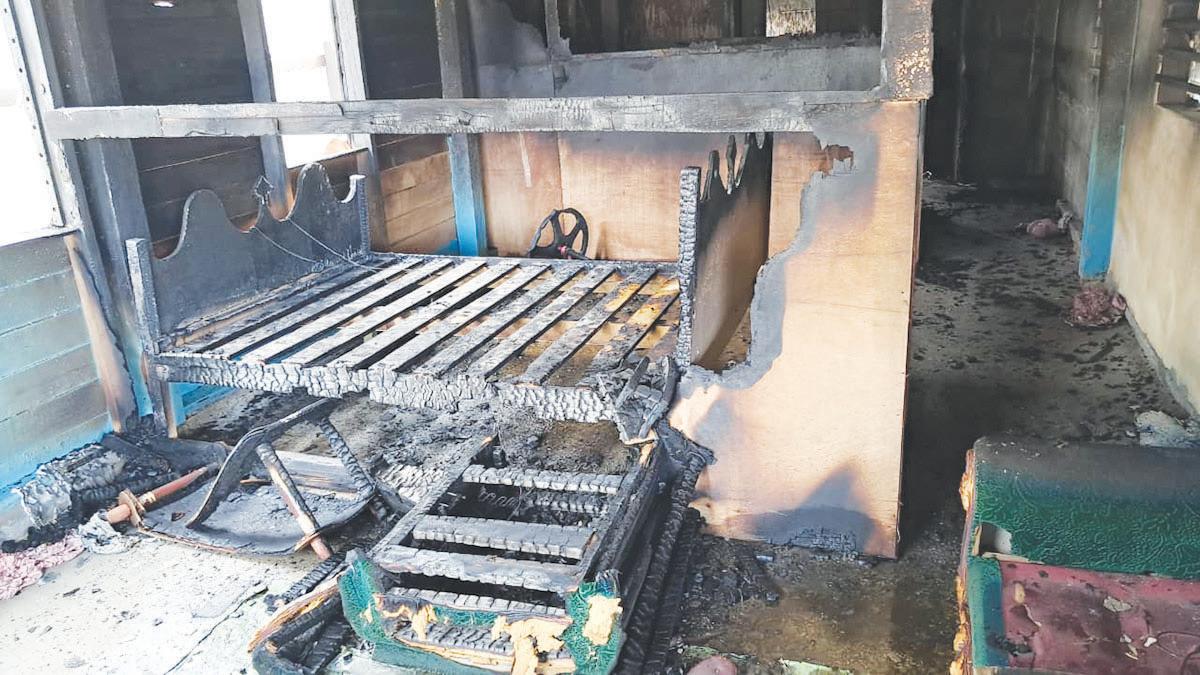
Afire at an Angoy’s Avenue, New Amsterdam home early Monday morning has taken on another twist after relatives discovered that the building had been ransacked, while surveillance footage captured a person entering the upper verandah before the blaze. No one was at the Lot 740 Angoy’s Avenue property when the fire occurred. The house belongs to Donna Juno, who was reportedly offshore working at the time, while her daughter was staying with her cousin, 43-year-old Annie Mource, at Vryheid, Greater New Amsterdam.
Mource said it was around 03:30h when Juno’s daughter awoke her after receiving a call from a friend in-
forming her that the house was on fire. The two rushed to Angoy’s Avenue, where firefighters, police ranks and Guyana Power and Light (GPL) personnel were already on the scene. A number of persons had also gathered in the area. By the time they arrived, Mource said, the fire had already been brought under control.
“It’s hurtful to know, you know, you got to jump out your bed to come to this disaster here,” Mource said. After arriving, Mource said she was taken into the house by a member of the Fire Service and later gave a statement. It was upon entering the upper apartment that she realised the family was dealing with more than the destruction caused
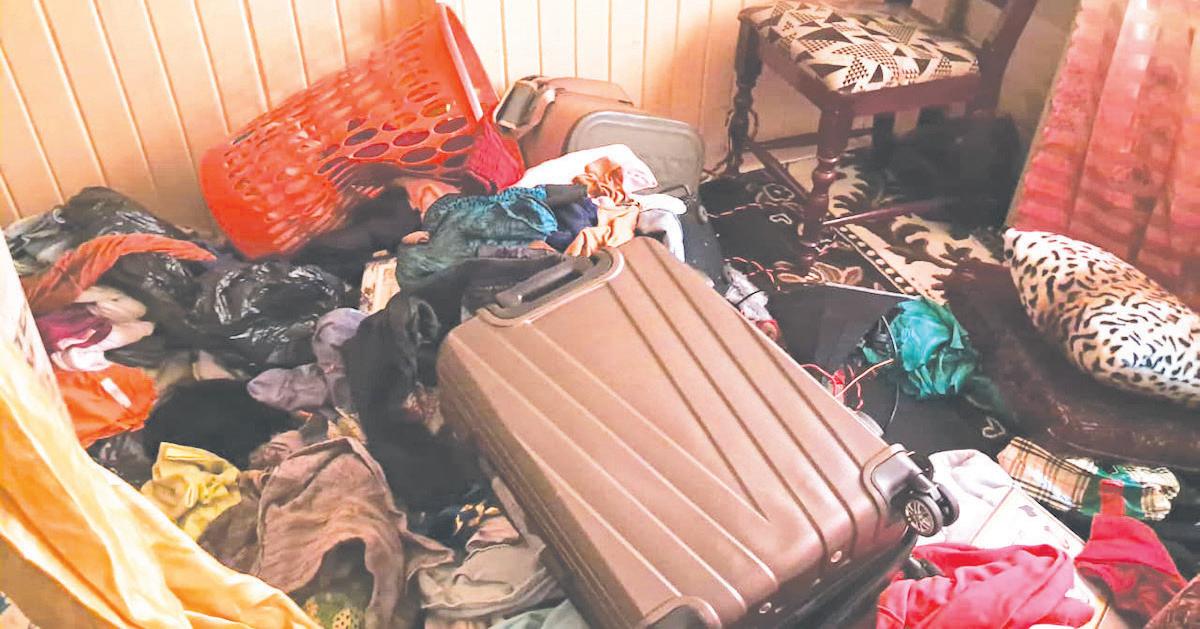
that the house was broken into before the fire. Footage
ransacked. “When I went

ransacked. The second room, ransacked. The other room, it ransacked,” she recalled. She said alcohol that had been kept in the house was missing, while items had also been taken from the refrigerator. The condition of the house was particularly striking to Mource since, according to her, she had been there just one day earlier to clean. “It was very devastating because, you know, I only went here the day before to clean and to come back to know those kind of things,” she said.
Surveillance footage from the property has added to the family’s suspicion
seen by this publication shows a person entering the property during the early hours of Monday and making their way from the lower section of the premises into the upper verandah. Mource said Juno subsequently sent her the surveillance recording. “The video showed that the guy climb up from the bottom patio to go up on the top patio,” she said.
Mource further alleged that the footage showed the person signalling towards a someone nearby and, in her view, appearing to receive instructions from someone who was waiting. Mource also believes the person
gained entry to the house through a window in one of the rooms after reaching the upper verandah. While the surveillance footage and the state of the rooms have raised suspicions of a breakin, it was not immediately established whether the person captured on camera had any connection to the subsequent fire. The blaze caused extensive damage to the property, with the lower section of the building bearing severe signs of fire damage. At the scene on Monday, sections of the wooden exterior were visibly scorched and blackened, while windows in the lower flat were damaged. Inside, walls, beams and other wooden components had been heavily burnt. Furniture and other household items were also badly damaged, with some reduced to charred frames amid burnt debris. Fire damage was also evident in the upper apartment, where portions of the flooring were extensively damaged and sections had been burned through by the flames. Other areas of the upper flat remained standing, but belongings were scattered throughout rooms that Mource said had been ransacked. The cause of the blaze was not immediately established.
team inspire confidence that inquiry will be thorough, independent, credible – GCCI,
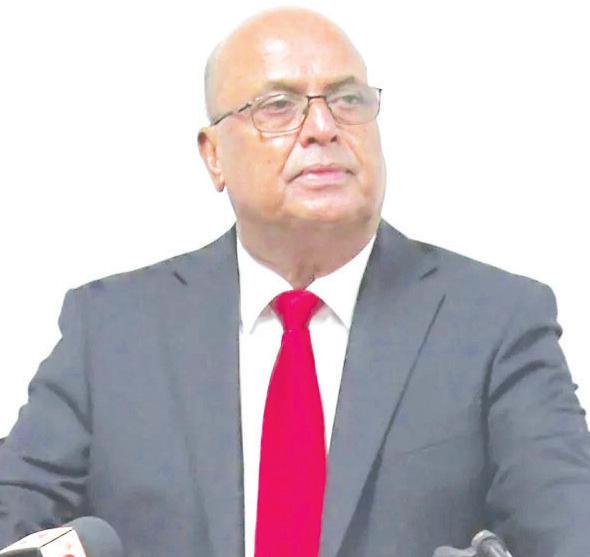
As the Commission of Inquiry (CoI) prepares to begin its investigation into the MV Barima tragedy, two major private sector organisations have welcomed the team assembled by President Dr Irfaan Ali, expressing confidence that its composition inspires trust in the inquiry’s ability to be thorough, independent and credible.
On Sunday, President Dr Irfaan Ali announced the establishment of a five-member international CoI into the July 18 sinking of the passenger and cargo ferry – a move welcomed by both the Georgetown Chamber of Commerce and Industry (GCCI) and the Private Sector Commission (PSC).
GCCI
In a statement on Sunday, the GCCI, led by Kathy Smith, noted that the expertise of the CoI members inspires confidence that the investigation will be credible. The Chamber said the members’ “collective expertise in judicial affairs, marine engineering, maritime surveying and compliance, admiralty and maritime law, and maritime operations and security inspires confidence that the inquiry will be thorough, independent, credible and evidence-based.” According to the GCCI, the CoI presents a significant opportunity to ascertain the facts, draw valuable lessons, and build public confidence in the institutions responsible for safeguarding the travelling public. Additionally, GCCI expressed hope that the findings and recommendations will inform measures that enhance public safety, strengthen regulatory oversight and support the continued advancement of Guyana’s transport sector. It noted that “be-
yond the inquiry itself, the Commission’s enduring legacy will be defined by the implementation of its recommendations, allowing this tragedy to serve as a catalyst for lasting improvements in public safety, regulatory oversight, and the protection of all who rely on Guyana’s transport systems”.
GOGEC
Similar sentiments were expressed by the Manniram Prashad-led Guyana Oil and Gas Energy Chamber (GOGEC) via a statement on Monday. “The appointment of respected experts in maritime law, marine engineering, navigation and judicial affairs reflects the Government’s commitment to ensuring a comprehensive, transparent and impartial examination of the circumstances surrounding this heartbreaking national tragedy,” the body noted. GOGEC similarly noted that the inclusion of internationally recognised professionals from Belize, Jamaica, Trinidad and Tobago and Poland, “demonstrates Guyana’s commitment to adhering to the highest standards of governance, justice and maritime safety”. “GOGEC is confident that the Commission’s findings will provide valuable recommendations to enhance maritime operations, improve safety protocols and help prevent similar incidents in the future,” the Chamber added. As Guyana continues its rapid economic and maritime development, GOGEC said it fully supports initiatives that promote accountability, transparency and the protection of human life. The Chamber emphasised that it stands firmly behind the Government’s efforts and looks forward to
the Commission conducting its work independently, professionally and in the best interest of the people of Guyana.
Meanwhile, in a statement on Monday, the PSC pledged its support for efforts to strengthen safety standards and improve regulatory oversight, emphasising that the incident must mark a turning point for Guyana. “This tragedy must become a turning point for our country. The Private Sector Commission stands ready to support efforts to strengthen safety standards, improve regulatory oversight, modernise operational practices and foster stronger collaboration between the public and
ing practical reforms to strengthen passenger safety, emergency preparedness, vessel operations, and regulatory oversight across Guyana’s maritime sector”. The PSC also expressed the view that the private sector should play a meaningful role in supporting the Commission’s work, noting that “during the rescue and recovery effort, private companies, vessel operators, aviation providers, offshore operators, fisherfolk, divers and volunteers worked alongside Government agencies, bringing operational experience and technical expertise that can strengthen the investigation and help inform future reforms”. Moreover, as the Commission begins its work, the PSC is urging all

private sectors. We are committed to working with all stakeholders to ensure that the Commission’s recommendations result in meaningful and lasting change. The memories of those who lost their lives demand nothing less,” the Gerry Gouveia Jr led organisation noted. “The PSC believes that every family who lost a loved one deserves answers. Survivors deserve to know the truth. The people of Guyana deserve confidence that every lesson will be learned and that every recommendation necessary to strengthen maritime safety will be implemented,” the Commission added. In fact, the PSC emphasised the importance of the CoI being “comprehensive, transparent, independent and guided solely by the facts”. The private sector umbrella body noted that, ‘its work should identify any operational, regulatory, institutional or individual failures that contributed to this disaster while recommend-
individuals, organisations and institutions with relevant information to cooperate fully. “Establishing the complete sequence of events and understanding every contributing factor will be essential if Guyana is to build a safer and more accountable maritime transportation system,” the PSC emphasised.
The five-member CoI will be headed by former Belizean Justice of Appeal and distinguished legal expert, Godfrey Phillip Smith, who currently serves as the CARICOM High-Level Representative for Law and Criminal Justice and is the Ad Hoc Justice of Appeal at the Eastern Caribbean Court of Appeal. It also includes Captain Hamada Fouda, an internationally respected maritime safety specialist with more than 35 years of experience in marine regulation and casualty investigations; Trinidad and Tobago Senior

Attorney-at-Law, Nyree Dawn Alfonso, who has represented clients in complex ship arrests, maritime disputes, salvage operations, collisions, marine casualty claims, marine insurance matters and arbitrations; Dr Andrzej Jasionowski, a forensic naval architecture and marine engineering expert, out of Poland, who has specialised since 1995 in the application of advanced numerical techniques for stability, hydrodynamics, oil film lubrication, thermodynamics of liquefied natural gas (LNG) mixtures, ship flooding simulations, probabilistic assessments of time to sink and capsize, holistic risk quantification, and shaft alignment; and decorated Trinidad and Tobago Rear Admiral (RADM) Hayden A Pritchard, who has over 38 years of experience in security and maritime operations, policy development, change management and public and security sector reform. The Commission will have to determine its own procedures and methods of work consistent with its mandate. The Terms of Reference will be establishing the full circumstances surrounding the tragedy, including the causes and all other factors relating to the loading of the vessel, the boarding of passengers, conditions on board, the capsizing and sinking of the MV Barima, and any other related matters. The team will also be comprehensively reviewing all aspects of the search, rescue, and recovery operations, including the adequacy, coordination and effectiveness of the response by all agencies and stakeholders involved. They will also have to evaluate the extent to which applicable laws, regulations, standards and operating procedures gov-
erning ferries were complied with, while further determine whether any acts of negligence, misconduct, dereliction of duty, or other failures by any individual, entity or institution contributed to or caused the disaster. Moreover, the Commissioners will be tasked with inspecting the condition and maintenance history of the vessel, including its seaworthiness, analysing the influence of weather, sea conditions, tides, currents, navigation, communications and other environmental or operational factors that may have contributed to the incident. Further, they will have to appraise the competence, qualification, training and conduct of the vessel’s master and crew, including compliance with established maritime safety and emergency procedures. The five-member team will also have to scrutinise passenger management, including embarkation procedures, manifest preparation, the possible overcrowding of the vessel, the stowage of cargo, availability and use of life-saving equipment and adherence to passenger safety requirements. At the end of their investigation, the Commissioners will recommend any legislative, regulatory, institutional, and operational reforms, together with any other measures, necessary to strengthen maritime safety, improve emergency preparedness and response and reduce the likelihood of similar tragedies occurring in the future. The MV Barima was en route to Port Kaituma, Region One (Barima-Waini) with 179 people onboard, when it capsized and sank off the Essequibo Coast in Region Two (PomeroonSupenaam).
Prime Minister (PM) Brigadier (Ret’d)
Mark Phillips on Monday presented the National Assembly with a chronological account of the Government’s response to the MV Barima tragedy, outlining the sequence of events from the vessel’s departure to the ongoing search, rescue and recovery operations. Delivering a statement to the House, Phillips said the MV Barima departed the Transport and Harbours Department (THD) Goods Wharf at 15:30h (3:20pm) on July 18, bound for Port Kaituma with passengers and cargo. According to the PM, a distress signal was received by the Air Traffic Control Centre (ATC) at Timehri at 22:43h (10:43pm). The information was relayed to the Georgetown Lighthouse at 22:01h (11:01pm), which then alerted the Maritime Rescue Coordination Centre (MRCC) two minutes later. The MRCC immediately notified the Guyana Defence Force (GDF) Coast Guard, the Guyana Police Force (GPF), and other relevant agencies. The first Coast Guard asset was deployed from the Pomeroon
floating base at 22:11h (11:11pm), while the National Search and Rescue (SAR) Committee was assembled at 22:25h (11:25pm). Two additional Coast Guard vessels departed the Ruimveldt Base at 22:40h (11:40pm). The PM said the first five survivors were rescued at 02:27h (2:27am) on July 20, followed by 19 more at 04:14h (4:14am) and another 53 at 05:13h (5:13am). In total, 77 persons were rescued, although one later died.
Search and rescue operations continued throughout July 20 and subsequently transitioned into a full recovery mission. Phillips told the Assembly that the sunken vessel was located on July 20, resting on the seabed approximately 31 nautical miles northwest of the vessel’s initial reported distress location. He credited information provided by Haresh Singh, local fisherfolk, ExxonMobil Guyana, Vreed-en-Hoop Shorebase Inc. (VESHI), and Sealand Surveys’ Gilligan Island for helping to confirm the vessel’s location. He said the Ministry of Health and the GPF established joint protocols for the recov-
ery, transportation, storage and identification of victims, with identification procedures conducted at the Suddie Hospital. The Maritime Rescue Coordination Centre remained fully operational while recovery efforts continued.
France provided 15 divers to assist local teams, while recovered bodies were transported to Charity for processing before relatives were invited to identify them at the Suddie Hospital. By July 21, the operation had expanded significantly, with 16 vessels deployed in the search area, which was extended by an additional 400 square miles to Waini Point. French and local divers continued underwater searches while state and private vessels, supported by aerial surveillance, combed the expanded area. Aircraft were also used to transport relatives to the Suddie Hospital to assist with identifying recovered bodies. Minister of Health Dr Frank Anthony and his team coordinated the release of identified bodies to relatives, while regional authorities assisted families with funeral arrangements.
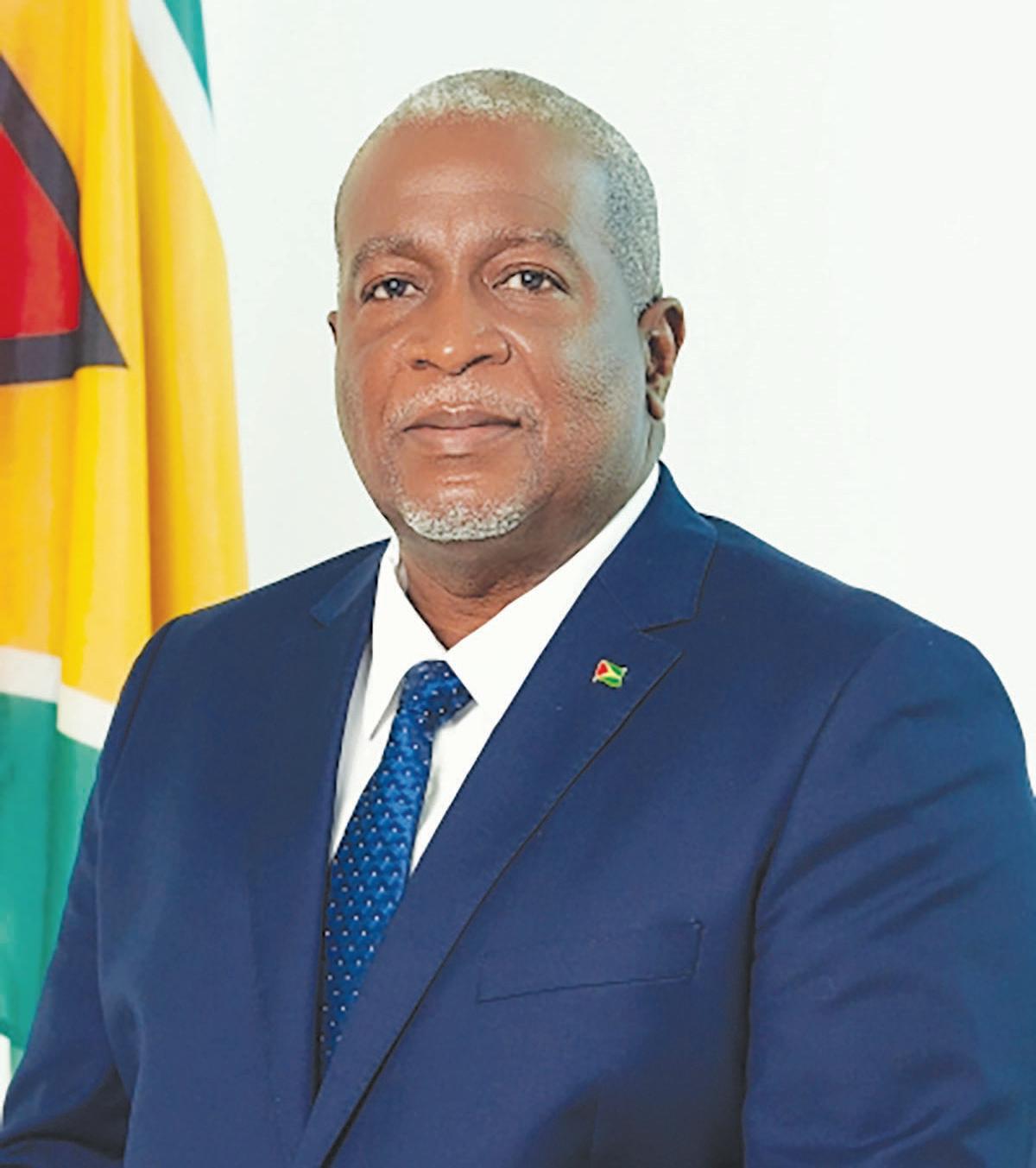
On July 22, additional international support arrived, with assets from the Trinidad and Tobago Coast Guard and the Brazilian Navy joining the operation. At that stage, 19 vessels and two aircraft were engaged in the search. Technical teams also began assessing the capsized vessel to determine the safest method of righting it to improve access for divers, while smaller vessels continued searches in inland water-
ways. Phillips also highlighted the Government’s humanitarian response, noting that President Dr Irfaan Ali declared three days of national mourning. During that period, national flags were flown at half-mast, July 22 was observed as a National Day of Prayer with a service at the Kingston Seawall, and additional nights of reflection and prayer were held in Port Kaituma and Mabaruma. Providing the final operational update
issued on July 24, the PM said the search area was further expanded by 32 square miles, stretching west to Waini Point and east to Adventure. Five dives lasting between 45 and 60 minutes were conducted that day, during one of which a body was recovered from inside the vessel. He said this brought the total number of recovered bodies to 73, with 69 positively identified. Phillips said the Government remains committed to supporting affected families and ensuring that every reasonable effort continues in the search and recovery operation.
He also expressed gratitude to the GDF Coast Guard, Maritime Administration Department (MARAD), GPF, Ministry of Health, regional authorities, local fisherfolk, private vessel operators, aviation personnel, divers, medical teams and other stakeholders who participated in the response. The PM further thanked the Governments of France, Trinidad and Tobago and Brazil for their assistance during the operation.
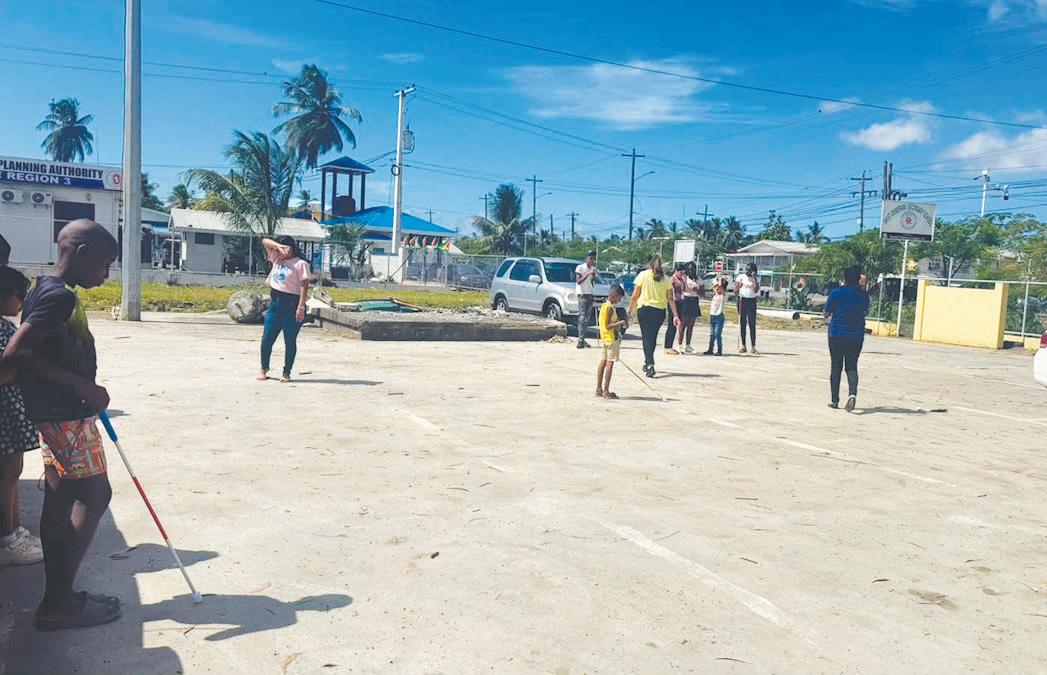
Team-building exercises were also incorporated to strengthen communication, collaboration and self-confidence.
Speaking at the closing ceremony on Friday, Assistant Chief Education Officer for Special Education Needs/ Disability, Dr Keon Cheong, emphasised the importance of introducing practical life skills at an early age.
“Independent living skills are fundamental
to ensuring that children with disabilities grow into confident, capable, and independent adults. Programmes such as this camp provide opportunities for children to learn through experience while building the confidence needed to participate fully in their homes, schools, and communities,” Dr. Cheong said.
He also praised the partnership between the Ministry of Education and the GCOPD, noting that
collaborative initiatives continue to strengthen inclusive education and improve outcomes for learners with disabilities.
GCOPD Programme Manager Ganesh Singh said the camp offered participants opportunities that extended beyond the activities held over the three days.
“For many of these children, this camp represents far more than three days of activities. It provides opportuni -
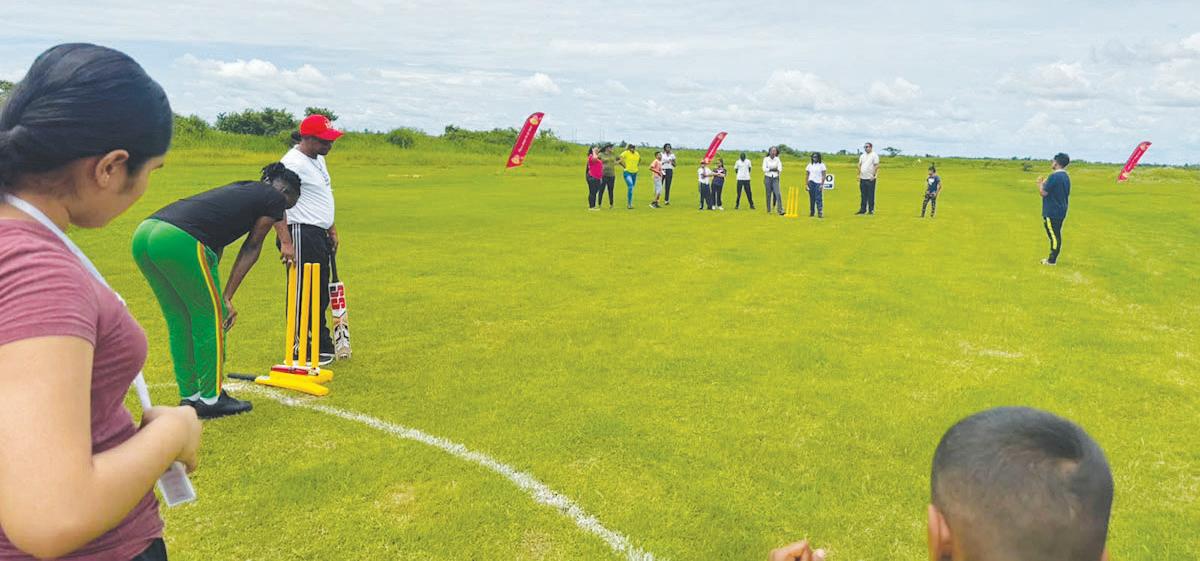
ties to develop lifelong skills, build friendships, increase self-confidence, and discover that blindness or visual impairment should never be a barrier to living an independent and meaningful life. We remain committed to creating opportunities that empower children with disabilities to realise their full potential,” Singh said.
The GCOPD expressed appreciation to the Ministry of Education, the United Women for Special Children, ExxonMobil Guyana, teachers, SEN Officers, volunteers, facilitators and parents for their support in making the camp a success.
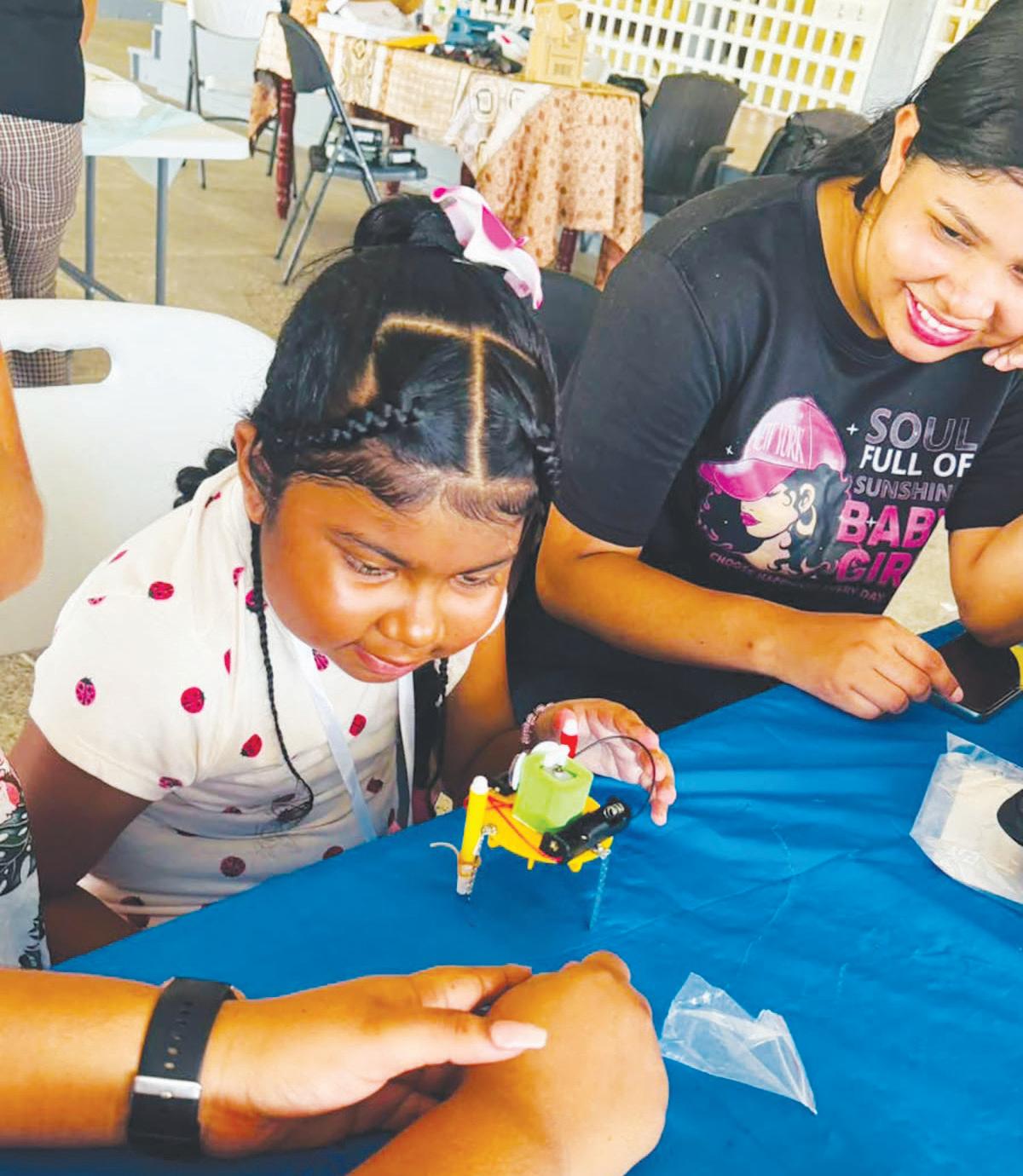
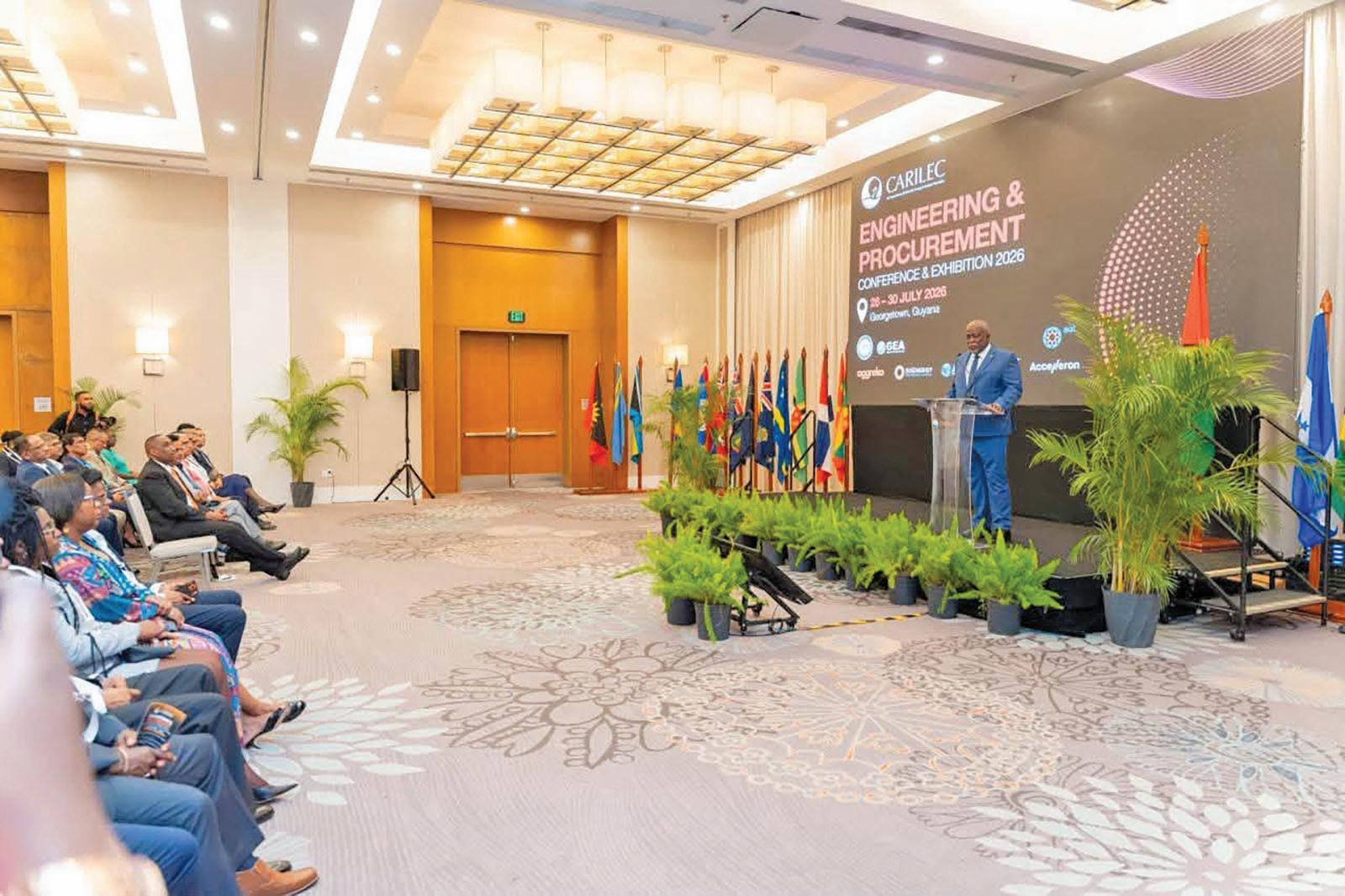
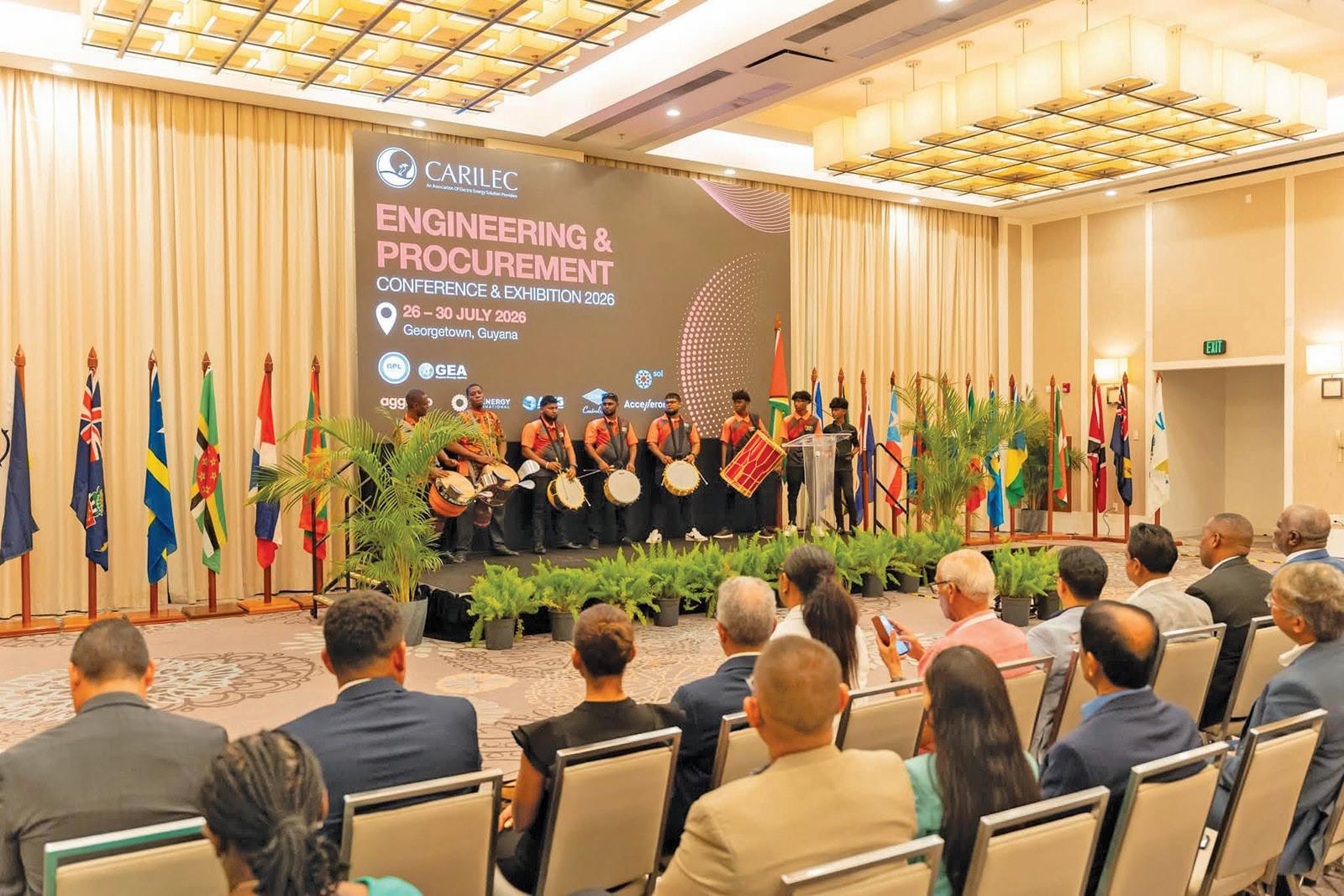
Prime Minister (PM)
Brigadier (Ret’d)
Mark Phillips has called for stronger regional collaboration and strategic procurement as Guyana moves to modernise and diversify its electricity sector, saying decisions made today will shape the country’s energy future for decades. Delivering the feature address at the opening of the Caribbean Electric Utility Services Corporation (CARILEC) Engineering and Procurement Conference and Exhibition 2026, the PM said reliable and affordable electricity is essential for economic growth, improved public services and regional development. The conference is being held under the theme, “Grid Modernisation and Resilience – Strategic Procurement in Focus.”
“The decisions we make today will determine the country and region we become over the next 25 years,” Phillips told participants. He outlined the Guyana Power and Light Incorporated (GPL) Development and Expansion Programme, which includes invest-
ments in electricity generation, transmission, distribution, grid digitisation, renewable energy and institutional strengthening. According to the PM, the Gas-to-Energy (GtE) Project is expected to add about 300 megawatts (MW) of generating capacity while lowering electricity costs, improving reliability and supporting industrial development. He said natural gas will serve as a transitional fuel as Guyana expands its use of hydro-
power, utility-scale solar, battery storage, distributed renewable energy and other emerging clean technologies. Looking ahead, Phillips projected that by 2030 Guyana’s electricity system will be “fundamentally different, more diversified, more digital, and more capable of integrating renewable energy at scale.”
He said the transition will be supported by the Guyana National Control Centre (GNCC), advanced Supervisory Control and
instead prioritise quality, resilience, cybersecurity, efficiency and long-term value. “Strategic procurement is therefore central to modernisation. The lowest evaluated cost must also reflect quality, reliability, resilience, operating efficiency and long-term value,” he said. Phillips further underscored the importance of regional cooperation as Caribbean countries continue to face common challenges, including climate vulnerability, volatile fuel prices, extreme weather, increasing electricity demand, limited economies of scale and financing constraints. He
build partnerships across the region. The PM also reaffirmed the Government’s commitment to expanding modern and reliable electricity services to communities across Guyana, including urban centres, rural villages, riverain areas and hinterland regions. Following the opening ceremony, Phillips met with stakeholders and toured the exhibition, which features energy technologies and solutions designed for Caribbean utilities. CARILEC, an association representing more than 100 energy solution providers and stakeholders in the regional electrici-
Data Acquisition (SCADA) systems, automation and real-time monitoring to create a smarter electricity grid. The PM also stressed that procurement decisions should extend beyond securing the lowest price and
said CARILEC plays an important role in bringing together utilities, regulators, Governments and industry partners to strengthen capacity, improve procurement practices, encourage technology transfer and
ty industry, is hosting the conference and exhibition at the Guyana Marriott Hotel from July 26 to 30. Approximately 150 exhibitors are participating in this year’s event.

Haiti’s CEP electoral council on Monday scheduled the first presidential elections in a decade for December with a runoff in February, after plans to hold the vote in August with a December runoff were postponed over security concerns.
Haiti has not held elections since 2016.
Its last president, Jovenel Moise, was assassinated in 2021, after delaying a vote. Successive Governments have been tasked with holding an election, but said insecurity amid a conflict with powerful armed gangs made it impossible.
The council on Monday published a calendar setting a first round of Haiti’s presidential and legislative elections for December 13 with a runoff vote on February 21. It also set the publication of final results for March 7.
Citizens are also expected to vote on changes to the constitution and for local representatives, the calendar showed.
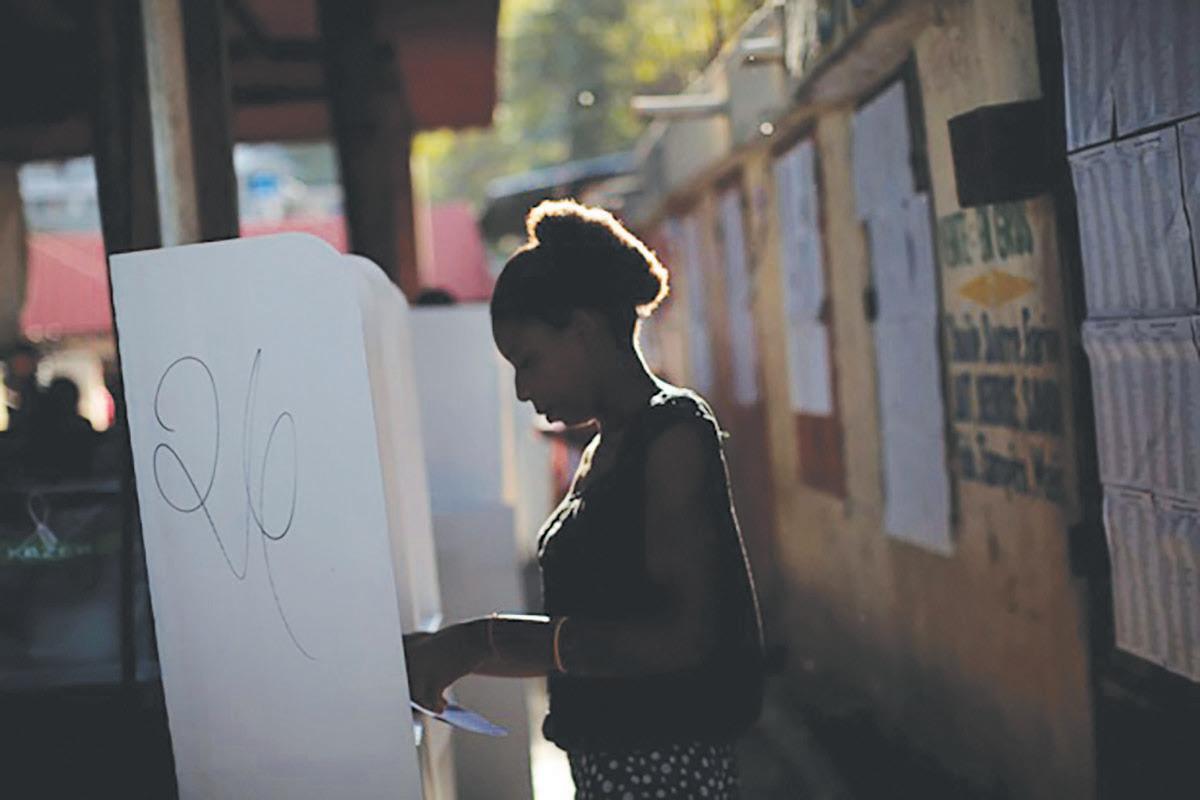
The council highlighted that the calendar depended on “the establishment of an acceptable security climate and the necessary funds to pursue electoral operations”.
Earlier this month, the council said it had begun registering voters and training electoral security agents, and published a definitive list of over 300 political parties approved to compete in the coming electoral process.
Ongoing gang violence has made analysts sceptical that new election dates will remain in place. The ripple effects include chronic food shortages, extortion, ransom kidnappings and forced displacements, piling on even more challenges to ensuring a free, fair vote. Some 12 per cent of Haiti’s population live in makeshift camps or with host families.
(Excerpt from Reuters)
AUnited Nations fact-finding body on Venezuela said on Monday it was “gravely concerned” over the country’s withdrawal from the International Criminal Court (ICC) and urged it to rejoin.
Venezuela’s Government said on Friday it had made an “irrevocable” decision to leave, justifying the move by alleging a “geographical bias” within the court.
The UN Independent International Fact-Finding Mission on Venezuela was formed by the UN Human Rights Council in 2019.
By withdrawing, the Venezuelan Government
seeks to evade international processes designed to ensure accountability, the mission said.
Venezuela has taken no meaningful action to investigate gross violations and international crimes committed over more than a decade, it added.
The mission called on Venezuela to rejoin the ICC and cooperate fully with international justice mechanisms.
The exit “serves only to reinforce impunity for human rights violations”, the mission said in a statement.
In 2020, the ICC said there was a reasonable basis to believe civilian offi-
cials, members of the armed forces and pro-Government individuals had committed crimes against humanity in Venezuela since at least 2017.
In January 2025, the ICC closed its office in Caracas, citing a lack of cooperation from the Venezuelan Government, which was then led by former President Nicolás Maduro.
Interim President Delcy Rodriguez has become a close ally of the Trump Administration, which has said it would seek to dismantle the ICC.
(Excerpt from Reuters)
Brazil has requested consultations with the United States under the World Trade Organisation’s dispute settlement system over tariffs announced by the Trump Administration this month, the Brazilian Foreign Relations Ministry said in a statement on Monday.
The request is related to tariffs of 25 per cent imposed by the US on imports of some Brazilian goods for alleged unfair trade practices, and up to 12.5 per cent tariffs on goods from dozens of nations, including Brazil, linked to allegations of lax enforcement of forced labour bans.
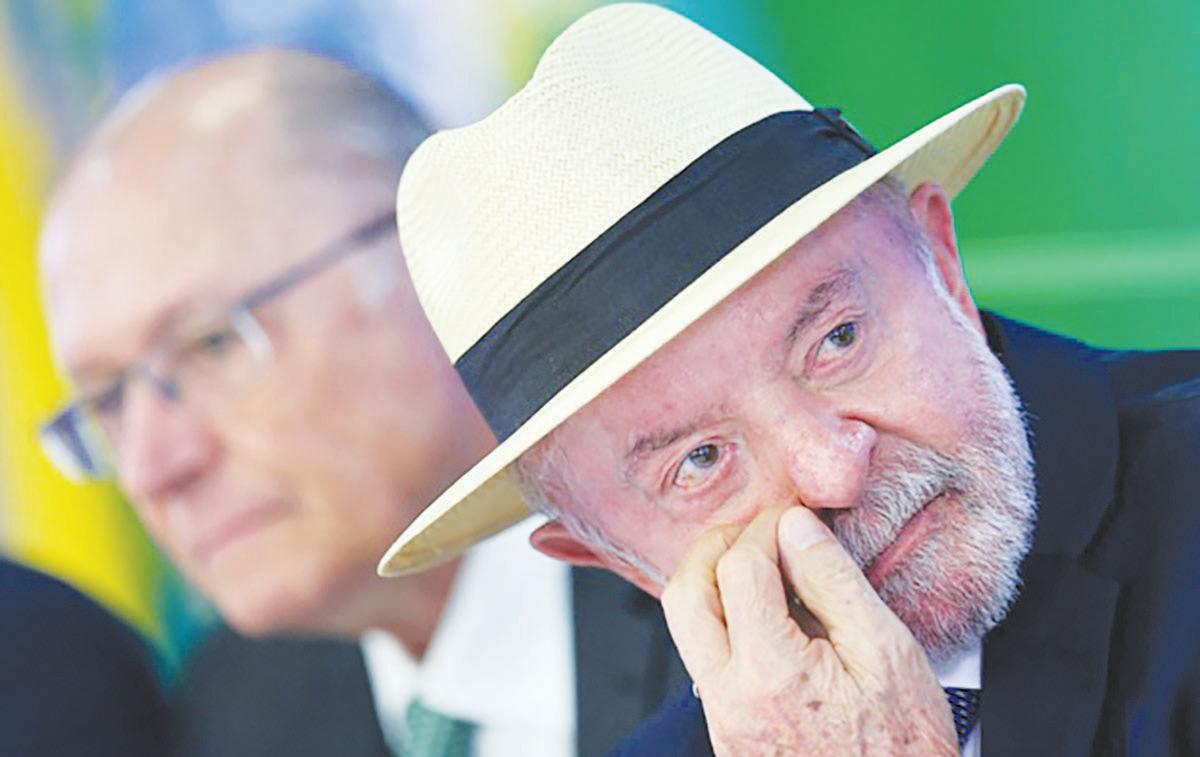
Brazil said the measures are “unjustified and inconsistent” with US obligations under the WTO’s “General Agreement on Tariffs and Trade 1994” and “Understanding on Rules and Procedures Governing the Settlement of Disputes”. The Government of President Luiz Inácio Lula da Silva had already said it would take the matter to the WTO. It
took similar measure last year following a previous round of Trump tariffs, which were later struck down by the US Supreme Court. (Reuters)
AHigh Court Judge has ordered the release of 69-year-old cheese maker Star Sabga on house arrest.
Justice Vigel Paul made the order on Monday as he upheld an application made by her lawyers.
However, Sabga’s legal victory may be short lived as State Attorneys applied for a stay of the decision as was done when businessman Dominic Hadeed and his wife Genevieve obtained a similar conditional release by a panel of the Court of Appeal, two weeks ago.
In his decision, Justice Paul questioned the need for Sabga to remain detained after the Hadeeds were released when
Homeland Security Minister Roger Alexander revoked Preventive Detention Orders (PDOs) against them last week.
“If persons set to be at the centre of conspiracy can safely be at large, the court cannot see how the continued detention of this elderly woman can be said to be necessary to prevent danger,” Justice Paul said.
Meanwhile, legal experts have urged the Government to say if the leaked SabgaHadeed conversation clip is authentic
Attorney Fareed Ali Sunday urged the Government to clear the air over the authenticity of the audio recording involving Genevieve Hadeed and
Sabga, her aunt ,which has become the centre of an escalating public debate on social media.
Ali said the State must confirm whether the recording circulating publicly is a leaked version of the audio relied upon when PDOs were issued against members of the Hadeed family and Sabga.
The 15-minute recording captures a private conversation between Sabga and Hadeed, during which Sabga was openly critical of Prime Minister Kamla PersadBissessar, her relationship with the current United States Administration and the Government generally. (Excerpts from Trinidad Guardian)
Opposition Senator Jonathan Wehner has accused the Government of helping to damage the international reputation of Antigua and Barbuda’s passport, arguing that the country cannot portray itself solely as a victim of pressure from foreign Governments over its Citizenship by Investment Programme.
“We are not victims, Madam President; we are co-conspirators in the assassination of the reputation of the passport of Antigua and Barbuda,” Wehner declared during debate on the Citizenship by Investment Amendment Bill 2026 in the Senate.
The Opposition Senator
said the Government must accept responsibility for decisions that, in his view, weakened accountability and raised questions about the effectiveness of the programme’s due-diligence system.
“We must be able to take responsibility. That’s part of leadership. Admit where you went wrong. Come clean to the people,” he said.
Wehner acknowledged that the amendment contains positive measures, including stronger auditing requirements, corrective action where weaknesses are identified and provisions allowing the new regional regulatory authority to initiate special audits.
He argued, however, that
the reforms were being introduced too late, after years of warnings and growing international scrutiny.
“Too late is the cry. The bell has rung. The end is nigh,” he said. At the centre of Wehner’s contribution was his claim that the Citizenship by Investment Unit has not produced audited financial statements for more than 10 years, despite the programme generating substantial revenue. He said the absence of audited statements made it impossible to identify material weaknesses or non-compliance through the audit process.
(Excerpt from Antigua Observer)
World risks HIV resurgence as funding falls 18%, UNAIDS says
The world risks a resurgence of the HIV epidemic after global funding fell by nearly a fifth last year, the United Nations body fighting AIDS said on Monday.
Washington previously accounted for 75 per cent of international HIV funding before President Donald Trump’s return to the White House in January 2025. That month he ordered a temporary halt to all HIV-related funding before restoring life-saving HIV work days later, although most prevention efforts were curtailed.
“The international community has entered a period of profound political and financial upheaval that threatens decades of hardwon gains against HIV,” UNAIDS said in its 60page report released at the start of an International AIDS conference in Brazil. “Without renewed commitment and action, the world

risks a resurgence of the HIV epidemic.”
Funding fell by 18 per cent to US$7.3 billion in 2025, which was the lowest level in nearly two decades, the report said. That risks reversing progress that has driven down new HIV infections and AIDS-related deaths to their lowest level in more than 30 years, it said.
“The current fragility of the HIV response puts
these gains at risk unless global solidarity is restored and inequalities are addressed.”
The report also repeated that the global goal to end AIDS by 2030 was off track, saying that reduced funding as well as other crises like Ebola were hampering efforts. Some 1.2 million people got HIV last year.
(Excerpt from Reuters)


Oil prices fell on Monday, settling at their lowest levels in over a week, after the US abruptly suspended a campaign of air strikes against Iran over the weekend, raising hopes of a diplomatic solution that would allow shipping to resume in the Strait of Hormuz.
Brent crude futures fell US$8.42, or 8.7 per cent, to settle at US$88.36 a barrel, the lowest since July 17. West Texas Intermediate (WTI) crude futures fell US$6.70, or 7.5 per cent, to close at US$82.61, the lowest since July 16.
Brent futures last week surpassed US$100 a barrel as the conflict, which has reduced oil shipments via the Strait of Hormuz, spilled over to the Red Sea. This hindered exports from the world’s top exporter, Saudi Arabia, via the Bab el-Mandeb strait to Asia.
The US Ambassador to the United Nations, Mike Waltz, told ”Fox News Sunday” and other US media that President Donald Trump had decided to pause US attacks to allow more time for diplomacy.
Trump on Monday said the US is holding ”good talks” with Iran, and that ”there’s a good chance that something could happen” in regard to a potential deal. He also threatened ”strong military action” if diplomacy fails.
Oil prices fell throughout Monday’s session, as Saudi Arabia’s air defences intercepted and destroyed drones launched from Iraq. Yemen’s Houthis claimed they had targeted sensitive crude oil supply and transport sites linking eastern Saudi Arabia to the critical Red Sea oil export hub of Yanbu.
”The market seems to be forever seeking good news from an arena that really is not providing any,” said PVM analyst John Evans.
”A stay of military strikes might seem an improvement, but it does not come with any guarantees that oil will soon flow from the area,” he said. He said oil futures will only continue lower if elevated price levels again dent demand, not due to ”questionable mini-ceasefires”.
Outlook uncertain with no signed framework
Industry analysts said they expect oil markets to be highly volatile in response to updates around the unofficial ceasefire between the US and Iran, and warned that the physical flow of oil remains constrained despite the truce.
”Shipping volumes remain heavily depressed after a brief mid-June ceasefire, limiting Middle East exports and forcing longer, costlier reroutes via Suez for Saudi Red Sea cargoes,” said Alex Hodes, director of energy market strategy at brokerage StoneX.
Fewer than 10 commodity vessels passed through the Strait of Hormuz daily during the weekend, shipping data from Kpler showed.
”Flows fell to something like 15 per cent of pre-war levels, against a normal run rate of roughly 20 million barrels a day of crude, condensate and products. A political pause doesn’t put a single extra barrel on the water right here and now,” said Ole Hvalbye, market analyst at SEB Research.
In addition, ship traffic through the Bab el-Mandeb strait fell on Sunday after Yemeni Houthis attacked Saudi oil installations along the Red Sea coast, although a third Chinese supertanker exited via the waterway.
Elsewhere, Kazakhstan, among the world’s 10 biggest oil producers, has more than halved its daily oil output following the closure of the main exporting terminal in Russia’s Black Sea over drone attacks, an industry source said on Monday.
The Energy Ministry later said the Caspian Pipeline Consortium’s Black Sea terminal had resumed oil loadings.
(Reuters)
The United Kingdom’s new Prime Minister, Andy Burnham, has pledged his country’s “unwavering support” during a visit by Ukrainian President Volodymyr Zelenskyy.
Burnham’s first bilateral meeting with a foreign leader was held on Monday as Zelenskyy stopped off in England as he heads to Washington, DC, to discuss efforts to end the Russian war on Ukraine with President Donald Trump.
Burnham is the fifth British Prime Minister to deal with Zelenskyy since the start of the conflict in February 2022.
Burnham told Zelenskyy it was “no accident” that the Ukrainian President was the first international leader he has welcomed to the UK since taking office.
“It is intended to send a very clear message: We are
with Ukraine 100 per cent,” Burnham said. “I will honour every commitment this country has made to Ukraine in full.”
Burnham announced he intends to visit Ukraine “soon”.
Zelenskyy continues to call for help to defend his country as US-led ceasefire negotiations have slowed while Washington’s attention has been diverted to the Iran war.
The two leaders visited a naval base in the southern city of Portsmouth to speak to armed forces personnel involved in training Ukrainian service members.
They have been taking part in an exercise aimed at strengthening their fighting capabilities and measures to counter mines in the Black Sea, the UK Government said.
(Excerpt from Al Jazeera)
resident Donald Trump said on Monday the United States was having ”good talks” with Iran and there was a chance of a deal over their conflict, but he warned that US strikes would resume if the negotiations failed to deliver.
Despite Trump’s optimism, Tehran appeared to quickly test the pause in the US military campaign, with Saudi Arabia, Jordan, and Iraq reporting drone attacks on Monday.
Washington abruptly suspended a two-week campaign of air strikes on Iran on Saturday in Trump’s la-
test strategic U-turn in the five-month-old conflict.
”We’re having good talks,” he said. ”I think there’s a good chance that something could happen, and if it does, good, if it doesn’t, we go back to doing what we were doing two days ago.”
At a campaign rally in Michigan later on Monday, Trump said of Iran: ”You can’t bribe them. You’ve got to beat them, and we’ll beat the hell out of them. But we’ll see how it turns out. Right now, there are very friendly negotiations going on.”
Iran’s Foreign Ministry spokesman Esmail Baghaei

said on Monday that messages were still being passed between the sides through mediators and Iran had not forsaken diplomacy, but reports that it requested nego-
tiations were ”fabricated”.
”This is not in our DNA,” he said.
A senior Iranian official told Reuters on Sunday that Iran would halt its own attacks as long as Trump’s self-imposed ceasefire continued.
Iran’s central military command later on Monday accused the US of threatening vessels and oil tankers in its territorial waters and of ”attempting to implement an illegal maritime blockade”, which it said ”constitutes an escalation of the conflict in the region”.
(Excerpt from Reuters)
Firefighters sought on Monday to take advantage of more favourable weather conditions to subdue massive wildfires threatening the French city and tourist region of Bordeaux and a number of sites in neighbouring Spain. They were racing against the clock as another heatwave is expected to hit both countries la-
ter this week in what has been a blisteringly hot and dry summer across Western Europe.
Authorities have evacuated about 220,000 persons, including holidaymakers and local residents, in France, while further south in Spain around 100,000 have been told to leave their homes or seek shelter.
In Bordeaux, French
President Emmanuel Macron thanked firefighters for their hard work, warning the coming weeks would remain difficult. ”We must hold on. We are going to win this battle together. The whole nation is behind you,” he said.
Prime Minister Sebastien Lecornu said France was going through an unprecedented wildfire
season, with the area burned already having surpassed the previous record year of 2022. ”The fight against wildfires begins with prevention. Nine out of 10 fires are human-caused and most arise from carelessness: a cigarette butt, a barbecue, work carried out without precaution,” he wrote on X.
(Excerpt from Reuters)
Nigeria urged South Africa on Monday to do more to prevent xenophobic attacks on Nigerians and other African migrants, saying repeated violence was straining ties and raising questions about whether the Government was complicit.
The comments came during talks in Abuja between Nigerian officials and a South African delegation led by Special Envoy and International Relations Minister Ronald Lamola.
Nigeria’s Minister of State for Foreign Affairs, Sola Enikanolaiye said President Bola Tinubu had ordered the meeting
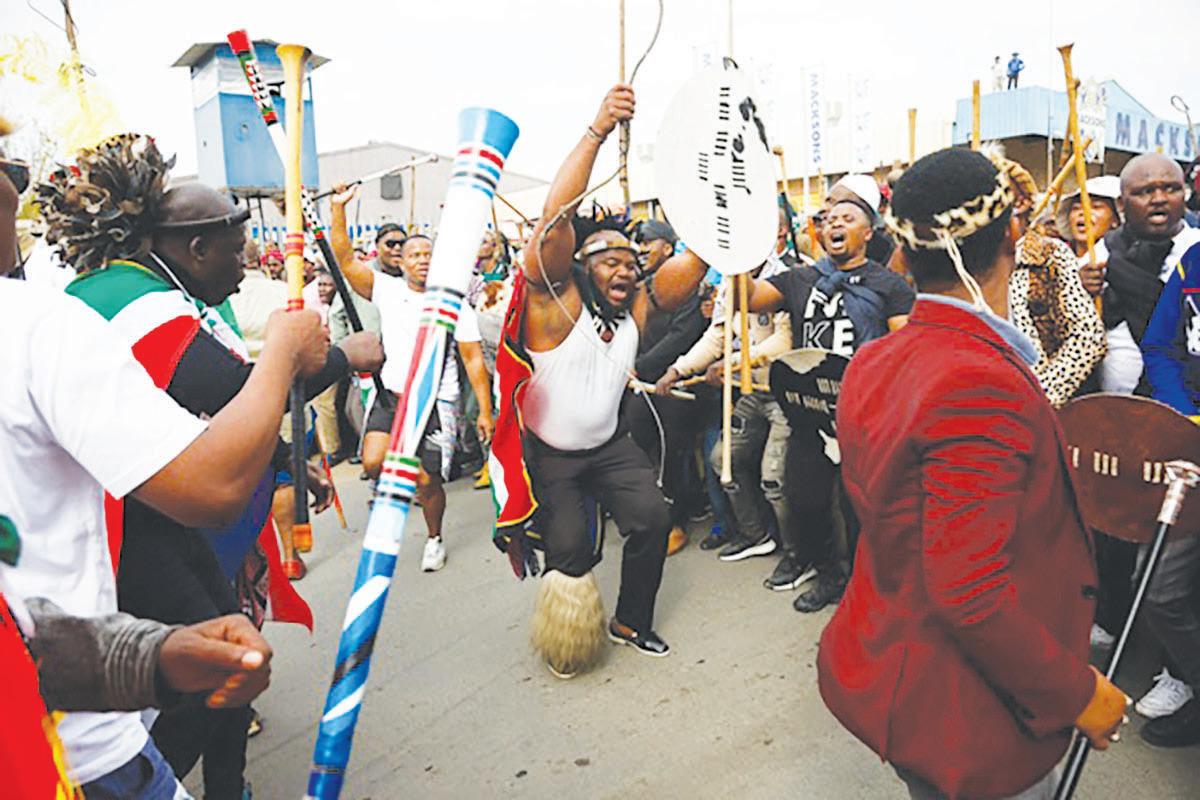
Supporters of the South African anti-immigrant group “March and March” hold a demonstration, after an unofficial June 30 deadline set by anti-immigrant groups for undocumented migrants to leave the country had passed, in Umzimkhulu, South Africa, July 13, 2026 (Reuters/Rogan Ward photo)
to address what Abuja described as persistent ”Afrophobic attacks” tar -
geting Nigerians and other African migrants in South Africa.
South African vigilantes have attacked foreign nationals and looted foreign-owned shops on numerous occasions in the last few months, as many South Africans blame immigrants for problems such as crime and unemployment.
At least four persons have been killed. Antiimmigrant protesters called for undocumented migrants to leave last month and marched in several South African cities.
At least 1490 Nigerians have been evacuated from South Africa since the latest outbreak of xenophobic violence, Nigerian officials said.
(Excerpt from Reuters)
The United States walked out as France addressed a United Nations Security Council meeting on Ukraine on Monday, accusing its longtime ally of ”disingenuous grandstanding” over French comments comparing the US to North Korea, Russia and other authoritarian states regarding votes on human rights issues.
The move followed a tense weekend exchange
between the two permanent Security Council members on X in which France blasted Washington for joining Russia, North Korea and seven other countries in voting against a proposal to extend the term of Volker Turk as the UN rights chief for four more years.
US Ambassador to the UN, Mike Waltz responded by accusing France of backing a human rights chief who he said criticises de-
mocratic nations like the US and Israel while ”cosying up to the world’s worst oppressors.” He did not elaborate.
Speaking during a UN Security Council session on Russia’s war against Ukraine, Dan Negrea, an alternate US representative to the UN, said the US delegation had exited during France’s remarks and would continue to do so until they ”renounce their condescending and disrespectful rhe-
toric”. He said France’s comments amounted to ”politicised drivel” and ”disingenuous grandstanding.”
The UN General Assembly on Friday voted overwhelmingly to extend the term of Turk, an outspoken critic of Russia’s war in Ukraine and Israel’s conduct in Gaza who has also called for investigations into deaths in US immigration custody.
(Excerpt from Reuters)







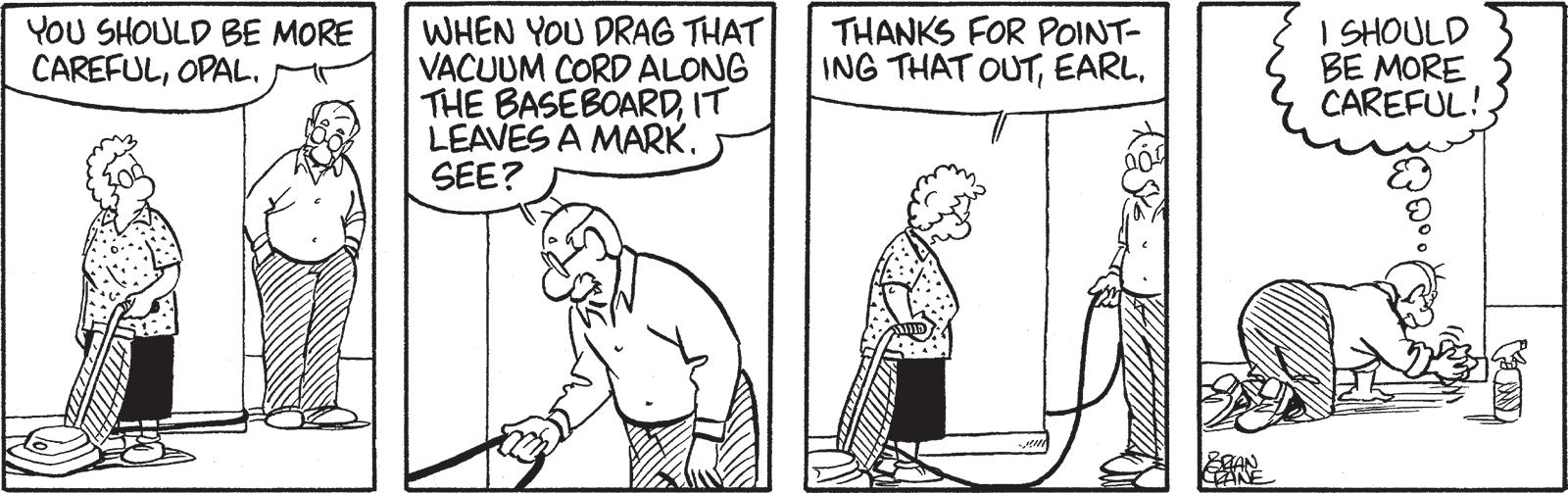

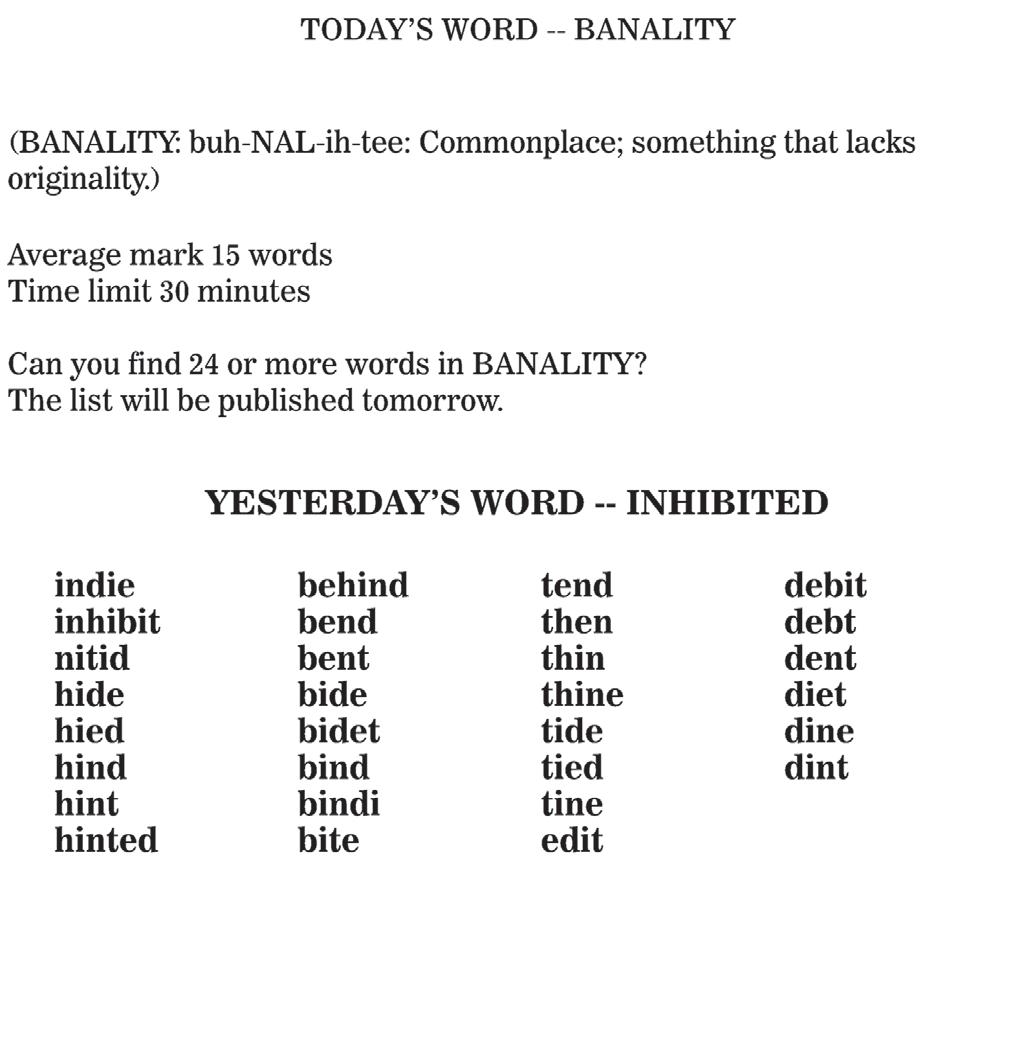
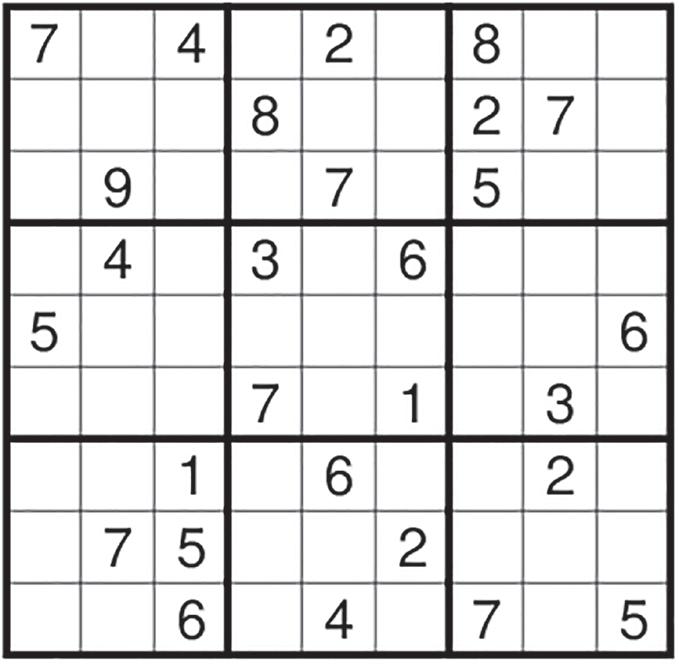




Initiate your plans. Engage in learning, sharing and experiencing life. Let your imagination lead the way, and push yourself to finish what you start. Use your emotional energy to flourish.



You’ll gain the most by working alone. Find a quiet spot and concentrate on expanding your knowledge and skills through hard work and practice. Positive change is the result of doing what’s best for you.



A playful attitude will get you much further than trying to enforce your will on others. Take it upon yourself to look inward and to pay attention to what will benefit you most.
If you look for opportunities, you’ll discover new possibilities. A partnership will help you recognize the value in sharing skills, time and money. Be open to suggestions.


Listen and learn. The information you pick up will help you recognize what you want to keep in your life and what to discard. The process of elimination comes with clarity.


Get moving, be present and promote what you can offer. Attending networking functions or visiting unique settings will offer insight into how to fine-tune your plans to reach your goals.




Use your imagination to discover new possibilities. Explore opportunities, and find people who can add to your plans. A little charm will go a long way. By putting your energy where it counts, you’ll prosper.
Be careful what you wish for. Impressions can be deceiving. Do your research, consider background checks and make changes to your agenda that encourage you to align yourself with the best people for the job.








Finish what you start. Making less of a change will have a greater impact on the outcome of what you pursue and achieve. Charisma and knowledge -- alongside time, effort and cash -- will help you get ahead.
Pay attention to medical, financial and legal matters, and you’ll create greater opportunities to bring about affordable change. Don’t feel obligated to make a spur-of-the-moment decision.
You can take on more than you think if you channel your energy toward achieving your objective. You’ve got nothing to lose and plenty to gain if you partner with someone who has attributes you lack.
Take on one problem at a time, and leave nothing to chance. A thorough investigation of what’s entailed to reach your goal will pay off. Make a promise to yourself to not let your ego prompt poor decisions.



Guyana’s four 100-metre sprinters failed to advance beyond the opening round of the 2026 Commonwealth Games after competing in their respective heats in Glasgow, Scotland, on



Monday.
Shamar Horatio produced the fastest time among the Guyanese men, clocking 10.43 seconds to finish third in heat five. However, his performance was not enough to secure a place in the next round.
Running from lane two, Horatio finished behind Ghana’s Benjamin Azamati, who won in a season-best 10.00s, and Jersey’s Jamie Oldham, who registered a personal-best 10.41s.
Akeem Stewart also placed third in his heat, stopping the clock at 10.55s in heat one. Nigeria’s Favour Ashe won in 10.10s, while Kenya’s Meshack Babu placed second in 10.21s.
Noelex Holder finished fourth in heat two with a time of 10.65s. Ghana’s Abdul-Rasheed Saminu claimed the heat in a season-best 10.01s, ahead of
Shamar Horatio (left) produced the fastest time among the Guyanese men, clocking 10.43 seconds to finish third in heat five. Akeem Stewart (right) also placed third in his heat, stopping the clock at 10.55 seconds in heat one
Mauritius’ Orphee Topize, who clocked 10.38s, and St Vincent and the Grenadines’ Mc Kish Compton, who fin-
ished in 10.51s. Keliza Smith, Guyana’s only competitor in the women’s 100m heats, produced a
The Philadelphia 76ers sent the message that LeBron James was indeed – officially and perhaps amazingly – on the roster with a straightforward photo.
James’ blue No 23 jersey hangs in a locker with a crown as a nod to his “King” nickname on the shelf.
The 76ers and James announced Monday their twoyear deal on the veteran’s minimum for US$8 million total was official and that the four-time NBA Most Valuable Player (MVP) was indeed a Sixer.
“There is no doubt LeBron is one of the greatest players to ever play the game of basketball and there are no words to measure the impact he’ll have on this organisation,” team president Mike Gansey said.
The NBA’s career scoring leader, James revealed his choice on social media Friday, saying it will be his “last decision” and that it came after he strongly considered retirement.
“I believe I can help make the Philadelphia 76ers a championship team and I am so excited to energise a new fan base and start this incredible journey one last time,” James said.
James posted videos on his Instagram story Monday

morning with the caption: “It’s that time again. 4:12 AM. Let’s get it.” He posted workout videos from the gym throughout the weekend.
A four-time NBA champion, James wrote he was “done” when his 23rd NBA season ended and that it was his last with the Los Angeles Lakers. He instead reversed course and signed with a Sixers franchise that’s loaded with AllStar starters in Joel Embiid, Tyrese Maxey, and Jaylen Brown yet has failed to win an NBA championship since 1983 or even advance out of the second round of the Eastern Conference playoffs since 2001.
James, who turns 42 in
December, appears up for the challenge of turning the Sixers into champions much as he did when he ended a 56year championship drought for Cleveland by leading the Cavaliers to the title in 2016.
“I cannot wait to see LeBron alongside Jaylen Brown, VJ Edgecombe, Joel Embiid, Tyrese Maxey and our talented roster as we work to deliver a championship for Philly,” team owner Josh Harris said.
The Sixers went 45-37 last season and were swept in the second round by the eventual NBA champion New York Knicks.
James’ résumé is beyond compare in NBA history. He is a 22-time All-Star, a 21-time
All-NBA selection, a four-time MVP, a four-time NBA Finals MVP, a three-time All-Star Game MVP and a member of the NBA’s 75th anniversary team.
He also is coming off a season in which he averaged 20.9 points, 6.1 rebounds, and 7.2 assists per game. For his career, he has averaged 26.8 points, 7.5 rebounds, and 7.4 assists in more than 1600 games.
James started his career in Cleveland in 2003 and spent seven seasons with the Cavaliers before heading to Miami for four seasons -- where he won his first two NBA titles. He then returned to Cleveland for four more seasons, including that title run in 2016, and left in 2018 for the Lakers and won a championship in 2020.
James is the first player in NBA history to be named an NBA Finals MVP with three different franchises.
James is set for a reunion with Gansey, who was hired in late May after the Sixers fired Daryl Morey.
Gansey joined the Cavaliers in 2011 and had worked as their General Manager since 2022. His and James’ ties were first forged as Ohio basketball stars more than two decades ago. Gansey at Olmsted Falls High School

Singapore’s Veronica Shanti Pereira won the heat in a season-best 11.24s, while Beyonce Defreitas of the British Virgin Islands was second in 11.33s. Zambia’s Edna Ng’andula claimed the third qualifying position with a personal-best 11.48s.
Later on Monday, Aaliyah Moore finished sixth in her women’s 800m heat in 2:05.54. She
missed advancement, with Uganda’s Halimah Nakaayi progressing as the slowest qualifier after recording 2:04.33.
Guyana’s athletics campaign will continue today when Simeon Adams and Revon Williams compete in the men’s 400m heats.
Stafon Roach is scheduled to compete in the men’s triple jump on Thursday, July 30.

was runner-up in 2001 for Ohio’s Mr Basketball award to James – who won it three times for St Vincent-St Mary High School before bypassing college and going straight to the NBA.
“I have had the pleasure of knowing LeBron since high school and have seen the high-level impact he’s produced at every stop of his bas-
ketball journey,” Gansey said.
“He is a consummate professional, the ultimate competitor and a tireless worker. But he is also an incredible person with natural leadership traits, a family man, and someone who possesses unwavering commitment to community and those around him.” (ESPN)

Guyana Amazon Warriors batter Shimron Hetmyer believes the team’s aggressive approach in the power play has been a major factor behind their success in the ongoing ExxonMobil Global Super League (GSL) T20, while stressing the importance of maintaining a positive mindset despite recurring middle-order collapses.
Speaking after the Warriors’ 53-run victory over the Lahore Qalandars at the Guyana National Stadium, Providence on Sunday, Hetmyer admitted that the opening overs remain the best opportunity for batters to score freely before conditions become increasingly challenging.
“I think as we go on, the power play is more important, because the newer ball
clusters doesn’t really help, but at the end of it, I think we still came out with a decent-enough score that we could defend,” Hetmyer explained.
The Warriors have enjoyed an unbeaten start to the tournament, but have also experienced periods where wickets fell in quick succession after promising starts. However, the lefthander believes there is no reason for the team to become concerned.
“I guess because of the nature of the tournament, you don’t want to dwell too much on it. You just want to take one game at a time and keep going,” he reasoned.
Hetmyer added that the key for the batting unit is to remain confident rather than allowing previous dismissals to affect their approach.
The batsman explained, “For us, it’s really and truly just about hitting the ball. We shouldn’t go into a negative mindset thinking anything can happen in the middle overs. As a team, we just need to continue doing the good things well and try as best as possible to stay at the crease for as long as possible.”
The Warriors successfully defended 164 against the Qalandars, bowling them out for 111, and Hetmyer credited the team’s resilience and disciplined bowling for sealing another convincing victory.
“I think in Guyana it’s more of a one-off when bowlers really struggle. Last night was one of those nights where we were put under pressure just a little bit, but tonight it was about the fighting spirit that we have in this team.”
He singled out left-arm spinner Gudakesh Motie, whose match-winning spell
Two date adjustments have been made to the Trinbago Knight Riders’ schedule of home games for the upcoming season of the Republic Bank Caribbean Premier League (CPL) 2026, with one involving the Guyana Amazon Warriors.
In addition, it has been announced that the Trinidadian franchise will play all of their groupstage fixtures at Queen’s Park Oval in Port of Spain.
The franchise’s full home schedule runs from August 26 to September 2, with matches against Saint Lucia Kings, Barbados Tridents, Jamaica Kingsmen, Guyana Amazon Warriors and Antigua & Barbuda Falcons.
The confirmation also brings an update to two of those fixtures. When the Republic Bank CPL 2026 schedule was first announced, Trinbago Knight Riders were due to face Guyana Amazon Warriors on Saturday, August 29 and Jamaica Kingsmen on Monday, August 31. Those opponents have since been swapped, with Jamaica Kingsmen now playing at Queen’s Park Oval on Saturday, August 29 and Guyana Amazon Warriors on Monday, August 31. All other fixture details, including dates, start times and venue, remain unchanged.
Queen’s Park Oval has

of 4 for 19 dismantled the Lahore middle order.
“For us, it was about putting the ball in the right areas for as long as possible and waiting for the rewards.
I think Motie did that really well tonight. He kept putting the ball in the correct areas and eventually got the rewards.”
The Warriors remain un-
hosted some of the tournament’s most memorable nights since the CPL began, and this season’s five fixtures are expected to draw large crowds across the 10-day span.
As the Republic Bank CPL continues to grow its footprint across the region, Queen’s Park Oval remains a cornerstone venue for the tournament’s growing global appeal, and Trinbago Knight Riders’ 2026 campaign promises five nights of thrilling T20 cricket for fans in Trinidad and Tobago.
Tickets for those matches are now on sale at www. cplt20.com.
Drayton provides bright spark for Guyana in CAC
beaten after three matches and sit atop the Global Super League standings as they continue their pursuit of a place in the August 1 final. They will be back in action on Wednesday, July 29, from 19:00h against the Perth Scorchers XI in their final preliminary game.
FIDE Master (FM) Anthony Drayton recorded three victories during the opening 10 rounds as Guyana occupied 14th place by Monday in the Men’s rapid team chess competition at the 2026 Central American and Caribbean (CAC) Games in Santo Domingo, Dominican Republic.
Drayton, rated 1996, accumulated three points on the first board and produced a performance rating of 2148. His campaign was highlighted by an opening-round victory over Mexican Grandmaster Sion Galaviz Medina, who entered the competition with a rating of 2437.
Despite Drayton’s upset, Guyana settled for a 1-1 draw against Mexico after Candidate Master (CM) Taffin Khan lost to Grandmaster Gilberto Hernandez Guerrero on the second board.
Guyana suffered consecutive 2-0 defeats against Trinidad and Tobago, Cuba, the Dominican Republic and Costa Rica before earning another draw against Nicaragua in round six.
Drayton secured the
team’s point in that encounter by defeating FM Maximiliano Rocha with the black pieces. Khan was beaten by Moises Abraham Valle Alonso as the match finished 1-1.
The Guyanese later lost 2-0 to Venezuela and El Salvador before registering their first outright match victory with a 2-0 sweep of Haiti in round nine. They then went down 2-0 to Panama in the final contest of the day.
Khan collected one point from his first 10 matches and was ranked 16th among the second-board players. Drayton was 14th in the firstboard standings with three wins.
Guyana ended the first 10 rounds with four game points and four match points. The national team were tied with Nicaragua and Puerto Rico, but held 14th position on the tiebreak system. Venezuela led the standings with 16 points, followed by Colombia with 15 and Cuba with 14.
Up to press time on Monday, the Guyanese were yet to complete the final five rounds of the competition.

Superior Woods Inc. is inviting applications for the following positions: Moulder Operator (3), Heavy-Duty Equipment Mechanic (4), Mill/Resaw Operator (3), Forklift Operators — (5), Labourers — (10). Location: Yarrowkabra, Linden-Soesdyke Highway. Contact: 642-3828/ 6262138. Email: superiorwoods.gy@ gmail.com.
Superior Blocks and Pavers is inviting applications for the following positions: Blocks Machine Operator (3), Forklift/Front-end Loader Operator (3), Labourers — (6). Location: Yarrowkabra, LindenSoesdyke Highway. Contact: 6423828/ 626-2138. Email: vickash@ superiorblocksandpavers.com
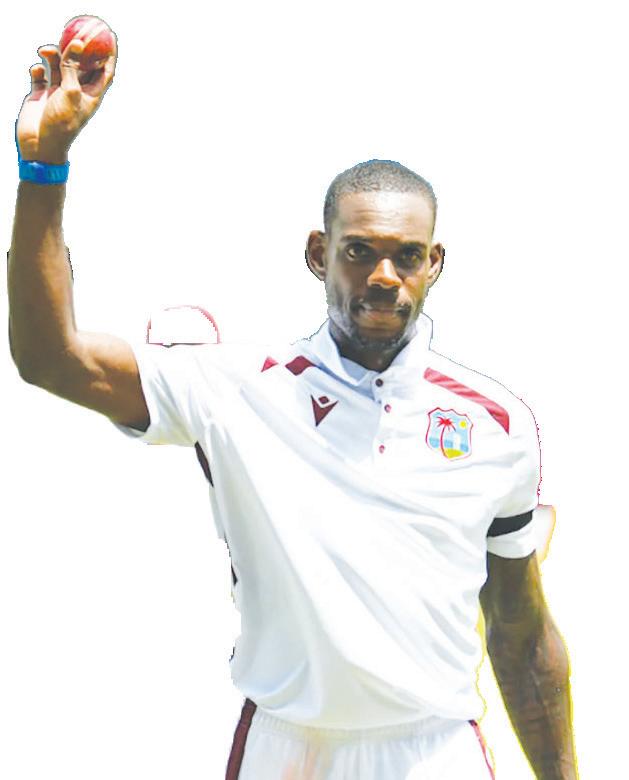
a significant advantage by tea.
ion, coaxing a feather after relentless prodding on a fourth-stump line with a seaming ball. Mohammad Ali helped him out by snaring Amir Jangoo late in the session with a splendid return catch to reduce West Indies to 30 for 3, ensuring Pakistan go into tea having enjoyed the better of the middle
lower order. After the first hour and a half of the day was taken up by Shan Masood and Salman Agha cautiously edging towards 250, the floodgates opened when Shamar Joseph knocked Agha’s stumps back with a lovely delivery that seamed away. Greaves got Masood to chop on in the following over, and under sustained pressure from him, Pakistan’s lower order fell apart.
Justin Greaves showed off the ball after taking his first Test five-for
In seven spotless overs, he did in Brandon King and Kavem Hodge in trademark Abbas fash -
The day so far has belonged to Greaves, the unlikely West Indies bowling hero, who produced a career-best five-for to tear through Pakistan’s
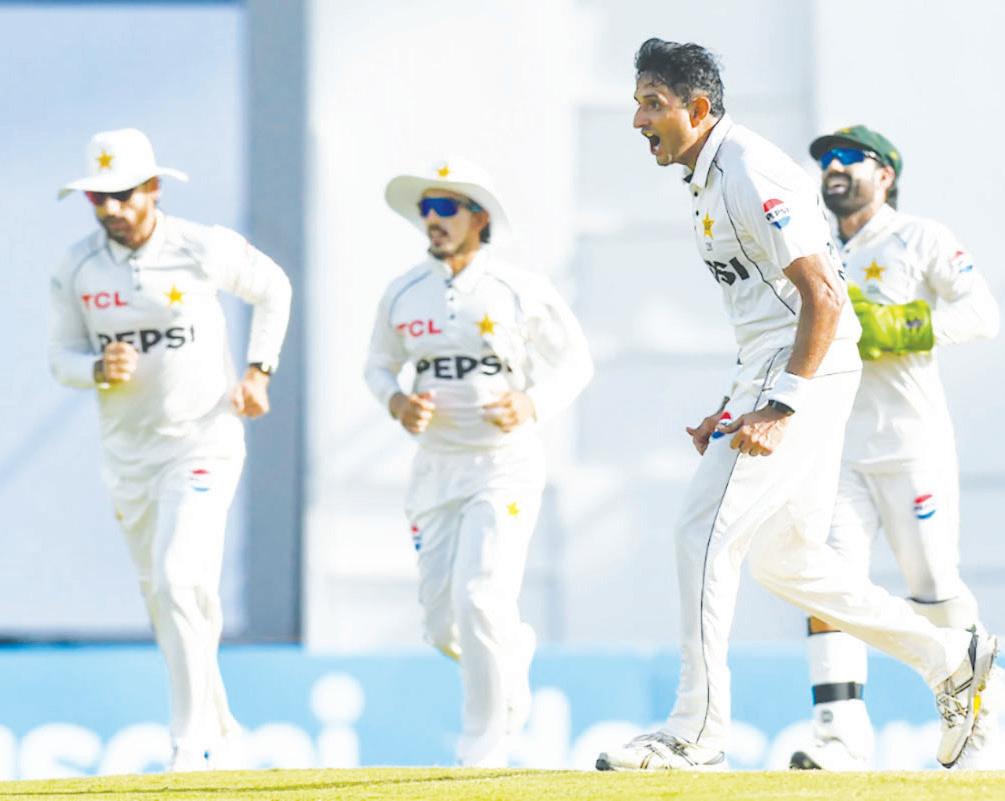
Mohammad Abbas was pumped after getting Justin Greaves
aaa
Pakistan 1st Innings
Azan Awais b Roach 0
Imam-ul-Haq c Greaves b Joseph 63
Shan Masood b Greaves 109
Babar Azam (c) c †Hope b Seales 23 Salman Agha b Joseph 20
Mohammad Rizwan † c †Hope b Greaves 12
Aamer Jamal b Greaves 3 Ali Usman lbw b Greaves 0 Khurram Shahzad c †Hope b Roach 19
Mohammad Abbas c †Hope
b Greaves 0 Mohammad Ali not out 2
Extras (b 4, lb 17, nb 10) 31
Total 80.1 Ov (RR: 3.51, 399 Mins) 282
Fall of wickets:
1-1 (Azan Awais, 2.2 ov), 2-156 (Imam-ul-Haq, 33.3 ov),
3-197 (Babar Azam, 45.6 ov),
4-244 (Salman Agha, 62.6 ov),
5-244 (Shan Masood, 63.6 ov),
6-248 (Aamer Jamal, 65.2 ov),
7-256 (Ali Usman, 67.3 ov), 8-259 (Mohammad Rizwan, 69.4 ov), 9-267 (Mohammad Abbas, 71.6 ov), 10-282 (Khurram Shahzad, 80.1 ov) Bowling O-M-R-W Kemar Roach 15.1-2-53-2
Jayden Seales 22-5-73-1 Shamar Joseph 16-2-58-2
Justin Greaves 11-6-27-5
Jomel Warrican 16-1-50-0
West Indies 2nd Innings Tagenarine Chanderpaul c Ali Usman b Aamer Jamal 35 Brandon King c †Mohammad Rizwan b Mohammad Abbas 5 Kavem Hodge c †Mohammad Rizwan b Mohammad Abbas 0 Amir Jangoo c & b Mohammad Ali 4 Shai Hope † b Khurram Shahzad 10 Justin Greaves c Babar Azam b Mohammad Abbas 20 Roston Chase (c) c †Mohammad Rizwan b Khurram Shahzad 8 Kemar Roach not out 5 Shamar Joseph not out 22 Extras (b 4, lb 6, nb 6, w 1) 17 Total 43 Ov (RR: 2.93) 126/7 Yet to bat: Jomel Warrican, Jayden Seales Fall of wickets: 1-7 (Brandon King, 4.1 ov), 2-7 (Kavem Hodge, 4.4 ov), 3-28 (Amir Jangoo, 13.1 ov), 4-43 (Shai Hope, 16.2 ov), 5-80 (Tagenarine Chanderpaul, 27.5 ov), 6-85 (Justin Greaves, 32.5 ov), 7-93 (Roston Chase, 38.2 ov) Bowling O-M-R-W Mohammad Abbas 13-6-14-3 Khurram Shahzad 12-2-36-2 Mohammad Ali 8-1-27-1 Aamer Jamal 10-2-39-1
Masood had begun the day with the circumspect approach that marked his innings once post tea on Sunday. A little punch through the covers brought up his seventh Test hundred, and while Agha and Masood frustrated West Indies, there was enough encouragement to keep the hosts interested. While the wickets were not falling, Pakistan’s position grew only stronger, the odd boundary taking them closer to West Indies’ total.
It all changed in the blink of an eye. Joseph had been probing along the off-stump line, and produced an unplayable delivery that straightened off the seam. It turned Agha around as he closed the bat face, only to see off stump cartwheeling.
Masood, meanwhile, pushed with hard hands at Greaves in the following over, and this time, the ball went off the inside edge onto the stumps to end an innings that might easily have ended two sessions earlier. It put greater scrutiny on Pakistan’s decision to line up a batter short, especially as Aamer Jamal played all around a straight ball from Greaves

that up rooted his middle stump. By Greaves on a roll, pens with debu tant Ali Usman with minimal ef fort, bringing one back into his pads to trap him in front. Pakistan’s discipline had evap orated with the heat Greaves was bringing and Mohammad Rizwan was induced into flap ping rashly at Greaves on the cusp of lunch, with the edge swallowed by the keeper. The oth er side of lunch, he made it five wickets in five maiden overs in a scarcely-believable spell that yanked Pakistan right out of the driv
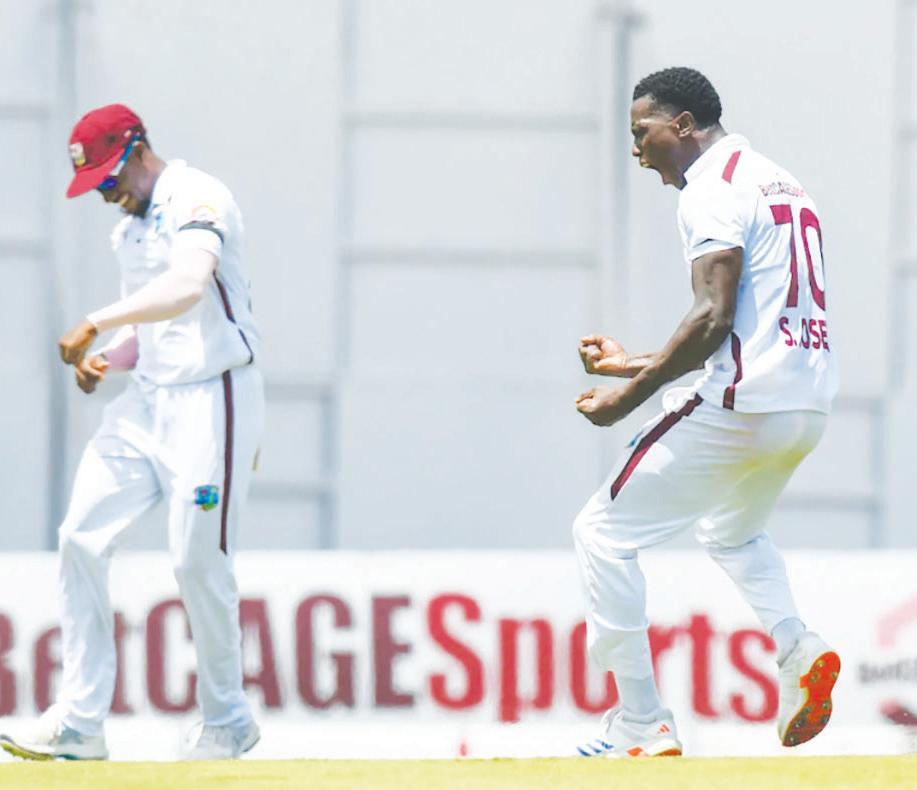

Shan Masood celebrated getting to three figures with three digits



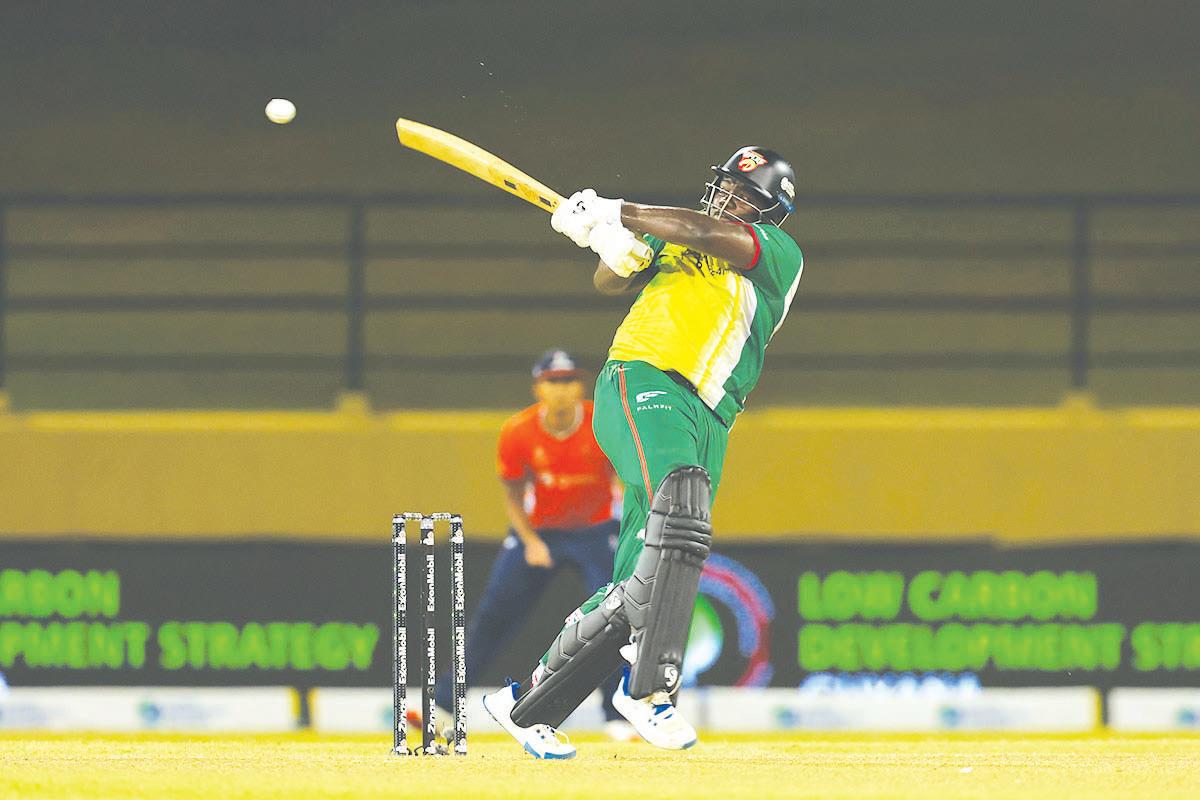
Zachary Carter played a belligerent knock
The five-team tournament will continue today at 21:00h (7pm) when the revitalised Vipers take on Perth Scorchers, who have two defeats from two
Reigning champions Guyana Amazon Warriors currently lead the points standing with six points; Lahore Qalandars are in second on four points.