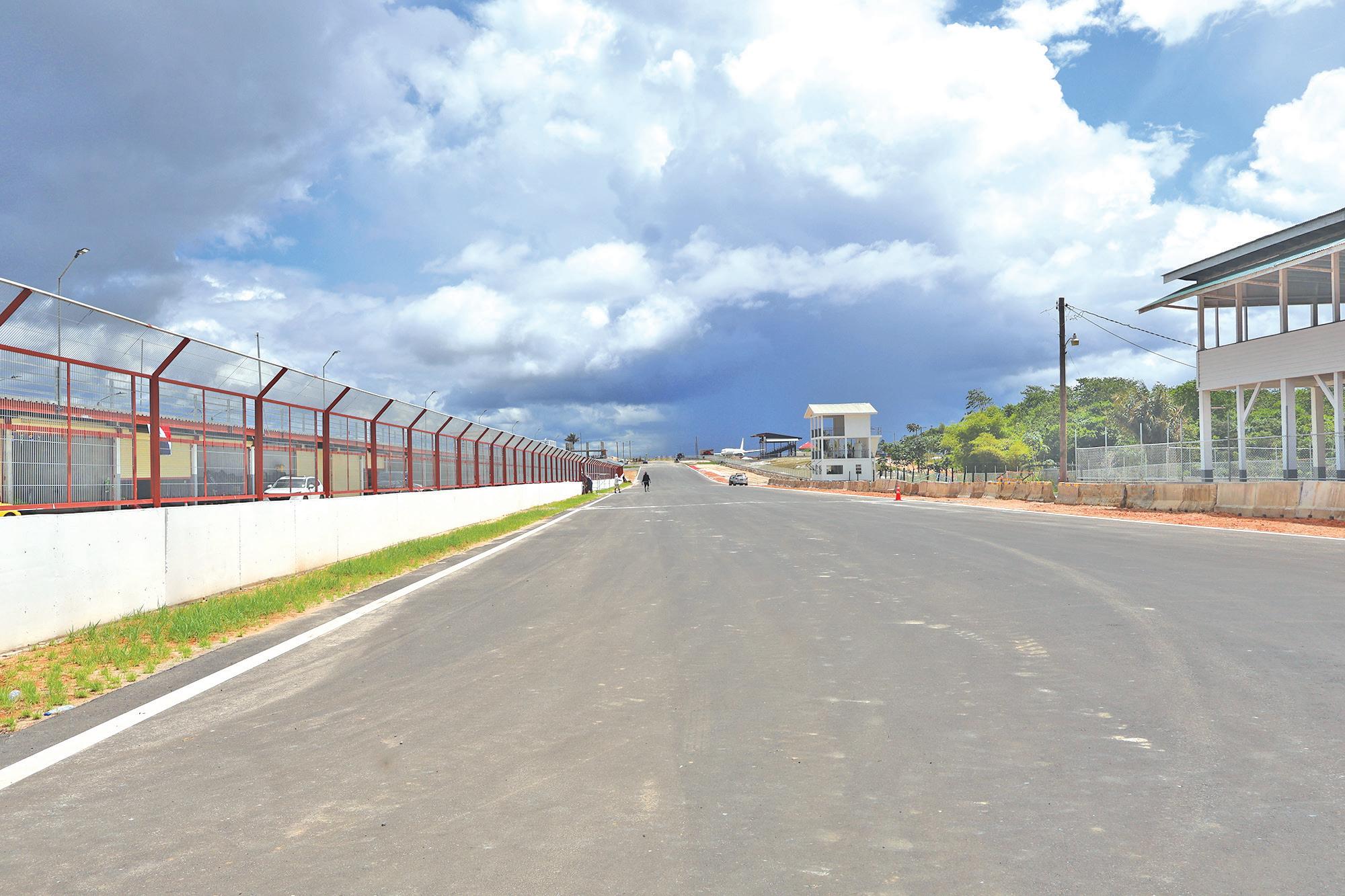




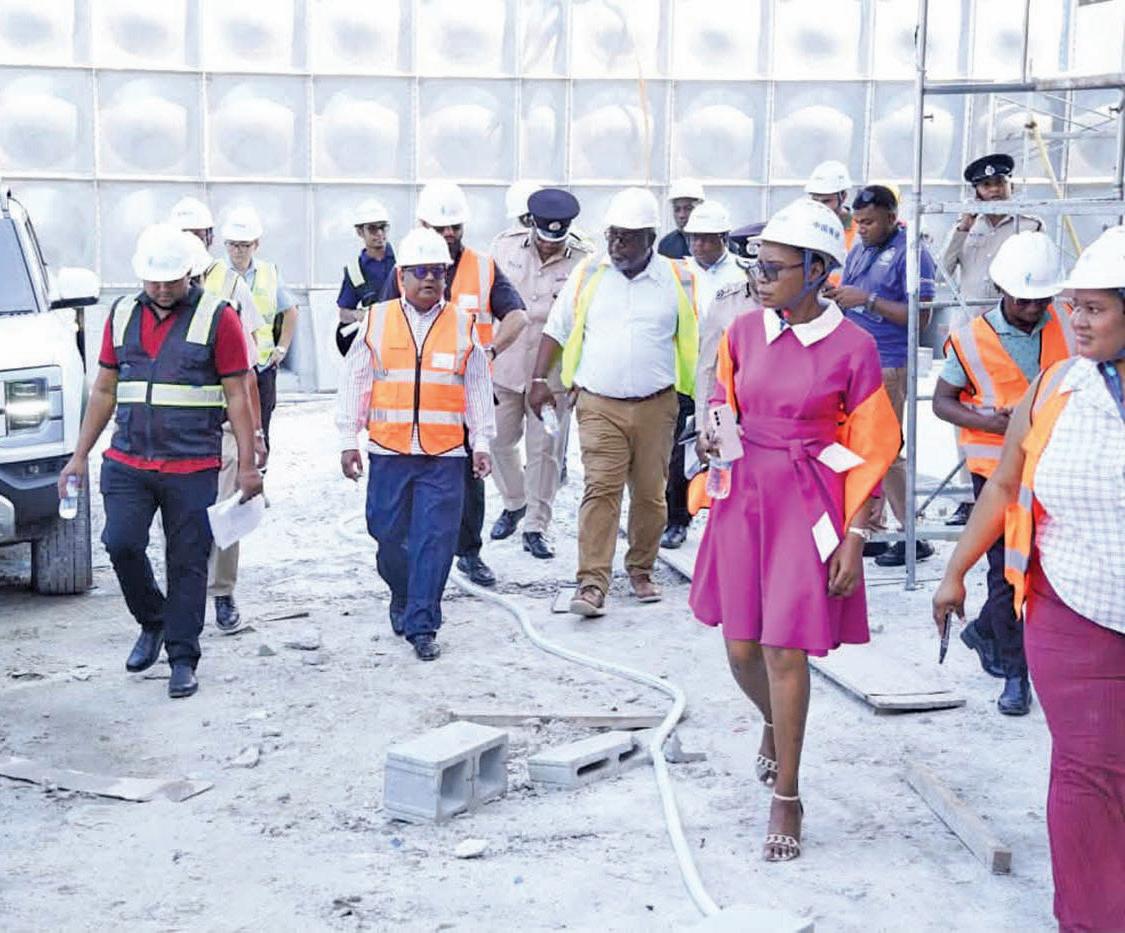
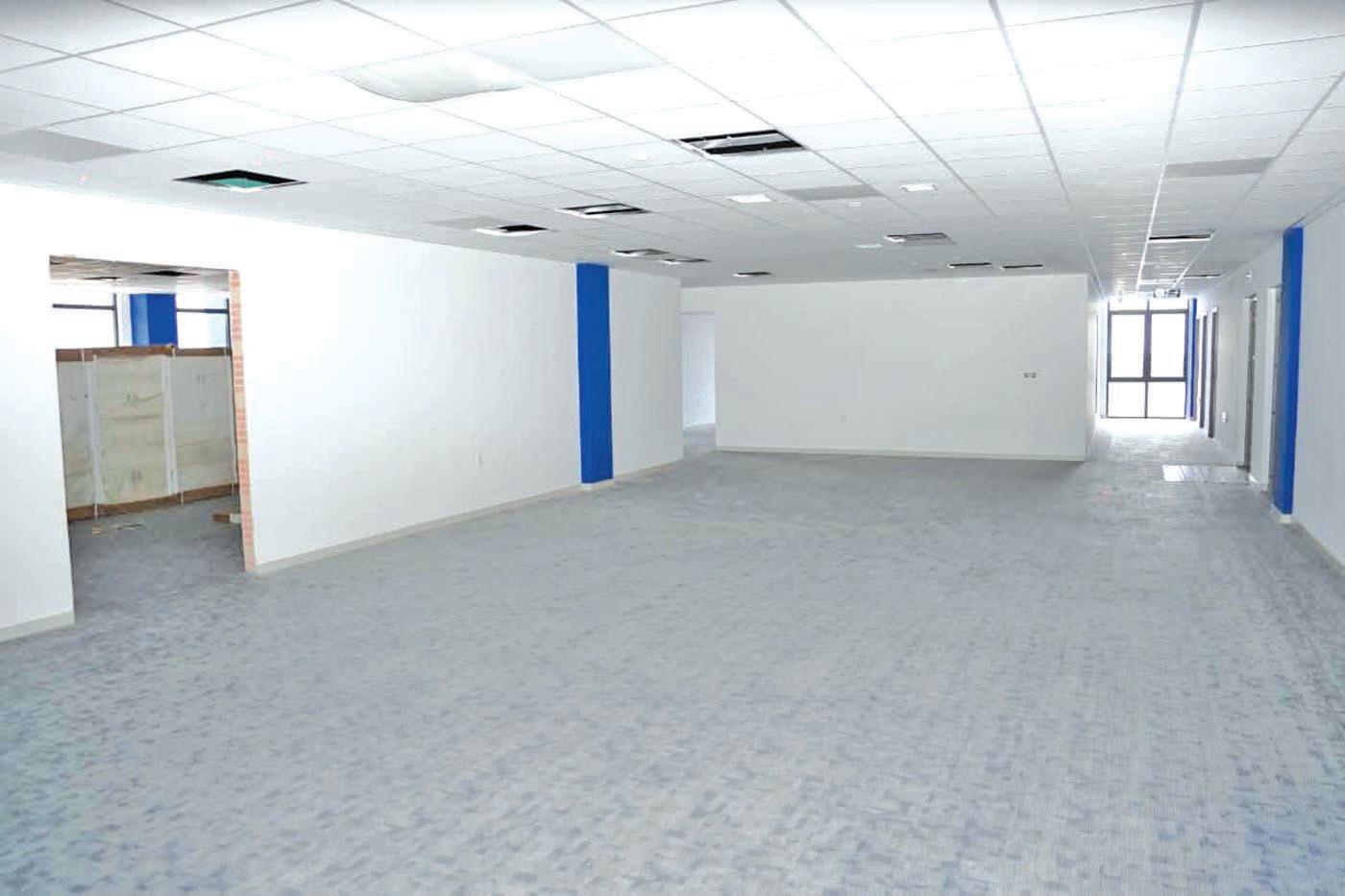

Finance Minister, Dr Ashni Singh tours the new Brickdam Police Station, which is being developed
headquarters
the Guyana Police Force. The facility, set to open by the end of 2026, will replace Eve Leary


In keeping with a previous commitment that all eligible Guyanese would benefit from the $100,000 cash grant initiative, the Guyana Government is now inviting persons who want to receive the money via cheques to get registered.
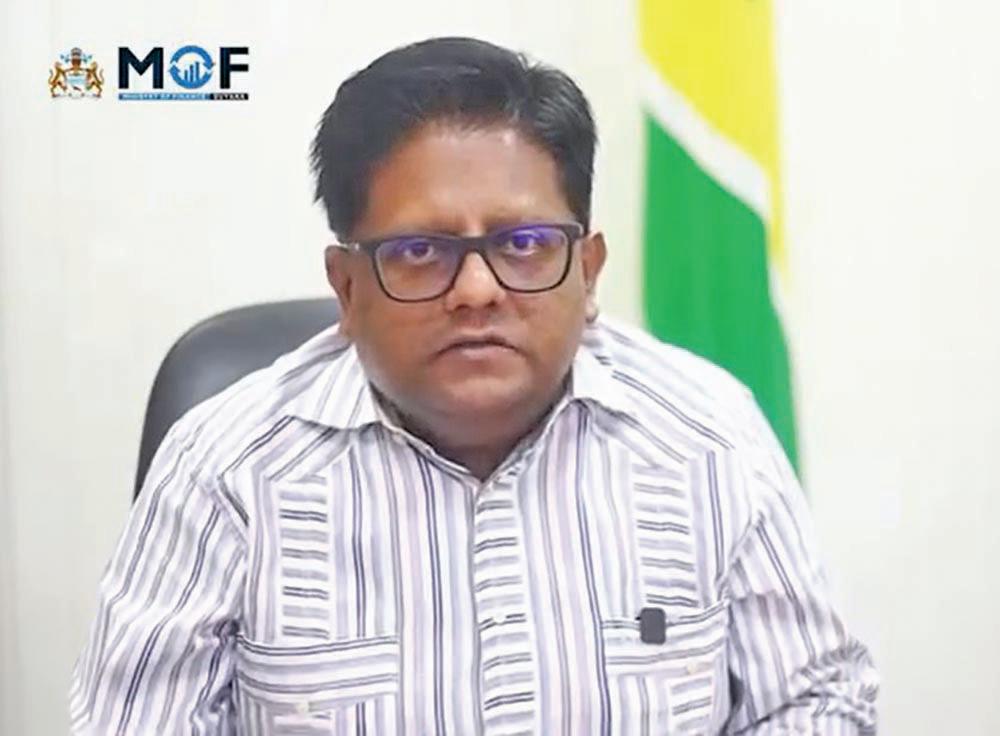
“[This phase] is intended particularly to benefit those persons who do not have bank accounts or who, for reasons best known to themselves, would prefer to have their cash grant delivered to them by way of cheques,” Senior Minister with Responsibility for Finance, Dr Ashni Singh announced during an update on the National $100,000 Cash Grant Initiative on Wednesday evening.
In order to get the cash grant cheques, Guyanese living here who are 18 years and older would first have to register on the online portal at cashgrant.gov.gy, where a new feature has been added to give registrants the option of selecting cheques as a means to receive the grant.
The registration process remains the same and requires a valid identification
document as well as other details along with a liveliness check. Instead of previously including bank account details, registrants would have to simply select the cheque option.
“Once you request cheque payment, your details will then be entered into the system. We will then undertake a simple verification process to confirm your eligibility for the cash grant. We will then process these records… [and] cut cheques or print cheques for those persons who chose this modality and who have passed the simple verification checks that we’ll be applying. And once we have cut those cheques, we will be distributing them to several locations countrywide,” the Minister explained.
When the cheques are ready, beneficiaries will be notified via one of two means. Firstly, on the portal there would be updates on the status of your application, including details of whether the cheque is ready and at which location it can be picked up. Additionally, beneficiaries would receive
a phone call on the number provided during the registration process informing them of where the cheque is available for collection.
This introduction of paying out the cash grant via cheques is the third phase of this National $100,000 Cash Grant Initiative being rolled out.
The first phase of the distribution process saw persons receiving direct deposits of the cash grant into their bank accounts, including central Government employees and citizens who self-registered using their mobile phones.
The Government then moved to the second phase, which entailed special outreaches to hinterland and outlying communities which did not have access to banking facilities, as well as homes of shut-ins, and persons in shelters, hostels and senior citizen homes. These persons were registered by Government teams and were subsequently processed for cheque payments.
To date, the number of persons who have received the $100,000 cash grant through self-registration on
the portal using their mobile phones, along with those who were processed for cheque payments, amounts to some 470,420, placing billions of dollars into the pockets of Guyanese people.
“This translates…into a total of $47 billion being injected into the disposable incomes of the Guyanese population,” the Finance Minister stated.
But even as the Government has introduced the cheque payments, Dr Singh is urging Guyanese who do not have a bank account to get one, something he says is critical as part of the Guyana Government’s vision for financial inclusion and financial literacy among all citizens.
“We will continue to encourage you to open bank accounts, and we will at these locations have teams or persons available…even when you collect your cheque to still encourage you and assist you to open bank accounts using the online facilities that several banks have implemented, because even if you have chosen in this instance to receive your cash grant by way of a
cheque, a bank account will prove useful to you in the future,” Dr Singh noted.
Exercise patience
Meanwhile, for those persons who have already registered to receive the cash grant via their bank accounts and are yet to receive the money, the Finance Minister is urging that patience be exercised as he reminded them of the monumental task this endeavour is and the fact that more than 470,000 persons have already successfully collected their money.
This latest National Cash Grant Initiative, the
second round of distribution, will see a total of $60 billion transferred to Guyanese. It follows the previous exercise from late 2024 into 2025, during which over $60 billion of disposable income was transferred into the pockets of more than 600,000 Guyanese. These two cash distribution exercises come on the heels of the first National Cash Grant of $25,000 per household that was paid when the People’s Progressive Party/Civic (PPP/C) resumed office in 2020 in the midst of the COVID-19 pandemic.


The

Parika















“Huge
for
– Deputy Caricom SG as Guyana seeks UNSG seat, to host COP35
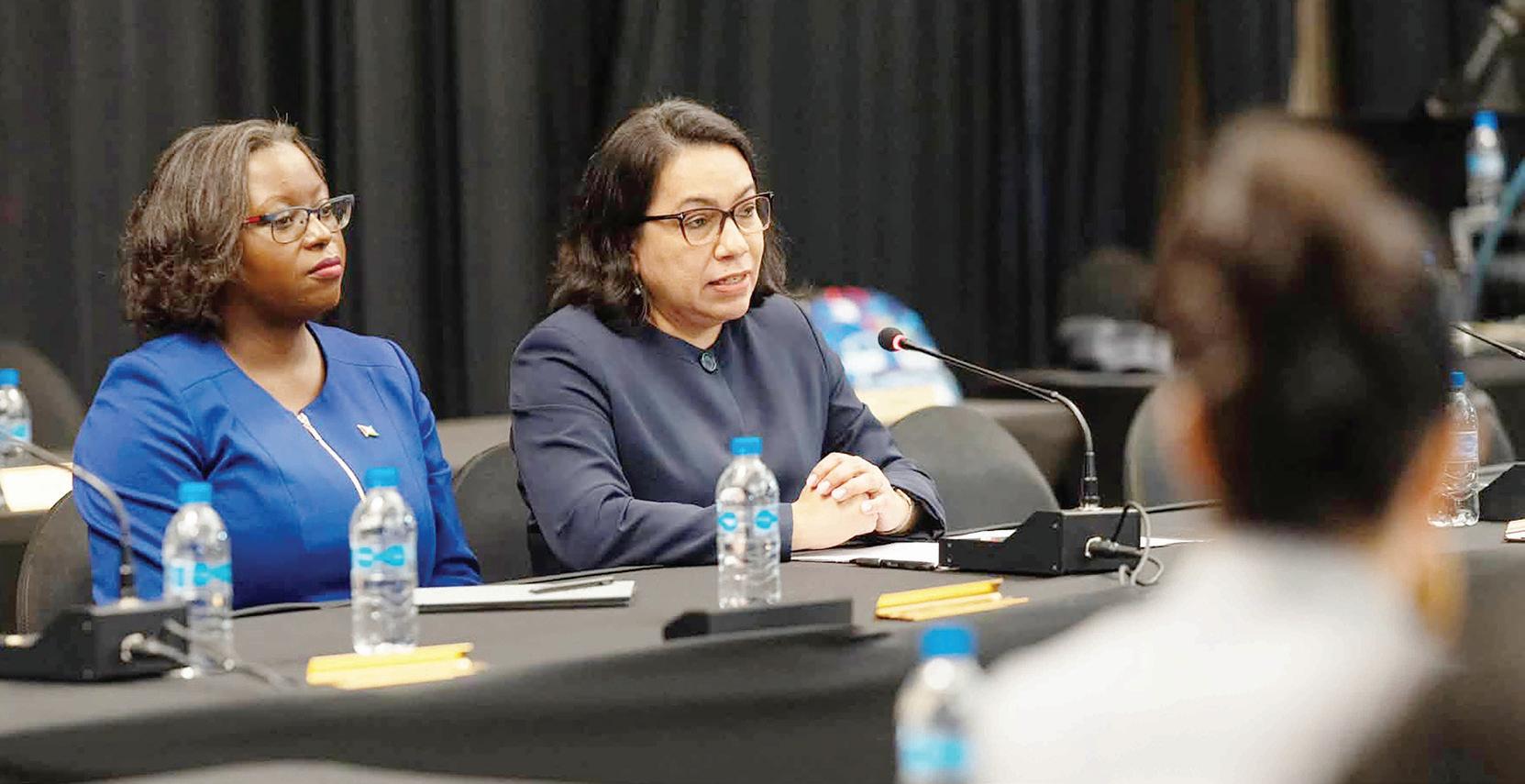
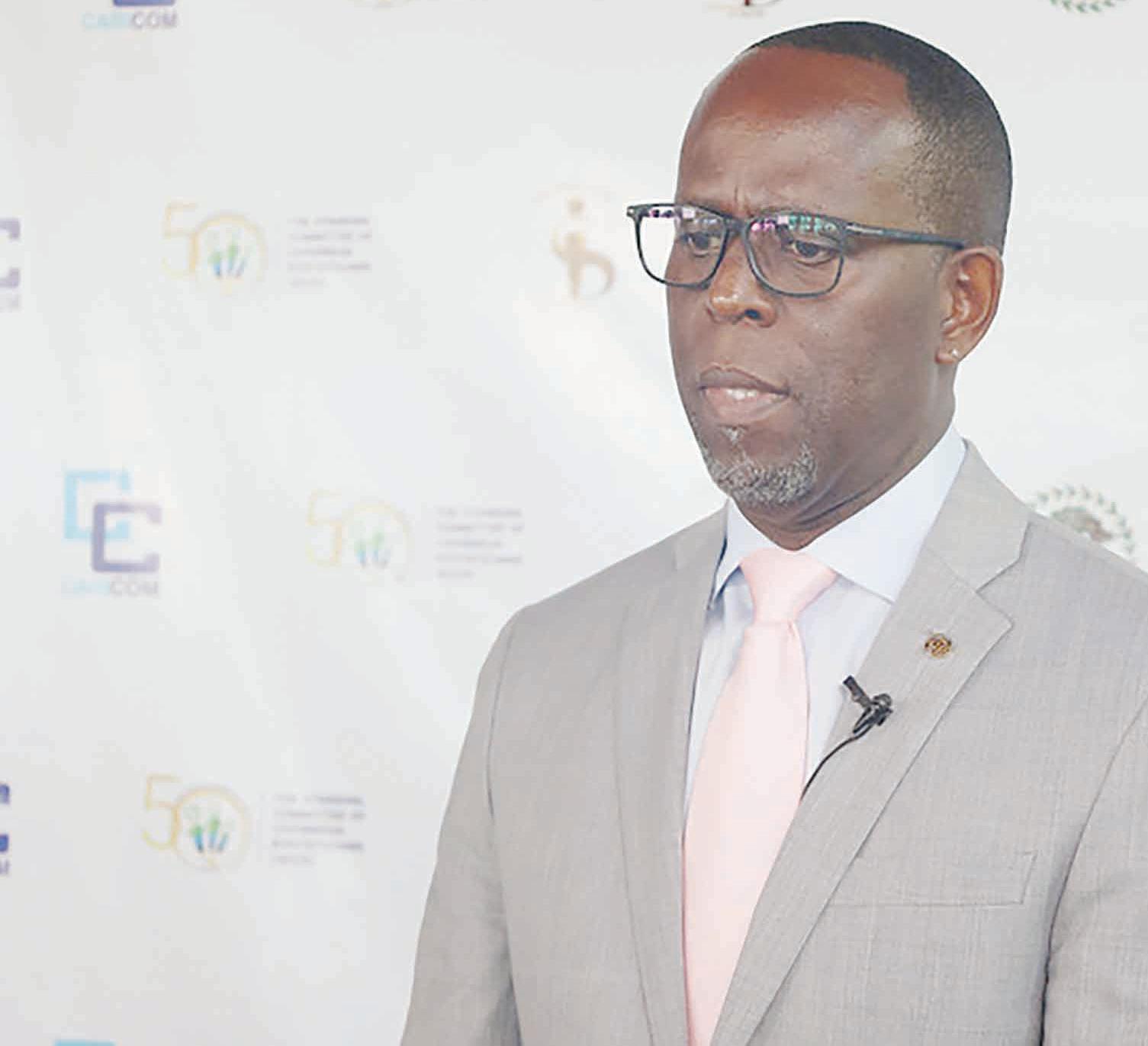
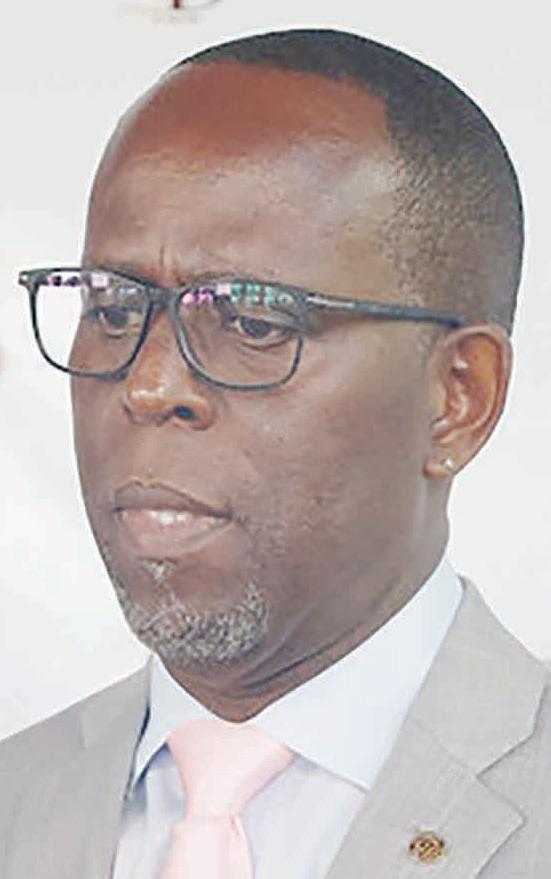
Deputy Secretary General of the Caribbean Community (Caricom), Dr Armstrong Alexis, has lauded Guyana’s bid for the United Nations (UN) Secretary General (SG) post as well as the country’s efforts to secure the hosting rights of the 35th United Nations annual Climate Change meeting, Conference of the Parties (COP35), in 2030.
Speaking on the sidelines of the 51st Regular Meeting of the Conference of Heads of Government of Caricom in St Lucia on Wednesday, Dr Alexis said these ambitious moves by the Caribbean Member State would augur well in positioning the Region on the global stage.
“If Guyana gets to host COP in 2030, that’s going to be a huge accomplishment by a Caricom Member State. If we succeed in electing a Caricom national as the Secretary General of the United Nations, that is going to be a huge accomplishment for this Region,” the Caricom Deputy SG stated.
Already, he pointed out that for the first time, the Caribbean has been able to occupy the seat of the Secretary General of the Organisation of American States (OAS) in the person of Ambassador Albert Ramdin.
Ramdin, a former Minister of Foreign Affairs, International Business, and International Cooperation in Suriname, assumed the helm of the OAS in May 2025, succeeding former Secretary General Luis Almagro. His election to the office marked a historic milestone, as he became the first representative from a Caricom Member State to lead the organisation.
According to the Caricom Deputy Head, the Caribbean region over recent years has been positioning itself amongst the international community.
“We are Small Island Developing States, but we are not islands without the capacity, without the capability, without the intelligence to be able to stand amongst the best and the brightest in this

[world],” Dr Alexis posited. Similarly, Guyana’s international profile has been exploding due to its rapidlygrowing economy – backed by a burgeoning oil and gas industry coupled with the country’s increasing leadership presence in a number of areas globally, such as climate change and food security.
UN Secretary General candidacy These were the premises on which President Dr Irfaan Ali announced on June 12 that Guyana would be seeking the UNSG seat and had nominated former Foreign Affairs Minister and current Permanent Representative of Guyana to the UN, Ambassador Carolyn Rodrigues-Birkett, for the position. The tenure of the current UNSG, António Guterres, will end on December 31, 2026.



Editor: Tusika Martin
News Hotline: 231-8063 Editorial: 231-0544, 223-7230, 223-7231, 225-7761
Marketing: 231-8064 Accounts: 225-6707
Mailing address: Queens Atlantic Industrial Estate Industrial Site, Ruimveldt, Georgetown
Email: news@guyanatimesgy.com, marketing@guyanatimesgy.com
Illegal squatting is a matter of public safety, orderly development, environmental management, and respect for the rule of law. As Guyana continues to expand its infrastructure, housing stock and public services, the unchecked occupation of public lands threatens to undermine years of planning and investment. The call by Attorney General and Legal Affairs Minister Anil Nandlall for Regional Democratic Councils (RDCs) and Neighbourhood Democratic Councils (NDCs) to make greater use of their legal authority to prevent illegal encroachments is both timely and necessary.
The reality is that illegal occupation rarely develops overnight, and makeshift structures gradually become permanent buildings. Small settlements evolve into established communities, and by the time enforcement agencies move to act, difficult humanitarian, political and legal questions often arise, making decisive action more challenging than it would have been at the earliest stages of occupation.
This underscores the importance of prevention rather than reaction. Local democratic organs have statutory responsibilities that extend beyond routine maintenance and community services. They are entrusted with safeguarding public reserves, Government lands and spaces designated for future development. Exercising these responsibilities consistently is essential if illegal settlements are to be prevented before they become entrenched.
The consequences of delayed action are significant, as public reserves exist for specific reasons. Some are intended for drainage infrastructure that protects communities from flooding. Others are earmarked for schools, health centres, roads, utility corridors or future housing developments. When these lands are occupied unlawfully, the effects extend well beyond the individuals involved. Entire communities can be deprived of critical infrastructure and services, while development projects face costly delays or redesigns.
Even more concerning are cases where illegal occupation creates direct risks to public safety. The situation involving squatters in the Cummings Park/Sophia area illustrates this danger with striking clarity. Reports indicate that a number of individuals have illegally occupied land located directly within the flight path of the Eugene F Correia (Ogle) International Airport. Such encroachments are violations of land-use regulations; they create circumstances that could endanger both residents on the ground and aircraft operations overhead. Aviation safety depends upon strict protection of designated approach and departure corridors, where obstacles and human activity must be carefully controlled. No responsible society can afford to ignore occupations that compromise these internationally recognised safety standards.
The Government’s stated zero-tolerance policy on squatting, therefore, is in the public interest rather than an isolated enforcement agenda. The law recognises that unlawful occupation infringes upon the rights of lawful owners, disrupts development planning and places additional burdens on public institutions. It also provides authorities with legal mechanisms to remove encroachments before they become permanent.
However, enforcement alone should not define the national response, as consistency and fairness are equally important. Communities are best served when authorities intervene early, communicate clearly and apply the law uniformly, regardless of location or circumstance. Allowing illegal settlements to remain for years before taking action creates uncertainty for all parties and often results in avoidable social hardship when eventual removals become necessary.
The Attorney General’s suggestion that RDCs and NDCs strengthen their legal capacity also deserves careful consideration. Local authorities frequently confront complex statutory obligations involving land administration, environmental protection and municipal governance. Ready access to legal advice would enable these bodies to act with greater confidence and reduce hesitation when early intervention is required.
Guyana has undertaken one of the region’s largest housing expansion programmes, with thousands of house lots being allocated and new communities emerging across the country. Demand inevitably exceeds immediate supply in some regions, creating waiting periods for applicants. While these delays can be frustrating, they cannot justify unlawful occupation of public or private lands.
The challenge is about preserving public assets, protecting critical infrastructure, safeguarding lives and maintaining confidence in the rule of law. Early intervention by local authorities, supported by clear legal guidance and coordinated national enforcement, offers the most practical path forward.
Every reserve, drainage corridor, transportation route and public facility are part of a carefully planned national landscape, and protecting those spaces today is essential to ensuring that future generations inherit communities that are orderly and capable of supporting the country’s continued growth.



The second National Early Childhood Development Conference was hosted at the Arthur Chung Conference Centre on Wednesday. Hosted by the Ministry of Human Services and Social Security through the Child Care and Protection Agency, in collaboration with UNICEF and the Government of Canada, the conference was held under the theme “It Takes a Village: Uniting Hearts and Minds for Early Childhood” and brings together key stakeholders to strengthen collaboration in advancing early childhood development and child protection in Guyana (Human Services and Social Security Ministry/Facebook)
The Strait of Hormuz is now at the centre of Iranian and US calculus …the fate of the Strait is directly linked to what happens next to the world economy
By ABdullA BAnndAr Al-EtAiBi
On Tuesday, two tankers were attacked as they transited the Strait of Hormuz via a passage in Omani waters. Gulf countries responded by sharply condemning the attacks and blaming Iran. The United States then launched attacks on Iranian territory, to which Tehran responded by striking Bahrain and Kuwait. US President Donald Trump has now said the Memorandum of Understanding (MoU) that Iran and the US signed is void.
This latest escalation illustrates how the Strait of Hormuz has become the central issue in the US-Israel war with Iran that began on February 28. Disagreements over the Strait’s future have proven to be the hardest to resolve in the US-Iranian negotiations, as questions about Iran’s nuclear programme have been put to the side.
The disruption of traffic in the Strait of Hormuz has an immediate and costly price tag attached, for Iran, for its Gulf neighbours, and for a global economy that has spent four and a half months absorbing the largest oil supply shock in the history of the modern market.
Iran’s leverage is also its liability
For Tehran, the Strait is its strongest card – one that is also incredibly costly. Since the war began, Iranian forces have mined the Strait, attacked vessels and cut traffic through the passage by roughly 95 per cent. This has led to what the International Energy Agency’s Fatih Birol has called “the largest supply disruption in the history of the global oil market”.
That leverage is real: about a fifth of the world’s oil and a fifth of its liquefied natural gas (LNG) normally move through Hormuz, and no amount of Gulf pipeline capacity can fully replace it.
But Iran has effectively been strangling its own lifeline along with everyone else’s. Iranian crude, once sold for US$3 a barrel less than international benchmarks, is now selling at a 20 per cent discount. The country’s oil exports collapsed by more than 90
per cent in May as US naval enforcement squeezed its shadow fleet.
Even before the war, the World Bank projected that Iran’s economy would contract in 2026. The impact of the collapse of oil sales will be far-reaching because of the closure.
A 60-day US Treasury waiver was issued on June 22, permitting Iran to sell oil at full market rates through August 21, but has now been renounced following the attacks on Tuesday.
This is the economic backdrop to Iran’s insistence on asserting joint authority over the Strait and floating a system of transit fees or “service charges” for passing ships. Washington has made clear that Iran cannot charge tolls in international waters governed by the right of transit passage under the Law of the Sea.
For Tehran, the dispute is not really about toll revenue, which would be rather modest when compared to its oil income; it is about establishing precedent and sovereignty over a chokepoint that is its only real point of leverage once sanctions relief and frozen-asset release are negotiated.
The latter is itself contested: Iran wants half of an estimated US$25 billion in frozen assets released immediately, while the US has resisted. A separate US$300 billion reconstruction fund floated in the MoU has already become a political flashpoint in Washington.
The Gulf is paying for a crisis it didn’t start
For the Gulf States, the Strait of Hormuz crisis has meant improvising around geography. Saudi Arabia has redirected crude through its roughly 1200-kilometre (746-mile) East-West pipeline to the Red Sea port of Yanbu, and the United Arab Emirates (UAE) has leaned on the Habshan-toFujairah line to the Gulf of Oman.
Together, though, these pipelines carry a fraction of what Hormuz once did, at best seven million barrels a day of design capacity for the Saudi line and under 1.8 million for the Emirati one, against roughly 20 million barrels a day that transited the strait before the war.
Both alternatives have them-
selves come under attack: Iranian strikes cut the East-West pipeline’s throughput by an estimated 700,000 barrels a day in April, and drone attacks disrupted loading at Fujairah. Seaborne crude exports from Gulf States excluding Iran fell by roughly half between February and March.
Qatar, host to the talks between Iran and the US, has its own acute stake: its entire LNG export industry depends on the Strait of Hormuz, and it has been pushing the hardest for a settlement.
Oman, drawn into Iran’s sovereignty claim as co-owner of the Strait’s territorial waters, is caught between commercial interest in a resolution and a legal position, as a signatory to the United Nations Convention on the Law of the Sea (UNCLOS) that publicly rejects Iranian tolls. Iraq, highly dependent on its Gulf terminals, has quietly explored an export route north through Turkiye.
None of these workarounds are cheap, and all of them are political as well as commercial, tying Gulf capitals’ economic fortunes to a settlement between the US and Iran.
The rest of the world:
Insurance bills and inflation
Beyond the region, the crisis has been transmitted mainly through two channels: price and insurance. Higher oil prices are passed on to various consumer goods down supply chains and suppress growth. According to estimates, the global economy can slow down to 2.8 per cent in 2026 from 3.4 per cent last year due to the closure of the strait.
Insurance for Hormuz transit, which cost roughly 0.25 per cent of a vessel’s value before the war, has spiked as high as eight per cent, turning a single large tanker’s coverage into a US$3 millionto-US$8 million expense. Shipping lines, including CMA CGM and Hapag-Lloyd, have layered on conflict surcharges of US$1500 to US$2000 per twenty-foot equivalent unit (TEU). Washington’s own International Development Finance Corporation has had to step in as, in effect, an insurer of last resort, offering up to US$40 billion in reinsurance capacity to keep vessels moving.
China has absorbed the largest share of this pain: It takes close to 40 per cent of its crude imports through the Strait of Hormuz and buys more than 80 per cent of Iran’s oil exports outright, making it simultaneously Tehran’s most important customer and one of the war’s most exposed bystanders. Japan, which sources 70 per cent of its Middle Eastern crude via the Strait, has already tapped strategic reserves. For import-dependent economies across Asia and Europe, the Strait’s fate is not an abstraction of Middle East diplomacy; it shows up directly in fuel, freight, and fertiliser prices.
Oil and gas dominate the headlines, but roughly 30 per cent of the world’s seaborne fertiliser trade also passes through Hormuz. The World Bank’s fertiliser price index has risen more than 12 per cent in the first quarter of 2026 and has since climbed to its highest level since October 2022, driven largely by the closure. The Food and Agriculture Organisation has warned that the resulting scarcity of urea and other nitrogen products will show up as lower yields through the 2026–2027 growing season, hitting import-dependent and already food-insecure countries in Africa and Asia the hardest.
Unlike an oil-price spike, which mainly stings at the pump, a fertiliser shortfall reaches into next year’s harvest, meaning an unresolved Hormuz standoff carries a slower-moving but longer tail of economic damage than crude prices alone suggest.
That is the arithmetic weighing on both sides. A deal that reopens the Strait of Hormuz without resolving who controls it risks recreating the same instability that shut it in the first place; one that concedes Iranian toll authority risks a precedent Washington and shipping nations will not accept. Until that circle is squared, the global economy is left pricing in a chokepoint that neither side can fully afford to keep closed, nor fully agree how to reopen. (Al Jazeera) Abdulla Banndar Al-Etaibi is Assistant Professor in the Department of International Affairs at the College of Arts and Sciences, Qatar University
The Guyana
Government is look-
ing to deploy a team of representatives from the various Government services agencies for an annual outreach to countries where there is a large Guyanese Diaspora.
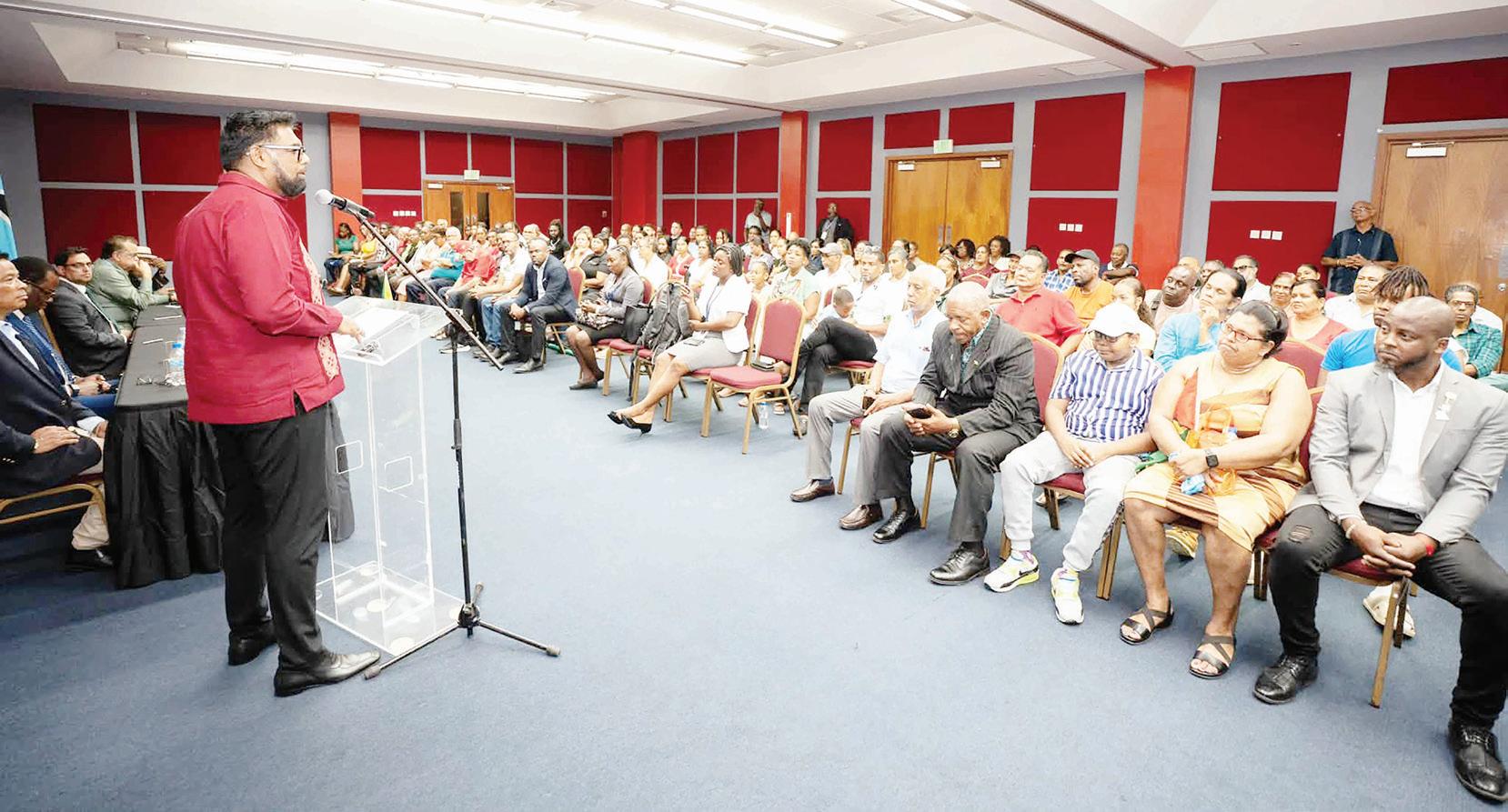
This announcement was made by President Dr Irfaan Ali during a recent engagement with the Guyanese Diaspora in St Lucia.
The Guyanese Head of State, who had travelled to the Caribbean island to attend the 51st Caricom Heads of Government Conference in St Lucia, told the Diaspora there that the Government recognises the challenges being faced when it comes to accessing certain services back in Guyana, such as passport renewals and replacement of other documentation.
While the President revealed plans to send a team to the island nation on July 11 for five days to deal with whatever issues persons have there, he also outlined a long-term solution to service Guyanese living abroad.
“What we want to do at least once every year in the beginning is to take the mobile Government service across every country where
we have large Diaspora. So, we can service that Diaspora with one unit, whether it’s NIS (National Insurance Scheme), birth certificate, replacement of any document – all of these things,” President Ali indicated.
Digitisation efforts
According to the Guyanese leader, the Government has been working on digitising many of its services. This came as the Diaspora members lauded the work the Guyanese Government has been doing, including technology advancements.
In fact, one person, while commending the digitisation efforts and the shift to embracing innovation, raised concerns that this move poses risks, such as the misplacing of information. Another issue highlighted is the tedious task of having to travel back to Guyana to deal with some certain transactions.
But President Ali explained that while his Government is working on addressing some of these bottlenecks, there are some requirements which, in the long term, would allow for easier access, especially by
the Diaspora.
“You ask, for example, why you have to come in the country to do certain things. If you want an EU visa and you never had one before and there’s not a centre in your country, you have to go to Trinidad to do the biometrics. That is because we are now building out the system. And the system requires your biometrics. So, once you get your biometrics one time in the system, then it’s there in the system forever,” the Guyanese leader explained.
Additionally, systems were put in place by the
Since then, Ambassador Rodrigues has embarked on a global campaign to push her candidacy among major leaders and organisations.
In fact, during the Caricom Heads of Government Meeting in St Lucia, she appeared alongside President Ali on Tuesday to address regional leaders on her vision and candidacy for the top UN post.
According to a post on President Ali’s Facebook page, “Her presentation received strong support, with several Member States endorsing her nomination—another significant milestone as our campaign continues to gather regional momentum on the international stage.”
Bid to host COP35
Meanwhile, it was revealed back in March that Guyana is looking to secure the hosting rights of COP35 in 2030 – a move that Caricom is already backing.
In fact, Guyana’s bid for the COP summit was revealed in a communiqué following the 50th Caricom Heads of Government Conference held back in February in St Kitts and Nevis. During that last meeting, regional leaders indicat-
ed their support for Guyana’s hosting bid.
“Heads of Government agreed to support Guyana’s bid to host COP35 in 2030,” the communiqué detailed.
The location for the annual United Nations Framework Convention on Climate Change (UNFCCC) Conference of Parties meeting is determined through a rotation system among five recognised UN regional groups – Africa, Asia-Pacific, Eastern Europe, Latin America and the Caribbean, and Western Europe and Other Groups.
Usually, members of the designated group consensually determine which country within that geographic location would make an offer to host the conference. The interested country will then submit a bid which is deliberated on and decided by the parties at the annual COP meeting.
Following the hosting of COP30 in Belém, Brazil, last year, it was decided that COP31 would be held in Antalya, Türkiye, in November this year. However, while Turkey will serve as the host country, Australia will lead the negotiations and advance the in-
terests of the Pacific.
Additionally, Ethiopia has been officially selected to host the 32nd United Nations Climate Change Conference (COP32), which is scheduled to take place in Addis Ababa in 2027.
Meanwhile, India has formally proposed to host the 33rd Conference of the Parties (COP33) in 2028. There is currently no specific host country to host COP34.
T&T joins Biodiversity Alliance Guyana’s bid to host the COP35 in the next five years comes as the country continues to play a leading role in global climate discussions, including participation at the annual COP summits. President Dr Irfaan Ali attended COP30 in Brazil last November, where he bemoaned the lack of progress and speed in achieving the global climate goals and presented a series of solutions to world leaders gathered in Belém that would accelerate progress.
The Guyanese Leader is also leading the charge when it comes to biodiversity conservation and protection through the Global Biodiversity Alliance – an initiative launched in July
FROM PAGE 3
2025 to accelerate international financing and technical expertise to conserve the world’s diminishing biodiversity resources.
Since its launch a year ago, the Alliance’s membership has grown significantly from 17 signatories to now approximately 130 with Trinidad and Tobago being the latest member alongside other countries and institutions including the United Nations.
The twin-island republic joined the Guyana-led international coalition on the sidelines of the Caricom Heads of Government Meeting in St Lucia, which both President Ali and Prime Minister of Trinidad and Tobago Kamla Persad-Bissessar attended.
President Ali welcomed Trinidad and Tobago’s membership, describing it as another important step in expanding regional and international cooperation on biodiversity conservation and sustainable development.
The alliance aims to strengthen biodiversity financing and support the global goal of protecting 30 per cent of the Earth’s land and oceans by 2030.
President to have persons register their issues at Tuesday’s engagement event and committed to having responses by the following day. This, he explained, would be bolstered by support services offered by the Diaspora Unit of the Ministry of Foreign Affairs and International Cooperation as well as new features like the CitizensConnect App.
“You will have direct contact with the Diaspora Unit going forward now so that they will be able to interact with you on your issues. So, if you have a problem, you will shoot the Diaspora Unit an email, and they’ll be able to direct you. And now you can also use CitizenConnect… so you can connect directly now to the Government. You don’t have to call anybody [or make] a hundred phone calls. There’s one platform called CitizenConnect”, the Guyanese leader noted.
Education access
Meanwhile, during Tuesday’s engagement, President Ali shared with the Diaspora the remarkable transformation taking place across Guyana and the unprecedented opportunities being created in every sector, while encouraging them to return home to invest and actively participate in the country’s continued development.
“We are working towards
positioning Guyana as a world-class health hub, energy hub, environmental services hub, and food security hub. And we are moving leaps and bounds,” he assured.
The President also went on to outline advancements made in sectors such as health and education. In fact, he pointed out that thousands are benefitting from the GOAL Scholarship Programme, which gives access to 42 global institutions, as well as the shift to teachers’ training online.
In addition, the Head of State noted too that his Government has made tertiary education at the University of Guyana free of charge – something he says they are now looking to extend to the Diaspora.
“We are building this infrastructure not only for Guyanese; many persons in the region are benefiting… And we want to be able also to move the position where our online platform at the University of Guyana can be available to our Diaspora wherever they are. So, your children can go online, and whatever programmes you have online, if it’s a degree in education, a degree in nursing, that you can also do that free of cost, like we offer in Guyana. That is what our ambition is, how we can build out this to meet and service our Diaspora,” President Ali indicated.

THURSDAY, JULY 9, 2026
Scale maths is a way of enlarging an object.
If we have two shapes that are similar, one will be a scale diagram of the other.
We can calculate the scale factors for length area and volume
Length scale factor
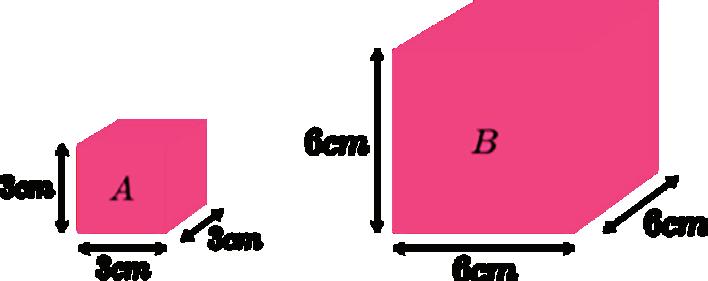
The length scale factor can be calculated by comparing two lengths.
We can compare the length of A with the length of B.

This gives the ratio 3:6 which simplifies to 1:2.
The length scale factor from A to B is 2.
Area scale factor
The area scale factor can be calculated by comparing two areas.
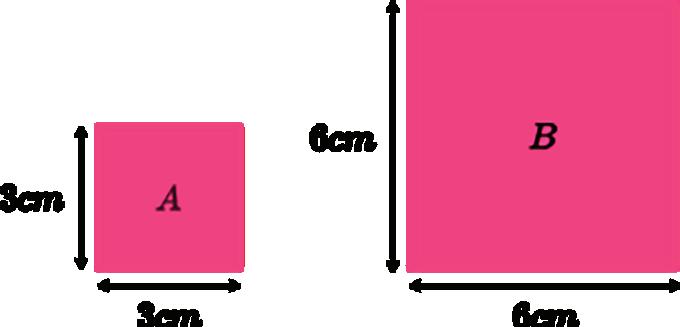
We can compare the area of A with the area of B.
Area A = 3cm × 3cm = 9cm2
Area B = 6cm × 6cm = 36cm2
This gives the ratio 9:36 which simplifies to 1:4.
The area scale factor from A to B is 4.
Plants and animals have certain features, or traits, that help them survive in their environment. The plants and animals develop these features through a process called adaptation. Many of the desirable traits that come about through adaptation are those that may help in their basic needs. These needs include:
Finding Food And Shelter: Each living thing is adapted to its mode of life in general ways. For example, plants depend on their roots to anchor them and to absorb food and water. Some live in ponds or other bodies of water. They have large leaves that float on the surface of the water to gather sunlight. They also have long stems that are attached to the bottom of the pond. Beavers have large teeth that they use to chew through logs. They use the logs to build their homes in rivers. Fish that live deep in the ocean where there is no light have their own adaptations. One type, called an anglerfish, has a body part that hangs above its head and can light up to lure other fish.
• Reproducing: Some plants and animals have features to help them reproduce or have offspring. Birds may have colourful feathers that attract a mate. Flowers with colourful petals may attract birds or bees to come eat the nectar from the plants. As the birds are eating, they pick up pollen from the plants. Then they fly away and carry the pollen with them. When the pollen rubs off on another plant, it will help the plants make seeds for new plants to grow.
• Providing Protection from Predators: Many animals have adaptations that help them to hide from their predators. Because of their body colour or shape, many insects look like leaves or twigs. Deer are coloured in shades of brown; this helps them to blend into their surroundings. In both cases, these animals become almost invisible to their predators.
• Staying Comfortable: Animals have also developed adaptations depending on if they are active during the day (diurnal) or active at night


Volume scale factor
The volume scale factor can be calculated by comparing two volumes.
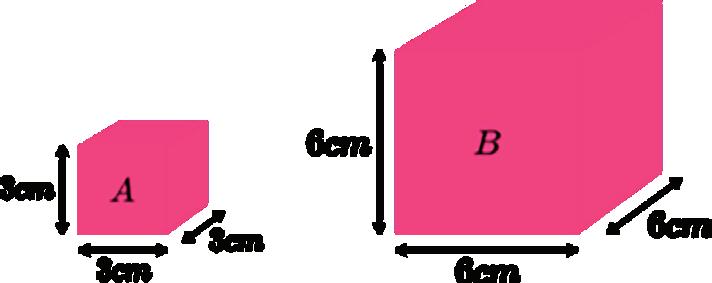
Volume A = 3cm × 3cm × 3cm = 27cm2
Volume B = 6cm × 6cm × 6cm = 216cm2
This gives the ratio 27:216 which simplifies to 1:8.
The volume scale factor from A to B is 8.
Alternatively, we can calculate the area and volume scale factors by starting with the scale factor for length.
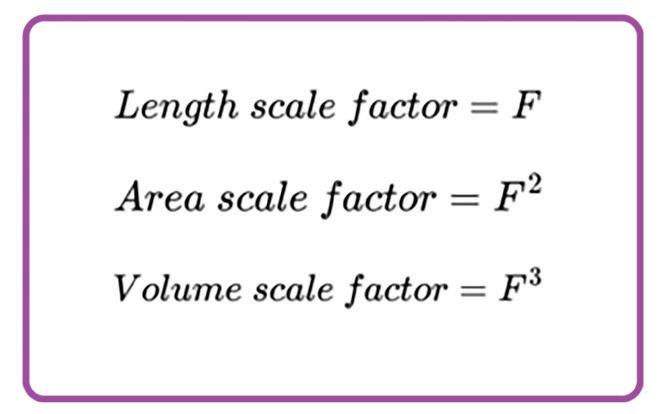
We can square the length scale factor to calculate the area scale factor. We can cube the length scale factor to calculate the volume scale factor.
In the above example,
Scale factor for length = 2
Scale factor for area = 22 = 4
Scale factor for volume = 23 = 8
Scale maths is used for real world scale drawings as it is much easier to create a scale drawing of an object, than to draw the object using actual distances.
(nocturnal). The most important adaptation for diurnal animals is the ability to see well in daylight. Most diurnal animals can see many colours as well. Some nocturnal animals, such as owls, have good night time vision but can’t see colours very well. An organism may even create its own environment. Warm-blooded mammals do this by adjusting their body heat to maintain the right internal temperature despite changes in the air temperature –sometimes dramatic changes – around them.
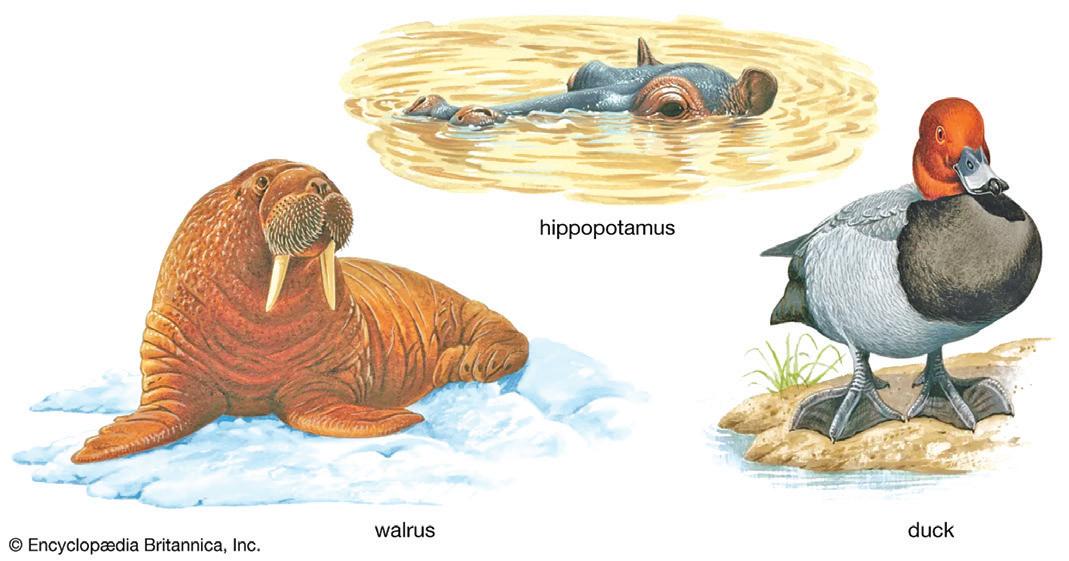
Animals have special adaptations that help them survive. Walruses use blubber and tusks to thrive in icy habitats; ducks have waterproof feathers and webbed feet for life on water; and hippos have eyes, ears, and nostrils on top of their heads to stay alert while submerged (Britannica Kids)

By Anne StevenSon

The blank days are heaped up ahead of me, a sierra I have to cross in order to get there. Where?
The marked days are a slag of words. In the course of crossing I must have upturned them. How? The days for crossing have a solid, permanent appearance— mountains of sandstone and sun between shadowy valleys of conifers. The days I have crossed? Every one of them misty rubble. A pencil suggests there is hardness there. Or art. And this day I am crossing, crossing in sun and rain? Seems perfectly flat. The sun celebrates my defeat as I struggle towards it. The rain lays a wreath on each drop as it dies in its puddle.
(Source: Poetry [July 1985])

Your bedroom lamp starts hosting a nightly talk show with your toys as the guests. What kinds of interviews and performances do they give?

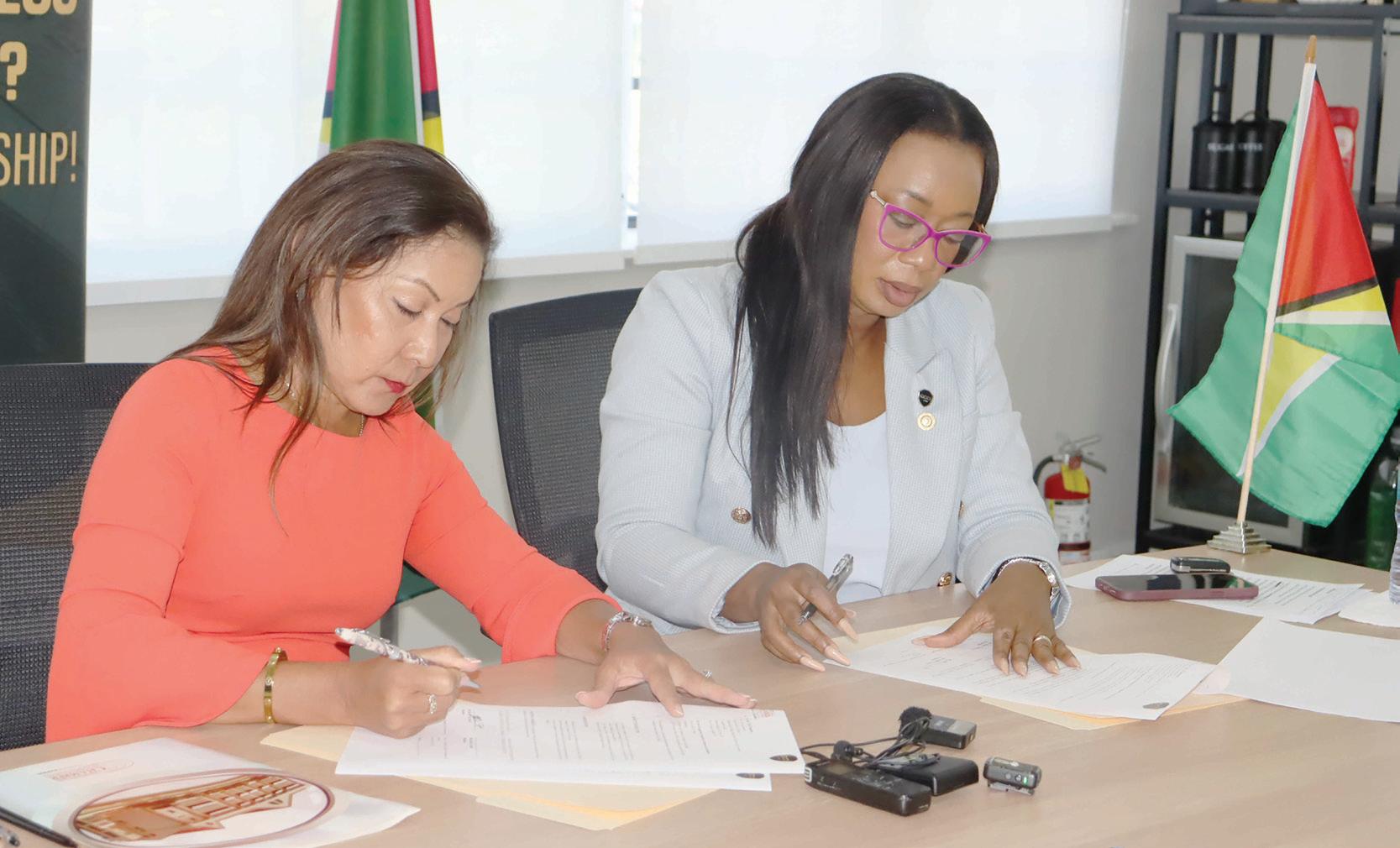
The Georgetown Chamber of Commerce and Industry (GCCI) and the Trinidad and Tobago Chamber of Industry and Commerce (TTCIC) will be working to address the non-tariff barriers affecting the export of Guyana’s products into the Twin-Island Republic, a longstanding issue that Guyanese businesses have been complaining bitterly about.
This collaboration for the advancement of bilateral trade between the two countries was cemented in the signing of a Memorandum of Understanding (MoU) between the GCCI President, Kathy Smith, and the President of the T&T Chamber, Karen Yip Chuck, on Wednesday in Georgetown.
According to the GCCI President, “This Memorandum of Understanding is geared towards addressing key issues affecting trade between Trinidad and Tobago and Guyana – particularly non-tariff barriers. We will work towards actively identifying and resolving barriers to market access and other challenges and cooperatively address these for mutual benefit.”
Through this MoU, the two Chambers will be working collaboratively on projects to enhance economic and social opportunities for their respective members and the business communities in the two countries, including sharing research and information on areas that have great potential for development as well as advocacy among regulatory agencies and key stakeholders.
This move comes in light of the glaring disparities in the trade between the two Caribbean countries over the past 25 years.
Restrictions in T&T
Last year, Guyana imported $1 billion from Trinidad and Tobago but only exported some $60.9 million to the Twin-Island Republic.
Over the years, Guyanese manufacturers and exporters have been complaining bitterly about restrictions in Trinidad and Tobago that affect the trade of certain items, especially agricultural products such as honey, peppers and pineapple.
Currently, the TwinIsland Republic’s archaic Food and Drug Act of 1960 and Beekeeping and Bee Products Act of 1935 only allow honey from the Windward and Leeward Islands to be transhipped there. However, the T&T Government has since taken the legislation to Parliament for review.
Despite this and other efforts to lift and ease some of the restrictions, it was recognised that more needs to be done, especially regarding agricultural trade. According to Smith, while there are some areas that Guyanese exporters have been doing well in the Trinidadian market, she identified some of the areas where there is scope for increased trade.
“There are some specific areas that Guyanese are good at [like producing] wiri-wiri peppers… We want to get them into the Trinidadian market, but we cannot at the expense of having somebody sit in
front of millions of wiri-wiri peppers to destem them [which T&T requires]. We don’t think it’s advisable for our pineapples to be destemmed. Nobody wants to buy pineapple if it doesn’t have the [heads/crowns] on them…”
“This is a concern of the private sector in Trinidad and Tobago too, not just in Guyana because they want the peppers in; they want the pineapples in. The honey is a transhipment [issue]. We want the honey to pass through. So, our focus right now are those specific areas,” the GCCI President stated.
Prioritising areas of focus
Meanwhile, the T&T Chamber President pointed out that while the trade disparity is mainly due to the energy sector, she too believes that more work needs to be done to address some of the barriers.
To this end, the MoU inked on Wednesday provides for the establishment of a working group that will work on prioritising the areas of focus for the two chambers to advance. According to Yip Chuck, the areas would be expansive and not just limited to one sector.
“This is no just maybe trade, investment and tourism. This would be agriculture or health… We have been engaging different Ministries, and they too have committed to looking at some of these. But we have to prioritise together the first set that we would like to present. And maybe the honey, peppers and the pineapples would fall into the first five, or maybe a mechanism of working

together may be the first framework and then everything else follows because we’re looking for a structure that would be continuous.”
“Back in 2023-2024, the Trinidad and Tobago Chamber had worked with the GCCI, and some of the wins was some improvements in the pineapple crowns…the peppers and I think the eddoes… However, we recognise that there is still work to be done, and that’s why it cannot be one-off. It has to be continuous, which is why this framework is so criti-
cal,” the TTCIC President stated.
Under this MoU, the non-trade barrier issues are being categorised into three main areas, including the setting up of a joint trade desk with a template that would receive complaints from traders and track the issues in order to resolve them. Additionally, from Trinidad’s side, they are also looking at updating the Fresh Produce Protocol to open up opportunities for trade as well as a mechanism to deal with taxation issues.
The signing of this MoU stemmed from work by the two chambers that has been ongoing since 2022 to address matters impacting bilateral trade between Guyana and Trinidad and Tobago.
Also attending Wednesday’s signing ceremony at the GCCI’s boardroom were the President and Chief Executive Officer of the Energy Chamber of Trinidad and Tobago, Priya Marajh, and Chief Executive Officer of the T&T Chamber, Dr Vashti Guyadeen.

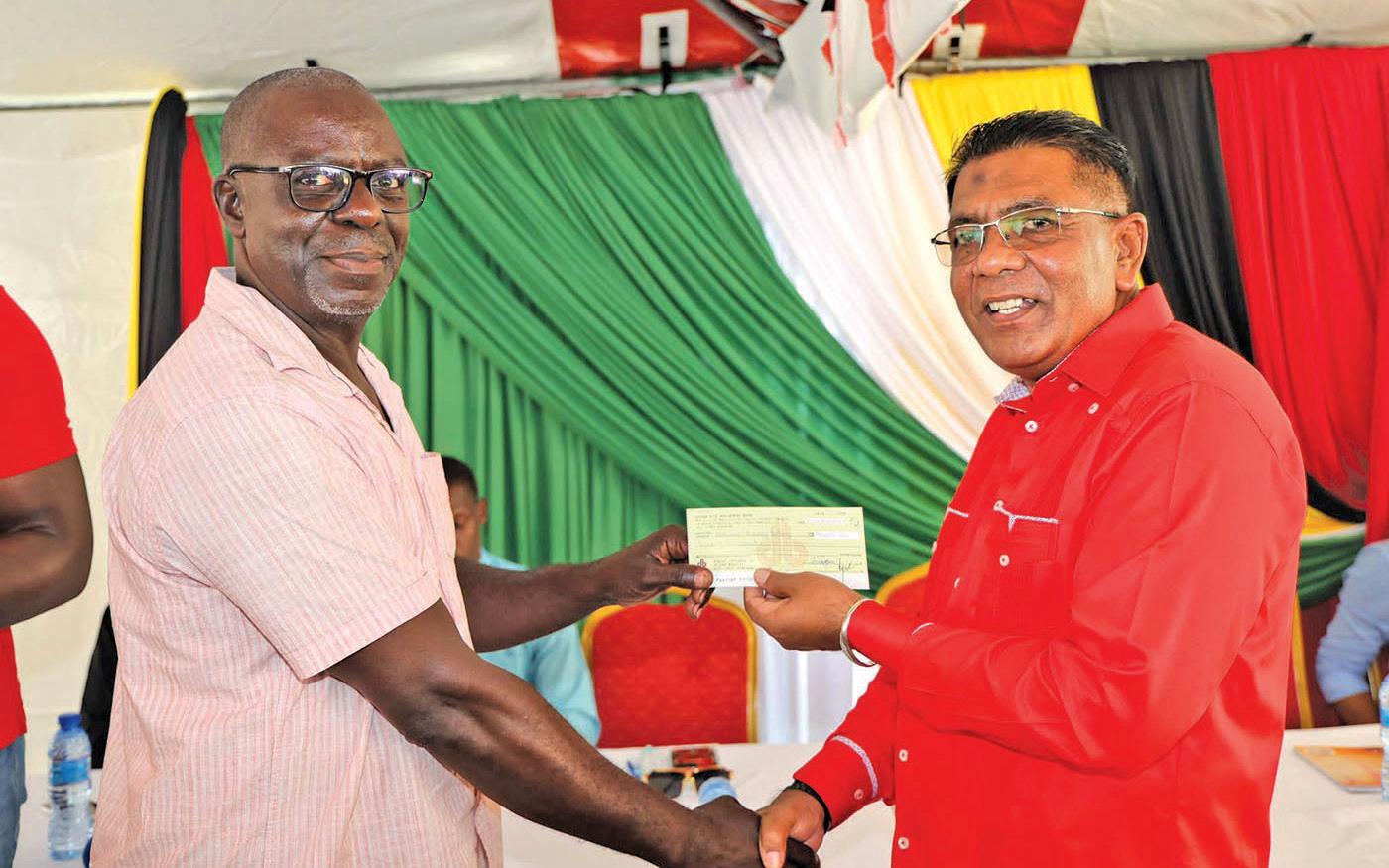
Rice farmers in Region Five on Wednesday received more than $1.18 billion in cash grants, the largest allocation under the
Government’s nationwide rice farmers’ support programme.
A total of 1387 farmers, who cultivated 104,519 acres of rice during the
last crop, are benefitting from the financial assistance, the Department of Pubic Information said in a report.
Rosalyn Bacchus, who has been farming for about two years, said the cash grant will provide much-needed support to farmers facing losses and encourage them to continue cultivating rice.
She expressed gratitude to the Government, particularly President Dr Irfaan Ali and Minister of Agriculture Zulfikar Mustapha, for the assistance, describing it as a timely contribution to the farming community.
Another farmer, Chandanie Kissoon, noted that the cash grant will help her recover from significant losses incurred during production.
She noted that farmers have had to invest heavily from their own resources; thus, the assistance is timely and meaningful.
TURN TO PAGE 16


Can’t the PNC find a new record to play?? Inevitably, as soon as the PPP wins an election, they and their acolytes start screaming that “African-Guyanese” are gonna be consigned to “another round of slavery”!! After their post-2020 yelping about an “installed emerging apartheid state regime” – say it without pause as one word!! – they’re now hysterically screaming that the PPP’s giving away all the oil money to its “friends and family”!! The not-so-subtle subtext being that the said “friends and family” are Indian Guyanese!! But yet at the same time, the PNC, especially its new geriatric flotsam and jetsam from the WPA, is screaming bloody murder about the PPP buying out its African Guyanese base with cash handouts, house lots, boulevards, roads, bridges, etc.!! Jeez, have they forgotten that this tactic is as old as democracy itself??
Back in 1992 – implicitly conceding they’d rigged the previous four election since 1968 – they objected to Cheddi Jagan leading the new Government!! If that happened, the sky was gonna fall and the armed forces, ironically filled with “kith and kin”, according to Hoyte, would rebel!! Cheddi was – God forbid!! – “Indian”!! An ironic label for a fella who, as a dyed-in-the-wool communist, had nothing but contempt for ethnic labels!
Anyhow, here we are in 2026, when even though the elections of 2011 and 2015 showed conclusively that the PPP can be beaten in free and fair elections, the narrative’s again being floated that if the PPP were to get back in 2030, it’s crying time again!! The big question is why?? The PPP doesn’t have its old built-in majority of Indian Guyanese, so doesn’t this mean it got enough African Guyanese votes to put it over the top?? Just as the PNC, as APNU, was able to do with Indian Guyanese in 2015?
If the PPP then took its whuppin’ like a man and stayed around for another election – with a plan to woo voters outside their traditional base – why can’t the PNC now do the same?? Or hold it!! Do they worry the PPP’s not gonna fire 7000 African Guyanese public sector workers – as the sanctimonious Gangster Granger did with sugar workers in 2017 – and hand them the elections?? What a bunch of losers!! Sadly, for them, Jagan didn’t raise a bunch of retards to succeed him in the PPP!
So, the old chestnut of a “grand coalition” by all opposition groups once again is back in play as the way to remove the PPP!! They’re finally conceding that it’s an open field where any Government HAS to get votes from every ethnic group to win??
Oh, how things change when the shoe’s on the other foot!! Back in 2014, after a “feral blast” from the PPP soured relations with the Americans, the PNC shed crocodile tears about the PPP insulting our “nearest and dearest ally”!! They’d embraced the “vote like a boss” initiative that was sponsored by the Yanks – which woke up their alienated youth base in 2015!!
But now, since 2020, the sounds emanating from the Opposition camps against the Yanks are sounding suspiciously “feral”!! They’ve pilloried Pressie for supporting the Yanks in calling for democratic reforms in Cuba – so that their citizens will at long last have the opportunity to have a Government of their choice!! And not to mention owning their own businesses so they can become masters of their fate and captain of their (economic) destiny!! Back in the day, Burnham had mocked Cheddi for not having the subtlety to play realpolitik so that he could “survive sensibly and not court a heroic death”!!
Well, Cheddi’s heirs have learnt that lesson well!!
…mental slavery no mo’
The Brits left us with a jaundiced view of manual labour because during slavery and indentureship we never saw them working with their hands!! But Pressie’s has embraced farming and providing an example to our youths for life after oil!!

“Nip it in the bud” – AG tells RDCs, NDCs to take tougher stance on squatting, illegal encumbrances
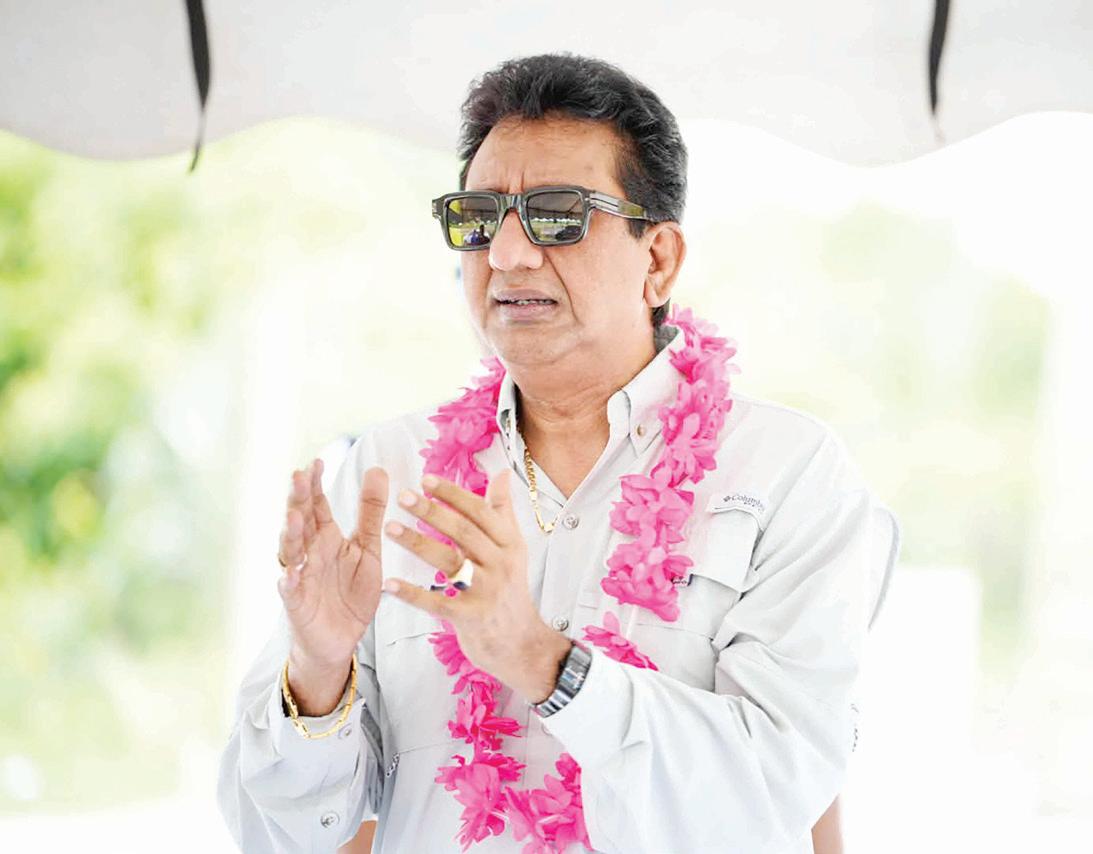
Noting the Government’s zero-tolerance stance on squatting, Attorney General (AG) and Legal Affairs Minister Anil Nandlall has contended that Regional Democratic Councils (RDCs) and Neighbourhood Democratic Councils (NDCs) must do more to exercise their powers to prevent and remove illegal encumbrances erected within their respective jurisdictions.
“Both of these local authority organs have wide-ranging powers under the different pieces of legislation to remove encumbrances from public reserves, Government reserves, State lands, et cetera,” Nandlall highlighted on Tuesday evening during his programme “Issues in the News”.
“And you are to use those powers, serve notices, take the persons to court, or use the power to demolish the buildings as they are being erected. Or if you need central Government help, well, then enlist that help.”
In fact, Nandlall contended that the RDCs and NDCs
The AG also reminded us that squatters have no legal rights and, more so, their presence interferes with development.
“For example, if you are squatting on a dam that is to be used for the clearing of drainage canals, then you are preventing the canals from being cleaned, as a result of which flooding comes and tens of thousands of people are affected… For example, the construction of a health
Nandlall recalled the case of the Mocha squatters, where they took the matter to court and lost.
“They lost everything. And the court awarded millions of dollars of costs against them. And they had many lawyers. They lost all the cases. The law does not countenance it. It does not support. It does not tolerate squatting,” he reminded.
Moreover, the AG explained that squatting areas are not entitled to Government services such as
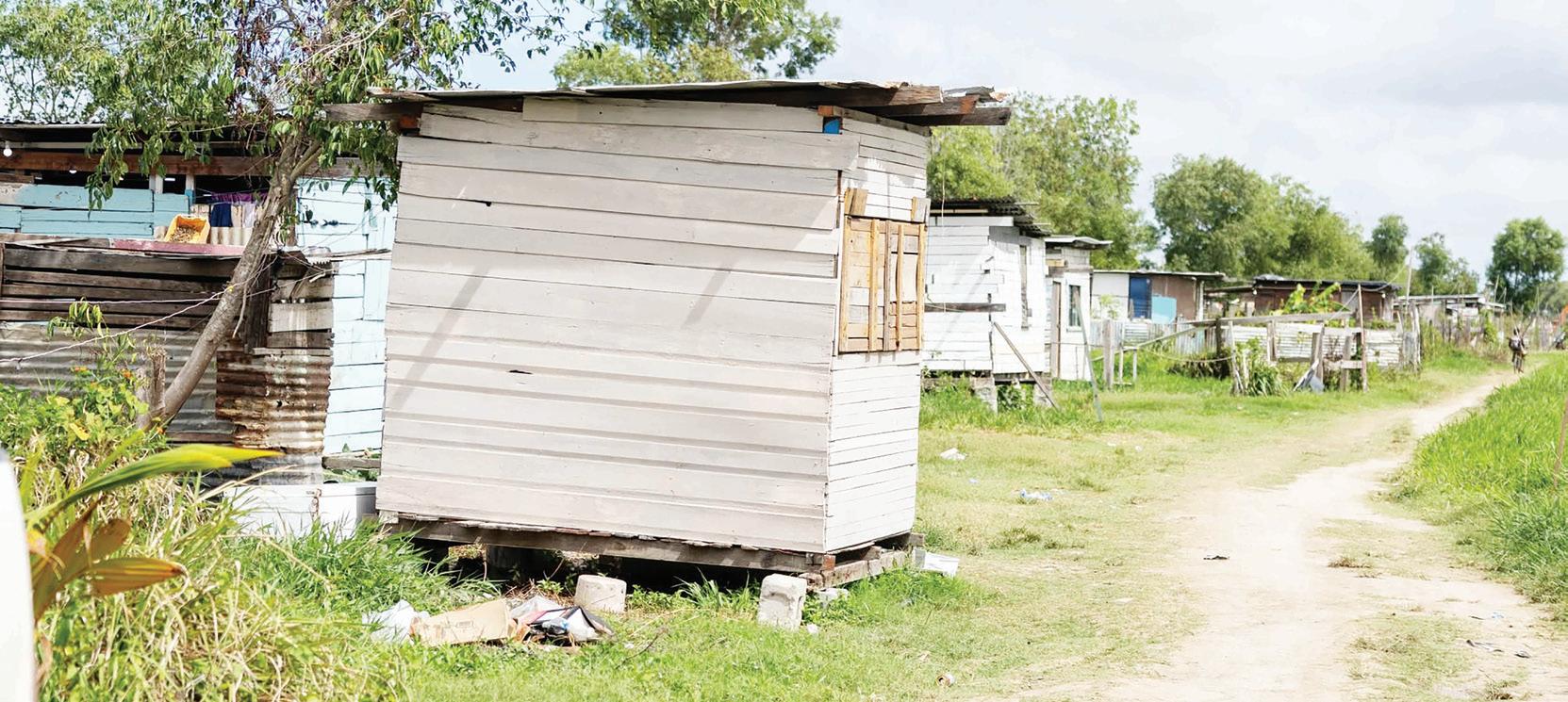
must be more proactive in dealing with these situations during the construction phases of these illegal structures.
“A building is not built in a day. And once you are vigilant and you see the construction starting, you know, on a plot of land that is demarcated or identified as a public reserve, Government reserve, State reserve, etc, you take immediate actions. And in that way, you nip the thing in the bud before it becomes a problem,” he asserted.
Additionally, he encouraged RDCs and NDCs to retain the services of lawyers in order to better deal with these types of situations.
“These local authorities perform legal functions that are outlined in various pieces of legislation. I have made that legislation available to all these authorities. But you may have a problem in reading and understanding them. And that is understandable. You’re not lawyers. But if you have on retainer a lawyer who can assist you, then you would discharge your functions far more effectively,” he noted.
centre. When you go and you squat there, you deny hundreds of people important facilities that that area was earmarked for. I can go on and on to tell you the pernicious impact that your selfish occupation of lands that you ought not to occupy can have on the public good and on the welfare of an entire community of people. How is that fair? And it is for that reason that the law is so harsh on squatters,” Nandlall posited, adding that “squatting is a criminal offence as well as a civil wrong.”
“Squatters have no rights whatsoever. That is why when a squatter’s erections or buildings are demolished, that squatter gets no protection from the law. The law doesn’t recognise squatters. So, when you squat, you expose yourself to all types of perils. The rightful owner of that property, without any resort to a court, can by selfhelp demolish your property and eject you therefrom using reasonable physical force, and they don’t have to get a court order,” he outlined.
water and electricity.
Furthermore, he emphasised that the Government has a vibrant housing programme and encouraged persons to utilise the proper channels in seeking accommodations.
“The demand is always higher than the supply, so there is always a backlog, especially in certain regions of the country. But that is no excuse to go and squat, not because your application is taking long to process, but because your application gives you the right or provides you with a basis to squat on Government lands, public lands, State lands, or Government or public reserves, because it will not be tolerated,” he affirmed.
“If you engage the Government sensibly, you can get this type of assistance. If you want to play wrong and strong, well, then the full force of the law and the coercive powers of the State will have to be unleashed. And we are hoping that we don’t have to resort to those extreme measures,” he added.

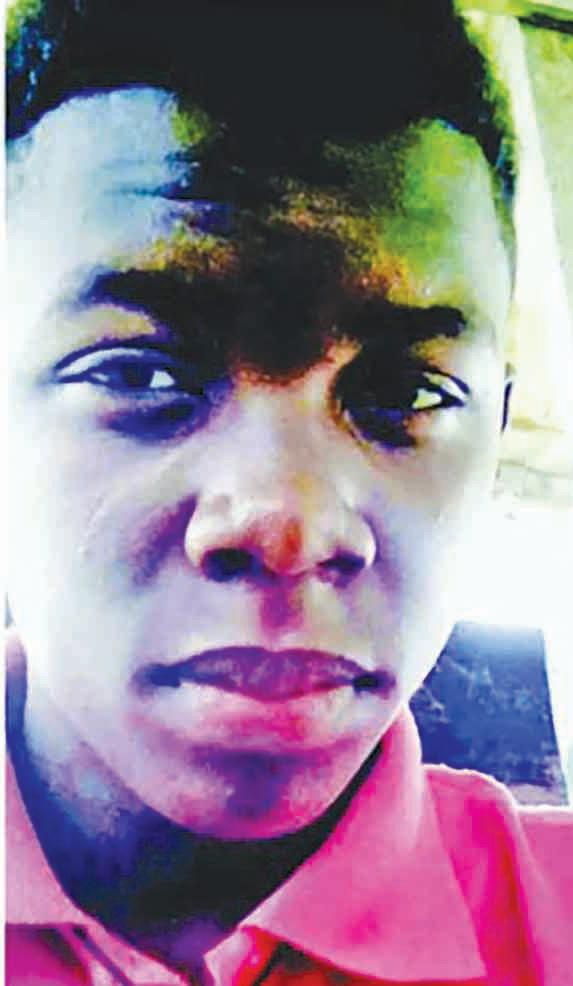
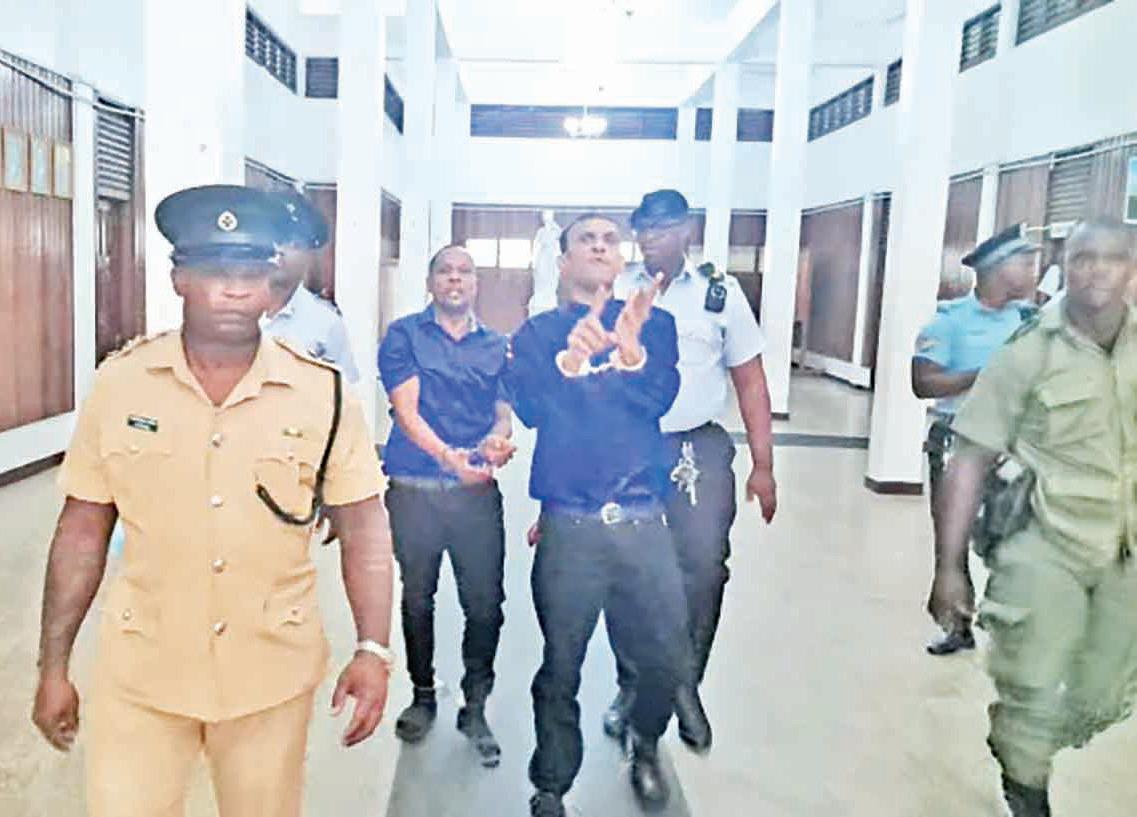
Nearly six years after the brutal murders of West Coast Berbice cousins Isaiah and Joel Henry, the two men convicted of the killings were on Wednesday each sentenced to two life terms in prison, with Justice Simone Morris ordering that the sentences run concurrently and that they serve a minimum of 35 years before becoming eligible for parole.
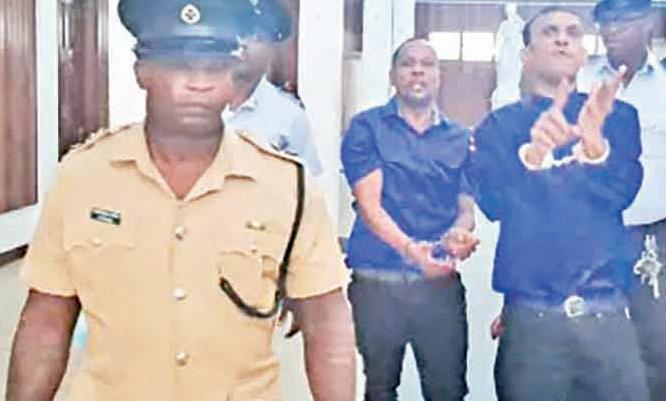
The sentences were imposed on Anil Sancharra, called “Rasta” and “Dan Pole”, and Vinod Gopaul, known as “Magga”, following their unanimous convictions on two counts of murder by a 12-member jury last month.
In handing down sen-
tence in the Berbice High Court, Justice Morris said the punishment had to reflect not only the horrific nature of the killings but also the devastating consequences for the victims’ families and society, while remaining firmly grounded in the evidence presented before the court.
“The sentence of this court must clearly speak to the seriousness of the offence,” the Judge declared.
“It must reflect the value of life, the culpability of the defendants, and the need to deter resorting to violence in moments of conflict or revenge.”
The Judge described the attack as one marked by extraordinary brutality.
“At the time of the attack, Isaiah and Joel Henry posed no threat to either offender,” she said.
“The level of brutality is borne out by the mortal wounds.”
Referring to the medical evidence presented during the trial, Justice Morris observed that the chop wounds inflicted on the teenagers demonstrated the ferocity of the attack.
“The chops were inflicted with great force,” she noted.
Deep public shock
She further stated that while the court was mindful of the immense public outrage which followed the murders, the sentence could only be based on the criminal conduct of the offenders and not on actions taken by others in the aftermath.
“The offence caused deep public shock, fear and grief and unsettled the wider sensibilities of the community and the country in general,” she said.
However, she made it clear that she was careful not to attribute responsibility to the offenders for acts committed by others after the murders.
“I do not take any subsequent unrest or violence, or other intended criminal acts of others, into account.”
Instead, she explained that the sentence reflected

the brutality of the murders themselves, the concealment of the bodies, the loss suffered by the families and the need for deterrence.
“Where the attack or killing is carried out with such brutality, the need for deterrence and denunciation is especially strong,” the Judge ruled.
Before sentence was imposed, State Prosecutor Marissa Edwards urged the court to impose a punishment that reflected the gravity of the offences.
She argued that the court should also consider the profound and lasting impact the murders had on the families of the two teenagers and the wider society.
Neither accepted responsibility
Attorneys-at-law Dr Dexter Todd and Chandra Sohan, appearing for the respective defendants, urged the court to consider the personal circumstances of each man before determining sentence.
The court heard that both accused continued to maintain their innocence despite their convictions.
Justice Morris noted that while neither man accepted responsibility for the offences, the court would not treat the absence of remorse as an aggravating factor simply because they maintained their innocence.
In addressing one of the offenders, the Judge observed that he had expressed sympathy for the Henry families while continuing to deny involvement.
“In those circumstances, I do not treat the absence of remorse as an aggravating factor, nor do I punish him for maintaining his position,” Justice Morris explained.
“At the same time, he does not receive the mitigation that would ordinarily flow from accepting responsibility.”
The court also considered extensive probation reports prepared for both offenders.
The report on Sancharra detailed a childhood marked by severe poverty, limited formal education and unstable family circumstances. The offender reportedly left school at an early age to help support his family through fishing and other forms of manual labour.
The probation officer also documented previous convictions, including offences involving larceny and narcotics, and noted that members of the offender’s community described him as someone who frequently became involved in conflicts and confrontations.
The report stated that although the offender expressed sadness over what the Henry families had endured and pleaded for mercy, he denied involvement in the murders and accepted no responsibility for the crimes.
The probation officer ultimately concluded that while the offender had experienced significant social and economic hardship throughout his life, there was no expression of remorse or accountability for the offences for which he had been convicted.
The probation report for Gopaul painted a picture of a troubled upbringing characterised by domestic instability, exposure to violence and chronic deprivation.
The court heard that he grew up in an environment affected by persistent conflict and that his formative years were marked by trauma.
The report also documented a lengthy criminal history, including previous convictions and periods of imprisonment.
Community members interviewed during the preparation of the report expressed fear at the prospect
of his eventual return, with some reportedly describing him as a dangerous individual and indicating they would be afraid if he were released.
The probation officer also recorded statements from relatives who described him as caring towards members of his family and continued to insist that he had been wrongfully convicted.
The court further received psychiatric evaluations for both men. Justice Morris noted that neither report identified any mental illness or psychological condition capable of reducing criminal responsibility or explaining the extreme level of violence involved in the commission of the offences.
Instead, the psychiatric evidence found both men fit, mentally stable and capable of understanding the proceedings before the court.
No significant mitigating factor
The Judge said those reports provided no significant mitigating factor capable of reducing the appropriate sentence.
Turning to the victim impact statements, Justice Morris acknowledged the immeasurable suffering endured by the Henry families since the deaths of the two teenagers.
The court heard that the murders devastated both families, with relatives recounting years of grief, emotional trauma and loss.
Joel Henry’s brother told the court that the murders shattered the family, explaining that their mother’s health deteriorated after the killings and she later died. He also spoke of the death of another brother and described December 22 and 23 each year as particularly painful reminders of the tragedy.
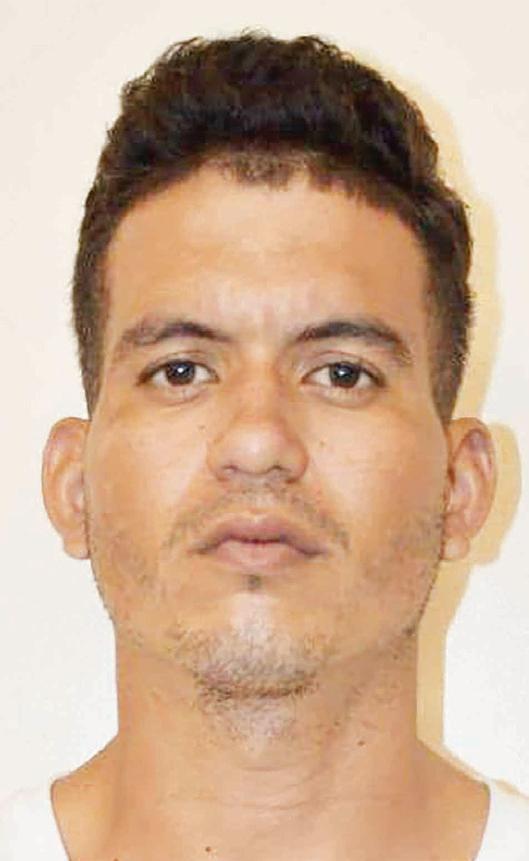
The prosecution, on Wednesday, completed the tendering of its documentary evidence in the paper committal proceedings into the deadly October 2025 Mobil Service Station bombing, paving the way for defence submissions on behalf of three of the four accused.
When the matter came up before Acting Chief Magistrate Faith McGusty at the Georgetown Magistrates’ Courts, Senior Police Legal Advisor Mandel Moore tendered additional video evidence along with 43 photographs of the Mobil Service Station at the corner of Regent and King Streets, Georgetown, and its surrounding areas.
The four accused are Venezuelan nationals Daniel Alexander Ramirez Poedemo, Alexander Bettancourt, Johnny Boodram, and GuyaneseVenezuelan Krystal LaCruz.
With the completion of the prosecution’s evidence, the matter was adjourned to July 15 at 13:15h for defence submissions in relation to accused Bettancourt, LaCruz and Boodram.
Attorneys-at-law
Nickesha Daniels, Shellon Boyce and Zola Williams of the Guyana Legal Aid Clinic, who represent Poedemo, informed the court that no statements would be filed on his behalf and that he would exercise his constitutional right to remain silent.
Attorney Melvin Duke, who represents Bettancourt and was absent from Wednesday’s proceedings, is expected to present submissions on his client’s behalf at the next hearing. Meanwhile, attorney Kiswana Jefford filed a statement on behalf of LaCruz and requested time to make submissions in support of her client.
Attorney Mikel Puran also filed documents on behalf of Boodram, including his birth certificate, immunisation card and Guyana
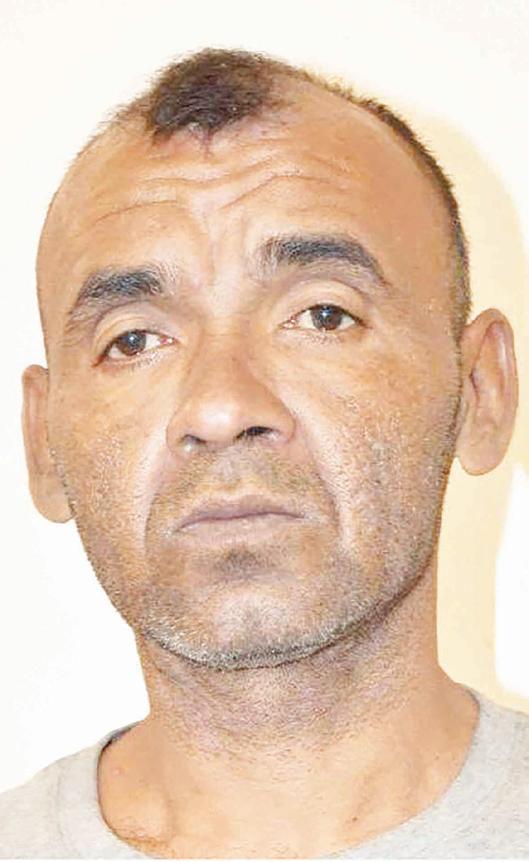

passport, as part of his defence.
The proceedings are part of a paper committal, during which the court reviews documentary evidence to determine whether a prima facie case has been established to commit the accused to stand trial in the High Court in Demerara, without hearing oral testimony from witnesses.
The prosecution, led by Moore, has presented a substantial volume of evidence over several paper committal hearings, which began in early June.
The evidence tendered includes dozens of witness statements, forensic and deoxyribonucleic acid (DNA) reports, documentary exhibits, photographs and numerous video recordings collected during the investigation.
Detonating an explosive device Poedemo, the alleged mastermind, is charged under Section 3(1)(a) of the Criminal Law (Offences) Act with allegedly placing and detonating an explosive device with the intent to threaten Guyana’s security and sovereignty or terrorise the public, resulting in the death of sixyear-old Soraya Bourne. Bettancourt, Boodram and LaCruz are jointly charged with aiding and abetting Poedemo in the commission of the alleged terrorist act.
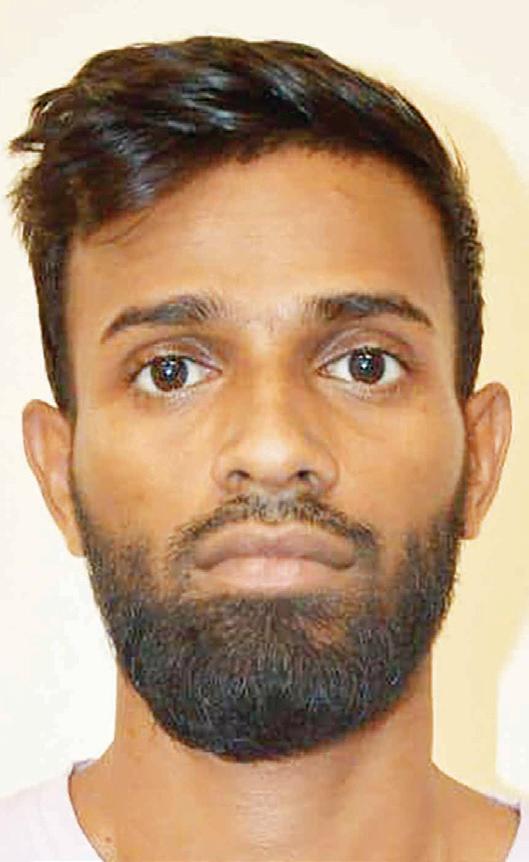
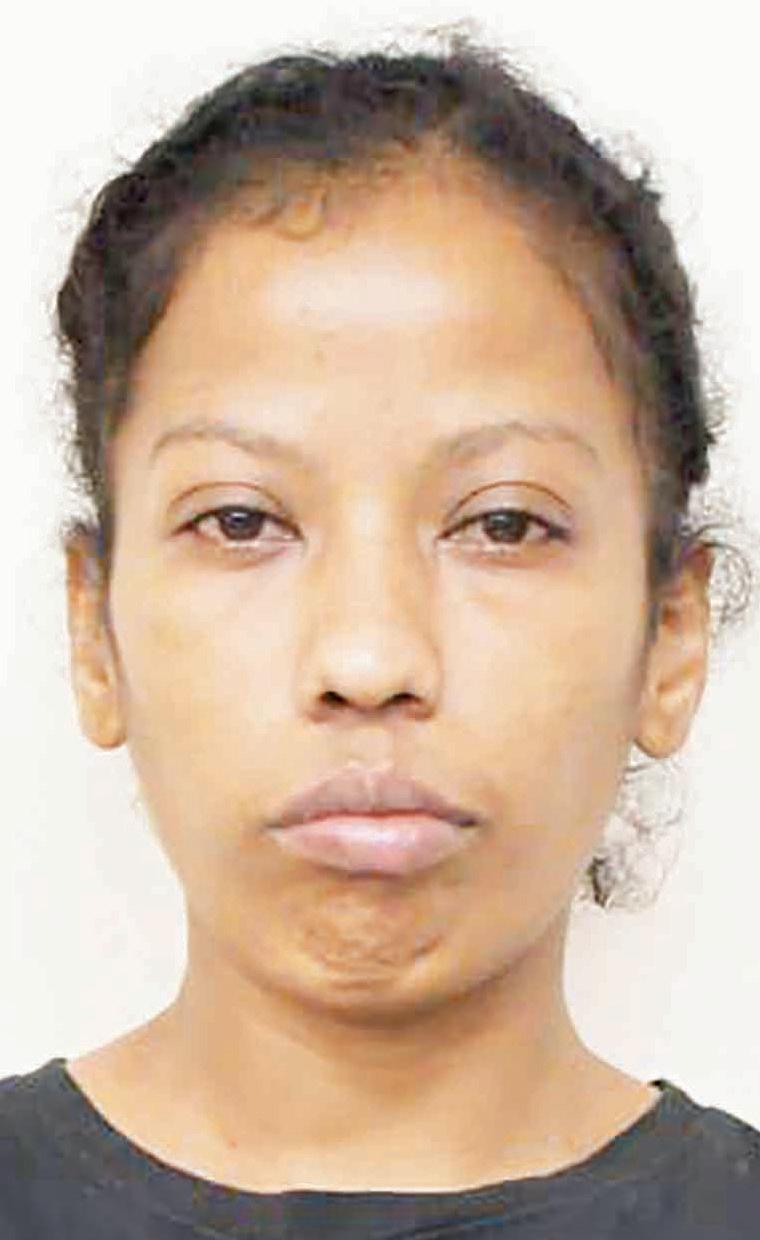
The accused are not required to enter pleas at this stage of the proceedings and remain on remand pending the outcome of the paper committal.
The charges stem from the October 26, 2025, explosion at the Mobil Service Station at Regent and King Streets, Georgetown, where an explosive device detonated while Bourne was seated in a vehicle with family members.
The child died as a result of injuries sustained in the blast, while several members of her family were injured. Nearby buildings and vehicles also suffered extensive damage.
The current proceedings involve four of the original seven accused.
In April of this year, Guyanese nationals Ramesh Pramdeo and Wayne Correia were discharged after the Leonora Magistrate’s Court upheld a no-case submission, finding insufficient evidence to establish a prima facie case against them.
However, their former co-accused Jennifer Rodriguez was committed to stand trial in the High Court on a charge of aiding and abetting terrorism after the court found sufficient evidence against her. She remains on remand pending trial at the next practicable sitting of the Demerara Criminal Assizes.
Investigators have alleged that Poedemo confessed to illegally entering Guyana by boat from Venezuela hours before the attack and admitted to bringing the explosive device into the country. According to investigators, he also allegedly identified himself as a member of a Venezuelan Syndicato gang known as “Organisation R”.
The Government has previously indicated that it intends to seek the death penalty against anyone convicted in the case under Guyana’s anti-terrorism laws, which provide for capital punishment where a terrorist act results in death.
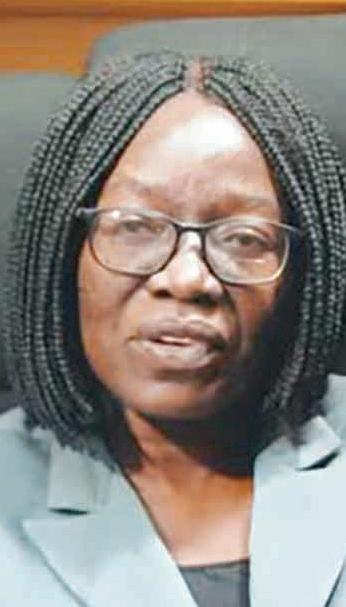


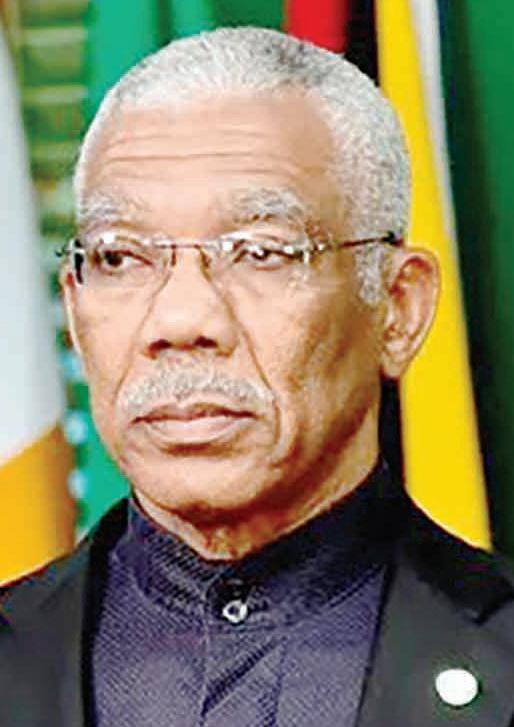
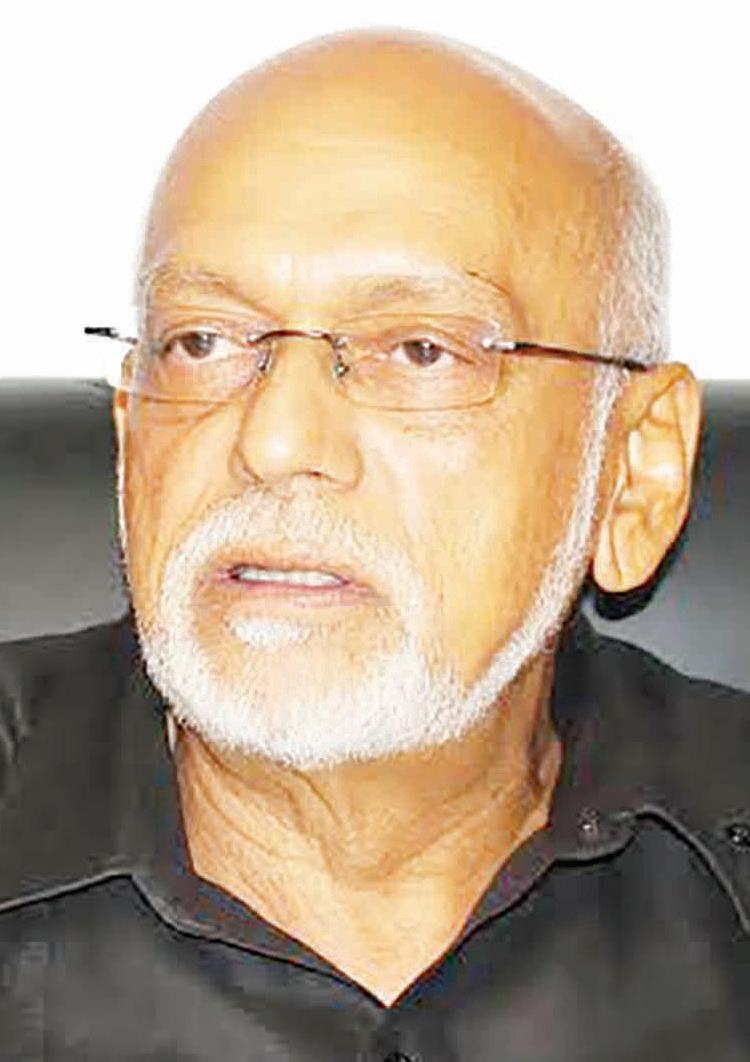
…rejects false narrative that only Pres Ali will benefit
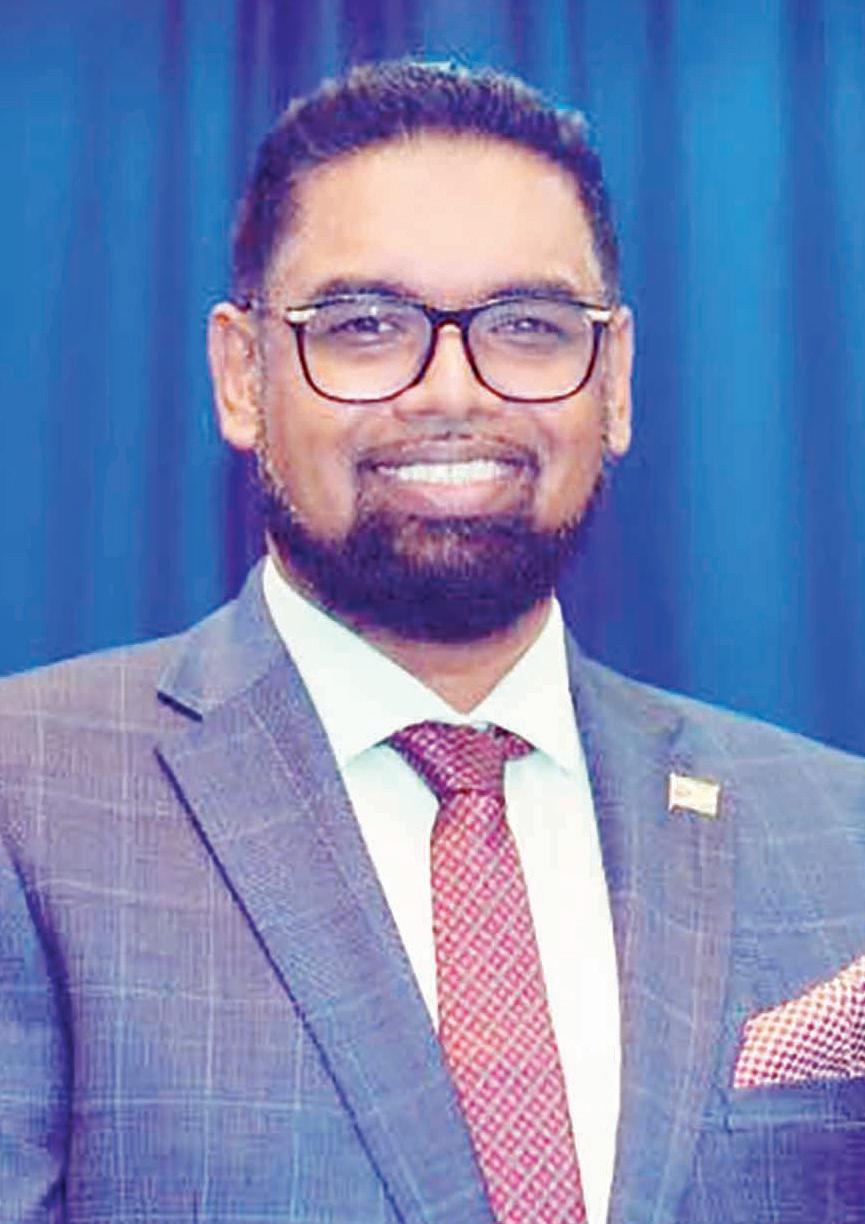
The Former Presidents (Benefits and Other Facilities) bill 2026 is intended to provide equal treatment to all of the country’s past Presidents and to fix the impotent law that was passed by the former APNU/AFC Administration in 2015.
This is according to Attorney General (AG) and Minister of Legal Affairs Anil Nandlall in response to criticisms launched by the parliamentary opposition following the tabling of the bill last month.
During his programme Issues in the News on Tuesday evening, AG Nandlall explained that the bill is no different from the 2009 legislative frame-
work, which had been repealed by the APNU+AFC Government in 2015.
“The bill is simply a replication of the former President Benefit and Other Facilities Act of 2009. There has been absolutely no material addition to or subtraction therefrom,” he highlighted.
He noted that the benefits from the repealed 2009 law were reintroduced to address shortcomings in the 2015 Act. In fact, he highlighted that the benefits in the 2015 Act have never been applied.
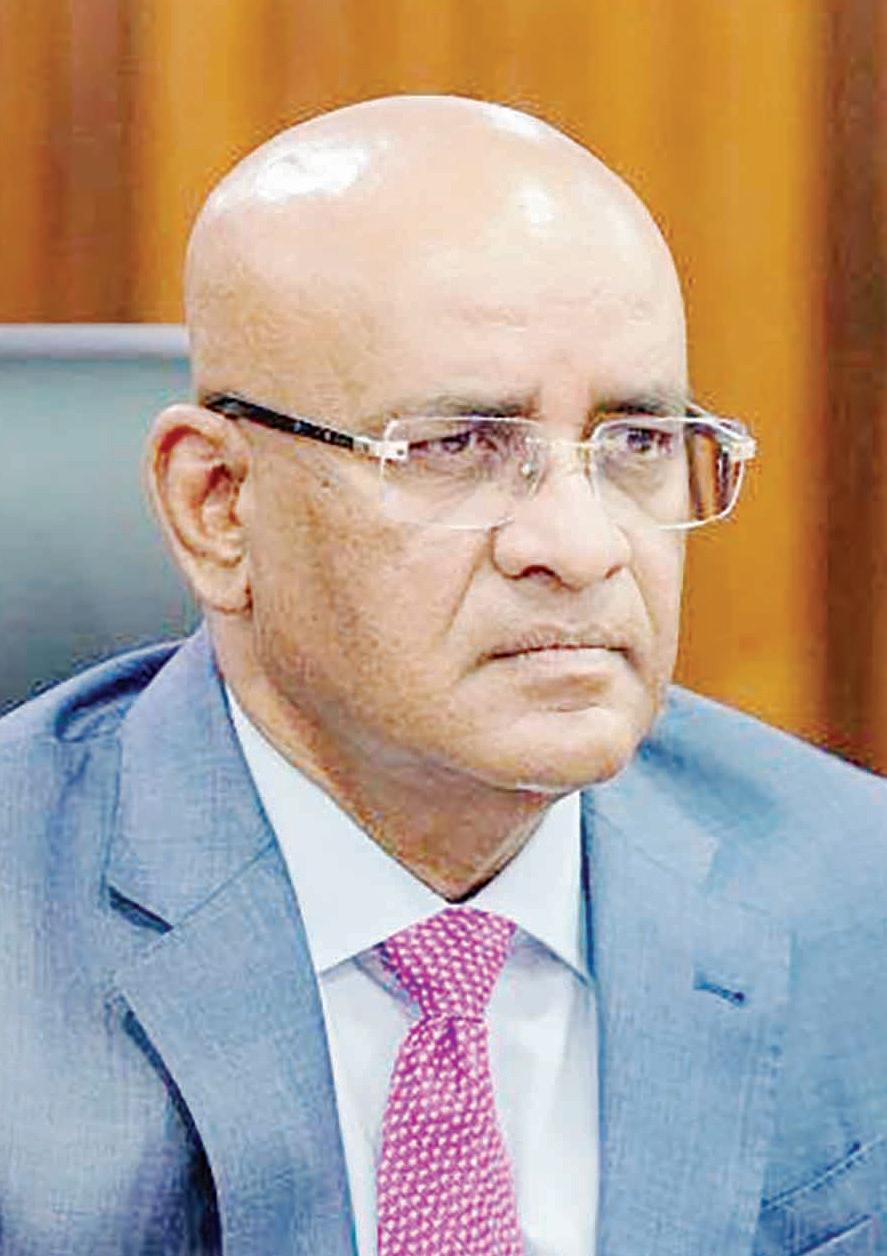
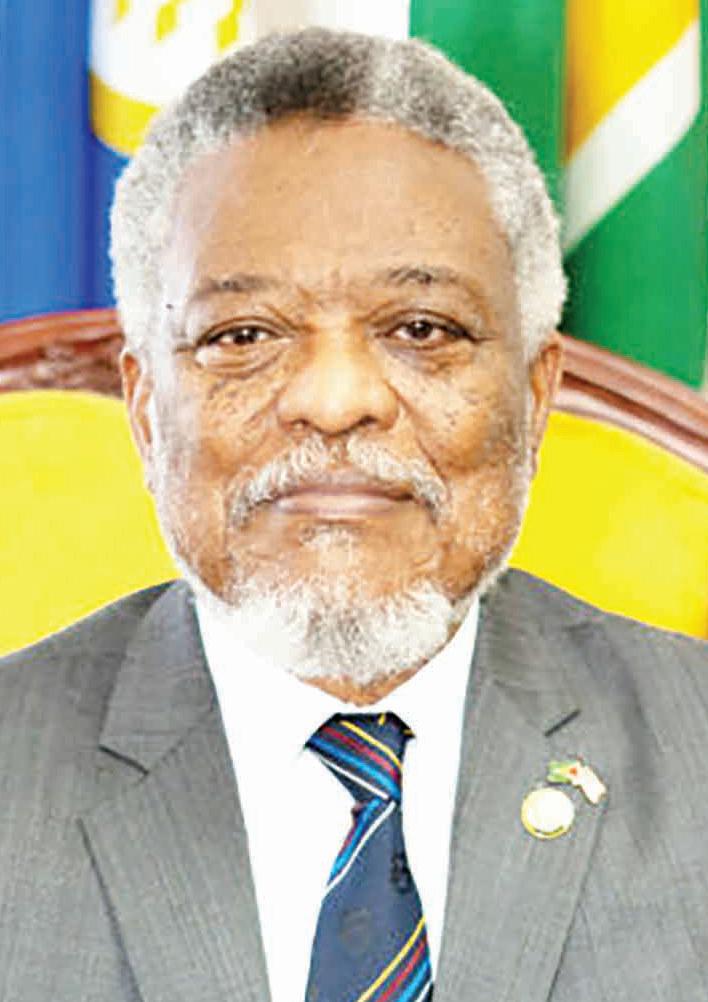
“The bill, when it became law in 2009, applied to all living former Presidents at the time. When Presidents Bharrat Jagdeo and Donald
Ramotar demitted office, it applied to them as well. When Prime Minister Sam Hinds, who served as President for a period, when he demitted office, it applied to him as well. In 2015, [APNU+AFC] repealed the 2009 Act and replaced it with the former President’s Benefit and Other Facilities Act of 2015… It is common ground that the 2015 Act operated prospectively and did not operate retroactively and therefore could not have affected the benefits of any of the former Presidents,” Nandlall recalled.
Plan backfired
He reminded that the APNU+AFC, during the 2015 campaign trail, “told
the people that the law will rescind all the benefits that all the former Presidents were getting”, but this plan backfired.
“And they did pass the law, but the law could not operate retroactively. So, the law had no teeth. It didn’t apply to any of the persons that it was intended to apply to. Because they passed the law to get at former President Jagdeo, to get at former President Ramotar, and to get at former President Sam Hinds. But in their usual incompetence and clumsiness, they didn’t realise that those were vested rights. That law in 2009 vested these rights to these persons. And you can’t take away vested rights, especially when it creates proprietary interests. You can’t take it away from a person. So, the law that they passed was an impotent law, in other words,” Nandlall outlined.
He further explained that the 2015 law, which has reduced benefits for former Presidents, only applied to former President David Granger when he demitted office. But Granger benefits from the entitlements outlined in the 2009 Act.
“They passed a law to target [former Presidents Ramotar, Jagdeo and Hinds], and the law ended up only applying to their President, Mr David Granger, when he left office. However, from 2020 to now, the People’s Progressive Civic Administration never applied that 2015 law to President Granger. It applied the 2009 law to President Granger. And I don’t wish to state the reasons why,” Nandlall said.
Among other things, the 2026 bill states that former Presidents, during the remainder of his or her life-
time, shall be entitled to the provision of water, electricity, and telephone services at his or her place of residence in Guyana; services of personal household staff; and services of clerical and technical staff, if requested.
It also states that they will be entitled to free medical attendance and medical treatment incurred by him or her and any dependent members of his or her family.
Former Presidents will also be entitled to full-time personal security and services of the Presidential Guard Service at his or her place of residence and the provision of motor vehicles owned and maintained by the state.
Nandlall defended these benefits and hit back at critics, contending that the very naysayers are the ones who supported the passage of a law bestowing similar benefits to former Prime Minister Hamilton Green, decades after he demitted that office.
Hamilton Green would have left the office of Prime Minister since 1992, long before many of you who are listening to me were even born. Since then, that man left the office of the Prime Minister. In 2017, nearly 30 years after, they passed a law to give him benefits and allowances similar to that of former Presidents. And today, they are shedding crocodile-type criticism against the former President’s Facilities Bill when they did the identical thing for Hamilton Green,” the AG contended.
More glaring, he argued, is the fact that the bill was drafted solely for Green and not for any other Prime Minister.
“So, they didn’t pass a Prime Minister bill that Moses Nagamootoo, for ex-
ample, could have benefited from, or Mark Phillips could have benefited from. They passed a Hamilton Green Prime Minister bill that can only apply to Hamilton Green… On what basis is that justified or justifiable?”
Nandlall also argued that the APNU+AFC Government’s decision to repeal the 2009 Former Presidents Act was driven by political vindictiveness, adding that the current Administration is simply seeking to restore the dignity of the country’s highest office.
“The truth is that in 2015, the APNU+AFC passed that 2015 Act to diminish the office of a former President and to deny a former President the dignity that the nation owes a person who has served in the high office of Executive President of this Republic. And they were driven by ill will, malice, and spite. They wanted former Presidents to suffer in dignity, and they were driven by malice and spite. They wanted to get at then-former President Jagdeo, in particular, and it backfired on them. The 2026 Bill is simply intended to remedy that deplorable state of affairs and to put every former President on even keel, including former President David Granger,” Nandlall highlighted.
“In the circumstances, the Government rejects the false narrative that is being peddled that the 2026 bill is intended only to benefit President Irfaan Ali when he demits office. The 2026 bill is intended to restore the dignity to the office of a former President and to bring certainty and equity to the entitlements of that office to ensure that all former holders of that office enjoy equal treatment,” he added.

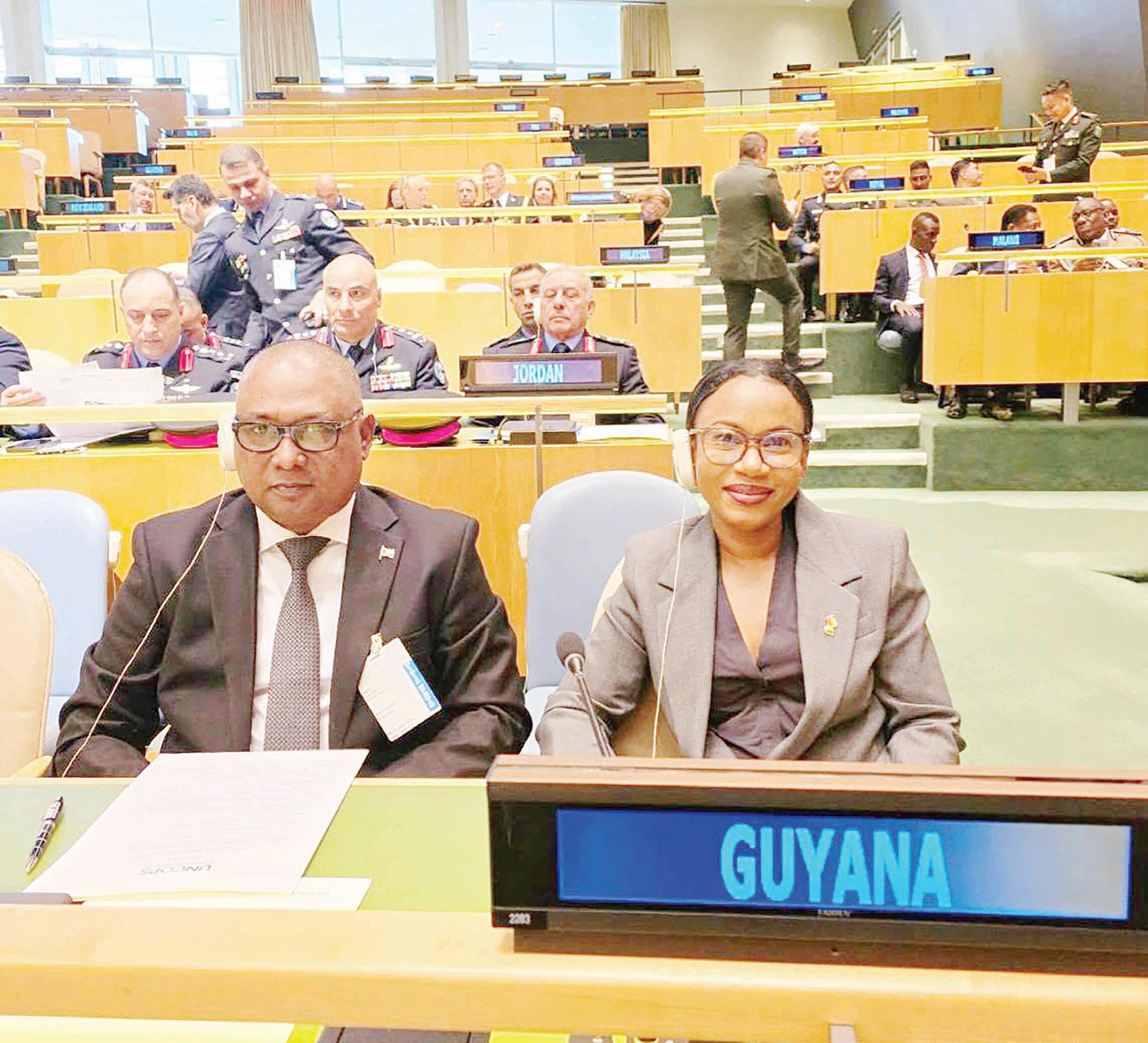
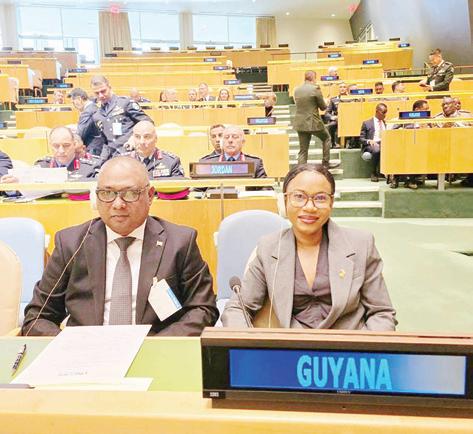
The Guyana Government on Wednesday called for greater international support to help developing countries strengthen their policing capabilities, including through technology transfer, specialised training, and enhanced capacity-building initiatives.
The call was made by Home Affairs Minister Oneidge Walrond at the Fifth United Nations Chiefs of Police Summit (UNCOPS 2026) – Session Two: Innovation and New Technologies in United Nations Policing.
She explained that Guyana recognises that technology is transforming the security landscape and creating new opportunities for more effective, accountable, and citizen-centred policing, adding that the Government has been making the necessary investments under the Guyana Police Force Strategic Plan 2022–2026.
The Guyana Police Force Strategic Plan 2022-2026 is designed to serve as a roadmap in a continuous effort to deliver effective and efficient law enforcement services that meet the highest ethical and professional standards of contemporary policing.
The strategic plan is built upon six core pillars: operations (intelligence-led policing), partnership (com-
munity engagement), developing people (specialised training), infrastructure (modern facilities and technology), performance (data-driven, predictive analytics), and professionalism (accountability).
Through this plan, Walrond highlighted that “the Government of Guyana has prioritised digital transformation, data-driven policing, enhanced intelligence capabilities, and the modernisation of law enforcement infrastructure.
Current initiatives include expanding electronic crime reporting systems, using digital forensic tools, improving criminal intelligence management, and strengthening cybersecurity capabilities to address emerging threats.”
She further noted that Guyana values regional and international partnerships in advancing innovation, explaining that through collaboration with CARICOM IMPACS, INTERPOL, the Regional Security System (RSS), the United Nations, and bilateral partners, the country continues to strengthen information-sharing mechanisms, capacity-building programmes, and technological capabilities to combat transnational organised crime, cybercrime, trafficking in persons, and other evolving security threats.
Notwithstanding these advancements, Walrond
highlighted that significant challenges remain in that developing countries often face resource constraints, limited access to emerging technologies, cybersecurity vulnerabilities, and the need for specialised training to ensure the ethical and responsible use of artificial intelligence and other advanced policing tools.
She emphasised that bridging the digital divide while maintaining public trust, accountability, and respect for human rights remains a critical priority.
“Guyana therefore recommends increased international support for technology transfer, sustainable funding mechanisms, specialised training, and the development of common standards and safeguards for the responsible use of artificial intelligence in policing. We further encourage the United Nations Police Division and its partners to facilitate greater knowledge-sharing and technical assistance among Member States, particularly Small Island Developing States and developing countries,” Minister Walrond expressed.
She asserted that through collective action and innovation, “we can build safer, more resilient, and more effective policing institutions for the future”.
Walrond is currently leading Guyana’s delega-
tion to the summit, being held at the United Nations Headquarters.
The delegation comprises Deputy Commissioner of Police Ravindradat Budhram, Permanent Representative of Guyana to the United Nations Ambassador Carolyn Rodrigues-Birkett, Deputy Permanent Representative Ambassador Trishala Persaud, Second Secretary Abosede Hazlewood, and Second Secretary Kayshav Tewari.
UNCOPS 2026 brings together Ministers, Chiefs of Police and senior representatives of regional and professional policing organisations to engage on strengthening international peace, security, and development for all through the unifying power and enabling role of national and United Nations policing.

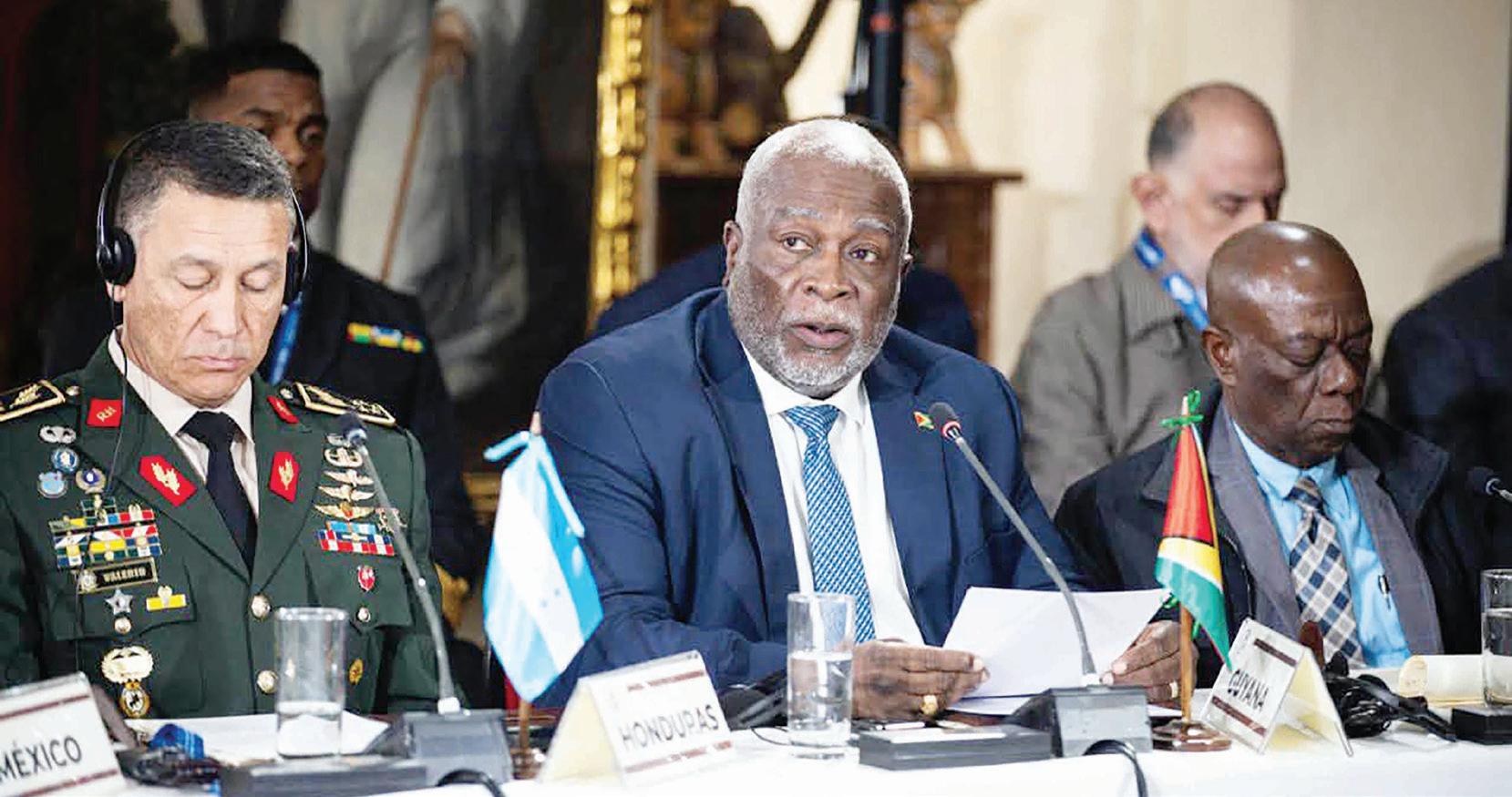
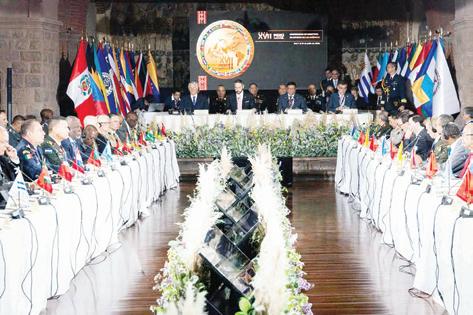
Prime Minister (PM)
Brigadier (Ret’d)
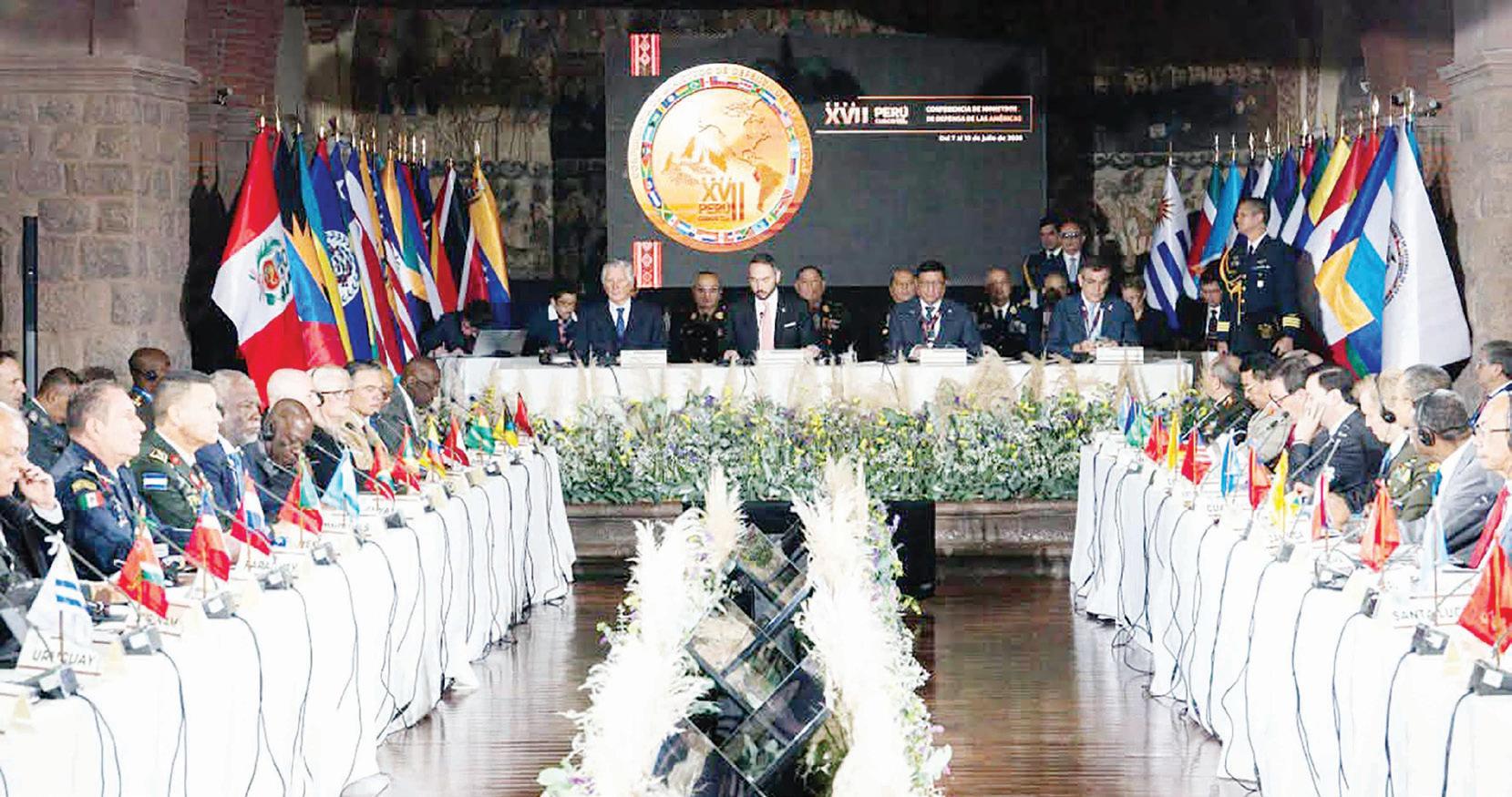
Mark Phillips called on defence leaders across the hemisphere to strengthen collective security, deepen cooperation and adopt unified responses to the evolving threats facing the Americas.
In his address to Defence Ministers on Wednesday at the XVII Conference of Defence Ministers of the Americas (CDMA), he emphasised that the region must move beyond fragmented approaches to security and act as a cohesive zone.
“The principles of collective security, mutual respect, and stability that have bound us together since 1995 are not mere historical relics; they are our guiding stars today more than ever,” the PM is quoted as saying in a press release from the Office of the Prime Minister, while reaffirming Guyana’s commitment to peace, international law and the peaceful settlement of disputes.
He noted that Guyana continues to fully subscribe to the International Court of Justice process in rela-
tion to the ongoing border controversy with Venezuela.
“Guyana seeks not to be a theatre of conflict, but a zone of peace and a pillar of stability,” he stated, underscoring that national sovereignty remains absolute and non-negotiable, even as the country remains firmly committed to the rule of law and the peaceful resolution of disputes.
PM Phillips also highlighted the growing impact of transnational threats, including illegal mining, narcotics trafficking, smuggling and armed criminal activity.


These, he explained, exploit remote river networks and porous borders and require stronger regional collaboration.
Guyana’s approach evolved
Further, he said that Guyana’s approach to national security has evolved under the leadership of His Excellency President Dr Irfaan Ali, with defence now viewed through the wider lens of economy, ecology and environment. Climate change, he noted, is an active threat multiplier, and countries must treat environmental protection, food security and the safeguarding of natural assets as cen-
modern, technology-driven defence architecture. He said the Guyana Defence Force (GDF) is advancing its use of artificial intelligence, digital systems and advanced domain awareness tools to support the monitoring of Guyana’s land borders and maritime Exclusive Economic Zone.
As countries in the region continue to digitise critical public services and infrastructure, PM Phillips calls for greater collaboration on cyber defence, including the development of a regional “Cyber Shield”. He stressed that the use of artificial intelligence in defence must be guided by transparency, hu-
Guyana, he explained, continues to demonstrate regional solidarity through its support to neighbouring countries affected by natural disasters. This includes the deployment of personnel and resources through the GDF, the Civil Defence Commission and Private Sector partners to assist sister Caricom states following hurricanes.
“Most recently, following two major devastating earthquakes and several hundred aftershocks in Venezuela, our Government again deployed much-needed relief support to the Government and people of Venezuela…. These actions

tral to national and regional security.
While stressing the importance of protecting regional agricultural supply chains, Prime Minister Phillips was adamant that “food security is national security”.
Technology-driven Outside of agriculture, the PM outlined Guyana’s ongoing investments in a
man oversight, strong legislative frameworks and respect for human rights.
Humanitarian assistance and disaster relief, he added, must be treated as an important part of regional security, noting that countries are also judged by how they support one another during difficult moments. “True security is also measured by how we stand together in times of crises.”
serve as a model for what we can do together.”
The PM also reaffirmed Guyana’s commitment to democratic principles, ethical innovation, environmental stewardship and sustained regional cooperation. He urged hemispheric partners to work together not only during moments of crisis but also in the continuous building of a resilient, secure and prosperous hemisphere.

Ten day care operators from across Guyana have received $200,000 grants each to improve their
and other resources needed to improve learning environments for children.
Owner of Rainbow

facilities as part of efforts to strengthen early childhood care and learning services nationwide.
The grants were presented on Wednesday by Human Services and Social Security Minister Dr Vindhya Persaud during the second National Early Childhood Development Conference held at the Arthur Chung Conference Centre.
The funding was provided under the Childcare and Protection Agency’s (CPA) Enhancement of Childcare and Early Learning Facilities initiative, which aims to help day care centres upgrade their operations and become Centres of Excellence.
The recipients, drawn from Regions Two, Three, Four, Five, Six, Seven and 10, will use the funds to purchase equipment, furniture, toys
Daycare, Munirah Reedon, said the grant will assist her facility in acquiring items
pecially mine, because we are trying to build an exceptional learning centre, and with this grant we will be able to purchase some of the things we do not have,” she said in an interview with the Department of Pubic Information (DPI).
Meanwhile, Abiola Walls, owner of Heavenly Sunlight Daycare, said the funds will be used to replace damaged items and purchase additional resources for the centre.
“I am very grateful, and my school will benefit tremendously from it,” she said.
The proprietor of the Fraser Foundation, Onica Peters-Fraser, described the initiative as an investment in improving childcare services.
“I feel that the governing body has our interest at
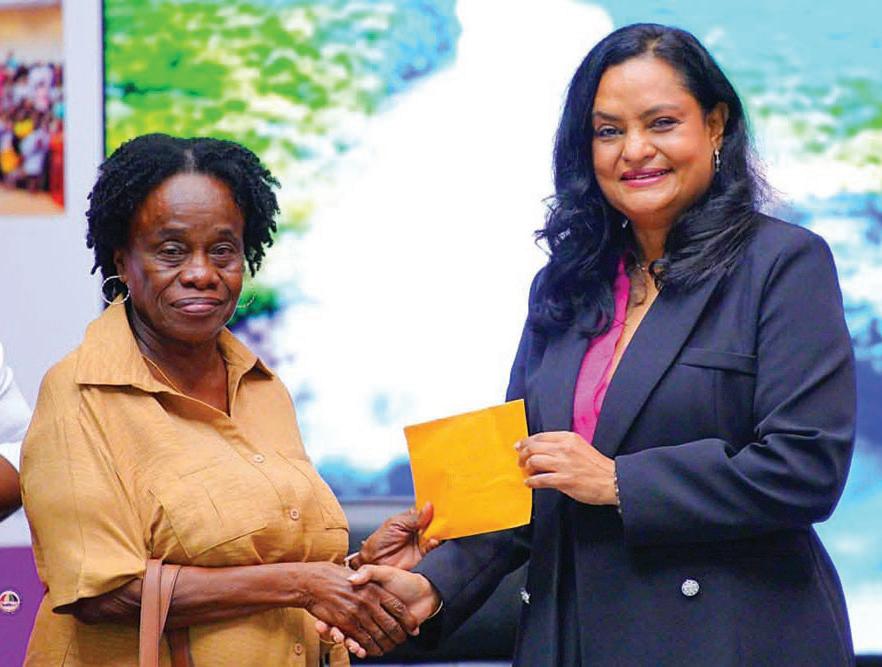
needed to support its development.
“I think it is very beneficial. It will help schools, es-

heart, and I can assure you it is going to go towards making our centre a whole lot more child-friendly,” she said.
Junice Welcome, owner of Kiddies Treasure, also welcomed the support, noting that the initiative will assist day care operators in meeting their needs.
The Government’s efforts to improve childcare services also include a childcare subsidy programme, which provides financial support to parents whose children are enrolled in registered and licensed childcare facilities. To date, 460 parents have benefited from $25 million in assistance under the programme.
Persaud said the Government has so far licensed 352 childcare facilities and registered 376 cen-
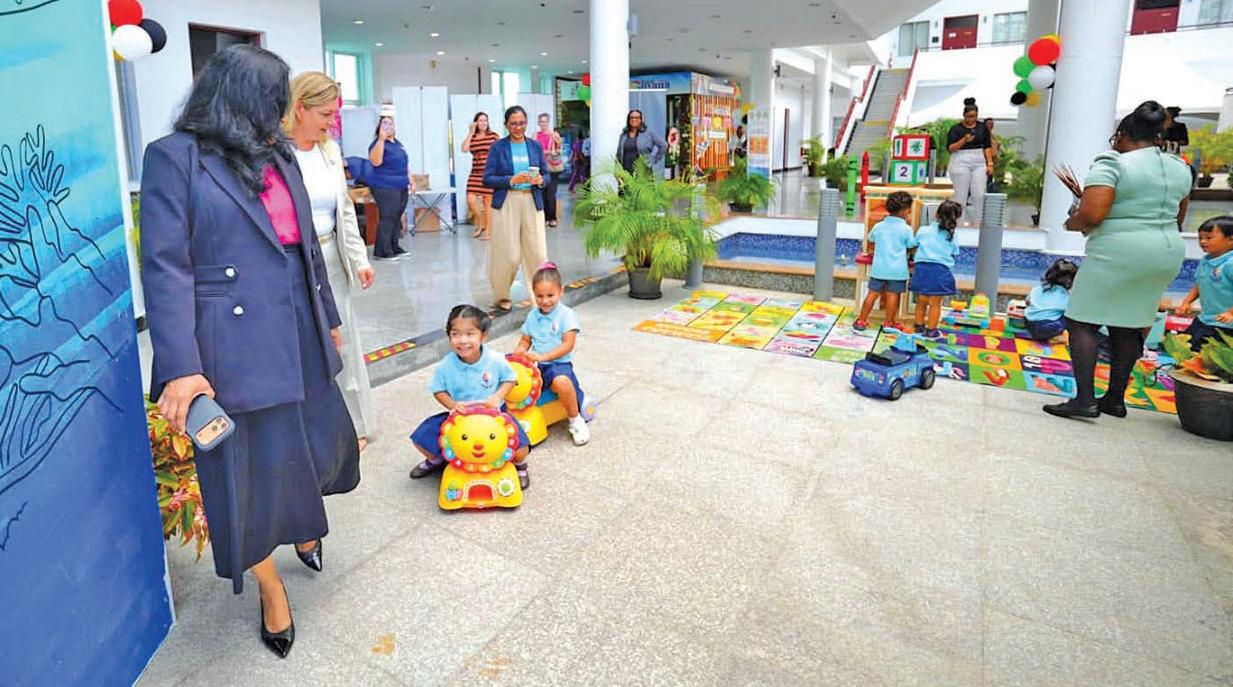
tres nationwide to ensure they meet required standards.
Guyana currently has 25 Centres of Excellence, while 100 day care operators have collectively received $10 million in grants to improve their facilities.
Caption: Human Services and Social Security Minister Dr Vindhya Persaud distributing the day care vouchers during the second National Early Childhood Development Conference held at the Arthur Chung Conference Centre

He said the family continued to live with the horrific memory of the way Joel and Isaiah lost their lives, adding that while some relatives had chosen forgiveness, they would never forget the brutality of the killings.
Isaiah Henry’s father, Gladstone Henry, described his son as a generous and loving teenager whose death sent shockwaves throughout the West Coast Berbice community.
He told the court that no parent should ever have to bury a child and spoke of the devastating toll the murders had taken on his family. He recounted losing loved ones in the years following the killings and said it was only after the death of his wife that he finally allowed himself to grieve openly, having previously remained strong for the sake of his family.
The Senior Henry nevertheless told the court that despite the pain, he did not harbour hatred towards the convicted men and continued to pray that justice would be done.
In assessing the appropriate sentence, Justice Morris said the court was required to balance the aggravating and mitigating factors applicable to each offender individually.
She noted that while both men had experienced hardship during their lives, neither their personal histories nor the psychiatric evidence diminished their culpability for offences of such gravity.
The Judge also considered each offender’s previous convictions, observing that although they were not for offences of comparable violence, they nevertheless demonstrated a pattern of disregard for the law.
After weighing all of the evidence, the reports and the submissions made by both the prosecution and defence, Justice Morris concluded that life imprisonment was the only sentence capable of reflecting the seriousness of the crimes.
She sentenced each offender to life imprisonment on both counts of murder and ordered that the sentences run concurrently.
Eligible for parole
In accordance with the law, Justice Morris further directed that each man must serve a minimum of 35 years before becoming eligible for parole.
The prosecution’s case rested heavily on the testimony of Akash Singh, who was originally charged alongside the two accused before becoming the State’s principal witness. Singh told the court that he had accompanied the men to a marijuana camp in the Cotton Tree backlands, where cannabis plants were being cultivated. According to his evidence, when they returned to the camp, they discovered that the marijuana crop had been destroyed, prompting a discussion over who was responsible.
Singh testified that Isaiah and Joel Henry later en-
tered the area and were confronted by the two accused. Recounting the attack, he told the jury: “The taller one run and Magga chop he, and Rasta chop the next one”, adding that there were “plenty chops” as the teenagers were repeatedly attacked. He further testified that after the killings, the bodies were tied onto horses and removed from the scene before being left in nearby vegetation. Singh said he was instructed to dispose of the cutlasses and bloodstained clothing by throwing them into a nearby canal and complied because he feared for his life.
According to Singh, both accused warned that they would kill him if he disclosed what he had witnessed. He remained silent until his arrest months later, after which he gave investigators a statement and later accompanied Police into the backlands, identifying locations that became significant during the investigation.
Medical evidence presented during the trial by Government pathologist Dr Nehaul Singh established that both teenagers died from multiple chop wounds inflicted with considerable force, findings which Justice Morris cited in describing the exceptional brutality of the murders.
Last month, after deliberating on the evidence, a 12-member jury unanimously found both men guilty of the murders of Isaiah and Joel Henry.
The Government’s ongoing investments in roads, ports, airports, and other infrastructure projects will play a key role in strengthening Guyana’s logistics network and supporting economic growth, according to Chief Executive Officer (CEO) of GAICO Construction and General Services Inc, Komal Singh.
Singh said major projects such as the planned deep-water port in Berbice, improved road links and a possible rail connection between Berbice and Georgetown will significantly enhance the movement of people and goods across Guyana and the wider region.
Speaking during a recent episode of The Guyana Dialogue programme, the Private Sector official pointed to the importance of connecting the country’s hinterland and neighbouring Brazil to new transport corridors.
He highlighted the proposed road link from Lethem to Georgetown and Berbice, noting that the development would support increased cargo movement from northern Brazil and provide greater access to maritime transportation through the deep-water port.
“The road from Lethem to Georgetown and connecting into Berbice… Berbice so far has been proven to be the best area for a deep-water port. The deep-water port is so important for all the development that is taking place to help connect mega vessels coming in here and for us moving cargo from here,” Singh explained.
He said a study is currently being conducted to examine options for moving goods and passengers more efficiently between Berbice and Georgetown, including the possibility of a rail system.
“There’s currently a study being done to look at the rail movement from Berbice into Georgetown. That will significantly help moving our people and goods when it comes into Berbice and from Georgetown to go back into Berbice to that deep-water port,” he said.
Singh also pointed to planned infrastructure that would improve connectivity between the West Bank of Demerara and Bartica, including the proposed
Goshen Highway and possible bridge links.
“The Goshen Highway, it’s going to go all the way down to the back. There’s a plan to develop a crossing somewhere around the Monkey Jump area to take you into Bartica, and then when you get into Bartica, they’re currently looking at also bridging somewhere around the Tiperu area onto another site,” he said.
The GAICO CEO also referenced investments being made in regional airports and port facilities, including the upgrade of the Parika Stelling, as part of broader efforts to improve transportation links.
According to Singh, a reliable logistics system
The Customs Anti-Narcotics Unit (CANU) on Wednesday issued a wanted bulletin for Patrick Kireen Sanmoogan for questioning in relation to the possession of narcotics for the purpose of trafficking.
The unit is asking anyone with information that can lead to the arrest of Sanmoogan, of Lot 65 Norton Street, Lodge, Georgetown, to contact them at telephone number 226-0431.
All information will be treated with the utmost confidence.
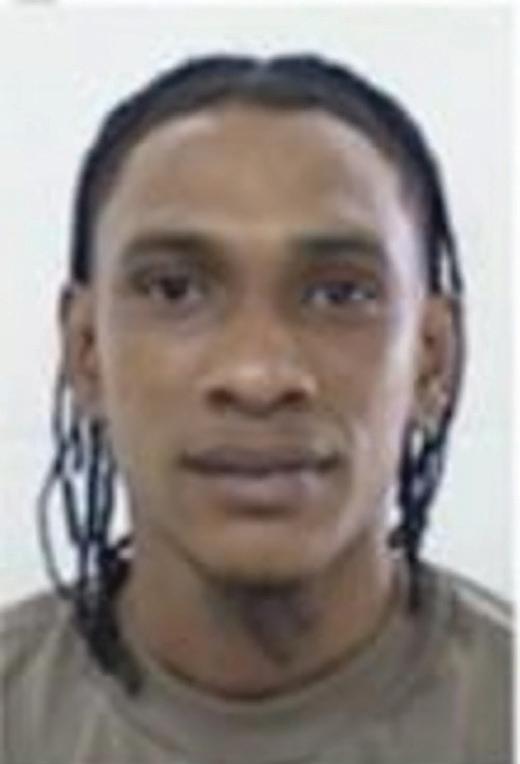
Wanted: Patrick Kireen Sanmoogan

will be critical as Guyana’s manufacturing sector expands, ensuring locally produced goods can reach regional markets efficiently.
“When our manufacturing sector becomes one that will meet and exceed the need in Guyana, if we don’t have a proper logistics network to move the goods across the region timely, efficiently and in a very economic manner, we will run into a bottleneck,” he said.
He added that improved connectivity would reduce unnecessary transportation costs and allow Guyana to take advantage of its geographic position within the region.
“The importance of all of those infrastructure developments is to set our network in such a way that we don’t need to move goods from Parika all the way to Georgetown to have it shipped back into Trinidad
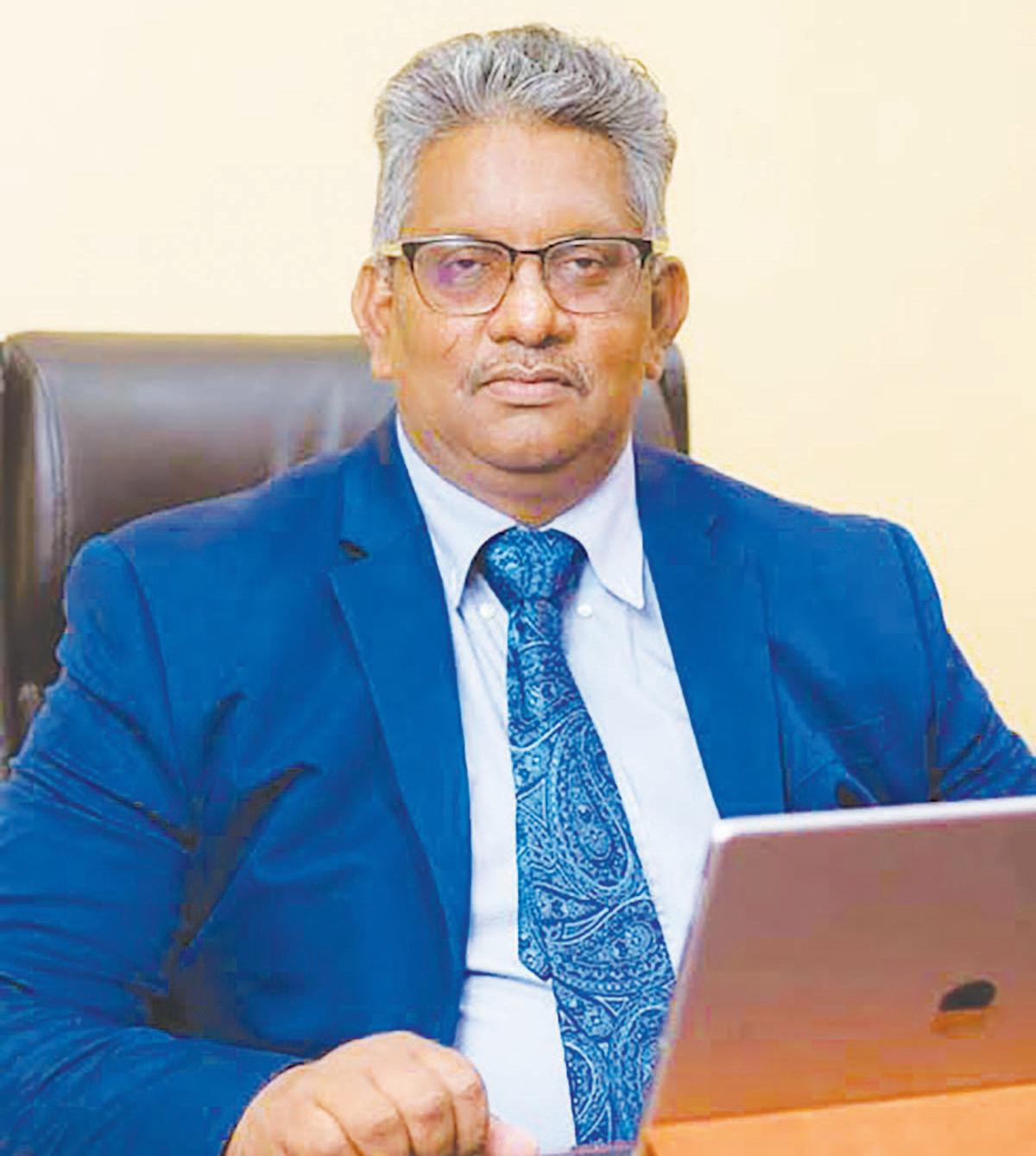
when Parika is closest to Trinidad and some part of the other region,” Singh said. He stressed that continued
infrastructure development will be essential to sustaining Guyana’s economic expansion and improving regional trade opportunities.
Kissoon also expressed appreciation to the government for their continued support to rice farmers across Guyana.
Mustapha said the distribution fulfils a commitment made by President Dr Mohamed Irfaan Ali following consultations with rice farmers earlier this year.
“This is not only simply the distribution of cheques and cash grants. Today is about keeping a promise. As a government, we take our promises very seriously,” the minister told farmers. “This is not a charity nor is it for political favours. It is an investment in production, in food security and an investment in the people who continue to produce despite global uncertainty.”
The minister explained that the government intervened to cushion farmers from falling international rice prices and rising production costs, caused by global market conditions and geopolitical conflicts.
He noted that over the past several years, the government has provided extensive support to the rice industry, including fertiliser subsidies, cash assistance, the removal of export commissions on rice, and the reversal of increased land rental and drainage and irrigation charges imposed by the previous administration.
According to him, the government has subsidised the Guyana Rice Development Board’s export commission since 2023, amounting to hundreds of millions of dollars annually.
Region Five accounts for the largest rice cultivation area in the country, underscoring its critical role in Guyana’s agricultural production.
Nationwide, some $2.76 billion is being distributed to rice farmers across Regions Two, Three, Four, Five and Six under the latest cash grant initiative.
The Government is investing approximately $60 million to construct a modern forestry training centre at Yarrowkabra, along the Soesdyke-Linden Highway, to expand skills training and strengthen sustainable livelihood opportunities for surrounding communities.
Commissioner of the Guyana Forestry Commission (GFC), Edward Goberdhan, told the Department of Public Information (DPI) on Wednesday that the new 2500-square-foot facility will significantly increase the commission’s capacity to deliver training to the community and students interested in up-skilling themselves. “It will be a training centre for communities, vocational trainees, the Guyana School of Agriculture, the University of Guyana and communities in Region 10, and more so, communities across the country,” the commissioner
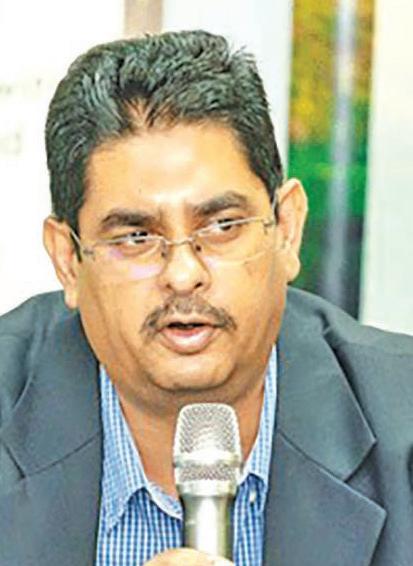
explained. He noted that while the commission already operates a training facility at Yarrowkabra, it has become too small to meet the growing demand.
“We have an existing one there, but it is small, and it is not a modern facility. We’re also building a value-added facility there, so it will complement the classroom training with practical
sessions within a forestry environment,” Goberdhan said.
The commissioner added that the centre is expected to train about 300 persons annually, providing participants with practical knowledge and technical skills to support careers in forestry and related industries.
Among the programmes planned are courses in sustainable forest management for community forestry organisations, supporting the Government’s commitment to building local capacity and promoting the responsible management of Guyana’s forest resources. Construction is expected to begin by September.
The project is being implemented under the Guyana Forestry Commission’s Sustainable Livelihood Project and is funded by the Agence Française de Développement (AFD) through the European Union Forest Partnership Facility Programme.
At the La Esperanza cemetery in western Venezuela, local volunteers have been digging graves for victims of the country’s devastating twin earthquakes last month, unloading coffins and helping families search for loved ones.
In the hills above the hard-hit town of Catia la Mar, local volunteers working alongside some cemetery workers have buried 314 persons at La Esperanza cemetery, community council head Elis Zabala, 33, said on Tuesday.
About 100 of the persons who were buried are identified only by a number linked to mortuary records.
“We put our heart and soul into it, but I feel tired,” said Zabala, adding that the volunteers are exhausted. Many in the community also need aid like fuel, medicine, water and food.
The volunteers are performing jobs often han-
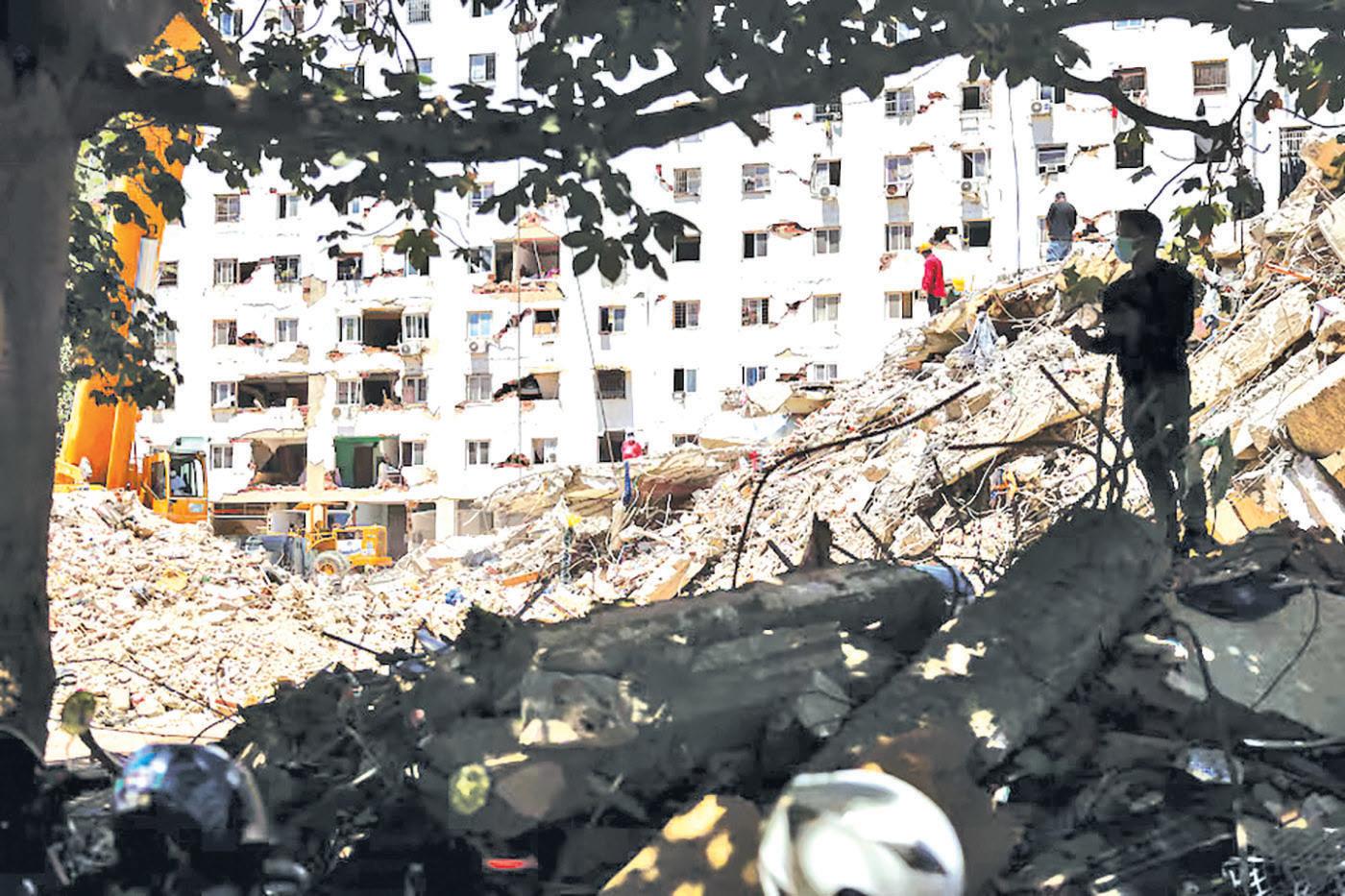
dled by Government teams in other countries.
Venezuelans have criticized the Government’s response to the two earthquakes on June 24 as slow and say it remains ineffectual nearly two weeks on.
The top US diplomat in Caracas said on Tuesday that Venezuela has complied with requests to advance the humanitarian response, not directly addressing criticism of the Government put
in place after Washington’s ouster of former President Nicolas Maduro.
Acting President Delcy Rodriguez, who had been Maduro’s Vice President, has vehemently defended the Government’s handling of the quakes. Rodriguez has said there is a media conspiracy to discredit the official response, though she provided no evidence for her accusation. (Excerpt from Reuters)
Cuba has denounced the “ruthless” US embargo against the island during a United Nations General Assembly debate.
“The Government of the United States is carrying out against Cuba a multi-dimensional, non-conventional warfare that has already lasted for almost seven decades now and has become ever more cruel and more ruthless during the last seven months,” Minister of Foreign Affairs Bruno Rodriguez told the UN on Tuesday, slamming the
blockade’s “collective punishment” of the population.
He noted that the damage wrought by the embargo during the period of March 2025 through February 2026 amounted to a record $8 billion, a seven per cent increase over the same period one year earlier. He added that these figures, however, do not include the “extreme impact” of the fuel blockade the US imposed on Cuba in February.
Many of the world’s regional blocs, including countries in Africa and the Caribbean, expressed
their support for Cuba on Tuesday and condemned the US blockade.
Every year since 1992, the General Assembly has adopted by a large majority a non-binding resolution calling for the lifting of the blockade imposed on Cuba by the US.
Tuesday’s vote on whether to hold the debate signalled potential further erosion, with 136 in favour, nine against, and 30 abstentions – including traditional supporters Germany and Canada. (Excerpt from Al Jazeera)
Brazil’s federal Police searched Jair Bolsonaro’s home on Wednesday for any unauthorised weapons, a court ruling showed, but the former President’s lawyer said nothing was found.
The raid came days after Supreme Court Justice Alexandre de Moraes allowed Bolsonaro, 71, to continue serving a 27-year prison sentence under house arrest, despite an incident last month when a firearm owned by the former President was seized from a member of his security detail at a Police checkpoint.
Bolsonaro had been required to surrender all
weapons as part of a previous court order.
In a ruling made public on Wednesday, Moraes authorised a searchand-seizure operation at Bolsonaro’s house to locate firearms, ammunition, accessories and registration documents that he may have access to.
The search was not a surprise and was carried out quickly, according to a person close to Bolsonaro, with Police finding no weapons or other relevant items at the residence.
“The defence had already informed the authorities of the location of all the weapons. The result: nothing
A&B: PM Browne, Romanian Ambassador
Antigua and Barbuda (A&B) Prime Minister Gaston Browne has met with Romania’s Ambassador, Theodora Magdalena Mircea, to discuss expanding cooperation between Antigua and Barbuda and the Eastern European country.
The bilateral meeting took place on the side-lines of the CARICOM Heads of Government Meeting in St Lucia, where regional leaders are addressing a range of issues.
Discussions focused on strengthening ties in trade, education and human resource development. Both sides reaffirmed their commitment to deepening bilateral relations.
Ambassador Mircea proposed organising a Romanian business mission to A&B to foster direct links between companies and explore investment opportunities. The initiative would build on a regional business
Haitians
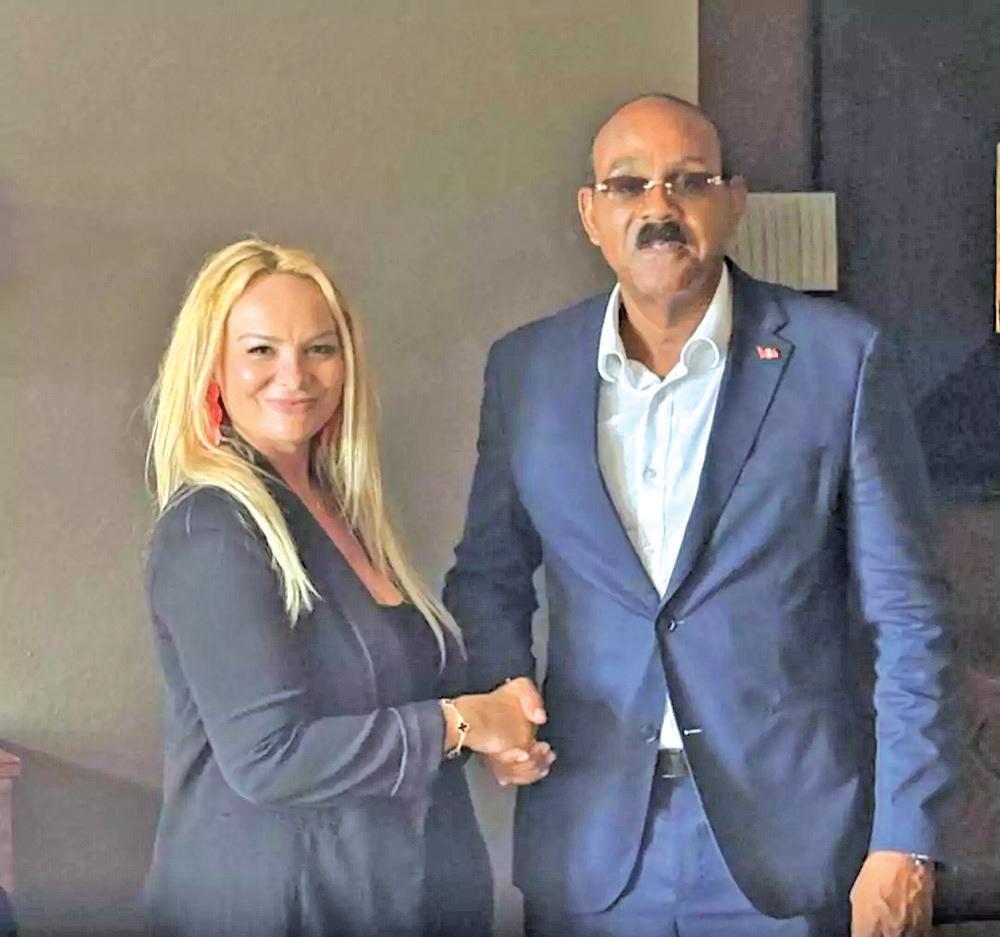
mission to the Caribbean conducted last year.
She also highlighted opportunities for A&B to pursue undergraduate and postgraduate studies in English, along with professional training programmes in Romania.
The meeting forms part of A&B’s wider efforts to strengthen international partnerships and create new opportunities for trade, investment and education.
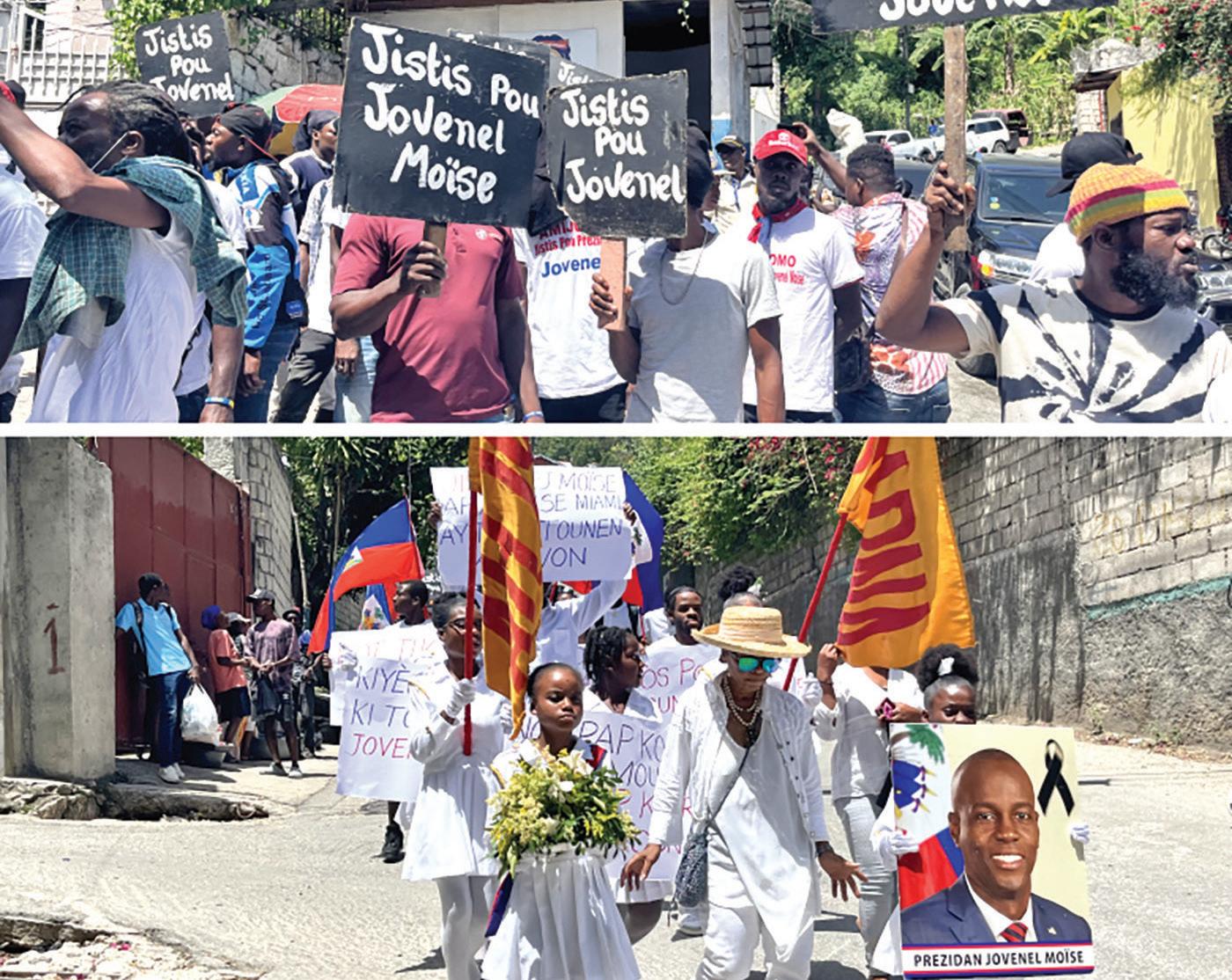
was found,” Joao Henrique de Freitas, a lawyer for Bolsonaro, wrote on X.
According to Moraes’ ruling, Bolsonaro’s lawyers told the court that some weapons had been handed over to federal Police, while others were being held by the Army Police Battalion in Brasilia. However, the justice argued that questions remained about the whereabouts of at least one firearm.
Moraes said the continued possession of firearms by Bolsonaro despite the court order requiring their surrender was “incompatible” with the court’s previous ruling. (Reuters)
Five years after President Jovenel Moïse was assassinated in his bedroom, throngs of supporters, relatives and Government officials gathered across Haiti on Tuesday to honour his memory and renew calls for justice in a case that remains unresolved.
“We will continue to ask all the communal, spiritual spaces to support us through candle-lighting and oil-burning rituals so that justice can be served for Jovenel,” said Rosemond Jean, a longtime supporter of the late President.
“We will continue to mobilise so that, by the sixth year, we will be here to as-
sess the outcome of criminals arrested, tried and convicted in Moïse’s assassination,” Jean added during the Tuesday march.
Despite years of investigations, judicial transfers and dozens of suspects in Haiti and the United States, Haiti has yet to hold a trial or convict anyone for the July 7, 2021, assassination that plunged the country into deeper political instability. The case remains under investigation, now led by a sixth Judge, underscoring persistent weaknesses in Haiti’s judicial system.
Tuesday’s anniversary was marked by memorial ceremonies, wreath-laying,
requiem masses, marches and tributes organised by Government officials and supporters of the late President.
The case is now assigned to Judge Jean Denis Cyprien, after Haiti’s Court of Appeal overturned a previous order issued by the previous prosecutor, Judge Walter Wesser Voltaire.
Back in February 2024, Voltaire’s order had indicted roughly 50 people, including the widow and former First Lady Martine Moïse, several former senior Government officials and numerous individuals close to the assassinated President. (Excerpt from The Haitian Times)
The United States mili-
tary has said it is conducting another wave of strikes on Iran, a day after launching another round of attacks.
The escalation is the most severe since both sides signed a Memorandum of Understanding (MoU) ending the fighting in mid-June and has threatened a return to full-fledged war.
The US military’s Central Command (CENTCOM) said on X on Wednesday that at President Trump’s direction, its forces “have started conducting additional strikes against Iran to further degrade their ability to threaten freedom of navigation in the Strait of Hormuz”.
“The United States is holding Iran accountable for recent unjustified ag-

gression against commercial shipping and civilian crews freely navigating a vital international waterway,” CENTCOM said.
The post came shortly after Iran’s Mehr News Agency reported air defences were engaging what it de-
scribed as “hostile targets” near the port city of Bandar Abbas, as well as explosions near Konarak, Chabahar and Bushehr.
The key point of contention appears to be over the fifth clause of the MoU, which says that Iran “will
make arrangements using its best efforts for the safe passage of commercial vessels, with no charge for 60 days only, from the Persian Gulf to the Sea of Oman, and vice versa”.
Iran has interpreted the provision to mean it had sole “responsibility in determining arrangements for the safe passage of ships through the Strait of Hormuz”, Foreign Ministry spokesman Esmaeil Baghaei said Wednesday. That position has been used to justify attacks on unapproved vessels transiting the strait.
The administration of US President Donald Trump has maintained the MoU requires unfettered passage to all vessels, Al Jazeera’s Kimberly Halkett reported from Washington, DC.
(Excerpt from Al Jazeera)


Global investors had a stark reminder of how quickly the oil market can reignite concern about inflation and volatility after US President Donald Trump said on Wednesday that an interim agreement with Iran to end the war “is over”.
Inflation-sensitive assets such as bonds and gold tumbled in the face of a five per cent surge in oil.
“It’s a big wake-up call for markets,” said Aneeka Gupta, Director of Macroeconomic Research at Wisdomtree.
The expectation had been “that we were likely to start to see the flow of oil coming back into the markets, and we saw inflation expectations being dialled down”.
Oil prices were inevitably the first to react to news from the Gulf and jumped as much as 6 per cent on Wednesday to a two-week high after Trump’s remarks.
That said, Brent futures at close to US$78 a barrel are far from the US$100-and-above at which they traded for two months from mid-March, which had policymakers’ inflation gauges flashing bright red.
Trump says Ukraine will be allowed to make
President Donald Trump said on Wednesday that the United States would grant Ukraine a lisense to manufacture Patriot missile interceptors, a huge boost for Kyiv, which has long sought permission to produce the defensive weapons.
“We’re going to give a licence to you to make Patriots. That’s pretty cool. This way, you can’t complain that we’re not giving ‘em enough,” Trump said at
a meeting with Ukrainian President Volodymyr Zelenskyy at the NATO summit in Ankara.
“It’s a defensive weapon, which I like better than an offensive weapon,” Trump said.
Trump did not provide specifics, but the tone of the meeting was a sharp departure from his past harsh criticism of Zelenskyy, which has included Trump calling him “ungrateful”.
On Wednesday, Trump said the two had developed
Pakistan has located the wreckage of a Boeing cargo plane, the country’s airports authority said, adding that rescuers were searching for the five crew members on board when the aircraft went missing.
The plane was approaching Karachi from Sharjah in the United Arab Emirates when radar showed it “rapidly descending” on Tuesday evening after reporting a “navigational system issue”, according to the Pakistan Airports Authority (PAA).
After a 12-hour search, Pakistan’s navy and maritime rescue agency “successfully located and identified wreckage of K2 Airways cargo B737, which was declared missing last night,” the PAA said in a statement posted on X.
The wreckage was found in the Arabian Sea off the coast of Ormara, a town on
Pakistan’s southern coast, it said.
In a statement issued before the plane wreckage was found, the Pakistani Prime Minister, Shehbaz Sharif, expressed “deep sorrow, grief and regret over the tragic incident in which a private cargo aircraft … crashed into the Arabian Sea and went missing”.
The aircraft was observed on radar “rapidly descending and with rapid heading change” at 21:21h on Tuesday, and communication contact was lost about 155 nautical miles west of Karachi, the PAA said.
Preliminary data sent from the plane “indicated a loss of altitude, followed by a climb, and then a second, sudden and dramatic loss of altitude”, according to Flightradar24.com, a global flight-tracking service. (Excerpt from The Guardian)
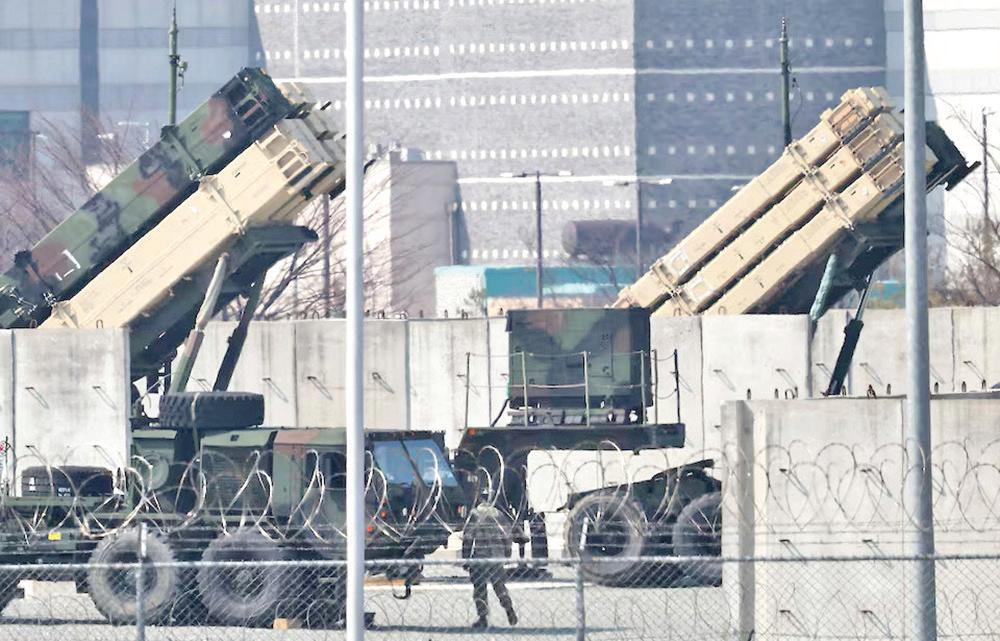
a “very good” relationship and that both Moscow and Kyiv wanted to end the war, which began with Russia’s invasion in February 2022.
Trump said he would be speaking to Russian President Vladimir Putin later on Wednesday. Trump
praised Zelenskyy, saying he had been very effective. It was not immediately clear if any interceptors would be sent to Kyiv in the short term or whether they would be manufactured in Ukraine or in another country. (Excerpt from Reuters)
Judge orders Trump’s US$5M damages to be released to E Jean Carroll
AJudge has ordered that writer E Jean Carroll be paid the more than US$5 million President Donald Trump owes her after he was found liable for sexually abusing and defaming her in a civil case three years ago.
Judge Lewis Kaplan on Wednesday ordered a clerk to release the money – with interest – from an account where Trump deposited it after the ruling. Trump was pushing to delay the payment to ask the Supreme Court to reconsider its decision not to hear an appeal of the case.
In May 2023, a New York jury awarded Carroll the damages over her claim that Trump sexually assaulted her in the 1990s and then branded the incident a hoax on social media. Trump denied the allegations.
Carroll, a former magazine columnist who is now 82, accused Trump of attacking her in the mid-1990s in a Bergdorf Goodman department store dressing room in Manhattan and later defaming her on Truth Social in a 2022 post denying her allegations. (Excerpt from BBC News)
Prices had fallen rapidly after the US and Iran signed an initial memorandum of understanding in June, reopening the Strait of Hormuz, as oil from tankers that had been stranded inside the Gulf hit the market, causing a mini-glut. (Excerpt from Reuters)
Doctor convicted in deaths of

AGerman palliative care doctor accused of killing 15 patients and described by prosecutors as having “a lust for murder” was convicted Wednesday and sentenced to life in prison.
The 41-year-old Berlin doctor, identified only as Johannes M, allegedly killed 12 women and three men between September 2021 and July 2024 using deadly cocktails of sedatives.
On at least five occasions, he allegedly set fire to the victims’ apartments to cover up the killings.
Presiding Judge Sylvia Busch said the conviction for 15 murders may well be only a glimpse of his many crimes.
Prosecutors said during the proceedings that he was suspected of having killed more than 70 other people.
The doctor allegedly “administered an anaesthetic and a muscle relaxant to
his patients without their knowledge or consent”, the Berlin prosecutor’s office said in a statement. “The latter paralysed the respiratory muscles, leading to respiratory arrest and death within minutes.”
Prosecutors previously demanded a life sentence, additional steps to make early release less likely and a lifetime ban from practising medicine.
On Monday Johannes M confessed that he had “killed people” and told the court that “I despair at myself.”
Prosecutors and Police previously said that the accused is said to have had no motive beyond killing and that the suspect’s acts meet the legal definition of “lust for murder”.
The victims, who were all receiving care at the time, were aged between 25 and 94 years old. (Excerpt from CBS News)








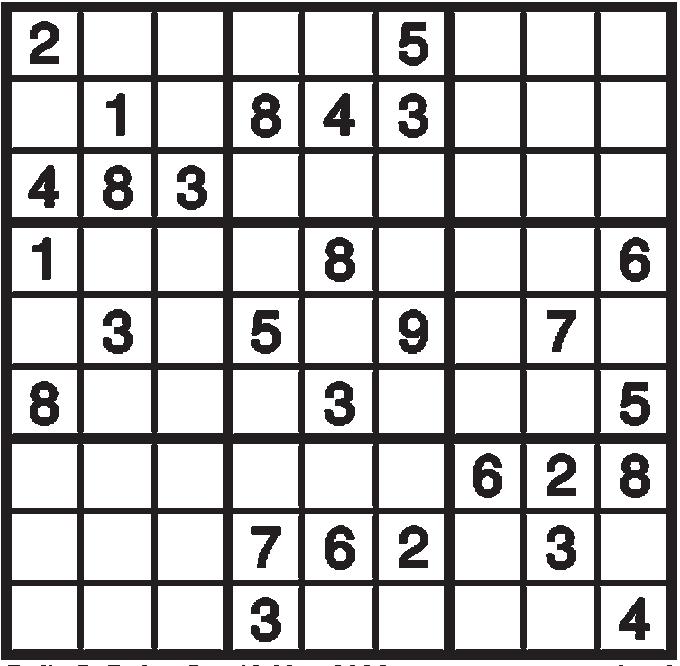





Get into high gear and be the one to make things happen. Think big and discover the simplest way to reach your objective. A relaxed demeanor and aggressive plan will help you maintain the ideal balance in life. A chance encounter or something you witness will clear your head. A change will lead to financial gain.



Put your heart out to the universe and live life your way. What you project you’ll get back. A humble, kind approach when dealing with those you encounter will win approval and help you get the support you require to bring about positive change. Keep tabs on your spending, and refrain from making hasty decisions.











Reconsider the lifestyle you desire and how to proceed. You have plenty to gain if you talk to experts and price out the cost necessary to reach your destination. A unique but conservative approach will help you maintain your status quo and enrich your mind, body and soul. Engage, and free yourself from what holds you back.
Think matters through. Consider your choices, and do what’s best for everyone. Your conscientious approach will help you gain the trust and respect of those you deal with today. Don’t take a risk when it comes to illness, injury or financial uncertainty. Impulsive action will end up costing you time and money. Breathe deep and do what you can.
Take a tour of what’s floating around in your mind and quantify what’s necessary and what you can discard. The process of elimination will help clear a path forward that suits your needs. The information you gather will help cut a clear path to what you want to achieve. Change begins with you. Take responsibility for your happiness.
Live and learn. What you experience today will help you make better decisions. Experience is the spice of life, but it can also cost you. Be a leader, not a follower, when it comes to entertainment and those you socialize with. Set high standards, use common sense and be the one others look to for advice. Invest in yourself.
Take flight and look at the world with gratitude. Count your blessings, and project an image that makes others gravitate toward you. Don’t limit what you can accomplish because you held back. Be brave and do what’s right, and you’ll empower others to follow suit. Opportunity comes from taking a stance and living up to your word.
Pull out all the stops, and speak up. Ask questions and pose alternatives, and you’ll feel good about yourself and the destination you pursue. Make reasonable plans, and walk away from anyone trying to talk you into something you don’t need. Do the work yourself and spend less; the confidence you gain will empower you.








An offer or change someone makes will dazzle you. Be careful not to get swept up in someone else’s dream. Be a friendly observer today and let the chips fall where they may. Your best outcome will unfold from the comfort of your home, not outside influences. Protect your security, possessions and physical well-being.
Open your heart and your doors to those you care about or want to help. How you live and treat others will set an example for those trying to find their way through something similar. A partnership or joint venture will tempt you. Consider all the pros and cons before making a move. Someone will mislead you to ensure their own survival.
Choose to make a domestic change. Set your sights on what you want out of life, and embrace new beginnings. Don’t fall for the first person, suggestion or offer that tries to influence you. Put yourself first, and enjoy your own company. It’s in your best interest to start your next chapter. Your happiness is in your hands.
Participate, ask questions and discover what’s available to you and how you can parlay your skills, attributes and experience into something new and exciting. An opportunity to take on a new position or to increase your earning potential looks encouraging. Suggestions are only meant to be instigators. When it comes to enforcement, it’s up to you to fuel the fire.





ozens of European lawmakers are gathering support to launch an investigation in the European Parliament of FIFA boss, Gianni Infantino, over his involvement in the decision to permit US striker Folarin Balogun to play despite an earlier red card.
Infantino could also face a probe by the International Olympic Committee (IOC) after a human rights group said Wednesday it would file Balogun was shown a red card during the US victory over Bosnia-Herzegovina on July 1, which normally would make him ineligible to play in the team’s next game, but FIFA lifted his suspension for a match on Monday after US President Donald Trump intervened with Infantino on behalf of European Parliament lawmakers Barry Andrews, Lara Wolters and Niels Fuglsang said in a joint statement that FIFA’s de-
cision to “change the rule on red card suspensions mid-tournament is a disgrace and a perversion of justice”.
“Once again, we’ve seen Infantino and FIFA surrender to the demands of the Trump Administration,” the statement said.
The lawmakers are asking the national football associations of the EU countries to spur the FIFA Ethics Committee to investigate Infantino and whether pressure from the Trump Administration was a factor in the lifting of the suspension, as well as “other potential breaches of political neutrality” like awarding Trump the FIFA Peace Prize.
FIFA has said the lifting of the suspension was a decision of a disciplinary committee.
The lawmakers said that 35 colleagues have so far signed the letter.
“The beauty of sport is that it is based on impar-


tial and transparent rules. When Infantino allows political pressure to determine who gets to play, this sense of fairness goes out the window,” they said.
The IOC could also be set to investigate Infantino’s conduct.
The IOC cites neutrality among “fundamental principles of Olympism” for sports bodies like FIFA and has jurisdiction over Infantino since he joined its exclusive group of 100-plus invited members in 2020.
“FairSquare will file a complaint to the International Olympic Committee (IOC) regarding FIFA President Gianni Infantino’s repeated breach of political neutrality rules,” the London-based sports and human rights NGO said in a statement Wednesday.
The pledge to file a formal complaint with the IOC

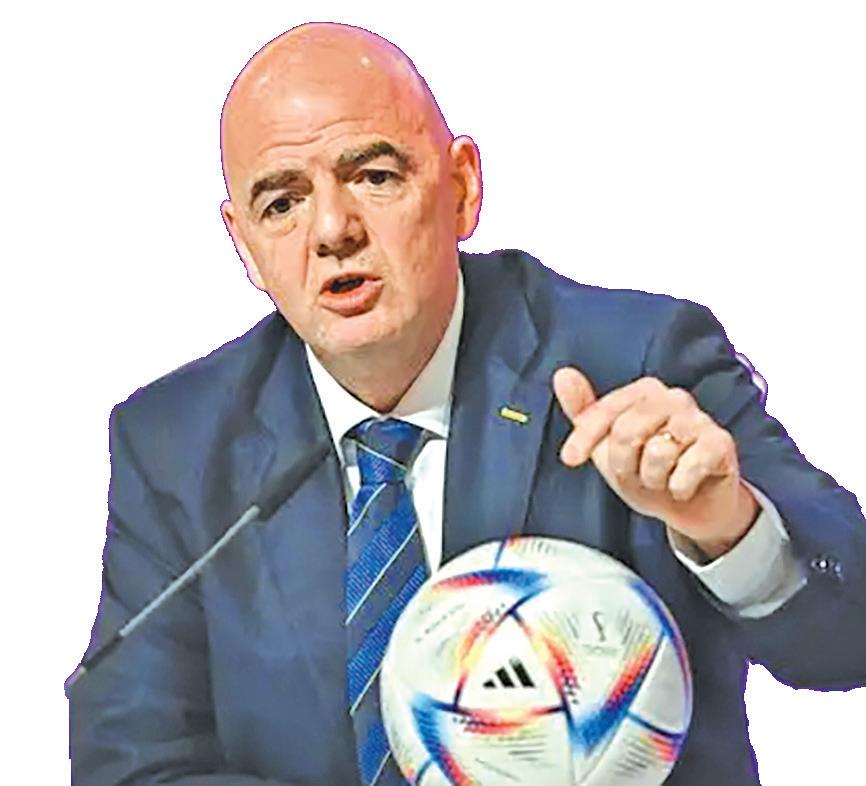
Ethics Commission came one day after the Olympic body’s President, Kirsty Coventry, told reporters none had yet been received.
“Obviously if they do they would look into it,” Coventry said Tuesday in an online news conference when asked about the Balogun controversy fuelled by the Trump administration lobbying FIFA and Infantino.
“Yes, we have been obviously watching everything play out,” the IOC President had said earlier when asked about interference in field-of-play issues by the World Cup cohost nation, which also will stage the 2028 Los Angeles Olympics.
FIFA was asked for comment about the complaint to the IOC about its President. (ESPN)
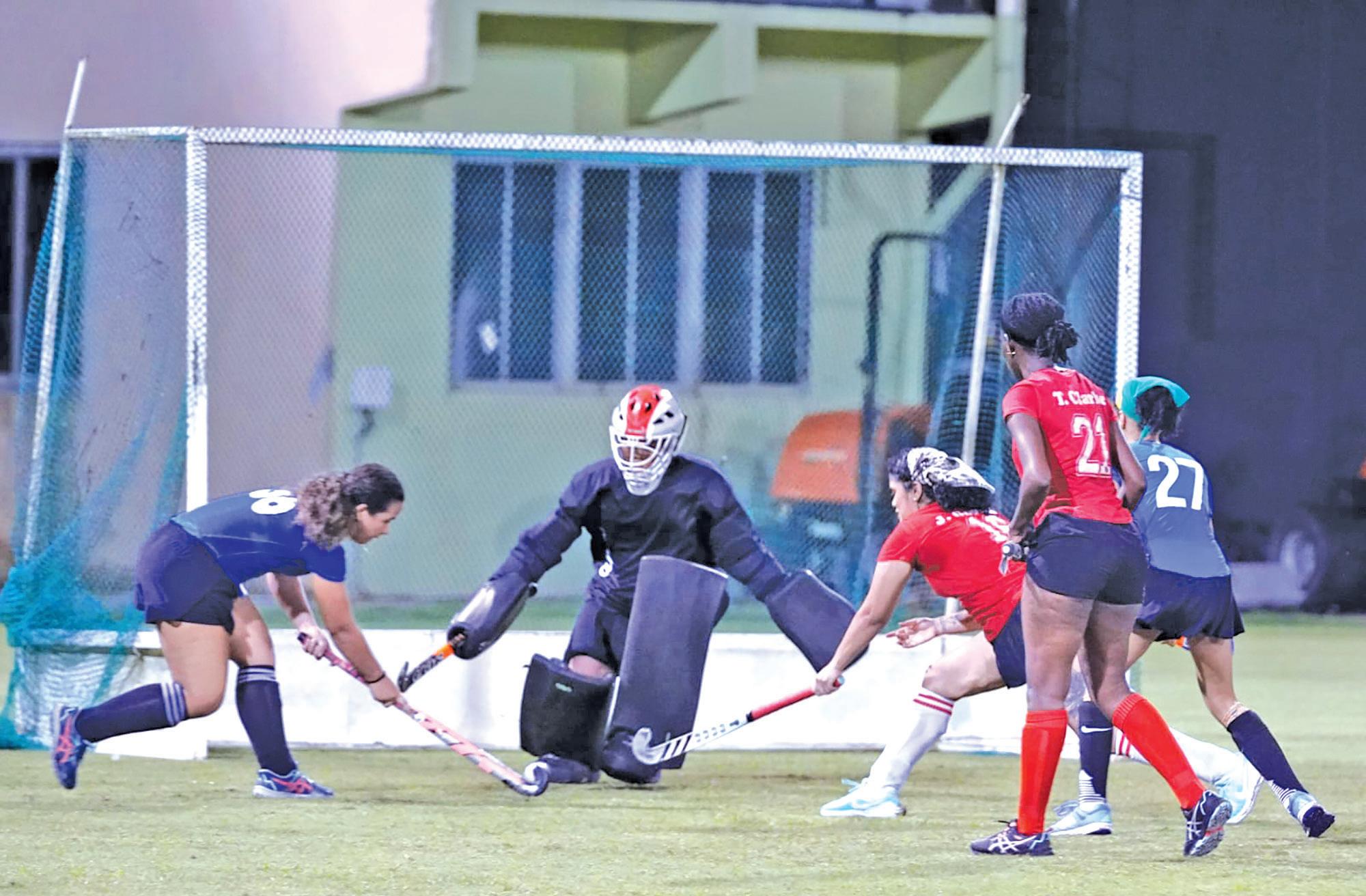
Alarge contingent of Guyanese hockey players will travel to Trinidad and Tobago this week to compete in the inaugural International Police Hockey (IPH) Outdoor Tournament, which is scheduled for July 9 to 12, 2026.
The Guyana Hockey Board (GHB) announced that Guyana will be represented by teams from three local clubs, underlining the continued growth of the sport at the club level.
The travelling teams include Old Fort Men, Georgetown Cricket Club Men and Women, and a mixed team from Hikers Hockey Club. The Hikers’ side will also include players from Saints, Old Fort, and Trinidad and will com-
pete under the name Shane & Friends Elite.
The tournament is expected to provide valuable regional exposure for the Guyanese players, who will have the opportunity to test themselves against quality opposition and further develop their outdoor hockey skills.
According to the Guyana Hockey Board, participation in the event is also important for strengthening relationships among clubs across the region and supporting the wider development of hockey in Guyana and the Caribbean.
The board said it was encouraged by the commitment shown by the clubs, players, coaches, and supporters who continue to in-
vest time and resources into the sport. It also noted that tournaments of this nature are important as Guyana continues to build competitive pathways for both senior and developing players.
The GHB also acknowledged the role of private sector sponsors, supporters, and local fundraising efforts in making the trip possible. The travelling clubs worked to raise the necessary funds, with the support reflecting the value placed on sport, youth development, and community representation.
The Board extended best wishes to all the participating teams and players as they prepare to represent their clubs and Guyana at the inaugural tournament.
West Indies Test Captain Roston Chase described his first ever series win at the helm as his greatest achievement as a West Indian player.
The Barbadian all-rounder was under the heat prior to the series, but he recorded a career-best 194 and led the West Indies to a 1-0 series win against Sri Lanka.
“It means a lot. I think this is by far my greatest achievement as a West Indies player. And having not won against Sri Lanka
The Test Captain is elated with the continued progress shown by his side, with batsmen scoring centuries and the openers laying the foundation.
“Yeah, I’m very pleased about how the team is going because usually it’s the bowlers that really do the hard work for the team. But I think that in this series the batsmen really stood out, Chase opined, “We had four centuries and some big centuries too, not just centuries one-on-one and stuff like that, but some very big cen
I think that if we’re going to compete as a test-playing nation, we need to be able to score runs and score runs consistently. And we are capable with the ball.
“So, once we find our footing with the bat, the ball will come along as well. And I think that’s what will make us into a top-playing test nation.”
Chase also reflected on the veteran’s milestone, Kemar Roach, who claimed his 300th Test wicket in the opening Test.
“Roach’s 300th wicket

The FIBA AmeriCup 2029 Caribbean Basketball Confederation (CBC) PreQualifiers got underway on Wednesday at the Cliff Anderson Sports Hall (CASH) in Georgetown, with Barbados and St Vincent and the Grenadines recording opening wins in Group B.
Barbados made the stronger statement of the day, defeating the Cayman Islands 89-54 in the opening game of the group phase. Barbados led from start to finish and never allowed the Cayman Islands to take control of the contest.
After taking the first quarter 19-10, Barbados tightened their grip before half-time with a 29-9 second-quarter run. They added another 24 points in the third period before closing out the game comfortably, despite Cayman Islands edging the final quarter 19-

Just around a month before he takes to the track at Howard Field on the campus of the University of Oregon in the United States for the 21st World Athletics U20 Championships, Guyanese 400M record-hold er Malachi Austin is receiving the support of the National Sports Commission (NSC).
Austin is set to fly the Golden Arrowhead at the event from August 5 to 9.
The 19-year-old met with Director of Sport Steve Ninvalle on Wednesday, where he was assured of the Government’s continued commit ment to supporting the development of athletics and nurturing the country’s emerging sporting talent.
Austin heads into the global champi onships in outstanding form after a re markable freshman season at Louisiana State University (LSU), where he con sistently lowered his personal best times while competing against some of the strongest collegiate athletes in the United States.
His most memorable performance came at the NCAA East Regional in Lexington, Kentucky, where he produced a stunning run of 44.87 seconds to set a new Guyana national record in the men’s 400 metres.

The historic performance also made him the first Guyanese athlete to break the coveted 45-second barrier, further cementing his status as the country’s fastest-ever onelap runner.
The talented quarter-miler has already built an impressive résumé at the junior level. Austin is a two-time CARIFTA Games 400m champion and a CARIFTA 400m silver medallist and also claimed the silver medal in the event at the most recent Commonwealth Youth Games, achievements that have established him among the Caribbean’s brightest young sprint prospects.
During the meeting, Ninvalle praised Austin not only for his achievements on the NCAA Division I circuit but also for the professionalism and maturity he has displayed while representing Guyana abroad.
The Director of Sport said the NSC, along with the Ministry of Culture, Youth and Sport, is proud of Austin’s accomplishments and views him as one of the athletes
capable of inspiring the next generation of Guyanese track and field stars.
He reiterated that the Commission remains committed to supporting what he described as the future of athletics in Guyana.
Austin expressed gratitude for the Commission’s continued encouragement, noting that the support serves as added motivation ahead of one of the biggest competitions of his young career.
The World U20 Championships in Oregon will mark Austin’s second appearance at the prestigious event.
At the 2024 edition in Lima, Peru, he advanced to the semi-finals, gaining valuable international experience against the world’s best junior athletes.
This time, however, the Guyanese standout will arrive with significantly greater confidence, stronger credentials and a national record to his name as he sets his sights on reaching the podium and bringing home a historic gold medal for Guyana.
17.
Kyrone Alexander led the scoring support for Barbados with 15 points, three rebounds, two assists and two steals. Carl Thorpe added 13 points, five rebounds, two assists and one block, while Akeem Marsh produced an all-round effort with seven points, 10 rebounds and three assists.
Brad Lansdell was the main contributor for the Cayman Islands, finish-
ing with 19 points, three rebounds, one assist, two steals and one block.
In the second Group B game, St Vincent and the Grenadines defeated Grenada 85-66. The teams were level at 16-16 after the first quarter, but St Vincent created separation in the second period by outscoring Grenada 16-7.
Grenada responded with 24 points in the third quarter to stay within reach, but
St Vincent finished strongly with a 33-point fourth quarter to seal the win. Shad Thomas led St Vincent and the Grenadines with 20 points, while Kevin Cox tried to keep Grenada in the contest with 17 points.
Host nation Guyana was in action against the Turks and Caicos Islands at press time. The result of that match will be published in a subsequent report.
Candidate Master (CM) Sachin Pitamber completed a strong run in the Guyana Chess Federation (GCF) National Junior Championship Qualifiers, finishing top of the standings after the seventh and final round on Wednesday at Olympic House, Liliendaal.
Pitamber, who entered the final day as the tournament leader, defeated Alek Ubaldo-Singh in round seven to end on six points from seven games and secure first place in the seven-round Swiss-system event.
WCM Aditi Joshi also finished strongly, beating Jaden Todd in the final round to move to 5.5 points and claim second place. Alexander Zhang drew with Nicholas Zhang to end on five points, while Kataleya Sam defeated Aquilani Swaminadha and Jeremy Cole beat Abel Fernandez Ciria to also finish on five points.
The final round produced several important results in the qualification race. Darrel Abrams and Matthew Singh drew their board-four clash, while Aiden Tinnie defeated Dominic Sam and Javier Davenand beat Ciel
Clement. Vir Narine also recorded a win over Saura Ruplall, and Divya Persaud defeated Emma John.
Pitamber had gone into the final round on five points after draw ing his sixth-round game against Singh on Tuesday. At that stage, he led Alexander Zhang and Joshi by half a point, with sever al players still in contention for the top nine places.
The final standings saw Pitamber first on six points, followed by Joshi on 5.5. Alexander Zhang, Kataleya Sam and Cole finished on five points, while Nicholas Zhang, Singh, Abrams, Tinnie and Davenand all ended on 4.5 points.
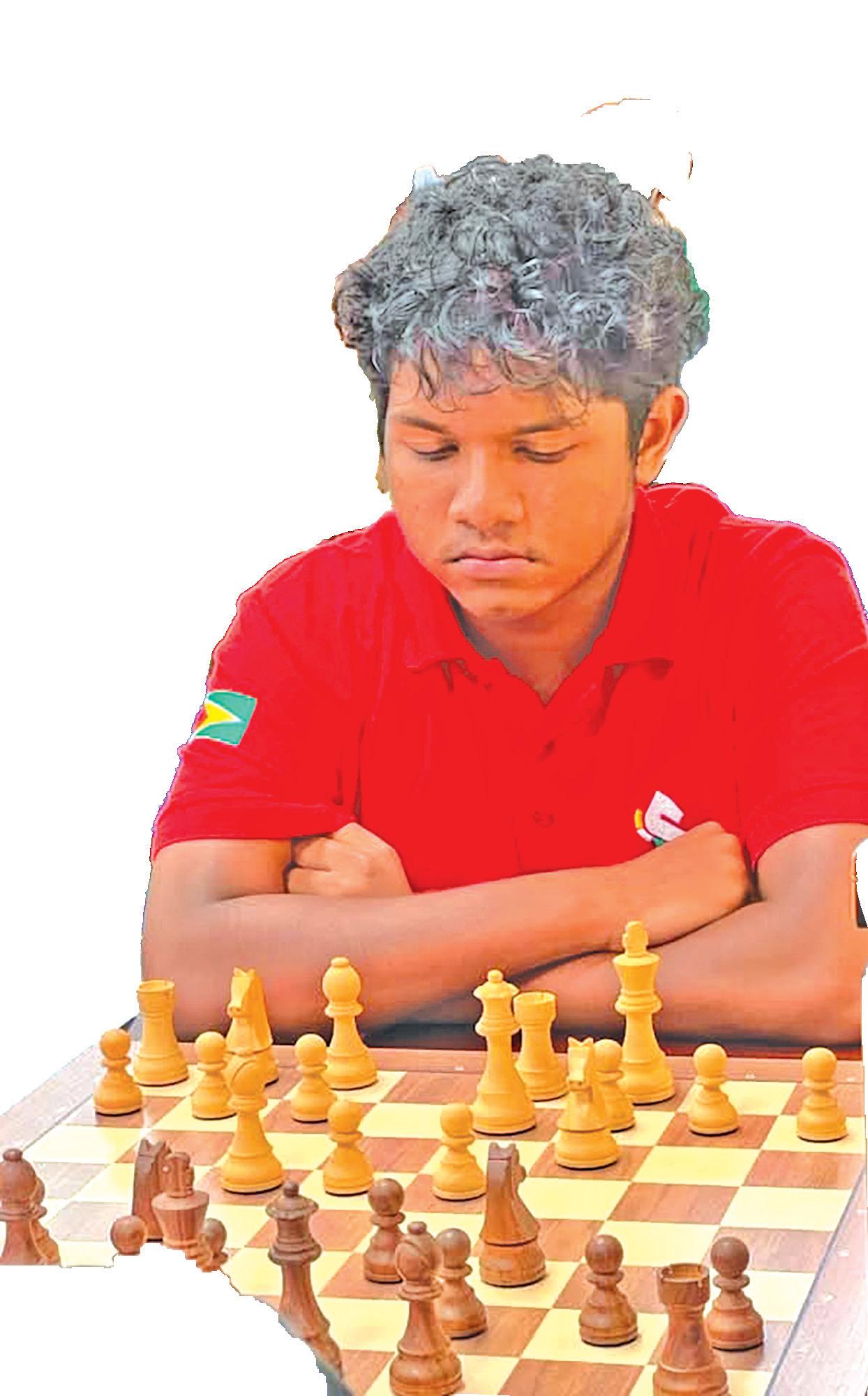
successful players will join reigning National
However, only the top nine finishers advanced from the qualifiers, meaning Davenand narrowly missed out despite finishing level on points with the ninthplaced Tinnie. The qualifiers now set up the next stage of the National Junior Championship, where the
The St Lucia Kings have announced their overseas roster for the 2026 Republic Bank Caribbean Premier League (CPL), with the franchise adding a mix of spin options, batting depth and pace for the upcoming season.
The five overseas players confirmed by the Kings on Wednesday are Afghanistan spinner Noor Ahmad, New Zealand wicketkeeper-batter Tim Seifert, Sri Lankan pair Maheesh Theekshana and Charith Asalanka, and US fast bowl er Shadley van Schalkwyk.
The selections point to a clear effort by the Kings to strengthen their bowling resources while maintaining
power and flexibility in the batting order. The squad includes two specialist spin-

der batter, a left-handed batting option with leadership experience,
and a pace bowler capable of operating in key phases of a T20 innings. Noor Ahmad returns

continue with the Kings after building a strong association with the fran chise. The New Zealander, known for his aggressive batting and wicketkeeping, gives the team an experienced top-order option who can also adjust to different roles in the batting line-up.

In May 1956, the South Dakota Circuit at Timehri had its birth; 70 years later, Guyana’s premier motor sport venue has been given a facelift, with upgrades that put it on par with the rest of the world.
This weekend the track will welcome drivers and teams from Costa Rica, Guatemala, the United States, the Dominican Republic, Portugal, England, Puerto Rico, Panama, Colombia and even Guyana for the third leg of the GT Challenge de las Americas, dubbed the “Guyana Grand Prix”.
Action begins on Saturday, July 11, with qualifying races set for Sunday, July 12. With all the cars now in Guyana and prepping for track tests from today, the intensity at the Timehri venue is accelerating.
During a final press briefing at the ven-
ue on Wednesday, GT Challenge Marketing and Communications Director Silvia Bermudez told fans to expect an exciting event this weekend.
“This weekend, we will celebrate the third round of the GT Challenge, the Guyana Grand Prix. As a championship, we’re also celebrating our expansion into the Caribbean, and we’re very excited to bring this event to Guyana. The GT Challenge has five racing categories: GTS, GTS Lite, GTS Turbo, Super V8 and GTS Junior. The championship is very close this season, so every driver will be fighting for valuable points,” Bermudez shared.
She went on to opine, “This means fans can expect exciting and competitive racing all weekend. Thanks to the addition of cars and teams from Guyana, I can probably say that this is the strongest and most competitive starting grid the GT Challenge has had in its 6-year history.”
On the other hand, Guyana Motor Racing and Sports Club (GMR&SC) President Mohamad Shairaz Roshandin underscored the exclusivity of the competing
Roshandin expressed, “We have team Speedway, which has Renault RS01, which is one of 30 cars in the world, and it’s here in our country to race. The McLaren, which is one of 15 in the world, and only one [of them] races. They have two more at private tracks, and the other 12 are with private owners and museums, so we’re very fortunate to have these cars here. These machines will take over the racetrack; you’ll be seeing 24-25 cars on the track at one time, all high-powered cars. So, be prepared for a day of full entertainment.”
“I would urge everyone to get here early because when we start, we’re working with clock time; we need to proceed according to schedule,” the GMR&SC President later cautioned.
Driven by the efforts and interest of President Dr Irfaan Ali, the GT Challenge de las Americas franchise fee has received, entirely, Private Sector backing, while the South Dakota upgrades have received majority Government support.
Detailing the Government’s involvement in the planning and prepara-
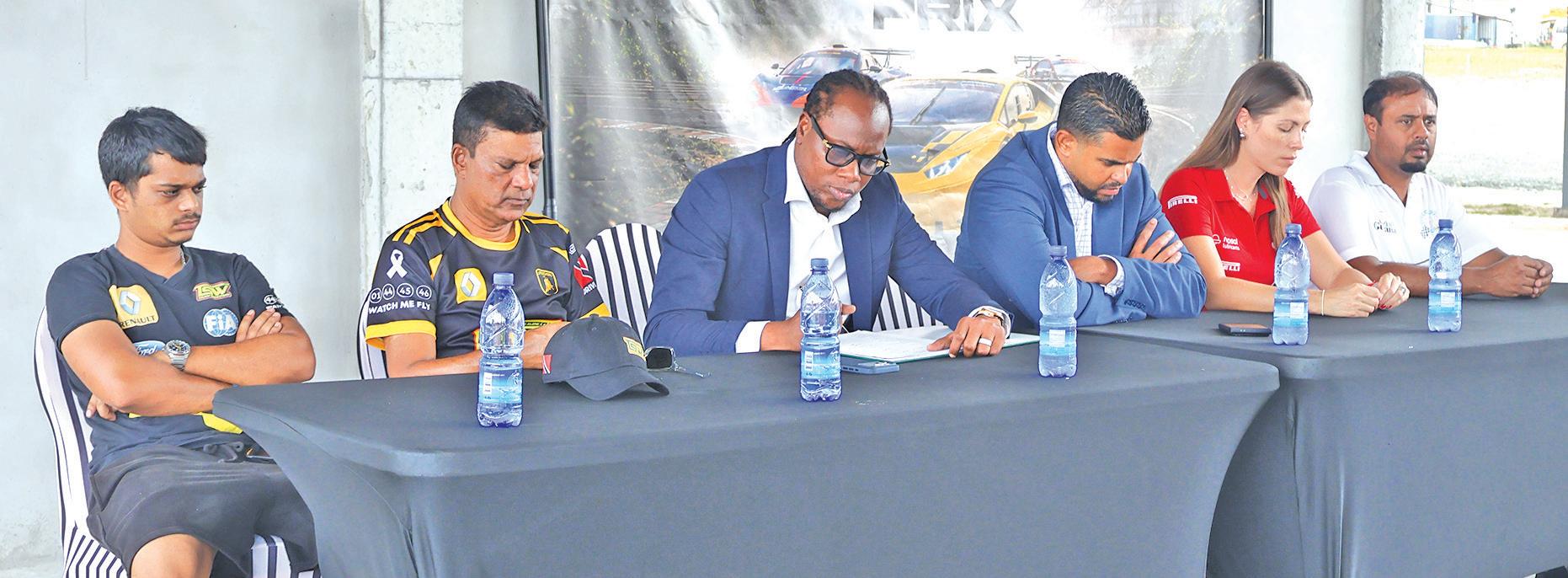
ship qualities to the squad. Van Schalkwyk completes the overseas group and gives the Kings another pace option. The US quick
is expected to add bounce and variety to the bowling attack, with the ability to contribute with the new ball and in the closing overs.
tion phase, the Minister with in the Sport Ministry, Steven Jacobs, highlighted their vi sion for the event.
Jacobs noted, “We’ve been talking about the GT Challenge since in Parliament. We announced it live that it will be coming here. We’re creating history; already you’ve seen a num ber of persons here trying to engage in relation to trying to come in to this country, but if you look at the ticket sales alone, it’s significant.”

“We’re expecting at least 20,000 persons here on Sunday; that is something that should blow everyone’s mind, but it goes back to a vision, a vision from His Excellency [President Dr Irfaan Ali], a vision from Minister Charles as he championed sports for the last five years. A vision where sports tourism and Guyana as a sporting destination is very high on our calendar and you’re seeing it unfolding every single day from the opening of new stadiums to the hosting of major international events.”
“We’re fusing our cul ture with sports tourism, and you’ll see it on full display,” Jacobs shared.
On the other hand, Sport Minister Charles Ramson Jr also hyped the vision for the Guyana Grand Prix.
“A lot is being said about the event, but people may not under stand the magnitude of what we are try ing to develop here and why it must be supported as part of a bigger vision that President Ali and the People’s Progressive Party Government have to develop Guyana in a sustain able way,” Minister Ramson
the engine, that it rings through your soul, then you will get the excitement that is so addictive.”
“It’s a bigger vision; it’s not just a motor racing event. This is development of Brand Guyana and Guyana for all Guyanese,” the Sport Minister added.
Aside from the main races, action in the Community of Latin American and Caribbean States (CELAC) Superbike Championship will also take centre stage at the weekend.
General admission tickets are priced at $4000 for Saturday’s event, while Sunday race-day admission starts at
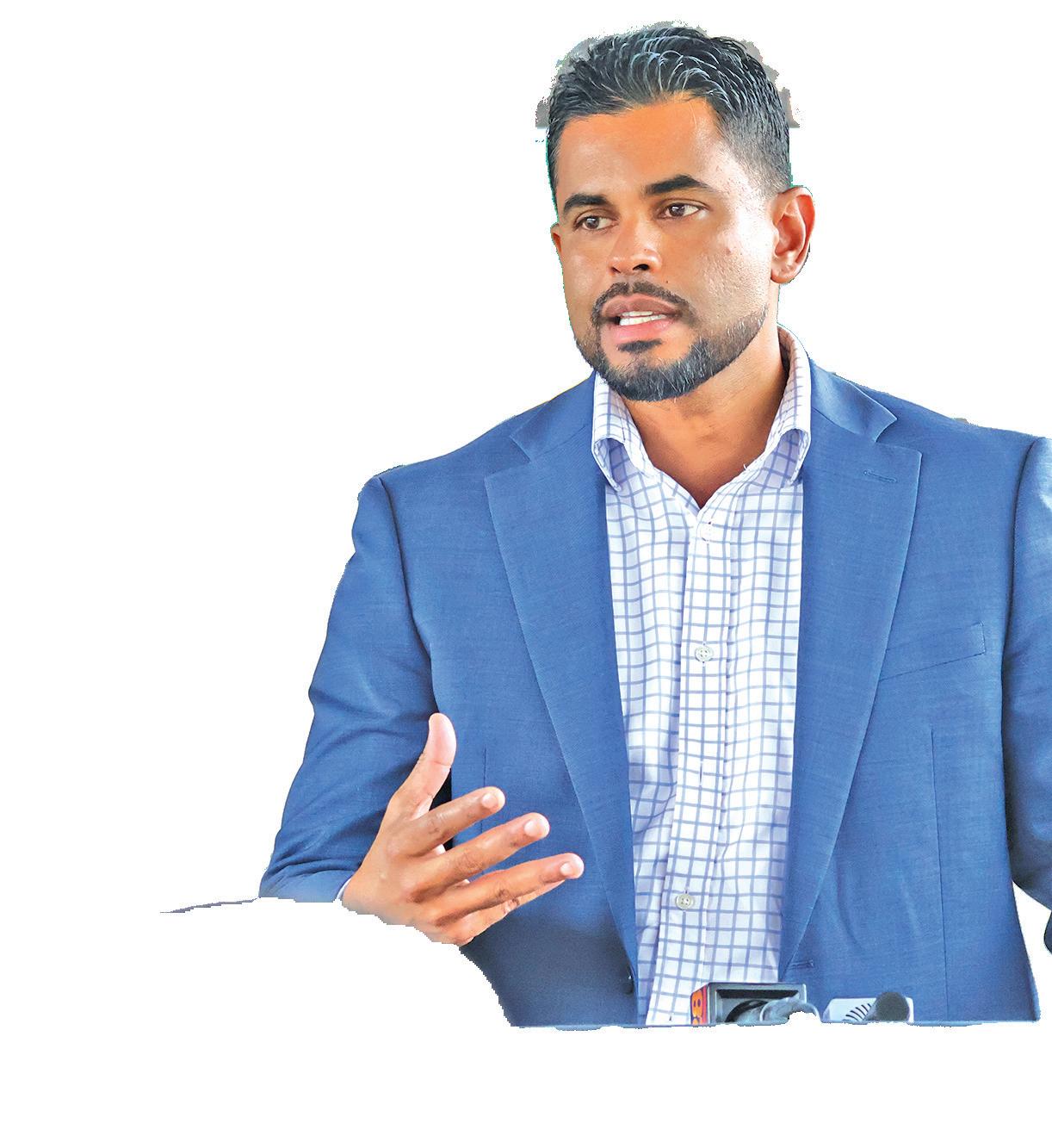
$9000. Patrons can purchase tickets at all Lyft Gym locations or at the Guyana Motor Racing and Sports Club (GMR&SC) offices at Thomaslands and Albert Street, Georgetown.

Woods Inc. is inviting applications for the following positions: Moulder Operator (3), Heavy-Duty Equipment Mechanic (4),

As the days wind down to the GT Challenge de las Americas at the South Dakota Circuit, Timehri, the machines have been docked at the pit lane, with the final touches being completed before they hit the track for tests. The GuyanaTimesSport took its cameras to the pit lane to share a glimpse of the high-end machines that will be competing on Saturday, July 11 and Sunday, July 12 at the Guyana Grand Prix