





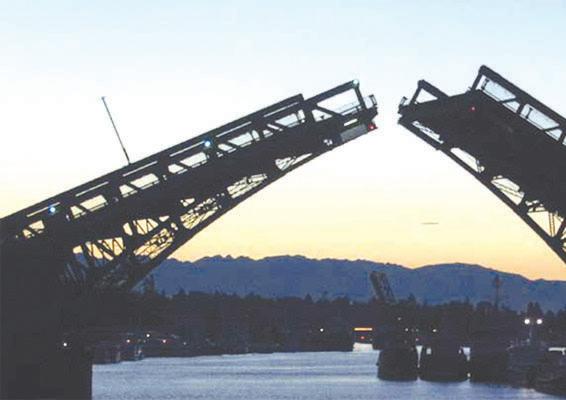
The Berbice Bridge will be closed to vehicular traffic on:
Sunday, May 24 – 10:35h–12:05h and Monday, May 25 – 11:50h–13:20h

Parika and Supenaam departure times – 05:00h, 10:00h-12:00h, 16:00h, 18:30h daily




Thundery showers are expected during the day, easing briefly in the evening before returning overnight. Temperatures are expected to range between 24 degrees Celsius and 29 degrees Celsius.
Winds: East-North-Easterly to Easterly between 3.12 metres and 4.47 metres.
High Tide: 11:10h and 23:50h reaching maximum heights of 2.21 metres and 2.22 metres.
Low Tide: 17:15h reaching a minimum height of 0.98 metre.










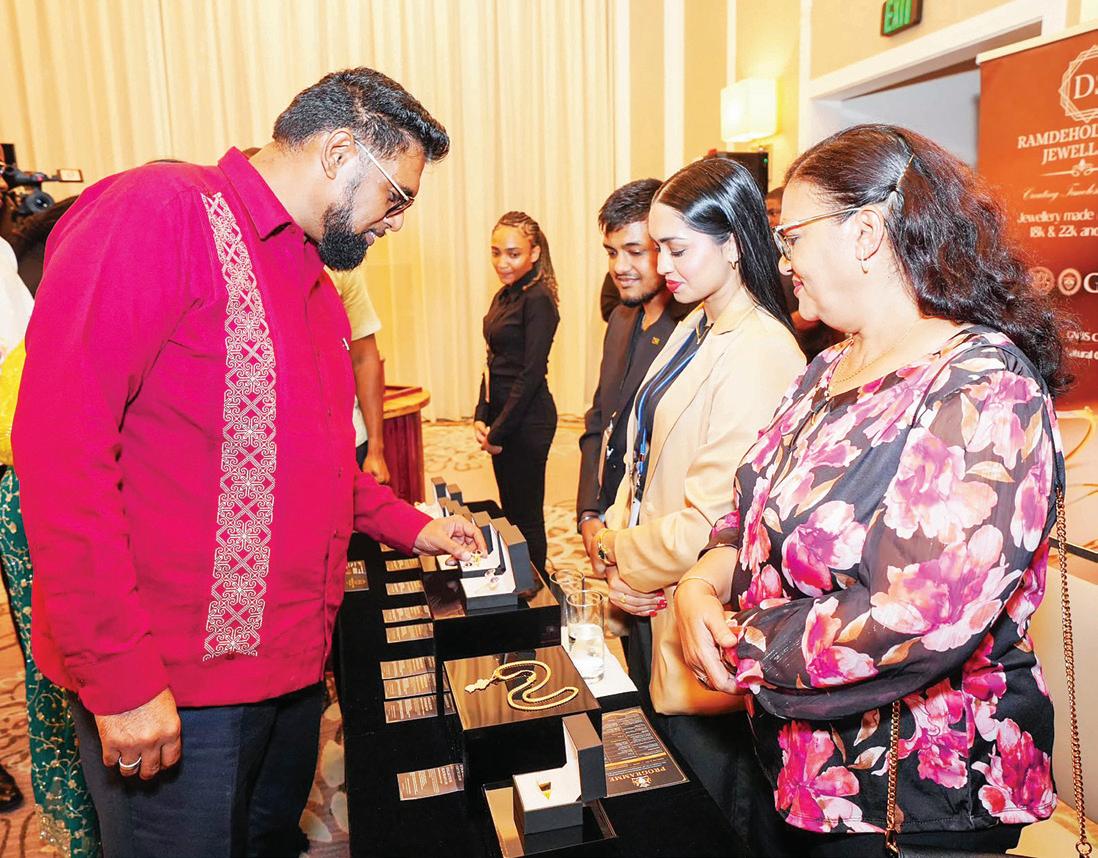
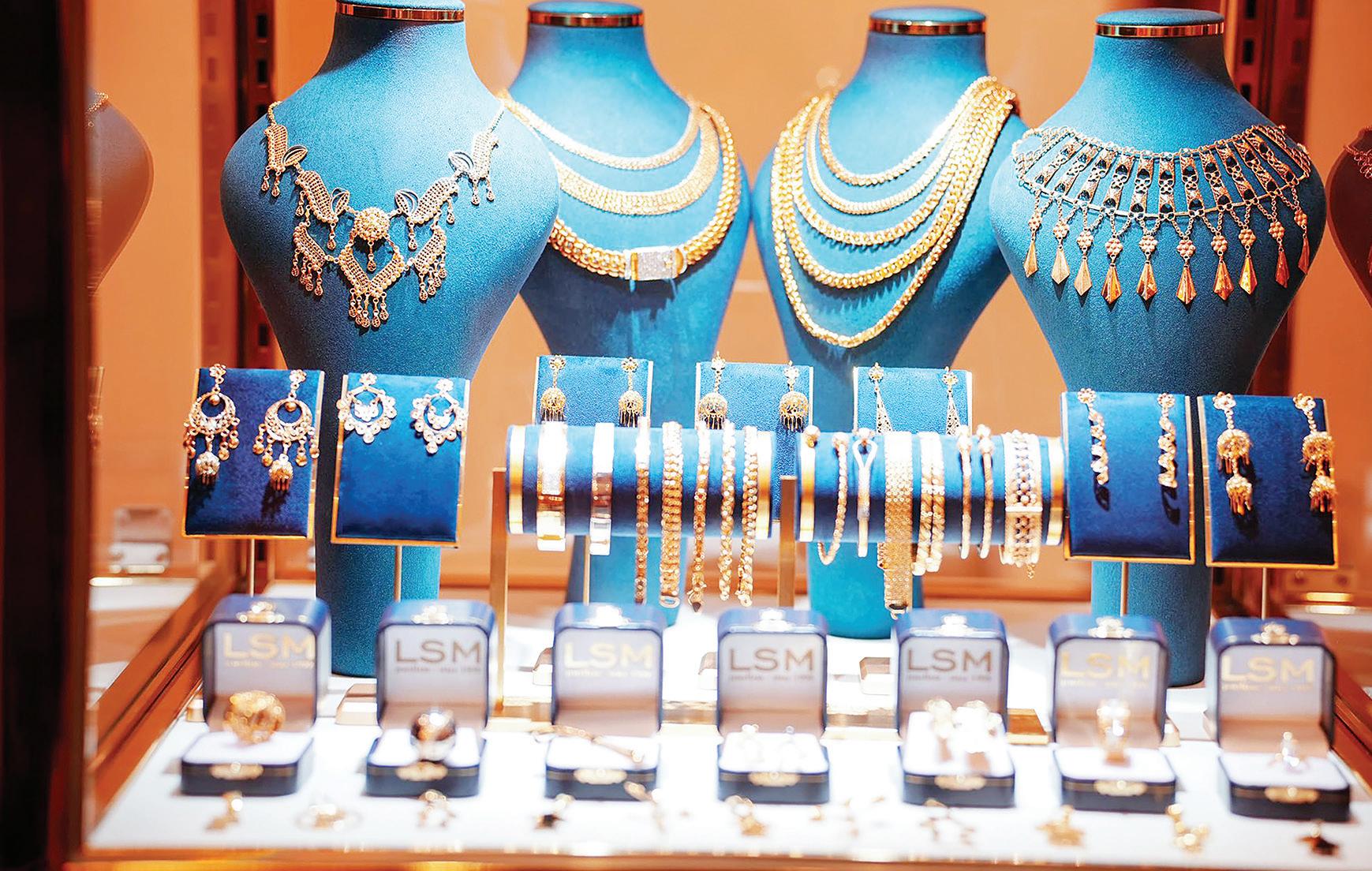
President Dr Irfaan Ali on Friday evening launched “El Dorado Reimagined” – Guyana’s national brand that will serve as the catalyst for positioning the country as a globally recognised hub for high-quality gold products and jewellery manufacturing.
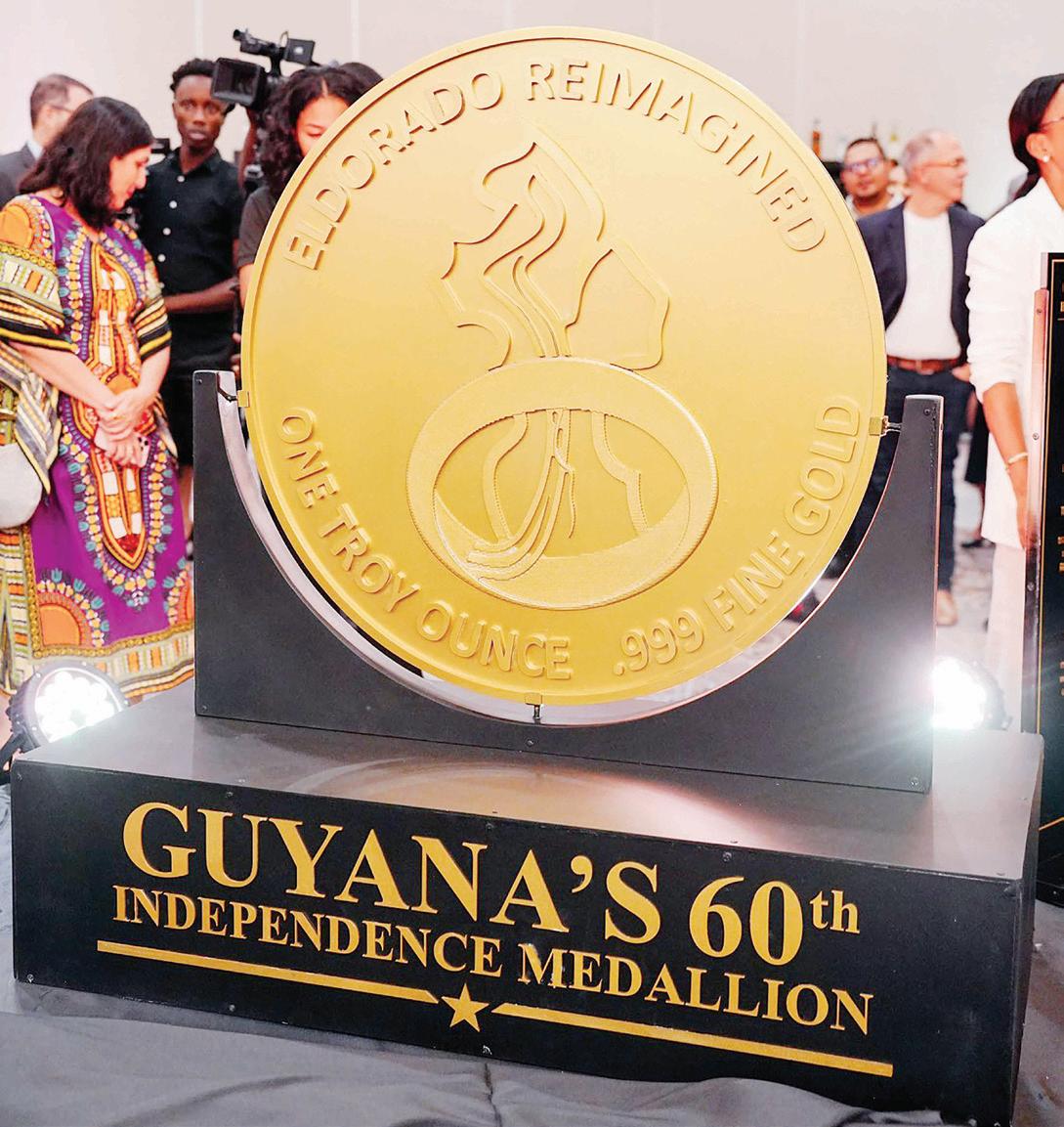
The launch event was held at the Marriott Hotel in Georgetown and coincided with the unveiling of Guyana’s first-ever minted, in-country Independence commemorative gold medallion, which was produced entirely by Guyanese using 100 per cent locally sourced gold.
According to President Ali, this sets the tone for the transformation of the country’s gold sector, moving from raw commodity production to value-added manufacturing and craftsmanship. He said the launch of the “El Dorado Reimagined” brand represents Guyana taking ownership of its resources.
In the past, the Head of State noted that Guyana’s gold largely left the country as a raw commodity –something they are looking to change by demonstrating that the country is capable of producing, refining, manufacturing, and exporting excellence.
“We are not only going to develop this brand within the borders of Guyana; we’re going to market this brand as a defining brand celebrating history in every corner of the earth. Whether it’s historical events or anniversaries like ours, we’ll be positioning ourselves to present designs and craftsmanship in this brand to meet those global events and historical milestones.
This is a way in which we are hoping to spread this brand and eventually work with our embassies that we’re establishing in high-value markets to have a duty-free area where brand El Dorado can be sold throughout the world. That is our goal. That
is where we want to be. We want duty-free shops to have different variations of value in the brand that they can take back with them,” he asserted.
Gold export
In Guyana, the gold industry has brought in high foreign exchange earnings, with the 2024 gold export receipts amounting to US$990 million. However, President Ali believes that there is much more money to be made, jobs to be created, and a whole new industry to be fashioned by moving gold production higher up the value chain.
The global jewellery industry is valued between US$380 and US$400 billion annually and accounts
for about 55 per cent of total jewellery demand worldwide, with rings representing the single largest category with roughly 34 per cent of sales. Currently, the Asia Pacific, led by India and China, dominates global consumption with nearly 60 per cent of all demand.
But according to the Guyanese leader, there is an opportunity for Guyana to cement its place in the global market, especially by targeting these consumer bases.
“You know the size of the diaspora of India and China, five to seven hours away from us, whether it’s London, New York, Miami, or Toronto.
That is a captive market that is closer to us than their homeland. That is a market that is available,” he contended. The President further emphasised that moving up the value chain is not enough but requires distinction. “Everyone who wishes to be associated with this brand must adhere to the shared value of the brand and the shared quality of the brand and must be willing to adopt the highest international standards and certification. That is the only way you will be part of this brand. That is non-negotiable.”



Editor: Tusika Martin
News Hotline: 231-8063 Editorial: 231-0544
223-7230,223-7231,231-0544, 225-7761
Marketing: 231-8064 Accounts: 225-6707
Mailing address: Queens Atlantic Industrial Estate Industrial Site, Ruimveldt, Georgetown
Email: news@guyanatimesgy.com, marketing@guyanatimesgy.com
As we commemorate the 60th anniversary of our independence on Tuesday, we must remember we are operating within a historical world system that developed since Europe’s even earlier colonisation of the world, starting from the 15th century. After WWII, the dominant liberal paradigm that promised political, economic, and cultural independence after our long “tutelage” was challenged within a “Cold War” between the USSR and the USA. The former promoted a socialist/communist mode of socioeconomic development, while the latter pushed its modernisation theory with its Rostowian “stages of growth” economic component.
Burnham’s socialist co-operative experiment from the 1960s imploded through its racial and economic contradictions, exposed by the communist PPP and the Marxist/Black Power-influenced WPA. Guyana had to adopt the neo-liberal “Washington Consensus” prescriptions of privatisation, stabilisation, and liberalisation of markets by 1989. As we hover on the cusp of a new Cold War between the US and China, the world system still constrains our policy choices, and this absolutely must be factored into our deliberations/policies going forward.
One synthesising critique frequently adumbrated was presented by the Latin American theorist Anibal Quijano, which he called the “Coloniality of Power”. He demonstrated that while “colonialism” might have ended, its structural features, dubbed “coloniality”, remain firmly in place. Quijano posits that we were all conscripted by a European-defined “modernity” that began in 1492 with the conquest of the Americas. It has developed and extended the structures of power, control, and hegemony that emerged during the era of colonialism. He demonstrated that the coloniality of power takes three forms: systems of racial hierarchies, systems of knowledge, and systems of culture.
“Race” was created by Europeans to justify African enslavement by using Christian myths, including a “Great Chain of Being” with God on top, followed by his angels, then mankind – with Europeans on top and Africans at the bottom. Other nonEuropean groups, like Indians and Chinese, were placed into intermediate positions – over which they still fight to exchange their ultimate subaltern statuses. In Guyana, indentured Indians were relegated to the bottom of the racial ladder, and their subsequent efforts to challenge the ironic racism from the African and Coloured elite precipitated violence against them, notably on May 25 and 26 at Wismar. “Race” still matters in every country in the world – even where there was no African slavery. Consequently, our local efforts to eliminate its effects must be joined globally.
“Race” has always had a material base. Quijano asserts: “The other process was the constitution of a new structure of control of labour and its resources and products.” This was achieved through the development of the capitalist world system, with the global racial/ethnic hierarchy of Europeans and non-Europeans being an integral part. It included transitional forms such as indentureship, which was an important cog in the extension of coloniality from slavery. Presently, immigrants to the West from the rest are the latest manifestation.
The Eurocentric “systems of knowledge” should be taken into consideration as we tinker with our institutions and culture to deal with our unique contingencies. Quijano writes, “Europe’s hegemony over the new model of global power concentrated all forms of the control of subjectivity, culture, and especially knowledge and the production of knowledge under its hegemony.” In attempting to create liberating Guyanese cultures and institutions, we should be aware we will be using “the tools of the master”.
We therefore all live within a multiplicity of colonialities: conquest and modernity, race, the nation, sexuality, gender, the hegemonic and hegemonised mind, etc. For us to create sustainable plans to alter our status quo positively, we need to appreciate the constraints at the individual, group, state/ nation, and global levels. For instance, why should we denigrate other groups racially/ethnically when we ourselves are suffering from that scorn from others through hierarchies of race? Then, how do we deliver equity and equality of opportunity for all groups in our country within a neoliberal paradigm that systematically generates inequalities? Cognisant of our constraints, a people-orientated democratic system might be the way to go.
By Felix Horne
War is measured first in lives lost, families uprooted and neighbourhoods reduced to rubble. But there are also deadly consequences that are often ignored. Pollution caused by war can settle over cities, contaminate water and soil, and shape public health long after the fighting is over. This is the case with the Iran war.
The six weeks of bombardment in Iran and the Gulf that saw attacks on energy infrastructure have already taken a toll. Burning fuel tanks send toxic particles into the air, while debris, run-off and oil residues threaten coastal waters and marine ecosystems across the Gulf, where pollution can spread far beyond the immediate strike zone.
The region has seen before how long such damage can last. During the 1991 Gulf War, retreating Iraqi forces set fire to more than 600 Kuwaiti oil wells. For months, dense smoke covered the skies, causing widespread air pollution and contamination of soil and groundwater across the Gulf – and a generation of health consequences.
The United Nations later treated much of that destruction as compensable harm: Through the UN Compensation Commission, Iraq ultimately paid more than $50bn for damage linked to oil fires, marine pollution and ecosystem loss.
Ukraine offers another terrifying example. The ongoing war has created a toxic legacy, with attacks on fuel depots, industrial sites, chemical warehouses
and energy infrastructure contaminating air, rivers and farmland across large parts of the country. UN agencies and Ukrainian organisations have documented thousands of incidents of environmental harm since the invasion began, including fires at oil facilities, deforestation, contamination from damaged industrial sites, and widespread risks to water systems.
Fossil fuel systems are especially vulnerable in war because they concentrate combustible fuels and hazardous chemicals. When oil depots, refineries or pipelines are struck, they ignite fires that release toxic gases, carcinogenic particles and residues, contaminating surrounding land and water for years.
Conflict also erodes oversight. When governance collapses, environmental regulation and corporate accountability often collapse with it, leaving communities living in the shadow of fossil fuel infrastructure to absorb pollution and health harms long after headlines fade.
Routine maintenance on oil pipelines, for example, has become difficult in volatile security environments in Yemen and Sudan, resulting in contaminated water and farmland. In Yemen, years of conflict left the FSO Safer tanker without maintenance, threatening to cause one of the world’s worst potential oil spills before an emergency transfer operation finally took place in 2023. The climate dimensions compound the harm. Militaries themselves were responsible for an estimated 5.5 per cent of global greenhouse gas emissions in 2022,
largely from the burning of high-emitting fossil fuels. Yet military emissions are not comprehensively included in international climate accounting – an exemption long pushed for by the United States. As military spending surges globally, so too does its largely uncounted carbon footprint.
Conflict also drives environmental harm beyond energy systems. When electricity collapses and fuels become scarce, households often turn to charcoal and firewood, accelerating forest loss in fragile areas. Researchers tracking conflict zones have found that deforestation frequently rises where governance weakens and fuel alternatives disappear.
Sudan has seen this dynamic around Khartoum and other urban areas, with significant loss of tree cover since the war began in 2023 – tree cover that serves important ecosystem functions, including retention of groundwater.
War also creates hazards beyond fossil fuels themselves. Bombardment pulverises buildings, roads and industrial sites, releasing dust laced with silica, heavy metals, and other toxins into the air. These particles can scar lungs and aggravate chronic respiratory illness. Rebuilding destroyed cities adds another climate burden: Cement and steel production are among the most carbon-intensive industrial processes in the world, meaning reconstruction often generates another surge of emissions embedded in new concrete and infrastructure. Renewable energy systems can also be damaged in conflict, but their envi-
ronmental footprint is fundamentally different. A destroyed solar installation does not spill crude into rivers, and a damaged wind turbine does not ignite refinery-scale fires or release toxic benzene into nearby neighbourhoods.
That matters when countries rebuild. Energy systems reconstructed around oil storage, gas transport and centralised fuel infrastructure remain vulnerable both to pollution and to global price shocks whenever conflict threatens major supply routes such as the Strait of Hormuz. More distributed renewable grids cannot remove the risks of war, but they can reduce both the toxic aftermath and the global economic shock that follows.
Wars will continue to destroy infrastructure. Whether they also leave behind decades of pollution depends in part on what kind of energy systems are rebuilt when the fighting stops. (Al Jazeera)
(The views expressed in this article are the author’s own and do not necessarily reflect Al Jazeera’s editorial stance.)
Felix Horne is a Senior Expert at Climate Rights International and has two decades of experience investigating the human rights and environmental impacts of fossil fuel development, mining, and climate change. Before joining CRI, Felix spent over a decade as a senior researcher at Human Rights Watch, where he led field investigations and advocacy campaigns on the climate and human rights dimensions of air pollution, fossil fuel infrastructure, and the extractive industries.
By Ryhaan Shah
All around the world, countries and regions have different attitudes toward ageing, and this, of course, affects not only their elderly population but also how respective populations view and treat their elders.
Here in Guyana, we have large groups of Indians, Africans, and Chinese, all of whom have traditions that revere parents and grandparents as wise leaders of the household and the community, viewing them as carriers of traditions.

In Asian communities like India and China, caring for aged parents is traditionally seen as a moral, religious, and social duty, with the belief that elders are to be treated with respect.
In many African traditions, the elderly are revered as “living ancestors” and the foundation of community wisdom, and there is a saying that when an old person dies, a library burns to the ground.
These Asian and African cultures emphasise filial piety and collective responsibility, honouring their elders and often caring for them at home.
Western societies, on the other hand, tend to value independence and youth, sometimes leading to more negative, ageist perceptions and a stigmatisation of the ageing process itself.
There is a definite popular culture among Americans to model themselves on celebrities like Hollywood stars and reality-television personalities. The use of Botox, weight loss regimens, and plastic surgery is promoted, especially for women, who often feel societal pressure to conform to media images of the stars.
Adding the economic pressures of two-income homes and the nuclear family unit, care for elderly relatives often falls to professional services or specialised retirement communities rather than family homes.
Economic modernisation in Asia and Africa is shifting the traditional paradigms on ageing, with some studies showing negative views and ageist prejudices starting to create tension between traditional duties and the current realities faced by families.
As Eastern societies become more industrialised and individualistic, their attitudes towards ageing might shift closer to Western attitudes and perspectives.
With the global population growing and better medical care increasing life expectancy, there is a need to consider how elder care will be dealt with at the community, national, and global levels.
By the year 2100, the older population in sub-Saharan Africa is projected to grow 15-fold, increasing from 46 million to 694 million. This is already prompting Governments there to implement social protection schemes and policies to ensure the rights of their senior population.
The current UN Decade of Healthy Ageing, which runs until 2030, will provide a global roadmap to help improve the lives of older people and their communities.
There will be more focus on person-centred care, called “ageing in place”, with a move to more community-based support and leveraging the benefits of AI and telemedicine to provide better health care.
It is estimated that roughly half of the world’s population holds ageist attitudes, which means that ageism and elder abuse prevention require greater intervention.
Guyana’s policy on ageing focuses on supporting senior citizens through increased monthly pensions, tax exemptions, and specialised care initiatives. The Government is enhancing social protection through mandatory minimum standards for residential care homes and developing a structured policy on ageing to foster social reintegration and care.
But are we also succumbing to the pressures of adopting more Western attitudes toward ageing with the increased economic wealth and opportunities that the new oil-based industry provides? We also have the ever-present attitudes imported from the United States, in particular, because of our large diaspora community and because of popular television fare that promotes American values. American media influence global ageing perceptions by exporting youth-centric, often ageist narratives that equate ageing with decline. Studies show that they often use negative depictions that can influence international views and promote a “globalised” fear of ageing. This can impact both self-image and public policy worldwide.
We know how much Western media influences fashion and popular cultural trends globally, and it is to be expected that the export of ageist views from the West will be no different.
The billion-dollar cosmetic industry continues to expand with the promotion of processes and procedures that promise to turn back the clock on ageing. Women, especially, are the target audience.
Consider that of the women seen in American media, only eight per cent are over 50, and you see what constitutes a marginalisation of older women. Exposure to these American views influences global attitudes, which, in turn, can direct public policy.
The impact of Western media is mixed, though the trend toward Western-style ageist representation is increasing, and while it is no surprise, it should be worrying.

Ateenager is now on the run after he reportedly stabbed his attacker to death at Nigg Village, Corentyne, Berbice, on Friday evening.
The deceased man has been identified as 48-yearold Carter Baboolall, a United States deportee who had been renting an apartment at the Nigg New Housing Scheme for the past seven years. Based on reports received, the now-deceased man and the teenager were embroiled in an argument during which he assaulted the young man. In retaliation, the teen reportedly whipped out a knife and stabbed Baboolall several times. Up to press time, the Police had not released any information on the incident. However, the dead man’s landlord described him as a quiet and reserved person who rarely interacted with others living at the apart-

ment complex. “He ain’t used to mix up with people. He just used to keep to he self,” the landlord related. He worked as a labourer at a hardware store in the nearby village of Fyrish. One eyewitness, Narinedat Deodat, recalled seeing several persons gathering in the area. “Next thing I see, the
man pull out something from the trench… When I look good, I see them pull out a man with bloody skin.”
At the home of the suspect, his mother stated that she learned of the incident through a phone call on Friday evening. She was told that her son had allegedly stabbed another man during a confrontation. The mother explained that she visited a nearby car wash to make enquiries and was told that there was an altercation between her son and the now-deceased man.
According to the woman, the deceased had allegedly cuffed the teenager several times, and in self-defence, he was stabbed.
At the time of the stabbing incident, a Police Officer was at the car wash servicing his vehicle and reportedly chased after the teenager after the attack but was unsuccessful in ap-
Azruddin Mohamed and his defunct associates in the opposition are in desperation mode, trying every which way to thwart the established democratic process in this country. This is a direct result of being locked out and the door slammed shut by the electors of this country; they have resorted to engaging in actions that would create mischief and confusion.
In recent times, there have been a number of attempts to achieve this goal, attempts such as dragging Indian immigrant workers before the media to protest. Mohamed has never met and will never meet with the mining company’s directorate, the reason being that he
wants airtime to highlight his own political agenda, only stopping by to use the workers as his pawns.
So, in his present actor role, he comes across to the public as the chief protector of the migrant workers.
Another convenient platform is the ongoing strike of the Route 32 buses. I guarantee you that the opposition is playing that undermining role against the central Government. The fact is, Mohamed is in “nuisance mode” as he hopes to score political points; however, that excitement will soon be extinguished as the extradition noose tightens around his neck.
Now, as a supporter in this nuisance campaign,
Dear Editor, I remember speaking with a teenage boy who told me he had never once cried in front of anyone. Not because he had nothing to cry about, but because he had been told, over and over again, that crying was not something boys do. He said it with a kind of pride. And it broke my heart.
We have spent so long telling our boys to toughen up that we forgot to tell them it is okay to fall apart sometimes. That asking for help is not a sign of failure. That the boy who can say “I am not okay” is often the bravest one in the room. Instead, we hand them si-
lence and call it strength. At ChildLink Inc, this is something we cannot ignore. The boys we work with are carrying weight that nobody talks about, and they are carrying it alone because they believe that is what they are supposed to do. That has to change.
Not in a policy. Not in a programme. In the way we speak to them at the dinner table, in the classroom, and on the street corner. If we want boys who grow into healthy men, we have to let them be human first.
Yours respectfully, Daniela Araujo ChildLink Inc
prehending him. The woman added that she had been attempting to contact her son, but all were in vain. She added that the Police visited her home Friday evening, enquiring whether she had heard from the teenager.
“I promised the Police Officer that as soon as I find him, I going to carry him to the station,” she said. The woman said her greatest fear is not knowing what might have happened to her son since he disappeared.
“I really, really stressed out, you know, if he gone and do something to himself or if he still alive,” she said. “I don’t even know if he dead or if he alive or which side he in.”
The suspect, a school dropout from Nigg Village, reportedly worked occasionally at a car wash and also performed construction and carpentry duties with his stepfather.
the “other nuisances” have also stepped into theirs. That man who could not keep his fried chicken business afloat is now calling for a “Combined Opposition” to unseat the PPP/C, but is anyone taking him seriously? In the first place, who is the leader of the PNC/ APNU? Or should I ask who heads that minority grouping of persons that carry that name? Is it Campbell, Mahipaul, or one of the female minions in its midst? Norton, for his part, tries to rule the party by remote, but he remains a repulsion within his own comrades; they simply do not want him. So, that call to join hands in a combined opposition is hollow.
The WIN Party will soon be headless when its leader goes, and the same mutiny awaits when that time comes. So, the question is asked again: can a divided opposition, even the slightest hint of a coalition, unsettle the PPP/C? I think not!
Yours respectfully, Neil Adams


Have you ever seen cartoons showing bacteria in your science textbook? They’re often pictured living alone.
In fact, they live in crowded communities stuck to surfaces, like tiny neighbourhoods. And, just like in your own neighbourhood, the bacteria interact all the time. They compete for food and space –but sometimes they also help each other survive.
One major danger to bacteria is antibiotics –medicines that kill them or slow them down. Some bacteria are resistant to antibiotics. This means they have a special tool (an enzyme) that breaks down the antibiotic and stops it from working. What if this resistance is actually a social skill?
When a resistant bacterium breaks down the antibiotic, it clears the area around itself.
Sensitive bacteria nearby can then survive. It’s like opening a big umbrella in the rain. You can protect yourself AND your friends under it.
So what does this “umbrella effect” change? How do bacteria arrange themselves as they grow? Does it matter how many resistant or sensitive bacteria there are? And do bacteria growing on surfaces behave differently from those
growing in liquids? These are the questions scientists wanted to answer.
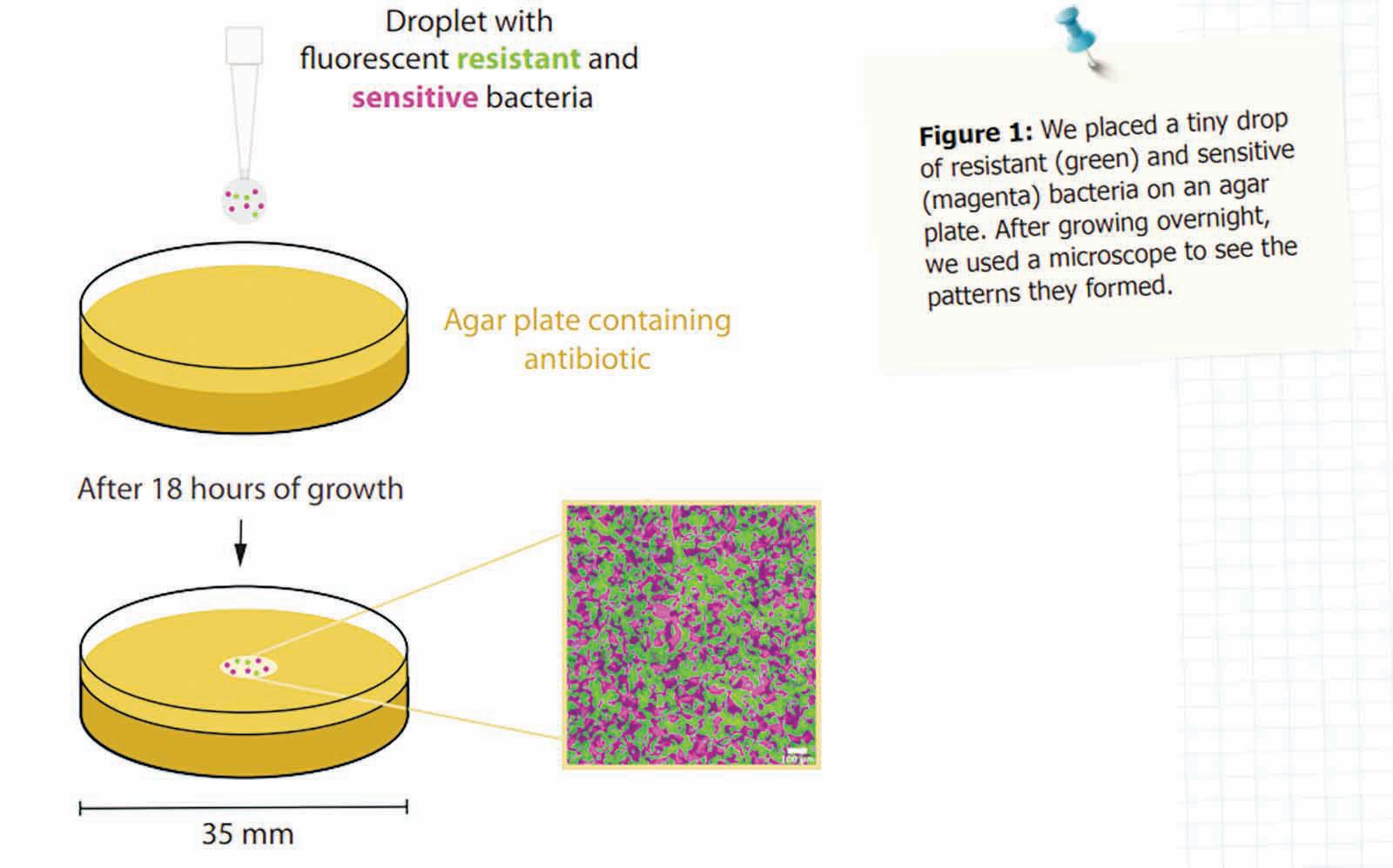
To study these neighbourhoods, scientists worked with a bacterium called “Enterococcus faecalis”. They used two kinds of this bacterium. One kind was resistant to the antibiotic ampicillin. The other kind was sensitive to it. They added fluorescent tags so we could see them under a microscope. The resistant bacteria glowed green. The sensitive ones glowed magenta. This colourcoding let scientists see which team was winning the battle for space: green or magenta.
Scientists mixed resistant and sensitive bacteria in different amounts and placed tiny droplets onto plates containing different levels of ampicillin. The bacteria grew for about a day before scientists photographed them under a microscope. Computer programs then measured how much space each type occupied. The team also built a computer simulation to test how bacteria might grow, die, and protect nearby neighbours. Finally, they compared bacteria growing on surfaces with bacteria growing in well-mixed liquids. So, what did they see? They

found that the survival of the neighbourhood depends on a specific combination of three factors:
• how many green (resistant) cells they started with,
• how many cells there are in total (density),
• and how much antibiotic is on the plate.
At no or low levels of ampicillin, the rule is simple: more green at the start usually means more green at the end.
But at high levels of ampicillin, the pattern can reverse. When there were lots of resistant bacteria packed closely together, they removed so much antibiotic that large protected areas formed. Sensitive bacteria could then grow inside these areas and sometimes take over surprisingly large parts of the colony.
Scientists also saw that the safe zones around green cells did not have a fixed size. When green clusters grew bigger, their safe zones could reach further and cover more of the neighbourhood.
In liquid, the story was much simpler. The cultures either grew a lot or collapsed. Because the liquid culture was well mixed, they did not form the patterns they saw on
plates.
So what does this all mean?
Bacteria do not live alone. They live in crowded neighbourhoods. Their neighbours matter a lot. Resistant cells can break down the antibiotic around them. This creates safe zones. Sensitive cells can grow in
these zones even when the antibiotic should kill them. But these safe zones do not stay the same size. They grow as the resistant clusters grow.
But scientists had a surprise. At high antibiotic levels and high density, starting with more resistant cells does not always mean you end with more resistant cells. The extra
enzymes into the space around them. That could spread protection much farther than was seen here.
Scientists also learned that the place where bacteria grow matters. On a surface, they stay in one spot. They interact with their close neighbours. In a liquid, they mix all the time. Because of this, the two
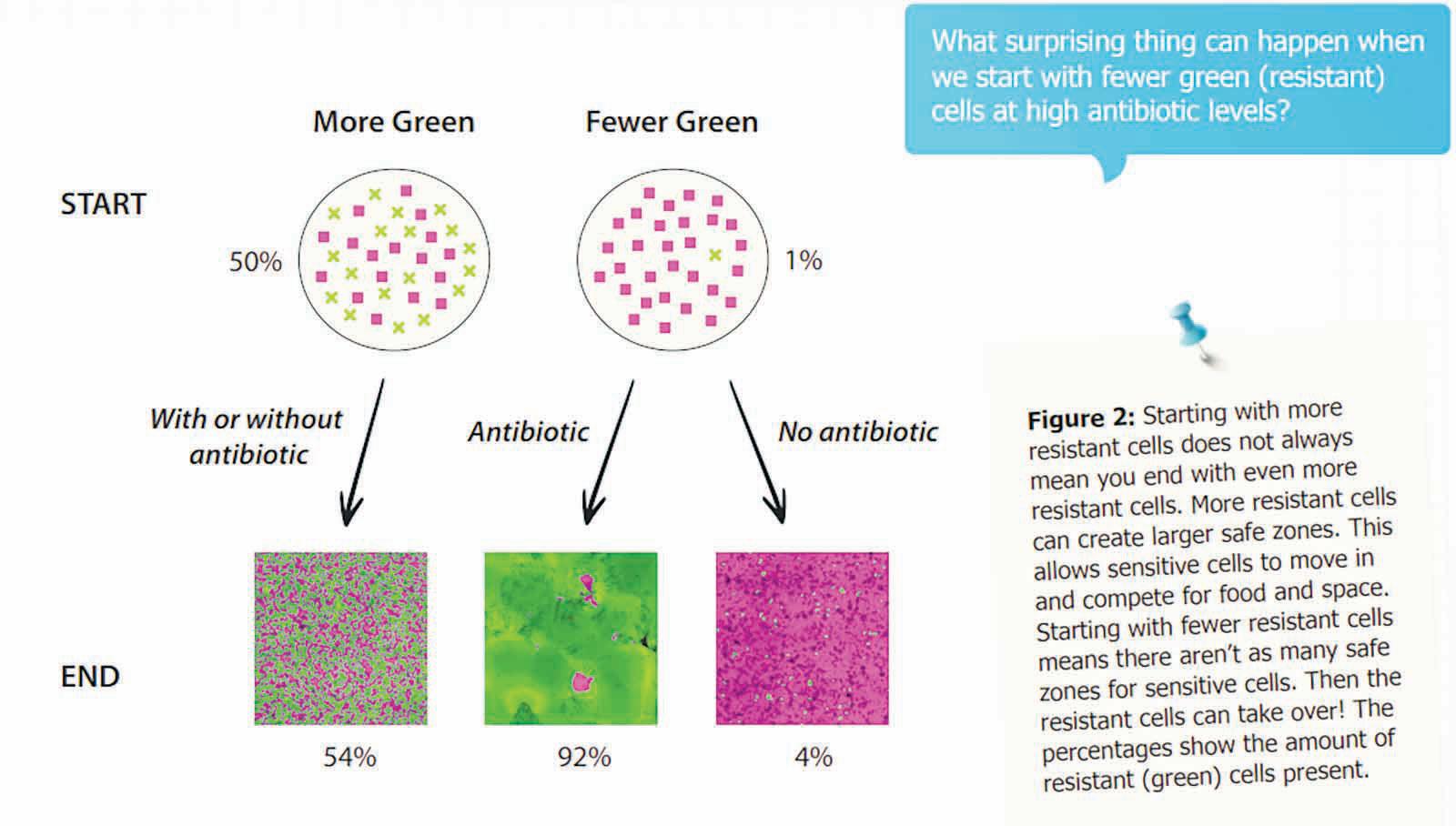

resistant cells make larger protected areas, and sensitive cells move in and compete for food and space.
Our computer model helped us learn why these patterns appear. It used two simple rules: fight for space and protect nearby cells. Even with only these rules, the model created patterns that looked very close to the real ones. This shows that simple interactions can build complex neighbourhoods.
But the model is much simpler than real life. Bacteria can use many other tricks. They can change shape, slow their growth, or enter special “survival modes". Some species even release their
environments behaved very differently. Surface colonies formed many mixed patterns. Liquid cultures either grew a lot or died out.
Overall, they learned that antibiotic resistance is not only about one cell. It is also about teamwork, competition, and the neighbourhood each bacterium lives in.
Even tiny organisms can create surprisingly complex communities when they live together. This reminds us that in nature, surroundings and neighbours matter just as much as individuals.
(Adapted from sciencejournalforkids.org)
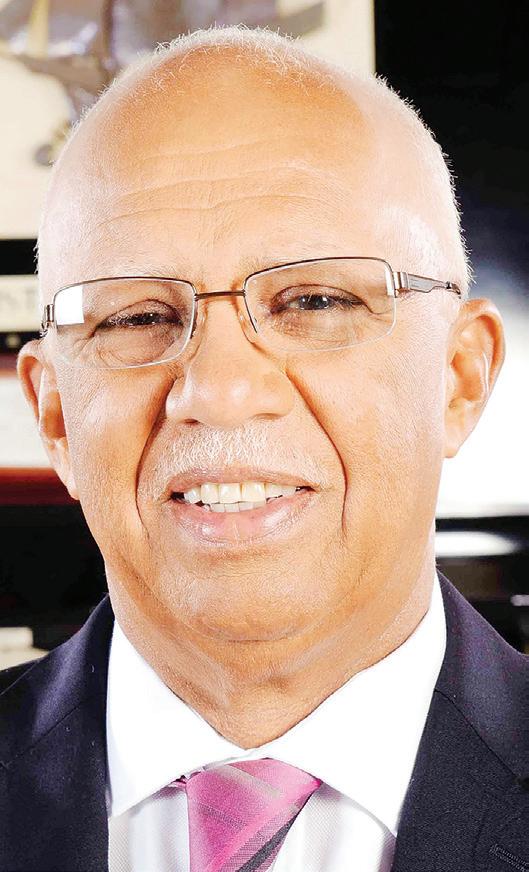
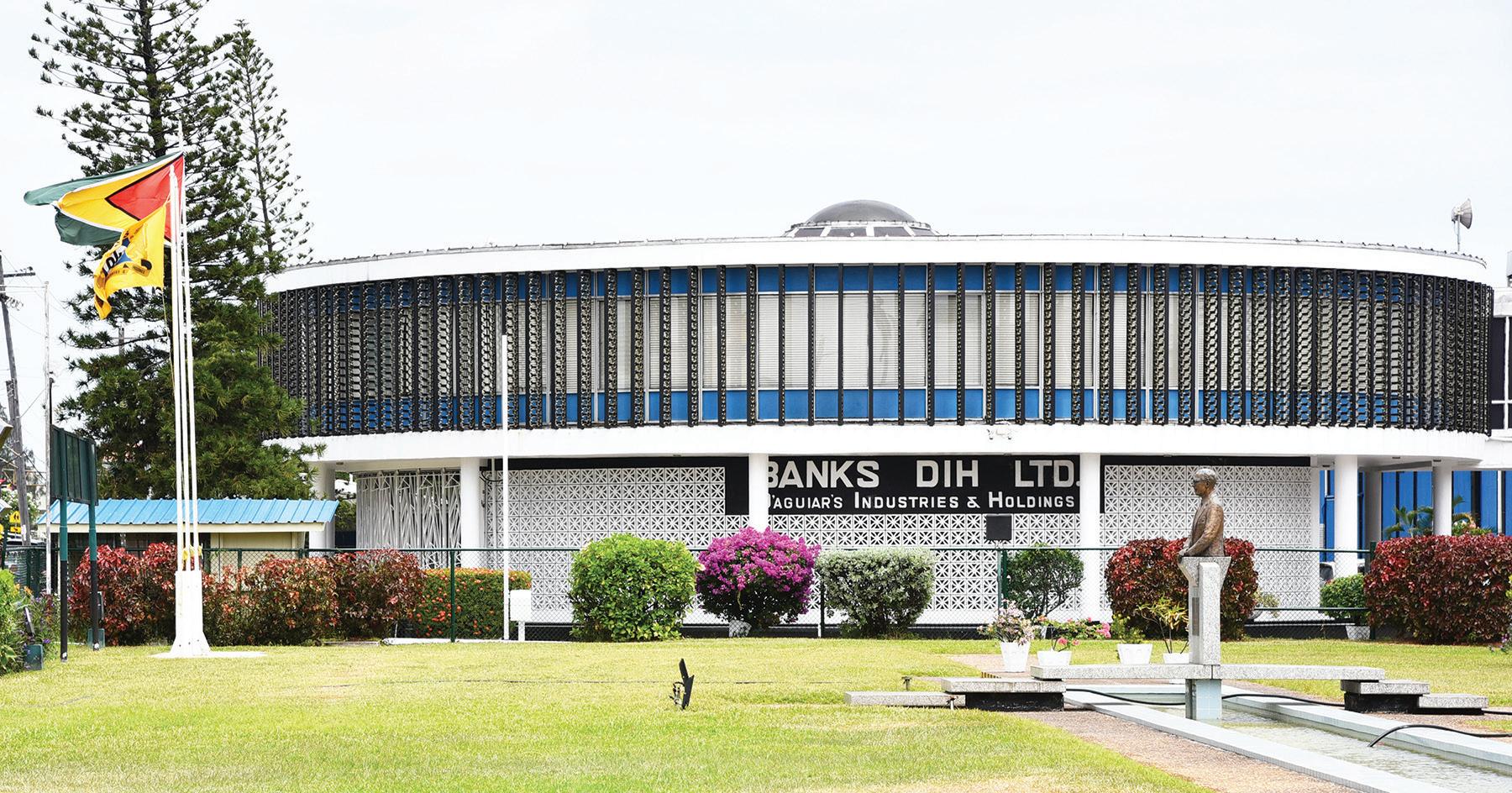
Local beverage giant
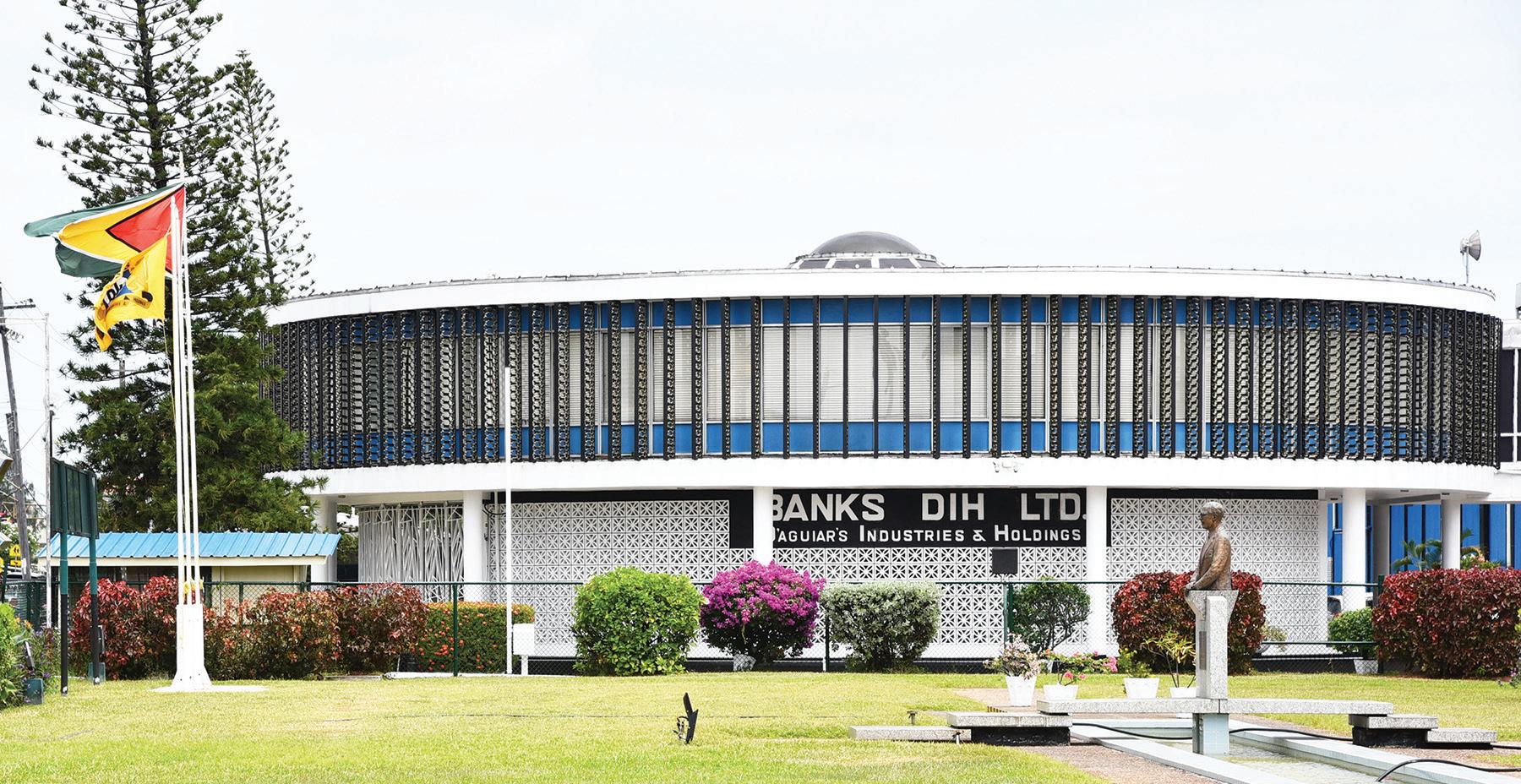
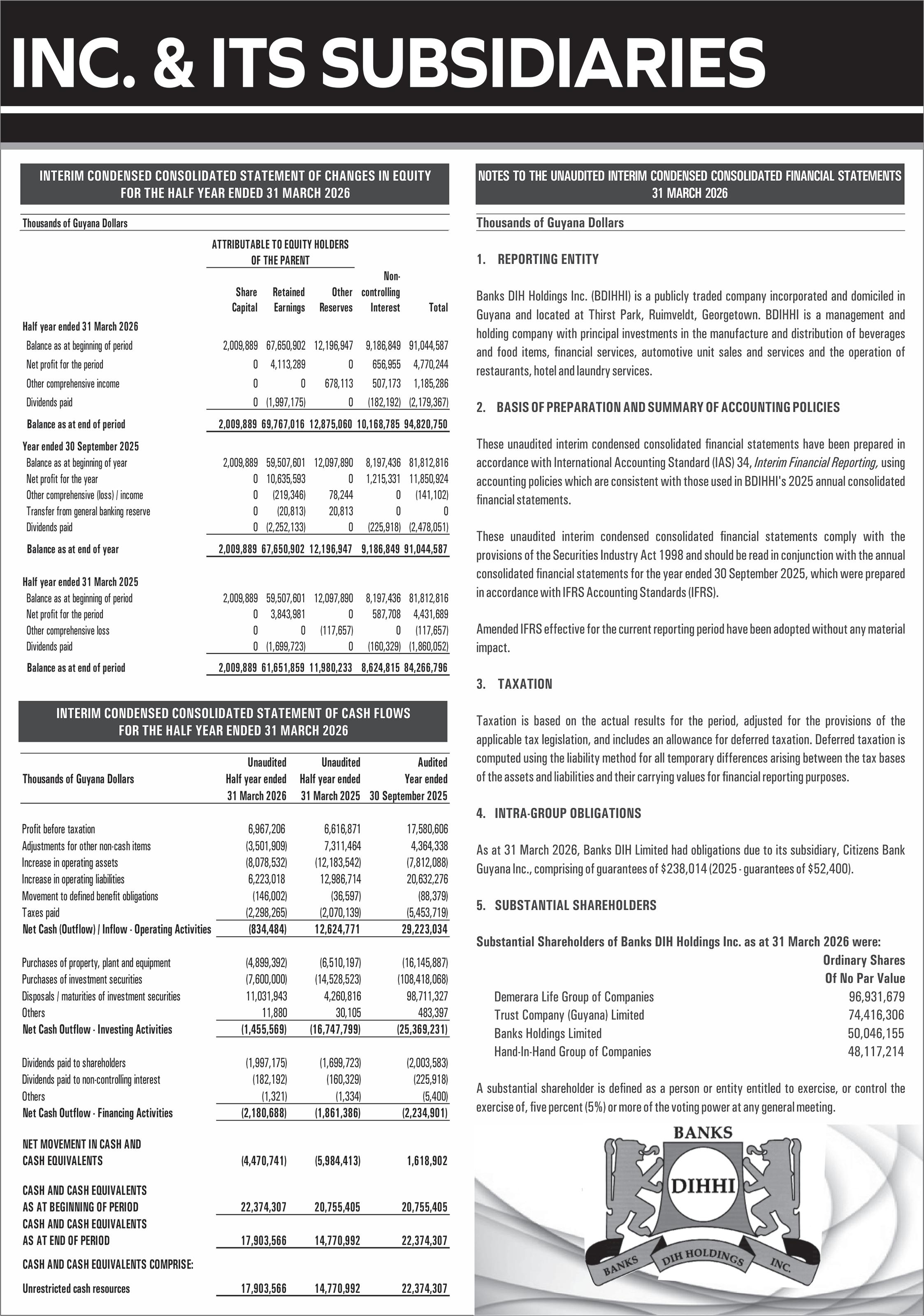
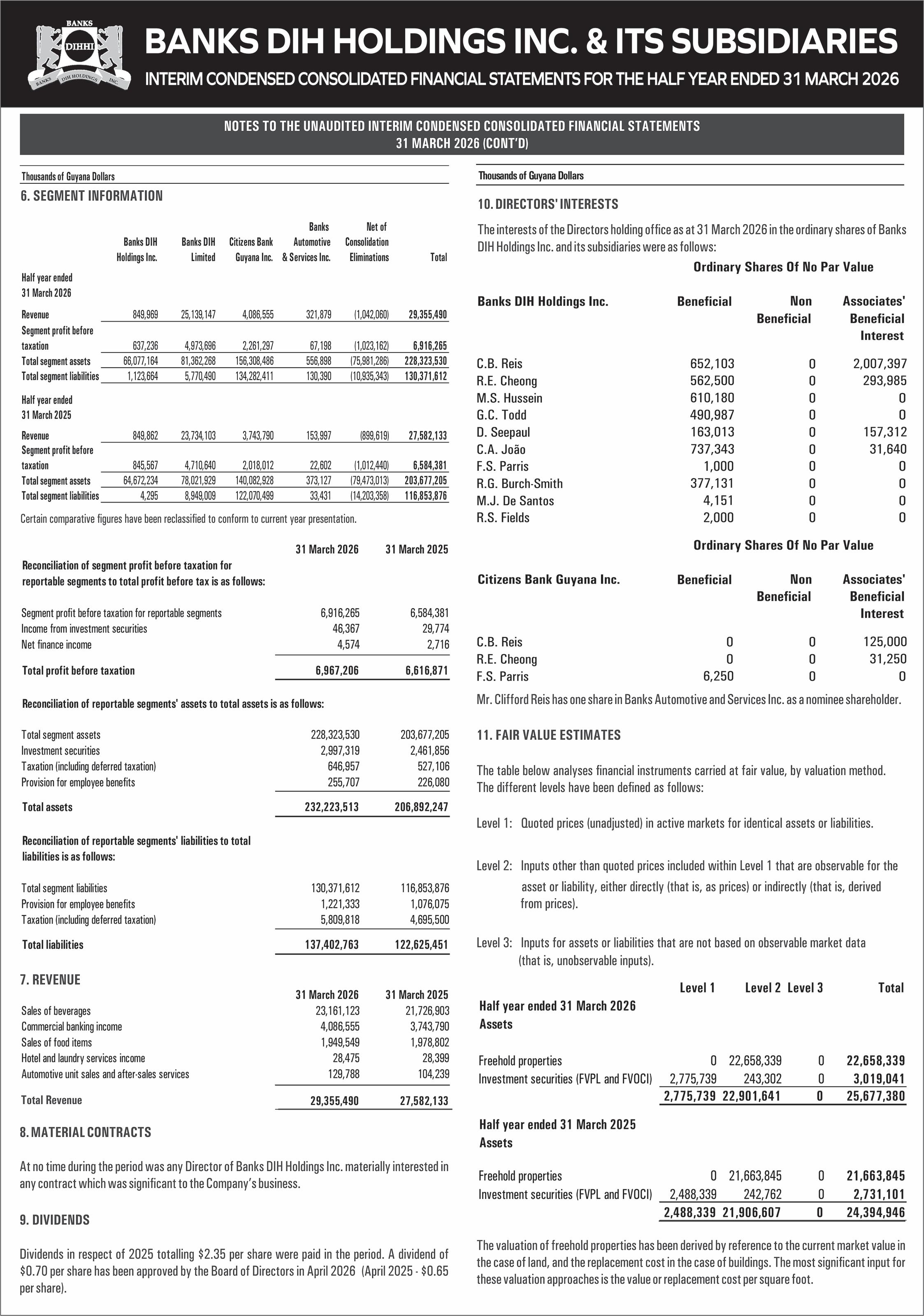
Banks DIH Group has reported a profit after tax of approximately $4.113 billion recorded for the first half of the 2026 financial year.
Presenting the report on behalf of the Board of Directors of Banks DIH Holdings Inc Group for the six-month period ended March 31, 2026, Chairman Clifford Reis indicated that the $4.113 billion unaudited profit after taxation attributable to the shareholders reflected an increase of $269 million, or seven per cent, over the $3.844 billion recorded in 2025.
He also reported the group›s third-party revenue was $29.355 billion, compared to $27.582 billion for the corresponding period in 2025 – a growth of $1.773 billion or 6.4 per cent.
The mid-year report also showed the group’s unaudited profit before taxation was $6.967 billion, representing an increase of $350 million, or 5.3 per cent, when compared to $6.617 billion in 2025.
Focusing on the group’s individual businesses, Reis disclosed that revenue generated by Banks DIH Limited in the first six months of this year amounted to $25.139 billion, compared to $23.734 billion in 2025 – a growth of $1.405
billion or 5.9 per cent.
Additionally, the unaudited operating profit before taxation for Banks DIH Limited was $4.974 billion, compared to $4.711 billion in 2025, reflecting an increase of $263 million, or 5.6 per cent.
Banks Automotive
In addition, Banks Automotive and Services Inc., a 100 per cent owned subsidiary of Banks DIH Holdings Inc, generated revenues of $321.9 million. This, when compared to $154 million recorded in 2025, is an increase of $167.9 million or 109 per cent.
Profit before taxation was $67.2 million compared to $22.6 million in 2024, a
further increase of $44.6 million or 197.3 per cent.
Citizens Bank
When it comes to Citizens Bank Guyana Inc., a 51 per cent owned subsidiary of Banks DIH Limited, revenues generated during the first six months of 2026 amounted to $4.087 billion compared to $3.744 billion last year – an increase of $343 million or 9.2 per cent.
In addition, the bank’s operating profit before taxation was $2.261 billion compared to $2.018 billion in 2025, an increase of $243 million, or 12 per cent.
Global challenges
According to Chairman Reis, the first six months of this financial year were very challenging for the Group, having been marked by persistent inflationary pressures that were driven largely by ongoing geopolitical changes in the world.
“This has contributed to increased energy, freight, and raw and packaging material costs. Despite these conditions, the Group remained resilient and continued to strengthen its operational and financial position,” he said.
The Chairman went on to note that during the first half of 2026, the group, through its Banks DIH Limited subsidiary, re-
ceived several gold medals at the 2026 Monde Selection Awards. The award-winning malt-based products included Banks Beer, Classic Premium Lager Beer, Banks Champagne Shandy, Malta Supreme, and Malta Supreme Coconut and Ginseng.
The rum portfolio also secured gold medals, including XM 5-Year-Old, XM Special 12-Year-Old, and XM Supreme 15-Year-Old. Additionally, the company’s Maximum Vodka was also awarded a Monde Selection gold medal.
Reis further outlined that during the period, Banks DIH Limited advanced several strategic initiatives, including the ongoing installation of its new
beverage canning line with an auxiliary bond and new office facilities that are currently underway to support future expansion.
In the restaurant division, the construction of the Bartica Qik Sery is expected to be completed in the third quarter of this year. The distribution fleet was further upgraded to improve market reach and efficiency. Investments in ICT infrastructure and cybersecurity were also made during the first half of this financial year.
Looking ahead
Moreover, the Chairman also reported that the Group’s Board of Directors approved a dividend payment of $0.70 per share unit
He explained that with Guyana now in the position to conduct its own mineral mapping, an exercise that is ongoing, it allows for local industry stakeholders to come together and benefit from the data to create Guyanese multinationals.
“Building a gold sector that goes beyond mining means understanding that the greatest value is not in the ground; it is in imagination... To truly position ourselves as a global player in finished gold products, we need a brand that commands respect. We need a brand that says, ‘This is Guyana’s gold, this is heritage, and this is why the Guyana National Gold and Jewellery Brand has been created.’ It has been created
to kick-start the process of us becoming a global player in the luxury industry.”
“But let no one delude themselves into believing that overnight we shall become a global player. No. That takes time. It takes planning, preparation, networking, trust, and partnership. How do we start to prepare? We’ve already started the process of preparing, building relationships, understanding which markets, working with those markets, and positioning ourselves in those markets,” Ali posited.
New chapter
Meanwhile, also speaking at Friday’s event was Natural Resources Minister Vickram Bharrat, who said the launch signalled the be-
ginning of a new chapter for the country’s gold industry. He emphasised that “El Dorado Reimagined is the result of a deliberate national vision to move Guyana beyond extraction and into value creation.
This brand represents quality, authenticity, and national pride. It is about reshaping the narrative of Guyanese gold and ensuring that more of the value generated from our natural resources remains within our country.”
He also highlighted the significance of the commemorative medallion as a historic national artefact. “This medallion is not simply a collectible. It is a symbol of Guyana’s progress and advancements in the sec-

tor. The fact that the gold was mined and refined in Guyana, the product was designed in Guyana, and for the first time, a commemorative medallion was minted in Guyana using Guyanese gold makes this an extraordinary achievement for our country.”
The commemorative medallion, struck in one troy ounce of .999 fine gold, was produced as a limited-edition piece to commemorate Guyana’s Diamond Jubilee celebrations. Each medallion bears an individual serial number and reflects the
craftsmanship capabilities emerging within the local sector. The event also featured a jewellery exhibition showcasing the work of local jewellers and manufacturers, organised in partnership with the Guyana Jewellers Association.
to all shareholders whose names appear on the share register as of May 20, 2026. The cost of this dividend payment will be $594.9 million.
“Looking ahead, the group will remain focused on improving operational efficiency, managing costs, and increasing revenue growth, as we strive for sustained profitability and long-term value creation for our shareholders.”
“I wish to thank my fellow directors for their continued support; the executive board for their commitment; and our loyal shareholders, employees, suppliers, and customers for the confidence placed in the group,” Chairman Reis stated.
Representing the association, Vice Chairman Vead Persaud described the partnership as an important step forward for the local jewellery industry. Mr Persaud described the evening as providing “an important platform for Guyanese jewellers to showcase their talent, creativity, and craftsmanship alongside a national initiative of this magnitude.
The Guyana Jewellers Association is proud to partner in this historic launch and to support the continued development of a stronger, more structured, and internationally competitive jewellery sector. “The exhibition also featured participation from the Guyana Mining School, displaying the emerging talent and the future of jewellery craftsmanship and technical development within Guyana.

The Guyana Prison Service (GPS) is now accredited by the Education Ministry’s Technical and Vocational Education and Training (TVET) Unit to undertake the necessary skills training programmes for prisoners. The registration, granted on Thursday, marks the first phase of implementation and will allow inmates to pursue Caribbean Vocational Qualifications (CVQs) and National Vocational Qualifications (NVQs) while serving their sentences. The initiative forms part of the Prison Service’s broader rehabilitation strategy aimed at strengthening reintegration outcomes through structured skills development and certified training. TVET has been identified as the preferred delivery mechanism due to its competency-based approach, which focuses on practical skills and industry-relevant training designed to prepare participants for employment upon release.
During the handover ceremony, Chairman of the Council for TVET (CTVET),

Elon Sooknanand, and Acting Director David Glasgow both welcomed the development and reaffirmed institutional support for its rollout.
Sooknanand said TVET remains committed to expanding access to quality technical and vocational education across Guyana while strengthening partnerships with key institutions. TVET, he noted, will continue to support pro-
grammes that deliver industry-relevant training and broaden opportunities for skills development nationwide. Acting Assistant Director of Prisons, Oliver Cox, described the initiative as a significant step in the ongoing reform of the correctional system, highlighting its focus on rehabilitation rather than punishment alone.
She said the collaboration between the GPS and
TVET represents a major advancement in correctional reform, emphasising the role of structured skills training in supporting behavioural change and improving reintegration prospects. Level One certification in carpentry and welding will be the first programmes delivered under the new framework, with further courses expected to be introduced as implementation progresses.

The PNC boasts about Burnham securing “independence” for us back in ‘66!! But how come Hoyte had to go with a bowl in hand to the IMF (the guardian of western imperialism) 23 years later to bail us out from the crushing US$2.1 billion debt burden acquired after “independence”?? Weren’t the IMF’s “bailout conditionalities” tantamount to giving up our sovereignty?? Economic freedom’s the sine qua non of a state – much less an independent one! What did independence get us? More murders, more banditry, more domestic violence – not to mention leaving us hungry, naked and homeless!
The PNC sold out Guyanese who didn’t get a party card – just like those Chieftains in Africa who sold captured brothers and sisters to the White Pirates!! As Brother Bob said, “Old pirates, yes, they rob I; Sold I to the merchant ships.” Some folks wanna forget it was our own selling us into slavery and degradation – as our own prophet Walter Rodney showed. But then, Brother Bob also asked – as we should today – “How long shall they kill our prophets/While we stand aside and look?” Didn’t Burnham assassinate Rodney AFTER Independence!!
What’s the point of complaining about Parliament not meeting when Burnham wrote his own constitution giving him more powers than Kings!?? “Off with their heads!!” he’d mutter!! Wouldn’t it have been better to keep the British with their laws?? Look how they’re lecturing us on keeping the world safe for democracy and all that – while desperately trying to get a piece of our oil action from the Yanks?!!! Whose minds need to be emancipated?
Burnham said the British exploited us economically… which they did! But who trained lawyers of the highest calibre – albeit twisted – such as Ramphal, Shahabudeen et al., who could write the aforementioned constitution for Burnham? What have we produced AFTER Independence? Raphael Trotman?? He’s a shame and disgrace to the legal profession which the British bequeathed to us!! How’d you give away the store when you have such predecessors who showed Burnham how to nationalise the resources?? Even Burnham knew about the trap of “transfer pricing” when the Whites bought cheap and sold dear to their own subsidiaries!! But he delivered it right back into their hands when he turned everything into “sh*t”!!
But his importation and bequeathing of Trinidad’s Carnival takes the cake! He knew “independence” was a farce the Brits cooked up to throw out his nemesis Cheddi – so he stressed “Mash Day” – oops, Republic Day!!! Even Trinis complained about Calypso Tents being abandoned in favour of uninhibited alcohol-fuelled sexual displays and frolic.
Thank goodness Pressie revived Guyana Day to do our own thing!!!
… games!!
At around “Independence Day”, your Eyewitness remembers all the hoops he had to jump through as a kid back then!! There were the Mass Games Burnham introduced – just after his “sharper steel” killed Rodney?! He was inspired by North Korean dictator Kim Il-Sung after he visited that country. According to the N Koreans, Guyana would now be “carrying out socialist construction under the banner of the Juche idea created by the great leader Comrade”. “Burnham’s “cooperativism” was analogous to the ‘Juche’ of dictator Kim Il-Sung!!
Mass games were made compulsory for all schoolchildren!! We were forced to march in the sun, perform the “lizard crawl”, etc. to repel “invaders”. No wonder our education system collapsed! What pleased Burnham more than anything was the excuse to introduce the “backdrop panorama” to the games on the field. Thousands of us schoolchildren would move perfectly synchronised coloured cards to produce a “scene”. In the first mass games of 1980 – with Rodney’s assassination in the offing – Burnham’s face was the first panorama!!
Right now, the PPP’s bigging up our own culture to show the North Koreans!!
…implosion!!
The implosion of leadership in the PNC’s been so intense we’ve got the equivalent of a “black hole” – no pun intended – formed. No one will go near them for fear of disappearing forever!!
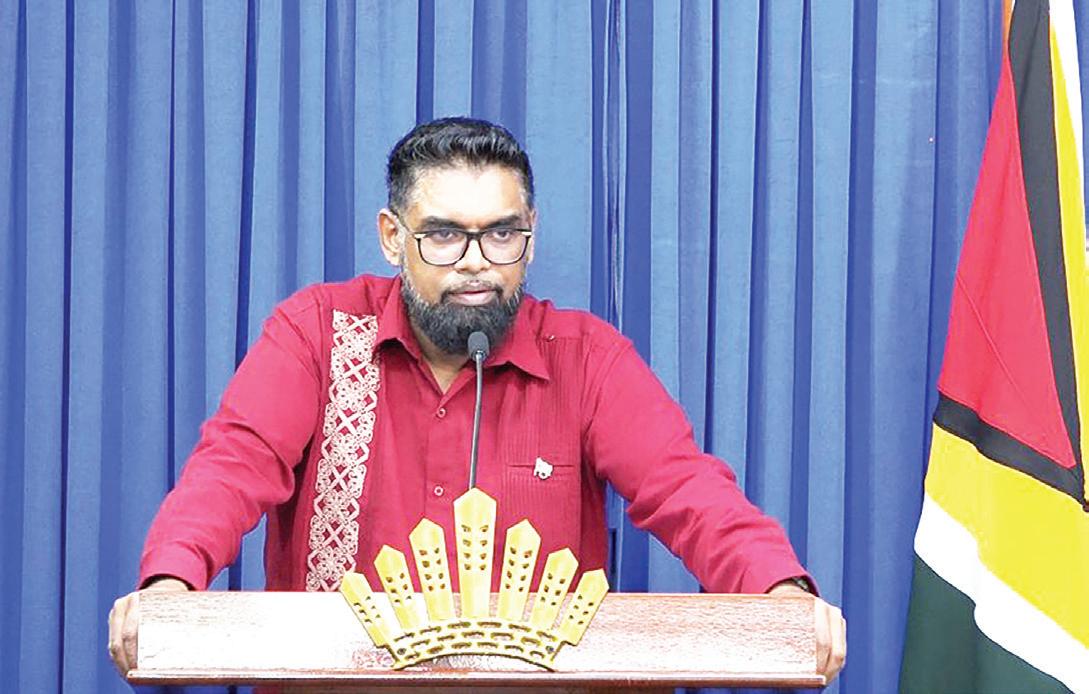
As Guyana pursues the development of its natural gas resources, President Dr Irfaan Ali says that there are significant interests from major players in the United States to build onshore facilities that would utilise that gas.
The Head of State made these remarks at a press conference on Friday, where he told Guyana Times that the country’s priorities are monetising the natural gas resources found offshore, especially the prolific Stabroek Block, estimated at 17 trillion cubic feet (tcf), as quickly as possible while also creating the opportunities to build out the onshore facilities that would enhance its development.
Already, President Ali noted that there have been immense interests from the US “The interest, especially from the US, has been incredible in terms of some of the onshore build-out that can come based on that gas,” he told this newspaper.
The Guyanese leader reminded that during the inaugural Berbice Gas Summit held in Georgetown in November 2025, “...we saw interest from hyperscale data centres, massive urea plants, energy facilities, and, name it, the whole petrochemical industry.”
At that summit, President Ali made it clear that Guyana must monetise its gas resources by 2030, transforming Berbice in Region Six (East BerbiceCorentyne) into an innovation and industrial hub with the establishment of largescale facilities.
Currently, the country is gearing up to tap into its offshore resources with the highly anticipated Gas-toEnergy Project (GtE), which will pipe the natural gas from the Stabroek Block onshore for a 300-megawatt (MW) power plant and a Natural Gas Liquids (NGL) facility at Wales, West Bank Demerara.
Some 250 kilometres of 12-inch pipelines have already been laid to bring the gas onshore by this year’s end. However, only 40 per cent of the pipeline’s capacity will be used by this first phase of the GtE Project, and the Government is pursuing GtE Phase Two, which will see a second 300-MW power plant and NGL facility constructed right at the Wales site to fully optimise the pipeline.
However, this Gas-toEnergy initiative is different from the gas development in Berbice, which is a potentially large-scale project to bring the non-associated natural gas from the
Stabroek Block to support a major industrial hub in the eastern part of Guyana.
The Guyana Government has been touting the development of a second gas project in Region Six (East Berbice-Corentyne) to support large-scale industrial growth with power plants, a data centre, and an alumina plant, among other heavy industries.
Suriname collaboration
But as Guyana focuses on developing its own gas potential, President Ali has repeatedly emphasised that the infrastructure it is building out will also help neighbouring countries like Suriname shorten their time to monetisation and benefit from shared opportunities.
In fact, the Guyanese leader pointed out during
Friday’s press conference that “...the conversation with Suriname is important to see how they will treat their gas. Of course, we are working towards having our pipeline to see whether they will feed into our pipeline. If that happens, of course, the project goes up to a higher scale with massive additional opportunities.”
According to Ali, discussions in this regard are ongoing with Surinamese authorities.
Only back in March, President of ExxonMobil Guyana Limited (EMGL), Alistair Routledge, disclosed that the pipeline that will bring gas from offshore to Berbice could cost an estimated US$2 billion – double the cost of current infrastructure that was laid since 2024 for the Wales GtE proj-
ect.
Routledge had noted that while they are yet to work out the specifications of the new pipeline, there are talks ongoing with the Suriname Government on sharing the pipeline. “It could be economies of scale to do that,” Routledge stated.
In fact, at the Guyana Energy Conference and Supply Chain Expo held in Georgetown earlier this year, President Ali declared that Guyana is looking for “like-minded partners” and directly appealed to Suriname to join Guyana in scaling up the second gas project planned for the Berbice region, which borders the Dutch-speaking nation.
Suriname’s Oil, Gas, and Environment Minister Patrick Brunings, who attended the Energy Conference, acknowledged and highlighted the scope for potential collaboration in advancing the region’s energy transition.
However, the seventh project, Hammerhead, slated for 2029, and the eighth development, Longtail, expected in 2030, are pegged as major gas development projects.
As part of its aggressive energy agenda and efforts to monetise the country’s natural gas resources, the Guyana Government has selected United States energy firm Fulcrum LNG Inc to work in a tripartite arrangement with ExxonMobil to develop the Berbice gas project.
“What we are doing now is to try to find the best formula, looking at all the proposals on the table, from Exxon, from the partners, what Fulcrum’s idea is, and also what the reality of the global system looks like. We have two things that we want to do. We want to ensure we can monetise as quickly as possible. But at the same time, we also want to build out the onshore facilities as quickly as possible so that we can leverage that gas to create the greatest multiplier effect for Guyana’s development [and] for our regional positioning,” President Ali told the Guyana Times during Friday’s press conference.
Currently, ExxonMobil is operating four developments in the Stabroek Block offshore Guyana – Liza Phase One, Liza Phase Two, Payara, and Yellowtail –with its fifth project, Uaru, on schedule to come onstream later this year and the sixth, Whiptail, slated for start-up in 2027. All of these projects produce what has been described as “black crude”.

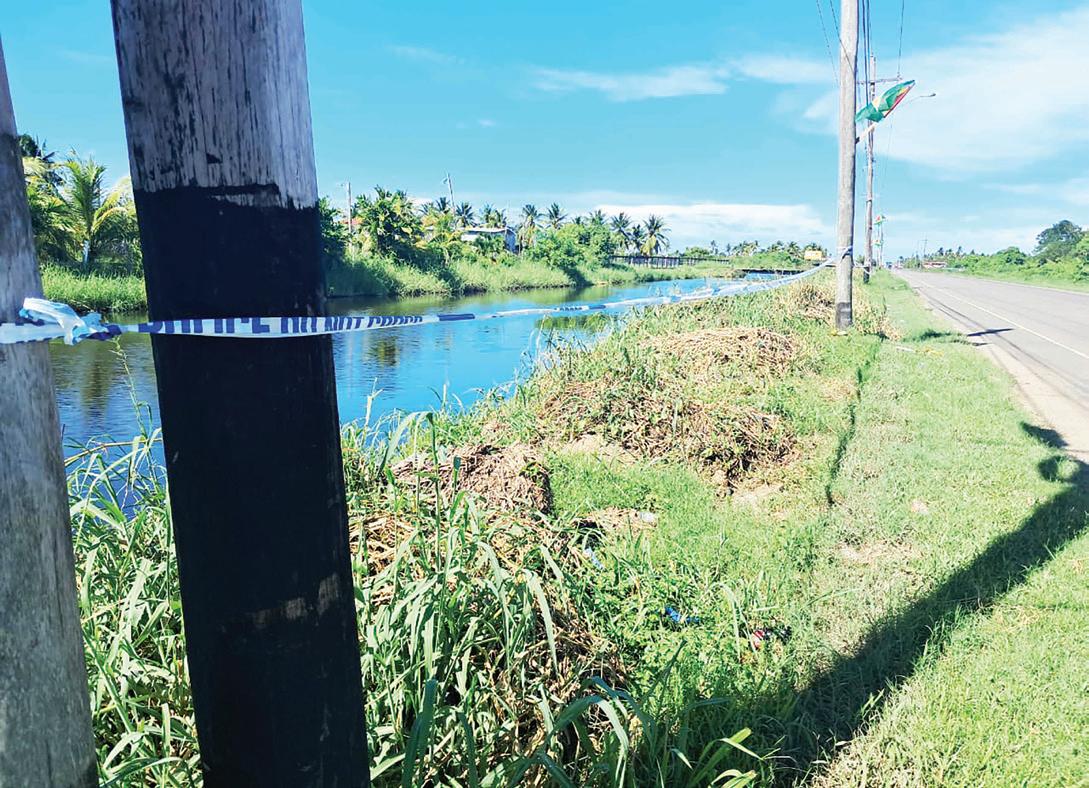
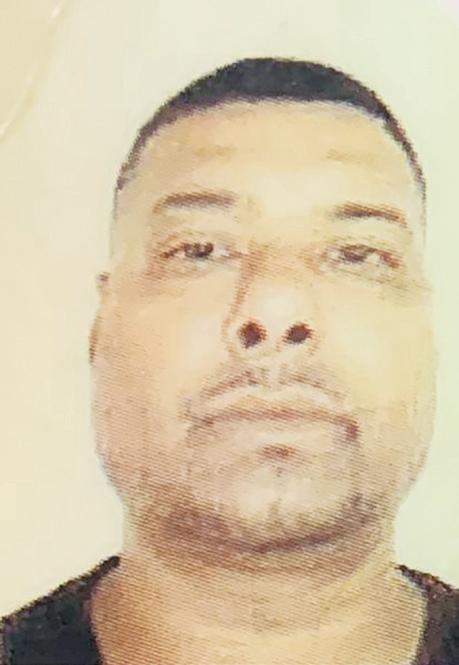
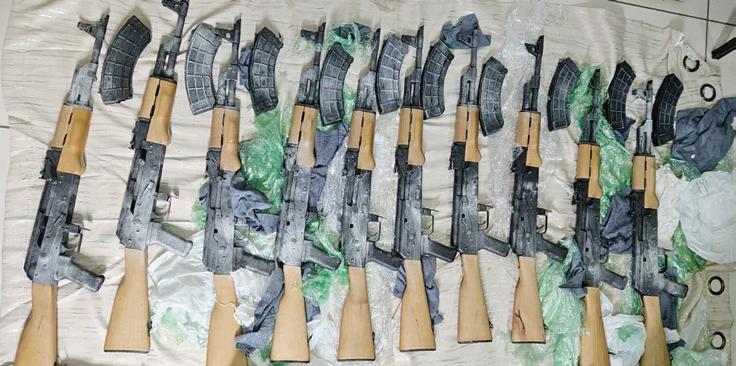
A33-year-old taxi driver from Goed Fortuin, West Bank
(WBD), was taken into custody on Friday following the discovery of 10 abandoned
AK-47 rifles along the No 11 Village Public Road, East Coast Berbice (ECB), Region Six.
Based on reports received, Police were conducting a stop-and-search exercise along the Berbice River Bridge Access Road in the early hours of Friday when they attempted to stop a black Toyota Fielder Waggon, motor car HC 9018, but the driver reportedly drove away from the ranks. However, acting on information received, the ranks later conducted a search along No 11 Village Public Road, where the 10 high-powered

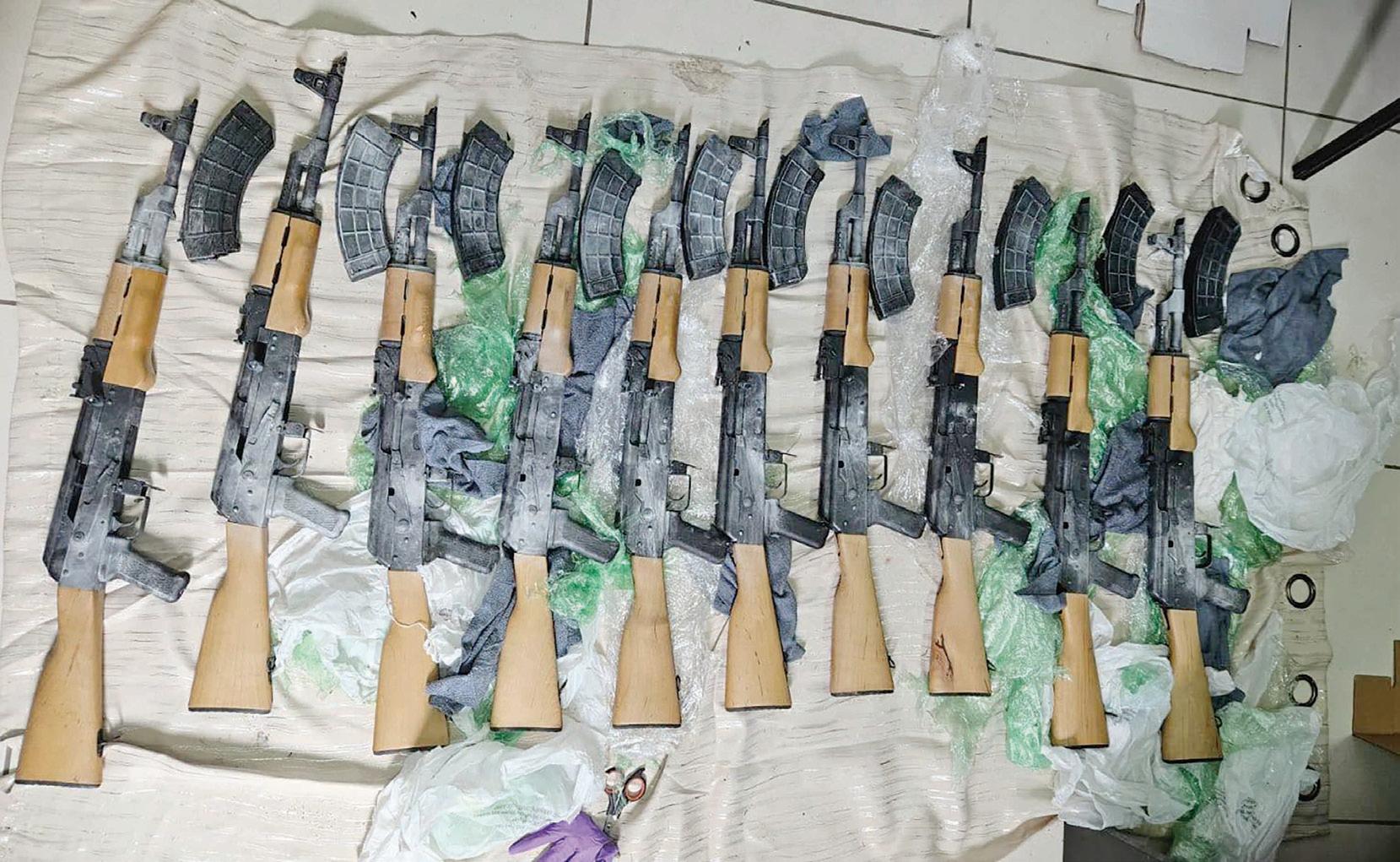
rifles were found wrapped in plastic and cloth.
Upon further inspection, the firearms reportedly bore markings consistent with 7.62x39mm rifles. It was further observed that sections of the firearms appeared to have been tampered with, suspected to have been done to obscure serial numbers. The firearms were transported to
the Central Police Station, where they were lodged.
According to information received, further investigations led to identifying the driver of the getaway motor car as a resident of Goed Fortuin, WBD. With the support of other ranks from the other Police divisions, the car was subsequently intercepted at Nabaclis, East Coast Demerara (ECD).
Meanwhile, later in the day, a motor car, a white Toyota RunX bearing registration number PSS 4272, suspected to have also been involved in the transportation of the firearms, was found abandoned at Second Street, Savannah Park, New Amsterdam, Berbice. The suspect remains in custody and is assisting with investigations.
The GPS has been progressively shifting its correctional approach from custodial punishment toward rehabilitation and reinte-

gration, with technical and vocational education forming a central pillar of that strategy.
The GPS operates under the Ministry of Home Affairs and is mandated to ensure safe custody of offenders while also promoting rehabilitation and reintegration through structured programmes, including training and education initiatives for inmates. Over recent years, the prison system has expanded its skills development programmes across multiple facilities, with more than 1300 inmates participating in rehabilitation and vocational training initiatives aimed at improving employability after release.
These programmes in-
clude technical skills, academic development and behavioural training designed to reduce recidivism and support reintegration into society. The introduction of TVET certification within the prison system aligns with Guyana’s broader national education strategy, which prioritises TVET as a key driver of workforce development, economic growth and social inclusion. The national TVET framework emphasises competency-based certification, such as Caribbean Vocational Qualifications (CVQs) and National Vocational Qualifications (NVQs), which are recognised across the region and designed to meet labour market demands.

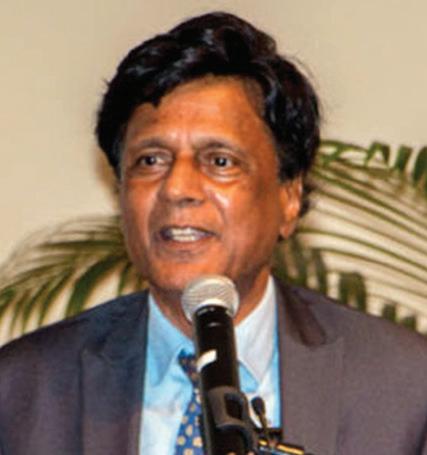
Another May 26; another Independence Day. But are we any closer to becoming a nation than on that day in 1966 when we received all the symbols of “nationhood” – flag, national motto, national hero, pledge of allegiance, etc.? I say not, and this is so for so many reasons, not least of all because we have been unwilling to craft a national narrative on which we all agree. Right off the bat, there’s the date itself chosen by Burnham – to the PPP and most Indian Guyanese, it was a callous, cruel, permanent reminder of the violent ethnic cleansing of the Indians of Wismar. Benedict Anderson said nations are “imagined political communities”, and every nation that has amounted to something has a narrative that captures its essence and holds the people together. Americans, for instance, have their “American Dream” narrative – that if they work hard and play by the rules, the sky is the limit as regards their upward mobility. Whether it reflects their reality is another story.
To say that the nation is “imaginary” is not to assert that the narrative is a tissue of lies, but, as historian Ernst Renan noted, it is about what we choose to remember as well as to forget. Sixty years after independence, each of our groups still holds on to its own narratives, which, ever so often, clash. And it is these contending assertions we have to re-examine and arrive at some sort of modus vivendi over what to remember and forget if we are ever to become a nation.
Invariably, these nodes of disagreement have to do with one or the other group proffering reasons why they are exceptional and therefore must be exempted from the universal norm of equality to the national patrimony guaranteed to all citizens of the state. Some of these clashing claims are about “who suffered more”, “who arrived first”, or “who did more to build Guyana”. Such assertions buttress claims for preferential treatment that create tensions among our “six peoples”. Take, for instance, the oft-reiterated claim by ACDA that African Guyanese should receive 18 per cent of Guyana. They point to the fact that our Indigenous Peoples have been allocated 13.8 per cent of our land mass as precedent for their claim.
In the African Guyanese narrative, their justification for land is that during slavery, their labour was expropriated without any compensation to develop Guyana, and as such, it is morally appropriate as “reparations”. They also claim greater suffering than other groups and have even challenged the claim of the Indigenous Peoples to have arrived first. The frisson occasioned by that narrative is that, as pointed out by the Indigenous Peoples, they negotiated treaties with the European powers which asserted sovereignty over Guyana, allowing them rights over lands they had occupied “from times immemorial”. At Independence, Stephen Campbell, representative of the Indigenous Peoples, was a party to the team negotiating the terms of devolving power from Britain and had those rights incorporated in Annex C of that agreement.
The two claims are therefore not equivalent and ought not to be linked in any narrative. Then again, on the matter of “reparations”, the CARICOM Committee headed by Sir Hilary Beckles has explicitly made claims against the European powers, primarily Britain and Holland, which unconscionably benefited from the exploitation of African slave labour. The local Guyana Committee is the only one in the Caribbean that is seeking to simultaneously extract reparations from its own government. On a quite mundane level, doesn’t the local reparation claim undercut the larger moral and inchoate legal claim against the European nations?
But the danger in these kinds of narratives is they raise the issues of arrival, suffering, and contribution by some groups in such a manner that can lead to conflicting claims from other groups. For instance, during the period of indentureship, the Portuguese, Indian, Caribbean Africans, post-slavery Africans from Africa, and Chinese immigrants were all severely exploited and suffered immeasurably under the plantation regime. Should they also start claiming reparations against the Guyanese state in the form of land grants?
My suggestion is that we have to craft a narrative which accepts that as citizens, we have all suffered and contributed to the creation and building of Guyana. With new horizons opening up from the oil revenues, we should all enjoy equality of opportunity. Affirmative action, of course, can be taken for groups that we all agree were discriminated against.

The World Trade Centre
Georgetown (WTCG) is set to host a special Diamond Independence Jubilee Celebration on Friday, May 29, in the form of an engaging and entertaining cocktail mixer under the theme “The Story of Rum in Guyana”. The event will celebrate one of Guyana’s greatest success stories – the evolution of the local rum and distillery industry from its origins in the sugar plantations of colonial British Guiana to its present status as a globally respected industry and symbol of national pride.
According to a release from the organisers, the guests will be treated to a fascinating presentation tracing the history of the rum industry prior to independence and its remarkable transformation in the post-independence era through innovation, creativity in blending,

international marketing success, diversification, growth and expansion.
“The programme will also highlight how the rum and distillery industry stands today as one of the clearest examples of the benefits of total Guyanese ownership of formerly foreign-owned and
controlled enterprises,” the release added.
In addition, the feature presentation will be delivered by Master Blender of Demerara Distillers Limited (DDL) Sharon Sue-Hang Baksh, who will share some of the untold “secrets” behind the crafting of the interna-
tionally acclaimed El Dorado Rum, regarded as one of the world’s leading premium rums. Executive Chairman of DDL, Komal Samaroo, is also expected to make brief remarks.
During the event, guests will have the opportunity to sample a range of worldclass Guyanese rums, enjoy popular local cuisine, and experience Guyanese artistic talent and craftsmanship. According to WTCG, the mixer promises to be “an enjoyable and uniquely Guyanese way to spend a Friday evening while celebrating our nation’s Diamond Jubilee of Independence.”
The event is expected to attract members of the business community, diplomatic corps, cultural stakeholders and rum enthusiasts interested in Guyana’s rich heritage and internationally recognised achievements in the distillery sector.






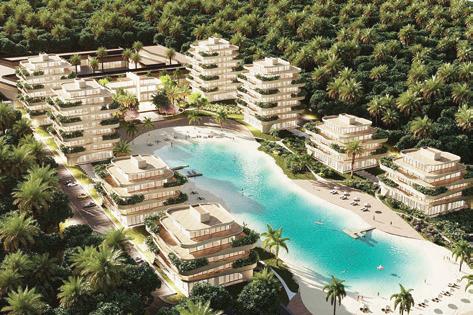
The Monarch Bay housing development project at Ogle, East Coast Demerara (ECD), is not just a luxury living resort but a model community that will be a cornerstone of Guyana’s transformation. This aligns with President Dr Irfaan Ali’s and the Government of Guyana’s long-term urban planning goals that embody sustainability, resilience, and modernity.
“President Ali’s Government has been consistent in its messaging around modernisation, infrastructure expansion, climate resilience, and creating world-class opportunities for the Guyanese people. Monarch Bay is aligned with that direction. It introduces sustainable planning principles, mixed-use development, and infrastructure that positions Guyana competitively on a global stage,” city businesswoman and one of the developers, Iman Cummings, said in an exclusive interview.
“We see this project as part of the larger story of national transformation. It is one piece of a much bigger picture that is being built in real time,” she added.
When the project was unveiled, the developers said that it is designed as an integrated mixed-use destination and that Monarch Bay will combine residential living, retail experiences, and thoughtfully planned community spaces within a contemporary waterfront setting. The development forms part of a 30-acre master plan and reflects the evolving demand for modern housing among Guyanese families, professionals, members of the diaspora, and investors.
Iman’s husband and one of the investment partners of the project, Clairmont Cummings, estimated that it will cost around US$20 million when the first phase is completed by 2028, and he also praised the Government’s development plans.
During the interview, he said that the vision reflects a symbol of Guyana’s transformation by embedding sustainable planning, mixed-use development, and infrastructure expansion, which reflects a vision of modernisation, resilience, and opportunity. “The vision was always to build something that reflects where Guyana is going. As the country undergoes one of the most significant economic transformations in its history, we felt strongly that urban development needed to rise to that moment. Housing alone is not enough. People want communities – places designed for connection, quality of life, and long-term liveability.”
He noted that Guyana’s coastline is both its lifeline and its vulnerability. With more than 90 percent of the population living along the low-lying Atlantic coast, rising sea levels pose an existential challenge, which is why the Monarch Bay developers are making climate resilience the cornerstone of their design.
When asked how the project addresses concerns about rising seas, Clairmont explained, “It is a critical consideration and one we take seriously. Climate resilience and infrastructure planning are foundational to any responsible longterm development in coastal Guyana. Engineering, drainage design, elevation strategies, water management systems, and environmental assessments are all integral to the planning process.”
The PPP/C Administration has continued to consistently highlight the PPP/C’s policy of climate resilience as a pillar of urban modernisation. Infrastructure expansion, smart growth principles, coastal defence synergy, and other policies are all part of a national plan the Government underscores.
National priorities
Monarch Bay has aligned with national priorities, even as its developers highlight that resilience is not only about engineering but, most importantly, about people, and this must be demonstrated daily.
Cummings said too that project engineers have embedded climate adaptation into every stage of planning, and the engineering blueprint is demonstrative of this. Clairmont said, “The project will meet modern engineering standards and apply climate adaptation strategies throughout. Building responsibly in this context is not just about regulatory compliance; it is about ensuring that what we build lasts and that the community we are creating can thrive for generations.”
A key feature of Monarch Bay is Guyana’s first crystalline lagoon, and the Cummings were asked why this technology was chosen.
“The Crystal Lagoon is the signature element of the development because it creates something entirely unique within the Guyanese market. It creates a resort-calibre environment that functions as a central social and recreational hub for the community. Globally, these lagoons have demonstrated extraordinary placemaking value and consistently elevated surrounding real estate,” Iman explained.
She added, “Beyond the resort-style appeal, the technology stood out to us because of its sustainability credentials. Crystal Lagoons® has earned international recognition for its efficient use of water and energy, particularly in tropical and developing markets. Compared to traditional recreational water systems, the technology uses significantly lower levels of water, energy, and chemical consumption. For a project in Guyana, that align-
ment with the country’s Low Carbon Development Strategy is not incidental – it was intentional. We believed it was important that a development of this scale not only deliver a world-class amenity but do so responsibly and with long-term environmental efficiency in mind.”
They both added that the recognised technology that transforms waterfront living into a resort-style experience is a first for Guyana, and they believe that all Guyanese deserve the best.
“Surrounding the lagoon anchor, the project encompasses full infrastructure de-
posited, is that it is not simply a luxury housing development; it is a fully integrated world-class community, and the distinction matters.
“The inclusion of Guyana’s first Crystal Lagoon is transformational because it introduces a globally recognised amenity that has redefined real estate markets in other parts of the world. This will be the first of its kind in Guyana, so it is a major differentiation from other projects,” he contended.
Further, he added, “But beyond that singular feature, the project is built around community design, waterfront integration, com-
tutional confidence in the project and in the broader trajectory of Guyana’s real estate market.” They said, “That relationship reflects exactly the kind of private sector collaboration we believe in: Guyanese institutions investing in Guyanese futures.”
As the project evolves, additional partnerships may come into play, Clairmont noted, but their foundation is built on “responsible phasing and long-term financial sustainability.” Monarch Group has also partnered with ARC Consultants, led by Kimberly Jeffrey D’Angelo,
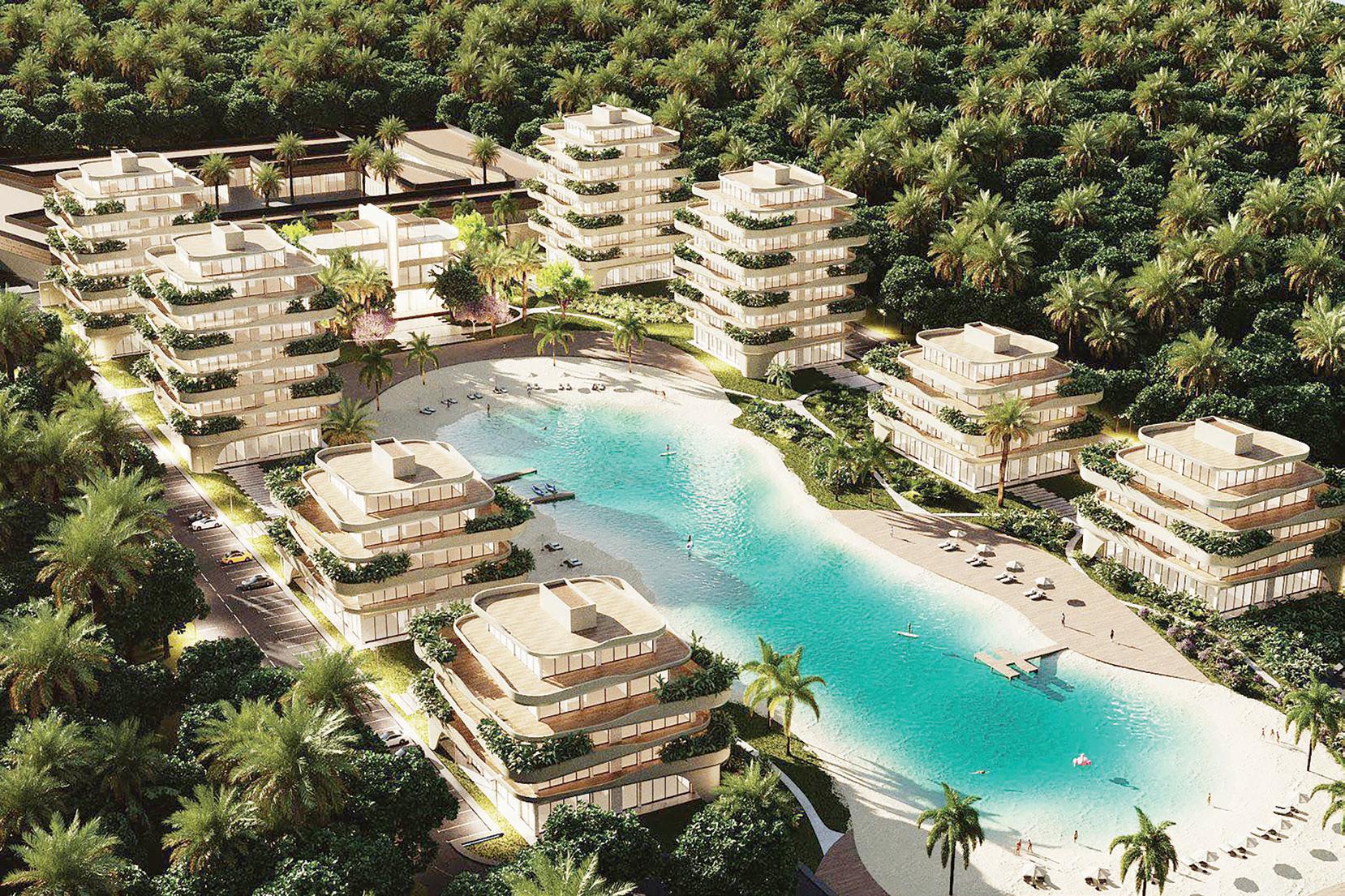
velopment, road networks, utilities, landscaped public spaces, retail and hospitality components, and longterm community planning. The scope is significant, and the vision is to build something that stands as a landmark development not just for Ogle but for Guyana,” Clairmont said.
Community impact was underscored as the Cummings emphasised that Monarch Bay is not being built in isolation, and they are very aware of the ripple effects. As such, traffic, schools, healthcare, and other factors are all interconnected. “That’s why we’ve partnered with local authorities to ensure that the surrounding community benefits, not suffers,” Iman said.
The “master-planned community” taking shape along the Ogle-Eccles corridor represents something genuinely new for Guyana, Clairmont underscored.
“This is not simply a residential development. It is a fully integrated community designed around modern infrastructure, state-of-theart amenities, commercial space, and public areas that come together as a cohesive whole.”
Project with a difference What differentiates Monarch Bay, Clairmont
mercial activation, and longterm liveability.” We are creating an experience and an ecosystem, not just homes. That is a fundamentally different approach, and we believe the market is ready for it.”
Significantly, Iman was quick to note that Guyana’s rapid economic expansion has produced a growing professional class, a surge in diaspora interest, and greater international investment activity, and these are all factors that are driving demand for modern, high-quality residential offerings, which the investors saw from analyses done.
“But what’s equally important is the shift in consumer expectations. Particularly among younger professionals and returning Guyanese, we are seeing a clear move away from simply wanting to own property toward wanting a more complete living experience. This includes security, convenience, community, and modern amenities. The market is maturing, and Monarch Bay is designed to meet that demand directly,” she added.
The Monarch Bay investment partners also related that the project is being financed in partnership with “Citizens Bank Guyana”, a strong signal of local insti-
a Toronto-based real estate professional with more than 15 years of industry experience, to lead sales and strategic market positioning for the project.
The development is expected to appeal to local buyers, members of the diaspora, and regional investors seeking modern waterfront living within one of the Caribbean’s and South America’s fastest-growing economies.
A number of jobs and commercial opportunities will be generated from the project.
“The opportunity is broad and multi-layered. Directly, the project will create employment across construction, engineering, hospitality, retail, maintenance, landscaping, food and beverage, and professional services. But the indirect economic impact is equally significant,” the young entrepreneur added.
“Developments like Monarch Bay stimulate supply chains, create small business opportunities, activate tourism, and draw ancillary investment to surrounding areas. We envision this becoming an important hub within the Ogle corridor and a destination that generates sustained economic activity well beyond the construction phase.”
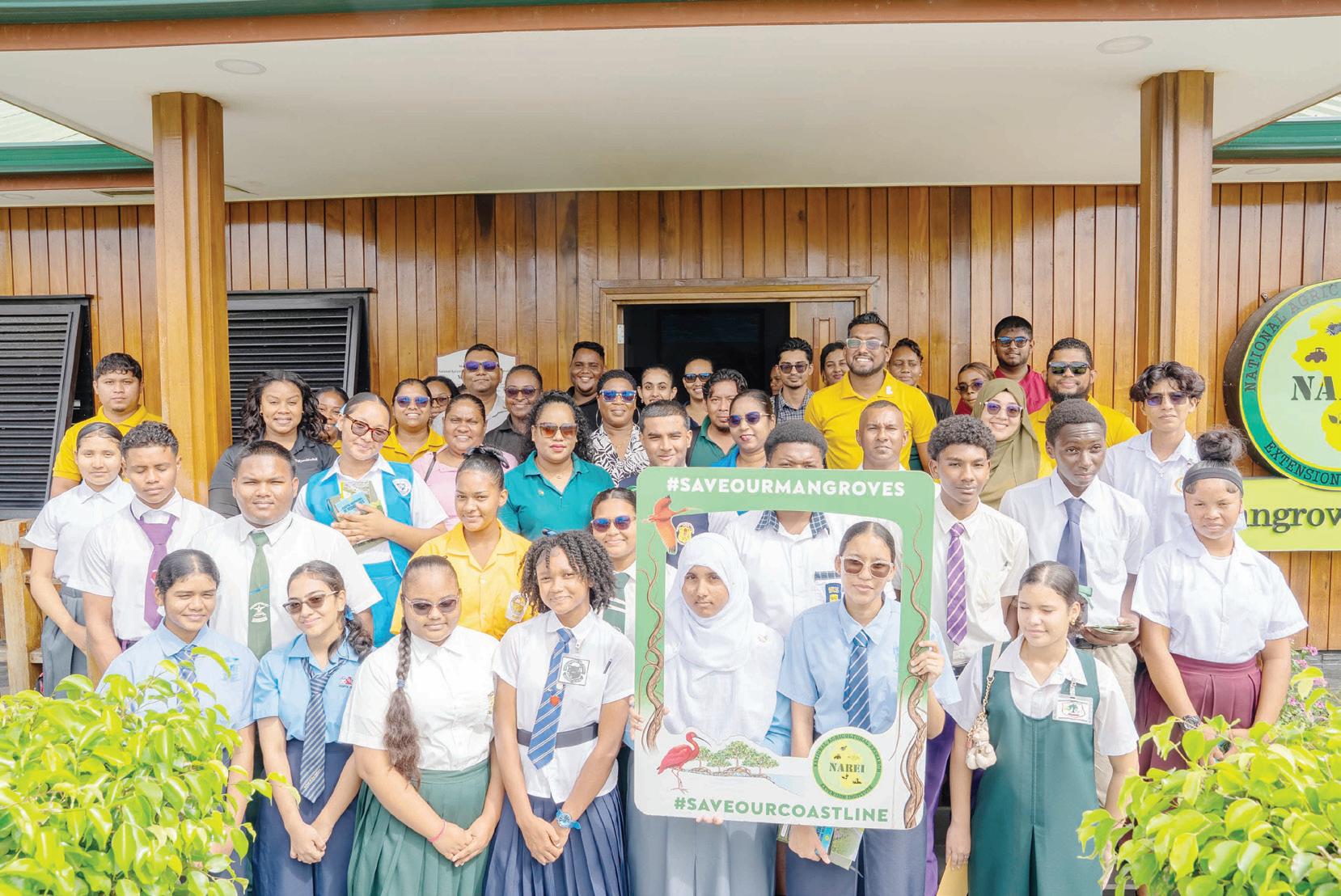
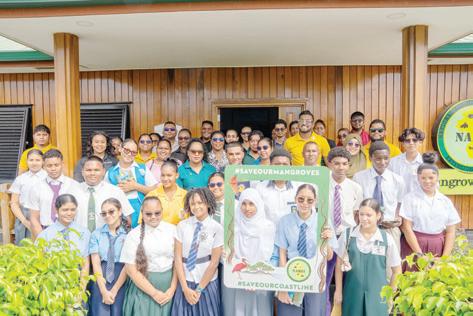
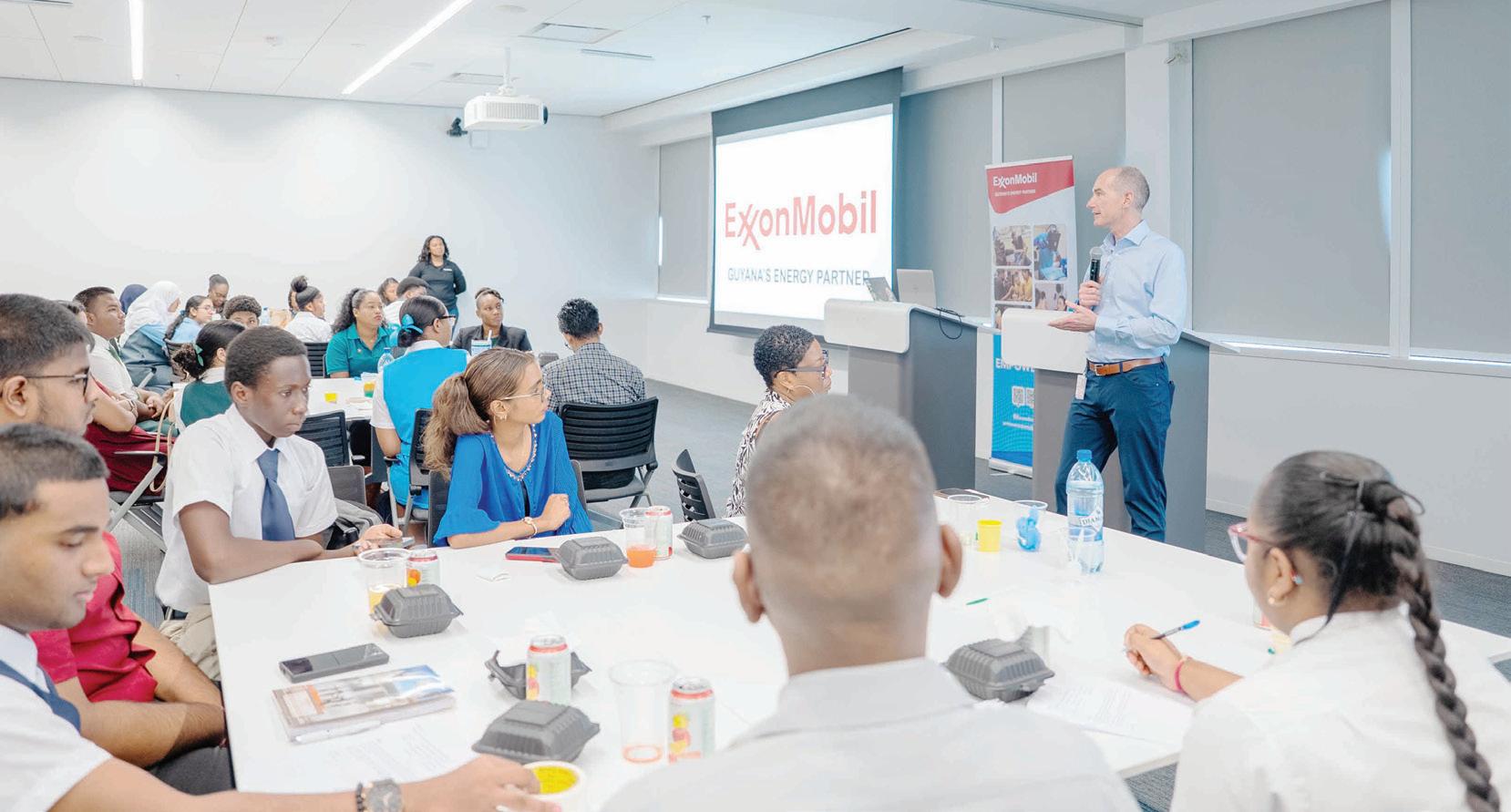
ExxonMobil Guyana recently hosted an in-person capacity-building session for the top 20 national finalists of SHOUT4Change. SHOUT, now in its fourth iteration, is Guyana’s national environmental speech competition and is implemented by Recover Guyana in part-
strengthening participants’ understanding of environmental sustainability, conservation efforts, and the role of industry in shaping Guyana’s low-carbon future.
During the programme, the finalists gained valuable insight into the company’s activities, with particular emphasis on en-
ered a comprehensive presentation on the Guyana Conservation Initiative (GCI) and its alignment with Guyana’s Low Carbon Development Strategy (LCDS) 2030.
GCI, a multi-year grant provided by the ExxonMobil Foundation, supports awareness of marine and conserva-
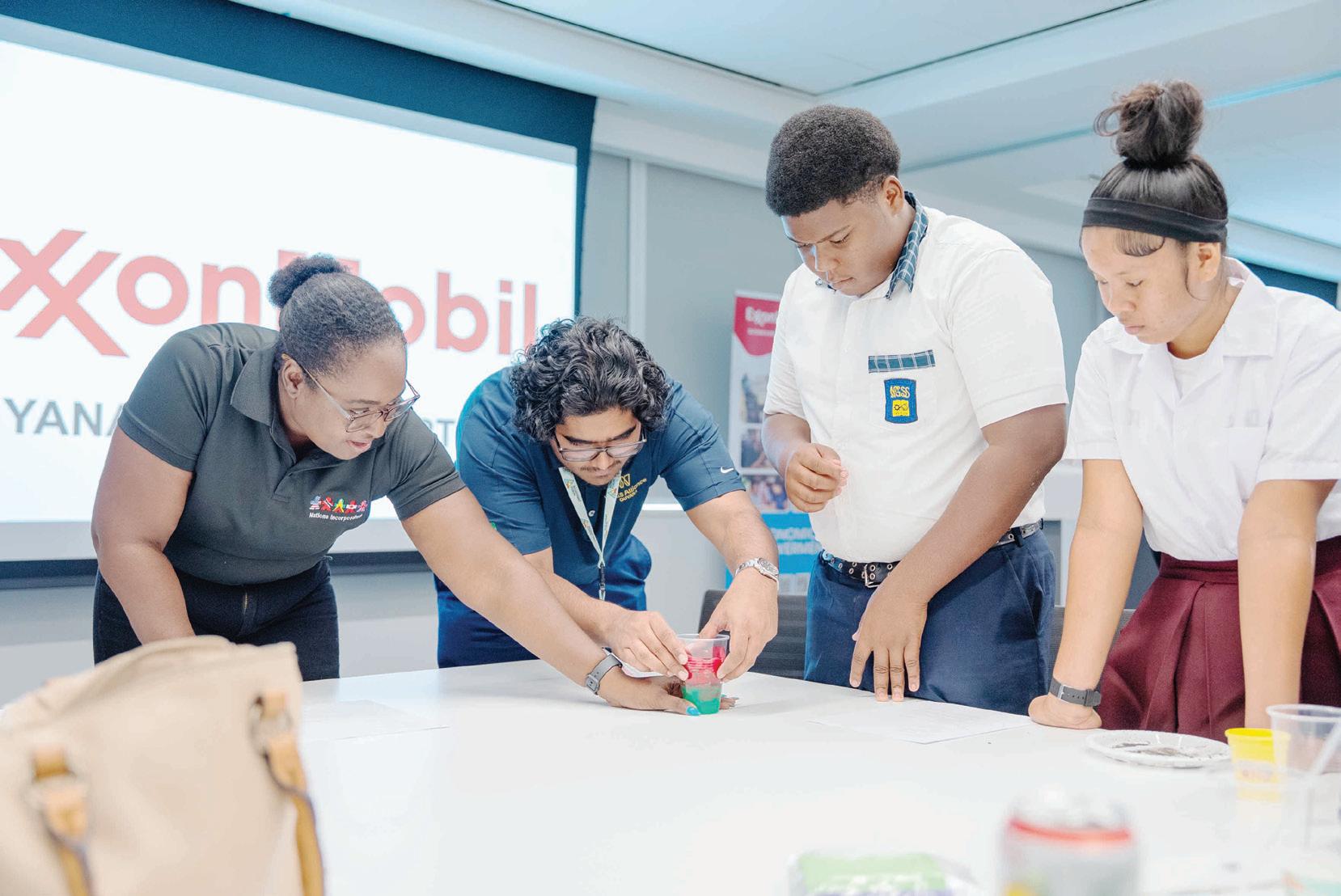
nership with the Education Ministry, with support from ExxonMobil Guyana. The immersive session formed a key component of the competition’s developmental programme, aimed at
vironmental management and sustainability practices.
Representatives from the Iwokrama International Centre for Rainforest Conservation and Development then deliv-
tion issues, ecosystem restoration, livelihood initiatives, and community support in coastal and hinterland regions.
As part of the experiential learning activities, final-
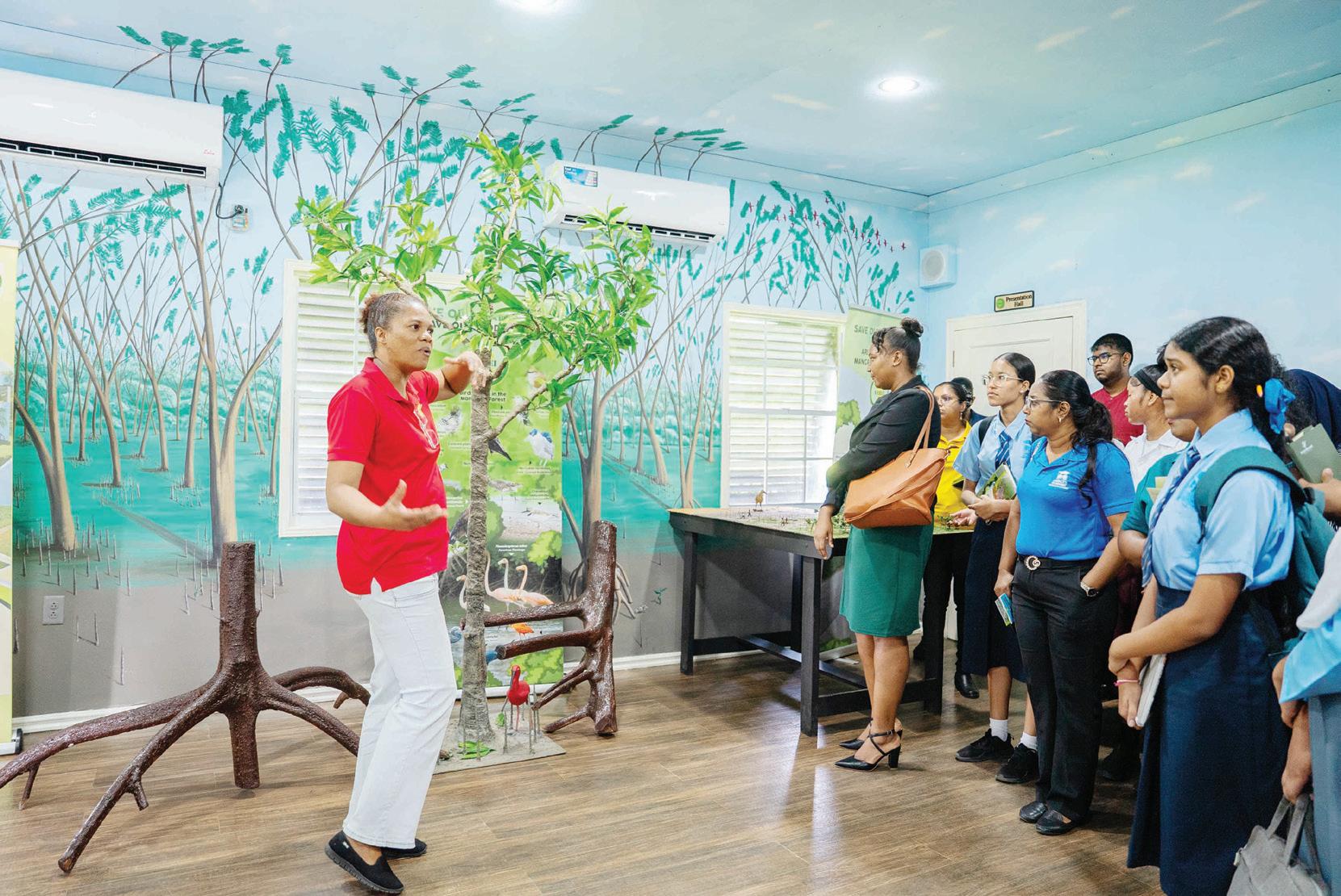
ists later participated in a guided tour of the Mangrove Information Centre. This segment provided practical insight into the importance of mangroves in coastal defence, biodiversity conservation and climate resilience.
The programme concluded
with a visit to the Turkeyen Seawall Mural, where participants explored how environmental awareness can be effectively communicated through public art and community engagement.
The SHOUT National Environmental Speech
Competition continues to empower young voices across Guyana, equipping participants with the knowledge and confidence to advocate for a more sustainable future, with ExxonMobil Guyana Limited as a key partner over the years.




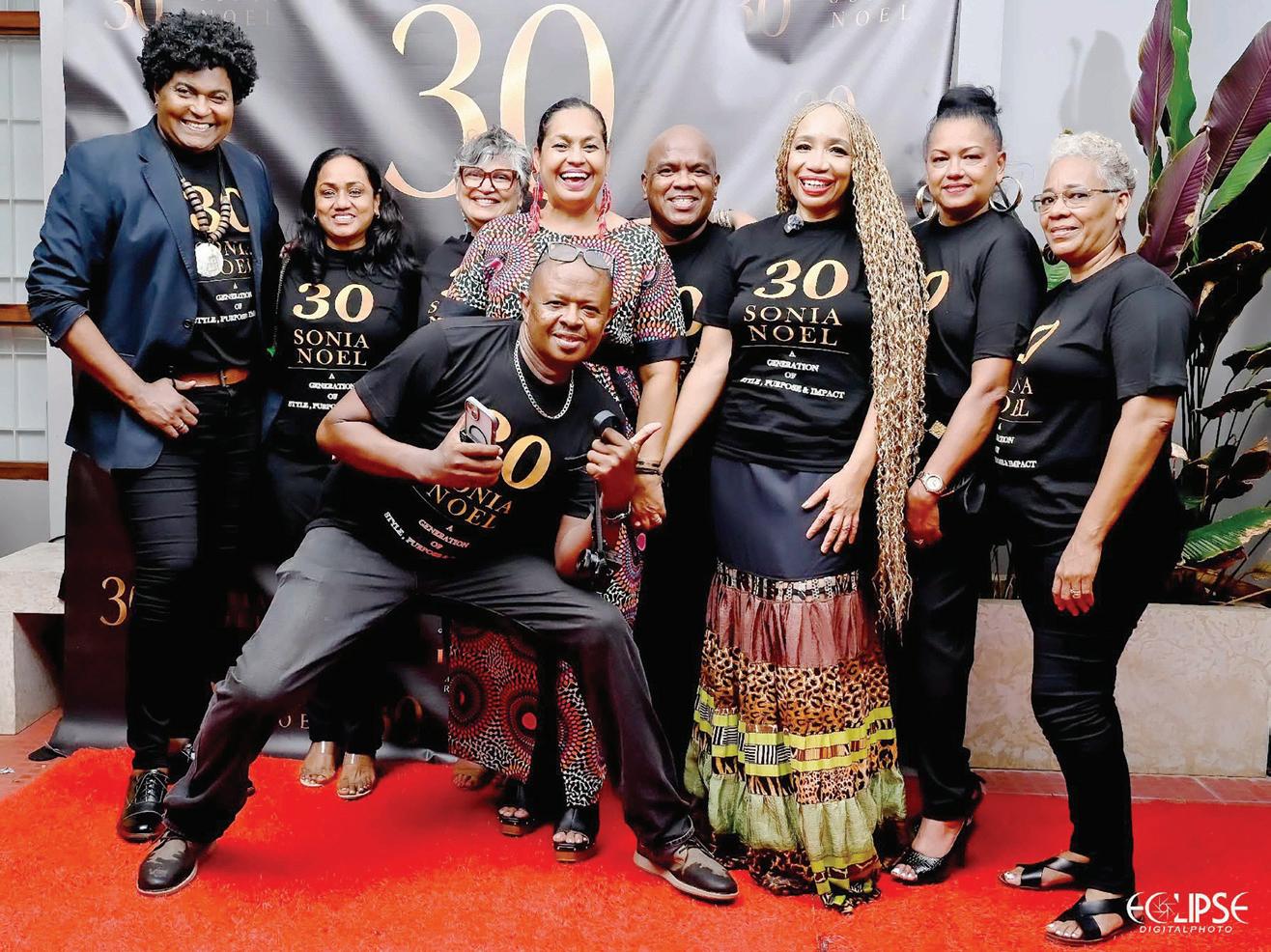
Guyana fashion icon Sonia Noel recently celebrated 30 years in the business with an unforgettable evening of creativity, elegance, culture, music and inspiration at the residence of the Canadian High Commissioner to Guyana.

tionally moving experience.
At the prestigious event, Noel launched a seven-month celebration running from May 19 to December 18, featuring more than 30 events and engagements across Guyana, the Caribbean, the United States (US), Africa, and beyond. Guests at the event were immersed in an experience unlike any other. The entrance alone created a powerful “wow” effect, featuring live mannequins so disciplined and captivating that many guests believed they were actual mannequins.
Their stillness, grace and performance became one of the most talked-about highlights of the evening. The esteemed guests were given a red carpet accompanied by the sounds of steel pan music from Ras Camo, setting the tone for a celebration deeply rooted in Caribbean creativity and culture. The evening’s creative direction was led by renowned Caribbean creative Richard Young, whose vision helped transform the launch
Adding to the emotional depth of the evening were spoken word performances by the fashion icon’s cousin, acclaimed actress Clemencia Godette, and Noel’s daughters, Shontai and Mariska Noel. Through heartfelt presentations, they reflected on Noel’s journey as a mother, entrepreneur, mentor and single parent whose resilience, sacrifice, discipline and determination helped shape their own lives and success. Their performances moved the audience as they spoke about witnessing their mother’s journey first-hand and now understanding it even more as mothers themselves.
Music also played an important role throughout the evening. Veteran jazz musician Herbie Marshall provided beautiful live musical accompaniment and also performed solo tributes in her honour. Rose Anne Jacobus delivered a stirring rendition of “Still Have Joy”, reflecting Sonia Noel’s unwavering faith, peace, resilience and gratitude despite life’s challenges. The event was well attended by members of the diplomatic corps, including the new British High
Fisher and his partner Oliver; the Ambassador of the Dominican Republic Ernesto Torres Pereyra; and the Colombian Ambassador Graybern Livingston Forbes, along with representatives from several other diplomatic missions.
Also in attendance were members of the private sector, creatives, entrepreneurs, Government officials, and Member of Parliament (MP) Peter Ramsaroop. A particularly touching moment for Sonia Noel was the presence of her mother, who rarely attends public events but came out to celebrate this milestone with her daughter and expressed how proud she was of Sonia’s achievements.
Delivering remarks during the evening was Tourism, Industry and Commerce Minister Susan Rodrigues, who praised Noel’s immense contribution to Guyana’s creative industry and cultural development.
“Sonia Noel is not just a celebrated fashion designer; she is a cultural ambassador, entrepreneur, mentor and visionary,” Rodrigues stated. “For over three decades, she has built a brand that has consistently celebrat-

gional and global fashion space.”
She further emphasised that Noel’s influence extends far beyond fashion and the runway, noting her dedication to mentoring young creatives, developing platforms for emerging talent and continuously promoting Guyana’s creative sector internationally. “If you need Sonia’s help, one phone call is all it takes, and she will get on a plane and go wherever she needs to go to give her public service,” the Minister shared, highlighting Noel’s generosity and commitment to uplifting others.
Canadian High Commissioner to Guyana Sébastien Sigouin also stated, “Sonia, what we celebrate tonight is not only longevity. Thirty years in any field is impressive. But thirty years in the creative world, where you had to constantly reinvent yourself, take risks, remain relevant, and still remain true to yourself, is truly remarkable. You have done that with grace, conviction, and generosity. Over the years, you have helped shape a creative space in Guyana and the Caribbean. You have mentored, opened doors, promoted talent and shown that creativity is not a luxury; it is an essential part of identity, econom-
ic opportunity and human expression. So, on behalf of Canada, we are proud to be associated with this evening. Sonia, congratulations on 30 years of creativity, leadership, and impact,” he concluded.
Reflecting on the evening, Noel related, “My mission is simple: to love, to uplift, to inspire, to empower, and to leave a legacy of impact that will echo far beyond my lifetime. I want every room I enter, every life I touch, and every opportunity I receive to leave the world better than I found it. The dash between my DOB and DOD must truly matter.”
The celebrations will include fashion showcases, empowerment programmes, cultural collaborations, philanthropic outreach, creative industry initiatives, The Designers Quest regional competition, youth empowerment activities, prison Ministry outreach, and global partnerships rooted in style, purpose, and impact. As part of the 30th Anniversary celebrations, Noel will also host a major global online experience, allowing persons from around the world who were unable to attend the official launch to participate in the movement virtually.

The experience will feature conversations, reflections, fashion moments, giveaways, inspiration and opportunities for global audiences to engage with the celebration in a meaningful way. The online experience is expected to attract participants from the Caribbean diaspora, North America, Africa, Europe, and beyond, reinforcing the global reach and impact of the Sonia Noel brand and mission.
“In honouring Sonia, we
honoured a generation of Caribbean trailblazers who dared to dream beyond limitation and stitched culture, creativity and entrepreneurship into the fabric of national identity,” were the sentiments of Richard Young. “There was a beautiful synergy in the room. We were two storytellers of the Caribbean experience meeting at the intersection of fashion, legacy and cultural purpose. Sonia’s journey reminds us that true pioneers do not merely build brands;

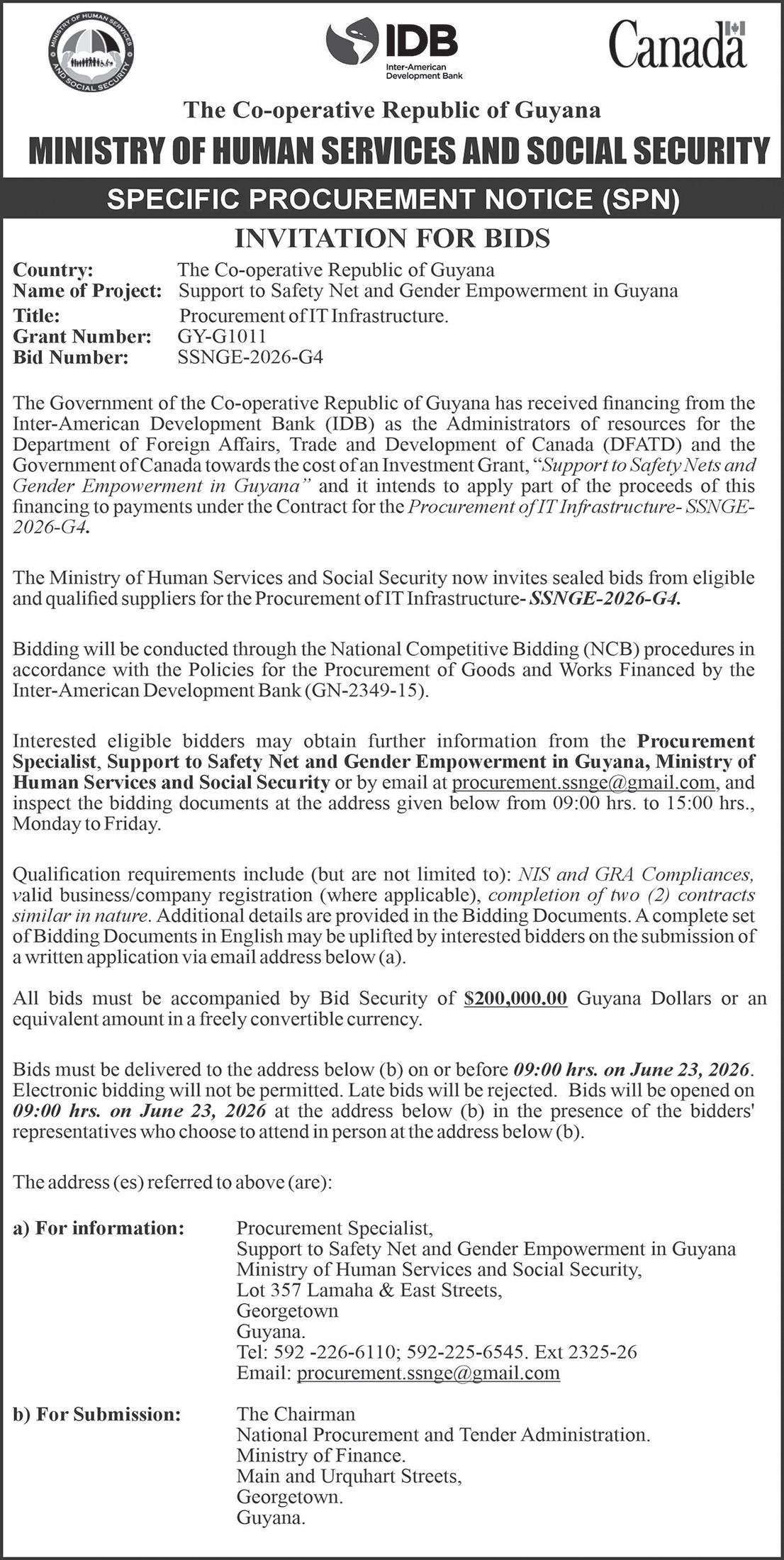
they build pathways for others to follow. The evening glowed with gratitude, diplomacy, memory and the unmistakable spirit of a woman who turned style into empowerment and creativity into nation-building,” Young added.
Noel has already commenced activities following the launch, including “Inner

Wardrobe”, an empowerment discussion experience encouraging attendees to bring personal care items for women inmates as part of her annual prison outreach programme, which is very close to her heart. Sonia Noel also expressed deep gratitude to her entire
team, the models, sponsors, creatives, supporters, diplomatic representatives, family, friends, prayer partners and everyone who contributed to making the launch a success, including those who simply sent messages of encouragement and prayers.

It was two epic nights for Soca fanatics, with the Guyana Carnival team serving up high-energy, memorable shows headlined by Soca royalty Kes the Band at Eldorado Stinginettles and the renowned Machel Montano at the Stink and Dutty J’ouvert. Both concerts treated Guyanese patrons and international Carnival followers to unforgettable performances of the highest standard, a true taste of Carnival from Trinidad and Tobago.
Crucially, top-tier Guyanese artists such as Omiah Hall, Calvin Burnette, Adrian Dutchin, Tony Cutz, Vicadi, and AW Band’s return to the stage sent the open-air crowd at



Singing over the roaring crowd, Dieffenthaller simultaneously put on a show for the ladies from the edge of the stage as they fully immersed themselves in the

“It’s so good to be home,” Dieffenthaller said as he transitioned to his second song, “Medicine”, which was timely as patrons lived for the lyrics, “You see when the Soca calls, it gives me powers to jam till morning.”
The setlist, curated from the band’s journey through their musical years and legendary catalogue, blended timeless classics with modern fete anthems: “Masterpiece”, “Carnival”, “Mental Day”, “Where yuh From”, “Fallin”, “Miracle”, “Cocoa Tea”, and the iconic “Wotless”, among others. Fans immediately sang along to every single word, creating a massive echo that resonated throughout the city. “Fallin” and “Wotless” ignited many fans’ nostalgic memories as they flashed back to the band’s early
The groovy Soca anthems evoked somatosensory responses to the rhythm of the songs, keeping waistlines moving and hands in the air, as the band’s live performance supported the soulful vocals of their frontman.

In light of reports that several communities in Region Nine (Upper Takutu-Upper Essequibo) are underwater due to continuous downpours, a response team was activated, including the Civil Defence Commission (CDC), the Guyana Defence Force (GDF), and the Regional Democratic Council (RDC), among other agencies.
As the agencies continue to monitor the situation, Prime Minister Brigadier (Ret’d) Mark Phillips was briefed on the ongoing assessments in affected areas, which include St
Ignatius, Annai, Aranaputa, Karasabai, Masekenari, and Aishalton.
Officials indicated that, based on preliminary information, the impact has primarily affected transportation routes and access to and from some communities, while detailed assessments at household and community levels are ongoing.
The briefing also examined national and regional response arrangements, including communication systems with affected villages, monitoring of water levels, and the readiness of emergency support in the event
conditions worsen.
Discussions further focused on the possible need for food and medical assistance, as well as the identification of emergency shelter locations should displacement become necessary.
Phillips, who has responsibility for the CDC, directed that response efforts be coordinated through the CDC’s regional structure within the region in close collaboration with regional officials, the GDF, the GPF, and other supporting agencies.
He stressed the importance of continuous moni-


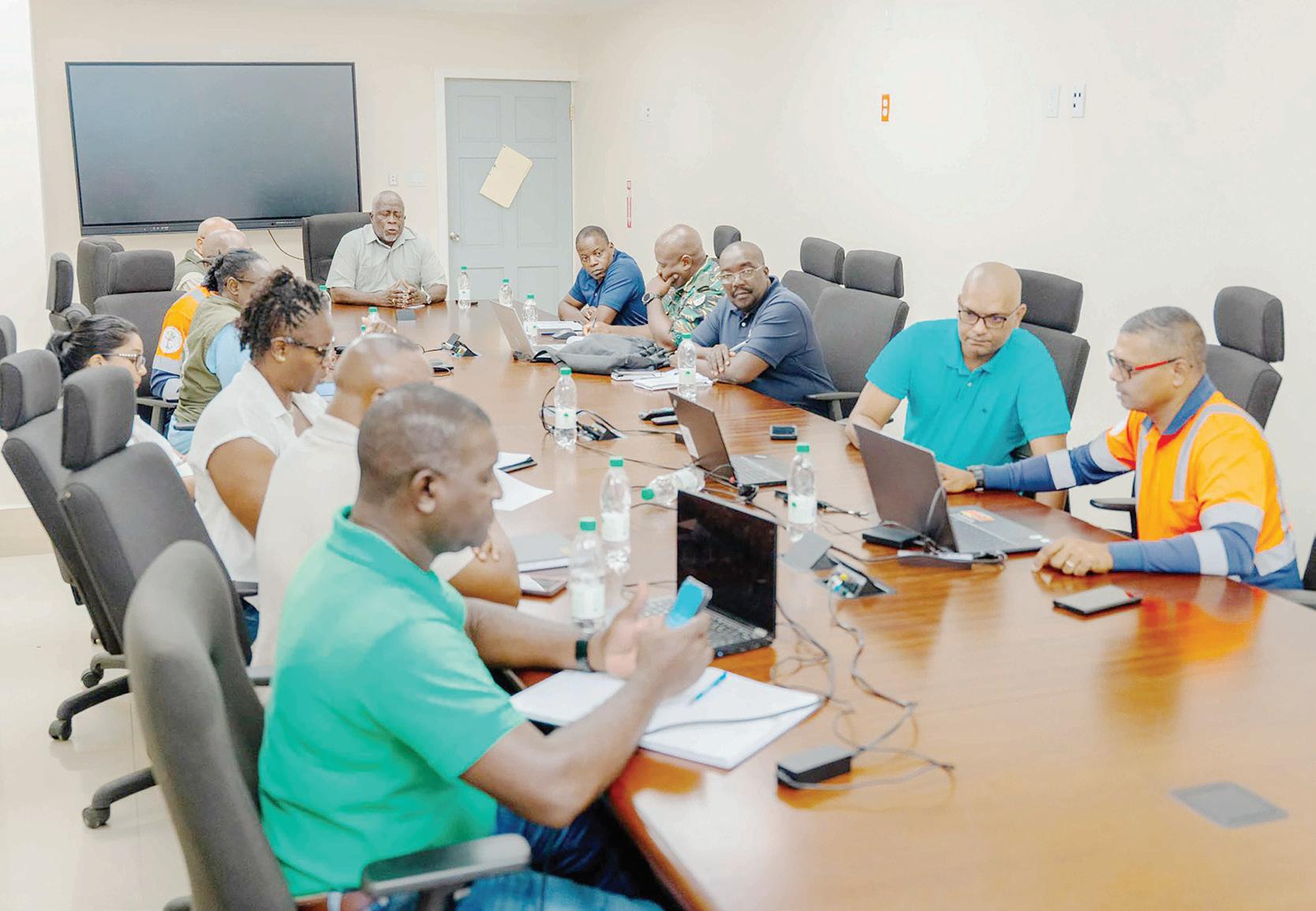
toring and timely reporting to ensure that all relevant agencies remain updated as the situation develops. “Regular situation reports are necessary to guide response efforts and ensure coordination among all agencies,” the Prime Minister emphasised during the briefing.
Local Government and Regional Development Priya Manickchand and Regional Chairman Karl Singh also participated virtually and provided updates from the regional level.
Region Nine has long been identified as one of
Guyana›s most flood-prone regions, with communities in the South Rupununi and surrounding areas regularly experiencing inundation during periods of prolonged rainfall.
Meanwhile, the CDC is working alongside the agencies to monitor water levels, conduct damage assessments, communicate with affected villages, and identify emergency shelters and relief measures where necessary.
Officials have also pointed out that Region Nine’s geographic and climatic conditions contribute signifi-
cantly to its vulnerability. The flat savannah terrain, combined with seasonal rainfall and upstream water flow from neighbouring areas, can result in rapid water accumulation and slow drainage, increasing the risk of widespread flooding during adverse weather conditions.
As a result, flooding in the region is widely regarded as a recurring challenge rather than an isolated event, with agencies maintaining heightened vigilance during the rainy season to support early response and coordination efforts.


While more than 95 per cent of Guyanese now have access to potable water, only 80 per cent of that water is treated, primarily along the coastline, according to Public Utilities Minister Deodat Indar.
Indar made this revelation during the Guyana Dialogue Podcast on Thursday evening, where he appeared as the special guest. Additionally, he stated that the Government continues to construct water treatment plants across the country to ensure citizens receive clean, safe, and purified drinking water.
"So, the potable drinking water we have is about 95 per cent, but purified, treated water on the coastline is about 80 per cent. And in the next two years, we expect to bring that to 100 per cent," the Minister said.
He highlighted that for the last five years, the Government has constructed seven new water treatment plants while also refurbishing and rehabilitating several existing facilities.
He noted that new plants were built along the East Coast, Caledonia on the East Bank of Two, while others were erected at Parika, East Bank Essequibo (EBE), and Wales, West Bank Demerara (WBD), all in an effort to im-
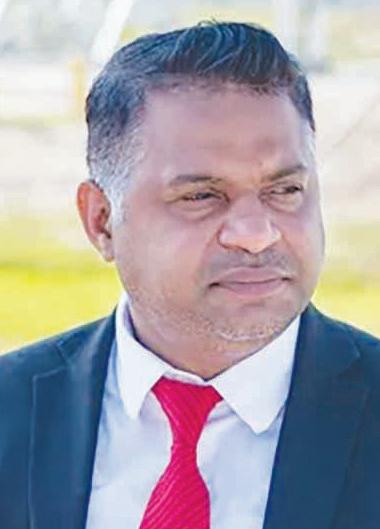
prove access to treated water across the country.
Despite this, the Minister stated that the Government is looking to expand water treatment infrastructure along the coastline to meet the growing demand for potable water.
He explained that in Bartica, authorities sourced water from a stream located at Four Mile for the first time and implemented a surface water treatment system through a constructed plant.
"So, on the coastline, we have a number of water treatment plants. In Bartica, for the first time, we took the stream that was running at the back there at Four Mile and treated the surface water. We put in a treatment plant there built by Toshiba Water
Systems. The water is treated, and it reaches and exceeds the World Health Organization (WHO) standards."
"We are doing more of those kinds of treatment plants in Stewartville in Region Three, and we're going to do one on the East Coast at La Bonne Intention (LBI), because those areas have massive population density growth due to new housing schemes and allocations. You need more production of water," he said.
He stated that the strategic placement of water treatment facilities is necessary across the coastline, particularly in areas experiencing increased housing development and expanding housing schemes, in order to boost water production and ensure that the water is properly treated.
According to him, the Government has been working on the plan over the past five years. "The Guyana Government has budgeted some $22 billion this year in GWI's capital budget to look at all aspects of providing water. And that's on the coastline. On the hinterland side, we are close to 100 per cent," he said.
He disclosed that approximately two months ago, he visited Region Nine, where he commissioned water system networks in four different vil-
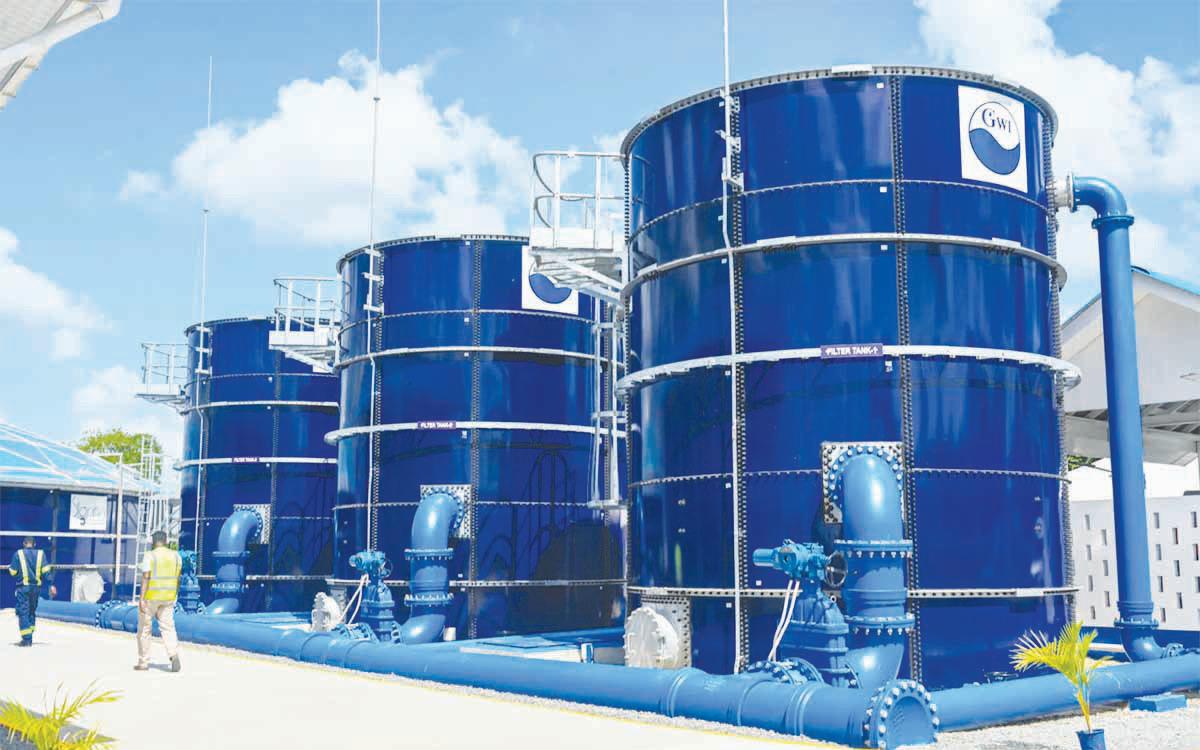
lages as part of efforts to improve access to potable water in hinterland communities.
According to the Minister, many residents in those communities previously depended on nearby creeks as their main source of water. However, he noted that wells are now being installed to provide safer and more reliable access to water.
He further noted that the geographical layout of many hinterland communities presents significant challenges for water distribution, as homes
are often scattered far apart, with some located miles away from central villages.
"But we continue to work on it ferociously. We have a good team at GWI, with some good managers there. The hinterland director is a very aggressive young man, and so is the team there; I met with them as well. They're an aggressive bunch, so they know what they're doing to get water to all the communities," he said.
Meanwhile, Indar highlighted that water wastage
and leakages continue to pose major challenges for GWI, similar to the issues faced by the Guyana Power and Light Company with electricity losses.
"But the same thing that troubles GPL with wastage, the same thing troubles GWI with leakages and wastage too. Because the loss factor on water produced is much higher; it's close to 60 per cent. So, it's something that we have to make sure we address by not leaving taps or pipes running," he urged.
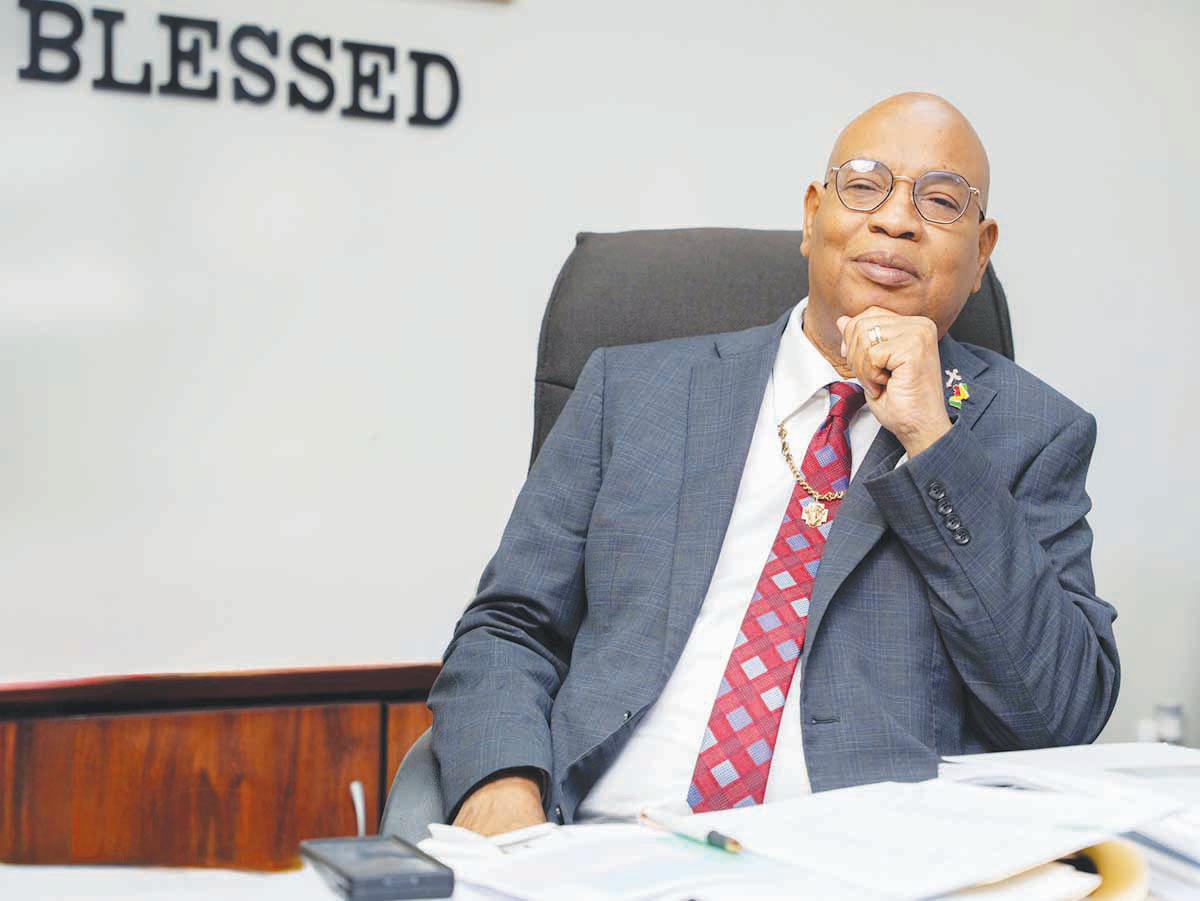
Days after the Government confirmed that it did not sanction any changes to the present public transport fare structure, scores of minibus operators refused to ply their trade and called for an urgent amendment to the decade-old document. This has caused a significant burden and inconvenience to those who rely on public transport for work, school or other domestic purposes. In light of this new development which can last for days, Public Works Minister Juan Edghill on Saturday strongly suggested that public transport must remain accessible and affordable, while also ensuring equity for thousands of people in Guyana.
According to the Minister via a social media post, the average Guyanese citizen who relies on public transport
to commute to work, attend school, access essential services, or carry out daily activities should not be forced to shoulder exorbitant fare increases imposed by minibus operators. “Public transport must remain accessible, affordable, and equitable because, for thousands of Guyanese, it is not a luxury; it is a daily necessity,” he reiterated. The Minister further noted that it is deeply concerning to witness recent attempts by minibus operators to justify unauthorised fare increases on the grounds of rising operational costs; while overlooking the extensive measures the Government has already implemented to alleviate these pressures. “Public transport operators, in particular, have directly benefited from these initiatives, just as the wider business community has… why should the
people who depend on public transport the most now be forced to bear the immediate burden of higher fares?”
“The market vendor trying to earn an honest living, the parent stretching every dollar to provide for their family, the pensioner travelling to a medical appointment, and the security officer heading home after a long shift are the individuals who will feel this impact first, and feel it hardest.” He underlined that the Government remains open to constructive dialogue where legitimate concerns exist, but maintains that fairness must extend to all stakeholders—especially consumers whose livelihoods depend on affordable public transport. He nevertheless, cautioned that any review of fares must be conducted through proper institutional channels, guided by due process and thorough consultation, rather than unilateral decisions that immediately impact ordinary Guyanese.
“The Government will continue to stand firmly with the people of Guyana in safeguarding fairness, affordability, and access to essential services, while continuing to engage all stakeholders in good faith,” the Minister underscored.
The Minister also highlighted that over the past several years, the Government has imple -
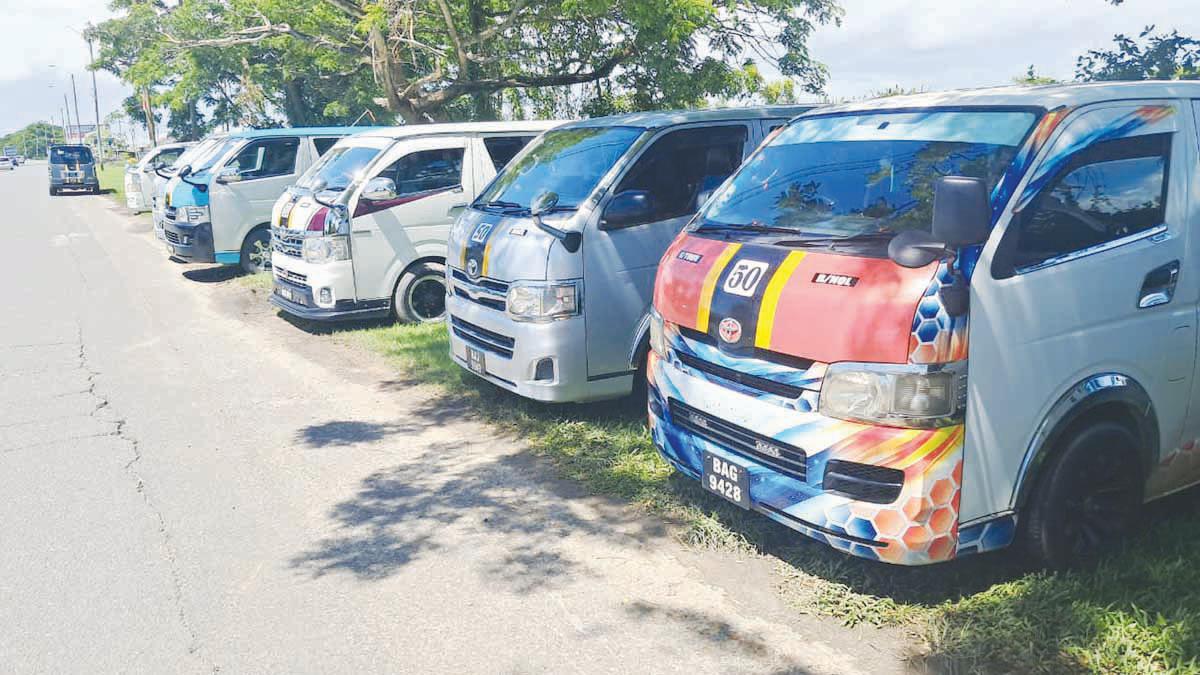

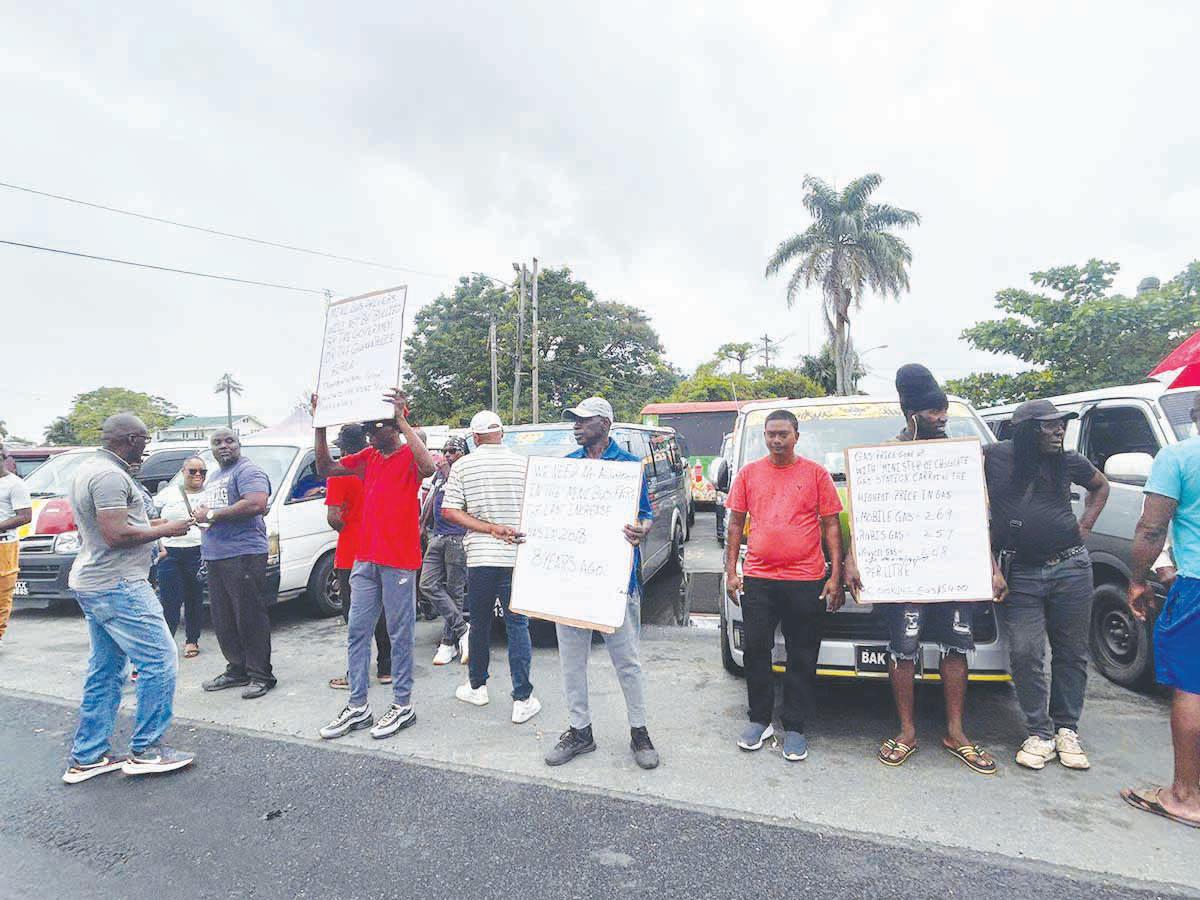
mented deliberate and significant measures to cushion the impact of rising global costs—particularly those affecting transportation. He explained that these subsidies include the reduction of fuel excise tax from 50 per cent to zero per cent. “When the current administration assumed office, the excise tax on fuel stood at 50 per cent. Recognising the severe impact that volatile global fuel prices would have on households, businesses and transport operators, the Government progressively reduced this tax until it reached zero per cent in March 2022, where it has remained.” He described this as a direct intervention to lower fuel costs nationwide. “Maintaining
a zero per cent excise tax has come at a tremendous cost to the State. The Government has foregone billions of dollars in annual revenue rather than allowing the full impact of international fuel price hikes to be passed directly onto the people of Guyana.” He also highlighted that the Government intervened to alleviate the burden of elevated global shipping costs by adjusting freight charges to pre-pandemic levels when calculating import taxes. These measures helped ease financial pressure on imported transportation-related commodities such as tyres, batteries, lubricants, spare parts and other essential vehicle components. “The Government has con -
sistently taken action to mitigate inflationary pressures across the economy. We understand that transportation costs do not exist in isolation, and that affordability for commuters must be viewed within the wider context of household expenses and national economic stability.” Only recently, President Dr Irfaan Ali urged transport operators and other private sector stakeholders benefiting from Government fuel subsidies to “be fair to the public,” arguing that many have not passed on the savings to consumers despite billions of dollars in tax relief and subsidies aimed at cushioning the impact of rising global fuel prices.
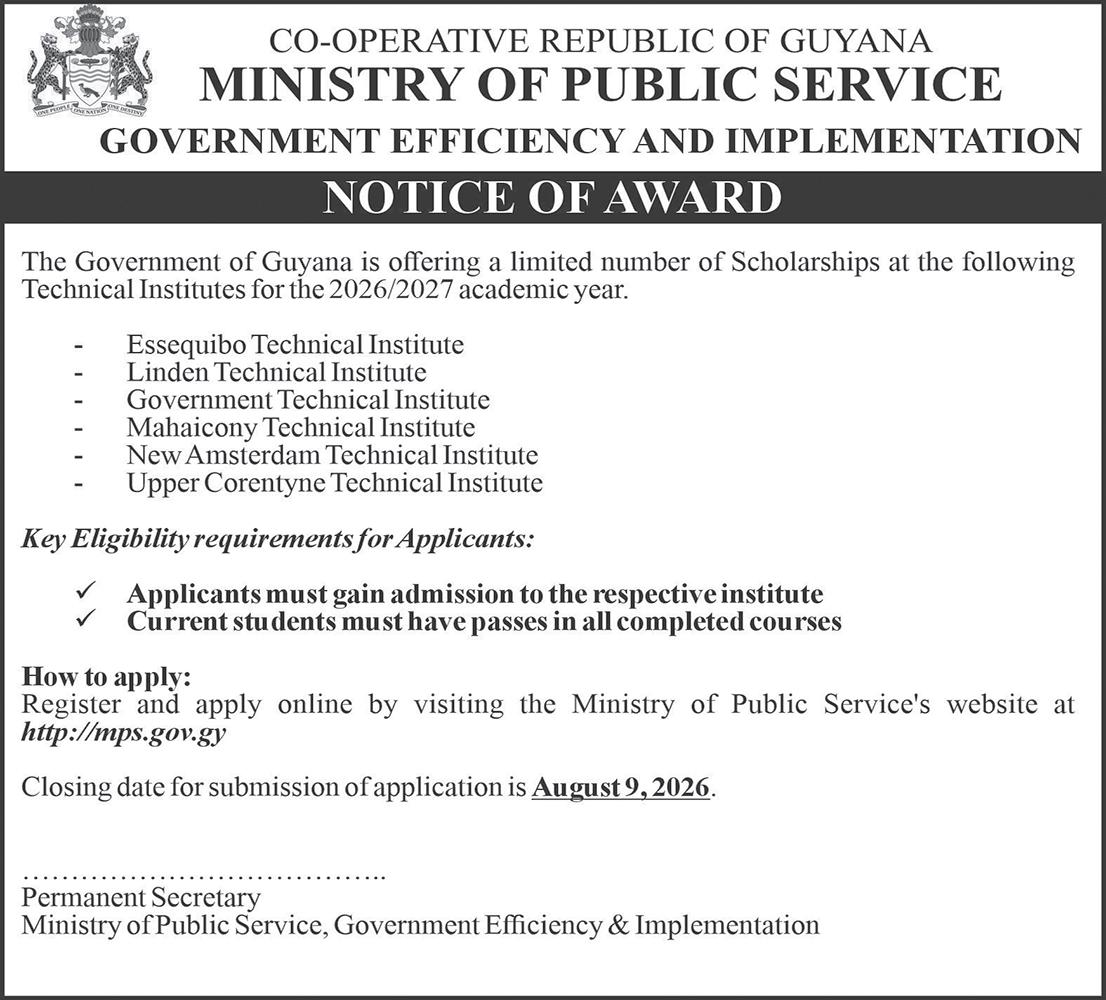


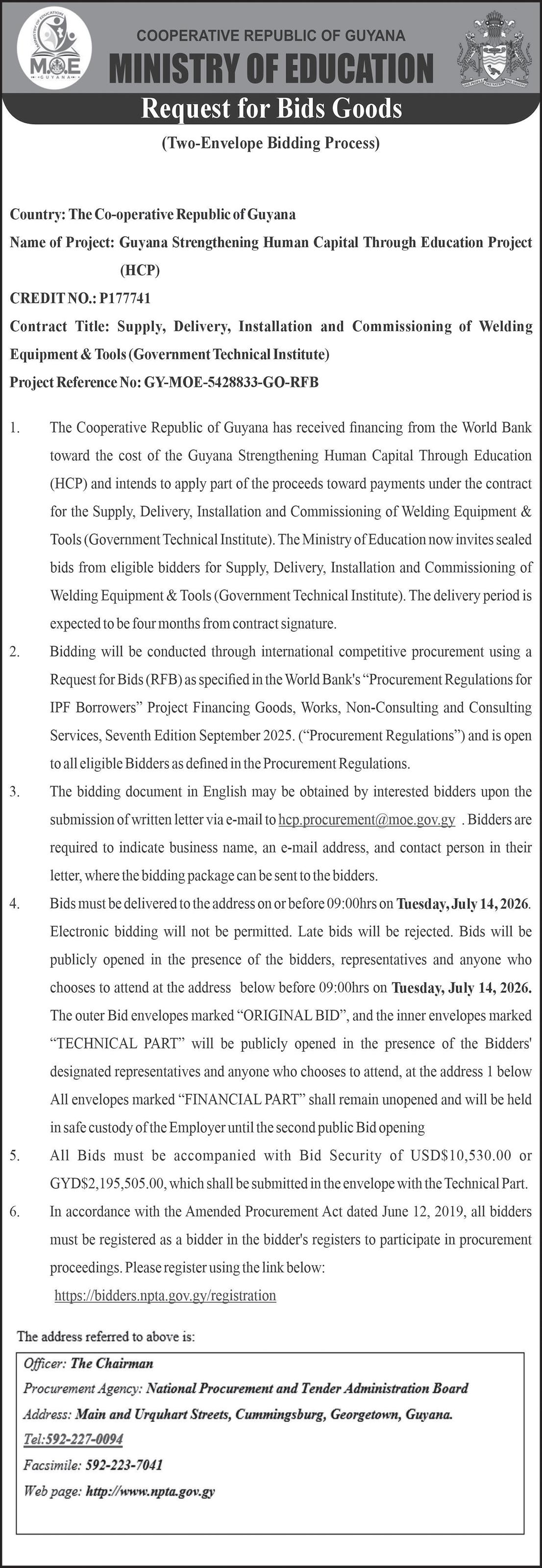
he U.S. Secret Service
Tfatally shot a person who opened fire on officers at a security checkpoint on Saturday in an exchange of gunfire that briefly locked down the White House, officials said.
The shooting happened shortly after 6 p.m. when a male approached the Secret Service checkpoint at 17th Street and Pennsylvania Avenue NW, pulled a gun from a bag and opened fire on officers, the Secret Service said in a statement.
The officers returned fire and shot the suspect, who was taken to a hospital, where he later died, the Secret Service said. The agency said the shooting remains under investigation.
A bystander was also shot, the Secret Service said, but it was unclear who fired the round that injured that person. Their condition was not immediately available.
President Donald Trump, who was at the White House at the time, was not injured, the Secret Service said. There were no injuries to agents, the agency said.
The Secret Service briefed Trump about the incident.
The suspect is believed to

have been known to D.C. police and the Secret Service, three officials said. The person had not been publicly identified Saturday evening.
An NBC News team at the White House heard between 20 and 30 gunshots at around 6:04 p.m., and Secret Service agents urged reporters who were gathered outside on the North Lawn to run inside the press briefing room.
The Secret Service was posted just outside the room with guns drawn as the White House went into lockdown.
The lockdown, which included the White House grounds, was lifted at 6:46 p.m.
FBI Director Kash Patel said on X that the FBI is on the scene and supporting the
Trump says Iran deal
Secret Service. The Bureau of Alcohol, Tobacco, Firearms and Explosives is also assisting the Secret Service and the Metropolitan Police Department.
Vice President JD Vance was at the White House earlier today, but it is unclear if he was there at the time of the shooting.
The shooting occurred on the west end of Pennsylvania Avenue, a pedestrian plaza that runs along the north side of the White House. Days earlier, part of plaza had reopened to the public following a monthslong closure.
The U.S. Capitol Police did not immediately respond to a request for information on the situation. (NBC News)
“largely negotiated”, including reopening Strait of Hormuz
US President Donald Trump says an agreement with Iran has been "largely negotiated" and details will be announced soon.
The deal would include the reopening of the Strait of Hormuz, he said on Saturday, without giving further details.
The Iranian Foreign Ministry spokesman Esmaeil Baqaei earlier told state television that US and Iranian positions had been converging in the last week but warned that did not mean agreements would be reached on key issues and accused the Americans of "contradictory
statements".
On social media, Trump said he had a "very good call" with the leaders of Saudi Arabia, the United Arab Emirates, Qatar, and others about a "Memorandum of Understanding pertaining to PEACE".
"An agreement has been largely negotiated, subject to finalisation between the United States of America, the Islamic Republic of Iran, and the various other countries, as listed," Trump said.
"Final aspects and details of the deal are currently being discussed and will be announced shortly."
He also said he had a call on Saturday with Israeli Prime Minister Benjamin Netanyahu, which "went very well".
The president has not given any further details on the deal but has insisted any agreement would "absolutely" prevent Iran from obtaining a nuclear weapon.
The US and Israel launched wide-ranging strikes on Iran on 28 February, sparking conflict across the Middle East. Iran responded by launching attacks on Israel and US-allied states in the Gulf. (Excerpt from BBC News)
Agas explosion at a coal mine in China's northern Shanxi province killed at least 82 persons, local officials said Saturday, in what was the country's deadliest mining accident in recent years.
The official Xinhua News Agency said the accident at Changzhi city's Liushenyu coal mine happened on Friday evening.
At a news conference late Saturday, local authorities said 82 were dead and that more than 120 people were hospitalised. Two were still missing. The death toll was a revised, lower number from
earlier reports by state broadcaster CCTV that said 90 had died.
The scene at the coal mine was "chaotic" in the immediate aftermath of the accident, they said, and figures provided at the time were initial and not definite.
The explosion was under investigation, local officials said, adding there were "serious violations" of the law by the mine's operator. They did not elaborate on any specific violations.
Earlier on Saturday, Xinhua reported that rescue work was pressing on a day after the accident, with hun-
Tens of thousands of people, led by university students, have rallied in the Serbian capital to protest against the Government and call for early elections.
The Novi Sad rail station disaster in November 2024, which killed 16 persons, sparked anti-corruption protests, calling for a transparent investigation, forcing thenPrime Minister Milos Vucevic to resign.
Protesters streamed into a central square in the capital, Belgrade, from several directions, many carrying banners and wearing T-shirts inscribed with the “Students win” motto of the youth movement.
Columns of cars drove into Belgrade from other Serbian towns earlier in the day.
Protester Maja Milas Markovic said students “managed to gather us here with their youth and wonderful en-
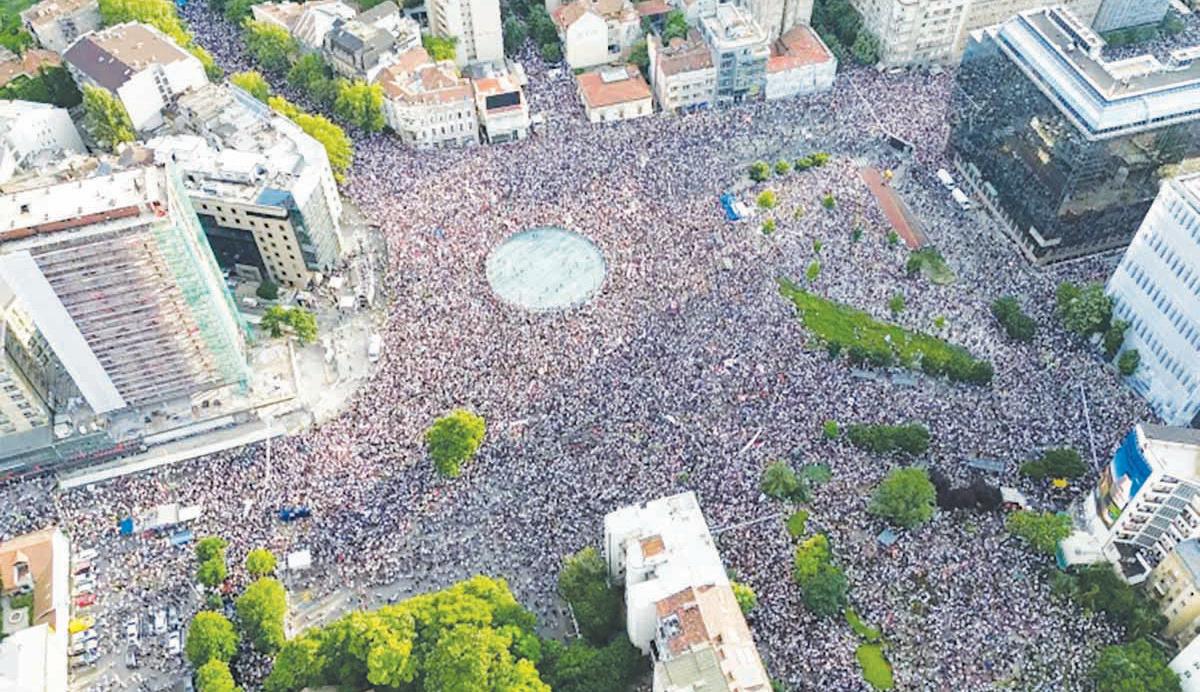
ergy; I really believe that we have [the] right to live normally.”
Serbia’s state railway company cancelled all trains to and from Belgrade on Saturday in a bid to prevent at least some people from coming from other parts of the Balkan country.
In the evening, sporadic clashes broke out between protesters and police near the presidency building and out-
side a park where Vucic’s supporters have been camping since March last year. With students leading the anticorruption movement, the demonstrations have snowballed into a campaign to push Vucic to call early elections. Vucic said this week that the ballot could be held between September and November this year. (Excerpt from Al Jazeera)
Three Red Cross volunteers died in the Democratic Republic of Congo (DRC) from suspected Ebola likely caught while managing dead bodies, the organisation has said.
They are believed to have contracted Ebola on March 27 while working in the eastern region of Ituri on a project unrelated to the virus, before the outbreak was identified.
The volunteers are among the first known victims of DR Congo's Ebola outbreak, which has resulted in more than 170 suspected deaths and 750 suspected cases.
The International Federation of Red Cross and Red Crescent Societies (IFRC) said they had died after serving their communities "with courage and humanity".
Alikana Udumusi Augustin, Sezabo Katanabo and Ajiko Chandiru Viviane had been working in the town of Mongwalu, which is now considered the epicentre of the outbreak. They died between May 5 and 16.
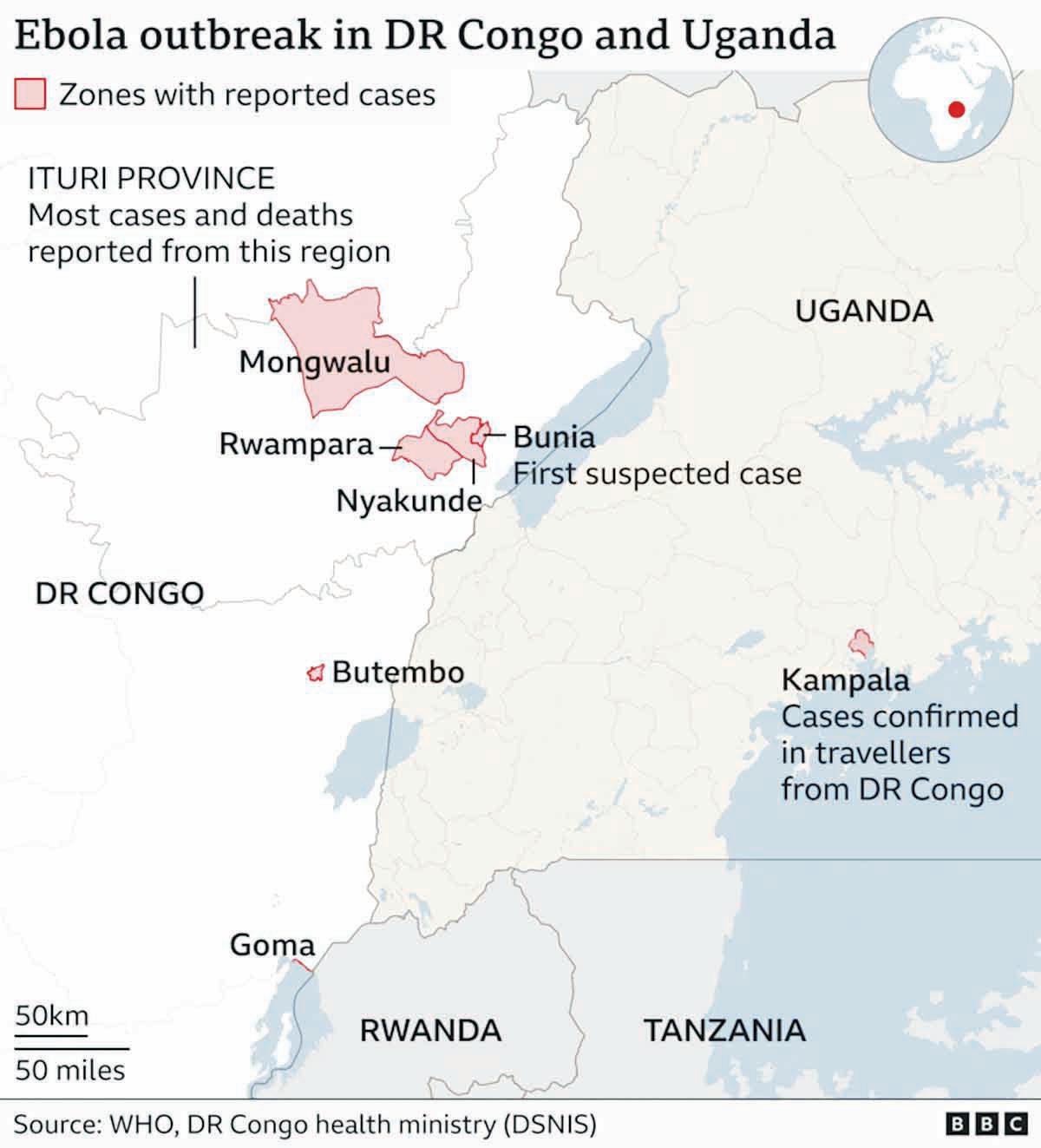
dreds of rescuers and medical personnel sent to the site. Among the injured, many were hurt by toxic gas, according to CCTV.
Chinese President Xi Jinping has called for an allout effort to rescue the missing, Xinhua reported. Xi also called for a "thorough investigation" and accountability "in accordance with the law".
Xinhua later reported that those responsible for the company involved in the mine accident have been "placed under control", citing the local emergency management bureau. (Excerpt from CBS News)
Health experts warn the bodies of Ebola patients can spread the virus because bodily fluids remain highly infectious after death.
The outbreak involves a rare species of Ebola, known as Bundibugyo, which has no proven vaccine and kills about a third of those infected.
On Friday, the World Health Organization (WHO) raised the public health risk from the virus in DR Congo from "high" to "very high". WHO chief Dr Tedros Adhanom Ghebreyesus also said the risk in the wider region in Africa was high but remained low globally. (Excerpt from BBC News)
The Trump Administration will temporarily pause the removal of refugees to the Democratic Republic of the Congo (DRC) during a spiralling Ebola outbreak, according to reporting by Politico, but experts say the move won’t help prevent the spread of the disease. At least one woman is now in limbo after officials moved her to Kinshasa, the capital of the DRC, and now say they won’t bring her back because of the Ebola travel ban – de-
spite a Judge’s order for her return.
Adriana Zapata, 55, fled Colombia to the US, but she was sent to Kinshasa over a month ago – even though the DRC said it could not care for her complex medical needs.
A US Judge ordered her return to the US, but American officials are saying they cannot bring her back because of the travel ban instituted on Monday.
“I’m just really worried about losing her,” Zapata’s lawyer, Lauren O’Neal, told
the Gothamist. “I don’t want her to die before we can get her back here.”
Immigration agents could come into contact with the virus during the trips, and the virus could spread closer to the US because of Trump’s immigration tactics, unnamed officials told Politico.
Yet they said the decision is at least partly motivated by legal concerns – that removal to a third country with an active Ebola outbreak could be used in an immigrant’s defence.
(Excerpt from The Guardian)













ARIES


TAURUS (April 20May 20)


GEMINI (MAY 21June 20)

CANCER


LEO (July 23Aug. 22)


VIRGO (Aug. 23Sept. 22) (March 21April 19)


Be creative, choose your words and actions wisely. Keep your emotions under control and your thoughts on completing unfinished business. Resolve issues that are holding you hostage. Make setting budgets and boundaries your goal, and you’ll save yourself time and money. Get your facts straight and trust your instincts to lead you in the right direction.
Pay attention, use your energy to complete your mission, and honor your promises. Stand up for your beliefs and don’t give anyone a chance to make you look bad. Putting in extra hours will pay off and position you for greater opportunities. Dealing with institutions will lead to uncertainty. Do your research and ask direct questions.
Initiate change for the right reason. Do your best to help others or to make a difference that will help you find greater meaning and purpose in your life. Challenge yourself and those who take advantage of others. Use your voice passionately to protect the most vulnerable. Stick to the truth, and protect against illness or injury.
Protect your reputation, home, and loved ones. A conflict of interest will require thought and going through the proper channels to avoid getting trapped in someone else’s dilemma. Don’t withhold information, or you’ll end up in a vulnerable position. Pay attention to how you look and feel, and concentrate on building strength and a healthy lifestyle.
Take liberties, ask questions, and be blunt about what your expectations are and what you are willing to do. Anger won’t solve problems, but sizing up situations and being willing to compromise will help you find common ground. Put excess energy toward self-improvement, not trying to change others. Set boundaries and go about your business.
Listen carefully, take notes, and be ready to pitch in and help the vulnerable. You’ll be met with opposition and turmoil regarding what you want to do. A change that influences where or how you earn a living looks promising but is also emotionally challenging. Someone will dismantle your plans by twisting your words or misleading you.
LIBRA (Sept. 23Oct. 23)

SCORPIO (Oct. 24Nov. 22)


CAPRICORN (June 21July 22)
Don’t take a risk that can cause indult or injury. Patience and practicality is necessary to avoid temptation and poor choices. Indulgent behavior will be counterproductive. Change your mindset to be forward-thinking and goaloriented. You can thrive using your charm, intelligence, and experience, or you can be lazy and give in to excessive behavior; the choice is yours.
Take something you’d like to pursue for a test drive. Whether it’s networking, attending a demonstration, or learning something that helps you market yourself for top-notch jobs, what you discover with offer insight into what to avoid and what to embellish. Put more thought and love into your relationships. What you nurture will grow into something beautiful.
SAGITTARIUS (Nov. 23Dec. 21)
Use your intelligence to guide you through the ups and downs you encounter at home and when dealing with chronic health issues, and matters that are counterproductive due to money management or joint ventures. Refuse to let confusion set in when facts and figures are your path to victory. Be concise, and stick to the truth.


AQUARIUS
(Jan. 20Feb. 19) (Dec. 22Jan. 19)


PISCES
(Feb. 20Mar. 20)
Look for opportunities. Put your time, effort, and energy into building a lifestyle that brings you greater stability. Wise choices regarding how you run your household will contribute to who you surround yourself with. Socializing with people who do for themselves and live within their means will encourage you to do the same. Romance is in the stars.
Channel your energy into self-improvement, updating your appearance, and participating in activities that help you embrace new beginnings and good health. Enjoying events or spending time with interesting people will boost your confidence. A change to your surroundings or lifestyle will enhance personal growth. Don’t let anger or resentment stop you from looking for love and personal happiness.

Keep your opinions and plans to yourself. Participate in social events that offer something that intrigues you. An opportunity to expand your interests and friendships will lead to a lifestyle change. Don’t miss an opportunity; go directly to the source, get your facts straight, and get the most out of whatever you choose to do. Romance is favored.





Shreyas Iyer's first Indian Premier League (IPL) century helped Punjab Kings (PBKS) break a six-match losing streak and keep their play-off hopes alive. PBKS are now in the top four and will remain there should Rajasthan Royals lose their final game of the season against Mumbai Indians. Also, PBKS will hope Kolkata Knight Riders won't win big against Delhi Capitals, who are now eliminated.
A weakened Lucknow Super Giants (LSG) – they fielded only two overseas players in the XII, with Mitchell Marsh and Aiden Markram going home –were beaten with 12 balls and seven wickets to spare.
Badoni's cameo LSG had a hit-andmiss powerplay. Overs
two, three and four produced just eight runs. Overs one, five and six produced 58 runs. Ayush Badoni walked in ahead of Rishabh Pant at No. 4, when the innings was going nowhere. Badoni himself was two off five before suddenly surging to 42 off 16.
Inglis' 50 Josh Inglis was 16 off 6 with four boundaries. From there, he made just 10 off the next 15 balls. Just when it looked like he had lost all form – including instances where his favourite ramps were failing him – the Australian batter found another high-scoring period, hitting 29 off nine balls. He brought up his fifty during this second burst and was largely the reason why LSG could get to a total of 196.
crucial to PBKS' bowl ing effort. He dismissed Badoni, though cred it for that should go to Prabhsimran Singh, who had the batter stumped with smart glovework. Badoni made the mis take of thinking the ball was dead as soon as he played and missed. It was not. Prabhsimran waited for the moment he knew was com ing – Badoni reset ting his position in the crease. Just as his back foot went up, he flipped the bails off.
began the sea son an er
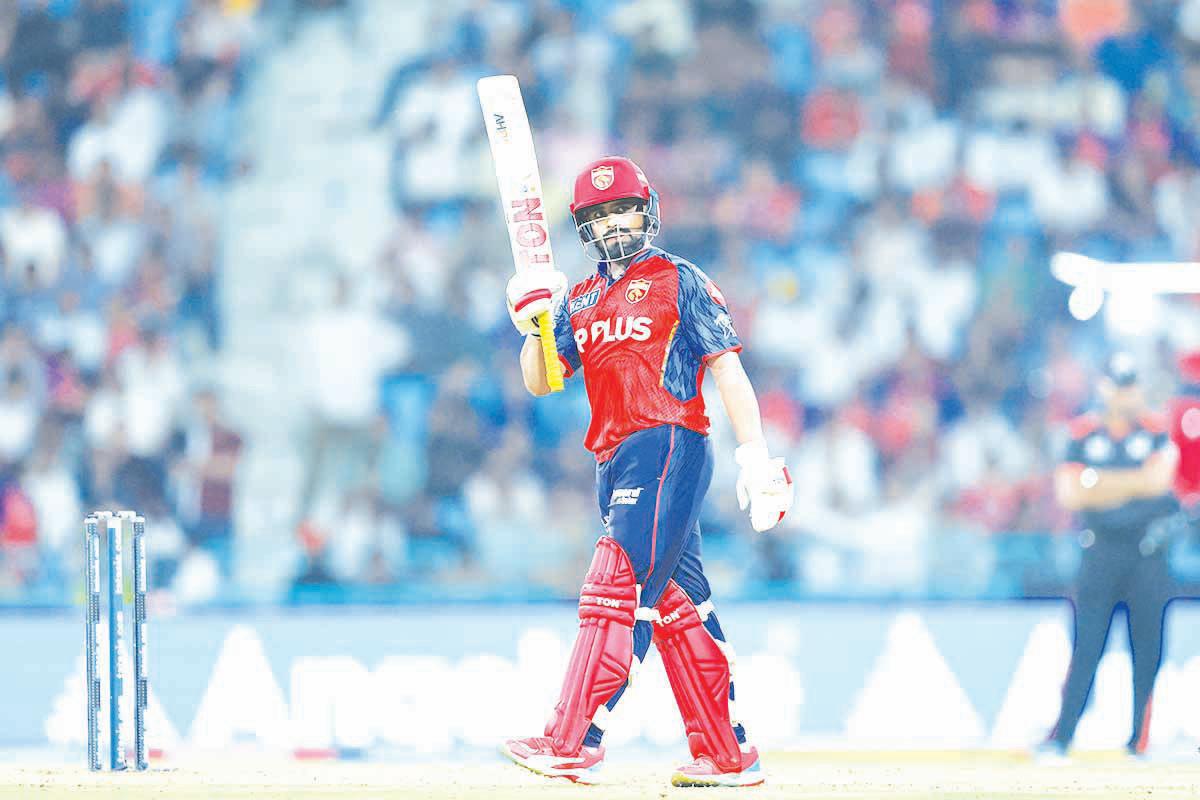


wanted to be LSG's No. 3 spot, came in at No. 5 today. He faced 14 balls from Chahal and hit him for two boundaries. But the legspinner won the battle in the end, concentrating on keeping the ball wide of the left-hander's reach. Chahal could have dis-missed Pant for 20 off 19 had Iyer taken a sim-

Shashank got rid of Inglis in the 17th over. Marco Jansen (4-0-33-2) and Vijaykumar Vyshak (3-0-26-0) delivered superb 18th and 19th overs, which cost just 10 runs. PBKS then turned to Arshdeep for the 20th over, over Azmatullah Omarzai –who had almost bowled a wicket-maiden earlier in the night – and Arshdeep leaked runs again.
Samad turned down singles and kept strike for all nine balls of the over

Bhuvneshwar Kumar (15), Mohammed Siraj (13) and Jofra Archer (10) have done better.
Iyer and Prabh finish it
When the two of them got together, ESPNCricinfo's forecaster suggested PBKS had a less than 30 per cent chance of winning. PBKS were 22 for two in the third over. But neither man was taking a back-ward step. Unless, of course, it was to find the boundary.
Iyer was so good playing the cut shot, using the depth of the crease, arming himself with that little bit more time to find the gap either side of point, whether it was against pace or spin. Prabhsimran
Lucknow Super Giants (20 ovs maximum)
Josh Inglis c Iyer
b Shashank Singh 72 Arshin Kulkarni c †Prabhsimran
Singh b Azmatullah Omarzai 0 Nicholas Pooran b Jansen 2 Ayush Badoni st †Prabhsimran
Singh b Chahal 43 Rishabh Pant (c)†c Jansen b Chahal 26 Abdul Samad not out 37 Mukul Choudhary c sub (P Dubey) b Jansen 1 Arjun Tendulkar not out 5
Extras (lb 2, w 8) 10
Total 20 Ov (RR: 9.80) 196/6
Fall of wickets: 1-16 (Arshin Kulkarni, 1.1 ov), 2-20 (Nicholas Pooran, 2.5 ov), 3-69 (Ayush Badoni, 6.4 ov), 4-134 (Rishabh Pant, 13.5 ov), 5-169 (Josh Inglis, 16.6 ov), 6-172 (Mukul Choudhary, 17.5 ov Bowling O-M-R-W Arshdeep Singh 3-0-52-0 Azmatullah Omarzai 3-0-29-1
his tally from 2025. Only one PBKS player has more in a season (KL Rahul with seven from 2019).
Iyer was on 61 off 36 when PBKS needed 47 to win. He lost Prabhsimran for 69 and decided there was no time to muck about. Launching Arjun Tendulkar for back-toback fours and Shami for three sixes in an over, he hurtled towards both the target and his century. With 10 to get, Suryash Shedge got an outside edge for four and threw his head back in disappointment. Next ball, he took a single, and Iyer did the rest, hitting Mohsin Khan for a six and bringing his helmet off to flash a big smile. (ESPNCricinfo)
Priyansh Arya c Tendulkar b Mohammed Shami 0 Prabhsimran Singh †lbw b Tendulkar 69 Cooper Connolly b Mohammed Shami 18 Shreyas Iyer (c)not out
(w 3) 3
18 Ov (RR: 11.11) 200/3
of wickets: 1-0 (Priyansh Arya, 0.1 ov), 2-22 (Cooper Connolly, 2.2 ov), 3-162 (Prabhsimran Singh, 14.6 ov)

The second round of the Youth Ensemble Under-13 Tournament produced another entertaining day of football on Saturday, May 23, 2026, at the Buxton Ground, with Melanie Football Club (FC) recording the biggest win of the round while several other matches were decided by narrow margins.
Melanie FC delivered the standout performance of the day in the opening match, brushing aside Mahaicony Western Lions 5-1. Terrence Wright netted a double to lead the charge, while Emperor Roger, Anthony Hernandez and Turell Sherwayne each added a goal in the convincing victory.
Plaisance FC then secured a narrow 2-1 win over Haslington United in a closely contested encounter. Alwyn Shako and Massiah Jones scored for Plaisance, while Devon Jones found the consolation goal for Haslington United.
The third match of the day ended in a 1-1 draw between Mahaica Determinators and Beterverwagting/ Triumph United (BVTU) FC. Kevon Wilson gave Mahaica Determinators the lead before Jevon Herbert responded to earn BVTU FC a share of the points.
Another evenly matched contest followed as Buxton All Stars and Golden Stars also played to a 1-1 draw.
The 60th Independence Tennis Open continued in exciting fashion on Friday at the National Park Tennis Courts, with several players producing strong performances as the tournament heads into its final day of competition.
Gerald Scotland secured a comfortable 6-2 victory over Leyland Leacock in their Men’s Open Roundof-16 clash to book his place in the quarterfinals. Kevin Matai also advanced after defeating Akil Gittens 6-2 in another Men’s Open encounter.
Leacock later rebounded in the Men’s Over-36 category with a convincing 6-1 win against Joffrey Bonnet. In the Men’s Over-35 division, Phillip Squires defeated Benjettan Osborne 6-2, while Martin Campbell also

recorded a 6-2 victory over Harry Wu.
Competition in the Men’s Novices category was close-
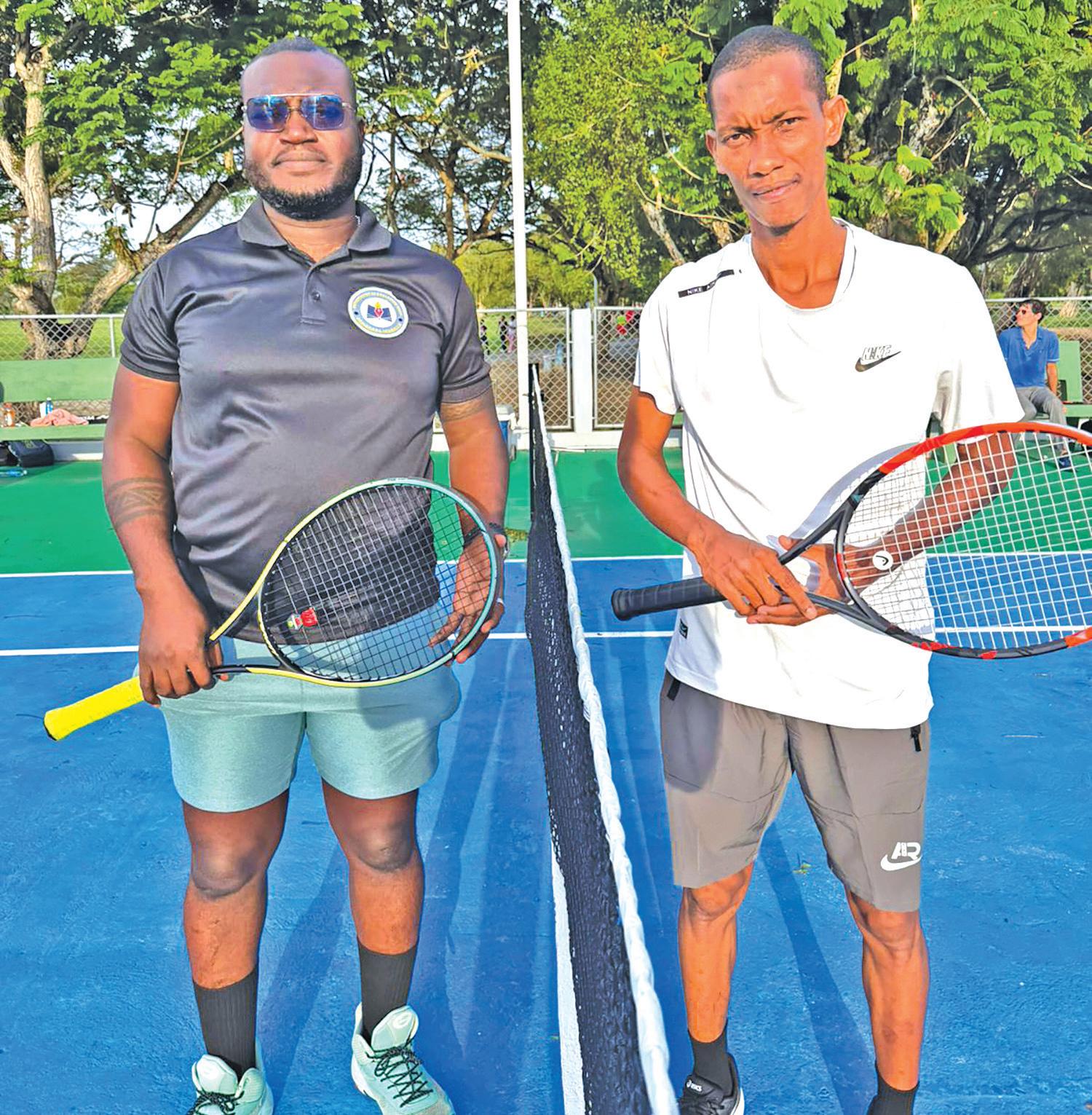

The Lusignan Golf Club (LGC) is set to celebrate Guyana’s 60th Independence Anniversary in grand style when it hosts the Readymix Concrete Limited/Ministry of Culture, Youth and Sport Independence Golf Tournament on Tuesday, May 26, 2026, at its championship course.
The tournament, which forms part of the country’s Diamond Jubilee Independence celebrations, will tee off from 08:00h with a shotgun start and will be contested under a medal play format over 18 holes.
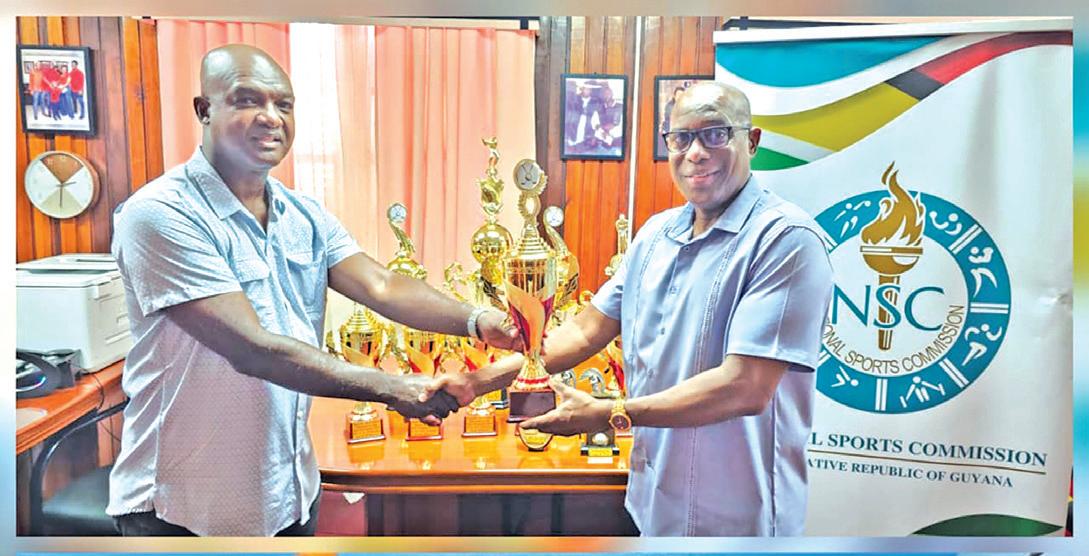
ly contested, with S Henry overcoming David Cheong 6-4. On the women’s side, J Harry comfortably defeated Joella Serieux 6-0.
The junior categories also produced entertaining matches. In the girls’ division, Breyanna Younge edged Khloe Andrew 7-5 in a thrilling contest before returning to defeat Liza Singh by the same scoreline.
Monalisa Graham registered a 6-3 victory over Denesia Boston in the Girls’ Under-12 category but later went down 6-3 to Isabella Grannum.
In the Boys’ Under-12 division, Zion Hickerson defeated Yoshua Mangru 6-1, while Hayden Chan cruised to a 6-0 win over Rahul Narayan.
The tournament is set to conclude today at the National Park tennis courts.
Organisers are expecting many of Guyana’s leading golfers to participate in the event, which will feature two male flights and one female flight.
According to the organisers, the male division will be split into handicaps 0–13 and 14–28, while the ladies’ category will cater for handicaps ranging from 0–36. Players will compete for several trophies and prizes, including Best Net in each flight, First, Second and Third Place finishes, Ladies Overall Best Net, Overall Best Net, Best Gross, Nearest to the Flag and Longest Drive awards.
Following the completion of play, participants and patrons will be treated to lunch and refreshments, including XM Rum compliments of Banks DIH Limited. Organisers disclosed that players will have the opportunity to sample XM Rum 12-Year-Old, 8-Year-
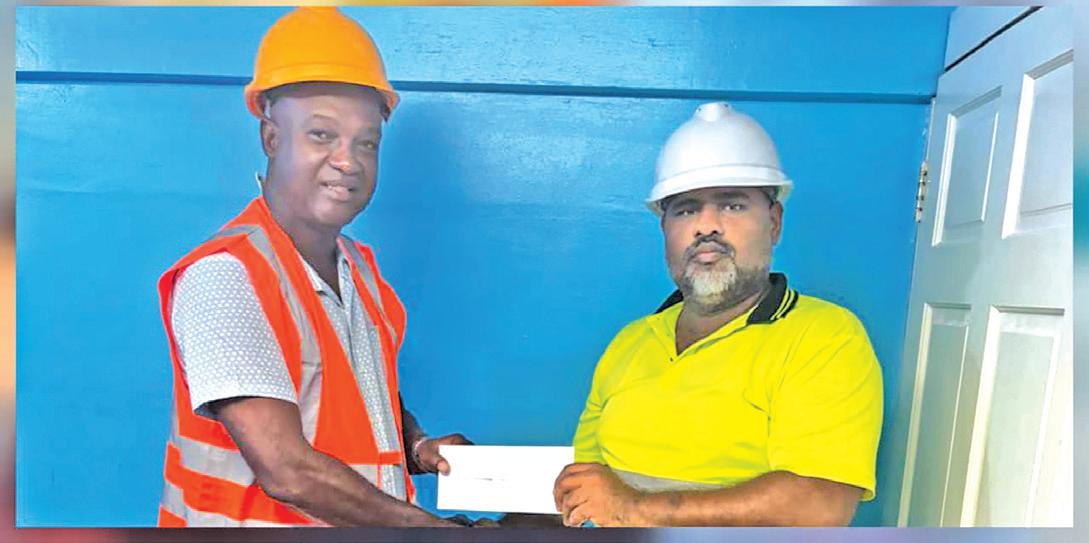
Old and 7-Year-Old blends as part of the Independence festivities.
Readymix Concrete Limited Chief Executive Officer Munesh Ruplall said the company was pleased to once again support golf in Guyana and be associated with the Independence celebrations through sport.
“Ready Mix Concrete Limited is delighted to once again support the Lusignan Golf Club and the continued development of golf in Guyana. As the country celebrates 60 years of independence, we are honoured to be associated with this tournament and wish all participants a successful and enjoyable competition,” Ruplall stated.
Meanwhile, Director of Sport Steve Ninvalle
praised the collaboration between the Ministry and the golf club while reaffirming the Ministry’s commitment to the continued growth of the sport.
“We are pleased that the Ministry continues to play an important role in supporting the Lusignan Golf Club and the sport of golf. From assisting with equipment such as the club’s lawnmower to helping ensure tournaments are successfully executed, the Ministry remains committed to the growth of the sport. We wish all players the very best in the tournament,” Ninvalle said. The tournament is expected to provide a full day of competitive golf and fellowship as Guyana continues its nationwide Independence celebrations.
The 2026 Ministry of Culture, Youth and Sport/National Sports Commission and Guyana Table Tennis Association (GTTA) Independence Table Tennis Tournament served off on Friday evening at the National Gymnasium on Mandela Avenue, with several young players producing encouraging performances in the opening round of competition as part of Guyana’s 60th independence celebrations.
A small but lively gathering of parents, coaches and supporters turned out to witness the opening day’s action, which featured the Novice Open categories along with the Under-9, Under-11 and Under-13 divisions.
In the Novice Open Singles Group One, Carl Kumar emerged as the top player after winning all three of his matches to finish with six points. Kumar defeated Peter Vansertima 2-1, Levon Williams 2-0 and Clevon McEwan 2-1 to secure first place in the group.


Vansertima also had a good showing after ending with five points and victories over Williams and McEwan.
McEwan claimed third position, while Williams finished fourth.
Meanwhile, in Novice Open Singles Group Two, Gabrielle Mohabir topped the standings with a perfect
six-point return after defeating Arianna Persaud, Aahil Persaud and Joel Rambiriche in straight sets.
Joel Rambiriche secured second place in the group with five points following victories against Arianna Persaud and Aahil Persaud. Arianna Persaud ended third, while Aahil Persaud placed fourth.
In the Under-9 Open Singles category, Adam Rodrigues produced an unbeaten run to finish atop Group One with four points. Rodrigues defeated Jaydon Sookram 3-0 before overcoming Jermaine Peroune 3-1. Sookram claimed second place after edging Peroune 2-1 in their matchup.
The Under-11 Boys' Singles competition also pro-
duced solid performances, with Zion Hickerson winning Group One after victories over Daria Griffith and Joel Rambiriche. Hickerson defeated Griffith 3-0 and then overcame Rambiriche 3-1 to finish on four points.
Rambiriche secured the second qualifying position with a straight-sets victory against Griffith.
In the Under-13 Girls
Singles division, Fabianna John advanced as the top player in Group One after recording wins against Aria Johnson and Kazi Edwards. John defeated Johnson 3-1 before brushing aside Edwards 3-0.
Johnson later defeated Edwards 3-0 to secure second place in the group and advance to the next round.
Action in the Independence tournament is scheduled to continue today, Sunday, May 24, at the National Gymnasium, with several agegroup categories set to take centre stage.
The upcoming programme will include the Boys’ and Girls’ Under-13 Singles from 09:00h to 11:00h, followed by the Boys’ and Girls’ Under-15 Singles from 10:00h to 12:00h. The Boys’ and Girls’ Under-19 Singles divisions are slated for 13:00hrs to 15:00hrs, while the “C” Class Open Singles competition is scheduled for 15:00hrs to 17:00hrs before continuation matches later in the evening.

Brickdam Secondary, Bishops’ High A, Queen’s College and St Rose’s High all recorded victories when Youth Basketball Guyana’s (YBG) Geo City Regional continued on Thursday as the Region Six Ancient County Regional also wrapped up its round-robin phase.
At the Cliff Anderson Sports Hall, Brickdam Secondary opened the night with a commanding 43-8 win over North Georgetown Secondary on Game Day 10 of the Georgetown regional competition.
Akili Layne produced a dominant performance for Brickdam with 19 points and 12 rebounds to earn Player of the Game honours, while Dontavion Denny supported with 14 points and six rebounds. Amarion Edwards chipped in with eight points, and Antwone Salmon added
six assists in the one-sided encounter.
Breann Ritchie led North Georgetown with five points. In the second matchup, Bishops’ High A defeated Marian Academy 50-28 behind an impressive all-round effort from Kemol Pickering, who finished with 20 points and 12 rebounds to claim player of the game honours.
Jonathan Nazier contributed eight points, while Malik Williams added seven for the winners. Marian Academy was led by Nyle George, who recorded eight points and seven rebounds.
Queen’s College then secured victory over Bishops’ High B in Game Three.
Jonathan Gomes and Liam Bart both scored 11 points for Queen’s College, with Gomes also tallying four steals to take the Player of the Game award.
St Rose’s High closed the
evening in emphatic fashion with a 58-4 demolition of School of the Nations.
Christian Williams led the way with 17 points and five rebounds, while Tuyen Paul added 16 points and four rebounds in the dominant victory.
Meanwhile, in the Region Six Ancient County Regional, New Amsterdam Multilateral School (NAMS) edged Vryman’s Erven 19-16 in a close contest.
Darren Crawford was named Player of the Game after scoring 10 points, including the decisive game-winning three-pointer. Triston Welcome also contributed 10 points for NAMS, while Tabeal Braithwaith scored six points for Vryman’s Erven.
Berbice High School then cruised to a 51-4 victory over Tutorial Academy in the second game of the evening.
Shimron Jaffer starred with 15 points and six assists to earn Player of the Game honours, while Avion Kesney added 16 points. Michael Mohabir scored seven points and Jezhee Frazer contributed six points and 12 rebounds.
The Region Six Ancient
County Regional has now concluded its round-robin phase, and attention will shift to the playoffs, where the top teams from Corentyne and New Amsterdam will battle for regional supremacy.
Qualification for the National School Basketball Festival will also be at stake,
with the top four teams advancing to the national tournament.
The regional championships are sponsored by Edward B Beharry Ltd, G-Boats Inc, the National Sports Commission, the Ministry of Education and Banks DIH Ltd.
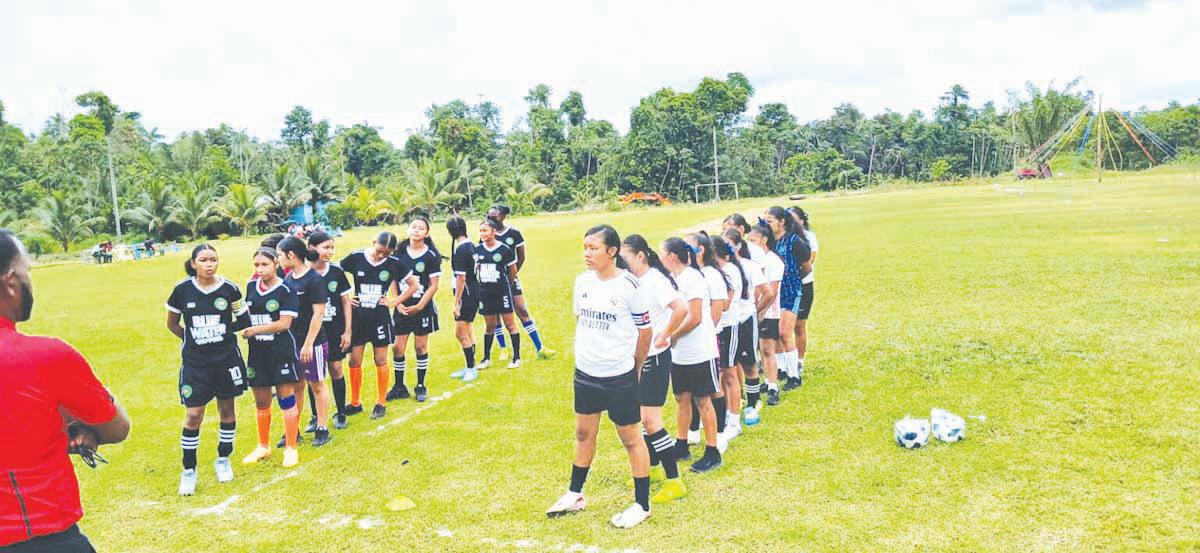
History was created in Region Two on Friday as Kabakaburi hosted its first-ever organised football competition during the ongoing Guyana Football Federation Blue Water Shipping Girls Under-15 National Championship.
The historic occasion saw Kabakaburi Secondary take on Charity Secondary in a preliminary round fixture in the indigenous community, marking a major step in the continued growth of girls’ football in the hinterland region.
Charity Secondary emerged 2-0 winners through a goal from Razeena Wilson and an own goal by Kabakaburi Secondary.
However, beyond the result, the match represented a memorable moment for the community, with residents turning out in support of the young players competing on home soil in an organised football tournament for the first time.
The event highlighted the increasing reach of the Blue Water Shipping Girls U15 National Championship, which is now in its third year and continues to provide opportunities for young female student-athletes to participate in organised football within a safe and structured environment.
The 2026 edition of the championship is expected to involve more than 70 schools from across Guyana, includ-
ing teams from Moruca, the Essequibo Coast, West Demerara, Georgetown, East Coast Demerara, East Bank Demerara, West Berbice, East Berbice, Bartica, Mahdia, Rupununi and Linden.
According to the Guyana Football Federation, the tournament forms part of its continued nationwide grassroots development programme aimed at expanding opportunities for girls in football throughout the country.
Matches in the competition are scheduled to continue in the coming weeks across Georgetown and Regions Three, Five, and Seven.


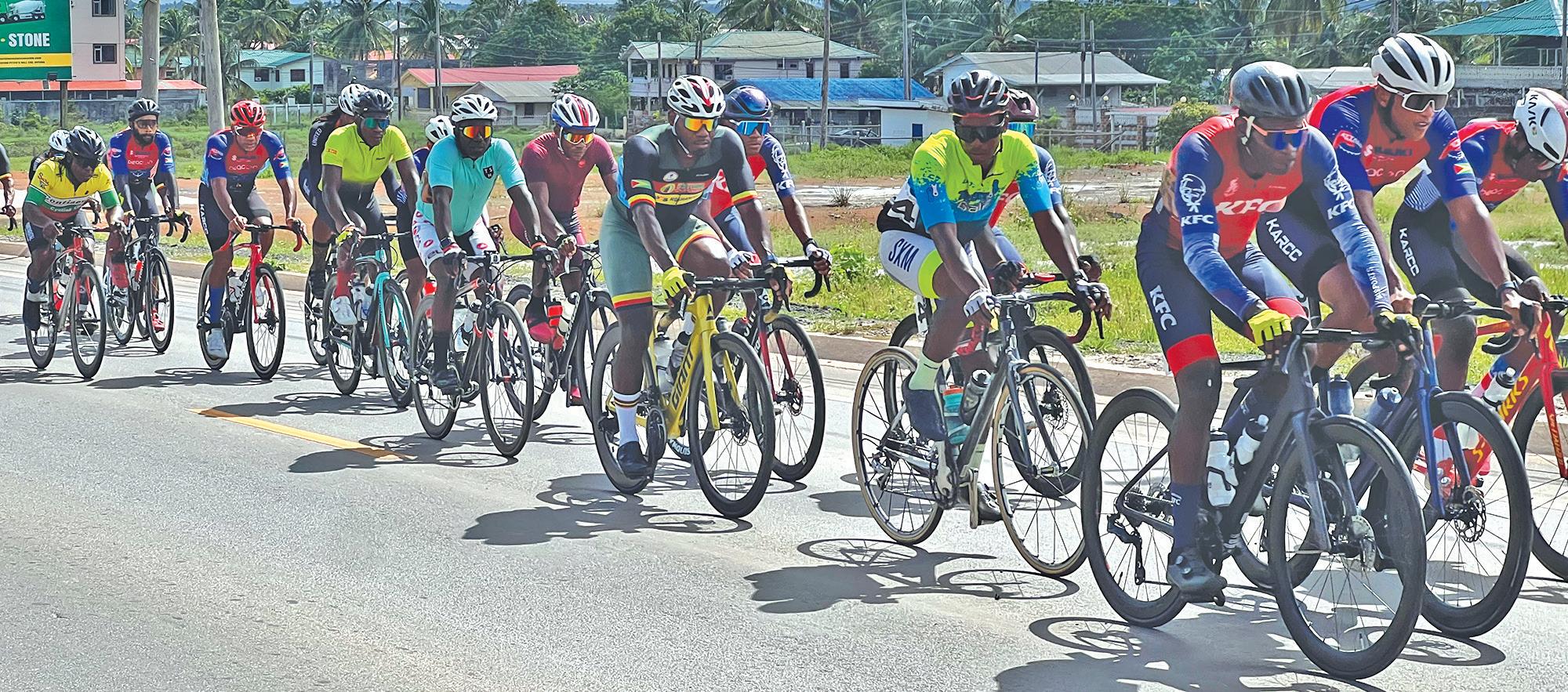
By Michelangelo JacoBus
Former national cyclist Geron Williams and veteran sprinter Robin Persaud emerged as the opening stage winners when the National Sports Commission’s 60th Independence Three-Stage Cycle Race got underway on Saturday in Linden.
The event, organised by the Guyana Cycling Federation in collaboration with the National Sports Commission (NSC) and the Ministry of Culture, Youth and Sport, officially started early on Saturday along the Mabura Road route and attracted some of the country’s top cyclists.
The race was formally started by Director of Sport Steve Ninvalle, Vice Chairperson of the NSC Cristy Campbell, and Region 10 Regional Executive Officer Dr Gregory Harris.
Stage one featured a challenging 45-mile route along the Mabura Road corridor, where former national cyclist Geron Williams of Continental rolled back the years with a strong performance to claim victory in a close finish.
Williams stopped the clock at one hour, 51 minutes and 44 seconds to become the first cyclist to win on the newly introduced route, albeit in a photo finish. Veteran Robin Persaud of Carlton Wheelers finished second, while Paul DeNobrega of Continental placed third.
The second stage, a 60-mile journey from Kara Kara to Long Creek and back in the afternoon, produced another exciting battle with attacking riding and several tactical moves throughout the race even as cyclists battled the elements with scorching sunshine at times and heavy rainfall intermittently.
Andre Greene, representing Kaieteur Attack Racing Cycle Club, launched an early solo breakaway after contesting a sprint prize on the way to Long Creek. Greene opened a sizeable gap on the peloton and turned back toward Linden with no rider in close pursuit.
tween 40 and 50 kilometres per hour for most of the return journey.
Greene’s effort eventually faded approaching the hills near the Linden roundabout, where young rider Ajani Cutting made his move and attacked on the home stretch back to Kara Kara.
Cutting was later joined by Alex Mendes, Robin Persaud and Aaron Newton as the leading riders prepared for the sprint finish.
Persaud, using his experience and strong sprinting ability, timed his final attack perfectly to surge away from Mendes and Cutting in the closing stages to secure victory in stage two. He completed the course in two hours, 29 minutes and 52 seconds.
The third and final stage is scheduled for today and will begin at Schoonord from 07:00h before heading to Parika and returning across the Dr Bharrat Jagdeo Bridge for the finish at the Cliff Anderson Sports Hall.

A chasing group consisting of Geron Williams, Alexander Leung, Ajani Cutting and Alex Newton attempted to reel Greene back in, but the lone rider maintained speeds be-