



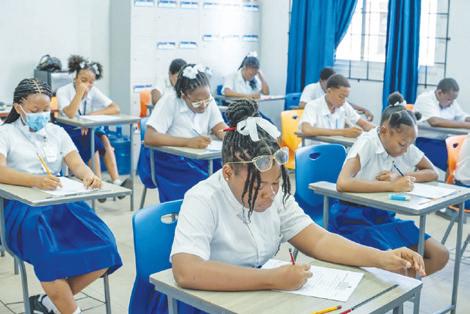




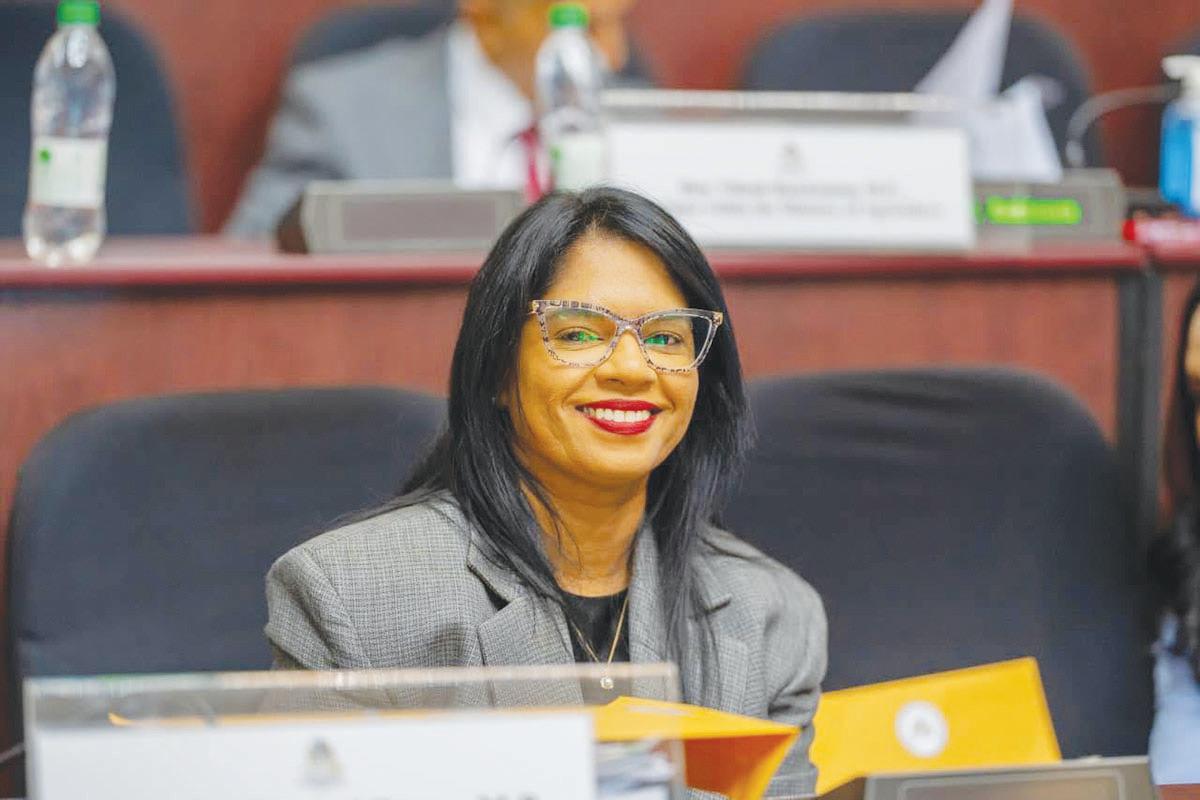
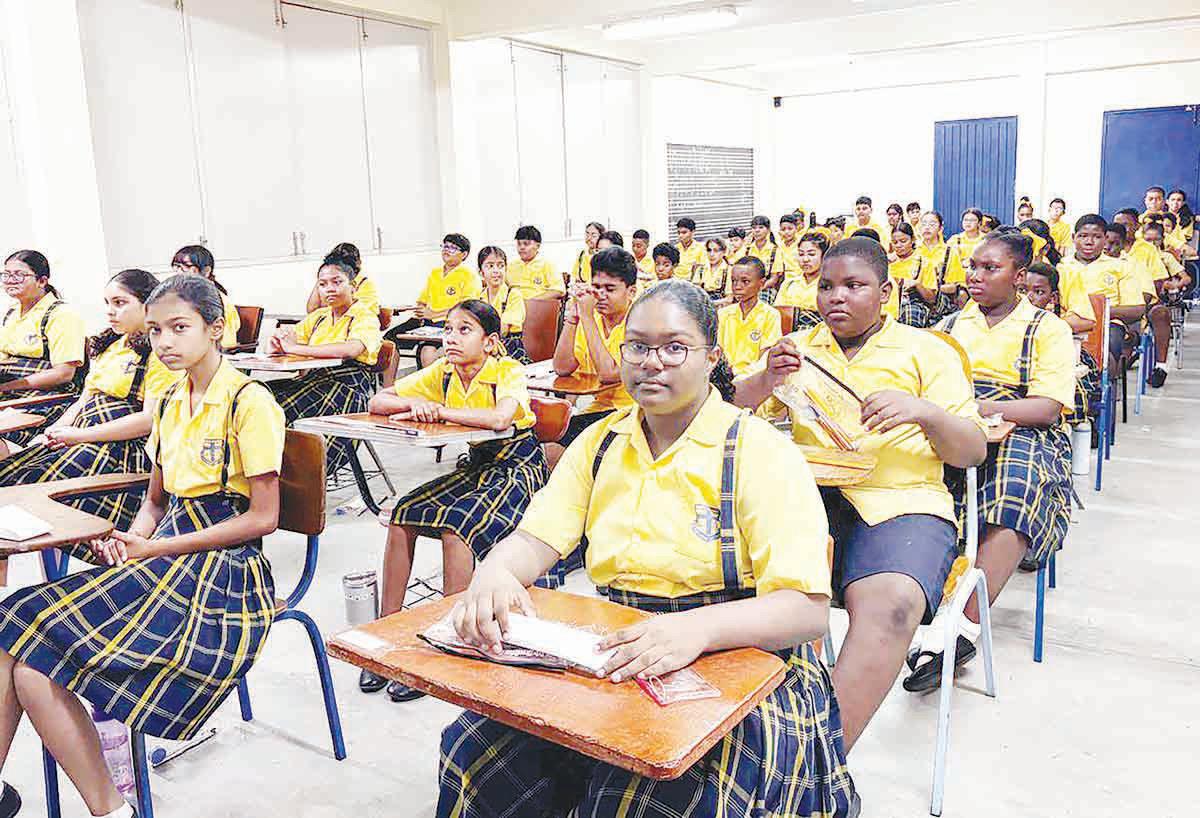
Thousands of pupils and parents across Guyana will learn the outcome of the 2026 National Grade Six Assessment (NGSA) on July 10, following an announcement by Education Minister Sonia Parag. The Minister’s announcement came on Sunday while responding to growing public interest and inquiries from parents and students eager to know when the results would be made available. According to Parag, the Education Ministry recently received confirmation of the date and decided to share the information to ease the uncertainty surrounding the results. “I don’t want to keep parents in suspense,” the Minister said, noting that she had observed numerous comments on social media throughout the week from parents seeking updates on the release of the results. She added that she had also encountered students who were anxious to know when they would be able to access their scores.
Parag said the results will be released on July 10, and encouraged both parents and pupils to note the date. The Education Minister also used the op-
portunity to commend the students who sat the examinations, acknowledging the effort they invested in preparing for and completing one of the most significant assessments in their primary education journey.
Stepping stone to future opportunities
Addressing the candidates directly, she said that regardless of the outcome, the examination represents only one stage in their academic development and should be viewed as a stepping stone to future opportunities. “I’m sure you worked hard, you went in there, you put your best foot forward,” Parag stated. “It’s now moving on to
the next phase of your life, which is your secondary school education.” She encouraged students to use their results as motivation as they continue their educational journey, emphasising that the transition to secondary school marks another important milestone in their pursuit of future academic and professional goals. The Minister also acknowledged the pressure often associated with the examination process, particularly during the period between completing the assessment and receiving the results. “I also understand the pressure, even after writing the exam, of knowing what the results are, the anxiety that comes with it, the suspense that comes

with it,” she said. The 2026 NGSA examinations were written by 15,938 pupils across Guyana in April. The assessment plays a critical role in determining placement into secondary schools and is regarded as one of the country’s
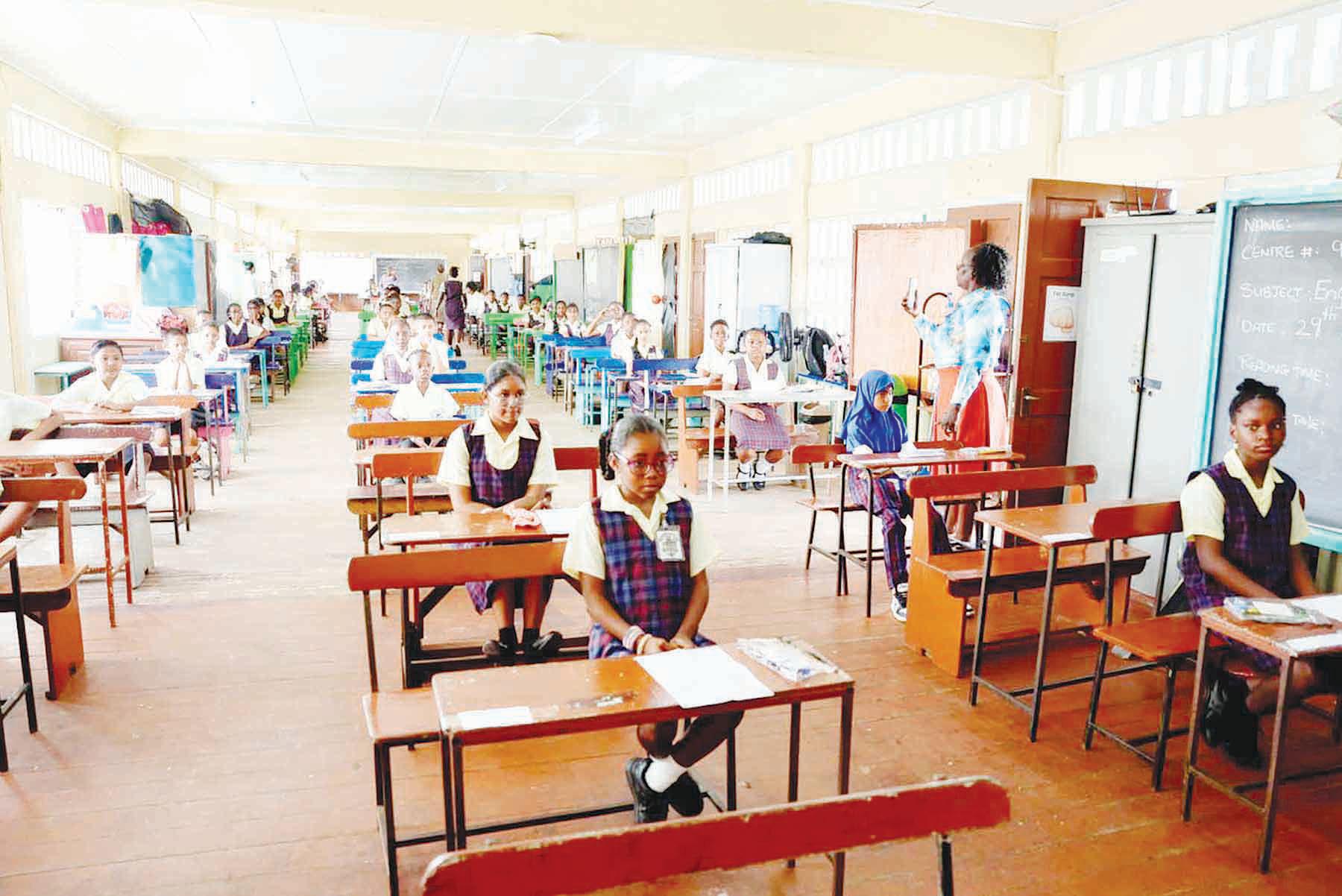
most important national examinations at the primary level. The announcement comes just weeks after students completed the twoday assessment at examination centres nationwide. Data from previous examinations indicate continued improvements in student performance across several subject areas. According to statistics from the 2025 NGSA, English recorded its strongest performance in the past five years, with a pass rate of 69.25 per cent. Social Studies also showed improvement, with 64.77 per cent of candidates achieving scores of 50 per cent or higher. Science rebounded in 2025 after a slight decline the previous year, recording a pass rate of 63.7 per cent. Mathematics, traditionally among the more challenging subjects, achieved a milestone as 55.51 per cent of candidates passed the examination, marking the first time that more
than half of the students attained a passing grade in the subject. In 2025, 15,813 students were registered to sit the NGSA, while 15,497 ultimately wrote the examinations. Among them were 115 students with Special Education Needs and Disabilities (SEND). Additionally, 91 students completed the assessment in Spanish, continuing an initiative first introduced in 2024.
Meanwhile, Parag also
extended best wishes to students preparing to sit their end-of-term examinations, which commence this week in schools across the country. She noted that the examinations is the final assessments of the academic year and will determine students’ progression to the next grade level in September. “I wish you all the best, and I hope that you have been giving the kind of attention that needs to be given to your subjects so that you will be successful,” the Minister said.


The Berbice Bridge will be closed to vehicular traffic on: Monday, June 15 –17:05h–18:35h and Tuesday, June 16 – 04:45h–06:15h.


Parika and Supenaam departure times – 05:00h, 10:00h-12:00h, 16:00h, 18:30h daily.




Thundery to light showers are expected throughout the day and the night. Temperatures are expected to range between 23 degrees Celsius and 29 degrees Celsius.
Winds: North-Easterly to Easterly between 2.68 metres and 3.58 metres.
High Tide: 16:52h reaching a maximum height of 2.58 metres.
Low Tide: 10:22h and 22:37h reaching minimum heights of 0.43 metre and 0.66 metre.











Some four years after signing the historic deal that generated financing for national development and climate action under the country’s model Low Carbon Development Strategy (LCDS) 2030, Guyana has earned approximately US$353 million to date from the sale of its highly-certified forest carbon. This is according to Senior Director of Climate and Reducing Emissions from Deforestation and Forest Degradation (REDD+) in the Office of the President,
Offsetting and Reduction Scheme for International Aviation (CORSIA) market – the International Civil Aviation Organisation (ICAO)’s global emissions reduction programme. This was after Guyana was issued with 7.14 million carbon credits in 2024, marking the first-time carbon credits have been issued that can be used by airlines in an effort to meet their carbon emission targets for the 20242026 period.
In March of this year, Bholanath had revealed
that within an 18-month period, Guyana had sold these certified credits to at least 19 airlines through a partnership with the International Air Transport Association (IATA). Just earlier this month, it was revealed during IATA’s Annual General Meeting in Rio de Janeiro, Brazil that Guyana is among the top 10 countries around the world that have supplied CORSIAcompatible carbon credits.
In fact, Guyana was listed as the highest supplier with nearly 25 million ARTTREES credits – more than half of the 38 million credits made available on the CORSIA market. Back in March, Bholanath had said that Guyana is anticipated even more airlines to purchase Guyana’s high-quality carbon credits over the next two years. Moreover, Guyana has also sold its high-quality carbon credits to US technology giant, Apple Inc. Last year, the tech company purchased some 100,000 credits from Guyana at a cost of almost $314 million as part of its environmental sustainability efforts. This year, it is projected that the carbon credit inflows would amount

Pradeepa Bholanath, who has had a front row seat to Guyana’s internationally-renowned environment stewardship over the years. Back in November 2022, Guyana became the first country in world to be issued with Architecture for REDD+ Transactions (ART) TREES certified jurisdictional scale carbon credits, making some 33 million credits available to be sold. A month later, the Guyana Government again made history when it inked the US$750 million multi-year deal with United States (US) energy major, Hess Corporation, for the sale of 30 per cent of those high-quality carbon credits.
“Since then, we’ve been able to expand those market opportunities in ways that we didn’t even envision to the point now, where to date since 2022, we have earned a total of US$353 million from the sale of carbon credits,” Bholanath disclosed during an appearance of the latest edition of the Starting Point podcast. Included in these earnings are monies also generated from the sale of forest carbons on the Carbon
to some $49.7 billion for 2026. With a tropical forest that takes up 86 per cent of its landmass, Guyana has the second highest percentage forest cover on earth and one of the lowest deforestation rates. The forest stores 19.5 gigatons of carbon and sequesters more than 153 million tonnes annually.
“Groundbreaking” concept Nevertheless, during the podcast, Bholanath, who is also leading the implementation of LCDS 2030, recalled that the country’s environmental journey was paved under the Bharrat Jagdeo presidency when he came up with the concept of the LCDS – a model that balances economic development with environmental protection and conservation. She described the concepwt of monetising the country’s forest resources as “groundbreaking”, noting that it’s not only reflective of critical climate actions but also a key component to Guyana’s sustainable development and taking benefits directly to citizens through the creation of livelihood opportunities. Under the LCDS 2030 framework, a portion of the US$750 million Hess deal is being directly injected into Amerindian communities to drive economic development. To date, more than $14.4 billion have been channelled into some 252 Amerindian villages since 2023, of which $4.8 billion was disbursed in 2025 to fund initiatives in the areas of tourism and agriculture, among others.



Editor: Tusika Martin
News Hotline: 231-8063 Editorial: 231-0544, 223-7230, 223-7231, 225-7761
Marketing: 231-8064 Accounts: 225-6707
Mailing address: Queens Atlantic Industrial Estate Industrial Site, Ruimveldt, Georgetown
Email: news@guyanatimesgy.com, marketing@guyanatimesgy.com
For the first time in human history, an individual has accumulated a fortune exceeding one trillion dollars.
Following the historic Initial Public Offering (IPO) of SpaceX last Thursday, Elon Musk officially became the world’s first trillionaire, marking a milestone that many economists, investors, and historians once considered unimaginable. The achievement was driven by the soaring value of his holdings in SpaceX and Tesla, two companies that have transformed industries ranging from transportation and energy to telecommunications, AI and space exploration.
Musk’s rise to trillionaire status represents more than personal wealth. It reflects the increasing power of technology companies to create speculative “value” on a global scale. Unlike the industrial barons of the nineteenth century, whose fortunes were built through railroads, oil, and steel, Musk’s wealth is rooted in innovation. Tesla accelerated the global transition towards electric vehicles and sustainable energy, while SpaceX revolutionised rocket reusability, satellite communications, and commercial spaceflight. Together, these ventures reshaped entire sectors of the world economy. But it was the financing that was key.
The SpaceX IPO was a historic event. Investors rushed to purchase shares, pushing the company’s valuation above two trillion dollars (US$2.1 trillion). And this was despite the fact that SpaceX lost $4.9 billion last year and another $4.3 billion in the first quarter of this year alone. Musk’s ownership of roughly half of SpaceX’s stock is valued at US$867 billion and with the shares he holds in Tesla worth about US$233 billion, this puts his net worth in excess of US$1.1 trillion. The offering became one of the largest and most significant public listings ever conducted, demonstrating extraordinary confidence in the future of the space economy. For supporters, the event signalled that humanity is entering an age where space infrastructure, satellite networks, artificial intelligence, and interplanetary ambitions are becoming major economic drivers.
However, the emergence of a trillionaire has also reignited debates about wealth inequality that has been generated under the present neo-liberal economic regime that now reigns unchallenged in the world. A trillion dollars is a sum so vast that it exceeds the economic output of many countries. For instance our GDP as of the end of 2025, which included all our oil production of which we receive a mere 14.5 per cent, was US$27 billion. Critics argue that such concentration of wealth raises concerns about economic fairness and political influence. Supporters counter that Musk’s fortune largely exists as ownership in companies that employ thousands of people, create technological breakthroughs, and generate value for shareholders around the world.
Musk’s position as humanity’s first trillionaire also raises questions about responsibility. His companies play critical roles in transportation, energy, communications, artificial intelligence, and space exploration. As a result, decisions made by one individual can influence industries, governments, and even the future direction of civilisation. Whether history ultimately remembers Musk as a visionary innovator, a symbol of technological progress, or an example of unfair extreme wealth concentration will depend largely on how his influence is exercised in the decades ahead.
The significance of the first trillionaire extends beyond one person. It signals the arrival of an era in which technological and financial innovation can create wealth on a scale never before seen. One critic of Musk, the Nobel Prize-winning economist Paul Krugman is not sanguine. He concedes that “Musk has had some real successes. Tesla was ahead of the EV curve, and Starlink is a critically-important service as well as a viable business. But these achievements weren’t enough to make Musk the world’s richest man. His wealth has, instead, historically rested mainly on self-fulfilling faith — investors believing in Musk’s genius have piled into stocks in Musk-controlled companies, and the rising value of these companies has enhanced his reputation for genius. We have a term for enterprises that look successful because they keep drawing in new investors and keep drawing in new investors because they look successful. They’re called Ponzi schemes”.
As society enters this new age, the challenge will be ensuring that such unprecedented personal wealth contributes to the advancement of humanity as a whole.
By LLoyd B Smith
According to a recent study, “Young Jamaican males face intersecting risks, including high rates of violence exposure, gang recruitment, academic underachievement, and limited economic opportunities. Addressing these challenges requires targeted interventions in education, mentorship, and justice diversion to help them build stable, productive futures.”
But, alas, successive Jamaican Governments as well as non-governmental advocates have failed to tackle successfully any of these underlying issues that have, regrettably, led to a dysfunctional society.
In this vein, one of the tragedies of today’s Jamaica is that so many male youngsters are not being allowed to enjoy their childhood. They are being forced into adulthood mentally, physically, and even sexually. It is no secret that the absence of fathers in many of our homes has led to much deviance, truancy, and juvenile delinquency. As a result, boys have turned to crime, in its many forms, in order to eke out an existence or to be accepted and revered in an environment in which badness appears to pay good dividends.
Too many of our boys grow up without any fatherly love in their miserable lives. In a society that is extremely homophobic, our men are afraid to be their son’s best friends and hug their sons and tell them that they love them because that may make them look “funny”. As a result, many of our boys grow up without any fatherly love, and this is why so many of them are heartless and will “make a duppy” (kill someone) without batting an eyelid or having any sense of remorse. Indeed, many of them do not expect to live past 25 years old, so they live fast and die young. In fact,
the Police will tell you that some of the most evil and cold-blooded killers in the Jamaican society are male youngsters. Immediate gratification is the order of the day. In essence, for many of our male youngsters, it is death at an early age. And what is more frightening is that I am not just referring here to physical death, but death of the soul and the spirit.
A cynic once referred to a dead atheist, as he laid in his coffin, as someone who was all dressed up with no place to go. As morbid as it may sound, this may well be an apt description for so many of our young males. Tragically, of the hundreds of “alleged” criminals killed by the Police in “alleged” armed conflicts, the vast majority are young Jamaican males. Indeed, statistics have shown that over 60 per cent of young males 13-24 experience physical violence in their lifetime, with many witnessing gang activity and domestic abuse in their communities.
In the meantime, too few of them will obtain gainful employment, while others will have tremendous difficulty finding the necessary funds to go on to further studies or training. One such graduate told me that he had already decided to either take up the gun or get into the sweepstakes business (lotto scamming). He has both Caribbean Examinations Council (CXC) and advanced level subjects and hopes to be a lawyer one day, but will he make it? Then there are those who choose hustling as a way of life or opt “to run off” illegally to the United States or another foreign destination.
Yes, there are numerous such cases out there, and I am appealing to those people who are in a position to mentor an unfortunate male youngster to do so. If each of us can save even one such young Jamaican male from
descending into the abyss, we will have made a difference.
The sad truth is that our generation has failed this upcoming generation in more ways than one, yet we condemn them as being a generation of vipers. There have been too many studies, task forces, research papers, public education programmes, and other such exercises in futility done in the name of “social intervention”, which, in many instances, only so-called consultants, experts, and party hacks benefit from by way of financial remuneration, while “Jah kingdom goes to waste”.
And it is not only our politicians who are to be blamed for the many ills that plague this country’s young males. What of our dancehall artistes whose lifestyle, lyrics, and utterances have a lasting effect on our young minds? I once asked a young man during a job interview if he read the newspapers or listened to the news on radio or watched it on television, and his crisp response was, “No, sah, mi lissen to Bounty Killa and Beenie Man!” When are we going to rope in our performing artistes and impress on them the vitally-important role they can play in influencing especially our male youngsters to follow the right path to success and become useful and happy citizens?
It cannot be business as usual if we seriously want to save this country from becoming a banana republic in which the rule of law becomes a sick joke and crime and violence take precedence. Unfortunately, we have been spending too much time on what I consider trivialities and sideshows while the society deteriorates into anarchy. In other words, we continue to fiddle while Rome burns.
As far back as 2009, our current Minister of National Security and Peace, Dr Horace Chang made the
appeal for more successful Jamaicans to become mentors for the country’s young people, especially the males. According to the good doctor, a large number of Jamaican males grow up in single-mother households, and some of them drop out of school before grade nine and are at risk of becoming involved in crime, noting that about 90 per cent of homicides were committed by youngsters between 15 and 25.
Fast-forward to the present and the scenario has basically remained the same despite the commendable decrease in the murder statistics. It is also to be noted that most victims of motor vehicle crashes, including motorcycles, are young men. And what is becoming even more frightening is that many young men are now dying from non-communicable diseases because of a reckless lifestyle, consuming large amounts of alcohol, smoking cigarettes, and weed (ganja), just basically adhering to the tenet “Live fast and die young!” Whether we want to accept this harsh reality or not, it is safe to say that the country is facing a national crisis with respect to its young males, even while there is an alarming decline in Jamaica’s population. Finally, for those who may prefer to play down this frightening trend, this writer would like to invite them to attend some of the upcoming graduation exercises from the secondary to the tertiary level and observe the percentage of young females graduating as against that of the young males. The young Jamaican male is indeed an endangered species! (Jamaica Observer) (Lloyd B Smith has been involved full-time in Jamaican media for the past 50 years. He has also served as a People’s National Party Member of Parliament and Deputy Speaker of the House of Representatives)
Dear Editor,
We wish to thank you for publishing our previous letters and write again to underscore the national importance of the proposed Guyana Development Bank (GDB). Based on our recent research, we believe that it is essential that every Guyanese clearly understand the transformative role this institution will play within the broader ecosystem being developed by the Government to promote SMEs in Guyana.
As outlined by the President in his presentation, the GDB will go beyond providing interest-free, collateral-free loans to SMEs by offering them the support services they need to succeed, from start-up to maturity. According to the President, the GDB will help entrepreneurs to con-
vert their ideas into bankable business ventures and continue the ‘hand-holding’ of SMEs by sector specialists and facilitators, who will provide technical support to help these businesses grow and develop in the medium and long run. In other words, the GDB will not just provide loans to SMEs and ‘let them figure out the rest on their own’, but actively work with them to create sustainable businesses through sector clusters. Based on the President’s presentation, the GDB represents a shift toward a more integrated model for developing SMEs, one that combines access to affordable finance with technical support services. The number of SMEs that will stand to benefit from the GDB is considerable. In her speech at GUYEXPO,
the Minister of Tourism, Industry and Commerce, Ms. Susan Rodrigues, reported that 5,800 SMEs were registered with the Small Business Bureau (SBB) between 2020 and 2035, bringing the total number of registered SMEs to 6,837 (DPI, November 13, 2025). In that speech, Minister Rodrigues also explained that more than 59,014 businesses were registered from 2020 to 2023. Even under conservative assumptions that only one-quarter of these are SMEs, the immediate pool of eligible enterprises exceeds 14,000. These numbers not only highlight the scale of demand but also the urgency of this transformative initiative.
Importantly, the GDB does not emerge as a oneoff or isolated initiative. Instead, it is part of an eco-
system that has been steadily evolving since 2004, with the enactment of the Small Business Act (No. 2 of 2024). This Act established the Small Business Bureau and the Small Business Council, which have trained thousands of entrepreneurs, helped SMEs access concessional loans, and provided grants to these businesses. Over the past four years, the SBB has provided more than 4,000 SMEs with approximately $1 billion in grants, trained more than 10,000 businesses through targeted training programmes, and co-financed loans up to $30 million with the Guyana Bank for Trade and Industry and Republic Bank, according to the CEO of the SBB (Guyana Times, January 21, 2025). The SMEs that benefited span various sectors, and many are owned
by women. Even more remarkable is the provision of collateral-free, interest-free loans of up to $500,000 for individuals with disabilities, as well as nurturing the expansion of SMEs through its incubator center in Region 6 since 2022.
Looking ahead, this ecosystem will be expanded with the planned establishment of the Junior Stock Exchange. This critical institution will introduce, for the first time, a viable avenue for SMEs to access equity financing locally and complement the affordable debt financing provided by the GDB. In other words, the Junior Stock Exchange will broaden the range of financial instruments available to SMEs.
In conclusion, the GDB is an important element of the Government’s ecosystem for
SMEs that has evolved since 2004 and will continue to evolve in the near and distant future. The ecosystem will not only address the limited access to finance and the high cost of borrowing that have constrained SMEs for decades, but also other perennial challenges, such as ‘inadequate advisory services, business training, and management capacity’ faced by SME (IDB, 2018).
Thanks to the visionary leadership of President Ali and his government, all these challenges that stifled the creation and growth of SMEs for decades will soon be a ‘thing of the past’.
Regards, Professor Tarron Khemraj & Sukrishnalall Pasha
Dear Editor,
It is most pleasing to learn that Guyana’s Attorney General (AG) and Minister of Legal Affairs, Anil Nandlall, recently, in a most formal manner, presented ‘updated’ copies of the revised Laws of Guyana to President Irfaan Ali, and Prime Minister, Mark Phillips. As was pointed out in the press, this marked a ‘major’ step in the modernization and consolidation of the country’s legal framework.
First a word on this event, as too many are wont to treat it with a silly levity. I emphasize therefore that countries ‘must continuously update its legal framework.’ This is to adapt to, and even adopt where necessary, the relentless ‘evolving’ technology, shifting social values and mores, and for sure, the almost daily changing global standards we are immersed in. Any lassitude then can lead to a country’s economy becoming stagnant, its laws, if not obsolete and irrelevant, at least to being non-tenable, leaving the particular state to being susceptible and most ill-equipped to handle the plethora of modern challenges.
The flip side is that when countries continually update their legal frameworks, it protects, even as it leads to an economy that is typically advancing. I firmly state that what the AG is involved in (as typified in the volumes he presented) is that he is bringing Guyana in collimation with places like the European Union Australia, Germany, and the UAE, as these coun -
tries consistently modernize their laws to keep pace with global changes in technology, data security, and human rights.
Let’s remember that Guyana has to frequently amend laws to govern emerging modern technologies, environmental stewardship, and socio-economic shifts. Some key areas are always demanding legislative reform-AI governance, climate change, gig-economy, employment standards, and data privacy.
Encomiums then are most deservedly heaped upon the Attorney General and his chambers for being in tandem with reality, and for not allowing Guyana to slumber towards irrelevance.
I add a second word and it is that to be in comity and on par with voluminous and continuous legal reforms is a perennially arduous challenge, all because of the massive volume of new legislations, regulatory changes, and shifting case laws. The ongoing relentless global evolution just seems to manufacture significant compliance risks, operational inefficiencies, and uncertainty for legal professionals and everyday citizens alike. Navigating this ever-changing legal landscape effectively requires structured systems and targeted approaches. In others words, this calls for legal perspicuity, assiduity and almost omni-awareness.
For example, just consider what was achieved (please) ? It is that “The revised compilation consists of 19 volumes, along with an index and a chronologi-
cal table of enactments dating back to 1831 … the laws have been revised and updated to reflect legislation in force up to December 31, 2022.” Let that soak in.
And as per the report in the press, “… the Attorney General’s Chambers explained that the updated collection is expected to improve access to Guyana’s legal system for legal professionals, public institutions, businesses, and members of the public.” And as expected, and as I intimated, this kind of work is ongoing, and soon the laws will be electronically accessible through a user-friendly digital format, a move aimed at increasing public access and improving legal research capabilities.” And we need this so much!
I need not go on but just to encourage the public, that according to the AG, the revised laws, the recently launched Law Reports of Guyana, covering the years 2008 to 2021, will soon be available for purchase … also that this legal bestowal of the volumes forms part of broader efforts to modernize Guyana’s legal infrastructure and improve the accessibility of legal information.”
After all, Readers, Guyana’s legal framework must continue to under-
go modernization to support its rapid economic transformation and energy boom. Sweeping legislative updates across corporate law, civil procedures, and the energy sector will make the country’s business climate far more robust and accountable. Mohabir Anil Nandlall SC, MP, as the leading figure who is spearheading this modernization of Guyana’s legal framework must continue to drive this massive legislative overhaul, so that Guyana will be aligned with the needs of a rapidly transforming, multi-billion-dollar oil and gas economy. He must keep updating in areas such as modernizing business laws, labor codes, or environmental regulations. These are necessary to drive economic growth, attract foreign investment, and improve societal well-being.
Nandlall, I remind all can be trusted, as he has been the central figure in major constitutional and public law cases. His legal advocacy was panegyrically recognised and by the Caribbean Court of Justice (CCJ) during the pivotal 2020 election challenges. We honour his pivotal role in drafting and passing many pieces of critical, modern legislations-reforms such as

the modernization of the Arbitration Act, anti-money laundering (AML) legislation, and health-related legal frameworks to accommodate Guyana’s rapid economic development.
Editor, “If we desire re-
spect for the law, we must first make the law respectable.” That is, it must relevant and robust in its time and place.
Yours truly, Hargesh B Singh


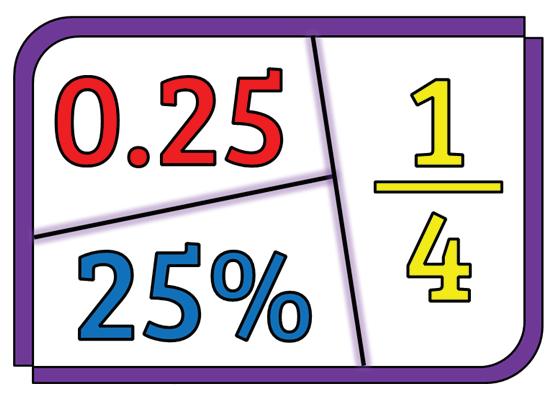
Because percents are really hundredths, a percent can always be changed to a decimal. But be careful!
Examples:
Change 7% to a decimal.
Step 1: Think: 7% = 7 hundredths
Step 2: Write the correct decimal: 7% = .07
Decimals can also be changed to percents. The easiest way to do this is to move the decimal point two places to the right and add the percent sign.
Change .8751 to a percent.
Step 1: Move the decimal point two places to the right: 87.51
Step 2: Add the percent sign. So .8751 = 87.51%.
Exercises: Convert the percents to decimals. Round to four digits to the right of the decimal.
1) 10% 2) 27% 3) 45% = 4) .04 5)94.6%
By Jackie currie
Today we're creating a miniature Zen garden for children to enjoy as a calming form of sensory play.
A traditional zen garden is commonly known as a Japanese garden or rock garden. It is a man-made, miniature landscape designed to represent the essence of nature. It's generally composed of rocks, shrubs, moss, small trees and water features. The landscape is set in a base of sand or gravel which is raked to imitate ripples on water.
The true purpose of a zen garden is to serve as a gazing point while meditating. The purpose of our tiny zen garden is to provide children with a small world that encourages the exploration of a variety of natural materials through relaxing, quiet play.
To create our zen garden, you'll need: shallow tray
sand
polished rocks seashells
small pieces of tree bark (found on the ground, never removed from a living tree)
small twigs (which can serve as rakes)
craft sticks (for smoothing the sand)



Instructions
Assembling our zen garden:
We began by pouring our white beach sand into a small wooden tray.
The children spent several minutes exploring the soft fine sand, running their hands through it and sifting the tiny grains with their fingers.
Then we used craft sticks to smooth the sand into an even layer, and we began arranging our natural elements. Older children can arrange their elements in distinct groupings, but younger children can create designs and patterns with their pieces.
Here, we were experimenting with patterning.
The children can make tracks in the sand with their fingers and they can trace paths around the shells and stones with their twigs.
Playing with items from nature can be so soothing. The neutral colours of the stones, shells and bark are easy on the eye, and the sound of the polished rocks and shells clicking together are so relaxing.
Our miniature zen garden isn't just for kids. I've left mine displayed on a table in the sitting area of our deck for my teenagers and husband and I to dabble with. It's a wonderfully therapeutic activity that ages can enjoy. (cba.ca)

By Guillaume apollinaire
Translated By Ron Padgett To G de Chirico
I have built a house in the middle of the Ocean
Its windows are the rivers flowing from my eyes
Octopi are crawling all over where the walls are
Hear their triple hearts beat and their beaks peck against the windowpanes
House of dampness
House of burning
Season’s fastness
Season singing
The airplanes are laying eggs
Watch out for the dropping of the anchor
Watch out for the shooting black ichor
It would be good if you were to come from the sky
The sky’s honeysuckle is climbing
The earthly octopi are throbbing
And so very many of us have become our own gravediggers
Pale octopi of the chalky waves
O octopi with pale beaks
Around the house is this ocean that you know well
And is never still
Translated from the French
(Source: Poetry [October 2015])

Leave a secret unrevealed until the end of the story.


Less than a year after its launch, the Global Biodiversity Alliance (GBA) has seen its membership skyrocketing to a whopping 125, according to Senior Director of Climate and Reducing Emissions from Deforestation and Forest Degradation (REDD+) in the Office of the President, Pradeepa Bholanath.
The Global Biodiversity Alliance – an initiative crafted by President Dr Irfaan Ali that seeks to accelerate international financing and technical expertise to conserve the world’s diminishing biodiversity resources – was launched in July 2025 in Guyana with 17 signatories ranging from countries, civil society bodies, the private sector, the indigenous peoples and other local and regional organisations.
“To date, I’m pleased to note that that membership has expanded to 125 members from 17 members back in July, and that has been really a game changer, because it allows for us to now benefit from growing interests,” Bholanath said during an appearance on the Starting Point podcast. She explained that this increased interest is sparking within the private sector. In fact, all the major development banks
within the Latin-American and the Caribbean (LAC) region – Inter-American Development Bank (IDB), the World Bank, and the Caribbean Development bank (CDB) – have joined this initiative. According to the Climate Director, this is particularly significant especially since the focus at the second GBA summit to be held in Georgetown later this year, would be on mobilising financing.
“That kind of momentum really is opening a lot of new frontiers in terms of looking at ways in which we can finance biodiversity conservation. So, this year the focus…will be in biodiversity financing. So, that will see, you know, the conversation move from beyond science to now practical undertakings in terms of how do we mobilise financing to be able to get biodiversity conservation activities, receive more resourcing, and that should be for interesting discussions. We look forward to that,” Bholanath stated. This year’s summit is scheduled to take place sometime in the last quarter – with President Ali slated to announce the dates in the near future.
Stemming from the inaugural Global Biodiversity Alliance Summit in Georgetown last
July, the GBA Secretariat would be set up in Guyana and will work with key stakeholders to advance its priorities which includes the designation of new protected areas, and securing the necessary funding and resources for managing them effectively. President Ali had previously indicated that he intends to significantly increase the Alliance’s membership by the 2026 summit. In fact, the Guyanese Leader has been engaging key global officials and organisations to advance the country’s work on biodiversity protection and conservation.
Only back in January, President Ali had engagements with King Charles III and the Commonwealth Secretary-General (SG), Shirley Ayorkor Botchwey – both of whom commended Guyana’s efforts and pledged for the Global Biodiversity Alliance.
As a matter of fact, the Commonwealth as agreed to collaborate on strategic initiatives to support Alliance. A Joint Working Team will advance efforts to establish an International Biodiversity Centre of Excellence based in Guyana. The country is already working with United States (US)-based Yale University to establish this centre and to
“That has been, to my mind, one of the biggest successes of the implementation of LCDS 2030…and these investments go towards the activities that the villages have identified. So, it’s this impressive process of self-determination. They determine what they would like to see in terms of the look and the shape and the way that the village evolves, and then the financing would go towards making sure that that is possible,” she posited.
3000 projects implemented
To date, the Climate Director noted that there has been close to 3,000 projects implemented at the village level from three tranches of disbursements in 2023, 2024 and 2025.
“We have this multiplicity of project activities showing all kinds of success stories
and interesting experiences at the village level, whether it’s building out a kitchen to help with the Ministry of Education’s [food programme] and the provision of hot meals, or whether it’s setting up a bakery unit for the village to expand its activities…or whether it’s creating a daycare facility at the village level so single moms can work during the day. So. it’s a range of economic activities – income generating activities, livelihood activities, and any activity that the village sees would be necessary for it to expand its development,” she added. Going ahead, Bholanath believes that there is much more scope for Guyanese to benefit from these resources the Guyana Government is making available, with opportunities spanning across all sectors and accessible to every category including vulnerable groups.
build a global mechanism through which the facility would be the hub for research, development, policy making, education, marketing, developing financing models. The Guyana Government signed the
landmark collaboration agreement with the Yale Centre for Biodiversity and Global Change during the GBA summit last year in Georgetown. Under this agreement, Yale—through Map of Life, their global biodiversity intelligence platform — will work with Guyana to support the Global Biodiversity Alliance, and help design a world-class International Centre of Excellence for Biodiversity Research here. The university will also build a national biodiversity information system, with maps, dashboards and data layers; and guide the application of cutting-edge biodiversity science to decision-making processes.
The Yale Centre for Biodiversity and Global Change is a research centre at Yale University dedicated to studying and understanding the patterns, drivers and consequences of biodiversity change on a global scale. Currently, more than 70 per cent of the world’s biodiversity have already been lost over the last 50 years. According to the 2024 WWF Living Climate Report – a biennial publication, freshwater populations have declined by 85 per cent; followed by terrestrial, 69 per cent; and marine population, 56 per cent. In the LAC region, 95 per cent of biodiversity loss has been recorded.
The Health Ministry, through the National AIDS Programme Secretariat (NAPS), has taken another significant step toward strengthening Guyana’s HIV response by inviting proposals to review the current National HIV
Information (DPI) report, is part of Guyana’s commitment to ending AIDS as a public health threat by 2031, in keeping with international targets outlined by UNAIDS and the country’s broader health and development agenda. Under the con-
and emerging priorities in HIV prevention, treatment, care and support services.
The Health Ministry is seeking applicants with expertise in public health, epidemiology, health policy and HIV programme planning. Consultants are also expect-

Strategic Plan and develop a new roadmap to guide the country’s efforts through 2031.
The consultancy will assess the implementation of HIVISION 2025, Guyana’s National HIV Strategic Plan for 2021-2025, and support the creation of HIVISION 2031, which will chart the country’s HIV response from 2026 to 2031.
The initiative, according to a Department of Public
sultancy, experts will review the achievements, challenges and gaps of HIVISION 2025, update Guyana’s national HIV epidemiological profile, and engage stakeholders through consultations, key informant interviews and site visits across the country.
The successful consultant or consultancy firm will also be responsible for drafting and finalising HIVISION 2031, ensuring that the new strategy reflects current realities
ed to have experience working with key and vulnerable populations and familiarity with the UNAIDS Global AIDS Strategy.
The consultancy will be conducted over 60 days, with proposals due by June 26.
The development of HIVISION 2031 is expected to strengthen Guyana’s national response to HIV and support continued progress toward achieving an AIDSfree future.

Schenectady County District Attorney Robert M. Carney announced on June 1 that on May 22, 2026, a Schenectady County jury convicted Sonia Rajpaul, on multiple felony charges following a five-day trial. Rajpaul, a 31-year-old United States (US)-based Guyanese of Rotterdam, New York, was found guilty of one count of Grand Larceny in the Third Degree (Class D felony), one count of Welfare Fraud in the Third Degree (Class D felony), two counts of Perjury in the First Degree (each a Class D felony), and ten counts of Offering a False Instrument for Filing in the First Degree (each a Class E felony). She was found not guilty on one count of Offering a False Instrument for Filing in the First Degree (Class E felony). Schenectady County Court Judge Matthew J. Sypniewski presided over the trial.
According to the evidence presented in court, the defendant intentionally misrepresented her income and household composition to the Department of Social Services Supplemental Nutrition Assistance Programme (SNAP) unit while receiving benefits. SNAP applicants are required to accurately report income, household members, and any income earned with-
in the household to determine eligibility. Rajpaul applied for SNAP benefits in March 2019 and was required to recertify approximately every six months. She also applied for Home Energy Assistance Programme (HEAP) benefits, which provide assistance with heating and utility costs. Between 2019 and November 2023, Rajpaul did not report income from a cleaning business or disclose her husband as part of her household. By failing to report her husband, she also did not disclose his income. By 2023, she was receiving $740 per month in SNAP benefits, which prosecutors said she would not have qualified for had her income and household composition been accurately reported. Trial evidence further showed that the Schenectady County Sheriff’s Department, the Department of Social Services, and the Schenectady County District Attorney’s (DA) Office executed a search warrant at a home in Rotterdam, New York, shared by Rajpaul and her husband, who had recently purchased the property. Investigators found the couple living together, with family photographs displayed throughout the residence. At the time, Rajpaul was still receiving public assistance benefits. The investigation

also revealed that the couple was renting out a second property they owned and previously occupied, generating rental income that was not reported to the Department of Social Services. Following the search warrant, Rajpaul was charged with Welfare Fraud, Grand Larceny and Offering a False Instrument for Filing. Prosecutors said she continued the conduct during subsequent proceedings. On May 2, 2024, she testified under oath before a Schenectady County Grand Jury, stating that she did not have a joint bank account with her husband and did not have access to his income. She also testified that she did not
receive income from their jointly operated cleaning business.
However, evidence presented at trial showed the existence of three joint bank accounts shared by Rajpaul and her husband. It also showed that she actively received and signed cheques related to their cleaning business. Prosecutors stated that Rajpaul’s actions resulted in the theft of $28,323.22 in SNAP and HEAP benefits.
She is scheduled to be sentenced on August 7, 2026. The case was prosecuted by Assistant DA Leah Hoover. Rajpaul was represented by Attorney Adam Parisi.

In a development that surprised absolutely nobody familiar with his people-centred approach to governance, Pres Ali has invited civic groups – especially the Church –to offer suggestions to help craft policies on social media’s impact on young people. In this way, he’s answering those critics who gripe that all decisions are coming from on high. Of course, the parliamentary committees have now been staffed – so we’ll see how many of them will have their own consultancies to address the same national concern that youths are “getting out of hand”!!
But sadly, your Eyewitness fears that Pressie’s entreaties for public participation in policy formulation might just be shying seeds on barren ground!! Kinda like asking the neighbourhood cricket club to draft a national space programme! We Guyanese have developed public bitching and moaning to a high art form!! Just listen in on any group at any street corner and it’s like listening to one of our good ole call-and-response ditties!! The call being a complaint about what the “youth men” are doing – or not doing – and then the response of “what’s the Government doin’ about it”!! Congotay!!
Your Eyewitness can easily predict some of the proposals. The first being to demand that youths “put down their phones and go outside”, as they used to do when THEY were young!! This tactic, however, has been tried by every parent out there – and has enjoyed roughly the same success rate as telling folks to stop complaining about potholes by avoiding roads!! Fact of the matter is “social media” ain’t just about having a smart phone.
Young people spend hours – but not just because of some innate demon acting out!! They’re on platforms engineered by multinational – now multi-trillion! – corporations like Meta/Facebook, Grok, Instagram, etc, with market capitalisations larger than the GDP of many countries!! YouTube tops the list of the online platforms with TikTok and Instagram right up there! Roughly six-in-ten teens use TikTok and Instagram, and more than half Snapchat. The algorithms that relentlessly feed content designed to maximise engagement, outrage, envy, tribalism – and occasionally dance challenges!! – ensure engagement!!
Now some of the complaints are about anti-social values being promoted based on the content that’s supplied –with Pressie specifically asking Churches to become involved since we know this will be their concern. So, can we expect calls for content censorship like we’ve had for the longest while in China – and rising in several European countries?? Or maybe there might be recommendations for stricter content moderation!!
So, we gotta hone in on exactly what’s our problem with social media. Cyberbullying? Misinformation?? Addiction, declining attention spans, body-image pressures, online gambling, political radicalisation, or exposure to harmful content??
Each requires different solutions. No one size fits all!! …trillionaires now!!
Elon Musk just became earth’s first trillionaire!! But to your Eyewitness, this feels less like an economic milestone and more like the final boss level of “how many digits can we realistically fit on a screen before the User Interface gives up!! Musk might’ve just proven that inflation ain’t just economic —it’s ambition. Somewhere, a calculator just quietly resigned and chose early retirement!!
Let’s review Musk’s “accomplishments” that’ve made him a trillionaire. He took over Twitter – which he promptly renamed “X” – and to finance the deal, investment banks lent him US$13 billion!! But he promptly proceeded to destroy X’s business model by turning it into an extremeright-wing cesspool, prompting advertisers to flee. By 2024, X was valued at less than half its purchase price!! While Tesla led in Electric Vehicles – China’s BVD has now leapfrogged him by light years!!
He admitted Space X “has a history of net losses and may not achieve profitability in the future”!!
But he has friends in high places!!
…success finally
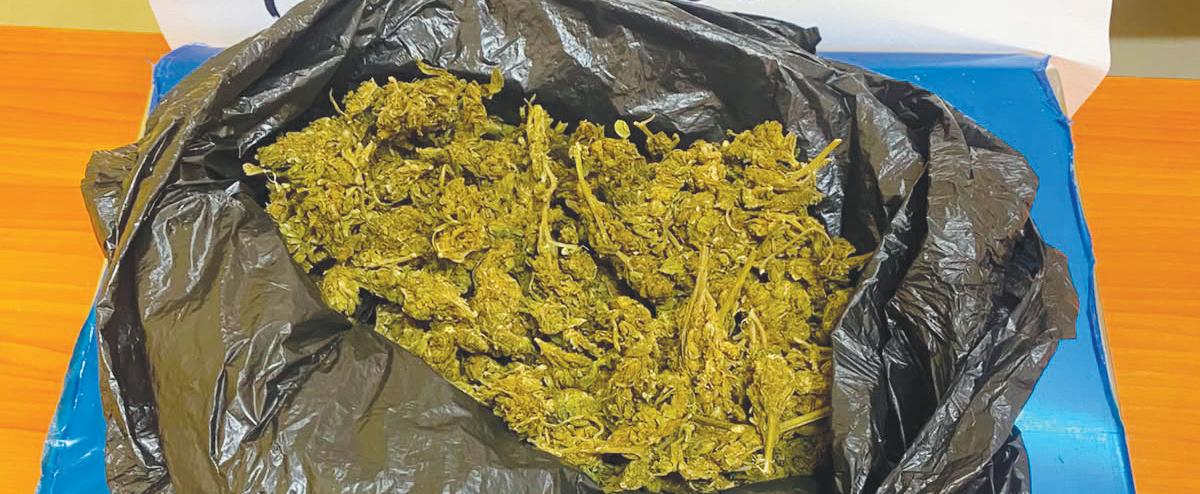
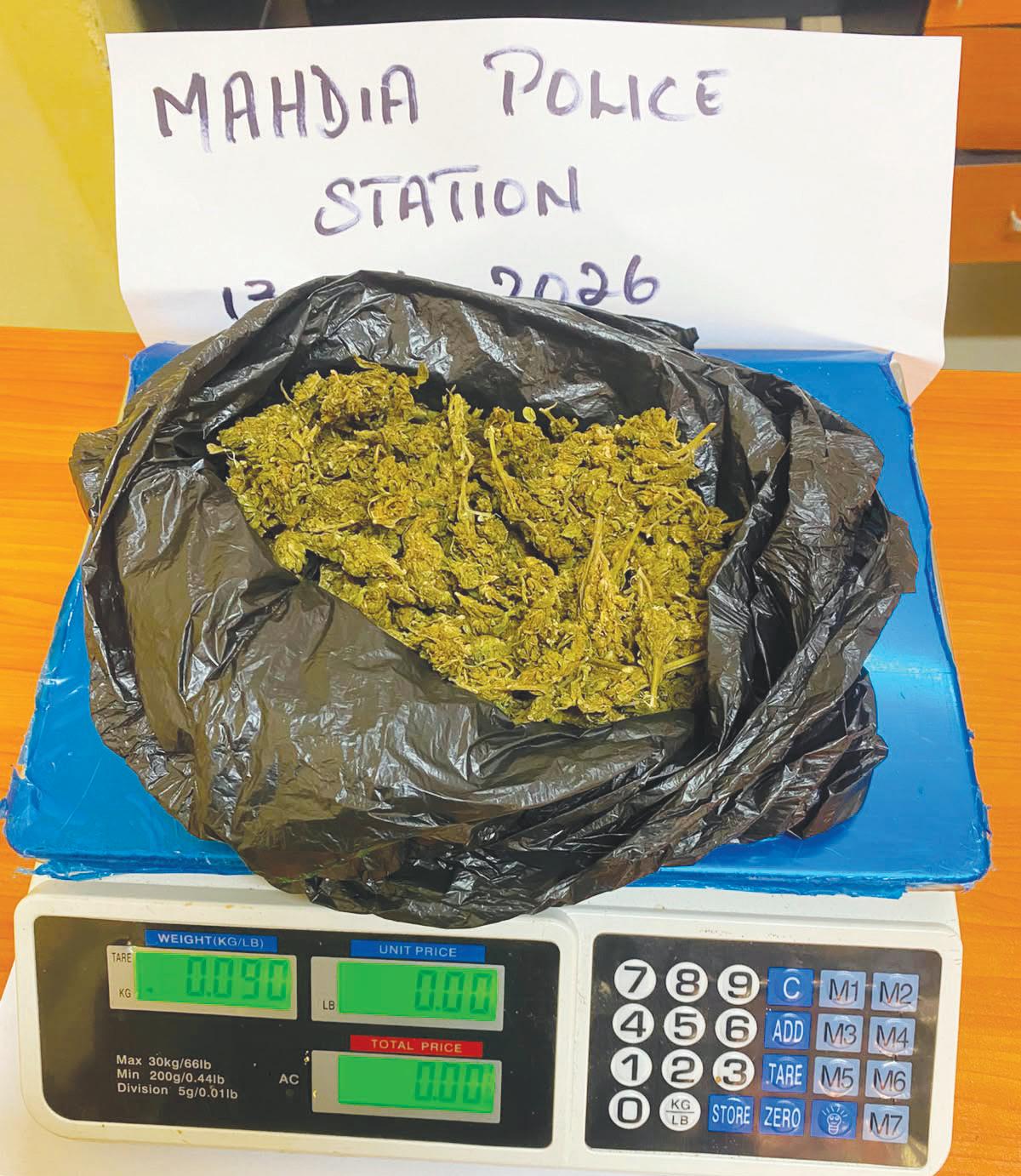
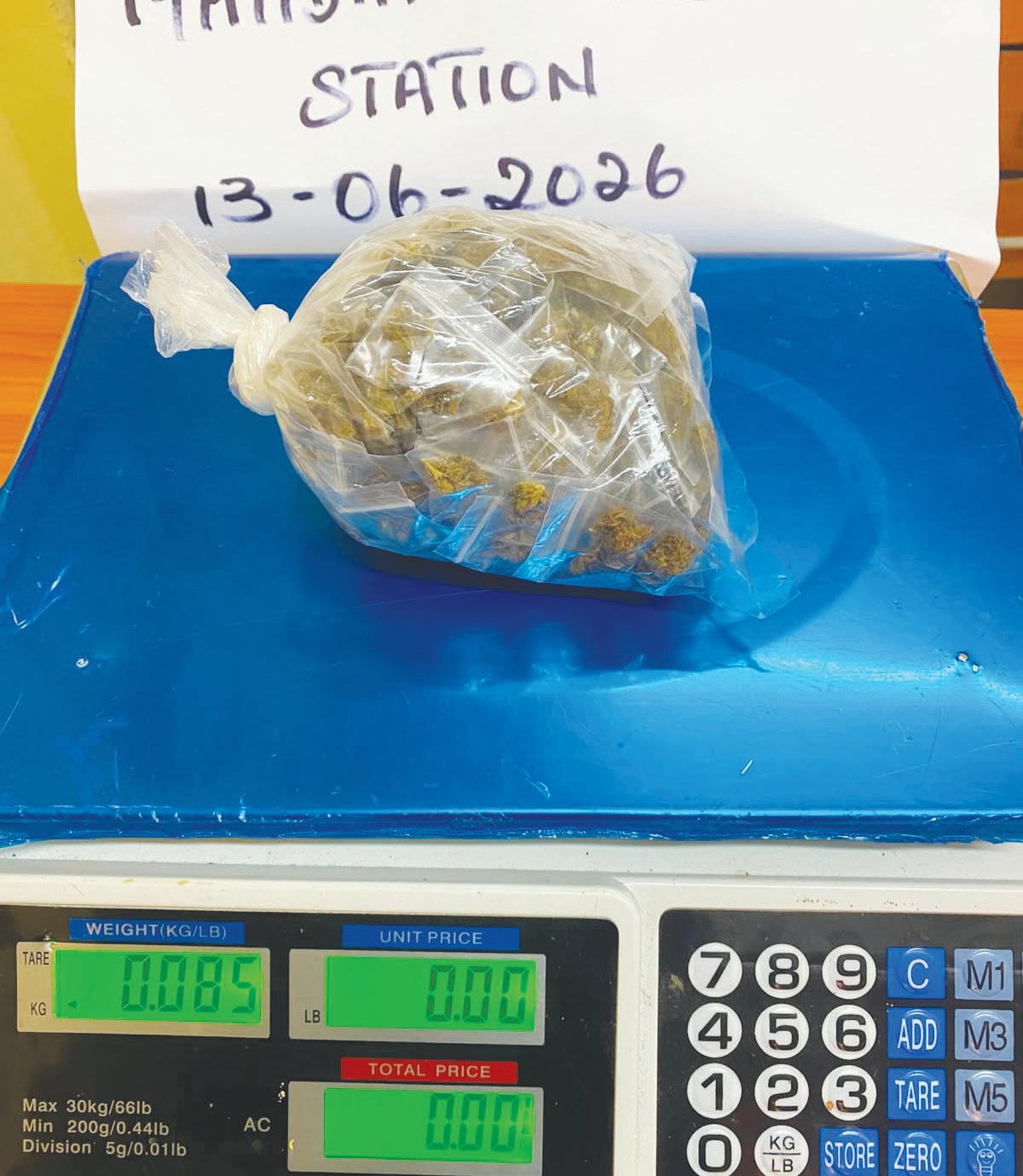
Police in Regional Division Eight (Potaro-Siparuni) are investigating the discovery of 175 grams of cannabis during an operation conducted at Mahdia Arcade. According to police, the operation was carried out between 10:30h and 11:10h on Saturday. During a search of the area, ranks found a black plastic bag concealed under a rock. The bag contained leaves, seeds and stems suspected to be cannabis. Further searches led to the discovery of a transparent bag containing several zip-lock bags with leaves, seeds and stems also suspected to be cannabis.
Mahdia Police Station, where they were weighed and amounted to 90 grams while the cannabis found in the zip-lock bags weighed 85 grams. The total quantity of suspected cannabis seized was 175 grams.
No arrests have been and investigations are ongoing.
Your Eyewitness’s many friends and family in NY are over the top at the Knicks finally winning the NBA championship after FIFTY-THREE YEARS!!
In typical NY style, millions came out into the streets!! Fireworks were seen – and heard!! – across its boroughs!!

The narcotics were taken to the
Sixty-nine students of the St George’s School of Sciences have become the first public institution in Guyana to sit the Caribbean Certificate of Secondary Level Competence (CCSLC) examinations. According to the Education Ministry, this marks a major milestone in Guyana’s efforts to strengthen foundational learning at the secondary level. The examinations commenced on June 10 with students writing English Language and Modern Language. The examinations continued with Mathematics and Social Studies on June 11, Integrated Science on June 12 and Digital Literacy on June 15. The cohort comprised 30 males and 39 females, the Ministry said, adding that St George’s School of Sciences served as the pilot school for the programme and was the first public institution to benefit from preparation and training for the CCSLC, highlighting its implementation at the basic education level (Grades 7-9). National Coordinator of CCSLC, Dr Viola Rowe, said the programme is an important step in strengthening students’ foundational skills and preparing them for continued learning. “The CCSLC is a foundational
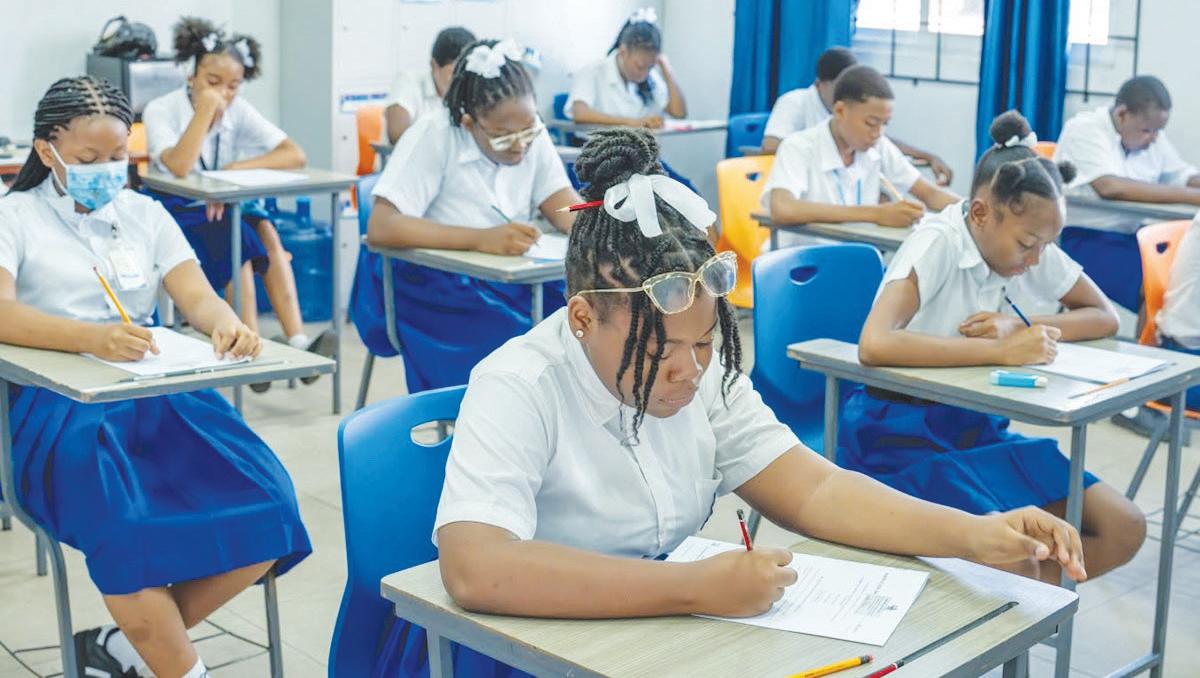
programme. It provides students with the opportunity to build a core set of skills, knowledge, values, attitudes and competencies,” Dr Rowe said. She explained that the programme is not intended to replace students’ progression through secondary education, but to better prepare them for the upper grades and future certification.
“We want our students to be able to stay in school, be certified, transition to the upper grades, and be engaged in the CSEC (Caribbean Secondary Education Certificate) and
CVQ (Caribbean Vocational Qualification) programmes,” she said.
The CCSLC is a competency-based foundational programme developed by the Caribbean Examinations Council (CXC) for students in the lower secondary grades. It focuses on English Language, Mathematics, Integrated Science, Social Studies, Digital Literacy and Modern Language, which may include Spanish, French or Portuguese. Dr Rowe said the programme is expected to help students transition seamlessly to higher levels of

study, while also improving their readiness for life and work. She noted that CCSLC places strong emphasis not only on academics, but also on values and attitudes.
“It is more than just the development of skills and knowledge. The focus is also on attitudes, respect for self, respect for others and respect for the environment,” Dr Rowe said. The
CCSLC programme uses a modular structure, with five modules for each subject area. Students are assessed through both formative and summative approach
es, including School-Based Assessments and external examinations administered by CXC. The grading bands are Developing Competence, Competent and Mastery.
Students who successfully complete at least five CCSLC subjects, including English and Mathematics, at the level of Competence or Mastery will receive certification. The Ministry of Education has stated that CCSLC certification supports a seamless transition to CSEC and CVQ programmes, as well as post-secondary vocational training and entry-level employment opportunities.
Dr Rowe said teachers have also recognised the value of the programme, particularly in helping students develop confidence and competence over time. “Teachers are saying that this programme should have been here before, because they have recognised the val-
ue of the programme,” she said. She added that while some teachers initially had concerns because the programme was new, there have since been widespread support following training and greater understanding of its purpose. The Ministry of Education, she said, will continue to provide training for teachers who may have missed earlier sessions. Ongoing make-up training is being facilitated to ensure that all schools are fully prepared to deliver the programme effectively. Dr Rowe also commended the students and staff of St George’s School of Sciences, describing the school as an ambassador for the national rollout of CCSLC. “Our students at St George’s School of Sciences are ambassadors. The school has paved the way for other schools to be onboard with CCSLC,” she said.
The next cohort of students is expected to sit the CCSLC examinations in 2027 and will include students from secondary schools across Guyana.
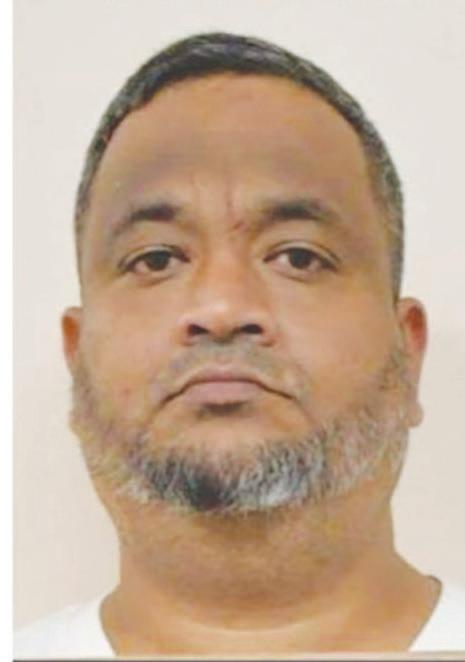
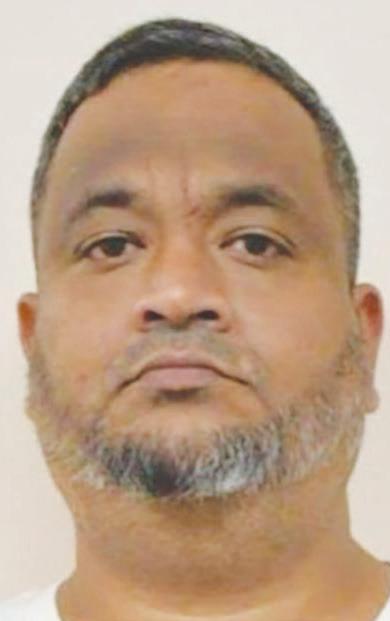
Hours after police issued a wanted bulletin for local businessman Randy Jagdeo on Sunday in connection with the seizure of some 23 AK-47 assault rifles and more than 500 rounds of 7.62x39mm ammunition, he surrendered to police in company of his lawyer. On Sunday morning the Guyana Police Force (GPF) issued a wanted bulletin for Jagdeo and Orlando Gabriel, stating that they “are wanted for questioning in connection with the offence of Unlawful Possession of Firearms.”
Jagdeo remains in custody as investigations continue as police continue their search for Gabriel. The wanted bulletins came days after the Customs Anti-Narcotics Unit (CANU) seized 23 AK-47 assault rifles and more than 500 rounds of 7.62x39mm ammunition on June 11 at Schoonard, West Bank Demerara (WBD), Region Three (Essequibo IslandsWest Demerara). Crime
Chief Wendell Blanhum told Guyana Times that the one suspect has been arrested in connection with the cache of arms and ammunition. “Two male suspects managed to escape. However, the third suspect, in his bid to escape from the Officers, was apprehended and placed in custody,” the Crime Chief related. Blanhum further indicated that the weapons seized are being examined by firearm experts from the Criminal Investigations Department (CID) Headquarters’ Crime Laboratory. The Crime Chief went on to note that, “I can confirm that the weapons were manufactured in the USA… The serial numbers for two of them remained intact. However, the other 21 rifles, the serial numbers were obliterated.”
Meanwhile, this newspaper was told that the suspect in custody is a Venezuelan national of Grove, East Bank Demerara (EBD). He is being questioned by detectives in relation to the cache find. This latest high-powered weapon seizure comes on the heels of the recent discovery of 10 AK-47 assault rifles in Berbice, Region Six (East Berbice-Corentyne), on May 23. Based on reports last month, the Police were executing a stop-and-search exercise in the vicinity of the Berbice River Bridge Access Road when they attempted to stop a black Toyota Fielder wagon bearing registration number HC 9018, but the vehicle fled the scene.
Acting on information received afterwards, investigators conducted a

search along the Number 11 Village Public Road, East Coast Berbice (ECB), where the 10 rifles were allegedly found wrapped in plastic and cloth. Police said the weapons bore markings consistent with 7.62x39mm AK-47 rifles. Investigators also reported that sections of the firearms appeared to have been tampered with, leading to suspicions that efforts were made to obscure the serial numbers. Further investigations later led Police to 33-year-old Stephen Rajah, a taxi driver of Back Street, Goed Fortuin Village, WBD, who was intercepted at Nabaclis, East Coast Demerara (ECD), while allegedly driving the same Toyota Fielder wagon identified during the operation. He has been charged and remanded to prison.
Police have also linked a second vehicle, a white Toyota RunX bearing registration number PSS 4272, to the investigation. The car was later discov-

ered abandoned at Second Street, Savannah Park, New Amsterdam. Investigators suspect the vehicle may also have been used to transport the weapons. Meanwhile, Police have issued a wanted bulletin for two more suspects – Gregory Persaud and Antonio Alonzo Lawrie, who subsequently surrendered. Earlier this week, investigators received legal advice to institute charges against the duo. Based on reports received, the Police Legal Advisor recommended that Persaud be charged with the offence of possession of firearms, while both he and Lawrie will be charged with the offence of conspiracy to commit a felony. Only last Saturday, following the arrest of Persaud and Lawrie, the Police conducted a further search at Farm, EBD which led to the discovery of one extended magazine for a 9mm firearm and the arrest of a 21-year-old wash bay attendant. Another suspect, Ryan Singh from Parika Outfall Seadam, East Bank Essequibo (EBE), for whom a wanted bulletin was also issued, is yet to be apprehended. Anyone with information that may lead to

the whereabouts, or apprehension of these individuals is asked to contact the nearest police station or the CID on the numbers pro-
vided - 911, 227-1611, 2682328/2682329, 226-3411, 225-8196
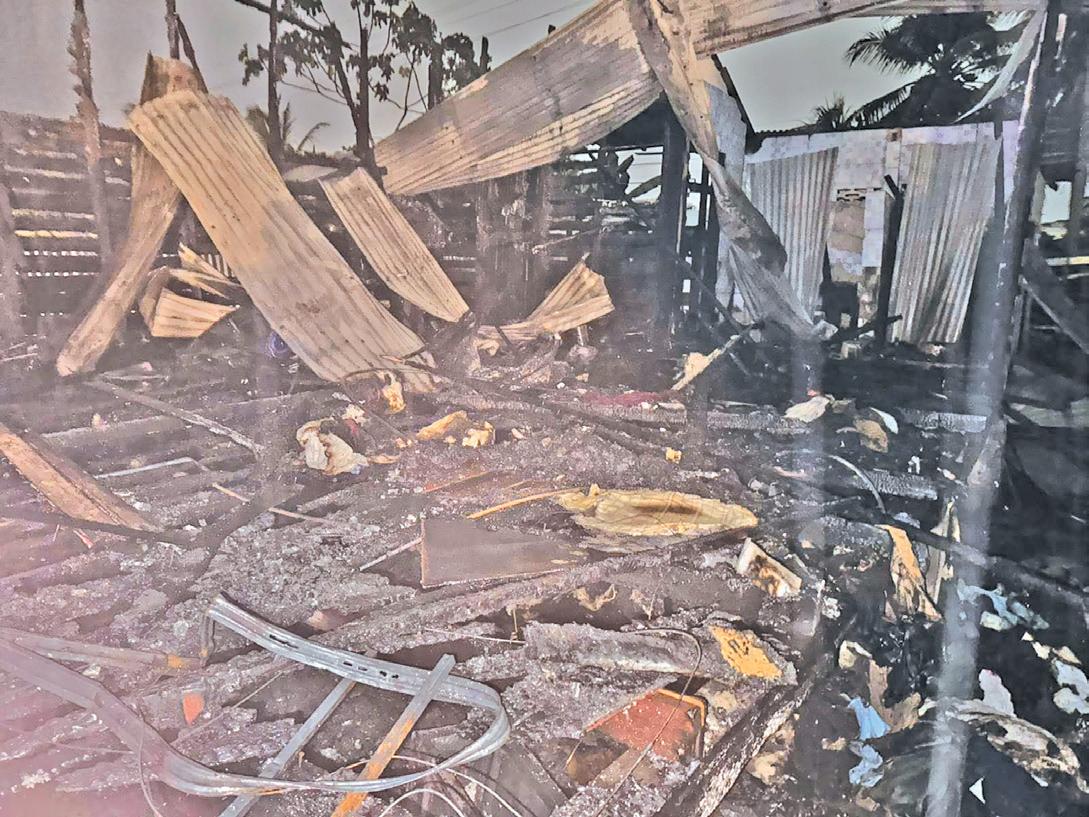
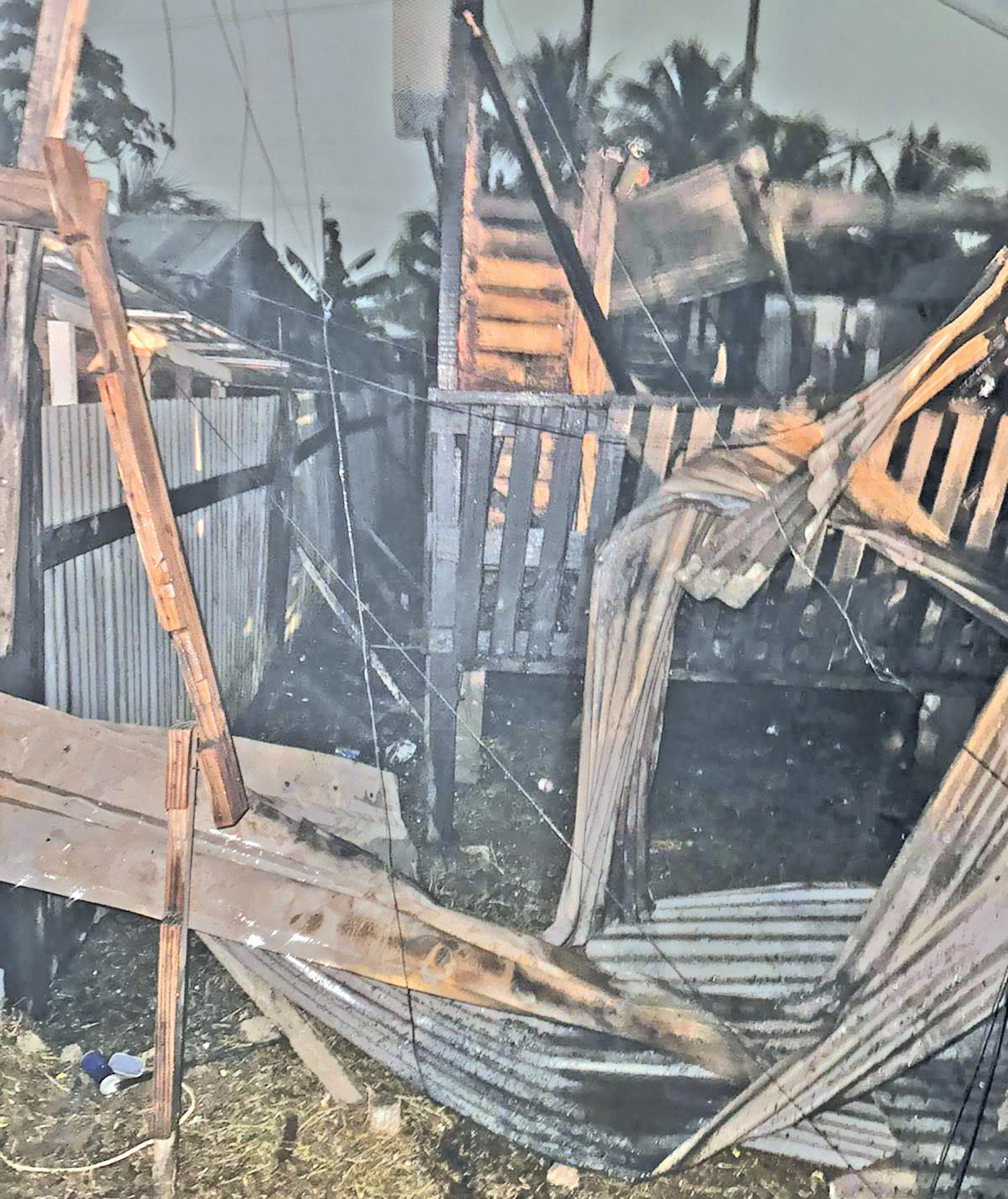
Afire suspected to have been deliberately set destroyed three buildings and severely damaged another at Lot 10 North Sophia, Greater Georgetown, on Sunday, according to the Guyana Fire Service (GFS).
The GFS in Sunday evening said that it responded to reports of a house fire at Pike Street, Sophia, dispatching three water tenders and an ambulance to the scene.
When firefighters arrived, they found one building fully engulfed in flames, while nearby structures were under threat from the rapidly spreading fire. A motorcycle was also completely destroyed. The GFS said that firefighters immediately commenced firefighting, rescue and recovery operations. Three water tenders were used to contain and extinguish the blaze, preventing further damage to surrounding properties.
It reported that the fire resulted in the complete destruction of three buildings and severe damage to a fourth structure.
Preliminary investigations indicate that the fire originated from a motorcycle before spreading to nearby buildings. Investigators suspect the blaze was maliciously set.
The GFS said investigations into the incident are ongoing.
Guyana’s immigration services are set to enter a new digital era with the launch of the country’s online passport application and appointment system today. The initiative, spearheaded by the Immigration Support Services Department, is expected to significantly reduce waiting times, improve efficiency and provide citizens with greater convenience when applying for passports.
Senior Superintendent and Deputy Chief Immigration Officer Stephen Telford described the platform as a major milestone in the department’s modernisation agenda.
“On Monday, June 15, 2026, Guyana will be launching its online passport application system. What this allows you to do is, from the comfort of your home, make an application for your passport,” Telford announced according to a Department of Public Information (DPI) report.
Through the new system, applicants will be able to initiate passport applications online and select the passport office where they wish to complete the processing stage. The platform will also introduce an appointment-based service, allowing citizens to select a convenient date and time for their visit.
The launch builds on a series of reforms that have transformed immigration services in Guyana. Passport processing times have been reduced to three
working days, while expedited applications can be completed within 24 hours and in exceptional circumstances, even sooner. The department has also expanded passport services across the country through decentralised offices and mobile enrollment units, ensuring citizens in remote and vulnerable communities have greater access to travel documents. In addition to online passport applications, immigration services have embraced digital travel processing through the introduction of the electronic embarkation and disembarkation form and automated e-gates at ports of
entry. Telford said, according to the DPI report, the e-form allows travellers to complete immigration requirements up to 30 days before travel, while e-gates have reduced processing times for eligible passengers to as little as 15 seconds. The online passport application system represents another step in Government’s broader digital transformation agenda, leveraging technology to improve public service delivery, enhance accessibility and create a more efficient experience for citizens seeking immigration services.

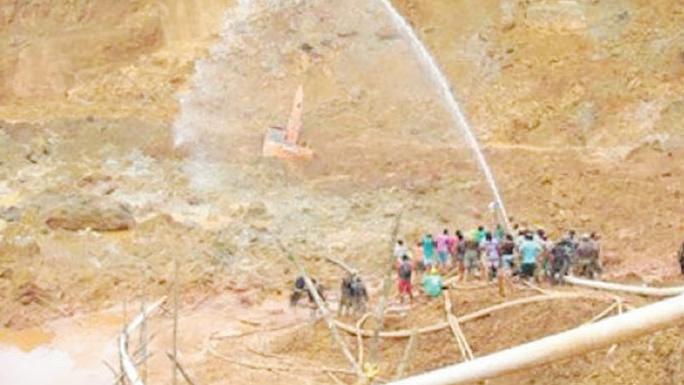
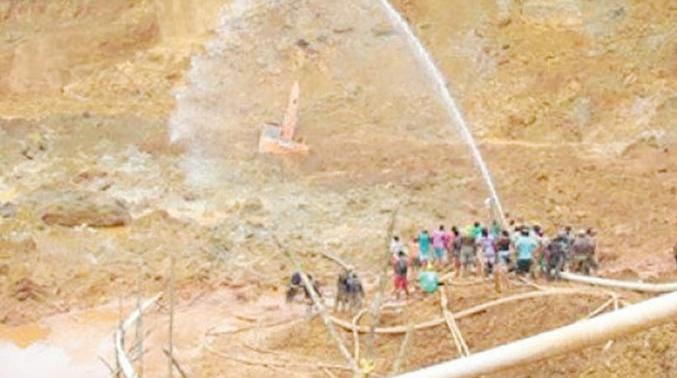
Two miners are feared trapped following a mining pit cave-in at St Elizabeth Backdam, Potaro, Region Eight (PotaroSiparuni), on Saturday afternoon. Police said the incident occurred at about 15:23h at a mining operation in the area. The trapped men have been identified as Franky Hussain, 32, a pork-knocker from the North West District, Region One (Barima-Waini) and Neunes Neunes Da Silva, 38, a Brazilian national who was also employed as a pork-knocker. Preliminary investigations revealed that the two men were working in a mining pit approximately 60 feet deep along with several other workers when sections of the eastern and western walls of the pit reportedly collapsed. According to police, the other workers managed to escape from the pit. However, Hussain and Da Silva became trapped beneath the fallen debris. The collapse also reportedly buried an excavator that was operating in the pit.
Recovery efforts are currently underway by the owner of the mining operation and other workers at the site in an attempt to reach the trapped men.
Police said that ranks and representatives of the Guyana Geology and Mines Commission (GGMC) were in the area assisting with the response as investigations continue.
In May, Ryan Roberts of Kwaimatta Village in the North Rupununi, Region Nine (Upper Takutu-Upper Essequibo) died after a mining pit at Chi Chi Backdam, Upper Mazaruni River (Cuyuni-Mazaruni) collapsed.
In April, Labour and Manpower Planning Minister Keoma Griffith disclosed that 13 workplace fatalities and 64 non-fatal incidents were recorded between January and April 2026.
Addressing an Occupational Safety and Health (OSH) Symposium at the Arthur Chung Conference
Centre (ACCC), the Minister described the figures as “deeply troubling” and called for stricter compliance with workplace safety protocols. Griffith had said the increase in workplace incidents underscored the need for a shift from “reactive compliance” to a culture focused on prevention, accountability and zero tolerance for unsafe practices.
He noted that the Government intends to strengthen enforcement measures, expand the inspectorate’s reach, and modernise occupational safety and health policies to address evolving workplace risks.
The Minister also revealed that between 2020 and 2025, the Ministry conducted 6186 OSH inspections across various sectors, benefiting more than 27,000 workers nationwide.
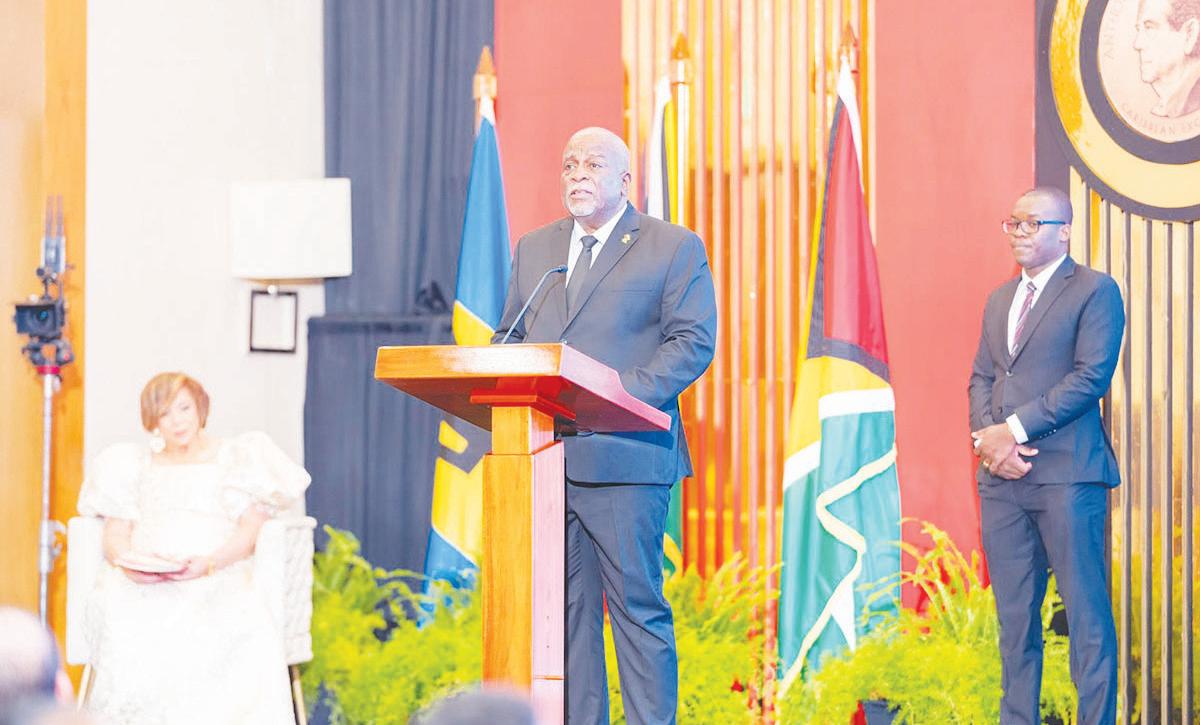
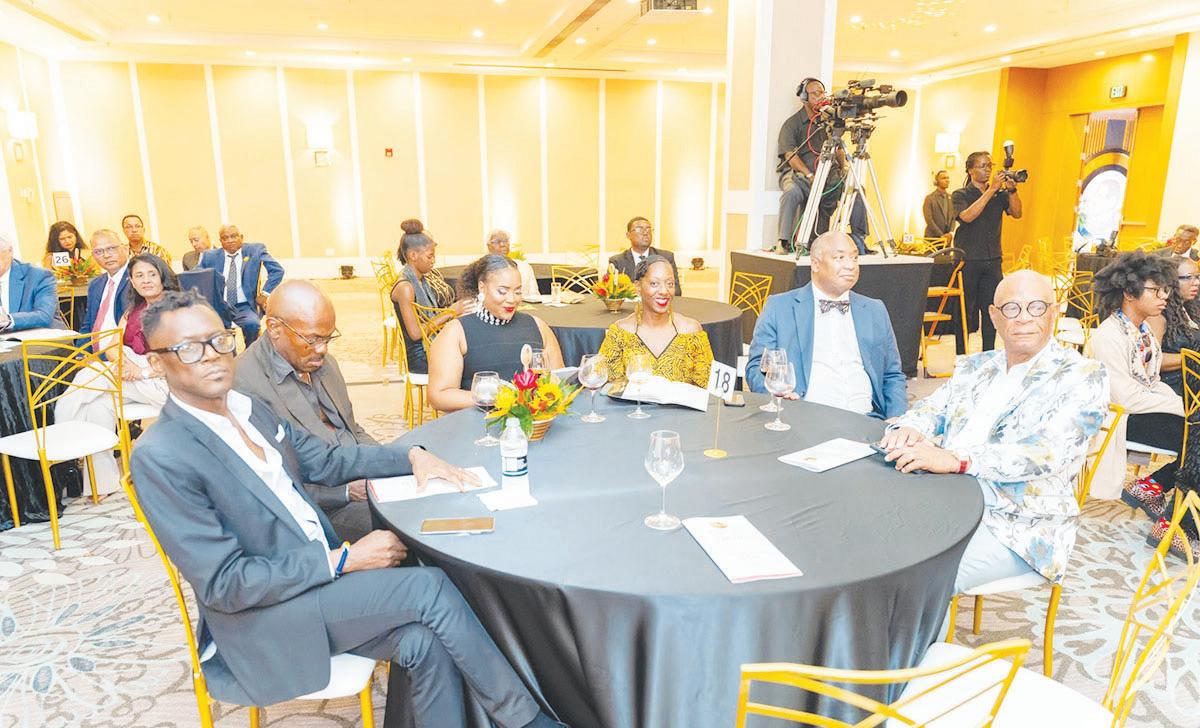
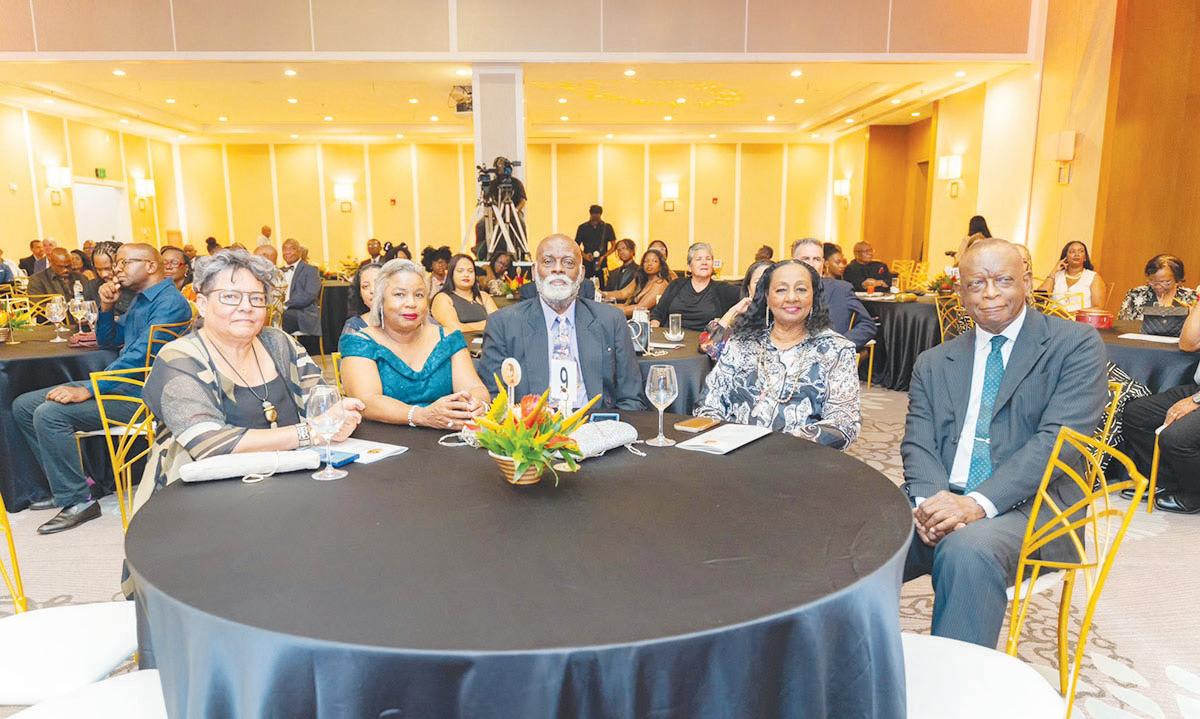
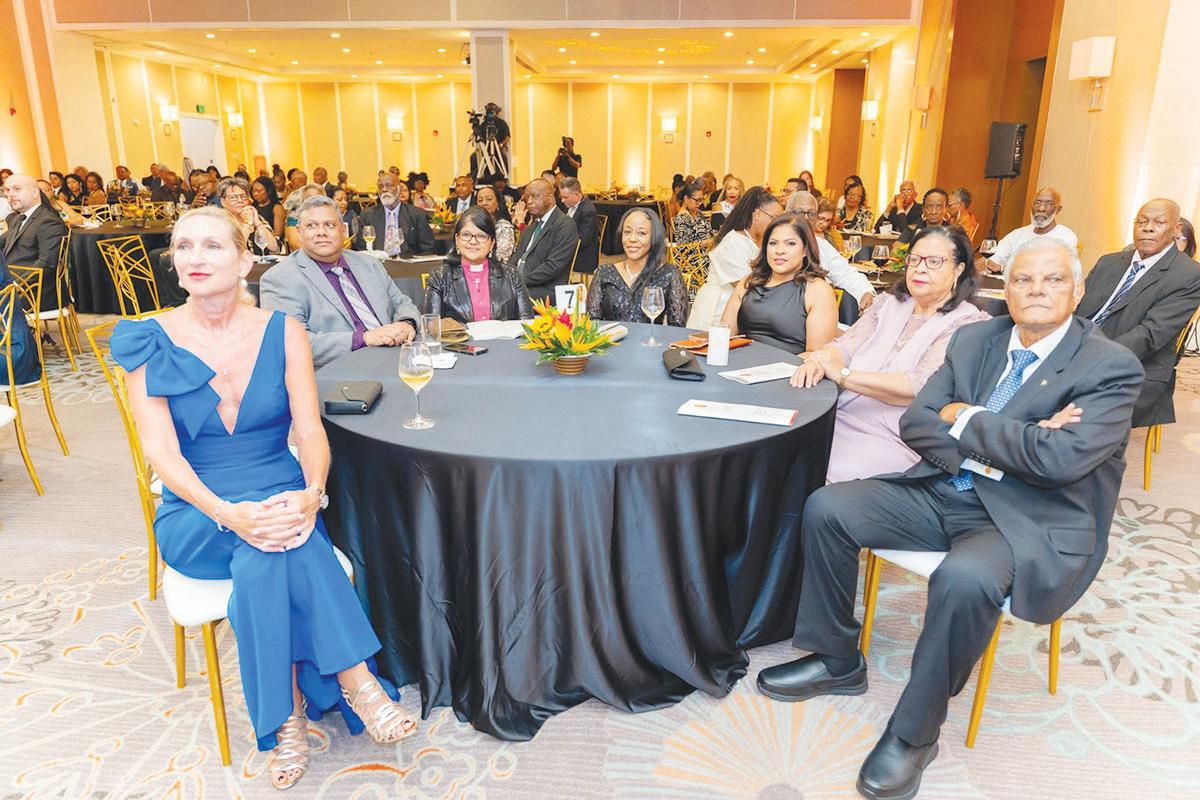
Prime Minister (PM) Brigadier (Ret’d), Mark Phillips underscored the importance of recognising and celebrating the mastery emanating from the Caribbean, as Guyana once again hosted the Anthony N. Sabga Caribbean Awards for Excellence.
The 2026 laureates are Professor Tannecia Stephenson (Science & Technology), a Jamaican climate scientist honoured for her extensive research on regional climate modeling and extreme weather in the Caribbean; Shamelle Rice (Public & Civic Contributions), a Barbadian civic leader known for her advocacy, mentorship and community development work; Sheena Rose (Arts & Letters), a Barbadian contemporary visual artist celebrated for her multimedia works, which explore Caribbean identity, culture, and diaspora; Dean Nevers (Entrepreneurship), a Jamaican innovator and entrepreneur and GuyaneseAmerican biotech innovator; Dr Niven R Narain, recognised for his pioneering work in artificial intelligence (AI)-driven therapeutics, oncology and biomarker discovery.

Delivering the keynote address at last evening’s ceremony at the Guyana Marriott Hotel Georgetown, the PM lauded the depth of the occasion and the strength, resilience and collective potential of Caribbean people. The ceremony, he added, stands as one of the region’s most distinguished celebrations of achievement and serves as an important reminder that “the Caribbean is not defined by limitation, but by greatness.” Reflecting
on the question posed by beloved Guyanese musician, the late Dave Martins – “Where are your heroes, Caribbean?” – he answered: “The answer tonight is simple. They are right here. They are in this room. They are in our universities, our laboratories, our boardrooms, our clinics, our studios, our families, our farms and our communities. They are walking among us, often quietly, often without fanfare, but always with impact.” PM Phillips added


that Caribbean excellence is not rare, but recurring, and pointed to the region’s history of survival, resilience, and endurance as part of the foundation for its success. He said Caribbean people have emerged from some of the most difficult chapters in human history, including slavery, colonial domination, indentured servitude, plantation economies, natural disasters and post independence struggles. “We are therefore, not accidental survivors. We are the de-
scendants of resistance. We are the heirs of resilience. We are the embodiment of endurance. We are a people forged in struggle, but not defined by it,” the PM is quoted as saying in a release from the Office of the Prime Minister (OPM) on Sunday. He also reminded that education must remain a major factor in shaping the destiny of the Caribbean.
Learning, he explained, remains a path to liberation and a bridge to a better life. He further acknowledged the role of the wider community, including elders, religious leaders, neighbours and relatives – in guiding and shaping future generations.
PM Phillips added that the Caribbean’s size should not be viewed as a limitation, but as a defining strength that has fostered adaptability, resourcefulness and innovation across the region. “Because we are small, we are adaptable. Because we are small, we are resourceful. Because we are small, we learn to innovate where others rely on scale.” He also identified entrepreneurship as one of the region’s strongest assets, noting that Caribbean people have long demonstrated the ability to create, build
and provide for themselves through small businesses, farming, market vending and other forms of enterprise. The Anthony N. Sabga Caribbean Awards, the PM added, matter deeply because it does more than honour individuals. He said the awards tell a regional story of the excellence that exists in the Caribbean. “It reminds us that we are not a people who have been left behind. We are a people who are contributing, building and leading.” Phillips urged the region to go beyond celebration by continuing to support, invest in and believe in its heroes and heroines, while noting that greatness often develops over time and may not always be immediately seen.
“We must understand that within the DNA of our Caribbean region lies a blueprint for excellence. It is encoded in our history. It is expressed in our culture. It is visible in our achievements. And it is waiting to be fully unleashed in future generations.”
During his congratulatory message to the awardees, Phillips stated that the ceremony serves as a reminder that Caribbean greatness is not a distant aspiration, but a present reality.


Members of the Seventh-day Adventist Church on Sunday morning hosted the Caribbean Union Conference Centennial Adventist Possibility Ministries Parade at the National Gymnasium. The event marked 100 years of the church’s service across the region. The church was joined by Human Services and Social Security Minister, Dr Vindhya Persaud (Human Services and Social Security Ministry)

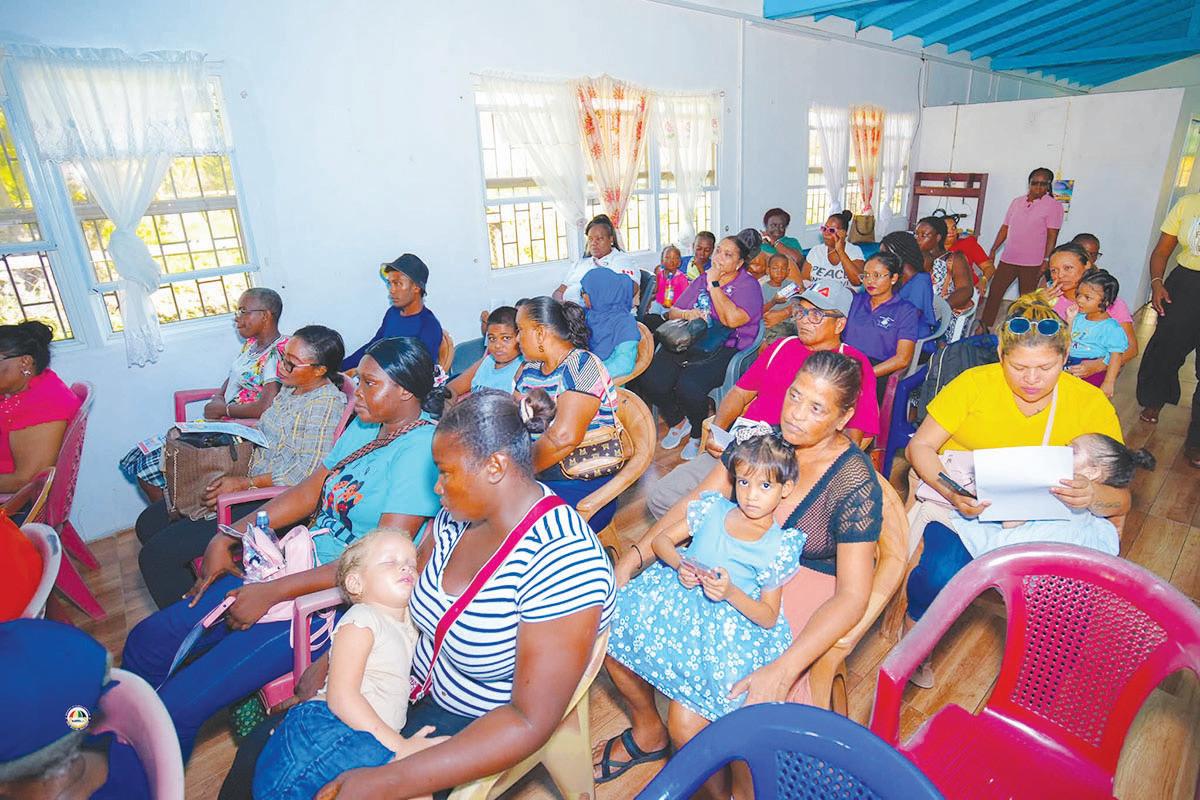
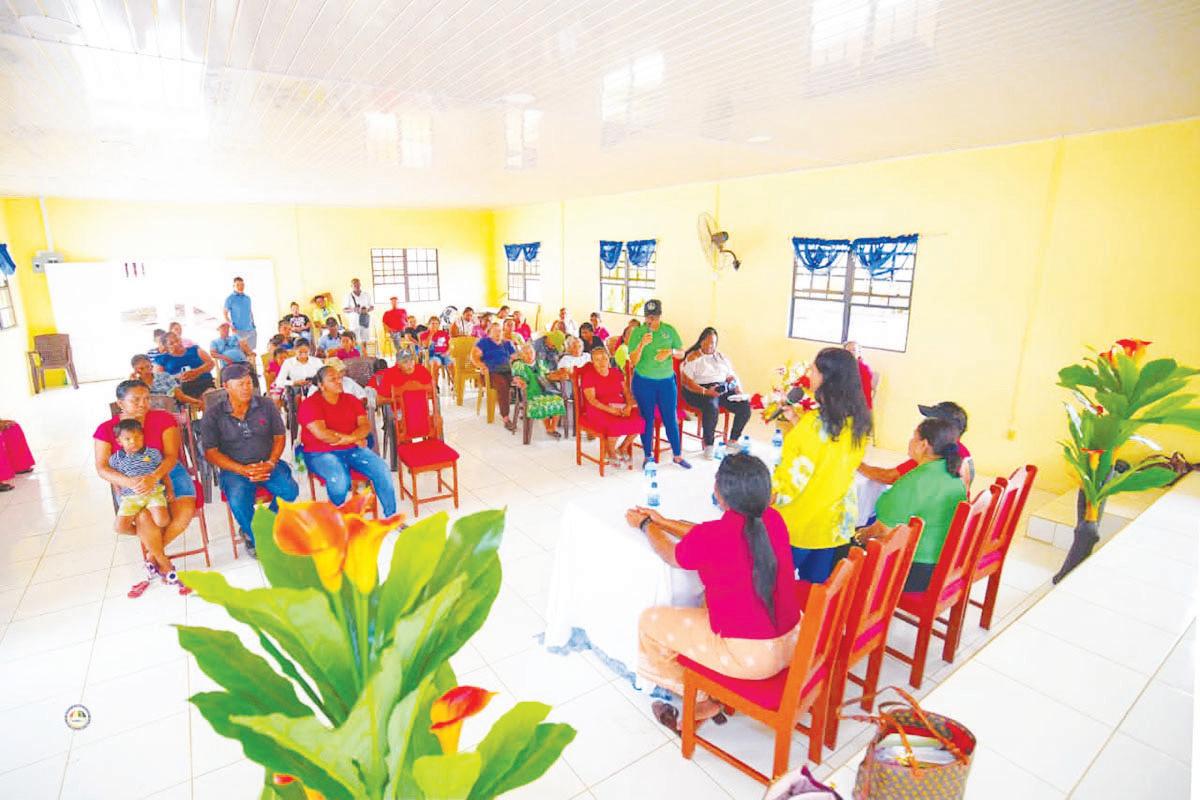
Human Services and Social Security Minister, Dr Vindhya Persaud has concluded a two-day outreach in Region Two (PomeroonSupenaam) engaging residents across several communities and addressing concerns ranging from child protection and domestic violence to pensions, public assistance, and employment opportunities.
The outreach, which took the Minister to Capoey Mission, Onderneeming, Queenstown and Good
Hope, focused on listening to residents, identifying challenges affecting communities, and outlining measures aimed at strengthening social support services.
At Capoey Mission, the first stop on Saturday, Minister Persaud discussed a number of Government programmes and initiatives designed to support and strengthen communities. She addressed issues related to child care and protection, domestic violence, abuse and the services avail-
able to vulnerable individuals and families. The Minister emphasised the Government’s commitment to ensuring citizens have access to resources and assistance that can improve their quality of life.
Later at the Little Red Village Community Centre in Onderneeming, the Minister met with residents to discuss parenting and childcare concerns. During the engagement, she gathered information on challenges affecting families and children and outlined plans for inter-
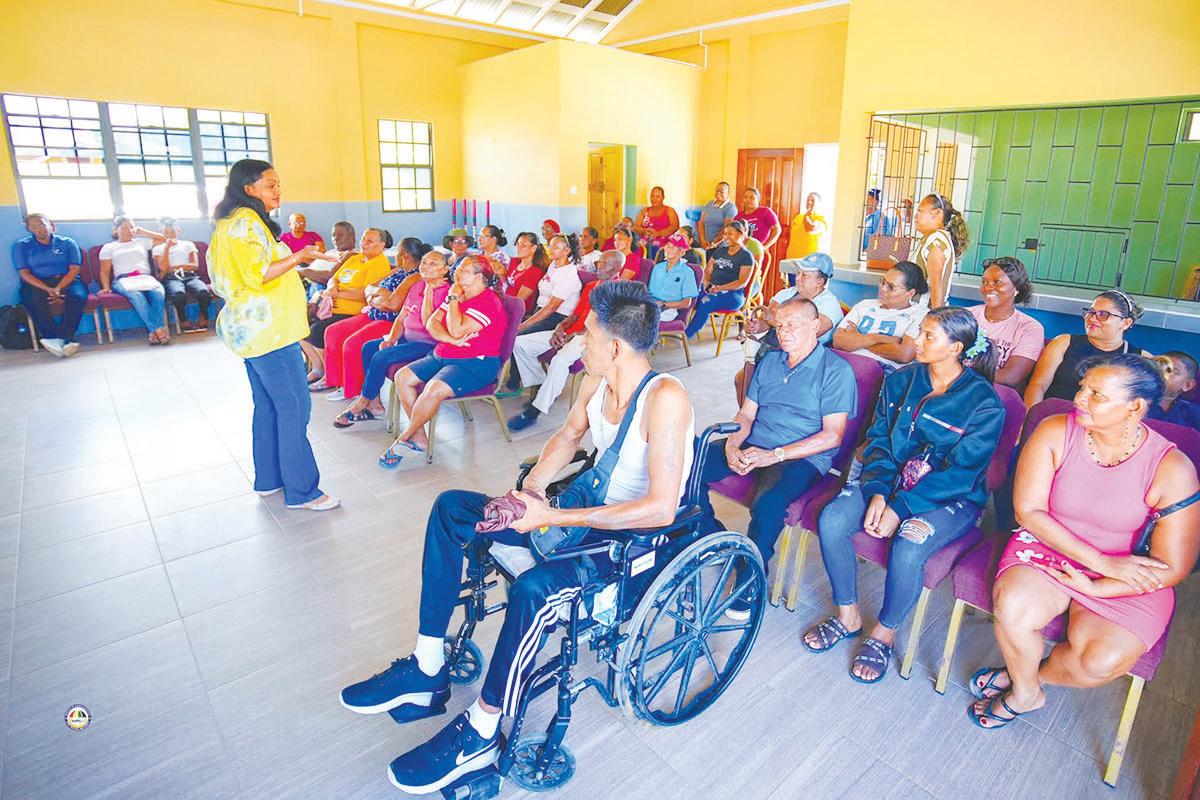
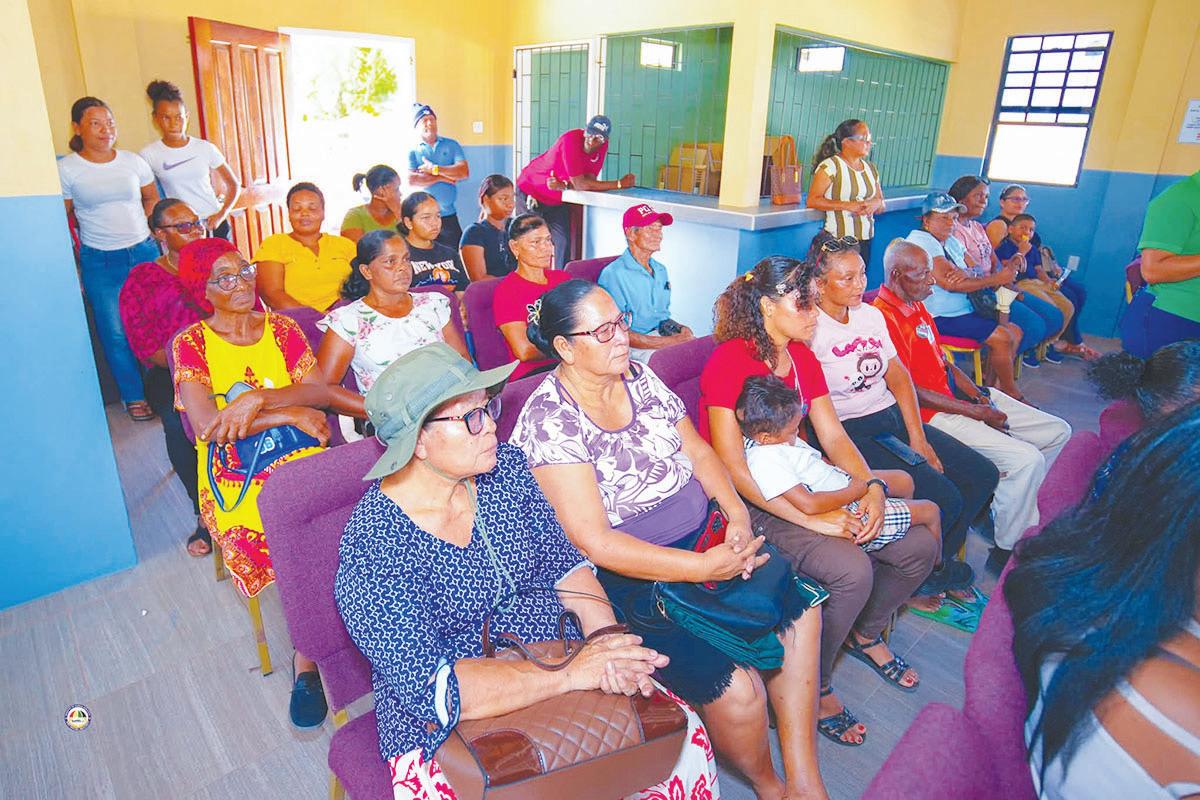
vention.
One of the key measures announced was the redeployment of officers from the Child Care and Protection Agency (CCPA) into the community. According to the Minister, the officers will conduct targeted visits to identified hotspots and work to address issues affecting children and families.
Persaud was accompanied by Permanent Secretary Dr Erica Forte, CCPA Director Levine Gouveia and other senior officials from the Ministry of Human Services and Social Security.
The Minister’s final stop on Saturday was at Good Hope Primary School, where residents raised concerns relating to pensions, public assistance and childcare services. Persaud said the outreach was aimed at understanding the issues faced by residents and finding practical solutions. She assured community members that
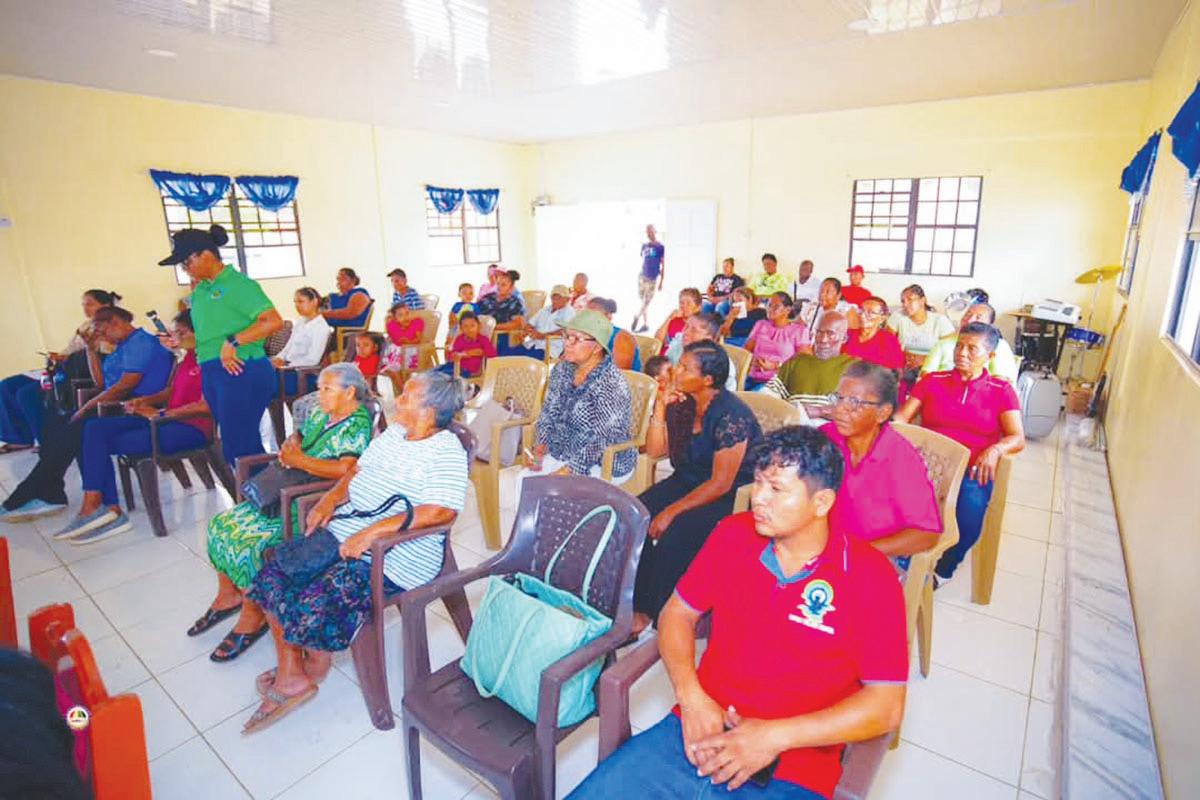
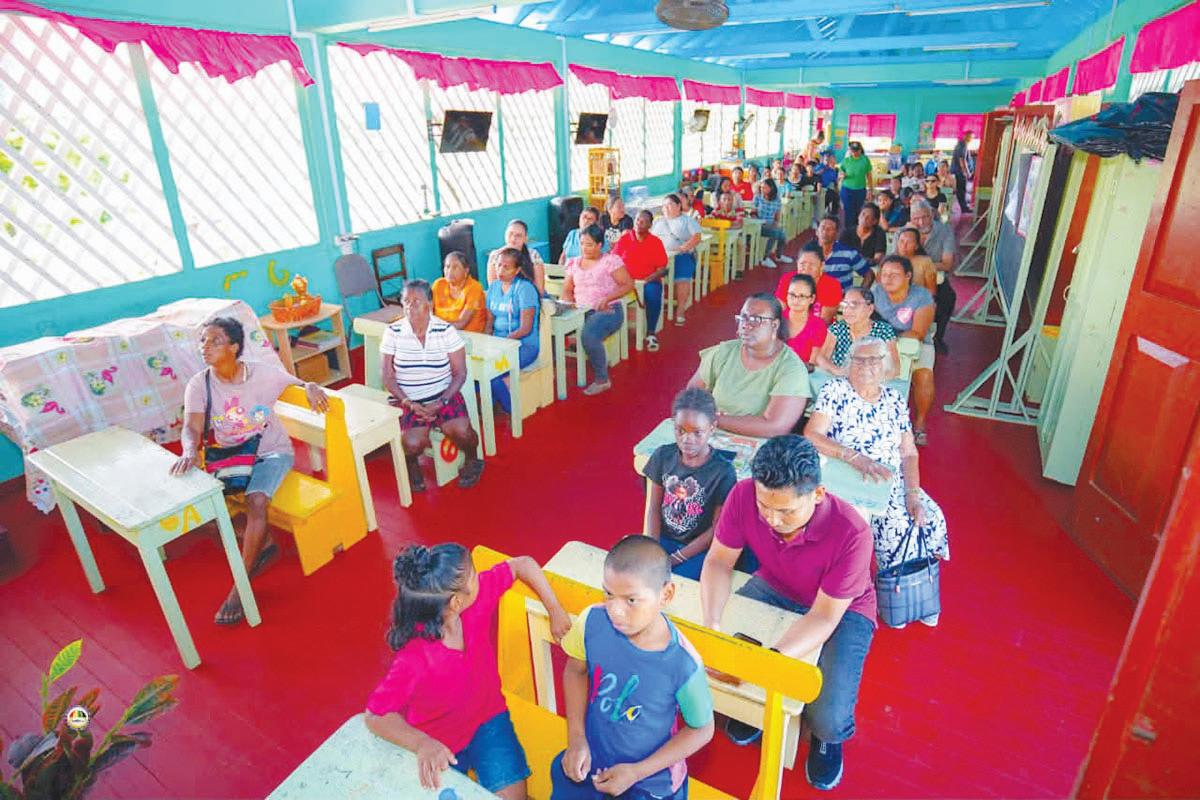
the concerns raised would be addressed through continued follow-up and support.
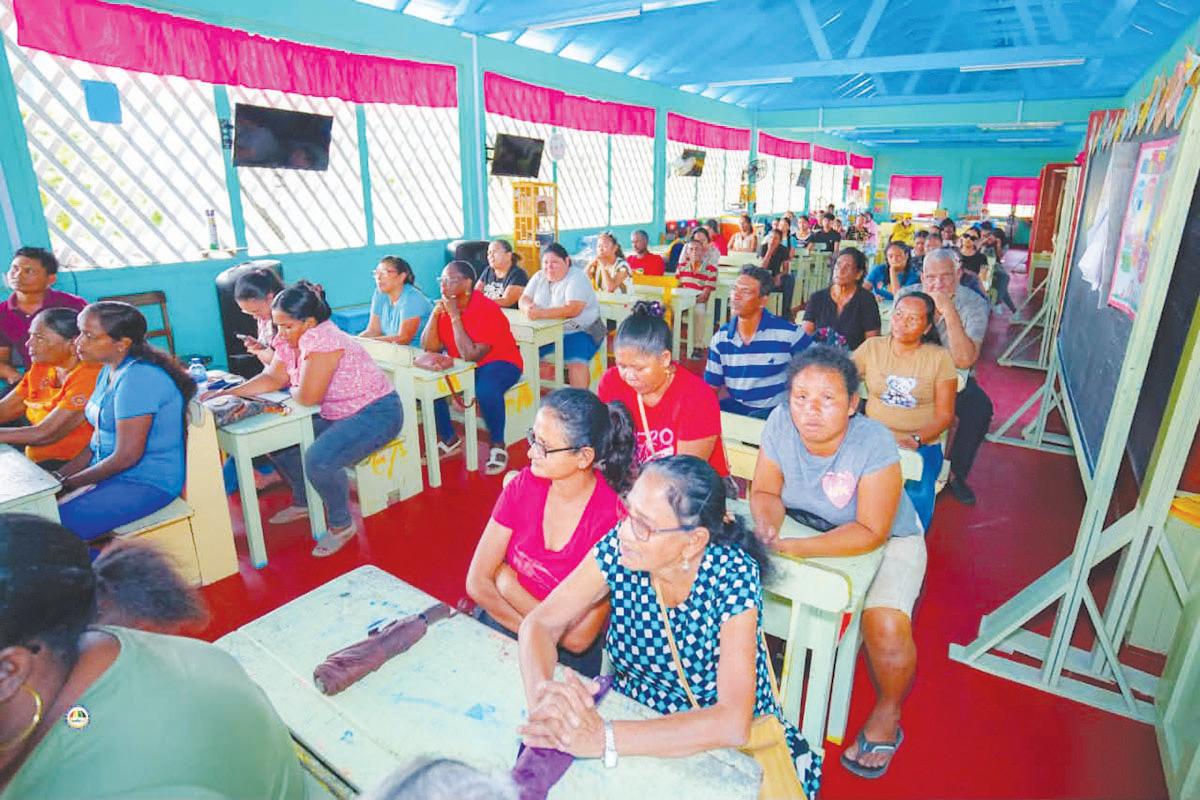
The outreach began on Friday with an engagement at the Queenstown Community Centre, where residents met with Minister Persaud and Regional Chairman Devin Mohan.
During that meeting, residents were provided with information on the National Care Economy Initiative, which is expected to be launched by the Government through the Ministry of Human Services and Social Security. The initiative will offer training opportunities and support citizens interested in establishing childcare and elderly care businesses, creating avenues for employment and entrepreneurship within communities.
The Ministry said the outreach was part of ongoing efforts to connect directly with residents, as-

Guyana has completed its transition to a fully voluntary blood donation system, a milestone that Health Minister Dr Frank Anthony says reflects the significant progress made in strengthening the country’s blood transfusion services. Speaking on Friday, Dr Anthony credited the achievement to the work of the National Blood Transfusion Service (NBTS) under the leadership of its Director, Dr Pedro Lewis.
“Under Dr Lewis’ stewardship, we have seen a complete transition to voluntary blood donation,” the Minister said, noting that the accomplishment demonstrates the quality of work being carried out by the blood bank. Anthony said the Government is working to build one of the region’s leading blood transfusion services, with continued investments aimed at expanding and modernising blood banking facilities across Guyana and enhancing access to safe blood sup -
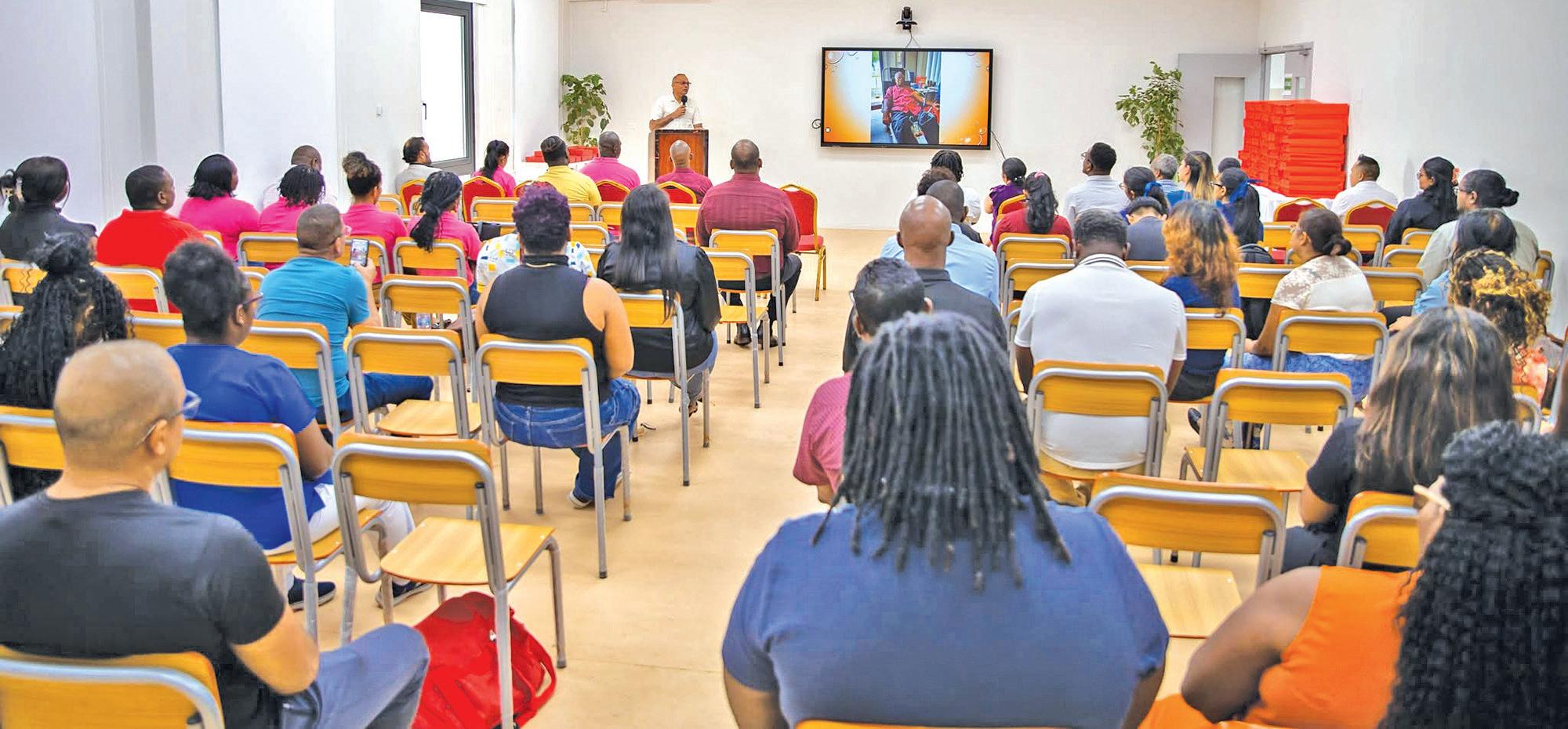
plies. The Minister said the Government is continuing to expand blood banking infrastructure as part of its
broader health sector modernisation agenda. He noted that blood banking facilities have already been integrated into the six new

Asocial housing flat rented by Sierra Leone’s First Lady has been seized by a London council.
Southwark council confirmed it had repossessed the two-bedroom home in Walworth previously occupied by Fatima Jabbe-Bio, whose tenancy was reported by the Times last year.
Jabbe-Bio, who is married to Sierra Leone’s president, Julius Maada Bio, had been listed on the tenancy since 2007. She has divided her time between Sierra Leone and Britain since her husband was elected in 2018.
Housing rules state that council properties should ordinarily be a tenant’s principal residence. The Times investigation raised questions about whether the south London flat met that re-
quirement after neighbours said they rarely saw JabbeBio.
Announcing the recovery of the home, Reginald Popoola, Southwark’s executive member for council homes, said: “We can confirm we have taken possession of a property in Walworth following a 12-month investigation by our housing investigations team.”
He said the flat would be handed to a family on the waiting list. “I look forward to bringing this council property back to its original purpose, which is to provide a safe and secure home for people with legitimate housing need on the council’s waiting list,” he said.
The case drew widespread attention after reports that Jabbe-Bio had retained the tenancy despite living for much of the year
in the presidential lodge in Freetown, Sierra Leone.
In an interview with the BBC last month, Jabbe-Bio defended keeping the flat, rejecting suggestions she had acted improperly. The former model and actor said: “My children are all British citizens. I’m paying for my council house myself. I have not committed any crime.”
There is no suggestion Jabbe-Bio has been charged with any offence.
The recovery of the property comes at a time of acute pressure on social housing in London, with growing waiting lists, rising homelessness and increasing demand for temporary accommodation.
In Southwark alone, more than 18,000 households are on the waiting list for social housing, council figures show. About 4,000 households are living in temporary accommodation while waiting for a permanent home.
Local authorities have stepped up efforts to tackle tenancy fraud and recover properties where tenancy agreements are being contravened. The council said it investigated all allegations of tenancy fraud and unlawful occupation and had recovered 107 properties over the past two years.
Southwark council did not disclose details of the results of its investigation into Jabbe-Bio’s tenancy. (The Guardian)
hospitals being established across the country.
“The six new hospitals all have blood banking facilities,” he said. “We are now in the process of adding additional hospitals, and they too will be equipped with blood banking services.”
Anthony also announced the introduction of advanced technology to support blood management during surgical procedures. He revealed that the Government has procured and distributed nine CellSaver machines throughout the public health system to facilitate autotransfusion, a process that allows a patient’s own blood to be recovered and reinfused during surgery.
“This morning [Friday]
marked the first use of one of these machines, and it was very successful,” Dr Anthony said, referring to a procedure performed on an 85-year-old patient.
“We have purchased nine of these machines and are placing them in various parts of the country. Wherever surgeries are performed, we will be able to recover and reinfuse a patient’s own blood. The blood bank has been very innovative and continues to embrace cutting-edge technology,” he added.
The Health Minister also highlighted efforts by the Ministry and the NBTS to localise specialised medical testing and expand services in regenerative medicine.
“To carry out kidney transplants, we previously had to send samples to Miami for testing,” he explained. “Each test cost approximately US$3,000. We now have a laboratory capable of conducting HLA testing locally. This will not only support living donor transplants but will also help us advance plans for deceased organ donation.” He added, “We also want to expand our work in regenerative medicine.”
The ceremony also included the presentation of tokens of appreciation to outstanding voluntary blood donors and institutional partners whose continued support has helped sustain Guyana’s national blood supply.

Just one week after the Port Mourant Training Centre (PMTC) was forced to shut down temporarily after recording positive COVID-19 cases amongst students, another school in Region Six (East Berbice-Corentyne), has also seen an apparent outbreak. On Friday, five students at the Lower Corentyne Secondary School tested positive for the virus, prompting calls for additional sanitisation measures and renewed questions about COVID-19 guidance for schools across the East Berbice-Corentyne region. According to information received, all five students are asymptomatic. Nevertheless, they were sent home, and school officials immediately began implementing precautionary measures. The school is located in close proximity to the PMTC workshop, with only one building separating the two facilities.
Earlier this month, several students at the Guyana Sugar Corporation (GuySuCo) Training Centre at Port Mourant had tested positive for COVID-19. The residential facility was subsequently closed, and students were sent home while those who tested positive were isolated. On Sunday, more than 90 per cent of students had returned to the Training Centre after the institution
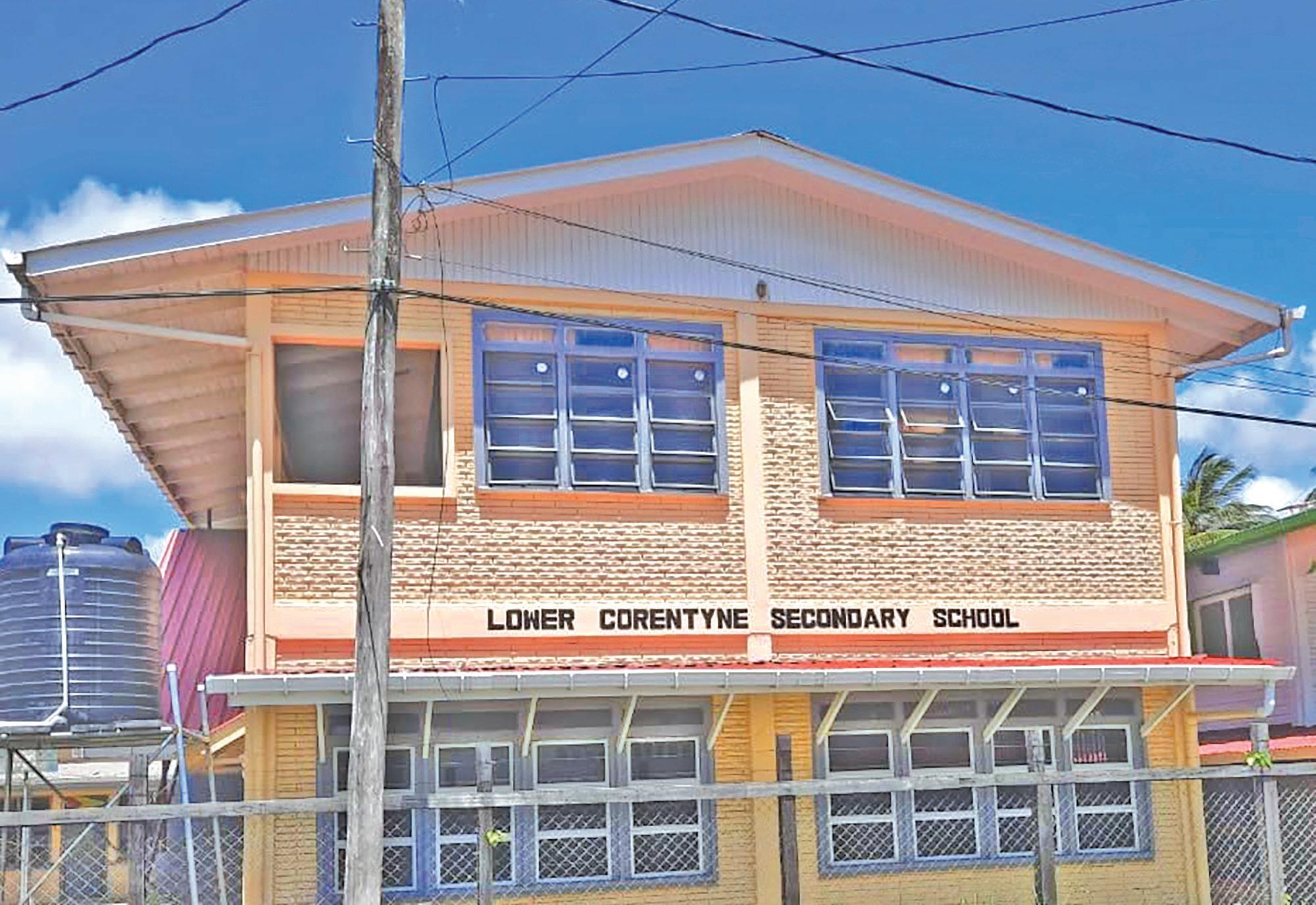
reopened amidst lingering concerns. Students were initially expected to return to the institution last Wednesday. However, parents and guardians were later advised not to send them back after it was determined that sanitisation and fumigation of the facility had not yet been completed. Following the completion of those measures, students were instructed to return to the institution Sunday afternoon. Meanwhile, the Lower Corentyne Secondary School was granted permission to remain closed today, and officials are now
seeking an extension until tomorrow, Tuesday, to allow additional sanitisation and fumigation work to be completed and for other relevant protocols to be implemented before classes resume. Many teachers attached to the school had not yet been tested as of Sunday. School officials are hopeful that those teachers will be able to undergo testing today as efforts continue to determine whether any additional measures may be required.
Nevertheless, the developments have also raised concerns among several school administrators

across Region Six. Several head teachers contacted by this publication said neither the Department of Education nor the Regional Health Authority had reached out to schools regarding updated COVID-19 protocols following the recent cases.
According to the educators, no circulars or advisories have been distributed outlining how schools should respond if students or staff test positive for the virus. The apparent lack of communication has left many schools uncertain about the procedures that should be followed should similar situations arise within their own institu-
tions.
Despite positive COVID-19 cases being reported at two educational institutions within a week of each other, the Region Six health authorities have remained largely silent on the issue.
Efforts to contact Region Six Regional Health Officer Dr Vineshri Khirodhar for a comment on Sunday proved unsuccessful.
Meanwhile, earlier, Health Minister Dr Frank Anthony had said that while Guyana had not detected the NB.1.8.1 COVID-19 variant, health authorities remained vigilant and were monitoring developments.
The American musician Oliver Tree has died in a helicopter crash in Brazil at the age of 32, according to reports.
Two helicopters collided over Rio de Janeiro on Sunday morning and crashed in the city’s western zone, killing all six people onboard, including Tree, several Brazilian media outlets reported.
Rio de Janeiro’s military fire department said one of the helicopters crashed on a car dealership, where several electric vehicles were parked, igniting a fire that was extinguished.
Officials said an investigation was under way to determine the cause of the collision.
Tree, 32, who was in Brazil on a world tour, was

burned in the crash.
The passengers alongside the singer included a Brazilian music producer, Argentine video director and Argentine YouTuber Gaspar Prim, known online
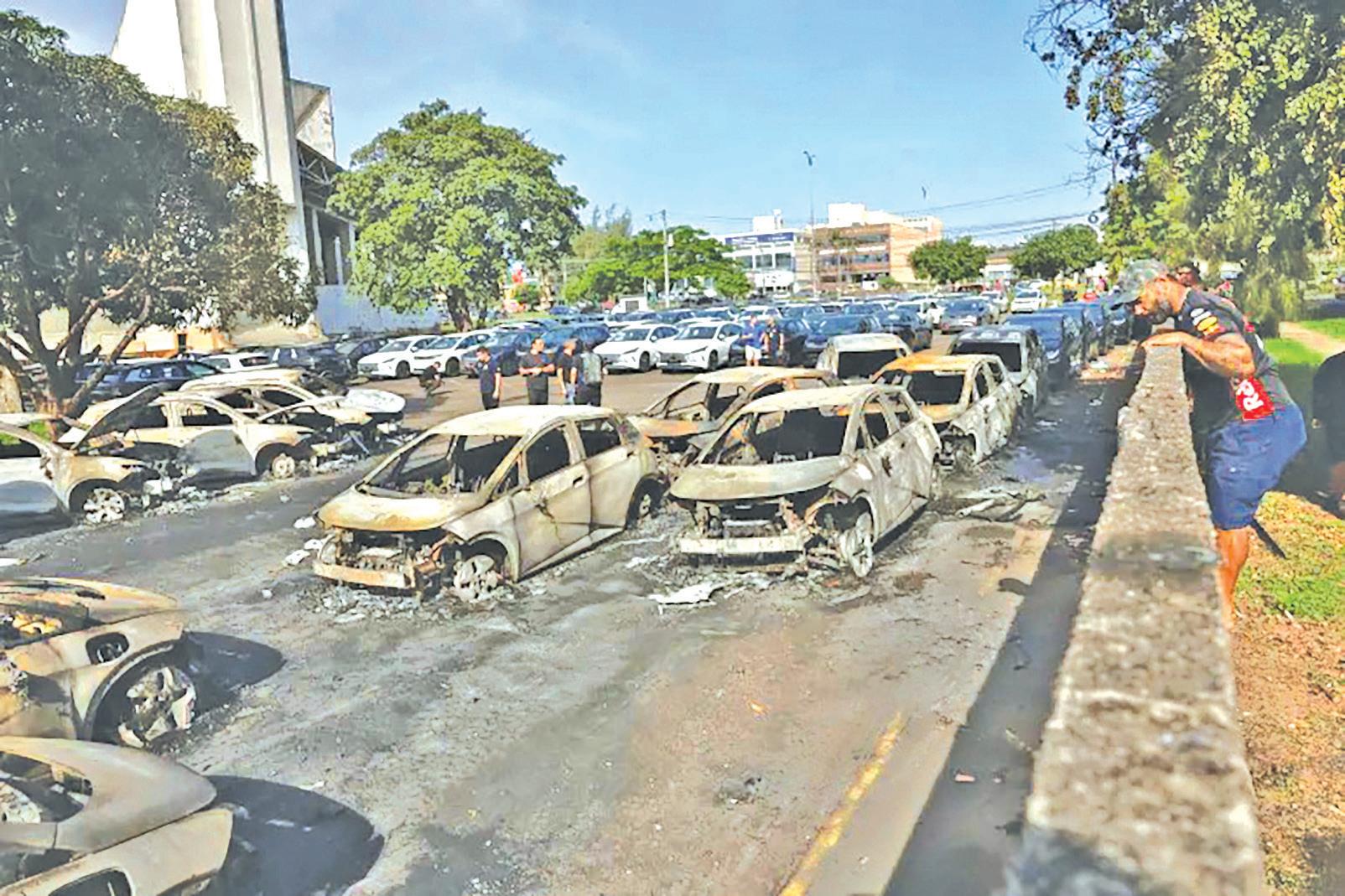
aboard one of the helicopters that crashed, leaving all occupants dead, a police source told AFP.
The alternative singer and internet personality was listed as one of six people on the manifests of the two aircraft shared by the source, who said the victims could not be formally identified yet as they were badly
as Gaspi.
The helicopters collided mid-air in the western suburb of Recreio dos Bandeirantes before plummeting into the car park of an electric car dealership, setting ablaze about 20 cars, according to firefighters. One of the helicopters was carrying five people and the other only the pilot.
There were no survivors. Tree – with a distinctive bowl haircut and internet persona – was known for songs including Life Goes On, Miss You, and Alien Boy.
He has more than 11 million monthly listeners on Spotify, with his top songs listened to more than 700m times.
He was due to play more than 70 shows across 30 countries on seven continents during his world tour.
He performed in Buenos Aires, Argentina, on 4 June, and on Saturday shared a video on his Instagram playing football in a Brazilian neighbourhood.
In 2024 he was nominated for the international song Brit award alongside the German producer Robin Schulz for their song Miss You.
The track peaked at No 3 in the UK singles chart. In 2020 he broke the Guinness world record for the largest kick scooter at 4.16 metres tall and 3.13m long. According to the Guinness world record website the feat was achieved to “fulfil a lifelong dream”.
(The Guardian)


By Dr Tariq Jagnarine, Fam meD, enDocrinology/DiaBeTes
As a family physician, one of the most fascinating lessons I have learnt throughout my medical career is that the body often provides clues long before serious disease becomes apparent. Sometimes these clues are found in laboratory tests. Sometimes they are found in imaging studies. However, quite often, they are visible on the skin.
The skin is the largest organ of the human body, accounting for approximately 15 per cent of total body weight. Beyond serving as a protective barrier, the skin reflects what is occurring internally. In many cases, it acts as an early warning system for diseases affecting the endocrine system, liver, kidneys, immune system, blood, and even the heart. Throughout my years in clinical practice, I have encountered numerous patients who initially sought care for what they believed was a simple cosmetic concern, only to discover an underlying medical condition requiring treatment. A darkened neck led to a diagnosis of diabetes. Persistent itching revealed chronic kidney disease. Excessive bruising uncovered a blood disorder. These experiences have reinforced a simple but important lesson: never ignore what your skin is trying to tell you.
Your skin is talking: What common skin changes may be telling you about your health

..Why the body’s largest organ often reveals disease before symptoms appear

The skin as a window into health
Unlike many internal organs, the skin is visible. It allows healthcare professionals to observe changes that may signal disease before significant complications develop.
For this reason, physicians often examine the skin carefully during routine consultations. What appears to be a minor discoloration, rash, or growth may provide critical diagnostic information.
The challenge is that many people dismiss skin changes as signs of aging, stress, weather, or cosmetic issues without considering that they may represent something more significant.
When dark skin around the neck means more than dirt
One of the most common findings I encounter is a condition called acanthosis nigricans.
This appears as dark, thickened, velvety skin commonly found around the: Neck, Armpits, Groin, and Knuckles
Patients frequently tell me they have tried multi-
ple creams, soaps, scrubs, and skin-lightening products without success. Many assume the area is dirty or poorly cleaned.
In reality, acanthosis nigricans is often a sign of insulin resistance, a condition in which the body becomes less responsive to insulin. Insulin resistance is strongly associated with:
. Prediabetes
. Type 2 diabetes
. Obesity
. Metabolic syndrome
.Polyendocrine Metabolic Ovarian Syndrome
In many cases, this skin change develops years before diabetes is diagnosed. As rates of obesity and diabetes continue to rise throughout Guyana and the Caribbean, recognising these early warning signs becomes increasingly important.
Yellow skin and eyes: the liver’s cry for help
Few skin findings are as concerning as jaundice. Jaundice occurs when bilirubin accumulates in the bloodstream, causing yellow discoloration of the eyes, skin, mucous membranes
Potential causes include:
. Hepatitis

. Liver failure
. Gallstones
. Bile duct obstruction
. Certain blood disorders
The story behind persistent itching
Many individuals assume itching is simply an allergic reaction. While allergies are common, persistent itching without an obvious rash may sometimes indicate systemic disease. Conditions associated with generalised itching include:
. Chronic kidney disease
. Liver disease
. Iron deficiency
. Thyroid disorders
. Certain cancers
. Diabetes
Hyper Uricemia
The skin may, therefore, be the first organ to alert us that something deeper is occurring.
Dry skin may not be just dry skin
Living in a tropical environment, many people attribute dry skin to environmental factors. However, severe or persistent dryness may be associated with:
. Hypothyroidism
. Diabetes
. Nutritional deficiencies
. Kidney disease
. Dehydration
When dry skin is accompanied by fatigue, weight gain, constipation, or cold intolerance, thyroid disease should be considered.
The skin often reflects hormonal changes occurring elsewhere in the body.
What your nails can reveal
The fingernails and toenails can provide remarkable insights into health.
Spoon-shaped nails
Known as koilonychia, these nails may suggest iron deficiency anaemia.
Clubbing
When the fingertips enlarge and the nails curve excessively, physicians re-
fer to this as clubbing.
Possible causes include:
. Lung disease
. Congenital heart disease
. Lung cancer
. Chronic infections
White nails
Can occasionally be associated with:
. Liver disease
. Severe malnutrition
. Chronic illness
A careful examination of the nails remains an important part of a comprehensive physical assessment.
Hair loss: more than a cosmetic issue
Hair loss can be emotionally distressing and is a common reason for medical consultation.
While genetic hair loss is common, excessive shedding may be associated with:
. Thyroid disease
. Iron deficiency
. Stress
. Autoimmune disorders
. Hormonal imbalances
. Nutritional deficiencies
As clinicians, we must look beyond the symptom itself and investigate potential underlying causes.
Skin tags: small growths with a bigger message
Skin tags are small, soft growths often found on the:
. Neck . Eyelids
. Armpits
. Groin
Although harmless, multiple skin tags may be associated with:
. Obesity
. Insulin resistance
. Type 2 diabetes
Their presence may provide an opportunity to identify metabolic disease before complications develop.
Rashes that reveal autoimmune disease
Not all rashes are simple skin conditions.
Some may represent autoimmune diseases affecting multiple organs.
Examples include:
. Lupus
. Psoriasis
. Dermatomyositis
. Vasculitis
In some cases, the skin manifestations appear months or years before systemic symptoms emerge.
This highlights the importance of obtaining a proper diagnosis rather than self-treating persistent skin conditions.
The importance of examining the feet
As a physician managing patients with diabetes, I have learnt that the feet deserve special attention. Poor circulation, nerve damage,
ulcers, fungal infections, and skin breakdown may signal poorly-controlled diabetes. Many amputations begin with small wounds that are ignored.
Regular foot examinations remain one of the most effective strategies for preventing severe complications.
Skin cancer in people with darker skin
A common misconception is that individuals with darker skin cannot develop skin cancer.
While the risk may be lower, skin cancer still occurs and is often diagnosed later because it is not suspected.
Warning signs include: . New growths . Non-healing wounds . Changes in moles . Bleeding lesions . Persistent pigmentation changes
Early detection remains critical regardless of skin tone.
As healthcare professionals, we often emphasise sophisticated technology, advanced diagnostics, and specialised treatments. Yet some of the most important diagnoses still begin with careful observation and a thorough physical examination.
The skin often tells a story long before the patient realises there is a problem.
One of the most valuable lessons I have learnt as a physician is that the body rarely suffers in silence. It communicates continuously through signs and symptoms. Our responsibility is to recognise them early and respond appropriately.
For patients, my advice is simple: pay attention to changes in your skin, hair, nails, and overall appearance. Do not assume everything is cosmetic. Sometimes these changes are harmless. Sometimes they are not.
The difference can be life-changing.
Your skin is more than a protective covering. It is a reflection of your internal health and may provide early warnings of disease affecting nearly every organ system.
By increasing awareness and encouraging timely medical evaluation, we can detect many conditions earlier, improve outcomes, and prevent unnecessary complications.
The next time you look in the mirror, remember that your skin may be telling you something important. Take the time to listen.
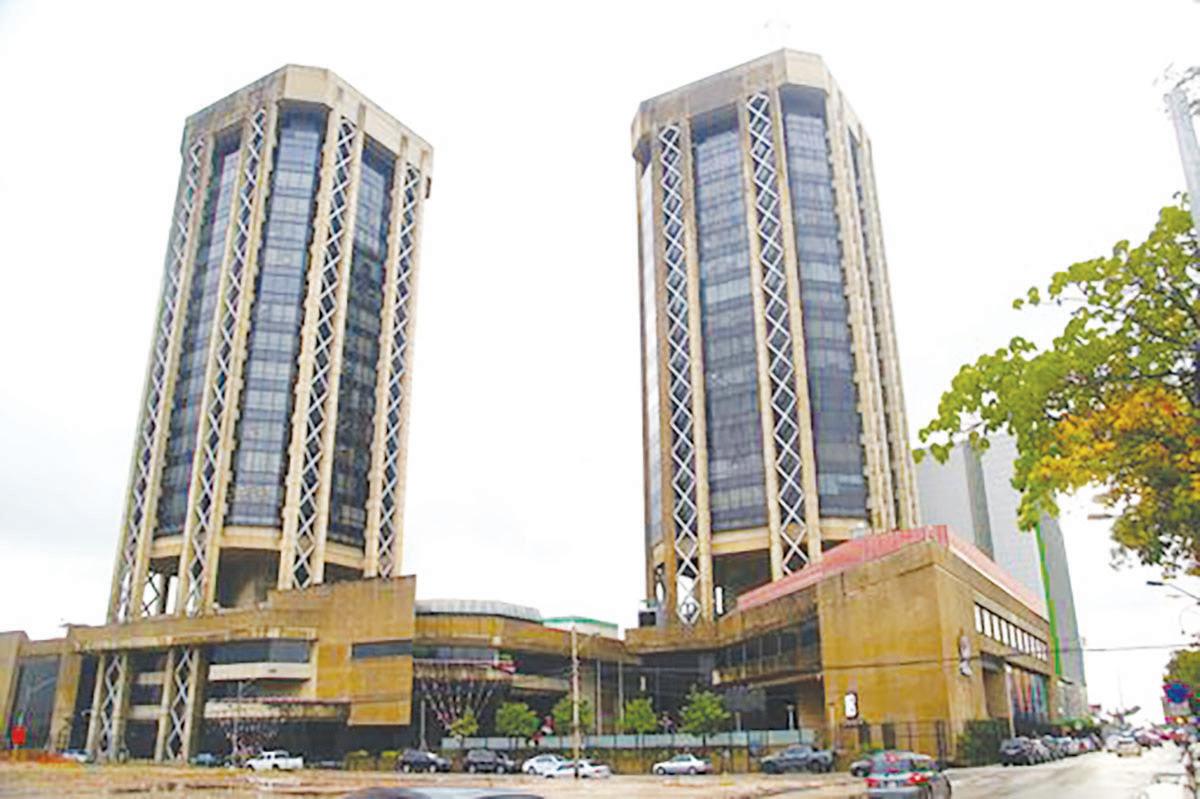
The Central Bank of Trinidad and Tobago has filed a High Court lawsuit seeking to recover nearly TT$18.8 million in connection with what it alleges was a sophisticated fraud involving a forged Government cheque.
The legal action, filed on June 10, names NiPat General Contractors Limited, its Managing Director Nigel Patterson Vincent, and Director Jackqui Watson-Vincent as defendants, the Trinidad Express reported on Sunday.
According to the newspaper report, the Central Bank is alleging that the company received
funds from a cheque that was never issued by the Government and that large portions of the money were quickly disbursed before the alleged fraud was detected.
The case centres on a cheque purportedly issued by the then Ministry of Planning and Development and deposited on September 29, 2023 at Republic Bank’s San Juan branch into NiPat’s account.
The cheque, reportedly for TT$20 million, was later processed through the Electronic Cheque Clearing System after being re-presented following an initial query regarding an endorsement irregularity.
The Central Bank alleges that it only discovered on October 26, 2023 that the instrument was fraudulent, after officials from the Treasury Division of the Ministry of Finance confirmed that no such cheque had been issued and that no payment was owed to NiPat.
Court documents state that between October 5 and October 25, 2023, NiPat issued 66 cheques and transferred approximately $18.77 million out of its account, including payments to companies, individuals and the company’s own directors. (Excerpt from CMC)
Armed men in Haiti have kidnapped a senior Government and Police official in Port-auPrince, the highest-ranking abduction in recent years in a country gripped by gang violence, according to media reports on Saturday.
James Boyard, cabinet director at the Defence Ministry and Inspector General of Haiti’s National
Police, was seized on Thursday in the Bourdon neighbourhood, according to the Associated Press, which cited a person familiar with the case.
Boyard is widely regarded as a leading security expert and his abduction marks a significant escalation in the targeting of senior officials in Haiti, where gangs have tightened their
hold over the capital.
Kidnappings have surged in Haiti as criminal groups expand their influence, undermining Government authority and worsening a deepening humanitarian and security crisis.
Authorities have not publicly commented on efforts to secure Boyard’s release.
(Excerpt from Reuters)
An aircraft which left St Vincent and the Grenadines en route to Tobago on Friday has gone missing.
The private plane reportedly departed from Argyle International Airport bound for ANR Robinson International Airport. However, Air Traffic Control lost contact with the aircraft during the journey, and it never arrived in Tobago.
A source at Air Traffic Control in Trinidad and Tobago confirmed the situation Sunday morning, say-
ing Argyle contacted Piarco about the matter and authorities are “looking for the aircraft.”
He told Guardian Media the aircraft was flying low under visual flight rules (VFR), below 4000 feet.
The aircraft’s journey was tracked on the Flightradar24 website, which showed it at 4025 feet and travelling at approximately 142 knots. However, all data was suddenly lost during the flight.
“This happened some years ago around Sint
Maarten. It was low-flying as well. That aircraft had crashed,” the Air Traffic Control source said.
However, he said some aircraft deliberately switch off their transponders.
Meanwhile, media in St Vincent told Guardian Media that authorities there have remained tight-lipped about the matter. The model of the aircraft, the number of people aboard and the registration number remain unknown. (Excerpt from Trinidad Guardian)
A27-year-old United Kingdom national was kidnapped and robbed on Thursday night. According to Police, Aman Bains, 27, of Surrey, reported that around 22:30h on Thursday, he was walking along Ariapita Avenue near Hamilton Holder Street, Port of Spain, when he was ap -
proached by four masked men and one unmasked woman. Bains said he was taken to an unknown location, where he was beaten and held against his will. He reported that his life was threatened if he did not comply with the suspects’ demands.
The suspects stole three of his bank cards and US$200. He was later dropped off at a bus shed off the Audrey Jeffers Highway.
Bains said he returned to his hotel room around 05:30h the following day, where he contacted his manager and informed her of the incident. (Excerpt from Trinidad Guardian)
“Unprecedented”: T&T Parliament expert condemns treatment of staff in mic row
Expressing shock at what unfolded during Friday evening’s Standing Finance Committee, a parliamentary expert with vast experience in parliamentary administration described the incident as unprecedented and mounted a vigorous defence of parliamentary staff, arguing that the controversy appeared to stem from a misunderstanding of how the chamber’s audio system functions.
The expert also called on the House Speaker to make a statement on the matter and reassure parliamentary staff.
Friday’s Standing Finance Committee meeting erupted shortly before 22:00h when Leader of Government Business Barry Padarath accused parliamentary broadcasting personnel of showing bias by muting the microphones of Government Members of Parliament (MPs) and allegedly maintaining higher audio levels for Opposition MPs.
There were also allegations, though it was not seen in the Parliament Channel’s public broadcast due to the camera angle, that Padarath left his seat and took a picture of a staff member whom he believed was in charge of the audio system.
“This is the first time in
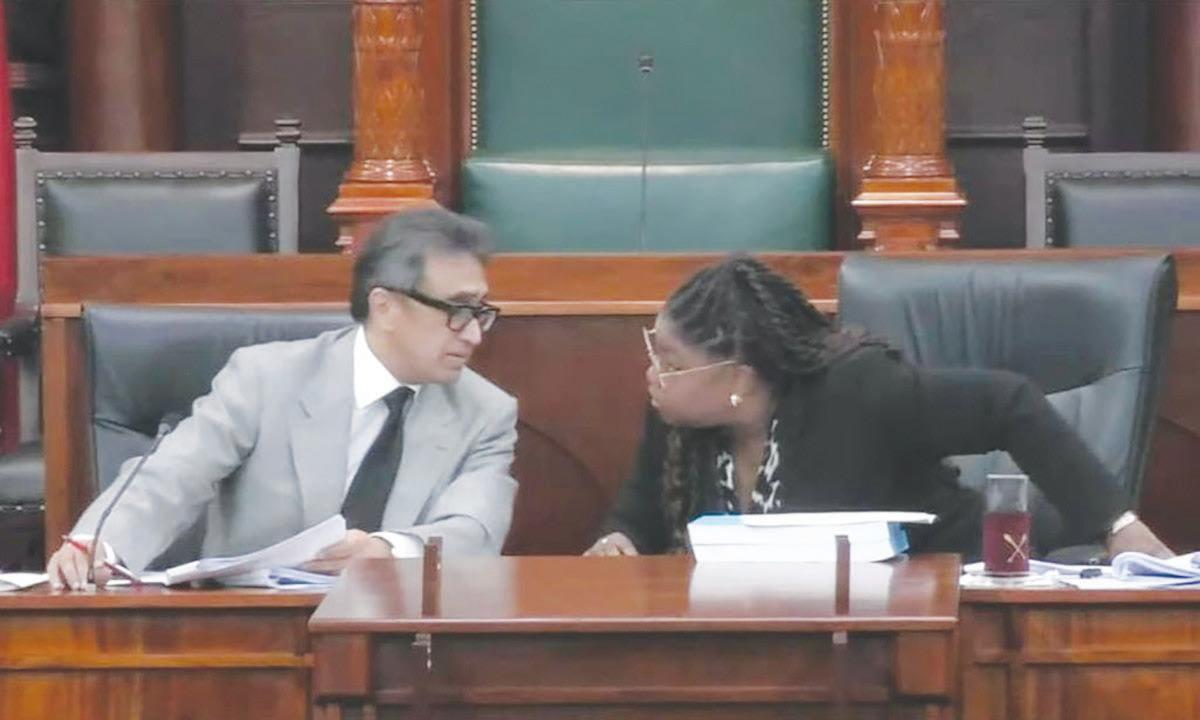
my career that I have seen something like that,” the expert said, referring to reports that Padarath photographed the staff member during the committee proceedings.
“To think that a Member of Parliament got up and moved out of his seat to take a picture of a member of staff and had him cowering behind his desk. These things don’t happen. We follow Westminster. It doesn’t happen.”
Speaking under the condition of anonymity, the parliamentary expert, who had more than three decades of experience in the parliament, strongly defended the employees and said the allegations reflected a misunderstanding of how Parliament’s audio system operates and insisted the staff responsible for
Twenty-three young people have been selected to serve on an international taskforce that will lead the planning and delivery of the 2026 Commonwealth Youth Forum (CYF) at the upcoming Commonwealth Heads of Government Meeting (CHOGM) in Antigua and Barbuda.
The taskforce will work with the Commonwealth Secretariat, the Commonwealth Youth Council (CYC) and the Government of Antigua and Barbuda to support the successful delivery of the CYF. This includes helping shape the forum programme, policy recommendations and logistical arrangements.
Representing a range of Commonwealth regions and interest groups, the taskforce will help deliver a forum, aimed at encouraging policymakers to support actions that promote sustainable development, prosperity and investment in the Commonwealth. In 2010, the CYF was created to ensure
broadcasting proceedings are trained to apply parliamentary rules equally, regardless of which party occupies government or opposition benches.
The expert explained that when the Speaker rises to his feet or attempts to regain control of proceedings, all other microphones in the chamber are automatically muted.
“That is something implanted not just in our staff, but it is a worldwide practice.”
The expert described Parliament as one of the country’s key democratic institutions and said employees are deliberately trained to separate personal political beliefs from their professional responsibilities.
(Excerpt from Trinidad Guardian)

Governments consider the concerns and perspectives of young people. It has since become a critical platform for youth to share their views with leaders at the Commonwealth Heads of Government Meetings (CHOGM). The 2026 CYF will be held in Antigua from November 1 to 4, 2026 under the theme “Investing in Youth Agency-Co-Creating Pathways towards Shared Prosperity”, on the margins of CHOGM.
(Excerpt from Antigua Observer)


Oil prices slide after deal between US and Iran announced Oil prices fell in early trade in Asia after Pakistan, which has been mediating an end to the US-Iran war, announced a deal that President Donald Trump said would see the reopening of the key Strait of Hormuz shipping route.
Brent crude, the global oil benchmark, was four per cent lower at US$83.81 (£62.29) a barrel, while US-traded oil was down 4.7 per cent at US$80.89.
Pakistani Prime Minister Shehbaz Sharif said an official signing ceremony would be on Friday, June 19 in Switzerland.
Iran’s Deputy Foreign Minister Kazem Gharibabadi confirmed in a phone call on state TV that a deal with the US had been finalised, while Trump posted on social media ”let the oil flow!”.
The Strait had been effectively closed since shortly after the US and Israel launched airstrikes on Iran on February 28. Tehran had threatened to attack vessels using the crucial waterway, through which around 20 per cent of the world’s oil and liquefied natural gas (LNG) normally passes.
Global energy markets have been on a wild ride in recent months, with prices often rising or falling sharply in response to developments in the US-Israel war with Iran.
Brent crude, which was trading at around US$70 a barrel before the conflict started, peaked at about US$120 during the war.
Energy market experts have warned that the movement of oil through the strait is unlikely to immediately return to pre-war levels.
Andrew Lipow from consulting firm Lipow Oil Associates said mines would first need to cleared from the waterway, which could take from a few weeks to up to six months.
He also warned that there is a large backlog of tankers waiting to use the waterway and that restarting oil production and getting the loading of ships back to normal levels could take weeks.
Asian stock markets also rose today as investors welcomed the deal.
Japan’s Nikkei 225 share index was 4.3 per cent higher in morning trade while the Kospi in South Korea was more than five per cent higher.
The region was hit particularly hard by higher energy prices as it is heavily reliant on the Middle East for its oil and LNG supplies. (BBC News)
Thirteen people were injured and the Kyiv Pechersk Lavra monastery, a symbol of Ukrainian spiritual and cultural history, caught fire following a major Russian air attack on the Ukrainian capital, authorities said early today, urging residents to take shelter.
The air attack damaged electricity lines and left 140,000 Kyiv residents without power, Mayor Vitali Klitschko said on the Telegram messaging app, adding that some houses and cars also caught fire after being hit by drone debris.
The central Kyiv Pechersk Lavra monastery, a UNESCO World Heritage site, was seriously
United States and Iranian officials said on Sunday they had agreed on a framework to end their war, halt the US blockade of Iran and reopen the Strait of Hormuz, a preliminary pact that sent oil prices falling but leaves the fate of Iran’s nuclear programme to further negotiations.
”The Deal with the Islamic Republic of Iran is now complete,” US President Donald Trump wrote on his Truth Social platform around 5:30 p.m. ET local time in Washington (2130 GMT) on Sunday. His post came shortly after Pakistani Prime Minister Shehbaz Sharif, whose country has served as a mediator, announced a deal had been struck early today local time.
The Memorandum of Understanding (MoU) is scheduled to be officially signed on Friday in Switzerland.
The precise terms were not immediately known. Sharif said in a post on X that the pact called for ”the
Protesters

Vessels at the Strait of Hormuz, as seen from Musandam, Oman, June 14, 2026 (Reuters/Stringer)
immediate and permanent termination of military operations on all fronts, including in Lebanon”.
Lebanon has been a sticking point in negotiations, with Israel and Hezbollah ignoring calls from Trump and others to stop their attacks on each other in recent weeks.
In a statement, the secretariat of Iran’s Supreme National Security Council said war and military operations on all fronts, inclu -
ding Lebanon, would end permanently starting tonight.
There was no immediate reaction to the announcement from Israel, which has said it was not party to the US-Iran talks.
Strait to reopen
Trump said the Strait of Hormuz, a major shipping route for global oil and gas supplies that Iran has effectively shut down for months, would open on Friday,
and that he had ordered the end of the US blockade of Iranian ports.
”Ships of the World, start your engines. Let the oil flow!” Trump wrote. Oil prices fell on the news. Former Biden Administration State Department spokesperson Matthew Miller said Trump had made important concessions to Iran to achieve the status quo that existed before he launched the war.
(Excerpt from Reuters)
Geneva Police on Sunday fired teargas at protesters who set fire to a Tesla vehicle and smashed windows at a United Nations agency as they vented their anger at a Group of Seven summit about to take place across the border in France.
Some 20,000 people
gathered for a march that was initially peaceful, but protesters later targeted what they depicted as symbols of capitalism and multilateralism, including the parked Tesla and the UN office.
Demonstrators ripped bricks from the ground to throw at Police, while chil -
dren cried as teargas wafted over downtown Geneva’s sun-baked streets, Reuters witnesses said.
Protests have been common at G7 gatherings over the years, with many demonstrators using the summits to decry capitalism, globalisation, climate change and inequality.
Demonstrators said they came to protest against the G7 as a symbol of concentrated political and economic power. Last week Tesla owner Elon Musk, who has worked as an advisor to US President Donald Trump, became the world’s first trillionaire. (Excerpt from Reuters)
Eleven skydivers and one pilot have been killed in a plane crash in the US state of Missouri, officials said.
damaged in a direct attack, Tymur Tkachenko, the head of the capital’s military administration, said in a separate Telegram post.
The city was under a massive missile attack, with a high-rise apartment building also on fire.
Drones continue to attack Kyiv from different directions, Ukraine’s Air Force said on Telegram, with explosions heard in the city, a Reuters witness said.
Neighbouring Poland, a European Union and a NATO member, has scrambled its fighter jets and put ground-based air defence systems and radar reconnaissance on a state of readiness.
(Excerpt from Reuters)
The airplane, which was leased by a skydiving company, took off around 11:20h local time on Sunday, according to a Bates County Emergency Management spokesperson.
After failing to gain altitude, it made a sharp left turn and crashed about 200 yards away from Butler Memorial Airport, the spokesperson told the BBC. All 12 persons on board died, he said.
”We are treating that ... as a mass casualty,”
Bates County Sheriff Chad Anderson said during an afternoon news conference.
The sheriff said the plane was not a commercial airliner, and rather ”a local airplane that took off from our local airport”.
The Federal Aviation Administration (FAA) said the plane was a Pacific
Aerospace P750 and crashed while departing the airport.
”Air traffic services were not being provided at the time,” the FAA said. A spokesperson explained that the plane was not required to be in communication due to the type of air space it was flying in. (Excerpt from BBC News)
Voters in Switzerland have rejected a proposal to limit the country’s population to 10 million.
Results showed nearly 55 per cent of participants voted against and 45 per cent voted for, with a turnout of 60 per cent of the population.
The proposal came from the right-wing Swiss People’s Party, which has long campaigned on an anti-immigration platform.
The divisive vote risked putting the country’s free movement agreement with the European Union in jeopardy and was opposed by the Government, Swiss bu-
sinesses, and all the other major parties.
Welcoming the no vote, Switzerland’s Justice Minister, Beat Jans said it was ”a sign of stability, openness and reliability”.
Switzerland’s population has grown rapidly since 2002, when it stood at 7.3 million. Now it is 9.1 mil-
lion, 27 per cent of whom are not Swiss citizens.
However, the People Party’s argument that capping the population would reduce pressure on transport, housing and the environment seem not to have persuaded enough voters.
(Excerpt from BBC News)







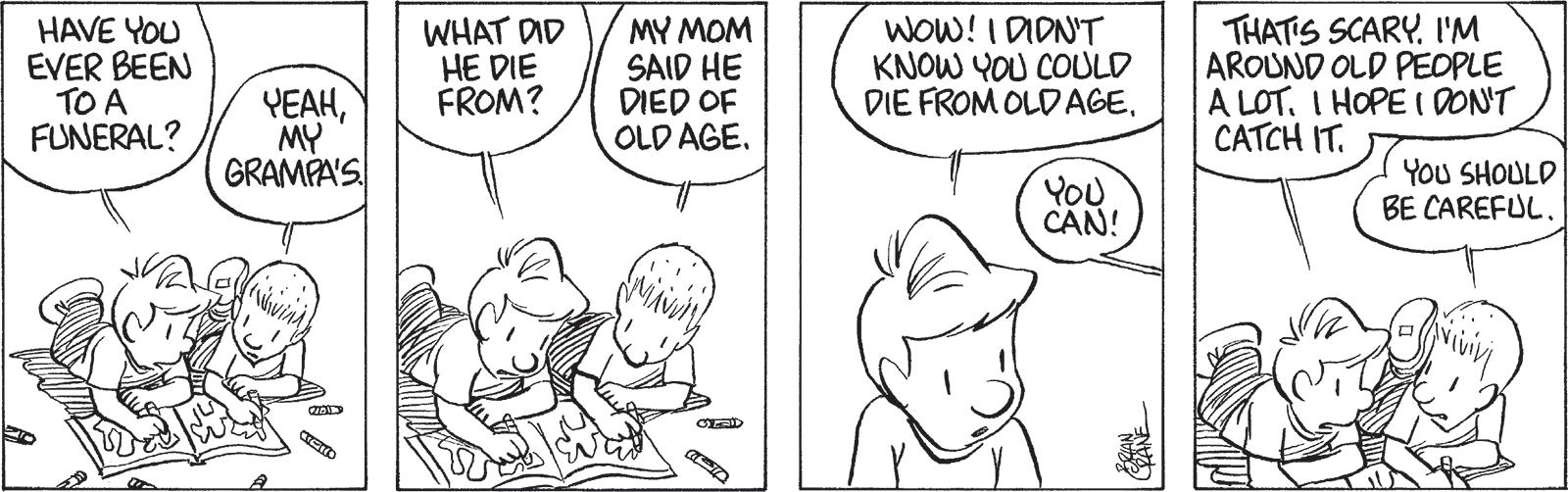


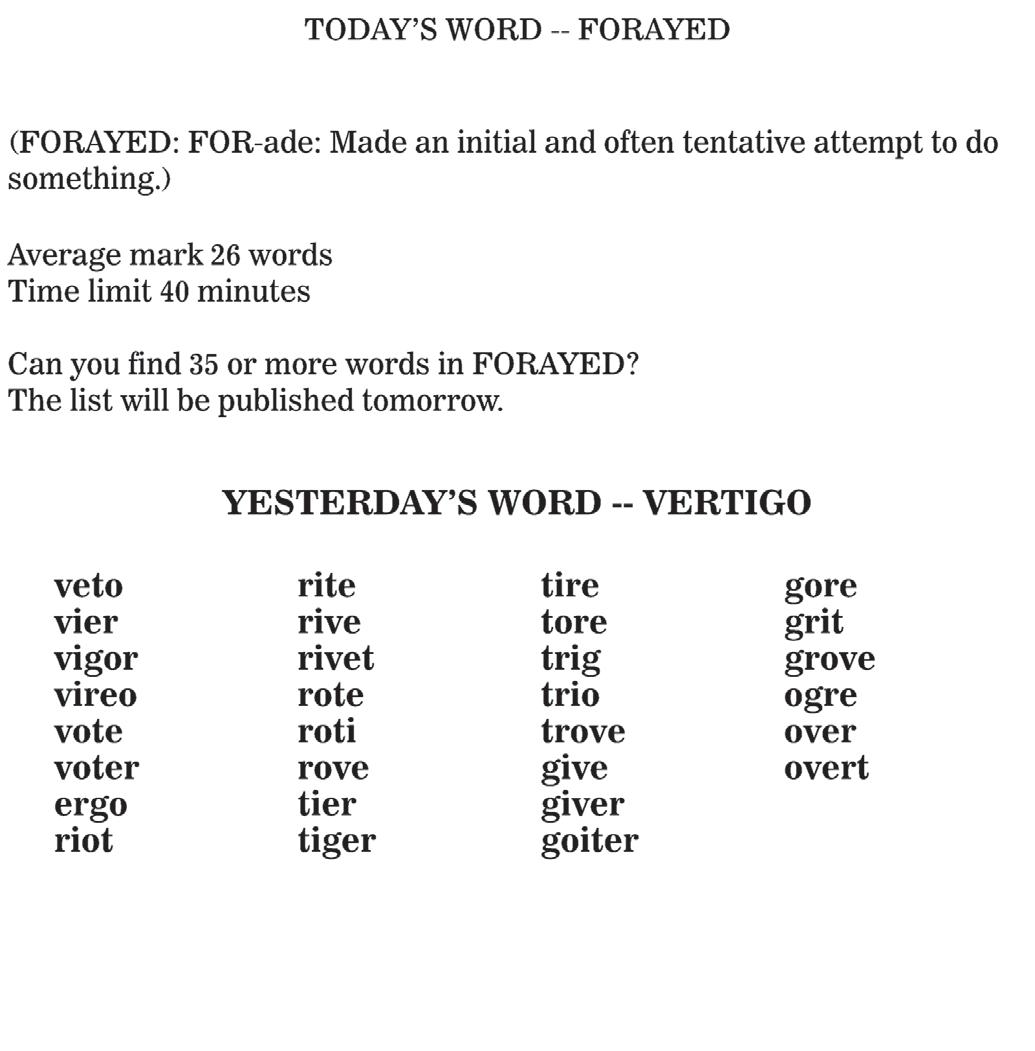





A high-energy approach to what you do, along with using your connections to further your agenda, will bring high returns. Celebrate your victory with someone special.



Personal changes will bring you closer to the lifestyle you desire. Use your imagination, and look for unique opportunities and government grants or company incentives that can help you put your plans in motion.



You are overdue for a change, but first, consider the pros and cons. Do your research, ask questions and refuse to let your emotions interfere, especially when you must pay to participate.
Don’t hold back your thoughts and feelings if you want to bring about change. It’s up to you to make a difference and to draw others’ attention to your concerns.


A change will help you let go of the past and encourage you to pursue people, places and lifestyles of interest. Attend talks, watch documentaries and reach out to experts.


Setting high standards, paying attention to detail and focusing on personal upgrades, a new look or educational pursuits instead of trying to change others is in your best interest.




You can choose to do nothing, and everything will stay the same, or you can alter your life to suit your needs. Start by making positive lifestyle changes that cater to good health.
Listen, make corrections where necessary and look for outlets that encourage physical movement or a lifestyle change. A day trip will give you a unique perspective regarding your options.








Pay attention to fitness, eating habits and looking and feeling your best. You can implement a positive change regarding partnerships and home improvements that offer greater long-term stability.
Emotional misconceptions and misunderstandings will surface through talks you have with friends, family and your associates. Partnerships will need clarification regarding how you feel and what you are willing to do.
Put your energy into trying new things, meeting people, expanding your interests and joining forces with people who share your beliefs, common interests and future endeavors.
Pay attention to detail, listen to what others have to say and participate in activities that encourage looking and feeling your best. Keep personal information and secrets to yourself.

Dasun Shanaka produced the batting ballistics, Kamil Mishara held the innings together, and Sri Lanka’s spinners dominated the middle overs, comfortably defending their 194 for 6. This 37-run victory brings Sri Lanka level 1-1 in the series against West Indies, with one match to play on Sunday night.
Sri Lanka had been struggling at 88 for 4 in the 13th over when Shanaka joined Mishara at the crease. The pair then blasted 103 off 42 balls together to propel Sri Lanka to a commanding score of 194 for 6, hitting seven sixes and nine fours between them.
Although Sri Lanka struck twice with the new ball, West Indies had still looked confident in pursuit at 89 for 2, until Sri Lanka’s spinners went to work. A runout would spark a collapse that cost West Indies six wickets for 32 runs. They strug-





ty. This equalled his own record for the fastest Sri Lanka men’s half-century in T20 Internationals (T20Is). There were also five fours in his 58 off 24, the most memorable of which was a four over extra cover, also off the bowling of
from Shanaka and unleashed some big hitting of his own
gled to recover from 122 for 8 after 15 overs. Dushmantha Chameera, who had struck early in the innings and was effective in the other phases as well, closed out the match in the 19th over, taking three wickets for 9 runs. West Indies were 157 all out, despite Rovman Powell and Shimron Hetmyer having put on 81 off 47 for the third wicket.
Shanaka explodes
Although he arrived at the crease with Sri Lanka in some trouble, Shanaka was almost immediately aggressive, blasting Roston Chase’s offspin onto the roof of the Sabina Park stadium fourth ball, before crashing him for a four and thumping another six next ball. All three of these boundaries came through deep midwicket. He also struck a huge six down the ground, and hooked a ball over fine leg as well, as he stormed to a 19-ball fif-
Springer.
Mishara
the fort
come to the crease in the fifth over, Mishara re mained un beaten un til the close. He took a while to get going as wickets fell around him. He only found his first boundary off the 16th ball he faced. But having saun tered to 22 off 23 after 15 overs, he took cues

Powell became

Shamar Joseph celebrates Kusal Mendis’ wicket with Roston
were already eight down, with a required rate approaching 15. Hasaranga and Chameera closed the innings out, finishing with three wickets apiece. (ESPNcricinfo)

some close calls, particularly Hetmyer who was bowled by Theekshana in the ninth over. However, that delivery turned out to be a no-ball.
Sri Lanka bowlers dominate the middle overs
It took a run-out from Pavan Rathnayake to break the Hetmyer-Powell stand, but the spinners soon took the chase by the collar. Theekshana had Powell caught off the leading edge in the 10th over, then Hasaranga struck twice in two balls to remove Sherfane Rutherford and Romario Shepherd in the 13th over, his googly prov-
Eshan Malinga Fall of wickets: 1-40 (Pathum Nissanka, 4.4 ov), 2-42 (Kusal Mendis, 5.1 ov), 3-43 (Pavan Rathnayake, 6.3 ov), 4-88 (Kamindu Mendis, 12.2 ov), 5-191 (Dasun Shanaka, 19.1 ov), 6-194 (Dunith Wellalage, 19.6 ov)
Kai Havertz scored two goals as Germany pulled away from World Cup first-timer Curaçao late in the opening half and piled on after that in a 7-1 win Sunday in Group E. Livano Comenencia tied it at 1-1 with his left-footed shot through traffic from the centre of the box in the 21st minute to give Curaçao its first goal in the tournament and send fans of the tiny Caribbean nation into a frenzy.
It was all Germany after that, with the four-time champions regaining the lead on Nico Schlotterbeck’s header off Nathaniel Brown’s corner kick in the 38th minute.
“We really needed this convincing win,” Coach Julian Nagelsmann said. “We needed this self-confidence. It was there, but it definitely grew.”
He said Sunday’s display was important for the country’s fans.
“We have to show them that we can perform and we have to have the confidence,” he said. “I think we’re in a better spot than we were entering this match.”
The margin of victory comes well short of the World Cup record of nine goals, which has happened three times, with the last one coming when Hungary beat El Salvador 10-1 in 1982.
Havertz connected on

a penalty shot in first-half stoppage time to make it 3-1. Germany was awarded the penalty shot after Felix Nmecha was tripped in the box by Riechedly Bazoer.
Germany wasted no time after halftime to extend the lead with Jamal Musiala scoring on a right-footed shot across the goalkeeper’s area in the 47th minute.
Brown scored in the 68th minute to push the advantage to 5-1, and Deniz Undav added a goal in the 78th after assisting on Brown’s goal minutes earlier.
Havertz’s second goal came in the 88th minute.
It was a strong start for Germany against underdog Curaçao as the team seek redemption after failing to get out of the group stage in Russia and Qatar following its 2014 title.
“We are on the right path, but, of course, there are
things that we can do better and we will have stronger opponents,” Nagelsmann said.
Nmecha one-timed it with his right foot into the near post just inside the upper box with an assist from Florian Wirtz in the sixth minute to make it 1-0.
The crowd of 68,021 was overwhelmingly rooting for Germany, but there was a spirited contingent of people cheering on Curaçao as it became the smallest country to ever appear in the tournament.
“Even though it wasn’t me, it felt like it was me, it was all of us, the whole island, everybody,” Curaçao’s Jearl Margaritha said. “We screamed our lungs out. So we were happy.”
Manuel Neuer, the 40-year-old goalkeeper who came out of international retirement for the tournament, had one save in his first ap-
pearance for Germany in almost two years.
The match featured the largest age gap between coaches in World Cup history, with Curaçao’s 78-yearold coach Dick Advocaat becoming the oldest ever in a World Cup, against 38-yearold Nagelsmann, who is the youngest coach in this year’s tournament.
Germany face Ivory Coast in its next match in Toronto on Saturday, while Curaçao meet Ecuador on Saturday in Kansas City.
Japan v Netherlands
Daichi Kamada scored on a header off Koki Ogawa’s corner kick in the 88th minute, sending the Samurai Blue fans into a frenzy and giving Japan a 2-2 draw with the Netherlands in their World Cup opener on Sunday.
While the Dutch extended their unbeaten streak to 16 games in group play, the orange-clad Oranje supporters were stunned by the late goal that left them at 21-2-11 in group play at the World Cup.
Virgil Van Dijk and Crysencio Summerville scored off each post for the Netherlands early in the second half, while Keito Nakamura had a goal between those as part of a three-goal flurry in just 14 minutes.
An uneventful first half changed quickly after the

break for a crowd evenly split at AT&T Stadium, the home of the Dallas Cowboys with the retractable roof that offered relief from the muggy Texas heat, and the giant video board that fans had a hard time keeping their eyes off.
Summerville gave the eighth-ranked Dutch the lead in the 64th minute, and Japan were running out of hope when Ogawa sent the corner that Kamada timed perfectly. The ball deflected slightly again on its way toward Bart Verbruggen, who got his hands on it with a sprawling dive but could not keep it from going in.
Van Dijk sent a header towards the far post on the right in the 50th minute, bending forward from inside the penalty area as he stared at the ball before it caromed in for the Dutch Captain’s 13th international goal.
Nakamura answered seven minutes later for 18thranked Japan, turning and rifling a shot past Verbruggen from the left side of the arc after taking a pass from Takefusa Kubo.
Another seven minutes later, Summerville took a pass from Ryan Gravenberch and sent a left-footed shot to the far left post past Zion Suzuki, where it caromed in again. The Dutch’s most recent loss before the elimination round came the last time the World Cup was in the United States in 1994, when a group play defeat was followed by a quarterfinal loss to Brazil at the Cotton Bowl in Dallas. In Group F, the Netherlands play Sweden on Saturday in Houston, while Japan go to Monterrey, Mexico, to face Tunisia on Saturday. (ESPN)
Lewis Hamilton claimed his first win for Ferrari with a stunning victory at the Barcelona-Catalunya Grand Prix on Sunday as title leader Kimi Antonelli suffered a late retirement.
Hamilton delivered a brilliant drive to nail a three-stop strategy and capitalise on a perfectly-timed virtual safety car to earn his first win since the Belgian Grand Prix in 2024 – 40 races and 686 days ago.
In doing so, the 41-yearold became the oldest Formula 1 race winner since Jack Brabham in 1970.
Hamilton roared into the championship race as runaway leader Antonelli – whose five-race winning streak was snapped – suffered a late engine failure having just overtaken teammate George Russell for second.
Hamilton vowed after securing back-to-back second places in Monaco last weekend that he would chase down Antonelli; the Italian’s lead was slashed from 66

points to 41. Russell had looked on course to secure a first win since the opening weekend, but Hamilton closed in during his third stint before a cheap pit stop under the virtual safety car was the gift he needed to end his wait for victory.
It was Ferrari’s first win since Carlos Sainz’s success in Mexico City in 2024.
Lando Norris finished third ahead of Max Verstappen.
It was a baking hot grid, with a track temperature of 50 degrees Celsius (122 Fahrenheit) at lights out
helping force multiple race strategies.
Hamilton gambled by starting on soft tires from second, after securing his best qualifying result as a Scuderia driver on Saturday.
It could have given him the edge off the line, but Russell held the seven-time world champion at bay on the lengthy 598-metre dash down to Turn 1, with Antonelli fending off the challenge of Norris to hold third.
Russell opened up a commanding advantage.
Hamilton pitted early on Lap 12 of 66 and Mercedes
reacted by pitting Russell the following lap, both taking hard tires.
Norris also came in, but race leader Antonelli stayed out. Russell was nervous, telling his engineer: “You could have given me a heads up, you’ve exposed me to Kimi now!”
He was assured all was fine and, indeed, the Italian came in on Lap 15 as the order was maintained.
Hamilton had cut the gap to two seconds by stopping earlier, but could not make inroads to threaten Russell.
Antonelli was given permission to push in pursuit of the Ferrari driver and closed to within a second before Hamilton pitted for a second time on Lap 28. Mercedes this time did not react.
The Italian was soon haring after teammate Russell, coming alive in the middle of the race although he received a final warning for track limits on Lap 30 – less than half the race distance.
Russell fended off Antonelli into Turn 1, and
team principal Toto Wolff would be forgiven for having nervous flashbacks to 10 years ago, when his title-tussling Mercedes drivers Hamilton and Nico Rosberg crashed each other out on this track.
Hamilton knew he was in the fight for a record-extending 106th F1 win, asking his team what times he needed to deliver.
Russell and Norris made their second stop on Lap 36, with Antonelli in a lap later, emerging just behind his teammate but with the reigning world champion right on his tail.
Hamilton held the lead and was told he had seven laps to his next stop. “This is the critical moment, give everything, we have our chance,” race engineer Carlo Santi said.
Then came the moment.
Fernando Alonso stopped on track on Lap 41, triggering a virtual safety car, and Ferrari pulled the trigger on pitting Hamilton.
It was a gift for Hamilton, who came out with a two-sec-
ond advantage. He was noted for a yellow-flag infringement, but soon cleared as he pulled away at the front in pursuit of that long-awaited win.
Norris’ race engineer said they expected a penalty for Antonelli as they reported him for exceeding track limits again. That did not come.
Antonelli overcame a fierce defence from teammate Russell to take second on Lap 61 before his engine gave way, blowing the title race wide open again.
(ESPN)


St Therese Primary held their nerve under pressure to clinch the 2026 Berbice Zone title of the ExxonMobil Guyanapowered Future Warriors Tapeball tournament, sealing a 13-run victory over a resilient Tain Primary unit.
The result extended Tain Primary’s sequence of near-misses in the primary school competition, forcing them to settle for the runners-up spot for a second consecutive year, having previously finished third in the inaugural edition.
Batting first, St Therese posted a formidable 81 for 6 from their allocation of eight overs. Christiano Ramdeo anchored the top order with a composed 20, while Ghani George provided late impetus with a vital 19.
Despite disciplined spells from Romel Ramdeo (2-11) and Adriel Chichester (2-13), the target demanded an asking rate of over 10 runs per over.
Given Tain Primary’s tournament reputation as the only other side to breach the 80-run barrier, the chase was expected to be a

close affair. However, the St Therese bowling unit executed their plans clinically.
Even though Chichester threatened to break formatting with a brief 16 and Nicholas Bristol contributed an identical 16, Tain were restricted to 68 for 2 as Melroy Grant (1-10) and George (1-14) squeezed the run flow in the middle overs.
Despite the final defeat, Chichester’s tournament aggregate of 62 runs earned him the Most Runs Award.
The individual honours for the zone, however, were dominated by
Rose Hall Estate Primary s Mario Ramsammy. The young bowler claimed the tournament s Most Wickets and Most Valuable Player (MVP) awards on the back of an exceptional return of 11 wickets in four matches, coupled with an economy rate of 5.88 and 25 dot balls.
Earlier in the day, Massiah Primary secured a comprehensive 46-run victory over Rose Hall Estate Primary in the third-place play-off.
Massiah raked up 79 for 6, built on Khushan Parmanand s 17 and
contested matches.
Potaro Strikers emerged victorious in the opening encounter after edging Paradise Invaders FC 4-3 on penalties following an entertaining 2-2 draw in regulation time.
an unbeaten 15 from Rishma Ramjass, despite Ramsammy s excellent 3 for 16. In reply, Rose Hall Estate crumbled to 33 for 5 against disciplined bowling.
The semi-final stage highlighted the explosive nature of this year’s tapeball tournament as in semi-final one, Tain Primary blasted their way to 86 for 2 against Massiah Primary, powered by a scorching 11-ball 34 from Chichester (1x4, 5x6s) and an unbeaten 29 from Romel Ramdeo.
Massiah fought back through Ramjass, who
struck a fluent 16-ball 27 (1x4, 3x6s), but Ramdeo s 3 for 11 ensured Massiah were halted at 66 for 6.
In semi-final two, St Therese Primary made short work of a 56-run target against Rose Hall Estate as Keiron DeJonge smashed a brutal unbeaten 27 off just 10 deliveries, littered with three sixes and a four, to guide his side home to 59 for 1 in just 4.5 overs after Rose Hall had been restricted to 55 for 4.
Beyond the silverware, the tournament highlighted an institutional focus

on modern cricket metrics. The top four schools each received comprehensive equipment bags, agility kits, and electronic scoring tablets.
The integration of tablets is designed to introduce young players to the digital mechanics of online match scoring, bridging the gap between recreational play and data analysis. All 16 participating schools also left with baseline fitness equipment.
With this victory, the New Amsterdam-based St Therese Primary join Demerara champions West Ruimveldt in the national postseason line-up.
The spotlight now shifts to the Essequibo Zone, scheduled for June 20-21 at the Anna Regina National Stadium. The regional champions will progress to the Champion of Champions tournament later this year, in August or September.
The ultimate winner of that national phase will earn a novelty fixture against the Guyana Amazon Warriors.

Determinators FC 1-0 to book their place in the next round.
The decisive moment came in the 56th minute when Keyron Williams found the back of the net, giving Timehri a lead they successfully defended for the remainder of the match.
Javell Fraser and Cobi-Rhy Jones were on target for Potaro Strikers in regulation time
Potaro Strikers FC and Timehri United FC secured places in the next round of the Guyana Football Federation (GFF) Elite League Qualification Play-offs on Saturday evening, following hard-fought victories at the National Training Centre (NTC), Providence, East Bank Demerara (EBD).
The playoff tournament, which will determine qualification for the 2026/2027 Elite League season, opened before a modest gathering of supporters with two closely
Paradise took the lead in the 27th minute through Titus Webster and carried that advantage into the halftime interval. Potaro responded in the second half when Joshua James found the equaliser in the 70th minute.
The match produced a dramatic finish as both teams exchanged goals late in the contest. Javell Fraser restored Paradise’s lead in the 83rd minute, only for Cobi-Rhy Jones to level the score for Potaro a minute later. With the teams deadlocked at the final whistle, the contest was decided from the penalty spot, where Potaro held their nerve to advance.
In the second match of the evening, Timehri United defeated Mahaica
The play-offs continued on Sunday evening, with Beavers FC of West Demerara facing Queenstown United of Essequibo. The outcome of that encounter will be reported on in a subsequent story.
Potaro Strikers will next face Georgetown representative Camptown FC, who received a bye into the second round of the competition, while Timehri United will take on the winner of the Beavers FC and Queenstown United clash.
Those semifinal matches are scheduled for Wednesday at the NTC, with the winners advancing to the playoff final on Sunday, June 21, at the same venue.
The winners of the final will secure direct qualification to the 2026/2027 GFF Elite League season, while the runners-up will have a second opportunity to earn promotion when they face Fruta Conquerors in a playoff for the remaining place in Guyana’s top-tier football competition.
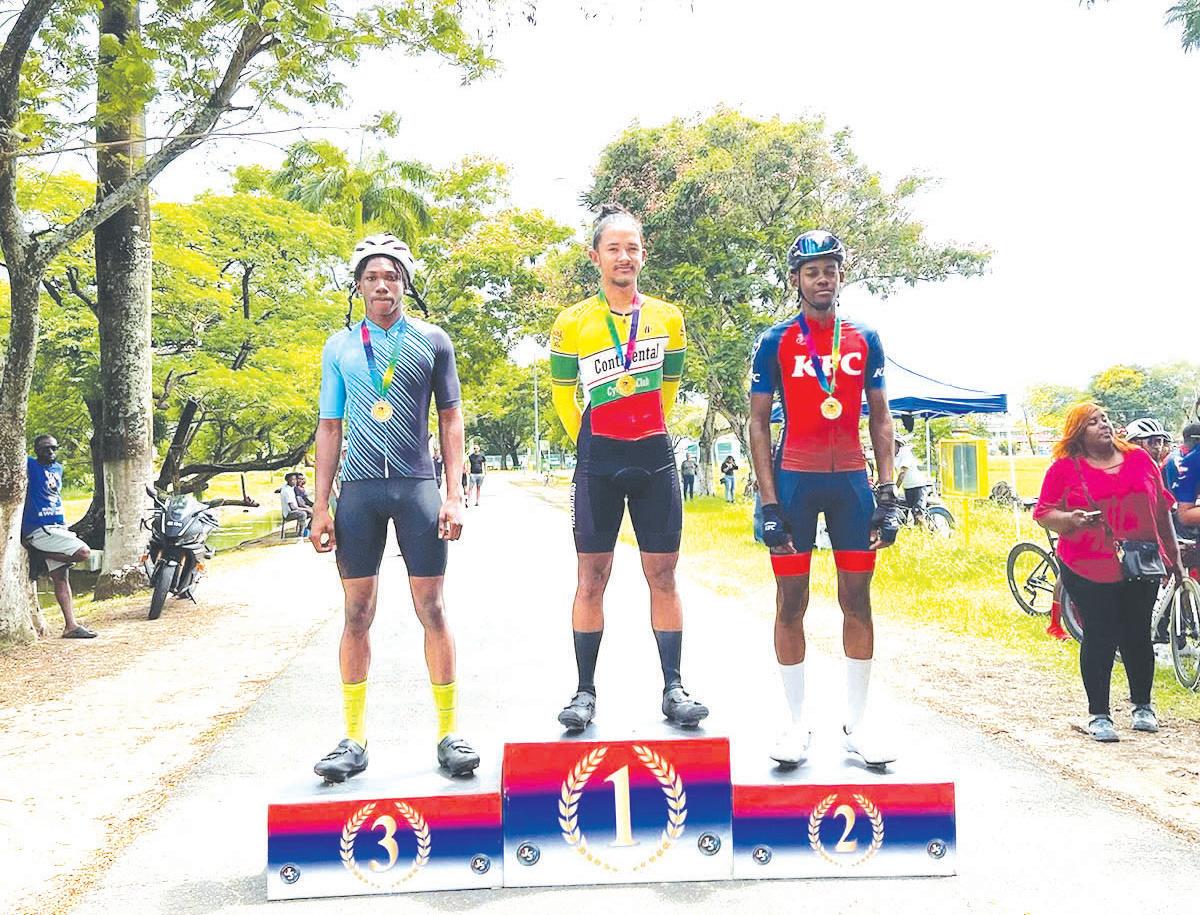
KFC Evolution Cycle Club’s Marcus Keiler dethroned last year’s winner and clubmate Aaron Newton by the narrowest of margins on Sunday morning when the Guyana Cycling Federation’s (GCF) National Championships opened with the National Time Trials at the inner circuit of the National Park. Keiler won both the Overall and Elite categories after clocking 22 minutes, 10 seconds, while Newton was listed just behind in 22:10.6. Newton, however, retained his Under-23 title, while Alexander Leung also repeated as junior champion.
Andre Greene finished third overall in 22:25 and also placed third in the Elite category. Mark Lewis was fourth overall in 22:27 and second in the Under-23 division, followed by Christopher Griffith in 22:34 and Geron Williams in 22:45. Sidwell Sandy
placed seventh overall in 22:52, while Ajani Cutting was eighth in 22:53.
In the Under-23 category, Newton led the way ahead of Lewis, Sandy, and Cutting. In the Elite division, Keiler finished ahead of Newton and Greene.
Among the juniors, Leung took the top spot ahead of Alex Newton, while Tandeia Noel won the Ladies Junior category. Denise Jeffrey captured the Ladies Elite title with a time of 12:56.
Nigel London won the Masters 50+ category ahead of Shurland Sue-Hoeng. In the Masters 35+ division, Segun Hubbard finished first, Robin Persaud was second, and Krishtan Jeffrey placed third.
The National Championships will continue on June 21 with the road race along the Linden Junction-Kairuni route.
The circuit measures 26 miles per lap, with riders
set to contest different distances based on their categories.
Female cyclists will cover one lap for 26 miles, while juveniles will ride one and a half laps for 39 miles, turning back at a designated point on the course. Juniors, Masters 35+ and Masters 50+ competitors will each complete two laps for 52 miles. The feature Elite and Under-23 categories will cover four laps, totalling 104 miles, in what is expected to be the most demanding race of the championships.
Racing on June 21 will begin with the female category at 08:30h. Juveniles and juniors will start at 09:00h, followed by Masters 35+ riders at 09:30h. The Elite and Under-23 competitors will roll off at 11:00h. Organisers are encouraging cyclists from across the country to participate, with registration set at $3000.


On the heels of a National Championship win last weekend, squash ace Ashley Khalil had to settle for a silver medal at the PanAm Masters Championships in Medellín, Colombia on Sunday. Khalil had a strong start to the tournament, winning each of her encounters in the preliminary rounds to assert herself as a gold-medal contender.
In round one, Khalil overcame USA’s Nathalie Champlain 3-0 (11-8, 11-1, 11-7). She then moved on to dispatch Chile’s Natalia Diaz in Round 2, 3-0 (114, 11-1, 11-1).
The Guyanese National Champion continued her superb run of form with another convincing victory, this time over Grace Birmingham of the USA, 3-0 (11-3, 11-3, 11-1), thus booking her spot in the semi-finals.
There, the Guyanese met with Colombia’s Karina Salto on her home turf, going on to upset to local player. Khalil breezed past Salto 3-0 (11-1, 11-2, 111) to set up a date with the tournament’s top-seeded player in the final.
Taking on Chile’s Anita Pinto in the final on Sunday, the Guyanese player secured a win in the first set 11-5, but Pinto roared back taking the next three sets for a 1-3 victory (9-11, 5-11, 7-11).
Khalil has been in an excellent run of form with the racquet in hand, across sports, having secured the Enet National Senior Women’s Squash title last week and prior to that, securing the Guyana Badminton Association’s Women’s Singles Independence title.

Hikers’ Women, GCC Men and GCC Elite were among the latest winners in the Guyana Hockey Board’s Diamond Jubilee Cup when the action resumed at the Guyana National Stadium at Providence, East Bank Demerara (EBD) on Saturday.
In the women’s division, Hikers began the day’s play with a comfortable 2-0 victory over Old Fort Inferno.
Hikers Captain Kenisha Wills opened the scoring with a goal in the 15th minute while Ariel Adams extended their tally in the 21st minute.
That clash was followed by a battle between GCC and Saints in the Men’s Division,
in which GCC came out on top 4-1.
GCC began their dominance with a strike off the stick of Aldo Melendez in the 11th minute. By the 20th, Fredrico Cush made it a 2-0 affair. Two minutes later, Dwayne Scott found the net to further extend GCC’s lead. Lucas Sargeant then capped off their goalscoring with a strike in the 37th minute.
However, GCC were unable to keep their scoresheet unblemished as Saints’ Shakeem Fausette netted in the 51st minute to pull one back for his side.
GCC Elite later showed their experience with a 7-0 drubbing of Saints in a lopsided women’s encounter.
Princess Wilkie got the scoring started in
just the fourth minute to send an early signal to Saints. Abosaide Cadogan later hit back-toback goals in the 21st and 29th minutes, pushing GCC Elite’s tally to 3-0. Amariah Sahadeo then found the back of the net in the 30th minute to hand GCC Elite a 4-0 lead at the half.
In the second segment, Sahadeo returned to extend her tally with a strike in the 35th minute. Rebecca Ferreira netted in the 37th minute while Gabriella Xavier brought up their seventh unanswered goal in the 55th minute for another dominant win in the competition.
The day’s proceedings ended with an entertaining 3-3 draw between Pepsi Hikers and Old Fort Top Form.
Old Fort struck first, through Shaquan Favorite in the 10th minute. It took Pepsi Hikers eight minutes to respond through Captain Robert France. France struck again in the 35th minute to hand his side the lead while Shan Samuels added to Pepsi Hikers’ tally as they took a 3-1 lead. However, a brace from Yonnick Norton ensured that Old Fort would walk away with some points, netting in the 45th and 52nd minutes to seal the 3-3 draw.
The GHB’s Diamond Jubilee Cup will continue today at the same venue with the finals in both men’s and women’s divisions to be contested. The action is expected to serve off at 18:30h.