
“I will not succumb to blackmail” – Pres Ali to Mohamed family
over extradition
“I will not succumb to blackmail” – Pres Ali to Mohamed family
over extradition

Guyana dispatches 88 containers of relief to quake-hit Venezuela

UG reopens applications for 2026/2027 academic year Research, preparation key for Guyanese businesses to capitalise on O&G opportunities – Tucker
“Nothing to fear about having a prostate examination” – Pres Ali tells men

Patrons applaud fashion festival for showcasing Guyanese creativity Iran’s Supreme Leader absent as senior officials attend Ayatollah’s funeral






The Berbice Bridge will be closed to vehicular traffic on: Monday, July 6 –08:10h–09:40h and Tuesday, July 7 – 09:05h–10:35h.

Parika





Low Tide: 14:39h reaching a minimum height of 0.77 metre.










…donations also received from other Caricom nations
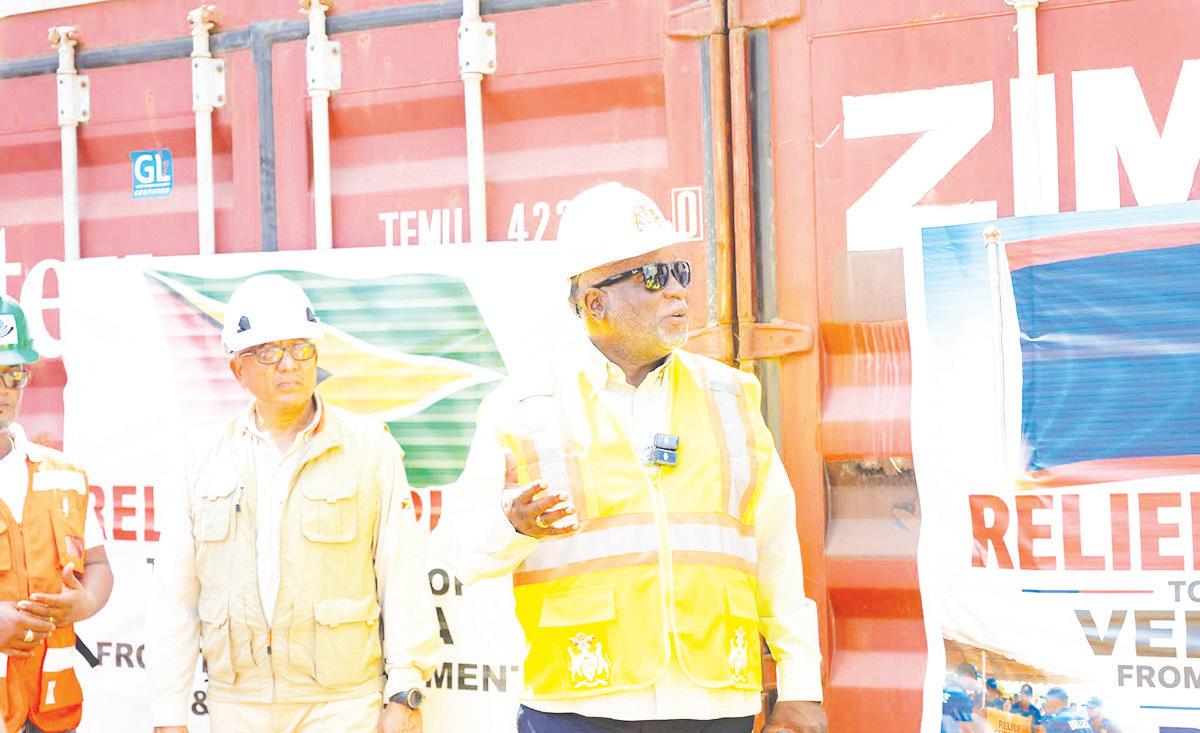
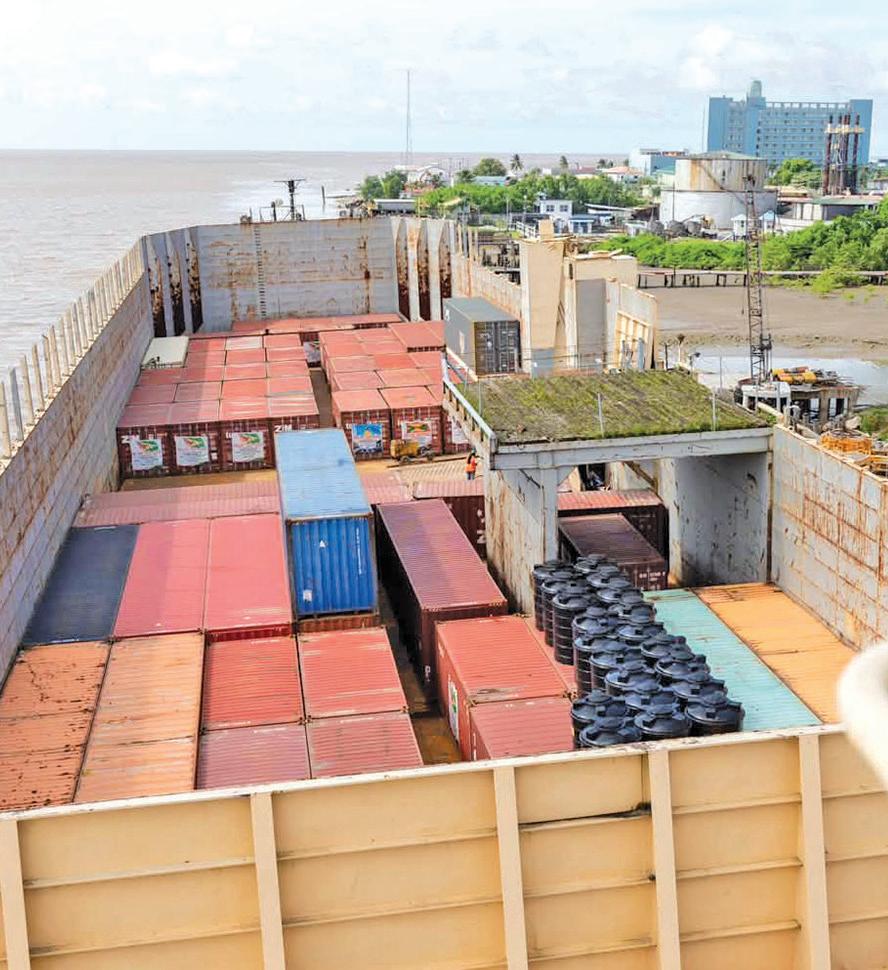
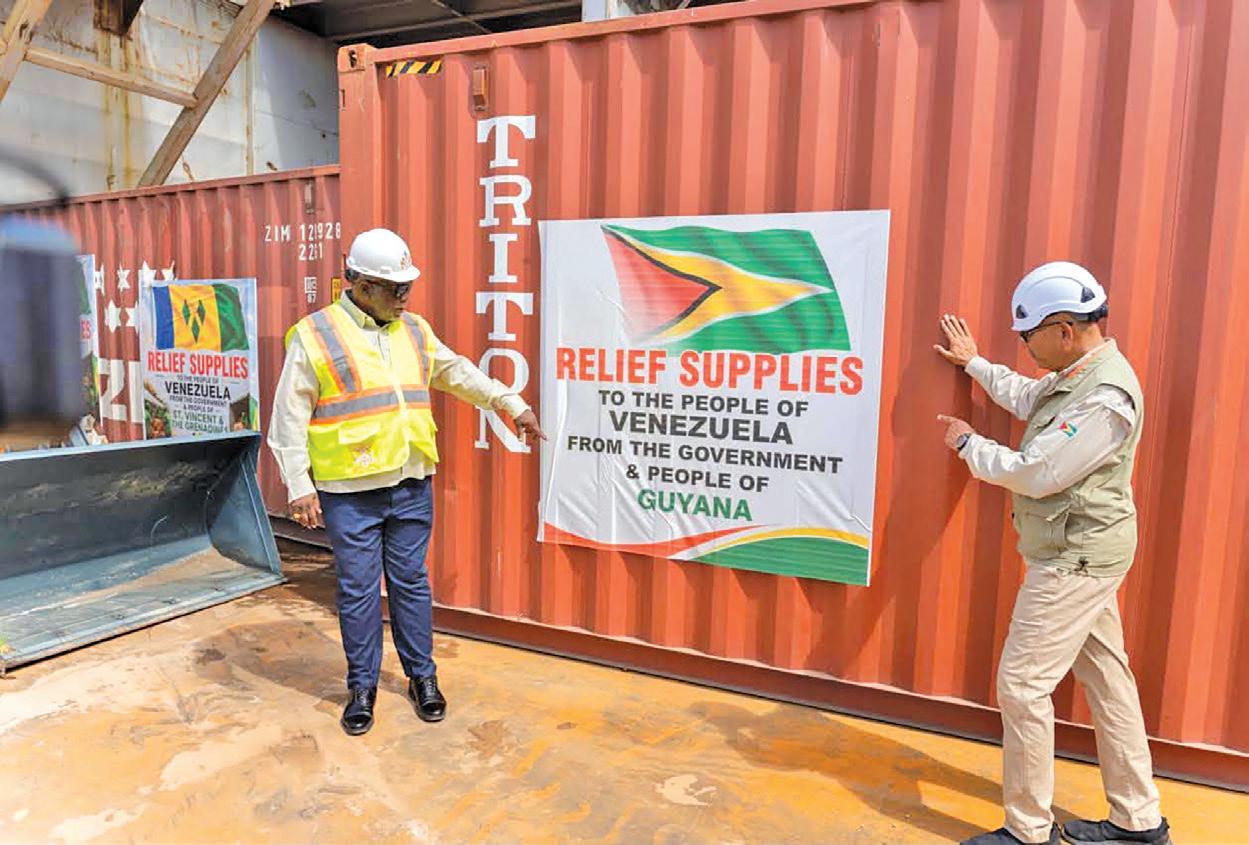
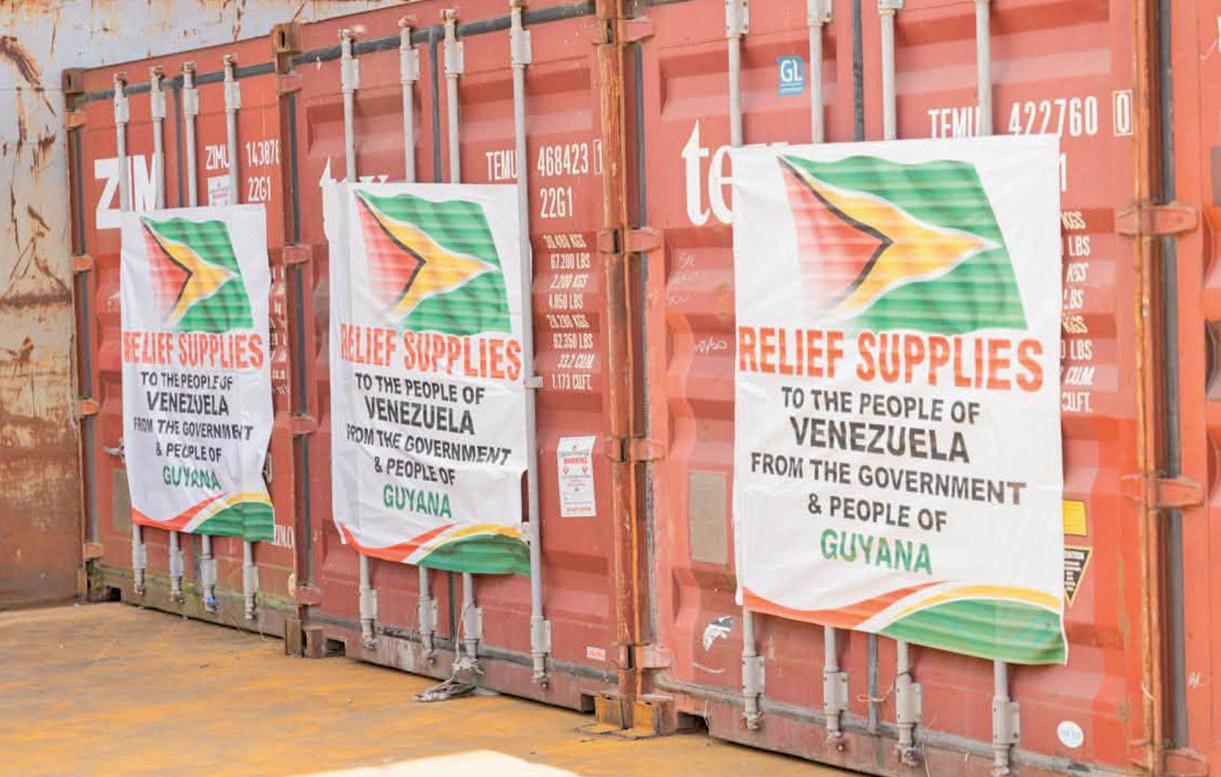
In response to last month’s twin earthquakes that devastated sections of Venezuela, approximately 88 containers of disaster relief supplies are ready to be shipped off to the neighbouring country. This was revealed on Sunday by Prime Minister (PM) Brigadier
the Guyana Police Force (GPF), private sector bodies and other partners who supported the collection, sorting, loading, and dispatch of supplies
Worked around the clock
The PM thanked all those who worked around the clock
(Ret’d) Mark Phillips, who is leading Guyana’s coordinated humanitarian response to support communities affected by the recent earthquakes. PM Phillip was at the time visiting the BK Wharf in Kingston, Georgetown, where the relief supplies were being loaded onto the Mega and Motti vessel, which is expected to depart for Venezuela today. PM Phillips said the initiative reflects the importance of regional cooperation and solidarity in responding to the needs of neighbouring countries during times of crisis. He explained that the shipment was made possible through the combined efforts of the Government of Guyana, Caricom partners, the local private sector, civil society organisations, citizens and members of the Venezuelan community in Guyana.
“We have been able to put together 88 containers with relief supplies for the people of Venezuela. These 88 containers comprise donations funded by Guyana, Jamaica, Belize, The Bahamas, St Kitts and Nevis, St Vincent and the Grenadines, St Lucia, and Grenada, and this boat is expected to depart tomorrow for Venezuela,” Phillips stated on Sunday. According to the PM, the relief shipment includes medicines, food supplies, dry goods, canned goods, non-perishable items, approximately 300 water tanks and other disaster relief supplies. PM Phillips recounted that the mobilisation builds on the national response directed by President Irfaan Ali, who tasked him with leading and coordinating the relief effort, which forms part of a multi-agency response involving the Civil Defence Commission (CDC), the Guyana Defence Force (GDF),
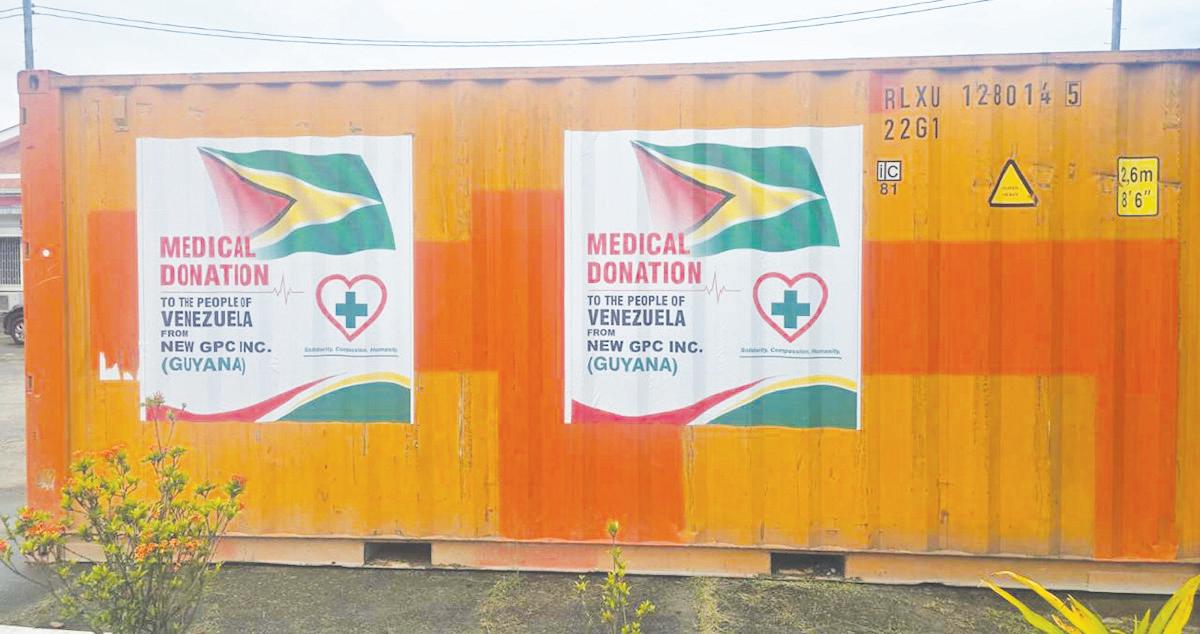
noting that the contributions included relief supplies such as pharmaceuticals and food items, equipment, logistical assistance, transportation, containers, trucking, crane services, and other resources needed to prepare the shipment for dispatch. In fact, local pharmaceutical company, NEW GPC Inc, donated $20 million worth of medical supplies and pharmaceuticals to support those affected by the disaster in the neighbouring country. Meanwhile, CDC Director General, Colonel Nazrul Hussain, who had accompanied the PM during Sunday’s visit to the wharf, said the shipment was strengthened by the range of items mobilised, including approximately 300 black water tanks and two pieces of earth-moving equipment, which complement the 88 containers of disaster relief supplies. He noted that the contributions from the private sector, civil society, Guyanese families, Caricom partners and members of the Venezuelan community in Guyana reflect a shared humanitarian commitment to supporting affected communities in neighbouring Venezuela with dignity and care. Meanwhile,
the wharf. This move to mobilise humanitarian aid for Venezuela, comes days after interim President Delcy Rodríguez, expressed gratitude to President Ali after he extended solidarity and support following the disaster. His message was seen and welcomed by President Rodríguez, who commended Guyana’s commitment to good neighbourliness in a posted on social media. On June 24, the 7.2- and 7.5-magnitude earthquakes caused extensive damage in parts of Venezuela near the country’s capital. Based on the latest reports coming out of Caracas, more than 3,300 persons have died and another 16,700 were injured from last month’s twin quakes, while nearly 50,000 others are still unaccounted for and thousands of others displaced. Rescues are still combing through collapsed buildings with the hopes of finding survivors. So far, at least 6,000 persons have been pulled from the rubbles. Nevertheless, this show of solidary and support between Guyana and Venezuela comes as the two South American neighbours are embroiled in a decades-long border controversy. The matter is currently before the International
over the past seven days to make the shipment possible, expressing gratitude to the donors, members of the Joint Services, the business community, civil society organisations and Guyanese across the country. He recognised NEW GPC INC; John Fernandes Limited; Muneshwers Limited; ANSA McAL; RSD; GAICO; the Suri Group of Companies; Tropical Shipping; Banks DIH Limited and BK Group of Companies for their significant support,
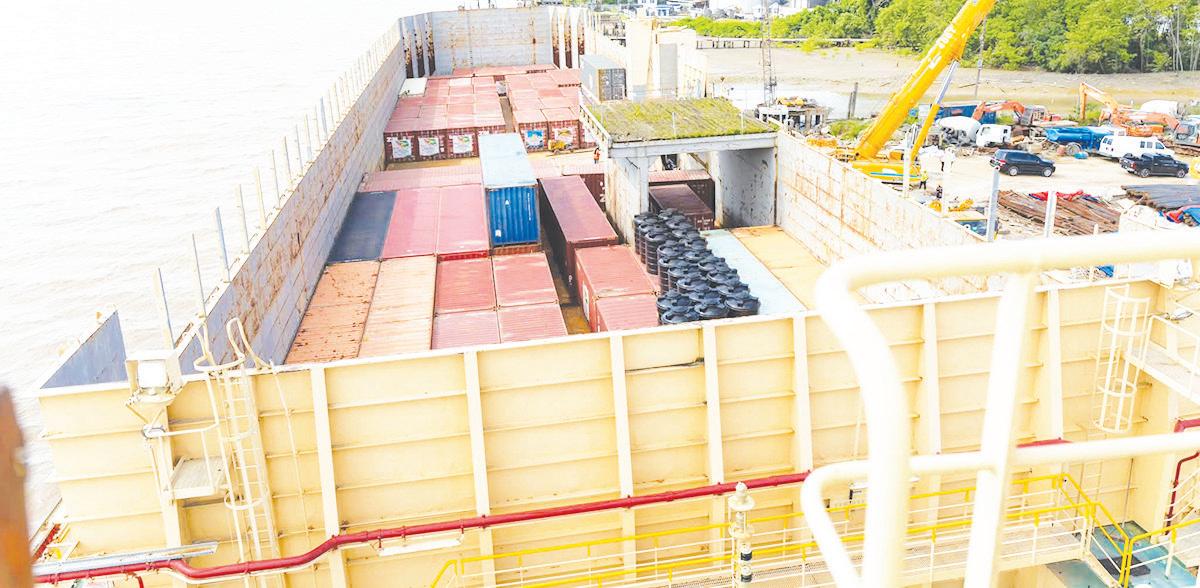
the PM was joined by the High Commissioner of Belize to Guyana, Gale Miller Garnett, during the visit to
Court of Justice (ICJ), which is expected to deliver a ruling sometime later this year or early next year.



Editor: Tusika Martin
News Hotline: 231-8063 Editorial: 231-0544, 223-7230, 223-7231, 225-7761
Marketing: 231-8064 Accounts: 225-6707
Mailing address: Queens Atlantic Industrial Estate Industrial Site, Ruimveldt, Georgetown
Email: news@guyanatimesgy.com, marketing@guyanatimesgy.com
Every year, on Caricom Day, Guyanese are reminded that our country is more than a South American State – it is an integral part of the Caribbean family with a common history going back centuries. Yet a fair question persists: What value does the Caribbean Community (Caricom) – launched 53 years ago –hold for Guyana today? The answer is that while Caricom has not fulfilled every ambition of its founders, it remains one of Guyana’s most valuable diplomatic, economic, and strategic partnerships.
Perhaps Caricom’s greatest contribution to Guyana has been its unwavering support for our sovereignty. For decades, notwithstanding some assiduous courting of some leaders by Venezuela, the Community has consistently backed our territorial integrity in the face of the former’s claim – and attempted annexation – over our Essequibo region. That united regional voice has strengthened Guyana’s position in international forums and reinforced the principle that border disputes must be resolved through international law rather than intimidation. As tensions have periodically resurfaced, Caricom has continued to reaffirm its support for Guyana’s territorial integrity and the judicial process before the International Court of Justice (ICJ).
Economically, Caricom provides Guyana with opportunities that extend beyond our relatively small domestic market, as recently demonstrated by Jamaica. Even though it has not been fully operationalised, through Caricom’s Single Market and Economy (CSME), Guyanese businesses enjoy preferential access to neighbouring markets, while qualifying goods can move dutyfree within the Region under agreed rules of origin. This creates opportunities for exporters, manufacturers, farmers, and service providers seeking regional customers.
Guyana’s emergence as one of the world’s fastest-growing economies, driven largely by oil production, has also transformed our role within Caricom. Today, Guyana is increasingly viewed as a regional engine of growth. Our expanding agriculture sector – as witnessed by the “25 by 25” programme – supports the Community’s food security agenda, while our energy resources present opportunities for regional cooperation in electricity, fuel security, and industrial development. Rather than diminishing Caricom’s importance, Guyana’s new prosperity makes regional cooperation even more valuable because no Caribbean country can achieve long-term resilience in isolation.
Caricom also delivers less visible but equally important benefits. Regional cooperation in education, disaster preparedness, public health, security, and foreign policy allows our small States to pool resources and speak with a stronger collective voice. In a world increasingly shaped by geopolitical competition, climate change, and global economic uncertainty, unity gives Caribbean nations greater influence than any could exercise alone.
However, an honest evaluation must acknowledge Caricom’s shortcomings. The pace of regional integration has often been frustratingly slow. Bureaucratic barriers continue to hinder the free movement of skilled workers, customs procedures remain inconsistent, and transportation between Caribbean countries is still expensive and inconvenient. Many citizens feel that the vision of a truly-integrated Caribbean economy remains incomplete. These criticisms are legitimate and deserve serious attention if Caricom is to remain relevant in the 21st century.
The challenge, therefore, is not whether Guyana should remain committed to Caricom, but how the organisation can evolve to meet changing realities. Guyana should use its growing economic influence to champion practical reforms that improve transportation links, accelerate digital integration, expand regional trade, strengthen food and energy security, and create more opportunities for Caribbean entrepreneurs and professionals.
Caricom is far from perfect, but perfection has never been the measure of its value. For Guyana, the Community provides diplomatic solidarity, economic opportunity, regional influence, and a platform through which small States can pursue shared interests. At a time when Guyana is assuming a more prominent role on the regional and global stage, abandoning or neglecting Caricom would be short-sighted.
The real task before Guyana is not to question Caricom’s worth, but to help shape a stronger, more effective Community that reflects the aspirations of today’s Caribbean. Regional unity is not merely an ideal; it is a practical necessity. For Guyana, CARICOM remains an investment that continues to pay dividends – and one that deserves renewed commitment rather than diminished confidence.


Burnham will stand or fall on his plans for youth employment: he must put the next generation first
By Polly ToynBee
Today a new programme starts to help the million unemployed young people not in employment, education or training (Neets). By chance, it launches on the day Andy Burnham set out to paint a picture of his horizons with plans that put the young first, closely matching Alan Milburn’s searing review of the fate of a “lost generation”.
As from now, any employer can claim £3000 in a youth jobs grant to take on an 18- to 24-year-old who has been on universal credit and looking for work for at least six months. That financial incentive for employers will be well complemented by Burnham’s devolution revolution. The Burnham remedy is a great shift of power, funds, and taxes out of Whitehall into the hands of local mayors, because local is where jobs are, locally is where education and further education succeed or fail and locality is all too often where disadvantage blights children’s future. Burnham’s confidence that the local works best for unemployment comes from the success of his Manchester “working well” programme, which has outstripped national schemes.
But work programmes are not easy. That £3000 bribe is “not enough for the trouble”, say some. “Too much”, say others, warning of a costly deadweight in subsidising employers who would have hired them anyway. The Resolution Foundation’s response today was less than a ringing endorsement: this subsidy could employ an extra 2800 young people a year at a cost of £36,700 each, it says. However, if that sounds expensive, it may be worth it, if it stops young people becoming permanently unemployable for lack of experience, saving a lifetime of benefits and depression.
The new jobs guarantee kicking off on Tuesday gets a better rating. Any employer taking on a harder-to-hire young person, out of work for more than 18 months, will get all their wages and costs paid. The three-year £2.5 billion scheme begins after 13 weeks out of work, when the young are placed on “intensive work search”. A personal coach will from now
on guarantee an apprenticeship, work experience, vocational training, further education or a Swap (sector-based work academy programme) that gives up to six weeks of vocational training in a college, with hands-on work experience and a promise of an interview for a genuine vacancy. That, says, the Resolution Foundation, will create 17,500 more jobs a year, at a similar cost to the youth jobs grant.
A host of old arguments litter the history of back-to-work schemes, their many acronyms signifying incentives, threats, bribes and often broken promises, with pilots and trials, some badly financed, others too punitive. But the one outstanding success was Labour’s flagship New Deal for young people launched in 1998: within two years it had outdone its target of finding work for 250,000 under-25s. By October 2001, the programme had helped 339,000 into jobs, reported the National Audit Office. Can Labour do it again? Success last time came from the tone and optimism of newly-trained work coaches. Back then, I sat in on many of the interviews and heard their enthusiasm spread to suspicious and anxious young people who had suffered too many rejections. The positive word soon spread that job centres were offering not humiliation, but genuine choices. As ever, there was always a necessary backstop: accept an option or lose the right to benefits. But unlike the later punitive sanctions regime under Iain Duncan Smith and George Osborne, knocking people off benefits by trickery and spite was never the New Deal’s aim.
Preparing for the new youth guarantee, work coaches have been getting extra training; until now many have had huge caseloads and scant preparation. I spoke to a new employee of Severn Trent Water in Coventry who had applied for hundreds of jobs of every kind, high and low, over the year since she had left De Montfort University with a degree in business. She found her work coach knew little about available schemes: she only heard by accident of this eightweek placement, which is now leading
her on to a graduate HR programme. Severn Trent, as part of a Department for Work and Pensions pilot programme, also takes many people with no qualifications and claims 100 per cent of them pass their missing English and maths GCSE. Learning works better away from bad school experiences.
But Andy Burnham is reaching far beyond the mechanics of employment schemes, to the reasons why people become Neet. Intense pressure is on him over shrinking the welfare budget, but he rejects “crude cuts”, promising a “preventative” approach. He takes up Milburn’s review, digging deep into generational, geographic, class, race and accidental injustice that blocks the way, bringing together local health and housing with early years, where support makes most difference. Problems fragmented in Whitehall silos are better solved together in his Manchesterism. Expect radical changes to a school curriculum that alienates a third of children, reviving apprenticeships – the number of which has fallen by 35 per cent for 16to 24-year-olds since the apprenticeship levy was introduced in 2017 – and above all giving technical and further education equal funding and esteem as the rest of education.
Of course he expected attacks on his “No 10 North” plan for a Manchester outpost. “Tax raids on middle classes in Burnham’s 10-year plan,” splashed the Mail, warning “middle-class southerners” they were due for punishment. But northernness has been his asset, while Government by and for the south has stoked much of the dangerous anti-politics, anti-Westminster ferocity that brought us Brexit. Everyone sees the world from where they are. But north and south alike are shocked by a million Neets, either moved by pity or anger at the benefits bill. Burnham is right to put them first, even though that means from now on he will find youth employment figures join NHS waiting lists as the yardstick of his Government’s success. (The Guardian)
(Polly Toynbee is a Guardian columnist)
Dear Editor, I have witnessed some ‘lows’ in my lifetime thus far, but this ‘takes the cake.’
I refer here to the general opposition in Guyana, particularly the We Invest in Nation (WIN) party, and their chronic behaviour in attempting to distort just about everything. Just a mere glancing at their approach showcases their unharnessed carping and kvetching. I am shocked that the “… planned social media regulations that will be implemented for children, for their (own) safety…” is being attacked. Under the aegis of Attorney General and Legal Affairs Minister, Anil Nandlall, SC, and in his words, it is an attempt “… to make the issue seem like a negative thing (and truly) it is merely them pulling at straws.”
Editor, I expect the WIN party to at least be on top of issues that are of global concern in this rapidly evolving cyber age that we are all caught up in. WIN should
appoint a qualified, eager, and well-paid professional to follow issues that are trending.
Let me educate this quasi-political coterie, led by Azruddin Mohamed. It is time for the lot to be informed that what the ever-alert and noble AG is attempting to do is all about safe-guarding our children. In being informed and proactive, he is hoping not only to deter criminality against our juniors, but also to preempt scavengers of all sorts from invading and destroying Guyana’s greatest asset, that is our children. WIN must know by now (I hope) that cybercrimes of all sorts against children are surging globally, with online child sexual exploitation, sexual extortion, and enticement reaching record highs. The crisis is so rapidly outpacing the regulatory and safety measures of digital platforms, that urgency to protectively act is in a state of emergency.
Universally, govern-
ments are increasingly mandating social media protections for minors, even shifting the responsibility onto technology companies to ensure digital safety. For example, in Canada, lawmakers introduced the proposed Safe Social Media Act (Bill C-34), which requires platforms to enforce a minimum age of 16 for accounts unless they implement strict regulatory safeguards.
Look at Australia, where there was the passing of legislation enforcing a minimum age of 16 for major social media platforms. For more on this kind of thing, I advise that WIN trace the European Union countries like France, Spain, Germany, and Greece, where they are all are advancing national regulations, with EU-wide age verification policies under consideration. I add that UNICEF keeps emphasizing the importance of robust enforcement mechanisms and consulting young people on the rules that govern
their online environments. Readers, I am all the way with Nandlall. He “… has assured the general public that there are no ulterior motives behind the planned social media regulations that will be implemented for children, stressing that it is merely for their safety.” This is what I have just delineated. I can posit no reason for opposing, or even questioning this most important introduction into our legal framework. Indeed, as he pointed out in ‘Issues in the News’, “… the initiative is devoid of any disadvantage because children will still have social media access it is just that it will be managed.”
He removed the fear of a ‘ban’ that will preclude the positives of social media for children by explaining that “They will continue to have access to educational programmes but they will NOT have access to pornography, and what they have access to will depend upon their age.” I ask is this a case of
“… the government being uncomfortable with what happens on Facebook?” No way.
Honestly, and like the AG pointed out, good and caring adults are certainly not pleased with ‘every single thing’ that is seen on Facebook. We are inundated with the immoral and illegal, and seem to have no conscience to pique, nor sensibilities to offend. But we do have a governmental responsibility to create a conducive and salutary environment for our young people. The government therefore must not be remiss in the area.
(Look WIN and followers of WIN). Please be informed and educated, even if you do not want to be caring. The AG, like I just did, has proffered evidence of what is obtaining in the global village of today’s world. Cyber age is about compressing all of us into a single space, but that does not mean we cannot isolate and insulate ourselves for our own good. As
per the United Nations, the leaders have already produced a model legislation which 177 countries have already signed on to, so regulating social media for children is not something that is going to happen it is already here. Guyana must follow suit immediately. It is quite commendable that through the AG, the Government of Guyana has (already) written to various platforms seeking to establish a formal institutional relationship with them, so that censorship can be affected. The General Secretary of CARICOM, I add has confirmed that the entire Caribbean Community is on board on this matter.
Afterall, Children must be protected on social media to shield them from severe risks like cyberbullying, sexual exploitation, and exposure to harmful content that drives mental health issues. WIN should get on board.
Yours truly, Hargesh B Singh
Dear Editor, Governments are chosen by the people of that country and not the other way around where a party chooses itself and stays in power ad infinitum. This has been the position ever since the advent of democracy, where the masses choose who govern them, or in other words from the mass of people a government is chosen, this is the formula that has stood the test of time. A true labelling of the process is “A government is of the people” and one that governs “For the benefit of the people of that jurisdiction, it is a Universal Law that transcends every political jurisdiction known to man. When this ceases to exist then dictatorship takes over, and the state becomes mired in conflict, similar to what we experienced here in Guyana.
No person, or party should be in power/office except that mandate originates from the people, simply put a people choose who governs them. So, when President Ali made
the statement that “The Guyanese Government stands in solidarity with the people of Cuba, as it welcomes a sustainable solution to the economic and humanitarian challenges that country faces.” He goes on to say, “A resolution to the current situation must be based on the will of the Cuban People and based on universal values, the rule of law, transparency and good governance.” These words clearly enunciates the principles that governs us as a people in the regional family, however, it is a sad picture when these principles are not upheld for one reason or the other. Some Caribbean heads get dicey when certain countries are brought under the microscope, at the present moment they are up in arms against the utterances of Guyana’s President calling him one that is aligned to the dictates of the United States.
But is this so? And the answer is a resounding no.
So, Guyana would like for Cuba the freedom of

choice of government in just the same way we longed for democracy to return to our country. We, had to wage a valiant battle to get rid of that albatross of rigged
elections and PNC rule in Guyana, for twenty eight years we languished in the dumps waiting for that day to come. When that day came we welcomed it with

open arms, and has since moved full speed ahead with our development.
This is our wish for a fellow Caribbean Territory to get into the future of devel-
opment where people’s voice as well as their votes must be counted, Cuba needs this now!
Respectfully, Neil Adams

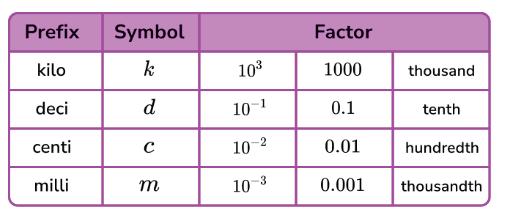
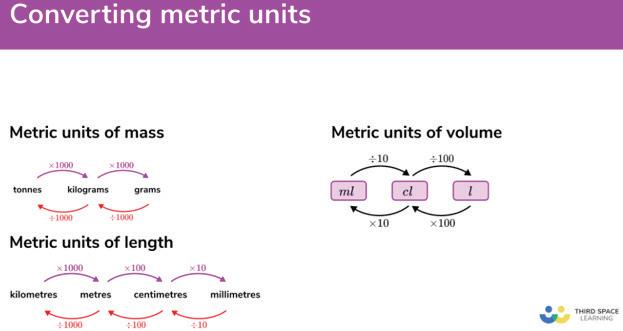

CExample

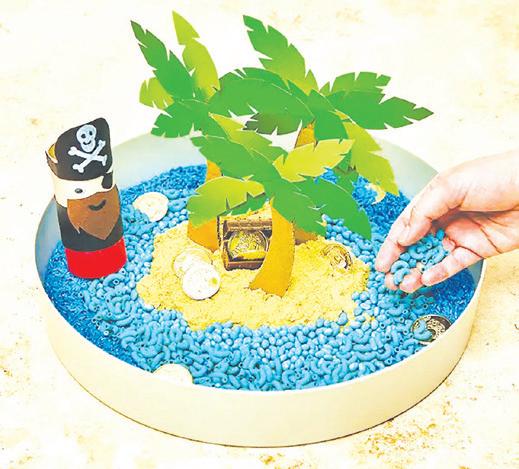
then glue the trunks onto the cardboard base.
Step 5: To assemble the sensory tray, place the palm trees in the centre of a paper plate and secure them with a pile of sand to create the island.
Step 6: Add the sea (pasta/rice/ beans) around the island and decorate with treasure and pirate chests!



The mountain and the squirrel Had a quarrel; And the former called the latter ‘Little Prig.’ Bun replied, ‘You are doubtless very big; But all sorts of things and weather Must be taken in together, To make up a year And a sphere. And I think it no disgrace To occupy my place. If I'm not so large as you, You are not so small as I, And not half so spry. I'll not deny you make A very pretty squirrel track; Talents differ; all is well and wisely put; If I cannot carry forests on my back, Neither can you crack a nut.
By Ralph Waldo EmERson (Poetry Foundation)


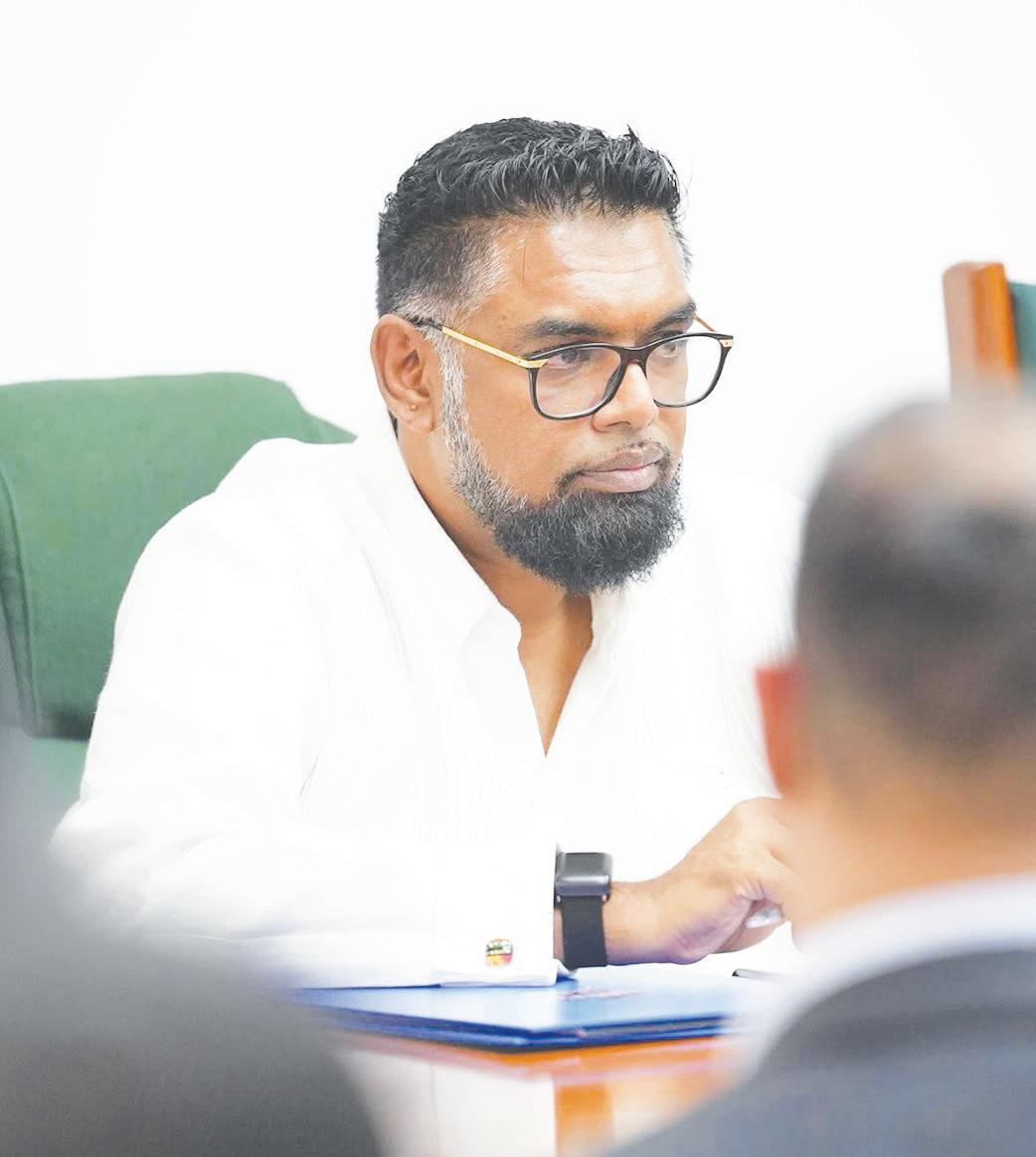
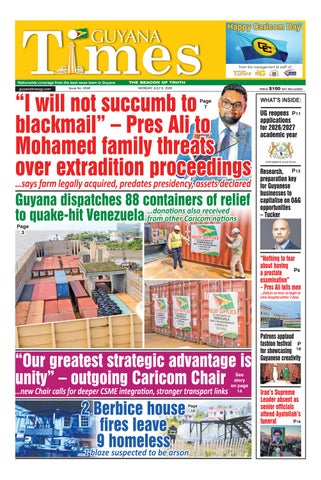
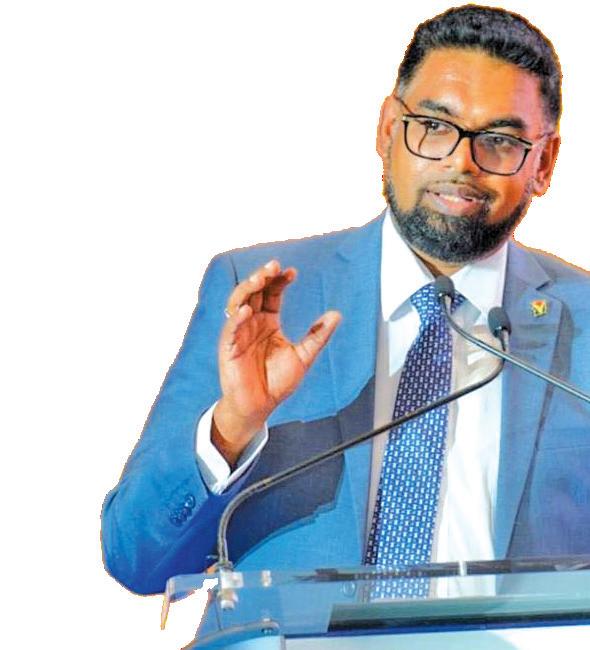
President Dr Irfaan Ali on Sunday said that he is being blackmailed by United States-(US) sanctioned and indicted-Mohamed family into easing pressures on them regarding the ongoing extradition proceedings. On Sunday, Azruddin Mohamed shared a video talking about President Ali’s farm, making a series of allegations. However, the Head of State said on Sunday that prior to these false allegations, he had received a number of communications from the Mohameds over the past weeks threatening to release certain information if amends were not made. The President indicated these messages were received from the elder, Nazar Mohamed, as recent as last week. The senior Mohamed is demanding that the President make amends with the family otherwise they would be releasing certain recordings regarding his farm. According to the President, he is willing to make these messages public so that persons can view the contents. Ali made it clear on Sunday that he would not succumb to pressure or blackmail from anyone. Moreover, the Guyanese Leader explained that there is nothing illegal regarding his farm, which was obtained prior to him entering office. In fact, this can be verified through banking records and other official documentations that would show the property acquisition predated Ali’s presidency. It was further noted that the farm has never received any special benefits, preferential treatment or assistance from the Government of Guyana, either before or after he re-
assumed office. At no point have State funds, public resources or Government assets been used in relation to this investment. Moreover, the Guyanese Leader said that his farm was part of his asset declarations to the Integrity Commission, as required by law. Additionally, President Ali’s passion for agriculture and farming is well-known not only locally but internationally as well as he continues to champion innovation and modernising the sector. In fact, not only is he leading CARICOM’s food security drive but has also been awarded by the InterAmerican Institute for Cooperation on Agriculture (IICA) for his work in transforming agriculture and leading regional efforts to reduce food imports. Only over the weekend, Ali spoke of his involvement in agriculture while addressing hundreds of farmers during the cash subsidy distribution exercise held in Region Two (PomeroonSupenaam). Speaking with farmers about crop diversification, the Head of State
said, “I am not telling you about agriculture from a position of not walking the walk. Because I went to the bank long now. I took loans upon loans because I invest in agriculture. I love agriculture. So I’m not speaking to you from a tower that I don’t know what to go through. But I’m also saying to you that there are new ways of doing things that we have to embrace.”
Sanctioned & indicted Azruddin and his father, Nazar Mohamed have been indicted by a federal grand jury in the US District Court for the Southern District of Florida on 11 criminal charges, including wire fraud, mail fraud, tax evasion and money laundering. The charges are related to alleged irregularities in gold exports to the US through their company, Mohamed’s Enterprises. The US has requested the extradition of the Mohameds to face the indictments. The extradition proceedings are currently pending in the local courts. The Mohameds are accused of conspiring to defraud the US and Guyanese Governments between 2017 and June 11, 2024. They are also accused of using a scheme to unlawfully obtain property by transmitting communications via interstate and foreign commerce, in violation of US law. According to US prosecutors, the scheme aimed to enrich the Mohameds and defraud the Government of Guyana by evading taxes and royalties on gold exports. They allegedly reused Guyana customs declarations and official seals on multiple shipments to make it appear that taxes and royalties had been paid.
The indictment stated that Mohamed’s Enterprise would pay taxes and receive official Guyana Revenue Authority (GRA) and

Guyana Gold Board (GGB) seals for one shipment, then reuse those same seals and documents on subsequent, untaxed shipments. The indictment further alleges that the Mohameds arranged for empty wooden boxes bearing intact GRA and GGB seals to be shipped from gold buyers in Dubai to Miami and then sent to Guyana. These boxes were then used to export gold while falsely appearing to have cleared customs and tax obligations. US authorities allege the scheme resulted in more than US$50 million in lost taxes and royalties to the Government of Guyana. Additional indictments detail similar conduct involving shipments of gold, emails allegedly from Nazar Mohamed requesting the sealed boxes from Miami, and exports of over 165 kilograms (kg) of gold per shipment destined for Dubai. Charges six to nine focus on mail fraud, referencing the shipment of sealed empty boxes from Dubai to Miami, while charge 10 addresses money laundering, which alleges that the Mohameds knowingly transferred funds within the US with the intent to promote unlawful activity.
The other charge has to do with Azruddin Mohamed purchasing and importing a Lamborghini sports car to Guyana in 2020. The indictment alleges he directed someone to purchase the
car for US$680,000, then falsify the invoice to state a value of US$75,300 to understate import taxes.
If convicted, most charges carry a maximum sentence of 20 years in prison and fines of up to US$250,000, while the money laundering charge carries a fine of US$500,000 or the value of the laundered property. The US Government is seeking forfeiture of certain assets connected to the accused and has since assigned asset forfeiture specialist Assistant US Attorney Joshua Paster to join the case involving the two Guyanese businessmen in the Florida Court, pending their extradition. These indictments follow sanctions imposed over a year ago by the US Department of Justice’s (DOJ) Office of Foreign Assets Control (OFAC) on the Mohameds, their businesses, and Guyanese Government Permanent Secretary (PS) Mae Thomas in relation to the same allegations. The sanctions are related to the evasion of taxes on gold exports, with OFAC noting that between 2019 and 2023, Mohamed’s Enterprise omitted more than 10,000 kg of gold from import and export declarations and avoided paying more than US$50 million in duty taxes to the Government of Guyana.
Since the imposition of the sanctions in June 2024, the Guyana Government has suspended the licenc-
es of the Mohameds’ various businesses, highlighting that the US-sanctioned businessman is a risk and a threat to Guyana’s financial stability, sovereignty, and diplomacy. Subsequently, several Government entities and local businesses, including commercial banks, have cut ties with the Mohameds.
Azruddin founded the We Invest in Nationhood (WIN) party in June 2025 – one year after the sanctions were imposed – and contested the September 2025 General and Regional Elections, securing a seat in Parliament as Leader of the Opposition. In October, a 25-page indictment was unsealed in the Florida court, charging the father and son businessmen. The US Government subsequently issued an extradition request to Guyana for the duo to face the charges there. At present, the Mohameds are out on $150,000 bail each as they continue to fight their extradition. The case before the Georgetown Magistrates’ Courts, before Principal Magistrate Judy Latchman, remains effectively frozen until the Caribbean Court of Justice (CCJ) delivers its ruling on an appeal challenging the legality of the ministerial decision that triggered the case. Until that ruling is delivered, the interim stay remains in effect, and the extradition proceedings in Guyana will not proceed beyond their current stage.
“Nothing
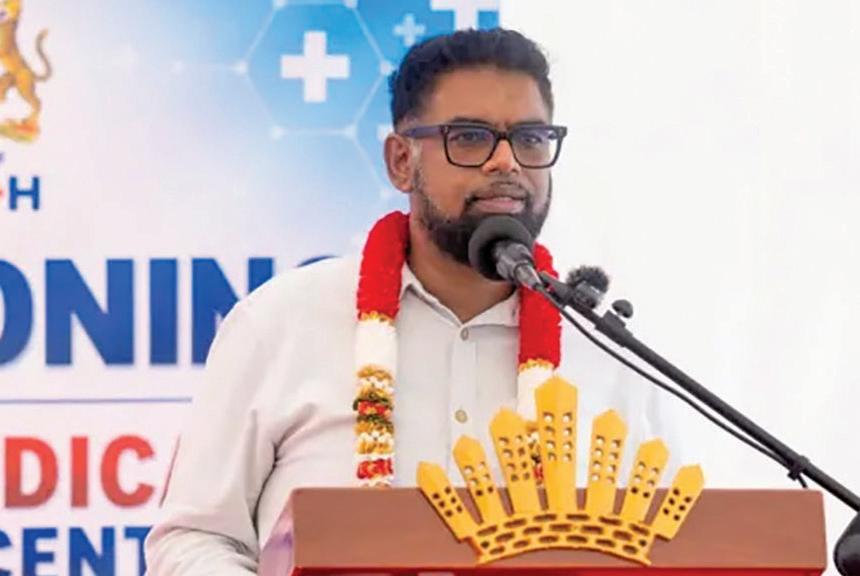
President Dr Irfaan Ali is assuring men that there is nothing to fear about undergoing a prostate examination, rather he noted that this screening could potentially save their lives. “Men, there is nothing to fear about having a prostate examination. It will save your life… This is a type of cancer most prevalent among men in Guyana – number one, that is completely treatable with early detection,” the Head of State said on Saturday. He was at the time delivering the feature address at the commissioning of a new drug bond at Onderneeming on the Essequibo Coast, Region Two (Pomeroon). A prostate examination, which includes a blood test and a digital rectal exam, checks the prostate gland to find early signs of cancer or enlargement. According to the Head of State, the Government is unsatisfied that only 335 men have been scanned across the region, while the facility is available there to conduct the screening. To this end, he instructed the Regional Health Officer (RHO) on the Essequibo Coast to ensure they ramp screening. “The RHO, before the end of this year, must ensure at least 3,000 men are scanned. [You have to do] the public awareness. You have to go to the communities, you have to reach and educate the people and get them so that they can be scanned,” the President ordered. Similarly, he directed that the same approach be taken for women. Ali pointed out for the first time now; mammograms are now available in Region
Two. A mammogram is a low-dose X-ray picture of the breast to detect early signs of breast cancer. So far, more than 435 mammograms have been conducted and the Government is looking to increase this number by year end. In fact, the Guyanese Leader underscored the importance of early screening in
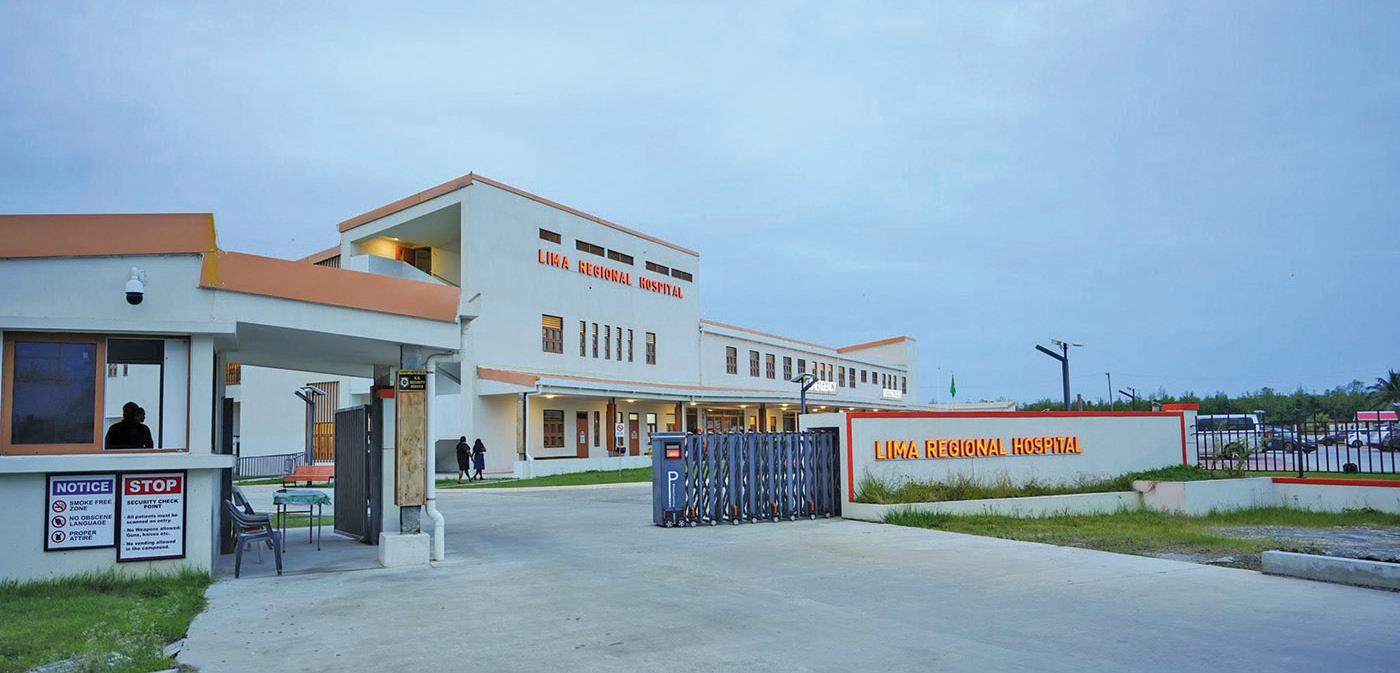
charge of a public campaign in Region Two to promote early cancer screening among women. “I want Dr Carpen to return to Essequibo to lead a public campaign among women to have you screened because we have the facility here now. So, by the time I come back here in December, we must have at least 3,000 women screened and have their results. That is the target we must work on,” the President noted. According to the Guyanese Leader, the Government has to meet these targets if it wants to get the kind of results that are reflective of the investments that are being made in the healthcare sector. Additionally, Ali said that as a result of continuous training, within seven days there will be dialysis chairs at Lima
six months alone and more than 800 x-rays completed. Region Two has also benefitted from over 18,000 eye care vouchers for adults and another 12,000 vouchers for children. “These are the real investments we are making in real people in this country. And in this region alone, think about it, just for the eye care voucher, 30,000… More than 10,000 of the vouchers for lab tests in addition to what we are offering [freely],” the President stated.
No three-month wait
Meanwhile, the Head of State also used the opportunity to address an issue that has been affecting healthcare workers, payment of salaries. Stressing the importance of workers to the entire healthcare ecosystem, President Ali
providing better treatment for breast cancer.
Early detection
“Early identification decreased the risk of the cancer being fatal. It increased the chances of survival and increased your ability to fight that cancer. But this requires early screening,” he noted. Currently, a mammogram costs approximately $40,000 to do independently, money that women can now save with the free service the Government is offering on the Essequibo Coast. “That is the type of investment that we are making,” the Head of State declared. President Ali has since put Senior Presidential Advisor on Science and Healthcare Modernisation in Guyana, Dr Mahendra Carpen, in
Regional Hospital. “So that we can have within a week’s time, dialysis available at Lima Hospital. And I am told that you have about 12 patients in the region. Those are 12 persons who will go now to Region Three or Region Four,” the Head of State said. In Essequibo, healthcare delivery was significantly transformed following the commissioning of the $6.6 billion Lima Regional Hospital in August 2025. This 75-bed state-of-theart facility provides free access to surgeries, maternity care, CT scans, and dialysis, among many other critical services to citizens across the PomeroonSupenaam Region. Since the opening of this new hospital, over 500 CT scans have been done in the last
declared that staff should no longer have to wait three months to get paid in any sector.
“I hope that by today all those who had outstanding payment issues that you would’ve received their salaries or advances on your salaries… I’ve given specific instructions on this matter because we believe in honouring our labour. And part of honoring our labour is to ensure an efficient system. The old system of the public service of waiting three months to have your payment, we have to get rid of that system. We have to create a new paradigm in the public service – one that is people-centred, people-focused and service-oriented. And that is what we are about,” President Ali stated.


Well, here we are on the first Monday in July, enjoying our unique Public Holiday –Caricom Day!! - for the 53rd anniversary of the signing of the historic Treaty of Chaguaramas!! Yes, Dear Readers…Caricom was “born on the 4th July” – but came into effect on Aug 1, for the obvious reason to make our emancipation more real. Caricom was actually a long time in coming and has a long genealogy of “begetting” – in the Biblical sense!
Caricom was “beget” by the heads of CARIFTA – a free-trade body of the Big Four of Jamaica, TT, Guyana, and Barbados and the eight smaller BWI islands. CARIFTA in turn had been begotten after the “British West Indian Federation” of 10 British Territories (British Guiana wasn’t a member) – begat by the Brits in 1958 – had fallen apart in 1962. Why? For the same reason Caricom hasn’t been able to fulfil its goal of moving from the Free Trade Area that was CARIFTA to becoming a Single Market and Economy (CSME) – a real “community”.
To wit… that each of the Big Four is afraid of having to carry the others on their backs. We might all be “brothers”, but some are considered “too heavy”! In 1962, Jamaica made the first move after they held a referendum that affirmed their leadership’s desire to go solo. That, of course, made Eric Williams – Trinidad’s PM – utter his famous “1 from 10 leaves ZERO!” No, Dear Reader, he wasn’t mathematically challenged –having received a PhD in economics from Oxford! – but was pointing out that with the departure of Jamaica (one) the 10-member Federation was no more (zero). Both Jamaica and TT got independence that year and henceforth it was “every territory for itself and the devil take the hindmost”!
So the BWI Federation begat CARIFTA which begat Caricom which was supposed to beget the CSME which has been put on “pause” for a decade! And we arrive to the question implicitly posed: “Whither Caricom?” Well, if it’s one thing we should’ve learnt by now is such a question can only be answered by the political leaders of the individual territories. And if history’s anything to go by, each of them will be looking to protect their little fiefdoms – even as they relive past slights. Remember Jamaica once saying they wouldn’t be advised by Guyana, “a nation of panhandlers”? Or then oil-rich TT telling everyone else they “weren’t an ATM Machine”!
But then, it was the Caricom leaders who called out the Sanctimonious Gangster on his blatant rigging attempt. And it was a Caricom institution – the CCJ that’s been upholding our Rule of Law!
Even though right now they’re twiddling their fingers on Sanction Man’s Hail Mary!!
…national pride
As your Eyewitness has been pointing out until he’s hoarse in the throat – the Surinamese are hell bent on “eye passing” us at every opportunity they get!! And when they don’t, they manufacture one!! He’s referring to their Foreign Affairs Minister insisting that Pressie was told two months ago by their President about them going ahead financing the proposed Corentyne River Bridge on their own!! Which, of course, would give them the right to stick it to us on tolls – as they’re doing right now on our boats plyting the river.
Our Foreign Affairs Minister just had to issue a statement unequivocally rebutting that canard!! And pointing out that ironically, it was in sympathy with flooding in their country due to heavy rains – which we were also experiencing – Pressie volunteered sending some pumps to them!! Your Eyewitness had criticised our “goodwill” gesture – which the Suris would interpret as “placatory”!!
Well, now we’ve been kicked in the teeth again, he hopes Pressie understands Suris can’t be trusted!!
…PNC’s demise
Looking at the PNC, your Eyewitness is reminded by Yeats’ lament – “Things fall apart; the centre cannot hold…The best lack all conviction, while the worst/ Are full of passionate intensity.”
Have you seen Black Pudding Man’s rants??



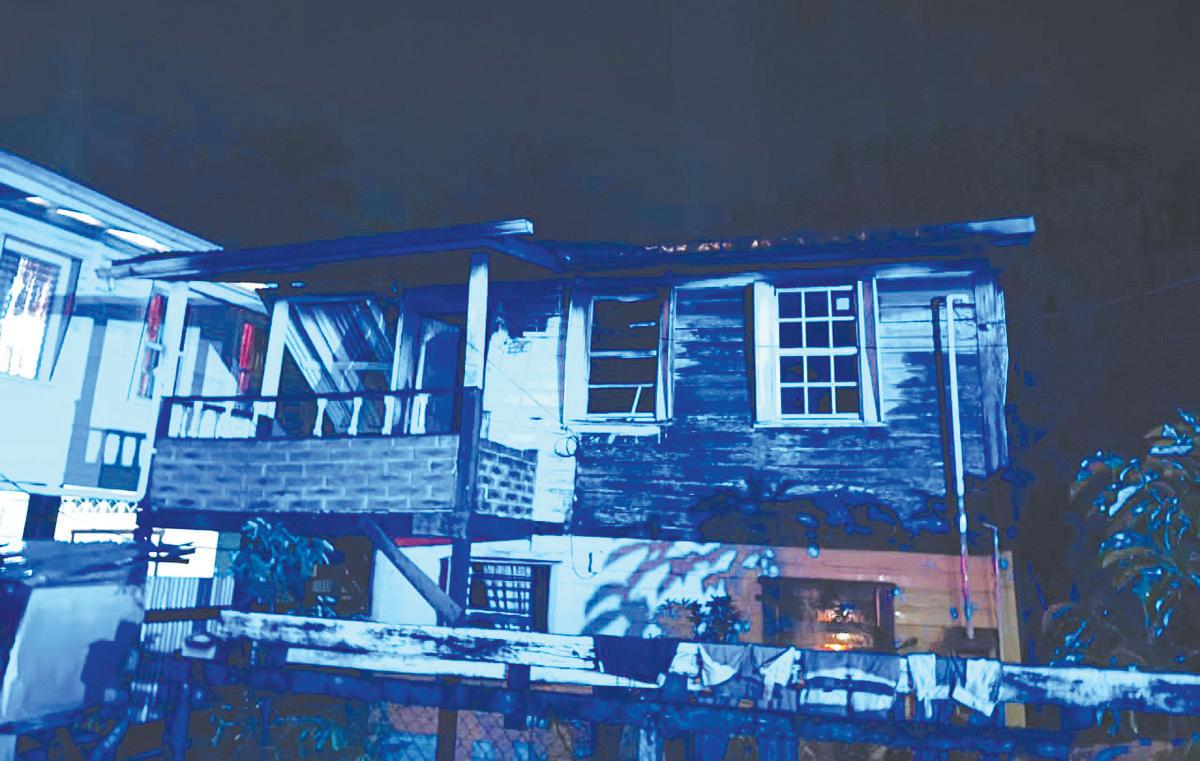
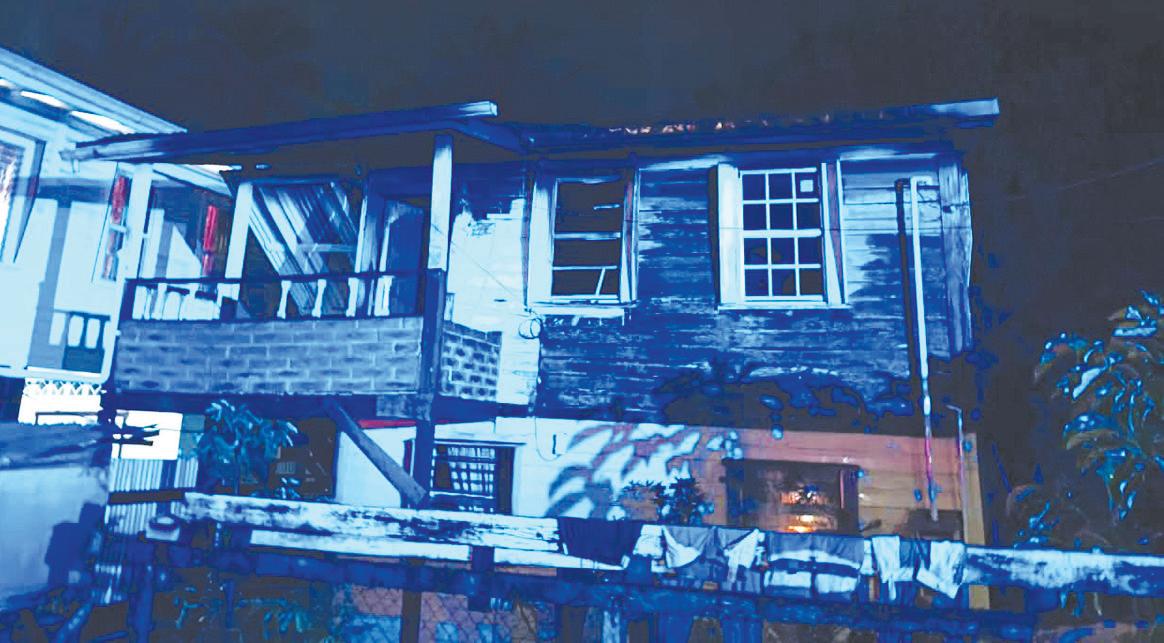
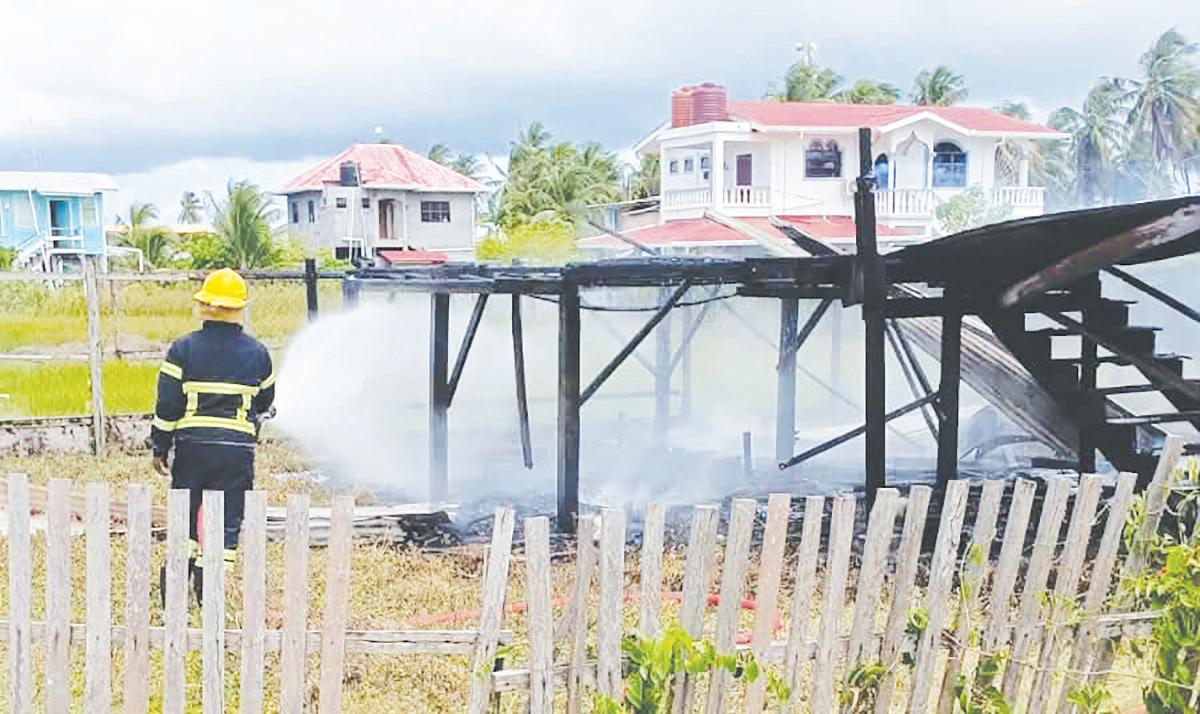
Two separate house fires in Berbice have left nine people homeless, with preliminary investigations suggesting one may have been deliberately set while the other was likely caused by an unattended rubbish fire. According to the Guyana Fire Service (GFS), firefighters from the New Amsterdam Fire Station responded to reports of a house fire at Lot 55 Winkle Road, New Amsterdam, where they found a wooden and concrete building completely engulfed in flames. Firefighters immediately began firefighting operations and contained the blaze to the affected prop-
erty, preventing it from spreading to nearby buildings. However, the house and all of its contents were destroyed. A motorcycle, an electric bike and a generator located in the yard were also destroyed. Seven people have been displaced by the fire.
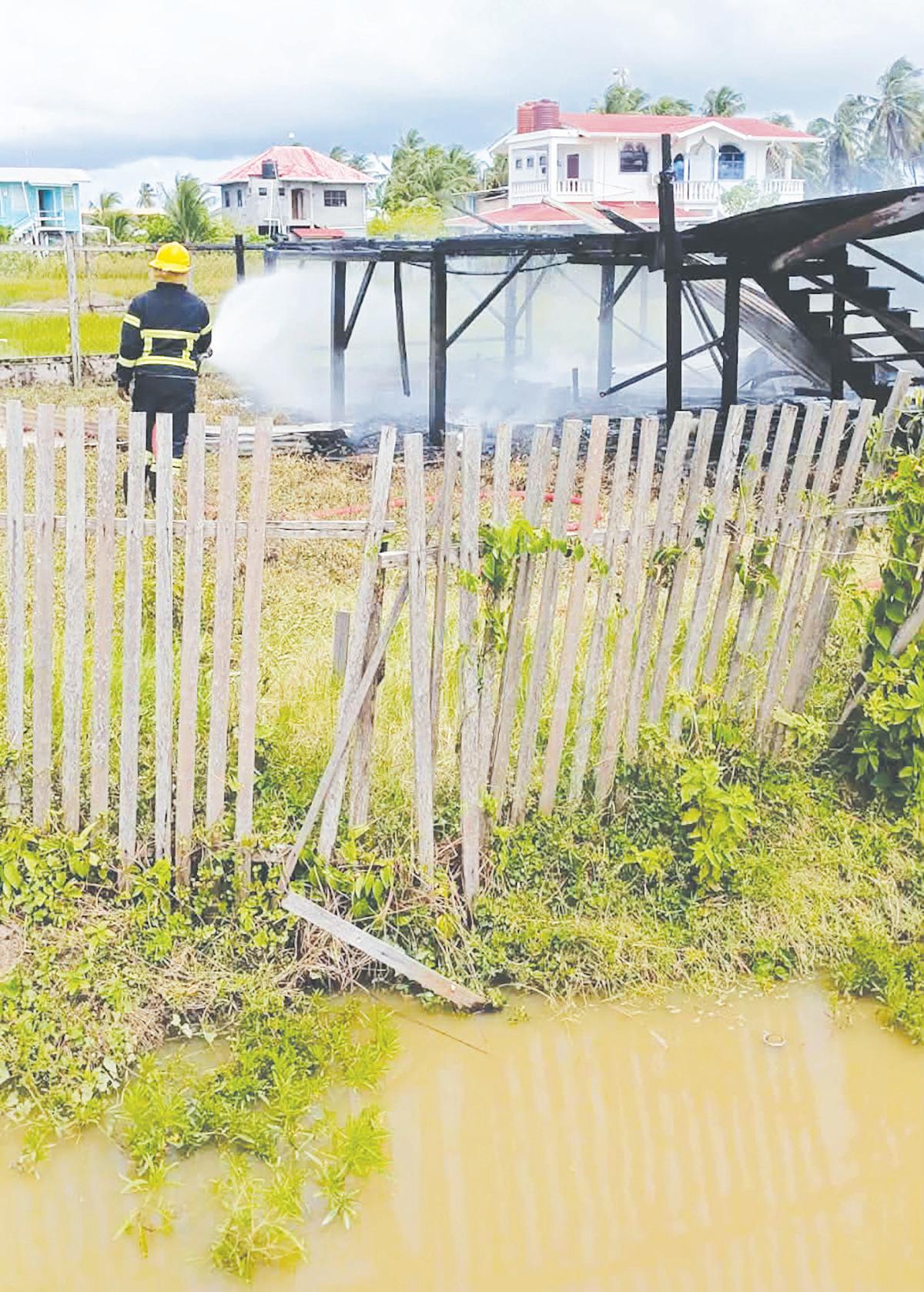
Preliminary investigations suggest the fire may have been deliberately set, the fire service said. Investigations are continuing. In a separate incident, firefighters responded to a report of a house fire at Water Street, Bath Settlement, West Coast Berbice (WCB). On arrival, they found a one-storey
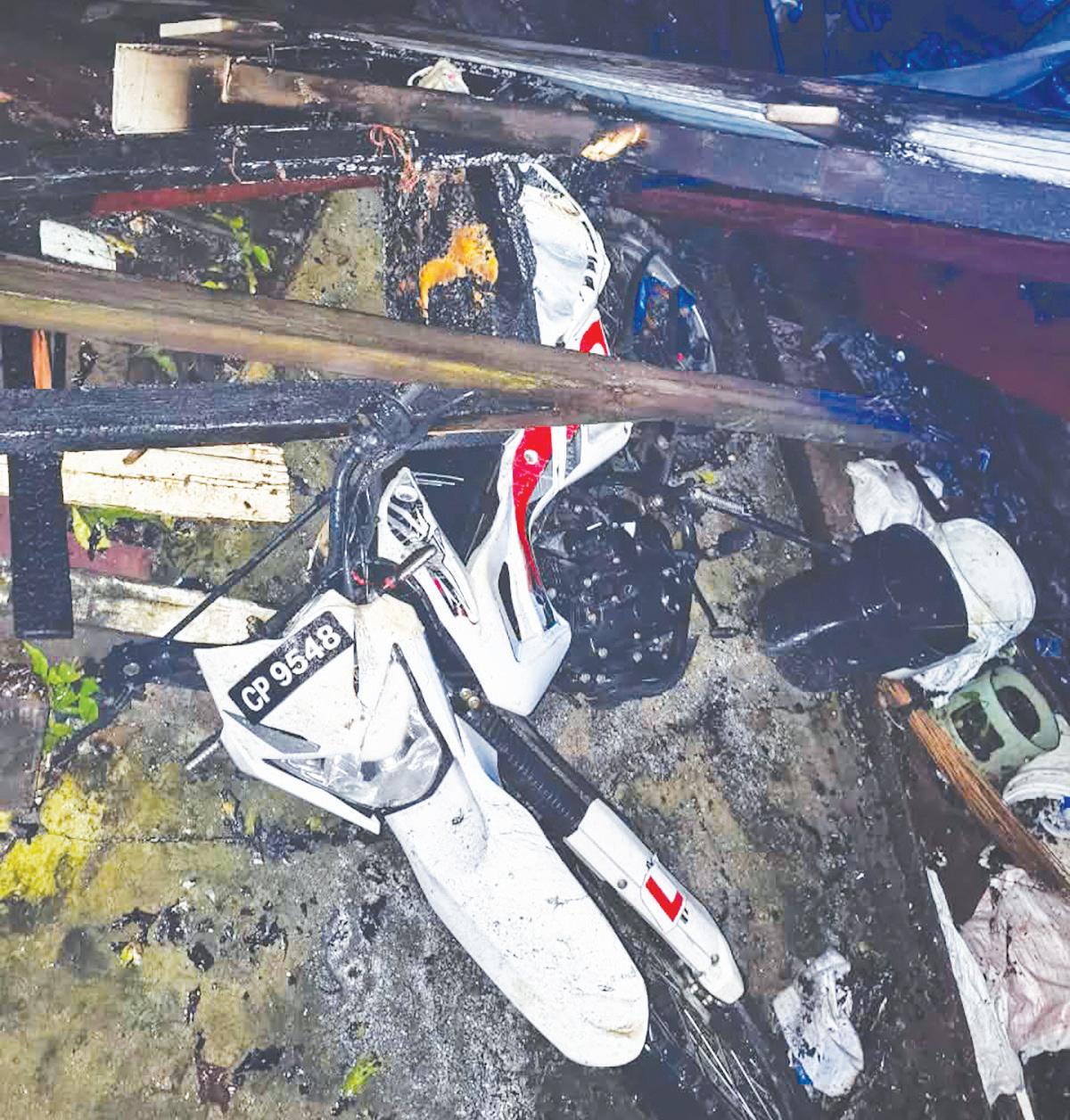

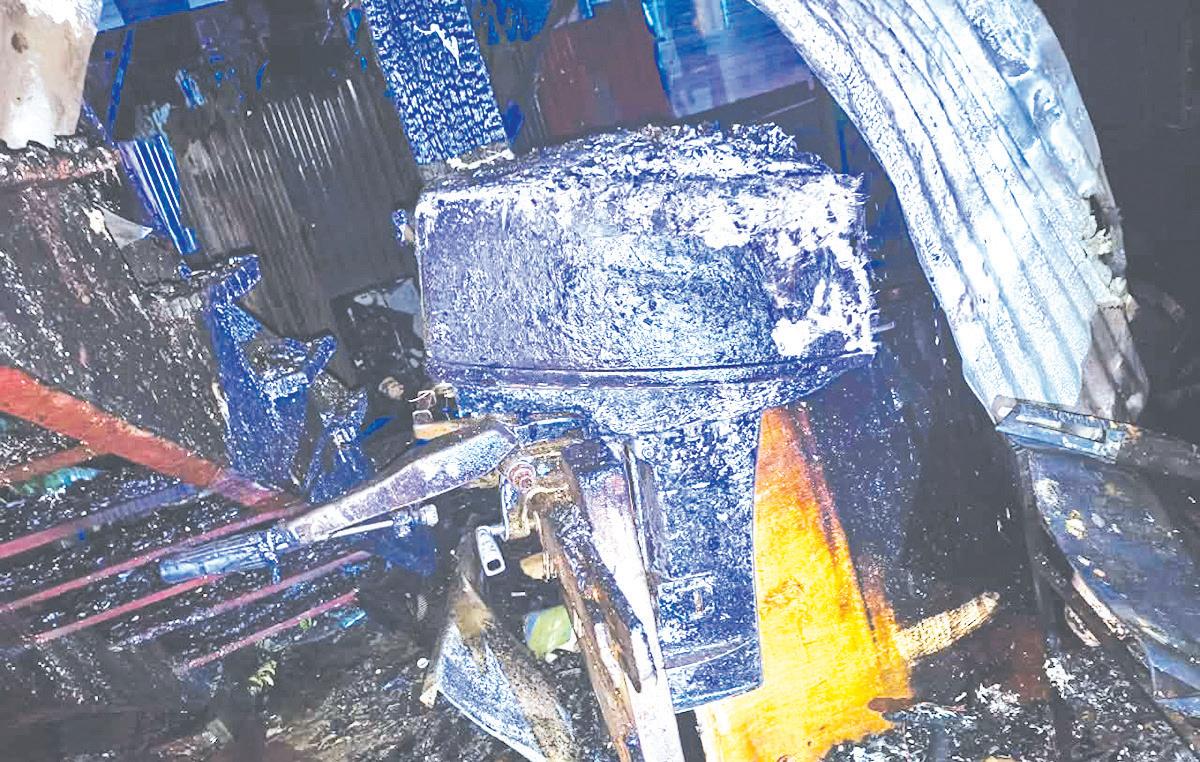
wooden and concrete building occupied by two people fully engulfed in flames and immediately began efforts to contain and extinguish the fire. Despite the response, the building and all of its contents were destroyed. Initial investigations indicate the fire may have started after rubbish was being burned by the occupants spread from the rubbish pile to the house. The GFS said
investigations into the incident are ongoing. In light of the Bath Settlement fire, the Fire Service urged members of the public to exercise caution when burning rubbish, advising that such fires should always be supervised and kept a safe distance from buildings and other combustible materials. The agency also reminded the public that fire safety is everyone's responsibility.

The University of Guyana (UG) will reopen applications for selected degree, diploma and certificate programmes for the 2026/2027 academic year from July 8 to August 17, giving prospective students another opportunity to secure admission.
The second application period follows the University’s initial admissions window, which ran from March 30 to May 9, 2026. It is intended to accommodate applicants who were unable to apply earlier, including students who recently wrote the Caribbean Secondary Education Certificate (CSEC) and Caribbean Advanced Proficiency Examination (CAPE) and are awaiting their results. UG said applications will only be accepted for selected programmes

where spaces remain available.
Information on the available programmes, application procedures and other admission details can be accessed through the University’s official website, Student Records Management System (SRMS), Facebook page and
other official communication channels. Applicants who submitted applications during the March to May period but have not yet received a response are expected to begin hearing from the University by mid-July. Meanwhile, those applying during the second admissions window are expected


to receive a response on their application status by August 28, 2026. The University is encouraging applicants to regularly check the SRMS to monitor the progress of their applications. Orientation sessions and the start of classes for the new academ-
ic year are scheduled for the last week of August and the first week of September. The University is also encouraging prospective students who missed the first application period to apply early to avoid delays associated with last-minute applications, late registration and late enrolment.
Further information on the application process, including a list of programmes with available spaces, is available through the University’s official online platforms.





ocal business
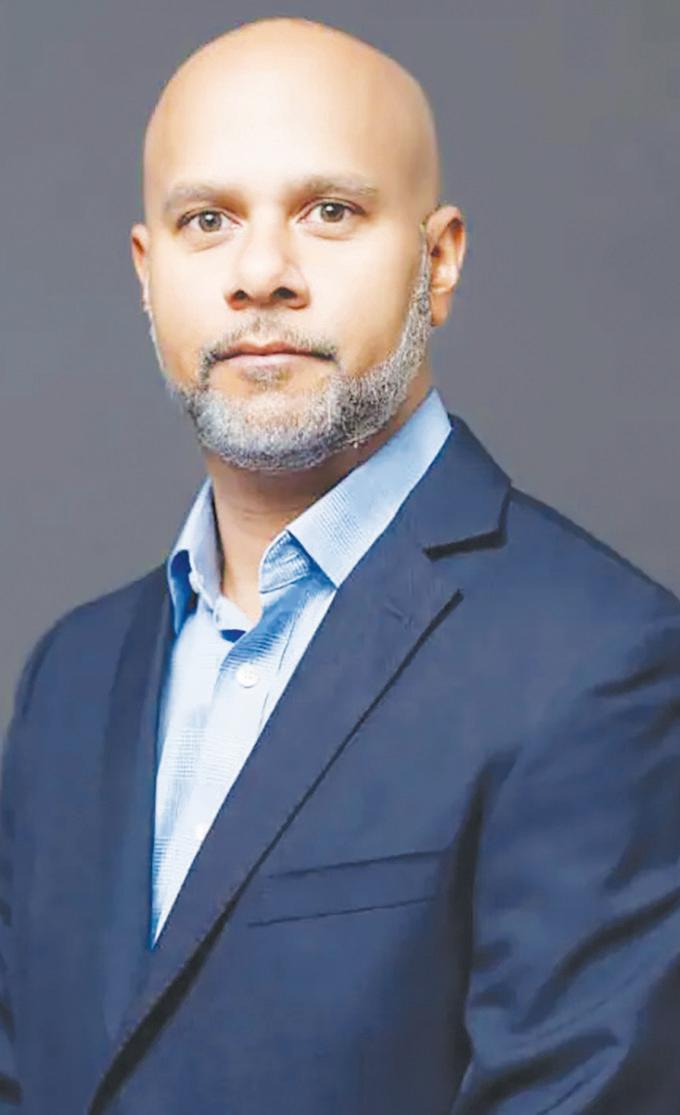
LExecutive, Timothy Tucker, has said that there are a number of opportunities for Guyanese companies to tap into especially in the burgeoning oil and gas sector but this requires commitment and lots of research. Tucker, a prominent Guyanese businessman and former President of the Georgetown Chamber of Commerce and Industry (GCCI), was at the time speaking on the Starting Point podcast. Sharing his experience in business, Tucker says that there are greater opportunities for Guyanese today in every sector including the oil and gas industry. However, he noted that given the high standards of the petroleum sector, he is of the view that local businesses need to do more in order to position themselves to capitalise on these opportunities. “I think that the market gives greater opportunity to the persons right now. There are so many opportunities… I believe that most Guyanese have the opportunity to either work in the [oil and gas] industry or an associated industry, or you have the ability at this point to be an entrepreneur. There's nothing stopping you from being an entrepreneur.”
“You've got to be able to diversify, look for your niche product or service, and really try to fill the gaps in the market. It takes some amount of time and research. Previously in Guyana, we never bothered with market research studies and, you know, in the private sector...a lot of companies don't do a lot of market research. And here lies the opportunity for the businesses to do market research, understand what products and services that there are, how they can expand what they're doing… and so, you know, there's opportunities all around you. You just have to look for them,” the businessman posited. With many local businesses looking to get into the oil and gas industry, Tucker contended that they must first understand the sector, what their needs are and where the gaps are for them to enter. He noted that there are lots of tools and initiatives that are available that can assist Guyanese companies to prepare themselves for these opportunities. These include the Centre for Local Business Development (CLBD), the Local Content Secretariat (LCS) and even tools within the private sector bodies such as at the Private Sector Commission (PSC) and the GCCI. He added too that persons wanting to enter the industry should also attend the annual Oil and Gas Conference that is held in Georgetown to better understand and scope out opportunities.
Expanded local content law
Tucker, who was one of
the private sector representatives that were on the fore of the push for a local content legislation, said that many Guyanese businesses have benefitted tremendously from the oil and gas industry since the law was passed in December 2021. The Local Content Act identifies 40 different service areas that oil and gas companies and their subcontractors operating in the country must procure from Guyanese and Guyanese-owned businesses.
“There's a massive amount of wins that happened for Guyanese when that legislation was passed…undoubtedly, it single-handedly changed the outlook, and the outcome for Guyanese in the industry. There are many Guyanese that are benefiting from that local content, and not just in the 40 areas. There are areas outside of the 40 that Guyanese have now gone and partnered [with international companies to service the sector],” Tucker stated. In the same breath, however, he says time has come now for the legislation to be updated and expanded to allow more Guyanese companies to benefit from the oil and gas opportunities. This revision, he added, is even more important to clamp down on some of the loopholes that were being taken advantage of by some Guyanese – something which he acknowledged that the authorities have been working to address. According to Tucker, “there is some work to be done. There's some work to be done, and it needs to be done. It needs to start now. We need to expand the [40] areas. We need to understand what are the areas outside the 40 that locals can participate in, so that we can capture those areas. And I know that that's part of the expansion, but that information also needs to be transcended to the population and to the business community, so that we can know where the gaps are, where we can fill it, where we can increase capacity, and of course, new areas of opportunities.” Just last month, Natural Resources Minister Vickram Bharrat had said that the Government is looking to widen opportunities for Guyanese within the oil and gas industry by clamping down on loopholes in the Local Content Act that have been taken advantage of in the past. These include ‘fronting’ or ‘rent-a-citizen’ whereby foreign companies employ Guyanese and/or Guyanese businesses in order to bypass the Act. The Local Content legislations mandates penalties, such as fines ranging from $5 million to $50 million, for oil and gas companies and their sub-contractors who fail to meet the minimum targets of the legislation, as well as for those who are in
breach of the Act. According to Bharrat, this ‘rent-a-citizen’ practice is now almost eliminated as well as other arrangements that were being used to bypass the local content framework including the use of shell companies.


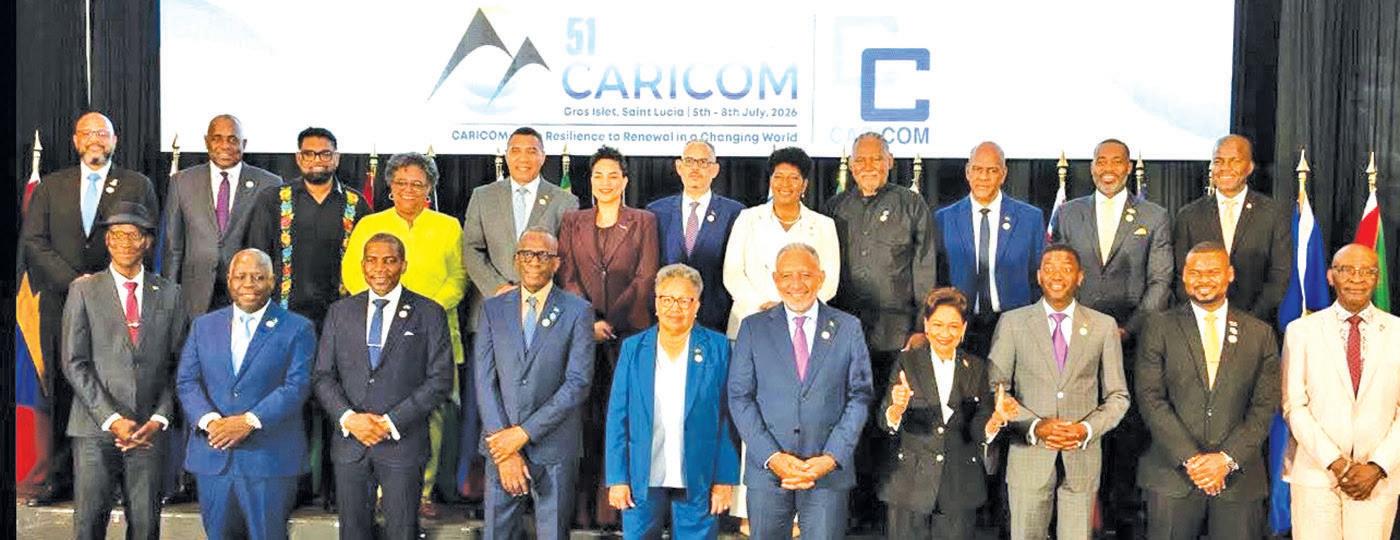
The Caribbean Community (Caricom) opened its 51st Regular Meeting of the Conference of Heads of Government in St Lucia on Sunday with outgoing Chairman, Prime Minister (PM) of St Kitts and Nevis Dr Terrance Drew, urging regional leaders to continue placing the interests of the Caribbean above national differences, while incoming Chairman, St Lucia’s PM Philip J. Pierre, committed to making Caricom more responsive to the everyday needs of Caribbean people. Addressing the opening ceremony, Drew reflected on his six-month tenure as Chairman of the 15-member regional bloc, saying Caricom had emerged stronger despite challenges and that the organisation’s future depends on preserving unity and strengthening regional cooperation. He reminded fellow Heads of Government that disagreements are inevitable but should never be allowed to undermine the regional integration movement. “There will always be difficult issues before the community. There will always be spirited debates. There will always be differing perspectives. That is natural. It must be expected, but it is also healthy. What must never become natural, however, is allowing those differences to weaken the institution that has served our people so well,” Drew said. He urged leaders to protect and modernise Caricom while resolving disputes through patience, consultation and dialogue. “Our responsibility is to protect this community, improve it where necessary, modernise it where appropriate, but never, ever lose sight of its immense value to our people,” he told regional leaders. Thanking his colleagues for their support throughout his chairmanship, Drew praised them for consistently putting the interests of the wider Caribbean ahead of individual national priorities.
“I want to say thank you. Thank you for your friendship, thank you for your wisdom, and thank you for your trust. Thank you for your willingness to place the inter-
ests of the Caribbean above our individual interests.”
Describing his tenure as one of the greatest honours of his public life, Drew said Caricom remains indispensable to the region’s future. “It is indispensable to our security. It is indispensable to our economic prosperity. It is indispensable to our voice in international affairs. Most importantly, it is indispensable to the future of Caribbean people.” He said that while some had questioned Caricom’s resilience six months ago, the focus should now be on building an even stronger regional community. “I leave this chairmanship convinced of one enduring truth: unity and togetherness is not simply our highest ideal. It is our greatest strategic advantage.” Drew also highlighted several accomplishments during his tenure, including continued progress on reparatory justice through Caricom’s revised Ten-Point Plan, stronger regional collaboration in health, education and human development, and continued support for creative industries, migration initiatives and workforce development. He noted that the Community had strengthened cooperation on non-communicable diseases, health emergencies and the education of nurses and midwives while advancing programmes to equip young people with skills recognised throughout the region.
The outgoing chairman also pointed to the work of regional institutions, including the Caribbean Public Health Agency (CARPHA), the Caribbean Court of Justice (CCJ), the Caribbean Examinations Council (CXC) and the Regional Security System (RSS), saying these organisations quietly deliver benefits to Caribbean citizens every day. He said Trinidad and Tobago’s successful election to the United Nations Security Council (UNSC) demonstrated the value of Caribbean solidarity, noting that the country’s campaign benefited significantly from the united support of Caricom member states.
“When Caricom stands be-


Turning to regional trade, Drew acknowledged that trade imbalances still exist among member states but argued that intra-regional commerce continues to strengthen Caribbean economies by supporting businesses, workers and families throughout the region. He encouraged leaders to continue strengthening productive sectors while maintaining the broader objective of collective regional growth. Drew also paid tribute to Caricom Secretary-General (SG) Dr Carla Barnett and the Secretariat, commending their professionalism and commitment to implementing the decisions of Heads of Government while maintaining the Secretariat’s impartiality. He then formally handed over the chairmanship to St Lucia’s PM Philip J. Pierre.
What more can Caricom do?
Assuming the role of Caricom Chairman on July 1, Pierre said he takes office at a time when the Caribbean is facing geopolitical tensions, rising living costs, climate change, technological disruption and growing security concerns. He said Caricom must now move “from conference rooms to communities, from rhetoric to reality, from communiqués to results.” “Our people are asking a serious and legitimate question, what more can Caricom do for me?” Pierre said.
“The question is not an
attack on this community, but a genuine appeal for solutions.” Pierre said every major regional decision should be measured by one standard—whether it improves the lives of Caribbean people. “It is not enough for us to agree on principle; we must implement in practice. It is not enough for us to speak of integration; we must make integration work for the ordinary citizen.”
He identified unity as the foundation of his chairmanship, warning that regional divisions only weaken Caricom’s influence internationally. “The world has often benefited from Caribbean disunity. Larger powers and larger markets can more easily engage a divided Caribbean than a united one. But when the Caribbean speaks with one voice, when we act together, when we negotiate as a bloc, our collective influence is far greater.” Pierre pledged to ensure that every member state feels heard and represented. “Every voice counts. Every nation matters. Every citizen must be able to see themselves reflected in the work of Caricom.”
He also identified citizen security as one of the Community’s most urgent priorities, pointing to violent crime, illicit firearms trafficking, organised criminal networks, cybercrime, gang activity and weaknesses within criminal justice systems as shared regional challenges. “No member state can address these
challenges alone,” Pierre said, calling for stronger cooperation among law enforcement agencies and greater investment in education, employment, sports, culture and community development to address the root causes of crime. Climate change also featured prominently in Pierre’s address as he renewed Caricom’s call for climate justice and greater international support for vulnerable Caribbean states. He said Caricom would continue advocating for fair access to climate financing, loss and damage support, debt relief linked to climate vulnerability and reforms to international financial systems that better reflect the realities facing small island developing states. Pierre also reaffirmed Caricom’s full support for Guyana’s bid to host the United Nations (UN) Climate Change Conference (COP35) in 2030.
Deeper implementation
On economic matters, he called for deeper implementation of the Caricom Single Market and Economy (CSME), greater regional transportation links, expanded agricultural production and stronger food security to reduce the region’s dependence on imported food. The incoming chairman also highlighted the importance of artificial intelligence (AI) and digital transformation, saying Caricom must develop a harmonised regional approach to AI while en -

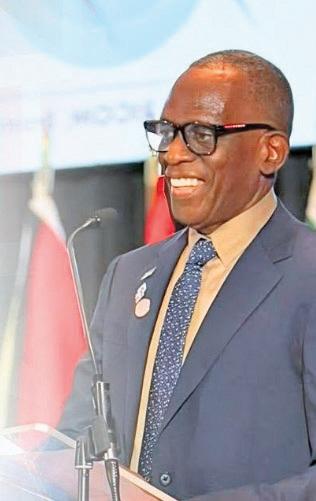
ers are equipped with the skills needed for emerging industries. Youth development, he added, must remain central to Caricom’s agenda, stressing that young people expect regional integration to create jobs, improve entrepreneurship opportunities and make free movement easier across member states.
New associate member
Meanwhile, Caricom also announced an expansion of its Associate Membership with the formal accession of
Martinique. The French overseas territory officially became Caricom’s seventh Associate Member on June 16, 2026, after the Government of the French Republic deposited the required Instrument of Accession, allowing the Agreement on the Privileges and Immunities of Caricom to enter into force. Martinique is participating in the 51st Regular Meeting of the Conference of Heads of Government, which runs in St Lucia from July 5 to July 8.

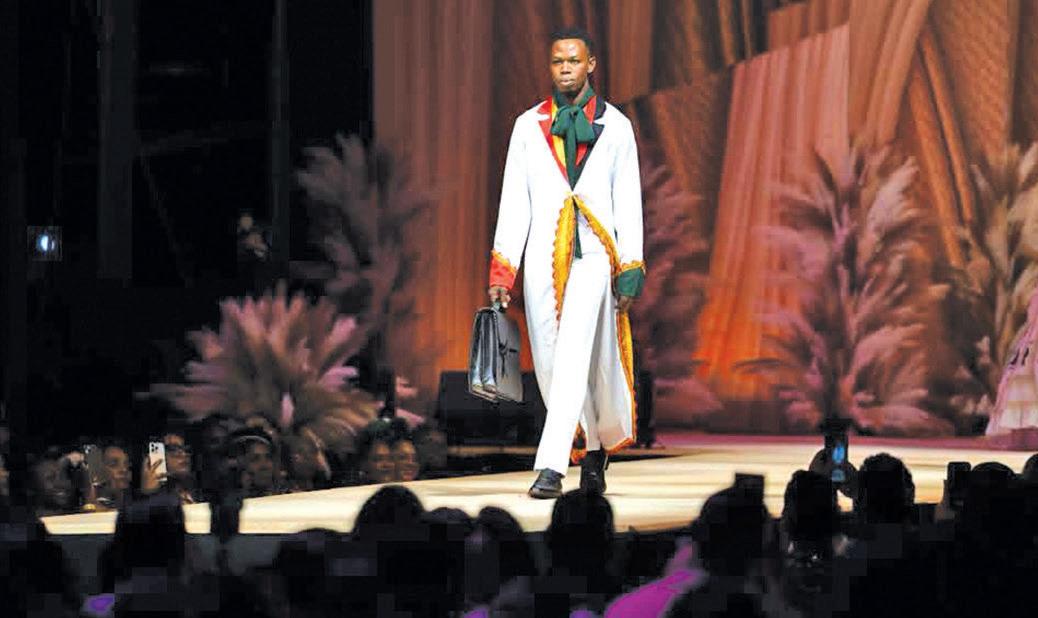
Patrons attending the Origins Guyana Fashion Festival are commending the event for celebrating local fashion, culture and entrepreneurship while providing a valuable platform for Guyanese designers and artisans to showcase their talent.
Hosted at the Railway Courtyard, the three-day festival has drawn scores of visitors eager to explore locally made clothing, jewellery, accessories and other creative products, as the Government continues to advance the country’s orange economy.
Patron Jeremiah Hopkinson described the festival as a welcoming space that brings creatives and the public together. “I can definitely tell that there are a lot of amazing people here that I would definitely want to connect with,” he told the Department of Public Information (DPI) on Saturday. Hopkinson also encouraged more Guyanese to support local cultural events. “We need to embrace our cul -

ture more…I love to dress up and come out, so definitely if we have more events like this, you might see more of me,” he added.
Another patron, Arrona Fraser, said the festival has given local designers the exposure they deserved. “I am here tonight to check out all of the local
fashion because they’re a bit under the radar. You don’t really see it as much, so you come out here, you get to see more of it…the boots, the earrings and everything they have,” Fraser said. She noted that the event also creates opportunities for creatives to network and grow their
businesses. First-time attendee Akita Felix said she was impressed by the creativity on display and believes events like origins are important for Guyana’s growing cultural landscape.
“This is my first time at a fashion show. I’m see -
ing the creative side of everyone…I really love what I saw,” Felix said. She added that she hopes to see more events of this nature, particularly because they create opportunities for young people to participate in and enjoy Guyana’s creative industries. “With everything that’s happening in Guyana, this will be really nice, especially for the youth…I’m really enjoying it,” she said. The Origins Guyana Fashion Festival forms part of the
Government’s efforts to strengthen the country’s orange economy by supporting creative entrepreneurs, promoting cultural expression and creating new economic opportunities within the fashion industry. The festival features runway showcases, exhibitions, cultural performances and networking opportunities, highlighting the diversity, innovation and growing potential of Guyana’s creative industries.



By Dr Tariq Jagnarine
Fam meD, enDocrinology, DiaBeTes
Food nourishes our bodies, supports growth, strengthens immunity, and helps prevent disease. However, when food is improperly handled, it can become a source of harmful bacteria, viruses, parasites, and toxins that may lead to serious illness. Safe food handling is, therefore, not just a kitchen responsibility but an essential public health practice.
Why food safety matters
According to the World Health Organisation, approximately 600 million people suffer from foodborne illnesses each year, resulting in an estimated 420,000 deaths worldwide. Young children, older adults, pregnant women, and individuals with weakened immune systems are especially vulnerable to severe illness.
Foodborne diseases can cause:
Diarrhoea
• Vomiting
Stomach cramps
• Fever
Dehydration
Kidney failure in severe cases
Long-term compli-


cations such as arthritis or nerve damage
Common germs responsible include:
Salmonella
• Escherichia coli (E coli)
Campylobacter
• Listeria Norovirus
The four principles of safe food handling
1. Keep clean Clean hands, utensils, and food preparation surfaces before handling food.
Always: Wash hands with soap and clean water for at least 20 seconds before preparing food.
• Wash hands after handling raw meat, poultry, seafood, eggs, pets, or using the toilet.
• Clean cutting boards, knives, and countertops after each use.
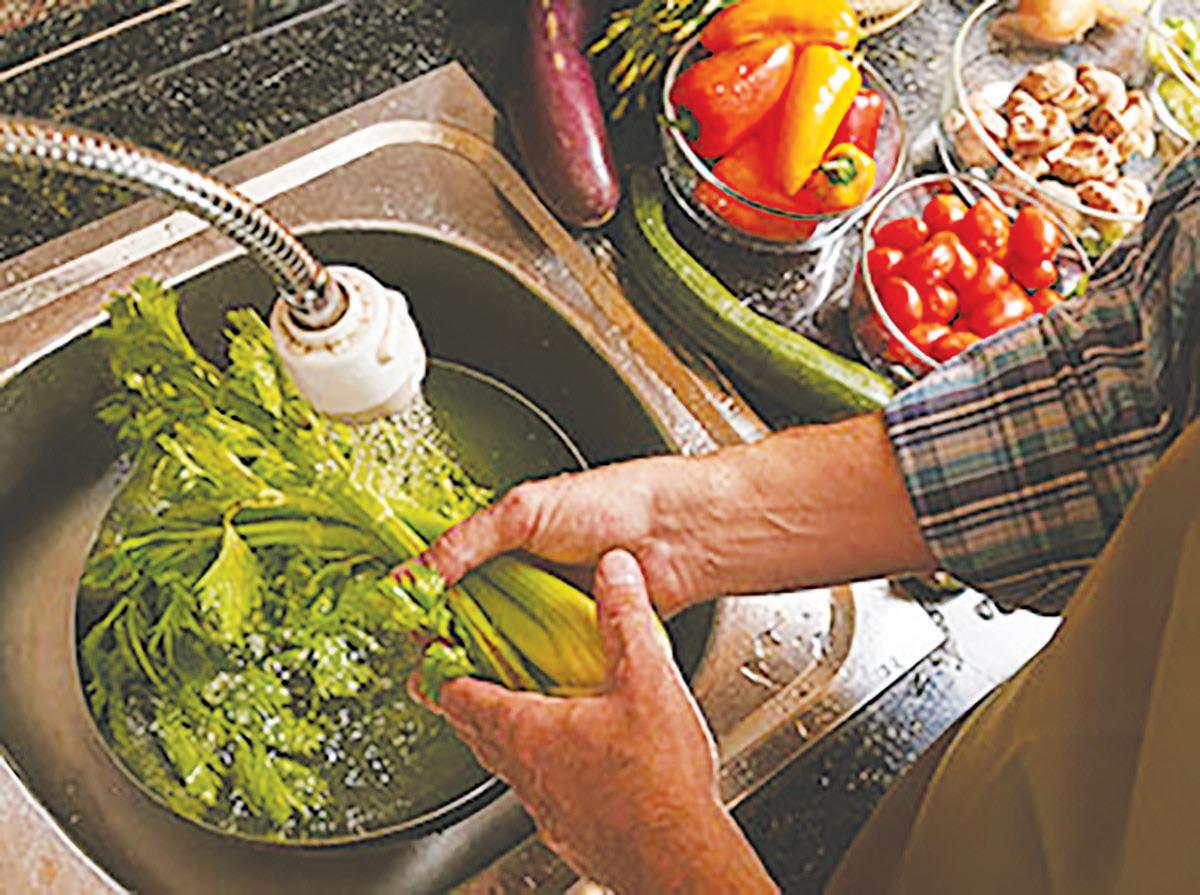
• Wash fruits and vegetables under running water before eating or cooking.
Remember that many harmful bacteria are invisible and cannot be detected
by smell or appearance.
2. Separate raw and cooked foods
Cross-contamination is one of the leading causes of food poisoning.
To prevent it:
Use separate cutting boards for raw meat and vegetables.
• Store raw meat on the bottom shelf of the refrigerator to prevent juices from dripping onto other foods.
• Never place cooked food back onto a plate that previously held raw meat.
• Use separate utensils whenever possible.
3. Cook food thoroughly
Proper cooking destroys most harmful microorganisms.
General recommendations include:
• Poultry: at least 74°C (165°F)
• Ground meat: at least 71°C (160°F)
Fish: cook until opaque and flakes easily
Eggs: cook until both the yolk and white are firm
When reheating leftovers, ensure they reach at least 74°C (165°F).
4. Keep food at safe temperatures
Bacteria grow rapidly between 5°C and 60°C, often called the “danger zone”.
Transport chilled foods home promptly.
Safe storage
Proper storage extends food quality and reduces bacterial growth.
Remember to:
Label leftovers with the preparation date.
Consume refrigerated leftovers within three to four days.
Freeze foods if they will not be eaten soon.
Avoid overcrowding the refrigerator, allowing cold air to circulate.
Protecting vulnerable family members
Certain individuals require extra precautions:
• Pregnant women should avoid unpasteurised milk products and undercooked meats.
• Young children
Common Myths
Myth: If food smells fine, it is safe to eat.
Fact: Dangerous bacteria often do not change the smell, taste, or appearance of food.
Myth: Washing raw chicken removes bacteria.
Fact: Washing raw poultry can spread bacteria around the kitchen through splashing. Proper cooking is the safest way to destroy germs.
Myth: Reheating food multiple times makes it safe.
Fact: Repeated cooling and reheating increases the risk of bacterial growth.
A public health responsibility
Food safety is everyone’s responsibility – from farmers and food manufacturers to restaurants and families preparing meals at home. Simple daily habits such as

Safe practices include: Refrigerate perishable foods within two hours of cooking.
In very hot weather, refrigerate within one hour.
Keep refrigerators below 5°C.
Keep freezers at −18°C or colder.
• Thaw frozen foods in the refrigerator, microwave, or cold running water –not on the kitchen counter.
Shopping safely
Food safety begins before arriving home.
Choose stores that maintain good hygiene.
When shopping: Purchase refrigerated and frozen foods last. Check expiry dates carefully.
• Avoid dented or swollen canned foods.
• Do not buy packages with broken seals.
should not consume raw eggs or unpasteurised juices.
• Older adults should avoid high-risk ready-to-eat foods unless properly heated.
People living with chronic illnesses or weakened immune systems should be particularly cautious with food hygiene.
Food safety during power outages
Power failures can quickly make refrigerated foods unsafe.
If electricity is lost:
• Keep refrigerator and freezer doors closed.
• Refrigerated food is generally safe for up to four hours if unopened.
• A full freezer may remain cold for about 48 hours if unopened.
When in doubt, throw it out.
Never taste food to determine whether it is safe.
washing hands, separating raw foods, cooking thoroughly, and storing foods correctly can prevent illness, reduce healthcare costs, and save lives.
By practising proper food handling every day, we protect not only ourselves but also our loved ones and our communities.
Throughout my years in clinical practice and public health, I have seen preventable cases of foodborne illness affecting both children and adults. Many of these illnesses could have been avoided through basic food safety measures. As healthcare professionals and community members, we all have a role in promoting safe food practices. Small actions taken in our kitchens today can prevent serious illness tomorrow. Food safety begins with informed choices, and every safe meal prepared is an investment in better health.



The Organisation of the Petroleum Exporting Countries (OPEC) and allies (OPEC+) has agreed a further increase in output targets from August, the group said in a statement on Sunday, adding to global supply at a time when oil prices are falling due to the gradual reopening of the Strait of Hormuz for oil exports.
The oil-producing group agreed during an online meeting to increase quotas by 188,000 barrels per day (bpd)from August, on top of similar increases for June and July.
The seven core members of OPEC+, including Russia, have hiked their output quotas from April through July by almost 800,000 bpd.
Yet the increase has remained largely on paper because of the US-Israeli war on Iran, which closed the Strait of Hormuz to tanker traffic for some of the most important OPEC+ members, including Saudi Arabia, Kuwait, and Iraq.
Production begins to recover
OPEC+ output fell to 33.13 million bpd in May, according to OPEC data, from 42.77 million bpd in February. It began to recover in June thanks to US efforts to help the United Arab Emirates (UAE) and other OPEC+ nations export more oil, but is still below pre-war levels.
Despite persisting supply disruptions, oil prices have returned to pre-war levels, pressured by lower Chinese imports, higher exports from non-Middle East producers, and a record global strategic stock release coordinated by the International Energy Agency.
“The group of seven kept unwinding their production cuts as widely expected,” UBS analyst Giovanni Staunovo said. “The nearterm focus will remain on how many tankers will manage to cross the Strait of Hormuz and how quickly demand and Chinese crude imports recover.”
A Memorandum of Understanding (MoU) between Washington and Tehran to end the war has also helped convince traders that supply will ultimately return to normal levels.
Iraq pressing for higher quotas
Brent crude prices traded near US$72 per barrel on Friday, down from recent peaks of more than US$120 per barrel and back to levels traded just before the US and Israel attacked Iran on February 28.
Besides agreeing production targets, OPEC+ is also facing other challenges after the UAE left the group and Iraq signalled it wants higher quotas.
OPEC+ includes 21 members including Iran, but in recent years only the seven nations — and the UAE until its departure — have been involved in monthly production management.
Those seven producers — Saudi Arabia, Russia, Iraq, Kuwait, Algeria, Kazakhstan, and Oman — are boosting output as part of the phased rollback of a 1.65 million bpd supply cut agreed in 2023, when the group still included the UAE.
The UAE quit the alliance in late April because it wanted to align its capacity more closely with its production, free of production restraints imposed by the group.
From August, taking into account the UAE’s exit from May 1, the seven core members will still have about 379,000 bpd of the original cut to return to the market, according to Reuters calculations.
With the August increase now decided, they will have fully unwound the 2023 cut if they make one more hike of around the same size for September at their next meeting on August 2. (Reuters)
T&T: 50 illegal migrants held, businessman detained in anti-trafficking operations
Fifty illegal migrants, including 10 children, were detained during coordinated police operations over the weekend targeting suspected human trafficking and brothel activity in Port-of-Spain and San Fernando.
A 75-year-old businessman who Police said previously faced charges for luring women into a trap before sexually assaulting them was also detained during the intelligence-led exercise.
Investigators suspect he owns two establishments believed to be operating as brothels. Police said the man, who has previously been charged with rape, is
assisting investigators as enquiries continue into the operation of the two establishments. Investigators are also examining whether the premises are linked to organised human trafficking or the sexual exploitation of vulnerable migrants.
The operations, carried out under Operation R.E.S.O.L.U.T.E. Shield, involved officers from several specialised units and the Immigration Division as Police intensified efforts to dismantle networks involved in illegal immigration, human trafficking, and related criminal activity. (Excerpt from Trinidad Guardian)
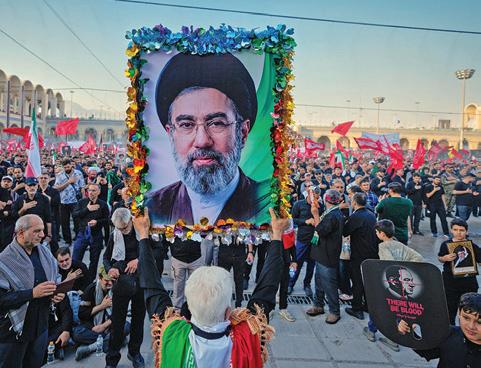
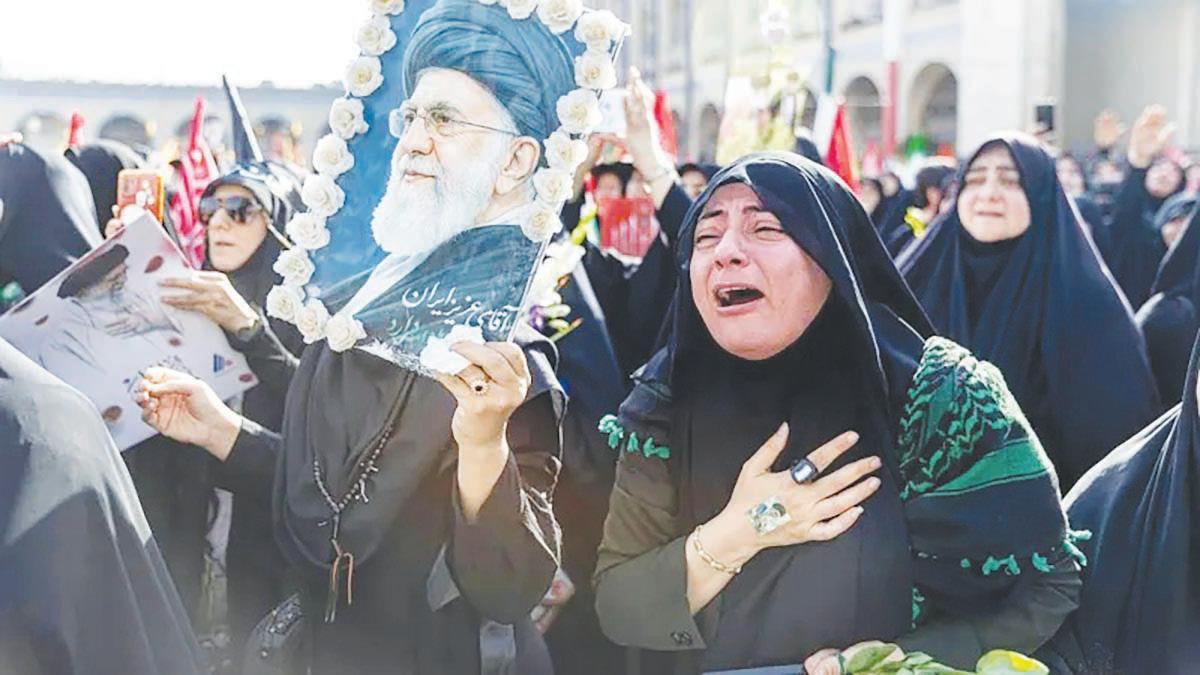
Iran’s Supreme Leader Mojtaba Khamenei was conspicuously absent from his father’s funeral, as senior regime figures joined thousands paying their respects to the late ayatollah on Sunday.
Ali Khamenei’s other three sons – Masoud, Mostafa and Meysam –all attended the service on Sunday, alongside officials including President Masoud Pezeshkian and Revolutionary Guards chief Ahmad Vahidi.
Speculation about Mojtaba’s condition – fuelled by rumours he was wounded in the same US-Israel air strikes that killed his father – has continued as he has not appeared in public since his appointment in early March.
The elder Khamenei ruled the Islamic republic from 1989 until his death in
February.
Official funeral proceedings for the late supreme leader began on Friday, with events planned across Iran and Iraq over the coming week.
Iranian authorities say 12-20 million persons are expected to attend the ceremonies, which they are calling the “funeral of the century”.
Khamenei’s body is currently lying in state at Tehran’s Grand Mosalla religious complex, with a funeral service led by prominent Shia cleric Jafar Sobhani, a 97-year-old scholar who teaches at seminaries in the holy city of Qom. Sunday was declared a public holiday across Iran, and later in the day
Khamenei’s body was to be moved out of the Grand Mosalla ahead of a procession through the capital today.
The ceremonies have been carefully choreographed and Mojtaba Khamenei’s absence from the proceedings comes against a backdrop of fears that Israel may want to assassinate him as well.
A fragile ceasefire between the warring countries is currently holding while talks on a permanent peace deal continue – though both sides have warned they were ready to resume military action.
News website Axios quoted US President Donald Trump on Saturday as saying that peace talks had been paused for a week for the events surrounding the funeral. (Excerpt from BBC News)
The Ukrainian capi-
tal Kyiv came under a Russian missile attack early today and officials said residents were trapped inside a badly-damaged building near the city centre.
Reuters witnesses report-
ed a series of explosions in and around the capital and said air defences were also in action against Russian drones.
Mayor Vitali Klitschko, writing on Telegram, said a residential building had
been hit in the historic Podil district.
“People are trapped on the seventh to ninth floors,” Klitschko said. He said drone debris had fallen on a second residential building in the same area and in other districts of the city of three million. At least 30 persons were killed in Kyiv on Thursday when Russia launched hundreds of drones and dozens of missiles at the city.
(Reuters)
The death toll from Venezuela’s twin quakes has risen to 3342, according to numbers released by the Venezuelan Information Ministry on Sunday.
The new tally also puts the number of injured at 16,470 while the number of homeless has risen to 17,345.
Earlier in the day, in a speech commemorating Venezuela’s 215th independence day, in -
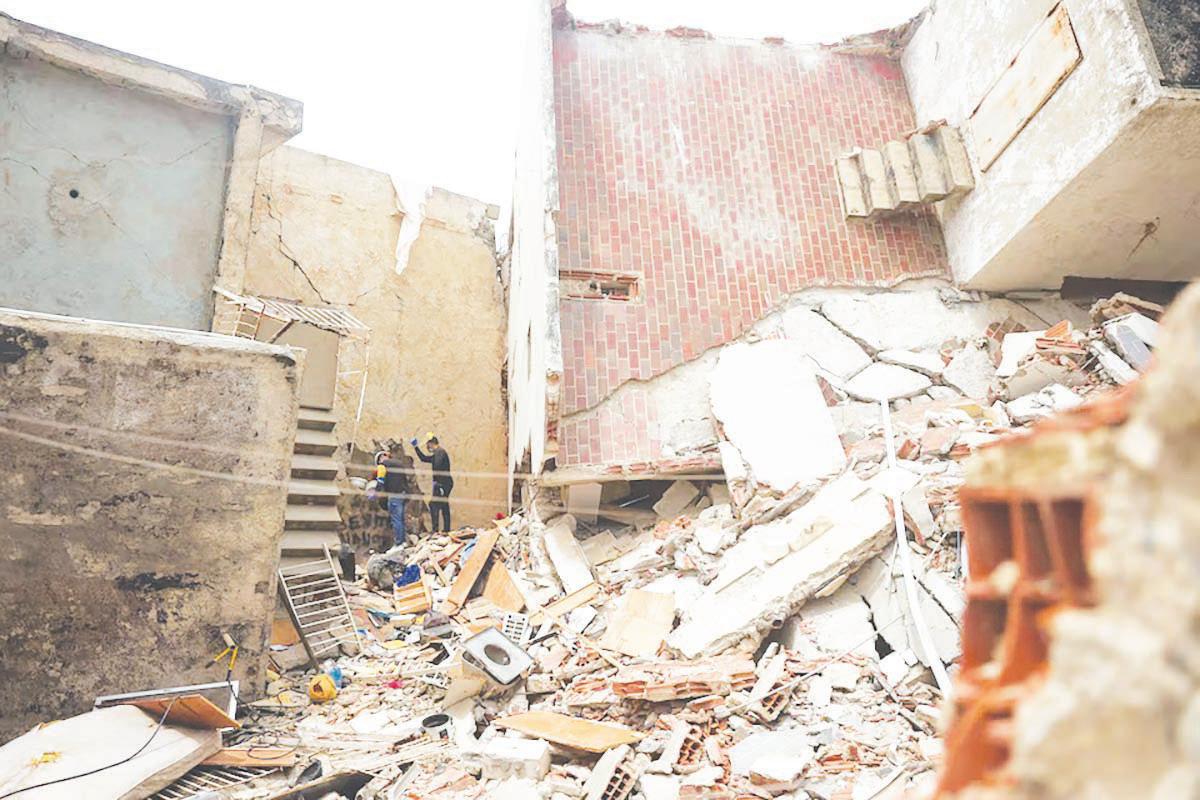
Rescuers work at the site of a collapsed building in the aftermath of the June 24 earthquakes in Caraballeda, La Guaira, Venezuela, July 5, 2026 (Reuters/Leonardo Fernandez Viloria photo)
terim President Delcy Rodriguez defended the Government’s actions following the quakes amid growing frustration over what many have called a delayed and inadequate response to the disaster. Rodriguez said she deployed security forces immediately and announced the creation of a new military unit to help deal with emergencies and disasters.
(Reuters)
As the principal owners of Blue Waters remain in prison following their detention under Preventive Detention Orders (PDOs), Stateowned Caribbean Airlines (CAL) has stopped serving the company’s bottled water on its flights.
Guardian Media was told the airline made the decision to discontinue using Blue Waters, which it has served on flights for over 15 years, last Wednesday.
Informed CAL sources said that the move was a significant one for the company because it caused a bit of chaos for the staff, as Blue Waters bottled water
is served on all of the airline’s flights.
“Crews had to remove the labels of the water before they served. And some crews had to pour water into cups for customers,” an informed source said following the decision.
CAL is now serving Dasani, also a local bottled water by Caribbean Bottlers Trinidad & Tobago Ltd, which is a subsidiary of the Coca-Cola Company.
Guardian Media was told that the decision to switch water brands came from the board, which is chaired by Reyna Kowlessar. Neither Kowlessar nor other company officials could be
reached for comment by Guardian Media on what triggered the immediate change by the company.
The snap decision meant that, unlike other procurement contracts which are listed on CAL’s website, given that it falls under the Office of Procurement Regulations (OPR), no tender was advertised or contract was issued on the company’s website as of yesterday.
Blue Waters, which has been around for the last 27 years, was established by Dominic Hadeed and is the dominant bottled water brand in T&T. It is exported to several islands across the Caribbean, includ -
ing Antigua, Barbados, Dominica, Grenada and Guyana.
As of Saturday, Dominic Hadeed and his wife, Genevieve, the owners of the company, remained in prison without any charges being laid. They are detained along with their relative, Star Sabga, as law enforcement launched an investigation into an alleged conspiracy to murder Prime Minister Kamla Persad-Bissessar and other senior members of her Cabinet.
On Friday, the couple filed for judicial review and a constitutional motion on their detention. (Excerpt from Trinidad Guardian)












Choosing a unique path that encourages you to push yourself harder or in a direction that excites you will help you build momentum and outperform anyone trying to compete with you.



Relax, observe and make subtle changes at work and at home. Distance yourself from trouble or complicated situations, and take the road that leads to peace of mind, clarity and what and who brings you joy.



Research will not be wasted time. The more you learn, the better the outcome. Avoid unnecessary, overpriced physical changes when it’s the little things you do that will make the most difference.
Push forward regardless of what others choose to do or say to deter you from following your intuition. Invest more time and money in your skills and the things that bring you the most joy.


Listen to podcasts or watch documentaries that offer insight into something you want to pursue. Knowledge is your ticket to positive change and understanding what’s possible.


Pay attention to what’s going on around you. Back away from people and events that have the potential to become out of control. Use common sense and pay attention to detail.


A wait-and-see attitude will not help you get ahead. Think outside the box to bring about change that encourages you to do your own thing and to live up to your expectations.


Pick up the pace, ask questions, redefine what’s necessary to reach your objective and exhaust your options. The more you put into the process of getting ahead, the better the outcome.








Stick close to home, and aim to make your space convenient and comfortable. Eliminate clutter, and restructure your routine to ensure you aren’t wasting time on people and projects that are bringing you down more often than contributing to your life.
Say little, and do a lot. Focus on what you can accomplish, and avoid discussions with people who offer little. Set high standards when dealing with people and projects.
Put more thought into how you earn and handle your finances. Investing more in yourself and your surroundings will encourage you to turn something you enjoy doing into a profitable pastime.
Sit tight, wait, watch and look inward to determine how to expand your knowledge, interests and your ability to gain momentum where it will benefit you most.

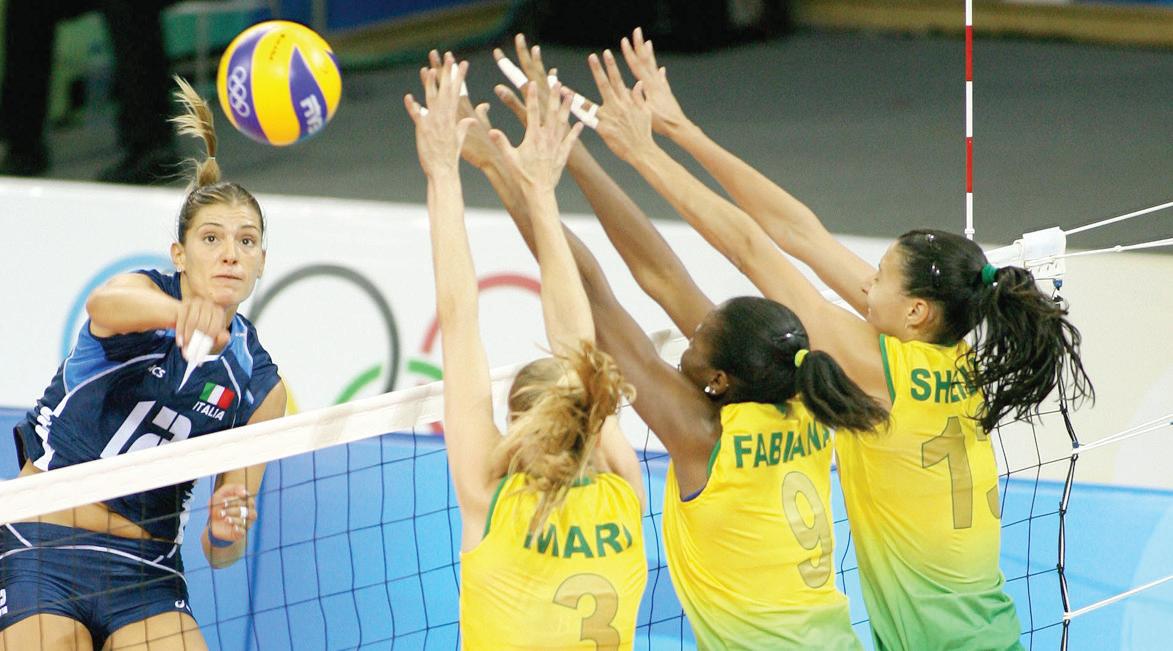
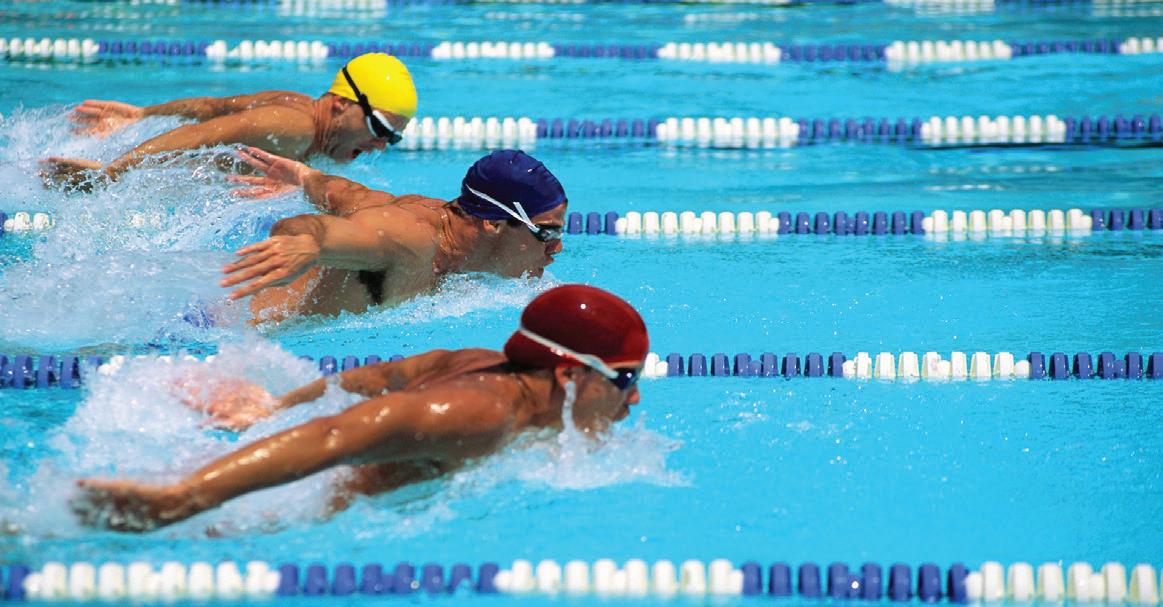

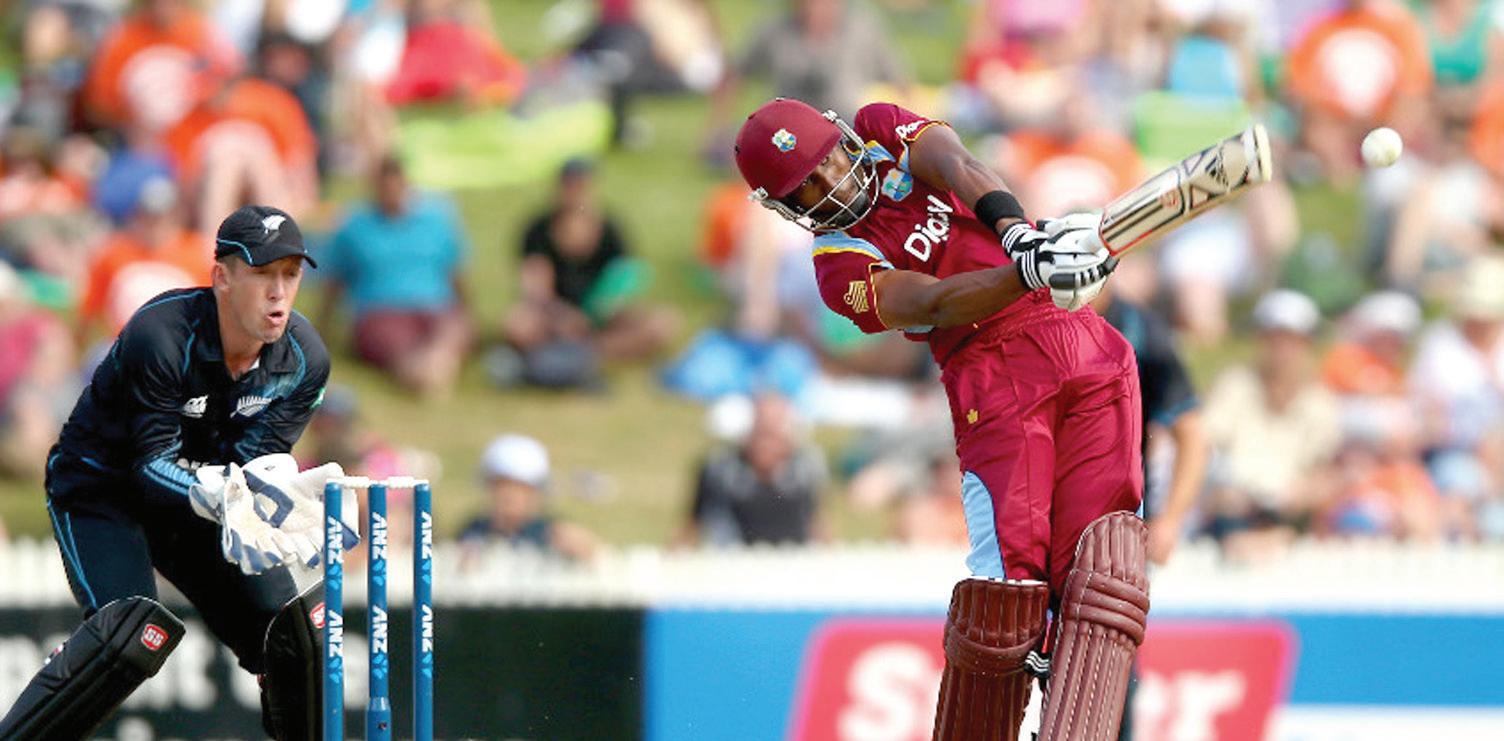

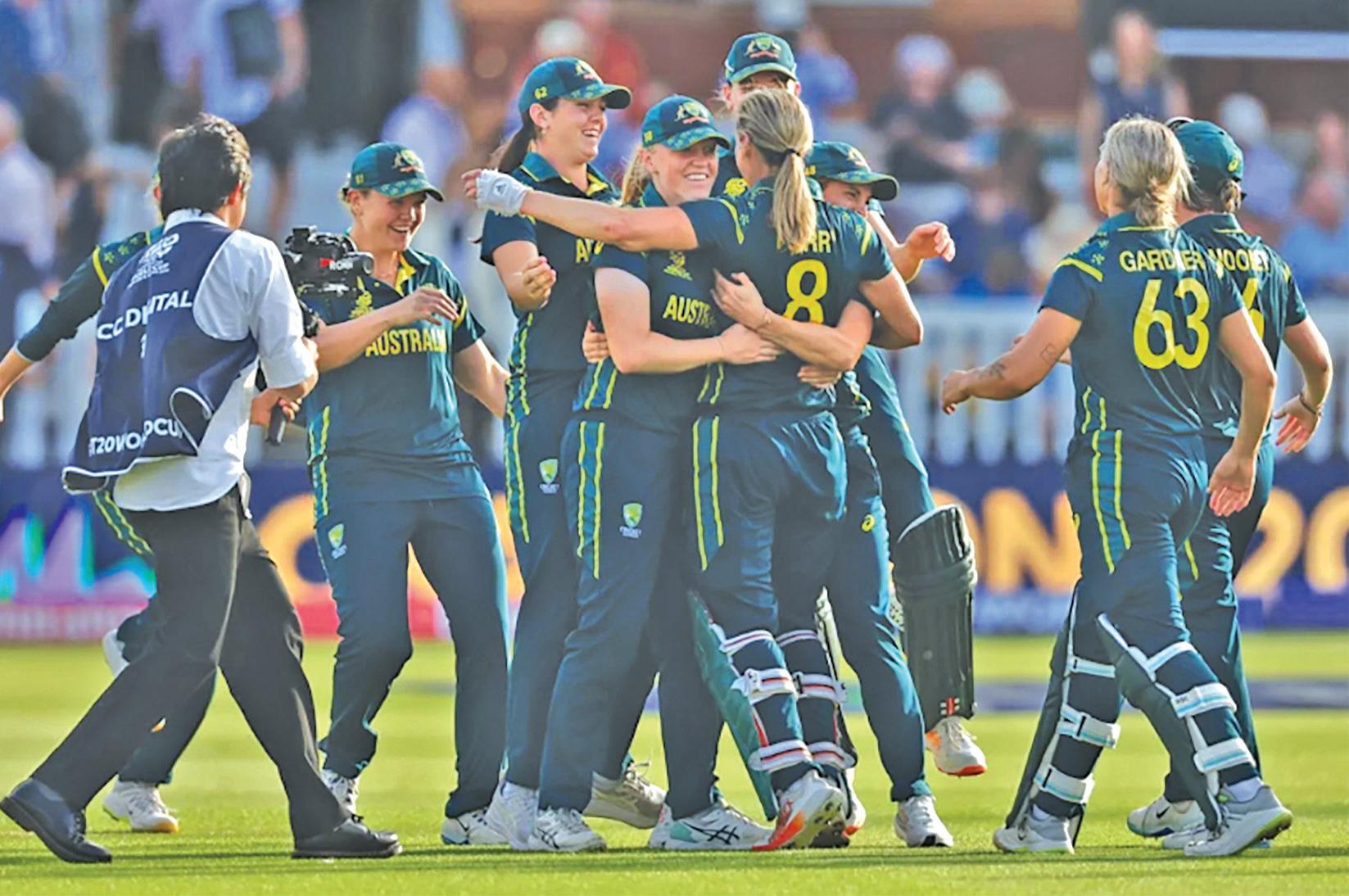
After consecutive International Cricket Council (ICC) tournaments in which they went home empty-handed, Australia wound back the clock and waltzed off with a seventh T20 title to the disappointment of a packed house at Lord’s. Beth Mooney was the clutch performer once again, her third consecutive half-century in T20 World Cup finals steering a comfortable chase of 151.
Cricket sets a lot of store in its history, but this World Cup final saw the statistical equivalent of the immovable object going up against the irresistible force. England had won all four of the Women’s World Cups (50-over and
Captain Nat Sciver-Brunt. England only broke free from a suffocating Australian bowling performance towards the end, as Freya Kemp’s unbeaten 44 provided the spark in an unbroken fifth-wicket stand of 80 from 55.
Australia came at them hard in response, pummelling England into submission and effectively ending the contest by halfway – if not the power play. Phoebe Litchfield belied the pressure of the occasion in her first final to crack an effervescent 48 from 35 during a century-stand with Mooney that did the bulk of the work. Both fell before the end, but Australia still wrapped up victory - and a perfect record of seven
Bell fells Voll – at a cost
A target of 151 was higher than had been chased in any previous Women’s T20 World Cup final. England, encouraged by the notion that this was a stoppy Lord’s surface, opened with the offspin of Charlie Dean. She was promptly dumped through long-on first ball by Georgia Voll, who was then given out lbw second ball, only for it to be overturned on review.
England needed wickets, and they got one in a costly second over. Lauren Bell started well enough, but then delivered a wide full toss from her fourth ball that ended up going for five no-balls. Voll then clubbed the resultant free hit for another bound-
keep the pressure on – and the closest England came to a breakthrough when it mat tered was when Litchfield went looking for two and near ly ran herself out to Dean in the deep. Back-to-back fours from Litchfield in Bell’s third over took Australia to 98 for 1 at the halfway mark.
Litchfield added a re verse-sweep for six in an innings that oozed class, though it was Mooney who went to 50 first, from 37 balls. In the end, Litchfield did not get there, Dean spearing one through on the back foot to end the stand at exactly 100 –but by then the game was as good as done.
Bowlers take a grip
After a tight first over, in which Kim Garth conceded a boundary off an inside edge to go with three singles, Australia claimed first blood
Capsey fightback capped
A powerplay score of 39 for 2 told of England’s struggles, and they could not break free through the middle, either. After a slow start, Alice Capsey briefly sallied forth to unsettle Australia’s poise,
in the second. Lucy Hamilton had been backed as a key weapon for Australia for her powerplay thriftiness, despite not having taken a wicket in the tournament to this point. However, she rectified that with her second ball in the final, as Amy Jones fished at a drive to be snapped up at
While Sciver-Brunt pumped her first ball imperiously through the covers for four, she was largely shackled through the first six – in which Australia landed another big blow by removing the 2026 edition’s leading run-scorer, Danni WyattHodge. Annabel Sutherland had conceded 12, including two boundaries and a noball from the first four balls of the fifth, but claimed the wicket thanks to some brilliant work by Mooney behind the stumps. A brush of the glove down leg was detected only on DRS, but Mooney’s instinctive dive to grab the rebound after parrying the initial chance was worthy of
three boundaries helping to take 16 off the ninth over.
Ash Gardner’s first ball, a full toss, was carted through the leg side, before Capsey went even bigger with the first six of the day over wide
long-on, then finished with a drilled four. But she was cleaned up in the next over looking to reverse-sweep Sophie Molineux, ending a laboured stand of 35 from 30 balls.
Kemp finish glosses the cracks With Heather Knight going cheaply, pinned in front by Garth, it was over to England’s all-rounder engine room to provide support for the Captain. Kemp’s status as a finisher has been enhanced no end over the last month and the left-hander stepped up once again, finding the boundary three times in her first 12 balls – driven through cover, flicked fine and then pulled with power – to kickstart a flagging innings. With Sciver-Brunt picking off fours against Molineux and Garth to raise a 45-ball fifty, and Kemp then smoking only the second six of the innings straight back down the ground in the final over, England added 57 from the last six overs and ensured that Australia would at least have to chase 150. Not that it would be enough. (ESPNcricinfo)
Master Z Stables’ unsound hero, Stat, put on a stunning performance to win the Caricom Gold Cup at Bush Lot United, West Coast Berbice (WCB).
Piloted by Jockey Colin Ross, Stat defeated stablemate Dataman and Olympic Kremlin in the 1700-metre feature, stopping the clock in one minute and 44 seconds.
Mapa Do Brasil finished second while Olympic Kremlin came in third and Dataman fourth.
Stat jumped out the gate first and never lost the pole position, winning from gate to pole.
Despite morning showers across the Ancient County, the race started promptly and the track remained in good condition.
Promising Jockey Arvin Dhanraj got the day going with an emphatic win in the K&L Maiden.
Dhanraj stopped the clock at one minute and 13 sec-
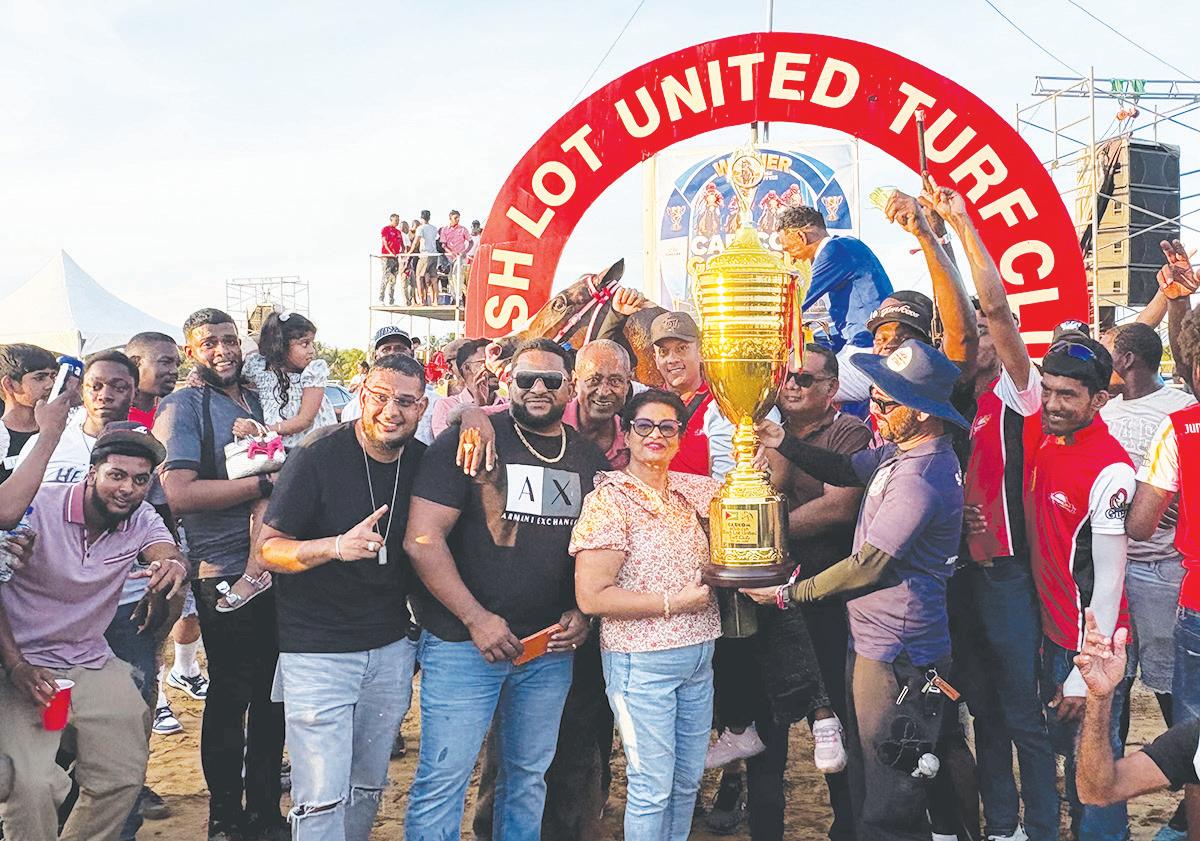
onds with Citation. Damage Control was second while Miss Simran ran third and Top Ranking in fourth.
Country Rock then cruised to victory in the L Winners race, winning by six lengths. Perfect Trip finished second while Doctor J was third and Sakar placed fourth.
The Juvenile Fillies saw Brilliant Bride storming to victory while High Beam came in second. Boss Lady
finished third and Chelsea Lion closed in fourth.
Scars of Glory delivered a fine victory in the fourth race of the day – the Colts and Geldings Juvenile Futurity Stakes. Sweet Man Rock finished second, with Ocean Star and Money Bird following in that order.
In the G&H Class non-winners & I Class race, Daring Move broke her maiden and took the top spot while Supreme Leader fin-
ished second. Bourbon Blitz ran third and American Emperor finished fourth.
Race six saw She WBO On Time the three-year-old and over WI Bred winner while Head of the Class finished second and Sex Appeal followed. Mulan unseated the jockey in a minor incident on the far turn in an eventful race.
In the three-year-old and over J&K Class, Republican stole victory from Binladen (second) and Three D Movie (third) in a thrilling race which also saw Jockey Ross being unseated from Top Gun.
The Imported Stakes race saw an upset, with Royal Rocks claiming the win while Pharaoh Empress ran close-
ly behind for second. Adios Baby finished third and the favourite, Moonlight Dancer, ran fourth.
Race nine proved to be one of the hottest races – the Caricom Derby for three-year-old Guyana-bred horses. Miracle Boy came from the outside to overtake Summer Time for a photo finish. Monica Time ran third and Country Gold was fourth.
The Caricom Sprint Stakes Open to four-year-olds and over saw Anthem King ruling Regal Man in a supreme sprint battle. Jockey Ross piloted Anthem King to a classy come-from-behind win, stopping the clock in one minute, four seconds.
Former champion horse
Spankhurst, now owned by Js Racing Stables, returned to racing with a stunning win in the E Class and Lower. Ritorna Vincentori finished second while Novo Sol came in third and Barbra finished fourth.
The penultimate race of the day, E Class and Lower, marked the third win in the day for Js Racing Stables.
Additionally, the Guyana horse racing awards for 2025 were presented during the Caricom Cup.
The next race day will be on August 2 at Kennard’s Memorial Turf Club. It will be the Emancipation Cup. Following that race meet, it will be the all-important Guyana Cup on August 23 at Rising Sun Turf Club.
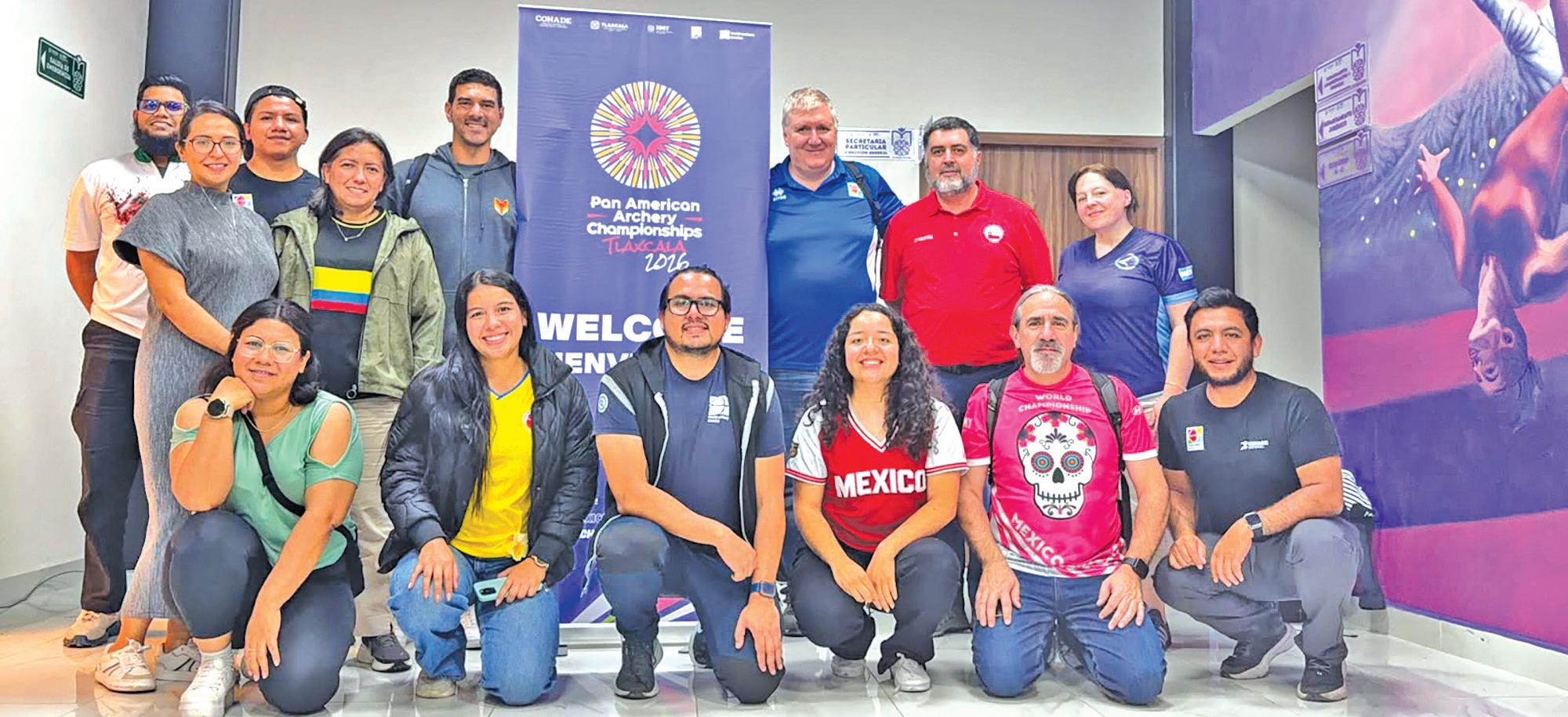
Archery Guyana recently celebrated the successful participation of its Results Manager, Saeed Karim, in the Advanced IANSEO Seminar hosted by World Archery
Mexico, in collaboration with World Archery Americas, in Tlaxcala, Mexico, from July 20-21, 2026, immediately preceding the Pan American Archery Championships.
The prestigious seminar
After just over one year of dedicated service to bodybuilding in Guyana, Roger Callendar has resigned as President of the Guyana Bodybuilding and Fitness Federation (GBBFF) with immediate effect. Callendar confirmed that his decision was a personal one, explaining that he believed the time was right to step away from the sport’s administration and allow new leadership to guide the Federation into its next chapter.
titions and continued efforts to strengthen the Federation’s administrative structure while supporting the development of local athletes. His leadership also focused on maintaining Guyana’s presence on the regional bodybuilding stage and promoting greater participation in the sport.
During his time at the helm, Callendar oversaw several national compe-
Callendar’s abrupt departure marks the end of another chapter in Guyanese bodybuilding.
was conducted by Matteo Pisani, the inventor and one of the principal founders of the IANSEO results management system, the internationally-recognised software used to manage scoring and results at World Archery events, Continental Championships, World Championships, and the Olympic Games.
The programme brought together results managers from across the Americas, including representatives from Argentina, Brazil, Chile, Colombia, Costa Rica, Guatemala, Mexico, St Vincent and the Grenadines, and Guyana, with the objective of preparing technical officials to competently manage results at World Ranking Events and other elite international competitions.
During the intensive two-day seminar, participants received advanced instruction on the operation of the IANSEO platform, including demonstrations of its sophisticated features, reviews of core functionality, and practical guidance on international standards for competition results management. Pisani also shared his extensive experience gained from managing re-
sults at Olympic Games, World Championships and other premier inter national archery compe titions, highlighting the mandatory technical re quirements and global best practices expected at both national and international events.

Reflecting on the experience, Archery Guyana Results Manager Karim stated, “It was a great pleasure to learn directly from the inventor of IANSEO. I now have a much deeper understanding of the software and how we can continue improving the standard of results management in Guyana. The opportunity to immediately apply what I learned at a world-ranking event made the experience even more valuable.”
Following the seminar, Karim remained in Tlaxcala as a volunteer member of the Results Team for the Pan American Archery Championships, where he gained invaluable practical experience managing live competition results at a World Ranking Event. His dedication and technical competence culminated in his appointment as a scorer for the championship finals, providing him with
first-hand experience at one of the highest levels of international competition management.
Archery Guyana, in a statement, has extended its sincere appreciation to Pisani for sharing his exceptional expertise and to World Archery Mexico and World Archery Americas for organising and facilitating this outstanding educational opportunity.
The Federation also expressed its profound gratitude to Director of Sport, Steve Ninvalle, and the National Sports Commission for their invaluable support in making Guyana’s participation possible. Their continued investment in technical education and capacity building demonstrates a strong commitment to the development of sport beyond the field of play, Archery Guyana shared.
The knowledge, experience and internation-
al exposure gained through this seminar will directly strengthen Guyana’s technical capabilities, enhance the delivery of national competitions, improve the quality and accuracy of results management, and contribute meaningfully to Archery Guyana’s continued engagement within the continental archery community. Building highly-trained technical officials is an essential component of developing a sustainable national archery programme and ensuring that Guyana remains aligned with international standards.
Archery Guyana went on to reaffirm its commitment to investing in the development of its athletes, coaches, judges and technical officials as it continues to build a modern, internationally-recognised archery programme capable of hosting and participating in competitions of the highest standard.
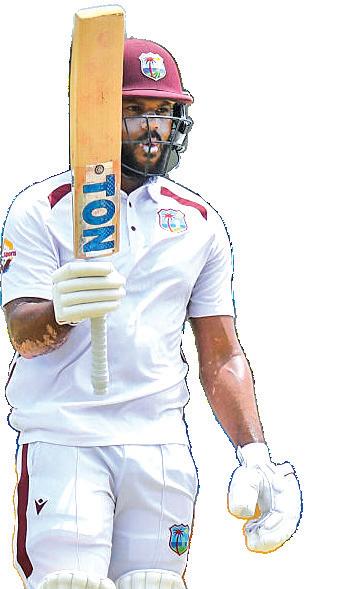
Aday that started out as a battle of attrition, and then morphed into one painted with hope, ended far closer to resignation for Sri Lanka, as an unbroken 174-run fifth-wicket stand between Shai Hope and Justin Greaves all but averted the potential of defeat for West Indies.
The hosts ended day three still 231 runs behind Sri Lanka’s first innings total, but they were crucially just 31 runs away from avoiding the follow-on –though that was only ever a fleeting possibility, and one decisively extinguished by Hope and Greaves.
The pair had come together with the West Indies in a fair bit of bother at 141 for 4, after Prabath Jayasuriya’s post-lunch spell had brought about the wickets of both Amir Jangoo
and Kavem Hodge.
Early on in their stand, strike rotation was key, with both batters at ease using their wrists to access the wicket square on either side. And then gradually hints of aggression began to appear, such as a crunching cut through point or an exquisite whip through the on side.
Most impressive in their partnership was the lack of risk.
There was an early run-out opportunity, where a direct hit from midon would have seen Greaves well short, but aside from that it was largely a chanceless outing from a pair of batters who have moved in lockstep right throughout their respective innings.
At stumps, Hope was on 86 off 173 and Greaves right behind on 85 off 162, their control percentages too nearly mirroring each other on 89 per cent and 87 per cent respectively. Their dominance was exemplified by a first wicketless third session of the Test, and the first in this West Indies innings.
Sri Lanka’s bowlers toiled, and did well to stay disciplined on a surface that only offered sporadic moments of assistance, but with a 1-0 series lead in the bank, West Indies were allowed to
play safe in the knowledge that the onus for making things happen would fall on the Sri Lankans.
This was reflected in the 2.86 innings run rate, one that never really budged even with the ease with which Hope and Greaves had begun to navigate proceedings. Sri Lanka’s only genuine moment of hope arrived shortly after lunch.
Three overs after the resumption, Jangoo fell foul to the rough outside the lefthander’s off stump, as one from Jayasuriya spun back sharply to take the inside edge and pop up to short leg. Two Jayasuriya overs later and Hodge’s stubborn vigil was brought to an end too, as the wily left-armer produced a bit of magic, getting one to dip and turn to feather an outside edge through to the keeper on an attempted forward defence.
At that point, Sri Lanka knew they were just a couple of wickets away from really making inroads towards a series-levelling victory. In his brief stand with Hodge, Hope had found the strike easy to rotate, but was starved of strike for lengthy periods owing to Hodge’s more obdurate approach.
But in Greaves Hope found a partner much more similarly aligned in philosophy, and the pair slowly but surely began easing the pressure back on the Sri Lankans. Their intervention came at a pivotal point, just as Sri Lanka had been gathering momentum after per-
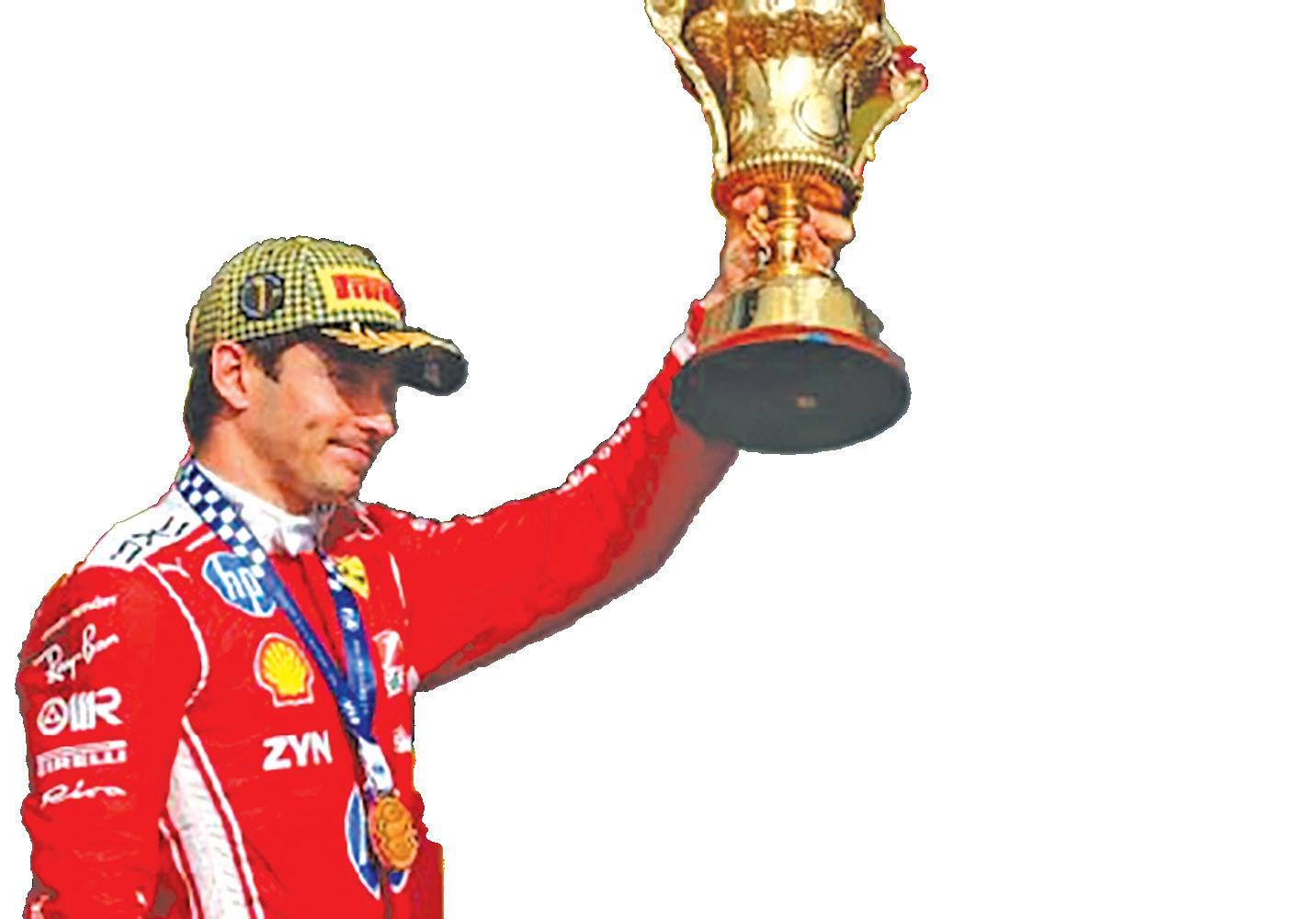
George Russell’s bid to win a maiden world championship was dealt a significant boost after Kimi Antonelli failed to score in a dramatic conclusion to Sunday’s British Grand Prix, which was won by Charles Leclerc.
Leclerc ended a 624-day winless streak to take the win at Silverstone, but the drama unfolded behind the Monégasque as Antonelli surrendered second place when a suspension failure struck his Mercedes with just 11 laps to go.
In another late twist, Max Verstappen crashed out at Stowe on the 48th lap of 52 while running in third place. With Verstappen’s Red
new tyres, but Russell re mained out on track which elevated him to second place.
The Safety Car looked set to peel in to provide a one-lap grandstand finish, but it remained on track, with Leclerc taking the win ahead of Russell and Hamilton. Norris finished fourth.
Antonelli took the chequered flag in ninth, but he was dealt a five-second penalty for exceeding track limits as he ran off the circuit on multiple occasions in his “broken” Mercedes to leave him pointless in 16th.
Antonelli’s demise has allowed Russell to reduce his rival’s championship advantage from 43 points to 25.

severing through a dour first two hours of play.
The visitors had fought discipline with discipline in the morning session, as the pair of John Campbell and Hodge put together an 89-run stand off a marathon 234 deliveries – it was a throwback to Test cricket of yesteryear, one brought about by a surface that did not possess any demons but also one not flat enough for batters to take on the bowling.
It was Sri Lanka though that came out on top after nearly two hours of stonewalling, as Campbell’s patience finally gave way to a rash pull off Asitha Fernando that went straight to deep midwicket, less than 15 minutes before lunch. He had shown a proclivity towards
taking on the short ball prior, and it was that sole avenue of aggression Sri Lanka wisely – and successfully –managed to target.
It was just reward for a session in which Sri Lanka’s seam trio of Asitha, Isitha Wijesundara and Milan Rathnayake had metronomically tested the West Indian
batters on a strict line outside off.
Jayasuriya too bowled a spell of 10 overs in the morning as the ball got softer, but it was after the break he came into his own – though that will feel like a lifetime ago following yet another strong West Indian stand.
(ESPNcricinfo)

Hamilton, who will be hugely aggrieved to have given up second place following a pit stop behind the Safety Car, is 32 points back in the title race. He reported to the stewards’ investigation for a yellow-flag infringement after the race, but he avoided a penalty and kept his third-place podium position.
Leclerc blasted ahead of pole-sitter Antonelli at the start and never looked back to claim his first win since the United States Grand Prix in October 2024.
Antonelli seemed set to take second, only for technical gremlins to strike his Mercedes on the 41st lap.
“Something is bro-
ken,” yelled the teenager, with television replays later showing that he had damaged a wheel shield on the left-hand side of his Mercedes after he ran wide at Copse.
Antonelli dived into the pits and was fitted with a front wing after a flurry of frantic radio messages with his race engineer Peter Bonnington.
Antonelli returned to the track in sixth, but he was all at sea as he struggled to cope with the handling of his Mercedes. He stopped for a second time, with his mechanics removing his broken wheel guard.
He was sent on his way, but by now he was ninth in
the order and could not keep his car on the track. Then, Verstappen was in the gravel at Stowe after he lost control of his Red Bull.
Leclerc came in for new tyres, and so did Hamilton, who was running in second at the time, in the hope that the race would restart again to allow him a shot at a record-extending 10th win.
However, the safety car remained out, and the chequered flag was waved by Sir Mo Farah amid a smattering of boos from some of the 175,000-record crowd at Silverstone, hoping for a one-lap shoot-out to the flag.
The big winner was Russell, who was as low as fifth before Antonelli’s
mechanical failure and Verstappen’s crash. Russell was 68 points behind Antonelli after the Monaco Grand Prix on June 7, but Antonelli’s failure to score in two of the last three races has provided him with renewed belief with 13 scheduled rounds still remaining. (ESPN)

The Guyana Amazon Warriors have confirmed that Afghanistan wicketkeeper-batter Rahmanullah Gurbaz will replace New Zealand’s Glenn Phillips in their squad for the upcoming ExxonMobil Guyana Global Super League (GSL). Phillips is unavailable for GSL owing to injury.
Gurbaz returns to the Amazon Warriors set-up with a wealth of experience and strong familiarity with the franchise. The
explosive top-order batter previously represented the Warriors during the 2022 and 2024 editions of the Caribbean Premier League (CPL), where he established himself as one of the most exciting players in the competition.
He also played an important role in the Warriors’ successful ExxonMobil Guyana Global Super League campaign in 2025, helping the team capture the title. His return provides the squad with proven firepower at Bash’s Perth Scorchers,
FIFA has suspended the red card US striker Folarin Balogun received in the team’s match against BosniaHerzegovina, making him available to face Belgium in the round of 16 at the World Cup.
In a statement on its website, FIFA said: “By operation of Article 27 FDC, the implementation of the automatic match suspension for USA player Folarin Balogun is suspended for a probationary period of one [1] year.”
The US play Belgium tonight at 8 pm ET in Seattle, seeking to advance to its first World Cup quarterfinal appearance since 2002. The Americans lost in the round of 16 to Ghana in 2010, Belgium in 2014, and the Netherlands in 2022. They failed to advance from the group stage in 2006 and did not qualify for the 2018 tournament.
A statement by US Soccer said: “We accept the decision of the Disciplinary
Committee and are pleased that Folarin Balogun is eligible to compete tomorrow.
“Our full attention is focused on the Round of 16 match against Belgium in Seattle, and we look forward to the continued support of our amazing fans.”
A red card calls for an automatic one-game suspension, but players learnt of Balogun’s availability when social media posts started popping up during the 10-minute bus ride Sunday from their hotel to training at the University of Washington.
“I think a lot of us thought it was AI at first,” defender Chris Richards said. “We weren’t sure if it was true or not.”
US President Donald Trump praised FIFA’s decision. FIFA President Gianni Infantino has repeatedly made efforts to grow close to Trump, even awarding him a FIFA Peace Prize at the World Cup draw.
Trump wrote on social media: “Thank you to FIFA


for doing what was right, and reversing a great injustice!”
Belgium’s federation also put out a statement expressing its shock and said it is “investigating all potential options”.
“The Royal Belgian Football Association is astonished by FIFA’s decision to declare suspended United States player Folarin Balogun eligible to play in the USA-Belgium match on Monday, 6 July at 5:00 p.m. [Seattle time],” the statement read.
“FIFA bases its decision on Article 27 of the FIFA Disciplinary Code. This provision states that the FIFA Disciplinary Committee may decide to suspend the enforcement of a previously-imposed disciplinary sanction.
“However, Article 66.4 of the same FIFA Disciplinary Code clearly provides that a red card [sending-off] automatically results in a suspension for the team’s next match, as has been the case
“Criteria must be established” – President Ali on naming
With the recent commissioning of another inter national-standard crick et stadium in Guyana –the Anna Regina National Stadium, a common conver sation has once again sur faced, surrounding the nam ing of those venues.
The Guyana National Stadium at Providence, East Bank Demerara (EBD) is another such venue that has seen numerous calls since its commissioning in 2007, to be named after Guyanese legends of the game.
This time around, the question was posed to President Dr Irfaan Ali on Friday last at the commis sioning of the Essequibo Coast venue, and in re sponse, the Head of State gave some insight on how
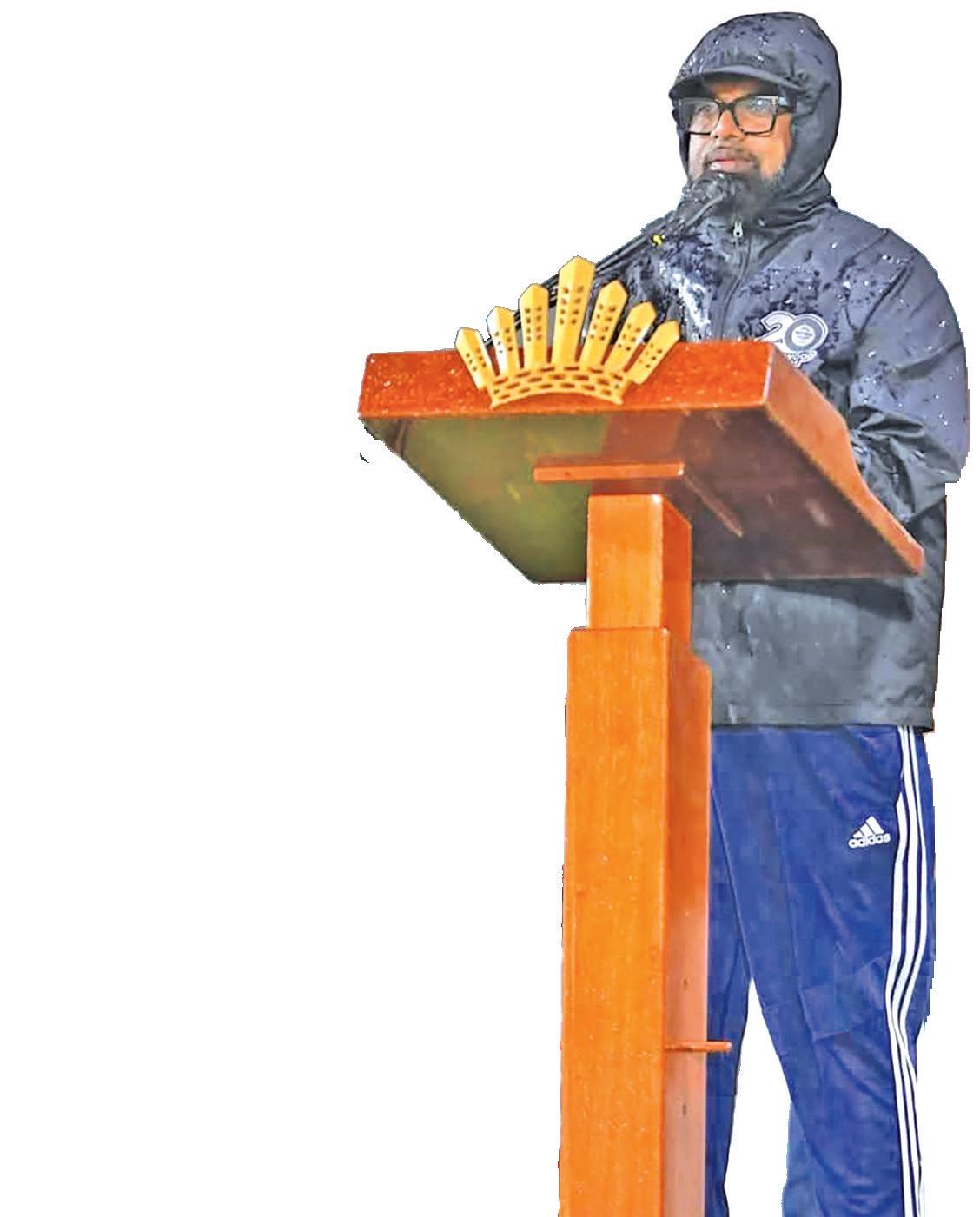
for all previous red cards issued during this FIFA World Cup.
“Furthermore, and irrespective of the above, the decision is in direct contradiction with the provisions of the FIFA World Cup 2026 Competition Regulations, as set out in Article 10.5: ‘If a player or team official is sent off as a result of a direct or indirect red card [second caution,] they will automatically be suspended from their team’s subsequent match. In addition, further sanctions may be imposed.’”
Balogun scored the US’s opening goal in the 45th minute of its 2-0 win over Bosnia-Herzegovina in the round of 32 on Wednesday. But he was then sent off in the 64th minute for what
was deemed a bad challenge on defender Tarik Muharemovic.
On Friday, Balogun said he felt the decision was unfair given that he and Muharemovic were battling for position.
“If you played the game, you would understand there are scenarios that you simply can’t avoid and it has to be taken into context when it’s being reviewed,” Balogun said.
FIFA said its decision relied on Article 27 of disciplinary committee rules.
“The judicial body may decide to fully or partially suspend the implementation of a disciplinary measure. By suspending the implementation of the sanction, the judicial body subjects the person
sanctioned to a probationary period of one to four years,” the rule states.
FIFA in November deferred the final two games of a three-match ban for Portugal’s Cristiano Ronaldo for a red card against Ireland in a World Cup qualifier, allowing him to play at the start of the World Cup.
Argentine defender Nicolás Otamendi and Ecuadorean midfielder Moisés Caicedo in April had one-game bans deferred for red cards in qualifiers, also allowing them to be available for World Cup openers.
Brazil’s Garrincha was ejected from a 1962 semifinal, but allowed to play in the final against Chile after political pressure. (ESPN)



Erling Haaland scored two late goals to send Norway to the World Cup quarter-finals for the first time, with a 2-1 victory that condemned Brazil to their earliest exit in the competition since 1990.
Haaland broke the deadlock in the 79th minute at Met Life Stadium off a left-wing cross from Andreas Schjelderup and then added a decisive second with a powerful low shot into the corner of the net in the final minute of the 90.
The Manchester City striker now moves level with Lionel Messi and Kylian Mbappé at the front of the race for the Golden Boot, with all three on seven goals. His scoring streak for his country has now reached 14 games, with Haaland scoring 27 goals in that span.
Bruno Guimarães missed a penalty in the first half, with a chance to give Brazil the lead, after a video review of a tackle from Kristoffer Ajer on Matheus Cunha. Brazil had another chance from the penalty spot after a foul on Casemiro deep into second-half stoppage time, which Neymar converted, but it came too late to rescue Carlo Ancelotti’s side.
Norway, who had lost on their two previous visits to the World Cup last 16 -- in 1938 and 1998 -- will meet either Mexico or England for a place in the semi-finals.
Brazil go home having massively underachieved expectations set pretty much at win or bust for the five-time World Cup champions. The global powerhouse were the only team to have played in the quarterfinals of every World Cup from 1994 through 2022

before their run was snapped by Norway.
They have now suffered six straight World Cup exits at the hands of European teams since their last title in 2002.
Brazil are now guaranteed to endure their longest World Cup title drought since they won the competition for the first time in 1958. By the time of the 2030 World Cup, it will have been 28 years without a World Cup title, surpassing the 24 years between 1970 and 1994.
Guimarães became the first Brazil play-
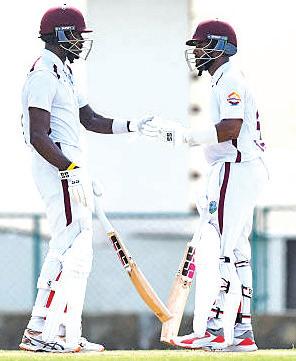
er not to score on a World Cup penalty kick since Zico in 1986. The decision to have him take it instead of star Vinícius Júnior brought immediate second-guessing and may be questioned and criticised for quite some time.
There were plenty of other missed opportunities, including Casemiro missing Neymar on a crossing attempt on what could have been the tying goal.
Goalkeeper Ørjan Nyland was stellar for Norway. He made a crucial stop early,
diving to his left to deny Guimarães’ penalty kick in the 14th minute, then got his left hand on a shot by Endrick late when Norway was hanging on to a one-goal lead.
Nyland, who at 35 is his team’s oldest player, was a huge factor in a historic victory that ranks among the most significant in the country’s history – at least on the men’s side. Norway’s women’s team won the World Cup in 1995, but the men have only qualified four times and not since 1998. They had not gone further than the round of 16.
Norway got defender Julian Ryerson back from his injury that sidelined him the past two games, and Coach Ståle Solbakken was rewarded for making the changes at halftime by Schjelderup setting up each of Haaland’s goals.
Those moves played a role in the upset, though this one was not nearly as massive as the group stage in 1998. Norway showed how much it had evolved as a soccer nation since then, with knocking off Brazil the latest step in that process.
Yellow-clad Seleção fans outnumbered those in Norway red, many of whom did the now-famous Viking Row in the stands –with Brazil supporters even cheering it before kick-off. Brazil’s fans were stunned silent when it returned after the game.
Also in the sellout crowd of 80,663 were rapper Jay-Z, comedian Chris Rock, actor Woody Harrelson, actress Sofía Vergara and basketball player Jalen Brunson of the NBA champions New York Knicks, who elicited a healthy roar when he was shown on video screens. (ESPN)