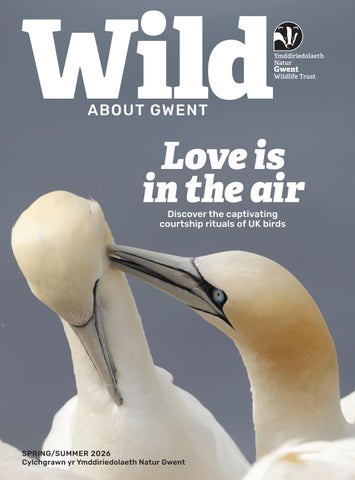
Love is in the air Wild ABOUT GWENT
Discover the captivating courtship rituals of UK birds
WELCOME TO OUR SPRING/ SUMMER ISSUE
Dear Readers... We have a massive opportunity to shape outcomes for nature in the next Welsh Government elections on May 7th this year. There will be a much larger Senedd with 96 seats now, due to the voting system reforms.
We can all play our part in influencing candidates’ views on how much nature plays a vital role in our everyday lives – good for our health, wellbeing and prosperity. In the Netherlands, natural areas are considered CRITICAL green infrastructure to towns and cities – we need this to be the case in Gwent too if we are to protect and restore our wild assets for future generations (pages 23-24 for more detail).
The difficulty with fitting Nature Value into politics is that it doesn’t fit into one portfolio – the positive impacts of nature are far reaching into Health, Education, Planning and Housing, the Economy, Transport and Climate Change. Culturally our nature capital is one of Wales’ best assets – with Welsh history entwined with natural history – in Gwent from the Eastern Welsh Valleys to the Gwent Levels. Maybe we need a Wilding Department with a Wilding Minister that cuts across all these siloed departments! What’s certain is the need for a long-term commitment to Nature Recovery and its value to people and society. It was awful to see the flooding in Monmouth last November and I know that the community and businesses are still recovering from this. It was the day we had to cancel our AGM. Nature-based solutions further up stream have to be part of the solution to prevent this type of tragedy in the future. But it will take years of planning and commitment to slow the flow of the river Monnow when exceptional circumstances occur. Action is needed! With your support, for which many thanks, Gwent Wildlife Trust is forging forward with river restoration work (pages 4-5), species introductions and stepping up our Wild Health and Youth programmes (pages 6-7), so there is much to celebrate, but still a never-ending To Do list and funding to be found.
Together we will enjoy all that nature has to offer us and together we will keep fighting for a nature-rich Gwent. Thank you.
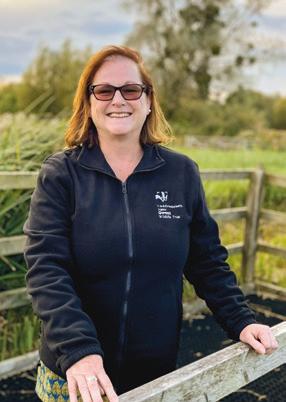
Natalie Buttriss, CEO
GWENT WILDLIFE TRUST EDITORIAL TEAM & CONTRIBUTORS
Debbie Stenner (Editor), Abi Davies (Editor), Gemma Bodé, Natalie Buttriss, Robert Magee, Joe Ryder, Chloe Lewis, Thomas Campbell, Lois Holroyd, Andy Karran, Lowri Watkins, Anthony Cook.
GUEST CONTRIBUTORS / THANKS TO Michael Strand, Eleanor Johnston, Joe Wilkins, Jenny Shelton.
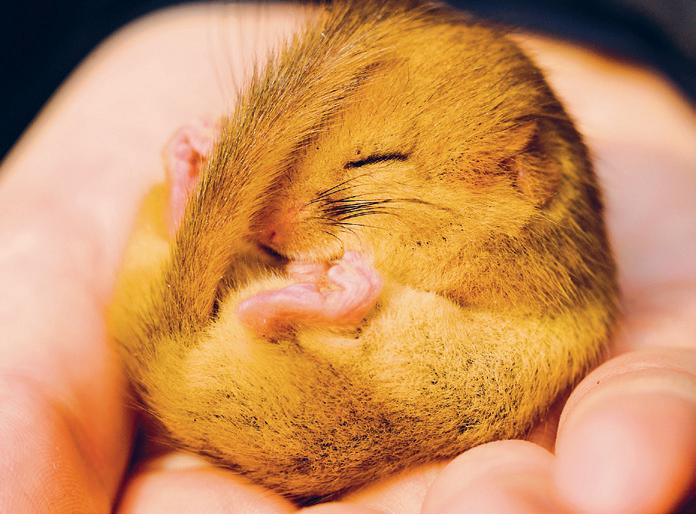
Left, read how your donations help protect wildlife like the Hazel Dormouse, on our membership matters page 23.
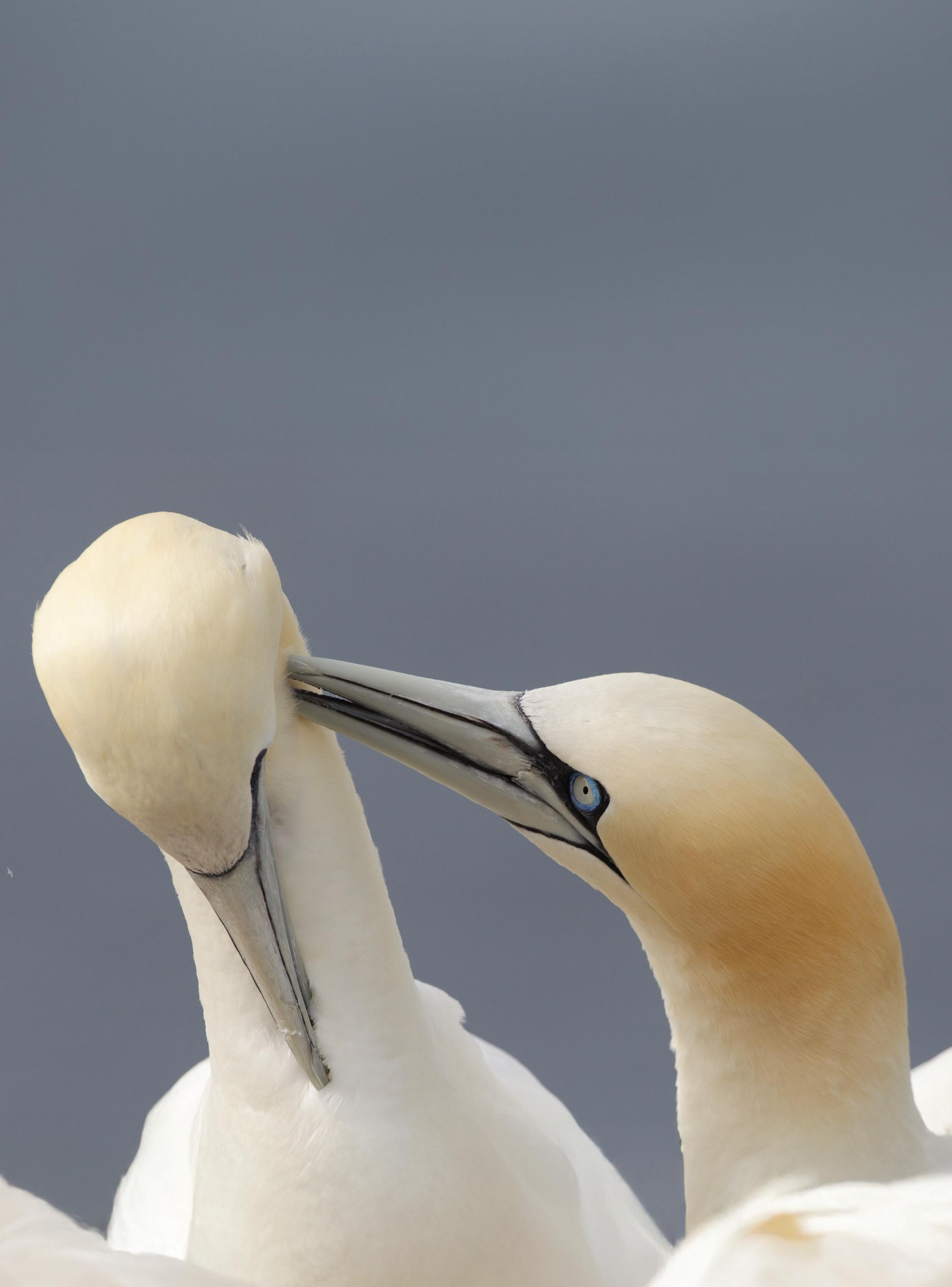
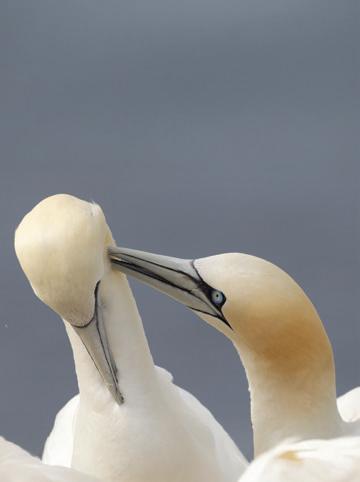
Below, our cover image this issue is Gannets by Andrew Mason.
JOIN TEAM WILDER AT GWT!
To find out more about the work of GWT, become a member/volunteer, get involved in our events, read our latest blogs, and visit our website to see other updates. www.gwentwildlife.org
GET IN TOUCH WITH US:
Call us: 01600 740600
Email us: info@gwentwildlife.org

Facebook: facebook.com/ gwentwildlifetrust


Instagram: @gwentwildlifetrust
LinkedIn: Gwent Wildlife Trust
GET ALL THE LATEST GWT NEWS
You can receive our monthly updates on all things wild and wonderful in Gwent by signing-up to our enewsletter: www.gwentwildlife.org
GWENT WILDLIFE TRUST Chestnut Suite, Mamhilad House – Block A, Mamhilad Park Estate, Pontypool, NP4 0HZ Tel: 01600 740600 Email: info@gwentwildlife.org Web: www.gwentwildlife.org Reg Charity No: 242619 Limited Liability Company No: 812535.
PRIVACY POLICY:
APPEAL Restore Wales’ Rainforests
4-5
RIVER WILDLIFE Monitoring at River Meadow 6-7
YOUTH GROUPS Discover a year of youth-led change 8-11
NATURE RESERVES News from our nature recovery team 12-13
AND TALKS
Earth Raise Temperate Rainforest Appeal
By Michael Strand, Major Gifts Fundraiser (Wales)
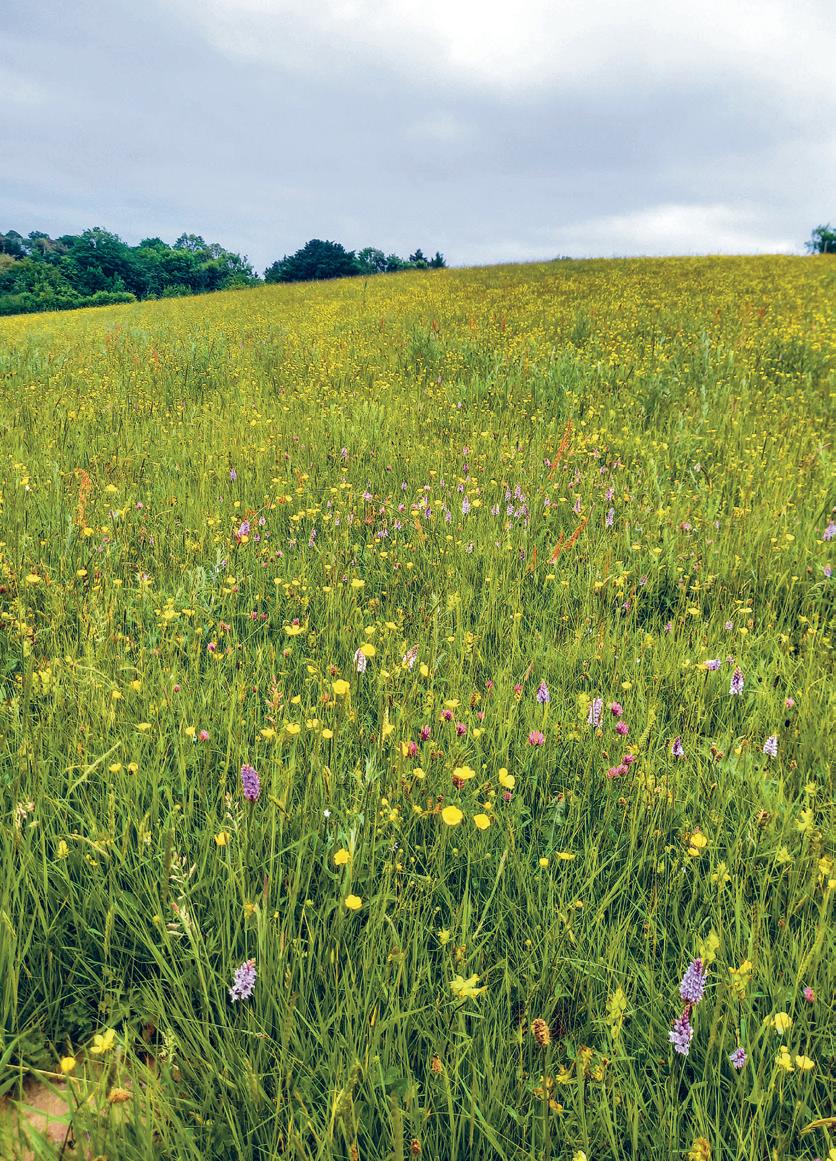
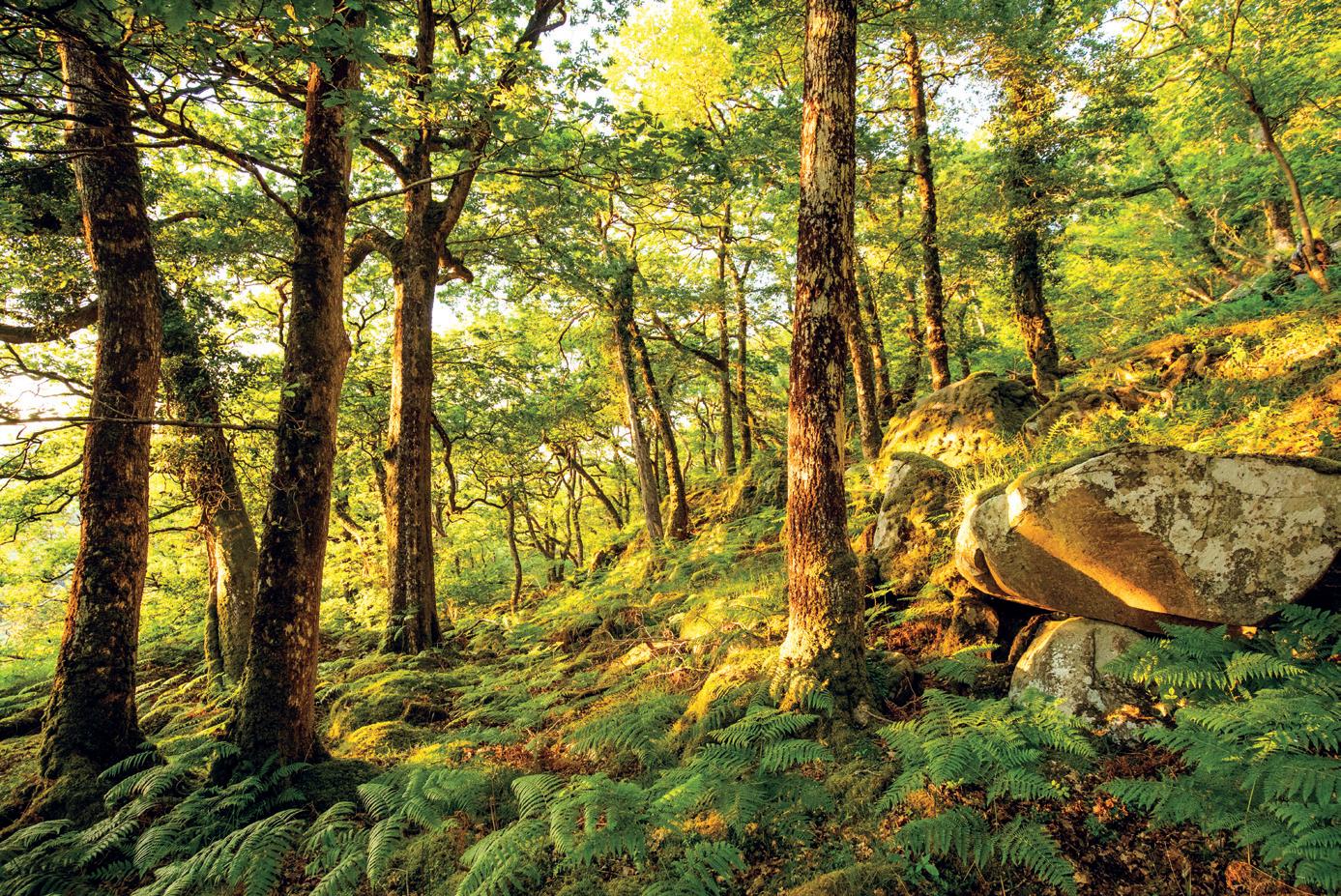
Journey into the depths of a rainforest. The air hangs rich and heavy, dappled sunlight plays on lush greens of countless plants, trees. But this isn’t a tropical paradise. It’s one of the last temperate rainforests that once covered vast areas of Wales. Together we can restore these mythic woods to our lands.
The five Wildlife Trusts of Wales have come together to restore these truly special places for nature for the nation. Native to the British Isles, temperate rainforest is rarer even than its tropical counterpart. Once covering 3 in every 4 acres of Wales, scattered fragments of protected sites are all that remain.
Rainforests were destroyed over generations due to the need for timber, farmland or urban development. Our rainforests face many interconnected
threats which will worsen under climate change. Invasive species, pollution, disease and over-grazing are just some which threaten the precious fragments that remain.
Re-established and restored rainforests provide vital wildlife habitat, conserve ancient and rare plants, and store significant amounts of carbon. They boost resilience to floods, droughts, and heat, regulate nutrients, and offer health benefits to local communities linked to spending time in nature, reducing NHS and societal costs. In Wales, we will learn from three active sites already created and four sites being targeted to deliver more impact.
£40K to raise
We have secured a £40,000 fundraising match pot through the Big Give’s Earth Raise Fund to help achieve our aims.
rainforest funding make opportunities unattainable. Your support will help Welsh Trusts secure new rainforest sites and put communities at the heart of restoring havens for wildlife and people.
Our Aims:
• Create and restore temperate rainforest in Wales;
• Improve air quality and increase climate resilience;
• Increase biodiversity in Wales;
• Understand more about the condition of our core rainforest sites;
• Enhance the lives of local communities with more green spaces and the associated health benefits.
Impact
We will measure impact by the area of land restored to temperate rainforest and how many trees are planted. We will monitor the benefits of the schemes from biodiversity to community engagement, and report on these through the Wildlife Trusts Temperate Rainforest Recovery Project.
The project is core to our vision for a thriving natural world, and we are committed to protecting 30% of land and sea for nature by 2030.
Our dedicated staff and volunteers will help deliver the £80K recovery program.
“We’re proud to be part of a programme that has the potential to bring lasting sustainable value to communities and societies in which we live and work.”
This means that your donation to help bring back the rainforest of Wales will be doubled, delivering £80K of impact for the cause you care about.
We had to act quickly to secure the match funding. Thanks to a substantial gift from two donors, we were able to do so. Their generosity has put the acquisition and restoration of Welsh rainforests within our reach.
Please help us hit our target.
The Challenge
When land becomes available for rainforest creation, it’s usually part of a larger land holding. Wildlife Trusts raise funds from multiple sources, with partners, Aviva, supporting the rainforest element. Several Welsh sites have already been secured this way and are being restored right now. However, extra land costs not covered by
“Across Wales, new rainforest sites are taking root. These are places where carbon will be captured, floods will be mitigated and wildlife will return. But they are also places where people will reconnect with nature - through volunteering, green jobs and education. This is more than restoration. It’s regeneration. It’s hope. And it’s happening now.”
Rachel Sharp, Director, Wildlife Trust Wales
Our appeal to raise the £40K match fund will run on the Big Give website during the week 22-29 April 2026 only. To donate please visit www.donate.biggive.org/explore and search for Rainforests of Wales.
Montgomeryshire Wildlife Trust are hosting the appeal on behalf of all five Welsh Wildlife Trusts. For more information, please get in touch with Michael Strand, Major Gifts Fundraiser - Wales mstrand@wildlifetrusts.org 07724 426306. £40K is an ambitious sum to raise, but so too is the difference we will make bringing back the rainforests of Wales.
Earth Raise is a seven-day online match funding campaign run through Big Give and in partnership with Environmental Funders Network (EFN).
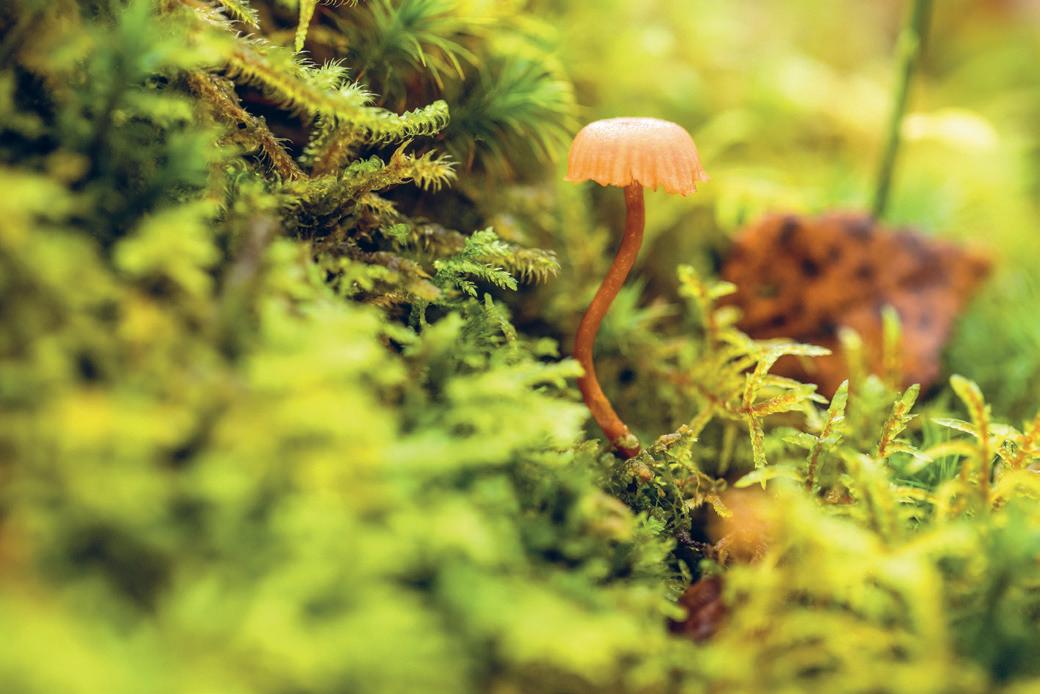
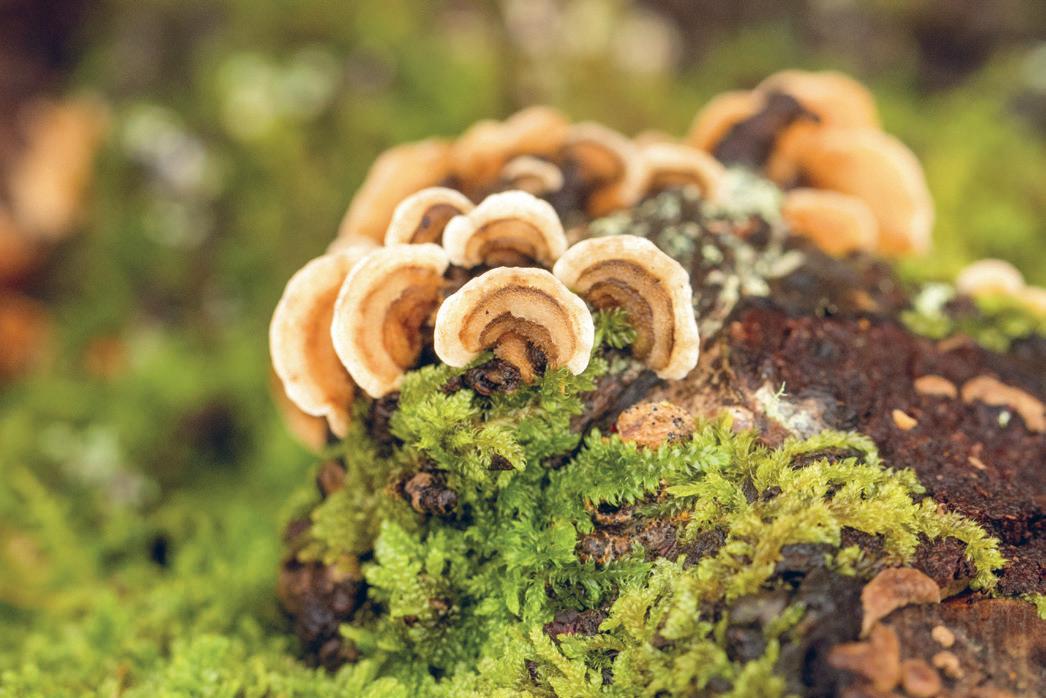
Moss and Marasmius Mushroom
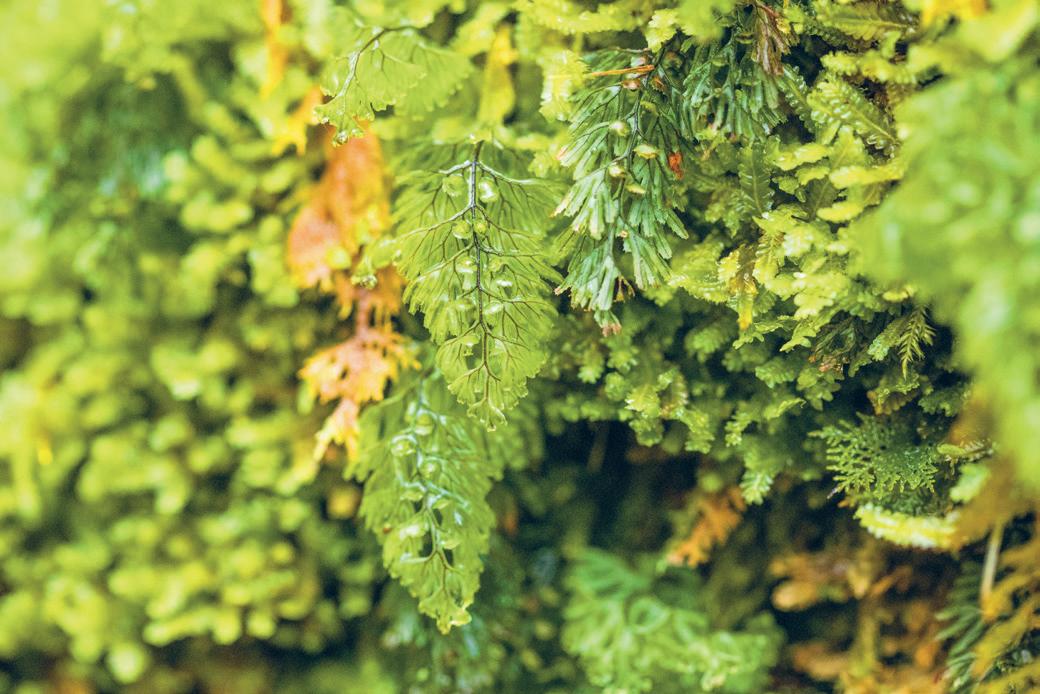
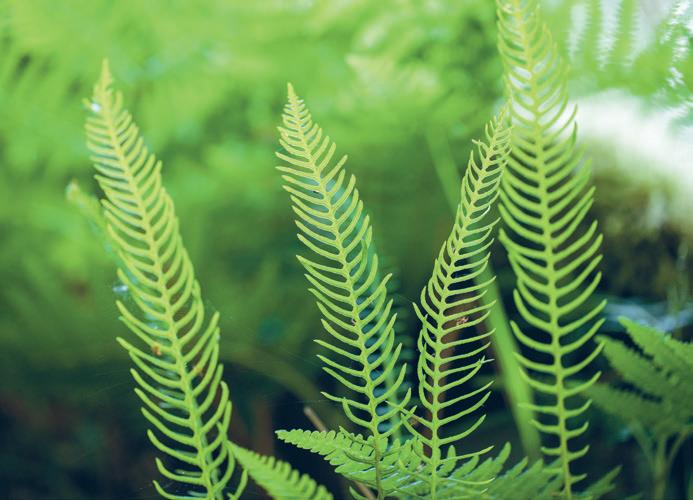
Filmy Fern
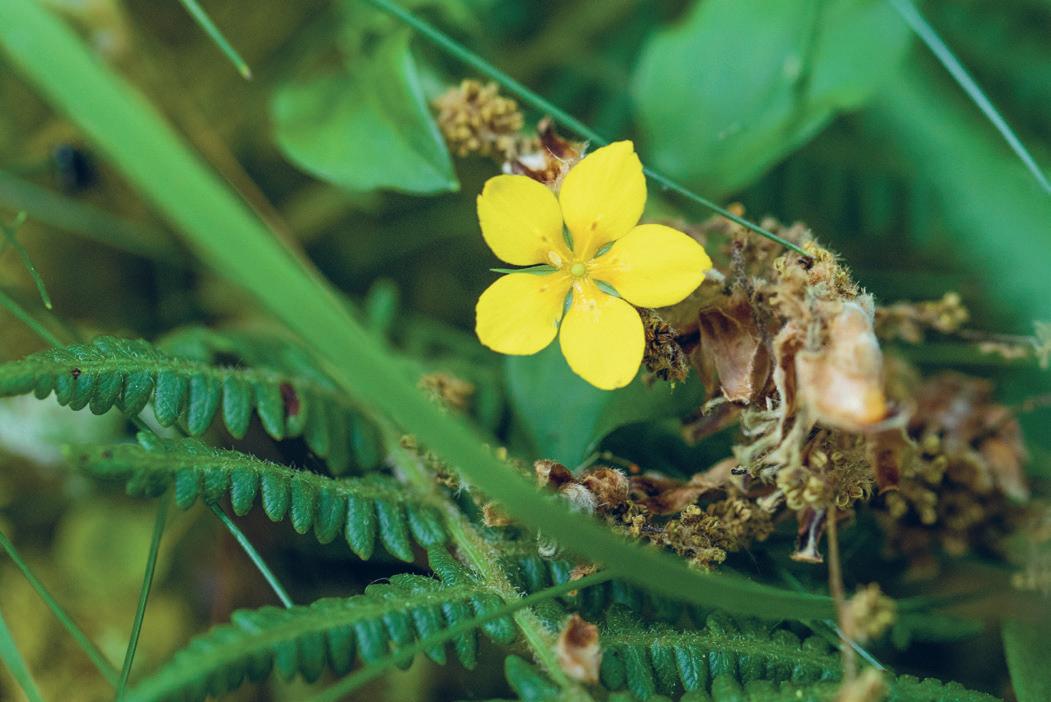
Yellow Pimpernell
Turkey Tail
Claudine Blamey, Chief Sustainability Officer, Aviva
All appeal donations to bring back the Welsh Temperate Rainforest will be doubled.
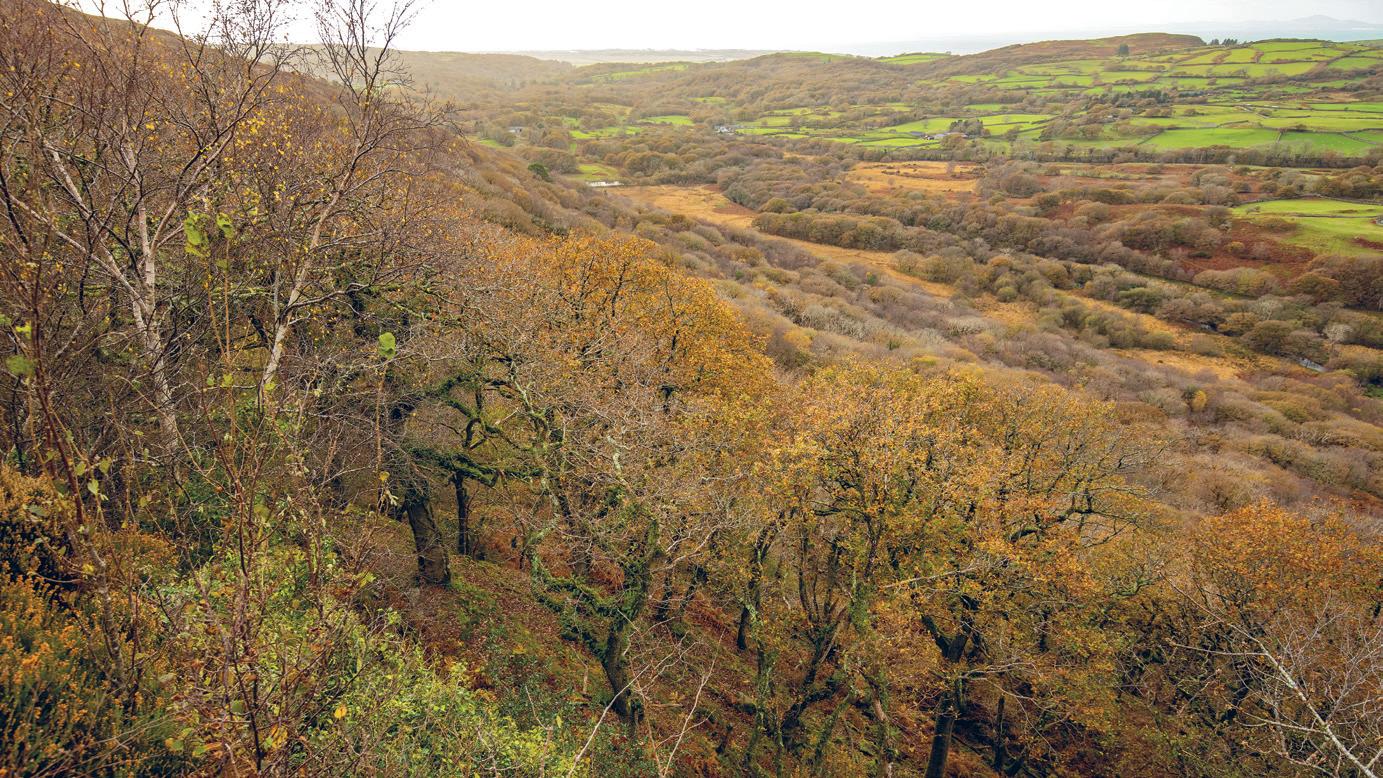
Coed Crafnant internal
Hard Fern
Coed Crafnant external
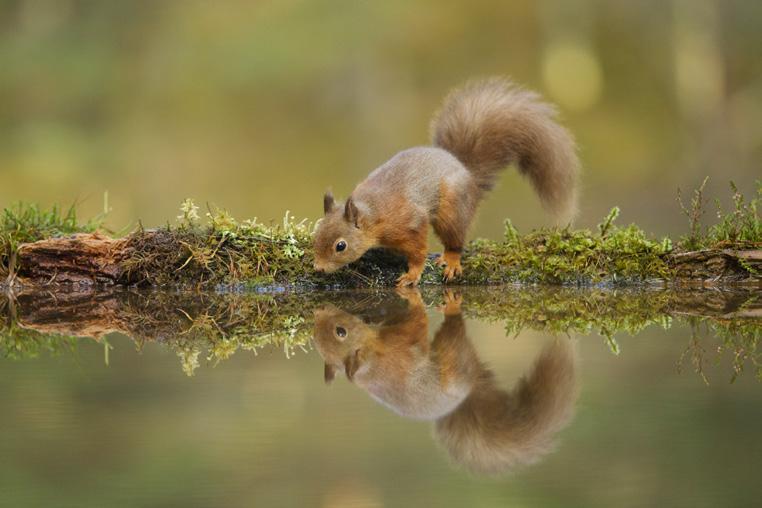
Red squirrel
RIVER MEADOW UPDATE
By Senior River Restoration Officer, Chloe Lewis
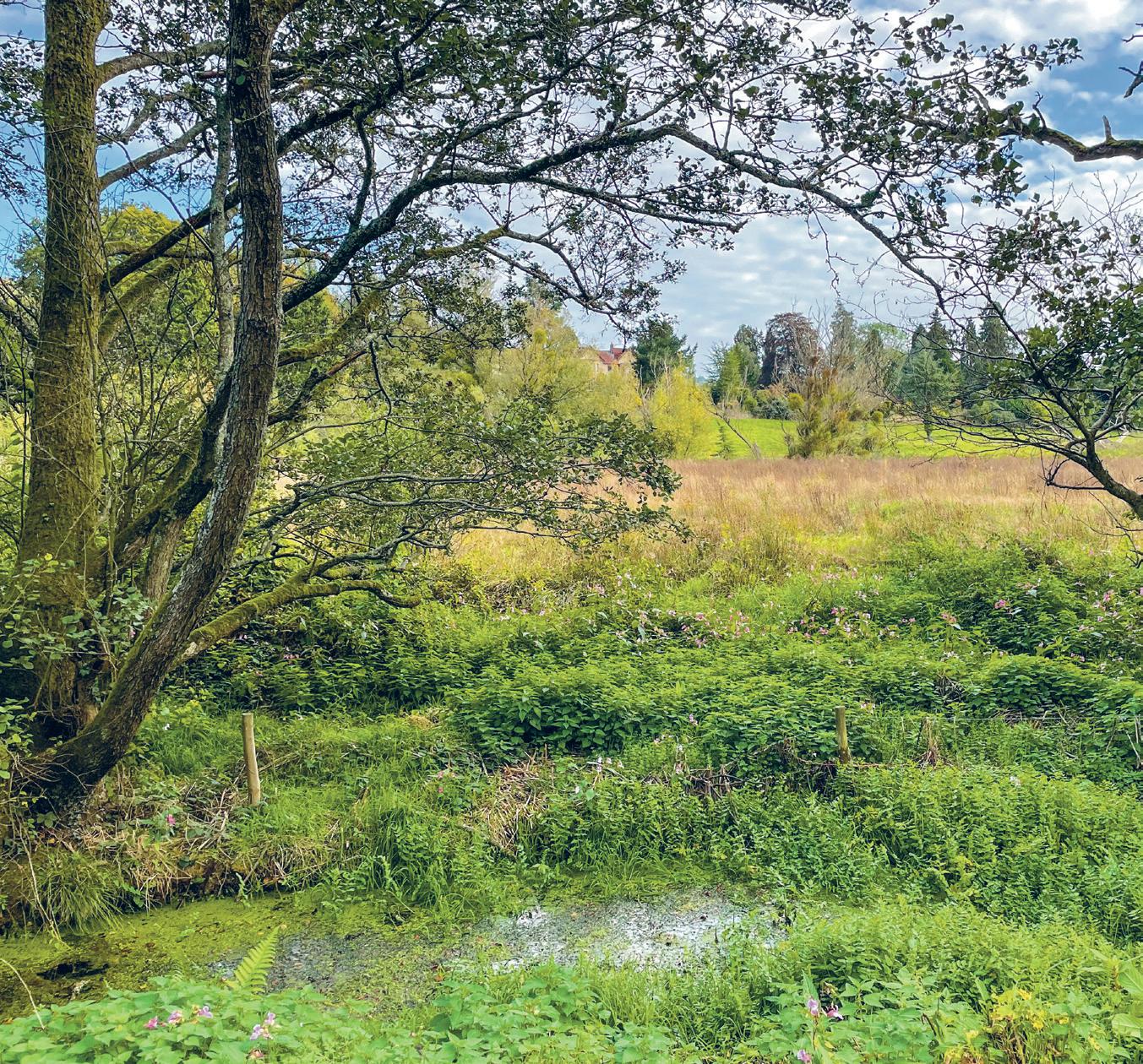
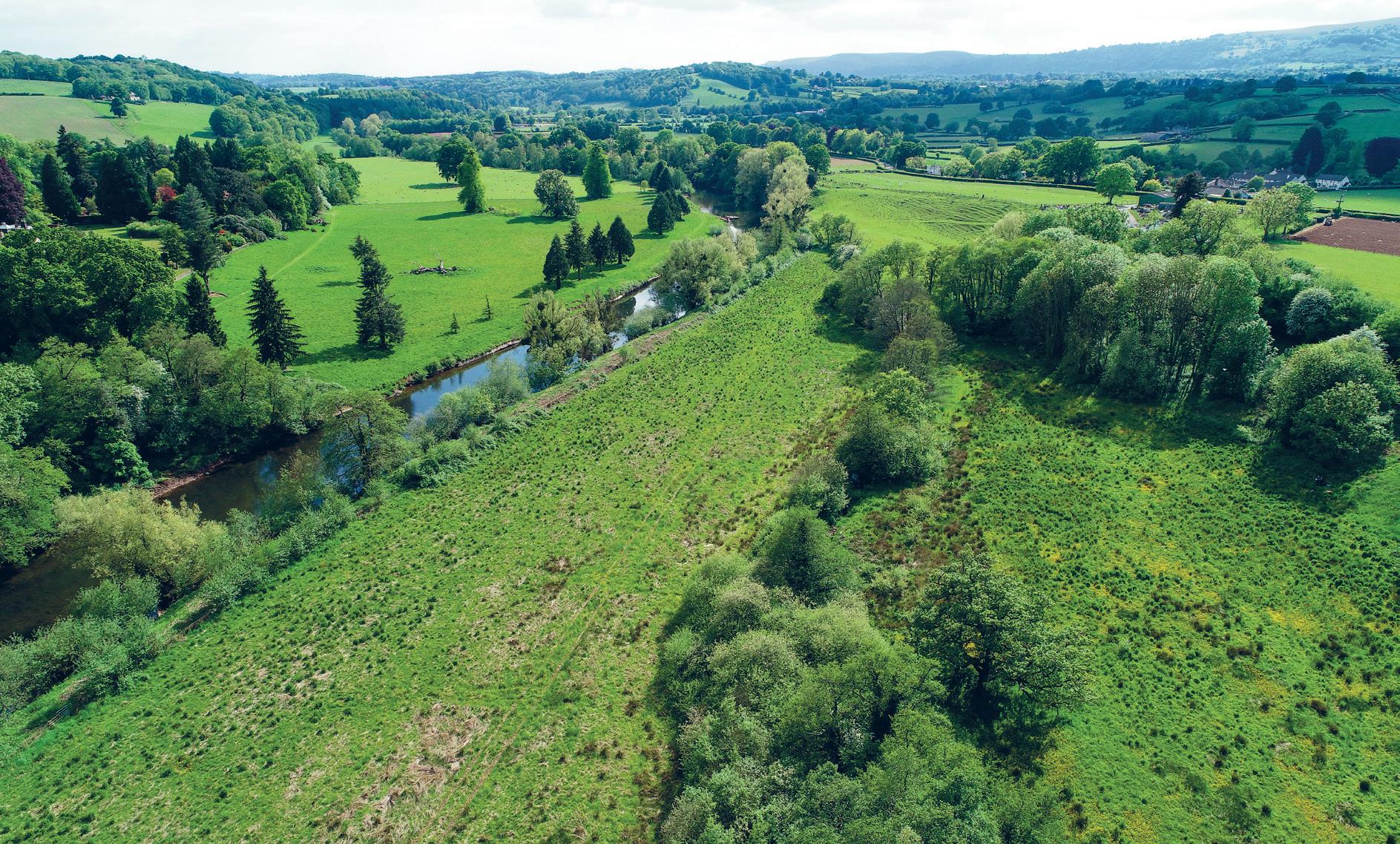
Nestled in the scenic valley of the River Usk near Llanfair Kilgeddin is the River Meadow nature reserve, which was recently donated to GWT and provides a rare opportunity to restore two former arable fields into a vibrant mix of hay meadow habitats wetland features. Having successfully reseeded the fields with native meadow plants as part of the 2015-2016 Trothy Project, GWT are now working with Natural Resources Wales on the next chapter: bringing back wetland features.
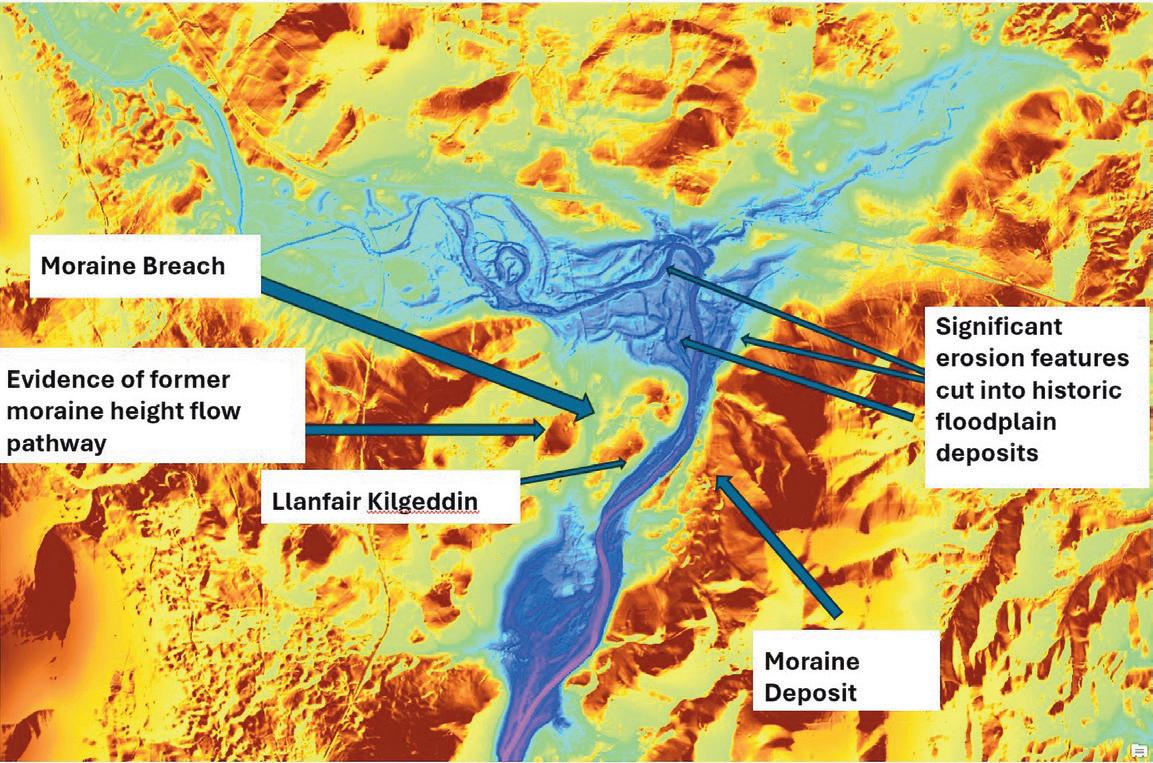
To restore the site to its most natural hydrological regime we must go back approximately 17,000 - 15,000 years to when the last major glaciers in the south Wales valleys retreated. As the glaciers retreated, they left behind dramatic geological features. One such feature, a terminal moraine, lies upstream of the River Meadow. This ridge of unsorted bed material was pushed into place by the front of the glacier, then later breached as meltwater surged through it, and would have been a phenomenal event to bear witness to. When the moraine gave way, huge quantities of material would have been washed downstream, blanketing the area that is now known as the River Meadow. Among the channels that had been carved out during this powerful episode (visible as paleochannels in the Light Detection and Ranging (LiDAR) map), one spring-fed side channel is preserved at the river meadow and would likely have acted as a spring creek wetland, receiving water from the hillslope of the moraine.
However, the landscape has since been drained to make it suitable arable land.
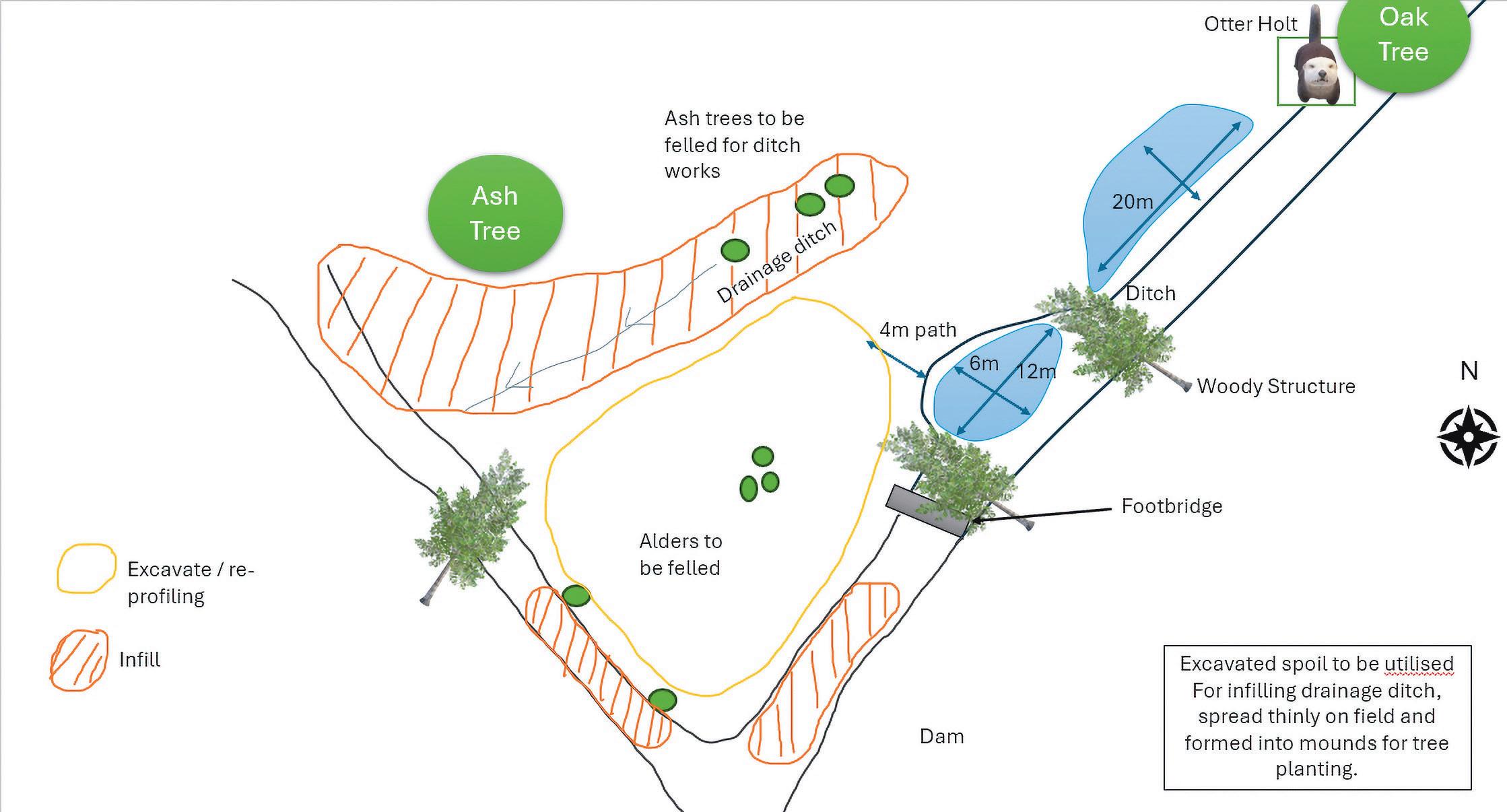
Plans for the restoration of the site are well underway, with the main focus being re-wetting by blocking the ditches that are currently draining the land, and building beaver-dam analogues. These are simple structures made from wood and natural materials that mimic the way real beavers construct dams to slow water and raise the water table.
Whilst we have talked at length about the idea of digging a pond at the river meadow, there is a risk that digging a pond could
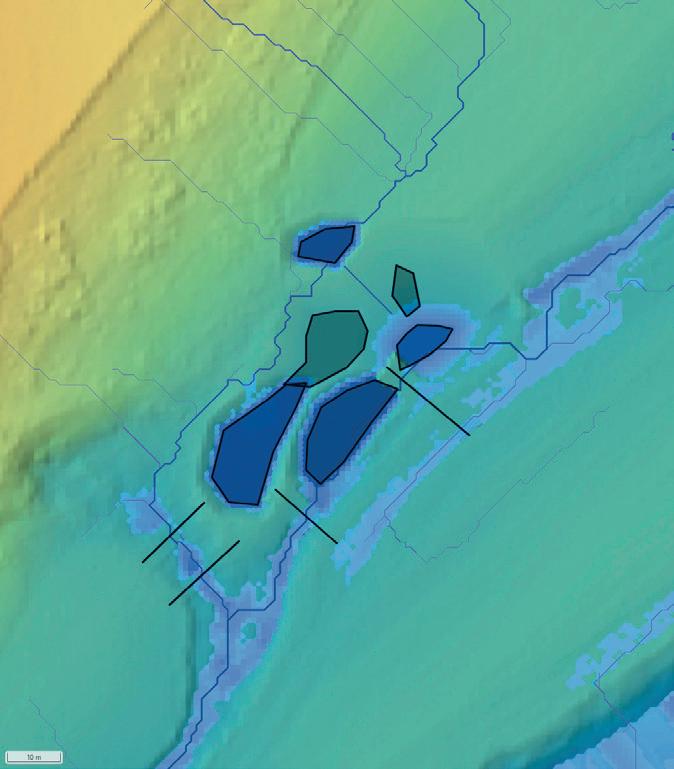
expose the more porous material that was deposited from the terminal moraine, meaning water could be lost through the ground rather than stored in the pond.
We’re meeting with Natural Resources Wales (NRW), and contractors on site in the coming weeks to finalise options, but the vision is already clear; a wetter, more natural hydrological regime.
Monitoring
Before any major restoration begins, it’s crucial to understand the site’s current hydrological and ecological conditions. Following on from last year’s hydrological monitoring work, volunteers have been helping me conduct macroinvertebrate
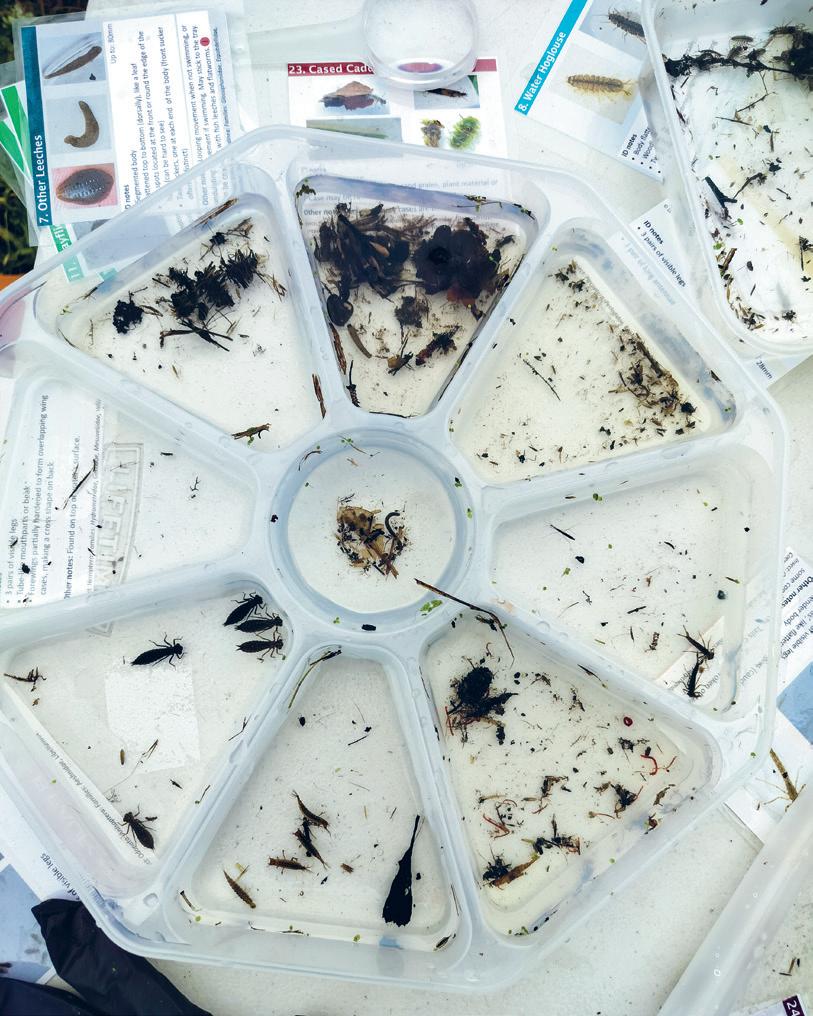
surveys in the drainage ditch to establish baseline conditions. These small aquatic creatures include insect larvae, snails, worms, leeches and freshwater shrimp and play a vital role in breaking down organic material and recycling nutrients, and are a fundamental in aquatic food webs. Some insect larva have fascinating life-cycles, living for months or even years in the water before pupating, swimming to the surface and emerging from pupal skin to fly away!
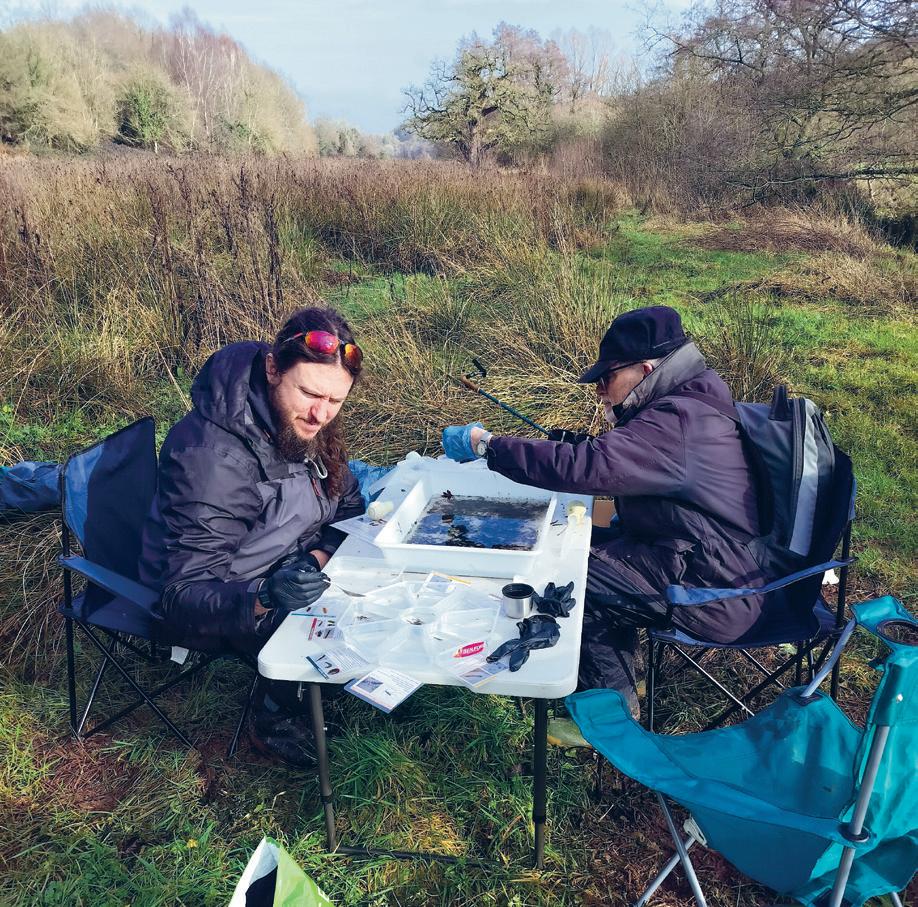
Different macroinvertebrate species have varying sensitivities to water and habitat quality and therefore are excellent indicators. By monitoring their presence and absence over time we can paint a clear picture of the changes in the environment and show the effects of restoration efforts.
Here’s what one of our River Meadow volunteer wardens Ceri has to say about volunteering for the project:
“Living a mile down the road was delighted to hear that the River Meadow site had been donated to GWT and didn’t hesitate to volunteer as a warden.
Approaching River Meadow there is a spot where most of the site is on view and
seeing it change over the seasons in colour and texture has been breathtaking.
Assisting with monitoring the site to help GWT devise suitable management plans has involved regular visits to check ground water levels using a dip well device. Next up, is helping Chloe with macro invertebrate monitoring, for me a new aspect of natural history to enjoy.
How fortunate feel to be involved from the beginning in this exciting new GWT site, to see how we can improve the range of habitats and biodiversity of the site. My personal motivation is my thirst for understanding and appreciating the natural world and to have fun along the way!”
If you would like to volunteer at the River
Meadow, please email me at c.lewis@ gwentwildlife.org or if you are already registered as a volunteer with us, keep an eye out on Team Kinetic for opportunities posted there. Here is a list of some of the activities we will be organising:
• Monthly monitoring at the site
• Removal of invasive and non-native plant species Himalayan Balsam
• Building beaver analogue dams in the ditch
Special thanks to the Four River for LIFE team at NRW for their continued support, expertise and the detailed LiDAR analysis that is helping to shape this restoration vision.
A basic diagram sketch showing the ditch blocking, scalloping and beaver damming
Above, 3D Terrain Modelling using SCALGO software showing planned pond and scrape locations and simulating surface water pooling as after 5mm of rainfall.
Left, Volunteers John and Jon helping to sort macroinvertebrate sample at the River Meadow. Below, LiDAR data of the wider Usk catchment and labelled geological features by Duncan Dumbreck Natural Resources Wales Four Rivers for LIFE team.
Below, Macroinvertebrate tray by specimen, starting in the bottom right corner going clockwise: Dragonfly larvae, Beetle Larvae, Cased Caddis, Cased Caddis, Stonefly, Damselfly, Midges, Diving Beetle Larvae.
River Meadow Nature Reserve
Excavated spoil to be utilised for infilling drainage ditch, spread thinly on field and formed into mounds for tree planting.
GROWING VOICES, GROWING FUTURES
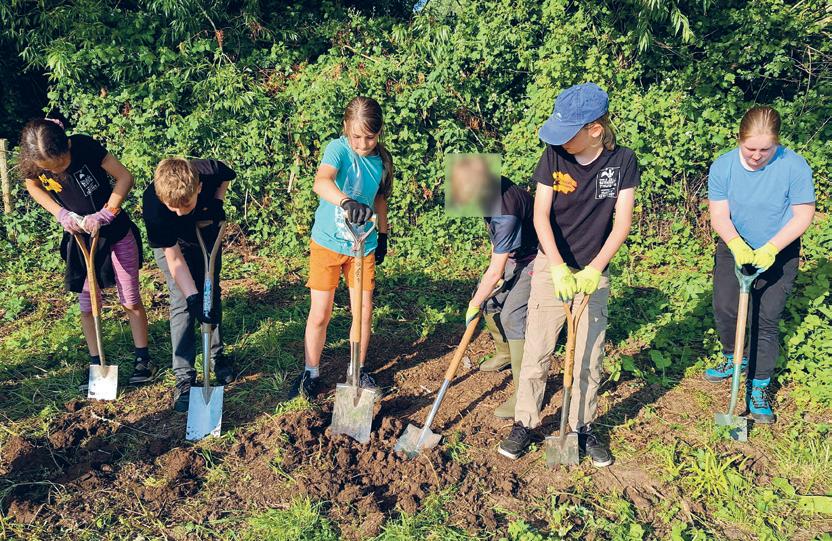
Young people across Gwent continue to play an active and inspiring role in shaping their communities and protecting the natural environment. Over the past year, youth groups have taken part in national conversations, hands-on conservation projects, and creative initiatives that show just how powerful youth voice can be when it’s supported and encouraged.
YOUTH GROUPS IN ACTION
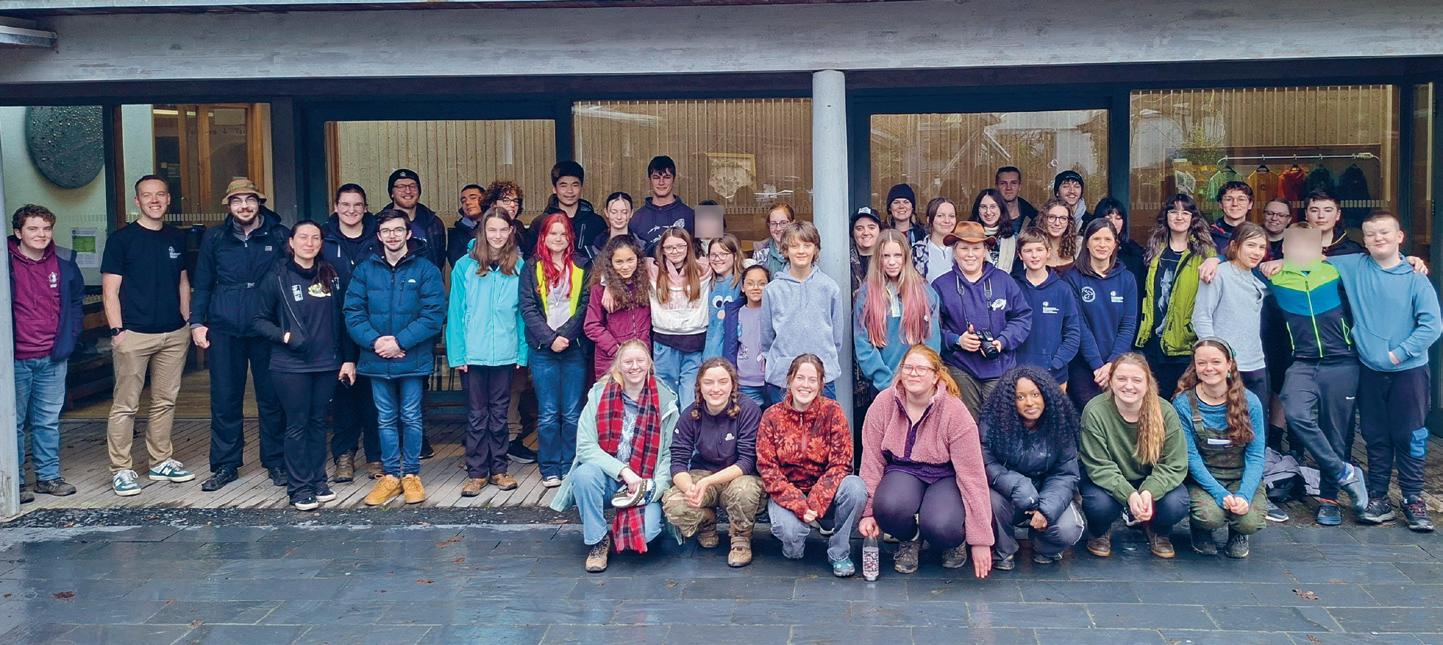
A highlight of the year was the All-Wales Youth Summit held in January at the Centre for Alternative Technology in Machynlleth. The event brought together young people from across Wales to share ideas, experiences, and ambitions around sustainability, climate action, and careers in the environmental sector.
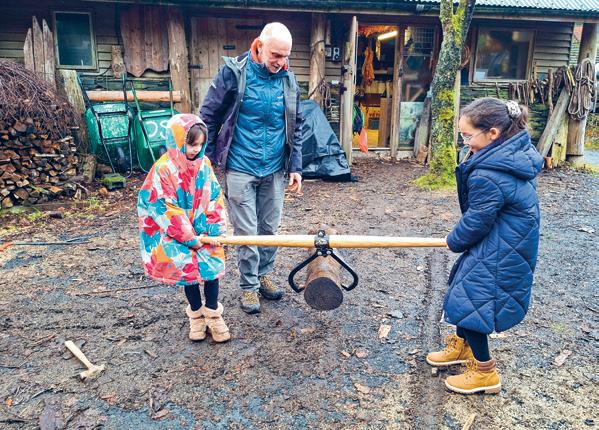
Our members particularly enjoyed trying their hand at green woodworking, learning about sustainable building methods and discovering how solar panels are made. For some, it was their first time staying away from home without their parents, an experience they found both exciting and empowering. Surrounded by nature and supported by friends who shared the same passion for the environment, the summit left lasting memories and a renewed sense of purpose.
Alongside the excitement came a sense of sadness at the realisation this was likely the fifth and final All-Wales Youth Summit. The National Lottery funded Stand for Nature Wales project comes to an end in March, concluding five years of inspiring young
people to learn about biodiversity, environmental challenges, and how they can take meaningful action. While the project is coming to an end, the skills, confidence, and passion developed by participants will continue to thrive. Youth groups in Gwent will continue, but the format may evolve.
Meanwhile, the Pontypool Community Council funded Pontypool Wild Spaces has completed its first year and is moving confidently into year two. Building on strong foundations, young people from the Pontypool Pioneers group have worked alongside volunteers to help care for local green spaces, provided a series of public events and strengthened their connection to the natural world. The transition into year two marks an exciting new chapter, with even more opportunities for growth, learning, and community impact.
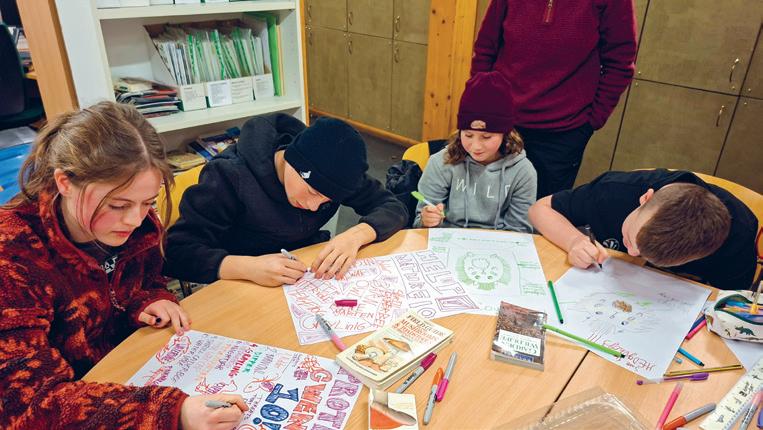
There have also been many positive stories from our other youth groups. In Magor, the Wildlife Warriors have been making a real difference, taking pride in the development of the community allotment and making plans to install a rainwater garden at the Magor and Undy Community Hub. Meanwhile, the Nature Nurturers group has been busy developing creative ideas to help protect GWT’s ten priority species, showcasing both innovation and a strong sense of responsibility for the natural world.
OPPORTUNITIES FOR YOUNG PEOPLE
GWT provides a wide range of opportunities that help young people grow in confidence, develop new skills, and explore inspiring future careers.
Young people can access work experience placements, providing valuable insight into different career paths and helping to build confidence, employability skills, and real-world understanding. Participation in the Duke of Edinburgh’s Award remains a popular option,
encouraging young people to challenge themselves, develop independence, and gain nationally recognised accreditation. Support is also available for those completing the Welsh Baccalaureate, with opportunities that align with skills challenges, community involvement, and wider learning goals.
Volunteering opportunities for under 18s allow young people the chance to give back to their communities, develop teamwork and leadership skills, and make a meaningful contribution from an early age.
Alongside these opportunities, our youth team delivers hands-on educational visits and outdoor learning for schools, home-education groups and colleges. We offer half- and full-day curriculum-linked sessions at the Derek Upton Centre, Magor Marsh, and the Environmental Resource Centre in Ebbw Vale, including activities such as pond dipping, minibeast hunts and habitat investigations. Our team can also visit schools to run nature-based workshops or deliver inspiring talks on helping wildlife and living more sustainably. More information about our opportunities for young people can be found at www.gwentwildlife.org/youth

FUNDRAISING APPEAL
We’re raising funds to continue our wildlife youth groups and other activities while we develop the next phase of our programme for young people in Gwent. Thanks to the Big Give Earth Raise, we have £5,000 of matched funding available, if we can raise a further £5,000 this April. If you would like to support our youth engagement programme, please donate online via the Earth Raise appeal and your donation will be doubled. See our website for details! If you would like to support our programme as a business or grant-maker, please contact Debbie at dstenner@gwentwildlife.org.
Earth Raise is a seven-day online match funding campaign dedicated to helping charities playing a vital role in tackling pressing environmental issues, run in partnership with Environmental Funders Network (EFN).
TYFU LLEISIAU, TYFU’R DYFODOL
Gan yr Uwch Swyddog Ymgysylltu Ieuenctid, Robert Magee
Mae pobl ifanc ledled Gwent yn parhau chwarae rhan weithredol ac ysbrydoledig mewn siapio eu cymunedau a diogelu’r amgylchedd naturiol. Dros y flwyddyn ddiwethaf, mae grwpiau ieuenctid wedi cymryd rhan mewn sgyrsiau cenedlaethol, prosiectau cadwraeth ymarferol, a mentrau creadigol sy’n dangos pa mor bwerus y gall llais ieuenctid fod pan gaiff ei gefnogi a’i annog.
GRWPIAU IEUENCTID AR WAITH
Un o uchafbwyntiau’r flwyddyn oedd Uwchgynhadledd Ieuenctid Cymru Gyfan a gynhaliwyd ym mis Ionawr yn y Ganolfan Dechnoleg Amgen ym Machynlleth. Fe ddaeth y digwyddiad â phobl ifanc o bob cwr o Gymru at ei gilydd rannu syniadau, profiadau ac uchelgeisiau ynghylch cynaliadwyedd, gweithredu dros yr hinsawdd, a gyrfaoedd yn y sector amgylcheddol. Fe fwynhaodd ein haelodau ni roi cynnig ar waith coed gwyrdd yn arbennig, dysgu am ddulliau adeiladu cynaliadwy, a darganfod sut mae paneli solar yn cael eu gwneud. I rai, dyma’r tro cyntaf iddyn nhw aros o gartref heb eu rhieni, profiad oedd yn gyffrous ac yn rymusol iddyn nhw. Wedi’u hamgylchynu gan fyd natur a’u cefnogi gan ffrindiau oedd yn rhannu’r un angerdd dros yr amgylchedd, fe greodd yr uwchgynhadledd atgofion am byth ac ymdeimlad newydd o bwrpas. Ochr yn ochr â’r cyffro, fe ddaeth rhyw deimlad o dristwch wrth sylweddoli mai hon oedd y bumed Uwchgynhadledd Ieuenctid Cymru Gyfan, a’r gynhadledd olaf yn ôl pob tebyg. Mae prosiect Sefyll dros Natur Cymru, sy’n cael ei gyllido gan y Loteri Genedlaethol, yn dod ben ym mis Mawrth, gan ddod â phum mlynedd o ysbrydoli pobl
ifanc ddysgu am fioamrywiaeth, heriau amgylcheddol, a sut gallant gymryd camau ystyrlon i derfyn. Er bod y prosiect yn dod i ben, bydd y sgiliau, yr hyder a’r angerdd a ddatblygwyd gan y cyfranogwyr yn parhau i ffynnu. Bydd y grwpiau ieuenctid yng Ngwent yn parhau, ond gall y fformat esblygu. Yn y cyfamser, mae Gofod Gwyllt Pont-y-pŵl, sy’n cael ei gyllido gan Gyngor Cymuned Pont-y-pŵl, wedi cwblhau ei flwyddyn gyntaf ac mae’n symud yn hyderus i’r ail flwyddyn. Gan adeiladu ar sylfeini cadarn, mae pobl ifanc o grŵp Arloeswyr Pont-y-pŵl wedi gweithio ochr yn ochr â gwirfoddolwyr i helpu i ofalu am ofod gwyrdd lleol, wedi darparu cyfres o ddigwyddiadau cyhoeddus ac wedi cryfhau eu cysylltiad â’r byd naturiol. Mae’r pontio i’r ail flwyddyn yn nodi pennod newydd gyffrous, gyda mwy fyth o gyfleoedd ar gyfer twf, dysgu ac effaith gymunedol. Mae llawer o straeon cadarnhaol gan ein grwpiau ieuenctid eraill ni hefyd. Ym Magwyr, mae’r Rhyfelwyr Gwyllt wedi bod yn gwneud byd o wahaniaeth, gan ymfalchïo yn natblygiad y rhandir cymunedol a gwneud cynlluniau i osod gardd dŵr glaw yn Hwb Cymunedol Magwyr a Gwndy. Yn y cyfamser, mae’r grŵp Gofalwyr Natur wedi bod yn brysur yn datblygu syniadau creadigol helpu i warchod Deg Rhywogaeth Agored Niwed YNG, gan arddangos arloesedd ac ymdeimlad cryf o gyfrifoldeb am y byd naturiol.
CYFLEOEDD I BOBL IFANC
Mae YNG yn darparu ystod eang o gyfleoedd sy’n helpu pobl ifanc dyfu mewn hyder, datblygu sgiliau newydd, ac archwilio gyrfaoedd ysbrydoledig yn y dyfodol.
Gall pobl ifanc gael mynediad at leoliadau profiad gwaith, gan roi cipolwg gwerthfawr ar wahanol lwybrau gyrfa a helpu i feithrin hyder, sgiliau cyflogadwyedd, a dealltwriaeth o’r byd real.
Mae cymryd rhan yng Ngwobr Dug Caeredin yn parhau fod yn opsiwn poblogaidd, gan annog pobl ifanc herio eu hunain, datblygu annibyniaeth, ac ennill achrediad sy’n cael ei gydnabod yn genedlaethol.
Mae cefnogaeth ar gael hefyd i’r rhai sy’n cwblhau Bagloriaeth Cymru, gyda chyfleoedd sy’n cyd-fynd â heriau sgiliau, cyfranogiad cymunedol, a nodau dysgu ehangach.
Mae cyfleoedd gwirfoddoli i bobl dan 18 oed yn rhoi cyfle bobl ifanc roi rhywbeth yn ôl i’w cymunedau, datblygu sgiliau gwaith tîm ac arweinyddiaeth, a gwneud cyfraniad ystyrlon o oedran cynnar. Ochr yn ochr â’r cyfleoedd yma, mae ein Tîm Ieuenctid hefyd yn cynnal Ymweliadau Addysgol ymarferol a Dysgu Awyr Agored ar gyfer ysgolion, grwpiau addysg gartref a cholegau. Rydyn ni’n cynnig sesiynau hanner diwrnod a diwrnod llawn sy’n gysylltiedig â’r cwricwlwm yng Nghanolfan Derek Upton, Cors Magwyr, a’r Ganolfan Adnoddau Amgylcheddol yng Nglynebwy, gan gynnwys gweithgareddau fel archwilio pyllau, helfeydd mân drychfilod ac ymchwiliadau gynefinoedd. Gall ein tîm ni hefyd ymweld ag ysgolion gynnal gweithdai sy’n seiliedig ar natur neu gyflwyno sgyrsiau ysbrydoledig am helpu bywyd gwyllt a byw yn fwy cynaliadwy. Mae posib dod o hyd i ragor o wybodaeth am ein cyfleoedd ni bobl ifanc yn www.gwentwildlife.org/youth
Youth Summit 26 // Uwchgynhadledd Ieuenctid 26
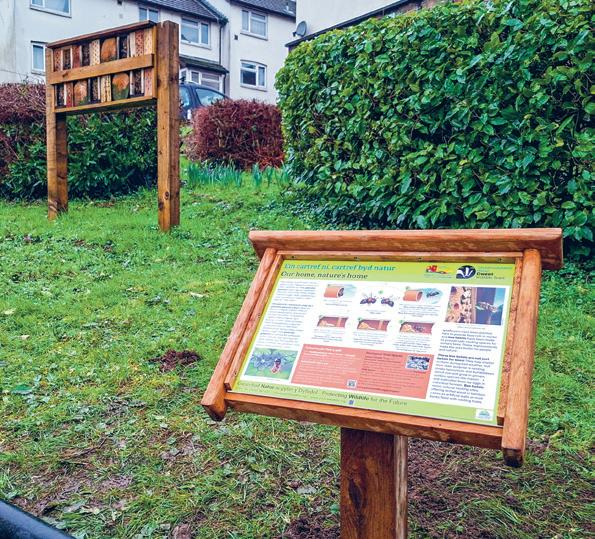
Left, allotment digging. Right, Pontypool Interpretation Board and Bee hotel. // Chwith, cloddio rhandir. Dde, Bwrdd Gwybodaeth Pont-y-pŵl a Gwesty gwenyn.
Left, Youth Summit 26 using timber tongs. Right, Nurturers 10 species planning. // Chwith, Uwchgynhadledd Ieuenctid 26 yn defnyddio gefel bren. Dde, Gofalwyr yn cynllunio ar gyfer y 10 rhywogaeth
By Senior Youth Engagement Officer, Robert Magee
Winter works for wildlife
By Joe Ryder, Senior Conservation Grazing Officer
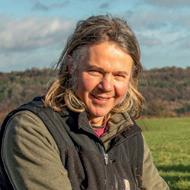
Across Gwent, our nature reserves form the cornerstone of living, working landscapes. The way our team and volunteers carry out practical conservation work supports wildlife, farming and the historic character of our countryside. Here’s a snapshot of what we’ve been busy doing on the ground: from restoring traditional boundaries to managing wetlands and grazing livestockthrough one of the wettest winters in recent years.
NEW SCRAPES AT TY MAWR, NEAR TRELLECH
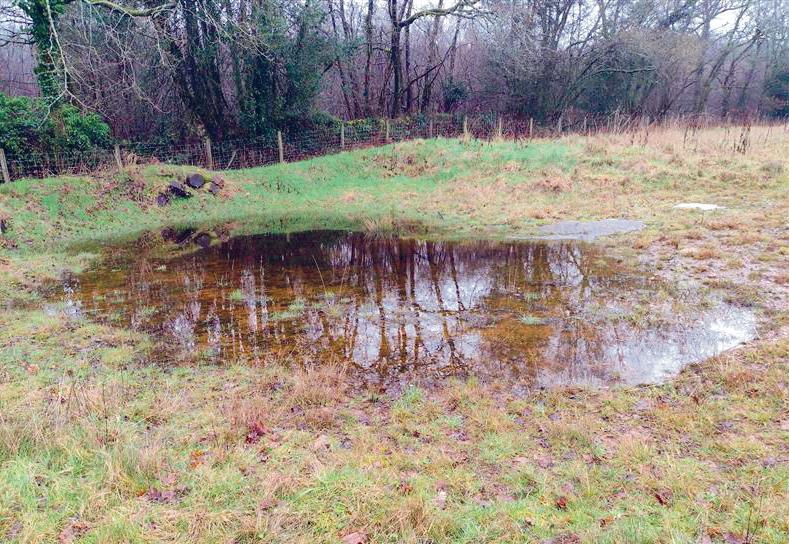
We’re currently planning a new scrape for Ty Mawr, which will be funded through the Ffermio Bro scheme, part of a Welsh Government programme supporting nature-friendly farming in protected landscapes.
Tymawr Convent, located near Trellech is set in wildlife-rich grounds that include meadows and woodlands. It’s not open to the public but is an important site for ecology and connectivity, so we have been working with the convent for many years to support effective management for wildlife.
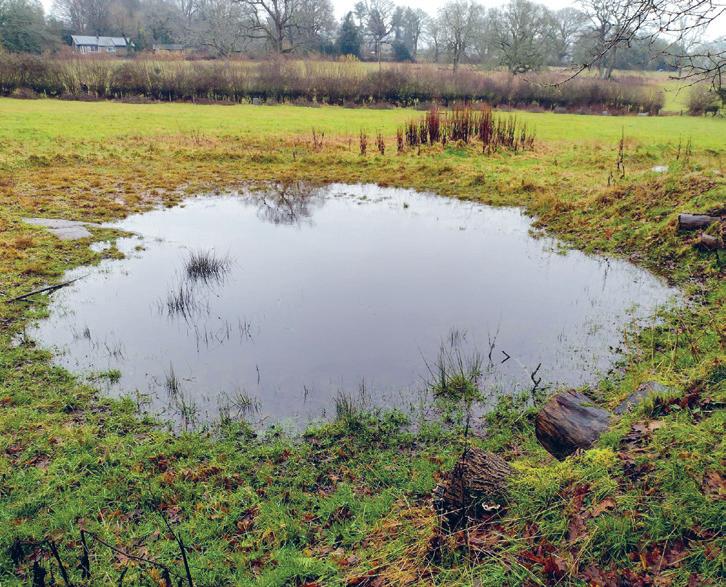
Scrapes are shallow wetland features designed to hold water either seasonally or all year-round, creating valuable freshwater habitats. These scrapes help slow the flow of water across the land, improve water retention and provide vital habitat for insects, amphibians and birds. They can also play a practical role by providing open water for livestock to drink. Scrapes represent an important investment in future wetland creation at Tymawr and across more of our nature reserves.
CONNECTING HABITATS…
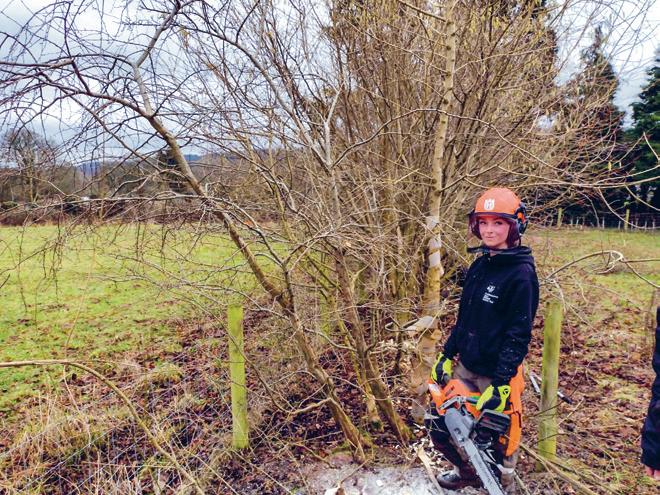
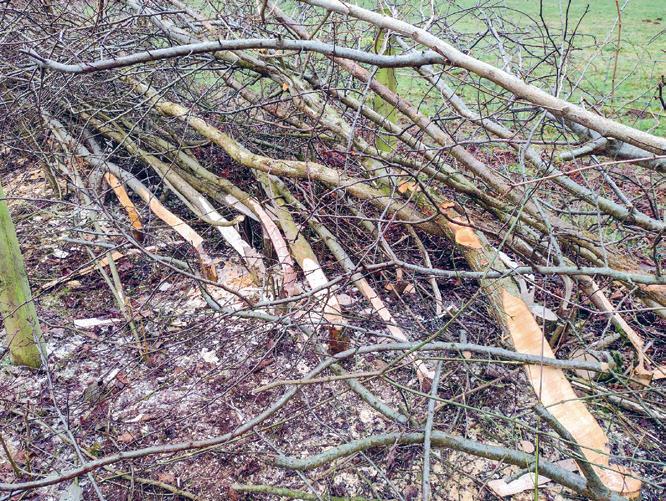
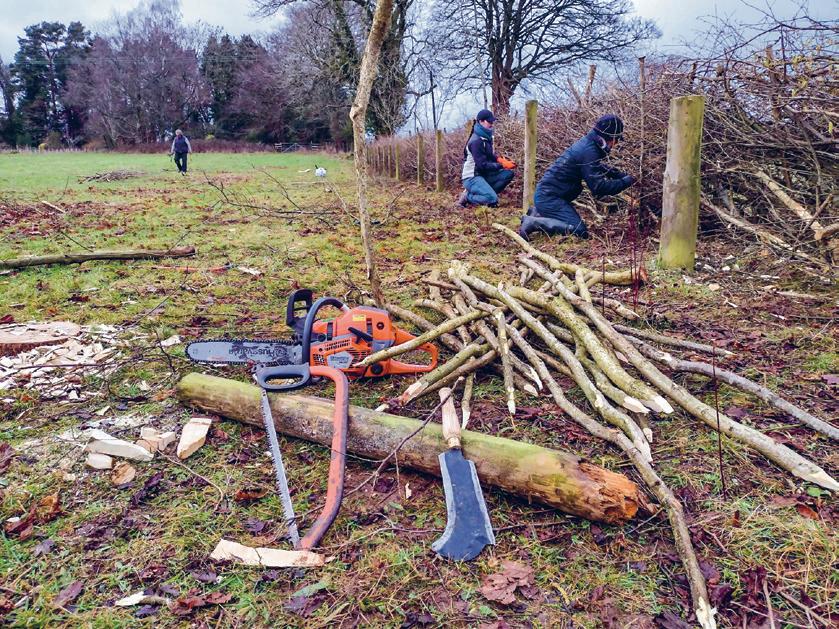
Hedgelaying: Traditional hedge laying is currently underway at Ty Mawr and our nearby Wyeswood Common Nature Reserve, delivered with the help of our dedicated volunteer group. Hedge laying is an age-old form of boundary management that brings multiple benefits for both wildlife and farming.
Well-managed hedges act as vital wildlife habitat. They provide nesting sites for birds and are particularly important for nationally scarce dormice which are present in this region of Monmouthshire. From a farming perspective, hedges offer livestock shelter and browsing, making them an integral part of a sustainable farm system as well.
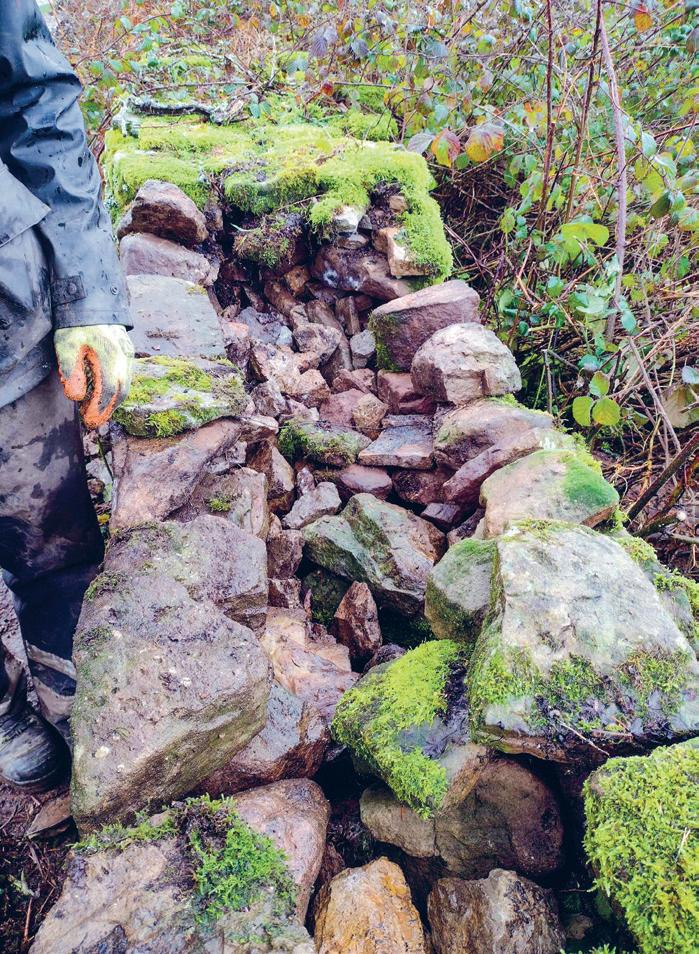
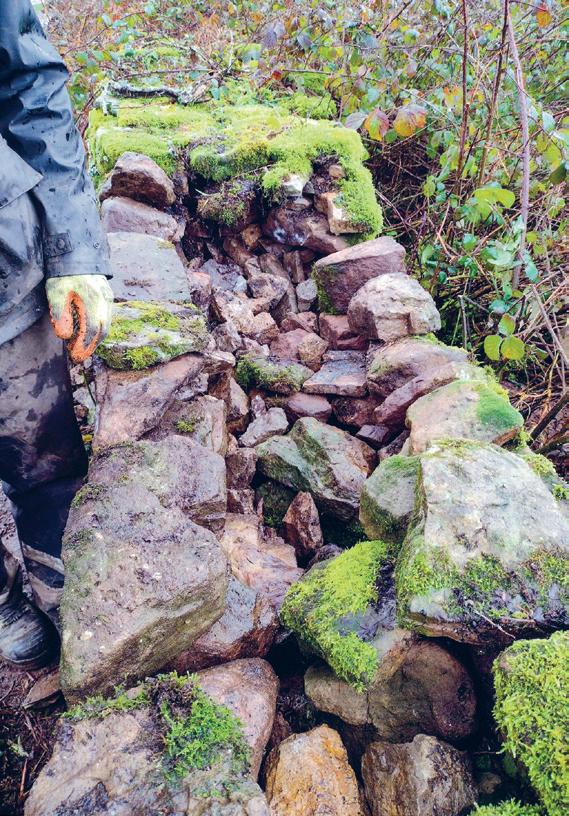
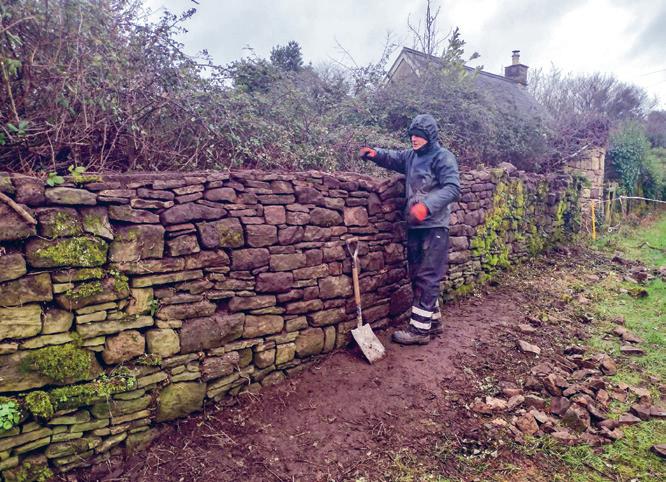
Stone Walls: We have been repairing stone walls at Pentwyn Farm and The Wern nature reserves near Mitchel Troy, thanks to the dedication of volunteer Gary Tuckett, who has been carrying out repairs through some extremely wet conditions over the past few months. Gary, who trained as a mason with a large building company in London in the late 1980s, is bringing nearly 40 years of experience to our nature reserves. Thanks to his expertise, large sections of historic wall have been brought back to life in the traditional local “boulder wall” style.
For Gary, volunteering is about more than just masonry:
‘I have always been drawn to nature and wildlife, so volunteering allows me focus in on things that interest me. As a reserve warden, I love to see how the landscape changes over time. I also believe volunteering is beneficial to my mental and physical health.’
These traditional “boulder walls” are a distinctive feature of the Gwent landscape and are built using local conglomerate stone, often known as “pudding stone”. Some of these walls are very old and form an important link to the area’s farming heritage. Often over a metre wide, the walls are built with two faced sides and a loose, cavity-filled centre. This structure creates exceptional habitat for wildlife, providing shelter and hibernation space for small rodents, stoats and weasels, lizards as well as nesting opportunities for birds such as the Wren, which use the crevices within the wall and nearby flora to make their mossy nests. Despite wet winters, the centres of these walls often remain bone dry, making them ideal refuges.
The outer surfaces of the walls also support a rich variety of mosses, liverworts and ferns. South-facing walls can provide early warmth in spring; a valuable resource for species such as bumblebee queens emerging from hibernation. When well maintained, stone walls also function as effective stock barriers and windbreaks, reducing the need for additional fencing.
CONSERVATION GRAZING
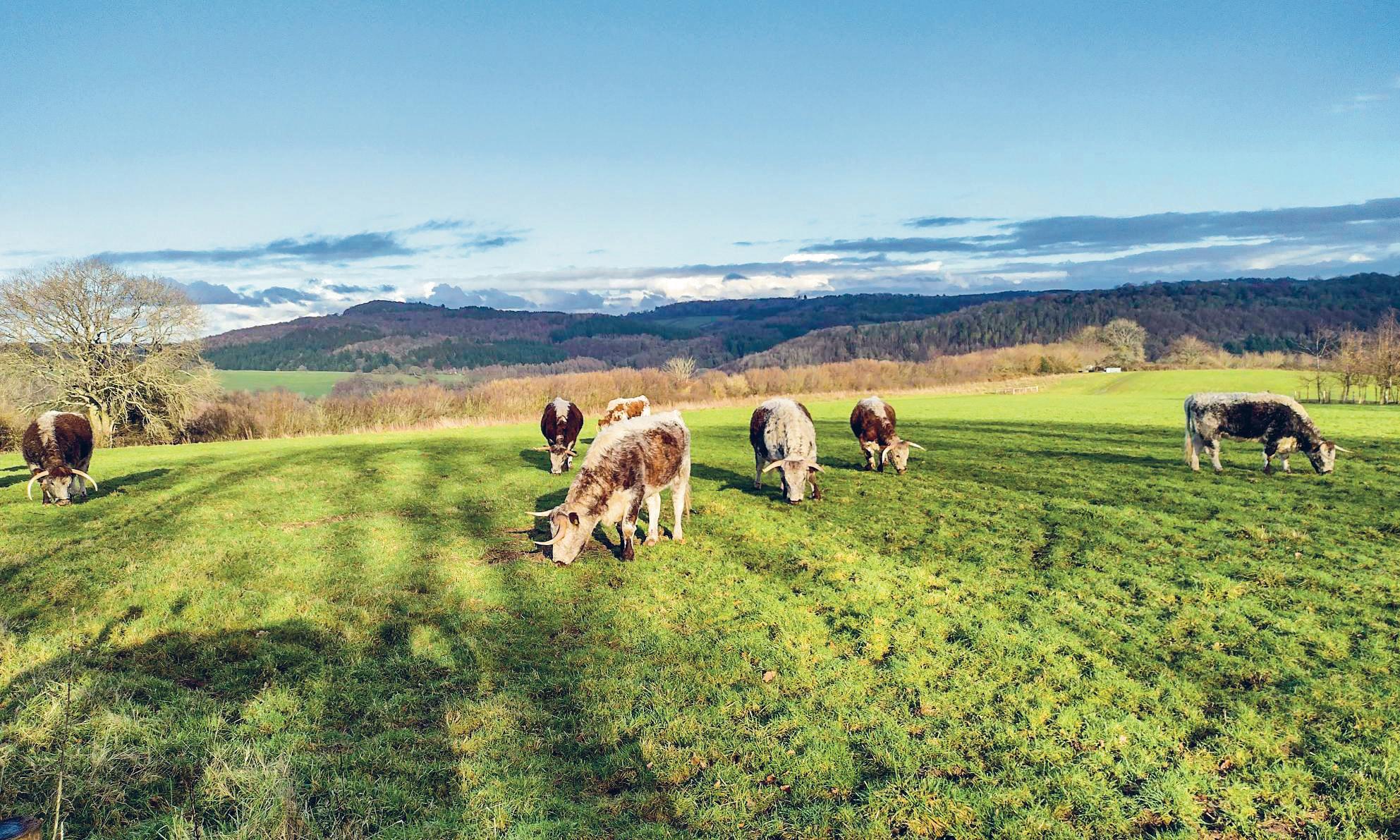
Our varied conservation grazing programme is key to our management of the vast meadows and restoration grasslands at Wyeswood Common and Pentwyn Farm. And we couldn’t look after the stock of sheep, cattle and ponies without the dedication of our volunteer shepherds and livestock checkers. January and February tested us with relentless rain and lots of mud so we are super grateful to everyone who pulled on their wellies, braved the weather, and made this vital work possible.
One of our volunteer shepherds, Catherine Kelly, reflects on her experience: ‘I have been volunteering as a shepherd with Gwent Wildlife Trust since June 2024. Prior to getting involved, did not appreciate
how central appropriate farmland management and grazing practices are to meeting the ambitions of sustainable nature recovery. GWT land is replete with wildflowers, insects and birds. I’ve even seen field mushrooms in the autumn. The animals are content and happy in this wonderful landscape. love working on Pentwyn and Wyeswood, because the fields remind me of my childhood on farms in Ireland, before the practices associated with intensive farming became dominant. It is a pleasure to be able to play a small part in the work of Gwent Wildlife Trust alongside their dedicated staff’.
PATH REPAIR AT MAGOR MARSH
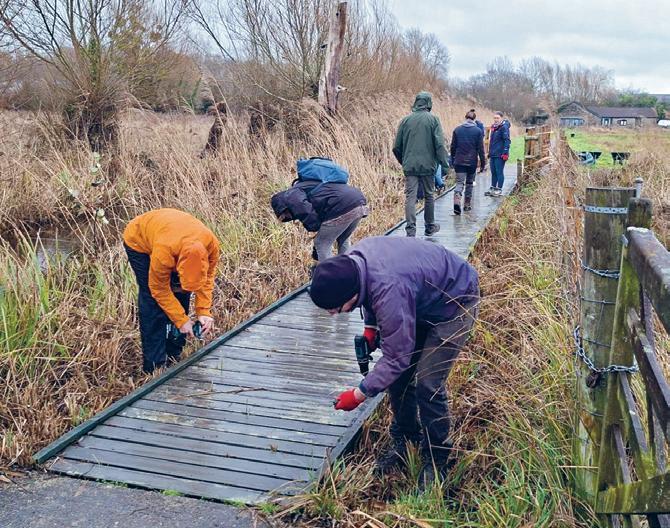
Magor Marsh is our most visited reserve, welcoming thousands of people each year to enjoy its wildlife and peaceful wetland
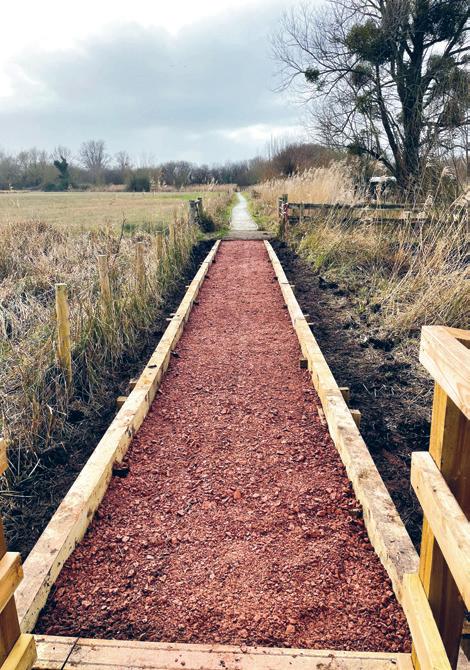
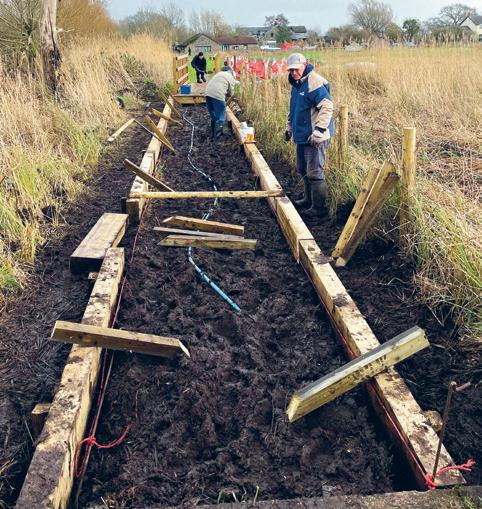
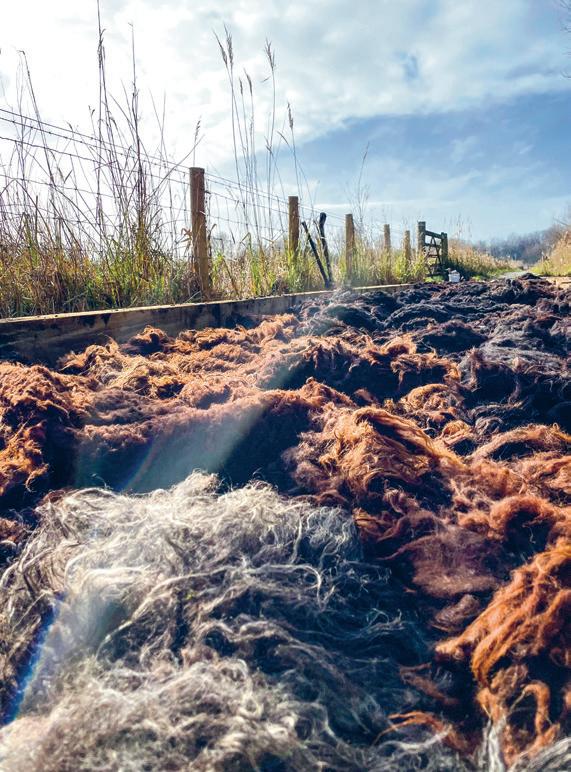
setting. With so many using the boardwalk, regular maintenance is essential to keep the reserve accessible for everyone, including pushchairs and wheelchairs. Staff came together recently for a team task to begin repairing a well-worn section of path which was cold, muddy, hands-on work, but incredibly rewarding. With support from NNF3 funding and the fantastic efforts of the Levellers volunteer group, the path is now finished. As part of the repairs, we trialled the use of sheep fleece from our Pentwyn flock of Hebrideans, Balwens and Hill Radnors as an organic membrane to help hold the aggregate in place and suppress weed growth - a lovely example of our conservation work coming full circle. Improvements like this will help ensure that visitors can continue to explore Magor Marsh safely and comfortably throughout the seasons. We’re grateful to everyone who contributed their time and effort to keep this much-loved reserve open and welcoming to all!
LOOKING AHEAD
As we move into the spring and summer months, we’re looking forward to welcoming more visitors onto our reserves to enjoy and learn more about their local wildlife. A Wilding Walk and Talk event is planned for May, offering the chance to explore these landscapes first-hand and hear more about how traditional management, wildlife conservation and farming work together. More information about this event can be found on our website: gwentwildlife.org/ events

Thank you to everyone who supported our Christmas Big Give appeal in December, which this year supported the winter conservation works we have been carrying out across our 28 nature reserves. Together we raised £21,467.75! Thank you to everyone who donated, shared and supported the appeal.
Clockwise from left, traditional hedge laying by our volunteer group. and restoring stone walls with volunteer Gary Tuckett.
Above and right, Ty Mawr scrape.
Clockwise from above, GWT staff repairing the path at Magor Marsh including trialling the use of sheep fleece from our flock.
Restoring
Long horn cattle and traditional Hereford at Wyeswood Common nature reserve
HAPPY SILVER ANNIVERSARY SPRINGDALE FARM!
By Gemma Bodé, Head of Nature Recovery
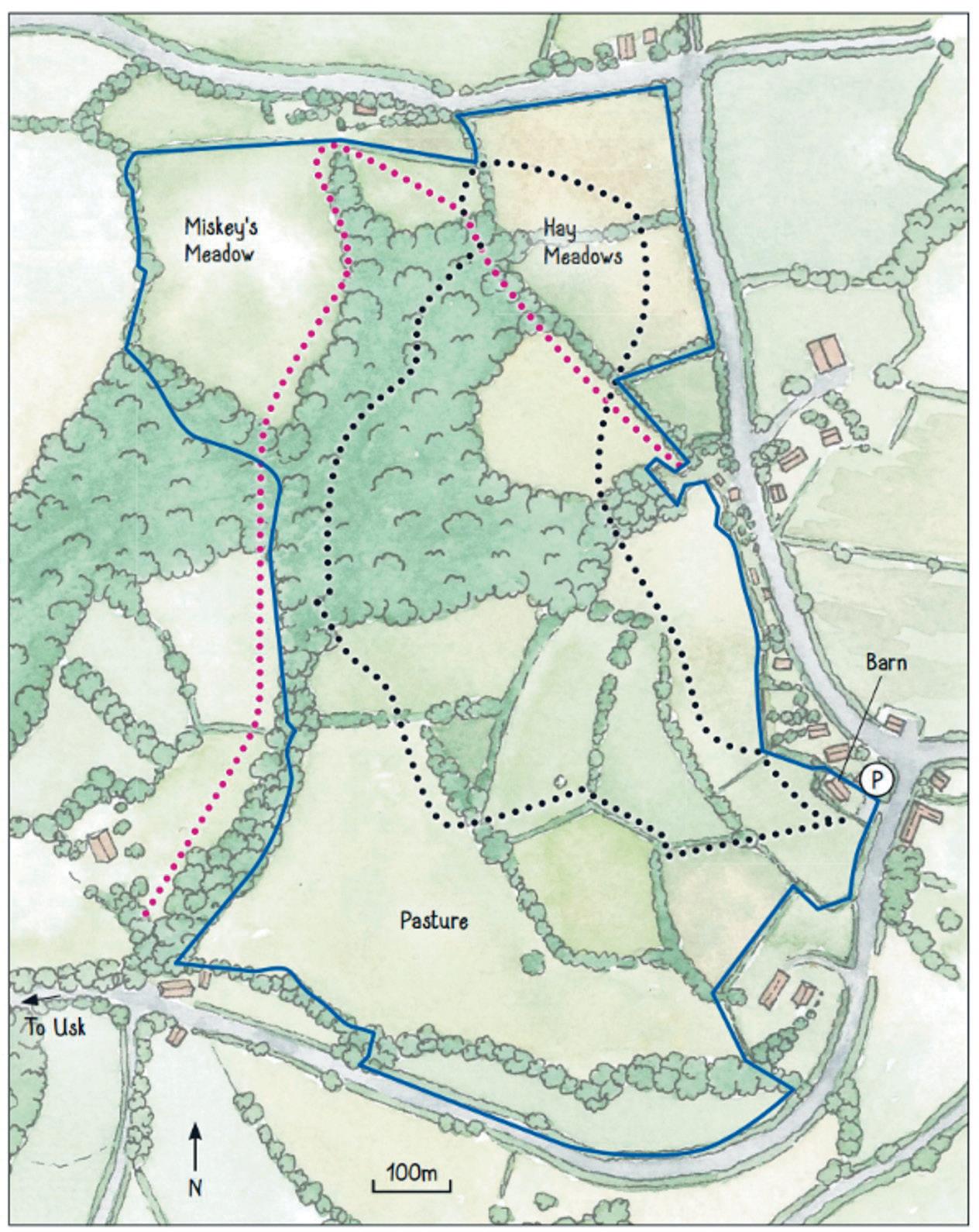
Springdale Farm Nature Reserve is 25 years old this year, although I still think of it as one of our newer nature reserves! Back on 28th February 2001, just before Foot and Mouth struck, we purchased the land which was known then as New Court Farm. The acquisition included land lying adjacent to Springdale Cottage, with the two plots totalling just over 44 hectares and costing £212,000. It was our most important land purchase since Magor Marsh back in 1963 and comprised one of the largest areas of wildflower-rich meadows in Gwent. Generous donations for the purchase, as always, came from our members and supporters, but the purchase was also supported by the then Countryside Council for Wales (now Natural Resources Wales), Monmouthshire County Council and the National Lottery Heritage Fund (NHLF). NHLF funding also funded a 5-year Development Project that saw a huge amount of work carried out on site to make the land the nature reserve it is today. We installed kilometres of fencing, planted loads of new hedgerows and laid existing ones, dug new ponds, installed gates and troughs to enable livestock grazing. New kissing gates, interpretation and a guided trail provided new access for visitors to enjoy the reserve and a new barn was built for storage of hay and machinery. Later, a new car park transformed a muddy area outside of the new barn, and more ponds and a new orchard added further diversity to the reserve.
Our vision for the site was as a registered organic farm and we formed a long-term partnership with local farmers, to help manage the land organically through conservation grazing with their White Park Cattle.
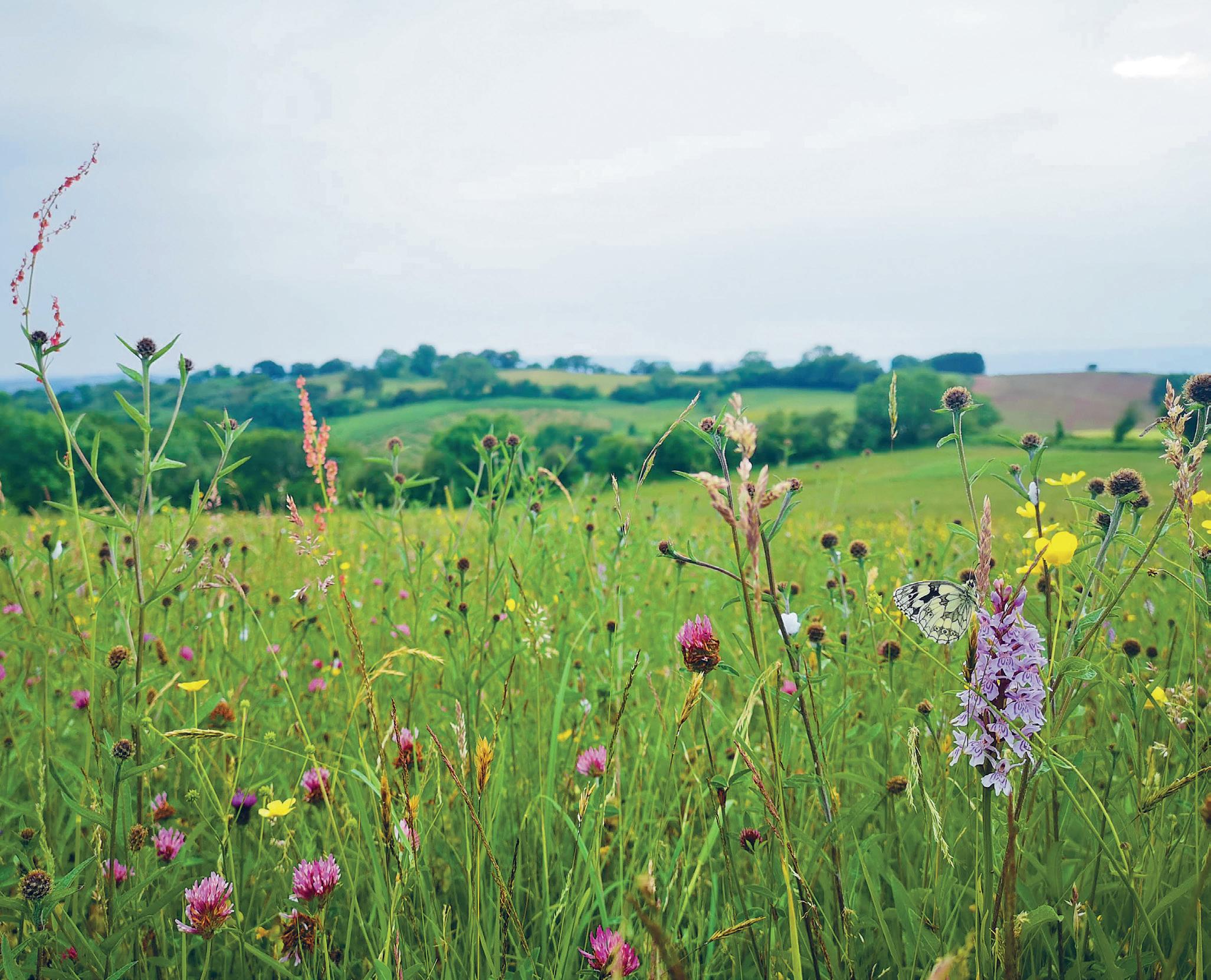
Traditional breeds stocked at a low density have been crucial to maintain Springdale’s beautiful hay meadows and to enhance less species-rich permanent pastures. In 2017, much of the site became notified as a Site of Special Scientific Interest for the quality of the grasslands, recognition that all of our hard work was paying off.
Today, Springdale Farm is one of Gwent’s best kept secret wild places. With wonderful views over the Usk Valley there is something to enjoy there all year round.
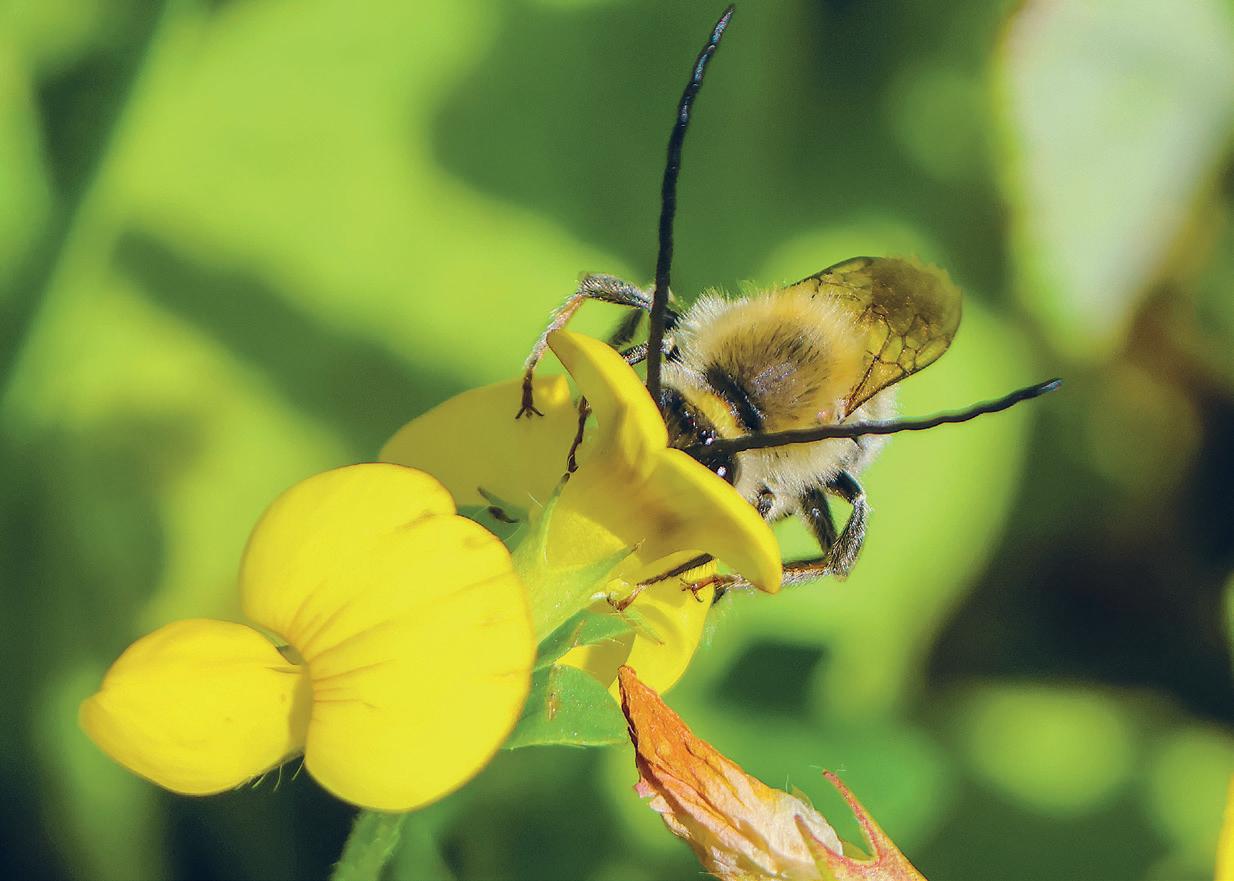
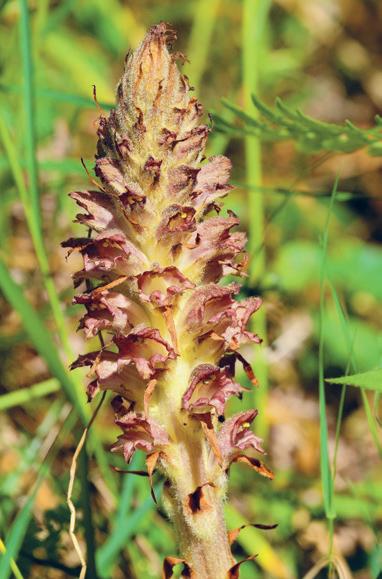
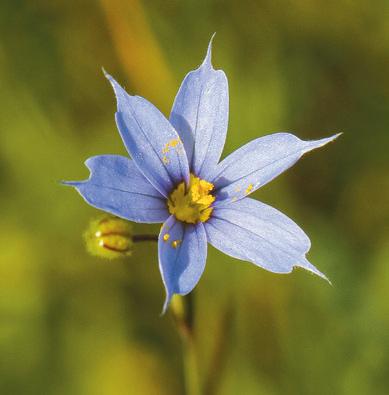
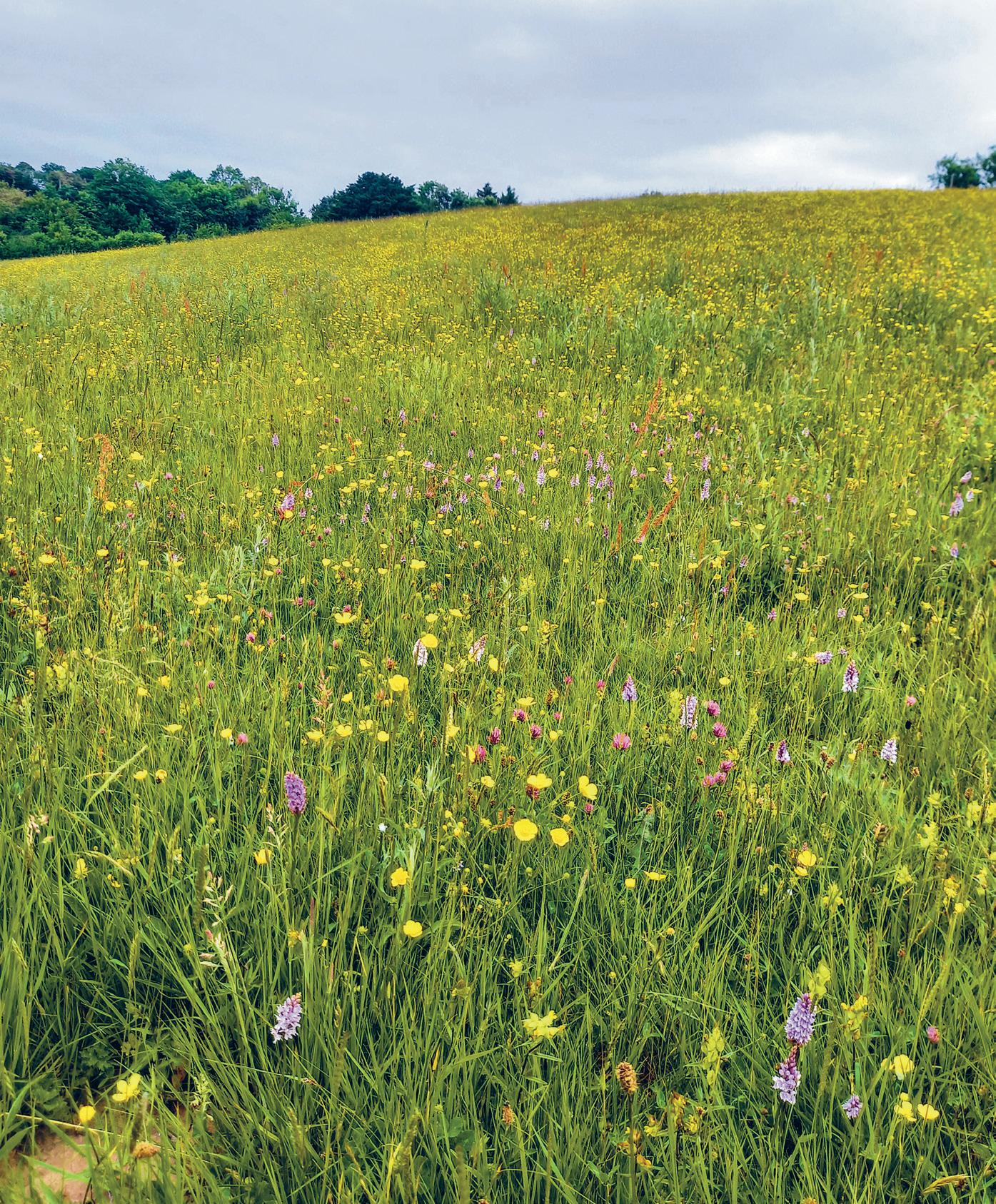
In Spring, the rich pockets of ancient woodland are a mass of Bluebells, Sweet Woodruff and Early Purple Orchids with Blackcaps, Chiff Chaff and Tree Pipits, singing high above. The meadows brim with colour and life in the Summer months, with dense patches of Dyer’s Greenweed, carpets of Bird’s-foot Trefoil and a sea of Common Spotted-orchids. The rare Blue-eyed Grass can also be found in wetter corners, still under much debate as to its origin, only currently recognized as native to western Ireland. Our Senior Evidence Officer Lowri Watkins also recorded Greater Broomrape under bracken filled slopes in 2023, only the second post2000 record in the Vice County. If you are lucky you may also spot the long-horned bee in the meadows along with an array of other insects including day flying moths such as Mother Shipton. An Autumn walk at Springdale Farm will reveal a rich diversity of woodland
In 2017, much of the site became notified as a Site of Special Scientific Interest for the quality of the grasslands, recognition that all of our hard work was paying off.
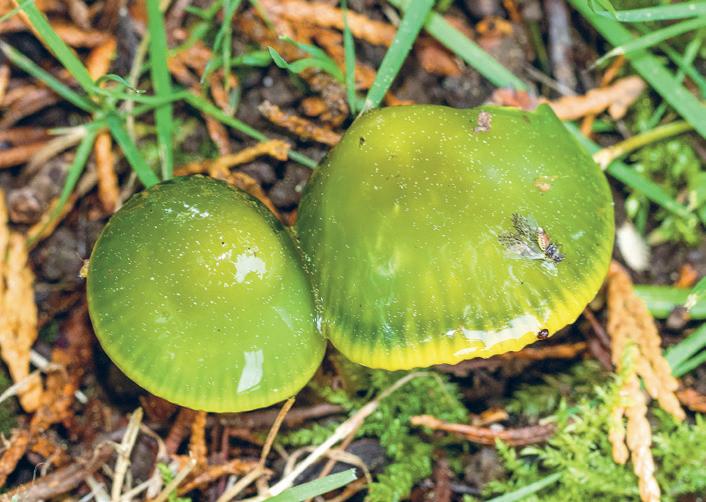
fungi and a particularly colourful array of grassland waxcap fungi, not found at many other sites in the area.
A year after the acquisition we held a celebration for the purchase of this special place. had just started at GWT and remember a beautiful sunny day with a marquee in one of the meadows, lots of food and drink and being introduced to all those amazing GWT volunteers that I grew to know so well.
Our recovery of wildlife at Springdale Farm could not have been achieved were it not for all the partners we have worked with over the years, our tenant farmers, the neighbours and volunteers who have supported us, and our members who helped us achieve so much to enhance the reserve for wildlife. In addition, our thanks goes to the hard work of previous GWT staff members who made this acquisition and the subsequent recovery of nature at the site happen, including our then CEOs Jon Winder who led the acquisition and Julian Branscombe who took over the reins later in the year.
25 years on, we continue to grow closer to our vision for Springdale Farm as a valuable resource for wildlife and people. We’ve safeguarded an important ecological site within a wider landscape, as we work to strengthen connections through our local wildlife sites, river restoration and other programmes. Most recently we have installed a new waterless toilet on site to help staff and volunteers to work on the nature reserve more regularly, to reduce barriers to volunteering opportunities, and to make it more suitable for walks and talks. So keep your eye peeled for events happening at Springdale Farm this year to celebrate its 25th anniversary and if you haven’t been there yet – I urge you to visit! It’s not the easiest place to find - detailed instructions are on our website, but once you are there you will keep wanting to return to this special place.
Springdale Nature reserve at: NP15 1NH, ST 410 991, what3words/// exactly.looms. kingdom. Parking available, dogs on leads as livestock grazing.
Find
Left, field 3 looking west with marbled white butterfly. Above, hand-drawn map of Springdale Farm Nature Reserve by Lowri Watkins.
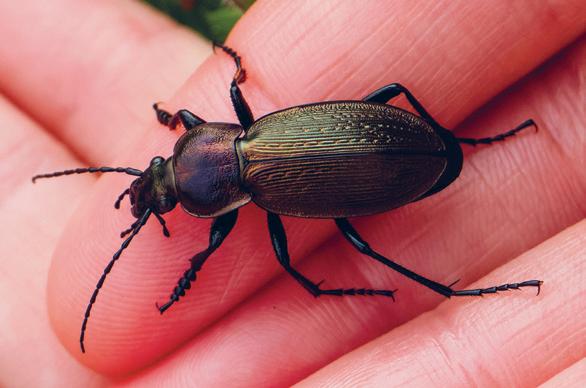
Below left, Parrot Waxcap. Below right, Necklace Ground Beetle.
Greater Broomrape.
Blue-eyed Grass.
Long-horned Bee.
SPRING AND SUMMER EVENTS AND COURSES
Here to whet your appetite for the wildlife to come, we’re delighted to announce the first events in our Spring-Summer 2026 programme. The main way we promote our events is via our website and monthly emails, so please keep an eye out on www.gwentwildlife.org/events for the latest listings, full details and to book your place. (Booking is essential for all events.) More events will be added in coming months. To subscribe to our emails, if you haven’t already, visit our website and complete the form on the homepage.
If you would like to ask us about any of these events, please do call the team on 01600 740600 or email info@gwentwildlife.org

TAKE STEPS FOR NATURE THIS SPRING – JOIN THE HEDGEHOG WALK FROM 30TH MARCH TO 30TH APRIL!
This spring, join The Wildlife Trusts and Timmy Time for a wild adventure that helps protect nature! From 30th March to 30th April, little legs across the country will be taking big steps for wildlife in The Hedgehog Walk – a fun and family-friendly fundraising challenge.
We’re on a mission to create more safe spaces for hedgehogs like Apricot and badgers like Stripey to thrive. That’s why we’re inviting families, schools, clubs and learning groups to walk 3km and raise vital funds for nature. Visit our website to take part!
April
Thursday, 30th, 7.30pm - 9pm
SPRING OPEN EVENING OF TALKS
Usk Memorial Hall, Usk
We are delighted to invite everyone to an evening of fascinating talks from GWT staff and partners, particularly as we unfortunately had to move our AGM online due to the floods in November.
The event will give you a fascinating insight into the wildlife of Gwent as well as providing the opportunity to chat with staff and ask questions about the work you support as a member. More detail on our website!
June
Monday 1st, 8.45pm - 11.15pm
NIGHTJARS AT BEACON HILL Nr Trellech
Join us to search for the illusive Nightjars with an evening strolling on the heath at Beacon Hill in the company of our bird expert, Andy Karran, to listen for and hopefully see this elusive and mysterious bird. Woodcock, Tawny Owls and bats should also make an appearance.
Wednesday 3rd, 10am – 12pm
MEADOW PLANT IDENTIFICATION (BEGINNERS)
Pentwyn Farm Nature Reserve, Penallt
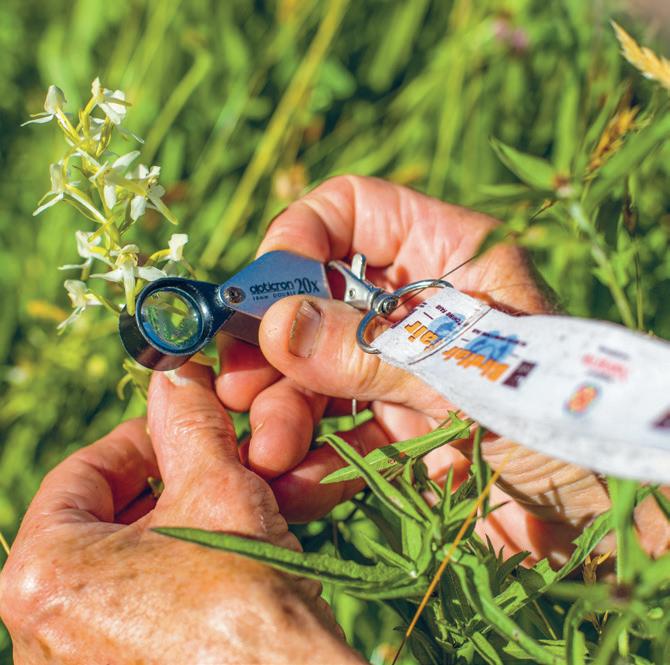
Get to know the wide and diverse range of meadow plants with GWT Ecologist Gemma Bodé. The session will consist of a gentle stroll and sit down around the species-rich meadows of Pentwyn Farm looking at how to identify the wildflowers and grasses that the site supports including the key features in the separation of similar species.
Thursday 4th, 9pm – 11.15pm
NIGHTJARS AT CWMCARN
Cwmcarn Forest, nr Newport
May
Saturday, 16th, 9.30am - 12pm
CHEPSTOW LOCAL GROUP’S ANNUAL PLANT SALE
Palmer Centre, Place de Carmeilles, Chepstow Free entry, cafe on site.
There will be a wide range of small shrubs and perennial garden plants for sale, with annual and vegetable plants and experienced gardeners on hand to advice! Donations of plants are always welcome –contact our local group to offer (see contents page.)
Saturday, 16th, 9.30am - 12pm
WILDING WALK AND TALK.
Wyeswood Nature Reserve, Penallt, nr Monmouth
Join us for a talk in the medieval barn followed by a walk to discover how we are restoring this 104-acre former dairy farm into a haven for wildlife and people: enjoy spectacular views over the Wye Valley and a landscape steeped in wild wonders and natural history.
July
Thursday 2nd, 9.15pm MAGOR MARSH AFTER DARK Magor Marsh Nature reserve.
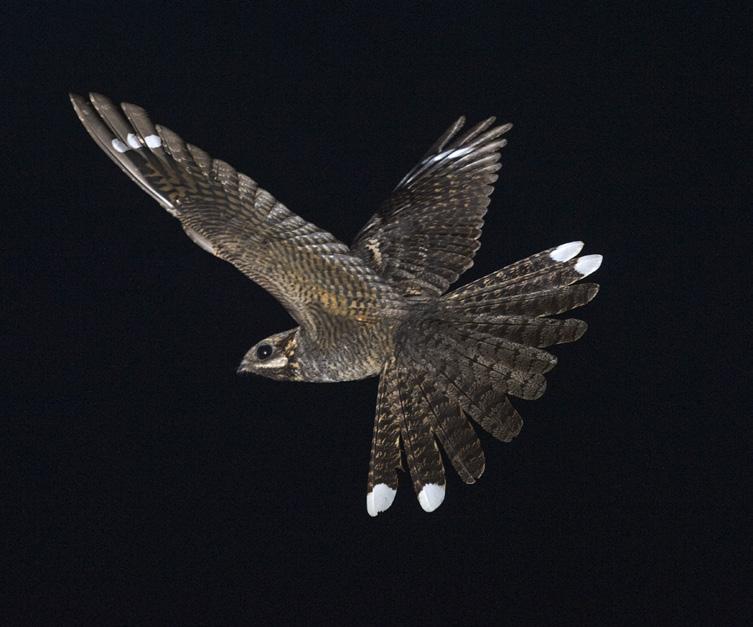
Join us to search for the illusive Nightjars, walking the woodland paths at Cwmcarn in the company of our bird experts, Rob and Andy. We’ll listen for and hopefully see this elusive and mysterious bird. Tawny Owls and bats should also make an appearance.
Tuesday 9th, 12.30pm – 4pm SPRINGDALE FARM NATURE RESERVE 25TH BIRTHDAY CELEBRATION
Springdale Farm Nature Reserve, nr Usk
Join us to celebrate this magnificent reserve with a picnic in the meadow: learn how to identify meadow plants, enjoy nature activities and a guided walk around the reserve.
Tuesday 9th, 10am – 12.30pm MEADOWPLANT IDENTIFICATION (INTERMEDIATE)
Springdale Farm Nature Reserve. All ages welcome!
Following on from our beginner’s course on Wednesday, 3rd June, Andy Karran will provide a deeper dive into the wonderful plants to be found in our traditional meadows and grasslands. This event is part of our Springdale Farm nature reserve 25th birthday celebrations but places are limited.
Venture out at dusk with bat detectors to hopefully see the mysterious Glow-worm (not a worm at all but a beetle that can glow in the dark). Moth traps will be set and we will see what is in these at the end of the walk. This immersive and fun night time event is spectacle worth staying up late for, led by our ecologists Andy Karran and Lowri Watkins.
Your event?
Would you like to share your love of wildlife by hosting a fundraising event for us? We have lots of resources to help you. Get in touch with your local group lead (see page 1 of this magazine for contact details) or Natasha Burgon, Senior Fundraising Officer on nburgon@gwentwildlife.org for support.
VOLUNTEERING ACTIVITIES
We also have regular and occasional volunteering activities going on over the spring and summer. Visit gwentwildlife.org/volunteer for more info:
We’re always keen to welcome new volunteers to join our ‘flock’ of livestock volunteers who help us manage our conservation grazing programme (no experience necessary).
Every Thursday, we run practical volunteering workdays in the East of Gwent, from 10am to 3pm. Spring and Summer works might include helping maintain fences and paths, raking and hay spreading.
If you are already registered as a volunteer, keep an eye out on team kinetic for upcoming river restoration volunteering opportunities to include: Beaver analogue construction and macroinvertebrate monitoring at the River Meadow, Himalayan Balsam (invasive non-native species) removal and leaky dam construction and river cleans across Gwent catchments.
Springdale Farm
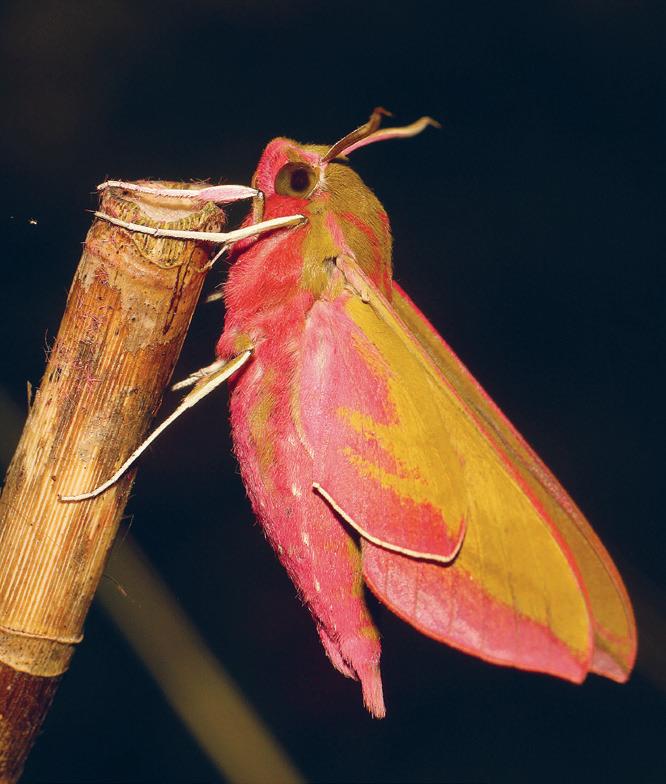
Elephant Hawkmoth
Meadowplant identification
Nightjar
Pentwyn Farm
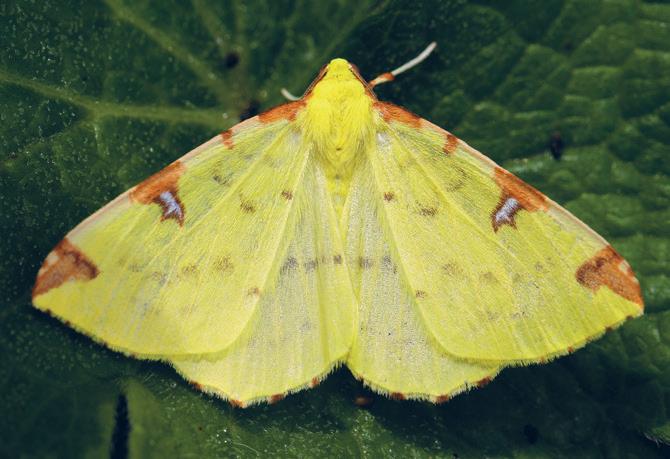
Brimstone Moth
Strengthening the National Hedgehog Monitoring Programme
By Lowri Watkins, Senior Evidence Officer

You may have read our previous article on hedgehogs in the Spring 2025 issue of this magazine, where we discussed the ecology, biology and conservation status of the species and some practical ways to help them. In this issue I’d like to expand on GWT’s recent involvement in the National Hedgehog Monitoring Programme (NHMP).
ABOUT THE NHMP
This ground-breaking pilot is led by the People’s Trust for Endangered Species and
the British Hedgehog Preservation Society.
It has been funded by Natural England, and includes collaboration with the Zoological Society of London, London HogWatch, Durham University, MammalWeb, Nottingham Trent University.
Started in 2023, the monitoring programme uses a combination of trail cameras, Artificial Intelligence (AI) and volunteers, to allow researchers to produce the first robust population estimates for hedgehogs in Britain. This pilot was needed as existing surveys that indicate only where hedgehogs are present don’t reveal how that population is faring until it has disappeared, but monitoring numbers can give a warning if the population is in trouble. The programme also aims to look at regional and habitat differences in hedgehog populations, to identify what factors impact them. With this knowledge, they hope that effective conservation plans can be developed, so that we can reverse the decline of this iconic species.
Since the NHMP started, monitoring has been conducted across 53 sites in Wales, England and Scotland, coordinated by 15 regional ‘hubs’. These hubs, of which Gwent
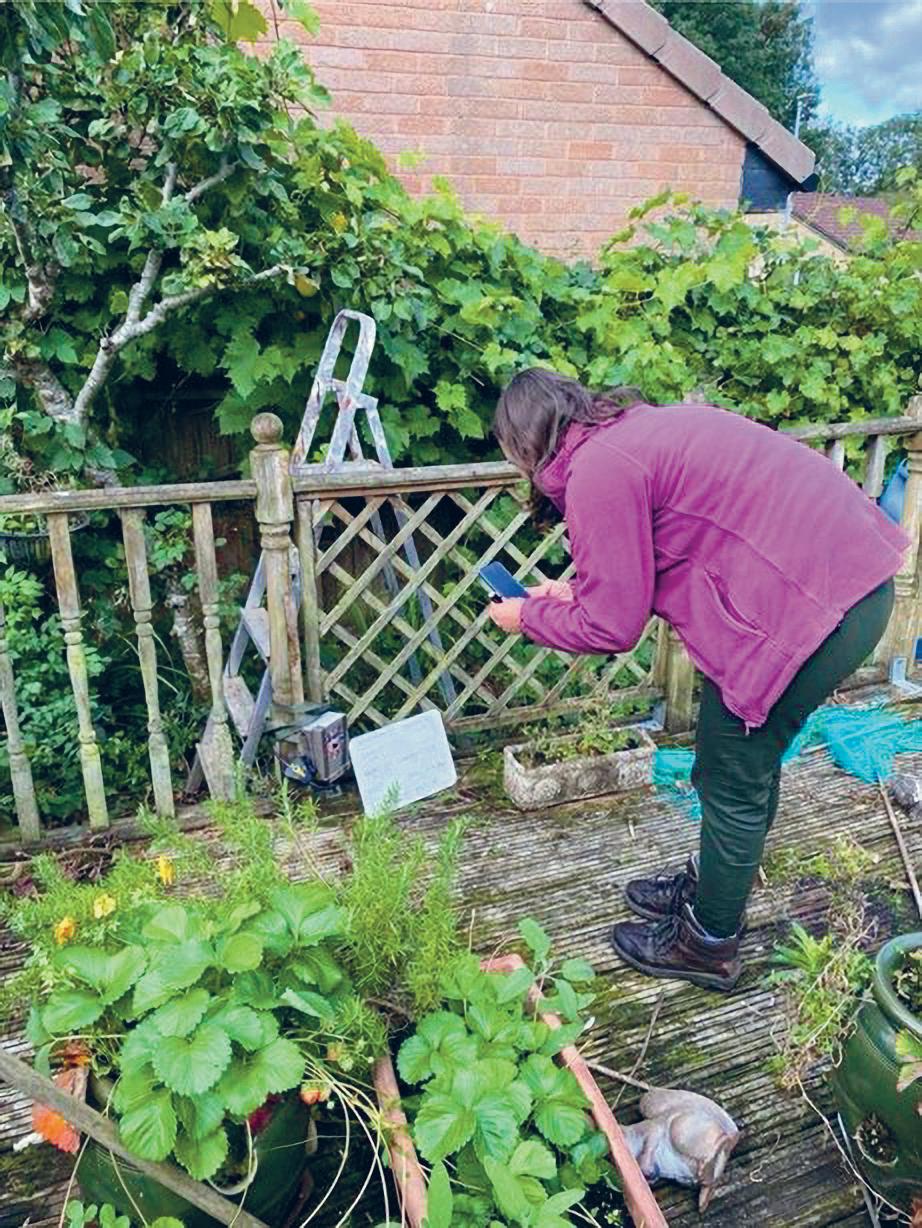
IN TOTAL, WE INSTALLED:
6 cameras on nature reserves
1 camera in a local church
1 camera in an orchard
1 camera in a local school (watched by enthusiastic Year 5 students!)
4 cameras in our volunteers’ gardens
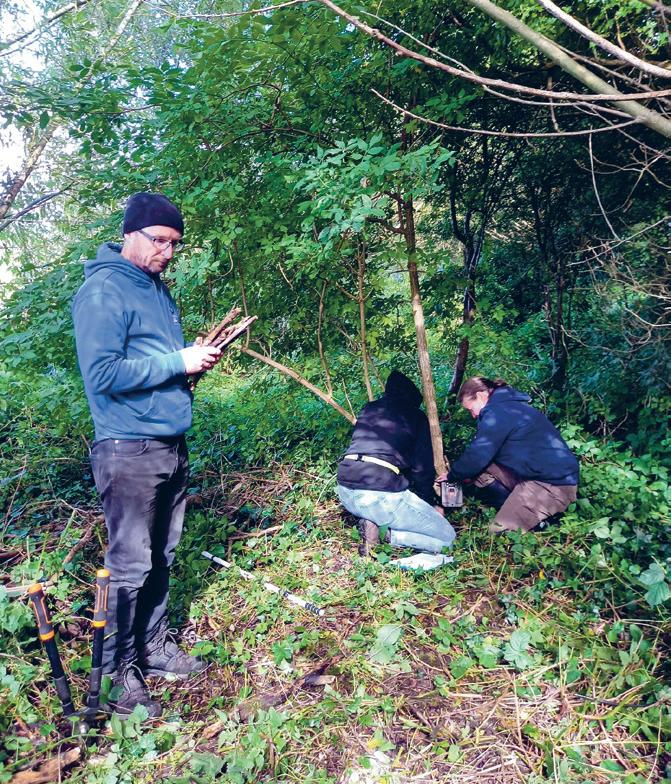
Wildlife Trust is one, have worked at the local scale, with the help of enthusiastic volunteers, to secure permissions for siting cameras across a diverse range of habitats.
OUR INVOLVEMENT IN GWENT
Gwent Wildlife Trust signed up to be a regional hub in 2024 and established monitoring at a site in Monmouthshire. The monitoring involves selecting a 1km2 area, and within this area installing 30 trail cameras that will capture photos of any wildlife for 30 consecutive nights. Getting permissions to install this many cameras was a bit of an undertaking, but we were very grateful to have the help of our volunteers who introduced us to their local contacts, as well as assisting staff with door-knocking.
We were bowled over by the warm welcome received from so many local residents and other community members, who were keen to be involved in this important monitoring and readily offered up their gardens and other green spaces to host a camera. We managed to secure all the permissions needed in time for a September 2024 installation.
17 cameras in a wide variety of gardens belonging to members of the public! This gave us an excellent spread of different habitats across the 1km2 area. The cameras stayed out through all weathers for the full 30 day period, before once again being collected in by GWT staff and volunteers in October 2024. This single monitoring period produced a whopping 104,277 images across the 30 cameras!
After this, we set about transferring the images to the online platform, MammalWeb, where they could be checked by citizen scientists (see side panel for details) who identify any wildlife photographed.
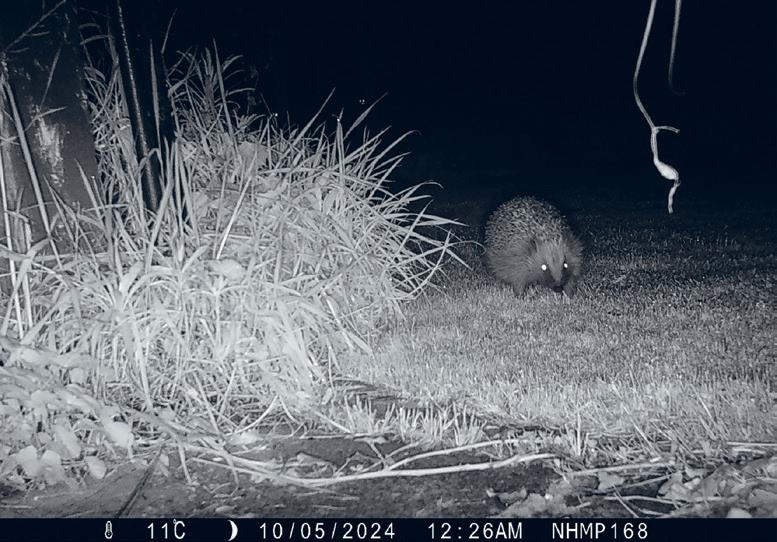
So what did we find? A wide range of wildlife was recorded – 24 different species in total, and pets made a frequent appearance too, particularly cats. Wild visitors included species you might commonly spot out your window, such as woodpigeon, grey squirrel, blackbird and jackdaw, but there were also some lesser seen visitors too, such as badger, fox, stoat, water rail and, yes… hedgehog! In fact, hedgehogs were recorded at 15 out of 30 camera locations. They were recorded regularly at some locations, while at others they turned up just once or twice. The NHMP researchers will be able to analyse
this data and obtain much useful information, particularly in assessing the findings against other participating sites across Wales, Scotland and England. With thanks to participants and volunteers, we were able to repeat the monitoring again in autumn 2025, returning to install cameras at the same 30 locations. These photos are still being processed, so it’ll be a little while before we have the results. We hope to be able to continue the monitoring annually, which will contribute to the goal of robust population estimates for hedgehogs, and eventually allow information on population trends to be assessed and reported.
HOW CAN YOU GET INVOLVED?
There are still lots of images from the NHMP that need to be checked and the wildlife identified, including for the cameras that were installed in our patch in Gwent. For this we need lots of people to get involved in ‘spotting’ on the MammalWeb platform where the images are hosted - and be warned, it can be quite addictive!
MAMMALWEB INSTRUCTIONS
If you’d like to help identify the images, you’ll first need to create an account on MammalWeb:
www.mammalweb.org/en/login
Choose the option at the bottom ‘Don’t have an account?’ to go to the User Registration page. Once you’ve completed the registration process, you are ready to get spotting! You may wish to have a little practice first - you can do this by hovering over the LEARN dropdown along the top bar and selecting Test Yourself. There are many test options here, though you may find ‘UK Mammals’ and ‘UK Birds’ most useful if you intend to identify wildlife as part of the National Hedgehog Monitoring Programme. When you’re ready to get spotting, click the PROJECTS option along the top bar and this will take you to a page with all the different camera trapping projects you can contribute to by spotting wildlife. You can participate in any of the available projects, though obviously we’d like to encourage you to concentrate your efforts on the National Hedgehog Monitoring Programme (NHMP) - www. mammalweb.org/nhmp If you select this option, you can then choose whether to classify images for the whole of the UK, or if you scroll down that page, you’ll see all the regional sub-projects that you can help with –the GWT cameras are found within the ‘NHMP – Wales’ and then ‘NHMP Monmouthshire - 1’ project. If you need any more information about the project, please go to www.nhmp. co.uk, where you’ll also find a helpful video guide to help you get started. You can also sign up to receive email updates from the project. Happy spotting!
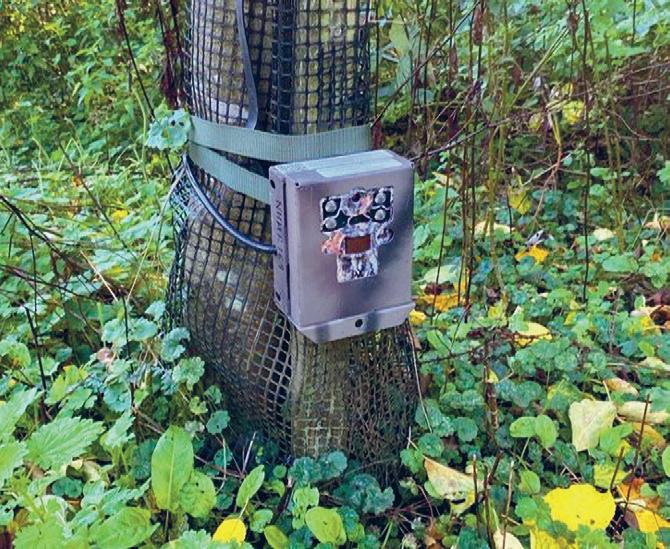
Setting camera traps in gardens, (left and above.) Camera trap secured (below.)
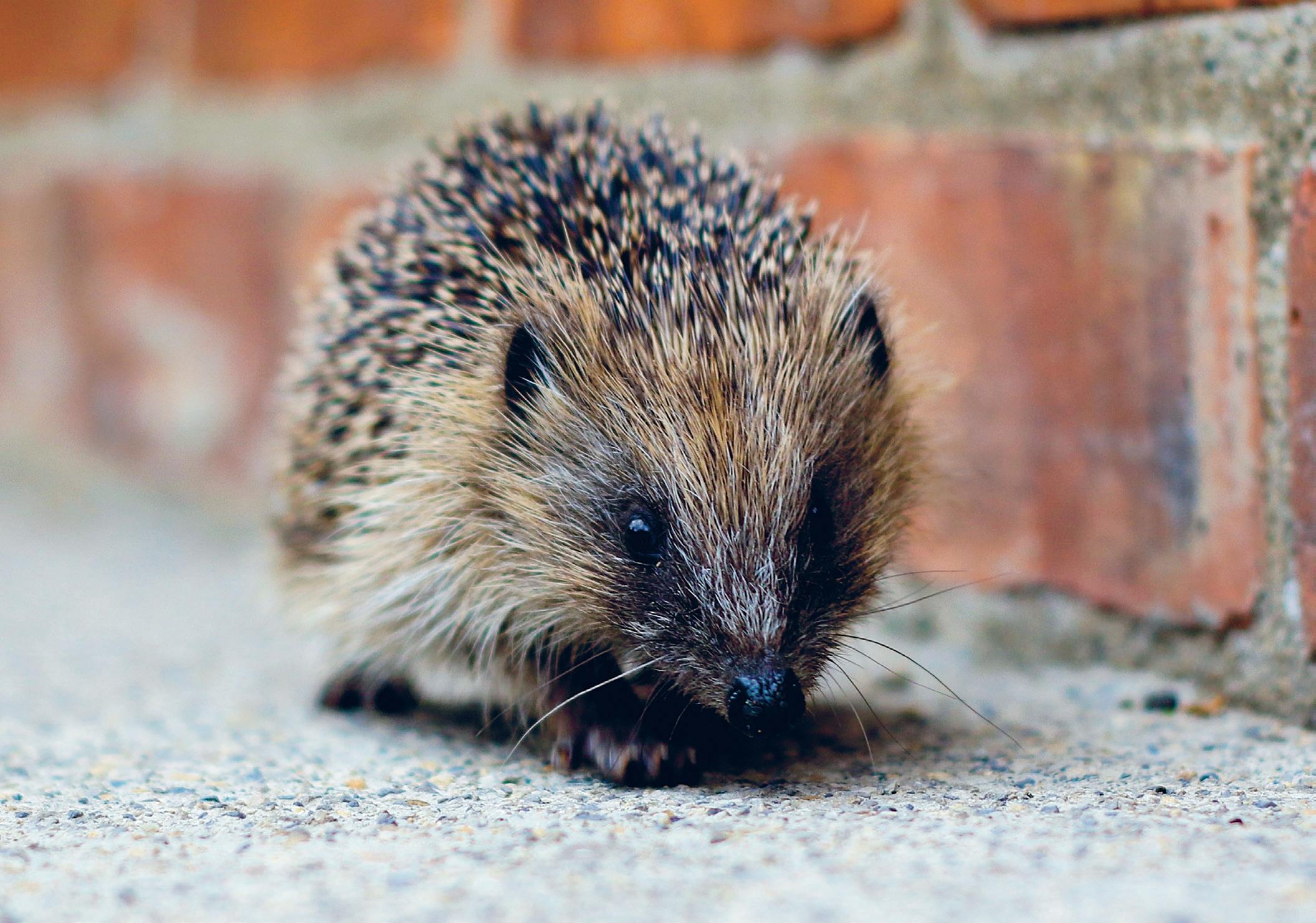
Above, a hegdehog caught on camera!
HOME ON THE WING
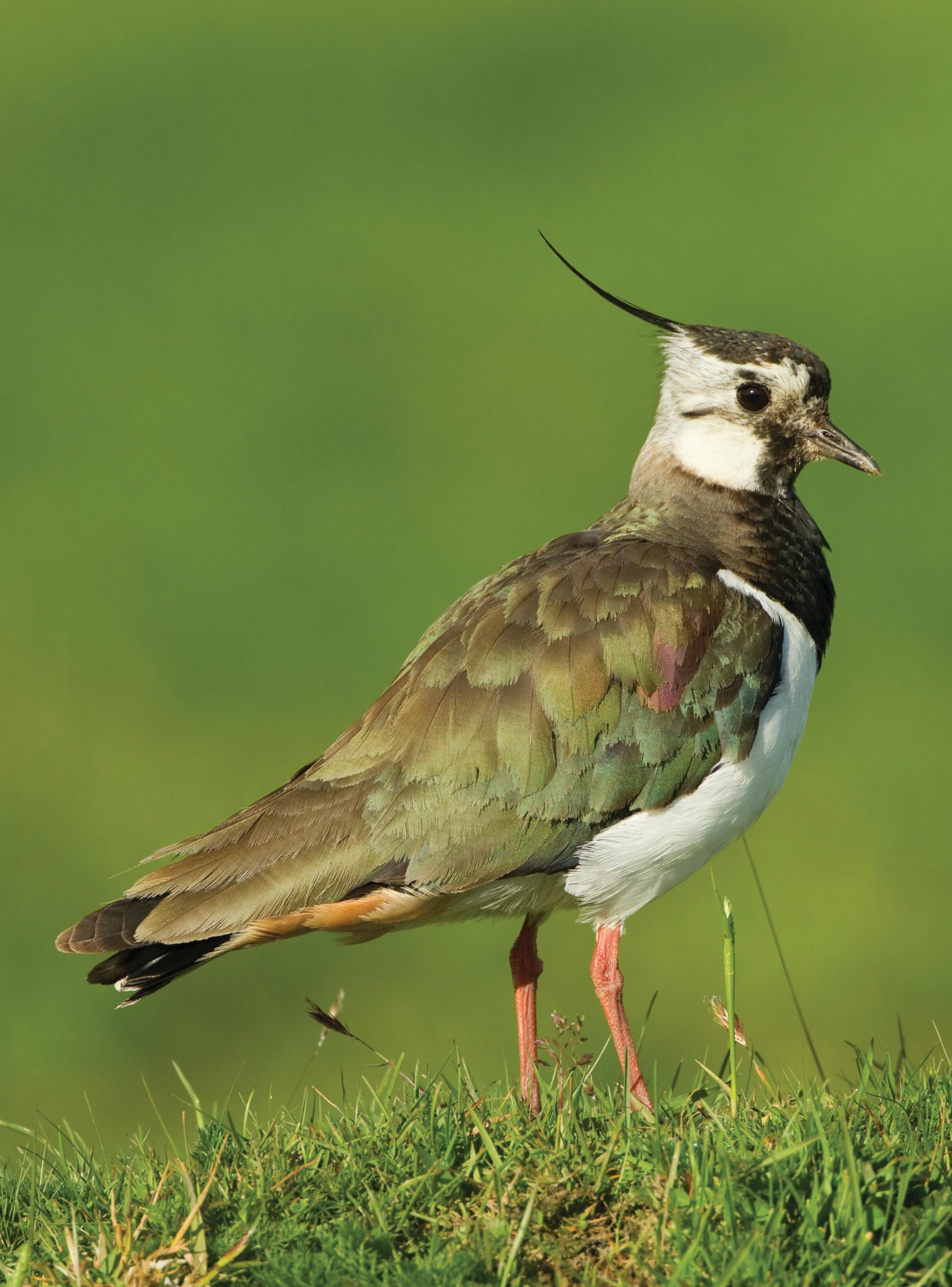
“To hear the iconic R2-D2 calls of lapwing sealed it all for me; to know they’d found somewhere to call home and raise their family in the landscape, a little blue-green paradise for these wonderful birds.”
Charlotte Pestell, Project Officer, Sussex Wildlife Trust
Resilient By Nature
Eleanor Johnston, Climate Change Manager at The Wildlife Trusts, introduces a new era of nature conservation, defined by extremes.

From record-breaking heatwaves to devastating floods, the impacts of climate change are no longer distant threats but everyday realities reshaping our landscapes and our lives.
Across the UK, The Wildlife Trusts are already helping nature adapt. We’re working on a national scale to build resilience, restore habitats and show the huge benefits of putting nature at the heart of climate adaptation, not just for wildlife, but for people too.
Take the Pevensey Levels in Sussex: a vast, low-lying area of grassland that has become increasingly dry due to climate change and water extraction. Sussex Wildlife
Trust is revitalising this important wetland to hold more water again, helping to bring back the wading birds and waterfowl that would have once been in abundance.
When the Project Officer, Charlotte Pestell, visited the site in May last year during an exceptionally dry spring she “knew things had gone well when it was still a complete necessity to wear wellies”. She described the “delight to walk onto the reserve, splashing along and marvelling at the big skies reflected in the new pools.”
At The Wildlife Trusts we regularly review progress and consider what we must do differently to prepare for the extreme and unpredictable weather that has become the norm. Our latest progress report, Resilient
Nature, celebrates climate adaptation work and collaborations across the UK. For many years, our work has been guided by the Lawton Principles –creating more, bigger, better and joined up natural habitats. Now, we are building on these principles through more flexibility, more diversity and the ability to bounce back. We’re applying this to a wide range of habitats, helping wildlife and people adapt to the changing climate.
Coastal
Sometimes, adapting to climate change means accepting that nature will have to change too. In 2013, a powerful tidal surge flooded Suffolk Wildlife Trust’s Hazel Wood
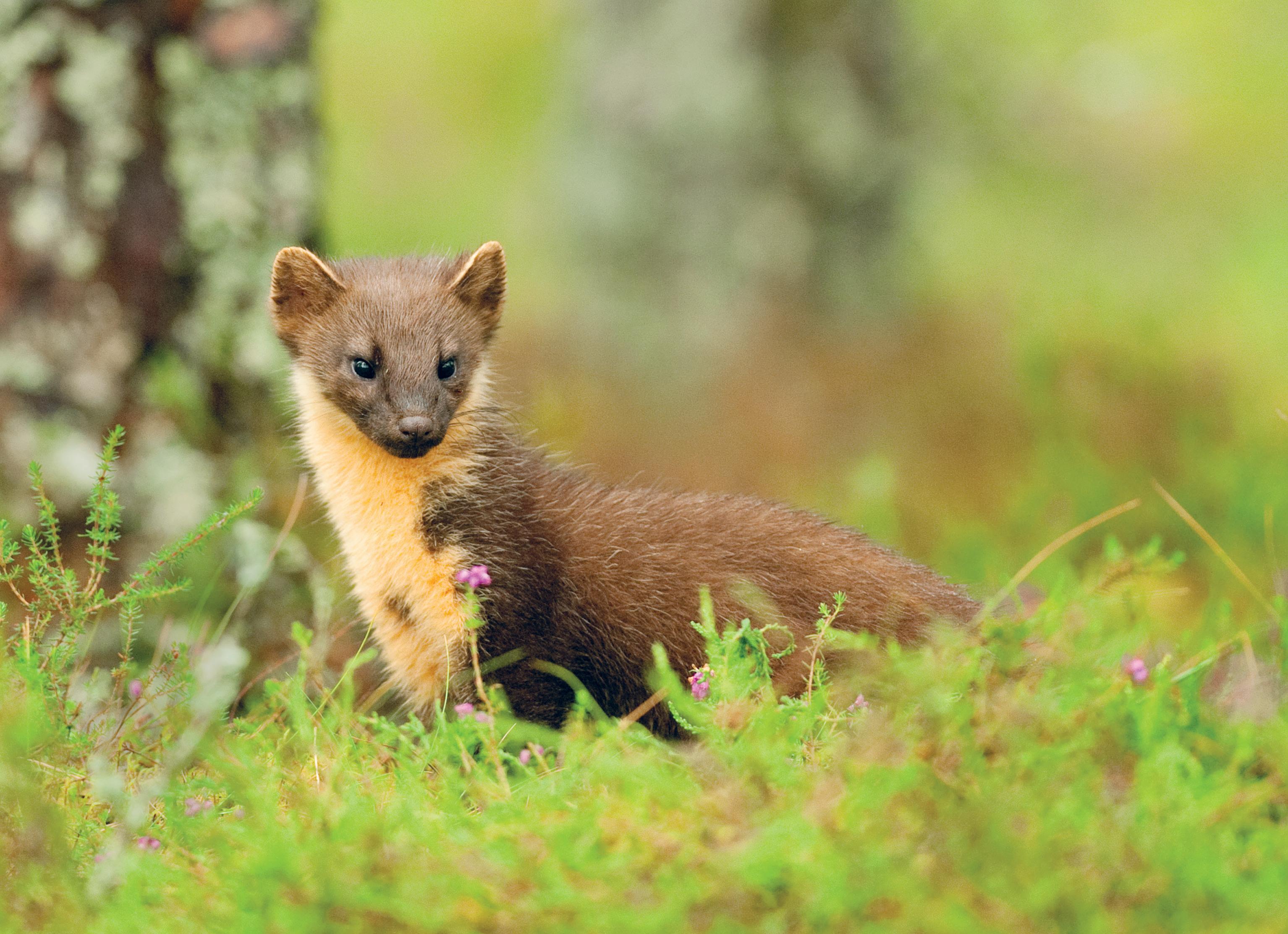
PINE FRESH
The Derwent Living Forest hopes to welcome the return of animals such as pine martens—nocturnal acrobatic climbers that rely on woodlands for foraging and safety. Ponds and wetlands will slow the flow of water and reduce flood risk, while also storing water to ease the impacts of drought.
Marshes Nature Reserve with saltwater. This meant that freshwater habitats and species were lost, but now the reserve has been transformed. New saltmarsh is developing and with it new flora and fauna is flourishing.
Peatlands
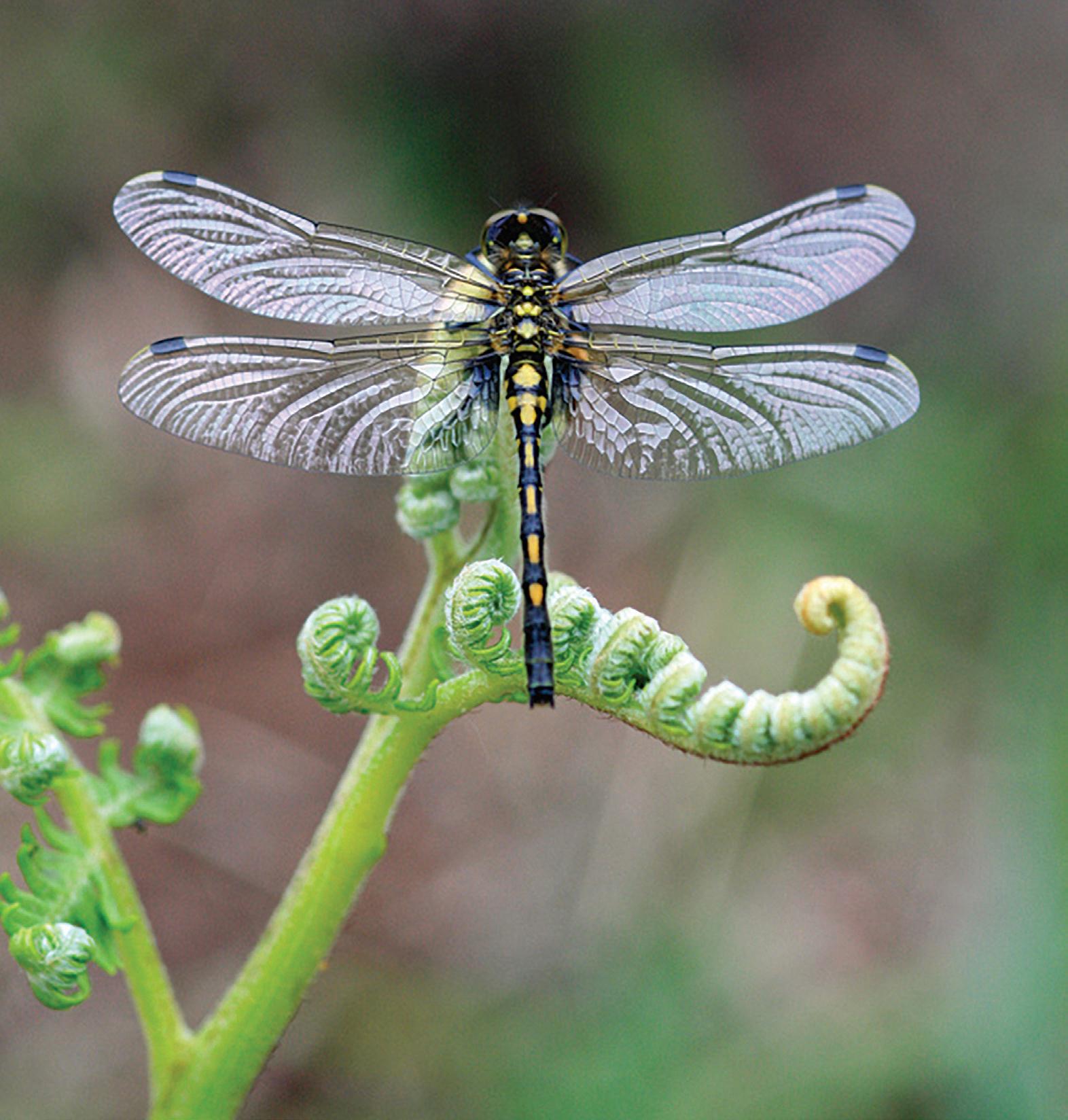
Across The Wildlife Trusts we’re restoring peatlands—when healthy, they absorb rainfall and release it slowly, helping to reduce flooding downstream. This work also supports rare wildlife too, including the white-faced darter dragonfly. Thanks to Cumbria Wildlife Trust‘s extensive restoration of peatbogs at Drumburgh Moss, this dragonfly is on the rise.
Woodlands and Wetlands
Derbyshire Wildlife Trust’s Derwent Living Forest project is creating wooded habitats and wetlands to connect the National Forest with the soon-to-be established Northern Forest. This living corridor will
allow species to move more freely, adapt and survive as climate conditions shift.
Bringing adaptation home
Climate adaptation isn’t just about vast landscapes—it can begin in towns and our own gardens too. Every patch of green space can help wildlife move between a mosaic of habitats, provide water, food, shelter and shade, and make our homes more resilient to extreme weather.
Let’s advocate for adaptation
Our weather is swinging between extremes—but we all have the power to help nature adapt. Whether it’s by supporting your local Wildlife Trust, creating a pond, or simply letting your garden grow a little wilder, every action counts.
Let’s challenge the idea of tidy, manicured gardens and instead embrace spaces full of life—messy, diverse and resilient. These are the places that will
withstand drought, heavy rain and heatwaves, while providing sanctuary for beetles, butterflies, birds and us too.
But beyond our own gardens, we must call for climate adaptation on a national scale—with nature at its heart. As extreme weather events become more frequent, it’s vital that our governments plan ahead to prioritise resilience. You can make a difference by writing to your MP, AS or MSP: share your experiences, highlight local climate challenges and urge them to support action that helps both nature and communities thrive.
When we give nature the space and time to adapt — whether in a vast forest, sprawling peatland, a saltmarsh or a small garden pond — nature has extraordinary resilience, can restore balance and protect us in return.
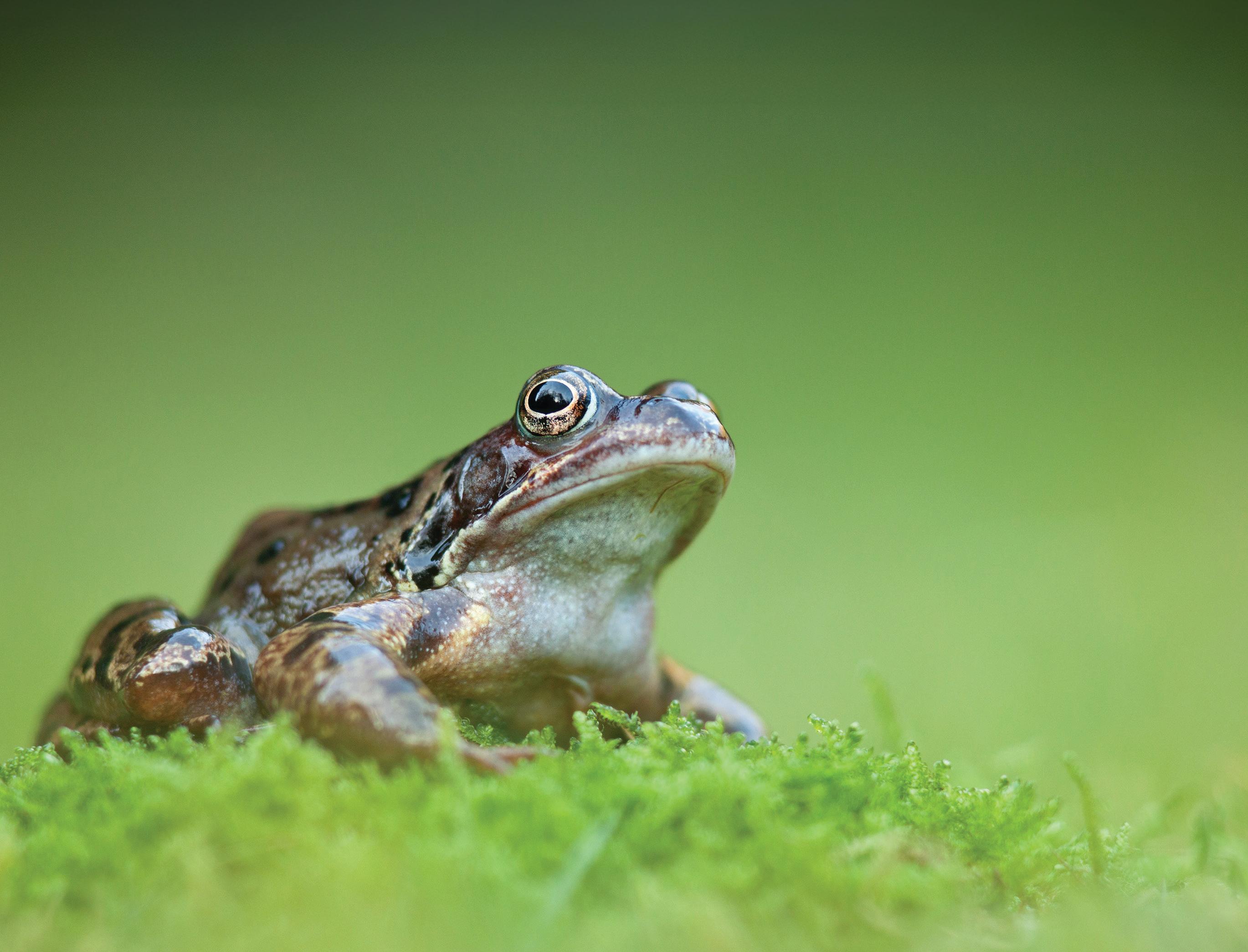
IF YOU BUILD IT
"It’s May 2024, we’re digging a pond in the back garden. But the work is called off when heavy rain turns the soil to mud. A frog appears, enjoying the now rain-filled hole—a glimpse of what is to come. By autumn, our previously waterlogged lawn drains more easily, and the new pond and shrubs welcome the heavy downpours.
"During the spring drought and summer heatwaves, the pond becomes a vital refuge for wildlife, and a cool and shady spot for me.
Goldfinches flit through the splashes as a blackbird bathes in the shallows. Tadpoles wriggle, then transform into tiny frogs—living proof that small changes can make a big difference.
"Creating these nature-friendly spaces can help us as well as wildlife. Plants soak up water, reduce flooding and cool the air. Replacing concrete, artificial turf and paving with planted borders and lawns can significantly lower flood risk and prevent overheating in our homes."
NEW SALTMARSH
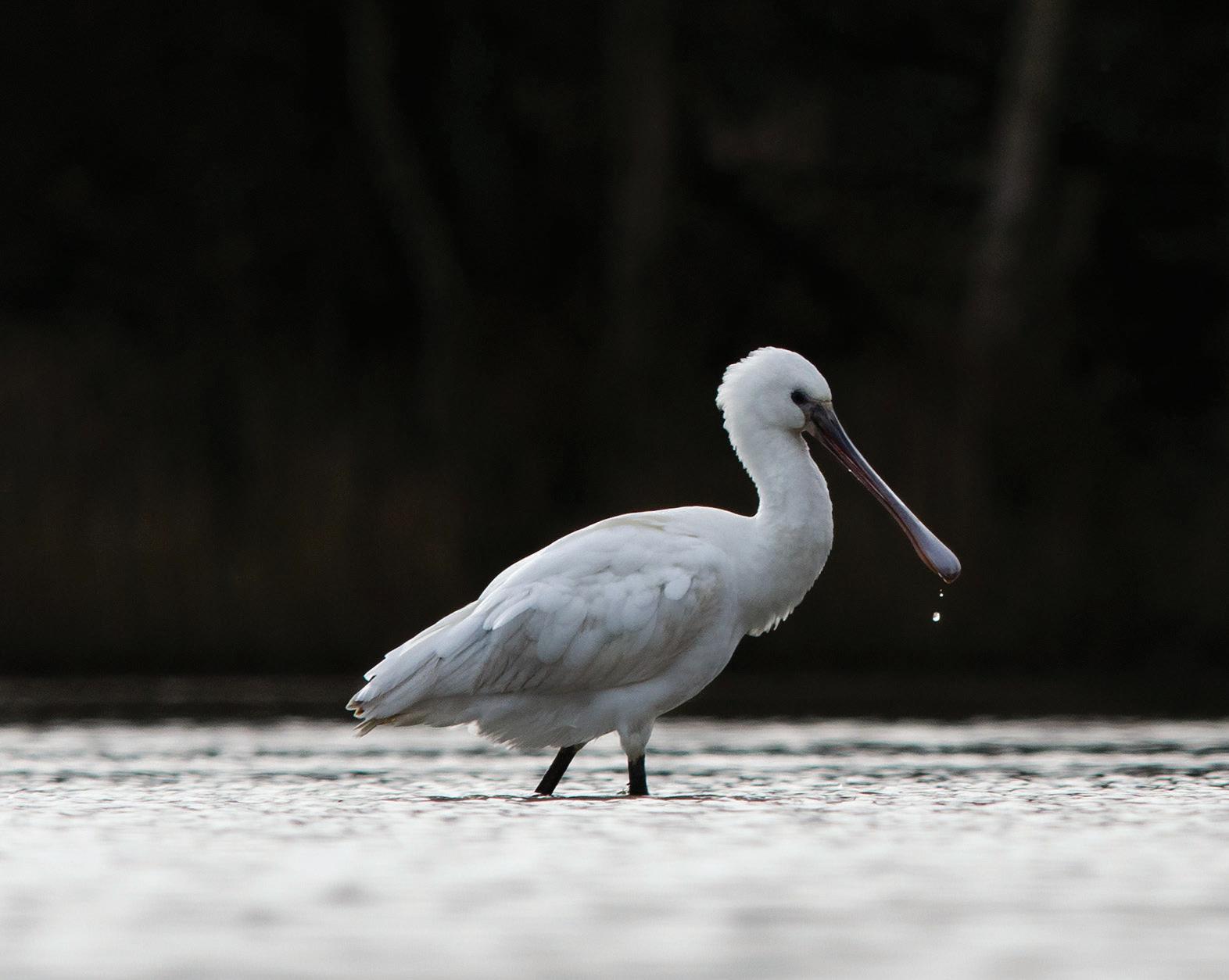
At Hazel Wood Marshes Nature Reserve long-legged spoonbills are now spotted in winter, sweeping their spoon-shaped bills through the shallows in search of food.
Redshank, lapwing and avocet nest here too, while salt-tolerant marsh plants like samphire are popping up in the mud.
FACE OFF
The white-faced darter has declined due to peatbog loss caused by climate change and human activities. Cumbria Wildlife Trust is helping this small dragonfly spread to new areas, alongside the British Dragonfly Society, RSPB and Natural England, creating the right conditions for this striking insect to thrive.
CLIMATE-FRIENDLY GARDENING TIPS
With an estimated 24 million gardens in the UK, our gardens are a vast living landscape and can help us adapt to climate change.
Dig ponds
Stores water in storms and provides refuge during drought.
Grow wild
Longer grass cools the soil and provides refuge for insects.
logs
Deadwood shelters beetles, frogs and provides habitat for fungi.
Plant trees
Shades homes, cools air and locks up carbon
Jenny Shelton, Senior Media Officer at The Wildlife Trusts, shares her life-long passion and fully-fledged fascination for birds.
The Of
An ode to lovebirds across the British Isles and their rituals of courtship
Jane Austen, one, of our great English writers and an authority on matters of the heart, once observed that, in courtship, ‘the man has the advantage of choice, woman only the power of refusal’.
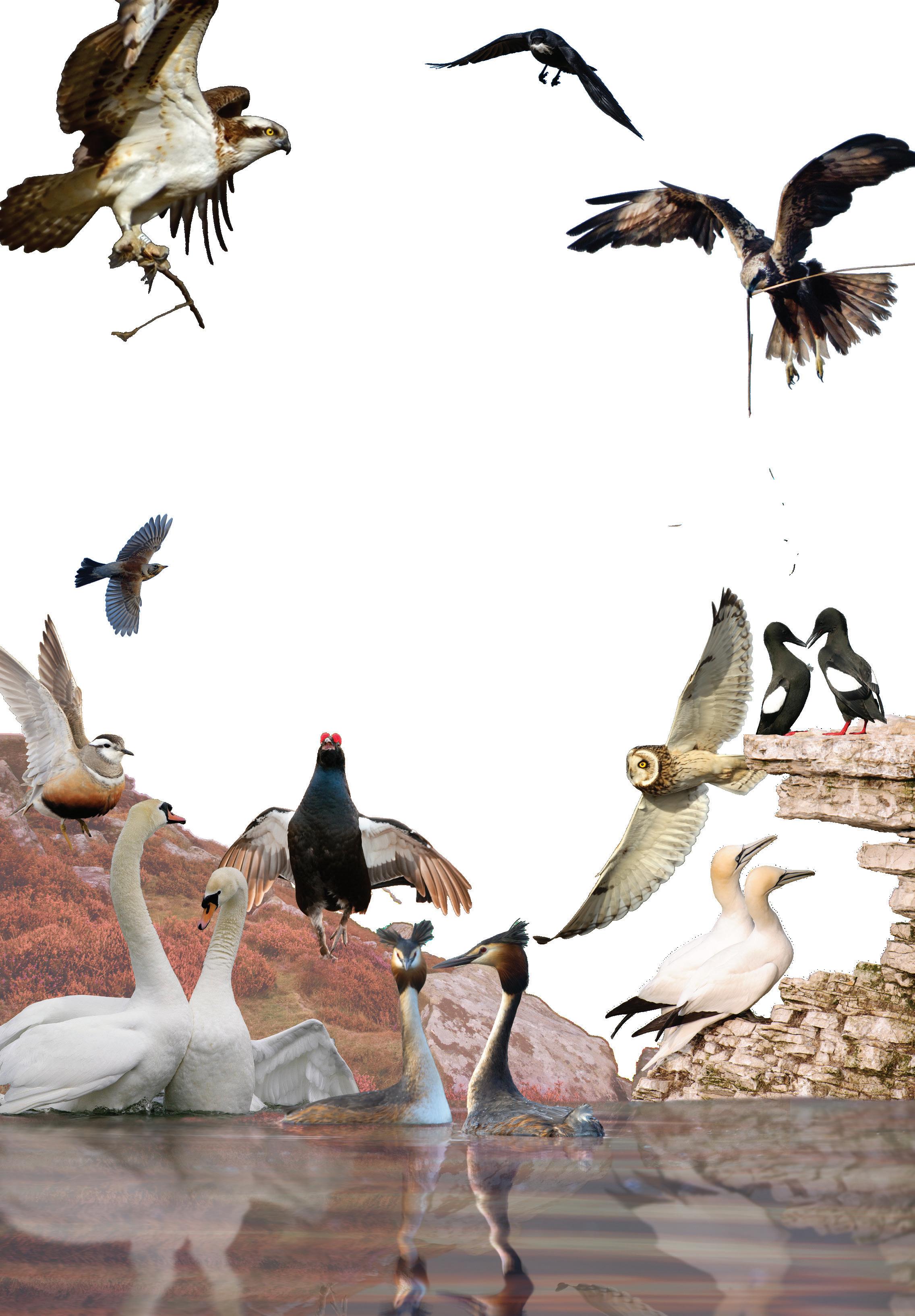
The same can be said of the bird kingdom. In spring, birds—from mighty ospreys to garden robins—turn their sights to the business of breeding. Much like in Jane Austen’s time, the rules of romance are strictly observed. A female might find herself courted in a number of ways: a serenade, a dance, or the giving of a gift, like the kingfisher’s delicate presentation of a fish. Then, once the male has declared his intentions, it’s up to her to accept or refuse.
I once watched a male osprey return to a nest in southern England, where these birds had once vanished from the landscape. He had flown ahead of his mate from West Africa to claim their territory and awaited her arrival. When she appeared, he wooed her with gifts of sticks and shiny fish until she seemed satisfied with his devotion.
Courting birds often use visual cues, with more glamorous males coming out on top.
The extravagance of the peacock’s tail, which offers little protection from predators, was evidence to Darwin that it must therefore be appealing to the female.
Many birds can also see on the ultraviolet spectrum, which makes some colours glow vividly—like the blue of a blue tit’s crown (the brighter the better).
Along with gift-giving and looking gorgeous, another route to a female’s heart
is through performance—be it an impressive vocal range or elaborate dance.
I was creeping through a thicket one day in early spring when a sound of such richness exploded from the thorny branches. The nightingale’s song is unmistakable: a heart-piercing performance of different sounds, hitting notes both high and low in a combination of complex phrases. It’s easy to appreciate how a bird with such vocal abilities must be in tip-top breeding condition. Sadly, nightingale numbers have plummeted by 90% in the UK in the last 50 years.
My final focus brings us back to the ballroom, where all the best romances play out from Persuasion to Grease. Now’s the time to watch for the alluring dance of the great-crested grebe. What begins with tentative head-shaking and bill-dipping builds to the pair’s wonderful weed dance.
But there’s one bird that outperforms them all with an aerial ballet that few get to witness: the hen harrier. On a windswept hill somewhere, right now, a silvery male will be twisting and turning through the air, its wings opening and folding, its body rolling as it climbs and dives, chattering in an urgent attempt to charm a female hidden in the heather. If he wins her heart, he wins the chance to pass on his genes.
So, while Austen may have lamented a lack of female agency, had she looked to her garden finches or the singing starling, she might have been encouraged to find that female choice, in fact, holds the power to perpetuate life itself.
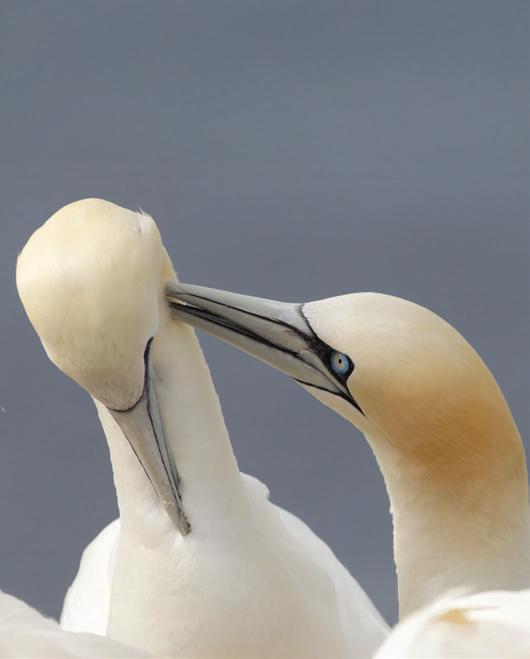
GANNETS
Our cover of this issue shows the Gannet, amazing birds that remain together year after year whilst spending large parts of the year apart. They spend the autumn and winter roaming widely on the open seas, not seeing their partner for months, yet they return to the breeding colony every spring and find each other in a mass of countless thousands of seemingly identical birds. After such a long time apart, they reinforce their bond by taking part in rituals such as rubbing beaks and entwining necks, a bit like having a hug and a kiss! We usually need to travel beyond Gwent to witness these wonderful birds, (although there have been very occasional windblown sightings!).
3 BIRDS TO SEE IN GWENT
From lifelong partnerships to elaborate dances and surprisingly complicated relationships, these birds show just how varied love lives in nature can be.
MUTE SWAN
A familiar sight on Gwent’s lakes and slow-flowing rivers, Mute Swans are often seen gliding in pairs. While they commonly reunite year after year, they can form new bonds if one partner is lost — a reminder that even in the bird world, love can have second chances. Look out for them on larger waterways and wetland reserves, including Magor Marsh.
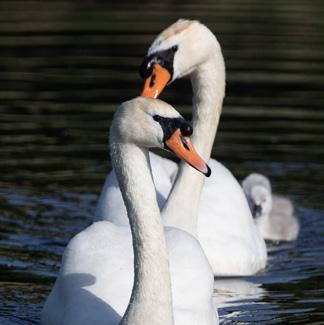
Location: Magor NP26 3DD
GREAT CRESTED GREBE
One of the most romantic birds to watch in spring, Great Crested Grebes perform elegant courtship dances, mirroring each other’s movements and exchanging gifts of pondweed. These graceful displays help strengthen the pair bond and are a real seasonal highlight.
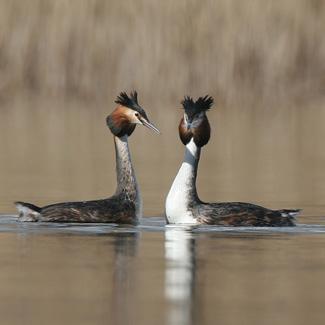
Best spotted on larger lakes and reservoirs, such as Llandegfedd Reservoir.
Location: Pontypool NP4 0SY
DUNNOCK (HEDGE SPARROW)
Don’t be fooled by its modest appearance — the Dunnock has one of the most complex love lives of any garden bird. From monogamy to shared partnerships involving multiple males and females, this unassuming species proves that bird relationships aren’t always straightforward. Common across gardens, hedgerows and woodland edges throughout Gwent, including our Silent Valley Nature Reserve.
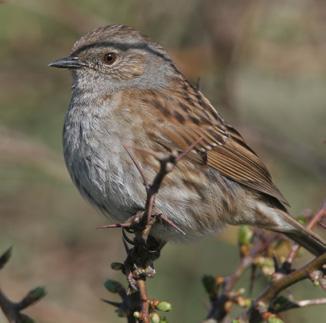
Location: Ebbw Vale NP23 7RX
Thorax Broad blue or pale stripes on the top.
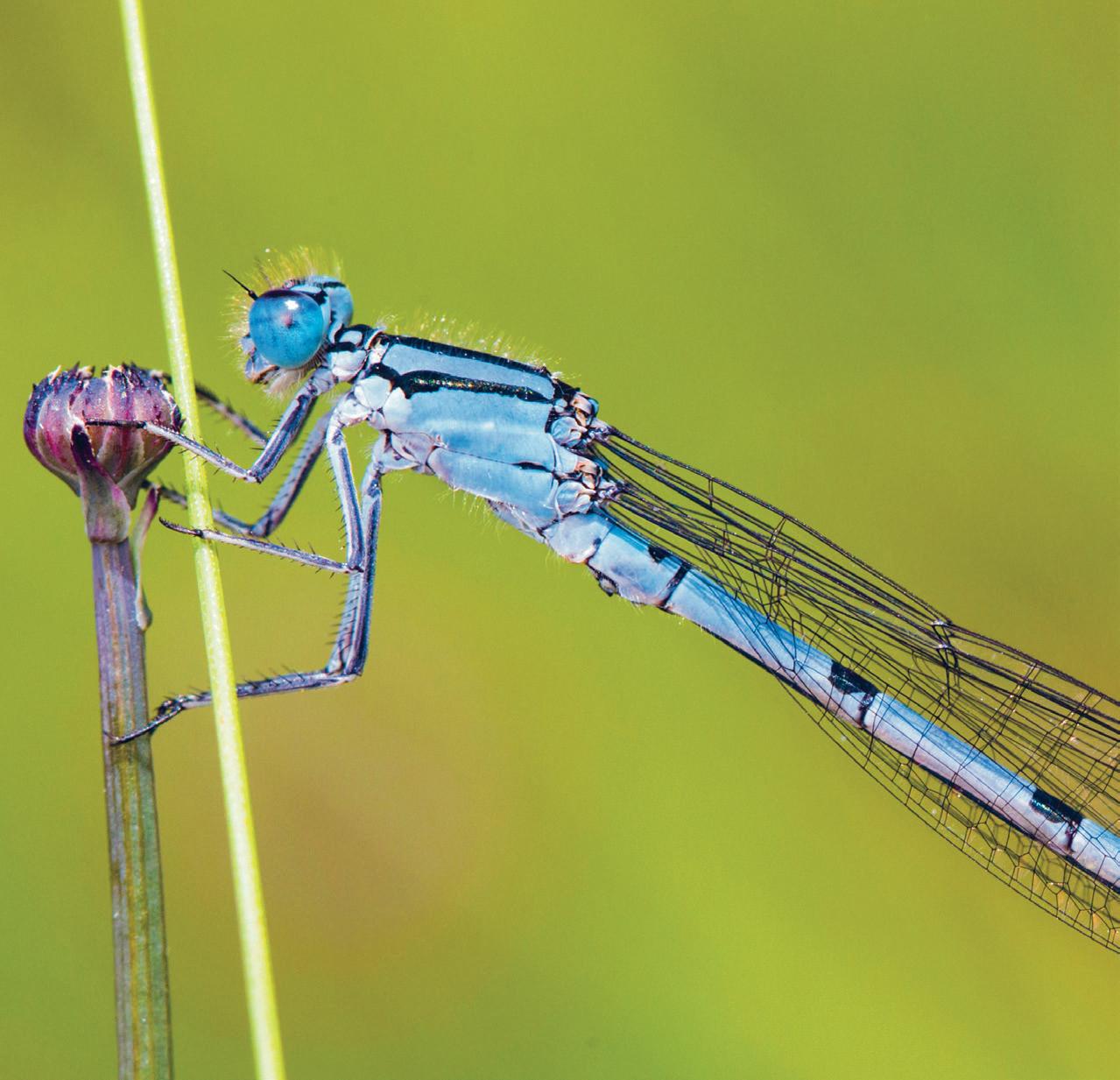
Thorax No black spur on the side.
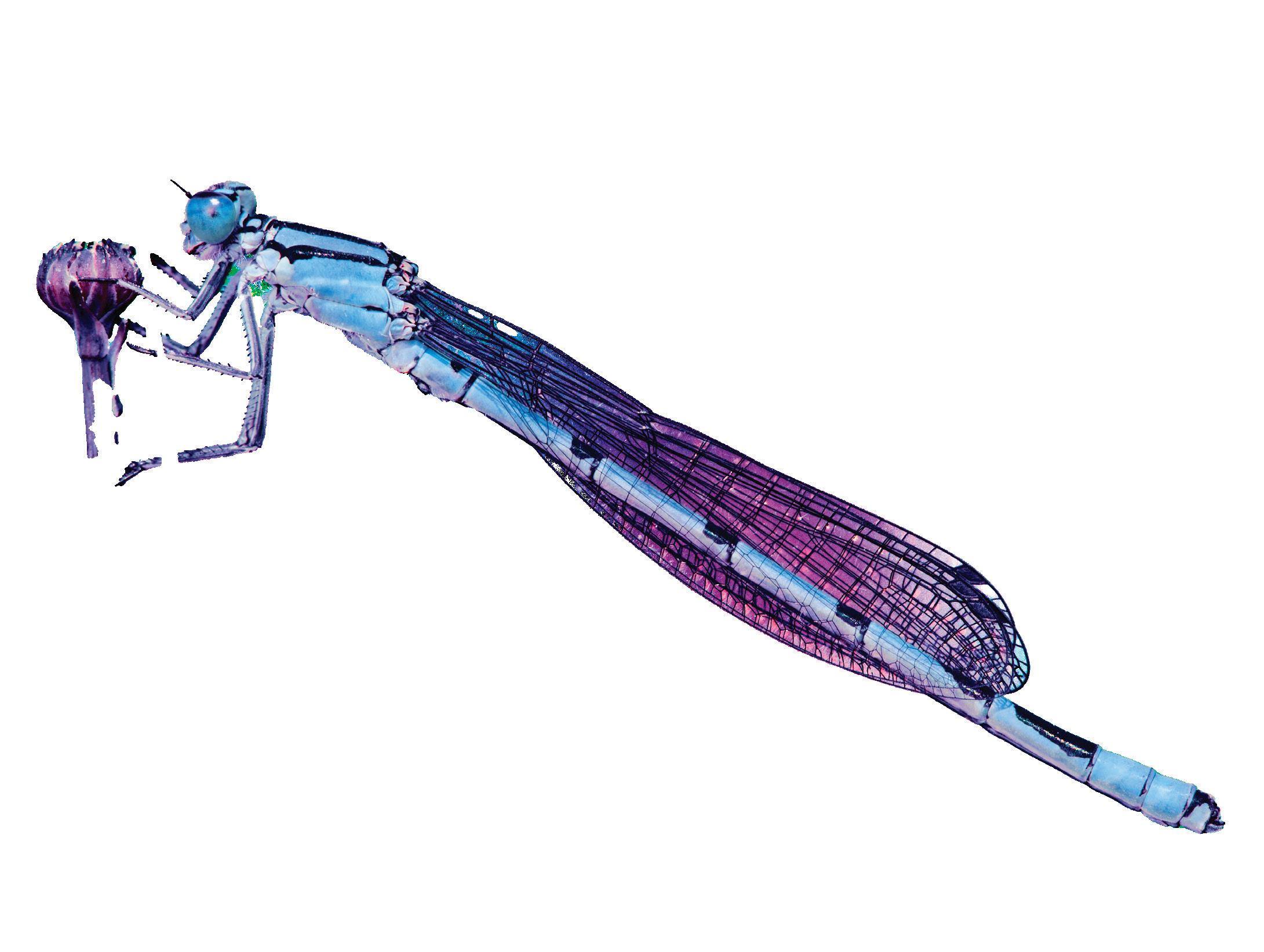
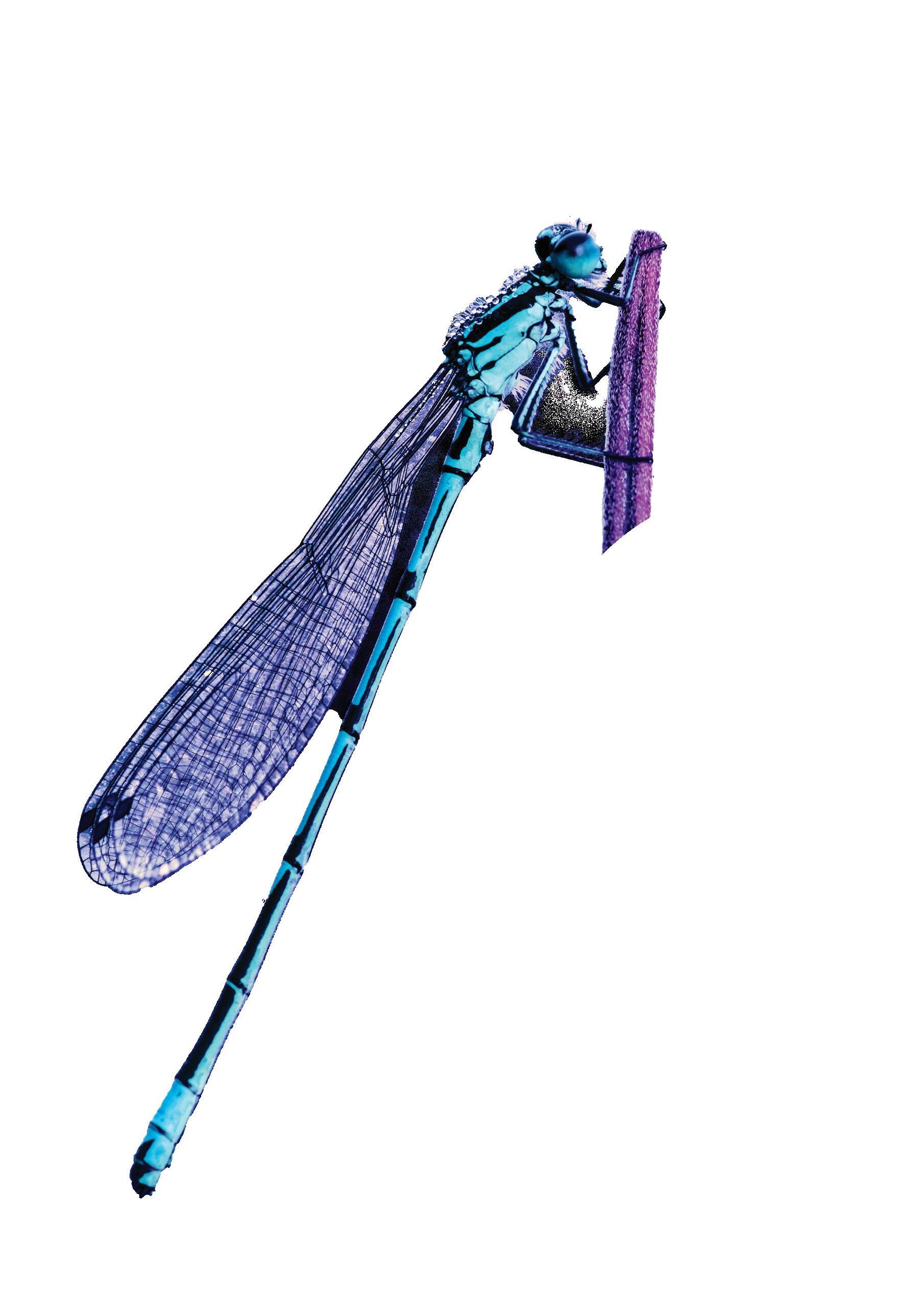
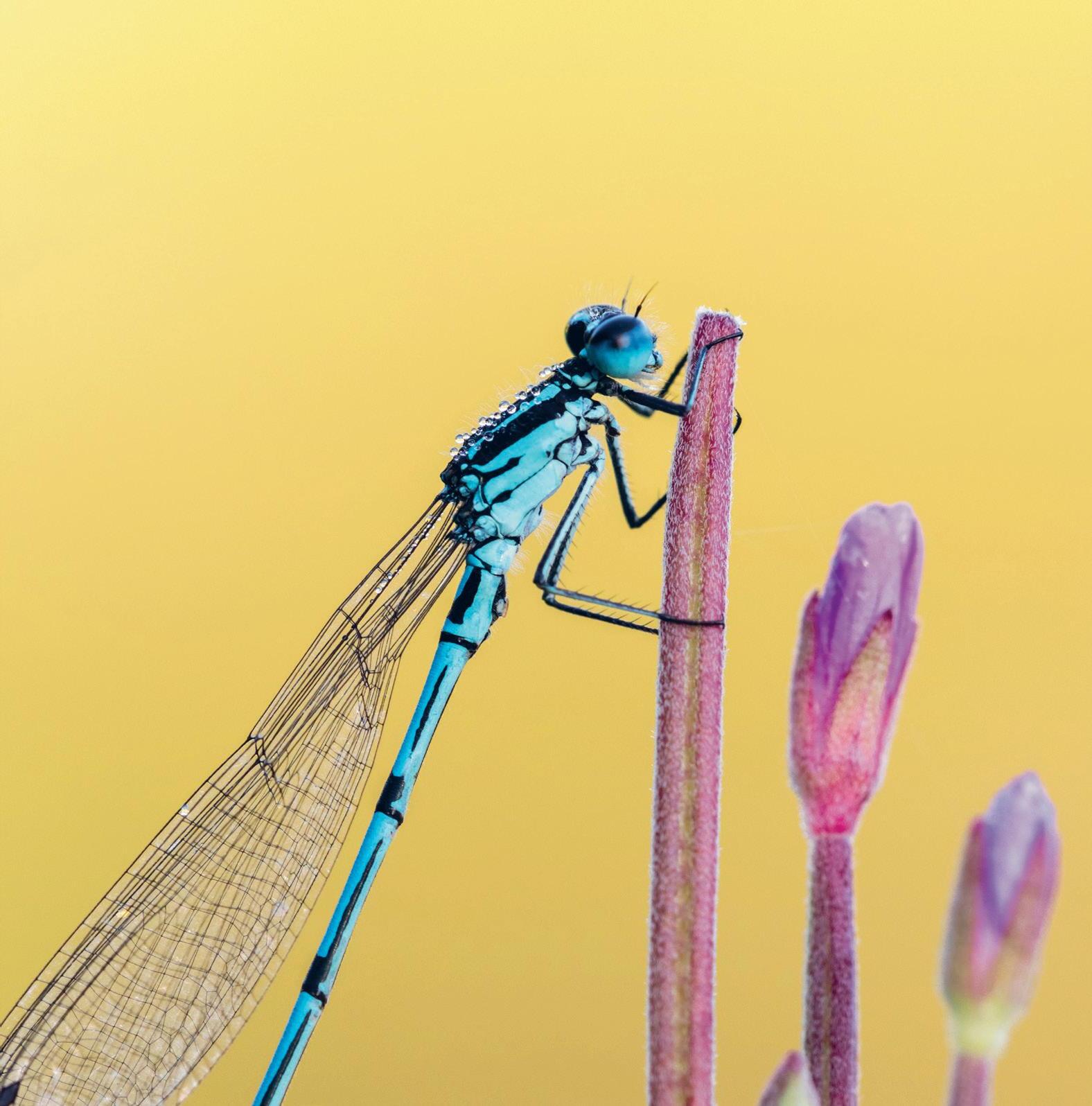
COMMON BLUE DAMSELFLY
Enallagma cyathigerum
When April to October
Where Most waterbodies. Visits open water more than other blue damselflies. Females Blue/dull green and black. Have a spine beneath segment eight (near the end of the body).
Black mark Males have a mushroom-shaped marking below the base of the wings.
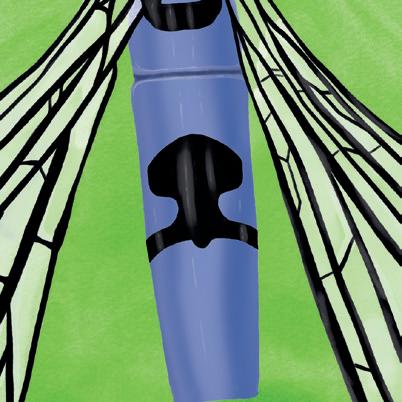
COMMON BLUE VS AZURE
Two of our most common damselflies, easily confused at a glance. So how do you spot the difference?
Thorax Narrow blue or pale stripes on the top of the thorax.
Thorax Black spur on the side of the thorax.
AZURE DAMSELFLY
Coenagrion puella
When April to September Where Prefers smaller, sheltered ponds and streams. Stays near the edges of larger lakes. Females Green (occasionally blue) and black. No spine beneath segment eight of the abdomen.
Black mark Males have a U-shaped marking, detached from the black ring below.
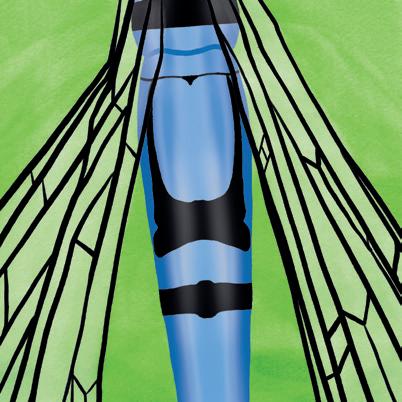
WATCH OUT! On the Gwent Levels we also have another similar damselfly (particularly similar to Azure), called the Variable Damselfly. The scarce species hadn’t been seen for a number of years until very recently. For Variable Damselfly look for a Black “Goblet” shaped mark near the top of the abdomen, and the blue shoulder stripes are often broken, looking like an exclamation mark. But they are “variable”, so check with a field guide! We would love to hear from you if you spot one!
MEMBERS BOOSTING WILDLIFE IN GWENT
By Lois Holroyd, Supporter Services Senior Officer
As I write this in February, we have 4,139 active memberships. These include individual, joint and family memberships, so the total number of Gwent Wildlife Trust members is now nearer 8,000 people. Across the wider Wildlife Trusts federation (46 Wildlife Trusts), there are over 900,000 members. Gwent is one of the smaller Trusts geographically, so our membership size and income naturally reflects that. If you are one of the 505 people who’ve joined Gwent Wildlife Trust in the last year, a very warm welcome to you and thank you for taking action to support our wildlife and wild places in Gwent. You’re joining around 8,000 people as members of Gwent Wildlife Trust which is quite a force for local nature! We should also feel very proud and hopeful to know that well over 1 million people have joined their local Wildlife Trust in the last ten years.
Your donations as members contribute over £250,000 of funds to Gwent Wildlife Trust each year, with an additional 25% at no extra cost from Gift Aid*. This is around a quarter of our annual income and we absolutely rely on this to underpin our stability, planning, and long term impact.
Not only that, our membership adds great volume to our voice for nature, building the reach and amplifying the impact of our campaigns and policy advocacy. We have recently written to all members who are donating less than our new minimum membership rates to confirm increases to Direct Debits from April. Thank you to those members who have already been in touch with us in response. If you have any questions regarding this, please let me know. We are grateful for everyone’s support and can opt you out of the increase or make a smaller increase if you would prefer.
Thank you to all our members and please get in touch if you have any questions or would like to speak with someone from the GWT team. You can contact me about membership on 07769 245371 or by email at lholroyd@gwentwildlife.org.
Our Cybersecurity
How we protect your data and ours.
We wanted to share a bit more information about how we protect your personal data and our IT systems from the various risks and threats that are so present these days. We take cybersecurity very seriously and have a comprehensive risk assessment that is continuously monitored and reviewed. Our IT Officer Anthony Cook explains, “We take a comprehensive, multilayered approach to protecting our digital operations, with strict user permissions. We use multifactor authentication to secure data and financial systems, with an added layer of security from Windows Hello security pins and
GIFT AID
Gift Aid can boost your membership donation to Gwent Wildlife Trust by 25% at no extra cost to you. We currently claim Gift Aid on around 80% of our membership income, thanks to everyone completing their Gift Aid declaration on joining.
Gift Aid is effectively HMRC passing to us the tax that you’ve paid on your donations. You must pay enough UK income tax or capital gains tax in that tax year to cover the amount the charity will reclaim (donations must not exceed 4 times the tax you paid). So if you donate £60 per year we can claim an additional £15 in Gift Aid, as long as you have paid at least £15 in tax that year. Higher Rate Taxpayers: If you pay 40% or 45% tax, you can claim the difference between the higher rate and basic rate on your self-assessment tax return. You only need to sign a one-time “Gift Aid declaration” form, which can cover future donations. Please help us maximise the income from Gift Aid by keeping us updated if your circumstance have changed and donations have become eligible. If you are no longer eligible for Gift Aid (ie, if you no longer pay UK Income Tax), please let me know so that I can update our records. If you’re unsure whether we are currently claiming Gift Aid on your donations, I will be happy to check for you.

complex passwords. Robust Datto cloud backups safeguard all organisational data indefinitely. We have contingency plans in place should the external services ever fail, and strong defences across Microsoft 365, laptops, routers, and remote working practices. review all this routinely with input from our external IT partner Clifton IT. All staff undertake mandatory staff cybersecurity training to keep everyone updated about threats and remind everyone how to minimise risks.” We have a data privacy policy which outlines how we collect and process data and this is updated from time to time. This can be accessed on our website at gwentwildlife.org/privacy-policy If you have any concerns at all about how we protect your data and would like to know more, please get in touch with us at info@gwentwildlife.org.
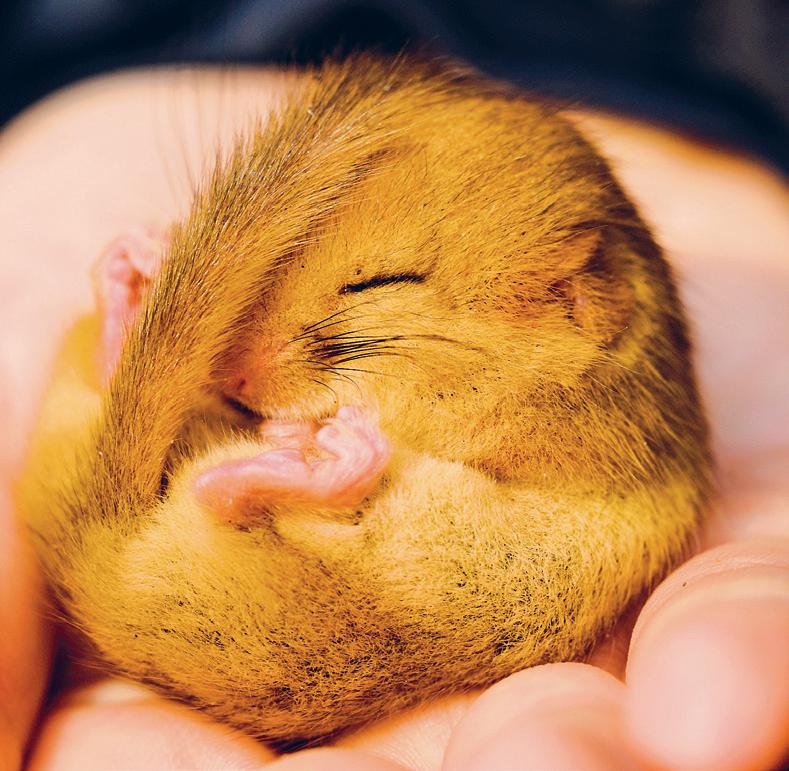
Your donations help protect wildlife like the Hazel Dormouse, still present in Gwent including on our Croes Robert Nature Reserve.
WHY THIS SENEDD ELECTION MATTERS FOR NATURE AND FOR ALL OF US
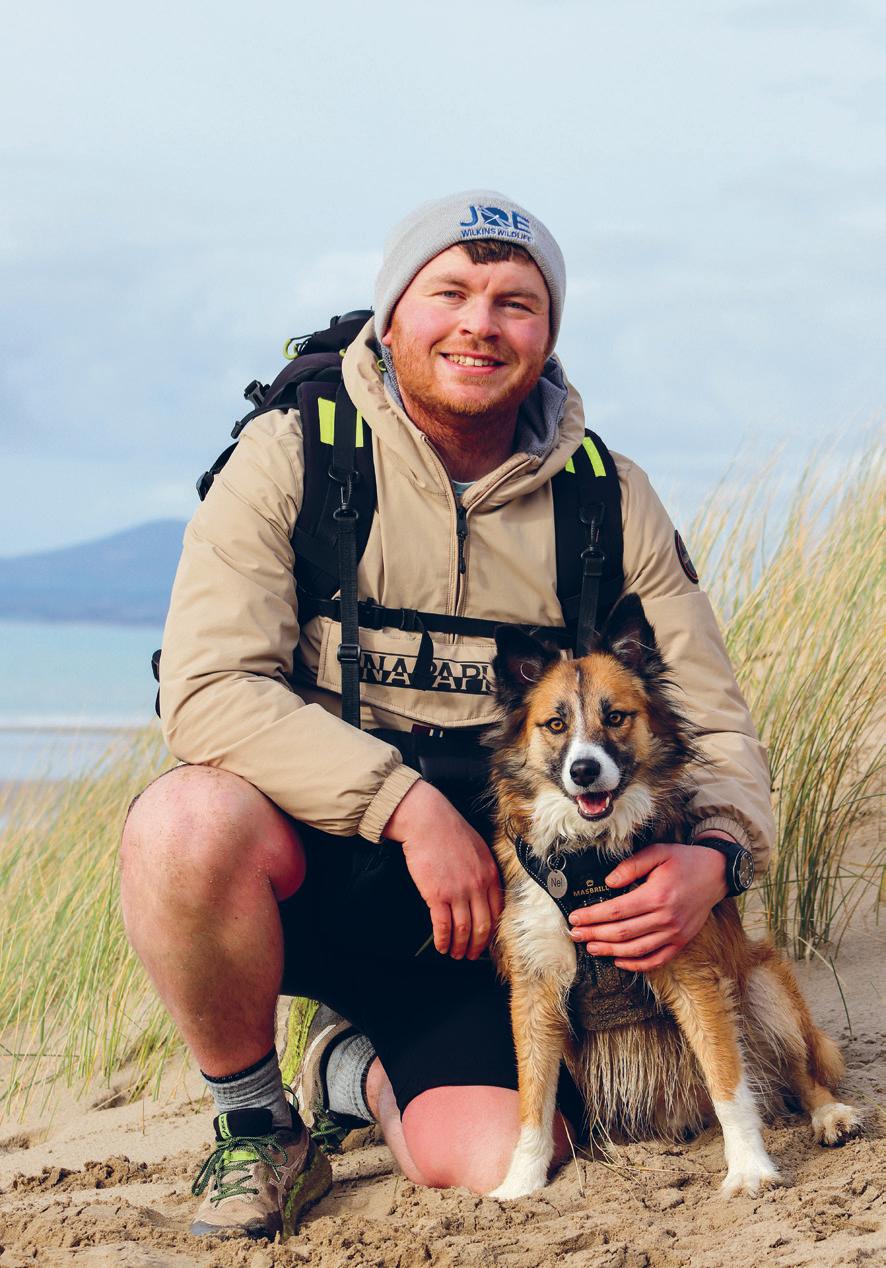
By Joe Wilkins, Policy and Advocacy Manager, Wildlife Trusts Wales
In 2026, people across Wales will go to the polls to elect new Senedd members. On the surface, it may feel like just another election cycle. But this election comes at a critical moment, for nature, for our communities, and for the future of Wales.
As members and supporters of the Wildlife Trusts, you already know that nature in Wales is extraordinary. From ancient woodlands and peatlands to rivers, coastlines, and seas, our natural environment is deeply woven into who we are.
But you will also know about the devastating decline in nature and that it is under serious pressure.
The evidence is stark. The recent State of Natural Resources Report stated that wildlife continues to decline at an alarming rate, with 1 in 5 species now at risk of extinction in Wales. Many species are disappearing from places where they were once common, and the habitats they depend on are becoming smaller, more fragmented, and more degraded. Climate
change, pollution, and unsustainable land use are all intensifying these pressures.
But through our continued work and collaborations, we know that when given space to recover, nature can and does bounce back. The question we face now is whether the next Senedd will have the ambition, leadership, and commitment needed to turn the tide.
Why the Senedd matters for nature
Decisions made by the Senedd shape almost every aspect of nature’s future in Wales. From how land and seas are managed, to how farming is supported, to how planning decisions are made, the policies agreed in Cardiff Bay have real, lasting impacts on nature and on people’s lives.
The next Senedd will also be elected under a new electoral system with new constituencies and more Members who will all be voted in through proportional representation. This means every vote will count so you can vote with your heart rather than tactical voting of the past. This change is designed to strengthen democracy and scrutiny, and it comes at a time when we need long-term thinking more than ever.
Nature recovery does not happen overnight. It requires consistency, investment, and political will over many years. The choices made in the next term of the Senedd will shape Wales for generations.
Why nature matters to people
Sometimes nature is still talked about as a “nice to have”, something separate from the things that “really matter”. But nothing could be further from the truth.
Nature protects our communities by storing carbon, massively reducing flood risk, and helping us adapt to a changing climate with more extreme weather events.
Nature supports jobs and livelihoods, from farming and fisheries to tourism and the growing green economy.
Nature underpins our health and wellbeing. Access to green and blue spaces improves mental health, supports physical activity, and helps reduce health inequalities. Nature is also about identity and belonging. Our landscapes and wildlife shape our culture, our language, and our
sense of place. Protecting nature means protecting what makes Wales, Wales. When nature declines, communities feel the consequences. When nature thrives, everyone benefits.
Why this election is different
This election matters because the pressures facing nature are growing, but so too are the opportunities. Wales has the potential to lead on nature recovery, showing how protecting wildlife can go hand in hand with thriving communities and a resilient economy.
But that will not happen by accident. It will only happen if nature is treated as a priority and a foundation of decisionmaking, not an afterthought. That is why Wildlife Trusts in Wales have developed a manifesto setting out what nature needs from the next Senedd. It is rooted in evidence, experience, and the work happening on the ground across Wildlife Trusts every day. It sets out practical, achievable but ambitious actions that can halt nature’s decline and start the journey towards recovery.
TAKE ACTION FOR NATURE
Nature needs a voice in this election, and there are concrete steps you can take to make a difference.
1. Tell candidates that nature matters to you. Contact your local candidates and let them know which issues are important. Share your views and experiences, so they understand the priorities of voters.
2. Make sure you are registered to vote. All residents aged 16 and over can vote in Senedd elections. Check your registration status today and encourage friends and family to do the same.
3. Turn out and vote on election day. Use your vote to send a clear message that nature is a priority. Every vote matters in shaping the next Senedd and the future of Wales’ wildlife, landscapes, and communities.
By speaking up and voting, you are standing for clean rivers, thriving wildlife, resilient communities, and a healthy and resilient Wales for future generations of all species, including our own.
Tell candidates that NATURE MATTERS. Together, we can turn the tide.







43% of General Election 2019 voters also support environmental charities













84% of us are already taking action for nature and climate
93% believe nature loss “is a serious threat to humanity”








wildlifetrusts.org/great-big-nature-survey
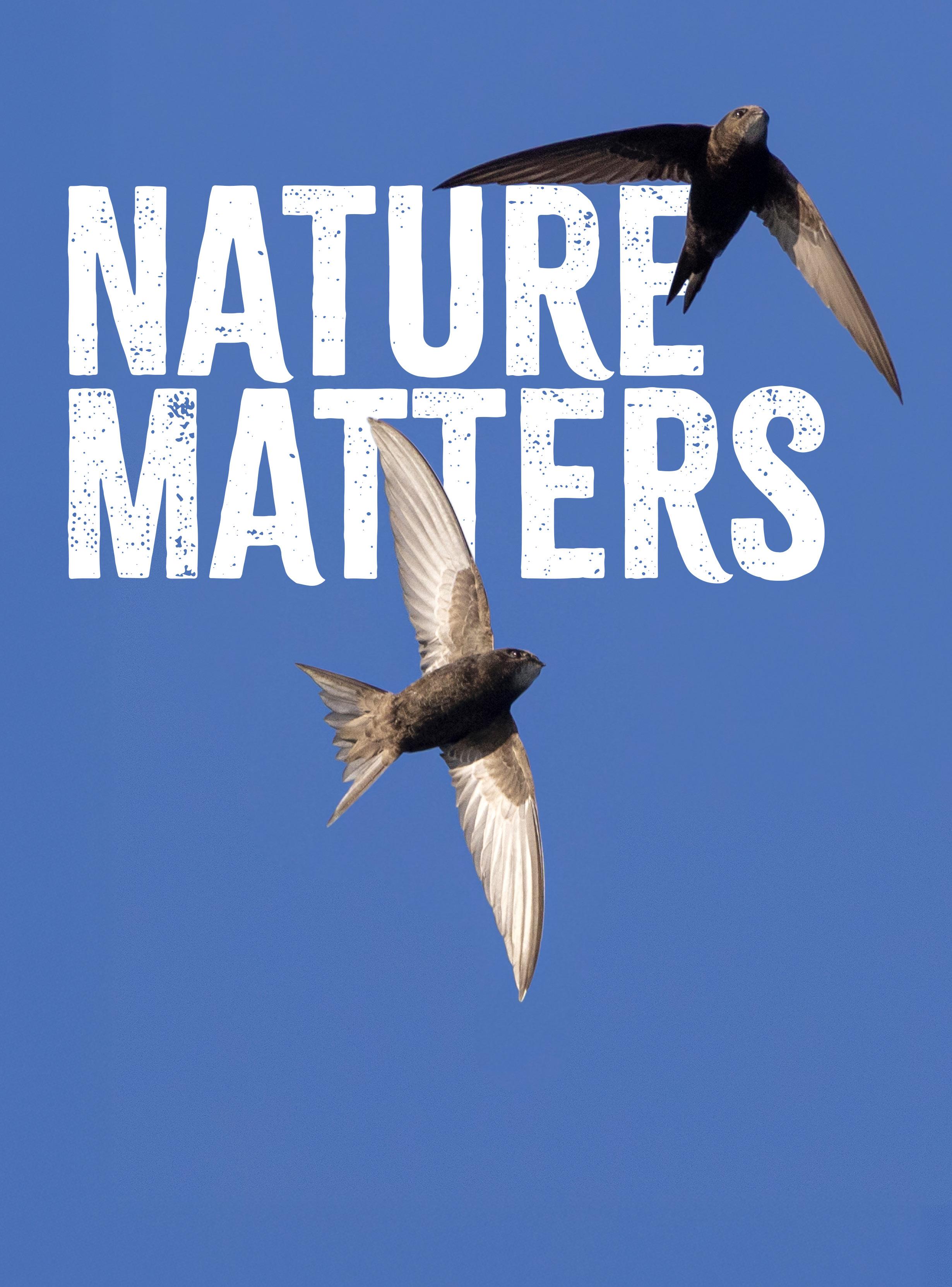
Vote with nature in mind this Senedd election
Vote for space for nature, cleaner rivers, healthier communities and natural climate solutions
HAWKINS