
Sunday, March 15, 2026


Sunday, March 15, 2026
Guyana’s only paediatric nephrologist is setting a new standard for treating kidney disease in children across Guyana
By Shaniya Harding
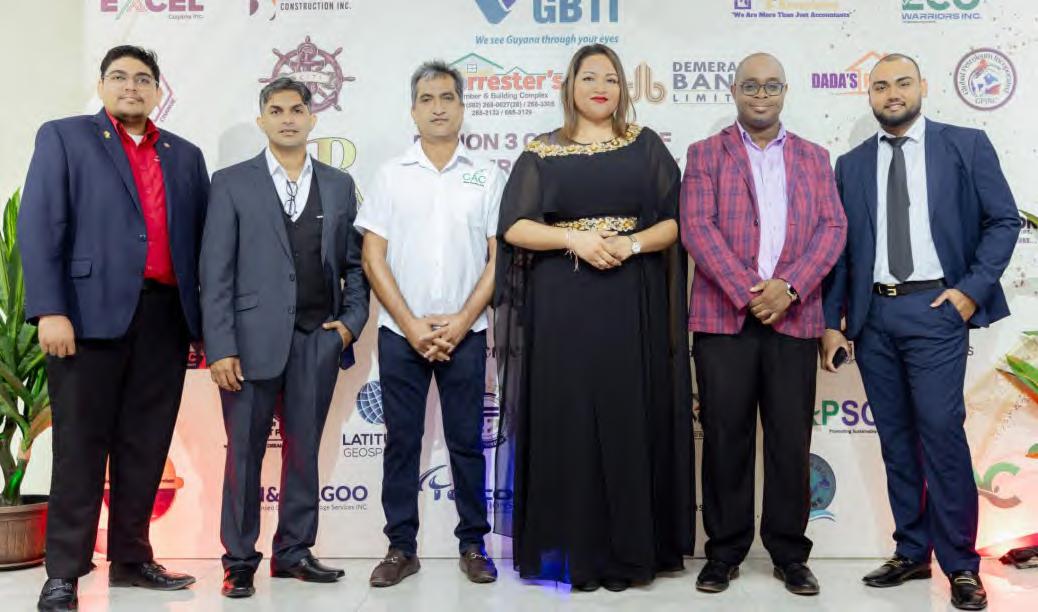
BHABITA Albert is one of Guyana’s hardest-working and most ambitious women. As the president of the Region Three Chamber of Commerce and Industry, a diverse entrepreneur, and a mother, she balances her roles. As the owner of several successful ventures, including the West Central Mall, Global Commercial Import and Transport, and Atlantis Cuisine, and several others in the pipeline, Albert is a unique example of truly successful entrepreneurship. In an interview with the Pepperpot Magazine this week, she shared her journey into business and the chamber,
how she prioritises both business and home, and why she believes that collaboration and support are vital for successful business, not just for women but for all entrepreneurs.
Born and raised in MetenMeer-Zorg on the West Coast of Demerara, Albert grew up surrounded by business and took her first steps into entrepreneurship at just sixteen.
As the eldest in her family and following the passing of her mother at a young age, she shared that while there was pressure, she was driven to succeed. Albert began working in her family’s business first at a clerical level before working her way toward the leadership of Global Commercial Import

and Transport, a business established by her father, a central figure she cites in both her upbringing and success.
“My father played a very pivotal role in our education and upbringing. He was in-
volved in international trade and saw it fit to have me involved in the business from a managerial perspective,” she added. “It was very important for him to instil good values and ensure that we had a
bright future. That became my drive. I wanted to be a good role model to my siblings and represent my family and our business name well. From early on, I vowed that TURN TO PAGE XII

Guyana’s only paediatric nephrologist is setting a new standard for treating kidney disease in children across Guyana
By Shaniya Harding
AS Guyana continues its celebration of International Women’s Day, the medical community is also observing World Kidney Day, which is celebrated on the second Thursday in March. At the crossroads of these events is Dr Areefa Alladin, Guyana’s only paediatric nephrologist and a pioneer in the field.
But beyond being the first in her field in Guyana, Dr Alladin is also paving the way for the speciality’s expansion. Through a recent grant from the International Society of Nephrology, a collaboration between the Georgetown Public Hospital Corporation (GPHC) and the University of Calgary, Dr Alladin aims to revolutionise paediatric kidney care in Guyana.
In an interview with the Pepperpot Magazine this week, Dr Alladin shared what drew her to this unique field, why the country needs more professionals like her, and what the plan is to develop kidney care for Guyana’s children.
Dr Areefa Alladin is a physician, medical educator, and researcher specialising in paediatric nephrology. She completed her pharmacy, medical, and paediatric residency training at the University of Guyana before pursuing advanced training
in Canada at the University of Calgary, where she completed a paediatric nephrology fellowship, a clinical research fellowship, and a PhD in Epidemiology.
She has received numerous academic and professional honours, including the Prime Minister’s Medal for Valedictorian in Medicine and the International Women’s Leaders Award, along with multiple teaching awards from the University of Calgary.
While today she is known for treating children’s kidney diseases, Dr Alladin began her career as a practising paediatrician, treating a host of health issues. Her decision to specialise in nephrology came more than a decade ago when she joined the Kidney Foundation. There, she saw the need for targeted kidney care for children.
“I realised there was a need for kidney specialists in this country. There were no specialists for children. And also the burden of kidney disease in Guyana was enormous,” she added.
“Having those interactions with patients and seeing what they go through, I decided that was the area I was going to specialise in.”
Dr Alladin’s focus on kidney health reflects a growing international interest. As she explained, kidney care is not just a local issue,

but one that leading organisations like the World Health Organization have cited as one of the leading causes of death.
In Guyana, while specialists exist in both paediatrics and nephrology, most people do not link the two. As Dr Alladin shared, the common misconception is that children do not suffer from kidney diseases, a narrative she is working to change.
“Children do have kidney disease. A lot of people, when you say children have kidney disease or kidney failure, do not really understand the true burden of it.”
As she further explained, a larger percentage of the children she treats are born with congenital abnormalities of the kidney, while others suffer from immune-mediated kidney disease caused by nephrotic syndrome.
The complexity of kidney-related illness, coupled with the social and emotional toll, means that for children, kidney diseases have far-reaching and long-lasting impacts on their quality of life.
“These kids require sometimes multiple courses of treatment that can become toxic. They gain a lot of weight. They are in the hospital a lot. They need quite a bit of monitoring. They miss school. So we have some kids who are really TURN TO PAGE VI

By Michel Outridge
GENELLE Marshall is a Caribbean-born, multi-talented entrepreneur and creative professional dedicated to empowering others through artistry and business.
She began her crochet journey at the early age of 10, developing a passion for handmade fashion and accessories that continues today.
With over 10 years of certified experience in hair and eight years in professional makeup, she has built a versatile career that blends craftsmanship, creativity and entrepreneurship. Marshall’s crochet business, Meembroid, specialises in handmade swimwear, hats and accessories, and has flourished over the past five years.
Marshall is currently expanding her brand by establishing a physical salon that will combine her beauty services and creative offerings, providing a one-stop space for clients to experience artistry and innovation.
Marshall said her work is defined by quality, creativity, and dedication to uplifting her community, inspiring others to pursue their passions, and leaving a lasting impact in the Caribbean.
The 38-year-old was born and raised in Grove, East Bank Demerara, Guyana. She attended Christ Church Secondary School, then went on to ATC and the Business School, and also completed further studies at Critchlow Labour College, where she pursued higher-level education.
“I’ve always loved creating, and I started crocheting when I was around 10 years old. Over the years, my passion for crochet grew, and I turned it into my business, Meembroid, where I design and create handmade crochet pieces like swimwear, hats and accessories,” she said.
Marshall told Pepperpot Magazine that, in addition to crochet, she

has been a certified makeup artist for many years and has experience in hairstyling as well.
She added that after working through several small government jobs, she decided to branch off and focus fully on building her own business.
“My journey is about combining creativity, skill and entrepreneurship to create something that connects with people who appreciate handmade and personalised items,” she said.
Marshall stated that she decided to start a small business because she wanted to turn her passion into a career and have the freedom to create on her own terms without the possibility of intrusion from a full-time job.
Marshall told Pepperpot Magazine that, after working in various small-government jobs, she realised that her creativity and skills could be used to build something uniquely hers. She established her brand, Meembroid, which allowed her to combine her love for crochet, designs and aesthetics with entrepreneurship.
Marshall related that it gave her the opportunity to connect with people who appreciate handmade, personalised items.
“Running my own business also challenges me to grow, learn and push my limits every day,” she said.
Marshall reported that she was inspired by her mother, Wonda Marshall, who introduced her to crochet at a young age, a skill embedded in the family. She explained that she watched her mother crochet, and it piqued her interest and sparked her desire to become involved.
It was the beginning of something that would set her apart from others, a brand she established as her own into a small business that garners a livable income.
Marshall added that she spent countless hours watching, and eventually she gave it a try, and before she knew it, she was crocheting like a pro. The process was challenging at first, she stated, but once she got the hang of it, it became easier to express herself through her ideas and concepts about what she wanted in designs and structures.
Marshall pointed out that, over the years, her mother, Wonda, taught her various techniques, which served as a guide, and that, through discipline, she was encouraged to practise consistently.
“I was able to perfect my craft.


Seeing my mom’s fixed dedication showed me the value of patience, hard work and passion, and it inspired me to turn my love for crochet into a business,” she said.
word for “hook”, it is distinct from knitting because it typically works with one
time. It is used to make clothing, blankets and
Crocheting is a needlework technique that creates fabric by interlocking loops of yarn, thread or other materials using a single hooked needle. Originating from the
By Michel Outridge
GUYANA’S poultry industry is bouncing back from the disruption of Inclusion Body Hepatitis (IBH), backed by the government’s “people first” agenda to ensure healthier, safer and more affordable protein for all.
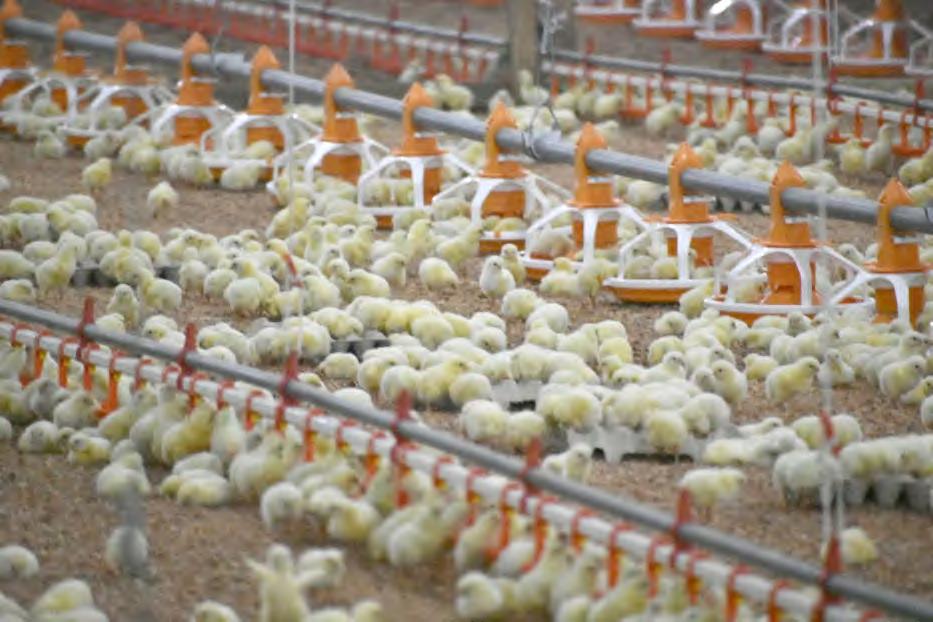
Millions of dollars are being invested in modern tunnel-ventilated houses, expanded vaccination programmes and decentralised hatchery services.
With stronger biosecurity and close collaboration between farmers and authorities, the sector is rapidly rebuilding production, improving efficiency and safeguarding the nation’s food security—putting the health and well-being of every Guyanese at the heart of its growth.
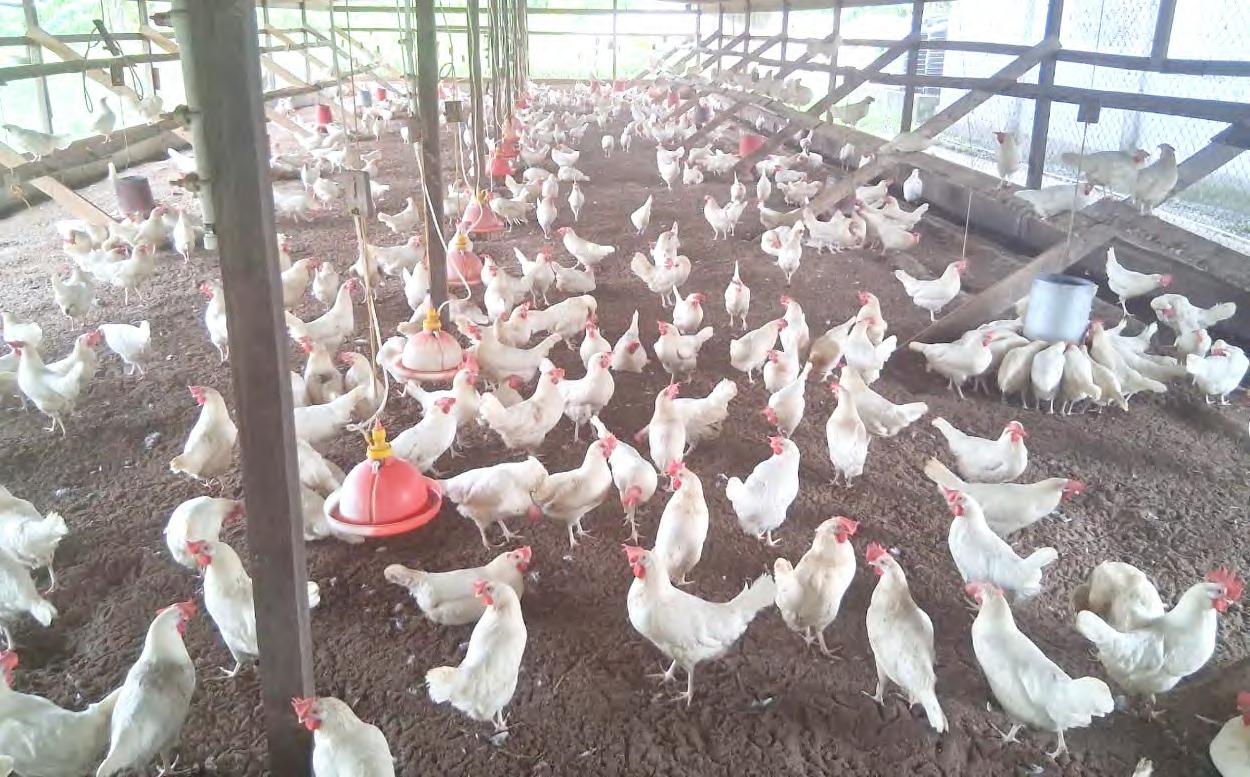
Inclusion Body Hepatitis (IBH) is a viral disease that primarily affects young broiler and layer chickens, causing sudden mortality, growth retardation and reduced productivity. The disease can devastate flocks within days, leading to significant economic losses for poultry producers.
IBH spreads rapidly in poorly managed flocks and is exacerbated by inadequate biosecurity and incomplete vaccination coverage, making coordinated disease prevention essential for the stability of Guyana’s poultry industry.
According to David Fernandes, Director of the Guyana Poultry Producers Association (GPPA) and newly elected President of the Caribbean Poultry Association, the local poultry industry has made notable progress in controlling the disease.
Fernandes explained that while IBH remains a concern, its impact has been significantly reduced through coordinated vaccination programmes and improved biosecurity awareness among farmers.
“While the threat of IBH still exists, the situation today is far more controlled than it was several years ago,” Fernandes said.
“Rigid vaccination programmes, combined with biosecurity training for farmers, have helped improve the health status of flocks across the country.”
A critical component of Guyana’s poultry disease prevention strategy is the legal requirement that all chicks must be vaccinated before they are sold to farmers.
In Guyana, the vaccination of chicks is mandated through the Sale of Chicks Regulations (2008), issued under the authority of the

Animals (Movement) and Disease Prevention Act (2003).
These regulations require that hatcheries must vaccinate baby chicks against key poultry diseases such as Inclusion Body Hepatitis, Marek’s Disease and Infectious Bursal Disease before they can be sold, ensuring that disease control measures are in place from the earliest stage of production.
The Guyana Livestock Development Authority (GLDA) serves as the primary regulatory agency responsible for enforcing these requirements, overseeing hatchery compliance, conducting inspections and monitoring vaccination programmes.
While the Animal Health Act 2011 now provides the overarching legal framework for animal-disease prevention and control, the specific obligation to vaccinate chicks before sale remains enforced through these regulations, reflecting Guyana’s commitment to safeguarding poultry health and ensuring safe, affordable protein for the population.
The regulations are enforced by the Guyana Livestock Development Authority (GLDA), which plays a central role in protecting the poultry industry through surveillance, farm-
er training, hatchery inspection and veterinary diagnostic services.
Fernandes noted that the authority has intensified outreach activities across the country, conducting farm visits and technical training sessions in poultry-producing areas, including Berbice, Essequibo, Region Three and the East Coast of Demerara.
“GLDA has continued to support hatcheries and farmers through regular farm visits and training,” Fernandes explained.
“There were several outreach programmes conducted last year in collaboration with the poultry producers’ association, particularly in outlying farming areas, and similar exercises will take place again this year.”
At the heart of disease prevention is biosecurity, a set of management practices designed to prevent the introduction and spread of disease-causing organisms within and between poultry farms.
These measures include controlling access to poultry houses; disinfecting equipment and footwear; quarantining new birds; controlling rodents and wild birds and maintaining strict sanitation of TURN TO PAGE VII
sick who need specialist services,” she added.
“I think with kidney disease, the sad part is that once you have kidney disease or kidney failure as a child, you will never live a normal life. We will aim for normalcy, or a somewhat better quality of life, but a child who develops kidney failure and requires dialysis or transplant will lose about 20 years of their life.”
But Dr Alladin hopes to change this with the monumental grant from the International Society for Nephrology (ISN).
While now in its initial stages, the grant will seek to build a nephrology ecosystem here in Guyana effectively. Done in partnership with the University of Calgary and the GPHC, the grant will see the GPHC working alongside the University of Calgary as a mentee university, receiving training and funding as the project moves forward and goals are met.
After weeks of work creating a
suitable application, Dr Alladin and her collaborators at the University of Calgary envisioned a paediatric nephrology service in Guyana.
As she further explained:
“We submitted a proposal on how to build paediatric nephrology services in Guyana, including having a multidisciplinary team, building peritoneal dialysis and haemodialysis, having access to diagnostic and monitoring capacity, and medications,” she added.
“We had to have a good plan, identify the key people from each centre who are going to be involved.
People are going to be held accountable, and you have to have a plan on how to get there, and you have to propose your budget and how you’re going to spend that each year.”
According to Dr Areefa Alladin, the grant from the International Society of Nephrology provides initial funding of about US$6,000 in the first year, with the possi -
bility of annual renewals based on progress, up to a maximum of US$60,000 over time.
Once successfully implemented, this grant will have a profound impact on the sector, with Dr Alladin hoping to see its impact extend beyond Guyana.
“I think it’s a great time to have a grant like this. I’m excited about it because I feel that we need to build this service. It doesn’t exist yet, and so we’re building it,” she added.
“But what I see in the next six years is us moving towards becoming a centre of excellence...becoming that mentor centre for the rest of the Caribbean... and becoming that centre that will provide paediatric nephrology services to the rest of the Caribbean,” she said.
While a national win, it is also a proud moment for Dr Alladin. As a champion of paediatric kidney care for more than a decade, her work is now making a bigger impact than ever before.

For Dr Alladin, her work gaining recognition and being able to make this significant change is rewarding and inspirational.
“I think it is inspirational to see that my work is actually getting some recognition after a lot of years, a lot of writing, talking, and me advocating as part of the Kidney Foundation. We wanted to see this grow, and we wanted to see it happen.”
For Dr Alladin, being entrusted with a project of this scale means being trusted in her work and expertise.
“To get international recognition, to say, well, yes, we trust that you can do this. We know you’re qualified and capable of doing it, and we’ve awarded you that grant. That shows that that organisation has trust in me and in my colleagues in Canada to get this to happen. I think the best part of this for me is that it will help the people of this country. And that’s what matters.”
Dr Alladin is one of the many women driving change in her field. An advocate for the continued support of women in male-dominated fields, she believes that the world will continue to see more women taking charge and making change.
“I think for women out there who are planning on becoming changemakers and trendsetters, we could do it. We just need to be dedicated.”
She hopes to see women continue to push for research and development in maternal and paediatric care.
“As mothers, as sisters, as wives, and as daughters, we need to push for child and maternal health in the home, the community, and professional organisations as well.”
As Guyana marks both World Kidney Day and the achievements of women, Dr Areefa Alladin’s work stands as a reminder that dedication, vision, and collaboration can transform the future of healthcare.


facilities and equipment.
Effective biosecurity is widely regarded as the first line of defence against viral diseases such as IBH, because it limits opportunities for pathogens to enter farms and infect flocks.
The GLDA has implemented a comprehensive national biosecurity programme to strengthen industry-wide standards.
Biosecurity assessments have been conducted at poultry farms and hatcheries to identify gaps that may contribute to the spread of IBH.
Minimum mandatory biosecurity standards, tailored to farm size and production type, have been introduced, and nationwide on-farm training programmes have helped farmers and workers adopt best practices in sanitation, movement control and equipment hygiene.
Each commercial poultry farm has been encouraged to designate a responsible individual to oversee the implementation and monitoring of the biosecurity programme.
For Stephen Low A Chee, biosecurity and vaccination are essential tools in protecting poultry operations from IBH. Low A Chee is a contracted commercial poultry grower for Bounty Farms Limited, operating a large poultry farm at Badrima along the Soesdyke–Linden Highway, where he rears an estimated 90,000 to 95,000 birds per production cycle.
“Biosecurity plays an integral role in mitigating the risks of IBH on our farm,” Low A Chee said.
“We ensure that access is controlled, sanitation procedures are followed, and the birds are monitored closely throughout the production cycle.”
He emphasised vaccination as a critical layer of protection.
“Each bird is vaccinated at the hatchery before it is sold to farmers. That early protection gives the birds a stronger start and helps reduce the likelihood of diseases affecting the flock.”
Vaccination has been reinforced
through national serotype surveys that identify IBH-associated viruses circulating within Guyana.
Standardised vaccination protocols have been implemented across all hatcheries in line with updated scientific guidance.
A vaccination quality-control system ensures proper handling, administration and record-keeping, giving farmers confidence that chicks arrive with verified protection, which is essential to reducing mortality and improving productivity.
An enhanced national disease-surveillance programme complements these efforts. GLDA officers routinely monitor hatcheries and farms, with heightened inspections in high-risk areas.
Investigations of IBH-related mortality cases include collection of laboratory samples for confirmation.
GLDA’s Veterinary Diagnostic Laboratory has full testing capacity to detect Infectious Bursal Disease (IBD) and related poultry viruses, enabling early identification of outbreaks and guiding targeted interventions.
Farms with unusual mortality patterns are subjected to follow-up assessments, while sero-surveillance data and trend analysis guide timely responses.
In high-density poultry regions or areas with prior IBH outbreaks, farmers receive specialised training in husbandry and management practices to reduce susceptibility to disease.
The human cost of IBH is starkly illustrated by Teffon Telford, a chef-turned-poultry-farmer from Garden of Eden on the East Bank of Demerara. In 2023, Telford experienced massive losses when IBH spread through his newly expanded flock just two months after acquiring birds.
“Watching them die one after the other broke me,” he recalled.
“I had invested millions of dollars into the farm, and within weeks,
everything started collapsing.”
With guidance from GLDA veterinary and extension teams, Telford rebuilt his operation, emphasising record-keeping, feeding protocols and strict biosecurity measures.
“GLDA has always been there to provide advice and technical guidance,” he said.
Another commercial poultry producer who has experienced both the challenges and recovery associated with IBH is Elroy Smith, owner of Prime Farms at Canal No. 2 Polder. Smith emphasised the importance of biosecurity, vaccination and proper feed storage in protecting flocks.
He recalled the colossal losses during the initial IBH outbreak.
“When the disease first hit, the losses were enormous,” he said.
“But with technical guidance and continuous support from the Region Three GLDA extension team, headed by Dr Ferlin Narine and Livestock Extension Officer Marcus, we rebuilt our production system.”
Today, Smith reports a significant reduction in mortality.
He also credits the Ministry of Agriculture for supporting the national vaccination programme.
Smith sources both feed and vaccinated chicks from Stockfeeds Limited, noting that high-quality inputs combined with robust biosecurity are essential to keeping IBH under control.
The IBH outbreaks between 2020 and 2023 significantly affected national poultry production.
Fernandes explained that during that period Guyana lost a substantial portion of output, even as demand for poultry products continued to rise, especially with the population now exceeding 900,000 persons.
“We lost quite a bit of production during those years,” Fernandes said. “At the same time, consumption continued to grow, so it will take some time for the industry to recover and close that gap.”
To stabilise supply and prices
during recovery, the government allowed limited, carefully monitored imports of poultry products, while local farmers rebuilt their flocks.
Authorities report no new or emerging IBH strains threatening cross-border or regional spread.
Nevertheless, veterinary authorities remain vigilant, maintaining surveillance and supporting rapid response to potential threats.
Looking ahead, modernisation is expected to play a pivotal role in strengthening Guyana’s poultry sector.
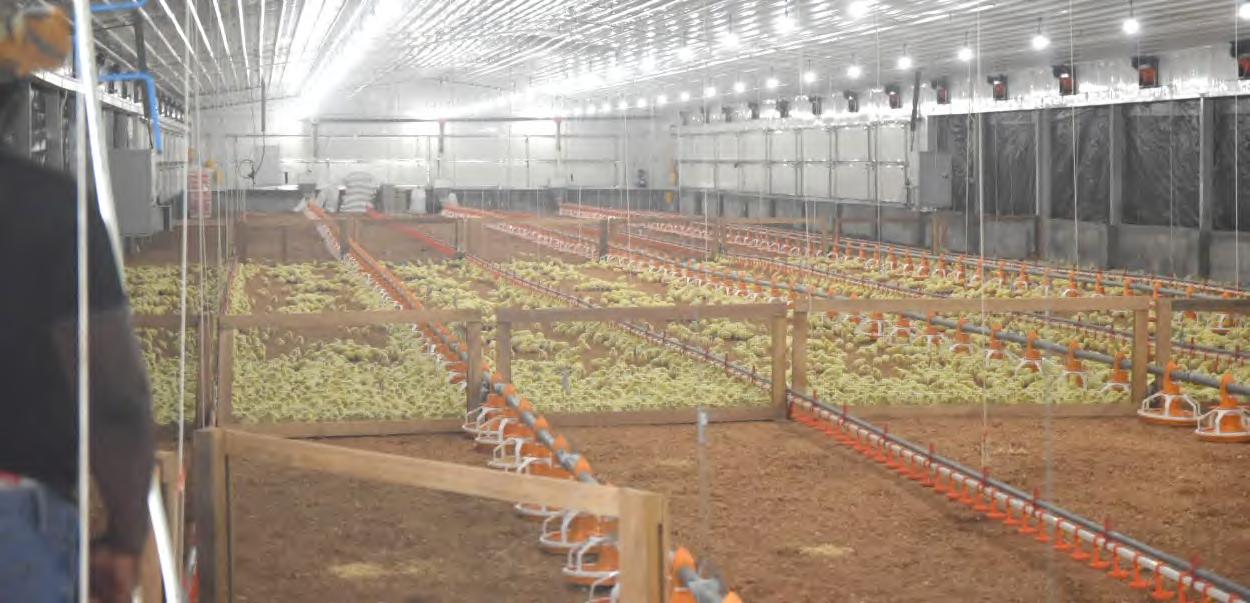
Fernandes highlighted the growing use of tunnel-ventilated and climate-controlled poultry houses, which allow farmers to manage temperature, airflow and bird density more effectively.
These facilities improve productivity while reducing disease risks.
He also pointed to the anticipated benefits of the gas-to-energy project, which is expected to lower electricity costs, making modern poultry systems more economically viable.
“The future of poultry production in Guyana lies in climate-controlled and tunnel-ventilated houses,” Fernandes said.
“Once electricity costs decline, these systems will make poultry farms even more efficient and productive.”
Despite the challenges of disease outbreaks in recent years, Guyana’s poultry industry continues to demonstrate resilience and adaptability.
Through mandatory vaccination, strengthened biosecurity practices, and collaboration among farmers, hatcheries, and regulatory authorities, the sector is gradually regaining stability.
As Fernandes emphasised, “If we continue to focus on vaccination, biosecurity and proper farm management, the industry will not only recover, but become stronger and more resilient in the years ahead.”


IF there were a perfect formula for us to follow so that we could live the life of our dreams in a quintessential world, then the universe would be a much easier place to survive in.
Unfortunately, the very idea of a perfect world is infinitely subjective. There could be no way for one map to lead to a destination that everyone could find their peace in.
As saddening as this fact is, it also gives us a sense of hope. It gives us hope because it shows that no matter what our life and choices look like in the present moment, there is always a chance for them to be much closer to our desired goal in the near future.
Strangely, in today’s era, there seems to be no comfort in the fact that the achievement of our goals depends solely on how our choices and actions affect our position on the journey, not on how closely our lives resemble those of people we admire. Just because an admirable, successful person uses a specific product does not mean that the product is responsible for their prosperity.
Yet there seems to be a burning urge hidden within us, pushing us to acquire the product somehow and incorporate it into our lives. Whether this desire to acquire comes from the intrinsic belief that the item
will also lead to our success, or from the simple need to associate ourselves with someone we idolise, remains to be unravelled.
Generally, the desire to acquire products and follow trends seems to culminate in a vague but persistent fear of missing out. For instance, what if our failure to use a trendy supplement prevents us from achieving our health goals, even though everyone else seems to? What if failing to purchase from a popular clothing brand means that we no longer fit in with everyone else? What if failing to invest in a new app or subscription stops us from gaining the knowledge everyone else seems to have?
This fear burrows itself deep within our minds and convinces us that the path to success, peace, and happiness looks identical for everyone.
As such, if a successful person or a large group of society were to promise that something has brought them closer to finding what every human being yearns for, then it quickly becomes something we all seek to attain. We often do not stop to consider whether this is necessary for us, whether it will have the same effect, or even whether it might cause detrimental effects rather than positive ones.
As we continually engage in this unhealthy habit, we are doomed to be disap-
pointed again and again by the lack of results. We may even begin to lose hope in our goals and dreams, believing them impossible to achieve when the real issue is not a lack of practicality, but that we never tried to find our own path to achieving them.
Of course, we are struggling to open our doors. We are, after all, attempting to use our neighbour’s keys to enter our own home! What is important to remember is that when we are stuck at a door, it is not necessarily the correct choice to walk away from it. Instead, we must try to dispose of the ill-fitting key and look for the right one.
There is a lot of fear that motivates our choices and desires. It is one of those unfortunate but unavoidable companions in our lives. As we grow, we must learn to distinguish between the fear that comes from real factors and that which we manufacture within the limits of our own minds and hearts.
The latter kind often has the deepest and most detrimental impact if left unchecked. The fear of missing out may be a potent motivator for what we choose to invest our time and money in. We must remember, however, that we could not possibly miss out on anything that important if our lives still lie ahead of us.


BY estimating their costs and effectively managing their finances, entrepreneurs should be able to achieve financial success.
One of the most difficult aspects of becoming a business owner is securing financial support. Truly, some businesses fail simply because they lack financial backing. Entrepreneurs, of course, want to grow their businesses and make money, but in order to do so, they must first understand the realities of business financing and investments. Oftentimes, businesses borrow money to offset liabilities; however, business owners should understand that there are criteria they must meet before they can borrow.
Success is never guaranteed, but by arming themselves with the proper tools, entrepreneurs can increase their chances of achieving success. Indeed, to grow their businesses as seamlessly as possible, entrepreneurs should maintain accurate, detailed financial records, maintain good credit, estimate and assess costs, understand the differences among loan types, and manage their funds effectively. Being an entrepreneur is by no means easy, but if you put in the necessary work, you can improve your business’s financial standing.
1. Why do businesses borrow money?
Managing a business is far different from managing a household, since household income and expenses (groceries, rent, utility bills and the like) are usually stable and predictable. On the other hand, a business often encounters unstable income and fixed expenses that must be covered, regardless of income. Simply put, one member of the family can manage
the entire family’s finances, whereas a business would require several academically trained and experienced individuals to manage its finances.
Not all businesses will have the funds they need. Due to insufficient funds, there may be a strong need to seek additional financing.
Business owners and managers may be reluctant to seek financing due to the costs or interest payments associated with borrowing, but sometimes the plans and projects they intend to execute require large sums of money.
Start-up businesses are like babies, heavily dependent on their parents for support. Many start-up businesses still require their owners to inject more and more capital before any significant return is realised.
Beyond the great ideas many business owners have, they need sufficient capital to turn them into profitable ventures. If the owners do not have the funds needed, they will have to borrow them to start their businesses.
There is no established point in time at which startup businesses will become fully independent of their owners’ financial injections. Most owners want their startup businesses to become financially independent within a few days, but those few days may turn into months and years. Therefore, the owner must adequately finance the business and regularly monitor its performance so that it becomes profitable and starts generating enough funds to cover expenses and leave some for reinvestment.
Many start-up business owners face the same challenge: inadequate financing, necessitating the need to raise
money. In some countries, financial institutions are set up to assist businesses such as these with microfinance, financing or joint ventures.
Before starting up, business owners can approach a financial institution for financing, but they may be required to produce a business plan. The business plan will include information on the business’s intended direction, the amount of funding needed, marketing plans, and mission statements, among other topics.
The business plan must include the information that the business owners have in their heads, which is then translated into a written document. Many business owners have great ideas in their heads, but they must learn to put them in writing. The business plan must be simple enough for the financial institution to understand, thereby influencing their decision to assist the business with financing.
Some businesses will need additional financing for restocking. The business owners may choose to replenish their stock, especially if they offer credit sales and are awaiting customers to settle their balances.
Some owners may choose to increase their stocks to cater for future sales. During winter and summer seasons, some owners may choose to increase their inventories to meet anticipated seasonal customer demand. Some products are seasonal, so business owners must ensure they have enough inventory to meet customer demand during those seasons. Previous sales history and industry statistics can be good guides for business owners in


WITH the post-slavery era came the job crisis of wages, diseases born here and shipped from other shores; coupled with other belief systems, and in-depth racism, nurtured by the very dregs of the plantation hierarchy, the crisis of protests based on survival, and with the First and Second World Wars, with the second luring migration to the then colonial mother land… and onto the experiment with America.
But so far, nothing has anchored itself like the impact of the narcotic presence and its in-
festation on our youth, our homes and our faith in the supernatural and, worse, the belief systems that envelope our existence.
As a parent, I have endured my own pain and the pain of others for some seven years. When it comes to the age of the mind-devouring substances that have invaded and persist in tempting and preying upon the gullible and ignorant, no other era of medical malice against the populace has been more destructive than the ‘age of Narcotics’ that emerged in full aggression during the late 1980s
to the present.
I had placed my charge in observation, and I did seek published sources to understand this onslaught.
Both marijuana and cocaine took home people I know from this world. This artificial plague then entered realms that I was responsible for as a parent.
I recognised that, upon exploring what was available, I had engaged in a process that required the application and support of an enclosure manned from within and externally by an enforced
and scientific oversight, that can anticipate the downside of what to expect, and how to react.
I saw an article this weekend that I may have missed earlier; the name Colonel Desmond Roberts came up. This is a resource, among others, that can be of active interest. With the problem this article addresses, it was Stabroek News, Feb. 1st.
This is a new, imposed situation that has encroached on our nation. Its impact, we, or most of us, have witnessed or have been tortured by the helplessness of
how to engage. Apart from the rough reality and some experience, colleagues and I conducted an engagement programme in the not-so-distant past, titled RESCU; ours was merely data-driven, and the temptation arises again. Many people involved in that world have used the “no way out” financial option. I cannot deny, nor justify, but to reach the potential victim, that can be done. So far, the element of reasoning can be a tool, with supporting tools directed at the consciousness.
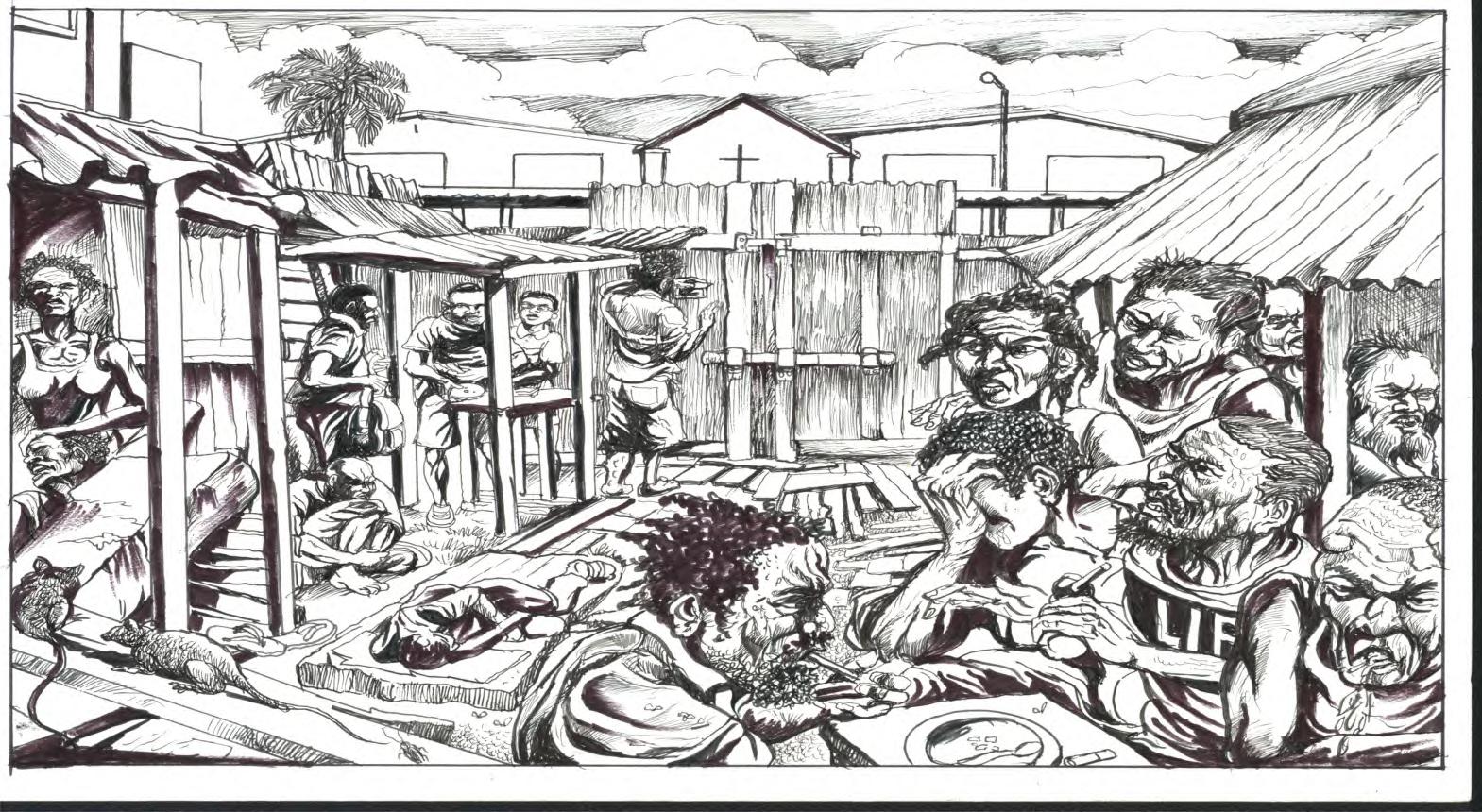

HISTORY sometimes behaves like an old photograph tucked inside a family Bible. Everyone in the house has seen it before. People remember the faces and the story behind it. Sometimes months or even years would pass, and then someone would open the book again and pause.
The events of March 15, 1913, at Rose Hall Estate, Canje, Berbice, feel very much like that photograph. The story rests in painful silence in the background for most of the year, then the calendar turns to March 15, and the country remembers a moment when 15 sugar workers stood up for fairness and lost their lives.
This year marks 113 years since that tragic day. In 1913, the workers at Rose Hall lived within the indentured labour system that defined plantation life in Guyana during the late nineteenth and early twentieth centuries. Cane cutting required endurance and discipline. The work began early in the morning and continued through the heat of the day. A field of cane may look peaceful to someone passing along the public road, yet the people working inside those fields understood the reality very well.
Harvest season demanded long hours and constant effort. Workers bent over the crop for weeks at a time, cutting, bundling and loading cane so that the estate could continue producing sugar.
At the end of this particular harvest season of 1913, estate management promised the workers a few days of rest, and that promise held great value.
A short break allowed workers to visit relatives, repair homes, attend prayers, cook proper meals and allow
tired bodies a chance to recover.
But the estate reversed the decision and ordered workers back into the fields.
The reaction from workers and relatives followed immediately. Workers believed that a promise deserved respect. A person’s word carried meaning in a community where people relied on one another for survival and support.
The labourers gathered near the estate bridge in support of several colleagues who faced charges for refusing the new order. The gathering represented solidarity in its most basic form. Workers stood side by side and demanded fairness.
Colonial police officers soon arrived. The officers addressed the crowd and read the Riot Act of 1715, a British law that allowed authorities to disperse public gatherings once the proclamation had been made. That law existed throughout the British Empire as a tool to control crowds whenever officials believed that order might be challenged. But this day, the workers remained where they stood.
The confrontation soon turned violent, and police opened fire on the gathering. When the shooting ended, fifteen people had lost their lives, and many others had suffered injuries.
Fourteen men and one woman died that day: Badri, Bholay, Durga, Gafur, Gobindei, Hulas, Jugai, Juggoo, Lalji, Motey Khan, Nibur, Roopan, Sadulla, Sarjoo and Sohan.
The name Gobindei stood out in the list because her presence reminded us that plantation life involved entire families. Women worked alongside men and shared the same hardships of estate life.
A colonial commission later examined the events and concluded that the police officers had acted within the law. That judgement reflected the priorities of the colonial system. The plantation economy held enormous influence, and the legal structure often served that system very faithfully.
History offers a broad -
er view. The workers who gathered at Rose Hall acted out of righteous indignation. They believed that fairness deserved recognition and that promises deserved honour. Their protest came from a sense of dignity shaped by hard labour and shared struggle.
The tragedy at Rose Hall became one of the defining
That shift reflects the long journey the country has travelled since its independence in 1966.
The story of Rose Hall, therefore, serves two purposes. The event reminds us of a painful chapter in the
moments in the history of labour in Guyana. A century later, the country operates within a very different framework. Workers now participate in unions, representative organisations and labour structures that provide avenues for negotiation and discussion. Disagreements between workers and employers now move through meetings, negotiations and legal procedures rather than violent confrontation.
TURN TO PAGE XV

I would take this business forward and do whatever it takes to keep the legacy going.”
While some may settle for having a vibrant business, Albert did not stop at preserving her family’s legacy; she sought to build it and create one of her own. During her time at Global Commercial Import and Transport, the business has expanded into different industries. But passion alone did not propel the business, as Albert shared; she took the time to pursue higher education in the field, not just for personal development but also for the business’s sustainability.
“We moved from importation into different industries. I always tried to meet the demands and fill the gaps within those industries, whether through continuing studies or specialised training. I attended a short period of maritime school in the United States to take courses that helped fill gaps we had in Guyana,” she said.
Albert also furthered her education in business administration and networking, gaining certification as a Designated Person Ashore and a Company Security Officer. Today, she oversees a largely male-dominated team of twenty-five contract workers as the head of Global Commercial Import and Transport.
Atlantis Cuisine is also a business Albert heads. The business was created with her sister’s support. As she shared, while she had no prior experience in the culinary arts, she felt the restaurant was needed in Region Three.
“Atlantis Cuisine was another venture where we had no prior experience. Our background was mainly in maritime services and importation. However, I have always had a passion for food. My sister was instrumental in the design and layout of the restaurant while I focused on developing the menu. Our international travels allowed us to bring different flavours together,” she added.
“Region Three was lacking entertainment and social spaces. Atlantis Cuisine helped create that space, and we continue to work on improving the dining experience and introducing new dishes.”
With support from her sister and family, Albert created a menu inspired by dishes from around the world.
Albert’s biggest entrepreneurial undertaking to date, however, is the West Central Mall and West Central Movies. A first-of-its-kind in the region and opened just a few years ago, the mall has become a pillar of the region,

offering a state-of-the-art entertainment experience.
Speaking on its establishment, Albert says that getting the theatre experience the mall is known for today required months of talking, networking, and work.
“With West Central, I was directly involved in procurement and outfitting the mall. One of the biggest projects for me was the movie theatre. At the beginning, we had no knowledge of the industry,” she added.

“We reached out to several theatre operators and were told that they could only install six or eight screens, and that a two-screen theatre would not be profitable. However, we were determined to have a theatre at West Central.”
Today, the West Central Movies is home to a theatre experience recognised in Latin America.
These businesses paved the way for Albert to become the first woman to be president of Region Three’s Chamber of Commerce and Industry. After joining the chamber several years ago, seeking recognition and collaboration, Albert found that it offered a unique

space for networking and learning.
“Over the years, I connected with many good businesses and professionals. I strongly believe that businesses should not operate in isolation anymore. These are the days for collaboration, consortiums, and sharing ideas,” she added.
“When I was asked to join the executive team, I was happy to do so. I served as a committee member, then vice president, and eventually I was elected president.”
Since taking the post, Albert has significantly increased membership, enhanced engagement with government and diplomatic partners, and expanded international connections. One of her most recent projects has been the Junior Chamber, a space for young entrepreneurs to connect, gain mentorship, and access growth opportunities.
Sharing insight into the challenges that come with being both a mother and a business pioneer, Albert says that it can be difficult to split her time between family and work. This has pushed her to create a plan. As she explained, she developed a work schedule that prioritises family. While she admits that there are still some challenges, Albert says she continues to place family at the forefront.
“It is challenging to balance being a mother with such a busy professional life. Many of our Chamber meetings are held at night, and in the early months, we had bi-weekly meetings,” she added.
“I realised that there were gaps in my family life due to the hectic schedule, so I had to create a work structure that prioritises family time. While it is not perfect, I now spend more time with my daughter.”
Moving ahead this year, Albert has plans to establish three new businesses, including the West Central Home Store, Step Up Footwear, and a Kids Toys Factory. While these ventures are centred on affordability, convenience, and quality, Albert says her long-term vision extends beyond business expansion. She believes strongly in empowering the next generation of entrepreneurs and professionals.
“To women who may feel uncertain about taking on big responsibilities, I would say that if others can do it, then you can do it as well. Take things one step at a time, avoid burnout, and stay focused,” she said.
Albert’s journey from a young clerk in her father’s business to a leading entrepreneur in Region Three reflects years of persistence, learning, and determination. Today, as she continues to expand her ventures and lead the chamber, encouraging women and young professionals to pursue their ambitions, Albert believes that success comes from taking things one step at a time, staying focused, and being willing to learn along the way.

HE stood on the balcony looking out across the Atlantic Ocean to the far horizon. The waves crashing on the seawall were like a rhythmic symphony to his ears, and he closed his eyes in reflection.
“I have come from such a long way, from being hated, bullied and unwanted, to where I am today.”
It had been ten years since he had left home as a sixteen-year-old boy, but it didn’t seem that long, for the deep wounds in his heart were still fresh, and his struggles to survive, living homeless in the streets.
He opened his eyes and sighed deeply, “All because I was different.”
From the streets—working as a market porter in the day and sleeping in cardboard boxes in the night, surround-
ed by stray dogs—he became a successful designer living in a mansion.
“Fate took me for a real rough ride,” he smiled wryly, “But my mother’s love and blessings gave me the strength to fight those battles.”
He was the eldest of three siblings, with two younger sisters, who, along with his parents, formed an average, working-class family; his father was a carpenter, and his mother was a seamstress. His father paid special attention to him, proud to have a son, taking him to cricket games and teaching him how to play. Vickash, though, preferred to be home, playing with his sisters’ dolls, cutting out dresses from paper and having tea parties.
He was a little boy then, so no one saw anything
wrong with that at that age of innocence, but as he grew, so did his passion for fashion and designing. His mother had once gently cautioned him that his father would be angry if he knew about his love of fashion.
Vickash had heeded her warning and shared his time and interests between the male-centric activities his father wanted him involved in and his passion for what he wanted to do.
It had not been easy for him, but he had tried, always ending up with bruises and injuries from cricket, football, fishing and biking. He didn’t have the love, strength, or stamina for those activities, and soon the teasing began.
“His throw is weak like a girl.”
“How does he walk like
that?”
“How does he run like that?”
“Your son needs to toughen up,” a friend of his father said.
Vickash had noticed the slow anger in his father’s face, which gave him a bit of fear, and at home, his father had spoken to him with controlled anger.
“What is wrong with you? You’re trying to embarrass me, to bring shame on me?”
“No, father,” he had answered quietly.
His father had slammed his wrist down on the centre table, “You’d better shape up.”
Vickash had been twelve then, and things didn’t get better for him when he started high school. That was when the bullying started to wors-
en, for he was seen as being different.
He told his mother about the bullying at school, not his father, and she gave him advice, the best way a mother could, to stay strong and focus on his studies.
But the taunting from the boys in the village and on the cricket field grew worse, and one day his father lost his cool and beat Vickash mercilessly with a belt. His mother had tried to stop the beating and was hit about the body.
“He’s just a young boy,” she had pleaded. “You can’t do this.”
“He has to grow up to be a man,” his father had responded angrily.
“To please who?” she had retorted. “You are pushing him too much.”
“Watch your mouth, woman,” he had threatened
her.
Vickash did his best to be the boy his father wanted him to be; however, he continued to struggle. He had been beaten up by three boys on his team one day after his poor cricketing caused them to lose a match. They had some unkind words to say to him, but he took it quietly and went home, nursing his physical and emotional pain.
“I can’t do this, Mom,” he had said to her in pain. “Why can’t I be accepted as being different? It’s here, and at school, and one day they might kill me.”
She had comforted him, but she too was helpless in resolving the problems her son had been facing.
“Why, dear Lord?” she had cried.
Vickash did not return to
TURN TO PAGE XVII



ALL biography is fiction if it does not cleave closely to essential facts—a kind of mathematical summation of an actual life. No good biography achieves that. Biography is closer to reinvention: a distillation of what is known, half-known and barely knowable. In the end, it is a fictionalisation of a life—an interpretation of motivations, actions and thoughts.
It is never wholly true and can never contain the entirety of its subject. Things are omitted, elided, misunderstood or simply unavailable to the author. Lies are told. Biography traffics in approximation and conjecture. Surprise or revelation—the so-called “big reveal”—is a staple of the genre.
There are no such big reveals in the many biographies of the great reggae singer Bob Marley. He appears always to have been what he was known to be: a conscientious interpreter of global realities and a singer of songs—a revolutionary Rastafarian. He died at thirty-six in 1981.
His afterlife has sparked a scholarly boom in his music and musicality, and, of course, in his short, fecund life. Marley is known to have fathered eleven children by as many women. It is an irresistible bon mot of the written and film biographies of his life.
Bob Marley has been the subject of countless biographies. Roger Steffens’s So Much Things to Say: The Oral History of Bob Marley (W.W. Norton and Company, HC $29.95) now joins that long list. Steffens, a noted reggae historian, knew Mar-
ley personally, having toured with him and interviewed him on several occasions.
This is no ordinary biography. It is, as the subtitle suggests, an “oral history”. Its structure—a back-andforth among many voices— has a novelist’s sense of tone and rhythm, echoing reggae music itself. Steffens writes the book with a deep and intuitive understanding of the genre from which Marley emerged.
So Much Things to Say is composed of roughly thirty interviews with people who knew Marley at different stages of his life, from his humble beginnings in Trench Town, Jamaica, to his death thirty-six years later.
A multiplicity of voices tells the story: musicians, friends and family members, confidants, lovers, business partners and hangers-on. A nice touch of the book is the unexpurgated tone and language of Jamaican patois of Marley’s birthplace, some of which is dense and often impenetrable. Non-Caribbean readers will have to do some translating.
Some interviewees speak entirely in patois; others use a kind of Rastafarian-inflected pidgin that may seem opaque to the uninitiated. It helps to approach these speakers as characters in a novel, each using a distinct register of language—Creole English, patois laced with Rastafarian idiom, or more formal British and American English.
Speakers are identified by name before their remarks, but there is frequent and sometimes abrupt switching between voices and subjects. Contradictions are left intact—over when or how
certain Marley songs were written, for instance—and there are occasional disparaging remarks about his wife, Rita Marley.
Steffens proves equal to this complexity, clearly delineating who is speaking and rendering each dialect with care and fidelity. The book unfolds with a conversational pacing, analogous to an actual interview or group discussion, creating an easy, listenable rhythm. Marley himself emerges as a fully realised character, as does Steffens, who is present not merely as compiler but as participant.
The book bears comparison to Marlon James’s A Brief History of Seven Killings in its shifting perspectives, its collage of voices and situations and, of course, its central figure: Bob Marley. Unlike James’s novel, however, Steffens’ work is grounded in fact. The interviews possess a directness and specificity that are often revelatory. We learn, for example, that Marley shared a half-sister, Pearl, with his bandmate Bunny Wailer, and that he largely raised himself. There are illuminating insights into the inner workings of Rastafarianism and Marley’s role in promoting it, as well as compelling reflections on his songwriting process.
Some Rastafarian usages and Jamaican colloquialisms may puzzle readers unfamiliar with Jamaican or broader Caribbean culture. These moments can be mildly disorienting, but they are minor distractions and do little to diminish what is, overall, a remarkable book.
nation’s past and highlights the determination of ordinary workers who insisted on dignity in the face of injustice.
Visitors can see a tribute to the fallen at the Rose Hall Martyrs Memorial in Berbice.
The monument lists the names of the fifteen workers who died during the events of March 1913. The memorial preserves their memory and reminds future generations of the courage displayed on that day.
A country benefits from remembering its labour history. The people who built Guyana often worked in fields, factories, workshops and offices where fairness required persistence and courage.
The workers who gathered at Rose Hall did exactly that. They stood together and demanded respect for their labour and for their word.
So on this March 15, exactly 113 years later, the story deserves another look.
Sometimes history waits patiently for someone to open the page again. When that page opens, the people inside it remind us that dignity has always been worth defending.
Below is a poem in remembrance.
Rose Hall, 1913 Morning lifted over Berbice cane,
Workers gathered on the open plain.
Harvest months had tested bone and hand, Labour shaped the life of that estate land.
A promise came when cutting days were done, A little rest beneath the tropic sun.
Men spoke of family, meals and sleep, Simple joys that workers rarely keep.
Then word arrived with sudden stern command, The estate required each working hand.
Voices rose beside the narrow bridge, Anger stood along the
river ridge.
FROM PAGE XI
Neighbours joined with a firm, determined will,
A stubborn courage held the morning still.
Each person spoke of fairness plain and clear,
A worker’s pride rang strong for all to hear.
The empire’s law appeared within the call,
An order meant to scatter one and all.
The crowd remained with steady human grace, Each face turned calmly toward the open space.
Rifles cracked across the field that day,
And fifteen lives were taken there away.
Yet every year their memory stands tall, The martyrs of that day at Rose Hall.
The fields remember every single name, And Guyana honours courage just the same.
A century passed, and still the lesson stands, Justice grows from ordinary hands.
Romella Dasratt
determining how much capital they will need to increase their inventories in future periods.
Business owners may seek financing to increase their inventory because they can enjoy discounts on large-volume purchases. Some suppliers offer discounts only after customers purchase a specific volume. Sometimes, the discount obtained can be a major financial relief for business owners, as a lower unit selling price makes the business more competitive.
Both start-up and mature businesses will have opportunities to acquire land and buildings. The locations where some land and buildings are available for sale are prime locations.
Those locations positively impact goodwill, allowing businesses to leapfrog the competition and become great businesses. Sometimes,
a key location is all that is needed for a business to succeed.
When land and buildings are available for sale, business owners may not have all the funds needed to acquire them; therefore, they must seek financing.
If business owners do not purchase the land and buildings on time, then other business owners may purchase them. When opportunities are lost, they may never return, so it is important to be alert and agile enough to capture significant opportunities.
In some countries, acquiring land is difficult. Most of the time, there are small parcels of land available and many potential buyers. Therefore, those interested in that land and those buildings must have access to financing almost immediately. When a business acquires a portion of land, further development will be needed. However, the first step is to acquire the land; then development will follow.

Business owners must look for expansion opportunities. There are often many opportunities that can drive business growth, and business owners must be vigilant to maximise them. Too many owners are myopic; that is, they are narrow-minded in their business vision. They become complacent or comfortable about their businesses and the locations they occupy. Some businesses have been in existence for many decades and have never grown because the owners lack the vision to expand.
For more information about Geary Reid and his books, please use these contact information: Amazon: http://www.amazon.com/author/gearyreid Website: www.reidnlearn. com
Facebook: Reid n Learn
Email: info@reidnlearn. com
Mobile #: 592-645-2240




the community ground for practice matches and, as such, was not selected for the upcoming games. His father, who had been away to the Corentyne on a job, was deeply disappointed with Vickash and had accosted his mother.
“I wanted a son, a real boy,” he had told her with controlled anger.
“He is a boy, our son,” she had answered quietly. “He needs our love and support, not hate.”
He had hit her and pushed her roughly, then left the room.
The girls, out of fear, had stayed in their room, but Vickash went to his mother and comforted her.
“I am so sorry that I am causing this to happen to you.”
“It’s okay, son, sometimes we have to face the unexpected in life.”
“Why am I like this, mother?” he had asked her, for at fourteen his body was going through more changes, changes he couldn’t understand.
“I have been trying so hard to be a normal boy, but at school and here they just won’t let me. So much taunting and bullying.”
“Don’t worry, people can be unkind, but one day, from the strength within, you will prove yourself as someone successful, just with time and belief.”
She had kissed him on the forehead and hugged him, a mother’s blessing that gave him some confidence
in himself.
At school, he studied, he played chess, he entered art competitions, and he bore the taunts.
There was still a kind of tension between him and his father, and two years later, it all came to an end. His father had been drinking that day and was at a cricket match for boys under 20 at the community centre ground.
Vickash once again did not make the team because he had not been attending practice regularly.
“Today I could have been watching my son play,” he had said with deep disappointment. “But instead I have to watch the sons of other men play.”
It was late in the night when he was roughly awakened by his father and literally dragged out of the room.
“Where are you taking me?” he cried, trying to pull back, but his father was a strong man.
Vickash shouted for his mother as he was dragged out of the house.
“You’re useless as a son!” his father lamented angrily. “You know how many insults I had to hear today?”
Vickash’s mother reached his side just as the father was telling him, “There’s a trench over the dam. I want you to go take a swim.”
Mother and son had looked at him in horror.
“You know he can’t
swim,” the mother stated. “What is wrong with you?”
“He would have to learn to save his life,” his father had said with cold fury.
Vickash and his mother slept in the girls’ room that night, trembling with fear.
“He wants me to die,” he cried. “That’s how much he hates me. How is this my fault, how?”
He broke down crying, and no one slept much for the rest of the night.
The next morning, after his father had gone to work, Vickash told his mother, “I will have to leave.”
His mother had looked distressed and asked quietly, a little tremor in her voice, “Where would you go? How would you take care of yourself?”
“I don’t know, Mom,” he had answered, his voice breaking. “But I can’t stay here any longer.”
Two days later, one early morning, Vickash kissed his sisters goodbye, tears rolling down his face, and he hugged his mother.
“Your blessings will keep me safe, and I hope to see you all again one day.”
He took a bus to the city with some money his mother had given him, and the address of an old friend of hers on the West Coast.
He had to leave the family he loved, not knowing what he would face in the strange world among strangers.
All because he was born different.
To be continued…






































































Welcome, fellow reader. It is widely believed that some people have a better memory than others. It is also believed that practice in memorising chunks of material helps to develop memory. Both these beliefs are fantasies. A person who is good at memorising material uses good study habits and
keeps developing them – no more, no less. Bear in mind that these precious enabling habits include utilising a consistent schedule, active recalling through testing, and regular breaks to maintain focus. Be wise. Love you.
Dialogue highlights in story
ONE: See how dialogue works in the following two excerpts:
Finally, the night was quiet except for Nita’s highpitched sobbing. “You’ve killed my father!” Sarah crept from the hall to the living-room window to see

if her husband was all right. There was the sound of crickets, then a hushed, “Open the door.” Lee rushed from his sanctuary behind the car. Sarah threw her arms around him. “You’ve got to stop now. It’s time to let somebody else do something.”
Lee held her by the shoulders and said, “That attitude is what is wrong with West Perrine.”
No arrests were made.
Shortly afterward Lee told Sarah about a vision. “Can you imagine,” he said, “all the churches in the neighbourhood marching together? Can you see the churches giving up a morning to march up Homestead Avenue to let the drug pushers know we won’t like it anymore?”
Sarah stood transfixed. “Would they do that?”
“They’ve got to,” Lee answered. “We’re going to lose this neighbourhood unless we can get these churches together.”
One March evening last year, as Lee went about his usual closing routine … Lee came out to pick up trash in the parking lot. At that moment, a man wearing camouflage clothing stepped around the corner. … When it (all) was over, the man everyone called “Mr. Lee” lay in the litter-strewn parking lot. He was dead, 12 days from his 52nd birthday.
TWO: The eviction crew works thoroughly, relentlessly. A coffee table sails out of the house, lands in the yard and breaks a leg.
“Stop it,” the owner screams. “I will call the police … this is criminal. You must pay for this.” He struggles with the hired hands, three convict-type bullies.
“You have broken my table, you … you …”
“We will fix that,” the landlord says from a distance. “Soon as you pay.”
“You have no right to raise the rent,” the tenant complains. “No right at all.”
Dressed only in a vest and a pair of ragged trousers, the bank clerk looks pathetically
To one who has been long in city pent; ‘Tis very sweet to look into the fair And open face of heaven.
JOHN KEATS (1795-1821) “To One Who Has Been Long”
comical. They must have caught him in bed. …
1. Read the two extracts above another time and give your reactions.
a) What makes each story one of interest? Use potent adjectives to describe how each author makes you see his main character. b) Which story is third person, and which one is first person?
c) The first excerpt has some amount of dialogue, but the second is full of it. Why? (Think about form and purpose of writing). Collaborate here with your study partners.
2. Look again at the scene in the second story. What have you seen the dialogue do for the portrayal of the action?
3. Try to enhance your future stories with suitable dialogue to portray mood/ atmosphere. Write a scene today where your choice of dialogue enhances the description of action. Let your study partners comment on it.
THE POEM: Story in the poem To Be of Use
(Marge Peircy)
The people I love the best jump into work head first without dallying in the shadows and swim off with some strokes almost out of sight. They swim to become natives of the element, the black sleek heads of seals bouncing like half-submerged balls.
I love people who harness themselves, an ox to a heavy cart, who pull like water buf-
falo, with massive patience, who strain in the mud and the muck to move things forward, who do what has to be done, again, and again.
I want to be with people who submerge in task, who go into the fields to harvest and work in a row and pass the bags along, who stand in the line and haul in their places, who are not parlour generals and field deserters, but move in a common rhythm when the food must come in or when the fire be put out.
The work of the world is as common as mud. Botched, it smears the hands, crumbles to dust. But the thing worth doing well done
Has a shape that satisfies, clean and evident.
Greek amphoras for wine or oil, Hopi vases that held corn, are put in museums
But you know they were made to be used.
The pitcher cries for water to carry and a person for work that is real.
1. Discuss the following points with study partners: a) the speaker’s preference b) the metaphorical use to compare between oxen, water buffalo, and seals c) the skills and confidence of each category in its own individual environment 2. Does the poem find appreciation in all your study partners’ ways of thinking? Why? Why not?


YOU may justifiably ask, “If I suddenly get a toothache, what can I do about it other than going immediately to see a dentist (which is almost always unlikely)?” You may want to try any one of these as a temporary measure for alleviation.
First, take a double dose of the analgesic you normally would take for an ordinary headache. I usually recommend 600 mg of Ibuprofen (Motrin) for immediate relief. It is a good idea to keep Ibuprofen tablets at home, as they can relieve almost all types of pain.
Second, a tiny cotton ball soaked in clove oil and placed in the cavity invariably mitigates the pain right away. If you cannot get clove oil, pulverise a few cloves in a drop of olive oil and use that instead.
Third, apply a cold compress to the affected area, especially if the corresponding cheek has recently begun to swell. Cold is the only physical agent known to subdue inflammation, which includes symptoms such as pain and swelling.
Occasionally, it may help to hold cold water in the mouth. But one should be careful when using heat or cold on aching teeth.
Fourth, an increase in blood pressure can cause a toothache. Clearly, the pulp chamber cannot distend to accommodate the changes in
pressure because it is in the centre of the tooth.
The increased pressure, therefore, compresses the nerves, resulting in pain. Elevating the head can decrease pressure. This method may be useful when the toothache attacks during the hours of slumber. However, even if relief is achieved, if the pain wakes you up at night, it is serious for the tooth.
Fifthly, tooth pain after eating sweets means the acid produced from the converted sugar is acting on the exposed nerve endings in the cavity. The way to resist this is to neutralise the acid. A home remedy is rinsing the mouth in the morning with a baking soda solution. Baking powder contains sodium bicarbonate, which can also be utilised.
The sixth and final recommendation to achieve emergency relief from a toothache is to clean out the cavity (the direct application of alcohol in the cavity usually numbs it for a short while) and then plug it completely with sugarless chewing gum.
It must be emphasised that these are only temporary measures to relieve a toothache. In every case of tooth pain, professional assistance should be sought for a permanent cure.
About 60 per cent of the people visiting the dentist do so because of a toothache. They naturally expect

that the offending tooth will be extracted. But just because you have a bad toothache does not mean that the tooth will have to be extracted. Root canal ther-
apy can save an abscessed tooth or one with a damaged pulp (a packet of nerves and blood vessels in the core) and should be the preferred procedure over extraction,
provided the patient can afford it.
Incidentally, we need to remember that even if a pain in the mouth goes away on its own, it should not be ignored. Sometimes it could lead to serious conditions. For example, heart problems may first manifest themselves as pain in the lower jaw and teeth.