





PRESIDENT, Dr Irfaan Ali on Sunday evening joined members of the Chinese Association of Guyana for a Chinese New Year dinner, highlighting the enduring cultural contributions of the Chinese community to Guyana’s national development.
The celebration was held at the New Thriving Restaurant in Providence, where government
officials, community leaders, and members of the Chinese-Guyanese community gathered to mark the annual observance.
In his remarks, President Ali said the celebration of the Chinese New Year in Guyana serves as a powerful reflection of the country’s rich diversity and shared heritage. He noted that the festival represents not only cultural
preservation, but also national unity, demonstrating how various traditions continue to shape the country’s identity.
The Head of State also acknowledged the historic contributions of the Chinese community since their arrival in Guyana in 1853, emphasising that their legacy remains deeply interwoven into the nation’s economic, cultural,
and social development.
He said generations of Chinese-Guyanese have contributed to national progress through shared struggles and common aspirations alongside other ethnic groups.
As the community welcomed the Year of the Fire Horse, President Ali expressed optimism for the future, extending wishes for
- hails him as “Public
renewal, peace, prosperity, and unity for all Guyanese in the year ahead.
The Chinese New Year celebration forms part of Guyana’s broader recognition of its multicultural heritage, with traditions from various communities continuing to be observed as symbols of national cohesion and mutual respect.
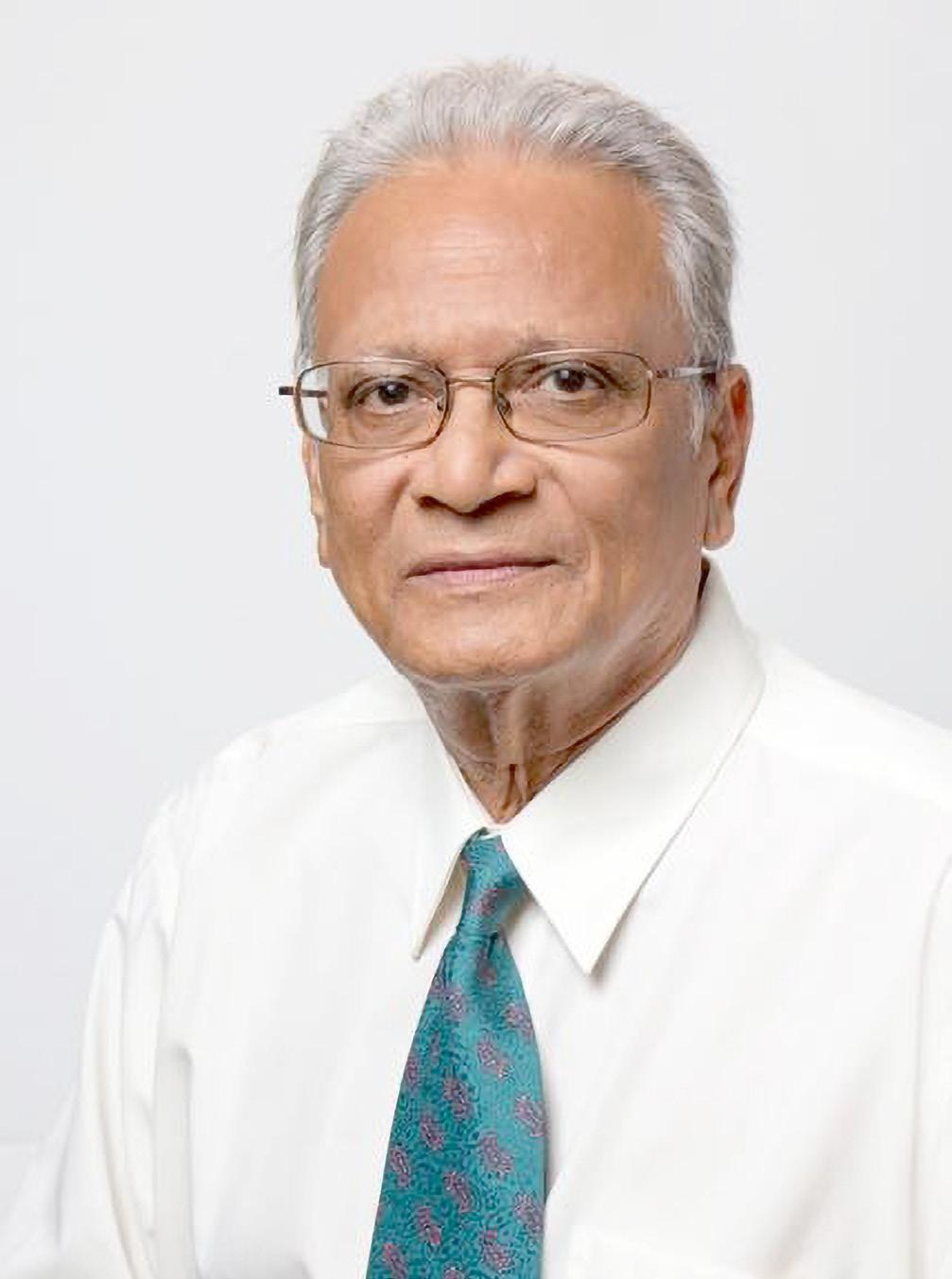
PRESIDENT Irfaan Ali has paid tribute to late political leader and scholar Dr. Rupert Roopnarine, describing him as “a public figure of conscience” whose life embodied courage, intellect, and principled service to Guyana.
In a statement following Roopnarine’s passing, the Head of State extended condolences to his family, friends, and colleagues within the Working People’s Alliance (WPA), the party Roopnarine co-led for decades.
The President reflected on Roopnarine’s role during Guyana’s anti-dictatorship struggle, noting that he demonstrated resolve during periods marked by fear and political repression.
He highlighted Roopnarine’s close association with historian and activist Walter Rodney, crediting the two men with helping to inspire resistance and democratic consciousness during a turbulent era in the country’s history.
Beyond politics, President Ali praised Roopnarine’s
President Ali acknowledged that although they stood on opposing sides of the political spectrum, he held deep respect for Roopnarine’s character and contribution to national development.
academic legacy, describing him as a distinguished scholar of comparative literature who believed deeply in the power of ideas to advance freedom. He noted that Roopnarine carried this intellectual grounding into public life, including his service in Parliament and later as Minister of Education, where he championed education as a foundation for independent thinking and national progress.
The President also underscored Roopnarine’s personal qualities, recalling his civility and measured approach to political engagement. In a political culture often shaped
by division, Ali said, Roopnarine stood out for treating opponents with respect and maintaining principled debate without hostility.
Describing his life as proof that politics could be guided by integrity and compassion, President Ali said Roopnarine’s legacy would endure as an example of how conviction and humility can coexist in public service.
He expressed hope that the late scholar and statesman would “rest in eternal peace,” while urging Guyanese to remember his contributions to democracy, education, and national unity.
PRESIDENT, Dr Irfaan Ali called on citizens to embrace national pride as a daily responsibility, framing it as an essential pillar of nation-building and collective progress.
“We must build a society where national
ceremonial observance and become a lived reality, reflected in everyday actions and attitudes.
He stressed that pride in country is not confined to any individual, group or political party, but is a shared duty that defines citizenship and
is for all communities, where growth and development is for every segment of the Guyanese population, where every home, every village and every community can feel the impact of development, can have access to the services that the
and national unity were highlighted as central to this vision, with the country’s shared heritage serving as a binding force rather than a source of division.
He pointed to neighbourly love and collective responsibility as
cornerstones of a cohesive society committed to protecting and advancing the nation together.
“These are the elements of national pride that are non-negotiable. These are the elements of national pride
that must allow us to breathe what it means to be Guyanese, to inhale the freshness of what makes us Guyanese, the life, the values, the customs, the culture, the tradition of what makes us Guyanese,” he said.
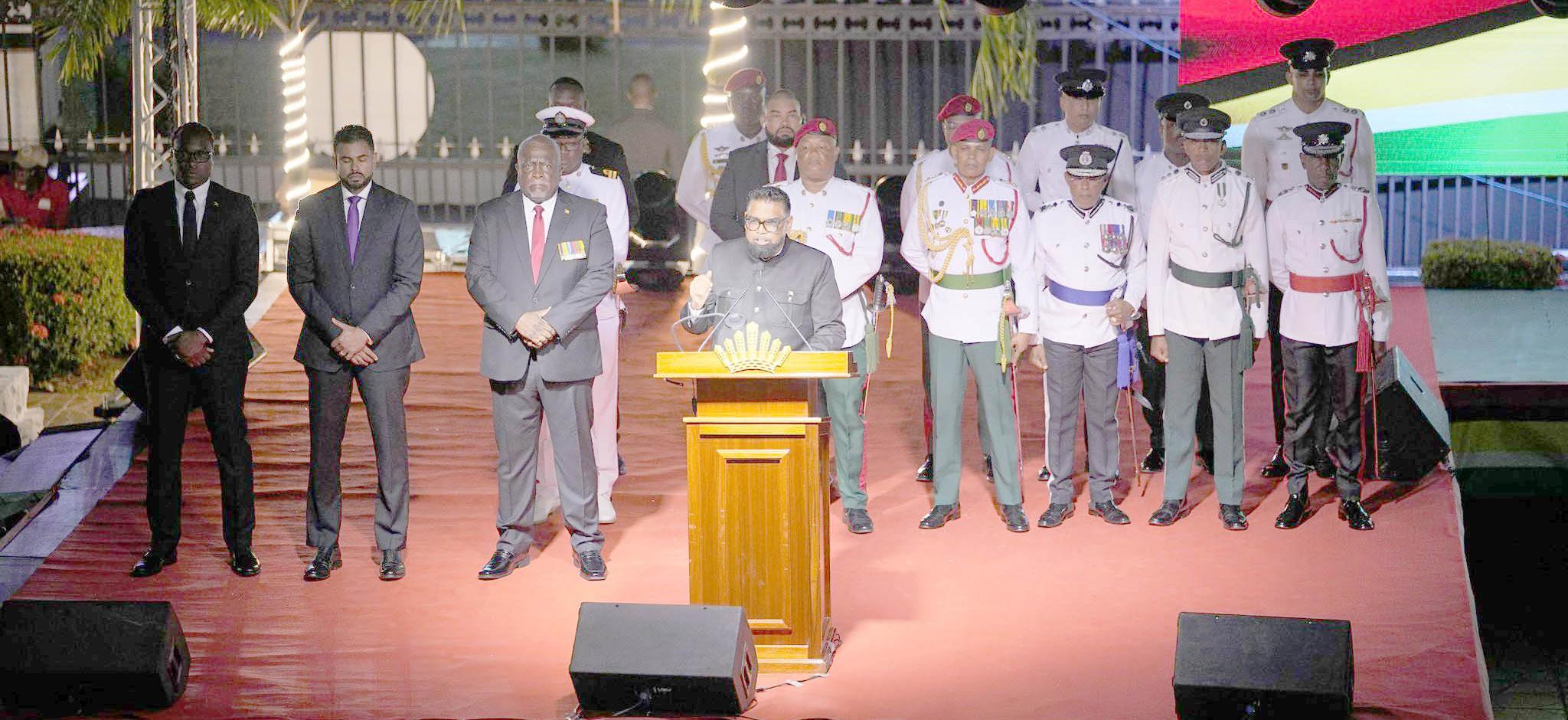
pride is not a slogan shouted on national days, but a sacred trust lived every day. For national pride to be meaningful, we have to live it every day. We must lift this nation up every day. We must lift each other up every day. We must lift that Golden Arrowhead and our heads to the future with an understanding that national pride is compulsory for national building,” the President said on the eve of Guyana’s 56th Republic Anniversary.
The Head of State emphasised that national pride must transcend
strengthens the fabric of the country.
He outlined a vision of national pride rooted in environmental stewardship, urging Guyanese to safeguard the nation’s rivers, forests, biodiversity and agricultural lands.
A cleaner, safer and more beautiful Guyana, he noted, would be a visible expression of the values, patriotism and civic consciousness of its people.
“That weight of national pride is for all of us to carry equally, a pride grounded in shared prosperity, where growth
State offers in a way and manner that adds value to their life, to their families, and to their communities,” he said.
The President also underscored the importance of shared prosperity, arguing that meaningful national pride must be grounded in inclusive growth and equitable development. He said every home, village and community should feel the impact of progress, with access to services and opportunities that enhance the quality of life for families across the country.
Community harmony

GUYANA’S rapid ascent as a regional powerhouse could also translate into a bridge of deeper regional integration within the Caribbean Community (CARICOM), Minister of Natural Resources
Vickram Bharrat has explained.
During the recent Guyana Energy Conference and Supply Chain Expo’s youth forum, two high school students, who are citizens
of Barbados and the United States Virgin Islands, questioned the Minister on opportunities in Guyana available for CARICOM states.
Bharrat discussed the importance of collaboration between Guyana and other CARICOM countries, not only in the oil and gas sector.
First, the minister recognised the knowledge gap and stated that, as
POLICE in Regional Division Three have launched an investigation into an alleged murder that occurred on Sunday evening at La Parfaite Harmonie, West Bank Demerara, leaving a 20-year-old man dead.
Dead is Roberto Grant, called “Kayan,” an unemployed resident of La Parfaite Harmonie.
According to preliminary police reports, the incident occurred between 19:30hrs and 20:00hrs at a shop in the community. Investigators said a 41-year-old construction worker of Grove, East Bank Essequibo, was at the location when an altercation reportedly broke out between him and Grant.
During the confrontation, both men allegedly armed themselves with objects and inflicted injuries on each other.
Police said the suspect later went to the La Parfaite Harmonie Police Station, where he made a report about the incident. Ranks subsequently visited the scene and escorted both injured men to the West Demerara Regional Hospital for medical treatment.
Grant was admitted but later succumbed to his injuries while receiving medical attention. The suspect was treated for injuries and remains in police custody assisting with ongoing investigations.
Investigators recovered a broken piece of a glass bottle at the scene, which has since been lodged as evidence. Police also observed CCTV cameras in the area and are expected to review footage as part of the probe.
Grant’s body has been taken to the Ezekiel Funeral Home, where it awaits a post-mortem examination.
Police said investigations into the circumstances surrounding the incident are continuing.
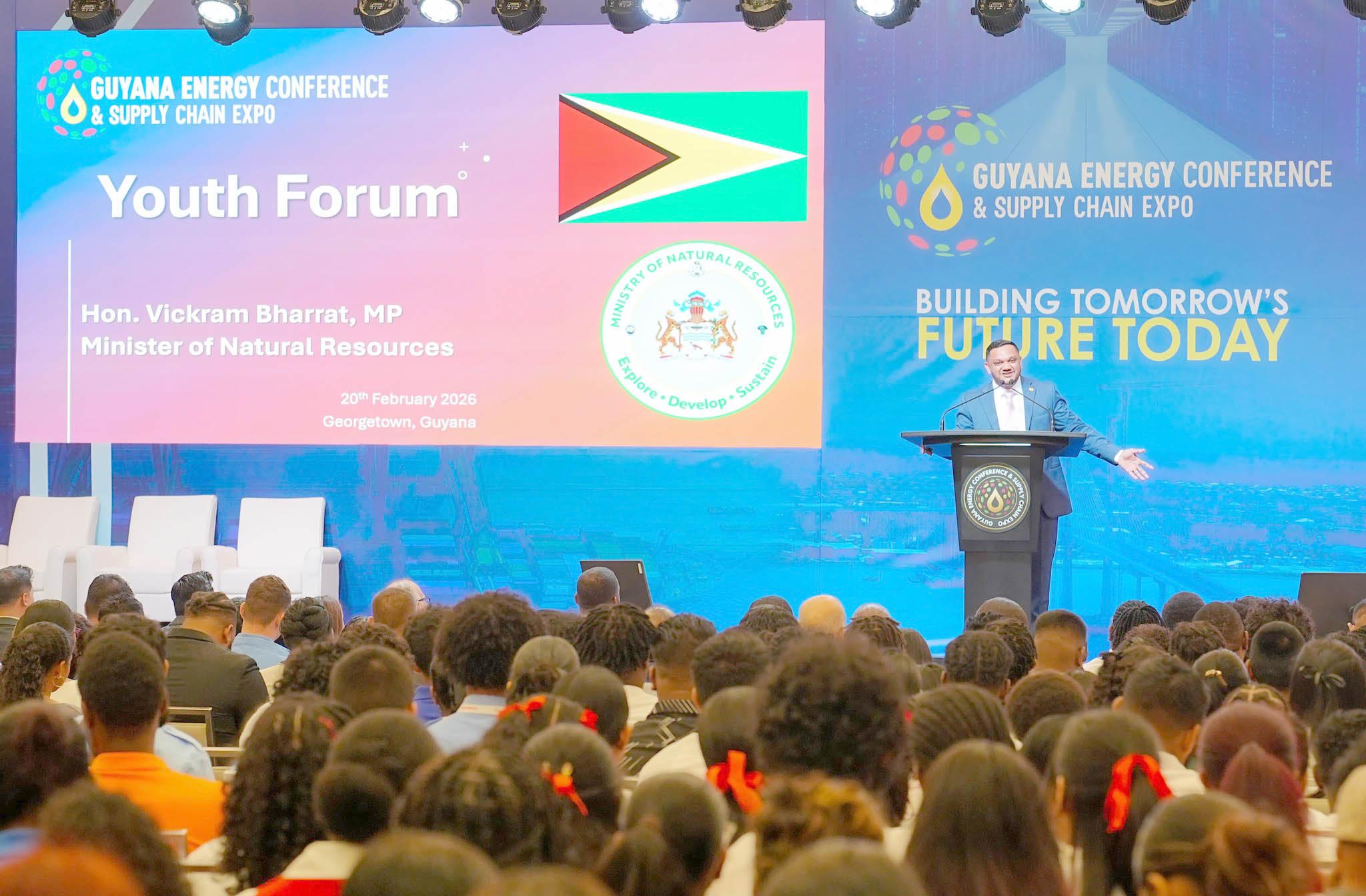
leaders, there must be further emphasis on ensuring more information is readily available to young people regarding opportunities in the oil and gas sector and emerging sectors.
Framing regional integration within Guyana’s policy agenda, Minister Bharrat pointed to President Dr. Irfaan Ali’s consistent message that “When Guyana is doing well, the region will do well.”
He further emphasised that there has been active engagement to bolster regional collaboration, noting, “We have already started to see the collaboration, especially in Guyana, Barbados, Trinidad, and Suriname. We have seen a lot of collaboration among these four countries. Not to say that there’s no collaboration among others.
“…We have seen a lot
of collaboration where we can work together, where young people from Barbados and St. Thomas can come and work in the oil and gas sector in Guyana, and where young people in Guyana can train in the hospitality institute in Berbice, and they can go and work in the five-star hotels on your island too.”
“It really calls for more collaboration, especially at youth level,” the minister said as he highlighted potential areas for growth and integration.
Just recently, President Ali reaffirmed that Guyana’s rapid industrial and infrastructural expansion is strategically positioning the nation as a central player in South America’s emerging regional integration plan.
Further, while addressing the 136th Georgetown Chamber of Commerce and
Industry (GCCI) annual awards and gala virtually, Barbados Prime Minister Mia Mottley had said that Guyana’s economic ascent has positioned the country as an “exceptional bright spark” amid global uncertainties.
The regional leader noted that Guyana’s expansive growth is not only the strength of its own economy but fundamentally the strength of the entire Caribbean region, representing the core of regional integration and the CARICOM family.
Prime Minister Mottley further noted that as the region looks to confront global challenges, economic policies must be shaped to ensure the region’s resilience. With this objective in mind, she commended the country’s efforts in supporting investments in
strengthening the region.
Adding to this, Chairman of CARICOM, Prime Minister of St. Kitts and Nevis, Dr. Terrance Drew, had continued his regional outreach with a visit to Guyana last Saturday, ahead of today’s 50th Regular Meeting of CARICOM Heads of Government.
While in Guyana, the Chairman held discussions with President Ali and members of his team at State House.
CSME OPENS
THE DOOR
Central to regional integration is the CARICOM Single Market and Economy (CSME), which Minister Bharrat explained has promoted progressive trade and economic integration efforts.
The minister said: “If you graduate in Barbados, and you want to come and work in Guyana, then there is no hindrance to that... We have signed on to the CARICOM Single Market and Economy, where skilled personnel can move freely from one CARICOM country to another, and you can be gainfully employed.”
While effective, the minister called for strengthening of it, noting that it is “limited” and made the call “we got to go beyond that.
“So, there’s a lot of ways in which we’re going to collaborate in the future, as young people,” he added.
POLICE have launched an investigation into an alleged incident involving the discharge of a loaded firearm with intent, which reportedly occurred on Sunday afternoon at Robb Street, Bourda, Georgetown.
According to police reports, the incident took place at approximately 17:00hrs on February 22, 2026, and
involved two male victims. A 42-year-old businessman of Shell Road, Kitty, Georgetown, has since been identified as the suspect.

Acting on information received, police ranks proceeded to a residence at Shell Road, Kitty, where they made contact with the suspect. A search conducted on his person led to the discovery of a 9mm Taurus pistol, along with two magazines and twenty rounds of 9mm ammunition. Police said the suspect pro-
duced a precept and a firearm licence registered under the name of a transportation service. While the licence corresponded with the firearm found in his possession, investigators observed that it had not been renewed for the year 2026.
Ranks also conducted a search of the premises, during which a motor vehicle allegedly used in the incident was
found parked in the yard. The suspect was subsequently arrested and escorted to the Kitty Police Station. The firearm, ammunition, and the vehicle have been lodged as exhibits as investigations continue.
Police confirmed that the businessman remains in custody pending further investigations.
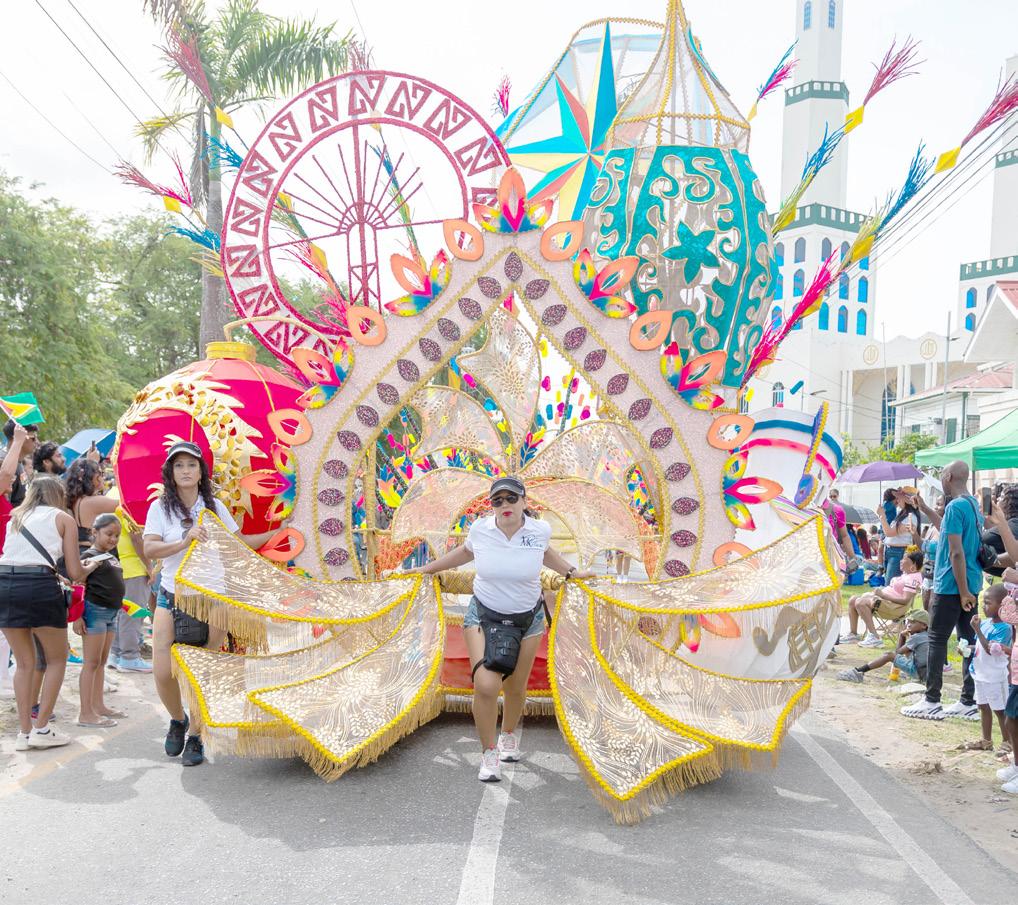
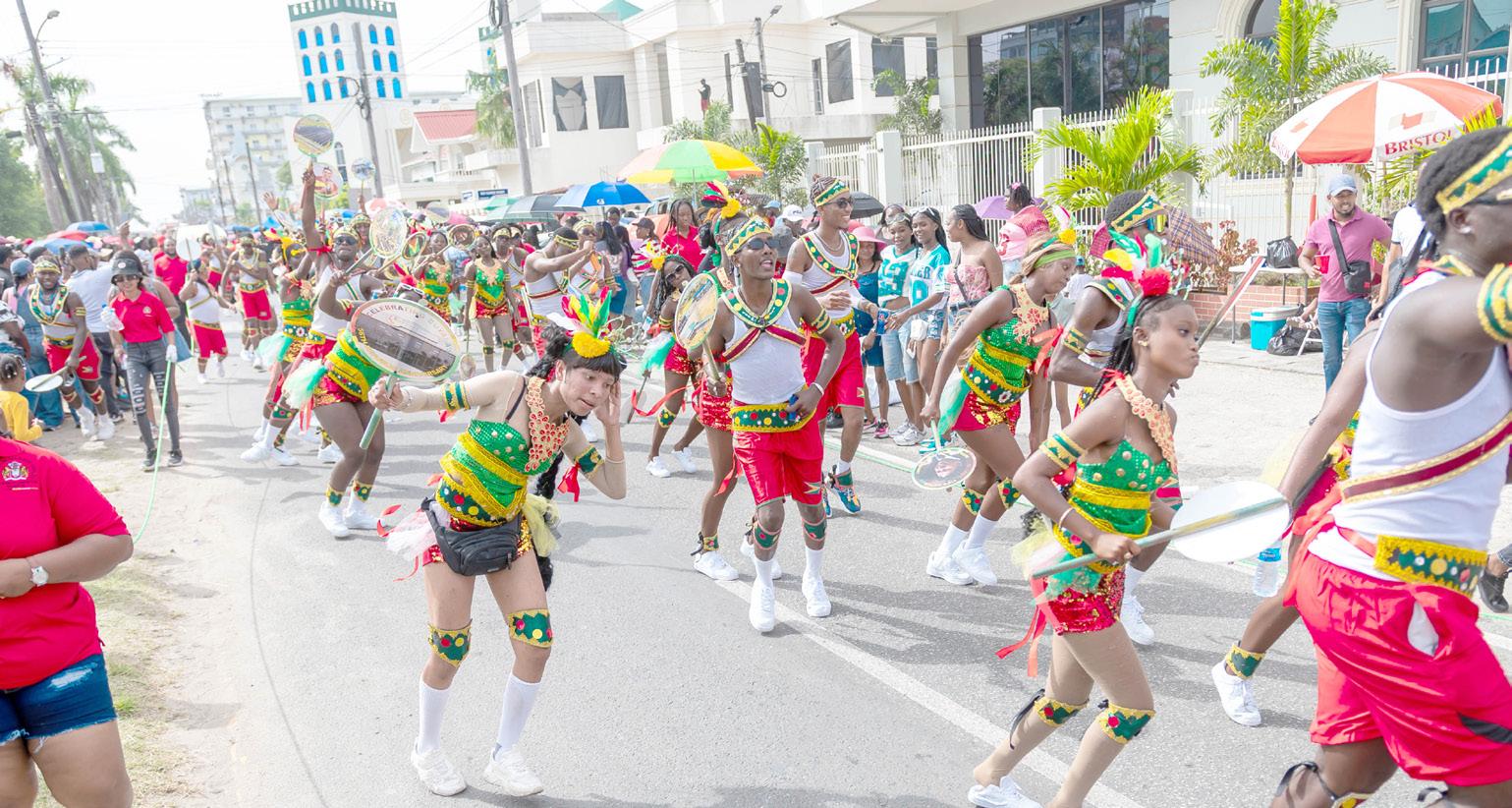
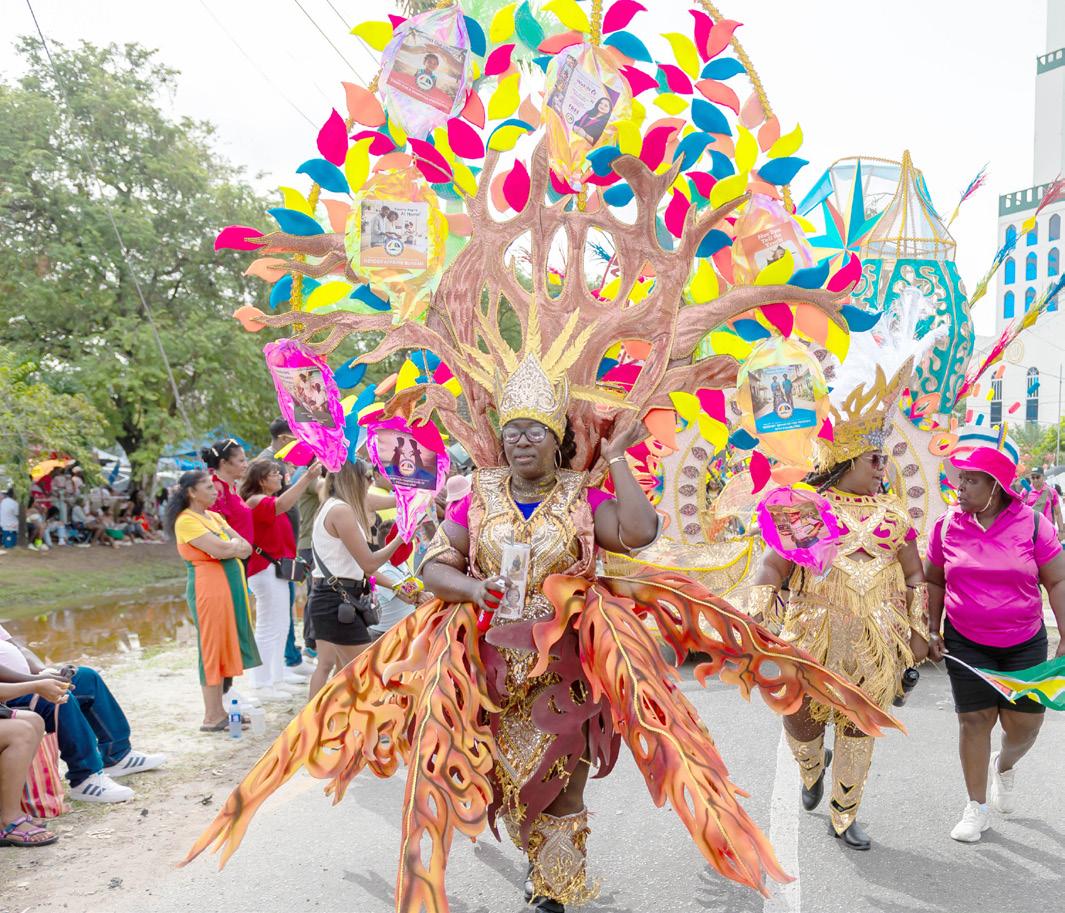
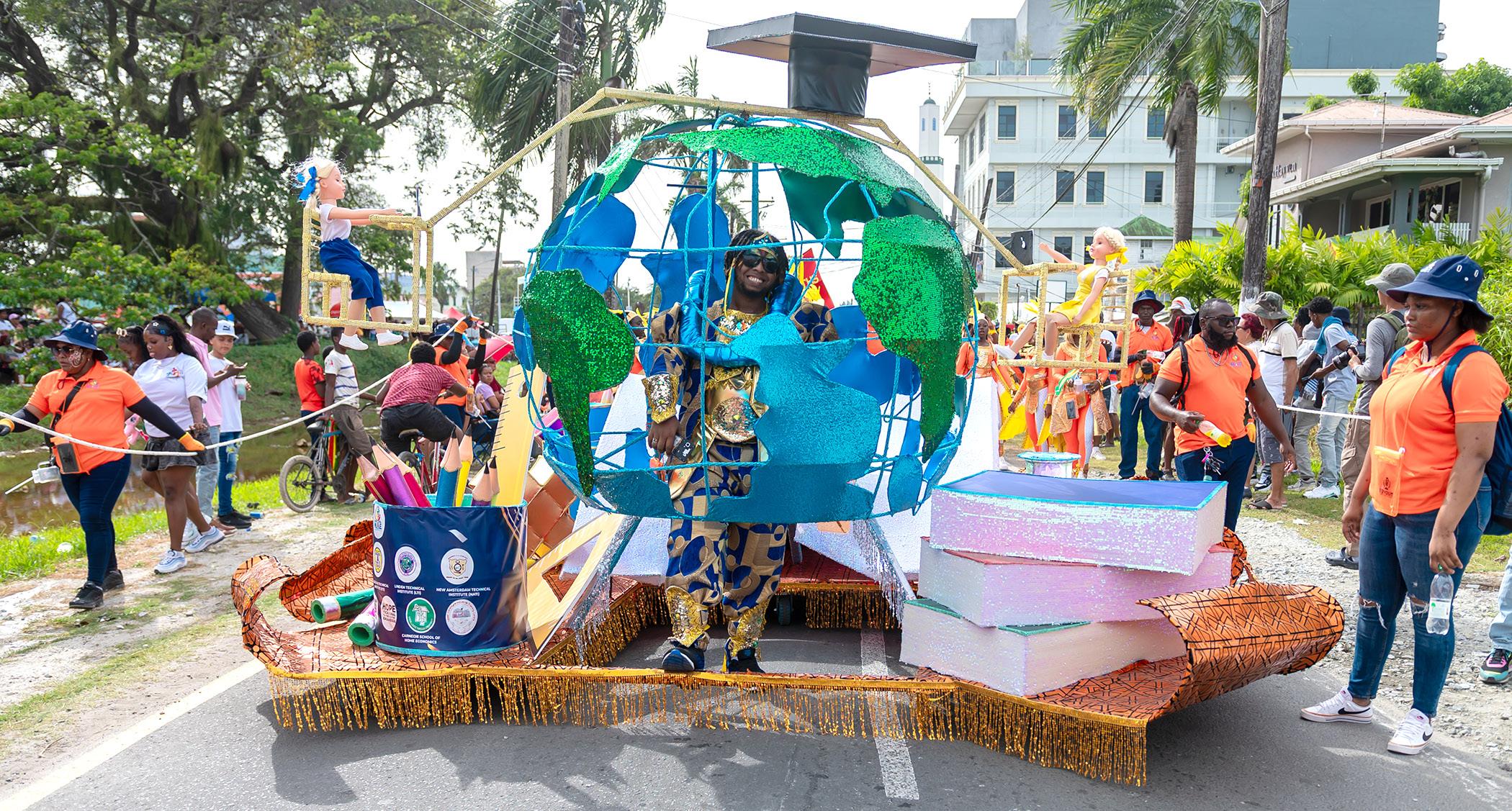
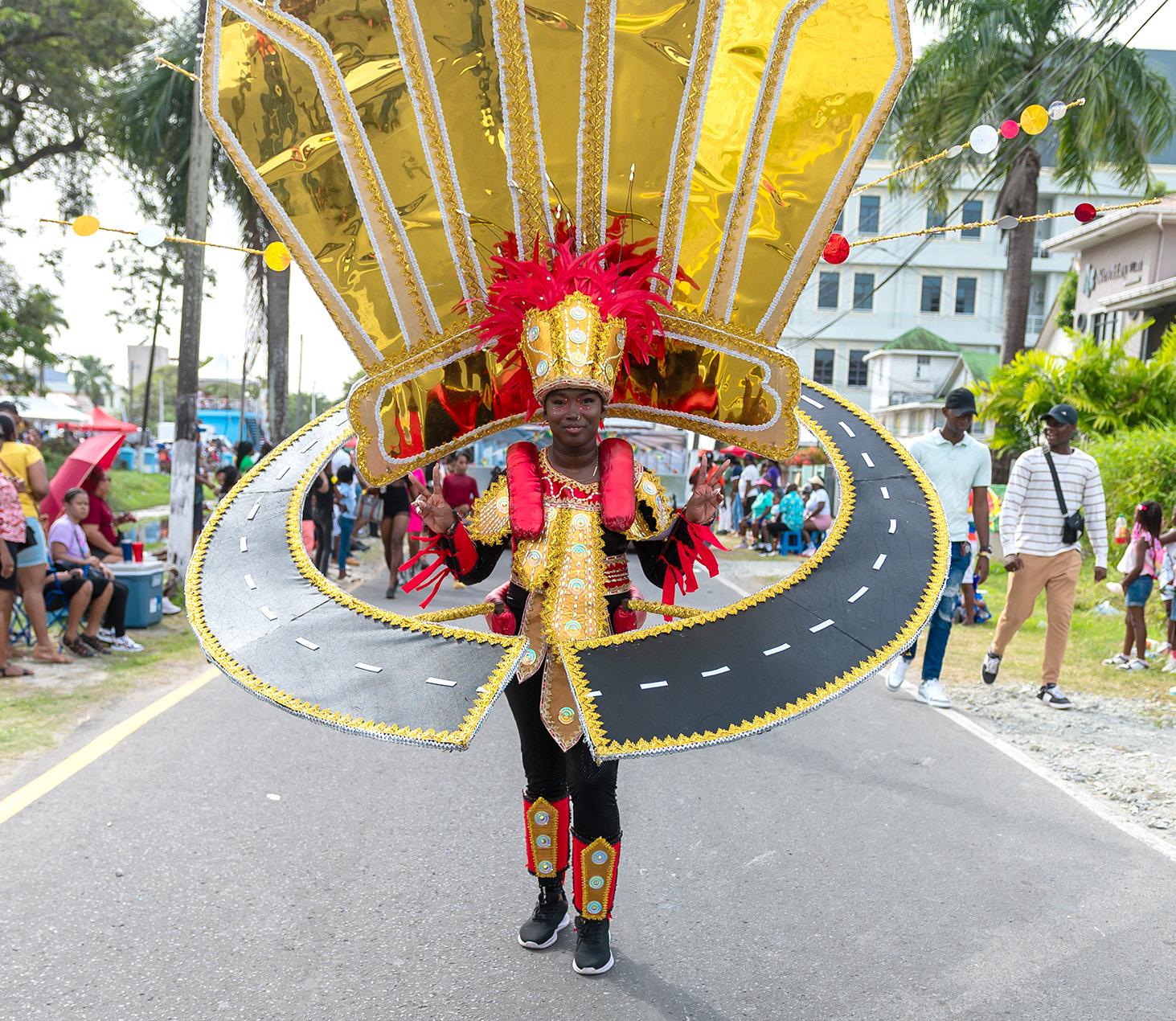
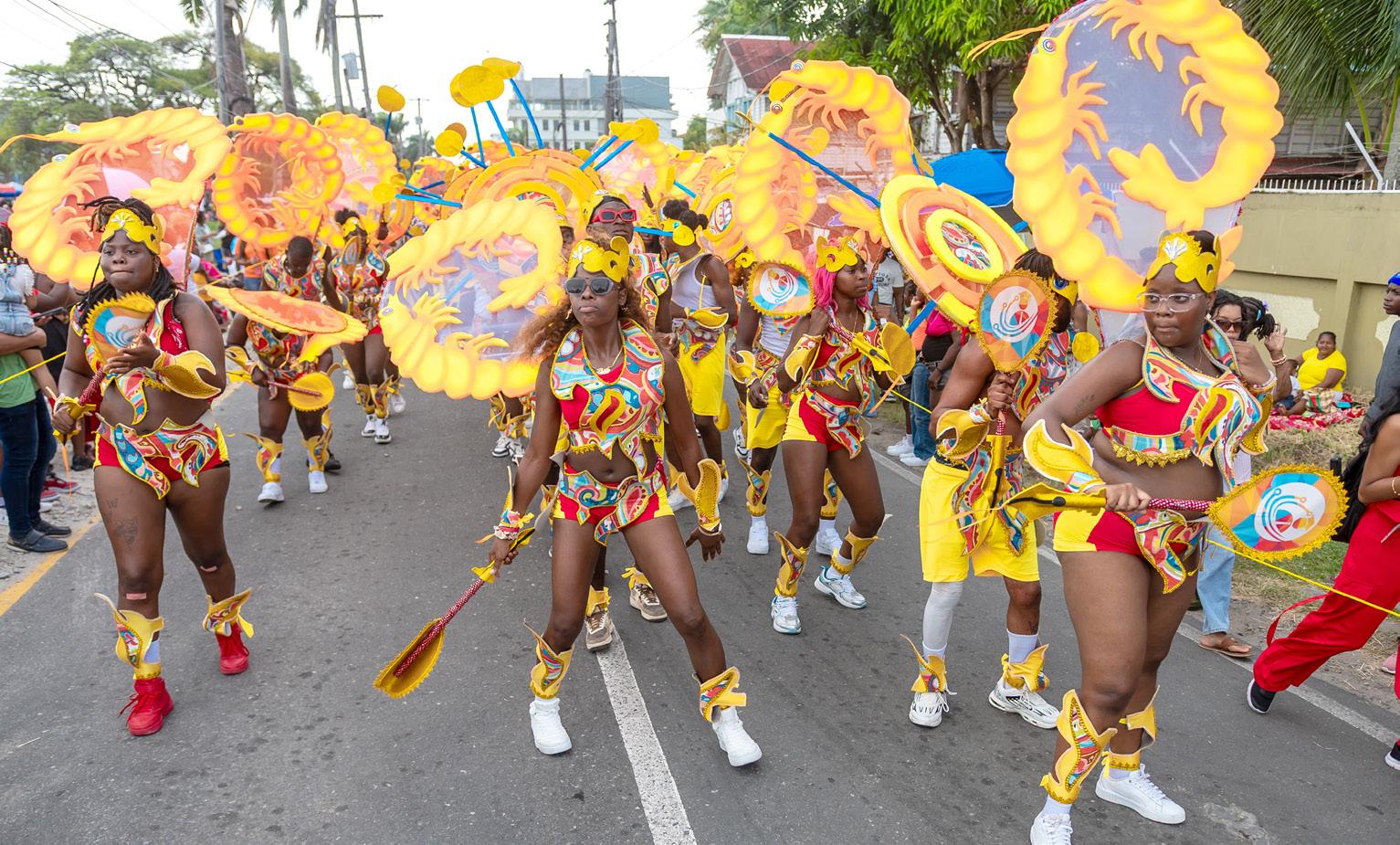
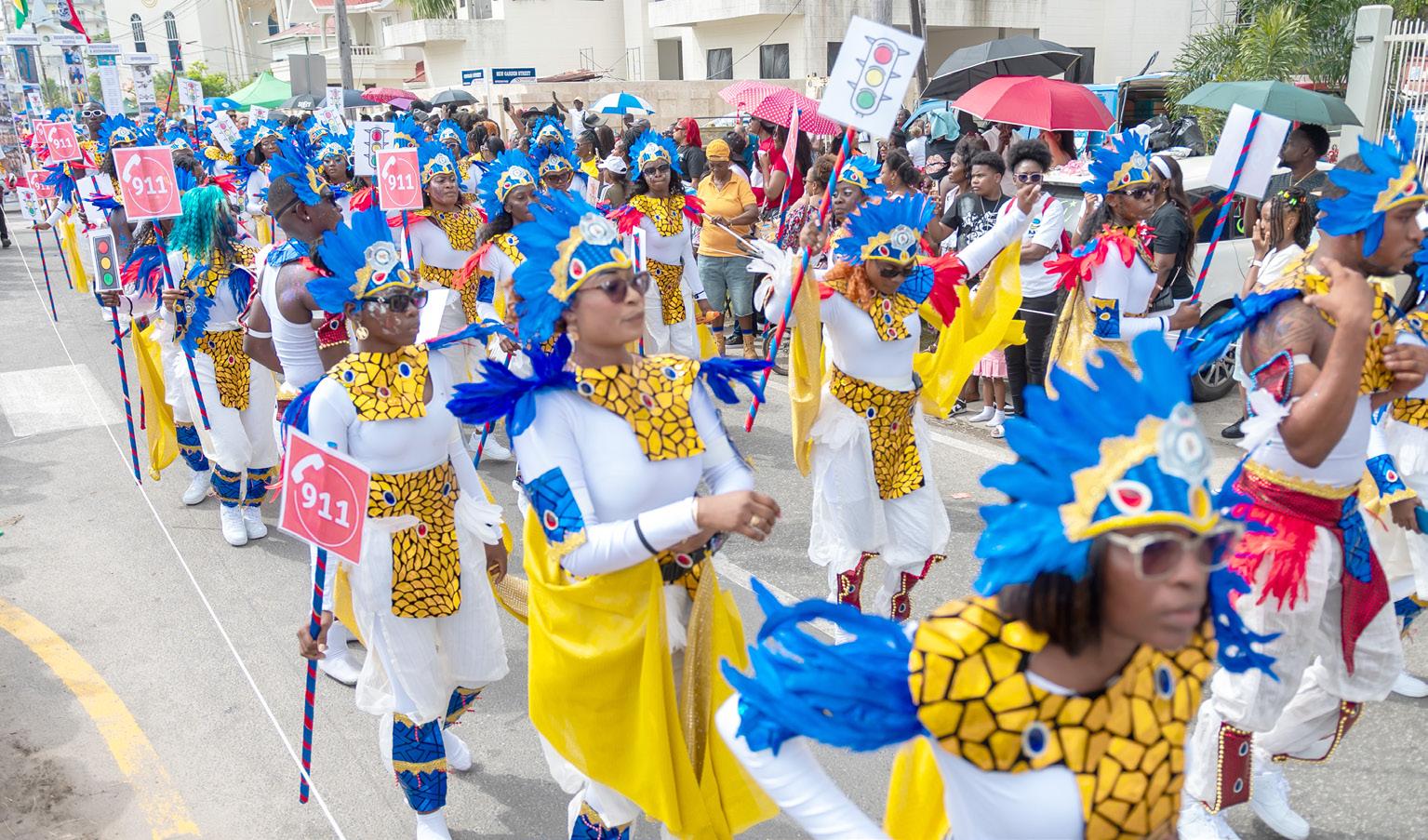
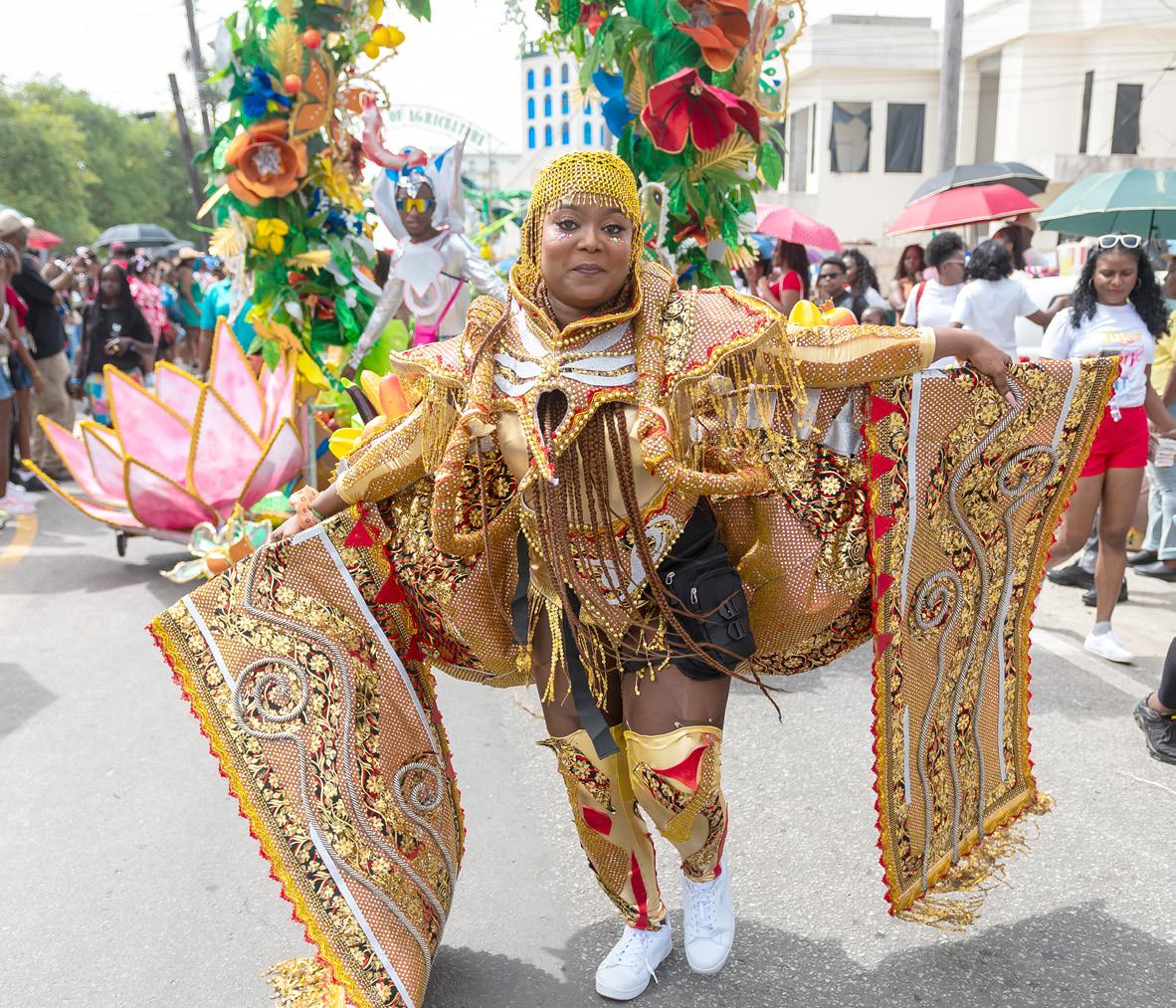
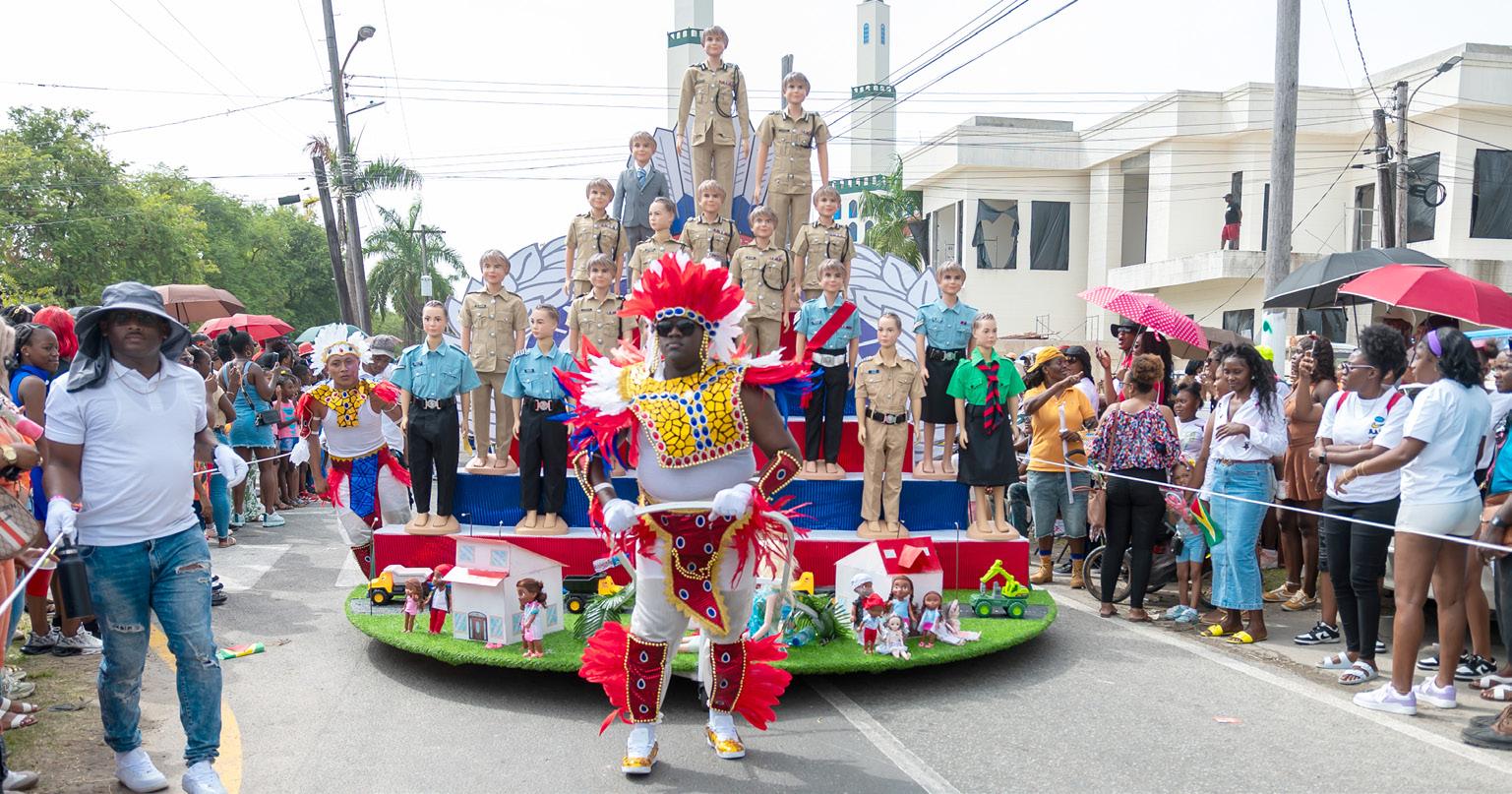
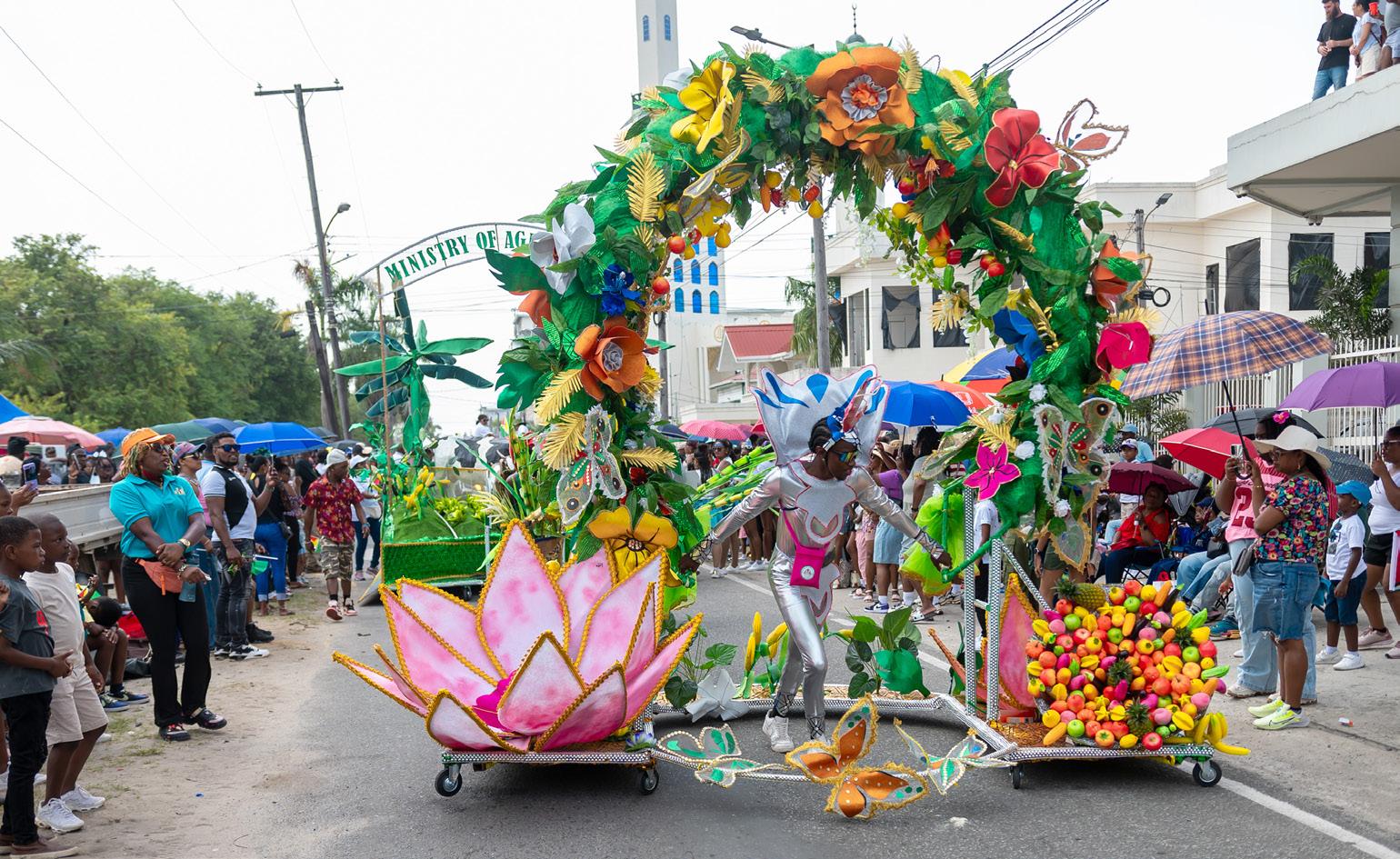
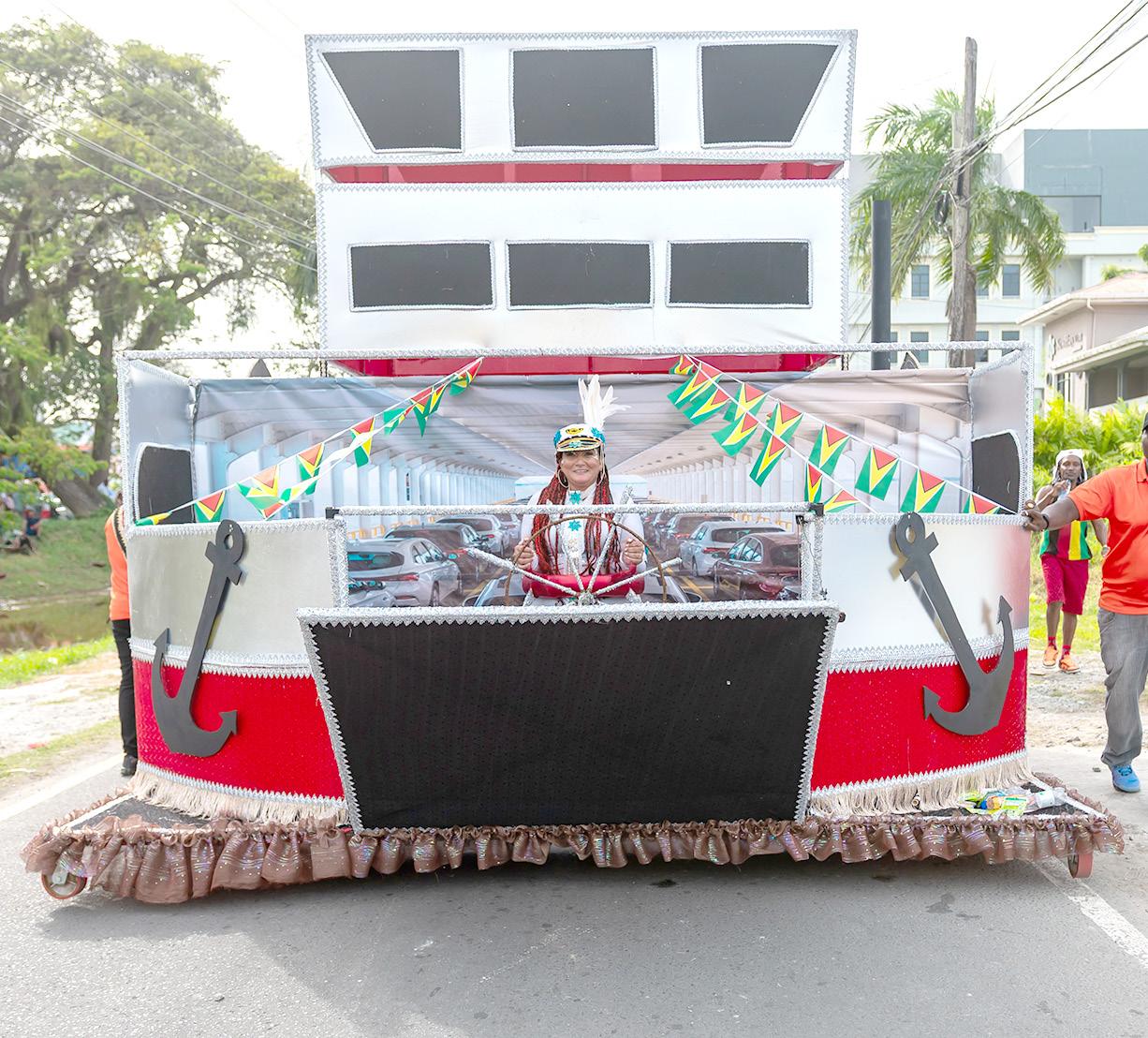
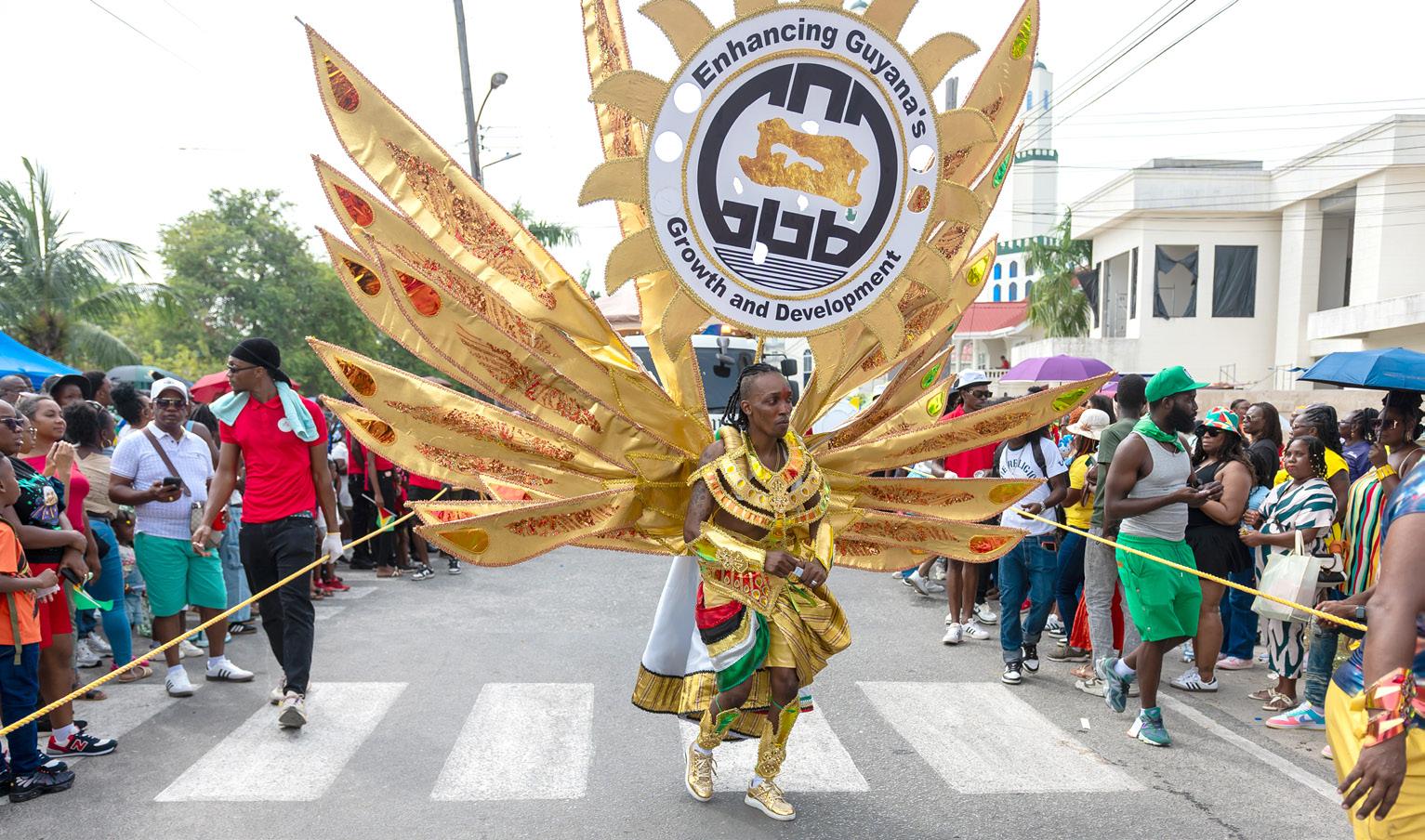
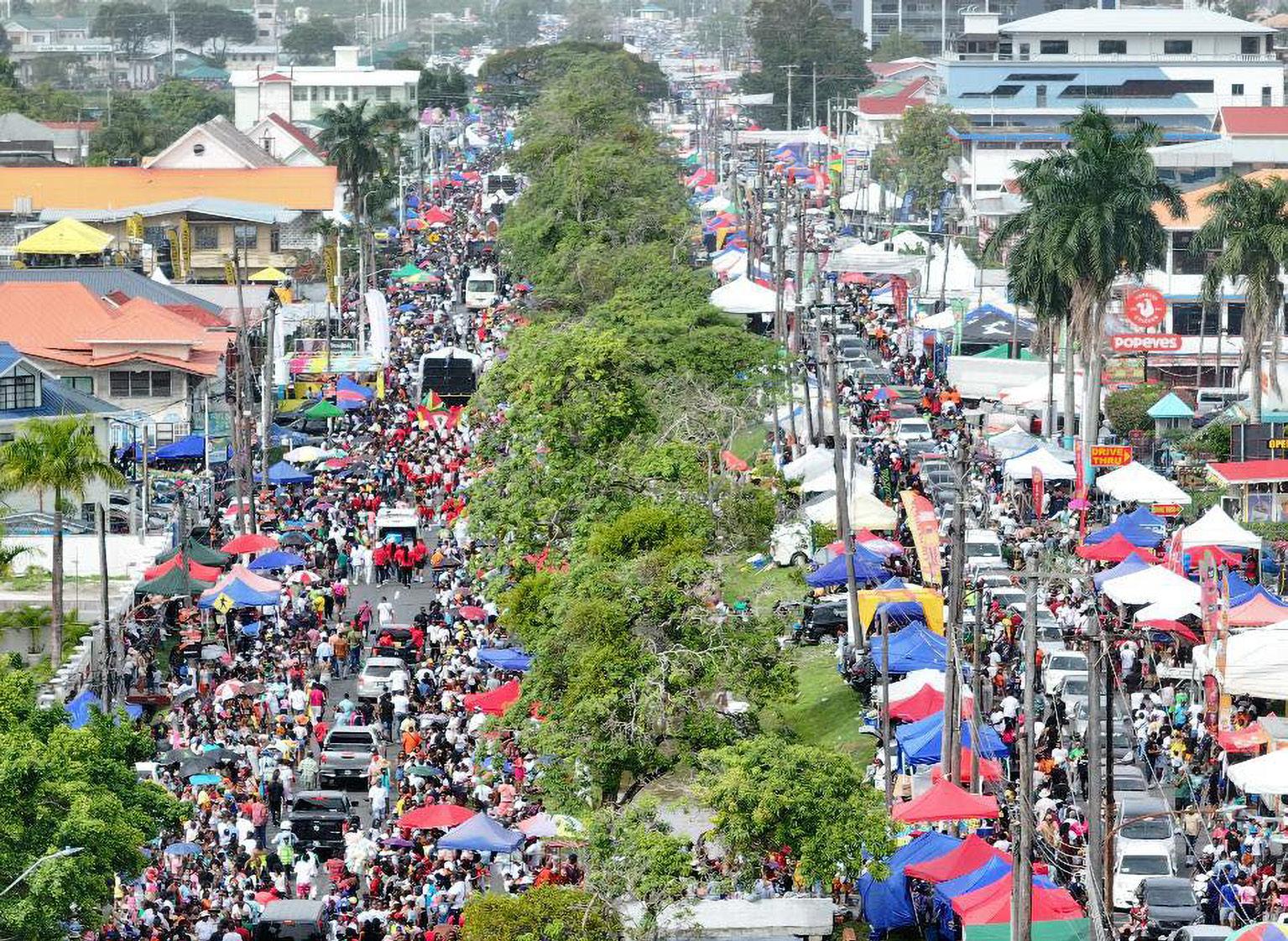
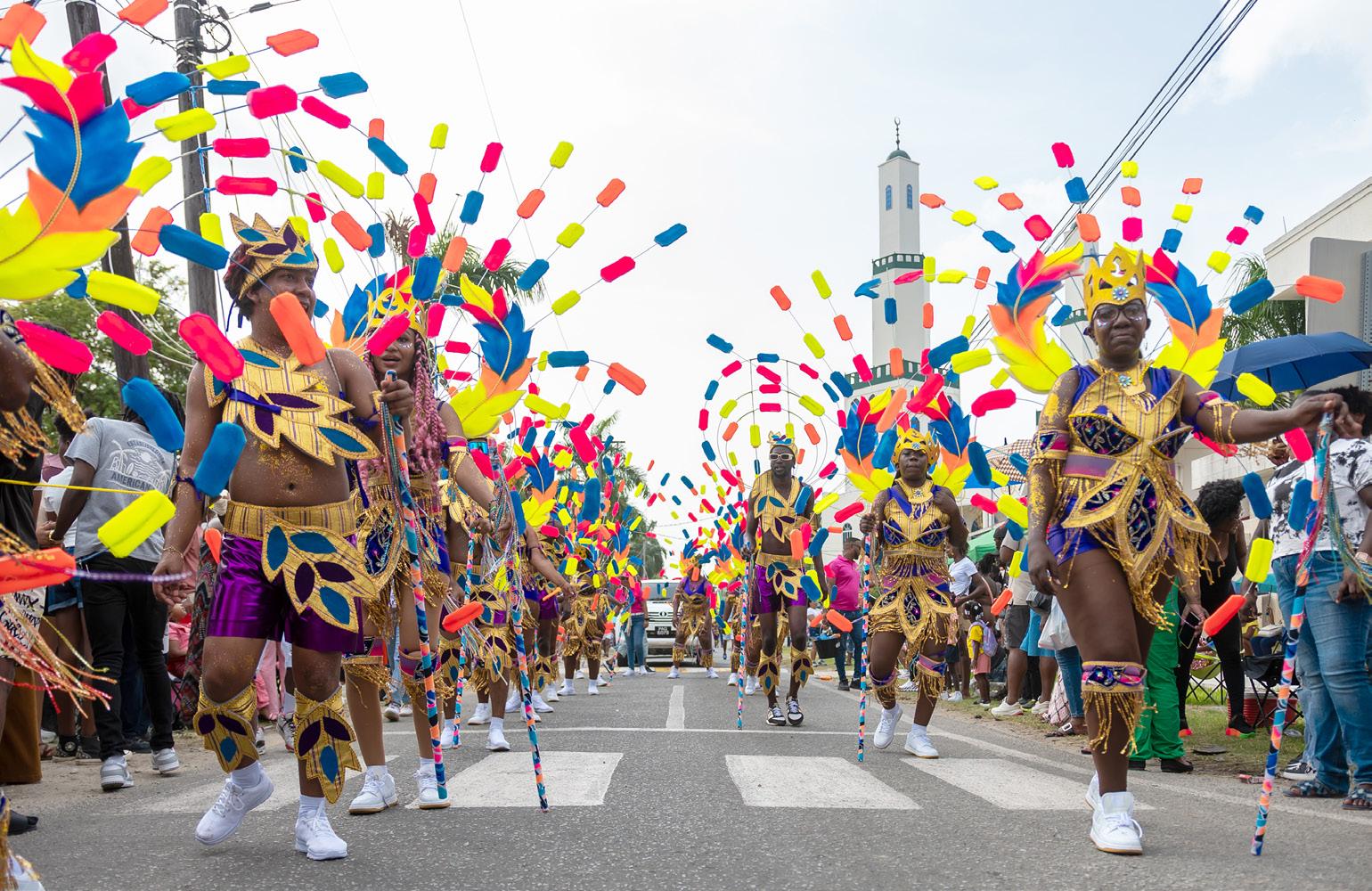
THE vibrant sights and sounds of Mashramani 2026 transformed the streets of Georgetown into a living showcase of culture, creativity and national pride, as visitors from across the Caribbean and beyond joined Guyanese at home to celebrate the country’s Republic anniversary.
This year’s festivities attracted returning members of the diaspora, regional travellers and first-time international visitors, many of whom described the experience as unforgettable, a testament to the growing global appeal of celebrations in Guyana.
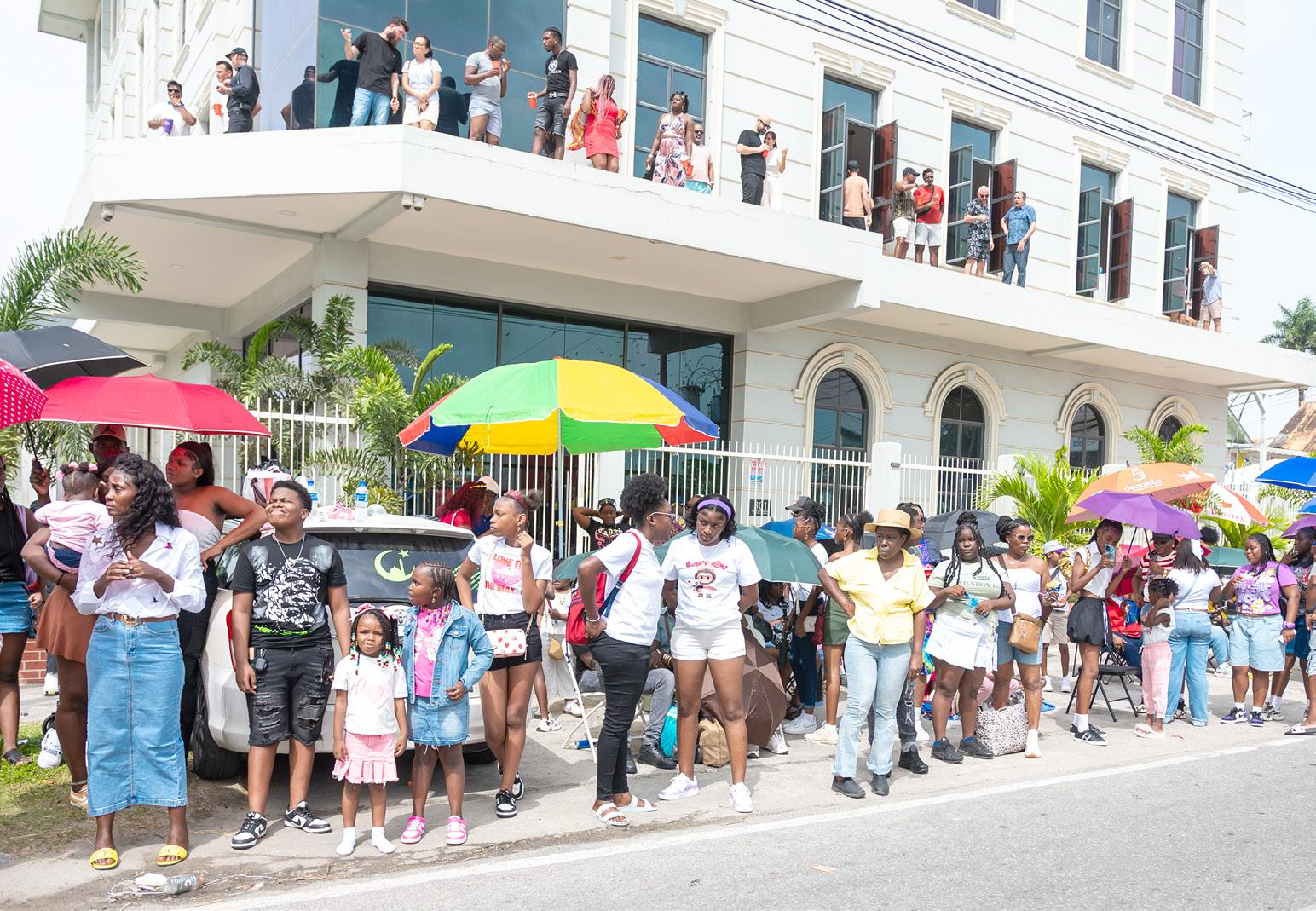
Among the thousands lining the parade route was Fiona Persaud, who travelled from Canada to attend Mashramani for the first time in 30 years. Smiling as colourful floats and revellers passed, she said sharing the moment with friends made the homecoming even more meaningful.
“I am loving the celebrations here today,” Persaud said. “I came back after 30 years and brought friends from Toronto who are enjoying their first Mashramani experience.”
Her companions echoed that excitement, praising the dazzling costumes, energetic music and welcoming atmosphere. Surrounded by dancing bands and blaring soca rhythms, they described the celebration as vibrant and uniquely Guyanese.
“The costumes are gorgeous… we are having such
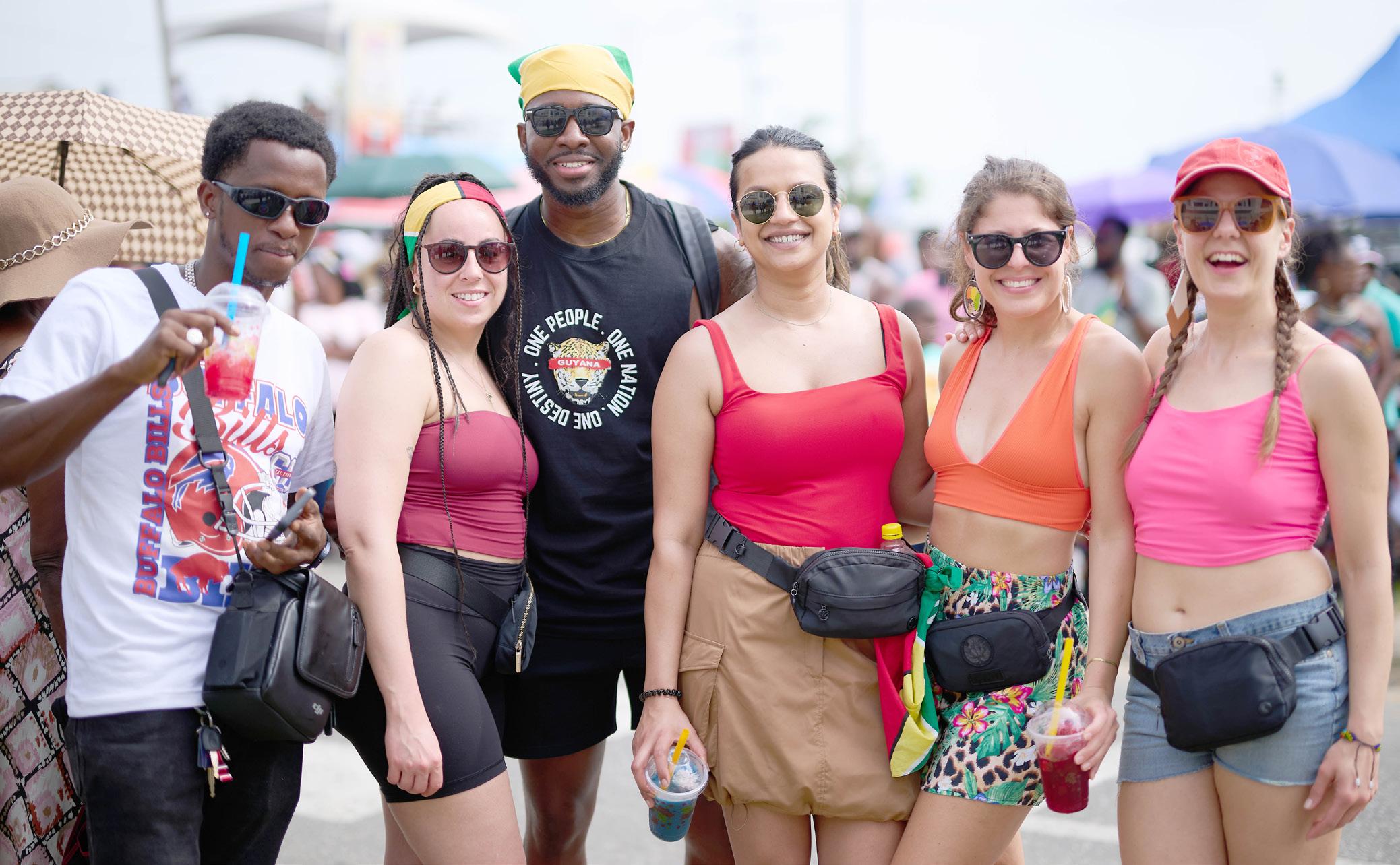
a good time,” one visitor said, adding that the food, culture and warm hospitality made the experience stand out. For at least one member of the group, the visit marked a memorable first encounter with the country. “Amazing - I love it,” she said.
REGIONAL VISITORS EMBRACE THE CELEBRATION
Mashramani’s appeal extended beyond the diaspora.

Romain Amsterdam travelled from neighbouring Suriname specifically to witness the festival after hearing about it for years.
“I came yesterday from Suriname just to enjoy,” he said. “It’s my first time here.”
As the parade advanced through the capital, Amsterdam said the colours, decorated buses and nonstop music left the strongest impression. A self-described music lover, he noted that the rhythm and energy of the celebration made the trip worthwhile.
Asked whether he would return, his response came without hesitation: “Yes, for sure. For my first time you guys did your best.”
For Sanjay Kanodia of New Delhi, India, the celebration offered an entirely new cultural experience. Having arrived in Guyana only months ago, he said Mashramani deepened his appreciation for the country’s traditions and diversity.
“This is the first time I am watching this carnival,” he explained. “My friends

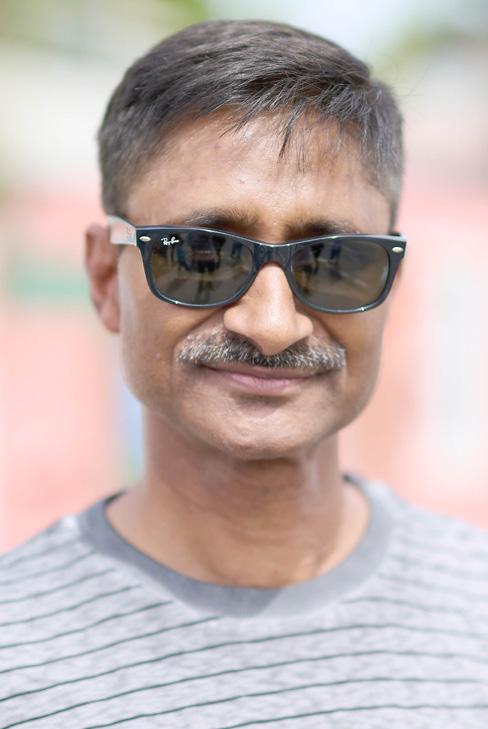
told me about it and we are thrilled to see so many people in different costumes.”
Standing among cheering spectators, Kanodia described the atmosphere simply as “amazing,” noting that sharing the event with friends made the experience even more special.
The reactions of visitors reflected a wider trend: Mashramani is increasingly becoming more than a
national observance.
Through its blend of music, masquerade, culinary traditions and community spirit, the celebration is evolving into a major cultural tourism attraction.
From emotional homecomings by returning Guyanese to first-time visitors discovering the country’s heritage, Mashramani continues to project Guyana’s identity onto the international stage -vibrant, welcoming and rich in creative expression.
As the final floats rolled past and revellers danced into the evening, one message was clear: the Republic Day celebration is not only honouring national history, but also strengthening Guyana’s reputation as a destination where culture and celebration meet.


GUYANA was at a very important crossroads the night before its 56th Republic Anniversary: it was a time for both reflection and celebration.
The ceremonial rhythms that echoed across the lawns of the Public Buildings were more than just a fun show; they were a way for the country to look back on its journey and think about the responsibilities that come with progress.
President, Dr Irfaan Ali said in a speech to the nation that the country is “strong, safe, prosperous, and respected” today.
This kind of statement makes people proud and makes them think. Guyana’s rise as a recognised voice in climate action and sustainable development marks a significant change in the country’s standing in the world.
It was once seen as a minor player in global affairs. But the real test of a country’s strength is whether its citizens feel as though things are getting better in their daily lives, not just getting recognition from other countries.
The military drills and ceremonial
marches that night showed discipline, sovereignty, and strength.
They were visual signs of a republic that was sure of its independence. The cultural performances that came next reminded everyone that Guyana’s greatest strength is still its diversity.
The mix of traditions on display showed a national identity that is still changing and being written by its people.
At this point, the President’s message about development based on people-centred investment really hits home.
Infrastructural growth, better healthcare and education, and new transportation networks are not just signs of modernisation, they are tools that are meant to make things more fair and give people more chances.
If these investments succeed in making sure that prosperity reaches rural areas as well as cities, this time will be remembered as a time of change rather than a time of transition.
It was also important to recognise Indigenous empowerment, the energy of youth, and the leadership of women.
Republic Day has more meaning than just a ceremony.
February 23, 1970, was more than just a change to the Constitution; it was a clear statement that the people have the right to rule.
The republic was founded on the belief that power does not come from faraway institutions, but from the will of all Guyanese people.
With that power came a lasting duty: the people themselves must protect democracy, unity, and the integrity of their territory.
Today, protecting the republic means more than just being on the lookout for threats from outside or political instability.
It requires the same level of determination to fight poverty, ignorance, and inequality as it did to fight for political independence.
Guyana’s growing wealth, which comes from agriculture, mining, forestry, and the changing oil and gas industry, is a chance that has never happened before in this country’s history.
The problem now is as much moral as
it is economic: making sure that national resources are a blessing for everyone instead of a source of division.
For prosperity to bring people together, it needs to be widespread, clear, and long-lasting.
The demand for “One Guyana” is therefore very important. National confidence must not retreat into isolation nor yield to the fear of global transformation. The republic should be open to the world, but it should also be sure of its own sovereignty and identity.
The Golden Arrowhead should not only remind us of past struggles, but also challenge the people of today as it rises every year on Republic Day.
The republic is not something to admire from afar; it is a living project that needs people to work on it together, make sacrifices, and have a common goal.
Fifty-six years later, Guyanese have a clear job: to build a nation that is so united, fair, and rich that future generations will not only celebrate the founding of the republic, but also honour the generation that made it stronger.
YOU could be a genius, yet you would be unable to write about the life of Rupert Roopnaraine (RR) in even two columns. I am in two minds about whether to describe his politics as complex or simple to understand. Maybe it was both.
They say when people die, you should not write bad things about them. But that advice should never be applied to historians, because if historians do not write, there will be no history; thus, there will be no past to learn from.
RR always reminds me of a saying I heard millions of times in my life. People would say they never understood how Guyanese East Indians gravitated toward Cheddi Jagan because Indians’ choice is business, and Jagan believed in socialism. In a similar context, I never understood how RR was so attractive to revolutionary youths and how RR was so saturated with Mulatto/Creole culture and was a serious practitioner of that culture.
I don’t believe anyone in the Caribbean region had a longer reach in the shaping of oratorical deliveries than RR. He was simply incredible in the use of the English Language. The consensus was that Burnham was the best. I don’t think so. RR was the best, but Burnham had one thing over RR, that was because Burnham was more grounded in the community of people than RR. Burnham could use the English Language in a repartee style that RR was incapable of. Burnham still remains at numero uno in that regard. It is easy to understand why RR had a more brilliant oratorical sheen than Burnham’s; his area of scholarship was literature. His doctoral thesis was on Dickens.
The contradictions in the life of RR were literally unlimited; thus, his life story is truly an absorbing one. I would say that of all the politicians I knew (and as a dinosaur, I knew nuff, nuff of them), RR had more contradictions than all of them. Every politician has his/her contradiction and for God’s sake, Guyanese politicians top the list in the world, but RR embodied more of it than others.
So to write about these contradictions will take several columns, so I will begin with the positive. But before I do that, one huge lamentation has to be mentioned: RR has died without leaving any written material on three priceless areas that have made Guyana’s historiography poorer. 1. His analysis of the Burnham regime and the WPA’s effort to remove him. 2- His thoughts on the long presence of the PPP in the biology of Guyana. 3- His reflections on the nature of the five years of his party, APNU, in power
Had Roopnaraine put pen to paper on those three areas of Guyana’s life, it would have become one of the best political books written on Guyana, because RR had a command of the English Language that none before him had, and during his time on earth, he did. The loss in print form of those thoughts on Guyana is a monumental hole that will always remain.
Rupert Roopnaraine was one of the greatest intellectuals Guyana and the Caribbean produced. It gets me mad, real mad, to read that Janet Bulkan can write that Anand Persaud of Stabroek News was the most consequential person Guyana has produced from the late 20th century to the moment. It gets me outrageously upset to read that

Nigel Westmaas can write that Martin Carter was Guyana’s deepest thinker. This is unforgivable heresy when you think of the phenomenal intellectual reach of Rupert Ropnaraine. Seriously, these two persons have never heard about Roopnaraine.
On the positive side, I believe that together with Rodney and before them, Cheddi Jagan, he shaped the consciousness of the Guyanese people at a time when that consciousness needed to be nurtured -- the immediate post-colonial moment. If you want to see how one human can get up on a podium and instill consciousness in his audience, you had to hear and see RR on the political platform.
They say Rodney was the WPA and the WPA was Rodney, but Rodney in activism in Guyana could not have been Rodney without RR at his side. Rodney and the WPA could not have been successful in the 1970s
without RR in the mix of things. That was the value of his presence.
He could move an audience in ways that I think equal that of Jagan, Burnham, and Rodney. It is no exaggeration to say that the most captivating, electrifying politician on a platform in front of a crowd in Guyana’s history was Rupert Roopnaraine. One of the unpublished nuances of the Rodney years before his death is that Rodney brought the masses to the WPA; RR brought the middle class and their resources to the WPA.
Unlike what people may think, they both complemented each other. Part 2 is forthcoming.
DISCLAIMER: The views and opinions expressed in this column are solely those of the author and do not necessarily reflect the official policy or position of the Guyana National Newspapers Limited.
DOZENS of workers and municipal representatives in Region Six have received enhanced training in labour rights and workplace safety following a Labour Laws and Occupational Safety and Health (OSH) seminar aimed at strengthening compliance and promoting safer working environments across the region.
The outreach initiative brought together employees from the Mayor and Town Councils of New Amsterdam and Corriverton, along with other workers, for practical sessions focused on key provisions of Guyana’s labour legislation and occupational safety standards.
The seminar was conducted at Nand Persaud Rice Mills on the Corentyne Coast, where 27 workers participated, and at the New Amsterdam Town Council, which saw attendance from 36 participants.
Organisers said the training formed part of ongoing efforts to improve awareness of workers’ rights and employer responsibilities, particularly within municipal bodies and industrial workplaces where adherence to labour standards is essential for employee welfare.
Participants engaged in interactive discussions, raising real workplace challenges and seeking clarification on areas often considered unclear under existing laws.
According to organisers, these exchanges helped reinforce the importance of compliance while encourag-
Facilitators guided attendees through critical areas of the Occupational Safety and Health Act, including workplace safety requirements, inspections, record-keeping obligations and the reporting of child labour. Sessions also covered broader labour protections such as the National Minimum Wage, probationary periods, paid leave, overtime compensation, severance benefits and lawful termination procedures.
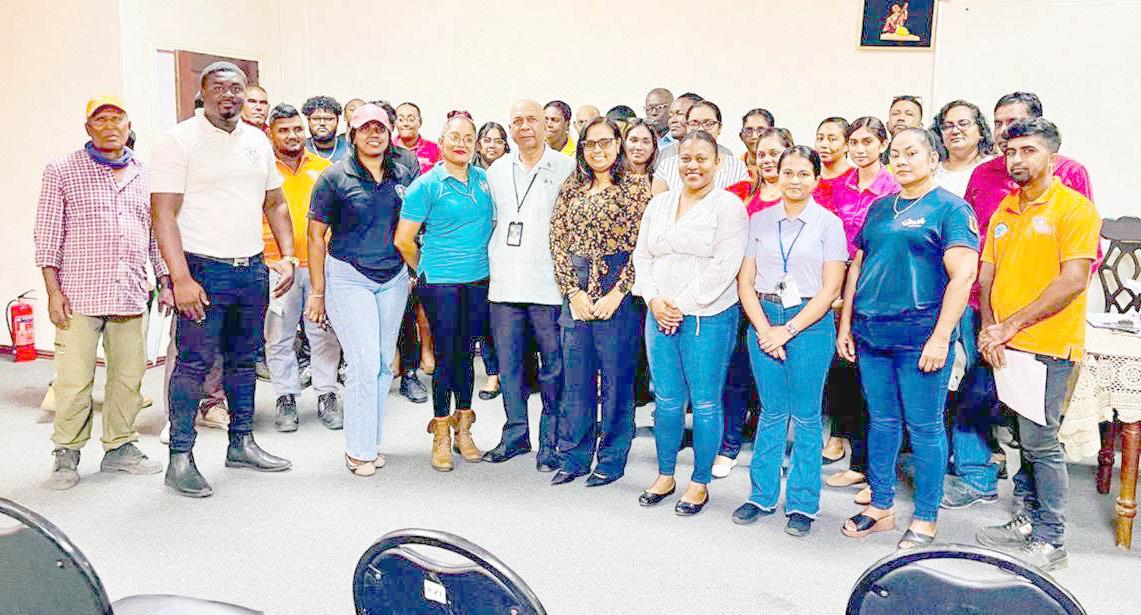
Occupational Safety and Health Act, including workplace safety requirements, inspections, record-keeping obligations and the reporting of child labour
ing fair labour practices and safer work environments.
The seminar also underscored the growing emphasis on occupational safety as a shared responsibility
between employers and employees, with officials noting that improved understanding of labour laws can reduce workplace disputes, prevent accidents and pro-
mote productivity.
Authorities indicated that similar sensitisation programmes are expected to continue in other regions as part of broader
efforts to strengthen labour relations and ensure that workers across Guyana operate in safe and legally compliant workplaces.
By Indrawattie Natram
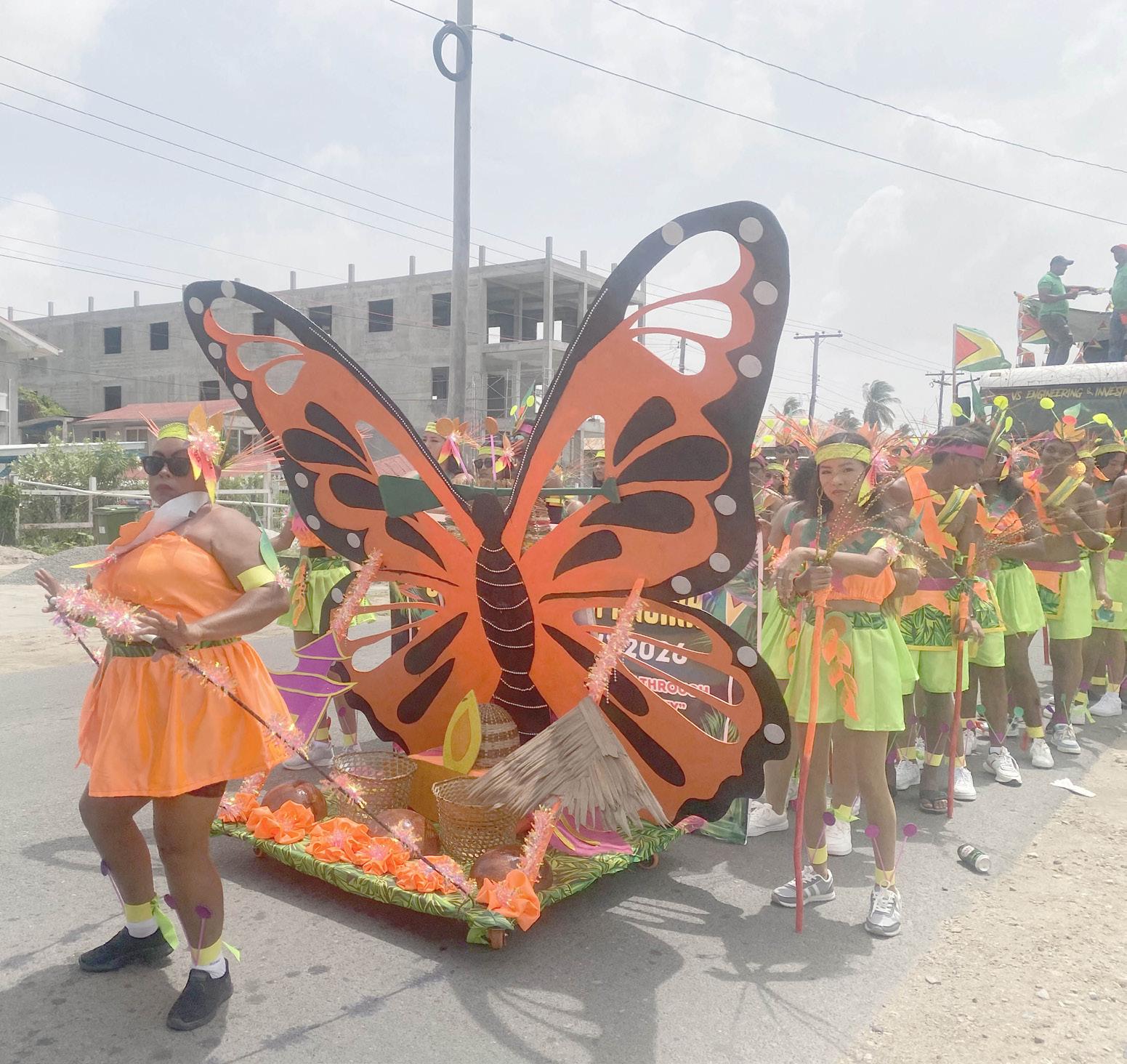
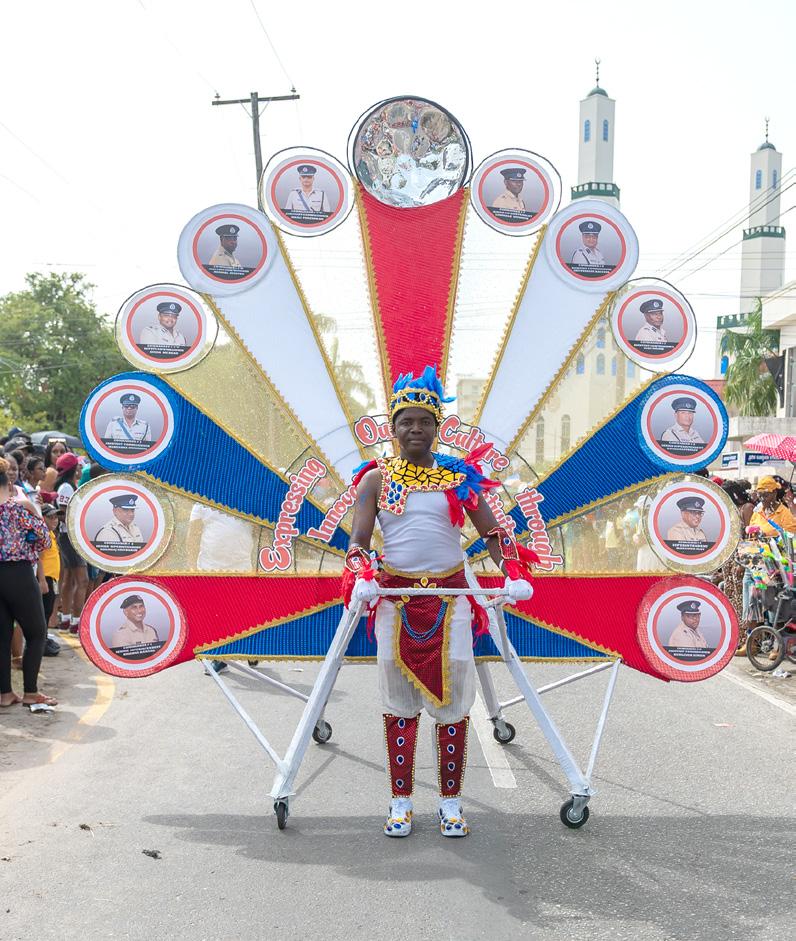
DESPITE the blazing midday sun, hundreds of persons lined the streets and turned out in their numbers to celebrate Region Two’s Mashramani Road Parade, proudly marking Guyana’s 56th Anniversary as a Republic.
Under the vibrant theme, “Expressing our Culture through Innovation and Creativity,” the atmosphere was electric as spectators waved Golden Arrowhead flags, cheered on participants, and embraced the true spirit of Mashramani.
The parade was led by Regional Chairman Devin Mohan and Deputy Regional Executive Officer Omesh Sasenaryan, who guided the colourful procession through the main thoroughfares. Music trucks pumped rhythmic soca beats while masqueraders danced energetically along the route, drawing
applause from the growing crowd.
In the Large Band category, the competition was fierce as VS Engineering and Fashion & Beyond dazzled spectators with their bold and innovative designs. Their costumes reflected Guyana’s rich cultural heritage, infused with modern creativity, vibrant colours, and intricate detailing that captured the attention of onlookers despite the intense heat.
The Small Band category also delivered a powerful showing. The Department of Education, Regional Health Services, Tapakuma Village Council, and Satro’s Medical Centre brought meaningful and well-crafted presentations to the road. Their portrayals blended cultural pride with messages of development, unity, and dedicated service to the people of Region Two.
Tapakuma Village stood out with a beautifully de -
signed float featuring their symbolic village butterfly. Toshao Keanu Thomas proudly led the float as villagers celebrated with enthusiasm and joy. The colourful costumes and lively presentations added brilliance and charm to the parade.
Children, elders, families, and visitors stood shoulder to shoulder, undeterred by the scorching temperatures. Vendors did brisk business, music echoed across the town, and dancers kept the momentum alive, embodying the joy and resilience that define the people of the Essequibo Coast.
Region Two’s Mashramani Road Parade once again demonstrated that heat is no obstacle when it comes to patriotism and celebration. It was a vibrant and high-spirited tribute to Guyana’s republican journey — a proud display of culture, creativity, and community unity.
SCORES of Guyanese
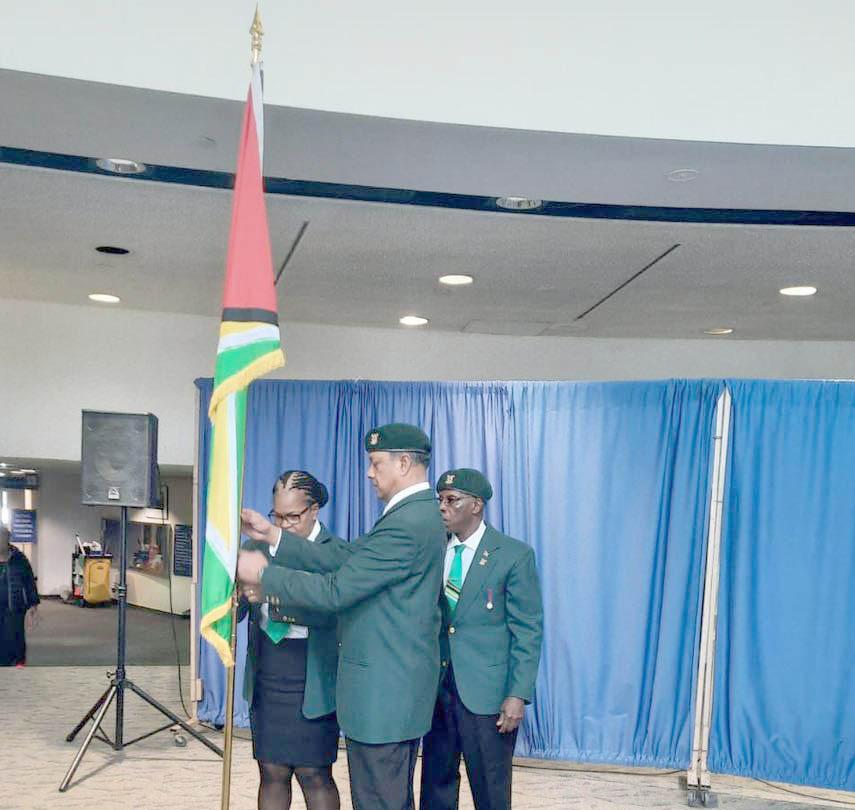
from the Toronto-Canadian diaspora and friends of Guyana converged in the Rotunda of the Scarborough Civic Centre on Sunday -- the eve of Guyana’s 56th anniversary as a republic -- to celebrate in a spectacular Flag-raising Ceremony and Cultural Fusion.
The Republic Anniversary celebration was organised by the Guyana Consulate in Toronto, Canada and was spearheaded by Honorary Consul Mani Singh.
The event commenced with the Canadian Land Acknowledgment appropriately read by Geoff Daybutch, an Indigenous Canadian citizen, followed by the traditional hoisting of the Golden
Arrowhead, the national flag of the Republic of Guyana by members of the Guyana Ex-Soldiers Association of Canada.
Inter-faith prayers were conducted by Pastor Andrew Eastman of the Grace Life Centre; Pandit Vidyarthi Sriram, Senior Pandit of the Vedic Cultural Centre and Imam Jabbar Ally of the United Muslim Association, Toronto.
Guests were then entertained by the talented Vijay Singh who sang popular Bollywood songs accompanied by Rajiv Kumarjit on the Tabla.
The diaspora also witnessed brilliant steelpan mastery by popular Toronto-based Guyanese artiste D’Jango-Jango pan fyah
(Roy Mc Crea), who has represented Guyana on many occasions and has collaborated with several internationally acclaimed artistes in the past.
The Singh Sisters, Suhana, Sumeera and Sunaya, along with their brother, featured again this year, and as anticipated, wowed the audience with a Medley of foot-tapping popular Indian, national and patriotic songs, accompanied by young Rishabh Ramessar on the keyboard and young Siddharth Ramotar on the Tabla.
Honorary Consul Singh, in brief remarks, lauded the notable ethnic and religious diversity of the members of the diaspora in attendance, adding that the fusion

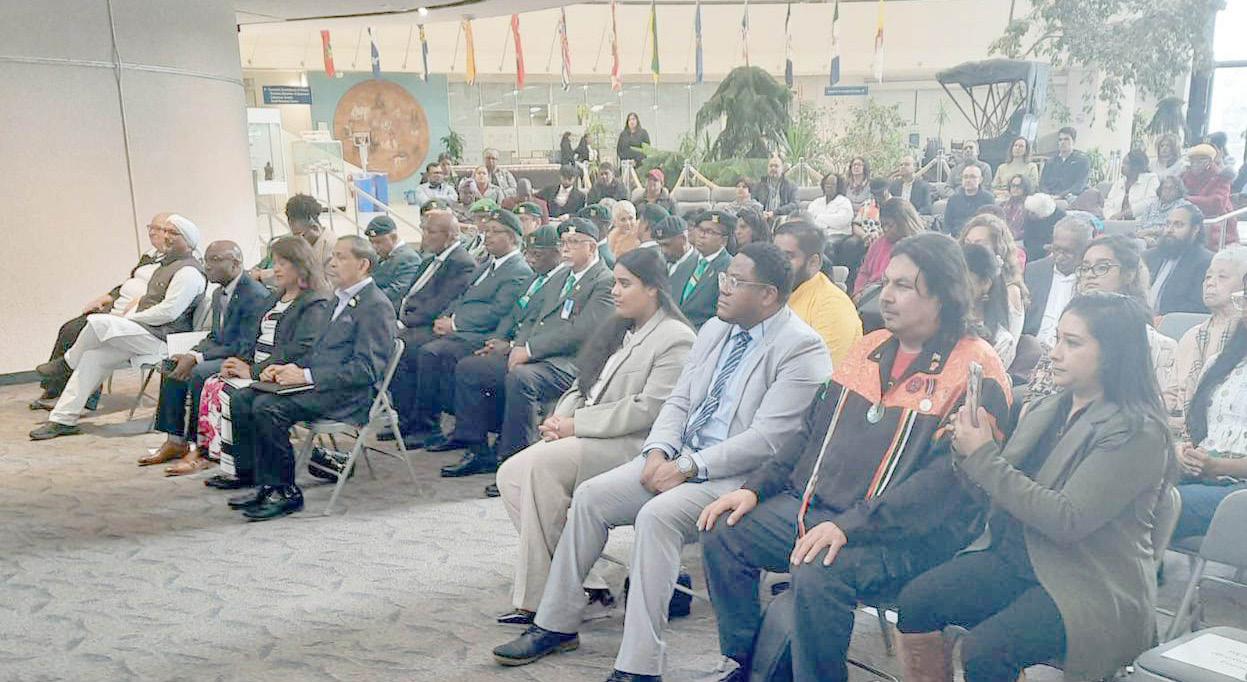
of cultures, dialects and dishes, which has shaped modern-day Guyana, stems from the six races which have lived in harmony for decades in both the pre and post-colonial eras, despite minor differences in opinions and approaches at times.
According to the Honorary Consul, Guyanese are living in the most fascinating, interesting and exciting times in the history of their country.... with globally unmatched rates of economic development, explosive foreign direct investment and the unprecedented roll-out of mega infrastructural projects throughout the country.
“Guyana has become the fastest-growing economy on planet earth, and with the massive transformation currently taking place, including 12 spanking new, modern hospitals planned, with at least three already in operation and the others expected to be commissioned in the coming months,“ Singh remarked.
Pointing to Guyana’s now significantly elevated socio-economic standing among world economies in the last six years, Consul Singh recalled the era in the 80s and 90s where only a small percentage of the student population had access to secondary and tertiary education.
And only a small percentage of the population had adequate healthcare and access to basic services and necessities.
Singh updated the diaspora on the millions of US dollars the Government of Guyana is currently investing in healthcare, education, housing, physical infrastructure, and also transforming the country into a digital economy for ease of everyday financial and other transactions, and for interacting with government departments and agencies, in a projected “Digital Wallet” or cashless society.
Robert Bazil, Executive Officer at the Guyana Consulate in Toronto, gave the vote of thanks, while Gillian Williams, a long-standing committed diaspora supporter of the work of the consulate, was the emcee.
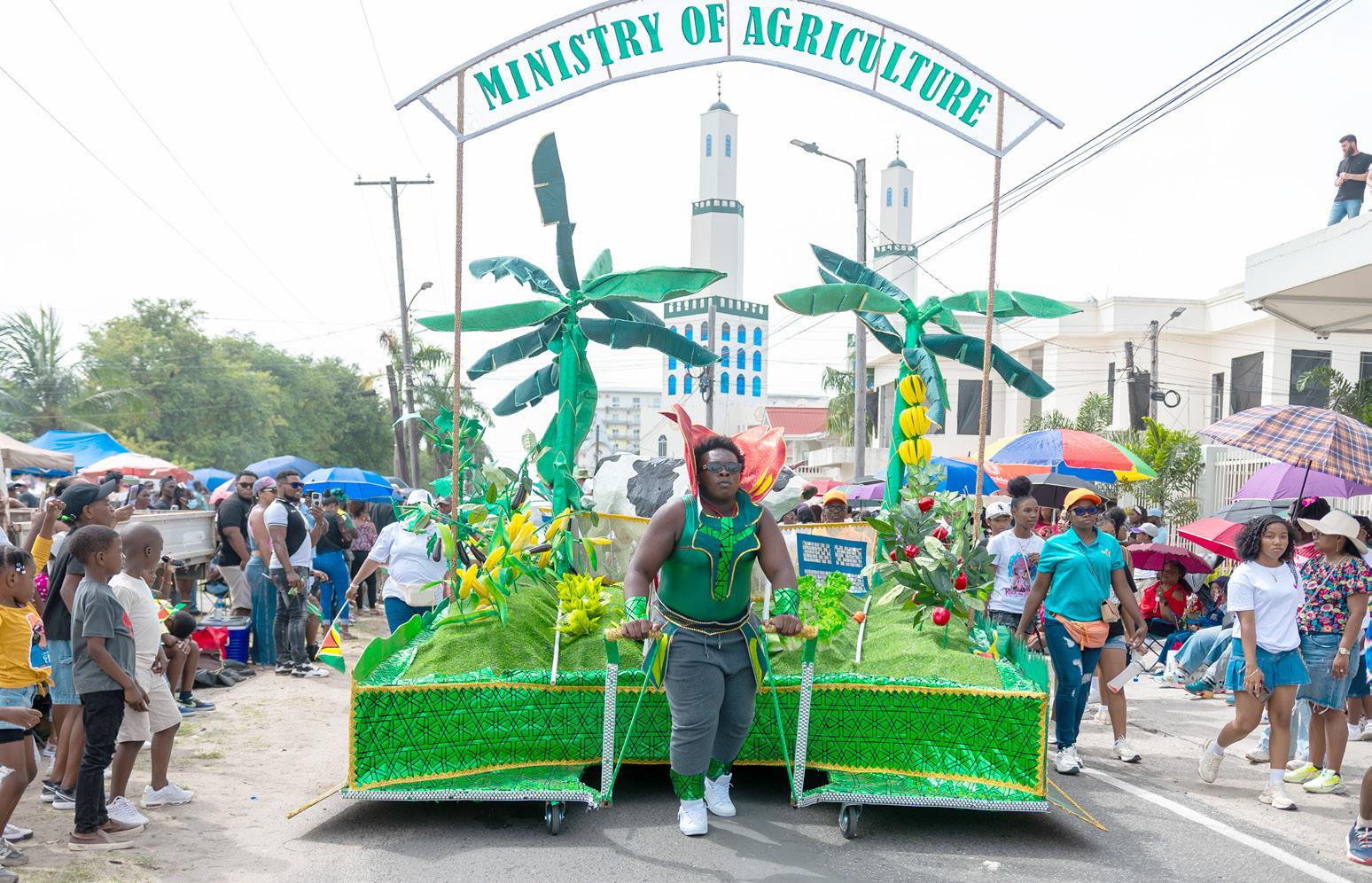
TARGETED investments and ownership-based programmes are reshaping agriculture into a viable and profitable career path for Guyana’s youth and women.
This is according to Agriculture Minister Zulfikar Mustapha, who has outlined what he describes as a deliberate shift in Guyana’s agricultural landscape, as government policies move to position young people and women at the forefront of a rapidly modernising sector.
Speaking on a recently aired “Starting Point” podcast , the minister reflected on what he described as a stark contrast between the years prior to 2020 and the present.
He noted that, in the past, few young people pursued degrees in agronomy at the University of Guyana, and even those who graduated from the Guyana School of Agriculture often found themselves in clerical roles rather than working directly in the field.
According to Mustapha, this trend prompted a deliberate policy shift. He said President Irfaan Ali had urged that greater attention be paid to engaging young people in agriculture, leading to the creation of the Agricultural Innovation and Entrepreneurship Pro-
gramme (AIEP).
“We formed the company, the Agricultural Innovation and Entrepreneurship Programme (AIEP) . We have over 300 young people now who are shareholders in that company. They have had these shade houses across the country, and they are now owners, shareholders in that company. At the end of the year, we received dividends from the profit,” he said adding:
“But besides that, those persons who would have studied in the Guyana School of Agriculture, the University of Guyana, are making a living now in agriculture. They are now doing their own business in the agriculture sector. So that shows a transformation.”
He further explained that all new agricultural projects are required to allocate at least 35 per cent participation to young people and women.
This policy, he said, is aimed at reshaping attitudes towards agriculture, which has traditionally been viewed as physically demanding and menial work.
Through greater education and investment in technology, the ministry is seeking to demonstrate that modern agriculture offers sustainable and profitable career paths.
“We build almost
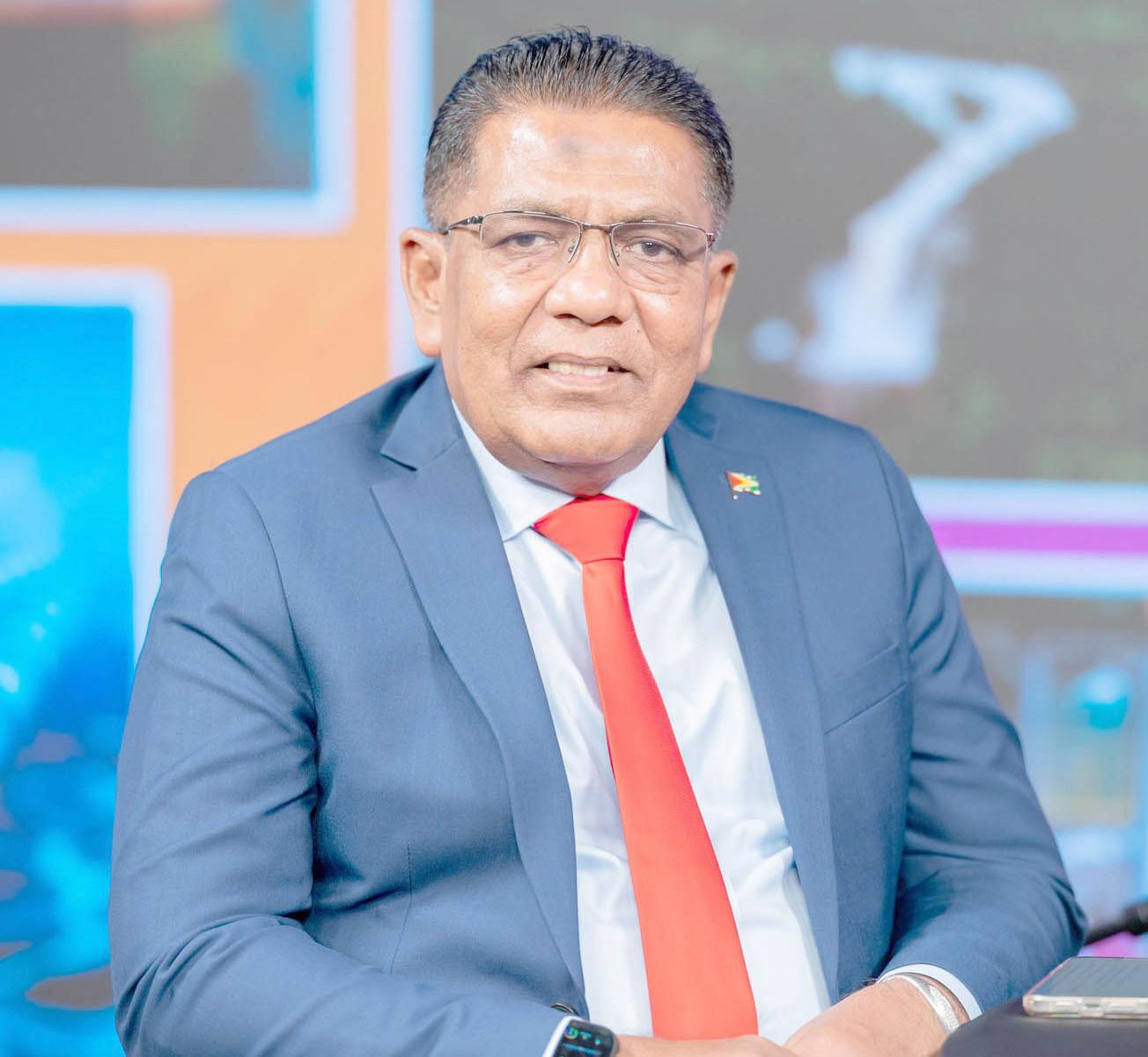
Agriculture Minister, Zulfikar Mustapha completed by the first quarter of 2026. The minister said groups of between 30 and 40 young people are
thousands of shade houses across this country, but young people don’t want to work, do the hard, physical labour. That is why we are modernising the sector,” he said, adding:
“We have these hydroponics facilities across the country. We have the largest hydroponics farm in the Caribbean here in Guyana, at Mon Repo. We have another three in regions two, five, and 10, where young people are managing these farms.”
In the livestock sector, the government has facilitated the construction of 13 tunnel-ventilated poultry pens, each with the capacity to produce 40,000 birds every six weeks. Nine of these are expected to be

involved in each facility, with the government providing financial backing, including support with bank guarantees and capital investment. He emphasised that the young participants will become owners and beneficiaries of the ventures’ profits.
“Each one of them have a capacity of 40,000 boards every six weeks, And hopefully, by the first quarter of 2026, nine will be completed. Imagine you have 30-40, young people for one tunnel, ventilated house, nine of those 30.”
Programmes targeting women have also been expanded. Mustapha pointed to the cut-rose project at Mon Repos, which supports women—particularly single mothers—in earning independent incomes.
He also referenced the Black Belly sheep initiative, through which ewes and rams have been distributed to young women to help establish a national brand, as well as the Black Giant poultry programme, under which more than 120,000 birds have been distributed to women-led groups across the country.
“The point I’m trying to make is that these people now will be owners, and they will earn a lot of money coming out of these ventures. So that is the kind of opportunities we are building for young people,” he added.

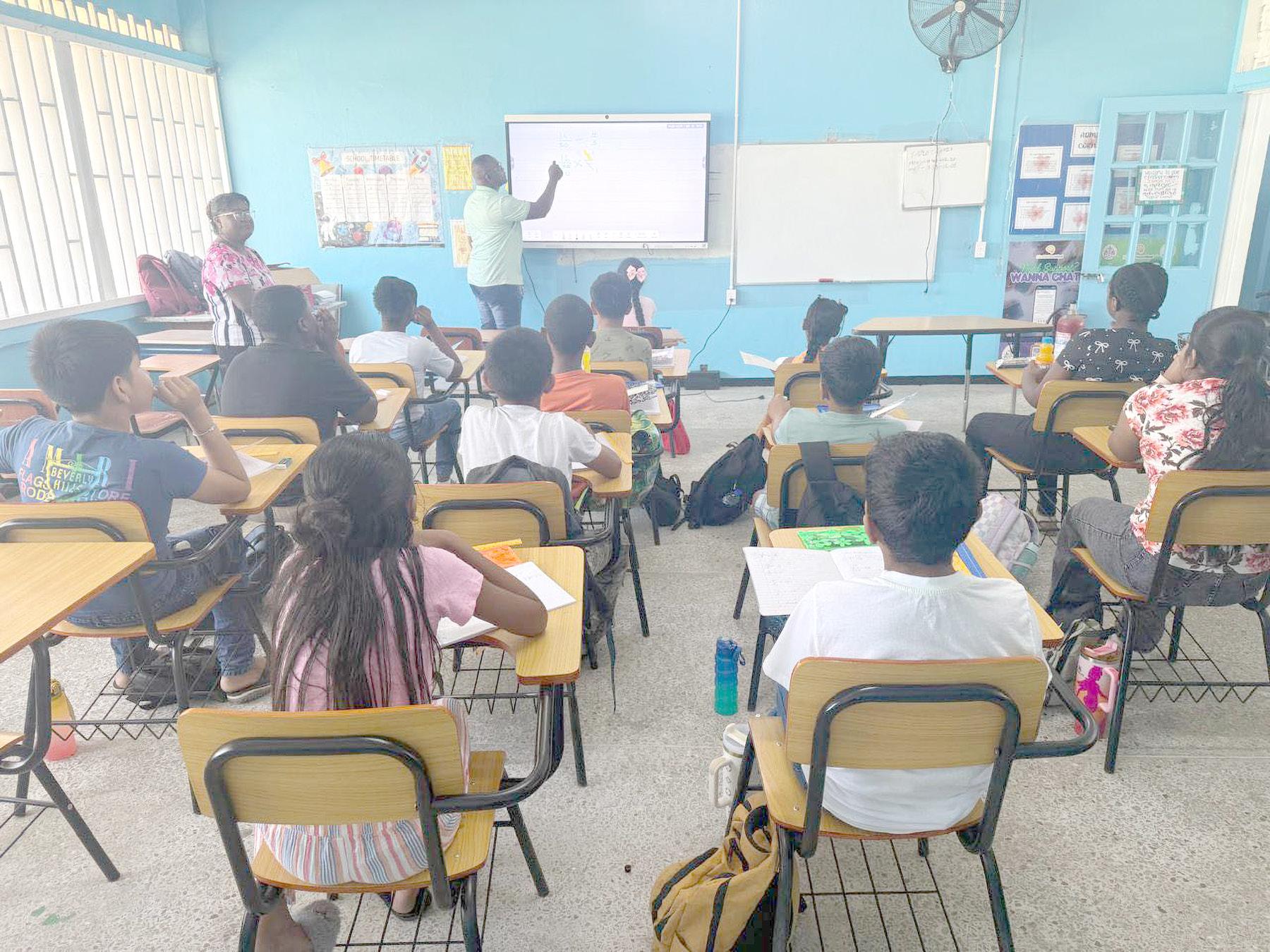
THE Ministry of Education has launched a nationwide Mathematics Initiative aimed at strengthening preparation for the 2026 National Grade Six Assessment (NGSA), offering free weekly lessons to Grade Six pupils across several regions as part of ongoing efforts to improve learning outcomes and expand academic support.
The programme, coordinated through the Mathematics Unit at the National Centre for Educational Resource Development (NCERD), officially commenced on February 21 and will continue until April 18, 2026.
Sessions are being held every Saturday from 9:00 a.m. to 12:00 p.m., targeting students in Regions Two, Three, Four, Five, Six and Georgetown.
Education officials said the initiative is designed to provide structured revision and additional guidance in mathematics, a subject historically identified as one of
18,
regardless of location or economic background.
The NGSA remains one of Guyana’s most significant national examinations, assessing students in Mathematics, English, Science and Social Studies and determining placement into secondary schools.
Each year, more than 15,000 pupils sit the assessment, making it a critical milestone in the country’s education system.
In recent years, the Ministry of Education has intensified interventions aimed at improving student performance, particularly in mathematics. Government initiatives have included expanded teacher training; distribution of textbooks and learning materials; school-feeding programmes and targeted academic support designed to boost attendance and achievement.
the more challenging areas for NGSA candidates.
The ministry expressed appreciation to facilitators,
teachers, parents and pupils who have already supported the programme and encouraged wider participation

in the remaining sessions, noting that the free classes are intended to ensure equal access to quality preparation,
Education authorities have repeatedly stressed that expanding access to academic support outside traditional classrooms is essential to reducing regional disparities and ensuring that all students are equally prepared for national examinations.
The Saturday lessons also align with wider reforms focused on strengthening foundational learning, improving numeracy skills and ensuring that students transition to secondary education with stronger academic competencies.
As preparations intensify ahead of NGSA 2026, the ministry is urging parents and guardians to take advantage of the free programme, describing it as another step towards delivering equitable, high-quality education across Guyana’s regions.
Officials have reported measurable gains, with national results showing improved performances across all subject areas, including notable progress in mathematics following sustained investments and remedial programmes.


THE government, through the Ministry of Health, has significantly expanded training opportunities for healthcare workers, including a marked increase in the number of medex being trained and deployed across the country’s health system.
Speaking in Parliament during the 2026 Budget debate, Deputy Speaker of the National Assembly and Director General of the Ministry of Health, Dr Vishwa Mahadeo, credited the government’s vision and strategic investments for the progress made in training health personnel.
“Mr Speaker in training, credit must be given to this government, the Minister of Health, and His Excellency for their vision input in training. Using the Coursera platform, we are now providing training to nursing assistants and registered nurses. Using this method of blended training, the number of staff that we could bring
boasts number of Medex nationwide
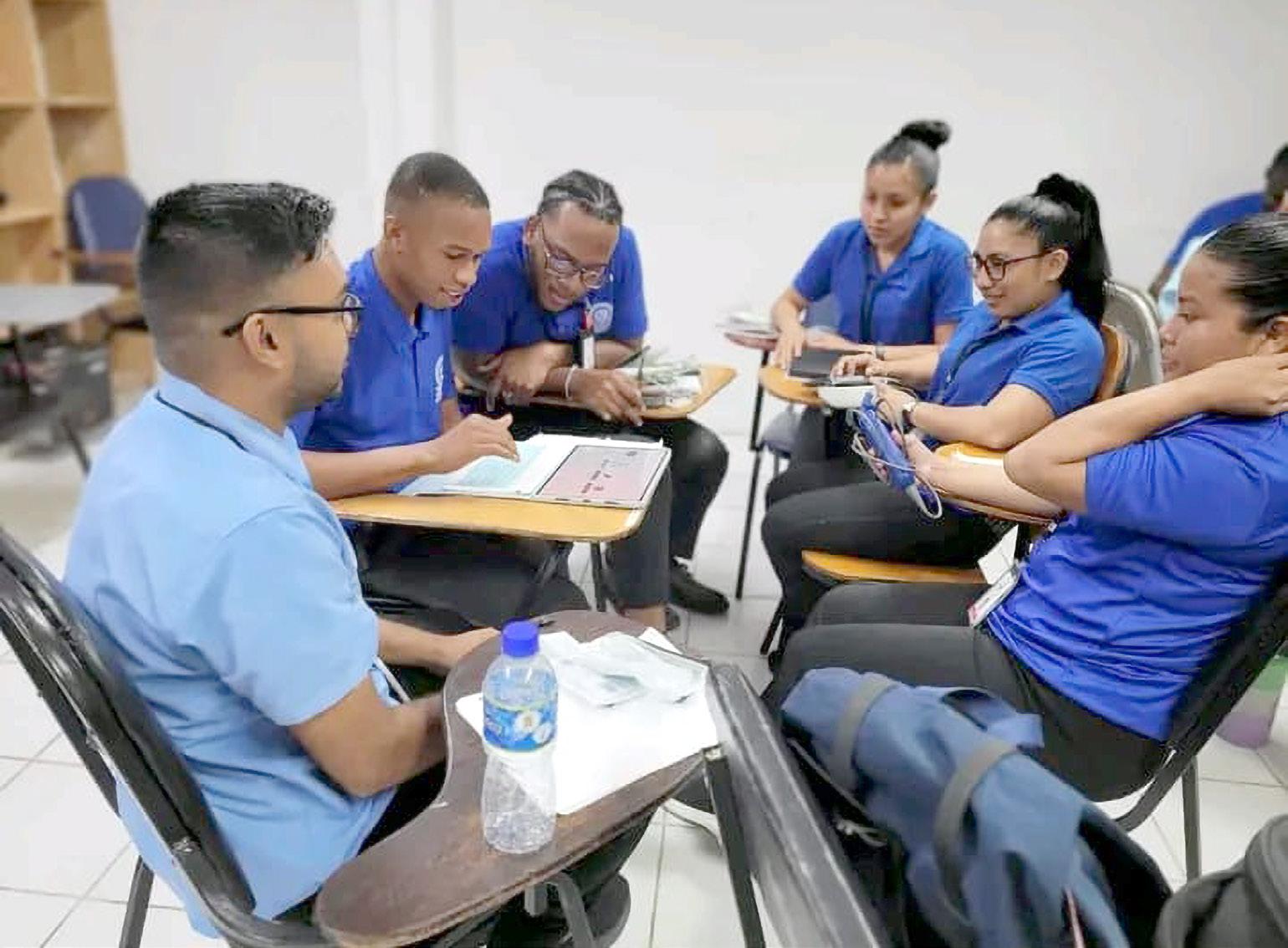
A batch of Medex being trained in Telemedicine last year
into the system has been multiplied. Persons did not want to leave their homes, their families, and regions to come to Georgetown to be trained.
They are now being trained at home,” Dr Mahadeo said. He noted that the ministry has expanded regional training capacity, with pro-
grammes now delivered in Regions One, Two, Three, Six, Seven, and Nine. This includes training for pharmacy assistants, laboratory tech-
nicians, and, more recently, patient advocates in Regions Three, Four, Five, and Six, in accordance with directions from President Ali and the Minister of Health.
Dr Mahadeo emphasised the ministry’s goal for every health centre and health post to be staffed with either a doctor or, where a doctor is unavailable, a trained medex.
“ Towards this end, we have increased the number of persons in training in the medex programme. Last year, we graduated 30 medex. Currently, we have over 50 in training for the medex programme. In total, from 2020 to now, we have increased the number of medex that are available and working in the system by 57.
In total, Mr Speaker, we have added 4,309 persons who were trained, graduated, and employed by the Ministry of Health,” he told the National Assembly.
These training initiatives reflect the government’s on-
going efforts to strengthen human resources for health, decentralise training access, and ensure that health services are delivered efficiently and equitably across all regions of Guyana.
The Medex programme in Guyana, historically known as the Medical Extension Officers (Medex) programme, has been a cornerstone of the country’s healthcare workforce development for nearly five decades. First introduced in the 1970s, medex are trained to provide primary and routine care, especially in rural, hinterland, and underserved areas where access to doctors is limited.
Medical Extension Officers have played a vital role in expanding healthcare access and bridging service gaps in remote communities, with recent celebrations marking the programme’s 48th anniversary and recognising their contribution to national health delivery.
THE Georgetown Public Hospital Corporation (GPHC), Guyana’s premier tertiary referral hospital and largest public health institution, has recorded several historic advancements in clinical care and specialised services.
Established in 1838, the GPHC has evolved into the nation’s leading medical centre for emergency care, surgery, teaching, and research, operating more than 550 beds and managing tens of thousands of patient visits annually, while serving as the main referral hospital for the public health system.
Speaking in Parliament during the 2026 Budget debate, Deputy Speaker of the National Assembly and Director General (DG) of the Ministry of Health, Dr Vishwa Mahadeo, highlighted key breakthroughs achieved
by the hospital over in 2025.
“The transplant team completed the first four-pair chain kidney transplant ever performed in Guyana and the Caribbean. This was done last year,” Dr Mahadeo said.
He also noted achievements in diagnostic standards and surgical care that are expanding local treatment options.
“The GPHC pathology lab received its ISO 15189 plus international accreditation from Accreditation Canada, also last year, Mr Speaker. A major milestone was achieved at the GPHC by routinely performing abdominal aortic aneurysm repair. Previously, all our patients had to go overseas, or they died.”
Dr Mahadeo further announced the launch of a new mental health service. “And we launched the electrocon-
vulsive therapy service in September last year in the psychiatric department, Mr Speaker.”
The GPHC continues to develop its service offerings across multiple specialties, including emergency medicine; internal medicine; surgery; obstetrics and gynaecology, paediatrics; ophthalmology; medical imaging; pathology and pharmacy; serving patients from across Guyana, while also providing clinical training for the next generation of health professionals.
These accomplishments reflect ongoing efforts to strengthen healthcare delivery and expand access to advanced medical care, all in line with HE President Irfaan Ali’s vision of providing world-class healthcare to every citizen in Guyana.
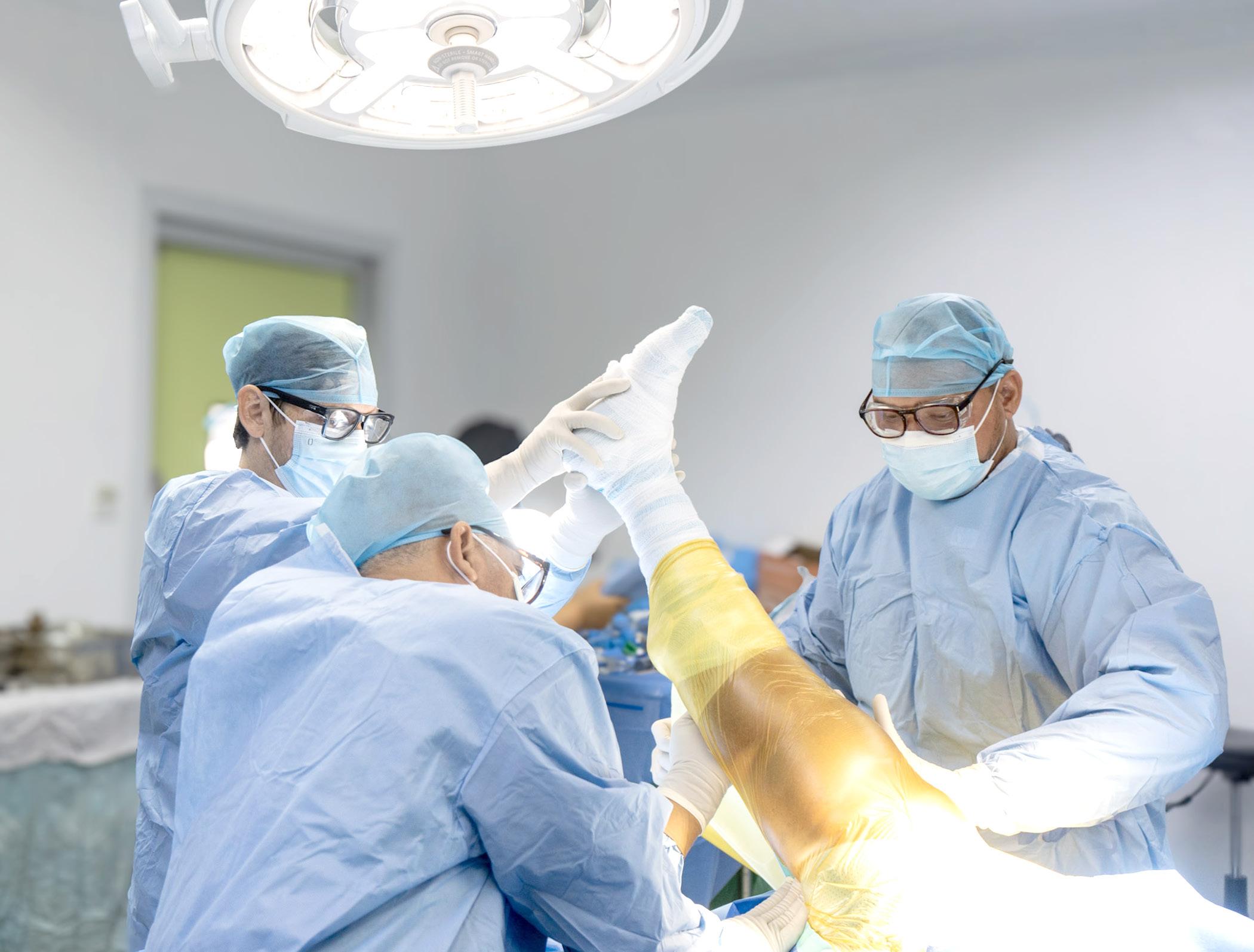
Several joint-replacement procedures were conducted over the years at the Georgetown Public Hospital Corporation (File photo)




THE Government of Guyana, through the Ministry of Health, is moving to establish a Central Ambulance Authority to strengthen and streamline emergency medical response services nationwide.
Speaking in Parliament during the 2026 Budget debate, Deputy Speaker of the National Assembly and Di-
rector General of the Ministry of Health, Dr Vishwa Mahadeo, outlined the initiative, emphasising improvements in ambulance coverage, equipment, training, and staffing.
“Currently, Mr Speaker, every facility has its own ambulance, whether it be a vehicular ambulance, a minibus, a boat ambulance, or an
ATV ambulance, and they all operate by themselves individually by the regions,” Dr. Mahadeo said.
The new system will centrally coordinate ambulances and strategically position them to ensure the fastest possible response to patients.
“The Ambulance Authority will be equipped, will have adequate numbers of ambu-


lances that suit the terrain in which they have to function, whether it be an ATV, a boat, etc,” he added.
The Deputy Speaker revealed that this measure will be implemented this year, with an update to be given at next year’s budget presentation, adding that it not only
comes with the ambulances, but also with equipment and training, and it comes with a large number of persons who will have to be trained and then employed to service the people of Guyana.
The initiative is being done in collaboration with Northwell to ensure that
not only top-of-the-line vehicles and equipmen,t but also that the training is on par with international standards, as instructed by President, Dr Irfaan Ali, in order to ensure that Guyana is providing world-class healthcare to every citizen across the country.
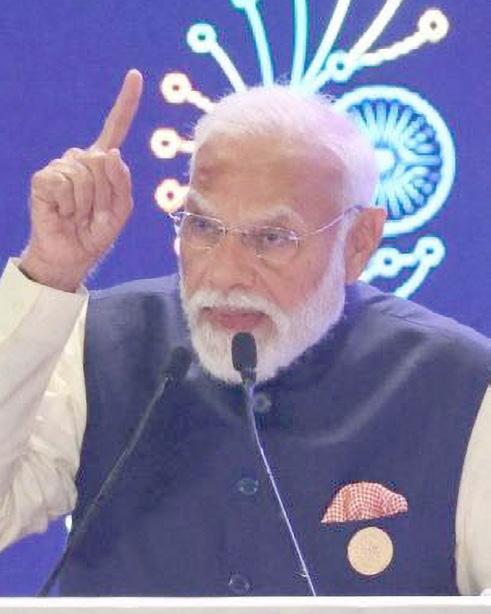
INDIA’S Prime Minister Narendra Modi has urged the international community to shape artificial intelligence around human values, warning that the rapid rise of AI must be guided by ethics, trust and inclusivity to ensure it benefits all of humanity.
Speaking at the AI Impact Summit 2026 in New Delhi, the Indian leader described the gathering as a defining moment in technological history, with representatives from more than 100 countries convening to discuss the future of artificial intelligence and its global impact.
According to Modi, artificial intelligence represents a technological shift comparable to fire, electricity and the internet, but with the power to transform societies at unprecedented speed.
He stressed that AI should function as a “force multiplier for human intent,” arguing that innovation must remain human-centric rather than machine-centric.
“For technology to truly succeed, it must serve people, not the other way around,” he said, emphasising a philosophy rooted in the principle of welfare and happiness for all.
The Prime Minister highlighted India’s expanding role in global digital innovation, noting that the summit showcased cutting-edge AI products while drawing strong participation from youth and innovators.
He described the event as evidence that a mass movement for AI adoption and innovation is underway, driven largely by young people
exploring new possibilities.
Modi pointed to several domestic examples demonstrating AI’s practical benefits. One initiative, an AI-powered digital assistant developed by dairy co-operative AMUL, is providing real-time guidance to millions of farmers, many of them women, on cattle health and productivity in their own languages. Another platform, Bharat VISTAAR, delivers multilingual information on weather patterns, crop management and market prices, helping farmers make informed decisions.
Central to India’s proposal was the introduction of the MANAV framework - a governance model intended to anchor AI development in ethical standards. The framework calls for moral and ethical systems; accountable governance; respect for national data sovereignty; inclusive access and legal legitimacy in AI deployment.
Modi also raised concerns about emerging risks linked to generative AI, including deepfakes and disinformation. He proposed global co-operation on authentication standards, suggesting digital content should carry verification labels similar to nutrition labels on food products. India, he noted, has already moved towards mandatory labelling of synthetically generated content.
The Prime Minister emphasised that AI must evolve as a global public good rather than a guarded strategic asset. Open platforms, he said, would allow young innovators worldwide to contribute
to safer and more inclusive technological development. He further outlined efforts to strengthen India’s AI ecosystem through infrastructural investment under the India AI Mission, including deployment of thousands of graphics-processing units (GPUs), expanded data infrastructure and a national AI repository aimed at democratising access to datasets and computing power for startups and researchers.
Highlighting India’s large youth population and growing technology talent pool, Modi predicted that AI would create entirely new professions, much as the internet reshaped global employment decades ago. He stressed the importance of skilling, reskilling and life-long learning programmes to prepare workers for the evolving digital economy. Concluding his address, Modi invited global partners to collaborate with India in advancing inclusive innovation, declaring that solutions developed in India’s diverse and democratic environment could serve humanity worldwide.
“Design and develop in India,” he said, “and deliver to the world -- deliver to humanity.”
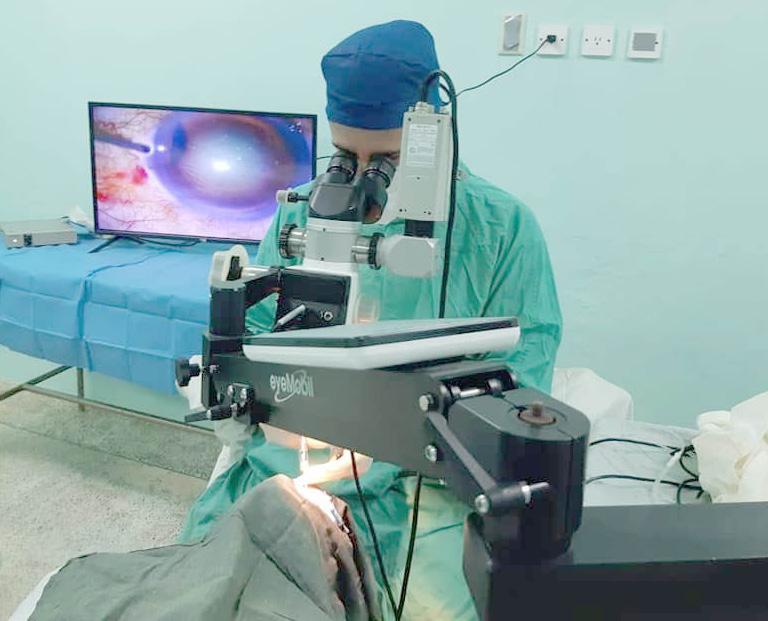
THE National Ophthalmology Centre in Port Mourant is now fully operational, eliminating the national backlog of cataract cases and delivering thousands of eye care procedures to patients across the country.
Speaking in Parliament during the 2026 Budget debate, Deputy Speaker of the National Assembly and Director General of the Ministry of Health, Dr Vishwa Mahadeo, highlighted the achievements of the Centre following major government investments and rehabilitation efforts.
“We all know what the history of the National Ophthalmology Hospital is, it is located in Port Mourant and was built under the watch of President Bharrat Jagdeo, it functioned excellently until 2015. And between 2015 and 2020, there have been zero cataract surgeries done,” Dr Mahadeo said.
He explained the scope of government investment to restore and modernise the facility, “When we took over back in 2020, in the early part of 2021, the Government of Guyana spent over $100 million, in fact, over $25 million to fix the infrastructure alone, and another $100 million to buy equipment, new equipment, so that we can get going again.”
Dr Mahadeo further reported on the centre’s recent performance, including screening, transportation, and surgery for patients from across the country,
“And currently, Mr Speaker, we have a Guyanese heading the National Ophthalmology Centre, Dr Saif Alli. Cataract surgeries done for the last year, 228, pterygium surgeries, 312 ; intravitreal injections, 205; cataract-laser surgeries; 275, diabetic retinopathy and retinal laser surgery, 219, a total of 1,736 procedures.”
The cost of these procedures privately would total approximately $246,580,000, funds which patients and families are able to retain for other personal and household needs, the Director General said.
The National Ophthalmology Centre was commissioned in July 2009 as part of a Guyana–Cuba collaboration programme, and was one of five diagnostic and specialised care centres built across the country. It provides specialised services in cataract, glaucoma, and retinal procedures, serving as a key referral point for patients nationwide and contributing to the development of local ophthalmology expertise.
The facility continues to operate at full capacity following its rehabilitation and remains central to the government’s mission of equitable access to high-quality eye care.

THIS week, the Ministry of Agriculture will release an app that gives farmers easier access to important information such as weather forecasts and tips on how to manage their soils.
Zulfikar Mustapha, the Minister of Agriculture, said this on the Starting Point podcast on Sunday, February 22. Mustapha said that people will be able to get accurate and useful information from the National Agricultural Research and Extension Institute (NAREI).
The app will tell you what kind of crop can grow in Blackbush Polder if you go there. The minister said, “You go to Linden, you will see different areas and what kinds of crops you should plant to get a better market for them.” Mustapha said that a data centre and situation room are

almost finished and will be ready for use in March to help farmers get better production results. “We’re almost done, about 75% of the way there,” he said, “So hopefully we can hire that facility by March.” Like Guyana’s agricultural sector app, the facility will store information for the whole Caribbean, such as soil types, weather patterns, and suggested crops for different areas.
He said the idea came from President, Dr Irfaan Ali’s trip to Costa Rica, where a similar model is used at the Inter-American Institute for Cooperation on Agriculture (IICA) headquarters.
The minister also talked about plans to modernise the fishing industry by using digital platforms and upgrading infrastructure.
“Farmers in the fishing business today don’t take technology seriously. They want to do things the same way they did before, like their parents did. We want to change that idea, though.” He said, “We want to change that culture.” Mustapha said that after he became Agriculture Minister in 2020, tracking devices were bought and put on boats so they could be found more easily at sea.
The minister said, “We have more than 500 boats with these tracking devices on them, and we have a central station that can keep an eye on them.” Minister Mustapha said that his ministry has built a number of facilities for fishermen over the past three years, such as landing sites and wharves. He wants the app to have information on all landing sites by the end of March.
He also said that there would be training sessions all over the country on how to use these digital platforms.
THE Traffic Department of the Guyana Police Force has recorded more than 3,000 traffic-related offences within a single week, highlighting ongoing concerns about road safety compliance across the country.
According to the department’s latest report, a total of 3,233 cases were documented between February 15 and February 21, 2026, with speeding accounting for the overwhelming majority of violations.
Police statistics show that 1,132 speeding offences were recorded during the period. Other
significant breaches included 112 seatbelt violations, 101 cases of failure to wear safety helmets, and 55 instances of carrying pillion riders without helmets, signalling continued non-compliance with basic safety regulations.
Authorities also reported 41 cases of driving under the influence, 46 unlicensed drivers, and nearly 200 offences involving unlighted motor vehicles, with 96 vehicles found without front lights and 95 without rear lights. Additionally, ranks documented 97 breaches of prescribed fitness conditions, 97 cases of
vehicles left in dangerous positions, and 13 traffic light violations.
Police noted that offences related to safety equipment remain particularly concerning, as repeated breaches involving seatbelts and helmets continue to be detected despite ongoing enforcement and awareness efforts
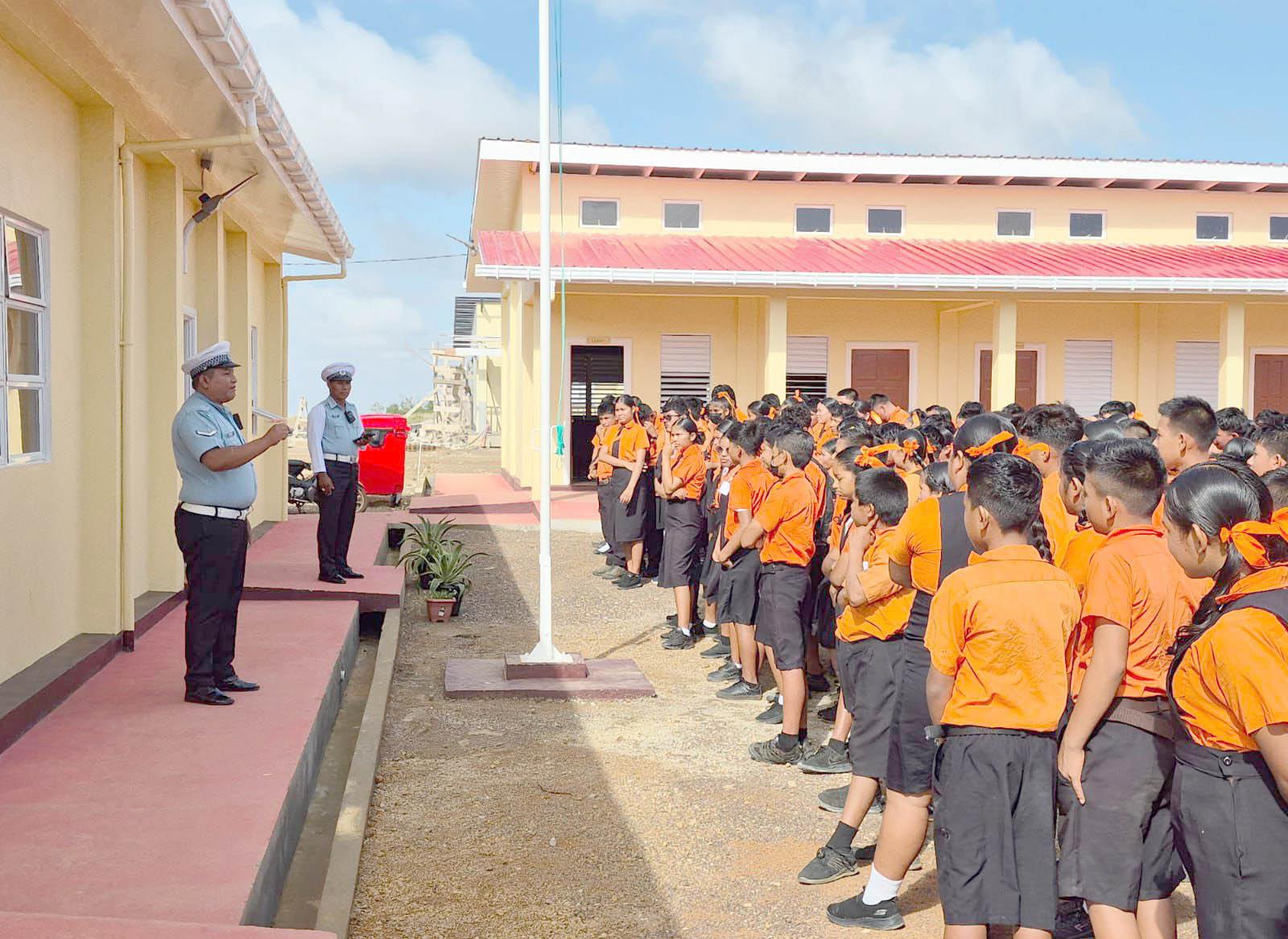
Alongside enforcement, the traffic department intensified its public education campaign through a series of school
lectures and community outreach programmes conducted throughout the same period.
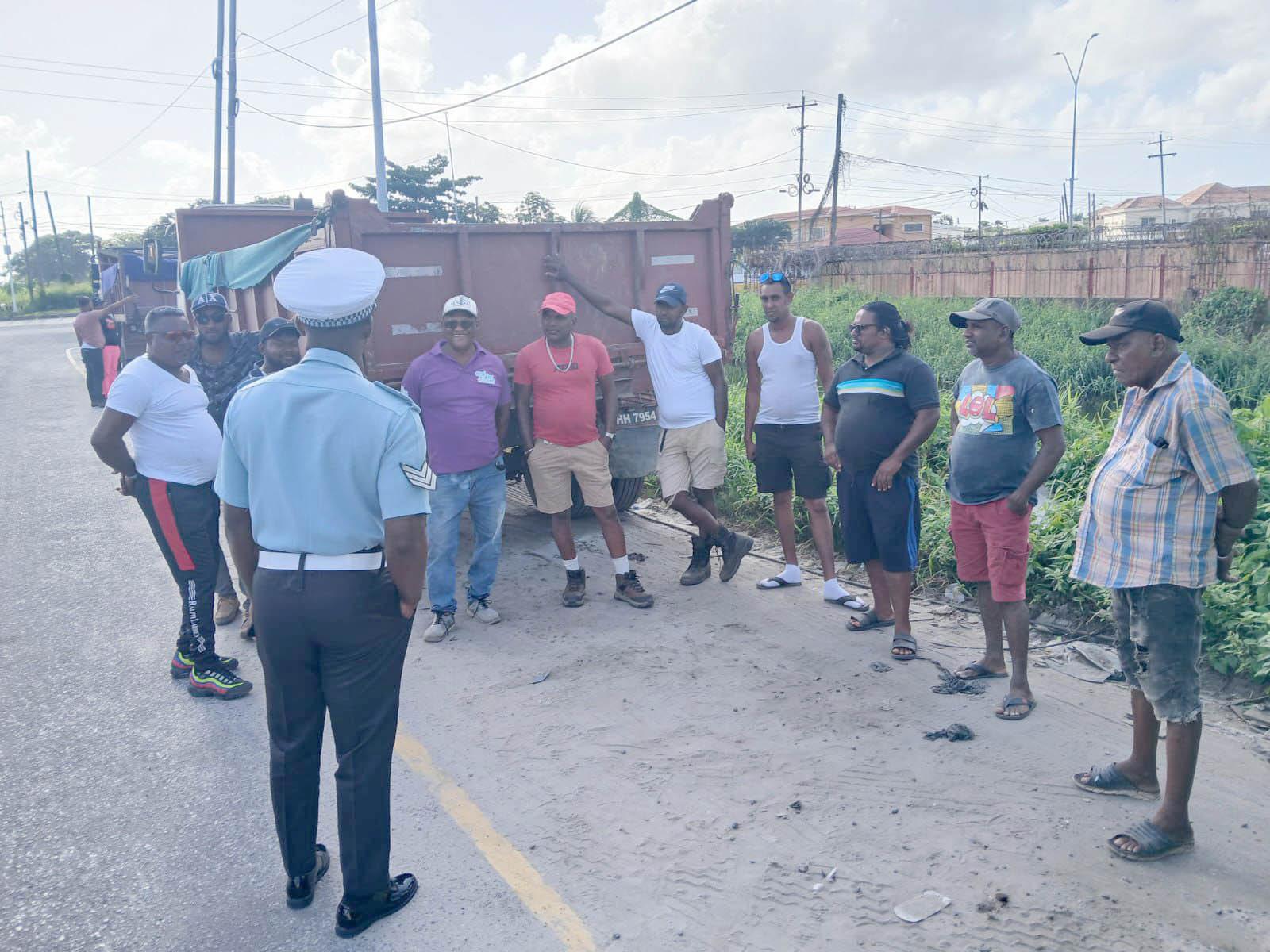
Between February 16 and February 20, officers delivered road safety sessions at dozens of schools, primarily in Regional Division 4A, including West Ruimveldt Primary, St. Gabriel’s Primary and Nursery, North Georgetown Primary, St. Ambrose Primary, Chase Academy, and St. Joseph High, among others. Educational visits were also carried out in Regions Three, One and Nine, reaching institutions such as Zeeburg Secondary, Ca-
nal Bank Primary, Kamwatta Primary and Nappi Secondary.
Police said the initiative forms part of a sustained effort to instil road safety awareness among young students and promote responsible behaviour from an early age.
Traffic ranks also conducted lectures and awareness engagements with drivers, commuters, and business operators at several public locations between February 15 and February 21.
Outreach exercises were held at bus parks, police station compounds,
public roads, taxi bases, malls, and entertainment venues, including areas along Princess Street, Nelson Mandela Avenue, MovieTowne Mall, and Giftland Mall access roads.
Additional sessions targeted patrons at bars and community gathering spots such as Cheetos Bar, BL Beer Gardens and Seeta Bar, where officers emphasised the dangers of impaired driving and the importance of adhering to traffic laws.
Police say enforcement operations and educational outreaches will continue as part of ongoing efforts to reduce accidents and improve road safety nationwide.
POLICE are investigating a fatal accident that occurred on Sunday evening along the Lima Sands Access Road on the Essequibo Coast, resulting in the death of a 17-year-old motorcyclist.
Dead is Sudesh Ram John of Lima Sands, while a 21-year-old pillion rider, also from the community, remains hospitalised nursing injuries sustained in the crash.
According to a police
report, the collision occurred at about 20:00hrs on February 22, 2026, and involved motor car PAD 3341, driven by a 44-year-old resident of Cotton Field, Essequibo Coast, and an unregistered motorcycle operated by the teen.
Initial investigations revealed that the motor car was proceeding south along the
Lima Sands Access Road, while the motorcycle was travelling north when the two vehicles collided. The impact reportedly threw both the rider and pillion passenger onto the roadway, causing injuries to various parts of their bodies.
Public-spirited citizens assisted the injured men and transported them to the Lima
Regional Hospital, where John was pronounced dead on arrival by a doctor on duty. The pillion rider was treated and remains a patient at the medical facility.
Police said a breathalyser test administered to the driver of the motor car recorded readings of 67, 75, and 73 micrograms — above the legal limit of 35 micrograms.
The driver is currently in police custody assisting with the investigation. The body of the deceased was taken to the Suddie Hospital Mortuary, where it awaits a post-mortem examination. Investigations into the circumstances surrounding the fatal collision are ongoing.



Akeal Hosein bowled Bennett, Zimbabwe’s leading run-scorer, with a beauty for five, then three balls later snared Ryan Burl for a duck to leave the Chevrons reeling at 20-3 in the third over.
Fellow left-arm spinner Gudakesh Motie ran through the Zimbabwe middle order en route to 4-28 – starting the run with a peach of a delivery to dismiss Dion Myers for 28. With the game long gone, Brad Evans added some respectability to the margin of defeat with defiant late hitting – whacking five sixes in his 21-ball 43 – in a record 10th-wicket stand at a World Cup of 44 with Richard Ngarava.
HETMYER
MASTERFUL IN MUMBAI
Zimbabwe might have ruffled a few feathers in this World Cup with victories over Australia and Sri Lanka.
But the Chevrons well and truly had their wings clipped by Hetmyer and company as the boundaries were peppered at the Wankhede Stadium.
Hetmyer had looked in fine fettle in the group stage, chalking up scores of 64, 23, 46 not out and one.
The 29-year-old took it up a notch and played more astutely than perhaps the raw figures of the scorecard might indicate.
With a cocktail of intelligent farming of the strike, elegant drives and at times sheer brute force, he reached a half-century off 19 balls, which left Zimbabwe flummoxed.
It was the quickest by a West Indian at a World
back page)
Cup – eclipsing his own record off 22 balls against Scotland earlier in the tournament.
Nobody has more sixes than Hetmyer’s 17 in this tournament, and while there was power in the strokeplay in this innings, it was more about sharp decisions over shot selection with the mind than pure muscle.
“I’m not overthinking my batting. Now I am trying to think less and the bat will now do the talking and I react [to] what’s in front of me,” Hetmyer said afterwards.
Zimbabwe rued dropping him twice, with the hapless Musekiwa wishing the Wankhede turf would swallow him up after he
the South Africa series, and the move has paid handsome dividends throughout the tournament.
“He’s been an asset for us, especially in this tournament. We gave him the role from South Africa, and he’s embraced it. He started with a bang, and he’s continued with that great form. So happy to see him scoring runs, and everyone supports him
along the way.”
The victory serves as a significant confidence booster for a West Indies side that now faces a daunting run of fixtures against South Africa and India. However, Hope was quick to keep his team grounded despite the dominant display.
“I just believe the way we’ve been playing, it certainly gives us a lot of con-
fidence. And like I always say, we’ve gotta stay in the moment. Yes, we’ve played well to this stage, but again, we’ve got another game in a few days, and we gotta make sure we turn up on that day again.”
Far too often, the West Indies follow up a great performance with a mediocre outing; however, captain Hope concluded with a clear
Bangladesh Premier League (BPL) T20. The first edition of the tournament will be held from 4-14 April 2026,

ENGLISH RACING TIPS
LEICESTER
10:20 hrs Bobi's Beajty
10:50 hrs Delgany
Deadline
11:20 hrs Palawan Du Mazet
11:50 hrs Denemethy
12:20 hrs Paul Marvel
12:50 hrs Jet Plane
NEWCASTLE
10:12 hrs Inappropriate
10:42 hrs Amerjeet
11:42 hrs Dandy Magic
12:12 hrs Brother Dave
12:42 hrs Habrdi
13:12 hrs Maestro
Bernstein
13:42 hrs Union Island
SOUTHWELL
11:55 hrs Studious
12:25 hrs Ring Of Gold
13:00 hrs Homer
Stokes
with matches scheduled in Dhaka and Chattogram.
Meanwhile, the board added that they have extend-
13:30 hrs Forever Noah
14:00 hrs Piperstown
14:30 hrs Wicksey
15:00 hrs Autumn Affair
15:30 hrs Isla Bella
16:00 hrs King's Cruiser
SOUTH AFRICA RACING TIPS
VAAL
08:25 hrs Blood Of Eden
09:00 hrs Royal Engagement
09:35 hrs Mover And Shaker
10:10 hrs Precocious 10:45 hrs Blindfire
AMERICAN RACING TIPS
MAHONING VALLEY
Race 1 Agnello's Dream
Race 2 Lucky Cougar
Race 3 Belloftheblue-
grass
Race 4 Sobieski
Race 5 Quality Kiss
Race 6 Boudin
Race 7 Bella Flora
Race 8 Don't Listen
spilled two opportunities his team-mates would have expected him to take. It might have been different had the first been held, although with strike rates of 238 (Rutherford), 210 (Shepherd) and 325 (Holder), possibly not. Zimbabwe were never in the chase after Motie and Hosein turned the screw – West Indies’ leftarm tweakers bagging seven of the wickets to fall.
The West Indies World Cup bandwagon rolls on after banking another impressive victory and the only concern is whether they are peaking too early. Certainly, on this evidence they will take some stopping. (BBC)
(From back page)
message about the challenges ahead.
“Great start, great confidence booster, but those games are gone. We gotta look ahead now. We’ve got South Africa next and then India after, so we gotta keep playing our best cricket. If we can get better, continue getting better. If we’re doing what we’re doing well, continue doing it.”
(From page 21)
ed the tenure of the chairman of the national selection panel Gazi Ashraf Hossain by one month to find his successor and reorganise the panel. Recently, Cricbuzz revealed that Ashraf is not interested in extending his tenure as chairman of the national selection panel after completing his term that ends on February 28.
"In view of his intention to step down at the end of his tenure as Chairman Na-
tional Selection Panel, the Board has decided to offer a one-month extension to Gazi Ashraf Hossain," said BCB. "During this period, the Board will work on finding his successor and reorganisation of the panel.
Cricbuzz understands that former national selector Habibul Bashar is the front-runner to replace Ashraf as the chairman of the national selection panel. (Cricbuzz)
(Monday, February 23, 2026)
COMPLIMENTS OF CUMMINGS ELECTRICAL COMPANY LTD 83 Garnett Street, Campbellville, Georgetown (Tel: 225-6158)
Answers to yesterday’s quiz: (1) Sahibzada Farhan (PAK)-220 runs
JAYLEN Brown scored 32 points with eight rebounds and seven assists; Payton Pritchard added 30 points with eight assists and the visiting Boston Celtics continued their February surge with a 111-89 victory over the Los Angeles Lakers on Sunday.
Derrick White scored 12 points with eight assists as the Celtics' defence held the Lakers to 39.1% from the floor, while improving to 8-1 since January 30. Boston shot 48.2% while opening 2-0 on a four-game road trip against Western Conference teams.

Jaylen Brown scored 32 points with eight rebounds
THE Bangladesh Cricket Board (BCB) announced on Sunday that they have decided to impose a ban on former national cricketer Monjurul Islam from all forms of direct or indirect employment in cricket-related activities under the jurisdiction of the board.
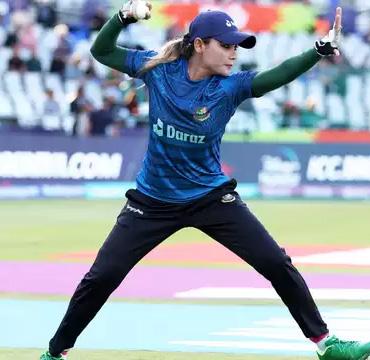
The decision was taken based on the findings of the Independent Inquiry Committee formed by the BCB to examine the complaint lodged by former Bangladesh women's national team captain Jahanara Alam, who alleged that he sexually assaulted her during the 2022 World Cup.
Recently, the Bangladesh Cricket Board (BCB) received the investigation report into allegations of misconduct in women's cricket raised by former national captain Alam, following which the board engaged a legal team to examine the findings.
The Independent Inquiry Committee examined four specific allegations made by the senior cricketer. Two of these were not substantiated by the available evidence. With regards to the remaining two, the committee found prima facie evidence of inappropriate conduct by the then selector and manager of the Bangladesh women's team, Md Monjurul Islam, whose contractual tenure with the
BCB ended on June 30, 2025. The committee noted behaviour inconsistent with professional standards and observed that certain actions fell within the definition of misconduct and harassment under the applicable guidelines of the Supreme Court.
"Based on the findings of the Independent Inquiry Committee formed by the BCB to examine the complaint lodged by former Bangladesh Women's National Team Captain Jahanara Alam, the Board has decided to impose a ban on former national cricketer Monjurul
Islam from all forms of direct or indirect employment and/ or cricket-related activities under the jurisdiction of the Bangladesh Cricket Board," BCB said in a statement following the board meeting at Sher-e-Bangla National Cricket Stadium on Sunday.
"The BCB is reviewing the recommendations of the Committee and will take any additional measures deemed necessary in light of the report," it added.
BCB also said that the board approved the schedule for the inaugural Women's
(Turn to page 20)
Neemias Queta had 10 points and 12 rebounds for the Celtics.
Luka Doncic scored 25 points and LeBron James added 20 for the Lakers, who lost for the third time in their past five games. Austin Reaves had 15 points as the Los Angeles star trio fell to 8-4 when all three were on the court this season.
James, the NBA's all-time points leader, moved past the 43,000-point mark in his record 23rd season.
The Lakers were held to their second-lowest scoring game of the season behind
an 88-point effort in a loss to the Los Angeles Clippers on December 20.
The Celtics led by as many as 14 points in the third quarter and never allowed the Lakers to make a run in the fourth. Boston pushed the lead to 94-79 after a stepback jumper from Brown with 6:58 left.
Brown capped an 8-0 run on a 3-pointer that gave the Celtics a 102-81 lead with 4:11 remaining.
Pritchard sealed the victory on a 3-pointer with 3:24 left for a 105-83 advantage that prompted the Lakers to
remove their starters the rest of the way.
The Celtics took charge in the second quarter, turning a first-period tie into a 6050 halftime lead on 52.4% shooting as Brown scored 13 points and Pritchard added 11. Doncic had 18 points in the first half for the Lakers, who shot 41.9% over the first two quarters.
Boston won the season series 2-0 that includes a 126-105 victory at home on December 5. The Celtics are 6-2 against the Lakers since the 2022-23 season.
(Reuters)
'We'll give them a tough time' - England face another trial by spin
ENGLAND batters and spin bowling. It has rarely been pretty.
For every Joe Root, Kevin Pietersen or Graham Thorpe, there have been far more troubled by the tweakers.
England beat Sri Lanka by 51 runs on Sunday, meaning victory against Pakistan on Tuesday will secure a place in the semi-finals, but the issue that has dogged their batting throughout this T20 World Cup did not go away.
Four of England's top five were out to spinners. The other, Tom Banton, was run out.
And Pakistan used six different spinners in their match against India earlier in the tournament. They have bowled a higher percentage of spin than any other team.
England's problems have not gone unnoticed.
"They were struggling against the spinners," said batter Sahibzada Farhan.
"We have one of the best spin attacks. which has Usman Tariq, [Mohammad] Nawaz, Shadab [Khan], even Abrar [Ahmed] is one of the top spinners.
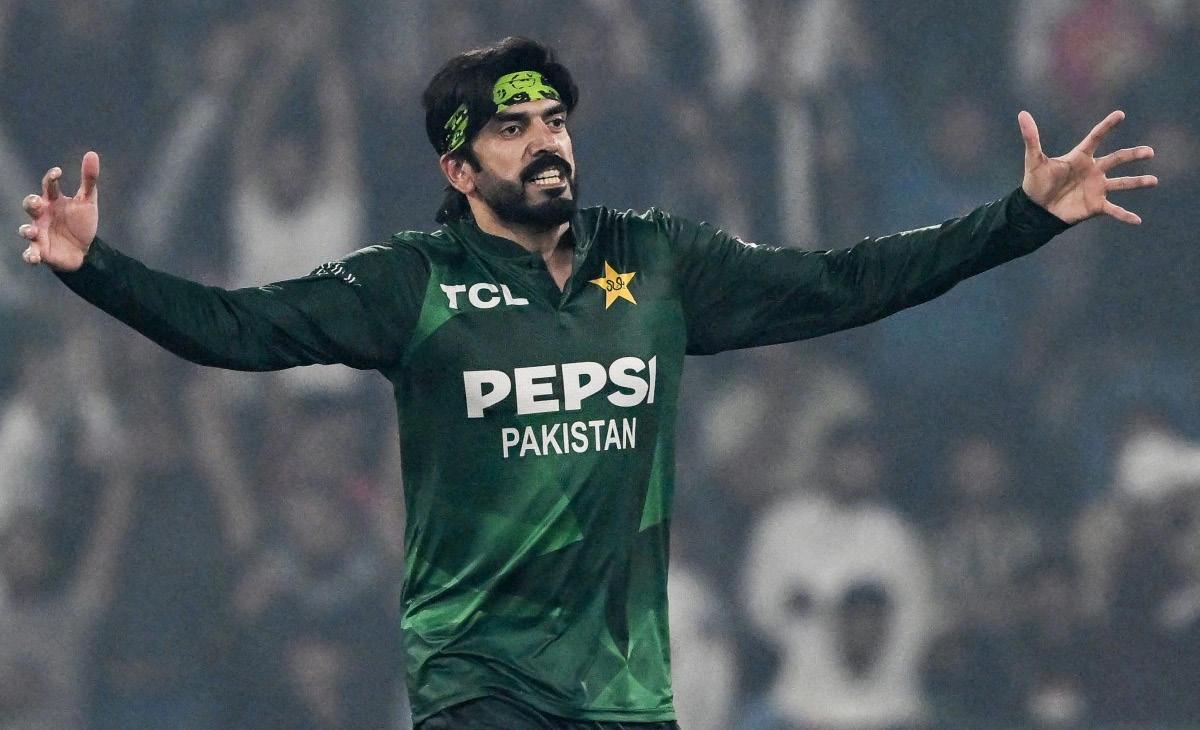
"I am confident we will give them a tough time."
England's issues against spin at this tournament are curious, given what had come before.
During the T20 series against Sri Lanka before this World Cup they lost only three wickets against spin across three matches.
Even in the one-day international series that preceded it, with many of the same players, they averaged 43.9 collectively against the turning ball.
However, those numbers have nose-dived on the biggest stage.
Overall, 21 of England's 38 wickets have fallen to spin - not a major disparity to the 17 against pace - but
more significant have been the moments those dismissals have come.
There were four in succession against Italy in the group stage and before that six in a row through the middle in defeat by West Indies in Mumbai.
The Sri Lanka win was the third occasion England were unable to break from a stranglehold.
"We were very good in the bilateral series here against Sri Lanka, where we played spin," said spinner Liam Dawson in defence of his top order.
"We know we can bat a lot better than what we have batted. We've won games and that's the main thing." (BBC Sport)
SOUTH Africa will host Australia for a multi-format tour in the upcoming season, the fixtures for which were announced on Monday. Bangladesh and England are also due to visit in a busy 2026-27 home season.
The three-match ODI series against Australia will be played between September 24 - 30, starting at the Kingsmead Stadium. The reigning ICC World Test Champions will then continue their title defence in a three-match Test series starting October 9 in Durban. Gqeberha (October 18-22) and Newlands (October 27-31) will host the remaining two games respectively.
Bangladesh will visit next for yet another multi-format tour starting with a two-match Test series. The series opener will be at the Wanderers Stadium from November 15 - 19 while Centurion will host the second game, from November 23 - 27.
The white-ball leg of the tour begins four days later with a three-match ODI series between December 1-7 in East London, Gqeberha and Cape Town respectively. The three T20Is - in Kimberley, Benoni and Centurion - will
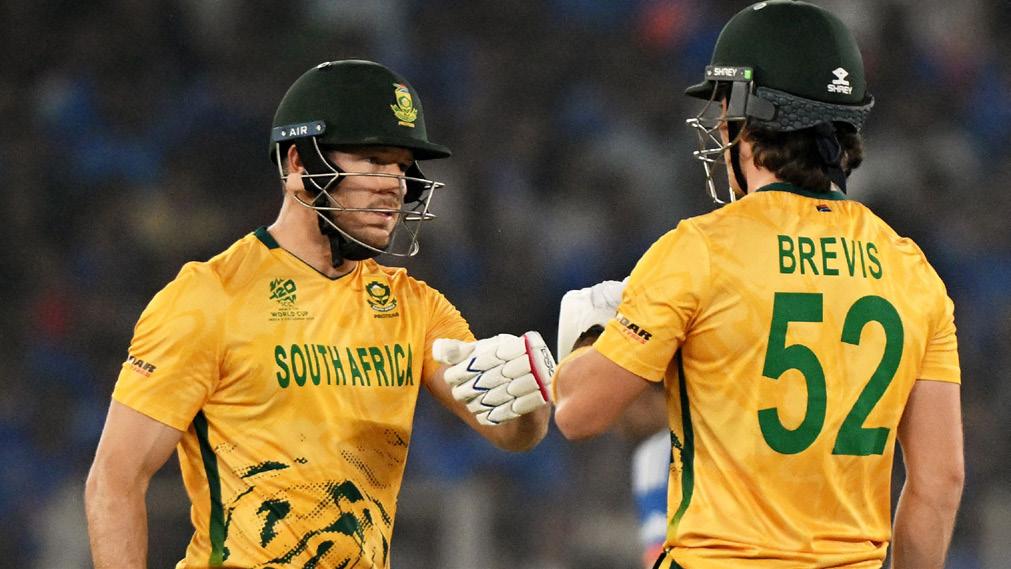
be held between December 10-13.
Next up is a three-match Test series against England that gets underway on December 17 at the Wanderers Stadium. This will be followed by the traditional Boxing Day Test at SuperSport Park and the New Year's Test at Newlands Cricket Ground.
South Africa's home season will conclude with a three-match ODI series against England, beginning on January 10. However, scheduling conflicts forced the rescheduling of the T20I series against England to a "later date".
"We are really looking forward to welcoming three strong cricketing nations in Australia, Bangladesh and England," CSA Chief Executive Officer Pholetsi
Moseki said.
"Next season carries significant importance for both our Test and ODI teams. We have made a promising start to the new World Test Championship cycle, including a hard-fought 1-1 series draw against Pakistan and an impressive 2-0 victory over India, and it is important that we continue to build on that momentum and strengthen our position on the WTC table.
"On the white-ball front, our focus remains firmly on building towards hosting the ICC Men's Cricket World Cup in 2027. Every ODI series from here forms part of our preparation for that global event, not only as proud hosts, but as a team determined to compete strongly on home soil."
Australia's tour of South Africa:
1st ODI - Sep 24, Durban
2nd ODI - Sep 27, Johannesburg
3rd ODI - Sep 30, Potchefstroom
1st Test - Oct 9-13, Durban
2nd Test - Oct 18-22, Gqeberha
3rd Test - Oct 27-31, Cape Town
Bangladesh's tour of South Africa:
1st Test - Nov 15-19, Johannesburg
2nd Test - Nov 23-27, Centurion
1st ODI - Dec 1, East London
2nd ODI - Dec 4, Gqeberha
3rd ODI - Dec 7, Cape Town
1st T20I - Dec 10, Kimberley
2nd T20I - Dec 12, Benoni
3rd T20I - Dec 13, Centurion
England's tour of South Africa:
1st Test - Dec 17-21, Johannesburg
2nd Test - Dec 26-30, Centurion
3rd Test - Jan 3-7, Cape Town
1st ODI - Jan 10, Paarl
2nd ODI - Jan 13, Bloemfontein
3rd ODI - Jan 15, Bloemfontein (Cricbuzz)

BRAZIL striker Neymar says he is considering retiring at the end of the year.
The 34-year-old - whose £200m move from Barcelona to Paris St-Germain in 2017 remains the highest fee paid for a player - has been blighted by injuries in recent seasons.
But he hopes to play in the World Cup for his country this summer.
Neymar rejoined his boyhood club Santos from Saudi club Al-Hilal in January 2025 and extended his contract until the end of 2026.
However, after an injury-hampered first year he then missed the start of the Brazilian season in January following knee surgery in late December and only returned to action last week.
"I don't know what will happen from now on, I don't know about next year," he told Brazilian online channel Caze.
"It may be that when December comes, I'll want to retire. I'm living year to year now."
Neymar is the all-time leading scorer for Brazil, with 79 goals - two more than the legendary Pele. However, he last featured for the national team in October 2023 and admitted it was a "huge challenge" to force his way into Carlo Ancelotti's World Cup squad.
"This year is a very important year, not only for Santos, but also for the Brazilian national team, as it's a World Cup year, and for me too," he added.
(BBC Sport)
PLAYERS who receive treatment for an injury could be forced to stay off the field for one minute under proposals from FIFA.
It is one of a number of measures to tackle tempo disruption and time lost which are set to be approved at the International Football Association Board (IFAB) annual general meeting on Saturday.
At present there is no stipulation in the laws over how long injured players have to remain on the sidelines.
Leagues have the right to set their own guidelines, with the Premier League adopting a 30-second rule since the 2023-24 season.
FIFA held its own trials at the Arab Cup in December which required a player to stay off the field for two minutes.
FIFA referees' chief Pierluigi Collina says the two-minute rule is intended to reduce time-wasting and improve the flow of the game.
It mirrors an approach taken by Major League Soccer, which is triggered if a player remains on the ground for more than 15 seconds and the physio comes on.
At an IFAB meeting in January it was agreed a fixed period should be added to the laws, but there was disagreement over the length of time and strong pushback against two minutes.
Leagues have concerns about unintended consequences
One minute has been proposed as a halfway house, but BBC Sport understands concerns remain about negative impacts. Manchester United were
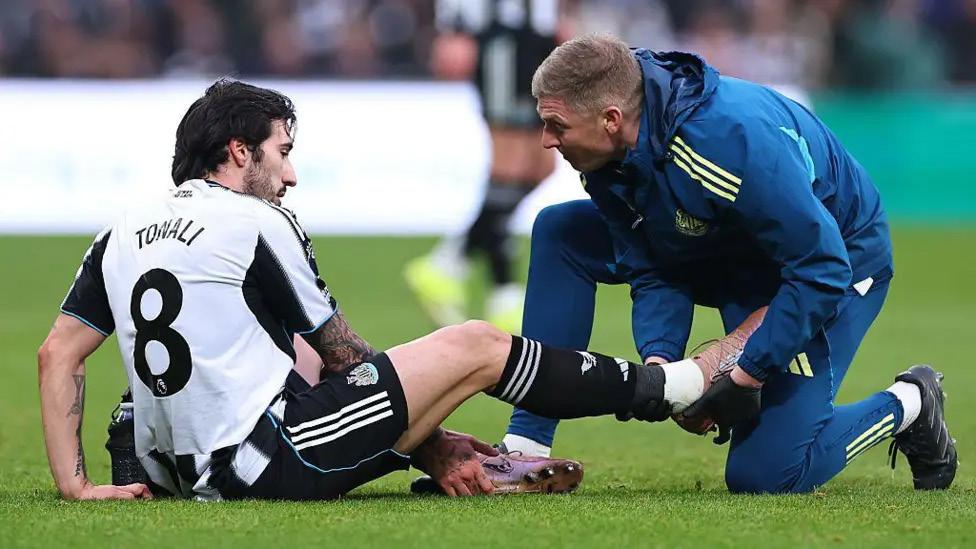
angered last season when Matthijs de Ligt was forced to leave the field with a cut, and Brentford scored from a corner while he was off the pitch.
The fear is a one-minute absence would make it far more likely a team could concede a goal when down to 10 players.
Thirty seconds already causes frustration among supporters - and unintended consequences of goals conceded could add further pressure on to officials.
There is an acceptance players use supposed injuries as a way of breaking up play, but it is felt extending the time limit could unduly
penalise genuinely injured players.
There are a few exceptions.
If the opponent is shown a yellow or red card, the injured player does not need to stay off. Goalkeepers are also exempt, while a penalty taker would be able to stay on.
However, IFAB is not expected to pass any resolution to tackle the tactical timeout. This is when a goalkeeper goes down off the ball in order for a coach to get new instructions to the team.
IFAB's advisory panels have discussed the issue at some length but, so far, there has been no agreement on a solution.
Following the success of the eight-second rule for goalkeepers holding the ball, new countdown measures
are set to be approved.
A similar process will be added to goal-kicks and throw-ins, with possession changing to the opposition if it takes too long.
A 10-second limit will also be applied to substituted players - if they do not get off the pitch the replacement will not be allowed to come on.
A team would have to play with 10 players until the next stoppage, and that must be after at least 60 seconds.
IFAB is expected to approve video assistant referee reviews for wrongly awarded second yellow cards and, as a competition opt-in, corners.
The Canadian Premier League is also likely to be granted permission to start trials of Arsene Wenger's daylight offside. (BBC Sport)
DAREN Sammy has been saying it for weeks. "I feel something special is about to happen." He might have repurposed a version of that speech when he went out to the middle at the drinks break on Monday. Because from that point on, the man he patted on the back saw out two balls, then went 6, 6, 6, dot, 6, wide, 6. And just like that Shimron Hetmyer had made the quickest fifty by a West Indies batter in T20 World Cups. His celebration included a salute to the dugout. Was it for his coach?
Ten years ago, standing inside the team bus with the rest of his two-time champions, Sammy gave shout-outs "to Shimron Hetty-myer and his team" and "to Stafanie Taylor and her team" because they had won World Cups too.
"Hetty" had captained the Under-19s to the title. Back then, he was happy to go to six Youth ODIs with just two sixes in the bag. Out here, he was visibly wincing when the ball evaded his swinging arc. The wide in that sequence - 6, 6, 6, dot, 6, wide, 6 - is going to give him nightmares. Zimbabwe will get theirs from everything else.

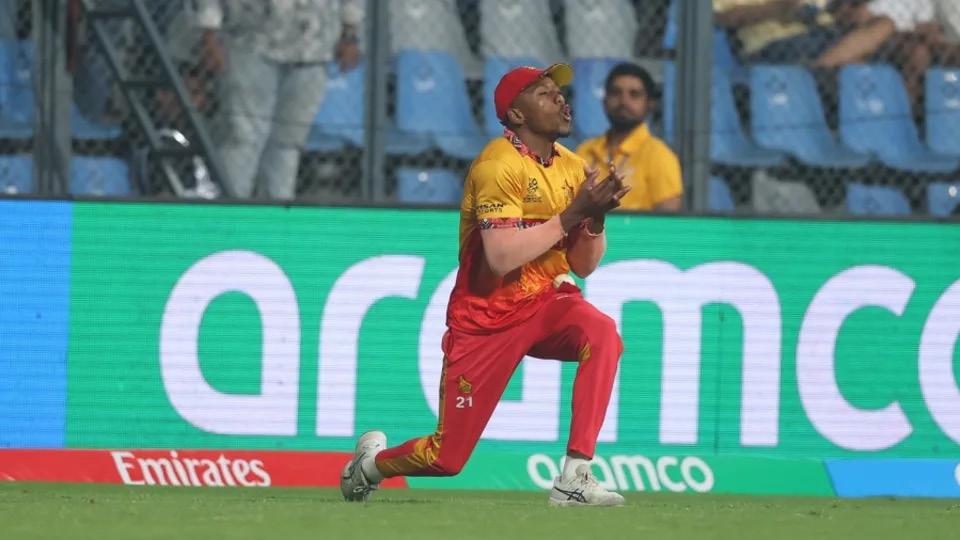
It had begun so well for them. They'd got Richard Ngarava back. Sikandar Raza had said all he'd do was ask Ngarava if he was ready, and slot him straight back in if he said he was, whether the team doctor signed off or not. Before the toss, one of West Indies' greatest-ever cricketers, Courtney Walsh, had been in Ngarava's ear, and at that point it looked like he was running in gingerly, like the injury that had kept him out of Zimbabwe's games against Australia and Sri Lanka was still bothering him. Should've known better. Curtly talk to no man. Courtney talk to no bench player.
Ngarava and Blessing Muzarabani pitched very little in the batters' half in the first two overs. West Indies
were 7 for 0. Then Hetmyer hit back. The very first ball after all this pressure created the wicket that brought him in, he played one of those flicks that look like they require no effort at all. It flew to the boundary. Zimbabwe had been warned.
Hetmyer gave them a chance to get him out on 7 but Tashinga Musekiwa lost the ball in the lights. From there on, the only people with any hope of getting their hands on it were in the crowd at the Wankhede.
One of them did. Hetmyer's swipe over square leg - the fourth six in 6, 6, 6, dot, 6, wd, 6 - the one before the one that took him to fifty, landed right in his lap. Dion Myers was no more than five yards away from the guy in
the grey t-shirt who caught the ball. All he could do was ask for it back.
For a long time, Hetmyer had been typecast as a batter best suited to play the death overs. Rajasthan Royals sometimes even sent R Ashwin ahead of him, and justified it by saying they were providing their finisher a better point of entry and more clarity of purpose.
In the absence of Nicholas Pooran, who retired from international cricket last year, West Indies have trusted Hetmyer with the far broader canvas of the No. 3 role.
Shai Hope explained the reasoning behind the move at the post-match press conference. "Yeah, well, [Hetmyer] is a quality player. And the
way he's batting, I think sometimes he's kind of wasted batting down the bottom of the innings. He's such a good player, he can bat in all situations, spin and pace. And to utilise him in that [middle] phase, he comes up and plays with that freedom that we want him to play with. So he's been an asset for us, especially in this tournament.
Zimbabwe had ridden a great wave into the Super Eights. Raza had guided them here and put himself up to do it again. Even after being hit for 20 runs in his first over, he came back to try and break the partnership between Hetmyer and Rovman Powell. If it had worked, he would have looked like a
genius. This is T20 cricket. Five yards separate joy from resignation. Gut feeling not paying off turns hero to victim.
West Indies tried hitting almost half the balls they faced up in the air - 46 out of 120 - 35 of them after Sammy's little intervention. They finished with the joint-highest tally of sixes in a Men's T20 World Cup game (19).
Hetmyer was responsible for seven of them. His 85 off 34 was a beautiful and brutal rendition of how much strength matters in this format of cricket. And the confidence to use it without second thought. Every time Hetmyer wanted to go, that backlift went all the way up over his head and came down with no force left behind. There was finesse too, in a couple of back cuts that needed him to hold his shape and wait for the ball to place it behind point.
All this combined into an innings befitting the men against whom West Indies No. 3s will be measured. Somewhere, Pooran and Marlon Samuels may have been watching with smiles on their faces. They'd better be careful though. Hetty's on their tail. (ESPN Cricinfo)
CASTRIES, Saint Lucia, (CMC) – Julien Alfred’s historic achievements at the 2024 Olympics will be honoured on a commemorative stamp as part of Saint Lucia’s Independence Day celebrations on Sunday.
The 24-year-old Alfred became Saint Lucia’s first Olympic gold medallist when she stormed to victory in the women’s 100 metres in Paris in a national record 10.72 seconds. She also added a silver medal in the women’s 200 metres.
Since her victories in Paris, the two-time Olympic medallist has been named a Tourism Ambassador for Saint Lucia.
The commemorative stamp series highlights key
moments from Alfred’s historic accomplishments and will be added to the island’s official philatelic collection.
Although initially announced as a commemorative stamp, plans are to transition it to a definitive stamp.
While commemoratives are special-issue stamps tied to history and culture, created to honour or celebrate a specific event, person, place, or theme, definitive stamps are used every day.
This transition means Alfred’s stamp will move from being a one-time tribute to a permanent part of daily postage.
Alfred, who attended the event virtually, described it as a humbling experience. “To be honoured by my
island in this way is deeply humbling.
“This place shaped me into who I am: my values, my strength, and my dreams, and I truly accept this not just for myself, but as a symbol honouring the strength of a united community, and I’ll always carry my island with pride. And of course, happy 47th independence to Saint Lucia,” Alfred said.
Also present was Minister of Education, Youth Development and Sports, Kenson Casimir, who emphasised that the stamp transforms Alfred’s achievements into a “permanent national symbol.”
“Every envelope that bears her image will tell a story of a small island

nation that produces worldclass talent, of a young woman who rose through dedication and sacrifice, of a country that celebrates its champions not just in
applause but in permanence.
“It also sends a powerful message to our youth: that excellence will be recognised, that discipline matters, that dreams are valid, and that with hard work, guidance, and opportunity, Saint Lucians can stand amongst the best in the world,” Casimir said.


(Photos: ICC /Getty Images)
SHIMRON Hetmyer
made a stunning 85 off 34 balls as West Indies began their T20 World Cup Super Eights stage with an emphatic 107-run victory over Zimbabwe.
Hetmyer hit seven six -
es and seven fours as he mixed finesse with power- at a strike rate of 250 to help West Indies post a mammoth 254-6. The left-handed Guyanese was dropped twice by Tashinga Musekiwa- on
nine and 70- before he was eventually caught at deep mid-wicket by Brian Bennett off experienced spinner Graeme Cremer.
Rovman Powell then upped the ante after a patient start to chip in with

RECENTLY crowned Georgetown Football Association (GFA) champions, Camptown Football Club received a tremendous boost from its former president, Canadian-based Mark Fanfair after winning their final match of the 2025 season on Sunday night at the Plaisance Community Centre Ground. They ended the season with nine wins and two draws, tallying 29 points.
Fanfair, who also contributed previously to the Campbellville-based club, donated a complete set of uniforms and balls to the club following the completion of the game with Camptown’s President Selwyn Robertson collecting the balls and captain Richie Richards the uniforms.
Fanfair, the brother of award-winning journalist Ron Fanfair, who is also based
Mark Fanfair, right, hands over part of the donation to Camptown’s president Selwyn Robertson
in Canada, was President of Camptown when they captured the first Demico League title in 1992.
He is also the current vice-president of the Guyanese Canadian Interculture Organization of Ontario, former coordinator of the Guyana Independence Festival Soccer Tournament and Annual Caribana Soccer Socialization Toronto organiser.
a 35-ball 59 before middle-order cameos from Sherfane Rutherford, Romario Shepherd and Jason Holder provided further impetus.
West Indies’ total was the second-highest in T20
World Cup history- behind Sri Lanka’s 260-6 against Kenya in 2007- on what was a chastening day for Zimbabwe’s attack, Cremer (9.50) the only player with an economy under 10. No side had ever suc -
cessfully chased more than 230 at the Wankhede Stadium in T20 internationals, or in the Indian Premier League, and Zimbabwe soon found themselves in trouble.
(Turn to page 20)
‘complete performance’ as Windies make massive statement in Mumbai
MUMBAI, India, (CMC)
– West Indies captain Shai Hope hailed his team’s most complete performance of the tournament after they crushed Zimbabwe by 107 runs in their Super 8 clash at the Wankhede Stadium on Monday, with Shimron Hetmyer’s explosive 85 stealing the show.
The Caribbean side posted a formidable 250-plus total before dismantling Zimbabwe with a clinical bowling display, particularly during the powerplay and middle overs, to seal an emphatic victory that sends a ominous warning to their remaining group opponents.
“When you get 250 plus on the board in a T20 game, then you must be happy as a batting unit.
And then with the ball being as clinical as we did, especially in the middle phase and power play, I would call it more of a complete game
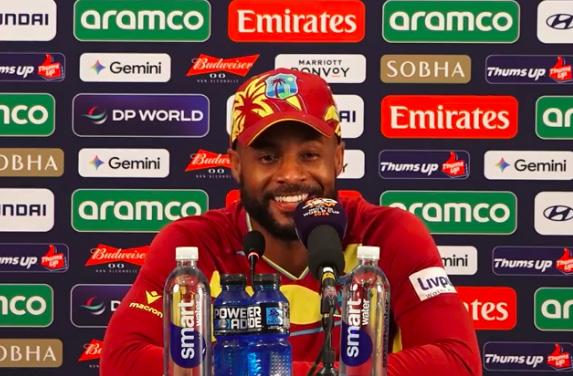
for us,” Hope said after the match.
While the captain acknowledged there remain areas for improvement, he reserved special praise for match-winner Hetmyer, whose blistering knock transformed the game, along with two sharp catches in the field.
“He’s a quality player,
and the way he’s batting, I think sometimes he’s kind of wasted down the bottom of the innings,” Hope admitted. “He’s such a good player, he can bat in all situations, spin and pace.”
The decision to promote Hetmyer’s role in the batting order was first trialled during
(Turn to page 20)