

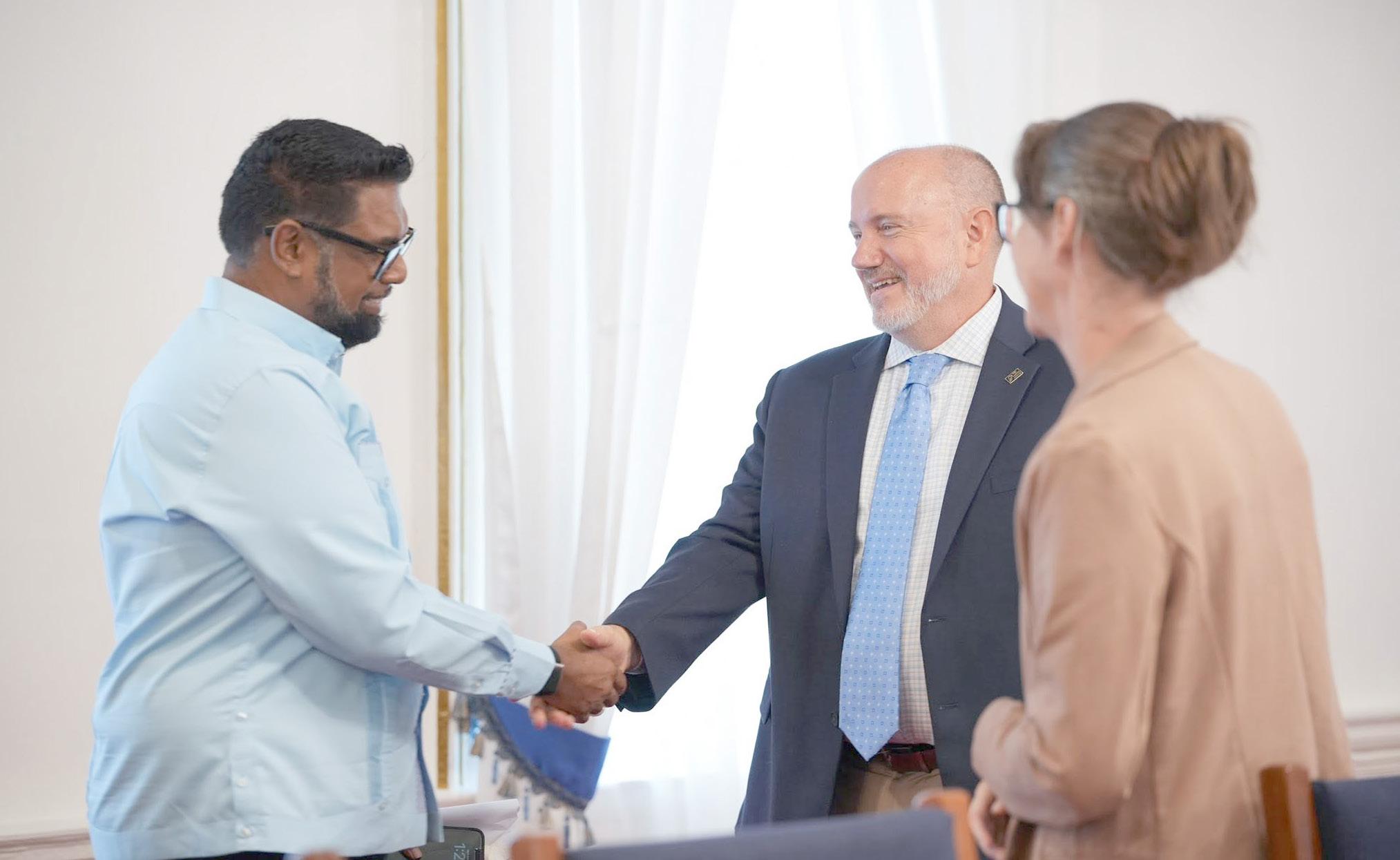
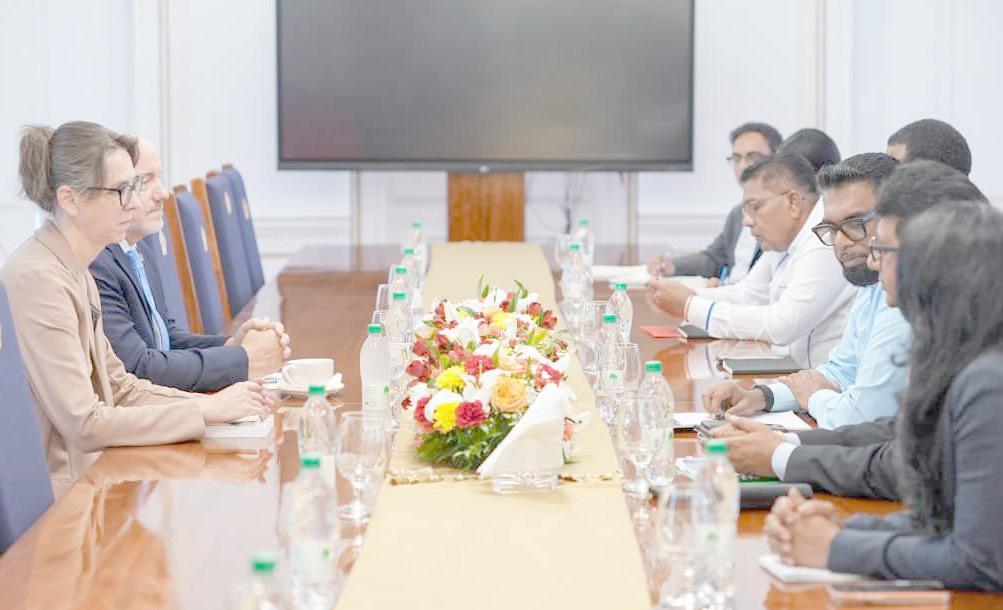



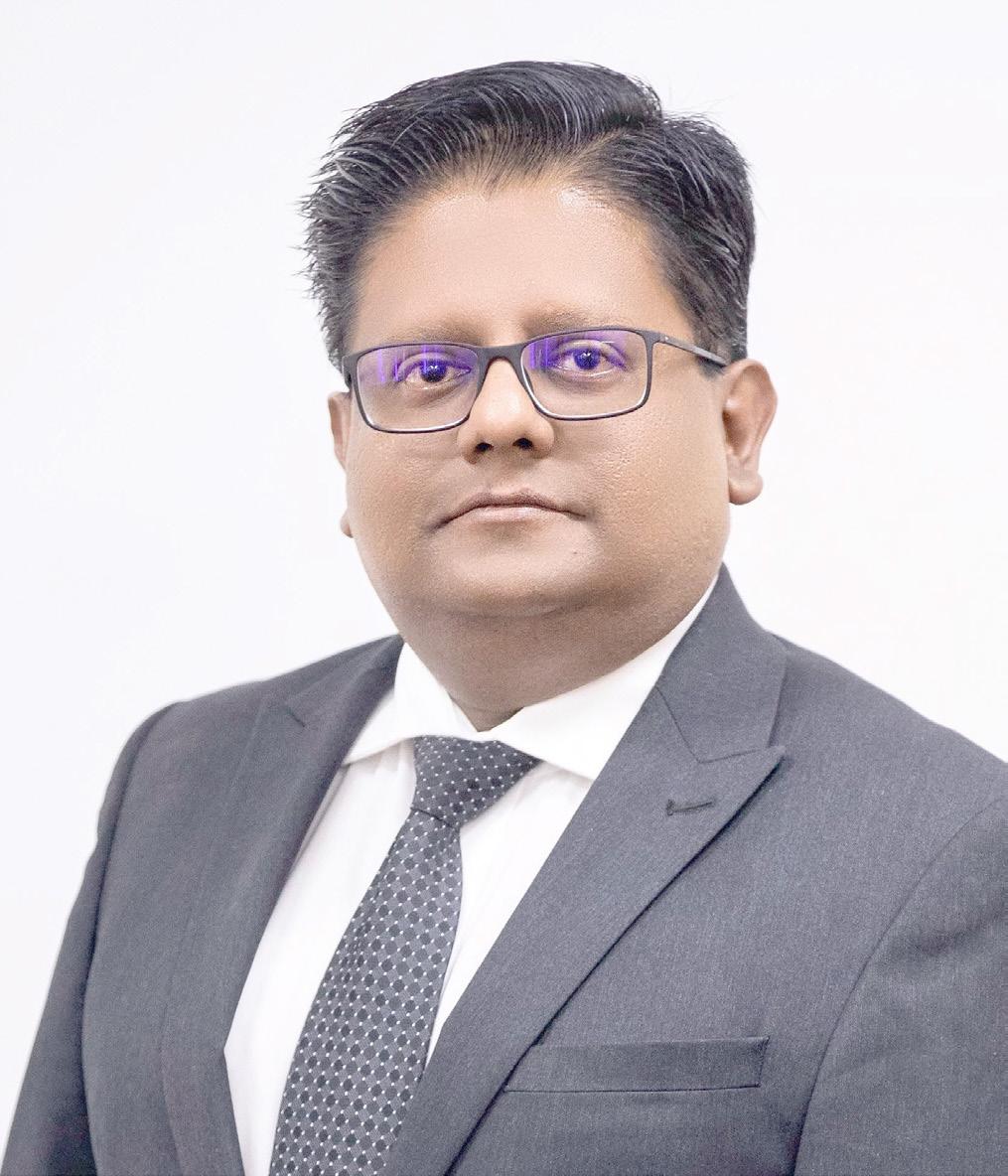
SENIOR Minister in the Office of the President with responsibility for Finance, Dr Ashni Singh, on Monday, underscored the critical role parlia -
mentary committees play in Guyana’s democratic governance, following the appointment of chairpersons for eight parliamentary committees.
During an interview following a series of committee meetings convened by Speaker of the National Assembly, Manzoor Nadir,
Dr Singh said the newly constituted committees are expected to discharge their responsibilities effectively and contribute significantly to the functioning of

Parliament.
The meetings, held at the Parliament Chambers, saw the election of chairpersons for several key committees, including the Standing Committee on Constitutional Reform, the Committee of Appointments, the Sectoral Committees on Economic Services, Foreign Relations, Natural Resources, Social Services and Security, as well as the Public Accounts Committee (PAC).
Dr Singh praised the manner in which the meetings were conducted, noting that the process was efficient and largely uncontested.
“I want, first of all, to comment on the smooth and efficient manner in which the meetings were convened and in which the elections were held,” he said.
“On behalf of the government benches, I want to say how pleased we are at the efficiency and smoothness with which these committee meetings were convened.”
The minister noted that each committee has an important mandate, derived either from the Constitution of Guyana or the Standing Orders of the National Assembly, and forms a key component of the country’s parliamentary framework.
“These committees have an extremely important role to play,” Dr Singh said, while noting that Guyana’s parliamentary architecture extends beyond sittings of the National Assembly and includes a robust committee system that allows for
detailed examination of national issues.
He highlighted the evolution of the committee structure over the years, pointing to reforms that emerged from the constitutional reform process of the early 2000s. According to Dr Singh, those reforms led to the creation of several sectoral committees that continue to facilitate bipartisan engagement on matters of national importance.
The committees, he explained, bring together government and opposition parliamentarians to deliberate on issues within their respective areas of responsibility, ranging from foreign affairs and economic services to natural resources and social development.
“Over the years, these committees have proven their worth and their value, their indispensable value, in the constitutional architecture,” he stated. Against this backdrop, he indicated that the People’s Progressive Party/ Civic (PPP/C) takes pride in the role it played, alongside other stakeholders, in strengthening Guyana’s committee system through constitutional reforms.
“We anticipate going forward that these newly constituted committees will discharge their very important responsibilities assigned to them under the Constitution and the Standing Orders, and in doing so contribute very significantly to the functioning of the larger parliamentary architecture,” he said.
THE National Assembly, on Monday, moved to fully activate its committee system with the election of chairpersons for eight parliamentary committees, a development that formally advances the oversight and legislative machinery of Guyana’s 13th Parliament.
The elections were
convened by Speaker of the National Assembly, Manzoor Nadir, at the Public Buildings on Brickdam, Georgetown, beginning at 10:30 hours in accordance with the Standing Orders of the House. Members participated either in person or virtually, although most attended physically.
The process resulted in the selection of chairpersons for four Parliamentary Standing Committees
and four Parliamentary Sectoral Committees, a key step in enabling Parliament’s oversight framework to become fully operational following the nomination of members at the June 5 sitting of the House.
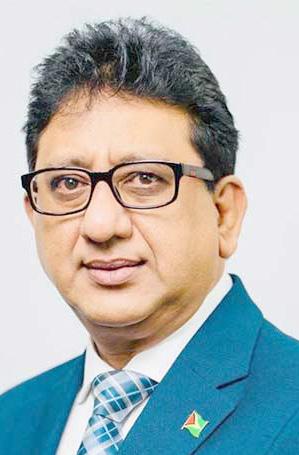
Among the appointments, Opposition MP Vishnu Panday was elect-
dier (Ret’d) Mark Anthony Phillips, will head the Parliamentary Oversight Committee on the Security Sector.
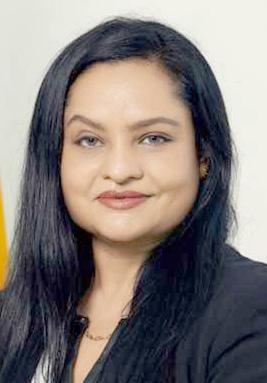
In the Parliamentary Sectoral Committees, Opposition Duarte Hetsberger was elected Chair of the Economic Services Committee, while Opposition Odessa Primus will

ed Chair of the Public Accounts Committee (PAC), while Attorney General and Minister of Legal Affairs, Hon. Mohabir Anil Nandlall, will chair the Parliamentary Standing Committee on Constitutional Reform.
Minister of Parliamentary Affairs and Governance, Gail Teixeira, was elected Chair of the Committee on Appointments, and Prime Minister Briga-
lead the Foreign Relations Committee.
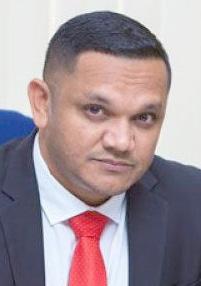
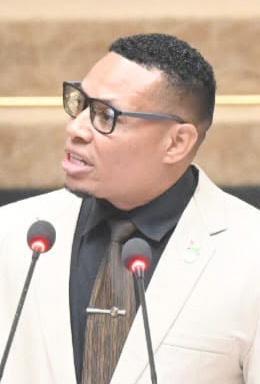
Minister of Human Services and Social Security, Dr Vindhya Persaud was selected to chair the Social Services Committee, and Minister of Natural Resources, Vickram Outar Bharrat, will chair the Natural Resources Committee.
Under parliamentary rules, the Speaker of the National Assembly auto-
matically chairs several key bodies, including the Standing Orders Committee, the Assembly Committee, the Committee of Privileges, and the Statutory Instrument Committee.
The activation of the committees is widely viewed as a critical step in strengthening legislative scrutiny, allowing Members of Parliament to ex-
amine government policy implementation, review public expenditure, and consider matters referred by the House.
Speaking previously on the importance of the process, Speaker Nadir had indicated that approximately 10 committees were expected to meet on June 15 to elect chairpersons and advance parliamentary work. He noted that Guyana’s committee structure is among
the most extensive in the Commonwealth Caribbean and plays a central role in ensuring accountability and good governance.
According to the Speaker, the activation of the system is intended to “load up the pipeline” for future sittings of the National Assembly by ensuring that bills, motions, questions, and financial papers are first processed through committee review.
With Monday’s elections completed, Parliament’s committee framework now moves into full operation, setting the stage for increased legislative oversight between sittings of the National Assembly.
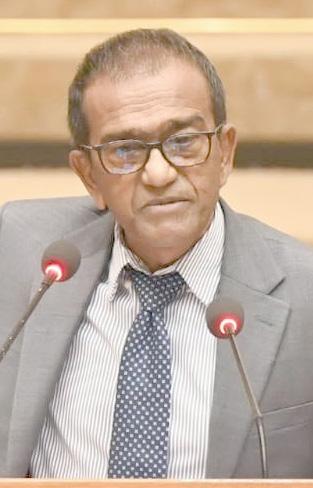

AS the Government of Guyana continues the National $100,000 Cash Grant distribution process, Senior Minister in the Office of the President with Responsibility for Finance Dr. Ashni Singh said the distribution process has been continuing smoothly with more citizens having received the grant since the last government update provided.
The Minister recalled on March 19, 2026, 48,858 Cen-
tral Government employees (public servants, teachers and members of the disciplined services) received their cash grants amounting to $4.9 billion of additional income being placed in the hands of these public servants. He also reminded that the online portal launched by government on March 26, 2026, was convenient for citizens to use to access the grant since as of today (June 15, 2026), 279,546 persons who suc -
cessfully completed self-registration, have received their cash grants while another 4,053 persons are at various stages of this self-registration process.
He noted that taken together with the 48,858 Central Government employees, this brings the total number of citizens paid to date via direct transfers into their bank account to 328,404.
With regard to other eligible citizens, Government
took additional steps to assist them and undertook to register persons in far flung areas and hinterland communities who had no access to banking facilities, did not have a bank account or were shut ins, in shelters, hostels and senior citizen homes around the country. These persons were registered by government teams and were subsequently processed for cheque payments. Dr. Singh has pointed out that the total
number of persons across the country in these categories who were processed for cheque payments total 96,277.
Conclusively, the Minister noted that the total number of persons processed for the National Cash Grant comprising Central Government employees, those who self-registered using the portal and those who have been processed for cheque payments to date is 424,681
persons equivalent to $42.5 billion.
The finance minister is encouraging every eligible Guyanese citizen who has not yet registered for the cash grant to use the portal at cashgrant.gov.gy to register for their cash grant.
Additionally, persons who need assistance to register can visit the website https :// cashgrant . gov. gy indicating the type of assistance needed.
POLICE Inspector Nigel Stephens on Monday continued identifying certified copies of Statements of Poll (SoPs) from the March 2020 General and Regional Elections as the election fraud trial resumed before Acting Chief Magistrate Faith McGusty at the Georgetown Magistrates’ Courts.
The court examined documents from Regions Four, Five and Six during the proceedings.
Stephens, who is attached to the Criminal Investigation Department (CID) Headquarters, returned to the witness stand and identified certified copies of regional election SoPs based on markings and signatures he had previously placed on the documents during a verification exercise.
The court previously heard that Stephens first came into contact with the certified election records on May 29, 2021, when he visited the Supreme Court of Judicature and met with Registrar of the Supreme Court Sueanna Lovell.
During earlier testimony, Stephens explained that he had gone to the court under instructions and informed Lovell of the purpose of his visit, after which a verifica-

tion exercise commenced involving certified copies of SoPs and Statements of Recount (SoRs) linked to the 2020 elections.
He testified that following the verification process, the certified copies were collected and secured. According to Stephens, the documents were placed in safes within a designated storage area and remained protected. He also informed the court that neither the keys nor combinations to the safes were shared with others and that neither he nor anyone in his presence tampered with the election records.
On Monday, prosecutors presented additional batches

of certified SoPs, including documents from the regional elections in Districts Four, Five and Six. Stephens identified the records based on his markings and confirmed that the signatures and certification markings appearing on the documents were his.
The documents were formally tendered by the pros-
ecution, identified by the witness, marked as exhibits and admitted into evidence by the court.
The trial is scheduled to continue today at 09:30hrs.
The examination of the election records forms part of the prosecution’s efforts to establish the authenticity and chain of custody of

documents being tendered as evidence in the case.
Last month, the court reviewed SoPs in batches of 100. Certified copies of the documents were tendered by Registrar Sueanna Lovell, who testified that the records had remained in her custody pursuant to an order issued by then Chief Justice Roxane George, SC.
The court previously heard that the election documents were securely stored in safes following judicial directions and that Lovell was responsible for maintaining custody of the records.
The SoPs are regarded as key pieces of evidence in the trial because they contain the vote counts recorded at polling stations during the March 2, 2020, General and Regional Elections.
The election fraud trial centres on allegations surrounding the tabulation and declaration of results from the 2020 polls, a process that led to months of political uncertainty before a final declaration was made five months after election day.
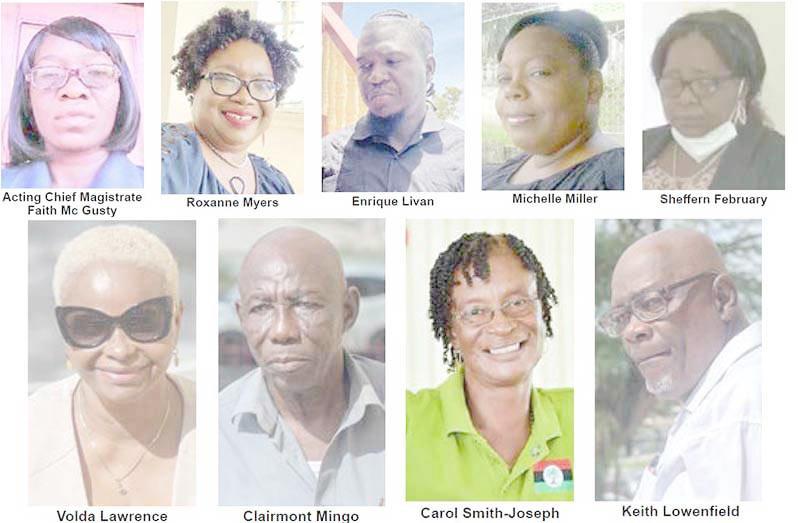
Those on trial include former Chief Elections Officer (CEO) Keith Lowenfield, former Deputy CEO Roxanne Myers, former Region Four Returning Officer Clairmont Mingo, former Health Minister Volda Lawrence and People’s National Congress
Reform (PNCR) member Carol Smith-Joseph. Also, before the court are former GECOM employees Michelle Miller, Sheffern February, Enrique Livan and Denise Babb-Cummings.
The defendants collectively face 19 charges, including conspiracy to defraud and misconduct in public office. All have pleaded not guilty and were released on cash bail.
The prosecution, led by King’s Counsel Darshan Ramdhani, contends that the accused played critical roles in efforts to inflate votes in favour of the then APNU+AFC coalition while reducing votes cast for the PPP/C.
Following a five-month period of litigation and a Caribbean Community (CARICOM)-supervised national recount, the PPP/C was declared the winner of the elections with 233,336 votes to APNU+AFC’s 217,920. President Dr. Irfaan Ali was subsequently sworn into office on August 2, 2020.
The Presidential Commission of Inquiry into the elections later concluded that there had been collusion and collaboration among senior GECOM officials to divert votes to the APNU+AFC rather than safeguard the integrity of the electoral process.
PRESIDENT Dr Irfaan Ali on Monday received a courtesy visit from representatives of the The Carter Center following the completion of the organisation’s 2025 elections report.
some international recommendations,” the report said.
However, the Carter Center noted that despite improvements, significant challenges remain. It highlighted concerns surrounding the Guyana Elections Commission’s (GECOM)’s independence, the complexity and representativeness of the electoral system, and outdat-
tion centres.
Notable was the increased transparency through the public posting of Statements of Poll (SoPs) and the timely uploading of these to GECOM’s website.
During the meeting, the Carter Center delegation provided an overview of the report’s recommendations related to Guyana’s electoral processes.
sufficient time to allow for subsequent adjustments to the electoral legal framework and to ensure that new provisions can be effectively implemented before the next general and regional elections.”
The report further stressed that constitutional reform efforts must be grounded in transparency,

President Ali was joined by Vice-President and General Secretary of the People’s Progressive Party/Civic (PPP/C), Dr Bharrat Jagdeo, as well as several Cabinet ministers.
The Carter Center delegation was led by Jason Calder, Country Director for Guyana, and included Brett Lacy.
In its final report published last month, the Carter Center had said that Guyana’s September 2025 election-day procedures were found to be ‘calm, orderly, and well administered.’
The observer mission noted too that there were no significant irregularities reported and pointed to the revised tabulation process being more transparent and verifiable than in 2020, contributing to greater confidence in the announced results.
“Legal and electoral reforms adopted in 2022— particularly to improve voter registration and tabulation transparency—addressed
ed constituency boundaries, among other issues.
“Guyana’s rapid economic transformation presents both opportunity and risk, underscoring the need for inclusive constitutional and electoral reforms to strengthen democratic institutions ahead of future elections,” the report added.
The Carter Center also acknowledged and welcomed the establishment of the Constitutional Reform Commission (CRC) in 2024.
It urged Guyanese officials to ensure that the commission is fully supported in undertaking its mandate.
Offering more recommendations, the Carter Center urged the CRC to develop and implement a nationwide review process that integrates civic education and participatory dialogue, enabling Guyanese from all regions and communities to contribute to discussions on constitutional priorities and potential reforms.
“It is critically important that constitutional amendments are finalised with
broad political participation, and meaningful engagement with the public.
According to the report, the Carter Center observers found that the tabulation process in 2025 was conducted in ‘a reasonable or very good manner ‘across all 17 of the tabula-
“While new procedures—particularly the requirement to upload all SoPs before tabulation—caused delays, the system functioned
lation process were positive and contributed to a more efficient and transparent tabulation process that better ensures that the announced results reflect the will of the people as expressed on election day,” the report said, while highlighting the transparent recount procedures.
“The 2025 elections built positively on recommendations
general and regional elections.
These reforms according to the Carter Center, addressed several recommendations from international observers, including measures to improve the transparency of the vote-tabulation process and significant changes to voter- registration procedures.

efficiently with few technical issues and allowed close public and observer scrutiny,” the report said.
The report added that the post-2020 reforms contributed to a more efficient and transparent tabulation process and was marked by a significant improvement over the 2020 electoral process, strengthening confidence in the official electoral results.
“Overall, the legislative changes made to the tabu-

from past elections, but more needs to be done to enhance Guyana’s democracy, ensure its representativeness, and increase its ability to serve all its people.”
In 2022, Guyana had amended the legal and electoral framework governing
“The 2025 election was the first since the traumatic experiences of 2020, and the nation faced important choices about its future and the use of its newfound economic wealth,” the Carter Center had said.

THE launch of an Online Passport Application and Appointment System by the Government of Guyana is a timely and necessary advancement in the country’s ongoing public sector modernisation drive.
The move signals that Guyana is finally getting key administrative services up to speed with 21st-century expectations for speed, accessibility and transparency in an age when digital governance is increasingly the global standard.
The Ministry of Home Affairs in conjunction with the Guyana Police Force has introduced a new platform which allows citizens to complete passport applications, upload information and schedule appointments online via the system’s portal.
The benefits are clear on paper: fewer long queues, less administrative congestion, better record keeping and a more citizen-centric experience.
This development is part of broader global trends. Countries across the Carib-
bean and beyond have been digitising their immigration and identity systems.
For example, Barbados implemented e-passport appointment systems years ago as part of its public sector reform agenda, while countries like Estonia have become global benchmarks for digital government services.
Guyana’s system is, therefore, not an isolated innovation but a necessary catch-up with regional and international norms.
Importantly, the initiative also dovetails with the government’s wider digital transformation agenda, which has included investments in e-government platforms, online tax systems and digitised public records.
The officials rightly stated that the passport system is not only for convenience but also for security, with authentication measures to protect sensitive personal data and improve the efficiency of service delivery.
But as with many digital reforms, the real test will be the implementation, not the launch.
Bureaucratic delays, uneven adminis-
trative capacity and high demand at key service points have long been a problem for the public service in Guyana.
An online system implementation doesn’t just resolve these problems, it moves them to a new space where infrastructure reliability, staff training, cybersecurity, and public digital literacy become key variables.
Guyana’s internet penetration has improved significantly over the last few years and gaps are being closed between hinterland and urban communities.
A truly inclusive digital system cannot exclude those without reliable internet access or digital literacy. This may require hybrid service models, ongoing in-person support, and public education campaigns to ensure seamless adoption.
Minister of Home Affairs Oneidge Walrond termed the system a “major milestone” in making government services more convenient and efficient. That’s a good description.
Around the world, digital appointment
systems have been demonstrated to reduce congestion, improve scheduling accuracy and minimise the corruption risks related to manual processing systems.
But milestones in public administration are only meaningful if they result in lasting improvements to the citizen experience.
A vital component of passport administration, the Guyana Police Force has urged citizens to get acquainted with the platform.
That encouragement needs to be coupled with proactive outreach, especially in rural and underserved areas where the transition may be more difficult.
Ultimately, this initiative should be viewed as a foundation, not a finished product. Digital governance is not one reform. It is a process of continuous refinement, expansion and accountability.
With proper maintenance and further development, the country’s online passport system could serve as a model for wider e-governance reform in Guyana. It is a promising step forward.
WE wish to thank you for publishing our previous letters and write again to underscore the national importance of the proposed Guyana Development Bank (GDB).
Based on our recent research, we believe that it is essential that every Guyanese clearly understands the transformative role this institution will play within the broader ecosystem being developed by the government to promote Small and Medium-sized Enterprises (SMEs) in Guyana.
As outlined by the President in his presentation, the GDB will go beyond providing interest-free, collateral-free loans to SMEs by offering them the support services they need to succeed, from start-up to maturity. According to the President, the GDB will help entrepreneurs to convert their ideas into bankable business ventures and continue the ‘handholding’ of SMEs by sector specialists and facilitators, who will provide technical support to help these businesses grow and develop in the medium and long term. In other words, the GDB will not just provide loans to SMEs and ‘let them figure out the rest on their
own’ but actively work with them to create sustainable businesses through sector clusters. Based on the President’s presentation, the GDB represents a shift toward a more integrated model for developing SMEs, one that combines access to affordable finance with technical support services.
The number of SMEs that will stand to benefit from the GDB is considerable. In her speech at GUYEXPO, the Minister of Tourism, Industry and Commerce, Ms. Susan Rodrigues, reported that 5,800 SMEs were registered with the Small Business Bureau (SBB) between 2020 and 2035, bringing the total number of registered SMEs to 6,837 (DPI, November 13, 2025). In that speech, Minister Rodrigues also explained that more than 59,014 businesses were registered from 2020 to 2023. Even under conservative assumptions that only one-quarter of these are SMEs, the immediate pool of eligible enterprises exceeds 14,000. These numbers not only highlight the scale of demand but also the urgency of this transformative initiative.
Importantly, the GDB does not emerge as a one-off or isolated initiative. Instead, it is part of an ecosystem that has been
steadily evolving since 2004, with the enactment of the Small Business Act (No. 2 of 2024). This Act established the Small Business Bureau and the Small Business Council, which have trained thousands of entrepreneurs, helped SMEs access concessional loans, and provided grants to these businesses. Over the past four years, the SBB has provided more than 4,000 SMEs with approximately $1 billion in grants, trained more than 10,000 businesses through targeted training programmes, and co-financed loans up to $30 million with the Guyana Bank for Trade and Industry and Republic Bank, according to the CEO of the SBB (Guyana Times, January 21, 2025). The SMEs that benefited span various sectors, and many are owned by women. Even more remarkable is the provision of collateral-free, interest-free loans of up to $500,000 for individuals with disabilities, as well as nurturing the expansion of SMEs through its incubator centre in Region Six since 2022. Looking ahead, this ecosystem will be expanded with the planned establishment of the Junior Stock Exchange. This critical
institution will introduce, for the first time, a viable avenue for SMEs to access equity financing locally and complement the affordable debt financing provided by the GDB. In other words, the Junior Stock Exchange will broaden the range of financial instruments available to SMEs.
In conclusion, the GDB is an important element of the Government’s ecosystem for SMEs that has evolved since 2004 and will continue to evolve in the near and distant future. The ecosystem will not only address the limited access to finance and the high cost of borrowing that have constrained SMEs for decades, but also other perennial challenges, such as ‘inadequate advisory services, business training, and management capacity’ faced by SMEs (IDB, 2018).
Thanks to the visionary leadership of President Ali and his government, all these challenges that stifled the creation and growth of SMEs for decades will soon be a thing of the past.
FOR three years now, I have relentlessly argued on this page that the PNC, AFC, WPA, and all those, without exception, that support the opposition, including their sycophants in the media, academia and trade unions, will avoid any discussion of the performance of the PNC, AFC and WPA in government in any format whatsoever, be it the media, public forums or social media.
For three years, a vast ocean of discussion has taken place by these people and only one topic is pursued - the PPP is not a good government.
This discussion is still ongoing, but you will not find one word, much less one sentence, on a critical look at the years 2015 to 2020. Read anything these people write and you will not find any reference to the PNC, AFC and WPA when they were in government. Read the recent outpouring of Nigel Westmaas and Moses Bhagwan from the WPA against my writings and not one word about the disgraceful descent of the WPA when it was in power. In fact, Bhagwan was so barefaced that in his vilification of me that he noted the worthy political life of Clive Thomas when the very Thomas oppressed sugar workers and their families, with the total number being 42,000 individuals on the sugar estates.
My theory is that these political parties and their political surrogates cannot mention the period between 2015 and 2020 because it will contradict and expose the agenda of deceiving the Guyanese people. If you want to fool people about the present government then you have to avoid, like COVID-19, any reference to the time when you were in power and your performance
was a disaster because when you do that, people will have the natural reaction. It goes like this – you were even worse when in power, so you should be the last to criticise. Here is graphic evidence of my theory being proved correct. It is contained in a large letter by Tacuma Ogunseye in last Sunday’s edition of the Kaieteur News.
In that letter, Ogunseye describes himself as the co-leader of the WPA. The gist of his adumbration is whether Walter Rodney, had he lived, what would he think of the PPP’s undemocratic governance in Guyana today? This letter is the utter contempt for the intelligence of this nation. I have adopted the format for this column to quote Ogunseye then give my reaction. I believe this provides a more efficient way of exposing people like Ogunseye.
Q is for quote. R is my reaction.
Q - “If Rodney were alive, would Guyana be what it is today? It implies an assessment that Rodney would have been more proactive in confronting those in power.
R- If Rodney was alive today, what would he have thought of five months of the attempt to rig the 2020 general election in which every WPA person, including Bhagwan, Ogunseye, Westmaas, Clive Thomas, Rupert Roopnaraine, Eusi Kwayana, David Hinds showed their betrayal of Rodney.
In fact, WPA office manager at the time, GECOM Commissioner, Desmond Trotman, wrote a long letter in the newspapers asserting that Rodney and Bhagwan would have approved of his action in the election. This is how the WPA thinks of Rodney.
This is a graphic desecration of the life and work of Rodney.
WHEN most people hear that a high-pressure process pipe has been fabricated in Guyana for the first time, the reaction is usually simple: “That is good news.” Then the conversation moves on. But it should not move on too quickly.
The recent completion of the Water Injection Riser Depressurisation (WIRD) Project represents far more than the fabrication of a piece of steel. It offers a practical look at what Guyana’s future can become if the country continues to invest seriously in skills, standards, and local capacity.
On the surface, the WIRD Project sounds highly technical. It involved the fabrication of high-pressure process piping for use on an FPSO. For the average person, that description may not mean much. But the real story is not only about what was built. It is about what was developed in the process.
Behind every weld, inspection, and pressure test, Guyanese workers were gaining hands-on experience, building confidence, and proving that complex industrial work can be executed locally to internationally recognised standards. That matters because capability is not built on theory alone. It is built when people are trained, tested, and trusted to deliver on real projects.
Projects like WIRD also create oppor-

Q
– “The second question is whether the sacrifices made by WPA and Rodney’s sacrifice in the struggle against Burnham and the PNC were worth it, given the present situation in the country.
This question forces the WPA to objectively assess what it has done and achieved.”
R- If you come from another planet, and you read Ogunseye, you would not believe that the WPA was part of the government that signed the present EXXON contract.
WPA was in government when it retrenched 9000 sugar workers that had to take WPA co-leader at the time, Clive Thomas, to court to get their severance pay.
Thomas was the head of the sugar industry at the time. WPA was in government when the Bill to lessen the draconian penalty for a mere possession of one gram of marijuana was dropped.
Please Ogunseye tell us what Rodney would have thought of such a vicious act of betrayal of the poor and powerless.
Q-
“These questions are frequently posed to the WPA, particularly during the period when we commemorate the anniversary of Brother Walter Rodney’s assassination.”
R- Which commemoration? When the WPA was in power, there was only one commemoration; in 2016.
Since then there has been no official commemoration of Rodney’s death anniversary right up to June 13, 2026. If Rodney was alive, he would have cried bitterly to see what his comrades from the 1970s have become –obnoxious political degenerates.
DISCLAIMER: The views and opinions expressed in this column are solely those of the author and do not necessarily reflect the official policy or position of the Guyana National Newspapers Limited.

tunities that extend beyond the fabrication yard. Every person employed supports a household. Their income moves through the wider economy, whether through groceries, transportation, school supplies, home improvements, or support for small family businesses. When industrial work is done locally, more of the value generated by the oil and gas sector remains in Guyana and circulates through communities rather than leaving our shores.
There is also an important safety and quality dimension that should not be overlooked. High-pressure process piping cannot simply be welded together and sent offshore. Every stage must meet strict requirements because lives, assets, and operations depend on it. The workers involved in the WIRD Project underwent specialised training, including American Bureau of Shipping (ABS) certification, as well as competency assessments in occupational safety, hazard identification, risk management, and quality control. They also operated under strict Health, Safety, and Environment (HSE) protocols and detailed quality assurance and quality control procedures to ensure that each component met the required specifications.
That type of training has value far beyond a single project. A person who is trained to identify hazards, follow proce-
dures, and think carefully about risk does not usually leave those habits at the gate. Those behaviours often carry into homes, roads, and communities. Over time, a stronger safety culture at work can help shape a more responsible culture outside of work as well.
The WIRD Project also points to the wider economic potential of building local industrial capability. Large projects need support from a network of businesses, including transportation, logistics, equipment, accommodation, catering, and technical services. This creates space not only for major contractors, but also for small and medium-sized businesses seeking to establish themselves in the energy value chain.
As Guyana’s oil and gas sector expands, demand for fabrication, maintenance, inspection, and engineering services will continue to grow. Each successful project completed locally strengthens the argument for more work to remain in-country. It also helps Guyanese companies build the track records required to compete for future contracts, both at home and potentially in other markets.
Just as important is the effect on national confidence. For a long time, many Guyanese assumed that highly specialised industrial work had to be done elsewhere. The completion of this project challenges that assumption. It shows that with the
right training, investment and commitment to standards, Guyanese workers can meet requirements associated with major energy-producing regions around the world.
This is why the achievement should be viewed as more than a technical success. It represents knowledge transfer, workforce development, and the gradual building of an industrial base that can support the country’s long-term development. The skills gained on this project will not disappear when the final weld is completed. They remain with the welders, supervisors, inspectors, technicians, and support teams who helped bring the project to life.
Years from now, the finished pipe may be operating offshore, out of sight and out of mind. But its greatest legacy may be found onshore, in the skills developed, the careers advanced, the businesses strengthened, and the confidence built.
If the WIRD Project has shown us anything, it is that Guyana’s most valuable resource is not only its oil. It is also in the talent, discipline, and potential of its people.
DISCLAIMER: The views and opinions expressed in this column are solely those of the author and do not necessarily reflect the official policy or position of the Guyana National Newspapers Limited.
WOMEN entrepreneurs and aspiring business owners are being encouraged to participate in the third edition of the “I’m a Boss” Businesswoman Breakfast and Masterclass, an initiative aimed at equipping women with practical tools,
mentorship and networking opportunities to strengthen their businesses and professional development.
The event, organised by Ultra-Corporate Events, is scheduled for June 25 at Cara Lodge in Georgetown and will bring together women
from various sectors for a day of business training, leadership development and peer engagement.
Founder and Managing Director of Ultra-Corporate Events, Ruth McKenzie, said the initiative was born out of concerns that women often


have fewer opportunities to access business-focused training and empowerment programmes.
According to McKenzie, the event is designed to go beyond the traditional conference format by creating an interactive environment where participants can connect with experienced business leaders and learn directly from their journeys.
“We didn’t want it to be just another conference where people sit and listen to speakers and then leave,” she explained. “The breakfast allows participants to network and build relationships before moving into a hands-on masterclass.”
The programme will feature sessions focused on business growth strategies,
leadership development and the mental resilience required to navigate the challenges of entrepreneurship. Facilitators will share lessons from their own experiences in building and sustaining successful businesses.
The masterclass is open to women at all stages of their entrepreneurial journey, including those with established businesses and individuals seeking to launch their first venture.
Organisers have limited participation to 50 attendees to encourage meaningful interaction and provide opportunities for participants to engage directly with facilitators, ask questions and discuss challenges they face in their businesses and personal development.
The registration fee is $20,000 and includes breakfast, lunch and access to all training sessions. McKenzie noted that Ultra-Corporate Events also maintains contact with participants after the event through follow-up engagements and professional networking opportunities.
The “I’m a Boss” initiative was first launched in 2017 and featured several prominent women leaders and professionals. Following a hiatus, the programme returned in 2022 and has continued to evolve as a platform focused on supporting female entrepreneurship and leadership.
McKenzie, who es -
tablished Ultra-Corporate Events in 2013 after returning to Guyana from overseas, said her passion for event management grew from earlier experiences in pageantry and event coordination. What began as a company focused primarily on social events later expanded into corporate event management as demand increased.
Over the years, Ultra-Corporate Events has grown alongside Guyana’s expanding business environment. McKenzie believes the increasing number of conferences, corporate functions and public events reflects growing opportunities within the events management industry.
She noted that as businesses and organisations continue to host more events, there is a growing need for skilled event planners and logistics professionals in Guyana.
For McKenzie, however, the primary goal of the upcoming masterclass remains empowering women to pursue their ambitions and learn from others who have overcome setbacks and achieved success.
She encouraged women to take advantage of the opportunity to learn from experienced entrepreneurs, network with peers and gain practical knowledge that can help them advance their businesses and careers.
A 27-year-old Venezuelan national was, on Monday, remanded to prison after appearing before the Wales Magistrate’s Court on charges of possessing a firearm and ammunition without a licence.
Jonathan David Gans, a construction worker of Great Diamond, East Bank Demerara, was charged with Possession of Firearm Without Licence and Possession of Am-
munition Without Licence, offences contrary to Section 16(2)(a) of the Firearms Act, Chapter 16:05.
Gans appeared before Magistrate Rondell Weever, where the charges were read to him. He pleaded not guilty to both offences.
Following the hearing, the magistrate remanded Gans to prison and adjourned the matter until July 14, 2026.
According to police,
Gans was arrested on June 11, 2026, in connection with the alleged offences, which reportedly occurred on the same day at Schoonord, West Bank Demerara. Authorities have not disclosed further details regarding the circumstances under which the firearm and ammunition were allegedly discovered.
The case remains before the courts as investigations continue.
RESIDENTS of White-Water Village in Region One are now benefitting from reliable and sustainable electricity following the commissioning of a Mini Solar Farm, a government-funded project aimed at improving energy access in hinterland and remote communities.
According to a statement shared by Vice President Bharrat Jagdeo on Monday, the facility is already delivering tangible benefits, with the village health centre now receiving 24-hour electricity and enhanced cold-storage capacity for vaccines, insulin and other essential medicines. Schools, churches and other community facilities are also expected to benefit from the clean energy supply.
“White Water Village in Region One is now benefitting from a fully operational Mini Solar Farm, delivered through a government investment aimed at expanding access to reliable and sustainable energy,” the statement read.
The project forms part of the government’s wider strategy to expand renew -
able energy generation and improve electricity access across Guyana, particularly in communities that are not connected to the national grid.
Earlier this year, Prime Minister, Brigadier Mark Phillips (Ret’d) disclosed that the country has been steadily decentralising and expanding power delivery through a range of energy projects, with more than 37 megawatts of renewable energy now installed across several communities.
Since August 2020, more than 186 megawatts of new generating capacity have been added to the Guyana Power and Light (GPL) integrated system, contributing to over 500 megawatts of newly installed capacity from a mix of natural gas and renewable sources.
Upgrades to the national grid are underway, alongside the rollout of solar farms at Onderneeming, Charity, Leguan, Wakenaam, Trafalgar, Prospect, Hampshire, Bartica, Mahdia and Lethem. Mini-hydropower plants at Moco-Moco, Kumu and Kato have also been completed, 46
solar mini-grids installed and more than 37,000 solar home systems distributed, resulting in over 37 megawatts of renewable energy now powering communities.
He had announced, too, efforts to promote low-carbon transportation, with 23 electric vehicle charging stations set to be installed nationwide to support the emerging domestic electric vehicle industry. Energy efficiency and conservation measures are also being advanced through public-education campaigns, appliance energy-labelling standards and equipment-replacement initiatives.
Under the Caribbean Efficient and Green Energy Buildings Project, more than 250 public buildings are targeted for retrofitting and distributed solar photovoltaic systems.
He had further highlighted Guyana’s environmental stewardship, noting the country’s record of maintaining one of the lowest global deforestation rates. Through the Low Carbon Development Strategy (LCDS) 2030, Guyana has pioneered juris-

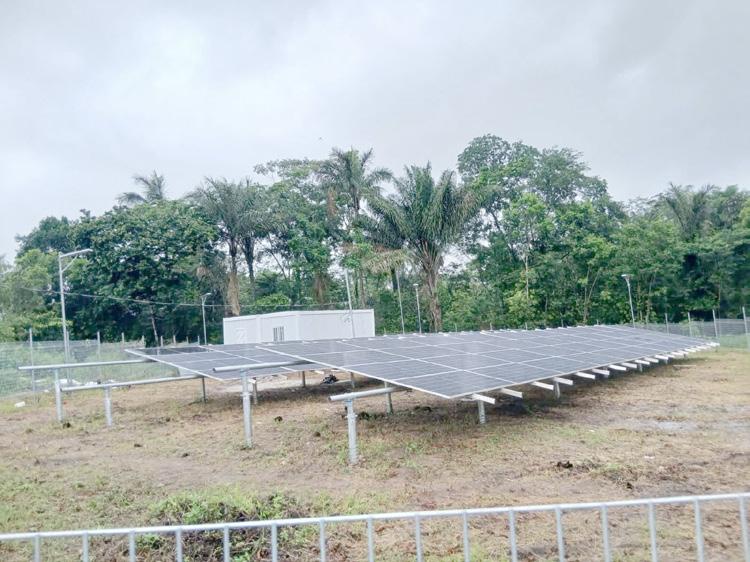
–– as new solar farm brings improvements to essential service
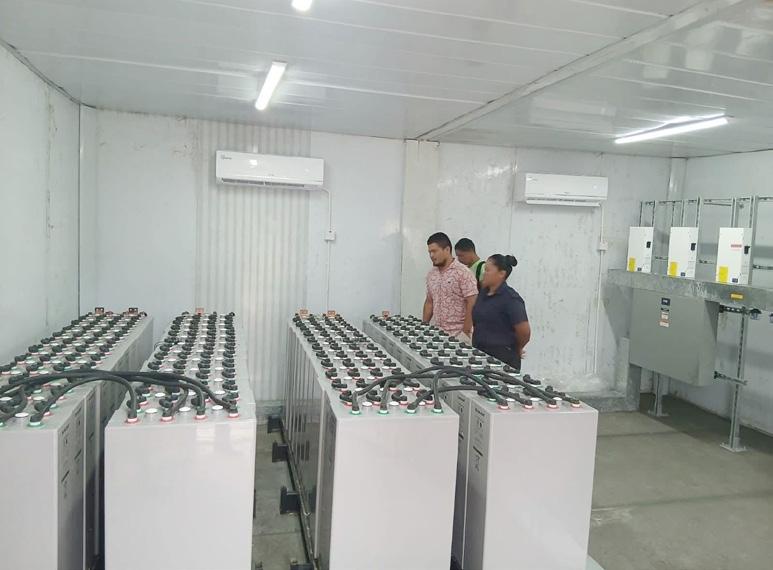
Residents of White Water Village, Region One, are now benefitting from reliable and sustainable electricity following the commissioning of a new Mini Solar Farm. The government-funded project is providing 24-hour power to the village health centre and supporting improved healthcare, education and community services through clean, renewable energy (Vice-President Dr. Bharrat Jagdeo/ Facebook)
dictional carbon credits under the ART-TREES standard, secured a US$750 million forest-carbon credit agreement, and ensured that at least 15 per cent of revenues flow directly to Indigenous and hinterland communities.
Additionally, the government is aiming to bring at least 5,000 households on board in the first phase of its grid-connected solar programme, as part of efforts to advance the country’s low-carbon energy transition. Recently the government announced a 25 per cent reduction in electricity rates for households in Bartica, Region Seven.

THE Georgetown Public Hospital Corporation (GPHC) has successfully used advanced blood recovery technology for the first time during a highrisk emergency surgery, marking a significant step forward in the delivery of specialised healthcare services in Guyana.
The milestone was achieved on June 12 when GPHC’s Vascular Surgery Division, working in collaboration with the National Blood Transfusion Services (NBTS), utilised a Cell Saver
system during the emergency repair of a ruptured abdominal aortic aneurysm (AAA) in an 85-year-old woman.
The procedure, which lasted approximately six hours, was performed after the patient suffered a life-threatening vascular emergency that resulted in severe internal bleeding.
Medical officials said the patient lost an estimated four litres of blood during surgery.
The Cell Saver system, which is widely used in advanced surgical centres internationally, collects blood
lost during an operation, processes and cleans it, and then returns it to the patient. By allowing patients to receive their own blood back, the technology can reduce dependence on donor blood supplies while improving the body’s ability to recover during critical procedures.
During the operation, the system successfully returned more than 500 millilitres of the patient’s own blood, with a hematocrit level of 82 per cent, providing vital support during one of the most critical stages of the surgery.
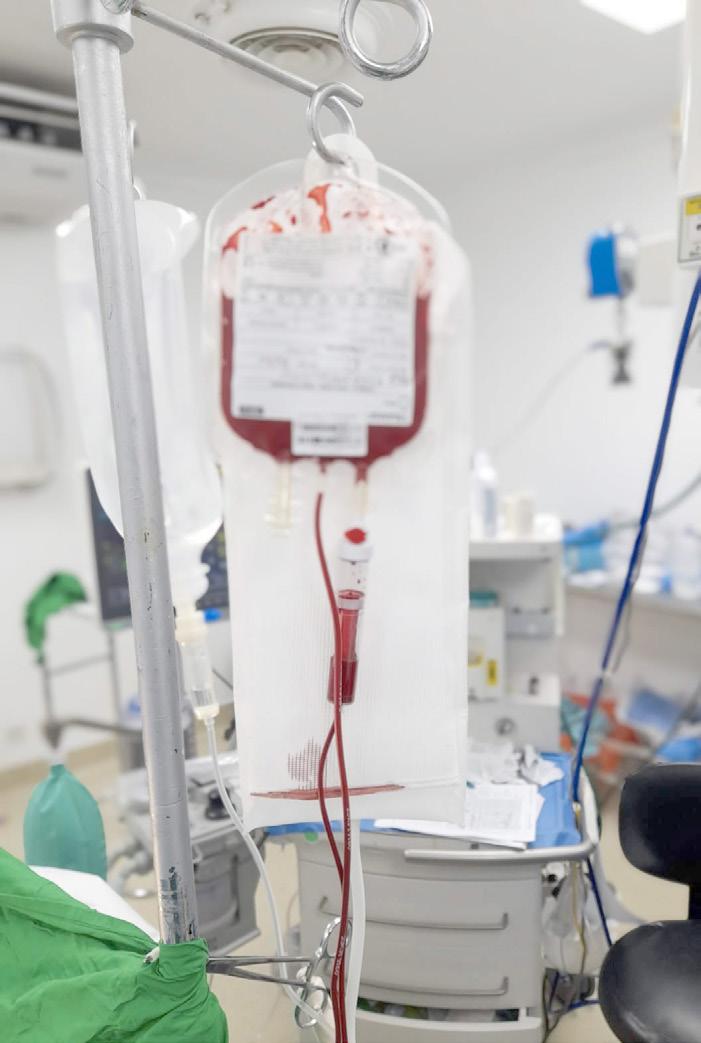
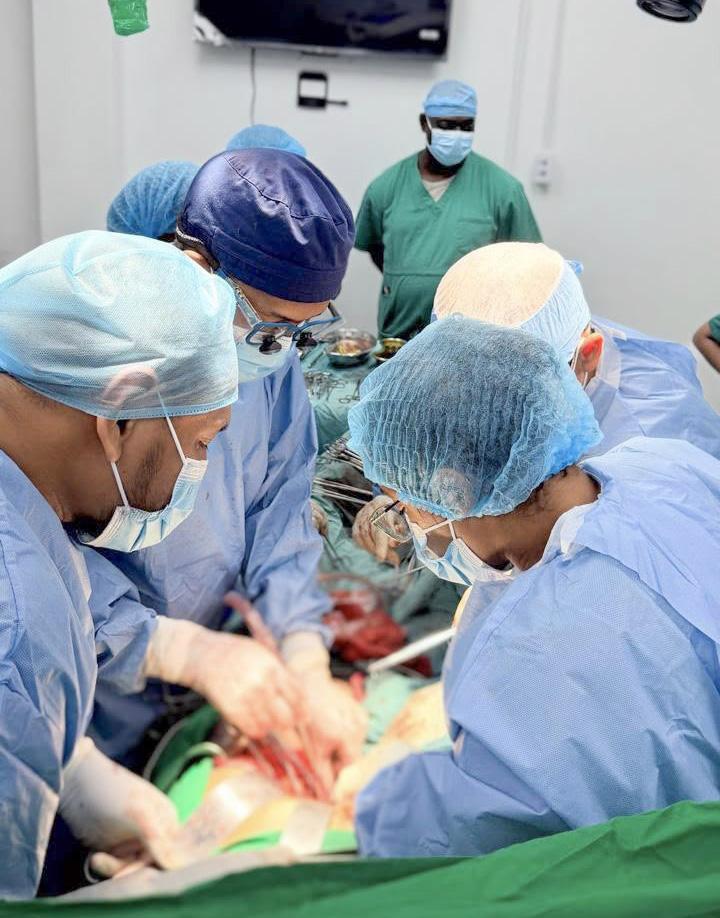
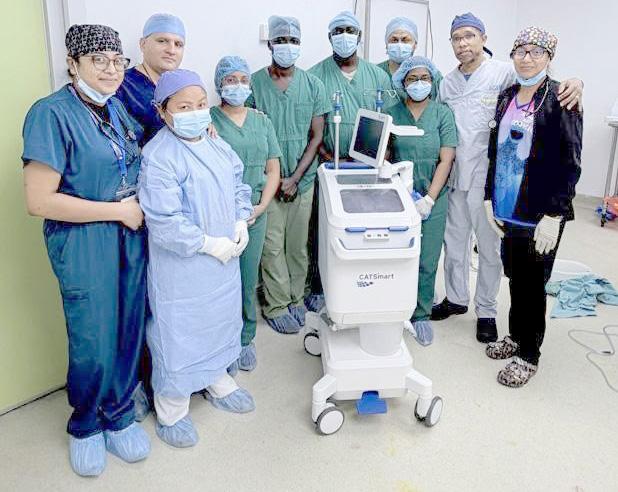
GPHC’s Vascular Surgery Division, working in collaboration with the National Blood Transfusion Services (NBTS), utilised a Cell Saver system during the emergency repair of a ruptured abdominal aortic aneurysm (AAA) in an 85-yearold woman
Healthcare officials said the introduction of the technology represents more than a medical achievement, as it has the potential to improve outcomes for patients facing traumatic injuries, major surgeries and other emergencies where significant blood loss can occur.
For patients and families, the availability of such technology means greater access to advanced treatment options within Guyana, reducing the need to seek certain specialised services overseas and strengthening the country’s capacity to respond to complex medical emergencies.
The successful procedure was the result of a coordinat-
ed effort involving vascular surgeons, anaesthesiologists, nurses, laboratory personnel and support staff, all of whom worked together to manage the challenging case.
GPHC also credited the National Blood Transfusion Services for its critical role in the operation. Special recognition was extended to NBTS Medical Director, Dr Pedro Lewis, Blood Bank Quality Manager, Kevon Spencer, and Recruitment Officer, Radha Ramdhari, whose technical support and presence throughout the procedure contributed to the successful outcome.
The achievement forms part of ongoing efforts by the Georgetown Public Hospital
Corporation to modernise healthcare delivery and expand access to advanced medical technologies. Hospital officials said investments in specialised equipment and training are helping to strengthen emergency and surgical services while improving the quality of care available to patients across the country.
As Guyana continues to develop its healthcare system, the successful use of the Cell Saver system signals a growing capacity to provide complex, life-saving treatments locally, offering renewed hope for patients facing some of the most serious medical emergencies.
TWO legally trained professionals with extensive international qualifications have been formally admitted to practise law in Guyana, following a High Court ruling on Monday, marking the return of highly credentialed Guyanese legal talent from abroad.
The admissions of Joshua James Adam Cullen and his wife, Tishina Ramkishun, were granted by the Honourable Mr. Justice Peter Hugh at the High Court of the Supreme Court of Judicature in Georgetown, following an application presented by Attorney General and Minister of Legal Affairs, Hon. Mohabir Anil Nandlall S.C., M.P., and attorney-at-law Kamal Ramkarran.
The couple’s admission comes at a time when Guyana continues to experience growing demand for legal services amid economic expansion and increasing cross-border commercial activity, factors that have placed renewed emphasis on strengthening the local legal profession with internationally trained practitioners.
Cullen, [himself a Guyanese citizen by naturalisation], who will join the Attorney General’s Chambers, holds a Bachelor of Laws (LLB) and two Master of Laws (LLM) degrees from the University of Buckingham and City St George’s, University of London.
He was called to the Bar of England and Wales in 2019 by the Honourable Society of Lincoln’s Inn and is an experienced barrister with more than 2,500 court appearances across the English legal system.
Ramkishun, a solicitor of the Senior Courts of England and Wales, brings a similarly robust academic and professional background. She holds an LLB and LLM from the University of Buckingham, alongside postgraduate qualifications including the Legal Practice Course (LPC), an MSc in Law, Business and Management, and an MBA. She is currently employed with Osbornes Law in London, where she practises in private client work.
Both applicants also completed the Eugene Dupuch Law School Legal Education Certificate Programme in the Bahamas, a prerequisite for admission to the Bar in several Commonwealth Caribbean jurisdictions.
In sworn affidavits, Cullen detailed a distinguished academic record, including multiple scholarships and academic prizes, as well as professional experience in commercial litigation and tenancy at a London chambers. Ramkishun similarly outlined her professional experience and commitment to returning to Guyana to contribute to the legal sector while continuing aspects of her practice remotely.
Speaking in court documents and supporting statements, Cullen described Guyana as a place where he observed a strong sense of community and shared purpose over a decade of visits, adding that he and his wife had chosen to relocate with the intention of making the country their permanent home.
Ramkishun, in her remarks, reflected on her journey from leaving Guyana
at age 18 to pursue higher education and professional training abroad, describing her return as the fulfilment of a long-held ambition to practise law in her country of birth.
Both attorneys made clear to the Court their commitment to the profession’s highest standards, pledging - in the language of the Bar - to well and truly serve the people of Guyana according to their learning and knowledge in the law, to counsel and advise those who retain them according to the best of their skill, and not to defer, protract, or delay any cause willingly for personal gain.
Cullen, speaking for both, put it plainly: “Read carefully, argue precisely, advise honestly, and serve our clients to the very best of our ability. And if, over time, some small part of that proves useful to Guyana, we shall consider ourselves fortunate.”
Their entry into the Guyana Bar is expected to add further depth to the country’s legal fraternity at a time when the justice system continues to expand alongside national development, particularly in areas involving commercial law, international practice, and complex civil litigation.
While their appointments are individual milestones, they also reflect a broader pattern of diaspora professionals returning to Guyana with internationally acquired expertise, a trend that has become increasingly visible across sectors as the country’s economic and institutional landscape evolves.


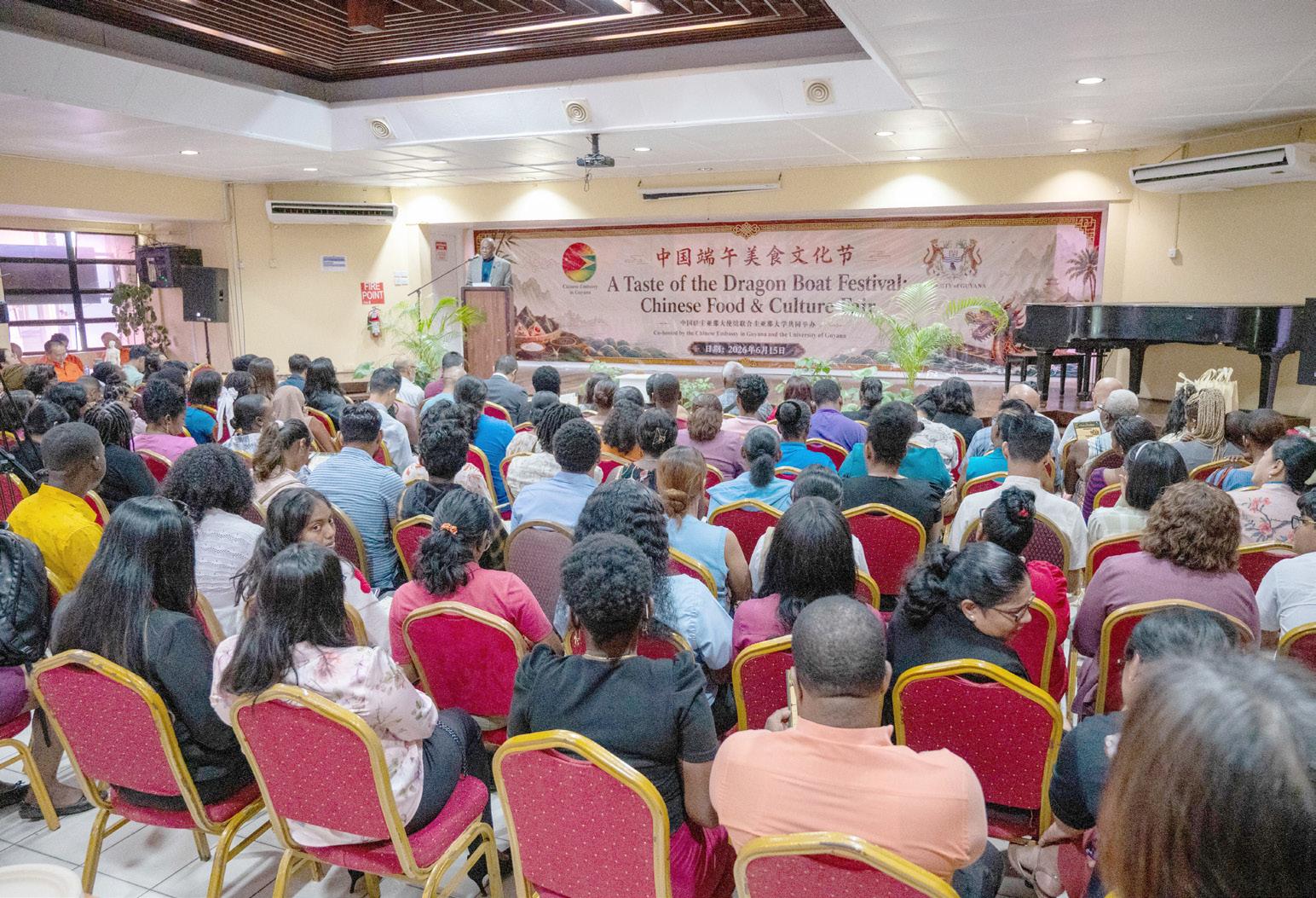
THE Embassy of the People’s Republic of China has strengthened its cultural and educational partnership with the University of Guyana (UG) through the donation of an additional collection of books to the university’s library, while also joining students and staff in celebrating one of China’s most significant traditional festivals.
The books were officially handed over during the unveiling of the expanded China Book Corner in the foyer of the University of Guyana Library. The collection includes titles such as Misery and Glory, A Promise Is A Promise, China’s Green Development, and China’s Development Philosophy and Strategy, all aimed at providing readers with greater insight into China’s history, governance, development and culture.
The ceremony underscored the longstanding relationship between Guyana and China, as well as the close collaboration between the university and the Chinese Embassy. That relationship has been particularly evident since the establishment of the Confucius Institute at the University of Guyana (CIUG) in 2014, which has served as a platform for cultural exchange, language learning and academic cooperation.
Speaking at the event, Vice-Chancellor of the University of Guyana, Professor Paloma Mohamed Martin, highlighted the enduring friendship between the two countries.
“Guyana was the first country in the West to establish diplomatic relations with
China at a point in time when this country was not yet the global powerhouse that it has become,” she said.
Professor Mohamed Martin noted that the occasion was not only a celebration of the bilateral relationship but also an opportunity for students and citizens to deepen their understanding of China’s development and cultural heritage.
She said such understanding is fostered through books, conversations, cuisine, travel, social media and broader cultural engagement.
Chinese Ambassador to Guyana Yang Yang also emphasized the importance of reading and cultural exchange, even in an increasingly digital world.
“In this digital age, screens are almost everywhere. While the sharing of information is easier, I still believe that reading printed books has an irreplaceable value,” the ambassador said.
According to Ambassador Yang, the donated books cover a broad range of topics, including China’s governance model, poverty reduction efforts, democratic processes under the rule of law, anti-corruption initiatives and the country’s contributions to global development and peace.
She expressed hope that the collection would help readers gain a fuller understanding of contemporary China, including both its achievements and challenges.
The ambassador also pointed to common values shared by Guyana and China despite differences in geography, population size and economic scale.
“Both nations place their people first and care about
improving people’s lives and happiness,” she said, adding that inclusiveness and unity remain important cultural values in both societies.
Ambassador Yang described the China Book Corner as “a small garden of ideas” where students and visitors can explore Chinese perspectives and foster greater mutual understanding between the two nations.
Following the book unveiling, the university and the Chinese Embassy hosted “A Taste of the Dragon Boat Festival: Chinese Food and Culture,” offering attendees an opportunity to experience traditional Chinese cuisine and learn more about the festival’s cultural significance.
The Dragon Boat Festival, known in China as the Duanwu Festival, is one of the country’s most important traditional observances and commemorates the life and legacy of the ancient poet Qu Yuan. Celebrated annually on the fifth day of the fifth month of the Chinese lunar calendar, the festival is marked by dragon boat races, family gatherings and the sharing of traditional foods such as zongzi, a glutinous rice dish wrapped in bamboo leaves.
In China, the festival is observed with public holidays that allow families to return to their hometowns and participate in cultural and community activities.
The celebration at the University of Guyana forms part of ongoing efforts by both the university and the Chinese Embassy to promote cultural understanding and strengthen people-to-people ties between Guyana and China.

istrate’s Court, where the indictable charge was formally read to him.
The charge alleges that Cozier committed the offence of Attempt to Commit Murder, contrary to Section 103(c) of the Criminal Law (Offences) Act, Chapter 8:01.
Because the offence is indictable,
Cozier was not required to enter a plea.
The court subsequently remanded him to prison and adjourned the matter until July 30, 2026, for further proceedings.
According to police, Cozier was arrested on Saturday, June 13, 2026,
in connection with the alleged attempted murder. Authorities have not yet released details regarding the circumstances surrounding the incident or the identity of the alleged victim. The case remains under investigation as legal proceedings continue.
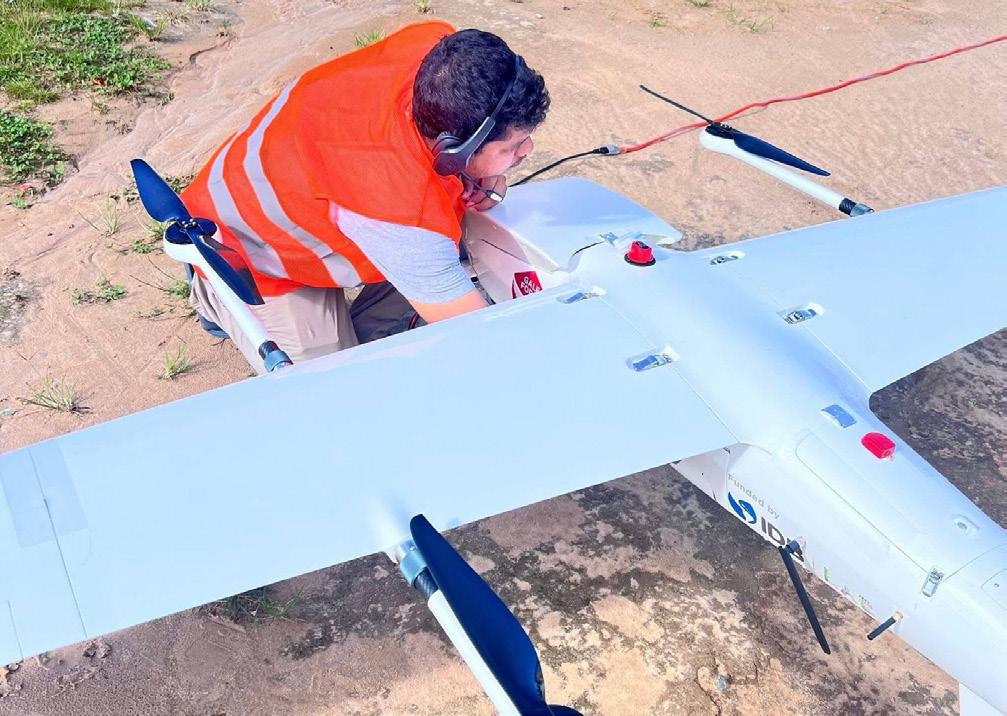
THE Ministry of Health has successfully delivered essential medical supplies to the Moraikobai Health Centre along the Mahaicony River using drone technology, in what officials describe as a significant step toward improving healthcare access for remote and hard-to-reach communities.
The weekend delivery marks one of the latest ap-
plications of unmanned aerial systems in Guyana’s public health logistics network, aimed at overcoming long-standing geographical barriers that often delay the transport of critical medicines and supplies to hinterland and riverine areas.
According to Health Minister, Dr Frank Anthony, the initiative reflects the Government of Guyana’s ongoing
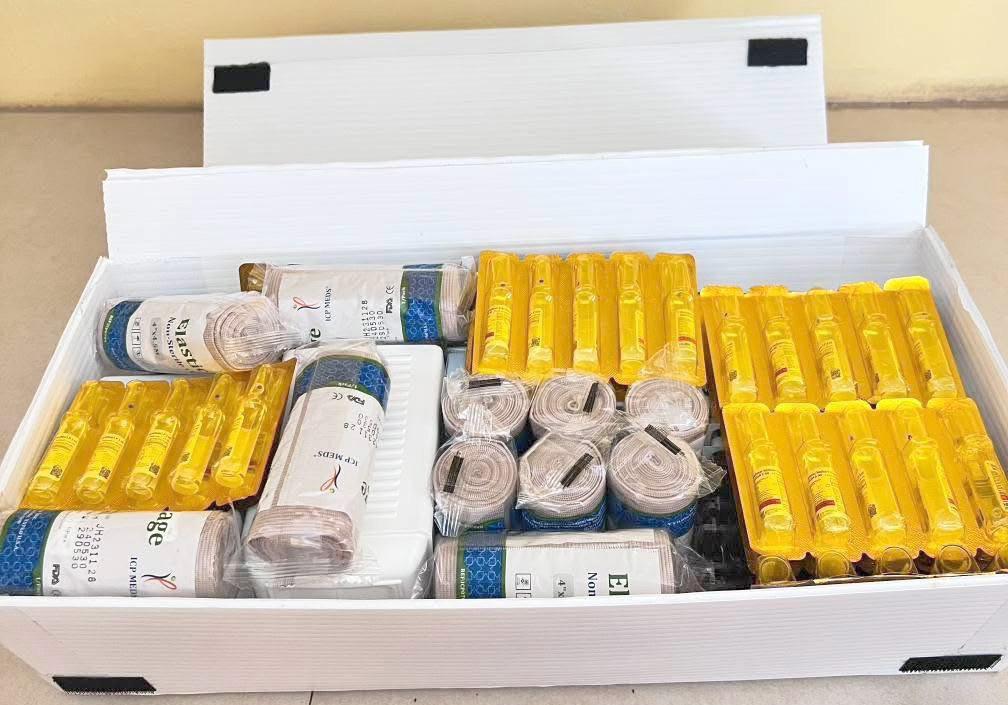
efforts to modernise healthcare delivery by integrating technology into essential services, particularly for communities where traditional transport routes are limited by distance, terrain, or adverse weather conditions.
He said the use of drones has the potential to transform medical supply chains by improving speed and reliability, especially in emergency situ-
ations where timely access to medication and supplies can be critical to patient outcomes.
By incorporating dronebased delivery systems into the national healthcare framework, the Ministry said it is seeking to strengthen logistical efficiency, reduce response times, and enhance access to essential health resources for residents in remote regions.
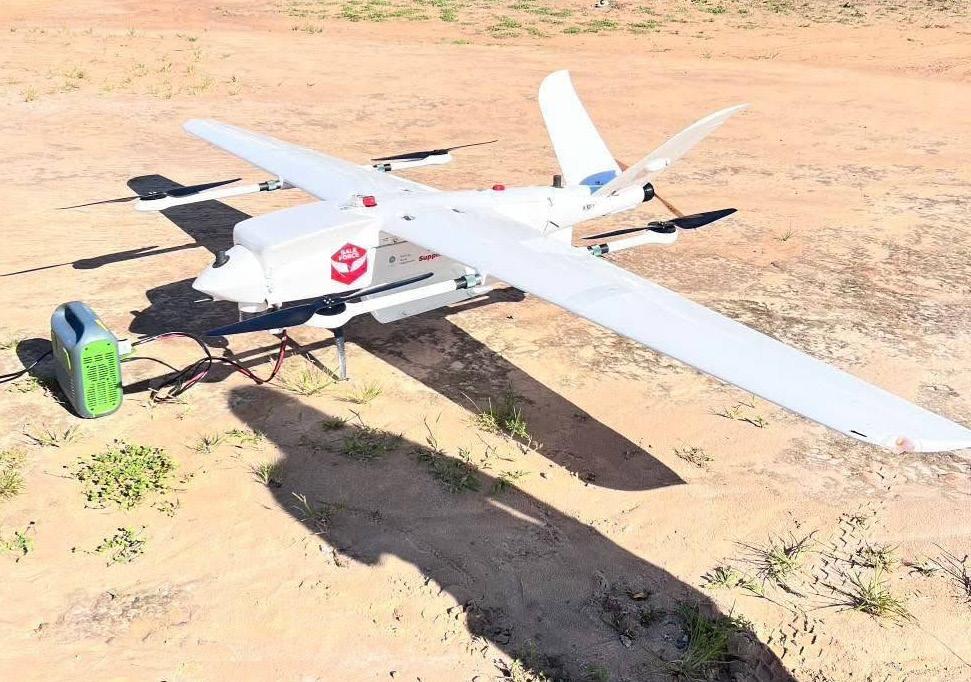
Officials noted that the Moraikobai delivery is part of a broader push to expand innovative solutions within the health sector, particularly in support of hinterland and riverine communities that have historically faced challenges in accessing consistent medical services.
The Ministry of Health said the initiative aligns with the Government’s wider vision of building a more resilient and equitable healthcare system, designed to ensure that no community is left behind in the delivery of quality health services.
Further expansion of drone-supported medical logistics is expected to continue as part of efforts to modernise the country’s healthcare infrastructure and improve national health coverage.
POLICYMAKERS, fisherfolk, researchers, businesses and coastal communities across the Caribbean now have access to a new digital platform designed to strengthen sustainable marine development and support evidence-based decision-making throughout the region’s blue economy.
The Caribbean Regional Fisheries Mechanism (CRFM), in partnership with the Food and Agriculture Organization of the United Nations (FAO) and the Development Bank of Latin America and the Caribbean (CAF), officially launched the BE-CLME+ Knowledge Management Platform on June 8, creating a centralised repository of information on fisheries, aquaculture and marine spatial planning.
The open-access, multilingual platform serves as a permanent digital home for decades of regional knowl -
edge, data, policy tools, best practices and technical resources generated through the BE-CLME+ Project and the work of participating countries, including Barbados, Belize, Guyana, Jamaica, Panama and Saint Lucia.
Officials said the initiative is a major outcome of the Global Environment Facility (GEF)-funded BE-CLME+ Project, which focuses on advancing national blue economy priorities through marine spatial planning within the Caribbean Large Marine Ecosystem.
CRFM Executive Director Dr. Marc Williams described the platform as a significant step toward making critical information more accessible to those who depend on it.
“The BE-CLME+ Knowledge Management Hub represents a decisive shift from critical information that has been siloed, to knowledge that is accessible, and owned by
the people who need it most,” Williams said.
He noted that the platform was designed to serve a broad range of users, including small-scale fishers, seafood processors, traders, young people considering careers in the fisheries sector, Indigenous communities, academics and government policymakers.
The digital hub organises technical reports, policy briefs, fact sheets and multimedia resources across seven thematic areas. Users can search and filter information by topic and access an artificial intelligence-powered assistant known as “Ask BECLME,” available in both English and Spanish, to help navigate the platform’s resources.
According to the organisers, the platform provides governments with a consolidated evidence base to guide marine spatial planning, strengthen fisheries policies
and attract investment in blue economy industries.
FAO Sub-Regional Coordinator for the Caribbean, Dr. Renata Clarke, said the initiative addresses a long-standing challenge in the region, where valuable research and technical information often remain underutilised despite its potential to inform decision-making.
“The importance of this platform cannot be overstated,” Clarke said, noting that it will help unlock decades of knowledge and make it available to practitioners working to improve outcomes for coastal communities.
The launch comes amid growing recognition of the economic importance of the Caribbean’s marine resources. According to the CRFM Statistics and Information Report 2021/2022, fisheries and related industries support more than half a million jobs across the region and generate
over US$200 million in annual exports.
CAF Principal Executive Erick Castro said the platform represents an investment in knowledge, governance and institutional capacity that will help countries make informed decisions and promote sustainable economic growth.
“Advancing a sustainable blue economy requires longterm investment in knowledge, governance, and human capital,” Castro said. “This platform transforms regional knowledge into a shared asset that will continue to generate blue value over time.”
Officials also emphasised that the platform is intended to support greater value addition within the seafood industry.
While the Caribbean possesses some of the world’s most biodiverse marine ecosystems, much of the region’s seafood continues to be exported as raw products, limiting opportunities for job creation and economic growth.
The platform seeks to address this challenge by providing businesses and stakeholders with access to market intelligence, certification pathways, training resources and information on seafood standards that can help make sustainable seafood production more competitive and profitable.
Since its launch in 2023, the BE-CLME+ Project has focused on promoting sustainable fisheries management, protecting marine biodiversity, improving livelihoods and strengthening the integration of fisheries and ecosystem management across participating countries.
Organisers say the new knowledge hub will ensure that the information and lessons generated through the project remain accessible long after the initiative concludes, helping to guide the future development of the Caribbean’s blue economy.
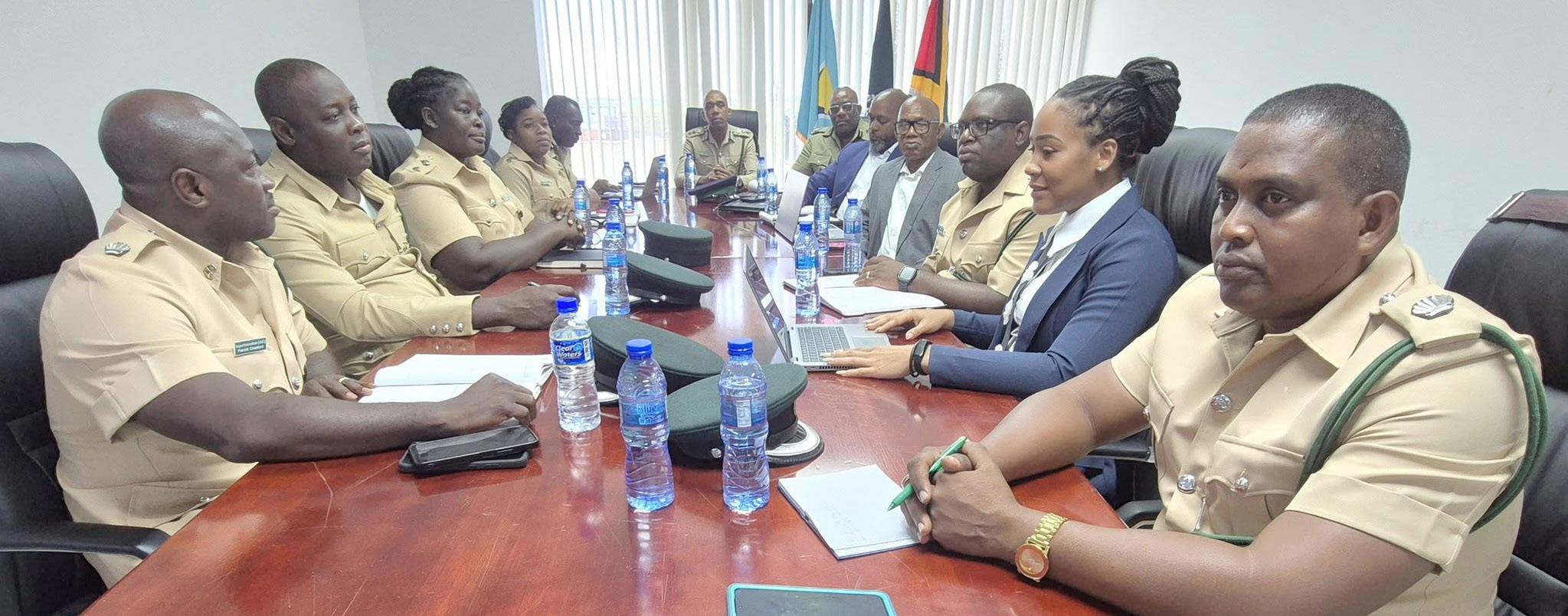
THE Guyana Prison Service (GPS) and St. Lucia’s Correctional Services have begun discussions aimed at strengthening regional co-operation in prison management, security, intelligence gathering and inmate rehabilitation as Caribbean countries continue efforts to modernise their correctional systems.
Director of Prisons, Nicklon Elliot and members of the Guyana Prison Service’s leadership team, on Monday, met with St. Lucia’s Acting Director of Correctional Services, Kerwin Albert, and Research Officers Dr Montelle Feliz and Dr Leonard Johnny to explore opportunities for closer collaboration between the two institutions.
According to the Guyana Prison Service, the engagement is intended to build stronger partnerships between the correctional agencies, enhance institutional capacity and foster a culture of mutual support and knowledge sharing.
The discussions focused
on several key operational areas, including prison security, intelligence management and rehabilitation programmes designed to prepare inmates for successful reintegration into society.
The meeting comes at a time when correctional services across the Caribbean are increasingly shifting from traditional punitive approaches toward rehabilitation-centred models that emphasise reducing recidivism and improving public safety.
In Guyana, prison reform has become a major focus of the correctional system in recent years. The Guyana Prison Service has implemented a range of modernisation initiatives, including the digitisation of inmate records, expansion of vocational training programmes and upgrades to prison infrastructure. Officials have also been pursuing reforms aimed at aligning prison operations with international correctional standards and best practices.
The government has invested heavily in the prison sector, with more than $28 billion allocated since 2021 for infrastructure upgrades, officer training, security improvements and rehabilitation programmes. The reforms are part of a broader effort to transform prisons into correctional institutions focused on rehabilitation and reintegration rather than

punishment alone.
Recent figures released by the Guyana Prison Service show that hundreds of inmates annually participate in rehabilitation and skills-training programmes, while more than 1,300 inmates received vocational, academic and behavioural training during 2025.
Officials have linked these programmes to efforts to reduce repeat offending and improve reintegration outcomes.
St. Lucia has similarly pursued reforms within its
correctional system through the Bordelais Correctional Facility, the island’s main prison institution. The facility has expanded educational, counselling and rehabilitation programmes while also addressing challenges such as contraband smuggling, gang-related tensions and inmate reintegration.
Observers say increased collaboration among Caribbean correctional services is becoming increasingly important as countries confront common challenges, including prison security,
overcrowding, rehabilitation, mental health services and the management of transnational criminal networks.
The latest engagement between Guyana and St. Lucia is expected to facilitate the exchange of best practices and strengthen regional approaches to corrections management, with both countries seeking to improve institutional effectiveness while enhancing public safety and inmate rehabilitation outcomes.

THE Ministry of Health is warning that increasing exposure to social media is contributing to rising mental health and behavioural challenges among children, following a national consultation with medical and social care professionals held to examine the issue.
Minister of Health, Dr Frank Anthony, said the forum brought together paediatricians, child psychiatrists, mental health specialists, social workers, family medicine physicians, autism specialists, physiotherapists, rehabilitation experts, and other stakeholders to assess the effects of digital platforms on child development and wellbeing.
According to the Minister, experts at the consultation raised concerns about a range of emerging issues linked to excessive and unrestricted social media use among children, including anxiety, depression, sleep disorders, cyberbullying, exposure to harmful content, and reduced attention spans.
“The message from the experts was clear: we are seeing increasing concerns about anxiety, depression, sleep disorders, cyberbullying, exposure to harmful content, reduced attention spans, and other serious consequences linked to excessive and unrestricted social media use among children,”
Dr Anthony said. He noted that the findings point to a growing public health concern that requires coordinated national attention, adding that children must be protected from potential harm in the digital environment in the same way they are safeguarded from alcohol, tobacco, and other regulated substances.
“Our children are not guinea pigs for social media companies,” he stated, underscoring the need for what he described as stronger safeguards and age-appropriate restrictions on digital platforms.
Dr Anthony said the Government is considering policy options aimed at strengthening protections for children online, stressing that any measures would be guided by consultation with parents, educators, healthcare professionals and young people. He emphasised that the approach is not intended to restrict opportunity or access to technology, but rather to ensure safer and more responsible use of digital platforms during childhood development.
“This is not about limiting opportunity. It is about protecting childhood,” he said.
The Health Ministry maintains that the wellbeing and future of children must take priority over commer-
A 22-year-old man who is currently on remand for attempted murder, was, on Monday, charged with the fatal shooting of a Sophia taxi driver during an incident that left another man wounded.
Hoesela Harris appeared before Acting Chief Magistrate Faith McGusty at the Georgetown Magistrates’ Court. He was arraigned on a charge alleging that he murdered Xavier Fraser on December 21, 2025, at Plum Park, Sophia, Georgetown. Because the offence is indictable, Harris was not required to enter a plea.
The court remanded him to prison and adjourned the matter until July 15, 2026, when statements are expected to be served on the defence.
Fraser, 27, a father of two, of Plum Park, Sophia, was fatally shot during an incident at Mercy Wing, Plum Park, on the night of December 21, 2025.
According to police, the shooting occurred at about 22:36 hrs. Preliminary investigations revealed that Fraser was at the location when he sustained gunshot injuries. He was rushed to the Georgetown Public Hospital Corporation (GPHC), where doctors pronounced him dead on arrival.
Police had also reported that a 19-year-old male from Plum Park was injured during the same incident. The teenager was admitted to hospital and listed in stable condition.
Fraser’s body was later transferred to the hospital mortuary pending a post-mortem examination, which later confirmed that he died as a result of a gunshot wound to the head,
At the time of the shooting, investigators had been reviewing CCTV footage from the area as part of efforts to determine the motive behind the attack and identify those responsible.
Harris remains in custody as the murder charge proceeds through the courts.
cial interests, including what it described as “addictive algorithms” used by some social media platforms to retain user engagement.
Dr Anthony added that failure to address the issue now could have long-term social and health consequences.
“If we fail to protect our children today, we will pay the price tomorrow,” he warned.
The Ministry of Health said it remains committed to ongoing engagement with key stakeholders as it develops policies aimed at creating a safer digital environment for children across Guyana.
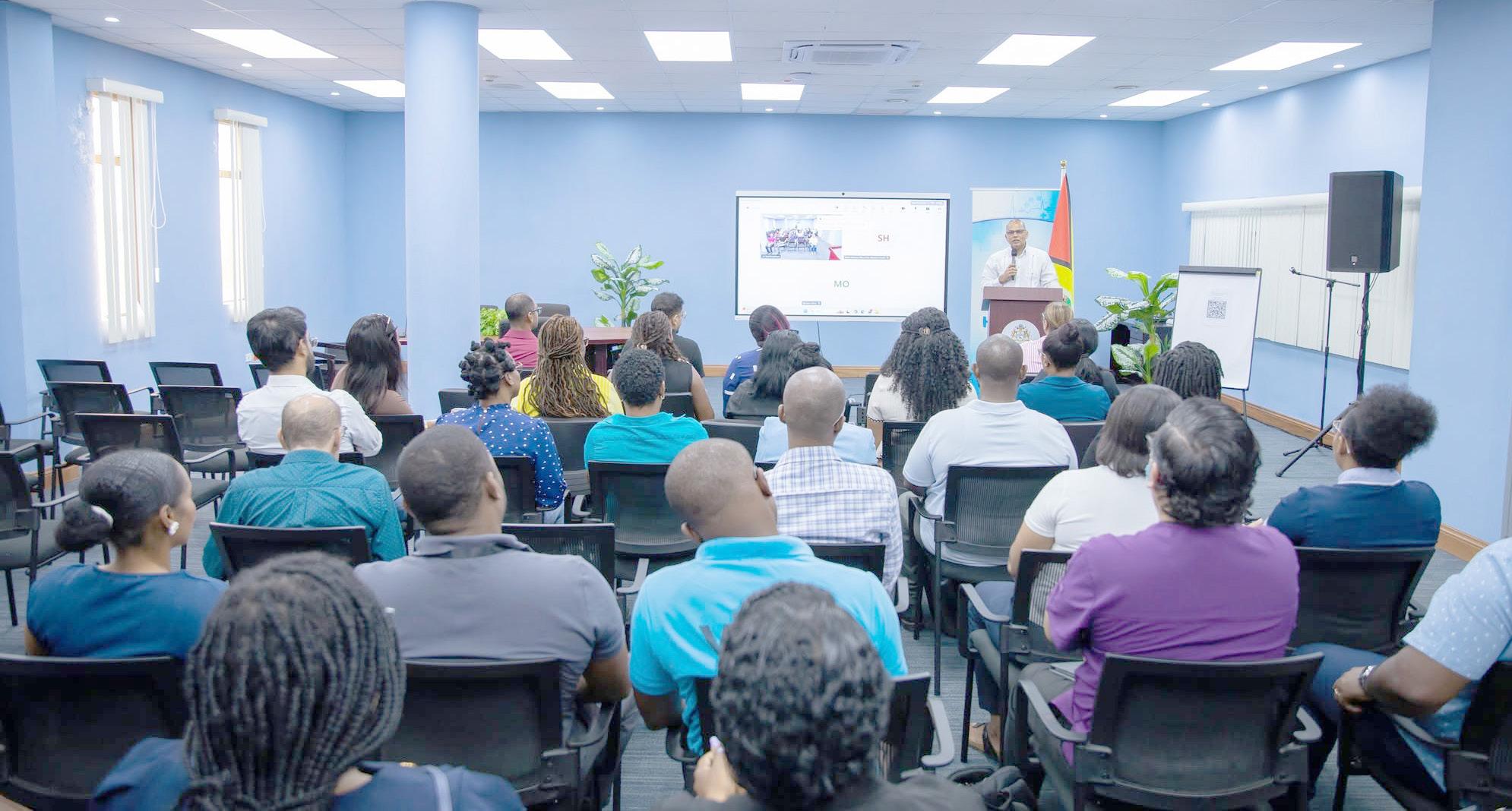

NOMINATIONS have officially opened for the 2026 CARICOM Farmer of the Year Award and the Ministers of Agriculture Young Farmer of the Year Award, with regional agricultural stakeholders being encouraged to submit candidates by the end of June.
The CARICOM Secre -
tariat announced on Monday that nominations for the prestigious awards, which recognise outstanding contributions to regional food security and food sovereignty, must be submitted through the Ministries of Agriculture in CARICOM Member States and Associate Members. The selection process
is scheduled to begin in July. Nominees are required to submit a brief biography detailing their farming operations, including the volume and type of produce cultivated, along with a two-minute video showcasing farm production activities and the use of technology.
The awards, inaugurated
during the 16th Caribbean Week of Agriculture in October 2021, were established to highlight the critical role farmers and farming enterprises play in strengthening the region’s agricultural sector and reducing dependence on food imports.
According to the Secretariat, the Farmer of the Year

Award was designed to create a positive profile of Caribbean farmers while promoting agriculture as a viable area for investment. The award also recognises individuals who have demonstrated exceptional leadership, commitment and innovation, contributing to the resilience and sustainability of the sector.
Dominican farmer, Deles Warrington, became the first recipient of the award in 2021. Subsequent winners included Jamaican farmer Peter McConnell on behalf of Trade Winds Citrus Limited in 2023, Alicia Bogues on behalf of Caribbean Broilers Jamaica Group in 2024, and Dave Fairman on behalf of The Best Dressed Chicken, a division of Jamaica Broilers Group, in 2025.
The Ministers of Agriculture Young Farmer of the Year Award was created to encourage and support
young agri-preneurs who have demonstrated excellence, innovation and financial success in the agri-food sector.
The award recognises creativity, sound business management and sustainable agricultural practices, while supporting efforts to attract more young people to careers in agriculture.
Jamaican farmer, Citerina Atkins, was the inaugural recipient of the Young Farmer of the Year Award, followed by fellow Jamaican Diandra Rowe in 2023, Dominica’s Kevorn Vidal in 2024, and Antigua and Barbuda’s Michael Joseph in 2025.
The 2026 award winners will be announced and honoured during the opening ceremony of the 20th Caribbean Week of Agriculture, scheduled for September 27 in Jamaica.
––
GUYANA will, this month, welcome maritime officials and industry representatives from across the Caribbean as it hosts two major regional meetings aimed at strengthening maritime safety, regulatory oversight and co-operation within the sector.
Approximately 40 delegates representing 20 member and associate member states, along with observers and representatives from other territories, are expected to participate in the 31st Caribbean Port State Control Conference (CPSCC), which will be held from June 16 to 18 at the AC Marriott Hotel in Ogle.
The conference will focus on enhancing regional collaboration and harmonising efforts to improve vessel safety, compliance and port state control practices throughout the Caribbean. It will also provide a platform for maritime administrations, port state control officers and industry stakeholders to exchange best practices, discuss emerging challenges facing the maritime industry and advance compliance with international maritime standards.
Guyana will also host the Regional Meeting of Directors and Heads of Maritime Administrations (DIHMAR) from June 22 to 24 at the Aiden by Best
Western Hotel in Georgetown.
Convened under the International Maritime Organization (IMO), the DIHMAR meeting will bring together senior maritime officials from across the region to review developments within the maritime sector, strengthen co-operation among member states and advance initiatives aimed at improving maritime safety, security and environmental protection.
The back-to-back meetings are expected to facilitate greater regional coordination on issues affecting the maritime industry and support efforts to ensure safe, efficient and sustainable shipping operations throughout the Caribbean.
Hosting both events underscores Guyana’s growing role in regional maritime affairs and reflects the country’s continued commitment to advancing maritime development, strengthening governance frameworks and improving regulatory oversight across the sector.
Officials say the conferences will provide an important opportunity for regional stakeholders to collaborate on shared priorities and reinforce the Caribbean’s collective commitment to international maritime standards and best practices.
THE Government of Guyana has rolled out a new Online Guyana Passport Application and Appointment System aimed at modernising passport services and reducing long-standing administrative delays, in a major step toward expanding digital public service delivery.
Launched on June 15, 2025, the platform is a joint initiative of the Ministry of Home Affairs and the Guyana Police Force.
It allows citizens to complete passport applications and schedule appointments entirely online, eliminating the need for extended in-person waiting periods at passport offices.
The system, accessible via Online Guyana Passport Portal (pp.gpf.gov.gy), enables users to register secure accounts, submit application forms electronically, upload required information, and book appointments from any location with internet access.
According to the authorities, the initiative is part of the Government’s broader digital transformation agenda, which seeks to improve efficiency, transparency, and accessibility in public service delivery. It also reflects ongoing efforts to streamline government operations and reduce congestion at service centres.
Minister of Home Affairs, Oneidge Walrond, said the platform represents a significant upgrade in how citizens interact with passport services, noting that it is designed to make the process more convenient, user-friendly, and time-efficient while strengthening service delivery standards.
Officials said the system incorporates secure authentication measures and user-focused design features to protect personal data while ensuring a smooth application process. Email notifications and automated appointment confirmations are also included to improve communication with applicants.
Key features of the system include online account creation, electronic completion of passport applications, appointment scheduling, secure submission processes, and reduced processing bottlenecks within the passport system.
Citizens are being encouraged to transition to the online platform and familiarise themselves with its functions as the Government moves to fully integrate digital services across key areas of public administration.


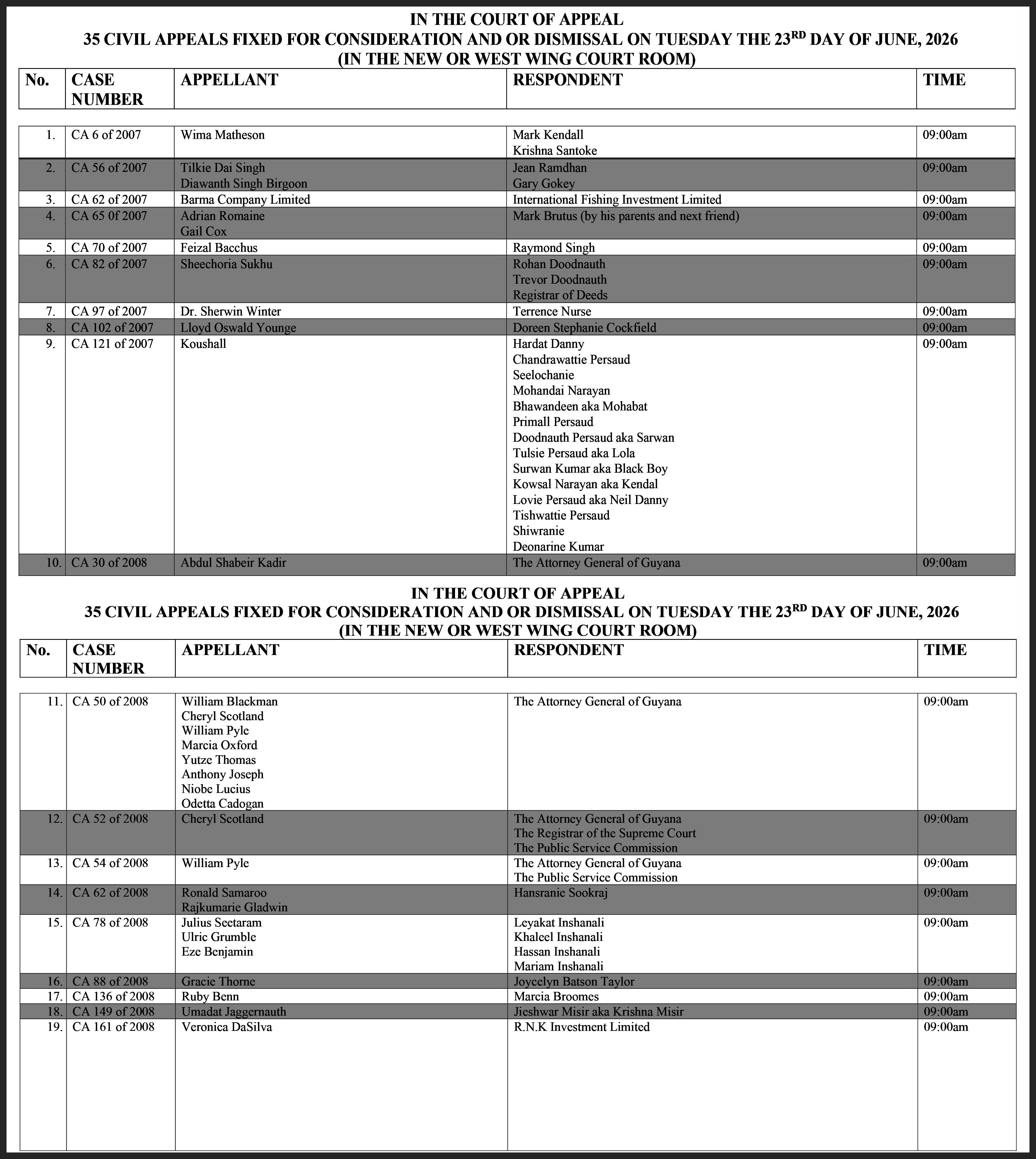
MINISTER of Public Works Bishop Juan Edghill and Head of Procurement and Contracts Andy Mahadeo were given an exclusive tour of Huawei Technologies’ global headquarters in Shenzhen, China, as part of an official visit aimed at examining innovative solutions that could support Guyana’s ongoing digital transformation and infrastructure modernization efforts.
The visit provided the Guyanese delegation with an opportunity to engage directly with senior executives of the Chinese technology giant and gain first-hand exposure to some of the company’s latest advancements in digital infrastructure, smart city development, and next-generation telecommunications technologies.
According to informa -
tion released by the Ministry of Public Works, the engagement formed part of a broader effort to identify technologies and best practices that could be adapted to Guyana’s rapidly expanding infrastructure landscape.
During the tour, Edghill and Mahadeo were introduced to Huawei’s state-ofthe-art facilities and a range of technological innovations designed to enhance connectivity, improve operational efficiency, and support the development of digitally integrated public services.
The ministry said the discussions focused on how emerging technologies can be leveraged to strengthen infrastructure planning and delivery, particularly as Guyana continues to invest heavily in transportation, housing, energy, and communications projects.
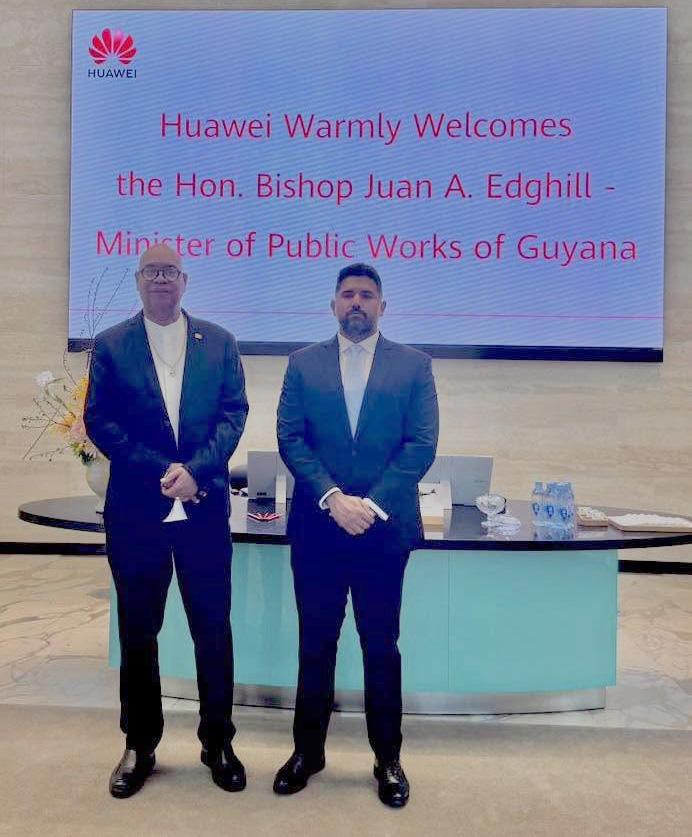
Minister of Public Works Bishop Juan Edghill and Head of Procurement and Contracts Andy Mahadeo
Officials noted that the visit aligns with the gov -
ernment’s wider agenda of modernizing public infra -
structure and accelerating the country’s digital transformation strategy. By examining advanced technological frameworks in operation, the ministry hopes to identify practical solutions that can be incorporated into future projects to improve service delivery and connectivity nationwide.
The engagement comes as Guyana continues to pursue significant investments in digital governance, telecommunications, and smart infrastructure as part of its broader national development programme. In recent years, the government has increased its focus on expanding internet access, digitizing public services, and enhancing technological capacity across both urban and rural communities.
The Ministry of Public Works said insights gained
from the visit will help inform future initiatives aimed at creating more efficient and resilient infrastructure systems while supporting the country’s long-term development objectives.
Huawei, one of the world’s largest telecommunications and information technology companies, has partnered with governments and private-sector entities across several regions to develop digital infrastructure, smart city platforms, and advanced communications networks.
The Shenzhen visit forms part of a series of engagements by Guyanese officials with international partners as the country seeks to leverage global expertise and technology to support its transformation into a modern, connected economy.
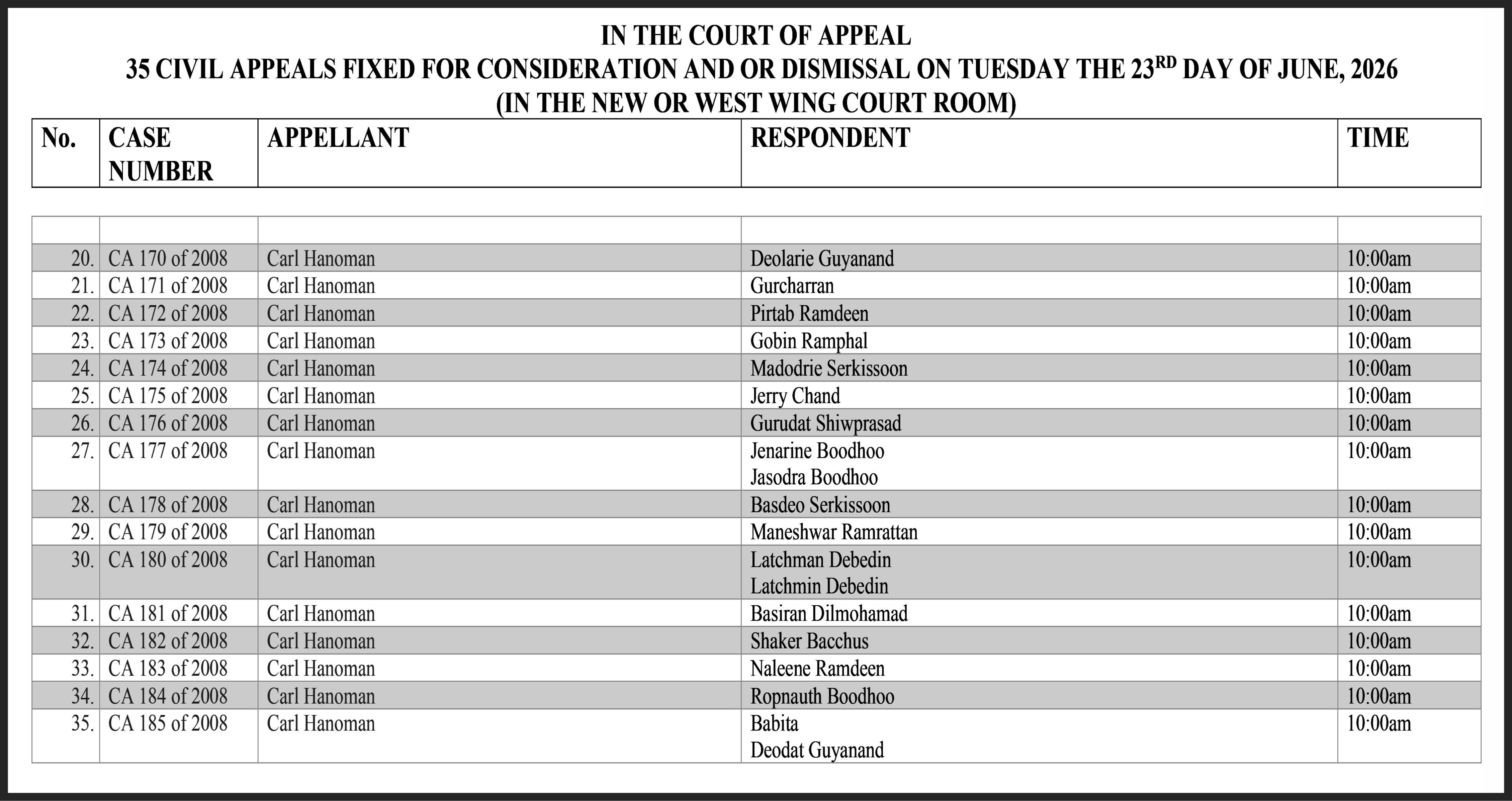


Head coach Brendon McCullum refused to be drawn on Ben Stokes' future as England captain but repeatedly spoke of his "worry and concern" for the all-rounder.
Stokes and pace bowler Gus Atkinson have been made unavailable for the second Test against New Zealand at The Oval pending an investigation into an incident in a London nightclub last week.
Not only is it the latest controversy to hit this England team, it is another
chapter in the storied career of 35-year-old Stokes.
One of England's greatest cricketers of all time, Stokes was cleared of charges of affray following an incident outside a Bristol nightclub in 2017. In 2021, he took a break from cricket to prioritise his mental wellbeing.
"Our concern is with Ben, our concern is handling that situation, making sure we look after him, that he feels supported by us and in communication with us," said McCullum.
"Those other things will
work out down the line."
In celebrating the opening Test victory over New Zealand at Lord's, Stokes and Atkinson broke the England team's midnight curfew. They were present when a member of England security staff was struck by a Saracens rugby player.
Both will miss the second Test at The Oval, for which England have made four changes to their XI.
Joe Root will deputise for Stokes as captain, with Jofra Archer, Matthew Fisher and uncapped pair Sonny Baker
AUSTRALIA spinner Nathan Lyon said on Monday he is on track to recover from a hamstring injury in time for the home test series against Bangladesh in August.
The 38-year-old suffered a torn hamstring during the third Ashes test against England at the Adelaide Oval in December, an injury that required surgery.
Lyon, who has taken 567 Test wickets and is second on Australia's all-time list behind Shane Warne (708), said he had been working hard to get back in shape for the longest format of the game.
"Yeah, 100%," Lyon told Australian media when asked if he was confident of playing in the opener of the two-test series, which starts on August 13 in Darwin.
Nathan Lyon says he’s on track to recover from hamstring injury
and Jordan Cox coming into the team.
Last week, director of cricket Rob Key said he could see no reason why Stokes would not play for England again, but stopped short of endorsing him as captain.
And, in a sombre media conference at The Oval, McCullum passed up all opportunities to suggest Stokes will once again be England captain.
Instead, the New Zealander reiterated his desire to support and care for Stokes.

Askes about the captaincy, McCullum said: "What will be will be down the line. Those decisions are not for now.
"The concern is making sure Ben is fine. We need to make sure we look after him, rally around him, and in time we'll get on to those sorts of decisions.
"For me, I'm just making sure I'm checking in with him. That's where things sit at the moment."
(BBC Sport)
Parris was on the verge of scoring a well-deserved century, but fell agonisingly short when he was dismissed for 99 by left-arm spinner Shakthi Udara. In all he faced 195 deliveries and hit five fours and one six in his four and a half hours stay at
the crease.
Once he was dismissed, Battage and Udara polished off the tail with the last four wickets falling for just 12 runs.
Battage finished with figures of 4-51, while there were two wickets apiece for
(From page 23)
Abeyratne (2-38) and Udara (2-61).
Left to face seven challenging overs, Sri Lanka’s openers Pulindu Perera and Ravindu Rasantha navigated the period without losing a wicket to cut into the Academy’s lead.
before the 20th had begun.
Sri Lanka, though, might wonder what might have been had they not grassed two straightforward chances from Rutherford when he was on 24 and 25.
Joseph blunts Sri Lanka
ping from the very first delivery, Nissanka started patiently before gradually flexing his striking chops. His 26 off 17 including two fours and two sixes.
(From back page)
Ratnayake.
Two in two – echoing Holder’s powerplay heroics in the first game – and Sri Lanka were kept to 51-3, their lowest powerplay of the series.
"I wouldn't be doing all this work right now if I didn't want to play every test match.
"It's been a lot hard work, there's no point in hiding behind that, a lot of long days and stuff, but that's all been part of it.
"No one has a given right to be selected for Australia, so I know I need to make sure that I'm performing, doing all the right things. But I'm, hand on heart, set on playing every test match I'm available for."
Sri Lanka had started well in the powerplay in the earlier games, and that looked to be the case on Sunday night as well.
The second match begins on August 22 in Mackay. (Reuters)
to give birth to their second child in the coming days, but the Surrey player was named in England's XI by coach Brendon McCullum on Monday.
Stokes and Atkinson were both left out of England's squad pending an investigation, after the pair broke the England team's midnight curfew and were present when a member of security staff was struck by a Saracens rugby player.
Bowler Ollie Robinson, who took seven wickets on a remarkable return to Test cricket at Lord's, is out with soreness in his right knee, while Baker comes in for Shoaib Bashir, with England opting against picking a spinner in their XI. England XI for second Test: Ben Duckett, Emilio Gay, Jacob Bethell, Joe Root (capt), Harry Brook, Jamie Smith (wk), Jordan Cox, Jofra Archer, Josh
(From page 22)
While Kusal Mendis was for once dismissed cheaply – a chipped leading edge plucked out of the air by Matthew Forde followed by a spicy send-off and heated words – Pathum Nissanka, who has had a quiet tour by his standards, belatedly took up the attacking mantle.
On a surface that was grip-
But just as he might have been settling in for a game-defining stint, Joseph induced a top-edge and followed it up with one that straightened down the line to completely bamboozle new batter Pavan

Joseph would somehow better this outcome later on with a sublime triple-wicket final over to give the hosts some much-needed momentum into their chase. (ESPNcricinfo)
Artan, who was denied entry to the United States to officiate at the World Cup, will still receive his full tournament fee.
Artan was interrogated for 11 hours by US immigration authorities at Miami International Airport on Monday before being told he would not be allowed into the country after his diplomatic passport and single-entry US visa were rejected.
A US government official said Artan had not been allowed to enter the country because of an alleged “association with suspected members of terror organisations”.
Artan said he had been questioned by border officials over his links to Somali militant group Al Shabab and had told them he knew nothing about the organisation.
“I had the right papers and everything. I had the right visa,” said Artan.
“I’m just simply a referee who’s trying to live his dream, the biggest dream of my life, to come to the World Cup.”
After being put back on a plane to Turkey, Artan received assistance from FIFA officials in Istanbul before boarding a flight to the Somali capital Mogadishu.
Sources told BBC Sport that even though Artan will
take no part in the World Cup, FIFA has committed to paying his salary.
Referees do not know the actual fee they will receive for officiating at the World Cup, which is paid after the tournament is over.
Artan, the 2025 Confederation of African Football (Caf) men’s referee of the year, has since been invited to officiate the Uefa Super Cup between Paris St-Germain and Aston Villa in Salzburg, Austria on August 12.
The 34-year-old, who thanked “my people and my country” after being welcomed in his homeland, has vowed to officiate at the 2030
World Cup.
Artan had a year to remember in 2025, becoming the first Somali to take charge of a continental final.
In June 2025, he officiated the second leg of Pyramids FC’s African Champions League final victory over Mamelodi Sundowns.
FIFA appointed Artan to the U-20 World Cup in Chile, where he took charge of three matches including the thirdplace play-off.
At the end of the year, he refereed two group games at the Africa Cup of Nations, having also officiated at the tournament in 2024. (BBC Sport)
ESSEX batter Jordan Cox and Hampshire fast bowler Sonny Baker will make their England Test debuts in the second Test against New Zealand starting on Wednesday at The Oval.
Surrey bowler Matthew Fisher will also play his second Test, more than four years after his first, while Jofra Archer returns for the first time this summer amid the chaos caused by injuries and the incident involving Ben Stokes and Gus Atkinson in a London nightclub last week.


IN a dramatic encounter at the Rangiri Dambulla International Stadium, Sri Lanka A defeated India A in a thrilling Super Over finish in the tri-series.
The contest was defined by heavy lower-order recoveries, late drama, a rare double-penalty incident, and post-match tensions between the two sides after the game finished in a tie in regulation time.
After Sri Lanka A won the toss and elected to bowl first, India A's powerhouse top-order suffered a mini collapse with openers Vaibhav Sooryavanshi and Prabhsimran Singh back in the hut by the seventh over. A 52-run stand ensued between skipper Tilak Varma and Ruturaj Gaikwad, before India lost their next five wickets at regular intervals for an addition of mere 52 runs. Vijayakanth Viyaskanth caused serious damage in the middle overs, picking up three for 26. That included the wickets of Gaikwad, Nishant Sindhu and Anukul Roy in quick succession.
Batting at No. 7, Shedge played a remarkably mature and aggressive innings, top-scoring with 72 runs off 66 balls, which included three boundaries and two massive sixes. He found an ideal ally in Nigam, who compiled a crucial 51 runs from 49 balls before his run-out. The duo staged a counter-attack that quickly shifted the momentum back in India's favor through a defiant 104-run partnership.
Sri Lanka A's pursuit of 266 started strongly before they lost their openers in quick succession as well after a half-century stand. Middle-order batter
Sadeera Samarawickrama then stepped up, anchoring the chase elegantly with a 93-run knock. He stitched meaningful partnerships after a brief collapse of 3 for 34 wherein the hosts lost a well-set Niroshan Dickwella. Samarawickrama found able company in Wanuja Sahan (25) and Viyaskanth (18) to drag the equation down to a comfortable 12 required at run-a-ball.
volved in a heated discussion with the umpires, seemingly suggesting that Chamika Gunasekara hadn't offered a shot before the ball rolled off his boot for a leg bye off the last ball.
After settling down for a Super Over amid fading light, Sri Lanka A batted first and smashed 18 runs, courtesy of a dramatic over that included a controversial six off a no-ball that India A contested again, with a furious Tilak in the umpires' faces again.
Smith's partner is due
India A found themselves reeling at 125 for 6 and shortly after, an alarming 143 for 7. That's when a rescue act was brilliantly orchestrated by the lower-order all-rounders, Suryansh Shedge and Vipraj Nigam.
However, India A's bowlers mounted a spectacular death-overs comeback to tie the scores with a runout on the last ball, triggering immense confusion and animated discussions on the field. Captain Tilak was in-
Chasing 19 to win, India A sent out Shedge and Sooryavanshi but decided to keep the latter off strike. Kugathas Mathulan bowled a masterful under-pressure over for the hosts, nailing his lines and lengths mostly to keep India's batters at bay. Despite Sooryavanshi hitting a boundary off the penultimate delivery, India A fell well short by 7 runs as Sri Lanka A marched to a breathtaking victory. It was immediately followed by heated on-field tensions and physical contact between the batters and the Sri Lankan fielders, capping off a dramatic contest at the end of which Sri Lanka A consolidated top spot with their second win of the tri-series. (Cricbuzz)
Brian Lara and Shivnarine Chanderpaul are set to headline a special exhibition match to mark the official commissioning of the new Anna Regina National Stadium in Guyana on July 3, 2026.
Minister of Culture, Youth and Sport, Charles Ramson Jr., confirmed the presence of the legendary pair on Sunday, adding that the state-of-the-art facility in Region Two is now "essentially complete" following a construction phase that began in late 2022.
President Dr. Irfaan Ali is scheduled to preside over the ribbon-cutting ceremony.
The new stadium represents the latest milestone in the Guyanese government’s aggressive national sports infrastructure drive.
Designed to decentralise elite-level cricket, the facility features an international-stan-
dard outfield and a high-spec drainage system that Minister Ramson Jr. noted is comparable to the technology installed at the Guyana National Stadium in Providence.
"To get to this point is a relief," Ramson Jr. said. "When we came here, it was a totally different space from what the old Anna Regina ground was like, and this is a full-fledged stadium. It’s going to be a fantastic facility that [Essequibo] can be really proud of."
The project, which received significant on-theground oversight from Minister within the Ministry of Culture, Youth and Sport, Steven Jacobs, is being positioned as a "game changer" for the Essequibo Coast.
Beyond its utility for domestic and regional cricket, officials expect the venue to serve as a catalyst for macroeconomic growth, citing a surge in local hotel develop-
Battage’s four-wicket
HAMBANTOTA, Sri Lanka, (CMC) – Offspinner Chamod Battage claimed four wickets to put Sri Lanka Emerging Players in a strong position over the West Indies Academy at the close of play on the first day of the second unofficial ‘Test’ here on Monday.
The West Indies Academy were propped up by half centuries by Shaqkere Parris and captain Rivaldo Clarke, but they got little other help from the other batsmen and were eventually dismissed for 231 in 67.5 overs at the Mahinda Rajapaksha International Cricket Stadium.
Sri Lanka Emerging Players then made a solid response to reach 37 without loss to end the day trailing by 194 runs.
Medium pacer Nisala Abeyratne got the home side off to a brilliant start by bowling openers Damel Evelyn and Johann Jeremiah for four and eight respectively, to leave them wobbling on 13 for two.
Mavendra Dindyal made just nine before becoming the first of Battage’s victims and when pacer Dinura Kalupahana dismissed Giovonte DePeiza for five,
West Indies Academy batter Shaqkere Parris was dismissed on 99
the Academy was struggling at 37 for four.
Parris and Clarke came to their side’s rescue by adding 120-runs for the fifth wicket to take them to a relatively comfortable position of 157 for four.
But just when the pair looked set to push on, Battage struck a crucial blow by
having Clarke caught behind for 57 off 70 balls.
Nathan Edward joined Parris at the crease and continued the Academy’s recovery, with the two sharing a 53-run stand to carry them past the 200-mark until Edward was dismissed for 28 by Asitha Wanninayake.
(Turn to page 21)
ment as evidence of the stadium’s potential to stimulate sports tourism.
Anna Regina becomes the second major venue to be commissioned under the current administration’s infrastructure rollout this year, following the opening of the Bayroc Stadium in Linden.
The government’s pipeline of sporting developments remains active through the end of 2026, with the Mackenzie Stadium, the New Amsterdam Track and Field Facility, and the Palmyra Stadium all slated for completion before the year concludes.
For the local community, the arrival of legends like Lara and Chanderpaul serves as a symbolic endorsement of the region’s new capabilities, signalling that Anna Regina is ready to move beyond its traditional roots and onto the regional cricketing map.
NEW YORK, (Reuters)
- New York City Mayor Zohran Mamdani had three words, opens new tab for his constituents early on Sunday after his beloved Knicks broke a -year-old NBA title drought: "PARADE THURSDAY MANHATTAN".
The New York Knicks mounted yet another double-digit comeback to beat the San Antonio Spurs 9490 in Game 5 of the NBA Finals on the road on Saturday, ending an excruciating wait for the millions of fans in the five boroughs who regarded the win as nothing short of a miracle.
"To have the fans that we have in New York City and be able to bring home a championship after all these years is absolutely amazing. It's a surreal feeling," coach Mike Brown told reporters.
"I mean, I don't know how long it's been since that final buzzer went off but I still don't believe it. I'm pinching myself."
Dozens of New Yorkers lined up in front of Madison Square Garden on Sunday morning, as the self-styled "World's Most Famous Are-
na" swung open its doors for fans eager to purchase championship merchandise.
Mia Smith, a playwright and actress raised in Queens, said the win was an historic moment for the city.
"It means hope, it means joy, excitement for the city," said Smith, 37. "It's so much joy, community."
Amy Loria, an immigrant from the Philippines who lives in Brooklyn, said she adopted the team when she moved to New York 10 years ago.
"It was electric. We were so amazed with the game," said Loria, a 50-year-old registered nurse. "If you do anything, it's always in New York."
PARADE PARTY
Plans will now ramp up for a celebration equal to the United States' biggest sports market, as a collision of sports mega-events draws the eyes of the world to the Big Apple.
New York New Jersey stadium, an amalgam of two bitter geographic rivals brought together to host eight World Cup soccer matches, saw its first game on Saturday, with the 1-1
draw between up-and-comers Morocco and powerhouse Brazil wrapping up around the time that the Knicks and Spurs tipped off.
Hundreds of people swarmed a convoy of about 15 shuttle buses in Times Square after they dropped off fans from the match and one was set on fire during chaotic post-game celebrations that saw thousands of New Yorkers out in the city streets and a teenager suffering a gunshot wound.
There was no sign of that chaos hours later in Midtown, where billboards advertisements celebrated star point guard and Finals MVP Jalen Brunson, while fans wearing Knicks jerseys buzzed with excitement over the win.
The parade on Thursday will step on the toes of yet another regional sports mega-event, with the U.S. Open golf set to tee off down the road in Southampton the same day. The Long Island Rail Road has constructed a temporary train platform adjacent to the championship ground to manage the huge influx of fans.

Karl-Anthony Towns #32 of the New York Knicks and team owner James Dolan celebrate behind the Larry O'Brien Championship Trophy after the victory against the San Antonio Spurs in Game Five of the 2026 NBA Finals at Frost Bank Center on last Saturday night

JALEN Brunson scored a game-high 45 points as the Knicks closed out the best-of-seven NBA Finals in five games, just days after completing the greatest comeback seen in the championship round.
Comebacks have been the theme for the Knicks this series as they rallied from double-digit deficits in all four of their Finals victories on the way to their first championship in 53 years.
"I'm in awe," an emotional Brunson said during on-court celebrations as he soaked in the moment. "Whenever someone counted us out, we found a way
to come back and do something about it."
Brunson was named Finals MVP after his relentless performance saw a strong contingent of traveling Knicks fans chant his name moments before he was crowned with the honor.
"It's everything we dreamed of," he said of winning the championship. "It's why I came to New York."
San Antonio started strong once again, taking a double-digit lead in the first 12 minutes. But New York crawled back in the second quarter as Brunson started to come alive, slowly cutting
a 16-point deficit to trail by five points at halftime.
A quick transition play early in the third quarter set up Frenchman Victor Wembanyama for a dunk. That spurred a rally from the Spurs, who led by as much as 12 points before the Knicks eventually slashed the deficit to five.
A three-pointer from Dylan Harper, who was redhot for the Spurs all night with 25 points off the bench, restored San Antonio's double-digit lead though it was cut to seven heading into fourth quarter.
New York tied the game with just under five minutes
left to play and took their first lead with 3:40 to go.
The Spurs were unable to regain the lead after that and the Knicks capped off a dominant championship run that saw them lose just three games in the postseason.
Wembanyama recorded 19 points, 14 rebounds and five blocked shots for a young San Antonio team that reached the Finals ahead of schedule.
"This is the biggest lesson of my life, the biggest learning moment," the 22-year-old Frenchman told reporters post-game. "I can't tell exactly what the lesson is, but we're learning from
that for sure."
The time has finally come for Knicks fans, many of whom have waited their whole lives to see their team at the top once more, after years of being the laughingstock of the league.
Watch parties across the boroughs erupted into cheers when the final whistle sounded, bringing an end to their years of suffering, and the streets were quickly flooded by a sea of blueand-orange-clad fans.
“HISTORY,” the city's sports-mad Mayor Zohran Mamdani wrote on X after the championship-clinching win, adding that the Knicks’
parade will take place on Thursday.
The Knicks' usual cast of celebrity fans made the trip down to San Antonio, including filmmaker Spike Lee, actors Timothee Chalamet and Ben Stiller, and comedian Tracy Morgan. They were joined by traveling Knicks fans who showered the team in cheers all night.
Knicks Executive Chairman and CEO James Dolan had a message to those celebrating back home: "Hey New York, I'm sorry it took so long. But here we are, and hopefully it won't be that long again." (Reuters)
THERE are heists, and then there are heists, and the one at Sabina Park on Sunday night will live long in the memory of those who watched it.
For 16 overs of the chase, Sri Lanka had looked in total control of their defence of 169.
But in a frenzied finish, West Indies ransacked 60 runs off just 22 deliveries to complete the chase with two balls to spare.
Sherfane Rutherford was dropped twice on the way to an unbeaten 54 off 40, and he was part of the defining stand of the match – 81 off 53 with Rovman Powell.
But despite their intervention, West Indies still needed more and it was the returning Jason Holder that delivered, smashing 21 off five balls to seal the win and the series.
The result stretched Sri Lanka’s wait for a T20I series win in the Caribbean, but more immediately, left them scratch-
ing their heads.
In terms of planning, they could not have done much more, while the pitch was tailored to their strengths – namely the spin trio of Maheesh Theekshana, Wanindu Hasaranga and Dunith Wellalage.
The latter had even picked up skipper Shai Hope off just the second delivery of the innings, while Hasaranga snagged two through the middle. Theekshana, meanwhile overcame a tough 15-run opening over – courtesy Shimron Hetmyer – to give away just 11 off his next three.
With the bat too, Sri Lanka had done seemingly enough, with Pathum Nissanka’s fast start supplemented by some helpful middle-order cameos and bookended by a coming-ofage 43 off 28 from Wellalage.
But at the key moments, it was West Indies, who held their nerve.
Player-of-the-Match
Shamar Joseph ended with

Shamar Joseph was impressive with the ball, claiming a career-best 5-33 and series-leading 11 wickets
career-best figures of 5-33, and did so bowling in the game’s most difficult periods – the last over of the powerplay and the final over of the innings.
And then when the game seemed over, West Indies’ fabled firepower belatedly came to the fore, as they came in clutch once more.
In the first game, West
Indies struck 29 in the death overs. And in the second game, 27. With 60 needed in that same period in the decider, the odds weren’t exactly in their favour.
But across two Dushmantha Chameera overs, where the usually reliable quick struggled – searching fruitlessly for yorkers – West Indies pilfered 47 runs, and staged a comeback
for the ages.
How they got there was modern West Indies cricket in a nutshell. Sri Lanka strangled the middle overs, with their trio of spinners all proving tough to get away.
The powerplay had fetched a respectable 51 – much of it owing to Hetmyer’s 32 off 19 – but the middle overs turned as sluggish as the surface, with West Indies trudging to 110-4.
But having struggled to get Sri Lanka’s death bowling away for much of the series, they capitalised on the off-colour Chameera to secure an all-time smash and grab. The pacer’s third over went for 24, and then his last for 23. They were the 17th and 19th of the innings. From being on the verge of defeat at the end of the 16th, the game was over
(Turn to page 21)