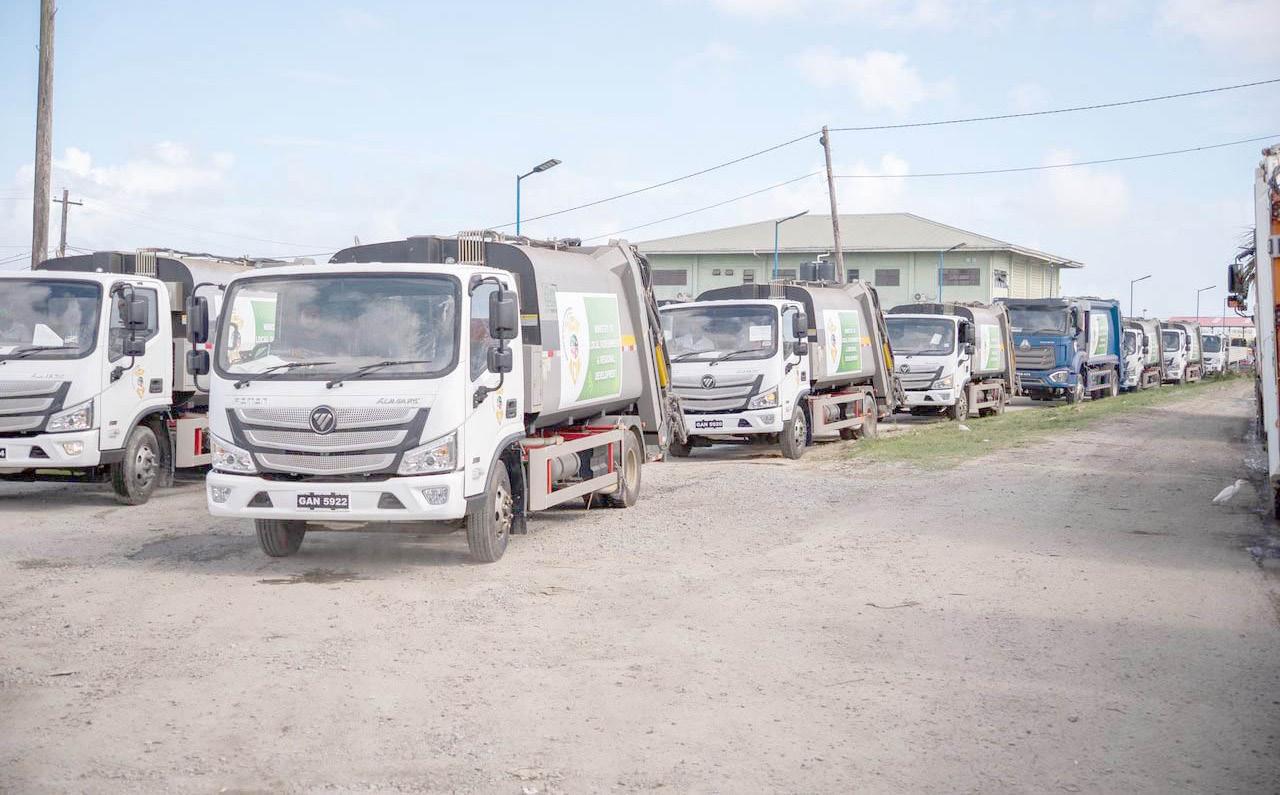
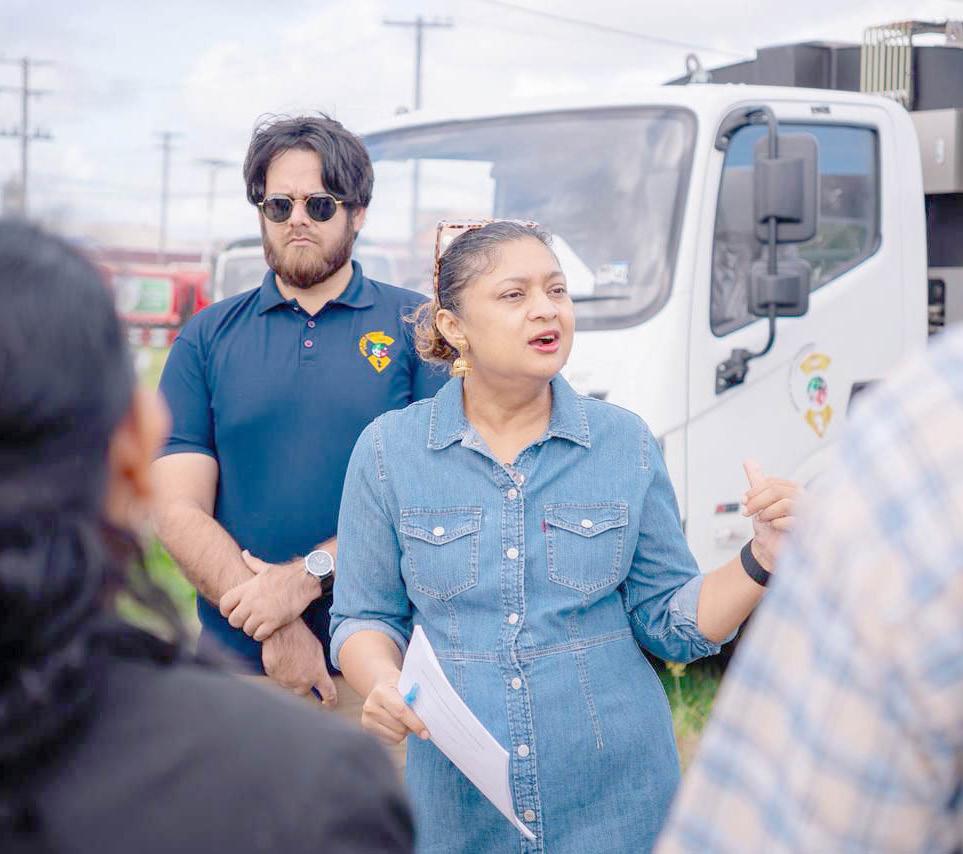
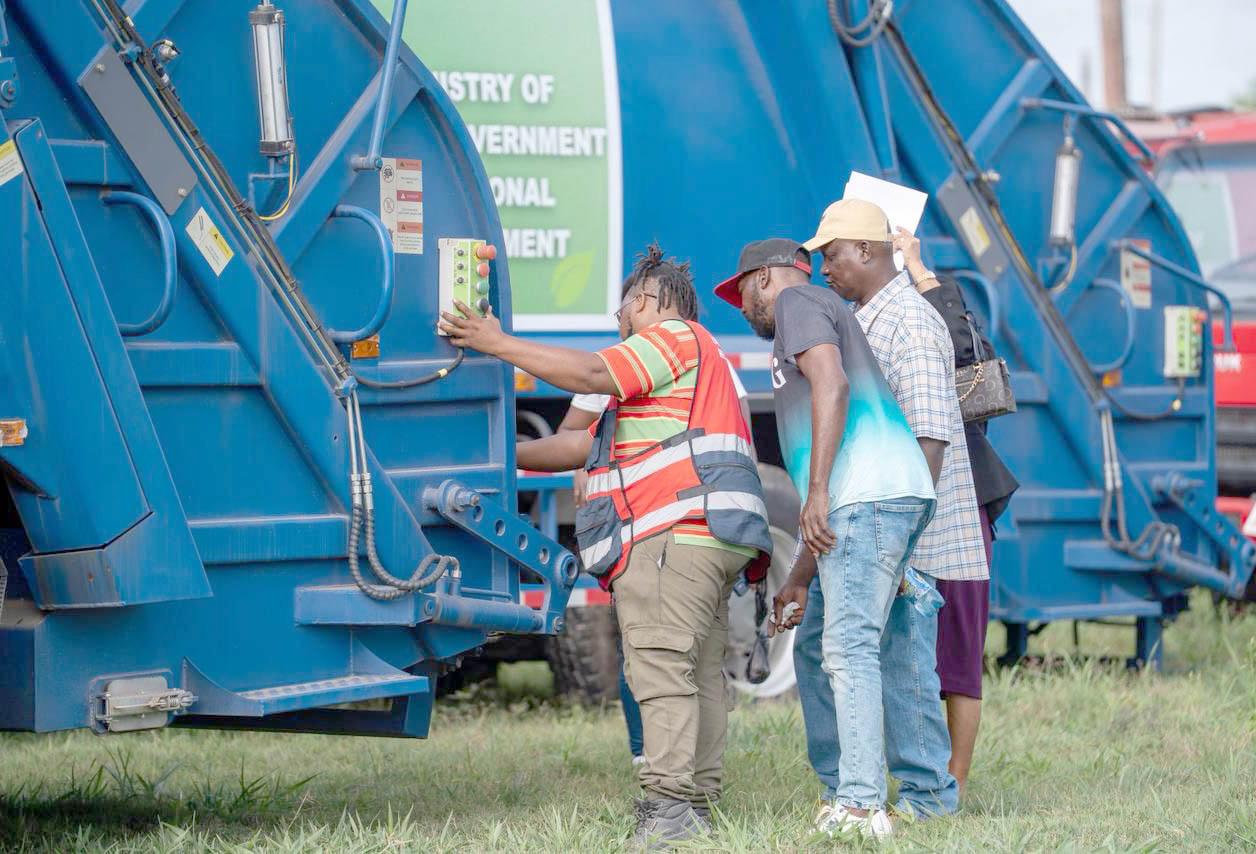
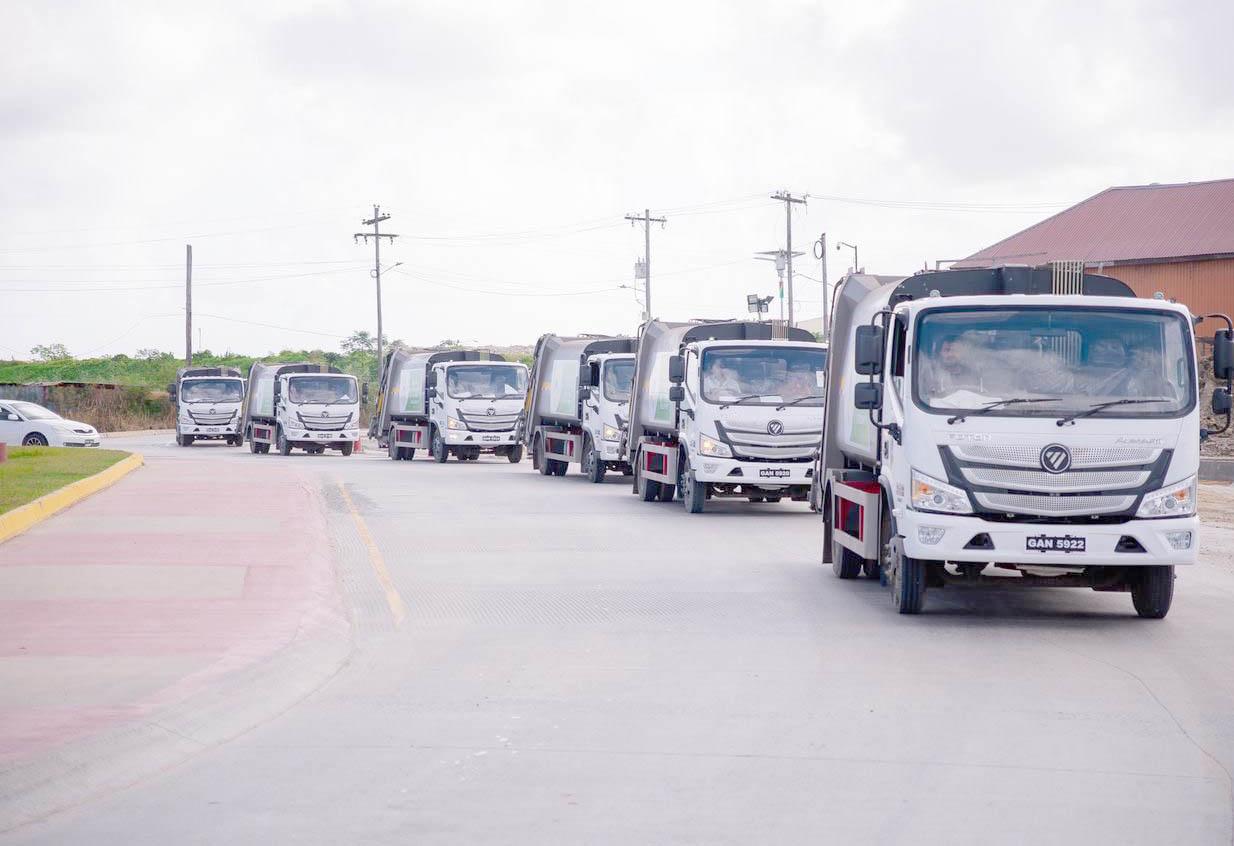
The regional administration of Region Two (Pomeroon-Supenaam) will boost its solid-waste management efforts with 10 new garbage compactor trucks that were acquired from the Ministry of Local Government and Regional Development (MoLGRD photo)
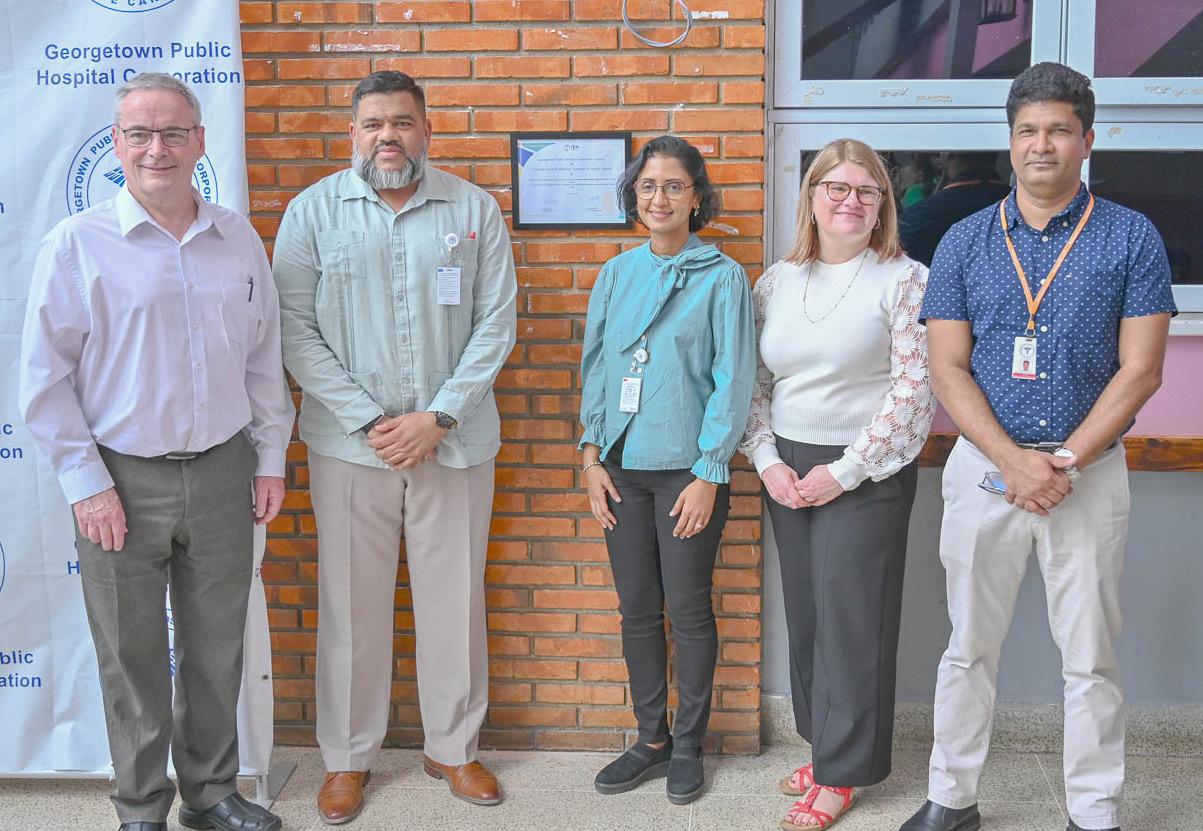
The International Society of Nephrology (ISN) Sister Renal Centres Grant was launched on Thursday at the Georgetown Public Hospital Corporation (GPHC) (Elton John photo)
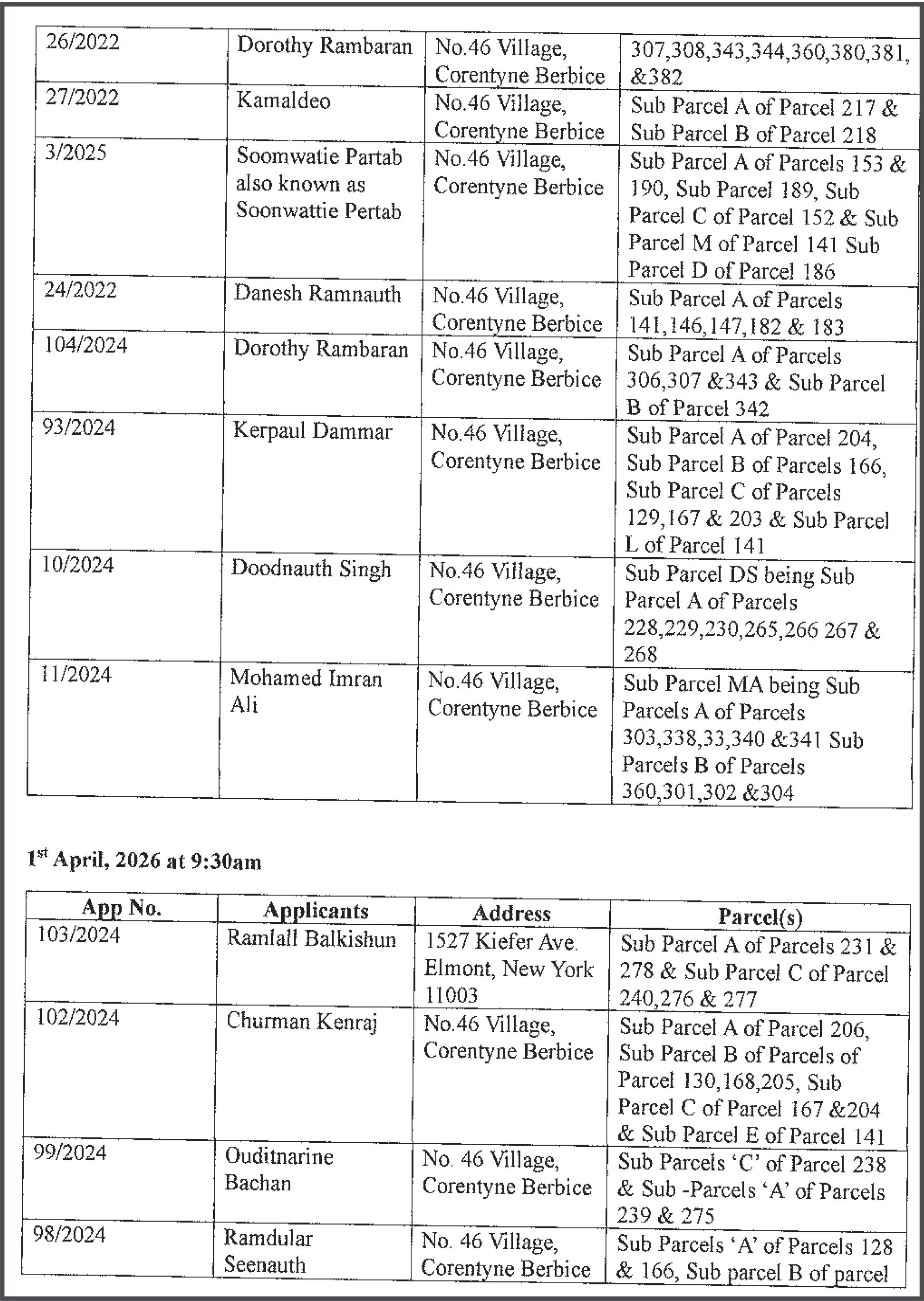
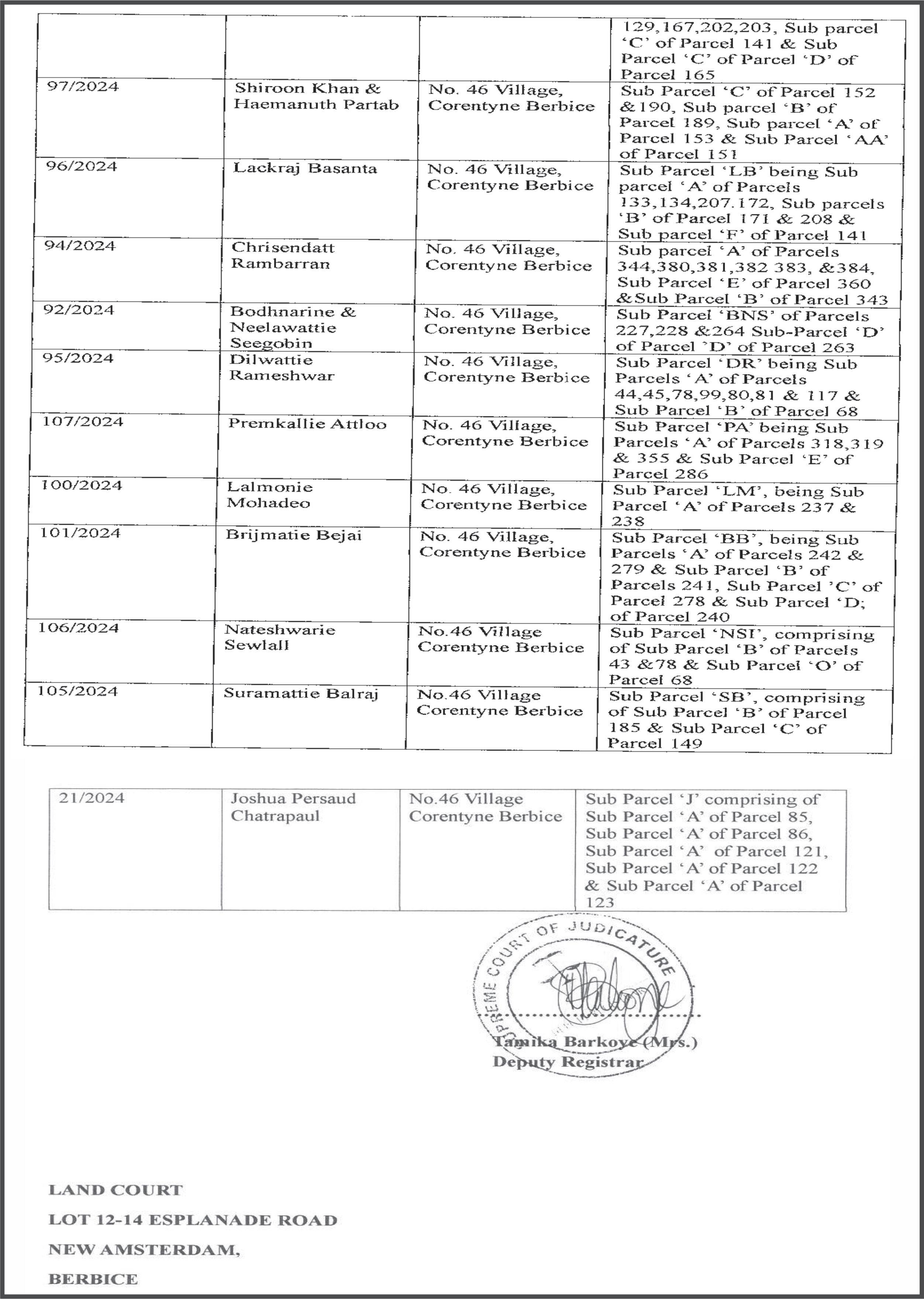
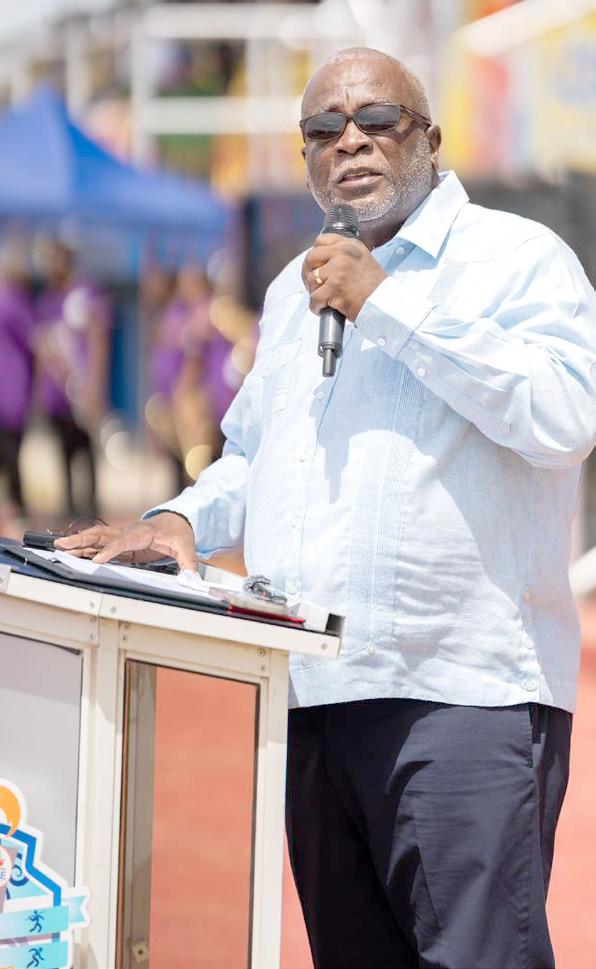
Guyana upholds sovereign maritime rights under international law
–– dismisses Venezuela’s claims
See below the full text of a statement from the Ministry of Foreign Affairs and International Cooperation:
“THE Government of the Co-operative Republic of Guyana has taken note of the communiqué issued by the Bolivarian
Republic of Venezuela dated 11th March 2026, which purports to object to Guyana’s decision to advance a three-dimensional multi-client seismic exploration programme within Guyana’s Exclusive Economic Zone (EEZ). Guyana categorically rejects the assertions con -
tained therein, which are legally unfounded, inaccurate, and entirely inconsistent with established principles of international law.
The Ministry wishes to remind the Government of the Bolivarian Republic of Venezuela that the Government of Guyana has the authority to grant permission
for any activities within the maritime areas appurtenant to the coastal territory of Guyana, as defined by the Arbitral Award of 1899, which established the frontier between British Guiana and Venezuela.
In such maritime areas, Guyana enjoys sovereignty up to 12 nautical miles in the territorial sea, and sovereign rights beyond 12 nautical miles in the Exclu-
sive Economic Zone and the continental shelf.
The maritime areas in which the seismic survey will be conducted lie unequivocally within Guyana’s Exclusive Economic Zone and continental shelf, over which Guyana exercises sovereign rights.
These rights include the exclusive authority to explore, exploit, conserve and manage natural resources within its maritime jurisdiction. As such, Guyana’s decision to facilitate the acquisition of high-resolution seismic data through a 3D Multi-Client Seismic Survey represents a legitimate and lawful exercise of its rights and is entirely consistent with international law and established state practice.
The government further underscores that the seismic acquisition initiative forms part of Guyana’s broader national strategy to strengthen the scientific understanding of its offshore petroleum basin, enhance transparency in resource management, and improve the attractiveness of Guyana’s offshore acreage to responsible international investors.
The programme will employ advanced geophysical techniques to generate high-resolution subsurface imagery that supports exploration planning and strengthens the long-term governance of Guyana’s offshore energy sector.
Accordingly, Guyana firmly rejects Venezuela’s attempt to characterise these lawful activities as occurring within “undelimited maritime areas.” Such claims constitute a deliberate misrepresentation of both the geographic and legal realities governing Guyana’s maritime jurisdiction.
The Government of Guyana has consistently exercised peaceful administration and jurisdiction over its maritime spaces, including the licensing and regulation of offshore exploration activities. These actions are undertaken in strict conformity with international law and with due regard to the rights and entitlement of other States.
It should be recalled that when the boundary between the two States was definitively settled more than a century ago by the 1899 Arbitral Award, Venezuela accepted and benefited from that settlement and the legal certainty it provided.
That Award brought finality to the territorial boundary and enabled both States to exercise the full rights and advantages arising from their respective territories and maritime projections. It is therefore particularly incongruous that Venezuela, having historically benefited from the stability and legal clarity afforded by that settlement, now seeks to challenge Guyana’s sovereign right to utilise and develop the resources contained within the territory and maritime areas that lawfully appertain to Guyana.
On this basis, Guyana respectfully rejects the protest by Venezuela and likewise rejects the notion that any portion of its maritime space or continental shelf appertains to the Bolivarian Republic of Venezuela. Guyana recalls that the Geneva Agreement of 1966 governs the resolution of the controversy which has arisen because of Venezuela’s contention, first made in 1962, that the Arbitral Award of 1899, which settled the land boundary between British Guiana and Venezuela, is null and void. That Agreement imposes no obligation on Guyana to refrain from economic development activities in any portion of its territory or in any appurtenant maritime areas.
Moreover, Venezuela’s assertion that it will not recognise concessions, licences or activities authorised by Guyana in its maritime domain is wholly without legal effect.
Under international law, no State may arrogate to itself the authority to invalidate the lawful sovereign decisions of another State within its own territory or maritime zones.
Venezuela’s statements therefore represent an unwarranted attempt to interfere with Guyana’s sovereign right to pursue its economic development and manage its natural resources for the benefit of its people.
“The Ministry therefore calls upon the Government of the Bolivarian Republic of Venezuela to refrain from issuing inflammatory and misleading statements that seek to undermine Guyana’s sovereign rights or discourage legitimate economic activity within Guyana’s maritime domain.”
$100,000 cash grant distribution to commence next week
SENIOR Minister in the Office of the President with Responsibility for Finance, Dr. Ashni Singh, on Thursday, announced that the government will commence the distribution of the $100,000 cash grant next week.
During an interview with the National Communications Network (NCN), Dr Singh said that some
are going to be prioritising payments through bank accounts, because we want to make it a seamless and as smooth and as efficient and as easy as possible,” the finance minister said.
President Dr Irfaan Ali had previously encouraged all citizens to open bank accounts as part of government’s digitisation agenda.
“We have over 50,000
50,000 public servants will be the first cohort to receive payments directly to their bank accounts.
“This time around, we
of such central government employees, public servants, teachers, members of the discipline services who have already provided us
with their bank account information and who already received their government salaries into their bank accounts,” Dr Singh said.
He added: “I’m extremely pleased to say that during the course of next week, these central government employees who would have already received their government salaries into their bank accounts will receive their cash grants.”
Meanwhile, to allow for the disbursement of the grant to other citizens, the government will be launching an online digital platform to be announced in due course to facilitate registration of all other eligible beneficiaries with guidance to be provided on the use of the platform.
Additionally, the Ministry of Finance has been working with financial institutions to simplify the process of opening bank accounts as well as to facilitate the opening of these accounts online.
Demerara Bank Limited, Guyana Bank for Trade
- 50,000 public servants to be first group of beneficiaries; new platform to be launched for registration of other eligible citizens
and Industry, Republic Bank (Guyana) Limited and Scotiabank Guyana Incorporated are facilitating the online opening of bank accounts.
The ministry reminded citizens of the government’s pledge to further promote financial inclusion amongst citizens and make financing more easily and affordably available
to Guyanese businesses, especially small and medium-sized enterprises (SMEs) and households, with the objective of fostering a more inclusive financial system.
The aim is to empower all Guyanese citizens to access financial systems and participate in saving and investment opportunities across the country.
Guyanese have benefited from different forms of cash transfers over the past five years. Some of these interventions include the distribution of cash grants for newborn babies, and the Because We Care cash grant to students in both public and private schools. New measures, including transportation grants for students and pensioners, were also announced this year.
In late 2024, the PPP/C Government initiated the first $100,000 National Cash Grant for every Guyanese citizen age 18 and older which saw the transfer of more than $60 billion of disposable income into the pockets of over 600,000 Guyanese.
Citizens aged 18 years and older in Guyana will once again now benefit from this second $100,000 National Cash Grant this year. When completed, a total of over $60 billion is expected to be transferred to these citizens.
Mohameds now claim proPalestinian stance sparked U.S. action
DEFENSE attorneys representing businessman Azruddin Mohamed and his father, Nazar Mohamed, have argued in court that the extradition proceedings is a result of their outspoken support for Palestinians.
Attorney Siand Dhurjon, appearing on behalf of the Mohameds, told the court that actions taken by U.S. authorities were motivated by his clients’ political views and public demonstrations in solidarity with Palestine.
“Their political expressions, which have led to their extradition
proceedings, are well known. The Mohameds have organised parades and other activities in support of the Palestinian side of the conflict,” Dhurjon said while addressing the court. His argument came as he pressed for the disclosure of contracts between Guyana’s Ministry of Foreign Affairs and American lobbying firms engaged by the government.
The claims represent a departure from earlier arguments advanced by the Mohameds and their legal team. Previously, they alleged that the PPP/C administration
had conspired with two successive U.S. administrations to persecute them. The new contention instead focuses on the
claim that their visible advocacy for Palestinians — including public ral-
lies and demonstrations — may have prompted retaliatory actions from U.S. authorities. No evidence was presented in court to support either claim.
The Mohameds’ ongoing legal troubles arise from indictments filed in the United States, where both men are accused of participating in a large-scale gold smuggling operation and related financial offences, including tax and customs evasion. Based on those charges, American authorities have sought their extradition to face trial in the U.S.
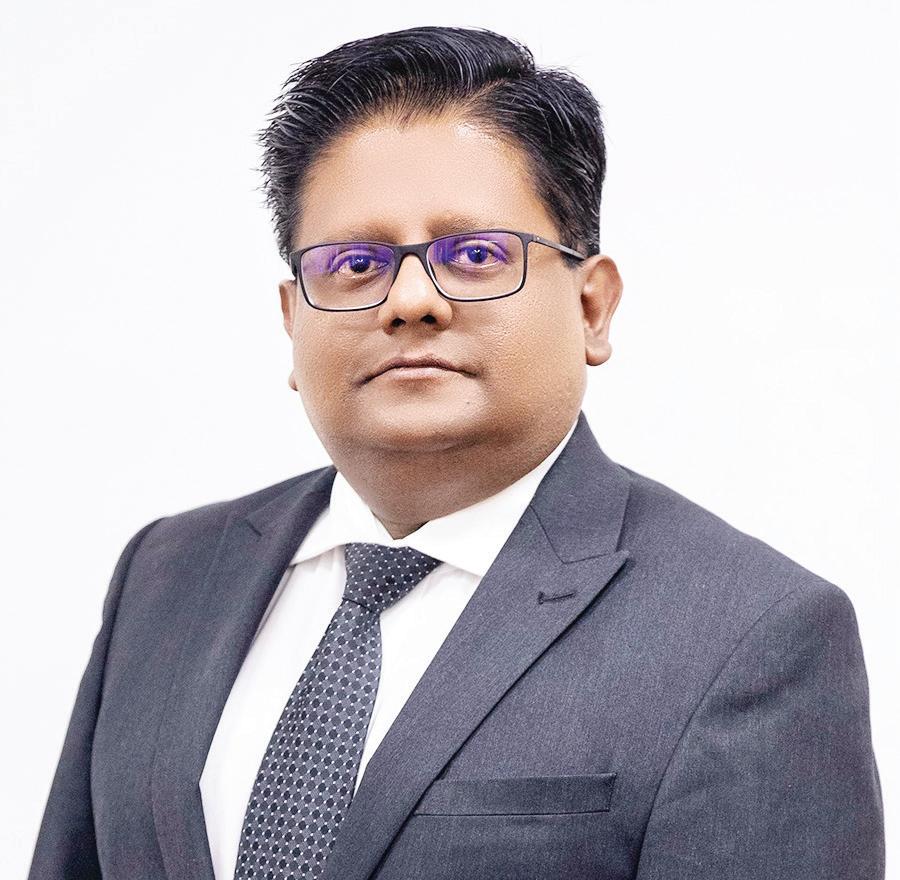
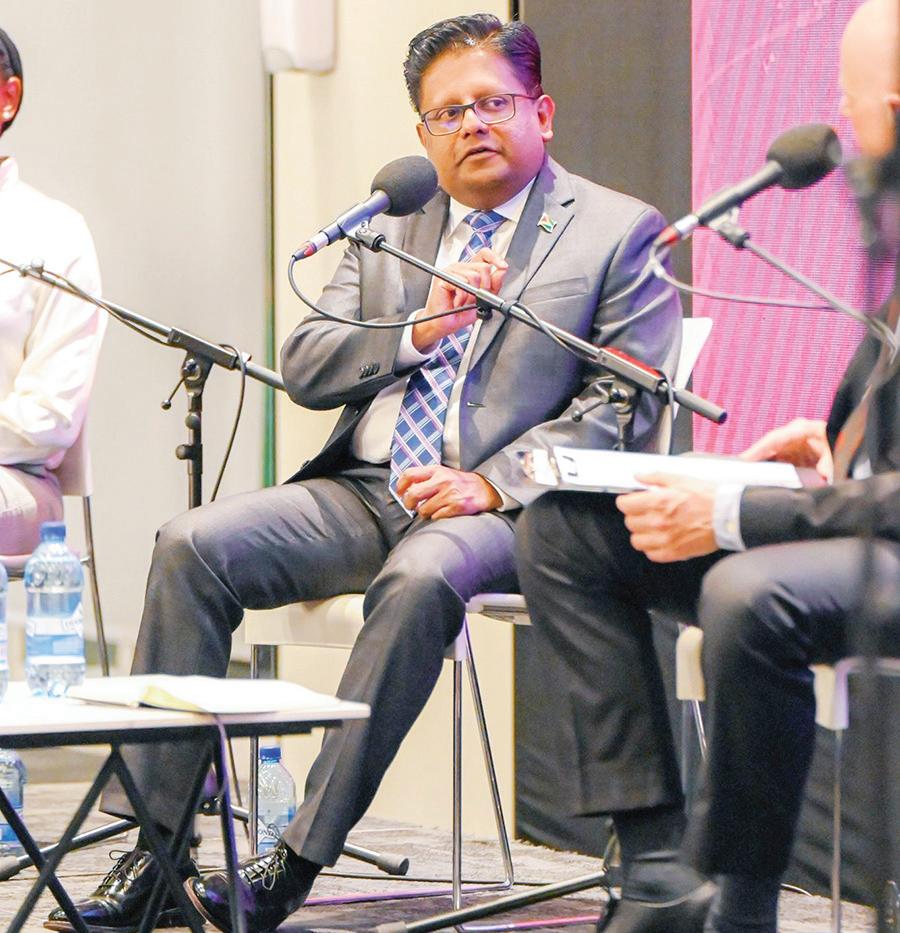
Finance Minister, Dr Ashni Singh
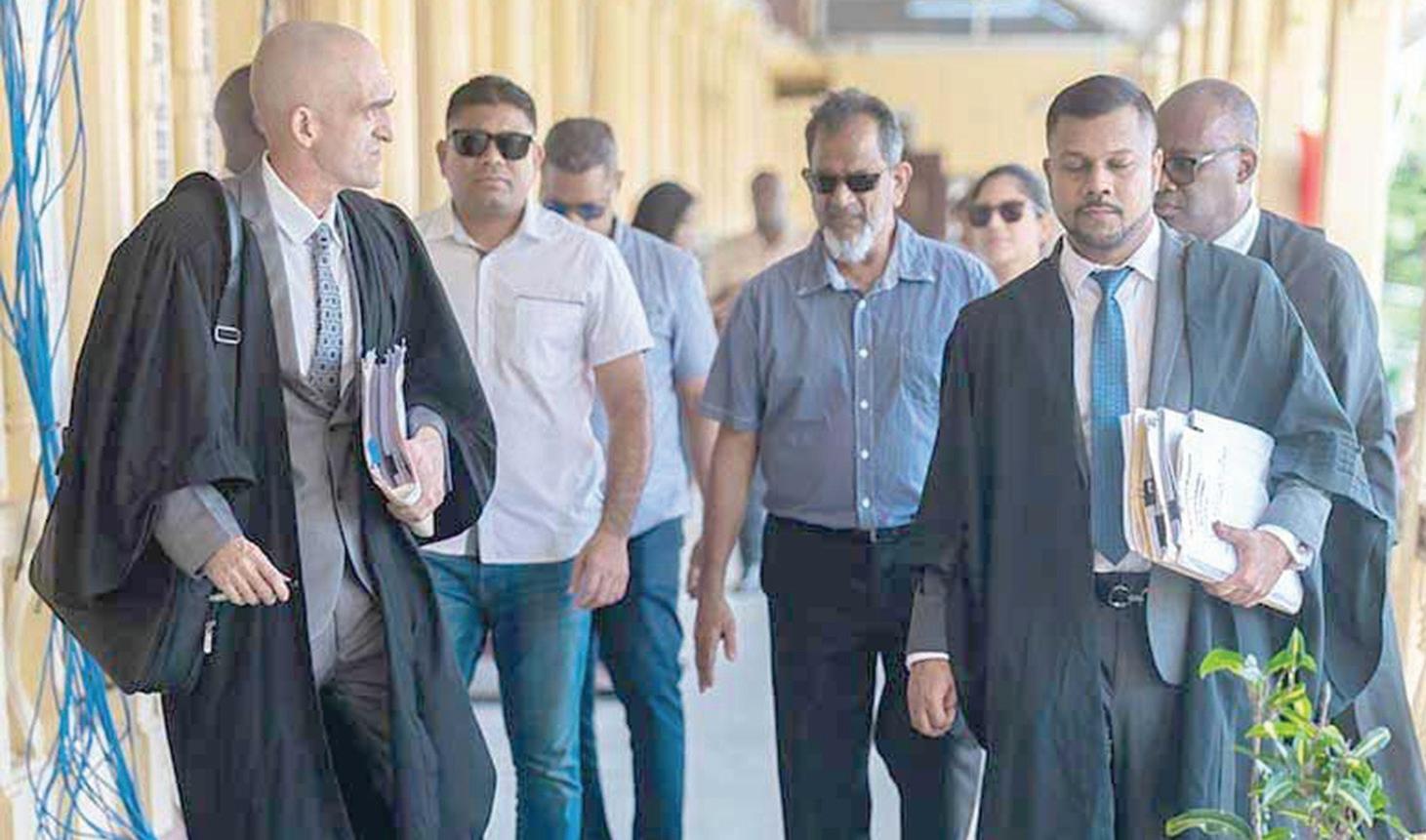
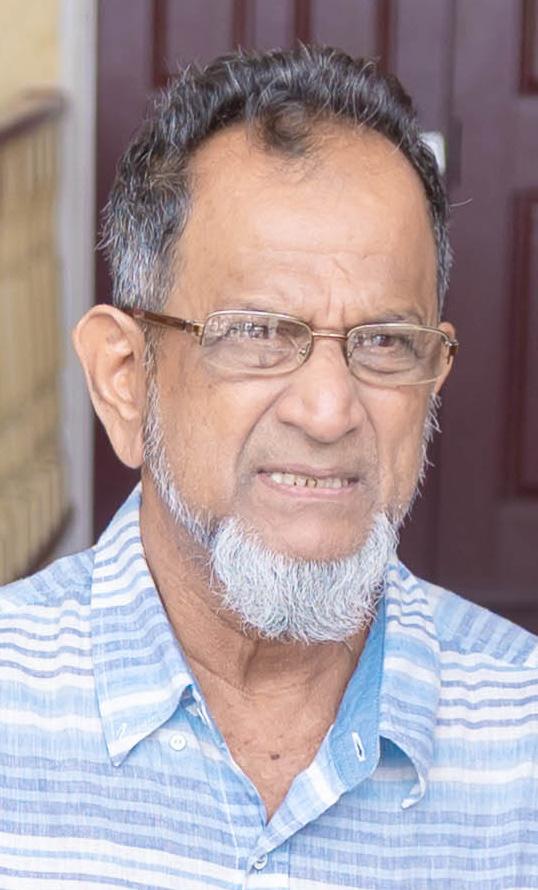
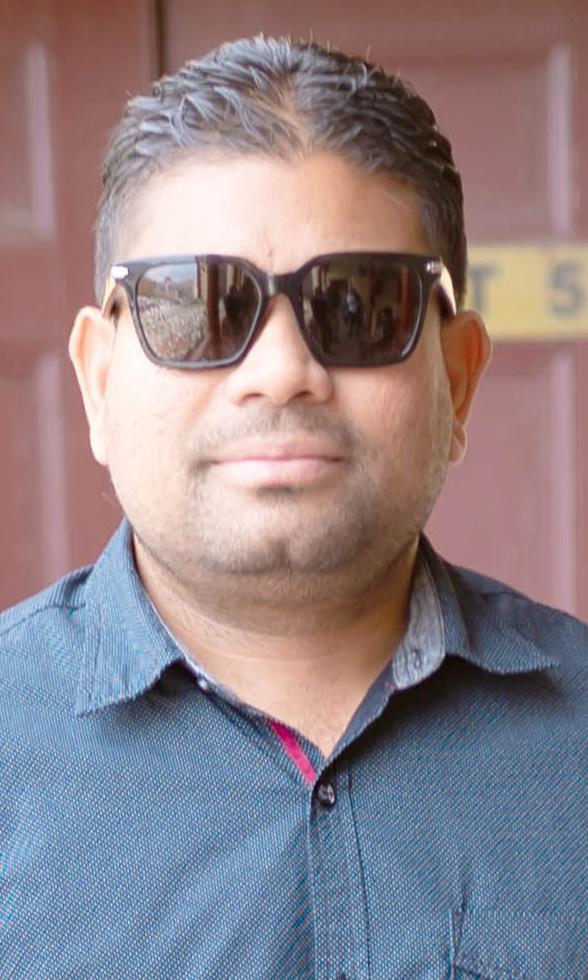
Nazar and Azruddin Mohamed accompanied by their legal team
‘We are living in the era of opportunities’
- Dr Singh says; encourages Guyana’s youth to capitalise on growing economy
- Urling advises young professionals to align skills, careers with emerging opportunities
YOUNG Guyanese were encouraged to remain in the country and take advantage of what Finance Minister Dr Ashni Singh has described as an unprecedented period of opportunity in the nation’s history.
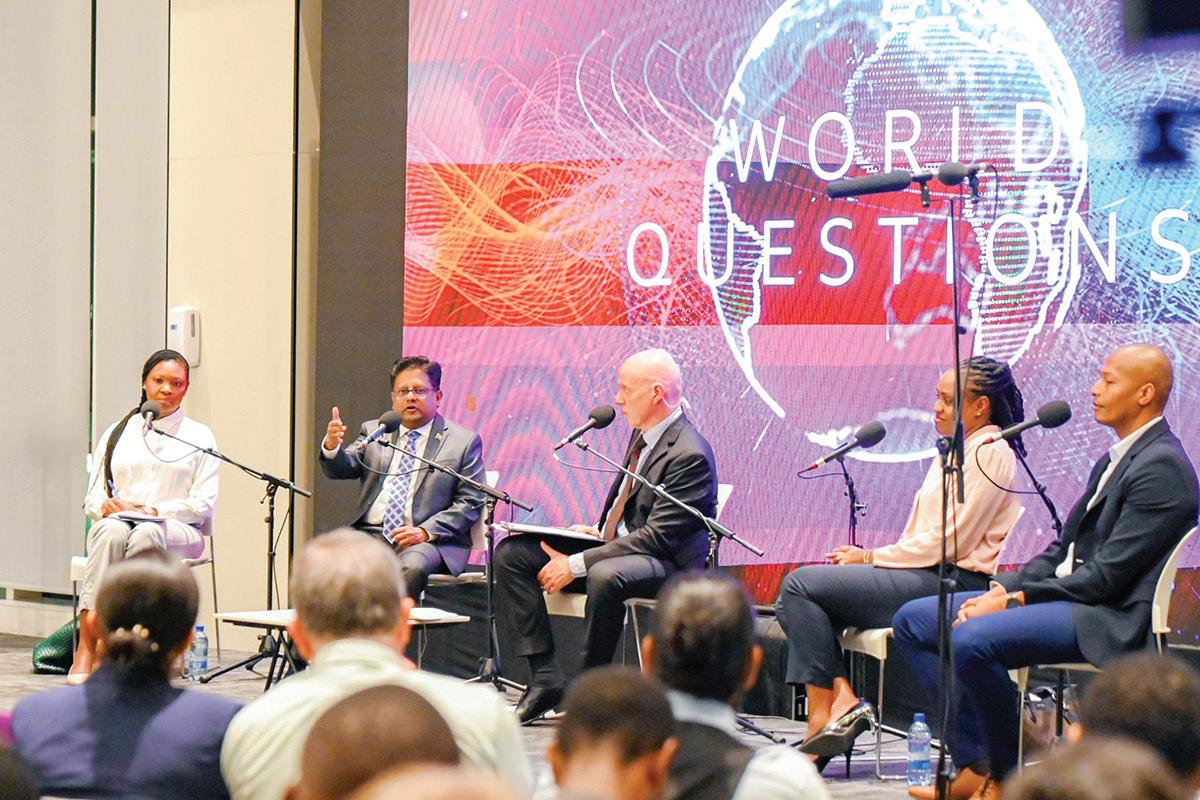
During a recording of the BBC’s World Questions in Georgetown earlier this week, Dr Singh emphasised that the country’s rapidly evolving economic landscape presents possibilities that were unimaginable just a few years ago.
“There are no other opportunities like any other time in our history,” Dr Singh said, responding to a question about how the government plans to encourage young people to stay in Guyana rather than migrate.
The Finance Minister underscored that the current moment offers prospects and initiatives that previously did not exist in the country’s history.
Among these initiatives, he highlighted the PPP/C’s provision of free tertiary education, which removed financial barriers
to higher learning and is equipping more citizens with the skills needed in the evolving economy.
Dr Singh also pointed to the introduction of various cash transfer programmes, explaining that these measures are designed to provide financial support to households.
“We are literally living in this era of opportunity,” Dr Singh said.
However, concerns about a shortage of skilled
labour remain.
Guyana’s private sector is struggling to find enough skilled workers to meet the demands of the rapidly expanding oiland-gas-driven economy, Secretary of the Private Sector Commission, Clinton Urling, said.
In his contribution to the discussion, Urling cited research by the Centre for Local Business De -
velopment which identified a shortfall of around 52,000 skilled professionals needed to support the emerging sector. He noted that other studies on labour and migration suggest the true gap may be even larger.
He urged young Guyanese, including those considering migration, to look carefully at where skills are most needed and to align their training and careers with these emerging opportunities.
At the same time, he urged the government to intensify investment in vocational and technical education, particularly in areas directly linked to industry demand, to ensure the country can fully benefit from its unprecedented economic transformation.
According to recent data from the Bureau of Statistics, unemployment had dropped sharply from 12.8 per cent in 2020 to 6.8 per cent in the fourth quarter of 2024.
Data also showed a reduction in female unemployment from 14.4 per cent to under nine per cent, as gains were evident across both urban and rural areas, signalling more equitable regional development.
President Dr Irfaan Ali had attributed the most recent gains to a diversified economic strategy and targeted government policies.
Dr Ali had noted that rising earnings were not confined to the oil and gas sector. He cited large increases in average wages across multiple industries: agriculture, forestry and fishing up 84 per cent; information and communication up 88 per cent; construction, 71 per cent; and arts, entertainment and recreation 114 per cent, among others.
The Head of State also acknowledged and referenced international assessments warning of labour shortages as the country grows.
He referenced an International Organisation for Migration (IOM) analysis that estimates Guyana will require as many as 160,000 workers to meet medium-term development needs, and a local study pointing to a gap of about 52,396 workers.
Dr Ali said the findings underscored the need for workforce planning, skills development and targeted recruitment to sustain the country’s expansion.
Finance Minister Dr Ashni Singh
Also joining Tuesday’s panel was Opposition Member of Parliament Tabitha Sarabo-Halley; activist and businesswoman, Founder and Managing Director of Blossom Incorporated and Sispro Inc., Ayodele Dalgety-Dean; and Private Sector Commission Secretary, Clinton Urling
Magistrate rejects defence’s request for disclosure in Mohameds’ extradition hearing
EXTRADITION proceedings involving US-indicted businessmen and father-and-son duo Nazar Mohamed and Azruddin Mohamed continued on Thursday, with Principal Magistrate Judy Latchman refusing the defence request for the disclosure of alleged contracts between the Government of Guyana and United States-based lobbying firms.
At the Georgetown Magistrates’ Courts, magistrate Latchman cited an earlier ruling denying the request, maintaining that the disclosure sought by the defence was not necessary for the determination of the extradition proceedings currently before the court.
The court also heard testimony from Permanent Secretary of the Ministry of Foreign Affairs and International Cooperation, Sharon Roopchand-Edwards, who spoke about receiving the extradition documents relating to the Mohameds.
The Permanent Secretary acknowledged being aware that the Government of Guyana had contracts with the firms Continental Strategy LLC and DR Consulting.
However, when asked whether she knew the individual responsible for communicating with the firms, Roopchand-Edwards responded, “No.”
Defence Attorney Siand Dhurjon further questioned whether she knew the purpose for which the firms were hired.
“And you have no clue about what these firms were hired for?” he asked.
“Yes,” Roopchand-Edwards replied.
The attorney also suggested that her predecessor, Elisabeth Harper, had entered into a contract with Continental Strategy LLC in December 2024. Roopchand-Edwards said she was unaware of that.
The court also heard evidence about the delivery of the extradition request documents from the United States.
Dhurjon asked whether she opened the documents immediately after receiving them on October 30, 2025. Roopchand-Edwards confirmed that she did.
“Yes,” she said.
She also told the court that the envelope in which
the documents arrived was not sealed.
“The white envelope was not sealed. It was unsealed when it was handed to me by the marshal,” she explained.
She further stated that the envelope was opened in her presence before the documents were handed to her.
“The marshal opened it in my presence and handed it to me. The envelope was opened in my presence,” she said.
When asked whether the envelope contained the full set of documents, Roopchand-Edwards said they were inside a folder.
“There was a folder and it was taken out and it had all the relevant documents,” she told the court.
During cross-examination, Senior Counsel Roysdale Forde questioned Roopchand-Edwards about a statement she provided during the investigation.
Forde asked whether she had prepared a statement on November 27, 2025.
“Yes,” she replied, adding that it was prepared in consultation with a legal officer at the Ministry of Foreign Affairs and International Cooperation and prosecutor, Jamaican attorney Herbert McKenzie. Forde also asked when she was first contacted about giving the statement.
“I can’t recall the exact date. It might have been a few days before (November 27, 2025),” Roopchand-Edwards said.
When asked who contacted her, she said it was the ministry’s legal officer and McKenzie.
She also denied preparing any statement in anticipation of an extradition request from the United States for the Mohameds.
Roopchand-Edwards explained that her understanding of anticipation would mean she had prior knowledge that the request was coming.
According to her, the final statement was transmitted to McKenzie through her legal officer.
Following further cross-examination by Forde during the afternoon session, Roopchand-Edwards’ testimony was adjourned. She is expected to return to the witness box this morning.
Besides McKenzie, the prosecution team also
Permanent Secretary (PS) of the Ministry of Foreign Affairs and International Cooperation, Sharon Roopchand-Edwards
features Jamaican King’s Counsel Terrence Williams, Jamaican attorney Celine Dedrick, and lawyer Glenn Hanoman. Also representing the Mohameds is attorney Damien Da Silva.
On the morning of October 31, 2025, businessman Nazar Mohamed and his son Azruddin Mohamed were taken into custody in Georgetown following an extradition request from the United States, which had been transmitted the previous day.
The two men, who own Mohamed’s Enterprise, were subsequently granted bail in the sum of $150,000 each as the extradition proceedings continue.
As part of their bail conditions, they were required to surrender their passports and report weekly to the Ruimveldt Police Station. These measures were imposed to ensure their availability for the ongoing court process.
The father, 72, and son, 39, are the subjects of an 11-count indictment filed
in the United States District Court for the Southern District of Florida. They are jointly charged on 10 of those counts, while Azruddin Mohamed faces an additional charge relating to the importation of a 2020 Lamborghini Roadster SVJ into Guyana.
Court filings allege that the two conspired to commit wire fraud, mail fraud, money laundering, and customs-related offences, including conspiracy, aiding and abetting. The allegations are linked to what investigators describe as a US$50 million gold export and tax evasion scheme.
The indictment was handed down by a grand jury in October 2025.
According to the documents, Nazar Mohamed holds a 90 per cent stake in Mohamed’s Enterprise, while his son owns the remaining 10 per cent. The most serious charge carries a potential maximum sentence of 20 years in prison.
In June 2024, both men and their associated companies were sanctioned by the Office of Foreign Assets Control, a division of the United States De -
partment of the Treasury, over allegations of gold smuggling and large-scale corruption. The sanctions announcement also referenced claims that more than US$50 million in taxes owed to the Guyanese state had been evaded.
United States authorities are believed to have begun investigating the Mohameds as far back as the mid2010s. The probe reportedly involved intelligence sharing and law-enforcement cooperation between Guyana and the United States.
Several American agencies were involved in the investigation, including the Drug Enforcement Administration, the Federal Bureau of Investigation, and the Department of Homeland Security.
Prosecutors allege that between 2017 and 2024 the two businessmen participated in a scheme to export large quantities of gold from Guyana to the United States using falsified customs declarations and
reused government export seals.
Investigators claim the operation enabled the shipment of more than 10,000 kilogrammes of gold while avoiding the payment of taxes and royalties owed to the Guyanese state.
United States authorities further contend that the alleged scheme resulted in approximately US$50 million in losses to taxes and duties and involved acts of wire and mail fraud, money laundering and conspiracy.
The indictment also references a shipment of gold valued at approximately US$5.3 million that was seized at Miami International Airport during the course of the investigation.
Following the indictment, the United States formally sought the surrender of the two men under the extradition arrangements between the two countries, giving rise to the ongoing proceedings now before the local court.
Nazar Mohamed Azruddin Mohamed
Principal Magistrate Judy Latchman
Parents Must Act
THE image of a table filled with lighters, knives, toy guns, and other prohibited items taken from students at the West Ruimveldt Secondary School should alarm every parent in Guyana. The image reflects our shared failure as guardians.
The concerned parent who attended that meeting and was shocked by what they saw spoke for thousands of mothers and fathers across the country who remain unaware of what their children carry in their bags each morning.
The question raised by that parent, “How do we stop our children from bringing weapons to school or harming their peers?” needs a straightforward answer: it begins at home.
Let’s be clear: the Headmistress of West Ruimveldt Secondary School deserves praise for her decision to show-
case those items and engage parents directly.
As Education Minister Sonia Parag pointed out, no search occurred that day; this initiative came from a school leader who knew that being open, not hidden, is the first step towards change. Schools should not bear the whole responsibility for discipline, while parents see the school gate as the limit of their duty. That mindset is dangerously outdated.
Over the past two years, Guyana has seen a worrying rise in violence and bullying in schools.
From the viral assault video at Zeeburg Secondary in January to the alarming bullying incidents at Charity and New Campbellville Secondary Schools, the trend is clear.
The government has responded with a stronger anti-bullying campaign, on-
line reporting options, plans for moral and civic education in the curriculum and discussions about new laws.
These are necessary institutional responses, but no policy can replace a parent who checks their child’s bag, who has challenging discussions at the dinner table, and who knows their child’s friends and habits.
The uncomfortable truth is that a lighter or a knife doesn’t just end up in a child’s pocket by chance.
Someone at home is not paying attention.
The parent at West Ruimveldt acknowledged that what they observed was a “bigger problem” than simple noisiness or restlessness in class. That honesty is rare, and it’s exactly the kind of wake-up call every household in Guyana needs.
Studies and experience show that children whose parents actively participate in their education are less likely to engage in violent or antisocial behaviour.
When that involvement decreases, especially during the secondary school years, the void is filled with peer pressure, bravado, and, sadly, weapons.
The Ministry of Education cannot search every bag and keep an eye on every child. Teachers cannot be parents, counsellors, disciplinarians, and security guards all at the same time.
Schools such as West Ruimveldt are doing their part by welcoming parents in.
The least we can do is step forward, aware and committed.
The safety of our children is not just the government’s responsibility. It is ours.
Ernie Ross’ book “Intangience”
is a gem of experience and advice
Dear Editor,
ERNIE Ross and I were teenage friends. We lived a few houses apart in Prashad Nagar and I visited his home frequently.
Ernie called me by my nickname “Shully”, as those who were close to me back then did.
In the early 1970’s, many a Sunday evening would find us at the cafeteria at the Starlite Drive-In cinema at Montrose on the East Coast. We multitasked; watched the movie, had a few drinks and discreetly admired the pretty girls in and around the cafeteria.
Ernie had a creative streak. He was into music, literature and the arts in general. I remember him playing the harmonica or - as we Guyanese call it - the mouth organ. He was a perceptive observer and thinker, but not rigid and opinionated. He was open to free and easy exchange of views and ideas. All of this was a foreshadowing of the man he would become.
Sometime after high school, Ernie left Guyana for Trinidad. Starting from scratch, he gradually built up an advertising business. Tapping into his creative abilities and keen insights into human psychology, his advertising business grew exponentially.
His company, Ross Advertising, won numerous awards over the years. He became an advertising, branding and marketing star, and practically a household name in Trinidad. He also worked on the successful political campaigns of President Janet Jagan of Guyana and Prime Minister Kamla Persad-Bissessar of Trinidad and Tobago. Additionally, he founded “ReThink”, a philanthropic organisation. Ernie recently published a wonderful book entitled “Intangience”. The subtitle is “How human connection creates value between people, brands and ideologies.” “Intangience” is a portmanteau (blend) of “intangible” and “science” or - more fully – “intangible values” and the “science of human connection”. The
book is beautifully written, engaging and insightful.
The first of its 10 chapters is set in 1970’s Guyana, a depressing period in our history. In other chapters, Ernie relates real cases from his career that showcase the “Intangience” methodology in action and validate the effectiveness of the branding framework. In the tenth and last chapter, “How it all started” he goes back to relate the story of his arrival in Trinidad, the success he achieved, his quest for fulfilment and purpose, and how “Intangience” was born.
Something that really impressed me is actually not in the book. There is no ego in the book. No hubris, no boasting. Instead, Ernie shares his experiences in a straightforward, matter-of-fact way. His sure-footed writing and delivery are serene, almost Buddhist in tone. He was Guyana’s Honorary Consul General to Trinidad and Tobago for well over a decade, but there is no mention of that in the
book. So modest.
“Intangience” is a gem of experience and advice. The book is available from Indigo (store and website) and also on Amazon. At this time, it is in hardcover format. Hopefully, a trade paperback will be released later. The kindle electronic version on Amazon is reasonably priced. This is good news for those in Guyana who may not be able to get the printed copy of the book.
Those who have a kindle device, or the free kindle app on their iPad, can purchase the kindle version from Amazon, as an instant download.
For those in Canada, Ernie is expected to be at the Indigo bookstore in Toronto’s Yorkville district for a book signing on May 23.
Delcy’s war of words, Cuba talks in St Kitts, and oil for Havana
Dear Editor,
DELCY Rodriguez continues to loudly advance Venezuela’s claim for the Essequibo. If she is under Trump’s control, how do we interpret that?
Are we now dealing with the US or still with Chavez’/Maduro’s Venezuela? If so, it’s of greater danger to us than before. If not, and Trump remains in support of Guyana, why is Rodriguez free to publicly advocate the claim instead of being silenced on it? With whom are we (Guyana) dealing with? The US does not, like Venezuela, recognise the ICJ. Is the US in a conflict of interests? What happens if the US is forced to choose when, as expected, the ICJ rules in our favour?
Notably, Sir Ronald Sanders, in his regular comments, has observed, on the subject of Cuba, that: “Cuba, though absent from the Secretary’s formal plenary remarks, was part of private discussions. Subsequent reporting confirms that U.S. officials close to the Secretary met privately in St. Kitts with Raúl Guillermo Rodríguez Castro, grandson and close aide to former Cuban leader Raúl Castro.
That meeting confirms that discussions between Washington and Havana are active.
Reports suggest that the United States is exploring a phased easing of sanctions in exchange for incremental economic and governance changes. Secretary Rubio has indicated publicly that the United States is prepared to listen if Cuban authorities are willing to undertake significant economic reforms that expand private enterprise and open space for broader freedoms. This moment differs from earlier periods of strain. Cuba faces severe economic contraction, energy shortages, and humanitarian pressure. Regional energy dynamics are also shifting. In such circumstances, steady engagement may yield more than isolation alone.
It is further understood that discussions are underway regarding energy arrangements that could allow Venezuelan oil to reach Cuba through controlled channels, easing the island’s acute pressures. These negotiations remain sensitive and incomplete. But they reflect recog-
nition that collapse in Cuba would carry consequences for the wider Caribbean, particularly in migration and regional stability.
CARICOM governments have long advocated dialogue rather than rupture in dealing with Cuba. Public statements by regional leaders emphasised de-escalation, reform, and stability. The indication that Washington is pursuing quiet engagement was therefore noted with interest and, in many quarters, with cautious welcome.
The broader significance of the meeting is clear. The Caribbean is America’s immediate neighbourhood. Trade flows in both directions. Migration binds families. Security threats move across maritime space without regard to borders.
The United States seeks secure borders, stable neighbours, and resilient economic ties. CARICOM states seek growth, climate resilience, and protection against transnational crime. These aims intersect.
If reinvigoration means deeper security cooperation, structured and lawful migration arrangements, investment that
integrates Caribbean economies into resilient supply chains, and pragmatic engagement to reduce instability in Venezuela and Cuba, then the meeting in Basseterre may prove consequential.
If it becomes a series of expectations unsupported by proportional safeguards, friction will return. Small states guard sovereignty carefully because sovereignty is their shield. That instinct is not obstruction. It is prudence.”
Gerald A. Perreira writes castigating President Ali for stating in a Fox News interview that “the status quo cannot remain and we agree that there must be an attempt to have the status quo changed” in referring to Cuba, so that Cuba must “benefit from prosperity and democracy” while deriding Guyana by comparison.
People like Perreira who write this kind of nonsense need to ask themself a simple question: “If I lived in Cuba what would happen to me if I dare write such a letter?”
Yours sincerely, Kit Nascimento
Scotiabank deploys advanced ATM technology to elevate banking experience
SCOTIABANK has completed the rollout of its new enhanced Automated Teller Machines, known as Intelligent Deposit Machines (IDMs), across all branch locations.
According to a press release from the bank, these state-of-the-art self-service terminals are designed to make everyday banking faster, safer, and more convenient for clients. The introduction of IDMs marks a significant milestone in the Bank’s ongoing commitment to modernising its service channels and expanding 24/7 access to es-
sential banking solutions.
According to Country Manager of Scotiabank Guyana Inc., Nafeeza Gaffoor, the enhanced ATMs allow the Bank to deliver a smoother and more efficient client experience.
She related that by investing in intelligent deposit technology, Scotiabank is empowering clients to conduct transactions quickly, securely, and at their convenience.
The new Intelligent Deposit Machines bring a range of upgraded features to customers.
Deposits no longer require envelopes—clients
can now insert cash and cheques directly into the machine. The IDMs automatically count cash, scan cheques, verify deposit amounts, and print images on receipts.
Deposits are processed in real time, with cash becoming available either instantly or within minutes, and cheque images transmitted digitally for faster clearing.
Beyond deposits, the IDMs offer expanded self-service functionality, allowing customers to complete transfers, loan and credit card payments, bill payments, and balance inquiries at any time
of day.
With large touchscreens, tactile keypads, audio navigation, multilingual prompts, and accessible height design, the machines cater to the needs of all users, ensuring inclusivity and ease of use.
The deployment of these enhanced ATMs reinforces Scotiabank’s broader digital transformation strategy, aimed at giving clients flexible, technology-driven options beyond traditional branch banking. The move particularly benefits businesses, which can now make secure, af -
ter-hours deposits through the IDMs—further advancing digital banking convenience across Guyana.
“As client needs evolve, we are committed to meeting them with solutions that blend innovation, convenience, and security. These machines help reduce branch wait times, improve deposit accuracy, and give our clients more control over how and when they bank,” Gaffoor said.
The first phase of Intelligent Deposit Machines has been deployed strategically at branches and with
additional installations planned for the near future.
HERE are the words that Tacuma Ogunseye used in an email to me on March 6, 2018 at 9:21 PM: “The observations you made of his politics is [sic] correct.
I remember persons who knew the “Brother” told us that we will later have problems with the comrade - their point was that his political orientation was not Guyanese or Caribbean but European.
“He came from the European lift (sic) culturally. I had and still have problems with the brother’s politics and his political culture, but the WPA, before Walter (sic)
return, and during his activism and after had always seen the anti-dictatorial struggle as a multi-class struggle - this explains our coexistence and objectively was Indian and one of the better elements of the elite. There is something I would not say at this time.”
Tacuma Ogunseye remarked about many persons telling him about the nature of Roopnaraine. It was the same with me. All his critics were identical in saying that he was a middle-class elite not suited for West Indian mass politics.
Rupert Roopnaraine (RR) with his ab-
solutely brilliant mind should never have been involved in Marxist, working class, West Indian politics.
He should have remained a top-class scholar in global academia or found a party like the Green Party. He couldn’t fit in, never fitted in. In philosophy, there is the concept of nature versus nurture. It is a theory used in philosophy to defeat genetic determinism.
Genetic biologists, of which the late E.O. Wilson is the most famous, stipulate that Homo sapiens cannot avoid being shaped by genetic determinism. Wilson went so far to say xenophobia is in built into our system. The nature versus nurture perspective argues that nurture can defeat nature based on the socialisation process.
If you have identical twins, and one has a girlfriend that is deep into the anti-war movement and the other hangs around conservative friends, they will develop different character traits. They will mature to have nothing in common. This is what is meant by nurture defeated nature.
RR was a victim of genetic determinism. Vic Insannaly in his funeral eulogy said that RR’s mother wanted him to be a Guyana scholar so she sent him to private school; from there to Queen’s College, then to Cambridge University.
At Cambridge, RR became an Indo-Saxon. His Anglo-Saxon personality was also shaped by what he studied –classical literature. By the time he left Cambridge, he was the typical West Indian Anglo-Saxon man.
He left Cambridge and jumped deeply into the counter –culture of hippie life sweeping the 60s in the Western world when he went to Cornel University in New York. He got deeper into Anglo-Saxon culture when he did his doctorate on Dickens – the best exponent of the English language. RR by the time he arrived back in Guyana in 1976, he was a pure Indo-Saxon personality saturated with Western culture.
Vic Insannaly told the funeral gathering that three days before RR died, he visited him at his sprawling former sugar plantation residence (my words) where he found him in bed listening to classical music. Those who know Roopnaraine would not
be surprised at the choice of music. RR could not escape genetic determinism. The nature versus nurture dialectic bypassed him.
His socialisation was purely among the Mulatto/Creole class (MCC). His personal friends were from the MCC. He told my friend Leyland DeCambra, one of the founders of the UK WPA group, that his best friend was Martin Carter. Imagine that, RR, a revolutionary West Indian Marxist, having an imperialist spokesperson as his best friend.
One day, Mark Benschop and I were leaving New Thriving Restaurant and we passed him with a group all of which were light-complexioned MCC personalities. He told me and Benschop he was celebrating his birthday. Would he have celebrated his birthday with Tacuma Ogunseye?
He was one of the most unique humans in the world. I am using the term “unique” in a value-free context. Normally, the term denotes positiveness. I am not using it in that sense. What makes him unique is that he lost himself simultaneously in two worlds characterised by diametrical class differences – the MCC world and the world of Jaganite/Rodneyite working-class activism.
He was an Anglo-Saxon in character and was the darling of the entire Portuguese and Mulatto/Creole class in Guyana. No one in the history of British Guiana and post-independence Guyana was more embraced by the light-complexioned MCC than RR.
It was incredible to see. It was a wonder to witness.
He would talk about Marxism, Cuba and revolution but despite that ideology, the MCC loved him. In the end, he became part of a neo-liberal government that brutalised sugar workers.
He damaged his legacy by supporting rigged elections. In the end, he became what he always was.
DISCLAIMER: The views and opinions expressed in this column are solely those of the author and do not necessarily reflect the official policy or position of the Guyana National Newspapers Limited.
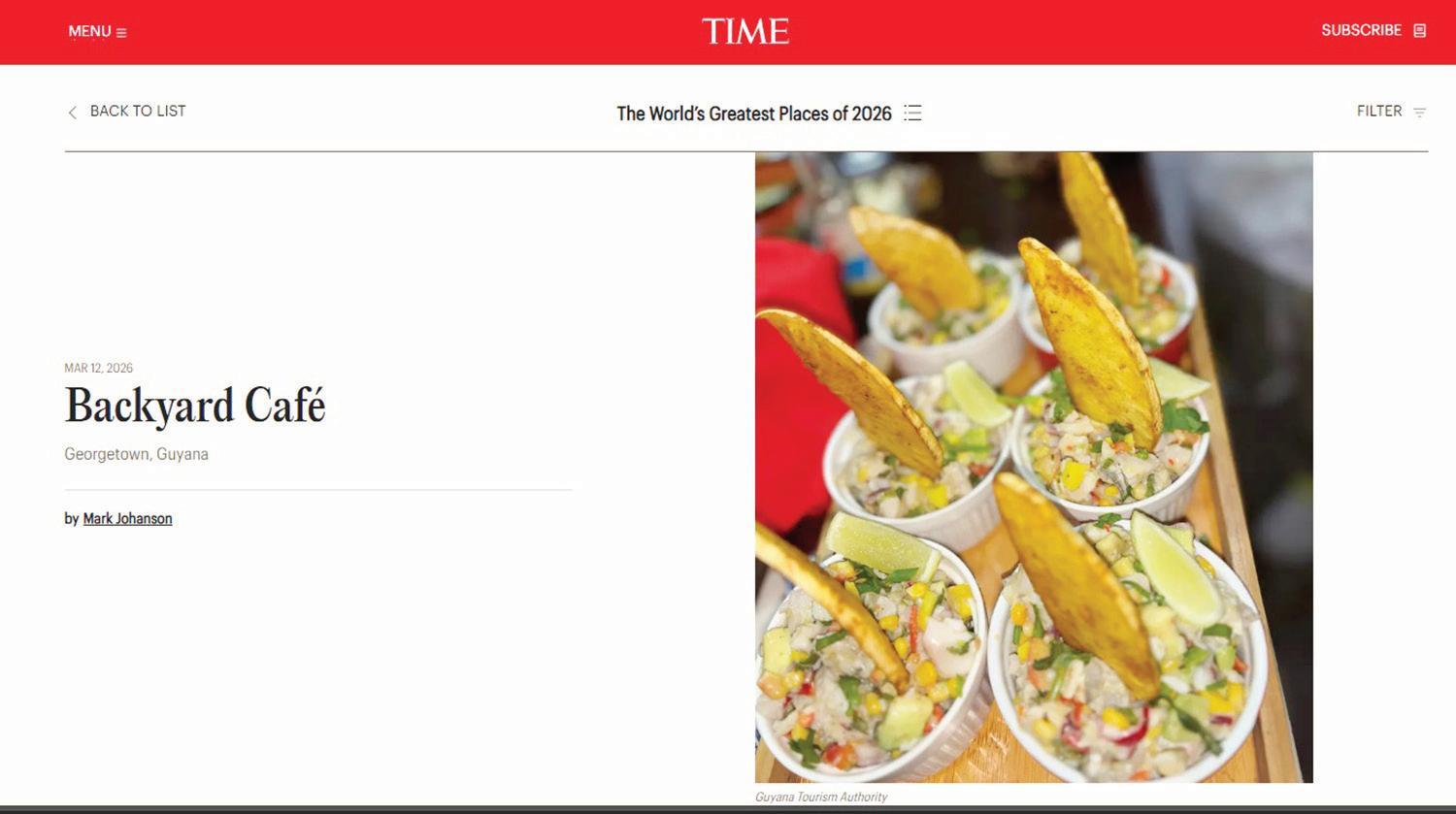
Backyard Café makes TIME’s list of the World’s Greatest Places 2026
GUYANA’S Backyard Café has made it onto the TIME’s 2026 list of the world’s greatest places to visit. TIME made this disclosure
on Thursday, when it revealed the list, which highlighted 100 extraordinary destinations to visit and stay. According to the Ministry of Tourism,
Industry and Commerce, to compile this list, TIME solicited nominations of places, including hotels, cruises, restaurants, attractions, museums, parks and more, from its international network of correspondents and contributors, as well as through an application process for those offer-
ing new and exciting experiences.
The Backyard Café is owned by Guyanese chef, Delven Adams, who returned to Guy -
ana some years ago to pursue a project aimed at preserving the Guyanese culture.
In 2016, this newspaper featured the café. It was disclosed that
the conceptualisation of the authentic Guyanese experience came during a visit to Suriname. Adams was invited to an “evening of soup” during his visit to the Dutch-speaking nation. Meals were served in the front-yard of the venue, and Adams’ thought and question to himself was, “why not the backyard?”.
The twelve line
TIME article was written by Mark Johanson, who described the Backyard Café as a humble, speakeasy-styled spot. The short write-up not only places Guyana on the map, but also the unique café that has garnered support, love, and admiration from locals and foreigners, who visit for a taste of Guyana.
In an Instagram
post, Backyard Café said, “From a humble backyard in Georgetown to the global stage. This moment means a lot. A huge thank you to the Guyana Tourism Authority and everyone involved in making this possible. Proud to be part of showcasing Guyana’s rich culture and cuisine to the world.”
Modernisation of Guyana’s ‘legal architecture’ improves women’s access to justice -
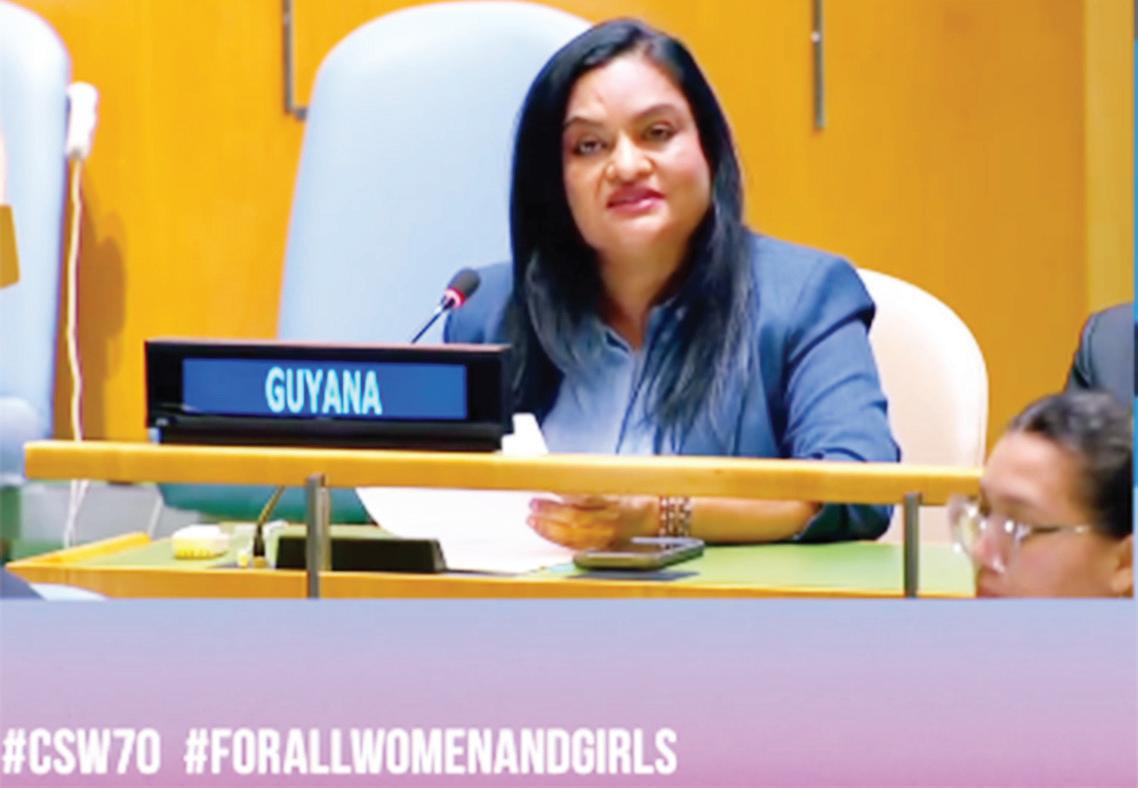
GUYANA’S “legal architecture” continues to be modernised to enable access to justice for women and to dismantle structural barriers, according to Minister of Human Services and Social Security, Dr Vindhya Persaud.
Dr Persaud emphasised Guyana’s work during her remarks at the General Dis-
cussion Of The 70th Session on the Commission on the Status of Women, which was held under the theme: Ensuring and strengthening access to justice for all women and girls, including by promoting inclusive and equitable legal systems, eliminating discriminatory laws, policies, and practices, and addressing structural barriers.
Acknowledging that globally, women are still facing challenges when it comes to fair access to justice, the minister noted that Guyana is working extensively to break down these barriers.
“Guyana is dismantling structural barriers and closing legal gaps through the enactment of progressive legislation; education on laws and
Dr Persaud tells global stakeholders
rights; provision of free and subsidised legal services for women and partnerships with civil society. Our legal architecture is being continuously modernised to improve access, including through digital transformation and the establishment of new and specialised
der equality, noting that legislation must be accompanied by education on rights, access to affordable legal services, effective law enforcement and timely and reasoned judicial action.
Turning her attention to the strides that Guyana has
tion, perpetrators are escaping accountability, hiding behind veils of anonymity and remaining out of reach in foreign jurisdictions.
“International co-operation is, therefore, critical. Tech companies must partner with governments to ensure safe
courts,” the minister said.
The minister, in her statement, emphasised that the conversation regarding accessibility to justice for women is still pertinent.
Dr Persaud said for too many women and girls, the doors to justice remain closed and the silence of systems that were never built with them in mind is loud.
Highlighting the grave effects of increased armed conflicts around the world, the minister pointed out that more women and girls are being killed, raped, starved or treated to the worst indignities, underscoring that “impunity fuels continued violence.”
“We must hold perpetrators accountable. It is unacceptable that women remain locked out of most peace processes, relegated to the roles of victims without agency to effect change,” Minister Persaud said, while also making the call for co-operation to achieve peace, protection for all and development.
The minister made it clear that access to justice is fundamental in order to achieve gen-
made in bridging that gap between women and access to justice, she first pointed to the amendments made to the Family Violence Act (2024), which expands definitions of violence to include economic and psychological abuse and improved protections for survivors.
“We are seeing positive results from integrated systems of support, including Hope and Justice Centres, where survivors can access medical care, psychosocial support, legal assistance and safe shelter. We recognise that to achieve inclusive and equitable legal systems, women must lead and participate in legislative and policy reforms, and Guyanese women are leading in both our legal and justice systems,” Dr Persaud went on to say.
She also highlighted that in 2024 the single largest batch of women judges was appointed in Guyana’s history.
Dr Persaud admitted, however, that combating the pervasive harassment and violence faced by women on social media remains a challenge, as despite cybercrime legisla-
spaces for users and justice for victims,” the minister reasoned.
Additionally, Dr Persaud noted that Guyana's gender equality and empowerment seal is a “transformational tool” that holds private- and public-sector stakeholders accountable in the provision of equal opportunities for women and promote safer work spaces.
The minister also noted that access to justice and equality for women go deeper as it is also economic.
She noted that 60 per cent of government-distributed housing lands in Guyana are owned by women.
“Guyana's intentional policy prioritises investments in women's economic participation, education and integration into the formal economy. In closing, I emphasise that national development is inextricably linked to achievement of equality for women and girls, respect for their human rights and ensuring their access to justice,” Dr Persaud said.
Minister of Human Services and Social Security Dr Vindhya Persaud delivers her remarks to UN stakeholders
Imbotero gets $200M security boost
- with new police boat house, reconstructed wharf and station
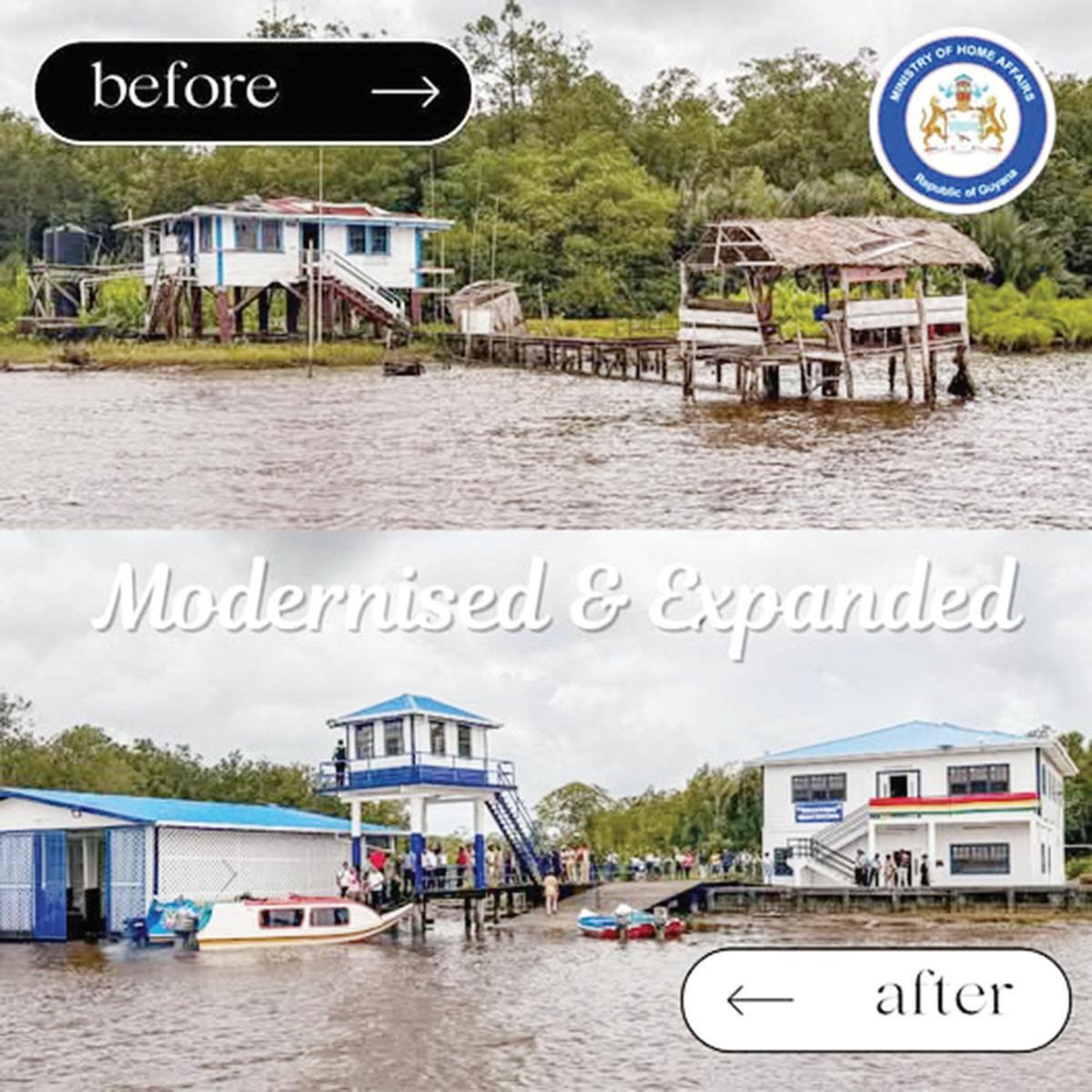
EMPHASISING that border communities are not edges of the country but the frontline of Guyana’s sovereignty, Minister of Home Affairs Oneidge Walrond along with residents and officials of Region One (Barima-Waini) welcomed the more than G$200 million investment for
response to incidents in surrounding communities.
The commissioning reflected the government’s continued investment in strengthening security infrastructure and ensuring a strong state presence in hinterland and frontier regions.
Chairman of Region One Brentnol Ashley,
Force (GPF) in Imbotero, as they are now benefitting from a more comfortable environment.
Additionally, Police Commander for Regional Division #1, Senior Superintendent Krishnadat Ramana said it will efficiently serve the region.
facilities provide comfortability and will result in the officers being able to work more efficiently.
He commended the government for the modern facilities.
the reconstructed Imbotero Wharf, a new police boathouse, and the rebuilt Imbotero Police Station along the Barima River.
This investment forms part of the government’s strategy to reinforce law enforcement capacity and protect Guyana’s borders by significantly bolstering the security presence, according to minister Walrond at the ceremony.
The facilities will support expanded river patrols, improved monitoring along the Barima River corridor, and faster
welcomed the investment in the region.
He said that the community, which now hosts the new facilities, is a frontier community between Guyana and Venezuela, and providing such modern amenities for the joint services to safeguard Guyana’s sovereignty is “very beneficial to the people of Region One and to all Guyanese as a whole.”
With these new facilities, the chairman predicted continuous improvements when it comes to service delivery by the Guyana Police
He noted that the community has been very peaceful, and the police has been ensuring that their service is of a high standard and pledged for this to be maintained.
Inspector-in-charge of the Imbotero Police Station, M. Sandy commended the government for the modern infrastructure.
He said that the new facilities will ensure that safety is boosted in the bordering community.
Further, Station Sergeant of the Imbotero Police Station, Walker spoke about how the new
Additionally, Deputy Commissioner of Police (Operations) Errol Watts said that the new facilities stand as testament to government's commitment to infrastructure development.
“From 2020 to now, we have seen a lot of infrastructure being developed in Region One, including police stations, living quarters, boat houses,” he said, adding: “Indeed, government is very concerned about the welfare of our ranks, which we are also very
grateful for.” He commended mi nister Walrond for her continuous efforts in providing properly equipped facilities for officers so that they are in a state of readiness.
“So, thanks to the
Government of Guyana for the investment in us, and we will ensure that we deliver the kind of service that are second to none, that the people of Guyana will benefit from,” he said
Minister of Home Affairs Oneidge Walrond speaking at the ceremony
Government successfully decentralises key services – Minister Ally
THE Minister of Public Service, Government Efficiency and Implementation, Zulfikar Ally, has said that the government has achieved their initial goal of decentralising the Guyana Revenue Authority (GRA), passport, General Register Office (GRO) and identification card services. This is being done
through the Government of Guyana (GoG) Service Centres located at the West Central Mall in Region Three, and in Fort Wellington, Region Five.
In a matter of weeks, similar service centres will be opened in Regions Two and Six, Minister Ally announced.
In brief remarks on Wednesday, the min -
ister shared that they have seen a record number of persons going to the centres already established to apply for their passports, birth and death certificates, marriage licences, among other important, and valuable documents. The E-IDs are also being applied for.
According to the minister, the biggest
achievement for the government was placing these services in these regions, for Guyanese to access them where they are. This avoids unnecessary travelling to Georgetown where the main offices are located.
Noting that he is “happy with the high …turnout” he has seen, the Minister noted that they have received a significant amount of positive feedback from persons utilising the services being offered at the centres.
“They're very appreciative that His Excellency has been keeping his promise of decentralising services, but not only decentralising services, ensuring that Guyanese are
given or have access to government services in a very timely manner and being treated with dignity and respect in government service delivery as well,” the minister shared.
Looking at challenges faced, the minister said he believes that everyone has been working towards the success of this initiative, adding that he receives updates daily of how many persons have been seen and how many documents have been delivered to persons.
In addition to this, the minister spoke positively about the recently launched Citizen Connect App.
He said so far, over 300 persons have uploaded reports on var-
ious issues within their communities as well as personal issues they are facing.
He said the agencies are working to rectify these issues, and, already, they have resolved a large number of them, while others are being worked on to get to the resolution stage.
According to the minister, the Connect App is a portal for citizens to connect directly to government agencies for them to see what the issues are.
The Citizens Connect App is available on the Google Play Store and the Apple App Store.
“So, no longer do they have to go into an agency or call. They can just use their smartphones and upload the issues, and they will see in real time as well how their issues are being dealt with and tracked within the government system,” he explained.
Minister Ally stated further that while some issues can be resolved within 24 hours, others may take longer. The most important feature, he said is that citizens will see, and will be kept updated until their issue is resolved.
Ministry of Public Service, Government Efficiency and Implementation, Zulfikar Ally
Exploration advances at Guyana’s historic Omai Gold Mine
EXPLORATION and development work continue at the Omai Gold Project in Guyana as Avalon Gold Exploration Inc progresses on a path to develop a long-life, large-scale mining operation.
Located in Region Seven, the previous Omai mine still stands as the largest gold producer Guyana has seen to date.
In fact, when in production, it also held the position of the largest pri-
define the mineral resources and has work underway that will advance the project towards a feasibility study.
Current estimates place combined indicated and inferred resources at approximately 6.5 million ounces of gold.
Almost all of this gold mineralisation is in fresh rock, below-the-surface saprolite, which was previously mined out. Unlike saprolite, fresh
mary gold producer in all of South America.
The mine was operated from 1993 to 2005 and produced approximately 3.7 million ounces of gold before operations ceased.
More recently, the site has been the focus of aggressive and persistent exploration activity which has resulted in the discovery of almost twice as much gold as was mined previously.
Avalon Gold Exploration Inc., which has been exploring on the Omai Prospecting Licence for the past five years, has completed over 80,000m of drilling, as well as multiple airborne surveys and ground surveys and studies.
The company is currently conducting the required detailed drilling and technical studies to better
clude details on the proposed mill size, mining methods and metallurgy.
Work towards the next step, which is a Pre-Feasibility Study (PFS), has already commenced.
Alongside exploration activities, an application for the Environmental Impact Assessment (EIA) was submitted to Guyana’s Environmental Protection Agency.
The process includes environmental studies as well as consultations with communities and stakeholders in areas near the project.
Public consultation meetings have been held in several locations, including Linden, Mile 58, Georgetown and Mahdia.
These meetings aimed to provide information on the project and gather input from residents and other stakeholders.
Employment prospects and potential opportunities for local businesses have been among the main topics raised during these consultations.
As with many largescale mining projects, development of the Omai site would generate jobs and procurement opportunities.
rock requires crushing, grinding and an extraction process to recover the gold.
The project’s main exploration targets are the Wenot deposit and the Gilt deposit, both located within the broader Omai property.
Resource estimates suggest that the Wenot deposit contains roughly 4.7 million ounces of gold that can mostly be mined by open pit.
The adjacent Gilt gold deposit with an estimated 1.8 million ounces of gold is deeper below surface and will require underground mining methods.
Work is completed for the Preliminary Economic Study (PEA), and the results are expected in the second quarter of 2026.
The study will provide an updated technical and economic analysis and in-
While the project remains in the exploration and assessment phase, further technical studies and regulatory approvals will be required before development can begin. Presently, the company is doing drilling and resource-evaluation work as part of this process.
Upon approvals, construction of a new mining operation at Omai could begin as early as 2027.
The timeline will depend on the outcome of the environmental review process, technical studies and permitting requirements.
Construction of a new mine at Omai would mark a significant development for Guyana’s mining sector, returning economic activity to a site that played a major role in the country’s economy during the 1990s and early 2000s.
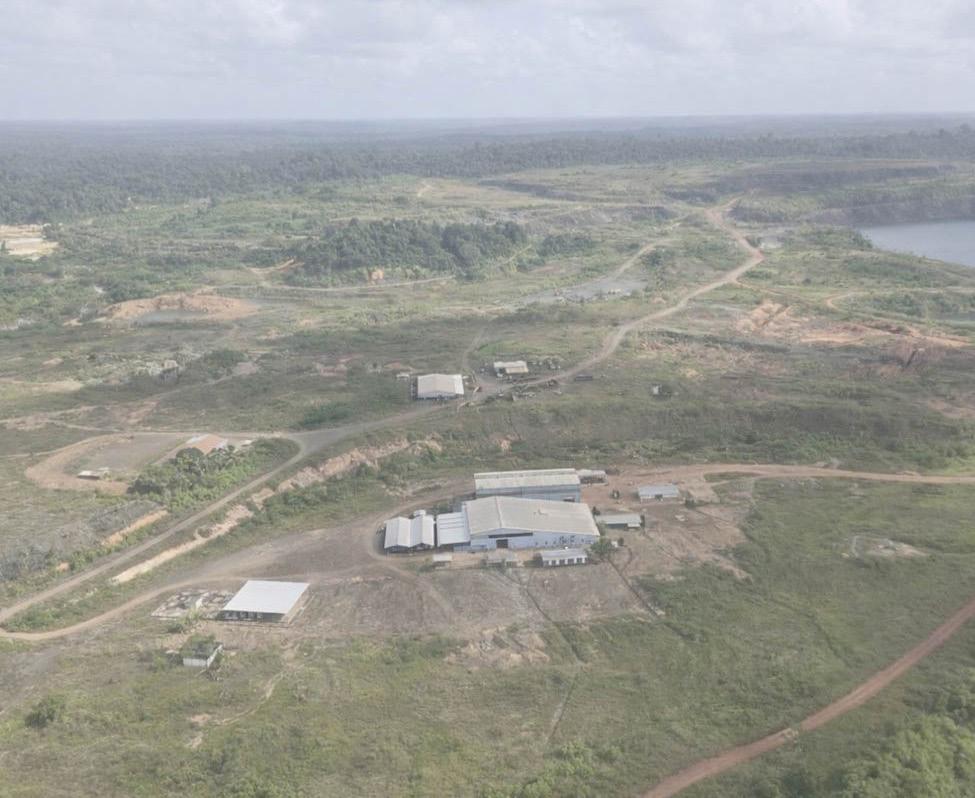
An aerial view of the Omai site
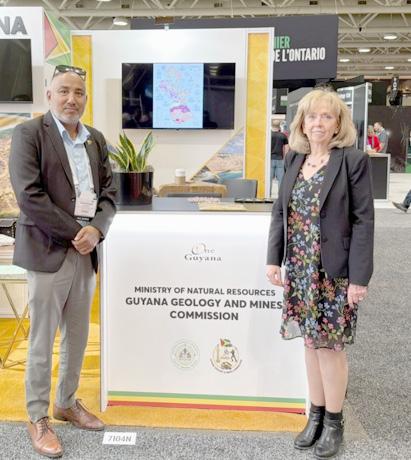
Chairman of the board of GGMC, Azzad Ibrahim and CEO of Avalon Gold Exploration Inc., Elaine Ellingham
CARPHA calls for early testing, healthier lifestyles –– as Caribbean marks World Kidney Day
IN 2023, 14.2% of adults globally were living with chronic kidney disease (CKD). In Latin America and the Caribbean, the prevalence was 15.4%, placing the region among those with the highest CKD burden worldwide, alongside North Africa and the Middle East, South Asia, and sub-Saharan Africa.
Lifestyle factors are a significant contributor to kidney disease. Many kidney-related deaths could be prevented
through early testing and improved management of key risk factors, including diabetes, high blood pressure, and obesity.
Diabetes prevention and control remain essential strategies for reducing kidney dis-
ease and improving long-term health outcomes. Furthermore, chronic kidney disease disproportionately affects disadvantaged populations, contributing to widening health inequities.
In recognition of this growing public health concern,
the Caribbean Public Health Agency (CARPHA) joined the global community in observing World Kidney Day on 12 March 2026. The theme for this year’s World Kidney Day was Kidney Health for AllCaring for People, Protecting the Planet.
Screening people at higher risk, including those with diabetes, hypertension, cardiovascular disease, obesity, or a family history of kidney disease, is particularly effective and community-based programmes can help expand access to testing in underserved populations. Detecting CKD early can preserve kidney function, reduce the need for costly treatments, and improve long-term health outcomes.
At the same time, environmental factors contribute to the increasing burden of kidney disease. Climate-related stressors such as air pollution, heat stress, dehydration, and extreme weather events can trigger acute kidney injury and accelerate kidney disease progression.
In addition, treatments for advanced kidney failure, particularly dialysis, require significant water, energy, and medical supplies, and contribute to greenhouse gas emissions. This creates a concerning cycle in which climate change and kidney disease can worsen one another, underscoring the need for urgent action.
In the Caribbean, the burden of CKD is closely linked to lifestyle-related risk factors. Caribbean diets often contain high levels of salt, contributing to increased rates of hypertension and diabetes, the two leading causes of kidney disease.
“Many cases of kidney disease can be prevented by addressing the conditions that lead to it,” said Dr Lisa Indar, Executive Director, CARPHA. “Improving the prevention and control of diabetes and hypertension, encouraging healthier diets, and increasing physical activity are critical steps toward protecting kidney health across the Caribbean”.
CARPHA works closely with Member States to prevent, control, and manage
non-communicable diseases (NCDs) including those that increase the risk of kidney disease. CARPHA has developed Guidelines for the Management of Diabetes in Primary Care in the Caribbean, which support healthcare providers in improving early diagnosis, treatment, and long-term management of diabetes.
The Agency also promotes a Six-Point Policy Package aimed at improving nutrition and reducing obesity, hypertension, diabetes, and related conditions that drive non-communicable diseases and increase the risk of kidney disease.
Additionally, CARPHA implements the Caribbean Moves initiative, which focuses on reducing the prevalence of NCDs by promoting preventive health behaviours across the Region. The programme encourages healthy diets, increased physical activity, and lifestyle changes that help reduce major risk factors such as diabetes and hypertension, both of which contribute significantly to kidney disease.
CARPHA continues to work with regional partners, including the Pan American Health Organization (PAHO) and the Caribbean Community (CARICOM) Secretariat, to coordinate technical support and promote policies that reduce diseases linked to kidney health.
The Agency is encouraging Caribbean citizens to take proactive steps to protect their kidney health by adopting healthier lifestyles and seeking regular health checks. CARPHA reminds the public that early detection and management of conditions such as diabetes and high blood pressure can significantly reduce the risk of developing kidney disease.
Kidney disease is a significant and rising global health challenge. Approximately 850 million people worldwide are affected by kidney disease.
In 2023, an estimated 788 million adults were living with chronic kidney disease, compared to about 378 million in 1990, which means that the number of cases has almost doubled over the period. (CARHPA)
Region Two gets solid-waste management boost
By Indrawattie Natram
THE regional administration of Region Two (Pomeroon-Supenaam) will boost its solid-waste management efforts with 10 new garbage compactor trucks that were acquired from the Ministry of Local Government and Regional Development. The trucks were de -
livered on Thursday as part of the government’s ongoing efforts to improve sanitation services, enhance garbage collection and support local authorities in maintaining cleaner and healthier communities.
Minister of Local Government and Regional Development, Priya Manickchand, who visited the region on Tuesday,
had made a commitment to deliver the trucks and within two days it materialised.
Manickchand had previously said that the Dr Irfaan Ali-led administration would ensure that every Neighbourhood Democratic Council (NDC) and municipality across the country is equipped with at least one garbage compactor truck.
The delivery of these vehicles to Region Two represents steady progress toward fulfilling that commitment.
Regional Chairman Devin Mohan welcomed the development, noting that residents across the Essequibo Coast have long called for stronger systems to manage solid waste.
He said that the additional trucks will greatly assist local authorities in improving the reliability of garbage collection while helping to reduce illegal dumping and environmental pollution.
Residents have also voiced their appreciation, describing the initiative as a timely and much-needed investment that will contribute to cleaner streets, healthier communities and a more attractive environment for both residents and visitors.
Mohan said the government has placed renewed focus on solid-waste management nationwide, particularly after concerns were raised about irregular garbage collection and the negative impact of improper waste disposal on public health and the environ -
–– after receiving 10 garbage compactor trucks
ment.
By providing modern equipment and strengthening the capacity of local bodies, the ministry is working to ensure that communities benefit from more efficient and consistent waste-management services.
Up to September last year, only one NDC nationwide had a functioning garbage truck, while four others had trucks that were non-functional. Recently, two compactor trucks were delivered to Region One — the first such equipment for that region — while Region Five also received one. With the addition of 10 trucks to Essequibo, the government continues to expand resources across the country.
Minister Manickchand emphasised the importance of proper care and maintenance of all equipment provided by the government.
She indicated that during the initial phase of the programme, support will be given to local authorities in managing maintenance schedules and operational systems until these practices become fully integrated at the local level.
With approximately 70 Neighbourhood Democratic Councils across Guyana, the government aims to ensure that by mid-2026 each NDC is equipped with the tools necessary to effectively manage solid waste.
“We are very thankful for this initative for Annandale/Riverstown NDC; this will help the area and we [are] thankful for such” NDC Chair Hansoutie Ramkellwan said.
Representing the Good Hope /Supenaam Community, Andy Ramnarine said that it’s a very good move and it will help to keep Essequibo cleaner.
Those getting trucks include The Anna Regina Town council, Charity/ Ursara, Supenaam, Good Hope, Evergreen and Zorg-en-Vylght.
One resident, Aruna Lakeram, said that the garbage trucks represent a positive move for Region Two, and commended the minister and team for such an initiative.
The initiative forms part of a broader national effort to restore communities to a higher standard of cleanliness and environmental responsibility.
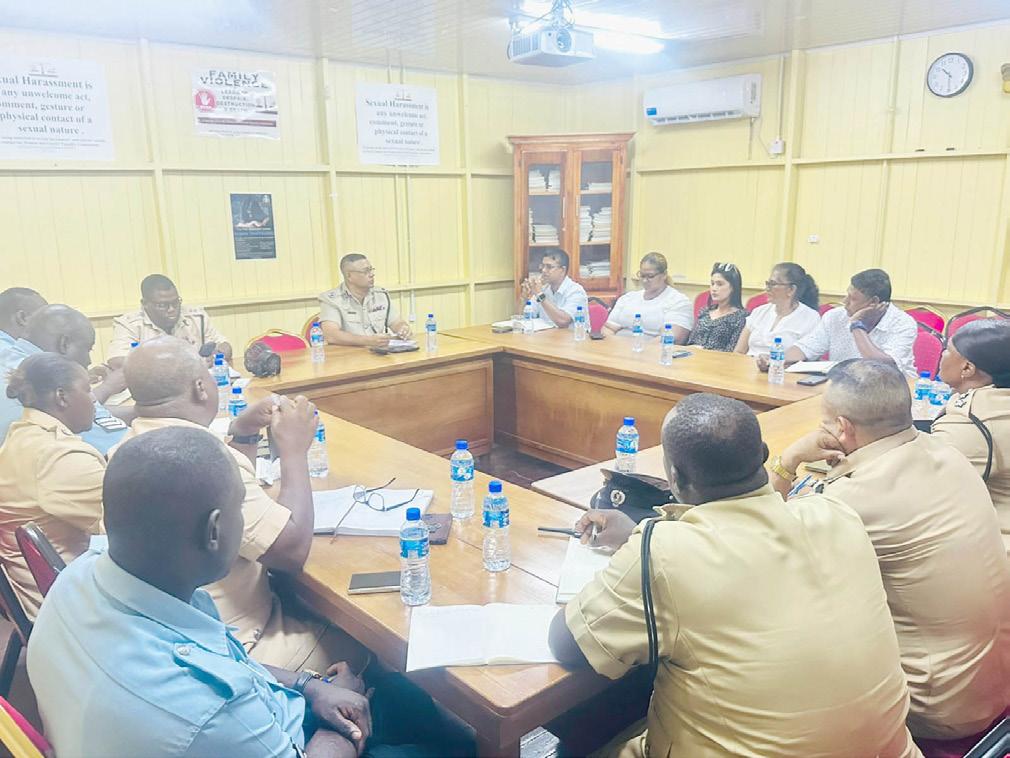
POLICE ranks from Regional Division 4 ‘C’ have intensified efforts to address several community concerns affecting res -
idents within the Mon Repos/La Reconnaissance area, following a meeting with councillors and officials from the Mon Repos/
La Reconnaissance Neighbourhood Democratic Council (NDC) aimed at strengthening collaboration and improving public order.
The meeting was held on Wednesday at the Regional Headquarters Conference Room at the Cove
Regional Commander, Assistant Commissioner Khali Pareshram, with police ranks in discussion with councillors and officials from the Mon Repos/ La Reconnaissance NDC at the Regional Headquarters Conference Room at the Cove and John Police Station
and John Police Station and was led by Regional Commander, Assistant Commissioner Khali Pareshram.
He was joined by Deputy Commander, Superintendent J. Dufu; Divisional Traffic Officer, Assistant Superintendent Massay; Officer-in-Charge of Sub-Division One, Deputy Superintendent Delph; Officer-in-Charge of Sub-Division Two, Deputy Superintendent Wallace, along with Inspectors and Sergeants attached to police stations and outposts within the NDC.
Representing the Mon Repos/La Reconnaissance NDC were constituency councillors K. Jailal, D. Verma, Sooklall and Vishnu Ramcharran. Also present were Clerk of Markets, Melissa Fraser and Overseer Nalani Mohamed.
During the engagement, participants discussed a number of challenges affecting the community, particularly traffic congestion during market days and peak school hours.
Officials noted that the situation is often worsened by vendors occupying roadways and the high volume of parents transporting students to nearby schools.
Other concerns raised included illegal vending, security within the market area, garbage collection, the lighting of fires in public spaces, derelict vehicles and illegal structures. Encum-
brances along access roads, including trucks, containers and other obstructions that restrict the free flow of traffic, were also highlighted as issues requiring urgent attention.
A key aspect of the discussion focused on clarifying the respective roles and responsibilities of the NDC and the Guyana Police Force in addressing these concerns.
Officials stressed that improved coordination between both bodies is essential to effectively manage public spaces, enforce regulations and ensure safer communities.
The meeting also underscored the importance of stronger partnerships among the Guyana Police Force, the Neighbourhood Democratic Council and Community Policing Groups. Stakeholders agreed that closer collaboration would help improve public safety, maintain order in busy commercial areas such as markets and enhance the overall well-being of residents within the Mon Repos and La Reconnaissance communities.
Police officials indicated that continued engagement with local authorities and community representatives will remain a priority as efforts continue to address the issues and promote safer, more organised communities within Division 4 ‘C’.
Paediatric nephrology services to be enhanced through ISN grant
–– increased diagnostic capacity, residency training programme among plans
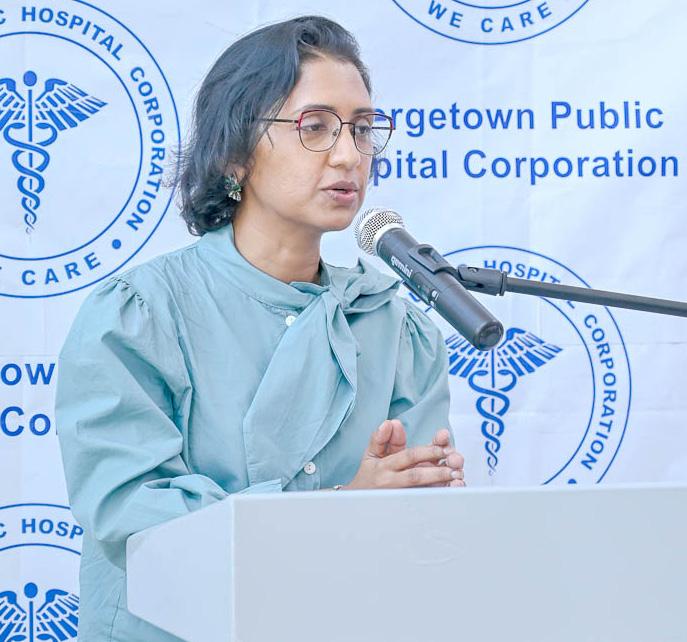
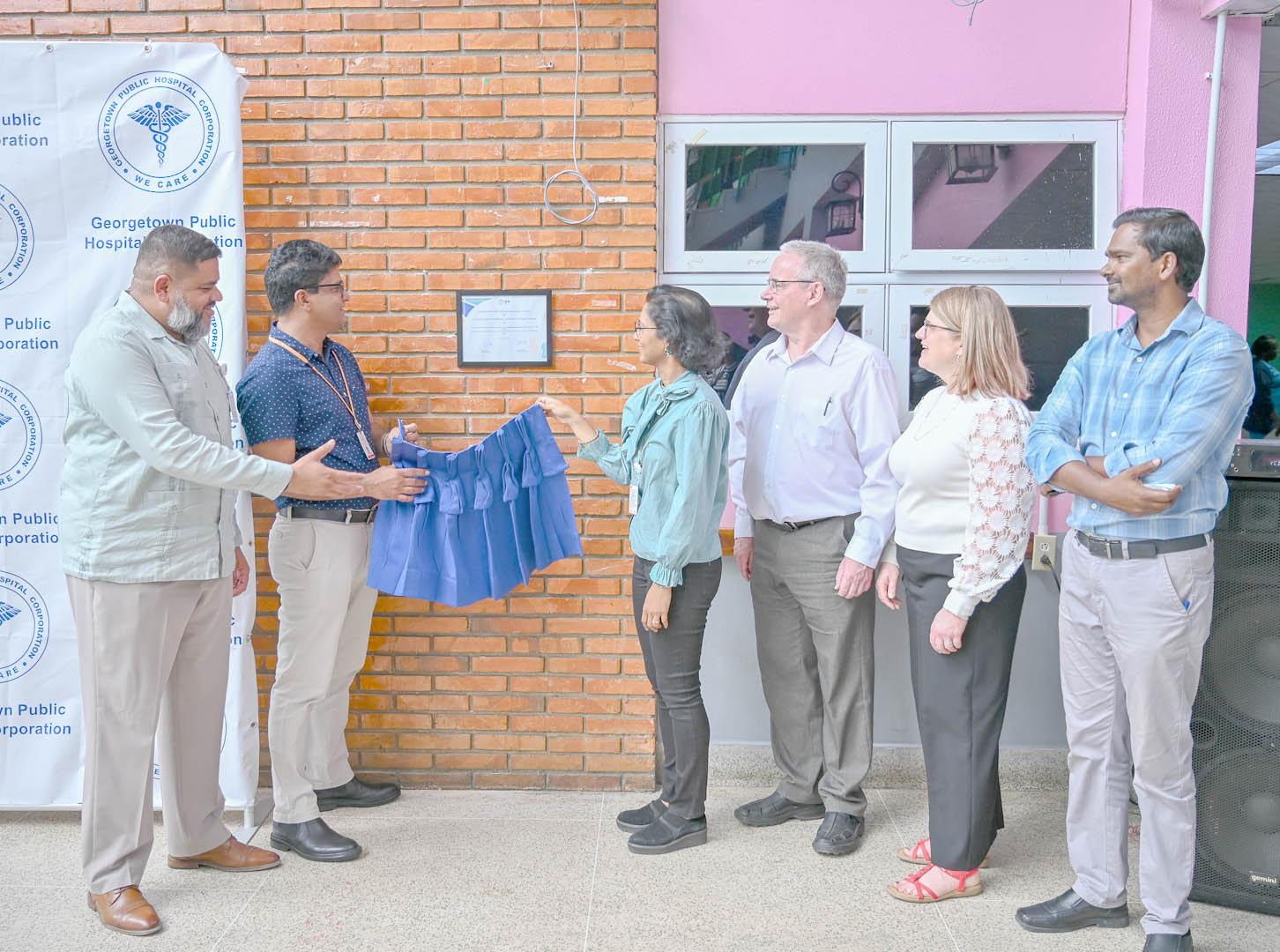
THE International Society of Nephrology (ISN) Sister Renal Centres Grant was launched on Thursday at the Georgetown Public Hospital Corporation (GPHC), by a mentor team from the University of Calgary (UofC), Canada, as part of an international collaboration to enhance paediatric nephrology services in Guyana.
The GPHC and the University of Calgary are sister renal centres under the ISN.
This partnership, according to the GPHC, was established through a competitive grant secured by Dr. Areefa Alladin, which was awarded in February 2026.
The grant supports the development and strengthening of paediatric nephrology services at the GPHC, with the University of Calgary serving as the mentor centre.
Bringing an overview of the grant and the partnership between GPHC and the university, Dr. Alladin, who is a Consultant Nephrologist at the GPHC, said the grant is a two-year grant that will be renewable for up to six years.
Their goal is to build diagnostic capacity, as well as a multidisciplinary paediatric team, and to have medications and access to treatment for patients battling kidney disease.
At the end of these two years, the aim is to have a registry of all children diag-
Consultant Nephrologist at the GPHC, Dr. Areefa
Alladin (Elton John photos)
nosed with kidney disease in Guyana, have their kidney functions assessed, stratify their risk of progression to kidney disease, know what’s the cause of their kidney disease, and implement measures to slow, prevent, or stop their kidney disease progression.
She also announced plans to build out paediatric nephrology peritoneal dialysis services. While noting that there is currently dialysis service available for persons with diabetes, Dr. Alladin pointed out that this is not convenient for children. She opined that peritoneal dialysis will be the best option for them.
“We want to train nurses in Paediatric PD, and we want to have Automated Peritoneal Dialysis so that children can be plugged into a machine at night, have their dialysis while they’re asleep, and go to school and have play and live a normal life during the day,” she explained.
“We also plan to increase diagnostic capacity by building immunology studies, immunology testing that are timely and appropriate, and building a kidney pathology service where we train people to do kidney biopsies, testing for those conditions that we need to diagnose, having access to electron micros -
copy and immunofluorescence so that we can diagnose children with kidney disease, diagnose adults with kidney disease, and support our transplant programme,” Dr. Alladin said.
She noted that essential medication is being catered for as well, to treat kidney diseases, help with transplantation efforts, and to improve kidney patients’ survival rates.
“We not only need these
medications, but we also need them on the ground, we need them all the time, and we need access to them. Some of these medications also need drug monitoring. We need to monitor their therapeutic levels and target them because we need the medications to be kept within a certain range,” she added.
It is expected that this partnership will last the planned six-year duration, during which there will be
the establishment of a Paediatric Nephrology Consultancy with nephrologists and allied health professionals. Further, Dr. Alladin said: “We want to build a paediatric neurology residency training programme, and we want to be an emerging centre that can move into a medical centre that would even be the leading centre in the Caribbean for paediatric nephrology services.”
The ISN Sister Renal Centres’
Dilon Heyliger bowls over support for GPF cricket with kit donation
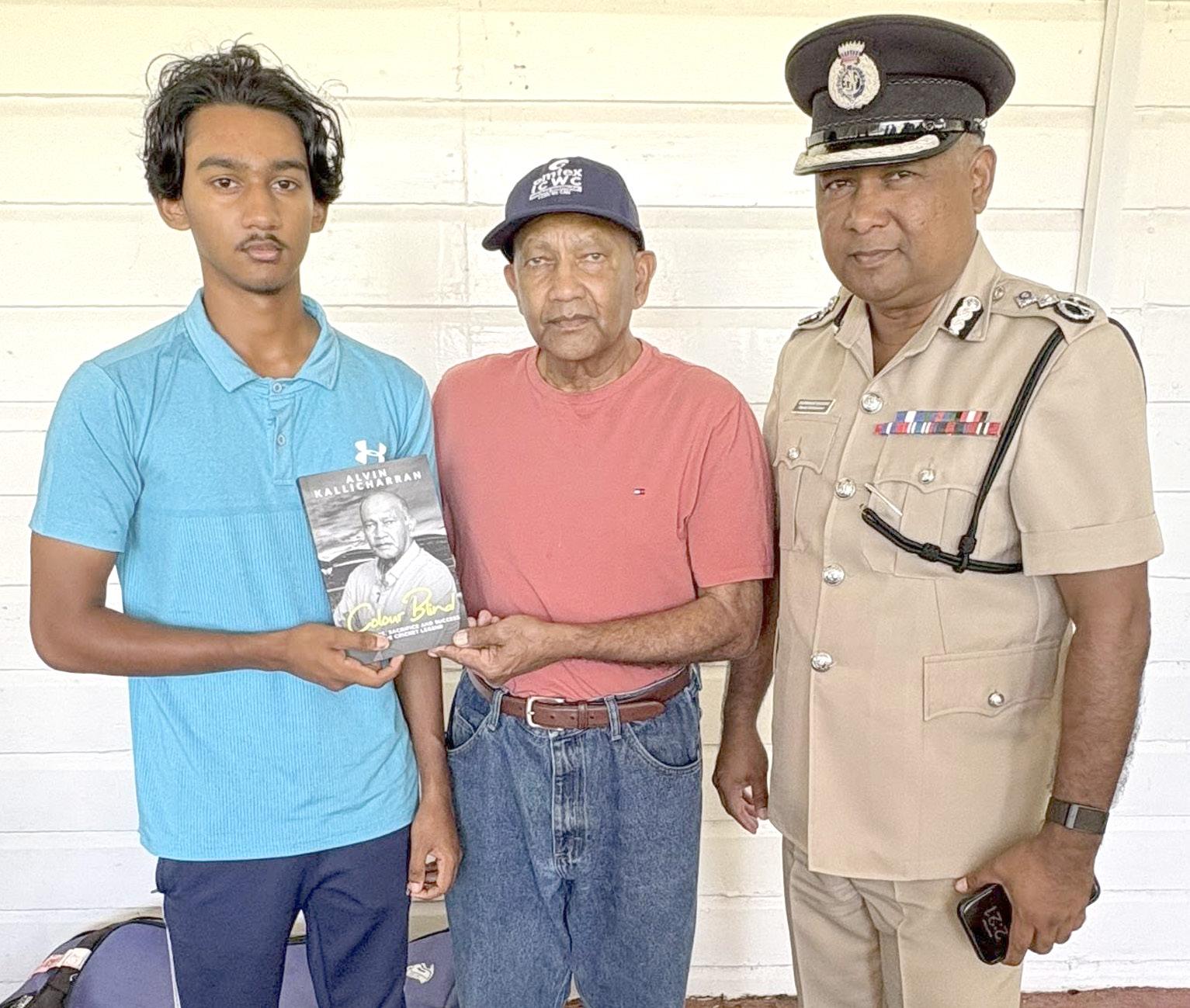
CANADA-BASED Guyanese international, Dilon Heyliger, has padded up for the Guyana Police Force (GPF), donating a collection of cricket jerseys to bolster the law enforcement agency’s sporting department.
The presentation was recently held at the Police Sports Club Ground, Eve Leary. Heyliger handed over the gear to Deputy Commissioner ‘Administration’ Ravindradat Budhram, who serves as the captain of the Officers’ Cricket Team.
Heyliger, a regular fixture in the Canadian national side with World Cup experience, noted that the gesture is a direct investment in the development of the game within the Force. The new kits are slated for immediate use as GPF teams continue their campaign across various local competitions.
Accepting the donation, Deputy Commissioner Budhram emphasised the importance of such partnerships. He noted that the GPF remains committed to advancing sports within the organisation and values the support of international athletes who give back to the
Haven demands West Indies...
mattered most.
“When the tournament reached the most competitive phase, the team was unable to sustain the required challenge of the leading side,” Haven said. “So it is… it is difficult for me.”
However, Haven’s ire was not solely directed at the coaching staff. He aimed for the top of the CWI hierarchy, reiterating his call for Dr Kishore Shallow to step down as President.
Haven argues that Shallow’s dual role as a Government Minister in St. Vincent and the Grenadines and head of CWI presents a clear conflict of interest.
In contrast, Haven praised the recent decision of Gregory Nicholls, who stepped down as Vice President of the Barbados Cricket Association after being appointed a Government Minister.
“Dr Shallow needs to resign,” Haven insisted, suggesting that Nicholls’ resignation sets the correct precedent for separating political duties from cricket
administration.
Furthermore, Haven lambasted the narrative coming from within CWI regarding the World Cup exit. He accused the board, including President Shallow, of spinning the failure into a positive by labelling the performance as an “overachievement.”
“When you do that, what we are essentially doing is lowering standards,” Haven
FROM PAGE 27
argued, warning that such a mindset is detrimental to the future of a region desperate to return to the glory days of its cricketing past.
As the dust settles on another underwhelming World Cup campaign, Haven’s fiery interview has poured petrol on the simmering debate regarding leadership, qualifications, and the direction of West Indies cricket.
CRICKET QUIZ CORNER
ENGLISH RACING TIPS
CHELTENHAM
09:20 hrs Proactif
10:00 hrs Murica
10:40 hrs Dinoblue
11:20 hrs Spinningayarn
12:00 hrs Jango Baie
12:40 hrs Golden Son
13:20 hrs Kel Histoire
DONCASTER
09:02 hrs Annie Hathaway
09:42 hrs Count Of Vendome
10:22 hrs Cuban Court
11:02 hrs El Galactico
11:39 hrs Jamesieconn
12:20 hrs Saracen Beau
12:55 hrs Jetzet
WOLVERHAMPTON
11:45 hrs Filly Eilish
12:25 hrs Brasil Power
13:05 hrs Beauzon
13:40 hrs Wisetanck
14:10 hrs Star Studied
14:40 hrs Bergamo Gold
15:10 hrs Sandition
15:40 hrs Pessoa
16:10 hrs Punchbowl Flyer
IRISH RACING TIPS
DUNDALK
13:00 hrs Buddy Batt
13:30 hrs Tyson Fury 14:00 hrs Aingeal Dorcha
hrs Daonethatgotaway 15:00 hrs Gaiety Girl 15:30 hrs Sagasti 16:00 hrs Ipanema Queen 16:30 hrs Jazzit SOUTH AFRICA RACING TIPS
local structure. The brief ceremony was
also attended by Nafeiza Persaud and GPF Sports Development Officer, Colin Boyce.
Dilon Heyliger makes the presentation to the Guyana Police Force cricket team
Prize money distribution for Men’s T20WC 2026 announced
…Champions
India claim biggest share of US$11.25 million
FOLLOWING the conclusion of an electric ICC Men’s T20 World Cup 2026, which saw India secure a record third title, the International Cricket Council has confirmed the final distribution of the tournament’s prize money.
A total of US$11.25 million in players’ prize money will be distributed among the 20 participating nations, in line with the record-breaking increase to ICC prize money announced in 2024.
India take home the biggest share, with the reigning champions earning $2,639,423 after defeating New Zealand by 96 runs in the final. New Zealand, who
had featured in just their second men’s T20 World Cup final, received the second-largest share, taking home $1,422,692. The total reflects the base amount of $225,000 received by all participating teams, along with bonuses based on final placements, win bonuses, and progression through each stage of the tournament.
Semi-finalists South Africa were the only other side to breach the million-dollar mark, earning $1,005,577.
The Proteas were unbeaten throughout the tournament before New Zealand got the better of them at the Eden Gardens after pulling off a sensational chase on the back
of Finn Allen’s blazing ton.
The fourth semi-finalists, England, who came close to ending India’s title defence in the semi-finals, earned $974,423 for their efforts.
West Indies and Pakistan earned $538,269 and $522,692 respectively, while Zimbabwe’s stellar performance, during which they stunned Australia, saw them take home a healthy purse of $491,538. The remaining Super 8 team, tournament co-hosts Sri Lanka, earned $475,962.
USA, who had reached Super Eight in the previous edition, and impressed in the group stage with two wins in the 2026 tournament, ended
with $309,808.
This was also the amount secured by Australia and Afghanistan.
Scotland ($278,654) and Ireland ($271,731), who secured a win each in the tournament, come next.
The tournament witnessed a thrilling debut by Italy, who defeated Nepal to register their maiden win. The European side are slated to take home $256,154.
The same amount was received by Netherlands, UAE, and Nepal.
On the other hand, Canada, Namibia, and Oman each took the base payment of US$225,000. (ICC Media)
‘Not
appropriate’ for Iran to be at World Cup - Trump
US president Donald Trump has said Iran’s men’s football team is “welcome” at the 2026 World Cup, but that it is not “appropriate” for them to be there “for their own life and safety.”
Trump’s comments come after Iran’s Minister of Sports and Youth, Ahmad Donyamali, said his country was not in a position to participate in the tournament, which is being held in the United States, Canada and Mexico from 11 June.
Iran are due to face New Zealand and Belgium in Los Angeles on 15 and 21 June respectively, and Egypt in Seattle on 26 June.
But their participation has been in doubt since the US and Israel launched strikes on the country, killing supreme leader Ayatollah Ali Khamenei.
Iran responded by launching missiles and drones towards Israel and four Gulf Arab countries which host US military bases -- Bahrain, Kuwait, Qatar and the United Arab Emirates.
“The Iran national soccer team is welcome to the World Cup, but I really don’t believe it is appropriate that they be there, for their own life and safety,” Trump posted on Truth Social on Thursday.
Earlier this week, Fifa president Gianni Infantino said Trump had told him Iran are “welcome to compete” at this summer’s finals.
But in an interview with the IRIB Sports Network on Tuesday, Donyamali said:
“Given that this corrupt government has assassinated our leader, under no circumstances do we have the appropriate conditions to participate in the World Cup.
“Our boys are not safe, and conditions for participation do not exist.”
If Iran does withdraw from what would be its fourth consecutive World Cup, Fifa’s regulations give the governing body discretion to choose a replacement, but it is unclear who that would be (BBC Sport)
Nuggets narrow gap in Western Conference with win over Rockets
NIKOLA Jokic had 16 points, 13 assists and 12 rebounds, Jamal Murray scored a game-high 30 points, and the host Denver Nuggets beat Houston 129-93 on Wednesday night to close the gap on the Rockets.
Houston entered the night in third place in the Western Conference, 1 1/2 games ahead of sixthplace Denver. Four teams are now within a game of the third seed in the West.
Christian Braun scored 19 points, Cameron Johnson added 17 points, Tim Hardaway Jr. contributed 14 and Jonas Valanciunas finished with 12 for the Nuggets, which won the season series 3-1. Amen Thompson scored 16 points, Josh Okogie had 12, Kevin
Durant and Jabari Smith Jr. had 11 each and Alperen Sengun finished with 10 for the Rockets.
Jokic was approaching his 25th triple-double in the second quarter and finished the half with six points, seven rebounds and nine assists.
Houston, which beat Toronto at home Tuesday night, led 43-42 late in the second quarter but the Nuggets scored eight straight points to go ahead, and took a 53-47 advantage into halftime.
Denver quickly opened up a 10-point early in the third quarter and Jokic got his 10th assist on Johnson’s corner 3-pointer that ended six straight points by the Rockets.
The Nuggets extended their lead with a strong push after Sengun
made it 60-55 with a layup. Jokic hit a floater in the lane, Murray dunked off a Houston miss and Johnson hit a 3-pointer to make it 67-55.
Durant and Thompson slowed the rally with jumpers but a 12-2 run capped by consecutive 3-pointers from Braun made it 82-63 with 4:03 left in the period and forced a Rockets timeout.
Denver continued to control the game, going ahead 90-69 on a steal and dunk. Hardaway’s 3-pointer with 4.8 seconds left in the third sent the Nuggets into the fourth with a 93-69 lead.
The Nuggets led by as many as 39 and emptied the bench after Valanciunas hit a jumper to make it 115-83 midway through the fourth. (Reuters)
Champions India in celebratory mood
Kallicharran brings ‘World Cup wisdom’ to Commissioner’s T20 Cup opener
THERE are few sights in Caribbean cricket history more evocative than Alvin Kallicharran’s rhythmic footwork against pace.
On Wednesday, that same elegance—this time in the form of veteran wisdom—was on display at the Police Sports Club ground, Eve Leary, as the two-time World Cup winner headlined the opening of the Commissioner of Police T20 Cup.
Kallicharran, a cornerstone of the dominant West Indies sides of the 1970s, spent the morning pivoting from legend to mentor. Addressing members of the Guyana Police Force (GPF) squads, the 76-yearold bypassed the modern obsession with power-hitting to focus on the psychological bedrock of the game.
“Endurance is the key,” Kallicharran told the captivated huddle of players. “Success in this game requires patience, determination, and the ability to remain focused through challenges.”
The visit wasn’t limited to the boundary ropes. Kallicharran also paid a courtesy call to Deputy Commissioner ‘Administration’ Ravindradat Budhram, the man currently
steering the GPF’s cricket initiatives.
In a nod to the game’s literary history, Kallicharran presented Budhram with an autographed copy of his autobiography, Colour Blind: Struggle, Sacrifice and Success of the Cricket Legend.
The book chronicles a career that saw him amass 4,399 Test runs at an average of $44.43$, including 12 centuries—stats that only hint at the stylistic mastery he brought to the middle.
For the GPF cricketers, the presence of a man who featured in both the 1975 and 1979 World Cup finals was a reminder of Guyana’s rich cricketing lineage. Deputy Commissioner Budhram noted that having a figure of Kallicharran’s stature visit helps reinforce the force’s commitment to the sport as a vehicle for discipline and teamwork.
As the T20 Cup gets underway, the “Little Master’s” message of resilience will likely ring louder than any boundary shout. In a format often defined by the “here and now,” Kallicharran’s call for endurance serves as a timely reminder that even in 20 overs, character is what carries you across the line.
March 29 to April 1 at the Camp Ayanganna Ground in Georgetown. It will feature a condensed, high-intensity format of 62 matches played over four days.
The Exchange Cup marks a significant step in regional sports diplomacy, featuring elite youth academies and clubs from Guyana, Trinidad and Tobago, Antigua and Barbuda and St. Lucia.
By bringing together diverse playing styles and cultures, the VMFA aims to provide a litmus test for local talent. “At VMFA, we believe that young players must be given opportunities to test themselves against different styles of play, cultures, and levels of competition,” the academy stated.
The initiative is positioned as a cornerstone of Guyana’s long-term footballing vision. Organisers emphasise that the tournament is not a standalone event, but part of a broader development strategy intended to create professional pathways for South American and Caribbean youth.
“Exposure to regional competition allows our young athletes to grow, learn, and understand what it takes to compete beyond our local environment,” the VMFA announcement noted.
Beyond the pitch, the exchange is expected to strengthen ties between Caribbean football associations, potentially leading to more frequent cross-border collaborations and scouting opportunities.
By Sean Devers
MATHEW Nandu’s X1 were 6-0 in reply to Tevin Imlach’s X1 180 all out in 72.4 overs when bails were lifted on the opening day of the first three-day practice match for Guyana Harpy Eagles yesterday at the Everest ground.
Navindra Persaud (4) and his skipper Nandu (2) were at the crease when play ended in overcast conditions.
Raymond Perez (20) and Umraj Balgobin scored 59 from 140 balls with six fours and two sixes.
Imlach 36 from 72 balls with two boundaries and the left- handed Balgobin took the score to 115 before Richard Ramdeholl bowled the West Indies player on a spin-friendly track and well-manicured outfield.
Mavindra Dindyal hit two fours in his
be matched by your dedication in the classroom,” he urged, noting that the discipline required to win a gold medal is the same discipline required to earn a degree.
61-ball 24 but just when he seemed set for a big score, he clipped Persaud to short mid-wicket.
After Balgobin was removed by Ramdeholl only Tomanni Caesar (21) got into double figures as West Indies U-19 World Cup all-rounder Jonathon Van Lange (3), Richie Looknauth (0)
Yeudister Persaud (2), Nityanand Mathura (3) and Isai Thorne (0) all fell quickly as the last six wickets tumbled for 18 runs mainly due to poor shot selection.
Ramdeholl captured 3-29 while Persaud, Zeynul Ramsammy and Chris Ramraj had two wickets each.
Today is the second day and it is hoped that the batters will demonstrate more cricket awareness and proper temperament as they prepare for their opening game against the Windwards in St Vincent on April 12.
The National Secondary Schools’ Championships represent more than a series of races; it is the primary scouting ground for the next generation of Guyanese Olympians. With $1.3 billion dedicated specifically to grounds maintenance this year, the Prime Minister assured athletes that the “investment drive” would continue until every region has the facilities needed to produce world-class champions.
THE Vurlon Mills Football Academy (VMFA) announced on Thursday the launch of the Exchange Cup 2026, a marquee youth tournament designed to bridge the competitive gap between Guyanese football and the wider Caribbean. The tournament is scheduled to run from
Founder of the Academy, Vurlon Mills
Joshua Budram (left), Alvin Kallicharran (centre) and Deputy Commissioner ‘Administration’ Ravindradat Budhram at the Police Sports Club ground
Prime Minister Phillips reaffirms government’s unwavering commitment to sport development Haven demands West Indies coach’s head, also calls for Shallow’s resignation
IN a vibrant display of national pride and youth potential, Prime Minister, Brigadier (Ret’d) Mark Phillips, officially declared open the National Secondary Schools’ Athletics Championships at the National Track and Field Facility, West Coast Demerara.
The opening ceremony served as a powerful reminder of the government’s strategic vision to transform Guyana into a regional sporting powerhouse. Addressing a spirited crowd of student-athletes, coaches, and officials, the Prime Minister framed sports not merely as a pastime, but as a cornerstone of national identity and economic evolution.
Prime Minister Phillips characterised athletics as a “multi-billion-dollar global industry,” noting its capacity to drive tourism and stimulate economic growth. However, he emphasised that the true value of the championships lies in the character of the competitors.
“Sport plays a vital role in the development of our youth. It provides a positive outlet while fostering values such as respect, endurance, responsibility, sports-
Prime Minister, Brigadier (Ret’d) Mark Phillips
manship, and perseverance,” the Prime Minister stated. “The Government remains deeply committed to promoting sport among young people, recognising its importance in shaping well-rounded, healthy individuals.”
The Prime Minister’s address
highlighted an unprecedented period of investment in Guyana’s sporting landscape.
By moving beyond centralised facilities, the administration aims to “decentralise excellence,” ensuring that a child in Region Two or Region Six has the same opportunities as one in Georgetown.
Following a landmark $8 billion allocation in 2025, the 2026 budget has committed a further $6 billion to the sector. Approximately 450 community grounds nationwide have seen improvements, including the installation of floodlights to facilitate nighttime training and community engagement.
The recent commissioning of the Bayrock National Stadium in Region Ten provides international-standard facilities for track and football outside the capital.
In a direct appeal to student-athletes, Prime Minister Phillips urged them to pursue a “dual-career” path. He reminded the audience that the government has paved the way for academic success through free education from nursery to university.
“Your talent on the track must TURN TO PAGE 26
Synthetic track at New Amsterdam enters final construction phase
MINISTER of Culture, Youth and Sport, Charles Ramson Jr., announced via social media on Thursday that the Track and Field National Stadium in New Amsterdam, Region Six, has officially entered its final phase of construction.
If all goes according to plan, the facility is expected to be commissioned within the coming months,
marking a historic milestone for athletes in the ancient county.
The stadium is currently a hive of specialised activity. A technical team from the German-based group Regupol is on site to oversee the precision-intensive task of laying the synthetic track material.
Regupol is internationally recognised for its high-performance sports surfaces, ensuring that the
New Amsterdam facility meets global, competitive standards.
Once completed, this stadium will become the third in Guyana to feature an excellent synthetic track. It follows in the footsteps of the National Track and Field Centre at Leonora, West Coast Demerara (opened in 2015), and the Bayroc National Stadium in Region 10, which was opened in
KINGSTON, Jamaica, (CMC)-
IN a scathing assessment of West Indies cricket’s current leadership structure, former Cricket West Indies (CWI) Director Wilford “Billy” Haven has launched a blistering attack on the organisation, calling for the removal of Head Coach, Darren Sammy, and the resignation of President Dr Kishore Shallow.
Haven, a former President of the Jamaica Cricket Association, did not hold back during an appearance on the Mason and Guest radio talk show on Tuesday, questioning the very credentials of the two-time T20 World Cup-winning captain turned coach.
“I think Darren Sammy should reconsider his position as coach,” Haven declared when asked by host Andrew Mason if the former all-rounder should remain at the helm.
Haven revealed that he was stunned by the initial appointment, citing a lack of qualifications. “I was shocked when he got the job,
as he is unqualified. The criticism comes on the heels of their exit from the ICC T20 World Cup campaign, in which the regional side failed to progress past the Super Eight stage. Haven expressed his frustration with the team’s performance when it TURN TO PAGE 24
early February. The progress in New Amsterdam is part of a much larger national vision, as the government has set an ambitious goal for 2026, with New Amsterdam among five stadiums slated to open across the country this year.
This surge in infrastructure
aims to decentralise professional sports facilities, giving regional athletes the same training advantages previously reserved for those in the capital. For the people of Berbice, the finish line for this long-awaited project is finally in sight.
Minister Charles Ramson Jr (left) and other officials inspect the ongoing work
Former CWI Director, Billy Haven
National Secondary Schools Championships...
President’s College maintains grip on top spot as Mackenzie High dominates 4x400m relays
THE 2026 National Secondary Schools Athletics Championships
heated up during Day Two at the National Track and Field Centre.
Up to press time, with 67 of the 114 scheduled events completed,
defending champions President’s College (PC) remains the team to beat, though the chasing pack is closing the gap following a series of explosive performances on the track.
The Mackenzie Girls’ Under-17 quartet—Somiya Orna, Joy Clarke, Tinacy Ashby, and Keanna Hope delivered a masterclass in coordination, clocking 4:33.05s to take gold (PHOTO: Ministry of Education)
While President’s College holds the points lead, Mackenzie High School made the loudest statement of the day by dominating the 4x400m relays.
The Mackenzie Girls’ Under-17
Schools from Upper Demerara/Kwakwani dominated the majority of the 4x400m relays (PHOTO: Ministry of Education)
Commissioner of Police Cup T20 cricket...
quartet—Somiya Orna, Joy Clarke, Tinacy Ashby, and Keanna Hope— delivered a masterclass in coordination, clocking 4:33.05s to take gold.
They comfortably gapped Mahaicony Secondary (4:45.93s) and President’s College (4:52.48s).
On the boys’ side, Mackenzie High continued its relay prowess. Their Under-17 team, featuring Keimal Gishard, Darius David, Kemmamy Mackenzie, and Lomar Yaw, stormed to victory in 3:41.76s, finishing ahead of Christ Church Secondary and J.C. Chandisingh.
The day wasn’t just about the sprints. Several athletes showcased incredible endurance and technical skill.
Duel Europe of St. Stanislaus College secured a thrilling win in the Boys’ Under-20 Long Jump with a leap of 6.82m, narrowly edging out David Williams of Vreed-enHoop (6.79m).
Orlando Thomas (Maruranau
Secondary) claimed the Boys’ U-17 800m title in 2:04.39, holding off a late charge from Corey Speede and Jadel Liverpool.
Corey Speede of Tutorial High proved his versatility by winning the Boys’ U-17 3000m in 10:07.11, finishing nearly 40 seconds ahead of his nearest competitor.
More so, Nathaniel Samaroo of Diamond Secondary took gold in the Boys’ Under-17 Discus with a winning throw of 36.59m.
The Under-20 relays provided a spectacular finish to the afternoon session. Renetta Fraser produced a heroic final leg to secure the Girls’ U-20 4x400m title for Christianburg Wismar Secondary, while the Government Technical Institute (GTI) powered its way to the top of the podium in the Boys’ U-20 4x400m final.
The championship is far from decided as the action continues today from 09:00h.
Region Three, Hinterland win opening matches
By Sean Devers
ANOTHER capacity crowd turned up at the Police Sports Club ground, Eve Leary, yesterday as the Hinterland team (Regions one, seven, eight and nine) and Region Three notched victories in the Commissioner’s Cup T20 cricket tournament.
In the morning game, Region Three beat Region 10 by 100 runs. Region Three scored 218-7 in 20 overs.
David Huges (59) and Micheal Jobe (58) getting half-centuries while Dacquan Campbelle chipped in with 21.
Michal Fredericks captured
3-47 for Linden who were bowled for 119 as only Tyrick Henry (29) passing 20. Hemraj Persaud claimed 5-20.
In the afternoon encounter, Lynsford Williams made 51 and Damian VanTull clobbered 64 as the Hinterland team reached 174 in 16 overs. Joshua Graderner claimed 4-29 and Rondel Wills took 2-21 for 4A/4B combined who fell for 121.
Troy Drakes (41) and Quinsy Semple (22) doing the scoring as Marlon Lord (3-30) and Kelvin Mendonca (3-35) picked up six wickets between them.
The competition continues with action today.
Hemraj Persaud took 5-20
David Huges 59 and Micheal Jobe 58 powered Region Three to victory yesterday at the Police Ground