







By Bebi Shafeah Oosman
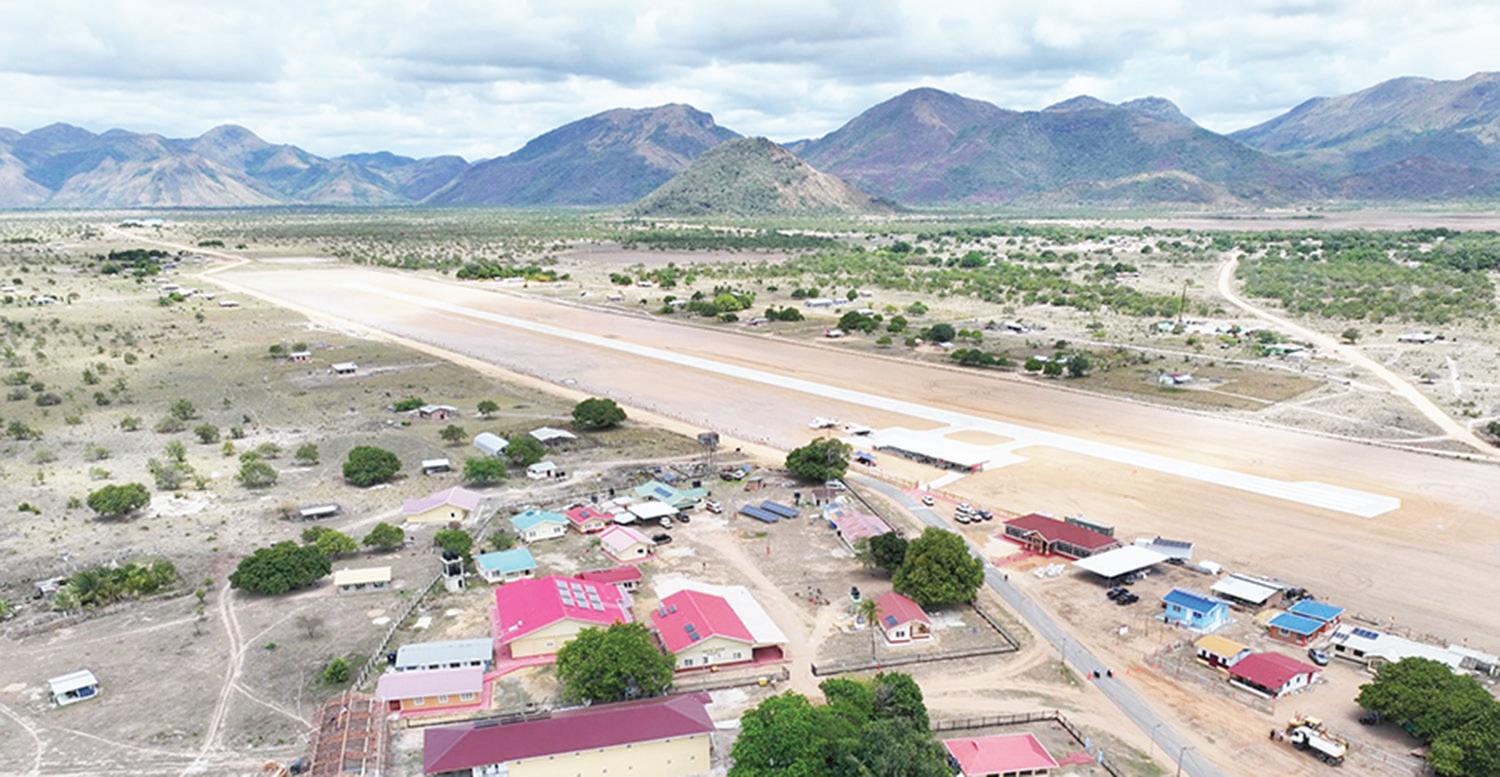
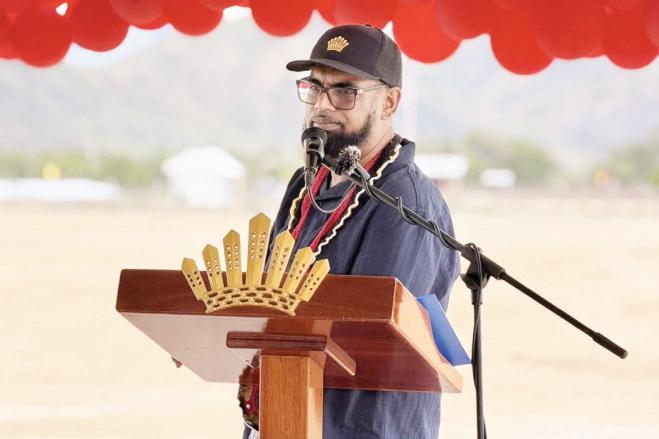
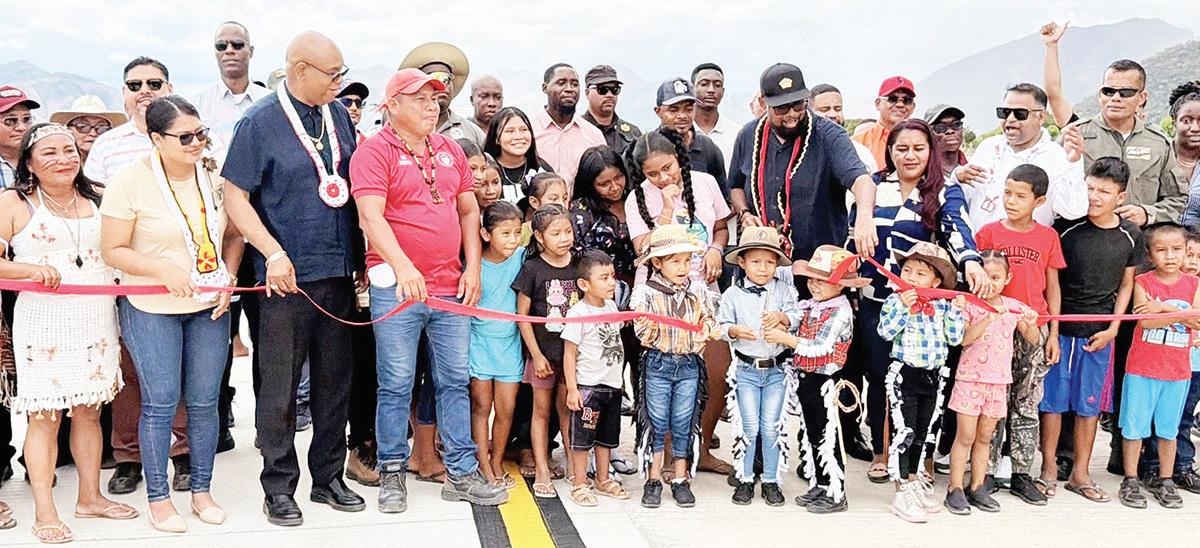
PRESIDENT, Dr Irfaan Ali on Saturday commissioned a new 3,000-foot runway at Karasabai, Region Nine, marking a major investment in hinterland infrastructure, aimed at improving connectivity and unlocking economic opportunities.
The project, valued at approximately $1.53 billion, includes the construction of two taxiways and is expected to significantly enhance access to transportation, healthcare, education and commerce for residents of the community and surrounding areas.
The new facility will ac-

you hours upon hours to get to Lethem, so if you have a medical emergency, it would have been detrimental,” the
commodate larger and more frequent aircraft, allowing for more reliable movement of goods and passengers, particularly during emergencies and adverse weather conditions.
President Ali underscored that the investment forms part of a wider government strategy to modernise infrastructure in remote and underserved communities, thereby ensuring more equitable national development. He noted that improved air-transport links will not only benefit residents, but will also open up greater opportunities for tourism, trade, and local enterprise.
The addition of the two taxiways is also expected to improve operational efficiency and safety at the airstrip, allowing for smoother aircraft movement on the ground. Overall, the project marks a major step forward in strengthening transportation networks in Karasabai and advancing development in Guyana’s hinterland regions.
Highlighting long-standing challenges faced by residents, he noted that poor landing conditions during the rainy season often left the community isolated.
“During the heavy rains when you have flood here, many times Karasabai is cut off from Lethem or will take
dents for a more consistent air service.
“We know that we also have to invest and get the private sector to invest in the infrastructure that would allow us to optimise the value of this airstrip,” he said, noting that in the coming months a 20-tonne freezer will be installed to support the transportation of produce to Georgetown.
To further develop the community, President Ali said the government will be working with residents to expand coffee and food production.
healthcare services, noting that the community’s clinic will be upgraded into a full medical facility in the coming months.
“And in a few months, we have already upgraded your clinics here into a full medical facility,” he said.
Importantly, he added that plans are in place to utilise drone technology to deliver emergency medical supplies.
“In a few months there will be drones leaving Lethem and landing on our airstrip if you need emergency blood or emergency medical supply, that is where we are
President said.
He further explained that in the past, medical evacuations could take hours, with additional delays if flights could not land before nightfall.
“And if by the time the three hours come you land in Lethem by the night, you have to wait until the next morning, today day or night a medivac can land here and take you to Lethem where we have major facilities and anywhere else in Guyana,” he added.
The President disclosed that discussions are ongoing to establish a scheduled weekly flight to Karasabai, following calls from resi -
“So, we can optimise value creation that we can have out of this airstrip,” he stated.
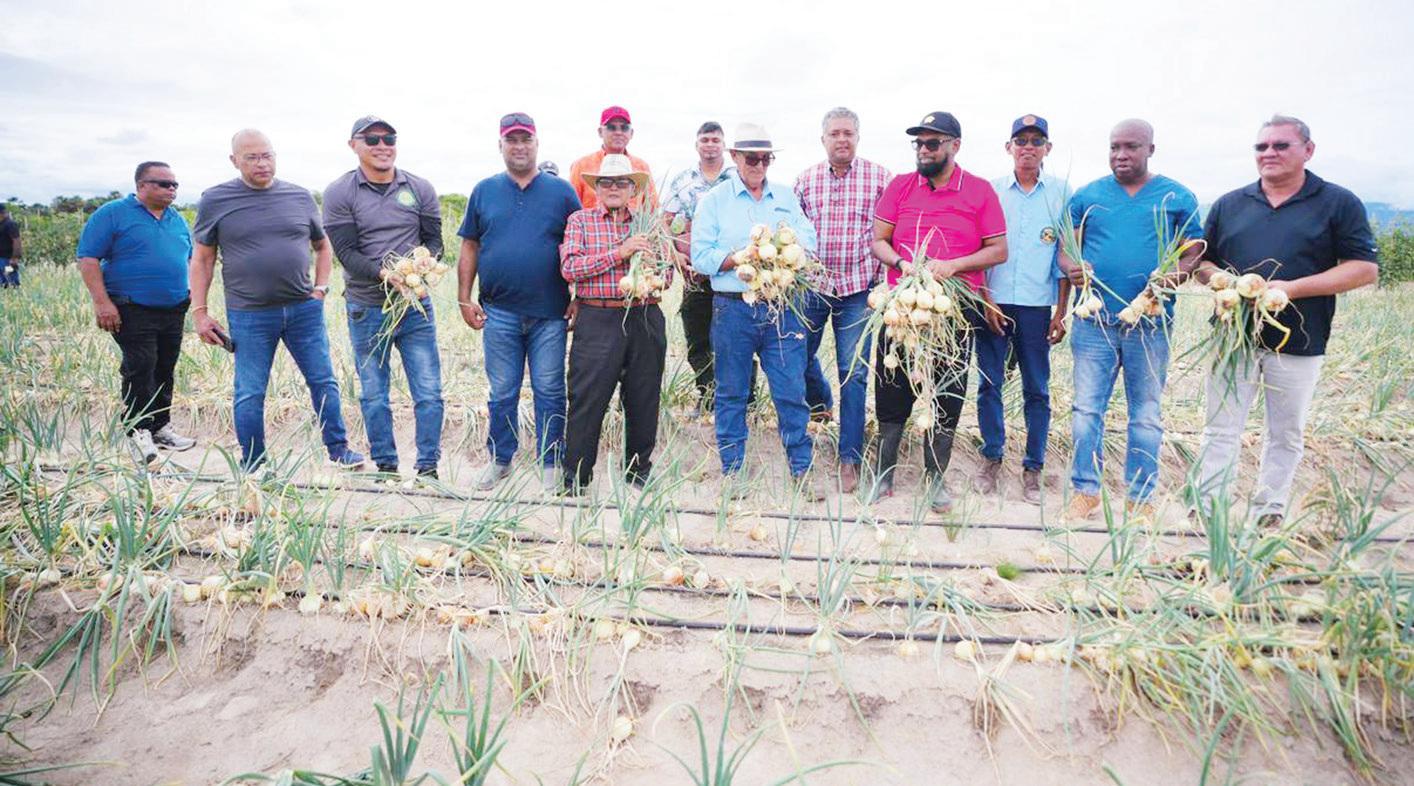
He noted that regional leaders have identified peanuts, ginger, onions, and coffee as key crops for largescale production in Karasabai, with at least one private investor already expressing interest in partnering with local farmers.
“In collaboration with one of the villages to take your farming into large-scale production… so that your small farmers can partner with large-scale investment and make agriculture a major economic activity,” he said.
President Ali also highlighted improvements in
taking the country,” he stated.
The President further announced that the distribution
of the government’s $100,000 cash grant will begin in Karasabai from next Thursday, with more than 12,000 persons already registered in the region.
“And from Thursday the cash will come to all those who have registered that process will start,” he said.
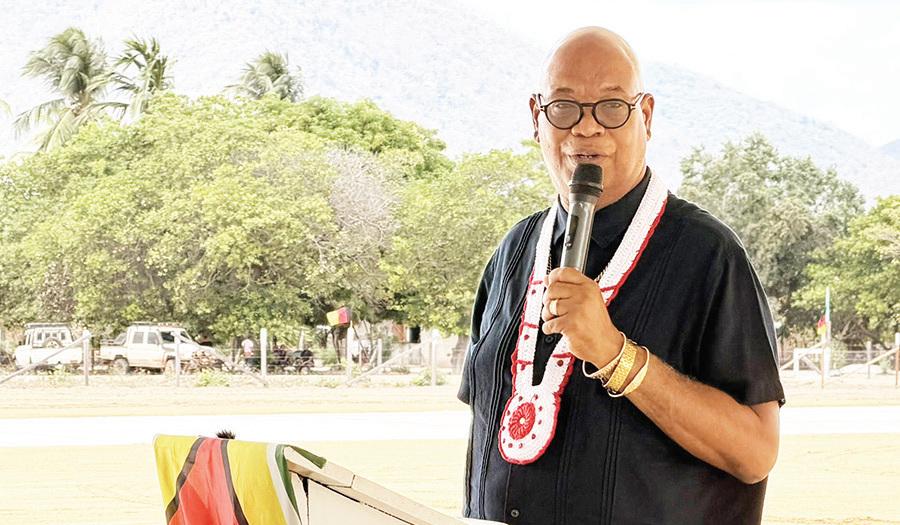
Meanwhile, Minister of Public Works, Bishop Juan Edghill, noted that this is the third major airstrip commissioned since September, following the Peoples’ Progressive Party Civic (PPP/C) government’s re-election.
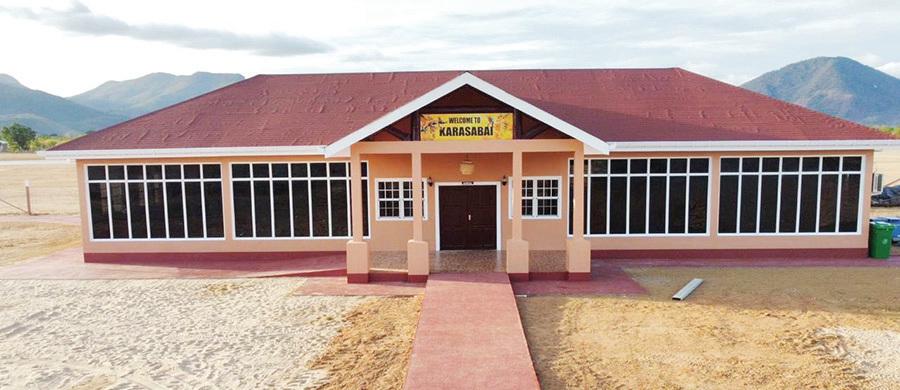
He highlighted that the project, valued at approximately $1.53 billion, also benefitted from an $85 million dollar terminal building—a generous gift to the village from International Import and Supplies—was also built. It is outfitted with a departure/arrival lounge, police and immigration stations as well as a VIP lounge and other basic amenities.
According to Minister Edghill, this project marks another promise that was delivered and highlights government’s broader initiative to bridge the gap between the coastland and the hinterland, ensuring safer, faster, and more reliable travel for the people of Karasabai.
“What happened here, the Ministry of Public Works
came, we engaged the community, we hired 60 persons and we put in place the engineering team… and because we understood the dynamics of the weather pattern, all systems were put in place to ensure that we finish this project in record time,” he said.
The minister underscored the transformation of the site, noting that just over two months ago it was a grass field unsuitable for aircraft landings.
“Seventy days ago, this was a grass field… you now have a 3000 feet runway with two taxiways… you now have a terminal building that could accommodate about 60 persons,” Edghill stated, adding that the facility also includes an immigration office and a police outpost.
He further noted that the upgraded airstrip positions the region to benefit from increased tourism, including one-day visits, and forms part of a wider development push, with new road links and 27 bridges planned to support connectivity.
The commissioning of the Karasabai runway marks a significant milestone in strengthening Guyana’s hinterland transportation network and advancing inclusive national development.
ELEVEN families in Lethem are now proud home owners after receiving keys under the government’s Lethem Housing Support Initiative, marking another step towards expanded home ownership in the region.
Among the beneficiaries was Judith Browne, who described the moment as especially meaningful as it came just days before her birthday.
She said receiving the keys to her own home was the perfect gift, signalling a new chapter of stability and independence.
The houses were officially handed over on Saturday by Minister of Housing, Collin Croal, during a simple ceremony attended by Regional Housing Officer Tesha-


na McDonald and staff of the Central Housing and Planning Authority (CH&PA).
For another beneficiary, Ann Paulino, the milestone brought an end to years of living with relatives. A mother of four and grandmother, Paulino said the new home provides a sense of stability for her fami-

ly and represents something she can one day pass on to her grandson.
She described the opportunity as deeply meaningful, noting that home ownership gives her family a stronger foundation for the future.
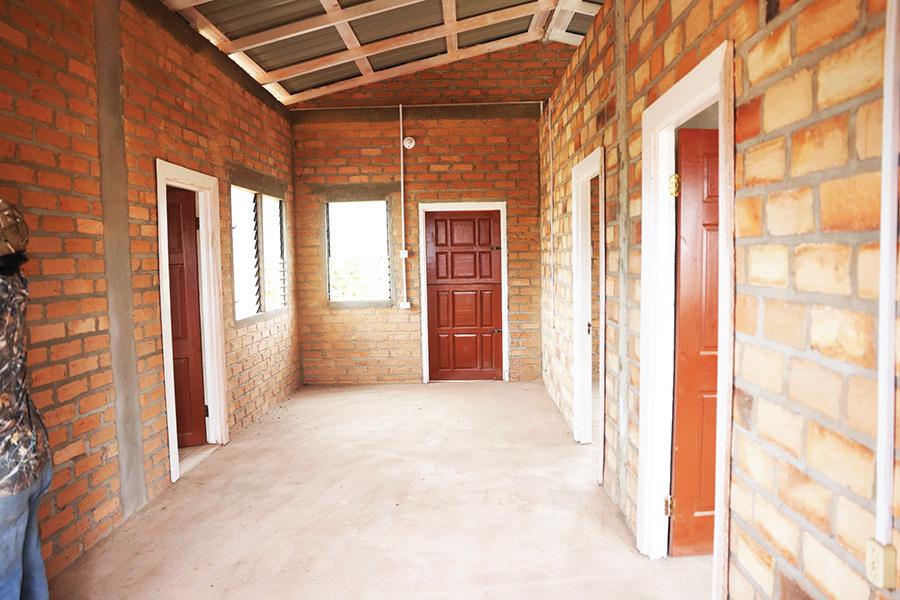
Each unit measures approximately 550 square feet and includes two bedrooms, a living room, kitchen area and bathroom facilities. Valued at about $3 million, the homes are made more affordable through a $1 million building-materials sub-
sidy from the Ministry of Housing and Water, with beneficiaries fi -
nancing the remaining cost through mortgages.
The initiative is also

generating economic activities within the region, with the homes
constructed with locally sourced materials, supporting businesses and workers in surrounding communities.
Meanwhile, the programme is already advancing into its second phase. Construction is currently underway on 45 additional homes within the Tract CH&PA Housing Scheme, with another 55 expected to begin shortly.
The Lethem Housing Support Initiative continues to play a critical role in expanding access to safe and affordable housing in Region Nine, as the government moves to bring more families into home ownership.


THE Government of Guyana is moving to integrate churches into the delivery of primary healthcare services, with President, Dr Irfaan Ali signalling a nationwide rollout that will see religious institutions playing a frontline role in community health.
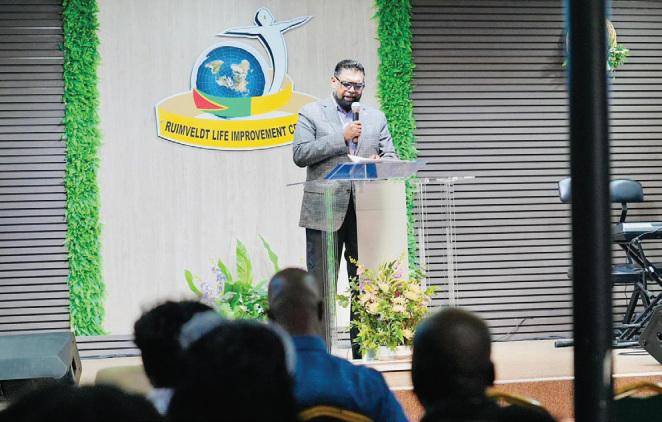
Speaking during the Good Friday Service at Ruimveldt Life Improvement Centre, AOG, the Head of State said the initiative will position churches as accessible points for basic medical services, education, and early intervention.
“ We’re going to launch a programme across the country where every church will be able to provide basic primary healthcare service… so that when you come to church, you can check your pressure, you can check your sugar, and you can be guided, you can be counselled,” President Ali said.
The move reflects a broader policy shift by the administration to decentralise healthcare delivery and strengthen community-based support systems, particularly
in underserved areas.
President Ali underscored that religious institutions already play a critical role in shaping communities and should be leveraged to support national development goals.
Meanwhile, while addressing another service at the Life Spring Ministries, Chateau Margot, President Ali stressed that healthcare must not remain confined to hospitals and clinics, but
should be embedded within everyday spaces where people gather.
“And that is why we will be establishing and working in partnership with the churches all across our country to ensure that you take care of your health… because the church has a role and a place in our society,” he said.
Beyond healthcare, the President framed the initiative within a wider philos-

ophy of community-driven development, arguing that churches must extend their influence beyond spiritual guidance to tangible social support.
He noted that issues such as dysfunctional families, crime, and social instability cannot be effectively addressed without the active involvement of religious bodies.
“We cannot address the many difficulties of the world… if we exclude the church and the religious community,” he emphasised.
The proposed programme is expected to include basic screenings, health education, and counselling services, aligning with the government’s ongoing push to improve preventative care and reduce pressure on the public health system.
President Ali also high-
lighted the importance of personal responsibility and lifestyle choices in achieving better health outcomes, linking physical well-being to broader national productivity and development.
The initiative comes amid continued investments in Guyana’s healthcare sector, including the expansion of hospitals, the roll out of digital health systems, and increased training of medical personnel.
By embedding primary healthcare services within churches, the government is effectively widening its service- delivery network, using existing community structures to accelerate access and impact.
The President made it clear: the strategy is not symbolic, it is operational.
“This is about service to humanity, to community and to people,” he said.



The acknowledgment of President Dr. Irfaan Ali’s strong support for religious freedom serves as a timely reminder of the values that have long set Guyana apart in a divided world.
In a time when people often use religious identity as a weapon, a head of state who asserts that there is “no room for religious segregation or segregation of any kind in Guyana” is making a moral and political statement that deserves full support.
President Ali being praised for his stand on religious freedom highlights a consistent message: rights are not just slogans; they are real guarantees supported by constitutional protection and active political leadership.
as a tool of fear, exclusion, or political gain.
When the President tells citizens that the freedoms to worship, express culture, and practice faith are safeguarded by “the highest form of protection in our country,” he is not simply reciting Article 145. He is indicating that the state will protect against any attempt to use religion
This approach aligns with his broader One Guyana vision, where churches, mosques, and temples play an essential role in creating a just society based on tolerance, compassion, and respect. By insisting that no religious group can foster hate or discrimination, President Ali challenges leaders and followers to connect faith with ethical behavior and rituals with accountability. That message is particularly significant in a country with
diverse peoples, where religious and ethnic differences are intertwined, and any breakdown in mutual trust can lead to serious social division.
Importantly, the administration’s commitment to religious harmony is being translated into policies that place religious organizations at the center of social development, moral guidance, and national unity. Supporting religious groups and initiatives to engage religious leaders for community improvement acknowledges that faith-
based institutions often reach communities that the state cannot and heal where politics has caused harm. This approach does not violate secularism; it affirms a secular state that works with, but does not favor, any one faith while respecting everyone’s beliefs.
However, Guyana is not free from intolerance. Recent warnings from the Attorney General about rising hostilities toward people of various or overlapping faiths should be taken seriously. Because these freedoms “must never
be taken for granted,” the President’s clear defense of religious liberty and diversity should encourage citizens to reject divisive politics and sectarian mischief in every community. Guyana’s constitutional protections are only as strong as the leaders who uphold them and the citizens who demand their full enforcement. By supporting religious freedom, President Ali has chosen the more challenging path of inclusion over the easier politics of division.
Dear Editor, FIRST, let me extend congratulations to Justice Yonnette Cummings-Edwards on her recent appointment as Chief Justice of the Turks and Caicos Islands. Any Guyanese serving at that level in another jurisdiction is, in principle, a point of national recognition.
However, beyond the ceremonial congratulations, it is important, particularly in the current political environment, to ground public discourse in facts, institutional structure, and jurisprudential record, rather than opportunistic political narratives.
Notably, opposition elements have sought to weaponise this appointment as evidence of alleged mistreatment within Guyana’s judicial system. That argument collapses under even the most basic institutional analysis.
Let us begin with structure.
In Guyana, Justice Cummings-Edwards served as Acting Chancellor, the apex of the judicial hierarchy. The Chancellor is head of the judiciary and presides over the Court of Appeal, the highest local court, with only the Caribbean Court of Justice (CCJ) above it.
In practical terms, there was only one judicial tier above her authority, the CCJ. By contrast, in the Turks and Caicos Islands:
- The Chief Justice presides over the Supreme Court
- Above that sits the Court of Appeal, headed by a President (not the Chief Justice)
- Beyond that, the Privy Council serves as the final appellate authority This means there are two judicial layers above her position.
From a purely institutional standpoint, this is not an elevation—it is a reduction in judicial authority.
That is not an opinion. That is constitutional architecture.
But the more substantive issue is her judicial record.
Between 2018 and 2020, Guyana underwent one of the most litigated constitutional periods in its history. During this time, several rulings from the Court of Appeal, over which she presided in an acting capacity, were subsequently overturned or corrected by the CCJ.
The record is clear: In the No-Confidence Motion cases, the Court of Appeal ruled that 34 votes were required. The CCJ overturned this, confirming that 33 votes constituted a valid majority.
In the 2020 elections litigation, the Court of Appeal advanced interpretations, particularly on “valid votes,” which the CCJ rejected entirely, both on jurisdiction and substance. Across multiple matters, the CCJ was required to restore consti -
tutional clarity and correct expansive interpretations.
Importantly, these rulings were not unanimous. The positions ultimately overturned by the CCJ were advanced by the Chancellor and Justice Dawn Gregory Barnes. In contrast, Justice Rishi Persaud consistently adopted positions aligned with the High Court and, ultimately, the CCJ.
This distinction matters.
It demonstrates that even within the Court of Appeal itself, there was internal divergence between expansive interpretations and constitutionally grounded reasoning.
Further, this is not merely a domestic observation.
Professor Cynthia Barrow-Giles of the University of the West Indies, who led the CARICOM Recount Team, publicly noted that several appellate rulings were “highly questionable” and raised concerns about judicial independence. Her colleague, Dr. Ronnie Year-
wood, went further, suggesting that the courts were, at times, drawn into political battles and policymaking, rather than remaining strictly within their adjudicative role.
At the same time, both scholars highlighted a critical contrast: the role of then-Acting Chief Justice Roxane George, SC, whose rulings were widely regarded as grounded in probity, integrity, and constitutional discipline.
That contrast is instructive.
Because ultimately, the issue is not judicial office, it is judicial reasoning.
Against this backdrop, the current narrative being advanced is fundamentally flawed. This is not a case of displacement or elevation. It is a transition into a smaller jurisdiction—with a population of less than 50,000 and a more layered appellate structure.
None of this precludes effective performance.
But it does underscore a central point: Judicial authority is not defined by title, but by the consistency with which decisions align with the law.
Altogether, this appointment is neither a political loss nor a political victory. It is a professional transition within a different judicial framework—one that carries both opportunity and constraint. If her rulings in that jurisdiction are grounded firmly in the letter and spirit of the law, free from expansive interpretation and insulated from political undertones, then she will do well.
But that is the standard that must always apply. Because in the final analysis, the true measure of any judge is not the office they hold, but whether their decisions withstand the scrutiny of the law.
Yours faithfully, Avinash Persaud
THOUSANDS of residents in Region Nine will begin receiving government cash grants from Thursday, as part of a nationwide initiative to deliver direct financial support to citizens.
President Irfaan Ali made the announcement during the commissioning of the Karasabai airstrip on Saturday, revealing that more than 1, 200 persons in the region have already registered to benefit.
“From Thursday, the cash will come to all
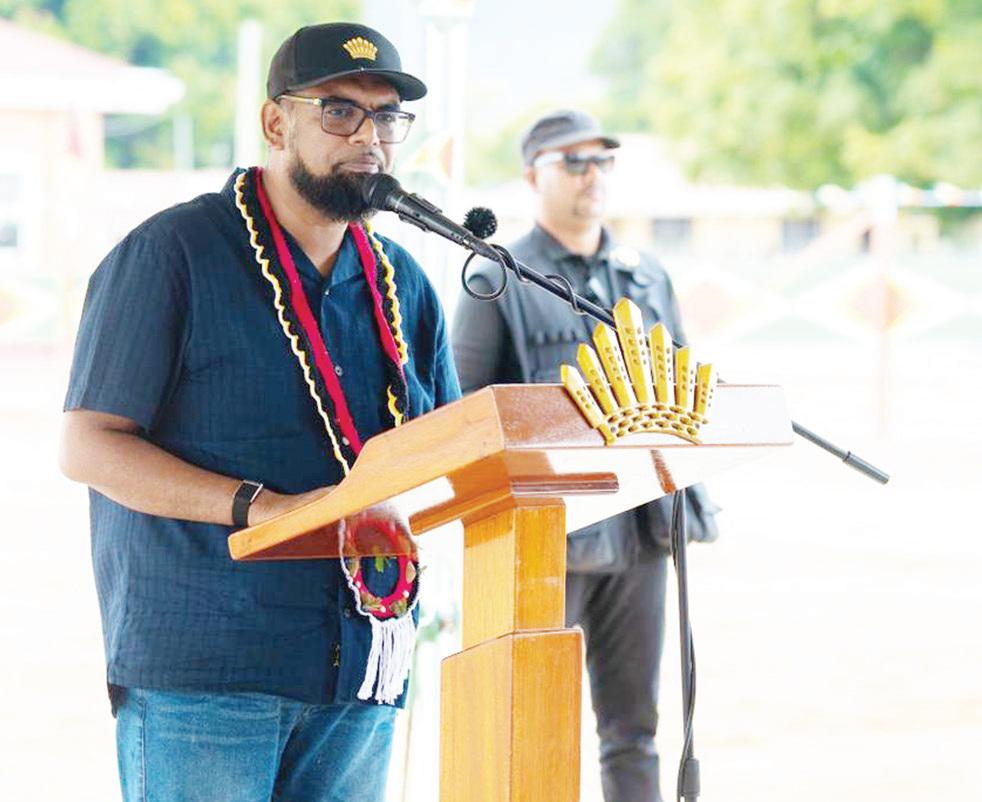
President Irfaan Ali made the announcement during the commissioning of the Karasabai airstrip on Saturday, revealing that more than 1, 200 persons in the region have already registered to benefit

those who have registered. That process will start, and we will ensure it reaches every eligible person,” the president assured.
He emphasised that the initiat ive is part of the government’s broader effort to strengthen financial stability among households, particularly in hinterland communities.
In Region Nine, the rollout is expected to be supported by improved transportation systems, including air access.
This allows for faster
and more efficient distribution of funds to remote villages.
The president noted that, with enhanced infrastructure, including the newly commissioned airstrip, cash and other resources can now be delivered in a timely manner, reducing delays that previously affected hinterland residents.
“Very soon, planes will be bringing pensionand cash-grant payments directly into communities like Karasabai,” he explained.
The head of state high-
lighted that the cash-grant programme complements a wide range of existing social-support measures, including old age pensions, public assistance and child-focused grants.
These initiatives, he said, represent billions of dollars in annual investments aimed at improving livelihoods and reducing financial burdens on citizens.
“Thi s is not just about promises. This is about delivering real support to families across Guyana,” President Ali stated. [DPI]

GUYANA’S push to translate its oil-driven economic vision into tangible industrial growth is accelerating, as Guysons K+B Industries, in collaboration with the Guyana Office for Investment (Go-Invest), moves to craft a targeted investment strategy to support the expansion of oilfield manufacturing and services at Enmore.
The initiative signals a deliberate alignment between government policy and private sector execution, reinforcing efforts to position local companies at the centre of the country’s rapidly evolving energy economy.
The partnership builds on a long-standing call by President, Dr Irfaan Ali for Guyanese businesses to scale up and participate meaningfully in the oil and gas sector. That call, sharpened in 2022, challenged local fabricators to seize emerging opportunities—an appeal that Guysons Engineering has since operationalised.
What began as a local ambition has now evolved into a significant joint venture with United States-based K&B Industries. The company has se-
cured approximately 55 acres at the former Enmore Sugar Estate, where it is transforming the old GuySuCo packaging facility into a modern fabrication and machining complex designed to service the energy sector.
Chief Investment Officer and Member of Parliament, Dr Peter Ramsaroop, said the initiative reflects a broader shift in the country’s development model.
“This is exactly the model we are building… where vision meets execution. We are not just attracting investment; we are designing an economy where Guyanese companies are positioned to lead, to produce, and to compete at global standards,” he said.
The Enmore facility is already demonstrating measurable progress. With tens of millions of US dollars invested to date, the operation has generated more than 100 jobs while introducing in-country manufacturing, machining and repair services tailored to the oil and gas industry.
The company is also expanding its technical capabilities, including advanced CNC machining, internationally rec-
ognised certifications, and structured workforce training programmes—critical components for sustaining competitiveness in a high-value industrial space.
In a notable milestone, the facility now hosts the only clear plating line in South America, placing Guyana in a specialised niche within the regional industrial landscape. The company has also adopted forward-looking supply- chain strategies, including pre-stocking critical materials to mitigate global disruptions.
Further expansion is already underway, with plans to scale operations across four buildings by mid-year, significantly increasing production capacity.
For Guysons, the project represents more than infrastructure—it signals a shift in the role of local enterprise within the oil and gas value chain
“When we started this journey, we believed Guyanese companies could do more than support—we could manufacture, innovate, and deliver at the highest international standards,” Kadim “Kads” Khan, the founder of Guysons said, while underscoring the long-term vision of building globally competitive

capabilities rooted in Guyana.
The development also carries symbolic significance. The repurposing of the Enmore Sugar Estate into an industrial hub highlights a broader economic transition, moving from traditional industries to modern, energy-driven manufacturing.
For Go-Invest, the collaboration reinforces its evolving role—not just as an investment-promotion agency, but also as a strategic facilitator shaping projects that deliver measurable economic value.
At a macro level, the Guysons-K&B venture underscores a critical shift in Guyana’s growth narrative. The focus is no longer solely on resource extraction, but on building domestic capacity, enabling technology transfer, and creating
Police
— Local manufacturing push gains momentum with major industrial build-out

Chief Investment Officer Dr Peter Ramsaroop engages company representatives during a walkthrough of the Guysons K+B Industries facility at Enmore
sustainable employment through industrialisation.
As projects such as Enmore gain traction, the message is clear: Guyana’s trans-
formation is no longer theoretical, it is being built in real time, on the ground, through targeted investments and deliberate partnerships.
THE Guyana Police Force is urging parents, guardians and children to exercise strict safety measures while flying kites this Easter, warning that careless practices can result in serious injuries, accidents and disruptions to public infrastructure.
In a public advisory on Saturday, the force stressed that while kite flying remains a long-standing Easter tradition, it must be done responsibly and in safe environments.
“Members of the public are strongly advised not to fly kites near power lines, utility poles, transformers or other electrical installations,” the release stated, noting that such actions can en-

danger lives and cause service disruptions.
Authorities also cautioned against attempting to retrieve kites that become entangled in wires, poles or other elevated structures, highlighting the risk of electrocution and injury.
Instead, the police are encouraging persons to utilise open spaces such as parks, playgrounds, open fields and seawalls, where kite flying can be done safely and away from
electrical hazards and heavy traffic.
Parents and guardians are being called upon to closely supervise children, particularly to prevent them from running onto roadways while chasing kites.
Commissioner of Police Clifton Hicken underscored the importance of prioritising safety during the holiday period, urging citizens to act responsibly to ensure a safe and peaceful Easter.
The Guyana Police Force reiterated its appeal for responsible celebration, encouraging all Guyanese to choose safe locations for kite flying and to contribute to an incident-free holiday weekend.
AS traffic volumes increase for the annual rodeo in Region Nine, the Guyana Police Force (GPF) has intensified a safety-driven operation along the Linden to Mabura corridor, combining enforcement with direct public engagement and assistance.
Traffic ranks from Traffic Headquarters were actively deployed on Good Friday, not only monitoring
seeing operations, with Regional Commander, Superintendent K. Simon, f ully informed.
The initiative has drawn widespread commendation from citizens, particularly on social media, where many praised the humane and supportive approach adopted by the ranks.
Several users highlighted that the focus on safe driving over strict enforce-
reduce speed, particularly when dust is raised by passing vehicles, noting that impaired visibility significantly increases the risk of accidents.
“It is my advice… to slow down and let the dust settle before continuing your journey, ensuring you can clearly see the road ahead,” he added.
ASP Leitch also highlighted the importance of
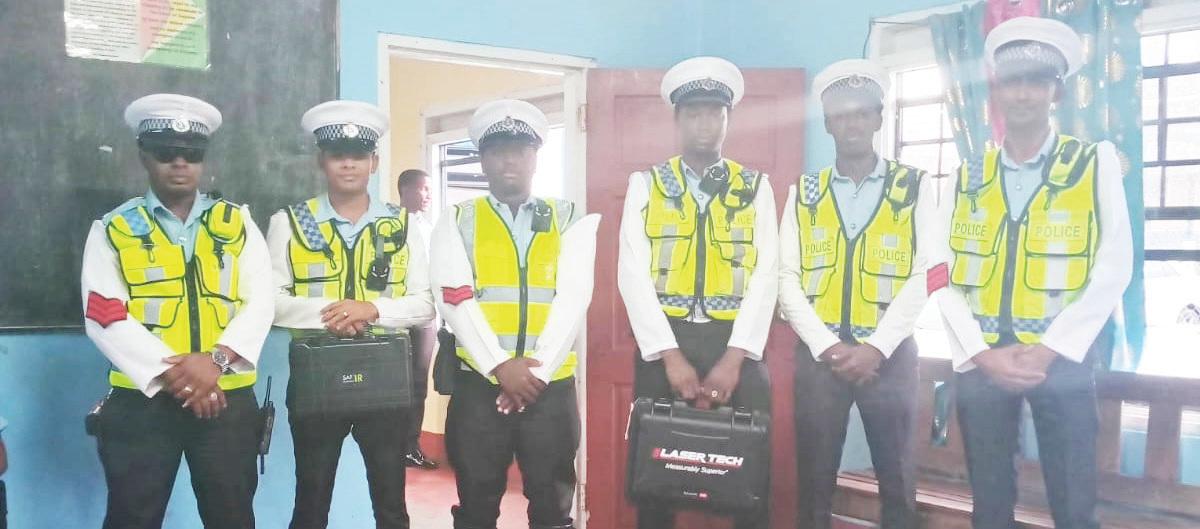
road use but assisting motorists whose vehicles experienced mechanical issues, including punctures, while offering real-time road-safety guidance.
Patrols were conducted along the corridor, supported by foot patrols at intervals to deter speeding and dangerous driving, as authorities moved to ensure safe passage for the influx of rodeo-bound travellers.
In a measured approach to enforcement, no motorists were arrested or charged during the exercise. Instead, drivers committing minor offences were cautioned, reflecting the force’s emphasis on education, compliance and accident prevention.
Vehicle tint enforcement was not prioritised during the operation, as ranks adopted a balanced approach, addressing all offences while keeping road safety as the central objective.
The exercise is being supported by two specialised teams from Traffic Headquarters, deployed to assist Regional Police Division #10. The teams are equipped with radar guns, breathalyser kits, flashing wands and reflective vests, and are utilising two force motor vehicles to enhance monitoring and response capabilities.
This deployment forms part of the Traffic Chief’s directive to strengthen regional traffic management during high-traffic events. The teams will remain active daily until Tuesday, April 7.
An inspector is over -
ment was a welcome move, with one commenter noting that such policing “fosters trust in the GPF.”
Others expressed appreciation for the assistance provided to stranded motorists and the visible effort to ensure safe travel during the busy rodeo period.
Meanwhile, Assistant Superintendent of Police (ASP) Leitch, the Sub-Divisional Officer traffic officer for Region Nine, is urging motorists travelling to Lethem for the 2026 rodeo to adopt defensive-driving practices and ensure their vehicles are roadworthy before setting out.
He emphasised that the journey, particularly beyond Linden, presents challenging conditions due to the transition from asphalt to gravel, clay and loam surfaces, which can generate heavy dust and reduce visibility.
“As we gear up for the 2026 rodeo, it is my duty… to advise all drivers… to adhere to the five Cs of a defensive driver, which is clear vision, courtesy, common sense and consideration,” ASP Leitch said.
He urged motorists to conduct proper vehicle checks before departure, including ensuring adequate fuel, water in the radiator, a fully functional braking system and proper lighting.
The senior officer cautioned that drivers must
— motorists urged to follow defensive- driving principles as ranks prioritise assistance
deo period and expressed confidence that with continued co-operation, a similar outcome can be achieved this year.
adequate rest for the long journey and reminded drivers to remain mindful of other road users, including pedestrians and motorcyclists.
He noted that Region Nine recorded no fatalities during last year’s ro-



COUNTRIES with a high share of renewable energy in their power mix tend to fare much better than those dependent on fossil fuels. The stark reality of this simple truth is now revealing itself with devastating consequences in some parts of the world.
The disruption of global energy supply due to Iran’s closure of the Strait of Hormuz has already forced more than a dozen countries to adopt emergency measures in the last week alone. For millions of people in Asia and the Far East, this means frequent “blackouts,” rationing and

restricted use of vehicles as these countries try to weather the storm of a 20 per cent or more reduction in global energy supplies.
Although Guyana is an oil producer, we import almost 100 per cent of our gasoline, diesel, kerosene, jet fuel and Liquefied Petroleum Gas (LPG). The next time you experience a “blackout,” remember this: According to the U.S. Energy Information Ad -
ministration (EIA), an estimated 93-97 per cent of Guyana’s electricity generation comes from diesel and heavy fuel oil engines.
While we have not yet seen major disruptions to Guyana’s fuel supply, we are far from immune. Just a few days ago, several gas stations on the West Coast were closed, perhaps only because drivers emptied the pumps by filling up ahead of the Easter week-

end, but unsettling, all the same.
According to the EIA, Guyana imported nearly 4 million barrels of petroleum products, mostly from the US, in 2023. The previous year, for some unexplained reason, that figure was almost double. That’s over 20,000 barrels per day of imports, with Gasoil alone accounting for 50 per cent of the imports by volume. Guyana’s fuel import bill, its largest category, accounts for close to USD$1B. Unacceptable for a small, resource-rich developing country.
President Mohamed Irfaan Ali and his administration knew this when it took office in 2020. The Gas-to-Energy plant at Wales was envisioned as a bridge to renewables. The plant will generate upwards of 300 MW of electricity when it is up and running by 2026, accounting for between 60 and 90 per cent of grid power according to some projections. The plan is to flip the switch and have renewables replace fossil fuels by 2030-2035.
Renewable sources, such as solar, small hydro and biomass, currently supply only about five per cent of the country’s total energy needs, as Prime Minister Mark Phillips acknowledged last year. However, just two years ago, Guyana had more than 17 MW of installed solar PV capacity, representing a 224 per cent increase over the level in
FROM PAGE 10
2020, when the previous administration left office.
For all the bluster of Terence Campbell during the line-by-line 2026 budget review, the evidence indicates that APNU did nothing to alter the country’s energy mix.
As more hydro, solar, and wind come online in President Ali’s second term, the gas-to-energy share will see a significant decline by 2030. The president aims to have approximately 70 per cent of the overall energy mix supplied from clean and renewable energy sources.
Hydro power will play a critical role, with the Amaila Falls expected to generate 165 MW of power.
Since 2020, the government has commissioned more than a dozen solar farms and mini-grids, including utility-scale projects at Lethem, Bartica,
Mahdia and Onderneeming, with eight more GUYSOL solar farms now being built. There are now upwards of 30,000 households powered by solar PV. The fact that Guyana gets an average of between 2,300 and 2,500 hours of bright sunshine a year, I believe the PPP/C administration can drive that number higher. Canadian companies might be eager to assist.
Several African countries saw a 54 per cent surge in solar installations in 2025, driven in part by two firms based in Ontario, Canada. The roots of this boom trace back to Ontario’s 2009 Green Energy and Green Economy Act, which offered generous feed - in tariffs.
As a homeowner, I joined the programme and had 32 solar panels installed on my roof at no upfront cost, receiving about C$400 a

year from the company; after 20 years, the panels, and any power they produced for the grid, would have become mine.
At its peak, Ontario was generating nearly 2,000 MW of solar, about 98% of Canada’s total solar capacity. Ontario’s programme ended, sadly, after a World Trade Organisation (WTO) ruling found its local-content rules violated trade
agreements, and the local solar market slumped.
The companies operating in the Ontario solar market followed the sun and, with seed money from development banks, began building utility-scale solar and wind projects across Africa and Asia. Solar Panda, one of the Canadian companies, now offer rentto-own rooftop solar to underserved households in
Kenya, Zambia, Benin and Senegal.
Countries that bet on renewables are less exposed when fossil fuel markets convulse. Guyana has the sunlight, the surplus oil revenues, and a president who understands the urgency of this transition. What is needed now is speed and scale. I would suggest that every single one of the 40,000 homes the govern-
ment intends to build in the next five years should come outfitted with solar panels. This could perhaps make rooftop solar a truly national programme.
DISCLAIMER: The views and opinions expressed in this column are solely those of the author and do not necessarily reflect the official policy or position of the Guyana National Newspapers

FORMER British Prime Minister Sir Winston Churchill once said, “The price of greatness is responsibility.”
Another modern-day political theorist, Jairam Ramesh, suggests boldly that “Governance is about taking tough, even unpopular, decisions.”
Another modern group of political scientists suggest that there will be some long-term consequences of making the right decision. These will be rebellion, upheaval, protest and temporary discomfort faced in certain quarters, but must be stamped out using law and order, and justice.
In making the right and unpopular decisions, a gov -
ernment would not necessarily be popular and liked at the same time, but knows that it is making the right decision in the long run to benefit citizens enormously in the end.
In short, the most transformative leaders are often those willing to endure the temporary sting of unpopularity to secure the permanent prosperity of a nation.
Recently, President Mohamed Irfaan Ali’s administration is standing in that public fire.
From the central government’s takeover of municipal roads in Georgetown to the standardisation of tint laws and the overhaul of firearms
licensing, these decisions have sparked heated, necessary and spirited debate.
Yet, when stripped of political rhetoric, these moves reveal a government doing the difficult, tough and necessary work that previous decades of inertia failed to address.
Recall at this point that President Ali had consistently emphasised that his administration’s approach to governance involves making tough, “uncomfortable” decisions to ensure long-term national development, economic resilience and to steer Guyana towards becoming a global leader in food, energy and climate security.

This was so even when he was a minister of government in the Bharrat Jagdeo and Donald Ramotar governments and tough decisions had to be made in the Ministries of Housing, Water, and Tourism.
He had stressed that development must be felt in every household and that his government is proactive in addressing challenges rather than reactive.
Ali had stated that confronting challenges, such as crime and economic hurdles, requires a “proactive, thinking organisation."
Time and time again, Ali described that the government may go through “tough periods” to come out stronger, asserting the need to apply necessary, sometimes unpopular, decisions at the right time.
He noted then that as the country undergoes rapid transformation, it is necessary to modernise and update laws to maintain investor confidence and ensure justice.
Now, let’s analyse the unpopular decisions that this administration has had to make for the nation’s benefit.
Firstly, for too long, Georgetown has been held hostage by the systemic, endemic and prolonged failure of its City Council.
The decades of mismanagement have left the capital with crumbling streets, stagnant drainage and an aura of urban decay.
The Ali government’s recent move to reclassify and take control of 57 key municipal roads, including major arteries such as Regent and Robb Streets, is not a power grab, it is a rescue mission. plain and simple. It’s not an executive overreach, but it is the government showing responsibility and allowing the council to focus its attention and resources in other areas that matter.
The benefits are already becoming tangible.
By integrating these roads into the national infrastructural framework under the Ministry of Public Works, the government is ensuring they are rehabilitated with modern standards—moving faster than a cash-strapped council ever could. I know former Mayor Hamilton Greene would certainly agree away from the public eye without any cameras present and the press. I am sure that Mayor Alfred Mentore would agree if he weren’t being forced to take a party line on this issue.
This isn’t just about asphalt; it’s about commerce, mobility and the dignity of a capital city that finally reflects
Guyana’s burgeoning global status -- period!
Secondly, the administration’s stance on tint and firearms has also faced pushback. Yet the reforms are rooted in a singular, non-negotiable priority, which is public safety.
The New Motor Vehicle (Tint) Regulations 2025 (effective January 1, 2026) replaced a murky, bureaucratic system of waivers with clear, enforceable standards: 25% light transmission for front side windows and 20% for the rear.
Critics focused on the loss of “privacy,” but the reality is that unauthorised tints have long been a tool for criminals to conceal identities and weapons. They are concealing many other societal ills that result in social chaos and confusion. I will leave it there.
By standardising these laws and equipping the police with tint meters, the government has removed the opportunity for bribery and improved the safety of law enforcement officers. This is not to say that it will happen overnight.
Similarly, the proposed shift towards non-lethal weapons permits addresses a dangerous backlog of over 30,000 firearm applications. Simply flooding the streets with 50,000 more guns, many of which inevitably end up in the hands of criminals through theft, is a recipe for disaster. By introducing a “tiered and graduated” system that prioritises non-lethal self-defence tools, the government is providing citizens with protection while preventing a surge in lethal violence.
The end goals are admirable and must be looked at by all stakeholders as a step further in the right direction.
Thirdly, the management of chronic flooding remains one of the most visceral and persistent challenges facing the Ali administration. It’s not a ‘now’ problem. It was a problem in the ‘past’ and will likely be a problem for decades to come if Guyanese do not reform their behaviours with respect to the environment.
While heavy rains often bring immediate frustration and criticism from affected residents, the government's approach has shifted towards long-term resilience rather than temporary fixes.
By investing significantly in drainage infrastructure, including high-capacity pumping stations and the desilting of major canals, the administration is implementing a strategy designed for the decades ahead.
President Ali and Agriculture
Minister Zulfikar Mustapha have tirelessly been championing the upkeep of drainage and irrigation structures in this regard and have been calling on citizens to do their part in a responsible manner.
The decision to centralise many of these efforts, sometimes bypassing local authorities, stems from a recognition that flood mitigation requires a cohesive national grid. In an era where climate change poses an existential threat to low-lying coastal regions, the government has argued that technical expertise and consistent maintenance must take precedence over fragmented municipal oversight. These investments in “grey and green” infrastructure are intended to ensure that the city can withstand increasingly volatile weather patterns, protecting both property and livelihoods for the long term.
Fourthly, true leadership is rarely a popularity contest; it is the responsibility to make difficult choices that yield benefits far beyond the current political and news cycle. The Ali administration is navigating a period of rapid national transformation, choosing to implement standardised laws and centralised infrastructural projects that aim to build a more organised, safe, and resilient Guyana.
While the standardisation of vehicle r egulations, the reform of licensing systems, and the takeover of municipal responsibilities have met with resistance, these actions reflect a philosophy of proactive governance.
By addressing the root causes of urban decay, public-safety concerns and environmental vulnerability, the government is laying a foundation for a modern state. These decisions, though debated today, are presented as the necessary steps to ensure that future generations of Guyanese can live in a nation that is secure, functional, and prepared for its role on the global stage.
Making tough decisions requires courage. Being hip, being popular, being cool, that’s really easy, until you have to make tough decisions. And when you have to make tough decisions, that veneer of coolness comes off real quick.
DISCLAIMER: The views and opinions expressed in this column are solely those of the author and do not necessarily reflect the official policy or position of the Guyana National Newspapers Limited.

THE proclaimed hero of the former WPA executive, Dr Wazir Mohamed, is Dr Rupert Roopnaraine. Mohamed is old enough to know that charity begins at home. He should have lectured his hero before he died, rather than attempting to educate me on what moral values are (Kaieteur News, March 16, 2026, page 6).
I want to write the following line with pellucid forcefulness: Dr Mohamed has failed in his attempt. His guiding values are not mine. Dr Mohamed and I are opposites when it comes to the values that hold society together. Mohamed writes, “I come from an upright family with a tradition for the dead.” I come from a mother and father who, unlike the parents of Mohamed, never owned a piece of land and lived in a rented house until they both died.
I learnt my moral values from them and I am in my 70s and can walk this world with my head high – I have never violated the sacred values civilisation rests on. I will try to lecture Mohamed on what those values are. If I do not succeed, then it would be umpteen times I have failed, because humans are a disappointing species.
I grew up in a multi-racial ambience in South Georgetown. Four of my siblings married African men and women. I have never even vaguely lit a torch that had a racial flash. My life has been sandwiched between heroes of all races in Guyana. The trio of three Portuguese Guyanese- Fred Philips, Sister Mary Noel Menezes and Father Andrew Morrison are my heroes. Yesu Persaud, an Indian, is my hero. Dr Rudy James, an African, is my hero. I owe an immense debt to Anil Nandlall, an Indian whom I can never repay. Courtney Benn and Clem Duncan, two
Africans of Guyanese nationality, are two of the people I admire and respect.
Mohamed has to reply to Ravi Dev, not Frederick Kissoon. Dev said on the Freddie Kissoon Show that Mohamed’s hero, Rupert Roopnaraine, told him that he is more comfortable among Africans than Indians. I have a terrible confession to make. Though I am equally comfortable among all ethnic types, I am more comfortable among animals than homo sapiens.
Dr Wazir Mohamed belongs to a political entity, the Working People’s Alliance, that since 2020 has engaged in more racist advocacy than any political party in the history of this country. Dr Mohamed shares a close socialisation process with those people. I never would accept such people in my world, so Mohamed cannot delineate for me the moral values of human existence.
Dr Mohamed, when he comes to Guyana, can be seen hobnobbing with company that belongs to the Mulatto/ Creole class (MCC), a stratum of society that sees Guyanese society through the lenses of class and colour. I knew members of that class saw people like me as dark-skinned East Indians of low-income background who entered politics without pedigree. I saw that first hand when I was a columnist with Stabroek News. I saw in that newspaper how MCC personalities differentiate between people based on colour and class origin.
It is unfortunate that Mohamed couldn’t convert his hero, Dr Roopnaraine, to a political agenda where ordinary people were equally treated. I say without fear of contradiction that Roopnaraine was one of Guyana’s enduring MCC personalities whose sole reason for disliking the PPP and
its leaders was that he thought that they were not Caribbean Anglo-Saxons. He was one of the Caribbean’s leading Caribbean Anglo-Saxons and those were the people he embraced.
Mohamed wrote: “I [meaning him] do not write as a detached observer but as an active participant in the process.” Unlike Mohamed, I live in Guyana, where I write as an overzealous participant in my country’s politics and it was from that vantage point that I saw what position Mohamed’s colleagues in the WPA took in relation to the March 2020 elections drama. The list includes some close friends of Mohamed —Rupert Roopnaraine, Clive Thomas, Eusi Kwayana, Moses Bhagwan, Nigel Westmaas, Alissa Trotz, and yes, guess who — the man himself, Dr. Wazir Mohamed.
I conclude with a rejection of two banalities that Mohamed threw at me. He cried that contrary to fairness, the Chronicle did not publish his letter on me. Is Mohamed telling me that Stabroek News was a meticulous observer of fairness? I was declared persona non grata by Mohamed’s favourite newspaper.
Secondly, he accused me of disrespect for attacking (his word) Roopnaraine after he died. I did not attack Roopnaraine. I haven’t attacked anyone after they died, including Roopnaraine. I did was I was trained to do – write an analysis of iconic, important people, dead or alive, so history can be preserved and a nation can learn from that history.
DISCLAIMER: The views and opinions expressed in this column are solely those of the author and do not necessarily reflect the official policy or position of the Guyana National Newspapers Limited.
GIVEN the wars and conflict spreading among nations, the divisiveness within countries and the political machinations affecting our world today, there is a dire need for us to look to those things that bind us together and remind us of our common humanity.
Sport is unquestionably such a force. It brings together people of different nationalities, genders, ages and even physical abilities in friendly competition and ironically, the majority of those who watch are not participants.
Millions of people across the globe follow sport on a daily basis, supporting their favourite team or individual athlete. Many more watch international sporting events like the Olympic Games and the World Cup, sharing in the camaraderie and excitement of winning moments.
This is not to say that sport has escaped the racism, misogyny and politics that impact our wider society.
The people who participate in sport are also part of our human family with all its failings and are subject to the influences of family, peers and the society which spawns them, with all its prejudices and preconceived notions.
So in a world where sexism still exists, we see female athletes fighting for equal pay and recognition, particularly in sports dominated by men. This is the case in both team and individual sports, where the disparity is often glaring.
Politics has reared up in a very personal way in the world of tennis, where Ukrainian players refuse to shake the hands of their Russian counterparts. This is a direct result of the
war between Russia and Ukraine.
The world number one female player, Belarusian Aryna Sabalenka, is shunned at the net by Ukrainian Elina Svitolina, because her country is a key ally of Russia.
And countless black athletes have complained about the racism still simmering beneath the surface of their respective sports, while sporting bodies struggle to put in place mechanisms to curb and eliminate racist attitudes.
Tennis stars Venus and Serena Williams have been subject to covert and overt racism in their careers.
This dates back to the early days in the sport when black American tennis player, Althea Gibson, became the first person to break the colour barrier in this elite sport.
Despite her subsequent

dominance, Gibson was denied access to certain hotels and clubhouses and barred from many tournaments.
Just last month, the European Football Association (EUFA) banned Argentinian, Gianluca Prestianni, from further games pending investigation into a racist slur he allegedly used against Brazilian, Vinicius Jr., during a match.
It is against this backdrop that, while Christians celebrate Easter Monday, the world celebrates tomorrow, International Day of Sport for Development and Peace under the theme, "Sport: Building Bridges, Breaking Barriers".
For, despite its underlying and troubling issues, sport still remains, according to the UN, “...a universal language that transcends cultural, social (and other) boundaries and is a powerful force, ...ideally positioned to contribute to the United Nations objective of development and peace".

This Day signifies the UN's recognition of the vast reach of sports, its popularity and ability to foster positive values, particularly as sporting organisations are increasingly developing strategies to deal with all forms of prejudice within their respective sports.
Pressure has been exerted by players and fans alike who have joined forces in seeking 'a level playing field' for all competitors.
In its Resolution the UN General Assembly “invites States, the United Nations system and in particular the United Nations Office on Sport for Development
and Peace, relevant international organizations and regional and national sport organizations, and civil society including non-governmental organizations and the private sector, and all other relevant stakeholders to cooperate, observe and raise awareness of the International Day of Sport for Development and Peace".
DISCLAIMER: The views and opinions expressed in this column are solely those of the author and do not necessarily reflect the official policy or position of the Guyana National Newspapers Limited.

GUYANA’S oil sector is often measured in barrels per day, revenues earned, and its growing presence on the global energy stage. Yet beyond these figures lies a deeper story, one that speaks to people, communities, and how opportunity is being shared across the country. The true impact of this transformation is not only economic but social, as the benefits of growth begin to connect individuals, businesses and regions in new and meaningful ways. At its core, this transformation is being shaped by the expansion of local participation in the oiland-gas sector. In 2025, more than 2,000 Guyanese companies benefited from approximately US$700 million in oil-related contracts, while over 6,200 Guyanese are now employed in the sector. These figures represent far more than economic milestones. They reflect families gaining stability, young professionals building careers, and en-
trepreneurs finding pathways to growth. As more Guyanese participate directly in the industry, a broader sense of progress is emerging, rooted in collective advancement rather than isolated success.
This growth is supported and guided by frameworks such as the Local Content Act and institutions like the Local Content Secretariat, which help ensure that Guyanese businesses and professionals are actively included in the industry. By setting standards

for hiring, procurement and skills development, these measures enable local companies to access opportunities, collaborate with larger operators, build capacity, and participate directly in the oiland-gas sector, thereby strengthening communities and allowing them to share in the prosperity it generates.
The role of the Centre for Local Business Development is also especially significant in strengthening this progress. By providing training, mentorship and access to opportunities within the industry, the Centre has helped to level the playing field for local businesses. Supplier forums, capacity-building workshops, and mentorship initiatives
have created an environment where companies can learn from each other, form partnerships and grow together. Businesses that once operated independently are increasingly part of a connected ecosystem built on shared knowledge, trust and mutual support.
This same spirit of collaboration is reflected
TURN TO PAGE 17

THE Caribbean Development Bank (CDB) has approved US$50 million in financing for Guyana under its Second Environmental Sector Policy-Based Loan (PBL), in a move that sharpens the coun-
try’s climate response and strengthens its natural-resource management architecture.
The funding, secured by the Government of Guyana, forms part of a broader US$175 million programme, follow-
ing an initial US$125 million disbursement in July, 2025.
The facility is being financed through the Bank’s Ordinary Capital Resources and is positioned to support fiscal stability as Guyana ac-

celerates investments in climate-resilient infrastructure and environmental systems.
At its core, the second PBL is designed to translate policy into execution, backing tangible interventions that advance resilience while, sustaining economic ex-
tional policy and planning, ensuring that key reforms in biodiversity management, climate resilience and water governance are adequately resourced,” Lewis said.
The programme is also anchored in a people-centred approach to climate finance, tar-
drought conditions.
pansion. It supports a suite of reforms aligned with national priorities, including biodiversity protection, climate adaptation and improved water governance.
The CDB’s Director of Projects, L. O’Reilly Lewis, underscored the importance of the financing, noting that as Guyana continues its rapid economic transformation, the additional support will help to institutionalise environmental sustainability within national planning frameworks.
“As Guyana continues to experience rapid economic expansion, this additional financing deepens our support for the country’s efforts to embed environmental sustainability into na -
geting enhanced community resilience and livelihood opportunities.
It strengthens national institutions through improved data systems, modernised environmental monitoring and tighter inter-agency coordination, key gaps that have historically constrained implementation capacity.
On the ground, the reforms are expected to scale up restoration of carbon-rich ecosystems, while expanding early warning systems that integrate public-health considerations.
The initiative also prioritises climate-resilient water-supply systems for vulnerable coastal communities, designed to withstand both flooding and prolonged
Importantly, the loan aligns with Guyana’s Low Carbon Development Strategy (LCDS) 2030, reinforcing the country’s commitments under the Paris Agreement and the Convention on Biological Diversity. It also dovetails with the CDB’s Strategic Plan 2026–2035, which places climate action and natural capital protection at the centre of regional development.
From a policy standpoint, the financing signals a deliberate shift towards embedding climate resilience within the country’s economic growth model, ensuring that expansion is not only rapid, but sustainable and shock resistant.
The initiative further supports the bank’s Country Engagement Strategy for Guyana, with a clear focus on reducing poverty and strengthening national capacity to absorb and adapt to climate-related risks.
in entrepreneurship initiatives that are empowering individuals while strengthening community ties. Through programmes such as AccelerateHER, women are gaining access to business training, mentorship and peer networks that help them scale their ventures and navigate new opportunities. These interactions go beyond individual success, creating support systems where participants share knowledge, build relationships, and contribute to a wider culture of cooperation.
Education and skills development initiatives are further reinforcing this sense of connection. Programmes such as ExxonMobil’s Guyana STEM initiative will equip young people with the tools needed for a changing economy, while linking them with mentors, educators, and peers. These spaces encourage collaboration and shared learning, helping to shape a generation that is not only skilled but also connected and invested in the country’s development.
The impact of this growing cohesion can also be seen in how local industries are linking di-
rectly with the offshore sector. Farmers across the country are now supplying approximately 85 per cent of the fresh produce used on Guyana’s FPSOs, creating a steady and reliable market for agricultural communities. Meeting this demand requires coordination, shared resources, and consistent standards, encouraging farmers to work together and strengthen relationships within and across communities. In doing so, rural areas are becoming more directly connected to the country’s largest and fastest-growing industry, ensuring that growth is not confined to a single region. At the same time, local service providers such as transportation operators, catering companies, and logistics businesses are aligning their efforts to meet industry needs. By forming partnerships, smaller operators can access opportunities that might otherwise be out of reach. This kind of cooperation not only supports business growth but also deepens the sense of interdependence that underpins strong communities.
These developments highlight an important
reality. Economic growth alone does not automatically create strong communities, but when growth is inclusive and widely shared, it can become a powerful force for unity. Continued focus on skills development, access to opportunities, and community engagement will determine how deeply these connections take root.
Guyana stands at a unique moment in its history. The oil-and-gas sector has opened doors once unimaginable, but its greatest impact may be the way it is bringing people together. By continuing to prioritise inclusion, collaboration, and community-focused development, the country is shaping more than an economy. It is building a society where progress is shared, where communities are strengthened, and where opportunity flows through every corner of the nation.
DISCLAIMER: The views and opinions expressed in this column are solely those of the author and do not necessarily reflect the official policy or position of the Guyana National Newspapers Limited.





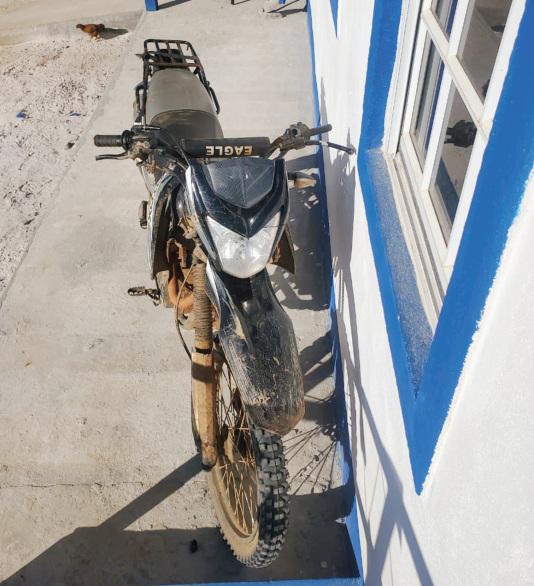
POLICE have recovered 960 grams of suspected cannabis after a man abandoned a motorcycle and fled into nearby bushes during a patrol between Paramakatoi and Bamboo Creek villages in the North Pakaraimas. The discovery was made around 14:00 hrs on Thursday, April 2, 2026, during a routine patrol exercise.
Police said ranks observed a male riding a motorcycle acting in a suspicious manner. As
the patrol approached, the man reportedly abandoned the motorcycle along with a black one-strap bag and escaped into nearby bushes.
A search of the bag revealed a transparent plastic bag containing
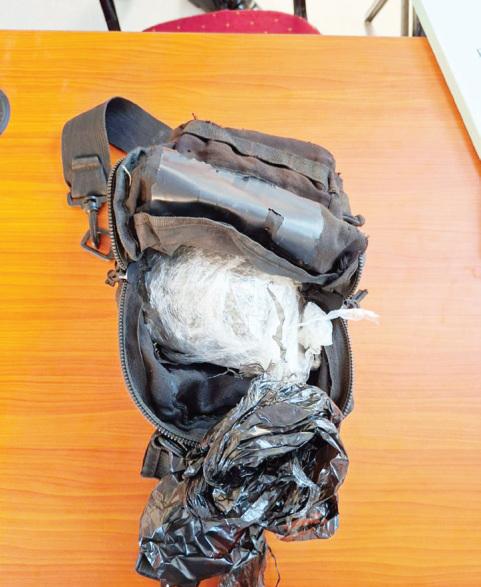
leaves, seeds and stems suspected to be cannabis.
The suspected narcotic and the motor -
cycle were taken to the Paramakatoi Police Station, where the cannabis was weighed and amounted to 960 grams before being lodged. The suspect is currently being sought as investigations continue.
POLICE have recovered a suspected shotgun and ammunition during an intelligence-led operation at Number 66 Village
was subsequently carried out on the abandoned vessel.
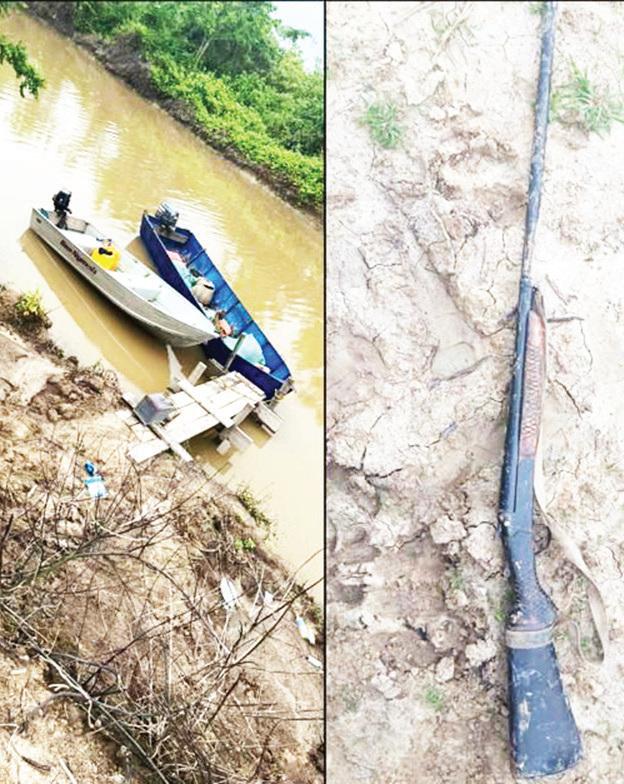
Backlands, Corentyne, Berbice, on Friday afternoon.
The discovery was made around 16:00 hrs on April 3, 2026, when ranks conducted searches in the area.
During the operation, two unidentified males were seen in a boat, but reportedly escaped into nearby bushes as police approached. A search
Police said the search led to the discovery of a suspected 16-gauge shotgun along with twelve matching cartridges.
A 47-year-old labourer of Number 72 Village, Corentyne, was arrested during the operation, and is currently assisting with investigations.
The suspected firearm and ammunition have since been secured and lodged. Investigations are ongoing.

AS Guyana’s economic transformation is accelerated, Minister of Labour and Manpower Planning, Keoma Griffith, has issued a firm warning that national development must never come at the expense of workers’ safety, stressing that progress and protection must advance in tandem.
With rapid expansion across key sectors including construction, oil and gas, agriculture, and services, the minister noted that increased economic opportunity is being matched by heightened workplace risks, making stronger occupational safety systems more urgent than ever.
Griffith delivered the remarks on Wednesday in a video statement marking the commencement of Occupational Safety and Health (OSH)
Month, during which he underscored that every worker is entitled to a safe and healthy working environment.
He emphasised that this is not optional, but a fundamental standard that must be upheld consistently across all sectors.
Against this backdrop, the minister called for a proactive and people-centred approach to workplace safety, urging all stakeholders to take shared responsibility.
“With growth comes increased responsibility. Development must never come at the cost of one human life, or the well-being of any person,” Griffith stated.
Linking worker well-being directly to sustainable development, Griffith noted that as both traditional industries expand and new sectors emerge,

occupational health and safety standards must keep pace. He further stressed that
the observance of OSH Month is not merely ceremonial, but forms part of a broader national push to strengthen labour protections.
“I take this opportunity to reaffirm the government’s unwavering commitment to the safety, health and well-being of every worker across our
havioural change across workplaces nationwide.


Guyana will conclude its OSH Month observances on April 28, joining the international community in marking World Day of Safety and Health at Work, which highlights the global effort to prevent workplace accidents and diseases
country. This observance is not merely symbolic; it is a deliberate and necessary reminder that the protection of our workers must remain a national priority. Every worker, regardless of sector or occupation, has a fundamental right to a safe and healthy working environment,” he said.
“It is important to understand that this is not a privilege, but rather, it is a standard that must be upheld at all times.”
Addressing ongoing challenges, the minister acknowledged that occupational safety remains a significant issue both locally and globally, with workplace accidents and illnesses continuing to impact workers and their families.
“The realities of workplace accidents and occupational illnesses continue to affect workers and their families, not only globally, but within our own communities. Behind every incident is a person, a family, a future that is impacted,” he said.
In response, the ministry will adopt a preventative and culture-driven approach throughout April, aimed at embedding safety into everyday workplace practices.
“Occupational safety and health is, at its core, about culture. It is about creating environments where safety is not an afterthought, but a fundamental part of how work is done,” Griffith added.
As part of this push, the ministry will roll out its “Putting-Safety-First” campaign, designed to go beyond awareness and drive tangible be -
The initiative will focus on key areas such as hazard identification and prevention; proper use of protective equipment; workplace training; and the promotion of both physical and mental well-being.
Additionally, the ministry will intensify inspections, strengthen compliance mechanisms, and expand training and public-education efforts.
Griffith made it clear that ensuring safe workplaces is a shared national responsibility.
“Employers must ensure that proper systems, equipment, and training are in place to protect their workers. Employees must adhere to established safety protocols and remain vigilant in their daily tasks,” he said.
“Trade unions and workers’ representatives must continue to advocate for safe working conditions and support the enforcement of standards.”
Guyana will conclude its OSH Month observances on April 28, joining the international community in marking World Day of Safety and Health at Work, which highlights the global effort to prevent workplace accidents and diseases.
Reflecting on those affected by workplace incidents, Griffith said their experiences serve as a sobering reminder of the importance of sustained vigilance.
“It is our duty to ensure that such occurrences are minimised through vigilance, education, and enforcement,” he said, adding, “Looking forward, this government remains committed to building a modern labour sector that is not only productive, but safe, resilient, and aligned with international best practises.”
MOTORISTS across Guyana are now feeling the full impact of stricter vehicle tint regulations, which came into force on April 1, with authorities warning that non-compliance will result in a $30,000 fine.
With enforcement already underway, drivers are being urged to ensure their vehicles meet the revised standards or risk being penalised.
Attorney General and Minister of Legal Affairs, Anil Nandlall, in outlining the updated Motor Vehicles and Road Traffic Tint Regulations, made it clear that there will be no leniency for breaches.
Highlighting the revised framework, Minister Nandlall noted that the new system introduces clearer standards on permissible tint levels, while replacing what had long been considered a burdensome exemption regime.
Speaking during this week’s airing of his weekly programme, “Issues in the news” about the ongoing rollout and enforcement of the regulations, the Attorney General emphasised that the laws are now being applied under strict guidelines, with no ambiguity for motorists.
“If you have a tint that is darker than that which is permitted, you shall be liable for an offence and fined $30,000,” he said.
Addressing concerns raised by sections of the public, he explained that while the regulations provide for exemptions, these are now governed under a single, structured process, requiring written approval from the Min-

ister of Home Affairs.
“It is only one regime of exemption, and you must fall into these categories and apply to the minister to secure the exemption. Your application must be made in writing. If not, then you would be violating the regulation and would be charged.”
Emphasising the shift, Nandlall said the new laws mark a departure from the previous system, which he described as onerous and difficult to manage, noting that the updated regulations aim to improve compliance and transparency.
Under the new rules, the front windscreen may have no tint except for a top visor, which must allow 25 per cent of light to pass through. The visor should measure six inches for standard windscreens and 10 inches for larger ones. The two front side windows are also limited to 25 per cent visible light transmission, while the two rear side windows and the rear windscreen may be darker, at 20 per cent.
The regulations also outline specific categories eligible for exemption, including vehicles used by the President; the Prime Minister; emergency services; diplomatic missions;
designated senior government officials; private security agencies and individuals with certified medical condi-
tions requiring reduced exposure to sunlight, as well as those engaged in high-risk cash-handling operations.
However, the Attorney General stressed that even those who fall within these categories must formally apply and receive written approval to benefit from the exemption.
As he noted, even senior officials are not automatically exempt.
“I still have to apply in writing to get this exemption… The application must be made in writing, and the minister must grant that in writing. That is what the regulations say.”
With enforcement now active across the country, authorities are urging motorists to ensure compliance, as the new regulations form part of a broader push to strengthen road safety, accountability, and regulatory enforcement nationwide.

THE Guyana Police Force is calling on all road users to exercise heightened caution and responsibility over the Easter weekend, as traffic volume increases nationwide with travel linked to the Rupununi Ranchers’ Rodeo at Lethem.
In a public advisory issued on Saturday, the force warned that
the Easter weekend is expected to see significant movement along key routes, particularly the Lethem–Mabura–Linden corridor and onward to Georgetown, as well as within towns and villages across all regional divisions.
Motorists are being strongly cautioned against speeding, dangerous overtak -
ing and other reckless behaviours. The police also issued a firm warning against driving under the influence of alcohol or any other intoxicating substance.
“The Guyana Police Force is urging all road users… to exercise heightened caution, patience and responsibility while using the nation’s roadways during
the Easter weekend,” the advisory stated.
Drivers are also being reminded to ensure they are properly rested before travelling and that their vehicles are roadworthy, with all required documents in order, including driver’s licences, certificates of fitness, registration, insurance and tint permit where applicable.


Authorities further stressed the importance of adhering to speed limits, maintaining safe following distances and adjusting driving to suit road and weather conditions.
Motorcyclists have been urged to wear properly fastened safety helmets, while pedal cyclists are advised to remain visible and exercise caution. Pedestrians are also being encouraged to use roadways responsibly, particularly in high-traffic areas.
Public transport operators were not spared
in the warning, with the force stressing that competition for passengers must never override safety.
Commissioner of Police Clifton Hicken underscored the need for collective responsibility, urging all road users to act in a manner that preserves life and promotes safety.
The police force said it will maintain a strong and visible presence across the country’s road networks throughout the holiday period, as it works to ensure a safe and incident-free Easter weekend.


THE Georgetown Chamber of Commerce and Industry (GCCI) has issued a sharp rebuke of Suriname’s recent actions along the Corentyne River, warning that Guyana’s continued goodwill is being undermined by what
pose health risks while simultaneously creating unfair competition for local manufacturers.
SOVEREIGNTY CONCERNS FLAGGED
Escalating its position, the GCCI linked the issue to

it describes as deliberate attempts to stall development in Berbice.
In a statement issued on Friday, the private sector body condemned the unilateral imposition of new fees on Guyanese vessels using the shared waterway, arguing that the move directly contradicts efforts to strengthen bilateral trade.
“Guyana cannot continue to act in good faith and pursue infrastructural development that will benefit Suriname, even as our Dutch neighbour enforces measures geared towards stymying the development of Berbice,” the GCCI stated.
The Chamber described the fees as “exorbitant” and a “slap in the face” of ongoing cooperation, noting that the development has reignited long-standing concerns within the business community in Region Six (East Berbice-Corentyne).
LONG-STANDING TENSIONS RESURFACE
According to the GCCI, the issue goes beyond the recent river charges, and reflects a pattern of what it considers unfair and one-sided practices by Surinamese authorities.
“For years, Guyanese businesses and fishermen have lamented the challenges experienced as a result of unfair and one-sided practices… that have created obstacles,” the statement noted.
The Chamber also raised alarm over the influx of illicit and counterfeit goods entering Guyana, arguing that weak regulatory controls and adherence to the CARICOM Single Market and Economy (CSME) framework have left local businesses exposed.
It warned that products such as cigarettes, banned pesticides and mosquito coils
ana–Suriname relations, one that could have long-term implications for cross-border investment and cooperation.
Guyana had lodged a protest with Suriname, calling the move a "troubling development" that disrupts long-standing arrangements and creates barriers to commerce.
It emphasised that "reciprocity is very important" and
that Surinamese businesses have traditionally operated in Guyana without such restrictions.
Guyana warned that these measures would undermine business confidence and that the country may have to make necessary adjustments if not corrected.
Meanwhile, Guyana Manufacturing and Services Association (GMSA) called for the
"immediate reversal" of the charges, stating they increase the cost of doing business and represent a "troubling step backwards" in bilateral relations.
The Berbice Chamber of Commerce and Development Association (BCC&DA) had also warned of "devastating economic impact" and "catastrophic repercussions" for the Upper Corentyne region,
particularly affecting communities like Orealla and Siparuta.
The Suriname-Guyana Chamber of Commerce (SGCC) had called for continued diplomatic engagement and direct dialogue between the two governments to resolve the issue and avoid long-term damage to the business climate.
broader territorial tensions, pointing to Suriname’s claim to the New River Triangle, and recalling the 2000 expulsion of the CGX oil rig, an incident it said delayed Guyana’s oil development by nearly two decades.
The Chamber argued that these developments suggest a “pattern of behaviour” aimed at obstructing Guyana’s economic progress, particularly in Berbice.
Against this backdrop, the GCCI is now urging a pause on one of the most significant cross-border infrastructure projects between the two countries.
“As such, the Georgetown Chamber of Commerce and Industry (GCCI) calls on the Government of Guyana to halt discussions on the development of the Corentyne River Bridge… unless these issues are permanently resolved,” the statement said.
The Chamber stressed that Guyana must prioritise partnerships grounded in mutual respect and reciprocity, warning against continued engagement where national development is being hindered.
“Our resources must be channelled towards undertakings that yield mutual benefit, and ought not include partners who frustrate and obstruct our people’s advancement,” the GCCI added.
The GCCI’s position adds to growing pressure from business groups across the country, particularly in Berbice, where stakeholders say the new fees threaten trade, livelihoods and regional economic stability.
With tensions now spilling into major infrastructure negotiations, the issue has evolved from a trade irritant into a broader test of Guy -

CLOSE to 3,000 contractors have submitted bids to undertake 30 major projects across Region Six, signalling strong private-sector interest and growing confidence in the region’s expanding development agenda.
The projects, which span critical sectors including education, road
infrastructure and drainage, form part of a broader push to modernise public infrastructure, improve accessibility and stimulate economic activity across the region.
According to information gathered, once awarded, the contracts are expected to significantly enhance connectivity, strengthen
flood-mitigation systems and improve the overall quality of life for residents.
A substantial portion of the proposed works is focused on drainage and flood control. Among these is the construction of a concrete culvert at Lonsdale Western Canal, aimed at improving water flow and reducing flooding in
surrounding communities.
Rehabilitation works are also planned for key protective structures, including the revetment at Koker Sluice End and along the Burn Bush Dam, both of which are critical to coastal defence and water management.
Further interventions will target drainage in -

frastructure such as the Borlam Sluice and Seawell Sluice, while a new revetment is slated for Sea Well Village, First Street, to

strengthen shoreline protection.
On the transportation front, several projects are geared towards improving access for both residents and agricultural stakeholders. These include the construction of a heavy-duty bridge at Limlair, Adventure and a reinforced concrete culvert at First Street Main Access, Fyrish North.
Additional bridge works are planned for Third Street, Rose Hall Town, and Liverpool North, Second Street, where heavy-duty concrete structures will support increased traffic and accommodate larger vehicles.
Road infrastructure will also be upgraded, with new street construction earmarked for Kildonan and Masjid Street in Fyrish South. These works will be divided into two lots to accelerate completion.
Drainage enhancement remains a key priority, with dragline trench rehabilitation and shaping works scheduled for Carpen Lot 1 and Lot 2 to improve water management in agricultural zones.
Meanwhile, the rehabilitation of the Grant Shafeulla Sawmill Dam, also split into two lots, is expected to restore critical access routes and support local economic activities.
Regional Executive Officer (REO), Narindra Persaud, confirmed that the evaluation process is currently ongoing, with authorities working to ensure that contracts are awarded transparently and in accordance with established criteria.
“There is a large number and we want to ensure that the right person is awarded based on the criteria set out so we are currently doing the evaluation; sometime next week at least 50 percent of those should go to the tender board,” Persaud stated.
He added that once approximately 50 per cent of the bids are processed by the evaluation committee, they will be forwarded to the Regional Tender Board, with submissions expected by Thursday.
Persaud further underscored that beyond infrastructure, several projects are aimed at improving social services, particularly in housing for key public-sector workers.
“Doctors’ quarters, teachers’ quarter, we have extension of a few schools, we also have extension of health centres all in the interest of providing accommodation for our doctors, our teachers,” he said.
Collectively, the projects represent a comprehensive, multi-sectoral approach to development in Region Six, with a clear focus on resilience, accessibility and long-term economic growth.
AS Guyana accelerates efforts to modernise its education system, the Ministry of Education is intensifying its push to improve mathematics performance, while simultaneously preparing students for a digital future shaped by artificial intelligence (AI).
The dual-track strategy, which includes targeted maths camps, expanded digital learning tools and the structured integration of AI into classrooms, is already gaining traction nationwide.
Speaking on a recent edition of the Starting Point podcast, Chief Planning Officer at the Ministry of Education, Mischka White-Griffith, outlined the ministry’s vision to build a sustainable, high-performing education system, anchored in stronger mathematics outcomes and responsible use of emerging technologies.
MATHS PUSH
GAINING TRACTION
Improving pass rates in Mathematics has long been a challenge not only in Guyana , but also across the Caribbean and remains a central focus of the ministry’s education agenda.
White-Griffith described mathematics as a persistent global hurdle, but noted that Guyana is now deploying what she termed “ground-breaking, innovative” interventions to shift outcomes.
Among the flagship initiatives are the recently introduced maths camps, also referred to as “maths tents,” which offer free, targeted lessons for students across multiple grade levels at locations countrywide.
The initiative, she explained, is designed to deliver focused, topic-specific support rather than a onesize-fits-all approach and the schedule is published on the ministry’s Facebook page.
“Students were quite excited about it because it’s focused. With the maths camps, we are focusing on topics per session,” she said.
She added that the structured format allows students to engage only in areas where they need improvement.
“You do not have to attend every session if you do not need work on every topic… you come in for the content that you need the most support. That is what
the students like.”
The programme is supported by the ministry’s network of maths monitors, and early feedback points to improved engagement, smaller class sizes, and more effective content delivery.
Parallel to the physical camps, the Guyana Digital School is playing a growing role in supporting mathematics education.
White-Griffith noted an increase in student participation on the platform, particularly within its mathematics programmes.
“We are seeing more students logging into the digital school and onto the math programme,” she said.
However, beyond access and resources, the ministry is targeting a deeper issue, the long-standing cultural perception of mathematics.
“Culturally, we have to view maths differently… it is the key to life,” she emphasised, adding that parental involvement and open conversations are critical to removing fear and building confidence among students.
AI INTEGRATION WITH GUARDRAILS
At the same time, the ministry is moving to proactively address the growing influence of artificial intelligence in education, positioning it as a tool to enhance learning rather than replace it.
White-Griffith made it clear that while AI is becoming unavoidable, its use must be carefully managed to preserve critical thinking and academic integrity.
“The technology is there to enhance what we do, it is not there to do it for us. We do not want it to be a system whereby students just go to ChatGPT… and get an answer,” she cautioned.
She acknowledged that integrating AI into classrooms will come with challenges, particularly around ensuring ethical use, but maintained that adaptation is necessary to keep Guyana aligned with global education standards.
“We cannot put our heads in the sand and say we do not want our children to use this. We may have a few bumps along the way and that is fine, because you have to go through that teaching process,” she added. “We will get to the balance whereby critical thinking and the responsibility for the student to do their own work will be kept.”
With a dual focus on strengthening core-subject performance and guiding the responsible use of emerging technologies, the Ministry of Education is positioning itself to not only address

longstanding challenges in mathematics, but also to equip students with the skills and mindset needed to nav igate an increasingly digital and complex world. The ministry’s Chief Planning Officer, Mischka White-Griffith on a recent edition of the Starting Point Podcast



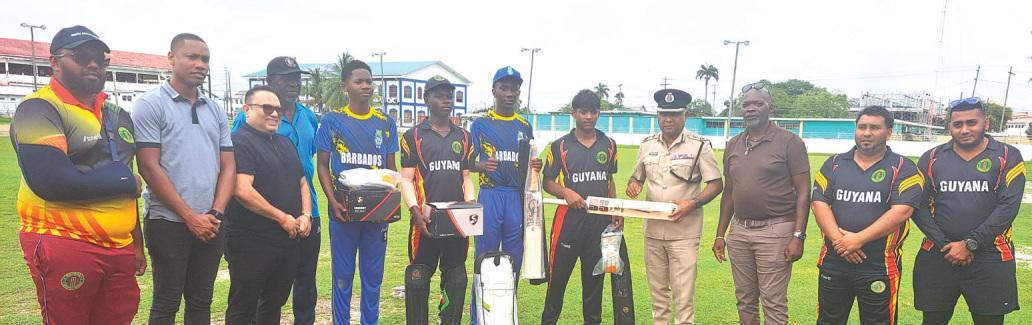
THE Guyana Police Force Officers’ Cricket Team on Wednesday, April 1, 2026, showed its continued support for youth development in cricket by presenting cricket gear to Guyana.
Under-16 players Asgaralli Nabbie and Nathan

Bishop, along with Barbados Under-16 players Micaiah Brathwaite and Liam Sealey, during the ongoing CWI Rising Stars Under-16 bilateral 50-over series between Guyana and Barbados.
The handing over of the gear was done by Captain of the Guyana Police Force Officers’ Cricket Team, Deputy Commissioner Mr. Ravindradat Budhram.

ENGLISH RACING TIPS
The presentation was made after the innings break of Game 3 at the Police Sports Club Ground, Eve Leary, in the presence of President of the Guyana Cricket Board, Mr. Bissoondyal Singh, and Superintendent Ronald Ali, Vice-Captain of the Guyana Police Force Officers’ cricket team.
The inclusion of the young Barbadian players, one of whom is the son of a policeman in Barbados, added a special regional touch to the presentation and highlighted the spirit of camaraderie and shared connection between members of the policing fraternity across the Caribbean.
In brief remarks, Mr. Budhram underscored the importance of investing in young players, noting that cricket continues to be a powerful tool for discipline, personal growth and regional unity.
He encouraged the youngsters to remain focused, humble and committed to the hard work required to advance in the sport, while reminding them that opportunities such as these should inspire them to continue striving for excellence both on and off the field.
The young players expressed appreciation for the support, noting that the gear would assist greatly in their preparation and continued development in the game.
The presentation added a memorable touch to the day’s play and reflected a shared commitment to the advancement of youth cricket in Guyana and the wider Caribbean.
Cooper Flagg winds down after becoming the 1st teenager to score 50 points in an NBA game.

FRANZ Wagner went for 18 points in just 17 minutes, Wendell Carter Jr. led the way with 28 and the Orlando Magic used balanced scoring to easily overcome Cooper Flagg’s historic 51 in a 138-127 triumph over the host Dallas Mavericks on Friday night.
Desmond Bane chipped in with 27 points and Tristan da Silva and Jalen Suggs added 19 apiece for the Magic, who kept pace in a tightly bunched competition for the final two automatic Eastern Conference playoff spots and top three play-in berths.
Flagg, 19, became the first teenager in NBA history to produce a 50-point game. The rookie shot 19-for-30 for the Mavericks, who lost for the eighth time in the past nine games.
The 51 points by Flagg surpassed the 49 he put up against Charlotte in January. He also had a 42-point game at Utah in December, giving him the three highest-scoring games this year among rookies.
OG Anunoby shot 7 of 10 from beyond the arc and had a game-high 31 points and Mitchell Robinson added 17 points and 11 rebounds as the host New York jumped out to a 20-1 lead against Chicago and never looked back.
Jalen Brunson had 17 points and 10 assists for the Knicks, who reached 50 wins for the third straight season. New York shot 52.7% from the field, 89.3% from the free-throw line and scored 28 points off 16 Bulls turnovers.
Collin Sexton hit four 3-pointers in the first half and scored a team-high 19 points off the bench for Chicago, which has struggled on the road, losing seven straight. The Bulls have lost six straight overall.
CJ McCollum scored 25 points as surging Atlanta never trailed and pulled away in the fourth quarter for a victory over Brooklyn in New York.
The Hawks improved to 18-2 in their past 20 games and earned their third win over the Nets in the surge. Nickeil Alexander-Walker added 21 for the Hawks, who led by double digits most of the way and for the entire second half after scoring the game’s first 10 points. Jalen Johnson contributed 18 points, 11 rebounds and five assists in the Hawks’ fourth straight win.
The Nets moved within a half-game of the Washington Wizards for the league’s worst record ahead of a matchup between the teams on Sunday in Brooklyn. Nic Claxton led the Nets with 16 points.


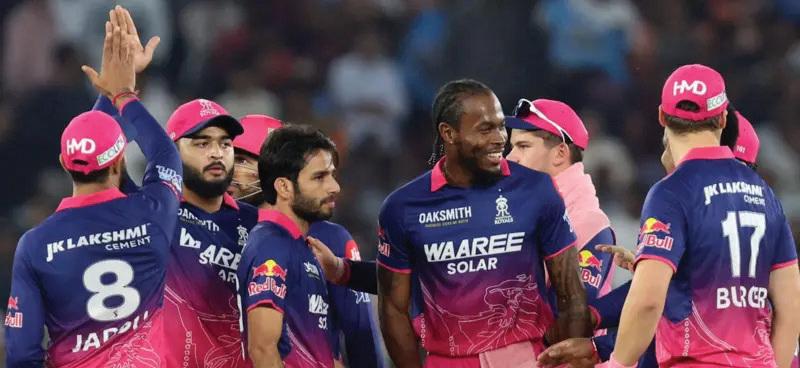
RAVI Bishnoi bagged his best figures in the Indian Premier League as Rajasthan Royals edged to a tense sixrun win over Gujarat Titans in Ahmedabad.
India leg-spinner Bishnoi, subbed in as an impact player, finished with 4-41 as the Titans fell just short of what would have been their highest chase in the IPL after being set 211 for victory.
Bishnoi removed the dangerous Sai Sudharsan after he had hammered 73 off 44 balls then ran through the middle
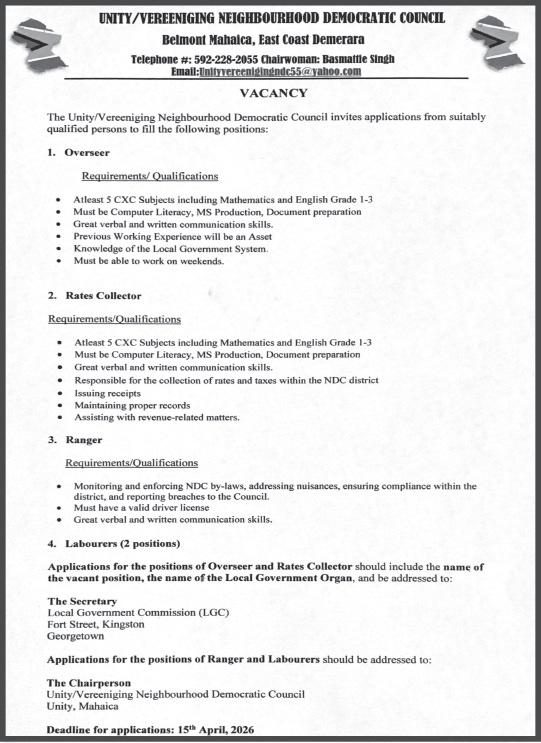
order as the Titans slipped from 107-1 to 133-5. England’s Jos Buttler made 26 from 14 balls before standin Titans skipper Rashid Khan and Kasigo Rabada reignited the chase with a fluent partnership.
The Titans required 11 off the final over but Rashid and Rabada struggled to get away some tight bowling from Royals seamer Tushar Deshpande.
And when Jofra Archer, who took 1-38, pouched a catch in the deep to dismiss Rashid off the penultimate delivery of the match with seven required the game was up and Deshpande celebrated.
Earlier, half-centuries from Yashasvi Jaiswal and Dhruv Jurel had powered the Royals to 210-6.
Jaiswal hit 55 off 36 balls as he shared a 70-run stand for the first wicket with 15-year-old opener Vaibhav Suryavanshi, who chipped in with 31 off 18 balls. India wicketkeeper Jurel had top-scored for the Royals with 75 off 42 balls including five fours and five sixes. (BBC Sport)
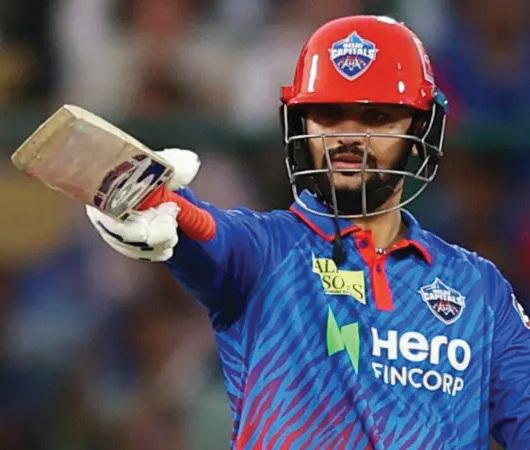
SAMEER Rizvi’s fine start to this year’s Indian Premier League continued after he cracked a superb 90 off 51 balls which helped Delhi Capitals to a six-wicket win over Mumbai Indians.
Rizvi, is yet to play international cricket for India at senior level, made 70 not out in Delhi’s win over Lucknow Super Giants in their opening match and he eclipsed that score at the Arun Jaitley Stadium.
The 22-year-old, who has been likened to Suresh Raina in style, looked on course to make the first century of this year’s IPL only to be caught at long-off attempting to smack Corbin Bosch over the ropes.
Rizvi whacked seven sixes and seven fours as he claimed back-to-back player of the match awards and the orange cap in his 15th IPL match.
“I’ve worked on my weaknesses - I wasn’t as good against fast bowlers,” said Rizvi, who took 20 runs off one over from Bosch. I took time, got set and then played my shots. I tried to watch the ball as long as possible. If you score runs here, you get a lot of confidence and there are opportunities for us youngsters.”
Pathum Nissanka and David Miller chipped in with 44 and 21 not out respectively as the Capitals comfortably chased down MI’s total of 162-6 with 11 balls to spare.
Earlier, Suryakumar Yadav’s 51 off 36 balls had provided the backbone of MI’s total while his predecessor as India’s T20 captain, Rohit Sharma, made 35 off 26.
However, the Capitals had been disciplined with their bowling, spearheaded by Mukesh Kumar, who finished with 2-26 to leave a target well within their grasp.
“We were 15 to 20 runs short, but I don’t want to take credit away from their bowlers and Rizvi,” Suryakumar said. (BBC Sport)

ARSENAL were stung by a late goal from Southampton’s Shea Charles as the Premier League leaders fell to defeat in the FA Cup quarter-finals.
The match was Arsenal’s first after their Carabao Cup final loss to Manchester City and followed an international break which was notable for 11 Gunners players withdrawing from their national teams because of injury.
However, Mikel Arteta was still able to name a side containing captain Martin Odegaard, Kai Havertz, Ben White and Gabriel Magalhaes, with Arsenal eager to clear this hurdle. Despite Arsenal having such senior players in their ranks, and dominating possession, it was Southampton who were the side to create the better chances.
They were duly rewarded, with exuberant celebrations breaking out at full-time at St Mary’s.
Now a Wembley trip awaits Southampton in the semi-finals, with Arsenal’s hopes of a league and cup double crushed.
Championship promotion hopefuls Saints were on a 14-match unbeaten run coming into this game and their plan to get the ball forward quickly and behind the Arsenal defence caused the Gunners problems throughout.
It was from a floated ball into the penalty area that the home side took the lead in the 35th minute.
England defender White misjudged the flight of James Bree’s delivery from the right, and that allowed Ross Stewart to control and swiftly plant a sweet finish past Kepa Arrizabalaga and into the right corner.
Arsenal manager Arteta made a triple change in the second half, with Viktor Gyokeres, Noni Madueke and Riccardo Calafiori coming on, but Southampton continued to threaten.
Tom Fellows flashed a ball just over the top of the Arsenal goal before the dangerous Leo Scienza hit the crossbar with a curling effort.
The visitors drew level when Gabriel’s clever pass put Havertz through into the area and he cut the ball back for Gyokeres to level in the 68th minute.
But Southampton were not to be denied, and substitute Charles sent the home fans wild as he took on a short pass from Fellows and finished smartly into the bottom left corner.
Arsenal searched for a second equaliser but found it was beyond them, as Southampton reached the semi-finals for the first time since 2021. (BBC Sport)

Mottley: Barbados won’t rely on
BRIDGETOWN, Barbados, (CMC) –Prime Minister of Barbados, Mia Mottley has made it clear that her country will not depend exclusively on Cricket West Indies (CWI) for cricketing opportunities.
Her comments have come in the wake of CWI’s decision not to award Kensington Oval any regional or international matches in 2026.
In adding her voice to the controversial move, Mottley said it was obvious Barbados could not rely solely on CWI.
She said that was one of the reasons the country lobbied for the finals of the Caribbean Premier League (CPL) to be played at Kensington Oval.
“It was clear to us that we could not only
rely on Cricket West Indies for cricket in this country and that is why we made a deliberate decision to go after the CPL finals here and to be also able to see what else we can do to boost the opportunities for Bajans in the entire game of cricket, not just as players, but as umpires and as persons who are involved in the ecosystem period,” Mottley said.
Kensington, commonly referred to as ‘The Mecca’, will not host any of the four Tests, six One Day Internationals or six T20Is scheduled to be played between June and August during home series against Sri Lanka, New Zealand and Pakistan later this year.
Those matches will be held in Jamaica, Antigua, Trinidad and Tobago and Guyana.


IN a move widely applauded by fans from a wide cross- section of supporters, the April 19 mega karting event dubbed Nitro Kart Clash has announced a female class of action.
Geared specifically towards encouraging and developing the female arm of the sport, the class is expected to see household names as well as newcomers take to the track in open-wheel action.
One competitor, Malicia Lawrence, is already taking aim at the class, making her views on the event’s inclusiveness known.
“I think it’s amazing, I think it’s a nice way to continue to support girls and continue to support women in general in the sport. I think it’s a great opportunity for females to come and have fun.”
She also had advice for girls who were thinking about coming out to join the April 19 event, where over $10M dollars in cash and prizes are up for grabs.
She said, “Of course, we know it’s a man’s world out there, right? And for girls that want to do it, interested in doing it, even just to have fun with it, it’s nice.”
Another competitor, Fiona Dhanpat encouraged more female participation, saying, “Just do it, you come out, you have fun, it’s all about, you know, fun with a female, you can compete with a male also, and you can show them that in a male-domi-
nated sport, women can come and, you know, kick their butts.”
The promoters underscored the importance of inclusivity during the event, saying “we know how the world is moving today, and some of the very sports that were one male dominated are now seeing an influx in female competition. We welcome that.”
The idea is to have, at the end of the day, an event where anyone and everyone can come andhave fun and just kart; from the newcomers who are now learning about the sport to the seasoned campaigners who are there to compete tooth and nail, Nitro Kart Clash will have something for everyone.”
According to the promoter, karts will be provided in the female class, but competitors need to walk with their own gear.
Competitors are also reminded that there is free entry for all local drivers as expectations heighten.
Cash and prizes will be awarded to the top three finishers each class along with special tokens for the juniors will be up for grabs.
Banks DIH, AJM Enterprise, KP Jagdeo General Contractors, J’s Supermarket, SCI (Sawh’s Construction Inc.), Precision Service Center, and Ramchand’s Autobody are the sponsors for the event.
ARUN Singh Dhumal, the chairperson of the Indian Premier League, admitted that there could be a discussion on the bilateral calendar post 2027 to see if there is scope for the Indian Premier League to have a longer window.
The IPL currently runs across 74 matches. However, within the current arrangement - given the addition of two new teams (Lucknow Super Giants and Gujarat Titans) - all teams are not able to play each other twice in the league phase. Dhumal admitted that there isn’t space currently in the calendar for the tournament to go from a 74-match schedule to a 94-match schedule. While he denied fitting in additional double-headers as a viable option, he suggested that a possible bigger window may not be out of question given the lack of interest in ‘some bilateral games’.
“If you look at the transition over the last few years, there is definitely less interest in some bilateral games,” Dhumal said in an interview with The Financial Times. “That is why countries are coming up with their own leagues: the England and Wales Cricket Board’s The Hundred, Australia’s Big Bash League, the UAE’s International League T20, South Africa’s SA20 and the Caribbean Premier League.
“If this is the trend, then every country will want fewer bilaterals, or bilaterals that make more financial sense for them, and then there is scope to enlarge the IPL window. We are hoping for more discussions with all the countries and colleagues. If that works out, it should work out for everyone.
“It [the bilateral calendar] makes sense, and it is already locked until 2027. But when they plan post-2027, we will have discussions. The IPL is not only adding value to India and Indian players; it is adding value to world cricket at large. So all these
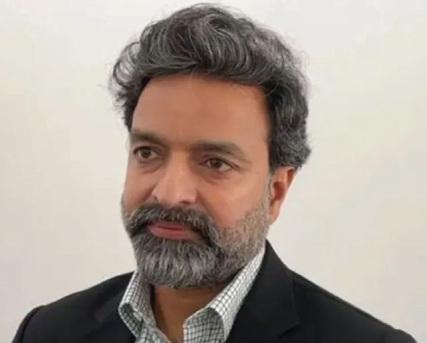
players would want more. Hopefully, when we decide on the next cycle, we will be able to carve out a bigger window so we can extend it beyond 74.”
While expanding on the idea, he added, “There are different possibilities. One is reducing some bilaterals. Another is carving out a window elsewhere. In case we get some windows during September or October, when you have the end of the English season and before the start of the Australian season, then if we have a few days available there, we can extend at that time. So all those possibilities can be worked out and whatever works best, we will do.”
While asserting that the BCCI’s focus was not just on the health of Indian cricket, but the global game, Dhumal termed the exclusion of Mustafizur Rahman from Kolkata Knight Riders in this season’s IPL as ‘unfortunate’ without making a deeper comment on the politics of it.
Dhumal claimed that the IPL’s central sponsorship portfolio is now worth about INR 850 crore a year, or roughly $101mn, and while explaining whether the IPL could see more teams added to the league, he suggested that the new world order could include more franchise T20s and fewer bilaterals. (Cricbuzz)
• From Page 36
Meanwhile, the Under-20 boys’ 400m is shaping up to be a nailbiter, with all eight finalists clocking sub 47 second times.
Guyana’s Malachi Austin won Heat 3 in 46 seconds flat to be the fastest qualifier and will have his teammate Tishawn Easton (46.97) in the final.
Jamaica and The Bahamas will also have two representatives in the final, courtesy of Zachary Wallace (46.47) and Jabari Matheson (46.70) and the duo of Zion Davis (46.60) and Javano Bridgewater (46.67), respectively.
Favourite in the Under-20 girls’ 100 metres, Shanoya Douglas of Jamaica eased into the final with a time of 11.88 seconds after comfortably taking the opening Heat. Her colleague Natrece East (11.28) and Aniya Nurse of Barbados (11.42) clocked the fastest times on their way to booking their spots.
Trinidad and Tobago’s Jayden Goodridge (10.38) seconds will be the man to watch after clocking the fastest time among the Under-17 boys, while Bermuda’s Miles Outerbridge set tongues wagging with a time of 10.29 seconds in the Under-20 boy’s 100m to advance as the fastest qualifier.
IN what is considered a huge change from the traditional softball tournaments, the Georgetown Softball Cricket League (GSCL) Inc., plans to usher in Guyana’s 60th Independence Anniversary with the staging of an Over-45 and Over-55 tournament.
Both categories will be played over 15 overs with bowlers restricted to only three overs, using the Trophy Stall balls.
Set to be played in Georgetown, East Coast, West Demerara, Berbice and Essequibo, the tournament bowls off on Saturday, April 25 and continues the following day. With matches being scheduled for successive Saturdays and Sundays at 1:00 pm and 9:30 am respectively, the playoffs and finals are planned for Georgetown on the weekend of June 20/21.
The organisers have stressed that there will be a strict adherence to starting times.
The winners in both categories will take home a whopping $500,000 while the runners-up are guaranteed $100,000 and trophies. The overall Most Valuable Player (MVP) in each category will also ride away with a motorcycle. Incentive prizes will also be awarded to players hitting centuries and bowlers with five-wicket hauls in the preliminary rounds.
The GSCL pointed out that scoring will be done strictly through a scoring App with

training being provided and teams will be required to take care of umpires’ fees.Entrance fee per team for each category is $40,000. Teams are asked to ensure their players meet the requirement age as strict adherence will be in place as regards any infractions.
Interested teams in Georgetown are asked to contact Mahendra “Anil’ Hardyal on 610702 and Abdul Seenjan on 662-1021 for the Over-45 category; Ian John (611-8073) and Parsram “Pacer” Persaud (677-4191) for the Over-55s.
The Essequibo contact is Patrick Rooplall on 671-5697; Berbice – Krishnanand “Chinee” Balgobin on 642-9893; West Demerara – Mark Ernest on 600-7489 and East Coast - Rafman Karramattlee on 646-1624.
Meanwhile, the GSCL, in conjunction with Regal teams will be holding a grand fund-raising barbecue on the day of the final.
Matthews: We were outclassed by Australia
BASSETERRE, St Kitts, (CMC) – West Indies Women’s captain Hayley Matthews has conceded that her side was dominated by Australia Women in their recently concluded white-ball home series.
The visitors produced an authoritative performance on their way to sweeping the three-match T20I and One Day International series. They wrapped up the ODI series on Thursday with a one-sided nine-wicket victory at Warner Park, after skittling out the Windies for 136 and then romping to 137 for one in 19.4 overs.
Speaking in a post-match interview, Matthews admitted that her side was outplayed by the top ranked Australians. However, she said there were still some positives the home side could take from the series despite the loss.
“With them coming down here we always knew it was going to be a tough assignment. I think when we look at the series and how our spinners bowled throughout, I think that’s one area where we can be proud of, but obviously a clear skill gap between the two teams.
“But at the same time, I noticed a lot that
we can work on and it was a great opportunity for a lot of our younger girls to have the experience to go out there and play against some of the best players,” Matthews said.
“We obviously have quite a few within the setup now and this was the perfect opportunity for them to come out and understand what the highest level of cricket is like and definitely a few bright sparks in Ashmini [Munisar] and the way she went in that second match and even the way Realeanna [Grimmond] set up today. It’s pretty good to have them amongst us and playing against this competition and hopefully they can understand and learn a lot from these opportunities.”
Regarding her batting form, Hayley said she wasn’t worried despite not scoring a half century in any of the T20Is.
“I got off to starts in all three games and I just wasn’t able to carry on in my innings and that can happen sometimes.
“I surely would have loved to get a big one, but I’m going to have to look at that conversion and see how I can get deeper in my innings in the future,” Matthews said.
ST JOHN’S, Antigua, (CMC) – In a move designed to fortify one of Caribbean cricket’s traditional pillars of strength, Cricket West Indies (CWI) has confirmed the appointment of former head coach and fast-bowling great Otis Gibson as the new Fast Bowling Consultant. The deal, announced on Wednesday, sees Gibson return to the regional setup on an initial one-year contract.
The appointment arrives at a pivotal juncture for the West Indies, who face a gruelling international schedule. Gibson, one of the most respected coaching minds in world cricket, will be tasked with overseeing the fitness, consistency, and performance of the pace unit across all formats.
For Gibson, this marks a continuation of his long-standing relationship with West Indies cricket, having most recently served in a similar consultancy role during the historic series against Nepal last September.
He is set to begin his new tenure in the lead-up to the home series against Sri Lanka, which bowls off in June.
“I’m looking forward to working with the vari-
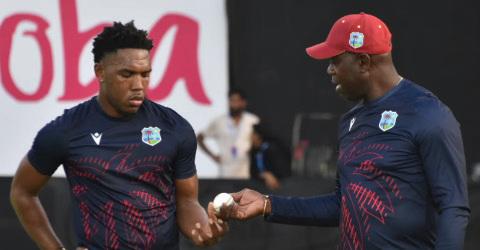
ous coaches and the very talented group of bowlers in the Caribbean, to assist in their development across all formats of the game,” Gibson said following the confirmation.
The move underscores CWI’s commitment to strategic player management, a priority that emerged from the Emergency Strategy & Committee Meeting held in August of last year.
Director of Cricket Miles Bascombe highlighted the significance of investing in the pace attack as the team looks to the future.
“Fast bowling has always been central to West Indies cricket and remains one of our greatest competitive advantages on the global stage,” Bascombe said. “As we prepare for an extended and demanding period of international cricket, we must invest in
the strength, depth, and durability of this group. Otis brings a wealth of experience, insight, and proven success at the highest level of the game, and his presence will be invaluable.”
The immediate horizon is packed for the West Indies, with preparatory camps, the home series against Sri Lanka, the upcoming Caribbean Premier League (CPL), and demanding away tours to India and Bangladesh.
With the fast bowlers expected to shoulder a heavy workload, Gibson’s expertise in management and longevity will be critical.
Looking further ahead, CWI is eyeing the 2027 ICC Men’s 50-over World Cup, for which automatic qualification is the target, as well as early preparations for the 2028 ICC T20 World Cup.

GUYANA’S athletics stars have lit up the Kirani James Athletics Stadium, with Tianna Springer and Malachi Austin securing a sensational double gold in the U20 400m finals on the opening day of the 53rd CARIFTA Games.
In what was his final appearance at the CARIFTA Games, Malachi Austin delivered a masterclass in pacing to clinch the U20 Boys 400m title. Austin powered across the line in 46.01s, fending off a late surge from Bahamian Zion Davis (46.18s) and Jamaica’s Jabari Matheson (46.37s). The victory marks Austin’s second CARIFTA gold, adding to his 2024 triumph and providing a redemptive upgrade from the silver medal he claimed in the same event in 2025.
Earlier in the evening, Springer ensured Guyana’s first gold of the games with a dominant performance in the U20 Girls 400m.
While Springer fell short of her pre-race goal to break the record of 51.30s, her time of 52.47s was more than enough to secure the win. She led a quality field, followed by Barbadian Kadia Rock (53.21s) and


Jamaica’s Breana Brown (54.54s). Springer’s consistency remains unmatched in the region; this gold follows her U20 titles in 2024 and 2025, and her U17 gold from 2023.
Guyana’s success was not limited to the

Martinique, (CMC) – The 39th edition of the CARIFTA Aquatics Championships officially got underway on Friday during an impressive, culturally explosive opening ceremony here at the Stade Georges Gratiant.
The event, which brought together over 500 swimmers from 24 Caribbean territories, also saw spectators pack into the 10, 000 capacity stadium.
“It is with great pride that Martinique welcomes the CARIFTA Aquatics Championships 2026,” said Alex Badian, President of the Martinique Swimming League, as he opened the ceremony.
It also featured remarks from President of CARIFTA Aquatics, Stéphane Joachim; Ambassador of the 2026 edition, Coralie
Balmy; and David Dinal, elected member of the Assembly of Martinique, among others.
The ceremony then transitioned into a musical sequence. Steel pan and Tambou Bô Kannal opened the segment before artiste Paille took the stage with his performance, which was performed in both French and English and blended soca, dancehall and Caribbean influences.
The eagerly anticipated parade of the 24 delegations brought the ceremony to a close. Each territory was introduced one by one, highlighting the diversity of participating countries and marking the official entry of athletes into the competition.
Over six days, the competition will bring together the region’s top youth athletes across swimming, artistic swimming and open water events.
sprints, as the middle-distance runners found their way onto the podium in the 1500m events.
In a tactical and bruising encounter, Javon Roberts battled through a congested
final lap to earn a hard-fought bronze medal. Roberts clocked 4:01.42, finishing just behind Jamaica’s Joel Morgan (4:00.96) and Trinidad and Tobago’s Darius Harding (4:00.99). Fellow Guyanese Ebo McNeil finished 10th in a time of 4:11.72.
Jermaine Shepherd produced one of the runs of the day in the U17 category. Shepherd’s brilliant kick in the final 200m earned him a silver medal in 4:11.12, narrowly missing out on the top spot to Jamaica’s Jevaughn Tomlin (4:10.92).
In the 100m dashes, Guyana saw two finalists competing against the Caribbean’s fastest. Onesi Dunn placed 6th in the Boys U20 final with a time of 10.54s, while Malique Kendall also secured a 6th-place finish in the Boys U17 final, clocking 10.94s.
The Games continue today with Team Guyana hoping more of its 24-member team secure medals.
Up to press time on Saturday, Guyana’s 4x400m Mixed Relay team – Tishwan Easton, Akeela Dover, Malachi Austin and Tianna Springer – had to compete as yet.
ST GEORGE’S, Grenada, (CMC) –Destinee Cenac gave Saint Lucia its first gold medal of the 2026 CARIFTA Games when she leapt to victory in the Under-17 girls’ high jump, while Jazae Johnson of The Bahamas set a new record in the Under-17 girls’ 100 metres on the opening day of action at the Kirani James Athletic Stadium here on Saturday.
The 16-year-old Cenac cleared 1.72 metres on her final attempt to win the event ahead of second placed Stefvanco Henry of Jamaica and Barbados’ Shania Mottley, who both jumped 1.69 metres.
Another Jamaican, Kemoya Campbell was fourth (1.63m).
Meanwhile, competing in the 100 metres preliminary round, Johnson won Heat 3 in an impressive 11.22 seconds to set a new CARIFTA record and easily qualify for the final.
Her time went under the old mark of 11.27 seconds set in 2018 by Jamaica’s Brianna Williams.
As expected, Jamaica also dominated proceedings on the track in the 400m and 100m preliminary rounds.
Jamaica’s Shameika McLean was the fastest qualifier in the Under-17 girls’ 400m with a time of 55.00 seconds. Her teammate Daniellia Dixon also advanced to the final after finishing in 57.34 seconds.
Bahamas will also have two representatives in the final with Keyezra Thomas (55.01) and Brianna Bootle (56.49) also easily qualifying.

Davine Dickenson (54.11) and Breana Brown (54.93) will carry Jamaica’s hopes in the Under-20 girls’ 400m after advancing, but Guyana’s Tianna Springer was by far the fastest qualifier on her way to winning Heat 3 in 52.83 seconds.
Among the Under-17 boys, Jamaica’s Diwayne Sharpe was the quickest qualifier in 48.86 seconds, slightly ahead of Zion Bradford of the Bahamas (48.91).
Jamaica will also have Jason Pitter in the finals after he advanced with a time of 49.60 seconds. • Continues on Page 34