Fatty Liver: Causes, Symptoms, Risk Factors, and Treatments
Fatty Liver: Causes, Symptoms, Risk Factors, and Treatments
Fatty liver disease has become one of the most common health concerns in recent years. With changing lifestyles, increased stress, and poor dietary choices, more people are being diagnosed with liver-related conditions worldwide If you or someone you know is dealing with liver problems, understanding the early signs and getting proper medical guidance can make all the difference Many patients in urban areas seek reliable care such as Fatty Liver Treatment in Gurgaon, especially at trusted centers like Gutewell Clinic, Sector 27 Gurgaon, known for its specialized liver care approach
Understanding Fatty Liver Disease
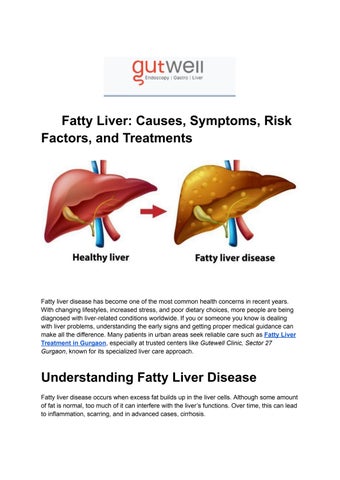
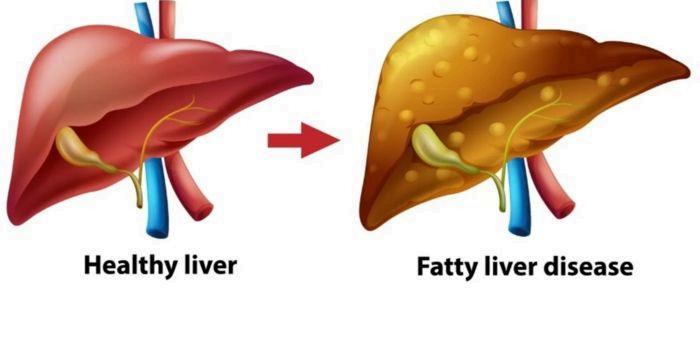
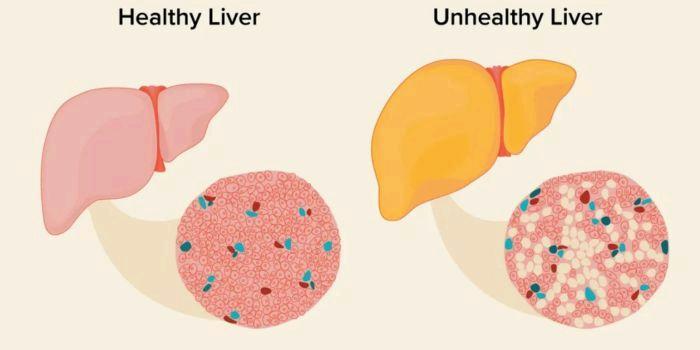
Fatty liver disease occurs when excess fat builds up in the liver cells. Although some amount of fat is normal, too much of it can interfere with the liver’s functions Over time, this can lead to inflammation, scarring, and in advanced cases, cirrhosis
What Is Fatty Liver?
Fatty liver, medically known as hepatic steatosis, is a condition where fat makes up more than 5–10% of the liver’s weight It can be mild, moderate, or severe depending on the percentage of fat accumulation. What makes the disease tricky is that it often develops silently, showing no symptoms until it progresses
Types of Fatty Liver Disease (NAFLD & AFLD)
There are two major types:
● Non-Alcoholic Fatty Liver Disease (NAFLD) – Occurs in people who drink little to no alcohol; associated with obesity, diabetes, and poor diet
● Alcoholic Fatty Liver Disease (AFLD) – Caused due to heavy, prolonged alcohol intake
Both forms require timely management to prevent complications
Early Causes of Fatty Liver Disease
Fatty liver usually develops due to long-term exposure to unhealthy habits or internal metabolic changes.
Poor Diet & Unhealthy Lifestyle Choices
A diet high in sugar, refined carbs, and processed foods encourages fat deposition in the liver Sedentary lifestyles worsen this, making fatty liver more likely
Metabolic Disorders & Obesity
Obesity, insulin resistance, metabolic syndrome, and high cholesterol levels are among the strongest causes of non-alcoholic fatty liver
Excessive Alcohol Consumption
Alcohol damages liver cells and affects the way the body breaks down fats Chronic drinking accelerates fatty liver progression
Common Symptoms of Fatty Liver Disease
Fatty liver symptoms can be subtle or even nonexistent in early stages.
Physical Symptoms You Should Not Ignore
● Persistent fatigue
● Unexplained weight loss
● Right upper abdominal discomfort
● Swelling in legs or abdomen
● Yellowing of skin or eyes (in advanced cases)
Silent Symptoms in Early Stages
Most patients show no clear symptoms early on. That is why regular screening is crucial, especially if you fall under high-risk categories.
Major Risk Factors for Fatty Liver
Lifestyle-Related Risks
● Poor eating habits
● Lack of physical exercise
● Smoking
● Stress and lack of sleep
Genetic & Medical Risk Factors
● Family history of liver disease
● Type 2 diabetes
● PCOS in women
● High triglyceride levels
Diagnosis of Fatty Liver Disease
Early detection helps in preventing serious liver damage
Blood Tests & Liver Enzymes
Doctors check liver enzymes such as ALT and AST. Elevated levels may indicate liver inflammation or damage
Ultrasound, CT Scan & FibroScan
Imaging tests help measure fat content in the liver. FibroScan is especially helpful for assessing liver stiffness and fibrosis
Effective Fatty Liver Treatment Options
Treatment focuses on reducing fat levels, improving lifestyle, and preventing complications
Lifestyle & Dietary Modifications
● A balanced, low-fat diet
● Regular exercise (30–45 minutes daily)
● Reducing sugar intake
● Avoiding alcohol
● Drinking enough water
● Weight management
Medical Treatments & Monitoring
Doctors may prescribe medications for managing cholesterol, diabetes, or liver inflammation
Regular monitoring helps track progress and prevent worsening.
Fatty Liver Treatment in Gurgaon – A Complete Guide
Finding the right care is essential Many patients search specifically for Fatty Liver Treatment in Gurgaon due to the availability of advanced diagnostics and skilled specialists.
Why Choose Gutewell Clinic, Sector 27 Gurgaon?
Gutewell Clinic, Sector 27 Gurgaon is known for:
● Personalized treatment plans
● Expert hepatologists
● Advanced diagnostic tools
● Modern lifestyle counseling
● Patient-focused care
Expert Liver Specialists & Personalized Care Plans
Their approach ensures that each patient receives customized treatment based on medical condition, lifestyle, and long-term goals.
Prevention Tips for Long-Term Liver Health
Daily Habits for a Healthy Liver
● Maintain a balanced diet
● Exercise regularly
● Limit alcohol
● Get annual liver checkups
● Manage stress effectively
H2: Frequently Asked Questions (FAQs)
1. Can fatty liver be reversed?
Yes, with early detection and lifestyle changes, fatty liver is reversible
2. Is fatty liver dangerous?
If left untreated, it can lead to inflammation, fibrosis, or cirrhosis
3. What foods should I avoid?
Avoid fried foods, sugary drinks, red meats, refined carbs, and alcohol
4. Do I need medicines for fatty liver?
Not always. Lifestyle changes are the first line of treatment.
5. How long does recovery take?
Recovery varies but usually takes 3–6 months with proper care
6. Where can I get the best treatment in Gurgaon?
You can visit Gutewell Clinic, Sector 27 Gurgaon for expert liver care
Conclusion
Fatty liver disease is becoming increasingly common, but the good news is it’s preventable and often reversible with the right guidance. Understanding its causes, symptoms, and risk factors empowers you to take control of your liver health If you want specialized care, consider exploring Fatty Liver Treatment in Gurgaon at Gutewell Clinic, Sector 27 Gurgaon, where expert care meets modern treatment.