
2 0 2 5




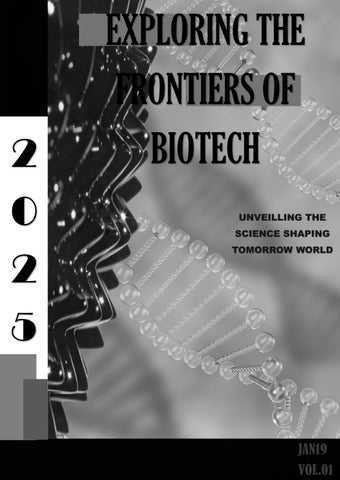
2 0 2 5



UNVEILLING THE SCIENCE SHAPING TOMORROW WORLD











Hi there,







Biotechnology Introduction






Welcome to this edition of our Biotechnology Magazine! Biotechnology might sound like a complicated word, but it’s really all about using science to make life better whether it’s in medicine, food, or the environment.

BIOTECHNOLOGY CAREER








In this issue, we’ve put together some exciting stories, fun facts, and interesting breakthroughs in the world of biotech. Whether you’re a science enthusiast, a student exploring your interests, or just curious about how technology and life come together, there’s something here for you.






I hope you enjoy reading, get inspired, and maybe even discover a new passion for science along the way! Happy reading, Your editor

Nur Batrisyia Syafiqah




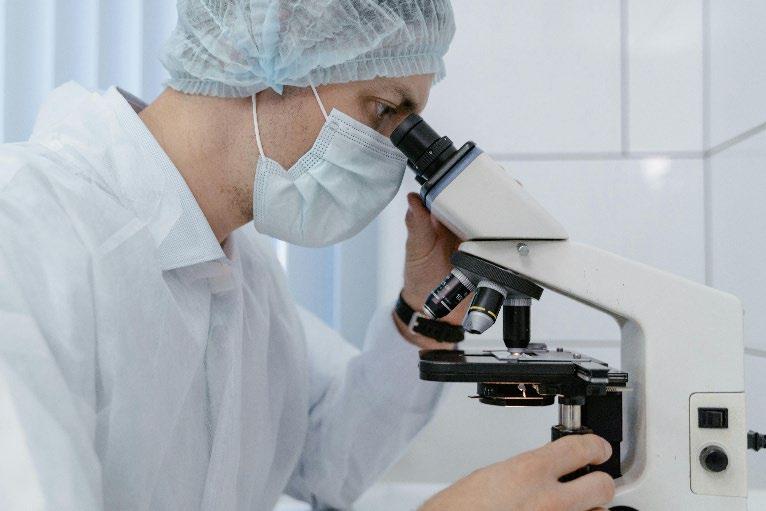
Biotechnology has become one of the most influential and transformative areas in modern science. It combines biology with technology to create solution that address global challenge in all kind of field, such as health, food, and industry.

Thus, biotechnology is more than just a branch of science it’s a bridge between life and technology It has led to remarkable breakthroughs, from curing diseases once thought incurable to improving food security and creating sustainable industrial solutions.

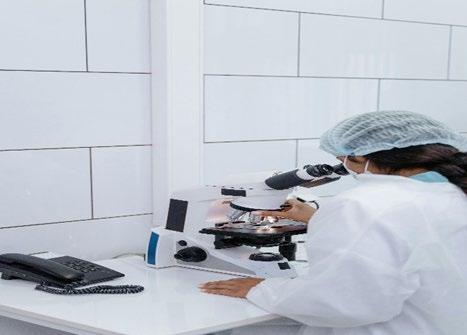
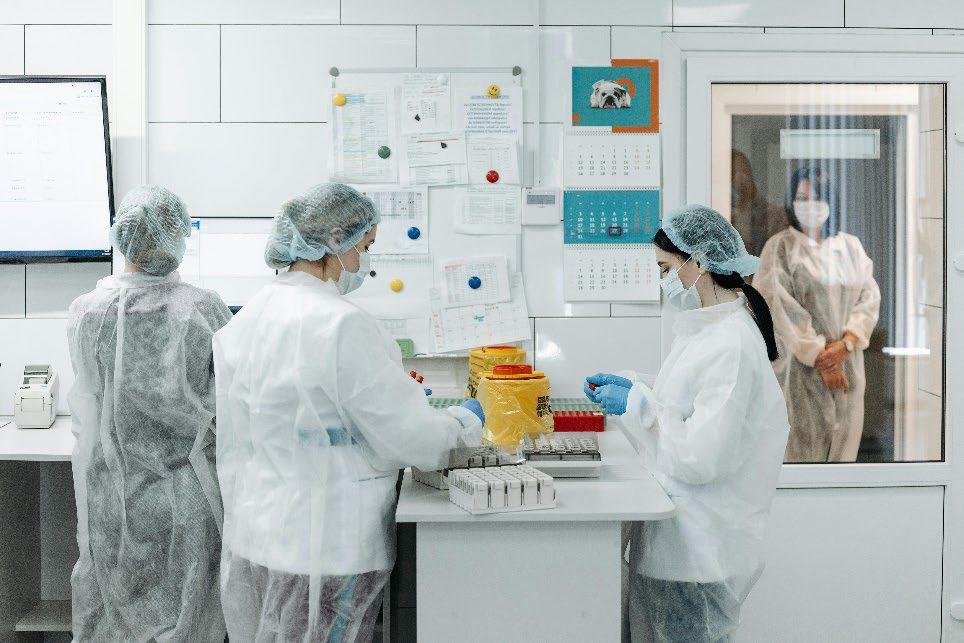




By harnessing the power of living organisms, scientists can develop innovations that were unimaginable just a few decades ago. Biotechnology not only enhances the quality of life but also drives economic growth, supports environmental conservation, and inspires new ways of thinking about the world around us. As research and technology continue to advance, its impact will only grow, shaping the future in ways that touch every aspect of our daily lives.


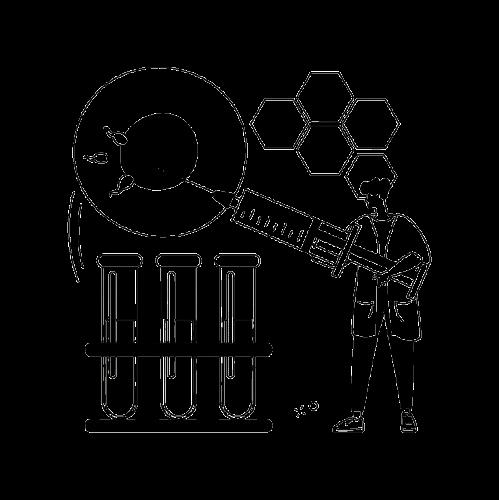






WHAT IS BIOTECHNOLOGY? Biotechnology is simply the use of living organisms to create a useful products. Modern example include vaccines and biofuels. But even in the old days traditional practices like making bread and cheese were an early forms of biotechnology


Stage1 (Ancient Biotechnology)

-Before 1800-







Stage 2 (Classical Biotechnology)

-1800 till Mid 20th Century-




In the early humans unknowingly practiced biotechnology throught fermentation by using yeast to make bread and wine. Althought they didn’t understand the science behind it their experiments improved daily life and the start of biotechnology development
Stage 3 (Modern Biotechnology)

-20th Century till Now-

With the advance use of DNA technology and genetic engineering. Biotechnology entered a revolutionary phase as today its influences nearly every field from healthcare, agriculture to environmental science.

During this time, scientists started to undertsand how microorganisms worked. A scientists name Louis Pasteur discovers the cause of fermentation and developed pasteurization to make a food safer. Vaccines and antibiotics were also created helping to prevent and treat diseases. This stage marked the start of using scientific methods to improve food, medicine, and industry throught biology




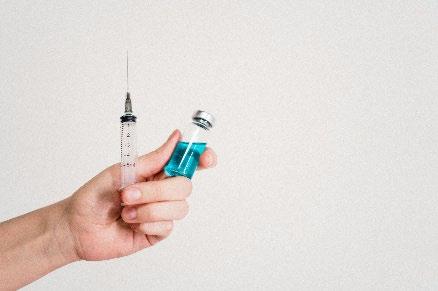
Biotechnology in healthcare uses living organisms to make new health technologies. It helps in drug development, genetic testing and research for treatments this include insulin production and gene therapy.

For example one of the most notable is the production of insulin using recombinant DNA technology.This method uses bacteria to produce insulin making it widely available for people with diabetes and this process is quicker and more efficient than earlier method. These advancement bring many benefit such as it shortens vaccine development time allowing faster protection against diseases.


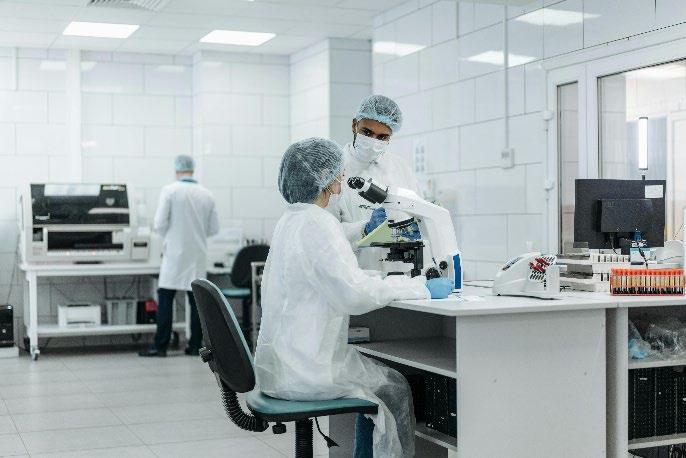




Food biotechnology is the use of living organism or their product to improve food making it safer , more nutrious and delicious.

Modern food biotechnology focuses on using living organisms such as bacteria, yeast and enzymes to enhance food production and quality.From the yogurt we eat for breakfast to bread on our table biotechnology silently works behind the scenes to make food better and healthier.

For example for food preservation, since food spoilage has always been a major problem throughtout history, even before modern technology people use method like salting ,drying or smoking to preserve food but with biotechnology has introduced big preservation a technique that uses microorganisms to extend the shelf life of food.
With the help of those microorganims they prevent the growth of harmful bacteria cause food poisoning for example bacteriocins are often used in dairy products to prevent contanmination.





Medical Biotech
Enviromental Biotech
Marine Biotech
Synthetic Biology
Agricultural Biotech
Industrial Biotech
Bioinformatics
Regenerative Medicine
All branches of biotechnology are aim to improve human life, so each of these areas have their own benefit that making a difference . Each of the four main fields of biotechnology research and applications medical, agriculture, marine, and industria to be strong candidates of being the best branch of biotechnology.Medical biotechnology tends to catch most attention and publicity and for many scientists and engineers the opportunity to help treat and even prevent diseases is especially fulfilling. However all biotechnology jobs are important in their own ways.




The agricultural processes help make food more accessible to those suffering from food while also lessening the negative impact of agricultural efforts on the environment. The marine biotechnology influence the materials available for applications in both medicine and food production as well as other applications. Likewise, work in industrial biotechnology can improve chemical production and manufacturing .


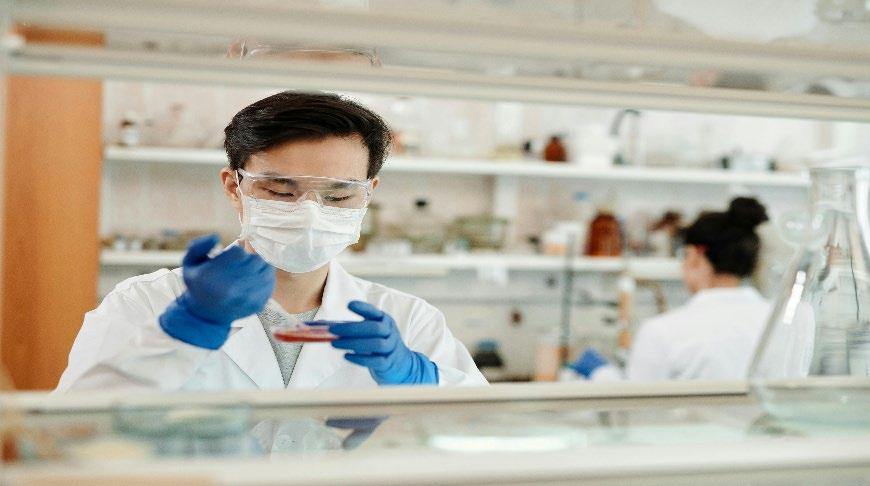

Ultimately, choosing a career in biotechnology requires you to look inward, not just outward, and think not only about job growth and salary potential but also about what types of problems you’re most passionate about solving.

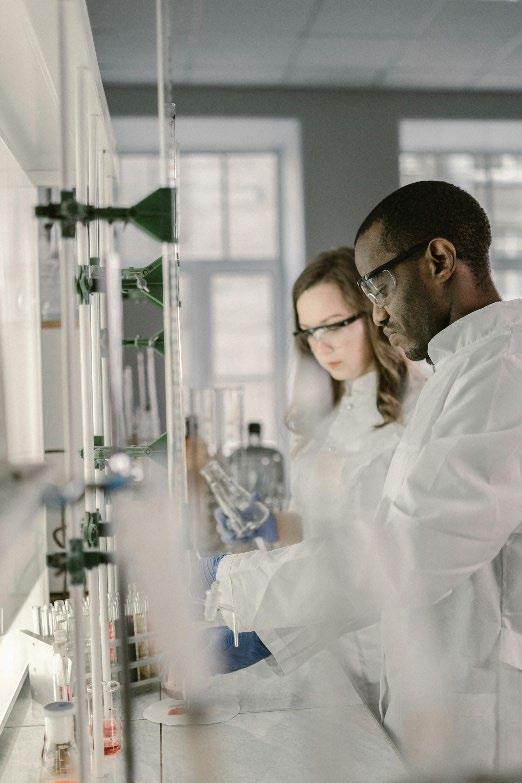



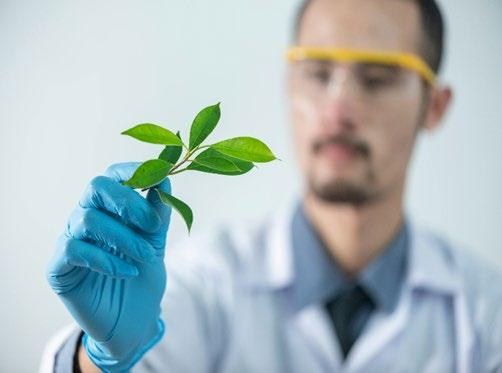
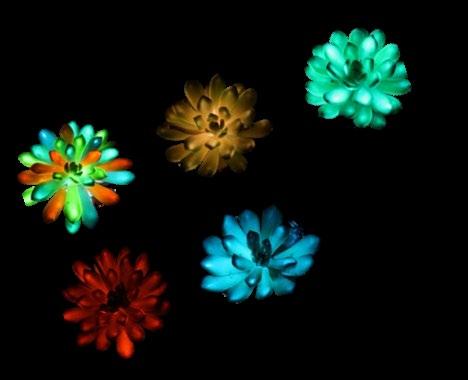
Can you imagine walking through a park at night and guided not by streetlights instead by glowing trees and flowers. It migth sound like a fairytale but thanks to biotechnology! This idea is slowly becoming reality, Scientists have discovered ways to make plants glow by inserting genes from bioluminescent organims such as jellyfish and fireflies. These genes allow plant to produce special protein called luciferase which reacts with other compounds to create soft and greenish light.The first experiment with glowing plants started in the early 1980 but the light was too dim to be seen clearly but now with the help of modern biotech tools like CRISPRT gene editing scientists can now make plants that shine and live longer without losing their glow. Isn’t that interesting?







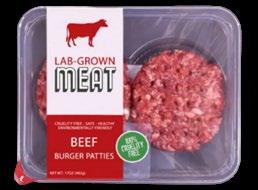
Scientists can now grow real meat from animal cells without killing the animals. It starts with collecting a small number of animal cells which are then grown in lab using advanced bioreactors and nutrient-rich to form real muscle tissues the same as traditonal meat. This biotechnological is enviromentally friendly using less land and water , and it can be healthier beacause it contains less fat and no antibioticts.









What happens when some patients can’t afford the out-of-pocket share of a given treatment?

Advanced treatments such as gene therapy, personalised cancer immunotherapy, and raredisease biologics can cost anywhere from hundreds of thousands to several million dollars per patient and even just for a pill for cholesterol might cost $3 daily, which amounts to nearly $1,100 per year.While these innovations have the potential to save lives and transform entire fields of medicine, their high prices create a significant barrier to access. This situation raises concerns about global inequality, as only wealthy nations and individuals can benefit from the latest scientific discoveries, while others are left behind despite the medical need.







Biotechnology has given us amazing innovations like lab grown meat and life saving medicines but not everyone can benefit from them. One big reason is money .





Developing these technologies takes a lot of expensive equipment, research and expert knowledge because of this many biotech products end up costing a lot which mean only people with companies with enough resources can access them.


Biotechnology is transforming the way we produce and preserve food, making it safer, more sustainable, and more accessible than ever before. From lab grown meat that reduces environmental impact, to innovative food preservation methods that extend shelf life, science is helping us meet the demands of a growing population. While the technology brings exciting possibilities, challenges like high costs. By understanding both the benefits and the hurdles, we can appreciate how biotech is shaping the future of our food and daily lives.

Biotechnology is more than just a scientific innovation it is a bridge between science, health, and society. While it offers solutions for sustainability and better nutrition. As we continue to explore and embrace these technologies, staying informed and responsible ensures that we enjoy the benefits of biotech while addressing its challenges. Ultimately, biotechnology empowers us to rethink food, health, and the way we live, making the future brighter and more sustainable.


Introduction to Biotechnology and Food Biotechnology, food safety institute, (2023) https://foodsafety.institute/food-biotechnology/introduction-to-biotechnology-food/


Verma, A. S., Agrahari, S., Rastogi, S., & Singh, A. (2011). Biotechnology in the realm of history. Journal of Pharmacy & Bioallied Sciences, 3(3), 321–323. https://journals.lww.com/jpbs/fulltext/2011/03030/biotechnology_in_the_realm_of_hi story.1.aspx









Silverman, E. D. (2004). The 5 most pressing ethical issues in biotech medicine. Biotechnology Healthcare, 1(6), 41–45. https://pmc.ncbi.nlm.nih.gov/articles/PMC3570985/ DrugPatentWatch. (n.d.). Top 6 issues facing the biotechnology industry. DrugPatentWatch. (2025) https://www.drugpatentwatch.com/blog/top-6-issues-facingbiotechnology-industry