

Pursuing our mission of longer, happier, healthier lives through a relentless commitment to quality care.





SPEAKERS
Scott
SABIC
U.S.


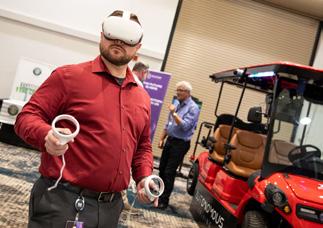
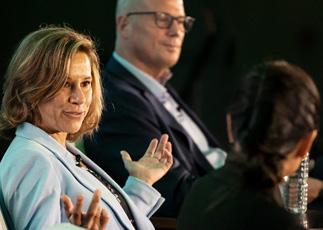
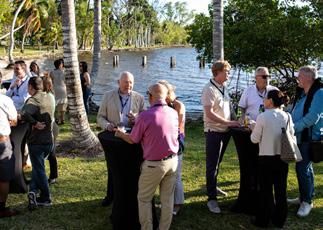
Join us April 2-3 in downtown Fort Myers for an exclusive look at the most groundbreaking advancements of the year. This is your chance to meet the visionaries behind game-changing innovations, test emerging technologies, and gain insider insights from the world’s top thought leaders. Don’t miss this rare opportunity to connect, explore, and celebrate the future of innovation in an intimate, high-energy setting.














PUBLISHER Carin Keane
PRESIDENT Jim Schwartzel
EDITOR IN CHIEF
Heidi Rambo Centrella
Digital Editor Adam Regan
Associate Editor Kaitlin Regan
Senior Editors Tim Aten, David Dorsey, Therese McDevitt, Nancy Semon
Copy Editor Steve Gill
CONTRIBUTORS
John Guerra, Artis Henderson, Justin Paprocki, James Raia, Bill Wasinger
ART
Creative Directors Scott Glick, Jerry Pomales
Photo Editor Mary Rich
ADVERTISING
Associate Publisher Chris Renstrom
CIRCULATION
Director of Audience Development Kerri Nolan
PRODUCTION
Production Manager Martha Leavitt
ADMINISTRATION
Advertising Services Manager Subscriptions & Distribution Kathleen Hill
26101 S. Tamiami Trail, Bonita Springs, FL 34134
Call or text 239.498.8500
gulfshorebusiness.com info@gulfshorebusiness.com
Southwest Florida residents can subscribe for free online at gulfshorebusiness.com, out-of-area residents can subscribe for $12 a year, call or text 239.498.8500 for more information.
Send old and new addresses and a mailing label, if possible, to Gulfshore Life, 26101 S. Tamiami Trail, Bonita Springs, FL 34134. Visit gulfshorebusiness.com/subscribe to login and update your address, call or text 239.498.8500 or email subscriptions@gulfshorebusiness.com.
A limited number of back issues are available for $4.95 each plus tax and postage. Visit gulfshorebusiness.com/backissues.
Visit gulfshorebusiness.com/reprints for plaques and reprints.
Contact Us
Please send all correspondence to: Gulfshore Business 26101 S. Tamiami Trail, Bonita Springs, FL 34134 Call or text 239.498.8500
WEBSITE
gulfshorebusiness.com


It wasn’t just another ordinary sunny day in March. My son was visiting for spring break in 2020; it was his first time in Naples since I had moved here just three months earlier. I was eager to introduce him to the area, albeit with limited knowledge at the time, and I especially looked forward to sharing the beauty of everything outdoors.
After a late lunch, we stopped at Clam Pass Park. As we approached the boardwalk, a sea of people carrying blankets, coolers, bags and babies moved toward us. We continued, maneuvering against the traffic on what’s typically a sparse path that time of day, until a woman with two small children made eye contact with me. She stopped and told us we had to turn around because the beach was closed.
“Closed?” I asked. “Closed,” she said. “The beaches are all closed. We have to leave — COVID.”
I remember feeling a twinge of fear and a tremendous amount of uncertainty.
Back at the office a day or two later, our publisher would tell us to pack what we needed and plan to work from home. This could last a couple of weeks, maybe three, best guess. None of us imagined workfrom-home orders would last as long as they did — much less on a global level.
Like everyone else in the business community, we pivoted. We found workarounds and ways to continue operations for the short term. It all seemed to work, except for the wave of growing uncertainty. But those shortterm operations continued into a longer and longer term. We were glued to national and local news outlets — print, broadcast, digital — anywhere we could find more information. But no one had answers.
This temporary pivot grew into something bigger than us. A thirst for knowledge, a fear of the unknown, a race for vaccines and then, especially in Southwest Florida, an onslaught of real estate activity. That part would come later, but it came, nonetheless. Five years have passed; the pandemic is officially over and life has gone on — for most of us. But how did South-
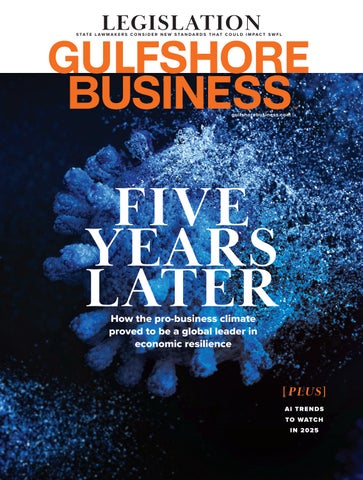
west Florida actually do at handling the pandemic? How are we doing at recovery? Did we learn anything that may help in the event of a future outbreak? In “Five Years Later” on page 28, Therese McDevitt spoke with real estate professionals, economic experts and hospital executives about the many ways COVID-19 changed the local business landscape, and affected our plans for the future.
Speaking of the future, the Florida Legislature begins its 2025 session March 4, which means many bills are about to have their chance to become laws. (I wonder how many people remember the song from “Schoolhouse Rock.”) Tax credits for resilient construction, public access to beaches, preservation of state parks, guidelines for improving coastal water quality through green and gray infrastructure — we don’t yet know what will or won’t pass, but many of these topics should be of substantial interest to residents in our part of the state. John Guerra examines some of the highlights in “Now in Session” on page 40.
It’s a busy, beautiful time of year here in Southwest Florida. And I hope all our spring breaks go smoothly in 2025.
HEIDI RAMBO CENTRELLA EDITOR IN CHIEF

The M Consulting Group alleviates the burdensome process for Association Boards and Committees. We have the expertise to research, analyze, and negotiate for communities considering a change to their bulk or retail service provider and cabling infrastructure.
Our analytical approach consists of:
• Creating a comprehensive Project Plan.
• Conducting a telecommunication survey of all residents.
• Develop the Request for Proposal (RFP).
• Obtain, compile, and analyze RFP responses, and obtain references.
• Review financials, current technology, and technology roadmap.
• Prepare an executive summary for the Board and Media Committee.
• Provide consultation during final provider selection.
• Collaborate on negotiation and the new contract.
• Manage the project during network and services installation.


Scrap-iron art for the joy of it
p_16
By Justin Paprocki
In January, the Board of Port Authority Commissioners voted unanimously to approve a leasebuild agreement for Arthrex to construct a 1 million-squarefoot logistics facility at Skyplex, a masterplanned business area just north of Southwest Florida International Airport. Arthrex said it expected construction to cost between $150 million and $200 million. The orthopedic surgical instruments company will pay a $700,000 deposit and then 20% of the property lease during construction. Arthrex said it plans to build 800,000 square feet of space for logistics and 200,000 square feet of office space.
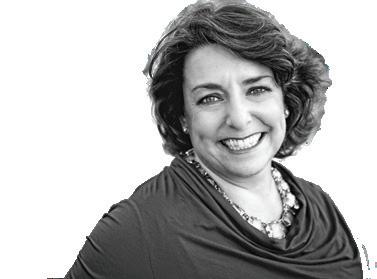
“There is a responsibility here on the employer to say, ‘If I’m seeing my turnover stats go up with Gen Z, instead of shrugging my shoulders and saying that’s just the generation, they’re not happy with anything,’ ask, ‘How am I creating opportunities to have better communication?’”
— Darcy Eikenberg,


Artis Henderson dives into the business of beach renourishment. Whether it’s due to natural ongoing erosion or the end result of a hurricane, multiple beach renourishment projects are ongoing across Lee and Collier counties. Who foots the bill, and why is it such an important price to pay?
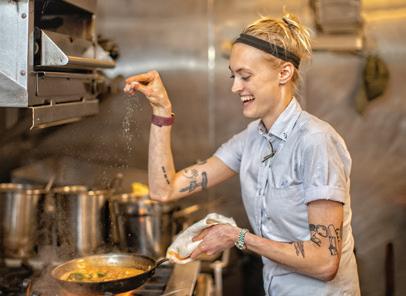
Local chef Kayla Pfeiffer is among 20 semifinalists for the Emerging Chef award in the James Beard Awards, considered to be among the nation’s most prestigious honors that recognize exceptional talent in the culinary and food media industries. The executive chef and co-owner at Bicyclette Cookshop in North Naples won the 56th season of “Chopped.” The Restaurant and Chef Award finalists will be announced April 2, and winners will be celebrated at the James Beard Restaurant and Chef Awards ceremony June 16 at Lyric Opera of Chicago.
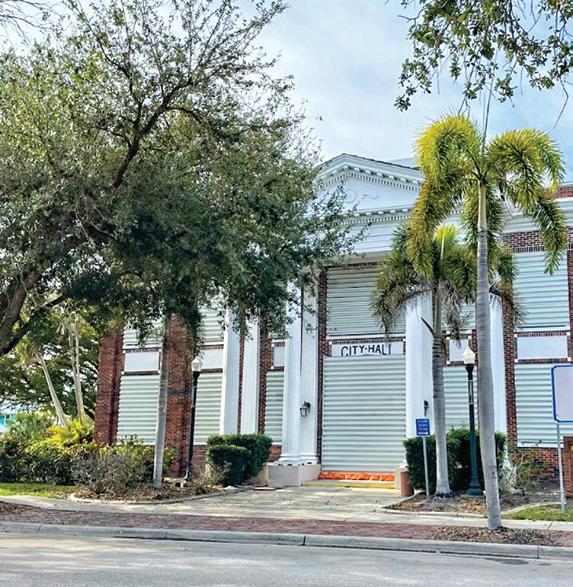
Punta Gorda City Council chose to solicit estimates for repairing and rehabbing City Hall instead of going with the previous City Council’s plan of spending nearly $16 million to build a new City Hall on its current site. City Hall, built in 1927, and its 1978 attached addition were damaged during Hurricane Ian. City Council has been unable to meet in the building since the September 2022 storm. Estimates to rehab the building in 2020-21 were $5 million to $6 million.
Naples City Council unanimously voted to appoint Deputy City Manager and Chief Financial Officer Gary L. Young as its next city manager. He was sworn in at a February Council meeting and oversees about 525 city employees and a $208.8 million budget. Young joined the city in February 2016 after 30 years as chief deputy auditor for the city of Canton, Ohio.
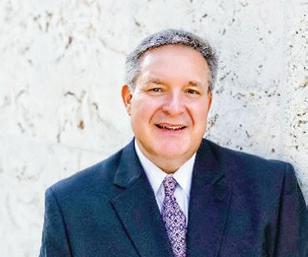
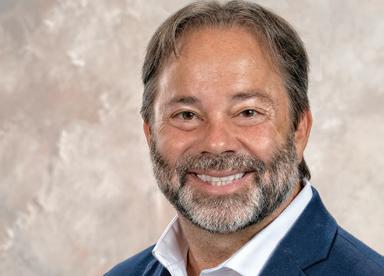
With nearly 30 years of experience in various roles at Lee Health, Ben Spence was named chief operating officer of the health care system. In this new role, Spence will oversee the systemwide clinical and financial operations, facilities management, information technology services, supply-chain management, analytics and revenue cycle management. He joined Lee Memorial Health in 1995 and was chief financial and business services officer.

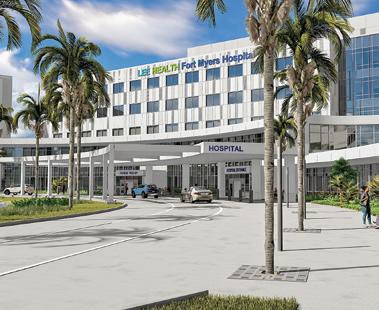
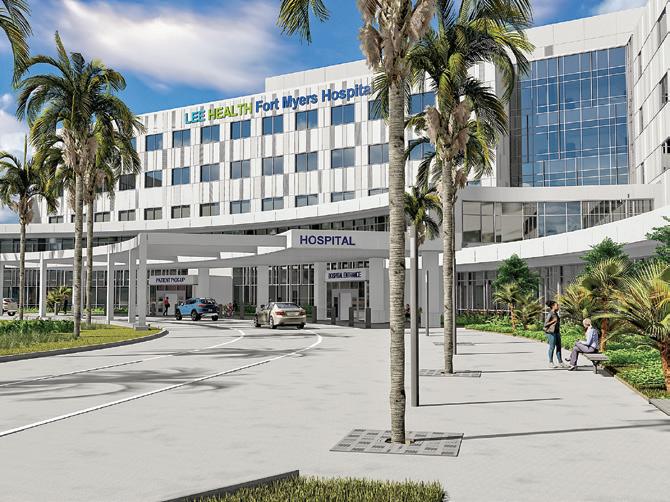
In January, Lee Health broke ground on a new 53-acre health care campus in Fort Myers that will include a 168-bed acute care hospital and a new musculoskeletal institute the system hopes will become a destination for those needing orthopedic surgery. The campus will include 400,000 square feet of hospital space, 125,000 square feet of medical office and ambulatory surgery space and an 18,000-squarefoot central energy plant. The new Lee Health Fort Myers campus, with a total estimated cost of $481 million, will be located at 4453 Challenger Blvd. Provided
Comcast is making a $15 million investment to build and expand its reliable, high-speed network across Charlotte County, company officials announced. Thousands of homes and businesses in the areas of Rotunda West, Gulf Cove, South Gulf Cove, Port Charlotte and other neighborhoods will have access to Xfinity and Comcast Business services. The next-generation network gives the county access to internet speeds up to 1.2 gigabits per second for residential customers and up to 100 gbps for businesses.





Scrap-iron art for the joy of it
By Justin Paprocki
Marziano
Gizzi spent his
career working with iron, but that was for practical purposes. Now, he works with
iron for artistic enlightenment.
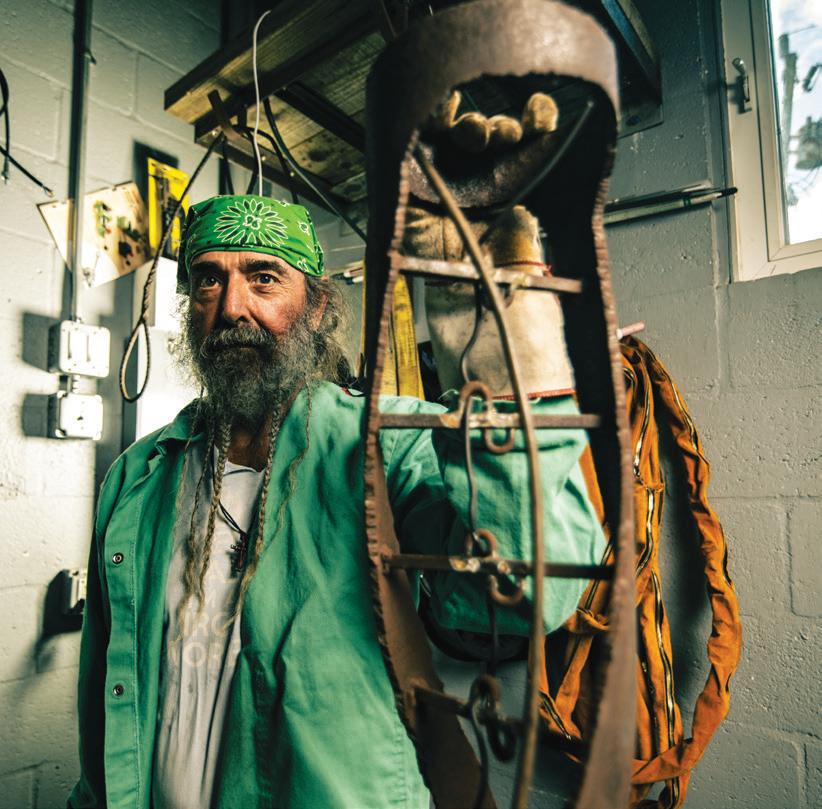
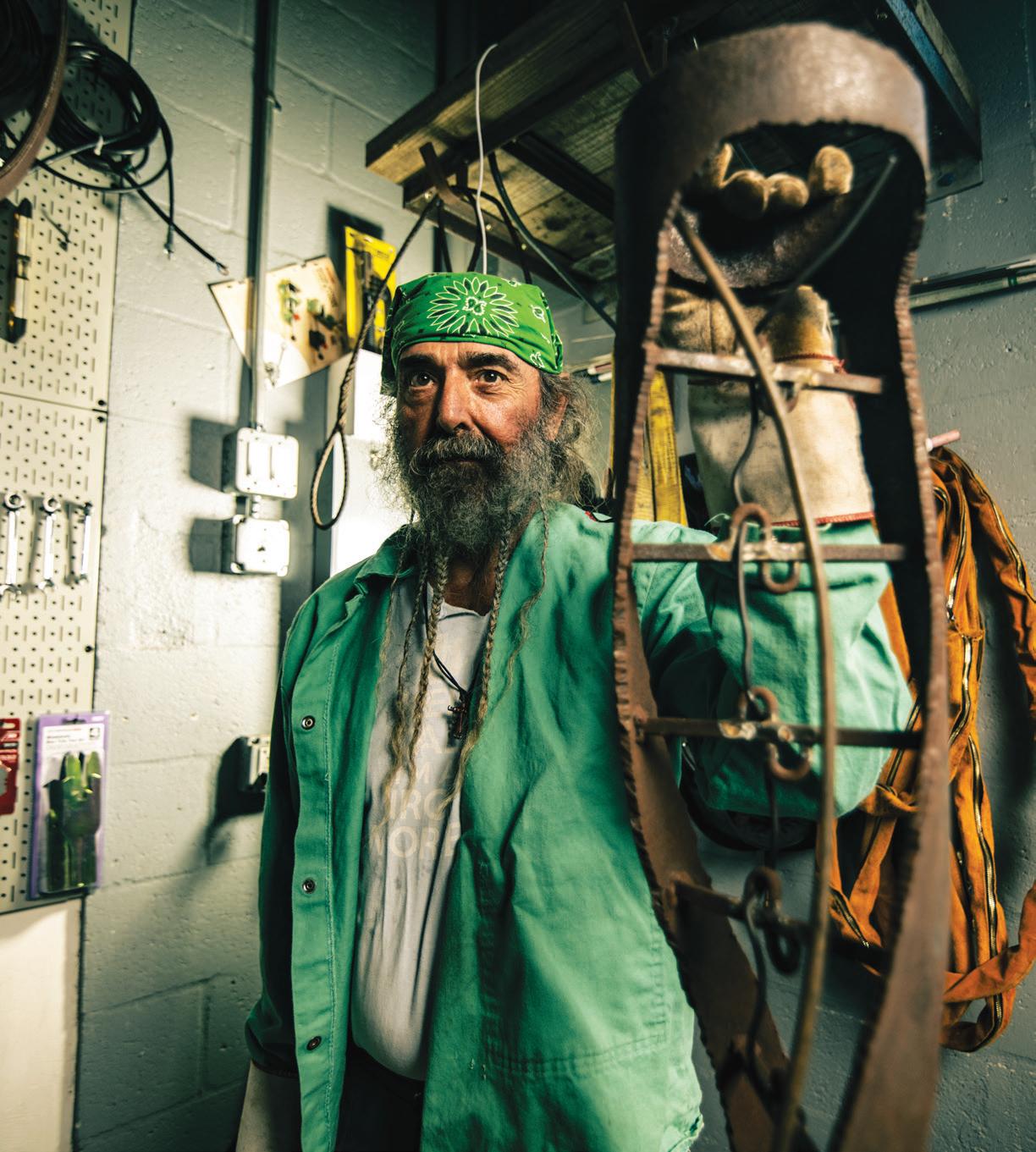
He spent his career in Chicago, retired about 15 years ago and moved to Goodland, the small fishing village just north of Marco Island. It’s a tight-knit community, known for its kicked-back attitude and colorful characters, including Giz, as he’s called in his adopted town. After he retired, he started tinkering with iron and metal again, this time as an art form.
He makes scrap-iron turtles, welded metal signs or just about whatever may strike his fancy. “I like it because there’s no rules, no boundaries,” he says. “It’s a challenge, but it’s fun. It keeps my motor running.”
Giz finds inspiration in the different places and people of Southwest Florida. He’s become a fan of an organic, vegetarian restaurant in Naples called Organically Twisted, 13040 Livingston Road. The funkiness of the decor and the general vibe of the restaurant spoke to him, so he started making art. Now, the restaurant has more than 20 of his pieces on display.
He spends his time in his art studio, which is right next

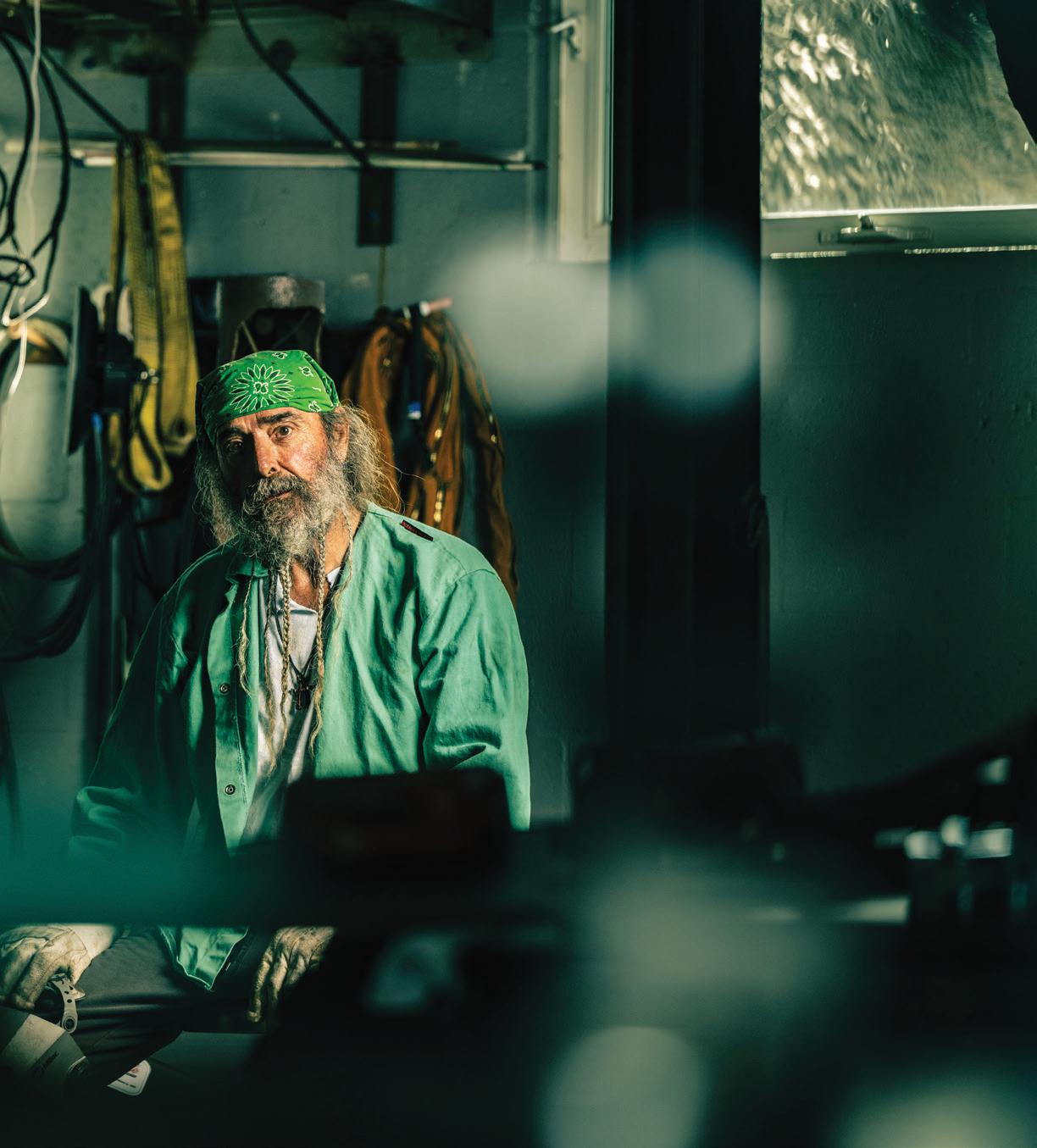

Gizzi doesn’t look at his artwork as a business or a way to make money, but for the joy he sees on people’s faces when they see his creations.




door to his 100-year-old house in Goodland. That is, when he’s not puttering around town in what he calls his “art cart,” looking for scrap metal.
He’s not necessarily in this pursuit for the money, as evidenced by the first art show he entered, when he quickly sold most of his pieces. “I learned that people like what I make, and that I had to raise my price,” he says with a laugh.
Gizzi doesn’t have grand plans for his business. He just wants to keep doing what he enjoys, and hopefully, someone else will enjoy it as much as he does. “I’m not like a businessman,” he says. “I do it because I like it, just for the look on these people’s faces when they pick it up and say, ‘Did you make this?’”
SWFL’s cost of living remains daunting
By Justin Paprocki
Living in paradise sure has its benefits — until you start adding up the bills.
According to the Economic Policy Institute, the cost of living in the Naples area is about $9,688 per month for a family of four, the seventh highest in the state. Living in the Cape Coral-Fort Myers area or Punta Gorda is less expensive at $9,043 and $8,210 per month, respectively. Housing tends to be the highest cost for most families, but varies widely depending on location. The average cost of housing in Naples is about 23% higher than in Punta Gorda, for example.


The counterproductivity of Florida’s anti-price-gouging law
By Victor V. Claar
Everyone who has taken a basic course in economics knows that an increase in demand for a good drives its price up. And in such circumstances, the price of that good serves valuable social functions.
First, the price serves a valuable rationing function in the short term. Potential buyers must weigh more seriously whether or not they really need and want that pricier good that’s now relatively scarce because of the surge in demand. A politician might try to tell you not to buy more than you need, but a higher market price practically guarantees that you won’t.
Second, the higher price provides a clear and powerful incentive for current sellers — and even would-be sellers — to get busy and bring even more of the good to the market than they otherwise would at lower prices.
In short, a demand-driven price increase encourages conservation on the part of potential buyers while it encourages current (and potential) sellers to leap into action and provide more. It’s remarkable: Prices encourage people on both sides of
the market to do exactly what society needs: to supply more (sellers) and to not hoard what you don’t really need (buyers).
But Florida’s anti-price-gouging law — perhaps with noble intentions — brings out the worst in people, leaving us with empty shelves and closed gas stations during declared states of emergency.
According to Florida Statute 501.160, it’s unlawful to significantly raise the price of essential goods and services once a governor has declared a state of emergency. The law is ambiguous: The statute doesn’t commit itself to a clear standard like what sort of a percentage increase would be considered “gouging,” instead simply stating that increases cannot be “unconscionable.”
And because Florida attorneys general set up and promote hot-
lines to report alleged price gougers, firms that raise prices face investigation. In the wake of hurricanes Helene and Milton this year, Florida media reported that the attorney general’s office was investigating 160 alleged incidents.
Perhaps the most embarrassing episode in recent years occurred when Florida’s governor declared a state of emergency during the May 2021 Colonial Pipeline ransomware attack. While the cyberhackers forced the company to halt all operations, 90% of Florida’s gas came from sources besides the pipeline. Colonial served just a few cities in the panhandle including Tallahassee and Panama City.
Nevertheless, for reasons that remain unclear, the governor declared a state of emergency throughout Florida — including places such as Southwest Florida that were not dependent on the Colonial Pipeline at all.
What did we get here, though?
Gas station lines and empty pumps. Even though there was no reason to fear a supply disruption.
So why did our friends and neighbors run out and hoard gas


Basic economics tells us that an increase in demand for a good drives up the price, which encourages consumers to only buy as much as they need. But Florida’s anti-pricegouging law breeds panic, empty shelves and closed gas stations during declared states of emergency.
even when there was no need to? I think there were two reasons.
First, by declaring a statewide state of emergency, the governor likely scared local residents into buying gas immediately rather than in the normal routine of their week. After all, most of us don’t take the word “emergency” lightly. We panicked because someone suggested there might be a reason to.
Second, the state’s anti-pricegouging law didn’t let gas prices do what they should in such an emergency: increase, and thereby discourage hoarding.
But sometimes the emergency is
real. Hurricanes Irma and Ian, for example. And the COVID-19 pandemic. What did price-gouging law get us? Hoarding and empty shelves, because we were in denial that the market price had risen because of a surge in demand. What would happen if we overturned this law? First, hoarding would decrease because higher prices would make people think before they buy more than they need. Second, suppliers would work even harder to make more available. And in the case of goods such as bottled water, the hoarders in your neighborhood might even have a yard sale — selling
you water you need and want out in the open, rather than on some forbidden black market for it.
Now, you may think that greedy businesses will gouge away if the law is ever repealed. But consider this: Walmart and Publix and Costco want your business during the crisis, and they want it afterward, too. And they’ll be thinking about the long term when they decide what to charge you in the short term.
—Victor V. Claar is an associate professor of economics in the Lutgert College of Business at Florida Gulf Coast University.
Lessons from leaders continue at NextGen series
By Therese McDevitt
It’s not just an opportunity to network with the best and brightest young business leaders in Southwest Florida — the 2025 NextGen series continues this month with another business leader sharing wit, wisdom and insights for an exclusive audience eager to learn from the executives’ experiences.
NextGen founder Michael Benson, CEO of Naples-based financial services firm Benson Blackburn, said he started the series in 2013 almost by accident; after he asked his friend and client Richard Schulze, founder of Best Buy, to offer professional insights to the Benson Blackburn team.
“He went on for two hours telling the stories — all the successes, the failures, the tough times, the good times,” Benson recalled. “And as I’m listening to him, my mouth is dropping open. I was actually learning. After 40, 45 years in business, I was actually learning.”
Convinced that the Naples business community could benefit from the stories of the numerous current and former Fortune 500 CEOs who call the area home, Benson asked Schulze to be the first speaker in what would become the NextGen series.
In formulating the series, Benson put the focus on four key areas of interest: leadership, mentorship, em-
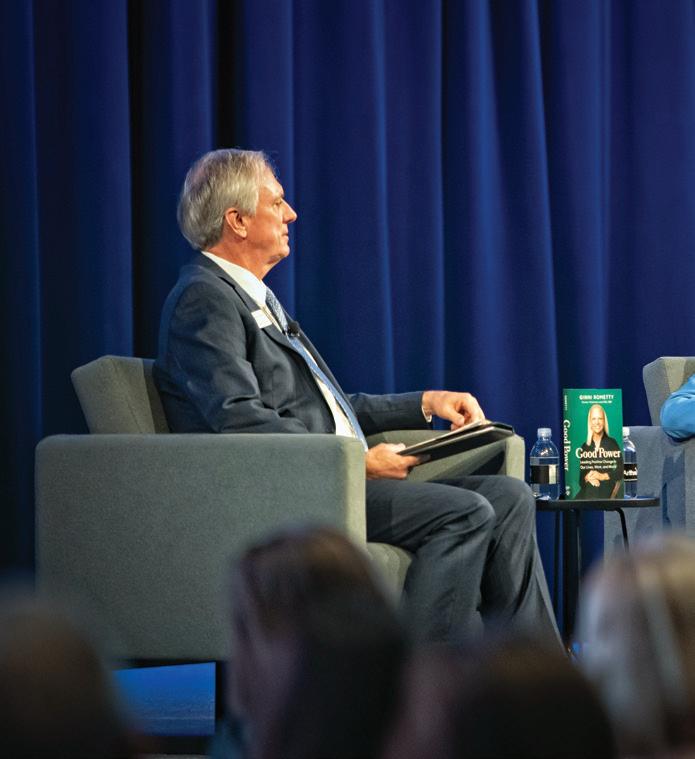
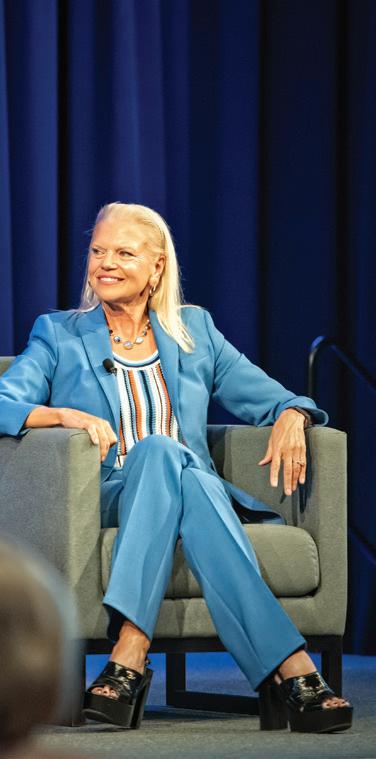
The 2025 NextGen series, with a focus on leadership, mentorship, empowerment and philanthropy, continues this month with speaker Francis Rooney. A businessman, politician, diplomat and philanthropist, Rooney plans to discuss the business and political aspects of his career.
powerment and philanthropy, with each event culminating in the presentation of a $5,000 check in the speaker’s honor to a local nonprofit.
Benson asks each speaker to highlight not just the successes they’ve enjoyed, but also the challenges and setbacks, and said he has continued to learn along with the audience with each presentation.
“What I really learned was that these people who are accomplished had just tremendous perseverance,” Benson says. “There wasn’t anything that was going to stop them from getting to where they wanted to go. And they all, or most of them, had setbacks, and some very significant setbacks. So, perseverance was something that I learned from them.”
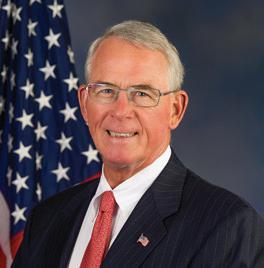
The NextGen speaker in March, Francis Rooney, knows a lot about perseverance, coming from the family who founded Manhattan Construction company in 1896, as well as Rooney Holdings Inc. in 1984.
Rooney, who definitely qualifies as a “multihyphenate” — businessman-politician-diplomat-philanthropist — served as CEO and president at Rooney Holdings from 1984 to 2016 and currently serves as chair. He also represented Florida’s 19th congres-
We’ve got to get back to some kind of ability to accept the other side’s opinion and then figure out a way for each party to get enough of what they want.”
Francis Rooney
Former U.S. Congressman and Rooney Holdings Inc. chair
Rooney said he will focus mostly on the business side of his career: “building up the construction company and some other companies … and then maybe a little bit about politics, because one of my pet peeves is that there aren’t enough businesspeople in politics.”
On the business front, Rooney represents the fourth generation to lead Manhattan Construction, one of the nation’s largest privately held construction services companies.
He said Manhattan has had “four good construction leaders” — including his son, Larry, the fifth generation to head the company — and one bad one, his father. Upon his father’s death, Rooney bought the struggling company from his family.
“I told my mother, ‘You do not need to own a broke construction company,’” he said. “And so, I bought them out and one thing led to another, and we rebuilt. It took a long time … we couldn’t afford any problems; we had to make money on every job back then.”
sional district from 2017 to 2021, and on the diplomatic front, served as ambassador to the Holy See from 2005 to 2008 under President George W. Bush. And when it comes to philanthropy, Rooney and his wife, Kathleen, have given more than $25 million to Naples Comprehensive Health to establish the Rooney Heart Institute.
So how does someone who has worn so many hats so well decide what to talk about to a room full of people eager to hear his story?
During his time in Congress, Rooney developed a reputation for a bipartisan approach, especially when it came to funding for the Everglades restoration project he championed. He said he would tell young business leaders how important it is to see the other person’s point of view. “We’ve got to get back to some kind of ability to accept the other side’s opinion and then figure out a way for each party to get enough of what they want.”
The 2025 series concludes in April with David MacLennan, former Cargill Inc. CEO and executive board chair. NextGen series ticket applications can be found at nextgennaples.com.
artificial intelligence trends soon to make a difference
By Bill Wasinger
ChatGPT made artificial intelligence accessible — and usable — for almost everyone. And now, just more than two years later, the release of the faster, more affordable DeepSeek AI model, and its rapid embrace by Microsoft, has shown how quickly AI is evolving and touching many elements of our daily lives. Here are five areas in which artificial intelligence will continue to have an increasingly influential presence in 2025:
Though it’s being utilized to speed diagnoses and increase early detection of disease, artificial intelligence also is being used to improve care for patients, both in the hospital and after they’re discharged.
“It used to take us the better part of a year to hard-code our motion sensor to detect someone’s gait, balance or range of motion (to determine their reaction time and risk of falling). So we built an AI detector that compressed that time down to about two hours,” says Frank Fornari, chair of biotechnology company BioMech. “That allowed us to make tests quickly based on the needs of the patient, the practitioner and the payer. Better info, faster, means better outcomes for everyone.”
Although bad actors quickly adopted artificial intelligence for a variety of illicit applications, it’s also being used to heighten security proactively. While those measures may not be obvious, they’re at work behind the scenes online and in our everyday lives.
“We’re now using good AI to combat nefarious AI. Solutions are being developed … that have the ability to research, track [and] identify phishing scams to identify questionable or cybersecurity attacks,” says Chrissann Ruehle, provost faculty fellow for artificial intelligence at Florida Gulf Coast University. “Let’s say I’m using Microsoft Office and I use my calendar to organize all of my business trips. AI has the ability to identify
those times out of the norm that show up on your calendar or show up through your Microsoft profile to let you know someone might have stolen your identity. One of the big fears right now is identity theft … and AI gives us the opportunity to have more control over our profile and how our actions are being used.”

While they’re considered different branches of artificial intelligence, both machine learning and robotic process automation, or RPA, are often applied in business uses to automate repetitive tasks, save time and increase efficiency. And given AI’s ability to manage large amounts of information, businesses that work with big data are seeing even greater adoption of RPA.

“One of the areas where we’re seeing RPA used frequently is in the accounting field. People working in the accounting space and in the finance space definitely need to have a solid understanding of what these technologies are, because they’re so prevalent,” Ruehle says. “If people are working in the accounting field, on budgets, in finance or they’re working to do some analysis with numbers, RPA is frequently used in those spaces and … it has become almost a career competency that people will need to have.”
Just as ChatGPT allowed everyone to put artificial intelligence to work to create almost anything, now practically
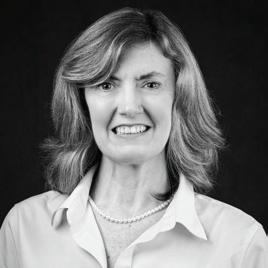
Chrissann Ruehle
Florida Gulf Coast University’s provost faculty fellow for artificial intelligence
As artificial intelligence continues to be integrated into our everyday lives, in 2025 we will see it continue to grow within health care, cybersecurity, machine learning, software tools and embedded AI. Robotic process automation (pictured), which is often used for physical repetitive tasks, is now becoming popular in the accounting and finance space.

anyone can create software applications with little or no coding ability. That increased development of so-called low code or no code apps is an effort by large tech companies to encourage greater adoption of their products.
“A lot of people quickly adopted ChatGPT. As a result … we’ve seen an influx in other free types of low code/ no code programs,” says Ruehle. “[Tech companies] have recognized that, in order to ship their product or deliver their product to a broader consumer base, they need to make it accessible. As a result, tech providers have been developing low code/no code programs … to make their products accessible for people who are nonprogrammers.”
Whether it’s composing a better email in Gmail, enhancing your resume on LinkedIn, sharpening your presentation in PowerPoint or shopping smarter on Amazon, artificial intelligence is now embedded in almost every major online application and site. And, for good or bad, that’s an AI trend Fornari expects to continue in 2025 and beyond.
“The argument for AI is the more data points I have, the faster that I can process them. That may be true with some applications for AI. But for other applications, sometimes the more you’re feeding it … and you don’t have it in proper form, it’s kind of ‘garbage in, garbage out,’” he says. “If it makes your life better, more efficient and solves the problem, it’s going to be around forever. People always migrate to the solution. AI will evolve like everything does.”
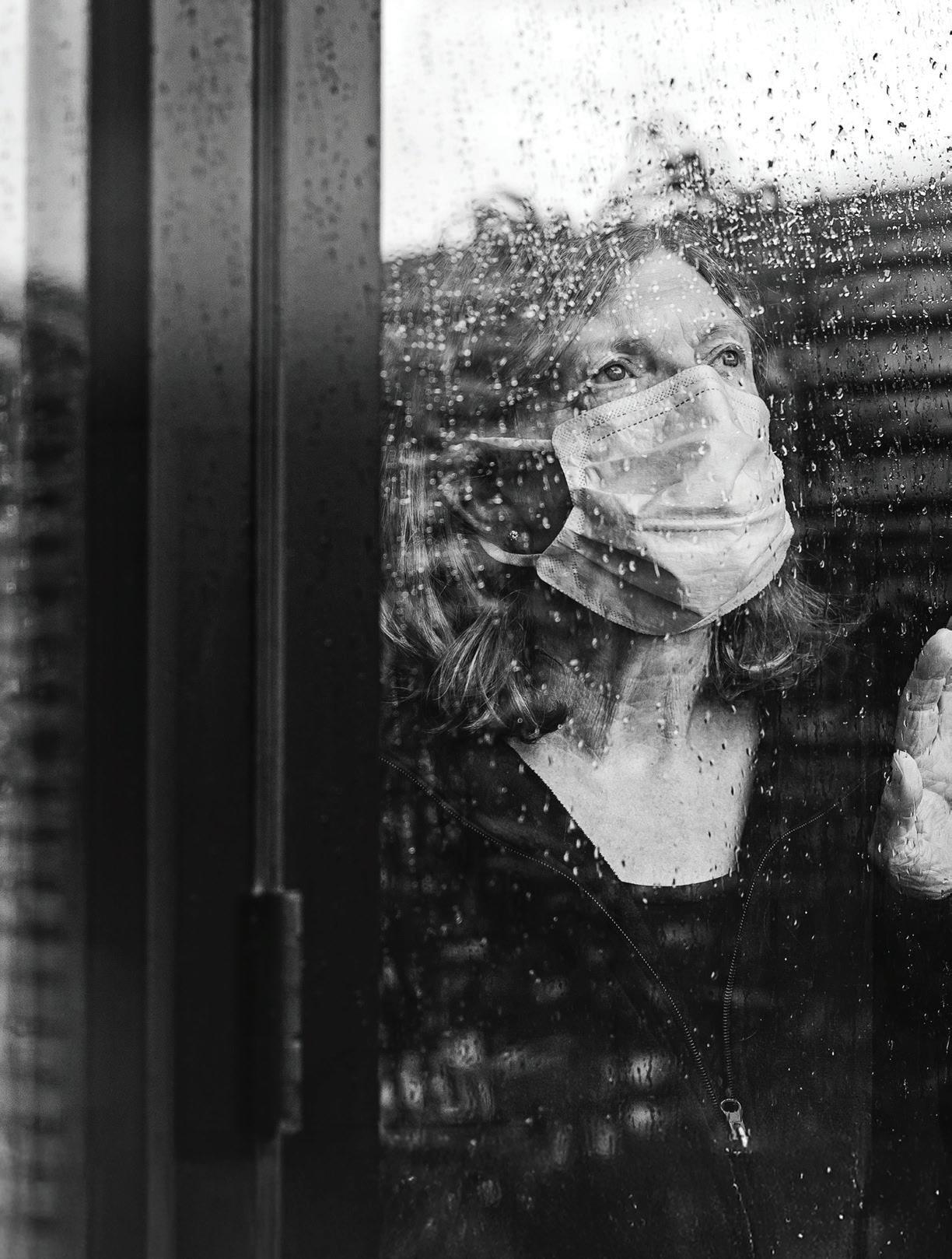

How the business community recovered from quarantines and closures to lessons learned in adaptability and resiliency
By Therese McDevitt
In some ways it’s difficult to believe that this month marks five years since the COVID-19 pandemic first made its impact felt across the globe.
Southwest Florida, like just about everywhere else on the planet, went into quarantine in March 2020, with restaurants, entertainment venues, many businesses and public spaces including beaches closing to help prevent spread of the deadly virus. They reopened — those that did manage to reopen — on varying timelines, with most being at least partially active by the end of the first year of the pandemic, as factors such as masking, social distancing and the advent of different vaccines combined to help reduce the spread of the virus.
Health care systems and providers were strained to the breaking point as the number of cases, and the number of deaths, continued to grow. Tourism tanked, and real estate prices skyrocketed as people from other states moved to “the free state of Florida.”
The federal COVID-19 public health emergency officially ended in May 2023, according to the American Public Health Association. But how have the business and health care communities rebounded across the state and, specifically, in Southwest Florida?
Mark Wilson, president and CEO of the Florida Chamber of Commerce in Tallahassee, said in a written response to questions about the state’s overall business recovery that he is convinced that when the history books are written on COVID-19, “Florida will emerge as a top-five global example of a place that got it right.”
He said the state’s pro-business climate continues to drive record economic growth. “Florida has proven to be a global leader in economic resilience as we approach five years since the start of the COVID-19 pandemic,” he says, adding that while the pandemic brought unprecedented challenges, including an increase in business closures, Florida now sees more than 50,000 new business formations monthly — more than any other state.
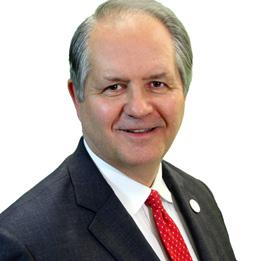
Mark Wilson President and CEO of the Florida Chamber of Commerce
Florida returned to pre-pandemic nonagricultural employment levels in October 2021, ahead of the U.S. as a whole, which didn’t return until June 2022.


Florida was tied for the fourth-fastest state to return to pre-pandemic nonagricultural employment levels, achieving this milestone in October 2021. That’s well ahead of the U.S., which did not hit the same level until June 2022, according to Florida Chamber data.
“Today, Florida’s nonagricultural employment is 9.5% higher than pre-pandemic levels, far outpacing the national average of 4.6%,” Wilson notes. “Florida’s GDP, adjusted for inflation, has grown by an impressive 24.6% since pre-pandemic levels, compared to 13.6% for the U.S. overall.”
During the height of the pandemic in 2020, according to the Florida Chamber, the state saw business closures spike to 8.1% in Q2, reflecting the severe economic disruption. By the end of that year, recovery already was underway, with closure rates dropping to 6.3%.
Jayanta Gupta Epidemiologist and director of the public health program at FGCU

“Florida will emerge as a top-five global example of a place that got it right.”
Wilson said closure rates “have stabilized around pre-pandemic levels, with the most recent data from Q2 2024 showing a return to an average of 6.4%. These trends highlight Florida’s resilience and steady recovery — and, incredibly, Florida now leads the nation in new business startups.”
Asked what business leaders learned from the pandemic, Wilson said it taught the importance of adaptability, transparent communication and investing in technology to maintain operations and support employees.
“We also were reminded that a strong government that wants to keep the economy growing really matters. Developing diversified supply chains, robust risk management strategies and partnerships with public entities emerged as important lessons for resilience.”
— Mark Wilson
Business closure rates have stabilized around pre-pandemic levels, and Florida now leads the nation in new business startups.

Epidemiologist Jayanta Gupta, associate professor in the Department of Health Sciences and director of the public health program at FGCU, said that in an age of international travel it is important to be vigilant about the possibility of new infections or new pathogens that can spread rapidly, as COVID-19 did.
And when it comes to preparing for possible future pandemics, Gupta said he sees increased funding for the public health workforce as critical, especially for epidemiologists, physicians and nurses.
“Wherever we have a shortfall to deal with such public health
emergencies, we need steps to see that those positions are filled so that when an emergency happens, we have sufficient staff — for contact tracing, first of all, because that is a critical step in mitigating the state of infection, and of course for health care delivery.”
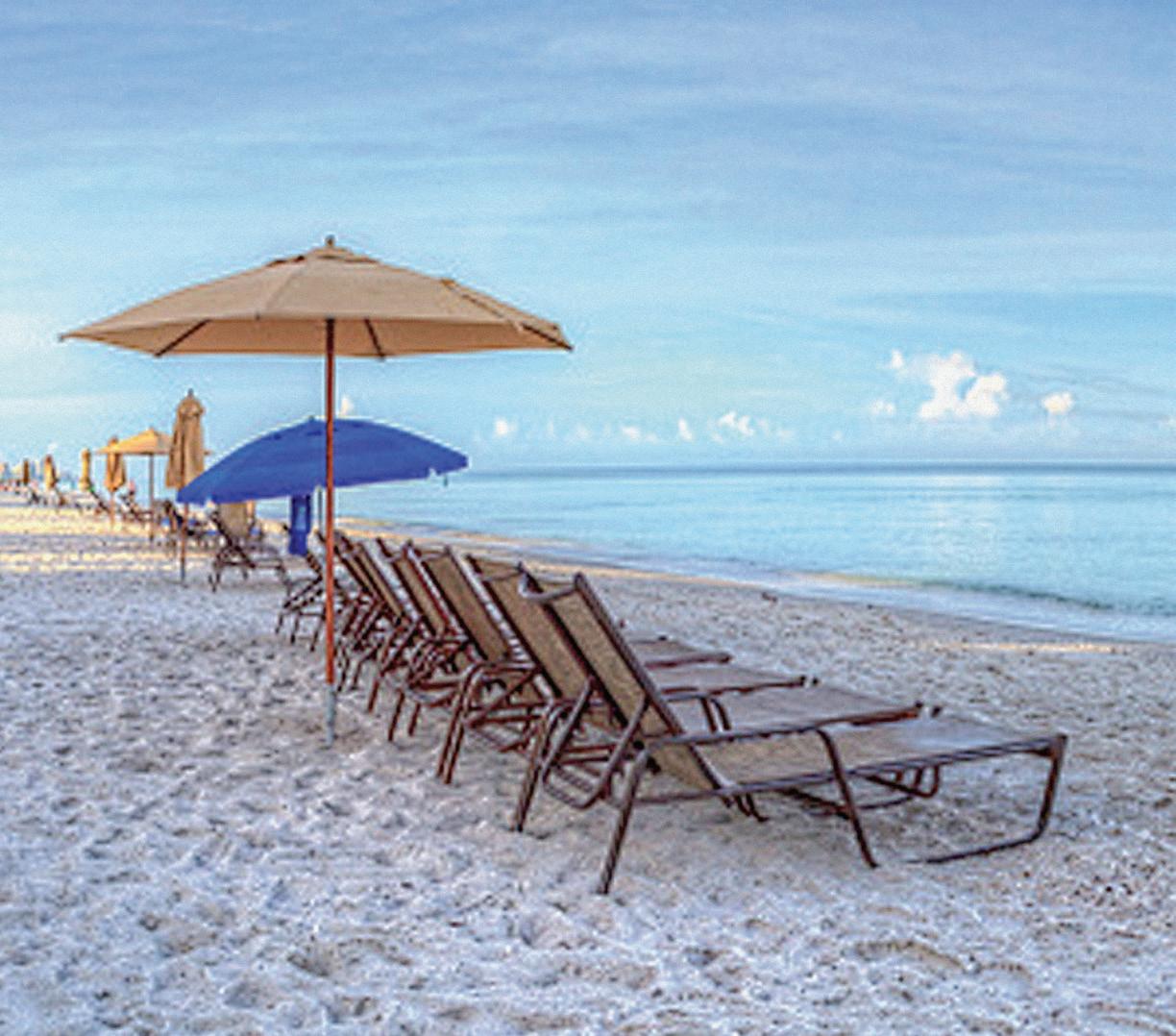
FIVE YEARS LATER
Amir Neto, Ph.D., director of the Regional Economic Research Institute at Florida Gulf Coast University in Fort Myers, said he thinks the SWFL economy has recovered; but it has changed.
“And in the meantime, we’ve had different natural disasters — [Hurricane] Ian (in September 2022), and more recently three hurricanes last season that have impacted a part of the region,” Neto says. “So that really makes it hard for us to understand and disentangle the different aspects of how the region has recovered from COVID-19.”
Neto said one indicator of recovery, even with the hurricanes thrown in, is increasing employment
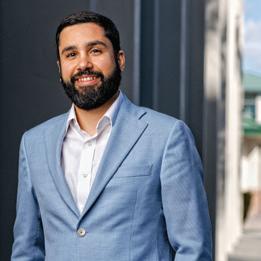
Amir Neto Director of the Regional Economic Research Institute at FGCU
“Obviously, in that five-year period, we’ve had some other setbacks, mainly storms.”
— Jay Tusa
levels in SWFL. In February 2020 (pre-pandemic), the region had about 500,000 jobs; that number has increased by almost 10% over five years to 543,000.
He also pointed to the strength in taxable sales as a sign that the region has recovered and is showing growth.
“If we’re trying to look at growth, the real taxable sales [status] is a good proxy for our local GDP,” Neto says. “Right around the pandemic we were at about $2.8 billion in real taxable sales, and right now (December 2024) we are at about $2.9 billion. We have been trending down a little bit over the last year, but overall, we have seen this growth from pre-pandemic to post-pandemic pointing at a growing region.”
Neto said diversification of the population — with an influx of young families, along with more ethnic and racial diversity — was positive for the region’s economy. He also cited other industries besides hospitality,
One of the signs that SWFL’s economy has recovered from the COVID-19 pandemic is the increase of employment numbers.



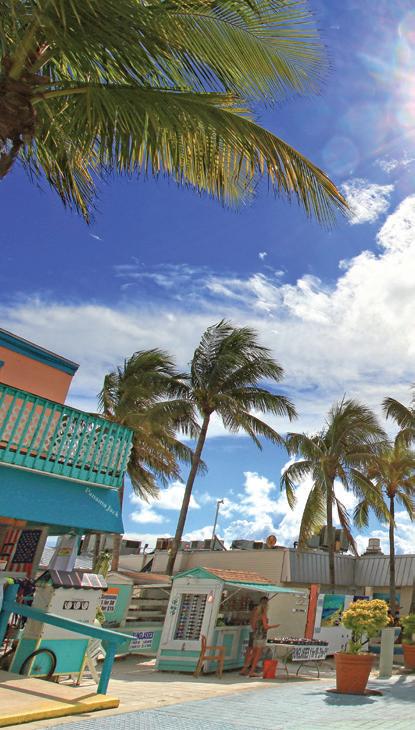
Just as Southwest Florida’s usually vibrant tourism industry was recovering from the COVID-19 pandemic, it got walloped by major hurricanes, including Ian in 2022 and Milton in 2024.
Jay Tusa, tourism director at Naples, Marco Island, Everglades Convention and Visitors Bureau, said “the destination” — as tourism professionals call the city or region they represent — has fully recovered from the effects of the pandemic.
“Obviously, in that fiveyear period, we’ve had some other setbacks, mainly storms,” Tusa says. “So, all in all, I would say 100% recovery from COVID-19, and even with the storms, especially Ian, I think we’ve recovered from that. But you always have this ebb and flow when you have these types of situations, obviously with the pandemic and then environmental factors such as storms.”
Tusa said that recent additional funding of $5.45 million from the Collier Board of County Commissioners and the Tourism Development Council will help build outreach to existing and new markets in an effort to combat what he referred to as “Florida fatigue.”
“Everybody had so much pent-up demand after COVID-19 that tourism
destinations, especially beaches, were just booming and doing really well,” Tusa says. “Then, after a couple of years, Florida started to see a little bit of ‘Florida fatigue’ when people could start going elsewhere for vacation trips. After not being able to travel abroad or to the Caribbean, when those opened up and people were able to take cruises, that started siphoning off some of our visitors.”
Tusa said he hopes the additional funding for advertising will be able to make an impact in the destination for visitors coming to the area. Target markets include the Midwest — Chicago, Cleveland and Minneapolis, which is a new market for the CVB. In the Northeast, the CVB last year added Hartford, Connecticut, to existing markets of Boston and New York City.
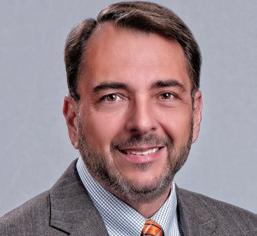
Jay Tusa
Tourism director at Naples, Marco Island, Everglades Convention and Visitors Bureau
‘It’s been a roller coaster’
Jay Richter, managing broker with John R. Wood Properties in Fort Myers, has been a Realtor in the Southwest Florida market for 30 years, and he said the years since the pandemic have seen more ups and downs than any period he’s seen since the global financial crisis in 2007 and 2008.
“It’s been a roller coaster,” Richter says. “To give a perspective, from June of 2020 to June of 2022, during those two years the [real estate] market went up 65%. In valuations, if you look at a one-week summary of the [home] sales in all of Southwest Florida, there were a thousand more pending than there were new listings.
“The pandemic created just a huge interest in real estate. The interest rates were low. People could shelter in place, and they wanted to be outside; they wanted to be in Florida. They liked what was happening in Florida and they came from states that we’ve never had people come from before, like California, and even a lot from New Jersey and New York. It was remarkable.”
Fast forward to January 2025, Richter said, when a seven-day report for all of
Southwest Florida showed 1,000 more new listings than there were pending sales.
Richter said the SWFL housing market is on the “downward cycle” of prices, which makes it “really good” for buyers but tough for sellers, who he said will have to adjust their pricing and “win the beauty contest.”
Richter said he thinks prices will continue to go down because the prices seen during the pandemic were “not sustainable.”
He said he thinks people — especially older people who are “tired of the cold” — will keep moving to the region “because of what you see and feel when you go out your door. They come back for the sunshine, and our area has palm trees … We’re in the tropics.
“So, as the prices keep going down, the same cycle will start all over again,” he says. “Everybody will be buying everything.”
Paul Hiltz CEO and president Naples Comprehensive Health
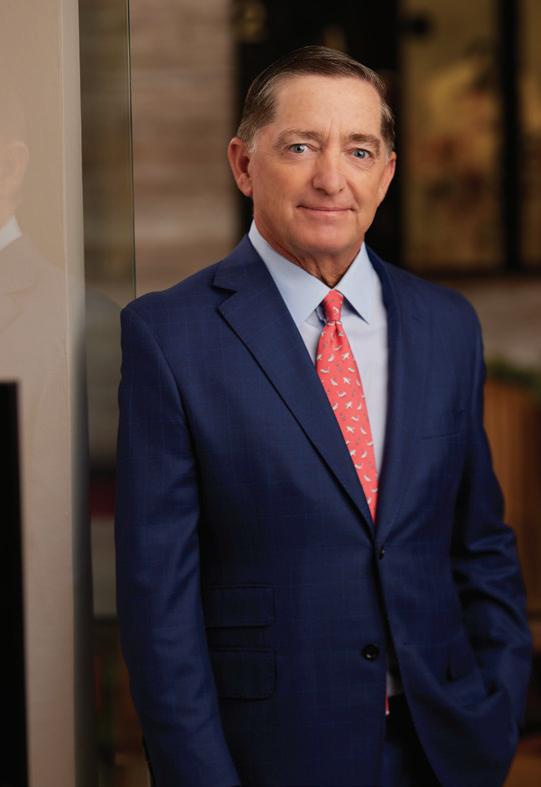
Paul Hiltz,
CEO and president of nonprofit NCH,
says one thing the system improved since the pandemic is having better learned how to predict staffing needs.



health care and education coming to the region, including Amazon in Lee County, Uline and Dialum in Collier County and FedEx in Charlotte County, as having helped diversify the economy and make it more resilient to downturns.
That growth, however, led to an increase in home prices due to increased demand and limited inventory, and Neto said he doesn’t see prices going back to their 2019, pre-pandemic levels. “We are going to see some slight correction, but we’re never going to see corrections back to the 2019 levels,” he says. “Even though we have supply coming online, it’s not at the same pace as demand.”
Health care systems focus on staffing CEOs of Southwest Florida’s largest health care systems said that while COVID-19 cases occasionally spike at different times during any given year, the crisis footing they found
Hiltz said the NCH system learned how to “craft a message and craft a culture in the middle of upheaval,” a subject he has written about in a book he co-authored with crisis communications expert Amanda Lucey titled Upheaval, recently published by Forbes. “We talk about better ways to communicate with the rank-and-file employees and what we can do for our community in terms of prevention and treatment,” he says.
From a business management standpoint, Hiltz said one of the things he would do differently in another crisis situation would be not to bring in as much temporary staffing.
“In the end, bringing in all these temporary employees we thought was helpful, but I don’t think it really was because it creates a ‘weversus-they’ type of a thing between our own employees that have been here forever and brand-new people,” he explains. “We would try to look at staffing differently; we really have gotten much better at learning how to predict staffing needs and how to staff these units.”
“We are going to see some slight correction, but we’re never going to see corrections back to the 2019 levels.” — Amir Neto
themselves on at the height of the pandemic has definitely ended.
Paul Hiltz, CEO and president of nonprofit Naples Comprehensive Health, said the health care system is “fully back on track” after a couple of years of disruption, especially when it comes to staff turnover that was occurring during the pandemic.
“Our staff turnover has dropped dramatically,” Hiltz says. “We don’t have any agency nurses in here like we did during the pandemic, and our turnover’s better than the state and national average.”
For Scott Lowe, market CEO of the for-profit Physicians Regional Healthcare System, one of the longterm effects of the COVID-19 pandemic also was about staffing and the workforce, which gives him pause when he thinks about potential future public health crises.
“Certainly, it impacted the workforce, as well, because I think a lot of people changed their tune on whether they wanted to be in this industry anymore with the stress associated with it,” Lowe says. “And I think that is certainly going to be a fear that, if we were to have another pandemic, we may have — and I don’t want to say we had a mass exodus — but there were certainly a lot of [medical] folks
that decided on an early retirement because … there’s just too much risk. So, I think that is certainly a concern that I would have going forward if we were to have another COVIDlike pandemic.”
Lowe said he thinks the regional health care systems during the COVID-19 crisis learned the importance of working together, lessons that could be helpful in case of another pandemic.
“The challenge there is you just don’t know what it’s going to be, and what the clinical conditions are going to present as, or how we’re going to be able to treat it or what the impact is on each individual patient,” Lowe says. “And I think that’s just part of the challenge. What we did learn is that we can all work together and find those solutions and continue to foster that engagement. I know during the pandemic we all, including NCH and Lee Health, worked together when we were short on personal protective equipment, and we were running out of oxygen or whatever it may be — there were av-
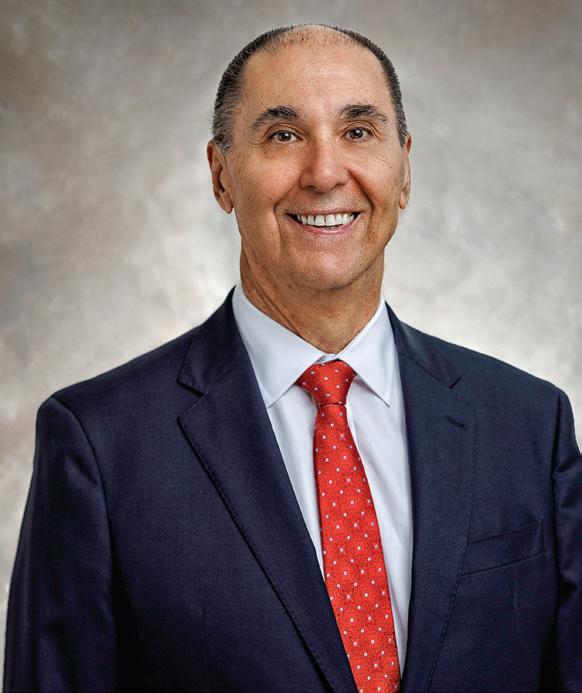
universities, with internships, with funding scholarships.”
“But the fact of the matter is we know that vaccinations save lives, especially flu vaccinations.”
— Larry Antonucci
enues to say, ‘Let’s help each other out for the good of the community.’”
Larry Antonucci, M.D., CEO and president of nonprofit Lee Health in Fort Myers, said the health care system is “in a better place” following a pre- and post-pandemic nursing shortage.
“There was a nursing shortage before the pandemic, and it certainly got worse during and after the pandemic,” he says. “But now we’ve been doing a lot of work with our local
As a physician, from a clinical standpoint, Antonucci said he thinks one of the challenges Florida faces going forward is vaccine adherence, with vaccination rates in the state lower for not only COVID-19, but RSV and flu. “And I think that’s a challenge, and that’s just a reflection of the public’s lack of confidence in recommendations that they received. During the heat of battle, things can go wrong,” he says, “and people can make misjudgments or make assumptions that maybe are not true.
“But the fact of the matter is we know that vaccinations save lives, especially flu vaccinations. And we’re certainly encouraging that. The concern, of course, is: What’s the next pandemic going to look like? I think if you speak to any infectious disease experts, they will tell you that there will be others. We just hope they are not going to be severe. But as a system, we will be ready for it.”
Larry Antonucci M.D., CEO and president of nonprofit Lee Health
After many years on the New York City arts and culture scene, Elysia Dawn knew during the COVID-19 pandemic that Naples was calling her home, and like a large percentage of Americans, she made the switch to working virtually.
And while many employees across industries are now being required to return to the office — including within the federal government — Dawn is an example of someone who has made the change a permanent one.
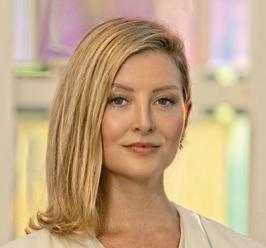
Dawn CEO of United Arts Collier
Dawn, who grew up in Naples and returned in 2021 to work remotely in her arts consulting business during the pandemic, has served as executive director of United Arts Collier since November 2022, and was named CEO on Jan. 10. She left Naples at age 14 to pursue a career in professional ballet, training in North Carolina and at the Miami City Ballet School before dancing professionally in Washington, D.C., Boston and New York, and touring internationally.
After a decade of professional
ballet, including performing with Mikhail Baryshnikov, she was sidelined by an injury and decided to pursue an undergraduate degree at Columbia University, majoring in art history and business management. She ultimately went to work for The Frick Collection and then the Metropolitan Museum of Art; she also received a master’s degree from Columbia in nonprofit management.
When the pandemic hit, she had just left the Met to start her own consulting business working with performing artists and arts nonprofits, which allowed her to work remotely and not be completely tied to New York.
“I did a year of traveling back and forth before landing in this role [at UAC],” Dawn says. “What brought me back [to Naples] was really the pandemic time. My parents had been here the whole time, and my brother and his wife and my niece are all up in Gainesville. I was just missing everybody terribly, and New York had changed a lot; I wanted to find a way back here.”
After a year of remote consulting work, when the opportunity arose to lead United Arts Collier — then known as United Arts Council of Collier County — in fall 2022, Dawn said she was thrilled to find this kind of opportunity in her hometown.
But that opportunity arrived bookended by another challenge: Southwest Florida had just been hit hard by
Hurricane Ian, and the UAC offices in Naples had been flooded and rendered unusable.
“There was a really difficult decision when I came on board that we had to make: Do we invest what was going to be an exorbitant amount of money to renovate and continue the overhead costs, or invest it in the staff and come up with creative ways to share the work of our artists?”
Dawn says. “I was doing a strategic assessment of the organization and looking at everything we were doing from both a mission and a monetary perspective, and, for me, the monetary perspective on that [renovation] was unjustifiable and the mission part of it was important.”
Dawn said part of the decision about whether to keep the former physical office location was informed by lessons learned during the pandemic about how effective working virtually could be. She shared the idea with the UAC Board and her team, and the decision was made to “find the way forward” without a physical office.
“There were some benefits: What we weren’t spending on overhead was really invested in the team and in our education programs,” Dawn says. “It was also part of our mission to be serving all of Collier County that we needed to be in multiple places at once, really. So, we’re working remotely administratively, but in the community, we have exhibition locations and event locations all spread out.”
By John L. Guerra
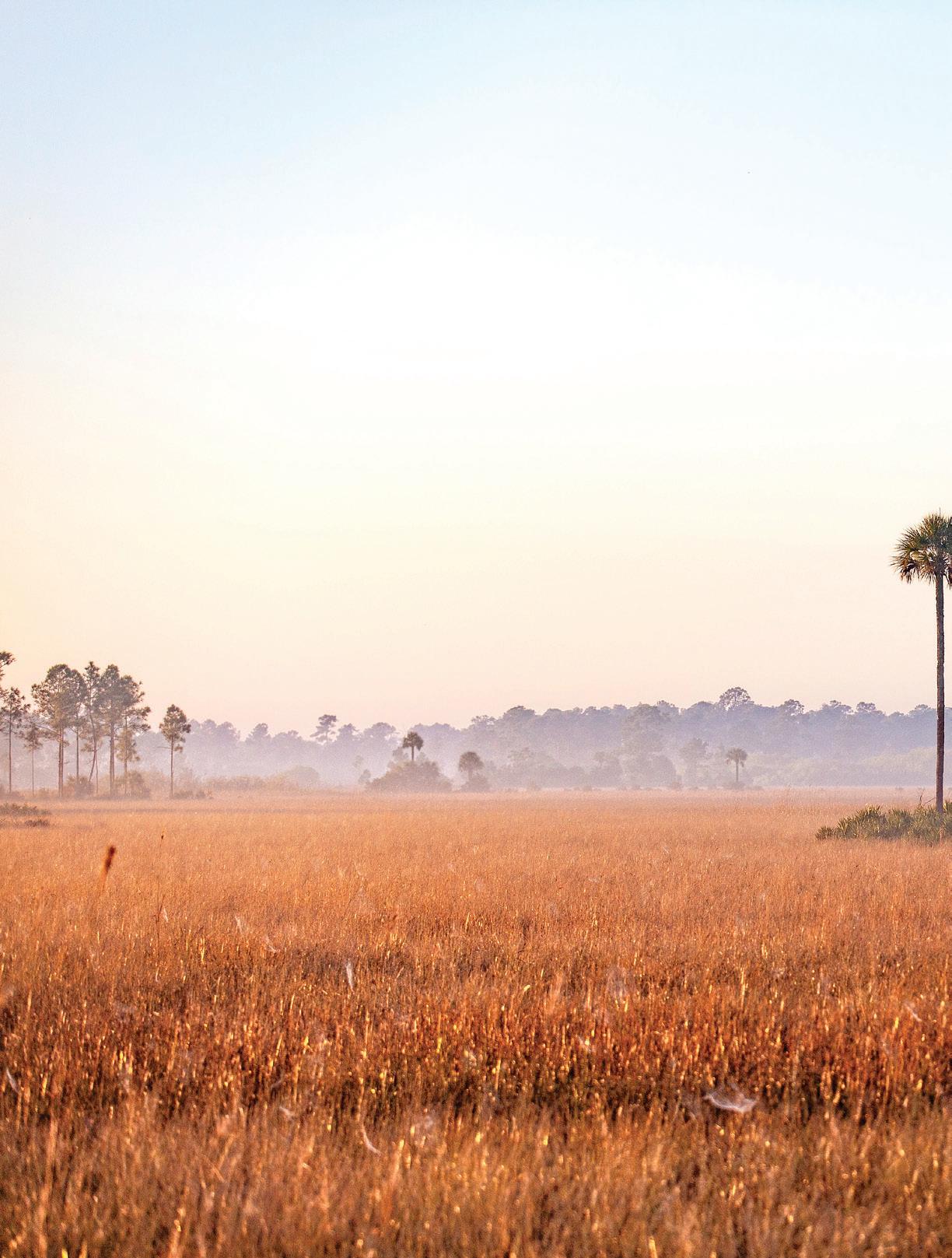
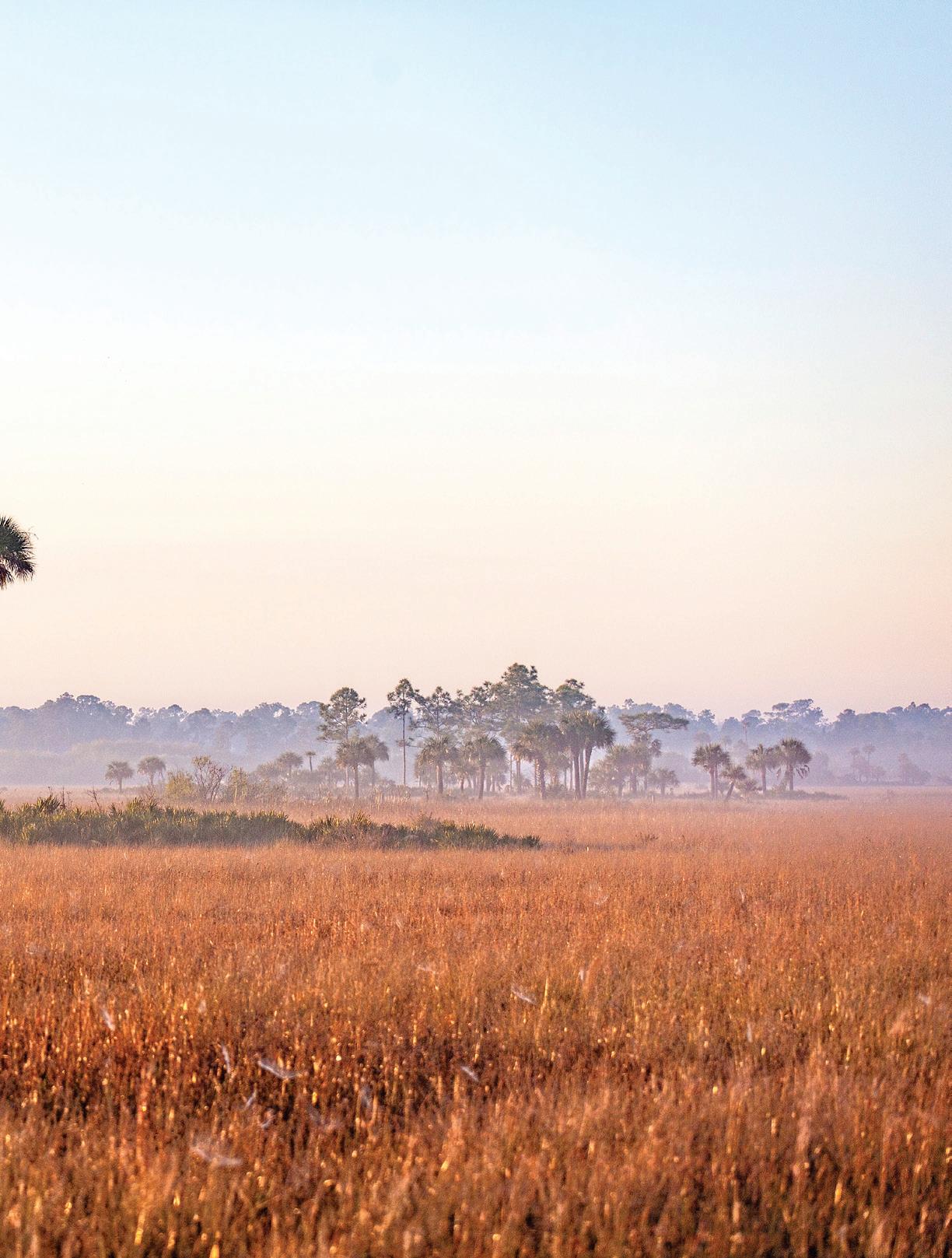
The Florida Legislature’s 2025 session begins March 4. Lawmakers will consider creating standards for using natural methods to protect beaches; awarding tax credits to people who build with hurricane-resistant materials; and prohibiting the construction of hotels, golf courses and other amenities in state parks in Southwest Florida and elsewhere in the state. Here’s a glance at some topics lawmakers will consider.
HB 13: Citizens Wind Insurance
Sponsored by Rep. Hillary Cassel of Broward County, this bill is part of the ongoing attempt by the state Legislature to reduce property insurance rates.
The idea is to make the state-run Citizens Insurance program available to all Florida property owners, but cover only damage from winds from hurricanes and other weather events. By letting private insurance cover water and other damage insurance for the rest of Florida’s property owners, the theory goes, rates in the state would drop.
Citizens CEO Tim Cerio, however, doesn’t think Citizens can handle the cost.
“We would have about $3.2 trillion in insured value,” Cerio told reporters. “The price tag is untenable.”
HB 73: Safe Waterways Act
This bill would transfer the responsibility for beach water testing from the Department of Health to the Department of Environmental Protection. The DOH also tests well water for ethylene dibromide and other harmful chemicals.
The Florida Department of Health is now in charge of sampling beach and pool water for harmful bacteria such as Vibrio vulnificus, a deadly bacteria potentially mixed within the sand and floating in Gulf shore waters. University of Florida bacteriologists found that a handful of people may have died from the virus in the
The Safe Waterways Act would make the Department of Environmental Protection responsible for beach water testing to ensure there is no harmful or deadly bacteria.


The Naturebased Methods for Improving Coastal Resilience bill would require the development of design guidelines for green and gray infrastructure to improve water quality and prevent coastal flooding.
SB 50 Coastal Resilience

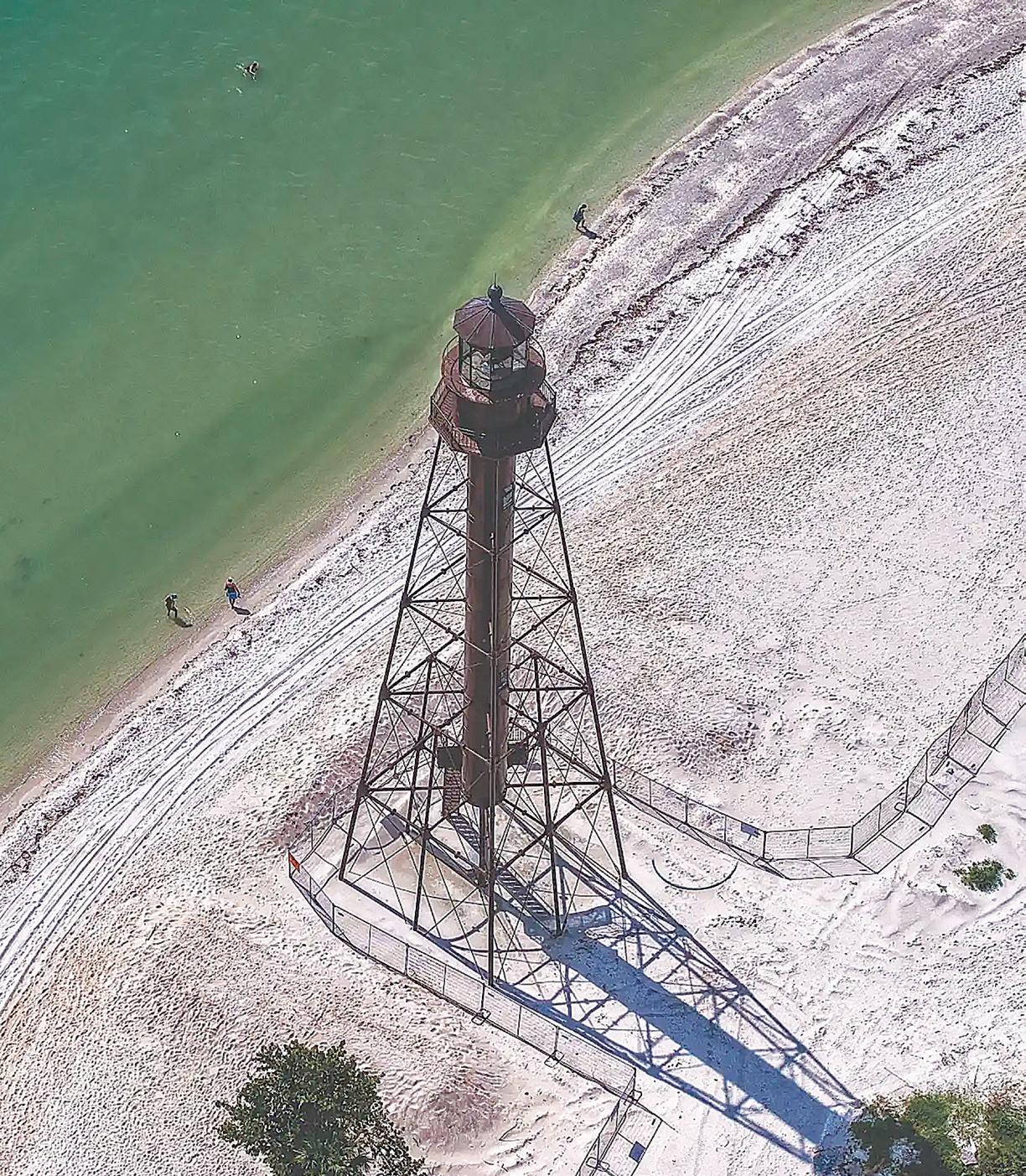
weeks after Hurricane Ian made landfall in Lee County. It can enter the body through a shaving cut or scrape, UF scientists said.
SB 50: Nature-based Methods for Improving Coastal Resilience
This bill would require the Florida Flood Hub for Applied Research and Innovation at the University of South Florida College of Marine Science to develop design guidelines and standards for green infrastructure — forests, wetlands and soils — and gray infrastructure — roads, dams and pipes. They can be combined to improve water quality and reduce coastal flooding, while creating habitats for wildlife. The bill requires the DEP to adopt rules for nature-based methods for coastal protection.
SB 62 and HB 143: Resilient Buildings
Resilient buildings are designed to withstand natural disasters such as hurricanes, flooding and seismic activity. They also are designed to be sustainable and energy-efficient. These bills let the DEP reward a tax credit to builders and owners of such buildings and create the Florida Resilient Building Advisory Council.
SB 284: Recreational Customary Use of Beaches
The Legislature passed a law in 2018 that restricted public access to some beachfront property. Prior to this law, Walton County recognized the public’s right to access and enjoy the beaches, even if private property lines extended to the shoreline. The law affects beachside hotels and guesthouses, as well as private homes. According to nonprofit advocacy group 1000 Friends of Florida, SB 284 would repeal parts of Florida Statute 163.035 that in 2018 was used to restrict public access to some residential and hotel beachfront property.
SB 80 and HB 209: State Park Preservation
Just about everyone remembers when Gov. Ron DeSantis quietly tried to implement a plan to build hotels, golf courses, pickleball courts and other tourist amenities in environmentally sensitive state parks and forests last year. The public became upset when the
The Recreational Customary Use of Beaches bill would repeal parts of a law passed in 2018 that restricted public access to some beachfront property, including private homes, beachside hotels and guesthouses.


The Heat Illness Prevention bill would require counties and municipalities to implement outdoor heat exposure safety programs and require annual training on heat illness.
The Affordable Housing bill would require local governments to allow accessory dwelling units without an increase in parking spaces and incentives for landowners to assist in the provision of affordable housing for military families and others.




Tampa Bay Times released a list of the sites that showed the governor’s plan was more extensive than thought. That was last year; this year, two Republican legislators from Stuart filed these bills to prohibit the construction of hotels, golf courses, pickleball courts and other tourist amenities in state parks.
SB 184:
This bill would require local governments to allow accessory dwelling units — a small, independent living space on the same lot as a single-family home — without any corresponding increase in parking spaces. It also would let Lee and other Southwest Florida counties give a density bonus incentive to landowners who make certain real property donations to assist in the provision of affordable housing for military families and others.
SB 4:
The Lee County Sheriff’s Office was called to 71-year-old Patricia Ermini’s home in March 2012 after her daughter asked deputies to check to see if her mother was OK. She told dispatchers that her mother had threatened suicide and might have a gun. After knocking on the door and not getting a response, they entered the dark house with flashlights and guns drawn. When she awoke, deputies, misinterpreting her movements, shot her five times, hitting her in the leg, head and arm. A jury awarded her $750,000, but this bill would give her state money for her continuing trauma.
HB
According to the Drug Enforcement Agency, xylazine, a veterinary nonopiate sedative, is commonly encountered in combination with fentanyl but also has been detected in mixtures containing cocaine, heroin and a variety of other drugs. Xylazine is approximately as deadly as fentanyl but is not an opioid, so Narcan cannot revive overdose cases. If this
bill becomes law, possessing an ounce would bring 25 years and a $500,000 fine.
Citing regulatory overreach, the Legislature in 2024 stripped local governments of the power to protect workers from heat. Health News Florida says some 1.8 million employees farm, work construction, landscape and mine, as well as drill for oil and perform other outside work. This bill would require Southwest Florida counties and municipalities to implement outdoor heat exposure safety programs and require annual training on heat illness.
This bill would prohibit anyone from injecting, releasing or dispersing chemicals, compounds, substances or an apparatus into the atmosphere within the borders of the state for the express purpose of affecting the temperature, the weather or the intensity of sunlight. Breaking the law is considered a second-degree misdemeanor punishable by a fine of up to $10,000.
The bill was proposed in response to concerns about weather modification that spread on social media after hurricanes in Florida and other southeastern states. It would repeal 13 sections of state law related to weather modification.
This would ban agencies and local governments, as well as public schools, colleges and universities, from flying flags related to race, sexual orientation and political ideology. It also requires government entities to stay neutral in certain circumstances.
There is also another, striking part of the bill: It would authorize current or retired military personnel to “use reasonable force to prevent the desecration, destruction or removal of the United States flag.”
For decades, Southwest Florida has trusted WINK News —every day, every storm, every moment.
FIRST FAIR EVERYWHERE. The faces you trust. The local news you rely on.

Henderson, Franklin, Starnes & Holt, P.A.
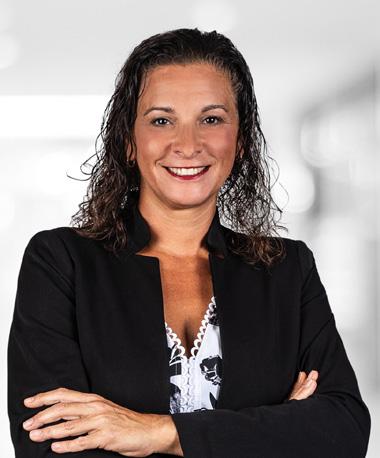
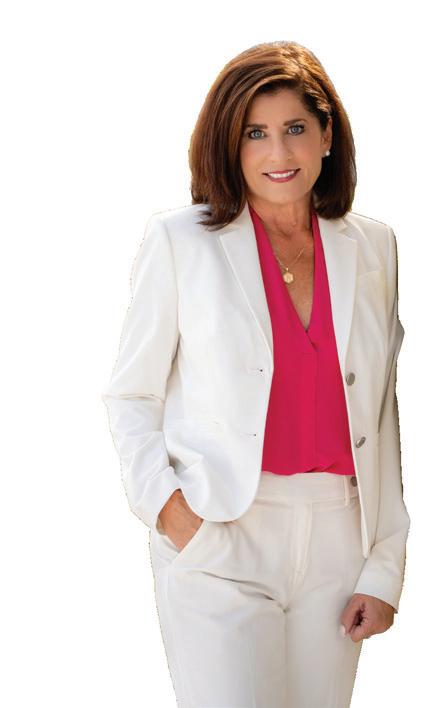
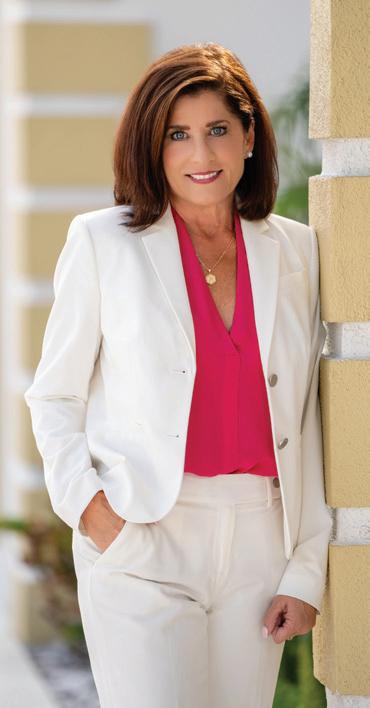
With a career spanning over two decades, Amanda Sharkey Ross is a trusted advocate for Fortune 100 companies, school boards, insurance carriers, yacht clubs, marinas, and private vessel owners. Her litigation practice focuses on premises liability, negligent security, construction disputes, and transportation cases. In the maritime world, Amanda guides clients through vessel transactions, regulatory compliance, insurance, and ownership complexities.
Consistently recognized as a leader in her field by Naples Illustrated and Florida Super Lawyers, Amanda advises clients on maritime law and risk management, guiding them through complex legal challenges. She also shares her knowledge through speaking engagements and articles published on the firm’s website and the Southwest Florida Business and IP Blog
Beyond the courtroom, Amanda is a dedicated community advocate. She volunteers with the Early Learning Coalition and plays an active role on the Stetson University Alumni Board, mentoring future legal and business professionals.
Amanda Sharkey Ross, Esquire
Henderson, Franklin, Starnes & Holt, P.A. 1715 Monroe Street | Fort Myers, FL 33901 amanda.ross@henlaw.com henlaw.com 239.344.1100

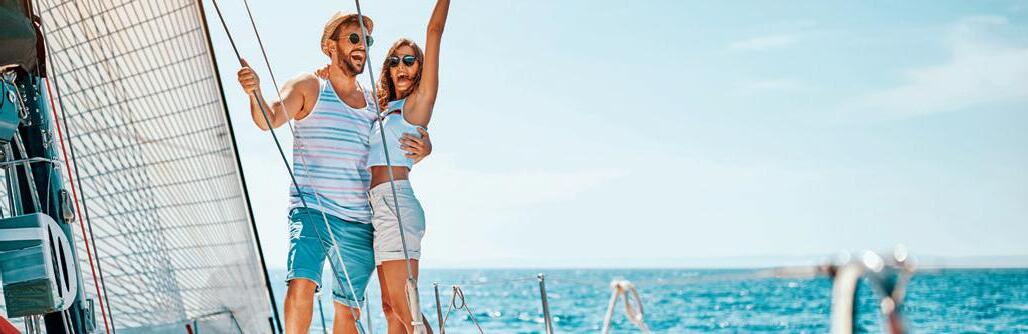
Yacht and vessel owners rely on maritime lawyer Amanda Sharkey Ross to assist them in every aspect of purchase and sale transactions, including:
• Pre-purchase Surveys
• Registration and Documentation
• Vessel Insurance
• Obtaining
Amanda will help see to it that your boat purchase goes as smoothly as possible – just as we’ve done since 1924.
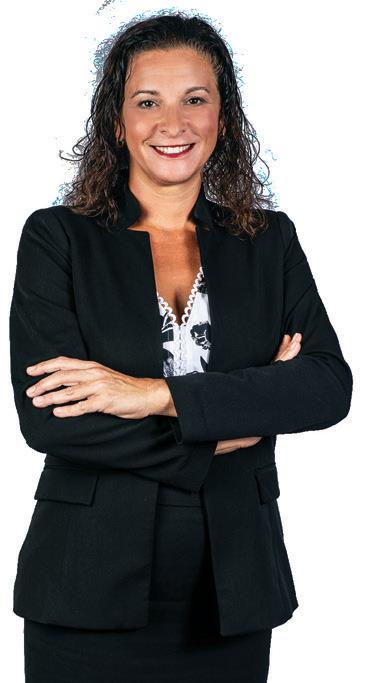
Amanda Sharkey Ross
Maritime Law
Tort & Insurance
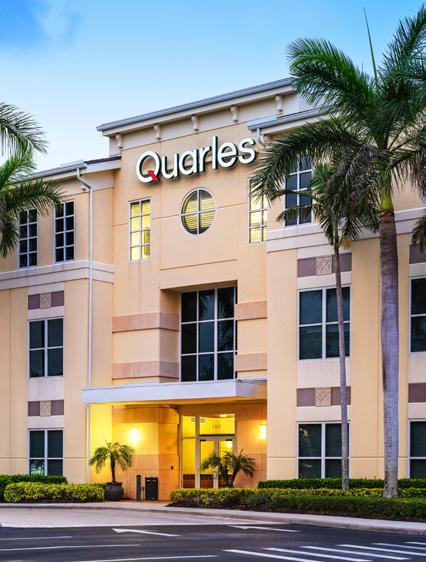
Quarles & Brady LLP, founded in 1892, is a full-service Am Law 200 firm with approximately 550 attorneys offering an array of legal services to clients ranging from Fortune 100 companies to small entrepreneurial businesses to individuals. The firm has practices focused in bankruptcy, restructuring and creditor’s rights; business law; energy, infrastructure and environment; estate, trust and wealth preservation; health and life sciences; intellectual property; labor and employment; litigation and dispute resolution; product liability; public finance; and real estate and land use. Its 13 U.S. offices are in Chicago, Denver, Indianapolis, Madison, Milwaukee, Minneapolis, Naples, Phoenix, St. Louis, San Diego, Tampa, Tucson and Washington, D.C. Additional information can be found at quarles.com, as well as on Twitter, LinkedIn and Facebook.



















With a legacy of 100 years, no rm is better positioned to meet the sophisticated legal needs of our clients.
Our 300 attorneys collaborate seamlessly across 12 Florida offices to offer diversied capabilities in over 30 practice areas including real estate, private wealth services, construction, tax, corporate and commercial litigation.
Our dedicated attorneys in Southwest Florida bring local expertise, ensuring that our clients receive personalized and effective solutions tailored to their unique needs.
Southwest Florida Attorneys:
Jeffrey Fridkin | Alexandra Gabel | Richard Grant | Cheryl Hastings | Hugh Hayes
Travis Hayes | William Pearson | Connor Stone | Michael Traficante
Charles Whittington | Keith Wickenden | Christina Woods
HORSEPOWER / WELLNESS / UNWIND / BACKSTORY

By James Raia
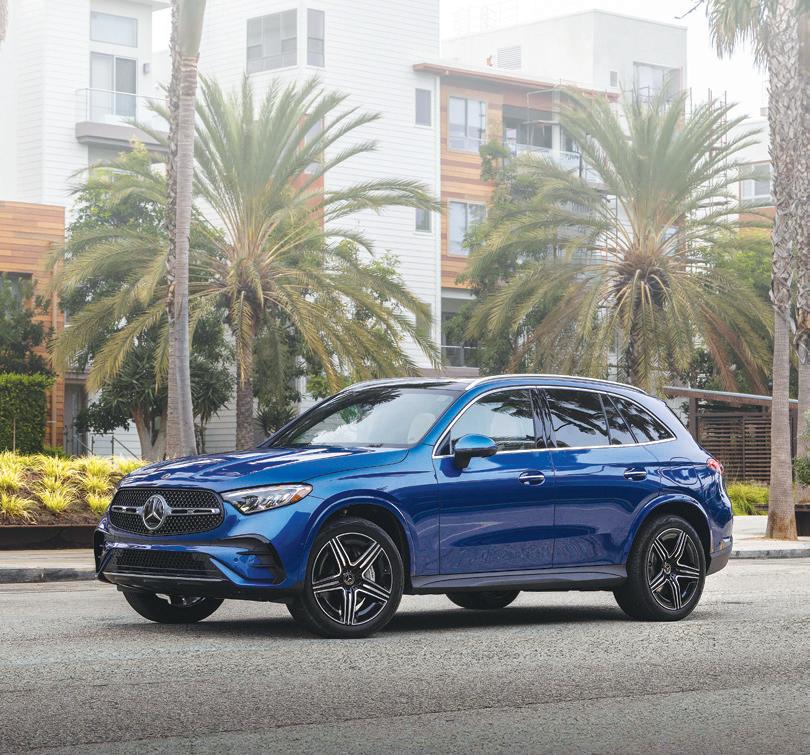
The impressive Mercedes-Benz GLC 350e
By James Raia
Audi, BMW and Mercedes-Benz, the top three German automakers, make decisions appealingly difficult for consumers. The manufacturers offer performance-oriented, well-heeled and well-constructed vehicles in about any shape and size there is.
Considering just SUVs, Audi offers 10, BMW 12 and Mercedes-Benz 17, including gas and hybrid considerations. The Mercedes-Benz stable includes one particular returning variety, the 2025 GLC 350e. It’s a plug-in hybrid, or PHEV, that expands the previously available SUV range among electric vehicles. It was previously offered but was discontinued after the 2020 model year.
Acceleration: 0 to 60 mph, 6.2 seconds
Airbags: 7
Horsepower: 313
Gas mileage: 380-mile range, 64vMPGe
Manufacturer’s Suggested Retail Price:
$61,050
Price as reviewed: $73,770
Manufacturer’s website: mbusa.com

Warranty: Bumper-to-Bumper, 4 years/50,000 miles; Powertrain, 4 years/50,000 miles; Hybrid/Electrical Components, 8 years/100,000 miles; Corrosion, 4 years/50,000 miles; Roadside Assistance, 4 years/50,000 miles

The GLC debuted in 2015 as a 2016 compact luxury crossover. It replaced the GLK-Class and is the SUV equivalent to the C-Class, according to the manufacturer.
Beyond its PHEV attributes, the GLC 350e is closely related to the standard GLC. It features a 2.0-liter turbocharged, four-cylinder engine and adds an electric motor that pulls from a 24.8-kWh battery. Power is sent to all four wheels.
The electric-only driving range is 54 miles, a usable tally for short commutes and other brief treks. Mercedes-Benz touts that the SUV can fully charge in 30 minutes at a public fast-charging station.


The hybrid’s battery pack weighs more than 700 pounds, pushing the vehicle’s total weight to a chunky 5,108 pounds. The extra weight means it’s slightly slower than the gas-only sibling’s ratings, but its acceleration is more than sufficient; after all, the SUV is a luxury family hauler, not a sports car. Its smooth, quick transition shifts overshadow any need for performance bravado.
Six driving modes are included: EV-only, hybrid, battery hold, sport, off-road and individual. The EV-only is the default mode; the battery hold serves as the option to save as much electric energy as possible.
Available in Base, Exclusive and top-line Pinnacle trims, the GLC 350e includes standard a 12.3-inch digital instrument panel, 11.3-inch portrait-style center touchscreen,
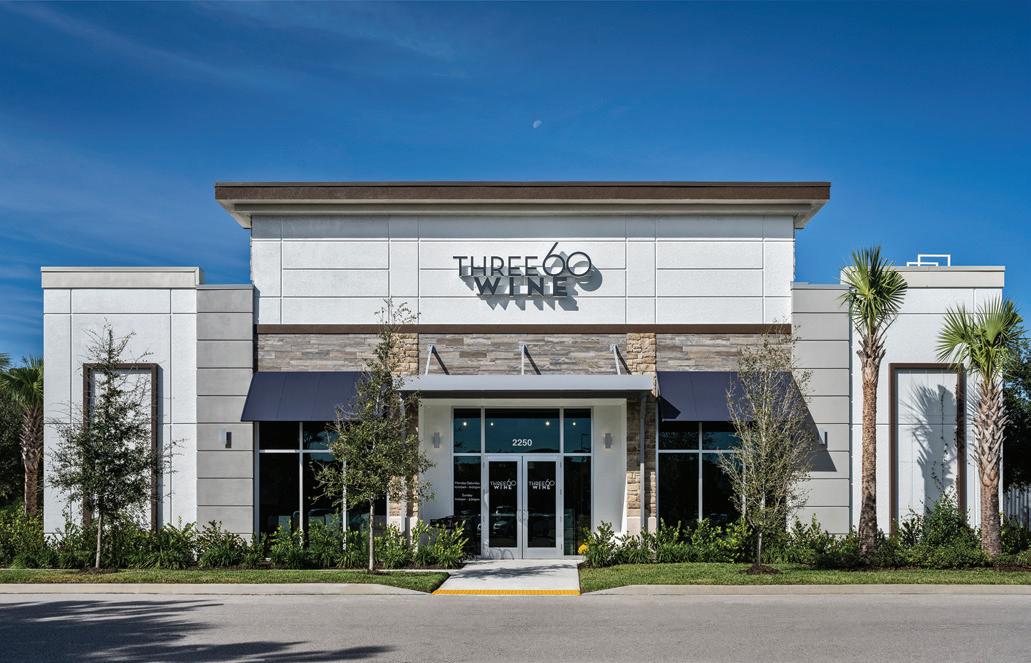
“LMCU lenders understand the market in southwest Florida. Their expertise and attention to detail have helped fuel our expansion.”
– Jon Kassolis, Co-owner Three60 Wine


16-way adjustable heated front seats, 64-color ambient lighting and blindspot warning systems. The Exclusive model adds a Burmester audio system, surround-view camera, anti-theft and anti-tow-away features. The Pinnacle trim has noise-insulated glass, a head-up display and Dolby Atmos, the new surround sound technology.
Additional niceties include wireless Apple CarPlay and Android Auto
integration with a layout of 15 apps per screen. The SUV has six USB-C ports and a wireless phone charger. The latter could be more readily available — it’s located deep into the center console.
Mercedes’ voice recognition is activated via the command “Hey, Mercedes.” It’s a convenient feature, but perhaps overly ambitious, as the system seemingly engages on words other than the manufacturer’s name.
Per its longstanding ways, the SUV represents the best of MercedesBenz, inside and outside. Top-grade materials dominate the interior, all presented with a designer’s touch. The ambient lighting complements the appearance. The GLC lineup is marketed as the carmaker’s entry-level luxury class, but it’s a misnomer. If any further example is required, consider the German home and automotive audio company’s equipment in the GLC (and other classes). It features 15 speakers distributing symphonic quality. It’s extra-impressive since the 350e advances smoothly, seamlessly absorbing road imperfections and accomplishing any tasks quietly.
Like its top rivals, Mercedes-Benz vehicles ideally define getting what a buyer pays for. Bargains don’t exist for Audi, BMW and Mercedes-Benz. But value is plentiful.

FGCU is more than a university — we’re a driving force behind Southwest Florida’s growth. We fuel the economy, enrich the cultural community and build innovative partnerships with local industries. Our graduates aren’t just staying in Southwest Florida — they’re building a brighter future for us all by launching businesses, educating future generations and providing healthcare.
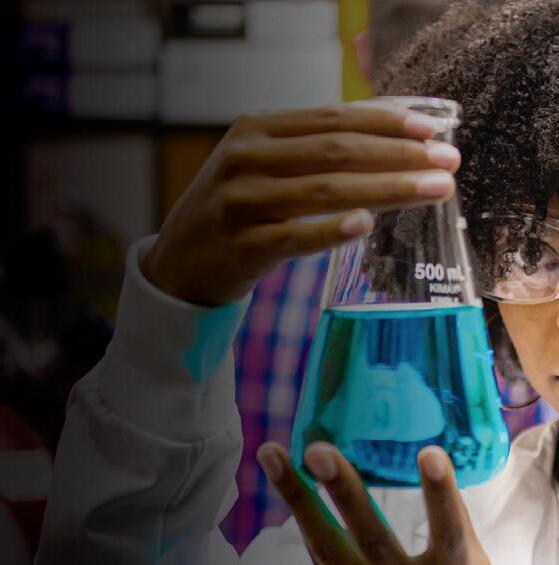


The challenge of separating nutrition from misleading noise
About a century ago, the federal government began distributing dietary advice to the public via books, brochures and bulletins. The emphasis was on food storage, vitamin consumption and eating from different food groups.
Much has changed. Nutrition science has advanced, as has its distribution. Specific foods and nutrients are now deemed more important by nutritionists and dietitians. Broad guidelines are still recommended by various organizations, most prominently on the Internet. But the information is often erroneous or overly general.
Registered dietitian nutritionists, or RDNs, and nutrition and dietetics technicians registered, or NDTRs, play a critical role in helping people understand the connection between the foods individuals consume and how they affect health.
The Academy of Nutrition and Dietetics, headquartered in Chicago, was founded in 1917 to help the government conserve food and improve public health during World War I. Since 1973, the organization has championed National Nutrition Month in March. Its emphasis is consumer awareness.
By James Raia
“Food Connects Us” is this year’s campaign theme. “Food is a connecting factor for many of us. Food connects us to our cultures, our families and our friends. Sharing a meal is an opportunity to learn about its preparation, who made it and where the ingredients were sourced,” the organization says. “Health, memories, traditions, seasons and access can all impact our relationship with food. While these factors influence the foods we eat, the foods we eat also affect our health.”
With several other organizations, the Academy of Nutrition and Dietetics regularly distributes nutrition and dietary guidelines. One study announced last fall by the 2025 Dietary Guidelines Advisory Committee, a component of the United States Department of Agriculture, received high levels of media attention.
It was researched and analyzed by a 20-member body of nutrition experts who met for two years and released guidelines focused on a new approach — a “healthy equity lens.” It considered household income, race, ethnicity and culture when recommending healthy diets. The guidelines were disseminated

with a snappy print headline and a catchy sound bite, “More Beans, Less Meat.”
The panel didn’t address alcohol use or increased issues associated with the consumption of ultraprocessed foods that have been linked to health problems. Ultraprocessed foods include the snacks, sugary cereals and frozen meals that make up about 60% of the American diet.
Of further concern, the advisory panel detailed that diets of most Americans don’t meet the current guidelines. More than half of U.S. adults have one or more diet-related chronic health conditions, and 18 million U.S. households have insecure sources of food, according to the report.
While not detailing significantly new data, the new USDA guidelines also reiterated many experts’ longstanding recommendations.
“Anything that’s on the Internet is somebody’s opinion,” says Julie Hill, a registered dietitian and functional medicine certified practitioner in Fort Myers. “Most of the time it’s not really coming from research, or the research is very skewed. There’s a lot of information coming out from research-


Most American diets — about 60% of which are made up of ultraprocessed foods — don’t meet current nutrional guidelines. More than half of U.S. adults have one or more diet-related health conditions, and 18 million U.S. households have insecure sources of food, according to a 2025 Dietary Guidelines Advisory Committee study.
ers that is formulated. It’s difficult to know where the information is coming from.”
The observance of National Nutrition Month provides the public with nutritional education. It offers details on the options for nutrition and diet assistance.
“From a provider’s standpoint, it’s very general,” says Hill. “But it’s also recognition that we really need to be focused on nutrition in order to have healthy outcomes.”
As part of its awareness advocacy, the Academy of Nutrition and Dietetics offers individuals and families suggestions for improving or
maintaining proper nutrition. For families, trying a new fruit or vegetable, planning and eating more meals together and incorporating new recipes can provide motivation and foster proper eating patterns.
Understanding the data of nutrition and how it affects individuals differently is also of paramount importance.
“There is no cut-and-dried, ‘This is what you have to do,’” says Hill, whose clients have children as young as age 2 to parents into their 90s. “That’s a really big thing. Everyone is genetically different, so the same diet for everybody is not going to work.”
“I still recommend a very Mediterranean approach for general nutritional guidelines,” says Julie Hill, a registered dietitian and functional medicine certified practitioner in Fort Myers. “If we were just talking to the general public; it is what it is touted as and it’s backed with research.
“We can look at the Italians and the French and all of the actually European health standards. How many people have disease stage 1, 2, 3, 4, 5? The top diseases are very different over there. The amount of people who have them is much less. If we are looking at a general statement, the Mediterranean diet is what I would recommend.”
Twenty-two countries border the Mediterranean Sea, and the nuances of the countries’ diets vary. But a Mediterranean-style diet typically includes plenty of fruits, vegetables, bread and other grains, potatoes, beans, nuts and seeds. Olive oil is used as a primary fat source. Dairy products, eggs, fish and poultry are consumed in low to moderate amounts, but fish and poultry are more common than red meat. Minimally processed, plant-based foods are emphasized. Wine may be consumed in low to moderate amounts, usually with meals. Fruit is a better dessert choice instead of sweets.
This month, we’re vibing with a curated collection that’s reserved for those who are on the list.
By Artis Henderson
Members Only jackets defined the fashion of the early 1980s, and like many retro styles from that era, they’re having another moment. The jacket’s satin body and contrasting knit trim can be seen on everyone from celebrities to street-style influencers. For the widest selection of current styles, the Members Only website offers its iconic racer in updated fabrics, colors and cuts. We’re especially loving the cropped version in funky bright neons, as well as the more sophisticated cruelty-free faux leather in wear-anywhere cognac. Of course, we also love a designer take on a classic. Try Versace for bold prints in the iconic shape. Or opt for an authentically vintage version available from online sellers eBay and Etsy.


Bland of-the-month clubs are so last century. For those with the most refined palates, we’re loving subscriptions to curated top-tier gourmet collections, such as The Caviar Co.’s caviar club, which gives members access to rare and reserve batch caviar. Membership at the diamond level offers an exquisite sampling each month plus two tickets to the annual National Caviar Day party. For a similarly delectable selection from the sea, consider the Real Oyster Cult’s monthly membership for a delivery of hand-selected peak-season oysters.

Drake dropped his banger “Members Only” in 2023, but the original “Members Only” from Bobby “Blue” Bland made its debut almost 40 years earlier, in 1985. Bland’s signature voice is just the right blend of rough and smooth, and it makes even a party for the brokenhearted sound like the kind of event we’d like to join. “Don’t bring your checkbook,” he croons, “bring your broken heart. ’Cause it’s members only tonight.”
The uber-selective Butcher Private in Naples is open exclusively to members — and membership is by invitation only. The business club features an exquisitely designed bar and dining room, both outfitted with the finest details, including leather seats crafted in the same workshop that makes the seats for Bentley and glass plates hand-fabricated by artisans in northern Greece. Butcher Private offers a superb selection of wines and cocktails, and we’re particularly enamored with the Concorde, its take on the classic Rob Roy. Made for easy sipping, the Concorde is crafted with 1970 Macallan Single Malt Highland Scotch, a collector’s item, and Mancino Vermouth, one of the most expensive vermouths in the world. Only 800 bottles are produced each year. Both of these rare and special libations contribute to the cocktail’s tall price tag, a memorable $3,900.
2 oz 1970 Macallan Scotch
1 oz Mancino Sweet Vermouth
Dash of bitters
Combine all ingredients in a mixing glass, stir over ice and strain into a chilled glass.

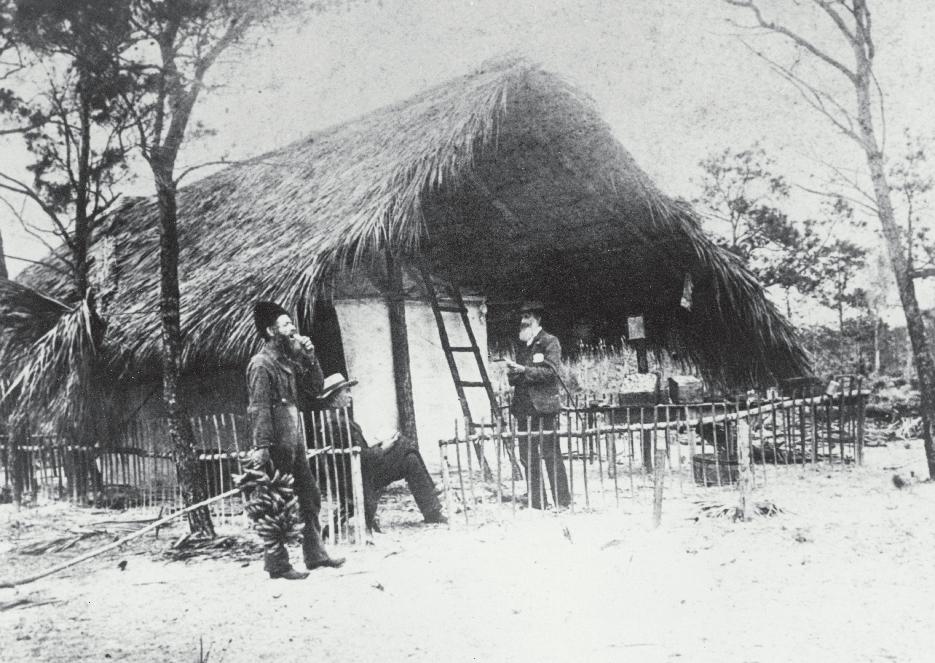
Back in 1885, two visitors from up North sailed along the Gulf until they found a pristine stretch of beach near the southwest tip of Florida. They called it Naples, and, not unlike many visitors today, they thought they had stumbled into paradise.
Sen. John S. Williams and newspaperman Walter N. Haldeman had made their way down from Kentucky after hearing about Southwest Florida’s picturesque beaches and sunny environs — and real estate up for grabs. In 1886, they started The Naples Town Improvement Company (later shortened
By Justin Paprocki
to The Naples Company) and purchased about 3,700 acres for about $3 an acre.
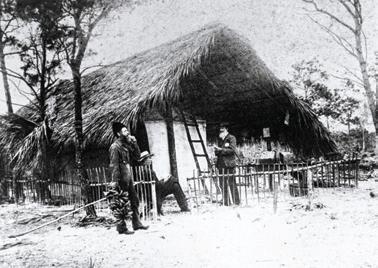
Pictured above circa 1888 is the thatched building that served as a temporary office for The Naples Company. (Writing on the original photo described it as the first residence in Naples, but Indigenous tribes had long lived in the area before it was called Naples.) Seated in the center is Williams. On the right is French engineer Major Champney, and on the left is a man only identified as Griswold.
The Naples Company fueled the
development of the small town. The Naples Pier was built in 1888. Its presence was purely practical; the only way in and out of the town was by sea. The 16-room Naples Hotel was built in 1889 about two blocks from the shore.
Only a year later, The Naples Company ran into financial trouble. But Haldeman couldn’t let go of his slice of paradise — he bought out the rest of the investors in the company and continued to run the business himself until he sold to St. Petersburg developer Ed Crayton in 1914.
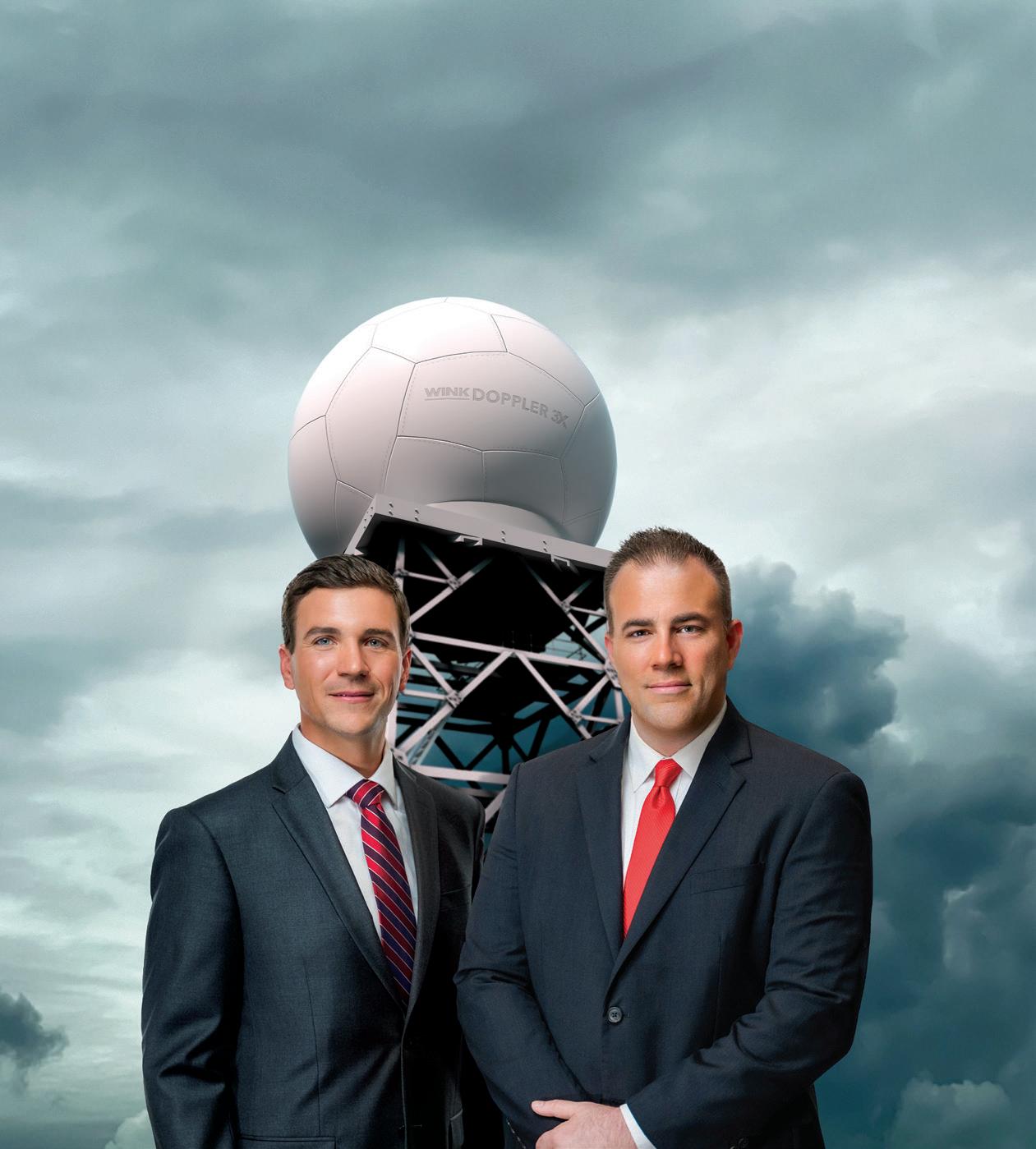
Zach Maloch WINK Meteorologist
Matt Devitt WINK Chief Meteorologist









As our region surges with growth and opportunity, your business deserves strategic marketing that keeps pace. At Priority Marketing, we know how to make your brand stand out across the dynamic Southwest Florida market and beyond. Whether it’s bold creative campaigns, innovative digital solutions, or compelling story telling, we’ll help you reach the right audience, at the right time, with the right message
LET’S MAKE SURE YOUR BRAND DOESN’T JUST KEEP UP, BUT LEADS THE WAY!
Proudly serving hundreds of clients across every industry – here’s a sneak peek: