


GULFGOES UNDERWATER
Thefalloutofflood impacts
WHENTHE CHORUSFADES
A‘ribbetingʼanalysis offrogdecline
FACTS WAR
Misinformation explainer

Thefalloutofflood impacts
A‘ribbetingʼanalysis offrogdecline
Misinformation explainer
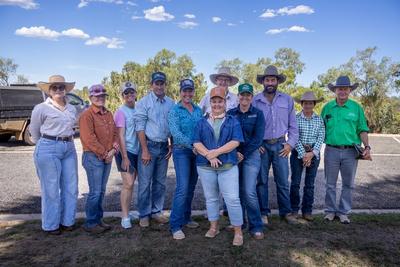
Thank you to everyone who has joined Gulf Savannah NRM for events, workshops and field days in the last few months here are a few of our favourite highlights!
Gulf Savannah Round-Up
6
FEATURE: The Gulf goes under water Northern Queensland graziers battle rising rivers and relentless wet season floods
10
FEATURE: When the chorus fades A ‘ribbeting’ analysis of frog threats and decline
18
NEWS: Local council updates
20
Q&A: Fighting the ‘facts war’ Navigating misinformation & today’s complex media landscape with Dr John Cook
23
CLIMATE UPDATE: The season ahead
24
FEATURE: Water and trees tell a hopeful tale Wetherby station as a conservation case study
29
VOX POP: Mapping & tracking
30
EXPLAINER: Mud, tusks and mayhem
Pest portfolio #2: inside the world of Australia’s feral pigs
34
NEWS: Gulf Savannah NRM project updates
As we open this edition, the stories within reflect a region weathering challenges and celebrating resilience Recent floods across the Gulf have tested both communities and landholders, reminding us of the strength it takes to care for the land and one another.
Yet even in these difficult times, there is hope Through adversity, we see opportunities to come togetherbuilding stronger communities, nurturing our ecological treasures, and reaffirming the values that define life in the Gulf This issue showcases the dedication and care that keeps these connections alive. We hope you enjoy!
We're a not-for-profit organisation working to promote healthy landscapes while supporting local people and enterprise Come say hi at our offices in Georgetown, Croydon, and Mareeba

gulfsavannahnrmorg 40921088 admin@gulfsavannahnrm.org
C O N T E N T S

Researchers at the University of Queensland have mapped where lumpy skin disease could first enter Australia, identifying Cape York and Port Hedland as the highest risk entry points, mainly via windborne insects or shipping. The virus, widespread in parts of Africa and Asia, threatens cattle industries and could cost billions if it arrives. The models aim to improve surveillance and preparedness, though current incursion risk is still considered low (ABCNews)
Volunteers in Mareeba collected about 300kg of rubbish during a community clean-up organised by the Mareeba Lions Club for Clean Up Australia Day Community groups including Scouts, Air Cadets and the local gymnastics club helped remove litter from areas around Bicentennial Lakes Items found ranged from bottles and shopping trolleys to tents and used syringes, highlighting ongoing litter issues in the area (The Express)



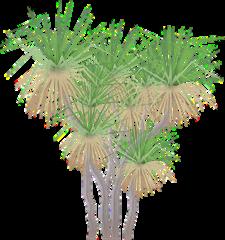
9,660 people live in the Northern Gulf
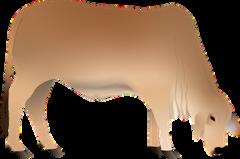
Residents and landholders are being encouraged to complete a survey on Queensland’s draft Feral Pig Management Action Plan 2026–2031
The plan aims to reduce the environmental and agricultural damage caused by feral pigs, a widespread invasive species responsible for significant losses across the state. Feedback from communities and stakeholders will help guide coordinated, best-practice management strategies and regional actions To share your input, visit: dpi.engagementhub.com.au/feralpig-action-plan
88% land use is grazing on native pasture
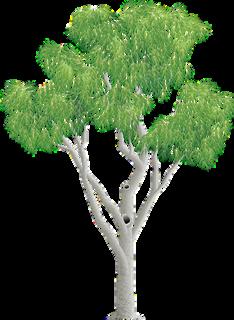
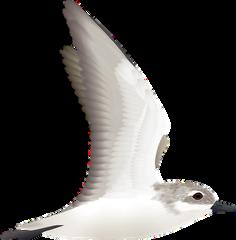
The Of This Earth: Transforming Culture and Country through First Nations Ceramics exhibition has launched at Cairns Art Gallery Featuring works by 28 Aboriginal and Torres Strait Islander artists, the exhibition celebrates contemporary First Nations ceramic practice and cultural connections to Country before touring regional galleries across Australia over the next three years (NationalIndigenousTimes).
Queensland’s Natural Resources Recovery Program (NRRP) has helped graziers improve land condition and productivity across more than 425,000 ha of grazing land since 2022 Around 212 projects supported better grazing management practices like stocking rotation and pasture recovery, reversing poor land condition and boosting resilience Case studies show on ground improvements such as waterway protection, erosion control and stronger groundcover, tracked using the State wide Indicators Framework (NRMRegions Queensland)
The area is 196,100 square kilometres
Over 196 reptile, 455 bird and 118 mammal species live here
STORYBYTANYASNELLING
ThewetseasonissomethingGulfproducersprepareforeachyear,but whilemuchofthecountrywelcomed2026withfreshplansand resolutions,graziersacrosstheregionweresettingverydifferent goals,movingcattletohighergroundandwatchingriversrise.Months on,asfloodwaterscontinuetorecede,manystilldonotknowhow manyheadwerelostorwhatthisseasonwillultimatelycost.



Itisessentialthatallproducersfillout theDPIDisasterImpactSurveyfor PrimaryProducers(Business Queensland)onlineASAPasthiswill assistwithincreasinggrantfundingin yourregion.
Purpose:tohireorpurchaseequipment andmaterials,cleanup,removedebris, replacefencingandothercostsassociated withtherecoveryprocess.
Maximumgrant:$75,000

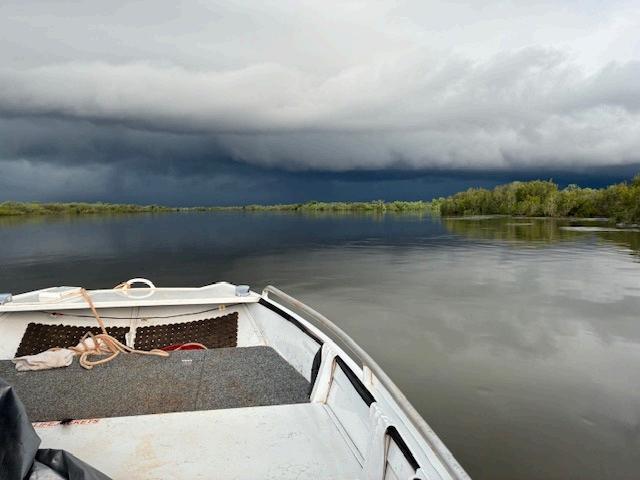
Wetseasonpreparationispartoflifeinnorthern Australia.Cattleareshiftedaheadofrisingrivers, upstreamrainfallismonitoredclosely,andisolationis factoredintoeverydecisionlongbeforethemonsoon setsin.Butthisseasontestedeventhemost experiencedmulti-generationalproducers,as catchmentsacrosstheGulfofCarpentaria,fromthe NormanandGilberttotheFlindersanditstributaries, movedtogetherundersustainedrainfall.
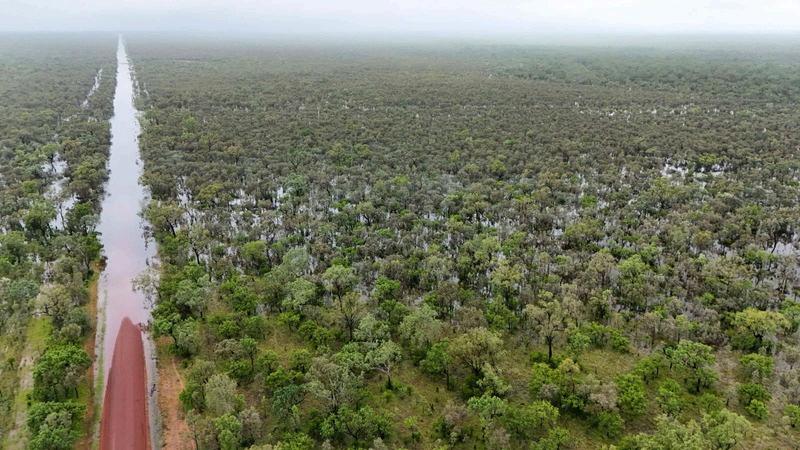
This year the wet season arrived early and with force. In late December, a monsoon trough delivered widespread rainfall across northern Queensland, with weekly totals ranging from 50 to 400 millimetres across large parts of the north and more than 100 to 200 millimetres recorded along sections of the southern Gulf coast As successive systems fed into already saturated catchments, it pushed major Gulf rivers into flood well before the traditional February and March peak.
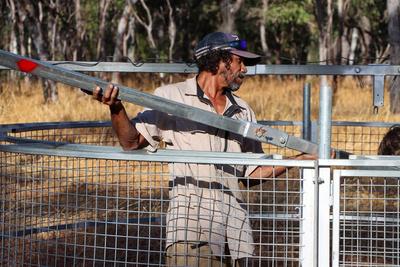
For Ashley Gallagher at Sawtell Station in the Norman River catchment, near the town of Normanton, the shift from preparation to response came quickly. He runs around 800 breeders across 80 square miles of country, alongside his father and brothers Flooding is familiar territory, but the persistence of this event is taking its toll. “The water didn’t get as high as 2009 or 1974,” he says, referring to the benchmark floods still spoken about across the Gulf, “but it’s very similar”
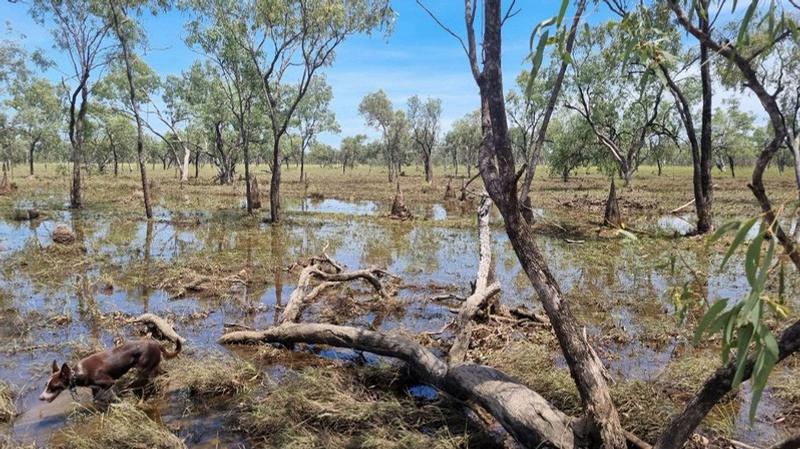
At one stage close to 60 percent of Sawtell was underwater and today, almost two months on, around 35 percent still remains that way,” Mr Gallagher explains. Cattle have been pushed onto shrinking pockets of higher ground, intensifying grazing pressure, while elevated water along river country has increased
Gallagher says the “country has copped a caning” “The grass wouldn’t even be two inches high when it should be a foot and a half.”
As water crept higher over several weeks, Mr Gallagher says downstream at the bottom of the catchment, reliable upstream river readings remain critical to flood preparedness “We didn’t have much warning for this flood event If a gauge 60 kilometres upstream goes under, we know at best we have 36 hours,” he says. “That is not a lot of time to muster cattle. And this time, most of the upstream gauges weren’t operational, so we were ringing around neighbouring properties trying to work out what was coming.”
Further east, Matthew Kennedy was managing two very different flood scenarios At Lake Carlo on the Gilbert River floodplain, water was rising quickly and ran deep, narrowing the response window. “At best we had 24 hours until the peak and only 10 hours to move cattle to higher ground,” Mr Kennedy says “You can’t fly at night, which reduces the window considerably. The peak was higher than 2009, but lower than 1974,” he explains
Two helicopters were mobilised as soon as conditions allowed. In one crossing, cattle were forced to swim a channel around 150 metres wide Some followed cleanly, while others baulked or turned back, prickling and bailing up when they hit submerged bushes or timber, with the choppers regrouping and pushing the mob forward again
At Agantra Station in Croydon Shire, the flood behaved differently. There, water saturated already wet country, spreading creeks and rivers well beyond their banks
“Itʼsaboutgettingbackonyour feet,replacingfences,repairing infrastructureandkeepingthe businessmoving.ˮ
Matthew Kennedy, Agantra Station
Mr Kennedy estimates fencing losses alone will run into the hundreds of thousands of dollars, though final figures won’t be clear until full access across the property is restored Mr Gallagher, too, says he still doesn’t know what dams may have been breached or washed out, with some country yet to be accessed since the peak
For farmers though, the challenges do not end when the water drains. Mr Gallagher describes the soil on his Norman River country as “somewhat selfpreserving”. He laughs that while there may not be much science behind it, after prolonged inundation it seems to seal over and then dry rapidly
“The paradox is that after weeks underwater, the ground can feel as hard as drought country,” he says “You have had all this water, but it’s effectively in drought. There is no feed and the dams seem to dry up very quickly”
between loss and recovery will depend on how long water stood, how heavily country was grazed while compressed and the stocking decisions that are made in the months ahead
On Mr Kennedy’s floodplain country, the experience differs Deep inundation spreads across broad flats, and while pasture may look green as water recedes, grazing pressure and soil health determine how well it holds into the dry.
Queensland’s Department of Primary Industries (QDPI) scientist Kendrick Cox says heavy rainfall events are not unusual in northern Australia, but duration is critical “In northern Queensland, around 80 percent of the growing season occurs in just three months but good growing conditions can easily tip over to a situation which damages pastures,” Mr Cox explains. “If water stands for longer than a few days, soils become waterlogged and plants struggle for oxygen which damages their roots.”
Reducing numbers is already on the cards for Mr Gallagher “We will wean hard and get it done early,” he says. “We have got to give those cows the best chance of surviving. In 2009, breeders were sent away to relieve pressure This year, similar decisions are being weighed again When something like this happens, your plans change for the entire year,” he says.
And yet, it is not all loss Because the heavy falls came early and were followed by additional rain, some country that was not submerged for long has responded quickly “The silver lining is it happened early,” Mr Gallagher says
“That follow-up rain has helped ” He explains that while dirty Flinders River water pushed across earlier in the event, the secondary flooding from the Norman helped flush that silt through, preventing long-term damage in some paddocks
Mr Cox acknowledges that while parts of the Gulf are greening as floodwaters retreat, the difference
Support structures are also part of that recovery For many producers, that assistance is practical rather than dramatic, including help with paperwork and guidance on applications and navigating disaster support Mr Kennedy says access to disaster funding is critical in events of this scale “It’s not about handouts,” he says “It’s about getting back on your feet, replacing fences, repairing infrastructure and keeping the business moving ”
The Gulf has endured floods before, and it will again For now, producers will continue rebuilding, recalibrating and waiting, knowing that in this landscape, preparation is constant, but control is never guaranteed.
Carpentaria Shire Council, Croydon Shire Council and Etheridge Shire Council, alongside other local councils, have been activated for Disaster Assistance Loans up to $250,000, Essential Working Capital loans up to $100,000 and Exceptional Disaster Assistance Grants up to $75,000
For those seeking support, Industry Recovery and Resilience Officers (IRROs) from the Department of Primary Industries are available to help In activated areas, they can assist with accessing financial support and grants, providing referrals to specialist support services and developing tailored plans for your agribusiness
Learn more about IRROs and how to apply for loans or grants on the support for agri-business page QDPI beef extension and grazing land management officers are available to support primary producers in northern Queensland with pasture development planning, land management and farm business resilience
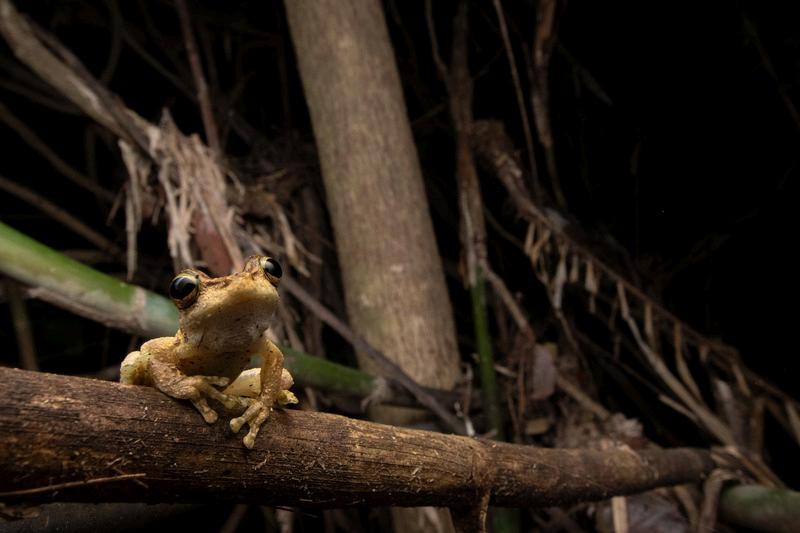

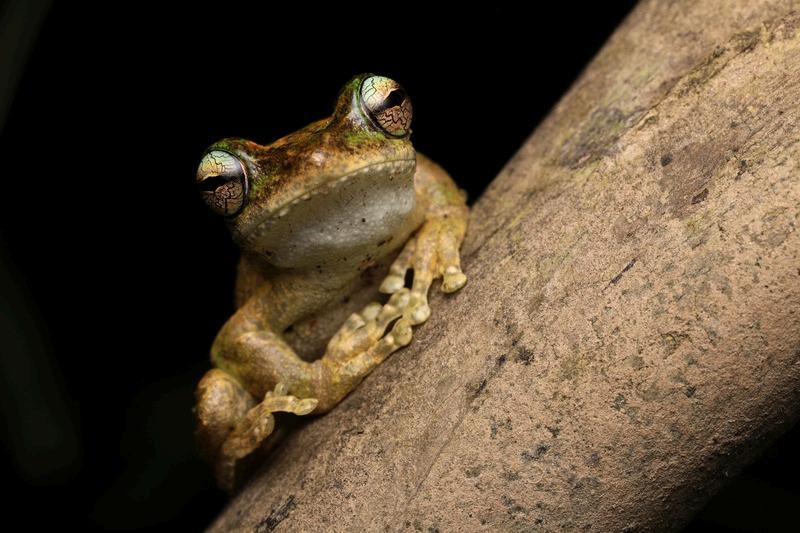
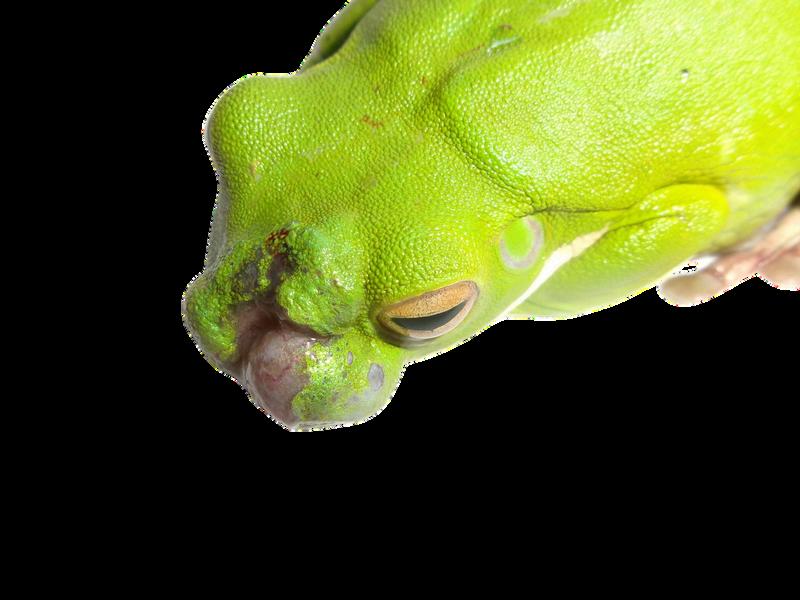
Plagued by a global fungal disease, anguished by a warming climate, isolated on ‘sky islands’ and disfigured by mysterious tumours, frogs across Queensland, and the globe, are quietly enduring what some call an amphibian apocalypse. A ‘ribbeting’ analysis of frog threats and decline reveals the scale of their struggle.



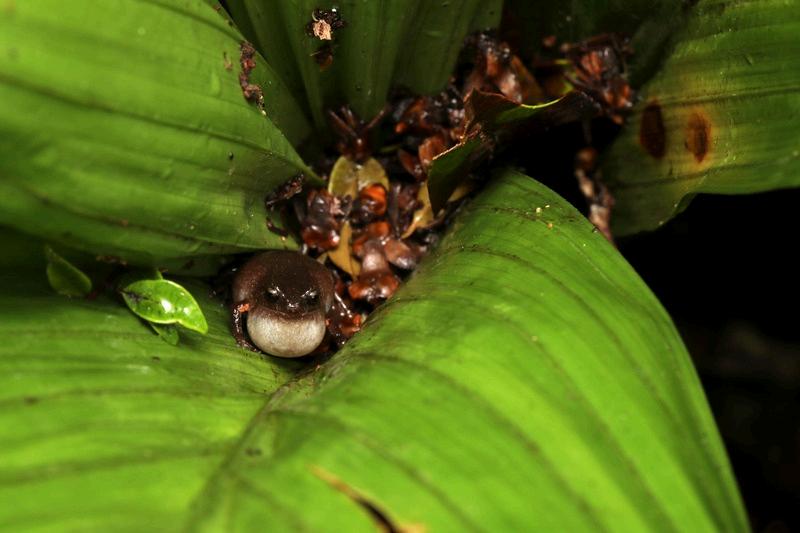
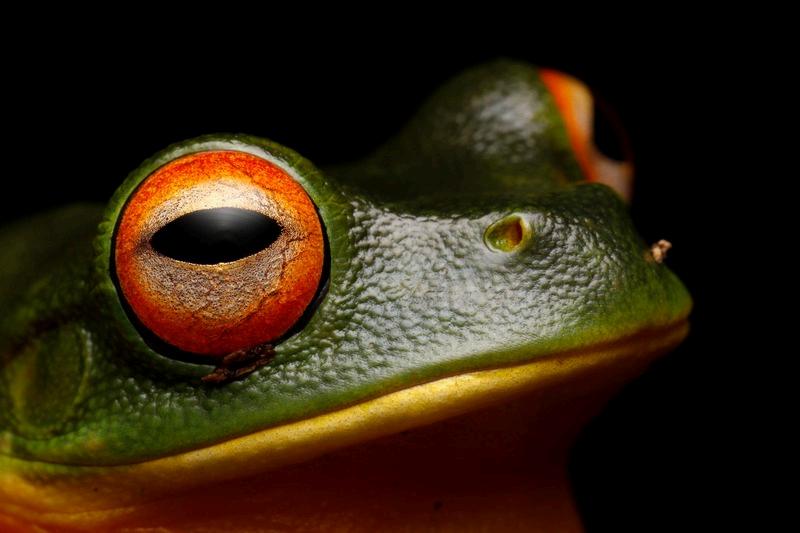
inherently complex While unpredictable rainfall patterns threaten frog reproduction, a warming planet may also reduce chytrid fungus in certain environments, which typically thrives between 17 and 25 degrees


't
justa ation, hebackboneof

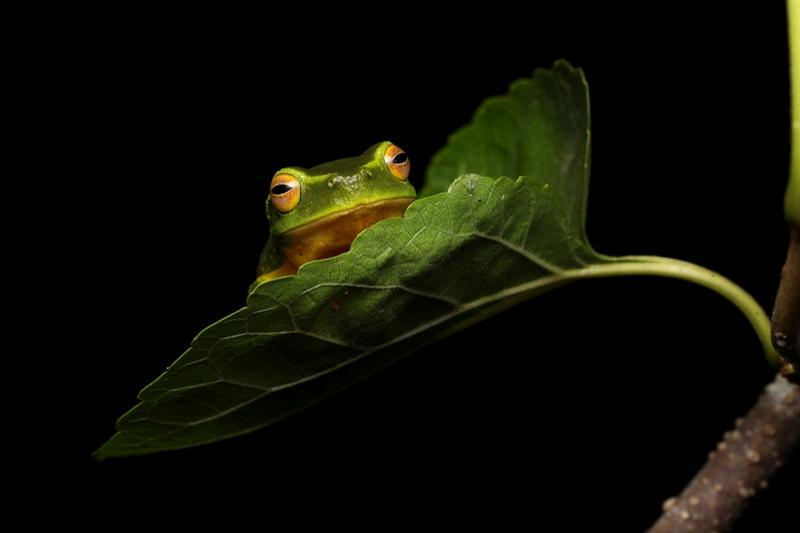
“Publicinvolvementisn't justabonusforfrog conservation,it'sactually thebackboneofthe movement.ˮ
Ashley Keune, President of Queensland Frog Society





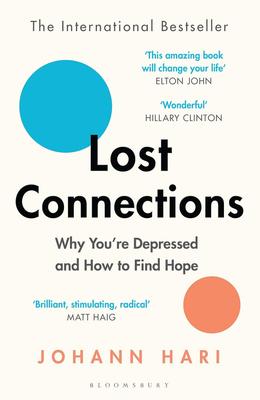
LostConnections
JOHANN HARI
In this thought-provoking book, journalist Johann Hari explores the deeper social causes of depression and anxiety. Drawing on research and personal stories from around the world, it argues that disconnection from community, meaningful work, and nature lies at the heart of many struggles, and suggests hopeful ways people can rebuild connection and wellbeing.
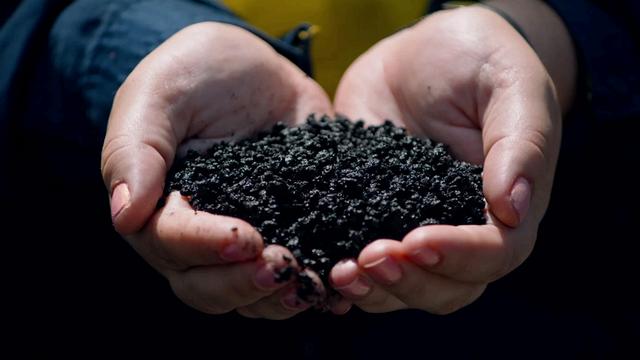
YourPlanetShortDocs MINI-DOCUMENTARY SERIES | FIND IT ON ABC IVIEW
This collection of short documentaries on ABC iview brings together a range of powerful, bite-sized stories. From wildlife defenders to waste warriors, from valleys to reefs, to episodes from First Nations filmmakers - these short documentaries will transport you across Australia and showcase people and communities creating solutions to some of the greatest challenges facing our environment.
BarnTalk
PODCAST | FIND IT ON SPOTIFY
Hosted by a father-and-son duo running a pig and grain operation in Iowa, Barn Talk features conversations with entrepreneurs from across the United States about business, agriculture and innovation Recent episodes explore topics like using AI in rural regions and managing small or family farming businesses, offering a thoughtful perspective on modern generational farming
R E A D
W A T C H L I S T E N


Croydon Library has received funding from the Digital Starter Grant through State Library Queensland, enabling the purchase of four iPads and four laptops for community use. The new devices will support digital literacy programs, including workshops, one-on-one tech help, and STEM activities for children and young people, helping residents of all ages build confidence with technology
To complement this, the library has added new portable shelving on wheels, also funded through State Library Queensland The flexible shelving allows staff to easily reconfigure spaces for programs and community activities, enhancing the library’s role as a welcoming, multi-purpose hub.
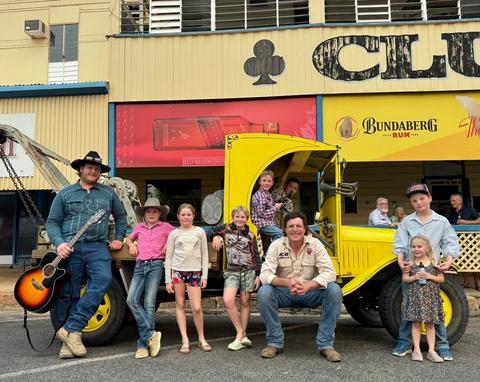
In a creative highlight, Golden Guitar-winning singer-songwriter Josh Arnold visited Croydon with support from the Regional Arts Development Fund (RADF). Working with local residents, school students, and community groups, he helped create “Forever Golden”, a song celebrating Croydon The project captured local stories and pride, giving the community a chance to shine through music and creativity
Croydon, like others, faced challenges in late 2025, with significant flooding leaving some areas wet and waterlogged While roads, yards, and properties were affected, the community has rallied together, demonstrating resilience and neighbourly spirit as clean-up efforts continue
On a practical note, Croydon Shire Council now hosts a battery recycling program at the Library, with WHS representative Terry placing the first battery in the box Residents can safely recycle a wide range of household and workplace batteries, helping reduce fire risks and keep hazardous waste out of landfill The service is available during normal library hours, offering a convenient and safe option for the community.
Construction of the $80 million Mitchell River Bridge over the Mitchell River on Dunbar Koolatah Road continues to be the major infrastructure project for Carpentaria Shire This major infrastructure project was developed to address ongoing access issues caused by frequent wet season road closures The Mitchell River Crossing is one of the most isolated crossings in Queensland. Once completed, the bridge will form the final missing link in a continuous travel circuit around Australia, providing a vital direct link and shortcut between the Cape and Gulf country



The new bridge will replace the existing low-level poly gabion structure, which has long been vulnerable to flooding The bridge will span 480 metres with two traffic lanes Positioned 4 5 metres above current water levels, the elevated design will significantly reduce flood impacts The structure will be supported by 1 2 metre diameter steel piles driven approximately 25 metres into the riverbed
The project has also engaged local Indigenous communities in its delivery Since construction commenced, 12 local Indigenous workers have been employed full-time, gaining valuable skills and experience, including training as plant operators and in road construction and maintenance These skills are crucial not only to the construction of the Mitchell River Bridge, but also to the delivery of future road projects across the Gulf.
The Mitchell River Bridge project is jointly funded by the Queensland and Australian Governments under the Disaster Recovery Funding Arrangements (DRFA), administered through the Queensland Reconstruction Authority (QRA).


The countdown is on for the iconic Mareeba & Dimbulah Community Bank Great Wheelbarrow Race 2026 In the late 1800s, miners often travelled the region with their families using a wheelbarrow to carry all their possessions and the race is a tribute to these early pioneers.
Teams follow the 140km Wheelbarrow Way through rich farmlands and wooded Savannah country, starting on Friday, 8 May 2026 in Mareeba and concluding on Sunday, 10 May 2026 in Chillagoe. Teams can look forward to the Friday night where they are treated to the incredible community spirit in Dimbulah and the unbeatable country hospitality in Almaden on Saturday night
Since the race began in 2007, teams have raised nearly $3 million for charity Sign up and join us on the road for the 23rd anniversary year Visit www.greatwheelbarrowrace.com for more information and to register.
Throughout the year, free Munch & Learn sessions will be held once a month in Kuranda and Mareeba which are bite-sized digital workshops for small businesses.
Monday, 27 April – Podcasting made simple Monday, 25 May – Canva basics
Monday, 22 June – Beyond ChatGPT – the expanding world of AI
For more information, visit Council’s website or call 1300 308 461
The workshops are delivered by State Library of Queensland in partnership with Mareeba Shire Council, supported by the Department of Customer Service, Open Data and Small and Family Business


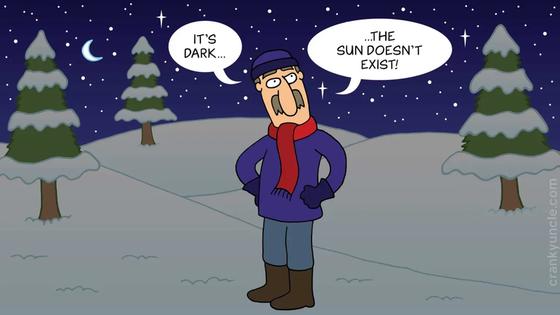
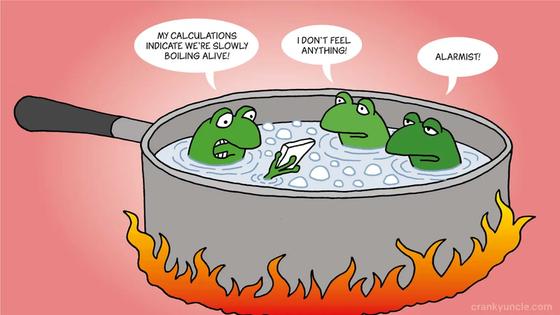

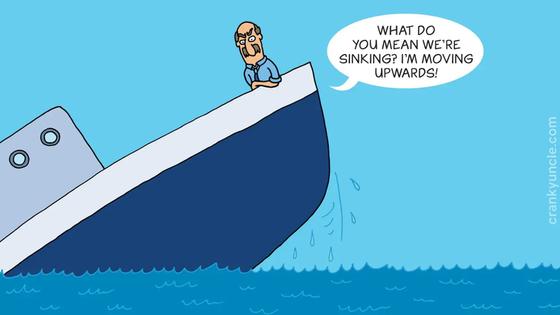
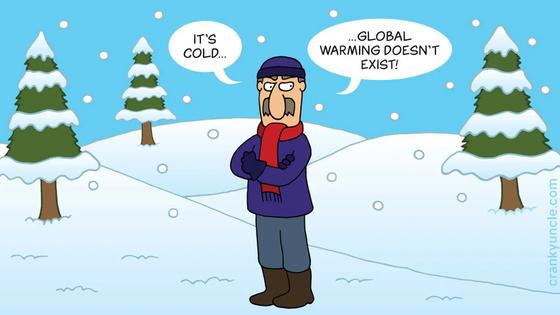

Exploring logic based techniques means learning to spot the subtle tricks that can quietly shape the way we think Fromlogicalfallacies, where arguments fall apart under scrutiny, to impossibleexpectations that demand unrealistic levels of proof before accepting science, these patterns often slip by unnoticed. Conspiracytheories add another layer, hinting at hidden agendas without real evidence, while fakeexperts lend false credibility to weak claims Then there’scherrypicking, where only the most convenient facts are presented, leaving out anything that challenges the narrative. Together, these tactics reveal how easily information can be skewed, and why a sharp, questioning mindset is one of the most powerful tools we have.
GraphicSource: Cranky Uncle Cartoons
here is this myth, but here are the facts and how you know this myth is incorrect
But the logic-based approach [highlights] the technique used to mislead you (i e , cherry-picking, using fake experts or conspiracy theories), so it's about building people's awareness of the techniques used to deceive. Once people know those techniques, they can spot them across topics
It works great in lab experiments, but how do you actually reach people with it? Digital games were what I ended up experimenting with And so, we developed the Cranky Uncle game, which is centred around logicbased inoculation: teaching people how to spot the techniques of science denial and using games to make it engaging and fun
Q:Isitenoughforpeopletobeawareofdeception, evenwithoutadeepunderstandingofwhat techniquesareusedtomislead?
A: It's certainly a question we discuss a lot in the misinformation research community On the one hand, if you tell people to generally “watch out!” the problem is that it swings them towards being cynical and skeptical about everything; they can't trust anything.
You don't want that either, because you don't want them mistrusting factual sources and scientific information
In the research community, we have a concept called discernment, which is the ability for people to discern fact from myth The way we measure it is by showing factual and misinformative statements to see if there's a gap between the two You want that gap to be as big as possible and to see belief in facts go up, while belief in myths go down.
There is this really delicate balance We want to get people on guard, but we don't want them to become overly cynical or skeptical.
Q:Whatreal-worldimpacts,particularlyinAustralia, wouldyouholdmisinformationinthemedia accountablefor?
A: One thing the media has historically done is false balance That's when you have an overwhelming scientific consensus, and yet the media portray an issue as a 50-50 debate; they'll bring on a climate scientist and a climate denier and [let both have their say]
The public come away thinking there's a 50-50 debate in the scientific community, so that format is misleading because what people perceive about the scientific consensus is really important If they get a misperception there, that can have flow on effects and make them less accepting of climate change [and science] in general
It can come from a good place, trying to be balanced
and adhere to journalistic norms of giving both sides equal voice That’s an entirely appropriate approach when it's issues of politics or opinion, but when it's about scientific consensus then it becomes a misleading approach
Q:Yourworkincludesmachine-learningand automateddetectionsystemsformisinformation whatroleshouldtechnologyplayversushumandrivencommunicationandeducation?
A: The rationale for using AI does have problems, as it's very carbon intensive, and it's not always reliable But the argument for using AI to tackle misinformation is that it spreads faster than we can manually respond to it
We've been trying to adopt the best practices from psychological research. As it's not just about fact checking, it's also about logic checking, you need to identify which fallacies are used in misinformation and explain that to people That's a really important part of debunking.
We found that generative AI tools like ChatGPT are not that good at logic checking They're not good [or accurate] at identifying fallacies or explaining them.
We spent a whole year developing an AI model to detect fallacies more reliably It's really just the first step, and it's going to be a long journey. There will be a bit of an arms race, because the AI generating misinformation will progress, and we're going to have to progress as well
Q:Whatpracticaladvicewouldyougivepeopleto countermisinformationintheireverydaymedia consumptionandpersonalconversations?Andis thereanyspecificadviceyouwouldgivetoregional andruralcommunities?
A:Educate yourself on the ways that you can be misled, and learn the techniques used to mislead you. Other than that, identify authoritative, reliable sources.
For example, in North Queensland, the Great Barrier Reef is a pretty big issue ... and there's a lot of misinformation about it. There is community interest in this topic coming from lots of different angles: the agricultural point of view, the environmental point of view, and the scientific. There's also a lot of industry generated misinformation casting doubt on the science of what's happening to the reef and what factors are causing damage to it – a lot of word salad
The Office of the Great Barrier Reef is very rigorous. They create reports summarising the state of science, and consensus reports They put a big effort into trying to make the information accessible to people.
So, my advice is to find authoritative sources that are evidence-based rather than driven by a particular agenda.
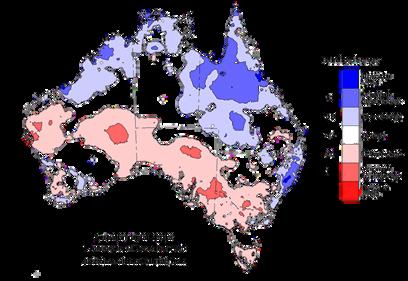
The Bureau’s 2025 Annual Climate Statement shows Australiahadits4th warmestyearonrecord, with very wet conditions across much of northern Australia and ongoing dry conditions in the south
According to the BoM climate driver monitoring, the La Niña continues to weaken This is reflected by changes in central Pacific sea surface temperatures, trade winds, barometric air pressure and cloud patterns The weakening of the La Niña is consistent with climate model forecasts. Some (but not all) climate models suggest the possibility of El Niño (or drier climate pattern) development from June. However, it should be noted that this is a very long lead time for such a prediction, and forecasts beyond autumn are highly uncertain Therefore, it is recommended to monitor seasonal conditions and climate drivers especially from April onwards for any potential El Niño pattern to develop. While not every El Niño results in drought across eastern Australia, it does increase the risk of below average rainfall
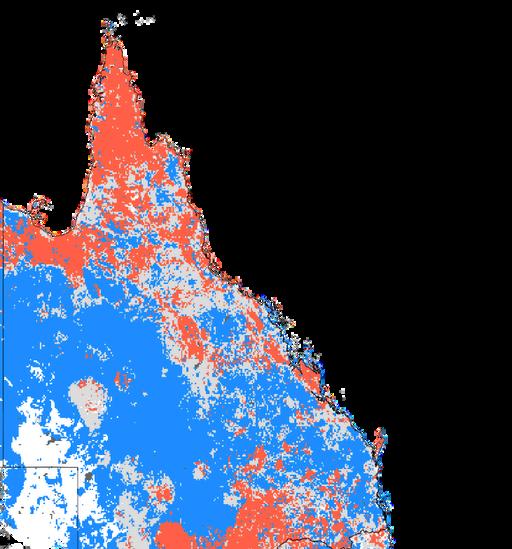
Extended wet conditions can start to put a bit of pressure on pasture systems. When soils stay waterlogged, roots don’t get the oxygen they need, which can slow growth and affect plant health
Some paddocks will bounce back pretty quickly once things dry out In others, you might start to see yellowing plants falling over or a drop
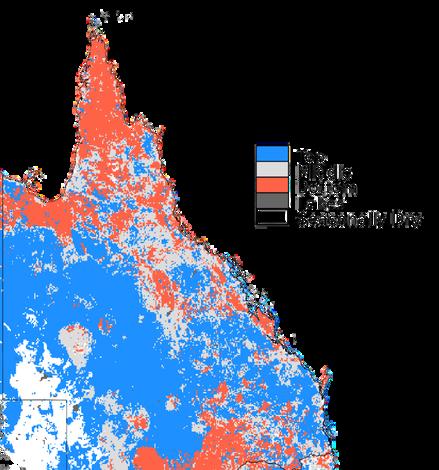
Weather can change quickly, from hour to hour, day to day, and week to week. While we might like forecasts to be 100% accurate all the time, in reality 7 day forecasts as well as long range outlooks are guides rather than guarantees. If conditions could influence your decisions, or put livestock and lives at risk, keep checking for updates regularly. Always consider the full range of possibilities and manage for the level of risk you are comfortable with. If there is a 75% chance of a certain amount of rain, there is still a 25% chance of other outcomes.
Want to stay up to date with weather and climate forecasts? Sign up for updates from the Northern Australia Climate Program and you'll get a monthly climate information update delivered straight to your inbox!
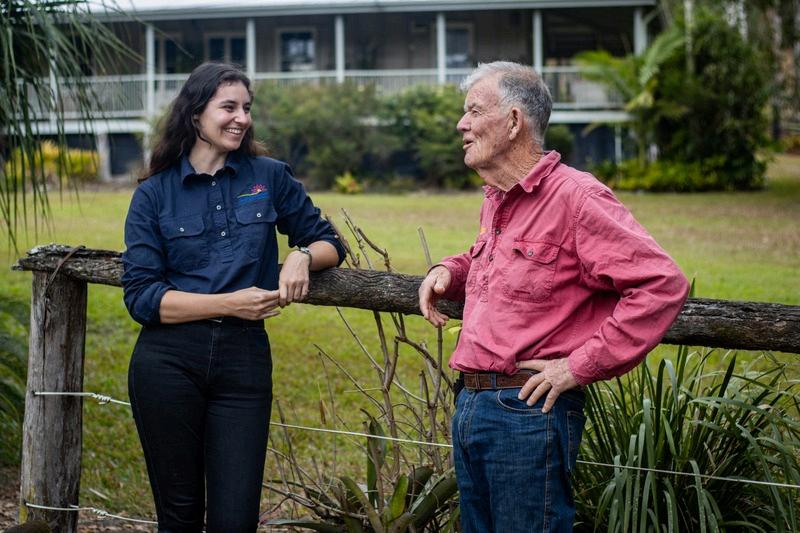

OnWetherbyStation,justnorthofMountMolloyinFar NorthQueensland,cattlegrazingnowco-exists alongsideecologicalrestoration,revegetationandland managementpracticescenteringtheenvironmentit dependson Here,birdsreturntoroost,nativetrees reclaimopensky,andtheadjacentwetlandbecomes synonymouswithAustralianbiodiversityinabundance.
Landholder John Colless has run Wetherby as a commercial cattle station with his family for more than 20 years Established in 1878, the property has passed through many hands, each forging an ethos for working with the land
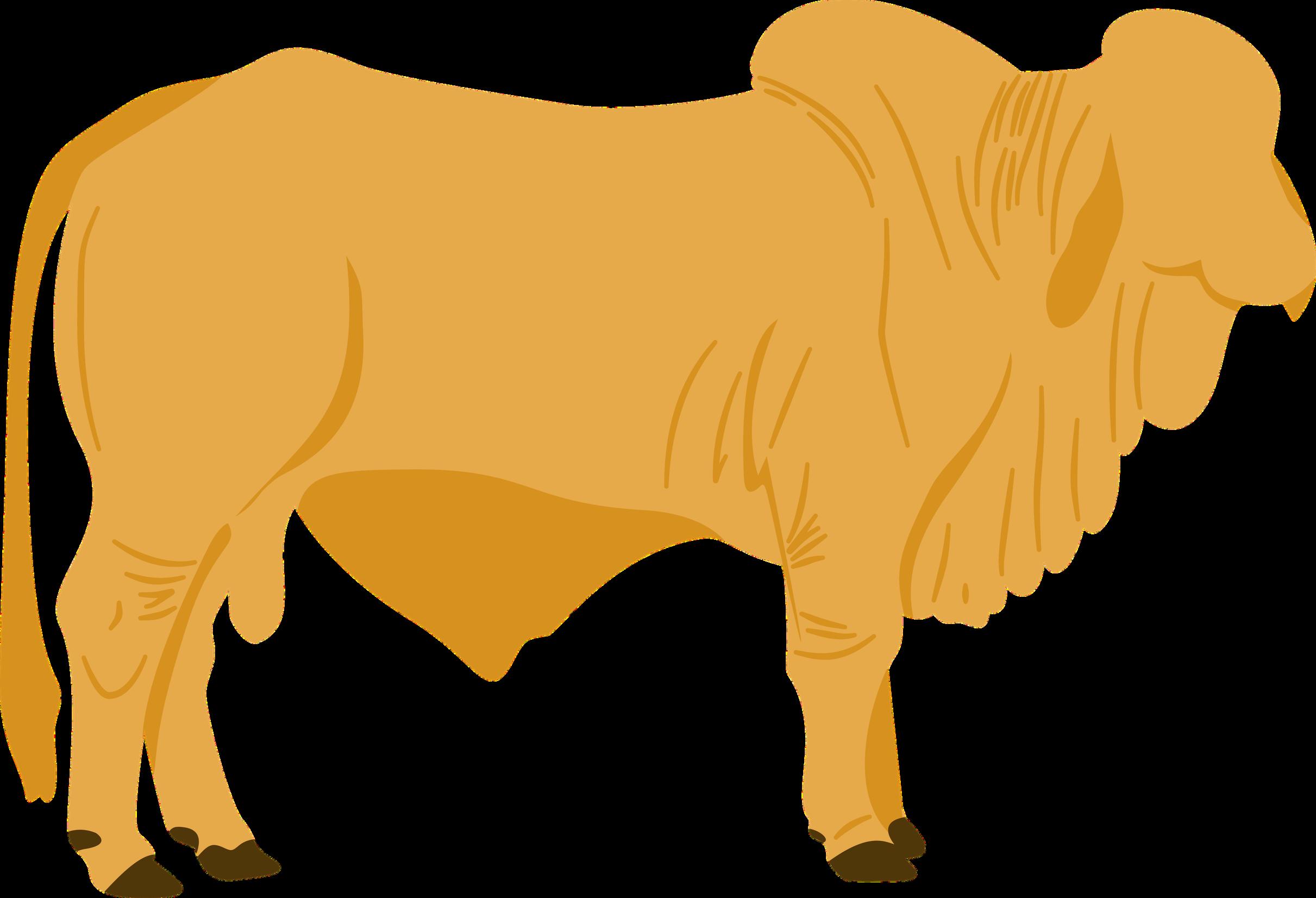
For 20th-century owners Maurice and Elizabeth de Tournour, that ethos took the form of agricultural innovation Their involvement in founding the Australian Brahman breed contributed to herd improvement across North Queensland, introducing sturdier cattle with greater tick resistance and heat tolerance
For John and his generation, the legacy is expressed differently: through environmental stewardship, conservation values, and the nurturing of a new culture for cattle grazing

Graziersasstewards:acultureintransition
With livestock production operating across roughly 80 per cent of Queensland, it is undeniable that graziers play a significant role in land, water and climate management.
Until more recent years, however, the symbiotic relationship between agriculturalists and the land they rely on was almost taboo. John got candid about this reality, confessing how deeply entrenched clearing once was for graziers
This anecdotal observation is grounded in historical data.
According to the 2021 State of the Environment Report, between 7.7 million hectares of land for terrestrial threatened species was cleared or degraded between 2000 and 2017 Despite this devastating figure, recent research reflects a positive shift
The most recent Statewide Landcover and Trees study found the number of hectares cleared for industry across Queensland was down by 51 per cent in 2022-23 compared to previous years.
Today’s conservation mindset is therefore perhaps best understood in contrast to the approaches that once defined cattle grazing
“I reckon graziers, land managers and stewards, are greener than greenies! Most of the guys and gals I know who are involved with the land, love the land,” John said
“We don’t tie ourselves to trees, but a lot of people running properties are very interested in [conservation] Certainly, NGOs like Gulf Savannah are doing a great job in communicating the tools we’ve got to do it One of them is not to run around with a bulldozer pushing trees over; lock country up, don’t flog it I think that culture is coming through.”
As managers of large areas of land, graziers are essential stakeholders for mitigating environmental harm and driving meaningful change at a landscape scale
But for caretakers of the land, daily work is shaped by constant negotiation: between weather and workload, productivity and protection, tradition and innovation. In that balancing act, change can feel daunting, like something to pursue only when conditions align
At Wetherby Station, John and his family didn’t wait for the perfect moment They’ve built a conservation model grounded in two pillars: community involvement and wildlife-friendly technology.
That approach was on full display in April 2025, when Wetherby’s usually quiet paddocks filled with students from Mount Molloy State School, Kuku Djungan Murtiki rangers, and volunteers from Trees for Evelyn and Atherton Tablelands (TREAT). Over two days, the group planted 1,200 trees to restore native vegetation around the wetland – turning a routine working landscape into a shared site of regeneration
Biodiversity Officer and project lead Océane Dupont said the event created space not just for planting, but for perspective
“Our project doesn't address grazing directly, but is more about realising that if you have an area that's not extremely productive, it won’t
harm your business to protect it,” Ms Dupont said
“There’s no area too small – even if you can protect a little bit and make it better for the wildlife, that will attract so many benefits for the business and for yourself ”
Still, effective restoration isn’t as simple as putting trees in the ground The benefits depend on careful decisions – where to plant, what species to use, and how those choices fit within the broader ecosystem. Done hastily, even wellintentioned efforts can disrupt local biodiversity
At Wetherby, that caution shaped the process First Nations rangers carried out vegetation surveys, and only after key species were identified did planting begin
“Instead of just plonking trees in, they’re built into the landscape,” John said “A bit of planning goes into it!”
And that planning doesn’t end with the trees themselves It extends to the animals that rely on them, and the risks they face moving through the property.
Through his work with the local bat hospital, John has become acutely aware of those dangers. He learned that around 80 per cent of injuries treated there are caused by barbed-wire fencing – a confronting figure that reflects a much broader issue
Environmental organisations estimate that thousands of native animals die each year after becoming entangled in fences, succumbing to injury, starvation or predation. Tawny frogmouths, owls, flying-foxes, possums, gliders and koalas are among the most frequent victims, particularly as barbed wire becomes almost invisible at night.
Rather than accepting this as an unavoidable cost of grazing, Wetherby has begun transitioning to wildlife-friendly fencing.
In practice, this means replacing barbed wire with smooth or double-strand twisted wire –making fences more visible to animals in flight and safer to navigate. The goal is to reduce harm without compromising stock control
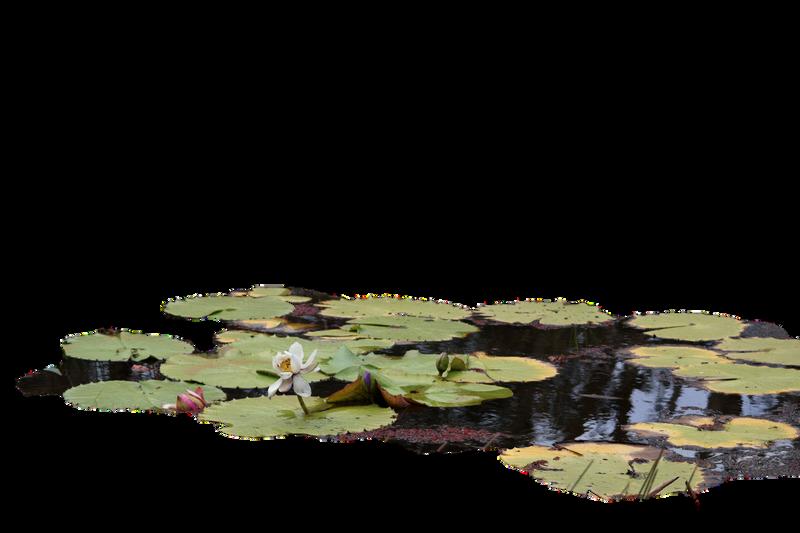
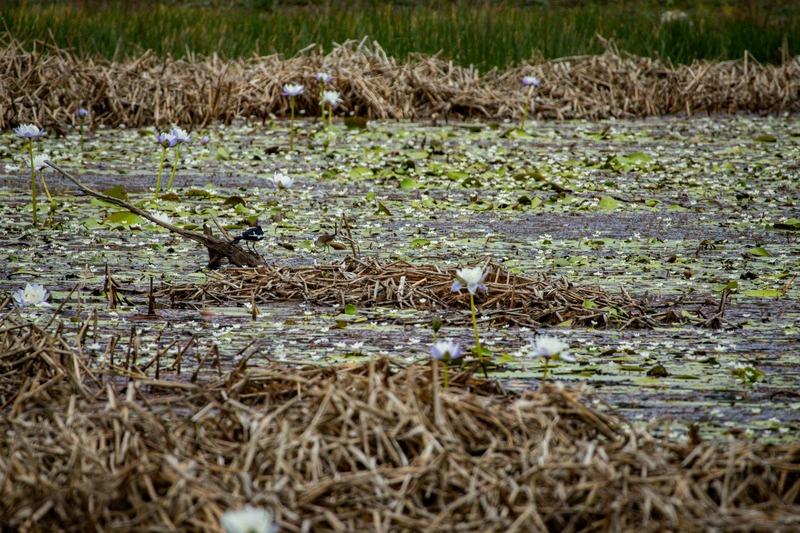
Smelly, sludgy and often overlooked, wetlands have long been misunderstood Frequently dismissed as places where things decay rather than thrive, swamps, mangroves and marshes are still seen by many as landscapes to avoid or control.
In reality, their complexity is part of the challenge Unlike more managed environments, wetlands don’t easily conform to human design. Their shifting water levels, dense vegetation and natural processes can make them difficult to work with – highlighting that effective stewardship is less about control, and more about understanding how these systems function
Despite the misconceptions, Ms Dupont recognises their value. She explains the powerhouse of services they
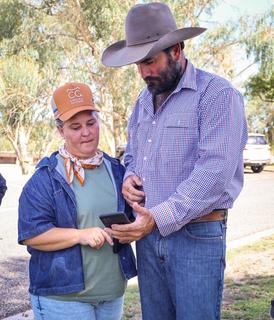
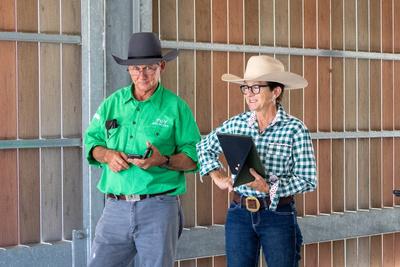
Acrosstherangelands,digitalmappingisquietlyreshapinghow propertiesarerun—fromimprovingsafetyandstaffinductionto helpingproducersmakesenseofcomplexnaturalsystems.Here’s whatlocallandholdersandexpertshavetosayabouttherolethese toolsareplayingontheground.
“Everyone is time poor, resource poor and people poor [on cattle stations], so what we’ve learnt today will certainly create efficient tools in the business Workplace health and safety is an especially big issue tracking employees and making sure they know their way around a property is really important” LaurellRoyes,landholder
Having a base map of your property is invaluable when it comes to inducting new staff Being able to use those maps to show [new employees] how to do water runs and what bores to check is a lot more productive, efficient and safe for producers It’s really about having a plan and using that data for your benefit”KeerahSteele,Ag-Tech advisor
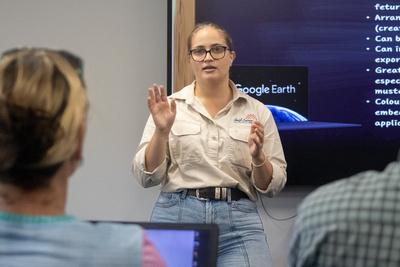
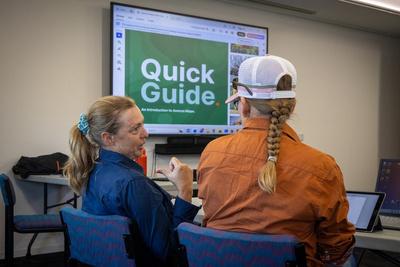
“The work we’re doing with producers at the moment is about getting them up to speed on how to change the way things look and make them more understandable through colours, size and scale Those features allow us to operate better on-farm, and communicate what we’re doing and where we’re doing it in real-time situations out in the field
Whether you’ve got endangered habitats, a land type of significance, a watercourse running through your property, or any national, state or local roads, you can compile all of that into an image that allows you to locate and navigate those features” JulieNicolosi, GSNRMAgOfficer
“Natural resource management is a broad and complex process that encompasses land, water, vegetation, and biodiversity Understanding the status, distribution, and temporal variation of these resources, as well as the challenges they face and how to address them is essential but often difficult
Managing such complexity is nearly impossible without the support of digital technologies Among these, GIS stands out as one of the most effective tools, enabling us to visualize, analyze, and monitor natural resources.

By integrating diverse data and revealing spatial patterns, GIS empowers decision-makers to develop informed, sustainable strategies for natural resource management.”
MahtsenteTadese,GSNRMGIS Officer

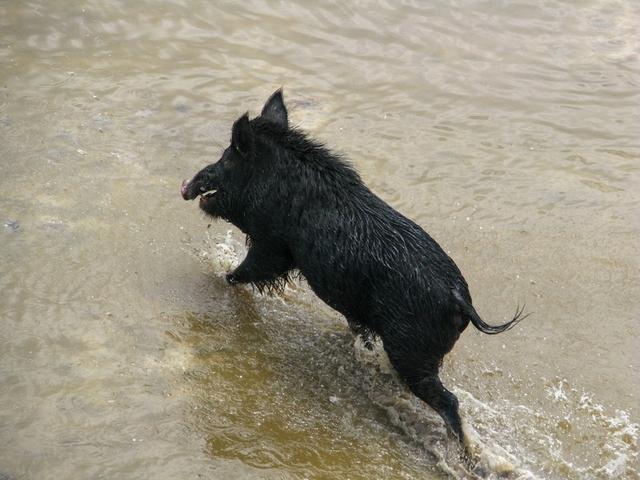
“Thereasonwedothisworkisbecauseofthedamageferal pigsdotoournativeanimals,plants,landscapes,agriculture, andofcourse,toculturallysignificantsites.ˮ
ABeforesunriseinnorthern ustralia,thedamageisoftenalreadydone.
pFreshlyrootedpaddocksresemble loughedearth, wetlandsarechurnedintomud, andfenceslie pflattenedwhereheavybodieshave sushedthroughovernightin earchoffood. Bythetimelandholdersarrive, theoffenders aregone –movedacrossproperty lines, soilingwaterwaysand Fshreddingbushlandintheirpath. oronce, theculpritsareobvious:feralpigs.
cNowoccupyingroughly45per entofAustralia, populationshave 3growntoanestimateofmorethan .2millionanimals. Highly iadaptableandnotoriously ntelligent, theyarewidely mregardedasoneofthecountry’s ostdestructiveinvasivepests
nThoughcropdevastationand ativespeciesdeclineare dfrequentlypublicisedimpacts, amagetoculturallegacyremains



Morethanapest:widespread impacts
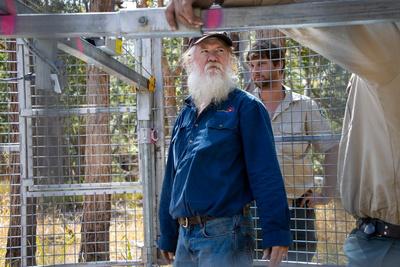
Dr Heather Channon, National Feral Pig Management Coordinator, oversees control efforts across the country Much of her work is shaped by evolving data and population projections, but her greatest concern lies with losses that cannot easily be measured
“The reason we do this work is because of the damage feral pigs do to our native animals, plants, landscapes, agriculture, and of course, to culturally significant sites,” Dr Channon said
“Feral pigs can rub rock art off walls. In Victoria, there’s a 6,000-year-old aquaculture system we’re concerned they could root up and destroy ”
She points to Budj Bim Cultural Landscape, where Gunditj Mirring Traditional Owners Aboriginal Corporation have been undertaking intensive trapping and ground shooting campaigns to prevent pigs from damaging any culturally significant sites.
Alongside landscapes and historic places, wildlife of equal cultural significance is also in peril.
“From a biodiversity perspective, pigs are recognised as a threatening process to more than 100 native species,” said former Gulf Savannah NRM (GSNRM) Biosecurity Officer, Scott Morrison
Studies support this claim Within our region alone, as many as six species are thought to be in decline due to pig presence.
foraging, they tear through habitats, digging up soil and vegetation to consume plants from root to fruit More concerning still is their opportunistic predation: they feed on a wide range of animals, including small mammals, birds, reptiles, frogs, crayfish and invertebrates Mr Morrison notes that, on multiple occasions, pigs have even been observed devouring calves during birth
Beyond the visible damage, feral pigs also pose hidden threats Research shows they can harbour and transmit more than 30 pathogens of concern – including exotic, endemic and zoonotic diseases – as well as dozens of parasite species These are capable of harming ecological communities, livestock, and even human health
Gulf Savannah NRM staff have seen the ecological destruction these pests cause on the ground Across project activities pigs emerge less
(Chelodina rugosa) in Tagalaka National Park, directly through predation of turtles and nests, and indirectly by reducing habitat quality and resource availability
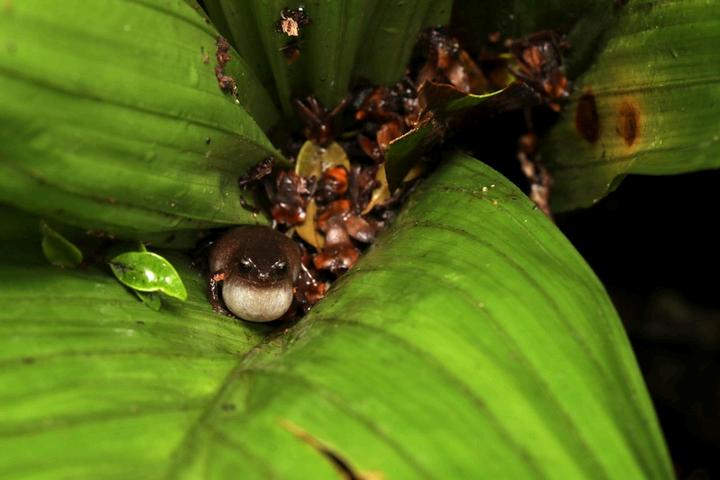
Similarly, Biodiversity Officer Dr Edward Evans identifies pigs as a possible contributing factor in the decline of the mountaintop nursery frog (Cophixalus monticola) on Mt Lewis, where severe uprooting has disturbed critical habitat in recent years.
While it can be difficult to measure the specific impacts of pigs within dynamic natural ecosystems, evidence collected across the board leaves little doubt feral pigs represent a significant ecological pressure
And for agriculture, the impacts are easier to quantify
“North Queensland makes a huge contribution to productivity – from beef and cattle to grains and horticulture, this region is critical for agricultural production,” Mr Morrison said
“We also, however, have the highest feral pig density in Australia

Pigs achieve this level of destruction through several mechanisms While



Because pigs will eat anything and are extremely destructive, many growers experience massive losses each year”
Those losses are already evident across the country, particularly in Queensland National estimates from ABARES suggest feral pigs contribute to around $156 million annually in control expenses and production losses due to crop damage, livestock predation and degraded pasture
Closer to home, a 2020 report by Synergies Economic Consulting found feral pigs cost crop farmers in the Whitsunday region $4 million annually, with reduced productivity and infrastructure damage accounting for the greatest share
While the full impact has not yet been formally quantified in our region, Northern Queensland’s exceptionally high feral pig densities suggest economic losses could be substantial.
From ancient cultural landscapes to modern agricultural systems, the damage caused by feral pigs reveals a problem measured not only in dollars or data, but in what stands to be permanently lost
Whyarepigssuchformidablepests?
Feral pigs are notoriously resilient pests: a reputation earned through a combination of insatiable appetite, intelligence and extraordinary reproductive capacity.
In one example shared by Dr Channon, different groups of pigs in the United States developed specialised feeding habits passed down through generations
“Some groups ate crabs and others ate turtle eggs, but they didn’t swap,” she said “The ones eating crabs
didn't eat turtle eggs, and vice versa, so they’ve learned from their mothers ”
Such capability for learned behaviour also allows pigs to adapt rapidly to human activity They can shift from daytime to nocturnal activity when pressured and learn to hide, avoid traps or outsmart control programs if methods are applied inconsistently
“If you’re trapping a group of pigs and only catch some of them, the others learn quickly,” Dr Channon said
“The younger pigs might rush in, but the older ones hang back and watch. Before long you’ve created trap-shy pigs that are much harder to remove It’s the same with baiting – if they get sick but survive, they remember and won’t touch it again They’re very smart ”
Biology also works strongly in their favour Female pigs can breed yearround, producing multiple large litters, while young animals reach maturity in just six months. This allows populations to rebound almost as quickly as they are reduced
Combined with this rapid growth, their feeding habits make them remarkably adaptable As opportunistic omnivores that require around 15 per cent crude protein in their diet, pigs follow food, not fences
“A pig doesn’t care whose property it’s on,” Mr Morrison said. “If there’s food on the other side, it’s going ”
With no boundary capable of holding them, pig removal from one property often just shifts the problem

elsewhere This challenge demands a thoroughly coordinated, landscapescale approach to see tangible results on the ground
Solutions:howcanpeoplepower outsmartthepig?
While this destruction is confronting, Dr Channon says the solution lies less with the animal itself and more in how we manage it
“Though we're focusing on the pig, it's really about how people work in collaboration: coordination, communication and commitment are critical to make the difference that's needed in reducing their impact,” she said
“I understand it's very easy for me to say when I'm not the one on the ground being constantly afflicted by feral pig damage and wearing the cost they impose on landholders, but it's really important that people make a long-term commitment to a control program after they’ve started”
With the scale of the challenge clear, attention turns to the practical question facing landholders and
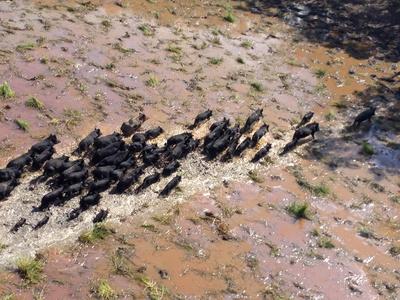

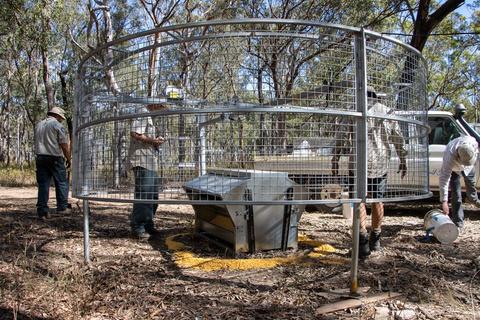
Theresult?AcrossregionscoveredbytheCWBAandMBG, 4,372feralpigshavebeenremovedbyaerialcullingover 2075hoursofflyingtime FromJanuarytoJune2025,a combinedeffortofNBGgroundandaerialcullingremoved 11,500feralpigsacrosstheregion Thesedatadonot includeferalpigsremovedbylandholdercontrolefforts.
“Makingsurethere’salong-termview,workingtogether,and usingalltheavailabletoolsinthemoststrategicways–those arethethreekeymessagesI’dlikepeopletotakeaway.”
Still,expertsemphasisethattechnologyaloneisnotasilver bullet
Improvingdatacollectionalsoneedstobeapriority,as despitewidespreadandclearlyobservableimpacts, consistentnationalinformationondamageremains fragmented

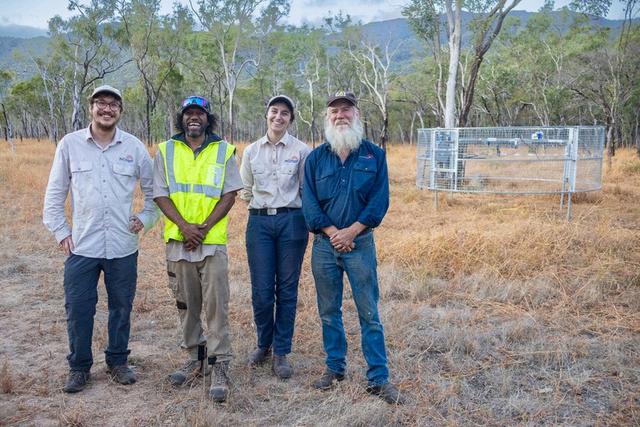
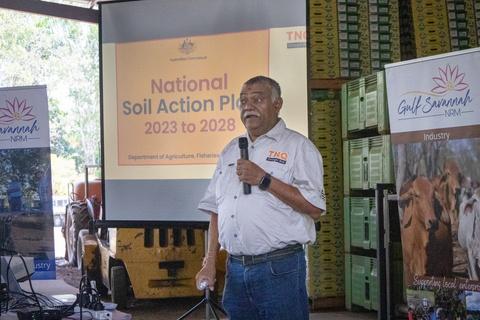
GulfSavannahNRMisdeliveringarangeofprojectsin regenerativeagriculture,biodiversity,community resilienceandmore.
Restoringwetsclerophyllforestswithout encouragingcats
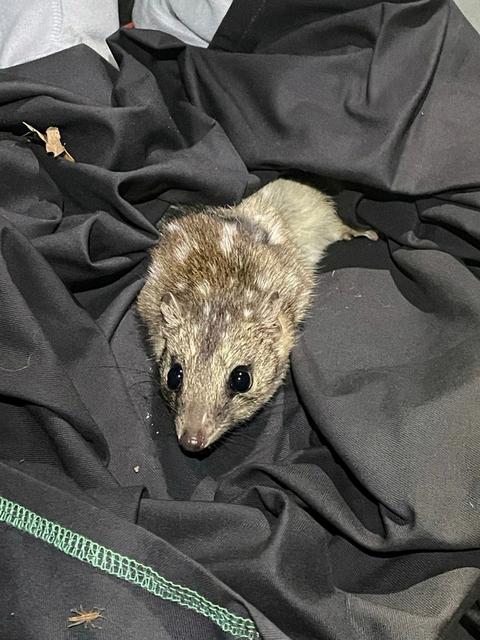
Gulf Savannah NRM and Queensland Parks and Wildlife Service are restoring wet sclerophyll forests on the Carbine Tablelands, home to threatened species like the elusive northern bettong
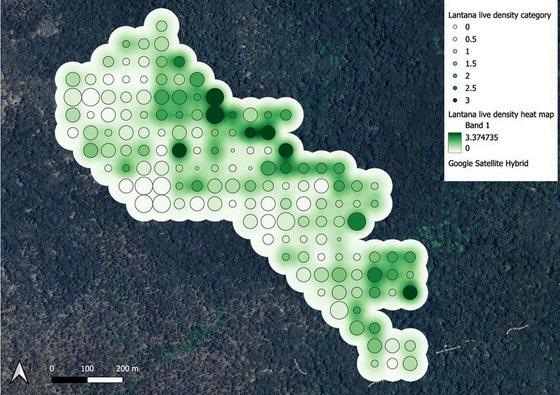
A key focus is removing lantana to reopen the forest and revive its grassy understory This is crucial as 85% of the area is now dense vine or shrub. But restoration must balance weed control with predator risk
“Restoration is about more than just removing weeds and improving forest condition,” GSNRM Biodiversity Officer Dr Edward Evans said
“Research conducted in the Wet Tropics rainforests shows feral cats often use tracks to move and hunt, so we had to consider whether creating new tracks for accessing weeds would inadvertently increase hunting opportunities for cats in the area.”
The good news? Feral cats were infrequently detected, and the data suggests feral cat activity has not increased along these tracks compared to the surrounding habitat
Hey young explorers! Dive into our infoactivity booklets to traverse wet sclerophyll forests and meet the incredible northern quoll Inside, you’ll discover fast facts, quick quizzes, and tips for how to support the nature right in your backyard

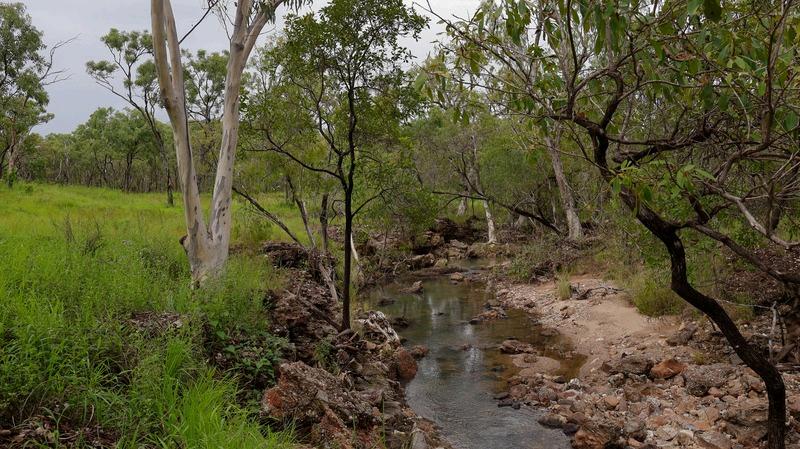

The land and waters within the Northern Gulf region include the country of Western Gugu Yalanji, Kokoberra, Kokomenjen, Kunjen, Kuku Muluridji, Djungan, Wakaman, Bar Barrum, Ewamian, Tagalaka, Kukatj, Gkuthaarn and Kurtijar people.
Gulf Savannah NRM (GSNRM) acknowledges and respects these Traditional Custodians of land and sea. We recognise the diversity of these cultures, and the deep and varied connections Traditional Custodians have with the land and sea within the region We recognise caring for Country contributes to connection, participation and overall health of people and landscapes We recognise the expertise, knowledge, historical and cultural connection of Traditional Custodians, and are committed to our partnerships.
We pay our respects to Elders, past and present, and emerging leaders We acknowledge and recognise the primacy of Traditional Custodians’ obligations, rights and responsibilities to use and care for their Traditional lands and waters
Natural Resource Management is the protection and improvement of the natural assets that underpin our quality of life – our soil and water, the climate, landscapes and biodiversity.
NRM Regions Queensland is the peak body for natural resource management in the state, supporting and promoting its members – the 12 regional natural resource management organisations of Queensland [including Gulf Savannah NRM].

This project received grant funding from the Australian Government