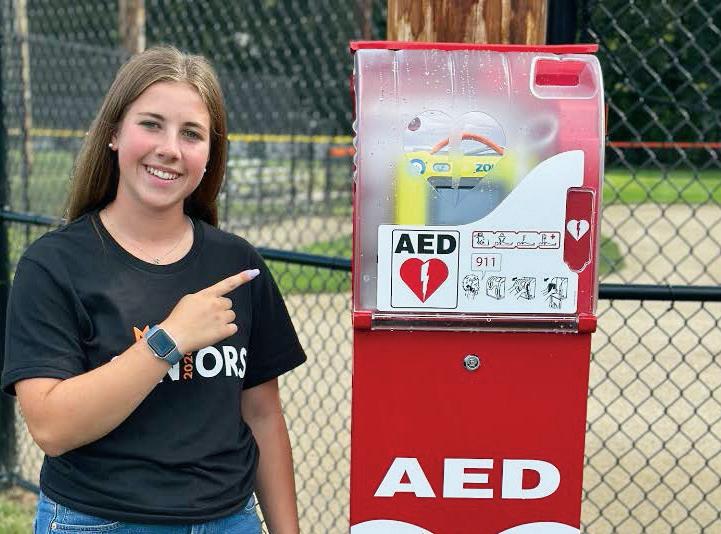
Siena Hesbach: Public Access AEDs
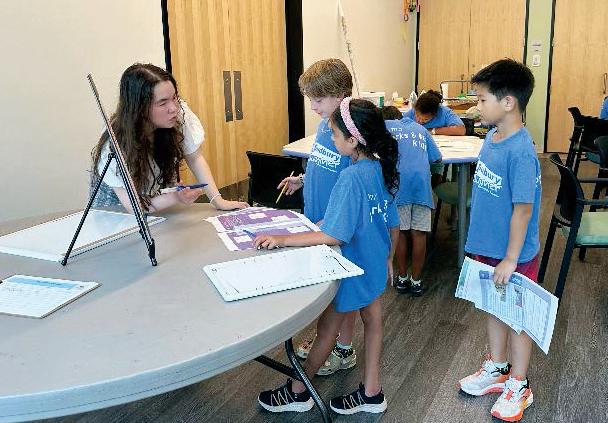
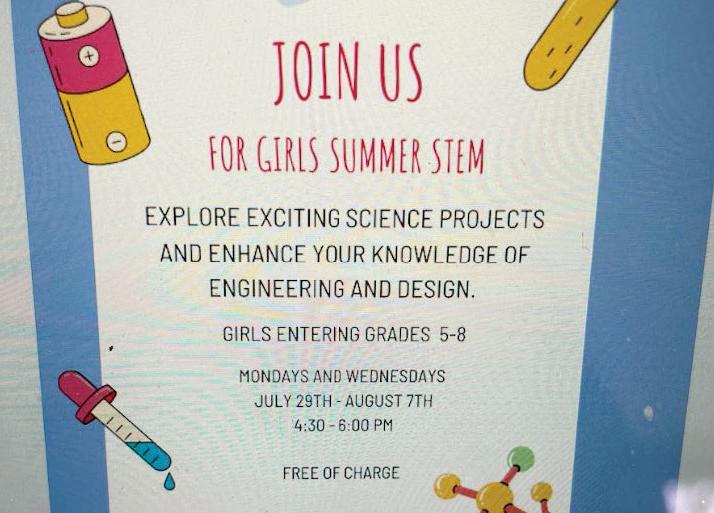
Christina Quin: Bridge to Brilliance: A Summer Learning Initiative
Gold Award Girl Scouts are change-makers. They have changed the world, changed their lives, and earned the most prestigious award in Girl Scouting.
To earn the Gold Award, a Girl Scout identifies an issue in their community, drafts a plan to address a root cause, and leads a team of volunteers to implement it. When the project is complete, the Gold Award Girl Scout and their team have made a sustainable impact on the world that continues to last beyond their involvement.
It’s a huge accomplishment that also impacts the Gold Award Girl Scout as a person. How they see the world—and how the world sees them—is forever changed. It’s also a credential that will be with them for the rest of their life; having the Girl Scout Gold Award on a high school transcript or resumé can make a Girl Scout stand out when it comes to college admissions, scholarship applications, internships, and job interviews.
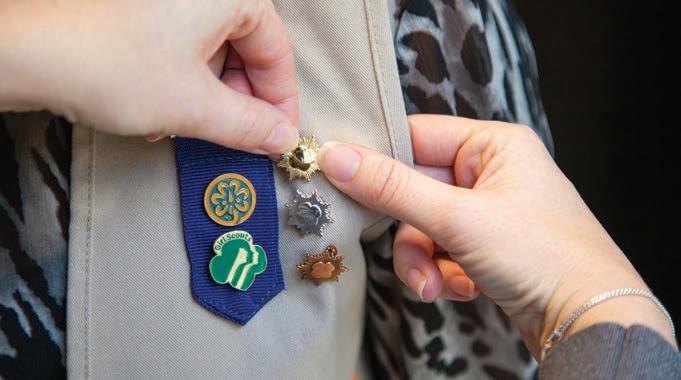
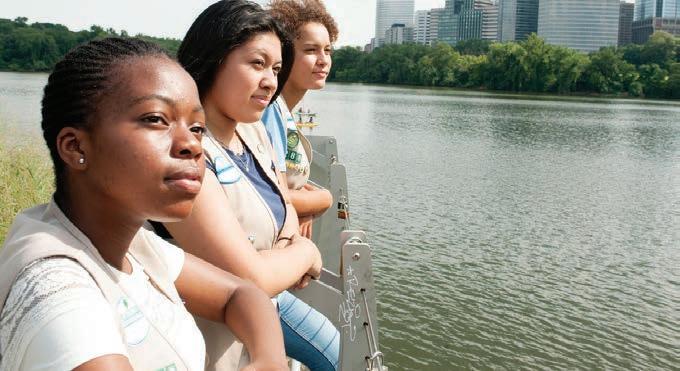
Girl Scouts bring their dreams to life as they work together to build a better world. Through programs from coast to coast, Girl Scouts of all backgrounds and abilities can be unapologetically themselves as they discover their strengths and rise to meet new challenges—whether they want to climb to the top of a tree or the top of their class, lace up their boots for a hike or advocate for climate justice, or make their first best friends. Backed by trusted adult volunteers, mentors, and millions of alums, Girl Scouts lead the way as they find their voices and make changes that affect the issues most important to them.
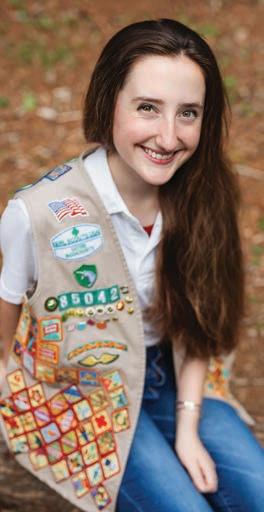
Girl Scouts of Eastern Massachusetts would like to thank the following individuals for their significant commitment of time and talent they’ve devoted to supporting Girl Scouts throughout all stages of their Gold Award projects: reviewing and approving proposals, supporting implementation, and officiating completion.
• Amanda Cheung
• Helen Cohen
• Lucy Costa
• Kelly Del Sorbo
• Mabel Dominguez
• Caitlin Fitzmaurice
• Amy Fong
• Katelyn Frueh Lantz
• Sara Grady
• Carolyn Hely
• Mikayla Hopkins
• Diane Kimball
• Susan Kohlman
• Eileen Koury-Judkins
• Caitlyn LeBlanc
• Cathy LeBlanc
• Courtney Medlin
• Natalie Oakes
• Jessi Robinson
• Suellen Robinson
• Raina Searles Sibanda
• Sarina Sherwin
• Lisa Silletti
• Gail Spring
• Amiya Subramanian
• Sally Webster
• Judith Wilchynski
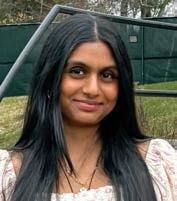
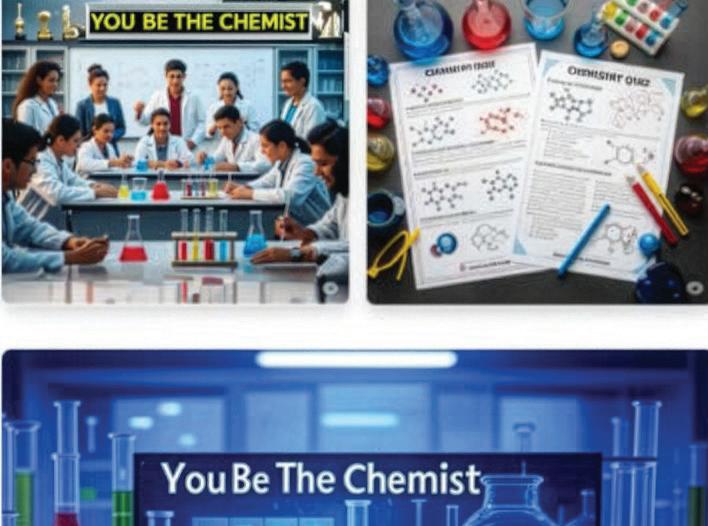
Varsha wanted to help prepare middle school students (grades 5-8) for the “You Be the Chemist” competition, because she understood that balancing regular schoolwork and additional preparation can be tough. Therefore, Varsha designed ChemChallenge, an online quiz platform with interactive practice testing, randomized questions, instant feedback, and an engaging design to make learning chemistry fun and accessible. By addressing challenges such as limited study materials, curriculum gaps, and low student motivation, her website empowered students to deepen their understanding of chemistry and build confidence. Varsha’s work will be sustained through her website, which was designed to allow future volunteers and educators to update and expand its content as needed.
“My leadership emphasized teamwork, accountability, and purpose, helping us deliver a meaningful platform for middle school chemistry learners.”
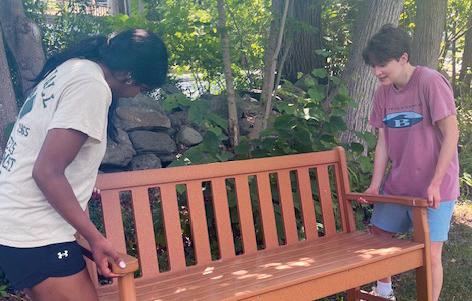
Suravi felt that many people in her community lacked a personal connection to climate change due to the lack of accessible environmental education. To help localize this global issue, Suravi created engaging Story Walk panels that highlighted Acton’s environmental history, the impact of climate change on local landmarks, and actionable steps for local residents. Suravi collaborated with the Acton Sustainability Office, local organizations, and volunteers to design, set up, and host guided Story Walks, reaching over 100 community members. Her project inspired attendees to connect with their town’s climate history and take action for a sustainable future. Suravi’s work will be sustained through her Story Walk panels, which will be displayed annually during the summer, and online resources that will remain available on the Sustainability Office website year-round.
“Climate change is a national and global issue, and mobilization for climate issues is never limited to a local scale. Action will have a positive national or global impact even if it starts by showing people that their own town has and will be affected.”
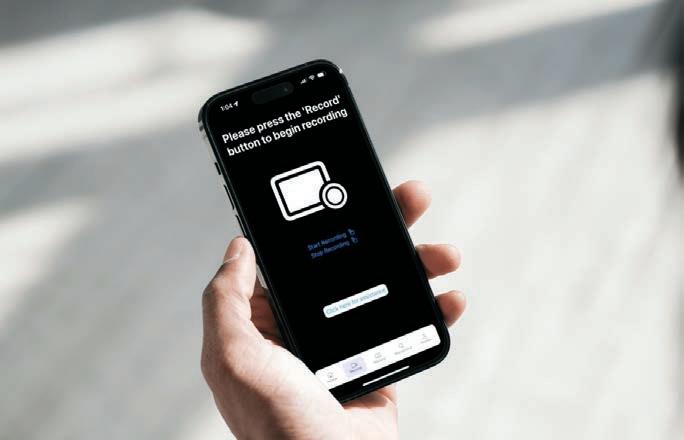
Iniya understood the importance of communicating independently and was frustrated to learn that individuals with Broca’s Aphasia could not. Broca’s Aphasia is a language disorder that affects millions globally and makes it difficult for individuals to form complete sentences despite their ability to understand speech. Iniya developed an innovative iOS app that uses AI to transcribe and finish incomplete sentences, and suggest words based on the user’s descriptions. She tested the app with seniors at the Acton Senior Center and Aphasia patients at Boston University’s Conversation, Health, Art, and Technology (CHAT) sessions, achieving an impressive 78.85% transcription accuracy for version 1. Iniya’s project brought hope and independence to users and will be sustained by the CHAT Center at Boston University, which will integrate the app into its rehabilitation programs for patients with Aphasia.
“The most successful part of my project was hearing the joy and hope from Aphasia patients when I told them about my idea for the app I am creating. They were very intrigued and wanted a mobile app to help them speak independently, which brought me joy because I knew my app would be useful for them.”
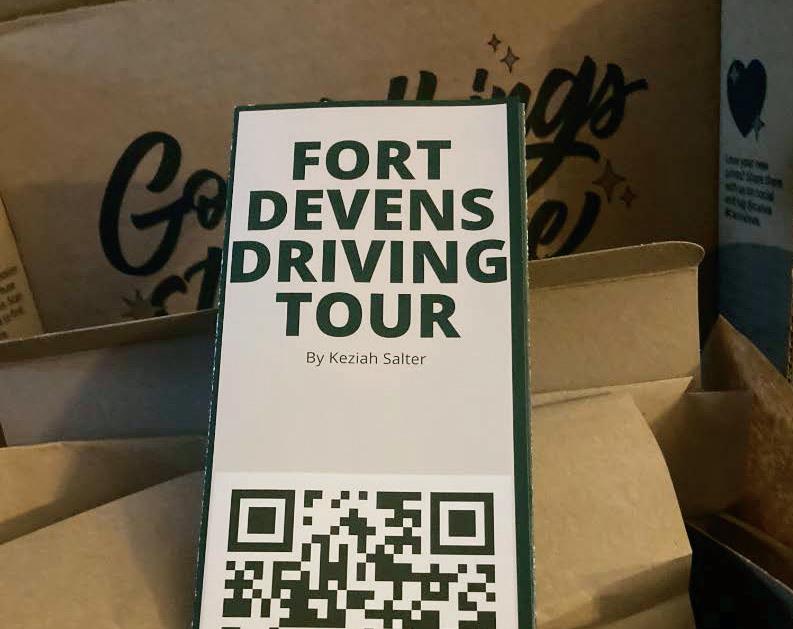
Keziah recognized that people in their community felt disconnected from the former military base, Fort Devens, and its local history due to a general lack of awareness. To make this information more accessible, they created pamphlets and online materials to educate locals, visitors, and students. Additionally, Keziah engaged their community through presentations at schools and events such as Armed Forces Day, which helped foster interest in military history and local heritage. Keziah’s efforts connected people to the historical significance of Fort Devens and inspired local middle school students to explore their local history. Keziah’s work will be sustained through partnerships with the Fort Devens Museum and local libraries, ensuring their resource will remain available for future use.
“I made the decisions that shaped the project, not only including what the project would say and how it would focus, but also making the decisions about how that content is expressed in the wider world.”
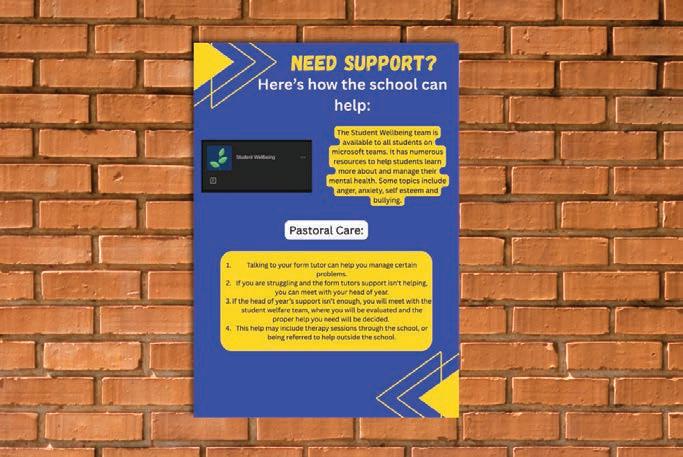
Lilian was upset to learn that global statistics on depression and suicide are on the rise, and wanted to increase her peers’ education and awareness of these issues. In doing so, Lilian created and distributed impactful resources, including infographics, posters, presentations, and activities, to educate students about recognizing depression, supporting those affected, and promoting healthy communication. She worked closely with her school’s staff and students aged 13-14, conducting interactive sessions and surveys to measure the project’s effectiveness. Her efforts helped students gain a deeper understanding of mental health and the importance of communication in supporting peers. Lilian’s work and resources, including a poster detailing the school’s support services, will remain accessible to students, ensuring her project’s sustainability and continued impact.
“A
true leader is someone who works with people and helps them when they are stuck, helping to lift them up to greater heights. I think that’s important to remember, and something I have learned more about during my Gold Award.”
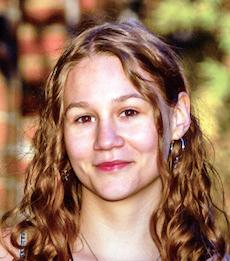
Kate noticed that many athletes in weightclass sports lack proper education on how to cut weight safely. To address this, she created “The Cutting Edge,” an online platform that provides information on safe weight management practices. Her project highlighted the risks of improper weight cutting, including dehydration, muscle loss, and disordered eating, especially among adolescent athletes. By partnering with organizations like USA Powerlifting to promote her work, Kate expanded the reach of her resources to a broader audience. Her project will be sustained through an annual presentation to athletes at Kate’s school and through her website, which will continue to educate athletes worldwide through regularly updated content.
“My most successful part of my project was being able to watch first-hand the safety and success of my promoted methods, which came from the education in my project.”
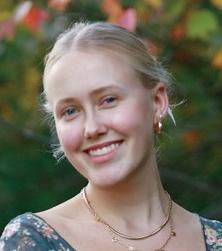
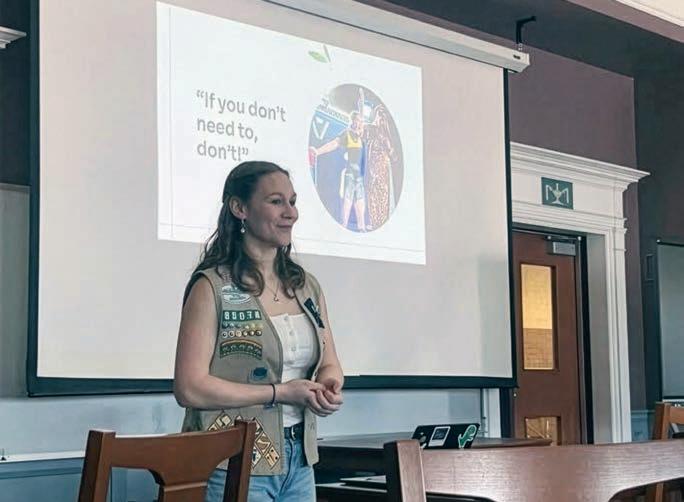
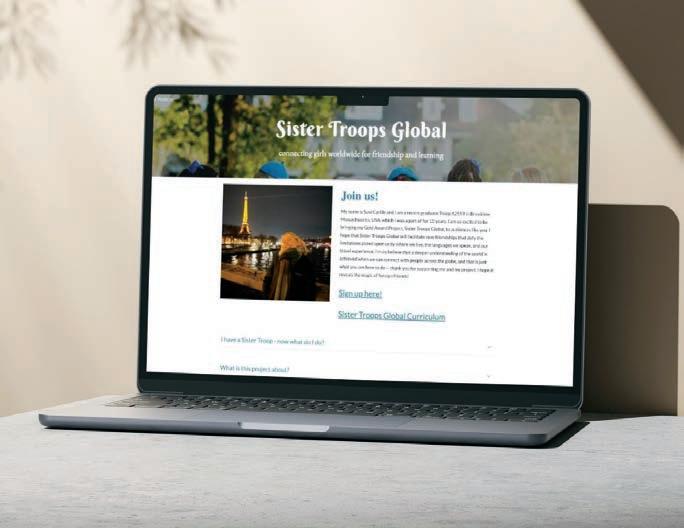
Suvi wanted to encourage her Girl Scout peers to embrace cultural differences through global connections. To facilitate this, Suvi created a website where troops could sign up to be paired with a “Sister Troop” from another country, enabling them to connect via Zoom calls, handwritten letters, and shared activities. Suvi also developed a curriculum with discussion prompts and activities to encourage meaningful cultural exchange and amplify participants’ understanding. Suvi received over 55 signups in her first round, which helped Girl Scouts and Girl Guides gain cultural competence, build empathy, and develop global awareness. Suvi’s work will be sustained by a current Girl Scout Senior who will continue to manage and expand the initiative after Suvi’s graduation.
“In a world with over 7,000 languages, the ability to respectfully communicate with people who don’t speak the same language as you is one that serves a person for a lifetime.”
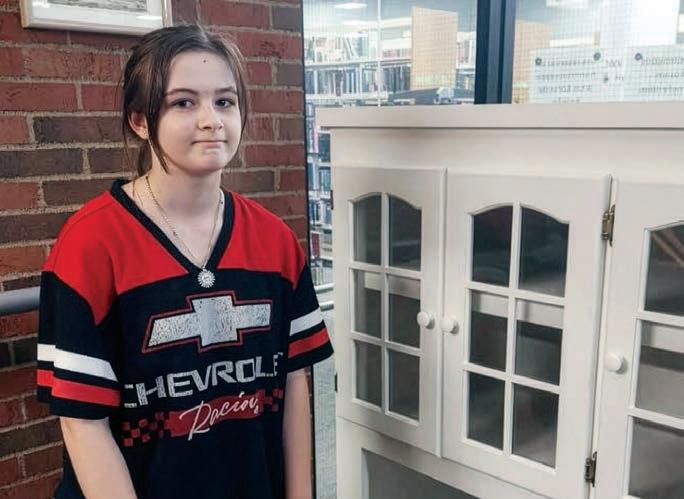
Fumiko was disturbed to learn of the academic gap between low-income students and those from wealthier backgrounds in her community, particularly in science and math. In her research, she discovered that publicly available after-school learning activities were being canceled due to a lack of funding, leaving families who can’t afford additional program costs with inequitable opportunities. To address this, Fumiko hosted two nocost summer science events for children entering first and second grade. The program’s hands-on experiments included making slime, elephant toothpaste, color-changing tea, and plastic polymers. These activities helped students explore scientific concepts in fun and engaging ways, sparking their curiosity and building confidence. Fumiko’s efforts will be sustained by her high school’s UNICEF Club, which will continue hosting similar events for years to come.
“The most successful part of my project was definitely the actual event. I loved having a sense of accomplishment of all my efforts actually coming to life, and people actually enjoying it.”
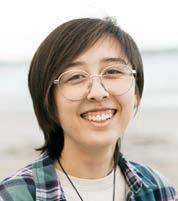
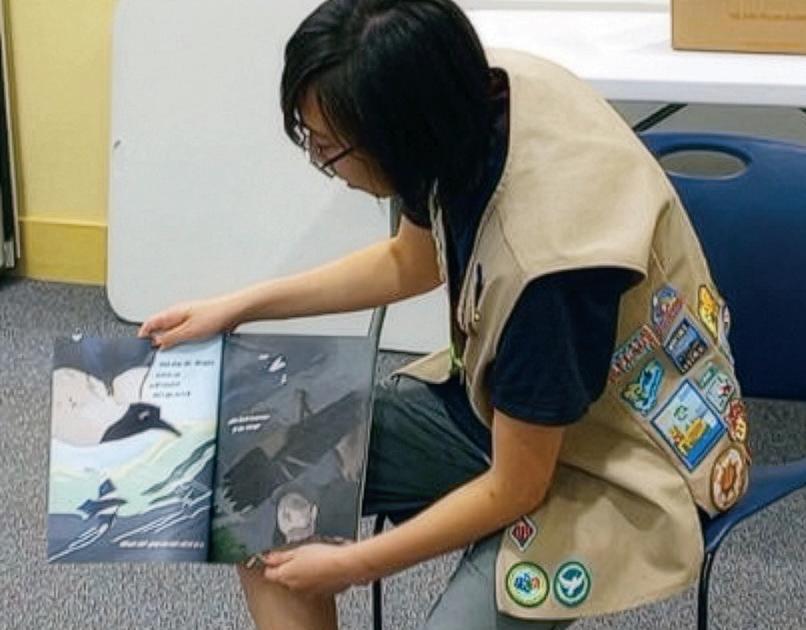
Eiko wanted to raise awareness about deforestation and its impact on ecosystems in a creative and approachable way. To accomplish this, Eiko wrote, illustrated, and self-published a children’s book that educates young readers about the importance of conservation and the effects of human expansion on the environment. To further spread the word, Eiko hosted engaging read-aloud events at libraries, schools, and camps, reaching over 220 children and adults. Their events included interactive activities, such as a paper-plate bird craft and custom coloring pages, to enhance children’s understanding of the book and its topics. Eiko’s efforts will be sustained through the copies of their book that they donated to local libraries, schools, and environmental organizations.
“I ran into many, many obstacles along the way, and I used problemsolving skills to make sure everything worked out in the end.”
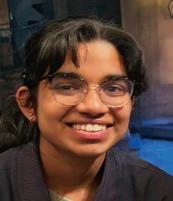
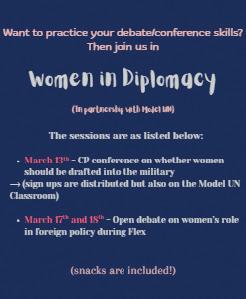
Meghna recognized that many students are interested in global issues and foreign policy, but lack access to Model UN opportunities. By collaborating with student leaders and faculty advisors, she worked to create accessible opportunities for students to participate in conferences, discussions, and leadership experiences. Her initiative addressed barriers to involvement by providing guidance, resources, and support for those new to Model UN, helping them build confidence in public speaking, research, and collaboration. Through partnerships with experienced members and mentors, Meghna established a strong foundation for continued participation. Her project will be sustained through ongoing school programs and student leadership, ensuring future participants can benefit from and build upon her work.
“I like it when I have other thoughts and opinions around, even if they don’t directly align with mine. Not only will that give me a new perspective, but it will bring out better options than I could have possibly imagined.”
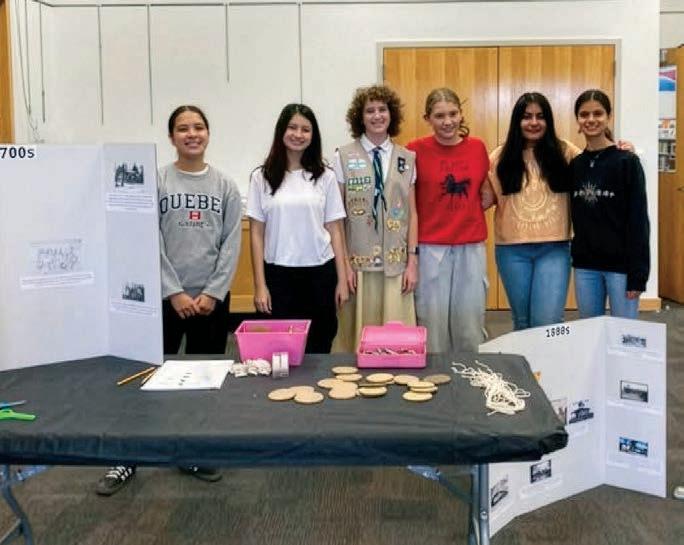
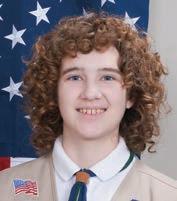
Sarah was frustrated by the lack of a local history curriculum in her town’s schools and the larger community. To make resources more accessible to the general public, Sarah organized the Chelmsford Public Library’s Local History Room, created educational videos, developed interactive programs like “History Through Games,” and hosted a booth at the Chelmsford Fall Festival featuring crafts, scavenger hunts, and colonial games. Her efforts engaged children and the community, fostering an appreciation for Chelmsford’s rich history from 1653 through the present day. Sarah’s project will be sustained by improved accessibility of the library’s Local History Room and by her collaboration with the Chelmsford Historical Society and its proposed teen program.
“Sometimes leaders must first define a path so others can follow. I knew that not everyone could use the same path, so that is why I wanted my project to have different outreach points.”
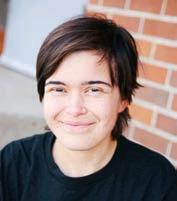
Evelyn Gayhart
Evelyn was upset to learn of the problems caused by bullying and social isolation in schools. She felt the best way to address this issue was to create Buddy Benches: welcoming spaces where students can build friendships and learn about inclusion. She collaborated with community members, businesses, and school leaders to fundraise, build, and install Buddy Benches at local schools. To accompany the benches, Evelyn also developed a curriculum to teach students and staff about kindness, mindfulness, and bullying prevention. Her work inspired students, families, and educators to foster a culture of empathy and connection within their communities. Evelyn’s efforts will be sustained through annual staffled education using her curriculum, and with continued enjoyment of the Buddy Benches at each school.
“By having benches and conversations about how people feel, we can, in turn, be inclusive, inviting, and supportive, and give students confidence and connection.”
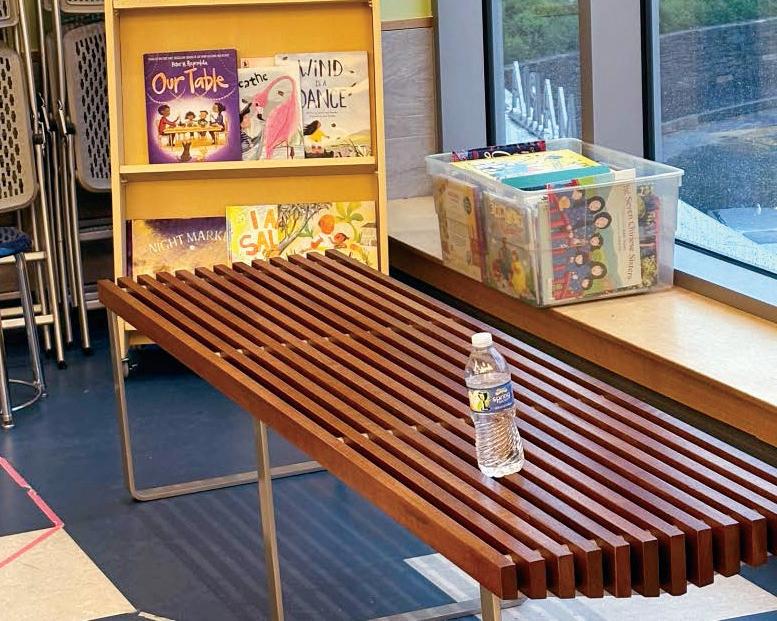

Aatu wanted to help address food insecurity in the Framingham community, especially for working families who struggle to access traditional food pantries during their operating hours. To accomplish this, they collaborated with local organizations, including the Framingham Public Library and Daniel’s Table, to design and build an accessible pantry open on weekends and in the evenings, organize food drives, and create multilingual resources to educate the community about food insecurity. Aatu’s efforts resulted in a sustainable pantry that will continue to operate with the support of the Framingham Public Library (where the pantry is located), their parents, and community volunteers.
“I have definitely increased my own self-confidence and my collaboration skills through my involvement with this project, as well as my general confidence in promoting activism. I feel as if my voice can be heard, no matter how small what I do may be.”
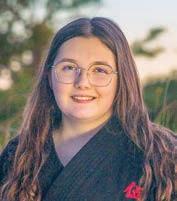
Shealeigh was concerned about the decline of pollinators in her local area and wanted to educate her community on their importance. Through peer education and hands-on involvement, Shealeigh fostered a culture of community engagement. She gave presentations to her school’s environmental club and local Girl Scout troops, trained her team to identify key flower species, hung informational posters around her community, and spent 30 hours creating a website to spread the word to a larger audience. Her efforts will be sustained through volunteer participation and outreach efforts by her school’s environmental club, allowing future Girl Scouts and community members to build on her work and expand its impact.
“This isn’t just a problem in my community; this is an issue around the world, and it should be addressed properly.”
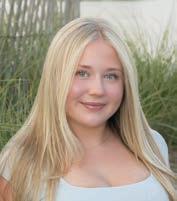
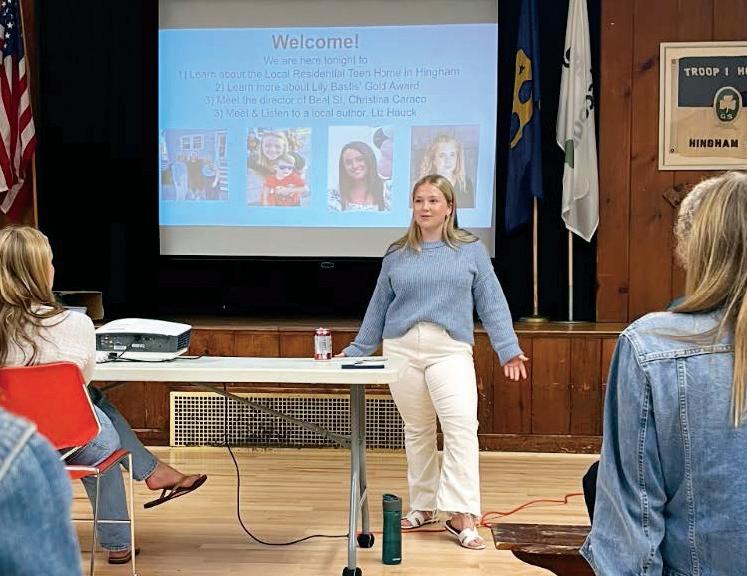
Lily wanted to support adolescent residents in group homes after learning that many struggle with isolation. Recognizing that individuals within the foster care system have been displaced from their support networks, Lily’s Networking for Neighbors team provided Christmas stockings, Easter baskets, birthday bags, and home-cooked meals to teen residents of the local group home, helping them feel more connected to the community. By building partnerships with local organizations and Girl Scout Troop leaders, Lily established a sustainable network of volunteers to continue this work. Her project ensures ongoing support while encouraging future volunteers to expand and deepen its impact.
“I learned that I am capable of taking initiative and leading others even when challenges arise, and I gained confidence in my ability to be proactive in driving positive change in my community.”
Audrey believed that a lack of diversity education in her community could be remedied through early intervention and by encouraging children to broaden their worldview by reading diverse stories. To help promote tolerance and understanding, she designed and built a rolling bookshelf at a local elementary school. The shelf features over 80 books that celebrate different cultures, ethnicities, and experiences. To further engage students, Audrey created interactive Bingo boards for young readers to dig deep and explore how diversity manifests in day-to-day life. Audrey’s efforts will be sustained by the school librarian, who will rotate the book collection and ensure its continued use as a valuable educational resource.
“This experience showed me the importance of collaboration and how combining different skills and ideas can lead to a successful outcome.”
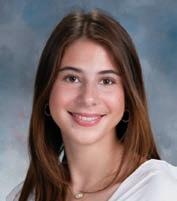
Victoire Schaeffer
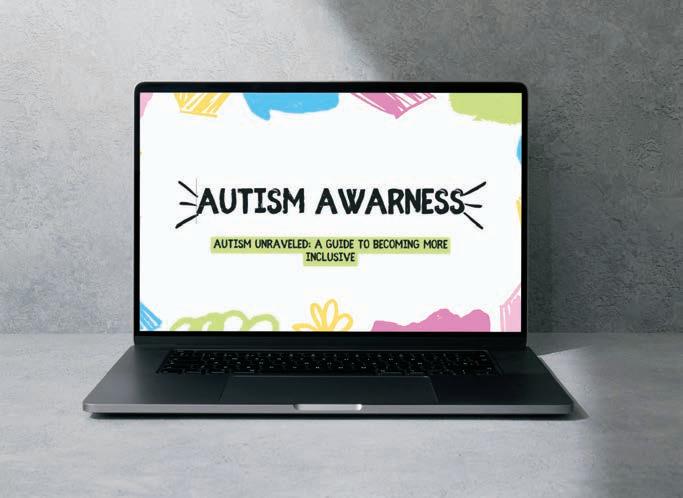
Victoire knew there was a knowledge gap in her community related to neurodivergent youth, especially in schools and other public spaces. To help educate school-aged children in her community about the importance of inclusivity, Victoire created an engaging e-book with infographics, activities, and stories about autism and promoting acceptance. Victoire conducted five interactive presentations at summer camps, using role-playing games and scenarios to teach children how to support and include their neurodivergent peers. Additionally, she created a website to provide ongoing access to resources and tools for fostering inclusivity. Victoire’s efforts will be sustained through her e-book and presentation materials, which she shared with schools and programs across Massachusetts.
“My project has tried to decrease some of the stigma in my own community and play my part to make the world a more inclusive place for people with disabilities, specifically people with autism, such as my brother.”
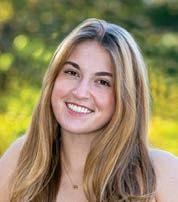
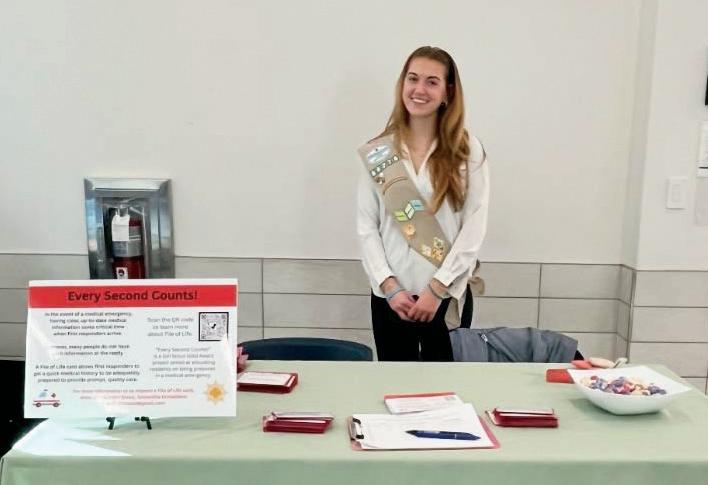
Samantha knew firsthand the importance of having up-to-date medical information readily accessible in an emergency situation. She introduced the File of Life program, an organizational system recognized by first responders, to her community through workshops, an informational table at the State of the Town Meeting, email outreach, and direct distribution, successfully providing over 300 File of Life cards to town residents. Samantha’s efforts will be sustained through her reusable toolkit, including a website, workshop scripts, and information cards, designed to help the Council on Aging and other organizations replicate her program.
“I am effective at building partnerships, communicating information in accessible ways, and I have the persistence to stick with my efforts when faced with obstacles.”
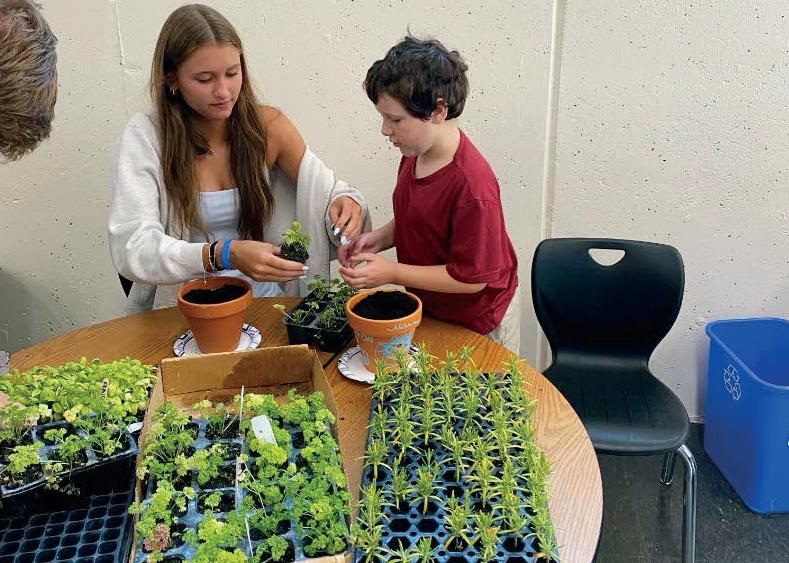
Anna was disappointed to learn that fresh produce was not being provided to members of her community’s Council on Aging (COA) through Massachusetts’ Senior Nutrition Program. Anna decided to build three raised garden beds on wheels, allowing seniors to grow fresh vegetables and herbs to enhance the nutritional value and flavor of their meals. Anna filled the garden beds with plants donated by local farms and hosted an herb-gardening workshop to teach seniors and students how to grow and care for herbs at home. Anna’s efforts did more than just improve flavor and nutrition; the garden also fostered a sense of community among COA members and introduced them to gardening as a new hobby. Anna’s project will be sustained by the COA, which will maintain Anna’s reusable garden beds and continue to host gardening workshops using her curriculum.
“I learned how to solve problems on my own when challenges came up. I also had the opportunity to work with people I had never worked with before, which pushed me to improve my communication and collaboration skills.”
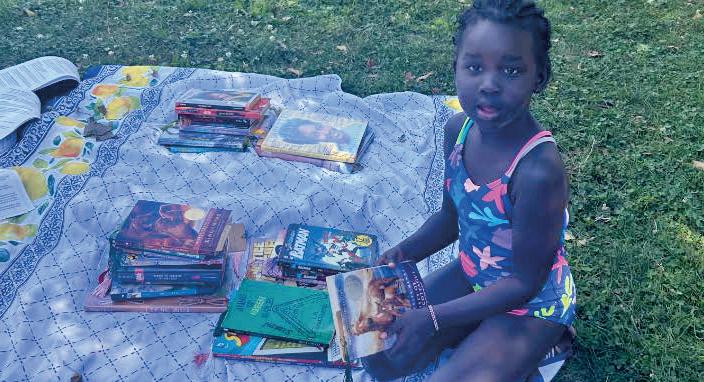
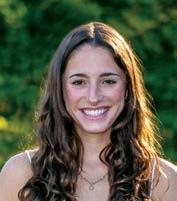
Alexandria was concerned to learn of the summertime literacy challenges South Sudanese immigrant children in her community were facing due to a lack of learning opportunities and resources outside of school. Despite being unable to engage with children as originally planned due to ICE raids, Alexandria adapted her project to meet the community’s needs. Alexandria provided like-new books through donations, created a library navigation curriculum, and partnered with Nosy Crow Publishing to ensure students had continual access to engaging multiformat reading materials. Alexandria also collaborated with the South Sudanese Enrichment for Families (SSEF) program, local libraries, and her high school’s Global Scholars group to teach children and families how to effectively access library resources and cultivate a love of reading as a foundation for lifelong learning. Alexandria’s efforts will be sustained through SSEF, the children and families who received books and literacy tools through her project, a commitment from Nosy Crow Publishing to continue book donations, and volunteers from her high school’s Global Scholars group.
“Seeing the students grow in confidence and excitement for reading made me realize how much impact one person can have when they listen, plan thoughtfully, and act with purpose.”
Annabelle Caouette
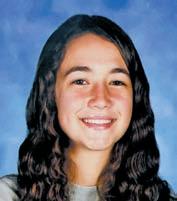
Annabelle noticed a decline in youth participation in her town’s softball league, especially in elementary school-aged girls. To get her younger peers excited about the sport, she organized three free clinics for girls in grades 3-7 to learn fundamental softball skills, rules, and techniques. Annabelle also created a video featuring high school and college players as role models and hosted a parent information session on softball equipment. Her efforts led to increased player confidence and skills, and all participants signed up for youth softball teams. Annabelle’s Gold Award project will be sustained by the Littleton Youth Softball Board and through the detailed playbook she created to help guide future softball clinics.
“I saw firsthand the importance of being a positive role model for young girls when I ran into one of my clinic participants at my varsity basketball game, and talked with her and saw how excited she was to see me outside of the clinic, and that I took the time to talk with her.”
Lillian Williams Lynnfield
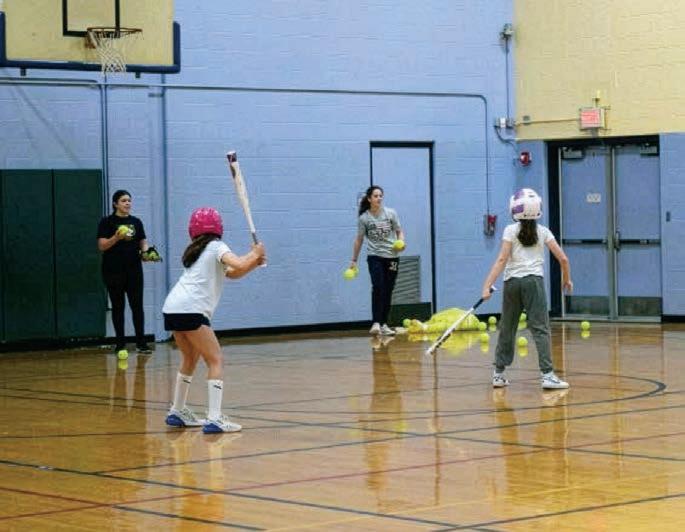
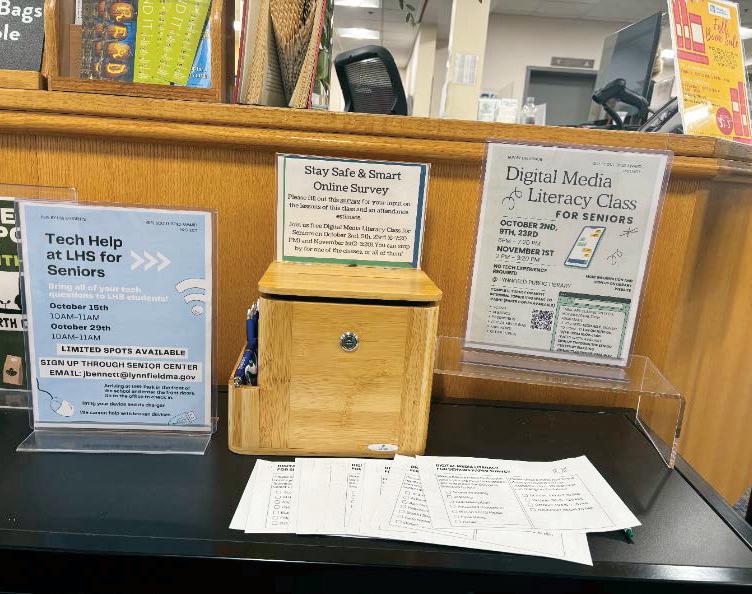
Lillian set out to empower the older members of her community by enhancing their media literacy and educating them about the many scams that specifically target older adults. With these goals in mind, Lillian developed and taught a four-part curriculum for seniors on scams, Google tools, artificial intelligence, and misinformation/disinformation. These lessons were designed to help bridge the generational digital divide by empowering seniors to stay connected, use technology confidently, and stay safe in an increasingly digital world. Lillian also revived a monthly Tech Help Desk at Lynnfield High School, where seniors receive one-on-one support from AP Computer Science and Girls Who Code students. Lillian’s efforts will be sustained beyond her involvement through her website, the program’s curriculum and resources, and by high school and senior center staff members who will help sustain the Tech Help Desk program.
“I discovered that I am confident in communicating with adults and community partners, and that I can adapt quickly when plans change.”
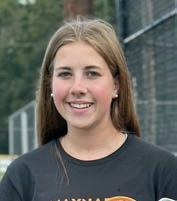
Siena knew that many sudden fatalities caused by cardiac arrest could possibly be prevented with the use of an Automated External Defibrillator (AED). She was particularly concerned about members of her community utilizing public outdoor spaces, including sports fields and parks. Siena successfully installed five ZOLL AED 3 devices in key public locations, ensuring compliance with Massachusetts Interscholastic Athletics Association (MIAA) regulations and enhancing community safety. Siena also led educational initiatives, teaching CPR and AED usage to local students, athletes, and residents. Her efforts will be sustained by the Maynard Fire Department, with funding allocated by the town’s Select Board.
“I can speak about this topic like an expert, and it surprised me how many adults would listen to me and not try to interrupt or upstage me.”
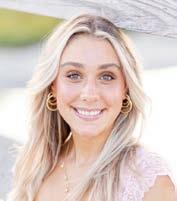
Madison wanted to break the stigma surrounding eating disorders and help students in grades 7-12 embrace a more body-positive narrative. Through her Gold Award, Madison created an updated curriculum for middle school health classes, hosted a community panel featuring medical professionals, and distributed educational brochures, affirmation cards, and business cards with support information for those who were struggling. Her efforts educated teens on the signs, risks, and consequences of eating disorders, as well as how to foster positive body image and media literacy. The project’s impact will be sustained through the continued use of the updated curriculum at Fowler Middle School and the availability of her panel discussion on Maynard’s WAVM YouTube channel, ensuring ongoing access to these resources for years to come.
“I learned the following about myself: that I am much more mentally strong than I once believed. I realized this strength when I shared my story with others—not with fear, but with pride in how far I have come and the person I am today.”
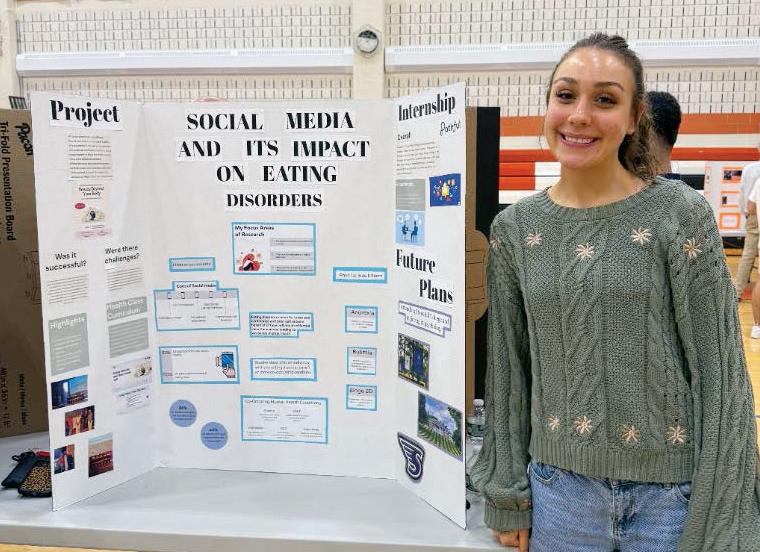
Claire Gingo Medford
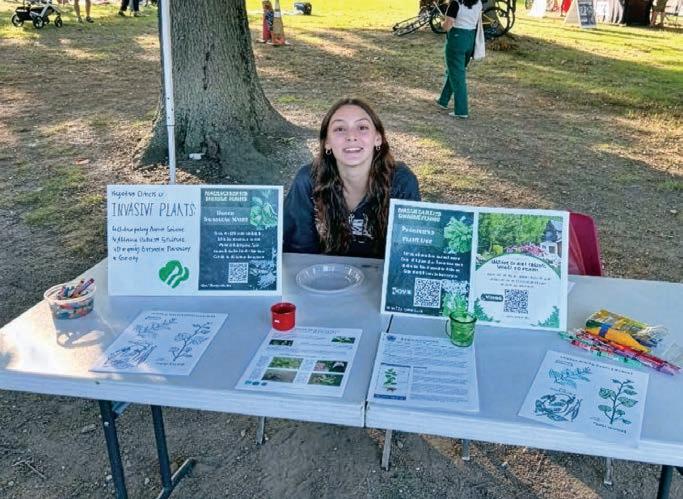
Claire understood that invasive plants can pose numerous problems for an area’s ecosystems, biodiversity, and even humans. To prevent her community from experiencing these hardships, Claire organized community clean-ups, performed educational outreach at farmers’ markets, and created a mini-curriculum for her high school’s environmental science classes. Throughout her project, Claire organized and participated in the removal of invasive plants from over 250 square feet of land, engaging more than 150 community members in the process. Her efforts will be sustained through the continued use of her curriculum and ongoing clean-up efforts by Friends of the Fells and the Department of Conservation and Recreation (DCR).
“Doing a project on my own as a high school student felt very daunting, and the Gold Award was certainly a step up in difficulty from the Silver Award, but I learned that I am able to rise to the challenge and accomplish more than I expected myself to.”
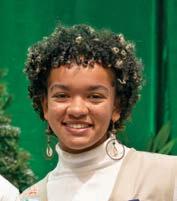
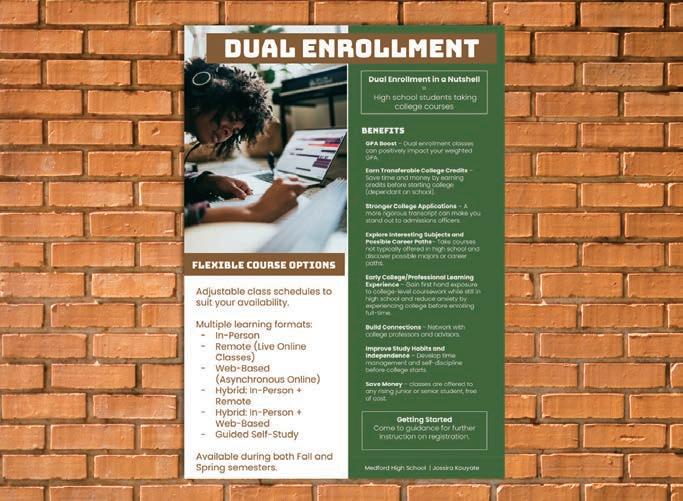
Jossira was frustrated that vocational students at her high school were not informed of advanced academic opportunities because systemic inequities prevented the school from acting in their best interests. Through extensive research, collaboration with school administrators, and a final presentation, Jossira highlighted the inequities in vocational education and proposed solutions to increase access to rigorous coursework. Her efforts led to a commitment from Medford Public Schools to promote dual-enrollment opportunities at a local community college and remove restrictions on vocational student participation. Jossira’s project will be sustained through ongoing distribution of her informational flyer and continued support from the Medford High School Guidance Department.
“My willingness to engage in thoughtful conversation with those around me to find a solution, even during times of serious doubt, played a significant part in my seeing this project to the end. But my passion for this topic is ultimately what kept me going.”
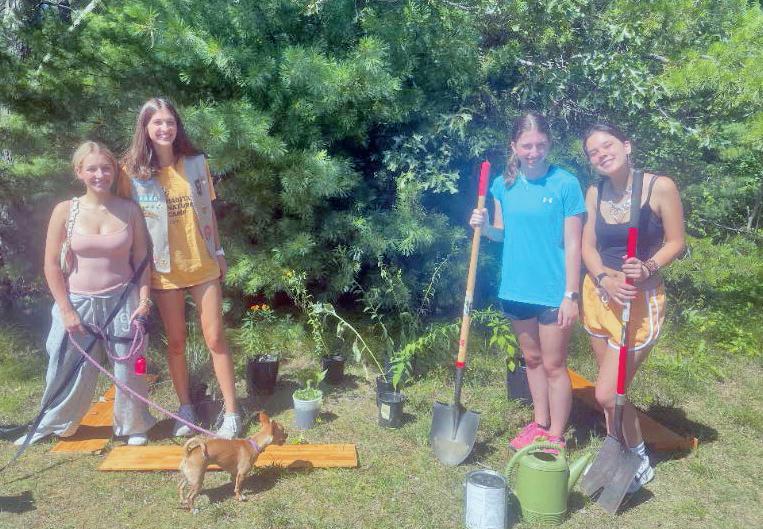
Sally Elinskas: Native Plants and Their Environmental Importance
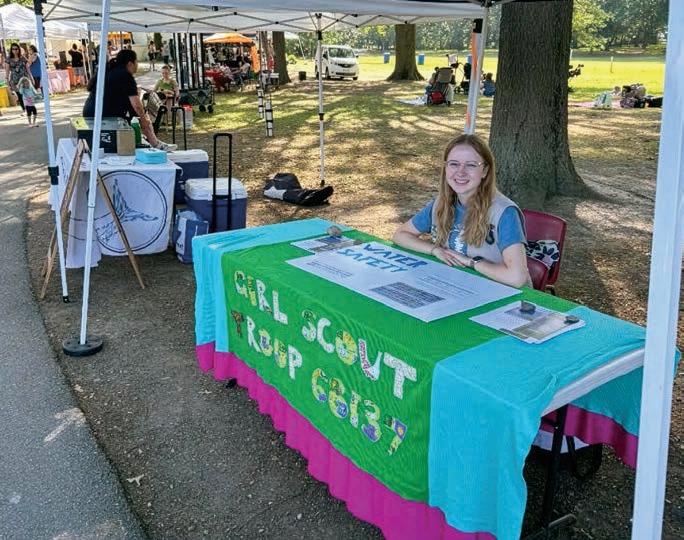
Bethiah was concerned by her community’s lack of swimming education and awareness about drowning risks in the Mystic Lakes and Watershed area. Through research, community outreach, and collaboration with local organizations, Bethiah educated families and students on swim safety, proper swimming attire, and drowning prevention. She hosted booths at local farmers’ markets, created informative flyers, and worked with her high school and the Mystic River Watershed Association to incorporate water safety information into the curriculum. Her project will be sustained through the updates to her school’s curriculum, her blog post on the Mystic River Watershed Association website, and the distribution of her educational materials.
“Unlike selling cookies, people won’t stop to speak to you [at the farmer’s market] because you aren’t selling them food; you have to give them motivation to stop by, bridging the gap between you and the person you are talking to.”
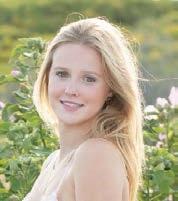
Emery was troubled by the lack of free longterm music programs for local children. Emery created a ukulele program for children in grades 1-3, teaching them to play music while building confidence, self-esteem, and stress-management skills. She collaborated with local organizations, including MUSACK, which donated six ukuleles, and the Nantucket Boys and Girls Club, which provided space for the classes. Emery’s efforts will be sustained through the music books she designed and the instructional YouTube videos she created. Additionally, Emery secured the Boys and Girls Club as the project’s next overseer and facilitator.
“My Gold Award showed me how I could take something that I was passionate about and turn it into something extravagant, and help get others involved in my passions.”

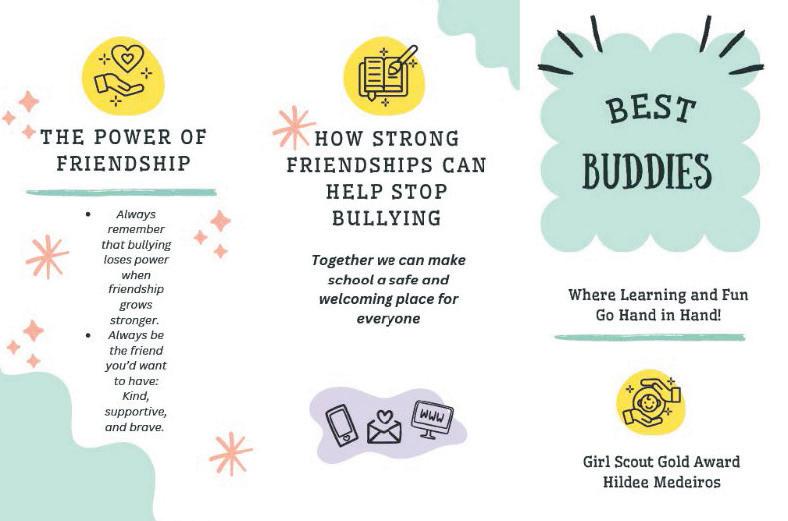
Hildee believed that a strong emphasis on friendship in an adolescent’s life could counterbalance the possibility of bullying, psychological distress, impaired brain development, and academic inferiority that are often present in children without strong social skills. Over 10 months, Hildee led monthly lessons that helped third-grade students develop social skills, build meaningful relationships, and understand the power of empathy. Activities included surveys, role-playing, and group tasks to foster connections and reduce social isolation. The program culminated in a Friendship Day celebration, where students pledged to be good friends and celebrated their bonds. Hildee’s efforts will be sustained by the staff of Nantucket Intermediate School, who will follow the comprehensive lesson plan binder Hildee created. Additionally, Hildee’s work will be sustained through the students and their families, who all received a pamphlet detailing the importance of friendships, strong bonds, and their potential to stop bullying.
“I learned that I have the ability to pick a topic that means a lot to me and implement a change in the world.”
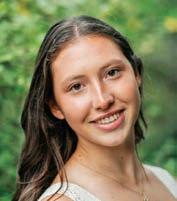
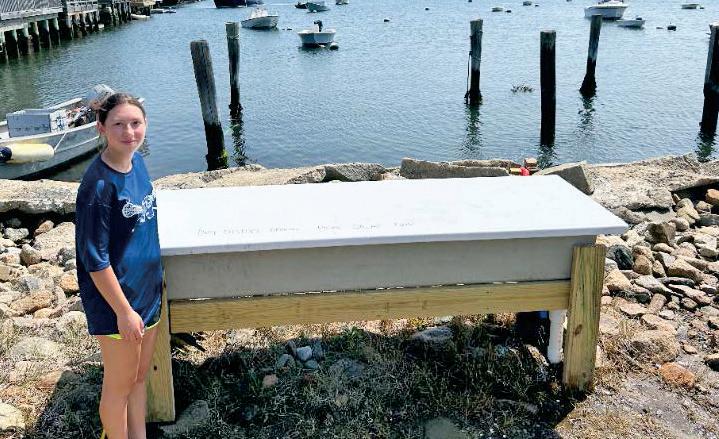
Carley was concerned about the state of Nantucket Harbor and the unhealthy ecosystem created through excessive fertilizer runoff. Carley understood that an increased oyster population could improve the overall water quality, so she designed and built an oyster upweller, a system that filters harmful nutrients from the water while supporting oyster growth. Carley educated Nantucket residents and visitors about sustainable gardening practices, water quality testing, and the vital role oysters play in maintaining healthy ecosystems with science fair demonstrations, oyster upweller site tours, educational brochures, and built a page on the Nantucket Land and Water Council’s website. Additionally, her efforts earned her recognition as Nantucket’s 2023 Environmental Advocate of the Year. Carley’s efforts will be sustained by the Nantucket Land and Water Council, which will continue the upweller’s operation and tours, and maintain the educational resources Carley created.
“I learned that I am capable of leadership, even when it gets stressful, or I am the youngest or least experienced person in the room, I have the ability to make changes and big impacts within this world.”
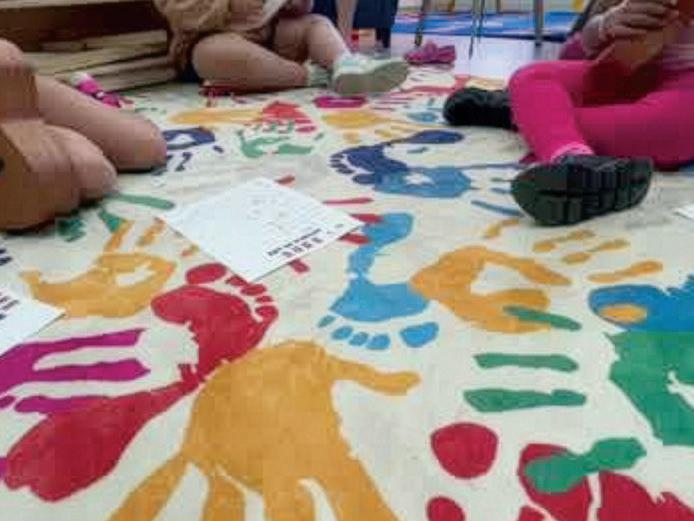
Mackenzie wanted to help other students understand anxiety, particularly in adolescents, and counteract the stigma surrounding it through education and awareness. Through research, presentations, and creative activities, Mackenzie educated her peers on recognizing symptoms, managing anxiety with healthy coping mechanisms, and fostering healthy communication. A highlight of her project was an art activity where students traced their hands and shared coping strategies, creating a safe and supportive environment for open discussions about mental health. Although Mackenzie’s school closed after her graduation, her Gold Award left a lasting impact by empowering adolescents to understand and manage their own anxiety while promoting mental health awareness in others.
“I realized I could use this project as an opportunity for me to learn more coping skills as well. It gave me the chance to test everything out!”
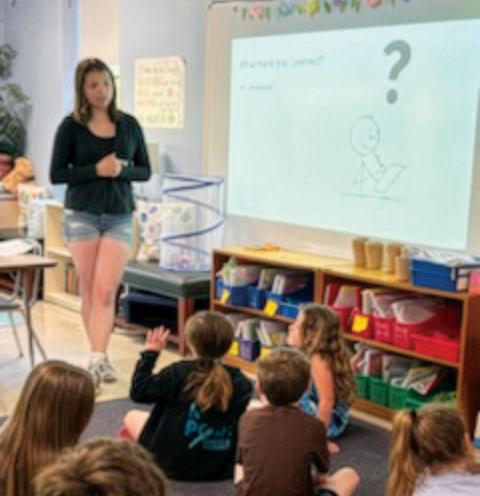
Sally felt that while many understood the importance of eradicating invasive plants, not enough knew about the native plants that should replace them. To better educate her community on healthy ecosystems, she designed and established a native plant garden to restore local biodiversity and provide a hands-on learning space. Partnering with a local elementary school, Sally taught younger students about the impact of invasive species on pollinators and natural habitats through activities and an educational animation. Her project promoted awareness and encouraged stewardship among the next generation. Sally’s initiative will be sustained through her garden’s success, school programming, and her animation’s presence on the conservation committee’s website.
“I learned that I can do more than I had imagined, not just in terms of my life but in my community.”
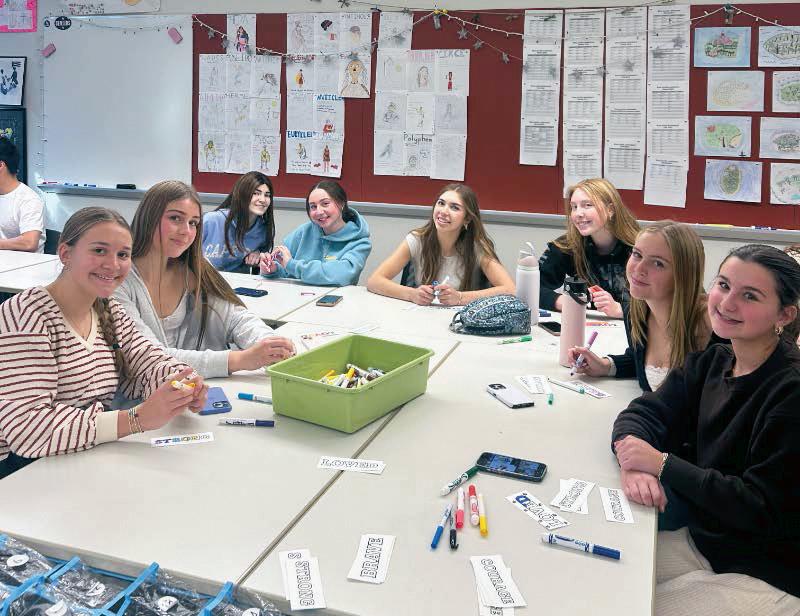
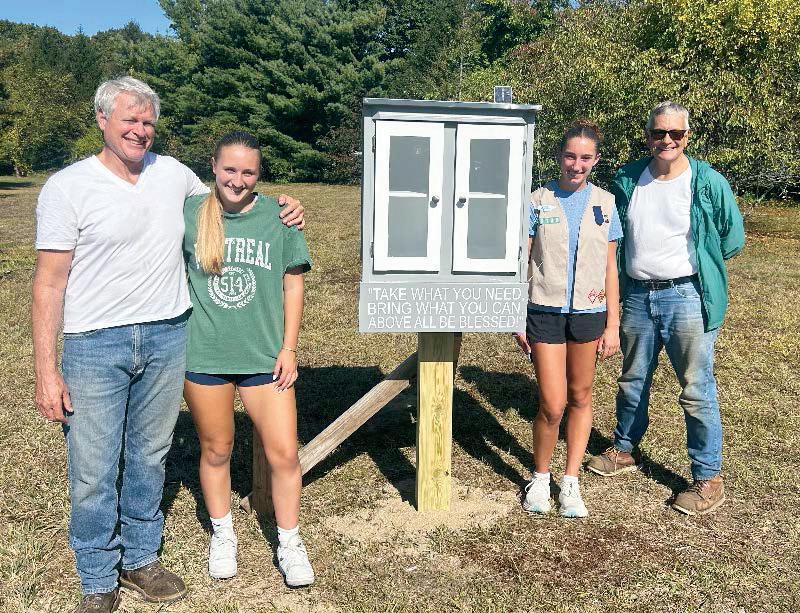
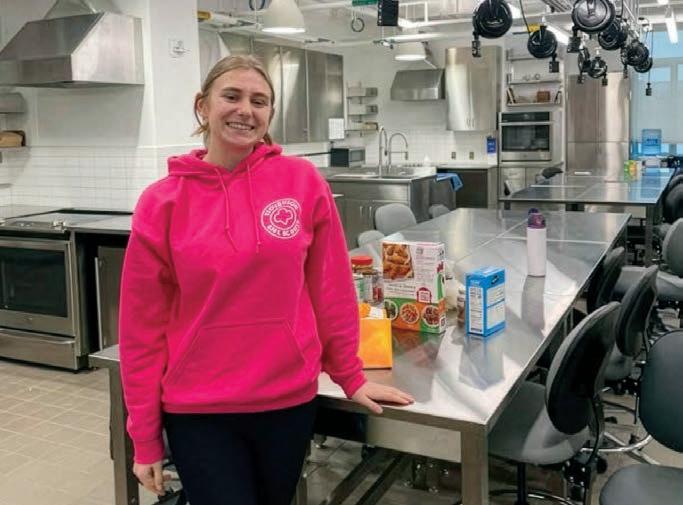
Ravneet Rakhra: Think Safe, Act Smart-Empowering Teens and Adults Against Abduction
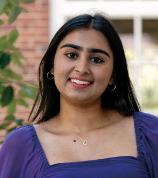
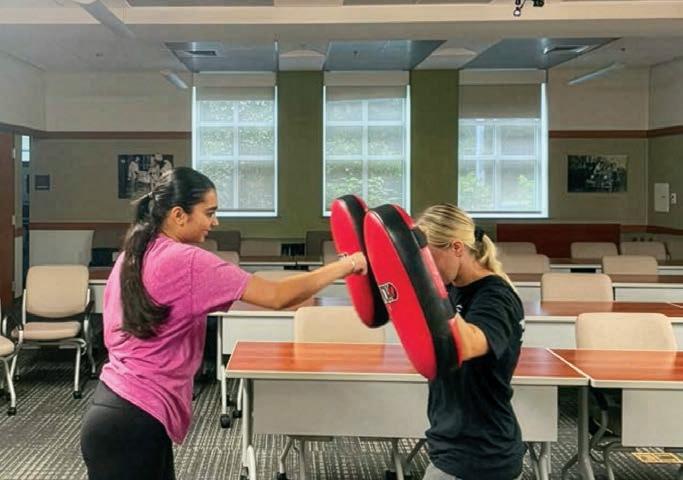
Ravneet learned that abduction rates in her town were on the rise, and she wanted to help her community members feel prepared if they ever found themselves in a frightening position. To raise awareness and increase community preparedness, Ravneet partnered with the Sharon Police Department to host 10 self-defense seminars, reaching over 100 participants ages 13 and over. Attendees learned practical self-defense tactics, safety strategies, and how to be decisive in dangerous situations. The seminars also emphasized mental strength, thinking clearly, confidence-building, and personal empowerment. Ravneet’s efforts will have a lasting impact, as the Sharon Police Department plans to continue hosting the seminars every six months.
“Teaching people self-defense was super fulfilling to me and made me want to continue teaching in some aspect of my life.”
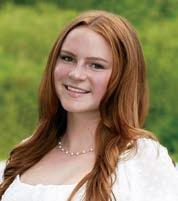
Alexia understood that a family member’s cancer diagnosis can be stressful and overwhelming for children navigating emotional challenges. To help children and their families with these discussions, Alexia partnered with Emerson Hospital’s Pediatric Intervention Team and her school’s Pediatric Intervention Club to create a resource binder, collect donations of helpful children’s books, and provide handmade, customizable bookmarks for families to keep. These items provided emotional support and distraction for children during difficult moments. Her project will be sustained through continued collaboration between the hospital and student volunteers, allowing future participants to create and distribute materials and expand the program’s reach.
“I discovered that I can confidently take on leadership roles and communicate effectively with people of different ages and levels of responsibility.”
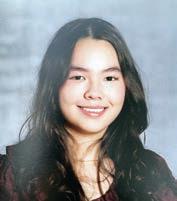
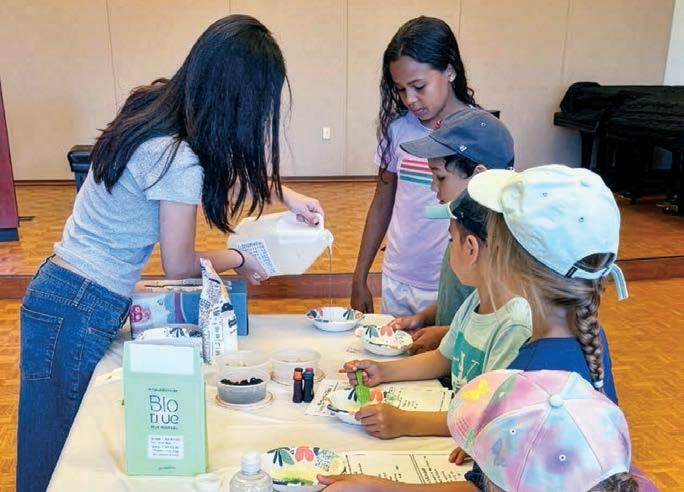
Christina was disheartened to learn that many low-income K-6 students in her community were at high risk of summer learning loss due to limited educational opportunities. To help close this programmatic gap, Christina launched a free, in-person tutoring program with support from Sudbury Park & Recreation. There, she and her team served 62 students over six weeks. The program offered small-group lessons in reading, math, ESL, and art, along with handson STEM mini-labs to spark curiosity and practical life skills. She recruited and trained teen and college volunteers, created a Summer Enrichment Handbook, and developed pre- and post-assessments to measure student progress, resulting in average improvements of 14% in math and 16% in reading. Christina’s efforts will be sustained through partnerships with local nonprofits, digital resources, and mentorship of younger Girl Scouts, ensuring the program continues in future summers.
“I learned that I can take an idea all the way to a working program— setting SMART goals, building a clear timeline, and holding myself to measurable results. I also discovered I’m persistent and resourceful.”
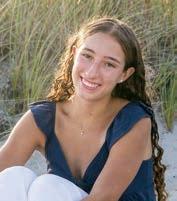
Katelyn was concerned about families struggling with food insecurity in her community and wanted to create a resource that would provide them with access to food at any time. Katelyn collaborated with a local church, which provided the space for a food pantry to be built and maintained. She also created flyers and used social media to promote the pantry, inspiring her neighbors and spreading the word to those who could benefit. Katelyn’s work will be sustained beyond her involvement by the church, which will regularly restock the pantry using donations from parishioners.
“When I’m passionate about something, I don’t give up until it’s done.”
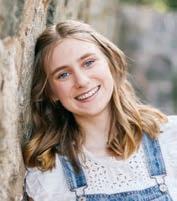
Keala recognized that although food assistance programs and pantries offer many items, some foods go unused because families are unsure how to prepare them. She created How Do I Cook This?, a multilingual cookbook featuring 40+ simple, healthy recipes and basic guidance to help her community improve nutrition and reduce food waste. She collaborated with translators, educators, an illustrator, and local organizations to ensure the cookbook is friendly and accessible in multiple languages. How Do I Cook This? is available online and in print at several local food pantries and the Stoughton Public Library. Keala’s efforts will be sustained through distribution in community spaces and contributions that expand recipes and translations.
“When one thing does not work the way you want it, you just need to find a new way to get to where you want to be.”
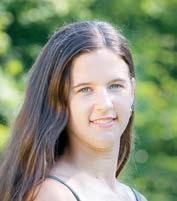
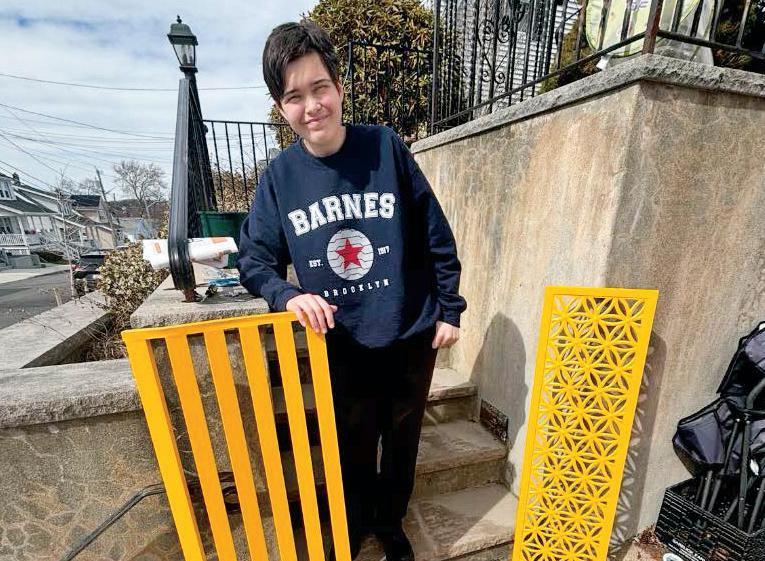
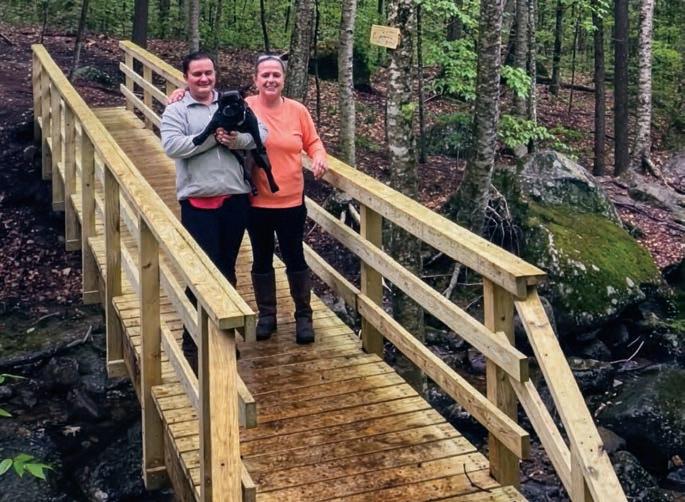
Kaya enjoyed exploring one of her local trails and noticed that a heavily used river crossing posed a safety risk to her fellow hikers and was causing erosion. To address both these issues, Kaya designed and constructed a 36-foot wooden bridge to provide a safe crossing over the dangerous riverbed. Kaya assembled and managed a team of over 20 volunteers and field experts, delivered public speaking engagements in her community to fundraise and raise awareness, and implemented innovative construction solutions when her initial construction plan proved financially unattainable. The completed bridge ensures safer access for hikers of all ages and protects the riverbed from further damage. Kaya’s bridge will be sustained by the Monadnock Sunapee Greenway Trail Club and will be enjoyed by community members for decades to come.
“By making this trail safer for people in my community, especially older people and children, I can make it easier and safer for people in my community to get outside and get exercise.”
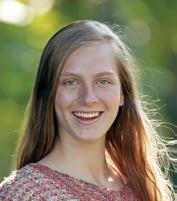
Cobbett
Effie recognized that the outdoor spaces in her community had been previously neglected and wanted to help them thrive. Effie’s Gold Award focused not only on the removal of invasive plants, but on environmental education and stewardship for her town’s youngest residents. To accomplish these goals, Effie transformed a neglected outdoor space in Swampscott into a safe, engaging area for the community. She led efforts to remove invasive plant species, clean up trash, and dismantle unsafe climbing structures. Effie also installed natural play elements, informational signs, and a bench in order to encourage children to engage in unstructured play and foster a connection with nature. Finally, she created lesson plans for local schools to educate students about invasive species and the importance of a healthy ecosystem. Effie’s impact will be sustained through her reusable lesson plans and by the local Girl Scout troops, who will maintain the outdoor space.
“I’m a better public speaker than I thought I was. Over the course of the project, I had the opportunity to speak publicly to different groups on a few occasions. Despite being fairly nervous, I was told that my speaking style was professional and confident.”
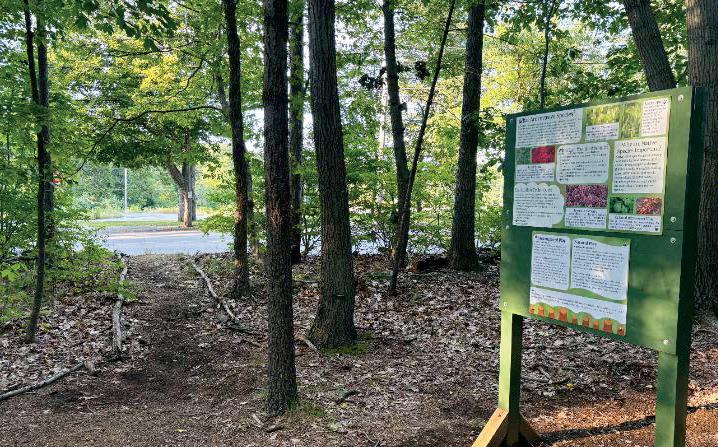
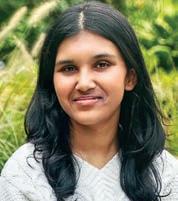
Sanya was troubled by low voter turnout statistics in her area, particularly for local elections. To remove barriers to civic engagement in her community, Sanya redesigned the town’s complex warrant booklet into a user-friendly format and created a nonpartisan voter guide to simplify election logistics and candidate information. Her efforts reached over 1,000 residents through QR code scans, senior center outreach, and partnerships with the League of Women Voters. Sanya expanded her project nationally by launching The V.O.T.E. Movement, a youth-led initiative that empowered students in more than 20 states to create voter guides and lead civic outreach; Sanya’s work will be sustained by a local successor whom she mentored to continue the project, as well as the nationwide youth leadership movement she inspired.
“Senior citizens, first-time voters, and even long-time residents told me the guide helped them feel more confident and prepared heading into the election.”
Alaina was alarmed by high rates of deforestation, the declining pollinator population in Massachusetts, and the lack of accessible environmental awareness education in her community. Alaina addressed this issue by planting a native flower garden at Prospect Hill Park and installing educational signage about local sustainability initiatives. Alaina also hosted interactive workshops at the Waltham Public Library, teaching children about pollinators and native plants through handson activities and educational crafts. Alaina’s efforts will be sustained through the garden’s periodic maintenance by Prospect Hill Park rangers, the library, and Friends of Prospect Hill, as well as through continued local environmental impact events.
“Before this award, I thought that I was more of an independent worker, but with the help of my team, I’ve realized how much of an asset my community can be.”
Courtney was startled by the gender gap in STEM fields and wanted to empower middle school girls (ages 11-14) to explore science, technology, engineering, and math by providing a pressurefree environment. Through hands-on workshops at the Hopkinton YMCA, Courtney taught problem-solving techniques, resilience, and confidence in tackling challenging STEM tasks. She created a sample curriculum of experiments to facilitate experiences and conversations about the scientific process and using failure as a means to grow. Courtney’s efforts will be sustained through her website, lesson plans, visuals, and project instructions, as well as by the YMCA, which will continue to offer her STEM classes.
“I think that [listening] was one of the most important [leadership skills I put into practice] because a good leader is always looking out for their team and making sure that things are running smoothly behind the scenes.”
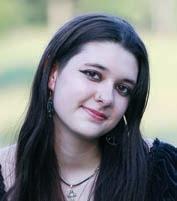
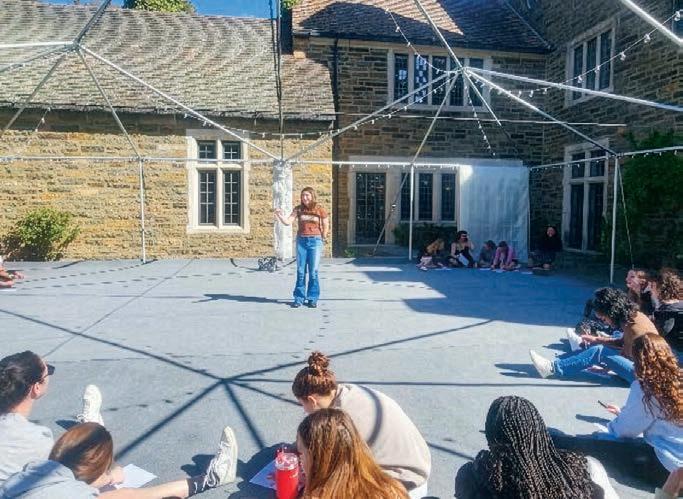
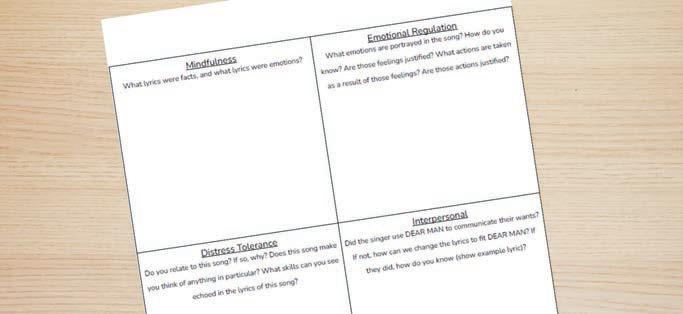
Fiona recognized that music could be a powerful tool for supporting children facing mental health challenges. To help those currently experiencing these difficulties, she partnered with Wayside Youth & Family Support Network, a local mental health organization, to develop a music-based Dialectical Behavior Therapy (DBT) curriculum. Her work focused on making the essential skills of mindfulness, emotional regulation, distress tolerance, and interpersonal effectiveness more engaging and fun for the children learning them. While Fiona was unable to run the program herself due to HIPAA regulations, her efforts were implemented and sustained by staff at Wayside Youth & Family Support Network, ensuring its long-term impact on the mental health of youth in the community.
“I was able to overcome a lot of my own issues to complete this project. I did a lot of work. I have proven to myself that I’m incredibly strong, brave, and capable. I can do hard things.”
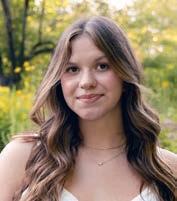
Makayla developed an educational project to support students with diverse learning needs through accessible, engaging resources. Working with educators and special education specialists, she created lesson materials and wrote a simple children’s book to enhance literacy and comprehension for students who benefit from additional support. Her project addressed gaps in inclusive education by providing tools that teachers and students can easily use in the classroom, which she presented through innovative demonstrations. With guidance from professionals in education and curriculum development, Makayla ensured her materials were effective and adaptable. Makayla’s efforts will be sustained through continued use in schools and through copies of her book cataloged in both her school and her town’s libraries.
“By turning my own challenges into advocacy, I demonstrated initiative and purpose-driven leadership.”
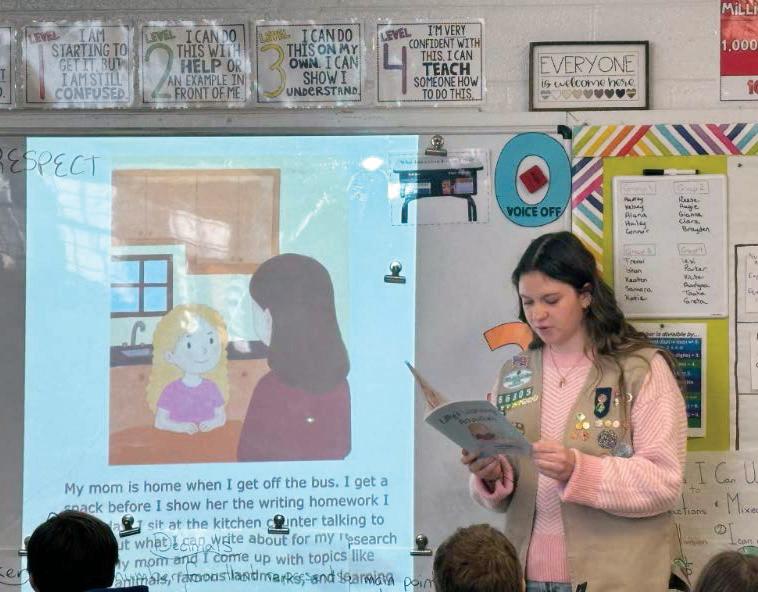
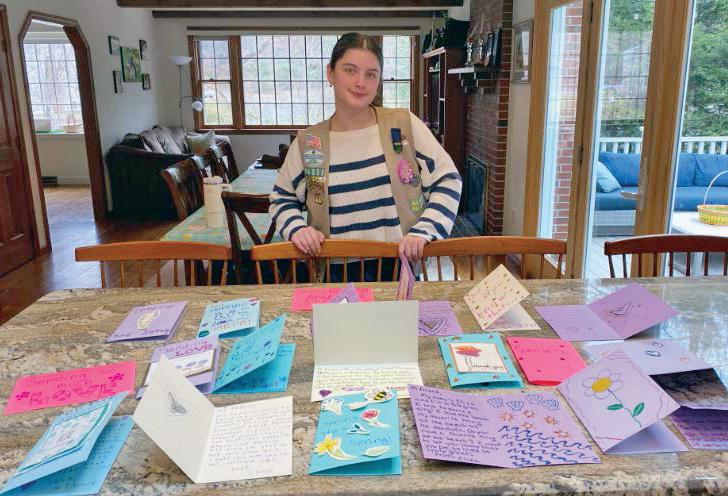
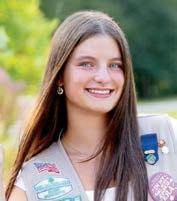
Catherine felt heartbroken when she learned how loneliness and depression impact elderly residents of assisted living homes. To raise awareness of this issue, Catherine hosted five workshops for over 100 participants, including younger Girl Scouts and community members, to promote seniors’ mental health. She educated attendees on causes and symptoms of loneliness among seniors and presented ways they could support the elderly using interactive games and activities. Catherine also founded a club at her high school called Sending Sunshine, which focuses on creating and delivering handmade cards to local senior homes through a permanent card drop-off box she established at the school. Catherine’s efforts will be sustained through Sending Sunshine, the detailed manual she wrote for future club leaders, and the ongoing card donations to senior living facilities.
“I had to put a lot of leadership skills into practice with my project, and I am truly grateful that I got to expand my toolbox and add new skills while still strengthening previous ones as well.”

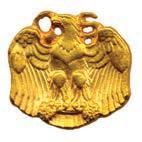
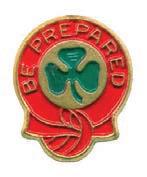
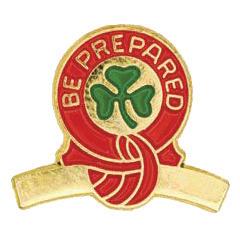

Golden Eagle of Merit 1916 - 1919
Golden Eaglet 1919 - 1938
First Class 1938 - 1940
Curved Bar 1940 - 1963
First Class 1963 - 1980
Gold Award 1980 - present
Lifetime membership is granted to any person who is at least 18 years old or is a high school graduate or equivalent who (1) accepts the principles and beliefs of the Girl Scout Movement and (2) has paid lifetime membership dues.
Dues are a one-time fee of $400, but we offer a reduced cost lifetime membership of $200 to any Girl Scout alums between the ages of 18 and 29. And now when you sign up as a lifetime member, $25 of your dues automatically fund a year of Girl Scouting for a girl in an underserved community in your area.
Girl Scouting builds girls of courage, confidence, and character, who make the world a better place.
On my honor, I will try: To serve God* and my country, To help people at all times, And to live by the Girl Scout Law.
I will do my best to be honest and fair, friendly and helpful, considerate and caring, courageous and strong, and responsible for what I say and do, and to respect myself and others, respect authority, use resources wisely, make the world a better place, and be a sister to every Girl Scout.
265 Beaver Street Waltham, MA 02452
gsema.org
*Members may substitute for the word God in accordance with their own spiritual beliefs.
Follow us: @girlscoutsemass