Rose Ann DiMariaGhalili, PhD, RN, CNSC, FASPEN, FAAN, FGSA
Professor of Nursing
Associate Dean, Interprofessional Research and Development
Drexel University
College of Nursing and Health Professions

Rose Ann DiMariaGhalili, PhD, RN, CNSC, FASPEN, FAAN, FGSA
Professor of Nursing
Associate Dean, Interprofessional Research and Development
Drexel University
College of Nursing and Health Professions
Few people think about the interconnection between oral health and nutritional status. Even a highly educated, interprofessional health care team sometimes—perhaps often— overlooks the need for patients to have both a nutritious diet and a healthy mouth to help ensure optimal nutrition.
The relationship between oral health and nutrition is a circular one. Without a healthy mouth to chew food and begin the digestive process, nutritional status suffers. Without adequate nutrients, oral health often declines, muscles weaken, gum tissues become infected, bone supporting the teeth resorbs, and teeth decay and they can be lost eventually. And the process repeats.
Both oral health and nutrition are also integrally related to the broader social determinants of health. Challenges related to the three A’s—accessible, affordable, and available—have been exacerbated during the coronavirus
NOTE TO READERS OF PRINT COPIES OF THIS WHAT’S HOT NEWSLETTER Links to websites and resources pertinent to nutrition and oral health appear in this print copy as green text. These links can be accessed in the online version of the newsletter, located on the GSA website at www.geron.org/whatshot
disease 2019 (COVID-19) pandemic by economic turmoil and the need to physically distance from other people. Life in a food desert can make finding nutritious food difficult, and now older adults in particular need to minimize time spent shopping or taking public transportation. Dental providers—and many other types of health professionals who can help address oral problems— can be located far from older people’s homes. Preventive oral health care such as scheduled cleanings have been deferred or skipped and elective procedures postponed. Dental insurance is often a benefit of employment, and retirees and those laid off during the pandemic often do not have sufficient funds to address oral health preventive care, gum and tooth infections (dental caries), and associated pain. Loss to follow-up compromises both oral health and nutrition.
People of all ages are affected by poor oral health and lack of healthy dietary choices. Corrective actions earlier in life can avoid major problems later. While dental and oral health problems are largely preventable, the older adult may face acute oral health and dietary deficiencies with serious or even
Kathryn N. Porter Starr, PhD, RD
Assistant Professor in Medicine Duke University School of Medicine
Judith Haber, PhD, APRN, FAAN
Ursula Springer
Leadership Professor in Nursing
Executive Director, Oral Health Nursing Education and Practice Program
New York University Rory Meyers College of Nursing
Carole Ann Palmer, EdD, RD
Professor Emerita and Retired Head, Nutrition and Oral Health Promotion Tufts University School of Dental Medicine
Professor Emerita and Retired Director of the Masters degree component of the combined Master of Science/ Dietetic Internship Tufts University
Friedman School of Nutrition Science and Policy and Tufts Medical Center
Michèle J. Saunders, DMD, MS, MPH Adjunct Professor, Departments of Psychiatry and Periodontics
University of Texas Health Science Center at San Antonio
fatal consequences if these are not addressed in time.
In this issue of What’s Hot, the many interrelationships between nutrition and oral health are
explored with an emphasis on older adults who undergo surgery, have cancer, or require special diets due to chronic health conditions; factors related to
Older adulthood is a time when maintaining health can get complicated. Challenges, habits, or deficits that had previously seemed unrelated can become intertwined; minor aches can become major problems, and an intervention for one condition is sometimes not possible because of other cooccurring problems or diseases. A few extra calories every evening can turn into a major weight problem, the exercise needed to lose weight can be too painful to endure, and loss of teeth can lead to a less-than-healthy diet.
In addition, people with arthritis, stroke, and other movement disorders such as Parkinson’s disease may have trouble preparing food and handling cooking and eating utensils.
This increases the risk for choosing less nutritious but easy to prepare and eat meals that may not provide the nutrition they require.
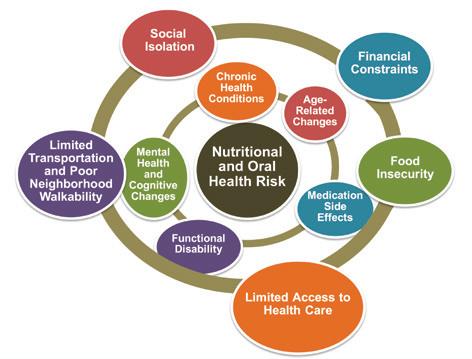
The result can be a person with complex care needs (Figure 1). 1 To address the health challenges of older adults and provide the basis for a long, healthy life, a diverse interprofessional team of health care practitioners is needed to provide coordinated patientcentered care (Figure 2). 2 Unless there is communication among the members of this team and awareness of all diagnoses and interventions, care of the patient may be compromised. There also must be awareness of the effects of financial and transportation constraints and other social determinants of health if patients
social determinants of health; and the need for interprofessional education initiatives that reinforce care that benefits both oral health and nutrition.
are to obtain the care they need. In addition, many health professionals—including dental practitioners and dietitians—are too few in number to meet the needs of the large numbers of Americans who are entering older adulthood. Therefore, it is important that each member of the team is aware of the whole patient during each interaction.
Source: Reference 1.
First and foremost, patients and all health professionals should know that most oral health conditions are preventable with routine oral hygiene and regular professional cleanings and examinations. However, when many older adults retire, they lose dental insurance and are surprised to find the mouth was left out of health benefits coverage when the Medicare program was set up decades ago. Periodontal disease—in which the gums and supporting bone are affected—is common in the United States; the 2009–2014 National Health and Nutrition Examination Surveys (NHANES) show that 42.2% of all adults have periodontitis, including 7.8% with severe disease. 3 Some people enter older adulthood with long-standing oral health challenges, teeth are lost and implants expensive, and dentures do not always fit well. People adapt by making dietary changes, but nutritional problems follow for some, starting a detrimental cascade that can lead to systemic and psychologic diseases, decline, frailty, and all too often, early death. 4
Healthy aging depends on the bidirectional relationship between oral health and a nutritious diet. In a perfect world, older adults live independently and maintain their ability to perform most or all activities of daily living, including food preparation, chewing and swallowing, and oral self-care. This means maintaining healthy teeth, gingivae, tissues surrounding the mouth, and tongue to optimize the ability to chew and swallow healthy foods. It also means consuming a nutrient-dense diet of the foods that the older adult enjoys, including high-quality proteins (eggs, fish, meat, poultry, dairy), fruits, vegetables, whole grain cereals, and plenty of fluids. In turn, a balanced diet helps people maintain a healthy mouth.5
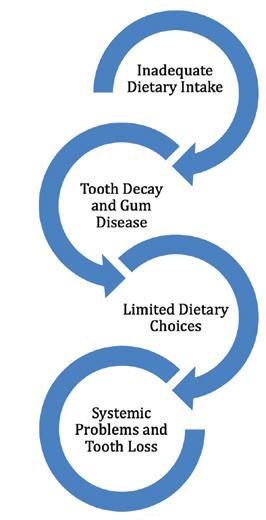
Poor oral health—dental crown or root caries (cavities), tooth abscesses, sore and bleeding gingivae, broken teeth, tooth pain and loss (including edentulism, or loss of all natural teeth), xerostomia (dry mouth), difficulties and pain while chewing and swallowing, mouth infections, stomatitis (inflammation of oral soft tissue), gingivitis (inflammation of gums), periodontal disease, and discomfort with full or partial removable or fixed dentures and implants—can decrease dietary intake of foods and beverages with necessary macronutrients, vitamins and minerals (including calcium for bones supporting the teeth), trace elements, or fluids. Malnutrition can develop and in turn affect both the oral and systemic health of the patient (Figure 3).4, 6
Of these oral health risks, the most common conditions are caries and periodontal disease. As detailed in Figure 3, cavities occur after exposure of the teeth to simple carbohydrates. The critical factor
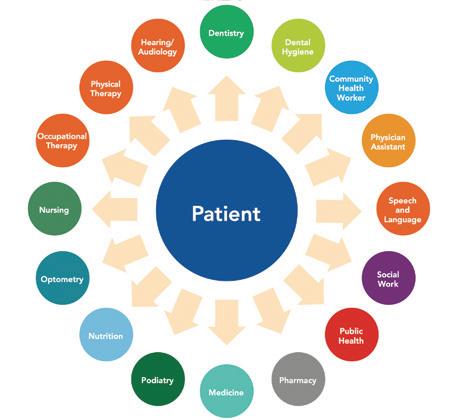
Source: Reference 2.
is the time of exposure, not the amount of carbohydrates eaten. Poor dental hygiene and lack of professional care contribute to the periodontal disease.
Studies conducted in numerous countries have documented significant effects of poor oral health on nutritional status of older adults. These are summarized in Table 1.7–14
Because those currently entering older adulthood are more likely to have their natural teeth than in the past, oral health providers will have more dental caries and substantial periodontal disease to address in coming years. Decisions regarding tooth retention should be made not on chronological age but on level of dependency, life expectancy, frailty, comfort, and quality of life.1,2
Furthermore, determinants associated with poor nutrition in older adults are numerous and potentially modifiable, but as reflected in the published articles summarized in Table 1, results
do not always reach statistical significance. People are adaptable, and tooth loss does not necessarily translate into weight loss and poor dietary intake; when poor dentition decreases social interactions, the link could be with isolation and psychosocial outcomes such as loneliness and depression. Just as a comprehensive, interprofessional approach to care is needed for older adults, research into oral health and nutrition needs to be broad, use large populations, and find sensitive measures for detecting a wide swath of potential outcomes for successful interventions.
Throughout the world, social factors affect people and their health starting before birth and continuing throughout life. These social determinants of health— economic stability, neighborhood and physical environment, education, food, community and
Tooth Decay and Gum Disease Limited Dietary Choices
Systemic Problems and Tooth Loss
Source: Adapted from Reference 4.
social context, transportation, and health care systems that are accessible, affordable, and available—greatly affect nutrition and oral health. 15 A mother’s diet is integrally related to in utero development, and the buds of permanent teeth begin forming before birth. Afterward, oral health and nutrition are greatly dependent on where the child lives, and the environmental and social factors are operative all the way into older adulthood.
Dental caries, common in children of lower socioeconomic status, is the most common childhood disease. Unhealthy diets and poor nutrition affect the development of the teeth and jaw and are linked to development of dental caries.2 People carry this burden for a lifetime: Data from the Survey of Health, Ageing and Retirement
• Environmental and Social Factors: social isolation, food insecurity, living alone, financial constraints, low health literacy, access, transportation, or behavioral factors, including poor dietary choices (e.g., simple sugars).
• Physiological Factors: reduced muscle mass, reduced energy requirements while requirements for other nutrients remain the same or increase, chronic conditions that affect the ability to prepare or eat foods (e.g., arthritis, Parkinson’s disease, stroke).
• Psychological Factors: depression, anxiety, bereavement, alcohol use disorder, or cognitive impairment.
• Dental caries most common infectious disease in the world.
• Dental caries affect nutrition, general health, quality of life.
• Stomatitis, gingivitis, changes in smell and taste, dry mouth (leading to poor salivary restoration of the mouth pH), burning mouth syndrome.
• With poor dental hygiene and lack of professional care, periodontal disease develops.
• Periodontal disease linked to systemic diseases such as diabetes, respiratory infections, and possibly other conditions (e.g., cardiovascular disease, bone disease).
• Some drugs used to treat systemic diseases produce xerostomia (dry mouth), which can lead to more caries.
• Foods become difficult to chew when teeth are lost or gums are sore, inflamed, and/or bleeding.
• When not able to eat a normal diet, people tend to eat alone and avoid social situations involving eating.
• Self-esteem declines, loneliness and depression ensue.
• With poor nutrition, intake of essential vitamins and minerals can decline, leading to further gum degradation and tooth loss.
• Periodontal disease worsens, increasing systemic effects.
• Edentulism (loss of all natural teeth) is associated with dementia, other systemic diseases, and early death.
in Europe (SHARE wave 5) show that the number of teeth a person has after age 50 is significantly associated with childhood socioeconomic background. Those whose childhood household had more than 25 books had a mean of 1.4 (95% confidence interval, 1.2–1.5) more teeth than those in homes with fewer books.16
In the United States, the NHANES IV (2001–2010) showed that biomarkers of systemic inflammation and cumulative inflammatory load were significantly associated with periodontal disease. The relationship was attenuated by socioeconomic status, meaning those with more wealth and income were not as affected. This shows the “critical importance” of taking into account the social and economic conditions
“when considering prevention and treatment strategies for inflammatory diseases,” the researchers reported.17
Similar inequities in oral health were demonstrated in a study comparing Canada and the United States. In both countries, health inequities in prevalence of decayed teeth and edentulism have persisted for 35 years.18
Dental practitioners, dietitians, and all other health care professionals need greater awareness of these social determinants of health and how they affect the decisions made by and ultimately the oral health of the patients they serve. This awareness must begin during the educational process, a step not yet taken by accreditation bodies in dentistry. 19 At the organization and provider levels, Northridge
Population/Patients/ Problem
Study Method/ Intervention
Comparison/ Measurements
N = 563 communitydwelling adults in New England aged ≥70 years7
Longitudinal study
Literature evaluation on nutrition as mediator between oral and systemic disease8
Literature review of potentially modifiable determinants of malnutrition in older adults (mean age, ≥65 years)9
N = 110 older patients (mean age, 77 years) in a geriatric rehabilitation unit of Veterans Health Administration hospital10
N = 635 multi-ethnic population-based sample of adults aged ≥60 years in rural United States11
Systematic review and meta-analysis of 56 articles
Baseline and 1-year follow-up assessments of clinically significant weight loss and health status, functional status, physical activity, disease diagnoses, lifestyle behaviors, cognitive and affective status, and oral health
Associations between specific measures of adult oral health and nutritional outcomes
Dentate status was important predictor of weight loss; 6% of men and 11% of women with poor oral health lost 10% or more of their body weight; 37% of patients were edentulous and most had full sets of dentures. In people with edentulism, the risk of a 4% weight loss was increased by 63%, and the risk of a 10% weight loss increased by 103%.
Relationships were complicated by health habits such as smoking, concurrent illnesses, and beliefs and attitudes about health and health behaviors; future studies should be larger and longitudinal.
Systematic review of 23 prospective cohort studies
Meta-analysis not possible; results presented narratively
Analysis of weights of newly admitted older rehabilitation patients over past 6 months to 1 year
Denture use, removing dentures before eating, and foods avoided due to oral health problems
Predictors of significant involuntary weight loss before admission
Interviews of participants; dietary intakes converted into Healthy Eating Index–2005 scores
Hospitalization, eating dependency, poor self-perceived health, poor physical function, and poor appetite were determinants of malnutrition, but chewing difficulties, mouth pain, and periodontal issues were not. Loss of interest in life, access to Meals on Wheels, and modifiedtexture diets had effects on malnutrition (low-quality evidence).
General oral problems were best predictor of significant involuntary weight loss; maintaining optimal oral health status in older adults should be emphasized in a more prominent way during interventions.
60% of participants wore removable dentures of some type; of those, 18% always removed dentures while eating and 27% did so sometimes. Frequent removal of dentures was associated with lower dietary quality and more foods avoided.
Literature review of nutritional status and oral health in older adults12
Systematic review and meta-analysis of 26 studies published through October 2016
Mini Nutritional Assessment scores and other validated assessments and an oral examination performed by a dental professional
Well-nourished participants had a significantly higher number of pairs of teeth/ functional teeth units (FTUs) in comparison to individuals at risk of malnutrition or with malnutrition; no statistically significant association between the relative risk of edentulism and use of prosthesis; mean number of present teeth significantly less among participants at risk of malnutrition/ malnourished, and FTU and mean number of teeth present significantly associated with nutritional status.
N = 168 hospitalized older adults (≥65 years of age)13
N = 159 consecutive hospitalized older adults (mean age, 85.28 years) in France14
Sources: References 7–14.
Cross-sectional study using previously validated tools
Baseline comprehensive gerontological data at baseline and nutritional status
Relationship between oral health and frailty; predictors of frailty
Swallowing capacities and dietary intake 1 week after baseline
Poor self-reported oral health was associated with frailty; nutritional status accounted for 17% of variance. Comorbidities, Mini Nutritional Assessment scores, and living in residential care were independent predictors of frailty.
Poor oral health strongly associated with malnutrition; patients with dysphagia had lowest dietary intake; both dysphagia and undernutrition associated with candidiasis.
et al. call for interventions designed to demonstrate the effects of team-based care and coordination of primary and oral health care, use of health care technology to improve providers’ communication skills and cultural competence, and increased focus of health care organization leaders on oral health equity. 15
Older Americans are a diverse population. According to the 2018 Profile of Older Americans, 20 nearly 10% of the 50.9 million Americans aged 65 years or older in 2017 lived in poverty, 23% were members of racial or ethnic minorities, and 44% of women older than 75 years of age were living alone. About 1 million older adults were residing in nursing homes, and another 1 million were in assisted living or other types of congregate living facilities. 21
For people who have reached age 60 and their spouses of any age, the Older Americans Act Nutrition Program provides homedelivered meals and healthy meals served in congregate settings in an effort to reduce hunger, food insecurity, and malnutrition while promoting socialization among older Americans. Funded through grants to states, these programs also provide nutrition screening, assessment, education,
Oral Health: An Essential Element of Healthy Aging, the oral health initiative of The Gerontological Society of America, includes a focus on interprofessional research, education, and practice. Because nutrition is an integral part of oral health, it makes sense that the role of dietitians should be expanded to include oral health screening. This screening encompasses talking with the patient as well as touching and exploring the mouth. Mobley and Saunders provide a diagram of the mouth and instruction for methodical screening by the dietitian. 27
and counseling; these can be combined with oral health screenings and educational programs offered through oral health programs, some of which are funded through Older Americans Act grants. These programs can assist in resolving inequities and improving access to care among rural and minority older adults. 22,23
The U.S. Department of Agriculture also plays a role in supporting access to healthy foods for Americans aged 60 years or older. These include the Supplemental Nutrition Assistance
Program, or SNAP, and the Senior Farmers’ Market Nutrition Program, which provides lowincome older adults with access to locally grown products. 24
Because of the need for physical distancing during the COVID-19 pandemic, nutritional programs have shifted toward home delivery of meals. Meals on Wheels America reports that 89% of local programs are experiencing increased demand, meal requests have at least doubled for 80% of programs, and programs are serving 56% more meals each week. Emergency funding has been provided for this increased demand, but local programs are seeking donations to help support their efforts. Donations are particularly needed in rural and inner-city neighborhoods.25
Nutritional status in older adults can be assessed using the Mini Nutritional Assessment, or MNA, tool. It is based on the clinician’s scoring of changes over the past 3 months in appetite, weight loss, and psychological distress or acute disease, mobility, neuropsychological problems, and body mass index (BMI) and calf circumference. Just as dietitians need to learn and practice oral health screening, dental practitioners should learn to use this tool and incorporate it into patient care.26
In older adulthood, nutrition and oral health are essential components of healthy aging. Health professionals, working as a cohesive interprofessional team, must not forget the mouth and its functions as they consider nutritional status. Dietitians, dentists, dental hygienists, and dental therapists must collaborate with nurses, nurse practitioners,
physicians, physician assistants, pharmacists, occupational therapists, physical therapists, and speech and language pathologists to meet the needs of the whole patient (Figure 2). This process begins during the education of health professionals and continues as part of continuing education of practitioners who are already in the field.28,29
Nutrition care consists of screening, assessment, and intervention as needed. Depending on the health care setting and clinical situation, screening can rely on patient weight, laboratory tests, or instruments based on factors such as unintentional weight loss, food intake, appetite, as well as loss of taste and/or smell. Patients whose screening
results place them at higher risk for malnutrition (defined as acute, subacute, or chronic states of varying degrees of overnutrition or undernutrition, sometimes with inflammatory activity, leading to a change in body composition and diminished function) should be assessed using the NutritionFocused Physical Exam or other validated assessment tools that incorporate diet history, physical exam, weight loss, metabolic and disease demand, or other measures. 30
During routine examinations of older adults, during all hospitalizations (including those for stroke, myocardial infarction, or chronic obstructive pulmonary disease), and in preparation for surgery, nutrition should be assessed in all patients, including those who are overweight or obese; older adults with sarcopenic obesity can have decreased muscle mass while retaining excess adiposity.31 The mouth should be examined and oral health assessed in addition to the head, eyes, ears, nose, and throat—think HEENOT, not just HEENT—so that reasonable and effective treatment plans can be developed for patients scheduled for surgery and the increased metabolic demand that accompanies this procedure. Patients’ dentition (tooth loss, use of bridges or dentures), food preferences (based on cultural considerations and choices related to access, cost, and transportation), and functional status (presence of conditions such as Parkinson’s disease, stroke, or arthritis that can impair a person’s ability to prepare meals) should be considered when developing an appropriate dietary plan and recommending adaptable devices as needed.32
Hospital-acquired pneumonia is the most common nosocomial infection, and a significant cause is poor oral hygiene,
bacteria transmitted to lungs, and aspiration of food. Research is under way examining the link between oral hygiene and nonventilator-associated hospital-acquired pneumonia. Recent publications demonstrate the importance of integrating oral health care into patient management at Veterans Affairs facilities in preventing hospitalacquired pneumonia and illustrate the missed opportunities to prevent nonventilator-associated hospitalacquired pneumonia because of the perception that oral care is an optional daily care activity for the patient’s comfort.33,34
Surgery is one of the greatest challenges older Americans face, because it requires them to be as strong as possible going into the procedure and recover as quickly and completely as possible. The stress of surgery alone can increase the body’s energy requirements, as can hospitalizations—particularly stays in intensive care units. After surgery, energy needs are increased, especially protein, to support tissue and wound healing and combat the catabolic impact of surgery, inflammation, and
infection. To reduce infection risk, oral hygiene and mouth care must be provided to all older adult patients in intensive care units, including those who cannot ingest food orally, and to those on medical/surgical units.
Strong for Surgery, a toolkit offered by the American College of Surgeons (ACS), provides clinicians with a screening checklist, laboratory screening guidelines, and literature reviews on nutrition before and after surgery. The screening checklist asks whether the patient has a BMI of less than 19, unintentional weight loss of more than 8 pounds (3.6 kg) over the past 3 months, poor appetite based on eating less than half of meals or fewer than 2 meals per day, and ability to take food orally. If any of these factors are present, the patient should be evaluated by a registered dietitian. Serum albumin levels of less than 3 g/dL are associated with higher risks of postoperative complications; albumin and prealbumin are markers of inflammation (not nutritional status as previously believed).
The ACS also has a quality improvement program, Geriatric Surgery Verification, that highlights the need for

Interprofessional faculty development is effective for integrating oral health into the geriatric diabetes curriculum. In one study, knowledge, attitudes, and perceptions of the faculty were improved with respect to interprofessional team building and the team approach to management of the oral–systemic manifestations of chronic disease in older adults. Interprofessional faculty development should be expanded throughout oral health and nutrition curricula in care of older adult patients. 54 For this purpose, the Teaching Oral–Systemic Health program, or TOSH, at New York University has reported that a standardized,
preoperative malnutrition screening and optimization in older surgical patients. 35 Combined with clinicians’ knowledge of a patient’s oral health status, these guidelines can be personalized so that optimal nutrition is provided that the person can consume.
A major focus of the ACS toolkit is gastrointestinal surgery. 36 In some situations, including when patients have poor oral health, enteral products can be useful to provide sufficient nutrients and calories. When malnutrition results, low levels of proteins, essential fatty acids, and vitamins and minerals should be corrected for improved oral health and maintenance of gingival tissues, bone, and other structures supporting the teeth, and ability to consume a normal healthy diet. 37,38
Just as nutrition is key to recovering from surgery,
replicable, interprofessional curriculum unit can be used to effectively teach and assess clinical education competencies as measured by students’ selfreported change. 55
For educators and health professionals, Smiles for Life is an important source of training materials focused on oral health. A new edition of the curriculum was released in 2020 with information for primary care providers as well as all health care professionals, a module on the oral examination, and opportunities for interactive online education appropriate for both individual and smallgroup learning.
helping patients with cancer avoid malnutrition is critically important. Cancer is common in older adults. When chemotherapy, radiotherapy, and surgical procedures—especially on the oral cavity, throat, or other parts of the gastrointestinal tract—are combined with common conditions such as edentulism, dysphagia, anorexia, mucositis, and cachexia, prospects for a successful treatment of the oncologic condition decline.
The high doses of radiation used in treating head and neck cancer produce a permanent decrease in salivary output and an altered consistency of saliva or even life-threatening conditions (e.g., osteoradionecrosis) if not prevented or minimized as part of treatment. When a sufficient amount of pH-buffering saliva is not available during a meal to correct the acidic environment associated with eating, the equilibrium of demineralization/ remineralization of the enamel
of the teeth shifts toward demineralization, leading to more caries and a faster clinical course when decay occurs. Combined with difficulty swallowing and mucosal sensitivity that develop as late symptoms, these cancer survivors often make alterations to their diets to avoid pain and sensitivity. Maladaptive changes—including consumption of foods with a high refined carbohydrate content and a diet lacking in fruits, vegetables, and protein—must be recognized and addressed to prevent nutritional problems that can lead to general functional deficits and overall patient decline. 39
Severe muscle depletion, or sarcopenia, can affect the muscles of the mouth just as it does the more obvious large muscle groups of the arms and hands. It occurs in older adults in general and is particularly common in those with cancer, affecting about half of patients with advanced cancer. Loss of muscle mass can affect nutrient intake and contribute to malnutrition, and studies of patients with cancer have shown poorer overall survival and increased chemotherapy toxicity when patients have sarcopenia. Members of the interprofessional team must work hand in glove to provide multimodal interventions, including personalized nutrition counseling and oral health care. 40,41
Dietitians should work with physicians, dentists, nurses, physical therapists, and pharmacists to address the nutritional needs of patients with cancer and minimize treatment-related adverse effects. Behavioral strategies include diet modification and special diets (including nutritional and dietary supplements); avoiding dry mouth, oral lesions, and nausea/ vomiting; addressing problems with constipation or diarrhea; and
monitoring the patient for taste changes or weight gain or loss. 40
Patients with dementias, including Alzheimer’s disease, are at increased risk of periodontal disease, tooth loss, and edentulism. In fact, some evidence points to edentulism as a risk factor for dementia, but most evidence is from population data and cohort studies, making it impossible to establish causation. Oral health is often compromised among residents of long-term care facilities, many of whom have Alzheimer’s disease or other types of dementia.42,43 With poor oral health, providing people with healthy, nutritious diets that they can chew and swallow efficiently is more difficult.
Oral feedings are frequently used to overcome these problems, but they are problematic in patients with dementias who may appear to be combative or difficult to feed. Oral feeding techniques have been developed to improve dietary intake in patients with Alzheimer’s disease and other dementias. In addition, a meta-analysis of tube feedings of older adults in longterm care facilities found limited benefits and no improvements in BMI, albumin, dietary intake of proteins, total calories, or fat.44 Nurses and family caregivers can use a variety of interventions to promote independence in eating and replace these with assistance only when self-feeding abilities decline. Interpreting nonverbal signals during mealtime is important, because behaviors observed during mealtime can be a means of communication and not resistance. Using lemon juice or spices the person likes can enhance the flavor of foods if the sense of taste has declined. Those with changes in vision can benefit from high-contrast place
settings, such as a black placemat with white dishware and napkins, and placement of items where the person would expect to find them.45
Health professionals, working as a cohesive interprofessional team, must not forget the mouth and its functions as they consider nutritional status.
Older adults with poor dentition have trouble adhering to common recommendations in diets for heart failure: healthy fruits and vegetables, low sodium, and restricted fluid intake. Foods preferred in these diets include fresh meats, poultry, and fish, all of which can be difficult to break down during mastication.46 Processed meats are easier to chew, but these have high sodium loads, including products labeled as “low sodium.” In addition, patients with heart failure who become cachectic must be monitored closely if oral feedings are used for replenishment to avoid overhydration and refeeding syndrome (potentially fatal shifts in fluids and electrolytes).47
Nutritional education of patients with heart failure—which can be provided by nurses in many situations—is useful,48 and the services of dietitians are needed to help people who also have poor oral health to personalize their diets to provide nutrition using foods the person prefers. Iron deficiency is a specific nutritional disorder found in patients with heart failure and may require correction with supplemental iron.49
Given the bidirectional relationship between diabetes (lack of glycemic control) and poor oral health (increased risk of periodontal disease) and the critical importance of diet in managing diabetes, finding the right foods is both a challenge and necessity for patients and all the members of their health care team.50 Many people with diabetes are also overweight or obese and have metabolic syndrome, adding to the complexity of the dietary challenges. Inflamed gums in patients with periodontal disease contribute to painful chewing, and loose teeth create difficulties with chewing solid food.
People with these conditions can work with dietitians to find the right balance between lowglycemic fruits and vegetables that can be efficiently chewed or used in drinks such as smoothies; poultry, fish, meats, and other sources of protein; grains; and healthy sources of unsaturated and omega-3 fats. Oral hygiene is important on a daily basis, and regular visits to dental professionals for preventive care are critical to the health of the teeth, gums, and bone and other supporting structures.51
Oral lesions and conditions such as xerostomia and burning mouth syndrome can be addressed by physicians, nurse practitioners, physician assistants, dentists, and pharmacists; they can identify medications that might be causing dry mouth and recommend therapies for both conditions. Soft foods appropriate for sore mouths include cream-based soups, soft fruits such as applesauce or bananas, mashed potatoes, noodles, custards, puddings, and gelatin.52 Pharmacists can also compound preparations useful in relieving symptoms of burning mouth syndrome.53
Reauthorization of the Older Americans Act56 was a monumental policy step forward, one with implications for nutrition and oral health as described previously in this issue of What’s Hot. The Older Americans Act reauthorization included a number of enhancements such as these:
• Annual increases in the authorized funding levels; specifically, increases for core programs by 7% in year 1 and 6% in subsequent years.
• Inclusion of a robust new research and demonstration authority for the Administration on Aging, and the creation of a center focused on promoting and coordinating research and evaluation activities to enhance performance, develop new models, and produce datadriven assessments of the value of the Older Americans Act programs.
• Recognition of the challenges of social isolation and loneliness and the role of preventive measures and services, including nutrition and oral health services.
• Requirement that the nutrition official under the Assistant Secretary for Aging at the U.S. Department of Health and Human Services be a registered dietitian or registered dietitian nutritionist.
Much work remains to translate increased federal funding and other Older Americans Act components into effective actions that make a difference in the lives of older adults. Table 2 summarizes action steps needed to support improvements in the nutritional status and oral health of older Americans.2,57
A major policy need is coverage of oral health services under a new Medicare dental benefit. The Santa Fe Group, an oral health policy and advocacy think tank, is one of several organizations working on possible designs of a Medicare oral health benefit. Addressing the impact of social determinants of health laid bare by the COVID-19 pandemic, the Santa Fe Group is sponsoring a #TeethInMedicare advocacy campaign and working to integrate oral health and medical care. 58

Older adults strongly support an oral health benefit for Medicare. In a December 2019 poll of Americans aged 65 to 80 years, 93% supported this addition, and 59% were in favor even if they had to pay more for it. Just over half of respondents reported having dental insurance. 59
Older adults living in Iowa have access to services and educational opportunities to help them achieve optimal oral health. Through the Lifelong Smiles Coalition, 60 the Iowa Department of Aging61 is working cohesively with other agencies, advocacy organizations, trade associations, health professionals, academic institutions, and funders to improve education and training, care coordination, and policies in the state.
Current initiatives include I-Smile Silver and Mouth Care Matters. I-Smile Silver is a pilot project active in 3 Iowa counties that seeks to create programs to improve the ability of Iowans aged 60 years or older to prevent dental disease, access oral health care, and maintain overall health. Mouth Care Matters is a competencybased oral health specialty training curriculum for direct care professionals serving older adults who reside in the community or in long-term care facilities and health care settings. Training is designed to enhance the oral health skills of Iowa’s direct care workforce in an effort to improve oral health care practices for and among older adults.
1. Individual Level: Educate families, patients, and caregivers about oral health and nutrition in older adults. Launch multimedia oral health literacy awareness campaigns.
Establish an oral health awareness day.
Host oral health literacy education programs at health departments and other local venues.
Launch multimedia health literacy malnutrition prevention campaigns.
Participate in the American Society for Parenteral and Enteral Nutrition’s Malnutrition Awareness Week
Host malnutrition health literacy education programs at health departments and other local venues.
2. Interpersonal Level: Establish interprofessional education and practice models, standards, and laws that include screening and intervention models and standards.
Increase and support interprofessional health care professionals’ oral health training and continuing education using integrated, comprehensive, patientcentric models.
Evaluate impact of workforce redesign demonstration projects on oral and overall health clinical outcomes.
Establish interprofessional competencies in oral health education for health care professionals.
Include oral health screening and intervention in standards of care.
Increase interprofessional health care professionals’ nutrition and malnutrition training and continuing education using integrated, comprehensive, patient-centric models. Include registered dietitian in dental schools as interprofessional team members.
Evaluate impact of workforce redesign demonstration projects on nutrition and overall health clinical outcomes.
Establish competencies in malnutrition education for health care professionals.
Include malnutrition screening and intervention in standards of care.
3. Organizational Level: Establish health care system oral health and nutrition screening and intervention models and standards.
Develop infrastructure that is interoperable and accessible across clinical settings and enhances adoption of oral health core clinical competencies.
Include oral health screening and intervention in electronic health record templates visible to all health care professionals.
Define clinicians’ roles to include oral health screening and intervention.
Use dental support teams for comprehensive, coordinated oral health care.
Include oral health counseling in patient discharge plans, as appropriate.
Develop infrastructure that is interoperable and accessible across clinical settings and enhances adoption of nutrition core clinical competencies.
Include malnutrition screening and intervention in electronic health record templates visible to all health care professionals.
Define clinicians’ roles to include malnutrition screening and intervention.
Use nutrition support teams for comprehensive, coordinated malnutrition care.
Include malnutrition counseling in patient discharge plans, as appropriate.
4. Community Level: Build oral health and nutrition screening and intervention into transitions of care models.
Include oral health screening and intervention in state health care quality initiatives and care models, especially those related to health care–acquired conditions and readmissions.
Develop an oral health care component in seal-ofapproval/certification programs for health care systems.
Include oral health screening and intervention in hospital licensure requirements and hospital rating and comparison measures.
Expand The Joint Commission standards to include oral health screening and intervention.
Include malnutrition screening and intervention in state health care quality initiatives and care models, especially those related to health care–acquired conditions and readmissions.
Develop a nutrition care seal-of-approval program for health care systems.
Include malnutrition screening and intervention in hospital licensure requirements and hospital rating and comparison measures.
Expand The Joint Commission standard on nutrition screening to include malnutrition intervention.
Continued on next page
5. Policy Level: Make oral health and nutrition screening and intervention a policy priority.
Federal and State Health Goals
Support an oral health benefit under Medicare Part B. Add nutrition and weight status into the Healthy People goals. Address scope of practice limitations on oral health functions and tasks for which nondental health professionals can assume responsibility.
Affordable Care Act
Make coverage of oral health an essential benefit.
Provide reimbursement for some services provided by nondental professionals; incentives may be needed for providing oral health information and services without financial remuneration.
Older Americans Act
Provide oral health awareness training for congregate meal staff and clients.
Provide oral health resource information to the Aging and Disability Resource Centers.
Provide oral health awareness training for long-term care and assisted living ombudsmen.
Provide oral health awareness training for homedelivered meal staff.
Insurance Coverage
Make coverage of oral health an essential Medicare benefit.
Provide reimbursement for some services provided by nondental professionals; for pharmacists and others providing oral health information and services without financial remuneration, incentives may be needed.
Include coverage for oral hygiene supplies for at-risk dual-eligible populations.
Collect and analyze Medicare and Medicaid data to improve outcomes with oral health screening and intervention.
Address malnutrition and sarcopenic obesity in state obesity plans. Include nutrition assessment in dental management plans.
Emphasize malnutrition screening and intervention in care transitions grants and other relevant grants.
Make future grants contingent on inclusion of nutrition screening and intervention in care delivery models, such as integrating nutrition into the Coleman Care Transitions Intervention.
Expand the Innovations in Nutrition grants programs and services of the Administration on Community Living and streamline implementation of successful programs.
Include malnutrition screening and intervention in essential benefits.
Include coverage for malnutrition screening and intervention in private long-term care insurance policies.
Include coverage for oral nutrition supplements for malnourished and at-risk dual-eligible populations.
Collect and analyze Medicare and Medicaid data to improve outcomes with malnutrition screening and intervention.
Sources: References 2 and 57 with updated and new recommendations.

Older Americans face many challenges, but chief among them is the ability to maintain a healthy mouth and a healthy diet. By working with an interprofessional care team that recognizes and accepts collective responsibility for addressing needs in these areas, people can achieve optimal outcomes, maintain their quality of life, and avoid serious diseases and consequences that might otherwise occur.
• Academy of Nutrition and Dietetics: Eat Right
• American College of Surgeons: Optimal Resources for Geriatric Surgery
• American College of Surgeons: Strong for Surgery Toolkit
• American Dental Association
• American Society for Parenteral and Enteral Nutrition: Malnutrition Solution Center
• Centers for Disease Control and Prevention: Nutrition
• Defeat Malnutrition Today
• European Society of Parenteral and Enteral Nutrition: Guideline on Clinical Nutrition and Hydration in Geriatrics
• The Gerontological Society of America: Malnutrition Resources
• The Gerontological Society of America: Oral Health Resources
• Hartford Institute for Geriatric Nursing: Oral Health and Nutrition—Oral Health and Diabetes
• Health Resources and Services Administration: Oral Health Initiatives
• National Institute of Dental and Craniofacial Research
• National Resource Center on Nutrition & Aging
• National Resource Center on Nutrition & Aging: Public Policy
• Oral Health Nursing Education and Practice: Interprofessional Oral Health Faculty Toolkits for Adult Gerontology
Primary Care and Acute Care Nurse Practitioners
• Smiles for Life: A National Oral Health Curriculum
• World Health Organization Regional Office for Europe: Oral Health
1. Porter Starr KN, McDonald SR, Bales CW. Nutritional vulnerability in older adults: a continuum of concerns. Curr Nutr Rep 2015;4(2):176–184.
2. Gerontological Society of America. Interprofessional Solutions for Improving Oral Health in Older Adults: Addressing Access Barriers, Creating Oral Health Champions. July 2017. Available at: https://www.geron. org/images/gsa/documents/ gsa2017oralhealthwhitepaper.pdf Accessed October 1, 2020.
3. Eke PI, Borgnakke WS, Genco RJ. Recent epidemiologic trends in periodontitis in the USA. Periodontol 2000. 2020;82(1):257–267.
4. World Health Organization. Diet and oral health: factsheet on oral health and sugars intake. 2018. Available at: https://www.euro.who.int/__ data/assets/pdf_file/0009/365850/ oral-health-2018-eng.pdf?ua=1 Accessed October 1, 2020.
5. Chernoff R. The symbiotic relationship between oral health, nutrition, and aging. Generations 2016;40(3):32–38.
6. Polzer I, Schimmel M, Müller F, Biffar R. Edentulism as part of the general health problems of elderly adults. Int Dent J. 2010;60(3): 143–155.
7. Ritchie CS, Joshipura K, Silliman RA, Miller B, Douglas CW. Oral health problems and significant weight loss among community-dwelling older adults. J Gerontol A Biol Sci Med Sci 2000;55(7):M366–M371.
8. Ritchie CS, Joshipura K, Hung HC, Douglass CW. Nutrition as a mediator in the relation between oral and systemic disease: associations between specific measures of adult oral health and nutrition outcomes. Crit Rev Oral Biol Med. 2002;13(3):291–300.
9. O’Keeffe M, Kelly M, O’Herlihy E, et al. Potentially modifiable determinants of malnutrition in older adults: a systematic review. Clin Nutr. 2019;38(6):2477–2498.
10. Sullivan D, Martin W, Flaxman N, Hagen J. Oral health problems and involuntary weight loss in a population of frail elderly. J Am Geriatr Soc. 1993;41(7):725–731.
11. Savoca MR, Arcury TA, Leng X, et al. Impact of denture usage patterns on dietary quality and food avoidance among older adults. J Nutr Gerontol Geriatr. 2011;30(1):86–102.
12. Toniazzo MP, Amorim PS, Muniz FWMG, Weidlich P. Relationship of nutritional status and oral health in elderly: systematic review with meta-analysis. Clin Nutr 2018;37(3):824–830.
13. Shwe PS, Ward SA, Thein PM, Junckerstorff R. Frailty, oral health and nutrition in geriatrics inpatients: a cross-sectional study. Gerodontology. 2019;36(3):223–228.
14. Poisson P, Laffond T, Campos S, Dupuis V, Bourdel-Marchasson I. Relationships between oral health, dysphagia and undernutrition in hospitalised elderly patients. Gerodontology. 2016;33(2):161–168.
15. Northridge ME, Kumar A, Kaur R. Disparities in access to oral health care. Annu Rev Public Health 2020;41:513–535.
16. Listl S, Broadbent JM, Thomson WM, et al. Childhood socioeconomic conditions and teeth in older adulthood: evidence from SHARE wave 5. Community Dent Oral Epidemiol. 2018;46(1):78–87.
17. Gomaa N, Nicolau B, Siddiqi A, et al. How does the social “get under the gums”? The role of socio-economic position in the oral-systemic health link. Can J Public Health 2017;108(3):e224–e228.
18. Farmer J, McLeod L, Siddiqi A, Ravaghi V, Quiñonez C. Towards an understanding of the structural determinants of oral health inequalities: a comparative analysis between Canada and the United States. SSM Popul Health 2016;2:226–236.
19. Tiwari T, Palatta A, Stewart J. What is the value of social determinants of health in dental education? NAM Perspectives. Washington, DC: National Academy of Medicine; April 6, 2020.
20. Administration for Community Living, Administration on Aging. 2018 Profile of Older Americans April 2018. Available at: https://acl.gov/sites/default/files/ Aging%20and%20Disability%20 in%20America/2018OlderAmericans Profile.pdf. Accessed October 1, 2020.
21. American Senior Communities. Assisted living statistics—a deeper dive into the demographics. February 23, 2016. Available at: https://www.asccare.com/assistedliving-statistics-a-deeper-diveinto-the-demographics/. Accessed October 1, 2020.
22. Administration for Community Living. Nutrition services. June 12, 2020. Available at: https://acl. gov/programs/health-wellness/ nutrition-services. Accessed October 1, 2020.
23. Administration for Community Living. Share your innovative oral health program. June 12, 2020. Available at: https://acl.gov/ programs/health-wellness/oralhealth. Accessed October 1, 2020.
24. U.S. Department of Agriculture. Nutrition programs for seniors. Available at: https://www.nutrition. gov/topics/food-assistanceprograms/nutrition-programsseniors. Accessed October 1, 2020.
25. Meals on Wheels America. Keeping seniors safe amid COVID-19. 2020. Available at: https://www. mealsonwheelsamerica.org/takeaction/covid-19-response. Accessed October 1, 2020.
26. Nestlé Nutrition Institute. Mini Nutritional Assessment MNA. Available at: https://www. mna-elderly.com/forms/mini/ mna_mini_english.pdf. Accessed October 1, 2020.
27. Mobley C, Saunders MJ. Oral health screening guidelines for nondental health care providers. J Am Diet Assoc. 1997;97(10 suppl 2):S123–126.
28. DiMaria-Ghalili RA, Mirtallo JM, Tobin BW, Hark L, Van Horn L, Palmer CA. Challenges and opportunities for nutrition education and training in the health care professions: intraprofessional and interprofessional call to action. Am J Clin Nutr. 2014;99(5 suppl): 1184S–1193S.
29. Greenberg SA, Hartnett E, Berkowitz GS, et al. Senior oral health: a community-based, interprofessional educational experience for nursing and dental students. J Gerontol Nurs 2020;46(8):37–45.
30. White JV, Guenter P, Jensen G, Malone A, Schofield M; Academy of Nutrition and Dietetics Malnutrition Work Group; ASPEN Malnutrition Task Force; ASPEN Board of Directors. Consensus statement of the Academy of Nutrition and Dietetics/American Society for Parenteral and Enteral Nutrition: characteristics recommended for the identification and documentation of adult malnutrition (undernutrition). J Acad Nutr Diet 2012;112(5):730–738.
31. Volkert D, Beck AM, Cederholm T, et al. ESPEN guideline on clinical nutrition and hydration in geriatrics. Clin Nutr. 2019;38(1):10–47.
32. Haber J, Hartnett E, Allen K, et al. Putting the mouth back in the head: HEENT to HEENOT. Am J Public Health. 2015;105(3):437–441.
33. Munro S, Baker D. Integrating oral health care into patient management to prevent hospitalacquired pneumonia: a team approach. J Michigan Dental Assoc 2019;(July):48–57.
34. Munro S, Baker D. Reducing missed oral care opportunities to prevent non-ventilator associated hospital acquired pneumonia at the Department of Veterans Affairs. Appl Nurs Res. 2018;44:48–53.
35. American College of Surgeons. Optimal resources for geriatric surgery: 2019 standards. 2019. Available at: https://www.facs.org/-/ media/files/quality-programs/ geriatric/geriatricsv_standards. ashx. Accessed October 1, 2020.
36. American College of Surgeons. Immunonutrition and GI surgery (upper and lower) studies compendium. 2019. Available at: https://www.facs.org/-/ media/files/quality-programs/ s4s/immunonutrition_studies_ compendium.ashx. Accessed October 1, 2020.
37. American Dental Association. Oral health topics: nutrition and oral health. November 2019. Available at: https://www.ada.org/en/ member-center/oral-healthtopics/nutrition-and-oral-health Accessed October 1, 2020.
38. Serna-Thomé G, Castro-Eguiluz D, Fuchs-Tarlovsky V, et al. Use of functional foods and oral supplements as adjuvants in cancer treatment. Rev Invest Clin. 2018;70(3):136–146.
39. Murphy BA, Deng J. Advances in supportive care for late effects of head and neck cancer. J Clin Oncol 2015;33(29):3314–3321.
40. National Cancer Institute. Nutrition in Cancer Care (PDQ)—Health Professional Version. May 8, 2020. Available at: https://www.cancer. gov/about-cancer/treatment/sideeffects/appetite-loss/nutrition-hppdq. Accessed October 1, 2020.
41. Azzolino D, Passarelli PC, De Angelis P, Piccirillo GB, D’Addona A, Cesari M. Poor oral health as a determinant of malnutrition and sarcopenia. Nutrients 2019;11(12):2898.
42. Wong FMF, Ng YTY, Leung WK. Oral health and its associated factors among older institutionalized residents—a systematic review. Int J Environ Res Public Health 2019;16(21):4132.
43. Harding A, Gonder U, Robinson SJ, Crean S, Singhrao SK. Exploring the association between Alzheimer’s disease, oral health, microbial endocrinology and nutrition. Front Aging Neurosci. 2017;9:938.
44. Lan SH, Lu LC, Yen YY, et al. Tube feeding among elder in long-term care facilities: a systematic review and meta-analysis. J Nutr Health Aging. 2017;21(1):31–37.
45. Batchelor-Murphy MK, Steinberg FM, Young HM. Dietary and feeding modifications for older adults. Am J Nurs. 2019;119(12):49–57.
46. University of California San Francisco. Diet and congestive heart failure. 2020. Available at: https:// www.ucsfhealth.org/education/ diet-and-congestive-heart-failure Accessed October 1, 2020.
47. Rohrer S, Dietrich JW. Refeeding syndrome: a review of the literature [article in German]. Z Gastroenterol 2014;52(6):593–600.
48. Abshire M, Xu J, Baptiste D, et al. Nutritional interventions in heart failure: a systematic review of the literature. J Card Fail 2015;21(12):989–999.
49. Qian C, Wei B, Ding J, Wu H, Wang Y. The efficacy and safety of iron supplementation in patients with heart failure and iron deficiency: a systematic review and meta-analysis. Can J Cardiol 2016;32(2):151–159.
50. National Institute of Diabetes and Digestive and Kidney Diseases. Diabetes, gum disease, & other dental problems. Available at: https://www.niddk.nih.gov/healthinformation/diabetes/overview/ preventing-problems/gumdisease-dental-problems. Accessed October 1, 2020.
51. Martin L; American Dental Association. Diabetes and your smile. 2020. Available at: https:// www.mouthhealthy.org/en/aztopics/d/diabetes. Accessed October 1, 2020.
52. Nabulsi NA, Yan CH, Tilton JJ, Gerber BS, Sharp LK. Clinical pharmacists in diabetes management: what do minority patients with uncontrolled diabetes have to say? J Am Pharm Assoc 2020;60(5):708–715.
53. Zur E. Burning mouth syndrome: a discussion of a complex pathology. Int J Pharm Compd. 2012;16(3):196–205.
54. Dounis G, Ditmyer M, Vanbeuge S, et al. Interprofessional faculty development: integration of oral health into the geriatric diabetes curriculum, from theory to practice. J Multidiscip Healthc. 2013;7:1–9.
55. Haber J, Hartnett E, Allen K, et al. The impact of oral-systemic health on advancing interprofessional education outcomes. J Dent Educ 2017;81(2):140–148.
56. H.R. 4334—Supporting Older Americans Act of 2020. 116th Congress (2019–2020). Available at: https://www.congress.gov/bill/ 116th-congress/house-bill/4334/text Accessed October 1, 2020.
57. Gerontological Society of America. What’s Hot in Aging Policy: Preventing and Treating Malnutrition to Improve Health and Reduce Costs 2014. Available at: https://www. geron.org/programs-services/ alliances-and-multi-stakeholdercollaborations/malnutrition Accessed October 1, 2020.
58. Santa Fe Group. Santa Fe Group 2020 annual strategy meeting. March 6, 2020. Available at: https:// santafegroup.org/santa-fe-group2020-annual-strategy-meeting/ Accessed October 1, 2020.
59. University of Michigan. Dental care & coverage after 65: experiences & perspectives. University of Michigan National Poll on Healthy Aging. March/April 2020. Available at: http://hdl.handle. net/2027.42/154573. Accessed October 1, 2020.
60. Lifelong Smiles Coalition. Lifelong smiles: oral health access for aging Iowans. 2020. Available at: http:// www.lifelongsmilescoalition.com Accessed October 1, 2020.
61. Iowa Department of Aging. Oral health. 2020. Available at: https://www.iowaaging.gov/ programs-services/healthprevention-wellness/oral-health Accessed October 1, 2020.