Vaccines: A Shield for You and Your Family
By Elana Kieffer Blass, MBA Director of Strategic Alliances, Gerontological Society of America
Winter brings freezing temperatures and snow on the ground – the last thing we need is to also get sick! Yet this time of year also coincides with the flu and respiratory season. One way to help ensure we don’t get sick is by making sure you and your loved ones are vaccinated for preventable diseases.
First and foremost, vaccines protect you, your family, your friends, and your coworkers. They offer additional benefits that extend beyond simply helping you stay healthy. When vaccines prevent illness or make it less severe, you can stay healthy, avoid expensive medical care, keep working, continue providing care for family members or friends, and participate in your community.
When many people are vaccinated, preventable diseases are less likely to spread to other people and those who are more vulnerable are better protected too. The health care system also
experiences less strain. In this way, the benefits of vaccination extend outward— from each person to their family, neighborhood, and broader community.
Health Benefits of Vaccines
How exactly do vaccines work to protect you? They work by training your immune system to recognize harmful germs so it can respond quickly and prevent illness. After you get a vaccine, your body creates a “memory” of the germ, which helps protect you if you are exposed to it in the future. Because vaccines usually contain germs that are dead or weakened, they cannot cause illness in healthy people, and still give strong protection.
We live much longer today than we did in the early 1900s thanks to childhood vaccines, which greatly reduced deaths from diseases like diphtheria, measles, and polio. Today, as people live longer, vaccines are important not only for children but also for adults—and especially older adults who are at higher risk for infections.
Respiratory infections are also a major concern. Influenza (the flu), respiratory syncytial virus (RSV), and pneumococcal disease cause many hospitalizations and deaths in people over age 65. Vaccines for these illnesses are available and help reduce severe disease, prevent hospital stays, and help us all stay independent for longer.
meningitis, and other infections in the bloodstream. It affects older adults and people with long-term health problems more often than younger adults. The flu remains a major cause of preventable death each year, and RSV—often thought of as a childhood illness—can also cause severe lung disease, particularly in older adults. These infections can often be prevented or made less serious through vaccination. You can learn about which vaccines you or your family are recommended to get any age by going to https://www.cdc.gov/vaccines/byage/index.html
Economic Benefits of Vaccines
Vaccines don’t just protect you from getting sick—they also save money for you and for society. Many studies show that vaccination programs are one of the best investments in public health. For every $1 spent on childhood vaccines, the country saves about $11 in medical costs and lost work time. A major CDC (Centers for Disease Control and Prevention) study found that vaccinating children born between 1994 and 2023 saved:
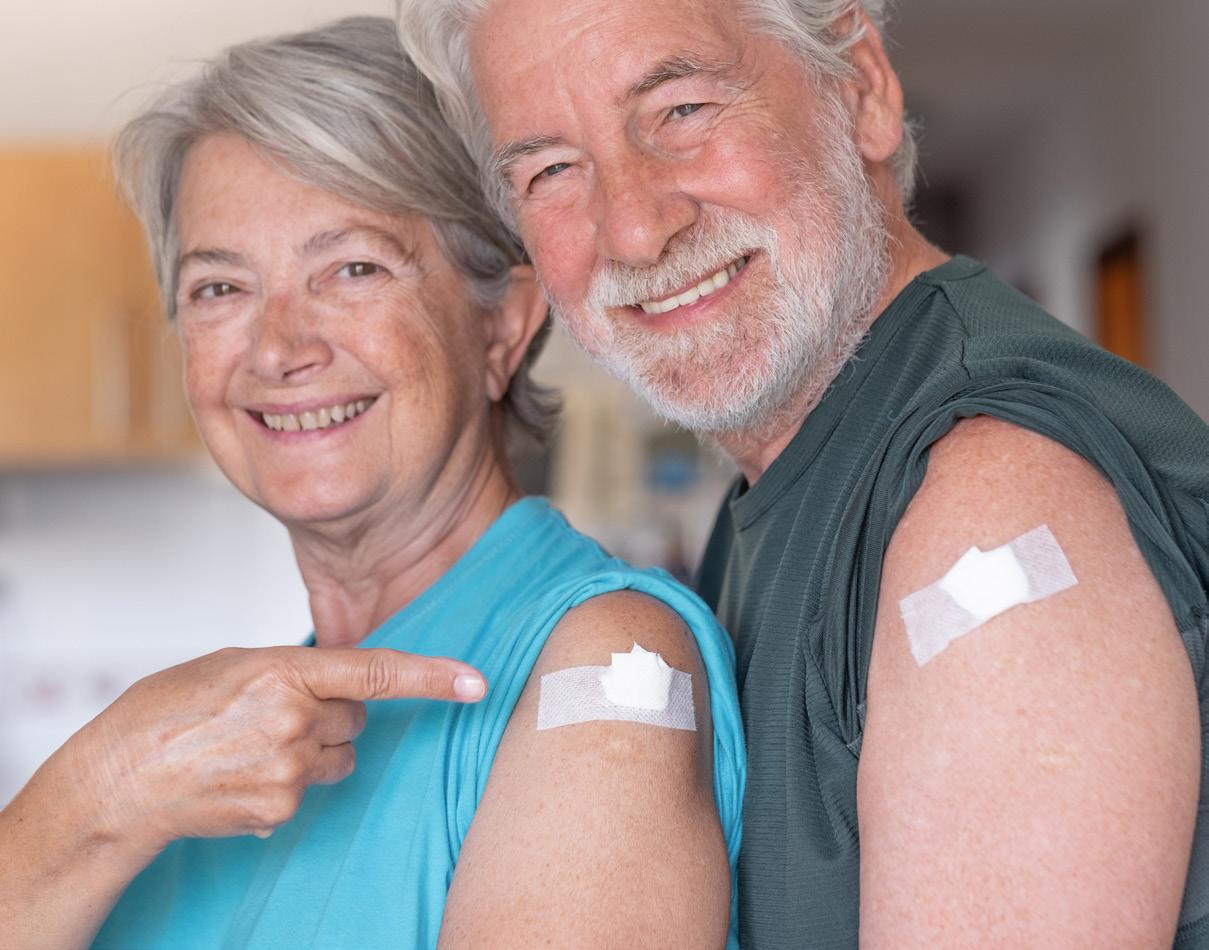
Staying up to date on recommended vaccines is a simple, effective way to protect your health and independence as you age. Editorial photo licensed via AdobeStock
Pneumococcal disease is a serious bacterial infection that can cause pneumonia,
• $540 billion in medical costs (such as doctor visits and hospital stays)
• $2.7 trillion in overall economic benefits
These savings come from preventing hospitalizations, reducing the spread of disease, avoiding long-term disabilities, and allowing people to keep working rather than caring for sick children or family members.
Vaccines also help avoid the high costs of disease outbreaks. For example:
• Annual routine vaccines from 1994–2023 prevented 32 million hospitalizations and over 1 million deaths.
• When measles outbreaks occur, they are extremely expensive. The 2025 measles outbreak in Texas
cost about $4.5 million for medical care and public health response. And investigating just one measles case can cost $30,000 to $50,000. for medical care and public health response. And investigating just one measles case can cost $30,000 to $50,000.
Vaccines also help businesses and workers by reducing sick days and keeping people healthier. For example:
• The flu causes about 17 million missed workdays every year.
• Widespread flu vaccination can cut that number in half.
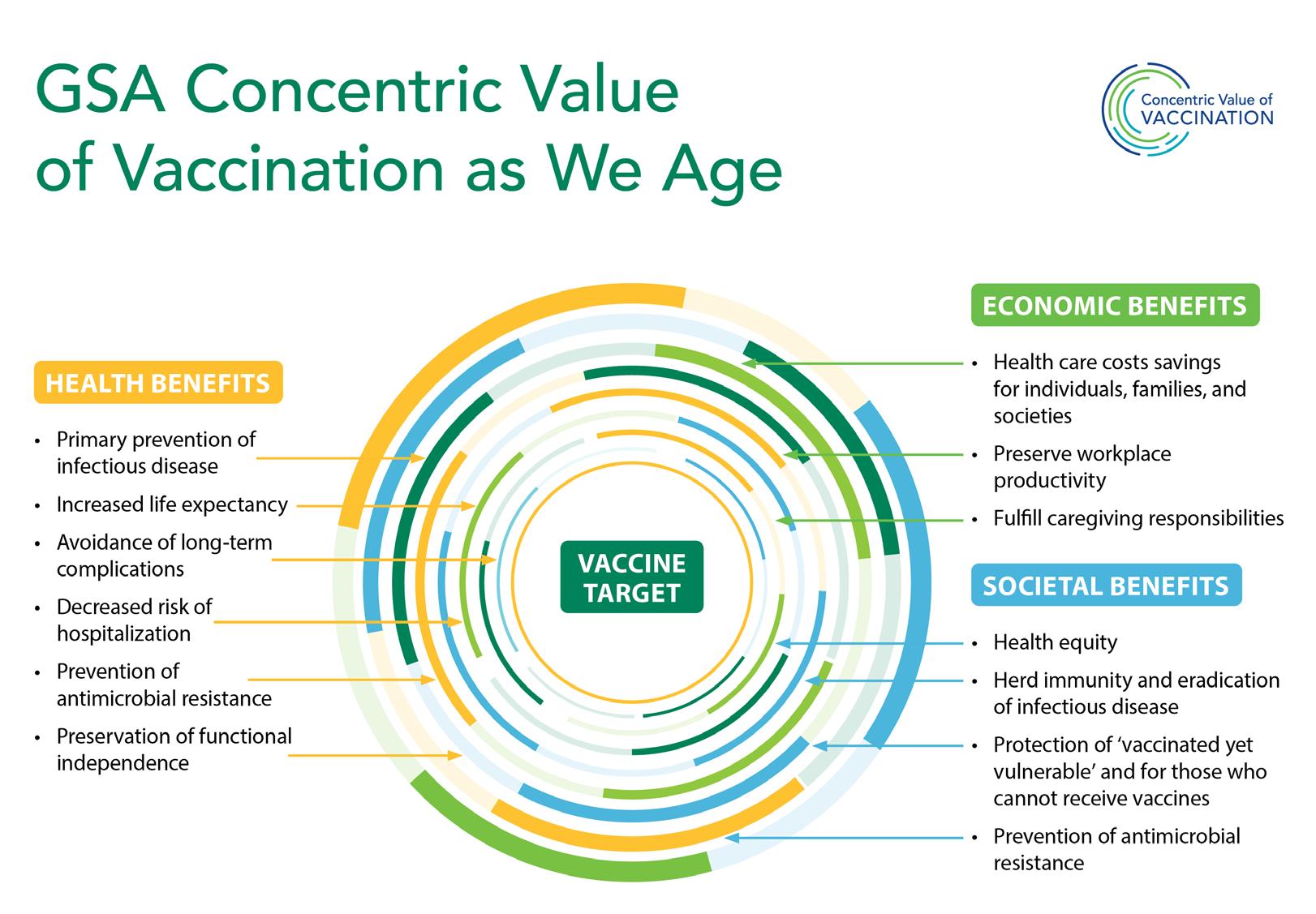
provided by GSA
This means fewer disruptions at work, less need to find staff replacements, and smoother business operations.
Vaccines also indirectly support people who care for family members. About 20% of U.S. adults provide short or long-term