



AI in retail comes of age in the GBA. Are you ready?
AI is reshaping retail, and its influence goes far beyond operational efficiency. Today, AI is empowering consumers to make smarter choices, discover better value, and shop in ways that reflect their personal values. This raises the bar for retailer s, who must now deliver seamless, personalised experiences, both online and in - store, where customer loyalty can be won or lost in an instant.
Our consumer survey for this report highlights a striking contrast in AI adoption between Hong Kong and Greater Bay Area (GBA) shoppers. GBA consumers are embracing AI - driven retail with confidence, while many in Hong Kong remain cautious, highlighting the importance of tailoring AI strategies to local expectations and behaviours
To unlock AI’s full potential, retailers need a clear, strategic roadmap. The next wave is coming, advanced AI ‘agents’ capable of independent decision - making will soon move retail beyond today’s chatbots and analytics.
This report offers a clear - eyed analysis of the trends shaping retail in Hong Kong and the GBA. You’ll find actionable insights to help your business adapt, innovate, and thrive in an AI - driven world.
The journey to a seamless, hyper - personalised retail ecosystem demands vision, strategy, and collaboration. The opportunity is here. Are you ready to lead?


YouGov conducted a comprehensive survey on attitudes and preferences towards emerging retail and retail technology trends, with a particular focus on the integration of AI in the retail sector.
The survey was carried out across Hong Kong and the GBA**, capturing responses from a diverse range of participants across all age groups, income levels, and demographics. Conducted in August 2025, the study polled over 1,500 participants and aims to provide insights into how consumers perceive and interact with AI - driven retail innovations, as well as how these technologies are reshaping the industry landscape.
To ensure the sample was representative of the broader population, weighting was applied to basic demographics, including marital status, employment status, and income levels. This approach enabled a balanced representation of the target markets, allowing meaningful comparisons and generalisations . The data presented in the report reflects rounded percentages to the nearest whole number.
In addition to the consumer survey, the research team interviewed senior C - suite - level executives from leading retailers, and AI innovators. These interviews provided valuable insights into the challenges and opportunities posed by AI in retail. Their input, combined with the consumer survey results, offers a holistic view of the current state and future trajectory of AI in retail across Hong Kong and the GBA.


The shift from transactional to experiential retail AI is welcome –but only with a human touch
The retail landscape is evolving from a transactional model to an experiential one. In this new environment, price still matters, but engagement is now a key differentiator. Around 60% of Hong Kong consumers are satisfied with gamified shopping, and about 70% value interactive product displays. Shoppers want more than just basic browsing, they’re looking for richer, more interactive experiences.
Retailers who embrace these expectations and leverage new technologies to create engaging, value-driven interactions will be well positioned to build lasting customer loyalty.
Trust in AI remains a challenge for retailers, with only 28% of Hong Kong consumers saying they trust AI, compared to 59% in the GBA. Satisfaction with chatbots is also low.
To build confidence, AI must be supported by human expertise. Friendly, knowledgeable staff remain essential for building trust and emotional connection, something technology alone cannot achieve. By combining the efficiency of AI with the empathy of human interaction, retailers can better meet customer expectations and foster lasting loyalty.
Sustainability expectations are here to stay Health-focused spending is accelerating
Sustainability remains a key priority for consumers. 42% of GBA and a third of Hong Kong consumers are willing to pay up to 10% more for products they consider sustainable.
However, shoppers expect clear, accessible information on sourcing and ESG to guide their choices. As spending becomes more intentional and purpose-driven, retailers who provide transparency and embrace innovative approaches such as using sustainable materials and supporting the circular economy will be better positioned to earn consumer trust and loyalty.
Health and wellness continue to drive growth in retail with 42% of GBA consumers and about a quarter of Hong Kong shoppers planning to increase their spending in this area. While Hong Kong consumers remain price-conscious, there is still strong demand for products and services that support healthier lifestyles.
Retailers who provide educational resources, highlight health benefits, and collaborate with trusted experts will be more likely to connect with health-focused consumers and build lasting relationships.
Both Hong Kong and GBA consumers prioritise technologies that offer convenience, efficiency, and personalisation.
vs GBA consumers
Lack of human interaction is a major AI concern
Self-checkout
Most
Smart vending machines or unmanned stores Personalised product recommendations
Retailers are under pressure to blend AI with human support as Hong Kong consumers report more AI-related concerns than last year
Due to economic uncertainties Hong Kong consumers are less likely to increase spending over the next 12 months.


Consumers in the GBA and Hong Kong are increasingly valuing advanced AI features like photo search and facial recognition, which have become seamlessly integrated into their daily routines. These technologies are not just convenient; they are now essential to how consumers interact with brands and products..
Hong Kong and GBA shoppers are highly satisfied with AI - powered experiential retail. Specifically, 62% of Hong Kong consumers enjoy gamified shopping experiences, while 70% of GBA consumers value interactive product displays. These features create immersive environments that encourage exploration, play, and personal connections.
Meanwhile, there is a noticeable decline in the popularity of live streaming and social media commerce, indicating a shift away from quick, impersonal digital transactions. Consumers are now seeking deeper engagement and richer interactions, favouring retail experiences that are interactive, personalised , and emotionally resonant.

Consumers today expect seamless, omnichannel experiences, and AI is the backbone of making this possible.
*Source: Intelligent Retail report , KPMG International 2025
In response to these changing expectations, retailers are reimagining their physical spaces with experiential elements such as in - store cafes, interactive workshops, dedicated experience zones, while also accelerating the adoption of advanced technologies. Ou r Global Intelligent Retail report* shows that 64 percent of retailers worldwide are adopting Gen AI, 58 percent use predictive analytics, and 51 percent leverage robotic process automation.
To stay ahead, retailers must act now, embracing both experiential retail and advanced AI to meet evolving consumer demands and secure their competitive edge.
AI is revolutionising the shopping experience, making it faster, smarter, and more convenient than ever before. In Hong Kong, 54% of consumers value AI for helping them to quickly find relevant products. Meanwhile, 24/7 AI - powered support and streamlined checkout processes are driving higher satisfaction and loyalty in the GBA area.
To lead in this rapidly evolving landscape, retailers must act decisively and accelerate the adoption of AI - driven solutions, invest in advanced technologies and reimagine every customer interaction. Those who move boldly now will set the standard for efficiency, personalisation, and loyalty in the next era of retail.

AI is transforming the retail industry. Innovation in shopping experiences and supply chain optimisation is just the beginning. While there are vast amount of opportunities in this space, leaders have already established a strong foundation and structured approach to turning ideas to reality rapidly.
Stanley Sum Partner, Head of Technology, KPMG China
Easier to find relevant products
Faster service/shorter waiting times
24x7 customer support
Enjoy deals and content curated just for you
Streamlined checkout/ payment process More interactive and fun experience
Consumer satisfaction with AI implementations in retail varies significantly across regions, revealing distinct preferences and pain points that retailers must address to enhance customer experiences and remain competitive. In Hong Kong, chatbots have underperformed, with only 39% of consumers expressing satisfaction, indicating a need for improvement in this area. Chatbots also underperform in the GBA, albeit slightly less so than in Hong Kong, with a satisfaction rate of 51%.
These figures reflect common frustrations with traditional chatbots, which often struggle to understand nuanced queries, provide relevant recommendations, or resolve complex issues without human intervention. Many users find chatbots impersonal, rigid, and unable to handle unexpected requests, leading to dissatisfaction and a preference for human support.
AI agents offer a promising solution to these challenges. Unlike rule - based chatbots, AI agents are transforming retail by interpreting context, learning from interactions, and proactively assisting customers by guiding product discovery, offering personalised recommendations, and handling after - sales support .
Now, emotion engines add a new dimension; by detecting and responding to human emotions in real time, they enable more empathetic interactions. For example, emotion AI can sense frustration at self - checkout kiosks and trigger responses based on a shopper’s mood.
While these technologies enhance efficiency and personalisation, some situations still require the empathy and judgment of human staff. The most successful retailers will combine AI agents, emotion engines and thoughtful human intervention to create customer journeys that are not only efficient an d personalised but also emotionally resonant.
Retailers in Hong Kong can empower their retail strategy by embracing AI agents and emotion engines to deliver customer experiences that are not only efficient and personalised, but also truly empathetic. By integrating these advanced technologies today, they can build deeper connections, foster loyalty, and set their brand apart in the age of intelligent retail.

Lakshmi Murthy Head of Business Transformation at DFI
Stijn Casneuf Director for Data and AI Automation at DFI
Lit Ping Low Group Sustainability Director at DFI

Hong Kong’s retail sector is undergoing rapid change, driven by shifting consumer expectations, cost pressures, and the need for operational efficiency. DFI Retail Group, a multi - category retailer spanning supermarkets, convenience stores, health and beauty chains, and IKEA franchises, demonstrates how a targeted, strategic approach to technology and AI can help retailers navigate these challenges and unlock new opportunities.
Rather than adopting technology for technology’s sake, DFI’s approach centres on targeted AI solutions that deliver measurable value. As Stijn Casneuf, Director for Data and AI Automation, explains, “We link AI initiatives to our core priorities customer experience, team member enablement, and operational efficiency. Every use case is validated for business value, technical feasibility, and financial sustainability.”
This means focusing on solutions that augment staff productivity, streamline communications, and automate routine tasks. For example, AI - powered “co - pilot” tools help team members draft communications and manage workflows, while machine learning models optimise inventory and pricing decisions. The emphasis is on deploying minimum viable products that are production - ready, ensuring that technology investments translate into tangible improvements.
A key enabler of these solutions is a strategic overhaul of data management. DFI’s experience highlights the importance of treating data as a strategic asset, not just a by - product of operations. Recent programmes have focused on consolidating legacy systems, improving data quality, and establishing robust governance frameworks. “Getting the foundations right is essential,” says Casneuf . “It’s not about chasing every shiny new tool but about integrating new solutions with existing systems to create a seamless, efficient operation.”
Examples include the rollout of electronic shelf labels, which automate price updates and reduce manual errors, and the implementation of intelligent transport management systems that optimise delivery routes and reduce emissions. In warehouses, “goods to man” automation brings products directly to staff, improving picking efficiency and accuracy.

Lakshmi Murthy Head of Business Transformation at DFI
Stijn Casneuf Director for Data and AI Automation at DFI
Lit Ping Low Group Sustainability Director at DFI
Sustainability is increasingly woven into the fabric of retail operations, enabled by technology. DFI’s initiatives demonstrate how retailers can offer more sustainable choices without compromising on price or quality. Lit Ping Low, Group Sustainability Director, notes, “Our goal is to have our products giving our customers the same price and quality, but with more sustainable features or a lower impact on the environment.”
Practical solutions include low - carbon rice pilots, where emissions from cultivation are reduced by 30% without increasing costs, and Rainforest Alliance - certified coffee served in recyclable cups. Energy - efficient CO2 refrigeration systems have been introduced in supermarkets, despite the challenges of scaling new technology in Hong Kong’s market. “Rolling out new infrastructure isn’t easy,” Low admits, “but it’s essential for long - term impact.”
Sustainability is not siloed; it’s embedded across teams and functions. E - learning platforms upskill staff on sustainability practices, while facilities management and own brand teams collaborate on energy efficiency and packaging reduction.
Technology also plays a role in educating and motivating customers. Social media campaigns, promotional activities, and school partnerships raise awareness of sustainable products and practices. “It takes time to shift customer behaviour ,” says Low, “but investing in education and incentives is key to driving adoption.”
DFI’s experience underscores the importance of collaboration and mindset change in successful technology adoption. Solutions are developed and implemented across departments, from supply chain to facilities management, ensuring that digitalisation and sustainability go hand in hand. Lakshmi Murthy, Head of Business Transformation, highlights, “Operational efficiency comes from integrating new technologies with legacy systems and aligning teams around shared goals.”
The group’s approach to technology review is pragmatic: investments are prompted by end - of - life cycles, opportunities for productivity gains, or clear returns on investment. Automation and digitalisation are adopted where they deliver real value, not just because they are new.
DFI’s solutions demonstrate that technology and AI can be powerful enablers of efficiency, sustainability, and customer satisfaction when adopted with intention and integrated thoughtfully into operations. The focus is on scalable, value - driven innovation, not experimentation for its own sake. As Casneuf observes, “Retail has the opportunity to leap forward by learning from other industries and deploying proven solutions at scale.”
For Hong Kong retailers, the message is clear: invest in data and AI foundations, embed sustainability across the business, and collaborate to deliver solutions that benefit customers, team members, and the wider community.

Despite the greater convenience and efficiency brought about by the rapid advancement of AI in retail, this technological progress has also raised significant concerns compared to last year among Hong Kong and GBA consumers.
Privacy and data misuse have emerged as dominant concerns for consumers, with strong apprehension about how personal information is collected, stored, and used. While many appreciate the benefits of AI - driven shopping, most are reluctant to sacrifice control over their data.
Our survey shows that only 5% of Hong Kong and GBA respondents have no concerns about AI in shopping, with key worries including facial recognition without consent and the misuse of personal information for promotions. Additional concerns involve AI accuracy and lack of human interaction, highlighting the need for retailers to prioritise transparency and accountability in AI use.

Data privacy and security are major concerns. Retailers must invest in robust cybersecurity measures to protect sensitive customer information.
Philippe Chan
General Manager China & HK, Yougov
With AI and data regulations evolving, now is the time for enterprise leaders to proactively build responsible AI governance. Early action earns stakeholder trust, reduces further risk and positions retailers to scale AI safely and strategically when new rules take effect, turning compliance into a competitive advantage.
Privacy (e.g. in-store facial recognition without consent)
Misuse of personal information (e.g. adding personal WhatsApp contact for promotions without…
Accuracy of information Lack of human interaction Bias/discrimination
Trust plays a pivotal role in consumer adoption of AI - driven shopping, acting as a significant barrier when absent. Consumer confidence in AI hinges on their belief in the technology’s ability to perform tasks accurately, securely, and ethically. In regions like Hong Kong, where trust in AI is notably lower compared to the rest of the GBA, a lack of customer affinity for AI impacts the uptake of AI - driven shopping solutions. Key factors contributing to this barrier include concerns over data privacy, with consumers fearing potential misuse of their personal information by AI systems.
Cultural and regional differences also play a role, with more tech - savvy populations in areas like the GBA being more open to AI compared to the more conservative attitudes in Hong Kong. Consequently, low trust in AI can result in slower adoption rates, reduced user engagement, and lost revenue opportunities for businesses.
Addressing these issues is essential for fostering trust and encouraging wider adoption of AI in shopping. Retailers must act now by prioritising transparency, data privacy and clear communication to earn consumer trust.
you trust the application AI to facilitate your purchases for retail and services


The challenge lies not in the technology itself but in effectively integrating AI into existing systems and ensuring a smooth transition for our employees and customers.
The GBA, especially Shenzhen, leads in AI integration thanks to its concentration of tech companies, skilled workforce, and supportive environment. This accelerates innovation and adoption of AI solutions in retail, such as smart inventory tracking, AIpowered chatbots, and facial recognition for payments. These advancements raise consumer expectations and awareness of AI - driven shopping experiences.
Both Hong Kong and GBA consumers value technologies that enhance shopping efficiency and personalisation: Hong Kong shoppers favour self-checkout and unmanned stores for convenience, while GBA consumers are more interested in immersive experiences like AR/VR shopping and drone delivery. Despite these differences, self-checkout remains a shared preference.
Hong Kong’s slower adoption rate underscores the importance of building trust and awareness before fully embracing AI technologies. Understanding these regional dynamics is crucial for businesses aiming to expand or enhance their AI strategies effectively. The GBA’s success serves as a model, illustrating how a combination of tech infrastructure, government support, and a skilled workforce can drive innovation and adoption of cutting-edge technologies like AI.
Looking ahead, a fully AI - enabled retailer will be able to seamlessly blend into the digital ecosystems that surround customers’ lives, delivering highly personalised, dynamic, and connected experiences, across every touchpoint. AI is expected to enable the analysis of vast streams of consumer data, including purchase history, lifestyle preferences, and contextual factors like weather or location, to provide instant, contextually relevant interactions.
Physical stores will transform into experience hubs, blending the best of physical and digital retail through technologies like AR, VR, and autonomous service systems. Customers enjoying a seamless, omnichannel journey where they can interact with products virtually, receive real - time recommendations and access frictionless checkout options
In this future, AI will anticipate needs, automate routine tasks, and empower staff to focus on high - value, relationship - driven services. Retailers who embrace this transformation will not only meet but exceed evolving consumer expectations, setting new standards for engagement, loyalty and growth.
Hong Kong’s Gen Z population is more enthusiastic about adopting AI and AR technologies compared to their peers in other Asian markets. Retailers must therefore prioritise integrating advanced AI and AR solutions to meet the evolving expectations and preferences of this tech - savvy generation.
“I think in the future, artificial intelligence will help humans in most of their daily tasks.”
“Augmented Reality is useful to people due to its real-world applications.”
Gen Z consumers are carving out a unique path in the world of retail, driven by a relentless pursuit of speed and convenience. Unlike older generations, they prioritise swift checkout processes and rapid delivery options, viewing these as essential components of a positive shopping experience.
When it comes to AI, Gen Z consumers see the primary benefit in faster service and shorter waiting times, recognising how technology can streamline their lives. This generation is not just excited about the possibilities of AI; they are actively embracing it, finding satisfaction in personalised recommendations, chatbots, and other AI - driven features that enhance their shopping experience.
Moreover, Gen Z consumers’ relationship with AI is marked by a level of trust that exceeds that of older generations. While some might worry about the lack of human interaction, Gen Z consumers view this as a minor concern, if at all. Instead, they are more focused on the tangible benefits that AI offers, such as quicker service and tailored experiences.
Beyond speed, Gen Z consumers also places a high value on detailed and easily accessible information. They want to know everything about the products they’re buying, from sourcing to sustainability, and they expect this information to be readily available. This generation is also increasingly conscious of ethical considerations, anticipating a future where they pay closer attention to brands that align with their values, such as those committed to fair trade practices.
In essence, Gen Z consumers are rewriting the rules of retail, blending a desire for speed and convenience with a thirst for knowledge and ethical responsibility. Their shopping habits reflect a modern, tech - savvy mindset that is both pragmatic and principled, setting them apart from previous generations and shaping the future of consumer behaviour.
Edward Chau Head of Global Business at Cloudpick
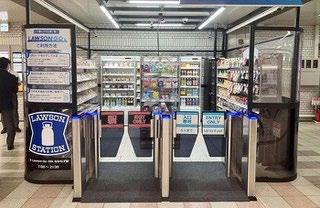
The retail landscape in Hong Kong faces mounting challenges: labour shortages, soaring rents, shifting consumer expectations, and the need for operational efficiency. In this environment, AI - powered smart store technology, exemplified by Cloudpick’s solutions, offers a blueprint for the future of physical retail. Founded in 2017, Cloudpick is a cross - region technology company dedicated to digital intelligence upgrades for multiple industries, with a particular focus on transforming physical retail.
At the heart of Cloudpick’s offering is a proprietary algorithm engine that combines computer vision, machine learning, and multi - sensor fusion. This technology enables “grab and go, frictionless payment” experiences, where shoppers enter a store, select items, and leave without queuing or scanning at a checkout. The system forgoes biometric recognition, instead leveraging a mix of behavioural and sensor data , achieving an accuracy rate of 99.7%.
The model is highly adaptable: In Vietnam, Cloudpick’s unmanned 10 - square - metre modules run profitably on campuses or in office towers with minimal labour and rent while local consumers have easily adopted frictionless entry and QR payment. Meanwhile, UK pilots echo the same principles under very different labour and compliance conditions. In Hong Kong, the biggest opportunity lies in private domain deployment , such as in universities, offices, hospitals, and residential compounds, where 24/7 convenience is possible without the inherent risks of street - level retail.
AI - driven smart stores can be set up in as little as four hours, thanks to modular design and pre - configured algorithms. This dramatically reduces both capital and operating expenses: retailers can save up to 80% on labour and setup costs compared to traditional stores. The technology is scalable, allowing for hyperlocal deployment in spaces that can be as small as four square metres so retailers can meet demand for convenience and immediacy without investing in large, expensive premises.
Beyond automation, AI provides retailers with unprecedented visibility into customer behaviour. The system tracks anonymised shopper movements, product interactions, and purchase conversions, generating real - time data on what’s picked up, what’s purchased, and what’s left behind. Retailers can use these insights to optimise product placement, tailor promotions, and automate dynamic pricing, such as lowering prices on unsold items at set times to reduce waste and boost sales. On top of limiting waste through predictive restocking, Cloudpick’s a utonomous modules present additional environmental advantages, such as overall reduced power consumption and the shortening and optimisation of delivery routes.
Edward Chau, Head of Global Business at Cloudpick , notes, “AI adoption must deliver ROI and build consumer trust, or it risks being a short - term gimmick.” For Hong Kong retailers, this means leveraging technology not just for novelty, but for genuine business transformation: improving efficiency, enhancing customer experience, and enabling new business models.
Edward Chau Head of Global Business at Cloudpick
With growing concerns around data privacy, Cloudpick’s technology is designed to be compliant with global standards. Shopper data is anonymised, and payment information is handled by third - party gateways, ensuring that personal information is protected. Servers are located in - region, and retailers can choose where their data is stored, addressing local regulatory requirements.
Hong Kong’s retail sector is “tech - hungry but cautious,” as Chau observes. While business owners are quick to invest in short - term fixes, the real opportunity lies in adopting AI - powered smart store technology as part of a long - term strategy. Unmanned stores can help retailers overcome labour shortages, reduce costs, and offer hyperlocal convenience: meeting consumers “whenever and wherever” they want to shop.
The technology is not limited to food and beverage; it can be applied to a wide range of products, from stationery in university nano - stores to essentials in hospital pantries and even hotel amenities. Retailers can deploy multiple small - format stores across a single location, easing congestion and improving customer satisfaction.
As online and offline boundaries blur, AI - powered smart stores offer a way for Hong Kong retailers to remain competitive, resilient, and relevant. The technology enables sustainable operations, reduces waste, and supports dynamic, customer - centric retail strategies. With the right incentives and a focus on building trust, consumers are increasingly willing to embrace frictionless shopping experiences. Chau concludes, “The future is now. AI isn’t just a tool, it’s the foundation for sustainable, convenient, and trusted retail experiences.” Hong Kong’s density and technology readiness make the region a fertile ground for AI - powered retail solutions. For local retailers, embracing this technology could be the key to thriving in a rapidly evolving market.

Retailers can no longer rely on promoting isolated sustainability initiatives to win over consumers, as today’s shoppers demand a comprehensive, transparent, and genuinely integrated approach to ESG practices,
Consumers today expect retailers to adopt a holistic ESG approach. Our survey shows that Hong Kong and GBA consumers value practices such as reducing waste by promoting second - hand markets to extend product lifecycles, selling “naked” products with minimal or recyclable packaging, and reducing energy and water use while offering carbon offset options.
They also prioritise transparency, expecting retailers to inform them about the carbon impact of their purchases, support fair labour and ethical sourcing, and partner with third parties to donate proceeds to charity or engage in community initiatives.
There is some slight differentiation priorities when it comes to importance of ESG practices from each region. Hong Kong consumers tend to focus more on environmental aspects, valuing initiatives such as reducing production waste, conserving energy and water, and implementing carbon offsetting measures. These priorities may stem from the region’s urban density and heightened awareness of environmental challenges.
In contrast, GBA consumers demonstrate a stronger support for social and governance issues, including traceability for supply chain transparency, fair labour practices to ensure ethical treatment of workers, extending product lifecycles through reuse and repair, and promoting recycling to foster a circular economy.
Retailers leading the way in sustainability: strategies for a greener tomorrow
1 Reducing Carbon Footprint: Examining every stage of a product’s life cycle to minimise environmental impact.
2 Localising Production: Producing goods closer to the point of sale, particularly in regions like the Greater Bay Area, to reduce transport emissions.
3 Sustainable Materials: Encouraging suppliers to use sustainable materials and renewable energy sources.
4 Eco-friendly Packaging: Transitioning from single-use plastics to packaging made from recyclable, biodegradable, or compostable materials.
5 Circular Economy Models: Implementing take-back systems for used clothing and electronics to promote refurbishment and repurposing.
6 Efficient Logistics: Electrifying delivery fleets and establishing urban fulfillment centres for faster, lower-emission last-mile delivery.
7 Transparency and Accountability: Making public commitments to science-based targets and publishing detailed sustainability reports.
8 Carbon Labeling: Experimenting with carbon labels to provide consumers and AI systems with data for informed decision-making of HK consumers consider supporting fair labour and ethical sourcing important
of GBA consumers consider supporting fair labour and ethical sourcing important 68%
The market exhibits a strong sensitivity to pricing, with the majority of consumers reluctant to incur additional costs for sustainable products. Specifically, Hong Kong consumers demonstrate no willingness to pay a premium for sustainable goods or services, solidifying price as the principal obstacle to sustainable consumption.
Within this context, a distinct segment of Hong Kong consumers who are willing to pay more for sustainable products exists, albeit with limitations. On average, these consumers are only prepared to accept a modest increase in price, indicating that while sustainability holds value for them, budgetary constraints temper their commitment. This segment represents a portion of the market that acknowledges the importance of sustainability but remains cautious about spending beyond their means.
Furthermore, a very small niche within the market exhibits a robust dedication to sustainability, willing to pay a significant premium for eco - friendly products. This group likely comprises environmentally conscious individuals with higher disposable incomes, where ethical considerations are a primary motivator in their purchasing decisions. To overcome this barrier, companies must focus on absorbing costs through operational efficiencies elsewhere in their value chain, innovating to make sustainable products more affordable, and clearly communicating the long-term value (e.g., durability, cost-saving from energy efficiency) to justify any minimal price increase. Ultimately, this data suggests that in Hong Kong, the success of sustainable retail will depend on making it the affordable and easy choice, rather than a premium one.
Advancements in technology and improved production efficiency have transformed ESG practices into cost-effective solutions for manufacturers, shifting from being an extra expense to a cost-saving measure. ESG initiatives, such as reducing waste and energy consumption, are now saving money. ESG practices ensure sustainability remains a priority, demonstrating that cost savings and environmental stewardship can coexist effectively. This evolution paves the way for a future where economic viability and sustainability go hand in hand.

I n today’s market, the importance of clear and accessible product labels and information cannot be overstated. Consumers in Hong Kong and the GBA increasingly recognise the value of having detailed product information readily available. According to our survey, a significant majority of consumers in Hong Kong (55%) and the GBA (76%) appreciate easy access to sustainability information, including product credentials, sources, and other relevant details.
To enhance consumer engagement and build trust, it is crucial to make product information easily accessible. Innovative methods, such as QR codes, can serve as effective tools to provide consumers with instant access to comprehensive product details. This not only facilitates informed decision - making but also fosters a sense of transparency and reliability between consumers and brands. Educational initiatives play a vital role in enhancing consumer understanding of sustainability credentials, enabling them to grasp the impact of their choices and make more responsible purchasing decisions.
Interestingly, while most consumers express support for brands with ESG practices, this factor is not a major driver of their purchasing decisions. This suggests that while ESG considerations are important, they are not the primary motivators for consumers when making purchases.
How important is it for you to easily access detailed product information, including sustainability credentials, recycling locations, product source, etc. when shopping?
55%
Importance for easy detailed product info by HK consumers
76%
Importance for easy detailed product info by GBA consumers
Driven by consumer expectations and emerging global regulations, product information transparency and traceability have become business imperatives. Businesses can leverage QR codes with global standards (Digital Link) to ‘tell the product’s story’, including its journey from source, product information, certifications, ESG credentials, recycling locations, and even links to e-shops, delivering consumers a seamless and trustworthy experience.
Anna Lin Chief Executive, GS1 Hong Kong
Consumers in Hong Kong and the GBA have increasingly high expectations for brands to integrate ESG principles into their core operations. Key areas of concern include ethical labour practices, sustainability, and transparency.
GBA consumers place a strong emphasis on understanding how products are made and the associated human and environmental costs, making ethical and transparent supply chains a top priority.
Additionally, both groups of consumers support circular economy models, such as recommerce initiatives, which aim to extend product lifecycles and reduce waste. These expectations reflect a broader shift towards more responsible and sustainable consumption patterns.

Reduce energy/water use. Offer carbon offset options. Inform consumers on the carbon impact of purchase
Support fair labour and ethical sourcing Sustainable practice in sourcing of materials through traceability
Promote circularity, e.g. recycle / upcycle production wastage
Matthew Ng VP of Growth at Locolla’s LocoBike
The evolution of shared micro - mobility in Hong Kong offers valuable lessons for retailers seeking to enhance operational efficiency and reduce their environmental impact through technology. Locolla Limited, established in 2017, has emerged as a key player in the city’s bike - sharing sector, demonstrating how AI - driven solutions can support sustainable urban travel. With over 680,000 registered users and 20+ million journeys, Locolla’s LocoBike platform provides app - based access to over 10,000 GPSenabled bicycles, serving both local residents and visitors across Hong Kong and the GBA.
Locolla’s experience highlights the potential of proprietary AI systems to transform business operations. The company’s “Loco AI Engine” integrates big data analytics and regression models to process extensive datasets including user locations, trip routes, weather, and public holidays yielding actionable insights such as heat maps of demand and optimised resource allocation. Matt Ng, VP of Growth at Locolla notes, “AI propels us to a different level, but we manage it cautiously.”
For Hong Kong retailers, adopting similar AI - powered ERP systems can enable realtime decision - making, streamline logistics, and improve responsiveness to fluctuating market conditions. In Locolla’s case, the AI engine supports dynamic fleet management, guiding operations teams to efficiently redistribute bikes and address unattended assets from low - to high - demand, a necessity in the city’s dense urban environment where fixed parking is limited.
The use of AI extends to customer engagement, with Locolla’s app facilitating seamless bike access and optimised availability through real - time rebalancing. Retailers can draw from this approach by leveraging deep learning to analyse customer behaviour , tailor offerings, and foster loyalty. Data - driven pricing strategies, such as Locolla’s flexible ride rates, can lower barriers to entry and enhance perceived value. Ng explains, “We’re creative with pricing it’s about value for money.”
At the same time, LocoBike actively launches various community initiatives to enhance appeal. Ranging from app - based discounts to virtual experiences like VR rides for underserved groups, they demonstrate how technology can broaden appeal and inclusivity, supporting both commercial and social objectives.
AI is the ‘new normal’. It helps us optimise our operations by rebalancing efficiently and reducing idle rates, ensuring our fleet remains active and generating revenue.
Matthew Ng VP of Growth
Locolla
Matthew Ng VP of Growth at Locolla’s LocoBike
Locolla’s model underscores the environmental benefits of technology adoption, with daily users contributing to reduced traffic congestion and lower emissions. Amid economic pressures, Ng emphasises accessibility: “Sustainability isn’t our slogan it’s about easy access and freedom.”
For retailers, integrating AI and digital platforms can support ESG goals by optimising resource use, minimising waste, and facilitating transparent reporting of sustainability metrics. Locolla’s collaboration with government and B2B partners to share emission data, alongside community engagement efforts, illustrates how technology can amplify positive impact without imposing additional costs on consumers. Ng added, "If we do sustainability as a whole, it’s everyone’s responsibility,” advocating for broader recycling education.
Eyeing Vietnam for expansion, Locolla demonstrates that leveraging AI and digital tools is increasingly essential for operational resilience and sustainable growth. "In a challenging economic climate, we need to offer freedom and convenience at the right value," Ng concludes, underscoring AI's role in LocoBike's resilient, innovative path forward. Challenges such as talent shortages and regulatory complexity remain, but Hong Kong’s strengths as a financial and innovation hub provide a solid foundation for continued advancement. Retailers are encouraged to invest in AI capabilities, foster cross - sector partnerships, and prioritise accessibility and sustainability to remain competitive in a rapidly evolving market.


As economic uncertainties persist, consumers are increasingly focused on essential needs, health, and meaningful experiences, while scaling back on discretionary and non - essential purchases, underscoring the importance of understanding evolving consumer preferences and economic drivers for businesses and policymakers alike, as they navigate the changing landscape of consumer spending.
The anticipated changes in shopping habits over the next 12 months reveal distinct preferences between Hong Kong and GBA consumers.
Once again, Hong Kong consumers are shown to be more inclined to focus on cost - consciousness, seeking out discounts and being open to switching to cheaper brands. Conversely, GBA consumers tend to prioritise long - term value, convenience, and ethical considerations, with a greater emphasis on online shopping and brands that align with ESG principles.
These trends present significant implications for businesses and marketers, highlighting the need to tailor strategies to cater to the specific preferences and priorities of each consumer group.

Amid geopolitical shifts, Hong Kong is doubling down on attracting enterprises and investments. As a global expansion hub and active participant in the Greater Bay Area, Hong Kong creates new economic opportunities and supports high-quality national growth.
Source:
The Chief Executive's 2025 Policy Address, Hong Kong Press
Anticipated changes in shopping habits
I will buy more durable, re-usable products
I will look for more promotions and discounts
I will chose lowerpriced brands or products
I will place more emphasis on the ethics of brand (e.g. fair-trade)
GBA and Hong Kong consumers are increasingly investing in health and wellness products, reflecting the deeply rooted cultural belief that “Health is wealth.” This trend is fuelled by several factors: rising health consciousness following the COVID - 19 pandemic, greater access to health information through digital channels, and a growing middle class with higher disposable incomes.
Urban lifestyles, coupled with concerns about pollution, food safety, and chronic diseases, have further heightened the desire for preventive healthcare and healthier living. Younger generations are prioritising physical and mental well - being, seeking products that align with their values of sustainability, transparency, and quality.
By integrating the “Health is wealth” ethos into their brand messaging, retailers can resonate more deeply with local consumers and by collaborating with healthcare professionals, nutritionists, or trusted influencers can enhance credibility and educate consumers about the benefits of various products.
Retailers can also curate dedicated in - store and online sections for health and wellness, offering a wide range of products from organic foods and supplements to fitness equipment and eco - friendly personal care items. Leveraging data analytics to personalise recommendations and launching loyalty programmes focused on healthy lifestyles can further engage consumers. Top 3 expected changes in spending by HK consumers
In a shifting Hong Kong retail landscape, City’Super’s approach demonstrates how retailers can build a resilient business model through quality products and customer service. Founded in 1996, City’Super has become a household name in Hong Kong’s premium retail sector. With roots in department store management, the founding team set out to create a unique retail experience that blended premium food, lifestyle products, a food court, and even a bookstore.
Over nearly three decades, City’Super has expanded its footprint across Hong Kong and abroad, operating under both the CIty’Super and LOG - ON brands. The company’s commitment to quality, direct sourcing, and customer experience has made it a leader in the region’s high - end grocery and lifestyle market and sets a benchmark on how retailers in the region can use their brand identity as a way to stand out in an increasingly competitive market.
City’Super’s approach to sourcing is a key differentiator. Over 60% of products are sourced directly from overseas producers, bypassing local distributors wherever possible. The company has established its own trading offices abroad and built longterm relationships with hundreds of farms particularly in Japan for seasonal fruits like peaches and strawberries. This direct model ensures peak freshness and quality, with City’Super staff working closely with farmers on harvest timing, packaging, and logistics. As Thomas Woo, president at City ’ Super, puts it “We make sure you’re a happy customer. That’s the story behind our supply chain.”
This approach highlights the value of investing in direct sourcing and building robust supplier relationships to deliver superior product quality and customer satisfaction. City’Super’s model demonstrates that a hands - on approach to procurement can differentiate a brand in Hong Kong’s dynamic retail landscape while helping them meet evolving consumer expectations.
Customer experience as a key differentiator
City’Super has always prioritised customer experience, recognising that modern consumers seek inspiration and engagement, not just products. As customer expectations evolve and Hong Kong consumers turn towards experiential shopping, City’Super reintroduced experiential initiatives in their stores such as cooking classes, wine tastings, and member - exclusive carnivals. These events foster community and brand loyalty, appealing to both long - standing customers and younger demographics. For other Hong Kong retailers, this demonstrates the importance of creating immersive, value - added experiences to differentiate themselves in a competitive market. By drawing inspiration from City’Super’s success, retailers can enhance customer engagement, build stronger brand loyalty, and better meet the evolving preferences of local consumers.
We are in an era-changing time. Customers are now more value-conscious, and we must adapt accordingly.
Thomas
President City’Super
at City’Super Marc
Director for Data and AI Automation at DFI
While imports remain central to its business model, City’Super has also increased support for local farmers and traditional brands, hosting local fairs and providing a platform for Hong Kong’s organic and artisanal producers. In recent years, the company has also introduced high - quality produce from the Chinese Mainland following improvements in agriculture and food safety standards. Beyond sustainable sourcing efforts, the company has also launched other initiatives such as switching to paper bags and non - plastic containers where feasible and educating customers on the value and story behind sustainable sourcing.
This type of initiatives highlight the growing importance of local partnerships, sustainability, and transparency in building consumer trust and brand differentiation. Beyond these benefits, these measures are also answering shifting consumer expectations, as Marc Chau, Head of City’Super business unit, notes: “Post - covid, customers are more focused on health and are willing to pay more for better quality food”.
By adopting this type of initiatives, retailers can not only respond to increasing consumer demand for ethical and sustainable practices but also strengthen their connection with the local community and enhance their brand reputation and perception in a competitive market.
Labour shortages and rising operational costs in Hong Kong made it essential to leverage technology, including AI and automation, to maintain service quality and efficiency. City’Super has adopted a pragmatic approach to technology. While not a “front - runner” in large - scale AI investment, the company has implemented automation in forecasting, document processing, and even kitchen operations. “We encourage our staff to use AI in small ways to make their work more efficient. It doesn’t necessarily have to be a big investment.” says Kit Kwan, Head of IT at City’Super .
City’Super’s approach shows that incremental adoption of technology can deliver tangible benefits without requiring significant upfront investment , especially in an industry where many actors operate on thin margins and need clear proof of concept and reliable returns before committing to new solutions. The current limitations of customer - facing AI agents, such as occasional inaccuracies, mean that retailers may remain cautious about deploying these technologies at scale until they mature further.
Post - COVID, customers became more health - conscious, value - driven, and sustainabilityfocused while the rise of Gen Z consumers and new demographic shifts in Hong Kong further complicated the retail landscape. City’Super remains cautiously optimistic about the future. While the retail landscape in Hong Kong and the GBA continues to the company is committed to its founding principles: quality, trust, and experience. By continuing to innovate in sourcing, customer engagement, and technology, City’Super sets a benchmark on how retailers can leverage quality and brand identity to make a dent in the Hong Kong premium retail landscape.
Hong Kong’s competitiveness hinges primarily on strengthening its local brand identity (cited by 63% of respondents) and leveraging international cultural and sporting events (42%). Additionally, enhancing consumer and visitor experiences through personalisation, innovative collaborations, and experiential retail can further bolster its appeal.
Making Hong Kong an experiential city:
Hong Kong, a vibrant cosmopolitan hub renowned for its fast - paced lifestyle and dynamic business environment, is evolving into an experiential city where retail is no longer just about transactions but about creating memorable experiences that reflect the city’s distinctive East - meets - West culture..
Retailers must adapt by transforming their stores into destinations that offer immersive experiences, celebrating the city’s rich heritage and contemporary creativity. To meet the growing demand for tailored and authentic experiences, Hong Kong retailers should focus on personalising products and services, while also curating events that showcase local culture and craftsmanship.
Encouraging cross - industry collaborations such as partnerships between retailers, local artists, chefs, and cultural institutions can further enrich the city’s experiential landscape, offering innovative and diverse experiences that set Hong Kong apart from its global competitors.
In addition to these efforts, Hong Kong should focus on improving its customer service standards to surpass those experienced in other neighbouring cities like Shenzhen and Guangzhou.
product and customer service experience
Cross category and branding collaboration with different industries
Attract MICE travellers with conferences and trade exhibitions to generate high value consumption
Experiential retail spaces e.g. immersive, community space, pop-up

Intellectual Property (IP) distinction:
Intellectual property (IP) is seen as a cornerstone of Hong Kong's creative and innovative industries. According to HKTDC Research, IP accounts for about 30% of the city's GDP and employment, underscoring its vital role in economic growth.
Recently, multiple Hong Kong brands have embraced the IP collaboration trend. For example, Chow Tai Fook Jewellery Group partnered with the beloved Japanese manga Chiikawa to launch an exclusive themed jewellery collection, Lee Kum Kee partnered with Bandai to transform their iconic sauces into miniature gachapon keychains, and McDonald’s Hong Kong offered a limited - time summer menu for the "CHIIKAWA DAYS" exhibition.
Experiential retail spaces:
By transforming retail environments into immersive and community - focused spaces, Hong Kong can offer unique shopping experiences that go beyond traditional commerce. Pop - up stores and interactive retail concepts can create memorable experiences, drawing visitors and boosting foot traffic.
Experiential marketing can greatly enhance brand visibility and memorability. By creating emotionally valuable products and scenarios through new IP, design aesthetics, immersive experiences, and a localised global launch strategy, companies can build long - term partnerships and equity. The government can encourage the development of such spaces by providing incentives and promoting them as part of Hong Kong’s brand identity.
Major sporting, cultural, and music events not only attract a diverse range of visitors but also showcase Hong Kong’s capabilities as a global hub. The government should invest in organising these events, ensuring adequate infrastructure and resources are in place. Attracting meetings, incentives, conferences and exhibitions (MICE) travellers, who contribute significantly to the economy, requires enhancing MICE infrastructure and offering incentives to host large - scale events.
The Hong Kong Trade Development Council (HKTDC) plans in 2024 - 25 to continue to facilitate international growth through signature events, such as Think Business, Think Hong Kong in overseas markets and AFF, Belt and Road Summit and Eco Expo Asia, to highlight Hong Kong’s role as an international centre for green finance and greentech
Launch of ESG seminar series and staging 40 large scale international exhibitions and conferences ranging from ECO Expo Asia and InnoEx to AFF and Asia Summit on Global Health are some of the ways Hong Kong plans to expand the event economy.
When evaluating Hong Kong's competitive edge, it is essential to emphasise the unique advantage of Hong Kong products backed by reputable testing certificates and authenticity assurance. These help build trust with consumers and tourists and allow brands to stand out and expand worldwide.
Lincoln Chan Chief Membership Officer GS1 Hong Kong
Survey findings indicate that GBA consumers believe Hong Kong businesses can attract more GBA and Mainland Chinese consumers by focusing on three key strategies: attracting MICE travellers through conferences and trade exhibitions (55%), making “Brand HK” more local and distinct (53%), and personalising products and customer service experiences (52%). These insights underscore the importance of leveraging targeted marketing, cultural relevance, and tailored services to enhance appeal and drive high - value consumption.
Yet, the data generated from every transaction, shipment, online interaction, and customer review holds the key to unlocking actionable insights. The challenge for retailers is to harness this data effectively to improve performance across in - store, online, and social media channels. Here are three strategies to achieve just that.
Bridging the online - offline divide is a powerful strategy for retailers to succeed by creating a seamless, integrated shopping experience that enhances customer satisfaction and loyalty. By leveraging data from both channels, retailers can gain deeper insights into customer behaviour, enabling them to tailor their offerings and marketing efforts effectively.
This omnichannel approach allows customers to effortlessly transition between online and offline platforms, increasing engagement, sales, and long - term retention. Unified loyalty programmes and personalised recommendations across all platforms further strengthen customer relationships, positioning the retailer as a preferred choice in a competitive market.
In today’s dynamic retail environment, consumers enjoy unprecedented choice in where, when, and how they shop. With the proliferation of online marketplaces and niche retailers, capturing attention and building loyalty has never been more challenging.
For retail organisations, integrating AI serves as a pivotal strategic enabler, with the potential to transform customer engagement and boost operational efficiency. To fully harness this potential, it is essential to adopt a disciplined approach to technology risk management—one that proactively anticipates operational, security, and ethical challenges. This foresight ensures a resilient foundation for sustainable growth.
Brian Cheung Partner, Cybersecurity Lead KPMG China
Stefan Erhart Chief Financial Officer at Lidl & Kaufland Asia
Bastian Grafe Vice President at Lidl & Kaufland Asia
In the fast - evolving landscape of Asian retail sourcing, Lidl & Kaufland Asia (LKA) is embracing technology and AI to enhance procurement, strengthen supply chain resilience, and advance sustainability. As Lidl’s sourcing arm, LKA is taking a digitalfirst approach to sourcing in Asia, leveraging advanced analytics, automation, and AI to build a smarter, more agile, and more sustainable supply chain.
From reactive to predictive: the role of AI in sourcing
Lidl’s core objective to offer high - quality yet affordable products to their customers remains unchanged, but the methods to achieve it have evolved dramatically. In Asia, LKA’s sourcing strategy now hinges on a sophisticated integration of AI and digital tools across every stage of the value chain. “We are investing in Deep Multi - Tier Mapping to identify vendors across all supply chain tiers, far beyond our immediate partners,” explains Bastian Grafe, Vice President at Lidl & Kaufland Asia. “By leveraging this intelligence, we can instantly identify fundamental shifts in raw material flows, emerging capacity constraints, or regional instability. This allows us to actively identify and onboard new vendors to build a robust and diversified supply chain before a shock hits.”
AI - powered analytics enable Lidl to move from a reactive model to a predictive, intelligent network. The company’s data lake project consolidates disparate data points into a unified platform, providing the foundation for trustworthy AI - driven decisionmaking. This approach not only enhances risk management and operational efficiency but is evolving to support compliance and ESG assurance by enabling full traceability and auditability back to the source.
Beyond risk management, LKA is harnessing AI to automate high - volume, repetitive tasks, such as invoice processing, instruction manual generation, and knowledge management, freeing up teams to focus on strategic work and market engagement. Advanced analytics on historical data and market benchmarks inform negotiation strategies and sales predictions, while digital twin and 3D modelling technologies accelerate product development. This supports applications like digital fitting and allows the company to simulate manufacturing processes and test performance before committing to costly physical prototyping.
To comply with emerging regulatory requirements under the EU Green Deal such as the Digital Product Passport (DPP) LKA is investing in advanced data management solutions that go beyond static, annual reporting toward dynamic transparency. These solutions will securely capture a product’s complete history, including its composition, origin, sustainability attributes, and recyclability, providing credible visibility for Lidl and its customers.
In parallel, LKA is expanding its supply chain intelligence capabilities by leveraging predictive analytics and verification tools. This will enable the company to map product and raw material flows and forecast emissions under different logistical scenarios. Additionally, the sourcing arm is exploring how these digital solutions can empower the compliance team to analyse audit and grievance mechanism data, monitor trends, define strategic interventions, and effectively drive sustainability performance across its supply chain in Asia.
Stefan Erhart Chief Financial Officer at Lidl & Kaufland Asia
Bastian Grafe Vice President at Lidl & Kaufland Asia
LKA’s leadership recognises that the adoption of AI is not without challenges. Data quality, privacy, and compliance are top priorities. “AI models are only as good as the data they are trained on. Historical purchasing and supplier data often carry systemic biases that AI can learn and amplify”, notes Grafe. As part of the Schwarz Group, LKA benefits from the Group’s strategic partnership with Google, leveraging robust cloud infrastructure and advanced security protocols to ensure sensitive contract and supplier data is protected.
Stefan Erhart, Chief Financial Officer at Lidl & Kaufland Asia, adds: “Our investment in a unified data foundation, backed by industry - leading security, ensures we can scale AI deployment with confidence, maximising value while mitigating ethical and operational risk.”
By embedding digital intelligence into every aspect of procurement, the company is building a resilient, transparent, and sustainable supply chain that can adapt to shifting market dynamics and regulatory demands. As Grafe puts it, “Our willingness to adopt new technologies is grounded in the principle of readiness. The groundwork must be done first to establish a solid foundation of data integrity.”
For retailers sourcing in Asia, LKA’s experience illustrates some practical considerations for the future. Traditional sourcing models and purely transactional supplier relationships are becoming less effective. Success increasingly depends on leveraging advanced technologies to gain real - time visibility, anticipate disruptions, and comply with evolving regulations. This journey also underscores the importance of investing in robust data infrastructure and forming strategic partnerships to address challenges around data quality, privacy, and security. Retailers should focus on building the digital foundations that enable trustworthy, scalable AI solutions, while fostering collaborative, long - term relationships with suppliers to drive innovation and continuous improvement Our willingness to adopt new technologies is grounded in the principle of readiness. The groundwork must be done first to establish a solid foundation of data integrity.
Bastian Grafe Vice President Lidl & Kaufland Asia

Embarking on an AI journey requires a thoughtful foundation rooted in strategic foresight and practical preparation. While AI is advancing rapidly and holds transformative potential, it remains in its early stages, with many uncertainties and challenges yet to be addressed.
As Albert Einstein noted, “In the midst of every crisis, lies great opportunity.” Companies that act decisively and strategically can gain a competitive edge, but the window for success may be narrower than anticipated potentially just 12 to 36 months.
To increase their chances of success, organisations should begin their AI journey by addressing four critical considerations: strategy, governance and security, technology and data, and workforce readiness. These pillars will guide businesses through the complexities of AI adoption, helping them navigate the transition from theoretical possibilities to operational excellence.
The strategic importance of AI cannot be overstated. By overcoming key barriers such as trust, privacy concerns, and system compatibility, and leveraging data-driven insights with thoughtful execution, businesses can unlock AI’s full potential.
Alice Yip Head of Consumer & Retail, Hong Kong KPMG China

In the context of rapidly evolving technologies like AI, the importance of strategic agility cannot be overstated. Traditional static strategies, often reviewed infrequently, are no longer sufficient. Organisations must adopt a proactive approach, continuously assessing and adapting their strategies to keep pace with technological advancements and market shifts.
The emergence of new digital advantages, such as access to large, high - quality datasets and affordable computational resources, particularly in industries like retail, underscores the need for companies to rethink their competitive strategies. This reevaluation extends beyond mere adjustments; it calls for a fundamental overhaul of business models, including redefining customer focus, value propositions, and competitive approaches.

Governance and trust are critical components in the successful implementation of AI, as they ensure responsible and ethical use of these technologies. A robust governance framework involves structures, policies, and practices that provide stringent controls and uphold Trusted AI principles. This framework must be adaptable to the evolving landscape of AI, balancing the need for oversight with the agility required to keep pace with competitors.
To effectively leverage AI, companies must prioritise the development of a modern, cloud - enabled data platform and a robust data foundation. This infrastructure should ensure that proprietary data is accessible, of high quality, unbiased, and enriched with context, enabling AI systems to make accurate and ethical decisions.
Data governance is equally crucial, as it ensures that data is collected, stored, and used ethically and securely, while complying with regulatory requirements and data privacy standards. Strong governance protocols help mitigate risks such as data breaches and bias, ensuring fair and compliant AI practices.
To effectively integrate AI into the workforce, retailers must first anticipate its potential impact on their operations. By doing so, they can strategically manage role adjustments, skill development, and workforce restructuring, ultimately positioning themselves for long - term success and a competitive advantage.
It is crucial to emphasise that AI is not intended to replace human workers but to augment their capabilities. As AI becomes seamlessly integrated into daily workflows, organisations can foster greater specialisation, improve employee retention, build trust in outcomes, and drive innovation. Retailers that proactively align AI adoption with workforce transformation are more likely to achieve significant productivity and capacity improvements.

The integration of AI into the supply chain has streamlined business operations by enabling real-time visibility and delivering datadriven insights that improve productivity, ensure product quality, enhance agility, and reduce waste
Mignone Cheng Chief Marketing Officer GS1 Hong
Kong
Designing a clear AI strategy that aligns with core competencies and drives accountability is critical. Retail leaders must integrate customer - centric goals, innovation priorities, and AI capabilities into a unified vision. Success depends on aligning AI initiatives with business objectives and fostering leadership accountability to ensure measurable impact. By collaborating with ecosystem partners and uniting teams across technology, product, and data science, leaders can drive alignment and deliver tangible results.
Key actions include:
Defining a unified vision and strategy:
Leaders must communicate a cohesive, organisation - wide vision for AI that resonates with the retailer’s strengths, such as product innovation, customer success, and ecosystem partnerships. This vision should be specific, actionable, and tied to measurable outcomes, ensuring all teams understand how AI initiatives contribute to broader business goals.
Establishing cross - functional collaboration:
Break down silos across teams (e.g., sales, marketing, merchandising, logistics, and customer service) to align AI efforts with innovation and operational goals. Assess the maturity of baseline infrastructure and operating models to determine readiness for larger transformations. Create cross - functional teams focused on identifying opportunities to productise services, leveraging AI to drive new business models and growth.
Implementing measurable Objectives and Key Results (OKRs):
Adopt robust performance measurement frameworks to track AI’s impact on critical outcomes, such as customer retention, inventory turnover, or supply chain efficiency. These metrics should directly tie to strategic business goals, including revenue growth, customer satisfaction, or market share. Regularly align with organisational priorities and use these metrics as a foundation for continuous improvement.
Percentage who say their organisation has achieved the following benefits through using AI
Enhanced customer experience
Increased operational efficiency and cost reduction
Enhanced supply chain management
Gaining competitive advantage in the market
Faster, data-driven decision-making
Improved data analytics and insights
As the renowned physicist Niels Bohr once said, “Prediction is very difficult, especially if it’s about the future.” This timeless wisdom rings even truer in the age of AI. The AI revolution will not just disrupt businesses, but it will compel them to fundamentally rethink their very existence.
In this new era, organisations must abandon the outdated notion of annual strategic reviews. The rapid pace of AI innovation demands a continuous cycle of reexamination and adaptation. Strategies formulated years ago, however wellintentioned, risk becoming obsolete faster than ever before.
For retailers, the stakes are particularly high. To thrive in an AI - driven marketplace, they must undertake a complete overhaul of their business models. This means redefining customer service, reimagining value propositions, and reinventing competitive strategies. The question is no longer whether to adapt but how quickly can you transform your business to stay relevant in the age of AI.
Instead of relying on the traditional annual strategy meeting, businesses must adopt a more frequent review cycle to adapt to the rapid pace of AI - driven change. To navigate this uncertainty, companies should leverage scenario building, focusing on three critical components: quantifying the value opportunity at stake for their current business, assessing the risk of others disrupting their market, and identifying opportunities to disrupt competitors. Additionally, companies must consider the broader impact of AI adoption across their entire ecosystem, including customers, suppliers, and competitors, recognising that the collective adoption of AI will reshape industries as a whole..
In alignment with broader enterprise strategy and the journey of Gen AI adoption, companies must determine the urgency to build an agentic workforce. Decide whether to be an early adopter, a fast follower, or an active monitor. Identify the highest - value areas for initial deployments within the organisation, whether by function, workflow, or types of tasks. These analyses require quantifying the incremental value that agents can unlock, assessing the incremental risks, and understanding agent readiness from both a technology and people perspective. Embrace the necessity of aligning with broader strategies, deciding your adoption pace, identifying deployment areas, and ensuring readiness — because in the race to integrate agentic workforces, timing and preparation are everything.
As retailers advance in their AI adoption journey, the importance of building trust and credibility becomes increasingly vital. With greater reliance on AI comes an elevated risk of reputational damage and potential ethical dilemmas. To successfully navigate this evolving landscape, retailers must prioritise the establishment of robust governance frameworks, integrate ethical practices, ensure data privacy, and invest in secure and resilient systems.
These measures are essential for maintaining stakeholder trust and unlocking the full transformative potential of AI, ensuring that its benefits are realised responsibly and effectively.
Key actions include:
Retailers should establish robust AI governance frameworks that define clear standards for accountability, transparency, and compliance. This involves outlining roles and responsibilities across teams, setting up protocols to monitor AI performance, and creating mechanisms to address risks such as algorithmic bias and ethical concerns. For leaders and employees to advocate for AI tools, they must first trust the systems they are using.
Embed ethical and bias - detection mechanisms:
Ensuring fairness and mitigating bias in AI systems is crucial for retailers to avoid unfair treatment of customers. Retailers should focus on using diverse and representative training data to reduce the risk of missing important groups.
Implementing continuous auditing tools is essential to monitor AI decisions and flag any issues before they escalate. Regular model testing and clear guidelines for acceptable outcomes help maintain trust and ensure fair performance. Collaborating with independent
auditors or ethics boards provides additional oversight and credibility, helping to identify potential blind spots and enhance trust among customers and stakeholders.
Retailers should also have a response strategy for detected biases, which may involve retraining models, adjusting algorithms, or temporarily disabling AI until issues are resolved. Quick and effective action is crucial. Additionally, investing in interdisciplinary teams, including data scientists, ethicists, and legal experts, is necessary for managing AI governance. Allocating sufficient budgets for AI auditing tools is essential for longterm benefits. Staying informed about regional laws and regulations regarding AI bias and fairness is crucial, especially for international operations, to avoid legal issues and maintain trust.
Retailers should integrate privacy into AI development using a ‘privacy by design’ approach, embedding privacy from the start. Implement encryption, anonymisation, and secure data - sharing. Balance privacy with functionality. Train employees, conduct regular audits, stay compliant with data laws, and communicate transparently with customers to build trust.
As AI reshapes our digital landscape, cybersecurity must become its foundational pillar, not an afterthought.
Mohit Kumar Director, Cyber Incidence Lead KPMG China


Strategy and leadership
People and talent
• The Chief Information Security Officer (CISO) has become a trusted internal advisor and operational leader.
Increased use of cyber warfare in geopolitical conflicts
Technology
• Security teams are transforming into a key resource with a relevant voice at the strategy table.
• New virtual infrastructure models and collaboration tooling.
• Accelerated cloud transformation (due to COVID-19) but security was an afterthought.
• Traditional identity authentication and management (IAM).
• Cyber and privacy regulations focus on business priorities and responsibilities the importance of trust.
• From scenario-to impact-based focus on critically and regulation.

2024 CrowdStrike incident
Gen AI EU AI Act Cyber attacks have become more pervasive, affecting businesses, industries and society as a whole.
AI-enabled cyber threats, i.e. AI phishing, intelligent malware, deepfakes, mass surveillance and others...
• Moving the conversation from cost and speed to strategic and effective security.
• CISOs budgets increasingly tied to risk reduction for the business.

• As cyber becomes more pervasive across the organisation, the pressure on the CISO to deliver increases.
• The CISO role disperses but accountability increases partially due to regulatory developments.
• Cyber exists to support not hinder from organisational enforcers to influencers.
• Weaving cyber into the organisational fabric.
• Enhanced security through automation.
• Rapid advancements in Gen AI create excitement around use cases in Cyber
• Securing a perimeter-less and data-centric world
• Placing identity at the heart of zero trust
• Digital trust is a shared responsibility that starts with the business and involves multiple stakeholders, e.g. CISO, DPO, CDO, CIO, etc.
• No longer just about prevention focus on response and recovery.
• The cyber skills gap persists AI might offer some viable solutions, but the workforce needs new skills to adapt and adopt.
• Investment in AI for cyber becomes more strategic and forward-looking.
• Enterprise-wide cost-saving, efficiency, security and innovation (especially AI implementation) drive platform consolidation.
• The rise of digital identities and deepfakes.
• Embedding trust as AI pierces all fabrics of business and society focus on security, privacy, safety, ethics, etc.
• CISOs continue to build on resilience as cyber threats have evolved from tech risks to business and industry threats, with potential harm to society.
In the dynamic retail industry, effectively managing technology and data is crucial for achieving maximum returns. Retailers must skilfully balance experimentation with new technologies and the scalability of successful initiatives to ensure broader impact.
A strategic focus on “no - regret” investments is essential, as these strategies offer enduring benefits irrespective of the evolution of AI technology. Identifying early wins not only delivers quick results but also fosters momentum for ongoing innovation. In an everchanging AI landscape, adaptability remains paramount, and these well - considered investments lay a robust foundation for sustained success. By optimising their technology and data strategies, retailers can navigate the evolving technological landscape and secure a competitive edge.
Key actions include:
Invest in scalable and flexible infrastructure:
To support the dynamic needs of AI technologies, retailers should prioritise building a robust, cloud - native infrastructure. This infrastructure should include platforms designed for machine learning operations ( MLOps ), enabling efficient deployment and management of AI models. Scalable solutions are crucial as they allow retailers to expand their AI initiatives as needs grow, avoiding the pitfalls of rigid, short - term fixes. By investing in flexible infrastructure, retailers can ensure their systems remain adaptable to future technological advancements, providing a solid foundation for ongoing innovation.
High - quality, unified data is the cornerstone of effective AI implementation in retail. Retailers must invest in advanced data platforms that consolidate siloed datasets into a single source of truth. This consolidation ensures seamless data access and governance, which are essential for reliable AI outcomes.
Additionally, tools for data quality, lineage, and security should be implemented to ensure AI models are built on a foundation of trust and reliability. Regular cleaning,
organising, and validating of data prevent inconsistencies, redundancies, and biases that could undermine AI performance. Observability tools can further enhance data management by continuously monitoring data health, allowing potential issues to be addressed before they impact AI outcomes.
To future - proof their technology stack, retailers should invest in modular AI systems that integrate with existing tools and accommodate emerging technologies. Open APIs, interoperable software, and vendor - agnostic solutions enable retailers to experiment with new innovations without being locked into specific ecosystems. This approach ensures flexibility in responding to technological advancements, allowing retailers to adapt to new opportunities without the constraints of proprietary systems. By embracing modular and interoperable solutions, retailers can maintain a technology stack that is both adaptable and resilient, ready to evolve with the changing AI landscape.
A successful strategy for managing technology and data involves creating a balanced investment portfolio. Retailers should adopt a dual approach, combining “no - regret” foundational investments such as infrastructure, data management, and governance frameworks — with controlled experimentation in cutting - edge AI technologies like generative AI or autonomous systems. This balance ensures that the organisation can drive immediate value while remaining agile enough to adopt transformative innovations as they mature. By maintaining this equilibrium, retailers can achieve scalable returns, foster innovation, and position themselves for long - term success in an ever - evolving technological environment.
93% of US-based C-suite and business leaders agree that investments to-date in GenAI have allowed their company to enhance its competitive position and long-tern strategic performance
Source: Intelligent Retail, KPMG International 2025
Empowering the workforce with data - driven tools:
In today’s dynamic retail environment, empowering employees with digital tech tools is a strategic approach to achieving success.
By equipping staff with mobile tools that provide real - time customer insights and inventory updates, businesses can enhance the shopping experience and build stronger customer relationships. The integration of AI as a “store companion” further elevates this strategy, allowing associates to swiftly address customer inquiries, locate products, and complete transactions efficiently. This seamless interaction not only boosts productivity but also enriches the customer journey.
Moreover, AI - powered shop media, featuring interactive avatars and product labels, adds a dynamic dimension to the shopping experience. Employees also benefit from these advancements, as automation and AI tools are increasingly adopted, with many workers noting improvements in their skills and job satisfaction.
In essence, empowering the workforce with relevant and useful digital tech tools fosters a more connected and efficient team, ultimately driving sales and customer satisfaction.
Data - powered merchandising and effective inventory management
“Predictive Analytics” offers a strategic approach for retailers to enhance decisionmaking and drive profitability by leveraging data to anticipate future trends and consumer behaviour. While challenges exist, the potential benefits, supported by realworld success stories, highlight its importance in the evolving retail landscape.
By examining sales figures, customer purchase history, inventory levels, and external factors like weather patterns or social media trends, retailers can predict customer preferences and optimise their operations. This data - driven strategy enables efficient inventory management, avoiding overstocking or understocking, and supports personalised marketing efforts that target individual customer interests.
Additionally, data informs pricing strategies, such as dynamic pricing, which adjusts based on real - time demand, maximising revenue. Collectively, these data - informed actions improve operational efficiency, reduce costs, and increase sales, providing a competitive edge and ultimately boosting profitability.

In the AI-driven future, data quality isn’t optional, but essential for success. Only with trusted, interoperable data that can be shared seamlessly, can businesses unlock the infinite opportunities brought by the innovative technology.
Jack Lee Chief Operating Officer GS1 Hong Kong
In the rapidly evolving landscape of retail, the integration of AI presents both exciting opportunities and significant challenges. While AI - driven automation offers efficiency and innovation, it is crucial to recognise that human expertise remains indispensable. The synergy between AI and human capabilities is key to driving success in the retail industry.
One of the most pressing challenges for retailers is attracting top talent in AI and Machine Learning. The global demand for these specialists is high, making it essential for companies to not only recruit the best but also focus on upskilling and reskilling their existing workforce. By investing in robust learning and development programmes, retailers can ensure their employees stay ahead of the curve as technology evolves.
Fostering a culture that values both AI and human capabilities is vital. This involves creating an environment where employees feel empowered to leverage AI tools while continuing to contribute their unique skills and insights. Key actions include:
Foster transformational leadership:
Transformational leadership is pivotal in driving the successful adoption of AI within an organisation. Leaders must champion AI by cultivating a culture rooted in trust, transparency, and collaboration. By clearly communicating the strategic vision for AI, leaders can illustrate how AI serves as an enabler, enhancing current processes rather than disrupting them. Empowering teams to experiment with AI, celebrating successes, and openly addressing concerns fosters confidence and alignment across the organisation. Leaders should model adaptability, demonstrating a commitment to change and investing in their own understanding of AI to effectively guide the organisation through this transformative journey.
Creating an AI - literate workforce is essential for seamless AI integration. This involves developing learning programmes that provide employees with a foundational understanding of AI, its applications, and its implications for their roles. It is crucial to extend this education beyond technical teams to include employees in operations, customer service, and risk management, ensuring they comprehend how AI impacts their work and enhances their decision - making capabilities. For technical roles, specialised training in AI development, machine learning, and data science is necessary to bridge the talent gap, ensuring a workforce equipped to leverage AI effectively.
Overcoming cultural resistance to AI requires a structured change management approach. Clear communication, employee engagement, and support systems are integral to this process. Retailers should address fears about job displacement by emphasising how AI can augment roles rather than replace them. Involving employees in the co - creation of AI solutions fosters ownership and ensures these tools are designed with practical needs in mind. Establishing forums for feedback, collaboration, and sharing success stories helps dispel misconceptions and generates enthusiasm for AI - driven transformation, facilitating a smoother transition.
Securing AI systems is not just a technical challenge but a fundamental requirement for building trust and ensuring the ethical advancement of AI. We must invest in robust cybersecurity measures to protect AI’s potential and foster innovation.
AI necessitates a redefinition of roles and career pathways to align with its transformative potential. This involves automating routine tasks and shifting employees towards higher - value activities such as customer engagement, strategic analysis, and innovation. Clearly mapping out these new opportunities helps employees view AI as a tool for growth rather than a threat. Introducing new roles, such as AI ethics officers or value stream leaders, ensures a balanced integration of human expertise with AI capabilities, securing long - term adaptability and growth.
By fostering transformational leadership, building an AI - literate workforce, addressing cultural resistance, and redefining roles, organisations can create a culture that embraces AI while empowering people, ensuring successful AI integration and long - term success in the retail sector.
Codify the ways you work
Human activities can be categorised into two distinct realms: structured work, governed by standardised processes and clear rules, and tacit work, which demands judgement, creativity, and experience. While structured work presents an immediate opportunity for automation with the aid of existing tools for process mining and documentation, tacit work poses a greater challenge, one that holds the potential for transformative impact over time. Startups are already emerging to harness the power of AI in capturing and replicating tacit work, signalling a shift in how organisations approach complexity and innovation.
To stay ahead, organisations must prioritise the systematic capture and codification of subject matter experts’ tacit knowledge. This effort is not merely an operational nicety but a strategic imperative. By enabling agents to learn from and replicate this invaluable expertise, companies can unlock new levels of productivity and agility, ultimately securing a competitive edge in an increasingly dynamic and AI - driven landscape.
Adopting AI in workflows is proving more challenging for many companies than initially thought. While Gen AI requires less adjustment to daily routines, the initial transfer of work and collaboration between digital and human co - workers still pose significant challenges. Traditional top - down change management methods, which focus on upskilling, training, performance metrics, and accountability, haven’t been effective for AI. Instead, companies should consider behavioural change strategies that include role modelling, peer - to - peer learning, and fostering psychological safety, all tailored to their unique organisational culture.
Imagine a fluid hybrid organisation
The integration of digital agents into the workforce represents a transformative shift in how businesses operate, offering both exciting opportunities and significant challenges. As these agents become integral members of the organisational structure alongside humans, they necessitate innovative approaches to reporting, goal setting, and performance management. This dynamic integration allows companies to streamline operations, enhance efficiency, and achieve cost savings, particularly through the potential to reshore operations at a fraction of the cost previously associated with offshoring.
However, the rapid fluctuation in the number of digital workers, presents a unique challenge. This volatility requires human roles, reporting lines, and performance metrics to adapt more frequently, fostering a culture of flexibility and continuous improvement.
Despite these challenges, the benefits are substantial. The ability to fully automate workflows with AI not only reduces operational costs but also opens the door to launching entirely new business units or startups with minimal human involvement. This capability positions companies at the forefront of technological advancement, enabling them to compete more effectively in a rapidly evolving market landscape.
For retailers, developing AI capability across both senior management and frontline teams is critical to building a future-ready workforce. By pairing ethical AI governance with practical, business-focused training, retailers can ensure AI delivers real impact – whether that’s anticipating customer needs, improving operational agility, or unlocking new growth opportunities.
Anson Bailey Head of Consumer & Retail, Asia Pacific KPMG in China

AI has reached another inflection point. Just as retailers begin to scale generative AI, a more transformative shift is already underway: the rise of AI agents.
Agents aren’t just the next wave – they’re a step - change. These systems will act independently, pursue goals, and operate across complex workflows. That shift changes everything: how work gets done, how decisions are made, and how value is delivered.
The time to prepare is now. Unlike cloud, which took nearly two decades to reshape enterprise infrastructure, this shift is playing out in months. Leading organisations aren’t waiting, they’re already investing, scaling, and positioning themselves to capture the benefits of AI agents at speed.
But this isn’t just a tech conversation, it’s a leadership one. Agents will demand tighter alignment between business and technology leaders than anything that has come before. Success will require a shared vision, coordinated execution, and a clear plan for embedding intelligence at scale.
And as agents take on more autonomy and influence, trust becomes even more critical. A scalable strategy isn't just about what agents can do, it’s about ensuring they operate reliably, transparently, and within guardrails that build confidence.
The leaders pulling ahead are moving fast, but with clarity, staying anchored on the “no regrets” moves, aligning leadership, modernising tech and data, upskilling their people, and embedding trust at every layer.
The pre-owned business model had faced limitations in scalability due to challenges in inventory management, logistics, physical manpower for fully-managed sites, and authentication, particularly in this region. However, in the new future affordable AI and technology will enable this business model to grow exponentially and I am excited for HULA to grow with these innovations!
Sarah Fung Founder, CEO, Chief Brand Officer, HULA
What is an AI agent?
AI agents are digital tools that fulfill organisational goals by taking meaningful, independent action. They accomplish this by blending advanced reasoning from LLMs with planning, orchestration, knowledge, data mining, curated tools and careful governance.
Retail executives are tasked with a dual challenge: they must not only articulate the immense potential of AI but also address its inherent risks. This delicate balance is crucial for fostering confidence and driving innovation within the organisation.
Ultimately, the ability to navigate this dual imperative will determine whether retailers can not only survive but thrive in the competitive landscape of the future.
Retailers are already experiencing transformative benefits from AI, but the full potential remains untapped. By acting faster and implementing AI solutions more strategically, they can unlock even greater opportunities to enhance efficiency, boost profits, and gain a competitive edge in the market.
AI agents are advanced systems capable of performing tasks independently without continuous human supervision. They make decisions and take actions based on data and predefined algorithms. AI agents applications in retail include:
Customer Interaction and Personalisation
These AI agents engage with customers, analyse their preferences, and provide tailored recommendations. By predicting customer needs through data analysis, they offer personalised shopping experiences.
Inventory and Pricing Management
AI agents monitor sales data, market trends, and supplier information to optimise inventory levels and adjust pricing strategies dynamically, maximising profitability.
Service Automation
Routine tasks such as order processing, managing returns, and handling customer inquiries are automated, reducing the need for human intervention and enhancing operational efficiency.
Privacy and Ethical Considerations
The extensive use of customer data raises concerns about privacy and security. Ensuring ethical and transparent operation of AI systems is crucial for maintaining customer trust.
In conclusion, AI agents hold immense potential for revolutionising retail operations. Their successful implementation depends on addressing both the opportunities and challenges they present, ensuring a balance between technological advancement and ethical considerations.
In the era of AI, the consumer journey that has evolved into a sophisticated, data - driven experience designed to maximise satisf action and loyalty. Starting with AI - targeted marketing that introduces consumers to relevant products during discovery, the journey progresses through AI analytics that m oni tor and adapt to shopping behaviour during consideration. Dynamic pricing strategies powered by AI influence decision - making, while seamless checkout processes ensure a sm ooth transition to purchase. Post - purchase, AIdriven support addresses queries and fosters advocacy, creating a loop of engagement and retention. This integrated approach not only enhances efficiency but also strengthens customer relationships, driving long - term success for businesses.
AI-Agent Driven Targeted Marketing:
Targeted ads and content through social media, web, and email, reaching the right audiences at the right time


AI-Agent Forecasting Tool that analyse market trends, competitor prices, and customer demand in real time (e.g., chatbots & virtual assistants, comparison charts)
AI-Service provides seamless omni-channel experience: Assistance with returns, troubleshooting, and queries anytime, streamlining the support experience and boosting satisfaction



AI-Agent Analytics to analyse historical and real-time purchasing patterns, personalised homepages and product suggestions that match individual preferences
AI-Agent Frictionless Checkout (Cashier-less, scan-free payments) (e.g. Amazon Go, Uniqlo, GU, etc.)
Determining where to use specific agent types can be complex.
KPMG has developed a structured classification system called the KPMG TACO Framework TM - Taskers, Automators , Collaborators, and Orchestrators – that helps organisations make sense of this evolving landscape and determine how best to leverage AI agents.
Across categories, there is consistency in core computational components, e.g., foundation and reasoning models including LLMs, knowledge representation systems, contextual processing, memory architectures, and tool integration frameworks including model context protocol (MCP). However, key distinctions emerge in terms of the increasing complexity of goals these agents can fulfil and the corresponding planning/orchestration capabilities they can execute.
This progressive framework provides organisations with a methodical approach to matching their business requirements with the appropriate level of agent sophistication. As types and complexity of agents are evolving rapidly, organisations should also prepare for how agents will collaborate and communicate with each other, an eventuality around which industry leaders are already aligning.
Finally, having a centralised “AI factory” where new agent capabilities can be conceived and developed will be critical, particularly for organisations that want to build their own customised agents instead of buying off - the - shelf products
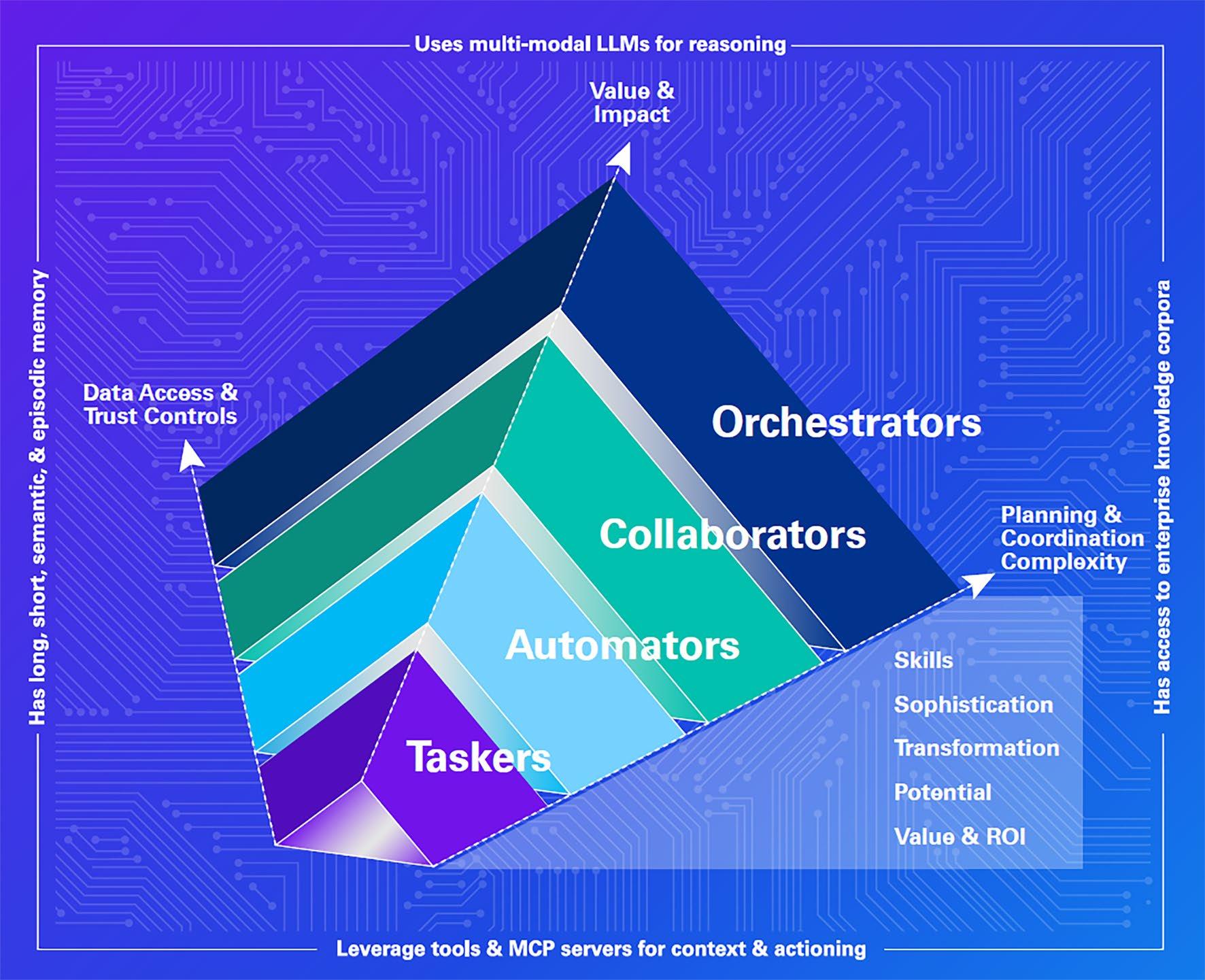
Taskers execute well - defined singular goals that feature repetitive tasks and minimal complexity, such as reviewing invoices or screening for compliance risks. They rely on foundational data that can be used across multiple applications and business processes. The “human in the loop” supplies detailed instructions, outlining the steps and actions the agent must execute. Taskers require guidance on what needs to be achieved, rather than how to achieve it.
Example Tasker applications
Customer Service:
Categorise incoming support tickets based on keywords and assign to the appropriate team
Vendor due diligence:
Screen vendor names against global sanction lists and flag potential issues
Automators deconstruct more complex goals and manage tasks that span multi - system workflows that can comprise applications, systems, and functional areas. Such agents draw from “tacit knowledge”, which is knowledge contained in workers’ minds based on their past experience with the organisation. Automators execute end - to - end processes, orchestrate related tasks, manage dependences between tasks, and dynamically engage tools, APIs, or MCP servers as needed.
Supply Chain:
Streamline workflows by integrating order and transportation management systems, as well as supplier APIs.
Healthcare:
Automate claim adjudication by integrating hospital billing systems, payer systems, and regulatory databases.
Invoice Validation:
Extract and verify data against compliance rules.
Legal affairs:
Convert past legal rulings into a standardised format
Finance:
Accelerate month - end close by managing accruals, reconciliations, and journal entries across multiple systems
E2E order - to - cash:
Automate invoice generation, payment reconciliation, and reminders.
Administrative:
Review employee expense reports for policy compliance and supporting documentations
Customer onboarding:
Adapt dynamically to missing info or compliance checks
Collaborators function as adaptive AI teammates, working interactively with humans to achieve multi - dimensional goals while dynamically responding to user feedback and evolving contexts. These agents integrate multiple AI capabilities (machine learning, NLP, speech, computer vision) and can work with both structured and unstructured data sources to provide expertise - driven support and augmentation. Unlike simpler agents, collaborators maintain contextual awareness and long - term memory across extended complex interactions, enabling them to function as true digital colleagues rather than passive tools.
Example Collaborator applications
Product development:
Synthesise user feedback, suggesting feature prioritisation and generating release plans with timelines and resource estimates
Marketing:
Brainstorm campaign ideas with marketing teams, refine ad copy based on style preferences, and automatically schedule social media posts
Financial planning and analysis:
Work alongside analysts to develop scenario models, evaluate assumptions, and provide insights based on historical data patterns, while adapting to the specific analytical approach preferred by each team member.
Each TACO agent – whether a Tasker, Automator, Collaborator, or Orchestrator – is inherently a multi-agent system. Each is composed of several coordinated agents and subagents working together to achieve a stated goal, rather than functioning as a single, monolithic unit. All TACO agents involve some level of orchestration or coordination, though the complexity of that coordination may vary
Orchestrators are an advanced class of agentic system designed to coordinate multiple agents, tools and interdependent workflows at scale. These agents operate as intelligent control towers, dynamically selecting from a broad ecosystem of specialised agents and services to achieve complex, cross - functional objectives. Such agents rely on explicit knowledge, which is more objective, quantifiable, and often technical.
Operating in real time, orchestrators enable dynamic resource optimisation, multi - agent choreography, task delegation, inter - agent communication (leveraging protocols such as the agent - to - agent (A2A) protocol), and the reconciliation of dependencies across systems. Preparing for their adoption requires addressing the technology stack and codifying robust Trusted AI protocols. As the most sophisticated of current AI agents, orchestrators have the potential to truly unlock new business models, foster crossindustry ecosystems, and stimulate economic transformation at scale.
Example Orchestrator applications
Finance:
Manage inter - company reconciliation processes by orchestrating agents for currency conversion, account matching, and exception reporting
Regulatory compliance:
Orchestrate multi - jurisdictional compliance monitoring by assigning agents to review local regulations, ensure adherence, and escalate violations for manual review.
Multi - entity procurement optimisation:
Orchestrate sourcing, negotiation, and compliance agents across global subsidiaries – both within and outside of the enterprise.
This year’s report highlights how AI is revolutionising the retail ecosystem. However, achieving AI-driven success is not straightforward. It requires rethinking traditional approaches and responding to the growing demand from consumers for AI-driven solutions. To fully leverage AI’s potential, organisations must adopt new perspectives, fostering a culture centred around data and technology, and integrating cross-functional agility into their operations. Leading companies demonstrate that these changes are not just beneficial but crucial for survival and growth in an era where consumers increasingly demand AI-driven experiences.
The rise of seamless commerce
Leading retailers are leveraging AI - driven personalisation, real - time inventory visibility, and frictionless checkou t to blur the lines between channels, meeting customers wherever they are and however they choose to shop. This unified approach elevates the customer journey while generating granular behavioural data, enabling rapid iteration of in - store and online experiences. For retailers, the ability to orchestrate these touchpoints through AI is now central to driving higher engagement, fostering brand loyalty, and unlocking new revenue streams in an increasingly experience - led marketplace.
Future ready w orkforce
To fully capitalise on AI’s transformative potential, retailers must move beyond generic upskilling and invest in targeted, role - specific training that empowers employees to work alongside intelligent systems. This means equipping teams not just with technical proficiency, but with the agility to adapt to evolving AI - driven workflows and the critical thinking required to interpret machine - generated insights. Retailers who embed AI literacy and change management into their organisational DNA will be best positioned to bridge the gap between technology and frontline execution.
The future is agent - centric
Agent - centric strategies focus on leveraging AI agents to boost collaboration and adaptability across teams. By integrating these advanced systems, organisations can optimise their workflows, make data - driven decisions, and cultivate an environment conducive to innovation. Retail leaders should treat the rise of AI agents as a strategic opportunity. Those who start integrating agentic AI capabilities – supported by robust governance and an AI - ready workforce – could gain a significant first - mover advantage in operational efficiency and customer experience.

GS1 Hong Kong is the local chapter of GS1®, a global, not - for - profit data standards organization headquartered in Brussels, Belgium and represented in over 120 countries. We help businesses identify, capture, and share trusted data across both physical and digital supply chains. Through global standards like GTIN and barcodes, GS1 Hong Kong empowers companies to improve efficiency, enhance visibility, and strengthen collaboration.
Building on these standards, we’ve developed platforms such as ezTRADE for B2B data exchange, ezTRACK for real - time traceability, and 1QR , a GS1 Digital Link - powered solution that delivers rich product information certifications, sustainability data, and more via 2D barcodes.
Our trusted data infrastructure now supports trade financing and Scope 3 emissions reporting , helping businesses meet ESG requirements.
In today’s AI - driven economy, data quality is essential. GS1 Hong Kong provides a foundation for data that is accurate, visible, linkable, searchable, shareable, and traceable.
Website: www.gs1hk.org

KPMG China has offices located in 31 cities with over 14,000 partners and staff, in Beijing, Changchun, Changsha, Chengdu, Chongqing, Dalian, Dongguan, Foshan, Fuzhou, Guangzhou, Haikou, Hangzhou, Hefei, Jinan, Nanjing, Nantong, Ningbo, Qingdao, Shanghai, Shenyang, Shenzhen, Suzhou, Taiyuan, Tianjin, Wuhan, Wuxi, Xiamen, Xi’an, Zhengzhou, Hong Kong SAR and Macau SAR. Working collaboratively across all these offices, KPMG China can deploy experienced professionals efficiently, wherever our client is located.
KPMG is a global organization of independent professional services firms providing Audit, Tax and Advisory services. KPMG is the brand under which the member firms of KPMG International Limited (“KPMG International”) operate and provide professional services. “KPMG” is used to refer to individual member firms within the KPMG organisation or to one or more member firms collectively.
KPMG firms operate in 138 countries and territories with more than 276,000 partners and employees working in member firms around the world. Each KPMG firm is a legally distinct and separate entity and describes itself as such. Each KPMG member firm is responsible for its own obligations and liabilities.

In 2025, KPMG marks “80 Years of Trust” in Hong Kong. Established in 1945, we were the first international accounting organisation to set up operations in the city. Over the past eight decades, we’ve woven ourselves into the fabric of Hong Kong, working closely with the government, regulators, and the business community to help establish Hong Kong as one of the world’s leading business and financial centres . This close collaboration has enabled us to build lasting trust with our clients and the local community – a core value celebrated in our anniversary theme: “80 Years of Trust”.
Anson Bailey
Head of Consumer & Retail
Asia Pacific
KPMG in China
E: anson.bailey@kpmg.com
Raymond Lam
Head of Consumer & Retail
China
KPMG in China
E: raymond.lam@kpmg.com
Alice Yip
Head of Consumer & Retail , Hong Kong SAR
KPMG in China
E: alice.yip@kpmg.com
Willi Sun
Head of Advisory for Consumer & Retail China
KPMG in China
E: willi.sun@kpmg.com
Brian Cheung
Head of Cybersecurity
KPMG in China
E: brian.cheung @kpmg.com
Stanley Sum
Head of Technology
KPMG in China
E: Stanley.sum @kpmg.com
Angela Chiu
Head of Corporate Finance
KPMG in China
E: ak.chiu @kpmg.com
Olivia He
Head of AI Innovation Hub
KPMG in China
E: o livia.he @kpmg.com
Anna Lin
Chief Executive
GS1 Hong Kong
E: annalin@gs1hk.org
Mignone Cheng
Chief Marketing Officer
GS1 Hong Kong
E: mignonecheng@gs1hk.org
Philippe Chan
General Manager China & HK, Yougov
E: philippe.chan@yougov.com
Iris Choi
Senior Research Director
Yougov
E: iris.choi@yougov.com
Mohit Kumar
Cyber Incidence Lead
KPMG in China
E: kumar.mohit @kpmg.com
Irene Chu
Head of ESG
KPMG in China
E: irene.chu @kpmg.com
Jack Lee
Chief Operating Officer
GS1 Hong Kong
E: jacklee@gs1hk.org
Jennifer Weng
Head of Tax for Consumer & Retail China
KPMG in China
E: Jennifer.weng @kpmg.com
Vivian Chang
Sector Executiv e of Consumer & Retail, Asia Pacific
KPMG in China
E: Vivian.chang @kpmg.com
Lincoln Chan
Chief Membership Officer
GS1 Hong Kong
E: lincolnchan @gs1hk.org
Andy Loong
Associate Research Manager
Yougov
E: andy.loong@yougov,com
Henry Low
Business Development Director
Yougov
E: henry.low@yougov.com
gs1hk.org
kpmg.com/cn/socialmedia


For a list of KPMG China offices, please scan the QR code or visit our website: https://kpmg.com/cn/en/home/about/office-locations.html
The information contained herein is of a general nature and is not intended to address the circumstances of any particular individual or entity. Although we endeavour to provide accurate and timely information, there can be no guarantee that such information is accurate as of the date it is received or that it will continue to be accurate in the future. No one should act upon such information without appropriate professional advice after a thorough examination of the particular situation.
© 2025 KPMG, a Hong Kong SAR partnership and a member firm of the KPMG global organisation of independent member firms affiliated with KPMG International Limited, a private English company limited by guarantee. All rights reserved. Printed in Hong Kong SAR.
The KPMG name and logo are trademarks used under license by the independent member firms of the KPMG global organisation.
© 2025 GS1 Hong Kong is the local chapter of GS1, a non-profit, standards organization. GS1 is a registered trademark of GS1 AISBL.
Publication number: HK-CM25-0001
Publication date: October 2025