
OMA Magazine 90

Page 1


IN SUPPORT OF VALUE

A SOSTEGNO DEL VALORE

Reaching the 90th issue of our magazine is a refection of a steadfast commitment that has endured over time. Today we celebrate a milestone that encompasses over twenty years of the project and sixteen years of the association’s existence – a journey born of a pioneering vision that transformed the preservation of ‘craftsmanship’ into a structured mission recognized both nationally and internationally. It was during those years that we came to understand that artistic craftsmanship was not a static legacy, but a vital engine of identity and the local economy, starting precisely with that of Florence. Thanks to that forward-thinking vision, the Osservatorio dei Mestieri d’Arte was born as a challenge: to give a voice, dignity, and modern tools to the workshops that represent the soul of Italy. From that seed, an Association sprouted which, since 2010 – supported primarily by Fondazione CR Firenze and also by many banking foundations – certifes excellence and promotes the training of new generations. OMA has become an entity dedicated to promoting artistic crafts, contributing to their growth and enhancement. The magazine has been a faithful chronicle of this evolution: we have told the stories, across Italy, of the masters’ hands, the spark of innovations. In these pages, we have built a bridge between historical memory and the challenges of the contemporary world, convinced that quality is the only bulwark against standardization. As we look at this 90th issue, we are not merely celebrating the past. We honor the memory of those who started it all while continuing to strongly support the talent of our artisans. As President of the Association for over eight years, my thoughts today go, with deep emotion and gratitude, to the fgure of the historic initiator of this project, the scientist and climatologist Prof. Giampiero Maracchi, who founded OMA within the then Ente Cassa di Risparmio di Firenze. Along with him, I remember and thank all those who have supported – with commitment and conviction – the many initiatives designed, coordinated, and managed by OMA.

Giungere al novantesimo numero della nostra Rivista è il rifesso di un impegno costante che attraversa il tempo. Celebriamo oggi un traguardo che racchiude in sé oltre vent’anni di progetto e ben sedici anni di vita associativa, un percorso nato da un’intuizione pionieristica che ha saputo trasformare la tutela del ‘saper fare’ in una missione strutturata e riconosciuta a livello nazionale e internazionale. Fu in quegli anni che si comprese come l’artigianato artistico non fosse un’eredità statica, ma un motore vitale dell’identità e dell’economia dei territori, partendo proprio da quello forentino. Grazie a quella visione lungimirante, l’Osservatorio dei Mestieri d’Arte è nato come una sfda: dare voce, dignità e strumenti moderni alle botteghe che rappresentano l’anima dell’Italia. Da quel seme è germogliata un’Associazione che, dal 2010, supportata in modo assolutamente prevalente da Fondazione CR Firenze e sostenuta anche da molte Fondazioni di origine bancaria, certifca l’eccellenza e promuove la formazione delle nuove generazioni. OMA è divenuta e come tale è stata riconosciuta quale soggetto dedito alla promozione dei mestieri d’arte, contribuendo alla loro crescita e valorizzazione. La Rivista è stata la cronaca fedele di questa evoluzione: abbiamo raccontato, in giro per l’Italia, le mani dei maestri, la scintilla dell’innovazione. In queste pagine abbiamo costruito un ponte tra la memoria storica e le sfde della contemporaneità, convinti che la qualità sia l’unico baluardo contro l’omologazione. Guardando a questo numero 90, non celebriamo solo il passato. Onoriamo la memoria di chi ha dato inizio a tutto continuando a sostenere con forza il talento dei nostri artigiani. Quale Presidente dell’Associazione da oltre otto anni, il mio pensiero oggi va, con profonda commozione e riconoscenza, alla fgura dello storico iniziatore di questo progetto, lo scienziato e climatologo Prof. Giampiero Maracchi, che fece nascere OMA all’interno dell’allora Ente Cassa di Risparmio di Firenze. Con lui ricordo e ringrazio tutti coloro che nel tempo hanno sostenuto, con impegno e convinzione, le tante iniziative progettate, coordinate e gestite da OMA.

RINASCITA REBIRTH

A rendering of Recreos

The entry into force of the new Law on Small and Medium-Sized Enterprises marks an important step forward in safeguarding our productive heritage. The decision to reserve the term ‘artisanal’ exclusively for businesses registered in the Registry is not merely a technical regulation: it is a clear way to defend the authenticity, quality, and value of artisanal work. This law fnally draws a clear line between mass production and high-quality craftsmanship, recognizing the role of a sector that is deeply rooted in our identity. When the transmission of skills is interrupted, we do not merely lose a technique or a trade: we lose an economic, cultural, and social resource that is difcult to rebuild. The disappearance of an artistic craft impoverishes the region, weakens its capacity for innovation, and makes its future more fragile as well. For this reason, the protection of craftsmanship must become a full-fedged strategic priority for the country. In a global market that tends to homogenize everything, artistic craftsmanship, on the other hand, represents a distinctive element, a real factor of competitiveness and quality. It is within this context that Recreos fts in, the project of the Fondazione CR Firenze created to foster the conditions for a revival of the artisanal fabric in Via Palazzuolo, Florence. Another decisive issue for the sector’s future is digital transformation. If guided by intelligence and vision, it can become a tool for growth and resilience. Technology, however, only truly makes sense when it engages with its context, helping tradition to evolve and strengthening it without distorting it, while keeping the connection to the local area alive. Craftsmanship generates skilled jobs, supports mindful and informed cultural tourism, and fuels innovation through continuous research into materials, techniques, and forms. Recognizing its value means investing in a development model that places the local area, its history, and its expertise at the center. This is not nostalgia: it is a concrete, modern choice that focuses on quality, ethics, and uniqueness.

L’entrata in vigore della nuova Legge sulle Piccole e Medie Imprese segna un passaggio importante per la tutela del nostro patrimonio produttivo. La scelta di riservare il termine ‘artigianale’ esclusivamente alle imprese iscritte all’Albo non è solo una norma tecnica: è un modo chiaro per difendere autenticità, qualità e valore del lavoro artigiano. Questa legge traccia fnalmente una linea netta tra produzione seriale e manifattura d’eccellenza, riconoscendo il ruolo di un comparto che fa parte in modo profondo della nostra identità. Quando si interrompe la trasmissione delle competenze, non perdiamo soltanto una tecnica o un mestiere: perdiamo una risorsa economica, culturale e sociale che difcilmente può essere ricostruita. La scomparsa di un mestiere d’arte impoverisce il territorio, indebolisce la sua capacità di innovare e rende più fragile anche il suo futuro. Per questo la tutela del saper fare deve entrare a pieno titolo tra le priorità strategiche del Paese. In un mercato globale che tende ad appiattire tutto, l’artigianato artistico rappresenta invece un elemento distintivo, un fattore reale di competitività e di qualità. È in questo contesto che si inserisce Recreos, il progetto della Fondazione CR Firenze nato per creare le condizioni di una rinascita del tessuto artigianale in via Palazzuolo, a Firenze. Un altro tema decisivo per il futuro del comparto è la trasformazione digitale.

Se accompagnata con intelligenza e visione, può diventare uno strumento di crescita e resilienza. La tecnologia, però, ha senso davvero solo quando dialoga con il contesto, aiuta la tradizione a evolvere e la rafforza senza snaturarla, mantenendo vivo il legame con il territorio. L’artigianato genera lavoro qualifcato, sostiene un turismo culturale attento e consapevole, alimenta innovazione attraverso la ricerca continua su materiali, tecniche e forme. Riconoscerne il valore signifca investire in un modello di sviluppo che mette al centro il territorio, la sua storia e le sue competenze. Non è nostalgia: è una scelta concreta, moderna, che punta su qualità, etica e unicità.

CONTENTS

OMA MAG NUM 90

P.12

UGO LA PIETRA DESIGNER

P.14

In favor of action A favore del fare AROUND THE WORLD

ALEXANDRA KOREY

Crafing Florence Creare Firenze

P.16

BOOK

Read, browse, love Leggi, sfoglia, ama

P.28 GLASS

Light and matter Luce e materia

P.46

GREEN GLASS TRADITION

Tuscan green Il verde toscano

P.58

P.18 HISTORY

The timeless magic of glass L’eterna magia del vetro

P.38

ARTISTIC STAINED GLASS

Fragile strength Fragile forza

P.50

EXCELLENCES

LINO TAGLIAPIETRA

Bordering on the impossible Ai limiti del possibile SCHOOL

LUCIA TANTI

The sacred is a living craf Il sacro è un mestiere vivo

P.62

LAUDOMIA PUCCI FASHION

A Living legacy Eredità viva

P.70 BOOK

P.74 MIDA

CRAFT SHOPPING GUIDE ILARIA PESCINI

Rome made to measure Roma su misura

P.80

LA GRANDE BELLEZZA

THE HOTEL GABRIELLI STARHOTELS COLLEZIONE

Venetian renaissance Rinascita veneziana

P.92

ITALIA SU MISURA

P.98

CURIOSITY

DID YOU KNOW...

The exhibition within the exhibition La mostra in mostra

P.82 CULT OBJECT

I want it

P.96 FOOD

MORTADELLA FAVOLA

A mortadella fairy-tale Una favola di Mortadella

Associazione Osservatorio dei Mestieri d’Arte The six-monthly magazine of Fondazione CR Firenze

EDITOR IN CHIEF

Maria Pilar Lebole

EDITED BY

Matteo Parigi Bini

EDITORS

Teresa Favi, Francesca Lombardi

Virginia Mammoli, Martina Olivieri

CONTRIBUTORS

Silvia Ciappi, Alessandra de Nitto

Lucia Mannini, Davide Paolini

PHOTOGRAPHERS

Francesco Allegretto, Russell Johnson, New Solid (courtesy Stefano Ricci S.p.A.)

Alena Fialovà, Dario Garofalo, Lucrezia Roda, Tracy Russo, Leonardo Sani, Valentina Stefanelli, Studio Fotografco Righi

Giulia Vezzosi, Marco Zamperini

COVER

A work by Lino Tagliapietra (ph. Russell Johnson)

GRAPHIC DESIGNERS

Melania Branca, Clelia Giardina

ADVERTISING AND MARKETING DIRECTOR

Alex Vittorio Lana

ADVERTISING

Nicola Brigandì, Alessandra Nardelli, Monica Ofdani

PUBLISHER

Matteo Parigi Bini & Alex Lana

via Cristoforo Landino, 2 - 50129 Firenze - Italy ph +39 055 0498097 | www.gruppoeditoriale.com redazione@gruppoeditoriale.com

PRINT

April 2026 (Baroni & Gori)

copyright © Gruppo Editoriale srl

Via Bufalini, 6 - 50122 Firenze Tel. 055.5384951 redazione@osservatoriomestieridarte.it www.osservatoriomestieridarte.it

ASSOCIAZIONE OMA

President: Luciano Barsotti

ORDINARY MEMBERS

IN FAVOR OF ACTION

UGO LA PIETRA: THE PROJECT AS A CULTURAL ACT, CRAFTSMANSHIP AS SHARED KNOWLEDGE

A FAVORE DEL FARE.

UGO LA PIETRA: PROGETTO COME ATTO CULTURALE, L’ARTIGIANATO COME SAPERE CONDIVISO

Artist, architect, intellectual. What was your calling?

I was born a painter, then I studied architecture and graduated with a thesis on Synesthesia Across the Arts. I explored the visual arts, design, cinema, and literature, editing magazines and integrating the world of design into my research. What role has craftsmanship played in your experience?

Between the 1970s and 1980s, design ignored the culture of craftsmanship. I promoted Italian craftsmanship through exhibitions and magazines, demonstrating how design and tradition could come together. My projects emerged from the artisan’s skills, and each object bore the signature of both of us. It was the most joyful experience. Any advice for designers and artisans?

You need direct experience with making things, an ideology, and an understanding of people’s needs, because a design stems from real needs, not abstract concepts or passing fads. Above all, young Italian artisans need a market that recognizes and appreciates the value of their craftsmanship. What does designing mean?

Artista, architetto, intellettuale. Qual è stata la sua vocazione?

Sono nato pittore, poi ho studiato architettura e mi sono laureato con una tesi sulla Sinestesia tra le arti. Ho esplorato arti visive, design, cinema e letteratura, dirigendo riviste e integrando il mondo del design nella mia ricerca.

Il ruolo dell’artigianato nella sua esperienza?

Tra gli anni ’70 e ’80 il design ignorava la cultura del fare. Ho promosso l’artigianato italiano con mostre e riviste, mostrando come progetto e tradizione potessero incontrarsi. I miei progetti nascevano dalle capacità dell’artigiano, e ogni oggetto era frmato da entrambi. È stata l’esperienza più gioiosa: creatività condivisa, entusiasmo e scoperta. Consigli per designer e artigiani?

ph.Cartacarbone

Serve l’esperienza diretta con il fare, avere un’ideologia (cosa si vuole dalla società? Quali scelte si vogliono compiere?) e osservare le esigenze delle persone, perché il progetto nasce dai bisogni reali, non da concetti astratti o mode passeggere. Ai giovani artigiani italiani serve soprattutto un mercato che riconosca e apprezzi il valore dei loro manufatti. Cosa signifca progettare?

Starting from the local area, building an idea consistent with history and culture, without following trends.

Partire dal territorio (risorse locali e persone), costruendo un’idea coerente con storia e cultura, senza seguire mode.

3

5 projects by Ugo La Pietra 1

EXPLORE

In the late 1950s, La Pietra drew and painted on wood, developing a bold and experimental style. These works infuenced his architectural designs, drawing inspiration from Kiesler and showing afnities with Milani and Fontana. House of the sculptor Carmelo Cappello, pencil on paper, 1960.

LIVING IN SPACE

The Open House at CERSAIE represents the blurring of the lines between public and private space – a home where interior and exterior engage in dialogue. A refection on inhabiting public space in the same way we inhabit our domestic space. Open House in ceramic tiles, Cersaie (Bologna), 1988.

PERSONAL TERRITORIALITY

Through her works and installations, La Pietra explores the theme of territoriality as an intimate and personal space: a mental place to be nurtured, made up of desires, memory and daily practices. My Territoriality. Open Books, engobed and engraved ceramics, 2004.

2

TERRITORIAL DESIGN

In the 1980s, La Pietra founded the Osservatorio di Cultura Balneare (Observatory of Beach Culture) in Cattolica, exploring a marginal culture and proposing, for the frst time, a concept of territorial design linked to rituals and places. Diver, plate designed by Bertozzi & Casoni, 1990.

CRAFTSMANSHIP

4

The quest for uniqueness guides La Pietra toward an Italy defned by its regions and local traditions. Since the 1990s, it has curated collections that bring contemporary design and artisanal culture into dialogue. Inlaid wood from Sorrento, bookend created by Alessandro Fiorentino Collection, 1998.

5

CRAFTING FLORENCE

EXPLORING ARTISANSHIP IN A DIGITAL AGE WITH ALEXANDRA KOREY

CREARE FIRENZE.

ESPLORANDO IL RUOLO DELL’ARTIGIANATO

NELL’ERA DIGITALE CON ALEXANDRA KOREY

When you arrived in Florence for the frst time, what most struck you?

I spent hours sitting in front of Santa Maria Novella, entranced by the way that Leon Battista Alberti imposed order on the Gothic past. It made me realize I wanted to study Renaissance art. How would you defne the relationship between art and artisanship?

Anything produced by hand, combining skill and creativity, is an art. Some arts require more creativity than others, but if you’ve ever seen pietra serena stones being laid for a pathway, you realise that this, too, is a form of art.

In a world dominated by the digital, what space is there for high-level artisanship?

I think there is a need for artisanship in today’s society. We are seeing a surge of interest in doing ‘crafts’ – I myself sew, and I know plenty of people who have taken up embroidery, knitting, tufting, even watercolour painting as hobbies. In a world ever more detached from manual work, I think people are fascinated when they witness high-level artisanry, such as demonstrations at events like Artigianato e Palazzo. What areas in Florence would you say best tell the story of Florentine artisans?

Via Santo Spirito is full of tempting shops and workshops, ranging from the newly established home of the association FAF (Female Arts in Florence) to Francesco da Firenze, with his handmade sandals that haven’t changed in decades. But every quartiere has its makers, and that’s something I love about Florence.

Quando sei arrivata a Firenze per la prima volta, cosa ti ha colpito di più?

Ho passato ore davanti a Santa Maria Novella, incantata dal modo in cui Leon Battista Alberti ha imposto un ordine al passato gotico. Mi ha fatto capire che volevo studiare l’arte rinascimentale. Come defniresti il legame tra arte e artigianato?

Tutto ciò che è prodotto a mano, unendo abilità e creatività, è arte. Alcune arti richiedono più creatività di altre, ma se hai mai visto posare pietre di pietra serena per un vialetto, ti rendi conto che anche questa è arte.

In un mondo dominato dal digitale, quale spazio resta per un artigianato di alto livello?

Credo che oggi ci sia un bisogno reale di artigianato. Stiamo assistendo a un crescente interesse per i ‘lavori manuali’: io stessa cucio, e conosco molte persone che hanno iniziato a dedicarsi al ricamo, alla maglia, al tufting, persino all’acquerello come hobby. In un mondo sempre più distante dal lavoro manuale, penso che le persone restino affascinate quando assistono a esempi di alta artigianalità, come le dimostrazioni durante eventi come Artigianato e Palazzo.

Quali zone di Firenze raccontano meglio, secondo te, la storia dell’artigianato forentino?

Via Santo Spirito è piena di botteghe e laboratori irresistibili, dalla nuova sede dell’associazione FAF (Female Arts in Florence) a Francesco da Firenze, con i suoi sandali fatti a mano rimasti invariati da decenni. Ma ogni quartiere ha i suoi artigiani, ed è proprio questo che amo di Firenze

1. Alexandra Korey works as a communications ofcer for EU-funded projects and puts her PhD in art history to use on the blog arttrav.com (ph. Tracy Russo)

2. Santa Maria Novella (ph. Ottavia Poli)

3. Artigianato e Palazzo (ph. Dario Garofalo)

4. FAF (Female Arts in Florence)

READ, BROWSE, LOVE

FROM LEATHER TO SILVER, TO THE TABLE:

ITALIAN STORIES OF CRAFTSMANSHIP

LEGGI, SFOGLIA, AMA.

It was 1950 when the Scuola del Cuoio was founded in the dormitory designed by Michelozzo for the Basilica of Santa Croce in Florence, to teach a trade to orphans of World War II. Scuola del Cuoio. Mani e Cuore: La Tradizione della Famiglia Gori, written by fashion critic Eva Desiderio and with photographs by Alessandro Moggi, celebrates the 75th anniversary of this institution, which, under the guidance of the Gori family, continues to pass down ancient techniques, creating bespoke bags and accessories. A few years later, also in Florence, Brandimarte was founded, one of the frst workshops dedicated to the artistic crafting of silver. In Brandimarte. Una storia italiana, the voice of Bianca Guscelli, the founder’s granddaughter, recounts the family history of an artisan enterprise built on vision, elegance, and determination. From the city to the countryside with Il Punto Tavarnelle. O il lavoro sul foglio. Storia, Memoria e Tecnica, the frst historical study dedicated to needlepoint lace, which originated in Chianti in the early 1900s and spread through both domestic tradition and haute couture, winning over designers such as Emilio Pucci and Salvatore Ferragamo. The journey then moves to the capital with Roma su misura. Craft Shopping Guide, a passionate guide to 50 master artisans, including tailors, accessory makers, mosaic artists, and jewelers. Finally, Pasta Diva, a tribute to Italy’s national dish par excellence by food critic Andrea Grignafni: secrets, shapes, cooking methods and times, sauces, and 33 signature recipes from great Italian chefs.

Era il 1950, quando nel dormitorio progettato da Michelozzo per la Basilica di Santa Croce a Firenze, nasce la Scuola del Cuoio, per insegnare un mestiere agli orfani della seconda guerra mondiale. Scuola del Cuoio. Mani e Cuore: La Tradizione della Famiglia Gori, scritto dalla critica di moda Eva Desiderio e accompagnato dalle foto di Alessandro Moggi, celebra i 75 anni di questa istituzione, che ancora oggi, sotto la guida della famiglia Gori, continua a tramandare tecniche antiche, dando vita a borse e accessori su misura. Pochi anni dopo, sempre a Firenze, nasce Brandimarte, una delle prime botteghe dedicate alla lavorazione artistica dell’argento. In Brandimarte. Una storia italiana la voce di Bianca Guscelli, nipote del fondatore, restituisce il racconto familiare di una realtà artigiana costruita su visione, eleganza e determinazione. Dalla città al territorio con Il Punto Tavarnelle. O il lavoro sul foglio. Storia, Memoria e Tecnica, la prima ricerca storica dedicata al merletto ad ago nato nel Chianti agli inizi del ‘900 e diffusosi tra tradizione domestica e moda d’autore, conquistando stilisti come Emilio Pucci e Salvatore Ferragamo. Il viaggio si sposta poi nella capitale con Roma su misura. Craft Shopping Guide, guida appassionata a 50 selezionatissimi maestri artigiani, tra sartorie, accessori, mosaici e gioielli. A chiudere, Pasta Diva, un omaggio al piatto nazionale italiano per eccellenza a frma del critico gastronomico Andrea Grignafni: segreti, formati, metodi e tempi di cottura, sughi e, per fnire, 33 ricette d’autore di grandi chef italiani.

boks not to be mised!

Jewellery and silverware, tailoring, accessories, home
1. Pasta Diva
2. Scuola del Cuoio. Mani e Cuore: La Tradizione della Famiglia Gori
3. Il Punto Tavarnelle. O il lavoro sul foglio. Storia, Memoria e Tecnica
4. Brandimarte. Una storia italiana
5. Roma su misura. Craft Shopping Guide

THE TIMELESS MAGIC OF GLASS

A JOURNEY SPANNING MORE THAN FIVE THOUSAND YEARS, BLENDING

MASTERFUL CRAFTSMANSHIP AND BEAUTY

L’ETERNA MAGIA DEL VETRO. UN VIAGGIO LUNGO PIÙ DI CINQUEMILA ANNI, TRA GRANDE TECNICA E BELLEZZA

In the 1st century B.C. the Romans came up with the invention of the blowpipe, which is still in use today

Once shaping is complete, the object is detached and subjected to a gradual annealing process

(ph. Dario Garofalo)
AS EARLY AS 3,500 B.C., IN THE VALLEYS OF MESOPOTAMIA AND THE TEMPLES

OF EGYPT, A DENSE, OPAQUE PASTE

RESEMBLING LAPIS LAZULI WAS BEING WORKED TO ADORN THE PHARAOHS WITH JEWELRY

It is a journey that began more than fve thousand years ago, when humans learned to tame the chaos of fre to crystallize silica and shape glass. Although the myth, handed down by the Roman chronicler Pliny the Elder, attributes the discovery to Phoenician merchants who saw sand melting in the fres of the Belo River, archaeological evidence reveals that as early as 3,500 B.C., in the valleys of Mesopotamia and the temples of Egypt, a dense, opaque paste resembling lapis lazuli was being worked to adorn the pharaohs with jewelry.

The true revolution that forever changed the destiny of humanity and the use of glass occurred in the 1st century B.C. thanks to the Romans, to whom we owe the invention of the blowpipe , which is still in use today.

Once blown, the incandescent glass mass allows for the creation of lightweight, thin-walled objects through a method that has remained virtually unchanged in contemporary artisanal furnaces, where the process still begins with the master glassblower taking a glob of molten glass from the end of the blowpipe. Once air has been blown in and the material shaped with constant rotations on a metal plate, the artisan gives the object a regular and symmetrical form. The piece, still hot, is fnished by the master, then detached from the blowpipe, quickly placed on a rod fxed to the bottom, and turned upside down into its fnal shape.

È un viaggio iniziato più di cinquemila anni fa , quando l’uomo imparò a domare il caos del fuoco per cristallizzare la silice e dare forma al vetro. Nonostante il mito, tramandato dal cronista romano Plinio il Vecchio attribuisca la scoperta ai mercanti fenici che videro la sabbia sciogliersi tra i fuochi del fiume Belo, la realtà archeologica ci svela che già nel 3.500 a.C., tra le valli della Mesopotamia e i templi dell’Egitto veniva manipolata una pasta densa e opaca che imitava il lapislazzuli per adornare di monili i faraoni.

La vera rivoluzione che ha cambiato per sempre il destino dell’umanità e l’uso del vetro avvenne nel I secolo a.C. a opera dei Romani a cui si deve l’invenzione della canna da soffio che ancora oggi è in uso.

La massa vitrea incandescente, una volta soffiata, permette di ottenere manufatti leggeri e dalle pareti sottili attraverso un metodo rimasto pressoché invariato nelle fornaci artigiane contemporanee dove ancora oggi il processo inizia con il maestro vetraio che preleva un bolo di pasta fusa all’estremità della canna da soffio. Una volta insufflata l’aria e modellato il materiale con rotazioni costanti su una piastra metallica, l’artigiano conferisce all’oggetto una forma regolare e simmetrica.

Il pezzo, ancora caldo, è completato dal maestro, poi staccato dalla canna da soffio, rapidamente poggiato a un’asta

In 1291 all the furnaces were moved from Venice on the island of Murano to prevent fres and protect trade secrets.

1. Cesare Toffolo (ph. Dario Garofalo)
2. 3. Murano Glass Museum
4. Venini (ph. Dario Garofalo)
ONCE

BLOWN, THE INCANDESCENT

GLASS MASS ALLOWS FOR

THE CREATION OF LIGHTWEIGHT, THIN - WALLED OBJECTS THROUGH A METHOD THAT HAS REMAINED VIRTUALLY UNCHANGED IN CONTEMPORARY ARTISANAL

With swift movements and constant attention to the glass’s temperature, other masters provide the necessary material to apply accessory elements such as handles, spouts, or bases, which are quickly shaped. Once shaping is complete, the object is detached and subjected to a gradual annealing process (tempering furnace) to stabilize its structure and prevent breakage. The blowing phase is combined with the mold-making technique, creating sophisticated shapes and decorations. By blowing into the blowpipe, the glass is pressed against the inner walls of the mold, faithfully taking on its shape and any raised decorations.

This is what still reveals itself in all its irreplaceable magic on the island of Murano, where all the furnaces were moved from Venice in 1291 to prevent fres and protect trade secrets. Artistic and fgurative applications fourished in the Islamic and Byzantine worlds thanks to mosaics, which were created in glass workshops and which we can admire today in the fnest examples found in Ravenna and Venice. Here, in the mid-15th century, Angelo Barovier experimented with the composition of crystalline glass: the frst perfectly transparent and colorless glass in history, obtained by purifying the raw materials.

Venice dominated the European market for centuries with mirrors, chandeliers, and exquisite goblets. While Murano specialized in artistic and decorative glass,

fissata sul fondo e capovolto nella forma definitiva. Con gesti rapidi e una costante attenzione alla temperatura del vetro, altri maestri porgono la materia necessaria per applicare elementi accessori come le anse, il beccuccio o il piede, rapidamente modellati. Ultimata la modellazione, l’oggetto viene staccato e sottoposto a un processo di ricottura graduale (forno di tempera) per stabilizzarne la struttura ed evitarne la rottura. Alla fase della soffiatura, si associa la tecnica degli stampi , elaborando forme e decorazioni sofisticate. Soffiando all’interno della canna, il vetro viene spinto contro le pareti interne dello stampo, assumendone fedelmente la sagoma e le eventuali decorazioni in rilievo. Questo è quanto ancora si rivela in tutta la sua insostituibile magia nell’ isola di Murano dove tutte le fornaci furono spostate da Venezia nel 1291 per prevenire incendi e proteggere i segreti commerciali. Le applicazioni artistiche e figurative fiorirono nel mondo islamico e bizantino grazie al mosaico che si componeva nelle officine vetrarie e che oggi ammiriamo nei più eccellenti esempi di Ravenna e Venezia . Qui, a metà Quattrocento , Angelo Barovier sperimentò la composizione del cristallino : il primo vetro perfettamente trasparente e incolore della storia, ottenuto purificando le materie prime.

Venezia dominò il mercato europeo per secoli con specchi, lampadari e calici finissimi. Mentre Murano si specializzò

Murano specialized in artistic and decorative glass, infuenced by Byzantine styles.
Here: Seguso - Vetro di Murano dal 1397 (ph. Dario Garofalo)
FROM THE 17TH CENTURY, LEAD GLASS BECAME WIDESPREAD. THE ADDITION OF LEAD OXIDE MADE THE GLASS HEAVIER, MORE BRILLIANT, AND MORE MALLEABLE, ALLOWING FOR BETTER ENGRAVING AND FACETING OF THE SURFACE. IT WAS CRYSTAL

infuenced by Byzantine styles, the Ligurian town of Altare, thanks to the infuence of Norman craftsmen, distinguished itself for high-quality production geared more toward pharmaceutical, scientifc, and domestic use. From the 17th century, as the Venetian monopoly began to falter, lead glass – patented by the Englishman George Ravenscroft – became widespread. The addition of lead oxide made the glass heavier, more brilliant, and more malleable, allowing for better engraving and faceting of the surface. It was crystal. At the same time, in France , at the Saint-Gobain factory, the casting technique on metal tables was perfected to create large mirrors, such as those at the Palace of Versailles, and in the forests of Bohemia, an extremely hard potassium glass was developed, ideal for wheel engraving and Baroque decoration. These glasses supplanted the delicate and fragile Murano style at the noble tables of Europe. In 1851, the London World’s Fair celebrated the Crystal Palace, an immense structure of iron and glass. It was the signal that glass was ready to clothe entire cities. In the 20th century, with Art Nouveau and Art Deco, glass rose to the status of a pure art form. Consider the enameled and decorated vases of Émile Gallé or René Lalique, or the delicate transparency of the glass by Vittorio Zecchin and Carlo Scarpa, or, conversely, the sculptural solidity of the forms by Napoleone Martinuzzi

nel vetro artistico e decorativo risentendo delle influenze bizantine, la città ligure di Altare grazie all’influenza delle maestranze normanne, si distinse per una produzione di qualità più orientata all’uso farmaceutico, scientifico e domestico. Dal XVII secolo , mentre il monopolio veneziano iniziava a vacillare, si diffondeva il vetro al piombo brevettato dall’Inglese George Ravenscroft . L’aggiunta di ossido di piombo rendeva il vetro più pesante, brillante e più tenero, permettendo una migliore intagliatura e sfaccettatura della superficie. Era il cristallo Al contempo in Francia nella manifattura di Saint-Gobain venne perfezionata la tecnica della colata su tavoli metallici per creare grandi specchi, come quelli della Reggia di Versailles e nelle foreste della Boemia si sviluppò un vetro potassico durissimo , ideale per l’incisione a ruota e la decorazione barocca. Questi vetri soppiantarono lo stile sottile e fragile di Murano nelle tavole nobiliari d’Europa. Nel 1851 , l’ Esposizione Universale di Londra celebrò il Crystal Palace , un’immensa struttura di ferro e vetro. Fu il segnale che il vetro era pronto a rivestire intere città. Il Novecento con l’ Art Nouveau e l’ Art Déco il vetro si è elevato a forma d’arte pura, pensiamo ai vasi smaltati e decorati di Émile Gallé o René Lalique o alla sottile trasparenza dei vetri di Vittorio Zecchin , di Carlo Scarpa o, al contrario, alla solidità plastica delle forme di Napoleone Martinuzzi

In

1851, the London World’s Fair celebrated the Crystal Palace, an immense structure of iron and glass

LIGHT AND MATTER

LA JOURNEY THROUGH ITALIAN GLASSWORKS WHERE GLASS BECOMES DESIGN AND STORY

LUCE E MATERIA.

VIAGGIO TRA LE FORNACI ITALIANE

DOVE IL VETRO DIVENTA PROGETTO E RACCONTO

From Murano to the workshops throughout the peninsula, Italian artistic glass tells a story woven from light, technique, and vision. An ancient craft that spans the centuries without losing its vitality, constantly renewing itself through master artisans and studios where this transparent material is transformed into form, color, and design. In these pages, we discover some of the most historic and renowned.

Da Murano alle botteghe diffuse lungo tutta la penisola, il vetro artistico italiano continua a raccontare una storia fatta di luce, tecnica e visione. Un sapere antico, che attraversa i secoli senza perdere vitalità, rinnovandosi ogni volta attraverso maestri e atelier dove la materia trasparente si trasforma in forma, colore e progetto. In queste pagine scopriamo alcune delle più storiche e affermate.

Venini

Founded in 1921 in Murano by the Milanese lawyer Paolo Venini and the Venetian antiquarian Giacomo Cappellin, Venini quickly established itself as one of the absolute benchmarks of artistic glass. The list of artists and designers who, over the course of more than a century, have collaborated with the masters of the glassworks is extensive: from Carlo Scarpa to Gio Ponti, from Mimmo Rotella to Ettore Sottsass, and even Tadao Ando. A distinctive feature of Venini’s creations is not only the design but also extraordinary chromatic research, with a palette of over 125 shades. Don’t miss the Venini Museum, located in the historic headquarters, which houses thousands of drawings, photographs, and works, showcasing the full richness of Murano glass.

Venini

Fondata nel 1921 a Murano dall’avvocato milanese Paolo Venini e dall’antiquario veneziano Giacomo Cappellin, Venini si afferma rapidamente come uno dei riferimenti assoluti del vetro artistico.

Lunghissima la lista di artisti e designer che, nel corso di oltre un secolo, hanno collaborato con i maestri della fornace: da Carlo Scarpa a Gio Ponti, da Mimmo Rotella a Ettore Sottsass fino a Tadao Ando.

Cifra distintiva delle creazioni Venini è non solo il progetto, ma anche una straordinaria ricerca cromatica, con una palette di oltre 125 tonalità.

Imperdibile il Museo Venini, nella sede storica, che custodisce migliaia di disegni, fotografie e opere, restituendo tutta la ricchezza del vetro muranese.

VENETO
ph. Lucrezia Roda

Berengo Studio

Since 1989, Berengo Studio has been a unique space where contemporary art engages with Murano tradition. Founder Adriano Berengo, following the vision of fgures such as Peggy Guggenheim and Egidio Costantini, invites international artists to explore the ancient world of glass and its allure. This has led to collaborations with leading fgures in the contemporary art scene such as Ai Weiwei, Tony Cragg, Tracey Emin, and Erwin Wurm. In this meeting of visions and skills, master glassmakers translate ideas into works that travel to museums and major international exhibitions.

Berengo Studio

Dal 1989 Berengo Studio è uno spazio unico dove l’arte contemporanea dialoga con la tradizione muranese. Il fondatore Adriano Berengo, seguendo le intuizioni di fgure come Peggy Guggenheim ed Egidio Costantini, invita artisti internazionali ad avvicinarsi all’antico mondo del vetro e al suo fascino. Nascono così collaborazioni con protagonisti del panorama contemporaneo come Ai Weiwei, Tony Cragg, Tracey Emin ed Erwin Wurm. In questo incontro tra visioni e competenze, i maestri vetrai traducono idee in opere che viaggiano nei musei e nelle grandi esposizioni internazionali.

VENETO

Cesare Toffolo

The art of glass is in Cesare Toffolo’s DNA. Born in Murano to a family of master glassmakers, he learned the art of glassblowing at a very young age and, at just twenty-one, was already exhibiting at Palazzo Ca’ Vendramin Calergi. Today he is recognized as one of the leading fgures in contemporary glass art. His works, created in a building on the historic Fondamenta dei Vetrai, are featured in museums and collections of international renown.

Cesare Toffolo

L’arte del vetro Cesare Toffolo ce l’ha nel DNA. Nato a Murano da una famiglia di maestri vetrai, apprende giovanissimo l’arte della soffiatura e a soli ventun anni espone già a Palazzo Ca’ Vendramin Calergi. Oggi è riconosciuto come uno dei massimi interpreti dell’arte vetraria contemporanea. Le sue opere, realizzate in un palazzo della storica Fondamenta dei Vetrai, sono presenti in musei e collezioni di rilievo internazionale.

Barovier&Toso

Founded in 1295 in Murano, Barovier&Toso is the oldest glassworks in the world still in operation. For over seven centuries, it has been creating masterpieces of light, combining design, craftsmanship, technology, and creativity. Its more than 100 collections feature hundreds of models, including chandeliers and lamps, with thousands of possible variations thanks to colors and various types of traditional techniques. The headquarters, where the furnace is located, and Palazzo Barovier&Toso, overlooking the Rio dei Vetrai, tell this extraordinary story that continues to evolve.

Barovier&Toso

Fondata nel 1295 a Murano, Barovier&Toso è la più antica vetreria al mondo ancora in attività. Da oltre sette secoli realizza capolavori di luce, combinando design, abilità artigianale, tecnologia e creatività Le oltre 100 collezioni si declinano in centinaia di modelli tra lampadari e lampade, con migliaia di possibili varianti grazie a colori e diverse tipologie di lavorazioni tradizionali. L’headquarter, dove si trova la fornace, e Palazzo Barovier&Toso, affacciati sul Rio dei Vetrai, raccontano questa storia straordinaria che continua a evolversi.

VENETO
VENETO

VENETO

Simone Cenedese

A bold use of color, creative forms, and the integration of traditional techniques with contemporary artistic experimentation. This is the stylistic signature that defnes Simone Cenedese, who inherited the glassworks and his passion from his father, Giovanni. What emerges from this Murano workshop is never ordinary. Unique and dynamic pieces destined to leave their mark on the world of design and craftsmanship of excellence.

Simone Cenedese

L’uso audace del colore, la creatività delle forme e l’integrazione di tecniche tradizionali con sperimentazioni artistiche contemporanee. Questa è la cifra stilistica che caratterizza Simone Cenedese, che ha ereditato la fornace e la passione dal padre Giovanni. Quello che esce da questa fucina di Murano non è mai banale. Pezzi unici e dinamici destinati a lasciare un segno nel mondo del design e dell’artigianato di eccellenza.

Atelier Crestani

Simone Crestani discovered glass at the age of ffteen and founded his atelier in Camisano Vicentino in 2010. Here he creates works in transparent glass using the lampwork technique, drawing inspiration from the forms of the natural world, combined with a sense of fantasy and wonder. His creations, suspended between lightness and precision, unite imagination and formal rigor, giving life to sculptures and design projects – on both micro and macro scales – with a strong poetic impact.

Atelier Crestani

Simone Crestani scopre il vetro a quindici anni e nel 2010 fonda il suo atelier a Camisano Vicentino. Qui dà vita a opere in vetro trasparente con la tecnica a lume, ispirandosi alle forme del mondo naturale, unite a un senso di fantasia e meraviglia. Le sue creazioni, sospese tra leggerezza e precisione, uniscono immaginazione e rigore formale, dando vita a sculture e progetti di design, in scala micro e macro, dal forte impatto poetico.

VENETO

LOMBARDIA

Vetrerie di Empoli

Founded in Tuscany in 1936 and operating in Milan since 1939, Vetrerie di Empoli is still run by the Parentini family today. Starting with the production of the historic green Empoli glass, the company has expanded its offerings over time, establishing itself internationally with collections that combine quality, innovation, and a strong expressive power.

Vetrerie di Empoli

Nata in Toscana nel 1936 e attiva a Milano dal 1939, Vetrerie di Empoli è ancora oggi guidata dalla famiglia Parentini. Dalla produzione dello storico vetro verde empolese, l’azienda ha ampliato nel tempo la propria offerta, affermandosi a livello internazionale con collezioni che uniscono qualità, ricerca e una forte capacità espressiva.

Grassi Vetrate Artistiche

Founded in Milan in 1946 by Florindo Grassi, this historic workshop creates stunning stainedglass windows according to the ancient French glassmaking tradition. From works for Milan Cathedral to major international residences, every creation is the result of a rigorous process: top-quality stained glass, lead-bound, tin-soldered, painted in grisaille, and fred at high temperatures to create a harmony of shapes and colors that endures indefnitely.

Grassi Vetrate Artistiche Fondata a Milano nel 1946 da Florindo Grassi, questa storica bottega realizza splendide vetrate secondo l’antica tradizione vetraria francese. Dalle opere per il Duomo di Milano fno a importanti residenze internazionali, ogni creazione nasce da un processo rigoroso: vetri colorati in pasta di primissima qualità, legati a piombo, saldati a stagno, dipinti a grisaille e messi in cottura a gran fuoco per creare un’armonia di forme e colori infnitamente durevole nel tempo.

LOMBARDIA

Vanessa Cavallaro

Vanessa Cavallaro’s story is deeply rooted in the tradition of Altare. Her frst mentor was her father, whom Vanessa loved to watch at work from a young age, thus learning the basics of the art of wheel-engraving, which she later deepened through specialized studies. Her works, refned and precise, range from original creations to faithful reproductions, keeping alive an ancient technique of which only rare traces remain in the world today.

Vanessa Cavallaro

Quella di Vanessa Cavallaro è una storia che affonda le radici nella tradizione di Altare. Il suo primo Maestro è stato il padre, che fn da piccola Vanessa amava vedere a lavoro apprendendo così i rudimenti dell’arte della glittica alla ruota, approfondita poi attraverso studi specialistici. Le sue opere, rafnate e precise, spaziano tra creazioni originali e riproduzioni fedeli, mantenendo viva una antica tecnica di cui ormai si trovano rare tracce nel mondo.

LIGURIA

TOSCANA

Moleria Locchi

A story of passion and craftsmanship spanning over a century, in the heart of Florence’s Oltrarno district. Here, in a historic building that has become a mecca for antique dealers, collectors, designers, and enthusiasts from around the world, visitors can admire traditional techniques of glassblowing, grinding, and engraving. Internationally recognized for the quality of its restorations – sought after even by the Vatican Museums – and for its refned glass and crystal furnishings, Moleria Locchi houses an extraordinary archive, ranging from 18th-century forms to the Empire style, from Art Nouveau to Art Deco.

Moleria Locchi

Una storia di passione e maestria lunga più di un secolo, nel cuore dell’Oltrarno forentino. Qui, in uno storico palazzo diventato luogo di culto per antiquari, collezionisti, designer e appassionati da tutto il mondo, possono ammirare le tecniche tradizionali di sofatura, molatura e incisione. Riconosciuta a livello internazionale per la qualità dei suoi restauri – richiesti persino dai Musei Vaticani – e per i raffnati oggetti d’arredo in vetro e cristallo, la Moleria Locchi custodisce un archivio straordinario, che spazia dalle forme settecentesche all’Impero, dal Liberty al Déco.

ColleVilca

In Colle di Val d’Elsa, the historic heart of Italian crystal, ColleVilca embodies a blend of tradition and innovation. Founded in 2003 through the merger of companies active since the 1960s, the frm collaborates with international artists, designers, and architects to bring to life projects that highlight the quality of crystal through the use of advanced technologies and time-honored craftsmanship.

ColleVilca

A Colle di Val d’Elsa, centro storico del cristallo italiano, ColleVilca rappresenta una sintesi tra tradizione e innovazione. Nata nel 2003 dall’unione di realtà attive dagli anni Sessanta, collabora con artisti, designer e architetti internazionali, dando forma a progetti che valorizzano la qualità del cristallo attraverso tecnologie avanzate e competenze artigianali consolidate.

Polloni Vetrate

Founded in Florence in 1919 by Guido Polloni, this workshop stands out for a production that blends tradition and innovation. From religious stained-glass windows to projects for contemporary architecture and interior design, the workshop – which later passed into the hands of Sergio Papucci – has spanned generations, keeping alive a vision capable of evolving over time.

Polloni Vetrate

Fondata a Firenze nel 1919 da Guido Polloni, questa realtà si distingue per una produzione che unisce tradizione e ricerca. Dalle vetrate artistiche di ambito religioso fno a interventi per architettura contemporanea e interior design, il laboratorio, passato poi nelle mani di Sergio Papucci, ha attraversato generazioni, mantenendo viva una visione capace di evolversi nel tempo.

TOSCANA
TOSCANA
In the 1920s, the Ofcine De Matteis, directed by Ezio Giovannozzi, created the window for the chapel dedicated to the Madre Italiana in Santa Croce

FRAGILE STRENGTH

ARTISTIC STAINED GLASS IN THE 20TH

CENTURY: MODERN TECHNIQUES AND INTERPRETATIONS IN FLORENCE

FRAGILE FORZA.

LA VETRATA ARTISTICA NEL NOVECENTO: TECNICHE E INTERPRETAZIONI MODERNE A FIRENZE

IF THE 19TH CENTURY WAS A TIME OF STUDY

AND

REDISCOVERY

OF THE ART AND TECHNIQUE OF STAINED GLASS, THE 20TH CENTURY MARKED ITS REVIVAL THROUGHOUT EUROPE

Walking into a stained-glass workshop today means fnding workbenches with pencils and cardboard, glass cutters, lead strips, and above all, dozens of glass panes in various colors neatly arranged – ancient materials and tools, only partially modernized over the centuries, which the artist and craftsman master with skill; it means fnding gestures and knowledge that have remained almost unchanged, yet lend themselves to continuous research and experimentation. This was stained glass in the 20th century: tradition and innovation. If the 19th century was a time of study and rediscovery of the art and technique of stained glass, the 20th century marked its revival throughout Europe. Removed from the predominantly religious context in which it had been born and developed in previous centuries, stained glass now fnds its place in new architecture – from private homes to places of representation and leisure – becoming synonymous with modernity. Glass itself was the primary factor contributing to this shift in perspective and use. The introduction of paste-colored glass sheets to the market – available in a wide range of color shades and textures – played a pivotal role in defnitively bringing stained glass back into vogue, revealing unexplored aesthetic possibilities that harmonized well with developments in modern art. The artistic languages of the early 20th century, in fact, characterized by the synthetic simplifcation of the image and the highly expressive use of color, interact perfectly with stained glass conceived as a mosaic of colored tiles, no longer as painting on colorless glass. Lead, too, takes on greater aesthetic signifcance.

Entrare oggi in un laboratorio di vetrate signifca trovarvi banchi da lavoro, con matite e cartoni, tagliavetro, nastri di piombo e soprattutto decine di lastre di vetro dai colori diversi disposte in buon ordine, materiali e strumenti antichi, solo in parte rimodernati nei secoli, che l’artista e l’artigiano padroneggiano con sapienza; signifca trovarvi gesti e saperi quasi immutati, che tuttavia si prestano a continue ricerche e sperimentazioni. Questo è stata la vetrata nel Novecento: tradizione e innovazione.

Se l’Ottocento è stato un momento di studio e riscoperta dell’arte e della tecnica della vetrata, il Novecento ha signifcato un suo rilancio in tutta Europa. Sottratta dal contesto prevalentemente religioso nel quale era nata e si era sviluppata nei secoli precedenti, la vetrata va ora a inserirsi nelle nuove architetture – dalle case private ai luoghi di rappresentanza e di svago – per diventare sinonimo di modernità. A contribuire a questo cambiamento di prospettiva e d’uso è innanzitutto il vetro. L’introduzione nel mercato di lastre di vetro colorato in pasta, disponibili in un’ampia gamma di gradazioni cromatiche e di texture, ha svolto un compito trainante nel riportare defnitivamente in auge la vetrata mostrando possibilità estetiche inesplorate che ben si coniugavano con gli sviluppi dell’arte moderna. I linguaggi artistici di inizio secolo, infatti, improntati alla semplifcazione sintetica dell’immagine e all’uso fortemente espressivo del colore, dialogano perfettamente con la vetrata concepita come mosaico di tessere colorate, non più come pittura su un vetro incolore.

Manifattura Felice Quentin, detail of the stained-glass windows created by Ugo Signorini based on designs by Gualtiero Nativi, 1963, Florence, Church of Padri Scolopi

SYNTHESIZED DESIGN

AND THE COMBINATION OF LINE AND PURE COLOR ARE THE ASPECTS THAT CHARACTERIZE MODERN STAINED GLASS AND THAT WE ALSO FIND IN FLORENCE

Indispensable for connecting the glass panes, it is now highlighted to emphasize and bring out the design with greater force. Synthesized design and the combination of line and pure color are the aspects that characterize modern stained glass and that we also fnd in Florence Among the most beautiful stained-glass windows of the Liberty period are those of the Broggi-Caraceni villa on Via Scipione Ammirato, designed by architect Giovanni Michelazzi in 1911. Hens, swallows, a giant spider, and a variety of fowers shield the residents from sunlight and prying eyes, allowing soft, fltered colored light to pass through. In the 1920s, the Ofcine De Matteis, directed by Ezio Giovannozzi, supplied the grand hotels of Piazza Ognissanti with lively stained-glass windows, masterfully utilizing the intense colors and varied textures of the colored glass panes, and created the window for the chapel dedicated to the Madre Italiana in Santa Croce, successfully transforming a painful theme – that of the war dead – into something beautiful.

In the post-World War II period, stained glass underwent a new evolution. While the traditional technique continued to exist, preference was now given to dalles de verre, from the French ‘glass tiles’, that is, a technique involving the use of thick glass elements joined together by cement or a thick mesh. This technique emerged as a result of contemporary architecture, which harnesses the structural and aesthetic potential of reinforced concrete to free up wall space, reserving vast surfaces for glass: stained-glass windows, rather than merely decorated windows, take on the role of walls of light, with almost sculptural

Anche il piombo assume un valore estetico di maggiore importanza. Indispensabile per connettere tra loro le lastre di vetro, viene adesso valorizzato per sottolineare e far emergere con maggior forza il disegno. Disegno sintetico e binomio linea-colore puro sono gli aspetti che connotano la vetrata moderna e che troviamo anche a Firenze

Tra le più belle vetrate del periodo Liberty sono quelle del villino Broggi-Caraceni in via Scipione Ammirato, frmato dall’architetto Giovanni Michelazzi nel 1911. Galline, rondini, un ragno gigantesco e varietà di fori proteggono chi vi abita dalla luce de sole e dagli sguardi indiscreti, lasciando fltrare attenuate luci colorate. Negli anni Venti sono le Ofcine

De Matteis, diretta da Ezio Giovannozzi, a fornire di briose vetrate i grandi alberghi di piazza Ognissanti sfruttando con maestria i colori intensi e la diversa texture delle lastre di vetro colorato, e a realizzare quella per la cappella dedicata alla Madre Italiana in Santa Croce, riuscendo a trasfgurarvi un tema doloroso quale quello dei caduti in guerra. Nel secondo dopoguerra la vetrata subisce una nuova evoluzione. Pur continuando a sussistere la tecnica tradizionale, adesso la preferenza è accordata alle dalles de verre, dal francese ‘mattonelle di vetro’, cioè una tecnica che prevede l’uso di elementi di vetro di grosso spessore uniti tra loro dal cemento o da una tessitura spessa. Nasce in conseguenza dell’architettura contemporanea, che sfrutta le potenzialità strutturali ed estetiche del cemento armato per liberare le pareti riservando al vetro vaste superfci: le vetrate, più che fnestre decorate, vanno ad assumere

1. Ofcine De Matteis, detail of a stained-glass window with fowers, Florence, Villino Broggi-Caraceni, 1911

2. Manifattura Felice Quentin, design by Gianni Vagnetti, 1928. USA, Private collection

3. Ofcine De Matteis, design by Ezio Giovannozzi, 1927–1930. Florence, The Westin Excelsior

THE WORK THAT BEST EMBODIES THE RESEARCH AND EXPERIMENTATION OF THE LATE 20TH CENTURY

IN FLORENCE IS THAT CREATED IN 1963 BY MARCELLO AVENALI FOR THE CHURCH OF SAN GIOVANNI BATTISTA, AN EXTRAORDINARY

ARCHITECTURAL WORK BY GIOVANNI MICHELUCCI ( BESIDE )

connotations, especially when the glass is further processed (chipped or etched) to create irregular surfaces. Furthermore, thick glass offers artists the opportunity to express themselves in harmony with new artistic languages linked to Expressionism, Informalism, and Abstraction.

Among the most striking Florentine examples is the large stained-glass window for the headquarters of the newspaper La Nazione, a dynamic element commissioned by Pierluigi Spadolini for his rationalist architecture, designed by Rodolfo Margheri and executed by Studio Polloni (1966), as well as the series of abstract stained-glass windows in the Church of the Piarist Fathers, based on designs by Gualtiero Nativi – though signed by Ugo Signorini for the Manifattura Quentin – and inspired by contemporary French works (1963). The work that best embodies the research and experimentation of the late 20th century in Florence is that created by Marcello Avenali for the Church of San Giovanni Battista, an extraordinary architectural work by Giovanni Michelucci (1963). In collaboration with the architect, the artist here pushes the boundaries beyond the two-dimensionality of stained glass, creating a metal structure in which multiple glass elements of various shapes and colors are mounted: the image of St. John vibrates with the luminosity of the glass and emerges almost as a sculpture, yet it does not block the light from entering the building nor prevent the faithful from glimpsing the sky and countryside outside. Here it becomes evident just how vital the potential for artistic exploration and craftsmanship can be in such an ancient medium.

il ruolo di muri di luce, con connotazioni quasi scultoree, soprattutto quando il vetro viene ulteriormente lavorato (scheggiato o inciso) così da creare superfci irregolari. I vetri di grosso spessore, inoltre, offrono agli artisti la possibilità di esprimersi in coerenza con nuovi linguaggi artistici, legati all’espressionismo, all’informale e all’astrazione.

Tra gli esempi forentini più efcaci è la grande vetrata per la sede del giornale La Nazione, inserto dinamico voluto da Pierluigi Spadolini nella sua architettura razionalista, ideato da Rodolfo Margheri e realizzato dallo Studio Polloni (1966), ma anche la serie di vetrate astratte della chiesa dei Padri Scolopi, su disegni di Gualtiero Nativi, anche se frmate Ugo Signorini per la Manifattura Quentin, e ispirate a coevi lavori francesi (1963). L’opera che maggiormente identifca a Firenze le ricerche e le sperimentazioni del secondo Novecento è quella realizzata da Marcello Avenali per la chiesa di San Giovanni Battista, straordinaria architettura di Giovanni Michelucci (1963). In accordo con l’architetto, l’artista qui conduce la ricerca oltre la bidimensionalità della vetrata, realizzando una struttura di metallo nella quale sono montati più elementi di vetro di diverse forme e colori: l’immagine del san Giovanni vibra della luminosità del vetro ed emerge divenendo quasi scultura, ma non impedisce alla luce di entrare nell’edifcio e non impedisce al fedele di intravedere il cielo e la campagna che sono all’esterno. Qui si rende evidente quanto le potenzialità di ricerca artistica e di lavoro artigianale possano essere vitali in un medium così antico.

Tha winning idea was to use the humble glass of the flasks to create tableware, from everyday glasses to festive goblets

TUSCAN GREEN

THE EMPOLI

GLASS TRADITION

IL VERDE TOSCANO.

LA TRADIZIONE DEL VETRO DI EMPOLI

For forty years, between 1925 and 1965, the heart of Tuscany pulsed to the frenetic rhythm of Empoli’s furnaces, giving rise to a truly unique chromatic icon: ‘green’ glass. This was not merely an aesthetic choice, but a true artisanal challenge. This material, in fact, was a living, restless substance, capable of cooling with almost punishing speed, forcing master glassmakers into a dance of swift, precise, and unhesitating movements to shape it before the heat vanished. Its supply was frst limited, then banned, as the coastal beaches became resort destinations; moreover, aesthetic preferences shifted in the 1960s: people preferred Venetian-style colored glass or transparent glass with delicate European-style engravings, suited to light-wood furniture. It was a ‘rustic’ glass with clean lines, elegant precisely in its simplicity. Without added decorations, it perfectly embodied the Tuscan spirit: practical, unpretentious, and capable of combining utility with beauty.

The glassworks’ winning idea was to use the humble glass of the fasks to create tableware, from everyday glasses to festive goblets. That green evoked the colors of Tuscany: the graygreen of the olive trees, the dark hue of the cypresses, and the color of the typical wooden shutters.

Similarly, the choice of names for these glassware pieces drew on Tuscan history and culture: the Dantesco set, consisting of glasses and a pitcher, or the Etrusco, referencing the

Per quarant’anni, tra il 1925 e il 1965, il cuore della Toscana ha vibrato al ritmo frenetico delle fornaci empolesi, dando vita a un’icona cromatica irripetibile: il vetro ‘verde’. Non si trattava di una semplice scelta estetica, ma di una vera e propria sfda artigianale. Questo materiale, infatti, era una materia viva e nervosa, capace di raffreddarsi con una rapidità quasi punitiva, obbligando i maestri vetrai a una danza di gesti veloci, precisi e privi di esitazioni per domarne la forma prima che il calore svanisse. Un approvvigionamento che fu prima limitato, poi vietato, quando le spiagge della costa divennero località balneari e inoltre le scelte estetiche dagli anni Sessanta cambiarono: si preferivano vetri colorati in stile veneziano oppure vetri trasparenti con delicate incisioni a modello europeo, adeguati a mobili di legno chiaro. Era un vetro ‘rustico’ e dalle forme pulite, elegante proprio nella sua semplicità. Senza decorazioni aggiunte, rappresentava bene lo spirito toscano: concreto, schietto e capace di unire l’utilità alla bellezza. L’idea vincente delle vetrerie fu usare il vetro povero dei faschi per creare oggetti per la tavola, dai bicchieri quotidiani ai calici per le feste. Quel verde richiamava i colori della Toscana: il grigio-verde degli ulivi, il tono scuro dei cipressi e il colore delle tipiche persiane in legno.

Allo stesso modo la scelta della denominazione di quei vetri rimandava alla storia e alla cultura toscana: il servito Dantesco, composto da

mysterious and fascinating civilization that, precisely during those years, was the subject of intense archaeological investigations. For more elegant pieces, the name Venezia was chosen, in homage to the lagoon tradition, contrasted with another set, equally refned in its contours and proportions, named Vinci, with an obvious allusion to Leonardo’s creativity.

The glassworks engaged in this unusual production, from the mid-1920s onward, were primarily Vetreria E. Taddei & C. and Vetreria Etrusca

The success of that glass extended beyond regional borders. Gio Ponti, who as early as 1929 expressed appreciation for those objects he defned as “modern,” made with that “pleasant” and “warm” color, in “simple and elegant” forms, “graceful” and of “sound good taste,” giving rise to forms of “exquisite elegance.”

From simple utensils, the master glassmakers moved on to creating artistic vases: solid objects, decorated with sturdy handles and hot-applied decorations. The thickness of the glass created unique refections, conveying a powerful elegance that was deliberately ‘rough yet elegant’.

By the mid-1960s, with the impossibility of using coastal sand and the dwindling number of master glassmakers capable of shaping that glass, the trend led to a swift decline in that particular sector of production. However, what remained of the tableware and decorative vases was not discarded, despite the damage suffered during World War II and the 1966 Arno food, but was preserved – often with care – in disused furniture, equally out of fashion such as consoles and trumeaus, relegated to attics and cellars to make room for modern furnishings in light wood and teak.

In recent years, the study of ‘green’ glass through artifacts and historical accounts has made it possible to rediscover ancient artisanal secrets and the domestic intimacy of a bygone era.

bicchieri e da una brocca o quello Etrusco, con riferimento alla misteriosa quanto affascinate civiltà che, proprio in quegli anni, era oggetto di intense indagini archeologiche. Per utensili più eleganti era scelto il nome Venezia, in omaggio alla tradizione lagunare, contrapposto a un altro servito, altrettanto ricercato nei contorni e nella proporzione, denominato Vinci, con evidente allusione alla creatività di Leonardo.

Le fornaci impegnate in questa insolita produzione, dalla metà degli anni Venti del ‘900, furono soprattutto la Vetreria E. Taddei & C. e la Vetreria Etrusca

Il successo di quel vetro si estese oltre i confni regionali. Gio Ponti, che già nel 1929 espresse apprezzamento per quegli oggetti che defniva “moderni”, realizzati con quel “colore gradevole” e “caldo”, in “forme semplici ed eleganti”, “signorili” e di “sano buon gusto” dando vita a forme di “gustosissima eleganza”.

Dai semplici utensili i maestri vetrai passarono a creare vasi artistici: oggetti solidi, decorati con anse robuste e decorazioni applicate a caldo. Lo spessore del vetro creava rifessi unici, trasmettendo un’eleganza potente e volutamente ‘ruvida ed elegante’.

Alla metà degli anni Sessanta del Novecento con l’impossibilità di utilizzare la sabbia dei litorali e l’assottigliamento generazionale dei maestri vetrai in grado di plasmare quel vetro, la moda che portò a un rapido declino di quel particolare settore produttivo. Tuttavia quanto restava dei serviti da tavola e dei vasi decorativi non fu alienato, malgrado i danni subiti dalla Seconda guerra mondiale e dall’alluvione dell’Arno nel 1966, ma fu custodito, spesso con cura, in mobili in disuso, altrettanto démodé come consolle e trumeau, relegati in softte e cantine, per fare spazio a moderni arredi in legno chiaro e in teak.

Negli ultimi anni, lo studio del vetro ‘verde’ attraverso reperti e testimonianze ha permesso di riscoprire antichi segreti artigiani e l’intimità domestica di un’epoca ormai lontana.

The familiarity gained with green glass also allowed to create small sculptures in the shape of domestic animals; often, the models were dogs and cats, or wild animals ph.

Alena Fialovà
ph. Studio Fotografico
Righi
ph. Alena Fialovà
Lino Tagliapietra at work
(ph. Russell Johnson)

BORDERING ON THE IMPOSSIBLE

LINO TAGLIAPIETRA, THE MURANO MASTER WHO RAISED THE ART OF GLASSMAKING TO A NEW LEVEL AI LIMITI DEL POSSIBILE.

LINO TAGLIAPIETRA, IL MAESTRO DI MURANO CHE HA RISCRITTO L’ARTE DEL VETRO

LINO

KNEW WHAT HIS PATH WOULD BE FROM A VERY YOUNG AGE, AS

IS CUSTOMARY

IN

MURANO,

AND, STILL A CHILD, BEGAN FREQUENTING THE FURNACE

‘Soundless music’ is the beautiful definition by Japanese writer Hiroyuki Itsuki, who reaches peaks of poetry in the evocation of a true wonder of nature and art: glass. The place where this magic happens is, for everyone in the world, first and foremost Murano : the small, extraordinary island that, from the splendors and secrets of Venice to today, preserves, protects and passes down this arduous and mysterious art, the privilege of a few great artists, capable of mastering the technique while simultaneously innovating and experimenting magically with fire. Lino Tagliapietra, the Murano master , is certainly the highest and most universally recognized exponent of this wonderful art. He is also the main figure in spreading this art around the world. Lino had no direct heirs, but thousands and thousands of students, followers and imitators, by teaching with generous passion all over the globe, from the United States to Australia, from Europe to China and Japan. This Living Treasure of ours, now over ninety years old, continues to captivate and amaze his audience, by telling in simple words and charmingly the story of an unparalleled artist, in love with glass, never satisfied with merely knowing it and always eager to shape it with loving mastery. I have had the privilege of meeting with him on several occasions, before audiences in reverent silence, and I have been able to admire the fire that still burns in his eyes: that of the furnace, certainly, but above all the fire of creation, which has reached heights of brilliant creativity and virtuosity.

‘Musica senza suono’ è la splendida definizione dello scrittore giapponese Hiroyuki Itsuki, che raggiunge vertici di poesia nell’evocazione di un vero prodigio della natura e dell’arte: il vetro. Teatro dello spettacolo del vetro è per tutti nel mondo in primo luogo Murano : la piccola, straordinaria isola che dai fasti e dai segreti della Serenissima ad oggi custodisce, protegge e tramanda quest’arte ardua e misteriosa, appannaggio di pochi grandi artisti, capaci di padroneggiare la tecnica e insieme innovare sperimentando magicamente con il fuoco. Di quest’arte meravigliosa il maestro muranese Lino Tagliapietra rappresenta certamente il più alto e unanimemente riconosciuto interprete. E il principale artefice della disseminazione dell’arte nel mondo. Perché Lino non ha avuto eredi diretti, ma migliaia e migliaia di allievi, seguaci ed emuli, insegnando con generosa passione in tutto il mondo, dagli Stati Uniti all’Australia, dall’Europa alla Cina e al Giappone. Questo nostro Tesoro Vivente, oggi più che novantenne, riesce sempre a coinvolgere e stupire il suo uditorio, raccontando con semplicità e fascino la sua storia di maestro d’arte senza uguali, innamorato della materia vetro, mai pago di conoscerla e piegarla con amore al suo volere. Ho avuto il privilegio di incontrarlo in diverse occasioni, davanti a platee in religioso silenzio, e ho potuto ammirare il fuoco che arde ancora nei suoi occhi: quello della fornace, certo, ma soprattutto quello della creazione, che ha saputo raggiungere vertici di geniale creatività e virtuosismo.

is one of the best-known glass artists of our time, working between Venice and Seattle, popular all over the world ph.

Lino Tagliapietra
Russell Johnson
ph.
Francesco Allegretto
IN 1979, HE ARRIVED IN SEATTLE, WHERE HE NOW HAS HIS SECOND STUDIO ( ALONG WITH THE ONE IN MURANO ) AND WHERE HE SPENDS MUCH OF THE YEAR

And he, the master of masters, still does not stop dreaming, creating, wanting to surpass himself… His is a great lesson, both artistic and human, for the new generations. Lino knew what his path would be from a very young age, as is customary in Murano, and, still a child, began frequenting the furnace, blending play with craft: by the age of eleven he was already an apprentice with the great Archimede Seguso, and by twenty-one he had earned the coveted title of master, owing to his unique talent and an extraordinary ability to master the most complex techniques, with immense inventive imagination and a passion for experimentation. After completing his training at some of the most important factories in Murano, from Seguso to Venini , from La Murrina to Effetre , he bravely choose an international path, showing great open-mindedness and vision in a small world protective of its secrets. In the 1960s, he began to express himself independently as an artist, by designing and creating extraordinary works in terms of aesthetics, technique, highly refined taste and spectacular use of color, with a formal exploration pushed to the limits of possibility. In 1979, he arrived in Seattle, where he now has his second studio (along with the one in Murano) and where he spends much of the year. Lino Tagliapietra has collected the most important awards and recognitions in his field, by creating masterpieces highly sought after by top collectors and shown in countless exhibitions and in the most prestigious museums ,

E lui, il maestro dei maestri, non smette ancora di sognare, di creare, di voler superare sé stesso… Una grande lezione la sua, artistica ma anche umana, per le nuove generazioni.

Fin da giovanissimo, come d’uso a Murano, Lino conosce la sua strada e ancora bambino inizia a frequentare la fornace, tra gioco e mestiere: a undici anni è già apprendista presso il grande Archimede Seguso e a ventuno ottiene l’ambito titolo di maestro, grazie a un talento unico e a una capacità fuori del comune di padroneggiare le tecniche più complesse, con grandissima fantasia inventiva e passione per la sperimentazione.

Compiuta la sua formazione presso alcune delle fornaci più importanti di Murano, da Seguso a Venini , da La Murrina a Effetre , sceglie con coraggio un percorso internazionale, dimostrando grande apertura mentale e visione in un piccolo mondo chiuso e geloso dei propri segreti.

Negli anni Sessanta inizia a esprimersi in autonomia come artista indipendente progettando e realizzando opere straordinarie per estetica, tecnica, gusto raffinatissimo e spettacolare del colore, ricerca formale spinta ai limiti del possibile. Nel 1979 approda a Seattle, dove oggi ha il suo secondo atelier (con quello di Murano) e dove vive buona parte dell’anno.

Lino Tagliapietra ha collezionato nel suo settore i più importanti premi e successi, creando capolavori molto ambiti dall’alto collezionismo ed esposti in innumerevoli mostre e nei più prestigiosi musei,

His works are extraordinary in terms of aesthetics, technique, highly refned taste and spectacular use of color, with a formal exploration pushed to the limits of possibility (ph.

Russell Johnson)

Tagliapietra is a versatile and eclectic artist, an experimenter, a master of glass-making technique and colour (ph.

Russell Johnson)
HIS

MASTERPIECES ARE SHOWN IN THE MOST PRESTIGIOUS MUSEUMS, FROM THE METROPOLITAN IN NEW YORK TO LONDON’S VICTORIA AND ALBERT MUSEUM AND THE MUSÉE DES ARTS DÉCORATIFS IN PARIS

from the Metropolitan in New York to London’s Victoria and Albert Museum and the Musée des Arts Décoratifs in Paris . Traveling was for him a wonderful two-way street: not only did he bring his mastery to the world, enchanting audiences of all kinds and leaving an extraordinary legacy, but he also never tired of learning, by incorporating new visions and experiences into his art, transforming and interpreting them at the highest levels, making his work always surprising and multifaceted, rich in cultural references. His lesson was especially fundamental in the United States, by contributing to the development of the American Studio Glass Movement Tagliapietra pushed the art of glassmaking beyond all limits, creating sculptures in astonishing shapes and textures , marked by unparalleled boldness and mastery of the material. His work defies all rules; his incredibly fluid, elongated, helical, sinuous, twisted forms, with their stunning colors and graphic intertwining, possess an aura, a sacredness that profoundly defines the surrounding space. Today, his three beloved children keep the fire burning. The Lino Tagliapietra Foundation was established in Murano in 2020 by the master and his family to preserve and enhance seventy years of history of an immense glassmaking artist, but also to promote and safeguard the knowledge of one of the most extraordinary arts in human history, which Lino Tagliapietra has elevated to a new level of boundless and timeless beauty.

dal Metropolitan di New York al Victoria and Albert Museum di Londra e al Musée des Arts Décoratifs di Parigi I viaggi sono stati per lui una splendida strada a due sensi: non solo ha portato nel mondo la sua maestria, facendo innamorare i pubblici più diversi e donando un lascito straordinario, ma ha saputo anche sempre imparare, inglobare nella sua arte nuove visioni ed esperienze, trasformandole e interpretandole ai più alti livelli, rendendo la sua opera sempre sorprendente e multiforme, ricchissima di riferimenti culturali. La sua lezione è stata fondamentale soprattutto negli Stati Uniti, contribuendo allo sviluppo dell’ American Studio Glass Movement Tagliapietra ha spinto l’arte del vetro oltre ogni limite, dando vita a sculture dalle forme e trame stupefacenti , con una audacia e padronanza della materia senza uguali. La sua opera sfida ogni regola, le sue incredibili forme fluide, slanciate, elicoidali, sinuose, avvitate, dagli stupendi cromatismi e intrecci grafici, possiedono un’aura, una sacralità che definisce intensamente lo spazio intorno.

Oggi sono i tre amati figli a tenere acceso il fuoco. La Fondazione Lino Tagliapietra nasce a Murano nel 2020 per volontà del maestro e della sua famiglia, per custodire e valorizzare settant’anni di storia di un immenso artista nel vetro, ma anche per promuovere e salvaguardare la conoscenza di una delle arti più straordinarie nella storia dell’umanità, che Lino Tagliapietra ha portato a una sconfinata e atemporale bellezza.

THE SACRED

IS A LIVING CRAFT

A CONVERSATION WITH LUCIA TANTI, THE HEAD OF FLORENCE’S CONTEMPORARY SACRED ART FOUNDATION

IL SACRO È UN MESTIERE VIVO.

CONVERSAZIONE CON LUCIA TANTI, DIRETTRICE DELLA

FONDAZIONE ARTE SACRA CONTEMPORANEA DI FIRENZE

Let’s start with the change. In April 2022, Florence’s Sacred Art School shed its skin, becoming a Foundation. Why such a leap and what has remained of the original identity?

The Foundation has taken a solid institutional form to grow at an international level, by structuring itself into three divisions: training (School), culture (seminars) and the commercial sector (projects). The identity remains focused on the creation of sacred professionals, by combining tradition with contemporary debate. Thanks to interreligious dialogue and the comparison between faiths and current languages, the Foundation today positions itself as an operational and cultural point of reference on the global scene. So you are not dealing with training only, you are talking about a much broader cultural vision.

The Foundation promotes the sacred as a universal need and a reservoir of beauty. Although in the West it is linked to Christianity, it remains a central challenge for every contemporary culture. In Italy, the masterpieces of the past today require a spiritual rereading that goes beyond aesthetics. We need a new dialogue, capable of speaking both to believers as a stimulus for faith, and to the secular world as a necessary dialectic. What is it like to study at your school today?

While ensuring solid theoretical foundations (art history, liturgy, communication), studying here mainly means ‘doing’. We are the heirs of Renaissance workshops: one learns by growing alongside the master, experiencing art instead of just listening to it. With 75% practical activities,

Iniziamo dal cambiamento. Nell’aprile del 2022 la Scuola di Arte Sacra di Firenze ha cambiato pelle, diventando Fondazione. Perché questo salto e cosa è rimasto dell’identità originaria?

Per garantire sviluppo all’intuizione originaria, la Fondazione ha assunto una veste istituzionale solida per crescere a livello internazionale, strutturandosi in tre aree: formazione (Scuola), cultura (seminari) e settore commerciale (commesse). L’identità resta focalizzata sulla creazione di professionisti del sacro, unendo la tradizione al dibattito contemporaneo. Grazie al dialogo interreligioso e al confronto tra fedi e linguaggi attuali, la Fondazione si pone oggi come punto di riferimento operativo e culturale nel panorama globale.

Quindi non vi occupate soltanto di formazione, è una visione culturale molto più ampia.

La Fondazione promuove il sacro come bisogno universale e giacimento di bellezza. Se in Occidente esso si lega alla cristianità, resta una sfda centrale per ogni cultura contemporanea. In Italia, i capolavori del passato richiedono oggi una rilettura spirituale che superi l’estetica. Non basta riprodurre: serve un dialogo nuovo, capace di parlare con immaginazione sia ai credenti come stimolo di fede, sia al mondo laico come dialettica necessaria.

Com’è studiare da voi oggi?

Pur garantendo solide basi teoriche (storia dell’arte, liturgia, comunicazione), studiare qui signifca soprattutto ‘fare’. Siamo eredi delle botteghe rinascimentali: si impara crescendo accanto al maestro, vivendo l’arte invece di ascoltarla e basta. Con il 75% di attività pratica, i nostri laboratori di

The Contemporary Sacred Art Foundation is located inside the Cascine park of Florence (ph. Marco Zamperini)

The Contemporary Sacred Art Foundation is an international reality founded in 2012 to promote creativity in art and artistic craftsmanship, with a boundless opening to the world of the sacred

ph. Marco Zamperini
ph. Leonardo Sani
ph. Leonardo Sani

our painting, sculpture and goldsmithing workshops are accessible all day long. This makes us unique: a true journey into artistic practice where traditional techniques meet new technologies. How many students attend the School and what countries do they come from?

Considering all our training paths, every year we ‘raise’ more than 100 students, which is just below the maximum number that - given the spaces and the almost personalized ratio between students and teachers - we can accommodate. Thanks to our students, we have reached all continents and more than 30 countries: from Pakistan to Brazil, from the USA to Japan, from Russia to France. What kind of courses does the School offer?

The Foundation’s School offers a three-year program in sacred art (painting, sculpture, goldsmithing), a frst-level Master’s degree, advanced training courses, summer and personalized courses for professionals. In response to the recent reform, we are also launching 50-hour refresher courses for tour guides. Supporting these fgures is a priority for us: as ‘ambassadors of beauty’, their training is essential to spread the value of sacred art, the backbone of Italian heritage. And once studies are completed? Is there still room for high-level artistic craftsmanship in an increasingly digital working world?

Sure, now more than ever. Our students develop at least two strong traits. The frst one: they have solid foundations to make their way in the world of art and craftsmanship with a focus, unique in the world, on sacred art. They will be able to open their own business or make themselves indispensable in companies – goldsmiths but not only – where quality competes with quantity. The second one: they have developed an entrepreneurial spirit. Outside there is a world that can now copy and reproduce almost everything on a large scale except for two things: creativity and talent. New techniques, including AI, are at home here because we know that innovation can serve humans as long as humans know and control the tools.

pittura, scultura e orefceria sono accessibili tutto il giorno. Questo ci rende unici: un vero viaggio dentro la pratica artistica dove le tecniche tradizionali incontrano le nuove tecnologie. Quanti studenti e quali nazionalità frequentano la Scuola?

Considerando tutte le fliere di formazione che eroghiamo, ogni anno ‘cresciamo’ più di 100 allievi, che è poco meno del numero massimo che - dati gli spazi ed il rapporto quasi personalizzato tra studenti e docenti- possiamo accogliere. Grazie ai nostri studenti, abbiamo toccato tutti i contenenti e più di 30 nazioni: dal Pakistan al Brasile, dagli USA al Giappone, dalla Russia alla Francia.

Che tipo di corsi offre la Scuola?

La Scuola della Fondazione offre un Triennio in arte sacra (pittura, scultura, orefceria), un Master di I livello, corsi di alta formazione, estivi e personalizzati per professionisti. In risposta alla recente riforma, stiamo inoltre attivando percorsi di aggiornamento da 50 ore per guide turistiche. Supportare queste fgure è per noi prioritario: in quanto ‘ambasciatori di bellezza’, la loro formazione è essenziale per diffondere il valore dell’arte sacra, colonna dorsale del patrimonio italiano.

E una volta terminati gli studi? In un mondo del lavoro sempre più digitale, c’è ancora spazio per l’artigianato artistico di alto livello?

Certo, ora più che mai. I nostri studenti escono da qui con almeno due forti connotati. Il primo: hanno basi solide per farsi strada nel mondo dell’arte e dell’artigianato con un focus, unico al mondo, sull’arte sacra. Pochi come loro potranno, tempo zero, aprire una attività propria o rendersi indispensabili in aziende – orafe ma non solo – dove la qualità se la gioca con la quantità. La seconda: hanno sviluppato lo spirito imprenditoriale, sanno che devono farsi da soli. Fuori c’è il mondo che può ormai copiare e riprodurre su larga scala quasi tutto eccetto due cose: la creatività e il talento. Le nuove tecniche, compresa l’AI, qui sono di casa perché noi sappiamo che l’innovazione può servire l’umano a patto che l’uomo conosca e governi gli strumenti.

Laudomia Pucci, President of the Emilio Pucci Heritage Hub

A LIVING LEGACY

LAUDOMIA PUCCI

AND THE CONTEMPORARY STORY OF AN ITALIAN FASHION ICON

EREDITÀ VIVA.

LAUDOMIA PUCCI E IL RACCONTO

CONTEMPORANEO

DI UN’ICONA DELLA MODA ITALIANA

by Matteo Parigi Bini ph Giulia Vezzosi

President of the Emilio Pucci Heritage Hub, Laudomia Pucci is the driving force behind a cultural project rooted in Florence’s historic excellence and the history of the family’s fashion brand, bringing together young talent and art. Housed in the historic Palazzo Pucci in Florence, amidst frescoed salons and spaces that once housed ateliers, tailoring workshops, and fashion shows, the maison’s legacy lives on through iconic garments and educational and research initiatives. It all started with a ski suit. How did that episode turn into an international brand?

It was 1947 when my father had a ski suit made by a local tailor in Switzerland. He was still an air force ofcer and taught skiing to make ends meet. By chance, that suit was photographed by Toni Frissell and came to the attention of Diana Vreeland, editor-in-chief of Harper’s Bazaar, who asked him to design a collection, which was produced in Oregon by White Stag. Having been born in the United States, it was already an international brand when Marquis Giorgini invited him in 1951 to participate in the fashion show that marked the birth of Italian fashion.

Those were the years of the ‘Italian Miracle’. What was the atmosphere like in Florence?

Those were irreplaceable years, marked by great creative energy. After the war, people like my father knew how to transform talent and resilience into an extraordinary moment for Italy. Craftsmanship became a modern language, capable of uniting tradition and innovation. Do you remember the frst time you attended one of your father’s fashion shows?

As a child, I didn’t attend the shows, but I could hear the applause from the upper foor of the Palazzo. I also remember the models who were often photographed on the rooftops. Only later did I understand my father’s important insight: he had brought together home, atelier, ofces, showroom, and catwalks in a single place. How important were the artisans?

Fundamental. From the straw to the cotton fabrics of the artisans of Capri – where my father

Presidente dell’Emilio Pucci Heritage Hub, Laudomia Pucci è interprete e curatore di un progetto culturale che affonda le radici nelle eccellenze storiche forentine e nella storia del brand di moda di famiglia e che unisce giovane talento e arte. Ospitato nello storico Palazzo Pucci a Firenze, tra saloni affrescati e spazi che un tempo accoglievano atelier, sartoria e sflate, continua a vivere l’immaginario della maison, attraverso abiti iconici e attività di formazione e ricerca.

Tutto parte da una tuta da sci. Come si trasforma quell’episodio in un brand internazionale?

Era il 1947 quando mio padre si fece confezionare una tuta da sci da un sarto locale in Svizzera. Era ancora ufciale dell’aviazione e insegnava sci per mantenersi. Per caso quella tuta venne fotografata da Toni Frissell e arrivò a Diana Vreeland, direttrice di Harper’s Bazaar, che gli chiese di disegnare una collezione, che venne prodotta in Oregon da White Stag. Nascendo negli Stati Uniti, era già un brand internazionale, quando il marchese Giorgini lo chiamò nel 1951 a partecipare alla sflata che sancì la nascita della moda italiana.

Erano gli anni del ‘miracolo italiano’. Che clima si respirava a Firenze?

Sono stati anni irripetibili, segnati da una grande energia creativa. Dopo la guerra, persone come mio padre seppero trasformare talento e resilienza in un momento straordinario per l’Italia. L’artigianato diventò un linguaggio moderno, capace di unire tradizione e innovazione. Si ricorda la prima volta che ha assistito a una sflata di suo padre?

Da bambina non partecipavo alle sflate, ma sentivo gli applausi fn dal piano alto del Palazzo. Ricordo poi le modelle che venivano spesso fotografate sui tetti. Solo dopo ho compreso l’importante intuizione di mio padre, che aveva riunito casa, atelier, ufci, showroom e passerelle in un unico luogo. Quanto sono state importanti le maestranze?

Fondamentali. Dalla paglia alle stoffe di cotone degli artigiani di Capri – dove mio padre aprì la

In the historic Palazzo Pucci in Florence, the family’s residence since the 15th century, amidst frescoed salons and spaces that once housed ateliers, tailoring workshops, and fashion shows, the maison’s legacy lives on through iconic garments and educational and research initiatives

‘ARTISANS ARE TRUE ARTISTS: WORKING WITH THEM MEANS UNDERSTANDING THE VALUE OF TIME AND QUALITY. FOCUSING ON KNOW - HOW IS WHAT ALLOWS US TO CREATE PRODUCTS

THAT ENDURE BEYOND TIME AND FLEETING TRENDS’

opened his frst boutique – to the tailoring at the Palazzo and various workshops in the area. Focusing on know-how is what allows us to create products that endure beyond time and feeting trends.

What makes Florence such a fertile ground for creativity?

Living here means training your eye for beauty every day. It’s no coincidence that so many universities and international schools are here: they are the heirs of the Grand Tour.

Palazzo Pucci houses the Emilio Pucci Heritage Hub. What kind of place does it aim to be?

After serving as the brand’s headquarters for about seventy years, Palazzo Pucci (at No. 6) is now a cultural space where the archive engages with contemporary art and craftsmanship. We are committed to preserving the past through innovation, transforming memory into a living experience. Here, my father’s legacy is preserved through courses at Polimoda, IED, and the Istituto Marangoni, as well as at Stanford and New York University... This interaction with students brings energy and new perspectives, which are essential for reinterpreting the brand’s history. What can craftsmanship teach us today?

Artisans are true artists: working with them means understanding the value of time and quality. In an era dominated by speed and AI, these skills are invaluable for avoiding standardization. Could you share your itinerary through the Florentine workshops?

There are many: Brandimarte, Pestelli, Masini, and Pampaloni, not to mention Ofcina Profumo Farmaceutica Santa Maria Novella, Moleria Locchi, Antico Setifcio Fiorentino, and, venturing a bit outside Florence, Tosco Ticciati, near Montaione.

sua prima boutique – alla sartoria interna al Palazzo e vari laboratori sul territorio. Puntare sul know-how è ciò che permette di creare prodotti che durano oltre il tempo e il gusto del momento. Cosa rende Firenze così fertile per la creatività?

Vivere qui signifca allenare ogni giorno lo sguardo alla bellezza. Non è un caso che tante università e scuole internazionali siano presenti: sono eredi del Grand Tour.

Oggi Palazzo Pucci ospita l’Emilio Pucci Heritage Hub. Che luogo vuole essere?

Dopo essere stato per circa settant’anni headquarter del brand, Palazzo Pucci (al n. 6) è oggi uno spazio culturale dove l’archivio dialoga con arte contemporanea e artigianato. Ci impegniamo a preservare il passato innovando, trasformando la memoria in un’esperienza viva. Qui l’eredità di mio padre è preservata anche attraverso corsi del Polimoda, dello IED, dell’Istituto Marangoni, ma anche di Stanford e della New York University... Questo confronto con gli studenti porta energia e nuove prospettive, fondamentali per rileggere la storia del marchio.

Cosa può insegnare oggi l’artigianato?

Gli artigiani sono veri artisti: lavorare con loro signifca comprendere il valore del tempo e della qualità. In un’epoca dominata dalla velocità e dall’AI, queste competenze sono preziose per evitare l’omologazione.

Un suo itinerario tra le botteghe forentine?

Ce ne sono molte: Brandimarte, Pestelli, Masini e Pampaloni, per non parlare di Ofcina Profumo Farmaceutica Santa Maria Novella, Moleria Locchi, Antico Setifcio Fiorentino e, uscendo un po’ da Firenze, Tosco Ticciati, vicino a Montaione.

Fabio Bordi | Mosaici Artistici

ROME MADE TO MEASURE

Rome is a city that reveals itself in the details. In the mosaics composed of tiny tiles, in the veining of the marble, in the patient gestures repeated in the workshops: it is here that a beauty takes shape that is not only monumental but deeply artisanal. A layering of knowledge that spans the centuries and continues to live on, transforming itself without losing its identity.

It is from this perspective that Roma su misura. Craft Shopping Guide was born, a new chapter in the su misura series published by Gruppo Editoriale, created in collaboration with the Fondazione Cologni dei Mestieri d’Arte and with the support of the Cartier maison. After exploring cities such as Milan, Florence, Venice, and Naples, this new journey into the world of fne craftsmanship takes us to discover the Roman workshops, ateliers, and studios where craftsmanship becomes culture. The volume brings together ffty examples of excellence in Roman artistic craftsmanship, charting a path that spans disciplines and artistic languages: from tailoring to sacred art, from jewelry to mosaics, from sculpture to bespoke footwear. An immersive experience through often-hidden places, quiet courtyards, and historical archives, told through images and stories that reveal the city’s most vibrant and creative side.

Roma è una città che si rivela nei dettagli. Nei mosaici composti da tessere minime, nelle venature del marmo, nei gesti pazienti che si ripetono nelle botteghe: è qui che prende forma una bellezza che non è solo monumentale, ma profondamente artigianale. Una stratifcazione di saperi che attraversa i secoli e continua a vivere, trasformandosi senza perdere identità. È da questo sguardo che nasce Roma su misura. Craft Shopping Guide, nuovo capitolo della collana su misura edita da Gruppo Editoriale, realizzata in collaborazione con Fondazione Cologni dei Mestieri d’Arte e con il supporto della maison Cartier. Dopo aver raccontato città come Milano, Firenze, Venezia e Napoli, un nuovo viaggio nel mondo dell’alto artigianato, questa volta alla scoperta delle botteghe, degli atelier e dei laboratori romani dove il fare diventa cultura. Il volume raccoglie cinquanta eccellenze dell’artigianato artistico romano, costruendo un percorso che attraversa discipline e linguaggi: dalla sartoria all’arte sacra, dalla gioielleria al mosaico, dalla scultura alla calzatura bespoke Un’esperienza immersiva tra luoghi spesso nascosti, cortili silenziosi e archivi storici, raccontati attraverso immagini e storie che restituiscono il volto più vivo e creativo della città.

Photographs by Dario Garofalo accompany this itinerary in an elegant 240-page, bilingual book, conceived as a valuable guide to navigating the masterpieces of the historic center. Page after page, internationally renowned names emerge: from the Oscar-winning jewelry of Diego Percossi Papi, worn by Cate Blanchett, to the contemporary creations of Paolo Mangano, born in part from collaborations with artists such as Ai Weiwei and Jannis Kounellis. We then move on to the sacred art of Fratelli Savi Gioielli, linked for generations to the Vatican, and to the refned micromosaic works of Le Sibille, where the Romanesque-Byzantine tradition is renewed with a contemporary sensibility. Alongside these masterpieces, the narrative opens up to the world of sartorial elegance: Gaetano Aloisio, one of the most infuential ambassadors of Italian tailoring, and the footwear of Marini and Petrocchi, which have graced the silver screen, dressing icons such as Marcello Mastroianni, Anna Magnani, Audrey Hepburn, and Gregory Peck. There is no shortage of businesses linked to the world of entertainment, such as the Antica Manifattura Cappelli and the workshops Pieroni and Move Ofcine del Cappello, protagonists of international flm productions. The journey continues through mosaics that interact with ancient and contemporary architecture, marble artifacts that evoke the city’s millennia-old light, frames that become standalone works of art – such as those by Paolo Mancini – and iconic venues like Litografa Bulla, one of the oldest artist-run lithography studios still active in Italy. Roma su misura. Craft Shopping Guide – available in Italy’s fnest bookstores, on the website gruppoeditoriale.com and at the leading online bookshops – thus takes the form of a cultural and sensory map, capable of guiding the reader through a different city, far from the usual paths. An invitation to enter places where time seems to slow down and where beauty continues to emerge from the dialogue between tradition and modernity. A collective narrative woven from faces, stories, and objects, bringing Rome to life

Le fotografe di Dario Garofalo accompagnano questo itinerario in un elegante libro di 240 pagine, in doppia lingua, pensato come una guida preziosa per orientarsi tra le eccellenze del centro storico. Pagina dopo pagina emergono realtà riconosciute a livello internazionale: dai gioielli premio Oscar di Diego Percossi Papi, indossati da Cate Blanchett, alle creazioni contemporanee di Paolo Mangano, nate anche dal dialogo con artisti come Ai Weiwei e Jannis Kounellis. Si passa poi all’arte sacra dei Fratelli Savi Gioielli, legata da generazioni al Vaticano, e alle rafnate opere in micromosaico de Le Sibille, dove la tradizione romanico-bizantina si rinnova con sensibilità attuale. Accanto a queste eccellenze, il racconto si apre al mondo dell’eleganza sartoriale: Gaetano Aloisio, tra i più autorevoli ambasciatori del tailoring italiano, e le calzature di Marini e Petrocchi, che hanno attraversato il cinema vestendo icone come Marcello Mastroianni, Anna Magnani, Audrey Hepburn e Gregory Peck. Non mancano le realtà legate al mondo dello spettacolo, come l’Antica Manifattura Cappelli e i laboratori Pieroni e Move Ofcine del Cappello, protagonisti di produzioni cinematografche internazionali. Il percorso prosegue tra mosaici che dialogano con l’architettura antica e contemporanea, manufatti in marmo che richiamano la luce millenaria della città, cornici che diventano opere autonome, come quelle di Paolo Mancini, e luoghi iconici come la Litografa Bulla, tra i più antichi studi litografci d’artista ancora attivi in Italia. Roma su misura. Craft Shopping Guide –in vendita nelle migliori librerie d’Italia, sul sito gruppoeditoriale.com e nei più importanti bookshop online – si confgura così come una mappa insieme culturale e sensoriale, capace di guidare il lettore in una città diversa, lontana dai percorsi più consueti. Un invito a entrare nei luoghi dove il tempo sembra rallentare e dove la bellezza continua a nascere dal dialogo tra tradizione e contemporaneità. Un racconto corale fatto di volti, storie e oggetti, che restituisce una Roma viva.

1. Vincenzo Piovano & Figlie
2. Gaetano Aloisio Atelier
3. Percossi Papi
4. Calzoleria Petrocchi
The International Crafts Fair in 1959

THE EXHIBITION WITHIN THE EXHIBITION

ILARIA PESCINI, HEAD OF THE HISTORICAL ARCHIVE OF THE REGIONE TOSCANA, AND THE EXHIBITION MARKING MIDA’S 90TH ANNIVERSARY

LA MOSTRA IN MOSTRA.

ILARIA PESCINI, RESPONSABILE

DELL’ARCHIVIO STORICO DI REGIONE TOSCANA, E LA MOSTRA PER I NOVANT’ANNI DI MIDA

Founded in 1931 as the frst crafts fair in Italy, MIDA has deep roots in the Florence and Tuscan territories. In this page: some historical photos of the fair from the 1950s

To honor the 90th edition of MIDA (the International Crafts Fair), the project La Mostra in mostra transforms the historical archive of the Regione Toscana into a dynamic stage. A constant dialogue between archival documents – including designs by great architects, vintage photographs, and unpublished documents – and the vitality of contemporary artisans. We met with the curator, Ilaria Pescini, to explore how historical memory can become the driving force for the craftsmanship of the future and how.

How will you recount 90 years of history through the documents of the Regional Archives? It is truly a special edition in the history of this prestigious event dedicated to craftsmanship. As the successor to the Florentine spring fairs, the frst edition was inaugurated in 1931. Since that frst edition, the Florence International Crafts Fair – the oldest and most important in Italy – has had only one six-year hiatus – between 1941 and 1946 – due to World War II. This year, therefore, we could not help but decide to recount, through the documents of the historical archive, these ninety editions, via a chronological journey that will compare the richness of the exhibitions that have unfolded over the decades with the richness and tradition that continue today. The exhibition will highlight certain key elements or moments in the history of the fair: the grand installations and openings, the richness of the materials displayed in booths designed by renowned architects, the pivotal shift toward internationalization that brought previously unseen artisanal productions to Italy, the construction of the new exhibition venue at Fortezza da Basso, and the exhibitions dedicated to artistic craftsmanship. The history of the Exhibition and its evolution can be reconstructed from the documents in the historical archive of the Regione Toscana, which preserves the extensive documentation produced starting in the 1930s, when the Exhibition Authority was dissolved and its responsibilities were transferred to the newly formed regional administration.

Per celebrare la 90ª edizione di MIDA (Mostra Internazionale dell’Artigianato), il progetto La Mostra in mostra trasforma l’archivio storico della Regione Toscana in un palcoscenico dinamico. Un dialogo costante tra le carte d’archivio fatte di progetti di grandi architetti, scatti d’epoca e documenti inediti e la vitalità degli artigiani contemporanei. Abbiamo incontrato la curatrice, Ilaria Pescini, per approfondire come la memoria storica possa diventare il motore per l’artigianato del futuro.

Come racconterete quasi un secolo di storia attraverso i documenti dell’Archivio regionale?

L’edizione 2026 di MIDA è davvero una edizione speciale nella storia di questo prestigioso evento dedicato all’artigianato. La prima edizione fu inaugurata nel 1931, quando, erede delle fere primaverili forentine, ebbe inizio la fera annuale dedicata all’artigianato. Da quella prima edizione, la Mostra dell’Artigianato di Firenze, la più antica e più importante in Italia, ha avuto solo una interruzione di sei anni – tra il 1941 e il 1946 – dovuta alla Seconda Guerra Mondiale. Quest’anno non potevamo quindi che decidere di raccontare, attraverso le carte dell’archivio storico, queste novanta edizioni, attraverso un percorso cronologico che metterà a confronto la ricchezza delle esposizioni che si sono susseguite nei decenni con la ricchezza e la tradizione che oggi continuano. Il percorso metterà in evidenza alcuni elementi o momenti essenziali della storia della mostra: i grandi allestimenti e le inaugurazioni, la ricchezza dei materiali esposti in stand progettati da grandi architetti, il fondamentale passaggio all’internazionalizzazione che portò in Italia produzioni artigianali mai viste prima, la costruzione della nuova sede espositiva a Fortezza da Basso, le esposizioni dedicate all’artigianato artistico. La storia della Mostra e la sua evoluzione sono ricostruibili dai documenti dell’archivio storico della Regione Toscana che conserva la ricca documentazione prodotta a partire dagli anni Trenta, fno a quando l’Ente Mostra fu soppresso e le sue competenze passarono alla neonata amministrazione regionale.

Since 2022, this project has become a regular event. What is the goal of linking craftsmanship to different themes each year, such as architecture or theater?

A frst exhibition was organized to mark the 80th anniversary of the Craft Fair, in the 2016 edition, when a conference was also held at the Teatrino Lorenese in the Fortezza da Basso to present the book containing the inventory of the archival collection of the International Crafts Fair Authority, preserved in the historical archives of the Regional Council of Tuscany. In 2016, we chose a title that explained the origin of the idea and its connection to Florence and Tuscany: Craftsmanship in Tuscany. History, Art, and Economy of a Region with a Crafting Tradition in the Regional Archive’s Documents. Starting in 2022, the Regione Toscana, together with Firenze Fiera and Artex – which oversees the exhibition design – decided to transform this project into a recurring event, also giving it an evocative title: The Exhibition on Display, a title that is then adapted each year based on the exhibition’s content. It is easy to fnd major themes to link to craftsmanship each year precisely because the documents and photos in the historical archive recount this great tradition, as well as evocative moments of inaugurations, the presence of important fgures in Italian history, and the cultural development and changing customs of our country. Thus, we dedicated the 2022 edition to a historical journey through a documentary exhibition titled La Mostra in mostra. Novant’anni tra storia e futuro. In 2023, the subtitle was Archival Images and Today’s Craftsmanship, and we compared historical images with products by great contemporary artisans from all felds and sectors of production. Finally, in 2024, in collaboration with the Historical Archive of the Teatro del Maggio Musicale Fiorentino, we commemorated the 1942 exhibition that interrupted the wartime hiatus with an exhibition entirely dedicated to Artisan Trades in the Theater

Dal 2022 questo progetto è diventato un appuntamento fsso. Qual è l’obiettivo di legare ogni anno l’artigianato a temi diversi, come l’architettura o il teatro?

Una prima esposizione fu organizzata in occasione degli ottant’anni della Mostra dell’Artigianato, nella edizione dell’anno 2016, quando ebbe anche luogo, nel Teatrino Lorenese della Fortezza da Basso, il convegno per la presentazione del libro che contiene l’inventario del fondo archivistico dell’Ente Mostra internazionale dell’artigianato, conservato nell’archivio storico della Giunta regionale Toscana. Nel 2016 individuammo un titolo che spiegasse l’origine dell’idea e il legame con Firenze e la Toscana: L’artigianato in Toscana. Storia, arte, economia di un territorio a vocazione artigianale nelle carte dell’archivio regionale. Dal 2022 Regione Toscana ha deciso, insieme a Firenze Fiera e ad Artex che ne cura gli allestimenti, di trasformare questo progetto in un evento ricorrente, attribuendo anche un titolo evocativo all’evento La Mostra in mostra, titolo che ogni anno viene poi declinato in base ai contenuti dell’esposizione. È facile trovare ogni anno grandi temi da collegare all’artigianato proprio perché le carte e le foto dell’archivio storico raccontano questa grande tradizione, ma anche momenti suggestivi di inaugurazione, con la presenza di personaggi importanti della storia d’Italia e lo sviluppo culturale e il modifcarsi del costume del nostro paese. Così abbiamo dedicato l’edizione del 2022 ad un percorso storico attraverso una mostra documentale intitolata La Mostra in mostra. Novant’anni tra storia e futuro. Nel 2023 il sottotitolo fu Immagini di archivio e artigianato di oggi e mettemmo a confronto immagini storiche e prodotti di grandi artigiani contemporanei di tutti gli ambiti e settori di produzione. Nel 2024 infne, abbiamo ricordato, in collaborazione con l’Archivio storico del Teatro del Maggio musicale forentino, l’esposizione che nel 1942 interruppe la pausa dovuta alla guerra con una mostra interamente dedicata a I mestieri artigiani nel teatro

VENETIAN RENAISSANCE

THE HOTEL GABRIELLI - STARHOTELS COLLEZIONE:

A BLEND OF RESTORATION

AND CONTEMPORARY ARTISTRY

RINASCITA VENEZIANA.

L’HOTEL GABRIELLI - STARHOTELS COLLEZIONE,

RESTAURO E ALTO ARTIGIANATO CONTEMPORANEO

Founded in the 14th century as a patrician residence overlooking Riva degli Schiavoni and converted into a hotel in the 19th century, theHotel Gabrielli, now a new jewel in the Starhotels Collezione collection, has spanned eras and cultures, welcoming travelers, artists, and intellectuals such as Franz Kafka, Walter Benjamin, Sigmund Freud, and, more recently, Woody Allen and Wim Wenders. Reopening in the summer of 2025 following a major restoration, the hotel ushers in a new era that renews a centuries-old narrative, rooted in the expertise of Venetian and Italian artisans. As part of the La Grande Bellezza – The Dream Factory patronage project, the restoration involved some of the fnest expressions of artisan excellence. A dialogue between ancient knowledge and contemporary hospitality that takes shape frst and foremost in the light: over seven hundred chandeliers and wall sconces from the 19th and early 20th centuries have been restored and reinstalled in the rooms, alongside new creations from historic Murano glassworks such as Barovier&Toso and Archimede Seguso Alongside the glass, the precious fabrics by Rubelli and the Antico Cotonifcio Veneziano defne elegant and understated interiors, while the Venetian-style mirrors amplify space.

A subtle balance between preservation and design, where every intervention – from the medieval staircase to the wooden ceilings, down to the decorative details – has contributed to restoring one of the city’s most iconic temples of hospitality.

Nato nel Trecento come dimora patrizia affacciata su Riva degli Schiavoni e trasformato nell’Ottocento in albergo, l’Hotel Gabrielli, oggi nuovo gioiello di Starhotels Collezione, ha attraversato epoche e culture accogliendo viaggiatori, artisti e intellettuali come Franz Kafka, Walter Benjamin, Sigmund Freud, e, più di recente, Woody Allen e Wim Wenders. Riaperto nell’estate 2025 dopo un importante intervento di restauro, l’hotel inaugura una nuova stagione che rinnova un racconto secolare, radicato nel sapere delle maestranze veneziane e italiane. Nel solco del progetto di mecenatismo La Grande Bellezza – The Dream Factory, l’intervento ha coinvolto alcune delle più alte espressioni dell’artigianato d’eccellenza

Un dialogo tra antichi saperi e ospitalità contemporanea che prende forma innanzitutto nella luce: oltre settecento lampadari e applique tra Ottocento e primo Novecento sono stati restaurati e reinseriti negli ambienti, accanto a nuove creazioni provenienti da storiche fornaci muranesi come Barovier&Toso e Archimede Seguso

Accanto al vetro, i preziosi tessuti di Rubelli e dell’Antico Cotonifcio Veneziano defniscono interni eleganti e misurati, mentre gli specchi di stile veneziano amplifcano lo spazio.

Un equilibrio sottile tra conservazione e progetto, dove ogni intervento – dalla scala medievale ai softti lignei, fno ai dettagli decorativi – ha contribuito a restituire alla città uno dei suoi più iconici templi dell’ospitalità.

The Hotel Gabrielli is Starhotels’ new temple of Venetian hospitality. As part of the La Grande Bellezza – The Dream Factory patronage project, the restoration involved some of the fnest expressions of artisan excellence

ph. Valentina
Stefanelli

I WANT IT

CREATIONS THAT TELL OF TRADITIONAL CRAFTS AND WHERE THEY COME FROM

CREAZIONI CHE RACCONTANO TRADIZIONI E I LORO TERRITORI

PUTTO WALL LIGHT

Ambrogio Carati | Milano

The Empire style wall lamp with a gilded putto supporting the candlesticks is a copy of the original piece created by the Ambrogio Carati workshop, which has been producing metal furnishings and accessories for four generations. The exceptionally skilled bronze worker Ambrogio Carati inherited the business – founded in 1894 – from his grandfather and father; today his own sons Ernesto and Francesco work there too. With passion and professional expertise they polish, gild, chrome plate, restore and create bespoke pieces in brass and bronze, including foor lamps, chandeliers and metal-framed tables, made using the lost wax or sand casting techniques.

L’applique in stile Impero con il putto dorato che sorregge i candelabri è una copia dell’originale d’epoca prodotta dalla bottega di Ambrogio Carati attiva da quattro generazioni nella realizzazione di complementi d’arredo in metallo. Bronzista d’eccezione, Ambrogio Carati ha ereditato dal padre e dal nonno la bottega aperta nel 1894, oggi vi lavorano anche i fgli, Ernesto e Francesco. Con passione e professionalità nel laboratorio si eseguono rifniture a lucido, dorature, cromature, restauro e creazione di oggetti su misura in ottone e bronzo, come lampade da terra, lampadari e tavolini con ringhiera, realizzati con la tecnica della cera persa oppure delle fusioni in terra.

LADY’S SHOES

Gabriele Gmeiner | Venezia

Gabriele Gmeiner’s decision to live and work in Venice came after a decade of courses and specialisations all over Europe, including training in artisan shoemaking techniques at Cordwainers, London College of Fashion and studying saddlery at the Centre de Formation Technologique Grégoire in Paris, where she worked at the ateliers of John Lobb and Hermès. Since 2002 she has been in Campiello del Sol, creating bespoke shoes for women, like the one in this photo, and for men, with a huge range of leathers and models. All, naturally, using the highest quality materials and based on measurements of the customer’s foot, which are used to make a wooden form on which the shoes are modelled, giving impeccable results.

La scelta di Gabriele Gmeiner di lavorare a Venezia avviene dopo circa 10 anni di corsi e specializzazioni in tutta Europa, tra cui gli studi delle tecniche artigianali della calzatura al Cordwainers College di Londra e della selleria al Centre de Formation Technologique Grégoire di Parigi, dove ha lavorato nei laboratori di John Lobb e della maison Hermès. Dal 2002 realizza in Campiello del Sol scarpe su misura per donna, come quello in questa foto, e uomo con una vasta gamma di pellami e modelli. Tutto, naturalmente, a partire da materiali di prima qualità, e, soprattutto, dalle misure del piede della persona in base alle quali viene creata la forma su cui modellare la scarpa, per un risultato impeccabile.

SEA - NTHESIA CABINET

Alice Corbetta | Firenze

Inspired by a wreck abandoned on the seabed, its contours and colours transformed and oxidised by luminescent microorganisms, Sea-nthesia Cabinet arises from the ingenuity of a fascinating trio: artist and designer Alice Corbetta, creative and product designer Marika Tardio and Lorenzo Susini, with his Stile Legno artistic cabinet making. Alice Corbetta interprets the decorative surface as akin to a tattoo, playing an aesthetic role as well as a tactile and olfactory one. Alice moved to Tuscany in 2007 to carry out in-depth research on surfaces and materials, and her experimental pieces are on display in public and private exhibitions as well as art galleries.

Ispirato a un relitto abbandonato nelle profondità del mare in cui microrganismi luminescenti ne trasformano i contorni e le sfumature rendendole ossidate, Sea-nthesia Cabinet è nato dall’ingegno del trio composto dall’artista e designer Alice Corbetta, dalla creativa e product designer Marika Tardio e dalla falegnameria artistica Stile legno di Lorenzo Susini. Alice Corbetta interpreta la superfcie da decorare come un tatuaggio che svolge sia la funzione estetica che tattile e olfattiva. Dal 2007 Alice si trasferisce in Toscana per condurre una ricerca approfondita sulla superfcie e sulla materia e i suoi lavori sperimentali sono esposti in mostre pubbliche e private e in gallerie d’arte.

DISEGNO COLORE ED INTERNI

Silvia Magrini | Lucca

Disegno Colore ed Interni is a design workshop and studio opened in 2003 by artists and designers Silvia Magrini and Stefano Giovacchini, two professionals with very different experiences and expressive languages, united by their deep belief in the value of creativity and its practical application in household design. The central tenet of their experimental project lies in the showcasing of colour, seen as an authentic and essential part of furnishing that transforms homes into inviting spaces that can enhance the lives of their inhabitants. A laboratory where ideas become images, decor, colour, installations and objects.

Disegno Colore ed Interni è uno studio laboratorio fondato nel 2003 dagli artisti e designer Silvia Magrini e Stefano Giovacchini, due professionisti con esperienze e linguaggi differenti, uniti dalla profonda convinzione nel valore della creatività e della sua applicazione pratica nell’ambiente domestico e di design. La flosofa centrale di questo luogo di ricerca risiede nell’esaltazione del colore, considerato un vero e proprio complemento d’arredo essenziale che consente di trasformare gli spazi abitativi in luoghi accoglienti, migliorando la qualità della vita di chi li abita. Un laboratorio, dove le idee si trasformano in immagini, decorazioni, colore, installazioni ed oggetti.

BARRIQUE

L’Argante | Camaiore (LU)

Made from an old oak barrel, the piece is hand-carved and depicts the various phases of the grape harvest. L’Argante is a family-run artisan carpentry workshop in Camaiore that offers restoration of window and door frames, bespoke staircases, kitchens and furniture, verandas and pergolas as well as inlay work and sculpture. For over twenty years they have specialised in making furniture from old oak or chestnut barrels sourced from local wine producers. Behind every piece of wood lies an emotion; every inlay tells a story of detail and precision; every piece is a unique creation.

Il mobile, ricavato da una vecchia barrique è intagliato a mano e istoriato con le varie fasi che raccontano l’arte della vendemmia. L’Argante, falegnameria artigiana di Camaiore a conduzione familiare, si dedica al restauro di vecchi infssi, alla realizzazione di scale su misura, cucine e mobili, verande e pergolati, oltre che a lavori di intaglio e sculture. Da oltre vent’anni, è specializzata nella realizzazione di mobili ricavati da vecchie barrique in rovere o castagno provenienti da cantine vinicole e da agricoltori locali. Dietro ogni pezzo di legno, un’emozione, dietro ogni intaglio, una storia, unite alla precisione del dettaglio, dando vita a creazioni uniche.

HAND - MADE CHOCOLATE

Roberto Catinari | Agliana (PT)

His sculptures, animals and tools are chocolate works of art, and he’s one of the few Italian masters to produce liqueur-filled chocolates with a sugar crust. The story of leading chocolatier Roberto Catinari began in Agliana in the province of Pistoia, and was inspired by the candy bars brought by the Allies after the war. After many years working in Switzerland, Catinari returned to Italy –and Agliana – in 1974, opening a small artisan business that brought nationwide fame to his small town as the precursor to Tuscany’s ‘Chocolate Valley’, which later grew up between Prato and Pisa.

Le sue sculture, animali, attrezzi da lavoro sono ‘pezzi d’arte’ in cioccolato, e il suo nome annoverato come uno dei pochi maestri in Italia a produrre i cioccolatini ripieni al liquore in ‘crosta di zucchero’. La storia del mastro cioccolatiere Roberto Catinari inizia ad Agliana, in provincia di Pistoia, ispirato dalle barrette di cioccolato degli alleati nel dopoguerra. Dopo aver lavorato in Svizzera per anni, Catinari tornò in Italia e fondò nel 1974, proprio ad Agliana, la sua piccola azienda artigianale, donando alla cittadina una fama nazionale e diventando il precursore della ‘Chocolate Valley’ toscana sorta poi nella zona tra Prato e Pisa.

EXUBERANT

Stefano Pilato | Livorno

Sculptures made from upcycled materials, slotted together and assembled: the squid is made from pieces of scooter, old headlamp casings and offcuts of plastic; the pale sulphur yellow is a clear contrast with the mottled ultramarine background. The fexibility of its twisted body, the curls of its tentacles, and its eyes make this an exuberant piece. The work of Livorno artist Stefano Pilato is displayed in several museums and art galleries, and speaks of his connection with the sea and with his city. Since 1993 he has been working on a project he calls Pesce Fresco. Pilato’s art is based on the reuse of waste materials, particularly the driftwood he fnds on beaches after storms, giving it a new lease of life and aesthetic dignity.

Scultura di oggetti assemblati, incastonati e upcycled: il totano è realizzato con pezzi di scooter, come le vecchie orbite di fanali e ritagli di plastica; il colore zolfo pallido contrasta nettamente sul fondo oltremare screziato. La plasticità del corpo in torsione, le volute dei tentacoli, e gli occhi lo rivelano esuberante. Le opere dell’artista livornese Stefano Pilato sono esposte in diverse gallerie d’arte e musei, rifettendo il suo legame con il mare e la sua città. Dal 1993 ha dato vita alla sua produzione artistica denominata Pesce Fresco. La sua arte si basa sul recupero di materiali di scarto, in particolare il legno trovato sulle spiagge dopo le mareggiate per restituirgli una seconda vita e dignità estetica.

TESCHIO

COLLECTION LIVERINO

Enzo Liverino 1894 | Torre del Greco (NA)

Custodians of the world’s most important Museum of Coral, the Liverino family represents the historic excellence of Torre del Greco. Headed by Enzo Liverino, the atelier combines the sculpting and goldsmith tradition with contemporary design, producing jewellery and stunning nativity scenes carved in coral. The creative process arises from respect for the material: the branches, selected for their size and colour, are carved or engraved using burins and following their natural shape. Given the scarceness of the raw material, the process adheres to strict sustainability criteria, using only adult coral and eliminating waste. From tiny beads to the powder used for polishing, every fragment is used in a metamorphosis that turns this precious ‘red gold’ into timeless art.

Custode del più importante Museo del Corallo al mondo, la famiglia Liverino rappresenta l’eccellenza storica di Torre del Greco. Sotto la guida di Enzo Liverino, l’atelier coniuga la tradizione scultorea e orafa con un design contemporaneo, realizzando gioielli e monumentali presepi in corallo. Il processo creativo muove dal rispetto per la materia: i rami, selezionati per dimensione e colore, vengono tagliati o incisi a bulino assecondando la morfologia naturale. Data la rarità della risorsa, la lavorazione segue criteri di massima sostenibilità, utilizzando solo rami adulti e azzerando gli scarti. Dalle piccole perline alla polvere usata per la lucidatura, ogni frammento è valorizzato in una metamorfosi che trasforma il prezioso ‘oro rosso’ in arte senza tempo.

Iitalia-sumisura.it is the portal to embark on a digital journey to discover Italy’s artisanal excellence. A project by OMA - Osservatorio dei Mestieri d’Arte, Fondazione Cologni dei Mestieri d’Arte and Gruppo Editoriale publishing house, which aims to be a permanent observatory on the best workshops and ateliers that carry forward the great heritage of arts and crafts.

italia-sumisura.it è il portale per intraprendere un viaggio digitale alla scoperta delle eccellenze artigiane d’Italia. Un progetto di OMA - Osservatorio dei Mestieri d’Arte, Fondazione Cologni dei Mestieri d’Arte e la casa editrice Gruppo Editoriale, che vuol essere un osservatorio permanente sulle migliori botteghe e i migliori atelier che portano avanti il grande patrimonio dei mestieri d’arte.

MARINI CALZATURE

Founded in 1899, the brand has dressed icons such as Marcello Mastroianni, Anna Magnani, and Gregory Peck. A benchmark for those seeking not just footwear, but authentic masterpieces of craftsmanship.

Fondato nel 1899, il marchio ha vestito icone come Marcello Mastroianni, Anna Magnani e Gregory Peck, ed è oggi un punto di riferimento per chi non ricerca calzature, ma autentici capolavori artigiani.

SCARPELLI MOSAICI

Commesso Fiorentino

A unique workshop and gallery where the ancient Florentine commesso technique is brought back to life, creating stone paintings that convey astonishing expressiveness and painterly delicacy.

Un prezioso laboratorio e galleria dove rivive l’antica tecnica del commesso forentino, dando vita a quadri di pietra che trasmettono una carica espressiva e una delicatezza pittorica stupefacenti.

ALESSIO SORRENTINO

Alessio Sorrentino transforms coral, mother-of-pearl, lava rock, turquoise, and other precious stones into small works of art. From jewelry of rare beauty to full-fedged sculptures.

Alessio Sorrentino trasforma corallo, madreperla, pietra lavica, turchese e altre pietre preziose in piccole opere d’arte. Da gioielli di rara bellezza a vere e proprie sculture.

NAA - STUDIO

A Florentine artist of Persian descent, Negar Azhar Azari designs and crafts jewelry in which her experimental and innovative style blends seamlessly with Florence’s fnest goldsmithing tradition.

Artista forentina di origini persiane, Negar Azhar Azari progetta e realizza gioielli in cui il suo stile sperimentale e innovativo si fonde perfettamente con la più alta tradizione orafa di Firenze.

Artisanal expertise and sophisticated technology come together to create pieces that are unique in both materials and design, winning over celebrities such as Elton John and Yōko Ono.

Esperienza artigiana e sofsticate tecnologie si uniscono per creare modelli unici per materiali e design, che hanno conquistato celebrità come Elton John e Yōko Ono.

In a courtyard of a former industrial area in Milan, artisan and designer Antonino Sciortino shapes wire into the most original forms for each piece of furniture.

In un cortile di un’ex area industriale di Milano, l’artista artigiano e designer Antonino Sciortino modella il flo di ferro creando le forme più originali per ogni complemento d’arredo.

Firenze
Roma
Milano
Venezia
Firenze
Torre del Greco (NA)

Goldsmith specializing in fligree, Loredana Mandas creates traditional Sardinian jewelry with a timeless appeal. Exquisitely delicate gold fligree, enhanced with precious and semi-precious stones.

Orafa fligranista, Loredana Mandas crea gioielli della tradizione sarda dal gusto sempre attuale. Delicate composizioni di fnissimi ricami d’oro, arricchiti da pietre preziose e semipreziose.

The pursuit of the perfect alloy, meticulous grinding, and the handle, made of highquality materials and ergonomically shaped make Paolucci knives an excellence of the art of forging that made Frosolone famous.

La ricerca della lega perfetta, l’arrotatura accurata, il manico in materiali di ottima qualità e dalla forma anatomica, rendono i coltelli Paolucci un’eccellenza dell’arte della forgiatura, che ha reso celebre Frosolone.

In the hands of master craftsman Eustachio Rizzi, the distinctive tuff of the Sassi di Matera takes shape, giving rise to stunning reproductions of this one-of-a-kind place, as well as lamps and other home decor items.

Tra le mani del maestro Eustachio Rizzi, il caratteristico tufo dei Sassi di Matera prende forma, dando vita a stupefacenti riproduzioni di questo luogo unico al mondo, ma anche lampade e altri oggetti d’arredo.

A Sicilian workshop renowned for its artistic marble craftsmanship, specializing in both relief and fat inlay work. Its creations range from decorative sculptures to sacred artworks.

Una bottega siciliana, punto di riferimento per la lavorazione artistica del marmo, specializzata sia nell’intarsio a rilievo che nell’intarsio piano. Le creazioni spaziano da sculture d’arredo a opere d’arte sacra.

The Rampini family specializes in creating classic-inspired majolica tableware and home decor, as well as pieces with a contemporary fair, in collaboration with designers and artists.

La famiglia Rampini si dedica alla creazione di oggetti in maiolica per la tavola e l’arredamento di ispirazione classica, ma anche temi dal gusto contemporaneo in collaborazione con designer e artisti.

An art that spans generations for over 150 years, carrying on the ancient tradition of Abruzzo ceramics. Among the typical designs is the ‘foraccio’, one of the workshop’s iconic motifs.

Un’arte che attraversa le generazioni da più di 150 anni, portando avanti l’antica tradizione delle ceramiche abruzzesi. Tra i decori tipici: il ‘foraccio’, diventato uno dei motivi iconici della bottega.

COLTELLERIE PAOLUCCI
LOREDANA MANDAS
SASSI IN MINIATURA
RAMPINI CERAMICHE
CUSENZA MARMI
BONTEMPO CERAMICHE
Frosolone (IS)
Cagliari
Matera
Gubbio (PG)
Valderice (TP)
Francavilla al Mare (CH) Metalworks Jewellery

A MORTADELLA FAIRY - TALE

THE PALMIERI FAMILY’S INTUITION THAT REVOLUTIONIZED

THE ITALIAN CHARCUTERIE TRADITION

UNA FAVOLA DI MORTADELLA.

L’INTUIZIONE DELLA FAMIGLIA PALMIERI

CHE HA RIVOLUZIONATO LA SALUMERIA ITALIANA

There is a generally accepted notion that a craftsman, to be such, must always produce according to tradition. A truth that sometimes differs from reality. The case of Favola mortadella shows, in fact, that tradition is successful innovation. The story of this delicious mortadella spans four generations of pork butchers in the Palmieri family, starting from the shop of great-grandfather Emilio in Modena, then moving to San Prospero on the initiative of his son Carlo (the creator of Favola with his children and a group of collaborators), continued over the years by Massimo, Marcello and Michele, now joined by Francesco and Margherita Palmieri. This family had always made a ‘traditional’ product based on a strict selection of basic ingredients, until 1996, when Favola was created, protected by various patents, a true revolution in the world of cold cuts. A mortadella made by using select ingredients and a simple and exclusive recipe, with the addition of an innovative rind casing, processed according to a method developed by the Palmieris, hand-stitched in what is truly a tailor’s workshop and slow-cooked in ageold stone ovens. Favola’s outer rind casing confrms that tradition can be a successful innovation, by maintaining the artisanal qualities of mortadella production. Favola has also succeeded in elevating a popular product by transforming it into high-quality cured meat rich in culinary culture.

C’è una convinzione che l’artigiano, per essere tale, debba sempre produrre secondo la tradizione. Una verità che può anche essere smentita dalla realtà. Il caso della mortadella Favola mostra appunto che la tradizione è un’innovazione riuscita. Questo golosa mortadella ripercorre la storia di quattro generazioni di salumieri della famiglia Palmieri, che parte da una bottega del bisnonno Emilio a Modena, per poi spostarsi a San Prospero, su iniziativa del fglio Carlo (ideatore con i fgli e un gruppo di collaboratori di Favola), portata avanti negli anni da Massimo, Marcello e Michele, oggi afancati da Francesco e Margherita Palmieri. Questa famiglia ha sempre prodotto con una selezione rigorosa delle materie prime un prodotto ‘tradizionale’, fno a quando nel 1996, è nata Favola, protetta da vari brevetti, una vera rivoluzione nel mondo della salumeria. Una mortadella, ottenuta con una selezione rigorosa delle materie prime, una ricetta semplice ed esclusiva, con l’innovazione dell’involucro in cotenna, trattata con una lavorazione, messa a punto dai Palmieri, per poter essere cucita a mano, in quella che è a tutti gli effetti una vera e propria sartoria e la lenta cottura negli antichi forni di pietra. Il rivestimento esterno in cotenna di Favola, conferma che la tradizione possa essere un’innovazione riuscita, mantenendo i caratteri artigianali della produzione di mortadella. Favola è riuscita altresì ad elevare un prodotto popolare trasformandolo in un salume di alta qualità e cultura gastronomica.

Published by Gruppo Editoriale and edited by journalist and writer Davide Paolini, the book Una Favola di Mortadella tells the story of the mortadella that helped redefne the Italian charcuterie tradition

Didknyouow...

glass items from Tuscan glassworks – such as demijohns, fun-

nels, and ampoules – were called ‘oggetti di bufferia’, derived from the dialect verb ‘buffare’, meaning to blow forcefully.

The undisputed star of this production was the straw-covered flask, a symbol of Tuscan rural tradition.

Hand-covered with woven straw to protect it from shocks and light, for centuries it was the safest container for exporting wine and olive oil around the world, becoming a true icon of Made in Italy. A perfect blend of practicality and artisanal skill.

Nei primi del Novecento, manufatti in vetro soffiato delle vetrerie toscane – come damigiane, imbuti e ampolle — venivano chiamati ‘oggetti di bufferia’, dal verbo dialettale ‘buffare’, ovvero soffiare con forza.

Il protagonista assoluto di questa produzione era il fiasco impagliato, simbolo della tradizione rurale toscana. Rivestito a mano con paglia intrecciata per proteggerlo dagli urti e dalla luce, per secoli è stato il contenitore più sicuro per esportare il vino e l’olio d’oliva in tutto il mondo, diventando una vera icona del Made in Italy. Perfetto connubio tra praticità e sapere artigianale.

Turn static files into dynamic content formats.
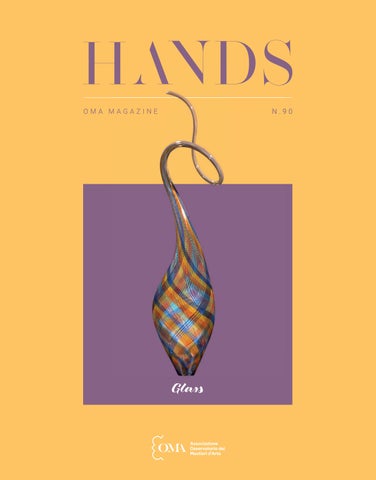
Create a flipbook