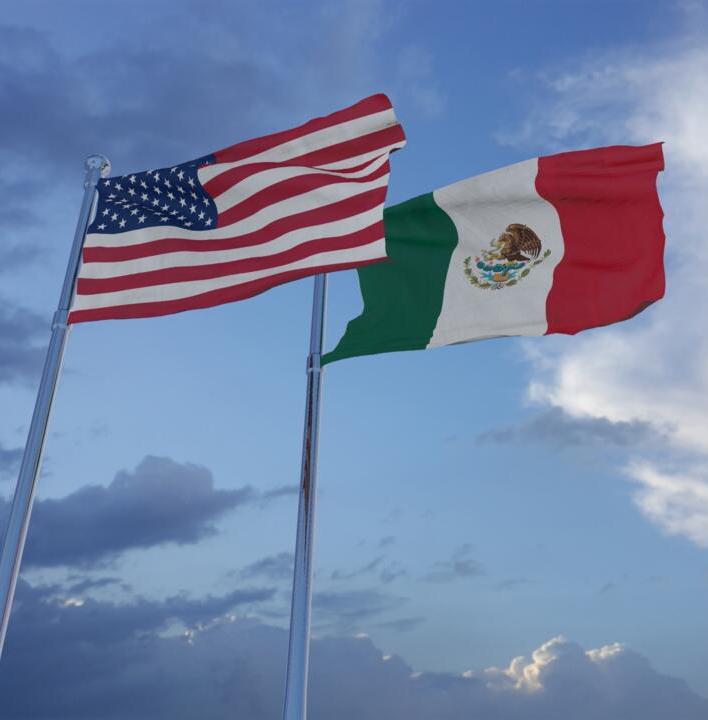
• U.S. Trade Representative Jamieson Greer traveled to Mexico City for the second round of bilateral conversations ahead of the USMCA Joint Review, arriving on Sunday, April 19th, with a full working day on Monday, April 20th.
• Greer held high-level meetings with Economy Minister Marcelo Ebrard, President Claudia Sheinbaum and representatives from the private sector.
• Both sides described the discussions as constructive, with progress in defining priorities and the roadmap for the upcoming review process set to begin July 1.
• They also agreed to hold a new round of bilateral negotiation of the USMCA during the week of May 25 in Mexico City.
• The meetings included consultations with key industries—such as steel and automotive—as well as business organizations from both countries. The private sector emphasized the importance of preserving the agreement’s free trade framework, particularly maintaining zero tariffs for goods that comply with rules of origin.
• Key issues under discussion include supply chain integration, especially efforts to replace imports from Asia with regional production, as well as Mexico’s push to eliminate U.S. tariffs on steel, aluminum, and agricultural products.
SOURCE: EL FINANCIERO

- MEXICO

• Mexico’s Tax Administration Service (SAT) announced the appointment of Jennifer Krystel Castillo Madrid as head of the General Administration of Large Taxpayers, effective May, replacing Armando Ramírez Sánchez, who will remain within the institution in a different role.
• Castillo brings over 18 years of experience in public administration, with a strong legal and regulatory background. Her appointment reinforces the government’s emphasis on technical expertise and regulatory enforcement in key fiscal areas.
• The Large Taxpayers Administration is a critical unit within the SAT, overseeing major corporate contributors that account for a significant share of federal tax revenues.
• As such, leadership changes in this area are closely watched by the private sector, particularly amid ongoing efforts to strengthen tax collection and compliance.
• The appointment suggests continuity in the current administration’s revenue strategy, which prioritizes stricter oversight of large taxpayers without introducing major structural tax reforms, while maintaining fiscal discipline in a context of broader economic uncertainty.
SOURCES: FORBES
- MEXICO
• Mexico and the United States are moving forward on a bilateral strategy for critical minerals, positioning the issue as a key pillar ahead of the upcoming review of the USMCA. Officials from the U.S. Department of the Treasury and Mexico’s Finance Ministry recently held meetings in Washington to coordinate efforts on securing supply chains for strategic inputs.
• The initiative aims to identify joint geological projects, establish coordinated pricing mechanisms, and develop regulatory standards to prevent supply disruptions. Priority minerals include lithium, aluminum, cobalt, and other inputs essential for electric vehicles, semiconductors, and energy technologies.
• The plan also contemplates closer technical cooperation and faster joint responses to potential shocks in global supply chains.
• This agenda reflects a broader regional push to reduce dependence on Asia and strengthen North American industrial integration.
• Mexican authorities have emphasized that cooperation does not imply concessions over national resources, while maintaining dialogues with Canada, Japan, and South Korea.
SOURCE: EL PAIS
• President Claudia Sheinbaum inaugurated the country’s first Economic Development Hub in Tlaxcala, marking a key step in the federal government’s strategy to decentralize investment and boost regional growth under Plan Mexico.
• The project involves more than $540 million in private investment and is expected to generate over 5,000 jobs.
• The hub is designed as a fully serviced industrial platform, offering infrastructure, logistics facilities, and social services to attract both domestic and foreign investors.
• Officials emphasized that this model will be replicated nationwide, with up to 15 hubs planned.
SOURCE: LA JORNADA

• DRAFT DECREE THAT REFORMS THE GENERAL GOVERNMENT ACCOUNTING LAW AND THE FISCAL COORDINATION LAW, ON AUDIT EFFECTIVENESS AND INTERINSTITUTIONAL COOPERATION
Presented by: Chamber of Deputies Transparency and Anti-Corruption Committee
Objective: Establishes a legal framework for coordination between the Federal Superior Audit Office and state audit entities, including creation of a national registry of federal resource data, expanded audit and investigative powers, standardized reporting obligations, and mechanisms for public complaints, strengthening oversight, transparency, and accountability in the use of federal resources.
Status: Published in the Parliamentary Gazette
• DECREE ISSUING THE REGULATION OF THE FEDERAL LAW FOR THE PROTECTION OF INDUSTRIAL PROPERTY
Presented by: Federal Executive Objective: Issues the Regulation of the Federal Law for the Protection of Industrial Property, establishing provisions of public order and general application throughout the national territory. Ensures its enforcement without prejudice to international treaties to which Mexico is a party, providing the regulatory framework necessary for the implementation of industrial property protections.
Status: April 15, 2026 - Regulatory Impact Assessment Exemption
• INICIATIVE WITH DRAFT DECREE THAT REFORMS THE LAW FOR THE DEVELOPMENT OF THE COMPETITIVENESS OF SMES, ON DIGITAL ECONOMY, COLLABORATIVE ECONOMY AND PRODUCTIVE CLUSTERS
Presented by: Deputy Ernesto Sánchez (PAN) Objective: Empowers the Ministry of Economy to coordinate actions with private stakeholders to support micro, small and medium enterprises, particularly in digital economy, collaborative economy, productive clusters, innovation and sustainability. Mandates a gradual increase in federal budget allocations for projects promoting digitalization, technological innovation and sustainable economic development nationwide.
Status: Published in the Parliamentary Gazette on April 14, 2026


Manufacturing companies in Mexicali, Baja California, are increasing purchases of raw materials and components as a precaution against rising costs driven by global market uncertainty. According to Index president Salvador Maese Barraza, the strategy aims to protect operations from potential supply chain disruptions linked to tensions in the Middle East, particularly around the Strait of Hormuz, a critical route for global oil transport. Concerns over reduced hydrocarbon flows could impact petroleum-based inputs such as plastic resins used in key industries like automotive, aerospace, and medical manufacturing. In response, companies are building inventory, diversifying suppliers beyond North America, and exploring alternative markets; however, these shifts may lead to higher logistics costs due to longer supply routes and rising fuel prices. While price impacts are not expected immediately, they are likely to emerge gradually as inventories are depleted and supply chains adjust.
SOURCE: INDUSTRIAL NEWS BC

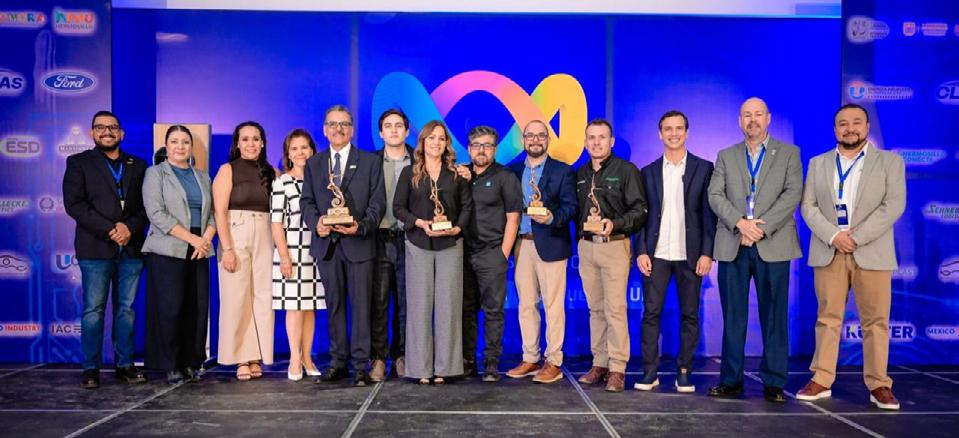
The Sonora Move forum, “The Mobility That Connects Us,” successfully strengthened connections between local suppliers and global companies, reinforcing Sonora’s position as a strategic hub in the automotive and electromobility industries amid nearshoring trends in North America. Through business meetings, specialized panels, and networking spaces, the event facilitated around 78 business meetings between local firms and 31 buyers, highlighting strong industry engagement. Leaders emphasized the forum’s role in creating tangible linkages within the regional
supply chain, while showcasing Sonora’s growth potential—particularly in the auto parts sector—as it currently contributes about 9% of Mexico’s vehicle exports. The event also underscored regional collaboration across Sonora, Baja California, and Arizona, promoting a connected mega-region, and addressed key topics such as automation, logistics, sustainability, and the future of electromobility. With strong participation and measurable outcomes, the forum positioned itself as a key platform for boosting local supply chains, attracting investment, and advancing Sonora’s role in the future of mobility.
SOURCE: TU INTERFAZ DE NEGOCIOS

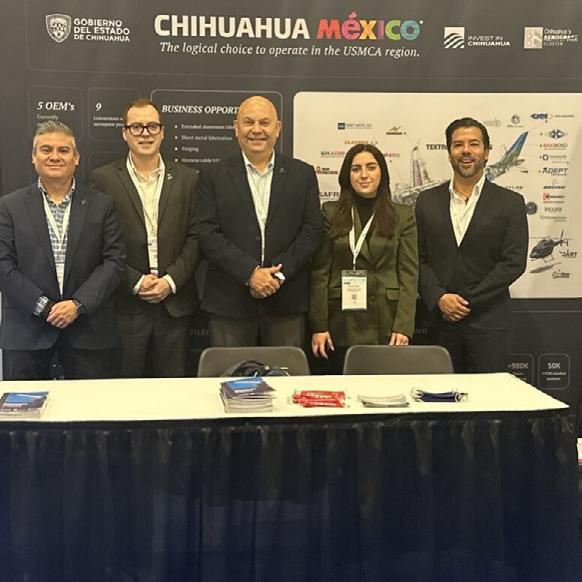
Chihuahua is strengthening its global presence in the aerospace industry through its participation in MRO Americas 2026, a leading international forum for aircraft maintenance, repair, and overhaul, held in Orlando, Florida. As part of the “Invest in Chihuahua” strategy, the state delegation engaged with OEMs, specialized suppliers, and global companies to reinforce key relationships within the aerospace value chain and open opportunities for new projects. This effort aligns with ongoing nearshoring trends driving demand for specialized suppliers in North America. State officials highlighted that showcasing Chihuahua’s industrial capabilities, skilled talent, and infrastructure is essential to attracting foreign direct investment and enhancing competitiveness. The initiative also supports the state’s integration into global supply chains, strengthening its role in the international aerospace sector while fostering growth for existing companies. With a strong focus on high-value industries, Chihuahua continues to position itself as a leading aerospace hub in Mexico, expanding its ability to capture new business opportunities and drive job creation, investment, and long-term industrial growth.
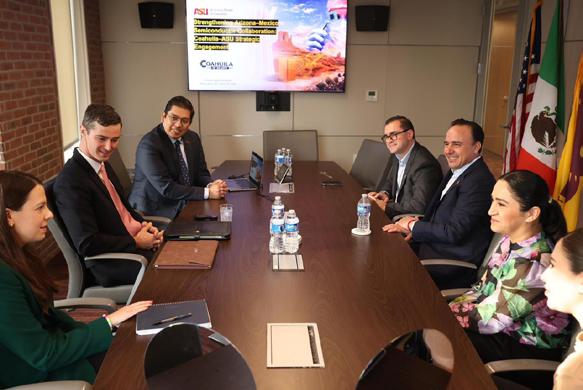

Coahuila has taken a strategic step toward entering the global semiconductor industry by signing a Memorandum of Understanding (MOU) with Arizona State University during a working visit to Washington, D.C. The agreement aims to strengthen specialized talent development, foster innovation, and attract high-tech investment, positioning the state within global semiconductor supply chains amid growing nearshoring trends in North America. By leveraging Coahuila’s industrial experience and Arizona’s established semiconductor ecosystem, the partnership will promote training programs, applied research, and technology transfer aligned with industry needs. State officials emphasized that this collaboration will help close talent gaps, create high-value jobs, and support economic diversification, reinforcing Coahuila’s competitiveness and long-term growth in advanced manufacturing and technology sectors.
SOURCE: CLUSTER INDUSTRIAL
Proveedor Automotriz 2026, scheduled to take place on May 7–8, 2026, in Monterrey, will bring together key leaders, suppliers, and buyers from the automotive industry to strengthen supply chain integration and generate new business opportunities in Mexico and Latin America. The event will feature B2B meetings, conferences, and networking spaces aimed at fostering strategic partnerships and showcasing industry trends such as innovation, mobility, and nearshoring. Organized by the Cluster Automotriz de Nuevo León, the forum is positioned as a leading platform for connecting OEMs, Tier 1 companies, and suppliers, reinforcing Monterrey’s role as a critical hub for the automotive sector and a driver of industrial growth in the region.
SOURCE: LIDER EMPRESARIAL

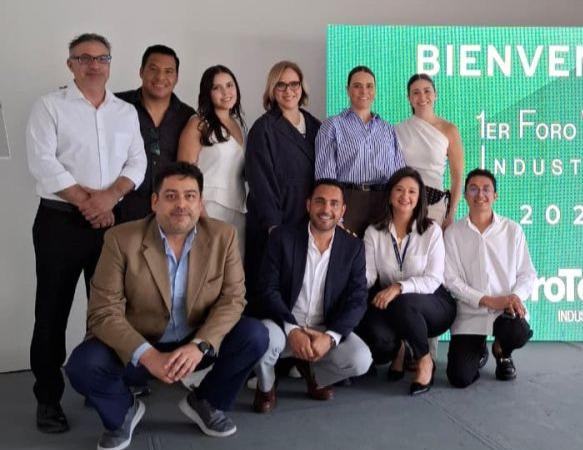

The Foro Verde Industrial 2026, held at Aerotech Industrial Park in Querétaro, positioned the state as a growing benchmark for industrial sustainability by bringing together companies, experts, and suppliers to explore key trends and solutions. Through conferences, specialized panels, and a supplier exhibition featuring 25 stands, the event addressed topics such as technological innovation, energy efficiency, and circular economy models, while fostering knowledge exchange and strategic connections within the regional industrial ecosystem. Notably, the participation of artisans from the Sierra Queretana showcased the potential of transforming industrial waste into valuable products, highlighting sustainability as both an environmental and business opportunity. Supported by local industry clusters, the forum established itself as a relevant platform for promoting responsible practices and strengthening value chains, setting the stage for future editions that will continue driving innovation, competitiveness, and sustainable economic development in Querétaro.
SOURCE: MEXICO INDUSTRY

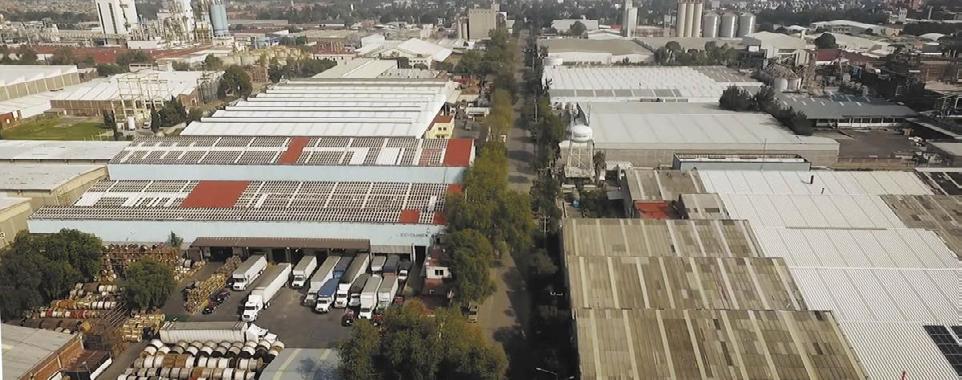
• Zona Industrial Vallejo has evolved from a mid-20th century industrial corridor into a strategic economic engine for Mexico City, particularly within Azcapotzalco. Once considered peripheral, the area now stands at the center of the capital’s logistics and industrial activity, combining historical relevance with renewed strategic importance.
• Beyond manufacturing, its logistical advantage is critical. Vallejo connects key trade routes through the Pical Pantaco dry port and benefits from proximity to major air hubs, including the Felipe Ángeles International Airort, enabling efficient distribution across North and Latin America.
• Ongoing urban renewal efforts—guided by long-term planning frameworks—aim to modernize infrastructure while positioning Vallejo as a hub for clean and advanced industries. This transition reflects a broader strategy to align industrial activity with sustainability, innovation, and improved urban conditions.
• As Mexico City continues to adapt to shifting supply chains and nearshoring trends, Vallejo stands out not only as a legacy industrial zone but as a forward-looking platform for economic growth and competitiveness.
SOURCE: REPORTE ÍNDIGO

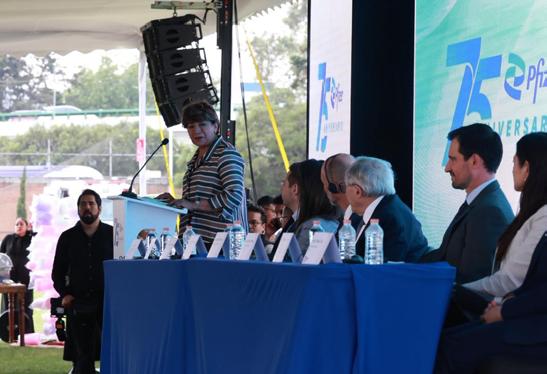
• Pfizer marked 75 years of operations in Mexico with a event at its plant in Toluca, highlighting the facility’s strategic role in national and regional healthcare supply. The site produces approximately 194 million units annually, distributing 70% of its output within Mexico and 30% across Latin America.
• During the event, the governor of the State of Mexico, Delfina Gómez emphasized the importance of public-private collaboration to strengthen healthcare systems and ensure access to complex treatments and vaccines. She noted that the State of Mexico has consolidated its position as a key industrial, logistics, and pharmaceutical hub in the country.
• The Toluca plant plays a critical role in vaccine manufacturing, including pneumococcal and COVID-19 vaccines, contributing to significant cost savings for Mexico’s healthcare system.
• The milestone reflects the long-term integration of global pharmaceutical operations within Mexico’s industrial base, reinforcing the country’s role in regional health supply chains and advanced manufacturing
SOURCE: EXCELSIOR
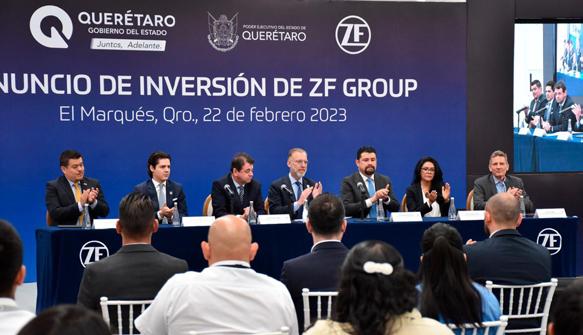
TRW de ZF Group, a German automotive supplier specializing in safety and vehicle control systems, is investing 110.8 million pesos (approx. US$5.5 million) in Querétaro to develop steering systems for passenger and commercial vehicles. The project will generate 78 jobs and reinforces the state’s position in the global automotive value chain, with a focus on higher-tech systems including solutions for autonomous and electrified vehicles.
Siemens, a German industrial technology company specializing in electrification and automation, is investing 1.3 billion pesos (approx. US$65 million) in Querétaro to expand its production capacity and generate around 300 new jobs. The expansion strengthens advanced manufacturing of medium- and low-voltage control systems for the automotive, food and beverage, and energy infrastructure sectors, consolidating Querétaro as a key hub for Siemens in North America.
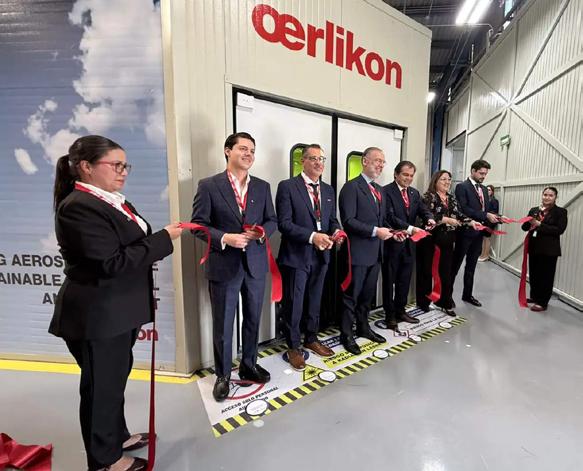
Oerlikon, the Swiss industrial technology company, inaugurated a new production cell in Querétaro to manufacture aerospace-grade honeycomb structures for turbine engines. The new facility represents a strategic step for the consolidation of the aeronautical sector in the state, integrating high-value-added processes within the global supply chain, with the project generating 50 highly specialized jobs and a projected total investment of 50 million pesos (approx. US$2.5 million) between 2026 and 2029.
Scania, the Swedish manufacturer of heavy commercial vehicles, announced an investment of 2.4 million pesos (approx. US$120,000) to expand its operation in Guadalajara, Jalisco. The new 3,000- square-meter facility will have capacity for up to 12 work positions and start operations with 11 specialized technicians, with funds allocated to infrastructure, equipment, and capitalized rent. The expansion strengthens Scania’s logistics and service capabilities in one of Mexico’s most dynamic cargo transportation hubs.
Flex, the global electronics manufacturing services company, announced an investment of US$1,000 million (1 billion dollars) primarily in Guadalajara (Jalisco), Aguascalientes, and Ciudad Juárez (Chihuahua) to produce data center and artificial intelligence equipment. The project will generate more than 5,000 specialized jobs and significantly strengthen advanced manufacturing in the country, positioning Mexico as a key hub in the global AI infrastructure supply chain.
MEXICO INDUSTRY, CLUSTER INDUSTRIAL
In this editorial, Emilio Cadena, CEO of Prodensa, challenges one of the most common narratives around nearshoring. Rather than displacing jobs, Mexico’s role in North American manufacturing is enabling growth, strengthening supply chains, and creating opportunities across the region.
This article offers a perspective on how integration—not competition—is driving long-term economic value between Mexico and the U.S.
• Why nearshoring is a growth strategy, not a zero-sum game
• How Mexico strengthens North American competitiveness
• What this means for companies operating across borders

The future of manufacturing won’t be defined by technology alone—but by people. As talent shortages intensify globally, companies that fail to invest in workforce strategy risk falling behind, regardless of how advanced their operations may be.
This article explores why talent is becoming the true bottleneck for growth, and how manufacturers must rethink training, retention, and employer positioning to remain competitive.
• Why talent is the new competitive advantage
• How workforce strategy impacts long-term growth
• What manufacturers must prioritize now