US - MEXICO
US - MEXICO
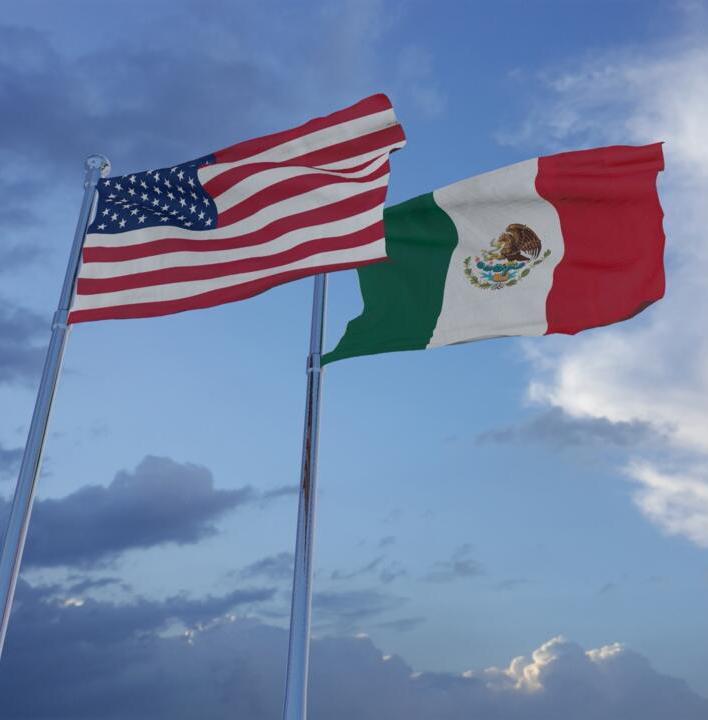
• President Claudia Sheinbaum reaffirmed her administration’s commitment to preserving the USMCA, downplaying public disagreements between U.S. President Donald Trump and Canadian Prime Minister Mark Carney, especially after China and Canada agreed to expand a bilateral trade.
• Sheinbaum emphasized that Mexico will actively work to prevent a breakdown of the treaty and confirmed ongoing diplomatic and technical engagement with Washington.
• Although Sheinbaum acknowledged she has not recently spoken with Carney, she said efforts are underway to reestablish direct dialogue.
SOURCE: EL FINANCIERO

US - MEXICO
• President Claudia Sheinbaum confirmed that Mexico has received a formal invitation from U.S. President Donald Trump to join the newly created Peace Board and said a decision will be announced before the end of the week.
• Speaking during her morning press conference, Sheinbaum noted that the proposal is under review by the Foreign Ministry and must be assessed within the framework of Mexico’s Constitution and long-standing foreign policy principles, particularly self-determination and recognition of Palestine as a state.
• Mexico’s response will signal how the new administration balances its multilateral commitments with evolving geopolitical pressures from the United States.
SOURCE: EL HERALDO

• Mexico transferred 37 inmates accused of organized crime to the United States, reinforcing bilateral security cooperation amid renewed pressure from Washington.
• The move was announced by Secretary of Security, Omar García Harfuch, who stressed it was carried out under Mexico’s National Security Law and existing cooperation mechanisms, with assurances that the death penalty will not be sought.
• This transfer brings the total number of inmates sent to the U.S. under the current cooperation framework to 92, signaling Mexico’s willingness to intensify joint efforts against transnational crime.
• Politically, the decision aims to ease bilateral tensions ahead of upcoming security talks, particularly as President Trump renews hardline rhetoric on drug trafficking.
SOURCE: EL PAÍS


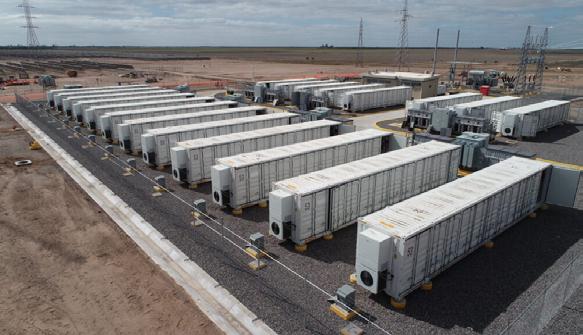
Baja California authorities presented a comprehensive energy plan focused on strengthening electricity infrastructure to support economic and industrial growth, highlighting new federal and state projects such as power plants in Mexicali and San Luis Río Colorado, expanded transmission and distribution lines, distributed generation initiatives, and consolidated renewable energy developments, all aligned with long-term federal planning programs, while the construction sector underscored the importance of improved energy capacity to unlock stalled industrial projects and attract new investment through better coordination between energy planning and urban development.
SOURCE: INDUSTRIAL NEWS BC


Beyond Movilidad Compartida (BMC) is advancing the development of its electric ShowCar in Sonora as part of a long-term industrial project with an investment of USD 115 million over five years, currently in the prototype and technological development phase at the Industrial Innovation Center for Strategic Sectors (CIISE) of the Hermosillo Institute of Technology, under the Sonora Sustainable Energy Plan. The project focuses on electric mobility solutions for Mobility as a Service (MaaS), is expected to generate more than 1,500 high-value jobs, and emphasizes local talent development and national supply chains, aiming to integrate at least 80 Sonora-based suppliers, with a potential transition toward production between late 2027 and early 2028, subject to technological and industrial maturation.
SOURCE: CLUSTER INDUSTRIAL

The maquiladora industry in Chihuahua is operating under alert conditions due to its dependence on Mexico’s national electricity grid, particularly amid recent low temperatures, according to Index Chihuahua president René Espinosa, who noted that companies have limited direct control over potential power disruptions. While no major operational impacts have occurred so far, firms have activated preventive measures such as backup generators, emergency networks, and battery systems to ensure continuity of critical processes, emphasizing that maintaining productivity and investor confidence remains a top priority as the sector monitors national-level strategies to strengthen the country’s electricity supply.
SOURCE: PRO CHIHUAHUA
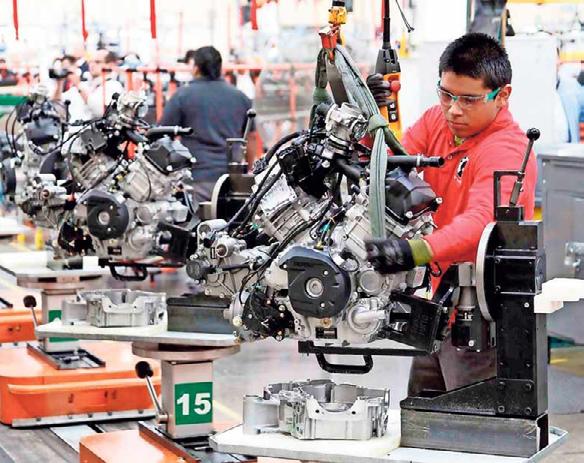

The 30th Expo Manufactura will take place from February 3 to 5, 2026, at Cintermex in Monterrey, Nuevo León, and is positioned as a key industrial event for Mexico and Latin America. It will feature around 26,000 m² of exhibition space with more than 460 national and international exhibitors and an expected attendance of roughly 15,000 professionals. The event combines trade show exhibits with a Summit of conferences and panels on industry
trends, digital transformation, automation and competitiveness, and also serves as a strategic platform for business networking, with programmed meetings, industry forums and opportunities for small and medium enterprises. Additionally, the edition emphasizes inclusion and sustainability through accessibility measures and engagement with broader communities, reinforcing Expo Manufactura’s role in fostering innovation, knowledge exchange and industrial linkages.
SOURCE: LIDER EMPRESARIAL
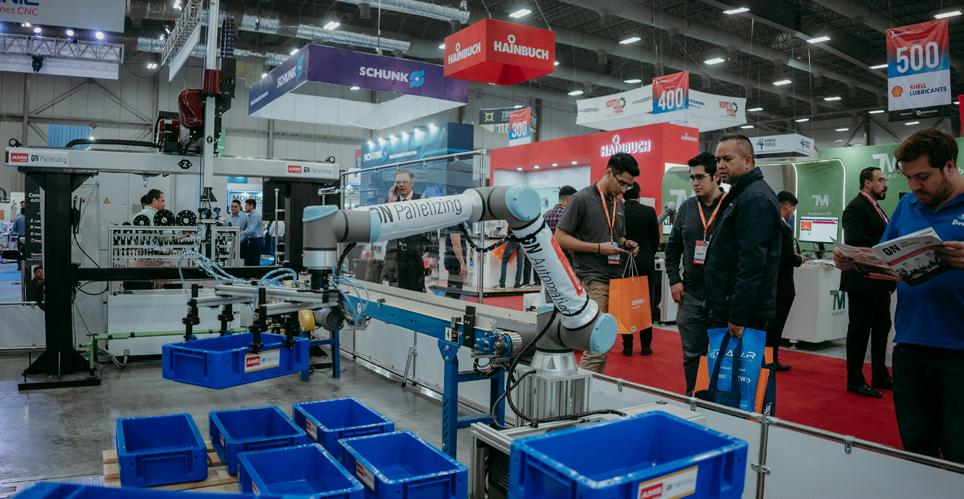

The Bajío region is increasingly attractive to the harness manufacturing sector, which produces electrical harnesses used in automotive and aerospace vehicles, as companies seek lower production costs and strategic locations closer to major original equipment manufacturers (OEMs). Traditionally centered in Chihuahua, many harness companies are relocating operations to the Bajío and even to Central America due to rising labor costs, while local micro, small, and medium-sized industrial firms in Querétaro see opportunities to expand their competitiveness and productivity to supply this growing market. Industry groups, including Amiqro and Expo Wiretech, are working together to promote supplier development and connect regional companies with harness manufacturers, with an eye on bolstering local industrial ecosystems.
SOURCE: EL ECONOMISTA
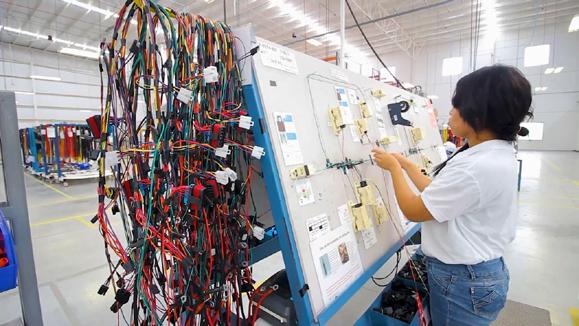
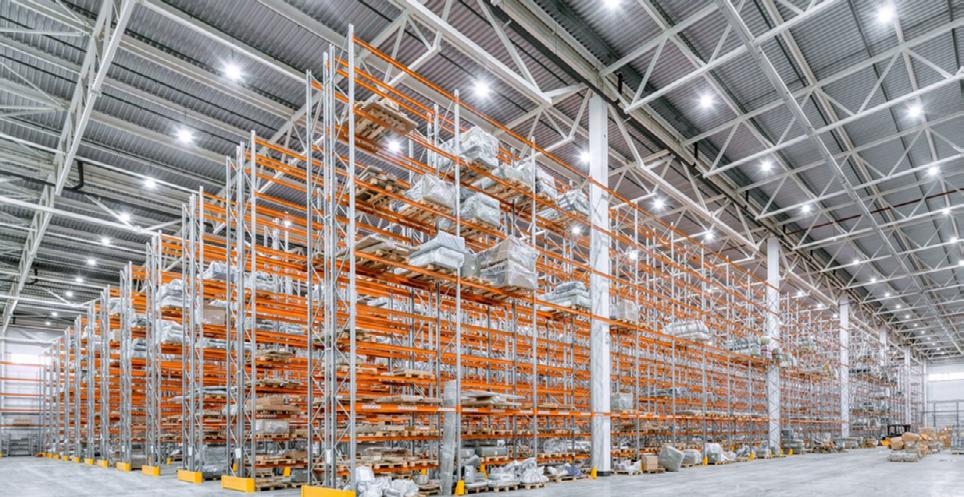

Mexico City’s industrial real estate market closed 2025 with record-breaking absorption, a robust construction pipeline, and strong foreign direct investment, setting the stage for continued expansion in 2026, according to CBRE’s MarketView Industrial CDMX 4Q25 report. Gross absorption reached a historic 1.6 million square meters, driven largely by pre-leasing activity and lease renewals in key corridors such as Cuautitlán, Tepotzotlán, Tultitlán (CTT), and the Zumpango–AIFA area.
Total industrial inventory in the Mexico City metropolitan area rose to 12.29 million square meters, a 6.2% annual increase, while vacancy remained low at 2.7%, despite modest upward pressure from newly delivered space. Looking ahead, CBRE projects sustained growth supported by a planning pipeline exceeding 3.1 million square meters, largely under build-to-suit schemes, signaling continued confidence among industrial and logistics users in the region’s longterm fundamentals.
SOURCE: CENTRO URBANO
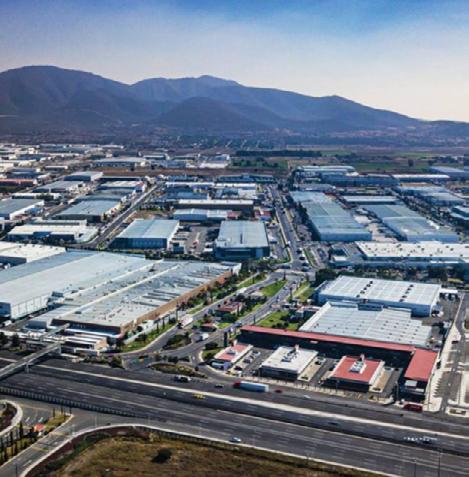

Huehuetoca–Zumpango is reshaping the industrial real estate landscape of the Mexico City metropolitan area, emerging as a key growth corridor due to land availability, competitive costs, and strategic location.
According to Datoz, industrial construction starts in the CDMX region reached 272,000 square meters in 4Q25, a 64% increase quarter-on-quarter. Notably, more than 70% of new developments were Build to Suit (BTS) projects, marking a significant shift from the historically dominant speculative construction model.
The Huehuetoca–Zumpango submarket accounted for a large share of these BTS projects, supported by abundant and lower-cost land that enables large-scale, customized facilities.
Recent lease closings ranged from 40,000 to 90,000 square meters, a demand level difficult to meet in more saturated corridors such as Cuautitlán–Tultitlán–Tepotz.
SOURCE: MEXICO INDUSTRY
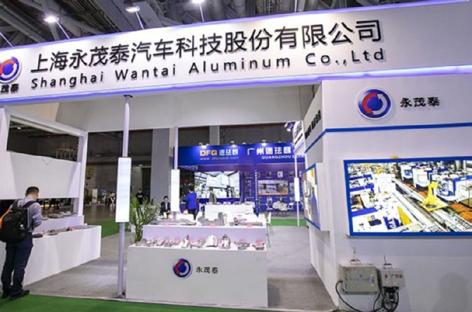
SHANGHAI YONGMAOTAI
Shanghai YongmaoTai, a manufacturer of automotive parts, will invest US$60 million to build a new production plant in Coahuila. The facility is expected to create 600 direct jobs, strengthening the regional automotive supply chain and boosting local industrial capacity.
Abbott, a global medical device manufacturer, inaugurated a US$200 million electrophysiology production plant in Querétaro, Mexico, to develop and manufacture high-precision cardiac electrophysiology devices. The facility currently employs about 300 workers and aims to grow to 1,200 employees by 2030, strengthening Mexico’s advanced medical-technology manufacturing ecosystem.
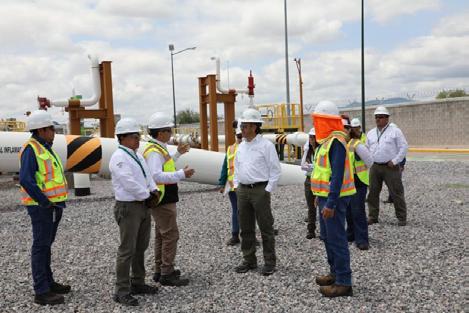
Esentia Energy Systems, a Mexican natural-gas transport and infrastructure company, began construction of a new compression station in Aguascalientes with a US$680 million investment as part of its multi-phase expansion plan. The project will increase pipeline capacity by 660 million cubic feet per day, strengthening energy supply for manufacturing, logistics, data centers, and other industrial sectors in central-western Mexico by early 2027.
Astellas, a global pharmaceutical and biotechnology company, inaugurated its Global Capability Center (GCC) in Querétaro, Mexico, to strengthen its global innovation and operational capabilities. The center will support cross-functional digital, analytics, and business platforms, reinforcing Mexico’s role as a strategic hub for life-science services and high-value talent.
LS Cable & System, a global electrical-wire and cable solutions provider, will invest US$157 million to expand operations in Querétaro, increasing production capacity to supply North American markets. The project is expected to generate approximately 300 direct jobs, reinforcing the region’s electrical components supply chain and export competitiveness.
Delta Tecnic, a manufacturer of automotive fasteners and precision components, is consolidating an US$11.6 million investment in its Querétaro operations to expand production capacity for the automotive sector. The project will generate new skilled jobs and strengthen the region’s role in high-value automotive supply chains.

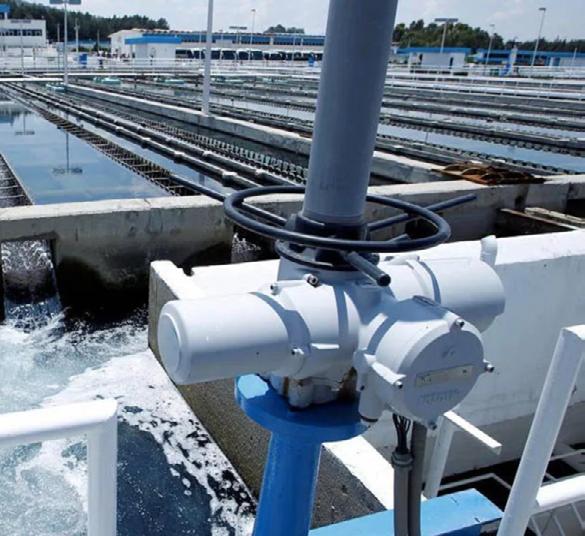
Water availability has become a defining factor for industrial investment decisions in Mexico. As manufacturing activity accelerates, access to water—and how it is managed—can determine where projects move forward and where they stall.
This article breaks down why water is now a strategic variable for manufacturers, how regulations and permitting affect industrial projects, and what companies should evaluate early to avoid delays or long-term operational risks. For investors, water is no longer just an environmental issue—it’s a business-critical one.
• Why water access is shaping industrial site selection
• How regulation and infrastructure impact manufacturing projects
• What companies must assess before investing in Mexico
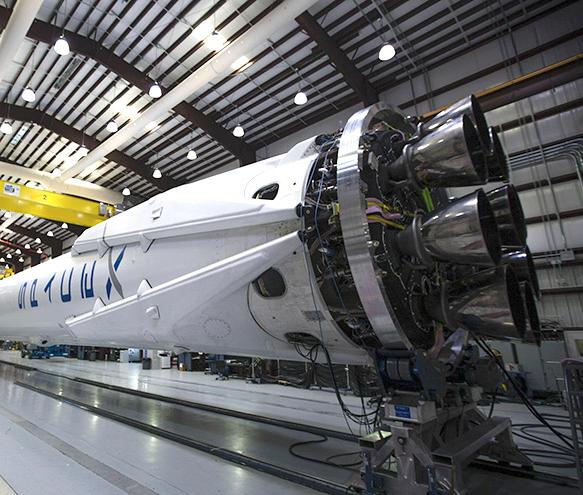
Mexico’s role in advanced manufacturing is expanding beyond aerospace and into the space economy. As global demand grows for satellites, launch systems, and high-precision components, Mexico is beginning to position itself within this next-generation industrial ecosystem.
This article explores how Mexico’s aerospace base, engineering talent, and manufacturing capabilities are enabling its entry into the space value chain— and what this means for companies looking to participate in emerging, high-tech industries across North America.
• How aerospace capabilities are translating into space manufacturing
• Where Mexico fits in the space supply chain
• Why this matters for North American industrial competitiveness