Prodensa Weekly Manufacturing Report Mexico February 11, 2026
- MEXICO
PRIVATE INVESTMENT IN MEXICO
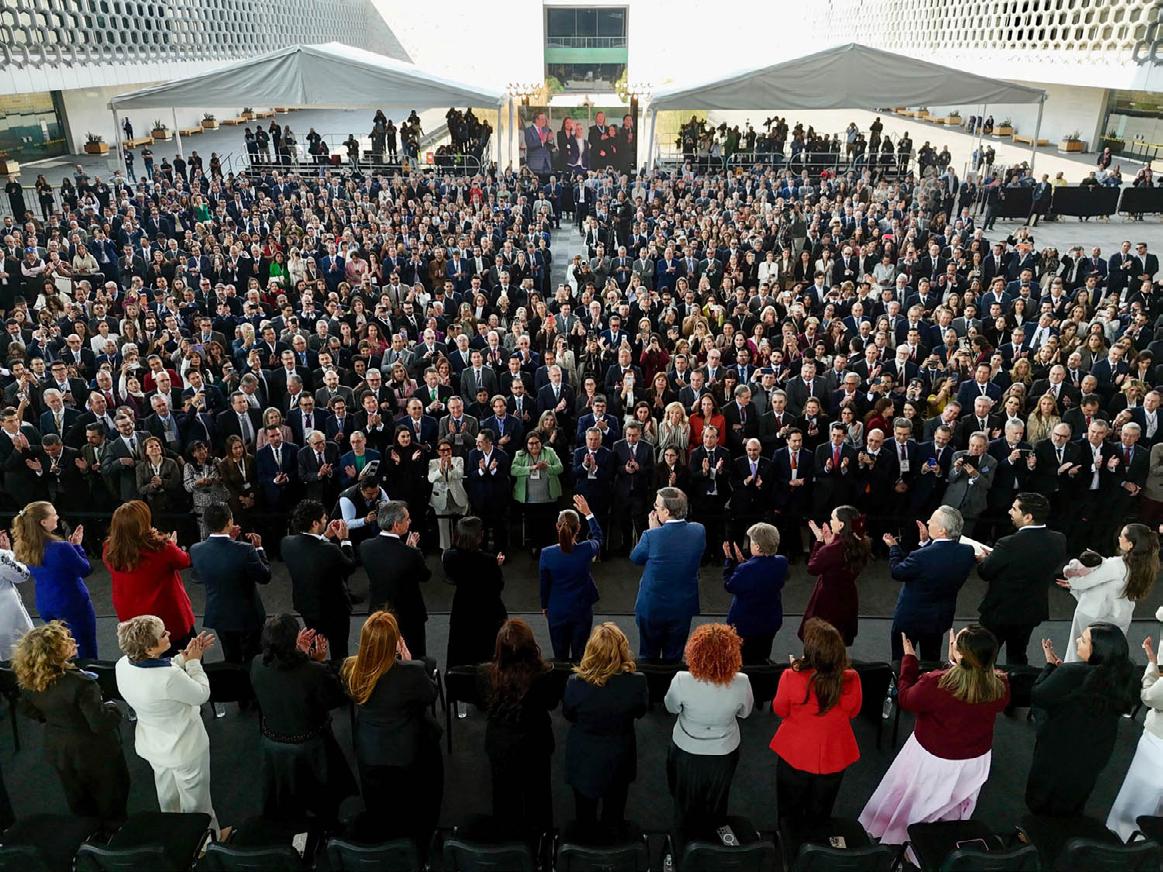
• Mexico’s federal government and the private sector held a high-profile investment promotion event aimed at reinforcing confidence in the country’s economic outlook for 2026. President Claudia Sheinbaum led the First National Investment Promotion Meeting, joined by key cabinet members, including Secretary of Economy Marcelo Ebrard, as well as development bank officials and business leaders from across the country.
• During the event, authorities highlighted that Mexico’s investment portfolio has expanded by roughly 10% this year, reaching more than USD 406 billion and encompassing over 2,500 projects nationwide.
• Officials emphasized coordinated efforts across ministries to facilitate, accelerate, and safeguard investments, while development banks outlined new credit guarantees and financing tools to support small and medium-sized enterprises.
• Also, business representatives stressed the importance of energy availability, infrastructure, and streamlined permitting to sustain momentum.
SOURCE: EL UNIVERSAL, GOBIERNO DE MÉXICO
US
- MEXICO PRESIDENTIAL NEWS
USMCA REVIEW PROCESS
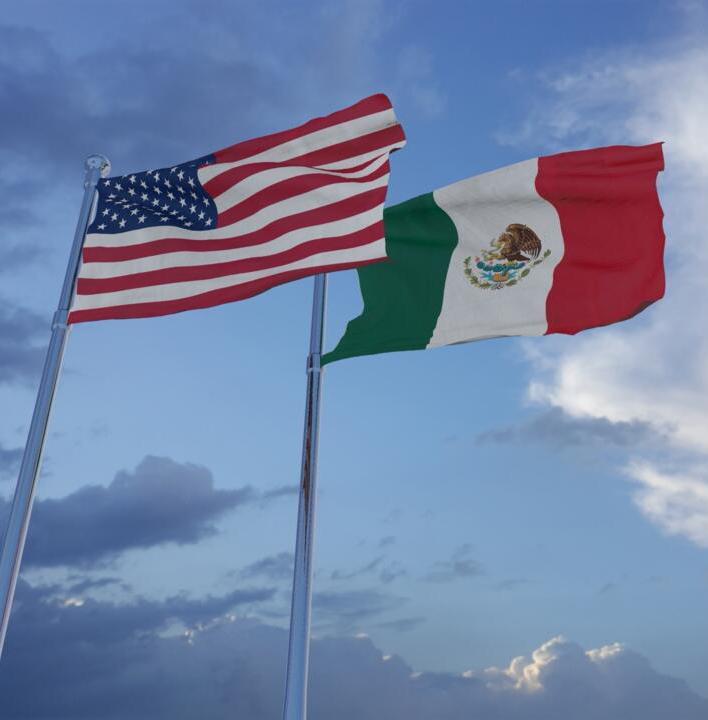
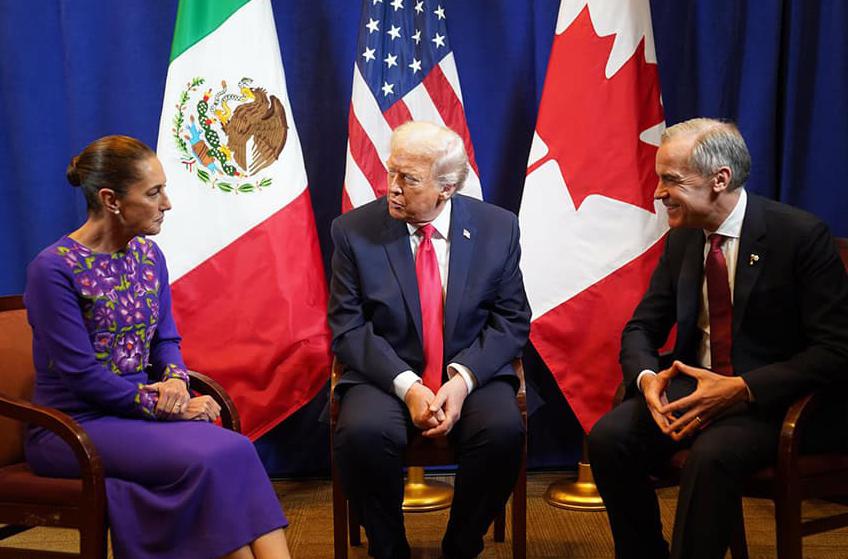
• President Claudia Sheinbaum stated that the ongoing USMCA review is “very advanced” and expressed confidence it could be concluded before the end of 2026. She emphasized that discussions remain framed as a technical review rather than a full renegotiation.
• The government’s confidence aims to project stability and continuity in North American trade relations, and the emphasis on progress reflects Mexico’s strategy to position itself as a constructive partner, while seeking to avoid the economic and political risks associated with a more contentious renegotiation process.
SOURCE: FORBES
MEXICO–U.S. CRITIAL MINERALS COOPERATION
• Mexico and the United States have agreed a bilateral action plan to protect critical minerals supply chains, signaling closer strategic alignment ahead of the 2026 USMCA review. The agreement, described by U.S. officials as unprecedented, establishes cooperation mechanisms to reduce North America’s exposure to global supply disruptions, amid efforts to curb dependence on China for minerals and rare earths.
• Under the plan, both governments will spend the next 60 days identifying priority minerals of shared interest and coordinating trade and industrial policies across the value chain, from extraction to advanced manufacturing.
• Key elements include joint geological mapping, information-sharing between the U.S. Geological Survey and Mexico’s Geological Service, and the identification of mining, processing, and manufacturing projects of mutual interest, potentially extending to third countries.
SOURCE: EL FINANCIERO, USTR
US - MEXICO PRESIDENTIAL NEWS
INFRASTRUCTURE INVESTMENT
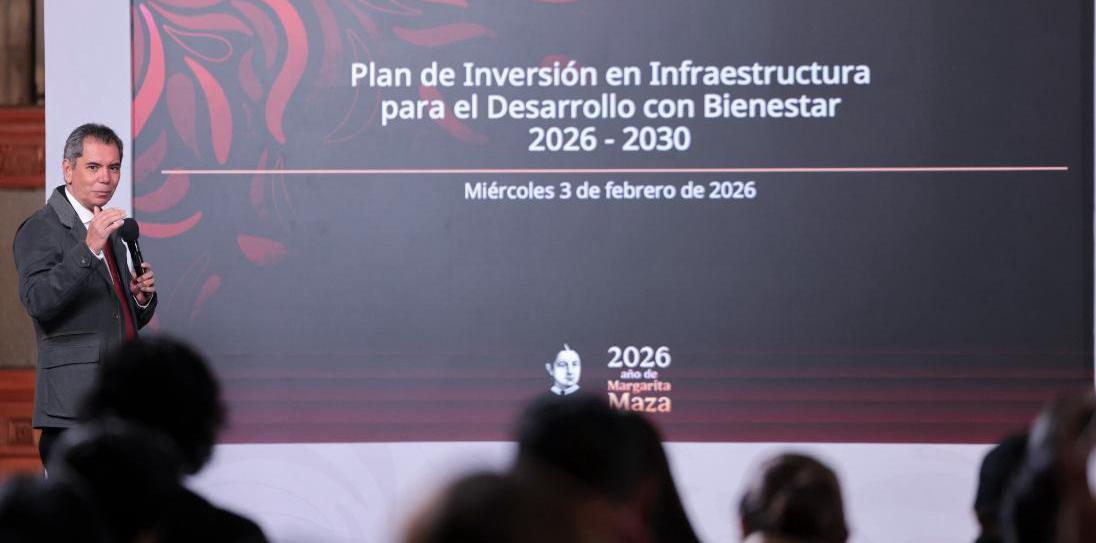
• Mexico’s federal government unveiled a historic public and mixed investment plan in infrastructure totaling up to MXN 5.9 trillion through 2030, as part of the broader Plan Mexico strategy. Presented during President Claudia Sheinbaum’s morning conference, the initiative aims to boost economic growth while advancing social welfare and regional development.
• Finance Minister Edgar Amador detailed that MXN 5.6 trillion will be invested between 2026 and 2030 across eight strategic sectors, following a review of more than 1,500 federal projects. Energy will re-
ceive the largest share (54%), followed by railways, highways, ports, health, and water infrastructure.
• Sheinbaum emphasized that public investment will act as a development catalyst, reinforced by private participation under state-led rules. She stressed that new schemes avoid past “onerous” concessions, preserve public control, and ensure sustainable financing.
• Authorities also announced a new Strategic Investment Planning Council to monitor execution, prioritize projects, and reduce administrative bottlenecks, signaling a more centralized and transparent approach to long-term infrastructure development.
SOURCE: EL ECONOMISTA
LEGISLATIVE CHANGES AND INITIATIVES
LABOR
• INITIATIVE AMENDING THE FEDERAL LABOR LAW, REGARDING THE RIGHT TO REAL LABOR DISCONNECTION
Presented by: Sen. Saúl Monreal Ávila (MORENA)
Objective: Establishes the right of workers to real labor disconnection, allowing them to refrain from responding to work-related communications outside legal or agreed working hours.
Status: Published in the Parliamentary Gazette on February 4th
ADMINISTRATIVE
• INITIATIVE AMENDING THE CONSTITUTION, REGARDING ELECTORAL REFORM
Presented by: Chamber of Deputies (Citizen Initiative)
Objective: Seeks to reform the political-electoral framework by redistributing public financing to promote fairer competition among political parties, granting public funding to independent candidates, strengthening oversight of campaign spending, regulating digital political propaganda, and preventing early campaign activities.
Status: Turned to Comissions
ENVIRONMENT
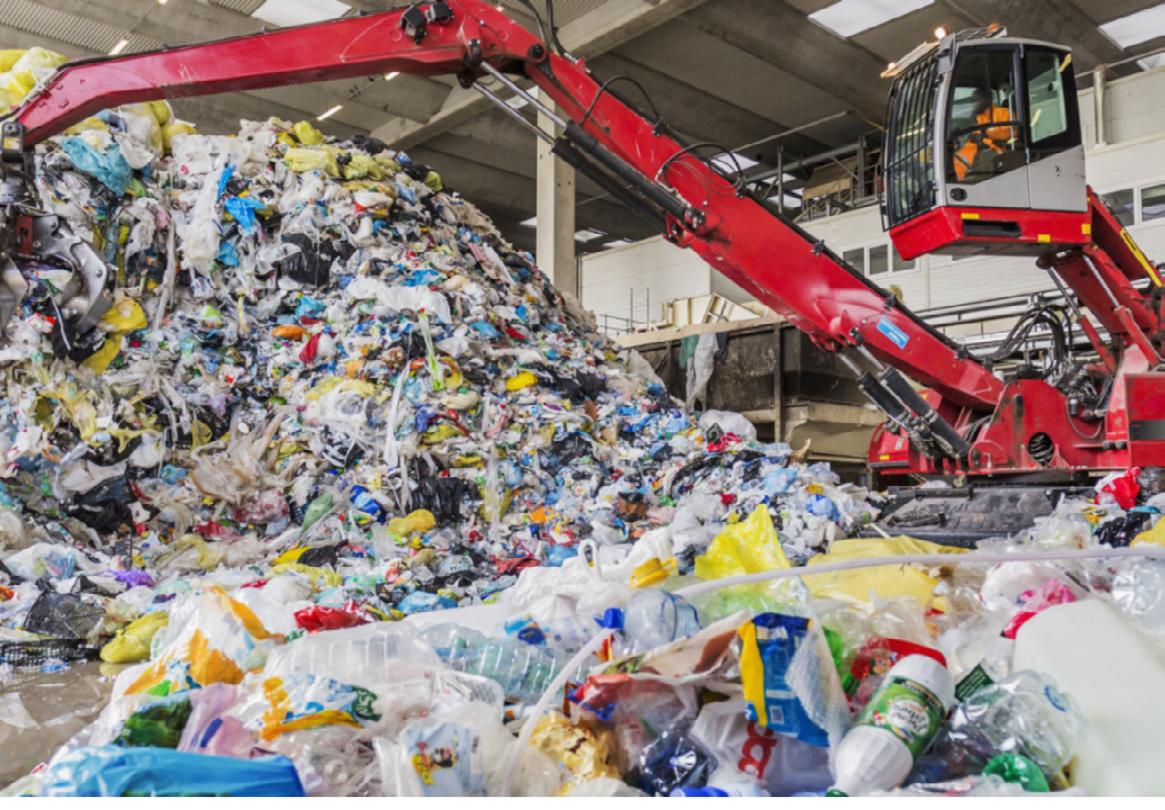
• INITIATIVE AMENDING PROVISIONS OF THE CONSTITUTION REGARDING CIRCULAR ECONOMY AND SOLID WASTE MANAGEMENT
Presented by: Dep. Luis Enrique Martínez (PT) Objective: Aims to guarantee the right to a clean and healthy environment through comprehensive solid waste management and the promotion of a circular economy. Assigns environmental liability for improper waste management, empowers Congress to legislate on these matters, and authorizes municipalities to implement integrated waste management plans
Status: Presented to the Plenary on February 1st.
• INITIATIVE AMENDING THE GENERAL LAW OF ECOLOGICAL BALANCE AND ENVIRONMENTAL PROTECTION, REGARDING ENVIRONMENTAL ENFORCEMENT
Presented by: Dep. Luis Enrique Miranda (PVEM)
Objective: Creates a National Registry of Environmental Offenders administered by SEMARNAT to publicly record individuals and companies convicted of environmental crimes. The registry aims to prevent repeat offenses, support enforcement decisions, strengthen transparency, and enhance environmental oversight.
Status: Presented to the Plenary on February 2nd
NEWS BY STATE
Baja California
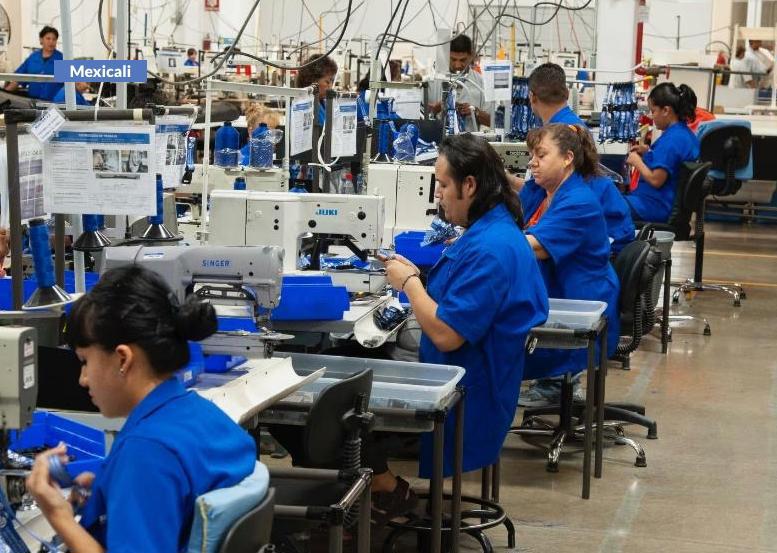
Index Mexicali has officially launched a new Labor Market Intelligence platform designed to help companies—particularly those in the IMMEX sector—anticipate global market challenges and strengthen workforce planning through accurate, real-time data analysis. Announced by Salvador Maese Barraza, President of Index Mexicali, the digital tool enables businesses to move from intuition-based decisions to data-driven strategies, enhancing the region’s competitiveness amid increasing investment relocation. The platform transforms large volumes of data into reliable local statistics, offering key indicators such as wage analysis by position, salary increase trends, compensation and benefits structures, and employee turnover rates by sector and area. Developed through close collaboration among the association’s committees, the initiative reinforces Mexicali’s position as a leading destination for high-value investment and export manufacturing by providing greater certainty for investors and improved workforce management capabilities for companies.
SOURCE: INDUSTRIAL NEWS BC
NEWS BY STATE
Sonora
Sonora is strengthening its tourism sector with a 1.339 billion pesos investment in infrastructure projects for 2026, aiming to capitalize on growing visitor demand and the momentum of the upcoming FIFA World Cup. According to State Tourism Secretary Roberto Gradillas Pineda, Sonora is experiencing a 9% increase in tourist arrivals, surpassing 2.5 million visitors, with Hermosillo International Airport breaking passenger records for three consecutive years and Ciudad Obregón Airport reporting 20% growth in 2025. A key project is the long-awaited Guaymas–Chihuahua highway, designed to attract high-spending visitors from Chihuahua and Texas by positioning Sonora’s beaches—such as San Carlos and Guaymas—as prime coastal destinations. Additional investments include 500 million pesos for the modernization of the Bahía de Kino highway, 200 million pesos for the second phase of the San Carlos boardwalk and eastern access, and 80 million pesos for upgrades to El Cochórit Beach in Empalme. These initiatives are part of a broader 3.94 billion pesos public investment package covering 452 projects across the state, reinforcing Governor Alfonso Durazo’s strategy to unlock Sonora’s tourism potential through urban revitalization and coastal development.
SOURCE: EL ECONOMISTA
NEWS BY STATE
Chihuahua
Chihuahua showcased its industrial and innovation ecosystem to a delegation of Québec-based companies as part of a strategic effort to attract new investment and strengthen bilateral cooperation in high-value sectors. Led by the Ministry of Innovation and Economic Development (SIDE) and Prodech, the presentation highlighted the state’s strengths in the electronics, aerospace, and mining industries, emphasizing productive synergies between Chihuahua and Québec as a foundation for long-term partnerships. A key focus was the aerospace sector, where Chihuahua stands out nationally due to its integrated supply chain, advanced manufacturing capabilities, and specialized technical talent. Officials also presented available fiscal and non-fiscal incentives, along with strategic infrastructure such as the San Jerónimo Development Hub, aimed at supporting projects in electromobility, secondary mining, medical devices, and the electrical-electronics industry. The visit, which includes a tour of Cenaltec’s specialized training facilities, underscores Chihuahua’s strong public-private collaboration model and reinforces its positioning as a competitive destination for foreign direct investment amid North America’s nearshoring momentum.
SOURCE: MEXICO INDUSTRY
NEWS BY STATE
Nuevo Leon
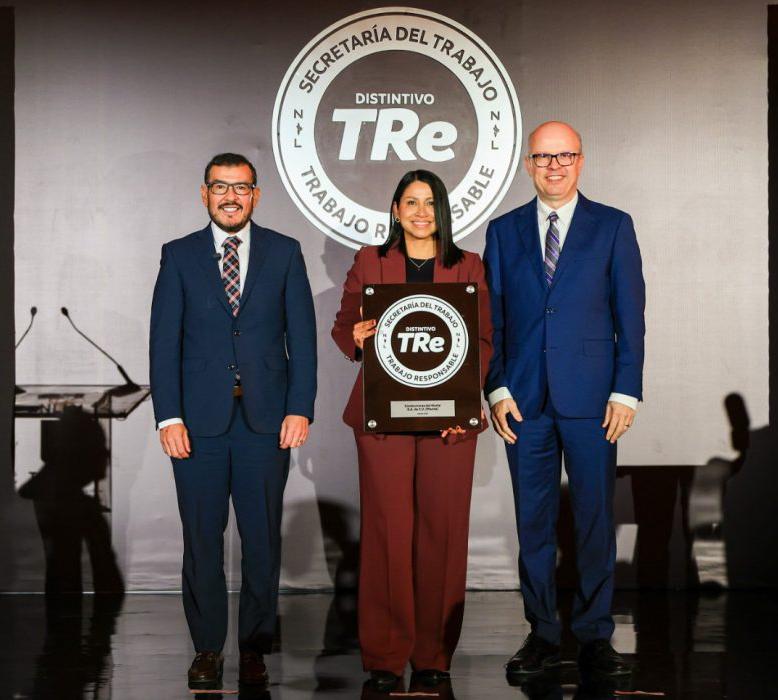
Nuevo León has opened the 2026 call for its Distintivo TRe, a recognition that promotes strong labor practices by validating companies’ commitment to workplace health, safety, and productivity. Designed to encourage responsible and efficient work environments, the distinction evaluates organizations across key areas such as Labor Relations, Human Resources, and Occupational Health and Safety, based on six core values: responsibility, honesty, efficiency, collaboration, safety, and social justice. According to State Labor Secretary Federico Rojas Veloquio, the program highlights companies that integrate safety and productivity as strategic pillars of their operations. Participation has grown steadily—from 33 accredited companies in 2022 to 68 in 2025—reflecting increasing private-sector engagement in strengthening internal standards and organizational culture. Companies may apply through April 30 via the official Nuevo León government portal, positioning themselves as leaders in sustainable workforce management within a competitive economic environment.
SOURCE: MEXICO INDUSTRY
NEWS BY STATE
Guanajuato
Guanajuato and the United States strengthened their economic partnership following a binational meeting held in San Miguel de Allende, focused on trade, investment, labor migration, and regional security to ensure certainty for cross-border value chains. Amid global trade reconfiguration and nearshoring trends, the dialogue reinforces Guanajuato’s role as a strategic industrial hub within the USMCA framework, with over $32 billion in foreign direct investment and more than 700 world-class companies in advanced manufacturing, automotive, agribusiness, and specialized services. The United States remains its top trading partner, having invested more than $5.4 billion across 96 projects, while bilateral trade remains robust—Guanajuato exported $24.9 billion to the U.S. and imported $10.9 billion between January and September 2025, with 81% of its exports destined for the American market. Beyond trade flows, strong human and labor ties further underpin the relationship, while continued coordination on security and legal certainty is viewed as essential to sustaining investor confidence and reinforcing Guanajuato’s position as a key production and export platform in North America.
SOURCE: MEXICO INDUSTRY
NEWS BY STATE
Queretaro
Querétaro’s technology industry is advancing a comprehensive strategy to promote and regulate artificial intelligence (AI) initiatives, as the sector recorded an estimated 12% annual growth in 2025, partly driven by AI adoption. Led by the Querétaro Digital Technologies Cluster, the priority project—named MAGIA (a play on “MAG-IA”)—aims to foster AI development, establish regulatory guidelines for its responsible use, and support the creation of a state-level AI institute in collaboration with Canacintra, drawing inspiration from German models. The initiative also seeks to position Querétaro as a national pioneer by encouraging universities to develop specialized AI programs tailored to key industries such as automotive, healthcare, energy, sports, and software, ensuring graduates meet emerging market demands. In coordination with public and private universities and the State Ministry of Education, the strategy includes updating academic curricula, training faculty, acquiring AI licenses, and strengthening industry-academia collaboration to build a robust, innovation-driven AI ecosystem aligned with the state’s industrial growth.
SOURCE: EL ECONOMISTA
NEWS BY STATE
Mexico City
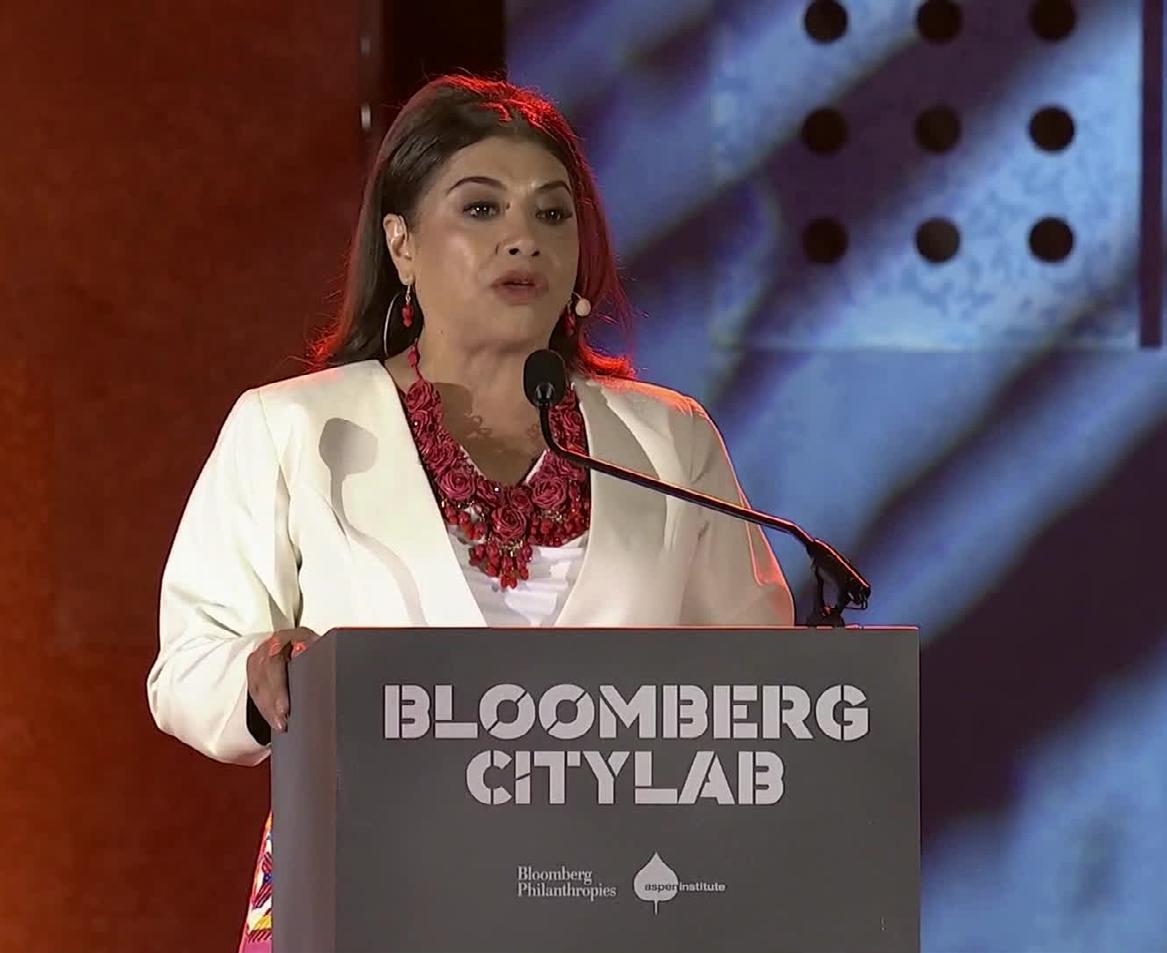
• Mexico City is projecting the largest public investment budget in its history for 2026, alongside solid economic growth in 2025, according to an announcement by Mayor Clara Brugada.
• For 2026, the city plans to allocate MXN 57.9 billion to public investment, a figure 55% higher than the amount recorded in 2024. T
• The resources will be primarily directed toward infrastructure projects, with priority given to water management, mobility, and public transportation. Strategic initiatives include the expansion of the Cablebús system, investments in sustainable mobility, and the improvement of urban services across the city.
• Authorities framed the investment package as a key instrument to strengthen economic activity, improve quality of life, and modernize critical infrastructure in one of the country’s main economic hubs.
SOURCE: RADIO FÓRMULA
NEWS BY STATE
State of Mexico
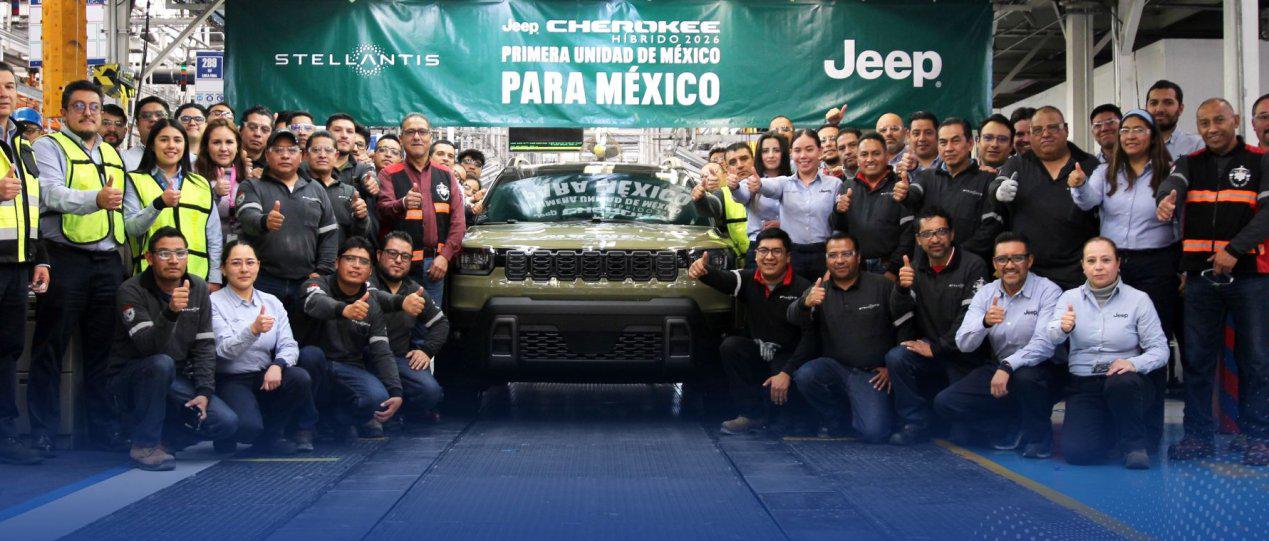
• Stellantis has launched production of the all-new Jeep Cherokee Hybrid at its Toluca Complex in the State of Mexico, marking a significant milestone for the company’s manufacturing operations in the country. The facility becomes the first plant globally to produce this hybrid model and the only one supplying the Mexican market, while also serving North American demand.
• The start of production positions Mexico as a key manufacturing and export hub for the Jeep Cherokee Hybrid,
which becomes the fourth Jeep SUV produced domestically. The program reflects Stellantis’ strategy to expand its portfolio of electrified vehicles and accelerate the transition toward hybrid powertrains through advanced manufacturing processes.
• According to Stellantis executives, the project underscores confidence in Mexico’s industrial capabilities and skilled workforce, as well as the role of the Toluca Complex within the company’s global production network.
SOURCE: MEXICO INDUSTRY
INVESTMENT NEWS
CENTRAL MEXICO
K&S MEXICANA
K&S Mexicana, a producer of automotive harnesses and electrical assemblies, invested US$31 million to open a new manufacturing plant in Aguascalientes. The facility will support expanded production capacity for wiring harnesses and related components, strengthening the regional automotive supply chain.
WATAHAN & CO.
Watahan & Co Ltd, a Japanese renewable-energy and industrial solutions company, plans to invest in Aguascalientes to develop a biomass and biogas-based renewable energy project using nopal feedstock, aiming to generate clean power and support sustainable energy infrastructure in the region.
SOURCES: CLUSTER INDUSTRIAL, MEXICO INDUTRY
PRODENSA INSIGHTS
Security Is the New Trade Policy in North America
Security considerations are increasingly shaping trade decisions across North America. Beyond tariffs and treaties, issues like border enforcement, supply chain integrity, and geopolitical alignment are redefining how governments and companies approach trade strategy.
This article explains why security has become a core trade variable, how it’s influencing cross-border manufacturing and logistics, and what companies operating in North America must factor into their strategic planning.
• Why security now drives trade decisions
• How enforcement and resilience affect supply chains
• What this means for North American manufacturing
Trade Strategies Under Mexico’s Tariff Policy: PROSEC & the 8th Rule
Mexico’s evolving tariff policy is forcing manufacturers to rethink import strategies. Programs like PROSEC and the 8th Rule have become critical tools for managing costs, maintaining competitiveness, and adapting to tighter trade enforcement.
This article breaks down how these mechanisms work, when they apply, and how manufacturers can use them strategically to reduce tariff exposure while staying compliant.
• How PROSEC and the 8th Rule mitigate tariff impact