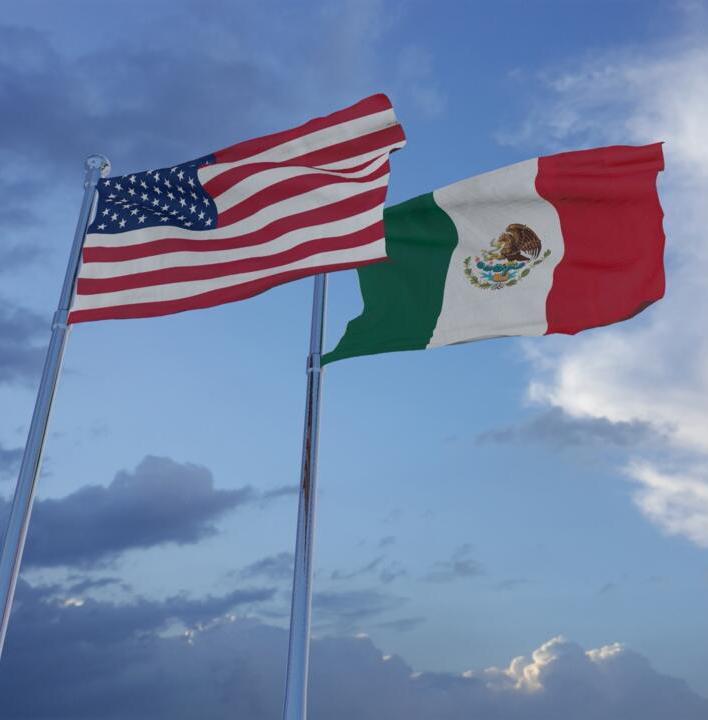
• On April 7, 2026, U.S. Trade Representative Jamieson Greer stated that the Trump administration will try to resolve as many issues as possible with the USMCA before the July 1 deadline, but negotiations to rebalance the trade pact are likely to continue well past that date.
• Greer indicated that the U.S. may need to take formal steps toward exiting the North American trade pact in order to keep negotiations ongoing beyond July 1.
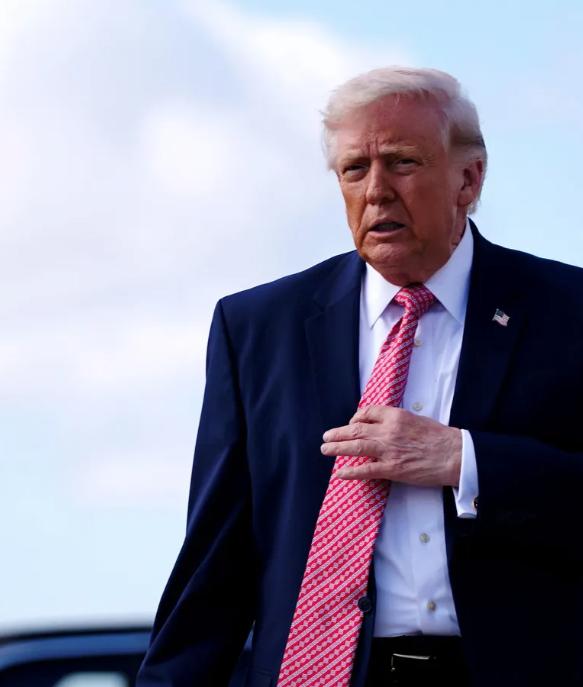
• President Trump has been clear about his dissatisfaction with many outcomes of the USMCA, particularly the significant surge in auto imports from Mexico and steel and aluminum imports from both Mexico and Canada.
• While acknowledging valuable aspects of the agreement that Trump himself approved in 2020 to replace NAFTA, Greer noted that separate U.S. protocols will be needed for Mexico and Canada due to their distinct trade differences.
• Bilateral negotiations with Mexico have already started, while talks with Canada are expected to begin in May; by July 1 the three countries must either approve a renewal of the existing USMCA or signal their intention to exit, a process that would take 10 years but allow more time for alterations.
SOURCE: REUTERS

US - MEXICO
• On April 2, 2026, President Trump signed a proclamation overhauling Section 232 national-security tariffs on steel, aluminum, and copper, applying duties to the full customs value of imported products and derivatives, effective April 6, 2026.
• The new structure imposes a 50% ad valorem rate on primary metals and articles made almost entirely of these metals, with a reduced 25% rate on many derivative products, while removing tariffs on goods containing 15% or less of the metals; this simplifies previous calculations and closes perceived loopholes.
• The changes build on earlier adjustments from 2025 and aim to protect U.S. domestic production by raising costs for imports, directly affecting North American supply chains that rely on cross-border flows of metals.
• In the Mexico-U.S. relationship, the unilateral move adds commercial friction and pressure on Mexican exporters, yet it may incentivize deeper regional integration if companies shift more production and sourcing within North America to avoid tariffs.
• While the policy supports U.S. metal producers, it risks short-term disruption and inflation in integrated manufacturing, potentially influencing future USMCA negotiations as both countries seek to balance security concerns with economic interdependence.
SOURCES: WHITE HOUSE
- MEXICO
• This month, the Mexican Senate will discuss and vote on the secondary reform to the Federal Labor Law (LFT), which will provide detailed rules for implementing the new 40-hour week, including overtime limits, electronic attendance and hours registration, and flexibility in distributing working hours.
• Key issues under debate include the regulation of electronic records to accurately measure effective working time, clearer rules on redistributing hours across fewer days for longer rest periods, and the possible introduction
of a regulated “bank of hours” system, which is currently handled informally through unions.
• There is also expectation around potential changes to the legal definition of the workday, specifically whether time when the employee is at the employer’s disposal counts as effective working time, helping companies adopt better compliance practices.
• The Senate’s United Commissions on Labor and Legislative Studies are scheduled to vote on the secondary reform as early as April 8, 2026; the presidential initiative will serve as the base, though additional adjustments may be incorporated.
SOURCE: EL ECONOMISTA
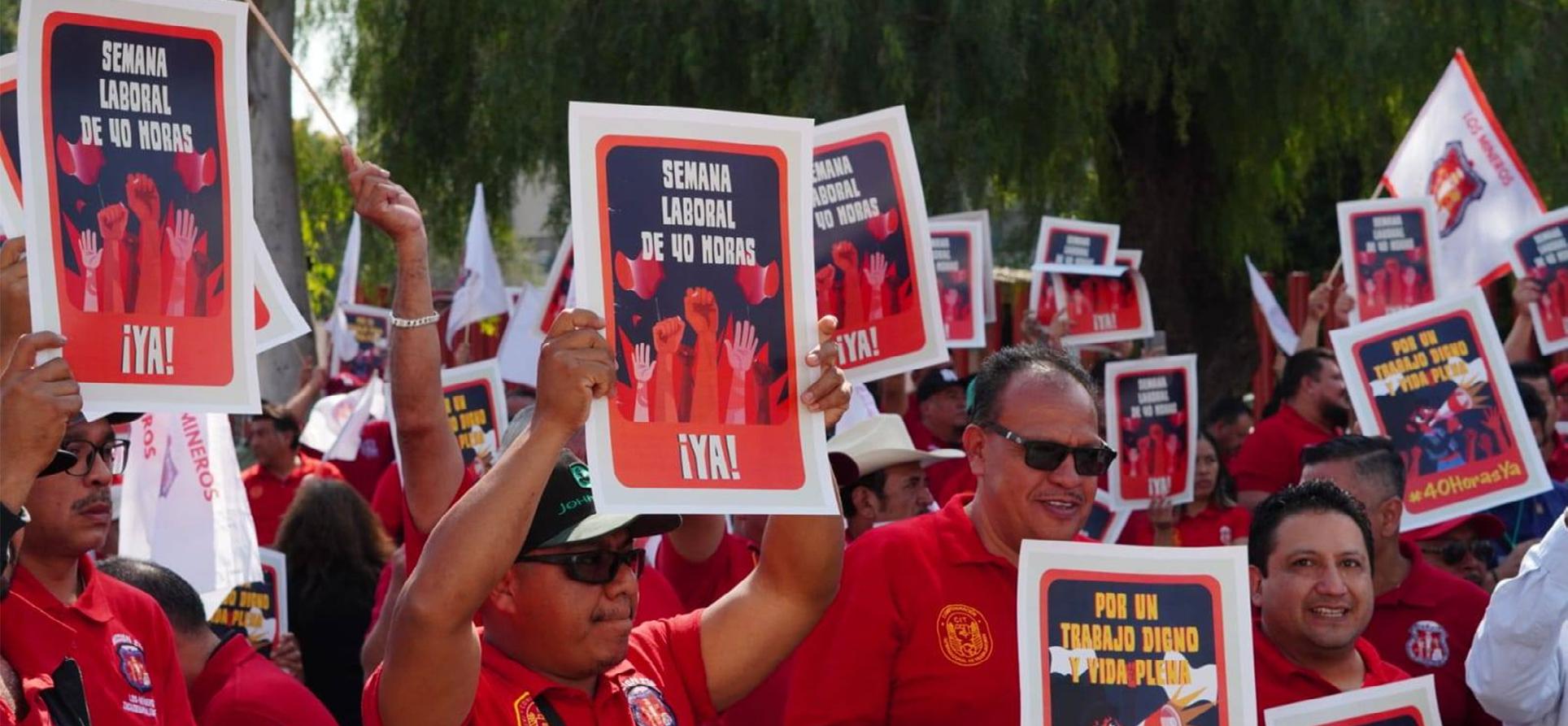
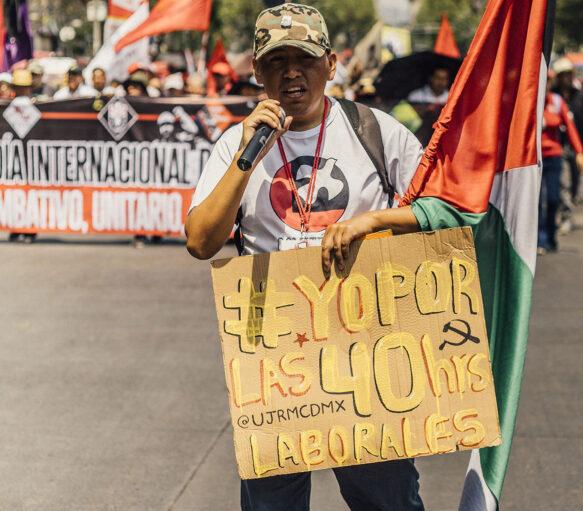
• INITIATIVE WITH DRAFT DECREE AMENDING THE FEDERAL LABOR LAW TO REGULATE A 40-HOUR WORKWEEK WITH TWO MANDATORY REST DAYS
Presented by: Sen. María Alejandra Barrales Magdaleno (MC)
Objective: The initiative establishes a 40-hour workweek with two paid mandatory rest days, to be agreed upon by employer and employee, preferably including Sunday. It regulates overtime as exceptional, limiting it to four hours per day and four times per week, under written agreement for up to three months. Overtime exceeding twelve hours weekly would be compensated at a 200% premium.
Status: Published in the Parliamentary Gazette on April 7, 2026
• FIRST READING OPINION WITH DRAFT DECREE ENACTING THE LAW FOR PROMOTING INVESTMENT IN STRATEGIC INFRASTRUCTURE FOR DEVELOPMENT WITH WELL-BEING AND AMENDING THE FEDERAL BUDGET AND FISCAL RESPONSIBILITY LAW
Presented by: Joint Committees on Finance and Public Credit; Legislative Studies, First Objective: The proposal creates a legal framework to regulate strategic infrastructure investments, including coordination vehicles to channel public and private resources. It establishes rules for strategic investment contracts and creates a permanent advisory council to define technical criteria, issue coordination guidelines, and provide non-binding recommendations to guide infrastructure planning and development.
Status: Published in the Parliamentary Gazette on April 7, 2026
• DECREE AMENDING, ADDING, AND REPEALING VARIOUS PROVISIONS OF THE FEDERAL LAW FOR THE PROTECTION OF INDUSTRIAL PROPERTY
Presented by: Federal Executive Objective: The decree modernizes intellectual property protection by simplifying trademark registration, strengthening legal certainty, and introducing new grounds for refusal and cancellation. It enhances patent processes, promotes international cooperation, and establishes mechanisms to resolve ownership disputes. It also regulates ambush marketing, protects cultural heritage, incorporates AI-related infringements, and reduces administrative processing times.
Status: Published in the Official Gazette on April 3, 2026



The elevated SUBE-T viaduct project is expected to significantly improve urban mobility in Tijuana by reducing travel times and enhancing connectivity between key corridors such as Nodo Morelos and Otay. According to COMICE TTR, the project involves a 12-kilometer elevated roadway with three lanes in each direction, designed to ease congestion in one of the city’s busiest areas and benefit over 100,000 vehicles daily. With an estimated private investment of 20.5 billion pesos, the initiative also integrates public transportation stops to support a more efficient and inclusive mobility system. Beyond traffic improvements, the project is expected to boost regional economic development by generating jobs and encouraging participation from local construction companies, while forming part of a broader strategy to modernize the metropolitan transportation network.
SOURCE: INDUSTRIAL NEWS BC



Sonora is positioning itself as a key and competitive hub in North America’s high-tech supply chain, according to Governor Alfonso Durazo, who highlighted that the Development Pole for Wellbeing in Hermosillo will strengthen the Sonora–Arizona–Taiwan alliance by attracting investment, developing specialized talent, and enhancing industrial collaboration with Arizona. Backed by President Claudia Sheinbaum, the project is aligned with Mexico’s national industrial strategy and the Sonora Sustainable Energy Plan, integrating advanced sustainable infrastructure with workforce development to capitalize on nearshoring opportunities. This initiative aims not only to drive foreign investment, but also to generate social wellbeing, innovation, and technology transfer, while promoting a long-standing regional partnership and incorporating inclusive development efforts such as renewable energy solutions and R&D centers tied to the high-tech industry.
SOURCE: EXCELSIOR

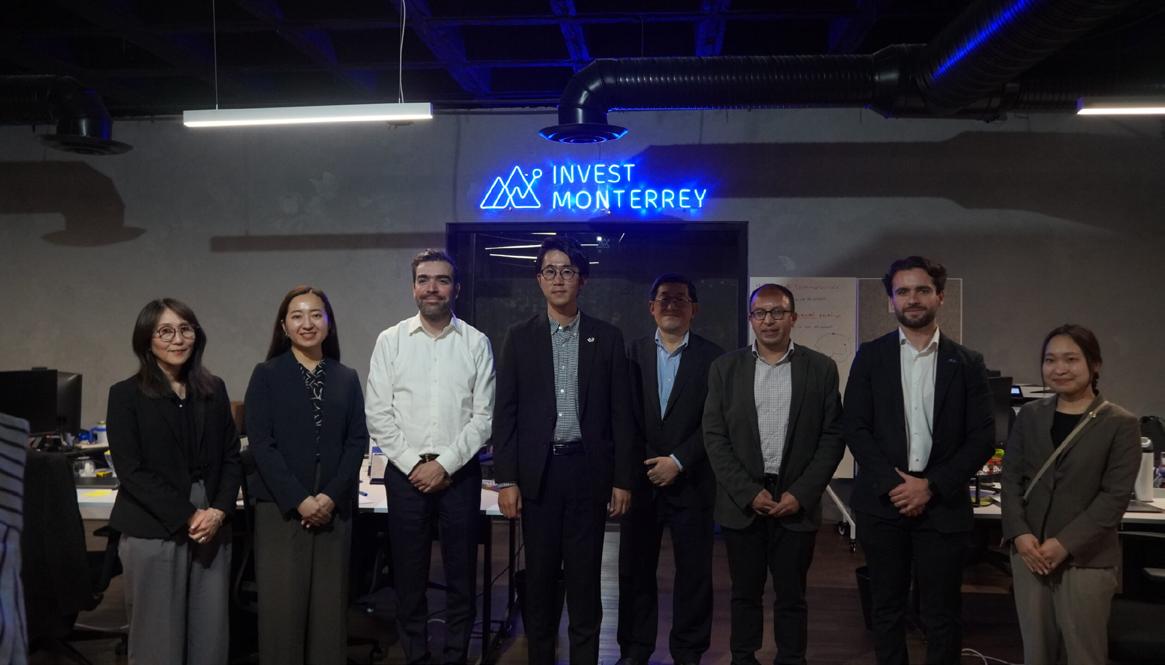
Japan tour opens new investments and industrial projects for Nuevo León, reinforcing its position as a strategic hub for Japanese expansion in North America. During the visit to Japan, the state delegation met with more than 30 leading companies, generating potential investments of up to $1.5 billion in key sectors such as automotive and manufacturing, with an estimated creation of 7,000–8,000 jobs. Meetings with major players like Mitsubishi Electric, Nissan, and Panasonic Holdings advanced discussions on new projects, including a potential HVAC assembly plant, as well as opportunities in electromobility, digitalization, and supplier development. Amid strong nearshoring momentum, Nuevo León continues to attract and expand Japanese investment, solidifying its role as a reliable and long-term partner for Asian companies in the region.
SOURCE: MEXICO INDUSTRY

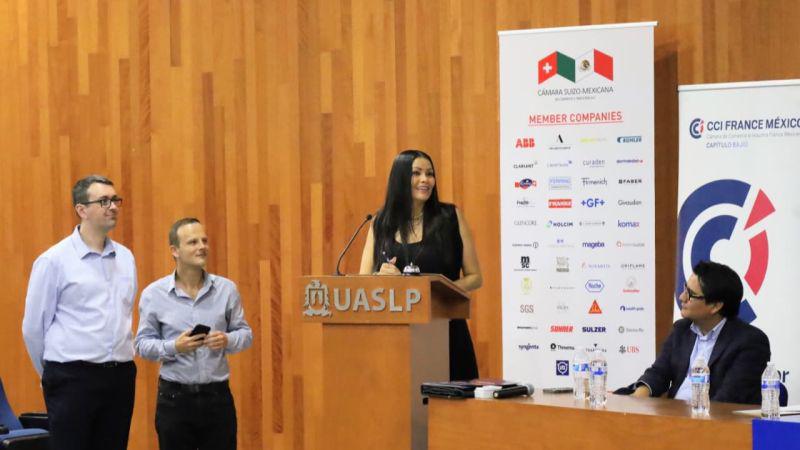
CCI France México Bajío, in collaboration with SwissCham México, the Clúster Automotriz de San Luis Potosí, and UASLP, organized an afterwork event titled “Foreign Trade: Challenges and Opportunities in Times of Change,” bringing together industry leaders to discuss the strategic role of San Luis Potosí in global trade, energy transition, electromobility, and Industry 4.0. The event fostered collaboration between French, Swiss, and Mexican companies through a high-level panel featuring executives from ABB, Valeo, and JA Del Rio, who shared insights on supply chains, customs compliance, advanced manufacturing, and operational excellence. Discussions highlighted how European investment is accelerating industrial transformation in the region, positioning San Luis Potosí as a key hub for electric vehicle production and sustainable manufacturing, while reinforcing the importance of binational cooperation and business chambers in driving long-term investment and industrial growth.
SOURCE: MEXICO INDUSTRY
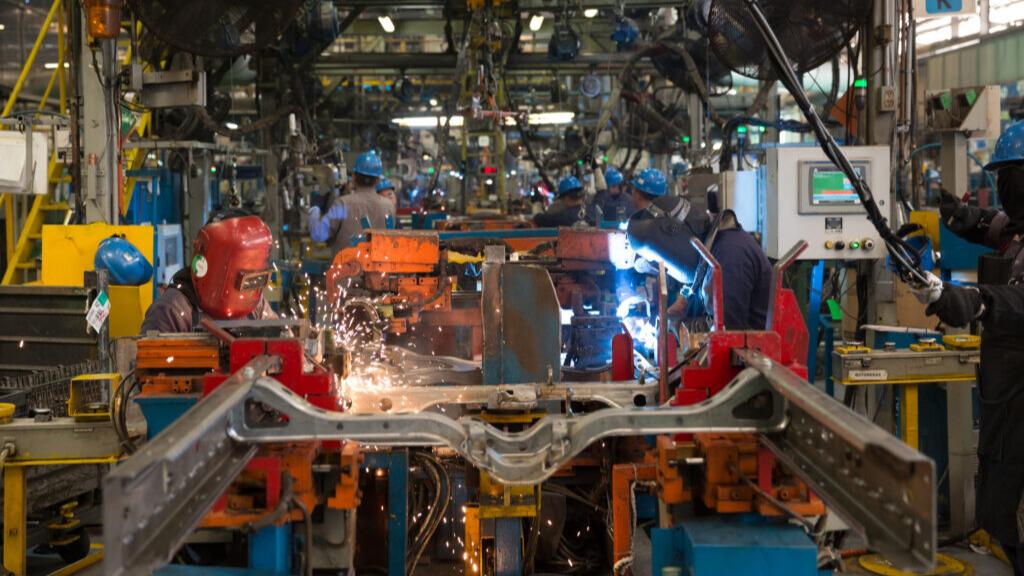

• Mexico City remained the top destination for Chinese foreign direct investment (FDI) in Mexico during 2025, capturing USD 385 million out of a national total of USD 530 million, according to the Ministry of Economy. Despite this leading position, inflows into the capital declined compared to 2024, reflecting a broader 25.3% contraction in Chinese investment nationwide.
• Mexico City’s dominance highlights its role as a primary hub for corporate, financial, and commercial operations, attracting capital linked to services, trade, and strategic business functions rather than large-scale manufacturing. Its infrastructure, connectivity, and proximity to decision-making centers continue to position it as a key entry point for foreign companies.
• However, the overall decline in Chinese FDI and its concentration in a limited number of states underscore a more cautious investment environment. Still, Mexico City’s performance reinforces its resilience and strategic importance within Mexico’s broader investment landscape.
SOURCE: EL CEO

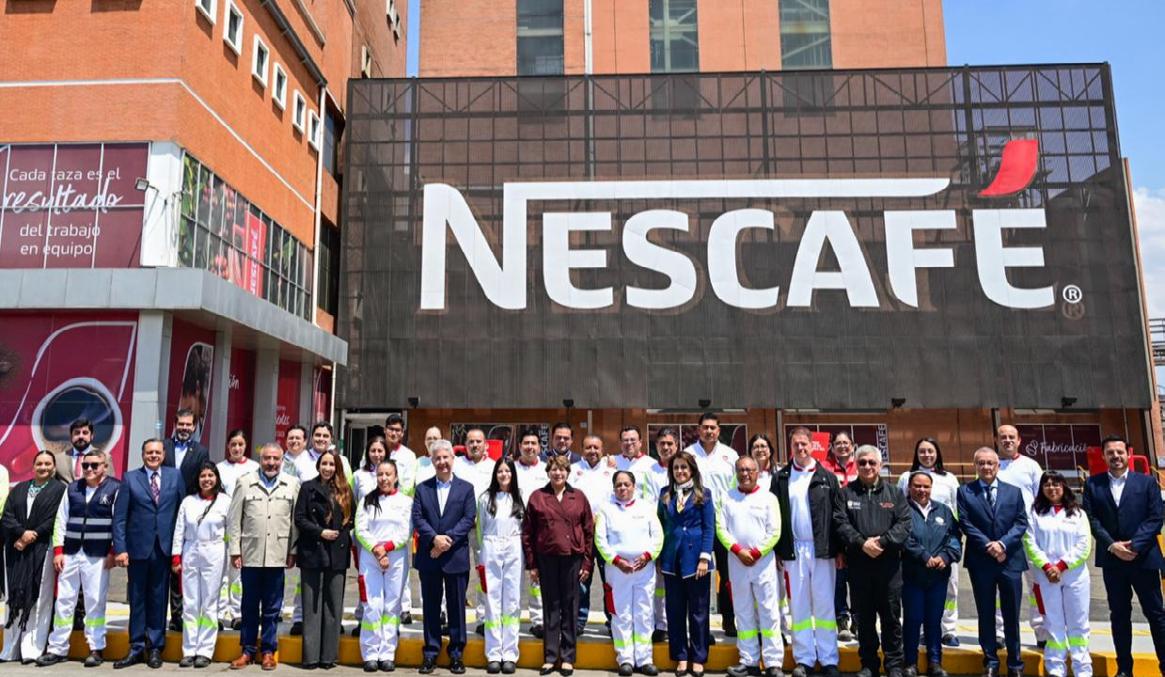
• State of Mexico recorded more than USD 1.7 billion in investment during the first quarter of 2026, driven by expansion and consolidation projects from companies such as Nestlé, Unilever, and Mattel. The state continues to position itself as a key industrial and logistics hub due to its strategic location, connectivity, and large labor pool.
• Authorities highlighted that these investments strengthen trade ties with countries including Brazil, Switzerland, and India, while supporting job creation and industrial growth. Between September 2023 and December 2025, the state accumulated USD 6.37 billion in FDI, reflecting sustained investor confidence.
• The State of Mexico’s diversified industrial base—including strong food manufacturing and specialized production clusters—reinforces its role within central Mexico’s supply chains, particularly as companies expand operations to serve both domestic demand and export markets.
SOURCE: MEXICO INDUSTRY
VYNMSA, an industrial real estate developer and operator, launched two new speculative buildings (Spec I and Spec II) at its Apodaca East Industrial Park in Nuevo León, designed for immediate occupancy. The facilities are equipped with built-in offices, 500 kVA electrical substations, and fire protection systems, enabling companies to start operations without additional setup time.
Yazaki Corporation, a global automotive components and electrical systems manufacturer, reaffirmed an accumulated investment of US$36.5 million in Nuevo León as part of its expansion strategy in the region. The company highlighted its engineering center in Santa Catarina and its manufacturing footprint in San Nicolás, consolidating the state as a key hub for its North American operations.
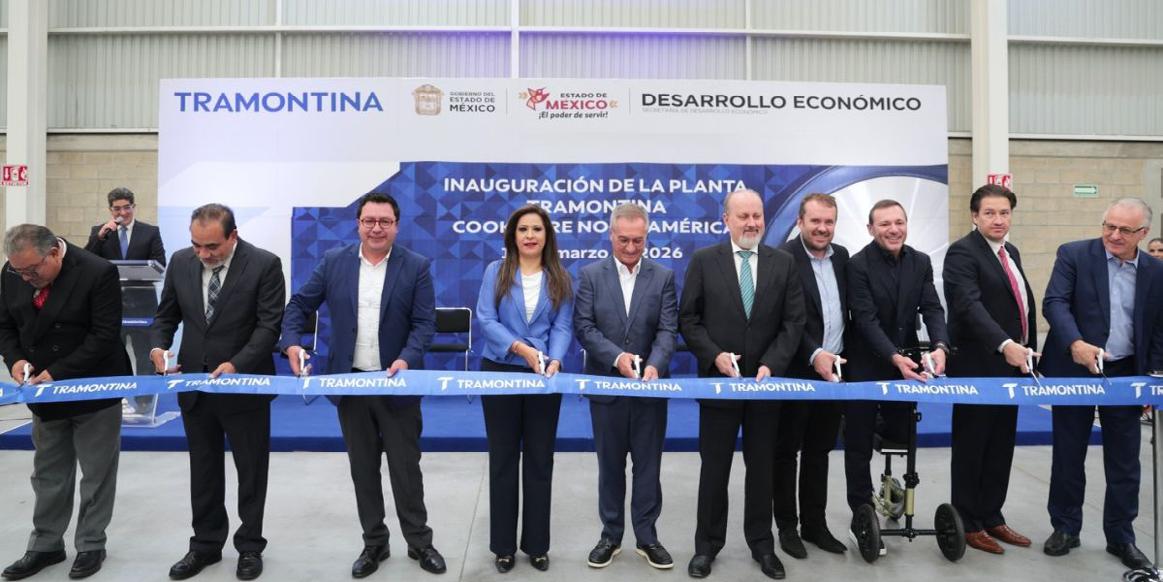
Tramontina, a global producer of kitchenware and consumer goods, invested around US$29 million to launch its first manufacturing facility in Mexico, marking a shift toward local production. Located in Lerma, the plant will reduce reliance on imports from Brazil while improving logistics and responsiveness to North American markets.
SOURCES: MEXICO INDUSTRY, CLUSTER INDUSTRIAL
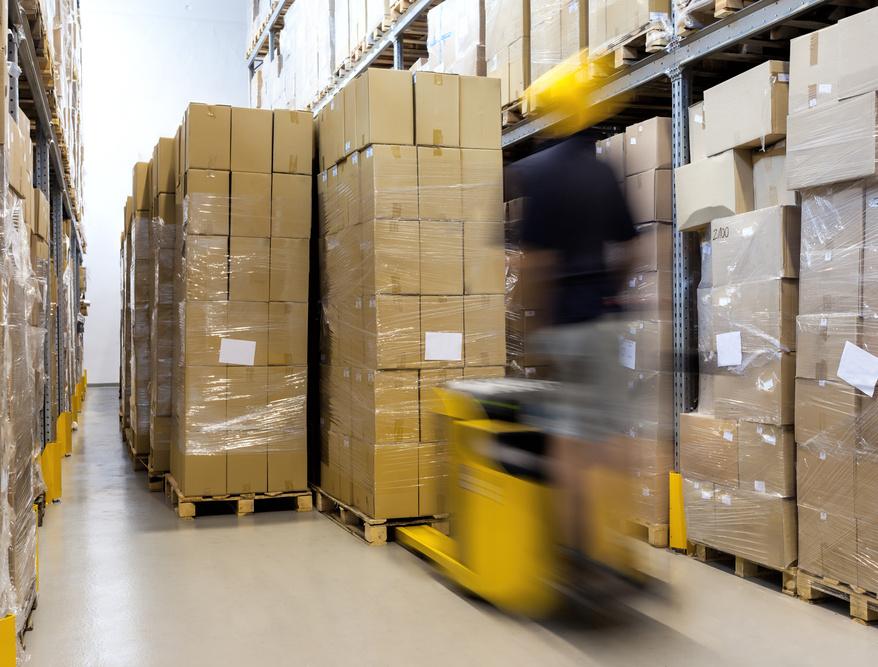
In this new editorial, María Elena Sierra, Prodensa’s VP of International Trade Compliance, shares firsthand insights from years of IMMEX operations and what companies often overlook about Annex 24. Beyond being a regulatory requirement, Annex 24 has become a critical control system for managing risk, ensuring traceability, and sustaining compliance.
This article highlights how leading manufacturers are transforming Annex 24 from a compliance obligation into a strategic tool that supports operational accuracy and audit readiness.
• Why Annex 24 is more than an inventory system
• How it strengthens compliance and traceability
• What companies get wrong—and how to fix it VISIT OUR WEBSITE TO EXPLORE OUR FEATURED BLOG POSTS, EBOOKS, AND CASE STUDIES. PRODENSA.COM/INSIGHTS