
Going one step beyond in animal nutrition means ceaseless research and development. Going one step beyond means anticipating developments in the livestock industry and offering the highest quality products and services. Going one step beyond means total commitment to overcoming all our customers’ challenges.
As we begin 2026, the field of animal nutrition continues to evolve at an unprecedented pace. Yet, this progress unfolds in a world marked by increasing uncertainty—where disruptions to global systems, supply chains, and resource availability remind us how interconnected and fragile our production networks truly are. Recent geopolitical tensions have further underscored the importance of resilience across all sectors, including animal agriculture.
In this context, innovation, adaptability, and scientific rigor are no longer optional— they are essential.
This first issue of nutriNews International reflects these dynamics, bringing forward key topics that are shaping the future of animal production.
Among them, mycotoxin management remains a critical challenge, with growing recognition that effective mitigation requires tailored, context-specific strategies rather than one-size-fits-all solutions. At the same time, the increasing focus on the intestinal microbiota highlights how microbial modulation is becoming central not only in livestock, but also in companion animal nutrition.
Sustainability continues to drive innovation, particularly through the development of alternative protein sources and circular production systems, where emerging technologies are opening new pathways for value creation. In parallel, advances in crop genetics are reinforcing the importance of feed ingredient quality at its origin, strengthening the link between plant science and animal performance.
Early-life nutrition and reproductive efficiency remain at the core of productive systems. Colostrum quality, gut development, and early feeding strategies are increasingly recognized as critical levers for improving survival, health, and long-term performance across species. These foundations are complemented by evolving nutritional approaches designed to support animals under health and production challenges, where targeted feeding strategies can play a decisive role.
In poultry production, continued refinement of nutrient requirements during the first feeding phases, along with strategies to support gut health and pathogen control, illustrates the importance of precision nutrition in maximizing performance while safeguarding animal health. Similarly, maintaining hepatic function and metabolic balance is gaining attention as a key factor in sustaining productivity in intensive systems.
Finally, revisiting the fundamentals of rumen microbiology and amino acid utilization reminds us that innovation is not only about new technologies, but also about deepening our understanding of established biological systems.
Across all these areas, a common thread emerges: the integration of science and practical application is essential to move the industry forward As global conditions continue to shift, building more resilient, efficient, and sustainable animal production systems will be critical for ensuring food security and supporting producers worldwide.
We invite you to explore this issue and join us in shaping the next chapter of animal nutrition.
EDITOR COMMUNICATION GROUP AGRINEWS LLC
ADVERTISING
Luis Carrasco +(34) 605 09 05 13 lc@agrinews.es
Simone Dias +(55) 11 9 85852436 nutribr@grupoagrinews.com
SALES DEPARTMENT
Diego Carrasco +(34) 664 66 06 05 int@grupoagrinews.com
Ivan Martos +(34) 664 66 06 02 im@grupoagrinews.com
CUSTOMER SUPPORT
Mercé Soler
EDITORIAL STAFF
Dr. Magida Corby Álvaro José Guzman
TECHNICAL DIRECTION
Dr. Edgar Oviedo (Poultry)
Dr. Antonio Faciola (Ruminants) Dr. Giuseppe Carcò (Swine)
info@grupoagrinews.com nutrinews.com grupoagrinews.com
Free distribution magazine AIMED AT VETERINARIANS AND TECHNICIANS
Subscription price 125$
nutriNews International
Legal Deposit B15281-2024
ISSN PRINTED VERSION 2938-8910
ISSN DIGITAL VERSION 2938-8929
Images: Noun Project / Freepik/Dreamstime
04
MYCOTOXIN BINDERS EXPLAINED: WHY ONE SIZE NEVER FITS ALL

12
Rui A. Gonçalves
PhD in Aquaculture, MBA in Agribusiness
EFFECTS OF BACILLUS SPP. ON THE MODULATION OF THE INTESTINAL MICROBIOTA OF CATS

Lorenna Nicole Araújo Santos
Zootechnician, Master’s student in Veterinary Sciences at the Federal University of Paraná
18
26
INSECT BIOREFINERIES: UNLOCKING NEW VALUE FOR ANIMAL NUTRITION

Ari Riihimaa PhD in Biology (Insect Physiology and Genetics) Founder, Entoprot Ltd
GENETIC IMPROVEMENT IN CORN STRENGTHENS ITS STRATEGIC ROLE IN ANIMAL NUTRITION

José Flávio Silva
Research Manager at TMG, Livestock Producer, Entrepreneur


Marianna Altieri
Research and Development at Carra
Mangimi S.p.A.
MSc Preclinical and Clinical Research

Giuseppe Carcò
Formulation Assistant at Carra
Mangimi S.p.A.
PhD Animal and Food Science
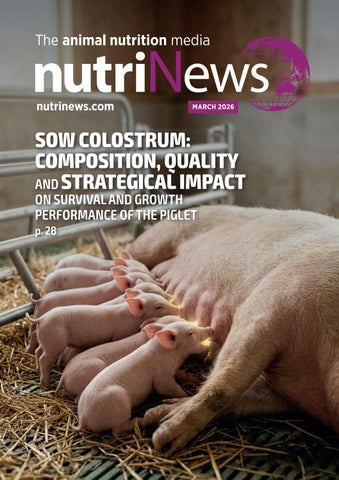
Alberto Morillo Alujas DVM, PhD, Nutritionist, MSc Statistics 30 SOW COLOSTRUM: COMPOSITION, QUALITY AND STRATEGICAL IMPACT ON SURVIVAL AND GROWTH PERFORMANCE OF THE PIGLET

EFFECTS OF LIVOLIV SUPPLEMENTATION ON GROWTH PERFORMANCE AND HEPATIC PROFILE IN BROILERS
Nuproxa Technical Team
MICROORGANISMS AND METABOLIZABLE AMINO ACID BALANCE

Fernando Bacha Baz Technical Director at NACOOP and Technical Director of nutriNews (Ruminants Section)


Rui A. Gonçalves PhD in Aquaculture, MBA in Agribusiness

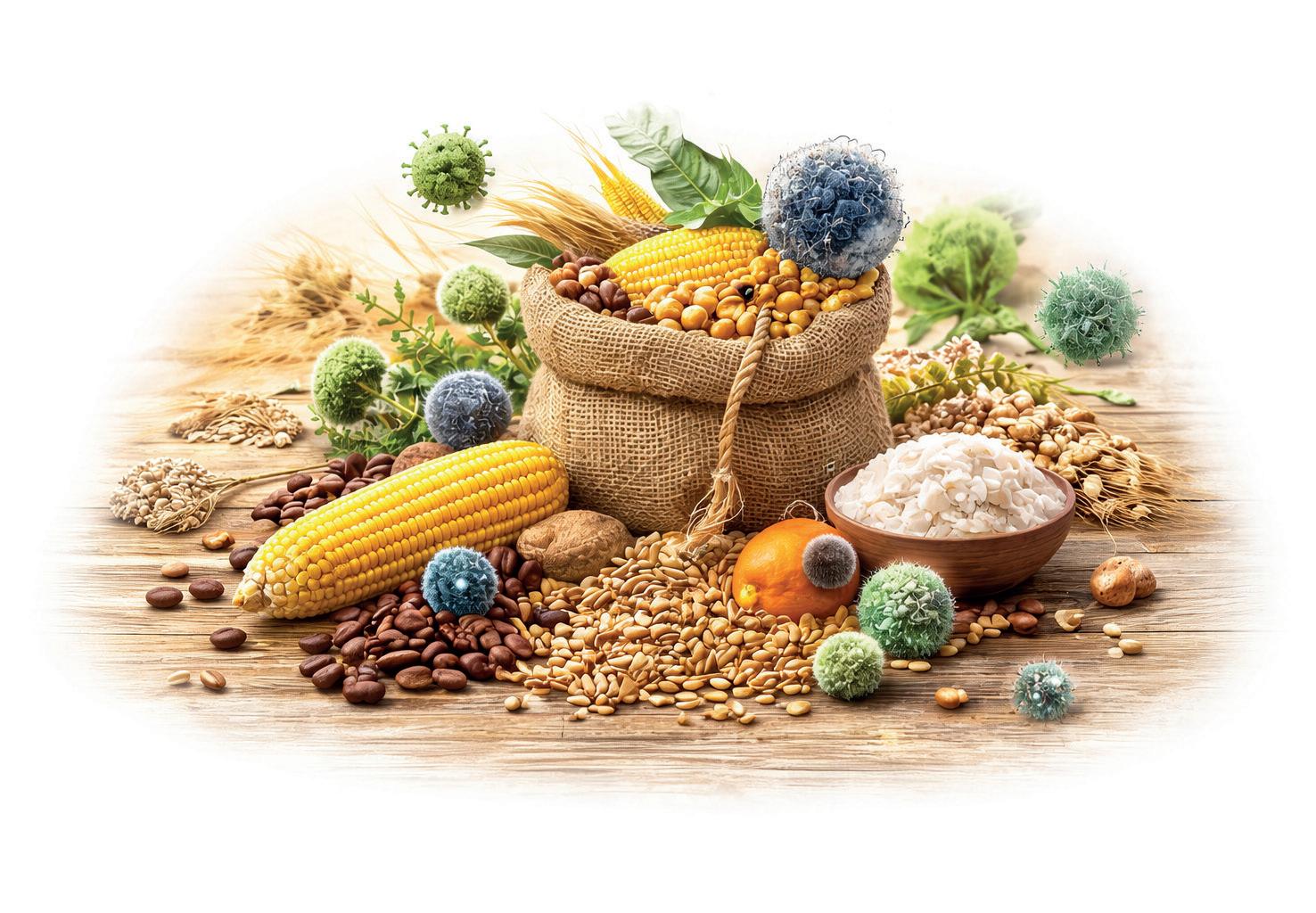
Mycotoxins are a diverse group of toxic, low–molecular weight compounds produced as secondary metabolites by various filamentous fungi. These substances are not immunogenic (i.e., they do not trigger antibody production and therefore do not lead to immunity or resistance against them), yet they pose serious risks to both animal and human health
Their formation can occur at multiple stages of crop handling — including growth, harvest, drying, and storage — affecting a wide range of plant-derived products such as grains, fruits, seeds, and agroindustrial by-products that commonly enter food and feed production chains.
The occurrence and concentration of mycotoxins are strongly influenced by environmental conditions, particularly temperature and humidity, which govern fungal proliferation Additional factors such as water activity, pH, oxygen availability, substrate temperature, storage duration, microbial competition, and insect damage can further favor fungal colonization and toxin synthesis.

Feed represents a critical link in the food chain, influencing not only the health, welfare, and productivity of farmed animals but also the safety and quality of animalderived products including milk, meat, eggs, and aquaculture species.

Complete feeds are typically formulated from a blend of plant-based raw materials — their composition depending on species, production goals, and regional availability. However, since many feed ingredients are of plant origin, and numerous fungal species are capable of producing multiple mycotoxins simultaneously, cocontamination is the rule rather than the exception in feed materials.
Recent large-scale monitoring reinforces this scenario. The 2025 DSM-Firmenich Global Mycotoxin Survey (25,326 samples, 14,752 analyses across 95 countries) reported that 83% of feed samples contained more than one mycotoxin, highlighting the widespread and complex nature of the challenge faced by the feed and livestock industries worldwide.
When examining finishing feeds, which include data from 3,049 samples collected across 71 countries, the extent of cocontamination becomes even clearer. According to the DSM-Firmenich global survey, 96% of poultry feeds, 90% of swine feeds, 81% of ruminant feeds, and 96% of aquaculture feeds (fish and shrimp) contained more than one mycotoxin
These findings underscore the widespread threat mycotoxins pose to the feed industry and illustrate the complexity of mitigating multi-mycotoxin contamination, where multiple toxins may interact additively or synergistically within the animal organism.
Mycotoxin contamination imposes several challenges across both livestock and aquaculture production systems. Direct economic losses can arise from the rejection of raw materials or finished feeds that fail to comply with regional regulatory thresholds, or in extreme cases, from acute toxicity and mortality following ingestion of highly contaminated feed. However, such acute scenarios are relatively rare.Far more common are subclinical or chronic exposures to low or moderate concentrations— often within “acceptable” recommended limits—that subtly impair animal performance.
Under these chronic exposure conditions, mycotoxins may act as physiological stressors, leading to reduced feed intake, slower growth rates, impaired reproductive performance, and increased susceptibility to infectious diseases. This is largely due to their immunosuppressive and hepatotoxic effects, particularly when animals are simultaneously exposed to multiple toxins. These effects often go undetected or misdiagnosed on farms, as the resulting symptoms—such as irregular performance, poor feed conversion, or opportunistic diseases—are multifactorial and non-specific.
Even experienced veterinarians may find it difficult to attribute such conditions directly to mycotoxin exposure Nevertheless, mycotoxins often act as silent catalysts, weakening physiological resilience and triggering secondary problems that compromise animal welfare and profitability
The economic implications of these subclinical effects are significant (but challenging to quantify), encompassing both direct productivity losses and the increased costs of disease management. Beyond economics, there is a growing ethical and sustainability concern, as chronic mycotoxin exposure undermines animal welfare and feed efficiency—key pillars of modern, responsible animal production.
The co-occurrence of multiple mycotoxins raises major concerns for feed safety and animal health and must be a central consideration when designing a mycotoxin management programme. Effective mitigation requires a strategic and balanced approach, combining targeted detoxification tools—such as enzymatic or microbial biotransformation agents—with broad-spectrum binders capable of adsorbing diverse toxin classes, and specific mineral adsorbents optimized for particular mycotoxins. In parallel, the inclusion of hepatoprotective and immune-supporting additives can help alleviate the physiological burden associated with chronic, low-level exposure.
Given the diversity of production systems, animal species, and contamination profiles, no single solution fits all scenarios Each case must be carefully evaluated to determine the most cost-effective and biologically efficient intervention, ensuring that the investment in mycotoxin control yields measurable returns for the farmer. The present article aims to elucidate the scientific principles underlying binder technologies, outline their advantages and limitations.
Mineral-based mycotoxin binders represent the oldest and most extensively studied category of in-feed mitigation strategies. Their efficacy depends primarily on the mineralogical composition and structural characteristics of the constituent clay minerals, which govern the accessibility, affinity, and stability of toxin–adsorbent interactions throughout the gastrointestinal tract.
The clay minerals relevant to mycotoxin sequestration are typically classified into three main structural groups:
1
2
Layer silicates (phyllosilicates) –including smectites such as bentonite, montmorillonite, and hectorite, known for their high cation-exchange capacity and expansive interlayer spacing;
Fibrous phyllosilicates – such as sepiolite and palygorskite (attapulgite), which possess elongated channels that can accommodate planar toxin molecules; and
3
Framework aluminosilicates (tectosilicates) – notably zeolites and clinoptilolites, characterized by threedimensional pore systems with uniform cavity sizes that facilitate selective adsorption.
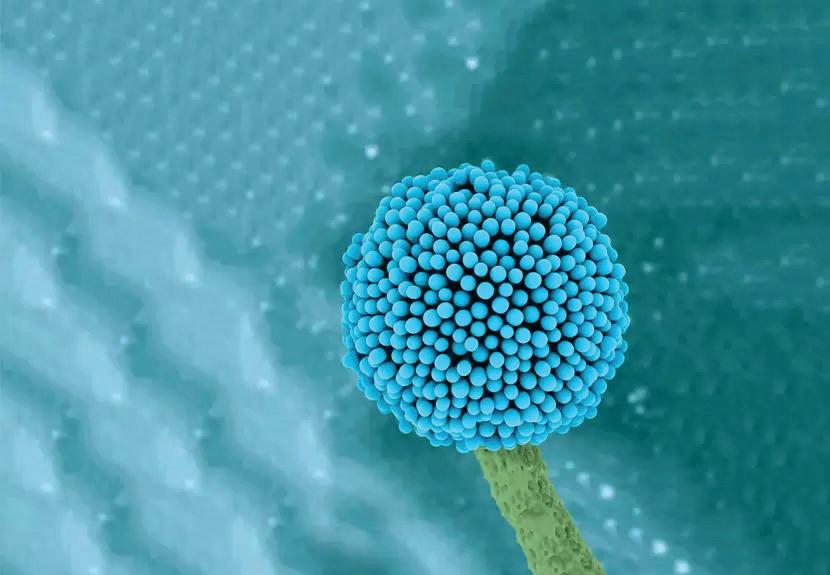
Across these groups, differences in layer arrangement, charge distribution, interlayer chemistry, and surface functionality result in pronounced variation in binding specificity and capacity among mycotoxins. Beyond intrinsic mineralogy, several physico-chemical parameters—including particle size, surface area, pore distribution, cation-exchange capacity (CEC), and pH-dependent charge behavior—critically influence adsorption performance under gastrointestinal conditions. Moreover, structural stability under acidic and enzymatic digestion determines whether the bound toxin remains immobilized or is released along the digestive tract.
Consequently, while mineral binders remain a cornerstone of mycotoxin management, their performance is highly context-dependent, and their selection must be guided by both feed composition and contamination profile In practice, the most robust solutions often combine mineral adsorbents with organic or biological components, broadening the spectrum of efficacy against diverse mycotoxins encountered under real-world production conditions.
A persistent challenge in the feed additive market is the broad and often non-specific use of the term “binder.” In practice, binders may refer to a wide range of materials serving distinct purposes. While this article focuses specifically on mycotoxin binders, it is important to distinguish them from technical binders—additives incorporated into feed formulations primarily to enhance pellet integrity, cohesion, and durability during processing and handling
These technical binders play a key role in ensuring the physical quality of pelleted, granulated, and extruded feeds, contributing to reduced fines, improved water stability, and better feed efficiency.
Certain clay or mineral materials (often under different commercial denominations) can apparently serve a dual function, being used both as technical binders and as adsorbents in mycotoxin control. However, conflating these two functional categories can lead to misinterpretation of product performance. Although many additives are marketed as “mycotoxin binders,” their actual composition and binding mechanisms are often poorly disclosed or insufficiently characterized
Binders intended for mycotoxin management should therefore be evaluated through comprehensive studies, characterizing their physicochemical properties and correlating these with their mycotoxin adsorption capacity. These properties, largely derived from soil and clay mineral science, include:
Cation exchange capacity (CEC) and the profile of exchangeable cations (K⁺, Na⁺, Mg²⁺, Ca²⁺);
Surface acidity and charge distribution;
Linear swelling and interlayer spacing;
Mineralogical composition and particle size distribution; and
Moisture retention and relative humidity sensitivity

In practical terms, a true mycotoxin binder—as opposed to a purely technical binder—should be rigorously characterized in relation to its adsorption efficiency across a physiological pH range representative of the target animal’s gastrointestinal tract.
Moreover, such characterization should include an assessment of potential nonspecific interactions, particularly the undesired sequestration of essential micronutrients or veterinary compounds, which may compromise animal health or therapeutic efficacy.
Clays and silicates are among the most studied natural adsorbents used in feedbased mycotoxin mitigation. Clays are finegrained natural materials (average particle size < 0.002 mm) composed primarily of hydrated aluminosilicates. They exhibit plasticity when moistened and become non-plastic and rigid when dried.
Aluminosilicates represent the most abundant and functionally significant class of clay minerals, consisting mainly of silica (SiO₂) and alumina (Al₂O₃), with variable proportions of alkaline and alkaline earth cations such as Ca²⁺, Mg²⁺, Na⁺, and K⁺ .
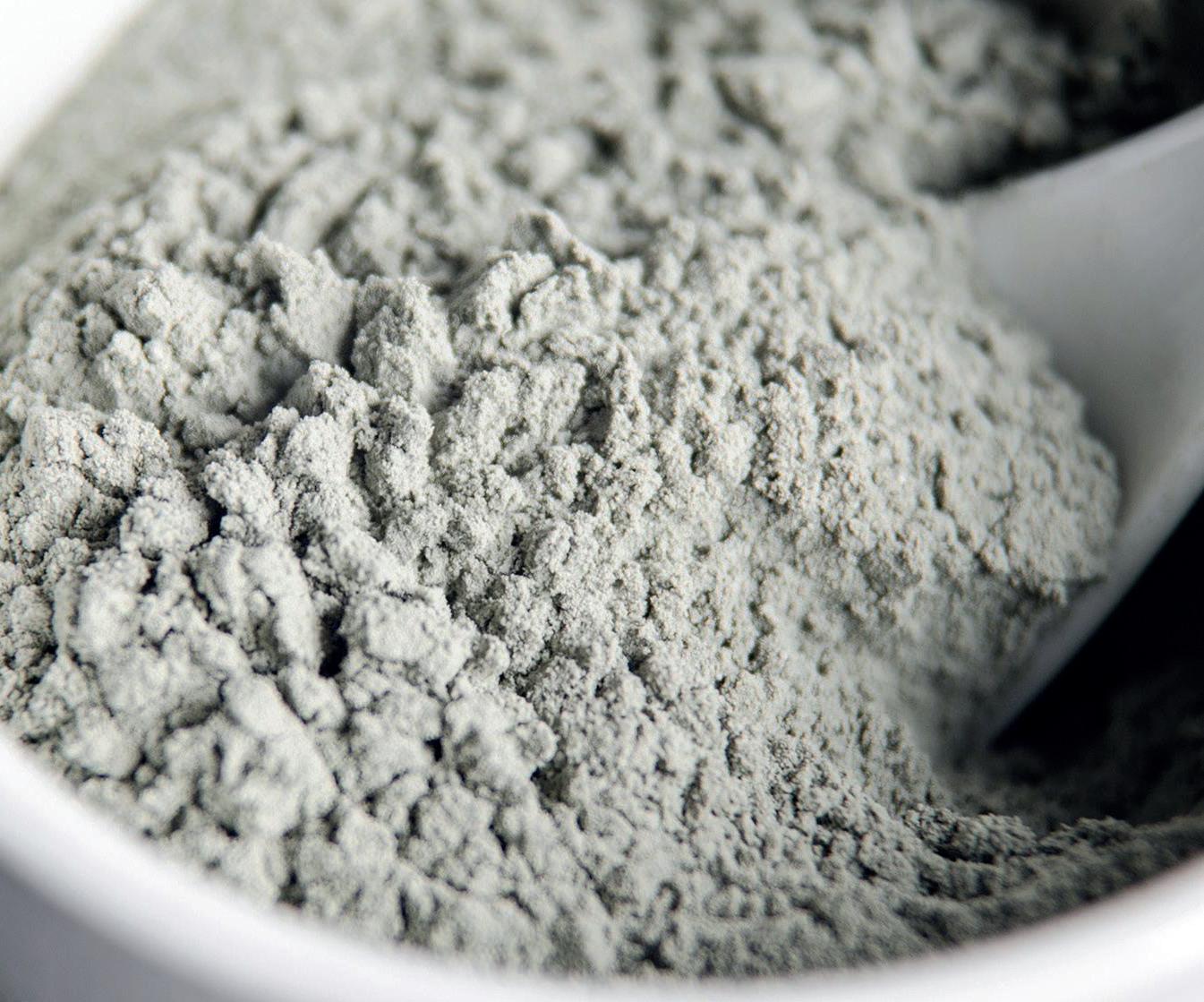
Structurally, the silicates is based on a tetrahedral unit, formed by four oxygen atoms surrounding a silicon ion, resulting in a tetrahedral configuration. These tetrahedra may link in various ways to form distinct structural groups:
Phyllosilicates (sheet silicates) such as bentonite, montmorillonite, and smectite;
Tectosilicates (framework silicates) such as zeolites and feldspars;
As well as inosilicates, sorosilicates, and cyclosilicates, which have less relevance in feed applications.
Phyllosilicates consist of stacked tetrahedral (T) and octahedral (O) sheets. The tetrahedral sheet is composed of SiO₄ tetrahedra sharing three oxygen atoms, while the octahedral sheet consists of cations (Al³⁺, Mg²⁺, Fe²⁺) coordinated with hydroxyl or oxygen groups. The stacking of these sheets determines whether the clay belongs to the 1:1 (T–O) or 2:1 (T–O–T) structural type. Examples include kaolinite (1:1) and montmorillonite or bentonite (2:1).
These minerals exhibit high surface area, cation exchange capacity (CEC), and interlayer expandability, making them highly efficient in adsorbing planar mycotoxin molecules such as aflatoxins The electronegativity of clays arises from isomorphic substitution, where Al³⁺ replaces Si⁴⁺ in tetrahedral sheets or Mg²⁺/Fe²⁺ replaces Al³⁺ in octahedral sheets. This charge imbalance confers a negative surface potential, which attracts positively polarized molecules.

Among phyllosilicates, bentonites (dominated by montmorillonite) are the most widely used in mycotoxin control. Their performance is primarily governed by montmorillonite content and the nature of exchangeable interlayer cations. The interlayer spaces, rich in compensating cations, account for up to 80% of exchange capacity, supporting adsorption of both cations and polar organic molecules.
Hydrated sodium calcium aluminosilicate (HSCAS), a specific form of calcium montmorillonite, has been shown to be highly effective against aflatoxins. Its adsorption mechanism is based on electron donor–acceptor (EDA) interactions, where the β-dicarbonyl group of AFB₁ interacts with metallic cations on the clay surface, forming coordination bonds. Adsorption occurs at interlayer, basal, and edge sites, often with a planar orientation of AFB₁ molecules.

Natural aluminosilicates are hydrophilic and therefore less efficient against non-polar mycotoxins such as zearalenone (ZEA) or ochratoxin A (OTA). Surface modification through organic cation exchange (e.g., quaternary alkylammonium ions) produces organoaluminosilicates with enhanced hydrophobicity, thereby increasing affinity for low-polarity toxins. These modified clays can effectively adsorb ZEA, OTA, and T-2 toxin, although their performance against aflatoxins may decrease due to reduced active surface area (Marroquín-Cardona et al., 2009). However, excessive inclusion rates can interfere with bile acid metabolism and fat digestibility.

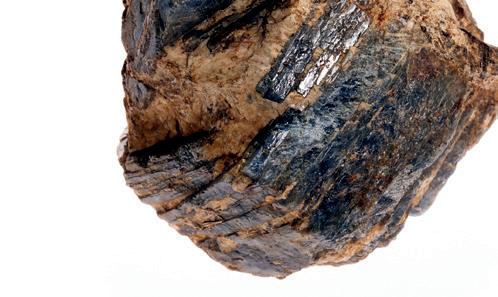
Zeolites possess a three-dimensional framework of linked tetrahedra (SiO₄ and AlO₄), forming channels and cages that can house exchangeable cations and water molecules. These microporous structures confer a high internal surface area and molecular sieving properties, allowing selective adsorption of small polar molecules.
Zeolites exhibit strong affinity for aflatoxins and fumonisins under acidic conditions, largely through electrostatic interactions with cations such as Ca²⁺ However, their hydrophilic surface limits binding of non-polar toxins like ZEA. Among the ~40 natural zeolites, clinoptilolite, mordenite, and heulandite are most frequently used in feed applications.

Sepiolite and palygorskite (attapulgite) are fibrous magnesium silicates with an open-channel structure, offering high external surface area and numerous active silanol groups. These features provide sorption sites for polar molecules and cations. Sepiolite often exhibits comparable or superior AFB₁ binding compared to HSCAS or montmorillonite, though its CEC is lower. Sepiolite is frequently used in combination with bentonite to enhance adsorptive and pelleting properties.



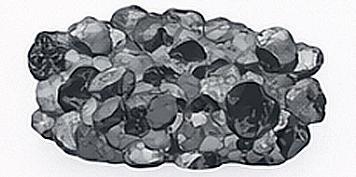
Activated charcoal (AC) is a highly porous carbonaceous adsorbent produced by pyrolysis and activation of organic precursors. Its extensive pore system and surface area enable non-specific adsorption of a broad range of molecules, including mycotoxins, drugs, and nutrients. While AC is highly effective in vitro, its performance in vivo is constrained by low specificity and saturation by dietary matrices. The primary binding mechanism involves hydrophobic interactions with planar toxin molecules such as AFB₁ and DON.
The physicochemical diversity among mineral adsorbents spanning layered, fibrous, and framework structures—translates into variable specificity, affinity, and stability of mycotoxin binding. While aluminosilicates such as bentonite and HSCAS remain the gold standard for aflatoxin adsorption, modified and composite binders incorporating organoaluminosilicates, fibrous clays, or siliceous materials can extend the range of action to other mycotoxin classes.
Ultimately, the selection and evaluation of mineral binders must consider not only the mycotoxin profile and pH stability but also their potential side effects, such as interference with nutrient absorption or veterinary treatments. A thorough understanding of these mineralogical and functional mechanisms forms the foundation for designing efficient, speciesspecific mycotoxin management strategies.
In the context of aquaculture mycotoxin management, binder performance becomes even more complex than in terrestrial livestock due to the high physiological and environmental diversity among farmed aquatic species
Fish and shrimp differ markedly in digestive anatomy and function — from agastric species, such as carps and other cyprinids, which lack a true acidsecreting stomach and thus maintain a near-neutral intestinal environment, to species such as shrimp, whose digestive systems operate under mildly neutral to slightly basic pH conditions.
These differences, combined with variations in gastrointestinal transit time—ranging from very short in some fish to extended in others—profoundly influence the pH, retention time, and overall adsorption environment for mycotoxin binders.
Beyond digestive physiology, the aquatic environment introduces additional challenges. Mycotoxin binders incorporated into aquafeeds inevitably interact with water before ingestion, and factors such as hydration, ion competition, and salinity—particularly in marine or brackish systems—can significantly reduce adsorption capacity. High salt concentrations, for instance, may compete with toxin molecules for binding sites or alter clay surface charge, thereby diminishing sequestration efficiency.
Given these complexities, aquaculture-specific mycotoxin management requires distinct evaluation frameworks and tailored solutions to account for species-dependent digestive and environmental conditions. A more detailed discussion of these aquaculture-related challenges and binder adaptation strategies will be addressed in a future article.

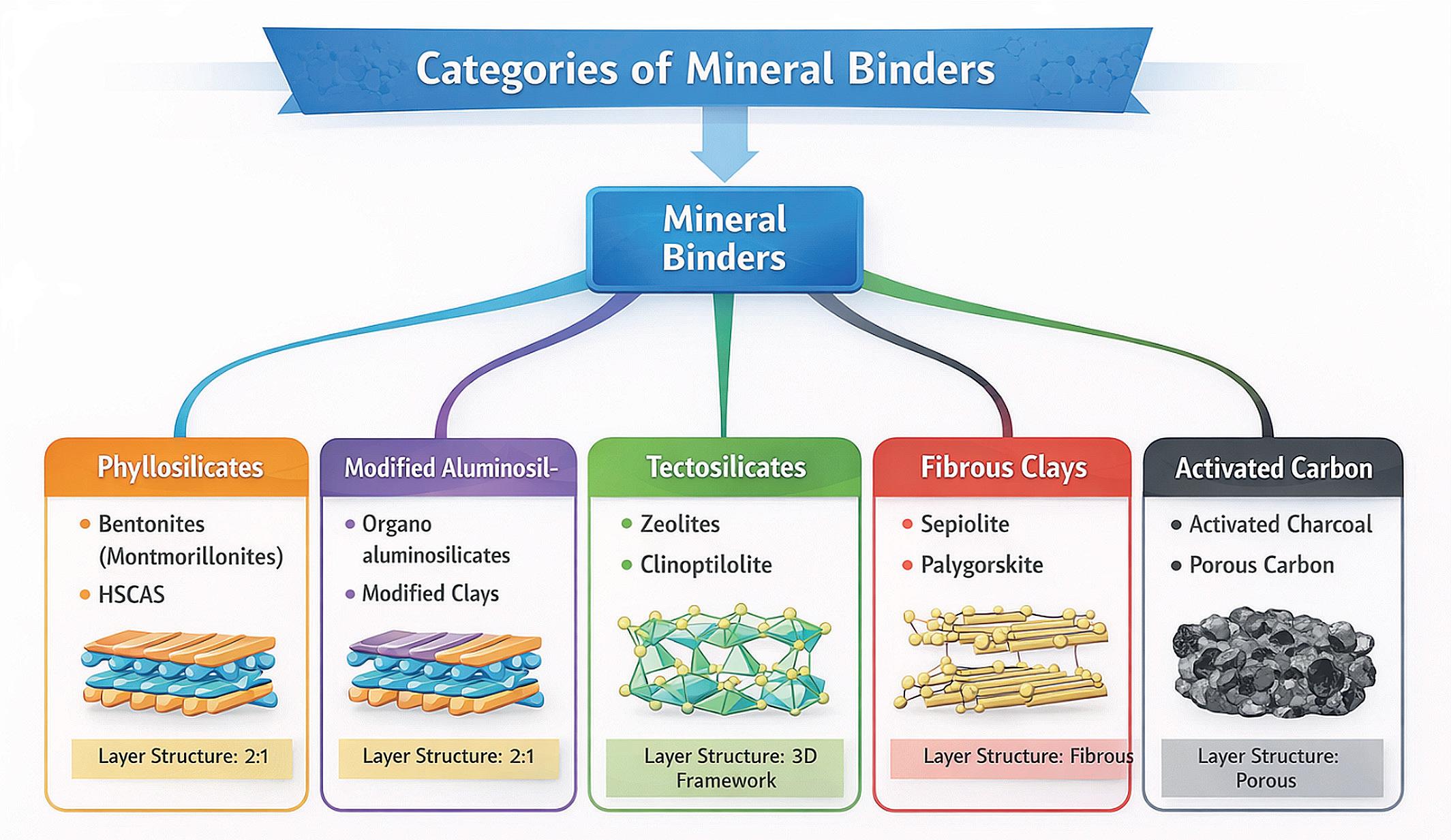
Figure 1: Simplified categorization of mineral binders discussed in the present article, illustrating their layered structures.
Lorenna Nicole Araújo Santos, Isabela Cubateli Bogo, Ricardo Souza Vasconcellos, Magali Soares dos Santos Pozza State University of Maringá (UEM)
Probiotics are “Live microorganisms that, when administered in adequate amounts, confer a health benefit on the host” (Morelli and Capurso, 2012).
Their use in animal feed has increased in recent years, due to greater availability of commercially available strains and better knowledge about their stability and effectiveness in promoting host health.
Several microorganisms are currently used, among them bacteria such as:
Lactobacillus, Streptococcus, Lactococcus, Bifidobacterium
Enterococcus, as well as yeasts and fungi, such as Saccharomyces cerevisiae Aspergillus oryzae

The intestinal microbiota plays a fundamental role in animal health, contributing to mucosal integrity and protection against pathogenic microorganisms.

Its composition can be impacted by several factors, such as diet, age, and environmental conditions, which can lead to the development of
This imbalance is characterized by lower bacterial diversity, a decrease in species with beneficial potential, and proliferation of potentially harmful
Clinically, these changes are often associated with manifestations such as diarrhea, allergic reactions, and inflammatory bowel diseases (Yang et al., 2023).
Thus, probiotics act through various mechanisms in the host, among them improvement of the intestinal barrier, as well as immunity through increased immunoglobulin A (IgA) (Wang et al., 2024), in addition to other benefits, as shown in figure 1.
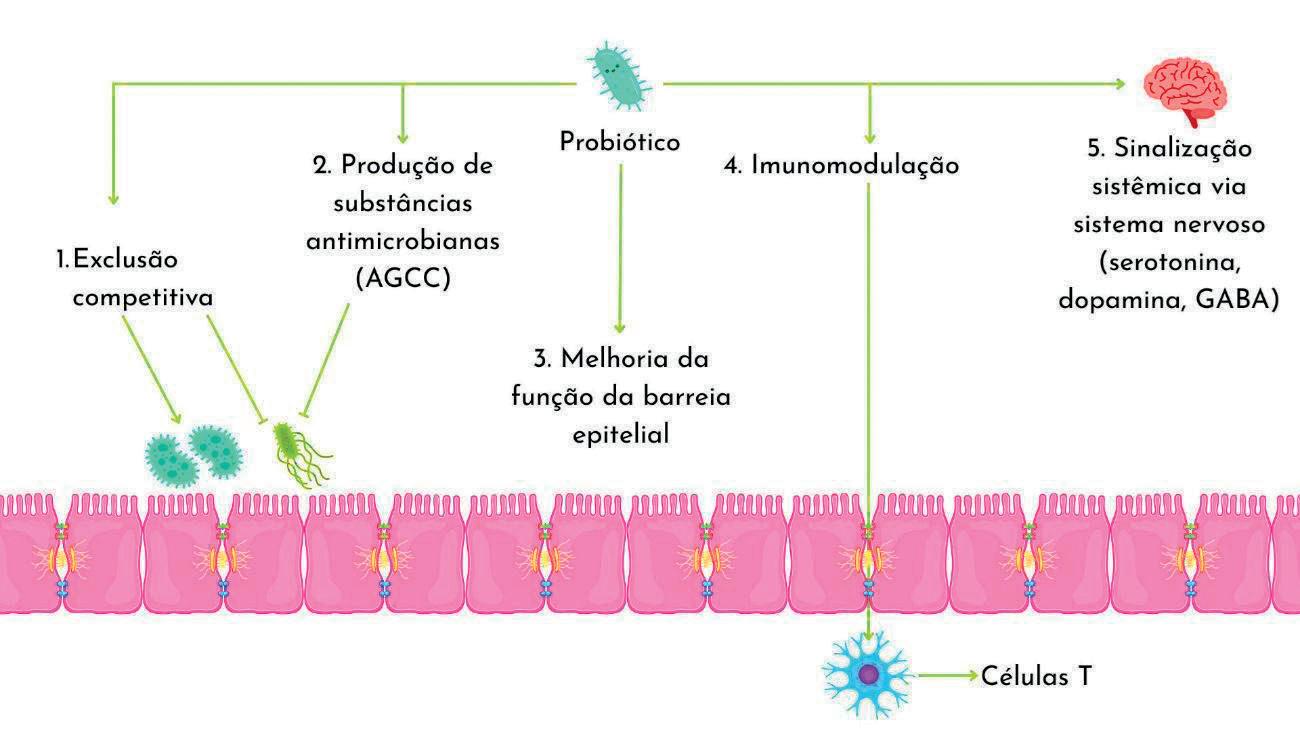
Probiotic
2.
4. Immunomodulation 5. Systemic signaling via the nervous system (serotonin, dopamine, GABA)
In cats, the use of probiotics offers benefits for both kittens and adults, especially for intestinal health, by promoting microbiota modulation. This modulation favors the body's natural defenses, stimulating the production of secondary metabolites, such as short-chain fatty acids (SCFA), in addition to exerting antimicrobial action.
The feline intestinal microbiota is mainly composed of phyla such as Firmicutes, Bacteroidetes, Actinobacteria and Proteobacteria (Shi et al., 2024), which ferment fibers and proteins, generating compounds essential for maintaining mucosal integrity and immune balance.
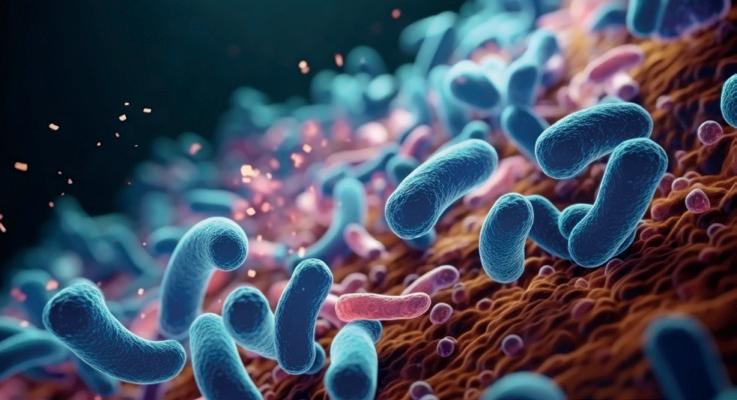
Bacteria of the genus Bacillus spp. are classified as Gram-positive, and are characterized as facultative aerobes, heterotrophic, saprophytic, and ubiquitous (Arsène et al., 2021).
Although they do not colonize the intestine, they can produce lactic acid, and are also resistant to the action of hydrochloric acid (Kosaza, 1989).
One of the main advantages of using these bacteria in processed foods is their ability to form resistant spores, which ensures the viability of the microorganism during rigorous industrial processes.
A study conducted with probiotic strains of Lactobacillus rhamnosus and Bifidobacterium animalis subsp. lactis, showed good bile tolerance, adherence to the intestinal mucosa, and antimicrobial action against pathogens such as E. coli, Salmonella, and Clostridioides difficile, in addition to attenuating the expression of inflammatory cytokines in macrophages (Jang, 2024).

During the sporulation process, the microorganism acquires protective layers, which confer resistance against physical and chemical agents, ensuring the protection of genetic material and cellular metabolism (figure 2) remaining dormant, and when the environment becomes favorable, metabolism is reactivated (Acuff and Aldrich, 2022).
Germination receptors Inner membrane
Peptidoglycan wall of the germinative cell
Interspace DNA
Exospore
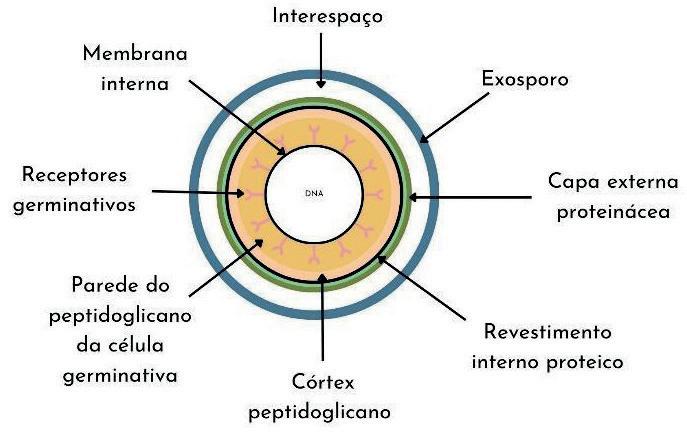
Pepdtidoglycan cortex
External proteinaceous coat
Internal protein coating
Figure 2: Bacterial spore. Adapted from Acuff and Aldrich (2022)
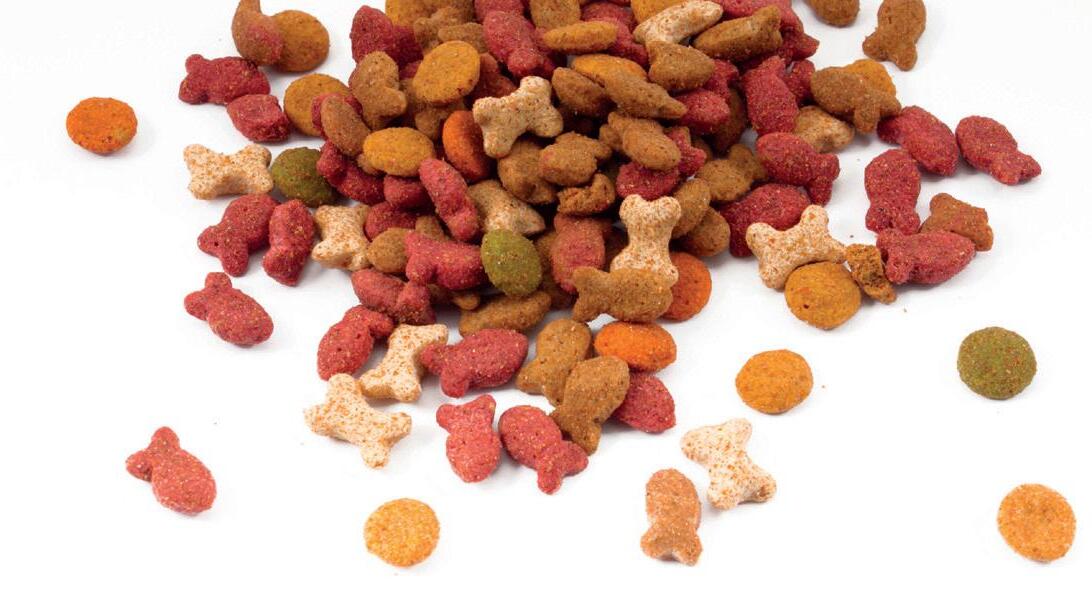
The ability to sporulate is particularly interesting in the manufacture of food for dogs and cats, mainly because extrusion is the process used for most of the food produced.
In recent decades, the inclusion of Bacillus spp. in the diet of companion animals has also seen growth and positive results.
The combination of high temperatures with high humidity can lead to the destruction of some types of microorganisms.
However, a study conducted by Okelo et al. (2008), observed that when using the species Bacillus stearothermophilus during the extrusion process, the bacterium was resistant under high temperature conditions (77 to 100°C) for up to 11 seconds with humidity between 24.5 and 34.5%.
The use of Bacillus spp. in animal nutrition is already common. Older studies have already demonstrated efficacy in animals, such as the spores of Bacillus licheniformis in piglets during the stressful post-weaning period, showing efficacy in reducing diarrhea and decreasing mortality rate (Kyriakis et al., 1999).
Studies evaluated in dogs supplemented with Bacillus subtilis showed a reduction in ammonia concentration in adults, as well as a decrease in diarrhea, fecal odor, and intestinal gases in puppies (Félix et al., 2010; Paap et al., 2016),
as well as in recent studies, this species has shown effects on the intestinal microbiota, with increased bacterial diversity, in addition to promoting the growth of Faecalibacterium, an important butyrate-producing microorganism, as well as confirming previous results, such as a decrease in ammonia and fecal odor (Lima et al., 2020).
As in dogs, the inclusion of Bacillus spp. in the diet of cats also shows promising effects, such as positive effects on increased intake, nutrient digestibility, as well as on immunity and antioxidant capacity (Wang et al., 2022), however, the main results are related to the intestinal microbiota.
Wang et al. (2023) evaluated a probiotic blend composed of Bacillus amyloliquefaciens SC06 (BaSC06) and Bacillus subtilis 10 (B10) in healthy cats. As results, a decrease in soft stools and diarrhea rate was observed, as well as a decrease in pro-inflammatory cytokines (IL-1β and IL-6) and an increase in anti-inflammatory cytokines (IL-10).
Regarding the microbiota, the researchers found a clear differentiation in the β-diversity of bacterial and fungal microorganisms, and the animals supplemented with the probiotic showed an increase in the genus Lactobacillus, which may provide benefits to the hosts (Kang et al., 2022).
Another genus found was Plectosphaerella, which the researchers found to be associated with an increase in SCFAs, including acetic, propionic, and butyric acids, which act as anti-inflammatories in the body.
Another species with promising results is Bacillus clausii. Ruggiero et al. (2025) observed that the use of this microorganism in cats resulted in improved fecal score, as well as an increase in IgA concentration and a decrease in calprotectin, a protein marker increased during the process of intestinal inflammation.
Although this study did not evaluate the effects on the fecal microbiota, an increase in total SCFAs and in butyrate was detected.
The increase in these substances can be produced by bacteria with beneficial potential, such as Faecalibacterium (Zhou et al., 2018), which in turn is considered one of the sentinel microorganisms of intestinal balance (Sung et al., 2022).
The benefits of Bacillus spp. also extend to the treatment of cats with chronic diarrhea. Lee et al. (2022) by using the species Bacillus licheniformis, found that the probiotic was able to help in the treatment of diarrhea, as well as providing the cats in the treated group with an increase in the genus Blautia spp., a propionic acid-producing bacterium (Louis and Flint, 2016), as well as a decrease in the species Clostridium perfringens, characterized as a bacterium with pathogenic potential (Brynestad and Granum, 2002).
However, it is important to point out that not all species of Bacillus spp. are safe for consumption.

The species Bacillus cereus is potentially pathogenic, due to the production of toxins (Anadón et al., 2006), and its ingestion can cause serious health damage and even mortality (Nikodemusz and Gonda, 1966).
However, B. cereus var. toyoi does not cause harm, and is even used as a probiotic (Anadón et al., 2006).
In studies with animals, probiotics have been administered in different ways, the most common include capsules and direct insertion into the feed by surface coating (spray coating).
However, the effectiveness of these products is directly related to the viability of the strains up to the time of consumption.
Factors such as temperature, humidity, storage time, and type of processing can significantly reduce the number of viable microorganisms, making it essential to adopt technological strategies that preserve the integrity of the strains (Rodrigues et al., 2020; Vasconcelos, 2018).
Species of the genus Bacillus spp. may have potential to be used as probiotics in cat nutrition, providing benefits mainly related to the intestinal microbiota.
Furthermore, as they are spore-forming microorganisms, they show high thermal stability, which allows their application in extruded diets without significant loss of viability.
References available upon request from the authors


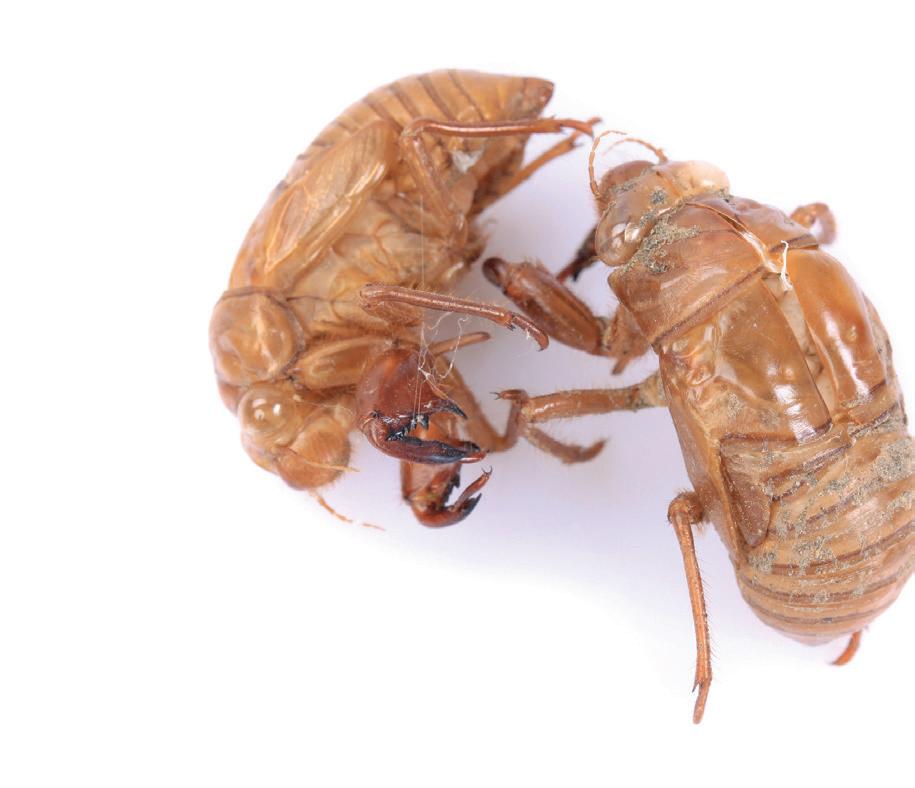
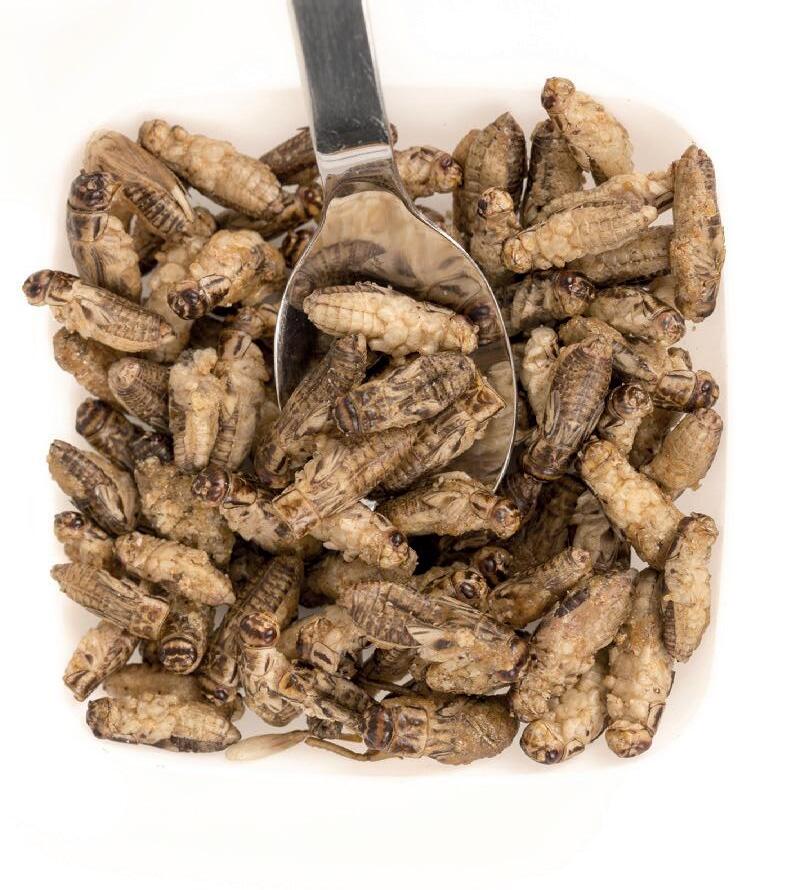
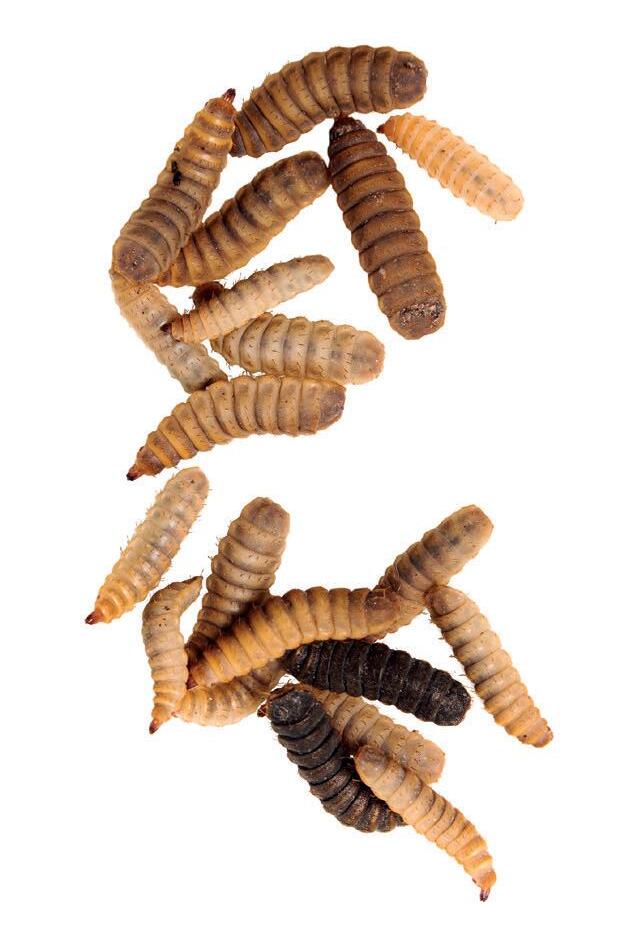
Insect production is evolving from a simple source of protein into a sophisticated biorefinery model. Modern insect facilities can produce not only high-quality protein and oil for animal nutrition, but also functional bioactive compounds such as antimicrobial peptides (AMPs) and chitosan, creating new opportunities for feed, pet food, and health-oriented nutrition strategies. This integrated approach allows producers to extract maximum value from each kilogram of insect biomass, while improving the economic stability and sustainability of insect-based nutrition ingredients.
Ari Riihimaa PhD
in Biology (Insect Physiology and Genetics)
Founder,
Entoprot Ltd
A typical insect production facility processing 10 tons of fresh larvae per day can generate multiple valuable fractions. While the largest fraction is used for animal nutrition products, smaller fractions can be refined into functional ingredients with important applications in livestock and companion animals.
Table 1. Example outputs from a 10-ton/day insect facility
Product stream
Protein and oil fraction
Chitin/chitosan fraction
Approximate output Main application
~9,000 kg/day
~70–100 kg/day
Antimicrobial peptides (AMPs) A few kg/day
Feed and pet food
Gut health, feed additives
Functional nutrition and health
Most of the biomass ultimately becomes nutrition products, but the extraction of smaller fractions can significantly improve the value of the overall process.
For nutritionists and feed producers, the most important benefit of integrated insect production is improved consistency and value of the final ingredient.
When insect facilities operate as biorefineries:
Processing becomes more controlled and standardized
Raw materials are handled under better hygienic conditions
Nutritional fractions are stabilized more effectively
The business model becomes less dependent on commodity prices
This means insect-derived ingredients can become more reliable components of animal diets, especially in poultry, swine, aquaculture, and pet food.
Better economics upstream often translates into more stable ingredient supply downstream.


Beyond protein and fat, insects contain biologically active molecules that are attracting increasing interest in animal nutrition.
Antimicrobial peptides (AMPs)
Antimicrobial peptides are naturally occurring molecules that help insects defend themselves against pathogens. When isolated and stabilized, these compounds may have potential applications as functional feed ingredients supporting gut health and microbial balance.
Natural antimicrobial activity
Low inclusion levels
AMP molecules are sensitive to degradation and must be stabilized quickly during processing, which requires controlled temperature and rapid separation steps.
Table 2. Potential nutritional relevance of AMP molecules
Supports microbial balance
Efficient functional additive
Biologically active molecules Potential alternative to antibiotics
Compatible with modern nutrition strategies Fits preventive health approaches
While research is ongoing, AMP molecules are considered promising candidates for next-generation functional feed additives.

The structural component of insect exoskeletons contains chitin, which can be refined into chitosan, a functional compound with several potential applications in animal nutrition.
Chitosan has attracted attention because of its potential effects on:
Gut microbial balance
Immune function
Nutrient absorption
Feed efficiency
Table 3. Nutritional applications of chitosan
Application area
Gut health support

Potential benefit
Improved microbial stability
Young animal diets Better digestive resilience
Stress periods
Functional feeds
Improved robustness
Alternative to traditional additives
In addition to feed-grade material, higher-purity chitosan can be used in veterinary and biomaterial applications, increasing the value of insect production chains.
Even in highly integrated facilities, the main product remains the protein and oil fraction, which forms the basis for most commercial insect-based feed ingredients.
After the extraction of functional compounds, the remaining mass is stabilized into a protein-rich fraction containing valuable lipids, suitable for use in:
Pet food formulations
Aquaculture diets
Poultry nutrition
Swine nutrition
Table 4. Main uses of insect protein fractions
Sector
Pet food
Typical use
Premium protein source
Aquaculture Fishmeal replacement
Poultry High-quality digestible protein
Swine Functional protein ingredient
The extraction of high-value fractions does not reduce the nutritional value of the remaining protein, and in many cases processing improves stability and consistency.
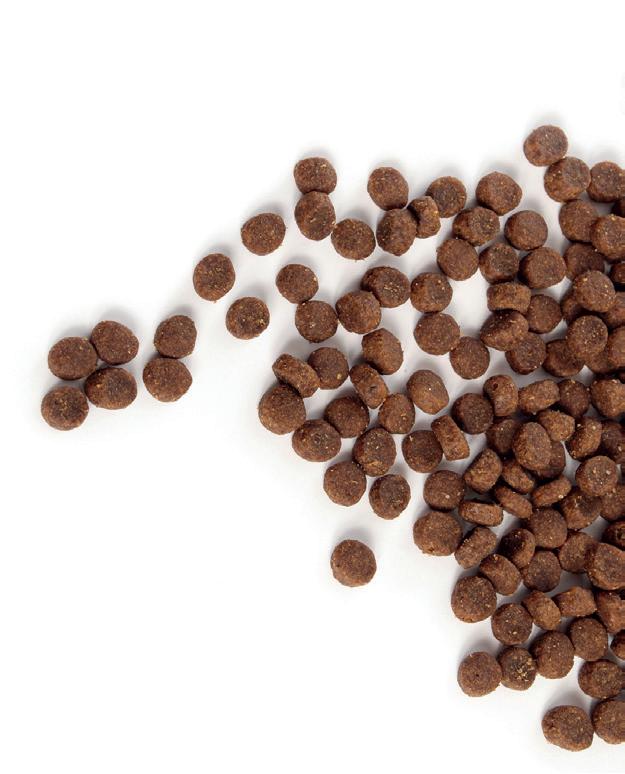
One important development is the use of insect protein fractions as the basis for finished pet food products.
Instead of selling insect protein only as a raw ingredient, some facilities may produce complete wet pet food formulations, combining insect protein with cereals, vitamins, and minerals.
Table 5. Example formulation concept for insect-based wet pet food
Ingredient
Insect
Carbohydrate
Water/broth
Vitamins
Finished pet food typically generates ingredients and helps stabilize plant economics.


A facility processing around 10 tons of larvae per day typically operates continuously, requiring wellcoordinated equipment and automated systems.
Two main operating models can be considered.
Metric Automated plant Advanced-quality plant Personnel 10–12 people ~24 people
Higher-quality production systems require more investment but allow the production of premium
High-value bioactive compounds such as AMP molecules and high-quality chitosan can significantly improve plant profitability, helping support long-term development of insect-based nutrition.
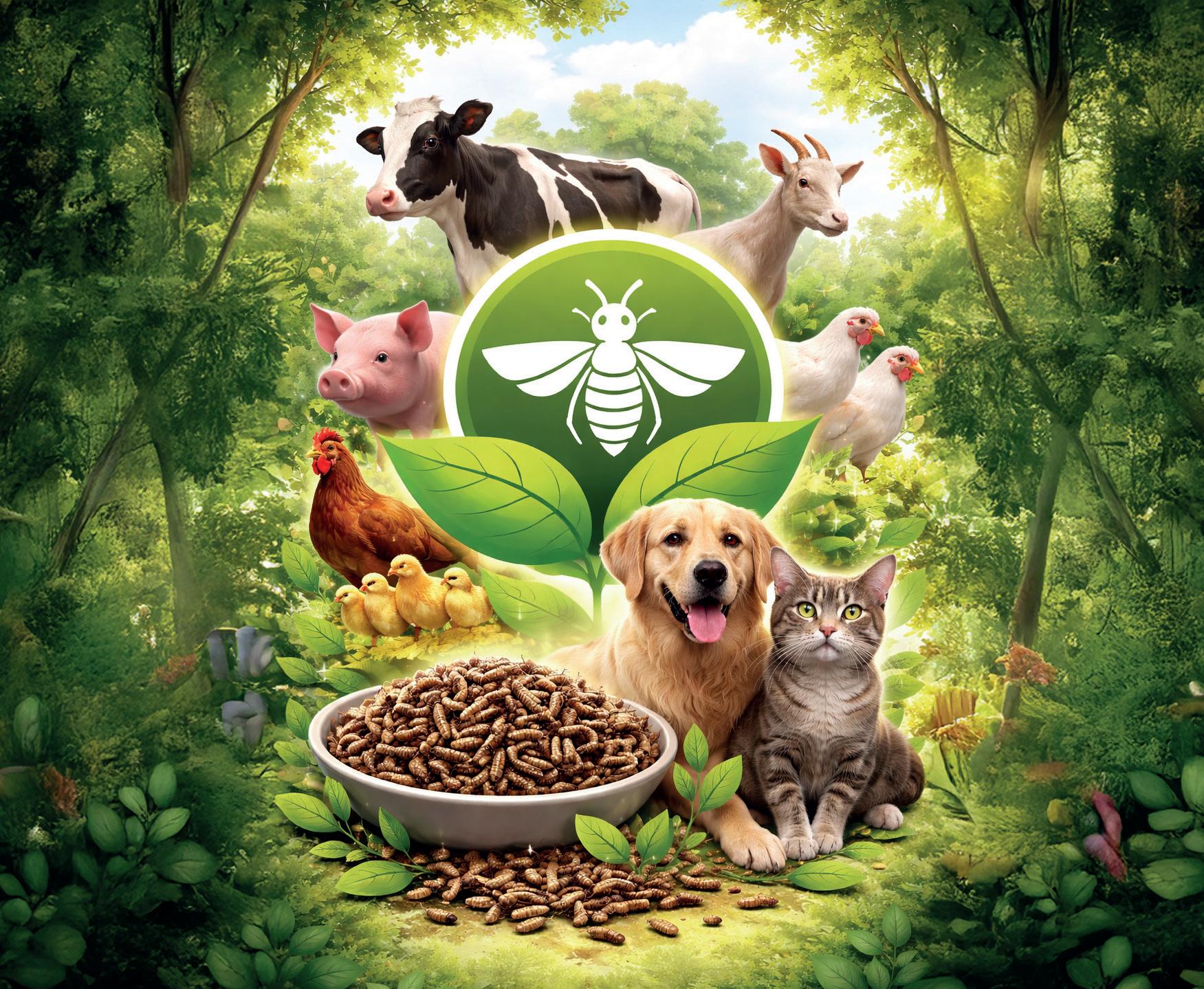
Insect biorefineries represent an important step toward more sustainable and efficient animal nutrition systems.
By combining:
High-quality protein and oil
Functional bioactive compounds
Finished nutrition products these facilities can support a more resilient feed industry.
The integration of nutrition ingredients with functional bioactives may become one of the defining characteristics of nextgeneration feed production.
For animal nutrition professionals, insect biorefineries represent not only a new ingredient source, but a new production model capable of delivering consistent, functional, and sustainable nutrition solutions.

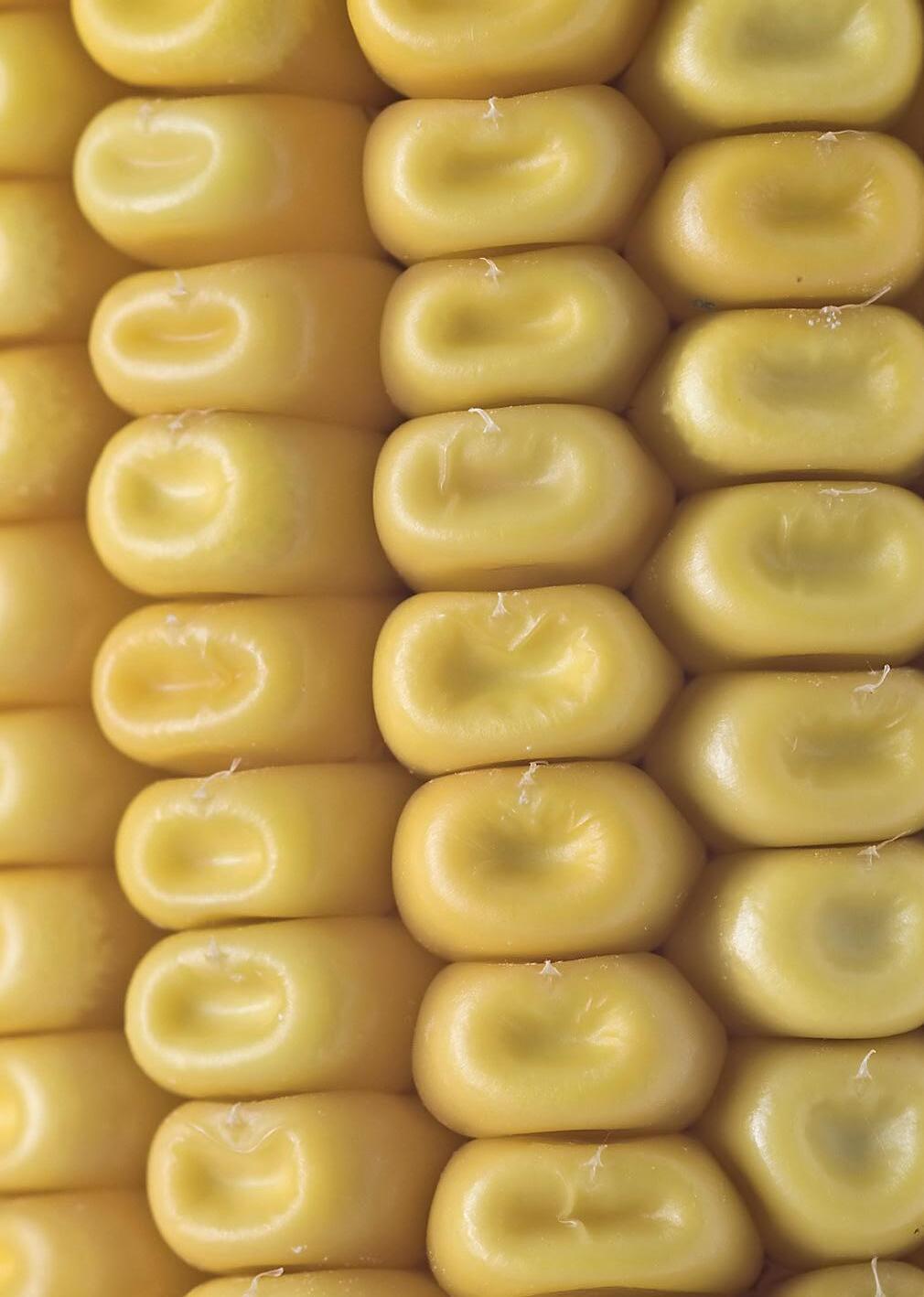
The evolution of hybrids and the advancement of biotechnology contribute to higher yields and increase the supply of inputs such as ethanol coproducts – DDG (Dried Distillers Grain) and WDG (Wet Distillers Grain) – used in feed and silage, supporting livestock production in different regions of the country.
This set of factors consolidates Brazil as a global powerhouse in clean energy production.

The corn crop occupies a central position in the Brazilian agricultural system and has become an essential link between farming, the ethanol industry, and animal production.
Its versatility ensures food security, generates strategic raw material for the bioenergy complex, and supplies the animal nutrition sector, supporting livestock and poultry farms.

Among the results of recent decades, the significant leap in national average productivity stands out, rising from around 2,200 kg/ha in 1990 to over 6,000 kg/ha in 2025.
Advances in genetic improvement, combined with biotechnology and precision management, have transformed corn into a vector of productivity and stability for both the field and industry.
The incorporation of genes associated with drought tolerance, pest and disease resistance, as well as the development of hybrids adapted to Brazilian tropical conditions, has enabled a more efficient and resilient production model.
The increase in productivity and the stability achieved through the incorporation of resistance and tolerance to biotic and abiotic factors were the main advances brought by corn genetic improvement, also observed in other major crops such as soybeans and cotton.
In areas managed with high technology, yields exceed 12,000 kg/ha, highlighting the direct impact of genetics and integrated management. These numbers reinforce the role of corn as one of the pillars of the country's food and energy security.
The combination of advanced genetics, biotechnology, and smart management has driven the development of hybrids increasingly adapted to tropical conditions.
Tools such as genomic selection, use of molecular markers, development of double haploid (DH) lines, and statistical models that consider genotypeenvironment interactions accelerate the breeding cycle and expand the available genetic base, allowing new cultivars to reach the market more quickly and accurately.
These technologies support continuous gains in productivity and stability, as well as ensure regular grain supply for the ethanol and feed industries – a determining factor for cost balance in animal protein chains.
The genetic predictability achieved in corn is directly reflected in the predictability of grain supply, strengthening industry and protein production.
The corn crop has come to play a strategic role within the regional bioeconomy model. The advancement of corn ethanol plants has created a virtuous mechanism that connects agriculture, industry, and livestock.
Ethanol co-products, DDG and WDG, have high protein and energy value and are widely used in the formulation of feed for cattle, pigs, and poultry. The increase in corn production expands the availability of these inputs, reinforcing the sustainability of meat, milk, and egg production.
This dynamic has transformed regional livestock farming, increasing feed efficiency, reducing costs, and adding value to production chains.

The strategic use of DDG and WDG has enhanced intensive fattening and finishing systems, while the proximity between cultivation areas and industrial units reduces logistical costs and strengthens the concept of regionalized agribusiness.
Corn also stands out as an efficient alternative for the recovery of degraded pastures. The crop-livestock integration system allows for soil correction and increased organic matter, creating favorable conditions for the restoration of vegetation cover and sustainable land management.
Furthermore, many producers take advantage of this process to produce corn silage in these areas, obtaining a double benefit: high-quality feed for the herd and better use of soil resources and existing infrastructure.
This strategy increases productivity per hectare, reduces the pressure to open new areas, and strengthens the economic and environmental sustainability of the activity.
The integration between genetic improvement and digital agriculture has also gained ground in hybrid development programs.
The use of sensors, satellite images, drones, and data analysis platforms allows for the identification of performance variations in the field with high precision, guiding more assertive crosses and phenotypic evaluations.
This combination of biotechnology and data intelligence creates a feedback cycle in which each harvest contributes to improving knowledge about plant behavior, generating more stable and productive cultivars for different environments.
Another relevant aspect is the role of corn in the mitigation of greenhouse gas emissions. Rational cultivation, combined with the use of high-efficiency hybrids and conservation practices, contributes to carbon sequestration in the soil and the reduction of the carbon footprint of production systems.
The use of ethanol co-products in animal feed also reduces the need to import grains and meals, strengthening the circular economy and reducing environmental impacts associated with the transport and processing of raw materials.
Thus, corn is consolidated as a key crop within the sustainability commitments undertaken by Brazilian agribusiness.
Technological advances in corn cultivation represent not only productivity gains but also a structural change in how the country organizes its agro-industrial matrix.
By integrating genetics, biotechnology, digitalization, and sustainability, Brazil builds a competitive production model aligned with global demands for food and renewable energy.
This movement reinforces the role of corn as a driver of innovation and as a central element in consolidating a modern, efficient, and environmentally responsible agriculture.

Marianna Altieri¹, Giuseppe Carcò²
¹ Research and Development, Carra Mangimi S.p.A.
MSc in Preclinical and Clinical Research
² Formulation Assistant, Carra Mangimi S.p.A.
PhD in Animal and Food Science
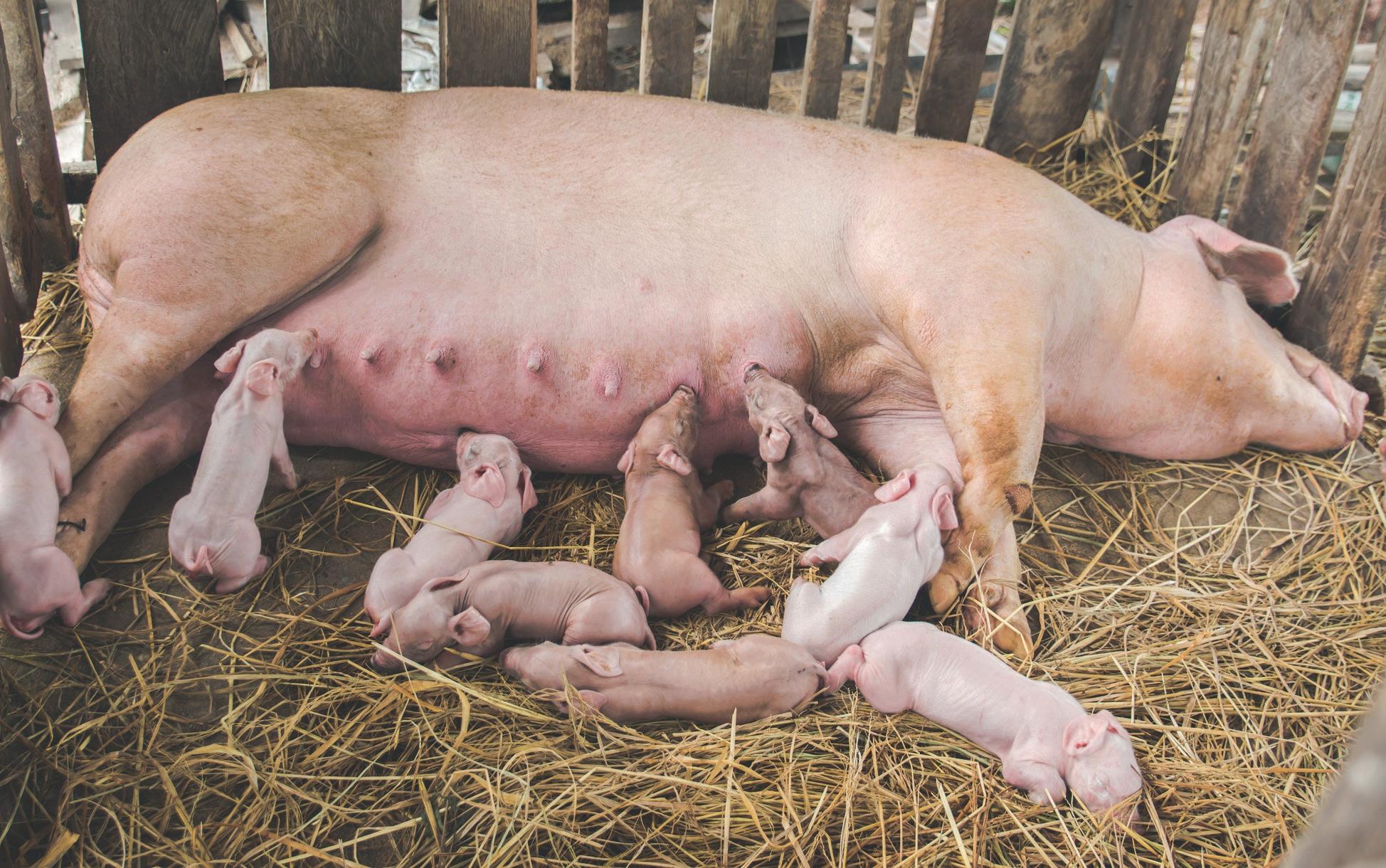
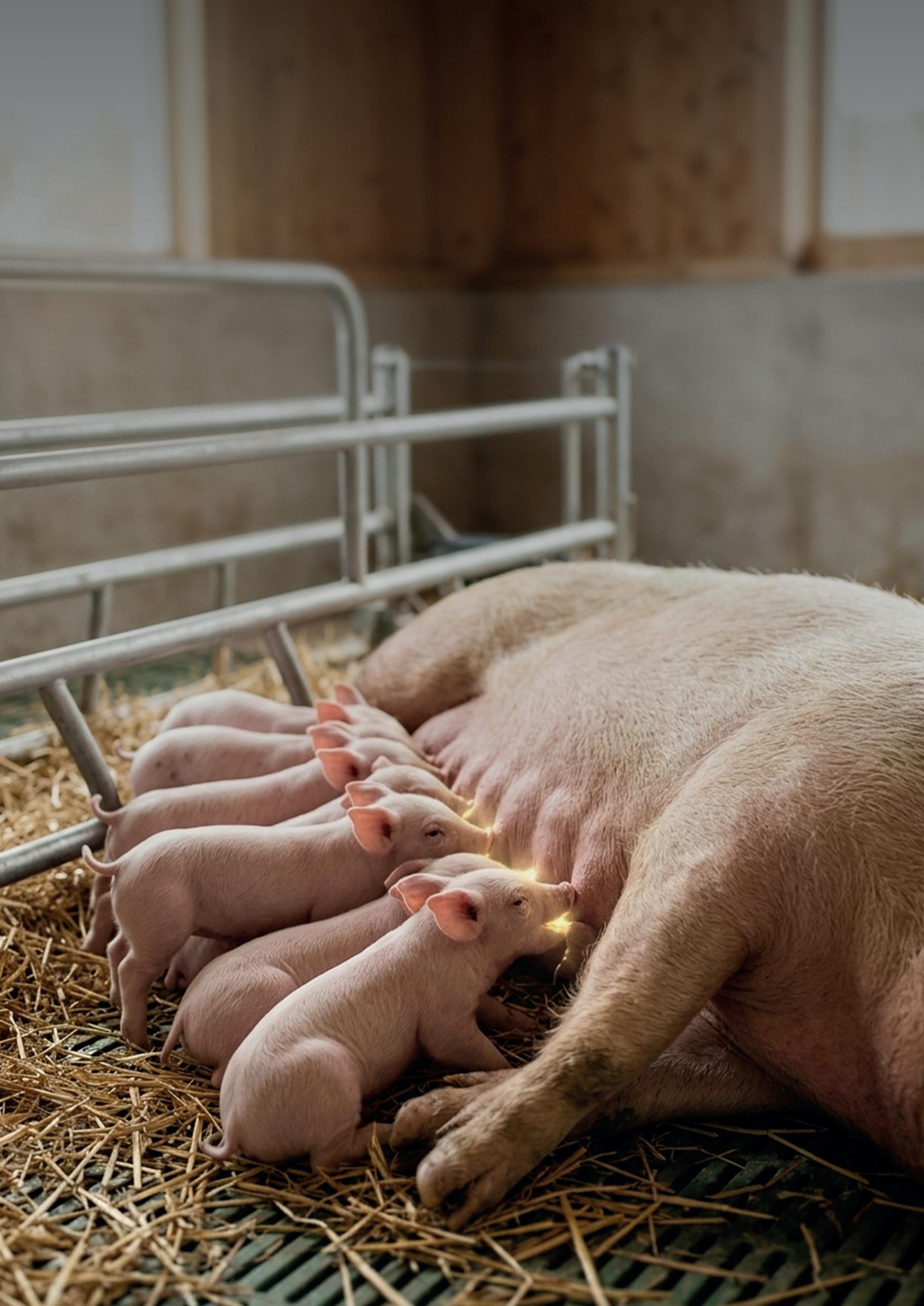
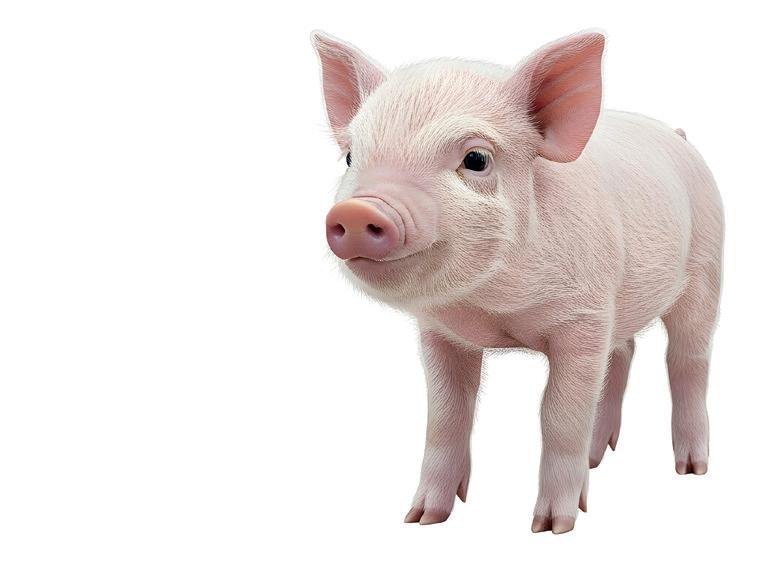
Colostrum represents the primary secretion of the mammary gland, produced by the sow exclusively within the first 24 hours post-partum. Often referred to as “liquid gold,” this biological matrix is characterized by a high density of immunoglobulins (IgG, IgA, IgM), bioactive peptides, growth factors (such as IGF-1 and EGF), highly assimilable nutrients, and specific probiotic and prebiotic components—all of which are indispensable for the transition to extra-uterine life and the development of the gastrointestinal tract (Costa et al., 2023).

Since the porcine placenta is epitheliochorial, it is impermeable to the transfer of antibody macromolecules during gestation. Consequently, the timely ingestion of colostrum serves as the sole vehicle for maternally derived antibody transfer (MDAT), or passive immunity.
Effective colostrum intake is not only a determinant for neonatal survival but also correlates directly with piglet vigour and long-term zootechnical performance. However, current selective pressure toward hyper prolific genetic lines has introduced significant physiological challenges: increased litter size is frequently associated with intrauterine growth restriction (IUGR) —leading to reduced average birth weights— and high birthweight heterogeneity
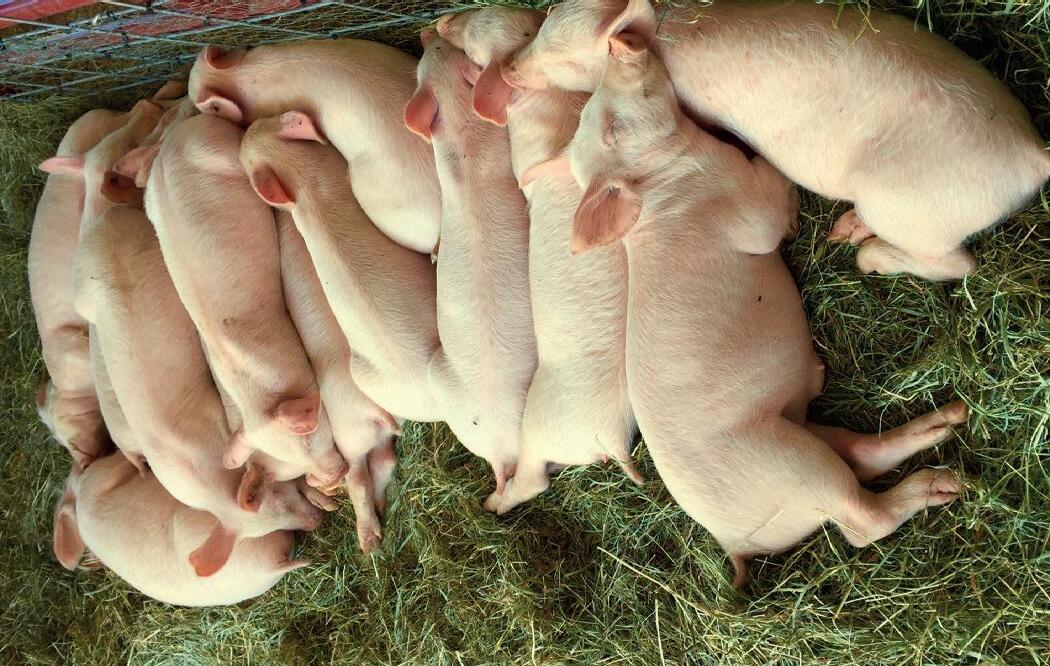
Litters exceeding 16–18 live-born piglets can surpass the sow’s functional nursing capacity, rendering the per capita colostrum availability insufficient to meet minimum requirements (optimum: 200-250 mg/piglet). This imbalance between colostrum supply and litter size compromises antibody transfer, thereby increasing susceptibility to pathogens and pre-weaning mortality rates.
Beyond quantitative variables, monitoring colostrum quality is fundamental. In this analysis, we will examine the biochemical properties of colostrum and the different factors that can influence its quality.
From a nutritional standpoint, porcine colostrum is characterized by a high protein concentration (approximately 16.5%) (Hurley, 2015). These proteins consist primarily of caseins (10–20%) and whey proteins, the latter of which are composed of over 80% immunoglobulins
Regarding the immunoglobulin profile, IgG is the most abundant, followed by IgA and IgM. While IgG and IgM are derived directly from maternal serum, approximately 60% of IgA is synthesized locally within the mammary gland via the gut-mammary axis. In this process, immune cells are activated in the maternal gut—specifically within the Peyer’s patches—and subsequently migrate through the systemic circulation to colonize the mammary gland.
This mechanism ensures the neonate is protected against specific pathogens encountered by the mother in her diet or immediate environment. These antibodies are transferred by enterocytes in the small intestine to the bloodstream of the piglet during the first 24 to 48 hours of life, providing a critical defence against bacterial and viral infections.
In terms of energetic macronutrients, colostrum initially contains relatively low concentrations of fat (6.5%) and lactose (2.8%). However, the biochemical composition undergoes rapid fluctuations in the hours following parturition. Within 24 hours, total protein levels drop to 7.7%, while fat and lactose concentrations rise to 8% and 4%, respectively. This transition toward mature milk continues rapidly; by the seventh day of lactation, average values for proteins, fats, and lactose stabilize around 5.4%, 7.5%, and 5.5% (Hurley, 2015).
Beyond the nutritional aspects, colostrum contains bioactive molecules including nucleotides, oligosaccharides, peptides, and organic acids. While these substances have been extensively documented in human and bovine colostrum, the metabolomic profile of sow colostrum remains a subject of ongoing research to better understand its impact on piglet health and growth performance (Picone et al., 2018).
Antimicrobial factors such as lactoferrin, lysozyme, and lactoperoxidase play a synergistic role in neonatal defence.
• Lactoferrin is a glycoprotein notable for its ability to sequester iron, thereby inhibiting the proliferation of pathogenic microorganisms through bacteriostatic and antibacterial action. This iron uptake mechanism also activates immune cells like macrophages, neutrophils, and lymphocytes while providing antioxidant benefits.
• Lactoperoxidase catalyzes the oxidation of thiocyanate in the presence of hydrogen peroxide to produce intermediates toxic to bacteria, showing bactericidal activity against Gram-negative bacteria and bacteriostatic effects on Gram-positive species.
• Lysozyme degrades the peptidoglycan in the cell walls of Gram-positive bacteria; its efficacy is enhanced by the synergistic action of lactoferrin.

Among the various metabolites, taurine—a non-proteogenic sulfonic amino acid—is particularly significant for its association with increased survival rates and weight gain. It is involved in several biological functions, including the development of the central nervous system and the conjugation of bile acids, which facilitates lipid absorption. Furthermore, it improves hepatic lipid and glucose metabolism, promotes the renal excretion of toxins, and supports the contractility of skeletal and cardiac muscles, thereby increasing cardiac output.
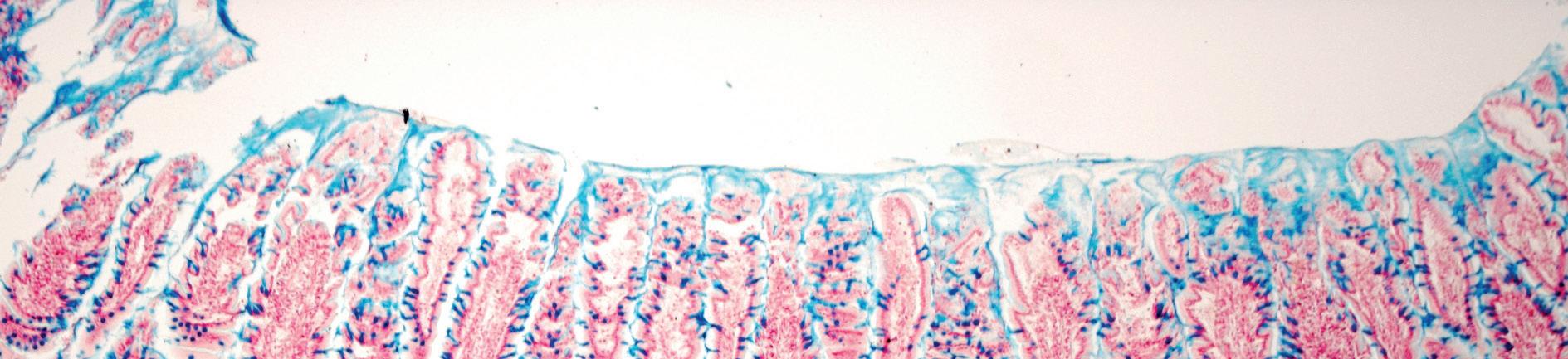
Colostrum also supports the proliferation and maturation of the intestinal epithelium through a high concentration of growth factors, including Insulin-like Growth Factors I and II (IGF-I, IGF-II), Transforming Growth Factor beta 1 and 2 (TGFbeta1, TGF-beta2), and Epidermal Growth Factor (EGF). Recent research by Stefan et al. (2023) correlated the intestinal morphological changes in piglets with birth weight and colostrum intake during the first 24 hours. The study found that a piglet weighing 700 g and consuming 100g of colostrum exhibited an intestinal morphology similar to a heavier piglet (900 g BW) consuming 200g of colostrum.
Conversely, piglets receiving only 50 g of colostrum developed severe intestinal lesions and diarrhoea, suggesting that an insufficient intake leads to irreversible morpho-structural changes that compromise absorptive capacity and long-term performance.
Further evidence from Langedjik et al. (2023) compared low-intake (< 250g) and high-intake (> 300g) groups, revealing that the physical size and weight of the ileum and colon were 9–15% lower in piglets with poor colostrum intake. This study also highlighted a significant correlation with weaning weight, as low-intake piglets weighed approximately 1 kg less at 23 days of age to their high-intake counterparts.
Interestingly, the impact extended to reproductive development, where most macroscopic and microscopic measures of the uterus and cervix were lower in sows that had received low colostrum quantities as neonates. These findings suggest that, beyond immediate survival, the early colostrum consumption has long-term programming effects on the organ’s growth.
Finally, a review by Boudry et al. (2008) analysed the inclusion of bovine colostrum in weaning diets (feed consumption: 50–100 g/kg). Weaning is a critical period where multiple stressors often trigger “leaky gut syndrome.” The review reported positive outcomes in both intestinal morphology—evidenced by increased villus height and reduced crypt depth—and intestinal eubiosis, characterized by higher concentrations of beneficial Lactobacilli and Bifidobacteria.
The physicochemical quality and volume of colostrum are primary determinants of neonatal survival, immune system development, and growth performance in piglets. Variability in colostral composition is driven by a complex interplay between genetics, nutrition, and sow management.
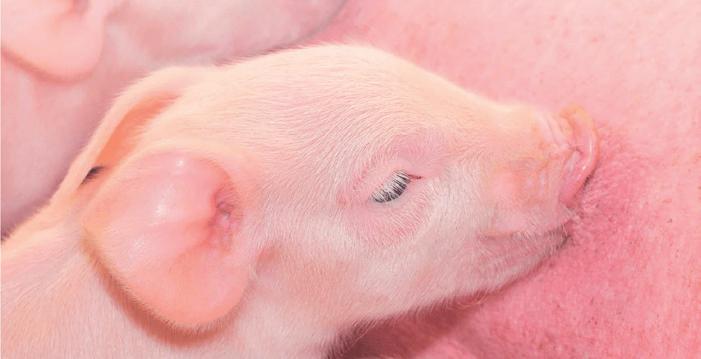
The genetic background of the sow plays a crucial role in modulating the biochemical profile of colostrum, influencing the concentrations of macromolecules (proteins, lipids, lactose), immunoglobulins, and secondary metabolites.
Recent research conducted at the University of Bologna has provided deep insights into the comparison between the primary breeds used in modern swine production: Duroc, Large White, and Landrace. According to studies by Amatucci et al. (2022), colostrum from Duroc sows is characterized by high total solids, resulting in a denser secretion with a superior lipid fraction. Immunologically, these sows produce colostrum with higher concentrations of IgG and IgA, potentially enhancing the transfer of passive immunity.
In contrast, white breeds (Large White and Landrace) exhibit a profile oriented toward the immediate metabolic homeostasis of the neonate. The high lactose concentration serves as the primary energy substrate for thermogenesis and closing the post-partum energy gap. The concurrent presence of elevated levels of creatine and taurine indicates a functional specialization in supporting muscular vitality and neonatal resilience (Picone et al., 2018).
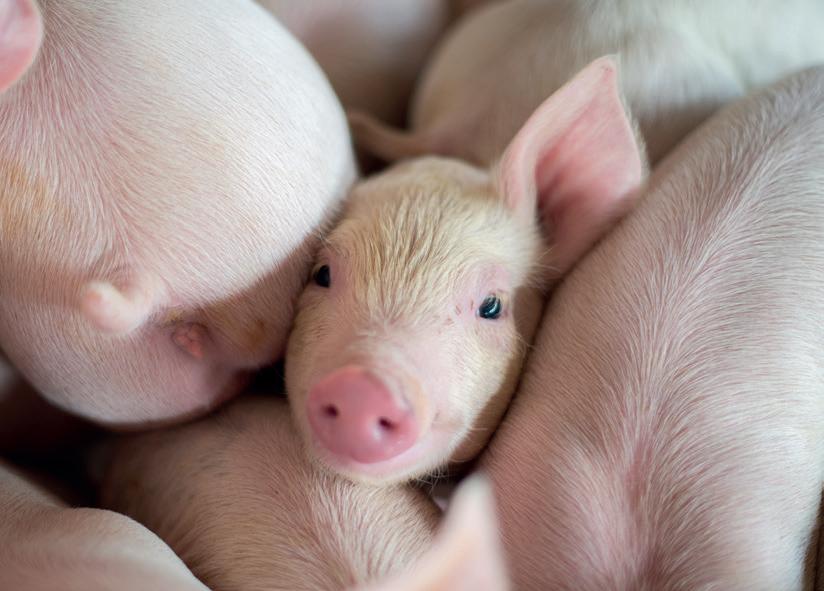
Beyond biochemical variations, seasonality exerts a significant impact on metabolites associated with oxidative stress and energy homeostasis (Picone et al., 2018). Fluctuations in compounds related to cellular bioenergetics between winter and summer suggest a plastic adaptation by the sow, aimed at modulating the nutritional profile of colostrum to optimize the litter’s thermal resilience.
• Winter: During low-temperature periods, a higher concentration of acetate is observed. This compound, fundamental for lipid synthesis, provides the piglet with the “fuel” necessary for thermogenesis, essential for counteracting environmental cold. Conversely, a drop in colostral creatine is noted in winter; if nutritional plans are inadequate during late gestation, maternal energy is diverted toward the sow’s own thermal maintenance and fetal development, reducing creatine secretion.
• Summer: Higher creatine values during the warm season suggest a better energy concentration in the colostrum. However, it is important to note that the reduction in feed intake caused by heat stress can ultimately compromise overall colostrum quality and composition.

Parity is not merely a chronological data point but a factor that transforms colostral composition (Segura et al., 2020). One of the most evident aspects concerns the balance between fats and carbohydrates:
• Primiparous sows: in young or first-parity sows, colostrum tends to be lower in volume but more concentrated and richer in lipids, a vital energy resource for piglets (Nuntapaitoon et al., 2020).
• Multiparous sows: as the sow matures, her production capacity increases drastically. This higher volume of secretion carries a higher concentration of lactose, which osmotically draws water into the mammary gland, leading to a natural “dilution” of the fat component (Beyer et al., 2007).
Beyond the nutritional aspects, parity plays a crucial role in the maturation of the mammary immune system. Normally the immunoglobulin profile is less rich in primiparous sows: for example, CarneyHinkle et al. (2013) found increased IgA concentrations in fourth parity sows. This occurs because IgA is largely derived from the gut-mammary axis: over time and through constant exposure to environmental stimuli, the mother refines her ability to transfer specific immune protection against local pathogens.
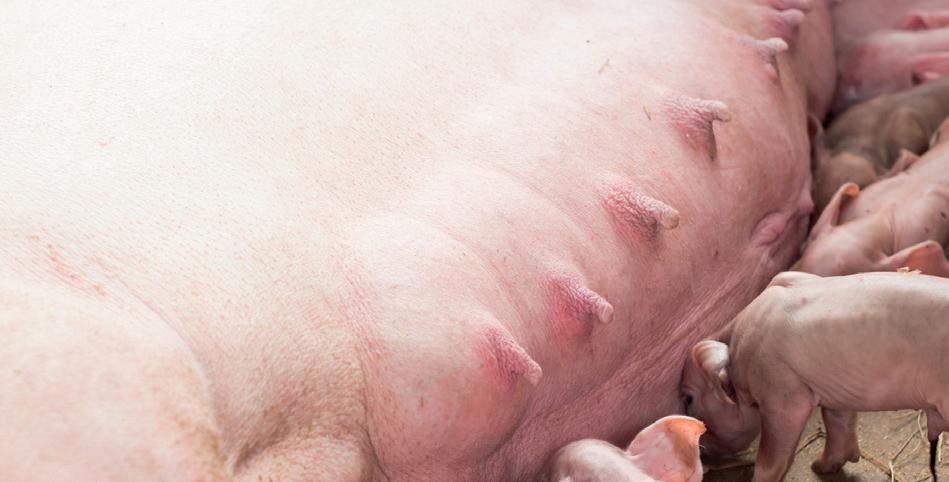
Finally, the health status of the mammary gland evolves across parities (Amatucci et al., 2022). Gilts (first-parity sows) typically show a higher Somatic Cell Count (SCC), signalling a gland still in the developmental phase or characterized by a less stable sanitary status compared to adult sows. As the reproductive career progresses, SCC decreases, reflecting a more efficient and mature mammary gland capable of optimal nutrient release.
Like milk composition, the physicochemical properties of colostrum exhibit high plasticity in response to the dietary strategies implemented for sows during late gestation. Scientific evidence confirms that the modulation of macronutrients in the maternal diet significantly influences colostrum quality, with direct implications for progeny vigour.
According to recent studies, supplementing a transition diet (last week pre-farrowing and one-week postfarrowing) with surplus metabolizable energy (ME), achieved through the inclusion of vegetable oils, results in an increased lipid content and an improved fatty acid profile in the colostrum. Concurrently, increasing dietary amino acid levels is correlated with higher concentrations of carnitine and citrate— key molecules for neonatal energy metabolism (Luise et al., 2026).
Furthermore, Luise et al. (2023) demonstrated that the addition of functional amino acids including branchedchain amino acids (BCAA) promoted de novo lipogenesis within the mammary gland and enhanced the casein content of the colostrum. Consequently, piglets born to sows fed enriched diets exhibited superior weight gain and growth indices during the early stages of life.
Similarly, providing arginine to sows during late gestation influenced the metabolic profile of colostrum promoting the creatine and nitric oxide pathways, reduced the stillborn piglets and lead to a higher proportion of heavier piglets at birth (Virdis et al., 2024).
Another critical aspect concerns the quantity and source of fibre provided to gestating sows. A recent study (Cong et al., 2025) indicates that administering a high-fibre diet (Crude Fiber 7.7%) during the final 30 days of gestation leads to the production of colostrum with higher protein and total solids content, as well as superior concentrations of IgA and IgM.
This enhancement in colostral composition is directly associated with an increase in average daily gain (ADG) and weaning weight. The specific source of fibre is equally fundamental. In this regard, Shang et al. (2019) highlighted that the inclusion of sugar beet pulp promotes an increase in IgA concentrations and the anti-inflammatory cytokine IL-10, significantly improving passive immunity and the anti-inflammatory properties of the colostrum.
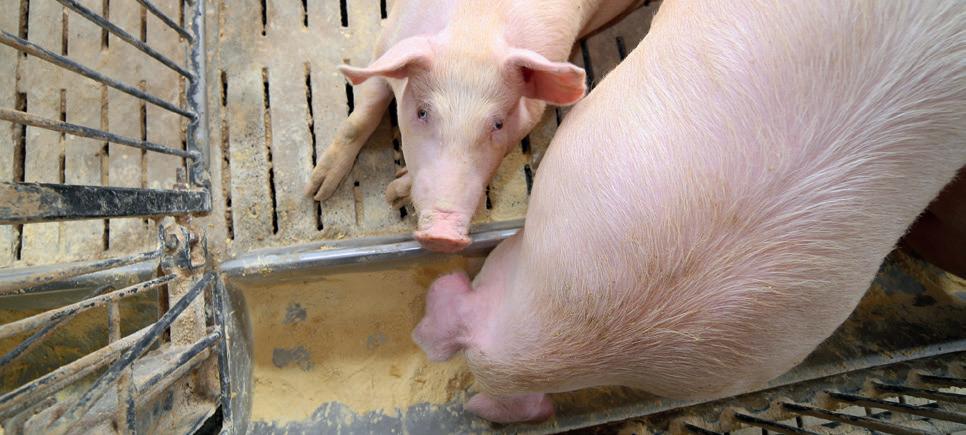
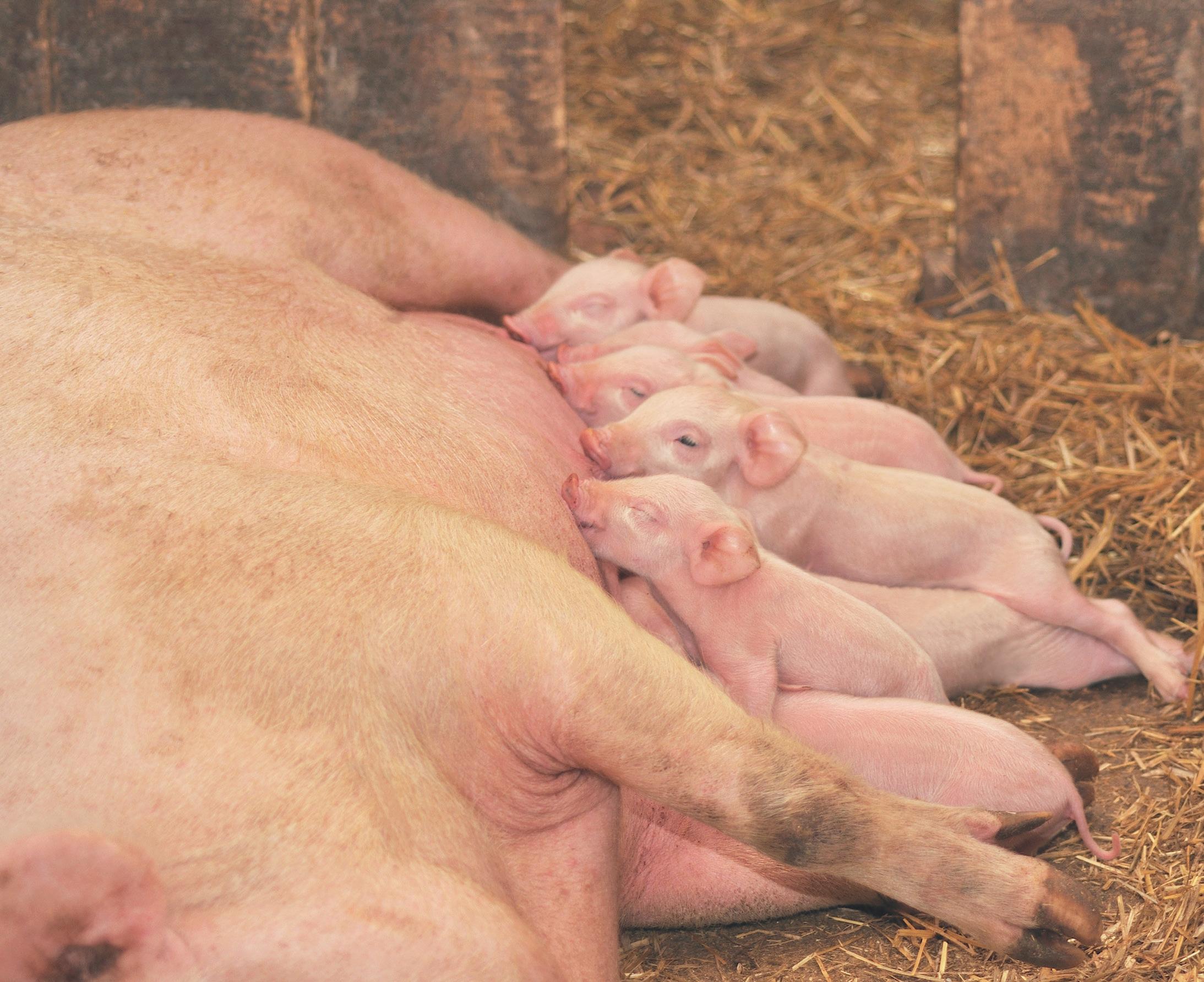
In a production context characterized by hyper-prolific genetic lines, colostrum is confirmed not only as a source of early nutrition but also as an essential multifactorial biological determinant for the success of the farm. Its nature as a complex matrix—rich in immunoglobulins, growth factors, and bioactive metabolites such as taurine—guarantees the bridging of the postnatal energy gap and the establishment of a fundamental passive immune barrier.
A deficit in the colostrum intake may result in irreversible intestinal lesions and lower zootechnical performance through weaning and beyond. Investing in the “colostrum phase” through maternal nutrition and management remains, therefore, the fundamental pillar for ensuring the resilience and profitability of modern livestock farming.
Sow Colostrum: composition, quality and strategical impact on survival and growth performance of the piglet DOWNLOAD PDF
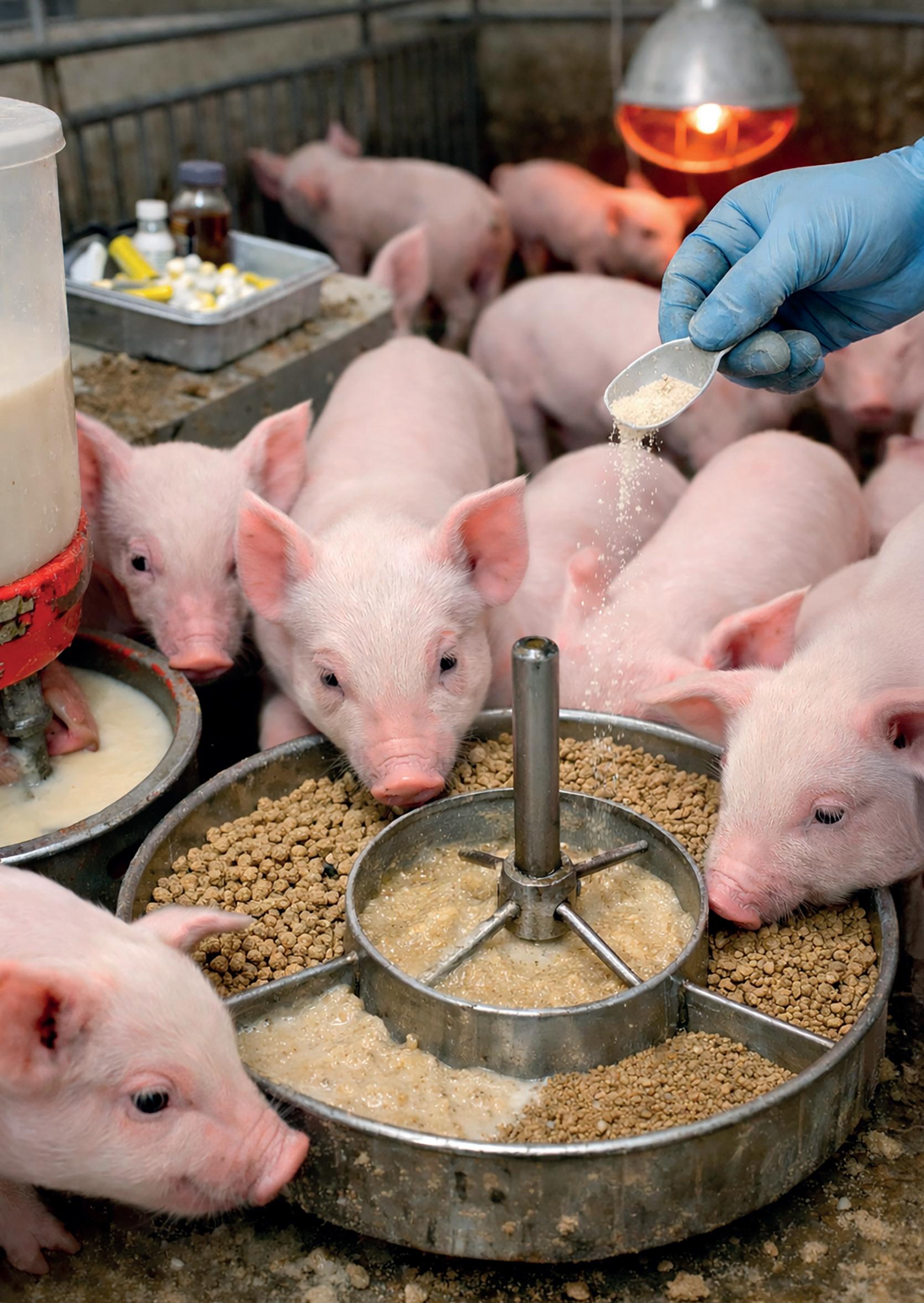
Alberto Morillo Alujas DVM, PhD, Nutritionist, MSc Statistics, and Consultant at Tests and Trials, S.L.U
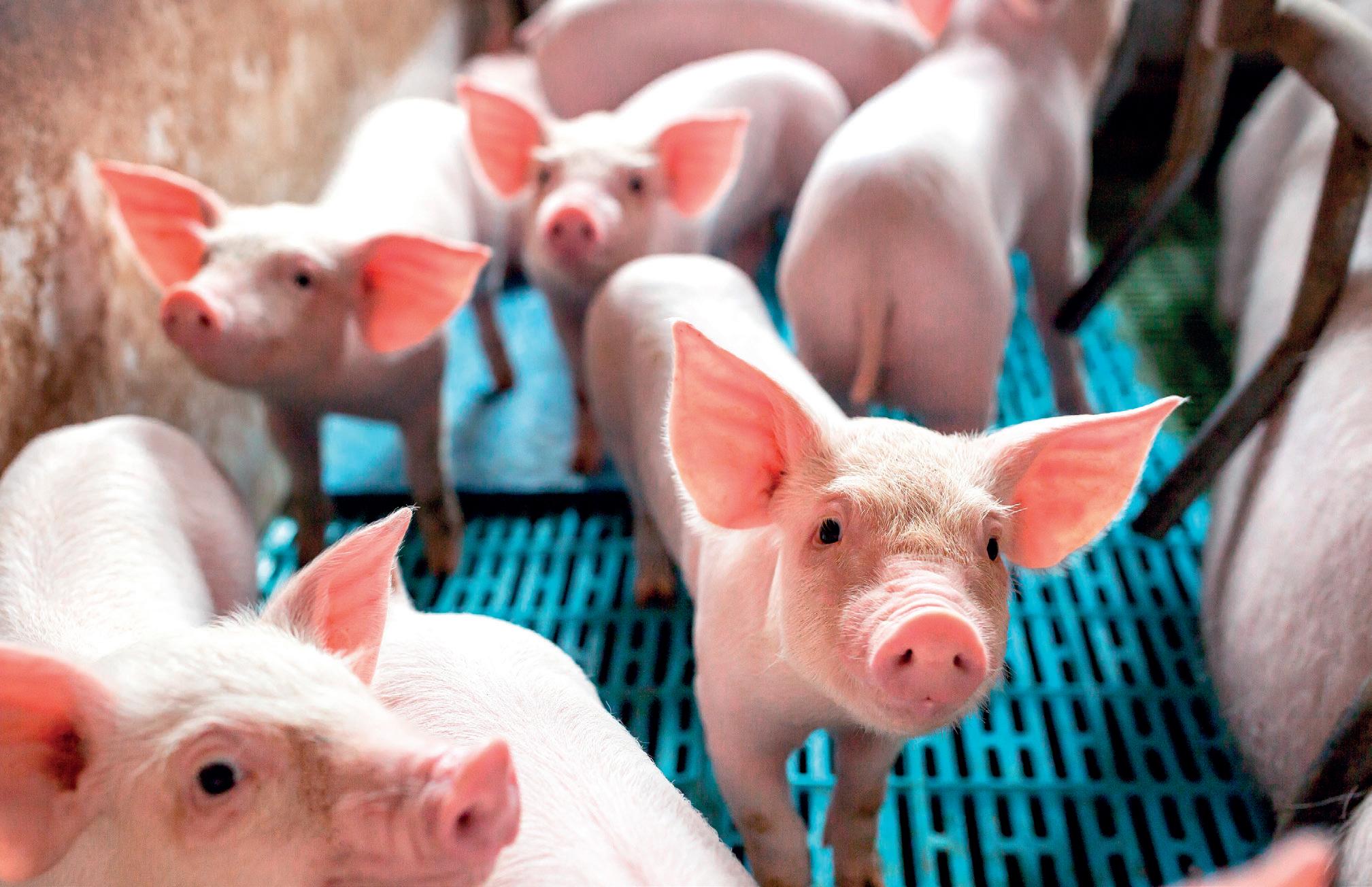
Porcine Reproductive and Respiratory Syndrome (PRRS) represents one of the greatest global threats to the swine industry, not only because of its direct effects on the reproductive and respiratory systems, but also because of its profound impact on the animal's systemic and metabolic health.

Active Feeding represents a paradigm shift from conventional nutritional support to a targeted intervention that addresses the central pathophysiological causes of PRRS virus (PRRSv) infection.
This strategy is based on the principle of the "intestine-lung axis" which recognizes the interconnection between the gut microbiota and the respiratory immune response.
By selectively modulating the gut microbiome and providing specific immune-nutritional support , it is possible to:
Counteract virus-induced inflammation.
Optimize nutrient utilization.
Improve the inherent resilience of the host.
Key recommendations include:
The incorporation of speci c probiotics and prebiotics, such as mannan-oligosaccharides (MOS), to promote the proliferation of bene cial bacterial genera such as Prevotellaceae-NK3B31 and Prevotella, while suppressing pathogens such as Campylobacter and Desulfovibrio.
The inclusion of functional ingredients that mitigate systemic in ammation and promote rapid growth.
The implementation of this strategy is expected to result in a reduction in clinical signs (e.g., lower fever, less diarrhea), an improvement in production parameters (such as daily weight gain and feed efficiency), and a overall strengthening of the animal's immune system, which translates into greater profitability and sustainability in pig production.
PRRSv is a positive-sense single-stranded RNA virus belonging to the Arteriviridae family, which poses a significant challenge to the global swine industry, mainly due to its ability to cause reproductive disorders in sows and a debilitating respiratory disease in piglets.
Clinical signs in piglets include fever, tachypnea, dyspnea, diarrhea, and growth retardation. These clinical manifestations are exacerbated by secondary bacterial infections that increase morbidity and mortality.
PRRSv infection induces a complex and often ineffective immune response which, in turn, represents a costly physiological burden in

The body diverts valuable metabolic resources, which would normally be devoted to growth and tissue synthesis, to activate the nonspecific immune response and fight the virus.
This diversion of energy and nutrients largely explains the reduced feed intake and suppressed growth observed ininfected piglets.
The impact of PRRSv should not be considered a localized problem in the respiratory tract, but rather a systemic and multifaceted disease that entails significant energy and metabolic costs, directly affecting productivity.
The host's resistance to the PRRS virus is influenced by a combination of
A crucial component of this environment is the endogenous microenvironment formed by the gut microbiota1
Resistance is not simply about avoiding infection, but about how the animal responds to it.

This approach contrasts with that of susceptible animals, which have a high viral load and low or no weight gain1 .
The optimal response is defined by a low viral load and high weight gain, even after infection.

The concept of resistance to viral challenge, where the animal maintains its productive performance despite infection, is the fundamental objective of a proactive feeding strategy.
Evidence that the microbiota influences the host response lays the foundation for a nutritional intervention that not only alleviates symptoms but also strengthens the piglet's inherent ability to resist and recover from infection.
The gut-lung axis is a system of interaction mediated by the gut microbiota..
Research has demonstrated a close relationship between the composition of the gut microbiota and respiratory infections, suggesting that gut microorganisms may influence lung health¹
PRRSv infection causes a drastic alteration in the intestinal microbial community, disrupting the balance and stability that characterize a healthy microbiota¹.
Studies by Wang et al. (2000) , and Argüello et al. (2011) indicate an increase in the abundance and diversity of the intestinal microbiota after infection with PRRSv, a finding that suggests a disruption of the homeostatic state ofthe microbial ecosystem..
For example, it has been observed that a highly virulent strain of PRRSv induces earlier and more aggressive dysbiosis, including a reduction in microbial diversity and the loss of beneficial commensal anaerobic bacteria such as Roseburia, Anaerostipes, Butyricicoccus, and Prevotella.
This alteration in the microbiome correlates with more severe clinical symptoms and viremia.
The findings demonstrate a bidirectional physiological interaction where pulmonary inflammation and systemic stress contribute to intestinal dysbiosis, and this dysbiosis, in turn, can exacerbate the overall clinical picture.
The composition of the gut microbiome is a determining factor in the clinical prognosis of infectious diseases.
For example, piglets that show better clinical outcomes after co-infection with PRRSv and circovirus type 2 (PCV2) have greater microbial diversity in their fecal microbiome.
Conversely, pigs with poorer outcomes have lower microbial diversity, suggesting that microbiome diversity may be a protective factor and an indicator of resilience.
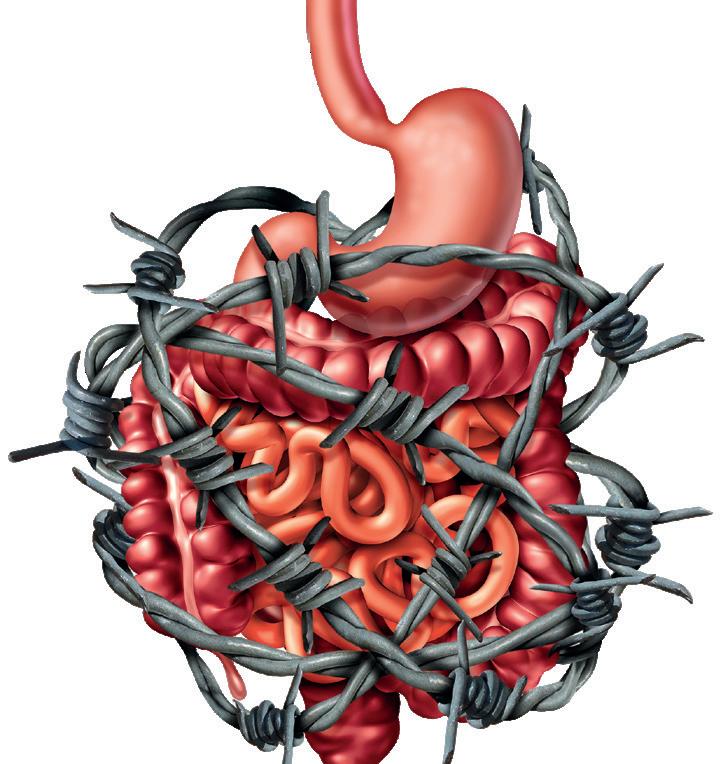
The state of inflammatory and metabolic stress induced by infection alters the balance of the microbiome, creating an intestinal environment that is less favorable for commensal anaerobic bacteria and more prone to the proliferation of opportunistic pathogens.
This alteration is clearly observed in the correlation between the abundance of certain bacteria and the severity of the disease.
The reduction of desirable anaerobic bacteria, such as those of the genus Prevotella, has been directly correlated with the severity of infection, suggesting a clear causality in which a weakened microbiome contributes to more severe disease1 .
This negative cycle (disease causing dysbiosis and dysbiosis worsening the disease) highlights the need for nutritional intervention to break this pattern.
The abundance and diversity of beneficial bacteria, such as the PrevotellaceaeNK3B31 group, are associated with a lower viral load and greater weight gain in resistant pigs 1
Other beneficial genera identified include Prevotella and Faecalibacterium, and the Ruminococcaceae family, whose abundance correlates negatively withdisease severity.
Pathogenic or opportunistic genera associated with worse clinical outcomes have been identified. Campylobacter and Desulfovibrio are found in greater abundance in susceptible pigs, with these genera being associated with diarrhea and immune system

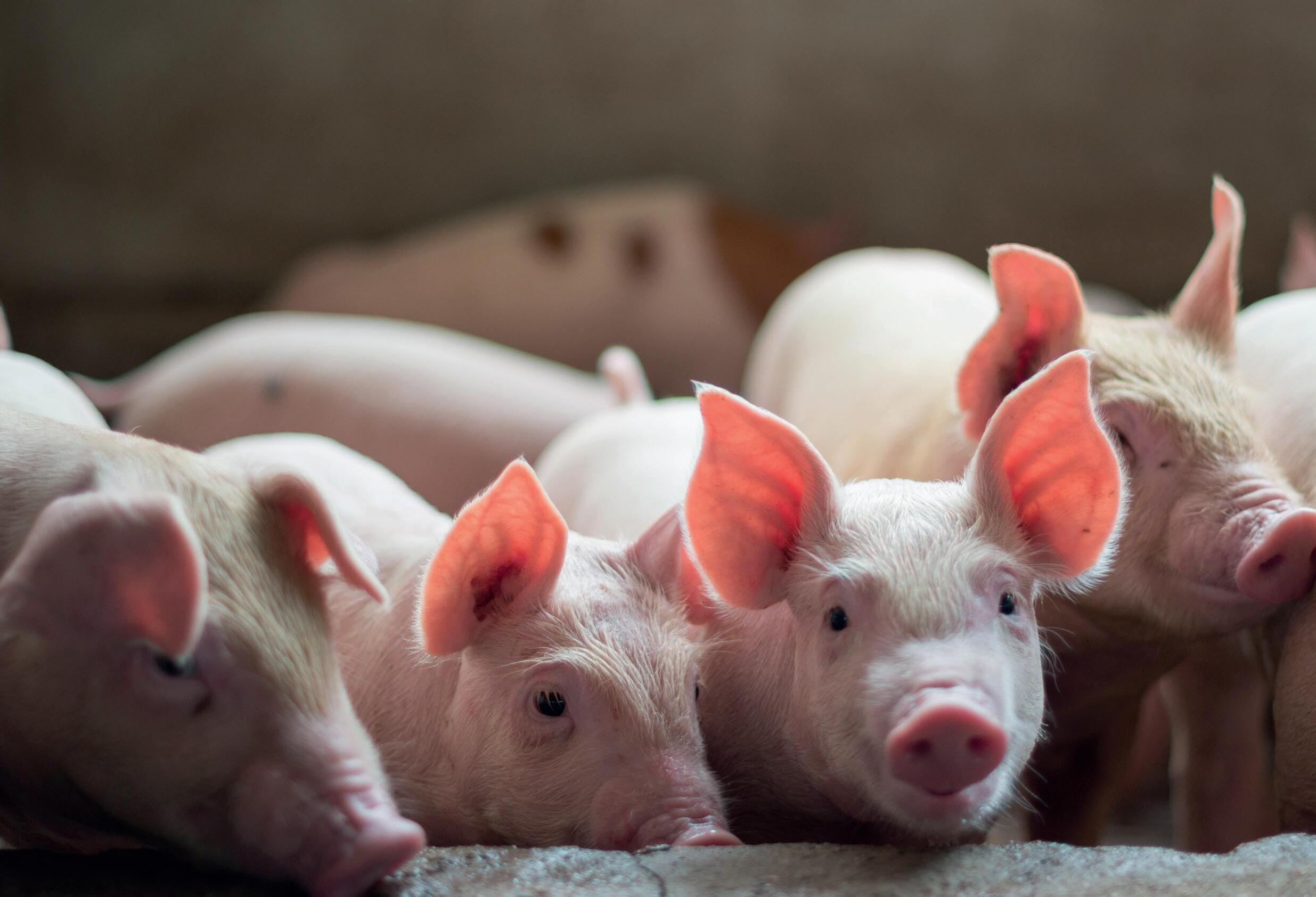
Analysis of the gut microbiome has identified specific bacterial genera that correlate positively or negatively with the pig's response to PRRSv infection.
These findings provide a scientific basis for designing an Active Feeding strategy that actively promotes the proliferation of beneficial bacteria and the suppression of harmful ones.


The Table 1 summarizes the "Microbiome Plan under the concept of Active Feeding ” providing guidance for diet formulation.
Table 1. The microbiome model within the Active Feeding concept.
Bacterial genus
Prevotellaceae-NK3B31 group
Prevotella
Ruminococcaceae
Fecal bacteria
Campylobacter
Desulfovibrio
Christensenellaceae Group R7
Parabacteroides
Treponema
Metanobrevibacter
Association with PRRSv response
Positively correlated with weight gain and negatively correlated with viral load1
Negatively correlated with disease severity1
Greater abundance in resistant pigs; promotes intestinal barrier function1
Negatively correlated with disease severity1
High abundance in susceptible pigs; associated with diarrhea1
High abundance in susceptible pigs; associated with immune imbalance1
High abundance in susceptible pigs; negatively correlated with weight gain1
Positively correlated with viral load and negatively correlated with weight gain1
Abundance in pigs infected with a virulent strain
Greater abundance in infected pigs; associated with low growth rate1
Diet goal
Promote your abundance
Eliminate your excess
A key finding is that differences in microbiome composition already existed prior to PRRSv infection in pigs that subsequently showed resistance or susceptibility phenotypes.
This observation transforms the perspective on nutrition:
Rather than being a reactive therapy for sick animals, Active Feeding is a proactive strategy for developing a state of metabolic and microbiological resilience from the outset.
The goal is not simply to cure the animal, but to strengthen its ability to resist the most serious effects of the virus before infection occurs.
By promoting a resilient microbiome with the right bacteria, the animal is able to manage viral load and inflammatory response more effectively, allowing it to maintain productive performance even under adverse conditions.

This strategy focuses disease management on preventing the most serious manifestations, approaching animal health from a long-term welfare perspective. long-term well-being.
Probiotics and prebiotics probiotics and prebiotics are key components of the Active Feeding strategy, as they they act directly on the gut microbiome to modulate the host response.
Probiotics, such as Bacillus subtilis and Lactobacillus acidophilus, act by:
Competitive exclusion of pathogens.
Production of antimicrobial compounds.
Improved nutrient digestibility.
Their most important function in the context of PRRSv is their ability to act as immunomodulators, enhancing macrophage activity and increasing local antibody levels4
Prebiotics are non-digestible ingredients that serve as a substrate for the selective proliferation of beneficial microorganisms in the gastrointestinal tract12 .
This promotes healthy microbiota, which in turn
anti-inflammatory and immunomodulatory core
The systemic immune response to PRRSv, while necessary, is the main cause of pathological symptoms such as fever and inflammation.
The goal of an Active Feeding diet is to mitigate these negative effects.
Research on mannan-oligosaccharides (MOS) is an ideal case study for this approach:
Piglets fed MOS and exposed to PRRSv show reduced fever and improved feed-to-weight gain ( F:G)12
Analysis of immune mediators shows that pigs fed MOS have a lower concentration of TNF- α and a higher concentration of IL-10 12 .
This evidence demonstrates that diet can reduce the inflammatory burden that disease imposes on pig metabolism, allowing energy to be redirected toward growth and recovery.
Therefore, the ingredient matrix of an Active Feeding diet must include components that act in this way.
Parameter
Conversion index (F:G)
Rectal temperature (RT)
TNF-α
IL-10
White blood cells
Lymphocytes
Findings in PRRSv-infected pigs fed MOS Functional involvement
Improvement during days 7 to 14 after infection (P = 0.041)
Decreases on days 7 and 10 after infection (P < 0.01) compared to pigs in the control group.
Reduced serum concentrations on day 14 after infection (P = 0.028)
Increase in serum concentrations on day 14 after infection (P = 0.036)
Increase on days 3 and 7 after infection
Increase on day 7 after infection
Improving feed efficiency and productive performance
Reduction of fever, which decreases metabolic energy expenditure
Decreased proinflammatory response
Increased anti-inflammatory response, promoting immune balance
Strengthening the immune system in the early stages of infection
Support for cellular immune response
Functional proteins such as dehydrated plasma and egg derivatives can also improve intestinal barrier function and modulate the immune response, reinforcing the core principles of this strategy.
By limiting systemic inflammation, nutritional efficiency is maximized and productivity is improved even in sick animals.
The Active Feeding strategy should be implemented gradually to maximize its effectiveness.
This diet should be administered to all piglets from weaning, regardless of their health status.
The objective is to develop a robust and resilient microbiome before any potential exposure to viruses.
The approach focuses on prebiotics and a multispecies probiotic blend that promotes the bene cial genera that have been identi ed.
Additionally, functional proteins, such as plasma-derived and egg-derived products, are essential to reduce in ammation and support intestinal structure.
PHASE I PROACTIVE 1
PHASE II REACTIVE 2
infection, the diet should be adjusted to include a higher concentration of key components.
This phase aims to counteract the impact of the disease by increasing high-energy-density nutrients and immunomodulatory components to support recovery.

Recommended ingredient profile
The Active Feeding diet should be formulated with ingredients that not only provide basic nutrients, but also exert a specific physiological effect.
Highly digestible protein sources should be prioritized to reduce intestinal load while providing the amino acids required for immune response and growth.
The inclusion of proteins such as spray-dried plasma and egg-derived compounds is valuable, as they have been shown to improve intestinal barrier function and modulate the immune response.
The formulation should ensure optimal levels of vitamins and minerals, as they are essential cofactors in immune function and metabolic processes.
MOS (mannan oligosaccharides) should be a central component due to their proven ability to reduce in ammation and improve feed e ciency in piglets infected with PRRSv.
The inclusion of other fermentable bers should be considered to stimulate colonic fermentation.
It is recommended to include high-quality fats, such as omega-3 polyunsaturated fatty acids.
These fatty acids have been shown to exert anti-in ammatory e ects in humans and are a dense energy source associated with lower in ammatory responses.
A multispecies probiotic blend is recommended, including strains of Lactobacillus and Bi dobacterium, which are known for their ability to strengthen immunity and suppress the growth of pathogens.
The goal should be a formulation that promotes the abundance of the bene cial genera identi ed in this article.
The Active Feeding for PRRSv-positive weaned piglets is a science-based approach that addresses infection with this virus not only as a respiratory disease, but as a systemic condition influenced by the gut-lung axis.
Evidence shows that the composition of the gut microbiome is a determining factor in the outcome of the disease and that the most resistant piglets have a specific microbial profile even before exposure to the virus.
By incorporating components such as MOS and probiotic blends that reduce inflammatory burden and improve metabolic efficiency, the diet does more than just treat symptoms; it enhances the animal's ability to mitigate the most devastating effects of infection.
‘Active Feeding’ nutritional strategy in PRRS-positive weaned piglets DOWNLOAD PDF
This proactive strategy, by promoting a resilient microbiome from weaning onwards, has the potential to significantly improve the health and well-being of pigs, resulting in superior production performance and greater long-term sustainability in the swine industry.

INTRODUCTION
CELMANAX™ is a multicomponent, all-natural feed supplement containing Refined Functional Carbohydrates™ (RFC™) that has Generally Recognized as Safe (GRAS) status as a feed ingredient.
STUDY OVERVIEW
Two independent studies1,2 were done to evaluate the effect of CELMANAX supplementation in broiler breeder and broiler diets on Salmonella prevalence.
Study 11
A total of 1,040 one-day-old broiler breeders were reared in 16 pens (60 – 65 females per pen and 8 – 18 males per pen; 8 pens per treatment)
Broiler breeders were fed 0 or 50 g/MT of CELMANAX SCP
Eggs from 51-week-old breeder hens were collected and hatched, and male progeny broiler chicks were fed diets supplemented with 0 or 50 g/MT of CELMANAX SCP
All broilers (n=192) were tested for cecal Salmonella spp. at 34 days of age
Ceca were collected from breeder hens (n=28 – 30) from each treatment group at 23 and 64 weeks of age and tested for Salmonella prevalence
Breeder performance was measured
Study 22
One-day-old Ross Broiler chicks sorted by sex were allotted to 24 replicate pens of 12 broilers each per diet per sex and fed either 0 or 50 g/MT of CELMANAX SCP
Broilers were fed a standard starter, grower and finisher diet
Broiler pens were tested for Salmonella prevalence in the litter
Salmonella prevalence was also tested in broiler ceca
Broiler performance was measured
1 Walker et al. Poult Sci 2017;96(8):2684-2690.
2 Walker et al. Poult Sci 2018;97:1412–1419.
In study 1, control broiler breeder hens had 71.43% and 40.00% prevalence of Salmonella in the ceca, while hens fed CELMANAX had zero prevalence of Salmonella (P<0.01) (Figure 1).
Breeders at 23 weeks Breeders at 64 weeks
1. Treatment effects on % prevalence of Salmonella in breeder hen ceca in Study 1.
In study 1, broiler progeny from hens fed the control diet and receiving control broiler diets had 12.5% prevalence of Salmonella in the ceca whereas broilers from CELMANAX-fed hens and receiving 0 or 50 g/MT of CELMANAX in the broiler diets had zero prevalence of Salmonella at 34-day sampling (Figure 2).
Figure 2. Breeder and broiler treatment effects on % prevalence of Salmonella in broiler ceca in Study 1.
In study 2, Salmonella spp. was isolated from litter from 7 of 48 (14.58%) control-fed broiler pens, but none (0%) were isolated from CELMANAX-fed pens (P≤0.05) (Figure 3).
Figure 3. Broiler treatment effects on % incidence of Salmonella presence in litter in Study 2
Broiler cecal sampling for Salmonella at 44 days of age and 55 days of age confirmed 45.83% and 29.17% prevalence respectively in control-fed broilers, but none from pens fed CELMANAX (Figure 4) CELMANAX-fed female broilers had a tendency for improved body weight and feed-conversion ratio (data not presented).
Figure 4. Treatment effects on % prevalence of Salmonella in ceca of broilers in Study 2
CELMANAX supplementation in broiler breeder and broiler diets significantly reduced prevalence of Salmonella in the litter and ceca, thus supporting its benefit in a multifactorial Salmonella mitigation strategy in poultry production.

CELMANAX supplementation in broiler breeder and broiler diets reduced prevalence of Salmonella
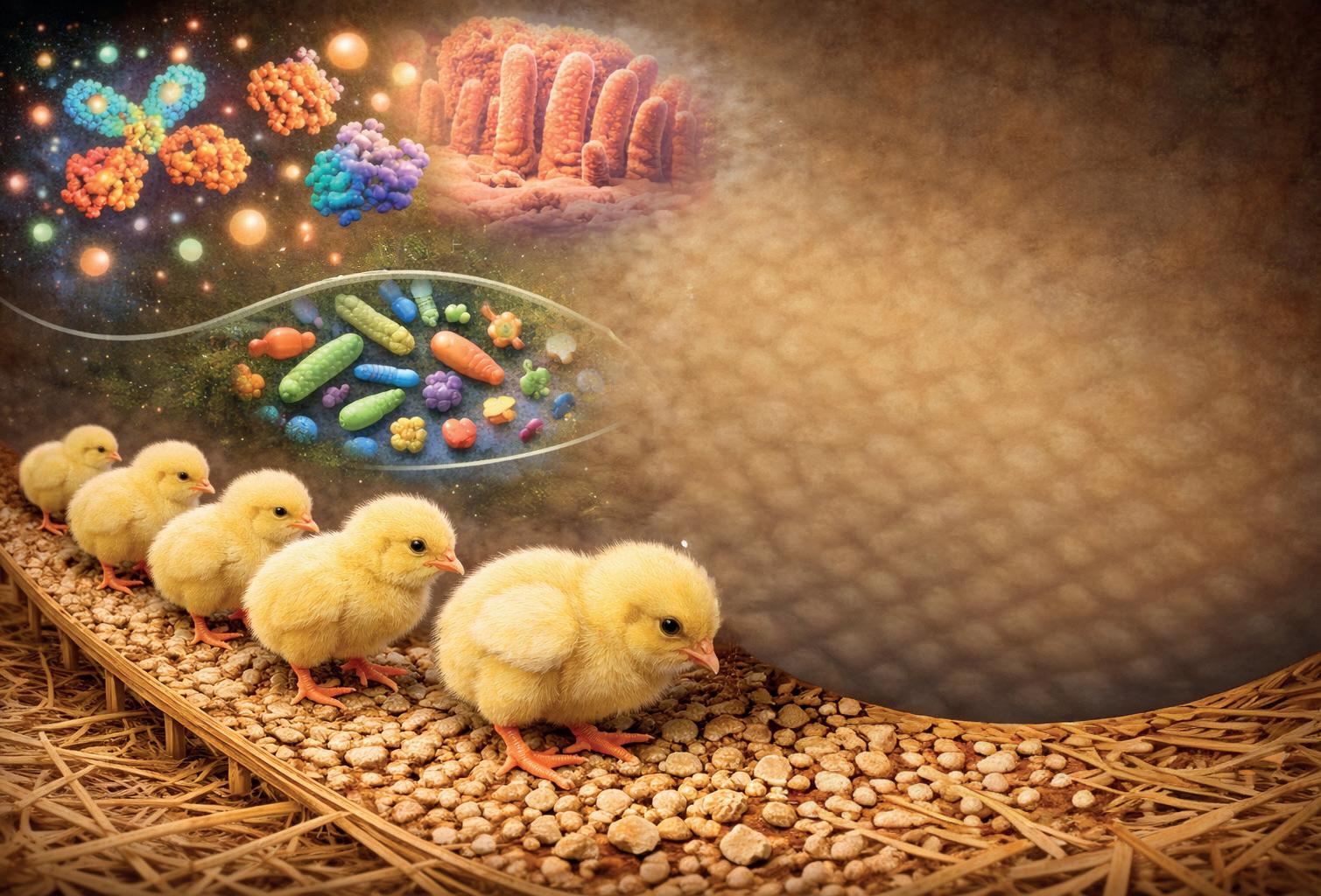
Edgar O. Oviedo Rondón DVM, PhD., MBA. Professor and Extension Specialist
Prestage Department of Poultry Science, North Carolina State University
The nutrient composition and quality of the first feed for broiler chickens dictate their muscle cell proliferation, development of digestive tract organs, microbiota, immunity, and intestinal enzyme activities. The length of the first feeding phase often depends on delivery logistics, including flock sizes and transportation capabilities from the feed mill to farms.
In recent years, starter and pre-starter diets have been adopted by most broiler producers worldwide. These diets may last for 3 to 4 days or up to 10 days. Given the importance of this phase for final flock meat productivity, health, and welfare, this article will highlight key research results to highlight critical nutritional decisions that may help enhance productivity and reduce common issues in broiler production. This article will focus on energy and digestible amino acid levels due to article size limitations.

Energy is not a nutrient, per se, but a property of energy-yielding nutrients (carbohydrates, lipids, and protein). The apparent metabolizable energy (AME) of a practical diet decreased rapidly from day 3 or 4 posthatch, reaching a low point at 6–9 days of age before increasing again to 14 days of age. At 14 days of age, the dietary AME is generally 10% higher than that on day 9.
All recent studies show that broilers perform better on starter diets with energy levels between 2,900 kcal/kg (12.13 MJ/kg) and 3,050 kcal/kg (12.76 MJ/kg) of metabolizable energy (ME) during the first 10 days of life. The recommendations for energy concentration in starter diets from genetic companies vary across these values (Table 1). Little benefit has been observed from using higher energy concentrations early in life. A common cornsoybean diet may need to supplement with fat to reach energy levels above the recommended level. However, most fat sources have low digestibility (< 60%) during the first week of life (Figure 1).

There is evidence that some nutrient requirements of broiler chickens, especially digestible amino acids, may be higher than the current recommendations during the first 10 days of life. Table 1 summarizes the most recent amino acid recommendations from genetic companies for broilers from 0 to 10 days of age. There is some variability in the recommended amino acid levels across diverse genetic lines. These differences are due to the expected target weights and age at slaughter, or desired carcass and meat yields. The ideal protein profiles are very similar among genetic lines.
The maximum recommended level for digestible lysine (digLys) is 1.32% in starter or pre-starter diets. However, recent studies have shown that broilers may respond significantly better when the first diet fed for 10 days contains digLys levels of 1.36% for Ross 308 AP or 1.37% for Cobb 500 or Cobb 800, respectively.
Higher amino acid concentrations during the starter phase have shown some performance benefits under experimental conditions with low stocking density and new litter. Consequently, that data should be evaluated carefully to apply it to commercial conditions with multiple stressful factors and immunological challenges.
Figure 2 displays the results published by An and Kong (2025) on the body weight and feed efficiency (gain-to-feed ratio) of Ross 308 AP broilers at 7 and 28 days of age, fed starter diets from 0 to 7 days with levels of digLys ranging from 1.12% to 1.43%. All other amino acids were also increased using an ideal protein profile similar to that recommended by the genetic line. These experimental diets contained between 3,158 and 3,204 kcal/kg of MEn. Linear effects on body weight were observed at both ages but were more pronounced at 28 days. Feed efficiency showed a quadratic effect of amino acid concentration, with a maximum at 1.36% digLys and no further change beyond 1.30% digLys at 28 days of age.
Table 1. Energy, crude protein, digestible amino acid recommendations, and ideal protein profiles for broilers from 0 to 10 days of age. Genetic line and year
Ideal protein profile, %
BW 7d, g BW 28d, g
BW 7d, g BW 28d, g 0,60 0,65 0,70 0,75 0,80 0,85 0,90 0,95 1,00 1,05 1,10
Digestible lysine 0 -10 d, %
Digestible lysine 0 -10 d, %
Figure 2. Body weight (A) and feed efficiency (B) of Ross 308 AP broilers at 7 and 28 days of age fed starter diets with amino acids varying in concentration based on digestible lysine concentration between 1.12% and 1.43%. Source: An and Kong, 2025.
In a 2017 article in the journal Animal Nutrition, Ivanovich et al. demonstrated that Cobb 500 broilers could benefit from starter diets containing amino acid levels guided by digLys, reaching 1.37% from 0 to 10 days of age. Two energy levels (2,900 and 3,000 kcal/kg) were evaluated in this factorial experiment. Their results indicated that body weight increased as the digestible amino acid density of the starter diet increased from 1.19 to 1.37% over the first 10 days and throughout the 39-day study (Figure 3).
Broilers fed 1.37% digLys, and all other amino acids, increased following Cobb’s ideal protein profile, presented a better feed conversion ratio on day 10. Amino acid levels during the starter phase affect the development of the carcass, muscle, and organs. On day 39, carcass weight and breast yield increased as the digestible amino acid levels increased. The whole intestine length, small intestine length, and weights of the pancreas were lower in birds fed the lowest amino acid levels at 10 days of age.
Amino acids affect digestive physiology. Increasing dietary amino acids and ME did not affect serum amylase, lipase, and protease concentrations and pancreatic amylase and lipase activity. However, pancreatic protease activity increased with increasing amino acid levels. The villus width and villus surface area increased as the amino acid level increased
At 10 days of age, crypt depth was the lowest in the broilers fed plenty of amino acids in the starter diets. The authors recommended that Cobb 500 chickens be fed diets containing 1.37% digLys and 2,900 kcal/kg in the starter phase to achieve the best results.
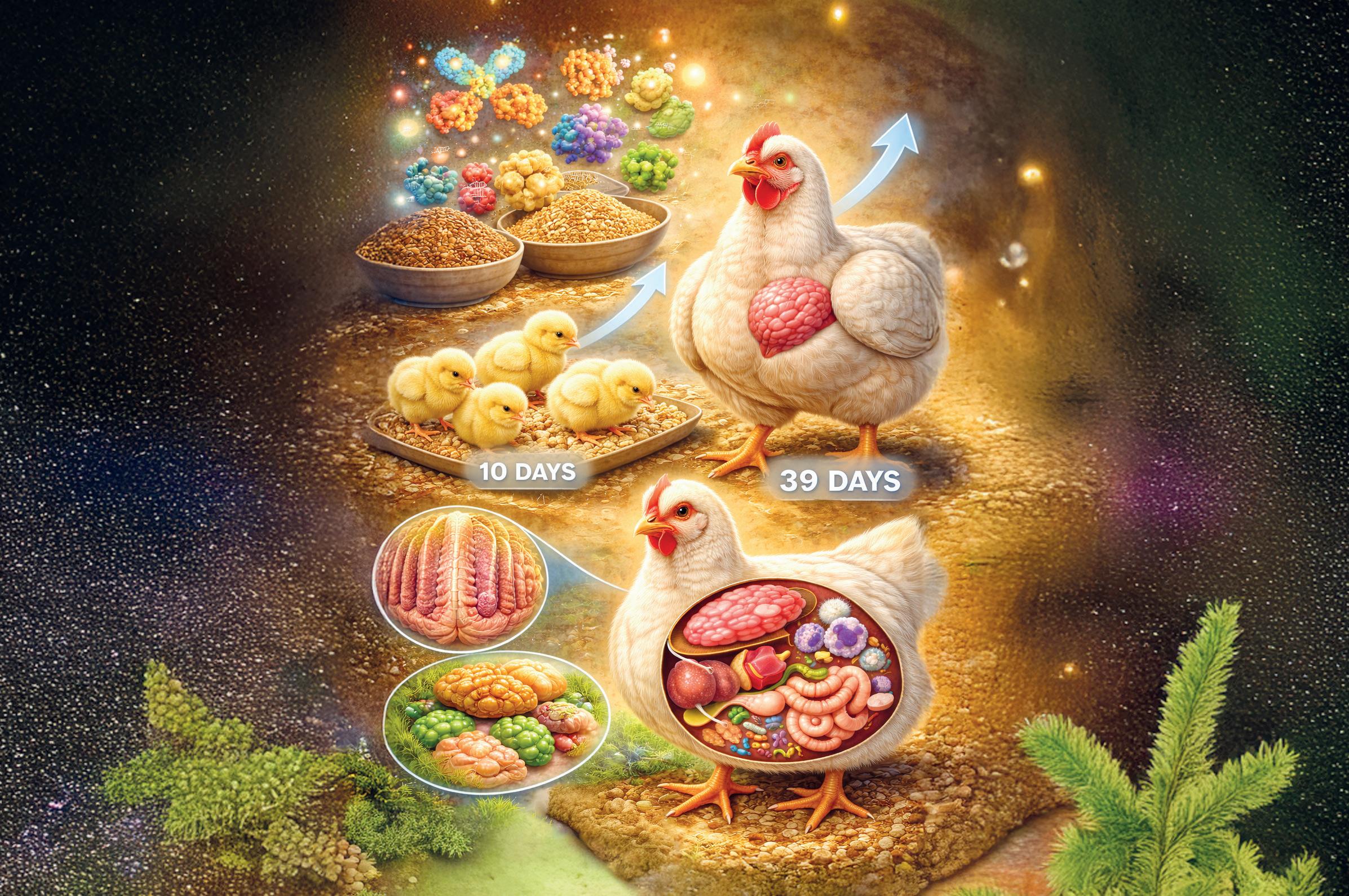
Figure 3. Body weight gain at 10 (A) and 39 (B) days of age of Cobb 500 broilers fed starter diets (0 to 10 days) with amino acids varying in concentration based on digestible lysine concentration between 1.19% and 1.37%, and two levels of energy (2,900 and 3,000 kcal/kg ME). Source: Ivanovich et al., 2017.
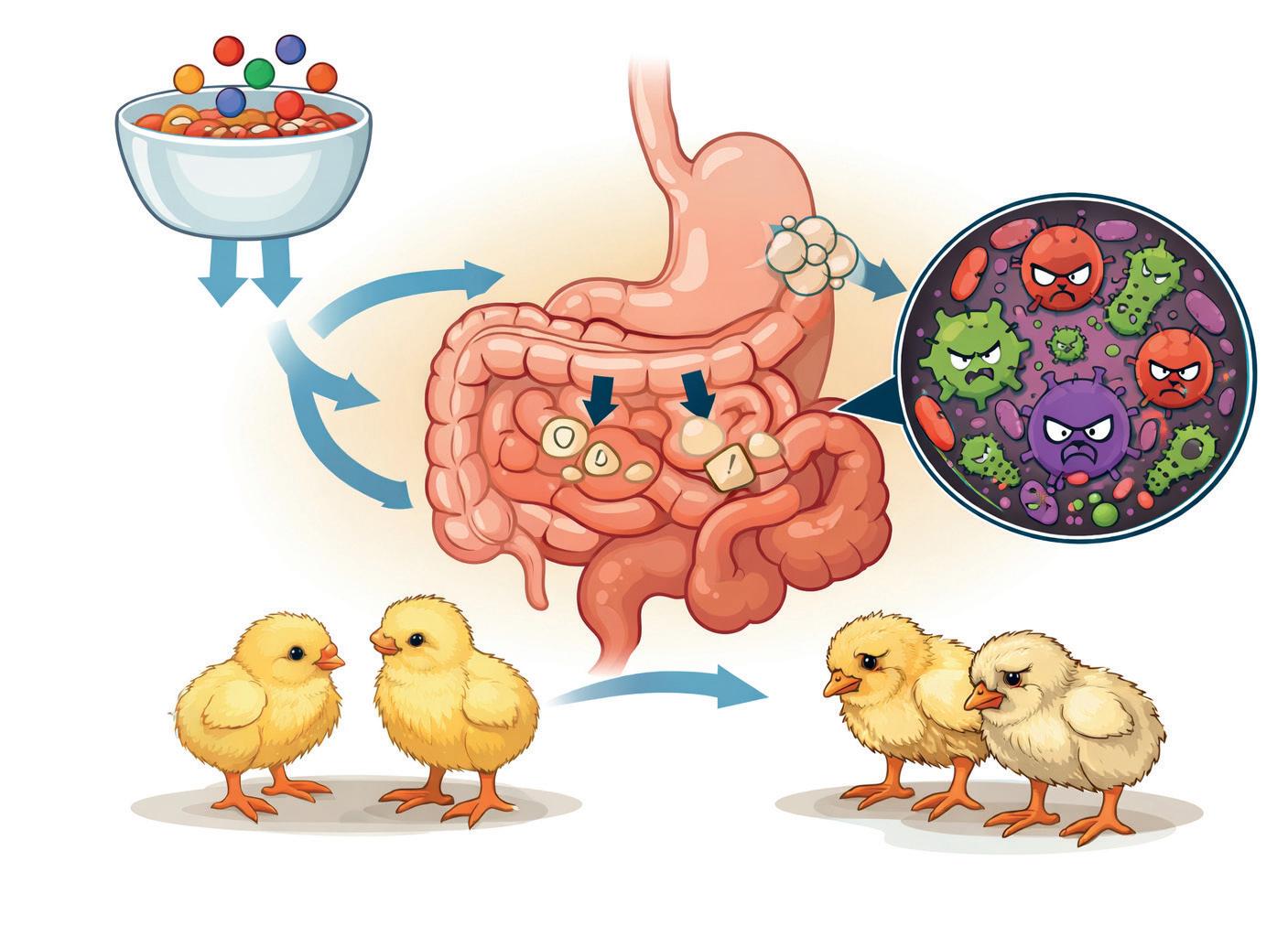

These experiments and others published in the past 10 years demonstrated that broiler chickens can utilize higher levels of dietary amino acids than those recommended by genetic companies. However, it is important to consider that the average digestibility of amino acids during the first four days of life in broilers is 0.77-0.78% in corn-soybean meal diets. Average amino acid digestibility reaches 0.84% at 7 days of life and 0.87% by 21 days of age.
Then, dietary amino acid excess may not always be digested and absorbed Undigested nitrogen and amino acids can increase proteolytic fermentation, indicating that nutrient excess is used by the developing gut microbiota. More pathogenic microbial communities grow in the intestines, especially in the ceca, under these conditions
The risk of gut health issues during the third and fourth weeks of life increases with higher crude protein levels in the first week of life.
One option to effectively feed during the first 10 days is to adopt prestarter diets from 0 to 4 days of age and from 4 to 10 or 11 days of age Franco-Roselló et al. (2022) reported that broilers fed a pre-starter diet had a 2.54% higher body weight at market age than broilers fed the starter from 0 to 11 days. The prestarter diet also led to 2.2% heavier carcasses, improved uniformity, and a lower incidence of lameness at high stocking densities compared to birds fed the standard starter diet.
The pre-starter diet had the same energy concentration (2,850 kcal/kg AME) as the starter diet, but higher crude protein (24.5% vs 21.7%), less fat (3.7 % vs. 4.7%), more lysine (1.50% vs. 1.28%), methionine+cystine (1.10% vs. 9.06%), and threonine (1.02% vs. 0.83%). This pre-starter diet, fed for four days, had lower calcium levels (0.40%) than the starter diet (1.00%), but similar digestible phosphorus (0.46%), making chickens more efficient in calcium and nutrient utilization and addressing lameness issues.
Starter and pre-starter diets have a low impact on costs due to the small amounts of feed used, but may affect the productivity of broiler chickens. Consequently, more attention should be paid to nutrient levels in the diet, feed ingredient quality, feed processing, and the strategic use of feed additives
Those factors will be discussed in a future article of NutriNews International
INTRODUCTION
Sol C.1, Horta F. 1, Gonzalez J. 1 and Iglesias BF.2,3
1Nuproxa Switzerland, Ltd., Etoy, Suiza.
2Sección Avicultura, Área de Producción Animal, INTA-EEA Pergamino, Argentina.
3Prof. Adjunto, Área de Producción Animal, ECANA-UNNOBA, Argentina.
Liver health plays a central role in nutrient metabolism, detoxification, and overall physiological resilience in poultry production. Under intensive rearing conditions, the liver is frequently challenged by stressors that impair its metabolic and regenerative capacity, ultimately affecting performance and productivity.
OBJECTIVES
MATERIALS AND METHODS
This study evaluated the effects of dietary supplementation with a natural polyherbal mixture (PHM; LivoLiv™, Nuproxa Switzerland Ltd.) rich in quercetin and andrographolides, on performance and hepatic metabolic indicators in broiler chickens.
A total of 540 one-day-old male Cobb500 chicks were randomly assigned to three treatments (n=10 reps; 18 birds each): 1) CON: Basal diet; 2) PHM250: CON + PHM at 250 g/t; and 3) PHM500: CON + PHM at 500 g/t. Body weight (BW), feed intake (FI) and feed conversion ratio (FCR), were recorded weekly. At 34d, blood samples from two birds per replicate were collected for biochemical evaluation of hepatic and lipid profiles. Data were analyzed by ANOVA and means compared using Fisher’s LSD test (α=0.05). All analyses were performed using InfoSTAT v2020.
RESULTS AND DISCUSSION
CONCLUSION
Supplementation with PHM improved growth performance relative to CON. At 34d, PHM500 birds showed higher BW than CON (2312b, 2344ab and 2378ag, for CON, PHM250 and PHM500; P=0.04) while PHM250 achieved the best FCR (1.482a, 1.448b and 1.478a, for CON, PHM250 and PHM500; P<0.01). Birds fed PHM500 displayed increases in serum AST, albumin, cholesterol (P<0.05) and ALT (P=0.08), suggesting enhanced hepatic activity and lipid metabolism rather than liver damage, as the values remained within physiological ranges.Such changes are consistent with improved hepatocellular metabolism, nutrient utilization and lipid mobilization. The quercetin and andrographolides present in the PHM may contribute to these effects through antioxidant and hepatoprotective mechanisms.
In conclusion, dietary supplementation with LivoLiv™ improved hepatic function and metabolic resilience in broilers, supporting better liver health and productive performance.
Key words: broiler performance, hepatic metabolism, polyherbal supplementation, iver health, quercetin and andrographolides.
Effects of LivoLiv supplementation on growth performance and hepatic profile in broilers DOWNLOAD ON PDF

Fernando Bacha Baz Nacoop, S.A.
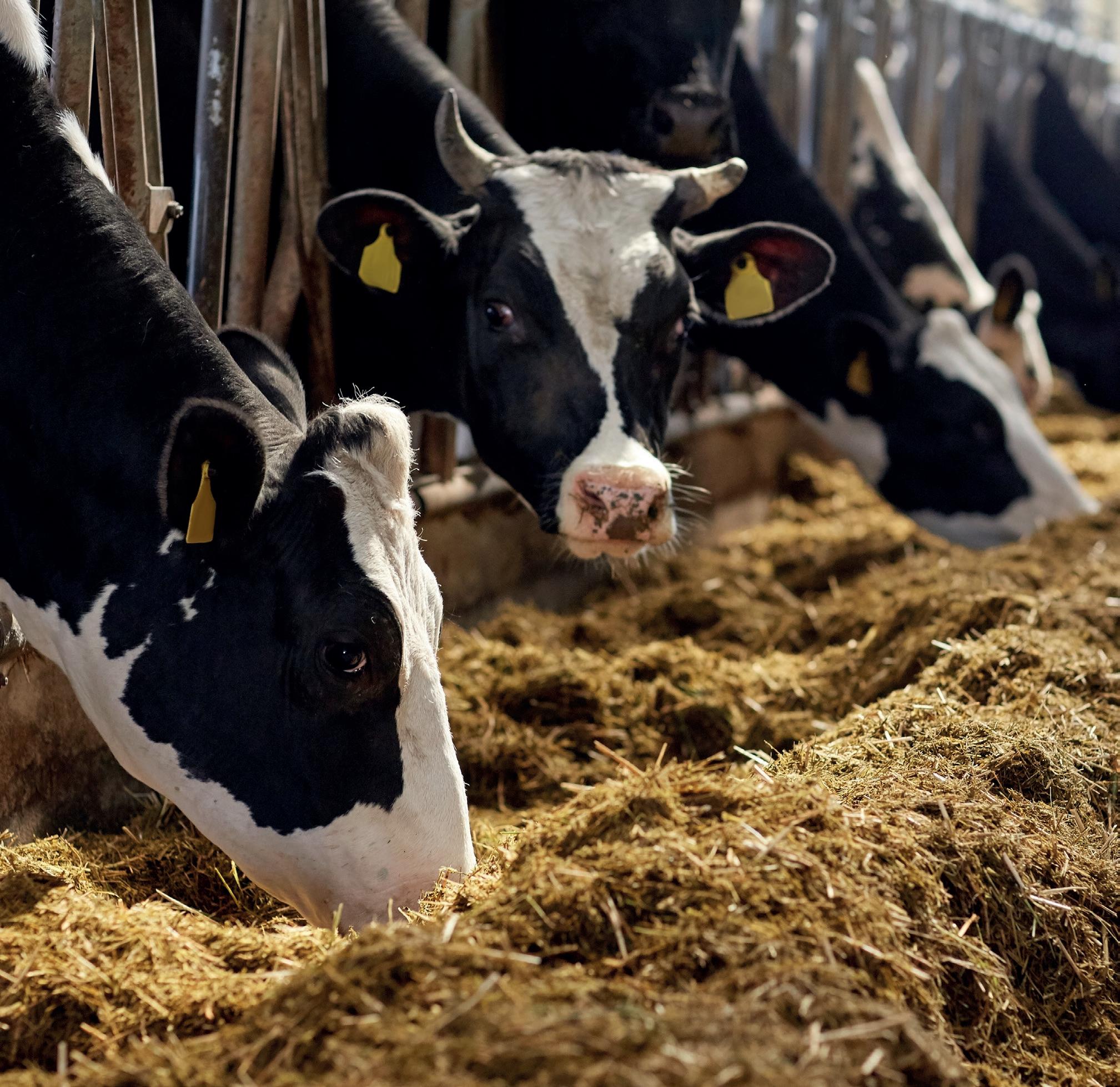
Ruminants produce their own proteins using the supply of metabolizable amino acids (AA) directly from the diet through undegradable protein (RUP) or synthesized by ruminal microorganisms, “microbial protein” (MCP). The simplest degradation is that of amino acids, then that of peptides, and the most complicated and variable is that of proteins.
Rumen microorganisms, including bacteria, protozoa, fungi, and archaea, together play a key role in the supply of metabolizable AAs in ruminants by using different sources of N (true protein and non-protein nitrogen).


The Archaea have been the last to be discovered and studied. The ruminal ones have as their main function methanogenesis, that is, the production of methane (CH4).
They are anaerobic and live in symbiosis with other bacteria, using digestion byproducts (such as hydrogen and carbon dioxide) to create methane. This process is crucial for feed fermentation and animal nutrition.
They live attached to particles and protozoa, as endosymbionts inside protozoa and in the rumen epithelium.
Microbial proteases break down proteins into peptides and free AAs, which can be assimilated as MCP or broken down into volatile fatty acids, CO2 and NH3, in the deamination process. Each of these microorganisms has different requirements and is responsible for different metabolic processes.
Classifying them by their function in protein degradation, the proteolytic ones initiate the breakdown of proteins into large, medium, and small peptides. The peptidolytic ones degrade the remaining peptides into individual AAs.
The latter are the group that deaminate free amino acids and remove the amino groups from the carbon chains, releasing NH3, which can be used by other microorganisms for the synthesis of metabolizable AAs. On the other hand, ureolytic activity results in NH3 and CO2.
Bacteria play a central role in protein degradation due to their involvement in all stages. Proteolysis is carried out in the bacterial cell wall or externally if the proteases are secreted into the ruminal fluid.
Peptidase is predominantly of bacterial origin, the genus Prevotella is the central peptidolytic. Deamination is carried out rapidly by almost all proteolytic bacteria, resulting in a small fraction of free AAs that are used directly for MCP synthesis (Hartinger et al., 2018).
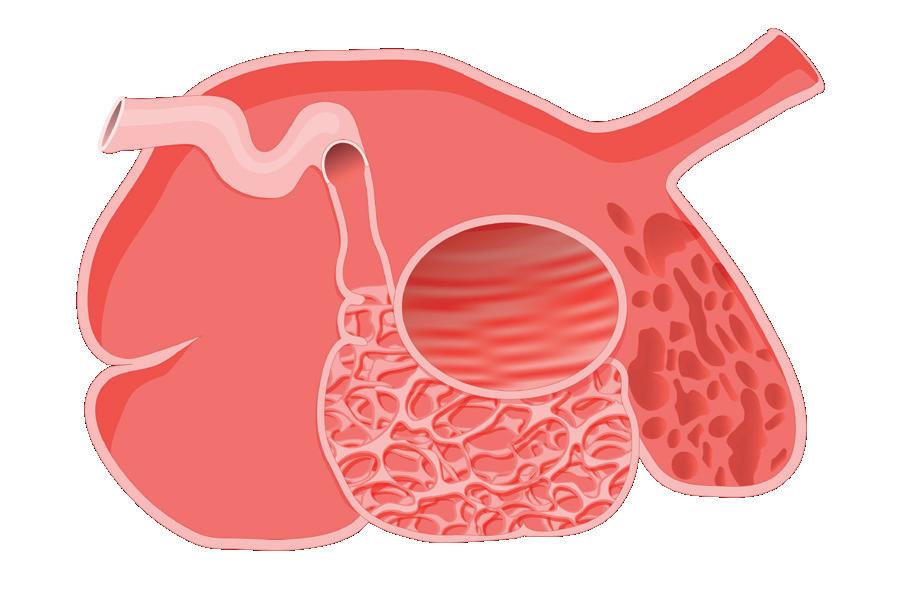
Ureolytic bacteria are found predominantly near the rumen epithelium and are known as epimural bacteria (Nagaraja, 2016); their location suggests the great importance of these bacteria in N recycling.

Ammonia is a critical source of N for most rumen microorganisms; therefore, the breakdown of non-protein nitrogen (NPN) sources such as urea, nitrates, or nucleic acids is beneficial for ruminal fermentation.
Protozoa are mainly present in the liquid phase of the rumen, taking advantage of small particles, bacteria, and smaller protozoa, which generally slows down fermentation and particularly protein degradation. They depend on engulfed live bacteria for the release of nutrients from food particles, such as glucose and peptides (Park et al., 2017).
They are capable of deaminating AAs, although they cannot hydrolyze urea or use NH3, which reduces the efficiency of N utilization.
They can account for up to 50% of the ruminal microbial biomass in slowpassage diets. However, most rumen protozoa are associated with feed particles or sequestered in the rumen epithelium.
The main function of fungi is to facilitate bacterial access to proteins enclosed by structural polysaccharides, that is, fiber degradation. Fungi lack the ability to hydrolyze urea, so they benefit from diets with true protein.

The concentration of fungi was 28% lower in the rumen of dairy cows fed low-protein diets.
Fungi represent 10% of the rumen microbial biomass (Nagaraja, 2016); therefore, their contribution to MCP composition is low. Despite their low presence, they are important degraders of insoluble fibers, therefore, they play an important role in the availability of proteins from fibrous byproducts.
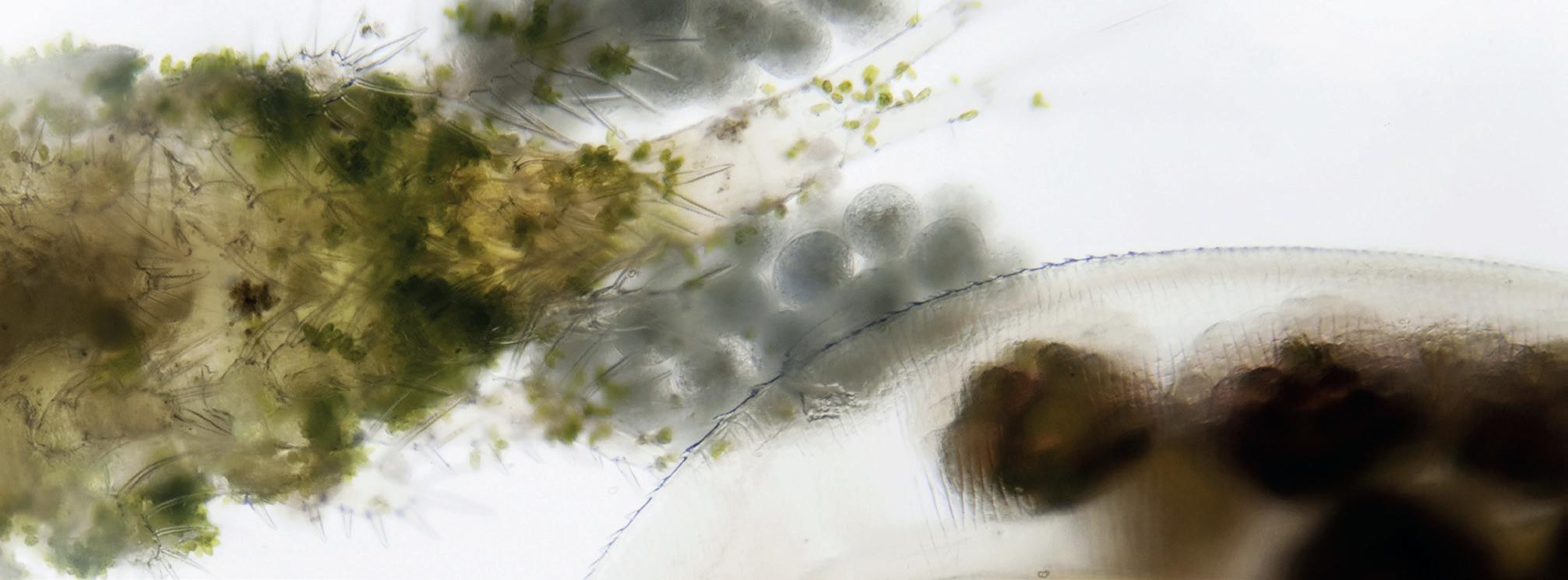

Due to the structure of proteins, microbial species have to adhere to food particles and work synergistically so that the substrate is fermented. This can affect the predominant microbial population and modify subsequent degradations.
Animals with high production contain microbial communities different from those of inefficient animals or those with generally low production, indicating that specific populations can provide better yields.
On the other hand, the rumen microbiome has been linked to the dry matter intake capacity of dairy cows, and can account for around 36% of the variation in feed efficiency. In general, more efficient cows have a less diverse microbiome community than less efficient cows.
In goats, greater microbial diversity in the rumen, along with a high abundance of protozoa (predominantly Entodinium), has been associated with improvements in energy metabolism in high-forage diets and faster adaptation; however, in these same trials, bacterial protein degradation increased and MCP synthesis decreased.
Therefore, it is possible that specific bacterial populations of a given substrate are more efficient at working symbiotically, which could optimize animal performance.
In addition, changes in the microbiota affect the composition of AAs and intestinal digestibility, due to the characteristics of each population, which affects the supply of AAs. The current literature provides little data on this point, making its incorporation into prediction models difficult.
The microbial population also depends on the specific characteristics of the diet, passage rate, and rumen conditions (e.g., pH, osmosis, and temperature); Recent studies have investigated strategies to modulate the ruminal microbiota through dietary manipulation.
In addition, supplementation with additives such as plant extracts reduces the concentration of NH3. The use of probiotics, generally yeasts, reduces N wastage by increasing microbial synthesis. Isoacids, for their part, stimulate the indirect degradation of fiber and the conversion of RDP into microbial protein.
However, we still know very little about how changes in the microbial population affect MCP synthesis and the individual supply of metabolizable AA for lactating dairy cows and ruminants in general.
As an average from most of the trials reviewed, microbial protein provides 82.4% of the AA supply, with an approximate digestibility of 80% according to NRC, 2001. Its importance also lies in the similarities of the essential amino acid profiles of microbial protein with casein and muscles.
It is particularly important for highproducing dairy cows, since milk protein production depends mainly on the supply of 5 essential AAs as can be seen in Table 1. Of these 5 amino acids, only methionine has a theoretical deficiency.
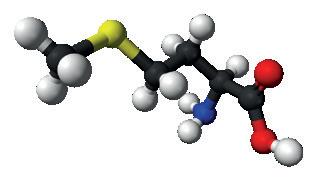
Therefore, in low-protein diets, when microbial protein synthesis is maximized from degradable protein, or with a small portion of non-protein nitrogen, and at the same time one wants to maximize milk production, supplementation, especially with methionine, becomes necessary to ensure a sufficient supply of essential AA for milk protein synthesis.
The model adopted by NASEM (2021) undoubtedly represents an advance in the prediction of milk protein.

Seleem et al. (2024) evaluated the NASEM (2021) model by comparing 3 treatments:
Treatment 1: high-protein control diet (16.4% protein).
Treatment 2: medium diet (15% protein).
Treatment 3: low-protein (13.6% protein).
Supplemented with lysine and methionine, in all treatments the model consistently underestimated the milk protein content, demonstrating the lack of analysis of biological outcomes of dairy cow diets.
should include the characterization of the AA profile, because changes in the microbial population can alter the composition of MCP, influencing its quality and contribution to the animals' AA supply. More data on the composition and digestibility of RUP AA would improve predictions of AA availability.
In addition, nephritic metabolism and ruminal transporters play a crucial role in nitrogen conservation, which may be individual-specific. Therefore, understanding animal-dependent variations in N metabolism could help improve overall N efficiency.
Furthermore, it does not correctly take into account the extent of N recycling, under reduced proportions of RDP in a moderately low-protein diet, mainly because in the NASEM (2021) model, N-urea recycling is based on only 4 studies.
Therefore, the precise estimation of this AA source continues to present difficulties and compromises the predictions of AA supply, harming animal performance and the overall efficiency of the model.
Addressing these challenges may allow us to advance our predictions of protein utilization by ruminants, which ultimately leads to improvements in nitrogen utilization, productivity, production costs, and sustainability.














September 9 & 10
Guadalajara Chamber of Commerce, Mexico