






































Animal nutrition has always been rooted in a simple objective: helping animals make better use of the nutrients they receive. Yet, achieving this objective has become increasingly complex. Today’s nutritionists must work at the intersection of physiology, ingredient variability, production economics, environmental pressure, and an international feed market that is constantly being reshaped by events far beyond the farm.
In this setting, the value of nutrition lies not only in formulation, but in interpretation. Understanding how animals digest, absorb, partition, and convert nutrients into productive outcomes is essential for designing feeding programs that are both technically sound and economically viable. The challenge is no longer only to supply nutrients, but to ensure that those nutrients are available, synchronized, and efficiently used.
This perspective is particularly evident in the growing attention given to gastrointestinal function. The gut is not simply a digestive organ; it is a dynamic interface between the diet, the microbiota, the immune system, and the animal’s productive potential. From early post-weaning development to intensive poultry and aquaculture systems, maintaining intestinal integrity and functional balance is becoming central to performance-oriented nutrition.
At the same time, precision in nutrient evaluation continues to gain importance. Energy systems, amino acid supply, mineral balance, enzyme use, and ingredient structure all influence how accurately diets can predict animal responses. Small adjustments in formulation can have meaningful effects on growth, feed efficiency, skeletal development, nutrient excretion, and overall profitability. As feed costs and ingredient availability fluctuate, the ability to formulate with greater biological and economic precision becomes a competitive advantage.
Functional ingredients and additives also play an increasingly strategic role. Their contribution is often most visible when animals are exposed to nutritional, environmental, or health-related challenges.
By supporting nutrient release, antioxidant capacity, digestive efficiency, or physiological resilience, these tools can help producers maintain performance when conditions are less than ideal.
This issue also reminds us that animal nutrition must be understood within its regional and global context. The realities faced by producers in different parts of the world vary widely, from local climate and production systems to the availability of raw materials, additives, and technical services. Ongoing instability in key regions has added further pressure to feed logistics and international supply chains, reinforcing the need for flexible, science-based nutritional strategies
Across aquaculture, swine, poultry, and ruminant production, the articles in this edition reflect a shared direction: moving beyond static nutrient recommendations toward a more integrated understanding of how diets function within real animals and real production systems. The future of feed formulation will depend on our ability to connect biological mechanisms with practical decisions.
As the industry continues to face changing conditions, progress will come from combining robust science with field experience, technical creativity, and a clear understanding of production realities. Nutrition remains one of the most powerful tools available to improve efficiency, support animal health, and strengthen the sustainability of food production systems.
We invite you to explore this June issue of nutriNews International and reflect on how precision, functionality, and adaptability are shaping the next stage of animal nutrition.
nutriNews International Editorial Team
EDITOR COMMUNICATION GROUP AGRINEWS LLC
ADVERTISING
Luis Carrasco +(34) 605 09 05 13 lc@agrinews.es
Simone Dias +(55) 11 9 85852436 nutribr@grupoagrinews.com
SALES DEPARTMENT
Diego Carrasco +(34) 664 66 06 05 int@grupoagrinews.com
Ivan Martos +(34) 664 66 06 02 im@grupoagrinews.com
CUSTOMER SUPPORT
Mercé Soler
EDITORIAL STAFF
Dr. Magida Corby Álvaro José Guzman
TECHNICAL DIRECTION
Dr. Edgar Oviedo (Poultry)
Dr. Antonio Faciola (Ruminants) Dr. Giuseppe Carcò (Swine)
info@grupoagrinews.com nutrinews.com grupoagrinews.com
Free distribution magazine AIMED AT VETERINARIANS AND TECHNICIANS
Subscription price 125$
nutriNews International
Legal Deposit B15281-2024
ISSN PRINTED VERSION 2938-8910
ISSN DIGITAL VERSION 2938-8929
Images: Noun Project / Freepik/Dreamstime

Marcos Rostagno DVM, MSc, PhD

Diana Luise PhD, Assistant Professor of Animal Nutrition in the Department of Agricultural and Food Sciences (DISTAL) at the University of Bologna.


Babatunde
ENERGY AND SWINE GROWTH: KEYS TO BETTER PREDICTION

Gabriela Martinez PhD, Nutritionist
OPTIMIZATION OF DIETARY LEVELS OF CALCIUM, PHOSPHORUS, AND PHYTASE

OPTIMIZING CHOLINE NUTRITION THROUGH SUSTAINABLE, GREEN ALTERNATIVES


Dr. Kuncham Vasudha Reddy Scientist at Natural Remedies Private Limited
Dr. Reshma R Chandran Assistant Product Manager at Natural Remedies Private Limited
Anna Cotcho Department of Animal Science, University of Lleida–Agrotecnio–CERCA Centre, 25198 Lleida, Spain. 82
EFFECTS ON RUMEN PH AND FEED INTAKE OF A DIETARY CONCENTRATE CHALLENGE IN COWS FED RATIONS CONTAINING PH MODULATORS WITH DIFFERENT NEUTRALIZING CAPACITY
Timab Terresis Technical team
SUBACUTE RUMINAL ACIDOSIS: UNDERSTANDING THE CENTRAL ROLE OF RUMEN MICROFLORA IN CATTLE HEALTH AND PERFORMANCE
Timab Terresis Technical team
OPTIMIZING NUTRITION FOR DAIRY GOAT AND SHEEP PRODUCTIVITY IN CYPRUS

Carolina Kyriacou MSc, Dairy Nutritionist, Vettaky Ltd
THE IMPACTS OF THE MIDDLE EAST CONFLICTS ON THE GLOBAL FEEDSTUFF AND FEED ADDITIVE MARKETS

Dr. Edgar O. Oviedo-Rondon
Prestage Department of Poultry Science, North Carolina State University

Marcos Rostagno, DVM, MSc, PhD
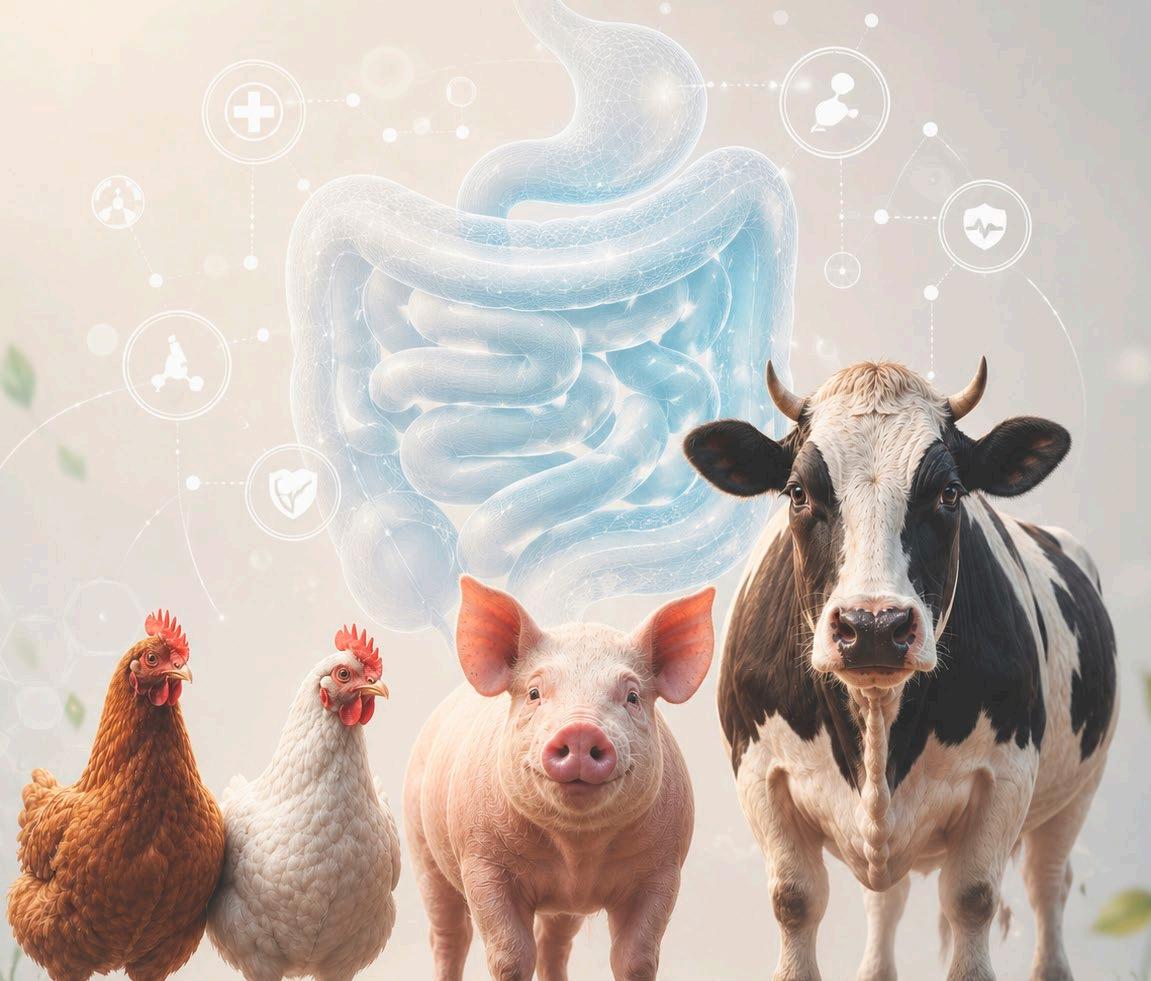
Intestinal health (aka., gut health) has received a lot of attention in the animal nutrition and health industry over the past several years, becoming the target of a multitude of tools, interventions and approaches.
However, strikingly, there is still a clear gap in understanding what exactly it is. The immediate consequence is the inability to correctly identify and manage causes of intestinal health challenges.
Despite a lot of attention and significant advances, the intestinal tract is still often regarded as a “black box,” with many fundamental aspects yet to be fully understood, due to its complexity.
This knowledge gap has driven increasing attention in recent years, particularly in animal production, where intestinal function is a major determinant of health, welfare, and productivity.
In modern production systems, where efficiency is paramount and feed represents the largest cost, intestinal health challenges represent a major cause of attrition leading to losses.

At the same time, growing market pressure to reduce or eliminate antibiotic use has intensified the search for alternative strategies to support intestinal health. Historically, antibiotics played a key role in controlling intestinal challenges, but their withdrawal has led to the reemergence of these issues.
As a result, a wide range of feed additives has been developed to help manage intestinal health and sustain production efficiency.
In this context, the concept of intestinal health has gained widespread attention in both scientific and commercial settings. However, its definition and understanding remains somewhat ambiguous.
At its simplest, the intestinal tract can be described as a key component of the digestive system, specialized to extract nutrients from ingested feed, transfer them to the circulatory system for distribution throughout the body, and eliminate waste products.
Beyond digestion, however, the intestinal tract also serves a critical protective role. As the largest mucosal surface continuously exposed to external challenges, it functions as a complex barrier and houses the majority of the body’s immune cells.
To carry out these diverse functions, the intestinal tract engages in constant, bidirectional communication with other physiological systems, including the neuroendocrine and immune systems.
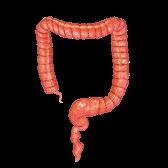
Unlike most organs, it possesses its own intrinsic nervous system (the enteric nervous system), responsible for coordinating muscular contractions and secretory processes essential for efficient movement and digestion of its content (the digesta) and nutrient absorption.
Adding further complexity, the intestinal tract hosts a vast and diverse microbial community composed of commensal, symbiotic, and pathogenic organisms. This microbial ecosystem plays a central role in many physiological processes that benefit the host and is often considered a functional “organ” in its own.
The intestinal microbiome serves as a dynamic ecosystem essential to maintaining metabolic and immunological health.
Its primary roles include:
Breaking down complex dietary fibers to produce vital nutrients (such as vitamins and short-chain fatty acids).
Acting as a frontline defense against pathogens, through competitive exclusion, production of antimicrobial compounds, alteration of the local environment.
Strengthening the intestinal barrier.
Supporting immune system modulation.
Understanding this complex, multifaceted relationship between the intestinal tract and other systems in animals remains a significant challenge. Equally difficult is unraveling the intricate neuroendocrine, immune, and microbial interactions that occur within the intestinal tract itself.
As a result, developing a clear and universally accepted definition of intestinal health has proven difficult for nutritionists, veterinarians, and scientists worldwide.
Despite its complexity, some key components are commonly recognized as essential characteristics of a healthy intestinal tract:

and morphological integrity

Considering all these components simultaneously makes it difficult to establish a simple, objective definition of intestinal health.
These elements are highly interconnected, influencing one another through multiple pathways and mechanisms.

Adding to this complexity are external factors present in animal production systems, such as diet (including composition, form, ingredient quality, and feeding management), pathogens, feed additives (both antimicrobial and non-antimicrobial), and various forms of stressors (physical, psychological, and environmental), all of which can directly and/or indirectly affect intestinal function. In human medicine, intestinal health is often defined by the absence of symptoms or disease and the presence of overall well-being. However, this perspective is not fully applicable to animal production. Any intestinal disorder will likely disrupt one or more of the key components listed above, while true well-being depends on all of them functioning in balance.
Moreover, in farm animals, intestinal health is not only about symptoms or disease, but also about optimizing performance and enabling animals to reach their genetic potential under diverse conditions. Importantly, reduced performance can occur even in the absence of noticeable clinical signs.
Additionally, unlike human health, animal health must be considered at the population level, as farm animals are typically managed in groups with considerable individual variation.
Various definitions of intestinal health applied to animal production have been proposed. Some emphasize the absence or prevention of disease, allowing the animal to maintain physiological function and cope with stressors. Others describe it as a state of symbiotic equilibrium between the intestinal tract and its microbiome, where animal welfare and performance are not limited by dysfunction.
While these definitions incorporate the key components outlined earlier, they tend to focus primarily on disease or dysfunction.
An alternative and more integrative approach is to define intestinal health through the concept of homeostasis and resilience. In this framework, intestinal health is viewed as a dynamic, selfregulating state that integrates the complex interactions among structural, functional, immune, and microbial components. This perspective aligns with broader definitions of intestinal health as a general state of balance in structure and function.
Homeostasis refers to the ability of biological systems to maintain stability while continuously adapting to internal and external changes. It is not a static condition, but a dynamic process governed by feedback and feedforward mechanisms, involving multiple interacting regulatory systems.
Disruption of this balance leads to dysfunction or disease (subclinical or clinical, depending on the magnitude of disruption), highlighting the importance of interventions that support, maintain, or restore homeostatic conditions.
Therefore, within this framework, intestinal health can be defined as:
The state of resilient equilibrium or homeostasis of the intricate intestinal neuro-endocrine-immunemicrobial systems that allows its full functionality, overcoming challenges to guarantee animal health, well-being and productive performance.
This equilibrium enables the intestinal tract to function optimally, respond effectively to challenges, and sustain animal health, well-being, and productive performance. Adopting this holistic perspective has important implications for the development and application of strategies aimed at managing intestinal health in animal production systems.

Obviously, a theoretical definition won’t help much on a farm. If a concept can’t guide decision-making, it’s not very useful in practice. So, the most effective way to define intestinal health in production animals is to keep the biological depth, but translate it into something observable, measurable, and actionable, such as:
“Intestinal health is the animal’s ability to maintain a stable, resilient, and efficient intestinal system that supports digestion, nutrient absorption, immune competence, and microbial balance under real production conditions, resulting in optimal performance and minimal disease risk.”
Instead of treating intestinal health as a static state, this definition emphasizes function and resilience as a dynamic capacity through the ability to function and adapt under pressure. Moreover, it offers specific clear target areas for management and intervention, which will be discussed in a follow-up article.
Babatunde Saliu
School of Fisheries, Aquaculture, and Aquatic Sciences at Auburn University

Carotenoids are becoming an important supplement in aquaculture feed production. These molecules are naturally synthesized by algae, fungi, and other photosynthetic organisms. Carotenoids generally absorb light rays at different wavelengths, accumulating in the tissues of plants and animals, resulting in distinct red, orange, or yellow coloration.

They have been introduced in several industries, including pharmaceuticals and the feed industry, owing to their impact on human and animal health.
Carotenoids have been observed to act as antioxidants, enhance the immune response, and improve growth performance in animal production. These molecules also significantly reduce the cases of diseases, including cancer, and numerous cardiovascular diseases, by acting as a protective shield against oxidative damage to tissues and cells.
Astaxanthin is one of the most important carotenoids in aquaculture, and these molecules are being incorporated into several aquaculture diets, especially for crustacean and salmonid production.
Most importantly, they have been supplemented in the diets of salmonids to enhance coloration, which has been observed to influence consumer preferences and increase the demand for these products. Recently, synthetic carotenoids have been produced using several genetic engineering techniques to improve quality and increase their commercial availability for aquaculture production.
Basically, carotenoids are categorized into two major groups based on their chemical composition:
Carotenes Xanthophylls
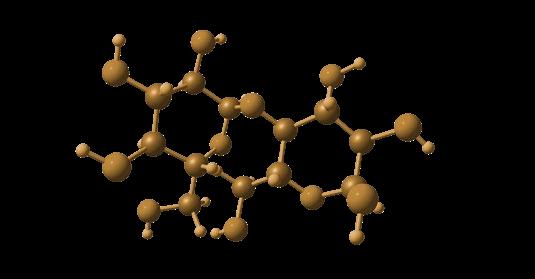
Carotenes are the first group of carotenoids that contain only carbon and hydrogen in their chemical structure, and the second group (Xanthophyll) contains oxygen in their chemical composition. The distinctive feature of astaxanthin is the presence of hydroxyl (OH) and carbonyl (C=O) in the ionone ring. Two major reactions (3-hydroxilation and 4-ketolation) occur in the ionone ring, resulting in astaxanthin production.
Enzymes, specifically ß-carotene hydroxylase and ß-carotene ketolase, catalyze the 3-hydroxilation and 4-ketolation pathways, respectively.
The presence of conjugated double bonds in carotenoid structures confers a unique molecular structure and influences their chemical properties.
These bonds can exist in two forms, either as cis or trans geometric isomers, although most carotenoids naturally exist in the trans form. Astaxanthin can be esterified by different fatty acids, including palmitic, oleic, linoleic, or stearic acid, although this is dependent on its origin. Astaxanthin can also exist in a free state with a non-esterified hydroxyl group; however, this form is considerably unstable and has a higher susceptibility to oxidation.
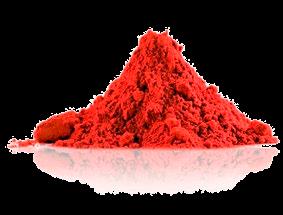
Astaxanthin can be found in several organisms, particularly fungi, algae, yeast, and some specific bacteria. the environment. In the aquatic environment, astaxanthin is synthesized by microalgae (Haematococcus pluvalis).
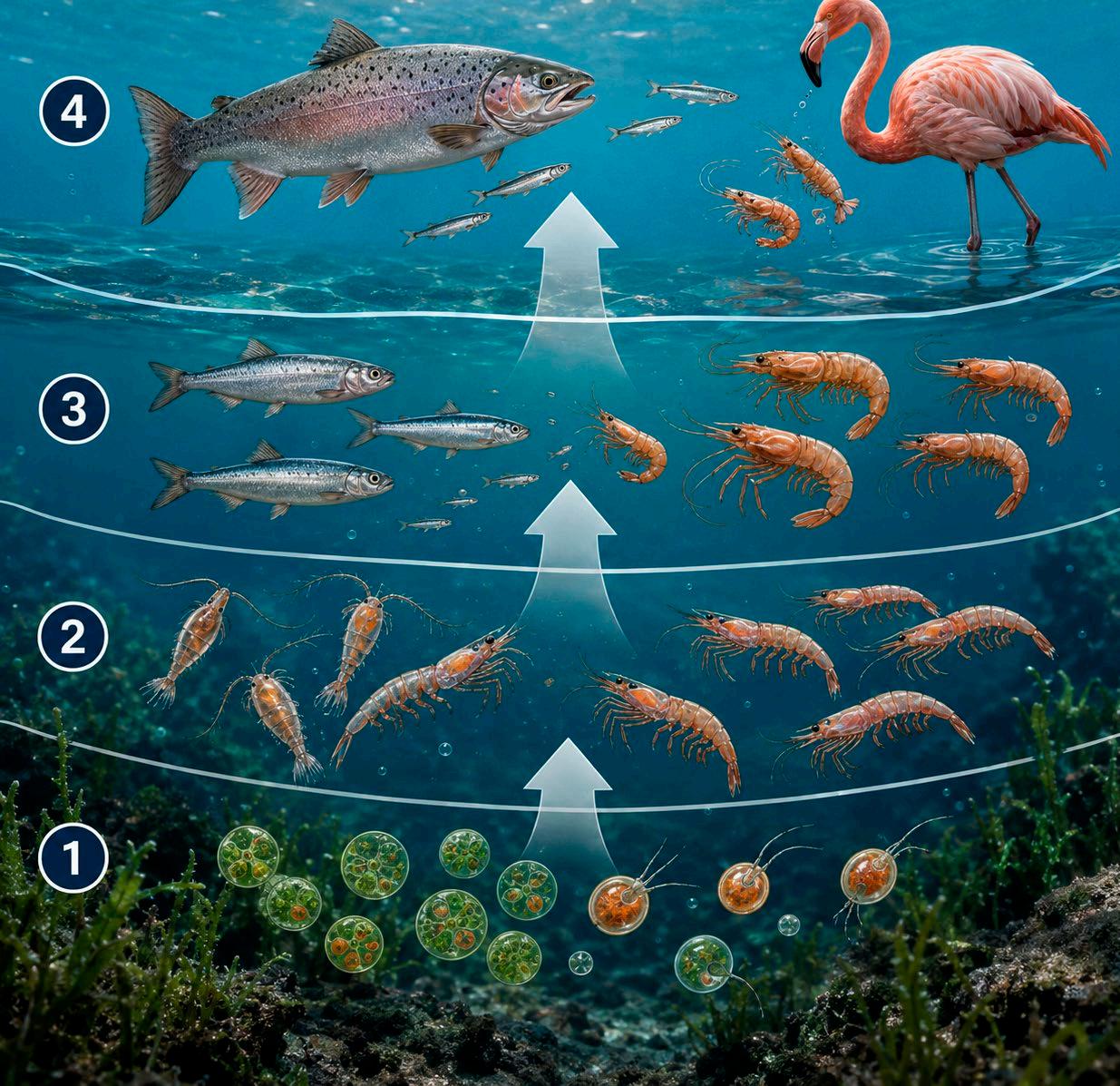
Similarly, yeast (Phaffia rhodozyma) is capable of naturally synthesizing astaxanthin. These microalgae are eaten by zooplankton, which in turn are eaten by smaller fish, moving astaxanthin up towards the food web.
Evidence of astaxanthin in the aquatic environment can be found in the distinctive color of organisms that consume it, particularly fish. However, the sustainability of astaxanthin availability has led to the production of similar synthetic derivatives, consequently, because of their increasing economic relevance in aquaculture production. Several researchers have studied techniques for the extraction of astaxanthin from the tissues of these microalgae. H. pluvalis was found to contain a relatively higher amount of astaxanthin in its tissues, accumulating to about 9.2mg/g cell.
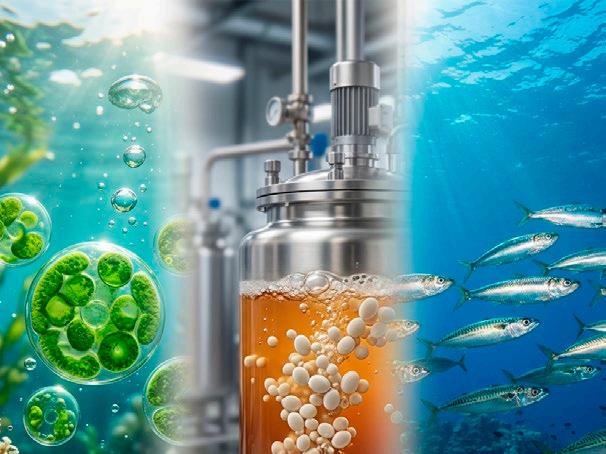
Astaxanthin can also be synthetically produced either by chemical composition or through natural microbial components such as the red yeast (Xanthophyllomyces dendrorhous) and green microalgae (H. pluvalis). Other sources of astaxanthin include the muscles of wild and some wild farmed species such as shrimp, trout, and salmonids.
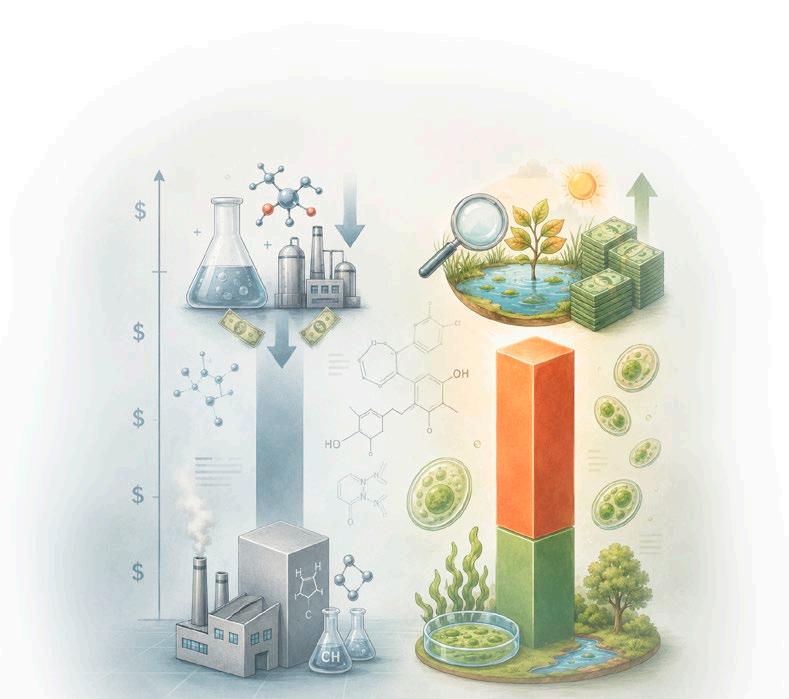
The main difference between natural astaxanthin and synthetic astaxanthin is the cost of production. Synthetic astaxanthin is relatively cheaper to produce than natural astaxanthin, which requires the cultivation and harvesting of microalgae, and is relatively expensive and time-consuming.
Synthetic astaxanthin is usually in unesterified form, while naturally synthesized astaxanthin is esterified. Naturally synthesized astaxanthin has better antioxidant properties and a higher accumulation rate than synthetic astaxanthin.
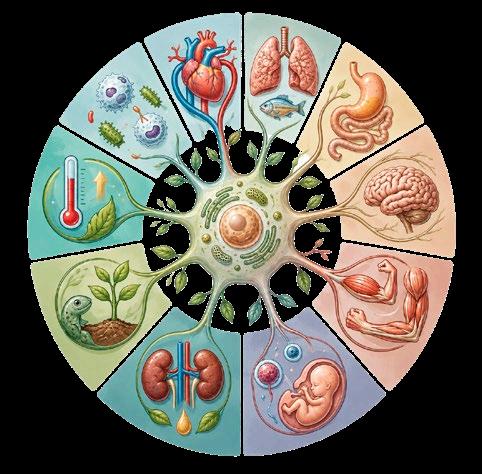
The inclusion of astaxanthin in the diets of aquatic organisms has been observed to improve the growth and survival of aquaculture species. Astaxanthin has been proven to shorten the molting cycle of shrimp and increase post-larvae growth and development by improving nutrient uptake in aquatic animals.
Research has shown that astaxanthin supplementation increased enzyme activities in the digestive tract of these animals, promoting nutrient absorption and utilization, resulting in better growth performance.
Reproductive performance has also been observed to improve when aquatic species are fed diets supplemented with astaxanthin.
Astaxanthin acts as an antioxidant and serves as a precursor of vitamin A. These molecules capture singlet and reactive oxygen species and free radicals from several metabolic processes. Elimination of free
radicals is achieved by reacting with these compounds to produce less harmful products and disrupting their free-radical chain reactions. These molecules enhance higher cell signaling during the embryonic developmental stages, hence increasing the concentration of Vitamin A in the fry of fish, particularly Atlantic salmon.
Astaxanthin-supplemented diets have been shown to improve reproductive traits, including oocyte maturation and fertilization rates in several fish species. Furthermore, it enhances embryonic development, improves sperm quality, egg quality, and larval quality of fish and crustaceans.
Astaxanthin has also proven effective in enhancing the immunocompetence of aquatic animals. These molecules improve phagocytic activities in fish against a wide range of infectious diseases. The humoral, cell-mediated, and innate immune responses have been observed to improve in aquatic animals fed diets supplemented with astaxanthin.
Astaxanthin, like other cartenoids influence the color of aquatic animals. These molecules aggregate in the tissues of aquatic animals, leading to the distinct coloration. Customer preferences have been observed to be influenced by the meat color, especially in shrimp and salmonids.
Natural astaxanthin is limited in quantity and less available, leading to the shift to synthetic production. Synthetic astaxanthin production is relatively expensive, thus less affordable for many aquaculture producers.
Microalgae may accumulate large amounts of heavy metals present in the natural environment, which influences the quality of these molecules and can result in bioaccumulation of these compounds in aquatic animals. Long-term storage of astaxanthin is also a concern because these molecules are highly oxidative in nature and can lead to the production of deleterious compounds.
Carotenoids, including astaxanthin, are becoming an important feed supplement in aquaculture feed production, due to their positive impact on growth, survival, health, and performance of aquatic animals.
These molecules have been proven to have no negative impact on aquatic animal nutrition and provide an alternative as a biologically safe product, promoting sustainable aquaculture production. However, production and availability can be a challenge, and it poses significant constraints to the full utilization of these molecules in future aquaculture feed production.



Stable and soluble
Highly bioavailable
Targeted mineral nutrition


In modern livestock production, success is increasingly defined by precision Feed costs represent the single largest expense for poultry, swine, dairy and aquaculture producers, making ingredient quality and consistency more important than ever. While crude protein levels are often the first specification buyers evaluate, nutritionists and feed formulators understand that the true value of soybean meal goes far beyond a single number. The most valuable soybean meal delivers what industry experts describe as the “perfect nutrient bundle”—a balanced combination of highly digestible amino acids, metabolizable energy, nutrient availability, and, most importantly, consistency from shipment to shipment



Research and data highlighted by the U.S. Soybean Export Council (USSEC) show that U.S. soybean meal consistently provides measurable nutritional and economic advantages compared with soybean meal from other origins. According to USSEC analysis, soybean meal derived from U.S. Soy can deliver approximately $20 to $25 more value per metric ton due to its superior nutrient consistency, lower damage levels and enhanced feeding performance.
$20–$25 more value per metric ton
This advantage is not accidental. It is the result of decades of investment in farming innovation, crop management, infrastructure, and sustainability systems across the U.S. soybean industry.
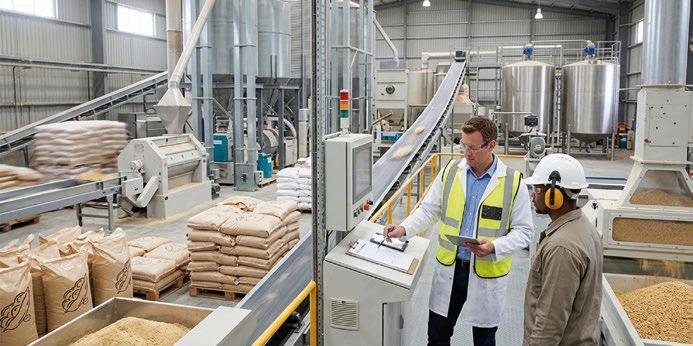
Consistency is one of the most important factors in feed formulation. When soybean meal nutrient levels fluctuate, nutritionists must compensate by adding supplements to diets to ensure animals still receive adequate nutrition. This over-formulation increases feed costs and reduces efficiency.

In contrast, highly consistent soybean meal allows nutritionists to formulate diets more precisely. This precision improves feed conversion ratios, animal growth performance and nutrient utilization while minimizing waste output. Predictable ingredients also reduce operational uncertainty for feed mills and livestock producers.
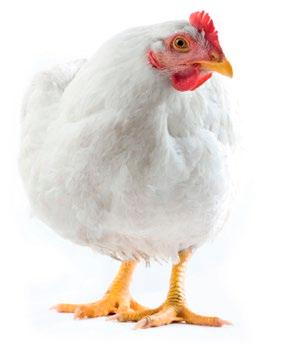
USSEC has tracked soybean quality across multiple global origins for more than a decade. According to the reporting, U.S. soybean meal shows lower variability and less physical damage than soybean meal produced in many other regions.
Several factors contribute to this consistency advantage. In the United States, soybeans often dry naturally in the field before harvest, reducing the need for intensive mechanical drying that can damage beans. Strong transportation infrastructure, advanced storage systems and careful post-harvest handling also help preserve bean quality from farm to export terminal.
Reduced soybean damage improves amino acid digestibility and promotes more consistent nutritional performance. For producers operating on tight margins, these differences can affect profitability.
USSEC emphasizes that the value of soybean meal should not be judged solely by crude protein content. Instead, nutritionists increasingly evaluate soybean meal based on four major drivers:

Amino acids are especially important because they are the building blocks animals use for muscle development, milk production, egg production and overall growth. Highly digestible amino acids allow animals to utilize nutrients more efficiently, reducing feed waste and improving performance outcomes.
Metabolizable energy is another important part of the equation. Feed ingredients with higher usable energy help livestock and poultry gain more efficiently while using less feed overall. When soybean meal provides consistent amino acid digestibility along with dependable energy values, nutritionists can formulate diets more precisely and keep feed costs under better control.
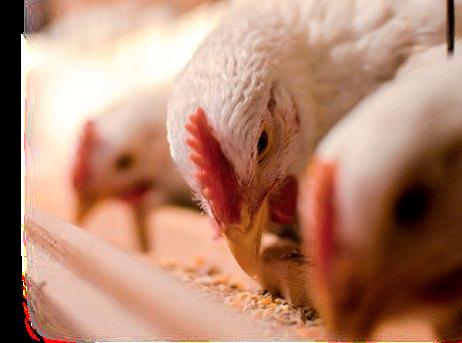
This nutritional precision is becoming increasingly important as livestock producers worldwide work to improve efficiency while meeting growing consumer demand for sustainable protein production.

The consistency of U.S. soybean meal begins long before soybeans reach a crushing facility. It starts on the farm.
U.S. soybean farmers increasingly use precision agriculture technologies to optimize crop production while protecting natural resources. These technologies include soil mapping, satellite imagery, GPS-guided equipment, variable-rate fertilizer application, drone monitoring and advanced weather analytics.
Precision agriculture allows farmers to apply inputs such as fertilizer, seed and crop protection products only where they are needed and in the proper amounts.
This approach helps maximize yield potential while reducing environmental impact and preventing unnecessary crop stress that can affect soybean quality.
Advanced monitoring systems also help farmers catch problems early, supporting healthier plants and reducing the risk of crop damage. Along with sound agronomic practices and modern harvesting equipment, these tools help deliver the consistency and reliability associated with U.S. Soy.
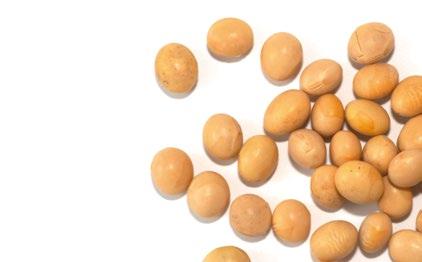



Consistency in feed ingredients does more than improve animal performance— it also contributes to sustainability.
When nutritionists can formulate diets with greater precision, they can reduce nutrient excesses and minimize waste Lower waste means fewer nutrients excreted into the environment and improved resource efficiency throughout the livestock production system.
This connection between feed efficiency and sustainability is becoming increasingly important as food companies, retailers and consumers demand lower environmental footprints across global protein supply chains.
According to USSEC sustainability resources, U.S. Soy has one of the lowest carbon footprints among major soybean-producing origins
Sustainable farming practices, efficient transportation systems, minimal land-use change and continual improvements in productivity all contribute to this advantage.
Consistency supports sustainability
The SSAP is a third-party audited verification developed to document and validate sustainable soybean production practices in the United States. It provides international customers with assurance that soybeans and soy products are produced in compliance with environmental regulations, conservation laws and responsible farming practices.
The protocol covers a broad range of sustainability directives including:
Biodiversity protection
High carbon stock
Production practices
Public and labor health and welfare
Continuous improvement


The SSAP has become one of the largest sustainability verification systems in global agriculture. According to recent USSEC reports, the program verified 46.5 million metric tons of U.S. Soy during the 2025 marketing year and has verified more than 278 million metric tons cumulatively since 2014
Because the protocol is third party audited and recognized throughout the supply chain, international buyers can use SSAP certificates to help meet sustainability reporting requirements and customer sourcing expectations
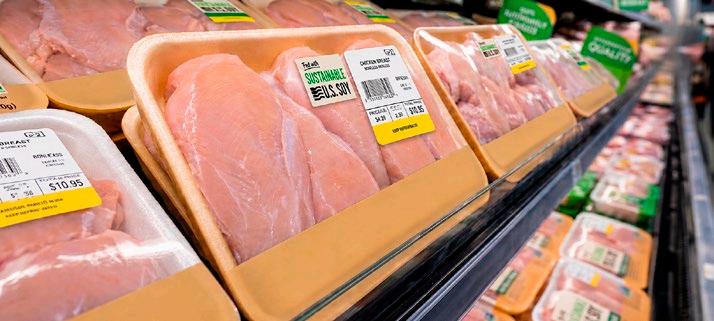
As sustainability becomes increasingly important to consumers, food companies are seeking ways to communicate responsible sourcing practices more clearly.
To support this effort, the “Fed with Sustainable U.S. Soy” label allows companies producing soy-fed meat, poultry, dairy, seafood and eggs to demonstrate their commitment to sustainable sourcing. The label indicates that the soy used in feed has been verified through the SSAP system

The label helps bridge the gap between agricultural sustainability practices and consumer awareness It also provides brands with a credible way to support environmental commitments and sustainability goals
USSEC notes that the Sustainable U.S. Soy labels already appear on more than 1,200 product packages globally, demonstrating the growing interest among food companies and retailers in transparent sustainability solutions
As global demand for animal protein continues to rise, feed ingredient consistency and sustainability will become even more critical. Livestock producers face increasing pressure to improve efficiency, reduce environmental impact and maintain profitability in a highly competitive market.
U.S. soybean meal provides a dependable nutritional profile backed by modern farming practices and verified sustainability programs. From precision agriculture tools used in the field to third-party sustainability verification systems, the U.S. Soy industry continues to invest in practices that support both feed performance and environmental stewardship
For feed manufacturers, nutritionists, livestock producers and food companies, consistency is no longer simply a quality preference—it is a strategic advantage
For more information about Sustainable U.S. Soy, the SSAP program and “Fed with Sustainable U.S. Soy” label, including citations, visit USSEC.org.

Consistency in Soybean Meal Drives Performance and Sustainability DOWNLOAD PDF


U.S. Soy has the lowest carbon footprint compared to soy from Brazil and Argentina1. That means a more sustainable soybean meal delivering the performance and value you expect: greater consistency2 , better reliability and a superior nutrient bundle3.
SCAN TO DISCOVER HOW U.S. SOY CAN NOURISH YOUR BUSINESS.
1 Mérieux NutriSciences | Blonk, Agri-Footprint™ database 6.3.
2 USA & Brazil Soybean Quality Dashboard, U.S. Soybean Export Council/AgCom, Federal Grain Inspection Service (FGIS) data, 2025.
3 Influence of the
COUNTRIES OF DISTRIBUTION
ADDITIONAL INFORMATION
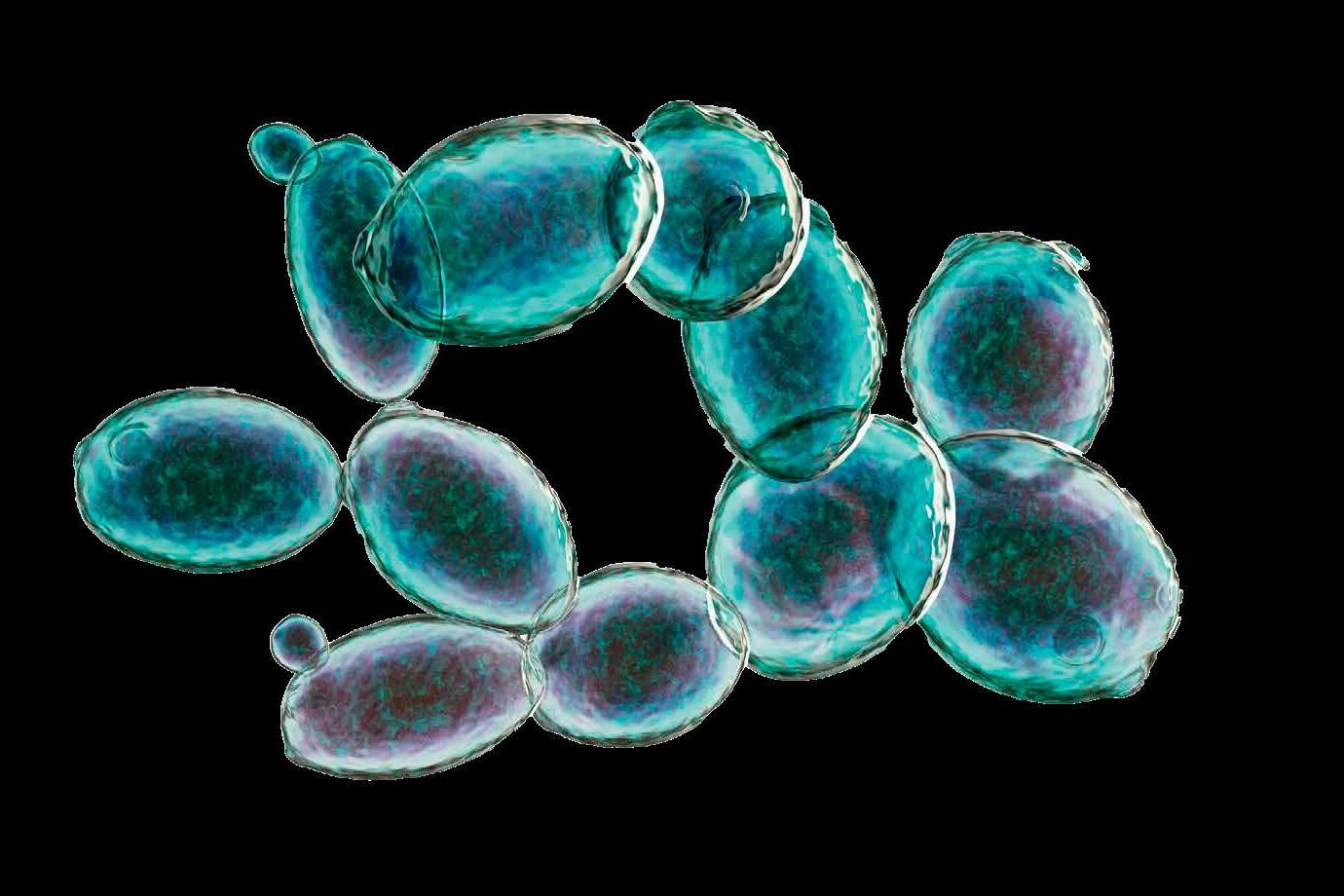
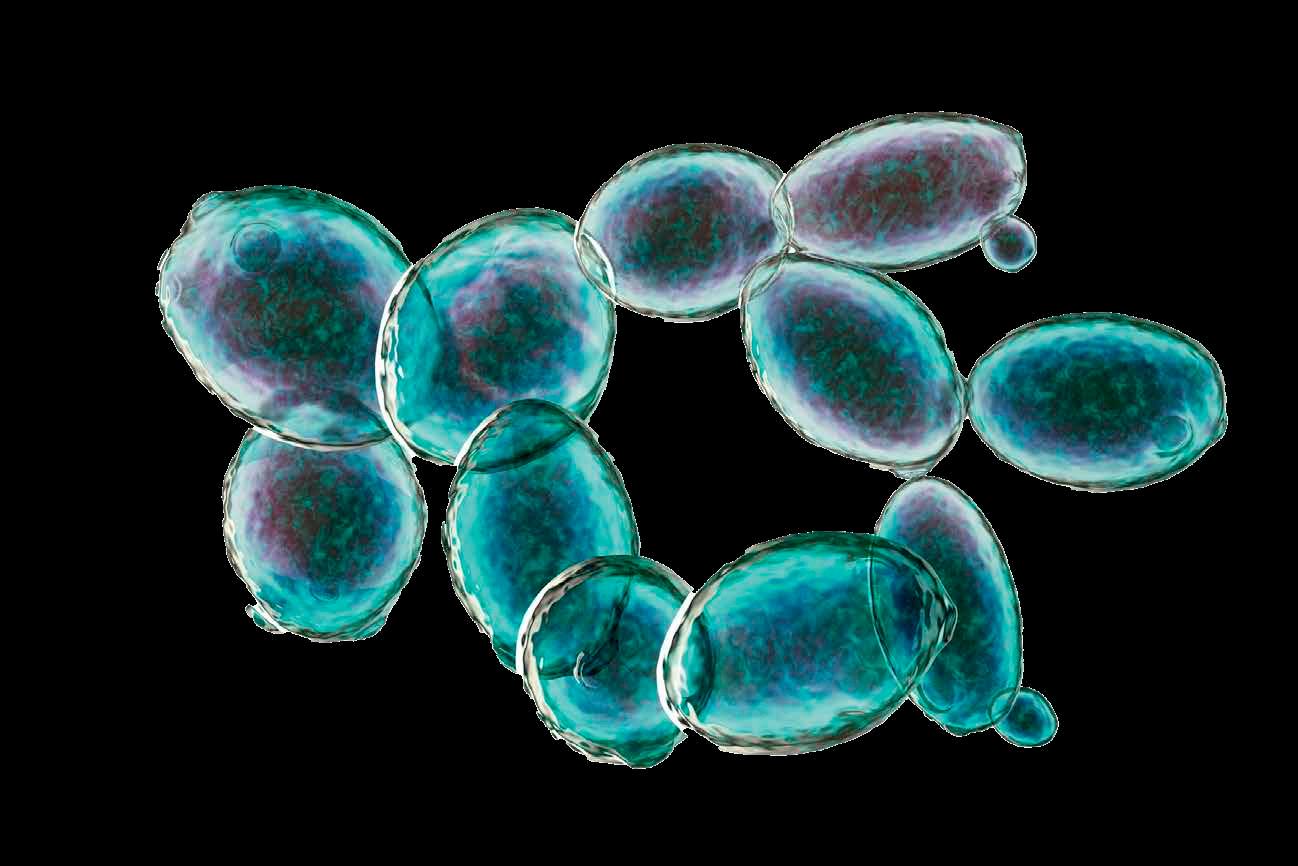
YANG is a combination of inactivated yeast fractions designed to help maintain immune and digestive balance during challenging periods. This complementary blend supports the development of natural defenses and contributes to overall robustness, particularly during early-life stages.
DOSAGE
From 400 g/t feed, depending on the objectives.
SPECIES
TARGET
CONCENTRATION
YANG Association of different inactivated yeast strains and yeast fractions Yeast fractions from 3 different yeast strains
Worldwide
Yela Prosecure provides highly digestible and functional nutrients that support feed intake and contribute to feed protein and fiber supply. Its readily available amino acids and small peptides enable rapid nutrient availability in the upper gut, while fermentable carbohydrates contribute to microbial activity in the lower gut. YelaProsecure helps maintain digestive balance and contribute to animal performance.
From 2.5 kg/t depending on the species and production stage.
Optiwall delivers consistent and guaranteed levels of mannanoligosaccharides (MOS) and β-glucans to support gut health and microbiota balance. MOS can help reduce the adherence of certain undesirable bacteria in the gut, while β-glucans contribute to supporting normal immune functions. As a result, Optiwall supports animal performance, particularly under challenging conditions.
Starting at 0.5 kg/t, recommended doses vary depending on the target species and the level of challenge.
Regulates intestinal microbiota, helps limit negative impact of enteric pathogen toxins ( C.difficile, E.coli ), reinforces intestinal integrity and modulates inflammatory response. Overall improvement of productive performance and during critical periods of stress such as piglet weaning, sow peripartum or heat stress periods. First feed additive with a food safety claim for its benefits on Salmonella contamination reduction on broiler carcasses.
Worldwide
Once the yeast is in the rumen, it interacts with its microbial population (bacteria, fungi, and protozoa), fibre, and starch in an anaerobic environment. This contributes to enhancing rumen functions, leading to:
1. Early rumen development
2. Increased rumen pH, reducing the risk of acidosis
3. Improved fiber degradation
All species
Saccharomyces cerevisiae
PROSECURE Specifically designed hydrolyzed yeast
YELA
50 g/t of feed
100 g/t of feed
All pigs throughout the production cycle and all minor swine species. Chickens and turkeys for fattening, and minor poultry species for fattening.
Saccharomyces cerevisiae
OPTIWALL Selected and optimized yeast cell wall
2 x 10¹⁰CFU/g
1 x 10¹⁰CFU/g
25 g/t of feed
Minimum
Gut flora stabilizers Dairy ruminants
Ruminants for fattening Young ruminants
50 g/t of feed
Minimum
2 x 10¹⁰CFU/g
1 x 10¹⁰CFU/g
Saccharomyces cerevisiae boulardii CNCM I-1079
SB 20
LEVUCELL
LEVUCELL SB 10ME TITAN
LEVUCELL SC
Saccharomyces cerevisiae CNCM I-1077
LEVUCELL SC TITAN
COUNTRIES OF DISTRIBUTION
DOSAGE ADDITIONAL INFORMATION
SPECIES
TARGET
Worldwide
Liquid feed hygiene enhancer: Authorized as a technological additive for its ability to regulate acidity and improve the hygienic conditions of liquid feed, for all animal species. Gut microbiota stabilizer: Lactic acid producing bacteria Lowers the intestinal pH favoring the development of positive microbiota, protects the intestinal barrier function and improves digestibility. Improves performances, contributes to reduced risk of enteric mortality and maximizes profits. Recommended for use in drinking water to help reinforce intestinal microbiota during periods of digestive stress, after antibiotic treatments, vaccinations, etc.
Gut microbiota stabilizer: All fattening and breeding swine other than sows. All poultry species. All species of fish and shrimp. Liquid feed hygiene enhancer: all animal species 100 g/t of feed
1 x 10¹⁰CFU/g
All fattening and breeding swine other than sows. All poultry species. 200g/m³ of drinking water
2.5 x 10⁹CFU/g
Drinking water: 1 tablet/3m 3 Liquid feed: 2 tablets/ton of dry feed for set-up and 1 tablet/ton of dry feed and 1 tablet/ton of dry feed for maintenance.
Drinking water Swine: piglets (suckling and weaned), fattening pigs, minor porcine species (suckling, weaned and for fattening) All poultry species Liquid feed Swine
Pediococcus acidilactici CNCM I-4622MA 18/5M
DRINK
See sheet
Worldwide
Dual purpose product: source of highly soluble magnesium and alkalizer
0.2-0.5% dry matter intake
Alkalinizing for Ruminants
BACTOCELL EFFERVESCENT 1.77 x 10 10 CFU/g
pHix-up Blend of Magnesium Oxides

See sheet
COUNTRIES OF DISTRIBUTION
ADDITIONAL INFORMATION
DOSAGE
TARGET SPECIES
CONCENTRATION
Through carefully controlled enzymatic hydrolysis, BioHydro transforms yeast proteins into highly digestible low molecular weight peptides, free amino acids and nucleotides, ensuring high digestibility and improve nutritional efficiency.
* Rich in β-glucans and MOS, it´s supports gut health and immune balance, contributing to greater resilience during challenging phases.
* It’s functional profile makes BioHydro especially suitable for young, senior, post-weaning and digestive stress conditions, where efficient nutrient utilization are critical.
* In addition, BioHydro acts as a natural flavor enhancer, improving palatability and reducing feed rejection. Grain-free, non-GMO, and antibiotic-free, BioHydro is a sustainable functional ingredient designed for modern animal nutrition across all species.
1.0 -2.0 kg; Pigs-Weanlings-as plasma replacement 2.0-5.0%; Pigs-Other phases-as plasma replacement 1.0-2.0%; Pigs-As additive 2.0-5.0 kg; Cattle-Fattening 5-10 g/head/day; Cattle-Dairy cattle-preandpostpartum 10-20 g/head/day; Fish and shrimp 0.5-4.0% Ducks and goslings 0.5-4.0%
Poultry-Broiler chickens
BIFIDOGENIC
GOLF is a blend of natural prebiotics, featuring Yes’s exclusive technology, specially developed to increase the populations of beneficial bacteria (primarily Lactobacillus and Bifidobacteria ) and reduce the population of pathogenic microorganisms, such as Salmonella, E. coli, Oostridium , and other opportunistic pathogens, thanks to the synergy of its components (FOS, GOS, MOS, and beta-glucans), which act by modulating the gut microbiota and, consequently, promote the animal’s intestinal and systemic health.
EFFECT: The prebiotics FOS and GOS are fermentable soluble fibers that, because they are not digested by the animal’s digestive enzymes, reach the large intestine, where they serve as substrates for beneficial bacteria, increasing the synthesis of short-chain fatty acids (acetic, propionic, and butyric) and bacteriocins.
INTESTINAL HEALTH: With the increase in the population of beneficial bacteria, the growth of pathogenic microorganisms is inhibited through various mechanisms of action, including exclusion, competition, acidification of the intestinal environment, and the action of bacteria and fatty acids. The reduction enteritis and the adjustment of intestinal pH favor the action of digestive enzymes, resulting in improved absorption of dietary nutrients, including minerals such as calcium and magnesium.
IMMUNOMODULATION: The 1,3and 1,6-beta-glucans are immunomodulators that stimulate the activity of the immune system.
Poultry (broilers–pre-starter and starter)1.0–2 .0kg/ton; Poultry (broilers–growth and finishing ) 0.5–1.0 kg/ton; Poultry (layers–prestarter and starter) 1.0–2.0kg/ton; Poultry <.(layers –other phases) 0.5–1.0 kg/ton; Pigs (pre-starter, starter, and breeding) 3.0 kg/ton; Pigs (grower and finishing) 1.0–2.0 kg/ton; Cattle 1.0–2.0 kg/ton; Sheep and goats 1.5-2.5 kg/ton; Horses 1.52.5 kg/ton; Fish 1.0-3.0 kg/ton; Shrimp 1.0-2.0 kg/ton; Dogs and cats (puppies) 1.0-3.0 kg/ton; Dogs and cats (adults) 1.0-2.0 kg/ton.
PHYSICAL AGGLUTINATION OF HARMFUL BACTERIA: MOS is a powerful agglutinator of bacteria possessing type 1 fimbriae, such as Salmonella and E. coli.

A natural biosecurity solution that supports gut health, immunity, and performance, while contributing to antibiotic reduction strategies and a sustainable production systems. Acting as a natural biological barrier, BioWall helps protect animals against intestinal pathogens and mycotoxin challenges while supporting gut integrity and immune resilience. Through its unique and complex polysaccharide structure, BioWall: Adsorbs and reduces the bioavailability of key mycotoxins, such as ZEA and OTA, limiting their harmful effects on animal health and performance. Reduce intestinal colonization by pathogen such as Salmonella and E. coli preventing their adhesion through MOS agglutination and natural excretion. Stimulates immune responses and reinforces gut barrier function through β-glucans (1,3/1,6). Promotes microbiota balance through a natural prebiotic effect, supporting the growth of beneficial bacteria such as Lactobacillus and Bifidobacterium. BioWall is an essential solution for producers seeking intestinal balance, immune support and sustainable biosecurity strategies. Worldwide
Add to the animals’ rations accoding to the recommendation of the Technical Manager
species
IMMUNOMODULATION: 1,3and 1,6β-glucans are immunomodulators that stimulate the activity of immune system cells. They increase antibody concentrations in serum and the intestinal mucosa, the synthesis of natural antimicrobial substances (hydrogen peroxide and nitric oxide), and resistance to stress (cortisol).
PHYSICAL AGGLUTINATION OF PATHOGENIC BACTERIA IN THE INTESTINE: MOS is a potent agglutinin of bacteria possessing type 1 fimbriae, such as Salmonella and E. coli, which contributes to the balance of the intestinal microbiota. The secondary effect of microbiota modulation and intestinal immunomodulation is reflected in improved systemic health of the animal. It can be used as a synergist, substitute, or alternative to South American APCs.
Poultry (pre-starter and starter) 1.5 –2.5 kg/ton; Poultry (growth and finishing) 0.5–1.5 kg/ton; Pigs (pre-starter,starter, breeding) 2.0 kg/ton; Pigs (growth and finishing) 0.5–1.5 kg/ton; Cattle 1.0–2.0 kg/ton 20 g/animal/day;Sheep and goats 1.0-2.0 kg/ ton 20g/animal/day; Horses 1.0-2.0 kg/ton or 20 g/animal/day; Fish 1.0-3.0 kg/ton; Shrimps 1.0-3.0 kg/ton; Dogs and cats (adults) 1.0-3.0 kg/ton.
Beta-glucans and mannanoligosaccharides from the yeasts Saccharomyces cerevisiae
BIOWALL

Going one step beyond in animal nutrition means ceaseless research and development. Going one step beyond means anticipating developments in the livestock industry and offering the highest quality products and services. Going one step beyond means total commitment to overcoming all our customers’ challenges.
Diana Luise PhD, Assistant Professor of Animal Nutrition in the Department of Agricultural and Food Sciences (DISTAL) at the University of Bologna.
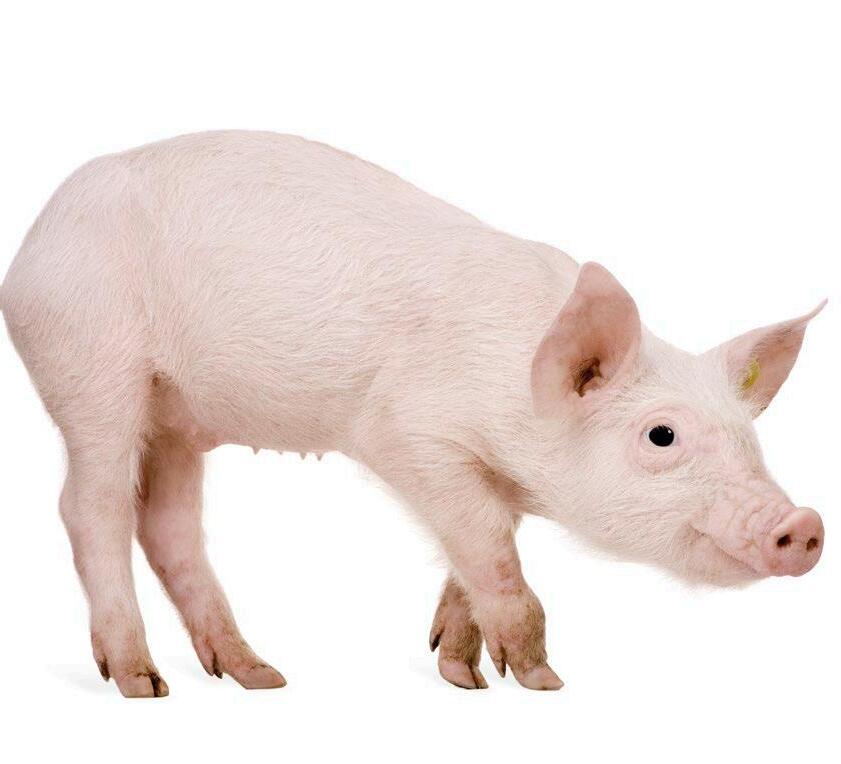
Introduction: rethinking protein and carbohydrates in piglet’s nutrition
In recent years, animal nutrition research has increasingly focused on reducing crude protein (CP) in diets, driven by both environmental and health considerations.
Lower-protein diets can reduce nitrogen excretion and mitigate gut disorders, but they often come with a tradeoff: reduced growth performance, especially in young animals such as weaned pigs, which are characterized by a high amino acids (AAs) requirement.
A key challenge for low CP diets integrated with synthetic AAs lies in nutrient synchronization. When diets are supplemented with free AAs to compensate for reduced protein, these are absorbed rapidly into the bloodstream. However, glucose, derived mainly from starch digestion, is released more slowly. This mismatch can limit protein synthesis efficiency, leading to AAs catabolism rather than growth (Figure 1- The problem).
One promising strategy to address this issue involves modifying the amylose-to-amylopectin (AM/AP) ratio in dietary starch.
Amylopectin, a highly branched molecule, is digested more rapidly than amylose, resulting in faster glucose release. Therefore, reducing the AM/AP ratio may help synchronize glucose and AAs availability, potentially improving metabolic efficiency (Figure 1- The solution).
Two recent studies explored this concept in weaned and nursery pigs, investigating how low-protein diets combined with altered starch structure influence growth, gut health, microbiota, and metabolism.
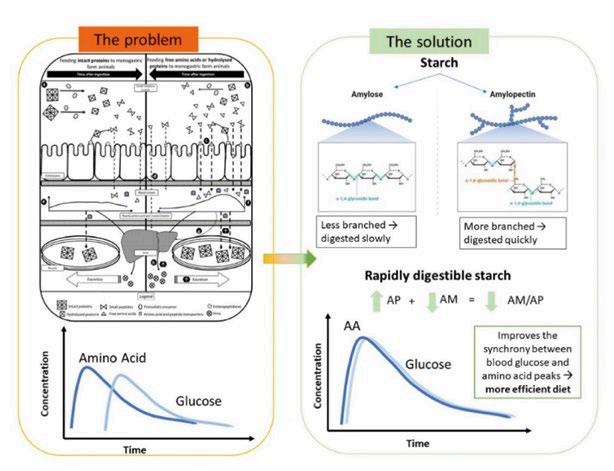
Figure 1. Improving nutrient efficiency through starch structure: synchronizing glucose and amino acid availability. In lowprotein diets, amino acids are absorbed rapidly, while glucose release from starch is slower, leading to a mismatch between their blood peaks and reduced protein utilization. Reducing the amylose-to-amylopectin (AM/AP) ratio increases starch digestibility and accelerates glucose release, improving synchrony and enhancing metabolic efficiency.
The first study evaluated the effects of reducing both CP and the AM/AP ratio in newly weaned pigs (from weaning to 49 days of age) under controlled experimental conditions.
The piglets were fed three different diets: a standard CP and starch sources with moderate amylopectin content (CTR), a diet with low CP and standard AM/AP ratio (LP) or a diet with low CP and low AM/AP ratio (LPLA) (Table 1).
(Correa et al., 2024)
To allow a reduction in AM/AP ratio the corn was replaced with waxy corn (≈98% amylopectin).
Across all diets, standardized ileal digestible (SID) lysine levels were maintained similar among treatments (around ~1.1% depending on phase), ensuring that differences were primarily driven by protein level and starch structure rather than essential AAs deficiency. This design allowed the authors to isolate the effect of starch composition while maintaining AAs adequacy.

LP
CP level: Standard Amylopectin level: Moderate CP = 18%; AM/AP= 0.13 CP = 16.6%; AM/AP= 0.30 CP = 16.7%; AM/AP= 0.15
CP level: Low AM/AP ratio: Standard
LPLA CP level: Low AM/AP ratio: Low
CP = 16%; AM/AP= 0.17
= 16%; AM/AP= 0.09
Table 1. Description of the main difference between the three diets
CP = 14.7%; AM/AP= 0.17
= 14.7%; AM/AP= 0.05
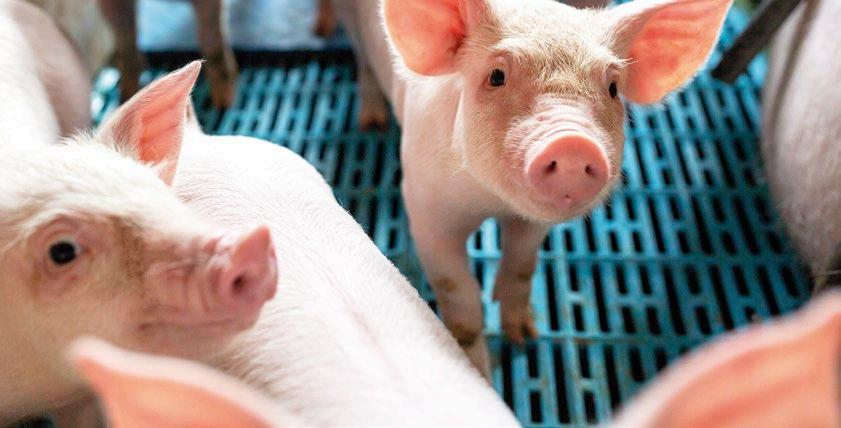
The second study investigated a more applied feeding strategy in commercial farm conditions, extending the observation in a greater number of post weaned piglets (n. 540) and for a longer period, up to 63 days post-weaning. The trial was based on a twophase nutritional program (Table 2).
CP = 14.5%; AM/AP= 0.25
= 14.5%; AM/AP= 0.09
et al., 2026)
Similarly to Study 1, lysine and other essential AAs were carefully balanced across diets, ensuring that performance differences were not due to essential amino acid deficiencies but rather to protein level and starch digestion dynamics and waxy corn was used to formulate the LPLA diet.
Items
Description
N. piglets
Control group fed a standard diet with medium CP content and a normal AM/AP ratio
180 piglets (5 pens; 36 piglets per pen
Low-CP diet with a normal AM/ AP ratio
360 piglets (10 pens; 36 piglets per pen
Control group fed a standard diet with medium CP content and a normal AM/AP ratio
180 piglets (5 pens; 36 piglets per pen
Low-CP diet with a normal AM/AP ratio
180 piglets (5 pens; 36 piglets per pen
Low-CP diet with a low AM/AP ratio
180 piglets (5 pens; 36 piglets per pen
Table 2. Description of the main difference between the diets during the two-phase feeding.
A key aspect when interpreting these findings is the difference in experimental context between the two studies, which has important implications for their practical relevance.
In Study 1, pigs were raised under controlled experimental conditions, and diets included a relatively high proportion of processed (cooked or flaked) starch sources. These ingredients are known to enhance starch digestibility and accelerate glucose release, potentially already improving the synchrony between glucose and AAs absorption.
As a result, the specific contribution of reducing the AM/ AP ratio may have been partially masked by the presence of these highly digestible starches.
In contrast, Study 2 was conducted under commercial farm conditions, where animals were exposed to more variable environmental and management factors.
Importantly, in this study the low-protein, low AM/AP diet contained a lower proportion of processed starch, allowing a clearer evaluation of the functional role of waxy corn (rich in amylopectin) in modulating digestion and metabolism.
Both studies confirmed a key limitation of low CP diets:
In Study 1, pigs fed low-protein diets showed lower body weight and average daily gain. However, during the first 4 weeks post-weaning, pigs fed the LPLA diet maintained body weight comparable to control group. This suggests a shortterm compensation through low AM/AP ratio. Moreover, piglets fed the LPLA diet showed feed efficiency comparable to controls, unlike those on standard low CP.
Similarly, in Study 2, both LP and LPLA groups had lower body weight and growth rates compared to controls during later stages. However, the formula with the lower AM/AP ratio improved feed efficiency in later stages (Gain:feed d43-d63: CO=0.61a; LP=0.54b; LPLA=0.57ab).
Overall, reducing the AM/AP ratio does not fully restore growth performance but may partially mitigate metabolic inefficiencies of low CP diets, especially over time (Table 3).
Table 3. Effect of CP level and different amylose/amylopectin ratio in diets on piglets’ performance.
One of the most consistent findings across both studies concerns gut health improvements:
Pigs fed the low AM/AP diet (LPLA) showed a significantly lower incidence of diarrhoea in the first week postweaning compared to standard lowprotein diets
Low-protein diets increased faecal dry matter in early stages, suggesting a better water absorption and reduced diarrhoea severity
These benefits are particularly relevant in the early post-weaning phase, when animals are most vulnerable (Table 4)
Table 4. Effect of CP level and different amylose/amylopectin ratio in diets on piglets’ faecal index (number of days with diarrhea > 3) and faecal dry matter.
Both studies explored how diet shapes the gut microbiota, revealing complementary insights:
In Study 1, the LPLA diet increased alpha diversity, indicating a more resilient microbial ecosystem.
In Study 2, the LPLA diet influenced beta diversity and specific bacterial taxa over time, while alpha diversity was not significantly altered.
Together, these findings suggest a transition from early diversity enhancement to later functional microbiota modulation.
In addition, the metabolomic data from Study 2 provided further mechanistic insight: the low CP diets reduced the faecal abundance of AAs (alanine and proline) and the LPLA diet reduced lactate and uracil in LPLA pigs. These changes reflect a reduced protein fermentation in the large intestine and a potential decrease in harmful microbial activity.
These studies highlight a key principle of modern nutrition: nutrient timing and structure matter.
Reducing CP remains a promising strategy for sustainability and gut health, but its success depends on optimizing nutrient utilization.
Adjusting the AM/AP ratio offers a novel way to improve metabolic synchronization.
Importantly, the evidence from both controlled and commercial settings suggests that this approach is not only biologically sound but also practically applicable and economically promising. In particular, the second study suggests that reducing the AM/AP ratio can be effective even in less “optimized” dietary contexts (reduction in cooked starch), making the strategy more applicable to real-world production systems and potentially more cost-effective.
In fact, if waxy corn were to reach a market price comparable to conventional feed corn, its inclusion in low CP diets could further reduce overall feed formulation costs. This is because such diets rely less on expensive protein sources while maintaining acceptable performance and improving feed efficiency.
Future research should aim to further refine these strategies, integrating starch structure, amino acid balance, and feeding management to unlock the full potential of precision nutrition in livestock systems.
Reference:
Correa, F., Luise, D., Virdis, S., Negrini, C., Polimeni, B., Amarie, R. E., Serra, A., Biagi, G., & Trevisi, P. (2024). Reduction of amylose–amylopectin ratio in low- protein diets: Impacts on growth performance and intestinal health in weaned pigs. Journal of Animal Science, 102, skae370. https://doi.org/10.1093/jas/skae370
Lee, J., Correa, F., Laghi, L., Bencivenni, S., Bigi, D., Biagi, G., Palumbo, F., Trevisi, P., & Luise, D. (2026). A novel low-protein diet feeding strategy with reduced amylose/amylopectin ratio: Effects on growth performance, gut health, and behaviour in nursery pigs. Veterinary and Animal Science, 32, 100631. https://doi.org/10.1016/j. vas.2026.100631

What is energy, what does it mean in animal production, and how is it measured?
The energy in feed ingredients can be estimated using several different systems.
Gabriela Martínez Padilla PhD Nutritionist

Gross energy (GE)
GE is measured by burning a feed sample in a bomb calorimeter and measuring the heat produced.
Digestible energy (DE) and metabolizable energy (ME)
By feeding pigs in metabolism crates and measuring the difference between the GE consumed and the energy excreted in feces, or exreted in feces and urine, digestible and metabolizable energy (DE, ME, respectively), can be estimated.
increment (HI) and net energy

Respiration chambers are used to measure gases such as methane, carbon dioxide and oxygen in order to estimate the energy lost as heat (heat increment, HI), and the energy retained in the body (net energy, NE).
This final step is critical to accurately estimate NE, or the energy available for productive purposes.

Estimating the net energy of ingredients is also key, as there are major differences between ingredients in terms of heat increment.
For example, high-fiber ingredients lose a greater proportion of energy as heat increment during digestion, whereas fats and oils have a very low heat increment.
This means that feeding fiber to a pig will result in greater heat production compared with feeding fat.
This creates an excessive load for pigs in summer and may result in lower energy intake as pigs work to dissipate the excess heat.
For this reason, fats and oils have historically been used at higher levels during summer and in warmer environments.
Starch and protein have intermediate heat increments compared with fiber and fat.
These relationships are important for accurately predicting the energy contained in an ingredient
The role of net energy in growth: a closer look
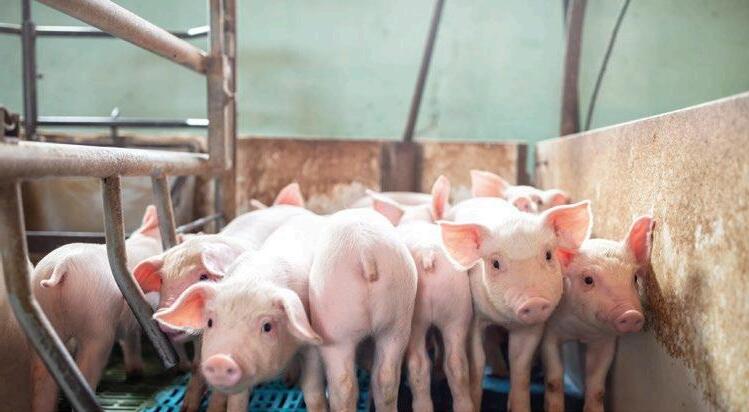
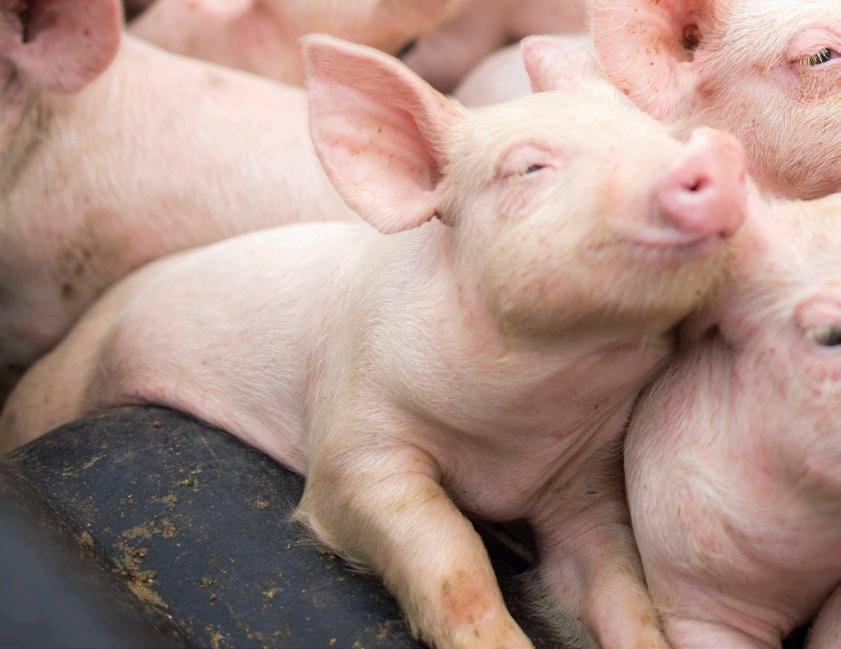
Ensuring optimal growth rates in an economically viable way is a key concern for pig producers.
As in other fields of study (meteorology, finance, marketing, health, engineering etc.), the pig sector can use prediction equations to frecast future outcomes.
These prediction equations are mathematical forumlas based on historical data that allow an outcome to be estimated by entering relevant factors or variables.
When formulating diets for pigs, the first step is to determine the appropriate energy density.
This involves balancing production targets with economic considerations.
Numerous studies have documented how changes in energy density affect growth performance. A notable review by Nitikanchana et al. (2015) explored this concept in detail.
A total of 100 experiments from 41 trials were used to generate prediction equations.
The authors found that predicting average daily gain (ADG) and feed conversion ratio (FCR) in pigs requires consideration of multiple factors.
Initially, using only dietary net energy (NE) was a goood predictor, but adding the average body weight (BW) of the pigs improved the accuracy of the model.
A subsequent analysis revealed that including dietary NE, average BW, crude protein (CP), standarized ileal digestible lysine (SID) and their interactions provided the best predictions.
Specificaly, the interaction between NE and CP or SID showed that higher levels of these nutrients maximized improvements in growth when SID was below the suggested requirement.
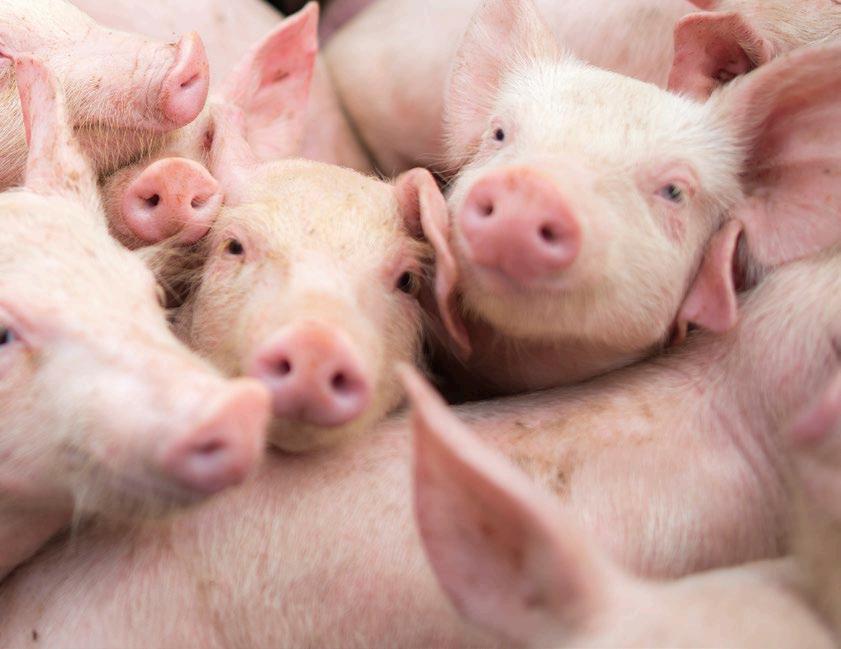
Difference of ADG
If pigs were fed at or above the SID requirement, SID and CP were eliminated as significant predictors. In the case of ADG, the model predicted that for every 25 kcal/lb change in NE, ADG changed by 0.8 %.
When predicting feed efficiency in pigs, NE alone was found to provide a good starting point.
However, model accuracy improved when the interaction between NE and SID was included, together with average body weight.
Further analysis revealed that the best model showed that feed efficiency improved with higher dietary NE, especially when SID levels were also high.
This suggests that SID was a limiting factor in many trials. After removing trials with SID deficiency, the optimal model included dietary NE, average body weight and fat.
This model indicated that feed efficiency improved with higher dietary NE and fat, and with lower body weight. For every 25 kcal/lb change in NE, FCR was expected to improve by 2 %.
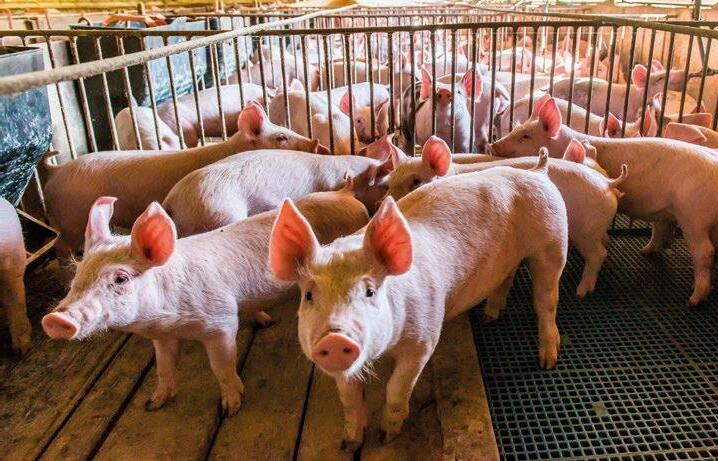
During summer, rising temperatures cause heat stress in pigs, resulting in reduced feed intake, slower growth and a negative impact on metabolic processes.
When pigs experience heat stress, they generally undergo some degree of inflammation and immune system depression.
Available energy is diverted to counteract or reduce this inflammation, rather than being used for growth and muscle (or protein) deposition.
One option to mitigate the negative effects of high summer temperatures could be to increase the number of feeding days on farm. However, not all systems can afford a higher feed budget to reach the same body weight.
Another option is to incorporate high-energy diets, although this strategy may not be profitable for all production systems, as several factors must be evaluated.
However, when the economic scenario in terms of profit is promising, this strategy not only helps mitigate the effects of heat stress, but also ensures profitable performance.
One of the factors to consider when implementing high-energy diets is the price ratio between the fat source and corn.
Once this ratio is determined to be appropriate,
As previously mentioned, fats and oils have a very low heat increment.
Providing fat during a heat-stress challenge means that the pig needs to work less to obtain the required calories.
Fewer visits to the feeder result in fewer calories being used per visit, leaving more caloreis available for growth.
Cotcho1, A., Soldevila 2 , X., Farré 2 , G., Llauradó-Calero3, E. y Verdú 2 , M.
1Departament de Ciència Animal, Universitat de Lleida-Agrotecnio-Centre CERCA, 25198 Lleida
2Alimentació Animal i Producció, bonÀrea Agrupa, 25210 Guissona, Lleida
3 SNiBA, Departament de Ciència Animal i dels Aliments, Universitat Autònoma de Barcelona, 08193 Bellaterra, Barcelona
Winning paper of the Nutriforum 2025 Young Talents Competition
Calcium (Ca) and phosphorus (P) are essential minerals in broiler chicken nutrition, playing key roles in bone development, metabolic activity and the overall welfare of the birds.
Therefore, an accurate estimation of Ca and P requirements is necessary to maximize productivity.

While Ca is generally considered an inexpensive and readily available nutrient, P, by contrast, is costly and limited in feed formulation.
In addition, excess unabsorbed P is excreted into the environment, contributing to environmental pollution and increasing production costs (Caldas & Silva, 2022).
Likewise, several studies have shown that:
Excess dietary can negatively a ect the digestive process due to the formation of insoluble salts with dietary fatty acids.

Consequently, this may lead to reduced growth and feed e ciency (Sebastian et al., 1996; Tamim et al., 2004; Hamdi et al., 2015).


It can also reduce nutrient availability and decrease dietary energy utilization.
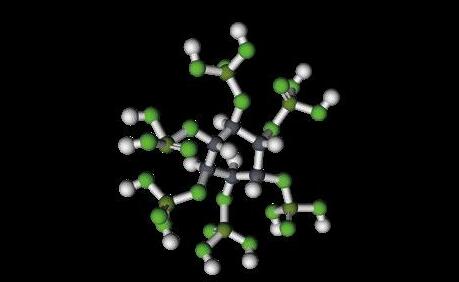
The inclusion of exogeneous phytases promotes phytate hydrolysis, releasing previously unavailable P and other associated nutrients, improving their utilization and reducing the need to add inorganic P sources (Moita et al., 2021).
However, the efficacy of this enzyme depends on factors such as dietary phytate concentration and supplemented Ca levels, since excess Ca may form complexes with phytate and inhibit phytase activity.
Optimizing the balance between Ca, P and phytase is therefore essential to improve both productive efficiency and environmental sustainability in broiler production 2019).
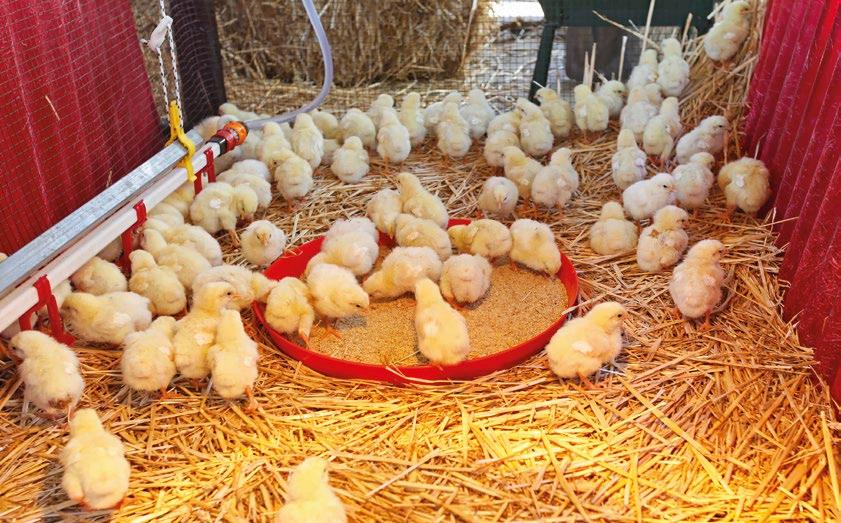
The study was carried out at the Nial experimenta farm (bonÀrea Agrupa, Guissona) with 2.857 broiler chickens (Ross 308, de 1 day old and sexed).
The birds were housed in 24 pens, with similar initial body weights, and were kept under controlled

The objective of the present study was to review Ca and P levels in combination with the inclusion dose of phytase in broiler chicken diets, and to evaluate their effects on producitve performance, nutrient excretion and bone mineralization.



1Dietary levels of the nutrients under study: H = high and L = low.
The study followed a 2 x 2 factorial design, in which four dietary treatments were compared and randomly assigned to each of the 24 pens (n = 6 replicates/treatment).
, stwo nutritional factors were evaluated: Ca and P levels (High vs. Low, according to Aviagen 2014 vs. 2022 recommendations, respectively), and the concentration of an exogeneous phytase (High, 2.000 vs. Low, 1.500 FYT/kg).
Feeding management followed a four-phase feeding program (pre-starter, starter, growth and finish).

experimental diet.
Body weight and feed intake were recorded per pen on days 0, 7, 21, 30 and 36; based on these data, producivity parameters were calculated, including average daily gain, average daily feed intake and feed conversion ratio.
Two birds per pen were euthanized by cervical dislocation, and their tibias were collected on days 21 and 36 to assess bone mineralization through ash analysis. (Salgado-López et al., 2025).
SLAUGHTERHOUSE PARAMETERS
(LA CLOSA, BONÀREA AGRUPA)
Carcass weight, carcass yield and carcass quality parameters were recorded per pen on day 36 of the study.
The pen was considered the experimental unit. Data were analyzed using a mixed-effects model with repeated measures (Proc MIXED del SAS®).
The statistical model included initial body weight as a covariate; treatment, study day and their interaction as fixed effects; and pen as random effect.
Fecal samples were collected per pen on days 7, 21, 30 and 36. Samples were weighed, dehydrated and analyzed for Ca and P content by atomic absorption using a ame spectrometer (Laboratori de Nutrició Animal, bonÀrea Agrupa).

After 36 days of study, birds fed low Ca and P levels (P < 0,05) showed increased final body weight and average daily gain, as well as an improved feed conversion ratio, compared with birds fed high levels (Table 2).

Regarding slaughterhouse results, low Ca and P levels tended (P = 0,07) to result in higher carcass weight and a lower percentage of condemned carcasses. Diets with a high phytase concentration tended (P = 0,07) to show higher carcass yield.
daily gain, g/día
1Dietary levels Ca/P (High vs. Low, acording toAviagen 2014 vs. 2022 recommendations, respectively) and exogenous phytase concentration (High, 2.000 vs. Low, 1.500 FYT/kg).
2 Standard error of the mean.
3 Effect of the dietary levels of the nutrients under study.
a-bMeans within the same row with different letters idicate statistically significant differences (P < 0,05).
Table 2. Effects of dietary calcium (Ca), phosphorus (P) and phytase levels on productive and slaughterhouse performance in broiler chickens after 36 days of study.
The results showed that a moderate dietary reduction in Ca (17 %) and P (7,5 %), regardless of phytase concentration, improved productive performance in broiler chickens (body weight, carcass weight, growth and feed conversion ratio).
Furthermore, a higher phytase inclusion dose (2.000 FYT/kg) increased carcass yield, although no improvement was observed in feed efficiency (Babatunde et al., 2019; Campasino et al., 2014).
Regarding bone mineralization, the results showed that tibia ash content was not affected by the different dietary levels of Ca and P or by the phytae dose (Table 3), suggesting that a balanced diet allows Ca and P levels to be reduced without compromising bone health 2003).

1Dietary Ca/P levels (High vs. Low, according to Aviagen 2014 vs. 2022 recommendations, respectively) and exogenous phytase concentration (High, 2.000 vs. Low, 1.500 FYT/kg).
2 Standard error of the mean.
3 Effect of dietary levels of the nutrients under study.
Table 3. Effects of dietary calcium (Ca), phosphorus (P) and phytase levels on bone mineralization, expressed as tibia ash percentage, in broiler chickens after 36 days of study.

As expected, fecal Ca and P was higher (P < 0,01) in in diets with high nutrient levels compared with low-level diets (Table 4).
In addition, P excretion was higher in birds fed the diet with a low phytase concentration, suggesting lower utiliation of phytate-bound phosphorus and lower release of available P.

Fecal excretion,
Dietary levels1
1Dietary Ca/P (High vs. Low, according to Aviagen 2014 vs. 2022 recommendations, respectively) and exogeneous phytase concentration (High, 2.000 vs. Low, 1.500 FYT/kg).
2Standard error of the mean.
3Effect of dietary levels of the nutrients under study.
Table 4. Effects of dietary calcium (Ca), phosphorus (P) and phytase levels on fecal Ca and P excretion in broiler chickens after 36 days of sutdy.
The present trial allows us to conclude that lower dietary levels of Ca and P, can improve productive and slaughterhouse performance without impairing bone mineralization,
In addition, they help minimize environmental pollution by reducing the excretion of these minerals in broiler production.
Finally, high phytase levels tend to improve slaughterhouse performance parameters.
References available in the web version of the article at nutrinews.com

Optimization of dietary calcium, phosphorus and phytase levels in broiler chickens.
DOWNLOAD PDF
Dr. Reshma R Chandran1 & Dr. Kuncham Vasudha Reddy2
1Assistant Product Manager at Natural Remedies Private Limited
2Scientist at Natural Remedies Private Limited
Poultry and livestock production are vital to global food security, nutrition, and rural livelihoods.
As the demand for meat, milk, and eggs continues to rise, producers are increasingly focused on improving feed efficiency, animal performance, and sustainable production systems.
Choline, an essential component classified as a water-soluble compound similar to vitamin B plays a critical role in fat metabolism, liver health, cellular integrity, and growth performance.


Choline helps to reduce fatty liver by triglyceride transport out of the liver since it is a component of very-low-density lipoproteins (VLDL).
Choline plays a key role in metabolic pathways, supporting cell membrane structure, phospholipid formation, methionine synthesis, and acetylcholine production in the nervous system.

Choline acts as a methyl donor in methionine synthesis, supporting layer performance, improving egg production and quality, and preventing fatty liver syndrome.
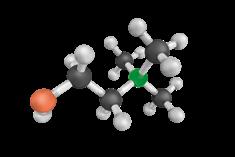
Choline supports lipid metabolism by reducing fatty acid synthesis, while its conversion to betaine aids in osmotic balance, methylation, and gene regulation in poultry.
Poultry birds have a limited ability to synthesize sufficient choline; therefore, Choline Chloride 60% (CC 60%) is commonly added to poultry diets. However, conventional supplementation through synthetic sources presents several limitations.
Synthetic choline chloride, being a petrochemical byproduct, raises environmental concerns, because it is highly hygroscopic, and can accelerate oxidation, leading to loss of vitamins in feed. Its corrosive nature can damage feed enzymes and create handling challenges.
Young poultry birds require adequate dietary choline to prevent growth retardation and perosis, as their natural synthesis is insufficient.
Additionally, it may contribute to trimethylamine formation in the intestinal tract of broilers, impacting the gut environment.
In addition, supply chain disruptions and storage challenges for choline chloride in recent times can affect its availability for feed millers and nutritionists.

Understanding the requirements in poultry diet and the challenges associated with synthetic choline, Kolin Plus FC, a natural, safe, and effective solution was formulated.
Kolin Plus FC, a phytogenic solution formulated by M/s Natural Remedies Pvt Ltd, based in Bengaluru, India is developed by the synergistic blend of Acacia nilotica and Curcuma longa plant parts.
Key components
Function Catechins
Polyphenols Tannins

Helps reduce hepatic fat accumulation, supports triglyceride mobilization from the liver, restores normal liver tissue architecture, and provides antioxidant protection that supports growth and feed efficiency.

Key components
Curcuminoids (Curcumin)
Function
Supports regulation of lipid metabolism, helps prevent fatty liver, promotes hepatocellular protection, reduces inflammation, and enhances overall liver efficiency during metabolic stress.
To prove the effectiveness of Kolin Plus FC, several studies have been conducted to date, which prove that Kolin Plus FC is as effective as synthetic alternatives.
A study was conducted with Cobb500 broiler chicks to evaluate the impact of synthetic and natural choline supplementation on broiler production performance and liver health.
The trial compared conventional synthetic choline chloride with Kolin Plus FC, a phytogenic solution developed by M/s Natural Remedies Pvt Ltd, designed to support efficient fat metabolism and growth performance in broilers.
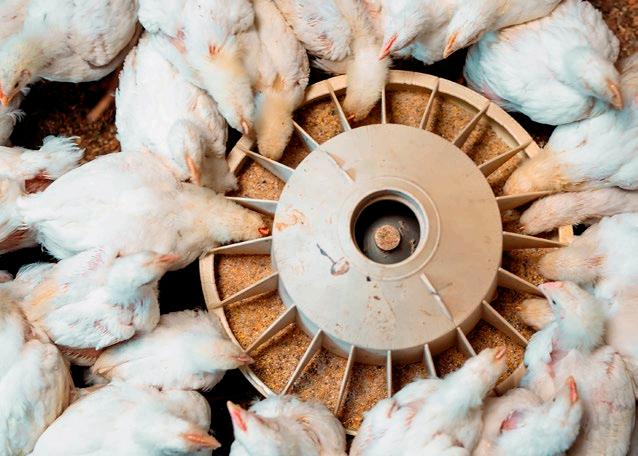
Broilers supplemented with Kolin Plus FC* achieved higher body weight performance compared to birds receiving synthetic choline chloride, demonstrating its effectiveness as a natural solution for supporting optimal growth in poultry production.
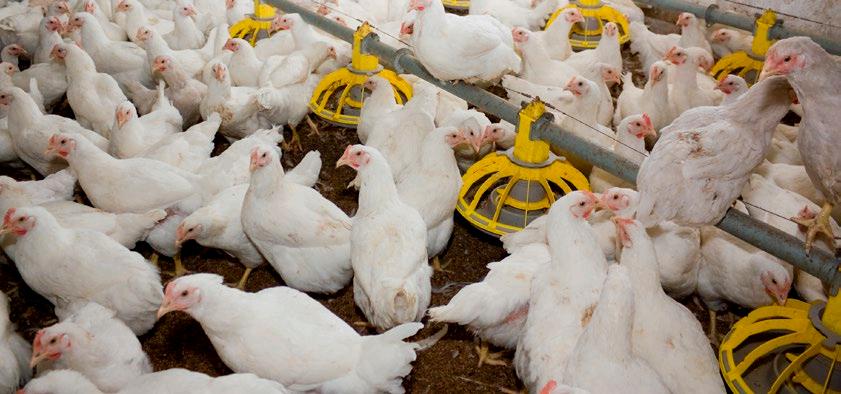



Figure 1. Performance of broilers at 42 days comparing final body weight across three supplementation groups: a control group without supplemental choline, a group supplemented with synthetic choline chloride (CC 60%), and a group supplemented with Kolin Plus FC*
Hepatic Steatosis Score (SS)
Broilers supplemented with Kolin Plus FC demonstrated a reduction in hepatic steatosis score (SS), indicating reduced fat accumulation in the liver and improved liver health compared to the control group and synthetic choline chloride supplementation.



Note: Means followed by different letters in the same column differ significantly (Tukey test, P<0.05).
Broilers supplemented with Kolin Plus FC* demonstrated a better feed conversion ratio compared to both the control group and birds supplemented with synthetic choline chloride, indicating improved feed efficiency and better utilization of nutrients for growth.



Figure 3. Performance of broilers at 42 days comparing Hepatic Steatosis Score (HSS) across three supplementation groups: a control group without supplemental choline, a group supplemented with synthetic choline chloride (CC 60%), and a group supplemented with Kolin Plus FC *
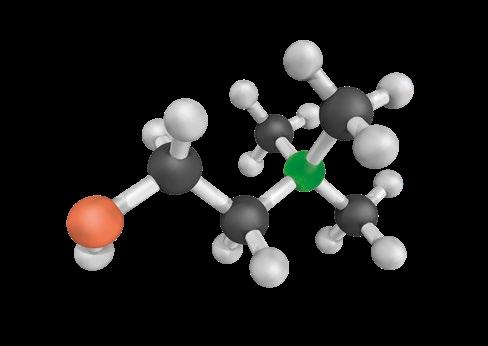
Figure 2. Performance of broilers at 42 days comparing feed conversion ratio (FCR) across three supplementation groups: a control group without supplemental choline, a group supplemented with synthetic choline chloride (CC 60%), and a group supplemented with Kolin Plus FC*
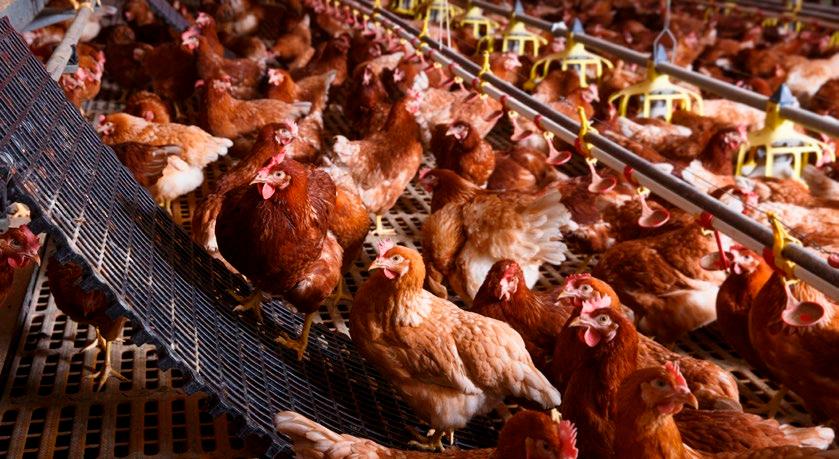
Maintaining consistent egg production and egg quality throughout the laying cycle is essential for profitable layer operations. As birds age, a gradual decline in laying persistence and egg quality parameters is commonly observed, affecting overall production efficiency.
Kolin Plus FC supports sustained egg production by helping layer birds maintain production consistency over an extended laying period. Birds supplemented with Kolin Plus FC demonstrate improved laying persistence, enabling better maintenance of production performance as the flock advances in age.
Along with supporting production, Kolin Plus FC also helps maintain key egg quality parameters important for market acceptance and hatchability performance. Parameters such as shell strength, shell thickness, egg density, and internal egg quality remain stable, contributing to the production of high-quality eggs throughout the production cycle.
By supporting both egg production and egg quality simultaneously, Kolin Plus FC helps optimize overall layer performance and contributes to improved production efficiency in commercial layer operations.
Kolin Plus FC* offers a smarter and more sustainable approach to choline nutrition in animal feed. With advantages such as uniform particle size for better mixing, compatibility with vitamin and mineral premixes,effective performance at low inclusion levels, non-hygroscopic properties, noncorrosive handling and residue-free supplementation, it addresses many limitations associated with conventional choline chloride.
Beyond nutritional performance, Kolin Plus FC also supports environmental responsibility, having contributed to the reduction of 1 billion+ carbon footprints.
By combining efficiency, safety, and sustainability, Kolin Plus FC stands out as a future-ready solution for modern feed production.
Optimizing Choline Nutrition in Poultry Through Sustainable, Greener Alternatives DOWNLOAD PDF
REFERENCE:
Ramalho de Lima M, Kaneko IN, de Lima AV, de Melo LN, de Lima MC, de Brito ANEF, et al. (2024) Choline supplementation: Impact on broiler chicken performance, steatosis, and economic viability from 1 to 42 days. PLoS ONE 19(3): e0295488. https://doi.org/10.1371/journal.pone.0295488
https://journals.plos.org/plosone/article?id=10.1371/journal.pone.0295488
https://share.google/nuz2cQI1meDbBiAwl
Compatibility Highly Compatible with Vitamin & Mineral premix

Kolin Plus FC ™ Greener Alternative to Choline Chloride
Non-Corrosive Safe to handler, Safe to machinery Non-Hygroscopic
*Dosage may vary depending on region, diet, and species.
Residues
Free from TMA no residual effect




INTRODUCTION
(Bach et al., 2023; JDS 2023)
High-concentrate diets induce rumen pH depression and disrupt the rumen microbiota, particularly fibrolytic bacteria such as Fibrobacter, which are highly sensitive to acidic conditions. Stabilizing rumen pH is therefore essential to maintain microbial balance and fiber degradation capacity. The present study evaluated, under an induced acidosis challenge, the effects of pH modulators with different neutralizing capacities on rumen pH dynamics, time under subacute acidosis (pH <5.8), and rumen microbiota, with a specific focus on fibrolytic populations.
MATERIAL AND METHODS
RESULTS AND DISCUSSIONS
Forty-five lactating dairy cows were assigned to three treatments consisting of a control diet without supplementation (CON), a diet supplemented with sodium bicarbonate at 0.82% of DM (approximately 200 g/cow/day; SB), and a diet supplemented with a magnesium-based blend (pHix-up) at 0.25% of DM (approximately 62 g/cow/day; MG). Diets were formulated to provide similar theoretical neutralizing capacity. A progressive dietary challenge was applied by decreasing the forage-to-concentrate ratio from 48:52 to 36:64 to induce rumen pH depression. Rumen pH was continuously monitored, and microbiota composition was assessed using longread sequencing.
Rumen pH decreased as the proportion of concentrate increased across all treatments. However, with the acidosis challenge, cows supplemented with pHix-up maintained a higher rumen pH compared to both control and sodium bicarbonate treatments and exhibited a reduced duration of time below pH 5.8. These results indicate a more sustained buffering effect throughout the day compared to the rapid but transient action of sodium bicarbonate.
Microbiota analysis revealed that supplementation with pHix-up was associated with higher microbial diversity and lower inter-animal variability, indicating a more stable rumen ecosystem. In addition, the relative abundance of Fibrobacter, a key fibrolytic genus highly sensitive to low pH conditions, was greater in cows receiving pHix-up compared to those supplemented with sodium bicarbonate. The improved rumen pH stability observed with pHix-up likely contributed to the preservation of fibrolytic bacteria, supporting fiber degradation capacity and enhancing the resilience of the rumen microbiome under acidotic stress.
RESULTS AND DISCUSSIONS
Despite similar theoretical neutralizing capacity between treatments, sodium bicarbonate supplementation resulted in a rapid but short-term increase in rumen pH, whereas pHix-up provided a more progressive and sustained stabilization
Figure 1: Rumen microbiome sequencing - Fibrobacter population abundance per period and per treatment. Bach et al. (2023)
Figure 2: NDF digestibility per treatment at 36:64 forage:concentrate ratio. Bach et al.
Supplementation with pHix-up improves rumen pH stability under acidosis challenge and promotes the preservation of fibrolytic microbiota, particularly Fibrobacter. These results suggest that pHix-up supports rumen function not only through buffering capacity but also by stabilizing the rumen microbiome and protecting fiber-degrading bacteria under high-concentrate feeding conditions.


Subacute Ruminal Acidosis (SARA) is widely recognized as one of the most prevalent yet underdiagnosed metabolic disorders affecting modern dairy and beef cattle systems. While often overlooked due to its subclinical nature, SARA exerts profound and lasting effects on rumen function, microbial balance, animal health, and overall productivity.
At the heart of this disorder lies a disruption of the rumen’s highly specialized microbial ecosystem, which plays a fundamental role in nutrient digestion and metabolic efficiency. In intensive production systems, where high-energy, starch-rich diets are commonly used to maximize performance, the delicate equilibrium of rumen microflora is frequently challenged.
When this balance is disturbed, the consequences extend far beyond a simple drop in rumen pH—they trigger a cascade of microbial, physiological, and systemic effects that compromise both animal welfare and farm profitability.
The rumen is one of the most sophisticated microbial fermentation systems found in nature.
It hosts a dense and diverse population of microorganisms, including bacteria, protozoa, fungi, and archaea, all working in a finely tuned symbiosis with the host animal. This microbial community enables ruminants to convert fibrous plant materials into energyrich compounds that would otherwise be indigestible.
Under normal conditions, forage-based diets promote the dominance of fibrolytic (fiberdegrading) bacteria such as Ruminococcus spp. and Fibrobacter succinogenes. These microorganisms break down structural carbohydrates like cellulose and hemicellulose into volatile fatty acids (VFAs), primarily acetate and butyrate. These VFAs are essential for energy supply and play a critical role in milk fat synthesis in dairy cows.
In parallel, other microbial groups contribute to the stability of the rumen environment.
Lactate-utilizing bacteria, including Megasphaera elsdenii and Selenomonas ruminantium, metabolize lactic acid into weaker acids, preventing its accumulation and helping maintain rumen pH within the optimal range of 6.2 to 6.5
This balance ensures efficient digestion, stable fermentation patterns, and a healthy rumen epithelium.
SARA is primarily driven by dietary imbalances, particularly the excessive intake of rapidly fermentable carbohydrates such as starch.
When animals are fed high-concentrate diets with insufficient effective fiber, the fermentation dynamics in the rumen shift dramatically.
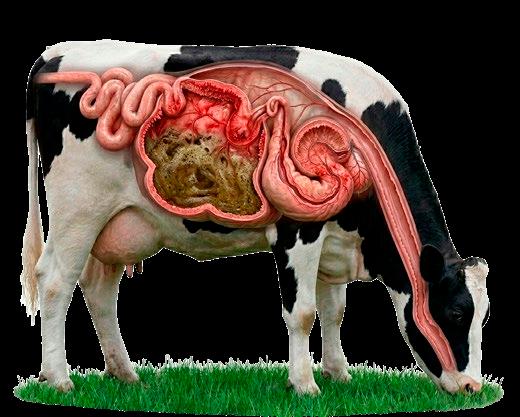
Amylolytic (starch-degrading) bacteria, including Streptococcus bovis and Lactobacillus spp., rapidly proliferate under these conditions.
These bacteria ferment starch at a much faster rate than fibrolytic microbes, producing large quantities of VFAs ; especially propionate and, crucially, lactic acid.

Initially, the rumen’s buffering systems, including saliva production and microbial lactate utilization, can compensate for this increased acid production. However, as starch intake continues to exceed the rumen’s buffering capacity, pH begins to decline. When rumen pH falls below 5.8 for several hours per day, a critical threshold is crossed. At this point, the microbial ecosystem undergoes a profound transformation:

Fibrolytic bacteria become inhibited, reducing fiber digestion efficiency.
Lactate-utilizing bacteria lose activity, limiting the conversion of lactic acid.
Acid-tolerant, lactate-producing bacteria thrive, accelerating acid accumulation.
This creates a self-reinforcing cycle: lower pH favors acid-producing microbes, which in turn further decrease pH. Over time, this feedback loop destabilizes the entire rumen ecosystem and leads to persistent subacute acidosis.
The microbial imbalance associated with SARA has far-reaching consequences, both locally within the rumen and systemically throughout the animal.
The suppression of fibrolytic bacteria directly affects the animal’s ability to digest fiber. This leads to reduced nutrient extraction from feed and a measurable decline in feed efficiency.
Studies indicate that cattle affected by SARA may experience a 5 to 10% reduction in feed conversion efficiency. In dairy cows, the consequences are particularly evident in milk production. Reduced acetate production, due to impaired fiber fermentation, leads to lower milk fat synthesis.
As a result, milk yield can decrease by 3 to 5%, often accompanied by a significant drop in milk fat content.
Beyond digestion, prolonged exposure to acidic conditions damages the rumen lining. The epithelial tissue becomes inflamed, a condition known as rumenitis, and may develop lesions or ulcers. This compromises the barrier function of the rumen wall.
As rumen integrity deteriorates, harmful substances can cross into the bloodstream. The lysis of Gram-negative bacteria releases lipopolysaccharides (LPS), potent endotoxins that trigger systemic inflammatory responses.
These endotoxins, along with bacteria, can reach the liver and other organs, increasing the risk of liver abscesses. Additionally, systemic inflammation is closely linked to laminitis, a painful and economically significant condition affecting hoof health. Together, these effects illustrate how a microbial imbalance in the rumen
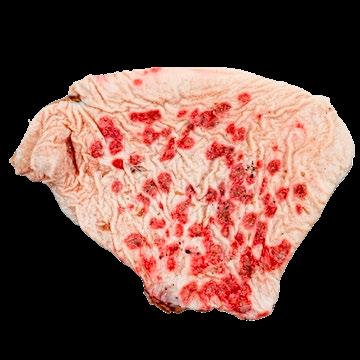
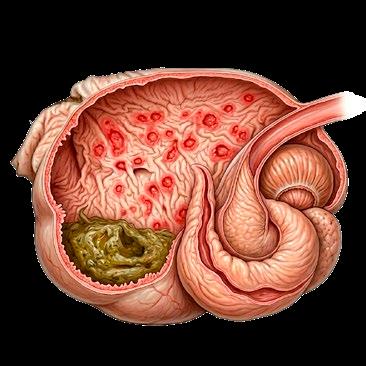
Preventing SARA requires more than simply correcting rumen pH ; it demands maintaining a stable and functional microbial ecosystem. Nutritional strategies play a key role. Adequate levels of physically effective fiber are essential to stimulate chewing and saliva production, which naturally buffers rumen acidity. Proper feed particle size and gradual dietary transitions also help prevent abrupt microbial shifts.
However, in high-performance systems, these measures are often insufficient on their own. The rapid fermentation of high-starch diets can overwhelm natural buffering mechanisms, making additional support necessary.
Among available nutritional solutions, magnesium oxide (MgO) has emerged as a valuable tool for managing rumen acidity.
Unlike fast-acting buffers such as sodium bicarbonate, which provide immediate but short-lived effects, MgO offers a more sustained alkalizing action. When introduced into the rumen, MgO reacts gradually with acids, releasing hydroxide ions that help neutralize acidity over time.
This prolonged buffering effect is particularly beneficial in stabilizing rumen pH throughout the day, reducing the duration and severity of acidotic episodes.
Importantly, maintaining a stable pH environment supports the activity of beneficial microbial populations:
It preserves fibrolytic bacteria, ensuring efficient fiber digestion.
It sustains lactate-utilizing bacteria, preventing lactic acid buildup.
It limits the proliferation of acidtolerant pathogens.
In this way, MgO contributes not only to chemical buffering but also to biological stability within the rumen.
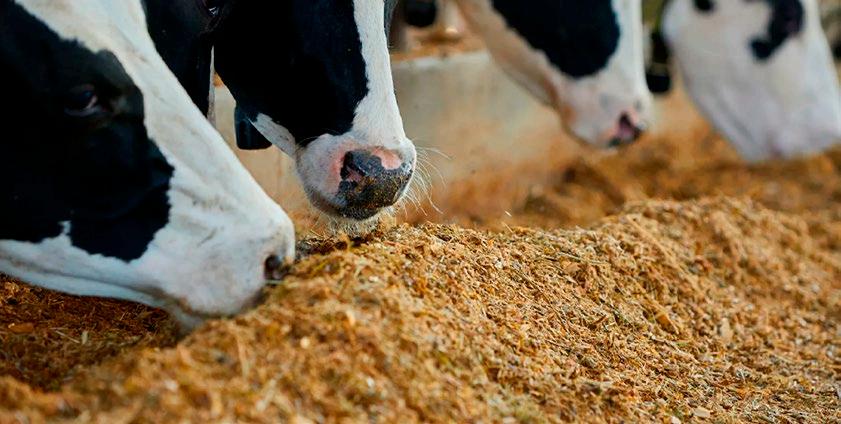
NOT ALL MGO IS EQUAL: THE
The effectiveness of MgO depends heavily on its physical and chemical properties.
Factors such as raw material origin, calcination temperature, processing methods, and particle size all influence its solubility and reactivity in the rumen.
Standard industrial MgO sources may vary widely in performance, leading to inconsistent results in practice.
Some products may dissolve too slowly to provide adequate buffering, while others may lack sustained activity.
This variability highlights the need for carefully selected and optimized MgO sources when targeting consistent rumen stability.
To address these challenges, Terresis has developed pHix-up®, a proprietary magnesium oxide blend designed to deliver both rapid and sustained neutralizing effects in the rumen.
Unlike conventional MgO products, pHix-up® is formulated to ensure optimal solubility and reactivity, allowing it to respond quickly to acid production while maintaining longlasting pH stabilization. This dual-action profile is particularly valuable in high-starch feeding conditions, where acid production is continuous and dynamic.
The efficacy of pHix-up® has been evaluated through multiple trials, including a large-scale meta-analysis involving 84 cows equipped with intraruminal pH sensors.
Over a three-month period, rumen pH was continuously monitored to assess the impact of different neutralizing strategies.



Results demonstrated that cows supplemented with pHix-up® spent significantly less time below the critical pH threshold of 5.8—by an average of 85 minutes per day compared to other neutralizing solutions. This reduction is particularly meaningful, as the duration of low pH exposure is a key factor in the development of SARA.
Moreover, pHix-up® was shown to stabilize pH fluctuations throughout the day, creating a more consistent rumen environment conducive to microbial balance.
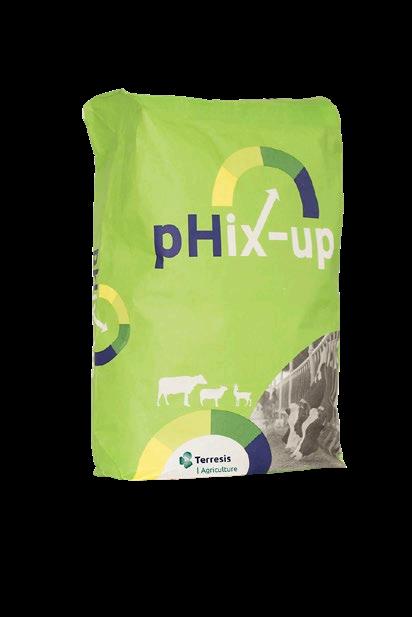
Further evidence comes from a controlled study conducted in collaboration with Alex Bach (Journal of Dairy Science, 2023), where SARA was experimentally induced through a highstarch diet.
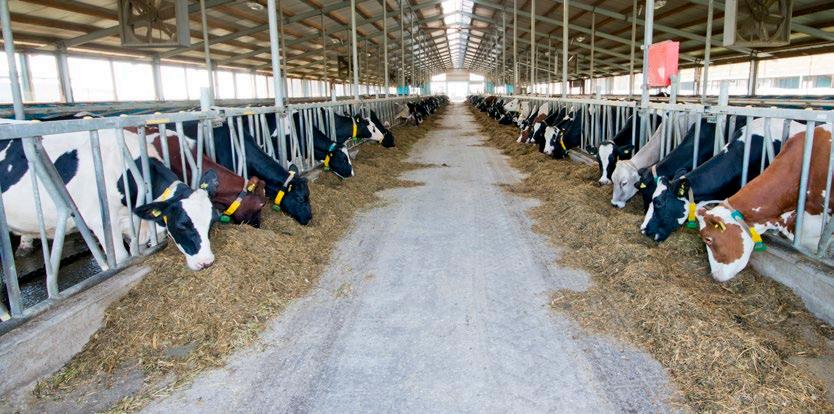
In this challenging context, pHix-up® not only stabilized rumen pH but also preserved key fibrolytic bacteria, including Fibrobacter succinogenes. Additionally, improvements in total-tract neutral detergent fiber (NDF) digestibility were observed, along with support for other beneficial microbial populations such as Treponema.
These findings highlight the product’s ability to maintain the functional integrity of the rumen microbiome under acidogenic stress.

Subacute Ruminal Acidosis is not merely a question of pH ; it is fundamentally a disorder of microbial imbalance. Understanding and managing the rumen microflora is therefore essential for effective prevention and control. By focusing on strategies that support microbial stability through balanced nutrition, proper feeding management, and targeted neutralizing solutions, producers can mitigate the risks associated with SARA.
Innovations such as pHix-up® represent a step forward in this approach, offering a more consistent and sustained means of maintaining rumen pH and preserving microbial function. In doing so, they help safeguard digestion, animal health, and overall production efficiency. In modern cattle systems, where performance demands are high and margins are tight, adopting a proactive, microbiomefocused strategy is no longer optional—it is essential for long-term success.
Fast & sustainable action on rumen pH, supporting performance in ruminants.
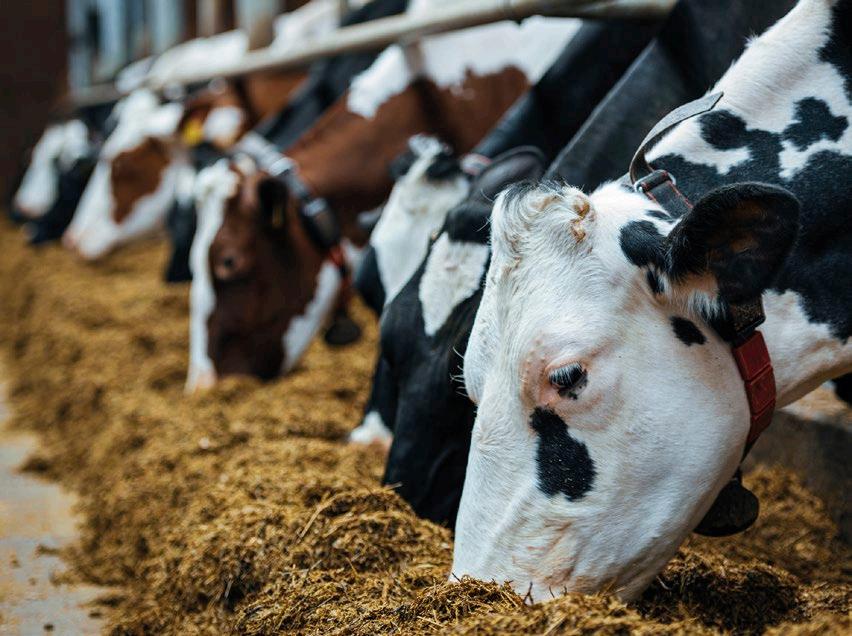
FAST & LONG-LASTING action on rumen pH
3x MORE POWERFUL AND EFFICIENT acid neutralizing capacity than Sodium Bicarbonate
Source of highly soluble MAGNESIUM 48.5%


Simple and flexible use:
INCREASES milk yield and components
Proven EFFICIENCY
Bach et al. 2018
Bach et al. 2023
ADSA 2025
Allowed in ORGANIC agriculture
pHix-up® can be incorporated directly into feed rations, at levels adjusted according to the risk of acidosis. The dosage and precise equivalents with sodium bicarbonate and other neutralising agents can be calculated using our pHix-up® App.

Cyprus’s dairy industry is expanding, focusing on strengthening the halloumi value chain Right now, the main obstacle for halloumi producers is not having enough sheep and goat milk to keep up with growing global demand and new regulations associated with halloumi cheese having gained Protected Designation of Origin (PDO) status. To resolve this, several initiatives are currently under way to increase efficiency and productivity in the sheep and goat sector to respond effectively to increased milk requirements.

Feeding constitutes the main cost driver, exceeding 60% in both efficient and inefficient sheep and goat farms. However, in a recent study carried out in Cyprus, efficient farms have shown to achieve 51% higher revenues than the inefficient farms, which was attributed to the high milk yields of efficient farms.
Optimizing nutrition is one of the most effective practices recommended as a means to improve production efficiency in sheep and goat flocks. On top of that not all dairy sheep and goat breeds used in Cyprus are well-adapted to the prevailing hot climate. In order to help them thrive, we need to adjust both their management and diet so they can handle the heat more effectively.
Maintaining a consistent and sustainable supply of milk from small ruminants is essential for supporting the ongoing expansion and viability of the halloumi cheese market, which belongs to Cyprus’ top exports.
By 2029, regulations demand that a minimum of 50% of the milk utilized in halloumi production must be obtained from sheep and goats in Cyprus.

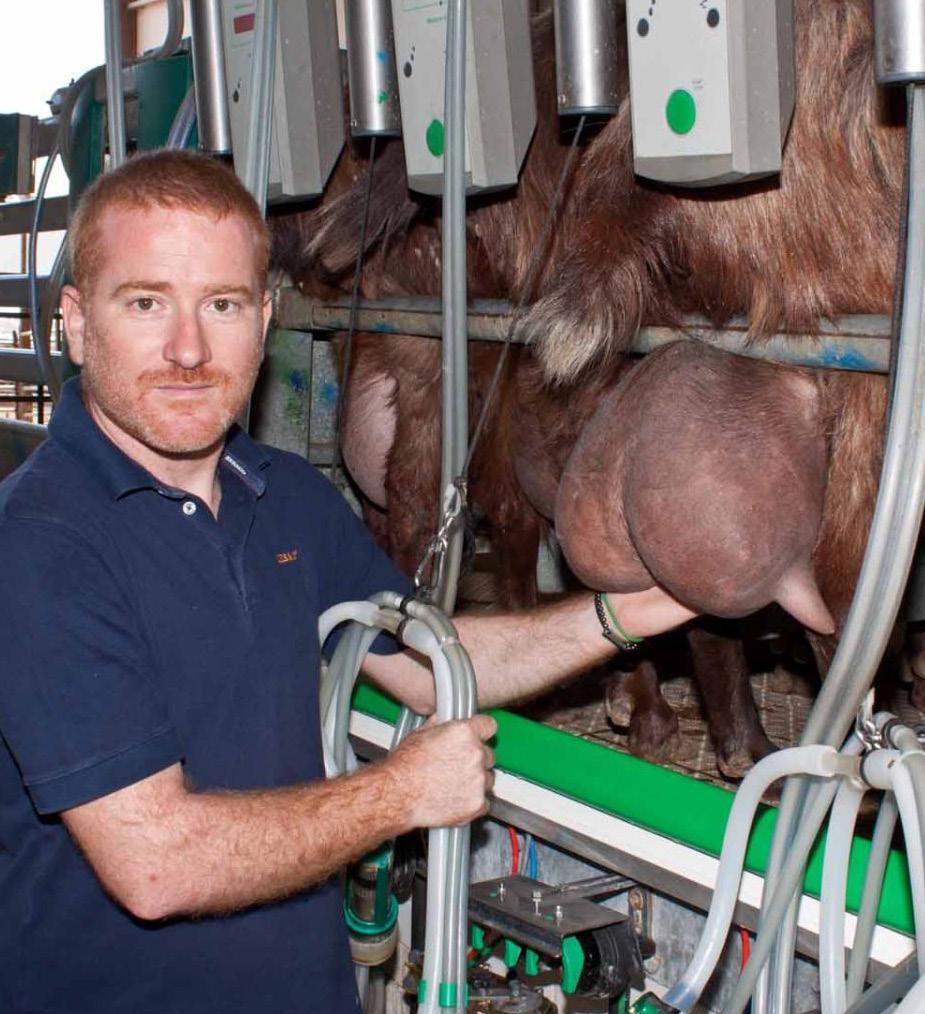
Cyprus is taking significant steps to strengthen its sheep and goat farming industry and also introduced a new approach to subsidies and production goals. As part of the government’s strategy to increase milk production subsidies are now based on productivity of sheep and goat farms rather than the number of animals on a farm. Subsidies will also be tied to digital records of milk production, with software tracking output for greater transparency.
The target productivity is 300 l milk per animal. Whereby in 2026 farms will receive subsidies if they reach 250l/ animal and will be expected to produce 300l/animal in 2027 to be eligible for subsidies.
All in all the government in Cyprus is encouraging small ruminant livestock producers to increase the productivity and modernise their farms to become more efficient in a sustainable way.

Zooarchaeological evidence indicates that Cyprus was among the earliest regions to receive sheep introductions. The sustained presence of sheep across the island for the past ten millennia underscores their significance to local communities in providing both dairy and meat products.
The increasing demand for halloumi cheese in international markets, requires milk rich in fats and protein and gave the dairy sheep and goat sector a boost in Cyprus. The dairy sheep sector has experienced a notable population surge of 27% between 2004 and 2023, whereas the goat sector declined by 43%.
In the same period productivity increased by 196% for goats and 206% for sheep due to rapid intensification in small ruminant production systems. As a result, the number of animal holdings has decreased, but at the same time the size of flocks increased.
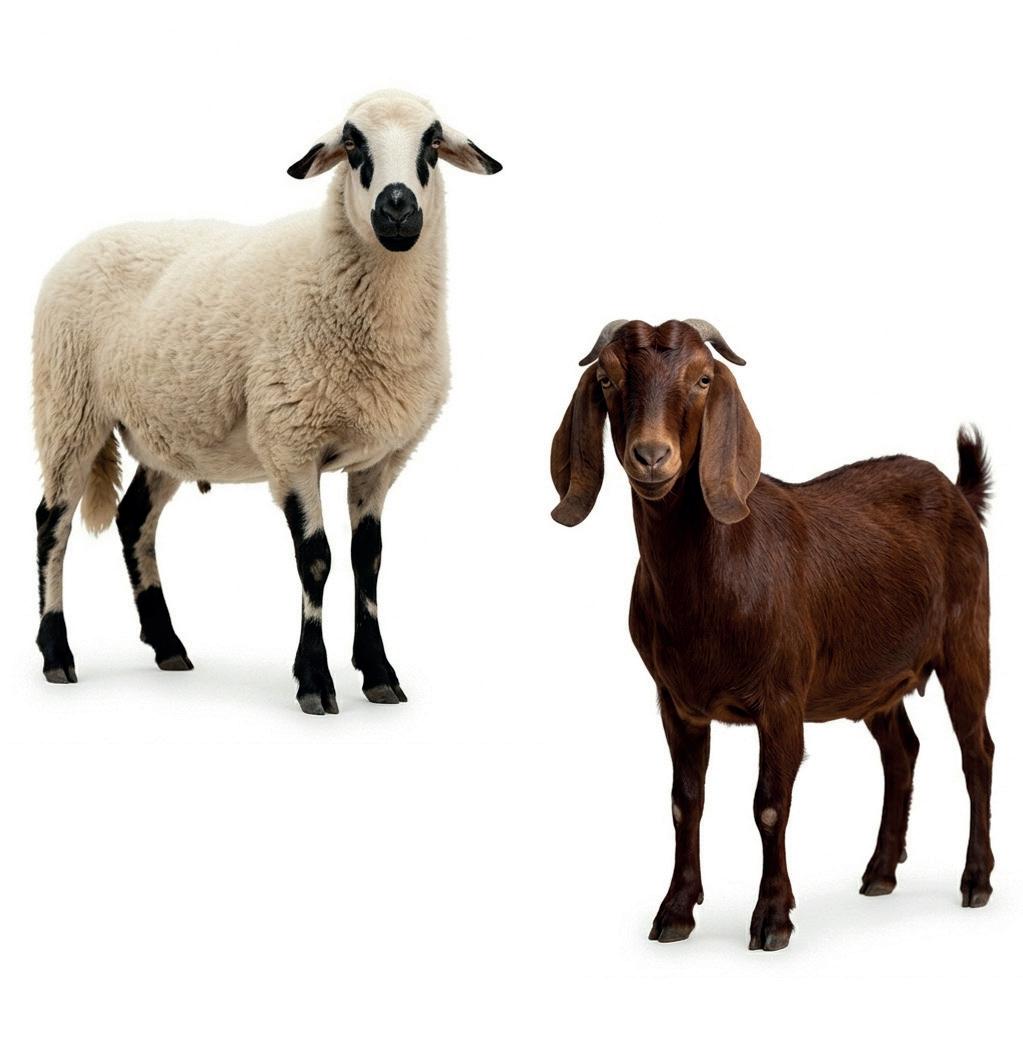
The majority of sheep (63.5%) are crossbred, mostly between the Cyprus Chios and the Cyprus Fat-tailed breeds. Whereas the most dominant goat breed found is the Cyprus Damascus (Shami) goat and cross-breeds with Damascus (Shami) inside. Due to the demand for increased productivity traditional local breeds have been replaced by highproductive crossbreeds and there has also been a trend to import and use high-productive pure breeds from outside Cyprus, such as Lacaune sheep, as well as Saanen and Alpine goats. However, these productive temperate breeds face conditions outside their comfort zone in Cyprus.
In 2024 there were 213,720 lactating ewes and 140,880 lactating does based on the annual review of the sheep and goat sector in Cyprus.
Increased thermal stress may result in reduced productivity by lowering milk production, feed efficiency and reproduction rates. Furthermore heat stress affects the animals’ immune system, making them more susceptible to diseases and stress.

Goats demonstrate resilience and adaptive advantages over sheep in mitigating heat stress effects. Especially indigenous goat breeds in Mediterranean and subtropical regions display adaptive responses to heat stress. However, research has shown that there are differences between goat breeds. For example increasing temperature depressed milk, solids, fat, and N yields more in Alpines than in Nubians. Factors such as breed-specific variances in the sweating rate and coat thickness can affect the level of heat stress experienced by goats.

In another study conducted on Saanen, Anglo-Nubian, and Alpine goat breeds in tropical climates, it was found that milk production was low, and certain milk components, such as fat and total solids, were reduced compared to when these breeds were raised in temperate climates. This can be attributed to inadequate diet and elevated air temperatures.
Reduction in dry matter intake in heat-stressed animals is the main cause of a reduction in milk yields But it can also be related to water stress as discussed in another section below.
Several studies reported negative effects of heat stress on milk yield and composition and on the cheesemaking properties of milk in dairy sheep. The temperaturehumidity index (THI) is one of the most common indices used to measure heat stress. A recent study examining the impact of THI observed notable changes in both the milk yield and composition of Sardinian sheep. Additionally, it found that milk coagulation properties were adversely affected, with rennet clotting time (RCT) and individual cheese yield (ILCA), but depended on the number of days in milk (see Figures 1 and 2).
Sheep milk is almost all processed into cheese. Thus, milk coagulation properties are of interest for the dairy sheep industry. Results also showed a higher susceptibility of milk protein content to heat stress in comparison with fat. Milk protein concentration decreased, whereas milk fat increased with heat stress.

Figure 1 Effect of THI on rennet coagulation time (RCT) across lactation stages in dairy sheep. Different letters within lactation stage indicates significant differences (Source: Correddu et al 2025)
Figure 2 Effect of THI on individual cheese yield (ILCY) across lactation stages in dairy sheep. Different letters within lactation stage indicates significant differences (Source: Correddu et al 2025)

The decline in animal performance and milk quality emphasises the necessity of developing strategies including improving access to water and balanced nutrition to mitigate thermal stress in dairy sheep and goats in Cyprus.

A lack of drinking water can significantly affect milk production levels in high production breeds that are poorlyadapted to water stress, like Lacaune dairy sheep. Research with Saanen and Alpine goats showed that their milk production could withstand mild heat and water stress, however it impacted their milk composition, with a decrease in the concentration of the major milk components.
Water intake is a key aspect of dairy sheep and goat for optimal performance. Animals need to have access to an adequate supply of clean and fresh water at all times. Water consumption can affect feed intake and is particularly critical to ewes and does in late gestation through lactation. Therefore it plays a significant role in nutrition. Particularly in Cyprus, where water requirements increase under hot weather conditions. On average, sheep and goats will drink 4-7.5l of water per day. However, temperature and lactation status increase the water requirement.

Milk yield is closely related to water intake and a shortage in water is generally associated with a reduction in milk yield. Nevertheless, there are differences between breeds in water stress tolerance, whereby adaptive and indigenous breeds from dry regions are more tolerant than breeds from temperate climates.
Ensure animals receive highquality feed to support optimal nutrient intake while minimizing unnecessary heat generation.
Schedule feeding during early morning or evening hours when ambient temperatures are reduced.
Adjustments in ration composition may involve modifying dietary fiber content, incorporating high-quality fiber forage, increasing energy density through the addition of protected fat supplements.
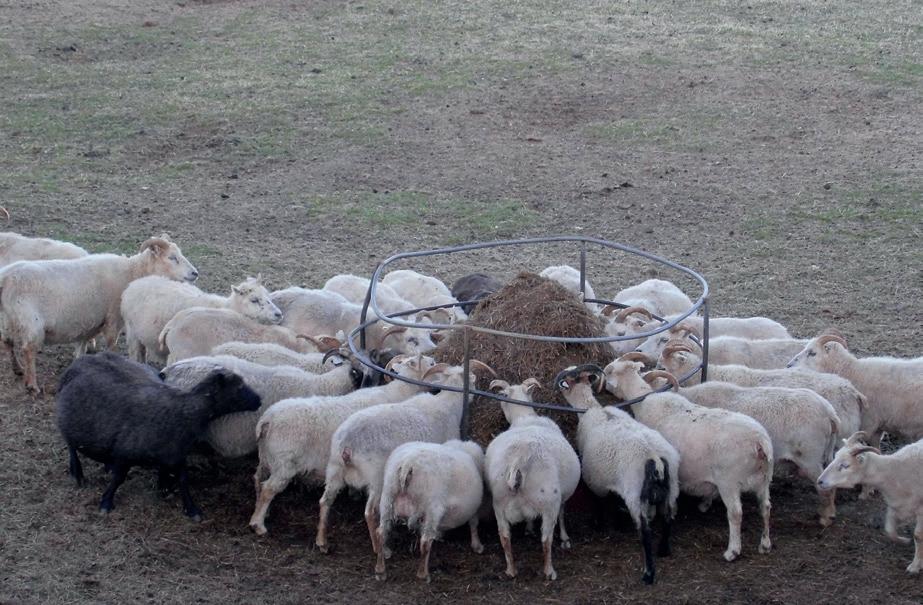
Mineral formulations play an essential role in achieving optimal nutrition for health, reproduction and milk production in dairy sheep and goats. Optimizing the composition, bioavailability, and balance of minerals and vitamins is also critical for improving metabolic stability Essential macro-elements and trace elements, together with vitamins, support mineral homeostasis, energy metabolism, antioxidant defense, and immune function.
A meta-analysis reported that heat stress leads to oxidative stress in sheep and goats and antioxidant and mineral supplementations were able to protect animals from this effect. Antioxidants, such as vitamin E and certain trace elements (e.g. organic selenium) safeguard the body’s defensive approach against excessive generation of free radicals (which are scavenged by antioxidants) during heat stress.
Oxidative stress can increase susceptibility to metabolic disorders, leading to lower daily milk yield, decreased fertility and increased disease incidence. Therefore mineral and vitamin nutrition plays an even greater role in hot climates such as Cyprus, especially for breeds that are adapted to more temperate climates.
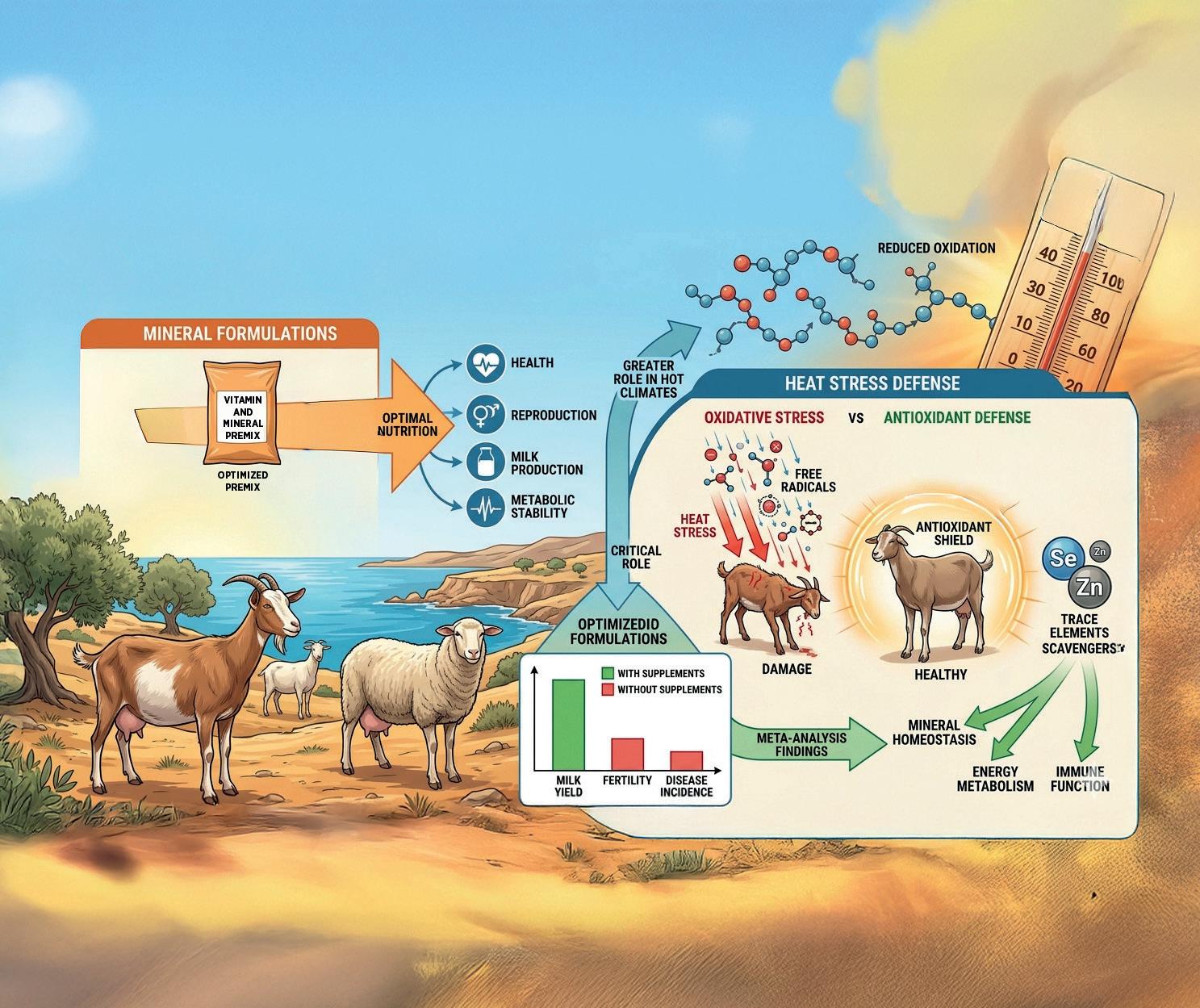

Transition from late pregnancy to early lactation represents an important period in the life of dairy animals, marked by significant alterations in both metabolic and immune functions. These changes increase the susceptibility to the onset of metabolic and infectious diseases, which can be exacerbated under heat stress
Hence, why it is important to carefully formulate late pregnancy diets for sheep and goats. Adequate nutritional preparation ensures that the animals enter lactation with optimal body condition, reduces the risk of metabolic disorders and improves milk yield and composition. Also sheep and goats that don’t receive adequate nutrition especially during the last third of gestation, are more likely to produce smaller and less vigorous offspring.
During the last 60 days of pregnancy, the foetus or foetuses begin to grow and can limit the amount of forage a pregnant animal can eat. This is why the dietary nutrient density needs to be adjusted to compensate for a decline in feed intake
What also needs to be considered more than in any other period is the impact of heat stress on feed intake, as it might otherwise lead to pregnancy toxaemia

Pregnancy toxaemia, also known as twin-kid disease or ketosis, affects ewes and does in the last month of pregnancy and, is a serious metabolic condition that is fatal in about 80% of the cases.
Pregnant goats and sheep are most likely to develop pregnancy toxaemia when their nutrition is insufficient, mainly due to insufficient energy density in the diet. However, stress or even brief periods without feed often trigger the onset of this disease. This is why heat stress is a significant risk factor in Cyprus when environmental temperature rises
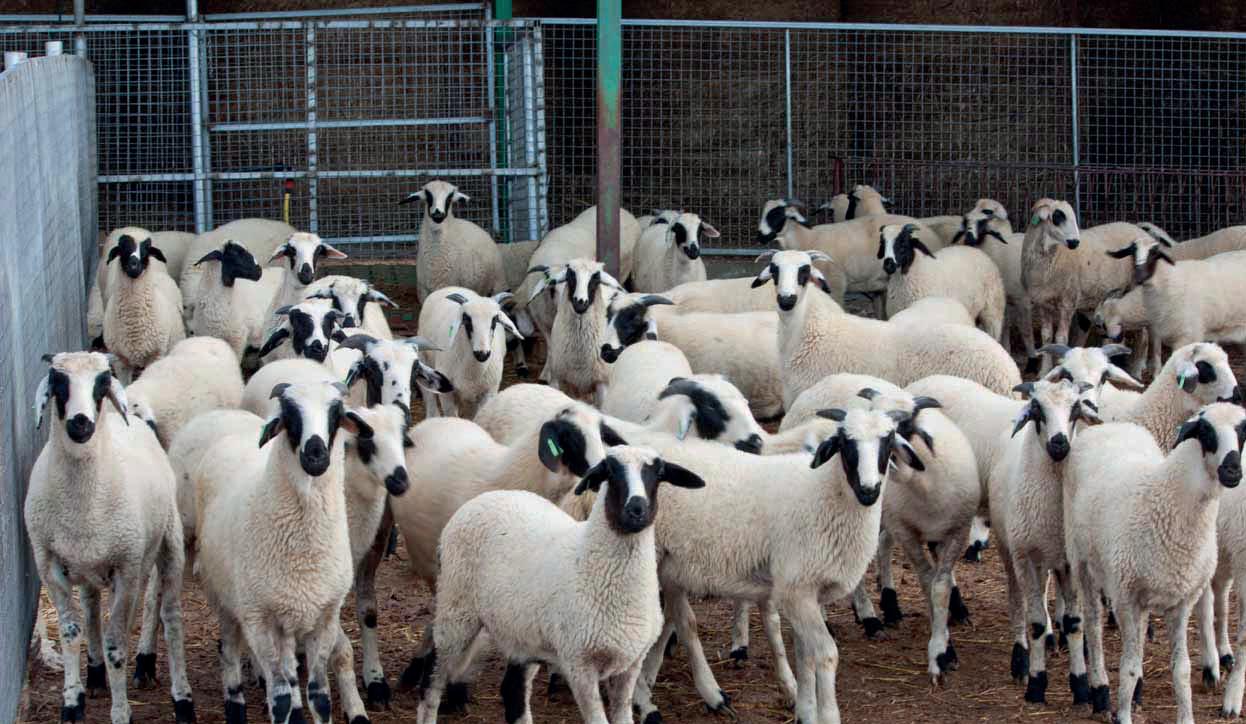




Who said animal nutrition was boring?



Dr. Edgar O. Oviedo-Rondon Prestage Department of Poultry Science, North Carolina State University

Conflicts in the Middle East have had effects globally for centuries. However, the attacks on Iran by the USA and Israel since February 28, 2026, have had one of the most relevant disruptions in energy, fertilizer, diesel, and feed commodity markets globally.
Some economists indicate that the current situation can be the largest energy disruption in modern history. The impact on global agricultural markets and animal production continues to increase as the war drags on.
The escalating tensions have disrupted maritime and air transport along key routes, including the Strait of Hormuz and the Red Sea/Suez Canal.
The rerouting of feed ingredients for the local and European feed markets posed immediate operational risks and increased costs.
Feed consumption for livestock and pets in the Middle East and Africa reached 63 million tons in 2024, valued at $53.2 billion, representing almost 5.9% of the world’s feed production.
This region is heavily dependent on importations of feed or feedstuffs from Latin America, Eastern Europe, and South Asia.
The Middle East is the world’s largest importer of wheat and rice and the second-largest importer of corn.
Changes in Middle East importations impact prices in countries that produce those food and feedstuffs.
This war not only impacts on the regional feed supply but also the global supply chain for future production of feedstuffs and feed additives.
The rising costs of oil, gas, and shipping have driven massive price spikes for fertilizers (Figure 1) and across multiple feed additives worldwide.
Some countries, especially in South and East Asia and Africa, are deeply dependent on Gulf energy and fertilizer inputs.
An additional long-term impact on the agrifood system will stem from macroeconomic factors such as higher interest rates, inflation, and currency fluctuations caused by a war like this.

This conflict can also motivate a prolonged shift toward biofuels, which may reduce the availability of corn and palm oil, and higher availability of other feed ingredients such as distillers’ driedgrains and soybean meal.
Higher interest rates are a burden for farmers due to the borrowing costs. A high US dollar may adversely impact US agricultural exports. In contrast, a weaker dollar can make US commodities more competitive but may also increase inflation.
The instability caused by conflicts is always a challenge, but eventually opens opportunities for those who watch these fluctuations closely.

The Gulf countries are the biggest exporters of urea and ammonia and the largest regional exporters of diammonium phosphate (DAP) and monoammonium phosphate (MAP) fertilizers.
The region accounts for close to 50% of the global sulfur trade.
Sulfur is a byproduct of oil and gas refining and is both an important secondary plant nutrient and a critical input for producing sulfuric acid, essential in the processing of phosphate fertilizers and many other chemical products.
The Gulf region accounts for 26% of DAP and 13% of MAP global exports.
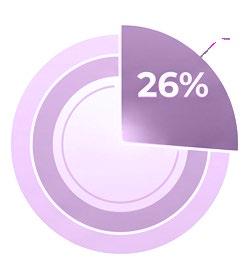


Gulf countries accounted for 29% of global ammonia and 36% of global urea exports in 2023-25, with Iran and Qatar the largest exporters, followed by Saudi Arabia.
Additionally, liquified natural gas (LNG) exports from the Gulf are critical for fertilizer production in other countries with limited domestic natural gas supplies, including India, Pakistan, Bangladesh, and Türkiye.
Consequently, over the past months, the price of Western European urea has increased by 55% from pre-war levels. European fertilizer producers have requested government support to sustain domestic production.
In the US, 65% of the fertilizers used are produced domestically.

However, the US government intervened to minimize the impact on fertilizer prices:
Issuing a 60-day suspension on fertilizer transportation,
Offering support for cargo and hull insurance.
Canceling sanctions on three Belarusian potash producers.
Suspending sanctions on Russian oil.
Higher fertilizer prices are currently occurring alongside comparatively lower agricultural commodity prices, creating an unfavorable input-output price ratio.
The fertilizer-to-corn ratio for the 2026 U.S. growing season shows a better picture of the current challenge (Figure 2).
These conditions may reduce fertilizer use and commodity production in some regions.
However, this phenomenon may not occur immediately and may take months to affect the global feed commodity supply if the Middle East conflict continues.

Another option could be to expand production of green ammonia through electrolysis powered with renewable energy sources. These alternatives still indicate higher costs and investments in a long-term response.
Figure 2. Fertilizer-to-corn ratio surges into 2026 U.S growing season
In the short term after a conflict like this, commodity prices typically rise as uncertainty drives demand for tangible assets (Figures 3 and 4).
However, the price conditions may vary with market fluctuations over the long term.
Corn and soybean prices rose when the conflict started, but the impact was mitigated by the excellent harvest in Brazil and Argentina.
Fertilizers can also be produced from coal rather than LNG in many countries, and many producers may switch to that technology. This change may have negative environmental implications due to a bigger carbon footprint.
By March 13, prices of these commodities declined due to the delays in China–US meetings and uncertainty about US exports to China this year.
In grain- and soybean-exporting countries such as the US, Brazil, and Argentina, export losses may always cause a small reduction in local and even international prices.
Worldwide, feed prices may still increase due to the cumulative effect of higher fuel costs across the entire supply chain.
Additives generally constitute aroun of feed volume but can account for almost 10% of total feed cost.

US farmers are rerouting their production plans, shifting acres from corn to soybeans to mitigate rising costs. Potentially 3 million acres dedicated last year to corn will be planted with soybeans, because soybeans do not require nitrogen fertilizers.
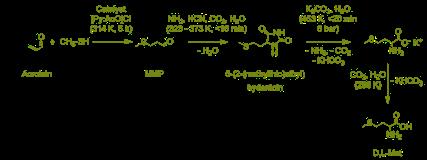
This segment includes supplements such as crystalline amino acids, vitamins, trace minerals, and true additives.
Additives can include: antibiotic growth promoters, enzymes, organic acids, toxin binders, essential oils, and probiotics.
Amino acids, choline chloride, some vitamins, and betaine are derived from petrochemical raw materials.
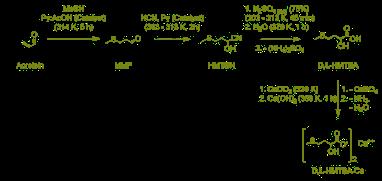
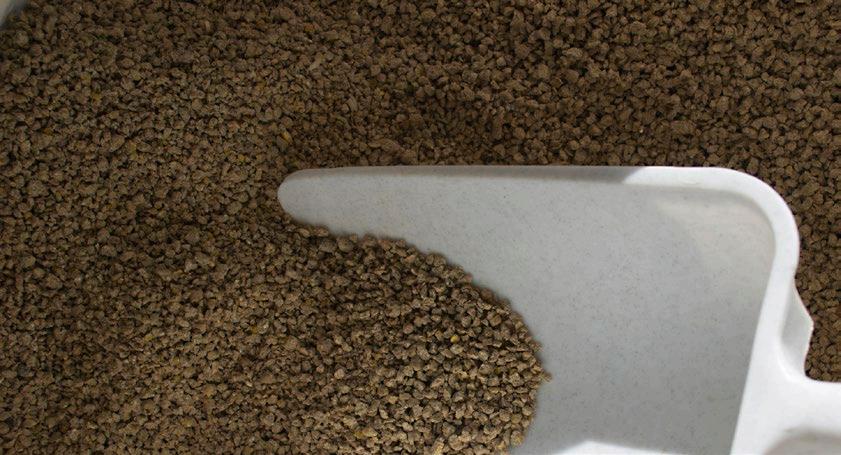
DL-methionine and the hydroxy analogs of methionine (MHA and HMTBa) are currently manufactured exclusively from petrochemical raw materials such as propene and methanol (Figure 5).
Vitamin A and E also contain some petrochemical raw materials, but traditionally, there has been a smaller correlation between oil prices and the cost of these vitamins.
5. Chemical routes for industrial production of sulfur amino acid sources.
Choline chloride is made using trimethylamine (TMA) and ethylene oxide (EO), and hydrochloric acid (HCl). The TMA and EO originate from petrochemical products.
Similarly, betaine hydrochloride (HCl) production requires TMA and monochloroacetic acid, both derived from crude oil.
Betain anhydrous (trimethylglycine TMG) production may require some petrochemicalderived products.
The supply of feed additives can also be affected by transportation disruptions.
Most amino acids and vitamins A, D3, E, and B complex are manufactured in China and shipped to the European Union and the Middle East via the Red Sea.
The rerouting can increase amino acid prices by 25 to 60% and vitamin prices by 15 to 40%.
Feed phosphates coming from Morocco, China, and Israel account for 3% of global phosphate exports, and rerouting or reduced exports can increase prices by 20 and 35%.
The increased oil prices are affecting the costs of fuel and transportation globally. Consequently, the costs of enzymes, organic acids, phytogenics or essential oils, and carotenoids, mainly produced in China, could increase by 10 to 20%.
The heavy reliance on China as the primary supplier of feed additives worldwide has heightened the impact of the current conflict in the Middle East.


Several companies produce in China
78% of the vitamins imported in the USA, and 62% of the four main crystalline amino acids used worldwide.
Then, the main issue is transportation, moving these feed additives from China to other countries.
The costs of a 67-cubic-meter container from China to Europe have increased by 250% to 500% after the war started.
In the US, in addition to the higher shipping costs, feed additive prices also increased recently due to the 25% tariffs on Chinese products.
The strategies to mitigate these additional costs in feed production include:
Adopting local alternative feed ingredients.
Reducing the use of feed additives.
Using the few available alternative sources.
Rerouting transportation.
Seeking alternative providers in other countries, such as India, Korea, and other South Asian countries.
Whenever possible, negotiate long-term supply contracts with reliable providers to minimize dependence on companies that produce in China.
It is also important to maintain inventories of 90 to 120 days for all additives; planning for the uncertain months ahead is advisable.