Hy-Line International Celebrates 90 Years! Our Roots Run Deep. Our Foundations Are Strong.
The story of Hy-Line International begins at the turn of the 20th century, when a bright young man named Henry A. Wallace started experimenting with corn plants on his family’s farm in Iowa. These early, modest attempts at genetic improvement planted the seeds of a dream—one that would eventually launch a company and revolutionize agriculture through the powerful principles of hybridization.
Henry A. Wallace was a man with a vision: to harness the power of hybrid genetics to feed the world. His passion for agriculture was sparked during childhood through encounters with the renowned horticulturist George Washington Carver, who stayed with the Wallace family while pursuing postgraduate work at Iowa State College. Carver, a pioneering scientist and son of slaves, befriended young Henry and taught him about plants during their walks together. These formative experiences inspired Wallace to pursue agricultural studies at Iowa State College.

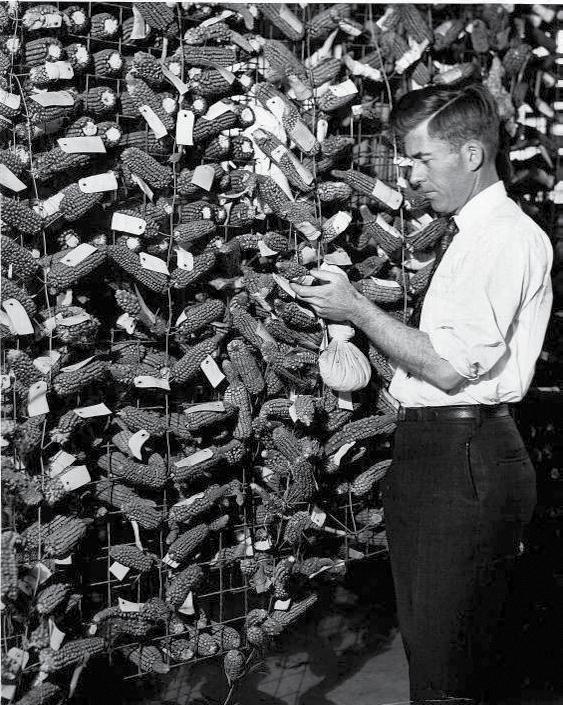
After graduating, Wallace began experimenting with corn crosses on five acres of his family’s land near the western edge of Des Moines. Drawing on lessons in plant genetics learned from Carver, Wallace developed hybridized strains of corn—an innovation that became the cornerstone of Iowa row crop agriculture. From these beginnings, he founded Pioneer Hi-Bred Corn Company in 1926 and introduced the first commercial hybrid corn, which became wildly successful. The company was ultimately sold three-quarters of a century later to DuPont for $10 billion.
Building on this success, Wallace founded Hy-Line, dedicated to applying hybridization principles to poultry genetics. This groundbreaking approach transformed the egg industry and continues to shape global food production today.
As we step into 2026, I am proud to share our new motto: “Breeding for tomorrow, delivering today.” This phrase captures Hy-Line International’s unwavering commitment to advancing genetic research in laying hens, empowering farmers with robust, efficient birds that help nourish the world with high-quality protein: the egg.
Since our founding in 1936, Hy-Line’s mission has been clear: to harness the power of genetic selection to make egg protein more accessible worldwide by improving yields and efficiencies. This year marks an extraordinary milestone—90 years of innovation and leadership in the global egg industry. In this issue, we reflect on our rich history as the first company to introduce commercial hybrid laying hens and the countless breakthroughs that have shaped modern layer breeding.
We are proud to continue fulfilling the vision of our founder, Henry A. Wallace, who foresaw the need to feed a growing global population through genetic improvements in agriculture. His pioneering spirit lives on in everything we do.
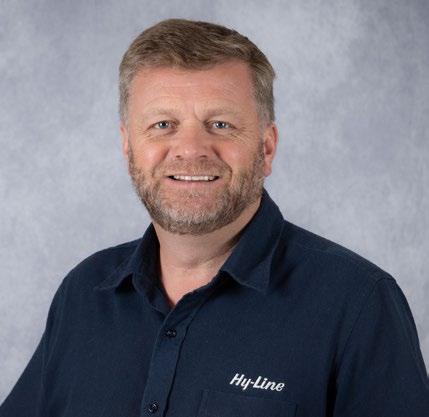

Jonathan Cade, President
Message from the President (continued from p. 1)
This newsletter also highlights a very successful 2025. Among the many achievements:
• Latin America Seminar in Brazil – We partnered with allied industry leaders to host 320 egg professionals from across the region in Iguazu Falls for three days of technical sessions and collaboration.
• Hy-Line Brown Max Success in the UK – Our next-generation layer continues to deliver exceptional results for free-range producers in the UK and beyond.
• Flocks of Excellence Awards – Celebrating producers who meet and exceed our breed standards.
• Expert Insights – Jamie McIntosh, our cage-free expert, shares critical guidance on the transfer phase in cage-free systems, an often-overlooked but vital period for flock success.
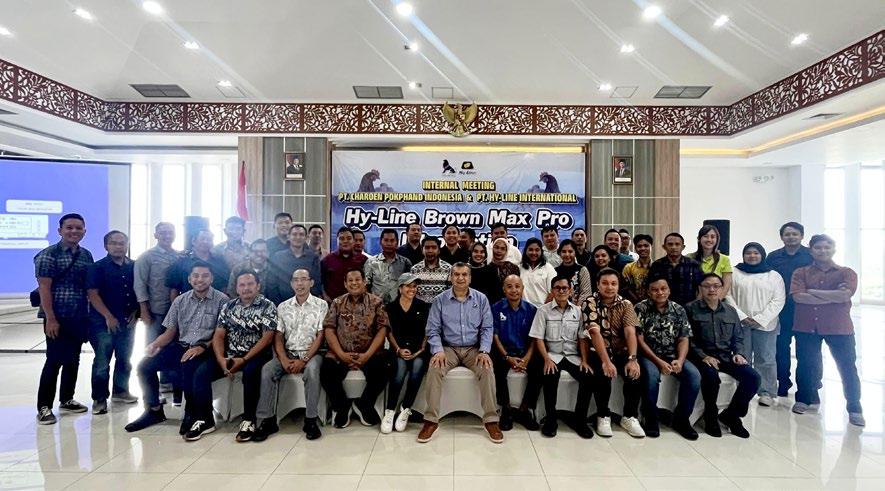
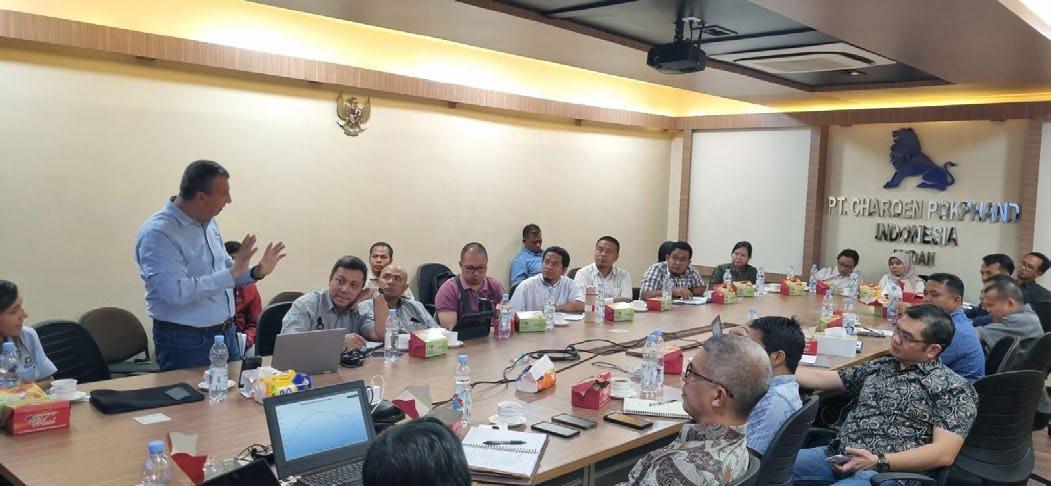
• Global Roadshows – Our technical teams partnered with CP in Indonesia and Thailand to provide hands-on support and training.
• Strategic Investments – Eduardo de Souza, Hy-Line President of Operations, details major expansions in the USA, Brazil, and India to boost pedigree and breeding stock capacity to meet rising global demand for Hy-Line genetics.
• Performance Leadership – Hy-Line Brown Max dominated the Czech International Commercial Layer Test, outperforming eight global competitors in egg numbers, egg mass, livability, and feed conversion, validating the results we are seeing in the commercial egg industry with the variety.
Finally, we celebrate new team members and promotions that strengthen our global expertise.
On behalf of the entire Hy-Line team, I want to express our deepest gratitude to our customers and partners worldwide. Your loyalty, trust, and feedback drive us forward as we work together to nourish the world with the incredible egg.
Thank you for being part of our journey—and here’s to the next 90 years of innovation and success!

Exploring Our Roots (continued from p. 1)
A Visionary Beyond Agriculture
Henry A. Wallace’s talents extended far beyond corn breeding. His intellect and leadership earned him national recognition, and in 1933, President Franklin D. Roosevelt appointed him U.S. Secretary of Agriculture. After seven years in that role, Wallace served as Vice President of the United States from 1941 to early 1945, and later as Secretary of Commerce under President Truman.
Wallace stayed true to his roots in agriculture during his public service. During an official visit to China as Vice President, Wallace donated melon seeds that produced a local cultivar known today as the Bailan melon, sometimes called “Wallace Melons.” He also appointed a young Iowa agronomist, Norman Borlaug, to an agricultural station in Mexico—a decision that ultimately sparked the Green Revolution, saving billions of people around the world from starvation and earning Borlaug the 1970 Nobel Peace Prize.
The Founding of Hy-Line
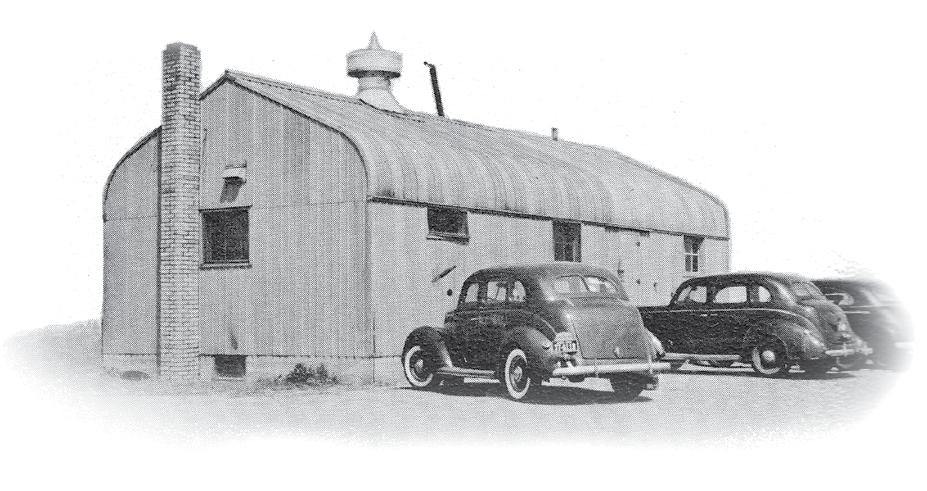
While Wallace guided agricultural policy from Washington, his family continued to grow Pioneer and recognized the potential to improve egg production using the same breeding principles that had revolutionized corn. After eight years of research, Hy-Line was officially established in 1936, led by Wallace’s son, Henry B. Wallace.
The first Hy-Line layer chicks were sold in 1940—40,000 commercial layers hatched and distributed from February to May. News of their productivity spread quickly, and Hy-Line began selecting franchise hatcheries to distribute chicks across the United States. Growth was exponential: from 40,000 chicks in 1940 to over 70 million by 1960, with sales expanding to Canada, Europe, and Latin America.
Innovation That Endures
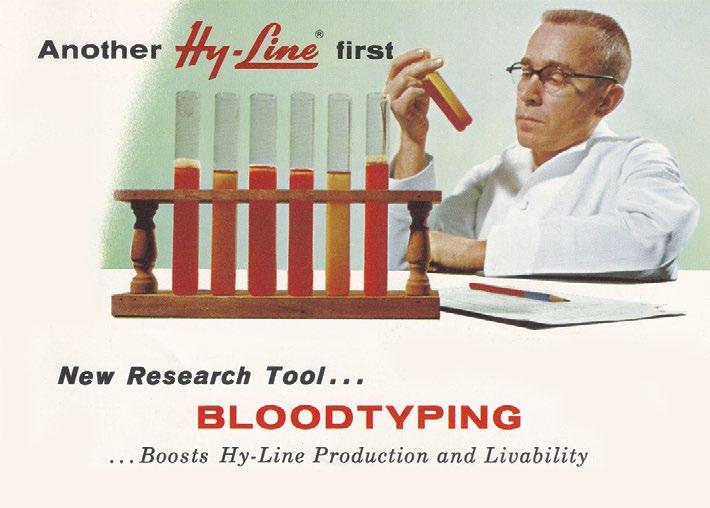
Hy-Line pioneered genetic innovations that remain foundational today. Early breakthroughs included blood typing as a genetic marker to improve livability and predict productive crosses. Today, advanced molecular DNA techniques allow precise selection for traits such as egg production, feed efficiency, and disease resistance.
Exploring Our Roots (continued from p. 2)
Field testing has always been a cornerstone of Hy-Line’s success. Hybrid crosses were—and still are—evaluated under diverse conditions, both in cages and on the floor, with meticulous records on egg production, livability, feed conversion, egg quality, and more. Today, Hy-Line’s global genetic evaluation program uses robust statistical models to analyze hundreds of millions of data points annually.

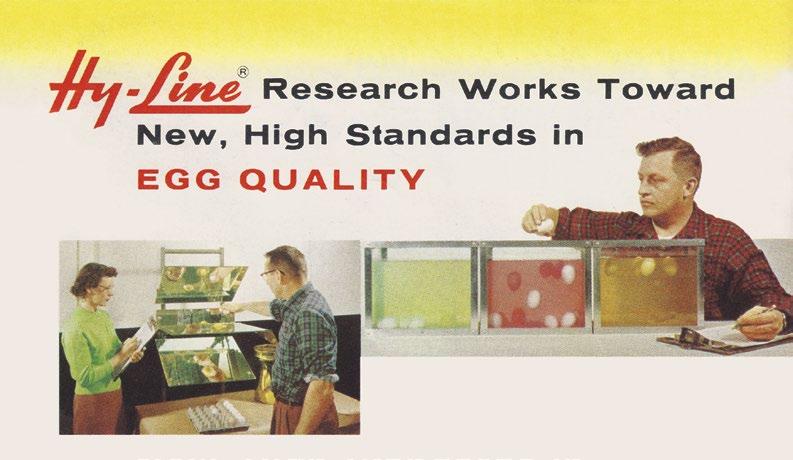
Egg quality was recognized early as a heritable trait. By the late 1940s, Hy-Line’s egg quality lab was breaking 200,000 eggs annually to measure Haugh units and assess shape, weight, and color. Today, Hy-Line’s laboratories test over one million eggs each year using state-of-the-art technology.
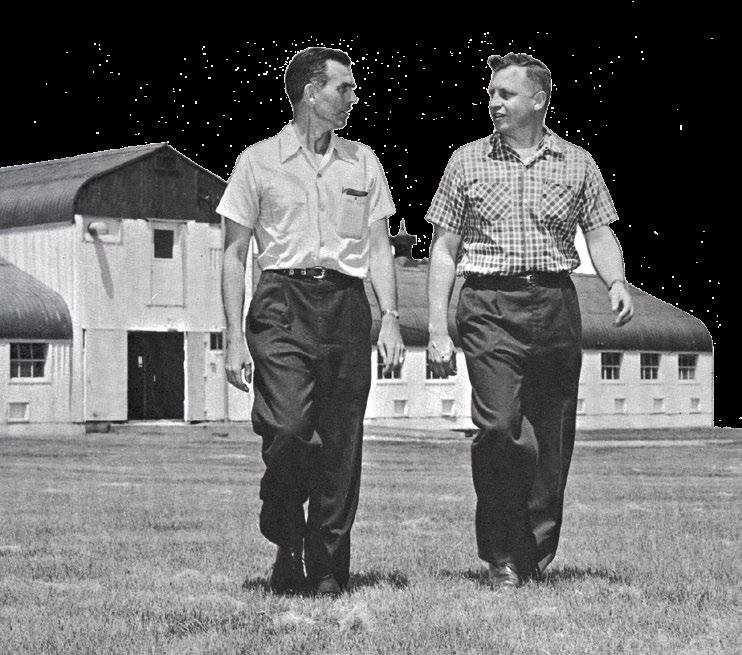
A Legacy of Leadership
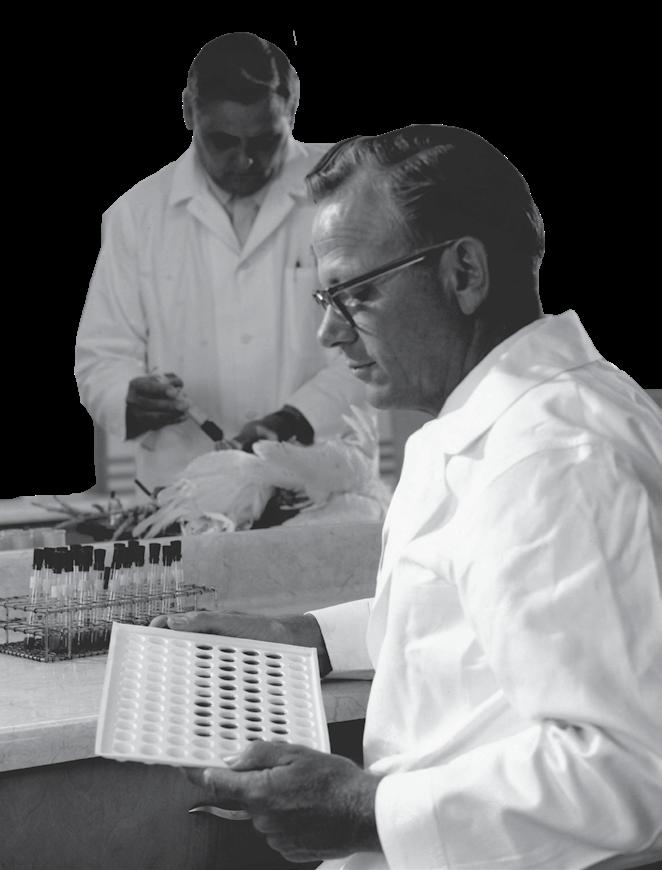
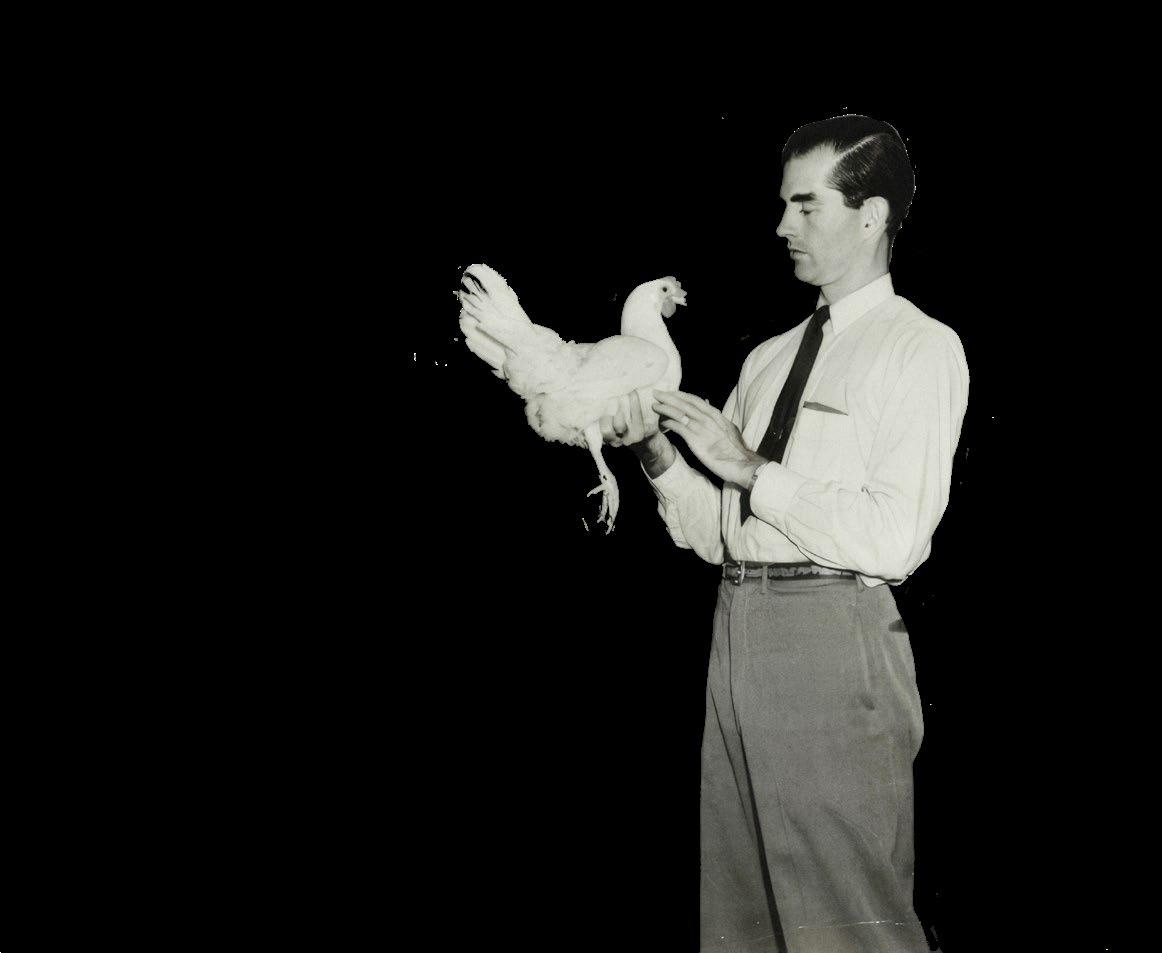
Henry B. Wallace not only served as Hy-Line’s president but also led its genetic development program, assembling a team of experts in genetics, nutrition, veterinary medicine, and poultry husbandry.
The Wallace family’s legacy—and its impact on global agriculture—cannot be overstated. Their vision and leadership built businesses that not only achieved commercial success but also helped nourish the world.
Ninety years later, Hy-Line continues to honor that legacy through innovation, science, and a commitment to feeding a growing global population.
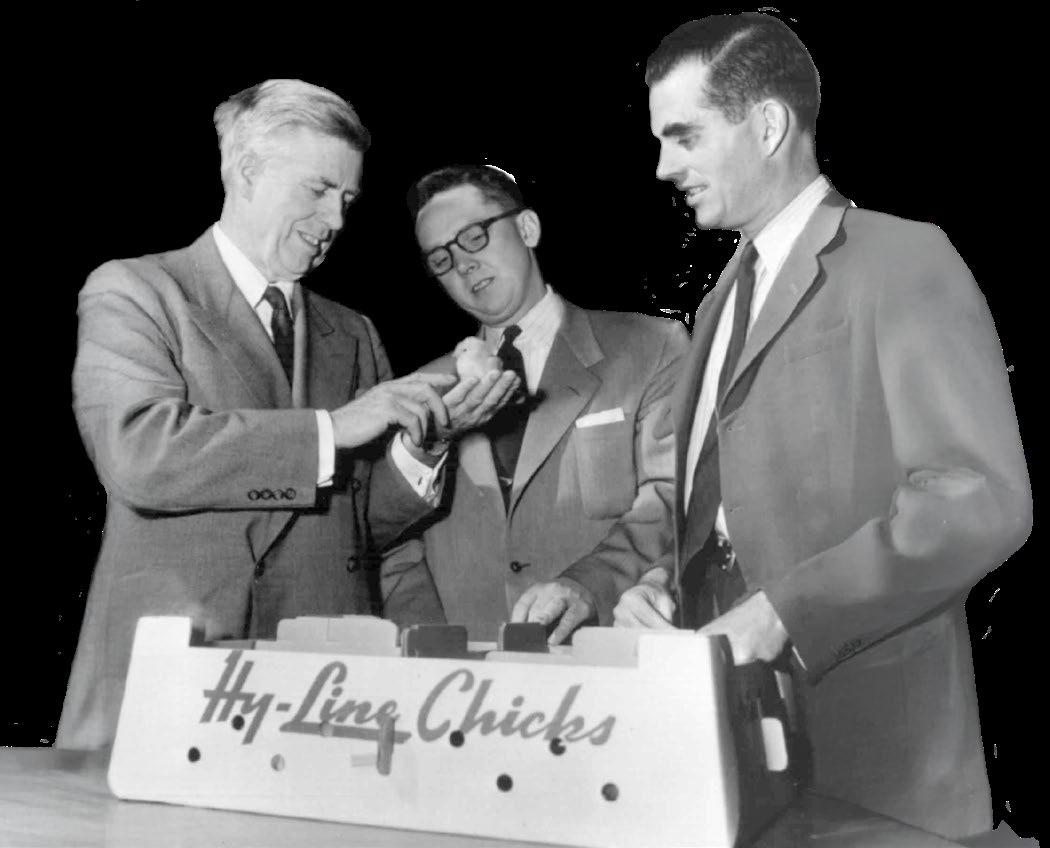
The Wallace family’s legacy—and its impact on global agriculture— cannot be overstated. Their vision and leadership built businesses that not only achieved commercial success but also helped nourish the world.
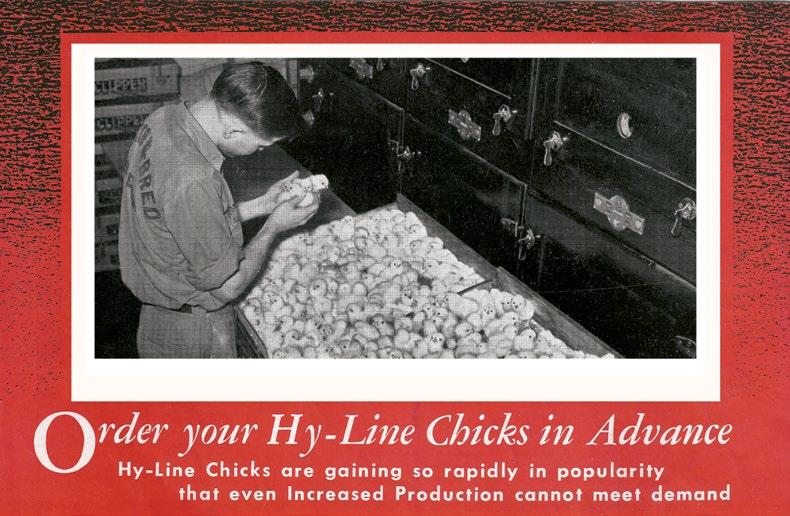
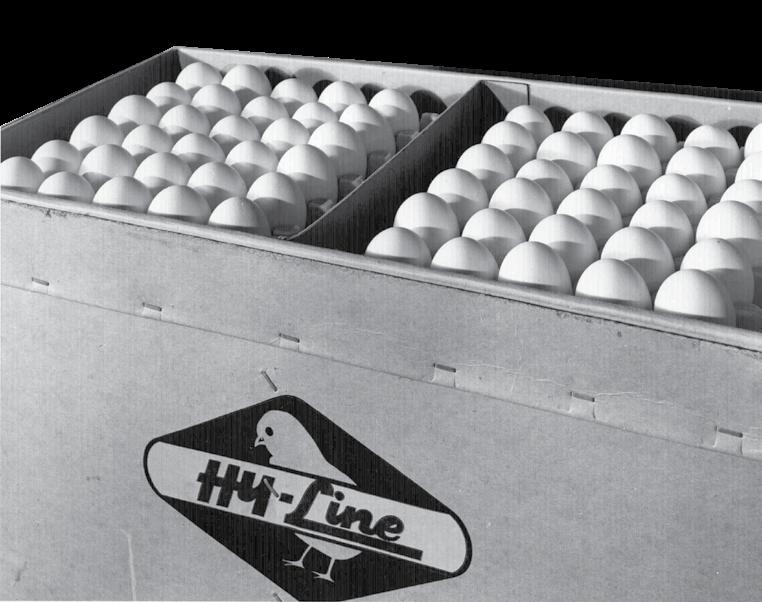
Hy-Line Brown Plus “Next Gen” Delivers Outstanding Results in the UK
The Hy-Line Brown Plus ‘Next Gen’—known globally as the Hy-Line Brown Max—continues to impress UK producers with exceptional performance and reliability.
Since the Next Gen’s introduction two years ago, Hy-Line UK has seen strong sales growth, driven by the bird’s outstanding nesting behavior and consistent production results. Producers are now experiencing the full benefits of this next-generation layer.
“It’s been the easiest flock we’ve ever had.” – UK producer Tom Hamer
If ever there was a 100-week flock, this is it.” – UK producer Daniel Bates
Proven On-Farm Performance
Tom Hamer, a free-range producer in mid-Wales with 32,000 layers, recently switched to Hy-Line for the first time. “It’s been the easiest flock we’ve ever had,” says Tom. At 65 weeks, his flock is still laying at 90% hen-day production, with 295 eggs per hen-housed, and he plans to take them to 84 weeks, aiming for another 100 eggs per bird.
Key highlights from Tom’s flock:
• Persistency of lay: Strong performance well beyond 60 weeks.
• Excellent livability: Mortality at just 1.25%, without the need for E. coli vaccination.
• Superior feather cover: Birds remain in excellent condition late in lay.
• Low floor eggs: Around 1%, thanks to a strong nesting instinct.
• Efficient feed conversion: 119 g daily feed intake while producing 64 g eggs at 65 weeks of age.
Tom mills his own feed and is planning to double his flock size— proof of his confidence in Hy-Line genetics.
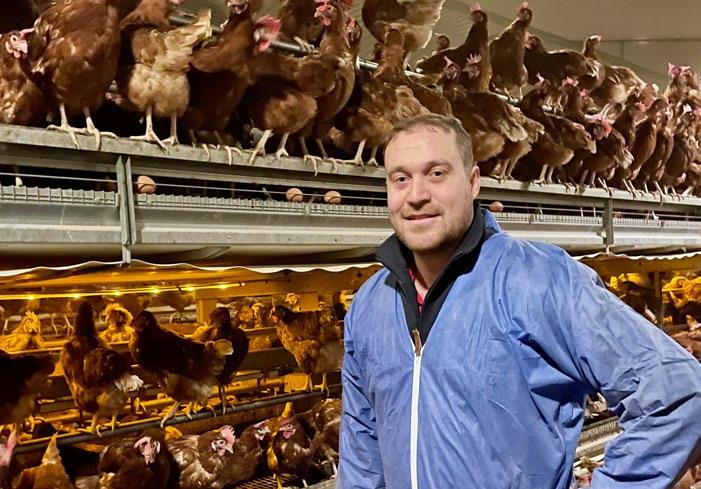

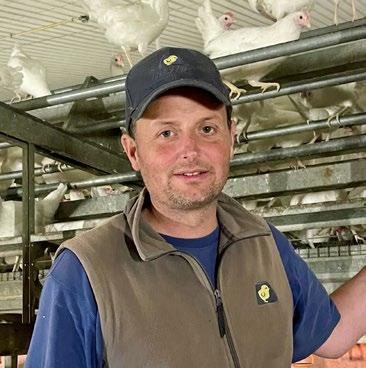
UK producers Tom Hamer (top) and Daniel and Trudi Bates (bottom)
Next Gen Sets New Standards
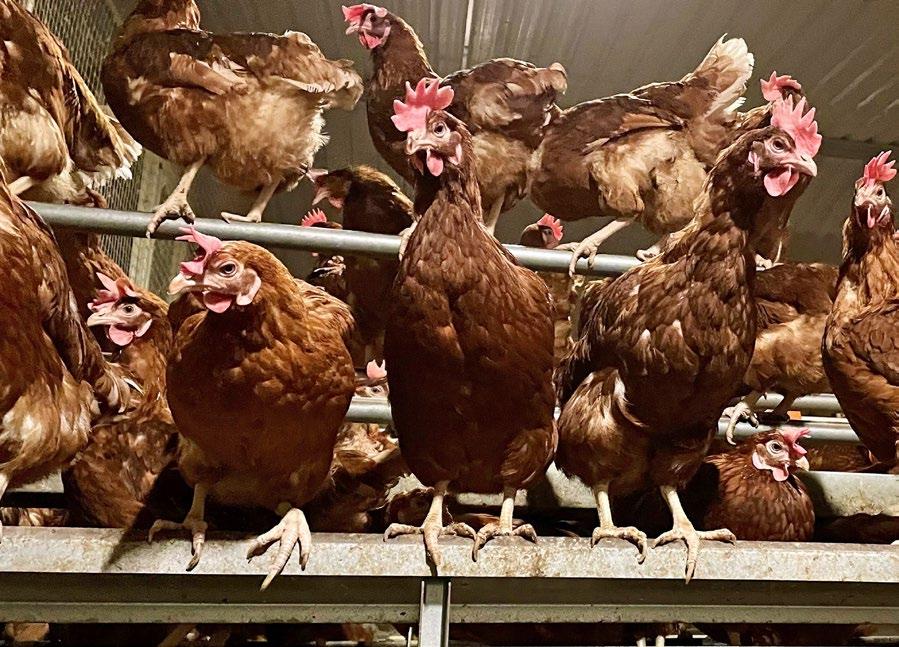
Next Generation (Max)
With the Proven Traits of the Hy-Line Brown:
• High Peaking and Persistency
• Feed Efficiency
• Calm Temperament and Strong Feathering
• Excellent Liveability
PLUS:
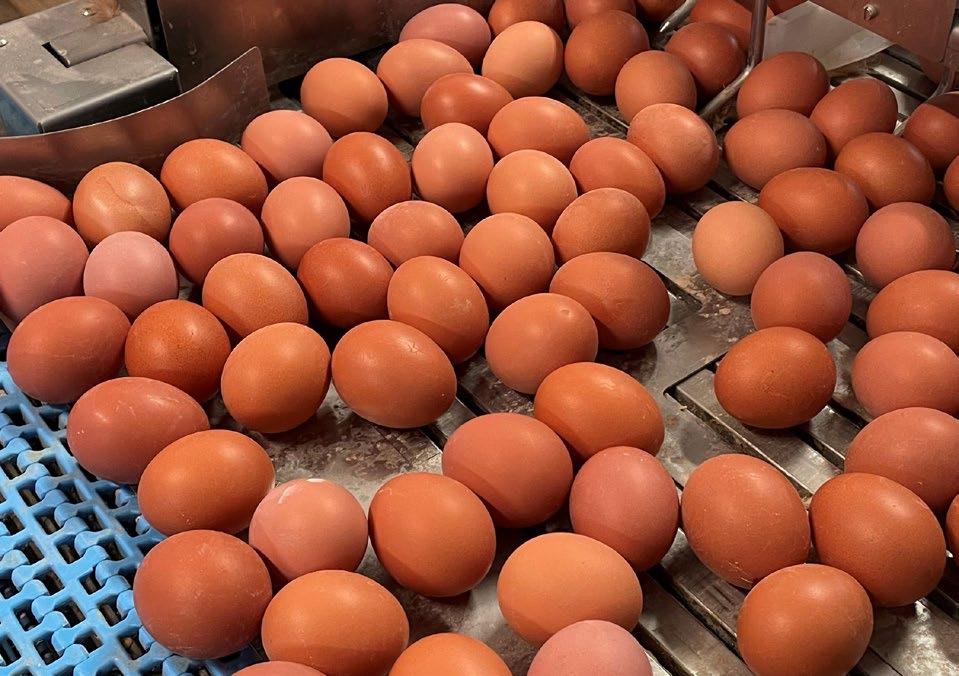
• Increased Egg Weight Darker Brown Shells
Daniel and Trudi Bates, also in Wales, have been loyal Hy-Line customers since starting their free-range operation. Their current flock—their first with Next Gen—is on track to break records:
• 98% production for 10 consecutive weeks at 36 weeks of age.
• Minimal floor eggs and excellent nesting behavior.
• Strong vaccination program and improved turnaround practices complement the bird’s genetic potential.
“The genetic improvement has been a constant theme in our partnership with Hy-Line,” says Daniel. “If ever there was a 100-week flock, this is it.”
Why UK
Producers
Choose Hy-Line Brown Plus ‘Next Gen’
• Exceptional persistency of lay and superior egg numbers.
• Robust health and feather cover.
• Low floor eggs and easy management.
• Proven adaptability to UK freerange systems as well as aviaries.
As free-range egg production continues to secure the future of family farms across Wales, Hy-Line Brown Plus ‘Next Gen’ is helping producers achieve outstanding results and long-term success.
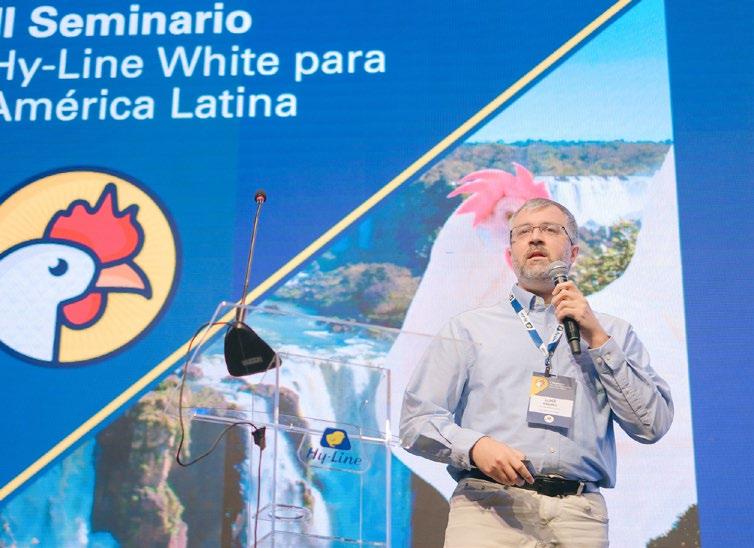
Hy-Line Hosts II Latin America Seminar for White Layers in Brazil
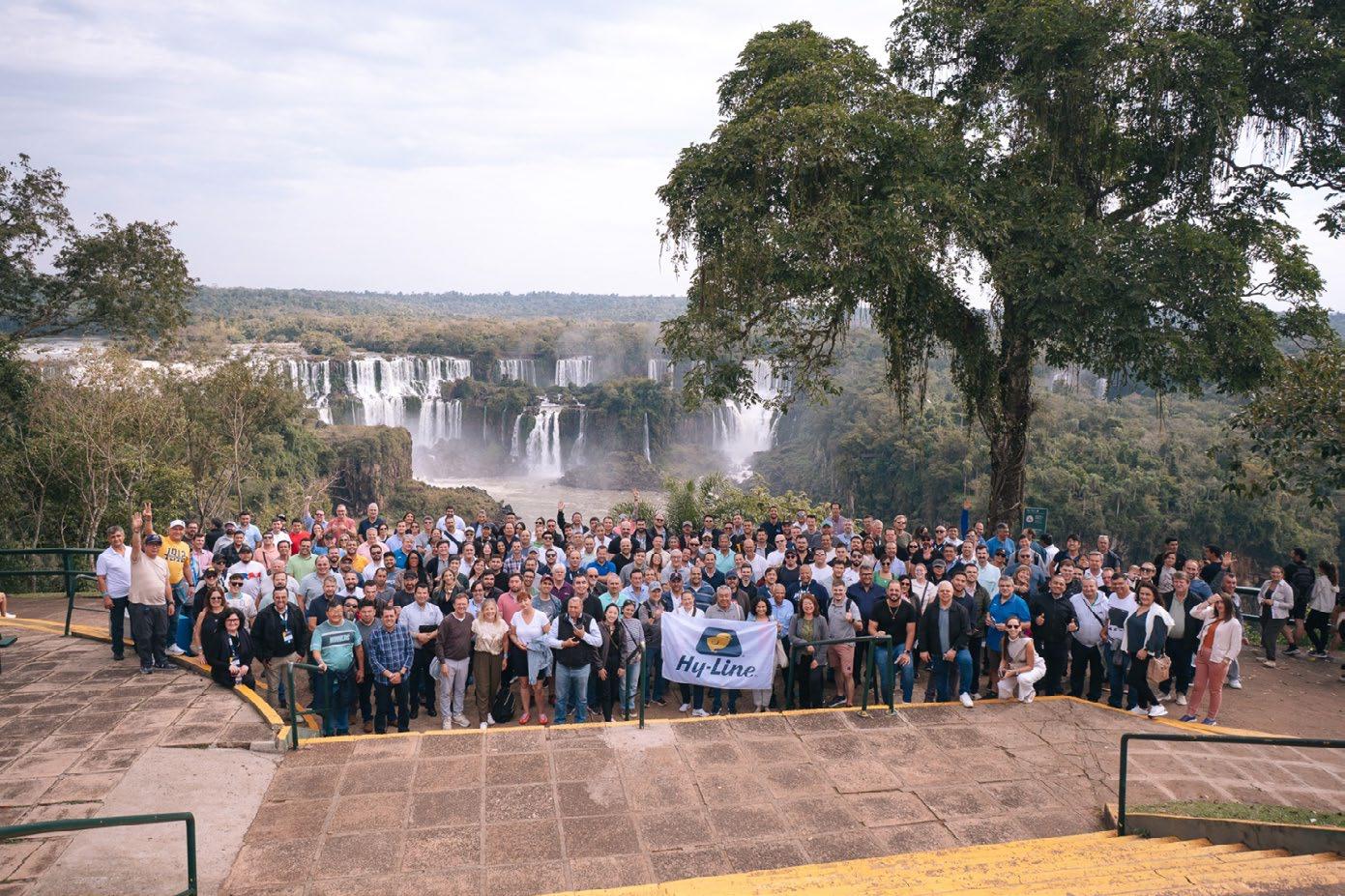
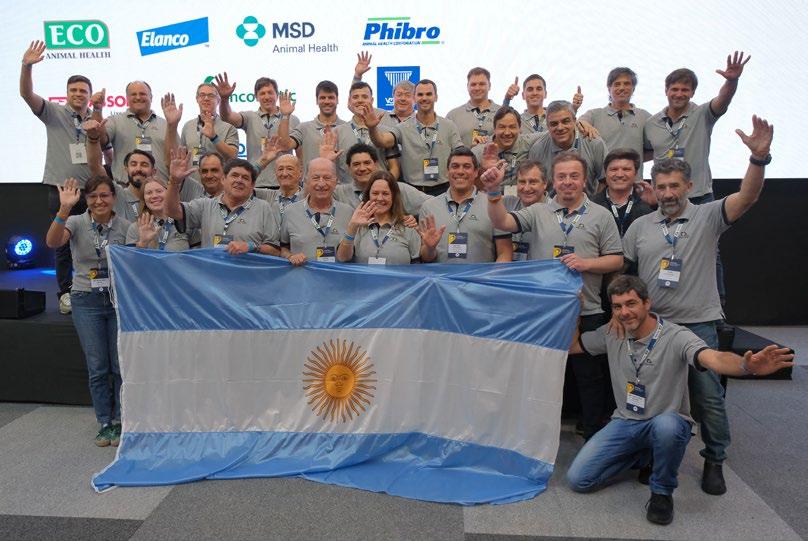
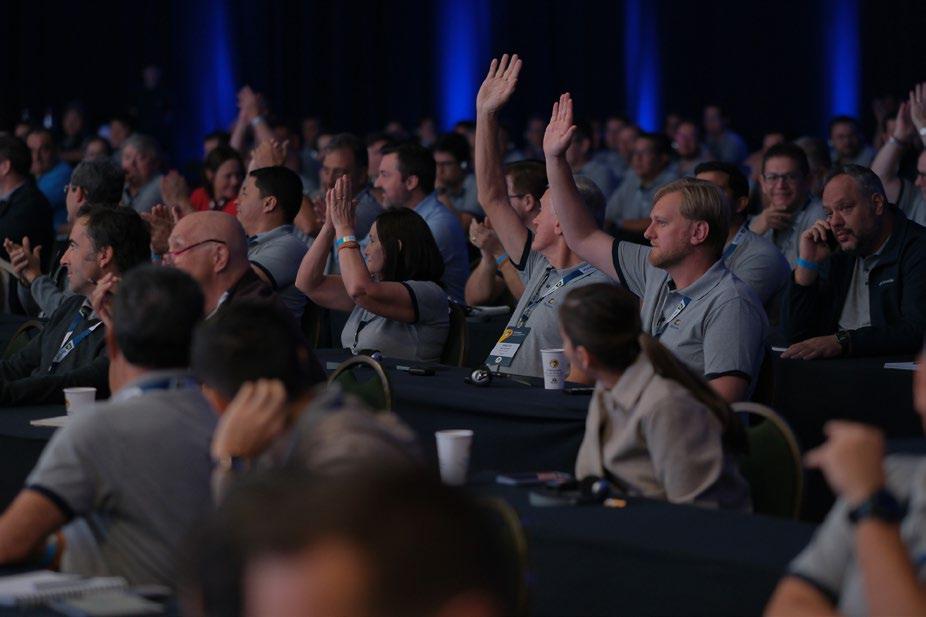
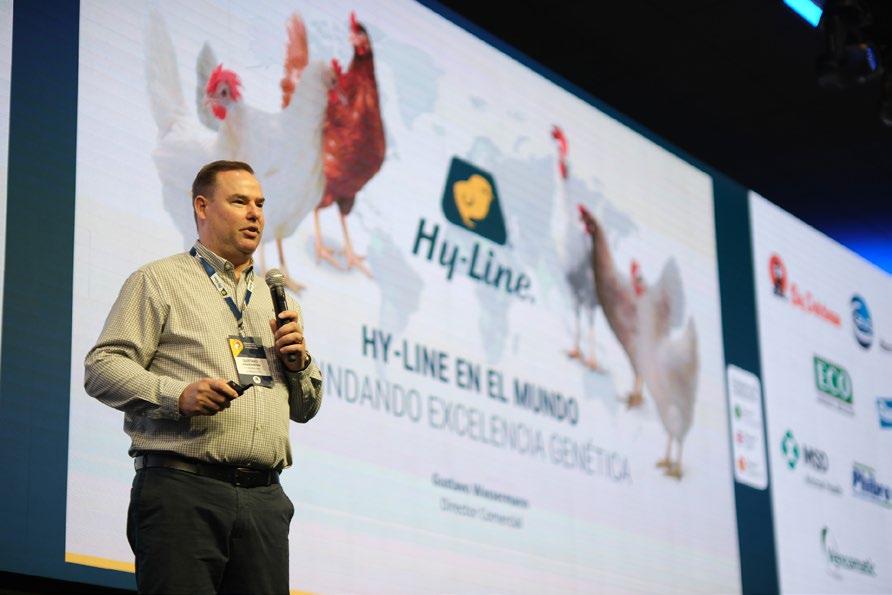
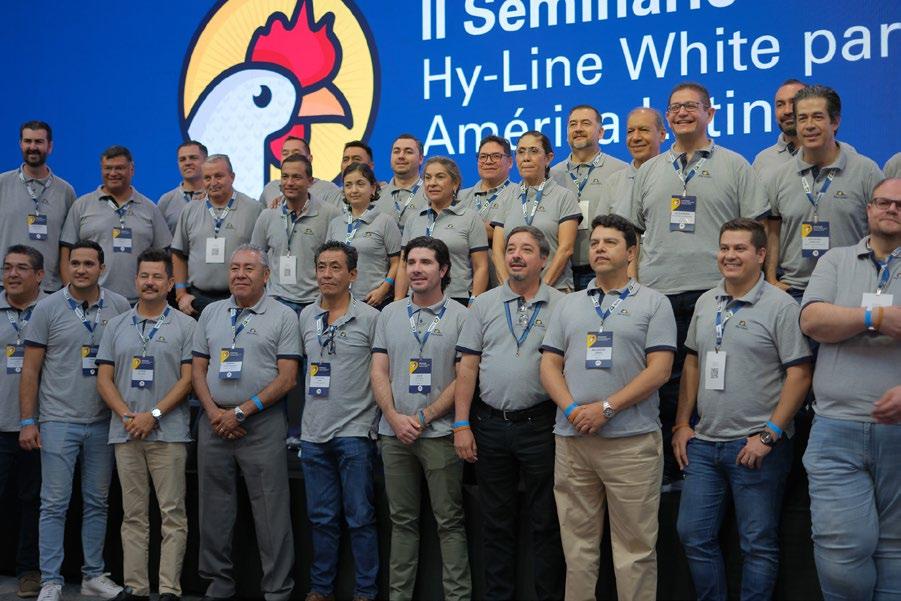
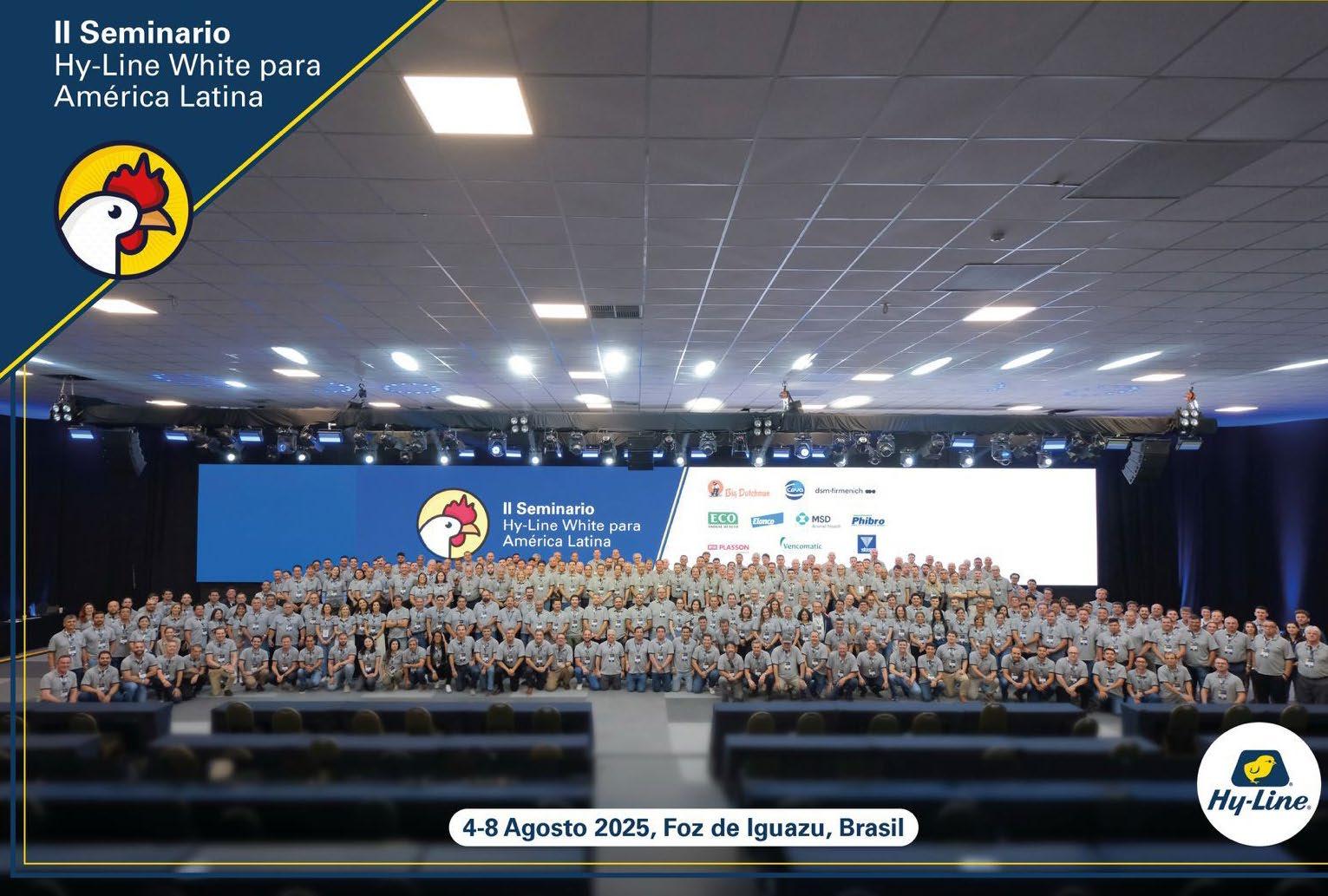
In August 2025, Hy-Line, together with several sponsors, welcomed 320 of the region’s leading egg producers and allied industry professionals to the II Hy-Line Latin America Seminar for White Layers in Iguazu Falls, Brazil.
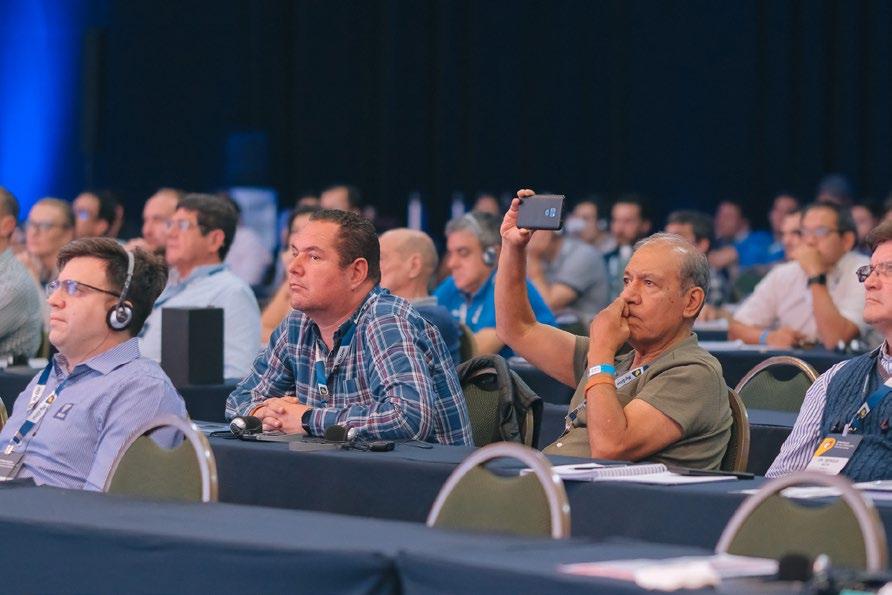
Over three days, participants engaged in technical sessions covering genetics, nutrition, management, and business strategies for the regional egg industry. Highlights included guest presentations on Artificial Intelligence, “How to Sell Eggs,” and Best Practices for Sustainable Management of Residuals.
The event concluded with a memorable visit to one of the world’s natural wonders, the breathtaking Iguazu Falls, which provided an inspiring backdrop for networking and collaboration.
Transfer Phase: Why It Matters in Cage-Free Systems
The transfer period is one of the most critical (and stressful) events in a bird’s life. How well it is managed directly impacts flock welfare, productivity, and long-term performance. For cage-free systems, this stage requires extra attention to detail.
The transfer process can be divided into three key stages:
1. End of Rearing
2. Transfer and Placement
3. First Weeks Post-Transfer
Success depends on planning and execution at every step.
Preparing Pullets for Transfer: Key Priorities at the End of Rearing
As pullets approach transfer age, achieving target body weight and uniformity is essential for proper physiological development and readiness for the laying phase. Careful attention to stocking density is critical—overcrowding limits movement and access to feed and water, especially in warm climates. Conditions can shift quickly from adequate space to overcrowding, so proactive management is key. Pullets should be fully familiar with the rearing system, confidently locating feed, water, and perches. This ensures a smoother adjustment to the laying environment. Lighting programs play an important role in this stage:
• For brown birds in aviary systems, a controlled dimming period of 30–45 minutes— starting with floor lights fading first—encourages roosting on system furniture, replicating conditions in the lay house.
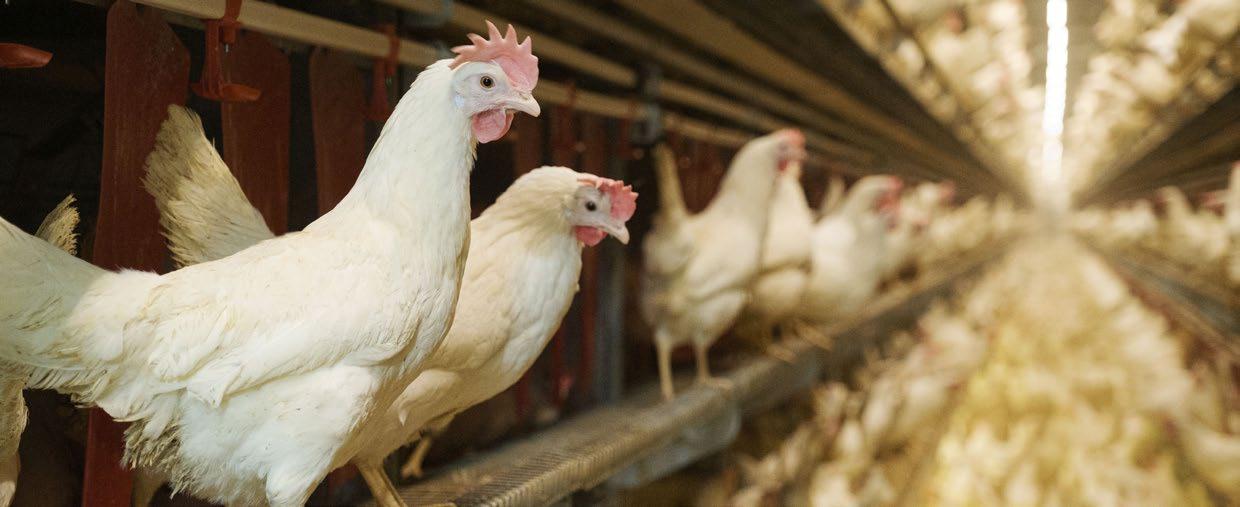
• White birds generally adapt more easily, but avoid excessive crowding on upper levels.
Throughout the transfer phase, daylength must never decrease. Maintain controlled lighting to prevent premature maturity. In open-sided housing, minimize light ingress and monitor intensity closely, as excessive brightness can trigger behavioral issues.
Strong communication between rearing and laying farms is vital. Share details on lighting programs, body weight trends, health status, and vaccination reactions to allow targeted strategies for a smooth transition.
In the days before transfer:
• Avoid feed and water restrictions, particularly in hot climates.
• Night loading and transport can help reduce stress.
• Pullets typically receive at least one inactivated intramuscular vaccine during this period— ensure proper storage, needle hygiene, temperature control, and injection technique. For cage-free systems, breast injections are preferred to minimize inflammation and mobility issues.
Finally, timing matters: transferring too early risks underdeveloped birds, while too late delays onset of lay and reduces performance. The optimal age is generally around 16 weeks.
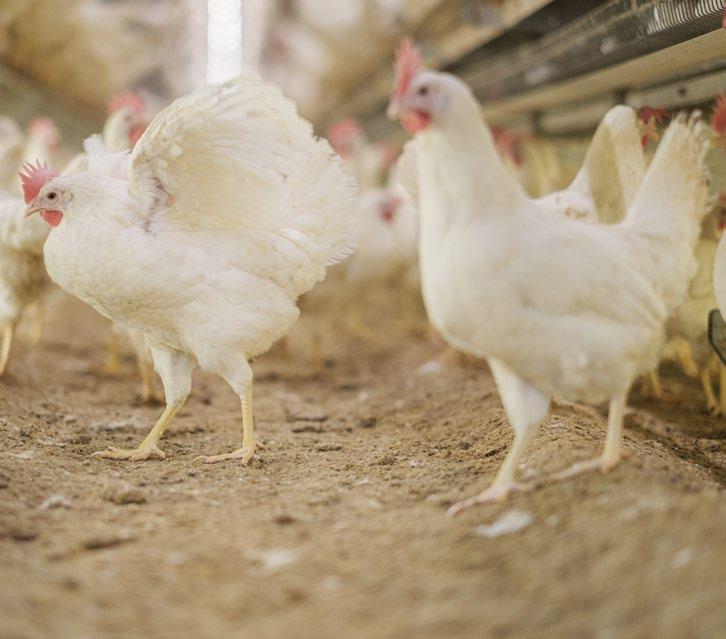
Consistent, proactive management during this phase is the foundation for a productive and well-adapted flock.
Transfer and Placement:
Managing a Smooth Transition
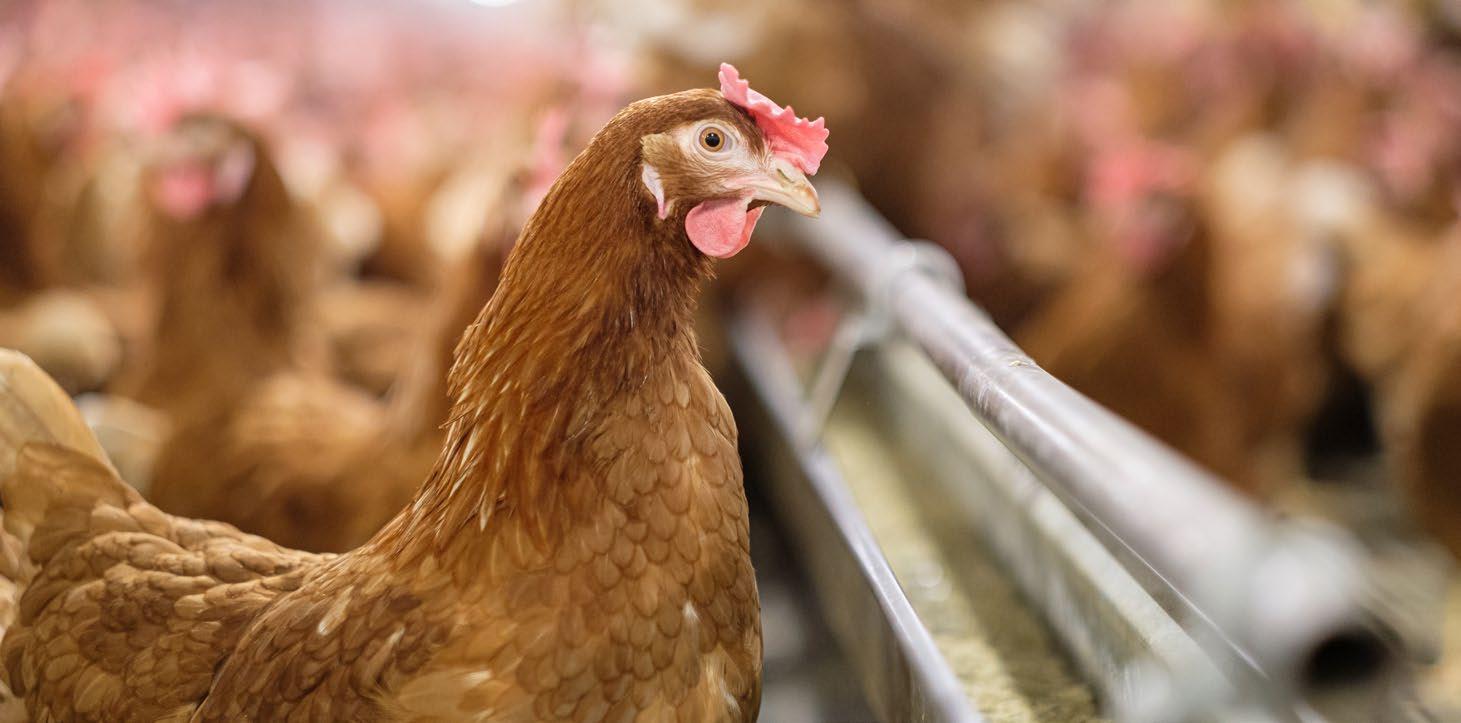
The primary goal during transfer is minimizing stress and disruption. Handle birds gently and avoid prolonged feed and water withdrawal. Once placed in the lay system, the first priority is ensuring birds quickly locate water, followed by feed. Because pullets can lose up to 10% of body weight during transfer, rapid recovery is critical.
Do not rely on assumptions; monitor closely:
• Check feed and water intake, crop fill, and environmental conditions several times daily.
• Encourage birds to explore the system and prevent overcrowding to ensure even distribution.
• Maintain good airflow and stable temperatures to support adaptation.
Continued on p. 7
Transfer Phase (continued from p. 6)
For the first 1–2 days, keep nest boxes closed and guide birds to settle on the system at night rather than on the floor. Lighting should be bright enough to help birds find resources and can be gradually increased, starting at a level higher than in rear.
First Weeks After Transfer: Setting the Flock Up for Success
The weeks following placement are critical for establishing long-term performance. Daily monitoring of feed and water intake is essential—any drop should be treated as a warning sign. Interruptions during sexual development can have lasting negative effects on production.
Key management steps:
• Adjust feeding programs to match increasing intake. This may include adding extra feedings or increasing feed depth to ensure birds have constant access.
• Open nest boxes before the first eggs appear to encourage proper nesting behavior.
• Remove floor and system eggs promptly. Delays can lead to persistent problems that are difficult to correct later.
Golf Tournament in Thailand
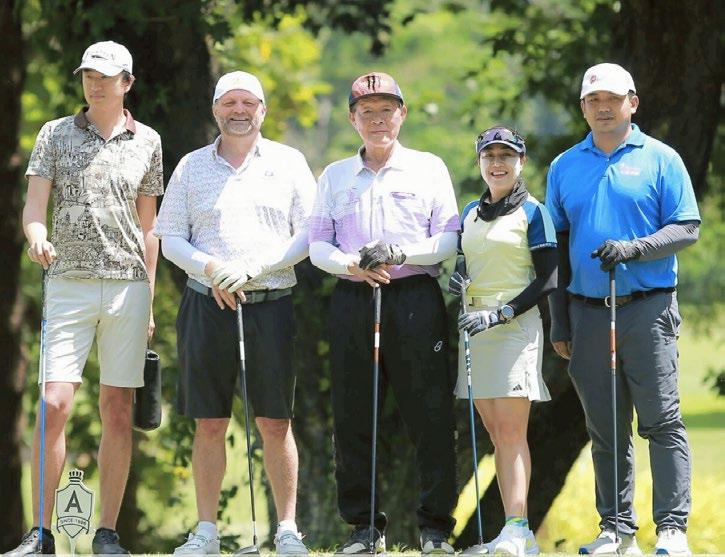
The 6th CPF and Hy-Line Golf Tournament and City Tour in Chiang Mai, Thailand brought together CPF executives and layer customers representing over 16 million commercial layers. Hy-Line President, Jonathan Cade, together with the Hy-Line Southeast Asia team collaborated once again with CP to host this great event.
Beyond friendly competition, it was a meaningful opportunity to connect, exchange ideas, and strengthen partnerships. Hy-Line remains deeply committed to supporting our partners and customers with the best genetics and dedicated service to drive lasting success.
Thanks to Big Dutchman, Sanovo, EW Nutrition, Agritech Asia, Nova-Tech, Innovad, and ORFFA for their valued support in making this wonderful event possible.
Hy-Line in Indonesia
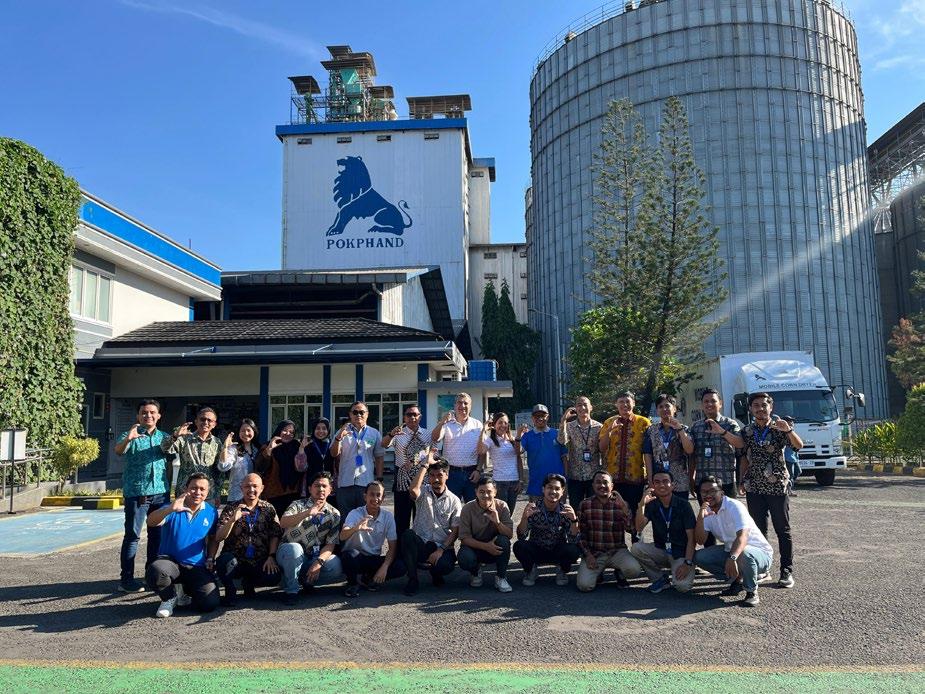
Daniel Valbuena, Global Technical Services Director at Hy-Line, recently traveled across Indonesia to gather feedback on flock performance and discuss management techniques to maximize results with Hy-Line Brown genetics.
As one of the top 5 egg-producing countries in the world, Indonesia continues to grow its poultry industry. While it is not possible to visit the over 17,000 islands that comprise the country, Daniel visited the key regions where egg production is thriving.
At Hy-Line, we are proud to support producers worldwide with technical expertise and proven genetics.

Hy-Line’s Commitment to Nourishing Communities
Hy-Line International remains steadfast in its mission to nourish the world by providing highly productive and efficient laying hens to global markets—ensuring access to affordable, high-quality egg protein. Beyond genetics, Hy-Line actively supports initiatives that bring eggs directly to undernourished communities, improving health and creating brighter futures for families and children.
Blessman Project – South Africa
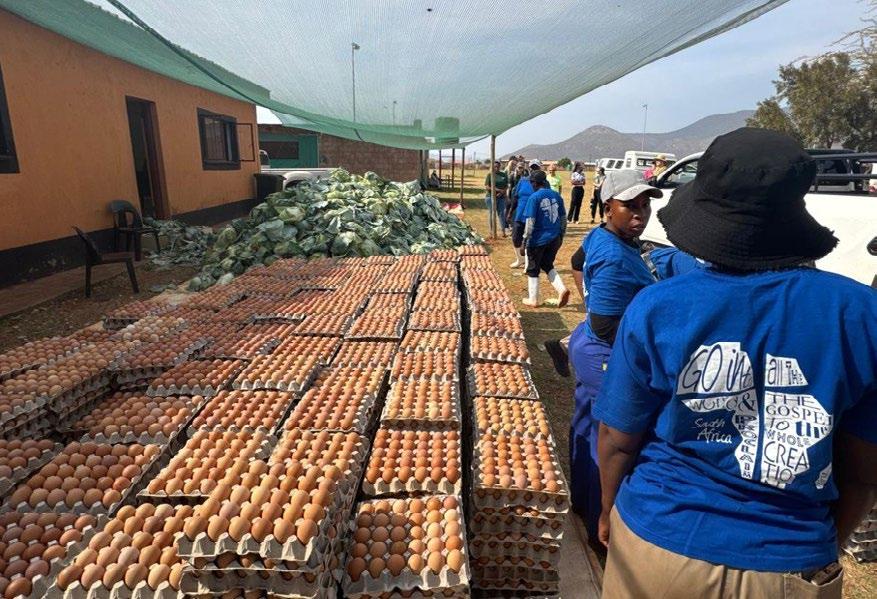
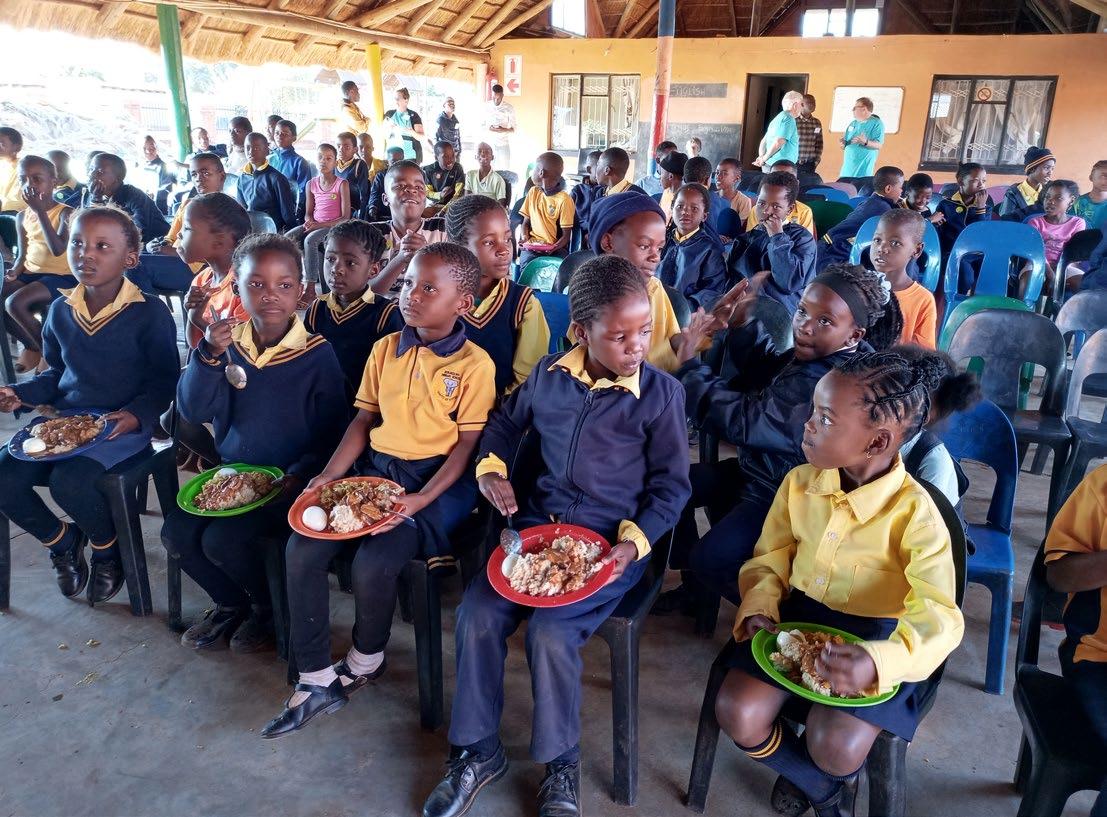
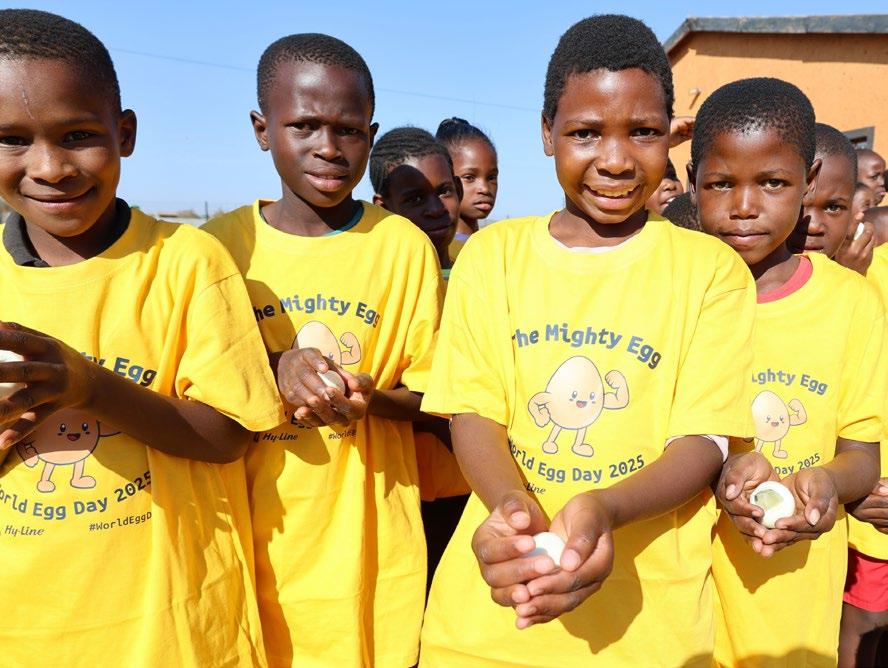
Now in its third year, the Blessman Project continues to make a profound impact in South Africa. Through its feeding hubs, the program distributes approximately 40,000 eggs each month to the broader community while providing schoolchildren with a daily hard-boiled egg alongside a balanced meal of beans, rice, and vegetables. This year, Blessman expanded its capacity by adding another pullet house, soon reaching 4,000 eggs per day. The results speak for themselves: children enjoy the eggs, experience improved energy and concentration in the classroom, and even save their egg for last— treating it like dessert.
Huevos para El Ande – Peru
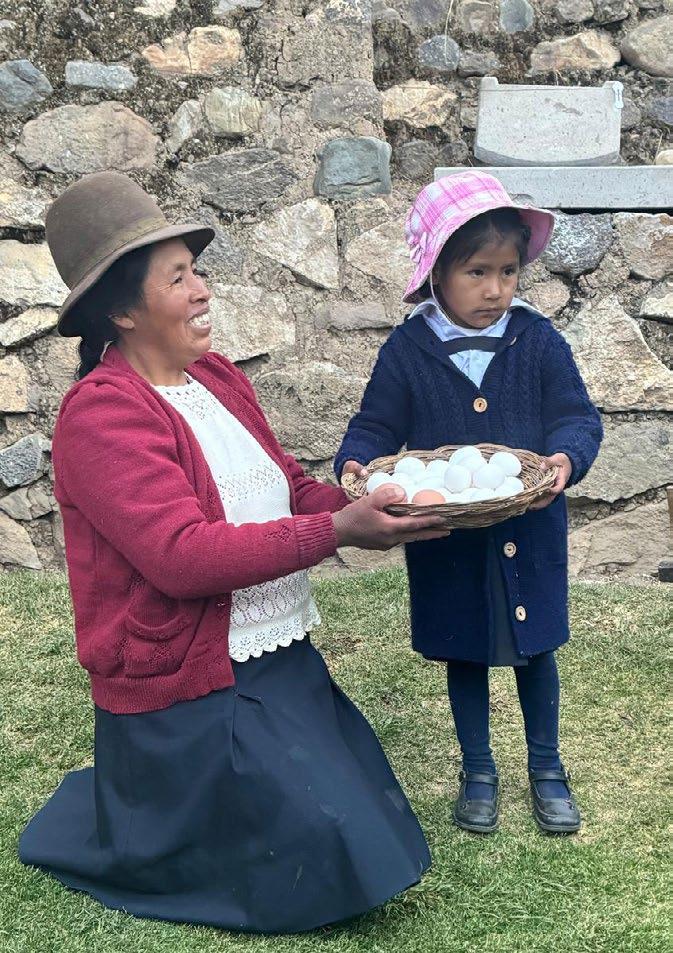
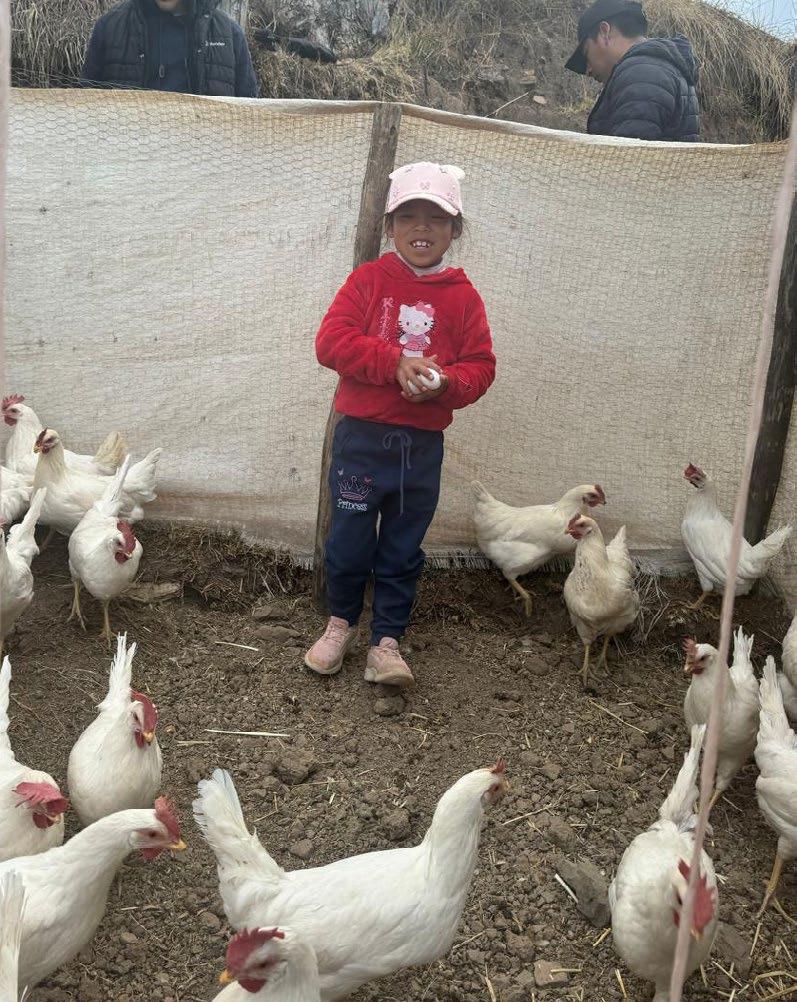
Hy-Line International and Hy-Line Peru have recently partnered with La Calera, one of South America’s largest egg producers, to support Huevos para El Ande (Eggs for the Andes). This program delivers small flocks of laying hens to families in remote Andean communities, enabling them to produce eggs for their own consumption and sell extras to neighbors. By introducing eggs into diets often lacking essential nutrients, this initiative helps combat malnutrition and fosters economic opportunity in hard-toreach regions.
Through these partnerships, Hy-Line proudly plays its role in reducing hunger, promoting healthier communities, and ensuring that the power of egg protein reaches those who need it most.
Together, we are building a future where every child and family has access to the nutrition they deserve.
Hy-Line Expands Breeder Production to Meet Global Demand
Hy-Line International is investing significantly in its breeder production capacity to keep pace with strong global demand for Hy-Line breeding stock. Recent expansions across three key hubs—the USA, Brazil, and India—underscore our commitment to supporting egg producers worldwide.
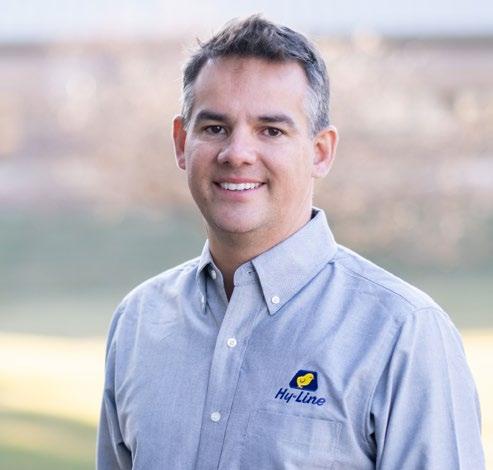
“We appreciate the support from ownership in expanding our pedigree and grandparent breeder production base across these three locations. These investments enable us to meet heightened demand not only in these important markets but globally, as Hy-Line varieties continue to be the preferred choice for egg producers worldwide.”
- Eduardo de Souza, Hy-Line President of Operations
USA
As Hy-Line’s original production location, the U.S. operations have increased grandparent housing by 20% and expanded hatchery output by 12% recently. These enhancements will ensure greater availability of parent stock for both domestic and global customers.
Brazil
Hy-Line’s Brazil hub has boosted pedigree capacity, strengthening its role as a vital research and breeding center, increasing pedigree stock by 65%. Hatchery capacity has also been expanded by 45% allowing us to supply parent stock not only to the local Brazilian market but to other South American and several world markets from the Brazilian hub.
India
In response to rapid market growth, Hy-Line has doubled its farm base with a new complex in central India. This expansion supports the rising popularity of the Hy-Line W-80i, which is gaining traction in the world’s second-largest egg market thanks to its exceptional shell quality, persistency of lay, and superior feed conversion.
Get the latest news about Hy-Line International and Hy-Line layers from around the world. Scan the QR code to subscribe to the Hy-Line Innovations newsletter and other Hy-Line news updates.

Hy-Line Brown Max Dominates XXXIII Ustrasice Czech
Commercial Layer Test
Hy-Line genetics continue to prove their superiority in global performance evaluations. In the recently completed XXXIII Ustrasice Czech Commercial Layer Performance Test (2025), the Hy-Line Brown Max variety outperformed a competitive field of eight leading genetic lines from major global providers.
The Brown Max secured first place overall, winning in every key trait measured: total eggs total egg mass, rate of lay, livability, and feed conversion ratio (FCR).
Key Advantages of Hy-Line Brown Max

+7.3 eggs per hen-housed compared to the field average
+1 kg more egg mass per hen Higher average egg weight
+2% advantage in rate of lay
3.2 g less feed per egg produced
+3.4% higher livability
Performance Results





Eggs
Egg Mass
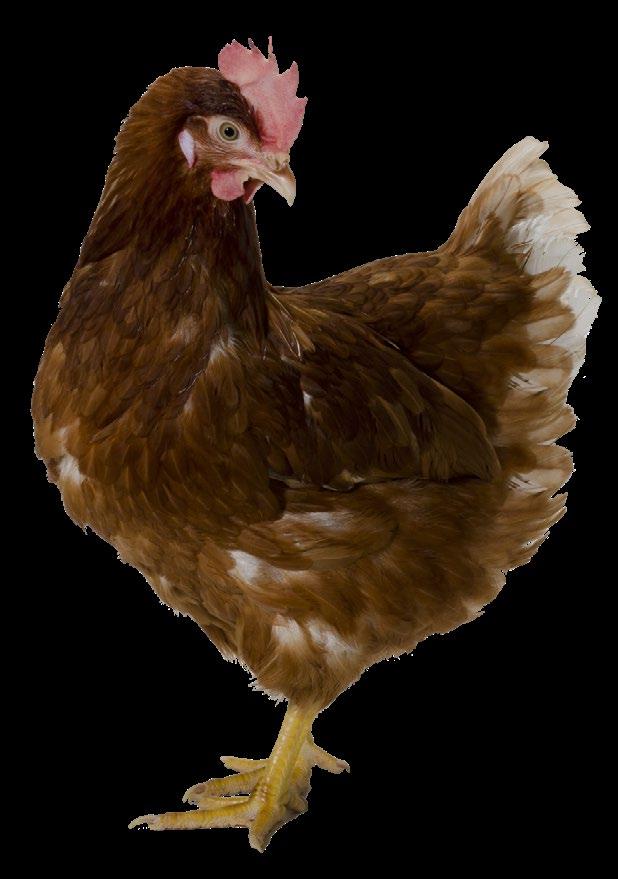
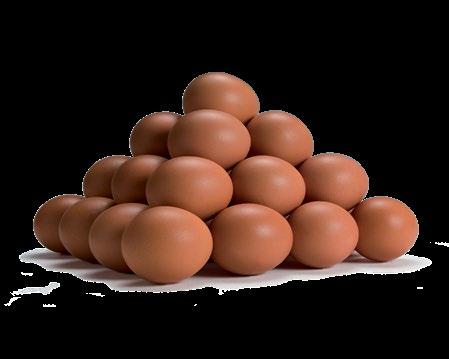


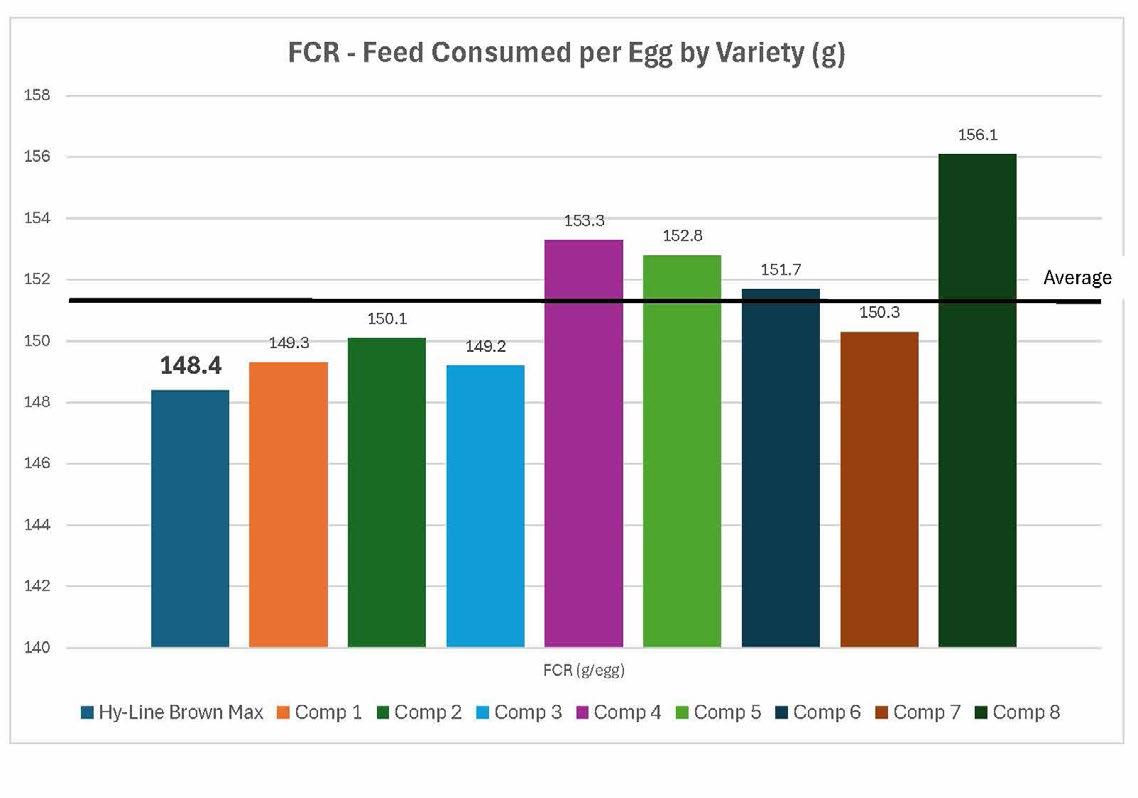
The Hy-Line Brown Max delivers the perfect combination of high productivity and superior feed efficiency, making it the preferred choice for brown egg producers worldwide.
Contact your Hy-Line representative for more information on how Hy-Line genetics may improve your results!
Hy-Line Team Member Updates
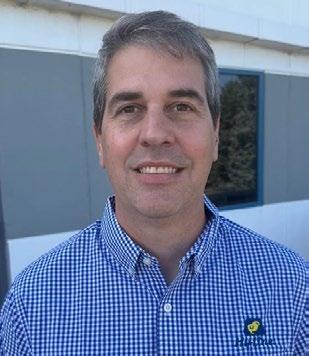
Bruno Viera has joined the Hy-Line team as Hatchery Manager. With more than 20 years of international experience in hatchery management, Bruno is stepping into a new role at our Dallas Center, Iowa, USA Breeder Hatchery. Hy-Line is excited to have his expertise supporting our team and operations.
Dylan Serrano Bedoya is the new Technical Nutrition Manager for Latin America and Canada. With a degree in veterinary medicine and animal science, a specialization in poultry production, and a master’s degree in animal nutrition, Dylan brings a strong technical background and extensive experience across multiple genetic lines to our global team. He will be based in Colombia.


Princess Cortez has been promoted to the role of Asia Pacific Technical Lead Nutritionist. Princess has been part of the Hy-Line team since 2018, providing technical support to customers across the region. With her strong expertise in layer nutrition, she will continue to serve the Asia Pacific market, now with an expanded role focused on delivering specialized nutrition advice.
Daniel Valbuena has been promoted to the position of Global Technical Services Director. With extensive experience in poultry nutrition, flock management, and international technical leadership, Daniel’s expanded role will strengthen our global support, ensuring innovative solutions and excellence for our customers worldwide.

January 2026 Flocks of Excellence Awards
As we work to empower egg farmers around the world with advanced genetics, we are proud to recognize extraordinary results achieved in the field through our “Flocks of Excellence” Awards. This edition highlights four outstanding producers from the UK, Ecuador, Honduras, and Guatemala for achieving superior results on their farms. Congratulations to all!
Granja Avícola San Luis, Guatemala
• Variety: Hy-Line W-80
• Hatch: 21 December, 2023
• Hens Housed: 28,866
• Age: 100 Weeks of Age
• 63 Weeks over 90% Rate of Lay
• 500 Hen-Housed Eggs
• 31.3 kg Egg Mass

• FCR 1.81 kg Feed/kg Eggs, 113.3 g Feed/Egg
CR & GM Woollam & Son, UK
• Variety: Hy-Line W-80
• Hatch: 21 June, 2023
• Hens Housed: 32,000 (Aviary)
• Age: 94 Weeks of Age
• 475 Hen-Housed Eggs
• 29.2 kg Egg Mass
• 93.0% Livability
• FCR 2.12 kg Feed/kg Eggs, 129.9 g Feed/Egg
We want to know about your excellent flocks!
If you would like to share your own results with Hy-Line, please contact your local representative or email us at info@hyline.com.
INAVIH, Honduras
• Variety: Hy-Line W-80
• Hatch: 4 January, 2024
• Hens Housed: 128,418
• Age: 97 Weeks of Age
• 482 Hen-Housed Eggs
• 30 kg Egg Mass

• FCR 1.83 kg Feed/kg Eggs, 113.8 g Feed/Egg
Avipechichal S.A., Ecuador
• Variety: Hy-Line Brown Max
• Hatch: 2 December, 2022
• Hens Housed: 191,454
• Age: 90 Weeks of Age
• 53 Weeks over 90% Rate of Lay
• 95.24% Livability
• 447 Hen-Housed Eggs
• 28 kg Egg Mass
In Memoriam: Shri Jagapati Rao Chitturi
The global Hy-Line family was deeply saddened by the passing of Shri Jagapati Rao Chitturi, Chairman of Srinivasa Farms, our valued partner in India. He will be greatly missed. A lifelong learner, he was an avid reader of Hy-Line materials including this semi-annual newsletter, always seeking knowledge and insight. His contributions leave a lasting legacy to the poultry industry in India. May he rest in peace.