Global mycotoxin survey of 2025harvested corn
April 2026
Jog Raj, Hunor Farkaš, Miladin Dogan, Goran Grubješić, Jovana Dubajić, Zdenka Jakovčević, and Marko Vasiljević
Goals

The corn samples were delivered to PATENT CO. lab and Betagro between Sep 2025 & Feb 2026.
The aim of the present study was to quantify mycotoxins in corn samples from di erent regions of Algeria, Argentina, Austria, Brazil, Chile, China, Colombia, Costa Rica, Ecuador, Mexico, Morocco, Peru, Philippines, Serbia, South Africa, South Korea, Thailand, and Vietnam using LC-MS/MS based multi-mycotoxin method.
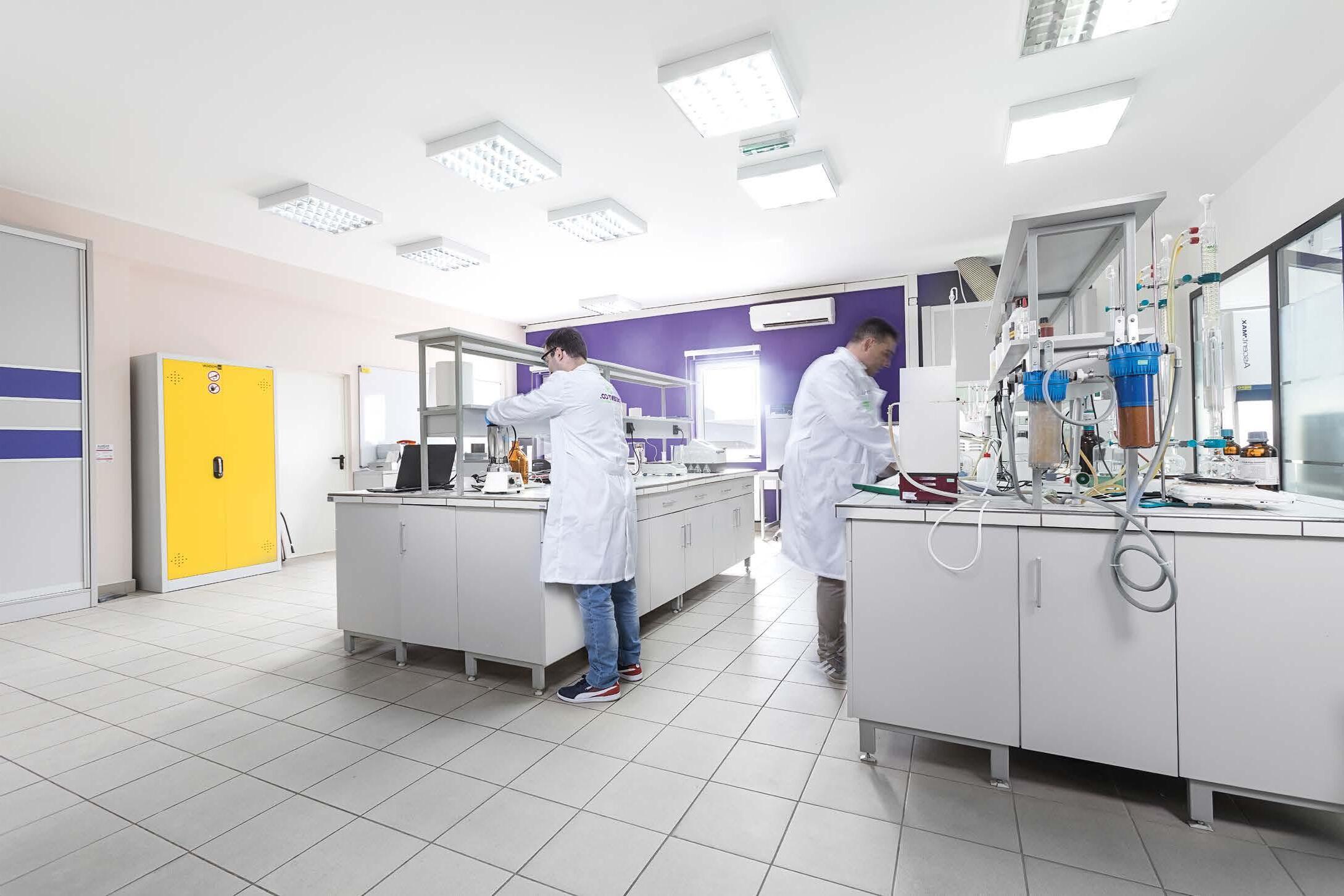
PATENT CO. research lab,
Mišićevo, Serbia
European Union (EU) regulated and related mycotoxins: aflatoxins (AFB1, AFB2, AFG1, AFG2), deoxynivalenol (DON), fumonisins (FB1, FB2, FB3), HT-2 toxin, ochratoxin A (OTA), T-2 toxin, and zearalenone (ZEN).
Emerging mycotoxins: beauvericin (BEA), enniatin (ENNA, ENNA1, ENNB, ENNB1), fusaric acid (FA), and moniliformin (MON).
Other mycotoxins: 15-acetyl deoxynivalenol (15-ADON), 3-acetyl deoxynivalenol (3-ADON), deoxynivalenol 3-glucoside (D-3-G), diacetoxyscirpenol (DAS), neosolaniol (NEO), nivalenol (NIV), zearalanone (ZAN), α – zearalenol (α-ZEL) and β – zearalenol (β-ZEL), diacetoxyscirpenol, neosolaniol, fusarenon x, citrinin, patulin, and alternariol.
Countries:
Algeria, Argentina, Austria, Colombia, Costa Rica, Chile, Ecuador, Serbia, South Africa, South Korea, Mexico, Morocco, Peru.
Samples analysed using LC-MS/MS (Agilent 6460 series)1, at PATENT CO., Serbia.
Betagro Science Centre, Khlong Luang, Thailand
Mycotoxins: aflatoxins (AFB1, AFB2, AFG1, AFG2), deoxynivalenol (DON), fumonisins (FB1 and FB2), ochratoxin A (OTA), T-2 toxin, and zearalenone (ZEN).
Samples were analysed using LC-MS/MS (Waters, Xevo TQ-X)2 at Betagro Science Centre, Khlong Luang, Thailand.
Countries: China, Philippines, Thailand, and Vietnam.
In Brazil, samples were tested using ELISA in an external laboratory.
Mycotoxins: aflatoxin (total AFB1, AFB2, AFG1, and AFG2), deoxynivalenol, fumonisins (total FB1, FB2, and FB3), and zearalenone.

1Farkas et al., 2025 (46 Mycotoxins Workshop, May 25-28, 2025, Martina Franka, Italy)
2Kongcheep et al., 2026 (47 Mycotoxins Workshop, June 01-03, 2026. Berlin, Germany)

Table 1: Mycotoxin contamination in corn samples from Algeria in 2025

29 141 15 0.62 22
3 6 3 2 12
23 33 28 5 10
Figure 1:
Prevalence (%) of mycotoxins in 2025-harvested Algerian corn <LOQ 1 MYCOTOXIN >1 MYCOTOXIN
• 96% of corn samples from Algeria were contaminated with more than one mycotoxin.
• BEA, FA, and fumonisins were the dominant mycotoxins detected.
• Present average mycotoxin exposure in Algeria poses a high risk in ruminants and aquaculture, and a moderate risk in poultry.
Table 2: Mycotoxin contamination in corn samples from Argentina in 2025
Figure 2:
Prevalence (%) of mycotoxins in 2025-harvested corn from Argentina
• 68% of corn samples from Argentina were contaminated with more than one mycotoxin.
• FA and fumonisins were the dominant mycotoxins detected.
• Present average mycotoxin exposure in Argentina poses a high risk in pigs, and a moderate risk in poultry, ruminants, and aquaculture.

Austria
Table 3:
Mycotoxin contamination in corn samples from Austria in 2025

Table 4:
Mycotoxin contamination in corn samples from Brazil in 2025
Figure 3:
Prevalence (%) of mycotoxins in 2025-harvested Austrian corn
Figure 4:
Prevalence (%) of mycotoxins in 2025-harvested corn in Brazil
• 94% of corn samples from Austria were contaminated with more than one mycotoxin.
• BEA, DON, ENNs, and FA were the dominant mycotoxins detected.
• Present average mycotoxin exposure in Austria poses a moderate risk in all species.
• Fumonisins were the dominant mycotoxins detected.
• Present average mycotoxin exposure in Brazil poses a moderate risk in all species.

Table 5:
Mycotoxin contamination in corn samples from Chile in 2025

1 1 0 0 14
24 288 3 1 79
128 686 71 28 41
147 1,198 43 7 93
832 3,218 815 33 52
434 1,269 426 26 38
Figure 5:
Prevalence (%) of mycotoxins in 2025-harvested corn in Chile
Table 6:
Mycotoxin contamination in corn samples from China in 2025 <LOQ 1 MYCOTOXIN
>1 MYCOTOXIN
• 93% of corn samples from Chile were contaminated with more than one mycotoxin.
• BEA, FA, and fumonisins were the dominant mycotoxins detected.
• Present average mycotoxin exposure in Chile poses a moderate risk in pigs, and a low risk in poultry, ruminants, and aquaculture.
Figure 6:
Prevalence (%) of mycotoxins in 2025-harvested corn in China
<LOQ
1 MYCOTOXIN
>1 MYCOTOXIN
• 89% of corn samples from China were contaminated with more than 1 mycotoxin.
• DON, fumonisins, and ZEN were the dominant mycotoxins detected.
• Present average mycotoxin exposure in China poses a high risk in pigs, ruminants, and aquaculture, and a moderate risk in poultry.

Table 7:
Mycotoxin contamination in corn samples from Colombia in 2025

Costa Rica
Table 8: Mycotoxin
AFB1 7 16 5 2 12
14 79 5 1 77
503 1,932 346 33 81
205 761 142 26 79
65 189 49 26 60
24 89 14 3 42
20 33 20 8 7
• Co-occurrence with multiple mycotoxins a ected all corn samples from Colombia.
BEA, FA, and fumonisins were the dominant mycotoxins detected. Present average mycotoxin exposure in Colombia poses a moderate risk in aquaculture, and a low risk in poultry, pigs, and
• Co-occurrence with multiple mycotoxins a ected all corn samples from Costa Rica.
• BEA, DON, ENNs, FA, fumonisins, MON, and ZEN were the dominant mycotoxins detected.
• Present average mycotoxin exposure in Costa Rica poses a high risk in pigs, ruminants, and aquaculture, and a moderate risk in poultry.

Table 9:
Mycotoxin contamination in corn samples from Ecuador in 2025

Table 10: Mycotoxin contamination in corn samples from Mexico in 2025
AFB1 13 124 4 1 58
30 287 6 1 64
152 663 122 16 94
1,141 4,087 876 174 94
453 1,870 346 63 94
131 409 102 26 89
14 60 8 3 19
51 158 25 12 14
• Co-occurrence with multiple mycotoxins a ected all corn samples from Ecuador.
• AFB1, BEA, FA, and fumonisins were the dominant mycotoxins detected.
• Present average mycotoxin exposure in Ecuador poses a high risk in ruminants, a moderate risk in poultry and pigs, and a low risk in aquaculture.
• Co-occurrence with multiple mycotoxins a ected all corn samples from Mexico.
• BEA, DON, FA, fumonisins, and MON were the dominant mycotoxins detected.
• Present average mycotoxin exposure in Mexico poses a high risk in ruminants, and a moderate risk in poultry, pigs, and aquaculture.
Table 11:
Mycotoxin contamination in corn samples from Morocco in 2025

Table 12:
in corn
15-ADON 35 64 28 23 12
6 51 5 1 98
95 326 64 17 98
926 3,758 634 57 100
727 15,143 276 28 98
117 406 88 26 88
12 26 6 4 16
• Co-occurrence with multiple mycotoxins a ected all corn samples from Morocco.
• BEA, FA, and fumonisins were the dominant mycotoxins detected.
• Present average mycotoxin exposure in Morocco poses a moderate risk in aquaculture, and a low risk in poultry and ruminants.
• Co-occurrence with multiple mycotoxins a ected all corn samples from Peru.
• AFB1, DON, BEA, FA, fumonisins, and ZEN were the dominant mycotoxins detected.
• Present average mycotoxin exposure in Peru poses a high risk in all species.

Table 13:
Mycotoxin contamination in corn samples from Philippines in 2025
(ppb)
AFB1 455 1,442 356 16 100
AFB2 16 59 10 1 98
FB1 320 1,150 344 22 98
FB2 140 459 132 22 80
ZEN 191 357 182 17 14
• Co-occurrence with multiple mycotoxins a ected all corn samples from Philippines.
• Average aflatoxin concentrations were critical.
• Aflatoxins and fumonisins were the dominant mycotoxins detected.
• Present average mycotoxin exposure in Philippines poses a critical risk in all species.

Serbia
Table 14:
AFB1 60 521 25 0 56
AFB2 4 21 2 0 31
AFG1 144 297 148 11 6
Figure 7: Prevalence (%) of mycotoxins in 2025-harvested corn in Serbia
• Average aflatoxin concentrations in corn samples from Serbia were critical.
• Aflatoxins and fumonisins were the dominant mycotoxins detected.
• Present average mycotoxin exposure in Serbia poses a high risk in all animal species.

South Africa
Table 15:
• Co-occurrence with multiple mycotoxins a ected all corn samples from South Africa.
• BEA, DON, FA, and ZEN were the dominant mycotoxins detected.
• Present average mycotoxin exposure in South Africa poses a high risk in pigs and aquaculture, and a moderate risk in poultry and ruminants.

South Korea
• Co-occurrence with multiple mycotoxins a ected all corn samples from South Korea.
• BEA, DON, FA, MON, and ZEN were the dominant mycotoxins detected.
• Present average mycotoxin exposure in South Korea poses a low risk in all animal species. Table 16:


Table 17:
Mycotoxin contamination in corn samples from Thailand in 2025

Table 18:
Mycotoxin contamination in corn samples from Vietnam in 2025
AFB1 34 130 23 3 19
AFB2 6 9 6 2 10
DON 561 3,391 226 64 49
FB1 2,120 55,151 626 25 94
FB2 637 18,935 144 25 92
ZEN 76 587 32 8 51
• Co-occurrence with multiple mycotoxins a ected all corn samples from Thailand.
• Average aflatoxin and fumonisin concentrations were high.
• Aflatoxins and Fusarium mycotoxins (DON, fumonisins, and ZEN) were the dominant mycotoxins detected.
• Present average mycotoxin exposure in Thailand poses a critical risk in ruminants, and a high risk in poultry, pigs, and aquaculture.
AFB1 22 86 1 1 47
AFB2 4 8 4 1 16
DON 143 803 82 21 47 FB1 964 2,030 919 141 100
408 925 377 55 100
47 164 38 11 47
• Co-occurrence with multiple mycotoxins a ected all corn samples from Vietnam.
• Fumonisins were the dominant mycotoxins detected.
• Present average mycotoxin exposure in Algeria poses a high risk in ruminants, and a moderate risk in poultry, pigs, and aquaculture.

World map of mycotoxins
Summary of the global mycotoxin
survey of 2025-harvested corn
This study provides valuable insights into the co-occurrence and co-contamination, of aflatoxins, emerging mycotoxins and Fusarium-produced mycotoxins in the majority of 2025-harvested corn samples from 18 countries.
Aflatoxins, particularly AFB1, pose the most significant threat, frequently exceeding regulatory limits for both human and animal consumption. Fumonisins also remained a critical concern, similarly as in previous years, with levels potentially heightened by warmer temperatures during the growing season.
Co-occurrence has significant implications for food and feed safety, as combined exposure to multiple mycotoxins can lead to synergistic toxic e ects, increasing human and animal health risks.
Prevalence (%) of >1 mycotoxin per sample
Country Mycotoxins detected
ALGERIA 96
AFB1, DON, FA, FB1, FB2, FB3
ARGENTINA 68 FA, FB1, FB2, FB3
AUSTRIA 94
BRAZIL 95
DON, BEA, FA, MON, T-2, ZEN
AFB1, DON, FB1, ZEN
CHINA 89 DON, FB1
CHILE 93
COLOMBIA 100
COSTA RICA 100
ECUADOR 100
MEXICO 100
MOROCCO 100
PHILIPPINES 100
PERU 100
SERBIA 56
BEA, FA, FB1
BEA, FA, FB1, FB2, FB3
BEA, DON, FA, FB1, FB2, FB3, MON, ZEN
AFB1, BEA, DON, FA, FB1, FB2, FB3
AFB1, BEA, DON, FA, FB1, FB2, FB3, MON
BEA, FA, FB1, FB2, FB3
AFB1, AFB2, FB1, FB2
AFB1, BEA, DON, FA, FB1, FB2, FB3, ZEN
AFB1, AFB2, FB1, FB2, FB3
SOUTH AFRICA 100 BEA, DON, FA
SOUTH KOREA 100
THAILAND 100
VIETNAM 100
BEA, DON, FB1, FB2, FB3, MON, ZEN
DON, FB1, FB2, ZEN
AFB1, DON, FB1, FB2
World map of mycotoxins in corn
High
CHILE
COSTA RICA MEXICO
ECUADOR PERU
BRAZIL
MOROCCO
SERBIA
COLOMBIA
ALGERIA
AUSTRIA
ARGENTINA
SOUTH AFRICA
THAILAND
PHILIPPINES
VIETNAM
SOUTH KOREA
CHINA
This report is informational and does not constitute feeding advice; no liability is accepted for any loss or damage arising from its use.