Mycotoxins and their transfer in different food/feed chains
Different crops are infested with a variety of fungal species, and plants serve as the substrate from which mycotoxins enter different food/feed chains in the form of mycotoxin residues.
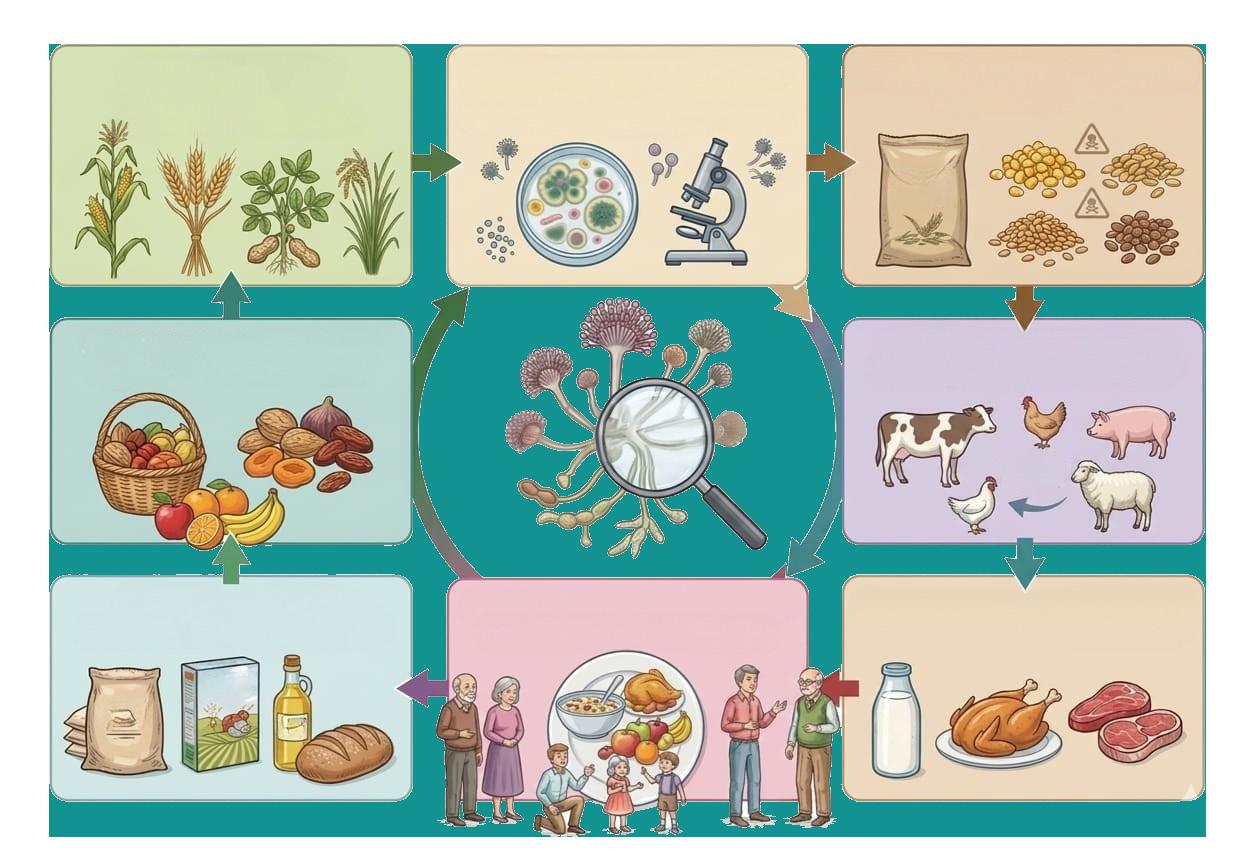
Figure 2 shows the transfer of mycotoxins between different food chains.
Food crops contain fungal species in the form of field and storage fungi, and when they are exposed to environmental conditions that favor mycotoxin production, they produce them as secondary metabolites (Gurikar et al., 2023).
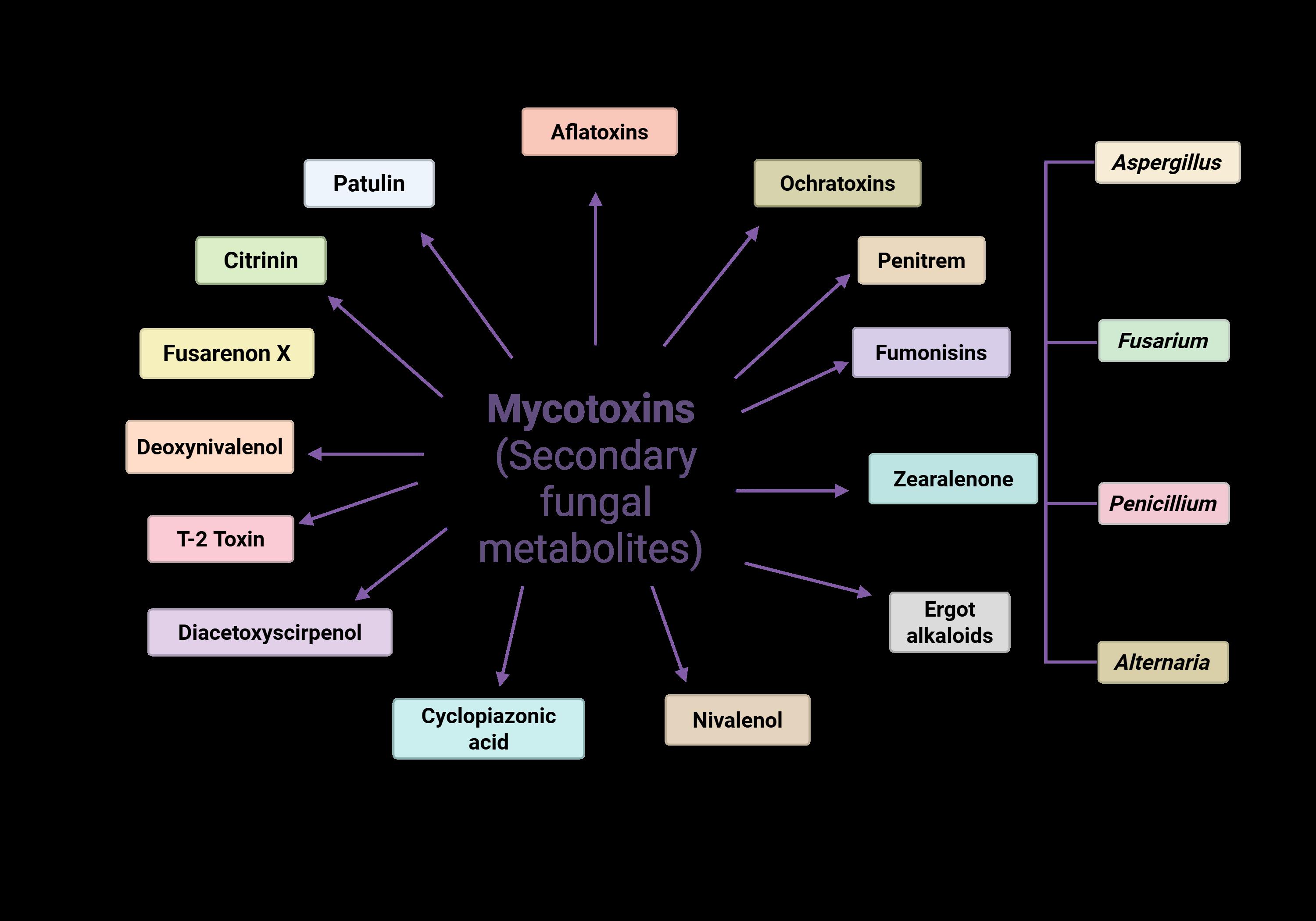
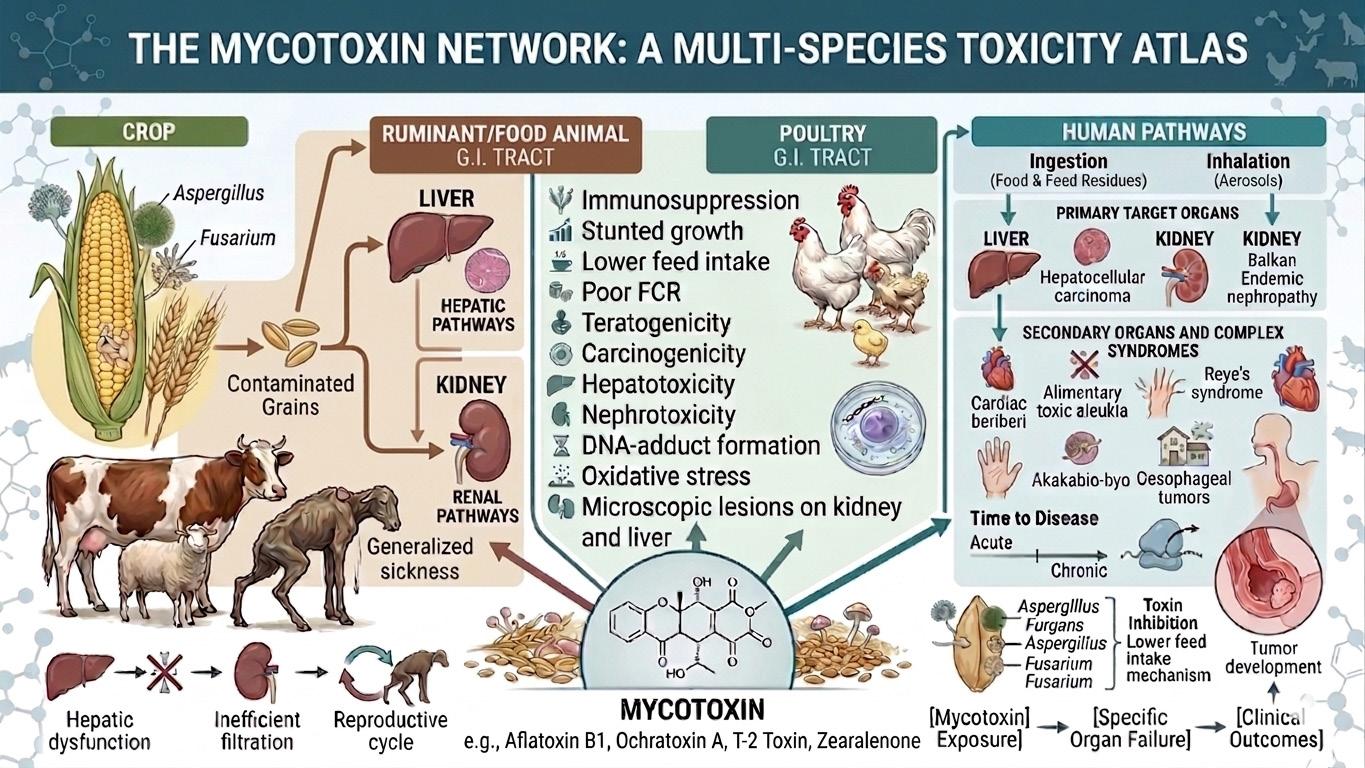
These mycotoxins pose deleterious effects on animals, birds, and humans, a brief profile of which is described in Figure 3.
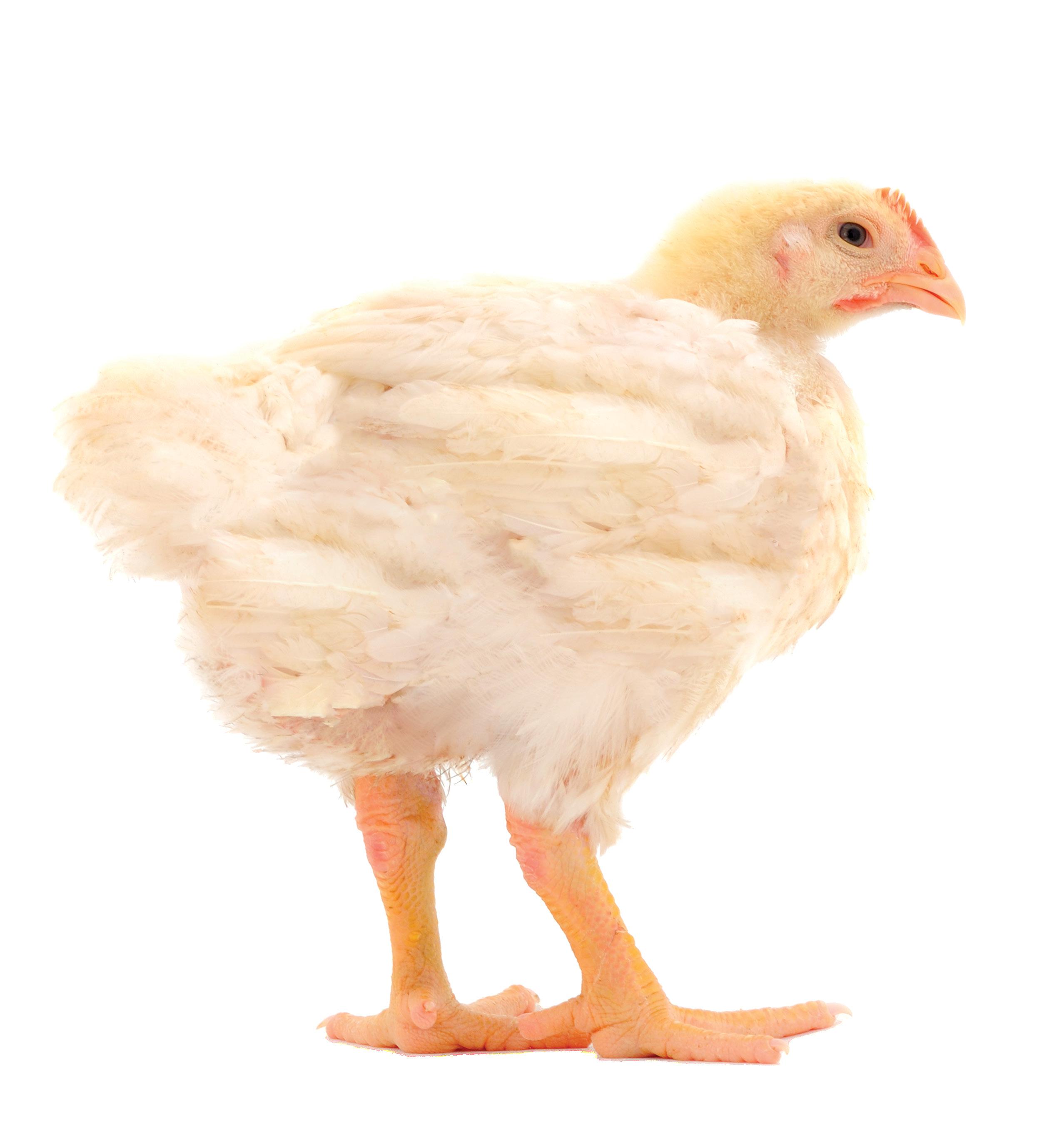
Aflatoxins and ochratoxins are considered highly important in the poultry industry.
CROP CULTIVATION
Mycotoxin-prone grains (corn, wheat, peanuts, rice
DIRECT PLANT PRODUCTS
Mycotoxins in nuts, dried fruits
PROCESSED FOODS
Mycotoxins in flour, cereals, oils
STORAGE & FUNGAL GROWTH
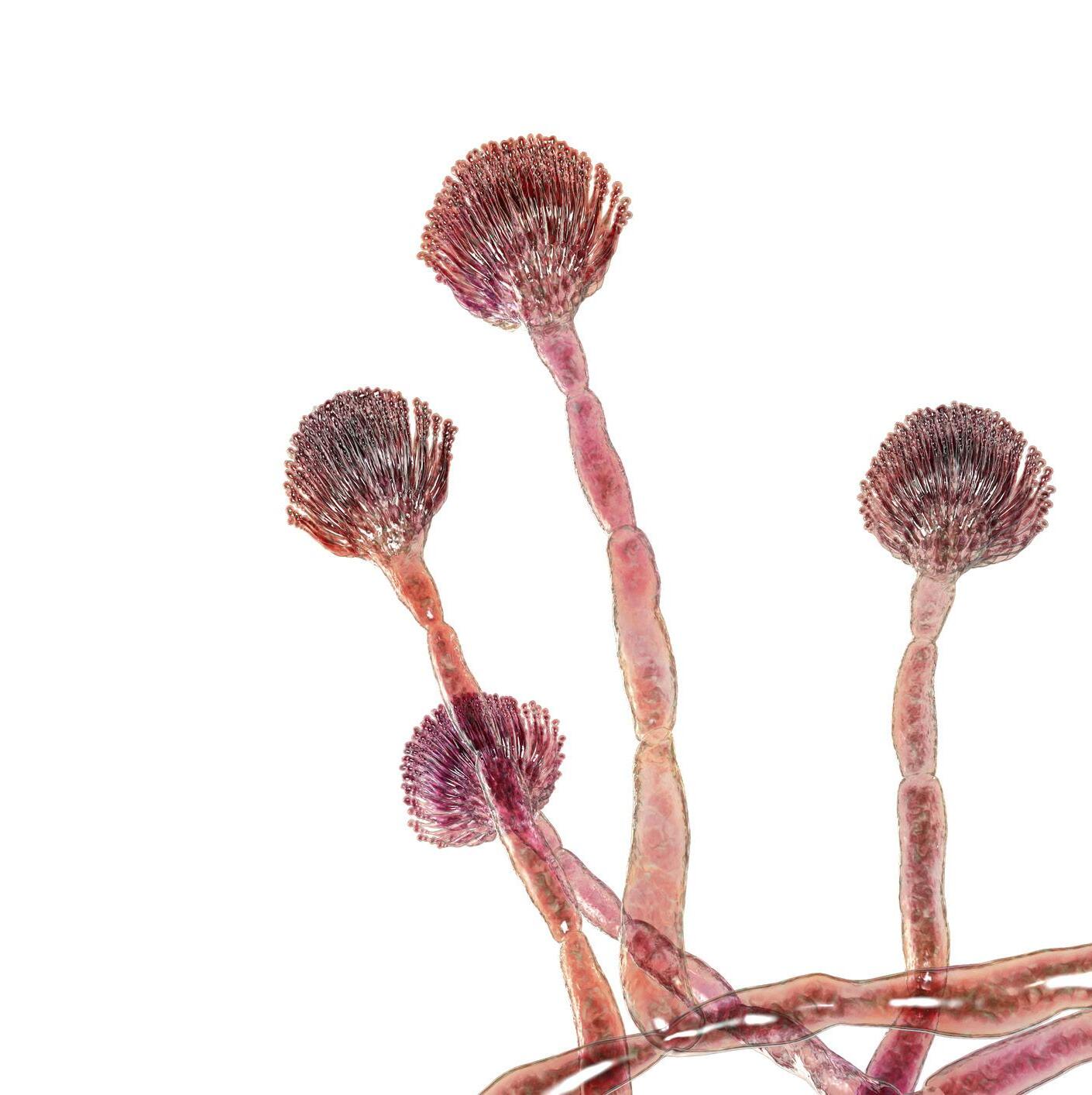
Ideal conditions for Aspergillus,Fusarium and Penicillium
ANIMAL FEED CONTAMINATION
Mycotoxins in grains
ANIMAL FEED
HUMAN DIETARY EXPOSURE
Dietary consumption & transfer
LIVESTOCK CONVERSION
Metabolism in cattle, poultry, swine
Mycotoxin transfer
CONTAMINATED MEAT & DAIRY
Mycotoxins in animal-derived foods
Figure 2. Transfer of mycotoxins as residues within different food/feed chains.
FLOUR
MILK CEREALS
Figure 3. Schematic presentation of mycotoxins-associated alterations/diseases in ruminants, poultry and humans.
Mycotoxin-associated control strategies
Certain prevention strategies are adopted to avoid the entry of mycotoxin residues into the feed chain.
Apart from that, once mycotoxins enter the food/feed chain, their complete removal becomes unfeasible.
Therefore, different control strategies are adopted to mitigate mycotoxinassociated adverse effects in birds.
Previously, the use of different types of mycotoxin binders (clays, adsorbents) in feed was a common practice to control the adverse effects of mycotoxins in poultry.
These solutions remain an important tool in mycotoxin risk management. However, their efficacy may vary depending on the type of mycotoxin and the characteristics of the adsorbent, and in some cases, non-specific binding of essential minerals and micronutrients may occur.
Nowadays, more integrated strategies combining adsorbents with approaches such as the use of beneficial microorganisms and nutritional interventions are being implemented to mitigate mycotoxinassociated economic losses (Khatoon et al., 2024).
BIOLOGICAL CONTROL
Probiotics
Probiotics are beneficial living microorganisms (usually bacteria and yeasts) that are administered to provide health benefits to birds, animals, and humans.
They act by improving digestion and gut health, as well as enhancing the overall immunity of the host.
Some probiotic microorganisms have demonstrated detoxifying capacity against different mycotoxins, thereby helping to mitigate mycotoxin-associated adverse effects in poultry (Rashid et al., 2023).
They have the ability to bind certain mycotoxins within the gastrointestinal tract and facilitate their elimination from the body without significantly affecting essential vitamins and minerals.
Numerous studies (both in vitro and in vivo) have demonstrated the biodegradation capacity of these microorganisms against various mycotoxins.
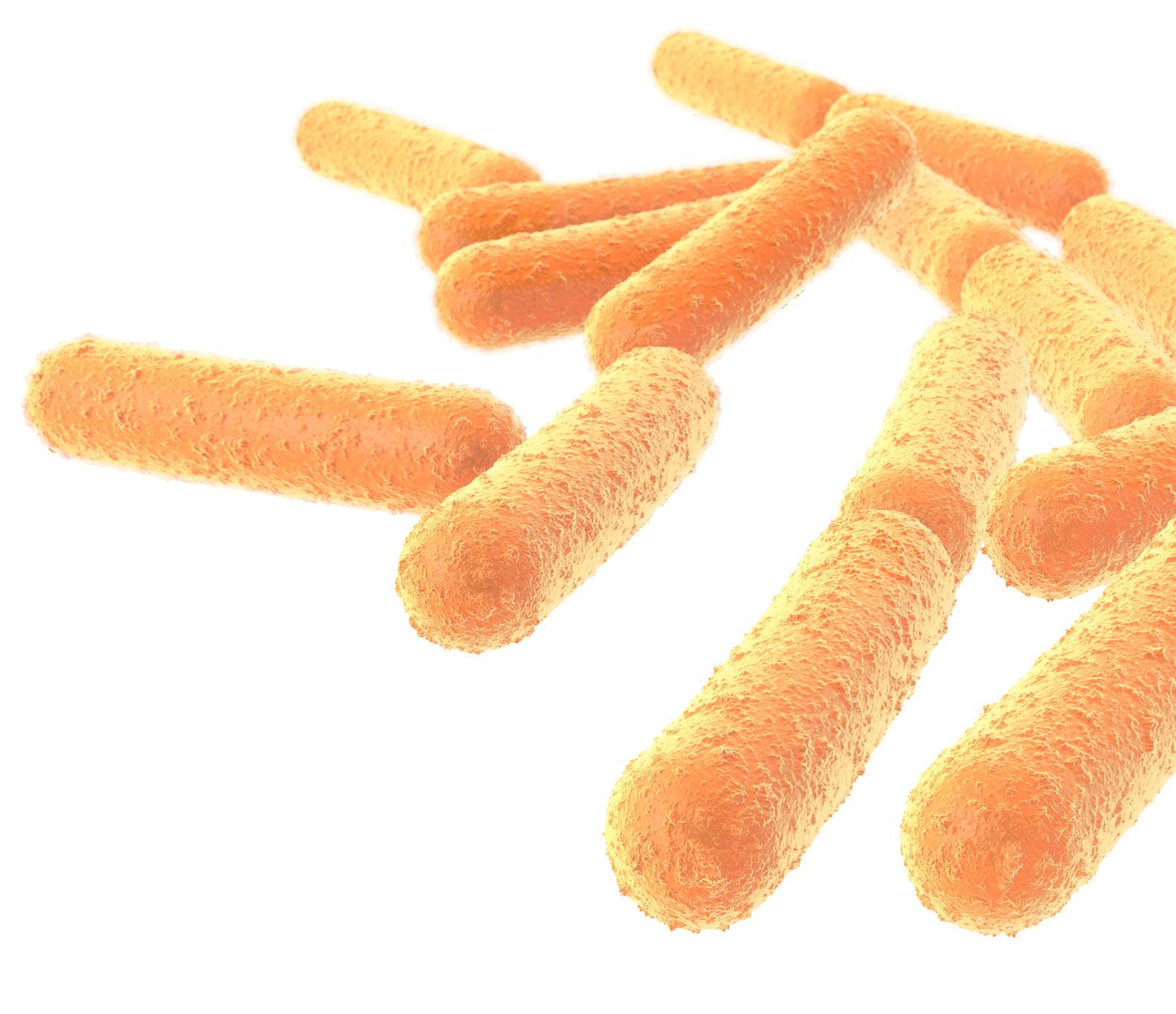
Different species of Lactobacillus, Lactococcus, Streptococcus, and Bifidobacterium possess biodegradation ability against different types of mycotoxins.
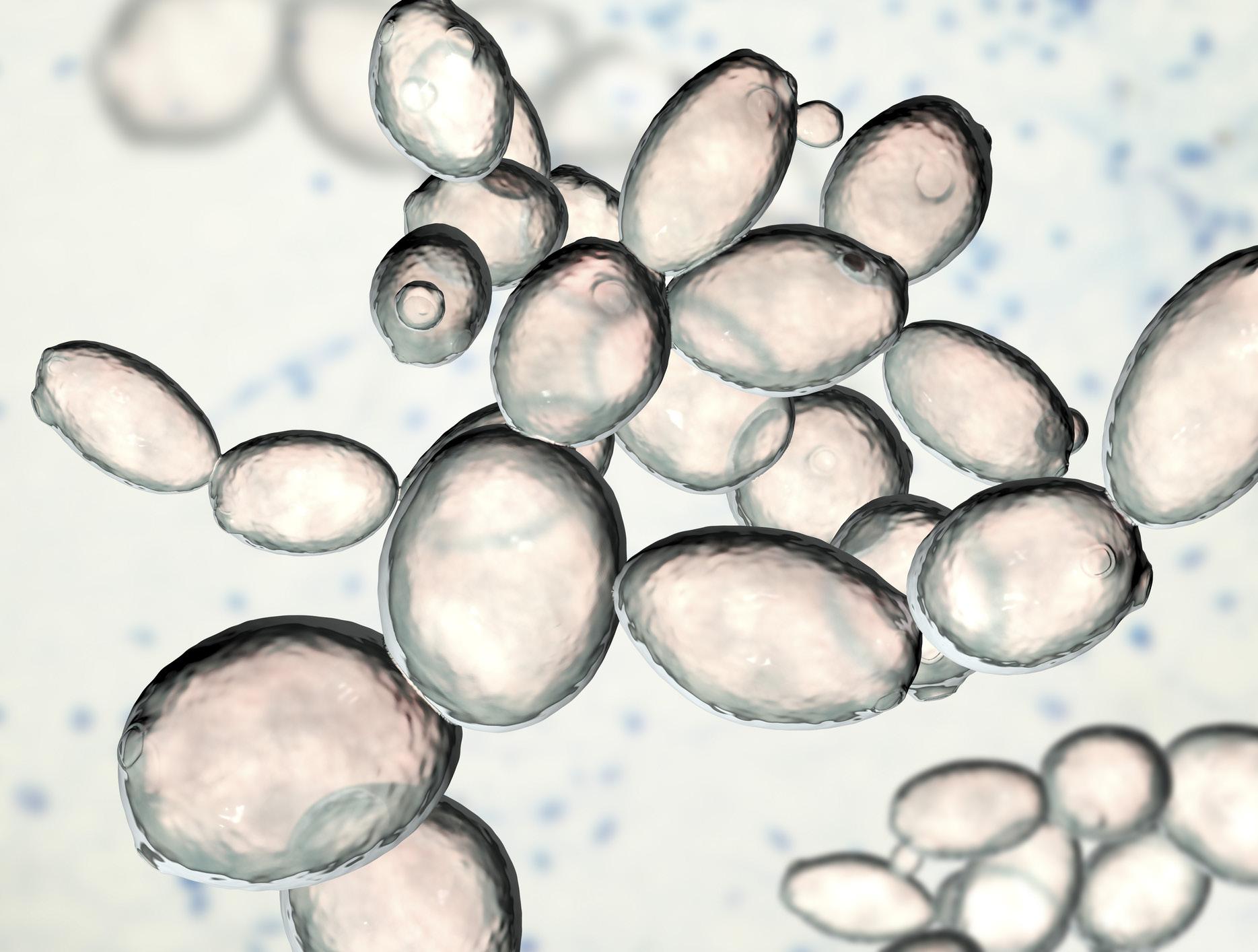
Among yeasts, Saccharomyces cerevisiae provides similar beneficial effects.
In addition to promising in vitro results, in vivo experiments have also shown the effectiveness of different yeast and bacterial strains against mycotoxins in the poultry industry (Jamil et al., 2025).
According to the available literature, Saccharomyces cerevisiae, Pichia kudriavzevii, Lactobacillus plantarum, and Nocardia corynebacteroides have shown good results against aflatoxicosis in broiler chicks, while Lactobacillus paracasei, Saccharomyces cerevisiae, and Lactobacillus plantarum have been found effective against ochratoxicosis in different poultry species.
Prebiotics
Unlike probiotics, which are living microorganisms, prebiotics are non-digestible compounds, mainly composed of fiber, that serve as substrates for beneficial microorganisms, ultimately promoting gut health and immunity in chicks.
Certain prebiotics have been evaluated in several studies and have shown potential to mitigate mycotoxin-associated adverse effects in birds.
Representative examples include:
Dietary butylated hydroxytoluene
Curcumin
Distillery yeast sludge
Yeast cell wall
Glucomannans
Modified yeast extract
Esterified glucomannans
Degrading enzymes
Besides the use of different microorganisms and their derived products, the use of biological degrading enzymes isolated from bacteria, viruses, and fungi is also gaining attention for the degradation of mycotoxins (Xu et al., 2017).
Enzymes such as laccase, manganese peroxidase, Bacillus-derived aflatoxin-degrading enzymes, the cytochrome P450 enzyme system, myxobacteriaderived aflatoxin-degrading enzymes, aflatoxin oxidase, aldo-keto reductase, ZEN-specific lactonohydrolase, and fumonisin carboxylesterase FumD, among others, have been found effective in degrading aflatoxins, DON, zearalenone, and fumonisins in different biological systems (Khatoon et al., 2025).
NUTRITIONAL STRATEGIES
Vitamins and minerals
Different vitamins and minerals have been reported to mitigate the toxic effects of various mycotoxins in poultry.
Although these compounds do not possess the ability to detoxify or degrade mycotoxins, they play an important role in enhancing the immune status of chicks, thereby reducing mycotoxin-associated adverse effects.
Studies have reported the mitigating roles of vitamin C and E, alpha-lipoic acid, resveratrol, selenium, L-arginine, retinol, ascorbic acid, α-tocopherol, zinc, magnesium, coenzyme Q10, and lycopene against the adverse effects of aflatoxins, ochratoxins, and fumonisins in different poultry species.
Herbal plants and phytochemicals
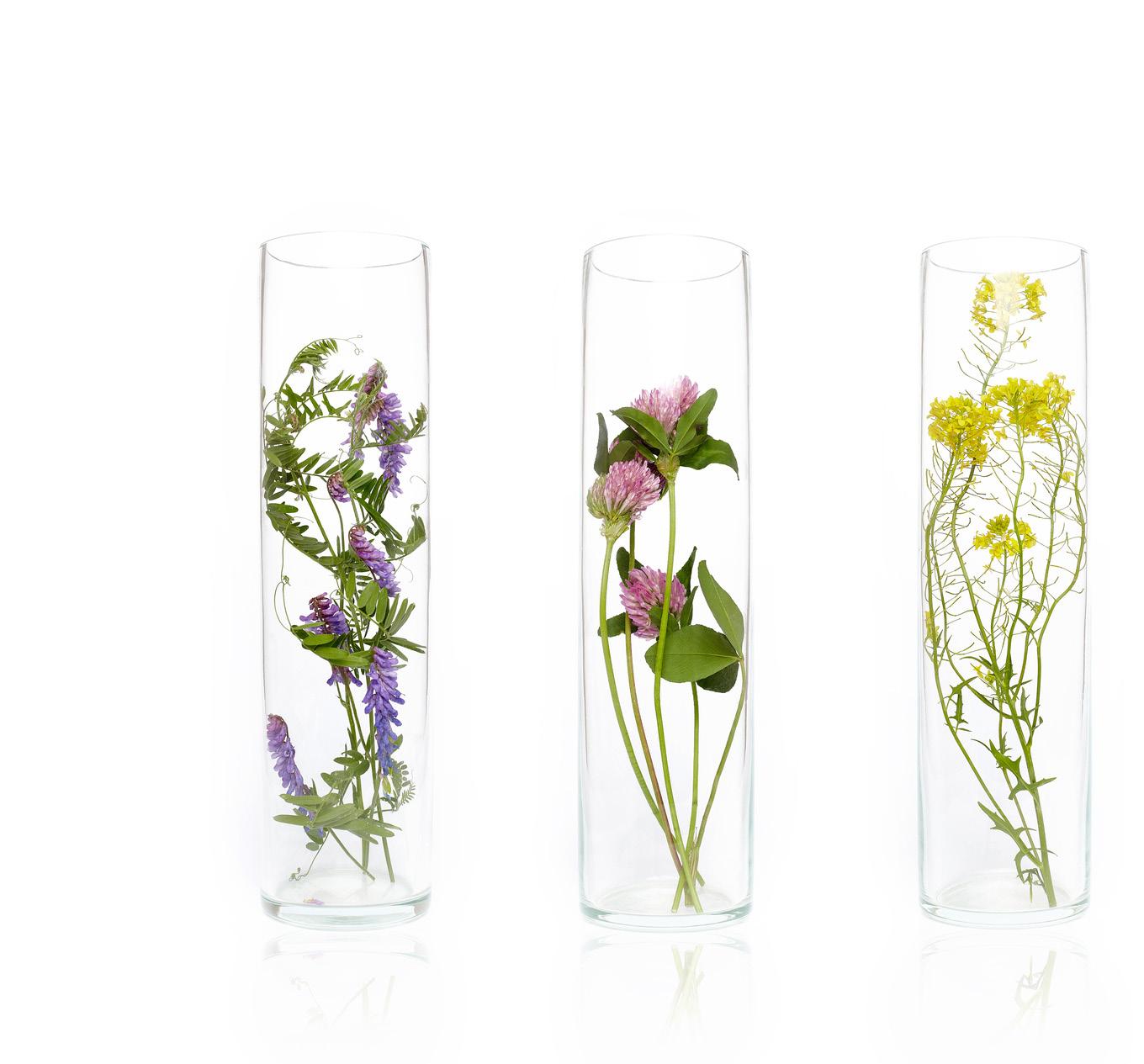
Herbal plants are those that can be used as a whole or in parts (roots, stem, leaves, and fruits) as therapeutic agents or as precursors in the synthesis of certain important drugs.
Milk thistle (silymarin), turmeric, thyme, rosemary, and sea buckthorn berries are being effectively utilized to address mycotoxicosis in poultry.
Phytochemicals are chemical compounds extracted from different parts of plants that can be used effectively against various disorders (Jamil et al., 2024).
Lycopene, silymarin phospholipid complex, curcumin, flavonoids, alkaloids, polyphenols, and tannins have been found effective against the toxic effects of various mycotoxins in poultry (Abbas et al., 2024).
Organic nanoparticles
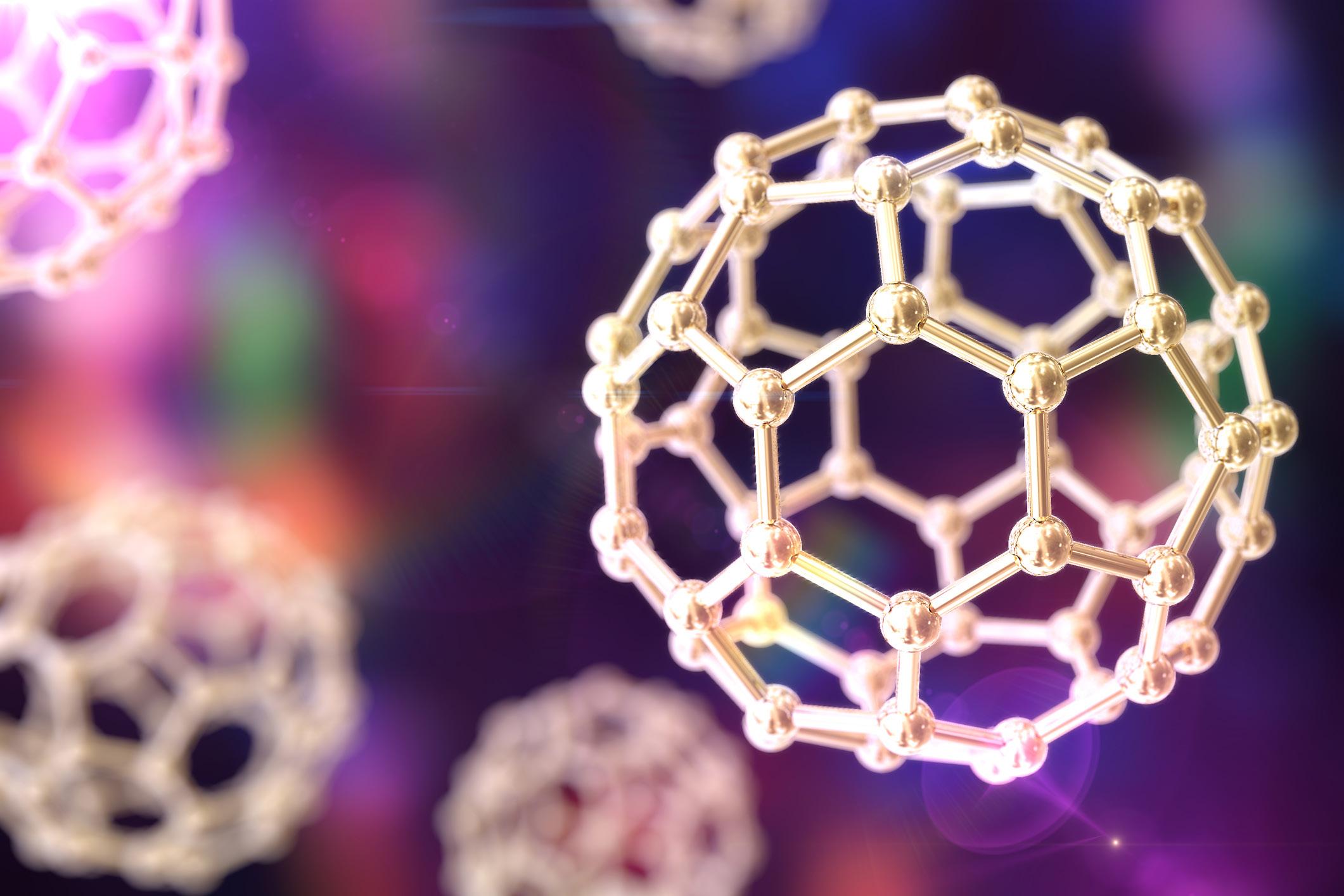
Nanoparticles are minute materials that provide enhanced effects of the incorporated compounds due to their high surface-to-volume ratio.
Certain organic materials with good adsorbent capacity against mycotoxins can be incorporated into substrate-based nanoparticles to improve their availability within biological systems (Khashan et al., 2025).
Organic substrates such as chitosan and carbon, often referred to as bio-based nanoparticles, are used as carriers onto which active compounds such as curcumin, glucomannan, and bentonite can be loaded, as they possess mycotoxinadsorption potential and can enhance their bioavailability within the poultry gut.
This technology is gaining attention due to its relatively low disadvantages. However, further research is required for its large-scale commercialization in the poultry sector to improve the production performance of birds (Amin et al., 2025).
Conclusions
Biological and nutritional strategies are promising, with minimal or no disadvantages, and are therefore gaining increasing attention.
However, rather than replacing conventional mycotoxin control strategies (such as the use of mycotoxin binders and clays), current research is focused on complementing them with innovative approaches.
Continued efforts from scientists and researchers are required for the large-scale commercialization of non-invasive techniques, including the use of probiotics, prebiotics, enzymes, and various phytochemicals, to address mycotoxicosis in poultry and ultimately enhance the productivity of the poultry sector.
REFERENCES
Abbas RZ, Raketsky V, Munir F, Mustafin B and Aubakirov M, 2024. Botanicals in ameliorating mycotoxicosis in poultry. International Journal of Veterinary Science 13(6): 878-888.
Amin, A., Khatoon, A., Saleemi, M.K. and Saqib, M., 2025. Harnessing the adsorption efficiency of chitosan nanoparticles and its hybrid nanocomposites against aflatoxin B1 in simulated poultry gut conditions. Toxicon, p.108536.
Gurikar, C., Shivaprasad, D.P., Sabillón, L., Gowda, N.N. and Siliveru, K., 2023. Impact of mycotoxins and their metabolites associated with food grains. Grain & Oil Science and Technology, 6(1), pp.1-9.
Jamil, M., Khatoon, A., Saleemi, M.K. and Abbas, R.Z., 2025. Bacillus licheniformis as a protective agent in broiler chicken concurrently exposed to mycotoxins and necrotic enteritis: Toxicopathological and hematobiochemical perspectives. Microbial Pathogenesis, 198, p.107108.
Jamil, M., Khatoon, A., Saleemi, M.K., Abidin, Z., Abbas, R.Z., Ul-Hassan, Z., Bhatti, S.A., Irshad, H., Imran, M. and Raza, Q.S., 2024. Use of phytochemicals to control the Mycotoxicosis in poultry. World’s Poultry Science Journal, 80(1), pp.237-250.
Khashan SA, Khashan BA, Thalij KM and Konca Y, 2025. The effect of nano-chitosan in reducing the toxicity of aflatoxin B1 and Fumonisin B1 in broilers. Pakistan Veterinary Journal, 45(1): 268-276.
Khatoon, A., Abidin, Z., Ali, A., Saleemi, M.K., Abbas, R.Z., Ijaz, M.U., Rehman, M. and Murtaza, B., 2025. Managing mycotoxins in animal/poultry feed through innovative control strategies: A review. Kafkas Universitesi Veteriner Fakultesi Dergisi 31: 581-602.
Khatoon, A., Amin, A., Majeed, S., Gul, S.T., Arshad, M.I., Saleemi, M.K., Ali, A., Abbas, R.Z. and Bhatti, S.A., 2024. Dietary Chlorella vulgaris mitigates aflatoxin B1 toxicity in broiler chicken: Toxicopathological, hematobiochemical and immunological perspectives. Toxicon, 251, p.108127.
Latham, R.L., Boyle, J.T., Barbano, A., Loveman, W.G. and Brown, N.A., 2023. Diverse mycotoxin threats to safe food and feed cereals. Essays in Biochemistry, 67(5), pp.797-809.
Rashid, S., Alsayeqh, A.F., Akhtar, T., Abbas, R.Z. and Ashraf, R., 2023. Probiotics: alternative to antibiotics in poultry production. International Journal of Veterinary Science 12:45-53.
Xu, L., Eisa Ahmed, M.F., Sangare, L., Zhao, Y., Selvaraj, J.N., Xing, F., Wang, Y., Yang, H. and Liu, Y., 2017. Novel aflatoxin-degrading enzyme from Bacillus shackletonii L7. Toxins, 9(1), p.36.