
Collegian
Blizzard of ’26 Spring semester starts with a snowstorm
Matthew Purucker News Editor
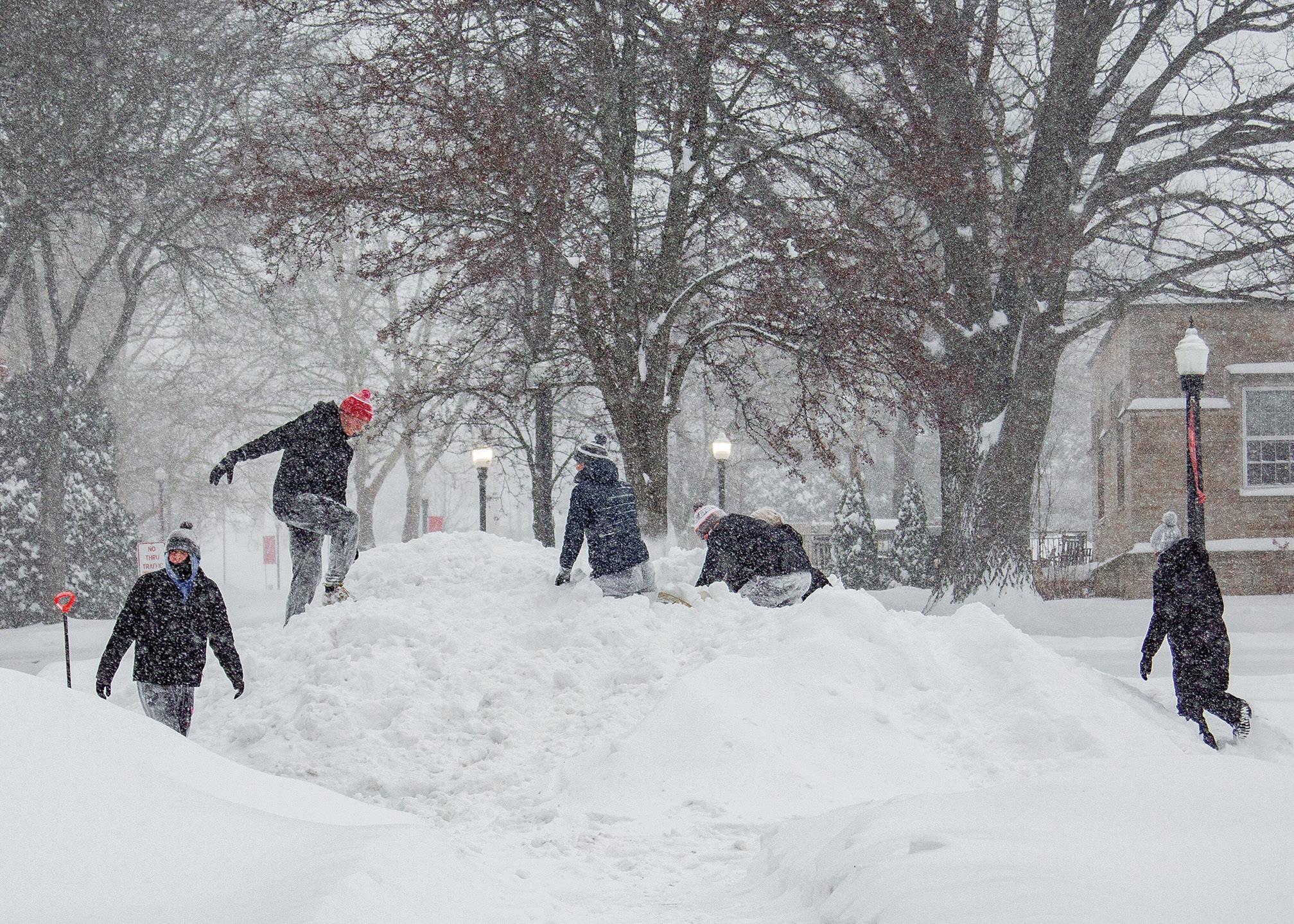
After 17 inches of snow accumulated on Sunday and bitter wind made the 10-degree temperature outside feel below zero in Grove City, students responded to once-in-a-generation conditions as the college decided to move Monday classes online.
Provost and Vice President of Academic Affairs Peter Frank did not recall a previous time when the college made this “very unique” decision, saying that it had been many years since the college canceled classes or moved them online.
“With an extraordinary amount of snow, it was determined that we had a situation that was much more complicated than simply plowing sidewalks,” Frank said about the reason behind the decision. “Snow removal was a major challenge on all sidewalks, driveways and parking lots as it became clear that we were running out of space to put snow, not to mention the challenge of clearing the snow around all the building entrances. All this despite hours of hard work by the operations staff on a Sunday,” he added.
Along with Frank, President Bradley Lingo, Vice President for Operations Susan Grimm and Vice President of Student Life and Learning Larry Hardesty assessed the operational and safety status of the campus before coming to the decision.
“As a leadership, we work very hard to provide an excellent educational environment for students, with faculty and facilities of the highest caliber, and this also includes doing our best to ensure a safe and accessible campus for the residential community,” Frank said. “In my interaction with students, they were grateful for all the hard work and dedication of the campus operations staff, and I’m very thankful for the positive and respectful attitude reflected by so many.”
Meanwhile, with snow covering campus and continuing to fall, some students braved the fierce conditions and participated in a spontaneous worship service Sunday morning. Senior David Thomas and sophomore Luke Chambers led and coordinated worship.
“Over the past few years, I have helped lead worship at Redeemer Anglican,” Thomas said. “God has given everyone in his body different gifts, and
Soerens rethinks immigration debate
Madelyn Braho Staff Writer
On Jan. 22, Matthew Soerens, senior vice president of policy and advocacy at World Relief, spoke in Sticht Lecture Hall on the realities of American immigration policy and the responsibilities of Christians involving immigration. Working with World Relief has been a 20-year project for Soerens, who got involved as
a mentor while in college. In 2006, when he started, there were 12 million refugees globally, but as of 2025, there are now 40 million. This dramatic increase is a concern for Soerens and World Relief, who work to help displaced people in America and abroad.
Realities such as the limited quotas on immigrants and refugees are factors in the difficulty of immigrating to the United States, as well as moti-
vating factors in various kinds of illegal immigration. Soerens described cases in which people had been waiting upwards of 15 years to reach the stage where their case could get approved, only to be rejected.
Job-based visas, too, are not guaranteed in the U.S. The quotas for employment-based immigration visas have not been updated since 1990, when established, and they favor academic and technol-
Graham releases new book
Steven Mauch Contributing Writer
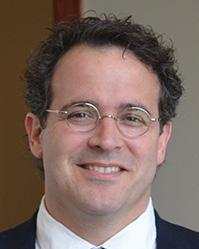
Mark Graham, professor of history at the college, recently wrote a book titled “30 Key Moments in the History of Christianity,” which Baker Publishing Group officially published Tuesday.
The book shares 30 key moments in church history between A.D. 112 and around A.D. 1000.
“Readers will gain a fuller appreciation of how the ‘one Holy, Catholic and Apostolic Church’ spread, triumphed and struggled over 10 centuries,” Graham said in a Grove City College press release.
Graham is the chair of the Department of History and, for more than two decades, has taught numerous classes on the premodern world.
“(The book) really did begin when I was doing a series of little moments in the history of our people at Covenant Orthodox Presbyterian Church, so for two years or so … I did a five-minute introduction to Sunday school (per lesson
‘Glorify’ student album debuts
Olivia Massucci Staff Writer
“Glorify,” an album of original, Grove City College student-written worship music, will be released on all major music streaming platforms today.
The album centers on God’s glory and explores themes of confession, lament and celebration, united by influence from the Psalms. While three singles from the record have already been released, the full album will debut at 7 p.m. tonight alongside a party and concert in the Breen Student Union.
ogy-related jobs, rather than the agricultural work that many current immigrants do. Soerens also responded to the idea that immigrants are more likely to commit crimes. He gave the example of shoplifting a candy bar, which might result in a minor offence for a native-born citizen, but for an immigrant could be cause for deportation. Because
Attributed to Grove City College Worship as the artist, “Glorify” came from a songwriting course introduced in fall 2024 as part of the college’s worship arts minor. Although producing an album was not part of the course plan at first, chapel worship coordinator Daniel Snoke said the idea emerged during the spring 2025 semester.
“Around spring break, I started thinking about the record,” Snoke said. “I told all my students I was going to try to record a record and that they could submit song ideas
GRAHAM
LUKE PAGLIA
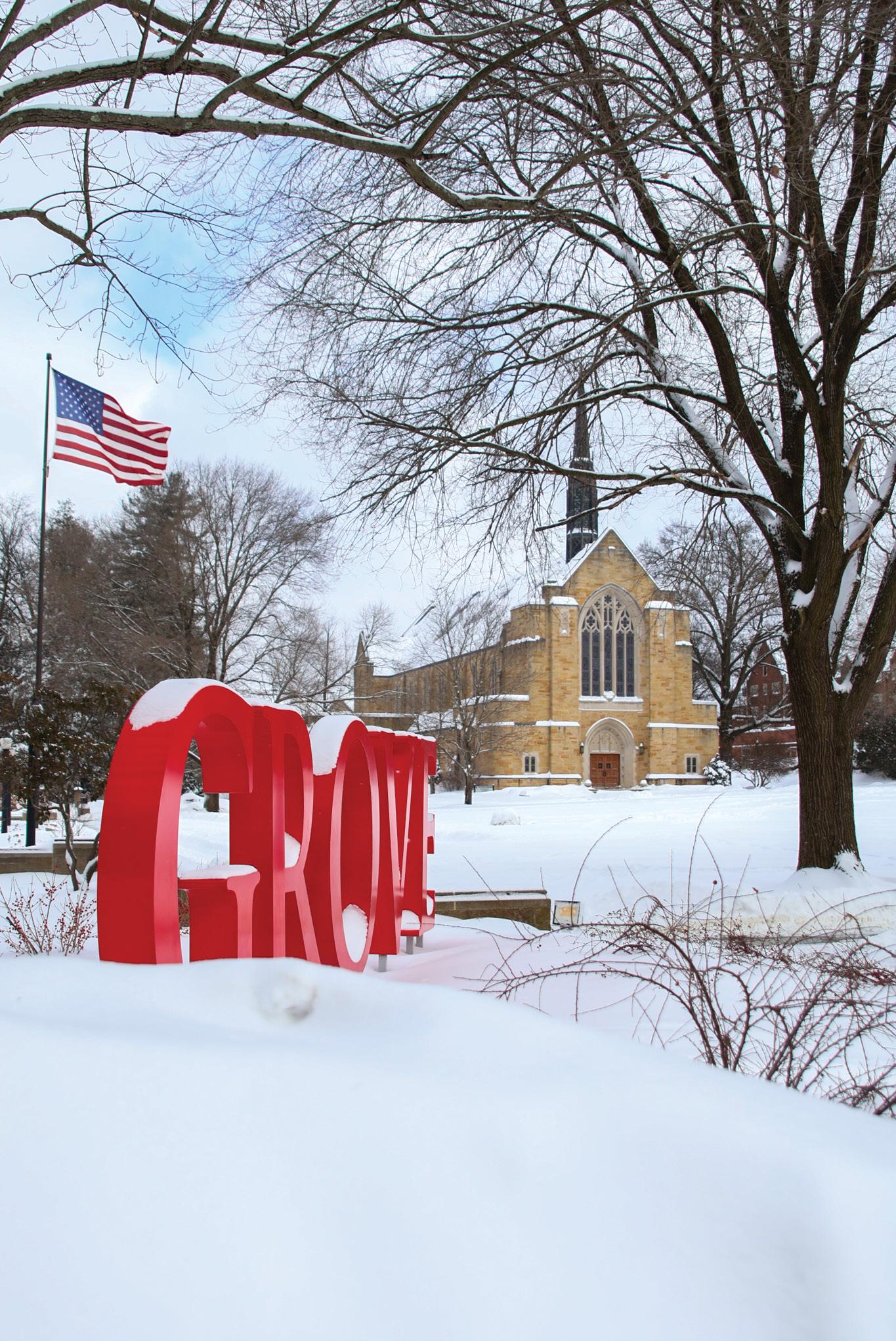
Snow covers the ‘GROVE’ sign and Harbison Chapel on Monday.
ALEC DURFEE
BLIZZARD 10

A statement of unity
In last week’s issue, John Hatzis put together an excellent Perspectives page that offered various responses of the student body to the college’s newly adopted statement of faith.
Also last week, I attended three student-initiated worship events, and I have since been thinking about how these events are, in a distinct way, statements of faith.
On Monday, I went to Met By Love, where students gather in Rathburn to begin their week in a time of prayer, worship and a short message. On Thursday, I attended Warriors, during which students meet in the chapel, turn off all the lights except what filters through the stained glass and offer an hour of talented but non-performative worship.
On Sunday, with the snow closing most churches in the local area, I joined the large group of students holding a morning service in Harbison. The idea for the event had been thought up the night before, but it was beautifully executed, with time for worship, liturgy and Bible reading, as well as confession and small-group prayer. In the 15 minutes following the service, friends climbed over pews to greet each other while the worship team continued to casually play music and students filed outside to greet the snow-laden campus with wonder.
I have heard my share of scornful generalizations about “this generation.” I have made them myself. Contemptuous jokes and flippant comments regarding the devastating state of our country, our appalling dependence on technology and the fragile future of the church ease our absorption of the belief, conscious or not, that there is little hope for us.
But amidst the despairing news of the ways that sin is being acted out — truly horrific, hurtful, unjust and inhumane sin — I see Christ who is with us, as he said, “even unto the end of the age.” Further, I see a student body who is aware of this promise and responds in love towards their Messiah, and who, by that love, are the church of Christ.
At this college, we get the privilege, though it be a sometimes uncomfortable one, of worshipping with the same people we do life with: dear friends, students we bump into on the sidewalk, the ones who hear us make irrelevant comments in class, roommates who have to deal with our fluctuating moods … and the list goes on. We don’t dress up and go to church to see the people we worship with. They are in our lives: day in and day out.
In the various discussions surrounding the statement of faith, one of the frequently reiterated considerations was what stances and actions are ultimately the most unifying.
How to best retain the unity of the church in doctrine is no small debate, and I hope that students will continue to discuss the matter thoroughly and act as they see fit. What I hope is not overlooked, however, is that while unified in doctrine, we can neglect worshipping together, communal honesty, the loving of our neighbors and the individual taking up our crosses and following Jesus, thus forgo maintaining “the unity of the Spirit and the bond of peace.”
That being said, after a week of worship, I am hopeful that our generation, or at least our generation at Grove City College, is indeed eager to maintain the unity of the church, not only in doctrine, but in practice as well.
Kathryna Hoyman Managing Editor
Collegian Staff
Emily Fox
Editor-in-Chief
Editorial Board
Matthew Purucker
News Editor
Anastasia Brown
Community Editor
Christa Bashinski
Entertainment Editor
John Hatzis
Perspectives Editor
Mia Gallagher
Sports Editor
Staff Writers
Mara Brak
Madelyn Braho
Randall Elvin
Alexandria Fox
Natalie Hanna
Andrew Hutchinson
Olivia Massucci
Art & Photography
Luke Paglia
Photo Chief
Staff Photographers
Drew Pelesky
THE GREEN EYESHADE AWARD
This week’s award goes to John Remaniak for digging out his car and braving the icy conditions at 4 a.m. to deliver the papers to the stands (and the Lingo house)!
The Green Eyeshade Award

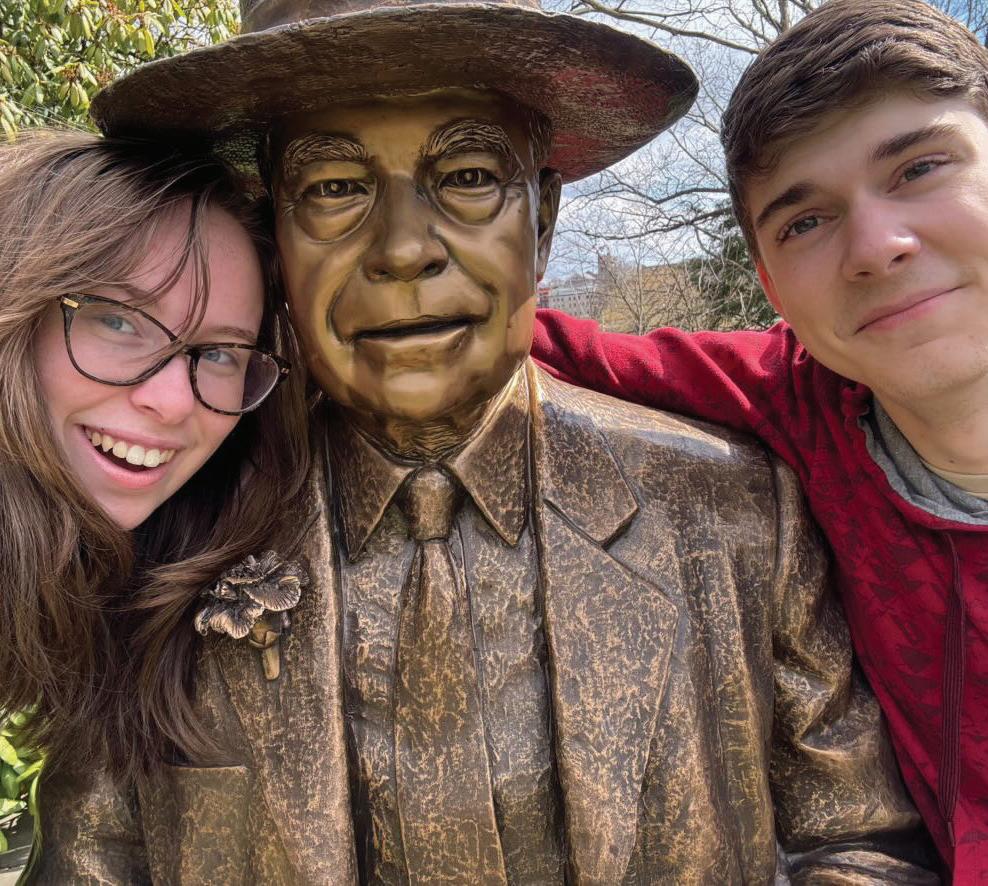
The Pew legacy
Mia Gallagher Celebrate 150 Correspondent
“Why does this college have so many staunch friends and supporters? It is because of that long list of strong men and strong women, of diligent instructors, of unselfish workers who through the years have carried on the work here.”
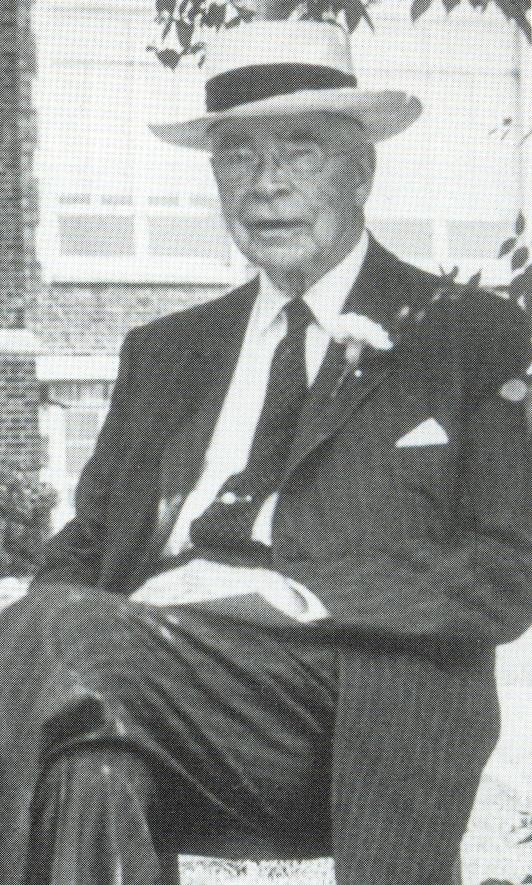
That was the assessment of J. Howard Pew, an alumnus, businessman, philanthropist and longtime chairman of the college’s board of trustees worked tirelessly to build the Grove City College we know today.
He, alongside the rest of the Pew family, are among the college’s most celebrated benefactors and visionaries. But while the family’s name can be found on buildings, statues and initiatives all over campus, the Pew legacy is so much more than that.
Celebrate 150
To celebrate Grove City College’s 150th anniversary, The Collegian is exploring the College’s history, traditions and culture in this ongoing series.
Kathryna Hoyman Managing Editor
Editing
Olivia Emerick
Copy Chief
Copy Editors
Anna Kasianides
Kendall Lambrect
Jaci Morell
Bonnie Pittman
Vivian Waner
Advertising
John Remaniak
Business Manager
Tava Derr
Social Media Manager
Advisory
Nick Hildebrand
Staff Advisor
The Collegian is the student newspaper of Grove City College, located in Grove City, Pa. Opinions appearing on these pages, unless expressly stated otherwise, represent the views of individual writers. They are not the collective views of The Collegian, its staff or Grove City College.
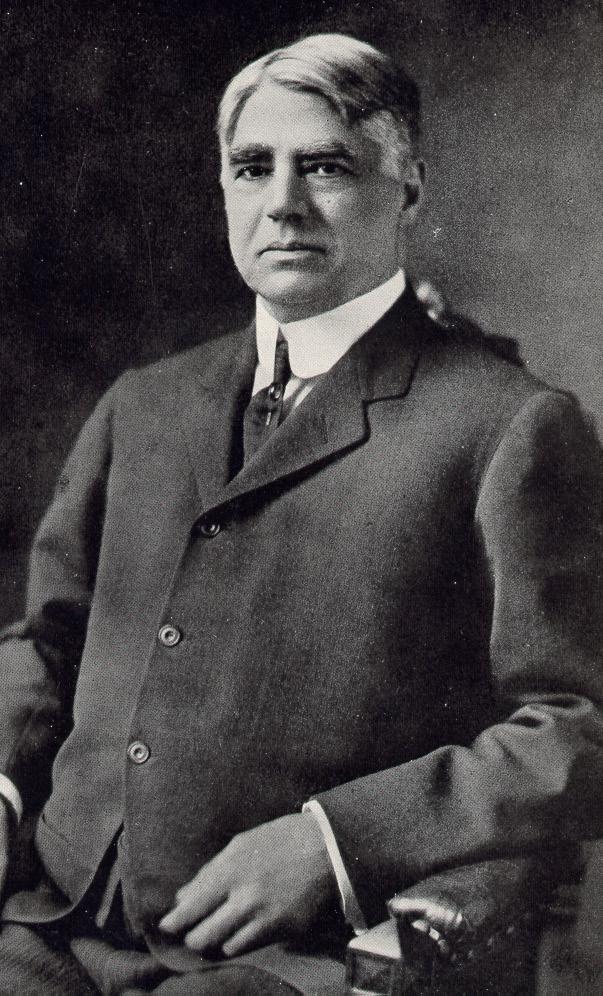
The patriarch of the Pew family, Joseph N. Pew, was born in 1848 on a farm outside of Mercer, Pa. He began his career journey as a schoolteacher before moving to Titusville, Pa. to invest in the western Pennsylvania oil boom. His storied career in the oil industry culminated in the founding of Sun Oil Co., which is now known as Sunoco.
In 1895, former student Isaac Ketler sought out the successful oil man for help supporting the college that he had founded in 1876. Pew agreed and was elected president of Grove City College’s Board of Trustees.
“We actually had five presidents of the board before J.N. Pew. Often, it’s thought that he is a founder just like Ketler, but he didn’t enter the picture until 1895 well after the College was underway,” Director of College Archives and Galleries Hilary Walczak ‘09 said.
“[Pew] was however instrumental in the structuring of the board, how to develop funding, connecting the school with benefactors in industry and helping to gather property,” she said.
During J. N. Pew’s tenure as board president, he helped the college reorganize into a nonprofit institution, and the college became a major beneficiary of his philanthropic efforts. Together, J. N. Pew and Ketler worked with the community to build out Lower Campus, but the pair always hoped to expand the college further.
“Joseph N. Pew’s and Isaac Ketler’s goal was to bring the campus above Wolf Creek but neither lived to see it happen. Pew and Ketler would both die unexpectedly a year apart from each other in 1912 and 1913,” Walczak said.
During the 1937 dedication
ceremony for Mary Anderson Pew Dormitory, named for Joseph N. Pew’s wife, their son reflected upon his parents’ instrumental legacy at the college. “From its beginnings both he and my mother were deeply interested in the welfare of the struggling little institution which has since developed into the noble establishment that is Grove City College of today,” J. Howard Pew said.
J. Howard Pew, a member of the class of 1900, went on to establish a legacy of his own at the college. Upon his father’s death in 1912, the younger Pew took over as president of Sun Oil and assumed a seat on the college’s Board of Trustees, eventually rising to board chair in 1931.
“J. Howard Pew worked hand and hand with Weir Ketler to bring their fathers’ dreams to life. J. Howard joined the board shortly after his father passed and then would become chair in 1931 and hold the position until his death in 1971,” Walczak said.
“During this time, we hired the Olmsted Brothers firm to design Upper Campus, making us a ‘famous’ Olmsted Campus. Pew and Ketler oversaw a majority of Upper Campus being built during this time. Ketler retired in 1956, handing the reins to J. Stanley Harker ’25. Harker and Pew continued to build out the campus with buildings like Hoyt, Helen Harker Hall, Zerbe, etc.” Over the decades he was involved in the college’s leadership, J. Howard Pew provided key financial support, often covering budget shortfalls out of his own, deep, pockets.
But his legacy is more than
campus expansion and financial backing. He was an unrelenting advocate for faith and freedom, and his vision for the college as a leader in both areas was a common theme in his speeches and correspondences.
“It is our freedom that has brought us to this high estate … freedom to dream, to think, to imagine, to invent, to experiment, to match wits in friendly competition. Freedom to be an individual. This is our great American heritage,” he said during the 1937 dedication ceremony for MAP dormitory.
He was a major force in creating the religious and political culture on campus and advocating for the same nationally through his support of conservative causes. In the late 1960s, when he perceived that Grove City College was beginning to follow so many colleges and universities down the path to liberalism, J. Howard Pew personally selected Harker’s successor as president and charged Charles S. MacKenzie with reviving the Christian character on campus. J. Howard Pew died in 1971, but the changes he inspired took root and blossomed over the next 50 years. Throughout the college’s history, other notable Pews have worked tirelessly to advance its mission. Joseph N. Pew Jr., John Glenn Pew and J. Edgar Pew each held positions on the board, and Mary Ethel Pew – for whom MEP Hall is named – helped ensure the Pew legacy would endure for years to come.
“Mary Ethel Pew was a long-standing member of the
JOHN REMANIAK
GCC
J. Howard Pew in 1971
GCC
Joseph N. Pew

E+I Fellows kicks off
Emily Fox Editor-in-chief
Despite the snowy weather, spring semester is in full swing, and, naturally, that means Grover achievers are on the hunt for summer internships. But they don’t have to wait until the semester is over to get started on adding some experience to their resumés.
The Center for Entrepreneurship + Innovation is accepting applications for the E+I Fellows Program, an opportunity for students to gain real work experience as interns for real businesses located in Western Pa.
The E+I Fellows Program facilitates mutually beneficial working relationships between students and businesses. E+I gathers a careful-
ly vetted group of nonprofits, small businesses and startups looking to hire interns for an eight week period. Students apply for the program through the E+I website, and both the Center for Entrepreneurship + Innovation and potential employers then review those applications. Students had the opportunity to meet representatives of employers at Preview Night on Jan. 22. This spring, 11 host organizations were accepted into the cohort and met potential interns at Preview Night.
“It’s a valuable networking opportunity where students can make a strong first impression and, in many cases, fasttrack their application and interview process. Last fall, 88% of our accepted E+I Fellows attended preview night, and many secured interviews spe-
cifically because they engaged with employers during the event,” E+I Community Manager Emma O’Toole ’23 said.
After preview night, employers determine which candidates they want to interview based on the applications and interactions they had with students at the networking event.
The program provides students with experience doing work relevant to their career interests and the opportunity to build their resumé. It also gives the organizations the chance to work with young, skilled and motivated interns without cost to the business.
E+I pays students $25 per hour to work for partner organizations, making the program the highest paying job on campus.
This spring, one of the most attractive features of the pro-
gram for students is its flexibility.
“All internship placements for the spring 2026 semester are fully remote, giving students the freedom to work from their dorms or anywhere on campus between classes, in the evenings and even on the weekends. This structure allows students to pursue a meaningful, career-building experience without leaving campus or taking on unrelated off-campus jobs. As a result, students are able to gain high-quality, discipline-specific experience while staying fully engaged in campus life,” O’Toole said.
Along with complementing a college student’s lifestyle, the E+I Fellows Program provides students with invaluable experience working in their chosen field before entering the
workforce. Senior design and innovation major Mara Brak recalls how working as an intern in her discipline impacted her professional development:
“Being an E+I Fellow gave me much needed experience and allowed me to apply what I learned from my major in a real world environment. I loved working as a marketing and UX/UI intern for Hardly and would highly recommend the E+I Fellows program. The experience helped me grow both creatively and professionally.”
Students interested in participating in the Fellows Program should apply through the Center for Entrepreneurship + Innovation website by Sunday, Feb. 1 at 11:59 p.m.
How to talk to girls/guys 101
Kathryna Hoyman Managing Editor
This week, the college’s Residence Life hosted an event that they advertised throughout campus as both How to Talk to Boys 101 and How to Talk to Girls 1o1.
News of this event reached as far as Geneva College, and even the mere advertising of it seemed to confirm something that all students fear – that we as a campus are socially awkward and don’t know the darnedest thing about conversing with the other gender.
Thankfully, Wednesday night’s event conveyed a bit more hope for the college and its students.
Instead of a stiff, ill-at-ease and desperate crowd that may
have been expected at such a lecture, the audience was warm and engaged, talkative, quick to laugh and lighthearted. Every seat in Old MAP was taken, and students who couldn’t find seats lined the walls of the room. The crowd provided a diverse group of single students and those in relationships, freshmen and upperclassmen and, of course, boys and girls.
Sophomores Pax Robinson and Lindsay Byrd emceed the event, presenting questions to a panel of professional guy/ girl talkers: Chris Merrick, assistant director of Residence Life and RD of Ketler Hall; Tori Wright, director of Residence Life; Emily Davis, wife of the RD of Alumni and Lincoln Halls, and Donald Shepson, professor of Christian
ministries.
The presented questions were practical and applicable to contexts both within and beyond the college, centering around the convergence of the Christian life and guy/girl relationships, both platonic and romantic. The panel emphasized mutual respect, willingness to serve, clear intentions, determined boundaries and a relaxation of guy/girl divisions.
As the advertisements of this event and the responses to said advertisements would suggest, the topic of guy/girl relationships and friendships becomes a convoluted one at small Christian colleges like Grove City. This event sought to respond to the cultural pressure and uncertainty that students here face.
Dating in the 21st century itself has become a baffling process, swinging violently from patriarchal extremes to radical feminism, and marriage becomes disoriented in the confluence. While Christian circles importantly recognize marriage’s sacred quality and incorporate essential moral standards in dating, they experience the good, bad and ugly of a whole new swath of ideologies, like the courtship movement sparked by Joshua Harris’ book “I Kissed Dating Goodbye” and the obsessive purity culture that responded.
Members of Res Life chose to address these tricky topics of romantic and platonic communication, and instead of responding in denial or discomfort, students showed up eager to glean wisdom from those
who have experience navigating such precarious waters. While not all confusion over the age-old nuances of guy/ girl dynamics has been solved, Res Life has come alongside a student body enthusiastic about approaching such relationships well. With lively involvement, the college is taking steps to learn how to be intentional without treating in-person interactions like scrolling on a Hinge account, how to be kind without giving the wrong impression and how to ultimately love each and every neighbor well, brothers and sisters in Christ alike. We are coming to find out, slowly but surely, that as Merrick said, “It ain’t gotta be that deep.”
Think you’ve got what it takes to be Grove’s leading love authority?
Try your hand at being Dr. Love for a week!
The Collegian is hosting a contest to see who’s got the best (and most entertaining) advice for the campus.
This Sunday, we’ll be announcing your prompt on our Instagram account (gcc.collegian). You have until Feb.
7 to submit your 400 word response to our edi tor-in-chief at FoxER22@gcc.edu.
The winning response will run in the Feb. 13 issue!

MICHAEL BOCK
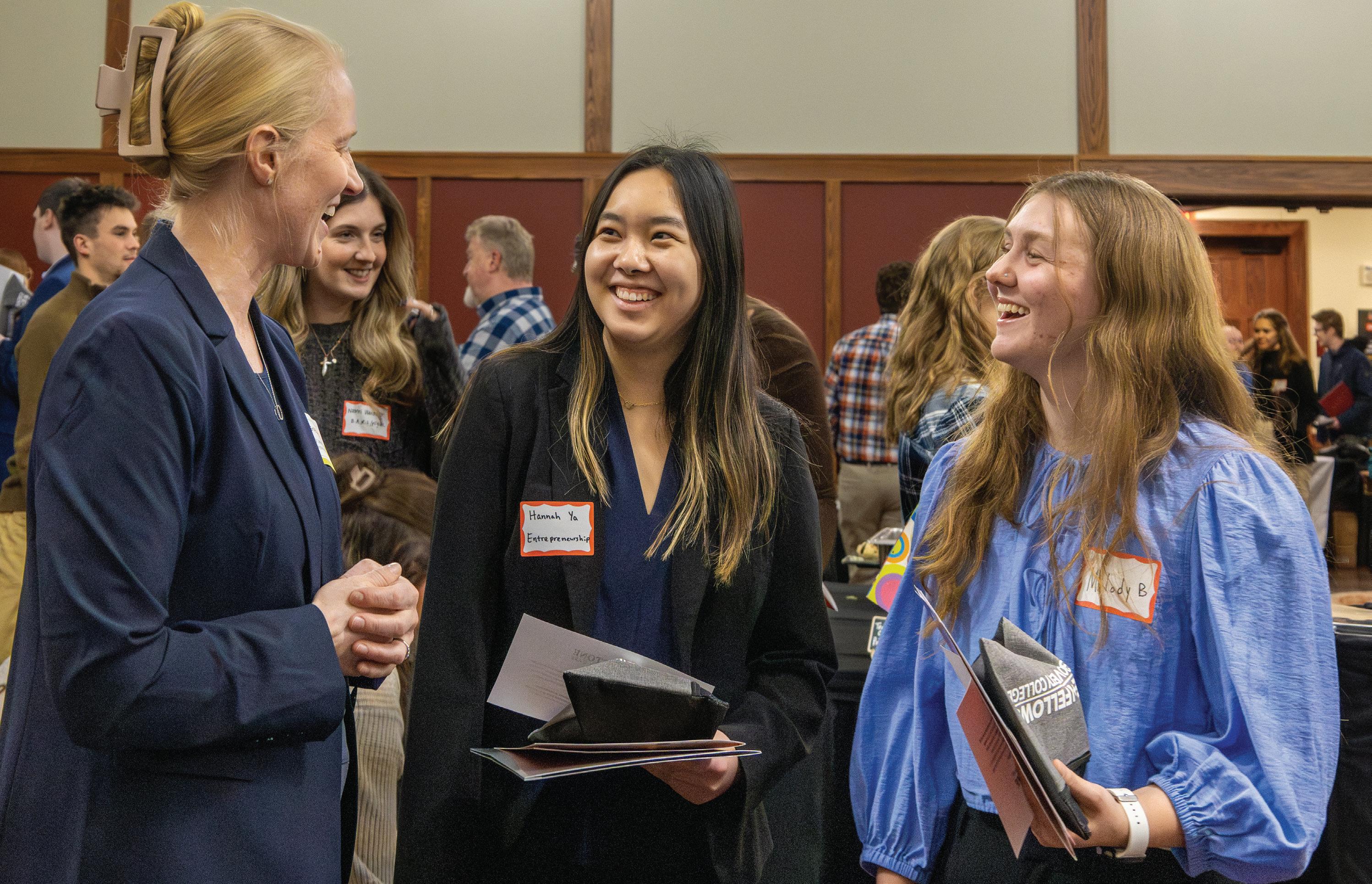
Hannah Ya (middle) and Melody Buskey (right) speak to a supervisor for one of the accepted host organizations at the E+I Fellows Preview Night.

Senior scramble
“I’m a freshman, and although I (as much as the next person) would be happy to find love in college, I’m a little concerned. Especially since the start of this semester, I feel like like I can’t get away from this one senior girl. I’m flattered, but I keep hearing the phrase ‘senior scramble,’ and I am worried about the genuineness of her interest. Besides, I just got to college – I still need to figure out how to wake up to my alarm and remember all of my assignments! What should I do?”
– Flustered Freshman
Run, don’t walk. Run far, far away.
Think about it. Are you the same person you were when you walked onto campus for the first time?
The personal growth from even the first semester of college to sophomore year has the potential to be astronomical.
My advice to you is to NOT lock yourself down with the first person to show interest, no matter their year. Many couples have attended and graduated from GCC to get married shortly after. Most probably didn’t find their soulmate as a freshman dating someone in the senior class. She’s graduating soon; there’s no reason for her to attach herself to a freshman that she won’t even see in four months.
You seem rightfully apprehensive about her motives. Even though I hate to say it, there is some merit to the phrase “senior scramble.” That ring-byspring mentality can affect even the most levelheaded among us. A senior dating a freshman is a bit icky and can come across as desperate for the older party. You might say, “we’re all adults,” but for me, there’s just a large maturity gap that can really get in the way of a healthy relationship, age gap notwithstanding. While the end goal of dating is to get married, each of you would probably approach a relationship differently since you two are in such different stages of life. One is looking to graduate, move from home and probably get married soon. The other is just concerned about waking up on time and fitting in Chick-fil-A between classes. You’re at college to get an education, first and foremost. Worrying about classes and waking up on time means that you have your priorities straight. After that?
Focus on finding a strong friend group or joining an interesting club. Maybe you’ll end up working at the Collegian like me! As far as I know, there aren’t any cougars on staff, so you shouldn’t have to worry about the senior scramble here. It sounds like this girl wants a relationship just to say that she is in a relationship. When the time is right for you, the girl of your dreams will most likely be closer to your age.
Wishing you the best of luck,
Dr. Love

Pledge changes after hazing conversations
Anastasia Brown Community Editor
Forty-four states and the District of Columbia have anti-hazing laws in place, and on Dec. 24, 2024, President Biden signed the Stop Campus Hazing Act, a national initiative which required transparency from colleges and universities regarding hazing incidents and hazing prevention policies and programs. This act has resulted in several fruitful discussions between Student Life and Learning and the leaders of the Panhellenic and Inter-Fraternity Council leaders on campus.
Mandie McCreadie, the director of student care, has been encouraged by these talks. Since the state of Pennsylvania already had hazing laws in place, the federal decision did not require any official policy changes for Grove City College. “Greek Unity Week itself hasn’t changed,” McCreadie explained. “Each group still makes their own schedules.”
However, McCreadie and other members of SLL are also members of a national Association of Christians in Student Development, (ACSD) and after the federal guidance on hazing was released, the association participated in valuable conversations about the wide spectrum of activities that can be categorized as hazing.
One specific event that launches Greek Unity Week for all the sororities — “table pounding” — was brought into these conversations. Although McCreadie was aware of the event, she hadn’t attended in some time, and “as with any-

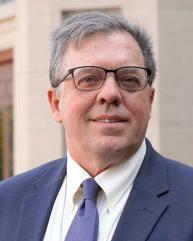
Dr. Hubbard
I am very new but so far, it has been Christ Civ — I love getting to explore the Christian tradition with students and discuss how what we believe affects what we do in the world.
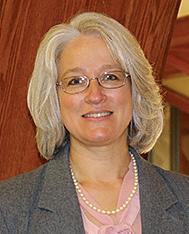
Dr. Drai
It changes from one semester to the next — History of Math right now because it is new, only my second time teaching it, so I am able to teach it better the second time around.
GRAHAM
continued from 1
thing that happens for a long time, different variations had become the norm, and different things had been added that were safety concerns.” After presenting these concerns to the Panhellenic Council, representatives of the sororities worked with McCreadie to develop a new plan for an activity to launch Greek Unity Week that would be more closely aligned with federal expectations for Greek groups.
McCreadie sees this change as holding a greater value than simply rectifying safety concerns. She explains that it is one of her priorities to see Greek groups as places where true growth and leadership can be developed for students. “The new actives entering these communities have the right to ask, ‘why are we doing this?’” she explained. “Being able to answer that is a mark of a leader who is willing to grow … at the end of the day, Eric and I pray we are supporting these groups and what they are doing and also partnering with them in regularly assessing and asking, ‘what’s their why?’”
The new Greek Unity Week activity has the added benefit of being more inclusive of current actives in Greek groups. While the previous ritual required being indoors, which limited the number of participants to only new actives and current leadership of Greek groups, the new outdoor event will include every new and current active. Unfortunately, this event was scheduled for Jan. 26, and had to be cancelled due to the snow. But McCreadie is already looking
on the street about those moments),” Graham said.
When two church members asked why Graham did not focus specifically on these early moments in the history of Christianity during his Sunday school lessons, Graham was inspired to start work on the book.
“I have to do something with this, because I was really incorporating a lot of material from an old class I used to teach called Rise of Christianity, a class I teach called Byzantium and Islam, a class I teach called Medieval Europe; so it really was an incorporation of some of the material that I teach here at the college, but in a very different type of setting,” Graham said. “I’m not
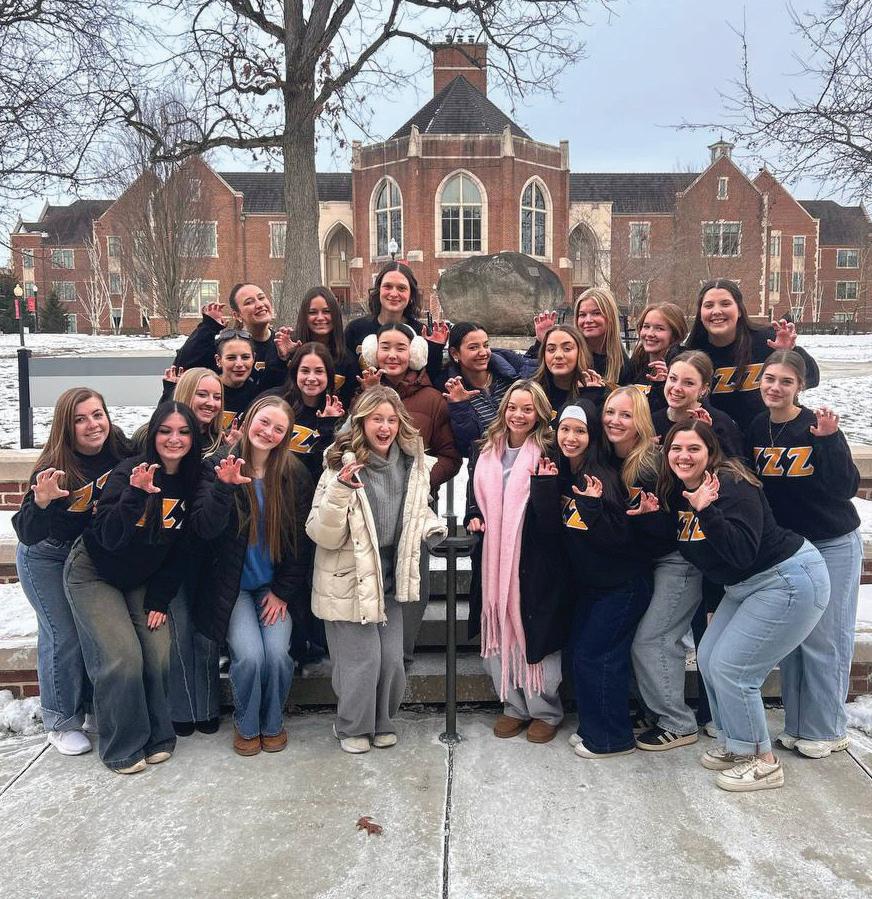
some pushback that the old activity was gone, there was some excitement in the new activity in that everyone could be involved. And there is still room to grow. There’s still some creative thinking that can happen for next year, and hopefully that is something Panhel can continue to talk about.”
In addition to the change in events for the kickoff of Greek Unity Week, the conversations sparked by the new federal guidelines have also resulted in a packet that will be given to every Grove City College student who may receive a bid. This packet lays out procedures for reporting hazing activity, Greek Unity Week guidelines and the federal and state laws in place to combat hazing. This increased education should ensure that new actives are better aware of their rights and the school’s policies.
McCreadie has been pleased with the number of students who have been willing to approach her with questions about the changes they have seen this year, and she hopes to continue those conversations. She hopes that campus will continue to deepen its understanding of the purpose of these groups: to develop and enrich the lives of all students involved as they bring their own unique interests and goals to each of the groups. “Tradition is often a word thrown into many conversations as the absolute argument for approval … (but) we recognize that with each new class of students we welcome onto campus, we are bringing in a unique set of young adults with a unique culture and experiences that could and likely will shift the student culture on GCC’s campus.”
What’s your favorite class to teach?
Dr. Coulter Classical Political Thought because I get to teach Plato’s “Republic.
Dr. Bandy
I like all my classes but this semester it is Special Events Promotion and Production because I help the students produce one of the biggest and best events on campus — a student film festival, an end-of year celebration through storytelling!
Cost Accounting is definitely my favorite — I am a cost accountant at heart!
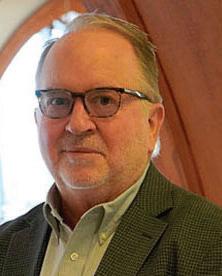
of Economic Thought, Macroeconomics and Foundations of Econ. None of my classes feel like a drag.
Dr. McFeaters
addressing students; I’m not addressing scholars. In this book, I’m addressing the children of God. I’m addressing our people. … That’s why I decided to write it.”
Graham noted that he wanted to make copies of the work more broadly available since he didn’t see anything quite like it out there.
Graham mentioned that most Christians are not familiar with a lot of stories and that he added a twist to a few of the well-known stories so that the reader will learn something new about the event.
“I hope the reader is encouraged, and I hope at times the reader is provoked,” Graham said.
Graham also said that he wrote the book so that readers can read it in 15- to 20-minute portions before going to bed
Dr. Scholten Curriculum and Instruction II this semester is so fun because, for the first time ever, I have a class entirely composed of students I have already had in the classroom. It’s special and doesn’t happen very often!
Dr. Ritenour
Whatever I am teaching! This semester that’s History
or when waking up. There are thirty of these portions, alluding to a month of reading. He would also like to see it used in church book studies and Sunday school lessons, such as the one he’s currently teaching at Covenant, except now he teaches about those stories for more than just five minutes.
He discussed how we today can learn from the history of “our people,” including the trials they faced and the highs and lows they went through.
“Sometimes Christians think, ‘Well, the history of Christianity is what we read in the Book of Acts,’” Dean of the Calderwood School of Arts and Letters Paul Kemeny said regarding the book. “Like, Christianity and the Mediterranean basin, right? And then Western Europe, Protestant Reformation, America, world
Dr. Hill Mechatronics I because in it, I am an electrical engineer teaching electrical engineering to mechanical engineers, and they are two very different worlds. The entire Mechanical Engineering Department has to take the class, so I get a variety of personalities and lots of creativity on the exam questions!
missions. And that’s certainly true, but that’s not the whole story.”
“We’re fortunate to have (Graham) teaching here,” Kemeny added.
The book is available for purchase on Baker Publishing Group’s website (bakerpublishinggroup.com).
“What I want the Grove City College Community to know is how helpful they’ve been, even if it’s questions in class over time that have kind of shaped and reshaped the way I’ve done something, or when students (have been) encouraging professors to answer the question of, ‘Why does this matter?’” Graham said. “And that’s shaped me and the way I do history.”
Love M.D.
Doctor Love
MIA GALLAGHER
Zeta Zeta Zeta sorority with their 2026 pledge class
Word
New year, new music

Harry’s back in style
Andrew Hutchinson Staff Writer
After a three-year break, former One Direction band member Harry Styles has released new music, and while the sound is unmistakably Styles, this album will certainly be an even further departure from current pop sounds than his albums of the past.
The lead single, “Aperture,” will be on the album “Kiss All the Time, Disco Occasionally,” which Harry has confirmed will have an emphasis on techno-focused, disco sounds. If “Aperture” is an accurate sample of the new sound, listeners will be pleasantly surprised. It is unlikely the entire album will be energetic, and Harry certainly has no issue blending vastly diverse sounds and genres in the same album (think “Sign of the Times” vs. “Kiwi” from his debut album “Harry Styles”). However, the progression to retro-inspired music seems like a missed clue from the 2022 release of “Harry’s House,” which featured tracks like “Late Night Talking” and “Daydreaming.” Both tracks, when listened to in conjunction with “Aperture,” create a world of vintage sounds and instrumentation that is very refreshing.
The song itself is a bit of an enigma, but it is a clear sign that Harry is confident in his music. In a world of soundbite-y, repetitive tracks with run times that clearly follow the death of the modern attention span, Harry almost audaciously drops a 5:11 long single in which the vocals take nearly as long to begin as some entire songs on the charts. The production quality continues to impress, showing Harry isn’t compromising on sound, and the mixing boosts the already high standard that has existed since he started as a solo artist in 2017.
Sadly, Harry’s wonderful vocals and range aren’t used to their full potential in this single, and while the slightly distorted effect added to his voice works without issue in the final mix, the lyrics aren’t as catchy as previous songs. It would appear the “Taylor Swift effect,” a songwriting style in which lyrical density overshadows memorability, has taken place. However, Harry’s lyrics seem to lack the near-poetic elements Swift has shown in “Folklore” or “The Tortured Poets Department.”
The pre-chorus and chorus are perfectly on point for the direction of the album, however, and despite some harmonic confusion in the melody,
the disco vibes are immaculate. Another way the single is commendably consistent is in its complete lack of profanity. Harry is arguably the only modern artist of similar success to never include profanity in any of his lyrics, unlike other artists like Taylor Swift or Billie Eilish. Even though Harry understands that his fans would likely not be shocked by any amount of profanity, he has consistently written popular and original songs without coarse language. Such moves ought to be encouraged in a genre that no longer seems to care about younger listeners.
While Harry will remain a complex and unpredictable character in the world of pop singers, if “Aperture” is any sign of what is coming in March, huge success and Grammy nominations are on their way. A clean, unique album with a cohesive theme and sound is desperately needed, although Harry will not be alone: music from all other remaining One Direction members will be releasing around the same time, as well as new albums from Bruno Mars and Raye within the span of a few weeks. Nevertheless, “Kiss All the Time, Disco Occasionally” is poised to carve out a place in pop history.

‘The Romantic’
Randall Elvin Staff Writer
Going eight years without a solo studio album is usually the mark of a declining artist or one that is irrelevant in the music world. Bruno Mars is the anomaly.
His last solo studio album was released in 2016, yet he continues to top charts. With 132.4 million monthly listeners, he is currently the No. 1 Spotify artist in the world. That number bests other popular artists like Drake (87.4 million per month), Taylor Swift (108 million per month) and The Weeknd (122.7 million per month). With his new album titled “The Romantic,”
scheduled for Feb. 27, 2026, his numbers will only go up.
The album’s single “I Just Might” seems to set the tone for the whole album. Leaning into groove and charm, this track initiates a mood that aligns with the title, suggesting a project rooted in romance and timeless chemistry. None of these themes are new for Mars. Romance has been a staple for him, as hit songs like “Just the Way You Are,” “When I Was Your Man” and “Versace on the Floor” all stemmed from the heart. Mars has consistently proven he can make love songs with piano ballads or slow-burning R&B that appeal to mainstream audiences and resonate with

‘With
Heaven on Top’
Christa Bashinski Entertainment Editor
Zach Bryan is no stranger to the spotlight. Following his very public, very messy breakup with Brianna Lapaglio in October 2024 and a successful “Quittin’ Time” Tour, Bryan briefly stepped away from the limelight. We now know why.
Jan. 9 marked the debut of his sixth studio album, “With Heaven on Top.”
“With Heaven on Top” consists of 25 tracks with fans and critics alike having a whole lot to say about each. He opens the album with “Down, Down, Stream,” which departs from tradition as a spoken-word poem rather than a song. The stream that he speaks of seems to serve as a metaphor for letting life carry him along, through the joy and the pain, foreshadowing the album’s emotional vulnerability.
“Plastic Cigarette” quickly established its spot on the Billboard Hot 100 where it now sits at No. 19. In line with Bryan’s past success, the track features his signature acoustic and meaningful lyrics as it explores the impact of a past romance. The track reflects the storytelling, emotional honesty and instrumentation that characterize much of the songs on “With Heaven on Top.”
While it may not have been his biggest hit, “Bad News” has gained the most attention, from both the audience and the administration. Zach Bryan has never been considered a political figure; however, his song has touched on recent controversies. Lyrics like, “And ICE is gonna come bust down your door” and “The
PEW continued from 2
fans. He’s also proven that he’s not a jack-of-one-trade with his album “24k Magic.” In this album, he perfected the art of blending romance with swagger and the dance floor with late-night feels.
Even during his solo album break, Mars did not disappear from pop culture. He remained an icon through touring, collaborations with other artists and even trying out very different creative avenues. A high-profile Fortnite collaboration brought his music to one of the most popular video games of all time. Even his Fortnite “skin” was stylish and full of swagger, matching his
board at a time where there were next to no women on the board. She, with her sister Mabel and two brothers, founded Pew Charitable Trusts,” Walczak said. The Pew Trusts are major supporters of national and international philanthropy.
“She was instrumental in the Red Cross and cancer research, and pioneered projects assisting Black Colleges. Her long contribution to the college both as a benefactor and trustee member is why she has a dorm named after her.”
As the college reflects on its history this sesquicentennial, the providential role that the Pews played in advancing its
fading of the red, white and blue” prompted “disappointment” from Kristi Noem and a response from a White House spokesperson. The spokesperson, Abigail Jackson, said “While Zach Bryan wants to Open The Gates to criminal illegal aliens and has Condemned heroic ICE officers, Something in the Orange tells me a majority of Americans disagree with him and support President Trump’s great American Revival. Godspeed, Zach!”
His album has been praised, and condemned, for its expansion in sound. “Appetite” and “Santa Fe” differ from the acoustic-heavy, slow nature of many of his past and current releases. These two are far more melodic and upbeat in a way that makes them feel lighter. Some contest that this expansion has made him more accessible to those traditionally against country. Others argue the difference has made the album less authentic and overly produced.
Regardless of its controversy, the album has found major success as it debuted at No. 1 on Billboard Hot 200 and sold around 134,000 units in the first week alone. This release has only solidified his position as a talented artist with his 2022 “American Heartbreak” album also having debuted at No. 1.
Zach Bryan has announced that his upcoming tour will begin on March 7 in St. Louis, Mo. “With Heaven on Tour” will conclude on Oct. 10 in Auburn, Ala. but not before touching down in 40 different cities, including several international stops.
mission cannot be understated.
Ketler, reflecting on his colleague and mentor Joseph N. Pew, said, “A great foundation has been laid by men who wrought wisely, and sometimes more wisely than they knew. It is for us who have been left with a great responsibility to broaden and strengthen these foundations and to safeguard and make perpetual in this College those ideals for which these great men have stood, and for the sake of which they gave their time, their money and their strength. Ours is a heritage of more than passing importance.”


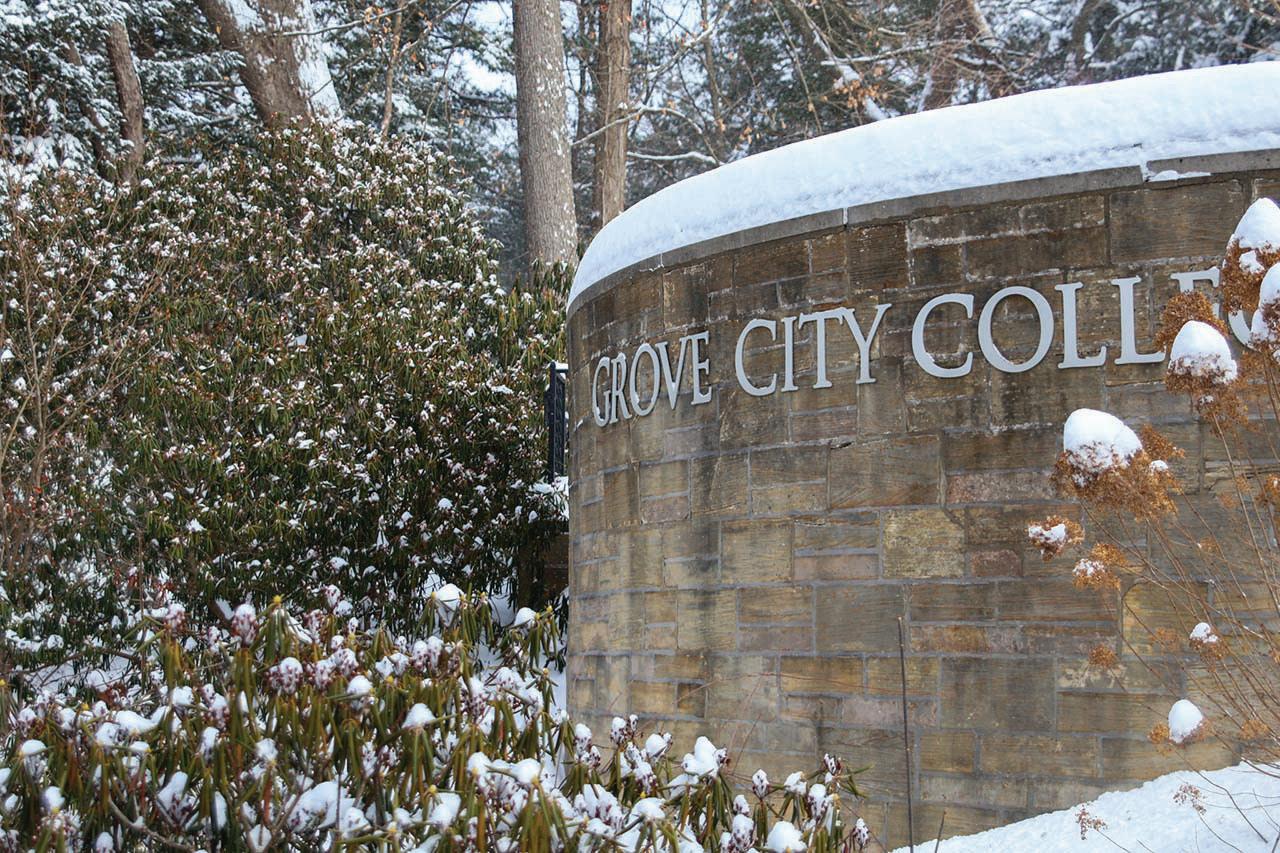
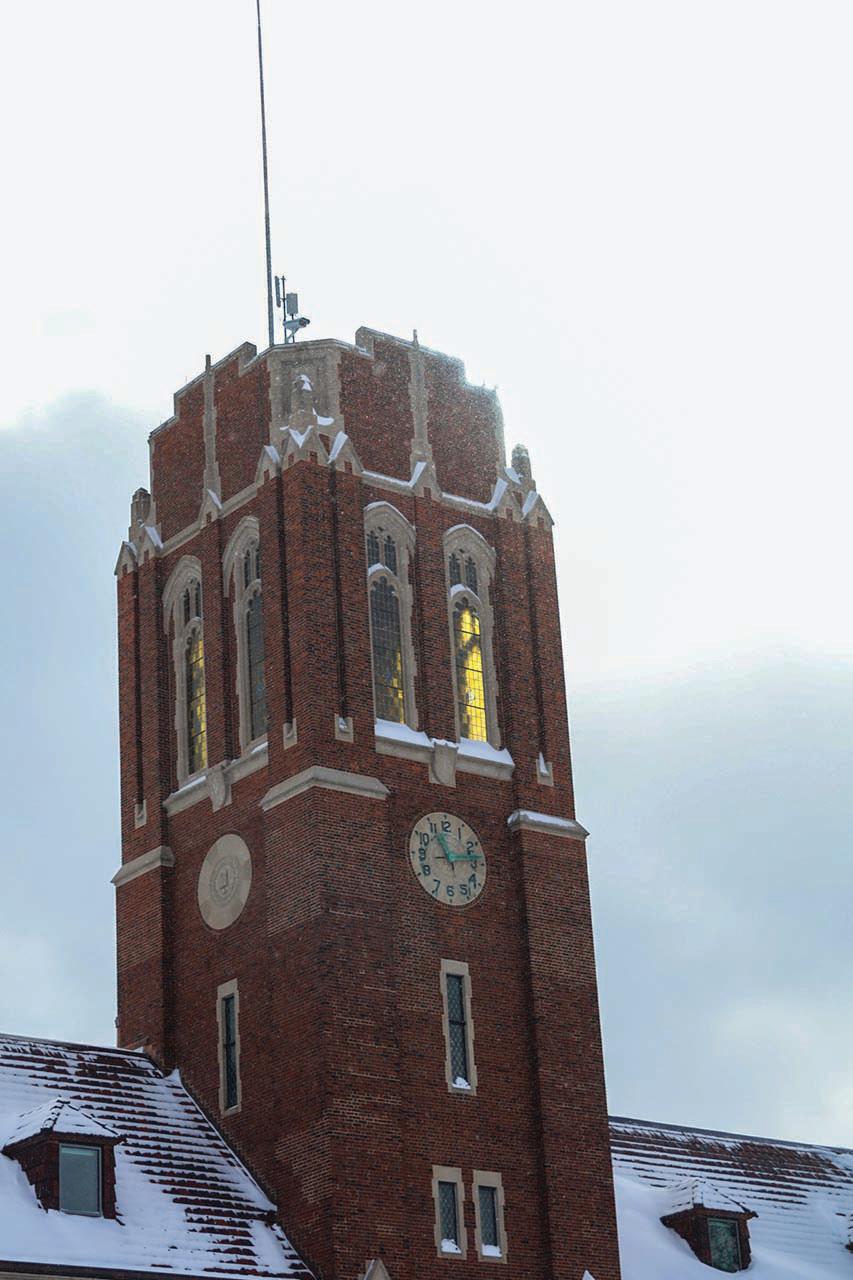
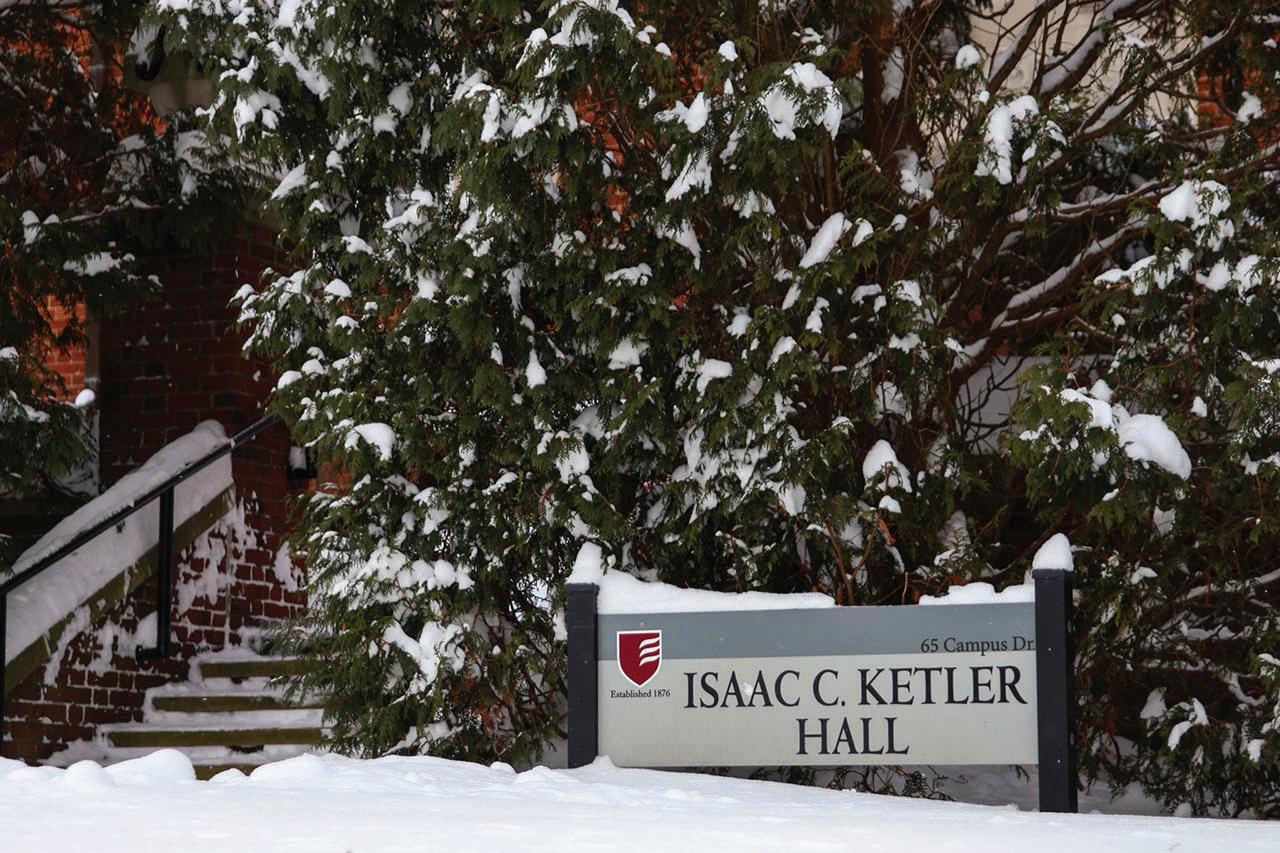
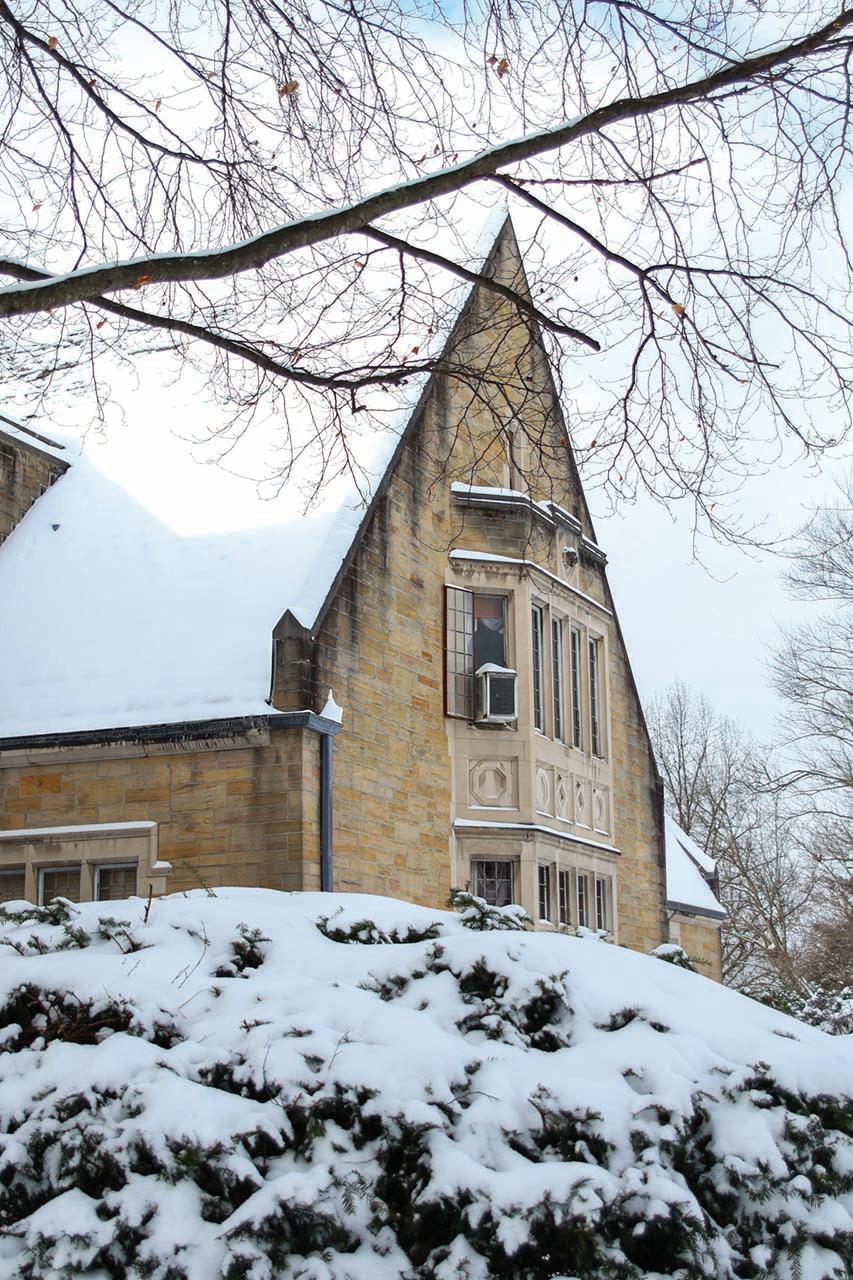


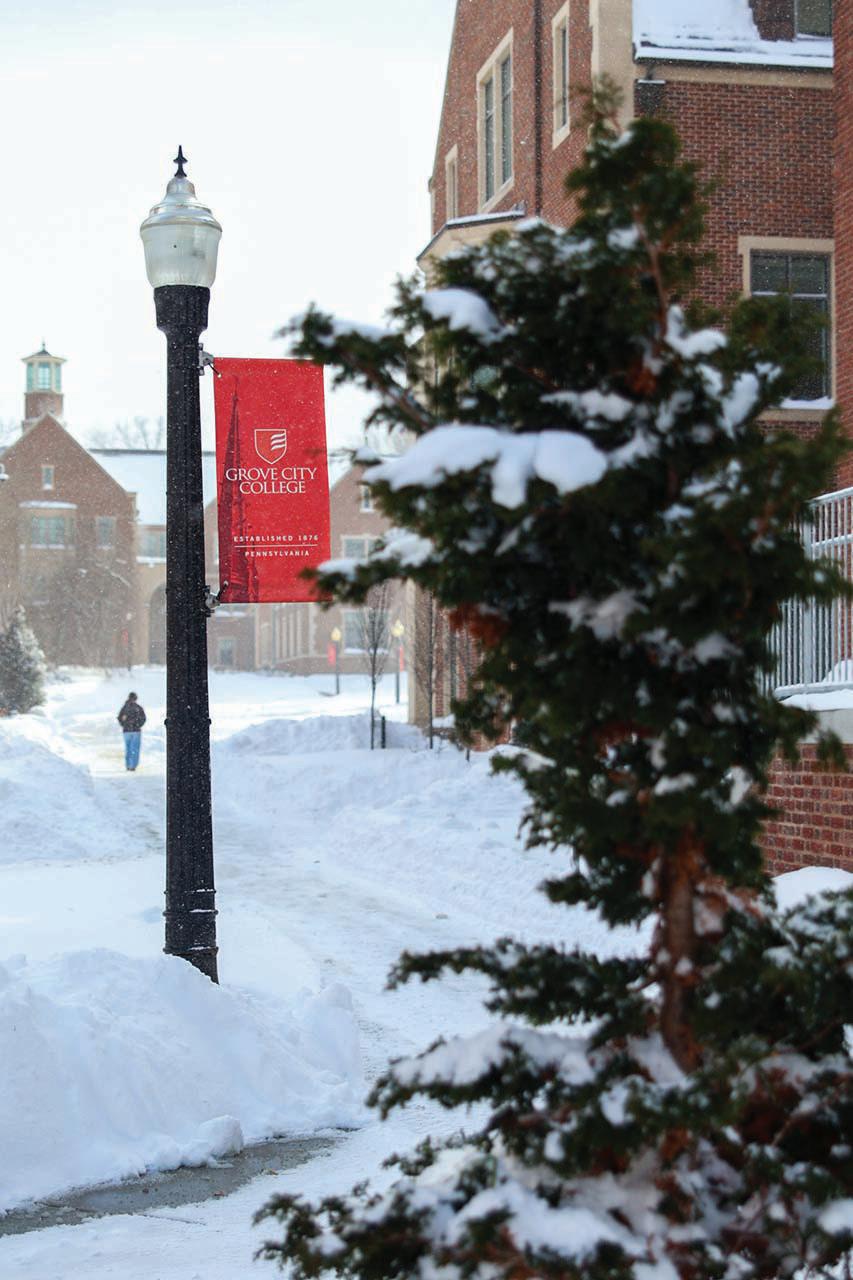
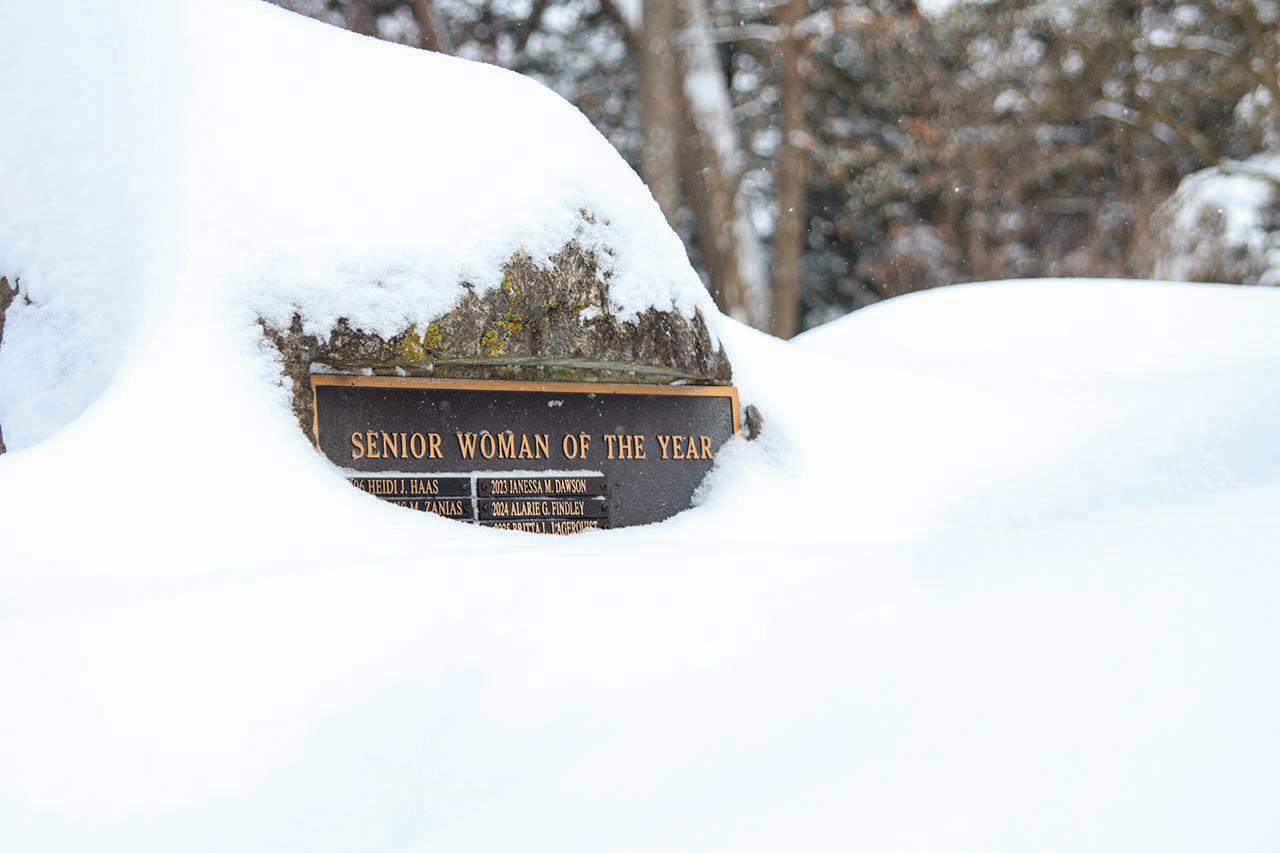
Last weekend in Grove City, it snowed an astounding 17 inches. From late Saturday night all through the day Sunday, the snow was falling, covering every part of campus.
While many church services were canceled on Sunday morning, several churches near campus were filled with students who trudged through the snow. Others attended a student-initiated and student-led morning service held in Harbison Chapel. Despite the weather, students prioritized Sunday morning worship.
Following the heavy snowfall, Monday classes were to be held virtually, saving students from marching around in nearly a foot and a half of snow. However, many people enjoyed the copious amounts of snow by taking time to go sledding (off campus), building snowmen and having snowball fights.
While many people detest the snow and the troubles it brings, I find that it creates opportunities to capture the beauty that a snow covered campus holds. Find time this week to admire and appreciate the snow all around us. It will not be going anywhere anytime soon.
by Luke Paglia, Photo Chief


Perspectives

An uphill battle
Ending abortion will take more than voting for pro-life candidates
Brayden Rush Contributing Writer

The abortion issue in the United States is far from being settled. Each state has different laws and restrictions ranging from a total ban on abortion, to legal until “viability,” to no restrictions whatsoever. If the goal of the pro-life movement is to completely ban abortion in every state, there remains a lot of work to be done.
The challenge then becomes how to achieve the policy of the abolition of abortion. The seemingly obvious answer is to get out and vote for prolife politicians, continue to advocate for pro-life policies, continue marching for life and protesting outside abortion clinics. The political strategy
seems simple, and it is, but is it going to be effective? The most recent data from Pew Research would suggest no.
The most recent statistics on public opinion of abortion was published in June 2025 and showed 63% of U.S. adults said abortion should be legal in all or most cases. The data then breaks down public opinion by demographic.
Men and women largely agree (for once) that abortion should be legal, with 61% of men and 64% of women reportedly supporting legalizing abortion in all or most cases. When broken down by race, age, education level and religious affiliation, the majority of respondents in each category for every demographic believe abortion should be legal in all or most cases.
The exceptions for the trend in this supposedly large amount of support for abortion are found in white evangelical Protestants (only 25%
think abortion should be legal in all or most cases), party affiliation and political ideology as most Republicans and conservatives do not support abortion.
The most interesting trend I noticed was the support for abortion among most religious groups. The majority of white nonevangelical Protestants, Black Protestants and Catholics support legalizing abortions.
The issue is no less of a battle in our own state of Pennsylvania. In 2023, Pennsylvania voters elected Democrat Dan McCaffery over Republican Carolyn Carluccio to fill the vacant seat on the state’s supreme court.
What caused McCaffery to prevail over Carluccio? The answer is, arguably, because Carluccio had deleted her anti-abortion stance from her campaign website. Several ads were aired during the election cycle attacking Carluccio for
seemingly trying to hide her stance on abortion.
The year prior, another anti-abortion Republican failed to win against a pro-choice Democrat. The race for governor in 2022 saw Republican Doug Mastriano and Democrat Josh Shapiro vying for the position. Shapiro won and has since remained a staunch supporter of abortion, going as far as ending state funding for the anti-abortion center Real Alternatives.
Most Pennsylvanian voters also support keeping abortion legal. A 2024 study conducted by the University of Maryland found that “73% of Democratic survey respondents and 53% of Republican respondents said they oppose making abortion a crime at any stage of pregnancy.” The results once again provide a snapshot of the uphill battle facing pro-life advocates.
What does this mean for the pro-life movement? It means
the fight to end abortion is an uphill battle. There is no clear demographic outside of conservatives and white evangelicals which can be mobilized to get out and vote for pro-life candidates. The majority of Americans across the board are in favor of keeping abortion legal.
It will take more than a couple of marches and election cycles for the pro-life cause to triumph. It will take a fundamental rewiring of people’s perspectives on what abortion is, what human life is and the morality of abortion.
Abortion is more than just a political issue. It is a symptom of deep moral issues in America. The sooner pro-life advocates understand this truth, the sooner they can employ more effective strategies than just voting for pro-life candidates.
Press them until it hurts DOJ’s Epstein cover-up must stop
Sam Mayfield Contributing Writer

"Are (we) still talking about Jeffrey Epstein?" President Trump asked this question in response to a reporter inquiring about Epstein during a cabinet meeting in the summer of 2025. The former sex trafficker died on Aug. 10, 2019, but it was during President Trump's 2024 campaign that the activities of the former financier became a focus point again.
During the cabinet meeting, the president went on to ask why the reporter was focusing on Epstein amidst other issues happening in the country. The truth is, however, that Trump himself had said that he would have "no problem" releasing the Epstein files. Both the president and the attorney general, Pam Bondi, made statements that gave the American people reason to believe the files would be released by his administration.
The administration did not deliver. It took the Epstein Files Transparency Act, which
“The DOJ is trying to hide people that need to be exposed, and the Epstein documents still unreleased are likely to be much more damning than those already in our hands.”
passed 427-1 in the House of Representatives and was signed by President Trump the next day, to finally set a release date: Dec. 19, 2025. But Christmas couldn't come early. Dec. 19 arrived, and many of the files that were released were heavily redacted, with some being completely black pages containing no readable text. Redactions were technically allowed, but only to "protect victims' identities” and safeguard national security secrets.
Co-author of the Epstein Files Transparency Act, Congressman Thomas Massie, said that the release of files on Dec. 19 neglected "both the spirit and the letter of the law."
Thirty thousand more files were released on Dec. 23, 2025, but according to TIME Magazine, as of Jan. 21, 2026, less than 1% of all files have been released, leaving an absurd amount of information still out of reach to the American public.
Investigative journalist Stephen Findeisen (better known by Coffeezilla) has covered the investigation and commented on the illegality of the redactions, claiming that some redactions are hiding people who are "not victims at all, but rather possible perpetrators."
Findeisen further observed the DOJ is not giving explanations for redactions, which was a required provision under the Transparency Act. Why is this such a big deal? We already have thousands of documents on Epstein; why do we need more? And who's to say the Department of Justice isn't doing their job? Perhaps the deadline for releasing the documents was too short. Maybe if we just give the Justice Department more time, they will release all the Epstein documents.
However, there are a few reasons why the DOJ’s excuses do not hold weight, and why we as the American people need to continue to press for
all the files to be released. At the most basic level, the Department of Justice needs to release all the files because the law requires them to do so. But that fact is not what should interest us primarily.
Any doctor (and Harvey Specter!) knows that to look for the cause of pain you must press until it hurts. We've already seen how the DOJ has redacted information — not to protect victims' identities — but to protect those that perpetrated the crimes.
It is obvious that the government is trying to hide people that need to be exposed, and the information in the documents still unreleased is likely to be much more damning than those already in our hands. There is still justice to be served, but it cannot come fully until all the files are in the hands of the American people. However, there lies an even greater threat if we allow the DOJ and Trump administration to continue to block the release of the files; they might realize that the law is massively underdeveloped when it comes to regulating the DOJ and might take even greater advantage of the lack of accountability.
In a video covering this threat Findeisen asks, “who actually has the authority to punish the DOJ?” After the two creators of the Transparency Act petitioned a federal judge to order an independent expert to supervise the release of the Epstein files, the judge, denying the request, wrote that oversight of the DOJ is not in his authority. Who watches the watchers? What good is a Transparency Act if there is no way to enforce it? When it comes down to it, there is very little we can do to stop this kind of brash disregard for the law. Defending the rule of law in times like these requires the right kind of people to be in power, whether that be in the House, Senate or president's office, and filling those seats well requires wisdom and discernment from every voter.
But there is still hope, for even one person who's bold enough to speak out can cause a chain reaction that brings a life that waged destruction into the light, where justice finally has a chance to come home. So, to answer the question: yes, Mr. President, we are still very much talking about those Epstein files.
DAILY SIGNAL
The art of grateful hindsight
Remembering the past well
Elijah Faris Contributing Writer

Immediately before writing this article, I had an almost invariably relatable experience. Have you ever sat down to begin working only to immediately remember something you left behind? Perhaps not something merely left behind, but a task left unfinished, a door left open or an email unwritten?
It can seem quite akin to the feeling of walking into a room and forgetting your purpose for entering, yet in this case the experience is not based on present forgetfulness but on the awareness of past forgetfulness. You are remembering not only that which you’ve forgotten, but the fact that you’ve forgotten it.
In my particular situation, the forgotten item was a lone Reese’s cup sitting in the front chest pocket of a winter coat in my closet. If it remained there
“We are experts at finding ways to minimize God’s goodness in our lives.”
until laundry day, who knows what could have occurred?
Nothing good. Forgetfulness is common to all of us, and it may pose a more serious issue than that of neglected coat-pocket candy.
How many of us can recount yesterday’s events? Or last week’s? Or, come to think of it, what about last year’s? Perhaps there are moments that stick out as particularly formative or significant, but often most of our memories seem to get lost in a tangled web of associations. As our fallen human memories are neither infallible nor unlimited, it would be foolish to expect perfection of them.
However, the things we choose to intentionally recall can reveal a lot about the condition of our hearts. How often do negative interactions with others end up on repeat in our heads, looping endlessly to offer more opportunities to paint the other person as the “bad
guy?” Memories dwelt upon in such a manner make excellent ammunition for complaining.
As we misuse memory to validate our own attitudes, though, we begin to forget about the wider canvas of grace. We are experts at finding ways to minimize God’s goodness in our lives. Even pleasant memories can still provide fuel for discontent, when viewed wrongly.
Comparing our present struggles to the “good old days” is the first step on the way to the assumption that past blessings are somehow representative of what we actually deserve and that our present circumstances are somehow an uncalled-for anomaly. Coveting the past smothers gratitude for God’s previous goodness and present provision.
So how do we reclaim gratitude and break the cycle of forgetfulness? Psalm 77:11-12 gives us an ideal to follow, at the very least. As the psalm-

ist writes: “I will remember the deeds of the Lord; yes, I will remember your wonders of old. I will ponder all your work, and meditate on your mighty deeds.”
Gratitude remembers the past without cropping God out of the picture. True thankfulness is not simply a warm, fuzzy feeling; it naturally produces a shift in how we view the events that make up our daily lives — whether they be pleasant or painful.
Every day waking up on a four-year college campus, drinking clean water and eating three meals is a completely unmerited gift given freely, with no strings attached. There are people on this planet who currently cannot imag-
Our God of war
ine this kind of existence, yet we quickly become frustrated when trivial aspects of it are disrupted.
Paul’s reminder in 1 Corinthians 6:19 that: “You are not your own” is not merely a passive statement, but part of a call to honor God with our bodies. Guess what? Our brains are part of our bodies. Memories are included in the deal; our remembering ought to be marked by an acute awareness of what God has done for us.
When looking at life through our rearview mirrors, we should perhaps spend more time gazing at the obvious evidence of God’s grace in our lives. There is a lot of it there, plain to see through the lens of
Augustine provides framework for discussion of just war
Owen Williams Contributing Writer

Sometimes, violence is the answer. “Save alive nothing that breathes,” says God in Deuteronomy concerning the Canaanites. God was supportive of war in the Old Testament — the walls of Jericho crumbled under God’s command, and Gideon received his battle plan from the same. We do not worship a different God now; our God is the God of the Old Testament. Our God is a God of war. Declaring war may certainly be moral, and it would not be unreasonable to claim God takes sides or that one side in a war holds the moral high ground, provided you can support your high ground with reasoning.
What reasons then justify war, and justify claiming God’s approval? If you are
IMMIGRATION
continued from 1
of circumstances like this one, Soerens said immigrants are less likely to commit crimes and are more likely to be the victims of crimes because they will avoid involving the police.
Only 23% of Evangelical Christians say the Bible informs their immigration perspective, according to 2025 Lifeway Research. For Soerens, this problem is important and needs addressing because, as he said, “If we are followers of Jesus, we are followers of a refugee.”
The Christian response to all of this is complex, but ultimately clear to Soerens.
“God is concerned for those who are vulnerable,” he said.
He spoke on the book of Ruth and the parable of the Good Samaritan as examples of how we should treat foreigners, including taking
Joshua, your logic is simple. The commander of the army of the Lord, bared sword brandished, has told you to go to war. Gideon, miraculously saturated fleece in hand, could likewise be confident of divine approval.
God not only approved of these biblical generals, He also battled on their behalf. God was not a sideline supporter of Joshua when He collapsed the walls of Jericho or a mere cheerleader for Gideon when He “set every man’s sword against his comrade” and threw the Midianites into disarray.
God fought for the Israelites and fought against their enemies. What then, of murkier waters, where we do not have an angel to tell us the way? Can we, as humans with fallen minds, make moral judgements of justice from limited information? Or is our omnipotent God the only one who may declare a war just or unjust, moral or immoral? God is the source and creator of morality, so in one sense, it is
on risk when necessary. For churches that serve majority immigrant congregations, including potentially undocumented people, the risks are not a surprise.
According to Soerens, “They were never under the impression they were going to be safe.” In reference to the Good Samaritan and who our neighbor is, he added, “whoever our neighbor is, and I suspect that the categories of people who fit into that is quite broad, has to include the vulnerable, (and) the stranger...”
According to a 2017 study by the National Academies of the Sciences, Engineering and Medicine, “Immigration has an overall positive impact on long-run economic growth in the U.S.” But this matter is not just about immigrants integrating into the economy and culture on their own.
“I think that immigration is a two-way street: It requires
God alone and only who may determine it. Humans may not usurp the office of determining their own morality.
However, only ignorance prevents us from discovering what God has already determined. We do not need to create an apple ourselves to discover that it is red, we have only to observe what God has already created. Furthermore, we do not need advanced or sophisticated measurements to discover that an apple is red; a passing glance will suffice.
We do not need exhaustive external evidence to discover the moral law — after all, it is already written on our hearts. God’s truth is not hidden to those who have their eyes opened to see. We cannot fully grasp the events of a war, but limited knowledge should not necessarily preclude moral judgement.
Even if our judgements can only ever aspire to be educated guesses at God’s truth, that does not mean we can have no confidence in them. A guess
people who want to become Americans, and it requires a population that will see them as Americans,” Soerens said. What counts as being American is also an ever-changing category, he explained, and everyone who has come here has contributed to it.
And despite some assumptions that most immigrants are not Christian, “There is a lot of evidence that (current immigrants) are significantly more Christian than the average American,” Soerens said, at least on measures of church attendance and other related factors.
Eileen Wilson of the National Immigration Forum also spoke at the event, introducing the idea of a Grove City College Chapter of Students of Welcome.
“It’s meant to really give students who are interested in immigration ... a way to get connected,” Wilson said.
is just another name for a hypothesis, and well-reasoned hypotheses have set human feet on the moon.
It is possible to ascertain truth without the aid of angels because God has created us with capacity and ability to know Him and to know truth. Therefore, provided that we can have valid and definite opinions about the justice of a war (or lack thereof), what criteria should we use to arrive at a conclusion most likely to be true?
Augustine’s criteria on the subject have been sufficient foundation for the church for thrice 500 years. I see little need for amendment, only reintroduction. Augustine said just war is first a tragic necessity. War itself, to be clear, is not a good thing. It is, however, a permissible thing.
Just war must be both prosecuted for a just cause and waged with right intentions. Against the Holocaust might be a just cause, but if waging war motivated by “revenge… savageness of rebellion, the
Business Professor Ryan Miller expressed interest at the event in being a faculty advisor for a potential Students of Welcome group at the college.
When asked about the current situations involving Immigration and Customs Enforcement officers, Soerens answered that while what occurred in Chicago in November and December 2025 was “unkind,” it may not have been illegal. However, “that they are now targeting refugees is a whole other level of concern for us,” he said.
lust of power,” then you are “rightly condemned.”
Just war must also have the aim of peace; war being permissible only to rectify a just cause, and once the cause is rectified, the war is unjustified. Finally, just war can only be declared by a legitimate authority. Augustine levies this final restriction to ensure order within society.
It would be disorderly for society if, for example, Instagram could declare war. More seriously, our own Constitution prevents the president or individual states from declaring war; Congress has that responsibility.
Augustine provides a framework for discussion of just war, but that discussion rests on the premises that we can know with sufficient certainty the mind of God, and we can know from Scripture that, at least sometimes, war is justified.

Connect with us!

S tay updated by following us on social media @gcc.collegian

The Collegian: The Grove City College Newspaper

Journalism in precarious state
Matthew Purucker News Editor
A Jan. 7 statement that the Pittsburgh Post-Gazette plans to close May 3 was sad news for Post-Gazette employees, but it was far from surprising.
Block Communications Inc., owner of the Post-Gazette, lost over $350 million in 20 years financing the newspaper. And because of recent court decisions, the company would have to spend more money per year, likely increasing this deficit, to keep the newspaper in business.
To this day, the drama surrounding the newspaper’s current state remains intense.
Forty-nine Post-Gazette bargaining unit employees (among those who did not go on strike) announced on X (@ savepghnews) that “the majority of the editorial staff” is “seeking new elections for leadership within the Newspaper Guild of Pittsburgh.”
The Jan. 22 post criticized the union for not reflecting the values of Post-Gazette employees. Striking union members also ran a rival news outlet (Pittsburgh Union Progress) for three years.
While many factors contributed to the precarious state of the newspaper, it is unwise for a 20-year-old scholarship recipient from Trib Total Media (TribLive), the main competitor to the Post-Gazette, to engage in finger-pointing.
The Post-Gazette’s potential closure reflects a broader national trend. According to Northwestern University’s Medill School’s 2025 The State of Local News report, nearly 40% of newspapers have
closed since 2005, and monthly pageviews of the country’s 100 largest newspapers have fallen by over 45% over the last four years.
However, if the Post-Gazette, one of the country’s longest-running newspapers, folds, it would probably be the biggest sign to date that the future of the journalism industry, as many know it, is highly questionable.
Admittedly, Pittsburgh would still have a weekly in-print newspaper if the Post-Gazette shutters. TribLive announced it would restart its Pittsburgh publication on May 9, but that solution is only temporary. Even an investor or a group of investors to bail out the Post-Gazette would not fix the problem.
Currently, local, text-based, legacy news is largely unsustainable. Free content, especially from AI and social media “influencers” (or the dreadful combination), is almost certainly the primary cause, at least for younger generations. It has largely replaced local news because when there’s the option to pay for something good or not pay for something decent, the decent option typically wins.
Take it this way: students with a dining plan more often eat at Hicks Café than at a restaurant. As long as it’s decent, it’s good enough.
Admittedly, some social media content is good. But, the vast amount of emotionally charged hate, lies and generative AI “slop” on social media makes many accounts of influencers or “journalists” on those platforms untrustworthy or flat-out degrading.
Additionally, much of that social content is over-sensationalized or argumentative to the point of attacking peo-
ple for their characteristics or beliefs, not providing beneficial information. And AI-generated information can often be wrong because AI cannot think; it can only respond with information available on the internet, prioritizing speed over accuracy. The instantaneous nature of AI and social media also allows lies to spread far more quickly and widely than local news.
For local journalism to survive, or even thrive, news outlets must rethink their revenue models. Instead of putting content behind a paywall or allowing non-paying users to see a limited number of articles per week for free, outlets can try a free model with ads. Instead of letting AI companies use content for free, outlets can charge AI companies fees to use their content. If not, outlets can petition governments and companies, which some have already done.
Consumers can also support local journalism by reading it. The root of this complicated-to-solve issue is that people do not believe newspapers like the Post-Gazette are valuable enough to exist because they do not financially support or pay enough attention to them. As a result, advertisements and other revenue often fail to offset costs.
Regardless of the solution, if journalism is important for outlets and consumers to save, they must be proactive, embracing the benefits of new technologies while resisting their harm. Because if they remain inactive, or even reactive, that 40% will almost certainly turn into 100% if given enough time.

GLORIFY continued from 1
from class. It was really up to them if they wanted to do it or not.”
Snoke received many submissions from students. “They did the bulk of the work, and then I helped them polish it up and push them past the finish line,” he said.
In his songwriting class, Snoke emphasizes intentionality, wanting his students to know what they want to say with their music before creating it.
“The best songs are written out of a sense of conviction,” Snoke said. “In my class, I help them go through the Psalms particularly, but all of Scripture, and put the theology into beautiful words and beautiful images. From there, they start to create their music as a reflection of all of those things.”
In addition to musical talent and spiritual depth, Snoke was particularly proud of his class’s ability to collaborate across denominational differences.
“I think the hardest thing in songwriting is co-writing,” Snoke said. “I really mixed the groups up, and they really did a good job at getting everyone to bring their voice and make really good music at the same time. That’s hard, really hard, and they did a really good job at that.”
Snoke also highlighted the communal nature of the recording process.
“I opened the invitation to a lot of students to just come to the studio and hang out in the live room where all the mics are and just sing along. It’s very well performed, it’s very representative of the students and it just feels like there’s energy, and it sounds like Grove City because there’s a bunch of Grove City students just singing along to all the songs,” Snoke said. “I think it gives a lot of joy and playfulness to the record.”
Sophomore Brooke Garrett, who wrote two songs on the record, described the album as one of the most rewarding experiences in her time at Grove City.
“Daniel Snoke’s songwriting class was first offered my freshman fall semester, and I feel so privileged to be part of that group of incredible friends and musicians,” Garrett said. “It felt like the culmination of the worship spirit of the whole college.”
Garrett said she never expected the songs to be released publicly. “When Daniel proposed it the next spring, I was shocked that he would start such a big project with us, and that our songs might be able to bless the body of Christ,” Garrett said.
One of Garrett’s songs, “Life of Forgiveness (Psalm 32),” holds particular significance for her.
“That psalm has been a constant anchor for me in my walk with the Lord, and I’m so excited others might experience the glory of this psalm through our song,” Garrett said. “I’m so grateful this song even got into the album, considering it was a sort of last-minute writing and revision with my co-writers, Jasmine Hoagland and Jenna Miller,” Garrett shared.
Along with Garrett, senior Sarah (Sassaman) Herrmann, junior Jasmine Hoagland, junior Jenna Miller and senior John Remaniak wrote songs or performed in the album.
Recent alumni from the class of 2025, Jenna (Knepper) Bennett, Luke Bennett, Lydia Dyk, Sam Hougue, Haley Miller, Meredith Reed and Anna Tomasetti, also feature in it.
“Recording my own full album one day is a secret dream I foster, but for now, my hopes are fulfilled beyond what I imagined in this very special album,” Garrett said.

BLIZZARD
continued from 1
leading worship is a way (I) get to serve the body. It is truly a joy for me.”
About 150 students from various churches gathered to worship, singing seven songs, reading from Scripture and liturgies and praying together for slightly over an hour.
“To be honest, we all just wanted to (worship),” Thomas commented on why he and other students gathered in Harbison Chapel, referencing 1 Corinthians 14:26. “At Redeemer Anglican, worshiping together with those people is a highlight of each week, and we didn’t want to miss out on that.
during recording.
So, I don’t think it would have been wrong to watch online church, but there is something irreplaceable about worshipping with the body of Christ.”
Accompanying Thomas and Chambers were sophomore Brooke Garrett and junior Alayna Dorst playing guitar and singing, while junior Bryce Pope played cajon and senior Thomas Cross played violin.
“I got to worship with some of my close friends who I rarely get to worship with, as well as many who I don’t know personally and yet am family with through the body of Christ,” Thomas said. “This was deeply encouraging to me.”
DREW PELESKY
Senior Julia Sikora serves snow cones during a campus staff appreciation event Wednesday.
PITTSBURGH POST-GAZETTE
GROVE CITY COLLEGE WORSHIP
Alumnus Luke Bennett plays the guitar
Wolverines win out over Tomcats
Natalie Hanna Staff Writer
The Grove City College men’s basketball team earned a 67-47 victory on Wednesday, Jan. 21 against the visiting Thiel Tomcats. Their record after this game came to 6-10.
Senior guard Mike Christenson totaled 25 points, while senior guard Kyle Randle added a dozen. Junior center Austin Johncour and junior forward Caleb Haller tossed in nine and seven points, respectively.
The combined offensive efforts of the team resulted in an early 26-4 run, allowing them to easily take control of the court at the outset of the game.
“We came out with an attack mindset this game. We hunted our shots and didn’t let the defense dictate what we do,” Christenson said.
And attack they did. Junior guard Colton Martin kindled the team’s run with a layup, followed by Christenson’s three consecutive three-pointers. After a shot by freshman center Ethan Hart, Martin scored again in the paint to bring the team to a 15-7 lead.
The lead increased to 21-7

after field-goal contributions from Randle, Johncour and Haller. Randle’s three-pointer later on gave Grove City a 29-9 lead, and Christenson’s fadeaway buzzer-beater resulted in a 37-16 lead at halftime, effectively keeping the team energized.
After taking the lead in the first half, the Wolverines continued to prevail on both their
offensive and defensive fronts throughout the remainder of the match. Grove City’s 52 rebounds, coupled with their success in holding the Tomcats to 30% shooting from the field, significantly contributed to the triumph.
“We held Thiel to the lowest point total they have had all year. Our defense set the tone. We attacked on both ends of
First home victory of 2026
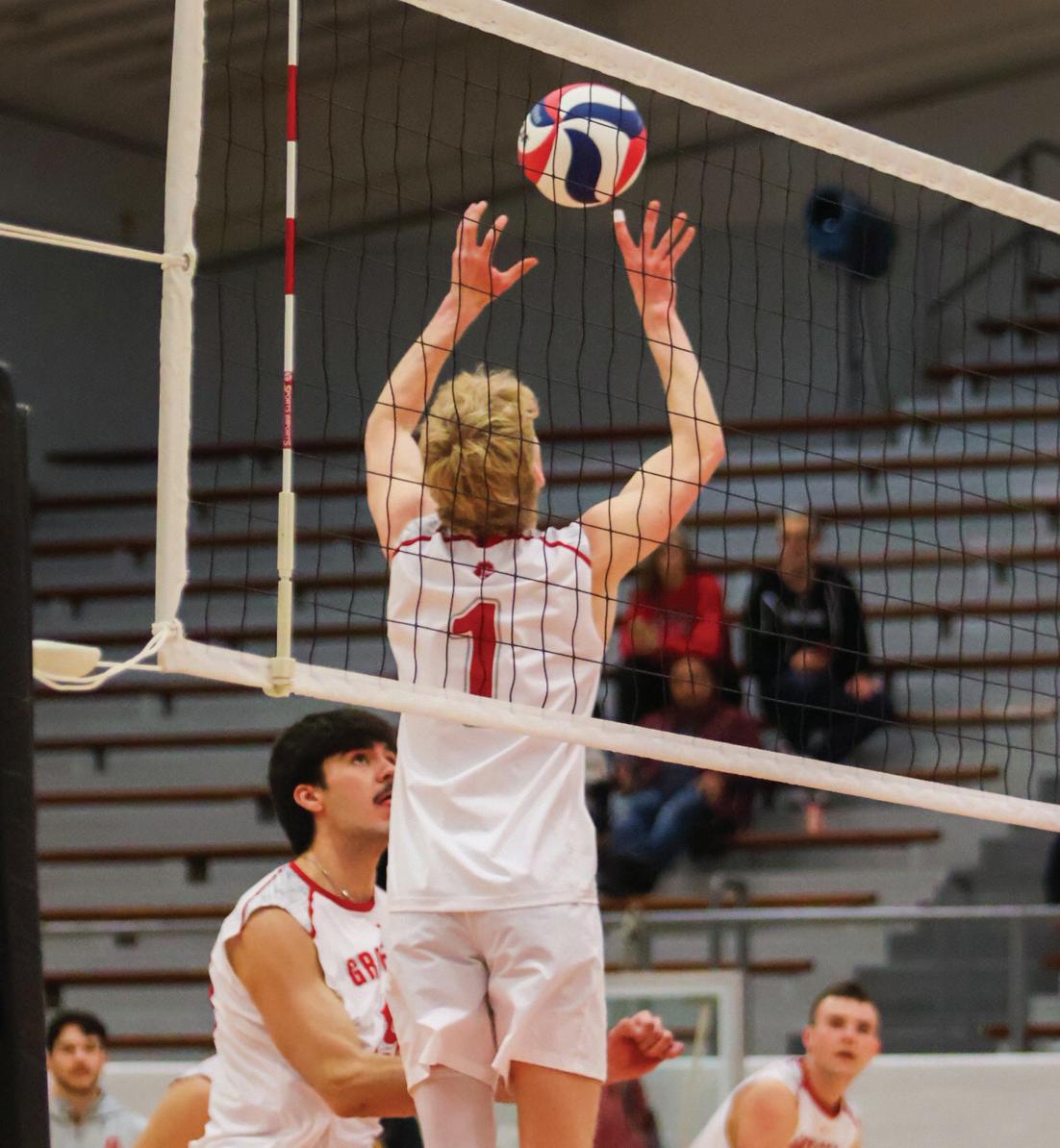
The Grove City College men’s volleyball team notched their first home victory of 2026 on Jan. 22 against the Carlow Celtics. The Wolverines swept the match 3-0, winning each individual set by double digits. After a week off, the team returns to action today for the first of three weekend matches. They will open this quadmatch at 5 p.m. against Penn State Behrend.
TRACK continued from 12 omore Jeremiah Knowles, who took fifth overall.
Grove City also fared well in the pole vault with three Wolverines — sophomore William Britton and seniors Michael Chambers and Tucker Owens — all finishing in the top 10. Sophomore Caleb Haley and freshman Colsen Frank rounded out the men’s performance with top 10 finishes in the triple jump and 3000 m, respectively. Headlining the women’s performance was sophomore Hannah Herrmann, who took second in the pole vault with a program record-setting mark of 11 feet, 3 ¾ inches. Herrmann was joined by classmates Kiara White and Nadine Lauffer, who chipped in fourth-place finishes in the 60 m and 400 m, respectively. In the distance events, senior Audrey Karwowski took
ROMANTIC
continued from 5
persona. Over 50,000 people purchased it in the item shop, solidifying his popularity in the gaming fandom. In another demonstration of his innovation, Mars released the song “Bonde do Brunão” during the Brazil leg of his tour. This hit track was a playful song in Portuguese, created specifically for his Brazilian fans as a teaser for his up-
coming tour stop. He truly encapsulates the reminder that artistry thrives on adapting to culture and being creative. Longevity at his level is rare in pop music, especially in an era driven by constant releases and short attention spans. Where many artists rely on frequent drops to stay relevant, Mars has taken the opposite approach. He chooses precision over oversaturation. Each album he releases feels intentional, carefully crafted
fifth in the 800 m and junior Cayla Lawrence clinched seventh in the mile. Junior Kendall Coddington and sophomore Lucy Gyergyo rounded out the Wolverines’ top finishers with sixth- and eighth-place wins in their respective field events.
Both teams will travel to Youngstown, Ohio to compete in the Youngstown State Mid-Major Invitational today and tomorrow to continue their 2026 winter programs.
and tied to a clear artistic vision. All signs point to “The Romantic” being a reaffirmation of that.
Mars continues to prove that relevance doesn’t require reinvention, but instead confidence, authenticity and dedication. As Feb. 27 approaches, fans are hyped to indulge in the long-awaited album. Bruno Mars isn’t making a comeback, but instead a reminder that he’s on top of the world and won’t budge too soon.
which were Martin’s.
Grove City’s largest lead of the game, 55-27, came from freshman forward Josh Book’s three-pointer midway through the second half.
With the team’s exceptional defense and improved focus, they were able to play intentionally — with rebounding and defense becoming their strength during this match, according to Johncour.
The team is excited for their upcoming games and taking it one day at a time as they prepare to meet their next opponents on the court. Keeping the energy up and having a consistent offense, as well as a continued strong defense will be key in the upcoming games.
the floor and played with a ‘next play’ mentality. Whenever we had a slump on one end of the floor, we made up for it with our play on the other end,” Christenson said. Johncour led the defense with 11 rebounds, followed by Martin’s nine and Haller’s six.
The Wolverines accumulated a 52-40 edge in rebounds, and a 10-6 edge in steals, three of
After playing Hiram on Wednesday, Jan. 28 at home, the Wolverines will face PAC rival Washington & Jefferson on Saturday, Jan. 31. Tip-off will be at 3 p.m. in the Grove City College Arena.
“W&J is one of the best in the conference. We will need to bring our best on both ends of the floor if we want to (claim another win),” Christenson said.

Sports at a Glance
Results
Men’s Basketball (7-11): W, Hiram (80-68)
Women’s Basketball (12-6): W, Hiram (72-52) Men’s Volleyball (2-4): W, Carlow (3-0) Men’s & Women’s Swimming: Carnegie Mellon Western Pa. Invitational Indoor Track and Field: SPIRE Institute Midwest Open
Upcoming
Men’s Basketball: Jan. 31, 3 p.m. vs W&J Women’s Basketball: Jan. 31, 1 p.m. vs W&J Men’s Volleyball: Jan. 30, 5 p.m. at Penn State Behrend Men’s Swimming: Jan. 30, 6 p.m. vs Calvin Women’s Swimming: Jan. 30, 6 p.m. vs Calvin Indoor Track and Field: Jan. 30-31. 1 p.m. at Youngstown State Mid-Major
WOLVERINE WEEKLY HONORS



Tweed
Evan DiMalanta
Volleyball Newcomer of the Week
Abigail Vance Women’s
JOHN HAKE
Sophomore Liam Conklin attempting a layup.
LUKE PAGLIA
Sports

Toppin’ the Tomcats
Women’s basketball rolls past Thiel at home
Garrett Gess Contributing Writer
The Grove City College women’s basketball team is eyeing a PAC championship and is off to a strong start to the season, taking down Thiel 58-39 in a home victory on Jan. 21.
The Wolverines are tied with Allegheny at the top of the PAC South with a 5-3 conference record.
Against Thiel, senior center Meredith Sherrerd recorded a 15-point, 10-rebound double-double, and sophomore forward Kailey Devlin added a career-high 13 points in the Wolverines’ win.
Grove City raced out to a 23–4 lead after the first quarter and extended the advantage to 29–9 early in the second. Junior guard Alexa McDole fueled the fast start by scoring eight points in the opening quarter, adding to the Wolverines’ 53% shooting (9of-17) from the field in the first 10 minutes.
Senior guard Reese Hasley finished with eight points, along with three assists and three steals for Grove City. Junior guard Bethany Thompson contributed seven rebounds as
“It will take a lot of hard work and everyone fully committing to their role, but if we do that, there’s no doubt that we can have success in the remainder of our season.”
-- Alexis Hudson
the Wolverines held a 49–39 edge on the boards. Grove City’s relentless defense also limited Thiel to 23% shooting (14-of-61) from the floor.
“I think one of our biggest strengths on the floor is our defensive intensity. When we’re communicating and rotating together as one unit, everything else starts to click. That defensive effort creates more opportunities on offense and allows our game to flow more naturally,” sophomore forward Alexis Hudson said.
Thiel cut the deficit to 34–23 at halftime and narrowed the gap to 42–34 by the end of the third quarter. Grove City put the game away with a 12–3 run over the first six minutes of the fourth quarter. Devlin scored the first six points of the run and later knocked down a three-pointer, while Sherrerd added a basket and a free throw en route to an eventual victory.
On Saturday, Grove City fell to St. Vincent, who are undefeated in conference competition and have the best record in the PAC. The Wolverines had a 28-26 halftime lead but could not stay ahead, dropping the 61-48 decision to the Bearcats.
The trio of Sherred, Hasley and Hudson are in the top three among the team thus far in both points and rebounds. The team has seen the emergence of a trio of underclassmen sharpshooters — Hudson, Devlin and freshman guard Emily King — who have each shot above 35% from behind the arc on at least 15 attempts.
The Wolverines look to finish the regular season strong and set themselves up with momentum going into the playoffs.
“I think the keys to our success are bringing high energy every day and being excited about the opportunity to com-


pete for a PAC championship. It will take a lot of hard work and everyone fully committing to their role, but if we do that, there’s no doubt that we can have success in the remainder of our season,” Hudson said.
For basketball, the PAC began divisional play starting this season. The conference formed six-team north and south divisions, featuring a 16-game conference sched-
ule: home-and-away games against each divisional opponent and single games against each team in the opposite division, all counting toward league standings. The top four teams in each division will advance to the playoffs.
The Wolverines are now 5-3 in the PAC and 11-6 overall. They faced Hiram Wednesday and will host Washington & Jefferson at 1 p.m. tomorrow.
Wolverines turn in top finishes at SPIRE
Mia Gallagher Sports Editor
The Grove City College track and field teams returned to action on Saturday at SPIRE Institute’s Midwest Open.
The competition — which featured programs from all three NCAA collegiate levels — saw Wolverines from both teams outplace their DIII competitors. It also featured two individual meet-winning performances from members of the men’s program.
Securing one of these two wins was freshman Elijah Di-
vito, who clinched victory in the high jump by clearing 6 feet, 6 ¾ inches. Not only did this performance top the competition’s podium, but it also allowed Divito to set a Grove City College program record in the process. Divito also chipped in a sixth-place finish in the long jump.
Notching the team’s other individual win was senior Alex Mitchell, whose time of 48.74 seconds took the 400-meter for the Wolverines. Joining Mitchell for the 400 was soph
JOHN HAKE
Senior center Meredith Sherrerd recorded a 15-point, 10-rebound double-double in the Wolverines’ victory over Thiel on Jan. 21.
JULIE WATKINS
Senior Reese Hasley tallied eight points and three steals vs. Thiel.
MATT DURISKO
Junior Kendall Coddington recorded a career-best jump of 5 feet 3 inches at SPIRE.