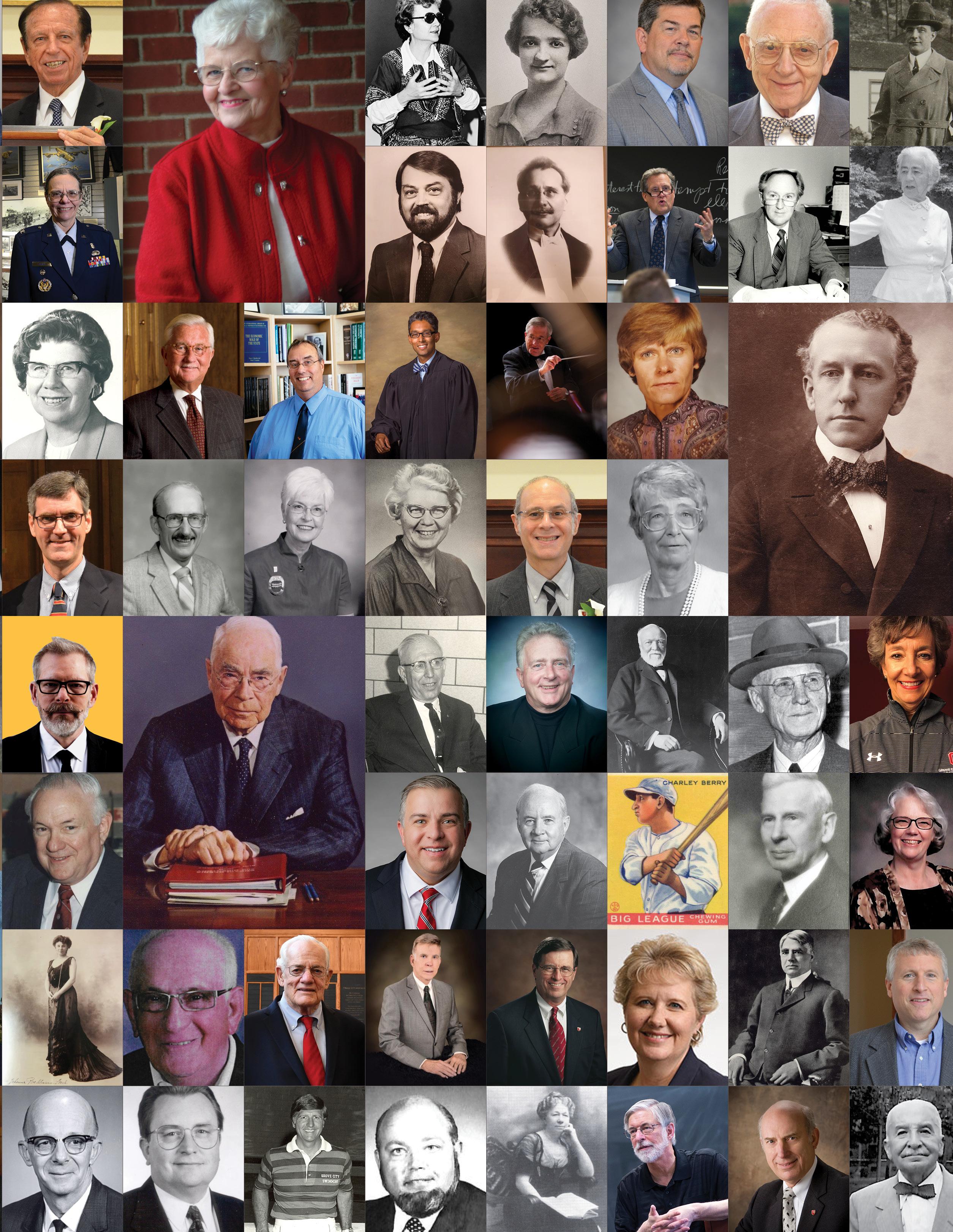
RECOGNIZING AND CELEBRATING THOSE WHO EMBODY THE VISION, VALUES, AND IMPACT OF GROVE CITY COLLEGE OVER A CENTURY-AND-A-HALF
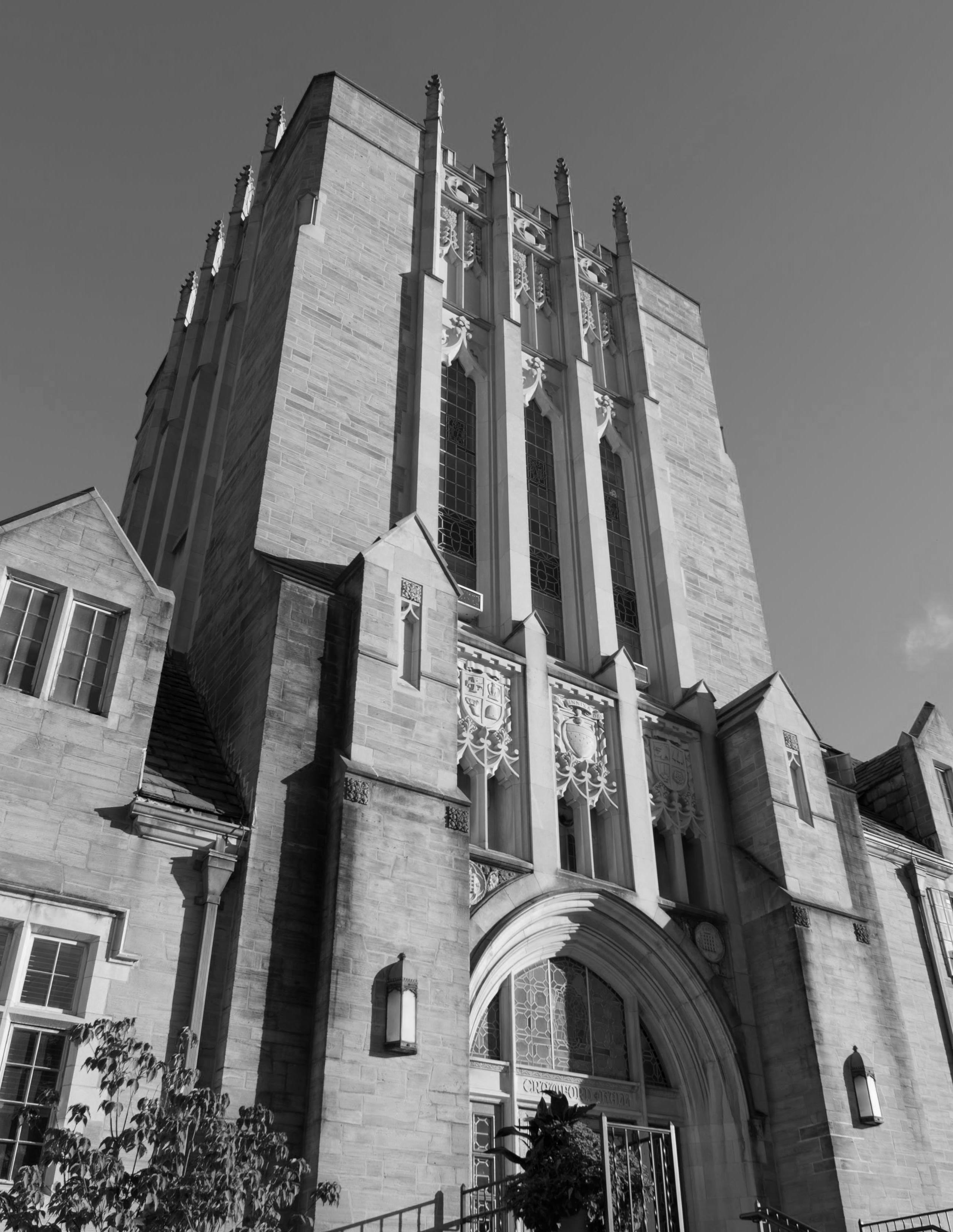
RECOGNIZING AND CELEBRATING THOSE WHO EMBODY THE VISION, VALUES, AND IMPACT OF GROVE CITY COLLEGE OVER A CENTURY-AND-A-HALF
Founded in 1876, Grove City College remains firmly committed to the Christian faith embraced by its founders. From its beginning, the College has sought to be a highly distinctive and comprehensive Christian liberal arts institution of exceptional academic quality and value. Grounded in permanent ideas and conservative values, and dedicated to the foundations of a free society, the College prepares men and women of the highest proficiency, purpose, and principle to advance the common good.
The College’s doors have always been open to qualified students without regard to religious test or belief. Believing that the achievements of civilization would be endangered if society’s religious and ethical foundations were allowed to wither, the College’s founders intended that the claims of Christ as God and Savior and the authority of Scripture be presented to all students. Through a program of intellectual, moral, and spiritual formation, they hoped the College would prepare young men and women capable of advancing civilization on every frontier.
Grove City College is committed to advancing free enterprise, civil and religious liberty, representative government, the arts and letters, and science and technology through a Christ-centered, academically excellent, and affordable education. At the center of the curriculum are books, thinkers, and ideas that have proven to be of enduring significance across the centuries. While a wide range of viewpoints is studied and debated, the College unapologetically affirms the preservation of America’s heritage of faith and freedom. To protect its independence, the College chooses to forego any federal funding, including student loans and grants.
Grove City College consistently ranks as one of the nation’s top private colleges, offering more than 70 undergraduate and graduate degree programs on a 180-acre residential campus where its 2,200 students have myriad opportunities to flourish. These include more than 100 active student organizations, 24 NCAA varsity sports teams, a nationally ranked Career Services Office, and access to a network of more than 32,000 alumni across the country and around the world.
THE COLLEGE’S IMPACT IS DEMONSTRATED IN THE CHARACTER AND ACHIEVEMENT OF THOSE WHO EMBODY ITS VISION AND VALUES.
Grove City College has had a significant impact over the last 150 years – not only on the tens of thousands of students whose lives have been transformed by the lessons learned, relationships formed, and faith fostered on campus, but on a nation and a world that has changed dramatically in that time. That impact has been driven by the people who have made Grove City College what is today.
150 for 150 highlights those who embody a century-and-a-half of Grove City College history, and the excellence and faithfulness that are our hallmarks.
This isn’t a list of the “greatest Grovers” – we think all Grovers are great – but a sampling of the men and women who have made an impact on the College and the world beyond campus over 15 decades. Some are key figures in the College’s story, while others are accomplished alumni, legendary faculty members, or simply beloved members of our College Community. They shaped – and were shaped – by the distinctive character of this special place. They are exemplars of Grove City College’s mission, vision, and values.
The College’s impact has been felt through these individuals across the decades in business, industry, academia, the church, public service, science, medicine, politics, sport, and culture in communities large and small, from our beautiful campus to the rest of the wide world.
* denotes Jack Kennedy Memorial Alumni Achievement Award winners. ** denotes David Rathburn Distinguished Service Award winners.
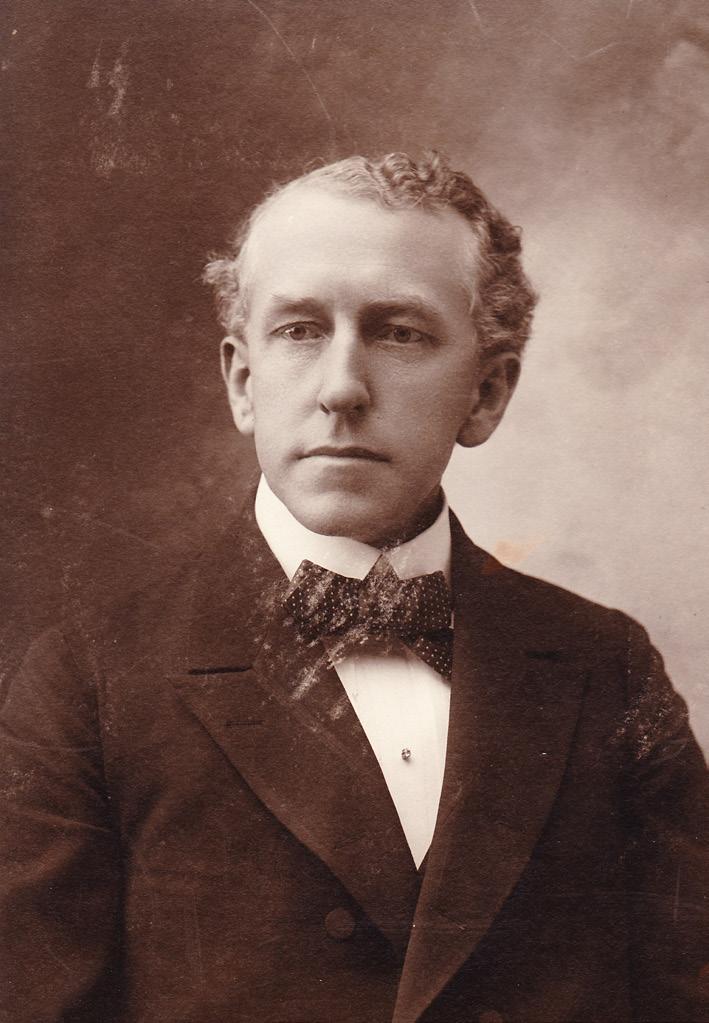
Without these two men, there would be no Grove City College. Ketler, the founder, and Pew, the businessman, built the College from the ground up. The educational and institutional foundation they established in the last quarter of the 19th century remains as rock solid as the faith that guided their work.
Ketler was the visionary. A native of Northumberland, Pa., and devout Presbyterian, his passion for education was fostered in a one-room schoolhouse in London, Pa., where Pew, born on a farm outside of Mercer, Pa., was the teacher.
At age 16, Ketler attended Edinboro Academy, a private training school for teachers that is now part of Penn West University, and taught for a short time after graduation at a school in Scrubgrass Township north of Grove City. He went on to study at National Normal University. In subsequent years, he would earn master’s, doctorate, and divinity degrees from various institutions.
In 1876, at the age of 23, Ketler was hired by the town of Pine Grove, Pa., to lead its namesake academy, a preparatory school for students interested in teaching, the professions, or further
education at a four-year college or university. Pine Grove Normal Academy was a public venture, with stockholders and local citizens and church leaders overseeing its operation and funding. The first class of 13 students met in a second floor classroom.
Ketler believed that education was essential to prepare young people for a rapidly changing world and a future that would demand both knowledge and good character. Under his guidance, the academy grew and expanded its curriculum beyond professional training. It began offering four-year degrees and in 1884 it became Grove City College.
While Ketler pursued a career in education, Pew had left teaching to seek his fortune in the burgeoning oil boom in western Pennsylvania. At one point, Pew tried to recruit his former pupil to join him in business, but Ketler declined.
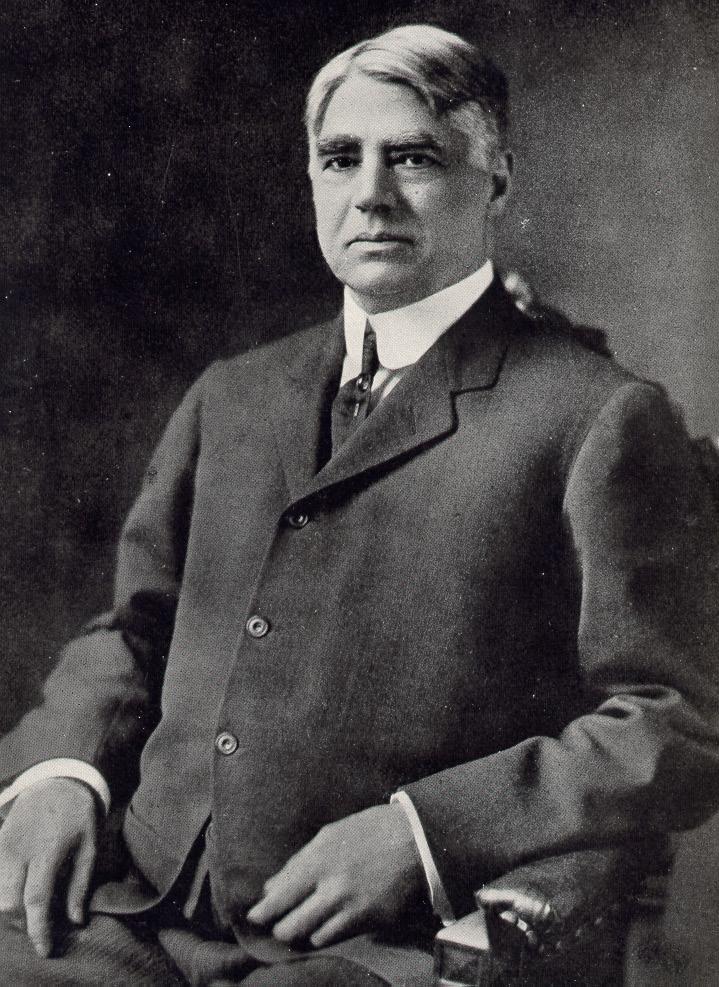
Pew started Keystone Gas Company, which used natural gas to provide heat and light for communities. By 1882, he was delivering gas to Pittsburgh and owned the Haymaker gas well in Murrysville, Pa., then the largest in the world. Pew established the Sun Oil Line Co., which would later become known as Sunoco and developed Peoples Natural
Gas Company. A master businessman, Pew was a faithful Christian and devoted Presbyterian who built a legacy in industry and philanthropy.
Ketler reached out to his former teacher to support the College. “Years ago, you asked me to go into business with you. Now I have come to ask you to go into business with me,” Ketler reportedly said.
Pew agreed and helped Ketler recruit other regional business leaders to serve on the Board of Trustees and reorganize the College as a nonprofit institution. A new charter that declared Grove City College was “an undenominational but evangelical Christian school” was approved in 1895 and Pew was elected chairman of the board.
Pew provided leadership and generous financial support to the College that enabled it to grow as the century turned. Under the guidance of Ketler and Pew, the College grew exponentially. By 1900 enrollment was nearing 700 students and the campus had grown to a cluster of buildings and grounds stretching from Broad Street to Wolf Creek. The stage was set for a century of steady expansion and impact.
The Ketler-Pew partnership continued to benefit the College beyond Pew’s death in 1912 and Ketler’s a year later. Their sons, Weir C. Ketler and J. Howard Pew, would take their fathers’ places in the president’s office and on the board, respectively, and continue their families’ service to the College well into the 20th century.
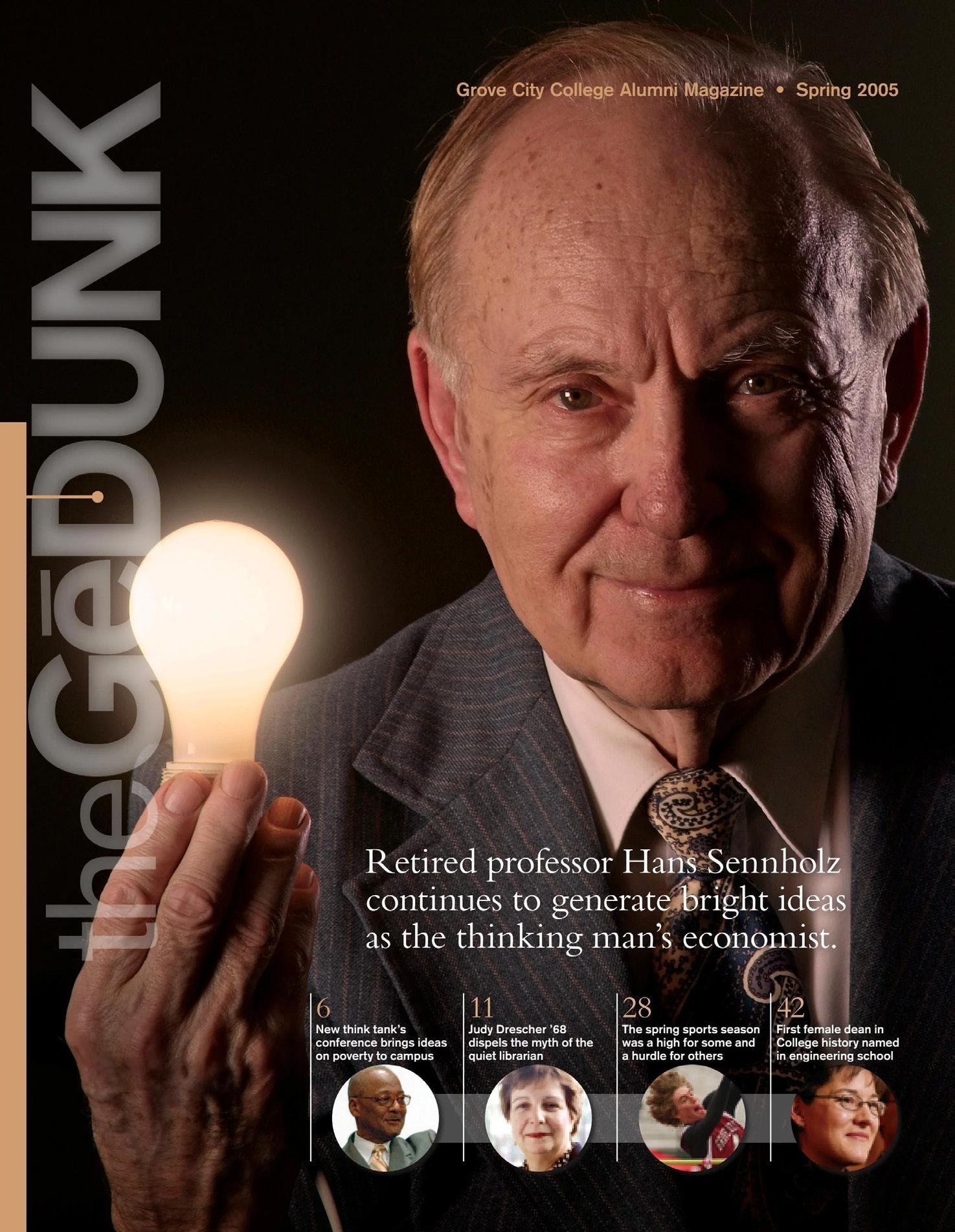
Dr. Hans Sennholz, the renowned economist and legendary professor, impacted thousands of students over five decades, not just as a proponent of the Austrian School but as an inspiring and challenging teacher and mentor.
For a large part of the 20th century, Sennholz, his heavy German accent, his writings on economic theory, and his high expectations for his students embodied the rigorous academics and conservative character for which Grove City College is known. His impact was felt far from campus and on a much bigger stage as an influence on the views of economists around the world and the
conservative movement through his work with think tanks and via his many writings. Ronald Reagan was a fan.
Sennholz was “one of our nation’s most articulate, intellectual voices for ordered liberty, limited government, and free markets,” former College President Richard G. Jewell ’67 said upon the professor’s passing in 2007. “As a classroom teacher he had few peers. His lucid and clearly reasoned written work inspired and informed the many who relied on his economic guidance.”
Born in Germany in 1922, Sennholz experienced the deprivations of the
Great Depression and the rise of Nazism. Drafted into the Luftwaffe, he earned the Iron Cross as a fighter pilot before being shot down on a mission over Egypt in 1942. He was held as prisoner of war, eventually in the U.S., where he worked on an Arkansas dairy farm.
After the war he returned to Germany and earned his master’s degree at the University of Marburg and his first doctorate from the University of Cologne. He returned to the U.S. to study at New York University under the great Austrian economist Ludwig Von Mises and earned his Ph.D. in 1955. A year later, at the behest of J. Howard Pew, he joined the faculty at Grove City College where he served as professor of Economics and chairman of the Department of Economics for the next 36 years.
He was the author of 17 books and booklets, from Divided Europe in 1955 to Reflection and Remembrance in 1997 and published more than 500 essays and articles. Other works include Debts and Deficits, The Politics of Unemployment, and Age of Inflation.
After retirement in 1992, he continued writing and working with think tanks and remained an integral part of Grove City College. On his 81st birthday, he delivered the first lecture in Sticht Lecture Hall, which had just opened. Two years later, he gave the closing lecture at the first conference held by The Center for Vision & Values at Grove City College. Now known as The Institute for Faith & Freedom, the campus think tank is a part of Sennholz’s legacy.
His wife, Mary, was also a scholar and author. Her four books include Faith and Freedom: A Biographical Sketch of a Great American: J. Howard Pew. Their son, Robert ’75, and grandson, Roland ’08, are alumni.
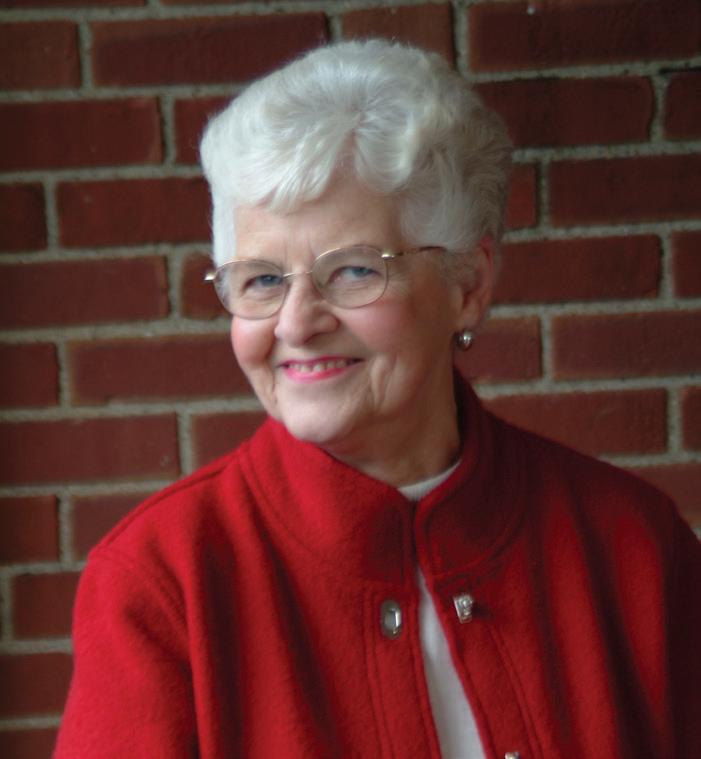
Paxton is one of Grove City College’s great characters. She left an indelible mark on thousands of Grovers in a succession of roles, including Dean of Women and Vice President for Student Affairs.
She served the College for 28 years and a generation after she retired in 2004, we’re reminded of enduring presence whenever someone invokes her famous freshmen orientation catchphrase, a prediction that has inspired countless “ring by spring” quests: “Look to the left, look to the right, your future mate might be in sight.”
“With her signature red suit, and her heart of gold, Nancy Paxton was a true Grover. Her children were each of the students she interacted with at the College. She gave so much of her time, energy and spirit to making the campus a memorable place. Mrs. Paxton had a passion for Grove City College that can’t be measured, and she truly made a mark on her alma mater,” Senior Director of Alumni and College Relations Melissa (Trifaro ’96) MacLeod said.
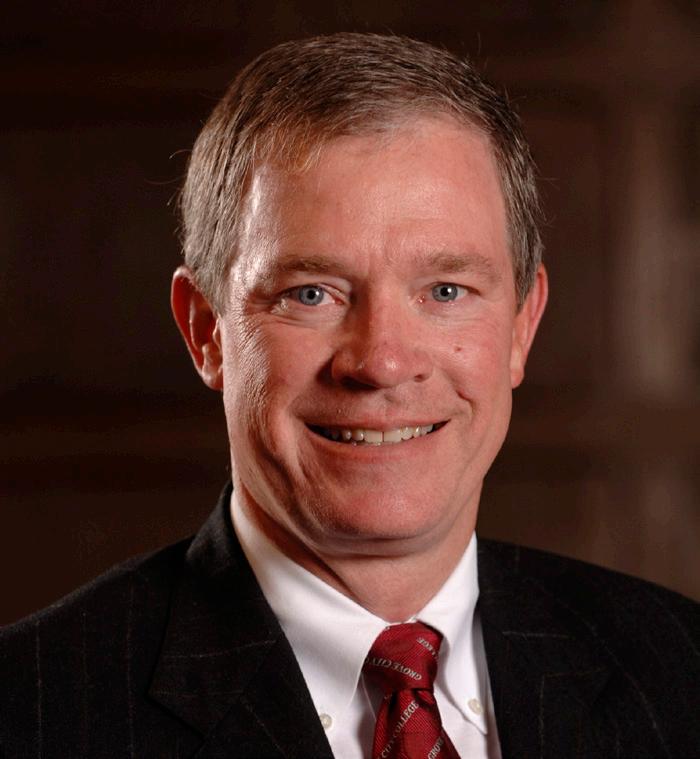
Board of Trustees Chair Emeritus David R. Rathburn ’79 has the distinction of being the only person to serve as both Chair of the Board and president of the College. Though the latter position was held on an interim basis between the tenures of John H. Moore and Richard G. Jewell ’67, Rathburn’s appointment to it attests to the key leadership role he played over the course of three decades.
He joined the College’s Board in 1992 and was elected chair in 2003, a position he held for 17 years. Rathburn helped lead the College during a period of unprecedented growth and change: extricating itself from the federal student loan program; establishing a robust network of financial support; becoming one of the premier Christian colleges in the U.S.; raising half a dozen new structures – including a namesake Christian activities building; restoring numerous buildings and working with four College presidents. He was also a
key figure in establishing the Charles Jr. and Betty Johnson School of Nursing.
With degrees in accounting, business administration, and political science, Rathburn went to work after graduation for Price Waterhouse before joining Grove City College-connected Hopeman Brothers Marine Division. He worked for the company in various capacities before being named president in 1991 at age 33. He served in that position for 22 years before forming marine interior outfitter US Joiner LLC.
During his years as a student, Rathburn was vice president of the Student Government Association, a Nu Lambda Phi brother, and the sports director for radio station WSAJ-FM, serving as the voice of the Wolverines announcing home and away football and basketball games.
His sons Tyler ’18 and Mark ’08 are alumni.
Her job, and her passion, was always taking care of students. Known for her humor and compassion, Paxton took a sincere interest in students’ well being and was a source of encouragement. From her etiquette diners to her Faculty Follies antics, she was a supportive and positive influence on all she encountered.
In 1994, Paxton was a recipient of a Jack Kennedy Memorial Alumni Achievement Award in the field of education. Upon her retirement she was awarded an honorary Doctor of Humane Letters degree from the College, which she considered a tremendous honor.
A member of the “Great Class of 1954,” which also included Dean of the Chapel Richard Morledge, Paxton was a religious educator before coming to work at Grove City College.
JACK BEHRINGER – A 40-year athletic director, department chair, and coach, he expanded campus sports and coached football for 17 years, including the undefeated 1966 season, and the baseball team for 29.
ANNA LONG ’44 – A pioneering woman of science, she blazed a trail for others at American Cyanamid and Dupont before transitioning to teaching.
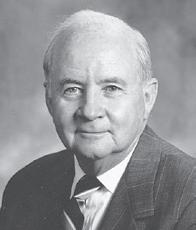
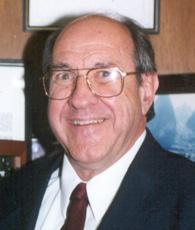
DR. BRUCE THIELEMANN – Dean of the Chapel from 1974 to 1984, he was an internationally acclaimed preacher and theologian who inspired many students to lead lives of faith.
RUTH (BOGERT ’63) WIBLE – The first woman to earn a varsity letter at the College, she was a record-setting member of the rifle team from 1959 to 1963.
SAMUEL P. HARBISON – A Pittsburgh industrialist, he was a member of the Board of Trustees in the 1890s and namesake of the Chapel built with a family gift.
DR. PAUL KENGOR – An accomplished professor, author, and in-demand political and cultural commentator, he is a noted Reagan biographer, cold war historian, and leader of the Institute for Faith & Freedom.
DR. DALE SMOCK ’42 – On the Engineering faculty for 35 years, he attended U.S. Naval Training School at the College during WWII and was key to development and growth of the College radio station.
DR. JOHN H. MOORE – The College’s seventh president, he served from 1996 to 2003, led Grove City College out of the federal student loan program and bolstered academic standards.
MARY ETHEL PEW – Philanthropist, College benefactor and former Trustee, she was the namesake of the women’s residence hall built in 1981.
FRED FETTEROLF ’52* ** – After earning a degree in Chemistry, he climbed the ranks at ALCOA to become president and COO. He also served on the Board of Trustees.
RICHARD LEO – Beloved Physics professor who made the mysteries of the discipline clear to generations of students. The science faculty icon retired in 2004 as professor of the year.
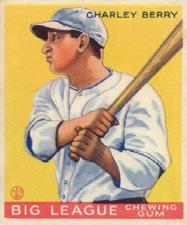
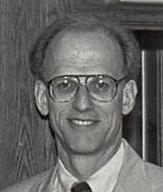
CHARLIE BERRY – Football and baseball coach in the 1930s who played for the NFL and MLB and was a long time official in both leagues.
DR. ANDREW HOFFECKER – The former faculty member was one of the chief architects of the Keystone Curriculum in the 1970s, which later developed into the Humanities core.
DR. HILDA KRING – English professor and friend to generations of students, she founded the Children’s Theatre program and was the first winner of the Florence MacKenzie Campus Community Award.
DR. ED NAEGELE – Professor and longtime chair of the Department of Chemistry, he influenced generations of science and other majors between 1958 and 1990.
BETSY (BOAK ’77) CRAIG – A professor of English and Theatre, she is the director of the College’s nationally acclaimed Theatre Program.
HERBERT HARMON – A Physics professor and technological pioneer, he was responsible for one of the first radio broadcasts in the country in 1920.
JEAN ALICE WILSON ’50 – Influential professor of Education and the first woman to chair the Department of Education at the College, she taught from 1959-1982.
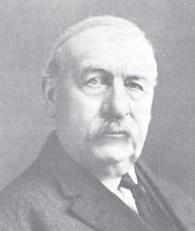

DR. ALEXANDER ORMOND – The second president of the College and a leading academic of the time, he served in interregnum between the terms of Isaac and Weir C. Ketler and died suddenly in office in 1913.
DR. BYOUNG-HYE CHANG ’56 – A native of South Korea and daughter of its third prime minister, she earned a Ph.D. from Georgetown University and was a professor at Seton Hall University and a bilingual author.
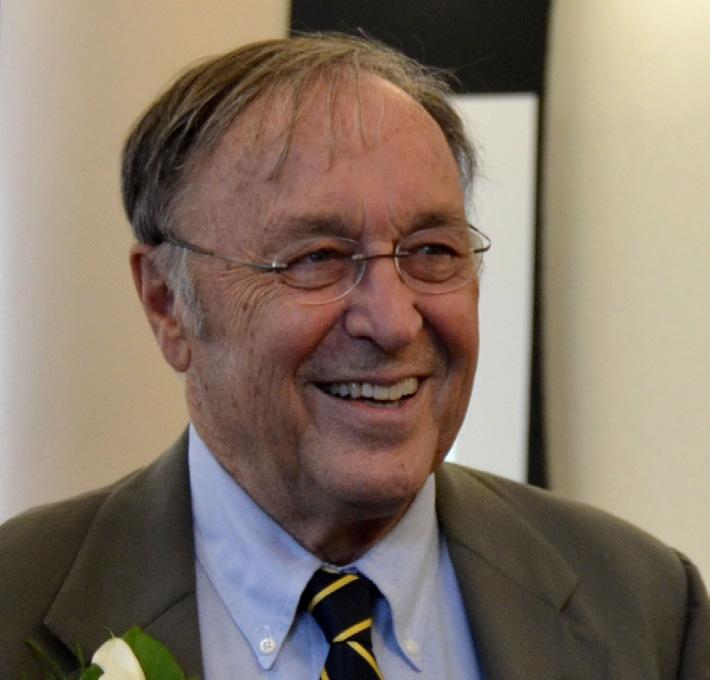
Trustee Emeritus David M. Lascell didn’t attend or graduate from Grove City College but the New York attorney was, at a critical point in history, the College’s greatest advocate. His impact on the College was profound and still felt more than four decades after he took up the Crimson and White banner.
Lascell wrote the brief in the landmark Grove City College v. Bell lawsuit and argued the case from the Western District of Pennsylvania to the well of the U.S. Supreme Court. The case stemmed from the College’s refusal to agree to comply with new and future regulations stemming from Title IX, the law requiring federally funded institutions to provide women equal access to athletic programs.
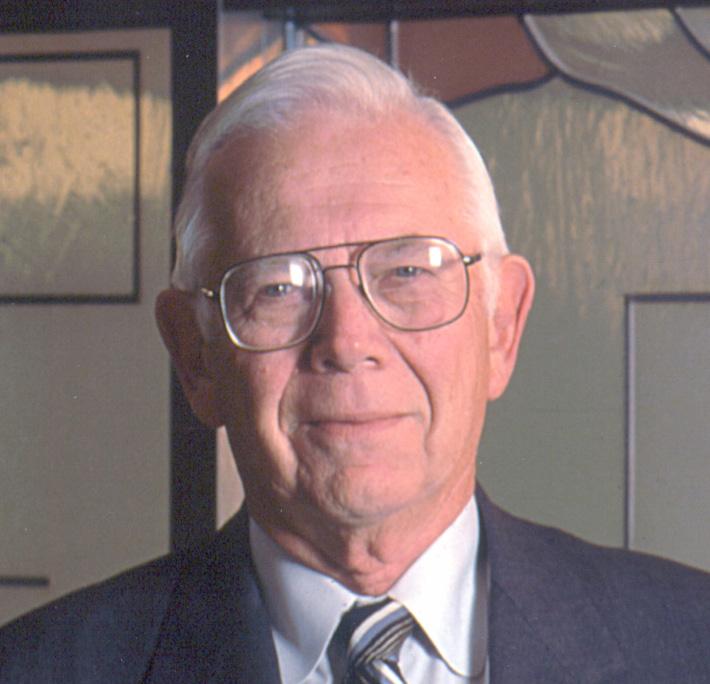
J. Paul Sticht was a legendary chief executive who led TWA, Campbells Soup, Federated Department Stores, and RJR Nabisco Inc. and, over the course of his career, helped create the international corporation.
Grove City College’s longtime stance against accepting federal funding seemed to inoculate the College against any fallout from refusing to, essentially, allow the U.S. government to determine the Christian private institution’s fate. But it was more complicated than that and a legal battle ensued. As he pleaded the case, Lascell used an “arcane” legal maneuver to establish, as a legal fact, that Grove City College did not and had not discriminated against anyone. “The only fact we have is that we’re doing this as a matter of principle,” Lascell said.
Eventually the case made its way to the Supreme Court, where Lascell laid out the College’s case succinctly. “Grove City claims no right to discriminate and does not do so. Grove City receives not one cent of federal aid, claims no right to receive federal aid, and does not want any federal aid. Grove City, however, thinks that the student aid program was created so that students can chose among educational institutions … That ought not mean that the entire educational institution is subject to the entire range of federal regulation,” he argued.
The high court’s decision – student aid was federal support, but the government could only regulate the office that received the money, in Grove City’s case the financial office – was technically a loss for the College. But thanks in no
He was also a force in the life and history of Grove City College, serving on the Board of Trustees for 40 years, five of them as chair. His service from 1963 to 2003 spanned one of the most critical eras of the College’s history.
Born in 1917 in western Pennsylvania, Sticht worked his way through Grove City College, where he met wife Ferne (Cozad ’38) and earned a degree in 1939. He went to work with his father in a steel mill before joining Howard Hughes’ Trans World Airlines in 1941. After several years with the globally expanding airline, he moved on to the Campbell Soup Co. where he was vice president of its international arm. In 1960 he joined Federated Department Stores as the first executive from outside the founding Lazarus family and eventually became its president in 1967.
small part to Lascell’s advocacy, the case established Grove City College’s national reputation as a school that stands up for principle, no matter the cost.
And the cost was very high, a point that Lascell made in later years as he served as vice chair of the Board of Trustees and Emeritus Trustee. To comply with the court’s decision, Grove City College stopped allowing students to accept federal grants and loans. While the College has been able to provide private aid and loan programs to help students, the move has cost millions over the years.
Taking on “the most powerful of adversaries – the United States government,” Lascell said, cut the College off from largest source of funding for student aid, research, and myriad other expenses. “Making up the difference requires enormous amount of work,” he said on the 25th anniversary of Grove City College v. Bell. “To thrive over the next decades, this college and its supporters will have to find remarkable amounts of alternative funding … Like so many worthwhile principles, freedom and independence here come at a very high price.”
In 2015, Lascell received a well-deserved Distinguished Service Award from the Alumni Association. He died in 2016.
In 1973 he was named president of the R.J. Reynolds tobacco company and guided it to new markets overseas, new product areas, and acquisitions including Del Monte, Nabisco, and Kentucky Fried Chicken. Sticht essentially moved R.J. Reynolds from a domestic tobacco company into a broad-based international corporation. Sales grew from $2.5 billion to $15 billion when he retired in 1984. He returned to the conglomerate to serve as chairman in 1987 and 1989.
He died in 2007, leaving a legacy as a titan of the post-war American business world and a generous supporter and able leader of his alma mater. He was honored with a Distinguished Service Award from the Alumni Association in 2003 and granted Trustee Emeritus status in 2004. His memory lives on at the College in the Sticht Lecture Hall in the Staley Hall of Arts and Letters and in the Business and Ethics lecture series that bears his name.
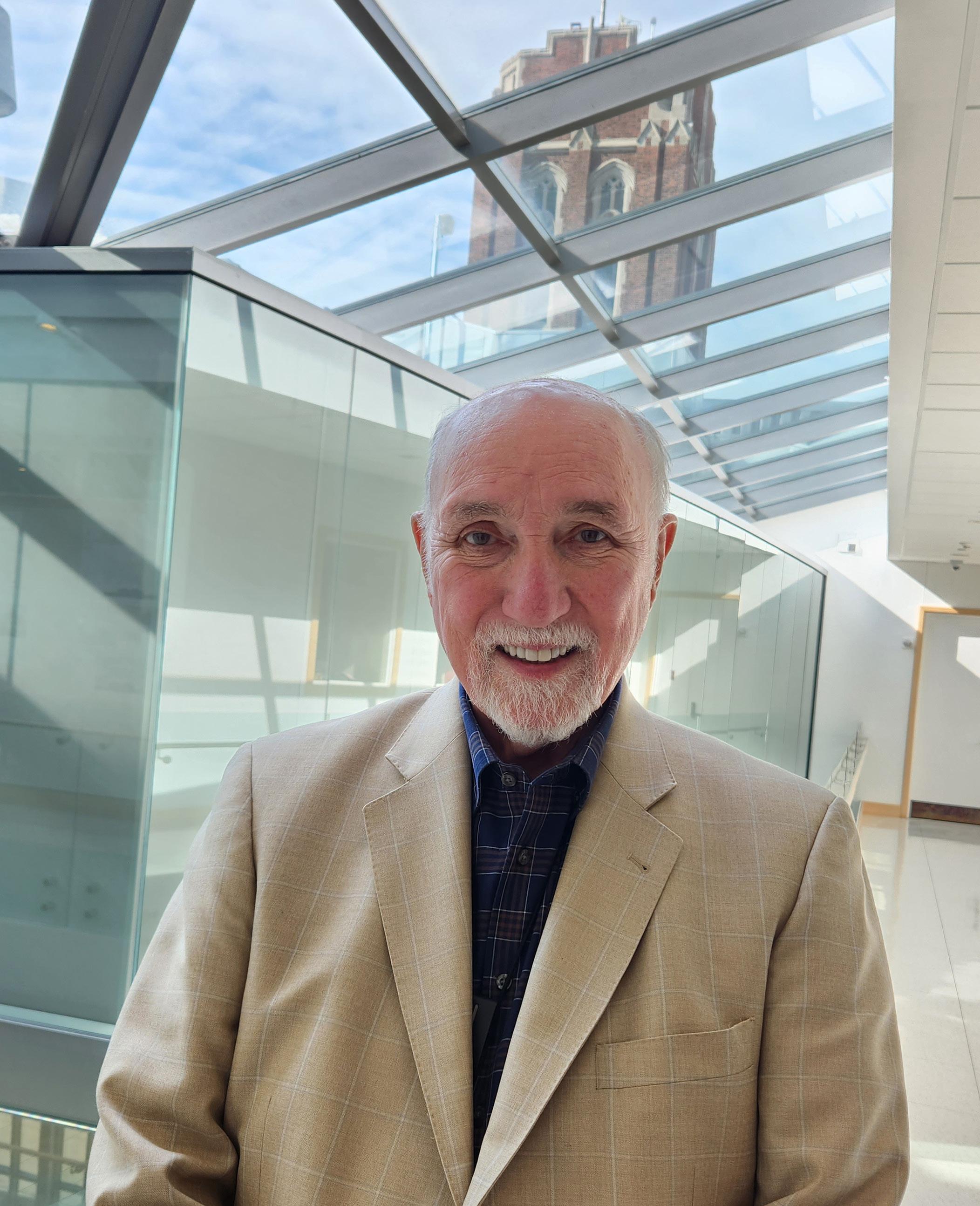
When Bill Smith ’69 graduated from Grove City College, his only experience with computers was the IBM punch cards used to track Chapel attendance.
But his first job out of school was selling the machines for RCA, so he put in the time and effort to learn how they worked, how to program them, and what they could do. After more than a decade in the industry in 1982, he took an entrepreneurial leap and started his own company to create connection-management software, just as the world was beginning to discover how computers would become part of everyday life.
Over the last four decades, he has overseen the growth of Smith Micro Software as the company adapted to changes in the market, went public, and saw its products become part of the cell and smartphone revolution. That longevity and sustained success is unusual in the sometimes volatile industry. “Working in the tech world is not for the faint of heart … You have to have a foundation and you have to stick to it. I think that the education I got at Grove City really prepared me for that,” Smith said.
Like many other successful alumni over the course of College history, Smith is a generous benefactor. He and his wife Dieva are lead donors to Impact 150: The Anniversary Campaign for Grove City College. In recognition of their support, Rockwell Hall was renamed Smith Hall of Science and Technology after completion of a $50 million renovation.. Smith is also a big supporter of two programs that reflect his professional achievements: Computer Science and Entrepreneurship. In addition to hiring Computer Science graduates, Smith Micro Software partners with faculty and students working on capstone projects and doing research.
While business and technology has changed significantly since the 1960s, Smith says his education ‘mid the pines was comprehensive, exposing him
to what makes a business work, and providing a skillset that helped him be an effective CEO. He cites legendary economics professor Dr. Hans Sennholz as a favorite and said he took every class from the Austrian economics advocate that he could.
“What makes Grove City special is the fact that not only are you learning the skills in the discipline that you have chosen to study, but you’re also learning how to live your life in a better way,” Smith said.
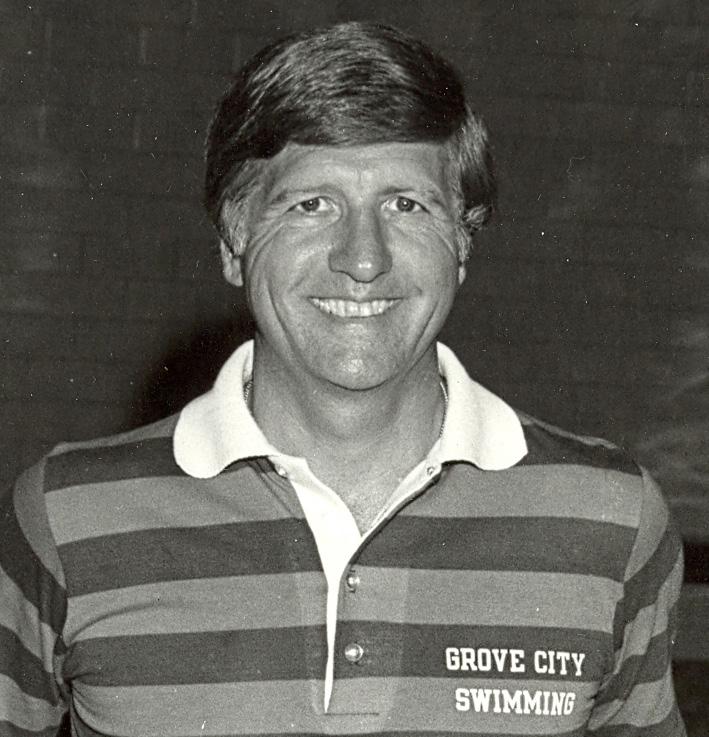
Jim Longnecker was a “player’s coach” long before the term became part of the sports vernacular. Over his 40 seasons as a coach and faculty member, his knowledge, enthusiasm, and positive attitude energized the student-athletes under his guidance.
Longnecker, who died at age 84 in 2017, joined Grove City College in 1957, taking
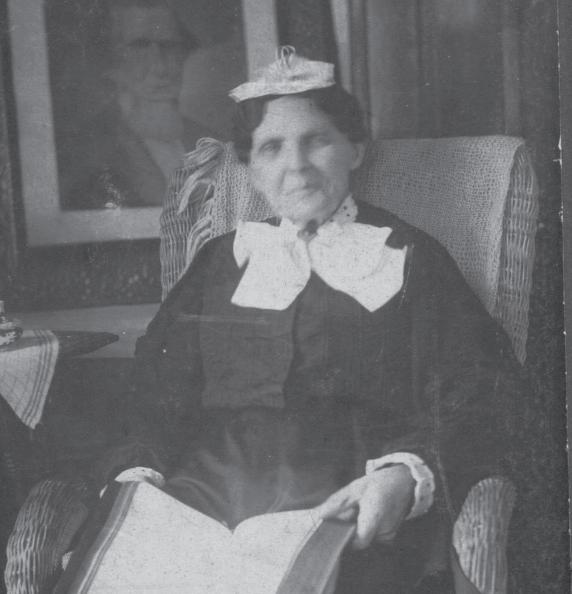
Everybody knows that Grove City College was founded by Isaac Ketler.
The conventional history of the College begins in 1876 when young schoolteacher Ketler was hired to run Pine Grove Normal Academy, a small school established to prepare the region’s youth for careers in teaching,
the reigns as head coach of the men’s swimming and diving plus track and field teams, positions that held until his retirement in 1997. He also coached cross country for a dozen years, producing AllAmericans in each sport he led.
Over his decades as swimming and diving coach, he led his teams to 40 consecutive winning seasons, including six undefeated campaigns. With a 36693 (.797) record at retirement, he stood as the winningest active swim coach in NCAA Division III and among the top five in all NCAA classifications.
Longnecker also coached champions in diving. Grove City College won seven Penn-Ohio championships and eight Presidents’ Athletic Conference titles under Longnecker. He proposed, organized, and hosted the inaugural NCAA College Division Swimming and Diving Championships in 1964 at Grove City College.
When he wasn’t at the pool, Longnecker was likely at the track, where he
accumulated a career record of 22453-1 (.808). Grove City College posted 13 undefeated seasons during his career. His teams captured seven PAC track titles after the College joined the league in 1984.
In 12 seasons as cross country coach from 1960-71, his runners posted five Western Pennsylvania Intercollegiate Athletic Conference titles, won one PennOhio Conference championship, and qualified for the NCAA College Division Championships twice.
In 2009, Grove City College renamed its competition pool in Longnecker’s honor. In 2007, the College inducted him into its Athletic Hall of Fame as part of the inaugural class of honorees. He was also an award-winning masters swimmer.
bookkeeping, ministry, or for further education. In 1884, the school was chartered and renamed Grove City College and the rest, as they say, is history.
But that’s not the whole story. When Ketler took the job at Pine Grove, he took over a school that had been open and operating under the leadership of a local Presbyterian pastor and his wife. Harriet Libby Dickson’s entire life, a chronicler of the time wrote, was “devoted to education.”
Born in 1814 and raised in Maine, Harriet Libby attended Mount Holyoke College and then went west to Missouri to teach at Marion Academy. She married the principal, William T. Dickson, who later became a minister. By 1864, when the couple accepted a call to Pine Grove Presbyterian Church in what is now Grove City, Harriet Libby Dickson had given birth to six children and buried five, including one who died in a Confederate prison camp.
Part of Rev. Dickson’s job was maintaining a school at Pine Grove and his wife took up teaching again, with their cottage serving as a schoolhouse. Initial classes included just a handful of students, but enrollment grew to about 170 and they had to move to the church. The Dicksons left Pine Grove in 1874 to lead the West Sunbury Academy in Butler County but the memory of an “exceptional teacher” stuck with her former students and the community. Harriet Libby Dickson was, in the words of one of her students, “big in brain, strong in character, and masterful in all her bearing.”
When she died in 1906, at the age of 91, her obituary included her role as “founder” of what became Grove City College and Ketler had her body brought to Grove City to lay in state so students could honor the woman who built the foundation upon which the College was built.
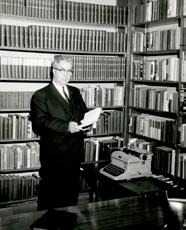
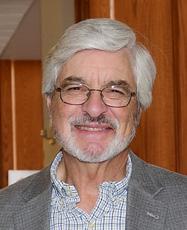
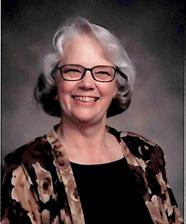
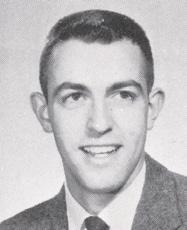
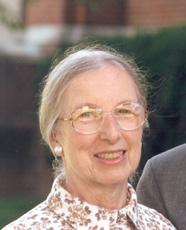
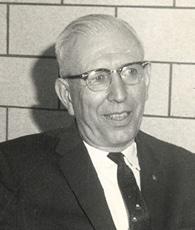
DR. J. STANLEY HARKER ’25* – The fourth president of the College, Harker’s tenure from 1956 to 1971 was marked by a focus on building up academic quality, campus building projects including three residence halls, and improving post-war student life.
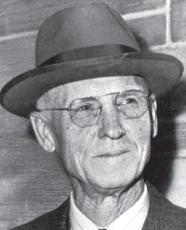
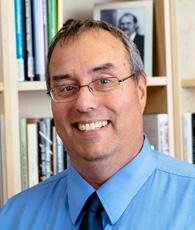
ROBERT THORN ’16 (1916)* – A standout athlete, he served as coach, athletic director, and dean of men from 1920 to 1957. In 2006, the football field was rededicated in honor of the man known as “Coach,” “Silver Fox,” or “Mr. Thorn.”
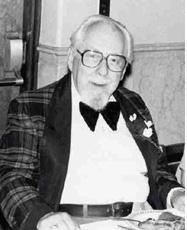
DR. DOUGLAS BROWNE – The choral director and professor served the College for more than three decades and led countless tours across the country and internationally. As a testament to his impact, more than 200 Touring Choir alumni returned to campus to honor him when he retired in 2014.
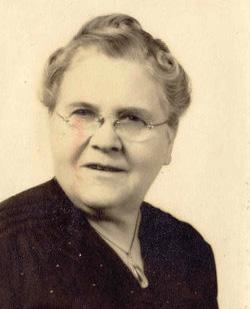
CINDY FORRESTER – Better known as “Senorita,” the professor of Modern Languages shared her love of language, culture, and travel with students during a career at the College that ran from 1967 to 2014.
JIM PASSILLA ’60* – A standout athlete, he was a key executive in the Walt Disney Company and oversaw personnel, training, and more for the company’s theme parks during their development.
SARA NAEGELE – One half of a longtime faculty couple, Sara joined her husband Ed in the Chemistry Department in 1966 and was a faculty “jack of all trades” during her 23 years of service to the College. They both retired in 1990.
DR. WILLIAM W. SWEZEY – A professor of zoology who became vice president for academic affairs and dean of the college during a tenure that ran from the 1940s to the 1970s, he raised the bar for science and engineering education. The College’s STEM research fund bears his name.
DR. PETER BOETTKE ’83* – A student of Hans Sennholz, the renowned economist is a prolific author, teacher, and thought leader who leads the F.A. Hayek Program for Advanced Study in Philosophy, Politics, and Economics at the Mercatus Center at George Mason University.
DR. FRED KRING – The former dean of men, dean of students, and professor of Psychology served the College from the 1950s to the 1980s during eras of great change on campus. He and his wife, professor of English Hilda Adam Kring, are well remembered by students of that era.
DR. ELIZABETH FAIR LEWIS ’98 (1898) – A trailblazer for women in the sciences and medicine, she was a doctor and missionary to China in the early years of the 20th century.
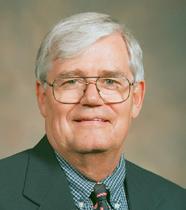
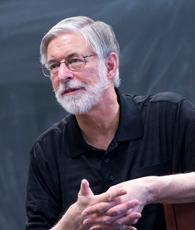
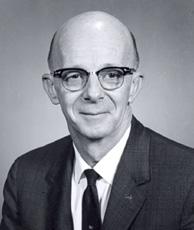
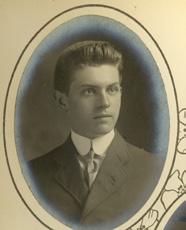
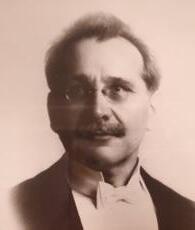
DR. L. JOHN VAN TIL – The former writing and research assistant of J. Howard Pew joined the faculty in 1972 and was instrumental in designing the Humanities Core. He taught American intellectual history, business law, and more.
DR. JAMES BIBZA – The Biblical and Religious Studies professor is the longest serving member of the current faculty, which he joined in 1977. As a teacher and ordained minister, Bibza has had an immeasurable impact on students.
JACK KENNEDY ’37 – He served his alma mater for 32 years as a professor and administrator, covering a number of areas including career services and as director of the Alumni Association. The College’s highest award for alumni achievement is named in his honor.
DR. HAROLD DODDS ’09 (1909)* – The president of Princeton University from 1933 to 1957, he was a confidant of President Roosevelt during WWII and a trustee of the Rockefeller Foundation and the Brookings Institute.
JOHN MOSER ’53 – Music education major and teacher who as director of admissions for 31 years and five years as registrar enrolled thousands of students from the 1960s to the 1980s.
DR. RANDY WILBER ’76* – The senior physiologist at the U.S. Olympic Training Center in Colorado Springs, he has served Team USA athletes at 11 Olympic games.
DR. DON LYLE – In 43 years as a coach, educator, and administrator, he influenced countless studentathletes and colleagues. The College’s soccer field is named in his honor.
JEAN MACLEOD – The dean of women from 1952 to 1971, she was best known for remembering names and faces and welcoming each woman as if she were her own daughter.
SUE MOORE – The former First Lady – 1996 to 2003 with her husband, seventh President Dr. John Moore – was focused on the campus community and helped lead the College’s 125th anniversary celebration.
HERMANN POEHLMANN – The founder of the Department of Music, he wrote the College’s alma mater “’Mid the Pines.”
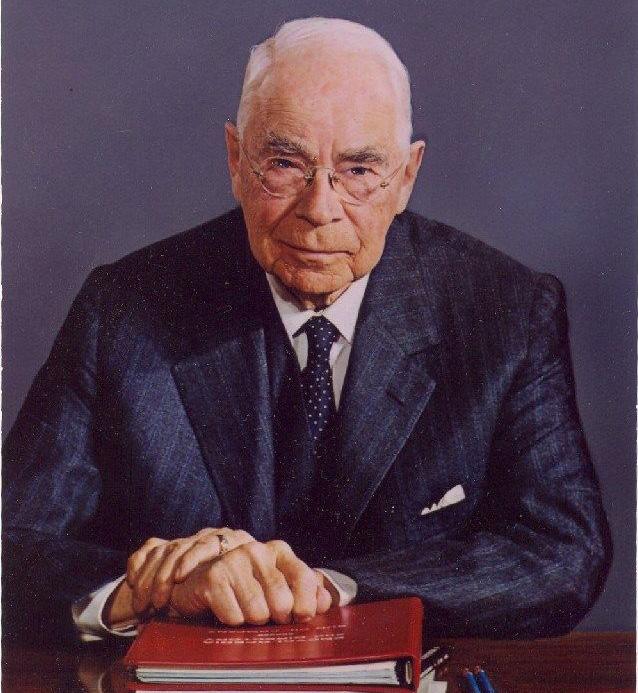
Few figures loom as large in Grove City College history as J. Howard Pew, a titan of 20th century industry whose philanthropy was focused by his strong Christian faith and commitment to free enterprise.
He was the son of Joseph Newton Pew, a Pennsylvania oilman and entrepreneur who founded Sun Oil and whose partnership with College founder Isaac Ketler was key to establishing Grove City College as a serious institution of higher learning. The younger Pew spent time on the growing campus as a boy and earned his bachelor’s degree from the College when he was just 18. He continued his studies at MIT before joining the family business, where he helped develop new products and production techniques for the burgeoning petroleum industry.
When his father passed in 1912, J. Howard Pew took his place at Sun Oil
and a seat on Grove City College’s Board of Trustees. During his 35 years at the helm of Sun Oil, the company grew exponentially and its shipbuilding capabilities provided crucial support to the United States during two world wars. His business and personal philosophies were intricately linked, based on a strong Christian faith and commitment to democratic ideals. He strongly supported the political and religious freedoms that encouraged free competition in enterprise and the value of personal charity.
Pew served a record 59 years on Grove City College’s board, serving as chairman from 1931 until his death in 1971. During that long tenure, Pew guided – and funded – much of the College’s physical and philosophical development. A bronze statue of his likeness was added to the Harbison Chapel garden in recent years.
He was devoted to the success of the College and underwrote nearly every building project during his years on the board. He spoke to students on an annual basis, relating his personal and business philosophy and advancing the College’s bedrock commitment to providing a quality education at an affordable price in a thoroughly Christian environment. He also played a hands-on role in the academic and social aspects of College life.
In 1956 he hired Dr. Hans Sennholz, a champion of the libertarian-inflected Austrian school, to lead the Economics Department. More than 60 years later, the influence of Pew and Sennholz remains in the College’s solidly Austrian undergraduate and graduate programs. For much of his life, Pew was deeply concerned about a society that he felt was slipping away from its moorings and turned his attention to advocacy for free market capitalism and orthodox Christianity. During the turbulent years of the 1960s, he envisioned a stronger Christian character for the College and moved shortly before his death to accomplish that with the selection of President Charles S. MacKenzie, a towering figure in his own right, who carried Pew’s vision forward for the next 20 years.
To Pew, one biographer wrote, Grove City College “was an ideal concept of mental and moral improvement, a concept that reveals man’s deficiencies and spurs him on to higher and better things. It was an ideal that was derived from the unchanging law of God and the principles of eternal morality and justice which are the very foundation of a moral and civilized society.”
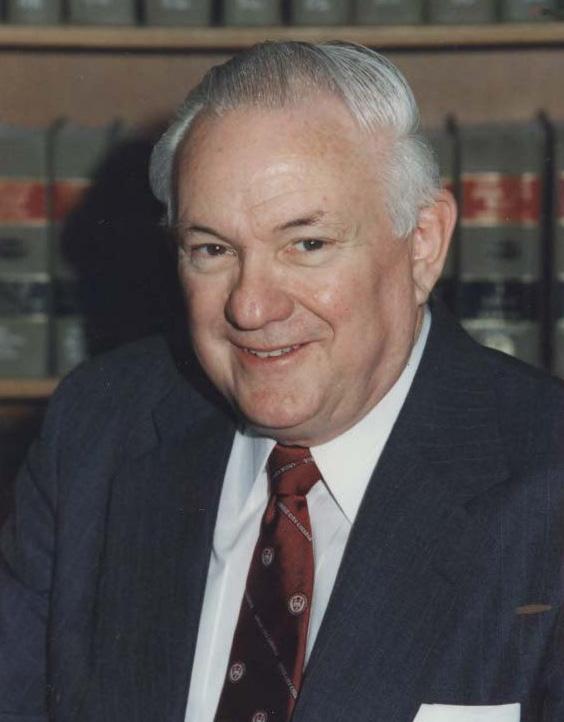
Rev. Dr. Richard A. Morledge ’54 was a “good and faithful servant” to his alma mater, serving in many roles over a lifetime. He was Dean of the Chapel from 1984 to 1999, a member of the Board of Trustees, vice president of the Alumni Association, and, during his student days, Willie the Wolverine. He earned the College’s highest honors and awards and the affection of the campus community through his devotion and dedication to his alma mater and optimistic Christian worldview.
“It’s a great day in the kingdom,” Morledge would remind students at every Chapel and service he led, creating a catchphrase familiar to generations of Grovers. Board of Trustees Chair Edward D. Breen ’78 said of Morledge: “He is among the giants of Grove City College’s history as a leading benefactor to the strong spiritual structure of our campus.”
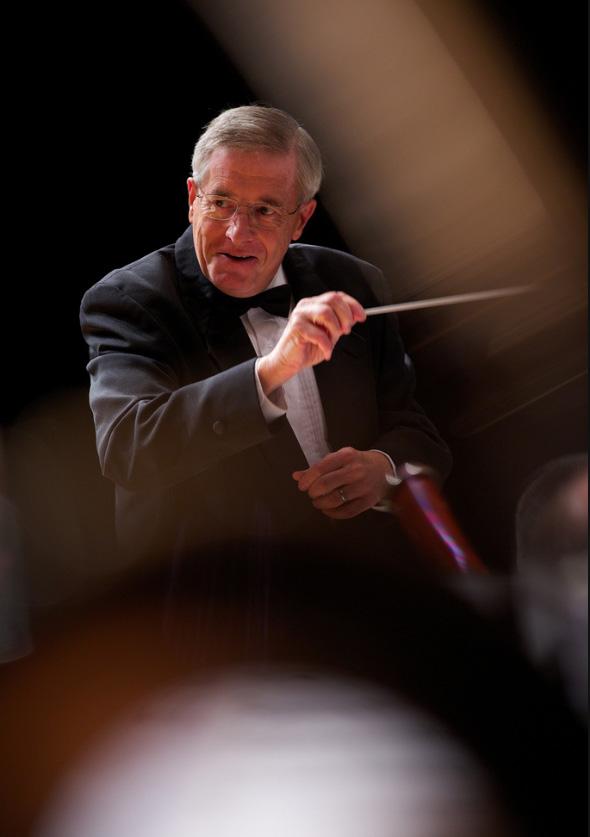
For nearly 40 years, Dr. Edwin Arnold was a staple of the College’s Department of Music, serving as director of bands for his entire tenure and as department chair for 32 years. Generations of Grovers benefited from his service and his impact endures every time the Wolverine Marching Band takes to the field at halftime.
He joined the faculty in 1975 and under his influence and guidance, the College developed a reputation for excellence in student performances and teaching. Due to his leadership, the marching band reached new heights of musicality and visibility. His contributions to the Department of Music were immeasurable.
“J. Howard Pew paid for the Pew Fine Arts Center, but Ed Arnold BUILT it,” former president Richard G. Jewell ’67 said upon Arnold’s retirement in 2013.
In addition to his work with the College, he was a respected and highly regarded Presbyterian pastor who led churches in western Pennsylvania, lectured at Washington and Jefferson College and Pittsburgh Theological Seminary, led the Pittsburgh Presbytery, and wrote two books.
Morledge was awarded the Jack Kennedy Memorial Alumni Achievement Award, the Distinguished Service Award, and two separate honorary degrees, one in 1973 and another in 2000. He passed away in 2022 at the age of 90.
Arnold played a number of other additional roles for the College over the years, due in large part to his excellent organizational skills. He served as an executive assistant to President Charles S. MacKenzie from 1983 to 1986, was vice president of External Affairs from 1986 to 1990, and oversaw the College’s Middle States accreditation process.
In recognition of his service and affinity for Grove City College, he received honorary alumni status from the Alumni Association. Arnold died in 2026.
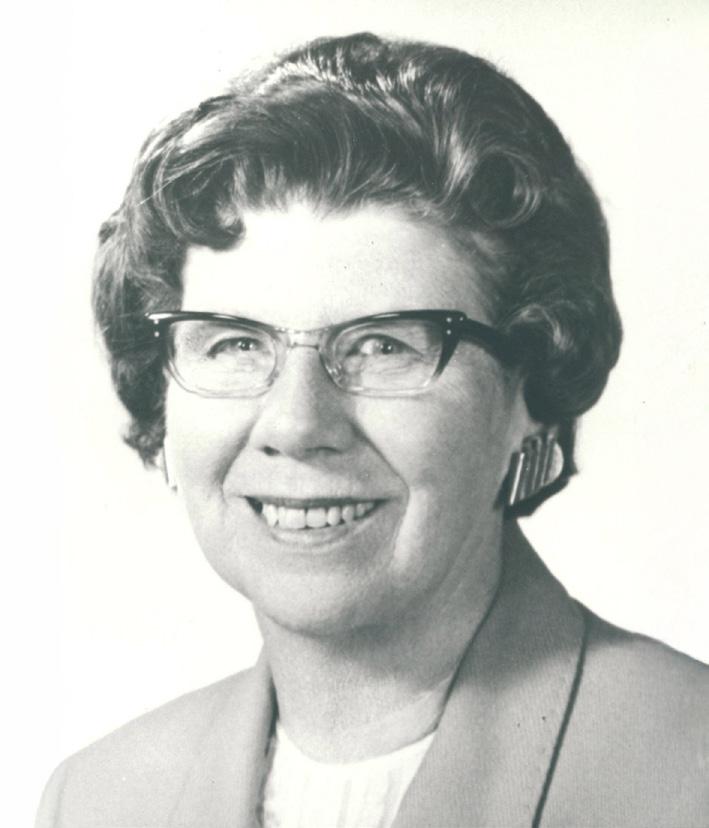
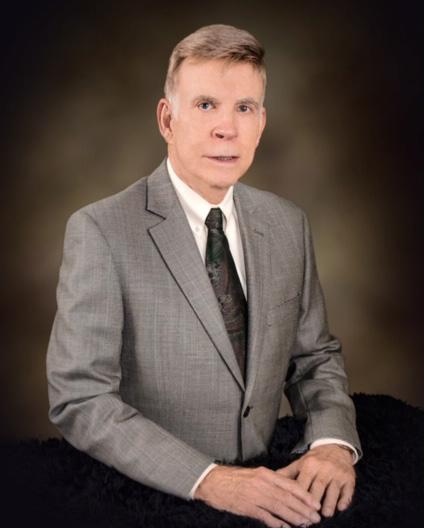
Esther Post ’25 served as director of Women’s Physical Education at Grove City College for 40 years. She joined the College’s staff just a year after she graduated and stayed until her retirement in 1966. Post was a pioneer in collegiate women’s athletics who played a key role in encouraging and promoting so-called women’s sports at Grove City College and the state of Pennsylvania.
In addition to tennis and softball, she initiated a variety of other sporting programs for women, including archery, hockey, bowling, horseback riding, fencing, rifle, synchronized swimming, and “body mechanics.” She helped found the Outing Club in 1938 and was the driving force behind the May Day
pageants that grew more elaborate, involved, and popular between 1927 and 1966. Her legacy includes modern dance groups that became the Orchesis troupe. During World War II she taught servicemen medical aid and survival.
Post’s pioneering achievements weren’t limited to campus. In addition to starting Grove City’s first Girl Scout troop in 1932, she was the co-owner and director of a summer camp for girls in the Finger Lakes region of New York. Post died in 1982.
If you’ve ever cooked up a pot of ramen noodles, you are probably familiar with the work of Richard G. Staley ’62. Flavor House, the company he founded in 1977, makes the seasoning packets that are key to a tasty bowl of noodles, many of the side dishes that adorn our tables, and a hundred other products.
Staley’s entrepreneurial spirit made a success of Flavor House and several other businesses. That success has been a boon to Grove City College, which Staley has generously supported over the decades with several major gifts. His support of the Entrepreneurship program is recognized in the Richard G. Staley ’62 Visionary Entrepreneur Lecture Series, which brings innovative and successful leaders to campus to inspire students.
In 2021, the College named the Staley Hall of Arts and Letters in his honor and in gratitude for a $4 million gift that allowed the College to withstand the budgetary impact of the pandemic. Staley’s generosity and commitment to his alma mater allowed Grove City College to maintain its independence and refuse federal aid that many colleges and universities had to rely on.
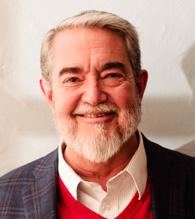
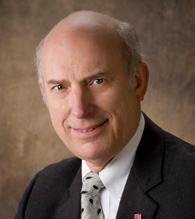
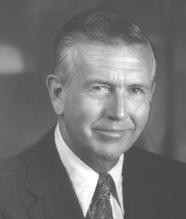
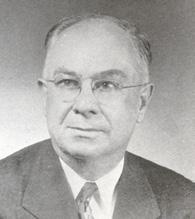
COL. SUELLYN WRIGHT NOVAK ’73* – The U.S. Air Force veteran was the first woman to graduate from the AFROTC program and served in a variety of roles during a 30-year active-duty career, including chief of the service’s blood program. She is the executive director of the Alaska Veterans Museum.
DR. SCOTT HAHN ’79 – A Presbyterian who became a leading Catholic theologian, Hahn is a Christian apologist, professor at Franciscan University of Steubenville, and author whose books on Catholic thought and practice include Rome Sweet Rome, and The Lamb’s Supper.
BILL MEHAFFEY ’64** – The College Trustee and former vice president of investments for the Paine Webber group in Pittsburgh is a dedicated and tireless supporter of the College. He has served the Alumni Association in every capacity possible.
LESLIE LELAND LOCKE 1896 (M.A. 1900) – A mathematician and historian, Locke’s 1912 book Ancient Quipu about Peruvian counting systems made him a pioneer in the field of computing. His collection of antique calculating machines, once held by the College, is in the Smithsonian.
R. HEATH LARRY ’34* – An attorney who enjoyed a long and successful career with U.S. Steel, Larry handled labor relations and eventually rose to become director of the company and chairman of its board of directors.
MARY ANDERSON PEW – The women’s residence hall namesake was the wife of Joseph Newton Pew and mother of J. Howard Pew, men who played a key role in the College’s development. Mrs. Pew was a advocate for the equal education of women.
JOE GONCZ – A professor of Mechanical Engineering from 1969 to 2005, he led the effort to secure accreditation and served as the first Dean of the Hopeman School. He received an honorary doctorate from the College.
MICHAEL LAZARUS ’77* – The co-founder of Weston Presidio, a private equity firm, and managing partner of LAZCAP, a family office investing in seed and earlystage growth companies, Lazarus was the founding chairman of JetBlue Airways and a director of many other companies.
DR. DAVE DAYTON ’60 – An accounting professor from 1995 to 2003, Dayton’s 1971 thesis ’Mid the Pines was the first authoritative history of the College. The son-in-law of President J. Stanley Harker ’25 and Helen (Calderwood ’23) Harker through wife Ann (Harker ’60) was key to the creation of the TLC.
DR. S. CREIG HOYT 1913 – The Hoyt Hall namesake was a professor for 44 years, leading the Chemistry Department and serving as dean of the College. Hoyt also headed the War Science Engineering and Management Training program during WWII.
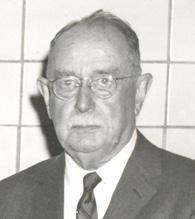
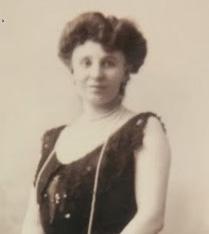
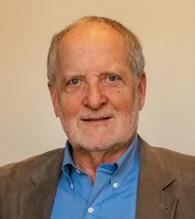
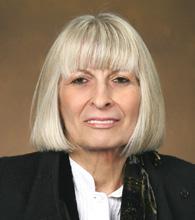
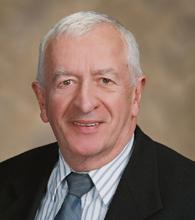
DR. GEORGE SOUTHWORTH 1914* – A pioneer in the field of microwave radiation and waveguide transmission, Southworth contributed to the development of radar and cross-country transmission of audio and video signals and served as a Trustee.
CHRISTINA POEHLMANN- The German opera singer joined the College’s faculty in 1893 when her husband Hermann Poehlmann became director of the music conservatory. She taught voice until she left to sing with the Metropolitan Opera.
DR. JAMES G. DIXON – From 1976 to 2018, the Communications professor and his wife Diane helped direct hundreds of theater productions. Named Professor of the Year in 2003, Dixon is beloved to generations of thespian Grovers.
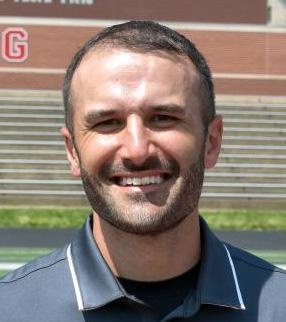
ANDREW DIDONATO ’10 – A standout student-athlete, DiDonato became head coach of the Wolverine football team in 2016. His “Brick-by-Brick” philosophy led the Wolverines to its first undefeated season in more than 50 years and first-ever NCAA championship appearance in 2023.
DAVID PORTER ’88* – The College Trustee was appointed to U.S. Court of Appeals for the Third Circuit in 2018. Prior to his appointment, Porter was a shareholder at Buchanan Ingersoll & Rooney PC, where he practiced commercial and civil litigation.
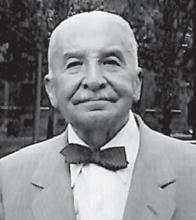
LUDWIG VON MISES – The Austrian-American economist built on the theories of Menger and others to popularize the Austrian school, an approach to the subject that is at the heart of economics education at Grove City College.
CHRIS SMITH ’72 – After setting a career interception record as a student, Smith joined the College’s staff in 1979 as a professor and coach, becoming head football coach in 1984. He led the Wolverines for 31 seasons, accumulating a record of excellence and success.
DR. CELINE LEON – A professor of French from 19702017, Leon’s iconoclastic teaching style endeared her to many students over the decades in the classroom. She is regarded as an expert on French existentialism.
LARRY FLEMING - A professor of Accounting, Fleming joined the faculty in 1974 and retired in 2007 when he was also recognized as Professor of the Year. In addition to his impact in the classroom, Fleming founded the campus’ InterVarsity Christian Fellowship chapter.
DR. RALPH MELLON 1901 – In the 1930s, Mellon helped develop life-saving sulfanilamide therapy for bacterial infections such as streptococci, pneumonia, and meningitis. He was given an honorary degree in 1936.
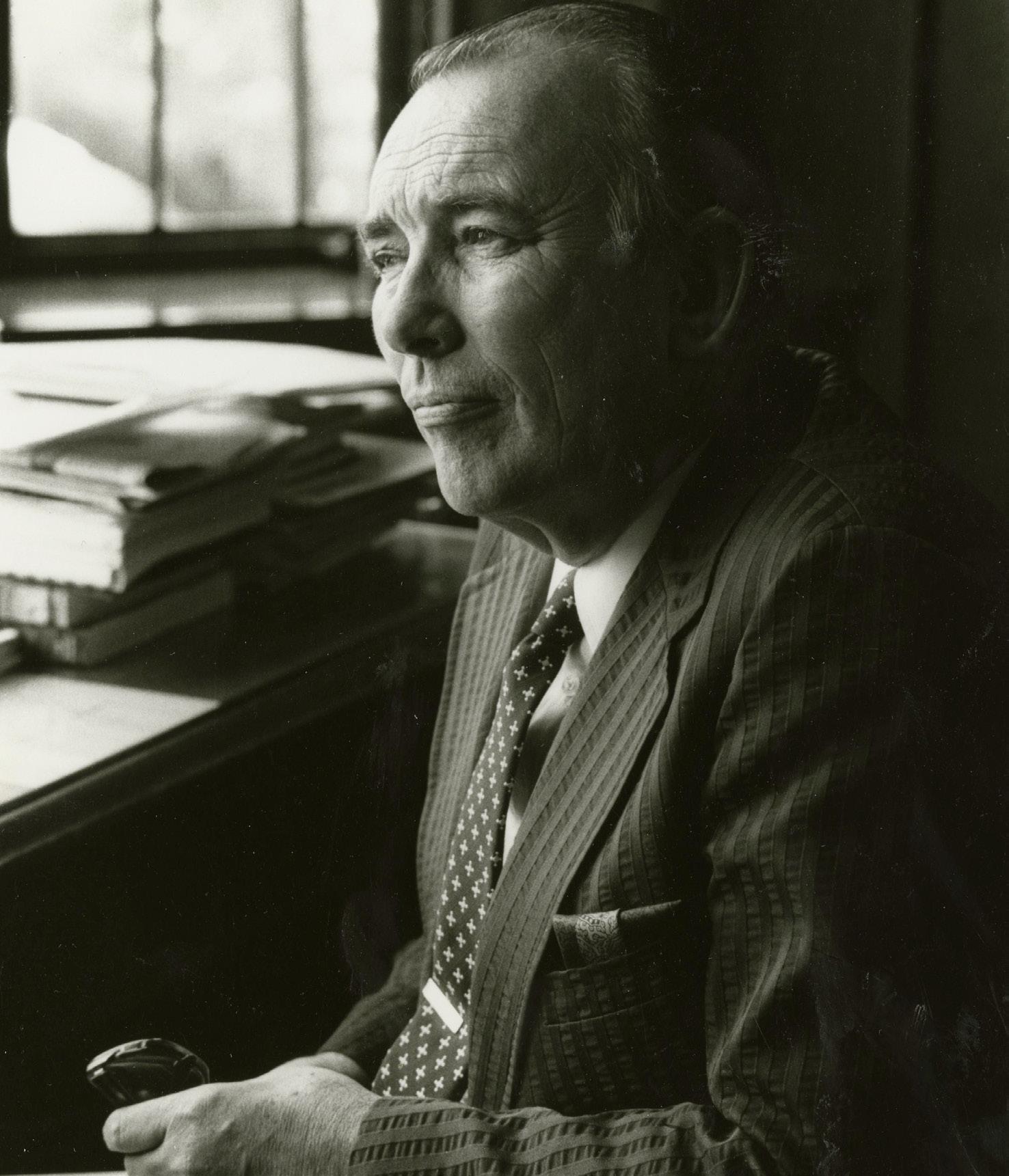
One could argue that Dr. Charles S. MacKenzie is responsible for the Grove City College that exists today.
The College’s fifth president was an academic and Presbyterian minister with a pedigree that included Boston College, Princeton, Columbia, and Stanford. He was a leading authority on the French philosopher Blaise Pascal who had led churches in New York and California when he was tapped for the job in 1971 by J. Howard Pew, the Sun Oil Company executive from the class of 1901 who led the Board of Trustees and financed Grove City College for more than 40 years.
Pew, then in his last year of life, was alarmed by changes in society and on campus during the 1960s and saw in MacKenzie a suitable and capable heir
to his educational legacy – a strong leader and accomplished scholar whose worldview was determined by a deep faith and evangelical understanding of Christian mission and a commitment to American values.
MacKenzie’s initial charge as president was to restore the College’s Christian mission and clean up student social life. He did that – and much more –during two decades in office. By the time he retired in 1991, the College had reclaimed its Christian character, established a groundbreaking core curriculum that integrates faith and learning, and waged a legal battle with the U.S. government that made Grove City College’s reputation across the country – and the globe – as a beacon of academic freedom and institutional autonomy.
He led the College through the most turbulent time in its history, when forces inside and out marshalled to stymie the changes he was making on campus to strengthen academic quality and spiritual life and to pose an existential threat to the College’s longstanding commitment to independence and autonomy.
MacKenzie instituted personnel and policy changes that led to the end of off-campus housing and frat party culture, created the core curriculum that emphasized classical liberal arts and a Christian worldview, and raised the academic bar that Grovers had to meet to gain acceptance and graduate. His faculty hires, some of whom are still teaching today, were a Who’s Who of thought leaders that included Andy Hoffecker, John VanTil, James Bibza, John Sparks, and many others. Not everyone agreed with the changes, but with the support of the Board of Trustees, MacKenzie’s will won out and the culture he envisioned has been realized in the decades since.
That would be enough to assure his place in College history, but his legacy also includes his leadership during Grove City College v. Bell, the longrunning court fight over federal funding and regulation. MacKenzie’s refusal to sign a form committing the College to enforce Title IX, a federal statute prohibiting gender discrimination, and all existing and future government regulations eventually led to a landmark U.S. Supreme Court decision and the College’s complete withdrawal from the federal financial aid system. Over the nearly decade-long duration of the case, MacKenzie excelled at articulating the College’s longstanding opposition to discrimination, its resistance to accepting any federal financial support, and strong commitment to academic freedom.
MacKenzie, who passed away in 2017, drew bold lines to define what the College should be and those lines remain clear and definitive. “I recognized the College’s incredible potential for greatness,” he said years later. “I also felt I had been called to Grove City and was not free to leave until at least some of that potential had been realized.”
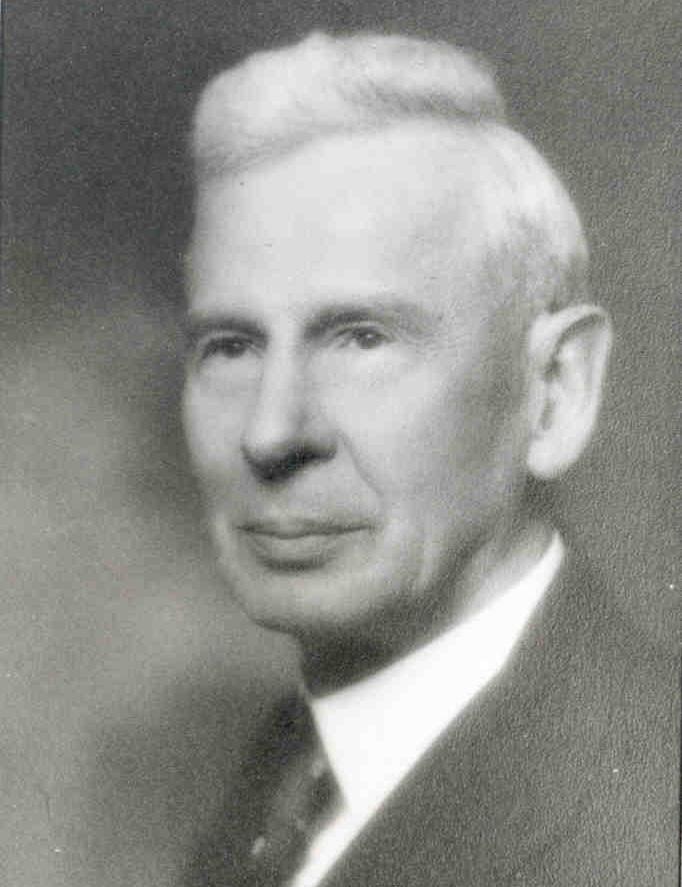
The namesake of the College’s school of arts and letters was born in 1873 in Lawrence County, Pa., earned his degree from Grove City in 1896, studied at Harvard for a year, and in 1897 “returned to his alma mater to spend the rest of his life teaching there,” his grandson-in-law Dr. David Dayton ’60 wrote in ’Mid the Pines
When Calderwood died in December 1949, he had been a professor for 53 years and dean of the College for 35. During those years, he taught just about everything – English, history, education, philosophy, Bible, mathematics, and Latin, “his primary love” – and connected with just about everybody. After his death, he was eulogized by his colleagues: “What the fictitious Mr. Chips was to the small group of students in his fictitious boys’ school, Dr. Calderwood is to the thousands of men and women who have been and are now students of Grove City College, not in fiction, but in enduring reality – he is eternal – THE DEAN.”
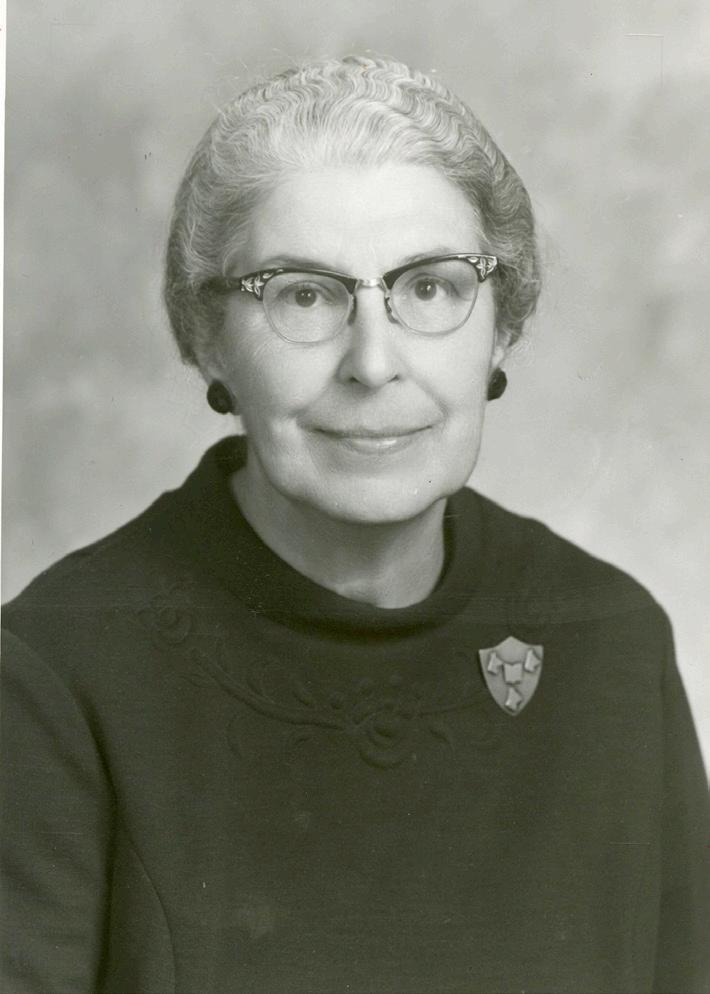
The daughter of legendary dean Dr. Alva J. Calderwood, Helen became a legend in her own right as the College’s first lady during a pivotal era in the College’s history. Serving alongside her husband, Dr. J. Stanley Harker, class of 1925 and the College’s fourth president, from 1956 to 1971, Helen Harker was wholeheartedly committed to the wellbeing of students and became a beloved figure her in time.
Best known today as the only nonPew to have a women’s residence hall named her honor, Helen Harker earned that distinction through “countless hours of counseling, entertaining, and being a gracious hostess” to students, according to Alumni Association records. As her husband improved the College’s educational quality, she fostered a revival of campus life in the 1950s and 60s. When the new hall was built in 1971, the Association of Women Students requested it bear her name.
Calderwood set a standard for faculty in the College’s foundational era that endures to this day. He believed, Dayton wrote, “in the true, personal, teacherstudent relationship which brings out the best qualities in each.”
During her years away from campus, Helen Harker taught Latin and romance languages in western Pennsylvania schools and supported her husband as he served as pastor of several Presbyterian churches in Pennsylvania, New York, and Ohio. She died in 1996 at the age of 93.
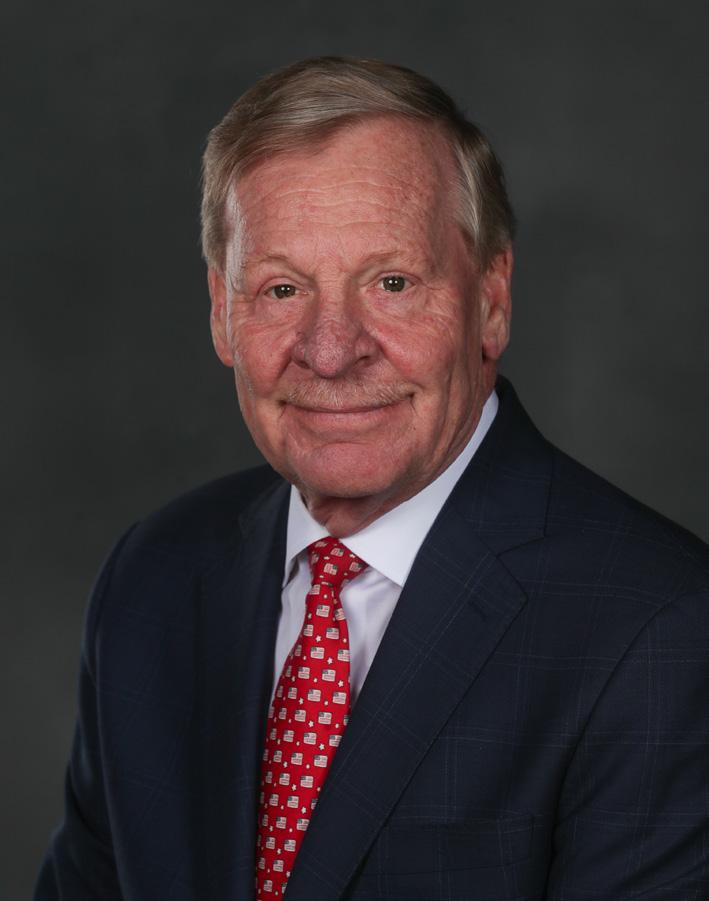
Board of Trustees Chair Edward Breen is, objectively, one of Grove City College’s most successful living alumni. As CEO of DuPont, he leads a multibillion-dollar global corporation behind one of the world’s most storied brands.
Breen is widely regarded as one of the leading strategic thinkers and ethical leaders in the corporate world. Breen held executive positions at Motorola and General Instrument Corporation before becoming CEO of Tyco International in 2002 when the company was mired in scandal and financial trouble. He rescued and rebuilt the company as CEO and chairman before joining DuPont.
The New Hope, Pa., resident has served on the College’s Board of Trustees for the last 21 years. He studied economics and business at the College, and he and his wife Lynn (Branstner ’78) have been longtime supporters of their alma mater.
“It is important to us that the students of today have a similar experience that will launch their lives and careers,” he said. “The foundation that the College provides is one of a Christian worldview, a free society, and the love of your neighbor. That philosophy, plus the rigorous education that I received, was essential in my success as I progressed through my career.”
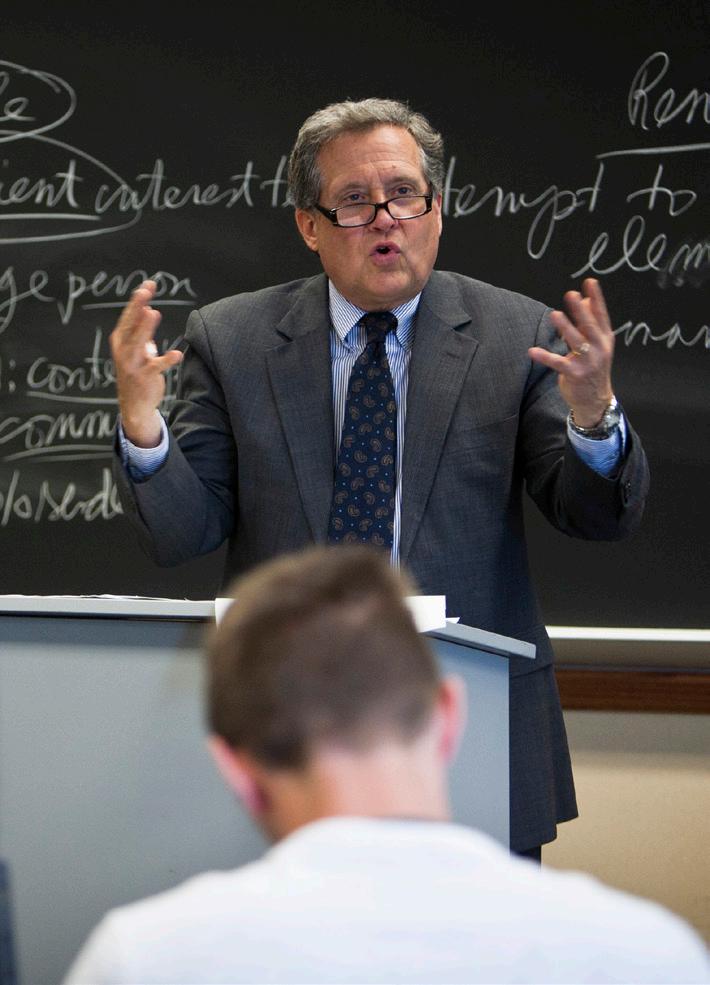
1966’s senior Man of the Year lived up to his potential in service to Grove City College and the vision of freedom founded in Christian values that he continues to promote for The Institute for Faith & Freedom, the College think-tank he co-founded.
An economics major, he went on to law school and chaired the department of business and economics at rival Hillsdale before returning to Grove City College in 1976 to teach. He spent the next 37 years teaching a variety of classes in business, law, and economics and serving as dean of the Calderwood School of Arts and Letters. Sparks was among a cadre of faculty who were critical in the College’s development from the 1970s into the 2000s.
Sparks impacted thousands of students over the course of his career and served as a critical mentor to many alumni attorneys. His work to make Grove City College a thought leader in the conservative world was crucial in expanding the College’s influence and burnishing its reputation. He retired from teaching in 2013 but stays connected to the College as an IFF fellow who writes frequently about legal issues.

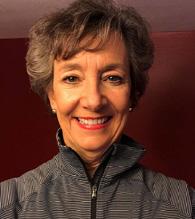
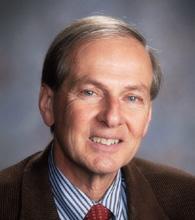
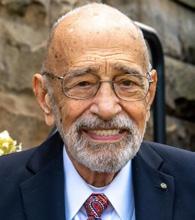
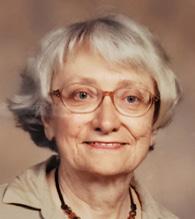
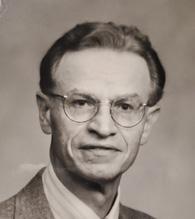
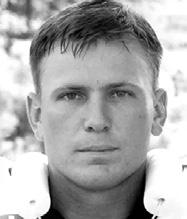
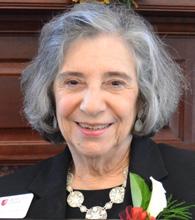
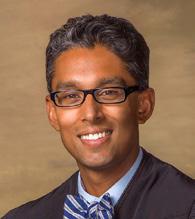
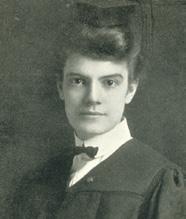
DR. K. JAMES EVANS ’70* – A Man of the Year honoree and AFROTC veteran, Evans retired after 42 years as vice president and dean at the University of Pittsburgh at Bradford, an institution he was instrumental in advancing.
LISA ADAMS GORDON ’78* – A broadcast journalist, Gordon has been an award-winning television news reporter, anchor, and producer for WICU Erie for more than 40 years.
REV. F. STANLEY KEEHLWETTER – The clergyman was dean of the chapel from 1999 to 2018, leading the College’s faith formation efforts. He also served the College as an assistant women’s soccer and track coach.
DR. BRUCE SMITH ’58** – Alumni Council Member Emeritus and avid volunteer for his alma mater, Smith served as dean of men in the early 1970s and was deputy director of the Mercer County Area Agency on Aging for 25 years.
DR. GLORIA STANSBERRY – A professor of English for 40 years, Stansberry shared her love for language with generations of students and served as advisor of The Echo
HARVEY COLE – Known by most as “Herr Cole,” the professor of German had an impact on students during a tenure that spanned from 1962 to 2015.
R.J. BOWERS ’01 – After six years in baseball’s minor leagues, Bowers went back to school and joined the 1997 Wolverine football squad. He became the first player in NCAA history to rush for over 7,000 yards, scored a Division III-record 34 touchdowns, and became college football’s all-time leading rusher his senior year.
FAITH (WHITELEY ’64) MCCOY* – A Gamma Chi sorority sister, McCoy served 33 years as a Clandestine Service staff officer with the CIA during the height of the Cold War. She earned the Career Intelligence Medal for work that remains classified.
J. NICHOLAS RANJAN ’00 – A federal district court judge for the Western District of Pennsylvania, Ranjan is a rising legal star. He served as the orchestra’s concertmaster during his student days.
MADGE (FALOON) THOMPSON 1905 – We don’t know much about the former Miss Faloon, but her fellow students thought highly enough of her to elect her as the first May Queen in 1905.
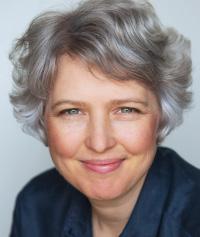
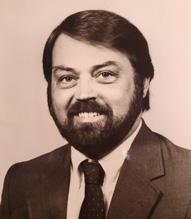
KARIN HENDRICKSON ’99* – A highly regarded international conductor and composer, Hendrickson has led some of Europe’s great national orchestras and composed the theme of the 2002 Olympics.
DR. RICHARD KONZEN – A professor of Music and director or orchestras during the years 1992 to 2017, Konzen served as the College organist, performing at countless events, and mentoring many students.
ISABELLE BLYHOLDER 1919 – The first woman to serve as editor in chief of The Collegian – in 1918 – Blyholder was a suffragette and later served on the Alumni Council from 1951-66.
DR. STEPHEN “ANDY” SEMS ’95* – A pioneering orthopedic surgeon at the Mayo Clinic, Sems is internationally regarded for his innovative and revolutionary approach to treating people with limb deformities.
RYAN BRIGGS ’01 – The College’s longtime sports information director, Briggs serves as the “voice of the Wolverines” and is known for his deep knowledge of Wolverine athletics and local sports.
BETTY (CASEY ’38) PRINCE*– A former May queen, Prince served the College as a Trustee, Alumni Council president, and director of annual giving. She was married to Bob Prince, the “voice of the Pirates.”
DR. JERRY COMBEE – The College’s sixth president, Combee led from 1991-95 and did much to raise the College’s national profile and educational quality. He launched the laptop program.
DR. DONALD “DOC” MCMILLAN ’32* – A surgeon and World War II veteran, McMillan was a major regional recruiter, responsible for a host of outstanding athletes and record-holders that matriculated at the College.
PATTI ZBELL-HENRY – A winning tennis coach, physical education professor, and modern dance director from 1964-93, Zbell was key to the beginning of women’s athletics at GCC. The College’s tennis courts are named in her honor.
LEE EDWARDS – A well-known conservative writer and thinker, Edwards wrote the official College history Freedom’s College.
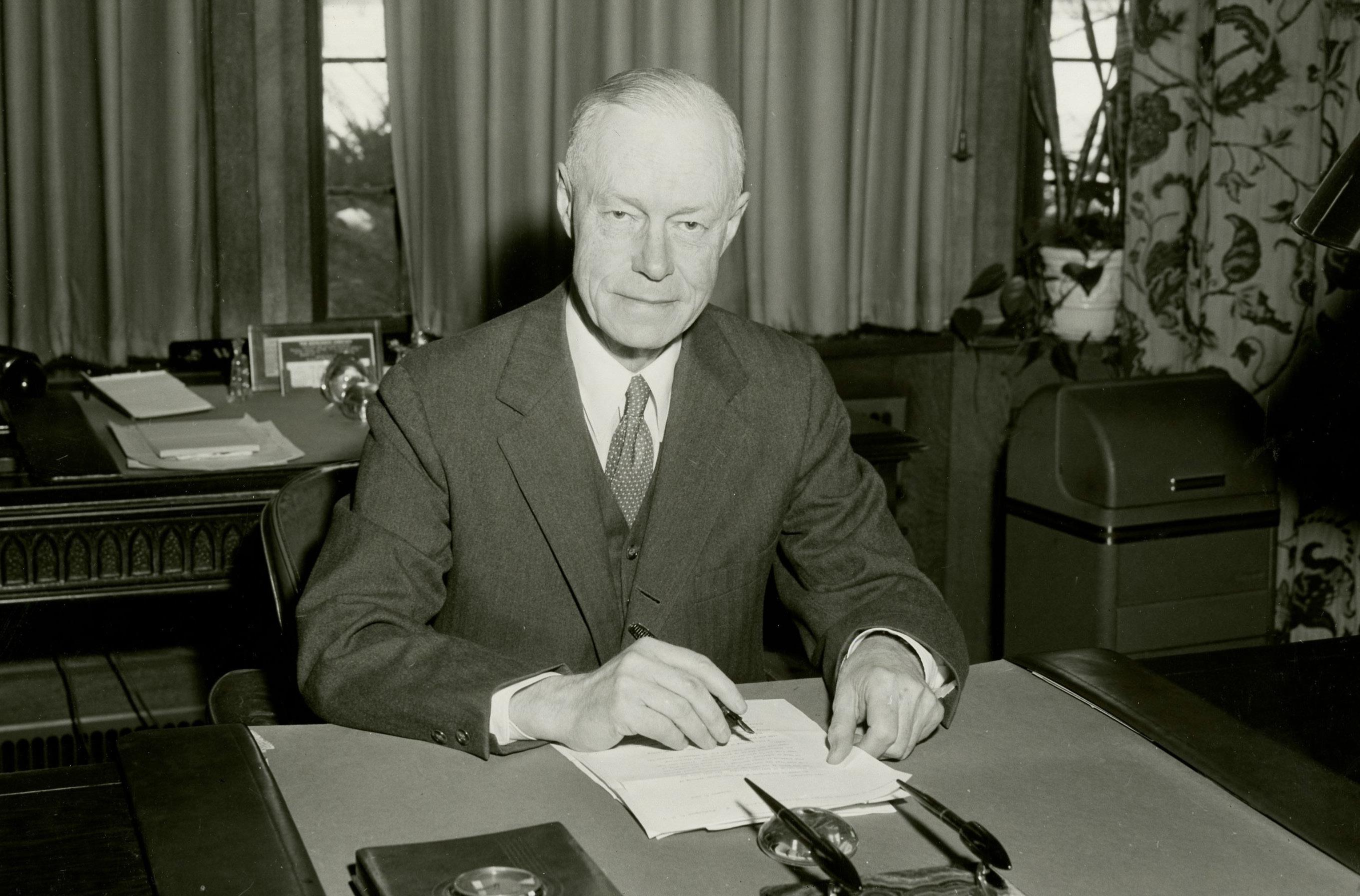
Great men often cast a long shadow over their children, especially when they follow them into the family business.
That could have been the case for Weir C. Ketler, who in 1916 became the third president of Grove City College, which his father Isaac C. Ketler founded in 1876 when he was just 23 years old.
Weir Ketler joined the faculty shortly after he graduated from the College in 1908. He taught a variety of classes before taking a brief sojourn to Yale University, where he earned a second bachelor of arts degree in 1910. He then returned to his alma mater, teaching subjects as diverse as algebra and politics and coaching the basketball team. He intended to stay “just a few years” to help his father.
In 1913, Isaac Ketler died. Over the course of 37 years, he had turned a tiny school with 13 students in a rented classroom to
a four-year college with more than 500 students and a 50-acre campus.
Weir became assistant to his father’s successor, Alexander Ormond, in 1914, and when Ormond died a year later, Ketler became acting president. The board of trustees made it official in 1916 to the delight of students, who dedicated the 1917 yearbook to the “crowned prince who from the founder sprung.”
Ketler would hold the office for the next 40 years, surpassing his father to become the longest serving president in College history. His tenure spanned two world wars, the Great Depression, the beginning of the Cold War, and an economic boom that transformed American society and higher education.
Those decades also saw incredible change at Grove City College. The senior Isaac Ketler had always dreamed of a new campus on the hill above Wolf
Creek. Under his son’s leadership, a plan for upper campus was developed by the famed Olmsted Brothers landscape architectural firm and in 1931, work began ‘mid the upper pines. Over the next 25 years more than 10 new buildings rose on upper campus by the time Weir Ketler retired in 1956.
Under his stewardship, the College’s enrollment grew to more than 1,300 students and the size of campus and number of facilities had doubled. The Collegian paid tribute: “He has served the College faithfully and completely … Under his leadership the record of the College has been one of sure, steady, constant progress.”
Isaac Ketler may have founded Grove City College, but his son Weir built it.
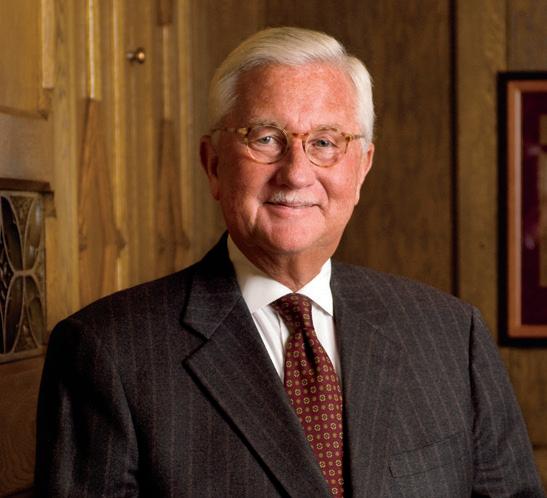
When speaking about his alma mater, the College’s eighth president Dr. Richard G. Jewell ’67 would often cite Daniel Webster’s ode to Dartmouth College: “It is, sir, as I have said, a small college. And yet there are those who love it!”
Jewell, who served from 2003 to 2014, devoted decades of service to the College. A standout on the diving team, he went on earn a juris doctorate from the University of Michigan Law School. He became the youngest Trustee in College history when he joined the Board in 1974. A lawyer and businessman, Jewell was director of Navigant Consulting Inc., the nation’s largest forensic accounting firm, when he was tapped to be College president.
Under his leadership, the College reached new heights of fundraising and “friend-raising” success. He started and ended his term of office in the midst of massive capital campaigns that generated more than $150 million and fueled the construction of several new buildings and the renovation of others.
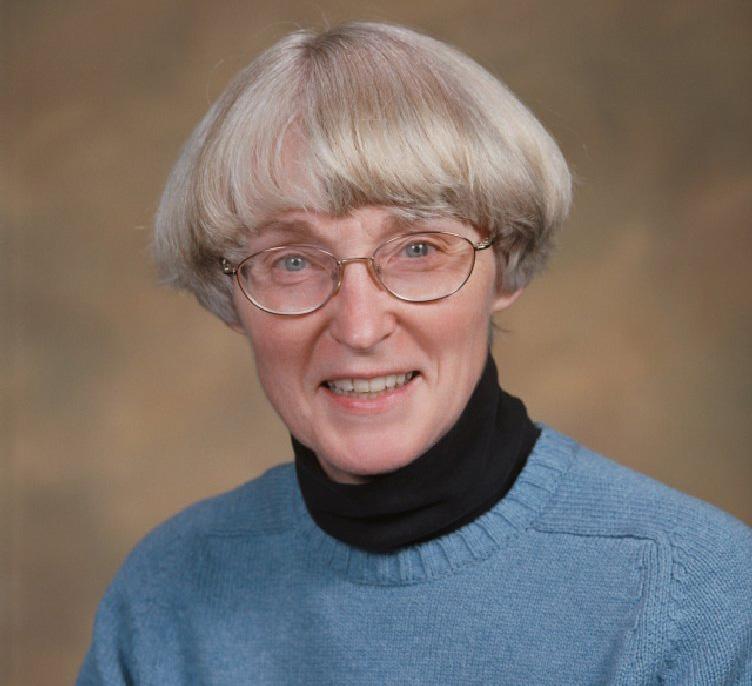
For 44 years, Diane Grundy ’65 – or Ms. Grundy as she was known – was a constant presence in Henry Buhl Library.
Grundy helped countless students – and some faculty – become library and research literate over her decades of service at Grove City College. That tenure took Buhl from the days of card catalogs and the Dewey Decimal System to online resource guides and Library of Congress Classifications. In addition to her library duties, Grundy taught children’s and young adult literature to elementary education majors for more than 20 years and she and her late husband, history professor Dr. David McKillop, began the College’s pre-law advising program.
The Mercer native earned a master’s degree in library science from Case Western Reserve University before returning to her alma mater in 1969 to join the library staff. She retired in 2013 as Director of Library Services. A plaque on the front of Buhl Library’s checkout desk recognizes her service.
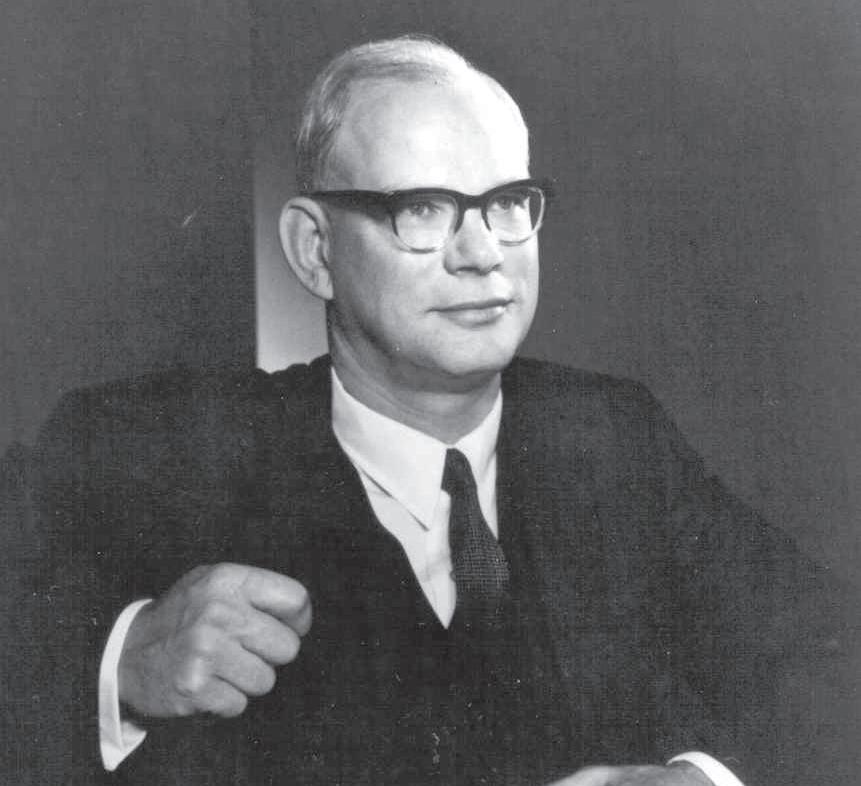
Albert A. Hopeman Jr. served on the Grove City College Board of Trustees for 44 years and helped lead the College during some of the most significant years in its history. He left a deep imprint on the history and the future of the College and is remembered for his loving attention to the College and its mission.
Hopeman was tapped to lead the board in 1972 after the death of J. Howard Pew, the College’s great benefactor and longtime chairman, and held the post until his death in 1998. He was deeply involved in the Supreme Court case and covered many of the College’s legal bills out of his own pocket.
But Hopeman wasn’t just focused on the big picture. The MIT graduate and chairman of his family’s maritime outfitting business was a detail-oriented leader who closely tracked campus building projects and efforts to reinvigorate the College’s Christian character and raise the level of academic excellence from the 1970s through the 1990s. He was awarded an honorary Doctor of Laws degree from the College in 1961.

Jake Loosararian ’13 is the co-founder and CEO of Gecko Robotics, a $1 billion company combining advanced robotics and AI-powered software to help ensure the availability, reliability, and sustainability of the critical infrastructure.
Gecko got its start in Hoyt Hall as a class engineering project, and The Center for Entrepreneurship + Innovation’s Venture Lab provided guidance as Loosararian refined the idea for a wallcrawling robot that can inspect and troubleshoot problems in pipelines, boilers, tanks, ship hulls, missile silos and other critical industrial assets.
Loosararian has credited the College, faculty, and the E+I program for his company’s initial success: “Grove City College honed a foundation centered on values, work ethic and purpose … Team GCC (in which he bicycled cross-country with four classmates to raise funds for a scholarship) lit a fire of entrepreneurship for me and gave me the confidence to start my own company.”

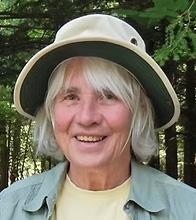
TODD GIBSON ’02 – The College’s first vice president for athletics, Gibson’s efforts to improve Wolverine sports have resulted in a record number of student-athletes on campus and reinvigorated programs.
DR. GARY SCOTT SMITH ’72 – An alumnus and longtime professor of History, Smith was among the first faculty members to be granted emeritus status. A noted author, his work covers religion and politics.
HARRY CRAWFORD – The College Trustee (192239) made his fortune in the oil business and led Quaker State Oil. An advocate of the church and education, Crawford Hall is named in his honor.
HILARY (LEWIS ’09) WALCZAK – Walczak established the College Archives in 2012 and professionalized the preservation and promotion of the institution’s history, including digitizing the papers of economist Ludwig von Mises.
JOE WALTERS – Athletic Hall of Famer Walters served coached women’s and women’s tennis for more than 40 years before retiring in 2012. The College’s tennis courts are named for him and fellow coach Patti Zbell.
SCOTT BULLOCK ’88*– An attorney, Bullock serves as president and general counsel of the Institute for Justice, a nonprofit public interest law firm focused on individual liberty. He successfully litigated cases challenging eminent domain and civil forfeiture.
MELISSA LAMIE – In more than three decades as head women’s soccer coach, Lamie has led the program to nine PAC championships and mentored hundreds of young women. She also serves as associate athletic director for leadership development.
ROBERT W. SMITH ’59** – Smith joined the College as in 1970 to serve as director of publicity and later served as director of public relations, sports information director, director of Career Services, director of Alumni Relations and registrar.
OSCAR COOPER – A professor of music for 39 years, Cooper founded the Touring Choir in the 1950s and also directed the Chapel Choir. He chaired the department before retiring in 1981.
DR. LORRAINE DUVALL ’60 – The Mathematics major went on to a career as a software engineer and research director before retiring to the Adirondacks, where she is an environmental activist and author.
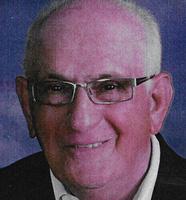
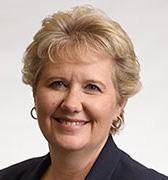
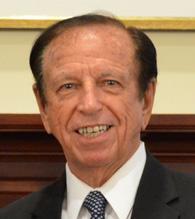
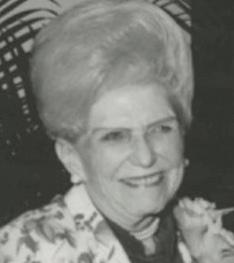
JOSEPH D. MONTELEONE – The civic-minded Grove City-area businessman was a great supporter of the College and the community, driving and funding many projects, including the picnic area along Wolf Creek.
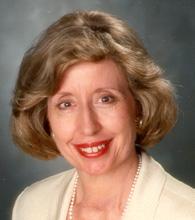
KAREN (SEMLER ’92) HANLON* – An Accounting major, Hanlon serves as president and chief operating officer of Highmark Health and has been widely recognized for her leadership and strategic vision in a critical area of the regional economy.
MILTON W. SHLAPAK ’59* – The mechanical engineering major and former Trustee heads an international development company and was a chief project engineer for NASA’s Saturn V/Apollo program and an airline pilot.
MAJ. GEN. KENNETH D. MERCHANT ’80* – A product of the College’s AFROTC program, Merchant’s distinguished career culminated in his role as director of global reach programs responsible for airlift, air refueling, training, and special operations.
BILL DEASY ’88 – A singer-songwriter, recording artist, and author, Deasy is known for his solo work and years with The Gathering Field. In addition to headlining, Deasy has opened for Bruce Springsteen, Bob Dylan, Rosanne Cash, and others.
MARGARET WILLIAMS – The College’s sole art teacher from 1920-54, Williams was a talented European-trained artist whose paintings of campus scenes and landmarks are displayed across campus.
WILLIAM C. STEWART ’61* – A stalwart of the team that brought baseball back to the Grove in 1959, Trustee Stewart was a faithful supporter of the College and, before he died early in 2026, provided the lead gift for the new baseball stadium that will bear his name.
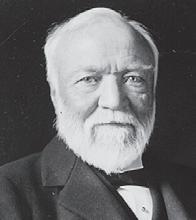
ANDREW CARNEGIE – The Gilded Age industrialist was a tireless philanthropist who created hundreds of free libraries, including the Carnegie building on campus. His example inspired many of the College’s earliest supporters.
MARY SENNHOLZ – The wife of legendary professor Dr. Hans F. Sennholz was a scholar and author in her own right who worked for both FDR and the Foundation for Economic Education. Her biography of J. Howard Pew, Faith and Freedom, is required GCC reading.
BARBARA (MONTGOMERY ’60) ARNOLD** – The Theta Alpha Pi, Pi Gamma Mu, and Scroll and Key member served on the Board of Trustees (2001-11) and was also president of the Alumni Council.
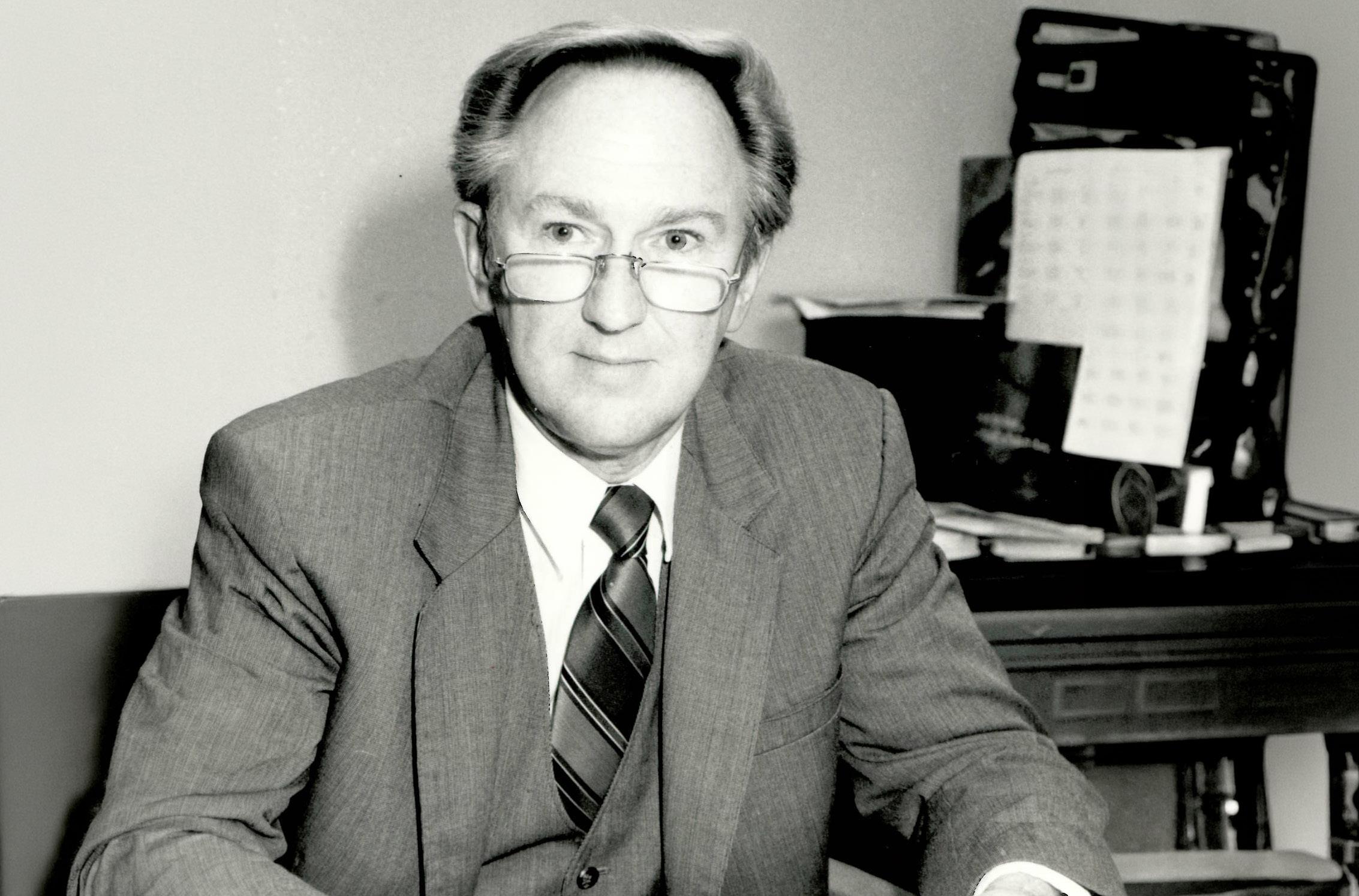
In the pantheon of Grove City College faculty, there’s certainly a spot for Dr. Ross Foster. The longtime professor and administrator played important roles in the spiritual and academic revival that shaped the College we know today.
The Philadelphia-born Foster served in the Air Force during the Korean War, was seminary trained, Temple Universityeducated, and a one-time butcher who owned and operated a meat market in Ocean City, N.J. He came to Grove City College in 1969 with degrees in philosophy and religion and a passion for teaching. He was in the right place at the right time when President Charles S. MacKenzie arrived in 1971 with a mandate from the board to revive the College’s Christian character.
Foster, working with Drs. Andrew Hoffecker and John Van Til, developed a series of courses known as the Keystone Curriculum and later the Humanities
Core, that was designed to provide students with a shared, solid grounding in history, philosophy, literature, art, science, and religion designed to foster a Christian worldview. Foster “insisted there be a difference between a simply church-related college and a truly Christan institution, showing his commitment to the implication of the gospel for the curriculum,” Hoffecker said.
Foster became a key ally to MacKenzie, moving to administration and becoming vice president of Student Affairs in 1976, where he guided the campus to embrace the Christian worldview that was being developed in the classroom and dispensed discipline. During those turbulent years, MacKenzie said he didn’t know if Christian values would have survived on campus “if it had not been for the courage and faithfulness of Ross Foster,” who stood out as an unsung
hero who had dedicated himself “to move the College toward greatness.”
In 1990, he returned full-time to the classroom to teach religion, philosophy, logic, civilization, and marriage and family courses. His impact on students was enormous. He enlightened and challenged them, dispensing knowledge and wisdom and serving as a friend and mentor up to, and beyond, his retirement in 2000.
When he passed away in 2024, the tributes rolled in from countless alumni who praised his intellect, faithfulness, wit, character, and sense of humor. He was, many recalled, simply the best professor they ever had.
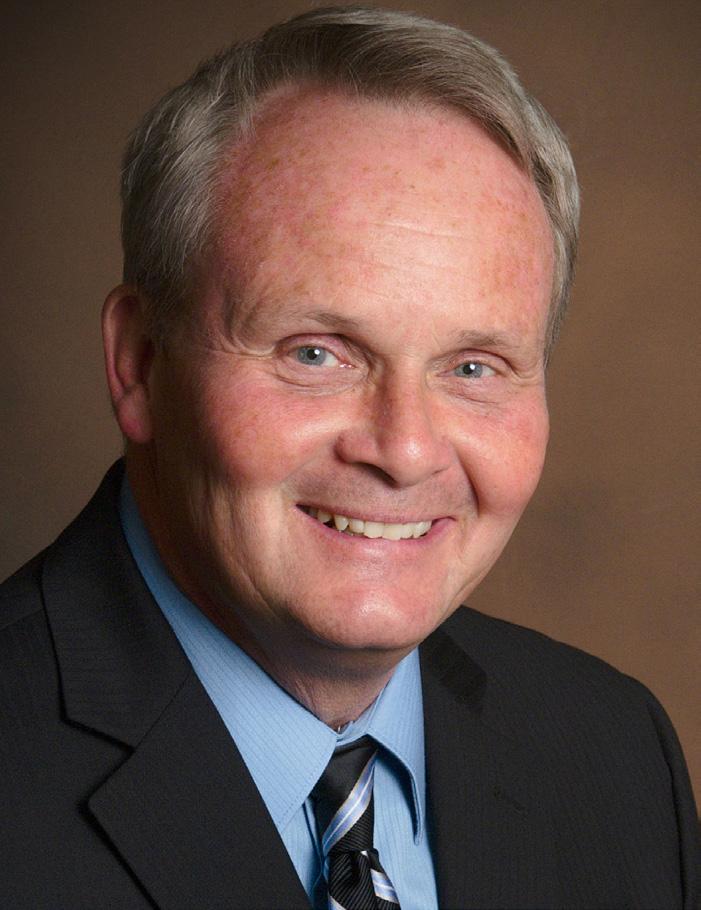
Libertarian icon Ron Paul called Lawrence W. “Larry” Reed, president emeritus of the Foundation for Economic Education (FEE), “one of America’s leading advocates for liberty.” The 1975 graduate’s commitment to limited government and free markets has made him something of an icon himself as he’s advanced those ideas as a leader of influential think tanks and advocate for free markets and free people around the world.
In the 1980s, Reed built Michigan’s Mackinac Center for Public Policy into one of the country’s most influential state-based think tanks and later, as president, revived FEE as a force in the liberty movement. A prolific writer, his essays, journalism, and books have inspired thousands. He’s traveled to 92 countries on six continents to advance his principles. His work highlighting Polish resistance figures during the
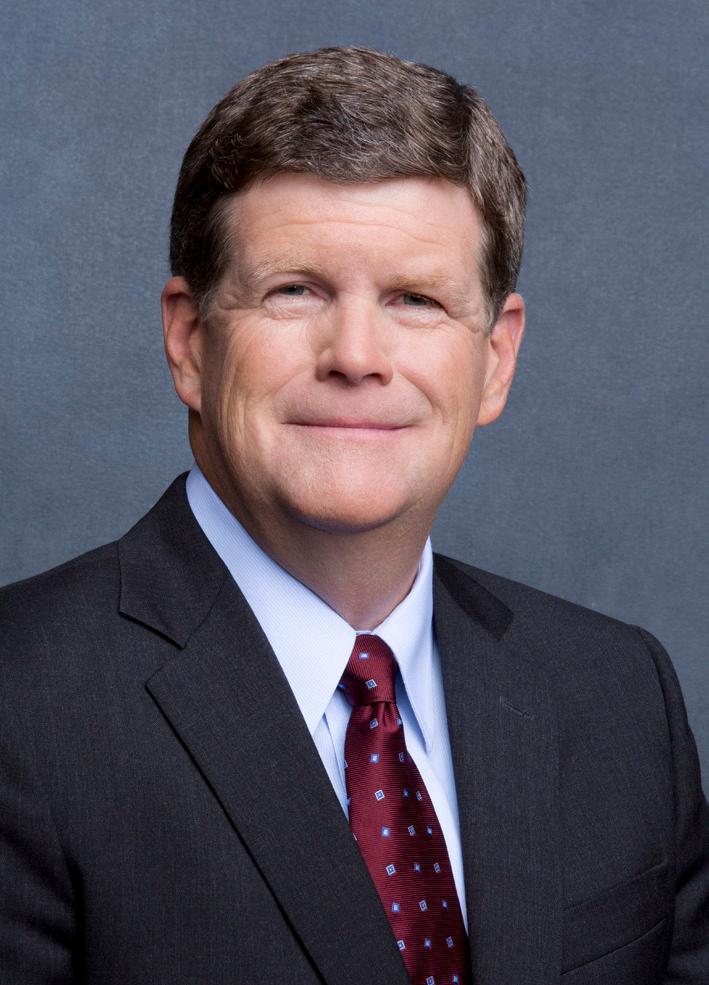
Shortly after his law school graduation, Paul J. McNulty ’80 embarked on a career in public service in Washington, D.C., that spanned three decades. He was a top lawyer for the U.S. House of Representatives and later the Department of Justice, where he helped prosecute terrorists after the Sept. 11 attacks and later served as Deputy U.S. Attorney General, the department’s second in command.
After leaving the government in 2007 and successfully moving into private practice, a family tragedy – the death of his son Joe to cancer in 2012 – prompted McNulty to reassess his professional life and led to him being selected as the ninth president of Grove City College, where his faith had been sparked as a student and he served on the Board of Trustees.
Cold War earned him the enmity of its communist rulers and later, after the thaw, the highest award that nation can bestow on a foreigner.
Today, he’s still active as a writer and speaker. He was a guest at the 2026 Institute for Faith & Freedom conference and his book, Born of Ideas: How Principles, Faith and Courage Forged America, was the first published by the College’s Faith & Freedom Press.
McNulty’s 11-year tenure was marked by a focus on the College’s Christian character and student life, academic excellence, athletic programs, and campus improvements, including the renovation of Henry Buhl Library, the Smith Hall of Science and Technology, and bringing Chick-fil-A to campus. During his term, the Winklevoss School of Business, the Johnson School of Nursing, and the centers for Rural Ministry and Faith & Public Life were established. McNulty also led the effort to codify the College’s values and reform the Chapel program.
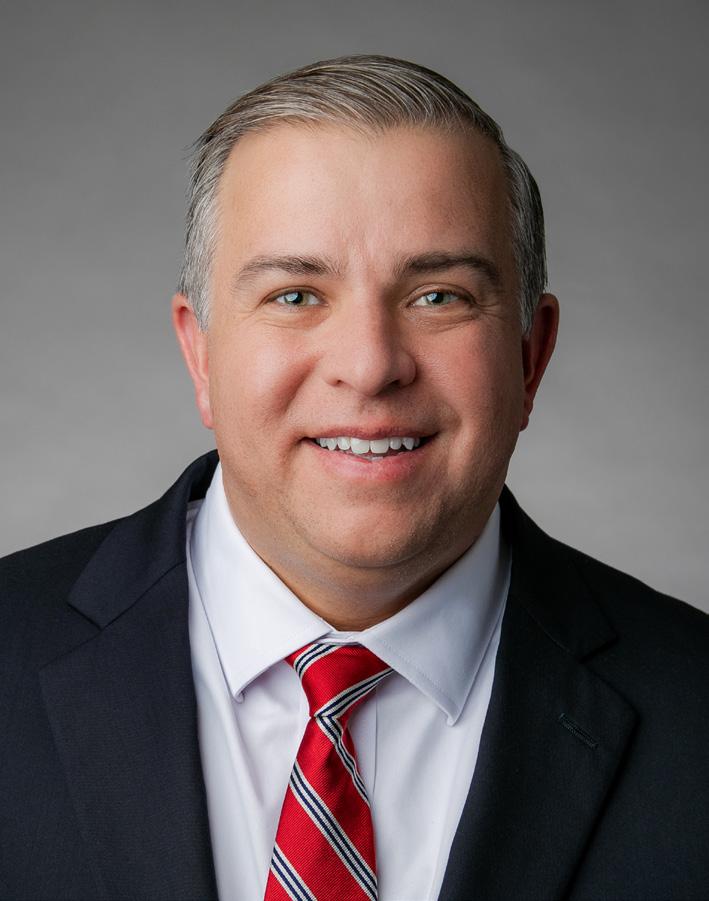
DR. M. BARBARA AKIN
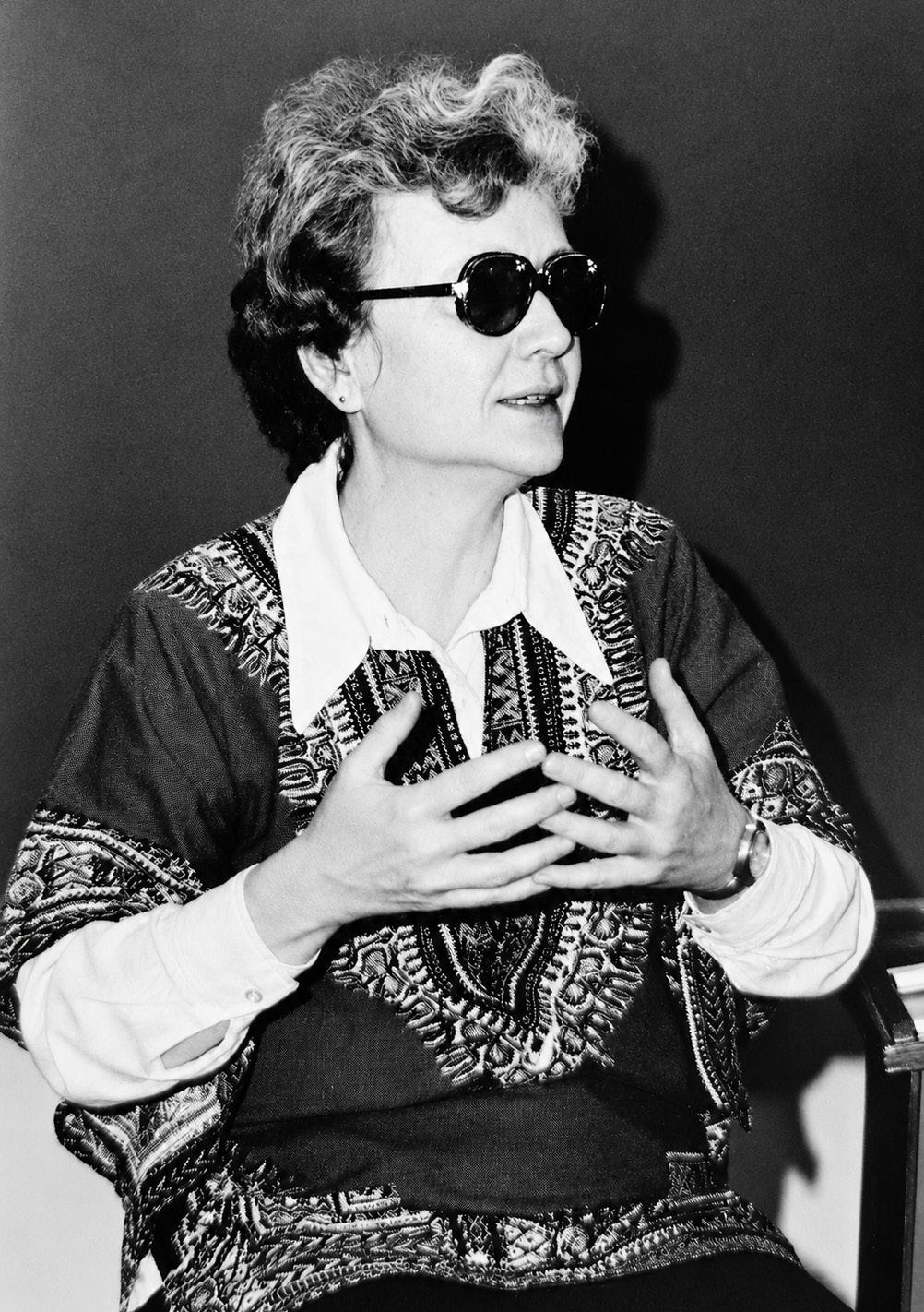
Twenty-five years after he graduated, Bradley J. Lingo ’00 said returning to campus as the College’s 10th president felt like coming home. “My life was transformed through Grove City College. As a student, I found professors who believed in me and friends who encouraged me in my faith, and I experienced the joy of working hard to pursue excellence in a Christian community.” As president, he’s committed to ensuring that future generations of students will receive the Christian, conservative, academically excellent, affordable education that profoundly shaped him as a student.
Lingo, who graduated first in his class and summa cum laude with a degree in business-economics, went on to earn his juris doctor from Harvard law school and enter private practice. He routinely represented accounting firms and financial institutions in high-stakes
litigation and litigated many pro bono and religious liberty matters. In an effort to “give something back,” Lingo shifted to academia, teaching and later becoming dean of Regent University School of Law, where he co-founded Regent’s Center for Constitutional Law.
When his alma mater needed a new leader, Lingo heeded the call. He was selected to succeed retiring President Paul J. McNulty ’80 and began his term in office in July 2025. By the time he was formally inaugurated in March, the new president has made his mark with a focus on strengthening academic excellence and raising Grove City College’s national profile.
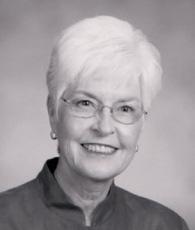
In a long line of faculty who have had an enormous impact on the College, Dr. M. Barbara Akin stands out for dedication and loyalty to students and her remarkable resume. Akin served 29 years as a professor of History and department chair before retiring in 1999.
Born at the peak of the Great Depression and raised Catholic on the South Side of Chicago, Akin worked for a local television station, the U.S. Air Force in Japan, Ladies Home Journal, and St. Xavier College, taking night school classes to complete her bachelor’s degree in history in 1962. After a stint as an intelligence analyst with the CIA, she went on to earn master’s and doctorate degrees from the University of Chicago before coming to Grove City College in 1970, where in addition to teaching she served as head resident in MAP West from 1971 to 1974.
She took a year off to attend seminary and in 1985 became an ordained Episcopal priest, serving as vicar of Grove City’s Church of the Epiphany. She passed away in 2009, a year after retiring from the ministry.
REV. WILLIAM MCCONKEY – The Presbyterian pastor was a key administrator in the College’s earliest years, serving as founder Isaac Ketler’s right hand and the fifth president of the Board of Trustees. He received a Doctor of Divinity degree in 1888.
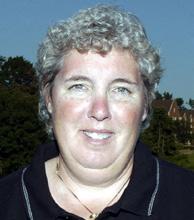
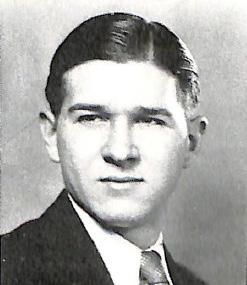
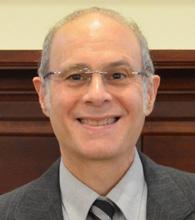
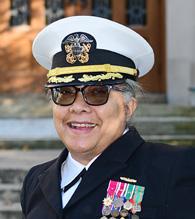
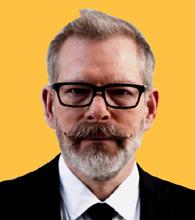
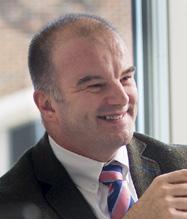
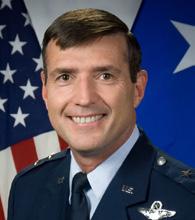
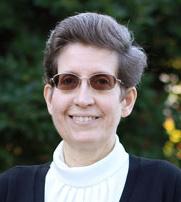
KAY MITCHELL EMIGH – The College’s first and longest serving athletic trainer, Emigh joined the Athletic Department in 1985 and retired after 32 years of service in which she worked with thousands of student-athletes.
LEO STEVENSON ’34**– A successful businessman, Stevenson operated a machine shop in Grove City and was a generous and crucial supporter for decades, earning both the Florence MacKenzie Campus Community Award and the first Alumni Association Distinguished Service award.
DR. BRIAN LEFTOW ’77*– An accomplished academic, Leftow specializes in philosophy of religion, medieval philosophy, and metaphysics. Currently a professor at Rutgers University, he is a leading Aquinas scholar and author.
DR. MAE M. (PARHAM ’82) POUGET* – A doctor and highly-decorated veteran, Pouget led medical teams all over the world for the Navy and Marines during her 26 years of active service.
MATT KIBBE ’85 – A Grove City College and George Mason University trained economist and bestselling author, Kibbe is a leading spokesperson for libertarian ideas and founded FreedomWorks, the advocacy group behind the tea party movement.
DR. CARL TRUEMAN – A professor of Theological and Religious Studies since 2018, Trueman is a prolific writer and author of several seminal books on religion and culture, including The Rise and Triumph of the Modern Self.
MAJ. GEN. ROBERT KANE ’80* – The retired Air Force major general commissioned through the Reserve Officer Training Corps program served as a command pilot, senior operational leader, and defense acquisition executive during a 33-year career.
BETTY TALLERICO – A staple of the presidential office suite, Tallerico has served three presidents, serves as advisor to Theta Alpha Pi sorority, and routinely goes above and beyond in service to the College and students.
DR. HOWARD WINKLEVOSS ’65* – The namesake of the College’s school of business, Winklevoss is a former professor of Actuarial Science at the Wharton School, author, technology entrepreneur, and investor who made the first Bitcoin gift to the College.
SUSAN ROBERTS – Roberts compiled one of the finest multi-sport coaching careers in NCAA Division III history as she amassed 750 total wins over three decades while leading women’s softball, volleyball and basketball to Presidents’ Athletic Conference titles.
DR. SCOTT POWELL – The long-serving professor of Business and Marketing, formerly an assistant in the President’s Office, retired in 2025. He was beloved by students and earned Professor of the Year honors in 2017.
CINDY WALTERS – She joined the athletic department in 1966 as an instructor of physical education and pioneered women’s sports in the 1970s. Over a 32-year career the Athletics Hall of Famer launched nine women’s varsity programs before her retirement in 1998.
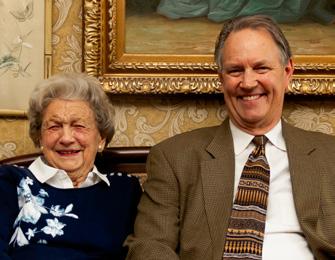
ALICE (BRYANT ’39) KETLER – The 1939 May queen and daughter-in-law of the College’s third president, Weir C. Ketler, she lived to the age of 102 and served as a matriarchal figure to campus community for generations. DR. BRUCE KETLER ’71
– The great-grandson of the College’s founder and Alice’s son was the last member of the Ketler family to work for Grove City College. The Air Force reservist served on the faculty for 41 years.
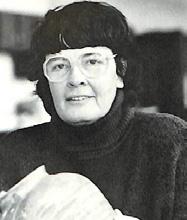
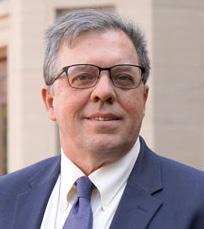
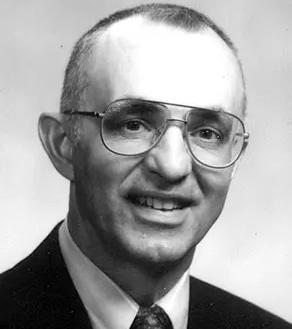
LOIS HAMILTON – A longtime art professor and watercolor artist who painted many Grove City College scenes, she was the first woman to advise a men’s housing group, the Tri Rhos, and owned the Pottery Dome for many years.
DR. MICHAEL COULTER ’91 – Coulter has been teaching political science for more than 30 years, distinguishing himself in the classroom and abroad as the leader of many international study courses.
JOHN BARR – Over a 26-year coaching career he mentored men’s cross country and basketball teams to numerous PAC championships and began the women’s cross-country program before retiring in 1998.
ROBB JONES ’75*– The attorney served as cocounsel on the landmark Grove City College v. Bell case and as a College trustee for 15 years. He was also chief of staff to Supreme Court Chief Justice William Rehnquist and one of the country’s top higher education lawyers.
WILLIE THE WOLVERINE – The College’s beloved mascot made his first appearance during the 1948 Homecoming game and was officially given the title in 1951. He serves as a symbol of school spirit, good nature, friendliness and sportsmanship.
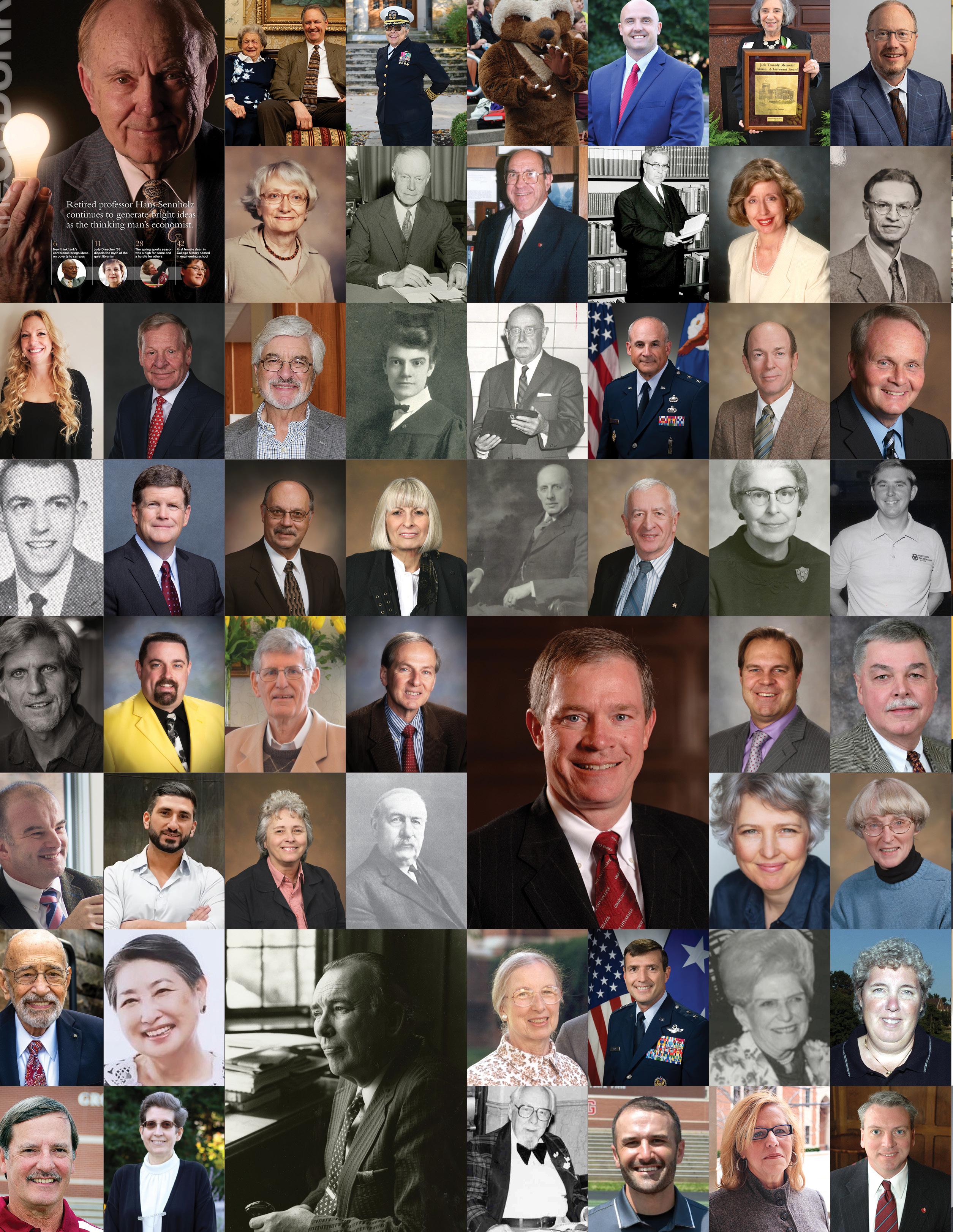
gcc.edu/celebrate150