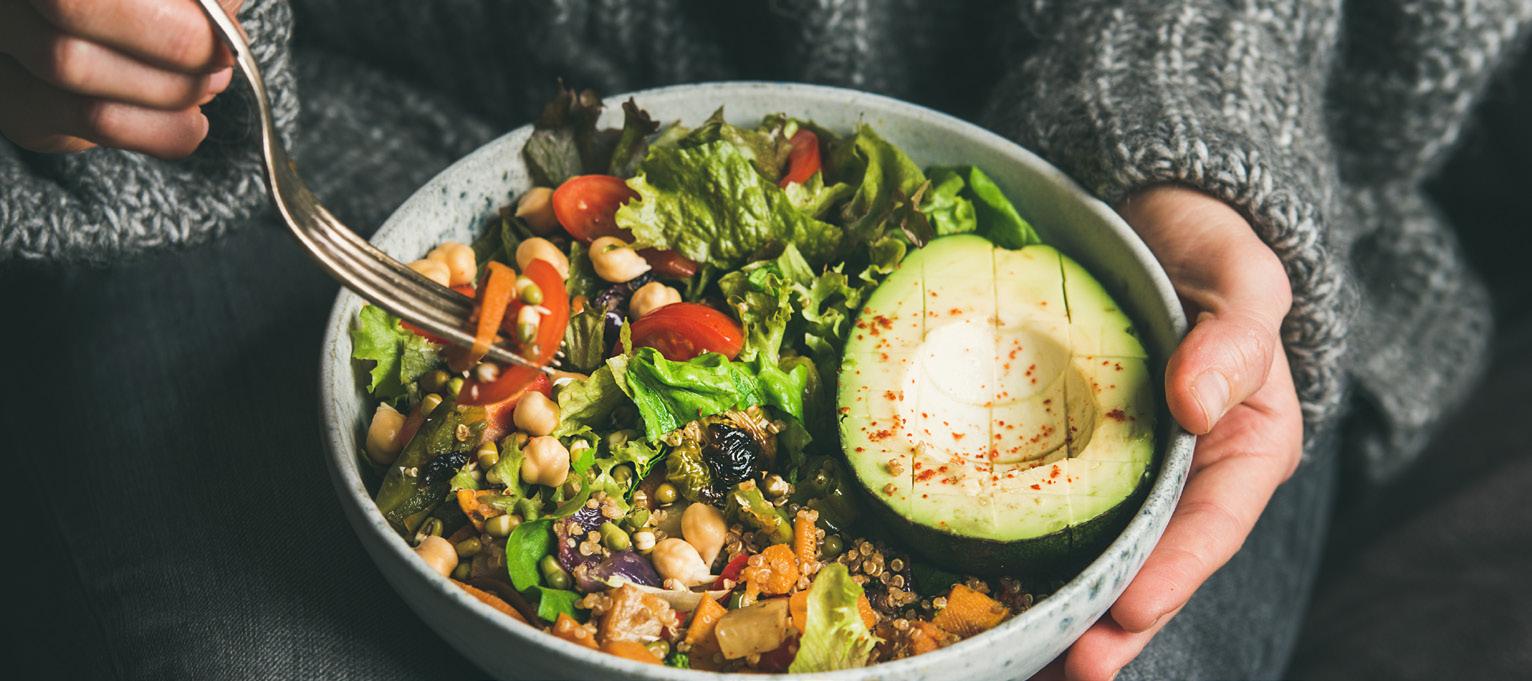
March is the perfect time to review your eating habits. Include more fruits, vegetables, whole grains, lean proteins, and healthy fats. Plan meals and pack snacks to stay on track, and remember to hydrate as the weather warms up.
Simple nutrition tips:
• Add one extra serving of vegetables each day
• Choose whole grains instead of refined grains
• Limit sugary drinks and processed foods
• Watch portion sizes
Scan here for News, Information, and Events
Gila River Health Care is a dynamic and growing organization. We are always looking for more opportunities to provide higher quality care and more options for our patients.
IN THIS ISSUE:
• National Nutrition Month: Fuel Your Body Well
• Kidney Health - What You Should Know
• Spring Allergy Management
• Colorectal Cancer Awareness
Kidney Health What You Should Know
Why Kidney Health Matters
Healthy kidneys keep your body working well. If they don’t work right, waste can build up and make you feel sick or tired. Taking care of your kidneys now protects your health.
How to Keep Your Kidneys Healthy
• Make sure to drink plenty of water every day.
• Eat healthy foods like fruits, vegetables, whole grains, and lean proteins.
• Try to limit salty snacks and sugary drinks.
• Keep active every day.
• Avoid smoking or vaping, and try to stay away from secondhand smoke.
Warning Signs to Watch For
• Very dark urine
• Pain or burning when you pee
• Swelling in your hands, feet, or face
• Feeling tired all the time
• Back pain below your ribs
What Are Kidneys and What Do They Do?
• Your kidneys are two bean-shaped organs found in your lower back.
• They clean your blood by removing waste and extra water, which leaves your body as urine.
• They help keep important minerals like sodium and potassium in balance.
• They also help control your blood pressure and keep your bones strong.
• Your kidneys help your body make red blood cells, which carry oxygen.
These signs don’t always mean something serious, but it’s important to have them checked by a doctor.
Breathe Easier This Season
Spring brings allergies for many. If you sneeze, have itchy eyes, congestion, or a runny nose, start allergy meds one to two weeks before pollen peaks.
This helps reduce inflammation early. On high pollen days, keep windows closed. Shower and change clothes after being outdoors.
Use high-quality air filters at home, check daily pollen counts, and limit outdoor time on high-pollen days to stay comfortable.
By planning ahead, you can enjoy spring’s beauty while actively managing allergy symptoms. You’ll also be prepared to continue caring for your overall health as the season begins.
Spring Cleaning for Health
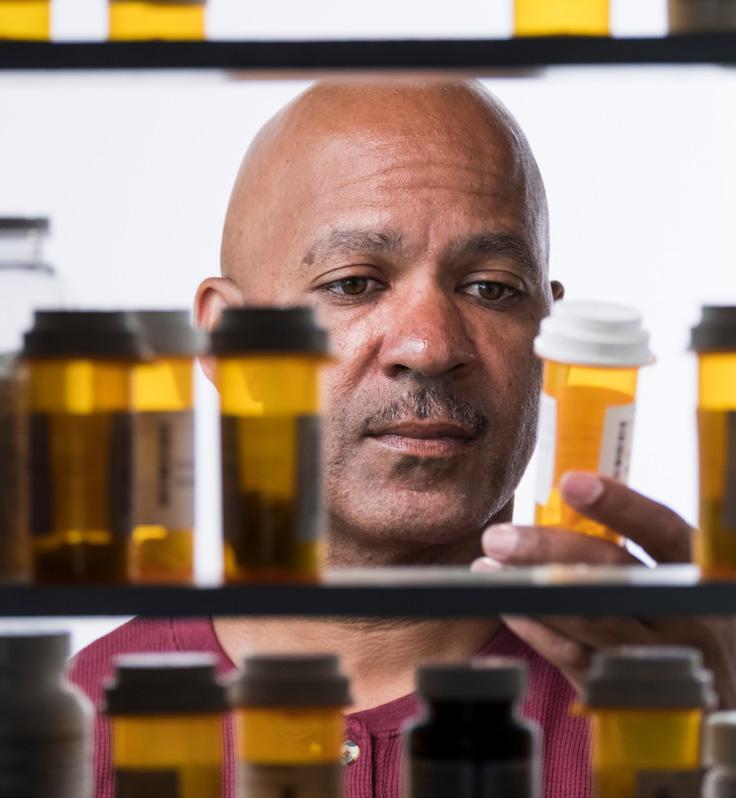
With March here, it’s time to “spring clean” your health. Check your medicine cabinet. Dispose of expired meds safely. Read storage labels and keep prescriptions organized to avoid mistakes.
Many communities have take-back programs for safe medication disposal. Spring is also an ideal time to give your mental well-being a little extra attention.
Try daily habits like mindful breathing, journaling, or short walks. These can lower stress and boost focus.
Clearing clutter brightens your home. Organizing meds and focusing on mental health will help you feel energized and ready for the season.
Screening Saves Lives
March is Colorectal Cancer Awareness Month, a reminder that early detection can save lives. Since colorectal cancer often shows no symptoms early on, regular screening is very important, especially for adults 45 and older.
Screenings include at-home stool tests like FIT and colonoscopy, which can also remove polyps. Your provider can help you choose the right option based on your age, medical history, and risk factors.
This March, take a proactive step for your health by talking with your provider about colorectal cancer screening. In addition to colorectal health, remember your kidneys play a key role, too, which is why National Kidney Month is another important focus.
Colon Cancer Screening: What You Should Know
What Is Colon Cancer?
Colon cancer occurs when harmful cells grow in the large intestine, also known as the colon. It usually begins as small growths called polyps. Most polyps are harmless at first, but some can develop into cancer over time.
Why Screening Matters
• Screening can find polyps or cancer before you notice any symptoms.
• Finding colon cancer early makes it much easier to treat.
• Screening can even prevent cancer by removing polyps before they turn dangerous.
Who Should Get Screened?
Most people should start screening around age 45.
Some people might need to start screening earlier if they have:
• A family history of colon cancer
• Symptoms such as blood in the stool or ongoing stomach pain
A medical provider can help decide the right time for you.
Types of Screening Tests
There are several safe and common tests to check for colon cancer:
1. Stool Tests
These tests check for blood in your stool and can be done at home.
2. Colonoscopy
During a colonoscopy, a doctor uses a small camera to look inside your colon. You’ll receive medicine to help you relax or sleep. If polyps are found, the doctor can remove them immediately.
How to Prepare for Screening
How you prepare depends on the test you choose.
For a colonoscopy, you usually:
• Drink a special liquid to clean out your colon.
• Follow instructions about what to eat or drink.
• Arrange for someone to drive you home.
Stool tests usually don’t require any special diet or medicine.
Signs You Should Tell a Doctor About
Even if you’re not old enough for screening, see a doctor if you notice:
• Blood in your stool
• Stomach pain that doesn’t go away
• Unexplained weight loss
• Changes in how often you use the bathroom
These symptoms don’t always mean cancer, but it’s important to get them checked.
How
You Can Protect Your Colon
• Eat fruit, vegetables, and whole grains.
• Stay physically active
• Limit red and processed meats.
• Avoid smoking and limit how much alcohol you drink.
• Keep a healthy weight.
Healthy habits help protect your colon and your overall health.
Myth #1
EYE CLINIC
Eye Health: Facts vs. Myths
Learn the truth about eye exams, vision care, and keeping your eyes healthy.
“I see fine, so I don’t need an eye exam.”
FALSE
Some eye conditions do not cause pain or vision changes at first.
Regular eye exams help detect problems early and protect your vision.
Schedule routine eye exams to check both vision and eye health.
Myth #2
“Eye exams are only available once a year.”
FALSE
Some eye conditions require multiple visits per year.
Call the Eye Clinic Right Away If You Notice:
• New blurry vision or vision loss
• Red or painful eyes
• Mucus or discharge from the eye
• New flashes of light or floaters
• Double vision
If you are unsure about symptoms, call the eye clinic for guidance.
Myth #3
“Eye photos without drops are the same as a full eye exam.”
FALSE
• Photos without drops only show part of the back of the eye
• Eye drops allow doctors to fully examine eye health.
A dilated eye exam provides the most complete check.
Fact #4
“My child is starting kindergarten. They need an eye exam.”
TRUE
Doctors recommend eye exams:
• 6–12 months old
• Age 3
• Before starting school
Schedule your child’s exam a few months before kindergarten to allow time for glasses if needed.
Myth #5
“Eating carrots will help me see better.”
FALSE
Carrots are healthy, but they do not fix vision problems.
Foods That Support Eye Health
Leafy greens (spinach, kale)
Fish (salmon, tuna)
Orange vegetables (carrots, sweet potatoes)
Fruits and vegetables
Eggs
A healthy diet helps support your eyes, but regular eye exams are still important.
WE CARE ABOUT YOUR EYES!
Please call to schedule your eye exam or to check for same day appointment availability.
KOMATKE HEALTH CENTER: 520-550-6012
HAU’PAL (RED TAIL HAWK) HEALTH CENTER: 520-796-2690
HU HU KAM MEMORIAL HOSPITAL: 520-562-3321 EXT. 7365
Shamrock Avocado Mint Parfaits
Want to make a festive dessert for St. Patrick’s Day? These Creamy Avocado Mint Parfaits are the jam!
WHY IT’S HEALTHY:
• Heart-healthy fats from avocado
• Naturally sweetened with honey or maple syrup
• Packed with fiber and antioxidants
• No artificial dyes — just natural green color
INGREDIENTS (SERVES 4)
MINT AVOCADO CREAM:
• 2 ripe avocados
• ¼ cup plain Greek yogurt
• 2–3 tbsp honey or pure maple syrup
• 1–2 tbsp fresh lime juice
• ¼ tsp pure peppermint extract
• Handful of fresh spinach (optional, for brighter green color)
DIRECTIONS
1. Blend Mint Avocado Cream ingredients until smooth.
LAYERS:
• 1 cup vanilla Greek yogurt
• ½ cup crushed dark chocolate (70% cacao or higher) or cacao nibs
• ½ cup crushed pistachios or granola
2. For each serving, use a clear glass or parfait dish. Layer vanilla Greek yogurt, then mint avocado cream, and top with dark chocolate or pistachios. Repeat the layering process until the glass is filled to the desired level.
3. After assembling, chill the parfaits for 30 minutes before serving. Add fresh mint leaves on top of each parfait just before serving for a festive appearance.
For a lighter version, skip the chocolate and use fresh berries instead.
Make it dairy-free: Use coconut yogurt instead of Greek yogurt.
Kid-friendly option: Reduce peppermint slightly for a milder flavor.
GILA RIVER HEALTH CARE RESOURCES
FREQUENTLY CALLED EXTENSIONS
Hu Hu Kam Memorial Hospital
Main Number: (520) 562-3321
Behavioral Health Ext 7100
Customer Service
Dental
Ext 1177 / 4017
Ext 1209
Imaging Ext 1232
Infusion Clinic
Inpatient Clinic
Laboratory
Ext 1219
Ext 1218
Ext 1220
Life Center Ext 7940
Optometry
Patient Registration
Ext 7365
Ext 1204
Pharmacy Refill Line Ext 1270
Physical Therapy Ext 1230
Podiatry
Primary Care
Ext 1258
Ext 1495
Purchased Referred Care Ext 6025
Women’s Health Clinic Ext 1400
Hau’pal (Red Tail Hawk) Health Center
PATIENT NOTICE: Laboratory Order Process Update
Audiology
In an effort to improve the quality of our patient care, we are changing the process of accepting external (nonGila River Health Care) laboratory orders.
Ext . 2965
Behavioral Health Ext 2620
Customer Service
Dental
External orders for laboratory services will be completed after a patient care visit with one of our providers.
Ext
2619
Please present your laboratory order to the Patient Registration desk, and we will be happy to assist you through our new, quick process.
Ext
2682
Imaging Ext 2655
Infusion Clinic Ext 1219
Inpatient Clinic
If you have any additional questions, please contact us (520) 562-3321 Ext.1220.
Ext
1218 Laboratory
Life Center
Optometry
Patient Registration
Podiatry Primary Care
View our Health Update Newsletter for the month of March.
In this edition
HEALTH UPDATES AND EDUCATION
• Health updates and Education
• National Nutrition Month
• 20 Simple Nutrition Tips
• Life Center for Wellness
Scan QR code to view!
Collection and processing of external laboratory orders are available during the hours below:
Hu Hu Kam Memorial Hospital
Monday - Thursday 8:00 am - 6:15 pm Friday 8:00 am - 5:15 pm
Saturday 8:00 am - 5:00 pm
Komatke Health Center
Monday - Friday 8:00 am - 5:15 pm
Saturday & Sunday - Closed
Hau’pal (Red Tail Hawk) Health Center
Monday - Friday 8:00 am - 5:15 pm
Saturday & Sunday - Closed
PHN Office Serving District 1 Community
PHN Office Serving District 2 Community .
(520) 215-2110
(520) 562-3450
PHN Office Serving District 3 Community (520) 562-3321
PHN Office Serving District 4 Community (520) 418-2845
PHN Office Serving District 5 Community (520) 315-3826 / 3242
PHN Office Serving District 6 & 7 Community
Access our monthly calendar online at GRHC.ORG/BHS. Call us for more information at (520) 610-2394 or email us BHSprevention@GRHC.ORG